10,000 Matching Annotations
  1. Jan 2026
    1. Author response:

      The following is the authors’ response to the original reviews.

      Public Reviews:  

      Reviewer #1 (Public review):  

      Summary:  

      The image analysis pipeline is tested in analysing microscopy imaging data of gastruloids of varying sizes, for which an optimised protocol for in toto image acquisition is established based on whole mount sample preparation using an optimal refractive index matched mounting media, opposing dual side imaging with two-photon microscopy for enhanced laser penetration, dual view registration, and weighted fusion for improved in toto sample data representation. For enhanced imaging speed in a two-photon microscope, parallel imaging was used, and the authors performed spectral unmixing analysis to avoid issues of signal cross-talk.  

      In the image analysis pipeline, different pre-treatments are done depending on the analysis to be performed (for nuclear segmentation - contrast enhancement and normalisation; for quantitative analysis of gene expression - corrections for optical artifacts inducing signal intensity variations). Stardist3D was used for the nuclear segmentation. The study analyses into properties of gastruloid nuclear density, patterns of cell division, morphology, deformation, and gene expression.  

      Strengths:  

      The methods developed are sound, well described, and well-validated, using a sample challenging for microscopy, gastruloids. Many of the established methods are very useful (e.g. registration, corrections, signal normalisation, lazy loading bioimage visualisation, spectral decomposition analysis), facilitate the development of quantitative research, and would be of interest to the wider scientific community.

      We thank the reviewer for this positive feedback.

      Weaknesses:  

      A recommendation should be added on when or under which conditions to use this pipeline. 

      We thank the reviewer for this valuable feedback, we added the text in the revised version, ines 418 to 474. “In general, the pipeline is applicable to any tissue, but it is particularly useful for large and dense 3D samples—such as organoids, embryos, explants, spheroids, or tumors—that are typically composed of multiple cell layers and have a thickness greater than 50 µm”.

      “The processing and analysis pipeline are compatible with any type of 3D imaging data (e.g. confocal, 2 photon, light-sheet, live or fixed)”.

      “Spectral unmixing to remove signal cross-talk of multiple fluorescent targets is typically more relevant in two-photon imaging due to the broader excitation spectra of fluorophores compared to single-photon imaging. In confocal or light-sheet microscopy, alternating excitation wavelengths often circumvents the need for unmixing. Spectral decomposition performs even better with true spectral detectors; however, these are usually not non-descanned detectors, which are more appropriate for deep tissue imaging. Our approach demonstrates that simultaneous cross-talk-free four-color two-photon imaging can be achieved in dense 3D specimen with four non-descanned detectors and co-excitation by just two laser lines. Depending on the dispersion in optically dense samples, depth-dependent apparent emission spectra need to be considered”.

      “Nuclei segmentation using our trained StarDist3D model is applicable to any system under two conditions: (1) the nuclei exhibit a star-convex shape, as required by the StarDist architecture, and (2) the image resolution is sufficient in XYZ to allow resampling. The exact sampling required is object- and system-dependent, but the goal is to achieve nearly isotropic objects with diameters of approximately 15 pixels while maintaining image quality. In practice, images containing objects that are natively close to or larger than 15 pixels in diameter should segment well after resampling. Conversely, images with objects that are significantly smaller along one or more dimensions will require careful inspection of the segmentation results”.

      “Normalization is broadly applicable to multicolor data when at least one channel is expected to be ubiquitously expressed within its domain. Wavelength-dependent correction requires experimental calibration using either an ubiquitous signal at each wavelength. Importantly, this calibration only needs to be performed once for a given set of experimental conditions (e.g., fluorophores, tissue type, mounting medium)”.

      “Multi-scale analysis of gene expression and morphometrics is applicable to any 3D multicolor image. This includes both the 3D visualization tools (Napari plugins) and the various analytical plots (e.g., correlation plots, radial analysis). Multi-scale analysis can be performed even with imperfect segmentation, as long as segmentation errors tend to cancel out when averaged locally at the relevant spatial scale. However, systematic errors—such as segmentation uncertainty along the Z-axis due to strong anisotropy—may accumulate and introduce bias in downstream analyses. Caution is advised when analyzing hollow structures (e.g., curved epithelial monolayers with large cavities), as the pipeline was developed primarily for 3D bulk tissues, and appropriate masking of cavities would be needed”.

      Reviewer #2 (Public review):  

      Summary:  

      This study presents an integrated experimental and computational pipeline for high-resolution, quantitative imaging and analysis of gastruloids. The experimental module employs dual-view two-photon spectral imaging combined with optimized clearing and mounting techniques to image whole-mount immunostained gastruloids. This approach enables the acquisition of comprehensive 3D images that capture both tissue-scale and single-cell level information.  

      The computational module encompasses both pre-processing of acquired images and downstream analysis, providing quantitative insights into the structural and molecular characteristics of gastruloids. The pre-processing pipeline, tailored for dual-view two-photon microscopy, includes spectral unmixing of fluorescence signals using depth-dependent spectral profiles, as well as image fusion via rigid 3D transformation based on content-based block-matching algorithms. Nuclei segmentation was performed using a custom-trained StarDist3D model, validated against 2D manual annotations, and achieving an F1 score of 85+/-3% at a 50% intersection-over-union (IoU) threshold. Another custom-trained StarDist3D model enabled accurate detection of proliferating cells and the generation of 3D spatial maps of nuclear density and proliferation probability. Moreover, the pipeline facilitates detailed morphometric analysis of cell density and nuclear deformation, revealing pronounced spatial heterogeneities during early gastruloid morphogenesis.  

      All computational tools developed in this study are released as open-source, Python-based software.  

      Strengths:  

      The authors applied two-photon microscopy to whole-mount deep imaging of gastruloids, achieving in toto visualization at single-cell resolution. By combining spectral imaging with an unmixing algorithm, they successfully separated four fluorescent signals, enabling spatial analysis of gene expression patterns.  

      The entire computational workflow, from image pre-processing to segmentation with a custom-trained StarDist3D model and subsequent quantitative analysis, is made available as open-source software. In addition, user-friendly interfaces are provided through the open-source, community-driven Napari platform, facilitating interactive exploration and analysis.

      We thank the reviewer for this positive feedback.

      Weaknesses:  

      The computational module appears promising. However, the analysis pipeline has not been validated on datasets beyond those generated by the authors, making it difficult to assess its general applicability.

      We agree that applying our analysis pipeline to published datasets—particularly those acquired with different imaging systems—would be valuable. However, only a few high-resolution datasets of large organoid samples are publicly available, and most of these either lack multiple fluorescence channels or represent 3D hollow structures. Our computational pipeline consists of several independent modules: spectral filtering, dual-view registration, local contrast enhancement, 3D nuclei segmentation, image normalization based on a ubiquitous marker, and multiscale analysis of gene expression and morphometrics. We added the following sentences to the Discussion, lines 418 to 474, and completed the discussion on applicability with a table showing the purpose, requirements, applicability and limitations of each step of the processing and analysis pipeline.

      “Spectral filtering has already been applied in other systems (e.g. [7] and [8]), but is here extended to account for imaging depth-dependent apparent emission spectra of the different fluorophores. In our pipeline, we provide code to run spectral filtering on multichannel images, integrated in Python. In order to apply the spectral filtering algorithm utilized here, spectral patterns of each fluorophore need to be calibrated as a function of imaging depth, which depend on the specific emission windows and detector settings of the microscope”.

      “Image normalization using a wavelength-dependent correction also requires calibration on a given imaging setup to measure the difference in signal decay among the different fluorophores species. To our knowledge, the calibration procedures for spectral-filtering and our image-normalization approach have not been performed previously in 3D samples, which is why validation on published datasets is not readily possible. Nevertheless, they are described in detail in the Methods section, and the code used—from the calibration measurements to the corrected images—is available open-source at the Zenodo link in the manuscript”.

      Dual-view registration, local contrast enhancement, and multiscale analysis of gene expression and morphometrics are not limited to organoid data or our specific imaging modalities. To evaluate our 3D nuclei segmentation model, we tested it on diverse systems, including gastruloids stained with the nuclear marker Draq5 from Moos et al. [1]; breast cancer spheroids; primary ductal adenocarcinoma organoids; human colon organoids and HCT116 monolayers from Ong et al. [2]; and zebrafish tissues imaged by confocal microscopy from Li et al [3]. These datasets were acquired using either light-sheet or confocal microscopy, with varying imaging parameters (e.g., objective lens, pixel size, staining method). The results are added in the manuscript, Fig. S9b.

      Besides, the nuclei segmentation component lacks benchmarking against existing methods.  

      We agree with the reviewer that a benchmark against existing segmentation methods would be very useful. We tried different pre-trained models:

      CellPose, which we tested in a previous paper ([4]) and which showed poor performances compared to our trained StarDist3D model.

      DeepStar3D ([2]) is only available in the software 3DCellScope. We could not benchmark the model on our data, because the free and accessible version of the software is limited to small datasets. An image of a single whole-mount gastruloid with one channel, having dimensions (347,467,477) was too large to be processed, see screenshot below. The segmentation model could not be extracted from the source code and tested externally because the trained DeepStar3D weights are encrypted.

      Author response image 1.

      Screenshot of the 3DCellScore software. We could not perform 3D nuclei segmentation of a whole-mount gastruloids because the image size was too large to be processed.

      AnyStar ([5]), which is a model trained from the StarDist3D architecture, was not performing well on our data because of the heterogeneous stainings. Basic pre-processing such as median and gaussian filtering did not improve the results and led to wrong segmentation of touching nuclei. AnyStar was demonstrated to segment well colon organoids in Ong et al, 2025 ([2]), but the nuclei were more homogeneously stained. Our Hoechst staining displays bright chromatin spots that are incorrectly labeled as individual nuclei.

      Cellos ([6]), another model trained from StarDist3D, was also not performing well. The objects used for training and to validate the results are sparse and not touching, so the predicted segmentation has a lot of false negatives even when lowering the probability threshold to detect more objects. Additionally, the network was trained with an anisotropy of (9,1,1), based on images with low z resolution, so it performed poorly on almost isotropic images. Adapting our images to the network’s anisotropy results in an imprecise segmentation that can not be used to measure 3D nuclei deformations.

      We tried both Cellos and AnyStar predictions on a gastruloid image from Fig. S2 of our main manuscript.  The results are added in the manuscript, Fig. S9b. Fig3 displays the results qualitatively compared to our trained model Stardist-tapenade.

      Author response image 2.

      Qualitative comparison of two published segmentation models versus our model. We show one slice from the XY plane for simplicity. Segmentations are displayed with their contours only. (Top left) Gastruloid stained with Hoechst, image extracted from Fig S2 of our manuscript. (Top right) Same image overlayed with the prediction from the Cellos model, showing many false negatives. (Bottom left) Same image overlayed with the prediction from our Stardist-tapenade model. (Bottom right) Same image overlayed with the prediction from the AnyStar model, false positives are indicated with a red arrow.

      CellPose-SAM, which is a recent model developed building on the CellPose framework. The pre-trained model performs well on gastruloids imaged using our pipeline, and performs better than StarDist3D at segmenting elongated objects such as deformed nuclei. The performances are qualitatively compared on Fig. S9a and S10.  We also demonstrate how using local contrast enhancement improves the results of CellPose-SAM (Fig. S10a), showing the versatility of the Tapenade pre-processing module. Tissue-scale, packing-related metrics from Cellpose–SAM labels qualitatively match those from stardist-tapenade as shown Fig.10c and d.

      Appraisal:  

      The authors set out to establish a quantitative imaging and analysis pipeline for gastruloids using dual-view two-photon microscopy, spectral unmixing, and a custom computational framework for 3D segmentation and gene expression analysis. This aim is largely achieved. The integration of experimental and computational modules enables high-resolution in toto imaging and robust quantitative analysis at the single-cell level. The data presented support the authors' conclusions regarding the ability to capture spatial patterns of gene expression and cellular morphology across developmental stages.  

      Impact and utility:  

      This work presents a compelling and broadly applicable methodological advance. The approach is particularly impactful for the developmental biology community, as it allows researchers to extract quantitative information from high-resolution images to better understand morphogenetic processes. The data are publicly available on Zenodo, and the software is released on GitHub, making them highly valuable resources for the community.  

      We thank the reviewer for these positive feedbacks.

      Reviewer #3 (Public review):

      Summary  

      The paper presents an imaging and analysis pipeline for whole-mount gastruloid imaging with two-photon microscopy. The presented pipeline includes spectral unmixing, registration, segmentation, and a wavelength-dependent intensity normalization step, followed by quantitative analysis of spatial gene expression patterns and nuclear morphometry on a tissue level. The utility of the approach is demonstrated by several experimental findings, such as establishing spatial correlations between local nuclear deformation and tissue density changes, as well as the radial distribution pattern of mesoderm markers. The pipeline is distributed as a Python package, notebooks, and multiple napari plugins.  

      Strengths  

      The paper is well-written with detailed methodological descriptions, which I think would make it a valuable reference for researchers performing similar volumetric tissue imaging experiments (gastruloids/organoids). The pipeline itself addresses many practical challenges, including resolution loss within tissue, registration of large volumes, nuclear segmentation, and intensity normalization. Especially the intensity decay measurements and wavelength-dependent intensity normalization approach using nuclear (Hoechst) signal as reference are very interesting and should be applicable to other imaging contexts. The morphometric analysis is equally well done, with the correlation between nuclear shape deformation and tissue density changes being an interesting finding. The paper is quite thorough in its technical description of the methods (which are a lot), and their experimental validation is appropriate. Finally, the provided code and napari plugins seem to be well done (I installed a selected list of the plugins and they ran without issues) and should be very helpful for the community.

      We thank the reviewer for his positive feedback and appreciation of our work.

      Weaknesses  

      I don't see any major weaknesses, and I would only have two issues that I think should be addressed in a revision:  

      (1) The demonstration notebooks lack accompanying sample datasets, preventing users from running them immediately and limiting the pipeline's accessibility. I would suggest to include (selective) demo data set that can be used to run the notebooks (e.g. for spectral unmixing) and or provide easily accessible demo input sample data for the napari plugins (I saw that there is some sample data for the processing plugin, so this maybe could already be used for the notebooks?).  

      We thank the reviewer for this relevant suggestion. The 7 notebooks were updated to automatically download sample tests. The different parts of the pipeline can now be run immediately:

      https://github.com/GuignardLab/tapenade/tree/chekcs_on_notebooks/src/tapenade/notebooks

      (2) The results for the morphometric analysis (Figure 4) seem to be only shown in lateral (xy) views without the corresponding axial (z) views. I would suggest adding this to the figure and showing the density/strain/angle distributions for those axial views as well.

      A morphometric analysis based on the axial views was added as Fig. S6a of the manuscript, complementary to the XY views.

      Recommendations for the authors:

      Reviewer #1 (Recommendations for the authors):  

      In lines 64 and 65, it is mentioned that confocal and light-sheet microscopy remain limited to samples under 100μm in diameter. I would recommend revising this sentence. In the paper of Moos and colleagues (also cited in this manuscript; PMID: 38509326), gastruloid samples larger than 100μm are imaged in toto with an open-top dual-view and dual-illumination light-sheet microscope, and live cell behaviour is analysed. Another example, if considering also multi-angle systems, is the impressive work of McDole and colleagues (PMID: 30318151), in which one of the authors of this manuscript is a corresponding author. There, multi-angle light sheet microscopy is used for in toto imaging and reconstruction of post-implantation mouse development (samples much larger than 100μm). Some multi-sample imaging strategies have been developed for this type of imaging system, though not to the sample number extent allowed by the Viventis LS2 system or the Bruker TruLive3D imager, which have higher image quality limitations.

      We thank the reviewer for this remark. As reported in their paper, Moos et al. used dual-view light-sheet microscopy to image gastruloids, which are particularly dense and challenging tissues, with whole-mount samples of approximately 250 µm in diameter. Nevertheless, their image quality metric (DCT) shows a rapid twofold decrease within 50 µm depth (Extended Fig 5.h), whereas with two-photon microscopy, our image quality metric (FRC-QE) decreases by a factor of two over 150 µm in non-cleared samples (PBS) (see Fig. 2 c). While these two measurements (FRC-QE versus DCT) are not directly comparable, the observed difference reflects the superior depth performance of two-photon microscopy, owing in part to the use of non-descanned detectors. In our case, imaging was performed with Hoechst, a blue fluorophore suboptimal for deep imaging, whereas in the Moos dataset (Draq5, far-red), the configuration was more favorable for imaging in depth  which further supports our conclusion.

      In McDole et al, tissues reaching 250µm were imaged from 4 views, but do not reach cellular-scale resolution in deeper layers compatible with cell segmentation to our knowledge.

      We corrected the sentence ‘However, light-sheet and confocal imaging approaches remain limited to relatively small organoids typically under 100 micrometers in diameter ‘ by the following (line 64) :

      “While advances in light-sheet microscopy have extended imaging depth in organoids, maintaining high image quality throughout thick samples remains challenging. In practice, quantitative analyses are still largely restricted to organoids under roughly 100 µm in diameter”.

      It is worth mentioning that two-photon microscopes are much more widely available than light sheet microscopes, and light sheet systems with 2-photon excitation are even less accessible, which makes the described workflow of Gros and colleagues have a wide community interest.  

      We thank the reviewer for this remark, and added this suggestion line 74:

      “Finally, two-photon microscopes are typically more accessible than light-sheet systems and allow for straightforward sample mounting, as they rely on procedures comparable to standard confocal imaging”.

      Reviewer #2 (Recommendations for the authors):  

      Suggestions:  

      A comparison with established pre-trained models for 3D organoid image segmentation (e.g., Cellos[1], AnyStar[2], and DeepStar3D[3], all based on StarDist3D) would help highlight the advantages of the authors' custom StarDist3D model, which has been specifically optimized for two-photon microscopy images.  

      (1)  Cellos: https://doi.org/10.1038/s41467-023-44162-6

      (2)  AnyStar: https://doi.org/10.1109/WACV57701.2024.00742

      (3)  DeepStar3D: https://doi.org/10.1038/s41592-025-02685-4

      We agree with the reviewer that a benchmark against existing segmentation methods is very useful. This is addressed in the revised version, as detailed above (Figure 3).

      Recommendations:  

      Please clarify the following point. In line 195, the authors state, "This allowed us to detect all mitotic nuclei in whole-mount samples for any stage and size." Does this mean that the custom-trained StarDist3D model can detect 100% of mitotic nuclei? It was not clear from the manuscript, figures, or videos how this was validated. Given the reported performance scores of the StarDist3D model for detecting all nuclei, claiming 100% detection of mitotic nuclei seems surprisingly high.

      We thank the reviewer for this comment. As it was detailed in the methods section, the detection score reaches 82%, and only the complete pipeline (detection+minimal manual curation) allows us to detect all mitotic nuclei. To make it clearer, the following precisions were added in the Results section:

      ”To detect division events, we stained gastruloids with phosphohistone H3 (ph3) and trained a separate custom Stardist3D model using 3D annotations of nuclei expressing ph3 (see Methods III H). This model together allowed us to detect nearly all mitotic nuclei in whole-mount samples for any stage and size (Fig.3f and Suppl.Movie 4), and we used minimal manual curation to correct remaining errors.”

      Minor corrections:  

      It appears that Figures 4-6 are missing from the submitted version, but they can be found in the manuscript available on bioRxiv.

      We thank the reviewer for this remark, this was corrected immediately to add Figures 4 to 6.

      In line 185, is the intended phrase "by comparing the 2D predictions and the 2D sliced annotated segments..."? 

      To gain some clarity, we replaced the initial sentence:

      “The f1 score obtained by comparing the 3D prediction and the 3D ground-truth is well approximated by the f1 score obtained by comparing the 2D annotations and the 2D sliced annotated segments, with at most a 5% difference between the two scores.” by

      “The f1 score obtained in 3D (3D prediction compared with the 3D ground-truth) is well approximated by the f1 score obtained in 2D (2D predictions compared with the 2D sliced annotated segments). The difference between the 2 scores was at most 5%.”

      Reviewer #3 (Recommendations for the authors):

      (1) How is the "local neighborhood volume" defined, and how was it computed?

      The reviewer is referring to this paragraph (the term is underscored) :

      “To probe quantities related to the tissue structure at multiple scales, we smooth their signal with a Gaussian kernel of width σ, with σ defined as the spatial scale of interest. From the segmented nuclei instances, we compute 3D fields of cell density (number of cells per unit volume), nuclear volume fraction (ratio of nuclear volume to local neighborhood volume), and nuclear volume at multiple scales.”

      To improve clarity, the phrasing has been revised: the term local neighborhood volume has been replaced by local averaging volume, and a reference to the Methods section has been added.

      From the segmented nuclei instances, we compute 3D fields of cell density (number of cells per unit volume), nuclear volume fraction (ratio of space occupied by nuclear volume within the local averaging volume, as defined in the Methods III I), and nuclear volume at multiple scales.

      (2) In the definition of inertia tensor (18), isn't the inner part normally defined in the reversed way (delta_i,j - ...)?

      We thank the reviewer for noticing this error, which we fixed in the manuscript.

      (3) For intensity normalization, the paper uses the Hoechst signal density as a proxy for a ubiquitous nuclei signal. I would assume that this is problematic, for eg, dividing cells (which would overestimate it). Would using the average Hoechst signal per nucleus mask (as segmentation is available) be a better proxy?

      We agree that this idea is appealing if one assumes a clear relationship between nuclear volume and Hoechst intensity. However, since cell and nuclear volumes vary substantially with differentiation state (see Fig. 4), such a normalization approach would introduce additional biases at large spatial scales. We believe that the most robust improvement would instead consist in masking dividing cells during the normalization procedure, as these events could be detected and excluded from the computation.

      Nonetheless, we believe the method proposed by the reviewer could prove relevant for other types of data, so we will implement this recommendation in the code available in the Tapenade package.

      (4) Figures 4-6 were part of the Supplementary Material, but should be included in the main text?

      We thank the reviewer for this remark, this was corrected immediately to add Figures 4-6.

      We also noticed a missing reference to Fig. S3 in the main text, so we added lines 302 to 307 to comment on the wavelength-dependency of the normalization method. We improved the description of Fig.6, which lacked clarity (line 316 to 321, line 327).

      (1) Moos, F., Suppinger, S., de Medeiros, G., Oost, K.C., Boni, A., Rémy, C., Weevers, S.L., Tsiairis, C., Strnad, P. and Liberali, P., 2024. Open-top multisample dual-view light-sheet microscope for live imaging of large multicellular systems. Nature Methods, 21(5), pp.798-803.

      (2) Ong, H. T.; Karatas, E.; Poquillon, T.; Grenci, G.; Furlan, A.; Dilasser, F.; Mohamad Raffi, S. B.; Blanc, D.; Drimaracci, E.; Mikec, D.; Galisot, G.; Johnson, B. A.; Liu, A. Z.; Thiel, C.; Ullrich, O.; OrgaRES Consortium; Racine, V.; Beghin, A. (2025). Digitalized organoids: integrated pipeline for high-speed 3D analysis of organoid structures using multilevel segmentation and cellular topology.  Nature Methods, 22(6), pp.1343-1354

      (3) Li, L., Wu, L., Chen, A., Delp, E.J. and Umulis, D.M., 2023. 3D nuclei segmentation for multi-cellular quantification of zebrafish embryos using NISNet3D. Electronic Imaging, 35, pp.1-9.

      (4) Vanaret, J., Dupuis, V., Lenne, P. F., Richard, F., Tlili, S., & Roudot, P. (2023). A detector-independent quality score for cell segmentation without ground truth in 3D live fluorescence microscopy. IEEE Journal of Selected Topics in Quantum Electronics, 29(4:Biophotonics), 1-12.

      (5) Dey, N., Abulnaga, M., Billot, B., Turk, E. A., Grant, E., Dalca, A. V., & Golland, P. (2024). AnyStar: Domain randomized universal star-convex 3D instance segmentation. In Proceedings of the IEEE/CVF Winter Conference on Applications of Computer Vision (pp. 7593-7603).

      (6) Mukashyaka, P., Kumar, P., Mellert, D. J., Nicholas, S., Noorbakhsh, J., Brugiolo, M., ... & Chuang, J. H. (2023). High-throughput deconvolution of 3D organoid dynamics at cellular resolution for cancer pharmacology with Cellos. Nature Communications, 14(1), 8406.

      (7) Rakhymzhan, A., Leben, R., Zimmermann, H., Günther, R., Mex, P., Reismann, D., ... & Niesner, R. A. (2017). Synergistic strategy for multicolor two-photon microscopy: application to the analysis of germinal center reactions in vivo. Scientific reports, 7(1), 7101.

      (8) Dunsing, V., Petrich, A., & Chiantia, S. (2021). Multicolor fluorescence fluctuation spectroscopy in living cells via spectral detection. Elife, 10, e69687.

    1. To m o v e f r o m r e a d i n g t o w r i t i n g , y o u n e e d t o r e a d a c t i v e l y, i n a t h o u g h t -ful spirit, and with an alert, inquiring mind. Reading actively means learning how to analyze what you read.

      Active reading is a skill that if learned properly I believe really elevates what you get out of whatever it is that you are reading. Understanding the piece and remembering parts of it come so much easier if you active read.

    1. Reviewer #3 (Public review):

      Summary:

      The authors describe an interesting study of arm movements carried out in weightlessness after a prolonged exposure to the so-called microgravity conditions of orbital spaceflight. Subjects performed radial point-to-point motions of the fingertip on a touch pad. The authors note a reduction in movement speed in weightlessness, which they hypothesize could be due to either an overall strategy of lowering movement speed to better accommodate the instability of the body in weightlessness or an underestimation of body mass. They conclude for the latter, mainly based on two effects. One, slowing in weightlessness is greater for movement directions with higher effective mass at the end effector of the arm. Two, they present evidence for increased number of corrective submovements in weightlessness. They contend that this provides conclusive evidence to accept the hypothesis of an underestimation of body mass.

      Strengths:

      In my opinion, the study provides a valuable contribution, the theoretical aspects are well presented through simulations, the statistical analyses are meticulous, the applicable literature is comprehensively considered and cited and the manuscript is well written.

      Weaknesses:

      I nevertheless am of the opinion that the interpretation of the observations leaves room for other possible explanations of the observed phenomenon, thus weakening the strength of the arguments.

      To strengthen the conclusions, I feel that the following points would need to be addressed:

      (1) The authors model the movement control through equations that derive the input control variable in terms of the force acting on the hand and treating the arm as a second-order low pass filter (Eq. 13). Underestimation of the mass in the computation of a feedforward command would lead to a lower-than-expected displacement to that command. But it is not clear if and how the authors account for a potential modification of the time constants of the 2nd order system. The CNS does not effectuate movements with pure torque generators. Muscles have elastic properties that depend on their tonic excitation level, reflex feedback and other parameters. Indeed, Fisk et al.* showed variations of movement characteristics consistent with lower muscle tone, lower bandwidth and lower damping ratio in 0g compared to 1g. Could the variations in the response to the initial feedforward command be explained by a misrepresentation of the limbs damping and natural frequency, leading to greater uncertainty to the consequences of the initial command. This would still be an argument for un-adapted feedforward control of the movement, leading to the need for more corrective movements. But it would not necessarily reflect an underestimation of body mass.

      *Fisk, J. O. H. N., Lackner, J. R., & DiZio, P. A. U. L. (1993). Gravitoinertial force level influences arm movement control. Journal of neurophysiology, 69(2), 504-511.

      While the authors attempt to differentiate their study from previous studies where limb neuromechanical impedance was shown to be modified in weightlessness by emphasizing that in the current study the movements were rapid and the initial movement is "feedforward". But this incorrectly implies that the limb's mechanical response to the motor command is determined only by active feedback mechanisms. In fact:

      (a) All commands to the muscle pass through the motor neurons. These neurons receive descending activations related not only to the volitional movement, but also to the dynamic state of the body and the influence of other sensory inputs, including the vestibular system. A decrease in descending influences from the vestibular organs will lower the background sensitivity to all other neural influences on the motor neuron. Thus, the motor neuron may be less sensitive to the other volitional and reflexive synaptic inputs that it may receive.

      (b) Muscle tone plays a significant role in determining the force and the time course of the muscle contraction. In a weightless environment, where tonic muscle activity is likely to be reduced, there is the distinct possibility that muscles will react more slowly and with lower amplitude to an otherwise equivalent descending motor command, particularly in the initial moments before spinal reflexes come into play. These, and other neuronal mechanisms could lead to the "under-actuation" effect observed in the current study, without necessarily being reflective of an underestimation of mass per se.

      (2) The subject's body in weightless is much more sensitive to reaction forces in interactions with the environment in the absence of the anchoring effect of gravity pushing the body into the floor and in the absence of anticipatory postural adjustments that typically accompany upper-limb motions in Earth gravity in order to maintain an upright posture. The authors dismiss this possibility because the taikonauts were asked to stabilize their bodies with the contralateral hand. But the authors present no evidence that this was sufficient to maintain the shoulder and trunk at a strictly constant position, as is supposed by the simplified biomechanical model used in their optimal control framework. Indeed, a small backward motion of the shoulder would result in a smaller acceleration of the fingertip and a smaller extent of the initial ballistic motion of the hand with respect to the measurement device (the tablet), consistent with the observations reported in the study. Note that stability of the base might explain why 45º movements were apparently less affected in weightlessness, according to many of the reported analyses, including those related to corrective movements (Fig. 5 B, C, F; Fig. 6D), than the other two directions. If the trunk is being stabilized by the left arm, the same reaction forces on the trunk due to the acceleration of the hand will result in less effective torque on the trunk, given that the reaction forces act with a much smaller moment arm with respect to the left shoulder (the hand movement axis passes approximately through the left shoulder for the 45º target) compared to either the forward or rightward motions of the hand.

      (3) The above is exacerbated by potential changes in the frictional forces between the fingertip and the tablet. The movements were measured by having the subjects slide their finger on the surface of a touch screen. In weightlessness, the implications of this contact can be expected to be quite different than on the ground. While these forces may be low on Earth, the fact is that we do not know what forces the taikonauts used on orbit. In weightlessness, the taikonauts would need to actively press downward to maintain contact with the screen, while on Earth gravity will do the work. The tangential forces that resist movement due to friction might therefore be different in 0g. . Indeed, given the increased instability of the body and the increased uncertainty of movement direction of the hand, taikonauts may have been induced to apply greater forces against the tablet in order to maintain contact in weightlessness, which would in turn slow the motion of the finger on the table and increase the reaction forces acting on the trunk. This could be particularly relevant given that the effect of friction would interact with the limb in a direction-dependent fashion, given the anisotropy of the equivalent mass at the fingertip evoked by the authors

      I feel that the authors have done an admirable job of exploring the how to explain the modifications to movement kinematics that they observed on orbit within the constraints of the optimal control theory applied to a simplified model of the human motor system. While I fully appreciate the value of such models to provide insights into question of human sensorimotor behaviour, to draw firm conclusions on what humans are actually experiencing based only on manipulations of the computational model, without testing the model's implicit assumptions and without considering the actual neurophysiological and biomechanical mechanisms, can be misleading. One way to do this could be to examine these questions through extensions to the model used in the simulations (changing activation dynamics of the torque generators, allowing for potential motion backward motion of the shoulder and trunk, etc.). A better solution would be to emulate the physiological and biomechanical conditions on Earth (supporting the arm against gravity to reduce muscle tone, placing the subject on a moveable base that requires that the body be stabilized with the other hand) in order to distinguish the hypothesis of an underestimation of mass vs. other potential sources of under-actuation and other potential effects of weightlessness on the body.

      In sum, my opinion is that the authors are relying too much on a theoretical model as a ground truth and thus overstate their conclusions. But to provide a convincing argument that humans truly underestimate mass in weightlessness, they should consider more judiciously the neurophysiology and biomechanics that fall outside the purview of the simplified model that they have chosen. If a more thorough assessment of this nature is not possible, then I would argue that a more measured conclusion of the paper should be 1) that the authors observed modifications to movement kinematics in weightlessness consistent with an under-actuation for the intended motion, 2) that a simplified model of human physiology and biomechanics that incorporates principles of optimal control suggest that the source of this under-actuation might be an underestimation of mass in the computation of an appropriate feedforward motor command, and 3) that other potential neurophysiological or biomechanical effects cannot be excluded due to limitations of the computational model.

    2. Author response:

      The following is the authors’ response to the original reviews

      eLife Assessment

      This paper undertakes an important investigation to determine whether movement slowing in microgravity is due to a strategic conservative approach or rather due to an underestimation of the mass of the arm. While the experimental dataset is unique and the coupled experimental and computational analyses comprehensive, the authors present incomplete results to support the claim that movement slowing is due to mass underestimation. Further analysis is needed to rule out alternative explanations.

      We thank the editor and reviewers for the thoughtful and constructive comments, which helped us substantially improve the manuscript. In this revised version, we have made the following key changes:

      - Directly presented the differential effect of microgravity in different movement directions, showing its quantitative match with model predictions.

      - Showed that changing cost function with the idea of conservative strategy is not a viable alternative.

      - Showed our model predictions remain largely the same after adding Coriolis and centripetal torques.

      - Discussed alternative explanations including neuromuscular deconditioning, friction, body stability, etc.

      - Detailed the model description and moved it to the main text, as suggested.

      Our point-to-point response is numbered to facilitate cross-referencing.

      We believe the revisions and the responses adequately addresses the reviewers’ concerns, and new analysis results strengthened our conclusion that mass underestimation is the major contributor to movement slowing in microgravity.

      Reviewer #1 (Public review):

      Summary:

      This article investigates the origin of movement slowdown in weightlessness by testing two possible hypotheses: the first is based on a strategic and conservative slowdown, presented as a scaling of the motion kinematics without altering its profile, while the second is based on the hypothesis of a misestimation of effective mass by the brain due to an alteration of gravity-dependent sensory inputs, which alters the kinematics following a controller parameterization error.

      Strengths:

      The article convincingly demonstrates that trajectories are affected in 0g conditions, as in previous work. It is interesting, and the results appear robust. However, I have two major reservations about the current version of the manuscript that prevent me from endorsing the conclusion in its current form.

      Weaknesses:

      (1) First, the hypothesis of a strategic and conservative slow down implicitly assumes a similar cost function, which cannot be guaranteed, tested, or verified. For example, previous work has suggested that changing the ratio between the state and control weight matrices produced an alteration in movement kinematics similar to that presented here, without changing the estimated mass parameter (Crevecoeur et al., 2010, J Neurophysiol, 104 (3), 1301-1313). Thus, the hypothesis of conservative slowing cannot be rejected. Such a strategy could vary with effective mass (thus showing a statistical effect), but the possibility that the data reflect a combination of both mechanisms (strategic slowing and mass misestimation) remains open.

      Response (1): Thank you for raising this point. The basic premise of this concern is that changing the cost function for implementing strategic slowing can reproduce our empirical findings, thus the alternative hypothesis that we aimed to refute in the paper remain possible. At least, it could co-exist with our hypothesis of mass underestimation. In the revision, we show that changing the cost function only, as suggested here, cannot produce the behavioral patterns observed in microgravity.

      As suggested, we modified the relative weighting of the state and control cost matrices (i.e., Q and R in the cost function Eq 15) without considering mass underestimation. While this cost function scaling can decrease peak velocity – a hallmark of strategic slowing – it also inevitably leads to later peak timings. This is opposite to our robust findings: the taikonauts consistently “advanced” their peak velocity and peak acceleration in time. Note, these model simulation patterns have also been shown in Crevecoeur et al. (2010), the paper mentioned by the reviewer (see their Figure 7B).

      We systematically changed the ratio between the state and control weight matrices in the simulation, as suggested. We divided Q and multiplied R by the same factor α, the cost function scaling parameter α as defined in Crevecoeur et al. (2010). This adjustment models a shift in movement strategy in microgravity, and we tested a wide range of α to examine reasonable parameter space. Simulation results for α = 3 and α = 0.3 are shown in Figure 1—figure supplement 2 and Figure 1—figure supplement 3 respectively. As expected, with α = 3 (higher control effort penalty), peak velocities and accelerations are reduced, but their timing is delayed. Conversely, with α = 0.3, both peak amplitude and timing increase. Hence, changing the cost function to implement a conservative strategy cannot produce the kinematic pattern observed in microgravity, which is a combination of movement slowing and peak timing advance.

      Therefore, we conclude that a change in optimal control strategy alone is insufficient to explain our empirical findings. Logically speaking, we cannot refute the possibility of strategic slowing, which can still exist on top of the mass underestimation we proposed here. However, our data does not support its role in explaining the slowing of goal-directed hand reaching in microgravity. We have added these analyses to the Supplementary Materials and expanded the Discussion to address this point.

      (2) The main strength of the article is the presence of directional effects expected under the hypothesis of mass estimation error. However, the article lacks a clear demonstration of such an effect: indeed, although there appears to be a significant effect of direction, I was not sure that this effect matched the model's predictions. A directional effect is not sufficient because the model makes clear quantitative predictions about how this effect should vary across directions. In the absence of a quantitative match between the model and the data, the authors' claims regarding the role of misestimating the effective mass remain unsupported.

      Response (2): First, we have to clarify that our study does not aim to quantitatively fit observed hand trajectory. The two-link arm model simulates an ideal case of moving a point mass (effective mass) on a horizontal plane without friction (Todorov, 2004; 2005). In contrast, in the experiment, participants moved their hand on a tabletop without vertical arm support, so the movement was not strictly planar and was affected by friction. Thus, this kind of model can only illustrate qualitative differences between conditions, as in the majorities of similar modeling studies (e.g., Shadmehr et al., 2016). In our study, qualitative simulation means the model is intended to reproduce the directional differences between conditions—not exact numeric values—in key kinematic measures. Specifically, it should capture how the peak velocity and acceleration amplitudes and their timings differ between normal gravity and microgravity (particularly under the mass-underestimation assumption).

      Second, the reviewer rightfully pointed out that the directional effect is essential for our theorization of the importance of mass underestimation. However, the directional effect has two aspects, which were not clearly presented in our original manuscript. We now clarify both here and in the revision. The first aspect is that key kinematic variables (peak velocity/acceleration and their timing) are affected by movement direction, even before any potential microgravity effect. This is shown by the ranking order of directions for these variables (Figure 1C-H). The direction-dependent ranking, confirmed by pre-flight data, indicates that effective mass is a determining factor for reaching kinematics, which motivated us to study its role in eliciting movement slowing in space. This was what our original manuscript emphasized and clearly presented.

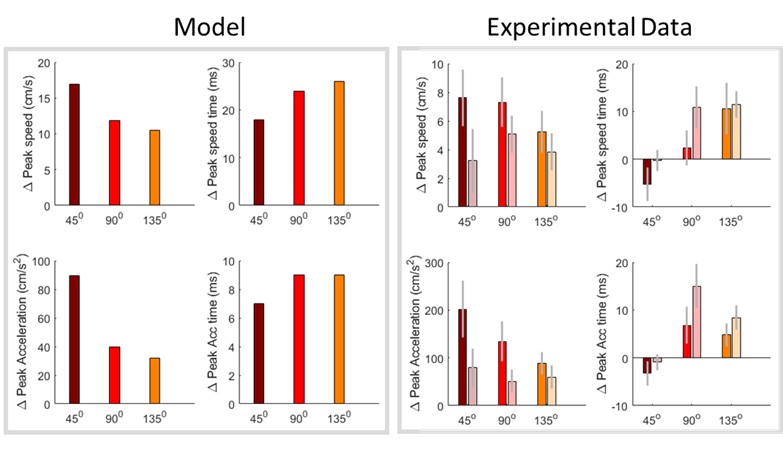
      The second aspect is that the hypothetical mass underestimation might also differentially affect movements in different directions. This was not clearly presented in the original manuscript. However, we would not expect a quantitative match between model predictions and empirical data, for the reasons mentioned above. We now show this directional ranking in microgravity-elicited kinematic changes in both model simulations and empirical data. The overall trend is that the microgravity effect indeed differs between directions, and the model predictions and the data showed a reasonable qualitative match (Author response image 1 below).

      Shown in Author response image 1, we found that for amplitude changes (Δ peak speed, Δ peak acceleration) both the model and the mean of empirical data show the same directional ordering (45° > 90° > 135°) in pre-in and post-in comparisons. For timing (Δ peak-speed time, Δ peak-acceleration time), which we consider the most diagnostic, the same directional ranking was observed. We only found one deviation, i.e., the predicted sign (earlier peaks) was confirmed at 90° and 135°, but not at 45°. As discussed in Response (6), the absence of timing advance at 45° may reflect limitations of our simplified model, which did not consider that the 45° direction is essentially a single-joint reach. Taken together, the directional pattern is largely consistent with the model predictions based on mass underestimation. The model successfully reproduces the directional ordering of amplitude measures -- peak velocity and peak acceleration. It also captures the sign of the timing changes in two out of the three directions. We added these new analysis results in the revision and expanded Discussion accordingly.

      The details of our analysis on directional effects: We compared the model predictions (Author response image 1, left) with the experimental data (Author response image 1, right) across the three tested directions (45°, 90°, 135°). In the experimental data panels, both Δ(pre-in) (solid bars) and Δ(post-in) (semi-transparent bars) with standard error are shown. The directional trends are remarkably similar between model prediction and actual data. The post-in comparison is less aligned with model prediction; we postulate that the incomplete after-flight recovery (i.e., post data had not returned to pre-flight baselines) might obscure the microgravity effect. Incomplete recovery has also been shown in our original manuscript: peak speed and peak acceleration did not fully recover in post-flight sessions when compared to pre-flight sessions. To further quantify the correspondence between model and data, we performed repeated-measures correlation (rm-corr) analyses. We found significant within-subject correlations for three of the four metrics. For pre–in, Δ peak speed time (r<sub>rm</sub> = 0.627, t(23) = 3.858, p < 0.001), Δ peak acceleration time (r<sub>rm</sub> = 0.591, t(23) = 3.513, p = 0.002), and Δ peak acceleration (r<sub>rm</sub> = 0.573, t(23) = 3.351, p = 0.003) were significant, whereas Δ peak speed was not (r<sub>rm</sub> = 0.334, t(23) = 1.696, p = 0.103). These results thus show that the directional effect, as predicted our model, is observed both before spaceflight and in spaceflight (the pre-in comparison).

      Author response image 1.

      Directional comparison between model predictions and experimental data across the three reach directions (45°, 90°, 135°). Left: model outputs. Right: experimental data shown as Δ relative to the in-flight session; solid bars = Δ(in − pre) and semi-transparent bars = Δ(in − post). Colors encode direction consistently across panels (e.g., 45° = darker hue, 90° = medium, 135° = lighter/orange). Panels (clockwise from top-left): Δ peak speed (cm/s), Δ peak speed time (ms), Δ peak acceleration time (ms), and Δ peak acceleration (cm/s²). Bars are group means; error bars denote standard error across participants.

      Citations:

      Todorov, E. (2004). Optimality principles in sensorimotor control. Nature Neuroscience, 7(9), 907.

      Todorov, E. (2005). Stochastic optimal control and estimation methods adapted to the noise characteristics of the sensorimotor system. Neural Computation, 17(5), 1084–1108.

      Shadmehr, R., Huang, H. J., & Ahmed, A. A. (2016). A Representation of Effort in Decision-Making and Motor Control. Current Biology: CB, 26(14), 1929–1934.

      In general, both the hypotheses of slowing motion (out of caution) and misestimating mass have been put forward in the past, and the added value of this article lies in demonstrating that the effect depended on direction. However, (1) a conservative strategy with a different cost function can also explain the data, and (2) the quantitative match between the directional effect and the model's predictions has not been established.

      We agree that both hypotheses have been put forward before, however they are competing hypotheses that have not been resolved. Furthermore, the mass underestimation hypothesis is a conjecture without any solid evidence; previous reports on mass underestimation of object cannot directly translate to underestimation of body. As detailed in our responses above, we have shown that a conservative strategy implemented via a different cost function cannot reproduce the key findings in our dataset, thereby supporting the alternative hypothesis of mass underestimation. Moreover, we found qualitative agreement between the model predictions and the experimental data in terms of directional effects, which further strengthens our interpretation.

      Specific points:

      (1) I noted a lack of presentation of raw kinematic traces, which would be necessary to convince me that the directional effect was related to effective mass as stated.

      Response (3): We are happy to include exemplary speed and acceleration trajectories. Kinematic profiles from one example participant are shown in Figure 2—figure supplement 6.

      (2) The presentation and justification of the model require substantial improvement; the reason for their presence in the supplementary material is unclear, as there is space to present the modelling work in detail in the main text. Regarding the model, some choices require justification: for example, why did the authors ignore the nonlinear Coriolis and centripetal terms?

      Response (4): Great suggestion. In the revision, we have moved the model into the main text and added further justification for using this simple model.

      We initially omitted the nonlinear Coriolis and centripetal terms in order to start with a minimal model. Importantly, excluding these terms does not affect the model’s main conclusions. In the revision we added simulations that explicitly include these terms. The full explanation and simulations are provided in the Supplementary Notes 2 (this time we have to put it into the Supplementary to reduce the texts devoted to the model). More explanations can also be found in our response to Reviewer 2 (response (6)). The results indicate that, although these velocity-dependent forces show some directional anisotropy, their contribution is substantially smaller relative to that of the included inertial component; specifically, they have only a negligible impact on the predicted peak amplitudes and peak times.

      (3) The increase in the proportion of trials with subcomponents is interesting, but the explanatory power of this observation is limited, as the initial percentage was already quite high (from 60-70% during the initial study to 70-85% in flight). This suggests that the potential effect of effective mass only explains a small increase in a trend already present in the initial study. A more critical assessment of this result is warranted.

      Response (5): Thank you for your thoughtful comment. You are correct that the increase in the percentage of trials with submovements is modest, but a more critical change was observed in the timing between submovement peaks—specifically, the inter-peak interval (IPI). These intervals became longer during flight. Taken together with the percentage increase, the submovement changes significantly predicted the increase in movement duration, as shown by our linear mixed-effects model, which indicated that IPI increased.

      Reviewer #2 (Public review):

      This study explores the underlying causes of the generalized movement slowness observed in astronauts in weightlessness compared to their performance on Earth. The authors argue that this movement slowness stems from an underestimation of mass rather than a deliberate reduction in speed for enhanced stability and safety.

      Overall, this is a fascinating and well-written work. The kinematic analysis is thorough and comprehensive. The design of the study is solid, the collected dataset is rare, and the model tends to add confidence to the proposed conclusions. That being said, I have several comments that could be addressed to consolidate interpretations and improve clarity.

      Main comments:

      (1) Mass underestimation

      a) While this interpretation is supported by data and analyses, it is not clear whether this gives a complete picture of the underlying phenomena. The two hypotheses (i.e., mass underestimation vs deliberate speed reduction) can only be distinguished in terms of velocity/acceleration patterns, which should display specific changes during the flight with a mass underestimation. The experimental data generally shows the expected changes but for the 45° condition, no changes are observed during flight compared to the pre- and post-phases (Figure 4). In Figure 5E, only a change in the primary submovement peak velocity is observed for 45°, but this finding relies on a more involved decomposition procedure. It suggests that there is something specific about 45° (beyond its low effective mass). In such planar movements, 45° often corresponds to a movement which is close to single-joint, whereas 90° and 135° involve multi-joint movements. If so, the increased proportion of submovements in 90° and 135° could indicate that participants had more difficulties in coordinating multi-joint movements during flight. Besides inertia, Coriolis and centripetal effects may be non-negligible in such fast planar reaching (Hollerbach & Flash, Biol Cyber, 1982) and, interestingly, they would also be affected by a mass underestimation (thus, this is not necessarily incompatible with the author's view; yet predicting the effects of a mass underestimation on Coriolis/centripetal torques would require a two-link arm model). Overall, I found the discrepancy between the 45° direction and the other directions under-exploited in the current version of the article. In sum, could the corrective submovements be due to a misestimation of Coriolis/centripetal torques in the multi-joint dynamics (caused specifically -or not- by a mass underestimation)?

      Response (6): Thank you for raising these important questions. We unpacked the whole paragraph into two concerns: 1) the possibility that misestimation of Coriolis and centripetal torques might lead to corrective submovements, and 2) the weak effect in the 45° direction unexploited. These two concerns are valid but addressable, and they did not change our general conclusions based on our empirical findings (see Supplementary note 2. Coriolis and centripetal torques have minimal impact).

      Possible explanation for the 45° discrepancy

      We agree with the reviewer that the 45° direction likely involves more single-joint (elbow-dominant) movement, whereas the 90° and 135° directions require greater multi-joint (elbow + shoulder) coordination. This is particularly relevant when the workspace is near body midline (e.g., Haggard & Richardson, 1995), as the case in our experimental setup. To demonstrate this, we examined the curvature of the hand trajectories across directions. Using cumulative curvature (positive = counterclockwise), we obtained average values of 6.484° ± 0.841°, 1.539° ± 0.462°, and 2.819° ± 0.538° for the 45°, 90°, and 135° directions, respectively. The significantly larger curvature in the 45° condition suggests that these movements deviate more from a straight-line path, a hallmark of more elbow-dominant movements.

      Importantly, this curvature pattern was present in both the pre-flight and in-flight phases, indicating that it is a general movement characteristic rather than a microgravity-induced effect. Thus, the 45° reaches are less suitable for modeling with a simplified two-link arm model compared to the other two directions. We believe this is the main reason why the model predictions based on effective mass become less consistent with the empirical data for the 45° direction.

      We have now incorporated this new analysis in the Results and discussed it in the revised Discussion.

      Citation: Haggard, P., Hutchinson, K., & Stein, J. (1995). Patterns of coordinated multi-joint movement. Experimental Brain Research, 107(2), 254-266.

      b) Additionally, since the taikonauts are tested after 2 or 3 weeks in flight, one could also assume that neuromuscular deconditioning explains (at least in part) the general decrease in movement speed. Can the authors explain how to rule out this alternative interpretation? For instance, weaker muscles could account for slower movements within a classical time-effort trade-off (as more neural effort would be needed to generate a similar amount of muscle force, thereby suggesting a purposive slowing down of movement). Therefore, could the observed results (slowing down + more submovements) be explained by some neuromuscular deconditioning combined with a difficulty in coordinating multi-joint movements in weightlessness (due to a misestimation or Coriolis/centripetal torques) provide an alternative explanation for the results?

      Response (7): Neuromuscular deconditioning is indeed a space effect; thanks for bringing this up as we omitted the discussion of this confounds in our original manuscript. Prolonged stay in microgravity can lead to a reduction of muscle strength, but this is mostly limited to lower limb. For example, a recent well-designed large-sample study have shown that while lower leg muscle showed significant strength reductions, no changes in mean upper body strength was found (Scott et al., 2023), consistent with previous propositions that muscle weakness is less for upper-limb muscles than for postural and lower-limb muscles (Tesch et al., 2005). Furthermore, the muscle weakness is unlikely to play a major role here since our reaching task involves small movements (~12cm) with joint torques of a magnitude of ~2N·m. Of course, we cannot completely rule out the contribution of muscle weakness; we can only postulate, based on the task itself (12 cm reaching) and systematic microgravity effect (the increase in submovements, the increase in the inter-submovements intervals, and their significant prediction on movement slowing), that muscle weakness is an unlikely major contributor for the movement slowing.

      The reviewer suggests that poor coordination in microgravity might contribute to slowing down + more submovements. This is also a possibility, but we did not find evidence to support it. First, there is no clear evidence or reports about poor coordination for simple upper-limb movements like reaching investigated here. Note that reaching or aiming movement is one of the most studied tasks among astronauts. Second, we further analyzed our reaching trajectories and found no sign of curvature increase, a hallmark of poor coordination of Coriolis/centripetal torques, in our large collection of reaching movements. We probably have the largest dataset of reaching movements collected in microgravity thus far, given that we had 12 taikonauts and each of them performed about 480 to 840 reaching trials during their spaceflight. We believe the probability of Type II error is quite low here.

      Citation: Tesch, P. A., Berg, H. E., Bring, D., Evans, H. J., & LeBlanc, A. D. (2005). Effects of 17-day spaceflight on knee extensor muscle function and size. European journal of applied physiology, 93(4), 463-468.

      Scott J, Feiveson A, English K, et al. Effects of exercise countermeasures on multisystem function in long duration spaceflight astronauts. npj Microgravity. 2023;9(11).

      (2) Modelling

      a) The model description should be improved as it is currently a mix of discrete time and continuous time formulations. Moreover, an infinite-horizon cost function is used, but I thought the authors used a finite-horizon formulation with the prefixed duration provided by the movement utility maximization framework of Shadmehr et al. (Curr Biol, 2016). Furthermore, was the mass underestimation reflected both in the utility model and the optimal control model? If so, did the authors really compute the feedback control gain with the underestimated mass but simulate the system with the real mass? This is important because the mass appears both in the utility framework and in the LQ framework. Given the current interpretations, the feedforward command is assumed to be erroneous, and the feedback command would allow for motor corrections. Therefore, it could be clarified whether the feedback command also misestimates the mass or not, which may affect its efficiency. For instance, if both feedforward and feedback motor commands are based on wrong internal models (e.g., due to the mass underestimation), one may wonder how the astronauts would execute accurate goal-directed movements.

      b) The model seems to be deterministic in its current form (no motor and sensory noise). Since the framework developed by Todorov (2005) is used, sensorimotor noise could have been readily considered. One could also assume that motor and sensory noise increase in microgravity, and the model could inform on how microgravity affects the number of submovements or endpoint variance due to sensorimotor noise changes, for instance.

      c) Finally, how does the model distinguish the feedforward and feedback components of the motor command that are discussed in the paper, given that the model only yields a feedback control law? Does 'feedforward' refer to the motor plan here (i.e., the prefixed duration and arguably the precomputed feedback gain)?

      Response (8): We thank the reviewer for raising these important and technically insightful points regarding our modeling framework. We first clarify the structure of the model and key assumptions, and then address the specific questions in points (a)–(c) below.

      We used Todorov’s (2005) stochastic optimal control method to compute a finite-horizon LQG policy under sensory noise and signal-dependent motor noise (state noise set to zero). The cost function is: (see details in updated Methods). The resulting time-varying gains {L<sub>k</sub>, K<sub>k</sub>} correspond to the feedforward mapping and the feedback correction gain, respectively. The control law can be expressed as:

      where u<sub>k</sub> is the control input, is the nominal planned state, is the estimated state, L<sub>k</sub> is the feedforward (nominal) control associated with the planned trajectory, and K<sub>k</sub> is the time-varying feedback gain that corrects deviations from the plan.

      To define the motor plan for comparison with behavior, we simulate the deterministic open-loop

      trajectory by turning off noise and disabling feedback corrections, i.e., . In this framework, “feedforward” refers to this nominal motor plan. Thus, sensory and signal-dependent noise influence the computed policy (via the gains), but are not injected when generating the nominal trajectory. This mirrors the minimum-jerk practice used to obtain nominal kinematics in prior utility-based work (Shadmehr, 2016), while optimal control provides a more physiologically grounded nominal plan. In the revision, we have updated the equations, provided more modeling details, and moved the model description to the main text to reduce possible confusions.

      In the implementation of the “mass underestimation” condition, the mass used to compute the policy is the underestimated mass (), whereas the actual mass is used when simulating the feedforward trajectories. Corrective submovements are analyzed separately and are not required for the planning-deficit findings reported here.

      Answers of the three specific questions:

      a) We mistakenly wrote a continuous-time infinite-horizon cost function in our original manuscript, whereas our controller is actually implemented as a discrete-time finite-horizon LQG with a terminal cost, over a horizon set by the utility-based optimal movement duration T<sub>opt</sub>. The underestimated mass is used in both the utility model (to determine T<sub>opt</sub>) and in the control computation (i.e., internal model), while the true mass is used when simulating the movement. This mismatch captures the central idea of feedforward planning based on an incorrect internal model.

      b) As described, our model includes signal-dependent motor noise and sensory noise, following Todorov (2005). We also evaluated whether increased noise levels in microgravity could account for the observed behavioral changes. Simulation results showed that increasing either source of noise did not alter the main conclusions or reverse the trends in our key metrics. Moreover, our experimental data showed no significant increase in endpoint variability in microgravity (see analyses and results in Figure 2—figure supplement 3 & 4), making it unlikely that increased sensorimotor noise alone accounts for the observed slowing and submovement changes.

      c) In our framework, the time-varying gains {L<sub>K</sub>,K<sub>K</sub>}define the feedforward and feedback components of the control policy. While both gains are computed based on a stochastic optimal control formulation (including noise), for comparison with behavior we simulate only the nominal feedforward plan, by turning off both noise and feedback: . This defines a deterministic open-loop trajectory, which we use to capture planning-level effects such as peak timing shifts under mass underestimation. Feedback corrections via gains exist in the full model but are not involved in these specific analyses. We clarified this modeling choice and its behavioral relevance in the revised text.

      We have updated the equations and moved the model description into the main text in the revised manuscript to avoid confusion.

      (3) Brevity of movements and speed-accuracy trade-off

      The tested movements are much faster (average duration approx. 350 ms) than similar self-paced movements that have been studied in other works (e.g., Wang et al., J Neurophysiology, 2016; Berret et al., PLOS Comp Biol, 2021, where movements can last about 900-1000 ms). This is consistent with the instructions to reach quickly and accurately, in line with a speed-accuracy trade-off. Was this instruction given to highlight the inertial effects related to the arm's anisotropy? One may however, wonder if the same results would hold for slower self-paced movements (are they also with reduced speed compared to Earth performance?). Moreover, a few other important questions might need to be addressed for completeness: how to ensure that astronauts did remember this instruction during the flight? (could the control group move faster because they better remembered the instruction?). Did the taikonauts perform the experiment on their own during the flight, or did one taikonaut assume the role of the experimenter?

      Response (9): Thanks for highlighting the brevity of movements in our experiment. Our intention in emphasizing fast movements is to rigorously test whether movement is indeed slowed down in microgravity. The observed prolonged movement duration clearly shows that microgravity affects people’s movement duration, even when they are pushed to move fast. The second reason for using fast movement is to highlight that feedforward control is affected in microgravity. Mass underestimation specifically affects feedforward control in the first place, shown by the microgravity-related changes in peak velocity/acceleration. Slow movement would inevitably have online corrections that might obscure the effect of mass underestimation. Note that movement slowing is not only observed in our speed-emphasized reaching task, but also in whole-arm pointing in other astronauts’ studies (Berger, 1997; Sangals, 1999), which have been quoted in our paper. We thus believe these findings are generalizable.

      Regarding the consistency of instructions: all our experiments conducted in the Tiangong space station were monitored in real time by experimenters in the control center located in Beijing. The task instructions were presented on the initial display of the data acquisition application and ample reading time was allowed. All the pre-, in-, and post-flight test sessions were administered by the same group of personnel with the same instruction. It is common that astronauts serve both as participants and experimenters at the same time. And, they were well trained for this type of role on the ground. Note that we had multiple pre-flight test sessions to familiarize them with the task. All these rigorous measures were in place to obtain high-quality data. In the revision, we included these experimental details for readers that are not familiar with space studies, and provided the rationales for emphasizing fast movements.

      Citations:

      Berger, M., Mescheriakov, S., Molokanova, E., Lechner-Steinleitner, S., Seguer, N., & Kozlovskaya, I. (1997). Pointing arm movements in short- and long-term spaceflights. Aviation, Space, and Environmental Medicine, 68(9), 781–787.

      Sangals, J., Heuer, H., Manzey, D., & Lorenz, B. (1999). Changed visuomotor transformations during and after prolonged microgravity. Experimental Brain Research. Experimentelle Hirnforschung. Experimentation Cerebrale, 129(3), 378–390.

      (4) No learning effect

      This is a surprising effect, as mentioned by the authors. Other studies conducted in microgravity have indeed revealed an optimal adaptation of motor patterns in a few dozen trials (e.g., Gaveau et al., eLife, 2016). Perhaps the difference is again related to single-joint versus multi-joint movements. This should be better discussed given the impact of this claim. Typically, why would a "sensory bias of bodily property" persist in microgravity and be a "fundamental constraint of the sensorimotor system"?

      Response (10): We believe that the presence or absence of adaptation between our study and Gaveau et al.’s study cannot be simply attributed to single-joint versus multi-joint movements. Their adaptation concerned incorporating microgravity into movement control to minimize effort, whereas ours concerned accurately perceiving body mass. Gaveau et al.’s task involved large-amplitude vertical reaching, a scenario in which gravity strongly affects joint torques and movement execution. Thus, adaptation to microgravity can lead to better execution, providing a strong incentive for learning. By contrast, our task consisted of small-amplitude horizontal movements, where the gravitational influence on biomechanics is minimal.

      More importantly, we believe the lack of adaptation for mass underestimation is not totally surprising. When an inertial change is perceived (such as an extra weight attached to the forearm, as in previous motor adaptation studies), people can adapt their reaching within tens of trials. In that case, sensory cues are veridical, as they correctly signal the inertial perturbation. However, in microgravity, reduced gravitational pull and proprioceptive inputs constantly inform the controller that the body mass is less than its actual magnitude. In other words, sensory cues in space are misleading for estimating body mass. The resulting sensory bias prevents the sensorimotor system from adapting. Our initial explanation on this matter was too brief; we expanded it in the revised Discussion.

      Reviewer #3 (Public review):

      Summary:

      The authors describe an interesting study of arm movements carried out in weightlessness after a prolonged exposure to the so-called microgravity conditions of orbital spaceflight. Subjects performed radial point-to-point motions of the fingertip on a touch pad. The authors note a reduction in movement speed in weightlessness, which they hypothesize could be due to either an overall strategy of lowering movement speed to better accommodate the instability of the body in weightlessness or an underestimation of body mass. They conclude for the latter, mainly based on two effects. One, slowing in weightlessness is greater for movement directions with higher effective mass at the end effector of the arm. Two, they present evidence for an increased number of corrective submovements in weightlessness. They contend that this provides conclusive evidence to accept the hypothesis of an underestimation of body mass.

      Strengths:

      In my opinion, the study provides a valuable contribution, the theoretical aspects are well presented through simulations, the statistical analyses are meticulous, the applicable literature is comprehensively considered and cited, and the manuscript is well written.

      Weaknesses:

      Nevertheless, I am of the opinion that the interpretation of the observations leaves room for other possible explanations of the observed phenomenon, thus weakening the strength of the arguments.

      First, I would like to point out an apparent (at least to me) divergence between the predictions and the observed data. Figures 1 and S1 show that the difference between predicted values for the 3 movement directions is almost linear, with predictions for 90º midway between predictions for 45º and 135º. The effective mass at 90º appears to be much closer to that of 45º than to that of 135º (Figure S1A). But the data shown in Figure 2 and Figure 3 indicate that movements at 90º and 135º are grouped together in terms of reaction time, movement duration, and peak acceleration, while both differ significantly from those values for movements at 45º.

      Furthermore, in Figure 4, the change in peak acceleration time and relative time to peak acceleration between 1g and 0g appears to be greater for 90º than for 135º, which appears to me to be at least superficially in contradiction with the predictions from Figure S1. If the effective mass is the key parameter, wouldn't one expect as much difference between 90º and 135º as between 90º and 45º? It is true that peak speed (Figure 3B) and peak speed time (Figure 4B) appear to follow the ordering according to effective mass, but is there a mathematical explanation as to why the ordering is respected for velocity but not acceleration? These inconsistencies weaken the author's conclusions and should be addressed.

      Response (11): Indeed, the model predicts an almost equal separation between 45° and 90° and between 90° and 135°, while the data indicate that the spacing between 45° and 90° is much smaller than between 90° and 135°. We do not regard the divergence as evidence undermining our main conclusion since 1) the model is a simplification of the actual situation. For example, the model simulates an ideal case of moving a point mass (effective mass) without friction and without considering Coriolis and centripetal torques. 2) Our study does not make quantitative predictions of all the key kinematic measures; that will require model fitting, parameter estimation, and posture-constrained reaching experiments; instead, our study uses well-established (though simplified) models to qualitatively predict the overall behavioral pattern we would observe. For this purpose, our results are well in line with our expectations: though we did not find equal spacing between direction conditions, we do confirm that the key kinematic measures (Figure 2 and Figure 3 as questioned) show consistent directional trends between model predictions and empirical data. We added new analysis results on this matter: the directional effect we observed (how the key measures changed in microgravity across direction condition) is significantly correlated with our model predictions in most cases. Please check our detailed response (2) above. These results are also added in the revision.

      We also highlight in the revision that our modeling is not to quantitatively predict reaching behaviors in space, but to qualitatively prescribe that how mass underestimation, but not the conservative control strategy, can lead to divergent predictions about key kinematic measures of fast reaching.

      Then, to strengthen the conclusions, I feel that the following points would need to be addressed:

      (1) The authors model the movement control through equations that derive the input control variable in terms of the force acting on the hand and treat the arm as a second-order low-pass filter (Equation 13). Underestimation of the mass in the computation of a feedforward command would lead to a lower-than-expected displacement to that command. But it is not clear if and how the authors account for a potential modification of the time constants of the 2nd order system. The CNS does not effectuate movements with pure torque generators. Muscles have elastic properties that depend on their tonic excitation level, reflex feedback, and other parameters. Indeed, Fisk et al. showed variations of movement characteristics consistent with lower muscle tone, lower bandwidth, and lower damping ratio in 0g compared to 1g. Could the variations in the response to the initial feedforward command be explained by a misrepresentation of the limbs' damping and natural frequency, leading to greater uncertainty about the consequences of the initial command? This would still be an argument for unadapted feedforward control of the movement, leading to the need for more corrective movements. But it would not necessarily reflect an underestimation of body mass.

      Fisk, J. O. H. N., Lackner, J. R., & DiZio, P. A. U. L. (1993). Gravitoinertial force level influences arm movement control. Journal of neurophysiology, 69(2), 504-511.

      Response (12): We agree that muscle properties, tonic excitation level, proprioception-mediated reflexes all contribute to reaching control. Fisk et al. (1993) study indeed showed that arm movement kinematics change, possibly owing to lower muscle tone and/or damping. However, reduced muscle damping and reduced spindle activity are more likely to affect feedback-based movements. Like in Fisk et al.’s study, people performed continuous arm movements with eyes closed; thus their movements largely relied on proprioceptive control. Our major findings are about the feedforward control, i.e., the reduced and “advanced” peak velocity/acceleration in discrete and ballistic reaching movements. Note that the peak acceleration happens as early as approximately 90-100ms into the movements, clearly showing that feedforward control is affected -- a different effect from Fisk et al’s findings. It is unlikely that people “advanced” their peak velocity/acceleration because they feel the need for more later corrective movements. Thus, underestimation of body mass remains the most plausible explanation.

      (2) The movements were measured by having the subjects slide their finger on the surface of a touch screen. In weightlessness, the implications of this contact are expected to be quite different than those on the ground. In weightlessness, the taikonauts would need to actively press downward to maintain contact with the screen, while on Earth, gravity will do the work. The tangential forces that resist movement due to friction might therefore be different in 0g. This could be particularly relevant given that the effect of friction would interact with the limb in a direction-dependent fashion, given the anisotropy of the equivalent mass at the fingertip evoked by the authors. Is there some way to discount or control for these potential effects?

      Response (13): We agree that friction might play a role here, but normal interaction with a touch screen typically involves friction between 0.1N and 0.5N (e.g., Ayyildiz et al., 2018). We believe that the directional variation of the friction is even smaller than 0.1N. It is very small compared to the force used to accelerate the arm for the reaching movement (10N-15N). Thus, friction anisotropy is unlikely to explain our data. Indeed, our readers might have the same concern, we thus added some discussion about possible effect of friction.

      Citation: Ayyildiz M, Scaraggi M, Sirin O, Basdogan C, Persson BNJ. Contact mechanics between the human finger and a touchscreen under electroadhesion. Proc Natl Acad Sci U S A. 2018 Dec 11;115(50):12668-12673.

      (3) The carefully crafted modelling of the limb neglects, nevertheless, the potential instability of the base of the arm. While the taikonauts were able to use their left arm to stabilize their bodies, it is not clear to what extent active stabilization with the contralateral limb can reproduce the stability of the human body seated in a chair in Earth gravity. Unintended motion of the shoulder could account for a smaller-than-expected displacement of the hand in response to the initial feedforward command and/or greater propensity for errors (with a greater need for corrective submovements) in 0g. The direction of movement with respect to the anchoring point could lead to the dependence of the observed effects on movement direction. Could this be tested in some way, e.g., by testing subjects on the ground while standing on an unstable base of support or sitting on a swing, with the same requirement to stabilize the torso using the contralateral arm?

      Response (14): Body stabilization is always a challenge for human movement studies in space. We minimized its potential confounding effects by using left-hand grasping and foot straps for postural support throughout the experiment. We think shoulder stability is an unlikely explanation because unexpected shoulder instability should not affect the feedforward (early) part of the ballistic reaching movement: the reduced peak acceleration and its early peak were observed at about 90-100ms after movement initiation. This effect is too early to be explained by an expected stability issue. This argument is now mentioned in the revised Discussion.

      The arguments for an underestimation of body mass would be strengthened if the authors could address these points in some way.

      Recommendations for the authors:

      Reviewing Editor Comments:

      General recommendation

      Overall, the reviewers agreed this is an interesting study with an original and strong approach. Nonetheless, there were significant weaknesses identified. The main criticism is that there is insufficient evidence for the claim that the movement slowing is due to mass underestimation, rather than other explanations for the increased feedback corrections. To bolster this claim, the reviewers have requested a deeper quantitative analysis of the directional effect and comparison to model predictions. They have also suggested that a 2-dof arm model could be used to predict how mass underestimation would influence multi-joint kinematics, and this should be compared to the data. Alternatively, or additionally, a control experiment could be performed (described in the reviews). We do realize that some of these options may not be feasible or practical. Ultimately, we leave it to you to determine how best to strengthen and solidify the argument for mass underestimation, rather than other causes.

      As an alternative approach, you could consider tempering the claim regarding mass underestimation and focus more on the result that slower movements in microgravity are not simply a feedforward, rescaling of the movement trajectories, but rather, have greater feedback corrections. In this case, the reviewers feel it would still be critical to explain and discuss potential reasons for the corrections beyond mass underestimation.

      We hope that these points are addressable, either with new analyses, experiments, or with a tempering of the claims. Addressing these points would help improve the eLife assessment.

      Reviewer #1 (Recommendations for the authors):

      (1) Move model descriptions to the main text to present modelling choices in more detail

      Response (15): Thank you for the suggestion. We have moved the model descriptions to the main text to present the modeling choices in more detail and to allow readers to better cross-reference the analyses.

      (2) Perform quantitative comparisons of the directional effect with the model's predictions, and add raw kinematic traces to illustrate the effect in more detail.

      Response (16): Thanks for the suggestion, we have added the raw kinematics figure from a representative participant and please refer to Response (2) above for the comparisons of directional effect.

      (3) Explore the effect of varying cost parameters in addition to mass estimation error to estimate the proportion of data explained by the underestimation hypothesis.

      Response (17): Thank you for the suggestion. This has already been done—please see Response (1) above.

      Reviewer #2 (Recommendations for the authors):

      Minor comments:

      (1) It must be justified early on why reaction times are being analyzed in this work. I understood later that it is to rule out any global slowing down of behavioral responses in microgravity.

      Response (18): Exactly, RT results are informative about the absence of a global slowing down. Contrary to the conservative-strategy hypothesis, taikonauts did not show generalized slowing; they actually had faster reaction times during spaceflight, incompatible with a generalized slowing strategy. Thanks for point out; we justified that early in the text.

      (2) Since the results are presented before the methods, I suggest stressing from the beginning that the reaching task is performed on a tablet and mentioning the instructions given to the participants, to improve the reading experience. The "beep" and "no beep" conditions also arise without obvious justification while reading the paper.

      Response (19): Great suggestions. We now give out some experimental details and rationales at the beginning of Results.

      (3) Figure 1C: The vel profiles are not returning to 0 at the end, why? Is it because the feedback gain is computed based on the underestimated mass or because a feedforward controller is applied here? Is it compatible with the experimental velocity traces?

      Response (20): Figure. 1C shows the forward simulation under the optimal control policy. In our LQG formulation the terminal velocity is softly penalized (finite weight) rather than hard-constrained to zero; with a fixed horizon° the optimal solution can therefore end with a small residual velocity.

      In the behavioral data, the hand does come to rest: this is achieved by corrective submovements during the homing phase.

      (4) Left-skewed -> I believe this is right-skewed since the peak velocity is earlier.

      Response (21): Yes, it should be right-skewed, thanks for point that out.

      (5) What was the acquisition frequency of the positional data points? (on the tablet).

      Response (22): The sampling frequency is 100 Hz. Thanks for pointing that out; we’ve added this information to the Methods.

      (6) Figure S1. The planned duration seems to be longer than in the experiment (it is more around 500 ms for the 135-degree direction in simulation versus less than 400 ms in the experiment). Why?

      Response (23): We apologize for a coding error that inadvertently multiplied the body-mass parameter by an extra factor, making the simulated mass too high. We have corrected the code, rerun the simulations, and updated Figures 1 and S1; all qualitative trends remain unchanged, and the revised movement durations (≈300–400 ms) are closer to the experimental values.

      (7) After Equation 13: "The control law is given by". This is not the control law, which should have a feedback form u=K*x in the LQ framework. This is just the dynamic equations for the auxiliary state and the force. Please double-check the model description.

      Response (24): Thank you for point this out. We have updated and refined all model equations and descriptions, and moved the model description from the Supplementary Materials to the main text; please see the revised manuscript.

      Reviewer #3 (Recommendations for the authors):

      (1) I have a concern about the interpretation of the anisotropic "equivalent mass". From my understanding, the equivalent mass would be what an external actor would feel as an equivalent inertia if pushing on the end effector from the outside. But the CNS does not push on the arm with a pure force generator acting at the hand to effectuate movement. It applies torque around the joints by applying forces across joints with muscles, causing the links of the arm to rotate around the joints. If the analysis is carried out in joint space, is the effective rotational inertia of the arm also anisotropic with respect to the direction of the movement of the hand? In other words, can the authors reassure me that the simulations are equivalent to an underestimation of the rotational inertia of the links when applied to the joints of the limb? It could be that these are mathematically the same; I have not delved into the mathematics to convince myself either way. But I would appreciate it if the authors could reassure me on this point.

      Response (25): Thank you for raising this point. In our work, “equivalent mass” denotes the operational-space inertia projected along the hand-movement direction u, computed as:

      This formulation describes the effective mass perceived at the end effector along a given direction, and is standard in operational-space control.

      Although the motor command can be coded as either torque/force in the CNS, the actual executions are equivalent no matter whether it is specified as endpoint forces or joint torques, since force and torque are related by . For small excursions as investigated here, this makes the directional anisotropy in endpoint inertia consistent with the anisotropy of the effective joint-space inertia required to produce the same endpoint motion. Conceptually, therefore, our “mass underestimation” manipulation in operational space corresponds to underestimating the required joint-space inertia mapped through the Jacobian. Since our behavioral data are hand positions, using the operational-space representation is the most direct and appropriate way for modeling.

      (2) I would also like to suggest one more level of analysis to test their hypothesis. The authors decomposed the movements into submovements and measured the prevalence of corrective submovements in weightlessness vs. normal gravity. The increase in corrective submovements is consistent with the hypothesis of a misestimation of limb mass, leading to an unexpectedly smaller displacement due to the initial feedforward command, leading to the need for corrections, leading to an increased overall movement duration. According to this hypothesis, however, the initial submovement, while resulting in a smaller than expected displacement, should have the same duration as the analogous movements performed on Earth. The authors could check this by analyzing the duration of the extracted initial submovements.

      Response (26): We appreciate the reviewer’s suggestion regarding the analysis of the initial submovement duration. In our decomposition framework, each submovement is modeled as a symmetric log-normal (bell-shaped) component, such that the time to peak speed is always half of the component duration. Thus, the initial submovement duration is directly reflected in the initial submovement peak-speed time already reported in our original manuscript (Figure. 5F).

      However, we respectfully disagree with the assumption that mass underestimation would necessarily yield the same submovement duration as on Earth. Under mass underestimation, the movement is effectively under-actuated, and the initial submovement can terminate prematurely, leading to a shorter duration. This is indeed what we observed in the data. Therefore, our reported metrics already address the reviewer’s proposal and support the conclusion that mass underestimation reduces the initial submovement duration in microgravity. Per your suggestion, we now added one more sentence to explain to the reader that initial submovement peak-speed time reflect the duration of the initial submovement.

      Some additional minor suggestions:

      (1) I believe that it is important to include the data from the control subjects, in some form, in the main article. Perhaps shading behind the main data from the taikonauts to show similarities or differences between groups. It is inconvenient to have to go to the supplementary material to compare the two groups, which is the main test of the experiment.

      Response (27): Thank you for the suggestion. For all the core performance variables, the control group showed flat patterns, with no changes across test sessions at all. Thus, including these figures (together with null statistical results) in the main text would obscure our central message, especially given the expanded length of the revised manuscript (we added model details and new analysis results). Instead, following eLife’s format, we have reorganized the Supplementary Material so that each experimental figure has a corresponding supplementary figure showing the control data. This way, readers can quickly locate the control results and directly compare them with the experimental data, while keeping the main text focused.

      (2) "Importantly, sensory estimate of bodily property in microgravity is biased but evaded from sensorimotor adaptation, calling for an extension of existing theories of motor learning." Perhaps "immune from" would be a better choice of words.

      Response (28): Thanks for the suggestion, we edited our text accordingly.

      (3) "First, typical reaching movement exhibits a symmetrical bell-shaped speed profile, which minimizes energy expenditure while maximizing accuracy according to optimal control principles (Todorov, 2004)." While Todorov's analysis is interesting and well accepted, it might be worthwhile citing the original source on the phenomenon of bell-shaped velocity profiles that minimize jerk (derivative of acceleration) and therefore, in some sense, maximize smoothness. Flash and Hogan, 1985.

      Response (29): Thanks for the suggestion, we added the citation of minimum jerk.

      (4) "Post-hoc analyses revealed slower reaction times for the 45° direction compared to both 90° (p < 0.001, d = 0.293) and 135° (p = 0.003, d = 0.284). Notably, reactions were faster during the in-flight phase compared to pre-flight (p = 0.037, d = 0.333), with no significant difference between in-flight and post-flight phases (p = 0.127)." What can one conclude from this?

      Response (30): Although these decreases reached statistical significance, their magnitudes were small. The parallel pattern across groups suggests the effect is not driven by microgravity, but is more plausibly a mild learning/practice effect. We now mentioned this in the Discussion.

      (5) "In line with predictions, peak acceleration appeared significantly earlier in the 45° direction than other directions (45° vs. 90°, p < 0.001, d = 0.304; 45° vs. 135°, p < 0.001, d = 0.271)." Which predictions? Because the effective mass is greater at 45º? Could you clarify the prediction?

      Response (31): We should be more specific here; thank you for raising this. The predictions are the ones about peak acceleration timing (shown in Fig. 1H). We now modified this sentence as:

      “In line with model predictions (Figure 1H), ….”.

      (6) Figure 2: Why do 45º movements have longer reaction times but shorter movement durations?

      Response (32): Appreciate your careful reading of the results. We believe this is possibly due to flexible motor control across conditions and trials, i.e., people tend to move faster when people react slower with longer reaction time. This has been reflected in across-direction comparisons (as spotted by the reviewer here), and it has also been shown within participant and across participants: For both groups, we found a significant negative correlation between movement duration (MD) and reaction time (RT), both across and within individuals (Figure 2—figure supplement 5). This finding indicates that participants moved faster when their RT was slower, and vice versa. This flexible motor adjustment, likely due to the task requirement for rapid movements, remained consistent during spaceflight.

    1. Mercutio. Without his roe, like a dried herring:

      Pun: "Roe" sounds like "Romeo." Without "ro," he's just "me o"- empty and sad. Also, a dried fish.

    2. O, she is lame! love's heralds should be thoughts, Which ten times faster glide than the sun's beams, Driving back shadows over louring hills: 1380Therefore do nimble-pinion'd doves draw love, And therefore hath the wind-swift Cupid wings.

      Metaphor: Love's messengers should be as fast as thoughts, doves, or Cupid.

    3. Juliet. O, swear not by the moon, the inconstant moon,

      Symbolism: Juliet rejects the changing moon as a symbol for vows. She wants constancy.

    4. Juliet. O Romeo, Romeo! wherefore art thou Romeo?

      Misunderstood Line: "Wherefore" means WHY, not where. She laments his name, not his location.

    5. O Romeo, Romeo! wherefore art thou Romeo? 880Deny thy father and refuse thy name; Or, if thou wilt not, be but sworn my love, And I'll no longer be a Capulet.

      Juliet is expressing her deep love for Romeo. She is willing to give up her family name if she has to. This is showing how devoted and caring she is toward Romeo.

    1. Some word there was, worser than Tybalt's death, That murder'd me: I would forget it fain; But, O, it presses to my memory, Like damned guilty deeds to sinners' minds: 1835'Tybalt is dead, and Romeo—banished;' That 'banished,' that one word 'banished,' Hath slain ten thousand Tybalts. Tybalt's death Was woe enough, if it had ended there:

      Theme: Exile is a living death. She’d rather have Romeo dead than gone.

    2. Benvolio. O noble prince, I can discover all The unlucky manage of this fatal brawl: 1660There lies the man, slain by young Romeo, That slew thy kinsman, brave Mercutio.

      Plot: Benvolio tells the truth about the fight, defending Romeo.

    3. Romeo. This gentleman, the prince's near ally, My very friend, hath got his mortal hurt In my behalf; my reputation stain'd With Tybalt's slander,—Tybalt, that an hour Hath been my kinsman! O sweet Juliet, 1620Thy beauty hath made me effeminate And in my temper soften'd valour's steel!

      Romeo feels responsible and thinks love made him weak (“effeminate”).

    1. from - ipfs

      resolve ipns

      identify ipns local name

      on thinkpad IPFS Desktop IPNS Name is

      🧊ipfs k51qzi5uqu5div1auuxm59ygav4p7gdg9z4e9iggtu6m43rmc3xw75mczx2b7x

  2. bafybeieyxekcifewqgfmxaccbgqcklsalmsrd6hzjwfquas7f2eq7q4vym.ipfs.dweb.link bafybeieyxekcifewqgfmxaccbgqcklsalmsrd6hzjwfquas7f2eq7q4vym.ipfs.dweb.link
    1. https://ipfs.io/ipns/k51qzi5uqu5div1auuxm59ygav4p7gdg9z4e9iggtu6m43rmc3xw75mczx2b7x/

      identify ipns key

      on thinkpad

      poiting to Indy 0 Pad editor assets folder copied there

    1. Reviewer #2 (Public review):

      Fahdan et al. set out to build upon their previous work outlining the genes involved in axon growth, targeting two axon growth states: initial growth and regrowth. They outline a debate in the field that axon regrowth (For instance, after injury or in the peripheral nervous system) is different from initial axon growth, for which the authors have previously demonstrated distinct mechanisms. The authors set out to directly compare the transcriptomes of initial axon growth and regrowth, specifically within the same neuronal environment and developmental time point. To this end, the authors used the well-characterized genetic tools available in Drosophila melanogaster (the fruit fly) to build a valuable dataset of genes involved at different time points in axon growth (alpha/beta Mushroom Body Kenyon cells) and regrowth (gamma Mushroom Body Kenyon cells). The authors then focus on genes that are upregulated during both initial axon growth and axon regrowth. Then, using this subset of genes, they screen for axonal growth and regrowth deficits by knocking down 300 of these genes. 12 genes are found to be phenotypically involved in both axon growth and regrowth based on RNAi gene-targeted knockdown in the Mushroom Body. Of these 12 genes, the authors focus on one gene, Pmvk, which is part of the mevalonate pathway. They then highlight other genes in this pathway. But these genes primarily affect axon regrowth, not initial axon growth, implicating metabolic pathways in axon regrowth. This comprehensive RNA-seq dataset will be a valuable resource for the field of axon growth and regrowth, as well as for other researchers studying the Mushroom Body.

      Strengths:

      This paper contains many strengths, including the in-depth sequencing of overlapping developmental time points during the alpha/beta KCs' initial axon growth and gamma KCs' regrowth. This produces a rich dataset of differentially expressed genes across different time points in either cell population during development. In addition, the authors characterized expression patterns at developmental time points for 30 Gal4 lines previously identified as alpha/beta KC-expressing. This is very helpful for Drosophila

      Mushroom Body researchers because the authors not only characterized alpha/beta expression but also alpha'/beta' expression, gamma expression, and non-MB expression. The authors comprehensively walked through identifying differentially expressed genes during alpha/beta axon growth, identifying a subset of overlapping upregulated genes between cell types, then systematically characterized whether knockdown of a subset of these genes produced an axonal growth defect, and finally selected 1 of 3 cell-autonomous genes important for gamma KCs regrowth to further study.

      The authors utilized the developing Mushroom Body in Drosophila melanogaster, which happens to have new neurons developing axons and neurons that have undergone pruning and are regrowing neurons at the same developmental time. They are also in the same part of the brain (the Mushroom Body) and, in theory, since the authors implicate a metabolic pathway, they will have similar metabolic growth conditions.

      Identifying Pmvk and two other components of the mevalonate pathway in axon regrowth opens up novel avenues for future studies on the role this metabolic pathway may have in axon growth. The authors of this paper are also very upfront about their negative results, allowing researchers to avoid running redundant experiments and truly build on this work.

      Weaknesses:

      While the dataset produced in this study is a strength, certain aspects make it more challenging to interpret. For instance, the authors state that roughly equal numbers of males and females are used for sequencing, and this vagueness, coupled with only taking a subset of the GFP-labeled neurons during FACs sorting, can introduce confounds into the dataset. This may hold true in imaging studies as well, in which males and females were used interchangeably.

      Additionally, a rationale is needed to explain why random numbers of 1-7 were assigned to zero-expressing genes in the DESeq analysis. This does not seem to conform to the usual way this analysis is normally performed. This can alter how genes across the dataset are normalized and requires further explanation.

      The display and discussion of the data set do not always align with the authors' stated goal of having a comprehensive description of the genes that dynamically change during axon<br /> growth and regrowth. Displaying more information about genes differentially expressed in the alpha/beta KCs, or any information about the genes diƯerentially expressed in the gamma KCs when using the same criteria as the alpha/beta KCs, or the 676 overlapping upregulated genes, would significantly add to this paper. The authors previously performed a similar study across developmental time points for gamma KCs, and it is not clear whether any overlapping genes were identified. Also, more information on the genes consisting of PC1 and PC3 when showing the PCA analysis would be helpful. Within the text, there is a discussion of why certain genes or gene groups were omitted or selected, such as clusters 1 and 2, and then some of their subgroups based on expected genes. There is also some discussion of omitted gene groups, but this is not complete across the different clusters, nor is there a discussion of why PC2 was not selected or of which genes might exhibit greater variability than cell type. The authors would make a stronger case for the genes they pursued if they showed that groups of genes already known to be involved in axon growth clustered within the selected groups. Since we do not see the gene lists, this is unclear and adds to the sometimes arbitrary nature of the author's choices about what to pursue in this paper. A larger set of descriptors, such as gene lists and Gene Ontology analysis beyond what is shown, would be very helpful in putting the results in context and determining whether this is a resource beneficial to others.

      While the Pmvk story is interesting, the authors appear to make some arbitrary decisions in what is shown or pursued in this paper. Visually, CadN and Twr appear to be more severe axon regrowth phenotypes, where the peduncle appears intact, and axons are not regrowing in Figures 3 N and O. In contrast, Pmvk visually appears to lose neurons in Figure 3 M. With a change of the Gal4 driver (Figure 4), Pmvk now produces a gamma axon regrowth phenotype similar to CadN and Twr in Figure 3. This diƯerence in the use of Gal4 for characterizing axonal phenotypes is not discussed, making some interpretations more challenging due to diƯerences in Gal4 expression strength. For instance, the sequencing work was done with a diƯerent Gal4 MB expressing line than the characterization of gene knockdowns. Further characterization of the Pmvk was performed in the same Gal4 lines as the sequencing (Figure 4), suggesting a potential diƯerence in Gal4 strength that may play a role in their rescue experiments if they are using a slightly weaker Gal4 for gamma lobe expression. A broader discussion of this may make the selection of Pmvk less arbitrary if the phenotype is similar to those of CadN and Twr. Along the lines of the sometimes arbitrary nature of the genes chosen to pursue further, the authors state that they selected genes that showed differential expression at any time point. As they refine their list of genes to pursue further, they seem to prioritize genes that change at 18-21 APF. This appears to be the early period for axon growth in alpha/beta KCs and gamma KCs, based on Figure 1. A stronger case might be made at longer time points when the axon is growing or regrowing.

      The paper would benefit from scaling back the claim that the mevalonate pathway is involved. The authors identified only a subset of genes from the mevalonate pathway, all immediately upstream of Pmvk, with no effect on downstream genes. Along these lines, the paper would benefit from a discussion of non-canonical PmvK signaling.

      While the ability to take neurons at the same developmental time and from the same brain region is a strength, they are still 2 different types of neurons. Although gamma neuron axon growth occurs very early in development, it would be interesting to know whether the same genes are involved in their initial growth. A caveat to the author's conclusion is that these are 2 different cell types, and they might use different genetic programs or use overlapping ones at other times. The authors did not show that gamma KCs use these genes in their initial axon growth.

    1. Los síntomas de la hiperplasia prostática benigna pueden deberse al componente obstructivo de la próstata o a la respuesta secundaria de la vejiga a la resistencia en la salida. El componente obstructivo puede subdividirse en obstrucción mecánica y obstrucción dinámica. ++ Conforme ocurre el crecimiento prostático, la obstrucción mecánica puede deberse a la intrusión en la luz uretral o el cuello vesical, lo que aumenta la resistencia de la salida vesical. El tamaño de la próstata en el DRE tiene una escasa correlación con los síntomas. ++ El componente dinámico de la obstrucción prostática explica la naturaleza variable de los síntomas. El estroma prostático se compone de músculo liso y colágena, y tiene una rica inervación adrenérgica. Por consiguiente, el grado de estimulación autonómica establece un “tono” en la uretra prostática. El tratamiento α-bloqueador reduce este tono, lo que disminuye la resistencia en la salida. ++ Las molestias irritativas durante la micción de la hiperplasia prostática benigna provienen de la respuesta secundaria de la vejiga al aumento de la resistencia a la salida. La obstrucción de la salida vesical causa hipertrofia e hiperplasia del músculo detrusor, así como depósito de colágena. Esto último es el causante más probable de la disminución de la distensibilidad vesical, aunque también hay inestabilidad del detrusor.

      sintomatología

    1. Capulet. O brother Montague, give me thy hand: This is my daughter's jointure, for no more Can I demand. Montague. But I can give thee more: For I will raise her statue in pure gold; 3275That while Verona by that name is known, There shall no figure at such rate be set As that of true and faithful Juliet.

      Theme of Resolution. The two families finally make peace. The Capulets and Montagues end their feud. They'll build gold statues of Romeo and Juliet.

    2. Capulet. O heavens! O wife, look how our daughter bleeds! 3175This dagger hath mista'en—for, lo, his house Is empty on the back of Montague,— And it mis-sheathed in my daughter's bosom!

      Discovery: Capulet realizes Juliet stabbed herself with a Montague dagger.

    3. Juliet. Yea, noise? then I'll be brief. O happy dagger! [Snatching ROMEO's dagger] This is thy sheath; 3135[Stabs herself]

      Plot: Juliet uses Romeo's dagger to kill herself.

    4. [JULIET wakes] Juliet. O comfortable friar! where is my lord? I do remember well where I should be, And there I am. Where is my Romeo?

      Plot: Juliet wakes up right after Romeo dies.

    5. Here's to my love! 3065[Drinks] O true apothecary! Thy drugs are quick. Thus with a kiss I die. [Dies]

      Plot: Romeo drinks poison and dies with a kiss because he truly loved Juliet to death.

    6. Tybalt, liest thou there in thy bloody sheet? O, what more favour can I do to thee, Than with that hand that cut thy youth in twain 3045To sunder his that was thine enemy?

      Romeo sees Tybalt. Romeo asks Tybalt for forgiveness. He's not angry anymore.

    7. Call this a lightning? O my love! my wife! Death, that hath suck'd the honey of thy breath, Hath had no power yet upon thy beauty: Thou art not conquer'd; beauty's ensign yet 3040Is crimson in thy lips and in thy cheeks, And death's pale flag is not advanced there.

      Imagery: Juliet's lips and cheeks are still red, not pale like death.

    8. A grave? O no! a lantern, slaughter'd youth, For here lies Juliet, and her beauty makes 3030This vault a feasting presence full of light.

      Metaphor: Romeo says Juliet's beauty makes the dark tomb bright like a lantern-lit party hall.

    9. To think it was so? O, give me thy hand, One writ with me in sour misfortune's book!

      Theme: Both Romeo and Paris are victims of bad luck/fate.

    10. Paris. O, I am slain! [Falls] 3015If thou be merciful, Open the tomb, lay me with Juliet.

      Paris's dying wish. Paris asks to be laid next to Juliet. He loved her until the end.

    11. Romeo. I must indeed; and therefore came I hither. Good gentle youth, tempt not a desperate man; Fly hence, and leave me: think upon these gone; 3000Let them affright thee. I beseech thee, youth, Put not another sin upon my head, By urging me to fury: O, be gone! By heaven, I love thee better than myself; For I come hither arm'd against myself: 3005Stay not, be gone; live, and hereafter say, A madman's mercy bade thee run away.

      Romeo warns Paris. Romeo does not want to fight. He warns Paris that he is desperate and armed against himself.

    12. Paris. Sweet flower, with flowers thy bridal bed I strew,— O woe! thy canopy is dust and stones;— Which with sweet water nightly I will dew, Or, wanting that, with tears distill'd by moans: The obsequies that I for thee will keep 2950Nightly shall be to strew thy grave and weep.

      Paris's love for Juliet was genuine.

    13. Paris. Sweet flower, with flowers thy bridal bed I strew,— O woe! thy canopy is dust and stones;— Which with sweet water nightly I will dew, Or, wanting that, with tears distill'd by moans: The obsequies that I for thee will keep 2950Nightly shall be to strew thy grave and weep.

      Paris's grief: Paris truly loved Juliet. He visits her grave every night with flowers and tears.

    14. 'An if a man did need a poison now, Whose sale is present death in Mantua, 2860Here lives a caitiff wretch would sell it him.' O, this same thought did but forerun my need;

      Plot: Romeo remembers a poor man who sells poison, which is illegal in Mantua.

    1. Juliet. O, bid me leap, rather than marry Paris, From off the battlements of yonder tower; Or walk in thievish ways; or bid me lurk 2445Where serpents are; chain me with roaring bears; Or shut me nightly in a charnel-house, O'er-cover'd quite with dead men's rattling bones, With reeky shanks and yellow chapless skulls; Or bid me go into a new-made grave 2450And hide me with a dead man in his shroud; Things that, to hear them told, have made me tremble; And I will do it without fear or doubt, To live an unstain'd wife to my sweet love.

      Juliet names terrible things she'd do to avoid the wedding. Shows her courage.

    2. Juliet. O shut the door! and when thou hast done so, 2410Come weep with me; past hope, past cure, past help!

      Emotion: Juliet breaks down when Paris leaves. She's desperate.

    1. built their notebooks as simple web pages. The interface is missing Mathematica’s Steve Jobsian polish, and its sophistication. But by latching itself to the web, IPython got what is essentially free labor: Any time Google, Apple, or a random programmer open-sourced a new plotting tool, or published better code for rendering math, the improvement would get rolled into IPython. “It has paid off handsomely,” Pérez said.

      Algo similar es lo que quiero capitalizar con Cardumem y luego portar a Grafoscopio, pues, como lo ha mostrado la experiencia con este último, las interfaces en Spec, el toolkit gráfico de Pharo, si bien brindan algunas cosas que las interfaces web no tienen, adolecen del basto ecosistema de ésta última y mantienen los documentos y la computación aisladas dentro de la imagen.

      La web, por el contrario, es casi ubicua en términos de las tecnologías ya instaladas y así no se cuente con una conexión a internet en el equipo de cómputo, si este tiene una interfaz gráfica, muy seguramente contará con un naveador web. Y ahora que los sistemas hipermedia, hacen posible programar la web desde cualquier lenguaje (HOWL: Hypermedia On Whatever you Like), se puede aprovechar tanto lo que sabemos de los lenguajes/entornos que nos gustan (Pharo o Lua) como del amplio sistema de la web. Antes de 2023, que se popularizaron los sistemas hipermedia, teníamos que elegir entre lo uno y lo otro. Y yo deselegí activamente la web, debido al adefesio de JavaScript y lo engorroso del CSS. Hoy, las condiciones son bien distintas.

    2. “Pick any field X, from archeology to zoology. There either is now a ‘computational X’ or there soon will be. And it’s widely viewed as the future of the field.” As practitioners in those fields become more literate with computation, Wolfram argues, they’ll vastly expand the range of what’s discoverable. The Mathematica notebook could be an accelerant for science because it could spawn a new kind of thinking.

      Lo he notado con las Ciencias Archivisticas Computacionales, o CAS, por su sigla en inglés y mi rol dentro del departamento de Ciencias de la Información de la PUJ, alentando dicha transición

    3. This is, of course, the whole problem of scientific communication in a nutshell: Scientific results today are as often as not found with the help of computers. That’s because the ideas are complex, dynamic, hard to grab ahold of in your mind’s eye. And yet by far the most popular tool we have for communicating these results is the PDF—literally a simulation of a piece of paper. Maybe we can do better.

      O tener transiciones multiformato, entre sistemas más análogos y más digitales, dependiendo de dónde el artículo es compartido como decía en este otro comentario

    1. Romeo. O, she doth teach the torches to burn bright! It seems she hangs upon the cheek of night Like a rich jewel in an Ethiope's ear; Beauty too rich for use, for earth too dear! So shows a snowy dove trooping with crows,

      Metaphors and similes. "Teach the torches to burn bright" = she's brighter than fire; "rich jewel in an Ethiope's ear" = she stands out beautifully.

    2. Mercutio. O, then, I see Queen Mab hath been with you. She is the fairies' midwife, and she comes In shape no bigger than an agate-stone 555On the fore-finger of an alderman, Drawn with a team of little atomies Athwart men's noses as they lie asleep; Her wagon-spokes made of long spiders' legs, The cover of the wings of grasshoppers, 560The traces of the smallest spider's web, The collars of the moonshine's watery beams, Her whip of cricket's bone, the lash of film, Her wagoner a small grey-coated gnat, Not so big as a round little worm 565Prick'd from the lazy finger of a maid; Her chariot is an empty hazel-nut Made by the joiner squirrel or old grub, Time out o' mind the fairies' coachmakers. And in this state she gallops night by night 570Through lovers' brains, and then they dream of love; O'er courtiers' knees, that dream on court'sies straight, O'er lawyers' fingers, who straight dream on fees, O'er ladies ' lips, who straight on kisses dream, Which oft the angry Mab with blisters plagues, 575Because their breaths with sweetmeats tainted are: Sometime she gallops o'er a courtier's nose, And then dreams he of smelling out a suit; And sometime comes she with a tithe-pig's tail Tickling a parson's nose as a' lies asleep, 580Then dreams, he of another benefice: Sometime she driveth o'er a soldier's neck, And then dreams he of cutting foreign throats, Of breaches, ambuscadoes, Spanish blades, Of healths five-fathom deep; and then anon 585Drums in his ear, at which he starts and wakes, And being thus frighted swears a prayer or two And sleeps again. This is that very Mab That plats the manes of horses in the night, And bakes the elflocks in foul sluttish hairs, 590Which once untangled, much misfortune bodes: This is the hag, when maids lie on their backs, That presses them and learns them first to bear, Making them women of good carriage: This is she—

      Monologue/fantasy. Mercutio creates a detailed imaginary world.

    3. Yet tell me not, for I have heard it all. Here's much to do with hate, but more with love. Why, then, O brawling love! O loving hate! 200O any thing, of nothing first create! O heavy lightness! serious vanity! Mis-shapen chaos of well-seeming forms! Feather of lead, bright smoke, cold fire, sick health! 205Still-waking sleep, that is not what it is! This love feel I, that feel no love in this. Dost thou not laugh?

      Oxymorons (opposites together). Shows how confused love makes him feel.

    4. Lady Montague. O, where is Romeo? saw you him to-day? Right glad I am he was not at this fray.

      Plot: Introduction of main character: Romeo. Romeo wasn't at the fight.

    5. Gregory. Ay, while you live, draw your neck out o' the collar.

      Stylistic Device: Pun. Gregory jokes that Sampson will be hanged (collar = noose).

    6. Sampson. Gregory, o' my word, we'll not carry coals. Gregory. No, for then we should be colliers.

      Stylistic Device: Pun/wordplay. "Carry coals" means take insults, "colliers" are coal sellers. Sampson is saying they won't be insulted.

    7. Act I, Scene 1 Verona. A public place.       next scene [Enter SAMPSON and GREGORY, of the house of Capulet, armed with swords and bucklers] Sampson. Gregory, o' my word, we'll not carry coals. Gregory. No, for then we should be colliers. Sampson. I mean, an we be in choler, we'll draw. Gregory. Ay, while you live, draw your neck out o' the collar. 20 Sampson. I strike quickly, being moved. Gregory. But thou art not quickly moved to strike. Sampson. A dog of the house of Montague moves me. Gregory. To move is to stir; and to be valiant is to stand: therefore, if thou art moved, thou runn'st away. 25 Sampson. A dog of that house shall move me to stand: I will take the wall of any man or maid of Montague's. Gregory. That shows thee a weak slave; for the weakest goes to the wall. Sampson. True; and therefore women, being the weaker vessels, 30are ever thrust to the wall: therefore I will push Montague's men from the wall, and thrust his maids to the wall. Gregory. The quarrel is between our masters and us their men. Sampson. 'Tis all one, I will show myself a tyrant: when I 35have fought with the men, I will be cruel with the maids, and cut off their heads. Gregory. The heads of the maids? Sampson. Ay, the heads of the maids, or their maidenheads; take it in what sense thou wilt. 40 Gregory. They must take it in sense that feel it. Sampson. Me they shall feel while I am able to stand: and 'tis known I am a pretty piece of flesh. Gregory. 'Tis well thou art not fish; if thou hadst, thou hadst been poor John. Draw thy tool! here comes 45two of the house of the Montagues. Sampson. My naked weapon is out: quarrel, I will back thee. Gregory. How! turn thy back and run? Sampson. Fear me not. Gregory. No, marry; I fear thee! 50 Sampson. Let us take the law of our sides; let them begin. Gregory. I will frown as I pass by, and let them take it as they list. Sampson. Nay, as they dare. I will bite my thumb at them; which is a disgrace to them, if they bear it. 55 [Enter ABRAHAM and BALTHASAR] Abraham. Do you bite your thumb at us, sir? Sampson. I do bite my thumb, sir. Abraham. Do you bite your thumb at us, sir? Sampson. [Aside to GREGORY] Is the law of our side, if I say 60ay? Gregory. No. Sampson. No, sir, I do not bite my thumb at you, sir, but I bite my thumb, sir. Gregory. Do you quarrel, sir? 65 Abraham. Quarrel sir! no, sir. Sampson. If you do, sir, I am for you: I serve as good a man as you. Abraham. No better. Sampson. Well, sir. Gregory. Say 'better:' here comes one of my master's kinsmen. 70 Sampson. Yes, better, sir. Abraham. You lie. Sampson. Draw, if you be men. Gregory, remember thy swashing blow. [They fight] [Enter BENVOLIO] Benvolio. Part, fools! Put up your swords; you know not what you do. [Beats down their swords] [Enter TYBALT] Tybalt. What, art thou drawn among these heartless hinds? 80Turn thee, Benvolio, look upon thy death. Benvolio. I do but keep the peace: put up thy sword, Or manage it to part these men with me. Tybalt. What, drawn, and talk of peace! I hate the word, As I hate hell, all Montagues, and thee: 85Have at thee, coward! [They fight] [Enter, several of both houses, who join the fray; then enter Citizens, with clubs] First Citizen. Clubs, bills, and partisans! strike! beat them down! 90Down with the Capulets! down with the Montagues! [Enter CAPULET in his gown, and LADY CAPULET] Capulet. What noise is this? Give me my long sword, ho! Lady Capulet. A crutch, a crutch! why call you for a sword? Capulet. My sword, I say! Old Montague is come, 95And flourishes his blade in spite of me. [Enter MONTAGUE and LADY MONTAGUE] Montague. Thou villain Capulet,—Hold me not, let me go. Lady Montague. Thou shalt not stir a foot to seek a foe. [Enter PRINCE, with Attendants] Prince Escalus. Rebellious subjects, enemies to peace, Profaners of this neighbour-stained steel,— Will they not hear? What, ho! you men, you beasts, That quench the fire of your pernicious rage With purple fountains issuing from your veins, 105On pain of torture, from those bloody hands Throw your mistemper'd weapons to the ground, And hear the sentence of your moved prince. Three civil brawls, bred of an airy word, By thee, old Capulet, and Montague, 110Have thrice disturb'd the quiet of our streets, And made Verona's ancient citizens Cast by their grave beseeming ornaments, To wield old partisans, in hands as old, Canker'd with peace, to part your canker'd hate: 115If ever you disturb our streets again, Your lives shall pay the forfeit of the peace. For this time, all the rest depart away: You Capulet; shall go along with me: And, Montague, come you this afternoon, 120To know our further pleasure in this case, To old Free-town, our common judgment-place. Once more, on pain of death, all men depart. [Exeunt all but MONTAGUE, LADY MONTAGUE, and BENVOLIO] Montague. Who set this ancient quarrel new abroach? 125Speak, nephew, were you by when it began? Benvolio. Here were the servants of your adversary, And yours, close fighting ere I did approach: I drew to part them: in the instant came The fiery Tybalt, with his sword prepared, 130Which, as he breathed defiance to my ears, He swung about his head and cut the winds, Who nothing hurt withal hiss'd him in scorn: While we were interchanging thrusts and blows, Came more and more and fought on part and part, 135Till the prince came, who parted either part. Lady Montague. O, where is Romeo? saw you him to-day? Right glad I am he was not at this fray. Benvolio. Madam, an hour before the worshipp'd sun Peer'd forth the golden window of the east, 140A troubled mind drave me to walk abroad; Where, underneath the grove of sycamore That westward rooteth from the city's side, So early walking did I see your son: Towards him I made, but he was ware of me 145And stole into the covert of the wood: I, measuring his affections by my own, That most are busied when they're most alone, Pursued my humour not pursuing his, And gladly shunn'd who gladly fled from me. 150 Montague. Many a morning hath he there been seen, With tears augmenting the fresh morning dew. Adding to clouds more clouds with his deep sighs; But all so soon as the all-cheering sun Should in the furthest east begin to draw 155The shady curtains from Aurora's bed, Away from the light steals home my heavy son, And private in his chamber pens himself, Shuts up his windows, locks far daylight out And makes himself an artificial night: 160Black and portentous must this humour prove, Unless good counsel may the cause remove. Benvolio. My noble uncle, do you know the cause? Montague. I neither know it nor can learn of him. Benvolio. Have you importuned him by any means? 165 Montague. Both by myself and many other friends: But he, his own affections' counsellor, Is to himself—I will not say how true— But to himself so secret and so close, So far from sounding and discovery, 170As is the bud bit with an envious worm, Ere he can spread his sweet leaves to the air, Or dedicate his beauty to the sun. Could we but learn from whence his sorrows grow. We would as willingly give cure as know. 175 [Enter ROMEO] Benvolio. See, where he comes: so please you, step aside; I'll know his grievance, or be much denied. Montague. I would thou wert so happy by thy stay, To hear true shrift. Come, madam, let's away. 180 [Exeunt MONTAGUE and LADY MONTAGUE] Benvolio. Good-morrow, cousin. Romeo. Is the day so young? Benvolio. But new struck nine. Romeo. Ay me! sad hours seem long. 185Was that my father that went hence so fast? Benvolio. It was. What sadness lengthens Romeo's hours? Romeo. Not having that, which, having, makes them short. Benvolio. In love? Romeo. Out— 190 Benvolio. Of love? Romeo. Out of her favour, where I am in love. Benvolio. Alas, that love, so gentle in his view, Should be so tyrannous and rough in proof! Romeo. Alas, that love, whose view is muffled still, 195Should, without eyes, see pathways to his will! Where shall we dine? O me! What fray was here? Yet tell me not, for I have heard it all. Here's much to do with hate, but more with love. Why, then, O brawling love! O loving hate! 200O any thing, of nothing first create! O heavy lightness! serious vanity! Mis-shapen chaos of well-seeming forms! Feather of lead, bright smoke, cold fire, sick health! 205Still-waking sleep, that is not what it is! This love feel I, that feel no love in this. Dost thou not laugh? Benvolio. No, coz, I rather weep. Romeo. Good heart, at what? 210 Benvolio. At thy good heart's oppression. Romeo. Why, such is love's transgression. Griefs of mine own lie heavy in my breast, Which thou wilt propagate, to have it prest With more of thine: this love that thou hast shown 215Doth add more grief to too much of mine own. Love is a smoke raised with the fume of sighs; Being purged, a fire sparkling in lovers' eyes; Being vex'd a sea nourish'd with lovers' tears: What is it else? a madness most discreet, 220A choking gall and a preserving sweet. Farewell, my coz. Benvolio. Soft! I will go along; An if you leave me so, you do me wrong. Romeo. Tut, I have lost myself; I am not here; 225This is not Romeo, he's some other where. Benvolio. Tell me in sadness, who is that you love. Romeo. What, shall I groan and tell thee? Benvolio. Groan! why, no. But sadly tell me who. 230 Romeo. Bid a sick man in sadness make his will: Ah, word ill urged to one that is so ill! In sadness, cousin, I do love a woman. Benvolio. I aim'd so near, when I supposed you loved. Romeo. A right good mark-man! And she's fair I love. 235 Benvolio. A right fair mark, fair coz, is soonest hit. Romeo. Well, in that hit you miss: she'll not be hit With Cupid's arrow; she hath Dian's wit; And, in strong proof of chastity well arm'd, From love's weak childish bow she lives unharm'd. 240She will not stay the siege of loving terms, Nor bide the encounter of assailing eyes, Nor ope her lap to saint-seducing gold: O, she is rich in beauty, only poor, That when she dies with beauty dies her store. 245 Benvolio. Then she hath sworn that she will still live chaste? Romeo. She hath, and in that sparing makes huge waste, For beauty starved with her severity Cuts beauty off from all posterity. She is too fair, too wise, wisely too fair, 250To merit bliss by making me despair: She hath forsworn to love, and in that vow Do I live dead that live to tell it now. Benvolio. Be ruled by me, forget to think of her. Romeo. O, teach me how I should forget to think. 255 Benvolio. By giving liberty unto thine eyes; Examine other beauties. Romeo. 'Tis the way To call hers exquisite, in question more: These happy masks that kiss fair ladies' brows 260Being black put us in mind they hide the fair; He that is strucken blind cannot forget The precious treasure of his eyesight lost: Show me a mistress that is passing fair, What doth her beauty serve, but as a note 265Where I may read who pass'd that passing fair? Farewell: thou canst not teach me to forget. Benvolio. I'll pay that doctrine, or else die in debt. [Exeunt] previous scene       Act I, Scene 2 A street.       next scene [Enter CAPULET, PARIS, and Servant] Capulet. But Montague is bound as well as I, In penalty alike; and 'tis not hard, I think, For men so old as we to keep the peace. Paris. Of honourable reckoning are you both; And pity 'tis you lived at odds so long. 275But now, my lord, what say you to my suit? Capulet. But saying o'er what I have said before: My child is yet a stranger in the world; She hath not seen the change of fourteen years, Let two more summers wither in their pride, 280Ere we may think her ripe to be a bride. Paris. Younger than she are happy mothers made. Capulet. And too soon marr'd are those so early made. The earth hath swallow'd all my hopes but she, She is the hopeful lady of my earth: 285But woo her, gentle Paris, get her heart, My will to her consent is but a part; An she agree, within her scope of choice Lies my consent and fair according voice. This night I hold an old accustom'd feast, 290Whereto I have invited many a guest, Such as I love; and you, among the store, One more, most welcome, makes my number more. At my poor house look to behold this night Earth-treading stars that make dark heaven light: 295Such comfort as do lusty young men feel When well-apparell'd April on the heel Of limping winter treads, even such delight Among fresh female buds shall you this night Inherit at my house; hear all, all see, 300And like her most whose merit most shall be: Which on more view, of many mine being one May stand in number, though in reckoning none, Come, go with me. [To Servant, giving a paper] 305Go, sirrah, trudge about Through fair Verona; find those persons out Whose names are written there, and to them say, My house and welcome on their pleasure stay. [Exeunt CAPULET and PARIS] Servant. Find them out whose names are written here! It is written, that the shoemaker should meddle with his yard, and the tailor with his last, the fisher with his pencil, and the painter with his nets; but I am sent to find those persons whose names are here 315writ, and can never find what names the writing person hath here writ. I must to the learned.—In good time. [Enter BENVOLIO and ROMEO] Benvolio. Tut, man, one fire burns out another's burning, One pain is lessen'd by another's anguish; 320Turn giddy, and be holp by backward turning; One desperate grief cures with another's languish: Take thou some new infection to thy eye, And the rank poison of the old will die. Romeo. Your plaintain-leaf is excellent for that. 325 Benvolio. For what, I pray thee? Romeo. For your broken shin. Benvolio. Why, Romeo, art thou mad? Romeo. Not mad, but bound more than a mad-man is; Shut up in prison, kept without my food, 330Whipp'd and tormented and—God-den, good fellow. Servant. God gi' god-den. I pray, sir, can you read? Romeo. Ay, mine own fortune in my misery. Servant. Perhaps you have learned it without book: but, I pray, can you read any thing you see? 335 Romeo. Ay, if I know the letters and the language. Servant. Ye say honestly: rest you merry! Romeo. Stay, fellow; I can read. [Reads] 'Signior Martino and his wife and daughters; 340County Anselme and his beauteous sisters; the lady widow of Vitravio; Signior Placentio and his lovely nieces; Mercutio and his brother Valentine; mine uncle Capulet, his wife and daughters; my fair niece Rosaline; Livia; Signior Valentio and his cousin 345Tybalt, Lucio and the lively Helena.' A fair assembly: whither should they come? Servant. Up. Romeo. Whither? Servant. To supper; to our house. 350 Romeo. Whose house? Servant. My master's. Romeo. Indeed, I should have ask'd you that before. Servant. Now I'll tell you without asking: my master is the great rich Capulet; and if you be not of the house 355of Montagues, I pray, come and crush a cup of wine. Rest you merry! [Exit] Benvolio. At this same ancient feast of Capulet's Sups the fair Rosaline whom thou so lovest, 360With all the admired beauties of Verona: Go thither; and, with unattainted eye, Compare her face with some that I shall show, And I will make thee think thy swan a crow. Romeo. When the devout religion of mine eye 365Maintains such falsehood, then turn tears to fires; And these, who often drown'd could never die, Transparent heretics, be burnt for liars! One fairer than my love! the all-seeing sun Ne'er saw her match since first the world begun. 370 Benvolio. Tut, you saw her fair, none else being by, Herself poised with herself in either eye: But in that crystal scales let there be weigh'd Your lady's love against some other maid That I will show you shining at this feast, 375And she shall scant show well that now shows best. Romeo. I'll go along, no such sight to be shown, But to rejoice in splendor of mine own. [Exeunt] previous scene       Act I, Scene 3 A room in Capulet’s house.       next scene [Enter LADY CAPULET and Nurse] Lady Capulet. Nurse, where's my daughter? call her forth to me. Nurse. Now, by my maidenhead, at twelve year old, I bade her come. What, lamb! what, ladybird! God forbid! Where's this girl? What, Juliet! [Enter JULIET] Juliet. How now! who calls? Nurse. Your mother. Juliet. Madam, I am here. What is your will? Lady Capulet. This is the matter:—Nurse, give leave awhile, 390We must talk in secret:—nurse, come back again; I have remember'd me, thou's hear our counsel. Thou know'st my daughter's of a pretty age. Nurse. Faith, I can tell her age unto an hour. Lady Capulet. She's not fourteen. 395 Nurse. I'll lay fourteen of my teeth,— And yet, to my teeth be it spoken, I have but four— She is not fourteen. How long is it now To Lammas-tide? Lady Capulet. A fortnight and odd days. 400 Nurse. Even or odd, of all days in the year, Come Lammas-eve at night shall she be fourteen. Susan and she—God rest all Christian souls!— Were of an age: well, Susan is with God; She was too good for me: but, as I said, 405On Lammas-eve at night shall she be fourteen; That shall she, marry; I remember it well. 'Tis since the earthquake now eleven years; And she was wean'd,—I never shall forget it,— Of all the days of the year, upon that day: 410For I had then laid wormwood to my dug, Sitting in the sun under the dove-house wall; My lord and you were then at Mantua:— Nay, I do bear a brain:—but, as I said, When it did taste the wormwood on the nipple 415Of my dug and felt it bitter, pretty fool, To see it tetchy and fall out with the dug! Shake quoth the dove-house: 'twas no need, I trow, To bid me trudge: And since that time it is eleven years; 420For then she could stand alone; nay, by the rood, She could have run and waddled all about; For even the day before, she broke her brow: And then my husband—God be with his soul! A' was a merry man—took up the child: 425'Yea,' quoth he, 'dost thou fall upon thy face? Thou wilt fall backward when thou hast more wit; Wilt thou not, Jule?' and, by my holidame, The pretty wretch left crying and said 'Ay.' To see, now, how a jest shall come about! 430I warrant, an I should live a thousand years, I never should forget it: 'Wilt thou not, Jule?' quoth he; And, pretty fool, it stinted and said 'Ay.' Lady Capulet. Enough of this; I pray thee, hold thy peace. Nurse. Yes, madam: yet I cannot choose but laugh, 435To think it should leave crying and say 'Ay.' And yet, I warrant, it had upon its brow A bump as big as a young cockerel's stone; A parlous knock; and it cried bitterly: 'Yea,' quoth my husband,'fall'st upon thy face? 440Thou wilt fall backward when thou comest to age; Wilt thou not, Jule?' it stinted and said 'Ay.' Juliet. And stint thou too, I pray thee, nurse, say I. Nurse. Peace, I have done. God mark thee to his grace! Thou wast the prettiest babe that e'er I nursed: 445An I might live to see thee married once, I have my wish. Lady Capulet. Marry, that 'marry' is the very theme I came to talk of. Tell me, daughter Juliet, How stands your disposition to be married? 450 Juliet. It is an honour that I dream not of. Nurse. An honour! were not I thine only nurse, I would say thou hadst suck'd wisdom from thy teat. Lady Capulet. Well, think of marriage now; younger than you, Here in Verona, ladies of esteem, 455Are made already mothers: by my count, I was your mother much upon these years That you are now a maid. Thus then in brief: The valiant Paris seeks you for his love. Nurse. A man, young lady! lady, such a man 460As all the world—why, he's a man of wax. Lady Capulet. Verona's summer hath not such a flower. Nurse. Nay, he's a flower; in faith, a very flower. Lady Capulet. What say you? can you love the gentleman? This night you shall behold him at our feast; 465Read o'er the volume of young Paris' face, And find delight writ there with beauty's pen; Examine every married lineament, And see how one another lends content And what obscured in this fair volume lies 470Find written in the margent of his eyes. This precious book of love, this unbound lover, To beautify him, only lacks a cover: The fish lives in the sea, and 'tis much pride For fair without the fair within to hide: 475That book in many's eyes doth share the glory, That in gold clasps locks in the golden story; So shall you share all that he doth possess, By having him, making yourself no less. Nurse. No less! nay, bigger; women grow by men. 480 Lady Capulet. Speak briefly, can you like of Paris' love? Juliet. I'll look to like, if looking liking move: But no more deep will I endart mine eye Than your consent gives strength to make it fly. [Enter a Servant] Servant. Madam, the guests are come, supper served up, you called, my young lady asked for, the nurse cursed in the pantry, and every thing in extremity. I must hence to wait; I beseech you, follow straight. Lady Capulet. We follow thee. 490[Exit Servant] Juliet, the county stays. Nurse. Go, girl, seek happy nights to happy days. [Exeunt] previous scene       Act I, Scene 4 A street.       next scene [Enter ROMEO, MERCUTIO, BENVOLIO, with five or six [p]Maskers, Torch-bearers, and others] Romeo. What, shall this speech be spoke for our excuse? Or shall we on without a apology? Benvolio. The date is out of such prolixity: We'll have no Cupid hoodwink'd with a scarf, 500Bearing a Tartar's painted bow of lath, Scaring the ladies like a crow-keeper; Nor no without-book prologue, faintly spoke After the prompter, for our entrance: But let them measure us by what they will; 505We'll measure them a measure, and be gone. Romeo. Give me a torch: I am not for this ambling; Being but heavy, I will bear the light. Mercutio. Nay, gentle Romeo, we must have you dance. Romeo. Not I, believe me: you have dancing shoes 510With nimble soles: I have a soul of lead So stakes me to the ground I cannot move. Mercutio. You are a lover; borrow Cupid's wings, And soar with them above a common bound. Romeo. I am too sore enpierced with his shaft 515To soar with his light feathers, and so bound, I cannot bound a pitch above dull woe: Under love's heavy burden do I sink. Mercutio. And, to sink in it, should you burden love; Too great oppression for a tender thing. 520 Romeo. Is love a tender thing? it is too rough, Too rude, too boisterous, and it pricks like thorn. Mercutio. If love be rough with you, be rough with love; Prick love for pricking, and you beat love down. Give me a case to put my visage in: 525A visor for a visor! what care I What curious eye doth quote deformities? Here are the beetle brows shall blush for me. Benvolio. Come, knock and enter; and no sooner in, But every man betake him to his legs. 530 Romeo. A torch for me: let wantons light of heart Tickle the senseless rushes with their heels, For I am proverb'd with a grandsire phrase; I'll be a candle-holder, and look on. The game was ne'er so fair, and I am done. 535 Mercutio. Tut, dun's the mouse, the constable's own word: If thou art dun, we'll draw thee from the mire Of this sir-reverence love, wherein thou stick'st Up to the ears. Come, we burn daylight, ho! Romeo. Nay, that's not so. 540 Mercutio. I mean, sir, in delay We waste our lights in vain, like lamps by day. Take our good meaning, for our judgment sits Five times in that ere once in our five wits. Romeo. And we mean well in going to this mask; 545But 'tis no wit to go. Mercutio. Why, may one ask? Romeo. I dream'd a dream to-night. Mercutio. And so did I. Romeo. Well, what was yours? 550 Mercutio. That dreamers often lie. Romeo. In bed asleep, while they do dream things true. Mercutio. O, then, I see Queen Mab hath been with you. She is the fairies' midwife, and she comes In shape no bigger than an agate-stone 555On the fore-finger of an alderman, Drawn with a team of little atomies Athwart men's noses as they lie asleep; Her wagon-spokes made of long spiders' legs, The cover of the wings of grasshoppers, 560The traces of the smallest spider's web, The collars of the moonshine's watery beams, Her whip of cricket's bone, the lash of film, Her wagoner a small grey-coated gnat, Not so big as a round little worm 565Prick'd from the lazy finger of a maid; Her chariot is an empty hazel-nut Made by the joiner squirrel or old grub, Time out o' mind the fairies' coachmakers. And in this state she gallops night by night 570Through lovers' brains, and then they dream of love; O'er courtiers' knees, that dream on court'sies straight, O'er lawyers' fingers, who straight dream on fees, O'er ladies ' lips, who straight on kisses dream, Which oft the angry Mab with blisters plagues, 575Because their breaths with sweetmeats tainted are: Sometime she gallops o'er a courtier's nose, And then dreams he of smelling out a suit; And sometime comes she with a tithe-pig's tail Tickling a parson's nose as a' lies asleep, 580Then dreams, he of another benefice: Sometime she driveth o'er a soldier's neck, And then dreams he of cutting foreign throats, Of breaches, ambuscadoes, Spanish blades, Of healths five-fathom deep; and then anon 585Drums in his ear, at which he starts and wakes, And being thus frighted swears a prayer or two And sleeps again. This is that very Mab That plats the manes of horses in the night, And bakes the elflocks in foul sluttish hairs, 590Which once untangled, much misfortune bodes: This is the hag, when maids lie on their backs, That presses them and learns them first to bear, Making them women of good carriage: This is she— 595 Romeo. Peace, peace, Mercutio, peace! Thou talk'st of nothing. Mercutio. True, I talk of dreams, Which are the children of an idle brain, Begot of nothing but vain fantasy, 600Which is as thin of substance as the air And more inconstant than the wind, who wooes Even now the frozen bosom of the north, And, being anger'd, puffs away from thence, Turning his face to the dew-dropping south. 605 Benvolio. This wind, you talk of, blows us from ourselves; Supper is done, and we shall come too late. Romeo. I fear, too early: for my mind misgives Some consequence yet hanging in the stars Shall bitterly begin his fearful date 610With this night's revels and expire the term Of a despised life closed in my breast By some vile forfeit of untimely death. But He, that hath the steerage of my course, Direct my sail! On, lusty gentlemen. 615 Benvolio. Strike, drum. [Exeunt] previous scene       Act I, Scene 5 A hall in Capulet’s house.         [Musicians waiting. Enter Servingmen with napkins] First Servant. Where's Potpan, that he helps not to take away? He shift a trencher? he scrape a trencher! 620 Second Servant. When good manners shall lie all in one or two men's hands and they unwashed too, 'tis a foul thing. First Servant. Away with the joint-stools, remove the court-cupboard, look to the plate. Good thou, save me a piece of marchpane; and, as thou lovest me, let 625the porter let in Susan Grindstone and Nell. Antony, and Potpan! Second Servant. Ay, boy, ready. First Servant. You are looked for and called for, asked for and sought for, in the great chamber. 630 Second Servant. We cannot be here and there too. Cheerly, boys; be brisk awhile, and the longer liver take all. [Enter CAPULET, with JULIET and others of his house, meeting the Guests and Maskers] Capulet. Welcome, gentlemen! ladies that have their toes Unplagued with corns will have a bout with you. 635Ah ha, my mistresses! which of you all Will now deny to dance? she that makes dainty, She, I'll swear, hath corns; am I come near ye now? Welcome, gentlemen! I have seen the day That I have worn a visor and could tell 640A whispering tale in a fair lady's ear, Such as would please: 'tis gone, 'tis gone, 'tis gone: You are welcome, gentlemen! come, musicians, play. A hall, a hall! give room! and foot it, girls. [Music plays, and they dance] 645More light, you knaves; and turn the tables up, And quench the fire, the room is grown too hot. Ah, sirrah, this unlook'd-for sport comes well. Nay, sit, nay, sit, good cousin Capulet; For you and I are past our dancing days: 650How long is't now since last yourself and I Were in a mask? Second Capulet. By'r lady, thirty years. Capulet. What, man! 'tis not so much, 'tis not so much: 'Tis since the nuptials of Lucentio, 655Come pentecost as quickly as it will, Some five and twenty years; and then we mask'd. Second Capulet. 'Tis more, 'tis more, his son is elder, sir; His son is thirty. Capulet. Will you tell me that? 660His son was but a ward two years ago. Romeo. [To a Servingman] What lady is that, which doth enrich the hand Of yonder knight? Servant. I know not, sir. 665 Romeo. O, she doth teach the torches to burn bright! It seems she hangs upon the cheek of night Like a rich jewel in an Ethiope's ear; Beauty too rich for use, for earth too dear! So shows a snowy dove trooping with crows, 670As yonder lady o'er her fellows shows. The measure done, I'll watch her place of stand, And, touching hers, make blessed my rude hand. Did my heart love till now? forswear it, sight! For I ne'er saw true beauty till this night. 675 Tybalt. This, by his voice, should be a Montague. Fetch me my rapier, boy. What dares the slave Come hither, cover'd with an antic face, To fleer and scorn at our solemnity? Now, by the stock and honour of my kin, 680To strike him dead, I hold it not a sin. Capulet. Why, how now, kinsman! wherefore storm you so? Tybalt. Uncle, this is a Montague, our foe, A villain that is hither come in spite, To scorn at our solemnity this night. 685 Capulet. Young Romeo is it? Tybalt. 'Tis he, that villain Romeo. Capulet. Content thee, gentle coz, let him alone; He bears him like a portly gentleman; And, to say truth, Verona brags of him 690To be a virtuous and well-govern'd youth: I would not for the wealth of all the town Here in my house do him disparagement: Therefore be patient, take no note of him: It is my will, the which if thou respect, 695Show a fair presence and put off these frowns, And ill-beseeming semblance for a feast. Tybalt. It fits, when such a villain is a guest: I'll not endure him. Capulet. He shall be endured: 700What, goodman boy! I say, he shall: go to; Am I the master here, or you? go to. You'll not endure him! God shall mend my soul! You'll make a mutiny among my guests! You will set cock-a-hoop! you'll be the man! 705 Tybalt. Why, uncle, 'tis a shame. Capulet. Go to, go to; You are a saucy boy: is't so, indeed? This trick may chance to scathe you, I know what: You must contrary me! marry, 'tis time. 710Well said, my hearts! You are a princox; go: Be quiet, or—More light, more light! For shame! I'll make you quiet. What, cheerly, my hearts! Tybalt. Patience perforce with wilful choler meeting Makes my flesh tremble in their different greeting. 715I will withdraw: but this intrusion shall Now seeming sweet convert to bitter gall. [Exit] Romeo. [To JULIET] If I profane with my unworthiest hand This holy shrine, the gentle fine is this: 720My lips, two blushing pilgrims, ready stand To smooth that rough touch with a tender kiss. Juliet. Good pilgrim, you do wrong your hand too much, Which mannerly devotion shows in this; For saints have hands that pilgrims' hands do touch, 725And palm to palm is holy palmers' kiss. Romeo. Have not saints lips, and holy palmers too? Juliet. Ay, pilgrim, lips that they must use in prayer. Romeo. O, then, dear saint, let lips do what hands do; They pray, grant thou, lest faith turn to despair. 730 Juliet. Saints do not move, though grant for prayers' sake. Romeo. Then move not, while my prayer's effect I take. Thus from my lips, by yours, my sin is purged. Juliet. Then have my lips the sin that they have took. Romeo. Sin from thy lips? O trespass sweetly urged! 735Give me my sin again. Juliet. You kiss by the book. Nurse. Madam, your mother craves a word with you. Romeo. What is her mother? Nurse. Marry, bachelor, 740Her mother is the lady of the house, And a good lady, and a wise and virtuous I nursed her daughter, that you talk'd withal; I tell you, he that can lay hold of her Shall have the chinks. 745 Romeo. Is she a Capulet? O dear account! my life is my foe's debt. Benvolio. Away, begone; the sport is at the best. Romeo. Ay, so I fear; the more is my unrest. Capulet. Nay, gentlemen, prepare not to be gone; 750We have a trifling foolish banquet towards. Is it e'en so? why, then, I thank you all I thank you, honest gentlemen; good night. More torches here! Come on then, let's to bed. Ah, sirrah, by my fay, it waxes late: 755I'll to my rest. [Exeunt all but JULIET and Nurse] Juliet. Come hither, nurse. What is yond gentleman? Nurse. The son and heir of old Tiberio. Juliet. What's he that now is going out of door? 760 Nurse. Marry, that, I think, be young Petrucio. Juliet. What's he that follows there, that would not dance? Nurse. I know not. Juliet. Go ask his name: if he be married. My grave is like to be my wedding bed. 765 Nurse. His name is Romeo, and a Montague; The only son of your great enemy. Juliet. My only love sprung from my only hate! Too early seen unknown, and known too late! Prodigious birth of love it is to me, 770That I must love a loathed enemy. Nurse. What's this? what's this? Juliet. A rhyme I learn'd even now Of one I danced withal. [One calls within 'Juliet.'] Nurse. Anon, anon! Come, let's away; the strangers all are gone. [Exeunt]

      I can see various characterizations, themes and stylistic devices, which I will discuss below

  3. www.planalto.gov.br www.planalto.gov.br
    1. I - arts. 353 a 359 desta Lei Complementar, no que diz respeito à fixação da alíquota de referência da CBS de 2027 a 2033, observado o disposto no art. 368 para o período de 2030 a 2033; e II - arts. 366 e 369 desta Lei Complementar, no que diz respeito à fixação da alíquota de referência da CBS em 2034 e 2035.

      dois critérios diferentes a depender do ano

    1. Author response:

      The following is the authors’ response to the original reviews

      Public Reviews:

      Reviewer #1 (Public review):

      Summary:

      Here, the authors have addressed the recruitment and firing patterns of motor units (MUs) from the long and lateral heads of the triceps in the mouse. They used their newly developed Myomatrix arrays to record from these muscles during treadmill locomotion at different speeds, and they used template-based spike sorting (Kilosort) to extract units. Between MUs from the two heads, the authors observed differences in their firing rates, recruitment probability, phase of activation within the locomotor cycle, and interspike interval patterning. Examining different walking speeds, the authors find increases in both recruitment probability and firing rates as speed increases. The authors also observed differences in the relation between recruitment and the angle of elbow extension between motor units from each head. These differences indicate meaningful variation between motor units within and across motor pools and may reflect the somewhat distinct joint actions of the two heads of triceps.

      Strengths:

      The extraction of MU spike timing for many individual units is an exciting new method that has great promise for exposing the fine detail in muscle activation and its control by the motor system. In particular, the methods developed by the authors for this purpose seem to be the only way to reliably resolve single MUs in the mouse, as the methods used previously in humans and in monkeys (e.g. Marshall et al. Nature Neuroscience, 2022) do not seem readily adaptable for use in rodents.

      The paper provides a number of interesting observations. There are signs of interesting differences in MU activation profiles for individual muscles here, consistent with those shown by Marshall et al. It is also nice to see fine-scale differences in the activation of different muscle heads, which could relate to their partially distinct functions. The mouse offers greater opportunities for understanding the control of these distinct functions, compared to the other organisms in which functional differences between heads have previously been described.

      The Discussion is very thorough, providing a very nice recounting of a great deal of relevant previous results.

      We thank the Reviewer for these comments.

      Weaknesses:

      The findings are limited to one pair of muscle heads. While an important initial finding, the lack of confirmation from analysis of other muscles acting at other joints leaves the general relevance of these findings unclear.

      The Reviewer raises a fair point. While outside the scope of this paper, future studies should certainly address a wider range of muscles to better characterize motor unit firing patterns across different sets of effectors with varying anatomical locations. Still, the importance of results from the triceps long and lateral heads should not be understated as this paper, to our knowledge, is the first to capture the difference in firing patterns of motor units across any set of muscles in the locomoting mouse.

      While differences between muscle heads with somewhat distinct functions are interesting and relevant to joint control, differences between MUs for individual muscles, like those in Marshall et al., are more striking because they cannot be attributed potentially to differences in each head's function. The present manuscript does show some signs of differences for MUs within individual heads: in Figure 2C, we see what looks like two clusters of motor units within the long head in terms of their recruitment probability. However, a statistical basis for the existence of two distinct subpopulations is not provided, and no subsequent analysis is done to explore the potential for differences among MUs for individual heads.

      We agree with the Reviewer and have revised the manuscript to better examine potential subpopulations of units within each muscle as presented in Figure 2C. We performed Hartigan’s dip test on motor units within each muscle to test for multimodal distributions. For both muscles, p > 0.05, so we cannot reject the null hypothesis that the units in each muscle come from a multimodal distribution. However, Hartigan’s test and similar statistical methods have poor statistical power for the small sample sizes (n=17 and 16 for long and lateral heads, respectively) considered here, so the failure to achieve statistical significance might reflect either the absence of a true difference or a lack of statistical resolution.

      Still, the limited sample size warrants further data collection and analysis since the varying properties across motor units may lead to different activation patterns. Given these results, we have edited the text as follows:

      “A subset of units, primarily in the long head, were recruited in under 50% of the total strides and with lower spike counts (Figure 2C). This distribution of recruitment probabilities might reflect a functionally different subpopulation of units. However, the distribution of recruitment probabilities were not found to be significantly multimodal (p>0.05 in both cases, Hartigan’s dip test; Hartigan, 1985). However, Hartigan’s test and similar statistical methods have poor statistical power for the small sample sizes (n=17 and 16 for long and lateral heads, respectively) considered here, so the failure to achieve statistical significance might reflect either the absence of a true difference or a lack of statistical resolution.”

      The statistical foundation for some claims is lacking. In addition, the description of key statistical analysis in the Methods is too brief and very hard to understand. This leaves several claims hard to validate.

      We thank the Reviewer for these comments and have clarified the text related to key statistical analyses throughout the manuscript, as described in our other responses below.

      Reviewer #2 (Public review):

      The present study, led by Thomas and collaborators, aims to describe the firing activity of individual motor units in mice during locomotion. To achieve this, they implanted small arrays of eight electrodes in two heads of the triceps and performed spike sorting using a custom implementation of Kilosort. Simultaneously, they tracked the positions of the shoulder, elbow, and wrist using a single camera and a markerless motion capture algorithm (DeepLabCut). Repeated one-minute recordings were conducted in six mice at five different speeds, ranging from 10 to 27.5 cm·s<sup>-1</sup>.

      From these data, the authors reported that:

      (1) a significant portion of the identified motor units was not consistently recruited across strides,

      (2) motor units identified from the lateral head of the triceps tended to be recruited later than those from the long head,

      (3) the number of spikes per stride and peak firing rates were correlated in both muscles, and

      (4) the probability of motor unit recruitment and firing rates increased with walking speed.

      The authors conclude that these differences can be attributed to the distinct functions of the muscles and the constraints of the task (i.e., speed).

      Strengths:

      The combination of novel electrode arrays to record intramuscular electromyographic signals from a larger muscle volume with an advanced spike sorting pipeline capable of identifying populations of motor units.

      We thank the Reviewer for this comment.

      Weaknesses:

      (1) There is a lack of information on the number of identified motor units per muscle and per animal.

      The Reviewer is correct that this information was not explicitly provided in the prior submission. We have therefore added Table 1 that quantifies the number of motor units per muscle and per animal.

      (2) All identified motor units are pooled in the analyses, whereas per-animal analyses would have been valuable, as motor units within an individual likely receive common synaptic inputs. Such analyses would fully leverage the potential of identifying populations of motor units.

      Please see our answer to the following point, where we address questions (2) and (3) together.

      (3) The current data do not allow for determining which motor units were sampled from each pool. It remains unclear whether the sample is biased toward high-threshold motor units or representative of the full pool.

      We thank the Reviewer for these comments. To clarify how motor unit responses were distributed across animals and muscle targets, we updated or added the following figures:  

      Figure 2C

      Figure 4–figure supplement 1

      Figure 5–figure supplement 2

      Figure 6–figure supplement 2

      These provide a more complete look at the range of activity within each motor pool, suggesting that we do measure from units with different activation thresholds within the same motor pool, rather than this variation being due to cross-animal differences. For example, Figure 2C illustrates that motor units from the same muscle and animal show a wide variety of recruitment probabilities. However, the limited number of motor units recorded from each individual animal does not allow a statistically rigorous test for examining cross-animal differences.

      (4) The behavioural analysis of the animals relies solely on kinematics (2D estimates of elbow angle and stride timing). Without ground reaction forces or shoulder angle data, drawing functional conclusions from the results is challenging.

      The Reviewer is correct that we did not measure muscular force generation or ground reaction forces in the present study. Although outside the scope of this study, future work might employ buckle force transducers as used in larger animals (Biewener et al., 1988; Karabulut et al., 2020) to examine the complex interplay between neural commands, passive biomechanics, and the complex force-generating properties of muscle tissue.

      Major comments:

      (1) Spike sorting

      The conclusions of the study rely on the accuracy and robustness of the spike sorting algorithm during a highly dynamic task. Although the pipeline was presented in a previous publication (Chung et al., 2023, eLife), a proper validation of the algorithm for identifying motor unit spikes is still lacking. This is particularly important in the present study, as the experimental conditions involve significant dynamic changes. Under such conditions, muscle geometry is altered due to variations in both fibre pennation angles and lengths.

      This issue differs from electrode drift, and it is unclear whether the original implementation of Kilosort includes functions to address it. Could the authors provide more details on the various steps of their pipeline, the strategies they employed to ensure consistent tracking of motor unit action potentials despite potential changes in action potential waveforms, and the methods used for manual inspection of the spike sorting algorithm's output?

      This is an excellent point and we agree that the dynamic behavior used in this investigation creates potential new challenges for spike sorting. In our analysis, Kilosort 2.5 provides key advantages in comparing unit waveforms across multiple channels and in detecting overlapping spikes. We modified this version of Kilosort to construct unit waveform templates using only the channels within the same muscle (Chung et al., 2023), as clarified in the revised Methods section (see “Electromyography (EMG)”):

      “A total of 33 units were identified across all animals. Each unit’s isolation was verified by confirming that no more than 2% of inter-spike intervals violated a 1 ms refractory limit. Additionally, we manually reviewed cross-correlograms to ensure that each waveform was only reported as a single motor unit.”

      The Reviewer is correct that our ability to precisely measure a unit’s activity based on its waveform will depend on the relationship between the embedded electrode and the muscle geometry, which alters over the course of the stride. As a follow-up to the original text, we have included new analyses to characterize the waveform activity throughout the experiment and stride (also in Methods):

      “We further validated spike sorting by quantifying the stability of each unit’s waveform across time (Figure 1–figure supplement 1). First, we calculated the median waveform of each unit across every trial to capture long-term stability of motor unit waveforms. Additionally, we calculated the median waveform through the stride binned in 50 ms increments using spiking from a single trial. This second metric captures the stability of our spike sorting during the rapid changes in joint angles that occur during the burst of an individual motor unit. In doing so, we calculated each motor unit’s waveforms from the single channel in which that unit’s amplitude was largest and did not attempt to remove overlapping spikes from other units before measuring the median waveform from the data. We then calculated the correlation between a unit’s waveform over either trials or bins in which at least 30 spikes were present. The high correlation of a unit waveform over time, despite potential changes in the electrodes’ position relative to muscle geometry over the dynamic task, provides additional confidence in both the stability of our EMG recordings and the accuracy of our spike sorting.”

      (2) Yield of the spike sorting pipeline and analyses per animal/muscle

      A total of 33 motor units were identified from two heads of the triceps in six mice (17 from the long head and 16 from the lateral head). However, precise information on the yield per muscle per animal is not provided. This information is crucial to support the novelty of the study, as the authors claim in the introduction that their electrode arrays enable the identification of populations of motor units. Beyond reporting the number of identified motor units, another way to demonstrate the effectiveness of the spike sorting algorithm would be to compare the recorded EMG signals with the residual signal obtained after subtracting the action potentials of the identified motor units, using a signal-to-residual ratio.

      Furthermore, motor units identified from the same muscle and the same animal are likely not independent due to common synaptic inputs. This dependence should be accounted for in the statistical analyses when comparing changes in motor unit properties across speeds and between muscles.

      We thank the Reviewer for this comment. Regarding motor unit yield, as described above the newly-added Table 1 displays the yield from each animal and muscle.

      Regarding spike sorting, while signal-to-residual is often an excellent metric, it is not ideal for our high-resolution EMG signals since isolated single motor units are typically superimposed on a “bulk” background consisting of the low-amplitude waveforms of other motor units. Because these smaller units typically cannot be sorted, it is challenging to estimate the “true” residual after subtracting (only) the largest motor unit, since subtracting each sorted unit’s waveform typically has a very small effect on the RMS of the total EMG signal. To further address concerns regarding spike sorting quality, we added Figure 1–figure supplement 1 that demonstrates motor units’ consistency over the experiment, highlighting that the waveform maintains its shape within each stride despite muscle/limb dynamics and other possible sources of electrical noise or artifact.

      Finally, the Reviewer is correct that individual motor units in the same muscle are very likely to receive common synaptic inputs. These common inputs may reflect in sparse motor units being recruited in overlapping rather than different strides. Indeed, in the following added to the Results, we identified that motor units are recruited with higher probability when additional units are recruited.

      “Probabilistic recruitment is correlated across motor units

      Our results show that the recruitment of individual motor units is probabilistic even within a single speed quartile (Figure 5A-C) and predicts body movements (Figure 6), raising the question of whether the recruitment of individual motor units are correlated or independent. Correlated recruitment might reflect shared input onto the population of motor units innervating the muscle (De Luca, 1985; De Luca & Erim, 1994; Farina et al., 2014). For example, two motor units, each with low recruitment probabilities, may still fire during the same set of strides. To assess the independence of motor unit recruitment across the recorded population, we compared each unit’s empirical recruitment probability across all strides to its conditional recruitment probability during strides in which another motor unit from the same muscle was recruited (Figure 7). Doing this for all motor unit pairs revealed that motor units in both muscles were biased towards greater recruitment when additional units were active (p<0.001, Wilcoxon signed-rank tests for both the lateral and long heads of triceps). This finding suggests that probabilistic recruitment reflects common synaptic inputs that covary together across locomotor strides.”

      (3) Representativeness of the sample of identified motor units

      However, to draw such conclusions, the authors should exclusively compare motor units from the same pool and systematically track violations of the recruitment order. Alternatively, they could demonstrate that the motor units that are intermittently active across strides correspond to the smallest motor units, based on the assumption that these units should always be recruited due to their low activation thresholds.

      One way to estimate the size of motor units identified within the same muscle would be to compare the amplitude of their action potentials, assuming that all motor units are relatively close to the electrodes (given the selectivity of the recordings) and that motoneurons innervating more muscle fibres generate larger motor unit action potentials.

      We thank the Reviewer for this comment. Below, we provide more detailed analyses of the relationships between motor unit spike amplitude and the recruitment probability as well as latency (relative to stride onset) of activation.

      We generated the below figures to illustrate the relationship between the amplitude of motor units and their firing properties. As suspected, units with larger-amplitude waveforms fired with lower probability and produced their first spikes later in the stride. If we were comfortable assuming that larger spike amplitudes mean higher-force units, then this would be consistent with a key prediction of the size principle (i.e. that higher-force units are recruited later). However, we are hesitant to base any conclusions on this assumption or emphasize this point with a main-text figure, since EMG signal amplitude may also vary due to the physical properties of the electrode and distance from muscle fibers. Thus it is possible that a large motor unit may have a smaller waveform amplitude relative to the rest of the motor pool.

      Author response image 1.

      Relation between motor unit amplitude and (A) recruitment probability and (B) mean first spike time within the stride. Colored lines indicate the outcome of linear regression analyses.

      Currently, the data seem to support the idea that motor units that are alternately recruited across strides have recruitment thresholds close to the level of activation or force produced during slow walking. The fact that recruitment probability monotonically increases with speed suggests that the force required to propel the mouse forward exceeds the recruitment threshold of these "large" motor units. This pattern would primarily reflect spatial recruitment following the size principle rather than flexible motor unit control.

      We thank the Reviewer for this comment. We agree with this interpretation, particularly in relation to the references suggested in later comments, and have added the following text to the Discussion to better reflect this argument:

      “To investigate the neuromuscular control of locomotor speed, we quantified speed-dependent changes in both motor unit recruitment and firing rate. We found that the majority of units were recruited more often and with larger firing rates at faster speeds (Figure 5, Figure5–figure supplement 1). This result may reflect speed-dependent differences in the common input received by populations of motor neurons with varying spiking thresholds (Henneman et al., 1965). In the case of mouse locomotion, faster speeds might reflect a larger common input, increasing the recruitment probability as more neurons, particularly those that are larger and generate more force, exceed threshold for action potentials (Farina et al., 2014).”

      (4) Analysis of recruitment and firing rates

      The authors currently report active duration and peak firing rates based on spike trains convolved with a Gaussian kernel. Why not report the peak of the instantaneous firing rates estimated from the inverse of the inter-spike interval? This approach appears to be more aligned with previous studies conducted to describe motor unit behaviour during fast movements (e.g., Desmedt & Godaux, 1977, J Physiol; Van Cutsem et al., 1998, J Physiol; Del Vecchio et al., 2019, J Physiol).

      We thank the Reviewer for this comment. In the revised Discussion (see ‘Firing rates in mouse locomotion compared to other species’) we reference several examples of previous studies that quantified spike patterns based on the instantaneous firing rate. We chose to report the peak of the smoothed firing rate because that quantification includes strides with zero spikes or only one spike, which occur regularly in our dataset (and for which ISI rate measures, which require two spikes to define an instantaneous firing rate, cannot be computed). Regardless, in the revised Figure 4B, we present an analysis that uses inter-spike intervals as suggested, which yielded similar ranges of firing rates as the primary analysis.

      (5) Additional analyses of behaviour

      The authors currently analyse motor unit recruitment in relation to elbow angle. It would be valuable to include a similar analysis using the angular velocity observed during each stride, re broadly, comparing stride-by-stride changes in firing rates with changes in elbow angular velocity would further strengthen the final analyses presented in the results section.

      We thank the Reviewer for this comment. To address this, we have modified Figure 6 and the associated Supplemental Figures, to show relationships in unit activation with both the range of elbow extension and the range of elbow velocity for each stride. These new Supplemental Figures show that the trends shown in main text Figure 6C and 6E (which show data from all speed quartiles on the same axes) are also apparent in both the slower and faster quartiles individually, although single-quartile statistical tests (with smaller sample size than the main analysis) not reach statistical significance in all cases.

      Reviewer #3 (Public review):

      Summary:

      Using the approach of Myomatrix recording, the authors report that:

      (1) Motor units are recruited differently in the two types of muscles.

      (2) Individual units are probabilistically recruited during the locomotion strides, whereas the population bulk EMG has a more reliable representation of the muscle.

      (3) The recruitment of units was proportional to walking speed.

      Strengths:

      The new technique provides a unique data set, and the data analysis is convincing and well-performed.

      We thank the Reviewer for the comment.

      Weaknesses:

      The implications of "probabilistical recruitment" should be explored, addressed, and analyzed further.

      Comments:

      One of the study's main findings (perhaps the main finding) is that the motor units are "probabilistically" recruited. The authors do not define what they mean by probabilistically recruited, nor do they present an alternative scenario to such recruitment or discuss why this would be interesting or surprising. However, on page 4, they do indicate that the recruitment of units from both muscles was only active in a subset of strides, i.e., they are not reliably active in every step.

      If probabilistic means irregular spiking, this is not new. Variability in spiking has been seen numerous times, for instance in human biceps brachii motor units during isometric contractions (Pascoe, Enoka, Exp physiology 2014) and elsewhere. Perhaps the distinction the authors are seeking is between fluctuation-driven and mean-driven spiking of motor units as previously identified in spinal motor networks (see Petersen and Berg, eLife 2016, and Berg, Frontiers 2017). Here, it was shown that a prominent regime of irregular spiking is present during rhythmic motor activity, which also manifests as a positive skewness in the spike count distribution (i.e., log-normal).

      We thank the Reviewer for this comment and have clarified several passages in response. The Reviewer is of course correct that irregular motor unit spiking has been described previously and may reflect motor neurons’ operating in a high-sensitivity (fluctuation-driven) regime. We now cite these papers in the Discussion (see ‘Firing rates in mouse locomotion compared to other species’). Additionally, the revision clarifies that “probabilistically” - as defined in our paper - refers only to the empirical observation that a motor unit spikes during only a subset of strides, either when all locomotor speeds are considered together (Figure 2) or separately (Figure 5A-C):

      “Motor units in both muscles exhibited this pattern of probabilistic recruitment (defined as a unit’s firing on only a fraction of strides), but with differing distributions of firing properties across the long and lateral heads (Figure 2).”

      “Our findings (Figure 4) highlight that even with the relatively high firing rates observed in mice, there are still significant changes in firing rate and recruitment probability across the spikes within bursts (Figure 4B) and across locomotor speeds (Figure 5F). Future studies should more carefully examine how these rapidly changing spiking patterns derive from both the statistics of synaptic inputs and intrinsic properties of motor neurons (Manuel & Heckman, 2011; Petersen & Berg, 2016; Berg, 2017).”

      Recommendations for the authors:

      Reviewer #1 (Recommendations for the authors):

      As mentioned above, there are several issues with the statistics that need to be corrected to properly support the claims made in the paper.

      The authors compare the fractions of MUs that show significant variation across locomotor speeds in their firing rate and recruitment probability. However, it is not statistically founded to compare the results of separate statistical tests based on different kinds of measurements and thus have unconstrained differences in statistical power. The comparison of the fractional changes in firing rates and recruitment across speeds that follow is helpful, though in truth, by contemporary standards, one would like to see error bars on these estimates. These could be generated using bootstrapping.

      The Reviewer is correct, and we have revised the manuscript to better clarify which quantities should or should not be compared, including the following passage (see “Motor unit mechanisms of speed control” in Results):

      “Speed-dependent increases in peak firing rate were therefore also present in our dataset, although in a smaller fraction of motor units (22/33) than changes in recruitment probability (31/33). Furthermore, the mean (± SE) magnitude of speed-dependent increases was smaller for spike rates (mean rate<sub>fast</sub>/rate<sub>slow</sub> of 111% ± 20% across all motor units) than for recruitment probabilities (mean p(recruitment) <sub>fast</sub>/p(recruitment) <sub>slow</sub> of 179% ± 3% across all motor units). While fractional changes in rate and recruitment probability are not readily comparable given their different upper limits, these findings could suggest that while both recruitment and peak rate change across speed quartiles, increased recruitment probability may play a larger role in driving changes in locomotor speed.”

      The description in the Methods of the tests for variation in firing rates and recruitment probability across speeds are extremely hard to understand - after reading many times, it is still not clear what was done, or why the method used was chosen. In the main text, the authors quote p-values and then state "bootstrap confidence intervals," which is not a statistical test that yields a p-value. While there are mathematical relationships between confidence intervals and statistical tests such that a one-to-one correspondence between them can exist, the descriptions provided fall short of specifying how they are related in the present instance. For this reason, and those described in what follows, it is not clear what the p-values represent.

      Next, the authors refer to fitting a model ("a Poisson distribution") to the data to estimate firing rate and recruitment probability, that the model results agree with their actual data, and that they then bootstrapped from the model estimates to get confidence intervals and compute p-values. Why do this? Why not just do something much simpler, like use the actual spike counts, and resample from those? I understand that it is hard to distinguish between no recruitment and just no spikes given some low Poisson firing rate, but how does that challenge the ability to test if the firing rates or the number of spiking MUs changes significantly across speeds? I can come up with some reasons why I think the authors might have decided to do this, but reasoning like this really should be made explicit.

      In addition, the authors would provide an unambiguous description of the model, perhaps using an equation and a description of how it was fit. For the bootstrapping, a clear description of how the resampling was done should be included. The focus on peak firing rate instead of mean (or median) firing rate should also be justified. Since peaks are noisier, I would expect the statistical power to be lower compared to using the mean or median.

      We thank the Reviewer for the comments and have revised and expanded our discussion of the statistical tests employed. We expanded and clarified our description of these techniques in the updated Methods section:

      “Joint model of rate and recruitment

      We modeled the recruitment probability and firing rate based on empirical data to best characterize firing statistics within the stride. Particularly, this allowed for multiple solutions to explain why a motor unit would not spike within a stride. From the empirical data alone, strides with zero spikes would have been assumed to have no recruitment of a unit. However, to create a model of motor unit activity that includes both recruitment and rate, it must be possible that a recruited unit can have a firing rate of zero. To quantify the firing statistics that best represent all spiking and non-spiking patterns, we modeled recruitment probability and peak firing rate along the following piecewise function:

      where y denotes the observed peak firing rate on a given stride (determined by convolving motor unit spike times with a Gaussian kernel as described above), p denotes the probability of recruitment, and λ denotes the expected peak firing rate from a Poisson distribution of outcomes. Thus, an inactive unit on a given stride may be the result of either non-recruitment or recruitment with a stochastically zero firing rate. The above equations were fit by minimizing the negative log-likelihood of the parameters given the data.

      “Permutation test for joint model of rate and recruitment and type 2 regression slopes

      To quantify differences in firing patterns across walking speeds, we subdivided each mouse’s total set of strides into speed quartiles and calculated rate (𝜆, Eq. 1 and 2, Fig. 5A-C) and recruitment probability terms (p, Eq. 1 and 2, Fig. 5D-F) for each unit in each speed quartile. Here we calculated the difference in both the rate and recruitment terms across the fastest and slowest speed quartiles (p<sub>fast</sub>-p<sub>slow</sub> and 𝜆<sub>fast</sub>-𝜆<sub>slow</sub>). To test whether these model parameters were significantly different depending on locomotor speed, we developed a null model combining strides from both the fastest and slowest speed quartiles. After pooling strides from both quartiles, we randomly distributed the pooled set of strides into two groups with sample sizes equal to the original slow and fast quartiles. We then calculated the null model parameters for each new group and found the difference between like terms. To estimate the distribution of possible differences, we bootstrapped this result using 1000 random redistributions of the pooled set of strides. Following the permutation test, the 95% confidence interval of this final distribution reflects the null hypothesis of no difference between groups. Thus, the null hypothesis can be rejected if the true difference in rate or recruitment terms exceeds this confidence interval.

      We followed a similar procedure to quantify cross-muscle differences in the relationship between firing parameters. For each muscle, we estimated the slope across firing parameters for each motor unit using type 2 regression. In this case, the true difference was the difference in slopes between muscles. To test the null hypothesis that there was no difference in slopes, the null model reflected the pooled set of units from both muscles. Again, slopes were calculated for 1000 random resamplings of this pooled data to estimate the 95% confidence interval.”

      The argument for delayed activation of the lateral head is interesting, but I am not comfortable saying the nervous system creates a delay just based on observations of the mean time of the first spike, given the potential for differential variability in spike timing across muscles and MUs. One way to make a strong case for a delay would be to show aggregate PSTHs for all the spikes from all the MUs for each of the two heads. That would distinguish between a true delay and more gradual or variable activation between the heads.

      This is a good point and we agree that the claim made about the nervous system is too strong given the results. Even with Author response image 2 below that the Reviewer suggested, there is still not enough evidence to isolate the role of the nervous system in the muscles’ activation.

      Author response image 2.

      Aggregate peristimulus time histogram (PSTH) for all motor unit spike times in the long head (top) and lateral head (bottom) within the stride.

      In the ideal case, we would have more simultaneous recordings from both muscles to make a more direct claim on the delay. Still, within the current scope of the paper, to correct this and better describe the difference in timing of muscle activity, we edited the text to the following:

      “These findings demonstrate that despite the synergistic (extensor) function of the long and lateral heads of the triceps at the elbow, the motor pool for the long head becomes active roughly 100 ms before the motor pool supplying the lateral head during locomotion (Figure 3C).”

      The results from Marshall et al. 2022 suggest that the recruitment of some MUs is not just related to muscle force, but also the frequency of force variation - some of their MUs appear to be recruited only at certain frequencies. Figure 5C could have shown signs of this, but it does not appear to. We do not really know the force or its frequency of variation in the measurements here. I wonder whether there is additional analysis that could address whether frequency-dependent recruitment is present. It may not be addressable with the current data set, but this could be a fruitful direction to explore in the future with MU recordings from mice.

      We agree that this would be a fruitful direction to explore, however the Reviewer is correct that this is not easily addressable with the dataset. As the Reviewer points out, stride frequency increases with increased speed, potentially offering the opportunity to examine how motor unit activity varies with the frequency, phase, and amplitude of locomotor movements. However, given our lack of force data (either joint torques or ground reaction forces), dissociating the frequency/phase/amplitude of skeletal kinematics from the frequency/phase/amplitude of muscle force. Marshall et al. (2022) mitigated these issues by using an isometric force-production task (Marshall et al., 2022). Therefore, while we agree that it would be a major contribution to extend such investigations to whole-body movements like locomotion, given the complexities described above we believe this is a project for the future, and beyond the scope of the present study.

      Minor:

      Page 5: "Units often displayed no recruitment in a greater proportion of strides than for any particular spike count when recruited (Figures 2A, B)," - I had to read this several times to understand it. I suggest rephrasing for clarity.

      We have changed the text to read:

      “Units demonstrated a variety of firing patterns, with some units producing 0 spikes more frequently than any non-zero spike count (Figure 2A, B),...”

      Figure 3 legend: "Mean phase ({plus minus} SE) of motor unit burst duration across all strides.": It is unclear what this means - durations are not usually described as having a phase. Do we mean the onset phase?

      We have changed the text to read:

      “Mean phase ± SE of motor unit burst activity within each stride”

      Page 9: "suggesting that the recruitment of individual motor units in the lateral and long heads might have significant (and opposite) effects on elbow angle in strides of similar speed (see Discussion)." I wouldn't say "opposite" here - that makes it sound like the authors are calling the long head a flexor. The authors should rephrase or clarify the sense in which they are opposite.

      This is a fair point and we agree we should not describe the muscles as ‘opposite’ when both muscles are extensors. We have removed the phrase ‘and opposite’ from the text.

      Page 11: "in these two muscles across in other quadrupedal species" - typo.

      We have corrected this error.

      Page 16: This reviewer cannot decipher after repeated attempts what the first two sentences of the last paragraph mean. - “Future studies might also use perturbations of muscle activity to dissociate the causal properties of each motor unit’s activity from the complex correlation structure of locomotion. Despite the strong correlations observed between motor unit recruitment and limb kinematics (Fig. 6, Supplemental Fig. 3), these results might reflect covariations of both factors with locomotor speed rather than the causal properties of the recorded motor unit.”

      For better clarity, we have changed the text to read:

      “Although strong correlations were observed between motor unit recruitment and limb kinematics during locomotion (Figure 6, Figure 6–figure supplement 1), it remains unclear whether such correlations actually reflect the causal contributions that those units make to limb movement. To resolve this ambiguity, future studies could use electrical or optical perturbations of muscle contraction levels (Kim et al., 2024; Lu et al., 2024; Srivastava et al., 2015, 2017) to test directly how motor unit firing patterns shape locomotor movements. The short-latency effects of patterned motor unit stimulation (Srivastava et al., 2017) could then reveal the sensitivity of behavior to changes in muscle spiking and the extent to which the same behaviors can be performed with many different motor commands.”

      Reviewer #2 (Recommendations for the authors):

      Minor comments:

      Introduction:

      (1) "Although studies in primates, cats, and zebrafish have shown that both the number of active motor units and motor unit firing rates increase at faster locomotor speeds (Grimby, 1984; Hoffer et al., 1981, 1987; Marshall et al., 2022; Menelaou & McLean, 2012)." I would remove Marshall et al. (2022) as their monkeys performed pulling tasks with the upper limb. You can alternatively remove locomotor from the sentence and replace it with contraction speed.

      Thank you for the comment. While we intended to reference this specific paper to highlight the rhythmic activity in muscles, we agree that this deviates from ‘locomotion’ as it is referenced in the other cited papers which study body movement. We have followed the Reviewer’s suggestion to remove the citation to Marshall et al.

      (2) "The capability and need for faster force generation during dynamic behavior could implicate motor unit recruitment as a primary mechanism for modulating force output in mice."

      The authors could add citations to this sentence, of works that showed that recruitment speed is the main determinant of the rate of force development (see for example Dideriksen et al. (2020) J Neurophysiol; J. L. Dideriksen, A. Del Vecchio, D. Farina, Neural and muscular determinants of maximal rate of force development. J Neurophysiol 123, 149-157 (2020)).

      Thank you for pointing out this important reference. We have included this as a citation as recommended.

      Results:

      (3) "Electrode arrays (32-electrode Myomatrix array model RF-4x8-BHS-5) were implanted in the triceps brachii (note that Figure 1D shows the EMG signal from only one of the 16 bipolar recording channels), and the resulting data were used to identify the spike times of individual motor units (Figure 1E) as described previously (Chung et al., 2023)."

      This sentence can be misleading for the reader as the array used by the researchers has 4 threads of 8 electrodes. Would it be possible to specify the number of electrodes implanted per head of interest? I assume 8 per head in most mice (or 4 bipolar channels), even if that's not specifically written in the manuscript.

      Thank you for the suggestion. As described above, we have added Table 1, which includes all array locations, and we edited the statement referenced in the comment as follows:

      “Electrode arrays (32-electrode Myomatrix array model RF-4x8-BHS-5) were implanted in forelimb muscles (note that Figure 1D shows the EMG signal from only one of the 16 bipolar recording channels), and the resulting data were used to identify the spike times of individual motor units in the triceps brachii long and lateral heads (Table 1, Figure 1E) as described previously (Chung et al., 2023).“

      (4) "These findings demonstrate that despite the overlapping biomechanical functions of the long and lateral heads of the triceps, the nervous system creates a consistent, approximately 100 ms delay (Figure 3C) between the activation of the two muscles' motor neuron pools. This timing difference suggests distinct patterns of synaptic input onto motor neurons innervating the lateral and long heads."

      Both muscles don't have fully overlapping biomechanical functions, as one of them also acts on the shoulder joint. Please be more specific in this sentence, saying that both muscles are synergistic at the elbow level rather than "have overlapping biomechanical functions".

      We agree with the above reasoning and that our manuscript should be clearer on this point. We edited the above text in accordance with the Reviewer suggestion as follows:

      "These findings demonstrate that despite the synergistic (extensor) function of the long and lateral heads of the triceps at the elbow, …”  

      (5) "Together with the differences in burst timing shown in Figure 3B, these results again suggest that the motor pools for the lateral and long heads of the triceps receive distinct patterns of synaptic input, although differences in the intrinsic physiological properties of motor neurons innervating the two muscles might also play an important role."

      It is difficult to draw such an affirmative conclusion on the synaptic inputs from the data presented by the authors. The differences in firing rates may solely arise from other factors than distinct synaptic inputs, such as the different intrinsic properties of the motoneurons or the reception of distinct neuromodulatory inputs.

      To better explain our findings, we adjusted the above text in the Results (see “Motor unit firing patterns in the long and lateral heads of the triceps”):

      “Together with the differences in burst timing shown in Figure 3B, these results again suggest that the motor pools for the lateral and long heads of the triceps receive distinct patterns of synaptic input, although differences in the intrinsic physiological properties of motor neurons innervating the two muscles might also play an important role.”

      We also included the following distinction in the Discussion (see “Differences in motor unit activity patterns across two elbow extensors”) to address the other plausible mechanisms mentioned.

      “The large differences in burst timing and spike patterning across the muscle heads suggest that the motor pools for each muscle receive distinct inputs. However, differences in the intrinsic physiological properties of motor units and neuromodulatory inputs across motor pools might also make substantial contributions to the structure of motor unit spike patterns (Martínez-Silva et al., 2018; Miles & Sillar, 2011).”

      (6) "We next examined whether the probabilistic recruitment of individual motor units in the triceps and elbow extensor muscle predicted stride-by-stride variations in elbow angle kinematics."

      I'm not sure that the wording is appropriate here. The analysis does not predict elbow angle variations from parameters extracted from the spiking activity. It rather compares the average elbow angle between two conditions (motor unit active or not active).

      We thank the Reviewer for this comment and agree that the wording could be improved here to better reflect our analysis. To lower the strength of our claim, we replaced usage of the word ‘predict’ with ‘correlates’ in the above text and throughout the paper when discussing this result.

      Methods:

      (7) "Using the four threads on the customizable Myomatrix array (RF-4x8-BHS-5), we implanted a combination of muscles in each mouse, sometimes using multiple threads within the same muscle. [...] Some mice also had threads simultaneously implanted in their ipsilateral or contralateral biceps brachii although no data from the biceps is presented in this study."

      A precise description of the localisation of the array (muscles and the number of arrays per muscle) for each animal would be appreciated.

      (8) "A total of 33 units were identified and manually verified across all animals." A precise description of the number of motor units concurrently identified per muscle and per animal would be appreciated. Moreover, please add details on the manual inspection. Does it involve the manual selection of missing spikes? What are the criteria for considering an identified motor unit as valid?

      As discussed earlier, we added Table 1 to the main text to provide the details mentioned in the above comments.

      Regarding spike sorting, given the very large number of spikes recorded, we did not rely on manual adjusting mislabeled spikes. Instead, as described in the revised Methods section, we verified unit isolation by ensuring units had >98% of spikes outside of 1ms of each other. Moreover, as described above we have added new analyses (Figure 1–figure supplement 1) confirming the stability of motor unit waveforms across both the duration of individual recording sessions (roughly 30 minutes) and across the rapid changes in limb position within individual stride cycles (roughly 250 msec).

      Reviewer #3 (Recommendations for the authors):

      Figure 2 (and supplement) show spike count distributions with strong positive skewness, which is in accordance with the prediction of a fluctuation-driven regime. I suggest plotting these on a logarithmic x-axis (in addition to the linear axis), which should reveal a bell-shaped distribution, maybe even Gaussian, in a majority of the units.

      We thank the Reviewer for the suggestion. We present the requested analysis below, which shows bell-shaped distributions for some (but not all) distributions. However, we believe that investigating why some replotted distributions are Gaussian and others are not falls beyond the scope of this paper, and likely requires a larger dataset than the one we were able to obtain.

      Author response image 3.

      Spike count distributions for each motor unit on a logarithmic x-axis.

      Why not more data? I tried to get an overview of how much data was collected.

      Supplemental Figure 1 has all the isolated units, which amounts to 38 (are the colors the two muscle types?). Given there are 16 leads in each myomatrix, in two muscles, of six mice, this seems like a low yield. Could the authors comment on the reasons for this low yield?

      Regarding motor unit yield, even with multiple electrodes per muscle and a robust sorting algorithm, we often isolated only a few units per muscle. This yield likely reflects two factors. First, because of the highly dynamic nature of locomotion and high levels of muscle contraction, isolating individual spikes reliably across different locomotor speeds is inherently challenging, regardless of the algorithm being employed. Second, because the results of spike-train analyses can be highly sensitive to sorting errors, we have only included the motor units that we can sort with the highest possible confidence across thousands of strides.

      Minor:

      Figure captions especially Figure 6: The text is excessively long. Can the text be shortened?

      We thank the Reviewer for this comment. Generally, we seek to include a description of the methods and results within the figure captions, but we concede that we can condense the information in some cases. In a number of cases, we have moved some of the descriptive text from the caption to the Methods section.

      References

      Berg, R. W. (2017). Neuronal Population Activity in Spinal Motor Circuits: Greater Than the Sum of Its Parts. Frontiers in Neural Circuits, 11. https://doi.org/10.3389/fncir.2017.00103

      Biewener, A. A., Blickhan, R., Perry, A. K., Heglund, N. C., & Taylor, C. R. (1988). Muscle Forces During Locomotion in Kangaroo Rats: Force Platform and Tendon Buckle Measurements Compared. Journal of Experimental Biology, 137(1), 191–205. https://doi.org/10.1242/jeb.137.1.191

      Chung, B., Zia, M., Thomas, K. A., Michaels, J. A., Jacob, A., Pack, A., Williams, M. J., Nagapudi, K., Teng, L. H., Arrambide, E., Ouellette, L., Oey, N., Gibbs, R., Anschutz, P., Lu, J., Wu, Y., Kashefi, M., Oya, T., Kersten, R., … Sober, S. J. (2023). Myomatrix arrays for high-definition muscle recording. eLife, 12, RP88551. https://doi.org/10.7554/eLife.88551

      De Luca, C. J. (1985). Control properties of motor units. Journal of Experimental Biology, 115(1), 125–136. https://doi.org/10.1242/jeb.115.1.125

      De Luca, C. J., & Erim, Z. (1994). Common drive of motor units in regulation of muscle force. Trends in Neurosciences, 17(7), 299–305. https://doi.org/10.1016/0166-2236(94)90064-7

      Farina, D., Negro, F., & Dideriksen, J. L. (2014). The effective neural drive to muscles is the common synaptic input to motor neurons. The Journal of Physiology, 592(16), 3427–3441. https://doi.org/10.1113/jphysiol.2014.273581

      Hartigan, P. M. (1985). Algorithm AS 217: Computation of the Dip Statistic to Test for Unimodality. Applied Statistics, 34(3), 320. https://doi.org/10.2307/2347485

      Henneman, E., Somjen, G., & Carpenter, D. O. (1965). FUNCTIONAL SIGNIFICANCE OF CELL SIZE IN SPINAL MOTONEURONS. Journal of Neurophysiology, 28(3), 560–580. https://doi.org/10.1152/jn.1965.28.3.560

      Karabulut, D., Dogru, S. C., Lin, Y.-C., Pandy, M. G., Herzog, W., & Arslan, Y. Z. (2020). Direct Validation of Model-Predicted Muscle Forces in the Cat Hindlimb During Locomotion. Journal of Biomechanical Engineering, 142(5), 051014. https://doi.org/10.1115/1.4045660

      Kim, J. J., Wyche, I. S., Olson, W., Lu, J., Bakir, M. S., Sober, S. J., & O’Connor, D. H. (2024). Myo-optogenetics: Optogenetic stimulation and electrical recording in skeletal muscles. https://doi.org/10.1101/2024.06.21.600113

      Lu, J., Zia, M., Baig, D. A., Yan, G., Kim, J. J., Nagapudi, K., Anschutz, P., Oh, S., O’Connor, D., Sober, S. J., & Bakir, M. S. (2024). Opto-Myomatrix: μLED integrated microelectrode arrays for optogenetic activation and electrical recording in muscle tissue. https://doi.org/10.1101/2024.07.01.601601

      Manuel, M., & Heckman, C. J. (2011). Adult mouse motor units develop almost all of their force in the subprimary range: A new all-or-none strategy for force recruitment? Journal of Neuroscience, 31(42), 15188–15194. https://doi.org/10.1523/JNEUROSCI.2893-11.2011

      Marshall, N. J., Glaser, J. I., Trautmann, E. M., Amematsro, E. A., Perkins, S. M., Shadlen, M. N., Abbott, L. F., Cunningham, J. P., & Churchland, M. M. (2022). Flexible neural control of motor units. Nature Neuroscience, 25(11), 1492–1504. https://doi.org/10.1038/s41593-022-01165-8

      Martínez-Silva, M. de L., Imhoff-Manuel, R. D., Sharma, A., Heckman, C. J., Shneider, N. A., Roselli, F., Zytnicki, D., & Manuel, M. (2018). Hypoexcitability precedes denervation in the large fast-contracting motor units in two unrelated mouse models of ALS. eLife, 7(2007), 1–26. https://doi.org/10.7554/eLife.30955

      Miles, G. B., & Sillar, K. T. (2011). Neuromodulation of Vertebrate Locomotor Control Networks. Physiology, 26(6), 393–411. https://doi.org/10.1152/physiol.00013.2011

      Petersen, P. C., & Berg, R. W. (2016). Lognormal firing rate distribution reveals prominent fluctuation–driven regime in spinal motor networks. eLife, 5. https://doi.org/10.7554/elife.18805

      Srivastava, K. H., Elemans, C. P. H., & Sober, S. J. (2015). Multifunctional and Context-Dependent Control of Vocal Acoustics by Individual Muscles. The Journal of Neuroscience, 35(42), 14183–14194. https://doi.org/10.1523/JNEUROSCI.3610-14.2015

      Srivastava, K. H., Holmes, C. M., Vellema, M., Pack, A. R., Elemans, C. P. H., Nemenman, I., & Sober, S. J. (2017). Motor control by precisely timed spike patterns. Proceedings of the National Academy of Sciences of the United States of America, 114(5), 1171–1176. https://doi.org/10.1073/pnas.1611734114

    Annotators

    1. Számlatípus kód„O” – Own“M” – Omnibus“N” – Normal“C” – Client

      KELER kód : "0"- Tőzsdei "1"- Egyedi "2"- Összevont "4" Tőzsdei szegregált

    1. Una solución serían los artículos de fuente única y salidas distintas (PDF y Web estática/interactiva) en los que la marginalia puede ser usada para colocar notas extendidas en forma de enlaces abreviados, AprilTags o códigos QR que apunten a las versiones expandidas de esos códigos en los formatos estáticos. Esto haría que esos códigos extendidos se presenten por demanda si la lectora/exploradora los desea, en el medio (impreso, web) donde acceda al artículo.

      Afortunadamente, para las ciencias humanas y sociales, esta computación está aún en desuso y se pueden explorar otras dinámicas de escritura en digital mientras las acá criticadas maduran y mientras se trabaja el problema de reproducibilidad desdes otros lugares, como Cardumem

    1. Author response:

      The following is the authors’ response to the original reviews.

      Public Reviews:

      Reviewer #1 (Public Review):

      Summary:

      I read the paper by Parrotta et al with great interest. The authors are asking an interesting and important question regarding pain perception, which is derived from predictive processing accounts of brain function. They ask: If the brain indeed integrates information coming from within the body (interoceptive information) to comprise predictions about the expected incoming input and how to respond to it, could we provide false interoceptive information to modulate its predictions, and subsequently alter the perception of such input? To test this question, they use pain as the input and the sounds of heartbeats (falsified or accurate) as the interoceptive signal.

      Strengths:

      I found the question well-established, interesting, and important, with important implications and contributions for several fields, including neuroscience of prediction-perception, pain research, placebo research, and health psychology. The paper is well-written, the methods are adequate, and the findings largely support the hypothesis of the authors. The authors carried out a control experiment to rule out an alternative explanation of their finding, which was important.

      Weaknesses:

      I will list here one theoretical weakness or concern I had, and several methodological weaknesses.

      The theoretical concern regards what I see as a misalignment between a hypothesis and a result, which could influence our understanding of the manipulation of heartbeats, and its meaning: The authors indicate from prior literature and find in their own findings, that when preparing for an aversive incoming stimulus, heartbeats *decrease*. However, in their findings, manipulating the heartbeats that participants hear to be slower than their own prior to receiving a painful stimulus had *no effect* on participants' actual heartbeats, nor on their pain perceptions. What authors did find is that when listening to heartbeats that are *increased* in frequency - that was when their own heartbeats decreased (meaning they expected an aversive stimulus) and their pain perceptions increased.

      This is quite complex - but here is my concern: If the assumption is that the brain is collecting evidence from both outside and inside the body to prepare for an upcoming stimulus, and we know that *slowing down* of heartbeats predicts an aversive stimulus, why is it that participants responded in a change in pain perception and physiological response when listened to *increased heartbeats* and not decreased? My interpretation is that the manipulation did not fool the interoceptive signals that the brain collects, but rather the more conscious experience of participants, which may then have been translated to fear/preparation for the incoming stimulus. As the authors indicate in the discussion (lines 704-705), participants do not *know* that decreased heartbeats indicate upcoming aversive stimulus, and I would even argue the opposite - the common knowledge or intuitive response is to increase alertness when we hear increased heartbeats, like in horror films or similar scenarios. Therefore, the unfortunate conclusion is that what the authors assume is a manipulation of interoception - to me seems like a manipulation of participants' alertness or conscious experience of possible danger. I hope the (important) distinction between the two is clear enough because I find this issue of utmost importance for the point the paper is trying to make. If to summarize in one sentence - if it is decreased heartbeats that lead the brain to predict an approaching aversive input, and we assume the manipulation is altering the brain's interoceptive data collection, why isn't it responding to the decreased signal? --> My conclusion is, that this is not in fact a manipulation of interoception, unfortunately

      We thank the reviewer for their comment, which gives us the opportunity to clarify what we believe is a theoretical misunderstanding that we have not sufficiently made clear in the previous version of the manuscript. The reviewer suggests that a decreased heart rate itself might act as an internal cue for a forthcoming aversive stimulus, and questions why our manipulation of slower heartbeats then did not produce measurable effects.

      The central point is this: decreased heart rate is not a signal the brain uses to predict a threat, but is a consequence of the brain having already predicted the threat. This distinction is crucial. The well-known anticipatory decrease of heartrate serves an allostatic function: preparing the body in advance so that physiological responses to the actual stressor (such as an increase in sympathetic activation) do not overshoot. In other words, the deceleration is an output of the predictive model, not an input from which predictions are inferred. It would be maladaptive for the brain to predict threat through a decrease in heartrate, as this would then call for a further decrease, creating a potential runaway cycle.

      Instead, increased heart rate is a salient and evolutionarily conserved cue for arousal, threat, and pain. This association is reinforced both culturally - for example, through the use of accelerating heartbeats in films and media to signal urgency, as R1 mentions - and physiologically, as elevated heart rates reliably occur in response to actual (not anticipated) stressors. Decreased heartrates, in contrast, are reliably associated with the absence of stressors, for example during relaxation and before (and during) sleep. Thus, across various everyday experiences, increased (instead of decreased) heartrates are robustly associated with actual stressors, and there is no a priori reason to assume that the brain would treat decelerating heartrates as cue for threat. As we argued in previous work, “the relationship between the increase in cardiac activity and the anticipation of a threat may have emerged from participants’ first-hand experience of increased heart rates to actual, not anticipated, pain” (Parrotta et al., 2024). The changes in heart rate and pain perception that we hypothesize (and observe) are therefore fully in line with the prior literature on the anticipatory compensatory heartrate response (Bradley et al., 2008, 2005; Colloca et al., 2006; Lykken et al., 1972; Taggart et al., 1976; Tracy et al., 2017; Skora et al., 2022), as well as with Embodied Predictive Coding models (Barrett & Simmons, 2015; Pezzulo, 2014; Seth, 2013; Seth et al., 2012), which assume that our body is regulated through embodied simulations that anticipate likely bodily responses to upcoming events, thereby enabling anticipatory or allostatic regulation of physiological states (Barrett, 2017).

      We now add further explanation to this point to the Discussion (lines 740-758) and Introduction (lines 145-148; 154-156) of our manuscript to make this important point clearer.

      Barrett, L. F., & Simmons, W. K. (2015). Interoceptive predictions in the brain. Nature reviews neuroscience, 16(7), 419-429.

      Barrett, L. F. (2017). The theory of constructed emotion: An active inference account of interoception and categorization. Social cognitive and affective neuroscience, 12(1), 1-23.

      Bradley, M. M., Moulder, B., & Lang, P. J. (2005). When good things go bad: The reflex physiology of defense. Psychological science, 16(6), 468-473.

      Bradley, M. M., Silakowski, T., & Lang, P. J. (2008). Fear of pain and defensive activation. PAIN®, 137(1), 156-163.

      Colloca, L., Petrovic, P., Wager, T. D., Ingvar, M., & Benedetti, F. (2010). How the number of learning trials affects placebo and nocebo responses. Pain®, 151(2), 430-439.

      Lykken, D., Macindoe, I., & Tellegen, A. (1972). Preception: Autonomic response to shock as a function of predictability in time and locus. Psychophysiology, 9(3), 318-333.

      Taggart, P., Hedworth-Whitty, R., Carruthers, M., & Gordon, P. D. (1976). Observations on electrocardiogram and plasma catecholamines during dental procedures: The forgotten vagus. British Medical Journal, 2(6039), 787-789.

      Tracy, L. M., Gibson, S. J., Georgiou-Karistianis, N., & Giummarra, M. J. (2017). Effects of explicit cueing and ambiguity on the anticipation and experience of a painful thermal stimulus. PloS One, 12(8), e0183650.

      Parrotta, E., Bach, P., Perrucci, M. G., Costantini, M., & Ferri, F. (2024). Heart is deceitful above all things: Threat expectancy induces the illusory perception of increased heartrate. Cognition, 245, 105719.

      Pezzulo, G. (2014). Why do you fear the bogeyman? An embodied predictive coding model of perceptual inference. Cognitive, Affective & Behavioral Neuroscience, 14(3), 902-911.

      Seth, A., Suzuki, K., & Critchley, H. (2012). An Interoceptive Predictive Coding Model of Conscious Presence. Frontiers in Psychology, 2. https://www.frontiersin.org/articles/10.3389/fpsyg.2011.00395

      Seth, A. K. (2013). Interoceptive inference, emotion, and the embodied self. Trends in Cognitive Sciences, 17(11), 565-573.

      Skora, L. I., Livermore, J. J. A., & Roelofs, K. (2022). The functional role of cardiac activity in perception and action. Neuroscience & Biobehavioral Reviews, 104655.

      I will add that the control experiment - with an exteroceptive signal (knocking of wood) manipulated in a similar manner - could be seen as evidence of the fact that heartbeats are regarded as an interoceptive signal, and it is an important control experiment, however, to me it seems that what it is showing is the importance of human-relevant signals to pain prediction/perception, and not directly proves that it is considered interoceptive. For example, it could be experienced as a social cue of human anxiety/fear etc, and induce alertness.

      The reviewer asks us to consider whether our measured changes in pain response happen not because the brain treats the heartrate feedback in Experiment 1 as interoceptive stimulus, but because heartbeat sounds could have signalled threat on a more abstract, perhaps metacognitive or affective, level, in contrast to the less visceral control sounds in Experiment 2. We deem this highly unlikely for several reasons.

      First, as we point out in our response to Reviewer 3 (Point 3), if this were the case, the different sounds in both experiments should have induced overall (between-experiment) differences in pain perception and heart rate, induced by the (supposedly) generally more threatening heart beat sounds. However, when we added such comparisons, no such between-experiment differences were obtained (See Results Experiment 2, and Supplementary Materials, Cross-experiment analysis between-subjects model). Instead, we only find a significant interaction between experiment and feedback (faster, slower). Thus, it is not the heartbeat sounds per se that induce the measured changes to pain perception, but the modulation of their rate, and that identical changes to the rate of non-heartrate sounds produce no such effects. In other words, pain perception is sensitive to a change in heart rate feedback, as we predicted, instead of the overall presence of heartbeat sounds (as one would need to predict if heart beat sounds had more generally induced threat or stress).

      Second, one may suspect that it is precisely the acceleration of heartrate feedback that could act as cue to arousal, while accelerated exteroceptive feedback would not. However, if this were the case, one would need to predict a general heart rate increase with accelerated feedback, as this is the general physiological marker of increasing alertness and arousal (e.g. Tousignant-Laflamme et al., 2005; Terkelsen et al., 2005; for a review, see Forte et al., 2022). However, the data shows the opposite, with real heartrates decreasing when the heartrate feedback increases. This result is again fully in line with the predicted interoceptive consequences of accelerated heartrate feedback, which mandates an immediate autonomic regulation, especially when preparing for an anticipated stressor.

      Third, our view is further supported by neurophysiological evidence showing that heartbeat sounds, particularly under the belief they reflect one’s own body, are not processed merely as generic aversive or “human-relevant” signals. For instance, Vicentin et al. (2024) showed that simulated faster heartbeat sounds elicited stronger EEG alpha-band suppression, indicative of increased cortical activation  over frontocentral and right frontal areas, compatible with the localization of brain regions contributing to interoceptive processes (Kleint et al., 2015). Importantly, Kleint et al. also demonstrated via fMRI that heartbeat sounds, compared to acoustically matched tones, selectively activate bilateral anterior insula and frontal operculum, key hubs of the interoceptive network. This suggests that the semantic identity of the sound as a heartbeat is sufficient to elicit internal body representations, despite its exteroceptive nature. Further evidence comes from van Elk et al. (2014), who found that heartbeat sounds suppress the auditory N1 component, a neural marker of sensory attenuation typically associated with self-generated or predicted stimuli. The authors interpret this as evidence that the brain treats heartbeat sounds as internally predicted bodily signals, supporting interoceptive predictive coding accounts in which exteroceptive cues (i.e., auditory cardiac feedback) are integrated with visceral information to generate coherent internal body representations.

      Finally, it is worth noting that the manipulation of heartrate feedback in our study elicited measurable compensatory changes in participants’ actual heart rate. This is striking compared to our previous work (Parrotta et al., 2024), wherein we used a highly similar design as here, combined with a very strong threat manipulation. Specifically, we presented participants with highly salient threat cues (knives directed at an anatomical depiction of a heart), which predicted forthcoming pain with 100% validity (compared to flowers that did predict the absence of pain with 100%). In other words, these cues perfectly predicted actual pain, through highly visceral stimuli. Nevertheless, we found no measurable decrease in actual heartrate. From an abstract threat perspective, it is therefore striking that the much weaker manipulation of slightly increased or decreased heartrates we used here would induce such a change. The difference therefore suggests that what caused the response here is not due to an abstract feeling of threat, but because the brain indeed treated the increased heartrate feedback as an interoceptive signal for (stressor-induced) sympathetic activation, which would then be immediately down-regulated.

      Together, we hope you agree that these considerations make a strong case against a non-specific, arousal or alertness-related explanation of our data. We now make this point clearer in the new paragraph of the Discussion (Accounting for general unspecific contributionslines 796-830), and have added the relevant between experiment comparisons to the Results of Experiment 2.

      Forte, G., Troisi, G., Pazzaglia, M., Pascalis, V. D., & Casagrande, M. (2022). Heart rate variability and pain: a systematic review. Brain sciences, 12(2), 153.

      Vicentin, S., Guglielmi, S., Stramucci, G., Bisiacchi, P., & Cainelli, E. (2024). Listen to the beat: behavioral and neurophysiological correlates of slow and fast heartbeat sounds. International Journal of Psychophysiology, 206, 112447.

      Kleint, N. I., Wittchen, H. U., & Lueken, U. (2015). Probing the interoceptive network by listening to heartbeats: an fMRI study. PloS one, 10(7), e0133164.

      Parrotta, E., Bach, P., Perrucci, M. G., Costantini, M., & Ferri, F. (2024). Heart is deceitful above all things: Threat expectancy induces the illusory perception of increased heartrate. Cognition, 245, 105719.

      Terkelsen, A. J., Mølgaard, H., Hansen, J., Andersen, O. K., & Jensen, T. S. (2005). Acute pain increases heart rate: differential mechanisms during rest and mental stress. Autonomic Neuroscience, 121(1-2), 101-109.

      Tousignant-Laflamme, Y., Rainville, P., & Marchand, S. (2005). Establishing a link between heart rate and pain in healthy subjects: a gender effect. The journal of pain, 6(6), 341-347.

      van Elk, M., Lenggenhager, B., Heydrich, L., & Blanke, O. (2014). Suppression of the auditory N1-component for heartbeat-related sounds reflects interoceptive predictive coding. Biological psychology, 99, 172-182.

      Several additional, more methodological weaknesses include the very small number of trials per condition - the methods mention 18 test trials per participant for the 3 conditions, with varying pain intensities, which are later averaged (and whether this is appropriate is a different issue). This means 6 trials per condition, and only 2 trials per condition and pain intensity. I thought that this number could be increased, though it is not a huge concern of the paper. It is, however, needed to show some statistics about the distribution of responses, given the very small trial number (see recommendations for authors). The sample size is also rather small, on the verge of "just right" to meet the required sample size according to the authors' calculations.

      We provide detailed responses to these points in the “Recommendations for The Authors” section, where each of these issues is addressed point by point in response to the specific questions raised.

      Finally, and just as important, the data exists to analyze participants' physiological responses (ECG) after receiving the painful stimulus - this could support the authors' claims about the change in both subjective and objective responses to pain. It could also strengthen the physiological evidence, which is rather weak in terms of its effect. Nevertheless, this is missing from the paper.

      This is indeed an interesting point, and we agree that analyzing physiological responses such as ECG following the painful stimulus could offer additional insights into the objective correlates of pain. However, it is important to clarify that the experiment was not designed to investigate post-stimulus physiological responses. Our primary focus was on the anticipatory processes leading up to the pain event. Notably, in the time window immediately following the stimulus - when one might typically expect to observe physiological changes such as an increase in heart rate - participants were asked to provide subjective ratings of their nociceptive experience. It is therefore not a “clean” interval that would lend itself for measurement, especially as a substantial body of evidence indicates that one’s heart rate is strongly modulated by higher-order cognitive processes, including attentional control, executive functioning, decision-making and action itself (e.g., Forte et al., 2021a; Forte et al., 2021b; Luque-Casado et al., 2016).

      This limitation is particularly important as the induced change in pain ratings by our heart rate manipulation is substantially smaller than the changes in heart rate induced by actual pain (e.g., Loggia et al., 2011). To confirm this for our study, we simply estimated how much change in heart rate is produced by a change in actual stimulus intensity in the initial no feedback phase of our experiment. There, we find that a change between stimulus intensities 2 and 4 induces a NPS change of 32.95 and a heart rate acceleration response of 1.19 (difference in heart rate response relative to baseline, Colloca et al., 2006), d = .52, p < .001. The change of NPS induced by our implicit heart rate manipulation, however, is only a seventh of this (4.81 on the NPS). This means that the expected effect size of heart rate acceleration produced by our manipulation would only be d = .17. A power analysis, using GPower, reveals that a sample size of n = 266 would be required to detect such an effect, if it exists. Thus, while we agree that this is an exciting hypothesis to be tested, it requires a specifically designed study, and a much larger sample than was possible here.

      Colloca, L., Benedetti, F., & Pollo, A. (2006). Repeatability of autonomic responses to pain anticipation and pain stimulation. European Journal of Pain, 10(7), 659-665.

      Forte, G., Morelli, M., & Casagrande, M. (2021a). Heart rate variability and decision-making: Autonomic responses in making decisions. Brain sciences, 11(2), 243.

      Forte, G., Favieri, F., Oliha, E. O., Marotta, A., & Casagrande, M. (2021b). Anxiety and attentional processes: the role of resting heart rate variability. Brain sciences, 11(4), 480.

      Loggia, M. L., Juneau, M., & Bushnell, M. C. (2011). Autonomic responses to heat pain: Heart rate, skin conductance, and their relation to verbal ratings and stimulus intensity. PAIN®, 152(3), 592-598.

      Luque-Casado, A., Perales, J. C., Cárdenas, D., & Sanabria, D. (2016). Heart rate variability and cognitive processing: The autonomic response to task demands. Biological psychology, 113, 83-90

      I have several additional recommendations regarding data analysis (using an ANOVA rather than multiple t-tests, using raw normalized data rather than change scores, questioning the averaging across 3 pain intensities) - which I will detail in the "recommendations for authors" section.

      We provide detailed responses to these points in the “Recommendations for The Authors” section, where each of these issues is addressed point by point in response to the specific questions raised.

      Conclusion:

      To conclude, the authors have shown in their findings that predictions about an upcoming aversive (pain) stimulus - and its subsequent subjective perception - can be altered not only by external expectations, or manipulating the pain cue, as was done in studies so far, but also by manipulating a cue that has fundamental importance to human physiological status, namely heartbeats. Whether this is a manipulation of actual interoception as sensed by the brain is - in my view - left to be proven.

      Still, the paper has important implications in several fields of science ranging from neuroscience prediction-perception research, to pain and placebo research, and may have implications for clinical disorders, as the authors propose. Furthermore, it may lead - either the authors or someone else - to further test this interesting question of manipulation of interoception in a different or more controlled manner.

      I salute the authors for coming up with this interesting question and encourage them to continue and explore ways to study it and related follow-up questions.

      We sincerely thank the reviewer for the thoughtful and encouraging feedback. We hope our responses to your points below convince you a bit more that what we are measuring does indeed capture interoceptive processes, but we of course fully acknowledge that additional measures - for example from brain imaging (or computational modelling, see Reviewer 3) - could further support our interpretation, and highlights in the Limitations and Future directions section.

      Reviewer #2 (Public Review):

      In this manuscript, Parrotta et al. tested whether it is possible to modulate pain perception and heart rate by providing false HR acoustic feedback before administering electrical cutaneous shocks. To this end, they performed two experiments. The first experiment tested whether false HR acoustic feedback alters pain perception and the cardiac anticipatory response. The second experiment tested whether the same perceptual and physiological changes are observed when participants are exposed to a non-interoceptive feedback. The main results of the first experiment showed a modulatory effect for faster HR acoustic feedback on pain intensity, unpleasantness, and cardiac anticipatory response compared to a control (acoustic feedback congruent to the participant's actual HR). However, the results of the second experiment also showed an increase in pain ratings for the faster non-interoceptive acoustic feedback compared to the control condition, with no differences in pain unpleasantness or cardiac response.

      The main strengths of the manuscript are the clarity with which it was written, and its solid theoretical and conceptual framework. The researchers make an in-depth review of predictive processing models to account for the complex experience of pain, and how these models are updated by perceptual and active inference. They follow with an account of how pain expectations modulate physiological responses and draw attention to the fact that most previous studies focus on exteroceptive cues. At this point, they make the link between pain experience and heart rate changes, and introduce their own previous work showing that people may illusorily perceive a higher cardiac frequency when expecting painful stimulation, even though anticipating pain typically goes along with a decrease in HR. From here, they hypothesize that false HR acoustic feedback evokes more intense and unpleasant pain perception, although the actual HR actually decreases due to the orienting cardiac response. Furthermore, they also test the hypothesis that an exteroceptive cue will lead to no (or less) changes in those variables. The discussion of their results is also well-rooted in the existing bibliography, and for the most part, provides a credible account of the findings.

      Thank you for the clear and thoughtful review. We appreciate your positive comments on the manuscript’s clarity, theoretical framework, and interpretation of results.

      The main weaknesses of the manuscript lies in a few choices in methodology and data analysis that hinder the interpretation of the results and the conclusions as they stand.

      The first peculiar choice is the convoluted definition of the outcomes. Specifically, pain intensity and unpleasantness are first normalized and then transformed into variation rates (sic) or deltas, which makes the interpretation of the results unnecessarily complicated. This is also linked to the definitions of the smallest effect of interest (SESOI) in terms of these outcomes, which is crucial to determining the sample size and gauging the differences between conditions. However, the choice of SESOI is not properly justified, and strangely, it changes from the first experiment to the second.

      We thank the reviewer for this important observation. In the revised manuscript, we have made substantial changes and clarifications to address both aspects of this concern: (1) the definition of outcome variables and their normalization, and (2) the definition of the SESOI.

      First, As explained in our response to Reviewer #1, we have revised the analyses and removed the difference-based change scores from the main results, addressing concerns about interpretability. However, we retained the normalization procedure: all variables (heart rate, pain intensity, unpleasantness) are normalized relative to the no-feedback baseline using a standard proportional change formula (X−bX)/bX(X - bX)/bX(X−bX)/bX, where X is the feedback-phase mean and bX is the no-feedback baseline. This is a widely used normalization procedure (e.g., Bartolo et al., 2013; Cecchini et al., 2020). This method controls for interindividual variability by expressing responses relative to each participant’s own baseline. The resulting normalized values are then used directly in all analyses, and not further transformed into deltas.

      To address potential concerns about this baseline correction approach and its interpretability, we also conducted a new set of supplementary analyses (now reported in the supplementary materials) that include the no-feedback condition explicitly in the models, rather than treating it as a baseline for normalization. These models confirm that our main effects are not driven by the choice of normalization and hold even when no-feedback is analyzed as an independent condition. The new analyses and results are now reported in the Supplementary Materials.

      Second, concerning the SESOI values and their justification: The difference in SESOI values between Experiment 1 and Experiment 2 reflects the outcome of sensitivity analyses conducted for each dataset separately, rather than a post-hoc reinterpretation of our results. Specifically, we followed current methodological recommendations (Anderson, Kelley & Maxwell, 2017; Albers & Lakens, 2017; Lakens, 2022), which advise against estimating statistical power based on previously published effect sizes, especially when working with novel paradigms or when effect sizes in the literature may be inflated or imprecise. Instead, we used the sensitivity analysis function in G*Power (Version 3.1) to determine the smallest effect size our design was capable of detecting with high statistical power (90%), given the actual sample size, test type, and alpha level used in each experiment. This is a prospective, design-based estimation rather than a post-hoc analysis of observed effects. The slight differences in SESOI are due to more participants falling below our exclusions criteria in Experiment 2, leading to slightly larger effect sizes that can be detected (d = 0.62 vs d = 0.57). Importantly, both experiments remain adequately powered to detect effects of a size commonly reported in the literature on top-down pain modulation. For instance, Iodice et al. (2019) reported effects of approximately d = 0.7, which is well above the minimum detectable thresholds of our designs.

      We have now clarified the logic in the Participant section of Experiment 1 (193-218).

      Anderson, S. F., Kelley, K., & Maxwell, S. E. (2017). Sample-Size Planning for More Accurate Statistical Power: A Method Adjusting Sample Effect Sizes for Publication Bias and Uncertainty. Psychological Science, 28(11), 1547-1562.

      Bartolo, M., Serrao, M., Gamgebeli, Z., Alpaidze, M., Perrotta, A., Padua, L., Pierelli, F., Nappi, G., & Sandrini, G. (2013). Modulation of the human nociceptive flexion reflex by pleasant and unpleasant odors. PAIN®, 154(10), 2054-2059.

      Cecchini, M. P., Riello, M., Sandri, A., Zanini, A., Fiorio, M., & Tinazzi, M. (2020). Smell and taste dissociations in the modulation of tonic pain perception induced by a capsaicin cream application. European Journal of Pain, 24(10), 1946-1955.

      Lakens, D. (2022). Sample size justification. Collabra: psychology, 8(1), 33267.

      Albers, C., & Lakens, D. (2018). When power analyses based on pilot data are biased: Inaccurate effect size estimators and follow-up bias. Journal of experimental social psychology, 74, 187-195.

      Furthermore, the researchers propose the comparison of faster vs. slower delta HR acoustic feedback throughout the manuscript when the natural comparison is the incongruent vs. the congruent feedback.

      We very much disagree that the natural comparison is congruent vs incongruent feedback. First, please note that congruency simply refers to whether the heartrate feedback was congruent with (i.e., matched) the participant’s heartrate measurements in the no feedback trials, or whether it was incongruent, and was therefore either faster or slower than this baseline frequency. As such, simply comparing congruent with incongruent feedback could only indicate that pain ratings change when the feedback does not match the real heart rate, irrespective of whether it is faster or slower. Such a test can therefore only reveal potential general effects of surprise or salience, when the feedback heartrate does not match the real one.

      We therefore assume that the reviewer specifically refers to the comparison of congruent vs incongruent faster feedback. However, this is not a good test either, as this comparison is, by necessity, confounded with the factor of surprise described above. In other words, if a difference would be found, it would not be clear if it emerges because, as we assume, that faster feedback is represented as an interoceptive signal for threat, or simply because participants are surprised about heartrate feedback that diverges from their real heartrate. Note that even a non-significant result in the analogous comparison of congruent vs incongruent slower feedback would not be able to resolve this confound, as in null hypothesis testing the absence of a significant effect does, per definition, not indicate that there is no effect - only that it could not be detected here.

      Instead, the only possible test of our hypothesis is the one we have designed our experiment around and focussed on with our central t-test: the comparison of incongruent faster with incongruent slower feedback. This keeps any possible effects of surprise/salience from generally altered feedback constant and allows us to test our specific hypothesis: that real heart rates will decrease and pain ratings will increase when receiving false interoceptive feedback about increased compared to decreasing heartrates. Note that this test of faster vs slower feedback is also statistically the most appropriate, as it collapses our prediction onto a single and highest-powered hypothesis test: As faster and slower heartrate feedback are assumed to induce effects in the opposite direction, the effect size of their difference is, per definition, double than the averaged effect size for the two separate tests of faster vs congruent feedback and slower vs congruent feedback.

      That being said, we also included comparisons with the congruent condition in our revised analysis, in line with the reviewer’s suggestion and previous studies. These analyses help explore potential asymmetries in the effect of false feedback. While faster feedback (both interoceptive and exteroceptive) significantly modulated pain relative to congruent feedback, the slower feedback did not, consistent with previous literature showing stronger effects for arousal-increasing cues (e.g., Valins, 1966; Iodice et al., 2019). To address this point, in the revised manuscript we have added a paragraph to the Data Analysis section of Experiment 1 (lines 405-437) to make this logic clearer.

      Valins, S. (1966). Cognitive effects of false heart-rate feedback. Journal of personality and social psychology, 4(4), 400.

      Iodice, P., Porciello, G., Bufalari, I., Barca, L., & Pezzulo, G. (2019). An interoceptive illusion of effort induced by false heart-rate feedback. Proceedings of the National Academy of Sciences, 116(28), 13897-13902.

      This could be influenced by the fact that the faster HR exteroceptive cue in experiment 2 also shows a significant modulatory effect on pain intensity compared to congruent HR feedback, which puts into question the hypothesized differences between interoceptive vs. exteroceptive cues. These results could also be influenced by the specific choice of exteroceptive cue: the researchers imply that the main driver of the effect is the nature of the cue (interoceptive vs. exteroceptive) and not its frequency. However, they attempt to generalize their findings using knocking wood sounds to all possible sounds, but it is possible that some features of these sounds (e.g., auditory roughness or loomingness) could be the drivers behind the observed effects.

      We appreciate this thoughtful comment. We agree that low-level auditory features can potentially introduce confounds in the experimental design, and we acknowledge the importance of distinguishing these factors from the higher-order distinction that is central to our study: whether the sound is perceived as interoceptive (originating from within the body) or exteroceptive (perceived as external). To this end, the knocking sound was chosen not for its specific acoustic profile, but because it lacked bodily relevance, thus allowing us to test whether the same temporal manipulations (faster, congruent, slower) would have different effects depending on whether the cue was interpreted as reflecting an internal bodily state or not. In this context, the exteroceptive cue served as a conceptual contrast rather than an exhaustive control for all auditory dimensions.

      Several aspects of our data make it unlikely that the observed effects are driven by unspecific acoustic characteristics of the sounds used in the exteroceptive and interoceptive experiments (see also our responses to Reviewer 1 and Reviewer 3 who raised similar points).

      First, if the knocking sound had inherent acoustic features that strongly influenced perception or physiological responses, we would expect it to have produced consistent effects across all feedback conditions (Faster, Slower, Congruent), regardless of the interpretive context. This would have manifested as an overall difference between experiments in the between-subjects analyses and in the supplementary mixed-effects models that included Experiment as a fixed factor. Yet, we observed no such main effects in any of our variables. Instead, significant differences emerged only in specific theoretically predicted comparisons (e.g., Faster vs. Slower), and critically, these effects depended on the cue type (interoceptive vs. exteroceptive), suggesting that perceived bodily relevance, rather than a specific acoustic property, was the critical modulator. In other words, any alternative explanation based on acoustic features would need to be able to explain why these acoustic properties would induce not an overall change in heart rate and pain perception (i.e., similarly across slower, faster, and congruent feedback), but the brain’s response to changes in the rate of this feedback – increasing pain ratings and decreasing heartrates for faster relative to slower feedback. We hope you agree that a simple effect of acoustic features would not predict such a sensitivity to the rate with which the sound was played.

      Please refer to our responses to Reviewers 1 and 2 for further aspects of the data, arguing strongly against other features associated with the sounds (e.g., alertness, arousal) could be responsible for the results, as the data pattern again goes in the opposite direction than that predicted by such accounts (e.g., faster heartrate feedback decreased real heartrate, instead of increasing them, as would be expected if accelerated heartrate feedback increased arousal).

      Finally, to further support this interpretation, we refer to neurophysiological evidence showing that heartbeat sounds are not processed as generic auditory signals, but as internal, bodily relevant cues especially when believed to reflect one’s own physiological state. For instance, fMRI research (Kleint et al., 2015) shows that heartbeat sounds engage key interoceptive regions such as the anterior insula and frontal operculum more than acoustically matched control tones. EEG data (Vicentin et al., 2024) showed that faster heartbeat sounds produce stronger alpha suppression over frontocentral areas, suggesting enhanced processing in networks associated with interoceptive attention. Moreover, van Elk et al. (2014) found that heartbeat sounds attenuate the auditory N1 response, a neural signature typically linked to self-generated or predicted bodily signals. These findings consistently demonstrate that heartbeats sounds are processed as interoceptive and self-generated signals, which is in line with our rationale that the critical factor at play concern whether it is semantically perceived as reflecting one’s own bodily state, rather than the physical properties of the sound.

      We now explicitly discuss these issues in the revised Discussion section (lines 740-758).

      Kleint, N. I., Wittchen, H. U., & Lueken, U. (2015). Probing the interoceptive network by listening to heartbeats: an fMRI study. PloS one, 10(7), e0133164.

      van Elk, M., Lenggenhager, B., Heydrich, L., & Blanke, O. (2014). Suppression of the auditory N1-component for heartbeat-related sounds reflects interoceptive predictive coding. Biological psychology, 99, 172-182.

      Vicentin, S., Guglielmi, S., Stramucci, G., Bisiacchi, P., & Cainelli, E. (2024). Listen to the beat: behavioral and neurophysiological correlates of slow and fast heartbeat sounds. International Journal of Psychophysiology, 206, 112447.

      Finally, it is noteworthy that the researchers divided the study into two experiments when it would have been optimal to test all the conditions with the same subjects in a randomized order in a single cross-over experiment to reduce between-subject variability. Taking this into consideration, I believe that the conclusions are only partially supported by the evidence. Despite of the outcome transformations, a clear effect of faster HR acoustic feedback can be observed in the first experiment, which is larger than the proposed exteroceptive counterpart. This work could be of broad interest to pain researchers, particularly those working on predictive coding of pain.

      We appreciate the reviewer’s suggestion regarding a within-subject crossover design. While such a design indeed offers increased statistical power by reducing interindividual variability (Charness, Gneezy, & Kuhn, 2012), we intentionally opted for a between-subjects design due to theoretical and methodological considerations specific to studies involving deceptive feedback. Most importantly, carryover effects are a major concern in deception paradigms. Participants exposed to one type of feedback initially (e.g., interoceptive), and then the other (exteroceptive) would be more likely to develop suspicion or adaptive strategies that would alter their responses. Such expectancy effects could contaminate results in a crossover design, particularly when participants realize that feedback is manipulated. In line with this idea, past studies on false cardiac feedback (e.g., Valins, 1966; Pennebaker & Lightner, 1980) often employed between-subjects or blocked designs to mitigate this risk.

      Pennebaker, J. W., & Lightner, J. M. (1980). Competition of internal and external information in an exercise setting. Journal of personality and social psychology, 39(1), 165.

      Valins, S. (1966). Cognitive effects of false heart-rate feedback. Journal of personality and social psychology, 4(4), 400.

      Reviewer #3 (Public Review):

      In their manuscript titled "Exposure to false cardiac feedback alters pain perception and anticipatory cardiac frequency", Parrotta and colleagues describe an experimental study on the interplay between false heart rate feedback and pain experience in healthy, adult humans. The experimental design is derived from Bayesian perspectives on interoceptive inference. In Experiment 1 (N=34), participants rated the intensity and unpleasantness of an electrical pulse presented to their middle fingers. Participants received auditory cardiac feedback prior to the electrical pulse. This feedback was congruent with the participant's heart rate or manipulated to have a higher or lower frequency than the participant's true heart rate (incongruent high/ low feedback). The authors find heightened ratings of pain intensity and unpleasantness as well as a decreased heart rate in participants who were exposed to the incongruent-high cardiac feedback. Experiment 2 (N=29) is equivalent to Experiment 1 with the exception that non-interoceptive auditory feedback was presented. Here, mean pain intensity and unpleasantness ratings were unaffected by feedback frequency.

      Strengths:

      The authors present interesting experimental data that was derived from modern theoretical accounts of interoceptive inference and pain processing.

      (1) The motivation for the study is well-explained and rooted within the current literature, whereas pain is the result of a multimodal, inferential process. The separation of nociceptive stimulation and pain experience is explained clearly and stringently throughout the text.

      (2) The idea of manipulating pain-related expectations via an internal, instead of an external cue, is very innovative.

      (3) An appropriate control experiment was implemented, where an external (non-physiological) auditory cue with parallel frequency to the cardiac cue was presented.

      (4) The chosen statistical methods are appropriate, albeit averaging may limit the opportunity for mechanistic insight, see weaknesses section.

      (5) The behavioral data, showing increased unpleasantness and intensity ratings after exposure to incongruent-high cardiac feedback, but not exteroceptive high-frequency auditory feedback, is backed up by ECG data. Here, the decrease in heart rate during the incongruent-high condition speaks towards a specific, expectation-induced physiological effect that can be seen as resulting from interoceptive inference.

      We thank the reviewer for their positive feedback. We are glad that the study’s theoretical foundation, innovative design, appropriate control conditions, and convergence of behavioral and physiological data were well received.

      Weaknesses:

      Additional analyses and/ or more extensive discussion are needed to address these limitations:

      (1) I would like to know more about potential learning effects during the study. Is there a significant change in ∆ intensity and ∆ unpleasantness over time; e.g. in early trials compared to later trials? It would be helpful to exclude the alternative explanation that over time, participants learned to interpret the exteroceptive cue more in line with the cardiac cue, and the effect is driven by a lack of learning about the slightly less familiar cue (the exteroceptive cue) in early trials. In other words, the heartbeat-like auditory feedback might be "overlearned", compared to the less naturalistic tone, and more exposure to the less naturalistic cue might rule out any differences between them w.r.t. pain unpleasantness ratings.

      We thank the reviewer for raising this important point. Please note that the repetitions in our task were relatively limited (6 trials per condition), which limits the potential influence of such differential learning effects between experiments. To address this concern, we performed an additional analysis, reported in the Supplementary Materials, using a Linear Mixed-Effects Model approach. This method allowed us to include "Trial" (the rank order of each trial) as a variable to account for potential time-on-task effects such as learning, adaptation, or fatigue (e.g., Möckel et al., 2015). All feedback conditions (no-feedback, congruent, faster, slower) and all stimulus intensity levels were included.

      Specifically, we tested the following models:

      Likert Pain Unpleasantness Ratings ~ Experiment × Feedback × StimInt × Trial + (StimInt + Trial | Subject)

      Numeric Pain Scale of Intensity Ratings ~ Experiment × Feedback × StimInt × Trial + (StimInt + Trial | Subject)

      In both models, no significant interactions involving Trial × Experiment or Trial × Feedback × Experiment were found. Instead, we just find generally larger effects in early trials compared to later ones (Main effect of Trial within each Experiment), similar to other cognitive illusions where repeated exposure diminishes effects. Thus, although some unspecific changes over time may have occurred (e.g., due to general task exposure), these changes did not differ systematically across experimental conditions (interoceptive vs. exteroceptive) or feedback types. However, we are fully aware that the absence of significant higher-order interactions does not conclusively rule out the possibility of learning-related effects. It is possible that our models lacked the statistical power to detect more subtle or complex time-dependent modulations, particularly if such effects differ in magnitude or direction across feedback conditions.

      We report the full description of these analyses and results in the Supplementary materials 1. Cross-experiment analysis (between-subjects model).

      (2) The origin of the difference in Cohen's d (Exp. 1: .57, Exp. 2: .62) and subsequently sample size in the sensitivity analyses remains unclear, it would be helpful to clarify where these values are coming from (are they related to the effects reported in the results? If so, they should be marked as post-hoc analyses).

      Following recommendations (Anderson, Kelley & Maxwell, 2017; Albers &  Lakens, 2017), we do not report theoretical power based on previously reported effect sizes as this neglects uncertainty around effect size measurements, especially for new effects for which no reliable expected effect size estimates can be derived across the literature. Instead, the power analysis is based on a sensitivity analysis, conducted in G*Power (Version 3.1). Importantly, these are not post-hoc analyses, as they are not based on observed effect sizes in our study, but derived a priori. Sensitivity analyses estimate effect sizes that our design is well-powered (90%) to detect (i.e. given target power, sample size, type of test), for the crucial comparison between faster and slower feedback in both experiments (Lakens, 2022). Following recommendations, we also report the smallest effect size this test can in principle detect in our study (SESOI, Lakens, 2022). This yields effect sizes of d = .57 in Experiment 1 and d = .62 in Experiment 2 at 90% power and SESOIs of d = .34 and .37, respectively. Note that values are slightly higher in Experiment 2, as more participants were excluded based on our exclusion criteria. Importantly, detectable effect sizes in both experiments are smaller than reported effect sizes for comparable top-down effects on pain measurements of d = .7 (Iodice et al., 2019).  We have now added more information to the power analysis sections to make this clearer (lines 208-217).

      Albers, C., & Lakens, D. (2018). When power analyses based on pilot data are biased: Inaccurate effect size estimators and follow-up bias. Journal of experimental social psychology, 74, 187-195.

      Anderson, S. F., Kelley, K., & Maxwell, S. E. (2017). Sample-Size Planning for More Accurate Statistical Power: A Method Adjusting Sample Effect Sizes for Publication Bias and Uncertainty. Psychological Science, 28(11), 1547-1562.

      Lakens, D. (2022). Sample size justification. Collabra: psychology, 8(1), 33267.

      (3) As an alternative explanation, it is conceivable that the cardiac cue may have just increased unspecific arousal or attention to a larger extent than the exteroceptive cue. It would be helpful to discuss the role of these rather unspecific mechanisms, and how it may have differed between experiments.

      We thank the reviewer for raising this important point. We agree that, in principle, unspecific mechanisms such as increased arousal or attention driven by cardiac feedback could be an alternative explanation for the observed effects. However, several aspects of our data indicate that this is unlikely:

      (1) No main effect of Experiment on pain ratings:

      If the cardiac feedback had simply increased arousal or attention in a general (non-specific) way, we would expect a main effect of Experiment (i.e., interoceptive vs exteroceptive condition) on pain intensity or unpleasantness ratings, regardless of feedback frequency. However, such a main effect was never observed when we compared between experiments (see between-experiment t-tests in results, and in supplementary analyses). Instead, effects were specific to the manipulation of feedback frequency.

      (2) Heart rate as an arousal measure:

      Heart rate (HR) is a classical physiological index of arousal. If there had been an unspecific increase in arousal in the interoceptive condition, we would expect a main effect of Experiment on HR. However, no such main effect was found. Instead, our HR analyses revealed a significant interaction between feedback and experiment, suggesting that HR changes depended specifically on the feedback manipulation rather than reflecting a general arousal increase.

      (3) Arousal predicts faster, not slower, heart rates

      In Experiment 1, faster interoceptive cardiac feedback led to a slowdown in heartrates both when compared to slower feedback and to congruent cardiac feedback. This is in line with the predicted compensatory response to faster heart rates. In contrast, if faster feedback would have only generally increased arousal, heart rates should have increased instead of decreased, as indicated by several prior studies (Tousignant-Laflamme et al., 2005; Terkelsen et al., 2005; for a review, see Forte et al., 2022), predicting the opposite pattern of responses than was found in Experiment 1.

      Taken together, these findings indicate that the effects observed are unlikely to be driven by unspecific arousal or attention mechanisms, but rather are consistent with feedback-specific modulations, in line with our interoceptive inference framework.

      We have now integrated these considerations in the revised discussion (lines 796-830), and added the relevant between-experiment comparisons to the Results of Experiment 2 and the supplementary analysis.

      Terkelsen, A. J., Mølgaard, H., Hansen, J., Andersen, O. K., & Jensen, T. S. (2005). Acute pain increases heart rate: differential mechanisms during rest and mental stress. Autonomic Neuroscience, 121(1-2), 101-109.

      Tousignant-Laflamme, Y., Rainville, P., & Marchand, S. (2005). Establishing a link between heart rate and pain in healthy subjects: a gender effect. The journal of pain, 6(6), 341-347.

      Forte, G., Troisi, G., Pazzaglia, M., Pascalis, V. D., & Casagrande, M. (2022). Heart rate variability and pain: a systematic review. Brain sciences, 12(2), 153.

      (4) The hypothesis (increased pain intensity with incongruent-high cardiac feedback) should be motivated by some additional literature.

      We thank the reviewer for this helpful suggestion. Please note that the current phenomenon was tested in this experiment for the first time. Therefore, there is no specific prior study that motivated our hypotheses; they were driven theoretically, and derived from our model of interoceptive integration of pain and cardiac perception. The idea that accelerated cardiac feedback (relative to decelerated feedback) will increase pain perception and reduce heart rates is grounded on Embodied Predictive coding frameworks. Accordingly, expectations and signals from different sensory modalities (sensory, proprioceptive, interoceptive) are integrated both to efficiently infer crucial homeostatic and physiological variables, such as hunger, thirst, and, in this case, pain, and regulate the body’s own autonomic responses based on these inferences.

      Within this framework, the concept of an interoceptive schema (Tschantz et al., 2022; Iodice et al., 2019; Parrotta et al., 2024; Schoeller et al., 2022) offers the basis for understanding interoceptive illusions, wherein inferred levels of interoceptive states (i.e., pain) deviate from the actual physiological state. Cardiac signals conveyed by the feedback manipulation act as a misleading prior, shaping the internal generative model of pain. Specifically, an increased heart rate may signal a state of threat, establishing a prior expectation of heightened pain. Building on predictive models of interoception, we predict that this cardiac prior is integrated with interoceptive (i.e., actual nociceptive signal) and exteroceptive inputs (i.e., auditory feedback input), leading to a subjective experience of increased pain even when there is no corresponding increase in the nociceptive input.

      This idea is not completely new, but it is based on our previous findings of an interoceptive cardiac illusion driven by misleading priors about anticipated threat (i.e., pain). Specifically, in Parrotta et al. (2024), we tested whether a common false belief that heart rate increases in response to threat lead to an illusory perception of accelerated cardiac activity when anticipating pain. In two experiments, we asked participants to monitor and report their heartbeat while their ECG was recorded. Participants performed these tasks while visual cues reliably predicted a forthcoming harmless (low-intensity) vs. threatening (high-intensity) cutaneous electrical stimulus. We showed that anticipating a painful vs. harmless stimulus causes participants to report an increased cardiac frequency, which does not reflect their real cardiac response, but the common (false) belief that heart rates would accelerate under threat, reflecting the hypothesised integration of prior expectations and interoceptive inputs when estimating cardiac activity.

      Here we tested the counterpart of such a cardiac illusion. We reasoned that if cardiac interoception is shaped by expectations about pain, then the inverse should also be true: manipulating beliefs about cardiac activity (via cardiac feedback) in the context of pain anticipation should influence the perception of pain. Specifically, we hypothesized that presenting accelerated cardiac feedback would act as a misleading prior, leading to an illusory increase in pain experience, even in the absence of an actual change in nociceptive input.

      Moreover, next to the references already provided in the last version of the manuscript, there is ample prior research that provides more general support for such relationships. Specifically, studies have shown that providing mismatched cardiac feedback in contexts where cardiovascular changes are typically expected (i.e. sexual arousal, Rupp & Wallen, 2008; Valins, 1996; physical exercise, Iodice et al., 2019) can enhance the perception of interoceptive states associated with those experiences. Furthermore, findings that false cardiac feedback can influence emotional experience suggest that it is the conscious perception of physiological arousal, combined with the cognitive interpretation of the stimulus, that plays a key role in shaping emotional responses (Crucian et al., 2000).

      This point is now addressed in the revised Introduction, wherein additional references have been integrated (lines 157-170).

      Crucian, G. P., Hughes, J. D., Barrett, A. M., Williamson, D. J. G., Bauer, R. M., Bowers, D., & Heilman, K. M. (2000). Emotional and physiological responses to false feedback. Cortex, 36(5), 623-647.

      Iodice, P., Porciello, G., Bufalari, I., Barca, L., & Pezzulo, G. (2019). An interoceptive illusion of effort induced by false heart-rate feedback. Proceedings of the National Academy of Sciences, 116(28), 13897-13902.

      Parrotta, E., Bach, P., Perrucci, M. G., Costantini, M., & Ferri, F. (2024). Heart is deceitful above all things: Threat expectancy induces the illusory perception of increased heartrate. Cognition, 245, 105719.

      Rupp, H. A., & Wallen, K. (2008). Sex differences in response to visual sexual stimuli: A review. Archives of sexual behavior, 37(2), 206-218.

      Schoeller, F., Horowitz, A., Maes, P., Jain, A., Reggente, N., Moore, L. C., Trousselard, M., Klein, A., Barca, L., & Pezzulo, G. (2022). Interoceptive technologies for clinical neuroscience.

      Tschantz, A., Barca, L., Maisto, D., Buckley, C. L., Seth, A. K., & Pezzulo, G. (2022). Simulating homeostatic, allostatic and goal-directed forms of interoceptive control using active inference. Biological Psychology, 169, 108266.

      Valins, S. (1966). Cognitive effects of false heart-rate feedback. Journal of personality and social psychology, 4(4), 400.

      (5) The discussion section does not address the study's limitations in a sufficient manner. For example, I would expect a more thorough discussion on the lack of correlation between participant ratings and self-reported bodily awareness and reactivity, as assessed with the BPQ.

      We thank the reviewer for this valuable observation. In response, we have revised the Discussion section to explicitly acknowledge and elaborate on the lack of significant correlations between participants’ pain ratings and their self-reported bodily awareness and reactivity as assessed with the BPQ.

      We now clarify that the inclusion of this questionnaire was exploratory. While it would be theoretically interesting to observe a relationship between subjective pain modulation and individual differences in interoceptive awareness, detecting robust correlations between within-subject experimental effects and between-subjects trait measures such as the BPQ typically requires much larger sample sizes (often exceeding N = 200) due to the inherently low reliability of such cross-level associations (see Hedge, Powell & Sumner, 2018; the “reliability paradox”). As such, the absence of a significant correlation in our study does not undermine the conclusions we draw from our main findings. Future studies with larger samples will be needed to systematically address this question. We now acknowledge this point explicitly in the revised manuscript (lines 501-504; 832-851).

      Hedge, C., Powell, G., & Sumner, P. (2018). The reliability paradox: Why robust cognitive tasks do not produce reliable individual differences. Behavior Research Methods, 50(3), 1166-1186. https://doi.org/10.3758/s13428-017-0935-1

      (a) Some short, additional information on why the authors chose to focus on body awareness and supradiaphragmatic reactivity subscales would be helpful.

      We chose to focus on the body awareness and supradiaphragmatic reactivity subscales because these aspects are closely tied to emotional and physiological processing, particularly in the context of interoception. Body awareness plays a critical role in how individuals perceive and interpret bodily signals, which in turn affects emotional regulation and self-awareness. Supradiaphragmatic reactivity refers specifically to organs located or occurring above the diaphragm (i.e., the muscle that separates the chest cavity from the abdomen), which includes the heart, compared to subdiaphragmatic reactivity subscales further down. Our decision to include these subscales is further motivated by recent research, including the work by Petzschner et al. (2021), which demonstrates that the focus of attention can modulate the heartbeat-evoked potential (HEP), and that this modulation is predicted by participants’ responses on the supradiaphragmatic reactivity subscales. Thus, this subscale, and the more general body awareness scale, allows us to explore the interplay between bodily awareness, physiological reactivity, and emotional processing in our study. We now clarify this point in the revised version of the Methods - Body Perception Questionnaire (lines 384-393).

      (6) The analyses presented in this version of the manuscript allow only limited mechanistic conclusions - a computational model of participants' behavior would be a very strong addition to the paper. While this may be out of the scope of the article, it would be helpful for the reader to discuss the limitations of the presented analyses and outline avenues towards a more mechanistic understanding and analysis of the data. The computational model in [7] might contain some starting ideas.

      Thank you for your valuable feedback. We agree that a computational model would enhance the mechanistic understanding of our findings. While this is beyond the current scope, we now discuss the limitations of our analysis in the Limitations and Future directions section (lines 852-863). Specifically, we acknowledge that future studies could use computational models to better understand the interactions between physiological, cognitive, and perceptual factors.

      Some additional topics were not considered in the first version of the manuscript:

      (1) The possible advantages of a computational model of task behavior should be discussed.

      We agree that a computational model of task behavior could provide several advantages. By formalizing principles of predictive processing and active inference, such a model could generate quantitative predictions about how heart rate (HR) and feedback interact, providing a more precise understanding of their respective contributions to pain modulation. However, this is a first demonstration of a theoretically predicted phenomenon, and computationally modelling it is currently outside the scope of the article. We would be excited to explore this in the future. We have added a brief discussion of these potential advantages in the revised manuscript and suggest that future work could integrate computational modelling to further deepen our understanding of these processes (lines 852-890).

      (2) Across both experiments, there was a slightly larger number of female participants. Research suggests significant sex-related differences in pain processing [1,2]. It would be interesting to see what role this may have played in this data.

      Thank you for your insightful comment. While we acknowledge that sex-related differences in pain processing are well-documented in the literature, we do not have enough participants in our sample to test this in a well-powered way. As such, exploring the role of sex differences in pain perception will need to be addressed in future studies with more balanced samples. It would be interesting if more sensitive individuals, with a more precise representation of pain, also show smaller effects on pain perception. We have noted this point in the revised manuscript (lines 845-851) and suggest that future research could specifically investigate how sex differences might influence the modulation of pain and physiological responses in similar experimental contexts.

      (3) There are a few very relevant papers that come to mind which may be of interest. These sources might be particularly useful when discussing the roadmap towards a mechanistic understanding of the inferential processes underlying the task responses [3,4] and their clinical implications.

      Thank you for highlighting these relevant papers. We appreciate your suggestion and have now cited them in the Limitations and Future directions paragraph (lines 852-863).

      (4) In this version of the paper, we only see plots that illustrate ∆ scores, averaged across pain intensities - to better understand participant responses and the relationship with stimulus intensity, it would be helpful to see a more descriptive plot of task behavior (e.g. stimulus intensity and raw pain ratings)

      To directly address the reviewer’s request, we now provide additional descriptive plots in the supplementary material of the revised manuscript, showing raw pain ratings across different stimulus intensities and feedback conditions. These plots offer a clearer view of participant behavior without averaging across pain levels, helping to better illustrate the relationship between stimulus intensity and reported pain.

      Mogil, J. S. (2020). Qualitative sex differences in pain processing: emerging evidence of a biased literature. Nature Reviews Neuroscience, 21(7), 353-365. https://www.nature.com/articles/s41583-020-0310-6

      Sorge, R. E., & Strath, L. J. (2018). Sex differences in pain responses. Current Opinion in Physiology, 6, 75-81. https://www.sciencedirect.com/science/article/abs/pii/S2468867318300786?via%3Dihub

      Unal, O., Eren, O. C., Alkan, G., Petzschner, F. H., Yao, Y., & Stephan, K. E. (2021). Inference on homeostatic belief precision. Biological Psychology, 165, 108190.

      Allen, M., Levy, A., Parr, T., & Friston, K. J. (2022). In the body's eye: the computational anatomy of interoceptive inference. PLoS Computational Biology, 18(9), e1010490.

      Stephan, K. E., Manjaly, Z. M., Mathys, C. D., Weber, L. A., Paliwal, S., Gard, T., ... & Petzschner, F. H. (2016). Allostatic self-efficacy: A metacognitive theory of dyshomeostasis-induced fatigue and depression. Frontiers in human neuroscience, 10, 550.

      Friston, K. J., Stephan, K. E., Montague, R., & Dolan, R. J. (2014). Computational psychiatry: the brain as a phantastic organ. The Lancet Psychiatry, 1(2), 148-158.

      Eckert, A. L., Pabst, K., & Endres, D. M. (2022). A Bayesian model for chronic pain. Frontiers in Pain Research, 3, 966034.

      We thank the reviewer for highlighting these relevant references which have now been integrated in the revised version of the manuscript.

      Recommendations For The Authors: 

      Reviewer #1 (Recommendations For The Authors):

      At the time I was reviewing this paper, I could not think of a detailed experiment that would answer my biggest concern: Is this a manipulation of the brain's interoceptive data integration, or rather a manipulation of participants' alertness which indirectly influences their pain prediction?

      One incomplete idea that came to mind was delivering this signal in a more "covert" manner (though I am not sure it will suffice), or perhaps correlating the effect size of a participant with their interoceptive abilities, as measured in a different task or through a questionnaire.... Another potential idea is to tell participants that  this is someone else's HR that they hear and see if that changes the results (though requires further thought). I leave it to the authors to think further, and perhaps this is to be answered in a different paper - but if so, I am sorry to say that I do not think the claims can remain as they are now, and the paper will need a revision of its arguments, unfortunately. I urge the authors to ask further questions if my point about the concern was not made clear enough for them to address or contemplate it.

      We thank the reviewer for raising this important point. As detailed in our previous response, this point invites an important clarification regarding the role of cardiac deceleration in threat processing. Rather than serving as an interoceptive input from which the brain infers the likelihood of a forthcoming aversive event, heart rate deceleration is better described as an output of an already ongoing predictive process, as it reflects an allostatic adjustment of the bodily state aimed at minimizing the impact of the predicted perturbation (e.g., pain) and preventing sympathetic overshoot. It would be maladaptive for the brain to use a decelerating heart rate as evidence of impending threat, since this would paradoxically trigger further parasympathetic activation, initiating a potentially destabilizing feedback loop. Conversely, increased heart rate represents an evolutionarily conserved cue for arousal, threat, and pain. Our results therefore align with the idea that the brain treats externally manipulated increases in cardiac signals as congruent with anticipated sympathetic activation, prompting a compensatory autonomic and perceptual response consistent with embodied predictive processing frameworks (e.g., Barrett & Simmons, 2015; Seth, 2013).

      We would also like to re-iterate that our results cannot be explained by general differences induced by the different heart rate sounds relative to the exteroceptive (see also our detailed comments to your point above, and our response to a similar point from Reviewer 3), for three main reasons.

      (1) No main effect of Experiment on pain ratings:

      If the cardiac feedback had simply increased arousal or attention in a general (non-specific) way, we would expect a main effect of Experiment (i.e., interoceptive vs exteroceptive condition) on pain intensity or unpleasantness ratings, regardless of feedback frequency. However, such a main effect was never observed. Instead, effects were specific to the manipulation of feedback frequency.

      (2) Heart rate as an arousal measure:

      Heart rate (HR) is a classical physiological index of arousal. If there had been an unspecific increase in arousal in the interoceptive condition, we would expect a main effect of Experiment on HR. However, no such main effect was found. Instead, our HR analyses revealed a significant interaction between feedback and experiment, suggesting that HR changes depended specifically on the feedback manipulation rather than reflecting a general arousal increase.

      (3) Arousal predicts faster, not slower, heart rates

      In Experiment 1, faster interoceptive cardiac feedback led to a slowdown in heartrates both when compared to slower feedback and to congruent cardiac feedback. This is in line with the predicted compensatory response to faster heart rates. In contrast, if faster feedback would have only generally increased arousal, heart rates should have increased instead of decreased, as indicated by several prior studies (for a review, see Forte et al., 2022), predicting the opposite pattern of responses than was found in Experiment 1.

      Taken together, these findings indicate that the effects observed are unlikely to be driven by unspecific arousal or attention mechanisms, but rather are consistent with feedback-specific modulations, in line with our interoceptive inference framework. We now integrate these considerations in the general discussion (lines 796-830).

      Barrett, L. F., & Simmons, W. K. (2015). Interoceptive predictions in the brain. Nature reviews neuroscience, 16(7), 419-429.

      Forte, G., Troisi, G., Pazzaglia, M., Pascalis, V. D., & Casagrande, M. (2022). Heart rate variability and pain: a systematic review. Brain sciences, 12(2), 153.

      Seth, A. K. (2013). Interoceptive inference, emotion, and the embodied self. Trends in Cognitive Sciences, 17(11), 565-573.

      Additional recommendations:

      Major (in order of importance):

      (1) Number of trials per participant, per condition: as I mentioned, having only 6 trials for each condition is very little. The minimum requirement to accept so few trials would be to show data about the distribution of participants' responses to these trials, both per pain intensity (which was later averaged across - another issue discussed later), and across pain intensities, and see that it allows averaging across and that it is not incredibly variable such that the mean is unreliable.

      We appreciate the reviewer’s concern regarding the limited number of trials per condition. This choice was driven by both theoretical and methodological considerations.

      First, as is common in body illusion paradigms (e.g., the Rubber Hand Illusion, Botvinick & Cohen, 1998; the Full Body Illusion, Ehrsson, 2007; the Cardio-visual full body illusion, Pratviel et al., 2022) only a few trials are typically employed due to the immediate effects these manipulations elicit. Repetition can reduce the strength of the illusion through habituation, increased awareness, or loss of believability.

      Second, the experiment was already quite long (1.5h to 2h per participant) and cognitively demanding. It would not have been feasible to expand it further without compromising data quality due to fatigue, attentional decline, or participant disengagement.

      Third, the need for a large number of trials is more relevant when using implicit measures such as response times or physiological indices, which are typically indirectly related to the psychological constructs of interest. In contrast, explicit ratings are often more sensitive and less noisy, and thus require fewer repetitions to yield reliable effects (e.g., Corneille et al., 2024).

      Importantly, we also addressed your concern analytically. We ran therefore linear mixed-effects model analyses across all dependent variables (See Supplementary materials), with Trial (i.e., the rank order of each trial) included as a predictor to account for potential time-on-task effects such as learning, adaptation, or fatigue (e.g., Möckel et al., 2015). These models captured trial-by-trial variability and allowed us to test for systematic changes in heart rate (HR) and pain ratings including interactions with feedback conditions (e.g., Klieg et al., 2011; Baayen et al., 2010; Ambrosini et al., 2019). The consistent effects of Trial suggest that repetition dampens the illusion, reinforcing our decision to limit the number of exposures.

      In the interoceptive experiment, these analyses revealed a significant Feedback × Trial interaction (F(3, 711.19) = 6.16, p < .001), indicating that the effect of feedback on HR was not constant over time. As we suspected, and in line with other illusion-like effects, the difference between Faster and Slower feedback, which was significant early on (estimate = 1.68 bpm, p = .0007), decreased by mid-session (estimate = 0.69 bpm, p = .0048), and was no longer significant in later trials (estimate = 0.30 bpm, p = .4775). At the end of the session, HR values in the Faster and Slower conditions even numerically converged (Faster: M = 74.4, Slower: M = 74.1), and the non-significant contrast confirms that the difference had effectively vanished (for further details about slope estimation, see Supplementary material).

      The same pattern emerged for pain-unpleasantness ratings. A significant Feedback × Trial interaction (F (3, 675.33) = 3.44, p = .0165) revealed that the difference between Faster and Slower feedback was strongest at the beginning of the session and progressively weakened. Specifically, Faster feedback produced higher unpleasantness than Slower in early trials (estimate= -0.28, p = .0058) and mid-session (estimate = - 0.19, p = .0001), but this contrast was no longer significant in the final trials, wherein all the differences between active feedback conditions vanished (all ps > .55).

      Finally, similar results were yielded for pain intensity ratings. A significant Feedback × Trial interaction (F (3, 669.15) = 9.86, p < .001) showed that the Faster vs Slower difference was greatest at the start of the session and progressively vanished over trials. In early trials Faster feedback exceeded Slower (estimate=-8.33, p = .0001); by mid-session this gap had shrunk to 4.48 points (p < .0001); and in the final trials it was no longer significant (all ps > .94).

      Taken together, our results show that the illusion induced by Faster relative to slower feedback fades with repetition; adding further trials would likely have masked this key effect, confirming the methodological choice to restrict each condition to fewer exposures. To conclude, given that this is the first study to investigate an illusion of pain using heartbeat-based manipulation, we intentionally limited repeated exposures to preserve the integrity of the illusion. The use of mixed models as complementary analyses strengthens the reliability of our conclusions within these necessary design constraints. We now clarify this point in the Procedure paragraph (lines 328-335)

      Ambrosini, E., Peressotti, F., Gennari, M., Benavides-Varela, S., & Montefinese, M. (2023). Aging-related effects on the controlled retrieval of semantic information. Psychology and Aging, 38(3), 219.

      Baayen, R. H., & Milin, P. (2010). Analyzing reaction times. International Journal of Psychological Research, 3(2), 12-28.

      Botvinick, M., & Cohen, J. (1998). Rubber hands ‘feel’touch that eyes see. Nature, 391(6669), 756-756.

      Corneille, O., & Gawronski, B. (2024). Self-reports are better measurement instruments than implicit measures. Nature Reviews Psychology, 3(12), 835–846.

      Ehrsson, H. H. (2007). The experimental induction of out-of-body experiences. Science, 317(5841), 1048-1048.

      Kliegl, R., Wei, P., Dambacher, M., Yan, M., & Zhou, X. (2011). Experimental effects and individual differences in linear mixed models: Estimating the relation of spatial, object, and attraction effects in visual attention. Frontiers in Psychology, 1, 238. https://doi.org/10.3389/fpsyg.2010.00238

      Möckel, T., Beste, C., & Wascher, E. (2015). The effects of time on task in response selection-an ERP study of mental fatigue. Scientific reports, 5(1), 10113.

      Pratviel, Y., Bouni, A., Deschodt-Arsac, V., Larrue, F., & Arsac, L. M. (2022). Avatar embodiment in VR: Are there individual susceptibilities to visuo-tactile or cardio-visual stimulations?. Frontiers in Virtual Reality, 3, 954808.

      (2) Using different pain intensities: what was the purpose of training participants on correctly identifying pain intensities? You state that the aim of having 5 intensities is to cause ambiguity. What is the purpose of making sure participants accurately identify the intensities? Also, why then only 3 intensities were used in the test phase? The rationale for these is lacking.

      We thank the reviewer for raising these important points regarding the use of different pain intensities. The purpose of using five levels during the calibration and training phases was to introduce variability and increase ambiguity in the participants’ sensory experience. This variability aimed to reduce predictability and prevent participants from forming fixed expectations about stimulus intensity, thereby enhancing the plausibility of the illusion. It also helped prevent habituation to a single intensity and made the manipulation subtler and more credible. We had no specific theoretical hypotheses about this manipulation. Regarding the accuracy training, although the paradigm introduced ambiguity, it was important to ensure that participants developed a stable and consistent internal representation of the pain scale. This step was essential to control for individual differences in sensory discrimination and to ensure that illusion effects were not confounded by participants’ inability to reliably distinguish between intensities.

      As for the use of only three pain intensities in the test phase, the rationale was to focus on a manageable subset that still covered a meaningful range of the stimulus spectrum. This approach followed the same logic as Iodice et al. (2019, PNAS), who used five (rather than all seven) intensity levels during their experimental session. Specifically, they excluded the extreme levels (45 W and 125 W) used during baseline, to avoid floor and ceiling effects and to ensure that each test intensity could be paired with both a “slower” and a “faster” feedback from an adjacent level. This would not have been possible at the extremes of the intensity range, where no adjacent level exists in one direction. We adopted the same strategy to preserve the internal consistency and plausibility of our feedback manipulation.

      We further clarified these points in the revised manuscript (lines 336-342).

      Iodice, P., Porciello, G., Bufalari, I., Barca, L., & Pezzulo, G. (2019). An interoceptive illusion of effort induced by false heart-rate feedback. Proceedings of the National Academy of Sciences, 116(28), 13897-13902.

      (3) Averaging across pain intensities: this is, in my opinion, not the best approach as by matching a participant's specific responses to a pain stimulus before and after the manipulation, you can more closely identify changes resulting from the manipulation. Nevertheless, the minimal requirement to do so is to show data of distributions of pain intensities so we know they did not differ between conditions per participant, and in general - as you indicate they were randomly distributed.

      We thank the reviewer for this thoughtful comment. The decision to average across pain intensities in our main analyses was driven by the specific aim of the study: we did not intend to determine at which exact intensity level the illusion was most effective, and the limited number of trials makes such an analysis difficult. Rather, we introduced variability in nociceptive input to increase ambiguity and reduce predictability in the participants’ sensory experience. This variability was critical for enhancing the plausibility of the illusion by preventing participants from forming fixed expectations about stimulus strength. Additionally, using a range of intensities helped to minimize habituation effects and made the feedback manipulation subtler and more credible.

      That said, we appreciate the reviewer’s point that matching specific responses before and after the manipulation at each intensity level could provide further insights into how the illusion operates across varying levels of nociceptive input. We therefore conducted supplementary analyses using linear mixed-effects models in which all three stimulus intensities were included as a continuous fixed factor. This allowed us to examine whether the effects of feedback were intensity-specific or generalized across different levels of stimulation

      These analyses revealed that, in both the interoceptive and exteroceptive experiments, the effect of feedback on pain ratings was significantly modulated by stimulus intensity, as indicated by a Feedback × Stimulus Intensity interaction (Interoceptive: unpleasantness F(3, 672.32)=3.90, p=.0088; intensity ratings F(3, 667.07)=3.46, p=.016. Exteroceptive: unpleasantness F(3, 569.16)=8.21, p<.0001; intensity ratings F(3, 570.65)=3.00, p=.0301). The interaction term confirmed that the impact of feedback varied with stimulus strength, yet the pattern that emerged in each study diverged markedly.

      In the interoceptive experiment, the accelerated-heartbeat feedback (Faster) systematically heightened pain relative to the decelerated version (Slower) at every level of noxious input: for low-intensity trials Faster exceeded Slower by 0.22 ± 0.08 points on the unpleasantness scale (t = 2.84, p = .0094) and by 3.87 ± 1.69 units on the numeric intensity scale (t = 2.29, p = .0448); at the medium intensity the corresponding differences were 0.19 ± 0.05 (t = -4.02, p = .0001) and 4.52 ± 1.06 (t = 4.28, p < .0001); and even at the highest intensity, Faster still surpassed Slower by 0.17 ± 0.08 on unpleasantness (t = 2.21, p = .0326) and by 5.16 ± 1.67 on intensity (t = 3.09, p = .0032). This uniform Faster > Slower pattern indicates that the interoceptive manipulation amplifies perceived pain in a stimulus-independent fashion.

      The exteroceptive control experiment told a different story: the Faster-Slower contrast reached significance only at the most noxious setting (unpleasantness: estimate = 0.24 ± 0.07, t = -3.24, p = .0019; intensity: estimate = - 5.14 ± 1.82, t = 2.83, p = .0072) and was absent at the medium level (intensity , p=0.29; unpleasantness,  p=0.45), while at the lowest level Slower actually produced numerically higher unpleasantness (2.56 versus 2.40) and intensity ratings (44.7 versus 42.2).

      Thus, although both studies show that feedback effects depend on the actual nociceptive level of the stimulus, the results suggest that the faster vs. slower interoceptive feedback manipulation delivers a robust and intensity-invariant enhancement of pain, whereas the exteroceptive cue exerts a sporadic influence that surfaces solely under maximal stimulation.

      These new results are now included in the Supplementary Materials, where we report the detailed analyses for both the Interoceptive and Exteroceptive experiments on the Likert unpleasantness ratings and the numeric pain intensity ratings.

      (4) Sample size: It seems that the sample size was determined after the experiment was conducted, as the required N is identical to the actual N. I would be transparent about that, and say that retrospective sample size analyses support the ability of your sample size to support your claims. In general, a larger sample size than is required is always recommended, and if you were to run another study, I suggest you increase the sample size.

      As also addressed in our responses to your later comments (see our detailed reply regarding the justification of SESOI and power analyses), the power analyses reported here were not post-hoc power analyses based on obtained results. In line with current recommendations (Anderson, Kelley & Maxwell, 2017; Albers & Lakens, 2018), we did not base our analyses on previously reported effect sizes, as these can carry considerable uncertainty, particularly for novel effects where robust estimates are lacking. Instead, we used sensitivity analyses, conducted using the sensitivity analysis function in G*Power (Version 3.1). Sensitivity analyses allow us to report effect sizes that our design was adequately powered (90%) to detect, given the actual sample size, desired power level, and the statistical test used in each experiment (Lakens, 2022). Following further guidance (Lakens, 2022), we also report the smallest effect size of interest (SESOI) that these tests could reliably detect.

      This approach indicated that our design was powered to detect effect sizes of d = 0.57 in Experiment 1 and d = 0.62 in Experiment 2, with corresponding SESOIs of d = 0.34 and d = 0.37, respectively. The slightly higher value in Experiment 2 reflects the greater number of participants excluded (from an equal number originally tested) based on pre-specified criteria. Importantly, both experiments were well-powered to detect effects smaller than those typically reported in similar top-down pain modulation studies, where effect sizes around d = 0.7 have been observed (Iodice et al., 2019).

      We have now clarified this rationale in the revised manuscript, Experiment 1- Methods - Participants (lines 208-217).

      Albers, C., & Lakens, D. (2018). When power analyses based on pilot data are biased: Inaccurate effect size estimators and follow-up bias. Journal of experimental social psychology, 74, 187-195.

      Anderson, S. F., Kelley, K., & Maxwell, S. E. (2017). Sample-Size Planning for More Accurate Statistical Power: A Method Adjusting Sample Effect Sizes for Publication Bias and Uncertainty. Psychological Science, 28(11), 1547-1562. https://doi.org/10.1177/0956797617723724

      Lakens, D. (2022). Sample size justification. Collabra: psychology, 8(1), 33267.

      (5) Analysis: the use of change scores instead of the actual scores is not recommended, as it is a loss of data, but could have been ignored if it didn't have a significant effect on the analyses conducted. Instead of conducting an RM-ANOVA of conditions (faster, slower, normal heartbeats) across participants, finding significant interaction, and then moving on to specific post-hoc paired comparisons between conditions, the authors begin with the change score but then move on to conduct the said paired comparisons without ever anchoring these analyses in an appropriate larger ANOVA. I strongly recommend the use of an ANOVA but if not, the authors would have to correct for multiple comparisons at the minimum.

      We thank the reviewer for their comment regarding the use of change scores. These were originally derived from the difference between the slower and faster feedback conditions relative to the congruent condition. In line with the reviewer’s recommendation, we have now removed these difference-based change scores from the main analysis. The results remain identical. Please note that we have retained the normalization procedure, relative to each participant’s initial baseline in the no feedback trials, as it is widely used in the interoceptive and pain literature (e.g., Bartolo et al., 2013; Cecchini et al., 2020; Riello et al., 2019). This approach helps to control for interindividual variability and baseline differences by expressing each participant’s response relative to their no-feedback baseline. As before, normalization was applied across all dependent variables (heart rate, pain intensity, and pain unpleasantness).

      To address the reviewer’s concern about statistical validity, we now first report a 1-factor repeated-measures ANOVA (Greenhouse-Geisser corrected) for each dependent variable, with feedback condition (slower, congruent, faster) as the within-subject factor.

      These show in each case a significant main effect, which we then follow with planned paired-sample t-tests comparing:

      Faster vs. slower feedback (our main hypothesis, as these manipulations are expected to produce largest, most powerful, test of our hypothesis, see response to Reviewer 3),

      Faster vs. congruent and slower vs. congruent (to test for potential asymmetries, as suggested  by previous false heart rate feedback studies).

      The rationale of these analyses is further discussed in the Data Analysis of Experiment 1 (lines 405-437).

      Although we report the omnibus one-factor RM-ANOVAs to satisfy conventional expectations, we note that such tests are not statistically necessary, nor even optimal, when the research question is fully captured by a priori, theory-driven contrasts. Extensive methodological work shows that, in this situation, going straight to planned contrasts maximises power without inflating Type I error and avoids the logical circularity of first testing an effect one does not predict (e.g., Rosenthal & Rosnow, 1985). In other words, an omnibus F is warranted only when one wishes to protect against unspecified patterns of differences. Here our hypotheses were precise (Faster ≠ Slower; potential asymmetry relative to Congruent), so the planned paired comparisons would have sufficed statistically. We therefore include the RM-ANOVAs solely for readers who expect to see them, but our inferential conclusions rest on the theoretically motivated contrasts.

      Rosenthal, R., & Rosnow, R. L. (1985). Contrast analysis. New York: Cambridge.

      (6) Correlations: were there correlations between subjects' own heartbeats (which are considered a predictive cue) and pain perceptions? This is critical to show that the two are in fact related.

      We thank the reviewer for this thoughtful suggestion. While we agree that testing for a correlation between anticipatory heart rate responses and subjective pain ratings is theoretically relevant. However, we have not conducted this analysis in the current manuscript, as our study was not designed or powered to reliably detect such individual differences. As noted by Hedge, Powell, and Sumner (2018), robust within-subject experimental designs tend to minimize between-subject variability in order to detect clear experimental effects. This reduction in variance at the between-subject level limits the reliability of correlational analyses involving trait-like or individual response patterns. This issue, known as the reliability paradox, highlights that measures showing robust within-subject effects may not show stable individual differences, and therefore correlations with other individual-level variables (like subjective ratings used here) require much larger samples to produce interpretable results than available here (and commonly used in the literature), typically more than 200 participants. For these reasons, we believe that running such an analysis in our current dataset would not yield informative results and could be misleading.

      We now explicitly acknowledge this point in the revised version of the manuscript (Limitations and future directions, lines 832-851) and suggest that future studies specifically designed to examine individual variability in anticipatory physiological responses and pain perception would be better suited to address this question.

      Hedge, C., Powell, G., & Sumner, P. (2018). The reliability paradox: Why robust cognitive tasks do not produce reliable individual differences. Behavior Research Methods, 50(3), 1166-1186. https://doi.org/10.3758/s13428-017-0935-1

      (7) The direct comparison between studies is great! and finally the use of ANOVA - but why without the appropriate post-hoc tests to support the bold claims in lines 542-544? This is needed. Same for 556-558.

      We apologize if our writing was not clear here, but the result of the ANOVAs fully warrants the claims in 542-544 (now lines 616-618) and 556-558 (now lines 601-603).

      In a 2x2 design, the interaction term is mathematically identical to comparing the difference induced by Factor 1 at one level of Factor 2 with the same difference induced at the other level of Factor 2. In our 2x2 analysis with the factors Experiment (Cardiac feedback, Exteroceptive feedback - between participants) and Feedback Frequency (faster, slower - within participants), the interaction therefore directly tests whether the effect of Feedback frequency differs statistically (i.e., is larger or smaller) in the participants in the interoceptive and exteroceptive experiments. Thus, the conclusion that “faster feedback affected the perceptual bias more strongly in the Experiment 1 than in Experiment 2” captures the outcome of the significant interaction exactly. Indeed, this test would be statistically equivalent (and would produce identical p values) to a simple between-group t-test between each participant’s difference between the faster and slower feedback in the interoceptive group and the analogous differences between the faster and slower feedback in the exteroceptive group, as illustrated in standard examples of factorial analysis (see, e.g., Maxwell, Delaney and Kelley, 2018).

      Please note that, for the above reason, mathematically the conclusion of larger effects in one experiment than the other is licensed by the significant interaction even without follow-up t-tests. However, if the reader would like to see these tests, they are simply the main analysis results reported in each of the two experiment sections, where significant (t-test) differences between faster and slower feedback were induced with interoceptive cues (Experiment 1) but not exteroceptive cues (Experiment 2). Reporting them in the between-experiment comparison section again would therefore be redundant.

      To avoid this lack of clarity, we have now re-written the results section of each experiment. First, as noted above, we now precede our main hypothesis test - the crucial t-test comparing heartrate and pain ratings after faster vs slower feedback - with an ANOVA including all three levels (faster, congruent, slower feedback). Moreover, we removed the separate between-experiment comparison section. Instead, in the Result section of the exteroceptive Experiment 2, we now directly compare the (absent or reversed) effects of faster vs slower feedback directly, with a between-groups t-test, with the present effects in the interoceptive Experiment 1. This shows conclusively, and hopefully more clearly, that the effects in both experiments differ. We hope that this makes the logic of our analyses clearer.

      Maxwell, S. E., Delaney, H. D., & Kelley, K. (2017). Designing experiments and analyzing data: A model comparison perspective. Routledge.

      (8) The discussion is missing a limitation paragraph.

      Thank you for the suggestion. We have now added a dedicated limitations paragraph in the Discussion section (lines 832-890).

      Additional recommendations:

      Minor (chronological order):

      (1) Sample size calculations for both experiments: what was the effect size based on? A citation or further information is needed. Also, clarify why the effect size differed between the two experiments.

      Please see above

      (2) "Participants were asked to either not drink coffee or smoke cigarettes" - either is implying that one of the two was asked. I suspect it is redundant as both were not permitted.

      The intention was to restrict both behaviors, so we have corrected the sentence to clarify that participants were asked not to drink coffee or smoke cigarettes before the session.

      (3) Normalization of ECG - what exactly was normalized, namely what measure of the ECG?

      The normalized measure was the heart rate, expressed in beats per minute (bpm). We now clarify this in the Data Analysis section of Experiment 1 (Measures of the heart rate recorded with the ECG (beats per minute) in the feedback phase were normalized)

      (4) Line 360: "Mean Δ pain unpleasantness ratings were analysed analogously" - this is unclear, if already described in methods then should be removed here, if not - should be further explained here.

      Thank you for your observation. We are no longer using change scores.

      (5) Lines 418-420: "Consequently, perceptual and cardiac modulations associated with the feedback manipulation should be reduced over the exposure to the faster exteroceptive sound." - why reduced and not unchanged? I didn't follow the logic.

      We chose the term “reduced” rather than “unchanged” to remain cautious in our interpretation. Statistically, the absence of a significant effect in one experiment does not necessarily mean that no effect is present; it simply means we did not detect one. For this reason, we avoided using language that would suggest complete absence of modulation. It also more closely matches the results of the between experiment comparisons that we report in the Result section of Experiment 2, which can in principle only show that the effect in Experiment 2 was smaller than that of Experiment 1, not that it was absent. Even the TOST analysis that we utilize to show the absence of an effect can only show that any effect that is present is smaller than we could reasonably expect to detect with our experimental design, not its complete absence.

      Also, on a theoretical level, pain is a complex, multidimensional experience influenced not only by sensory input but also by cognitive, emotional, social and expectancy factors. For this reason, we considered it important to remain open to the possibility that other mechanisms beyond the misleading cardiac prior induced by the feedback might have contributed to the observed effects. If such other influences had contributed to the induced differences between faster and slower feedback in Experiment 1, some remainder of this difference could have been observed in Experiment 2 as well.

      Thus, for both statistical and theoretical reasons, we were careful to predict a reduction of the crucial difference, not its complete elimination. However, to warrant the possibility that effects could be completely eliminated we now write that “perceptual and cardiac modulations associated with the feedback manipulation should be reduced or eliminated with exteroceptive feedback”

      (6) Study 2 generation of feedback - was this again tailored per participants (25% above and beyond their own HR at baseline + gradually increasing or decreasing), or identical for everyone?

      Yes, in Study 2, the generation of feedback was tailored to each participant, mirroring the procedure or Experiment 1. Specifically, the feedback was set to be 25% above or below their baseline heart rate, with the feedback gradually increasing or decreasing. This individualized approach ensured that each participant experienced feedback relative to their own baseline heart rate. We now clarify this in the Methods section (lines 306-318).

      (7) I did not follow why we need the TOST and how to interpret its results.

      We thank the reviewer for raising this important point. In classical null hypothesis significance testing (NHST), a non-significant p-value (e.g., p > .05) only indicates that we failed to find a statistically significant difference, not that there is no difference. It therefore does not allow us to conclude that two conditions are equivalent – only that we cannot confidently say they are different. In our case, to support the claim that exteroceptive feedback does not induce perceptual or physiological changes (unlike interoceptive feedback), we needed a method to test for the absence of a meaningful effect, not just the absence of a statistically detectable one.

      The TOST (Two One-Sided Tests) procedure reverses the logic of NHST by testing whether the observed effect falls within a predefined equivalence interval, called the smallest effect size of interest (SESOI) that is in principle measurable with our design parameters (e.g., type of test, number of participants). This approach is necessary when the goal is not to detect a difference, but rather to demonstrate that an observed effect is so small that it can be considered negligible – or at the least smaller than we could in principle expect to observe in the given experiment. We used the TOST procedure in Experiment 2 to test for statistical equivalence between the effects of faster and slower exteroceptive feedback on pain ratings and heart rate.

      We hope that the clearer explanation now provided in data analysis of Experiment 2 section (lines 5589-563) fully addresses the reviewer’s concern.

      (8) Lines 492-3: authors say TOST significant, while p value = 0.065

      We thank the reviewer for spotting this inconsistency. The discrepancy was due to a typographical error in the initial manuscript. During the revision of the paper, we rechecked and fully recomputed all TOST analyses, and the results have now been corrected throughout the manuscript to accurately reflect the statistical outcomes. In particular, for the comparison of heart rate between faster and slower exteroceptive feedback in Experiment 2, the corrected TOST analysis now shows a significant equivalence, with the observed effect size being d = -0.19 (90% CI [-0.36, -0.03]) and both one-sided tests yielding p = .025 and p < .001. These updated results are reported in the revised Results section.

      Reviewer #2 (Recommendations For The Authors):

      I would suggest the authors revise their definition of pain in the introduction, since it is not always a protective experience. The new IASP definition specifically takes this into consideration.

      We thank the reviewer for this suggestion. We have updated the definition of pain in the Introduction (lines 2-4) to align with the most recent IASP definition (2020), which characterizes pain as “an unpleasant sensory and emotional experience associated with, or resembling that associated with, actual or potential tissue damage” (lines 51-53).

      The work on exteroceptive cues does not necessarily neglect the role of interoceptive sources of information, although it is true that it has been comparatively less studied. I suggest rephrasing this sentence to reflect this.

      We thank the reviewer for pointing out this important nuance. We agree that studies employing exteroceptive cues to modulate pain perception do not necessarily neglect the role of interoceptive sources, even though these are not always the primary focus of investigation. Our intention was not to imply a strict dichotomy, but rather to highlight that interoceptive mechanisms have been comparatively under-investigated. We have revised the sentence in the Introduction accordingly to better reflect this perspective (Introduction, lines 110-112, “Although interoceptive processes may have contributed to the observed effects, these studies did not specifically target interoceptive sources of information within the inferential process.”).

      The last paragraph of the introduction (lines 158-164) contains generalizations beyond what can be supported by the data and the results, about the generation of predictive processes and the origins of these predictions. The statements regarding the understanding of pain-related pathologies in terms of chronic aberrant predictions in the context of this study are also unwarranted.

      We have deleted this paragraph now.

      I could not find the study registration (at least in clinicaltrials.gov). This is curious considering that the hypothesis and the experimental design seem in principle well thought out, and a study pre-registration improves the credibility of the research (Nosek et al., 2018). I also find the choice for the smallest effect of interest (SESOI) odd. Besides the unnecessary variable transformations (more on that later), there is no justification for why that particular SESOI was chosen, or why it changes between experiments (Dienes, 2021; King, 2011), which makes the choice look arbitrary. The SESOI is a fundamental component of a priori power analysis (Lakens, 2022), and without rationale and preregistration, it is impossible to tell whether this is a case of SPARKing or not (Sasaki & Yamada, 2023).

      We acknowledge that the study was not preregistered. Although our hypotheses and design were developed a priori and informed by established theoretical frameworks, the lack of formal preregistration is a limitation.

      The SESOI values for Experiments 1 and 2 were derived from sensitivity analyses based on the fixed design parameters (type of test, number of participants, alpha level) of our study, not from any post-hoc interpretation based on observed results - they can therefore not be a case of SPARKing. Following current recommendations (Anderson, Kelley & Maxwell, 2017; Albers & Lakens, 2017; Lakens, 2022), we avoided basing power estimates on published effect sizes, as no such values exist for in novel paradigms, and are typically inflated due to publication and other biases. Instead, sensitivity analyses (using G*Power, v 3.1) allows us to calculate, prospectively, the smallest effect each design could detect with 90 % power, given the actual sample size, test type, and α level. Because more participants were excluded in Experiment 2, this design can detect slightly larger effects (d = 0.62) than Experiment 1 (d = 0.57). Please note that both studies therefore remain well-powered to capture effects of the magnitude typically reported in previous research using feedback manipulations to explore interoceptive illusions (e.g., Iodice et al., 2019, d ≈ 0.7).

      We have added this clarification to the Participants section of Experiment 1 (Lines 208-217).

      Anderson, S. F., Kelley, K., & Maxwell, S. E. (2017). Sample-Size Planning for More Accurate Statistical Power: A Method Adjusting Sample Effect Sizes for Publication Bias and Uncertainty. Psychological Science, 28(11), 1547-1562.

      Lakens, D. (2022). Sample size justification. Collabra: psychology, 8(1), 33267.

      Albers, C., & Lakens, D. (2018). When power analyses based on pilot data are biased: Inaccurate effect size estimators and follow-up bias. Journal of experimental social psychology, 74, 187-195.

      In the Apparatus subsection, it is stated that the intensity of the electrical stimuli was fixed at 2 ms. I believe the authors refer to the duration of the stimulus, not its intensity.

      You are right, thank you for pointing that out. The text should refer to the duration of the electrical stimulus, not its intensity. We have corrected this wording in the revised manuscript to avoid confusion.

      It would be interesting to report (in graphical form) the stimulation intensities corresponding to the calibration procedure for the five different pain levels identified for all subjects.

      That's a good suggestion. We have included a supplementary figure showing the stimulation intensities corresponding to the five individually calibrated pain levels across all participants (Supplementary Figure 11.)

      It is questionable that researchers state that "pain and unpleasantness should be rated independently" but then the first level of the Likert scale for unpleasantness is "1=no pain". This is particularly relevant since simulation (and specifically electrical stimulation) can be unpleasant but non-painful at the same time. Since the experiments were already performed, the researchers should at least explain this choice.

      Thank you for raising this point. You are right in that the label of “no pain” in the pain unpleasantness scale was not ideal, and we now acknowledge this in the text (lines 886-890). Please note that this was always the second rating that participants gave (after pain intensity), and the strongest results come from this first rating.

      Discussion.

      I did not find in the manuscript the rationale for varying the frequency of the heart rate by 25% (instead of any other arbitrary quantity).

      We thank the Reviewer for this observation, which prompted us to clarify the rationale behind our choice of a ±25% manipulation of heart rate feedback. False feedback paradigms have historically relied on a variety of approaches to modulate perceived cardiac signals. Some studies have adopted non-individualised values, using fixed frequencies (e.g., 60 or 110 bpm) to evoke states of calm or arousal, independently of participants’ actual physiology (Valins, 1966; Shahidi & Baluch, 1991; Crucian et al., 2000; Tajadura-Jiménez et al., 2008). Others have used the participant’s real-time heart rate as a basis, introducing accelerations or decelerations without applying a specific percentage transformation (e.g., Iodice et al., 2019). More recently, a growing body of work has employed percentage-based alterations of the instantaneous heart rate, offering a controlled and participant-specific manipulation. These include studies using −20% (Azevedo et al., 2017), ±30% (Dey et al., 2018), and even ±50% (Gray et al., 2007).

      These different methodologies - non-individualised, absolute, or proportionally scaled - have all been shown to effectively modulate subjective and physiological responses. They suggest that the impact of false feedback does not depend on a single fixed method, but rather on the plausibility and salience of the manipulation within the context of the task. We chose to apply a ±25% variation because it falls well within the most commonly used range and strikes a balance between producing a detectable effect and maintaining the illusion of physiological realism. The magnitude is conceptually justified as being large enough to shape interoceptive and emotional experience (as shown by Azevedo and Dey), yet small enough to avoid implausible or disruptive alterations, such as those approaching ±50%. We have now clarified this rationale in the revised Procedure paragraph of Experiment 1 (lines 306-318).

      T. Azevedo, R., Bennett, N., Bilicki, A., Hooper, J., Markopoulou, F., & Tsakiris, M. (2017). The calming effect of a new wearable device during the anticipation of public speech. Scientific reports, 7(1), 2285.

      Crucian, G. P., Hughes, J. D., Barrett, A. M., Williamson, D. J. G., Bauer, R. M., Bowers, D., & Heilman, K. M. (2000). Emotional and physiological responses to false feedback. Cortex, 36(5), 623-647.

      Dey, A., Chen, H., Billinghurst, M., & Lindeman, R. W. (2018, October). Effects of manipulating physiological feedback in immersive virtual environments. In Proceedings of the 2018 Annual Symposium on Computer-Human Interaction in Play (pp. 101-111).

      Gray, M. A., Harrison, N. A., Wiens, S., & Critchley, H. D. (2007). Modulation of emotional appraisal by false physiological feedback during fMRI. PLoS one, 2(6), e546.

      Shahidi, S., & Baluch, B. (1991). False heart-rate feedback, social anxiety and self-attribution of embarrassment. Psychological reports, 69(3), 1024-1026.

      Tajadura-Jiménez, A., Väljamäe, A., & Västfjäll, D. (2008). Self-representation in mediated environments: the experience of emotions modulated by auditory-vibrotactile heartbeat. CyberPsychology & Behavior, 11(1), 33-38.

      Valins, S. (1966). Cognitive effects of false heart-rate feedback. Journal of personality and social psychology, 4(4), 400.

      The researchers state that pain ratings collected in the feedback phase were normalized to the no-feedback phase to control for inter-individual variability in pain perception, as established by previous research. They cite three studies involving smell and taste, of which the last two contain the same normalization presented in this study. However, unlike these studies, the outcomes here require no normalization whatsoever, because there should be no (or very little) inter-individual variability in pain intensity ratings. Indeed, pain intensity ratings in this study are anchored to 30, 50, and 70 / 100 as a condition of the experimental design. The researchers go to extreme lengths to ensure this is the case, by adjusting stimulation intensities until at least 75% of stimulation intensities are correctly matched to their pain ratings counterpart in the pre-experiment procedure. In other words, inter-individual variability in this study is in stimulation intensities, and not pain intensity ratings. Even if it could be argued that pain unpleasantness and heart rate still need to account for inter-individual variability, the best way to do this is by using the baseline (no-feedback) measures as covariates in a mixed linear model. Another advantage of this approach is that all the effects can be described in terms of the original scales and are readily understandable, and post hoc tests between levels can be corrected for multiple comparisons. On the contrary, the familywise error rate for the comparisons between conditions in the current analysis is larger than 5% (since there is a "main" paired t-test and additional "simple" tests).

      We disagree that there is little to no variability in the no feedback phase. Participants were tested in their ability to distinguish intensities in an initial pre-experiment calibration phase. In the no feedback phase, participants rated the pain stimuli in the full experimental context.

      In the pre-experiment calibration phase, participants were tested only once in their ability to match five electrical‐stimulation levels to the 0-100 NPS scale, before any feedback manipulation started. During this pre-experiment calibration we required that each level was classified correctly on ≥ 75 % of the four repetitions; “correct” meant falling within ± 5 NPS units of the target anchor (e.g., a response of 25–35 was accepted for the 30/100 anchor). This procedure served one purpose only: to make sure that every participant entered the main experiment with three unambiguously distinguishable stimulation levels (30 / 50 / 70). We integrated this point in the revised manuscript lines 263-270.

      Once the real task began, the context changed: shocks are unpredictable, attention is drawn to the heartbeat, and participants must judge both intensity and unpleasantness. In this full experimental setting the no-feedback block indeed shows considerable variability, even for the pain intensity ratings. Participants mean rating on the NPS scale was 46.4, with a standard deviation of 11.9 - thus participants vary quite strongly in their mean ratings (range 14.5 to 70). Moreover, while all participants show a positive correlation between actual intensities and their ratings (i.e., they rate the higher intensities as more intense than the lower ones), they vary in how much of the scale they use, with differences between reported highest and lowest intensities ranging between 8 and 91, for the participants showing the smallest and largest differences, respectively.

      Thus, while we simplified the analysis to remove the difference scoring relative to the congruent trials and now use these congruent trials as an additional condition in the analysis, we retained the normalisation procedure to account for the in-fact-existing between-participant variability, and ensure consistency with prior research (Bartolo et al., 2013; Cecchini et al., 2020; Riello et al., 2019) and our a priori analysis plan.

      However, to ensure we fully address your point here (and the other reviewers’ points about potential additional factors affecting the effects, like trial number and stimulus intensity), we also report an additional linear mixed-effects model analysis without normalization. It includes every feedback level as condition (No-Feedback, Congruent, Slower, Faster), plus additional predictors for actual stimulus intensity and trial rank within the experiment (as suggested by the other reviewers). This confirms that all relevant results remain intact once baseline and congruent trials are explicitly included in the model.

      In brief, cross‐experiment analyses demonstrated that the Faster vs Slower contrast was markedly larger when the feedback was interoceptive than when it was exteroceptive. This held for heart-rate deceleration (b = 0.94 bpm, p = .005), for increases in unpleasantness (b = -0.16 Likert units, p = .015), and in pain-intensity ratings (b = -3.27 NPS points, p = .037).

      These findings were then further confirmed by within-experiment analyses. Within the interoceptive experiment, the mixed-model on raw scores replicated every original effect: heart rate was lower after Faster than Slower feedback (estimate = –0.69 bpm, p = .005); unpleasantness was higher after Faster than Slower feedback (estimate = 0.19, p < .001); pain-intensity rose after Faster versus Slower (estimate=-4.285, p < .001). In the exteroceptive experiment, however, none of these Faster–Slower contrasts reached significance for heart rate (all ps > .33), unpleasantness (all ps > .43) or intensity (all ps > .10).  Because these effects remain significant even with No-Feedback and Congruent trials explicitly included in the model and vanish under exteroceptive control, the supplementary, non-normalised analyses confirm that the faster vs. slower interoceptive feedback uniquely lowers anticipatory heart rate while amplifying both intensity and unpleasantness of pain, independent of data transformation or reference conditions.  Please see Supplementary analyses for further details.

      Bartolo, M., Serrao, M., Gamgebeli, Z., Alpaidze, M., Perrotta, A., Padua, L., Pierelli, F., Nappi, G., & Sandrini, G. (2013). Modulation of the human nociceptive flexion reflex by pleasant and unpleasant odors. PAIN®, 154(10), 2054-2059.

      Cecchini, M. P., Riello, M., Sandri, A., Zanini, A., Fiorio, M., & Tinazzi, M. (2020). Smell and taste dissociations in the modulation of tonic pain perception induced by a capsaicin cream application. European Journal of Pain, 24(10), 1946-1955.

      Riello, M., Cecchini, M. P., Zanini, A., Di Chiappari, M., Tinazzi, M., & Fiorio, M. (2019). Perception of phasic pain is modulated by smell and taste. European Journal of Pain, 23(10), 1790-1800.

      I could initially not find a rationale for bringing upfront the comparison between faster vs. slower HR acoustic feedback when in principle the intuitive comparisons would be faster vs. congruent and slower vs. congruent feedback. This is even more relevant considering that in the proposed main comparison, the congruent feedback does not play a role: since Δ outcomes are calculated as (faster - congruent) and (slower - congruent), a paired t-test between Δ faster and Δ slower outcomes equals (faster - congruent) - (slower - congruent) = (faster - slower). I later realized that the statistical comparison (paired t-test) of pain intensity ratings of faster vs. slower acoustic feedback is significant in experiment 1 but not in experiment 2, which in principle would support the argument that interoceptive, but not exteroceptive, feedback modulates pain perception. However, the "simple" t-tests show that faster feedback modulates pain perception in both experiments, although the effect is larger in experiment 1 (interoceptive feedback) compared to experiment 2 (exteroceptive feedback).

      The comparison between faster and slower feedback is indeed crucial, and we regret not having made this clearer in the first version of the manuscript. As noted in our response to your point in the public review, this comparison is both statistically most powerful, and theoretically the most appropriate, as it controls for any influence of salience or surprise when heart rates deviate (in either direction) from what is expected. It therefore provides a clean measure of how much accelerated heartrate affects pain perception and physiological response, relative to an equal change in the opposite direction. However, as noted above, in the new version of the manuscript we have now removed the analysis via difference scores, and directly compared all three relevant conditions (faster, congruent, slower), first via an ANOVA and then with follow-up planned t-tests.

      Please refer to our previous response for further details (i.e., Furthermore, the researchers propose the comparison of faster vs. slower delta HR acoustic feedback throughout the manuscript when the natural comparison is the incongruent vs. the congruent feedback [..]).

      The design of experiment two involves the selection of knocking wood sounds to act as exteroceptive acoustic feedback. Since the purpose is to test whether sound affects pain intensity ratings, unpleasantness, and heart rate, it would have made sense to choose sounds that would be more likely to elicit such changes, e.g. Taffou et al. (2021), Chen & Wang (2022), Zhou et al. (2022), Tajadura-Jiménez et al. (2010). Whereas I acknowledge that there is a difference in effect sizes between experiment 1 and experiment 2 for the faster acoustic feedback, I am not fully convinced that this difference is due to the nature of the feedback (interoceptive vs. exteroceptive), since a similar difference could arguably be obtained by exteroceptive sound with looming or rough qualities. Since the experiment was already carried out and this hypothesis cannot be tested, I suggest that the researchers moderate the inferences made in the Discussion regarding these results.

      Please refer to our previous response for a previous detailed answer to this point in the Public Review (i.e., This could be influenced by the fact that the faster HR exteroceptive cue in experiment 2 also shows a significant modulatory effect [..]). As we describe there, we see little grounds to suspect such a non-specific influence of acoustic parameters, as it is specifically the sensitivity to the change in heart rate (faster vs slower) that is affected by our between-experiment manipulation, not the overall response to the different exteroceptive or interoceptive sounds. Moreover, the specific change induced by the faster interoceptive feedback - a heartrate deceleration - is not consistent with a change in arousal or alertness (which would have predicted an increase in heartrate with increasing arousal). See also Discussion-Accounting for general unspecific contributions.

      Additionally, the fact that no significant effects were found for unpleasantness ratings or heart rate (absence of evidence) should not be taken as proof that faster exteroceptive feedback does not induce an effect on these outcomes (evidence of absence). In this case, it could be that there is actually no effect on these variables, or that the experiment was not sufficiently powered to detect those effects. This would depend on the SESOIs for these variables, which as stated before, was not properly justified.

      We very much agree that the absence of significant effects should not be interpreted as definitive evidence of absence. Indeed, we were careful not to overinterpret the null findings for heart rate and unpleasantness ratings, and we conducted additional analyses to clarify their interpretation. First, the TOST analysis shows that any effects in Experiment 2 are (significantly) smaller than the smallest effect size that can possibly be detected in our experiment, given the experimental parameters (number of participants, type of test, alpha level). Second, and more importantly, we run between-experiments comparisons (see Results Experiment 2, and Supplementary materials, Cross-experiment analysis between-subjects model) of the crucial difference in the changes induced by faster and slower feedback. This showed that the differences were larger with interoceptive (Experiment 1) than exteroceptive cues (Experiment 2). Thus, even if a smaller than is in principle detectable effect is induced by the exteroceptive cues in Experiment 2, it is smaller than with interoceptive cues in Experiment 1.

      To ensure we fully address this point, we have now simplified our main analysis (main manuscript), replicated it with a different analysis (Supplementary material), we motivate more clearly (Methods Experiment 1), why the comparison between faster and slower feedback is crucial, and we make clearer that the difference between these conditions is larger in Experiment 1 than Experiment 2 (Results Experiment 2). Moreover, we went through the manuscript and ensured that our wording does not over-interpret the absence of effects in Experiment 2, as an absence of a difference.

      The section "Additional comparison analysis between experiments" encompasses in a way all possible comparisons between levels of the different factors in both experiments. My original suggestion regarding the use of a mixed linear model with covariates is still valid for this case. This analysis also brings into question another aspect of the experimental design: what is the rationale for dividing the study into two experiments, considering that variability and confounding factors would have been much better controlled in a single experimental session that includes all conditions?

      We thank the reviewer for their comment. We would like to note, first, that the between-experiment analyses did not encompass all possible comparisons between levels, as it just included faster and slower feedback for the within-experiment comparison Instead, they focus on the specific interaction between faster and slower feedback on the one hand, and interoceptive vs exteroceptive cues on the other. This interaction essentially compares, for each dependent measure (HR, pain unpleasantness, pain intensity), the difference between faster and slower feedback in Experiment 1 with that the same difference in Experiment 2 (and would produce identical p values to a between-experiment t-test). The significant interactions therefore indicate larger effects of interoceptive cues than exteroceptive ones for each of the measures. To make this clearer, we have now exchanged the analysis with between-experiment t-tests of the difference between faster and slower feedback for each measure (Results Experiment 2), producing identical results. Moreover, as suggested, we also now report linear mixed model analyses (see Supplementary Materials), which provide a comprehensive comparison across experiments.

      Regarding the experimental design, we appreciate the reviewer’s suggestion regarding a within-subject crossover design. While such an approach indeed offers greater statistical power by reducing interindividual variability (Charness, Gneezy, & Kuhn, 2012), we intentionally chose a between-subjects design due to theoretical and methodological considerations specific to deceptive feedback paradigms. First, carryover effects are a major concern in deception studies. Participants exposed to one type of feedback could develop suspicion or adaptive strategies that would alter their responses in subsequent conditions (Martin & Sayette, 1993). Expectancy effects could thus contaminate results in a crossover design, particularly when feedback manipulation becomes apparent. In line with this idea, past studies on false cardiac feedback (e.g., Valins, 1966; Pennebaker & Lightner, 1980) often employed between-subjects or blocked designs to maintain the ecological validity of the illusion.

      Charness, G., Gneezy, U., & Kuhn, M. A. (2012). Experimental methods: Between-subject and within-subject design. Journal of economic behavior & organization, 81(1), 1-8.

      Martin, C. S., & Sayette, M. A. (1993). Experimental design in alcohol administration research: limitations and alternatives in the manipulation of dosage-set. Journal of studies on alcohol, 54(6), 750-761.

      Pennebaker, J. W., & Lightner, J. M. (1980). Competition of internal and external information in an exercise setting. Journal of personality and social psychology, 39(1), 165.

      Valins, S. (1966). Cognitive effects of false heart-rate feedback. Journal of personality and social psychology, 4(4), 400.

      References

      Chen ZS, Wang J. Pain, from perception to action: A computational perspective. iScience. 2022 Dec 1;26(1):105707. doi: 10.1016/j.isci.2022.105707.

      Dienes Z. Obtaining Evidence for No Effect. Collabra: Psychology 2021 Jan 4; 7 (1): 28202. doi: 10.1525/collabra.28202

      King MT. A point of minimal important difference (MID): a critique of terminology and methods. Expert Rev Pharmacoecon Outcomes Res. 2011 Apr;11(2):171-84. doi: 10.1586/erp.11.9.

      Lakens D. Sample Size Justification. Collabra: Psychology 2022 Jan 5; 8 (1): 33267. doi: 10.1525/collabra.33267

      Nosek BA, Ebersole CR, DeHaven AC, Mellor DT. The preregistration revolution. Proc Natl Acad Sci U S A. 2018 Mar 13;115(11):2600-2606. doi: 10.1073/pnas.1708274114.

      Sasaki K, Yamada Y. SPARKing: Sample-size planning after the results are known. Front Hum Neurosci. 2023 Feb 22;17:912338. doi: 10.3389/fnhum.2023.912338.

      Taffou M, Suied C, Viaud-Delmon I. Auditory roughness elicits defense reactions. Sci Rep. 2021 Jan 13;11(1):956. doi: 10.1038/s41598-020-79767-0.

      Tajadura-Jiménez A, Väljamäe A, Asutay E, Västfjäll D. Embodied auditory perception: The emotional impact of approaching and receding sound sources. Emotion. 2010, 10(2), 216-229.https://doi.org/10.1037/a0018422

      Zhou W, Ye C, Wang H, Mao Y, Zhang W, Liu A, Yang CL, Li T, Hayashi L, Zhao W, Chen L, Liu Y, Tao W, Zhang Z. Sound induces analgesia through corticothalamic circuits. Science. 2022 Jul 8;377(6602):198-204. doi: 10.1126/science.abn4663.

      Reviewer #3 (Recommendations For The Authors):

      The manuscript would benefit from some spelling- and grammar checking.

      Done

      Discussion:

      The discussion section is rather lengthy and would benefit from some re-structuring, editing, and sub-section headers.

      In response, we have restructured and edited the Discussion section to improve clarity and flow.

      I personally had a difficult time understanding how the data relates to the rubber hand illusion (l.623-630). I would recommend revising or deleting this section.

      We thank the reviewer for this valuable feedback. We have revised the paragraph and made the parallel clearer (lines 731-739).

      Other areas are a bit short and might benefit from some elaboration, such as clinical implications. Since they were mentioned in the abstract, I had expected a bit more thorough discussion here (l. 718).

      Thank you for this suggestion. We have expanded the discussion to more thoroughly address the clinical implications of our interoceptive pain illusion (See Limitations and Future Directions paragraph).

      Further, clarification is needed for the following:

      I would like some more details on participant instructions; in particular, the potential difference in instruction between Exp. 1 and 2, if any. In Exp. 1, it says: (l. 280) "Crucially, they were also informed that over the 60 seconds preceding the administration of the shock, they were exposed to acoustic feedback, which was equivalent to their ongoing heart rate". Was there a similar instruction for Exp. 2? If yes, it would suggest a more specific effect of cardiac auditory feedback; if no, the ramifications of this difference in instructions should be more thoroughly discussed.

      Thank you for this suggestion. We have clarified this point in the Procedure of Experiment 2 (548-550).
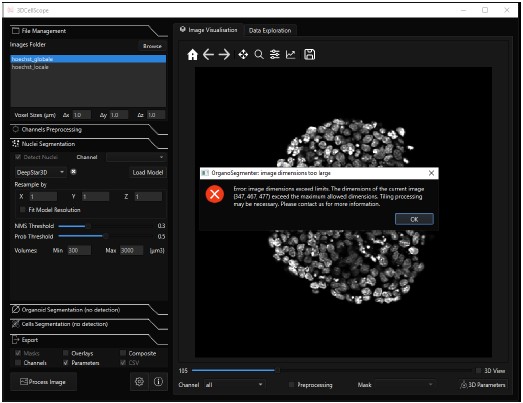
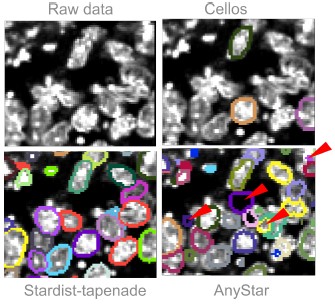
    1. MEPs are unlikely to be rewarded or punished in elections for their actions inside the Parliament means that theoretical models cannot simply be taken “off the rack” from the study of the US Congress, where a strong electoral connection is a standard underlying assumption.

      DOES compare it to Congress in US -> but notes that THERE IS A WEAK ELECTORAL LINK TO EP -> i.e., low voter turnout or participation / care for who is elected to EP -> very unlike Congress where midterms are generally impactful Here, Cannot APPLY models / theories that concern congress to the EP -> instead MEPS ARE NOT PUNISHED ELECTORIALLY IN THE SAME WAY HOUSE REPBS/DEMOCRATS ARE -> PUBLIC IGNORES THEM SO LESS ACCOUNTABILITY - Says this is IMPORTANT opportunity for researchers to study "electoral" politics w/o needing to consider the influence / pressure of electoral punishment/needing to please one's constituents -> instead must consider motivations for actions taken in EP as being influenced by PERSONAL / CAREER GOALS and ISSUES ABOUT THE ACTUAL POLICIES AT HAND (also likely the influence of pressure groups / lobbyists, if not elecvtorate)

      QUESTION -> what kind of data do we have on lobby groups as pressure groups on EP ? Says that we can't rely on explaining MEP motivations based on electoral pressure -> instead only on career aspirations of MEPs and actual policy issues -> but what about non-electoral (i.e., voter) external pressures?

      " Finally, the lack of a strong electoral connection in the European Parliament is both a challenge for researchers and an opportunity. The fact that MEPs are unlikely to be rewarded or punished in elections for their actions inside the Parliament means that theoretical models cannot simply be taken “off the rack” from the study of the US Congress, where a strong electoral connection is a standard underlying assumption. But the lack of an electoral incentive also provides an opportunity for European Parliament scholars to develop different theoretical underpinnings of some of the standard explanations for legislative behavior. If the formation of parties or the division of labor in committees cannot be explained by electoral incentives, then other motivations—such as policy concerns or career paths—need to be taken more seriously. If we can understand how career and policy motivations shape legislative behavior in the European Parliament, this knowledge will supplement or perhaps even challenge the general models of legislative behavior that assume that reelection is the dominant goal of legislators."

    1. Te wyniki mogą zmienić wszystko? Kardiolog komentuje nowe odkrycie o witaminie D
      • TARGET-D Study: Presented at the American College of Cardiology conference, it showed that patients maintaining vitamin D levels between 40-80 ng/mL (100-200 nmol/L) had half the risk of heart attack, especially post-heart attack patients.
      • Expert Opinions: Cardiologist Dr. B. Keith Ellis notes long-observed links between low vitamin D and cardiovascular risks; Prof. Markus Herrmann praises it as the first study specifying target blood levels for clearer conclusions.
      • Vitamin D Roles: Supports bone metabolism with calcium, immune system, brain/muscle cells; potential anti-inflammatory effects, blood pressure/sugar regulation may protect the heart.
      • Causation Debate: Low vitamin D might be a confounding factor reflecting outdoor activity and healthier lifestyles rather than direct cause.
      • Sources and Deficiency: Found in fatty fish (salmon, sardines), fortified foods; body produces via sunlight; up to 1 billion people worldwide deficient, worse in northern countries during winter.
      • Prior Trials: D-Health and VITAL trials showed no clear benefits; D-Health had borderline results for reducing heart attack risk.
    1. I learned,along with o th er students, to consider myself fortunate if Ifound an interesting professor who talked in a com pelling way.

      Stop searching for ideas in people who you don't relate to, instead, look for it in those that you do ! It is hard to relate to a scholar, so looking for guidance in someone that is close to you and actively working with you is important.

    2. m ost of my professors were n o t individualswhose teaching styles I wanted to em ulate

      similar to how many professor's teaching styles don't work for everyone, so it is crucial to find something that works for you and not depend on others.

    3. he best in oneself em erged in o n e ’s academicwork

      Strong stereotype, even today. Many (including myself) believe that this is the only way to determine their worth.

    1. deoxyribonucleic

      English (thorough explanation with images)

      Image

      Image

      Image

      Image

      1) What deoxyribonucleic means

      Deoxyribonucleic is an adjective that describes something related to deoxyribonucleic acid (DNA).

      Break the word apart:

      • deoxy- → lacking oxygen
      • ribose → a five-carbon sugar
      • -nucleic → related to the nucleus / nucleic acids

      👉 Deoxyribonucleic literally means “nucleic acid containing deoxyribose sugar.”


      2) Deoxyribonucleic vs ribonucleic (key contrast)

      The term exists mainly to distinguish DNA from RNA.

      | Feature | DNA (deoxyribonucleic) | RNA (ribonucleic) | | ------------------- | ----------------------------- | -------------------------- | | Sugar | Deoxyribose | Ribose | | Oxygen at 2′ carbon | H (missing O) | OH | | Stability | More stable | Less stable | | Typical role | Long-term information storage | Short-term information use |

      The missing oxygen in deoxyribose makes DNA chemically more stable, which is ideal for storing genetic information long-term.


      3) Where “deoxyribonucleic” fits in DNA structure

      A deoxyribonucleic acid molecule is built from:

      • Deoxyribose sugar
      • Phosphate groups
      • Nitrogenous bases (A, T, C, G)

      Each repeating unit is a DNA nucleotide, and the sugar in every DNA nucleotide is deoxyribose—that’s why DNA is called deoxyribonucleic.


      4) Why this term matters biologically

      Using deoxyribonucleic highlights:

      • DNA’s chemical identity
      • DNA’s greater stability
      • DNA’s suitability for hereditary storage

      If DNA had ribose instead of deoxyribose, it would break down too easily to serve as the genetic archive of life.


      5) One-sentence exam definition

      Deoxyribonucleic refers to nucleic acids that contain deoxyribose sugar, characteristic of DNA.


      中文(配图·深入讲解)

      Image

      Image

      Image

      Image

      1)deoxyribonucleic(脱氧核糖核的)是什么意思

      Deoxyribonucleic 是一个形容词,用来描述 DNA 的化学性质

      拆词理解:

      • deoxy-(脱氧) → 少一个氧
      • ribose(核糖) → 五碳糖
      • nucleic(核酸的) → 与核酸有关

      👉 deoxyribonucleic = 含有脱氧核糖的核酸


      2)为什么要强调“脱氧”

      这是为了区分 DNA 和 RNA

      | 项目 | DNA(脱氧核糖核) | RNA(核糖核) | | ---- | ---------- | -------- | | 糖 | 脱氧核糖 | 核糖 | | 2′ 位 | H | OH | | 稳定性 | 高 | 较低 | | 功能 | 长期储存遗传信息 | 短期传递信息 |

      脱氧核糖少一个氧原子,使 DNA 更稳定、不易断裂


      3)deoxyribonucleic 在 DNA 中的作用

      DNA 的每个基本单位(核苷酸)都包含:

      • 脱氧核糖
      • 磷酸
      • 含氮碱基(A、T、C、G)

      正因为糖是 脱氧核糖,这种核酸才叫 脱氧核糖核酸(DNA)


      4)为什么这是考试关键词

      “deoxyribonucleic”强调的是:

      • 化学结构差异
      • 稳定性优势
      • DNA 适合长期遗传保存

      这是生命进化中非常关键的一点。


      5)一句话考试总结

      Deoxyribonucleic 指的是含有脱氧核糖的核酸,是 DNA 的核心化学特征。


      如果你愿意,我可以把 ribonucleic vs deoxyribonucleic 做成一张 中英对照结构差异速查表,非常适合 Biology 10 / 11 考前复习。

    1. o estimate uncertainty intervals, we developed a MonteCarlo simulation of the results with 5000 draws of theexposure distribution, and of the relative risks.

      ?) I am curious about a Monte Carlo simulation, what it means, and how it works, I have never heard of that before.

    Annotators

    1. unity

      Unity(统一性)— with appropriate images

      Image

      Image

      Image

      Image


      English (thorough explanation)

      1) What “unity” means (core idea)

      Unity means everything works together as a whole. Different parts may vary, but they feel connected, consistent, and purposeful, not random or chaotic.

      Unity answers the question: 👉 “Do all parts belong together?”


      2) Unity in art & design (most common use)

      In art, design, and visual composition, unity refers to how elements combine to create a cohesive visual experience.

      Unity is achieved through:

      • Repetition (same colors, shapes, fonts)
      • Consistency (style, spacing, alignment)
      • Proximity (related items placed close together)
      • Alignment (elements line up logically)
      • Harmony (elements complement rather than clash)

      🔹 Example: A poster using one color palette, one font family, and repeated shapes feels unified.

      Unity ≠ sameness Unity allows variety, but within a shared structure.


      3) Unity vs. variety (important distinction)

      • Unity = togetherness
      • Variety = differences that add interest

      Good design balances both:

      • Too much unity → boring
      • Too much variety → chaotic

      🔹 Think of a song: Different notes and rhythms, but one key and mood.


      4) Unity in biology

      In biology, unity refers to how different parts function together to support life.

      Examples:

      • An organism: organs → systems → whole body
      • An ecosystem: producers, consumers, decomposers working together
      • Unity of life: all living things share DNA, cells, and basic biochemical processes

      🔹 Example: Heart, lungs, and blood vessels are different, but form one circulatory system.


      5) Unity in chemistry

      In chemistry, unity describes how atoms bond to form a stable molecule.

      Examples:

      • Individual atoms are meaningless alone
      • Together, they form compounds with new properties (e.g., H₂O)

      Unity here means:

      • Fixed ratios
      • Predictable structure
      • Shared electron systems

      6) Unity in writing & thinking

      In writing or arguments, unity means:

      • Every paragraph supports one central idea
      • No irrelevant details
      • Clear logical flow

      A unified essay:

      • One thesis
      • All evidence connects back to it

      中文(详细解释)

      1)什么是“统一性(Unity)”

      统一性指的是:各个部分共同组成一个整体。 虽然每个部分可能不同,但它们之间相互联系、协调一致

      统一性回答的问题是: 👉 “这些部分是否属于同一个整体?”


      2)艺术与设计中的统一性

      艺术、平面设计、网页设计中,统一性指画面是否整体协调、不杂乱

      实现统一性的方式包括:

      • 重复(颜色、形状、字体)
      • 一致性(风格、大小、间距)
      • 接近性(相关元素靠近)
      • 对齐(有清晰的排列逻辑)
      • 和谐(不冲突)

      🔹 例子: 一个网站如果颜色、按钮样式、字体统一,看起来就专业、清晰


      3)统一性 vs 多样性(考试常考)

      • 统一性 → 整体感
      • 多样性 → 变化与趣味

      好的作品需要二者平衡:

      • 只有统一 → 单调
      • 只有变化 → 混乱

      4)生物学中的统一性

      生物学中,统一性强调不同结构协同运作

      例子:

      • 器官 → 系统 → 个体
      • 生态系统中的不同物种相互依存
      • 生命的统一性:所有生物都有细胞、DNA、相似代谢过程

      🔹 例子: 心脏、肺、血管功能不同,但共同维持生命。


      5)化学中的统一性

      化学中,统一性体现在:

      • 原子通过化学键形成稳定整体
      • 形成的新物质具有整体性质

      🔹 例子: 氢和氧单独存在与结合成水,性质完全不同。


      6)写作与思维中的统一性

      写作中,统一性意味着:

      • 所有段落服务于同一个中心思想
      • 没有跑题内容
      • 逻辑清晰、层次分明

      一句话总结(双语)

      • Unity = many parts, one whole
      • 统一性 = 多个部分,构成一个整体

      如果你愿意,我可以把 unity 做成 ✔️ 考试用关键词对照表 ✔️ 艺术 / 生物 / 化学对比图 ✔️ 双语闪卡(定义 + 例子 + 易错点)

    1. Gobernanza de datos

      Este componente nomqueda tan claro como los otros, en términos de líneas o acciones concretas de desarrollo. Me parece que puede ayudar la distinción entre el desarrollo de protocolos o modelos de gobernanza, y el foco en uso de información orientada a la toma de desiciones, por medio del desarrollo de estudios estratégicos.

    2. Esta desconfianza se expresa en recortes presupuestarios, cierre o reducciones de programas académicos, así como un creciente escepticismo general respecto de los hallazgos, métodos y motivaciones de la comunidad científica

      Citas

    3. producen

      el concepto de producción de datos está muy vinculado a levantamiento. Para diferenciarse de esa actividad propongo matizarlo o sacarlo por ahora. Así, el foco estaría en: transformar la manera en que se gestionan, documentan y utilizan los datos sociales, asegurando que el conocimiento generado sea riguroso, transparente y socialmente relevante.

    4. La necesidad de contar con una infraestructura robusta de datos sociales se vuelve aún más urgente en el contexto actual, dadas las transformaciones tecnológicas, sociales y políticas que enfrentan las sociedades contemporáneas. El conocimiento científico se ve amenazado por la crisis de confianza pública, la proliferación de desinformación y la creciente complejidad de los fenómenos sociales. Además los populismos y las crisis democráticas en la región subrayan la importancia de contar con datos sociales rigurosos y transparentes que permitan fundamentar decisiones públicas y fortalecer la participación ciudadana. En este escenario, las universidades tienen un rol crucial como productores y guardianes del conocimiento social, siendo responsables de garantizar que los datos generados sean de alta calidad, éticamente gestionados y accesibles para la sociedad.

      Este párrafo es muy general. Funciona mejor como contexto amplio. Además, aparecen temas un poco descolgados como: los populismos o las crisis democráticas. ¿Cómo se conectan estos temas amplios con lo que se propone?

    1. AbstractThe processing and analysis of magnetic resonance images is highly dependent on the quality of the input data, and systematic differences in quality can consequently lead to loss of sensitivity or biased results. However, varying image properties due to different scanners and acquisition protocols, as well as subject-specific image interferences, such as motion artifacts, can be incorporated in the analysis. A reliable assessment of image quality is therefore essential to identify critical outliers that may bias results. Here we present a quality assessment for structural (T1-weighted) images using tissue classification. We introduce multiple useful image quality measures, standardize them into quality scales and combine them into an integrated structural image quality rating to facilitate the interpretation and fast identification of outliers with (motion) artifacts. The reliability and robustness of the measures are evaluated using synthetic and real datasets. Our study results demonstrate that the proposed measures are robust to simulated segmentation problems and variables of interest such as cortical atrophy, age, sex, brain size and severe disease-related changes, and might facilitate the separation of motion artifacts based on within-protocol deviations. The quality control framework presents a simple but powerful tool for the use in research and clinical settings.Competing Interest StatementThe authors have declared no competing interest.

      This work has been peer reviewed in GigaScience (see https://doi.org/10.1093/gigascience/giaf146), which carries out open, named peer-review. These reviews are published under a CC-BY 4.0 license and were as follows:

      Reviewer 2: Oscar Esteban

      Technical Note GIGA-D-25-00085 introduces a segmentation-based quality control (QC) framework for T1-weighted structural MRI integrated into the CAT12 toolbox. The approach defines five interpretable image quality metrics—noise-to-contrast ratio (NCR), inhomogeneity-to-contrast ratio (ICR), resolution score (RES), edge-to-contrast ratio (ECR), and full-brain Euler characteristic (FEC)—which are combined into a composite Structural Image Quality Rating (SIQR). The tool aims to provide a standardized, interpretable scoring system for identifying poor-quality scans, with validation across simulated datasets and real-world imaging data.

      Strengths

      The manuscript addresses a critical need in neuroimaging by presenting an automated, interpretable, and practical framework for quality control of T1-weighted structural MRI. By integrating multiple segmentation-derived metrics into a single Structural Image Quality Rating (SIQR), the approach enables fast, standardized assessment of image quality. The tool is embedded in the widely used CAT12/SPM ecosystem, facilitating adoption, and it is validated across a range of synthetic and real-world datasets. The scoring system is designed with user accessibility in mind, offering a clear grading scale and robust detection of motion-related artifacts, making it particularly well-suited for use in large-scale research and clinical imaging settings.

      Weaknesses

      1. Ambiguity of scope and segmentation dependency. A fundamental issue with the manuscript is its failure to clearly define the proposed QC framework's intended scope. If it is intended as a general-purpose image quality assessment tool, then several limitations become critical: its reliance on accurate tissue segmentation, its omission of background signal, its restricted validation within the CAT12 pipeline, and its lack of demonstrated interoperability with other workflows or populations. The method's reliability across different segmentation tools (e.g., FreeSurfer, FSL, SynthSeg) or in anatomically atypical populations (e.g., pediatric, lesioned brains) is untested. Conversely, if the framework is intended as a CAT12-specific internal QC tool, then the presentation is misleading. The inclusion of cross-tool benchmarks (e.g., MRIQC), the use of generalized grading schemes, and the claims of robustness give the impression of broader applicability. In this narrower interpretation, some concerns (e.g., pipeline generalization) would be less pressing, but others—such as the MRIQC comparison—become more problematic and unjustified. The manuscript would benefit greatly from explicitly stating whether the goal is a broadly applicable QC solution or a targeted add-on for CAT12 workflows.
      2. Lack of compliance with GigaScience reproducibility standards. The manuscript does not currently meet GigaScience's data and code availability requirements. The code used to generate results and figures is not publicly accessible—only available upon request—which directly conflicts with the journal's expectations for open, reproducible research. Similarly, while the data are drawn from public sources, the manuscript lacks direct links, accession numbers, or DOIs for the datasets used, and provides no clarity on data preprocessing or analysis scripts. There is also no reference to licensing for the CAT12 toolbox or the code used in the study, and no reproducibility capsule (e.g., containerized environment, workflow script) is offered. These omissions limit the transparency and reusability of the work and must be addressed to comply with the FAIR principles and GigaScience's editorial policies.
      3. Mischaracterization of background-based IQMs. In the "SIQR measure development" section, the manuscript states: "Image quality measures are commonly estimated from the image background (Mortamed et al., 2008; Esteban et al., 2017)." This statement is factually incorrect and conceptually misleading. First, the citation is incorrect—Mortamed should be Mortamet (2009). Second, it misrepresents tools like MRIQC, where most quality metrics are computed within brain tissue, including CJV, SNR, and contrast-based measures. Third, the authors entirely omit recent work (e.g., Pizarro et al., 2016; Provins et al., 2025\) showing that artifacts such as ghosting, wrap-around, and motion often manifest more clearly in the background, due to the nature of Fourier reconstruction. By excluding background regions, the proposed method may miss artifacts that are visible but lie outside the segmented brain, and the trade-offs of this design decision are not discussed. The rationale based on defacing is only partial: defacing typically removes the face, not the broader background, where artifact signals often dominate. The statement as written oversimplifies QC practices and signals a bias toward justifying the framework's internal constraints rather than engaging with the full methodological landscape. References: Provins, C., … Esteban, O. (2025). Removing facial features from structural MRI images biases visual quality assessment PLOS Biology. doi:10.1371/journal.pbio.3003149 (OA). Pizarro RA, et al. (2016). Automated quality assessment of structural magnetic resonance brain images based on a supervised machine learning algorithm. Front Neuroinf. 10. doi:10.3389/fninf.2016.00052.
      4. Underdeveloped and opaque benchmarking against MRIQC. The benchmarking against MRIQC is reported only in the Results section, with no corresponding description in the Methods. It is surprising that MRIQC is not mentioned by name until page 14, despite the Esteban et al. (2017) reference appearing earlier in a different context. This suggests that the treatment of MRIQC—a widely adopted, general-purpose QC tool—has not been as thorough or fair as would be desirable. Key methodological details are missing: the authors do not explain how MRIQC was executed, how specific features (e.g., snr_wm, cjv) were selected, or whether a multivariate classifier was considered. Given that MRIQC's full model leverages multiple features simultaneously, limiting the comparison to univariate metrics weakens the validity of the claim that SIQR outperforms existing approaches. A more balanced, transparent benchmarking setup would strengthen the manuscript considerably. This benchmarking also mentions an "SPM12-based" QC performance but does not clarify how and why this comparison is made.
      5. No analysis of failure cases. The manuscript does not present examples of false positives or false negatives—cases where SIQR fails to align with visual inspection or known ground truth. Without understanding when and why the metric fails, users cannot judge the risk of misclassification or apply it conservatively in sensitive datasets.

      Minor Issues

      • Figure 7 could benefit from clearer annotation of thresholds and misclassified cases to help interpret the ROC curves.
      • While the title "The Good, the Bad, and the Ugly" is a play on the classic western film, this informal or humorous reference may be perceived as inappropriate in a scientific context—especially for a methods paper intended to support standardization and reproducibility. The title does not convey the technical scope or scientific contribution of the work, which may undermine its visibility and perceived rigor. A more descriptive and neutral title—e.g., "Segmentation-Based Quality Control of Structural MRI using the CAT12 Toolbox"—would better reflect the content and purpose of the manuscript.
      • While the authors validate their approach against synthetic degradations and segmentation-derived kappa scores, they do not sufficiently leverage human expert QC ratings. Greater engagement with visual QC standards would make the case for SIQR's practical value more compelling.

      I was given access to the supporting data but chose not to proceed with reproducibility checks at this stage, as the manuscript does not currently meet GigaScience's basic standards for code and data transparency. I look forward to reviewing a revised version that clearly defines the scope of the method, improves methodological transparency, and brings the manuscript into compliance with the journal's reproducibility and FAIR data principles.

      Best regards,

      Oscar Esteban, Ph. D. Research and Teaching FNS Fellow Dept. of Radiology, CHUV, University of Lausanne

    1. Memory Configuration: This is where most people mess up. Pulling the standard postgres docker image won't cut it. You have to configure memory bounds with static limits that correspond to hardware. I've automated some of these configurations. But whether you do it manually or use some auto-config, tweaking these params is a must. The key parameters: shared_buffers: Start around 25 % of RAM; modern PG happily uses tens of GB. effective_cache_size: Set to 75% of system RAM (this tells Postgres how much memory the OS will use for caching) work_mem: Be conservative here. Set it to total RAM / max_connections / 2, or use a fixed value like 32MB maintenance_work_mem: Can be generous (1-2GB), only used during VACUUM and index operations Connection Management: RDS enforces their own max connections, but when self hosting you get the opportunity to choose your own: # Connection settings max_connections = 200 shared_preload_libraries = 'pg_stat_statements' log_connections = on log_disconnections = on Wahoo! More connections = more parallelism right? No such free lunch I'm afraid. Making fresh connections in postgres has pretty expensive overhead, so you almost always want to put a load balancer on front of it. I'm using pgbouncer on all my projects by default - even when load might not call for it. Python asyncio applications just work better with a centralized connection pooler. And yes, I've automated some of the config there too. Storage Tuning: NVMe SSDs make having content on disk less harmful than conventional spinning hard drives, so you'll want to pay attention to the disk type that you're hosted on: # Storage optimization for NVMe random_page_cost = 1.1 # Down from default 4.0 seq_page_cost = 1.0 # Keep at default effective_io_concurrency = 200 # Up from default 1 These settings tell Postgres that random reads are almost as fast as sequential reads on NVMe drives, which dramatically improves query planning. WAL Configuration: Write-Ahead Logging is critical for durability and performance: # WAL settings wal_level = replica # Enable streaming replication max_wal_size = 2GB # Allow larger checkpoints min_wal_size = 1GB # Prevent excessive recycling checkpoint_completion_target = 0.9 # Spread checkpoint I/O over 90% of interval

      database cfg pg opt

    1. 5.1 Sexo x Tipo de colegio

      antes de hacer el cruce, se requieren los descriptivos de notas por cada una de las variables y ahí evaluar qué cruces son relevantes. ¿Por qué es importante el cruce entre sexo y tipo de colegio? es decir, ambas son variables dependientes del estudio, y todo cruce debería incluir la dependiente. Llama la atención además que este sea el primer cruce.

      Además, el eje x tiene que ir ordenado en un sentido para ver mejor las tendencias: municipal, subvencionado, privado

      Y partir por un gráfico general, y luego ver si tiene sentido una comparación por carreras. Si es por comparar, un tabset no ayuda mucho, mejor algo tipo cleveland o algo más eficiente visualmente.

    1. 4.1 Ejercicio inicial - Subset Sociología 2024

      parte de esta sección debería ser algo como "chequeo de calidad de los datos" y debería ir en el apéndice. La secciónn 4 debería ser simplemente Resultados, para la audiencia dudo que su principal interés sea conocer discrepancias de las bases de datos, le quita mucho peso al análisis. En la reunión habíamos dicho que vamos a trabajar con la base que tiene las notas por curso; si esto calza o no con la otra base es un tema a resolver, y que como dije ya un par de veces se puede despejar con las notas efectivas de algún curso que me puedes solicitar a mí o a Daniel @tomas, y simplemente comparar con las de la base.

    1. One of my favourite pieces on LLM security this year is The Normalization of Deviance in AI by security researcher Johann Rehberger. Johann describes the “Normalization of Deviance” phenomenon, where repeated exposure to risky behaviour without negative consequences leads people and organizations to accept that risky behaviour as normal. This was originally described by sociologist Diane Vaughan as part of her work to understand the 1986 Space Shuttle Challenger disaster, caused by a faulty O-ring that engineers had known about for years. Plenty of successful launches led NASA culture to stop taking that risk seriously. Johann argues that the longer we get away with running these systems in fundamentally insecure ways, the closer we are getting to a Challenger disaster of our own.

      Normalisation of deviance: a risk taken without consequence reduces the perceived risk, while the risk is not changing itself. Johann Reberger (vgl o-ring issue in 1986 Challenger disaster.)

    1. R0:

      Review Comments to the Author

      Please use the space provided to explain your answers to the questions above. You may also include additional comments for the author, including concerns about dual publication, research ethics, or publication ethics. (Please upload your review as an attachment if it exceeds 20,000 characters)

      Reviewer #1: 1. The manuscript primarily shows that adding a visual inspection step increased the proportion of prosthetic feet deemed usable (83% to 94%). This outcome is predictable and does not constitute meaningful scientific innovation. The work reads as an operational description rather than rigorous research; novelty and contribution are therefore limited. 2. The proposed checklist is not validated. There is no mechanical or structural testing, no clinical functional outcomes, no prospective field evaluation, no inter-rater reliability assessment, and no sensitivity or specificity analysis. Accordingly, the checklist cannot be considered a standard, and the conclusions overstate the evidence. A formal validation phase is required. 3. Safety, mechanical integrity, and lifespan have not been evaluated. Visual inspection alone is inadequate for medical devices. No ISO-aligned static or cyclic loading tests are presented, nor are durability or time-in-service data available. This is a critical omission given the manuscript’s intent to inform international practice. 4. No patient-level outcomes are included (for example, fit success, comfort, skin issues, mobility, abandonment, repair frequency, or time-to-failure). Without these data, the practical value of the intervention remains uncertain. 5. Brand-level comparisons are underpowered, and model-level or material-level analyses are not presented. Despite acknowledging this limitation, the manuscript still interprets brand-related effects. 6. The Introduction and narrative sections are disproportionately long and repetitive; substantial condensation is recommended. In contrast, the Methods and Results require greater depth and clarity. 7. The statistical analysis is limited. Logistic models do not account for key confounders such as service age, storage duration, materials, or model type. Model diagnostics, effect sizes with confidence intervals, and multiple-comparison considerations are not reported. 8. Economic evaluation is absent. Donation and reuse programs in low and middle income settings are cost sensitive, and without cost modeling, the recommendations have limited actionable value. 9. Several claims are overstated, including suggestions related to circular economy effects, international standard development, and safety assurance. These assertions are not supported by the presented data and should be moderated.

      Reviewer #2: It is suggested to review the Nippon Foundation/Exceed Cambodia in proposing the standards of P&O. The case study that has been done in Cambodia, Myanmar, Laos, Vietnam and Sri Lanka in will guide the current P&O Standard in low and middle income countries.

      It is best to review the minimum standards of P&O in these countries as a underlying theory to govern the foundation of foot reuse and donation used.

      A robust systematic reviews are vital in proposing standards for foot reuse and donations used in low and middle income countries. An updated literature are needed.

      It is suggested to explore the preliminary findings in these low and middle income countries.

      Reviewer #3: GENERAL This reviewer welcomes the ambition of the authors to start developing standards for donated prosthetic componentry to LMICs. Such standards are indeed much needed as one important factor to improve the quality of the prosthetic devices provided within LMICs.

      The authors’ work has carefully been imbedded into a wealth of information and reasons for why the need is urgent for developing standards of donated prosthetic components. This information has been mindfully drafted including viewpoints and situation of many LMICs as well as HICs. Well done!

      What left this reviewer wondering is why the development of the checklist has not been carried out with locals at the two centers, where MB and PM were able to collect the data of the stored feet. The rationale for not doing so should be included into the Limitations section.

      Further, why has no testing of the developed checklist been carried out with the two centers? For example, dividing the available feet into two equal sized groups would have raised the opportunity to develop the checklist with one group of feet including the regression model and then test it on the remaining feet in the second group. Why was this not considered? One could classify all available feet as indicated in Table 1, but then consider only these feet who were mostly used in the field or were mostly available. Lowering the numbers of independent variables to the those variables that would represent the essence of the checklist best would have given the option for a regression model, or is this reviewer mistaken? These points should be discussed in the paper. In case the paper gets too long (word count), it is recommended to concise the actual discussion section as it provides similar points stated in the introduction.

      And lastly, this reviewer does not think that retesting used feet similar to the stated ISO standards would be feasible. Instead, it might be worthwhile checking in other industries (aviation, deep-sea shipping) what type of non-mechanical controls for checking of wear and tear on materials/motors are available without dismantling motors or testing of used structures. Perhaps some light and/or sonar evaluation would be a way to check the mechanical structure of used prosthetic feet and other componentry without putting any more strain on the used materials. That might be some thoughts for the Future Work section. Also probable collaboration with universities in LMICs should be considered as a close source of additional brain power for the development of standards within a given country.

      DETAILED The reviewer finds the word ‘prosthetics’ difficult and prefers the (correct) term ‘prosthetic componentry or prosthetic components’ instead. In her experience using the nomenclature of the P/O profession adds clarity in an interdisciplinary context. It is often unclear to people outside of or adjacent to the P/O profession that a ‘prosthetics’ is composed of different products, i.e. some industrial produced prosthetic components and – in most cases – a bespoken locally fabricated prosthetic socket. By using prosthetic components or prosthesis/prostheses when referring to the final product – the authors will signal directly that there are ‘pieces’ needed to compose an entire prosthesis. Further, using the correct term assists in distinguishing prostheses fabricated with componentry from those being fabricated by 3D printing, also a field needing standards for C2C design. Therefore, please change the wording accordingly within the entire paper – thank you!

      Lines 165-168. This sentence seems to be incomplete – please check.

      Line 229. This statement is incorrect. In Switzerland (and the reviewer is sure this is the case in France, Netherlands and the UK), prosthetic componentry has different life/warranty cycles depending on the type of prosthetic component and its model. Please rephrase this sentence pointing out that different prosthetic components and their models have different life/warranty cycles set by the industrial manufacturers.

      Lines 284-286.This sentence is unclear: Are the authors checking prosthetic feet shipped to Africa prior to the study or as part of the study when these feet arrive in Africa? If they are analyzed prior to the study how do the authors make sure that the damage seen is indeed due to shipping and not due to storage, for example? If the authors controlled feet within the study time period, would the sentence not needed to be stated “… we review prosthetic feet ALSO in Africa.”? Or did the authors not review the feet at the study place, but only in Africa? Please clarify and rephrase – thank you. These clarifications/details seem to be better placed within the Materials and Methods Chapter.

      Lines 287-311, in particular lines 311-317. Because the authors use an experimental setup, variables are usually considered as ‘independent’ or ‘dependent’. Please clarify what variables (independent, dependent) were considered. All variables the authors used to classify the different feet need be listed together with the rationale for the decision to include them into the regression model, including their order.

      Ok – are the variables listed on line 314 the once considered as independent variables to classify a prosthetic foot as ‘reusable’ or ‘not reusable’? If so, why? In other words, why do the authors consider the ‘brand’ to be more important than the condition of the foot itself? Or is it the case because only those feet that passed the visual test of being 'usable' were included into the regression model? Up to this point, this reviewer understood the aim of the study as being to develop a set of criteria to classify a prosthetic foot as reusable or not. If a visual pre-selection needs to be carried out first, how good/robust is the regression model that follows? Please clarify and add this clarification to the text – thank you.

      Lines 296-298. What variables (the authors call them ‘flaws’, if understood correctly) did the authors consider during the usability tests? How were these tests carried out? What happened with the feet the authors did consider as ‘not usable’: where they removed from the total sample of 366 feet (see below remarks to line 319)? For illustration: assuming the authors used for their visual check a variable called ‘cracks within the cosmetic’: did the authors classify a foot as still usable when only surface cracks were available, or did they exclude any foot with a crack in its shell? What were the criteria to classify a SACH foot as ‘usable’? More detailed information about the entire method for the visual checks and the resulting classification needs to be stated.

      When did the authors add any of this variable into the regression model and they give some of the variables a weighting, i.e. were some of the variables considered more important than others, and if so, why? Please add this information and make a reference to Table 2 or better, create a new Table or flowchart showing the authors thoughts and decision process including the variables used upon which they based their decision to classify a foot as ‘usable’ or ‘not usable’. Clarification on this matter will strengthen the work as it helps the reader to better understand the authors’ rationale – thank you!

      Line 319. Please start the results section with “A total of 366 feet where analyzed, 196 left and 170 right feet…”

      Line 320. Please add “… and A brand could be identified for… ” – thank you.

      Lines 320-322. Based on the information given in Table 1, there were 12 brands identified as categories plus one category with feet unknown to the authors. Because ‘unknown’ is not a brand, the sentence needs to be rephrased – thank you.

      Lines 353-357. These sentences seem to be missing some text, at least, they do not make sense to this reviewer. In lines 353-355 the authors state that the feet of Trulife and Ossur performed worst. Then in the following lines the authors state that they are (nevertheless??) considered as appropriate for donation. Please clarify – thank you.

      Table 4. Please explain/add, either in the corresponding text (lines 350 and subsequently) how the negative signs have to be read. Why has the measurement made against ‘BioQuest’ and not ‘Janton’ and how do the authors explain the difference in the coefficient between these two feet? Both feet were represented with n=1, why is there a difference? Please explain and add the clarification into the text within the Discussion section – thank you.

      Figure 2. Please add to Fig. 2, a, b, and c, as done in Fig. 1. This assists in clarifying matters. Please add this clarification into the text: line 364 = Figure 2a; line 378: delete (Figure 2) and add after ‘NCRPPD’ (Figure 2b); line 379: add (Figure 2c) after ‘K4C’.

      Line 388. Add at the end of the sentence ‘(Figure 3)’.

      Line 395. Please expand this sentence like or similar as proposed “…can be a burden to the recipient LMIC [31, 39,40], as indicated by Marks et al (2019 – Please check PLOS rules!!):” and then have the quotation followed. This will connect the quotation with the text and makes it easier to read.

      Line 469. Please check this sentence – the word ‘design’ seems to be twice stated. If this is correct, consider rephrasing as the sentence reads strange, thank you.

      Checklist questions: • Question (1): Please add example of ‘completeness’ of a prosthetic foot, as you did for Question 2. • Question (3): Add examples of what the authors consider ‘compliant’: forefoot, heel, middle section? All of these, only one? Usable for light persons, like children if only one part of the foot is too compliant? If so, which one do the authors consider as the most important variable for a foot to be still considered ‘usable’?

      Line 529. Word missing: “..cost of what” was the biggest barrier? Please complete.

      Line 533. Please consider replacing ‘in this way’ with ‘Therefore’ or similar that would connect clearer the content of the previous paragraph with this new one.

      Line 544. Typos: ‘reduce’ instead of ‘reduces’, ‘limit’ instead of ‘limits’.

      Line 567. Stop the sentence after ‘repair of equipment’ and continue with a new sentence starting, for example with “Hamner et al (please check PLOS rules!!) point out that … and than add the quotation.

      Line 570. Please delete ‘etc.’ This should not be used in a text as it lefts the reader wonder what else – in this case – could have had an influence. Instead write ‘for example’ and list the three most missing points that were not considered.

      Line 620. Keep the number correct: the authors tested 306 feet. The number speaks for itself, no need to bolster it. To this reviewer bolstering looks bad, stay with the figures.

      Line 622. Replace ‘are’ with ‘were’, as this was the case for the authors' sample. Samples of other authors might vary.

  4. Dec 2025
    1. Direito constitucional é o ramo do direito público dedicado a estudar as normas constitucionais, mas para que seja possível uma melhor compreensão, é essencial assimilar o conceito de Constituição.

      é para estudar as normas constitucionais

    1. Author response:

      The following is the authors’ response to the original reviews

      Public Reviews:

      Reviewer #1 (Public review):

      Summary:

      In this manuscript, Chengjian Zhao et al. focused on the interactions between vascular, biliary, and neural networks in the liver microenvironment, addressing the critical bottleneck that the lack of high-resolution 3D visualization has hindered understanding of these interactions in liver disease.

      Strengths:

      This study developed a high-resolution multiplex 3D imaging method that integrates multicolor metallic compound nanoparticle (MCNP) perfusion with optimized CUBIC tissue clearing. This method enables the simultaneous 3D visualization of spatial networks of the portal vein, hepatic artery, bile ducts, and central vein in the mouse liver. The authors reported a perivascular structure termed the Periportal Lamellar Complex (PLC), which is identified along the portal vein axis. This study clarifies that the PLC comprises CD34⁺Sca-1⁺ dual-positive endothelial cells with a distinct gene expression profile, and reveals its colocalization with terminal bile duct branches and sympathetic nerve fibers under physiological conditions.<br />

      Weaknesses:

      This manuscript is well-written, organized, and informative. However, there are some points that need to be clarified.

      (1) After MCNP-dye injection, does it remain in the blood vessels, adsorb onto the cell surface, or permeate into the cells? Does the MCNP-dye have cell selectivity?

      The experimental results showed that after injection, the MCNP series nanoparticles predominantly remained within the lumens of blood vessels and bile ducts, with their tissue distribution determined by physical perfusion. No diffusion of the dye signal into the surrounding parenchymal tissue was observed, nor was there any evidence of adsorption onto the cell surface or entry into cells. The newly added Supplementary Figure S2A–H further confirmed this feature, demonstrating that the dye signals were strictly confined to the luminal space, clearly delineating the continuous course of blood vessels and the branching morphology of bile ducts. These findings strongly support the conclusion that “MCNP dyes are distributed exclusively within the luminal compartments.”

      Therefore, the MCNP dyes primarily serve as intraluminal tracers within the tissue rather than as labels for specific cell types.

      (2) All MCNP-dyes were injected after the mice were sacrificed, and the mice's livers were fixed with PFA. After the blood flow had ceased, how did the authors ensure that the MCNP-dyes were fully and uniformly perfused into the microcirculation of the liver?

      Thank you for the reviewer’s valuable comments. Indeed, since all MCNP dyes were perfused after the mice were euthanized and blood circulation had ceased, we cannot fully ensure a homogeneous distribution of the dye within the hepatic microcirculation. The vascular labeling technique based on metallic nanoparticle dyes used in this study offers clear imaging, stable fluorescence intensity, and multiplexing advantages; however, it also has certain limitations. The main issue is that the dye distribution within the hepatic parenchyma can be affected by factors such as lobular overlap, local tissue compression, and variations in vascular pathways, resulting in regional inhomogeneity of dye perfusion. This is particularly evident in areas where multiple lobes converge or where anatomical structures are complex, leading to local dye accumulation or over-perfusion.

      In our experiments, we attempted to minimize local blockage or over-perfusion by performing PBS pre-flushing and low-pressure, constant-speed perfusion. Nevertheless, localized dye accumulation or uneven distribution may still occur in lobe junctions or structurally complex regions. Such variation represents one of the methodological limitations. Overall, the dye signals in most samples remained confined to the vascular and biliary lumens, and the distribution pattern was highly reproducible.

      We have addressed this issue in the Discussion section but would like to emphasize here that, although this system has clear advantages, it remains sensitive to anatomical variability in the liver—such as lobular overlap and vascular heterogeneity. At vascular junctions, local perfusion inhomogeneity or dye accumulation may occur; therefore, injection strategies and perfusion parameters should be adjusted according to liver size and vascular condition to improve reproducibility and imaging quality. It should also be noted that the results obtained using this method primarily aim to visualize the overall and fine anatomical structures of the hepatic vascular system rather than to quantitatively reflect hemodynamic processes. In the future, we plan to combine in vivo perfusion or dynamic fluid modeling to further validate the diffusion characteristics of the dyes within the hepatic microcirculation.

      (3) It is advisable to present additional 3D perspective views in the article, as the current images exhibit very weak 3D effects. Furthermore, it would be better to supplement with some videos to demonstrate the 3D effects of the stained blood vessels.

      Thank you for the reviewer’s valuable comments. In response to the suggestion, we have added perspective-rendered images generated from the 3D staining datasets to provide a more intuitive visualization of the spatial morphology of the hepatic vasculature. These images have been included in Figure S2A–J. In addition, we have prepared supplementary videos (available upon request) that dynamically display the three-dimensional distribution of the stained vessels, further enhancing the spatial perception and visualization of the results.

      (4) In Figure 1-I, the authors used MCNP-Black to stain the central veins; however, in addition to black, there are also yellow and red stains in the image. The authors need to explain what these stains are in the legend.

      Thank you for the reviewer’s constructive comment. In Figure 1I, MCNP-Black labels the central vein (black), MCNP-Yellow labels the portal vein (yellow), MCNP-Pink labels the hepatic artery (pink), and MCNP-Green labels the bile duct (green). We have revised the Figure 1 legend to include detailed descriptions of the color signals and their corresponding structures to avoid any potential confusion.

      (5) There is a typo in the title of Figure 4F; it should be "stem cell".

      Thank you for the reviewer’s careful correction. We have corrected the spelling error in the title of Figure 4F to “stem cell” and updated it in the revised manuscript.

      (6) Nuclear staining is necessary in immunofluorescence staining, especially for Figure 5e. This will help readers distinguish whether the green color in the image corresponds to cells or dye deposits.

      We thank the reviewer for the valuable suggestion. We understand that nuclear staining can help determine the origin of fluorescence signals. However, in our three-dimensional imaging system, the deep signal acquisition range after tissue clearing often causes nuclear dyes such as DAPI to generate highly dense and widespread fluorescence, especially in regions rich in vascular structures, which can obscure the fine vascular and perivascular details of interest. Therefore, this study primarily focuses on high-resolution visualization of the spatial architecture of the vascular and biliary systems. We have added an explanation regarding this point in Figures S2I–J.

      Reviewer #2 (Public review):

      Summary:

      The present manuscript of Xu et al. reports a novel clearing and imaging method focusing on the liver. The authors simultaneously visualized the portal vein, hepatic artery, central vein, and bile duct systems by injecting metal compound nanoparticles (MCNPs) with different colors into the portal vein, heart left ventricle, inferior vena cava, and the extrahepatic bile duct, respectively. The method involves: trans-cardiac perfusion with 4% PFA, the injection of MCNPs with different colors, clearing with the modified CUBIC method, cutting 200 micrometer thick slices by vibratome, and then microscopic imaging. The authors also perform various immunostaining (DAB or TSA signal amplification methods) on the tissue slices from MCNP-perfused tissue blocks. With the application of this methodical approach, the authors report dense and very fine vascular branches along the portal vein. The authors name them as 'periportal lamellar complex (PLC)' and report that PLC fine branches are directly connected to the sinusoids. The authors also claim that these structures co-localize with terminal bile duct branches and sympathetic nerve fibers, and contain endothelial cells with a distinct gene expression profile. Finally, the authors claim that PLC-s proliferate in liver fibrosis (CCl4 model) and act as a scaffold for proliferating bile ducts in ductular reaction and for ectopic parenchymal sympathetic nerve sprouting.

      Strengths:

      The simultaneous visualization of different hepatic vascular compartments and their combination with immunostaining is a potentially interesting novel methodological approach.

      Weaknesses:

      This reviewer has several concerns about the validity of the microscopic/morphological findings as well as the transcriptomics results. In this reviewer's opinion, the introduction contains overstatements regarding the potential of the method, there are severe caveats in the method descriptions, and several parts of the Results are not fully supported by the documentation. Thus, the conclusions of the paper may be critically viewed in their present form and may need reconsideration by the authors.

      We sincerely thank the reviewer for the thorough evaluation and constructive comments on our study. We fully understand and appreciate the reviewer’s concerns regarding the methodological validity and interpretation of the results. In response, we have made comprehensive revisions and additions to the manuscript as follows:

      First, we have carefully revised the Introduction and Discussion sections to provide a more balanced description of the methodological potential, removing statements that might be considered overstated, and clarifying the applicable scope and limitations of our approach (see the revised Introduction and Discussion).

      Second, we have substantially expanded the Methods section with detailed information on model construction, imaging parameters, data processing workflow, and technical aspects of the single-cell transcriptomic reanalysis, to enhance the transparency and reproducibility of the study.

      Third, we have added additional references and explanatory notes in the Results section to better support the main conclusions (see Section 6 of the Results).

      Finally, we have rechecked and validated all experimental data, and conducted a verification analysis using an independent single-cell RNA-seq dataset (Figure S6). The results confirm that the morphological observations and transcriptomic findings are consistent and reproducible across independent experiments.

      We believe these revisions have greatly strengthened the reliability of our conclusions and the overall scientific rigor of the manuscript. Once again, we sincerely appreciate the reviewer’s valuable comments, which have been very helpful in improving the logic and clarity of our work.

      Reviewer #3 (Public review):

      Summary:

      In the reviewed manuscript, researchers aimed to overcome the obstacles of high-resolution imaging of intact liver tissue. They report successful modification of the existing CUBIC protocol into Liver-CUBIC, a high-resolution multiplex 3D imaging method that integrates multicolor metallic compound nanoparticle (MCNP) perfusion with optimized liver tissue clearing, significantly reducing clearing time and enabling simultaneous 3D visualization of the portal vein, hepatic artery, bile ducts, and central vein spatial networks in the mouse liver. Using this novel platform, the researchers describe a previously unrecognized perivascular structure they termed Periportal Lamellar Complex (PLC), regularly distributed along the portal vein axis. The PLC originates from the portal vein and is characterized by a unique population of CD34⁺Sca-1⁺ dual-positive endothelial cells. Using available scRNAseq data, the authors assessed the CD34⁺Sca-1⁺ cells' expression profile, highlighting the mRNA presence of genes linked to neurodevelopment, biliary function, and hematopoietic niche potential. Different aspects of this analysis were then addressed by protein staining of selected marker proteins in the mouse liver tissue. Next, the authors addressed how the PLC and biliary system react to CCL4-induced liver fibrosis, implying PLC dynamically extends, acting as a scaffold that guides the migration and expansion of terminal bile ducts and sympathetic nerve fibers into the hepatic parenchyma upon injury.

      The work clearly demonstrates the usefulness of the Liver-CUBIC technique and the improvement of both resolution and complexity of the information, gained by simultaneous visualization of multiple vascular and biliary systems of the liver at the same time. The identification of PLC and the interpretation of its function represent an intriguing set of observations that will surely attract the attention of liver biologists as well as hepatologists; however, some claims need more thorough assessment by functional experimental approaches to decipher the functional molecules and the sequence of events before establishing the PLC as the key hub governing the activity of biliary, arterial, and neuronal liver systems. Similarly, the level of detail of the methods section does not appear to be sufficient to exactly recapitulate the performed experiments, which is of concern, given that the new technique is a cornerstone of the manuscript.

      Nevertheless, the work does bring a clear new insight into the liver structure and functional units and greatly improves the methodological toolbox to study it even further, and thus fully deserves the attention of readers.

      Strengths:

      The authors clearly demonstrate an improved technique tailored to the visualization of the liver vasulo-biliary architecture in unprecedented resolution.

      This work proposes a new biological framework between the portal vein, hepatic arteries, biliary tree, and intrahepatic innervation, centered at previously underappreciated protrusions of the portal veins - the Periportal Lamellar Complexes (PLCs).

      Weaknesses:

      Possible overinterpretation of the CD34+Sca1+ findings was built on re-analysis of one scRNAseq dataset.

      Lack of detail in the materials and methods section greatly limits the usefulness of the new technique to other researchers.

      We thank the reviewer for this important comment. We agree that when conclusions are mainly based on a single dataset, overinterpretation should be avoided. In response to this concern, we have carefully re-evaluated and clearly limited the scope of our interpretation of the scRNA-seq analysis. In addition, we performed a validation analysis using an independent single-cell RNA-seq dataset (see new Figure S6), which consistently confirmed the presence and characteristic transcriptional profile of the periportal CD34⁺Sca1⁺ endothelial cell population. These supplementary analyses strengthen the robustness of our findings and address the reviewer’s concern regarding potential overinterpretation.

      In the revised manuscript, we have also greatly expanded the Materials and Methods section by providing detailed information on sample preparation, imaging parameters, data processing workflow, and single-cell reanalysis procedures. These revisions substantially improve the transparency and reproducibility of our methodology, thereby enhancing the usability and reference value of this technique for other researchers.

      Recommendations for the authors:

      Reviewer #2 (Recommendations for the authors):

      Introduction

      (1) In general, the Introduction is very lengthy and repetitive. It needs extensive shortening to a maximum of 2 A4 pages.

      We thank the reviewer for the valuable suggestions. We have thoroughly condensed and restructured the Introduction, removing redundant content and merging related paragraphs to make the theme more focused and the logic clearer. The revised Introduction has been shortened to within two A4 pages, emphasizing the scientific question, innovation, and technical approach of the study.

      (2) Please correct this erroneous sentence:

      '...the liver has evolved the most complex and densely n organized vascular network in the body, consisting primarily of the portal vein system, central vein system, hepatic artery system, biliary system, and intrahepatic autonomic nerve network [6, 7].'

      We thank the reviewer for pointing out this spelling error. The revised sentence is as follows:

      “…the liver has evolved the most complex and densely organized ductal-vascular network in the body, consisting primarily of the portal vein system, central vein system, hepatic artery system, biliary system, and intrahepatic autonomic nerve network [6, 7].”

      (3) '...we achieved a 63.89% improvement in clearing efficiency and a 20.12% increase in tissue transparency'

      Please clarify what you exactly mean by 'clearing efficiency' and 'increased tissue transparency'.

      We thank the reviewer for the valuable comments and have clarified the relevant terminology in the revised manuscript.

      “Clearing efficiency” refers to the improvement in the time required for the liver tissue to become completely transparent when treated with the optimized Liver-CUBIC protocol (40% urea + H₂O₂), compared with the conventional CUBIC method. In this study, the clearing time was reduced from 9 days to 3.25 days, representing a 63.89% increase in time efficiency.

      “Tissue transparency” refers to the ability of the cleared tissue to transmit visible light. We quantified the optical transparency by measuring light transmittance across the 400–900 nm wavelength range using a microplate reader. The results showed that the average transmittance increased by 20.12%, indicating that Liver-CUBIC treatment markedly enhanced the optical clarity of the liver tissue.

      (4) I am concerned about claiming this imaging method as real '3D imaging'. Namely, while the authors clear full lobes, they actually cut the cleared lobes into 200-micrometer-thick slices and perform further microscopy imaging on these slices. Considering that they focus on ductular structures of the liver (such as vasculature, bile duct system, and innervations), 200 micrometer allows a very limited 3D overview, particularly in comparison with the whole-mount immuno-imaging methods combined with light sheet microscopy (such as Adori 2021, Liu 2021, etc). In this context, I feel several parts of the Introduction to be an overstatement: besides of emphasizing the advantages of the technique (such as simultaneous visualization of different hepatic vascular compartments and the bile duct system by MCNPs, the combination with immunostainings), the authors must honestly discuss the limitations (such as limited tissue overview, potential dye perfusion problems - uneven distribution of the dye etc).

      We appreciate the reviewer’s insightful comments. It is true that most of the imaging depth in this study was limited to approximately 200 μm, and thus it could not achieve whole-liver three-dimensional imaging comparable to light-sheet microscopy. However, the primary focus of our study was to resolve the microscopic intrahepatic architecture, particularly the spatial relationships among blood vessels, bile ducts, and nerve fibers. Through high-resolution imaging of thick tissue sections, combined with MCNP-based multichannel labeling and immunofluorescence co-staining, we were able to accurately delineate the three-dimensional distribution of these microstructures within localized regions.

      In addition to thick-section imaging, we also obtained whole-lobe dye perfusion data (as shown in Figure S1F), which comprehensively depict the three-dimensional branching patterns and distribution of the vascular systems within the liver lobe. These images were acquired from intact liver lobes perfused with MCNP dyes, revealing a continuous vascular network extending from major trunks to peripheral branches, thereby demonstrating that our approach is also capable of achieving organ-level visualization.

      We have added this image and a corresponding description in the revised manuscript to more comprehensively present the coverage of our imaging system, and we have incorporated this clarification into the Discussion section.

      Method

      (5) More information may be needed about MCNPs:

      a) As reported, there are nanoparticles with different colors in brightfield microscopy, but the particles are also excitable in fluorescence microscopy. Would you please provide a summary about excitation/emission wavelengths of the different MCNPs? This is crucial to understand to what extent the method is compatible with fluorescence immunohistochemistry.

      We thank the reviewer for the careful attention and professional suggestion. We fully agree that this issue is critical for evaluating the compatibility of our method with fluorescent immunohistochemistry. Different types of metal compound nanoparticles (MCNPs) have clearly distinguishable spectral properties:

      - MCNP-Green and MCNP-Yellow: AF488-matched spectra, with excitation/emission wavelengths of 495/519 nm.

      - MCNP-Pink: Designed for far-red spectra, with excitation/emission wavelengths of 561/640 nm.

      - MCNP-Black: Non-fluorescent, appearing black under bright-field microscopy only.

      The above information has been added to the Materials and Methods section.

      b) Also, is there more systematic information available concerning the advantage of these particles compared to 'traditional' fluorescence dyes, such as Alexa fluor or Cy-dyes, in fluorescence microscopy and concerning their compatibility with various tissue clearing methods (e.g., with the frequently used organic-solvent-based methods)?

      We thank the reviewer for the detailed question. Compared with conventional organic fluorescent dyes, MCNP offers the following advantages:

      - Enhanced photostability: Its inorganic core-shell structure resists fading even after hydrogen peroxide bleaching.

      - High signal stability: Fluorescence is maintained during aqueous-based clearing (e.g., CUBIC) and multiple rounds of staining without quenching.

      We appreciate the reviewer’s suggestion. In our Liver-CUBIC system, MCNP nanoparticles exhibited excellent multi-channel labeling stability and fluorescence signal retention. Regarding compatibility with other clearing methods (e.g., SCAFE, SeeDB, CUBIC), since these methods have limited effectiveness for whole-liver clearing (see Figure 2 of Tainaka, et al. 2014) and cannot meet the requirements for high-resolution microstructural imaging in this study, we consider further testing of their compatibility unnecessary.

      In summary, MCNP dye demonstrates superior signal stability and spectral separation compared with conventional organic fluorescent dyes in multi-channel, long-term, high-transparency three-dimensional tissue imaging.

      c) When you perfuse these particles, to which structures do they bind inside the ducts (vessels, bile ducts)? Is the 48h post-fixation enough to keep them inside the tubes/bind them to the vessel walls? Is there any 'wash-out' during the complex cutting/staining procedure? E.g., in Figure 2D: the 'classical' hepatic artery in the portal triad is not visible - but the MCNP apparently penetrated to the adjacent sinusoids at the edge of the lobulus. Also, in Figure 3B, there is a significant mismatch between the MNCP-green (bile duct) signal and the CD19 (epithelium marker) immunostaining. Please discuss these.

      The experimental results showed that following injection, MCNP nanoparticles primarily remained within the vascular and biliary lumens, and their tissue distribution depended on physical perfusion. No dye signal was observed to diffuse into the surrounding parenchyma, nor did the particles adhere to cell surfaces or enter cells. The newly added Supplementary Figures S2A–H further confirm this feature: the dye signal is strictly confined within the lumens, clearly delineating continuous vascular paths and biliary branching patterns, strongly supporting the conclusion that “MCNP dye is distributed only within luminal spaces.”

      Thus, MCNP dye mainly serves as an intraluminal tracer rather than a label for specific cell types.

      We provide the following explanations and analyses regarding MCNP distribution in the hepatic vascular and biliary systems and its post-fixation stability:

      - Potential signal displacement during sectioning/immunostaining: During slicing and immunostaining, a small number of particles may be washed away due to mechanical cutting or washing steps; however, the overall three-dimensional structure retains high spatial fidelity.

      - Observation in Figure 2D: MCNP was seen entering the sinusoidal spaces at the lobule periphery, but hepatic arteries were not visible, likely due to limitations in section thickness. Although arteries were not apparent in this slice, arterial distribution around the portal vein is visible in Figure 2C. It should be noted that Figures 2C, D, and E do not represent whole-liver imaging, so not all regions necessarily contain visible hepatic arteries. For easier identification, the main hepatic artery trunk is highlighted in cyan in Figure 2E.

      - Incomplete biliary signal in Figure 3B: This may be because CK19 labeling only covers biliary epithelial cells, whereas MCNP-green distributes throughout the biliary lumen. In Figure 3B, the terminal MCNP-green signal exhibits irregular polygonal structures, which we interpret as the canalicular regions.

      (6) Which fixative was used for 48h of postfixation (step 6) after MCNP injections?

      After MCNP injection, mouse livers were post-fixed in 4% paraformaldehyde (PFA) for 48 hours. This fixation condition effectively “locks” the MCNP particles within the vascular and biliary lumens, maintaining their spatial positions, while also being compatible with subsequent sectioning and multi-channel immunostaining analyses.

      The above information has been added to the Materials and Methods section

      (7) What is the 'desired thickness' in step 7? In the case of immunostained tissue, a 200-micrometer slice thickness is mentioned. However, based on the Methods, it is not completely clear what the actual thickness of the tissue was that was examined ultimately in the microscopes, and whether or not the clearing preceded the cutting or vice versa.

      We appreciate the reviewer’s question. The “desired thickness” referred to in step 7 of the manuscript corresponds to the thickness of tissue sections used for immunostaining and high-resolution microscopic imaging, which is typically around 200 µm. We selected 200 µm because this thickness is sufficient to observe the PLC structure in its entirety, allows efficient staining, and preserves tissue architecture well. Other researchers may choose different section thicknesses according to their experimental needs.

      In this study, the processing order for immunostained tissue samples was sectioning followed by clearing, as detailed below:

      Section Thickness

      To ensure antibody penetration and preservation of three-dimensional structure, tissue sections were typically cut to ~200 µm. Thicker sections can be used if more complete three-dimensional structures are required, but adjustments may be needed based on antibody penetration and fluorescence detection conditions.

      Clearing Sequence

      After sectioning, slices were processed using the Liver-CUBIC aqueous-based clearing system.

      (8) More information is needed concerning the 'deep-focus microscopy' (Keyence), the applied confocal system, and the THUNDER 'high resolution imaging system': basic technical information, resolutions, objectives (N.A., working distance), lasers/illumination, filters, etc.

      In this study, all liver lobes (left, right, caudate, and quadrate lobes) were subjected to Liver-CUBIC aqueous-based clearing to ensure uniform visualization of MCNP fluorescence and immunolabeling throughout the three-dimensional imaging of the entire liver.

      The above information has been added to the Materials and Methods section.

      Imaging Systems and Settings

      VHX-6000 Extended Depth-of-Field Microscope: Objective: VH-Z100R, 100×–1000×; resolution: 1 µm (typical); illumination: coaxial reflected; transmitted illumination on platform: ON.

      Zeiss Confocal Microscope (980): Objectives: 20× or 40×; image size: 1024 × 1024. Fluorescence detection was set up in three channels:

      - Channel 1: 639 nm laser, excitation 650 nm, emission 673 nm, detection range 673–758 nm, corresponding to Cy5-T1 (red).

      - Channel 2: 561 nm laser, excitation 548 nm, emission 561 nm, detection range 547–637 nm, corresponding to Cy3-T2 (orange).

      - Channel 3: 488 nm laser, excitation 493 nm, emission 517 nm, detection range 490–529 nm, corresponding to AF488-T3 (green).

      Leica THUNDER Imager 3D Tissue: Fluorescence detection in two channels:

      - Channel 1: FITC channel (excitation 488 nm, emission ~520 nm).

      - Channel 2: Orange-red channel (excitation/emission 561/640 nm).<br /> Equipped with matching filter sets to ensure signal separation.

      The above information has been added to the Materials and Methods section.

      (9) Liver-CUBIC, step 2: which lobe(s) did you clear (...whole liver lobes...).

      In this study, all liver lobes (left, right, caudate, and quadrate lobes) were subjected to Liver-CUBIC aqueous-based clearing to ensure uniform visualization of MCNP fluorescence and immunolabeling throughout the three-dimensional imaging of the entire liver.

      The above information has been added to the Materials and Methods section.

      (10) For the DAB and TSA IHC stainings, did you use free-floating slices, or did you mount the vibratome sections and do the staining on mounted sections?

      In this study, fixed livers were first sectioned into thick slices (~200 µm) using a vibratome. Subsequently, DAB and TSA immunohistochemical (IHC) staining were performed on free-floating sections. During the entire staining process, the slices were kept floating in the solutions, ensuring thorough antibody penetration in the thick sections while preserving the three-dimensional tissue architecture, thereby facilitating multiple rounds of staining and three-dimensional imaging.

      (11) Regarding the 'transmission quantification': this was measured on 1 mm thick slices. While it is interesting to make a comparison between different clearing methods in general, one must note that it is relatively easy to clear 1mm thick tissue slices with almost any kind of clearing technique and in any tissues. The 'real' differences come with thicker blocks, such as >5mm in the thinnest dimension. Do you have such experiences (e.g., comparison in whole 'left lateral liver lobes')?

      In this study, we performed three-dimensional visualization of entire liver lobes to depict the distribution of MCNPs and the overall spatial architecture of the vascular and biliary systems (Figure S1F). However, due to the limitations of the plate reader and fluorescence imaging systems in terms of spatial resolution and light penetration depth, quantitative analyses were conducted only on tissue sections approximately 1 mm thick.

      Regarding the comparative quantification of different clearing methods, as the reviewer noted, nearly all aqueous- or organic solvent–based clearing techniques can achieve relatively uniform transparency in 1 mm-thick tissue sections, so differences at this thickness are limited. We have not yet conducted systematic comparisons on whole-lobe sections thicker than 5 mm and therefore cannot provide “true” difference data for thicker tissues.

      (12) There is no method description for the ELMI studies in the Methods.

      Transmission Electron Microscopy (TEM) Analysis of MCNPs

      Before imaging, the MCNP dye solution was centrifuged at 14,000 × g for 10 minutes at 4 °C to remove aggregates and impurities. The supernatant was collected, diluted 50-fold, and 3–4 μL of the sample was applied onto freshly glow-discharged Quantifoil R1.2/1.3 copper grids (Electron Microscopy Sciences, 300 mesh). The sample was allowed to sit for 30 seconds to enable particle adsorption, after which excess liquid was gently wicked away with filter paper and the grid was air-dried at room temperature. The sample was then negatively stained with 1% uranyl acetate for 30 seconds and air-dried again before imaging.

      Negative-stain TEM images were acquired using a JEOL JEM-1400 transmission electron microscope operating at 120 kV and equipped with a CCD camera. Data acquisition followed standard imaging conditions.

      The above information has been added to the Materials and Methods section.

      (13) Please, provide a method description for the applied CCl4 cirrhosis model. This is completely missing.

      (1) Under a fume hood, carbon tetrachloride (CCl₄) was dissolved in corn oil at a 1:3 volume ratio to prepare a working solution, which was filtered through a 0.2 μm filter into a 30 mL glass vial. In our laboratory, to mimic chronic injury, mice in the experimental group were intraperitoneally injected at a dose of 1 mL/kg body weight per administration.

      (2) Mice were carefully removed from the cage and placed on a scale to record body weight for calculation of the injection volume.

      (3) The needle cap was carefully removed, and the required volume of the pre-prepared CCl₄ solution was drawn into the syringe. The syringe was gently flicked to remove any air bubbles.

      (4) Mice were placed on a textured surface (e.g., wire cage) and restrained. When the mouse was properly positioned, ideally with the head lowered about 30°, the left lower or right lower abdominal quadrant was identified.

      (5) Holding the syringe at a 45° angle, with the bevel facing up, the needle was inserted approximately 4–5 mm into the abdominal wall, and the calculated volume of CCl₄ was injected.

      (6) Mice were returned to their cage and observed for any signs of discomfort.

      (7) Needles and syringes were disposed of in a sharps container without recapping. A new syringe or needle was used for each mouse.

      (8) To establish a progressive liver fibrosis model, injections were administered twice per week (e.g., Monday and Thursday) for 3 or 6 consecutive weeks (n=3 per group). Control mice were injected with an equal volume of corn oil for 3 or 6 weeks (n=3 per group).

      (9) Forty-eight hours after the last injection, mice were euthanized by cervical dislocation, and livers were rapidly harvested. Portions of the liver were processed for paraffin embedding and histological sectioning, while the remaining tissue was either immediately frozen or used for subsequent molecular biology analyses.

      The above information has been added to the Materials and Methods section.

      (14) Please provide a method description for the quantifications reported in Figures 5D, 5F, and 6E.

      ImageJ software was used to analyze 3D stained images (Figs. 5F, 6E), and the ultra-depth-of-field 3D analysis module was used to analyze 3D DAB images (Fig. 5D). The specific steps are as follows:

      Figure 5D: DAB-stained 3D images from the control group and the CCl<sub>4</sub> 6-week (CCl<sub>4</sub>-6W) group were analyzed. For each group, 20 terminal bile duct branch nodes were randomly selected, and the actual path distance along the branch to the nearest portal vein surface was measured. All measurements were plotted as scatter plots to reflect the spatial extension of bile ducts relative to the portal vein under different conditions.

      Figure 5F: TSA 3D multiplex-stained images from the control group, CCl<sub>4</sub> 3-week (CCl<sub>4</sub>-3W), and CCl<sub>4</sub> 6-week (CCl<sub>4</sub>-6W) groups were analyzed. For each group, 5 terminal bile duct branch nodes were randomly selected, and the actual path distance along the branch to the nearest portal vein surface was measured. Measurements were plotted as scatter plots to illustrate bile duct spatial extension.

      Figure 6E: TSA 3D multiplex-stained images from the control, CCl<sub>4</sub>-3W, and CCl<sub>4</sub>-6W groups were analyzed. For each group, 5 terminal nerve branch nodes were randomly selected, and the actual path distance along the branch to the nearest portal vein surface was measured. Scatter plots were generated to depict the spatial distribution of nerves under different treatment conditions.

      (15) Please provide a method description for the human liver samples you used in Figure S6. Patient data, fixation, etc...

      The human liver tissue samples shown in Figure S6 were obtained from adjacent non-tumor liver tissues resected during surgical operations at West China Hospital, Sichuan University. All samples used were anonymized archived tissues, which were applied for scientific research in accordance with institutional ethical guidelines and did not involve any identifiable patient information. After being fixed in 10% neutral formalin for 24 hours, the tissues were routinely processed for paraffin embedding (FFPE), and sectioned into 4 μm-thick slices for immunostaining and fluorescence imaging.

      Results

      (16) While it is stated in the Methods that certain color MCNPs were used for labelling different structures (i.e., yellow: hepatic artery; green: bile duct; portal vein: pink; central veins: black), in some figures, apparently different color MCNPs are used for the respective structures. E.g., in Figure 1J, the artery is pink and the portal vein is green. Please clarify this.

      The color assignment of MCNP dyes is not fixed across different experiments or schematic illustrations. MCNP dyes of different colors are fundamentally identical in their physical and chemical properties and do not exhibit specific binding or affinity for particular vascular structures. We select different colors based on experimental design and imaging presentation needs to facilitate distinction and visualization, thereby enhancing recognition in 3D reconstruction and image display. Therefore, the color labeling in Figure 1F is primarily intended to illustrate the distribution of different vascular systems, rather than indicating a fixed correspondence to a specific dye or injection color.

      (17) In Figure 1J, the hepatic artery is extremely shrunk, while the portal vein is extremely dilated - compared to the physiological situation. Does it relate to the perfusion conditions?

      We appreciate the reviewer’s attention. In fact, under normal physiological conditions, the hepatic arteries labeled by CD31 are naturally narrow. Therefore, the relatively thin hepatic arteries and thicker portal veins shown in Figure 1J are normal and unrelated to the perfusion conditions. See figure 1E of Adori et al., 2021.

      (18) Re: MCNP-black labelled 'oval fenestrae': the Results state 50-100 nm, while they are apparently 5-10-micron diameter in Figure 1I. Accordingly, the comparison with the ELMI studies in the subsequent paragraph is inappropriate.

      We thank the reviewer for the correction. The previous statement was a typographical error. In fact, the diameter of the “elliptical windows” marked by MCNP-black is 5–10 μm, so the diameter of 5–10 μm shown in Figure 1I is correct.

      (19) Please, correct this erroneous sentence: 'Pink marked the hepatic arterial system by injection extrahepatic duct (Figure 2B).'

      Original sentence: “The hepatic arterial system was labeled in pink by injection through the extrahepatic duct (Figure 2B).”

      Revised sentence: “The hepatic arterial system was labeled in pink by injection through the left ventricle (Figure 2B).”

      (20) How do you define the 'primary portal vein tract'?

      We thank the reviewer for the question. The term “primary portal vein tract” refers to the first-order branches of the portal vein that enter the liver from the hepatic hilum. These are the major branches arising directly from the main portal vein trunk and are responsible for supplying blood to the respective hepatic lobes. This definition corresponds to the concept of the first-order portal vein in hepatic anatomy.

      (21) I am concerned that the 'periportal lamellar complex (PLC)' that the Authors describe really exists as a distinct anatomical or functional unit. I also see these in 3D scans - in my opinion, these are fine, lower-order portal vein branches that connect the portal veins to the adjacent sinusoid. The strong MCNP-labelling of these structures may be caused by the 'sticking' of the perfused MCNP solutions in these 'pockets' during the perfusion process. What do these structures look like with SMA or CD31 immunostaining? Also, one may consider that the anatomical evaluation of these structures may have limitations in tissue slices. Have you ever checked MCNP-perfused, cleared full live lobes in light sheet microscope scans? I think this would be very useful to have a comprehensive morphological overview. Unfortunately, based on the presented documentation, I am also not convinced that PLCs are 'co-localize' with fine terminal bile duct branches (Figure 3E, S3C), or with TH+ 'neuronal bead chain networks' (Fig 6C). More detailed and more convincing documentation is needed here.

      We thank the reviewer for the detailed comments. Regarding the existence and function of the periportal lamellar complex (PLC), our observations are based on MCNP-Pink labeling of the portal vein, through which we were able to identify the PLC structure surrounding the portal branches. It should be noted that the PLC represents a very small anatomical structure. Although we have not yet performed light-sheet microscopy scanning, we anticipate that such imaging would primarily visualize larger portal vein branches. Nevertheless, this does not affect our overall conclusions.

      We also appreciate the reviewer’s suggestion that the observed structures might result from MCNP adherence during perfusion. To verify the structural characteristics of the PLC, we performed immunostaining for SMA and CD31, which revealed a specific arrangement pattern of smooth muscle and endothelial markers rather than simple perfusion-induced deposition (Figures 4F and S6B).

      Regarding the apparent colocalization of the PLC with terminal bile duct branches (Figures 3E and S3C) and TH⁺ neuronal bead-like networks (Figure 6C), we acknowledge that current literature evidence remains limited. Therefore, we have carefully described these observations as possible spatial associations rather than definitive conclusions. Future studies integrating high-resolution three-dimensional imaging with functional analyses will help to further clarify the anatomical and physiological significance of the PLC.

      (22) 'Extended depth-of-field three-dimensional bright-field imaging revealed a strict 1:1 anatomical association between the primary portal vein trunk (diameter 280 {plus minus} 32 μm) and the first-order bile duct (diameter 69 {plus minus} 8 μm) (Figures 3A and S3A)'.

      How do you define '1:1 anatomical association'? How do you define and identify the 'order' (primary, secondary) of vessel and bile duct branches in 200-micrometer slices?

      We thank the reviewer for the question. In this study, the term “1:1 anatomical correlation” refers to the stable paired spatial relationship between the main portal vein trunk and its corresponding primary bile duct within the same portal territory. In other words, each main portal vein branch is accompanied by a primary bile duct of matching branching order and trajectory, together forming a “vascular–biliary bundle.”

      The definitions of “primary” and “secondary” branches were based on extended-depth 3D bright-field reconstructions, considering both branching hierarchy and vessel/duct diameters: primary branches arise directly from the main trunk at the hepatic hilum and exhibit the largest diameters (averaging 280 ± 32 μm for the portal vein and 69 ± 8 μm for the bile duct), whereas secondary branches extend from the primary branches toward the lobular interior with smaller calibers.

      (23) In my opinion, the applied methodical approach in the single cell transcriptomics part (data mining in the existing liver single cell database and performing Venn diagram intersection analysis in hepatic endothelial subpopulations) is largely inappropriate and thus, all the statements here are purely speculative. In my opinion, to identify the molecular characteristics of such small and spatially highly organized structures like those fine radial portal branches, the only way is to perform high-resolution spatial transcriptomic.

      We thank the reviewer for the comment. We fully acknowledge the importance of high-resolution spatial transcriptomics in identifying the fine structural characteristics of portal vein branches. Due to current funding and technical limitations, we were unable to perform such high-resolution spatial transcriptomic analyses. However, we validated the molecular features of the PLC using another publicly available liver single-cell RNA-sequencing dataset, which provided preliminary supporting evidence (Figures S6B and S6C). In the manuscript, we have carefully stated that this analysis is exploratory in nature and have avoided overinterpretation. In future studies, high-resolution spatial omics approaches will be invaluable for more precisely delineating the molecular characteristics of these fine structures.

      (24) 'How the autonomic nervous system regulates liver function in mice despite the apparent absence of substantive nerve fiber invasion into the parenchyma remains unclear.'

      Please consider the role of gap junctions between hepatocytes (e.g., Miyashita, 1991; Seseke, 1992).

      In this study, we analyzed the spatial distribution of hepatic nerves in mice using immunofluorescence staining and found that nerve fibers were almost exclusively confined to the portal vein region (Figure S6A). Notably, this distribution pattern differs markedly from that in humans. Previous studies have shown that, in human livers, nerves are not only located around the portal veins but also present along the central veins, interlobular septa, and within the parenchymal connective tissue (Miller et al., 2021; Yi, la Fleur, Fliers & Kalsbeek, 2010).

      Further research has provided a physiological explanation for this interspecies difference: even among species with distinct sympathetic innervation patterns in the parenchyma—i.e., with or without direct sympathetic input—the sympathetic efferent regulatory functions may remain comparable (Beckh, Fuchs, Ballé & Jungermann, 1990). This is because signals released from aminergic and peptidergic nerve terminals can be transmitted to hepatocytes through gap junctions as electrical signals (Hertzberg & Gilula, 1979; Jensen, Alpini & Glaser, 2013; Seseke, Gardemann & Jungermann, 1992; Taher, Farr & Adeli, 2017).

      However, the scarcity of nerve fibers within the mouse hepatic parenchyma suggests that the mechanisms by which the autonomic nervous system regulates liver function in mice may differ from those in humans. This observation prompted us to further investigate the potential role of PLC endothelial cells in this process.

      (25) Please, correct typos throughout the text.

      We thank the reviewer for this comment. We have carefully proofread the entire manuscript and corrected all typographical errors and minor language issues throughout the text.

      Reviewer #3 (Recommendations for the authors):

      (1) A strong recommendation - the authors ought to challenge their scRNAsq- re-analysis with another scRNAseq dataset, namely a recently published atlas of adult liver endothelial, but also mesenchymal, immune, and parenchymal cell populations https://pubmed.ncbi.nlm.nih.gov/40954217/, performed with Smart-seq2 approach, which is perfectly suitable as it brings higher resolution data, and extensive cluster identity validation with stainings. Pietilä et al. indicate a clear distinction of portal vein endothelial cells into two populations that express Adgrg6, Jag1 (e2c), from Vegfc double-positive populations (e5c and e2c). Moreover, the dataset also includes the arterial endothelial cells that were shown to be part of the PLC, but were not followed up with the scRNAseq analysis. This distinction could help the authors to further validate their results, better controlling for cross-contaminations that may occur during scRNAseq preparation.

      We thank the reviewer for the valuable suggestion. As noted, we have further validated the molecular characteristics of the PLC using a recently published atlas of adult liver endothelial cells (Pietilä et al., 2023, PMID: 40954217). This dataset, generated using the Smart-seq2 technique, provides high-resolution transcriptomic profiles. By analyzing this dataset, we identified a CD34⁺LY6A⁺ portal vein endothelial cell population within the e2 cluster, which is localized around the portal vein. We then examined pathways and gene expression patterns related to hematopoiesis, bile duct formation, and neural signaling within these cells. The results revealed gene enrichment patterns consistent with those observed in our primary dataset, further supporting the robustness of our analysis of the PLC’s molecular characteristics.

      (2) Improving the methods section is highly recommended, this includes more detailed information for material and protocols used - catalog numbers; protocol details of the usage - rocking platforms, timing, and tubes used for incubations; GitHub or similar page with code used for the scRNA seq re-analysis.

      We thank the reviewer for the valuable suggestion. We have added more detailed information regarding the materials and experimental procedures in the Methods section, including catalog numbers, incubation conditions (such as the type of shaker, incubation time, and tube specifications), and other relevant parameters.

      (3) In Figure 2A, the authors claim the size of the nanoparticle is 100nm, while based on the image, the size is ~150-180nm. A more thorough quantification of the particle size would help users estimate the usability of their method for further applications.

      We thank the reviewer for the comment. In the TEM image shown in Figure 2A, the nanoparticles indeed appear to be approximately 150–200 nm in size. We have re-verified the particle dimensions and will update the corresponding description in the Methods section to allow readers to more accurately assess the applicability of this approach.

      (4) In Figure 3E, it is not clear what is labeled by the pink signal. Please consider labeling the structures in the figure.

      We thank the reviewer for the valuable comment. The pink signal in Figure 3E was originally intended to label the hepatic artery. However, a slight spatial misalignment occurred during the labeling process, making its position appear closer to the central vein rather than the portal vein in the image. To avoid misunderstanding, we will add clear annotations to the image and clarify this deviation in the figure legend in the revised version. It should also be noted that this figure primarily aims to illustrate the spatial relationship between the bile duct and the portal vein, and this minor deviation does not affect the reliability of our experimental conclusions.

      (5) The following statement is not backed by quantification as it ought to be „Dual-channel three-dimensional confocal imaging combined with CK19 immunostaining revealed that the sites of dye leakage did not coincide with the CK19-positive terminal bile duct epithelium, but instead were predominantly localized within regions adjacent to the PLC structures".

      We thank the reviewer for the valuable comment. We have added the corresponding quantitative analysis to support this conclusion. Quantitative assessment of the extended-depth imaging data revealed that dye leakage predominantly occurred in regions adjacent to the PLC structure, rather than in the perivenous sinusoidal areas. The corresponding results have been presented in the revised Figure 3G.

      (6) Similarly, Figure 4F is central to the Sca1CD34 cell type identification but lacks any quantification, providing it would strengthen the key statement of the article. A possible way to approach this is also by FACS sorting the double-positive cells and bluk/qRT validation.

      We thank the reviewer for raising this point. We agree that quantitative validation of the Sca1⁺CD34⁺ population by FACS sorting could further support our conclusions. However, the primary focus of this study is on the spatial localization and transcriptional features of PLC endothelial cells. The identification of the Sca1⁺CD34⁺ subset is robustly supported by multiple complementary approaches, including three-dimensional imaging, co-staining with pan-endothelial markers, and projection mapping analyses. Collectively, these lines of evidence provide a solid basis for characterizing this unique endothelial population.

      (7) The images in Figure S4D are not comparable, as the Sca1-stained image shows a longitudinal section of the PV, but the other stainings are cross-sections of PVs.

      We thank the reviewer for the careful comment. We agree that the original Sca1-stained image, being a longitudinal section of the portal vein, was not optimal for direct comparison with other cross-sectional images. We have replaced it with a cross-sectional image of the portal vein to ensure comparability across all images. The updated image has been included in the revised Supplementary Figure S4D.

      (8) I might be wrong, but Figure 4J is entirely missing, and only a cartoon is provided. Either remove the results part or provide the data.

      We appreciate the reviewer’s careful observation. Figure 4J was intentionally designed as a schematic illustration to summarize the structural relationships and spatial organization of the portal vein, hepatic artery, and PLC identified in the previous panels (Figures 4A–4I). It does not represent newly acquired experimental data, but rather serves to provide a conceptual overview of the findings.

      To avoid misunderstanding, we have clarified this point in the figure legend and the main text, stating that Figure 4J is a schematic summary rather than an experimental image. Therefore, we respectfully prefer to retain the schematic figure to aid readers’ interpretation of the preceding results.

      (9) The methods section lacks information about the CCL4concentration, and it is thus hard to estimate the dosage of CCL4 received (ml/kg). This is important for the interpretation of the severity of the fibrosis and presence of cirrhosis, as different doses may or may not lead to cirrhosis within the short regimen performed by the authors [PMID: 16015684 DOI: 10.3748/wjg.v11.i27.4167]. Validation of the fibrosis/cirrhosis severity is, in this case, crucial for the correct interpretation of the results. If the level of cirrhosis is not confirmed, only progressive fibrosis should be mentioned in the manuscript, as these two terms cannot be used interchangeably.

      Thank you for the reviewer’s comment. We indeed omitted the information on the concentration of carbon tetrachloride (CCl<sub>4</sub>) in the Methods section. In our experiments, mice received intraperitoneal injections of CCl<sub>4</sub> at a dose of 1 mL/kg body weight, twice per week, for a total of six weeks. We have revised the manuscript accordingly, using the term “progressive fibrosis” to avoid confusion between fibrosis and cirrhosis.

      (10) The following statement is not backed by any correlation analysis: "Particularly during liver fibrosis progression, the PLC exhibits dynamic structural extension correlating with fibrosis severity,.. ".

      We thank the reviewer for the comment. The original statement that the “PLC correlates with fibrosis severity” lacked support from quantitative analysis. To ensure a precise description, we have revised the sentence as follows: “During liver fibrosis progression, the PLC exhibits dynamic structural extension.”

      (11) Similarly, the following statement is not followed by data that would address the impact of innervation on liver function: "How the autonomic nervous system regulates liver function in mice despite the apparent absence of substantive nerve fiber invasion into the parenchyma remains unclear.".

      This section has been revised. In this study, we analyzed the spatial distribution of nerves in the mouse liver using immunofluorescence staining. The results showed that nerve fibers were almost entirely confined to the portal vein region (Figure S6A). Notably, this distribution pattern differs significantly from that in humans. Previous studies have demonstrated that in the human liver, nerves are not only distributed around the portal vein but also present in the central vein, interlobular septa, and connective tissue of the hepatic parenchyma (Miller et al., 2021; Yi, la Fleur, Fliers & Kalsbeek, 2010).

      Previous studies have further explained the physiological basis for this difference: even among species with differences in parenchymal sympathetic innervation (i.e., species with or without direct sympathetic input), their sympathetic efferent regulatory functions may still be similar (Beckh, Fuchs, Ballé & Jungermann, 1990). This is because signals released by adrenergic and peptidergic nerve terminals can be transmitted to hepatocytes as electrical signals through intercellular gap junctions (Hertzberg & Gilula, 1979; Jensen, Alpini & Glaser, 2013; Seseke, Gardemann & Jungermann, 1992; Taher, Farr & Adeli, 2017). However, the scarcity of nerve fibers in the mouse hepatic parenchyma suggests that the mechanism by which the autonomic nervous system regulates liver function in mice may differ from that in humans. This finding also prompts us to further explore the potential role of PLC endothelial cells in this process.

      (12) Could the authors discuss their interpretation of the results in light of the fact that the innervation is lower in cirrhotic patients? https://pmc.ncbi.nlm.nih.gov/articles/PMC2871629/. Also, while ADGRG6 (Gpr126) may play important roles in liver Schwann cells, it is likely not through affecting myelination of the nerves, as the liver nerves are not myelinated https://pubmed.ncbi.nlm.nih.gov/2407769/ and https://www.pnas.org/doi/10.1073/pnas.93.23.13280.

      We have revised the text to state that although most hepatic nerves are unmyelinated, GPR126 (ADGRG6) may regulate hepatic nerve distribution via non-myelination-dependent mechanisms. Studies have shown that GPR126 exerts both Schwann cell–dependent and –independent functions during peripheral nerve repair, influencing axon guidance, mechanosensation, and ECM remodeling (Mogha et al., 2016; Monk et al., 2011; Paavola et al., 2014).

      (13) The manuscript would benefit from text curation that would:

      a) Unify the language describing the PLC, so it is clear that (if) it represents protrusions of the portal veins.

      We have standardized the description of the PLC throughout the manuscript, clearly specifying its anatomical relationship with the portal vein. Wherever appropriate, we indicate that the PLC represents protrusions associated with the portal vein, avoiding ambiguous or inconsistent statements.

      b) Increase the accuracy of the statements.

      Examples: "bile ducts, and the central vein in adult mouse livers."

      We have refined all statements for accuracy.

      c) Reduce the space given to discussion and results in the introduction, moving them to the respective parts. The same applies to the results section, where discussion occurs at more places than in the Discussion part itself.

      We have edited the Introduction, removing detailed results and functional explanations, and retaining only a concise overview.

      Examples: "The formation of PLC structures in the adventitial layer may participate in local blood flow regulation, maintenance of microenvironmental homeostasis, and vascular-stem cell interactions."

      "This finding suggests that PLC endothelial cells not only regulate the periportal microcirculatory blood flow, but also establish a specialized microenvironment that supports periportal hematopoietic regulation, contributing to stem cell recruitment, vascular homeostasis, and tissue repair. "

      "Together, these findings suggest the PLC endothelium may act as a key regulator of bile duct branching and fibrotic microenvironment remodeling in liver cirrhosis. " This one in particular would require further validation with protein stainings and similar, directly in your model.

      d) Provide a clear reference for the used scRNA seq so it's clear that the data were re-analyzed.

      Example: "single-cell transcriptomic analysis revealed significant upregulation of bile duct-related genes in the CD34<sup>+</sup>Sca-1<sup>+</sup> endothelium of PLC in cirrhotic liver, with notably high expression of Lgals1 (Galectin-1) and HGF(Figure 5G) "

      When describing the transcriptional analysis of PLC endothelial cells, we explicitly cited the original scRNA-seq dataset (Su et al., 2021), clarifying that these data were reanalyzed rather than newly generated.

      e) Introducing references for claims that, in places, are crucial for further interpretation of experiments.

      Examples: "It not only guides bile duct branching during development but also"; the authors show no data from liver development.

      Thank you for pointing this out. We have revised the relevant statement to ensure that the claim is accurate and well-supported.

      f) Results sentence "Instead, bile duct epithelial cells at the terminal ducts extended partially along the canalicular network without directly participating in the formation of the bile duct lumen." Lacks a callout to the respective Figure.

      We would like to thank the reviewers for pointing out this issue. In the revised manuscript, the relevant image (Figure 3D) has been clearly annotated with white arrows to indicate the phenomenon of terminal cholangiocytes extending along the bile canaliculi network. Additionally, the schematic diagram on the right side clearly shows the bile canaliculi, cholangiocytes, and bile flow direction using arrows and color coding, thus intuitively corresponding to the textual description.

      (14) Formal text suggestions: The manuscript text contains a lot of missed or excessive spaces and several typos that ought to be fixed. A few examples follow:

      a) "densely n organized vascular network "

      b) "analysis, while offering high spatial "

      c) "specific differences, In the human liver, "

      d) Figure 4F has a typo in the description.

      e) "generation of high signal-to-noise ratio, multi-target " SNR abbreviation was introduced earlier.

      f) Canals of Hering, CoH abbreviation comes much later than the first mention of the Canals of Hering.

      We thank the reviewer for the helpful comment regarding textual consistency. We have carefully reviewed and revised the entire manuscript to improve the accuracy, clarity, and consistency of the text.

    1. Author response:

      The following is the authors’ response to the original reviews

      Public Reviews:

      Reviewer #1 (Public review):

      Domínguez-Rodrigo and colleagues make a moderately convincing case for habitual elephant butchery by Early Pleistocene hominins at Olduvai Gorge (Tanzania), ca. 1.8-1.7 million years ago. They present this at the site scale (the EAK locality, which they excavated), as well as across the penecontemporaneous landscape, analyzing a series of findspots that contain stone tools and large-mammal bones. The latter are primarily elephants, but giraffids and bovids were also butchered in a few localities. The authors claim that this is the earliest well-documented evidence for elephant butchery; doing so requires debunking other purported cases of elephant butchery in the literature, or in one case, reinterpreting elephant bone manipulation as being nutritional (fracturing to obtain marrow) rather than technological (to make bone tools). The authors' critical discussion of these cases may not be consensual, but it surely advances the scientific discourse. The authors conclude by suggesting that an evolutionary threshold was achieved at ca. 1.8 ma, whereby regular elephant consumption rich in fats and perhaps food surplus, more advanced extractive technology (the Acheulian toolkit), and larger human group size had coincided.

      The fieldwork and spatial statistics methods are presented in detail and are solid and helpful, especially the excellent description (all too rare in zooarchaeology papers) of bone conservation and preservation procedures. However, the methods of the zooarchaeological and taphonomic analysis - the core of the study - are peculiarly missing. Some of these are explained along the manuscript, but not in a standard Methods paragraph with suitable references and an explicit account of how the authors recorded bone-surface modifications and the mode of bone fragmentation. This seems more of a technical omission that can be easily fixed than a true shortcoming of the study. The results are detailed and clearly presented.

      By and large, the authors achieved their aims, showcasing recurring elephant butchery in 1.8-1.7 million-year-old archaeological contexts. Nevertheless, some ambiguity surrounds the evolutionary significance part. The authors emphasize the temporal and spatial correlation of (1) elephant butchery, (2) Acheulian toolkits, and (3) larger sites, but do not actually discuss how these elements may be causally related. Is it not possible that larger group size or the adoption of Acheulian technology have nothing to do with megafaunal exploitation? Alternative hypotheses exist, and at least, the authors should try to defend the causation, not just put forward the correlation. The only exception is briefly mentioning food surplus as a "significant advantage", but how exactly, in the absence of food-preservation technologies? Moreover, in a landscape full of aggressive scavengers, such excess carcass parts may become a death trap for hominins, not an advantage. I do think that demonstrating habitual butchery bears very significant implications for human evolution, but more effort should be invested in explaining how this might have worked.

      Overall, this is an interesting manuscript of broad interest that presents original data and interpretations from the Early Pleistocene archaeology of Olduvai Gorge. These observations and the authors' critical review of previously published evidence are an important contribution that will form the basis for building models of Early Pleistocene hominin adaptation.

      This is a good example of the advantages of the eLife reviewing process. It has become much too common, among traditional peer-reviewing journals, to reject articles when there is no coincident agreement in the reviews, regardless of the heuristics (i.e., empirically-supported weight) of the arguments on both reviewers. Reviewers 1 and 2 provide contrasting evaluations, and the eLife dialogue between authors and reviewers enable us to address their comments differentially. Reviewer 1 (R1), whose evaluation is overall positive, remarks that the methods of the zooarchaeological and taphonomic analysis are missing. We have added them now in the revised version of our manuscript. R1 also remarks that our work highlights correlation of events, but not necessarily causation. We did not establish causation because such interpretations bear a considerable amount of speculation (and they might have fostered further criticism by R2); however, in the revised version, we expanded our discussion of these issues substantially. Establishing causation among the events described is impossible, but we certainly provide arguments to link them.

      Reviewer #2 (Public review):

      The authors argue that the Emiliano Aguirre Korongo (EAK) assemblage from the base of Bed II at Olduvai Gorge shows systematic exploitation of elephants by hominins about 1.78 million years ago. They describe it as the earliest clear case of proboscidean butchery at Olduvai and link it to a larger behavioral shift from the Oldowan to the Acheulean.

      The paper includes detailed faunal and spatial data. The excavation and mapping methods appear to be careful, and the figures and tables effectively document the assemblage. The data presentation is strong, but the behavioral interpretation is not supported by the evidence.

      The claim for butchery is based mainly on the presence of green-bone fractures and the proximity of bones and stone artifacts. These observations do not prove human activity. Fractures of this kind can form naturally when bones break while still fresh, and spatial overlap can result from post-depositional processes. The studies cited to support these points, including work by Haynes and colleagues, explain that such traces alone are not diagnostic of butchery, but this paper presents them as if they were.

      The spatial analyses are technically correct, but their interpretation extends beyond what they can demonstrate. Clustering indicates proximity, not behavior. The claim that statistical results demonstrate a functional link between bones and artifacts is not justified. Other studies that use these methods combine them with direct modification evidence, which is lacking in this case.

      The discussion treats different bodies of evidence unevenly. Well-documented cut-marked specimens from Nyayanga and other sites are described as uncertain, while less direct evidence at EAK is treated as decisive. This selective approach weakens the argument and creates inconsistency in how evidence is judged.

      The broader evolutionary conclusions are not supported by the data. The paper presents EAK as marking the start of systematic megafaunal exploitation, but the evidence does not show this. The assemblage is described well, but the behavioral and evolutionary interpretations extend far beyond what can be demonstrated.

      We disagree with the arguments provided by Reviewer 2 (R2). The arguments are based on two issues: bone breakage and spatial association. We will treat both separately here.

      Bone breakage

      R2 argues that:

      “The claim for butchery is based mainly on the presence of green-bone fractures and the proximity of bones and stone artifacts. These observations do not prove human activity. Fractures of this kind can form naturally when bones break while still fresh, and spatial overlap can result from post-depositional processes. The studies cited to support these points, including work by Haynes and colleagues, explain that such traces alone are not diagnostic of butchery, but this paper presents them as if they were.”

      In our manuscript, we argued that green-breakage provides an equally good (or even  better) taphonomic evidence of butchery if documented following clear taphonomic indicators. Not all green breaks are equal and not all “cut marks” are unambiguously identifiable as such. First, “natural” elephant long limb breaks have been documented only in pre/peri-mortem stages when an elephant breaks a leg. As a matter of fact, they have only been reported in publication on femora, the thinnest long bone (Haynes et al., 2021). Unfortunately, they have been studied many months after the death of the individuals, and the published diagnosis is made under the assumption that no other process intervened in the modification of those bones during this vast time span. Most of the breaks resulting from pre-mortem fractures produce long smooth, oblique/helical outlines. Occasionally, some flake scarring may occur on the cortical surface. This has been documented as uneven, small-sized, spaced, and we are not sure if it resulted from rubbing of broken fragments while the animal was alive and attempting to walk or some may have resulted from dessication of the bone after one year. When looking at them in detail, such breaks contain sometimes step-microfractures and angular (butterfly-like) outlines. Sometimes, they may be accompanied by pseudo-notches, which are distinct and not comparable to the deep notches that hammerstone breaking generates on the same types of bones. Commonly, the edges of the breaks show some polishing, probably from separate break planes rubbing against each other. It should be emphasized that the experimental work on hammerstone breaking documented by Haynes et al. (2021) is based on bone fracture properties of bones that are no longer completely green. The cracking documented in their hammerstone experimentation, with very irregular outlines differs from the cracking that we are documented in butchery of recently dead elephants.

      All this contrasts with the overlapping notches and flake scars (mostly occurring on the medullary side of the bone), both of them bigger in size, with clear smooth, spiral and longitudinal trajectories, with a more intensive modification on the medullary surface, and with sharp break edges resulting from hammerstone breaking of the green bone. No “natural” break has been documented replicating the same morphologies displayed in the Supplementary File to our paper. We display specimens with inflection points, hackle marks on the breaks, overlapping scarring on the medullary surface, with several specimens displaying percussion marks and pitting (also most likely percussion marks). Most importantly, we document this patterned modification on elements other than femora, for which no example has been documented of purported morphological equifinality caused by pre-mortem “natural” breaking. In contrast, such morphologies are documented in hammerstone-broken completely green bones (work in progress). We cited the works of Haynes to support this, because they do not show otherwise. As a matter of fact, Haynes himself had the courtesy of making a thorough reading of our manuscript and did not encounter any contradiction with his work. 

      Spatial association

      R2 argues in this regard:

      “The spatial analyses are technically correct, but their interpretation extends beyond what they can demonstrate. Clustering indicates proximity, not behavior. The claim that statistical results demonstrate a functional link between bones and artifacts is not justified. Other studies that use these methods combine them with direct modification evidence, which is lacking in this case.”

      We should emphasize that there is some confusion in the use and interpretation of clustering by R2 when applied to EAK. R2 appears to interpret clustering as the typical naked-eye perception of the spatial association of different items. In contrast, we rely on the statistical concept of clustering, more specifically on spatial interdependence or covariance, which is different. Items may appear visually clustered but still be statistically independent. This could, for example, result from two independent depositional episodes that happen to overlap spatially. In such cases, the item-to-item relationship does not necessarily show any spatial interdependence between classes other than simple clustering (i.e., spatial coincidence in intensity).

      Spatial statistical interdependence, on the other hand, reflects a spatial relationship or co-dependence between different items. This goes beyond the mere fact that classes appear clustered: items between classes may show specific spatial relationships — they may avoid each other or occupy distinct positions in space (regular co-dependence), or they may interact within the same spatial area (clustering co-dependence). Our tests indicate the latter for EAK.

      Such patterns are difficult to explain when depositional events are unrelated, since the probability that two independent events would generate identical spatial patterns in the same loci is very low. They are also difficult to reconcile when post-depositional processes intervene and resediment part of the assemblage (Domínguez-Rodrigo et al. 2018).

      Finally, R2 concludes:

      “The discussion treats different bodies of evidence unevenly. Well-documented cut-marked specimens from Nyayanga and other sites are described as uncertain, while less direct evidence at EAK is treated as decisive. This selective approach weakens the argument and creates inconsistency in how evidence is judged.”

      The Nyayanga hippo remains bearing modifications have not been well-documented cut marks. Neither R2 nor we can differentiate those marks from those inflicted by natural abrasive processes in coarse-grained sedimentary contexts, where the carcasses are found. The fact that the observable microscopic features (through low-quality photographs as appear in the original publication) differ between the cut marks documented on smaller animals and those inferred for the hippo remains makes them even more ambiguous. Nowhere in our manuscript do we treat the EAK evidence (or any other evidence) as decisive, but as the most likely given the methods used and the results reported.

      References

      Haynes G, Krasinski K, Wojtal P. 2021. A Study of Fractured Proboscidean Bones in Recent and Fossil Assemblages. Journal of Archaeological Method and Theory 28:956–1025.

      Domínguez-Rodrigo, M., Cobo-Sánchez, L., yravedra, J., Uribelarrea, D., Arriaza, C., Organista, E., Baquedano, E. 2018. Fluvial spatial taphonomy: a new method for the study of post-depositional processes. Archaeological and Anthropological Sciences 10: 1769-1789.

      Recommendations for authors:

      Reviewer #1 (Recommendations for the authors):

      I have several recommendations that, in my opinion, could enhance the communication of this study to the readers. The first point is the only crucial one.

      (1) A detailed zooarchaeological methods section must be added, with explanations (or references to them) of precisely how the authors defined and recorded bone-surface modifications and mode of bone fragmentation.

      This appears in the revised version of the manuscript in the form of a new sub-section within the Methods section.

      (2) The title could be improved to better represent the contents of the paper. It contains two parts: the earliest evidence for elephant butchery (that's ok), and revealing the evolutionary impact of megafaunal exploitation. The latter point is not actually revealed in the manuscript, just alluded to here and there (see also below).

      We have elaborated on this in the revised version, linking megafaunal exploitation and anatomical changes (which appear discussed in much more detail in the references indicated).

      (3) The abstract does not make it clear whether the authors think that the megafaunal adaptation strongly correlates with the Acheulian technocomplex. It seems that they do, so please make this point apparent in the abstract.

      From a functional point of view, we document the correlation, but do not believe in the causation, since most butchering tools around these megafaunal carcasses are typologically non Acheulian. We have indicated so in the abstract.

      (4) Please define what you mean by "megafauna". How large should an animal be to be considered as megafauna in this particular context?

      We have added this definition: we identify as “megafauna” those animals heavier than 800 kg.

      (5) In the literature survey, consider also this Middle Pleistocene case-study of elephant butchery, including a probable bone tool: Rabinovich, R., Ackermann, O., Aladjem, E., Barkai, R., Biton, R., Milevski, I., Solodenko, N., and Marder, O., 2012. Elephants at the middle Pleistocene Acheulian open-air site of Revadim Quarry, Israel. Quaternary International, 276, pp.183-197.

      Added to the revised version

      (6) The paragraph in lines 123-160 is unclear. Do the authors argue that the lack of evidence for processing elephant carcasses for marrow and grease is universal? They bring forth a single example of a much later (MIS 5) site in Germany. Then, the authors state the huge importance of fats for foragers (when? Where? Surely not in all latitudes and ecosystems). This left me confused - what exactly are you trying to claim here?

      We have explained this a little more in the revised text. What we pointed out was that most prehistoric (and modern) elephant butchery sites leave grease-containing long bones intact. Evidence of anthropogenic breakage of these elements is rather limited. The most probably reason is the overabundance of meat and fat from the rest of the carcass and the time-consuming effort needed to access the medullary cavity of elephant long bones.

      (7) The paragraph in lines 174-187 disrupts the flow of the text, contains previously mentioned information, ends with an unclear sentence, and could be cut.

      (8) Results: please provide the MNI for the EAK site (presumably 1, but this is never mentioned).

      Done in the revised version.

      (9) Lines 292 - 295: The authors found no traces of carnivoran activity (carnivoran remains, coprolites, or gnawing marks on the elephant bones), yet they attribute the absence of some non-dense skeletal elements to carnivore ravaging. I cannot understand this rationale, given that other density-mediated processes could have deleted the missing bones and epiphysis.

      This interpretation stems from our observations of several elephant carcasses in the Okavango delta in Botswana. Those that were monitored showed deletion of remains (i.e., disappearance of certain bones, like feet) without necessarily imprinting damage on the rest of the carcass. Carnivore intervention in an elephant death site can result in deletion of a few remains without much damage (if any), or if hyena clans access the carcass, much more conspicuous damage can be documented. There is a whole range of carnivore signatures in between. We are currently working on our study of several elephant carcasses subjected to these highly variable degrees of carnivore impact.

      (10) Lines 412 - 422: "The clustering of the elephant (and hippopotamus) carcasses in the areas containing the highest densities of landscape surface artifacts is suggestive of a hominin agency in at least part of their consumption and modification." - how so? It could equally suggest that both hominins and elephants were drawn to the same lush environments.

      We agree. Both hominins and megafauna must have been drawn to the same ecological loci for interaction to emerge. However, the fact that the highest density clusters of artifacts coincide with the highest density of carcasses “showing evidence of having been broken”, is suggestive of hominin use and consumption.

      (11) Discussion: I suggest starting the Discussion with a concise appraisal of the lines of evidence detailed in the Results and their interpretation, and only then, the critical reassessment of other studies. Similarly, a new topic starts in line 508, but without any subheading or an introductory sentence that could assist the readers.

      We added the introductory lines of the former Conclusion section to the revised Discussion section, as suggested by R1.

      (12) Line 607: Neumark-Nord are Late Pleistocene sites (MIS 5), not Middle Pleistocene.

      Corrected.

      (13) Regarding the ambiguity in how megafaunal exploitation may be causally related to the other features of the early Acheulian, the authors can develop the discussion. Alternatively, they should explicitly state that correlation is not causation, and that the present study adds the megafaunal exploitation element to be considered in future discussion of the shifts in lifestyles 1.8 million years ago.

      We have done so.

      Reviewer #2 (Recommendations for the authors):

      The following detailed comments are provided to help clarify arguments, ensure accurate representation of cited literature, and strengthen the logical and methodological framing of the paper. Line numbers refer to the version provided for review.

      (1) Line 55: Such concurrency (sometimes in conjunction with other variables)

      The term "other variables" is very vague. I would suggest expanding on this or taking it out altogether.

      (2) Line 146: Megafaunal long bone green breakage (linked to continuous spiral fractures on thick cortical bone) is probably a less ambiguous trace of butchery than "cut marks", since many of the latter could be equifinal and harder to identify, especially in contexts of high abrasion and trampling (Haynes et al., 2021, 2020).

      This reasoning is not supported by the evidence or the cited sources. Green-bone spiral fractures only show that a bone broke while it was fresh and do not reveal who or what caused it. Carnivore feeding, trampling, and natural sediment pressure can all create the same patterns, so these fractures are not clearer evidence of butchery than cut marks. Cut marks, when they are preserved and morphologically clear, remain the most reliable indicator of human activity. The Haynes papers actually show the opposite of what is claimed here. They warn that spiral fractures and surface marks can form naturally and that fracture patterns alone cannot be used to infer butchery. This section should be revised to reflect what those studies actually demonstrate.

      The reasoning referred to in line 146 is further explained below in the original text as follows:

      “Despite the occurrence of green fractures on naturally-broken bones, such as those trampled by elephants (Haynes et al., 2020), those occurring through traumatic fracturing or gnawed by carnivores (Haynes and Hutson, 2020), these fail to reproduce the elongated, extensive, or helicoidal spiral fractures (uninterrupted by stepped sections), accompanied by the overlapping conchoidal scars (both cortical and medullary), the reflected scarring, the inflection points, or the impact hackled break surfaces and flakes typical of dynamic percussive breakage. Evidence of this type of green breakage had not been documented earlier for the Early Pleistocene proboscidean or hippopotamid carcasses, beyond the documentation of flaked bone with the purpose of elaboration of bone tools (Backwell and d’Errico, 2004; Pante et al., 2020; Sano et al., 2020).”

      The problem in the way that R2 uses Haynes et al.´s works is that R2 uses features separately. Natural breaks occurring while the bone is green can generate spiral smooth breaks, for example, but it is not the presence of a single feature that invalidates the diagnosis of agency or that is taphonomically relevant, but the concurrence of several of them. The best example of a naturally (pre-mortem) broken bone was published by Haynes et al.

      The natural break shows helical fractures, subjugated to linear (angular) fracture outlines. Notice how the crack displays a zig-zag. The break is smooth but most damage occurs on the cortical surface, with flaking adjacent to the break and step micro-fracturing on the edges. The cortical scarring is discontinuous (almost marginal) and very small, almost limited to the very edge of the break. No modification occurs on the medullary surface. No extensive conchoidal fractures are documented, and certainly none inside the medullary surface of the break.

      Compare with Figure S8, S10, S17 and S34 (all specimens are shown in their medullary surface):

      In these examples, we see clearly modified medullary surfaces with multiple green breaks and large-sized step fractures, accompanied in some examples by hackle marks. Some show large overlapping scars (of substantially bigger size than those documented in the natural break image). Not a single example of naturally-broken bones has been documented displaying these morphologies simultaneously. It is the comprehensive analysis of the co-occurrence of these features and not their marginal and isolated occurrence in naturally-broken bones that make a difference in the attribution of agency. Likewise, no example of naturally-broken bone has been published that could mimic any of the two green-broken bones documented at EAK. In contrast, we do have bones from our on-going experimentation with green elephant carcasses that jointly reproduce these features. See also Figure 6 of the article to find another example without any modern referent in the naturally-broken bones documented.

      We should emphasize that R2 is inaccurately portraying what Haynes et al.´s results really document. Contrary to R2´s assertion, trampling does not reproduce any of the examples shown above. Neither do carnivores. It should be stressed that Haynes & Harrod only document similar overlapping scarring on the medullary surface of bones, when using much smaller animals. In all the carnivore damage repertoire that they document for elephants, durophagous spotted hyenas can only inflict furrowing on the ends of the biggest long bones, especially if they are adults. Long bone midshafts remain inaccessible to them. The mid-shaft portions of bones that we document in our Supplementary File and at EAK cannot be the result of hyena (or carnivore damage) for this reason, and also because their intense gnawing on elephant bones leaves tooth marking on most of the elements that they modify, being absent in our sample.

      (3) Line 176: other than hominins accessed them in different taphonomically-defined stages- stages - the "Stages" is repeated twice

      Defined in the revised version

      (4) Line 174: Regardless of the type of butchery evidence - and with the taphonomic caveat that no unambiguous evidence exists to confirm that megafaunal carcasses were hunted or scavenged other than hominins accessed them in different taphonomically-defined stages- stages - the principal reasons for exploring megafaunal consumption in early human evolution is its origin, its episodic or temporally-patterned occurrence, its impact on hominin adaptation to certain landscapes, and its reflection on hominin group size and site functionality.

      This sentence is confusing and needs to be rewritten for clarity. It tries to combine too many ideas at once, and the phrasing makes it hard to tell what the main point is. The taphonomic caveat in the middle interrupts the sentence and obscures the argument. It should be broken into separate, clearer statements that distinguish what evidence exists, what remains uncertain, and what the broader goals of the discussion are.

      We believe the ideas are displayed clearly

      (5) Line 179: landscapes, and its reflection on hominin group size and site functionality. If hominins actively sought the exploitation of megafauna, especially if targeting early stages of carcass consumption, the recovery of an apparent surplus of resources reflects a substantially different behavior from the small-group/small-site pattern documented at several earlier Oldowan anthropogenic sites (Domínguez-Rodrigo et al., 2019) -or some modern foragers, like the Hadza, who only exploit megafaunal carcasses very sporadically, mostly upon opportunistic encounters (Marlowe, 2010; O'Connell et al., 1992; Wood, 2010; Wood and Marlowe, 2013).

      This sentence makes a reasonable point, but is written in a confusing way. The idea that early, deliberate access to megafauna would represent a different behavioral pattern from smaller Oldowan or modern foraging contexts is valid, but the sentence is awkward and hard to follow. It should be rephrased to make the logic clearer and more direct.

      We believe the ideas are displayed clearly

      (6) Line 186: When the process started of becoming megafaunal commensal started has major implications for human evolution.

      This sentence is awkward and needs to be rewritten for clarity. The phrasing "when the process started of becoming megafaunal commensal started" is confusing and grammatically incorrect. It could be revised to something like "Determining when hominins first began to interact regularly with megafauna has major implications for human evolution," or another version that clearly identifies the process being discussed.

      Modified in the revised version

      (7) Line189: The multiple taphonomic biases intervening in the palimpsestic nature of most of these butchery sites often prevent the detection of the causal traces linking megafaunal carcasses and hominins. Functional links have commonly been assumed through the spatial concurrence of tools and carcass remains; however, this perception may be utterly unjustified as we argued above. Functional association of both archaeological elements can more securely be detected through objective spatial statistical methods. This has been argued to be foundational for heuristic interpretations of proboscidean butchery sites (Giusti, 2021). Such an approach removes ambiguity and solidifies spatial functional association, as demonstrated at sites like Marathousa 1 (Konidaris et al., 2018) or TK Sivatherium (Panera et al., 2019). This method will play a major role in the present study.

      This section overstates what spatial analysis can demonstrate and misrepresents the cited studies. The works by Giusti (2021), Konidaris et al. (2018), and Panera et al. (2019) do use spatial statistics to examine relationships between artifacts and faunal remains, but they explicitly caution that spatial overlap alone does not prove functional or behavioral association. These studies argue that clustering can support such interpretations only when combined with detailed taphonomic and stratigraphic evidence. None of them claims that spatial analysis "removes ambiguity" or "solidifies" functional links. The text should be revised to reflect the more qualified conclusions of those papers and to avoid implying that spatial statistics can establish behavioral causation on their own.

      We disagree. Both works (Giusti and Panera) use spatial statistical tools to create an inferential basis reinforcing a functional association of lithics and bones. In both cases, the anthropogenic agency inferred is based on that. We should stress that this only provides a basis for argumentation, not a definitive causation. Again, those analyses show much more than just apparent visual clustering.

      (8) Line 200: Here, we present the discovery of a new elephant butchery site (Emiliano Aguirre Korongo, EAK), dated to 1.78 Ma, from the base of Bed II at Olduvai Gorge. It is the oldest unambiguous proboscidean butchery site at Olduvai.

      It is fine to state the main finding in the introduction, but the phrasing here is too strong. Calling EAK "the oldest unambiguous proboscidean butchery site" asserts certainty before the evidence is presented. The claim should be stated more cautiously, for example, "a new site that provides early evidence for proboscidean butchery," so that the language reflects the strength of the data rather than pre-judging it.

      We understand the caution by R2, but in this case, EAK is the oldest taphonomically-supported evidence of elephant butchery at Olduvai (see discussion about FLK North in the text). Whether this is declared at the beginning or the end of the text is irrelevant.

      (9) Line 224: The drying that characterizes Bed II had not yet taken place during this moment.

      This sentence reads like a literal translation. It should be rewritten for clarity.

      Modified in the revised version

      (10) Line 233: During the recent Holocene, the EAK site was affected by a small landslide which displaced the...

      This section contains far more geological detail than is needed for the argument. The reader only needs to know that the site block was displaced by a small Holocene landslide but retains its stratigraphic integrity. The extended discussion of regional faults, seismicity, and slope processes goes well beyond what is necessary for context and distracts from the main focus of the paper.

      We disagree. The geological information is what is most commonly missing from most archaeological reports. Here, it is relevant because of the atypical process and because it has been documented only twice with elephant butchery sites. Explaining the dynamic geological process that shaped the site helps to understand its spatial properties.

      (11) Line 264: In June 2022, a partial elephant carcass was found at EAK on a fragmented stratigraphic block...

      This section reads like field notes rather than a formal site description. Most of the details about the discovery sequence, trench setup, and excavation process are unnecessary for the main text. Only the basic contextual information about the find location, stratigraphic position, and anatomical composition is needed. The rest could be condensed or moved to the methods or supplementary material.

      We disagree. See reply above.

      (12) Line 291: hominins or other carnivores. Ongoing restoration work will provide an accurate estimate of well-preserved and modified fractions of the assemblage.

      This sentence is unclear and needs to specify what kind of restoration work is being done and what is meant by well-preserved and modified fractions. It is not clear whether modified refers to surface marks, diagenetic alteration, or something else. If the bones are still being cleaned or prepared, the analysis is incomplete, and the counts cannot be considered final. If restoration only means conservation or stabilization, that should be stated clearly so the reader understands that it does not affect the results. As written, it is not clear whether the data presented here are preliminary or complete.

      We added: For this reason, until restoration is concluded, we cannot produce any asssertion about the presence or absence of bone surface modifications.

      (13) Line 294: The tibiae were well preserved, but the epiphyseal portions of the femora were missing, probably removed by carnivores, which would also explain why a large portion of the rib cage and almost all vertebrae are missing.

      This explanation is not well supported. The missing elements could be the result of other forms of density-mediated destruction, such as sediment compaction or post-depositional fragmentation, especially since no tooth marks were found. Given the low density of ribs, vertebrae, and femoral epiphyses, these processes are more likely explanations than carnivore removal. The text should acknowledge these alternatives rather than attributing the pattern to carnivore activity without direct evidence.

      Sediment compaction and post-depositional can break bones but cannot make them disappear. Our excavation process was careful enough to detect bone if present. Their absence indicates two possibilities: erosion through the years at the front of the excavation or carnivore intervention. Carnivores can take elephant bones without impacting the remaining assemblage (see our reply above to a similar comment).

      (14) Line 304: The fact that the carcass was moved while encased in its sedimentary context, along with the close association of stone tools with the elephant bones, is in agreement with the inference that the animal was butchered by hominins. A more objective way to assess this association is through spatial statistical analysis.

      The authors state that "the carcass was moved while encased in its sedimentary context, along with the close association of stone tools with the elephant bones, is in agreement with the inference that the animal was butchered by hominins." This does not logically follow. Movement of the block explains why the bones and tools remain together, not how that association was created. The preserved association alone does not demonstrate butchery, especially in the absence of cut marks or other direct evidence of hominin activity.

      Again, we are sorry that R2 is completely overlooking the strong signal detected by the spatial statistical analysis. The way that the block moved, it preserved the original association of bones and tools. This statement is meant to clarify that despite the allochthonous nature of the block, the original autochthonous depositional process of both types of archaeological materials has been preserved. The spatial association, as statistically demonstrated, indicates that the functional link is more likely than any other alternative process. The additional fact that nowhere else in that portion of the outcrop do we identify scatters of tools (all appear clustered at a landscape scale with the elephant) adds more support to this interpretation. This would have been further supported by the presence of cut marks, no doubt, but their absence does not indicate lack of functional association, since as Haynes´ works have clearly shown, most bulk defleshing of modern elephant leaves no traces on most bones.

      (15) Line 370: This also shows that the functional connection between the elephant bones and the tools has been maintained despite the block post-sedimentary movement.

      The spatial analyses appear to have been carried out appropriately, and the interpretations of clustering and segregation are consistent with the reported results. However, the conclusion that the "functional connection" between bones and tools has been maintained goes beyond what spatial correlation alone can demonstrate. These analyses show spatial proximity and scale-dependent clustering but cannot, by themselves, confirm a behavioral or functional link.

      R2 is making this comment repeatedly and we have addressed it more than once above. We disagree and we refer to our replies above to sustain it.

      (16) Line 412: The clustering of the elephant (and hippopotamus) carcasses in the areas containing the highest densities of landscape surface artifacts is suggestive of a hominin agency in at least part of their consumption and modification. The presence of green broken elephant long bone elements in the area surveyed is only documented within such clusters, both for lower and upper Bed II. This constitutes inverse negative evidence for natural breaks occurring on those carcasses through natural (i.e., non-hominin) pre- and peri-mortem limb breaking (Haynes et al., 2021, 2020; Haynes and Hutson, 2020). In this latter case, it would be expected for green-broken bones to show a more random landscape distribution, and occur in similar frequencies in areas with intense hominin landscape use (as documented in high density artifact deposition) and those with marginal or non-hominin intervention (mostly devoid of anthropogenic lithic remains).

      The clustering of green-bone fractures with stone tools is intriguing but should be interpreted cautiously. The Haynes references are misrepresented here. Those studies address both cut marks and green-bone (spiral) fractures, emphasizing that each can arise through non-hominin processes such as trampling, carcass collapse, and sediment loading. They do not treat green fractures as clearer evidence of butchery; in fact, they caution that such breakage patterns can occur naturally and even form clustered distributions in areas of repeated animal activity. The claim that these studies support spiral fractures as unambiguous indicators of hominin activity, or that natural breaks would be randomly distributed, is not accurate.

      We would like to emphasize again that the Haynes´references are not misrepresented here. See our extensive reply above. If R2 can provide evidence of natural breakage patterns resulting from pre-mortem limb breaking or post-mortem trampling resulting in all limb bones being affected by these processes and resulting in smooth spiral breaks, accompanied with extensive and overlapping scarring on the medullary surface, in conjunction with the other features described in our replies above, then we would be willing to reconsider. With the evidence reported until now, that does not occur simultaneously on specimens resulting from studies on modern elephant bones.

      R2 seems to contradict him(her)self here by saying that Haynes studies show that cut marks are not reliable because they can also be reproduced via trampling. Until this point, R2 had been saying that only cut marks could demonstrate a functional link and support butchery. Haynes´ studies do not deal experimentally with sediment loading.

      (17) Line 424: This indicates that from lower Bed II (1.78 Ma) onwards, there is ample documented evidence of anthropogenic agency in the modification of proboscidean bones across the Olduvai paleolandscapes. The discovery of EAK constitutes, in this respect, the oldest evidence thereof at the gorge. The taphonomic evidence of dynamic proboscidean bone breaking across time and space supports, therefore, the inferences made by the spatial statistical analyses of bones and lithics at the site.

      This conclusion is overstated. The claim of "ample documented evidence of anthropogenic agency" is too strong, given that the main support comes from indirect indicators like green-bone fractures and spatial clustering rather than clear butchery marks. It would be more accurate to say that the evidence suggests or is consistent with possible hominin involvement. The final sentence also conflates association with causation; spatial and taphonomic data can indicate a relationship, but do not confirm that the carcasses were butchered by hominins.

      The evidence is based on spatially clustering (at a landscape scale) of tools and elephant (and other megafaunal taxa) bones, in conjunction with a large amount of green-broken elements. This interpretation, if we compare it against modern referents is supported even stronger. In the past few years, we have been conducting work on modern naturally dead elephant carcasses in Botswana and Zambia, and of the several carcasses that we have seen, we have not identified a single case of long bone shaft breaks like those described by Haynes as natural or like those we describe here as anthropogenic. This probably means that they are highly unlikely or marginal occurrences at a landscape scale. This seems to be supported by Haynes´ work too. Out of the hundreds of elephant carcasses that he has monitored and studied over the years for different works, we have managed to identify only two instances where he described natural pre-mortem breaks. This certainly qualifies as extremely marginal. 

      Most of the Results section is clearly descriptive, but beginning with "The clustering of the elephant (and hippopotamus) carcasses..." the text shifts from reporting observations to drawing behavioral conclusions. From this point on, it interprets the data as evidence of hominin activity rather than simply describing the patterns. This part would be more appropriate for the Discussion, or should be rewritten in a neutral, descriptive way if it is meant to stay in the Results.

      This appears extensively discussed in the Discussion section, but the data presented in the results is also interpreted in that section, following a clear argumental chain.

      (18) Line 433: A recent discovery of a couple of hippopotamus partial carcasses at the 3.0-2.6 Ma site of Nyayanga (Kenya), spatially concurrent with stone artifacts, has been argued to be causally linked by the presence of cut marks on some bones (Plummer et al., 2023). The only evidence published thereof is a series of bone surface modifications on a hippo rib and a tibial crest, which we suggest may be the result of byproduct of abiotic abrasive processes; the marks contrast noticeably with the well-defined cut marks found on smaller mammal bones (Plummer et al. ́s 2023: Figure 3C, D) associated with the hippo remains (Plummer et al., 2023).

      The authors suggest that the Nyayanga marks could result from abiotic abrasion, but this claim does not engage with the detailed evidence presented by Plummer et al. (2023). Plummer and colleagues documented well-defined, morphologically consistent cut marks and considered the sedimentary context in their interpretation. Raising abrasion as a general possibility without addressing that analysis gives the impression of selective skepticism rather than an evaluation grounded in the published data.

      We disagree again on this matter. R2 does not clarify what he/she means by well-defined or morphologically consistent. We provide an alternative interpretation of those marks that fit their morphology and features and that Plummer at al did not successfully exclude. We also emphasize that the interpretation of the Nyayanga marks was made descriptively, without any analytical approach and with a high degree of subjectivity by the researcher. All of this disqualifies the approach as well defined and keeps casting an old look at modern taphonomy. Descriptive taphonomy is a thing of the 1980´s. Today there are a plethora of analytical methods, from multivariate statistics, to geometric morphometrics to AI computer vision (so far the most reliable) which represent how taphonomy (and more specifically, analysis of bone surface modifications) should be conducted in the XXI century. This approaches would reinforce interpretations as preliminarily published by Plummer et al, provided they reject alternative explanations like those that we have provided.

      (19) Line 459: It would have been essential to document that the FLK N6 tools associated with the elephant were either on the same depositional surface as the elephant bones and/or on the same vertical position. The ambiguity about the FLK N6 elephant renders EAK the oldest secure proboscidean butchery evidence at Olduvai, and also probably one of the oldest in the early Pleistocene elsewhere in Africa.

      The concern about vertical mixing is fair, but the tone makes it sound like the association is definitely not real. It would be more accurate to say that the evidence is ambiguous, not that it should be dismissed altogether.

      We have precisely done so. We do not dismiss it, but we cannot take it for anything solid since we excavated the site and show how easily one could make functional associations if forgetting about the third dimension. It is not a secure butchery site. This is what we said and we stick to this statement.

      (20) Line 479: In all cases, these wet environments must have been preferred places for water-dependent megafauna, like elephants and hippos, and their overlapping ecological niches are reflected in the spatial co-occurrence of their carcasses. Both types of megafauna show traces of hominin use through either cutmarked or percussed bones, green-broken bones, or both (Supplementary Information).

      The environmental part is good, but the behavioral interpretation is too strong. Saying elephants and hippos "must have been" drawn to these areas is too certain, and claiming that both "show traces of hominin use" makes it sound like every carcass was modified. It should be clearer that only some have possible evidence of this.

      The sentence only refers to both types of fauna taxonomically. No inference can be drawn therefor that all carcasses are modified.

      (21) Line 496: In most green-broken limb bones, we document the presence of a medullary cavity, despite the continuous presence of trabecular bone tissue on its walls.

      This sentence is confusing and doesn't seem to add anything meaningful. All limb bones naturally have a medullary cavity lined with trabecular bone, so it's unclear why this is noted as significant. The authors should clarify what they mean here or remove it if it's simply describing normal bone structure.

      No. Modern elephant long bones do not have a hollow medullary cavity. All the medullary volume is composed of trabecular tissue. Some elephants in the past had hollow medullary cavities, which probably contained larger amounts of marrow and fat. 

      (22) Line 518: We are not confident that the artefacts reported by de la Torre et al are indeed tools.

      While I generally agree with this statement, the paragraph reads as defensive rather than comparative. It would help if they briefly summarized what de la Torre et al. actually argued before explaining why they disagree.

      We devote two full pages of the Discussion section to do so precisely.

      (23) Lines 518-574: They are similar to the green-broken specimens that we have reported here...

      This part is very detailed but inconsistent. They argue that the T69 marks could come from natural processes, but they use similar evidence (green fractures, overlapping scars) to argue for human activity at EAK. If equifinality applies to one, it applies to both.

      We are confused by this misinterpretation. Features like green fractures and overlapping scars (among others) can be used to detect anthropogenic agency in elephant bone breaking; that is, any given specimen can be determined to have been an “artifact” (in the sense of human-created item), but going from there to interpreting an artifact as a tool, there is a large distance. Whereas an artifact (something made by a human) can be created indirectly through several processes (for example, demarrowing a bone resulting in long bone fragments), a tool suggest either intentional manufacture and use or both. That is the difference between de la Torre et al.´s interpretation and ours. We believe that they are showing anthropogenically-made items, but they have provided no proof that they were tools.

      (24) Line 576: A final argument used by the authors to justify the intentional artifactual nature of their bone implements is that the bone tools were found in situ within a single stratigraphic horizon securely dated to 1.5 million years ago, indicating systematic production rather than episodic use. This is taphonomically unjustified.

      The reasoning here feels uneven in how clustering evidence is used. At EAK, clustering of bones and artifacts is taken as meaningful evidence of hominin activity, but here the same pattern at T69 is treated as a natural by-product of butchery or carnivore activity. If clustering alone cannot distinguish between intentional and incidental association, the authors should clarify why it is interpreted as diagnostic in one case but not in the other.

      Again, we are confused by this misinterpretation. It applies to two different scenarios/questions:

      a) is there a functional link between tools and bones at EAK and T69? We have statistically demonstrated that at EAK and we think de la Torre et al. is trying to do the same for T69, although using a different method. 

      b) Are the purported tools at T69 tools? Are those that we report here tools? In this regard there is no evidence for either case and given that several bones from T69 come from animals smaller than elephants, we do not discard that carnivores might have been responsible for those, whereas hominin butchery might have been responsible for the intense long limb breaking at that site. It remains to be seen how many (if any) of those specimens were tools.

      (25) Line 600: If such a bone implement was a tool, it would be the oldest bone tool documented to date (>1.7 Ma).

      The comparison to prior studies is useful, and the point about missing use-wear traces is well taken. However, the last lines feel speculative. If no clear use evidence has been found, it's premature to suggest that one specimen "would be the oldest bone tool." That claim should be either removed or clearly stated as hypothetical.

      It clearly reads as hypothetical.

      (26) Line 606: Evidence documents that the oldest systematic anthropogenic exploitation of proboscidean carcasses are documented (at several paleolandscape scales) in the Middle Pleistocene sites of Neumark-Nord (Germany)(Gaudzinski-Windheuser et al., 2023a, 2023b).

      This is the first and only mention of Neumark-Nord in the paper, and it appears without any prior discussion or connection to the rest of the study. If this site is being used for comparison or as part of a broader temporal framework, it needs to be introduced and contextualized earlier. As written, it feels out of place and disconnected from the rest of the argument.

      This is a Late Pleistocene site and we do not see the need to present it earlier, given that the scope of this work is Early Pleistocene.

      (27) Line 608: Evidence of at least episodic access to proboscidean remains goes back in time (see review in Agam and Barkai, 2018; Ben-Dor et al., 2011; Haynes, 2022).

      The distinction between "systematic" and "episodic" exploitation is useful, but the authors should clarify what criteria define each. The phrase "episodic access...goes back in time" is vague and could be replaced with a clearer statement summarizing the nature of the earlier evidence.

      It is self-explanatory

      (28) Line 610: Redundant megafaunal exploitation is well documented at some early Pleistocene sites from Olduvai Gorge (Domínguez-Rodrigo et al., 2014a, 2014b; Organista et al., 2019, 2017, 2016).

      The phrase "redundant megafaunal exploitation" needs clarification. "Redundant" is not standard terminology in this context. Does this mean repeated, consistent, or overlapping behaviors? Also, while these same Olduvai sites are mentioned earlier, this phrasing also introduces new interpretive language not used before and implies a broader behavioral generalization than what the data actually show.

      Webster: Redundant means repetitive, occurring multiple times.

      (29) Line 612: At the very same sites, the stone artifactual assemblages, as well as the site dimensions, are substantially larger than those documented in the Bed I Oldowan sites (Diez-Martín et al., 2024, 2017, 2014, 2009).

      The placement and logic of this comparison are unclear. The discussion moves from Middle Pleistocene Neumark-Nord to early Pleistocene Olduvai sites, then to Bed I Oldowan contexts without clearly signaling the temporal or geographic transitions. If the intent is to contrast Acheulean vs. Oldowan site scale or organization, that connection needs to be made explicit. As written, it reads as a disjointed shift rather than a continuation of the argument.

      We disagree. Here, we finalize by bringing in some more recent assemblages where hominin agency is not in question.

      (30) Line 616: Here, we have reported a significant change in hominin foraging behaviors during Bed I and Bed II times, roughly coinciding with the replacement of Oldowan industries by Acheulian tool kits -although during Bed II, both industries co-existed for a substantial amount of time (Domínguez-Rodrigo et al., 2023; Uribelarrea et al., 2019, 2017).

      This section should be restructured for flow. The reference to behavioral change during Bed I-II and the overlap of Oldowan and Acheulean industries is important, but feels buried after a long detour. Consider moving this earlier or rephrasing so the main conclusion (behavioral change across Beds I-II) is clearly stated first, followed by supporting examples.

      It is not within the scope of this work and is properly described in the references mentioned.

      (31) Line 620: The evidence presented here, together with that documented by de la Torre et al. (2025), represents the most geographically extensive documentation of repeated access to proboscidean and other megafaunal remains at a single fossil locality.

      The phrase "most geographically extensive documentation of repeated access" overstates what has been demonstrated. The evidence presented is site-specific and does not justify such a broad superlative. This should be toned down or supported with comparative quantitative data.

      We disagree. There is no other example where such an abundant record of green-broken elements from megafauna is documented. Neumark-Nord is more similar because it shows extensive evidence of butchery, but not so much about degreasing.

      (32) Line 623: The transition from Oldowan sites, where lithic and archaeofaunal assemblages are typically concentrated within 30-40 m2 clusters, to Acheulean sites that span hundreds or even over 1000 m2 (as in BK), with distinct internal spatial organization and redundancy in space use across multiple archaeological layers spanning meters of stratigraphic sequence (Domínguez-Rodrigo et al., 2014a, 2009b; Organista et al., 2017), reflects significant behavioral and technological shifts.

      This sentence about site size and spatial organization repeats earlier claims without adding new insight. If it's meant as a synthesis, it should explicitly say how the spatial expansion relates to changes in behavior or mobility, not just describe the difference.

      In the Conclusion section these correlations have been explained in more detail to add some causation.

      (33) Line 628: This pattern likely signifies critical innovations in human evolution, coinciding with major anatomical and physiological transformations in early hominins (Dembitzer et al., 2022; Domínguez-Rodrigo et al., 2021, 2012).

      The conclusion that this "signifies critical innovations in human evolution" is too sweeping, given the data presented. It introduces physiological and anatomical transformation without connecting it to any evidence in this paper. Either cite the relevant findings or limit the claim to behavioral implications.

      The references cited elaboration in extension this. The revised version of the Conclusion section also elaborates on this.

      Overall, the conclusions section reads as a loosely connected set of assertions rather than a focused synthesis. It introduces new interpretations and terminology not supported or developed earlier in the paper, and the argument jumps across temporal and geographic scales without clear transitions. The discussion should be restructured to summarize key results, clarify the scope of interpretation, and avoid speculative or overstated claims about evolutionary significance.

      We have done so, supported by the references used in addition to extending some of the arguments

      (34) Line 639: The systematic excavation of the stratigraphic layers involved a small crew.

      This sentence is not necessary.

      No comment

      (35) Line 643: The orientation and inclination of the artifacts were recorded using a compass and an inclinometer, respectively.

      What were these measurements used for (e.g., post-depositional movement analysis, spatial patterning)? A short note on the purpose would make this more meaningful.

      Fabric analysis has been added to the revised version.

      (36) Line 659: Restoration of the EAK elephant bones

      This section could be streamlined and clarified. It includes procedural detail that doesn't contribute to scientific replicability (e.g., the texture of gauze, number of consolidant applications), while omitting some key information (such as how restoration may have affected analytical results). It also contains interpretive comments ("most of the assemblage has been successfully studied") that don't belong in Methods.

      No comment

      (37) Line 689: In the field laboratory, cleaning of the bone remains was carried out, along with adhesion of fragments and their consolidation when necessary.

      Clarify whether cleaning or adhesion treatments might obscure or alter bone surface modifications, as this has analytical implications.

      These protocols do not impact bone like that anymore.

      (38) Line 711: (b) Percussion Tools - Includes hammerstones or cobbles exhibiting diagnostic battering, pitting, and/or impact scars consistent with percussive activities.

      Define how diagnostic features (battering, pitting) were identified - visual inspection, magnification, or quantitative criteria?

      Both macro and microscopically

      (39) Line 734: We conducted the analysis in three different ways after selecting the spatial window, i.e., the analysed excavated area (52.56 m2).

      Clarify why the 52.56 m<sup>2</sup> spatial window was chosen. Was this the total excavated area or a selected portion?

      It was what was left of the elephant accumulation after erosion.

      (40) Line 728: The spatial statistical analyses of EAK.

      Adding one or two sentences at the start explaining the analytical objective, such as testing spatial association between faunal and lithic materials, would help readers understand how each analysis relates to the broader research questions.

      This is well explained in the main text

      (41) Line 782: An intensive survey seeking stratigraphically-associated megafaunal bones was carried out in the months of June 2023 and 2024.

      It would help to specify whether the same areas were resurveyed in both field seasons or if different zones were covered each year. This information is important for understanding sampling consistency and potential spatial bias.

      Both areas were surveyed in both field seasons. We were very consistent.

      (42) Line 787: We focused on proboscidean bones and used hippopotamus bones, some of the most abundant in the megafaunal fossils, as a spatial control.

      Clarify how the hippopotamus remains functional as a "spatial control." Are they used as a proxy for water-associated taxa to test habitat patterning, or as a baseline for comparing carcass distribution? The meaning of "control" in this context is ambiguous.

      As a proxy for megafaunal distribution given their greater abundance over any other megafaunal taxa.

      (43) Line 789: Stratigraphic association was carried out by direct observation of the geological context and with the presence of a Quaternary geologist during the whole survey.

      This is good methodological practice, but it would be helpful to describe how stratigraphic boundaries were identified in the field (for example, by reference to tuffs or marker beds). That information would make the geological framework more replicable.

      This is basic geological work. Of course, both tuffs and marker beds were followed.

      (44) Line 791: When fossils found were ambiguously associated with specific strata, these were excluded from the present analysis.

      You might specify what proportion of the total finds were excluded due to uncertain stratigraphic association. Reporting this would indicate the strength of the stratigraphic control.

      This was not quantified but it was a very small amount compared to those whose stratigraphic provenience was certain.

      (45) Line 799: The goals of this survey were: a) collect a spatial sample of proboscidean and megafaunal bones enabling us to understand if carcasses on the Olduvai paleolandscapes were randomly deposited or associated to specific habitats.

      You might clarify how randomness or habitat association was tested.

      Randomness was tested spatially and comparing density according to ecotone. Same for habitat association.

      (46) The Methods section provides detailed information about excavation, restoration, and spatial analyses but omits critical details about the zooarchaeological and taphonomic procedures. There is no explanation of how faunal remains were analyzed once recovered, including how cut marks, percussion marks, or green bone fractures were identified or what magnification or diagnostic criteria were used. The authors also do not specify the analytical unit used for faunal quantification (e.g., NISP, MNI, MNE, or other), making it unclear how specimen counts were generated for spatial or taphonomic analyses. Even if these details are provided in the Supplementary Information, the main text should include at least a concise summary describing the analytical framework, the criteria for identifying surface modifications and fracture morphology, and the quantification system employed. This information is essential for transparency, replicability, and proper evaluation of the behavioral interpretations.

      See reply above. There is a new subsection on taphonomic methods now.

      Supplementary information:

      (47) The Supplementary Information includes a large number of green-broken proboscidean specimens from other Olduvai localities (BK, LAS, SC, FLK West), but it is never explained why these are shown or how they relate to the EAK study. The main analysis focuses entirely on the EAK elephant, including so much unrelated material without any stated purpose, which makes the supplement confusing. If these examples are meant only to illustrate the appearance of green fractures, that should be stated. Otherwise, the extensive inclusion of non-EAK material gives the impression that they were part of the analyzed assemblage when they were not.

      This is stated in the opening paragraph to the section.

      (48) Line 96: A small collection of green-broken elephant bones was retrieved from the lower and upper Bed II units.

      It would help to clarify whether these specimens are part of the EAK assemblage or derive from other Bed II localities. As written, it is not clear whether this description refers to material analyzed in the main text or to comparative examples shown only in the Supplementary Information.

      No, EAK only occupies the lower Bed II section. They belong in the Bed II paleolandscape units.

      (49) Line 97: One of them, a proximal femoral shaft found within the LAS unit, has all the traces of having been used as a tool (Figure 6).

      This says the bone tool in Figure 6 is from LAS, but the main text caption identifies it as from EAK. If I am not mistaken, EAK is a site at the base of Bed II, and LAS is a separate stratigraphic unit higher in the sequence, so the authors should clarify which is correct.

      Our mistake. It provenience is from LAS in the vicinity of EAK.

      (50) Line 186: Figure S20. Example of other megafaunal long bone shafts showing green breaks.

      Not cited in text or SI narrative. No indication where these bones come from or why they are relevant.

      It appears justified in the revised version.

      (51) Line 474: Figure S28-S30. Hyena-ravaged giraffe bones from Chobe (Botswana).

      These figures are not discussed in the text or SI, and their relevance to the study is unclear. The authors should explain why these modern comparative examples were included and how they inform interpretations of the Olduvai assemblages.

      It appears justified in the revised version.

      (52) Line 498: Figure S31. Bos/Bison bone from Bois Roche (France).

      This figure is not mentioned in the text or Supplementary Information. The authors should specify why this specimen is shown and how it contributes to the study's taphonomic or behavioral comparisons.

      It appears justified in the revised version.

      (53) Line 504: Figure S32. Miocene Gomphotherium femur from Spain.

      This figure is never referenced in the paper. The authors should clarify the purpose of including a Miocene specimen from outside Africa and explain what it adds to the interpretation of Bed II material.

      It appears justified in the revised version.

      (54) Line 508: Figure S33. Elephant femoral shaft from BK (Olduvai).

      This figure appears to show comparative material but is not cited or discussed in the text. The authors should explain why the BK material is presented here and how it relates to EAK or the broader analysis.

      There are two figures labeled S33.

      It appears justified in the revised version.

      (55) Line 515: Figure S33. Tibia fragment from a large medium-sized bovid displaying multiple overlapping scars on both breakage planes inflicted by carnivore damage.

      Because this figure repeats the S33 label and is not cited or explained in the text, it is unclear why this specimen is included or how it contributes to the study. The authors should correct the duplicate numbering and clarify the purpose of this figure.

      It appears justified in the revised version.

      (56) Line 522: Same specimen as shown in Figure S30, viewed on its medial side.

      This is not the same bone as S30. This figure is not discussed in the text or Supplementary Information. The authors should clarify why it is included and how it relates to the rest of the analysis.

      It appears justified in the revised version.

    1. Author response:

      Public Reviews: 

      Reviewer #1 (Public review): 

      Summary: 

      This study aims to explore how different forms of "fragile nucleosomes" facilitate RNA Polymerase II (Pol II) transcription along gene bodies in human cells. The authors propose that pan-acetylated, pan-phosphorylated, tailless, and combined acetylated/phosphorylated nucleosomes represent distinct fragile states that enable eFicient transcription elongation. Using CUT&Tagseq, RNA-seq, and DRB inhibition assays in HEK293T cells, they report a genome-wide correlation between histone pan-acetylation/phosphorylation and active Pol II occupancy, concluding that these modifications are essential for Pol II elongation. 

      Strengths: 

      (1) The manuscript tackles an important and long-standing question about how Pol II overcomes nucleosomal barriers during transcription. 

      (2) The use of genome-wide CUT&Tag-seq for multiple histone marks (H3K9ac, H4K12ac, H3S10ph, H4S1ph) alongside active Pol II mapping provides a valuable dataset for the community. 

      (3) The integration of inhibition (DRB) and recovery experiments oFers insight into the coupling between Pol II activity and chromatin modifications. 

      (4) The concept of "fragile nucleosomes" as a unifying framework is potentially appealing and could stimulate further mechanistic studies. 

      Really appreciate the positive or affirmative comments from the reviewer.

      Weaknesses: 

      (1)  Misrepresentation of prior literature 

      The introduction incorrectly describes findings from Bintu et al., 2012. The cited work demonstrated that pan-acetylated or tailless nucleosomes reduce the nucleosomal barrier for Pol II passage, rather than showing no improvement. This misstatement undermines the rationale for the current study and should be corrected to accurately reflect prior evidence. 

      What we said is according to the original report in the publication (Bintu et al., Cell, 2012). Here is the citation from the report:

      Page 739,(Bintu, L. et al., Cell, 2012)(PMID: 23141536)

      “Overall transcription through tailless and acetylated nucleosomes is slightly faster than through unmodified nucleosomes (Figure 1C), with crossing times that are generally under 1 min (39.5 ± 5.7 and 45.3 ± 7.6 s, respectively). Both the removal and acetylation of the tails increase eFiciency of NPS passage:71% for tailless nucleosomes and 63% for acetylated nucleosomes (Figures 1C and S1), in agreement with results obtained using bulk assays of transcription (Ujva´ ri et al., 2008).”

      We will cite this original sentence in our revision.

      (2) Incorrect statement regarding hexasome fragility

      The authors claim that hexasome nucleosomes "are not fragile," citing older in vitro work. However, recent studies clearly showed that hexasomes exist in cells (e.g., PMID 35597239) and that they markedly reduce the barrier to Pol II (e.g., PMID 40412388). These studies need to be acknowledged and discussed. 

      “hexasome” was introduced in the transcription field four decades ago. Later, several groups claimed that “hexasome” is fragile and could be generated in transcription elongation of Pol II. However, their original definition was based on the detection of ~100 bps DNA fragments (MNase resistant) in vivo by Micrococcal nuclease sequencing (MNase-seq), which is the right length to wrap up one hexasome histone subunit (two H3/4 and one H2A/2B) to form the sub-nucleosome of a hexasome. As we should all agree that acetylation or phosphorylation of the tails of histone nucleosomes will lead to the compromised interaction between DNA and histone subunits, which could lead to the intact naïve nucleosome being fragile and easy to disassemble, and easy to access by MNase. Fragile nucleosomes lead to better accessibility of MNase to DNA that wraps around the histone octamer, producing shorter DNA fragments (~100 bps instead of ~140 bps). In this regard, we believe that these ~100 bps fragments are the products of fragile nucleosomes (fragile nucleosome --> hexasome), instead of the other way around (hexasome --> fragile). 

      Actually, two early reports from Dr. David J.  Clark’s group from NIH raised questions about the existence of hexasomes in vivo (PMID: 28157509) (PMID: 25348398).

      From the report of PMID:35597239, depletion of INO80 leads to the reduction of “hexasome” for a group of genes, and the distribution of both “nucleosomes” and “hexasomes” with the gene bodies gets fuzzier (less signal to noise). In a recent theoretical model (PMID: 41425263), the corresponding PI found that chromatin remodelers could act as drivers of histone modification complexes to carry out different modifications along gene bodies. The PI found that INO80 could drive NuA3 (a H3 acetyltransferase) to carry out pan-acetylation of H3 and possibly H2B as well in the later runs of transcription of Pol II for a group of genes (SAGA-dependent). It suggests that the depletion of INO80 will affect (reduce) the pan-acetylation of nucleosomes, which leads to the drop of pan-acetylated fragile nucleosomes, subsequently the drop of “hexasomes”. This explains why depletion of INO80 leads to the fuzzier results of either nucleosomes or “hexasomes” in PMID: 35597239. The result of PMID: 35597239 could be a strong piece of evidence to support the model proposed by the corresponding PI (PMID: 41425263).

      From a recent report: PMID:40412388, the authors claimed that FACT could bind to nucleosomes to generate “hexasomes”, which are fragile for Pol II to overcome the resistance of nucleosomes. It was well established that FACT enhances the processivity of Pol II in vivo via its chaperonin property. However, the exact working mechanism of FACT still remains ambiguous. A report from Dr. Cramer’s group showed that FACT enhances the elongation of regular genes but works just opposite for pausing-regulated genes (PMID: 38810649). An excellent review by Drs. Tim Formosa and Fred Winston showed that FACT is not required for the survival of a group of differentiated cells (PMID: 33104782), suggesting that FACT is not always required for transcription. It is quite tricky to generate naïve hexasomes in vitro according to early reports from the late Dr. Widom’s group. Most importantly, the new data (the speed of Pol II, the best one on bare DNA is ~27 bps/s) from the report of PMID: 40412388, which is much slower than the speed of Pol II in vivo: ~2.5 kbs/min or ~40 bps/s. From our recovering experiments (Fig. 4C, as mentioned by reviewer #3), in 20 minutes (the period between 10 minutes and 30 minutes, due to the property of CUT-&TAG-seq, of which Pol II still active after cells are collected, there is a big delay of complete stop of Pol II during the procedure of CUT&TAG experiments, so the first period of time does not actually reflect the speed of Pol II, which is ~5 kb/min), all Pol IIs move at a uniform speed of ~2.5 kbs/min in vivo. Interestingly, a recent report from Dr. Shixin Liu’s group (PMID: 41310264) showed that adding SPT4/5 to the transcription system with bare DNA (in vitro), the speed of Pol II reaches ~2.5kbs/min, exactly the same one as we derived in vivo. Similar to the original report (PMID: 23141536), the current report of PMID:40412388 does not mimic the conditions in vivo exactly.

      There is an urgent need for a revisit of the current definition of “hexasome”, which is claimed to be fragile and could be generated during the elongation of Pol II in vivo. MNase is an enzyme that only works when the substrate is accessible. In inactive regions of the genome, due to the tight packing of chromatin, MNase is not accessible to individual nucleosomes within the bodies of a gene or upstream of promoters, which is why we only see phased/spacing or clear distribution of nucleosomes at the transcription start sites, but it becomes fuzzy downstream or upstream of promoters. On the other hand, for fragile nucleosomes, the accessibility to MNase should increase dramatically, which leads to the ~100 bps fragments. Based on the uniform rate (2.5 kbs/min) of Pol II for all genes derived from human 293T cells and the similar rate (2.5 kbs/min) of Pol II on bare DNA in vitro, it is unlikely for Pol II to pause in the middle of nucleosomes to generate “hexasomes” to continue during elongation along gene bodies. Similar to RNAPs in bacterial (no nucleosomes) and Archaea (tailless nucleosomes), there should be no resistance when Pol IIs transcribe along all fragile nucleosomes within gene bodies in all eukaryotes, as we characterized in this manuscript. 

      (3)  Inaccurate mechanistic interpretation of DRB 

      The Results section states that DRB causes a "complete shutdown of transcription initiation (Ser5-CTD phosphorylation)." DRB is primarily a CDK9 inhibitor that blocks Pol II release from promoter-proximal pausing. While recent work (PMID: 40315851) suggests that CDK9 can contribute to CTD Ser5/Ser2 di-phosphorylation, the manuscript's claim of initiation shutdown by DRB should be revised to better align with the literature. The data in Figure 4A indicate that 1 M DRB fully inhibits Pol II activity, yet much higher concentrations (10-100 ) are needed to alter H3K9ac and H4K12ac levels. The authors should address this discrepancy by discussing the differential sensitivities of CTD phosphorylation versus histone modification turnover. 

      Yes, it was reported that DRB is also an inhibitor of CDK9. However, if the reviewer agrees with us and the current view in the field, the phosphorylation of Ser5-CTD of Pol II is the initiation of transcription for all Pol II-regulated genes in eukaryotes. CDK9 is only required to work on the already phosphorylated Ser5-CTD of Pol II to release the paused Pol II, which only happens in metazoans. From a series of works by us and others: CDK9 is unique in metazoans, required only for the pausing-regulated genes but not for regular genes. We found that CDK9 works on initiated Pol II (Ser5-CTD phosphorylated Pol II) and generates a unique phosphorylation pattern on CTD of Pol II (Ser2ph-Ser2ph-Ser5ph-CTD of Pol II), which is required to recruit JMJD5 (via CID domain) to generate a tailless nucleosome at +1 from TSS to release paused Pol II (PMID: 32747552). Interestingly, the report from Dr. Jesper Svejstrup’s group (PMID: 40315851) showed that CDK9 could generate a unique phosphorylation pattern (Ser2ph-Ser5ph-CTD of Pol II), which is not responsive to the popular 3E10 antibody that recognizes the single Ser2phCTD of Pol II.  This interesting result is consistent with our early report showing the unique phosphorylation pattern (Ser2ph-Ser2ph-Ser5ph-CTD of Pol II) is specifically generated by CDK9 in animals, which is not recognized by 3E10 either (PMID: 32747552). Actually, an early report from Dr. Dick Eick’s group (PMID: 26799765) showed the difference in the phosphorylation pattern of the CTD of Pol II between animal cells and yeast cells.  We have characterized how CDK9 is released from 7SK snRNP and recruited onto paused Pol II via the coupling of JMJD6 and BRD4 (PMID: 32048991), which was published on eLIFE. It is well established that CDK9 works after CDK7 or CDK8. From our PRO-seq data (Fig. 3) and CUT&TAG-seq data of active Pol II (Fig. 4), adding DRB completely shuts down all genes via inhibiting the initiation of Pol II (generation of Ser5ph-CTD of Pol II). Due to the uniqueness of CDK9 only in metazoans, it is not required for the activation of CDK12 or CDK13 (they are orthologs of CTK1 in yeast), as we demonstrated recently (PMID: 41377501). Instead, we found that CDK11/10 acts as the ortholog of Bur1 kinase from yeast, is essential for the phosphorylation of Spt5, the link of CTD of Pol II, and CDK12 (PMID: 41377501). 

      (4) Insufficient resolution of genome-wide correlations 

      Figure 1 presents only low-resolution maps, which are Insufficient o determine whether pan-acetylation and pan-phosphorylation correlate with Pol II at promoters or gene bodies. The authors should provide normalized metagene plots (from TSS to TTS) across different subgroups to visualize modification patterns at higher resolution. In addition, the genome-wide distribution of another histone PTM with a diFerent localization pattern should be included as a negative control. 

      A popular view in the field is that the majority of genomes are inactive since they do not contain coding RNAs, which are responsible for ~20,000 protein candidates characterized in animals. However, our genomewide characterization using the four histone modification marks, active Pol II, and RNA-seq, shows a different story. Figure 1 shows that most of the human genome of HEK293T is active in producing not only protein-coding RNAs but also non-coding RNAs (the majority of them). We believe that Figure 1 could change our current view of the activity of the entire genome, and should be of great interest to general readers as well as researchers on genomics. Furthermore, it is a basis for Figure 2, which is a zoom-in of Figure 1.  

      (5) Conceptual framing 

      The manuscript frequently extrapolates correlative genome-wide data to mechanistic conclusions (e.g., that pan-acetylation/phosphorylation "generate" fragile nucleosomes). Without direct biochemical or structural evidence. Such causality statements should be toned down.  

      The reviewer is right, we should tone down the strong sentences. However, we believe that our data is strong enough to derive the general conclusion. The reviewer may agree with us that the entire field of transcription and epigenetics has been stagnant in recent decades, but there is an urgent need for fresh ideas to change the current situation. Our novel discoveries, for sure, additional supporting data are needed, should open up a brand new avenue for people to explore. We believe that a new era of transcription will emerge based on our novel discoveries. We hope that this manuscript will attract more people to these topics. As Reviewer #3 pointed out, this story establishes the connection between transcription and epigenetics in the field. 

      Reviewer #2 (Public review): 

      Summary: 

      In this manuscript, the authors use various genomics approaches to examine nucleosome acetylation, phosphorylation, and PolII-CTD phosphorylation marks. The results are synthesized into a hypothesis that 'fragile' nucleosomes are associated with active regions of PolII transcription. 

      Strengths: 

      The manuscript contains a lot of genome-wide analyses of histone acetylation, histone phosphorylation, and PolII-CTD phosphorylation. 

      Weaknesses: 

      This reviewer's main research expertise is in the in vitro study of transcription and its regulation in purified, reconstituted systems. 

      Actually, the pioneering work of the establishment of in vitro transcription assays at Dr. Robert Roeder’s group led to numerous groundbreaking discoveries in the transcription field. The contributions of in vitro work in the transcription field are the key for us to explore the complexity of transcription in eukaryotes in the early times and remain important currently.

      I am not an expert at the genomics approaches and their interpretation, and overall, I had a very hard time understanding and interpreting the data that are presented in this manuscript.  I believe this is due to a problem with the manuscript, in that the presentation of the data is not explained in a way that's understandable and interpretable to a non-expert.

      Thanks for your suggestions. You are right, we have problems expressing our ideas clearly in this manuscript, which could confuse. We will make modifications accordingly per your suggestions.

      For example: 

      (1) Figure 1 shows genome-wide distributions of H3K9ac, H4K12ac, Ser2phPolII, mRNA, H3S10ph, and H4S1ph, but does not demonstrate correlations/coupling - it is not clear from these data that pan-acetylation and pan-phosphorylation are coupled with Pol II transcription. 

      Figure 1 shows the overall distribution of the four major histone modifications, active Pol II, and mRNA genome-wide in human HEK293T cells. It tells general readers that the entire genome is quite active and far more than people predicted that most of the genome is inactive, since just a small portion of the genome expresses coding RNAs (~20,000 in animals). Figure 1 shows that the majority of the genome is active and expresses not only coded mRNA but also non-coding RNAs. After all, it is the basis of Figure 2, which is a zoom-in of Figure 1. However, it is beyond the scope of this manuscript to discuss the non-coding RNAs. 

      (2) Figure 2 - It's not clear to me what Figure 2 is supposed to be showing. 

      (A) Needs better explanation - what is the meaning of the labels at the top of the gel lanes? 

      Figure 2 is a zoom-in for the individual gene, which shows how histone modifications are coupled with Pol II activity on the individual gene. We will give a more detailed explanation of the figure per the reviewer’s suggestions.

      (B) This reviewer is not familiar with this technique, its visualization, or its interpretation - more explanation is needed. What is the meaning of the quantitation graphs shown at the top? How were these calculated (what is on the y-axis)? 

      Good suggestions, we will do some modifications.

      (3) To my knowledge, the initial observation of DRB eFects on RNA synthesis also concluded that DRB inhibited initiation of RNA chains (pmid:982026) - this needs to be acknowledged. 

      Thanks for the reference, which is the first report to show the DRB inhibits initiation of Pol II in vivo. We will cite it in the revision.  

      (4) Again, Figures 4B, 4C, 5, and 6 are very difficult to understand - what is shown in these heat maps, and what is shown in the quantitation graphs on top? 

      Thanks for the suggestions, we will give a more detailed description of the Figures.  

      Reviewer #3 (Public review): 

      Summary: 

      Li et al. investigated the prevalence of acetylated and phosphorylated histones (using H3K9ac, H4K12ac, H3S10ph & H4S1ph as representative examples) across the gene body of human HEK293T cells, as well as mapping elongating Pol II and mRNA. They found that histone acetylation and phosphorylation were dominant in gene bodies of actively transcribing genes. Genes with acetylation/phosphorylation restricted to the promoter region were also observed. Furthermore, they investigated and reported a correlation between histone modifications and Pol II activity, finding that inhibition of Pol II activity reduced acetylation/phosphorylation levels, while resuming Pol II activity restored them. The authors then proposed a model in which panacetylation or pan-phosphorylation of histones generates fragile nucleosomes; the first round of transcription is accompanied by panacetylation, while subsequent rounds are accompanied by panphosphorylation. 

      Strengths: 

      This study addresses a highly significant problem in gene regulation. The author provided riveting evidence that certain histone acetylation and/or phosphorylation within the gene body is correlated with Pol II transcription. The author furthermore made a compelling case that such transcriptionally correlated histone modification is dynamic and can be regulated by Pol II activity. This work has provided a clearer view of the connection between epigenetics and Pol II transcription. 

      Thanks for the insightful comments, which are exactly what we want to present in this manuscript. 

      Weaknesses: 

      The title of the manuscript, "Fragile nucleosomes are essential for RNA Polymerase II to transcribe in eukaryotes", suggests that fragile nucleosomes lead to transcription. While this study shows a correlation between histone modifications in gene bodies and transcription elongation, a causal relationship between the two has not been demonstrated. 

      Thanks for the suggestions. What we want to express is that the generation of fragile nucleosomes precedes transcription, or, more specifically, transcription elongation. The corresponding PI wrote a hypothetical model on how pan-acetylation is generated by the coupling of chromatin remodelers and acetyltransferase complexes along gene bodies, in which chromatin remodelers act as drivers to carry acetyltransferases along gene bodies to generate pan-acetylation of nucleosomes (PMID: 41425263). We have a series of work to show how “tailless nucleosomes” at +1 from transcription start sites are generated to release paused Pol II in metazoans (PMID: 28847961) (PMID: 29459673) (PMID: 32747552) (PMID: 32048991).   We still do not know how pan-phosphorylation along gene bodies is generated. It should be one of the focuses of our future research.

  5. prototype-dot.web.app prototype-dot.web.app
    1. Universidad Autónoma De San Luis Potosí: Situación estudiantil, matríc ulas y graduaciones [Internet]. [cited 2025 Mar 16]. Available from: https://www.economia.gob.mx/datamexico/es/profile/institution/universi dad-autonoma-de-san-luis-potosi 99. Zulfiqar H, Sankari A, Rahman O. Vaping-Associated Pulmonary Injury. In: StatPearls. Treasure Island (FL): StatPearls Publishing; 2025 [cited 2025 Mar 13]. Available from: http://www.ncbi.nlm.nih.gov/books/NBK560656/

      la referencias en Vancouver no van por orden de aparición?

  6. milenio-nudos.github.io milenio-nudos.github.io
    1. ICILS grounds its measurement in social cognitive theory,

      ¿De dónde sacaste esta información? No encontre algo en el informe. No mencionaría la teoría o corriente de Bandura acá, pues ni siquiera la presentamos en el apartado pasado. Además después se define de la misma forma que ya se definión arriba. Mejor no reiterar. PRopuesta:

      ICILS grounds on elements of Bandura (1993) view of self-efficacy to propose a measurement of how students judge their capabilities to execute courses of action with Informational and Computation Technologies (fraillon_iea_2025a).

    1. * "Digital platforms are used for hybrid campaigns."* "EU can't compete with US tech ON THEIR TERMS."* "Post-reality US is what happens when tech is unregulated."* "Ireland is a Trojan Horse for Big Tech."* "The Digital Omnibus is sabotage."

      Quotes van [[Defend Democracy o]] event w DK EU presidency cohosting. All convey an aspect of where work is needed. On each I see one could define [[Handelen 20040327155224]] as [[SC landscape van EU Dataspace]] interventions and broader.

      the last one pertains to the AI / GDPR omnibus, not the data one, I think.

  7. www.planalto.gov.br www.planalto.gov.br
    1. Note: This response was posted by the corresponding author to Review Commons. The content has not been altered except for formatting.

      Learn more at Review Commons


      Reply to the reviewers

      Reviewer #1* (Evidence, reproducibility and clarity (Required)):

      Summary: In this study, the authors used proximity proteomics in U2OS cells to identify several E3 ubiquitin ligases recruited to stress granules (SGs), and they focused on MKRN2 as a novel regulator. They show that MKRN2 localization to SGs requires active ubiquitination via UBA1. Functional experiments demonstrated that MKRN2 knockdown increases the number of SG condensates, reduces their size, slightly raises SG liquidity during assembly, and slows disassembly after heat shock. Overexpression of MKRN2-GFP combined with confocal imaging revealed co-localization of MKRN2 and ubiquitin in SGs. By perturbing ubiquitination (using a UBA1 inhibitor) and inducing defective ribosomal products (DRiPs) with O-propargyl puromycin, they found that both ubiquitination inhibition and MKRN2 depletion lead to increased accumulation of DRiPs in SGs. The authors conclude that MKRN2 supports granulostasis, the maintenance of SG homeostasis , through its ubiquitin ligase activity, preventing pathological DRiP accumulation within SGs.

      Major comments: - Are the key conclusions convincing? The key conclusions are partially convincing. The data supporting the role of ubiquitination and MKRN2 in regulating SG condensate dynamics are coherent, well controlled, and consistent with previous literature, making this part of the study solid and credible. However, the conclusions regarding the ubiquitin-dependent recruitment of MKRN2 to SGs, its relationship with UBA1 activity, the functional impact of the MKRN2 knockdown for DRiP accumulation are less thoroughly supported. These aspects would benefit from additional mechanistic evidence, validation in complementary model systems, or the use of alternative methodological approaches to strengthen the causal connections drawn by the authors. - Should the authors qualify some of their claims as preliminary or speculative, or remove them altogether? The authors should qualify some of their claims as preliminary. 1) MKRN2 recruitment to SGs (ubiquitin-dependent): The proteomics and IF data are a reasonable starting point, but they do not yet establish that MKRN2 is recruited from its physiological localization to SGs in a ubiquitin-dependent manner. To avoid overstating this point the authors should qualify the claim and/or provide additional controls: show baseline localization of endogenous MKRN2 under non-stress conditions (which is reported in literature to be nuclear and cytoplasmatic), include quantification of nuclear/cytoplasmic distribution, and demonstrate a shift into bona fide SG compartments after heat shock. Moreover, co-localization of overexpressed GFP-MKRN2 with poly-Ub (FK2) should be compared to a non-stress control and to UBA1-inhibition conditions to support claims of stress- and ubiquitination-dependent recruitment. *

      Authors: We will stain cells for endogenous MKRN2 and quantify nuc/cyto ratio of MKRN2 without heat stress, without heat stress + TAK243, with HS and with HS + TAK243. We will do the same in the MKRN2-GFP overexpressing line while also staining for FK2.

      *2) Use and interpretation of UBA1 inhibition: UBA1 inhibition effectively blocks ubiquitination globally, but it is non-selective. The manuscript should explicitly acknowledge this limitation when interpreting results from both proteomics and functional assays. Proteomics hits identified under UBA1 inhibition should be discussed as UBA1-dependent associations rather than as evidence for specific E3 ligase recruitment. The authors should consider orthogonal approaches before concluding specificity. *

      Authors: We have acknowledged the limitation of using only TAK243 in our study by rephrasing statements about dependency on “ubiquitination” to “UBA1-dependent associations”.

      * 3) DRiP accumulation and imaging quality: The evidence presented in Figure 5 is sufficient to substantiate the claim that DRiPs accumulate in SGs upon ubiquitination inhibition or MKRN2 depletion but to show that the event of the SGs localization and their clearance from SGs during stress is promoted by MKRN3 ubiquitin ligase activity more experiments would be needed. *

      Authors: We have acknowledged the fact that our experiments do not include DRiP and SG dynamics assays using ligase-dead mutants of MKRN2 by altering our statement regarding MKRN2-mediated ubiquitination of DRiPs in the text (as proposed by reviewer 1).

      *- Would additional experiments be essential to support the claims of the paper? Request additional experiments only where necessary for the paper as it is, and do not ask authors to open new lines of experimentation. Yes, a few targeted experiments would strengthen the conclusions without requiring the authors to open new lines of investigation. 1) Baseline localization of MKRN2: It would be important to show the baseline localization of endogenous and over-expressed MKRN2 (nuclear and cytoplasmic) under non-stress conditions and prior to ubiquitination inhibition. This would provide a reference to quantify redistribution into SGs and demonstrate recruitment in response to heat stress or ubiquitination-dependent mechanisms. *

      Authors: We thank the reviewer for bringing this important control. We will address it in revisions.

      We will quantify the nuclear/cytoplasmic distribution of endogenous and GFP-MKRN2 under control, TAK243, heat shock, and combined conditions, and assess MKRN2–ubiquitin colocalization by FK2 staining in unstressed cells.

      * 2) Specificity of MKRN2 ubiquitin ligase activity: to address the non-specific effects of UBA1 inhibition and validate that observed phenotypes depend on MKRN2's ligase activity, the authors could employ a catalytically inactive MKRN2 mutant in rescue experiments. Comparing wild-type and catalytic-dead MKRN2 in the knockdown background would clarify the causal role of MKRN2 activity in SG dynamics and DRiP clearance. *

      Authors: We thank the reviewer for this suggestion and have altered the phrasing of some of our statements in the text accordingly.


      * 3) Ubiquitination linkage and SG marker levels: While the specific ubiquitin linkage type remains unknown, examining whether MKRN2 knockdown or overexpression affects total levels of key SG marker proteins would be informative. This could be done via Western blotting of SG markers along with ubiquitin staining, to assess whether MKRN2 influences protein stability or turnover through degradative or non-degradative ubiquitination. Such data would strengthen the mechanistic interpretation while remaining within the current study's scope. *

      Authors: We thank the reviewer for requesting and will address it by performing MKRN2 KD and perform Western blot for G3BP1.

      *

      • Are the suggested experiments realistic in terms of time and resources? It would help if you could add an estimated cost and time investment for substantial experiments. The experiments suggested in points 1 and 3 are realistic and should not require substantial additional resources beyond those already used in the study. • Point 1 (baseline localization of MKRN2): This involves adding two control conditions (no stress and no ubiquitination inhibition) for microscopy imaging. The setup is essentially the same as in the current experiments, with time requirements mainly dependent on cell culture growth and imaging. Overall, this could be completed within a few weeks. • Point 3 (SG marker levels and ubiquitination): This entails repeating the existing experiment and adding a Western blot for SG markers and ubiquitin. The lab should already have the necessary antibodies, and the experiment could reasonably be performed within a couple of weeks. • Point 2 (catalytically inactive MKRN2 mutant and rescue experiments): This is likely more time-consuming. Designing an effective catalytic-dead mutant depends on structural knowledge of MKRN2 and may require additional validation to confirm loss of catalytic activity. If this expertise is not already present in the lab, it could significantly extend the timeline. Therefore, this experiment should be considered only if similarly recommended by other reviewers, as it represents a higher resource and time investment.

      Overall, points 1 and 3 are highly feasible, while point 2 is more substantial and may require careful planning.

      • Are the data and the methods presented in such a way that they can be reproduced? Yes. The methodologies used in this study to analyze SG dynamics and DRiP accumulation are well-established in the field and should be reproducible, particularly by researchers experienced in stress granule biology. Techniques such as SG assembly and disassembly assays, use of G3BP1 markers, and UBA1 inhibition are standard and clearly described. The data are generally presented in a reproducible manner; however, as noted above, some results would benefit from additional controls or complementary experiments to fully support specific conclusions.

      • Are the experiments adequately replicated and statistical analysis adequate? Overall, the experiments in the manuscript appear to be adequately replicated, with most assays repeated between three and five times, as indicated in the supplementary materials. The statistical analyses used are appropriate and correctly applied to the datasets presented. However, for Figure 5 the number of experimental replicates is not reported. This should be clarified, and if the experiment was not repeated sufficiently, additional biological replicates should be performed. Given that this figure provides central evidence supporting the conclusion that DRiP accumulation depends on ubiquitination-and partly on MKRN2's ubiquitin ligase activity-adequate replication is essential. *

      Authors: We thank the reviewer for noting this accidental omission. We now clarify in the legend of Figure 5 that the experiments with DRiPs were replicated three times.

      Minor comments: - Specific experimental issues that are easily addressable. • For the generation and the validation of MKRN2 knockdown in UOS2 cells data are not presented in the results or in the methods sections to demonstrate the effective knockdown of the protein of interest. This point is quite essential to demonstrate the validity of the system used

      Authors: We thank the reviewer for requesting and will address it by performing MKRN2 KD and perform Western blot and RT-qPCR.

      • * In the supplementary figure 2 it would be useful to mention if the Western Blot represent the input (total cell lysates) before the APEX-pulldown or if it is the APEX-pulldown loaded for WB. There is no consistence in the difference of biotynilation between different replicates shown in the 2 blots. For example in R1 and R2 G3BP1-APX TAK243 the biotynilation is one if the strongest condition while on the left blot, in the same condition comparison samples R3 and R4 are less biotinilated compared to others. It would be useful to provide an explanation for that to avoid any confusion for the readers. * Authors: We have added a mention in the legend of Figure S2 that these are total cell lysates before pulldown. The apparent differences in biotin staining are small and not sufficient to question the results of our APEX-proteomics.

      • * In Figure 2D, endogenous MKRN2 localization to SGs appears reduced following UBA1 inhibition. However, it is not clear whether this reduction reflects a true relocalization or a decrease in total MKRN2 protein levels. To support the interpretation that UBA1 inhibition specifically affects MKRN2 recruitment to SGs rather than its overall expression, the authors should provide data showing total MKRN2 levels remain unchanged under UBA1 inhibition, for example via Western blot of total cell lysates. * Authors: Based on first principles in regulation of gene expression, it is unlikely that total MKRN2 expression levels would decrease appreciably through transcriptional or translational regulation within the short timescale of these experiments (1 h TAK243 pretreatment followed by 90 min of heat stress).

      • * DRIPs accumulation is followed during assembly but in the introduction is highlighted the fact that ubiquitination events, other reported E3 ligases and in this study data on MKRN2 showed that they play a crucial role in the disassembly of SGs which is also related with cleareance of DRIPs. Authors could add tracking DRIPs accumulation during disassembly to be added to Figure 5. I am not sure about the timeline required for this but I am just adding as optional if could be addressed easily. * Authors: We thank the reviewer for proposing this experimental direction. However, in a previous study (Ganassi et al., 2016; 10.1016/j.molcel.2016.07.021), we demonstrated that DRiP accumulation during the stress granule assembly phase drives conversion to a solid-like state and delays stress granule disassembly. It is therefore critical to assess DRiP enrichment within stress granules immediately after their formation, rather than during the stress recovery phase, as done here.

      • * The authors should clarify in the text why the cutoff used for the quantification in Figure 5D (PC > 3) differs from the cutoff used elsewhere in the paper (PC > 1.5). Providing a rationale for this choice will help the reader understand the methodological consistency and ensure that differences in thresholds do not confound interpretation of the results. * Authors: We thank the reviewer for this question. The population of SGs with a DRiP enrichment > 1.5 represents SGs with a significant DRiP enrichment compared to the surrounding (background) signal. As explained in the methods, the intensity of DRiPs inside each SG is corrected by the intensity of DRiPs two pixels outside of each SG. Thus, differences in thresholds between independent experimental conditions (5B versus 5D) do not confound interpretation of the results but depend on overall staining intensity that can different between different experimental conditions. Choosing the cut-off > 3 allows to specifically highlight the population of SGs that are strongly enriched with DRiPs. MKRN2 silencing caused a strong DRiP enrichment in the majority of the SGs analyzed and therefore we chose this way of data representation. Note that the results represent the average of the analysis of 3 independent experiments with high numbers of SGs automatically segmented and analyzed/experiment. Figure 5A, B: n = 3 independent experiments; number of SGs analyzed per experiment: HS + OP-puro (695; 1216; 952); TAK-243 + HS + OP-puro (1852; 2214; 1774). Figure 5C, D: n = 3 independent experiments; number of SGs analyzed per experiment: siRNA control, HS + OP-puro (1984; 1400; 1708); siRNA MKRN2, HS + OP-puro (912; 1074; 1532).

      • * For Figure 3G, the authors use over-expressed MKRN2-GFP to assess co-localization with ubiquitin in SGs. Given that a reliable antibody for endogenous MKRN2 is available and that a validated MKRN2 knockdown line exists as an appropriate control, this experiment would gain significantly in robustness and interpretability if co-localization were demonstrated using endogenous MKRN2. In the current over-expression system, MKRN2-GFP is also present in the nucleus, whereas the endogenous protein does not appear nuclear under the conditions shown. This discrepancy raises concerns about potential over-expression artifacts or mislocalization. Demonstrating co-localization using endogenous MKRN2 would avoid confounding effects associated with over-expression. If feasible, this would be a relatively straightforward experiment to implement, as it relies on tools (antibody and knockdown line) already described in the manuscript.

      * Authors: We thank the reviewer for requesting and will address it by performing MKRN2 KD, FK2 immunofluorescence microscopy and perform SG partition coefficient analysis.

      * - Are prior studies referenced appropriately? • From line 54 to line 67, the manuscript in total cites eight papers regarding the role of ubiquitination in SG disassembly. However, given the use of UBA1 inhibition in the initial MS-APEX experiment and the extensive prior literature on ubiquitination in SG assembly and disassembly under various stress conditions, the manuscript would benefit from citing additional relevant studies to provide more specifc examples. Expanding the references would provide stronger context, better connect the current findings to prior work, and emphasize the significance of the study in relation to established literature *

      Authors: We have added citations for the relevant studies.

      • *

      At line 59, it would be helpful to note that G3BP1 is ubiquitinated by TRIM21 through a Lys63-linked ubiquitin chain. This information provides important mechanistic context, suggesting that ubiquitination of SG proteins in these pathways is likely non-degradative and related to functional regulation of SG dynamics rather than protein turnover. * Authors: The reviewer is correct. We have added to the text that G3BP1 is ubiquitinated through a Lys63-linked ubiquitin chain.

      • *

      When citing references 16 and 17, which report that the E3 ligases TRIM21 and HECT regulate SG formation, the authors should provide a plausible explanation for why these specific E3 ligases were not detected in their proteomics experiments. Differences could arise from the stress stimulus used, cell type, or experimental conditions. Similarly, since MKRN2 and other E3 ligases identified in this study have not been reported in previous works, discussing these methodological or biological differences would help prevent readers from questioning the credibility of the findings. It would also be valuable to clarify in the Conclusion that different types of stress may activate distinct ubiquitination pathways, highlighting context-dependent regulation of SG assembly and disassembly. * Authors: We thank the reviewer for this suggestion. We added to the discussion plausible explanations for why our study identified new E3 ligases.

      • *

      Line 59-60: when referring to the HECT family of E3 ligases involved in ubiquitination and SG disassembly, it would be more precise to report the specific E3 ligase identified in the cited studies rather than only the class of ligase. This would provide clearer mechanistic context and improve accuracy for readers. * Authors: We have added this detail to the discussion.

      • *

      The specific statement on line 182 "SG E3 ligases that depend on UBA1 activity are RBULs" should be supported by reference. * Authors: We have added citations to back up our claim that ZNF598, CNOT4, MKRN2, TRIM25 and TRIM26 exhibit RNA-binding activity.

      *- Are the text and figures clear and accurate?

      • In Supplementary Figure 1, DMSO is shown in green and the treatment in red, whereas in the main figures (Figure 1B and 1F) the colours in the legend are inverted. To avoid confusion, the colour coding in figure legends should be consistent across all figures throughout the manuscript. *

      Authors: We have made the colors consistent across the main and supplementary figures.

      • *

      At line 79, the manuscript states that "inhibition of ubiquitination delayed fluorescence recovery dynamics of G3BP1-mCherry, relative to HS-treated cells (Figure 1F, Supplementary Fig. 6A)." However, the data shown in Figure 1F appear to indicate the opposite effect: the TAK243-treated condition (green curve) shows a faster fluorescence recovery compared to the control (red curve). This discrepancy between the text and the figure should be corrected or clarified, as it may affect the interpretation of the role of ubiquitination in SG dynamics. * Authors: Good catch. We now fixed the graphical mistake (Figure 1F and S6).

      • * Line 86: adjust a missing bracket * Authors: Thank you, we fixed it.

      • *

      There appears to be an error in the legend of Supplementary Figure 3: the legend states that the red condition (MKRN2) forms larger aggregates, but both the main Figure 3C of the confocal images and the text indicate that MKRN2 (red) forms smaller aggregates. Please correct the legend and any corresponding labels so they are consistent with the main figure and the text. The authors should also double-check that the figure panel order, color coding, and statistical annotations match the legend and the descriptions in the Results section to avoid reader confusion.

      * Authors: This unfortunate graphical mistake has been corrected.

      • * At lines 129-130, the manuscript states that "FRAP analysis demonstrated that MKRN2 KD resulted in a slight increase in SG liquidity (Fig. 3F, Supplementary Fig. 6B)." However, the data shown in Figure 3F appear to indicate the opposite trend: the MKRN2 KD condition (red curve) exhibits a faster fluorescence recovery compared to the control (green curve). This discrepancy between the text and the figure should be corrected or clarified, as it directly affects the interpretation of MKRN2's role in SG disassembly. Ensuring consistency between the written description and the plotted FRAP data is essential for accurate interpretation. * Authors: We thank the reviewer and clarify in the legend of Figure 3F and the Results the correct labels: indeed faster fluorescence recovery seen in MKRN2 KD is correctly interpreted as increased liquidity in the text.

      • *

      At lines 132-133, the manuscript states: "Then, to further test the impact of MKRN2 on SG dynamics, we overexpressed MKRN2-GFP and observed that it was recruited to SG (Fig. 3G)." This description should be corrected or clarified, as the over-expressed MKRN2-GFP also appears to localize to the nucleus. * Authors: The text has been modified to reflect both the study of MKRN2 localization to SGs and of nuclear localization.

      • *

      At lines 134-135, the manuscript states that the FK2 antibody detects "free ubiquitin." This is incorrect. FK2 does not detect free ubiquitin; it recognizes only ubiquitin conjugates, including mono-ubiquitinated and poly-ubiquitinated proteins. The text should be corrected accordingly to avoid misinterpretation of the immunostaining data. * Authors: Thank you for pointing out this error. We have corrected it.

      • * Figure 5A suffers from poor resolution, and no scale bar is provided, which limits interpretability. Additionally, the ROI selected for the green channel (DRIPs) appears to capture unspecific background staining, while the most obvious DRIP spots are localized in the nucleus. The authors should clarify this in the text, improve the image quality if possible, and ensure that the ROI accurately represents DRIP accumulation - in SGs rather than background signal. * Authors: We thank the reviewer for pointing the sub-optimal presentation of this figure. We modified Figure 5A to improve image quality and interpretation. Concerning the comment that “the most obvious DRIP spots are localized in the nucleus”, this is in line with our previous findings demonstrating that a fraction of DRiPs accumulates in nucleoli (Mediani et al. 2019 10.15252/embj.2018101341). To avoid misinterpretation, we modified Figure 5A as follows: (i) we provide a different image for control cells, exposed to heat shock and OP-puro; (ii) we select a ROI that only shows a few stress granules; (iii) we added arrowheads to indicate the nucleoli that are strongly enriched for DRiPs; (iv) we include a dotted line to show the nuclear membrane, helping to distinguish cytoplasm and nucleus in the red and green channel. We also include the scale bars (5 µm) in the image.

      * Do you have suggestions that would help the authors improve the presentation of their data and conclusions?

      • In the first paragraph following the APEX proteomics results, the authors present validation data exclusively for MKRN2, justifying this early focus by stating that MKRN2 is the most SG-depleted E3 ligase. However, in the subsequent paragraph they introduce the RBULs and present knockdown data for MKRN2 along with two additional E3 ligases identified in the screen, before once again emphasizing that MKRN2 is the most SG-depleted ligase and therefore the main focus of the study. For clarity and logical flow, the manuscript would benefit from reordering the narrative. Specifically, the authors should first present the validation data for all three selected E3 ligases, and only then justify the decision to focus on MKRN2 for in-depth characterization. In addition to the extent of its SG depletion, the authors may also consider providing biologically relevant reasons for prioritizing MKRN2 (e.g., domain architecture, known roles in stress responses, or prior evidence of ubiquitination-related functions). Reorganizing this section would improve readability and better guide the reader through the rationale for the study's focus.*

      Authors: We thank the reviewer for this suggested improvement to our “storyline”. As suggested by the reviewer, we have moved the IF validation of MKRN2 to the following paragraph in order to improve the flow of the manuscript. We added additional justification to prioritizing MKRN2 citing (Youn et al. 2018 and Markmiller et al. 2018).

      • *

      At lines 137-138, the manuscript states: "Together these data indicate that MKRN2 regulates the assembly dynamics of SGs by promoting their coalescence during HS and can increase SG ubiquitin content." While Figure 3G shows some co-localization of MKRN2 with ubiquitin, immunofluorescence alone is insufficient to claim an increase in SG ubiquitin content. This conclusion should be supported by orthogonal experiments, such as Western blotting, in vitro ubiquitination assays, or immunoprecipitation of SG components. Including a control under no-stress conditions would also help demonstrate that ubiquitination increases specifically in response to stress. The second part of the statement should therefore be rephrased to avoid overinterpretation, for example:"...and may be associated with increased ubiquitination within SGs, as suggested by co-localization, pending further validation by complementary assays." * Authors: The statement has been rephrased in a softer way as suggested by the reviewer.

      • At line 157, the statement: "Therefore, we conclude that MKRN2 ubiquitinates a subset of DRiPs, avoiding their accumulation inside SGs" should be rephrased as a preliminary observation. While the data support a role for MKRN2 in SG disassembly and a reduction of DRIPs, direct ubiquitination of DRIPs by MKRN2 has not been demonstrated. A more cautious phrasing would better reflect the current evidence and avoid overinterpretation. * * *Authors: We thank the reviewer for this suggestion and have altered the phrasing of this statement accordingly.

      *Reviewer #1 (Significance (Required)):

      General assessment: provide a summary of the strengths and limitations of the study. What are the strongest and most important aspects? What aspects of the study should be improved or could be developed?

      • This study provides a valuable advancement in understanding the role of ubiquitination in stress granule (SG) dynamics and the clearance of SGs formed under heat stress. A major strength is the demonstration of how E3 ligases identified through proteomic screening, particularly MKRN2, influence SG assembly and disassembly in a ubiquitination- and heat stress-dependent manner. The combination of proteomics, imaging, and functional assays provides a coherent mechanistic framework linking ubiquitination to SG homeostasis. Limitations of the study include the exclusive use of a single model system (U2OS cells), which may limit generalizability. Additionally, some observations-such as MKRN2-dependent ubiquitination within SGs and changes in DRIP accumulation under different conditions-would benefit from orthogonal validation experiments (e.g., Western blotting, immunoprecipitation, or in vitro assays) to confirm and strengthen these findings. Addressing these points would enhance the robustness and broader applicability of the conclusions.

      Advance: compare the study to the closest related results in the literature or highlight results reported for the first time to your knowledge; does the study extend the knowledge in the field and in which way? Describe the nature of the advance and the resulting insights (for example: conceptual, technical, clinical, mechanistic, functional,...).

      • The closest related result in literature is - Yang, Cuiwei et al. "Stress granule homeostasis is modulated by TRIM21-mediated ubiquitination of G3BP1 and autophagy-dependent elimination of stress granules." Autophagy vol. 19,7 (2023): 1934-1951. doi:10.1080/15548627.2022.2164427 - demonstrating that TRIM21, an E3 ubiquitin ligase, catalyzes K63-linked ubiquitination of G3BP1, a core SG nucleator, under oxidative stress. This ubiquitination by TRIM21 inhibits SG formation, likely by altering G3BP1's propensity for phase separation. In contrast, the MKRN2 study identifies a different E3 (MKRN2) that regulates SG dynamics under heat stress and appears to influence both assembly and disassembly. This expands the role of ubiquitin ligases in SG regulation beyond those previously studied (like TRIM21).

      • Gwon and colleagues (Gwon Y, Maxwell BA, Kolaitis RM, Zhang P, Kim HJ, Taylor JP. Ubiquitination of G3BP1 mediates stress granule disassembly in a context-specific manner. Science. 2021;372(6549):eabf6548. doi:10.1126/science.abf6548) have shown that K63-linked ubiquitination of G3BP1 is required for SG disassembly after heat stress. This ubiquitinated G3BP1 recruits the segregase VCP/p97, which helps extract G3BP1 from SGs for disassembly. The MKRN2 paper builds on this by linking UBA1-dependent ubiquitination and MKRN2's activity to SG disassembly. Specifically, they show MKRN2 knockdown affects disassembly, and suggest MKRN2 helps prevent accumulation of defective ribosomal products (DRiPs) in SGs, adding a new layer to the ubiquitin-VCP model.

      • Ubiquitination's impact is highly stress- and context-dependent (different chain types, ubiquitin linkages, and recruitment of E3s). The MKRN2 work conceptually strengthens this idea: by showing that MKRN2's engagement with SGs depends on active ubiquitination via UBA1, and by demonstrating functional consequences (SG dynamics + DRIP accumulation), the study highlights how cellular context (e.g., heat stress) can recruit specific ubiquitin ligases to SGs and modulate their behavior.

      • There is a gap in the literature: very few (if any) studies explicitly combine the biology of DRIPs, stress granules, and E3 ligase mediated ubiquitination, especially in mammalian cells. There are relevant works about DRIP biology in stress granules, but those studies focus on chaperone-based quality control, not ubiquitin ligase-mediated ubiquitination of DRIPs. This study seems to be one of the first to make that connection in mammalian (or human-like) SG biology. A work on the plant DRIP-E3 ligase TaSAP5 (Zhang N, Yin Y, Liu X, et al. The E3 Ligase TaSAP5 Alters Drought Stress Responses by Promoting the Degradation of DRIP Proteins. Plant Physiol. 2017;175(4):1878-1892. doi:10.1104/pp.17.01319 ) shows that DRIPs can be directly ubiquitinated by E3s in other biological systems - which supports the plausibility of the MKRN2 mechanism, but it's not the same context.

      • A very recent review (Yuan, Lin et al. "Stress granules: emerging players in neurodegenerative diseases." Translational neurodegeneration vol. 14,1 22. 12 May. 2025, doi:10.1186/s40035-025-00482-9) summarizes and reinforces the relationship among SGs and the pathogenesis of different neurodegenerative diseases (NDDs). By identifying MKRN2 as a new ubiquitin regulator in SGs, the current study could have relevance for neurodegeneration and proteotoxic diseases, providing a new candidate to explore in disease models.

      Audience: describe the type of audience ("specialized", "broad", "basic research", "translational/clinical", etc...) that will be interested or influenced by this research; how will this research be used by others; will it be of interest beyond the specific field?

      The audience for this paper is primarily specialized, including researchers in stress granule biology, ubiquitin signaling, protein quality control, ribosome biology, and cellular stress responses. The findings will also be of interest to scientists working on granulostasis, nascent protein surveillance, and proteostasis mechanisms. Beyond these specific fields, the study provides preliminary evidence linking ubiquitination to DRIP handling and SG dynamics, which may stimulate new research directions and collaborative efforts across complementary areas of cell biology and molecular biology.

      • Please define your field of expertise with a few keywords to help the authors contextualize your point of view. Indicate if there are any parts of the paper that you do not have sufficient expertise to evaluate.

      I work in ubiquitin biology, focusing on ubiquitination signaling in physiological and disease contexts, with particular expertise in the identification of E3 ligases and their substrates across different cellular systems and in vivo models. I have less expertise in stress granule dynamics and DRiP biology, so my evaluation of those aspects is more limited and relies on interpretation of the data presented in the manuscript.

      Reviewer #2 (Evidence, reproducibility and clarity (Required)):

      This study identifies the E3 ubiquitin ligase Makorin 2 (MKRN2) as a novel regulator of stress granule (SG) dynamics and proteostasis. Using APEX proximity proteomics, the authors demonstrate that inhibition of the ubiquitin-activating enzyme UBA1 with TAK243 alters the SG proteome, leading to depletion of several E3 ligases, chaperones, and VCP cofactors. Detailed characterization of MKRN2 reveals that it localizes to SGs in a ubiquitination-dependent manner and is required for proper SG assembly, coalescence, and disassembly. Functionally, MKRN2 prevents the accumulation of defective ribosomal products (DRiPs) within SGs, thereby maintaining granulostasis. The study provides compelling evidence that ubiquitination, mediated specifically by MKRN2, plays a critical role in surveilling stress-damaged proteins within SGs and maintaining their dynamic liquid-like properties. Major issues: 1. Figures 1-2: Temporal dynamics of ubiquitination in SGs. The APEX proteomics was performed at a single timepoint (90 min heat stress), yet the live imaging data show that SG dynamics and TAK243 effects vary considerably over time: • The peak or SG nucleation was actually at 10-30 min (Figure 1B). • TAK243 treatment causes earlier SG nucleation (Figure 1B) but delayed disassembly (Figure 1A-B, D). A temporal proteomic analysis at multiple timepoints (e.g., 30 min, 60 min, 90 min of heat stress, and during recovery) would reveal whether MKRN2 and other ubiquitination-dependent proteins are recruited to SGs dynamically during the stress response. It would also delineate whether different E3 ligases predominate at different stages of the SG lifecycle. While such experiments may be beyond the scope of the current study, the authors should at minimum discuss this limitation and acknowledge that the single-timepoint analysis may miss dynamic changes in SG composition. *

      Authors: We thank the reviewer for identifying this caveat in our methodology. We now discuss this limitation and acknowledge that the single-timepoint analysis may miss dynamic changes in SG composition.

      * Figures 2D-E, 3G: MKRN2 localization mechanism requires clarification. The authors demonstrate that MKRN2 localization to SGs is dependent on active ubiquitination, as TAK243 treatment significantly reduces MKRN2 partitioning into SGs (Figure 2D-E). However, several mechanistic questions remain: • Does MKRN2 localize to SGs through binding to ubiquitinated substrates within SGs, or does MKRN2 require its own ubiquitination activity to enter SGs? • The observation that MKRN2 overexpression increases SG ubiquitin content (Figure 3G-H) could indicate either: (a) MKRN2 actively ubiquitinates substrates within SGs, or (b) MKRN2 recruitment brings along pre-ubiquitinated substrates from the cytoplasm. • Is MKRN2 localization to SGs dependent on its E3 ligase activity? A catalytically inactive mutant of MKRN2 would help distinguish whether MKRN2 must actively ubiquitinate proteins to remain in SGs or whether it binds to ubiquitinated proteins independently of its catalytic activity. The authors should clarify whether MKRN2's SG localization depends on its catalytic activity or on binding to ubiquitinated proteins, as this would fundamentally affect the interpretation of its role in SG dynamics. *

      Authors: We thank the reviewer for this experimental suggestion. We will perform an analysis of the SG partitioning coefficient between WT-MKRN2 and a RING mutant of MKRN2.

      * Figures 3-4: Discrepancy between assembly and disassembly phenotypes. MKRN2 knockdown produces distinct phenotypes during SG assembly versus disassembly. During assembly: smaller, more numerous SGs that fail to coalesce (Figure 3A-E), while during disassembly: delayed SG clearance (Figure 4A-D). These phenotypes may reflect different roles for MKRN2 at different stages, but the mechanism underlying this stage-specificity is unclear: • Does MKRN2 have different substrates or utilize different ubiquitin chain types during assembly versus disassembly? • The increased SG liquidity upon MKRN2 depletion (Figure 3F) seems paradoxical with delayed disassembly- typically more liquid condensates disassemble faster. The authors interpret this as decreased coalescence into "dense and mature SGs," but this requires clarification. • How does prevention of DRiP accumulation relate to the assembly defect? One would predict that DRiP accumulation would primarily affect disassembly (by reducing liquidity), yet MKRN2 depletion impacts both assembly dynamics and DRiP accumulation. The authors should discuss how MKRN2's role in preventing DRiP accumulation mechanistically connects to both the assembly and disassembly phenotypes. *

      Authors: We thank the reviewer and will add to the Discussion a mention of a precedent for this precise phenotype from our previous work (Seguin et al., 2014).

      * Figure 5: Incomplete characterization of MKRN2 substrates. While the authors convincingly demonstrate that MKRN2 prevents DRiP accumulation in SGs (Figure 5C-D), the direct substrates of MKRN2 remain unknown. The authors acknowledge in the limitations that "the direct MKRN2 substrates and ubiquitin-chain types (K63/K48) are currently unknown." However, several approaches could strengthen the mechanistic understanding: • Do DRiPs represent direct MKRN2 substrates? Co-immunoprecipitation of MKRN2 followed by ubiquitin-chain specific antibodies (K48 vs K63) could reveal whether MKRN2 mediates degradative (K48) or non-degradative (K63) ubiquitination. *

      Authors: The DRiPs generated in the study represent truncated versions of all the proteins that were in the process of being synthesized by the cell at the moment of the stress, and therefore include both MKRN2 specific substrates and MKRN2 independent substrates. Identifying specific MKRN2 substrates, while interesting as a new research avenue, is not within the scope of the present study.

      • * Given that VCP cofactors (such as UFD1L, PLAA) are depleted from SGs upon UBA1 inhibition (Figure 2C) and these cofactors recognize ubiquitinated substrates, does MKRN2 function upstream of VCP recruitment? Testing whether MKRN2 depletion affects VCP cofactor localization to SGs would clarify this pathway. * Authors: We thank the reviewer for requesting and will address it by performing MKRN2 KD, VCP immunofluorescence microscopy and perform SG partition coefficient analysis.

      • * The authors note that MKRN2 knockdown produces a phenotype reminiscent of VCP inhibition-smaller, more numerous SGs with increased DRiP partitioning. This similarity suggests MKRN2 may function in the same pathway as VCP. Direct epistasis experiments would strengthen this connection. * Authors: This study is conditional results of the above study. If VCP partitioning to SGs is reduced upon MKRN2 KD, which we do not know at this point, then MKRN2/VCP double KD experiment will be performed to strengthen this connection.

      * Alternative explanations for the phenotype of delayed disassembly with TAK243 or MKRN2 depletion- the authors attribute this to DRiP accumulation, but TAK243 affects global ubiquitination. Could impaired degradation of other SG proteins (not just DRiPs) contribute to delayed disassembly? Does proteasome inhibition (MG-132 treatment) phenocopy the MKRN2 depletion phenotype? This would support that MKRN2-mediated proteasomal degradation (via K48 ubiquitin chains) is key to the phenotype. *

      Authors: We are happy to provide alternative explanations in the Discussion in line with Reviewer #2 suggestion. The role of the proteosome is out of the scope of our study.

      • Comparison with other E3 ligases (Supplementary Figure 5): The authors show that CNOT4 and ZNF598 depletion also affect SG dynamics, though to lesser extents than MKRN2. However: • Do these E3 ligases also prevent DRiP accumulation in SGs? Testing OP-puro partitioning in CNOT4- or ZNF598-depleted cells would reveal whether DRiP clearance is a general feature of SG-localized E3 ligases or specific to MKRN2. *

      • * Are there redundant or compensatory relationships between these E3 ligases? Do double knockdowns have additive effects? * Authors: Our paper presents a study of the E3 ligase MKRN2. Generalizing these observations to ZNF598, CNOT4 and perhaps an even longer list of E3s, may be an interesting question, outside the scope of our mission.

      • * The authors note that MKRN2 is "the most highly SG-depleted E3 upon TAK243 treatment"-does this mean MKRN2 has the strongest dependence on active ubiquitination for its SG localization, or simply that it has the highest basal level of SG partitioning? * Authors: We thank the reviewer for this smart question. MKRN2 has the strongest dependence on active ubiquitination as we now clarify better in the Results.

      *Reviewer #2 (Significance (Required)):

      This is a well-executed study that identifies MKRN2 as an important regulator of stress granule dynamics and proteostasis. The combination of proximity proteomics, live imaging, and functional assays provides strong evidence for MKRN2's role in preventing DRiP accumulation and maintaining granulostasis. However, key mechanistic questions remain, particularly regarding MKRN2's direct substrates, the ubiquitin chain types it generates, and how its enzymatic activity specifically prevents DRiP accumulation while promoting both SG coalescence and disassembly. Addressing the suggested revisions, particularly those related to MKRN2's mechanism of SG localization and substrate specificity, would significantly strengthen the manuscript and provide clearer insights into how ubiquitination maintains the dynamic properties of stress granules under proteotoxic stress.

      Reviewer #3 (Evidence, reproducibility and clarity (Required)):

      In this paper, Amzallag et al. investigate the relationship between ubiquitination and the dynamics of stress granules (SGs). They utilize proximity ligation coupled mass spectrometry to identify SG components under conditions where the proteasome is inhibited by a small drug that targets UBiquitin-like modifier Activating enzyme 1 (UBA1), which is crucial for the initial step in the ubiquitination of misfolded proteins. Their findings reveal that the E3 ligase Makorin2 (MKRN2) is a novel component of SGs. Additionally, their data suggest that MKRN2 is necessary for processing damaged ribosome-associated proteins (DRIPs) during heat shock (HS). In the absence of MKRN2, DRIPs accumulate in SGs, which affects their dynamics. Major comments: Assess the knockdown efficiency (KD) for CNOT1, ZNF598, and MKRN2 to determine if the significant effect observed on SG dynamics upon MKRN2 depletion is due to the protein's function rather than any possible differences in KD efficiency. *

      Authors: To address potential variability in knockdown efficiency, we will quantify CNOT4, ZNF598, and MKRN2 mRNA levels by RT-qPCR following siRNA knockdown.

      * Since HS-induced stress granules (SGs) are influenced by the presence of TAK-243 or MKRN2 depletion, could it be that these granules become more mature and thus acquire more defective ribosomal products (DRIPs)? Do HS cells reach the same level of DRIPs, as assessed by OP-Puro staining, at a later time point? *

      Authors: an interesting question. Mateju et al. carefully characterized the time course of DRiP accumulation in stress granules during heat shock, decreasing after the 90 minutes point (Appendix Figure S7; 10.15252/embj.201695957). We therefore interpret DRiP accumulation in stress granules following TAK243 treatment as a pathological state, reflecting impaired removal and degradation of DRiPs, rather than a normal, more “mature” stress granule state.

      * Incorporating OP-Puro can lead to premature translation termination, potentially confounding results. Consider treating cells with a short pulse (i.e., 5 minutes) of OP-Puro just before fixation. *

      Authors: Thank you for this suggestion. Treating the cell with a short pulse of OP-Puro just before fixation will lead to the labelling of a small amount of proteins, likely undetectable using conventional microscopy or Western blotting. Furthermore, it will lead to the unwanted labeling of stress responsive proteins that are translated with non canonical cap-independent mechanisms upon stress.

      * Is MKRN2's dependence limited to HS-induced SGs? *

      Authors: We will test sodium arsenite–induced stress and use immunofluorescence at discrete time points to assess whether the heat shock–related observations generalize to other stress types.

      *

      Minor comments: Abstract: Introduce UBA1. Introduction: The reference [2] should be replaced with 25719440. Results: Line 70, 'G3BP1 and 2 genes,' is somewhat misleading. Consider rephrasing into 'G3BP1 and G3BP2 genes'. Line 103: considers rephrasing 'we orthogonally validated the ubiquitin-dependent interaction' to 'we orthogonally validated the ubiquitin-dependent stress granule localization'. Line 125: '(fig.3C, EI Supplementary fig. 3)' Remove 'I'. Methods: line 260: the reference is not linked (it should be ref. [26]). Line 225: Are all the KDs being performed using the same method? Please specify. *

      Authors: The text has been altered to reflect the reviewer’s suggestions.

      *Fig.2C: Consider adding 'DEPLETED' on top of the scheme.

      Reviewer #3 (Significance (Required)):

      The study offers valuable insights into the degradative processes associated with SGs. The figures are clear, and the experimental quality is high. The authors do not overstate or overinterpret their findings, and the results effectively support their claims. However, the study lacks orthogonal methods to validate the findings and enhance the results. For instance, incorporating biochemical and reporter-based methods to measure degradation-related intermediate products (DRIPs) would be beneficial. Additionally, utilizing multiple methods to block ubiquitination, studying the dynamics of MKRN2 on SGs, and examining the consequences of excessive DRIPs on the cell fitness of SGs would further strengthen the research. *

    2. Note: This preprint has been reviewed by subject experts for Review Commons. Content has not been altered except for formatting.

      Learn more at Review Commons


      Referee #1

      Evidence, reproducibility and clarity

      Summary:

      In this study, the authors used proximity proteomics in U2OS cells to identify several E3 ubiquitin ligases recruited to stress granules (SGs), and they focused on MKRN2 as a novel regulator. They show that MKRN2 localization to SGs requires active ubiquitination via UBA1. Functional experiments demonstrated that MKRN2 knockdown increases the number of SG condensates, reduces their size, slightly raises SG liquidity during assembly, and slows disassembly after heat shock. Overexpression of MKRN2-GFP combined with confocal imaging revealed co-localization of MKRN2 and ubiquitin in SGs. By perturbing ubiquitination (using a UBA1 inhibitor) and inducing defective ribosomal products (DRiPs) with O-propargyl puromycin, they found that both ubiquitination inhibition and MKRN2 depletion lead to increased accumulation of DRiPs in SGs. The authors conclude that MKRN2 supports granulostasis, the maintenance of SG homeostasis , through its ubiquitin ligase activity, preventing pathological DRiP accumulation within SGs.

      Major comments:

      • Are the key conclusions convincing?

      The key conclusions are partially convincing. The data supporting the role of ubiquitination and MKRN2 in regulating SG condensate dynamics are coherent, well controlled, and consistent with previous literature, making this part of the study solid and credible. However, the conclusions regarding the ubiquitin-dependent recruitment of MKRN2 to SGs, its relationship with UBA1 activity, the functional impact of the MKRN2 knockdown for DRiP accumulation are less thoroughly supported. These aspects would benefit from additional mechanistic evidence, validation in complementary model systems, or the use of alternative methodological approaches to strengthen the causal connections drawn by the authors. - Should the authors qualify some of their claims as preliminary or speculative, or remove them altogether? The authors should qualify some of their claims as preliminary.

      1) MKRN2 recruitment to SGs (ubiquitin-dependent): The proteomics and IF data are a reasonable starting point, but they do not yet establish that MKRN2 is recruited from its physiological localization to SGs in a ubiquitin-dependent manner. To avoid overstating this point the authors should qualify the claim and/or provide additional controls: show baseline localization of endogenous MKRN2 under non-stress conditions (which is reported in literature to be nuclear and cytoplasmatic), include quantification of nuclear/cytoplasmic distribution, and demonstrate a shift into bona fide SG compartments after heat shock. Moreover, co-localization of overexpressed GFP-MKRN2 with poly-Ub (FK2) should be compared to a non-stress control and to UBA1-inhibition conditions to support claims of stress- and ubiquitination-dependent recruitment.

      2) Use and interpretation of UBA1 inhibition: UBA1 inhibition effectively blocks ubiquitination globally, but it is non-selective. The manuscript should explicitly acknowledge this limitation when interpreting results from both proteomics and functional assays. Proteomics hits identified under UBA1 inhibition should be discussed as UBA1-dependent associations rather than as evidence for specific E3 ligase recruitment. The authors should consider orthogonal approaches before concluding specificity.

      3) DRiP accumulation and imaging quality: The evidence presented in Figure 5 is sufficient to substantiate the claim that DRiPs accumulate in SGs upon ubiquitination inhibition or MKRN2 depletion but to show that the event of the SGs localization and their clearance from SGs during stress is promoted by MKRN3 ubiquitin ligase activity more experiments would be needed. - Would additional experiments be essential to support the claims of the paper? Request additional experiments only where necessary for the paper as it is, and do not ask authors to open new lines of experimentation. Yes, a few targeted experiments would strengthen the conclusions without requiring the authors to open new lines of investigation.

      1) Baseline localization of MKRN2: It would be important to show the baseline localization of endogenous and over-expressed MKRN2 (nuclear and cytoplasmic) under non-stress conditions and prior to ubiquitination inhibition. This would provide a reference to quantify redistribution into SGs and demonstrate recruitment in response to heat stress or ubiquitination-dependent mechanisms.

      2) Specificity of MKRN2 ubiquitin ligase activity: to address the non-specific effects of UBA1 inhibition and validate that observed phenotypes depend on MKRN2's ligase activity, the authors could employ a catalytically inactive MKRN2 mutant in rescue experiments. Comparing wild-type and catalytic-dead MKRN2 in the knockdown background would clarify the causal role of MKRN2 activity in SG dynamics and DRiP clearance.

      3) Ubiquitination linkage and SG marker levels: While the specific ubiquitin linkage type remains unknown, examining whether MKRN2 knockdown or overexpression affects total levels of key SG marker proteins would be informative. This could be done via Western blotting of SG markers along with ubiquitin staining, to assess whether MKRN2 influences protein stability or turnover through degradative or non-degradative ubiquitination. Such data would strengthen the mechanistic interpretation while remaining within the current study's scope. - Are the suggested experiments realistic in terms of time and resources? It would help if you could add an estimated cost and time investment for substantial experiments. The experiments suggested in points 1 and 3 are realistic and should not require substantial additional resources beyond those already used in the study. - Point 1 (baseline localization of MKRN2): This involves adding two control conditions (no stress and no ubiquitination inhibition) for microscopy imaging. The setup is essentially the same as in the current experiments, with time requirements mainly dependent on cell culture growth and imaging. Overall, this could be completed within a few weeks. - Point 3 (SG marker levels and ubiquitination): This entails repeating the existing experiment and adding a Western blot for SG markers and ubiquitin. The lab should already have the necessary antibodies, and the experiment could reasonably be performed within a couple of weeks. - Point 2 (catalytically inactive MKRN2 mutant and rescue experiments): This is likely more time-consuming. Designing an effective catalytic-dead mutant depends on structural knowledge of MKRN2 and may require additional validation to confirm loss of catalytic activity. If this expertise is not already present in the lab, it could significantly extend the timeline. Therefore, this experiment should be considered only if similarly recommended by other reviewers, as it represents a higher resource and time investment.

      Overall, points 1 and 3 are highly feasible, while point 2 is more substantial and may require careful planning. - Are the data and the methods presented in such a way that they can be reproduced?

      Yes. The methodologies used in this study to analyze SG dynamics and DRiP accumulation are well-established in the field and should be reproducible, particularly by researchers experienced in stress granule biology. Techniques such as SG assembly and disassembly assays, use of G3BP1 markers, and UBA1 inhibition are standard and clearly described. The data are generally presented in a reproducible manner; however, as noted above, some results would benefit from additional controls or complementary experiments to fully support specific conclusions. - Are the experiments adequately replicated and statistical analysis adequate?

      Overall, the experiments in the manuscript appear to be adequately replicated, with most assays repeated between three and five times, as indicated in the supplementary materials. The statistical analyses used are appropriate and correctly applied to the datasets presented. However, for Figure 5 the number of experimental replicates is not reported. This should be clarified, and if the experiment was not repeated sufficiently, additional biological replicates should be performed. Given that this figure provides central evidence supporting the conclusion that DRiP accumulation depends on ubiquitination-and partly on MKRN2's ubiquitin ligase activity-adequate replication is essential.

      Minor comments:

      • Specific experimental issues that are easily addressable.
        • For the generation and the validation of MKRN2 knockdown in UOS2 cells data are not presented in the results or in the methods sections to demonstrate the effective knockdown of the protein of interest. This point is quite essential to demonstrate the validity of the system used
        • In the supplementary figure 2 it would be useful to mention if the Western Blot represent the input (total cell lysates) before the APEX-pulldown or if it is the APEX-pulldown loaded for WB. There is no consistence in the difference of biotynilation between different replicates shown in the 2 blots. For example in R1 and R2 G3BP1-APX TAK243 the biotynilation is one if the strongest condition while on the left blot, in the same condition comparison samples R3 and R4 are less biotinilated compared to others. It would be useful to provide an explanation for that to avoid any confusion for the readers.
        • In Figure 2D, endogenous MKRN2 localization to SGs appears reduced following UBA1 inhibition. However, it is not clear whether this reduction reflects a true relocalization or a decrease in total MKRN2 protein levels. To support the interpretation that UBA1 inhibition specifically affects MKRN2 recruitment to SGs rather than its overall expression, the authors should provide data showing total MKRN2 levels remain unchanged under UBA1 inhibition, for example via Western blot of total cell lysates.
        • DRIPs accumulation is followed during assembly but in the introduction is highlighted the fact that ubiquitination events, other reported E3 ligases and in this study data on MKRN2 showed that they play a crucial role in the disassembly of SGs which is also related with cleareance of DRIPs. Authors could add tracking DRIPs accumulation during disassembly to be added to Figure 5. I am not sure about the timeline required for this but I am just adding as optional if could be addressed easily.
        • The authors should clarify in the text why the cutoff used for the quantification in Figure 5D (PC > 3) differs from the cutoff used elsewhere in the paper (PC > 1.5). Providing a rationale for this choice will help the reader understand the methodological consistency and ensure that differences in thresholds do not confound interpretation of the results.
        • For Figure 3G, the authors use over-expressed MKRN2-GFP to assess co-localization with ubiquitin in SGs. Given that a reliable antibody for endogenous MKRN2 is available and that a validated MKRN2 knockdown line exists as an appropriate control, this experiment would gain significantly in robustness and interpretability if co-localization were demonstrated using endogenous MKRN2. In the current over-expression system, MKRN2-GFP is also present in the nucleus, whereas the endogenous protein does not appear nuclear under the conditions shown. This discrepancy raises concerns about potential over-expression artifacts or mislocalization. Demonstrating co-localization using endogenous MKRN2 would avoid confounding effects associated with over-expression. If feasible, this would be a relatively straightforward experiment to implement, as it relies on tools (antibody and knockdown line) already described in the manuscript.
      • Are prior studies referenced appropriately?

        • From line 54 to line 67, the manuscript in total cites eight papers regarding the role of ubiquitination in SG disassembly. However, given the use of UBA1 inhibition in the initial MS-APEX experiment and the extensive prior literature on ubiquitination in SG assembly and disassembly under various stress conditions, the manuscript would benefit from citing additional relevant studies to provide more specifc examples. Expanding the references would provide stronger context, better connect the current findings to prior work, and emphasize the significance of the study in relation to established literature
        • At line 59, it would be helpful to note that G3BP1 is ubiquitinated by TRIM21 through a Lys63-linked ubiquitin chain. This information provides important mechanistic context, suggesting that ubiquitination of SG proteins in these pathways is likely non-degradative and related to functional regulation of SG dynamics rather than protein turnover.
        • When citing references 16 and 17, which report that the E3 ligases TRIM21 and HECT regulate SG formation, the authors should provide a plausible explanation for why these specific E3 ligases were not detected in their proteomics experiments. Differences could arise from the stress stimulus used, cell type, or experimental conditions. Similarly, since MKRN2 and other E3 ligases identified in this study have not been reported in previous works, discussing these methodological or biological differences would help prevent readers from questioning the credibility of the findings. It would also be valuable to clarify in the Conclusion that different types of stress may activate distinct ubiquitination pathways, highlighting context-dependent regulation of SG assembly and disassembly.
        • Line 59-60: when referring to the HECT family of E3 ligases involved in ubiquitination and SG disassembly, it would be more precise to report the specific E3 ligase identified in the cited studies rather than only the class of ligase. This would provide clearer mechanistic context and improve accuracy for readers.
        • The specific statement on line 182 "SG E3 ligases that depend on UBA1 activity are RBULs" should be supported by reference.
        • Are the text and figures clear and accurate?
        • In Supplementary Figure 1, DMSO is shown in green and the treatment in red, whereas in the main figures (Figure 1B and 1F) the colours in the legend are inverted. To avoid confusion, the colour coding in figure legends should be consistent across all figures throughout the manuscript.
        • At line 79, the manuscript states that "inhibition of ubiquitination delayed fluorescence recovery dynamics of G3BP1-mCherry, relative to HS-treated cells (Figure 1F, Supplementary Fig. 6A)." However, the data shown in Figure 1F appear to indicate the opposite effect: the TAK243-treated condition (green curve) shows a faster fluorescence recovery compared to the control (red curve). This discrepancy between the text and the figure should be corrected or clarified, as it may affect the interpretation of the role of ubiquitination in SG dynamics.
        • Line 86: adjust a missing bracket
        • There appears to be an error in the legend of Supplementary Figure 3: the legend states that the red condition (MKRN2) forms larger aggregates, but both the main Figure 3C of the confocal images and the text indicate that MKRN2 (red) forms smaller aggregates. Please correct the legend and any corresponding labels so they are consistent with the main figure and the text. The authors should also double-check that the figure panel order, color coding, and statistical annotations match the legend and the descriptions in the Results section to avoid reader confusion.
        • At lines 129-130, the manuscript states that "FRAP analysis demonstrated that MKRN2 KD resulted in a slight increase in SG liquidity (Fig. 3F, Supplementary Fig. 6B)." However, the data shown in Figure 3F appear to indicate the opposite trend: the MKRN2 KD condition (red curve) exhibits a faster fluorescence recovery compared to the control (green curve). This discrepancy between the text and the figure should be corrected or clarified, as it directly affects the interpretation of MKRN2's role in SG disassembly. Ensuring consistency between the written description and the plotted FRAP data is essential for accurate interpretation.
        • At lines 132-133, the manuscript states: "Then, to further test the impact of MKRN2 on SG dynamics, we overexpressed MKRN2-GFP and observed that it was recruited to SG (Fig. 3G)." This description should be corrected or clarified, as the over-expressed MKRN2-GFP also appears to localize to the nucleus.
        • At lines 134-135, the manuscript states that the FK2 antibody detects "free ubiquitin." This is incorrect. FK2 does not detect free ubiquitin; it recognizes only ubiquitin conjugates, including mono-ubiquitinated and poly-ubiquitinated proteins. The text should be corrected accordingly to avoid misinterpretation of the immunostaining data.
        • Figure 5A suffers from poor resolution, and no scale bar is provided, which limits interpretability. Additionally, the ROI selected for the green channel (DRIPs) appears to capture unspecific background staining, while the most obvious DRIP spots are localized in the nucleus. The authors should clarify this in the text, improve the image quality if possible, and ensure that the ROI accurately represents DRIP accumulation - in SGs rather than background signal.

      Do you have suggestions that would help the authors improve the presentation of their data and conclusions?

      • In the first paragraph following the APEX proteomics results, the authors present validation data exclusively for MKRN2, justifying this early focus by stating that MKRN2 is the most SG-depleted E3 ligase. However, in the subsequent paragraph they introduce the RBULs and present knockdown data for MKRN2 along with two additional E3 ligases identified in the screen, before once again emphasizing that MKRN2 is the most SG-depleted ligase and therefore the main focus of the study. For clarity and logical flow, the manuscript would benefit from reordering the narrative. Specifically, the authors should first present the validation data for all three selected E3 ligases, and only then justify the decision to focus on MKRN2 for in-depth characterization. In addition to the extent of its SG depletion, the authors may also consider providing biologically relevant reasons for prioritizing MKRN2 (e.g., domain architecture, known roles in stress responses, or prior evidence of ubiquitination-related functions). Reorganizing this section would improve readability and better guide the reader through the rationale for the study's focus.
      • At lines 137-138, the manuscript states: "Together these data indicate that MKRN2 regulates the assembly dynamics of SGs by promoting their coalescence during HS and can increase SG ubiquitin content." While Figure 3G shows some co-localization of MKRN2 with ubiquitin, immunofluorescence alone is insufficient to claim an increase in SG ubiquitin content. This conclusion should be supported by orthogonal experiments, such as Western blotting, in vitro ubiquitination assays, or immunoprecipitation of SG components. Including a control under no-stress conditions would also help demonstrate that ubiquitination increases specifically in response to stress. The second part of the statement should therefore be rephrased to avoid overinterpretation, for example:"...and may be associated with increased ubiquitination within SGs, as suggested by co-localization, pending further validation by complementary assays."
      • At line 157, the statement: "Therefore, we conclude that MKRN2 ubiquitinates a subset of DRiPs, avoiding their accumulation inside SGs" should be rephrased as a preliminary observation. While the data support a role for MKRN2 in SG disassembly and a reduction of DRIPs, direct ubiquitination of DRIPs by MKRN2 has not been demonstrated. A more cautious phrasing would better reflect the current evidence and avoid overinterpretation.

      Significance

      General assessment: provide a summary of the strengths and limitations of the study. What are the strongest and most important aspects? What aspects of the study should be improved or could be developed?

      • This study provides a valuable advancement in understanding the role of ubiquitination in stress granule (SG) dynamics and the clearance of SGs formed under heat stress. A major strength is the demonstration of how E3 ligases identified through proteomic screening, particularly MKRN2, influence SG assembly and disassembly in a ubiquitination- and heat stress-dependent manner. The combination of proteomics, imaging, and functional assays provides a coherent mechanistic framework linking ubiquitination to SG homeostasis. Limitations of the study include the exclusive use of a single model system (U2OS cells), which may limit generalizability. Additionally, some observations-such as MKRN2-dependent ubiquitination within SGs and changes in DRIP accumulation under different conditions-would benefit from orthogonal validation experiments (e.g., Western blotting, immunoprecipitation, or in vitro assays) to confirm and strengthen these findings. Addressing these points would enhance the robustness and broader applicability of the conclusions.

      Advance: compare the study to the closest related results in the literature or highlight results reported for the first time to your knowledge; does the study extend the knowledge in the field and in which way? Describe the nature of the advance and the resulting insights (for example: conceptual, technical, clinical, mechanistic, functional,...).

      • The closest related result in literature is - Yang, Cuiwei et al. "Stress granule homeostasis is modulated by TRIM21-mediated ubiquitination of G3BP1 and autophagy-dependent elimination of stress granules." Autophagy vol. 19,7 (2023): 1934-1951. doi:10.1080/15548627.2022.2164427 - demonstrating that TRIM21, an E3 ubiquitin ligase, catalyzes K63-linked ubiquitination of G3BP1, a core SG nucleator, under oxidative stress. This ubiquitination by TRIM21 inhibits SG formation, likely by altering G3BP1's propensity for phase separation. In contrast, the MKRN2 study identifies a different E3 (MKRN2) that regulates SG dynamics under heat stress and appears to influence both assembly and disassembly. This expands the role of ubiquitin ligases in SG regulation beyond those previously studied (like TRIM21).
      • Gwon and colleagues (Gwon Y, Maxwell BA, Kolaitis RM, Zhang P, Kim HJ, Taylor JP. Ubiquitination of G3BP1 mediates stress granule disassembly in a context-specific manner. Science. 2021;372(6549):eabf6548. doi:10.1126/science.abf6548) have shown that K63-linked ubiquitination of G3BP1 is required for SG disassembly after heat stress. This ubiquitinated G3BP1 recruits the segregase VCP/p97, which helps extract G3BP1 from SGs for disassembly. The MKRN2 paper builds on this by linking UBA1-dependent ubiquitination and MKRN2's activity to SG disassembly. Specifically, they show MKRN2 knockdown affects disassembly, and suggest MKRN2 helps prevent accumulation of defective ribosomal products (DRiPs) in SGs, adding a new layer to the ubiquitin-VCP model.
      • Ubiquitination's impact is highly stress- and context-dependent (different chain types, ubiquitin linkages, and recruitment of E3s). The MKRN2 work conceptually strengthens this idea: by showing that MKRN2's engagement with SGs depends on active ubiquitination via UBA1, and by demonstrating functional consequences (SG dynamics + DRIP accumulation), the study highlights how cellular context (e.g., heat stress) can recruit specific ubiquitin ligases to SGs and modulate their behavior.
      • There is a gap in the literature: very few (if any) studies explicitly combine the biology of DRIPs, stress granules, and E3 ligase mediated ubiquitination, especially in mammalian cells. There are relevant works about DRIP biology in stress granules, but those studies focus on chaperone-based quality control, not ubiquitin ligase-mediated ubiquitination of DRIPs. This study seems to be one of the first to make that connection in mammalian (or human-like) SG biology. A work on the plant DRIP-E3 ligase TaSAP5 (Zhang N, Yin Y, Liu X, et al. The E3 Ligase TaSAP5 Alters Drought Stress Responses by Promoting the Degradation of DRIP Proteins. Plant Physiol. 2017;175(4):1878-1892. doi:10.1104/pp.17.01319 ) shows that DRIPs can be directly ubiquitinated by E3s in other biological systems - which supports the plausibility of the MKRN2 mechanism, but it's not the same context.
      • A very recent review (Yuan, Lin et al. "Stress granules: emerging players in neurodegenerative diseases." Translational neurodegeneration vol. 14,1 22. 12 May. 2025, doi:10.1186/s40035-025-00482-9) summarizes and reinforces the relationship among SGs and the pathogenesis of different neurodegenerative diseases (NDDs). By identifying MKRN2 as a new ubiquitin regulator in SGs, the current study could have relevance for neurodegeneration and proteotoxic diseases, providing a new candidate to explore in disease models.

      Audience: describe the type of audience ("specialized", "broad", "basic research", "translational/clinical", etc...) that will be interested or influenced by this research; how will this research be used by others; will it be of interest beyond the specific field?

      The audience for this paper is primarily specialized, including researchers in stress granule biology, ubiquitin signaling, protein quality control, ribosome biology, and cellular stress responses. The findings will also be of interest to scientists working on granulostasis, nascent protein surveillance, and proteostasis mechanisms. Beyond these specific fields, the study provides preliminary evidence linking ubiquitination to DRIP handling and SG dynamics, which may stimulate new research directions and collaborative efforts across complementary areas of cell biology and molecular biology.

      Please define your field of expertise with a few keywords to help the authors contextualize your point of view. Indicate if there are any parts of the paper that you do not have sufficient expertise to evaluate.

      I work in ubiquitin biology, focusing on ubiquitination signaling in physiological and disease contexts, with particular expertise in the identification of E3 ligases and their substrates across different cellular systems and in vivo models. I have less expertise in stress granule dynamics and DRiP biology, so my evaluation of those aspects is more limited and relies on interpretation of the data presented in the manuscript.

    1. Si l’on se réfère aux dénitions « ocielles » de l’Union Française des Or‐ganismes de Documentation2, on constate que le document est présenté ain‐si : « toute base de connaissance xée matériellement et susceptible d’être uti‐lisée pour consultation, étude ou preuve »

      The formal def at the time of a document, every knowledge carrying material, that can be consulted, studied used as proof.

    1. Reviewer #1 (Public review):

      Summary:

      In their article, Guo and coworkers investigate the Ca²⁺ signaling responses induced by Enteropathogenic Escherichia coli (EPEC) in epithelial cells and how these responses regulate NF-κB activation. The authors show that EPEC induces rapid, spatially coordinated Ca²⁺ transients mediated by extracellular ATP released through the type III secretion system (T3SS). Using high-speed Ca²⁺ imaging and stochastic modeling, they propose that low ATP levels trigger "Coordinated Ca²⁺ Responses from IP₃R Clusters" (CCRICs) via fast Ca²⁺ diffusion and Ca²⁺-induced Ca²⁺ release. These responses may dampen TNF-α-induced NF-κB activation through Ca²⁺-dependent modulation of O-GlcNAcylation of p65. The interdisciplinary work suggests a new perspective on calcium-mediated immune response by combining quantitative imaging, bacterial genetics, and computational modeling.

      Strengths:

      The study provides a new concept for host responses to bacterial infections and introduces the concept of Coordinated Ca²⁺ Responses from IP₃R Clusters (CCRICs) as synchronized, whole-cell-scale Ca²⁺ transients with the fast kinetics typical of local events. This is elegantly done by an interdisciplinary approach using quantitative measurements and mechanistic modelling.

      Weaknesses:

      (1) The effect of coordination by fast diffusion for small eATP concentrations is explained by the resulting low Ca2+ concentration that is not as strongly affected by calcium buffers compared to higher concentrations. While I agree with this statement on the relative level, CICR is based on the resulting absolute concentration at neighboring IP3Rs (to activate them). Thus, I do not fully agree with the explanation, or at least would expect to use the modelling approach to demonstrate this effect. Simulations for different activation and buffer concentrations could strengthen this point and exclude potential inhibition of channels at higher stimulation levels.

      In this respect, I would also include the details of the modelling, such as implementation environment, parameters, and benchmarking. The description in the Supplementary Methods is very similar to the description in the main text. In terms of reproducibility, it would be important to at least provide simulation parameters, and providing the code would align with the emerging standards for reproducible science.

      (2) Quantitative characterization of CCRICs:

      The paper would benefit from a clearer definition of the term CCRICs and quantitative descriptors like duration, amplitude distribution, frequency, and spatial extent (also in relation to the comment on the EGTA measurements below). Furthermore, it remains unclear to me whether CCRICs represent a population of rapidly propagating micro-waves or truly simultaneous events. Maybe kymographs or wave-front propagation analyses (at least from simulations if experimental resolution is too bad) would strengthen this point.

      (3) Specificity of pharmacological tools:

      Suramin and U73122 are known to have off-target effects. Control experiments using alternative P2 receptor antagonists like PPADS or inactive U73343 analogs would strengthen the causal link.

    1. to-linear fiber paired with fiber collimator) and the high-resolution confocal (105 μm fiber withlens tube) mode of the standard ORM setup obtained using an MCS-1TR-XY electronmicroscopy calibration grid and collecting line profiles across the chromium-silicon features.Intensities are the measured Raman intensity, averaged over 100 measurements of apowdered aspirin tablet as an exemplary scattering sample, and the silicon region of thecalibration target at 1595 cm-1 (C=O stretch) and 520 cm-1 (c-Si) respectively. Acquisitions wereperformed with a 785 nm laser at 45 mW with a 500 ms integration time using either a 10x OlympusPlan N or 40x Olympus UPlanSApo objective (NA 0.25 and 0.95 respectivel

      Do you have resolution specifications for a higher NA objective? For folks who might want higher spatial resolution than 2.5um it would be great to know how far the system could be pushed. Related, have you tried a 'true' confocal light path with focusing optics and a pinhole? Again, it would be great to know how far the system could be pushed.

    1. esto es un fenómeno propio de la FACSO, o es un panorama general en la educación superior? la homogeneidad observada en el rendimiento académico se condice con los aprendizajes esperados?

      Me parece que acá no vamos a abordar estos problemas

    1. Author response:

      The following is the authors’ response to the original reviews.

      Public Reviews:

      Reviewer #1 (Public review): 

      Summary: 

      This study presents convincing findings that oligodendrocytes play a regulatory role in spontaneous neural activity synchronisation during early postnatal development, with implications for adult brain function. Utilising targeted genetic approaches, the authors demonstrate how oligodendrocyte depletion impacts Purkinje cell activity and behaviours dependent on cerebellar function. Delayed myelination during critical developmental windows is linked to persistent alterations in neural circuit function, underscoring the lasting impact of oligodendrocyte activity. 

      Strengths: 

      (1) The research leverages the anatomically distinct olivocerebellar circuit, a well-characterized system with known developmental timelines and inputs, strengthening the link between oligodendrocyte function and neural synchronization. 

      (2) Functional assessments, supported by behavioral tests, validate the findings of in vivo calcium imaging, enhancing the study's credibility. 

      (3) Extending the study to assess the long-term effects of early-life myelination disruptions adds depth to the implications for both circuit function and behavior.

      We appreciate these positive evaluation.

      Weaknesses: 

      (1) The study would benefit from a closer analysis of myelination during the periods when synchrony is recorded. Direct correlations between myelination and synchronized activity would substantiate the mechanistic link and clarify if observed behavioral deficits stem from altered myelination timing. 

      We appreciate the reviewer’s thoughtful suggestion and have expanded the manuscript to clarify how oligodendrocyte maturation relates to the development of Purkinje-cell synchrony. The developmental trajectory of Purkinje-cell synchrony has already been comprehensively characterized by Good et al. (2017, Cell Reports 21: 2066–2073): synchrony drops from a high level at P3–P5 to adult-like values by P8. We found that the myelination in the cerebellum starts to appear from P5-P7 (Figure S1A, B), indicating that the timing of Purkinje cell desynchronization coincides with the initial appearance of oligodendrocytes and myelin in the cerebellum. To determine whether myelin growth could nevertheless modulate this process, we quantified ASPA-positive oligodendrocyte density and MBP-positive bundle thickness and area at P10, P14, P21 and adulthood (Fig. 1J, K, Fig. S1E). Both metrics increase monotonically and clearly lag behind the rapid drop in synchrony, indicating that myelination could be not the primary trigger for the desynchronization. When oligodendrocytes were ablated during the second postnatal week, the synchrony was reduced (new Fig. 2). Thus, once myelination is underway, oligodendrocytes become critical for maintaining the synchrony, acting not as the initiators but as the stabilizers and refiners of the mature network state.

      We have added the new subsection in discussion (lines 451–467) now in which we propose a two-phase model. Phase I (P3–P8): High early synchrony is generated by non-myelin mechanisms (e.g. transient gap junctions, shared climbing-fiber input). Phase II (P8-). As oligodendrocytes proliferate and ensheath axons, they fine-tune conduction velocity and stabilize the mature, low-synchrony network state.

      We believe these additions fully address the reviewer’s concerns.

      (2) Although the study focuses on Purkinje cells in the cerebellum, neural synchrony typically involves cross-regional interactions. Expanding the discussion on how localized Purkinje synchrony affects broader behaviors - such as anxiety, motor function, and sociality - would enhance the findings' functional significance.

      We appreciate the reviewer’s helpful suggestion and have expanded the Discussion (lines 543–564) to clarify how localized Purkinje-cell synchrony can influence broader behavioral domains. In the revised text we note that changes in PC synchrony propagate  into thalamic, prefrontal, limbic, and parietal targets, thereby impacting distributed networks involved in motor coordination, affect, and social interaction. Our optogenetic rescue experiments further support this framework, as transient resynchronization of PCs normalized sociability and motor coordination while leaving anxiety-like behavior impaired. This dissociation highlights that different behavioral domains rely to varying degrees on precise cerebellar synchrony and underscores how even localized perturbations in Purkinje timing can acquire system-level significance.

      (3) The authors discuss the possibility of oligodendrocyte-mediated synapse elimination as a possible mechanism behind their findings, drawing from relevant recent literature on oligodendrocyte precursor cells. However, there are no data presented supporting this assumption. The authors should explain why they think the mechanism behind their observation extends beyond the contribution of myelination or remove this point from the discussion entirely.

      We thank the reviewer for pointing out that our original discussion of oligodendrocyte-mediated synapse elimination was not directly supported by data in the present manuscript. Because we are actively analyzing this question in a separate, follow-up study, we have deleted the speculative passage to keep the current paper focused on the demonstrated, myelination-dependent effects. We believe this change sharpens the mechanistic narrative and fully addresses the reviewer’s concern.

      (4) It would be valuable to investigate the secondary effects of oligodendrocyte depletion on other glial cells, particularly astrocytes or microglia, which could influence long-term behavioral outcomes. Identifying whether the lasting effects stem from developmental oligodendrocyte function alone or also involve myelination could deepen the study's insights. 

      We thank the reviewer for raising this point and have performed the requested analyses. Using IBA1 immunostaining for microglia and S100b for Bergmann glia, we quantified cell density and these marker signal intensity at P14 and P21. Neither microglial or Bergmann-glial differed between control and oligodendrocyte-ablated mice at either time‐point (new Figure S2). These results indicate that the behavioral phenotypes we report are unlikely to arise from secondary activation or loss of other glial populations.

      We now added results (lines 275–286) and also discuss myelination and other oligodendrocyte function (lines 443–450). It remains difficult to disentangle conduction-related effects from myelination-independent trophic roles of oligodendrocytes. We therefore note explicitly that future work employing stage-specific genetic tools or acute metabolic manipulations will be required to parse these contributions more definitively.

      (5) The authors should explore the use of different methods to disturb myelin production for a longer time, in order to further determine if the observed effects are transient or if they could have longer-lasting effects.

      We agree that distinguishing transient from enduring effects is critical. Importantly, our original submission already included data demonstrating a persistent deficit of PC population synchrony (Fig. 4, previous Fig. 3): (i) at P14—the early age after oligodendrocyte ablation—population synchrony is reduced, and (ii) the same deficit is still present in adults (P60–P70) despite full recovery of ASPA-positive cell density and MBP-area and -thickness (Fig. 2H-K, Fig. S1E, and Fig. 4). We also performed the ablation of oligodendrocytes after the third postnatal week. Despite a similar acute drop in ASPA-positive cells, neither population synchrony nor anxiety-, motor-, or social behaviors differed from littermate controls. Thus, extending myelin disruption beyond the developmental window does not exacerbate or prolong the phenotype, whereas a short perturbation within that window leaves a permanent timing defect. These findings strengthen our conclusion that it is the developmental oligodendrocyte/myelination program itself—rather than ongoing adult myelin production—that is essential for establishing stable network synchrony. We now highlight this point explicitly in the revised Discussion (lines 507–522).

      (6) Throughout the paper, there are concerns about statistical analyses, particularly on the use of the Mann-Whitney test or using fields of view as biological replicates.

      We appreciate the reviewer’s guidance on appropriate statistical treatment. To address these concerns we have re-analyzed all datasets that contained multiple measurements per animal (e.g., fields of view, lobules, or trials) using nested statistics with animal as the higher-order unit. Specifically, we applied a two-level nested ANOVA when more than two groups were compared and a nested t-test when two conditions were present. The re-analysis confirmed all original conclusions. Because the nested models yielded comparable effect sizes to the Mann–Whitney tests, we have retained the mean ± SEM for ease of comparison with prior literature but now also report all values for each mouse in Table 1. In cases where a single measurement per mouse was compared between two groups, we used the Mann–Whitney test and present the results in the graphs as median values.

      Major

      (1) The authors present compelling evidence that early loss of myelination disrupts synchronous firing prematurely. However, synchronous neuronal firing does not equate to circuit synchronization. It is improbable that myelination directly generates synchronous firing in Purkinje cells (PCs). For instance, Foran et al. (1992) identified that cerebellar myelination begins around postnatal day 6 (P6), while Good et al. (2017) recorded a developmental decline in PC activity correlation from P5-P11. To clarify myelin's role, we recommend detailed myelin imaging through light microscopy (MBP staining at higher magnification) to assess the extent of myelin removal accurately. Myelin sheaths, as shown by Snaidero et al. (2020), can persist after oligodendrocyte (OL) death, particularly following DTA induction (Pohl et al. 2011). Quantification of MBP+ area, rather than mean MBP intensity, is necessary to accurately measure myelin coverage.

      We appreciate the reviewer’s concern that residual sheaths might remain after oligodendrocyte ablation and have therefore re-examined myelin at higher spatial resolution. Then, two independent metrics were extracted: MBP⁺ area fraction in the white matter and MBP⁺ bundle thickness (new Figure 1J, K, and Fig. S1E). We confirm a robust, transient loss of myelin at P10 and P14 as shown by the reduction of MBP⁺ area and MBP⁺ bundle thickness. Both parameters recovered to control values by P21 and adulthood, indicating effective remyelination. These data demonstrate that, in our paradigm, oligodendrocyte ablation is accompanied by substantial sheath loss rather than the persistent myelin reported after acute toxin exposure. We have added them in Result (lines 266–271).

      The results reinforce the view that myelin removal and/or loss of trophic support during a narrow developmental window drive the long-term hyposynchrony and behavioral phenotypes we report. We have added the new subsection in discussion (lines 443–450) now in which we propose a two-phase model. Phase I (P3–P8): High early synchrony is generated by non-myelin mechanisms (e.g. transient gap junctions, shared climbing-fiber input). Phase II (P8-). As oligodendrocytes proliferate and ensheath axons, they fine-tune conduction velocity and stabilize the mature, low-synchrony network state. We believe these additions fully address the reviewer’s concerns.

      (2) Surprisingly, the authors speculate about oligodendrocyte-mediated synaptic pruning without supportive data, shifting the focus away from the potential impact of myelination. Even if OLs perform synaptic pruning, OL depletion would likely maintain synchrony, yet the opposite was observed. Further characterisation of the model and the potential source of the effect is needed. 

      We thank the reviewer for pointing out that our original discussion of oligodendrocyte-mediated synapse elimination was not directly supported by data in the present manuscript. Because we are actively analyzing this question in a separate, follow-up study, we have deleted the speculative passage to keep the current paper focused on the demonstrated, myelination-dependent effects. We believe this change sharpens the mechanistic narrative and fully addresses the reviewer’s concern.

      (3) Improved characterization of the DTA model would add clarity. Although almost all infected cells are reported as OLs, quantification of infected OL-lineage cells (e.g., via Olig2 staining) would verify this. It remains possible that observed activity changes are driven by OL-independent demyelination effects. We suggest cross-staining with Iba1 and GFAP to rule out inflammation or gliosis. 

      We thank the reviewer for this important suggestion and have expanded our histological characterization accordingly. First, to verify that DTA expression is confined to mature oligodendrocytes, we co-stained cerebellar sections collected 7 days after AAV-hMAG-mCherry injection with Olig2 (pan-OL lineage) and ASPA (mature OL marker) as shown in Figure S1C-D. Quantitative analysis revealed that 100 % of mCherry⁺ cells were Olig2⁺/ASPA⁺, whereas mCherry signal was virtually absent in Olig2⁺/ASPA⁻ immature oligodendrocytes. These data confirm that our DTA manipulation targets mature myelinating OLs rather than earlier lineage stages. We have added them in Result (lines 260–262).

      Second, to examine indirect effects mediated by other glia, we performed cross-staining with IBA1 (microglia) and S100β (Bergmann). Cell density and fluorescence intensity for each marker were indistinguishable between control and DTA groups at P14 and P21 (Figure S2A-H). Thus, neither inflammation nor astro-/microgliosis accompanies OL ablation. We have added them in Result (lines 275–286).

      Collectively, these results demonstrate that the observed desynchronization and behavioral phenotypes arise from specific loss of mature oligodendrocytes and their myelin, rather than from off-target viral expression or secondary glial responses.

      (4) The use of an independent model of myelin loss, such as the inducible Myrf knockout mouse with a MAG promoter, to assess if oligodendrocyte loss causes temporary or sustained impacts, employing an extended knockout model like Myrf cKO with MAG-Cre viral methods would be advantageous.

      We agree that distinguishing transient from enduring effects is critical. Importantly, our original submission already included data demonstrating a persistent deficit of PC population synchrony (Fig. 4, previous Fig. 3): (i) at P13-15—the early age after oligodendrocyte ablation—population synchrony is reduced, and (ii) the same deficit is still present in adults (P60–P70) despite full recovery of ASPA-positive cell density and MBP-area and -thickness (Fig. 2H-K, Fig. S1E, and Fig. 4). We also performed the ablation of oligodendrocytes after the third postnatal week. Despite a similar acute drop in ASPA-positive cells, neither population synchrony nor anxiety-, motor-, or social behaviors differed from littermate controls. Thus, extending myelin disruption beyond the developmental window does not exacerbate or prolong the phenotype, whereas a short perturbation within that window leaves a permanent timing defect. These findings strengthen our conclusion that it is the developmental oligodendrocyte/myelination program itself—rather than ongoing adult myelin production—that is essential for establishing stable network synchrony. We now highlight this point explicitly in the revised Discussion (lines 507–522).

      (5) For statistical robustness, the use of non-parametric tests (Mann-Whitney) necessitates reporting the median instead of the mean as the authors do. Furthermore, as repeated measurements within the same animal are not independent, the authors should ideally use nested ANOVA (or nested t-test comparing two conditions) to validate their findings (Aarts et al., Nat. Neuroscience 2014). Alternatively use one-way ANOVA with each animal as a biological replicate, although this means that the distribution in the data sets per animal is lost.

      We appreciate the reviewer’s guidance on appropriate statistical treatment. To address these concerns we have re-analyzed all datasets that contained multiple measurements per animal (e.g., fields of view, lobules, or trials) using nested statistics with animal as the higher-order unit. Specifically, we applied a two-level nested ANOVA when more than two groups were compared and a nested t-test when two conditions were present. The re-analysis confirmed all original conclusions. Because the nested models yielded comparable effect sizes to the Mann–Whitney tests, we have retained the mean ± SEM for ease of comparison with prior literature but now also report all values for each mouse in Table 1. In cases where a single measurement per mouse was compared between two groups, we used the Mann–Whitney test and present the results in the graphs as median values.

      Minor Points 

      (1) In all figures, please specify the ages at which each procedure was conducted, as demonstrated in Figure 2A.

      All main and supplementary figures now specify the exact postnatal age.

      (2) Clarify the selection criteria for regions of interest (ROI) in calcium imaging, and provide representative ROIs.

      We appreciate the reviewer’s guidance. We have clarified that our ROI detection followed the protocol reported by our previous paper (Tanigawa et al., 2024, Communications Biology) (lines 177-178) and representative Purkinje cell ROIs are now shown in Fig. 2B.

      (3) Include data on the proportion of climbing fiber or inferior olive neurons expressing Kir and the total number of neurons transfected, which would help contextualize the observed effects on PC synchronization and its broader implications for cerebellar circuit function.

      We appreciate the reviewer’s guidance. New Fig. 7C summarizes the efficiency of AAV-GFP and AAV-Kir2.1-GFP injections into the inferior olive. Across 4 mice PCs with GFP-labeled CFs was detected in 19.3 ± 11.9 (mean ± S.D.) % for control and 26.2 ± 11.8 (mean ± S.D.) % for Kir2.1 of PCs. These numbers are reported in the Results (lines 373–375).

      (4) Higher magnification images in Figures 1 and S3 would improve visual clarity. 

      We have addressed the request for higher-magnification images in two ways. First, all panels in Figure S3 were placed on a larger canvas. Second, in Figure 1 we adjusted panel sizes to emphasize fine structure: panel 1C already represents an enlargement of the RFP positive cells shown in 1B, and panel 1H and 1J now occupies a wider span so that every ASPA-positive cell body can be distinguished. Should the reviewer still require an even closer view, we have additional ready for upload.

      (5) Consider language editing to enhance overall clarity and readability.

      The entire manuscript was edited to improve flow, consistency, and readability.

      (6) Refine the discussion to align with the presented data.

      We have refined the discussion.

      Thank you once again for your constructive suggestions and comments. We believe these changes have improved the clarity and readability of our manuscript.

      Reviewer #2 (Public review):

      We appreciate Reviewer #2’s positive evaluation of our work and thank him/her for the constructive suggestions and comments. We followed these suggestions and comments and have conducted additional experiments. We have rewritten the manuscript and revised the figures according to the points Reviewer #1 mentioned. Our point-by-point responses to the comments are as follows.

      Summary:

      In this manuscript, the authors use genetic tools to ablate oligodendrocytes in the cerebellum during postnatal development. They show that the oligodendrocyte numbers return to normal post-weaning. Yet, the loss of oligodendrocytes during development seems to result in decreased synchrony of calcium transients in Purkinje neurons across the cerebellum. Further, there were deficits in social behaviors and motor coordination. Finally, they suppress activity in a subset of climbing fibers to show that it results in similar phenotypes in the calcium signaling and behavioral assays. They conclude that the behavioral deficits in the oligodendrocyte ablation experiments must result from loss of synchrony. 

      Strengths:

      Use of genetic tools to induce perturbations in a spatiotemporally specific manner.

      We appreciate these positive evaluation.

      Weaknesses: 

      The main weakness in this manuscript is the lack of a cohesive causal connection between the experimental manipulation performed and the phenotypes observed. Though they have taken great care to induce oligodendrocyte loss specifically in the cerebellum and at specific time windows, the subsequent experiments do not address specific questions regarding the effect of this manipulation.

      Calcium transients in Purkinje neurons are caused to a large extent by climbing fibers, but there is evidence for simple spikes to also underlie the dF/F signatures (Ramirez and Stell, Cell Reports, 2016).

      We thank the reviewer for drawing attention to the work of Ramirez & Stell (2016), which showed that simple-spike bursts can elicit Ca²⁺ rises, but only in the soma and proximal dendrites of adult Purkinje cells. In our study, Regions of Interest were restricted to the dendritic arbor, where SS-evoked signals are essentially undetectable (Ramirez & Stell, 2016), whereas climbing-fiber complex spikes generate large, all-or-none transients (Good et al., 2017). Accordingly, even if a rare SS-driven event reached threshold it would likely fall outside our ROIs.

      In addition, we directly imaged CF population activity by expressing GCaMP7f in inferior-olive neurons. Correlation analysis of CF boutons revealed that DTA ablation lowers CF–CF synchrony at P14 (new Fig. 3A–D). Because CF synchrony is a principal driver of Purkinje-cell co-activation, this reduction provides a mechanistic link between oligodendrocyte loss and the hyposynchrony we observe among Purkinje cells. Consistent with this interpretation, electrophysiological recordings showed that parallel-fiber EPSCs and inhibitory synaptic inputs onto Purkinje cells were unchanged by DTA treatment (Fig. 3E-H) , which makes it less likely that the reduced synchrony simply reflects changes in other excitatory or inhibitory synaptic drive.

      That said, SS-dependent somatic Ca²⁺ signals could still influence downstream plasticity and long-term cerebellar function. In future work we therefore plan to combine somatic imaging with stage-specific oligodendrocyte manipulations to test whether SS-evoked Ca²⁺ dynamics are themselves modulated by oligodendrocyte support. We have added these descriptions in the Results (lines 288–294) and Discussion (lines 423–434).

      Also, it is erroneous to categorize these calcium signals as signatures of "spontaneous activity" of Purkinje neurons as they can have dual origins.

      Thank you for pointing out the potential ambiguity. In the revised manuscript we have clarified how we use the term “spontaneous activity” in the context of our measurements (lines 289-290). Our calcium imaging was restricted to the dendritic arbor of Purkinje cells, where calcium transients are dominated by climbing-fiber (CF) inputs (Ramirez & Stell, 2016; Good et al., 2017). Thus, the synchrony values reported here primarily reflect CF-driven complex spikes rather than mixed signals of dual origin. We have revised the Results section accordingly (lines 289–293) to make this measurement-specific limitation explicit.

      Further, the effect of developmental oligodendrocyte ablation on the cerebellum has been previously reported by Mathis et al., Development, 2003. They report very severe effects such as the loss of molecular layer interneurons, stunted Purkinje neuron dendritic arbors, abnormal foliations, etc. In this context, it is hardly surprising that one would observe a reduction of synchrony in Purkinje neurons (perhaps due to loss of synaptic contacts, not only from CFs but also from granule cells).

      We appreciate the reviewer’s comparison to Mathis et al. (2003). Mathis et al. used MBP–HSV-TK transgenic mice in which systemic FIAU treatment eliminates oligodendrocytes. When ablation began at P1, they observed severe dysmorphology—loss of molecular-layer interneurons, Purkinje-cell (PC) dendritic stunting, and abnormal foliation. Crucially, however, the same study reports that starting the ablation later (FIAU from P6-P20) left cerebellar cyto-architecture entirely normal.

      Our AAV MAG-DTA paradigm resembles this later window. Our temporally restricted DTA protocol produces the same ‘late-onset’ profile—robust yet reversible hypomyelination with no loss of Purkinje cells, interneurons, dendritic length, or synaptic input (new Fig. S1–S2, Fig. 3E-H). The enduring hyposynchrony we report therefore cannot be attributed to the dramatic anatomical defects seen after prenatal ablation, but instead reveals a specific requirement for early-postnatal myelin in stabilizing PC synchrony, especially affecting CF-CF synchrony.

      This clarification shows that we have carefully considered the Mathis model and that our findings not only replicate, but also extend the earlier work. We have added these description in Result (lines 273-286)

      The last experiment with the expression of Kir2.1 in the inferior olive is hardly convincing.

      We appreciate the reviewer’s concern and have reinforced the causal link between Purkinje-cell synchrony and behavior. To test whether restoring PC synchrony is sufficient to rescue behavior, we introduced a red-shifted opsin (AAV-L7-rsChrimine) into PCs of DTA mice raised to adulthood. During testing we delivered 590-nm light pulses (10 ms, 1 Hz) to the vermis, driving brief, population-wide spiking (new Fig. 8). This periodic re-synchronization left anxiety measures unchanged (open-field center time remained low) but rescued both motor coordination (rotarod latency normalized to control levels) and sociability (time spent with a novel mouse restored). The dissociation implies that distinct behavioral domains differ in their sensitivity to PC timing precision and confirms that reduced synchrony—not cell loss or gross circuit damage (Fig. S1F, S2)—is the primary driver of the motor and social deficits. Together, the optogenetic rescue establishes a bidirectional, mechanistic link between PC synchrony and behavior, addressing the reviewer’s reservations about the original experiment. We have added these descriptions in Result (lines 394-415)

      In summary, while the authors used a specific tool to probe the role of developmental oligodendrocytes in cerebellar physiology and function, they failed to answer specific questions regarding this role, which they could have done with more fine-grained experimental analysis.

      Thank you once again for your constructive suggestions and comments. We believe these changes have improved the clarity and readability of our manuscript.

      Recommendations for the authors:

      Reviewer #2 (Recommendations for the authors):

      (1) Show that ODC loss is specific to the cerebellum.

      We thank the reviewer for requesting additional evidence. To verify that oligodendrocyte ablation was confined to the cerebellum, we injected an AAV carrying mCherry under the human MAG promoter (AAV-hMAG-mCherry) into the cerebellum, and screened the whole brain one week later. As shown in the new Figure 1E–G, mCherry positive cells were present throughout the injected cerebellar cortex (Fig. 1E), but no fluorescent cells were detected in extracerebellar regions—including cerebral cortex, medulla, pons, midbrain. These data demonstrate that our viral approach are specific to the cerebellum, ruling out off-target demyelination elsewhere in the CNS as a contributor to the behavioral and synchrony phenotypes. We have added these descriptions in Result (lines 262-264)

      (2) Characterize the gross morphology of the cerebellum at different developmental stages. Are major cell types all present? Major pathways preserved? 

      We thank the reviewer for requesting additional evidence. To ensure that the developmental loss of oligodendrocytes did not globally disturb cerebellar architecture, we performed a comprehensive histological and electrophysiological survey during development. New data are presented (new Fig. S1–S2, Fig. 3E-H).

      (1) Overall morphology. Low-magnification parvalbumin counterstaining revealed similar cerebellar area in DTA versus control mice at every age (Fig. S1F, G).

      (2) Major neuronal classes. Quantification of parvalbumin-positive Purkinje cells and interneurons showed no differences in density between control and DTA (Fig. S2E, H, M, N, P). Purkinje dendritic arbors were not different between control and DTA (Fig. S2G, O).

      (3) Excitatory and inhibitory synapse inputs. Miniature IPSCs and Parallel-fiber-EPSCs onto Purkinje cells were quantified; neither was differed between groups (Fig. 3E-G).

      (4) Glial populations. IBA1-positive microglia and S100β-positive astrocytes exhibited normal density and marker intensity (Fig. S2).

      Taken together, these analyses show that all major cell types are present at normal density, synaptic inputs from excitatory and inhibitory neurons are preserved, and gross cerebellar morphology is intact after DTA-mediated oligodendrocyte ablation.

      (3) Recording of PNs to see whether the lack of synchrony is due to CFs or simple spikes.

      We thank the reviewer for drawing attention to the work of Ramirez & Stell (2016), which showed that simple-spike bursts can elicit Ca<sup>2+</sup> rises, but only in the soma and proximal dendrites of adult Purkinje cells. In our study, Regions of Interest were restricted to the dendritic arbor, where SS-evoked signals are essentially undetectable (Ramirez & Stell, 2016), whereas climbing-fiber complex spikes generate large, all-or-none transients (Good et al., 2017). Accordingly, even if a rare SS-driven event reached threshold it would likely fall outside our ROIs.

      In addition, we directly imaged CF population activity by expressing GCaMP7f in inferior-olive neurons. Correlation analysis of CF boutons revealed that DTA ablation lowers CF–CF synchrony at P14 (new Fig. 3A–D). Because CF synchrony is a principal driver of Purkinje-cell co-activation, this reduction provides a mechanistic link between oligodendrocyte loss and the hyposynchrony we observe among Purkinje cells. Consistent with this interpretation, electrophysiological recordings showed that parallel-fiber EPSCs and inhibitory synaptic inputs onto Purkinje cells were unchanged by DTA treatment (Fig. 3E-H) , which makes it less likely that the reduced synchrony simply reflects changes in other excitatory or inhibitory synaptic drive.

      That said, SS-dependent somatic Ca<sup>2+</sup> signals could still influence downstream plasticity and long-term cerebellar function. In future work we therefore plan to combine somatic imaging with stage-specific oligodendrocyte manipulations to test whether SS-evoked Ca²⁺ dynamics are themselves modulated by oligodendrocyte support. We have added these descriptions in the Results (lines 301–312) and Discussion (lines 423–434).

      (4) Is CF synapse elimination altered? Test using evoked EPSCs or staining methods.

      We agree that directly testing whether oligodendrocyte loss disturbs climbing-fiber synapse elimination would provide a full mechanistic picture. We are already quantifying climbing fiber terminal number with vGluT2 immunostaining and recording evoked CF-EPSCs in the same DTA model; these data, together with an analysis of how population synchrony is involved in synapse elimination, will form the basis of a separate manuscript now in preparation. To keep the present paper focused on the phenomena we have rigorously documented—transient oligodendrocyte loss and the resulting long-lasting hyposynchrony and abnormal behaviors—we have removed the speculative sentence on oligodendrocyte-mediated synapse elimination. We believe this revision meets the reviewer’s request without over-extending the current dataset.

      Thank you once again for your constructive suggestions and comments. We believe these changes have improved the clarity and readability of our manuscript.

    1. Author response:

      The following is the authors’ response to the original reviews.

      Public Reviews:

      Reviewer #1 (Public review):

      Summary:

      Artiushin et al. establish a comprehensive 3D atlas of the brain of the orb-web building spider Uloborus diversus. First, they use immunohistochemistry detection of synapsin to mark and reconstruct the neuropils of the brain of six specimens and they generate a standard brain by averaging these brains. Onto this standard 3D brain, they plot immunohistochemical stainings of major transmitters to detect cholinergic, serotonergic, octopaminergic/taryminergic and GABAergic neurons, respectively. Further, they add information on the expression of a number of neuropeptides (Proctolin, AllatostatinA, CCAP, and FMRFamide). Based on this data and 3D reconstructions, they extensively describe the morphology of the entire synganglion, the discernible neuropils, and their neurotransmitter/neuromodulator content.

      Strengths:

      While 3D reconstruction of spider brains and the detection of some neuroactive substances have been published before, this seems to be the most comprehensive analysis so far, both in terms of the number of substances tested and the ambition to analyze the entire synganglion. Interestingly, besides the previously described neuropils, they detect a novel brain structure, which they call the tonsillar neuropil.<br /> Immunohistochemistry, imaging, and 3D reconstruction are convincingly done, and the data are extensively visualized in figures, schemes, and very useful films, which allow the reader to work with the data. Due to its comprehensiveness, this dataset will be a valuable reference for researchers working on spider brains or on the evolution of arthropod brains.

      Weaknesses:

      As expected for such a descriptive groundwork, new insights or hypotheses are limited, apart from the first description of the tonsillar neuropil. A more comprehensive labeling in the panels of the mentioned structures would help to follow the descriptions. The reconstruction of the main tracts of the brain would be a very valuable complementary piece of data.

      Reviewer #2 (Public review):

      Summary

      Artiushin et al. created the first three-dimensional atlas of a synganglion in the hackled orb-weaver spider, which is becoming a popular model for web-building behavior. Immunohistochemical analysis with an impressive array of antisera reveals subcompartments of neuroanatomical structures described in other spider species as well as two previously undescribed arachnid structures, the protocerebral bridge, hagstone, and paired tonsillar neuropils. The authors describe the spider's neuroanatomy in detail and discuss similarities and differences from other spider species. The final section of the discussion examines the homology between onychophoran and chelicerate arcuate bodies and mandibulate central bodies.

      Strengths

      The authors set out to create a detailed 3D atlas and accomplished this goal.

      Exceptional tissue clearing and imaging of the nervous system reveal the three-dimensional relationships between neuropils and some connectivity that would not be apparent in sectioned brains.

      A detailed anatomical description makes it easy to reference structures described between the text and figures.

      The authors used a large palette of antisera which may be investigated in future studies for function in the spider nervous system and may be compared across species.

      Weaknesses

      It would be useful for non-specialists if the authors would introduce each neuropil with some orientation about its function or what kind of input/output it receives, if this is known for other species. Especially those structures that are not described in other arthropods, like the opisthosomal neuropil. Are there implications for neuroanatomical findings in this paper on the understanding of how web-building behaviors are mediated by the brain?

      Likewise, where possible, it would be helpful to have some discussion of the implications of certain neurotransmitters/neuropeptides being enriched in different areas. For example, GABA would signal areas of inhibitory connections, such as inhibitory input to mushroom bodies, as described in other arthropods. In the discussion section on relationships between spider and insect midline neuropils, are there similarities in expression patterns between those described here and in insects?

      Reviewer #3 (Public review):

      Summary:

      This is an impressive paper that offers a much-needed 3D standardized brain atlas for the hackled-orb weaving spider Uloborus diversus, an emerging organism of study in neuroethology. The authors used a detailed immunohistological whole-mount staining method that allowed them to localize a wide range of common neurotransmitters and neuropeptides and map them on a common brain atlas. Through this approach, they discovered groups of cells that may form parts of neuropils that had not previously been described, such as the 'tonsillar neuropil', which might be part of a larger insect-like central complex. Further, this work provides unique insights into the previously underappreciated complexity of higher-order neuropils in spiders, particularly the arcuate body, and hints at a potentially important role for the mushroom bodies in vibratory processing for web-building spiders.

      Strengths:

      To understand brain function, data from many experiments on brain structure must be compiled to serve as a reference and foundation for future work. As demonstrated by the overwhelming success in genetically tractable laboratory animals, 3D standardized brain atlases are invaluable tools - especially as increasing amounts of data are obtained at the gross morphological, synaptic, and genetic levels, and as functional data from electrophysiology and imaging are integrated. Among 'non-model' organisms, such approaches have included global silver staining and confocal microscopy, MRI, and, more recently, micro-computed tomography (X-ray) scans used to image multiple brains and average them into a composite reference. In this study, the authors used synapsin immunoreactivity to generate an averaged spider brain as a scaffold for mapping immunoreactivity to other neuromodulators. Using this framework, they describe many previously known spider brain structures and also identify some previously undescribed regions. They argue that the arcuate body - a midline neuropil thought to have diverged evolutionarily from the insect central complex - shows structural similarities that may support its role in path integration and navigation.

      Having diverged from insects such as the fruit fly Drosophila melanogaster over 400 million years ago, spiders are an important group for study - particularly due to their elegant web-building behavior, which is thought to have contributed to their remarkable evolutionary success. How such exquisitely complex behavior is supported by a relatively small brain remains unclear. A rich tradition of spider neuroanatomy emerged in the previous century through the work of comparative zoologists, who used reduced silver and Golgi stains to reveal remarkable detail about gross neuroanatomy. Yet, these techniques cannot uncover the brain's neurochemical landscape, highlighting the need for more modern approaches-such as those employed in the present study.

      A key insight from this study involves two prominent higher-order neuropils of the protocerebrum: the arcuate body and the mushroom bodies. The authors show that the arcuate body has a more complex structure and lamination than previously recognized, suggesting it is insect central complex-like and may support functions such as path integration and navigation, which are critical during web building. They also report strong synapsin immunoreactivity in the mushroom bodies and speculate that these structures contribute to vibratory processing during sensory feedback, particularly in the context of web building and prey localization. These findings align with prior work that noted the complex architecture of both neuropils in spiders and their resemblance (and in some cases greater complexity) compared to their insect counterparts. Additionally, the authors describe previously unrecognized neuropils, such as the 'tonsillar neuropil,' whose function remains unknown but may belong to a larger central complex. The diverse patterns of neuromodulator immunoreactivity further suggest that plasticity plays a substantial role in central circuits.

      Weaknesses:

      My major concern, however, is that some of the authors' neuroanatomical descriptions rely too heavily on inference rather than what is currently resolvable from their immunohistochemistry stains alone.

      We would like to thank the reviewers for their time and effort in carefully reading our manuscript and providing helpful feedback, and particularly for their appreciation and realistic understanding of the scope of this study and its context within the existing spider neuroanatomical literature.

      Regarding the limitations and potential additions to this study, we believe these to be well-reasoned and are in agreement. We plan to address some of these shortcomings in future publications.

      As multiple reviewers remarked, a mapping of the major tracts of the brain would be a welcome addition to understanding the neuroanatomy of U. diversus. This is something which we are actively working on and hope to provide in a forthcoming publication. Given the length of this paper as is, we considered that a treatment of the tracts would be better served as an additional paper. Likewise, mapping of the immunoreactive somata of the currently investigated targets is a component which we would like to describe as part of a separate paper, keeping the focus of the current one on neuropils, in order to leverage our aligned volumes to describe co-expression patterns, which is not as useful for the more widely dispersed somata. Furthermore, while we often see somata through immunostaining, the presence and intensity of the signal is variable among immunoreactive populations. We are finding that these populations are more consistently and comprehensively revealed thru fluorescent in situ hybridization.

      We appreciate the desire of the reviewers for further information regarding the connectivity and function of the described neuropils, and where possible we have added additional statements and references. That being said, where this context remains sparse is largely a reflection of the lack of information in the literature. This is particularly the case for functional roles for spider neuropils, especially higher order ones of the protocerebrum, which are essentially unexamined. As summarized in the quite recent update to Foelix’s Spider Neuroanatomy, a functional understanding for protocerebral neuropil is really only available for the visual pathway. Consequently, it is therefore also difficult to speak of the implications for presence or absence of particular signaling elements in these neuropils, if no further information about the circuitry or behavioral correlates are available. Finally, multiple reviewers suggested that it might be worthwhile to explore a comparison of the arcuate body layer innervation to that of the central bodies of insects, of which there is a richer literature. This is an idea which we were also initially attracted to, and have now added some lines to the discussion section. Our position on this is a cautious one, as a series of more recent comparative studies spanning many insect species using the same antibody, reveals a considerable amount of variation in central body layering even within this clade, which has given us pause in interpreting how substantive similarities and differences to the far more distant spiders would be. Still, this is an interesting avenue which merits an eventual comprehensive analysis, one which would certainly benefit from having additional examples from more spider species, in order to not overstate conclusions based on the currently limited neuroanatomical representation.

      Given our framing for the impetus to advance neuroanatomical knowledge in orb-web builders, the question of whether the present findings inform the circuitry controlling web-building is one that naturally follows. While we are unable with this dataset alone to define which brain areas mediate web-building - something which would likely be beyond any anatomical dataset lacking complementary functional data – the process of assembling the atlas has revealed structures and defined innervation patterns in previously ambiguous sectors of the spider brain, particularly in the protocerebrum. A simplistic proposal is that such regions, which are more conspicuous by our techniques and in this model species, would be good candidates for further inquiries into web-building circuitry, as their absence or oversight in past work could be attributable to the different behavioral styles of those model species. Regardless, granted that such a hypothesis cannot be readily refuted by the existing neuroanatomical literature, underscores the need to have more finely refined models of the spider brain, to which we hope that we have positively contributed to and are gratified by the reviewer’s enthusiasm for the strengths of this study.

      Recommendations for the authors:

      Reviewer #1 (Recommendations for the authors):

      (1) Brenneis 2022 has done a very nice and comprehensive study focused on the visual system - this might be worth including.

      Thank you, we have included this reference on Line 34.

      (2) L 29: When talking about "connectivity maps", the emerging connectomes based on EM data could be mentioned.

      Additional references have been added, thank you. Line 35.

      (3) L 99: Please mention that you are going to describe the brain from ventral to dorsal.

      Thank you, we have added a comment to Line 99.

      (4) L 13: is found at the posterior.

      Thank you, revised.

      (5) L 168: How did you pick those two proctolin+ somata, given that there is a lot of additional punctate signal?

      Although not visible in this image, if you scroll through the stack there is a neurite which extends from these neurons directly to this area of pronounced immunoreactivity.

      (6) Figure 1: Please add the names of the neuropils you go through afterwards.

      We have added labels for neuropils which are recognizable externally.

      (7) Figure 1 and Figure 5: Please mark the esophagus.

      Label has now been added to Figure 1. In Figure 5, the esophagus should not really be visible because these planes are just ventral to its closure.

      (8) Figure 5A: I did not see any CCAP signal where the arrow points to; same for 5B (ChAT).

      In hindsight, the CCAP point is probably too minor to be worth mentioning, so we have removed it.

      The ChAT signal pattern in 5B has been reinforced by adding a dashed circle to show its location as well.

      (9) L 249: Could the circular spot also be a tract (many tracts lack synapsin - at least in insects)?

      Yes, thank you for pointing this out – the sentence is revised (L274). We are currently further analyzing anti-tubulin volumes and it seem that indeed there are tracts which occupy these synapsin-negative spaces, although interestingly they do not tend to account for the entire space.

      (10) L 302: Help me see the "conspicuous" thing.

      Brace added to Fig. 8B, note in caption.

      (11) L 315: Please first introduce the number of the eyes and how these relate to 1{degree sign} and 2{degree sign} pathway. Are these separate pathways from separate eyes or two relay stations of one visual pathway?

      We have expanded the introduction to this section (L336). Yes, these are considered as two separate visual pathways, with a typical segregation of which eyes contribute to which pathway – although there is evidence for species-specific differences in these contributions. In the context of this atlas, we are not currently able to follow which eyes are innervating which pathway.

      (12) L 343: It seems that the tonsillar neuropil could be midline spanning (at least this is how I interpret the signal across the midline). Would it make sense to re-formulate from a paired structure to midline-spanning? Would that make it another option for being a central complex homolog?

      In the spectrum from totally midline spanning and unpaired (e.g., arcuate body (at least in adults)) to almost fully distinct and paired (e.g., mushroom bodies (although even here there is a midline spanning ‘bridge’)), we view the tonsillar to be more paired due to the oval components, although it does have a midline spanning section, particularly unambiguous just posterior to the oval sections.

      Regarding central complex homology, if the suggestion is that the tonsillar with its midline spanning component could represent the entire central complex, then this is a possibility, but it would neglect the highly innervated and layered arcuate body, which we think represent a stronger contender – at least as a component of the central complex. For this reason, we would still be partial to the possibility that the tonsillar is a part of the central complex, but not the entire complex.

      (13) L 407: ...and dorsal (..) lobe...

      Added the word ‘lobe’ to this sentence (L429).

      (14) L 620ff: Maybe mention the role of MBs in learning and memory.

      A reference has been added at L661.

      (15) L 644: In the context of arcuate body homology with the central body, I was missing a discussion of the neurotransmitters expressed in the respective parts in insects. Would that provide additional arguments?

      This is an interesting comparison to explore, and is one that we initially considered making as well. There are certainly commonalities that one could point to, particularly in trying to build the case of whether particular lobes of the arcuate body are similar to the fan-shaped or ellipsoid bodies in insects. Nevertheless, something which has given us pause is studying the more recent comparative works between insect species (Timm et al., 2021, J Comp Neuro, Homberg et al., 2023, J Comp Neuro), which also reveal a fair degree of heterogeneity in expression patterns between species – and this is despite the fact that the neuropils are unambiguously homologous. When comparing to a much more evolutionarily distant organism such as the spider, it becomes less clear which extant species should serve as the best point of comparison, and therefore we fear making specious arguments by focusing on similarities when there are also many differences. We have added some of these comments to the discussion (L699-725).

      Throughout the text, I frequently had difficulties in finding the panels right away in the structures mentioned in the text. It would help to number the panels (e.g., 6Ai, Aii, Aii,i etc) and refer to those in the text. Further, all structures mentioned in the text should be labelled with arrows/arrowheads unless they are unequivocally identified in the panel

      Thank you for the suggestion. We have adopted the additional numbering scheme for panels, and added additional markers where suggested.

      Reviewer #2 (Recommendations for the authors):

      (1) L 18: "neurotransmitter" should be pluralized.

      Thank you, revised (L18).

      (2) L 55: Missing the word "the" before "U. diversus".

      Thank you, revised (L57).

      (3) L 179: Change synaptic dense to "synapse-dense".

      Thank you, revised (L189).

      (4) L 570: "present in" would be clearer than "presented on in".

      Our intention here was to say that Loesel et al did not show slices from the subesophageal mass for CCAP, so it was ambiguous as to whether it had immunoreactivity there but they simply did not present it, or if it indeed doesn’t show signal in the subesophageal. But agreed, this is awkward phrasing which has been revised (L606-608), thank you.

      (5) L 641: It would be worth noting that the upper and lower central bodies are referred to as the fan-shaped and ellipsoid bodies in many insects.

      Thank you, this has been added in L694.

      (6) L 642: Although cited here regarding insect central body layers, Strausfeld et al. 2006 mainly describe the onychophoran brain and the evolutionary relationship between the onychophoran and chelicerate arcuate bodies. The phylogenetic relationships described here would strengthen the discussion in the section titled "A spider central complex?"

      The phylogenetic relationship of onychophorans and chelicerates remains controversial and therefore we find it tricky to use this point to advance the argument in that discussion section, as one could make opposing arguments. The homology of the arcuate body (between chelicerates, onychophorans, and mandibulates) has likewise been argued over, with this Strausfeld et al paper offering one perspective, while others are more permissive (good summary at end of Doeffinger et al., 2010). Our thought was simply to draw attention to grossly similar protocerebral neuropils in examples from distantly related arthropods, without taking a stance, as our data doesn’t really deeply advance one view over the other.

      (7) L 701- Noduli have been described in stomatopods (Thoen et al., Front. Behav. Neurosci., 2017).

      This is an important addition, thank you – it has been incorporated and cited (L766).

      (8) Antisera against DC0 (PKA-C alpha) may distinguish globuli cells from other soma surrounding the mushroom bodies, but this may be accomplished in future studies.

      Agreed, this is something we have been interested in, but have not yet acquired the antibody.

      Reviewer #3 (Recommendations for the authors):

      Overall, this paper is both timely and important. However, it may face some resistance from classically trained arthropod neuroanatomists due to the authors' reliance on immunohistochemistry alone. A method to visualize fiber tracts and neuropil morphology would have been a valuable and grounding complement to the dataset and can be added in future publications. Tract-tracing methods (e.g., dextran injections) would strengthen certain claims about connectivity - particularly those concerning the mushroom bodies. For delineating putative cell populations across regions, fluorescence in situ hybridization for key transcripts would offer convincing evidence, especially in the context of the arcuate body, the tonsillar neuropil, and proposed homologies to the insect central complex.

      That said, the dataset remains rich and valuable. Outlined below are a number of issues the authors may wish to address. Most are relatively minor, but a few require further clarification.

      (1) Abstract

      (a) L 12-14: The authors should frame their work as a novel contribution to our understanding of the spider brain, rather than solely as a tool or stepping stone for future studies. The opening sentences currently undersell the significance of the study.

      Thank you for your encourament! We have revised the abstract.

      (b) Rather than touting "first of its kind" in the abstract, state what was learned from this.

      Thank you, we have revised the abstract.

      (c) The abstract does not mention the major results of the study. It should state which brain regions were found. It should list all of the peptides and transmitters that were tested so that they can be discoverable in searches.

      Thank you, revised.

      (2) Introduction

      (a) L 38: There's a more updated reference for Long (2016): Long, S. M. (2021). Variations on a theme: Morphological variation in the secondary eye visual pathway across the order of Araneae. Journal of Comparative Neurology, 529(2), 259-280.

      Thank you, this has been updated (L41 and elsewhere).

      (b) L 47: While whole-mount imaging offers some benefits, a downside is the need for complete brain dissection from the cuticle, which in spiders likely damages superficial structures (such as the secondary eye pathways).

      True – we have added this caveat to the section (L48-51).

      (c) L 49-52: If making this claim, more explicit comparisons with non-web building C. saeli in terms of neuropil presence, volume, or density later in the paper would be useful.

      We do not have the data on hand to make measured comparisons of C. salei structures, and the neuropils identified in this study are not clearly identifiable in the slices provided in the literature, so would likely require new sample preparations. We’ve removed the reference to proportionality and softened this sentence slightly – we are not trying to make a strong claim, but simply state that this is a possibility.

      (3) Results

      (a) The authors should state how they accounted for autofluorescence.

      While we did not explicitly test for autofluorescence, the long process of establishing a working whole-mount immuno protocol and testing antibodies produced many examples of treated brains which did not show any substantial signal.  We have added a note to the methods section (L866).

      (b) L 69: There is some controversy in delineating the subesophageal and supraesophageal mass as the two major divisions despite its ubiquity in the literature. It might be safer to delineate the protocerebrum, deutocerebrum, and fused postoral ganglia (including the pedipalp ganglion) instead.

      Thank you for this insight, we have modified the section, section headings and Figure 1 to account for this delineation as well. We have chosen to include both ways of describing the synganglion, in order to maintain a parallel with the past literature, and to be further accessible to non-specialist readers. L73-77

      (c) L 90: It might be useful to include a justification for the use of these particular neuropeptides.

      Thank you, revised. L97-99.

      (d) L 106 - 108: It is stated that the innervation pattern of the leg neuropils is generally consistent, but from Figure 2, it seems that there are differences. The density of 5HT, Proctolin, ChAT, and FMRFamide seems to be higher in the posterior legs. AstA seems to have a broader distribution in L1 and is absent in L4.

      We would still stand by the generalization that the innervation pattern is fairly similar for each leg. The L1 neuropils tend to be bigger than the posterior legs, which might explain the difference in density. Another important aspect to keep in mind is that not all of the leg neuropils appear at the exact same imaging plane as we move from ventral to dorsal. If you scroll through the synapsin stack (ventral to dorsal), you will see that L2 and L3 appear first, followed shortly by L1, and then L4, and at the dorsal end of the subesophageal they disappear in the opposite order. The observations listed here are true for the single z-plane in Figure 2, but the fact that they don’t appear at the same time seems to mainly account for these differences. For example, if you scroll further ventrally in the AstA volume, you will see a very similar innervation appear in L4 as well, even though it is absent in the Fig. 2 plane. We plan to have these individual volumes available from a repository so that they can be individually examined to better see the signal at all levels. At the moment, the entire repository can be accessed here: https://doi.org/10.35077/ace-moo-far.

      (e) Figure 1 and elsewhere: The axes for the posterior and lateral views show Lateral and Medial. It would be more accurate to label them Left and Right. because it does not define the medial-to-lateral axis. The medial direction is correct for only one hemiganglion, and it's the opposite for the contralateral side.

      Thank you, revised.

      (f) In Figures that show particular sections, it might be helpful to include a plane in the standard brain to illustrate where that section is.

      Yes, we agree and it was our original intention. It is something we can attempt to do, but there is not much room in the corners of many of the synapsin panels, making it harder to make the 3D representation big enough to be clear.

      (g) Figure 2, 3: Presenting the z-section stack separately in B and C is awkward because it makes it seem that they are unrelated. I think it would be better to display the z160-190 directly above its corresponding z230-260 for each of the exemplars in B and C. Since there's no left-right asymmetry, a hemibrain could be shown for all examples as was done for TH in D. It's not clear why TH was presented differently.

      Thank you for this suggestion. We rearranged the figure as described, but ultimately still found the original layout to be preferrable, in part because the labelling becomes too cramped. We hope that the potential confusion of the continuity of the B and C sections will be mitigated by focusing on the z plane labels and overall shape – which should suggest that the planes are not far from each other. We trust that the form of the leg neuropils is recognizable in both B and C synapsin images, and so readers will make the connection.

      Regarding TH, this panel is apart from the rest because we were unable to register the TH volume to the standard brain because the variant of the protocol which produced good anti-TH staining conflicted with synapsin, and we could not simultaneously have adequate penetration of the synapsin signal. We did not want to align the TH panel with the others to avoid potential confusion that this was a view from the same z-plane of a registered volume, as the others are. We have added a note to the figure caption.

      (h) The locations of the labels should be consistent. The antisera are below the images in Figure 2, above in Figure 3, and to the bottom left in Figure 5. The slices are shown above in Figure 2 and below in Figure 3.

      Thank you, this has been revised for better consistency.

      (i) It is surprising to me that there is no mention of the neuronal somata visible in Figure 2 and Figure 3. A typical mapping of the brain would map the locations of the neurons, not just the neuropils.

      Our first arrangement of this paper described each immunostain individually from ventral to dorsal, including locations of the immunoreactive somata which could be observed. To aid the flow of the paper and leverage the aligned volumes to emphasize co-expression in the function divisions of the brain, we re-formulated to this current layout which is organized around neuropils. Somata locations are tricky to incorporate in this format of the paper which focuses on key z-planes or tight max projections, because the relevant immunoreactive somata are more dispersed throughout the synganglion, not always overlapping in neighboring z-planes. Further, since only a minority of the antisera we used can reveal traceable projections from the supplying somata in the whole-mount preparation, we would be quite limited in the degree to which we could integrate the specific somata mapping with expression patterns in the neuropil.  Finally, compared to immuno, which can be variable in staining intensity between somata for the same target, we find that FISH reveals these locations more clearly and comprehensively – so while we agree that this mapping would also be useful for the atlas, we would like to better provide this information in a future publication using whole-mount FISH.

      (j) L 139: There is a reference to a "brace" in Figure 3B, which does not seem to exist. There's one in Figure 3C.

      There is a smaller brace near the bottom of the TDC2 panel in Fig. 3B.

      (k) L 151 should be "3D".

      Thank you, revised (L160).

      (l) Figure 4C: It is not mentioned in the legend that the bottom inset is Proctolin without synapsin.

      Thank you, revised (L1213).

      (m) L 199: Are the authors sure this subdivision is solely on the anterior-posterior axis? Could it also be dorsal ventral? (i.e., could this be an artifact of the protocerebrum and deutocerebrum?)

      Yes, this division can be appreciated to extend somewhat in the dorsal-ventral axis and it is possible that this is the protocerebrum emerging after the deutocerebrum, although this area is largely dorsal to the obvious part of the deutocerebrum. In the horizontal planes there appears to be a boundary line which we use for this subdivision in order to assist in better describing features within this generally ventral part of the protocerebrum – referred to as “stalk” because it is thinner before the protocerebrum expands in size, dorsally. Our intention was more organizational, and as stated in the text, this area is likely heterogenous and we are not suggesting that it has a unified function, so being a visual artifact would not be excluded.

      (n) L 249: Could it also indicate large tracts projecting elsewhere?

      Yes, definitely, we have evidence that part of the space is occupied by tracts. Revised, thank you (L262).

      (o) L 281: Several investigators, including Long (2021,) noted very large and robust mushroom bodies of Nephila.

      Thank you – the point is well taken that there are examples of orb-web builders that do have appreciable mushroom bodies. We have added a note in this section (L295), giving the examples of Deinopis spinosa and Argiope trifasciata (Figure 4.20 and 4.22 in Long, 2016).

      It looks like these species make the point better than Nephila, as Long lists the mushroom body percentage of total protocerebral volume for D. spinosa as 4.18%, for A. trifasciata as 2.38%, but doesn’t give a percentage for Nephila clavipes (Figure 4.24) and only labels the mushroom bodies structures as “possible” in the figure.

      In Long (2021), Nephilidae is described as follows: “In Nephilidae, I found what could be greatly reduced medullae at the caudal end of the laminae, as well as a structure that has many physical hallmarks of reduced mushroom bodies”

      (p) L 324: If the authors were able to stain for histamine or supplement this work with a different dissection technique for the dorsal structures, the visual pathways might have been apparent, which seems like a very important set of neuropils to include in a complete brain atlas.

      Yes, for this reason histamine has been an interesting target which we have attempted to visualize, but unfortunately have not yet been able to successfully stain for in U. diversus. An additional complication is that the antibodies we have seen call for glutaraldehyde fixation, which may make them incompatible with our approach to producing robust synapsin staining throughout the brain. 

      We agree that the lack of the complete visual pathway is a substantial weakness of our preparation, and should be amended in future work, but this will likely require developing a modified approach in order to preserve these delicate structures in U. diversus.

      (q) L 331: Is this bulbous shape neuropil, or just the remains of neuropil that were not fully torn away during dissection?

      This certainly is a severed part of the primary pathway, although it seems more likely that the bulbous shape is indicative of a neuropil form, rather than just being a happenstance shape that occurred during the breakage. We have examples where the same bulbous shape appears on both sides, and in different brains. It is possible that this may be the principal eye lamina – although we did not see co-staining with expected markers in examples where it did appear, so cannot be sure.

      (r) L 354: Is tyraminergic co-staining with the protocerebral bridge enough evidence to speculate that inputs are being supplied?

      We agree that this is not compelling, and have removed the statement.

      (s) L 372: This whole structure appears to be a previously described structure in spiders, the 'protocerebral commissure'.

      We are reasonably sure that what we are calling the PCB is a distinct structure from the protocerebral bridge (PCC). In Babu and Barth’s (1984) horizontal slice (Fig. 11b), you can see the protocerebral commissure immediately adjacent to the mushroom body bridge. It is found similarly located in other species, as can be seen in the supplementary 3D files provided by Steinhoff et al., (2024).

      While not visible with synapsin in U. diversus, we likewise can make out a commissure in this area in close proximity to the mushroom body bridge using tubulin staining. What we are calling the protocerebral bridge is a structure which is much more dorsal to the protocerebral commissure, not appearing in the same planes as the MB bridge.

      (t) L 377: Do you have an intuition why the tonsillar neuropil and the protocerebral bridge would show limited immunoreactivity, while the arcuate body's is quite extensive?

      This is an interesting question. Given the degree of interconnection and the fact that multiple classes of neurons in insects will innervate both central body as well as PCB or noduli, perhaps it would be expected that expression in tonsillar and protocerebral bridge should be commensurate to the innervation by that particular neurotransmitter expressing population in the arcuate body. Apart from the fact that the arcuate body is just bigger, perhaps this points to a great role of the arcuate body for integration, whereas the tonsillar and PCB may engage in more particular processing, or be limited to certain sensory modalities.

      Interestingly, it seems that this pattern of more limited immunoreactivity in the PCB and noduli compared with the central bodies (fan-shaped/ellipsoid) also appears in insects (Kahsai et al., 2010, J Comp Neuro, Timm et al., 2021, J Comp Neuro, Homberg et al., 2023, J Comp Neuro) – particularly, with almost every target having at least some layering in the fan-shaped body (Kahsai et al., 2010, J Comp Neuro).  For example, serotoninergic innervation is fairly consistently seen in the upper and lower central bodies across insects, but its presence in the PCB or noduli is more variable – appearing in one or the other in a species-dependent manner (Homberg et al., 2023, J Comp Neuro).

      (4) Discussion

      (a) L 556: But if confocal images from slices are aligned, is the 3D shape not preserved?

      Yes, fair enough – the point we wanted to make was that there is still a limitation in z resolution depending on the thickness of the slices used, which could obscure structures, but perhaps this is too minor of a comment.

      (b) L 597: This is a very interesting result. I agree it's likely to do with the processing of mechanosensory information relevant to web activities, and the mushroom body seems like the perfect candidate for this.

      (c) L 638: Worth noting that neuropil volume vs density of synapses might play a role in this, as the literature is currently a bit ambiguous with regards to the former.

      Thank you, noted (L689).

      (d) L 651: The latter seems far more plausible.

      Agreed, though the presence of mushroom bodies appears to be variable in spiders, so we didn’t want to take a strong stance, here.

    1. The problem is that the modern Internet relies strongly on cloud technologies, where client applications communicate with each other only via servers. It is akin to having a server between any two neurons in the nervous system, or each neuron being inside a box that decides if the signal from this neuron can go through.

      A menos que cada uno tuviera su propio servidor y los servidores centralizados fueran usados sólo para coordinar comunicaciones, como ocurre con Fossil y ocurrirá con Cardumem. Así, la centralización ofrece conveniencia pero no usa asimetría fundamental de capacidad o poder, como ocurre actualmente y servicios/protocolos de descubrimiento de servidores podrían ser implementados sobre la infraestructura cliente servidor actual, en caso de que algún servidor sea dado de baja.

    1. We’re bringing a social experience to Anytype by making spaces more interactive. We start with the concept of one space = one group = one chat. Then we’ll expand to include discussions on objects, enabling forum-like use cases. It will significantly improve collaborative use cases. You’ll chat and discuss your pages and files in the same end-to-end encrypted and local-first way.

      Acá hay transiciones en los siguientes cuadrantes:

      Cardumem toma una ruta alterna y más sencilla para explorar transiciones similares.

      1. Inicia por el wiki, como software documental asíncrono.
      2. Se conectará con HedgeDoc como software documetal síncrono.
      3. Se conectará con Hypothesis como software dialógico asíncrono.
      4. Implementará progresivamente funcionalidades síncronas vía sistemas hipermedia en tiempo real.

      La idea de local primero ocurrirá debido a que el servidor puede correr de manera local o remota.

    1. Para su funcionamiento, los dispositivos contienen una batería (típicamente de litio) que puede ser o no recargable, la cual proveerá de energía a un microprocesador que controla el calor y la luz de los elementos led que habitualmente indican la batería

      aqui podría ir esa imagen que menciono

    1. Author response:

      The following is the authors’ response to the original reviews.

      eLife Assessment:

      This is an important study, supported by solid to convincing data, that suggests a model for diet selection in C. elegans. The significance is that while C. elegans has long been known to be attracted to bacterial volatiles, what specific bacterial volatiles may signify to C. elegans is largely unknown. This study also provides evidence for a possible odorant/GPCR pairing.

      Public Reviews:

      Reviewer #1 (Public review):

      Summary:

      Siddiqui et al., investigate the question of how bacterial metabolism contributes to the attraction of C. elegans to specific bacteria. They show that C. elegans prefers three bacterial species when cultured in a leucine-enriched environment. These bacterial species release more isoamyl alcohol, a known C. elegans attractant, when cultured with leucine supplement than without leucine supplement. The study shows correlative evidence that isoamyl alcohol is produced from leucine by the Ehrlich pathway. In addition, they show that SRD-12 (SNIF-1) is likely a receptor for isoamyl alcohol because a null mutant of this receptor exhibits lower chemotaxis to isoamyl alcohol and lower preference for leucine-enriched bacteria.

      Strengths:

      (1) This study takes a creative approach to examine the question of what specific volatile chemicals released by bacteria may signify to C. elegans by examining both bacterial metabolism and C. elegans preference behavior. Although C. elegans has long been known to be attracted to bacterial metabolites, this study may be one of the first to examine the role of a specific bacterial metabolic pathway in mediating attraction.

      (2)  A strength of the paper is the identification of SRD-12 (SNIF-1) as a likely receptor for isoamyl alcohol. The ligands for very few olfactory receptors have been identified in C. elegans and so this is a significant addition to the field. The srd-12 (snif-1) null mutant strain will likely be a useful reagent for many labs examining olfactory and foraging behaviors.

      Weaknesses:

      (1) The authors write that the leucine metabolism via the Ehrlich pathway is required for the production of isoamyl alcohol by three bacteria (CEent1, JUb66, BIGb0170), but their evidence for this is correlation and not causation. They write that the gene ilvE is a bacterial homolog of the first gene in the yeast Ehrlich pathway (it would be good to include a citation for this) and that the gene is present in these three bacterial strains. In addition, they show that this gene, ilvE, is upregulated in CEent1 bacteria upon exposure to leucine. To show causation, they need to knockout ilvE from one of these strains, show that the bacteria does not have increased isoamyl alcohol production when cultured on leucine, and that the bacteria is no longer attractive to C. elegans.

      Thank you for the comment. We have added the appropriate citation [1,2]. We agree that worms’ diet preference for the preferred strains upon ilvE knockout will further strengthen the claim for IAA being used as a proxy for leucine-enriched diet. Currently, protocols and tools for genetic manipulations for CeMbio strains are not available, making this experiment not feasible at this time.  

      (2) The authors examine three bacterial strains that C. elegans showed increased preference when grown with leucine supplementation vs. without leucine supplementation. However, there also appears to be a strong preference for another strain, JUb0393, when grown on plus leucine (Figure 1B). It would be good to include statistics and criteria for selecting the three strains.

      Thanks for your comment. We agree that for Pantoea nemavictus, JUb393, worms seem to prefer the leucine supplemented (+ LEU) bacteria over unsupplemented (-LEU). However, when given a choice between the individual CeMbio bacteria and E. coli OP50, worms showed preference for only CEent1, JUb66, and BIGb0170 (Figure 1F). Consequently, CEent1, JUb66, and BIGb0170 were selected for further analyses. We have included statistics for Figure 1B-C and Figure S1A-G with details mentioned in the figure legend. 

      (3) Although the behavioral evidence that srd-12 (snif-1) gene encodes a receptor for isoamyl alcohol is compelling, it does not meet the standard for showing that it is an olfactory receptor in C. elegans. To show it is indeed a likely receptor one or more of the following should be done:

      (a) Calcium imaging of AWC neurons in response to isoamyl alcohol in the receptor mutant with the expectation that the response would be reduced or abolished in the mutant compared to wildtype.

      (b)"A receptor swap" experiment where the SRD-12 (SNIF-1) receptor is expressed in AWB repulsive neuron in SRD-12 (SNIF-1) receptor mutant background with the expectation that with receptor swap C. elegans will now be repulsed from isoamyl alcohol in chemotaxis assays (experiment from Sengupta et al., 1996 odr-10 paper).

      Thanks for all your comments and suggestions. While the lab currently does not have the necessary expertise to conduct calcium imaging of neurons, we have performed additional experiments to confirm the requirements of AWC neurons for SNIF-1 function. We generated transgenic worms with extrachromosomal array expressing snif-1 under (a) AWC-specific promoter, odr-1, and (b) AWB-specific promoter, str-1. As shown in new panel 6H in the revised manuscript and Author response image 1, we found that overexpression of snif-1 in AWC neurons completely rescues the chemotaxis defect of snif-1 mutant (referred at VSL2401), whereas upon the “receptor swap" in AWB neurons IAA is sensed as a repellent.  

      Author response image 1.

      (A) Chemotaxis index (CI) of WT, VSL2401, VSL2401 [AWCp::snif-1] and VSL2401 [AWBp::snif-1] worms to IAA at 1:1000 dilution. Significant differences are indicated as **** P ≤ 0.0001 determined by one-way ANOVA followed by post hoc Dunnett’s multiple comparison test. Error bars indicate SEM (n≥15).

      (4) The authors conclude that C. elegans cannot detect leucine in chemotaxis assays. It is important to add the method for how leucine chemotaxis assay was done in order to interpret these results. Because leucine is not volatile if leucine is put on the plates immediately before the worms are added (as in a traditional odor chemotaxis assay), there is no leucine gradient for the worm to detect. It would be good to put leucine on the plate several hours before worms are introduced so worms have the possibility to be able to detect the gradient of leucine (for example, see Wakabayashi et al., 2009).

      Previously, the chemotaxis assays with leucine were performed like traditional odor chemotaxis assays. We also performed chemotaxis assay as detailed in Shingai et al 2005[3]. Leucine was spotted on the assay plates 5 hours prior to the introduction of worms on the plates. As shown in new panel S1H in the revised manuscript, wild-type worms do not show response to leucine in the modified chemotaxis assay.

      We have included the experimental details for leucine chemotaxis assays in the revised manuscript.  

      (5) The bacterial preference assay entitled "odor-only assay" is a misleading name. In the assay, C. elegans is exposed to both volatile chemicals (odors) and non-volatile chemicals because the bacteria are grown on the assay plate for 12 hours before the worms are introduced to the assay plate. In that time, the bacteria is likely releasing non-volatile metabolites into the plate which may affect the worm's preference. A true odor-only assay would have the bacteria on the lid and the worms on the plate.

      The ‘odor-only’ diet preference assay does not allow for non-volatile chemicals to reach worms. We achieved this by using tripartite dishes where the compartments containing worms and bacterial odors are separated by polystyrene barriers. At the time of the assay, worms were spotted in a separate compartment from that of bacteria (as shown in schematic 1A). The soluble metabolites released by the bacteria during their growth will accumulate in the agar within the bacterial compartment alone such that worms only encounter the volatile metabolites produced by bacteria wafting past the polystyrene barrier.

      (6) The findings of the study should be discussed more in the context of prior literature. For example, AWC neurons have been previously shown to be involved in bacterial preference (Harris et al., 2014; Worthy et al., 2018). In addition, CeMbio bacterial strains (the strains examined in this study) have been previously shown to release isoamyl alcohol (Chai et al. 2024).

      Thanks for the suggestion. We have modified the Discussion section to discuss the study in the light of relevant prior literature.  

      Reviewer #2 (Public review):

      Summary:

      Siddiqui et al. show that C. elegans prefers certain bacterial strains that have been supplemented with the essential amino acid (EEA) leucine. They convincingly show that some leucine enriched bacteria stimulate the production of isoamyl alcohol (IAA). IAA is an attractive odorant that is sensed by the AWC. The authors an identify a receptor, SRD-12 (SNIF-1), that is expressed in the AWC chemosensory neurons and is required for chemotaxis to IAA. The authors propose that IAA is a predominant olfactory cue that determines diet preference in C. elegans. Since leucine is an EAA, the authors propose that worm IAA sensing allows the animal provides a proxy mechanism to identify EAA rich diets.

      Strengths:

      The authors propose IAA as a predominant olfactory cue that determines diet preference in C. elegans providing molecular mechanism underlying diet selection. They show that wild isolates of C. elegans have a strong chemotactic response to IAA indicating that IAA is an ecologically relevant odor for the worm. The paper is well written, and the presented data are convincing and well organized. This is an interesting paper that connects chemotactic response with bacterially produced odors and thus provides an understanding of how animals adapt their foraging behavior through the perception of molecules that may indicate the nutritional value.

      Weaknesses:

      Major:

      While I do like the way the authors frame C. elegans IAA sensing as mechanisms to identify leucine (EAA) rich diets it is not fully clear whether bacterial IAA production is a proxy for bacterial leucine levels.

      (1) Can the authors measure leucine (or other EAA) content of the different CeMbio strains? This would substantiate the premise in the way they frame this in the introduction. While the authors convincingly show that leucine supplementation induces IAA production in some strains, it is not clear if there are lower leucine levels in the different in non-preferred strains.

      Thanks for your suggestion. Estimating leucine levels in various bacteria will provide useful information, and we hope to do so in future studies.

      (2) It is not clear whether the non-preferred bacteria in Figure 1A and 1B have the ability to produce IAA. To substantiate the claim that C. elegans prefers CEent1, JUb66, and BIGb0170 due to their ability to generate IAA from leucine, it would measure IAA levels in non-preferred bacteria (+ and - leucine supplementation). If the authors have these data it would be good to include this.

      Thanks for the suggestion. We have included the table indicating the presence or absence of IAA production by all the bacteria under + LEU and – LEU conditions (Table S2). Some of the nonpreferred bacteria indeed produce isoamyl alcohol. However, the abundance of IAA in these strains is significantly less than in the preferred bacteria.  

      Using the available genomic sequence data, we found that all CeMbio strains encode IlvE-like transaminase enzymes[4]. This suggests that presumably all the bacteria have the metabolic capacity to make alpha-ketoisocaproate (an intermediate in IAA biosynthetic pathway) from leucine. However, the regulation of metabolic flux is likely to be quite complex in various bacteria.  

      (3) The authors would strengthen their claim if they could show that deletion or silencing ilvE enzyme reduces IAA levels and eliminates the increased preference upon leucine supplementation.

      We agree that testing worms’ diet preference for the preferred strains upon ilvE knockout will further strengthen the claim for IAA being crucial for finding leucine-enriched diet. Currently the lab does not have the necessary expertise and standardize protocols to do genetic manipulations for the CeMbio strains.

      (4) While the three preferred bacteria possess the ilvE gene, it is not clear whether this enzyme is present in the other non-preferred bacterial strains. As far as I know, the CeMbio strains have been sequenced so it should be easy to determine if the non-preferred bacteria possess the capacity to make IAA. Does the expression of ilvE in e.g. E. coli increase its preference index or are the other genes in the biosynthesis pathway missing?

      Thanks for the suggestion. Using the available genomic sequence data, we find that all the bacteria in the CeMbio collection possess IlvE-like transaminase necessary for synthesis of alphaketoisocaproate, key metabolite in leucine turn over as well as precursor for IAA [4]. E. coli has an IlvE encoding gene in its genome [2]. However, we do not find IAA in the headspace of E. coli either with or without leucine supplementation. This indicates either (i) E. coli lacks enzymes for subsequent steps in IAA biosynthesis or (ii) leucine provided under the experimental regime is not sufficient to shift the metabolic flux to IAA production.  

      Previous studies have suggested that in yeast, the final two steps leading to IAA production are catalyzed by decarboxylase and dehydrogenase enzymes1. The genomic and metabolic flux data available for CeMbio do not describe specific enzymes leading up to IAA synthesis [4].  

      (5) It is strongly implied that leucine-rich diets are beneficial to the worm. Do the authors have data to show the effect on leucine supplementation on C. elegans healthspan, life-span or broodsize?

      Edwards et al. 2015 reported a 15% increase in the lifespan of worms upon 1 mM leucine supplementation [5]. Wang et al 2018 also showed lifespan extension upon 1 mM and 10 mM leucine supplementation. They also reported that while leucine supplementation did not have any effect on brood size, it did make worms more resistant to heat, paraquat, and UV-stress [6]. These studies have been included in the discussion section.

      Other comments:

      Page 6. Figure 2c. While the authors' conclusions are correct based on AWC expts. it would be good at this stage to include the possibility that odors that enriched in the absence of leucine may be aversive.

      Thanks for the comment. We have tested the chemotaxis response of the worms for most of the odors produced by CeMbio strains without leucine supplementation. We did not find any odor that is aversive to worms. However, we cannot completely rule out the possibility that a low abundance of aversive odor in the headspace of the bacteria was missed.

      Interestingly, we did identify 2-nonanone, a known repellent, in the headspace of the preferred bacteria upon leucine supplementation. However, the abundance of 2-nonanone in headspace of bacteria is relatively low (less than 1% for CEent1, and JUb66, and ~10% for BIGb0170). This suggests that the relative abundance of odors in an odor bouquet may be a relevant factor in determining worms’ reference.  

      Page 6. IAA increases 1.2-4 folds upon leucine supplementation. If the authors perform a chemotaxis assay with just IAA with 1-2-4 fold differences do you get the shift in preference index as seen with the bacteria? i.e. is the difference in IAA concentration sufficient to explain the shift in bacterial PI upon leucine supplementation? Other attractants such as Acetoin and isobutanol go up in -Leu conditions.

      Thanks for the suggestion. As shown in Figure S2H and S2I, when given a choice between a concentration of IAA (1:1000 dilution) attractive to worms and a 4-fold higher amount of IAA, worms chose the latter. This result suggests that worms can distinguish between relatively small difference in concentrations of IAA.

      We agree that the relative abundance of Acetoin and Isobutanol is high in -LEU conditions. The presence of other attractants in - LEU conditions should skew the preference of worms for – LEU bacteria. However, we found that worms prefer + LEU bacteria (Figure 1B), suggesting that the abundance of IAA mainly influences the diet preference of the worms.  

      Page 14-15. The authors identify a putative IAA receptor based on expression studies. I compliment the authors for isolating two CRISPR deletion alleles. They show that the srd-12 (snif-1) mutants have obvious defects in IAA chemotaxis. Very few ligand-odorant receptors combinations have been identified so this is an important discovery. CenGen data indicate that srd-12 (snif-1) is expressed in a limited set of neurons. Did the authors generate a reporter to show the expression of srd-12 (snif-1)? This is a simple experiment that would add to the characterization of the SRD-12 (SNIF-1) receptor. Rescue experiments would be nice even though the authors have independent alleles. To truly claim that SRD-12 (SNIF-1) is the ligand for IAA and activates the AWC neurons would require GCamp experiments in the AWC neuron or heterologous expression system. I understand that GCamp imaging might not be part of the regular arsenal of the lab but it would be a great addition (even in collaboration with one of the many labs that do this regularly). Comparing AWC activity using GCaMP in response IAA-producing bacteria with high leucine levels in both wild-type and SRD-12 (SNIF-1) deficient backgrounds, would further support their narrative. I leave that to the authors.

      Thanks for your comments and suggestions. To address this comment, we rescued snif-1 mutant (referred as VSL2401) with extrachromosomal array expressing snif-1 under AWC-specific promoter as well as its native promoter. As shown in Figure 6H and Author response image 2, we find that both transgenic lines show a complete rescue of chemotaxis response to isoamyl alcohol. To find where snif-1 is expressed, we generated a transgenic line of worms expressing GFP under snif-1 promoter, and mCherry under odr-1 promoter (to mark AWC neurons). As shown in Figure 6I, we found that snif-1 is expressed faintly in many neurons, with strong expression in one of the two AWC neurons marked by odr-1::mCherry. This result suggests that SNIF-1 is expressed in AWC neuron.

      We hope to perform GCaMP assay and further characterization of SNIF-1 in the future.

      Author response image 2.

      Chemotaxis index (CI) of WT, VSL2401, VSL2401 [AWCp:: snif-1] and VSL2401 [snif-1p::snif-1] worms to IAA at 1:1000 dilution. Significant differences are indicated as **** P ≤ 0.0001 determined by one-way ANOVA followed by post hoc Dunnett’s multiple comparison test. Error bars indicate SEM (n≥15).

      Minor:

      Page 4 "These results suggested that worms can forage for diets enriched in specific EAA, leucine...." More precise at this stage would be to state " These results indicated that worms can forage for diets supplemented with specific EAA...".

      We have changed the statement in the revised manuscript.

      Page 5."these findings suggested that worms not only rely on odors to choose between two bacteria but also to find leucine enriched bacteria" This statement is not clear to me and doesn't follow the data in Fig. S2. Preferred diets in odorant assays are the IAA producing strains.

      Thanks for your comment. We have revised the manuscript to make it clear. “Altogether, these findings suggested that worms rely on odors to distinguish different bacteria and find leucineenriched bacteria”. This statement concludes all the data shown in Figure 1 and Figure S1.  

      Page 5. Figure S2A provides nice and useful data that can be part of the main Figure 1.

      Thanks for the comment. We have incorporated the data from Figure S2A to main Figure 1.

      Reviewer #3 (Public review):

      Summary:

      The authors first tested whether EAA supplementation increases olfactory preference for bacterial food for a variety of bacterial strains. Of the EAAs, they found only leucine supplementation increased olfactory preference (within a bacterial strain), and only for 3 of the bacterial strains tested. Leucine itself was not found to be intrinsically attractive.

      They determined that leucine supplementation increases isoamyl alcohol (IAA) production in the 3 preferred bacterial strains. They identify the biochemical pathway that catabolizes leucine to IAA, showing that a required enzyme for this pathway is upregulated upon supplementation.

      Consistent with earlier studies, they find that AWC olfactory neuron is primarily responsible for increased preference for IAA-producing bacteria.

      Testing volatile compounds produced by bacteria and identified by GC/MS, and identified several as attractive, most of them require AWC for the full effect. Adaptation assays were used to show that odorant levels produced by bacterial lawns were sufficient to induce olfactory adaptation, and adaptation to IAA reduced chemotaxis to leucine-supplemented lawns. They then showed that IAA attractiveness is conserved across wild strains, while other compounds are more variable, suggesting IAA is a principal foraging cue.

      Finally, using the CeNGEN database, they developed a list of candidate IAA receptors. Using behavioral tests, they show that mutation of srd-12 (snif-1) greatly impairs IAA chemotaxis without affecting locomotion or attraction to another AWC-sensed odor, PEA.

      Comments

      This study will be of great interest in the field of C. elegans behavior, chemical senses and chemical ecology, and understanding of the sensory biology of foraging.

      Strengths:

      The identification of a receptor for IAA is an excellent finding. The combination of microbial metabolic chemistry and the use of natural bacteria and nematode strains makes an extremely compelling case for the ecological and adaptive relevance of the findings.

      Weaknesses:

      AWC receives synaptic input from other chemosensory neurons, and thus could potentially mediate navigation behaviors to compounds detected in whole or in part by those neurons. Language concluding detection by AWC should be moderated (e.g. p9 "worms sense an extensive repertoire...predominantly using AWC") unless it has been demonstrated.

      Thanks for your comment. We have modified the manuscript to incorporate the suggestion.

      srd-12 (snif-1) is not exclusively expressed in AWC. Normally, cell-specific rescue or knockdown would be used to demonstrate function in a specific cell. The authors should provide such a demonstration or explain why they are confident srd-12 (snif-1) acts in AWC.

      Thanks for the comment. We have performed AWC-specific rescue of snif-1 in mutant worms. As shown in Figure 6H, we found that AWC neurons specific rescue completely recovered the chemotaxis defect of the snif-1 mutant (referred as VSL2401) for IAA. In addition, snif-1 is expressed in one of the AWC neurons.

      A comparison of AWC's physiological responses between WT and srd-12 (snif-1), preferably in an unc13 background, would be nice. Even further, the expression of srd-12 (snif-1) in a different neuron type and showing that it confers responsiveness to IAA (in this case, inhibition) would be very convincing.

      Thanks for the suggestion. We have performed a receptor swap experiment, where snif-1 is misexpressed in AWB neurons. We find that these worms show slight but significant repulsion to IAA compared to WT and snif-1 mutant worms (Author response image 1).

      Recommendations for the authors:

      Reviewing Editor:

      Please consider all of the reviewer comments. In particular, as noted in the individual reviews, the strength of the evidence would be bolstered by additional experiments to demonstrate that the iLvE enzyme affects IAA levels in the preferred bacteria. The reviewers note that the authors haven't shown that IAA production is a reflection of leucine content. Are the non-preferred bacteria low on leucine or lack iLvE or IAA synthesis pathways? Further, more direct evidence that SRD-12 (SNIF-1) is in fact the primary IAA receptor would further strengthen the study. The authors should also be aware that geographic distance for wild isolate C. elegans may not directly correlate with phylogenetic distance. This should be assessed/discussed for the strains used.

      Thanks for the suggestions. Some of these have been addressed in response to reviewers. Thanks for your comments about possible disconnect between geographical and phylogenetic distances amongst natural isolates used here.

      By analyzing the phylogenetic tree generated using neighbor-joining algorithm available at CaeNDR database, we found that QX1211 and JU3226 are phylogenetically close, but the remaining isolates fall under different clades separated by long phylogenetic distances [7,8].  

      Reviewer #1 (Recommendations for the authors):

      (1) In the first sentence of the third paragraph of the introduction, C. elegans are described as "soildwelling." Although C. elegans has been described as soil-dwelling in the past, current research indicates they are most often found on rotten fruit, compost heaps and other bacterial-rich environments, not soil. "All Caenorhabditis species are colonizers of nutrient- and bacteria-rich substrates and none of them is a true soil nematode." from Kiontke, K. and Sudhaus, W. Ecology of Caenorhabditis species (WormBook).

      Your specific comment about C. elegans’ habitat is well received. However, in that sentence we are referring to the chemosensory system of soil-dwelling animals in general, and not particularly C. elegans.

      (2) Figure 3K, the model would be clearer if leucine-rich diet -> volatile chemicals ->AWC (instead of leucine-rich diet -> AWC <- volatile chemicals). The leucine-rich diet results in the production of volatile chemicals which are detected by AWC.

      We have modified the figure to make it clearer.

      (3) Figure 4 - it would help to include a table summarizing the volatile chemicals that each bacteria releases. Then the reader could more easily evaluate whether the adaptation to each specific odor is consistent with the change in preference for the specific bacteria based on what it releases in its headspace. In addition, Figure 4 would help to clarify whether bacteria in these experiments were cultured with or without leucine supplementation.

      Table S2 summarizes the odors released by all the bacteria under + LEU and – LEU conditions.

      In Figure 4, adaptation was performed by odors of bacteria when cultured under leucineunsupplemented conditions.

      Reviewer #2 (Recommendations for the authors):

      Page 9. Previous studies e.g. Bargmann Hartwieg and Horvitz have shown IAA is sensed by the AWC. Would be good to cite appropriately.

      Thanks for the comment. The reference has been cited at p9 and p16.

      References:

      (1) Yuan, J., Mishra, P., and Ching, C.B. (2017). Engineering the leucine biosynthetic pathway for isoamyl alcohol overproduction in Saccharomyces cerevisiae. Journal of Industrial Microbiology and Biotechnology 44, 107-117. 10.1007/s10295-016-1855-2 %J Journal of Industrial Microbiology and Biotechnology.

      (2) Kanehisa, M., Furumichi, M., Sato, Y., Matsuura, Y., and Ishiguro-Watanabe, M. (2025). KEGG: biological systems database as a model of the real world. Nucleic Acids Res 53, D672-d677. 10.1093/nar/gkae909.

      (3) Shingai, R., Wakabayashi, T., Sakata, K., and Matsuura, T. (2005). Chemotaxis of Caenorhabditis elegans during simultaneous presentation of two water-soluble attractants, llysine and chloride ions. Comparative biochemistry and physiology. Part A, Molecular & integrative physiology 142, 308-317. 10.1016/j.cbpa.2005.07.010.

      (4) Dirksen, P., Assié, A., Zimmermann, J., Zhang, F., Tietje, A.M., Marsh, S.A., Félix, M.A., Shapira, M., Kaleta, C., Schulenburg, H., and Samuel, B.S. (2020). CeMbio - The Caenorhabditis elegans Microbiome Resource. G3 (Bethesda, Md.) 10, 3025-3039. 10.1534/g3.120.401309.

      (5) Edwards, C., Canfield, J., Copes, N., Brito, A., Rehan, M., Lipps, D., Brunquell, J., Westerheide, S.D., and Bradshaw, P.C. (2015). Mechanisms of amino acid-mediated lifespan extension in Caenorhabditis elegans. BMC genetics 16, 8. 10.1186/s12863-015-0167-2.

      (6) Wang, H., Wang, J., Zhang, Z.J.J.o.F., and Research, N. (2018). Leucine Exerts Lifespan Extension and Improvement in Three Types of Stress Resistance (Thermotolerance, AntiOxidation and Anti-UV Irradiation) in C. elegans. 6, 665-673.

      (7) Crombie, T.A., McKeown, R., Moya, N.D., Evans, Kathryn S., Widmayer, Samuel J., LaGrassa, V., Roman, N., Tursunova, O., Zhang, G., Gibson, Sophia B., et al. (2023). CaeNDR, the Caenorhabditis Natural Diversity Resource. Nucleic Acids Research 52, D850-D858. 10.1093/nar/gkad887 %J Nucleic Acids Research.

      (8) Cook, D.E., Zdraljevic, S., Roberts, J.P., and Andersen, E.C. (2017). CeNDR, the Caenorhabditis elegans natural diversity resource. Nucleic Acids Res 45, D650-d657. 10.1093/nar/gkw893.

    1. Author response:

      The following is the authors’ response to the original reviews.

      Public Reviews: 

      Reviewer #1 (Public review): 

      Summary: 

      This work by Al-Jezani et al. focused on characterizing clonally derived MSC populations from the synovium of normal and osteoarthritis (OA) patients. This included characterizing the cell surface marker expression in situ (at time of isolation), as well as after in vitro expansion. The group also tried to correlate marker expression with trilineage differential potential. They also tested the ability of the different subpopulations for their efficacy in repairing cartilage in a rat model of OA. The main finding of the study is that CD47hi MSCs may have a greater capacity to repair cartilage than CD47lo MSCs, suggesting that CD47 may be a novel marker of human MSCs that have enhanced chondrogenic potential. 

      Strengths: 

      Studies on cell characterization of the different clonal populations isolated indicate that the MSC are heterogenous and traditional cell surface markers for MSCs do not accurately predict the differentiation potential of MSCs. While this has been previously established in the field of MSC therapy, the authors did attempt to characterize clones derived from single cells, as well as evaluate the marker profile at the time of isolation. While the outcome of heterogeneity is not surprising, the methods used to isolate and characterize the cells were well developed. The interesting finding of the study is the identification of CD47 as a potential MSC marker that could be related to chondrogenic potential. The authors suggest that MSCs with high CD47 repaired cartilage more effectively than MSC with low CD47 in a rat OA model. 

      Weaknesses: 

      While the identification of CD47 as a novel MSC marker could be important to the field of cell therapy and cartilage regeneration, there was a lack of robust data to support the correlation of CD47 expression to chondrogenesis. The authors indicated that the proteomics suggested that the MSC subtype expressed significantly more CD47 than the non-MSC subtype. However, it was difficult to appreciate where this was shown. It would be helpful to clearly identify where in the figure this is shown, especially since it is the key result of the study. The authors were able to isolate CD47hi and CD47 low cells. While this is exciting, it was unclear how many cells could be isolated and whether they needed to be expanded before being used in vivo. Additional details for the CD47 studies would have strengthened the paper. Furthermore, the CD47hi cells were not thoroughly characterized in vitro, particularly for in vitro chondrogenesis. More importantly, the in vivo study where the CD47hi and CD47lo MSCs were injected into a rat model of OA lacked experimental details regarding how many cells were injected and how they were labeled. No representative histology was presented and there did not seem to be a statistically significant difference between the OARSI score of the saline injected and MSC injected groups. The repair tissue was stained for Sox9 expression, which is an important marker of chondrogenesis but does not show production of cartilage. Expression of Collagen Type II would be needed to more robustly claim that CD47 is a marker of MSCs with enhanced repair potential. 

      Reviewer #2 (Public review): 

      Summary: 

      This is a compelling study that systematically characterized and identified clonal MSC populations derived from normal and osteoarthritis human synovium. There is immense growth in the focus on synovial-derived progenitors in the context of both disease mechanisms and potential treatment approaches, and the authors sought to understand the regenerative potential of synovial-derived MSCs. 

      Strengths: 

      This study has multiple strengths. MSC cultures were established from an impressive number of human subjects, and rigorous cell surface protein analyses were conducted, at both pre-culture and post-culture timepoints. In vivo experiments using a rat DMM model showed beneficial therapeutic effects of MSCs vs non-MSCs, with compelling data demonstrating that only "real" MSC clones incorporate into cartilage repair tissue and express Prg4. Proteomics analysis was performed to characterize non-MSC vs MSC cultures, and high CD47 expression was identified as a marker for MSC. Injection of CD47-Hi vs CD47-Low cells in the same rat DMM model also demonstrated beneficial effects, albeit only based on histology. A major strength of these studies is the direct translational opportunity for novel MSC-based therapeutic interventions, with high potential for a "personalized medicine" approach. 

      Weaknesses: 

      Weaknesses of this study include the rather cursory assessment of the OA phenotype in the rat model, confined entirely to histology (i.e. no microCT, no pain/behavioral assessments, no molecular readouts). It is somewhat unclear how the authors converged on CD47 vs the other factors identified in the proteomics screen, and additional information is needed to understand whether true MSCs only engraft in articular cartilage or also in ectopic cartilage (in the context of osteophyte/chondrophyte formation). Some additional discussion and potential follow-up analyses focused on other cell surface markers recently described to identify synovial progenitors is also warranted. A conceptual weakness is the lack of discussion or consideration of the multiple recent studies demonstrating that DPP4+ PI16+ CD34+ stromal cells (i.e. the "universal fibroblasts") act as progenitors in all mesenchymal tissues, and their involvement in the joint is actively being investigated. Thus, it seems important to understand how the MSCs of the present study are related to these DPP4+ progenitors. Despite these areas for improvement, this is a strong paper with a high degree of rigor, and the results are compelling, timely, and important. 

      Overall, the authors achieved their aims, and the results support not just the therapeutic value of clonally-isolated synovial MSCs but also the immense heterogeneity in stromal cell populations (containing true MSCs and non-MSCs) that must be investigated further. Of note, the authors employed the ISCT criteria to characterize MSCs, with mixed results in pre-culture and post-culture assessments. This work is likely to have a longterm impact on methodologies used to culture and study MSCs, in addition to advancing the field's knowledge about how synovial-derived progenitors contribute to cartilage repair in vivo.

      Recommendations for the authors:

      Reviewer #1 (Recommendations for the authors): 

      In all figures, it would be beneficial to report the sample number used for the data reported. It is difficult to appreciate the statistical analysis without that information.

      Understood, the sample number and replicates have been added to each figure legend.

      Please check that Table S7 is part of the manuscript. It could not be found.

      It was added as an additional excel file since it was too large to fit in the word document.

      Lines 377-379 (Figure 2E): the authors write that rats receiving MSCs had a significantly lower OARSI and Krenn score vs. rats injected with non-MSCs. However, none of the bars indicating statistical significance run between these two groups. Please verify the text and figure.

      This has been corrected

      The details surrounding the labeling of the cells with tdTomato were not presented in the methods. 

      This has been added to the methods

      The fluorescent antibodies used should be listed and more details provided in the methods rather than a general statement that fluorescent antibodies were used.

      Our apologies, the clones and companies have been added.

      Additional information on the CD47 experiments (# cells, # animals) would have strengthened the study.

      This has been added to the methods and figure legend.

      Reviewer #2 (Recommendations for the authors): 

      My comments span minor corrections, requests for additional analyses, some suggestions for additional experiments, and requests for additional discussion of recent important studies. 

      Introduction: 

      The introduction is thorough and well-written. I recommend a brief discussion about the emerging evidence demonstrating that DPP4+ PI16+ CD34+ synovial cells, i.e. the "universal fibroblasts", act as stromal progenitors in development, homeostasis, and disease. Relevant osteoarthritis-related papers encompass human and mouse studies (PMIDs: 39375009, 38266107, 38477740, 36175067, 36414376).

      This has been added.

      Relatedly, as DPP4 is CD26 and therefore useful as a cell-surface antigen for flow cytometry, sorting, etc, it would be interesting to understand the relationship and similarities between the CD47-High cells identified in this study and the DPP4/PI16+ cells previously described. Do they overlap in phenotype/identity?

      We have added a new flow cytometry figure for address this question. 

      Results: 

      Note type-o on Line 311: "preformed" instead of "performed". Line 313 "prolife" instead of "profile"

      Thank you for catching these.

      The identified convergence of the cell surface marker profile of all normal and OA clones in culture is a highly intriguing result. Do the authors have stored aliquots of these cells to demonstrate whether this would also occur in soft substrate, i.e. low stiffness culture conditions? This could be done with standard dishes coated with bulk collagen or with commercially available low-stiffness dishes (1 kPa). This is relevant to multiple studies demonstrating the induction of a myofibroblast-like phenotype by stromal cells cultured on high-stiffness plastic or glass. This is also the experiment where assessment of DPP4/CD26 could be added, if possible.

      While we agree it would be interesting to determine the mechanism by which the cells phenotypes converge, we would argue that it is outside of the scope of the current manuscript. We have instead added a sentence to the discussion. 

      Line 353 regarding the use of CD68 as a negative gate: can the authors pleasecomment on why they employed CD68 here and not CD45? While monocytes/macs/myeloid cells are the most abundant immune cells in synovium, CD45 would more comprehensively exclude all immune cells. 

      That is a fair point, and we really don’t have any reason to have picked CD68 over CD45. In our opinion either would be a fair negative marker to use based on the literature. 

      Fig 2, minor suggestion: consider adding "MSC vs non-MSC" on the experimental schematic to more comprehensively summarize the experiment. 

      This has been modified 

      Fig 2E should show all individual datapoints, not just bar graphs. 

      This has been modified

      Fig 2: Given the significant reduction in Krenn score in DMM-MSC injected knees compared to DMM-saline knees, Fig 2 should also show representative images of the synovial phenotype to demonstrate which aspects of synovial pathology were mitigated. Was the effect related to lining hyperplasia, subsynovial infiltrate, fibrosis, etc? Similarly, can the authors narrate which aspects of the OARSI score drove the treatment effect (proteoglycans vs structure vs osteophytes, etc). 

      We have added a new sup figure breaking down the Krenn score as well as higher magnification images of representative synovium.

      Fig 2: In the absence of microCT imaging, can the authors quantify subchondral bone morphometrics using multiple histological sections? The tibial subchondral bone in Fig 2D appears protected from sclerosis/thickening.

      Unfortunately, this is beyond what are able to add to the manuscript. 

      The Fig 3 results are highly compelling and interesting. Congratulations.

      Thank you very much.

      Fig 4A: the cell highlighted in the high-mag zoom box in Fig 4A appears to be localized within the joint capsule or patellar tendon (it is unclear which anatomic region this image represents). The highly aligned nature of the tissue and cells along a fibrillar geometry indicates that this is not synovium. The interface between synovium and the tissue in question can be clearly observed in this image. Please choose an image more representative of synovium.

      We completely agree with the reviewers assessment. However, it is the synovium that overlays this tissue (Fig 4A arrow). We are simply showing that there were very few MSCs that took up residence in the synovium or the adjacent tissues. 

      Fig 4C and F: please show individual data points.

      This has been added

      Fig 5D: I see DPP4 and ITGA5 were also hits in the proteomics analysis, which is intriguing. Besides my comments/suggestions regarding DPP4 above, please note this recent paper identifying a ITGA5+ synovial fibroblast subset that orchestrates pathological crosstalk with lymphocytes in RA, PMID: 39486872

      Thank you for the information. We have added the reference in the results section. 

      Fig 5B-D: How did the authors converge on CD47 as the target for follow-up study? It does not appear to be a differentially-expressed protein based on the Volcano plot in Fig 5B, and it's unclear why it is a more important factor than any of the other proteins shown in the network diagram in Fig 5D, e.g. CTSL, ITGA5, DPP4. Can the authors add a quantitative plot supporting their statement "the MSC sub-type expressed significantly more CD47 than the non-MSCs" on Line 458? 

      We have re-written this line. It was incorrect to discuss amount of CD47. That was shown later with the flow analysis.  

      Fig 6D: Please show individual data points and also representative histology images to demonstrate the nature of the phenotypic effect.

      This has been added. 

      Fig 6E-F: In what anatomic region are these images? Please add anatomic markers to clarify the location and allow the reader to interpret whether this is articular cartilage or ectopic cartilage

      We have redone the figure to show the area as requested.

      Relevant to this, do the authors observe this type of cellular engraftment in ectopic cartilage/osteophytes or only in articular cartilage? Understanding the contribution of these cells to the formation/remodeling of various cartilage types in the context of OA is a critical aspect of this line of investigation.

      We didn’t see any contribution of these cells to ectopic cartilage formation and are actively working on a follow up study discussing this point specifically. 

      Discussion: 

      Besides my comments regarding DPP4 and ITGA5 above, the authors may also consider discussing PMID: 37681409 (JCI Insight 2023), which demonstrates that adult Prg4+ progenitors derived from synovium contribute to articular cartilage repair in vivo. 

      We agree that there are numerous markers we could look at in future studies and that other people in the field are actively studying.

    1. eLife Assessment

      Ge et al here report a structural study of the native tripartite multidrug efflux pump complexes from Escherichia coli that identifies a novel accessory subunit, YbjP, the structure of the native TolC-YbjP-AcrABZ complex, as well as structures of the AcrB protein in L, T, and O conformations. The strength of the structural data is compelling, and the importance of the findings is potentially fundamental. However, additional analysis and comparison with pre-existing data would help to put the obtained data and its impact in the proper context, and the inclusion of functional data would help to substantiate some claims that are currently incompletely supported.

  8. test2025.mitkoforevents.cz test2025.mitkoforevents.cz
    1. Naši event manažeři ti rádi pomohou vybrat produkt přizpůsobený akci, a grafici připraví bezplatný projekt – vizualizaci tvého produktu.

      Celý obchodní tým i zákaznický servis je připravený probrat s Vámi libovolné detaily zakázky!

    2. Nejlepší kvalita produktů Naše stany a eventové vybavení jsou dlouhověké. Vydrží i ty nejhorší povětrnostní podmínky.

      Nejvyšší kvalita bez kompromisů Na naše výrobky se můžete plně spolehnout i za nepříznivého počasí.

    3. Pozáruční servis Každý náš produkt je zahrnut do pozáručního servisu. Po dobu 10 let máš přístup k náhradním dílům.

      Bezkonkurenční záruka Na stanové konstrukce poskytujeme záruku až 5 let. I po jejím uplynutí držíme náhradní díly skladem.

    4. Krátká doba realizace Díky výrobě v zemi máš vždy jistotu, že vybavení dostaneš včas.

      Krátká doba dodání Včetně potisku 10-14 dnů i v plné sezóně!

    5. Proč MITKO? V Mitko pomáháme vytvářet veletržní stánky, které přitahují zákazníky. Reklamní stany a eventové vybavení Mitko jsou snadno rozložitelné a přenosné. Dbali jsme na to, aby produkty vydržely mnoho sezón. Od okamžiku zakoupení máte po dobu 10 let přístup k náhradním dílům – vyměňte pouze jeden prvek, a ne celé vybavení. Produkty mohou být nehořlavé, odolné vůči poškození a nepříznivému počasí.   Jako jediní v zemi vyrábíme stany v souladu s požadavky evropské normy, která upravuje bezpečné používání dočasných přístřešků (EN-PN 13782:2005).

      Proč zvolit MITKO? +CZ text in video Vyrábíme reklamní stany a vybavení, které přitahují zákazníky. Hlavní důraz je kladen na odolnost, spolehlivost a komfortní užívání. Naše výrobky nejsou na jednu sezónu, ale budou Vás provázet na akcích mnoho let. (next paragraph) Veškeré naše výrobky můžete potisknout libovolným designem! Využívám digitální metody potisku s UV odolností barev. (next paragraph) Jako jediní na CZ a SK trhu vyrábíme vybrané typy stanů s odolností vůči větru až do 100 km/h, což máme podloženo statickými výpočty.

    6. Produkujeme reklamní stany a eventové vybavení, které přitahuje pozornost. MITKO je polský výrobce reklamních stanů, obchodních stánků a reklamních nosičů pro firmy, instituce a eventové agentury. Již téměř 40 let dodáváme profesionální propagační řešení – od nůžkových stanů, přes reklamní slunečníky až po kostky a eventový nábytek s potiskem.   Naše produkty využívají značky jako Coca-Cola, New Balance, KIA, Decathlon, Peugeot, Aperol nebo HP – všude tam, kde záleží na viditelnosti, spolehlivosti a estetice.   Naše konstrukce vznikají v Polsku – od návrhu, přes výrobu, až po kontrolu kvality. Díky tomu zajišťujeme rychlou dobu realizace, vysokou trvanlivost a možnost personalizace (např. potisk full print, výběr potahu, doplňky pro zastřešení).

      Vyrábíme reklamní stany a eventové doplňky s důrazem na odolnost a spolehlivost. Skupina MITKO je přímým výrobcem všech nabízených produktů! Výrobní proces máme pod kontrolou od A do Z a nečekáme tak na dodávky subdodavatelů. (next paragraph)Na naše výrobky a celkovou spolupráci se spolehají velké nadnárodní společnosti, ale i střední firmy a mikrofirmy.

    1. Doživotní pozáruční servis I po skončení záruky na konstrukci stanu provedeme jeho kompletní prohlídku! Zkontrolujeme, které části se opotřebovaly a vyžadují regeneraci nebo úplnou výměnu, a postaráme se o to! Aby ses nemusel dlouho čekat. Koneckonců, akce už brzy, že?

      Pozáruční servis

      I po skončení záruky provedeme jeho kompletní prohlídku a zkontrolujeme, které části se opotřebovaly a vyžadují výměnu. Díly pak po odsouhlasení ceny vyměníme a celý stan Vám pošleme zpět - připravený do akce!

    1. KPI 02 - Tempo Adicional de Taxi-Out

      A variação deve ser a diferença (Diff), apresentado em minutos com uma casa decimal. E o indicador, tempo adicional, com uma casa decimal. O mesmo do KPI02 se aplica ao KPI13 e KPI08.

    2. Da Figura 3.42 a Figura 3.46 são apresentados os resultados do IDBR 08 para os Destacamentos que possuem órgãos ATC, subordinados a cada Regional. Na análise, verificou-se que a maioria das unidades estão operando igual ou acima da meta de 85%.

      retirei os gráfico do idbr 08 que eram separados por regional e coloque um novo agrupado para atender o pedido do CV Adriano.

    1. Author response:

      The following is the authors’ response to the current reviews.

      Public Reviews:

      Reviewer #1 (Public review):

      Summary:

      This study examines whether changes in pupil size index prediction-error-related updating during associative learning, formalised as information gain via Kullback-Leibler (KL) divergence. Across two independent tasks, pupil responses scaled with KL divergence shortly after feedback, with the timing and direction of the response varying by task. Overall, the work supports the view that pupil size reflects information-theoretic processes in a context-dependent manner.

      Strengths:

      This study provides a novel and convincing contribution by linking pupil dilation to informationtheoretic measures, such as KL divergence, supporting Zénon's hypothesis that pupil responses reflect information gain during learning. The robust methodology, including two independent datasets with distinct task structures, enhances the reliability and generalisability of the findings. By carefully analysing early and late time windows, the authors capture the timing and direction of prediction-error-related responses, oPering new insights into the temporal dynamics of model updating. The use of an ideal-learner framework to quantify prediction errors, surprise, and uncertainty provides a principled account of the computational processes underlying pupil responses. The work also highlights the critical role of task context in shaping the direction and magnitude of these ePects, revealing the adaptability of predictive processing mechanisms. Importantly, the conclusions are supported by rigorous control analyses and preprocessing sanity checks, as well as convergent results from frequentist and Bayesian linear mixed-ePects modelling approaches.

      Weaknesses:

      Some aspects of directionality remain context-dependent, and on current evidence cannot be attributed specifically to whether average uncertainty increases or decreases across trials. DiPerences between the two tasks (e.g., sensory modality and learning regime) limit direct comparisons of ePect direction and make mechanistic attribution cautious. In addition, subjective factors such as confidence were not measured and could influence both predictionerror signals and pupil responses. Importantly, the authors explicitly acknowledge these limitations, and the manuscript clearly frames them as areas for future work rather than settled conclusions.

      Reviewer #2 (Public review):

      Summary:

      The authors investigate whether pupil dilation reflects information gain during associative learning, formalised as Kullback-Leibler divergence within an ideal observer framework. They examine pupil responses in a late time window after feedback and compare these to informationtheoretic estimates (information gain, surprise, and entropy) derived from two diPerent tasks with contrasting uncertainty dynamics.

      Strength:

      The exploration of task evoked pupil dynamics beyond the immediate response/feedback period and then associating them with model estimates was interesting and inspiring. This oPered a new perspective on the relationship between pupil dilation and information processing.

      Weakness:

      However, the interpretability of the findings remains constrained by the fundamental diPerences between the two tasks (stimulus modality, feedback type, and learning structure), which confound the claimed context-dependent ePects. The later time-window pupil ePects, although intriguing, are small in magnitude and may reflect residual noise or task-specific arousal fluctuations rather than distinct information-processing signals. Thus, while the study oPers valuable methodological insight and contributes to ongoing debates about the role of the pupil in cognitive inference, its conclusions about the functional significance of late pupil responses should be treated with caution.

      Reviewer #3 (Public review):

      Summary:

      Thank you for inviting me to review this manuscript entitled "Pupil dilation oPers a time-window on prediction error" by Colizoli and colleagues. The study examines prediction errors, information gain (Kullback-Leibler [KL] divergence), and uncertainty (entropy) from an information-theory perspective using two experimental tasks and pupillometry. The authors aim to test a theoretical proposal by Zénon (2019) that the pupil response reflects information gain (KL divergence). The conclusion of this work is that (post-feedback) pupil dilation in response to information gain is context dependent.

      Strengths:

      Use of an established Bayesian model to compute KL divergence and entropy.

      Pupillometry data preprocessing and multiple robustness checks.

      Weaknesses:

      Operationalization of prediction errors based on frequency, accuracy, and their interaction:

      The authors rely on a more model-agnostic definition of the prediction error in terms of stimulus frequency ("unsigned prediction error"), accuracy, and their interaction ("signed prediction error"). While I see the point, I would argue that this approach provides a simple approximation of the prediction error, but that a model-based approach would be more appropriate.

      Model validation:

      My impression is that the ideal learner model should work well in this case. However, the authors don't directly compare model behavior to participant behavior ("posterior predictive checks") to validate the model. Therefore, it is currently unclear if the model-derived terms like KL divergence and entropy provide reasonable estimates for the participant data.

      Lack of a clear conclusion:

      The authors conclude that this study shows for the first time that (post-feedback) pupil dilation in response to information gain is context dependent. However, the study does not oPer a unifying explanation for such context dependence. The discussion is quite detailed with respect to taskspecific ePects, but fails to provide an overarching perspective on the context-dependent nature of pupil signatures of information gain. This seems to be partly due to the strong diPerences between the experimental tasks.

      Recommendations for the authors:

      Reviewer #1 (Recommendations for the authors):

      I highly appreciate the care and detail in the authors' response and thank them for the ePort invested in revising the manuscript. They addressed the core concerns to a high standard, and the manuscript has substantially improved in methodological rigour (through additional controls/sanity checks and complementary mixed-ePects analyses) and in clarity of interpretation (by explicitly acknowledging context-dependence and tempering stronger claims). The present version reads clearly and is much strengthened overall. I only have a few minor points below:

      Minor suggestions:

      Abstract:

      In the abstract KL is introduced as abbreviation, but at first occurence it should be written out as "Kullback-Leibler (KL)" for readers not familiar with it.

      We thank the reviewer for catching this error. It has been correct in the version of record.

      Methods:

      I appreciate the additional bayesian LME analysis. I only had a few things that I thought were missing from knowing the parameters: 1) what was the target acceptance rate (default of .95?), 2) which family was used to model the response distribution: (default) "gaussian" or robust "student-t"? Depending on the data a student-t would be preferred, but since the author's checked the fit & the results corroborate the correlation analysis, using the default would also be fine! Just add the information for completeness.

      Thank you for bringing this to our attention. We have now noted that default parameters were used in all cases unless otherwise mentioned. 

      Thank you once again for your time and consideration.

      Reviewer #2 (Recommendations for the authors):

      Thanks to the authors' ePort on revision. I am happy with this new version of manuscript.

      Thank you once again for your time and consideration.

      Reviewer #3 (Recommendations for the authors):

      (1) Regarding comments #3 and #6 (first round) on model validation and posterior predictive checks, the authors replied that since their model is not a "generative" one, they can't perform posterior predictive checks. Crucially, in eq. 2, the authors present the p{tilde}^j_k variable denoting the learned probability of event k on trial j. I don't see why this can't be exploited for simulations. In my opinion, one could (and should) generate predictions based on this variable. The simplest implementation would translate the probability into a categorical choice (w/o fitting any free parameter). Based on this, they could assess whether the model and data are comparable.

      We thank the reviewer for this clarification. The reviewer suggests using the probability distributions at each trial to predict which event should be chosen on each trial. More specifically, the event(s) with the highest probability on trial j could be used to generate a prediction for the choice of the participant on trial j. We agree that this would indeed be an interesting analysis. However, the response options of each task are limited to two-alternatives. In the cue-target task, four events are modeled (representing all possible cue-target conditions) while the participants’ response options are only “left” and “right”. Similarly, in the letter-color task, 36 events are modeled while the participants’ response options are “match” and “no-match”. In other words, we do not know which event (either four or 36, for the two tasks) the participant would have indicated on each trial. As an approximation to this fine-grained analysis, we investigated the relationship between the information-theoretic variables separately for error and correct trials. Our rationale was that we would have more insight into how the model fits depended on the participants’ actual behavior as compared with the ideal learner model.

      (2) I recommend providing a plot of the linear mixed model analysis of the pupil data. Currently, results are only presented in the text and tables, but a figure would be much more useful.

      We thank the reviewer for the suggestion to add a plot of the linear mixed model results. We appreciate the value of visualizing model estimates; however, we feel that the current presentation in the text and tables clearly conveys the relevant findings. For this reason, and to avoid further lengthening the manuscript, we prefer to retain the current format.

      (3) I would consider only presenting the linear mixed ePects for the pupil data in the main results, and the correlation results in the supplement. It is currently quite long.

      We thank the reviewer for this recommendation. We agree that the results section is detailed; however, we consider the correlation analyses to be integral to the interpretation of the pupil data and therefore prefer to keep them in the main text rather than move them to the supplement.


      The following is the authors’ response to the original reviews

      eLife Assessment

      This important study seeks to examine the relationship between pupil size and information gain, showing opposite effects dependent upon whether the average uncertainty increases or decreases across trials. Given the broad implications for learning and perception, the findings will be of broad interest to researchers in cognitive neuroscience, decision-making, and computational modelling. Nevertheless, the evidence in support of the particular conclusion is at present incomplete - the conclusions would be strengthened if the authors could both clarify the differences between model-updating and prediction error in their account and clarify the patterns in the data.

      Public Reviews:

      Reviewer #1 (Public review):

      Summary:

      This study investigates whether pupil dilation reflects prediction error signals during associative learning, defined formally by Kullback-Leibler (KL) divergence, an information-theoretic measure of information gain. Two independent tasks with different entropy dynamics (decreasing and increasing uncertainty) were analyzed: the cue-target 2AFC task and the lettercolor 2AFC task. Results revealed that pupil responses scaled with KL divergence shortly after feedback onset, but the direction of this relationship depended on whether uncertainty (entropy) increased or decreased across trials. Furthermore, signed prediction errors (interaction between frequency and accuracy) emerged at different time windows across tasks, suggesting taskspecific temporal components of model updating. Overall, the findings highlight that pupil dilation reflects information-theoretic processes in a complex, context-dependent manner.

      Strengths:

      This study provides a novel and convincing contribution by linking pupil dilation to informationtheoretic measures, such as KL divergence, supporting Zénon's hypothesis that pupil responses reflect information gained during learning. The robust methodology, including two independent datasets with distinct entropy dynamics, enhances the reliability and generalisability of the findings. By carefully analysing early and late time windows, the authors capture the temporal dynamics of prediction error signals, offering new insights into the timing of model updates. The use of an ideal learner model to quantify prediction errors, surprise, and entropy provides a principled framework for understanding the computational processes underlying pupil responses. Furthermore, the study highlights the critical role of task context - specifically increasing versus decreasing entropy - in shaping the directionality and magnitude of these effects, revealing the adaptability of predictive processing mechanisms.

      Weaknesses:

      While this study offers important insights, several limitations remain. The two tasks differ significantly in design (e.g., sensory modality and learning type), complicating direct comparisons and limiting the interpretation of differences in pupil dynamics. Importantly, the apparent context-dependent reversal between pupil constriction and dilation in response to feedback raises concerns about how these opposing effects might confound the observed correlations with KL divergence. 

      We agree with the reviewer’s concerns and acknowledge that the speculation concerning the directional effect of entropy across trials can not be fully substantiated by the current study. As the reviewer points out, the directional relationship between pupil dilation and information gain must be due to other factors, for instance, the sensory modality, learning type, or the reversal between pupil constriction and dilation across the two tasks. Also, we would like to note that ongoing experiments in our lab already contradict our original speculation. In line with the reviewer’s point, we noted these differences in the section on “Limitations and future research” in the Discussion. To better align the manuscript with the above mentioned points, we have made several changes in the Abstract, Introduction and Discussion summarized below: 

      We have removed the following text from the Abstract and Introduction: “…, specifically related to increasing or decreasing average uncertainty (entropy) across trials.”

      We have edited the following text in the Introduction (changes in italics) (p. 5):

      “We analyzed two independent datasets featuring distinct associative learning paradigms, one characterized by increasing entropy and the other by decreasing entropy as the tasks progressed. By examining these different tasks, we aimed to identify commonalities (if any) in the results across varying contexts. Additionally, the contrasting directions of entropy in the two tasks enabled us to disentangle the correlation between stimulus-pair frequency and information gain in the postfeedback pupil response.

      We have removed the following text from the Discussion:

      “…and information gain in fact seems to be driven by increased uncertainty.”

      “We speculate that this difference in the direction of scaling between information gain and the pupil response may depend on whether entropy was increasing or decreasing across trials.” 

      “…which could explain the opposite direction of the relationship between pupil dilation and information gain”

      “… and seems to relate to the direction of the entropy as learning progresses (i.e., either increasing or decreasing average uncertainty).” 

      We have edited the following texts in the Discussion (changes in italics):

      “For the first time, we show that the direction of the relationship between postfeedback pupil dilation and information gain (defined as KL divergence) was context dependent.” (p. 29):

      Finally, we have added the following correction to the Discussion (p. 30):

      “Although it is tempting to speculate that the direction of the relationship between pupil dilation and information gain may be due to either increasing or decreasing entropy as the task progressed, we must refrain from this conclusion. We note that the two tasks differ substantially in terms of design with other confounding variables and therefore cannot be directly compared to one another. We expand on these limitations in the section below (see Limitations and future research).”

      Finally, subjective factors such as participants' confidence and internal belief states were not measured, despite their potential influence on prediction errors and pupil responses.

      Thank you for the thoughtful comment. We agree with the reviewer that subjective factors, such as participants' confidence, can be important in understanding prediction errors and pupil responses. As per the reviewer’s point, we have included the following limitation in the Discussion (p. 33): 

      “Finally, while we acknowledge the potential relevance of subjective factors, such as the participants’ overt confidence reports, in understanding prediction errors and pupil responses, the current study focused on the more objective, model-driven measure of information-theoretic variables. This approach aligns with our use of the ideal learner model, which estimates information-theoretic variables while being agnostic about the observer's subjective experience itself. Future research is needed to explore the relationship between information-gain signals in pupil dilation and the observer’s reported experience of or awareness about confidence in their decisions.” 

      Reviewer #2 (Public review):

      Summary:

      The authors proposed that variability in post-feedback pupillary responses during the associative learning tasks can be explained by information gain, which is measured as KL divergence. They analysed pupil responses in a later time window (2.5s-3s after feedback onset) and correlated them with information-theory-based estimates from an ideal learner model (i.e., information gain-KL divergence, surprise-subjective probability, and entropy-average uncertainty) in two different associative decision-making tasks.

      Strength:

      The exploration of task-evoked pupil dynamics beyond the immediate response/feedback period and then associating them with model estimates was interesting and inspiring. This offered a new perspective on the relationship between pupil dilation and information processing.

      Weakness:

      However, disentangling these later effects from noise needs caution. Noise in pupillometry can arise from variations in stimuli and task engagement, as well as artefacts from earlier pupil dynamics. The increasing variance in the time series of pupillary responses (e.g., as shown in Figure 2D) highlights this concern.

      It's also unclear what this complicated association between information gain and pupil dynamics actually means. The complexity of the two different tasks reported made the interpretation more difficult in the present manuscript.

      We share the reviewer’s concerns. To make this point come across more clearly, we have added the following text to the Introduction (p. 5):

      “The current study was motivated by Zenon’s hypothesis concerning the relationship between pupil dilation and information gain, particularly in light of the varying sources of signal and noise introduced by task context and pupil dynamics. By demonstrating how task context can influence which signals are reflected in pupil dilation, and highlighting the importance of considering their temporal dynamics, we aim to promote a more nuanced and model-driven approach to cognitive research using pupillometry.”

      Reviewer #3 (Public review):

      Summary:

      This study examines prediction errors, information gain (Kullback-Leibler [KL] divergence), and uncertainty (entropy) from an information-theory perspective using two experimental tasks and pupillometry. The authors aim to test a theoretical proposal by Zénon (2019) that the pupil response reflects information gain (KL divergence). In particular, the study defines the prediction error in terms of KL divergence and speculates that changes in pupil size associated with KL divergence depend on entropy. Moreover, the authors examine the temporal characteristics of pupil correlates of prediction errors, which differed considerably across previous studies that employed different experimental paradigms. In my opinion, the study does not achieve these aims due to several methodological and theoretical issues.

      Strengths:

      (1)  Use of an established Bayesian model to compute KL divergence and entropy.

      (2)  Pupillometry data preprocessing, including deconvolution.

      Weaknesses:

      (1) Definition of the prediction error in terms of KL divergence:

      I'm concerned about the authors' theoretical assumption that the prediction error is defined in terms of KL divergence. The authors primarily refer to a review article by Zénon (2019): "Eye pupil signals information gain". It is my understanding that Zénon argues that KL divergence quantifies the update of a belief, not the prediction error: "In short, updates of the brain's internal model, quantified formally as the Kullback-Leibler (KL) divergence between prior and posterior beliefs, would be the common denominator to all these instances of pupillary dilation to cognition." (Zénon, 2019).

      From my perspective, the update differs from the prediction error. Prediction error refers to the difference between outcome and expectation, while update refers to the difference between the prior and the posterior. The prediction error can drive the update, but the update is typically smaller, for example, because the prediction error is weighted by the learning rate to compute the update. My interpretation of Zénon (2019) is that they explicitly argue that KL divergence defines the update in terms of the described difference between prior and posterior, not the prediction error.

      The authors also cite a few other papers, including Friston (2010), where I also could not find a definition of the prediction error in terms of KL divergence. For example [KL divergence:] "A non-commutative measure of the non-negative difference between two probability distributions." Similarly, Friston (2010) states: Bayesian Surprise - "A measure of salience based on the Kullback-Leibler divergence between the recognition density (which encodes posterior beliefs) and the prior density. It measures the information that can be recognized in the data." Finally, also in O'Reilly (2013), KL divergence is used to define the update of the internal model, not the prediction error.

      The authors seem to mix up this common definition of the model update in terms of KL divergence and their definition of prediction error along the same lines. For example, on page 4: "KL divergence is a measure of the difference between two probability distributions. In the context of predictive processing, KL divergence can be used to quantify the mismatch between the probability distributions corresponding to the brain's expectations about incoming sensory input and the actual sensory input received, in other words, the prediction error (Friston, 2010; Spratling, 2017)."

      Similarly (page 23): "In the current study, we investigated whether the pupil's response to decision outcome (i.e., feedback) in the context of associative learning reflects a prediction error as defined by KL divergence."

      This is problematic because the results might actually have limited implications for the authors' main perspective (i.e., that the pupil encodes prediction errors) and could be better interpreted in terms of model updating. In my opinion, there are two potential ways to deal with this issue:

      (a) Cite work that unambiguously supports the perspective that it is reasonable to define the prediction error in terms of KL divergence and that this has a link to pupillometry. In this case, it would be necessary to clearly explain the definition of the prediction error in terms of KL divergence and dissociate it from the definition in terms of model updating.

      (b) If there is no prior work supporting the authors' current perspective on the prediction error, it might be necessary to revise the entire paper substantially and focus on the definition in terms of model updating.

      We thank the reviewer for pointy out these inconsistencies in the manuscript and appreciate their suggestions for improvement. We take approach (a) recommended by the reviewer, and provide our reasoning as to why prediction error signals in pupil dilation are expected to correlate with information gain (defined as the KL divergence between posterior and prior belief distributions). This can be found in a new section in the introduction, copied here for convenience (p. 3-4):

      “We reasoned that the link between prediction error signals and information gain in pupil dilation is through precision-weighting. Precision refers to the amount of uncertainty (inverse variance) of both the prior belief and sensory input in the prediction error signals [6,64–67]. More precise prediction errors receive more weighting, and therefore, have greater influence on model updating processes. The precisionweighting of prediction error signals may provide a mechanism for distinguishing between known and unknown sources of uncertainty, related to the inherent stochastic nature of a signal versus insufficient information of the part of the observer, respectively [65,67,68]. In Bayesian frameworks, information gain is fundamentally linked to prediction error, modulated by precision [65,66,69–75]. In non-hierarchical Bayesian models, information gain can be derived as a function of prediction errors and the precision of the prior and likelihood distributions, a relationship that can be approximately linear [70]. In hierarchical Bayesian inference, the update in beliefs (posterior mean changes) at each level is proportional to the precision-weighted prediction error; this update encodes the information gained from new observations [65,66,69,71,72]. Neuromodulatory arousal systems are well-situated to act as precision-weighting mechanisms in line with predictive processing frameworks [76,77]. Empirical evidence suggests that neuromodulatory systems broadcast precisionweighted prediction errors to cortical regions [11,59,66,78]. Therefore, the hypothesis that feedback-locked pupil dilation reflects a prediction error signal is similarly in line with Zenon’s main claim that pupil dilation generally reflects information gain, through precision-weighting of the prediction error. We expected a prediction error signal in pupil dilation to be proportional to the information gain.”

      We have referenced previous work that has linked prediction error and information gain directly (p. 4): “The KL divergence between posterior and prior belief distributions has been previously considered to be a proxy of (precision-weighted) prediction errors [68,72].”

      We have taken the following steps to remedy this error of equating “prediction error” directly with the information gain.

      First, we have replaced “KL divergence” with “information gain” whenever possible throughout the manuscript for greater clarity. 

      Second, we have edited the section in the introduction defining information gain substantially (p. 4): 

      “Information gain can be operationalized within information theory as the KullbackLeibler (KL) divergence between the posterior and prior belief distributions of a Bayesian observer, representing a formalized quantity that is used to update internal models [29,79,80]. Itti and Baldi (2005)81 termed the KL divergence between posterior and prior belief distributions as “Bayesian surprise” and showed a link to the allocation of attention. The KL divergence between posterior and prior belief distributions has been previously considered to be a proxy of (precision-weighted) prediction errors[68,72]. According to Zénon’s hypothesis, if pupil dilation reflects information gain during the observation of an outcome event, such as feedback on decision accuracy, then pupil size will be expected to increase in proportion to how much novel sensory evidence is used to update current beliefs [29,63]. ” 

      Finally, we have made several minor textual edits to the Abstract and main text wherever possible to further clarify the proposed relationship between prediction errors and information gain.

      (2) Operationalization of prediction errors based on frequency, accuracy, and their interaction:

      The authors also rely on a more model-agnostic definition of the prediction error in terms of stimulus frequency ("unsigned prediction error"), accuracy, and their interaction ("signed prediction error"). While I see the point here, I would argue that this approach offers a simple approximation to the prediction error, but it is possible that factors like difficulty and effort can influence the pupil signal at the same time, which the current approach does not take into account. I recommend computing prediction errors (defined in terms of the difference between outcome and expectation) based on a simple reinforcement-learning model and analyzing the data using a pupillometry regression model in which nuisance regressors are controlled, and results are corrected for multiple comparisons.

      We agree with the reviewer’s suggestion that alternatively modeling the data in a reinforcement learning paradigm would be fruitful. We adopted the ideal learner model as we were primarily focused on Information Theory, stemming from our aim to test Zenon’s hypothesis that information gain drives pupil dilation. However, we agree with the reviewer that it is worthwhile to pursue different modeling approaches in future work. We have now included a complementary linear mixed model analysis in which we controlled for the effects of the information-theoretic variables on one another, while also including the nuisance regressors of pre-feedback baseline pupil dilation and reaction times (explained in more detail below in our response to your point #4). Results including correction for multiple comparisons was reported for all pupil time course data as detailed in Methods section 2.5. 

      (3) The link between model-based (KL divergence) and model-agnostic (frequency- and accuracy-based) prediction errors:

      I was expecting a validation analysis showing that KL divergence and model-agnostic prediction errors are correlated (in the behavioral data). This would be useful to validate the theoretical assumptions empirically.

      The model limitations and the operalization of prediction error in terms of post-feedback processing do not seem to allow for a comparison of information gain and model-agnostic prediction errors in the behavioral data for the following reasons. First, the simple ideal learner model used here is not a generative model, and therefore, cannot replicate or simulate the participants responses (see also our response to your point #6 “model validation” below). Second, the behavioral dependent variables obtained are accuracy and reaction times, which both occur before feedback presentation. While accuracy and reaction times can serve as a marker of the participant’s (statistical) confidence/uncertainty following the decision interval, these behavioral measures cannot provide access to post-feedback information processing. The pupil dilation is of interest to us because the peripheral arousal system is able to provide a marker of post-feedback processing. Through the analysis presented in Figure 3, we indeed aimed to make the comparison of the model-based information gain to the model-agnostic prediction errors via the proxy variable of post-feedback pupil dilation instead of behavioral variables. To bridge the gap between the “behaviorally agnostic” model parameters and the actual performance of the participants, we examined the relationship between the model-based information gain and the post-feedback pupil dilation separately for error and correct trials as shown in Figure 3D-F & Figure 3J-L. We hope this addresses the reviewers concern and apologize in case we did not understand the reviewers suggestion here.

      (4) Model-based analyses of pupil data:

      I'm concerned about the authors' model-based analyses of the pupil data. The current approach is to simply compute a correlation for each model term separately (i.e., KL divergence, surprise, entropy). While the authors do show low correlations between these terms, single correlational analyses do not allow them to control for additional variables like outcome valence, prediction error (defined in terms of the difference between outcome and expectation), and additional nuisance variables like reaction time, as well as x and y coordinates of gaze.

      Moreover, including entropy and KL divergence in the same regression model could, at least within each task, provide some insights into whether the pupil response to KL divergence depends on entropy. This could be achieved by including an interaction term between KL divergence and entropy in the model.

      In line with the reviewer’s suggestions, we have included a complementary linear mixed model analysis in which we controlled for the effects of the information-theoretic variables on one another, while also including the nuisance regressors of pre-feedback baseline pupil dilation and reaction times. We compared the performance of two models on the post-feedback pupil dilation in each time window of interest: Modle 1 had no interaction between information gain and entropy and Model 2 included an interaction term as suggested. We did not include the x- and y- coordinates of gaze in the mixed linear model analysis, as there are multiple values of these coordinates per trial. Furthermore, regressing out the x and y- coordinates of gaze can potentially remove signal of interest in the pupil dilation data in addition to the gaze-related confounds and we did not measure absolute pupil size (Mathôt, Melmi & Castet, 2015; Hayes & Petrov, 2015). We present more sanity checks on the pre-processing pipeline as recommended by Reviewer 1.  

      This new analysis resulted in several additions to the Methods (see Section 2.5) and Results. In sum, we found that including an interaction term for information gain and entropy did not lead to better model fits, but sometimes lead to significantly worse fits. Overall, the results of the linear mixed model corroborated the “simple” correlation analysis across the pupil time course while accounting for the relationship to the pre-feedback baseline pupil and preceeding reaction time differences. There was only one difference to note between the correlation and linear mixed modeling analyses: for the error trials in the cue-target 2AFC task, including entropy in the model accounted for the variance previously explained by surprise.

      (5) Major differences between experimental tasks:

      More generally, I'm not convinced that the authors' conclusion that the pupil response to KL divergence depends on entropy is sufficiently supported by the current design. The two tasks differ on different levels (stimuli, contingencies, when learning takes place), not just in terms of entropy. In my opinion, it would be necessary to rely on a common task with two conditions that differ primarily in terms of entropy while controlling for other potentially confounding factors. I'm afraid that seemingly minor task details can dramatically change pupil responses. The positive/negative difference in the correlation with KL divergence that the authors interpret to be driven by entropy may depend on another potentially confounding factor currently not controlled.

      We agree with the reviewer’s concerns and acknowledge that the speculation concerning the directional effect of entropy across trials can not be fully substantiated by the currect study. We note that Review #1 had a similar concern. Our response to Reviewer #1 addresses this concern of Reviewer #3 as well. To better align the manuscript with the above mentioned points, we have made several changes that are detailed in our response to Reviewer #1’s public review (above). 

      (6) Model validation:

      My impression is that the ideal learner model should work well in this case. However, the authors don't directly compare model behavior to participant behavior ("posterior predictive checks") to validate the model. Therefore, it is currently unclear if the model-derived terms like KL divergence and entropy provide reasonable estimates for the participant data.

      Based on our understanding, posterior predictive checks are used to assess the goodness of fit between generated (or simulated) data and observed data. Given that the “simple” ideal learner model employed in the current study is not a generative model, a posterior predictive check would not apply here (Gelman, Carlin, Stern, Dunson, Vehtari, & Rubin (2013). The ideal learner model is unable to simulate or replicate the participants’ responses and behaviors such as accuracy and reaction times; it simply computes the probability of seeing each stimulus type at each trial based on the prior distribution and the exact trial order of the stimuli presented to each participant. The model’s probabilities are computed directly from a Dirichlet distribution of values that represent the number of occurences of each stimulus-pair type for each task. The information-theoretic variables are then directly computed from these probabilities using standard formulas. The exact formulas used in the ideal learner model can be found in section 2.4.

      We have now included a complementary linear mixed model analysis which also provides insight into the amount of explained variance of these information-theoretic predictors on the post-feedback pupil response, while also including the pre-feedback baseline pupil and reaction time differences (see section 3.3, Tables 3 & 4). The R<sup>2</sup> values ranged from 0.16 – 0.50 across all conditions tested.

      (7) Discussion:

      The authors interpret the directional effect of the pupil response w.r.t. KL divergence in terms of differences in entropy. However, I did not find a normative/computational explanation supporting this interpretation. Why should the pupil (or the central arousal system) respond differently to KL divergence depending on differences in entropy?

      The current suggestion (page 24) that might go in this direction is that pupil responses are driven by uncertainty (entropy) rather than learning (quoting O'Reilly et al. (2013)). However, this might be inconsistent with the authors' overarching perspective based on Zénon (2019) stating that pupil responses reflect updating, which seems to imply learning, in my opinion. To go beyond the suggestion that the relationship between KL divergence and pupil size "needs more context" than previously assumed, I would recommend a deeper discussion of the computational underpinnings of the result.

      Since we have removed the original speculative conclusion from the manuscript, we will refrain from discussing the computational underpinnings of a potential mechanism. To note as mentioned above, we have preliminary data from our own lab that contradicts our original hypothesis about the relationship between entropy and information gain on the post-feedback pupil response. 

      Recommendations for the authors:

      Reviewer #1 (Recommendations for the authors):

      Apart from the points raised in the public review above, I'd like to use the opportunity here to provide a more detailed review of potential issues, questions, and queries I have:

      (1) Constriction vs. Dilation Effects:

      The study observes a context-dependent relationship between KL divergence and pupil responses, where pupil dilation and constriction appear to exhibit opposing effects. However, this phenomenon raises a critical concern: Could the initial pupil constriction to visual stimuli (e.g., in the cue-target task) confound correlations with KL divergence? This potential confound warrants further clarification or control analyses to ensure that the observed effects genuinely reflect prediction error signals and are not merely a result of low-level stimulus-driven responses.

      We agree with the reviewers concern and have added the following information to the limitations section in the Discussion (changes in italics below; p. 32-33).

      “First, the two associative learning paradigms differed in many ways and were not directly comparable. For instance, the shape of the mean pupil response function differed across the two tasks in accordance with a visual or auditory feedback stimulus (compare Supplementary Figure 3A with Supplementary Figure 3D), and it is unclear whether these overall response differences contributed to any differences obtained between task conditions within each task. We are unable to rule out whether so-called “low level” effects such as the initial constriction to visual stimuli in the cue-target 2AFC task as compared with the dilation in response auditory stimuli in letter-color 2AFC task could confound correlations with information gain. Future work should strive to disentangle how the specific aspects of the associative learning paradigms relate to prediction errors in pupil dilation by systematically manipulating design elements within each task.”

      Here, I also was curious about Supplementary Figure 1, showing 'no difference' between the two tones (indicating 'error' or 'correct'). Was this the case for FDR-corrected or uncorrected cluster statistics? Especially since the main results also showed sig. differences only for uncorrected cluster statistics (Figure 2), but were n.s. for FDR corrected. I.e. can we be sure to rule out a confound of the tones here after all?

      As per the reviewer’s suggestion, we verified that there were also no significant clusters after feedback onset before applying the correction for multiple comparisons. We have added this information to Supplemenatary section 1.2 as follows: 

      “Results showed that the auditory tone dilated pupils on average (Supplementary Figure 1C). Crucially, however, the two tones did not differ from one another in either of the time windows of interest (Supplementary Figure 1D; no significant time points after feedback onset were obtained either before or after correcting for multiple comparisons using cluster-based permutation methods; see Section 2.5.” 

      Supplementary Figure 1 is showing effects cluster-corrected for multiple comparisons using cluster-based permutation tests from the MNE software package in Python (see Methods section 2.5). We have clarified that the cluster-correction was based on permutation testing in the figure legend. 

      (2) Participant-Specific Priors:

      The ideal learner models do not account for individualised priors, assuming homogeneous learning behaviour across participants. Could incorporating participant-specific priors better reflect variability in how individuals update their beliefs during associative learning?

      We have clarified in the Methods (see section 2.4) that the ideal learner models did account for participant-specific stimuli including participant-specific priors in the letter-color 2AFC task. We have added the following texts: 

      “We also note that while the ideal learner model for the cue-target 2AFC task used a uniform (flat) prior distribution for all participants, the model parameters were based on the participant-specific cue-target counterbalancing conditions and randomized trial order.” (p. 13)

      “The prior distributions used for the letter-color 2AFC task were estimated from the randomized letter-color pairs and randomized trial order presentation in the preceding odd-ball task; this resulted in participant-specific prior distributions for the ideal learner model of the letter-color 2AFC task. The model parameters were likewise estimated from the (participant-specific) randomized trial order presented in the letter-color 2AFC task.” (p. 13)

      (3) Trial-by-Trial Variability:

      The analysis does not account for random effects or inter-trial variability using mixed-effects models. Including such models could provide a more robust statistical framework and ensure the observed relationships are not influenced by unaccounted participant- or trial-specific factors.

      We have included a complementary linear mixed model analysis in which “subject” was modeled as a random effect on the post-feedback pupil response in each time window of interest and for each task. Across all trials, the results of the linear mixed model corroborated the “simple” correlation analysis across the pupil time course while accounting for the relationship to the prefeedback baseline pupil and preceeding reaction time differences (see section 3.3, Tables 3 & 4).

      (4) Preprocessing/Analysis choices:

      Before anything else, I'd like to highlight the authors' effort in providing public code (and data) in a very readable and detailed format!

      We appreciate the compliment - thank you for taking the time to look at the data and code provided.

      I found the idea of regressing the effect of Blinks/Saccades on the pupil trace intriguing. However, I miss a complete picture here to understand how well this actually worked, especially since it seems to be performed on already interpolated data. My main points here are:

      (4.1) Why is the deconvolution performed on already interpolated data and not on 'raw' data where there are actually peaks of information to fit?

      To our understanding, at least one critical reason for interpolating the data before proceeding with the deconvolution analysis is that the raw data contain many missing values (i.e., NaNs) due to the presence of blinks. Interpolating over the missing data first ensures that there are valid numerical elements in the linear algebra equations. We refer the reviewer to the methods detailed in Knapen et al. (2016) for more details on this pre-processing method. 

      (4.2) What is the model fit (e.g. R-squared)? If this was a poor fit for the regressors in the first place, can we trust the residuals (i.e. clean pupil trace)? Is it possible to plot the same Pupil trace of Figure 1D with a) the 'raw' pupil time-series, b) after interpolation only (both of course also mean-centered for comparison), on top of the residuals after deconvolution (already presented), so we can be sure that this is not driving the effects in a 'bad' way? I'd just like to make sure that this approach did not lead to artefacts in the residuals rather than removing them.

      We thank the reviewer for this suggestion. In the Supplementary Materials, we have included a new figure (Supplementary Figure 2, copied below for convience), which illustrates the same conditions as in Figure 1D and Figure 2D, with 1) the raw data, and 2) the interpolated data before the nuisance regression. Both the raw data and interpolated data have been band-pass filtered as was done in the original pre-processing pipeline and converted to percent signal change. These figures can be compared directly to Figure 1D and Figure 2D, for the two tasks, respectively. 

      Of note is that the raw data seem to be dominated by responses to blinks (and/or saccades). Crucially, the pattern of results remains overall unchaged between the interpolated-only and fully pre-processed version of the data for both tasks. 

      In the Supplementary Materials (see Supplementary section 2), we have added the descriptives of the model fits from the deconvolution method. Model fits (R<sup>2</sup>) for the nuisance regression were generally low: cue-target 2AFC task, M = 0.03, SD = 0.02, range = [0.00, 0.07]; letter-color visual 2AFC, M = 0.08, SD = 0.04, range = [0.02, 0.16].

      Furthermore, a Pearson correlation analysis between the interpolated and fully pre-processed data within the time windows of interest for both task indicated high correspondence: 

      Cue-target 2AFC task

      Early time window: M = 0.99, SD = 0.01, range = [0.955, 1.000]

      Late time window: M = 0.99, SD = 0.01, range = [0.971, 1.000]

      Letter-color visual 2AFC

      Early time window: M = 0.95, SD = 0.04, range = [0.803, 0.998]

      Late time window: M = 0.97, SD = 0.02, range = [0.908, 0.999]

      In hindsight, including the deconvolution (nuisance regression) method may not have changed the pattern of results much. However, the decision to include this deconvolution method was not data-driven; instead, it was based on the literature establishing the importance of removing variance (up to 5 s) of these blinks and saccades from cognitive effects of interest in pupil dilation (Knapen et al., 2016). 

      (4.3) Since this should also lead to predicted time series for the nuisance-regressors, can we see a similar effect (of what is reported for the pupil dilation) based on the blink/saccade traces of a) their predicted time series based on the deconvolution, which could indicate a problem with the interpretation of the pupil dilation effects, and b) the 'raw' blink/saccade events from the eye-tracker? I understand that this is a very exhaustive analysis so I would actually just be interested here in an averaged time-course / blink&saccade frequency of the same time-window in Figure 1D to complement the PD analysis as a sanity check.

      Also included in the Supplementary Figure 2 is the data averaged as in Figure 1D and Figure 2D for the raw data and nuisance-predictor time courses (please refer to the bottom row of the sub-plots). No pattern was observed in either the raw data or the nuisance predictors as was shown in the residual time courses. 

      (4.4) How many samples were removed from the time series due to blinks/saccades in the first place? 150ms for both events in both directions is quite a long bit of time so I wonder how much 'original' information of the pupil was actually left in the time windows of interest that were used for subsequent interpretations.

      We thank the reviewer for bringing this issue to our attention. The size of the interpolation window was based on previous literature, indicating a range of 100-200 ms as acceptable (Urai et al., 2017; Knapen et al., 2016; Winn et al., 2018). The ratio of interpolated-to-original data (across the entire trial) varied greatly between participants and between trials: cue-target 2AFC task, M = 0.262, SD = 0.242, range = [0,1]; letter-color 2AFC task, M = 0.194, SD = 0.199, range = [0,1]. 

      We have now included a conservative analysis in which only trials with more than half (threshold = 60%) of original data are included in the analyses. Crucially, we still observe the same pattern of effects as when all data are considered across both tasks (compare the second to last row in the Supplementary Figure 2 to Figure 1D and Figure 2D).

      (4.5) Was the baseline correction performed on the percentage change unit?

      Yes, the baseline correction was performed on the pupil timeseries after converting to percentsignal change. We have added that information to the Methods (section 2.3).

      (4.6) What metric was used to define events in the derivative as 'peaks'? I assume some sort of threshold? How was this chosen?

      The threshold was chosen in a data-driven manner and was kept consistent across both tasks. The following details have been added to the Methods:

      “The size of the interpolation window preceding nuisance events was based on previous literature [13,39,99]. After interpolation based on data-markers and/or missing values, remaining blinks and saccades were estimated by testing the first derivative of the pupil dilation time series against a threshold rate of change. The threshold for identifying peaks in the temporal derivative is data-driven, partially based on past work[10,14,33]. The output of each participant’s pre-processing pipeline was checked visually. Once an appropriate threshold was established at the group level, it remained the same for all participants (minimum peak height of 10 units).” (p. 8 & 11).

      (5) Multicollinearity Between Variables:

      Lastly, the authors state on page 13: "Furthermore, it is expected that these explanatory variables will be correlated with one another. For this reason, we did not adopt a multiple regression approach to test the relationship between the information-theoretic variables and pupil response in a single model". However, the very purpose of multiple regression is to account for and disentangle the contributions of correlated predictors, no? I might have missed something here.

      We apologize for the ambiguity of our explanation in the Methods section. We originally sought to assess the overall relationship between the post-feedback response and information gain (primarily), but also surprise and entropy. Our reasoning was that these variables are often investigated in isolation across different experiments (i.e., only investigating Shannon surprise), and we would like to know what the pattern of results would look like when comparing a single information-theoretic variable to the pupil response (one-by-one). We assumed that including additional explanatory variables (that we expected to show some degree of collinearity with each other) in a regression model would affect variance attributed to them as compared with the one-on-one relationships observed with the pupil response (Morrissey & Ruxton 2018). We also acknowledge the value of a multiple regression approach on our data. Based on the suggestions by the reviewers we have included a complementary linear mixed model analysis in which we controlled for the effects of the information-theoretic variables on one another, while also including the nuisance regressors of pre-feedback baseline pupil dilation and reaction times.  

      This new analysis resulted in several additions to the Methods (see Section 2.5) and Results (see Tables 3 and 4). Overall, the results of the linear mixed model corroborated the “simple” correlation analysis across the pupil time course while accounting for the relationship to the prefeedback baseline pupil and preceeding reaction time differences. There was only one difference to note between the correlation and linear mixed modeling analyses: for the error trials in the cue-target 2AFC task, including entropy in the model accounted for the variance previously explained by surprise. 

      Reviewer #2 (Recommendations for the authors):

      (1) Given the inherent temporal dependencies in pupil dynamics, characterising later pupil responses as independent of earlier ones in a three-way repeated measures ANOVA may not be appropriate. A more suitable approach might involve incorporating the earlier pupil response as a covariate in the model.

      We thank the reviewer for bringing this issue to our attention. From our understanding, a repeated-measures ANOVA with factor “time window” would be appropriate in the current context for the following reasons. First, autocorrelation (closely tied to sphericity) is generally not considered a problem when only two timepoints are compared from time series data (Field, 2013; Tabachnick & Fidell, 2019). Second, the repeated-measures component of the ANOVA takes the correlated variance between time points into account in the statistical inference. Finally, as a complementary analysis, we present the results testing the interaction between the frequency and accuracy conditions across the full time courses (see Figures 1D and 2D); in these pupil time courses, any difference between the early and late time windows can be judged by the reader visually and qualitatively. 

      (2) Please clarify the correlations between KL divergence, surprise, entropy, and pupil response time series. Specifically, state whether these correlations account for the interrelationships between these information-theoretic measures. Given their strong correlations, partialing out these effects is crucial for accurate interpretation.

      As mentioned above, based on the suggestions by the reviewers we have included a complementary linear mixed model analysis in which we controlled for the effects of the information-theoretic variables on one another, while also including the nuisance regressors of pre-feedback baseline pupil dilation and reaction times.  

      This new analysis resulted in several additions to the Methods (see Section 2.5) and Results (see Tables 3 and 4). Overall, the results of the linear mixed model corroborated the “simple” correlation analysis across the pupil time course while accounting for the relationship to the prefeedback baseline pupil and preceeding reaction time differences. There was only one difference to note between the correlation and linear mixed modeling analyses: for the error trials in the cue-target 2AFC task, including entropy in the model accounted for the variance previously explained by surprise. 

      (3) The effects observed in the late time windows appear weak (e.g., Figure 2E vs. 2F, and the generally low correlation coefficients in Figure 3). Please elaborate on the reliability and potential implications of these findings.

      We have now included a complementary linear mixed model analysis which also provides insight into the amount of explained variance of these information-theoretic predictors on the post-feedback pupil response, while also including the pre-feedback baseline pupil and reaction time differences (see section 3.3, Tables 3 & 4). The R<sup>2</sup> values ranged from 0.16 – 0.50 across all conditions tested. Including the pre-feedback baseline pupil dilation as a predictor in the linear mixed model analysis consistently led to more explained variance in the post-feedback pupil response, as expected.  

      (4) In Figure 3 (C-J), please clarify how the trial-by-trial correlations were computed (averaged across trials or subjects). Also, specify how the standard error of the mean (SEM) was calculated (using the number of participants or trials).

      The trial-by-trial correlations between the pupil signal and model parameters were computed for each participant, then the coefficients were averaged across participants for statistical inference. We have added several clarifications in the text (see section 2.5 and legends of Figure 3 and Supplementary Figure 4).

      We have added “the standard error of the mean across participants” to all figure labels.

      (5) For all time axes (e.g., Figure 2D), please label the ticks at 0, 0.5, 1, 1.5, 2, 2.5, and 3 seconds. Clearly indicate the duration of the feedback on the time axes. This is particularly important for interpreting the pupil dilation responses evoked by auditory feedback.

      We have labeled the x-ticks every 0.5 seconds in all figures and indicated the duration of the auditory feedback in the letter-color decision task and as well as the stimuli presented in the control tasks in the Supplementary Materials. 

      Reviewer #3 (Recommendations for the authors):

      (1) Introduction page 3: "In information theory, information gain quantifies the reduction of uncertainty about a random variable given the knowledge of another variable. In other words, information gain measures how much knowing about one variable improves the prediction or understanding of another variable."

      (2) In my opinion, the description of information gain can be clarified. Currently, it is not very concrete and quite abstract. I would recommend explaining it in the context of belief updating.

      We have removed these unclear statements in the Introduction. We now clearly state the following:

      “Information gain can be operationalized within information theory as the KullbackLeibler (KL) divergence between the posterior and prior belief distributions of a Bayesian observer, representing a formalized quantity that is used to update internal models [29,79,80].” (p. 4)

      (3) Page 4: The inconsistencies across studies are described in extreme detail. I recommend shortening this part and summarizing the inconsistencies instead of listing all of the findings separately.

      As per the reviewer’s recommendation, we have shortened this part of the introduction to summarize the inconsistencies in a more concise manner as follows: 

      “Previous studies have shown different temporal response dynamics of prediction error signals in pupil dilation following feedback on decision outcome: While some studies suggest that the prediction error signals arise around the peak (~1 s) of the canonical impulse response function of the pupil [11,30,41,61,62,90], other studies have shown evidence that prediction error signals (also) arise considerably later with respect to feedback on choice outcome [10,25,32,41,62]. A relatively slower prediction error signal following feedback presentation may suggest deeper cognitive processing, increased cognitive load from sustained attention or ongoing uncertainty, or that the brain is integrating multiple sources of information before updating its internal model. Taken together, the literature on prediction error signals in pupil dilation following feedback on decision outcome does not converge to produce a consistent temporal signature.” (p. 5)

      We would like to note some additional minor corrections to the preprint:

      We have clarified the direction of the effect in Supplementary Figure 3 with the following: 

      “Participants who showed a larger mean difference between the 80% as compared with the 20% frequency conditions in accuracy also showed smaller differences (a larger mean difference in magnitude in the negative direction) in pupil responses between frequency conditions (see Supplementary Figure 4).”

      The y-axis labels in Supplementary Figure 3 were incorrect and have been corrected as the following: “Pupil responses (80-20%)”.

      We corrected typos, formatting and grammatical mistakes when discovered during the revision process. Some minor changes were made to improve clarity. Of course, we include a version of the manuscript with Tracked Changes as instructed for consideration.

    1. o cadáver do leão, e nele havia um enxame de abelhas e mel. 9 Tirou o mel com as mãos e o foi comendo pelo caminho.

      O texto que proíbe exatamente isso vem de duas camadas da Lei, e no caso de Sansão a mais direta é a do nazireado.

      📜 O versículo principal (nazireu)

      “Durante todo o período do seu nazireado, não se aproximará de um cadáver, nem mesmo do de seu pai ou de sua mãe.” 📖 Números 6:6–7

      🔎 Aqui está o ponto-chave:

      Sansão era nazireu desde o ventre (Juízes 13:5)

      A proibição não é só tocar, mas chegar perto de um morto

      O texto não faz exceção nem para familiares — quanto mais para um leão morto

      👉 Em Juízes 14:8–9, Sansão:

      se desvia do caminho

      se aproxima

      toca

      retira algo de dentro

      consome

      e ainda compartilha, sem explicar a origem

      Isso é uma quebra direta do voto nazireu.

      📜 A segunda camada (Lei de pureza)

      Além do nazireado, a Lei geral dizia:

      “Quem tocar em algum cadáver de animal ficará impuro até a tarde.” 📖 Levítico 11:24

      E ainda:

      “Todo aquele que tocar no corpo morto… será impuro.” 📖 Números 19:11

      Mesmo fora do nazireado, tocar um cadáver:

      gerava impureza ritual

      exigia purificação

      impedia participação plena na vida religiosa

      Sansão ignora todas essas consequências.

      🧠 O detalhe narrativo importante

      O texto diz:

      “Depois de algum tempo, voltou para tomar a mulher, e se desviou do caminho…”

      Isso mostra que:

      o corpo já estava em decomposição

      o contato foi consciente

      não foi um acidente

      Sansão sabia o que estava fazendo.

      🎯 Resumo direto

      📌 O versículo que proíbe o ato de Sansão é principalmente:

      👉 Números 6:6–7 (lei do nazireu)

    1. Author response:

      The following is the authors’ response to the previous reviews.

      Public Reviews:

      Reviewer #1 (Public Review):

      Summary:

      This research group has consistently performed cutting-edge research aiming to understand the role of hormones in the control of social behaviors, specifically by utilizing the genetically-tractable teleost fish, medaka, and the current work is no exception. The overall claim they make, that estrogens modulate social behaviors in males and females is supported, with important caveats. For one, there is no evidence these estrogens are generated by "neurons" as would be assumed by their main claim that it is NEUROestrogens that drive this effect. While indeed the aromatase they have investigated is expressed solely in the brain, in most teleosts, brain aromatase is only present in glial cells (astrocytes, radial glia). The authors should change this description so as not to mislead the reader. Below I detail more specific strengths and weaknesses of this manuscript.

      We thank the reviewer for this positive evaluation of our work and for the helpful comments and suggestions. Regarding the concern that the term “neuroestrogens” may be misleading, we addressed this in the previous revision by consistently replacing it throughout the manuscript with “brain-derived estrogens” or “brain estrogens.”

      In addition, the following sentence was added to the Introduction (line 61): “In teleost brains, including those of medaka, aromatase is exclusively localized in radial glial cells, in contrast to its neuronal localization in rodent brains (Forlano et al., 2001; Diotel et al., 2010; Takeuchi and Okubo, 2013).”

      Strenghth:

      Excellent use of the medaka model to disentangle the control of social behavior by sex steroid hormones 

      The findings are strong for the most part because deficits in the mutants are restored by the molecule (estrogens) that was no longer present due to the mutation 

      Presentation of the approach and findings are clear, allowing the reader to make their own inferences and compare them with the authors' 

      Includes multiple follow-up experiments, which leads to tests of internal replication and an impactful mechanistic proposal 

      Findings are provocative not just for teleost researchers, but for other species since, as the authors point out, the data suggest mechanisms of estrogenic control of social behaviors may be evolutionary ancient 

      We thank the reviewer again for their positive evaluation of our work.

      Weakness:

      As stated in the summary, the authors are attributing the estrogen source to neurons and there isn't evidence this is the case. The impact of the findings doesn't rest on this either

      As mentioned above, we addressed this in the previous revision by replacing “neuroestrogens” with “brain-derived estrogens” or “brain estrogens” throughout the manuscript. In addition, the following sentence was added to the Introduction (line 61): “In teleost brains, including those of medaka, aromatase is exclusively localized in radial glial cells, in contrast to its neuronal localization in rodent brains (Forlano et al., 2001; Diotel et al., 2010; Takeuchi and Okubo, 2013).”

      The d4 versus d8 esr2a mutants showed different results for aggression. The meaning and implications of this finding are not discussed, leaving the reader wondering

      This comment is the same as one raised in the first review (Reviewer #1’s comment 2 on weaknesses), which we already addressed in our initial revision. For the reviewer’s convenience, we provide the response below:

      Line 300: As the reviewer correctly noted, circles were significantly reduced in mutant males of the Δ8 line, whereas no significant reduction was observed in those of the Δ4 line. However, a tendency toward reduction was evident in the Δ4 line (P = 0.1512), and both lines showed significant differences in fin displays. Based on these findings, we believe our conclusion that esr2a<sup>−/−</sup> males exhibit reduced aggression remains valid. To clarify this point and address potential reader concerns, we have revised the text as follows: “esr2a<sup>−/−</sup> males exhibited significantly fewer fin displays (P = 0.0461 and 0.0293 for Δ8 and Δ4 lines, respectively) and circles (P = 0.0446 and 0.1512 for Δ8 and Δ4 lines, respectively) than their wild-type siblings (Fig. 5L; Fig. S8E), suggesting less aggression” was edited to read “esr2a<sup>−/−</sup> males from both the Δ8 and Δ4 lines exhibited significantly fewer fin displays than their wild-type siblings (P = 0.0461 and 0.0293, respectively). Circles followed a similar pattern, with a significant reduction in the Δ8 line (P = 0.0446) and a comparable but non-significant decrease in the Δ4 line (P =0.1512) (Figure 5L, Figure 5—figure supplement 3E), showing less aggression.”

      Lack of attribution of previous published work from other research groups that would provide the proper context of the present study

      This comment is also the same as one raised in the first review (Reviewer #1’s comment 3 on weaknesses). In our previous revision, in response to this comment, we cited the relevant references (Hallgren et al., 2006; O’Connell and Hofmann, 2012; Huffman et al., 2013; Jalabert et al., 2015; Yong et al., 2017; Alward et al., 2020; Ogino et al., 2023) in the appropriate sections. We also added the following new references and revised the Introduction and Discussion accordingly:

      (2) Alward BA, Laud VA, Skalnik CJ, York RA, Juntti SA, Fernald RD. 2020. Modular genetic control of social status in a cichlid fish. Proceedings of the National Academy of Sciences of the United States of America 117:28167–28174. DOI: https://doi.org/10.1073/pnas.2008925117

      (39) O’Connell LA, Hofmann HA. 2012. Social status predicts how sex steroid receptors regulate complex behavior across levels of biological organization. Endocrinology 153:1341–1351. DOI:https://doi.org/10.1210/en.2011-1663

      (54) Yong L, Thet Z, Zhu Y. 2017. Genetic editing of the androgen receptor contributes to impaired male courtship behavior in zebrafish. Journal of Experimental Biology 220:3017–3021.DOI:https://doi.org/10.1242/jeb.161596

      There are a surprising number of citations not included; some of the ones not included argue against the authors' claims that their findings were "contrary to expectation"

      In our previous revision, we cited the relevant references (Hallgren et al., 2006; O’Connell and Hofmann, 2012; Huffman et al., 2013; Jalabert et al., 2015) in the Introduction. We also revised the text to remove phrases such as “contrary to expectation” and “unexpected.”

      The experimental design for studying aggression in males has flaws. A standard test like a residentintruder test should be used.

      Following this comment, we have attempted additional aggression assays using the resident-intruder paradigm. However, these experiments did not produce consistent or interpretable results. As noted in our previous revision, medaka naturally form shoals and exhibit weak territoriality, and even slight differences in dominance between a resident and an intruder can markedly increase variability, reducing data reliability. Therefore, we believe that the approach used in the present study provides a more suitable assessment of aggression in medaka, regardless of territorial tendencies. We will continue to explore potential refinements in future studies and respectfully ask the reviewer to evaluate the present work based on the assay used here.

      While they investigate males and females, there are fewer experiments and explanations for the female results, making it feel like a small addition or an aside

      While we did not adopt this comment in our previous revision, we have carefully reconsidered the reviewers’ feedback and have now decided to remove the female data. This change allows us to present a more focused and cohesive story centered on males. The specific revisions are outlined below:

      Abstract

      Line 25: The text “, thereby revealing a previously unappreciated mode of action of brain-derived estrogens. We additionally show that female fish lacking Cyp19a1b are less receptive to male courtship and conversely court other females, highlighting the significance of brain-derived estrogens in establishing sex-typical behaviors in both sexes.” has been revised to “. Taken together, these findings reveal a previously unappreciated mode of action of brain-derived estrogens in shaping male-typical behaviors.”

      Results

      Line 88: The text “Loss of cyp19a1b function in these fish was verified by measuring brain and peripheral levels of sex steroids. As expected, brain estradiol-17β (E2) in both male and female homozygous mutants (cyp19a1b<sup>−/−</sup>) was significantly reduced to 16% and 50%, respectively, of the levels in their wild-type (cyp19a1b<sup>+/+</sup>) siblings (P = 0.0037, males; P = 0.0092, females) (Fig. 1, A and B). In males, brain E2 in heterozygotes (cyp19a1b<sup>−/−</sup>) was also reduced to 45% of the level in wild-type siblings (P = 0.0284) (Fig. 1A), indicating a dosage effect of cyp19a1b mutation. In contrast, peripheral E2 levels were unaltered in both cyp19a1b<sup>−/−</sup> males and females (Fig. S1, C and D), consistent with the expected functioning of Cyp19a1b primarily in the brain. Strikingly, brain levels of testosterone, as opposed to E2, increased 2.2-fold in cyp19a1b<sup>−/−</sup> males relative to wild-type siblings (P = 0.0006) (Fig. 1A). Similarly, brain 11KT levels in cyp19a1b<sup>−/−</sup> males and females increased 6.2- and 1.9-fold, respectively, versus wild-type siblings (P = 0.0007, males; P = 0.0316, females) (Fig. 1, A and B). These results show that cyp19a1b-deficient fish have reduced estrogen levels coupled with increased androgen levels in the brain, confirming the loss of cyp19a1b function. They also suggest that the majority of estrogens in the male brain and half of those in the female brain are synthesized locally in the brain. In addition, peripheral 11KT levels in cyp19a1b<sup>−/−</sup> males and females increased 3.7- and 1.8-fold, respectively (P = 0.0789, males; P = 0.0118, females) (Fig. S1, C and D), indicating peripheral influence in addition to central effects.” has been revised to “Loss of cyp19a1b function in these fish was verified by measuring brain and peripheral levels of sex steroids in males. As expected, brain estradiol-17β (E2) in homozygous mutants (cyp19a1b<sup>−/−</sup>) was significantly reduced to 16% of the levels in wild-type (cyp19a1b<sup>+/+</sup>) siblings (P = 0.0037) (Figure 1A). Brain E2 in heterozygotes (cyp19a1b<sup>+/−</sup>) was also reduced to 45% of wild-type levels (P = 0.0284) (Figure 1A), indicating a dosage effect of the cyp19a1b mutation. In contrast, peripheral E2 levels were unaltered in cyp19a1b<sup>−/−</sup> males (Figure 1B), consistent with the expected functioning of Cyp19a1b primarily in the brain. Strikingly, brain testosterone levels, as opposed to E2, increased 2.2-fold in cyp19a1b<sup>−/−</sup> males relative to wild-type siblings (P = 0.0006) (Figure 1A). Similarly, brain 11KT levels increased 6.2-fold (P = 0.0007) (Figure 1A). These results indicate that cyp19a1b-deficient males have reduced estrogen coupled with elevated androgen levels in the brain, confirming the loss of cyp19a1b function. They also suggest that the majority of estrogens in the male brain are synthesized locally in the brain. Peripheral 11KT levels also increased 3.7-fold in cyp19a1b<sup>−/−</sup> males (P = 0.0789) (Figure 1B), indicating peripheral influence in addition to central effects.”

      Line 211: “expression of vt in the pNVT of cyp19a1b<sup>−/−</sup> males was significantly reduced to 18% as compared with cyp19a1b<sup>+/+</sup> males (P = 0.0040), a level comparable to that observed in females” has been revised to “expression of vt in the pNVT of cyp19a1b<sup>−/−</sup> males was significantly reduced to 18% as compared with cyp19a1b<sup>+/+</sup> males (P = 0.0040).”

      The subsection entitled “cyp19a1b-deficient females are less receptive to males and instead court other females,” which followed line 311, has been removed.

      Discussion

      The two paragraphs between lines 373 and 374, which addressed the female data, have been removed.

      Materials and methods

      Line 433: “males and females” has been changed to “males”.

      Line 457: “focal fish” has been changed to “focal male”.

      Line 458: “stimulus fish” has been changed to “stimulus female”.

      Line 458: “Fig. 6, E and F, ” has been deleted.

      Line 460: “; wild-type males in Fig. 6, A to C” has been deleted.

      Line 466: The text “The period of interaction/recording was extended to 2 hours in tests of courtship displays received from the stimulus esr2b-deficient female and in tests of mating behavior between females, because they take longer to initiate courtship (12). In tests using an esr2b-deficient female as the stimulus fish, where the latency to spawn could not be calculated because these fish were unreceptive to males and did not spawn, the sexual motivation of the focal fish was instead assessed by counting the number of courtship displays and wrapping attempts in 30 min. The number of these mating acts was also counted in tests to evaluate the receptivity of females. In tests of mating behavior between two females, the stimulus female was marked with a small notch in the caudal fin to distinguish it from the focal female.” has been revised to “In tests using an esr2b-deficient female as the stimulus fish, the latency to spawn could not be calculated because the female was unreceptive to males and did not spawn. Therefore, the sexual motivation of the focal male was assessed by counting the number of courtship displays and wrapping attempts in 30 min. To evaluate courtship displays performed by stimulus esr2bdeficient females toward focal males, the recording period was extended to 2 hours, as these females take longer to initiate courtship (Nishiike et al., 2021). In all video analyses, the researcher was blind to the fish genotype and treatment.”

      Line 499: “brains dissected from males and females of the cyp19a1b-deficient line (analysis of ara, arb, vt, gal, npba, and esr2b) and males of the esr1-, esr2a-, and esr2b-deficient lines” has been revised to “male brains from the cyp19a1b-deficient line (analysis of ara, arb, vt, and gal) and from the esr1-, esr2a-, and esr2b-deficient lines.”

      Line 504: “After color development for 15 min (gal), 40 min (npba), 2 hours (vt), or overnight (ara, arb, and esr2b)” has been revised to “After color development for 15 min (gal), 2 hours (vt), or overnight (ara and arb).”

      Line 516: “Thermo Fisher Scientific, Waltham, MA” has been changed to “Thermo Fisher Scientific” to avoid redundancy.

      Line 565: The subsection entitled “Measurement of spatial distances between fish” has been removed.

      Line 585: “6/10 cyp19a1b<sup>+/+</sup>, 3/10 cyp19a1b<sup>+/−</sup>, and 6/10 cyp19a1b<sup>−/−</sup> females were excluded in Fig. 6B;” has been deleted.

      References

      The following references have been removed:

      Capel B. 2017. Vertebrate sex determination: evolutionary plasticity of a fundamental switch. Nature Reviews Genetics 18:675–689. DOI: https://doi.org/10.1038/nrg.2017.60

      Hiraki T, Nakasone K, Hosono K, Kawabata Y, Nagahama Y, Okubo K. 2014. Neuropeptide B is femalespecifically expressed in the telencephalic and preoptic nuclei of the medaka brain. Endocrinology 155:1021–1032. DOI: https://doi.org/10.1210/en.2013-1806

      Juntti SA, Hilliard AT, Kent KR, Kumar A, Nguyen A, Jimenez MA, Loveland JL, Mourrain P, Fernald RD. 2016. A neural basis for control of cichlid female reproductive behavior by prostaglandin F2α. Current Biology 26:943–949. DOI: https://doi.org/10.1016/j.cub.2016.01.067

      Kimchi T, Xu J, Dulac C. 2007. A functional circuit underlying male sexual behaviour in the female mouse brain. Nature 448:1009–1014. DOI: https://doi.org/10.1038/nature06089

      Kobayashi M, Stacey N. 1993. Prostaglandin-induced female spawning behavior in goldfish (Carassius auratus) appears independent of ovarian influence. Hormones and Behavior 27:38–55.

      DOI:https://doi.org/10.1006/hbeh.1993.1004

      Liu H, Todd EV, Lokman PM, Lamm MS, Godwin JR, Gemmell NJ. 2017. Sexual plasticity: a fishy tale. Molecular Reproduction and Development 84:171–194. DOI: https://doi.org/10.1002/mrd.22691

      Munakata A, Kobayashi M. 2010. Endocrine control of sexual behavior in teleost fish. General and Comparative Endocrinology 165:456–468. DOI: https://doi.org/10.1016/j.ygcen.2009.04.011

      Nugent BM, Wright CL, Shetty AC, Hodes GE, Lenz KM, Mahurkar A, Russo SJ, Devine SE, McCarthy MM. 2015. Brain feminization requires active repression of masculinization via DNA methylation. Nature Neuroscience 18:690–697. DOI: https://doi.org/10.1038/nn.3988

      Shaw K, Therrien M, Lu C, Liu X, Trudeau VL. 2023. Mutation of brain aromatase disrupts spawning behavior and reproductive health in female zebrafish. Frontiers in Endocrinology 14:1225199.

      DOI:https://doi.org/10.3389/fendo.2023.1225199

      Stacey NE. 1976. Effects of indomethacin and prostaglandins on the spawning behaviour of female goldfish. Prostaglandins 12:113–126. DOI: https://doi.org/10.1016/s0090-6980(76)80010-x

      Figure 1

      Panel B, which originally showed steroid levels in female brains, has been replaced with steroid levels in the periphery of males, originally presented in Figure S1, panel C. Accordingly, the legend “(A and B) Levels of E2, testosterone, and 11KT in the brain of adult cyp19a1b<sup>+/+</sup>, cyp19a1b<sup>+/−</sup>, and cyp19a1b<sup>−/−</sup> males (A) and females (B) (n = 3 per genotype and sex).” has been revised to “(A, B) Levels of E2, testosterone, and 11KT in the brain (A) and periphery (B) of adult cyp19a1b<sup>+/+</sup>, cyp19a1b<sup>+/−</sup>, and cyp19a1b<sup>−/−</sup> males (n = 3 per genotype).”

      Figure 3

      The female data have been deleted from Figure 3. The revised Figure 3 is presented.

      The corresponding legend text has been revised as follows:

      Line 862: “males and females (n = 4 and 5 per genotype for males and females, respectively)” has been changed to “males (n = 4 per genotype)”.

      Line 864: “males and females (n = 4 except for cyp19a1b<sup>+/+</sup> males, where n = 3)” has been changed to “males (n = 3 and 4, respectively)”.

      Figure 6

      Figure 6 and its legend have been removed.

      Figure 1—figure supplement 1

      Panel C, showing male data, has been moved to Figure 1B, as described above, while panel D, showing female data, has been deleted. The corresponding legend “(C and D) Levels of E2, testosterone, and 11KT in the periphery of adult cyp19a1b<sup>+/+</sup>, cyp19a1b<sup>+/−</sup>, and cyp19a1b<sup>−/−</sup> males (C) and females (D) (n = 3 per genotype and sex). Statistical differences were assessed by Bonferroni’s post hoc test (C and D). Error bars represent SEM. *P < 0.05.” has also been removed.

      Line 804: Following this change, the figure title has been updated from “Generation of cyp19a1bdeficient medaka and evaluation of peripheral sex steroid levels” to “Generation of cyp19a1b-deficient medaka.”

      The statistics comparing "experimental to experimental" and "control to experimental" isn't appropriate 

      This comment is the same as one raised in the first review (Reviewer #1’s comment 7 on weaknesses), which we already addressed in our initial revision. For the reviewer’s convenience, we provide the response below:

      The reviewer raised concerns about the statistical analysis used for Figures 4C and 4E, suggesting that Bonferroni’s test should be used instead of Dunnett’s test. However, Dunnett’s test is commonly used to compare treatment groups to a reference group that receives no treatment, as in our study. Since we do not compare the treated groups with each other, we believe Dunnett’s test is the most appropriate choice.

      Line 576: The reviewer’s concern may have arisen from the phrase “comparisons between control and experimental groups” in the Materials and methods. We have revised it to “comparisons between untreated and E2-treated groups in Figure 4C and D” for clarity.

      Reviewer #3 (Public Review):

      Summary:

      Taking advantage of the existence in fish of two genes coding for estrogen synthase, the enzyme aromatase, one mostly expressed in the brain (Cyp19a1b) and the other mostly found in the gonads (Cyp19a1a), this study investigates the role of brain-derived estrogens in the control of sexual and aggressive behavior in medaka. The constitutive deletion of Cyp19a1b markedly reduced brain estrogen content in males and to a lesser extent in females. These effects are accompanied by reduced sexual and aggressive behavior in males and reduced preference for males in females. These effects are reversed by adult treatment with supporting a role for estrogens. The deletion of Cyp19a1b is associated with a reduced expression of the genes coding for the two androgen receptors, ara and arb, in brain regions involved in the regulation of social behavior. The analysis of the gene expression and behavior of mutants of estrogen receptors indicates that these effects are likely mediated by the activation of the esr1 and esr2a isoforms. These results provide valuable insight into the role of estrogens in social behavior in the most abundant vertebrate taxon, however the conclusion of brain-derived estrogens awaits definitive confirmation.

      We thank this reviewer for their positive evaluation of our work and comments that have improved the manuscript.

      Strength:

      Evaluation of the role of brain "specific" Cyp19a1 in male teleost fish, which as a taxon are more abundant and yet proportionally less studied that the most common birds and rodents. Therefore, evaluating the generalizability of results from higher vertebrates is important. This approach also offers great potential to study the role of brain estrogen production in females, an understudied question in all taxa.

      Results obtained from multiple mutant lines converge to show that estrogen signaling, likely synthesized in the brain drives aspects of male sexual behavior.

      The comparative discussion of the age-dependent abundance of brain aromatase in fish vs mammals and its role in organization vs activation is important beyond the study of the targeted species.  - The authors have made important corrections to tone down some of the conclusions which are more in line with the results. 

      We thank the reviewer again for their positive evaluation of our work and the revisions we have made.

      weaknesses:

      No evaluation of the mRNA and protein products of Cyp19a1b and ESR2a are presented, such that there is no proper demonstration that the mutation indeed leads to aromatase reduction. The conclusion that these effects dependent on brain derived estrogens is therefore only supported by measures of E2 with an EIA kit that is not validated. No discussion of these shortcomings is provided in the discussion thus further weakening the conclusion manuscript.

      In response to this and other comments, we have now provided direct validation that the cyp19a1b mutation in our medaka leads to loss of function. Real-time PCR analysis showed that cyp19a1b transcript levels in the brain were reduced by approximately half in cyp19a1b<sup>+/−</sup> males and were nearly absent in cyp19a1b<sup>−/−</sup> males, consistent with nonsense-mediated mRNA decay

      In addition, AlphaFold 3-based structural modeling indicated that the mutant Cyp19a1b protein lacks essential motifs, including the aromatic region and heme-binding loop, and exhibits severe conformational distortion (see figure; key structural features are annotated as follows: membrane helix (blue), aromatic region (red), and heme-binding loop (orange)). 

      Results:

      Line 101: The following text has been added: “Loss of cyp19a1b function was further confirmed by measuring cyp19a1b transcript levels in the brain and by predicting the three-dimensional structure of the mutant protein. Real-time PCR revealed that transcript levels were reduced by half in cyp19a1b<sup>+/−</sup> males and were nearly undetectable in cyp19a1b<sup>−/−</sup> males, presumably as a result of nonsense-mediated mRNA decay (Lindeboom et al., 2019) (Figure 1C). The wild-type protein, modeled by AlphaFold 3, exhibited a typical cytochrome P450 fold, including the membrane helix, aromatic region, and hemebinding loop, all arranged in the expected configuration (Figure 1—figure supplement 1C). The mutant protein, in contrast, was severely truncated, retaining only the membrane helix (Figure 1—figure supplement 1C). The absence of essential domains strongly indicates that the allele encodes a nonfunctional Cyp19a1b protein. Together, transcript and structural analyses consistently demonstrate that the mutation generated in this study causes a complete loss of cyp19a1b function.”

      Materials and methods

      Line 438: A subsection entitled “Real-time PCR” has been added. The text of this subsection is as follows: “Total RNA was isolated from the brains of cyp19a1b<sup>+/+</sup>, cyp19a1b<sup>+/−</sup>, and cyp19a1b<sup>−/−</sup> males using the RNeasy Plus Universal Mini Kit (Qiagen, Hilden, Germany). cDNA was synthesized with the SuperScript VILO cDNA Synthesis Kit (Thermo Fisher Scientific, Waltham, MA). Real-time PCR was performed on the LightCycler 480 System II using the LightCycler 480 SYBR Green I Master (Roche Diagnostics). Melting curve analysis was conducted to verify that a single amplicon was obtained in each sample. The β-actin gene (actb; GenBank accession number NM_001104808) was used to normalize the levels of target transcripts. The primers used for real-time PCR are shown in Supplementary file 2.”

      Line 448: A subsection entitled “Protein structure prediction” has been added. The text of this subsection is as follows: “Structural predictions of Cyp19a1b proteins were conducted using AlphaFold 3 (Abramson et al., 2024). Amino acid sequences corresponding to the wild-type allele and the mutant allele generated in this study were submitted to the AlphaFold 3 prediction server. The resulting models were visualized with PyMOL (Schrödinger, New York, NY), and key structural features, including the membrane helix, aromatic region, and heme-binding loop, were annotated.”

      References

      The following two references have been added:

      Abramson J, Adler J, Dunger J, Evans R, Green T, Pritzel A, Ronneberger O, Willmore L, Ballard AJ, Bambrick J, Bodenstein SW, Evans DA, Hung CC, O'Neill M, Reiman D, Tunyasuvunakool K, Wu Z, Žemgulytė A, Arvaniti E, Beattie C, Bertolli O, Bridgland A, Cherepanov A, Congreve M, CowenRivers AI, Cowie A, Figurnov M, Fuchs FB, Gladman H, Jain R, Khan YA, Low CMR, Perlin K, Potapenko A, Savy P, Singh S, Stecula A, Thillaisundaram A, Tong C, Yakneen S, Zhong ED, Zielinski M, Žídek A, Bapst V, Kohli P, Jaderberg M, Hassabis D, Jumper JM. 2024. Accurate structure prediction of biomolecular interactions with AlphaFold 3. Nature 630:493–500. DOI: https://doi.org/10.1038/s41586-024-07487-w

      Lindeboom RGH, Vermeulen M, Lehner B, Supek F. 2019. The impact of nonsense-mediated mRNA decay on genetic disease, gene editing and cancer immunotherapy. Nature Genetics 51:1645–1651.DOI:https://doi.org/10.1038/s41588-019-0517-5

      Figure 1

      The real-time PCR results described above have been incorporated in Figure 1, panel C, with the corresponding legend provided below (line 788).

      (C) Brain cyp19a1b transcript levels in cyp19a1b<sup>+/+</sup>, cyp19a1b<sup>+/−</sup>, and cyp19a1b<sup>−/−</sup> males (n = 6 per genotype). Mean value for cyp19a1b<sup>+/+</sup> males was arbitrarily set to 1.

      The subsequent panels have been renumbered accordingly. The entirety of the revised Figure 1.

      Figure 1—figure supplement 1

      The AlphaFold 3-generated structural models described above have been incorporated in Figure 1— figure supplement 1, panel C, with the corresponding legend provided below (line 811).

      (C) Predicted three-dimensional structures of wild-type (left) and mutant (right) Cyp19a1b proteins. Key structural features are annotated as follows: membrane helix (blue), aromatic region (red), and heme-binding loop (orange).

      The entirety of the revised Figure 1—figure supplement 1 is presented

      The information on the primers used for real-time PCR has been included in Supplementary file 2.

      The functional deficiency of esr2a was already addressed in the previous revision. For clarity, we have reproduced the relevant information here.

      A previous study reported that female medaka lacking esr2a fail to release eggs due to oviduct atresia (Kayo et al., 2019, Sci Rep 9:8868). Similarly, in this study, some esr2a-deficient females exhibited spawning behavior but were unable to release eggs, although the sample size was limited (Δ8 line: 2/3; Δ4 line: 1/1). In contrast, this was not observed in wild-type females (Δ8 line: 0/12; Δ4 line: 0/11). These results support the effective loss of esr2a function. To incorporate this information into the manuscript, the following text has been added to the Materials and methods (line 423): “A previous study reported that esr2a-deficient female medaka cannot release eggs due to oviduct atresia (Kayo et al., 2019). Likewise, some esr2a-deficient females generated in this study, despite the limited sample size, exhibited spawning behavior but were unable to release eggs (Δ8 line: 2/3; Δ4 line: 1/1), while such failure was not observed in wild-type females (Δ8 line: 0/12; Δ4 line: 0/11). These results support the effective loss of esr2a function.”

      Most experiments are weakly powered (low sample size).

      This comment is essentially the same as one raised in the first review (Reviewer #3’s comment 7 on weaknesses). We acknowledge the reviewer’s concern that the histological analyses were weakly powered due to the limited sample size. In our earlier revision, we responded as follows:

      Histological analyses were conducted with a relatively small sample size, as our previous experience suggested that interindividual variability in the results would not be substantial. Since significant differences were detected in many analyses, further increasing the sample size was deemed unnecessary.

      The variability of the mRNA content for a same target gene between experiments (genotype comparison vs E2 treatment comparison) raises questions about the reproducibility of the data (apparent disappearance of genotype effect).

      This comment is the same as one raised in the first review (Reviewer #3’s comment 8 on weaknesses), which we already addressed in our initial revision. For the reviewer’s convenience, we provide the response below:

      As the reviewer pointed out, the overall area of ara expression is larger in Figure 2J than in Figure 2F. However, the relative area ratios of ara expression among brain nuclei are consistent between the two figures, indicating the reproducibility of the results. Thus, this difference is unlikely to affect the conclusions of this study.

      Additionally, the differences in ara expression in pPPp and arb expression in aPPp between wild-type and cyp19a1b-deficient males appear less pronounced in Figures 2J and 2K than in Figures 2F and 2H. This is likely attributable to the smaller sample size used in the experiments for Figures 2J and 2K, resulting in less distinct differences. However, as the same genotype-dependent trends are observed in both sets of figures, the conclusion that ara and arb expression is reduced in cyp19a1b-deficient male brains remains valid.

      Conclusions:

      Overall, the claims regarding role of estrogens originating in the brain on male sexual behavior is supported by converging evidence from multiple mutant lines. The role of brain-derived estrogens on gene expression in the brain is weaker as are the results in females. 

      We appreciate the reviewer’s positive evaluation of our findings on male behavior. The concern regarding the role of brain-derived estrogens in gene expression has been addressed in our rebuttal, and the female data have been removed so that the analysis now focuses on males. The specific revisions for removing the female data are described in Response to reviewer #1’s comment 6 on weaknesses.

      Recommendations For The Authors:

      Reviewer #1 (Recommendations For The Authors):

      The manuscript is improved slightly. I am thankful the authors addressed some concerns, but for several concerns the referees raised, the authors acknowledged them yet did not make corresponding changes to the manuscript or disagreed that they were issues at all without explanation. All reviewers had issues with the imbalanced focus on males versus females and the male aggression assay. Yet, they did not perform additional experiments or even make changes to the framing and scope of the manuscript. If the authors had removed the female data, they may have had a more cohesive story, but then they would still be left with inadequate behavior assays in the males. If the authors don't have the time or resources to perform the additional work, then they should have said so. However, the work would be incomplete relative to the claims. That is a key point here. If they change their scope and claims, the authors avoid overstating their findings. I want to see this work published because I believe it moves the field forward. But the authors need to be realistic in their interpretations of their data. 

      In response to this and related comments, we have removed the female data and focused the manuscript on analyses in males. The specific revisions are described in Response to reviewer #1’s comment 6 on weaknesses. Additionally, we have validated that the cyp19a1b mutation in our medaka leads to loss of function (see Response to reviewer #3’s comment 1 on weaknesses), which further strengthens the reliability of our conclusions regarding male behavior.

      I agree with the reviewer who said we need to see validation of the absence of functional cyp19a1 b in the brain. However, the results from staining for the protein and performing in situ could be quizzical. Indeed, there aren't antibodies that could distinguish between aromatase a and b, and it is not uncommon for expression of a mutated gene to be normal. One approach they could do is measure aromatase activity, but they are *sort of* doing that by measuring brain E2. It's not perfect, but we teleost folks are limited in these areas. At the very least, they should show the predicted protein structure of the mutated aromatase alleles. It could show clearly that the tertiary structure is utterly absent, giving more support to the fact that their aromatase gene is non-functional. 

      As noted above, we have further validated the loss of cyp19a1b function by measuring cyp19a1b transcript levels in the brain and predicting the three-dimensional structure of the mutant protein. These analyses confirmed that cyp19a1b function is indeed lost, thereby increasing the reliability of our conclusions. For further details, please refer to Response to reviewer #3’s comment 1 on weaknesses.

      With all of this said, the work is important, and it is possible that with a reframing of the impact of their work in the context of their findings, I could consider the work complete. I think with a proper reframing, the work is still impactful. 

      In accordance with this feedback, and as described above, we have reframed the manuscript by removing the female data and focusing exclusively on males. This revision clarifies the scope of our study and reinforces the support for our conclusions. For further details, please refer to Response to reviewer #1’s comment 6 on weaknesses.

      (1) Clearly state in the Figure 1 legend that each data point for male aggressive behaviors represents the total # of behaviors calculated over the 4 males in each experimental tank.

      In response to this comment, we have revised the legend of Figure 1K (line 797). The original legend, “(K) Total number of each aggressive act observed among cyp19a1b<sup>+/+</sup>, cyp19a1b<sup>+/−</sup>, or cyp19a1<sup>−/−</sup> males in the tank (n = 6, 7, and 5, respectively),” has been updated to “(K) Total number of each aggressive act performed by cyp19a1b<sup>+/+</sup>, cyp19a1b<sup>+/−</sup>, and cyp19a1b<sup>−/−</sup> males. Each data point represents the sum of acts recorded for the 4 males of the same genotype in a single tank (n = 6, 7, and 5 tanks, respectively).” This clarifies that each data point reflects the total behaviors of the 4 males within each tank.

      (2) The authors wrote under "Response to reviewer #1's major comment "...the development of male behaviors may require moderate neuroestrogen levels that are sufficient to induce the expression of ara and arb, but not esr2b, in the underlying neural circuitry": "This may account for the lack of aggression recovery in E2-treated cyp19a1b-deficient males in this study.".

      What is meant by the latter statement? What accounts for the lack of aggression? The lack of increase in esr2b? Please clarify. 

      Line 365: In response to this comment, “This may account for the lack of aggression recovery in E2treated cyp19a1b-deficient males in this study.” has been revised to “Considering this, the lack of aggression recovery in E2-treated cyp19a1b-deficient males in this study may be explained by the possibility that the E2 dose used was sufficient to induce not only ara and arb but also esr2b expression in aggression-relevant circuits, which potentially suppressed aggression.”

      This revision clarifies that, while moderate brain estrogen levels are sufficient to promote male behaviors via induction of ara and arb, the E2 dose used in this study may have additionally induced esr2b in circuits relevant to aggression, potentially underlying the lack of aggression recovery.

      (3) This is a continuation of my comment/concern directly above. If the induction of ara and arb aren't enough, then how can, as the authors state, androgen signaling be the primary driver of these behaviors? 

      In response to this follow-up comment, we would like to clarify that, as described above, the lack of aggression recovery in E2-treated cyp19a1b-deficient males is not due to insufficient induction of ara and arb, but instead is likely because esr2b was also induced in aggression-relevant circuits, which may have suppressed aggression. Therefore, the concern that androgen signaling cannot be the primary driver of these behaviors is not applicable.

      (4) The authors' point about sticking with the terminology for the ar genes as "ara" and "arb" is not convincing. The whole point of needing a change to match the field of neuroendocrinology as a whole (that is, across all vertebrates) is researchers, especially those with high standing like the Okubo group, adopt the new terminology. Indeed, the Okubo group is THE leader in medaka neuroendocrinology. It would go a long way if they began adopting the new terminology of "ar1" and "ar2". I understand this may be laborious to a degree, and each group can choose to use their terminology, but I'd be remiss if I didn't express my opinion that changing the terminology could help our field as a whole. 

      We sincerely appreciate the reviewer’s thoughtful comments regarding nomenclature consistency in vertebrate neuroendocrinology. We understand the motivation behind the suggestion to adopt ar1 and ar2. However, we consider the established nomenclature of ara and arb to be more appropriate for the following reasons.

      First, adopting the ar1/ar2 nomenclature would introduce a discrepancy between gene and protein symbols. According to the NCBI International Protein Nomenclature Guidelines (Section 2B.Abbreviations and symbols;

      https://www.ncbi.nlm.nih.gov/genbank/internatprot_nomenguide/), the ZFIN Zebrafish Nomenclature Conventions (Section 2. PROTEINS:https://zfin.atlassian.net/wiki/spaces/general/pages/1818394635/ZFIN+Zebrafish+Nomenclature+Con ventions), and the author guidelines of many journal

      (e.g.,https://academic.oup.com/molehr/pages/Gene_And_Protein_Nomenclature), gene and protein symbols should be identical (with proteins designated in non-italic font and with the first letter capitalized). Maintaining consistency between gene and protein symbols helps avoid unnecessary confusion. The ara/arb nomenclature allows this, whereas ar1/ar2 does not.

      Second, the two androgen receptor genes in teleosts are paralogs derived from the third round of wholegenome duplication that occurred early in teleost evolution. For such duplicated genes, the ZFIN Zebrafish Nomenclature Conventions (Section 1.2. Duplicated genes) recommend appending the suffixes “a” and “b” to the approved symbol of the human or mouse ortholog. This convention clearly indicates that these genes are whole-genome duplication paralogs and provides an intuitive way to represent orthologous and paralogous relationships between teleost genes and those of other vertebrates. As a result, it has been widely adopted, and we consider it logical and beneficial to apply the same principle to androgen receptors.

      In light of these considerations, we respectfully maintain that the ara/arb nomenclature is more suitable for the present manuscript than the alternative ar1/ar2 system.

      (5) In the discussion please discuss these potentially unexpected findings.

      (a) gal was unaffected in female cyp19a1 mutants, but they exhibit mating behaviors towards females. Given gal is higher in males and these females act like females, what does this mean about the function of gal/its utility in being a male-specific marker (is it one??)? 

      (b) esr2b expression is higher in female cyp19a1 mutants. this is unexpected as well given esr2b is required for female-typical mating and is higher in females compared to males and E2 increases esr2b expression. please explain...well, what this means for our idea of what esr2b expression tell us. 

      We thank the reviewer for the insightful comments. As the female data have been removed from the manuscript, discussion of these findings in female cyp19a1b mutants is no longer necessary.

      Reviewer #3 (Recommendations For The Authors):

      The authors have addressed a number of answers to the reviewer's comments, notably they provided missing methodological information and rephrased the text. However, the authors have not addressed the main issues raised by the reviewers. Notably, it is regrettable that the reduced amount of brain aromatase cannot be confirmed, this seems to be the primary step when validating a new mutant. Even if protein products of the two genes may not be discriminated (which I can understand), it should be possible to evaluate the expression of a common messenger and/or peptide and confirm that aromatase expression is reduced in the brain. Since Cyp19a1b is relatively more abundant in the brain Cyp19a1a, this would strengthen the conclusion and provide confidence that the mutant indeed does silence aromatase expression in the brain. Although these short comings are acknowledged in the rebuttal letter, this is not mentioned in the discussion. Doing so would make the manuscript more transparent and clearer. 

      As noted in Response to reviewer #3’s comment 1 on weaknesses, we have validated the loss of Cyp19a1b function by measuring its transcript levels in the brain and predicting the three-dimensional structure of the mutant protein. These analyses confirmed that Cyp19a1b function is indeed lost, thereby increasing the reliability of our conclusions.

      FigS1 - panels C&D please indicate in which tissue were hormones measured. Blood?

      We thank the reviewer for pointing this out. In our study, “peripheral” refers to the caudal half of the body excluding the head and visceral organs, not blood. Accordingly, we have revised the figure legend and the description in the Materials and Methods section as follows:

      Legend for Figure 1B (line 787) now reads: “Levels of E2, testosterone, and 11KT in the brain (A) and peripheral tissues (caudal half of the body) (B) of adult cyp19a1b<sup>+/+</sup>, cyp19a1b<sup>+/−</sup>, and cyp19a1b<sup>−/−</sup> males (n = 3 per genotype).”

      Materials and methods (line 431): The sentence “Total lipids were extracted from the brain and peripheral tissues (from the caudal half) of” has been revised to “Total lipids were extracted from the brain and from peripheral tissues, specifically the caudal half of the body excluding the head and visceral organs, of.”

      Additional Alterations:

      We have reformatted the text and supporting materials to comply with the journal’s Author Guidelines. The following changes have been made:

      (1) Figures and supplementary files are now provided separately from the main text.

      (2) The title page has been reformatted without any changes to its content.

      (3) In-text citations have been changed from numerical references to the author–year format.

      (4) Figure labels have been revised from “Fig. 1,” “Fig. S1,” etc., to “Figure 1,” “Figure 1—figure supplement 1,” etc.

      (5) Table labels have been revised from “Table S1,” etc., to “Supplementary file 1,” etc.

      (6) Line 324: The typo “is” has been corrected to “are”.

      (7) Line 382: The section heading “Materials and Methods” has been changed to “Materials and methods” (lowercase “m”).

      (8) Line 383: The Key Resources Table has been placed at the beginning of the Materials and methods section.

      (9) Line 389: The sentence “Sexually mature adults (2–6 months) were used for experiments, and tissues were consistently sampled 1–5 hours after lights on.” has been revised to “Sexually mature adults (2–6 months) were used for experiments and assigned randomly to experimental groups. Tissues were consistently sampled 1–5 hours after lights on.”

      (10)  Line 393: The sentence “All fish were handled in accordance with the guidelines of the Institutional Animal Care and Use Committee of the University of Tokyo.” has been removed.

      (11)  Line 589: The following sentence has been added: “No power analysis was conducted due to the lack of relevant data; sample size was estimated based on previous studies reporting inter-individual variation in behavior and neural gene expression in medaka.”

      (12)  Line 598: The reference list has been reordered from numerical sequence to alphabetical order by author.

      (13)  In the figure legends, notations such as “A and B” have been revised to “A, B.”

    1. Note: This response was posted by the corresponding author to Review Commons. The content has not been altered except for formatting.

      Learn more at Review Commons


      Reply to the reviewers

      Dear editor and reviewers,

      We sincerely thank you for your thoughtful comments and constructive suggestions, which have greatly improved the quality and clarity of our manuscript. In response, we have implemented all requested changes, which are highlighted in yellow throughout the revised text, and updated several figures accordingly. Furthermore, we have performed all additional experiments recommended by the reviewers and incorporated the new data into the manuscript. To enhance clarity, we have also included a schematic representation of our proposed model in an additional figure, providing a concise visual summary of our findings.

      We hope that these revisions fully address all concerns raised by the reviewers and meet all the expectations for publication.

      Below, we answer the reviewers point by point (in blue).


      Reviewer #1 (Evidence, reproducibility and clarity (Required)):

      In this paper, the authors address the important question of the role of centrosomes during neuronal development. They use Drosophila as an in vivo model. The field is somewhat unclear on the role and importance of centrosomes during neuronal development, although the current data would suggest they are dispensable for axon specification and growth. Early studies in cultured mammalian neurons showed that centrosomes are active and that their microtubules can be cut and transported into the neurites. But a study then showed that centrosomes in these cultured neurons are deactivated relatively early during neuronal development in vitro and that ablating centrosomes even when they are active had no obvious effect on axon specification and growth. Consistent with this, a study in Drosophila provided evidence that centrosomes were not active or necessary in different types of neurons. More recently, a study showed that centrosomal microtubules are dispensable for axon specification and growth in mice in vivo but are required for neuronal migration in the cerebral cortex. However, another study has linked the generation of acetylated microtubules at centrosomes with axon development. In this current study, the authors examine the effect of centrosome loss on various motor and sensory neurons and muscles mainly by examining mutants in essential centriole duplication genes. They associate axonal routing and morphology defects with centrosome loss and provide some evidence that centrosomes could still be active in the developing neurons. Overall, they conclude that centrosomes are active during at least early neuronal development and that this activity is important for proper axonal morphology and routing.

      While I think this study addressing a very interesting and important question, I think as it stands the data is not sufficient to be conclusive on a role for centrosomes during neuronal development. My biggest concern is that most phenotypes have not yet been shown to be cell autonomous, as whole animal mutants have been analysed rather than analysing the effect of cell-specific depletion, and the evidence for active centrosomes needs to be strengthened. If the authors can provide stronger evidence for a role of centrosomes in axonal development then the paper will certainly be of interest to a broad readership.

      We thank the reviewer for the clear and concise summary and fully agree that our study addresses a critical gap in understanding. Centrosomes have long been implicated in morphogenesis, yet their precise contribution to nervous system development has remained unclear. Our findings provide compelling evidence that centrosomes are indispensable for proper nervous system formation and that their absence also triggers muscular defects, highlighting their broader role in tissue organization.

      We acknowledge that the original manuscript lacked some key details; therefore, we have now strengthened our conclusions with additional experiments. Specifically, we demonstrate that these effects are cell-autonomous by using two independent RNAi lines targeted to a subset of motor neurons. Furthermore, we present new data showing that neuronal centrosomes remain active during the early stages of axonal development, emphasising their functional relevance in morphogenesis. All new experiments, figures, and corresponding text revisions are detailed below.

      Major comments 1) The sas-6 transallelic combination shows only 17% embryonic lethality compared to 50% embryonic lethality with sas-4 mutants. Given that both mutants should result in the same degree of centrosome loss (this should be quantified in sas-6 mutants) it would suggest that either sas-4 has other roles away from centrosomes or that the sas-4 mutant chromosome used in the experiment has other mutations that affect viability. The effect of picking up "second-site lethal" mutations on mutant chromosomes is common and so I would not be surprised if this is the reason for the difference in phenotypes. This can be addressed either by "cleaning up" the sas-4 mutant chromosome by backcrossing to wild-type lines, allowing recombination to occur and replace the potential second site mutations, or by using transallelic combinations of sas-4, as they did for sas-6. The "easier" option may just be to analyse all the phenotypes with the sas-6 transallelic combination.

      We appreciate this comment, as it brought to light an issue with the CRISPR line Sas-6-Δa. Upon reanalysing all the data, we determined that this line is embryonic lethal both in homozygosis and when combined with the deficiency uncovering the genomic region, Df(3R)BSC794. In contrast, Sas-6-Δb homozygotes are viable. The inconsistency between these results raised concerns about whether the Δa and Δb Sas-6 mutants carry deletions confined to the Sas-6 coding region. Although this would not hinder our cell biology analysis, it could represent a problem in viability tests. To address this, we repeated all analyses using Sas-6-Δb homozygotes and Sas-6-Δb combined with Df(3R)BSC794. These new results are more consistent and indicate that approximately 50% of Sas-6/Def individuals hatch as adults. Fig. 3 was redone and the manuscript text changed in view of these results.

      2) Using "whole animal" mutants for assessing neuronal morphology is risky due to non-cell-autonomous effects. The authors have carried out some phenotypic analysis of neurons depleted of Sas-4 by cell-specific RNAi, but I feel they need to do this for all of their analysis. This includes embryonic lethality measures, quantification of centrosome numbers, and all axonal phenotypes in Sas-4 RNAi neurons. It would also be prudent to use 2 distinct RNAi lines to help ensure any phenotypes are not off-target effects (and this may help clarify why the authors see some additional phenotypes with RNAi). Indeed, there are relatively weak phenotypes in muscles when using RNAi compared to the mutants and these potential non-cell-autonomous effects could then have a knock-on effect on neuronal morphology. If the authors were concerned that RNAi is not very efficient (explaining any potential weaker phenotypes than in mutants) the authors could examine the effectiveness of RNAi lines by analysing protein depletion by western blotting or mRNA depletion by rt-qPCR (although this has to be done in a different cell type due to the difficulty in obtaining a neuronal extract).

      We have now added a new panel to supplementary Figure 1, showing how the expression of a different Sas-4 RNAi line (2) induces similar nervous system phenotypes when expressed only in aCC, pCC and RP2 pioneer neurons (Sup. Fig. 1 M-O).

      3) When analysing centriole presence or absence it is a good idea to stain with two different centriole markers e.g. Asl and Plp. This helps rule out unspecific staining. It is clear from the images that similar sized foci can be observed outside of the cells (see Figure 5A for example), so clearly some of the foci that appear to be within the cells may also be unspecific staining.

      In a new supplementary figure, we now show that Asl and Plp colocalize and quantify the number of times we find this colocalization in neurons (Supl. Fig 3). In addition, and we apologise for the confusion, but the reason why there are foci outside the marked cells is because these are wholemount embryonic stainings and the anti-Plp antibody marks all centrosomes in all cells in the embryo.

      4) The evidence for active centrosomes is not that convincing. Acetylated tubulin is associated with stable MTs, which are not normally organised by "active" centrosomes that nucleate dynamic microtubules. Moreover, it is plausible that centriole foci happen to overlap with the acetylated tubulin staining by chance. This would explain why not all centrosomes colocalise with acetylated tubulin signal. The authors could better test centrosome activity by performing live imaging with EB1-GFP. If centrosomes are active, it is very easy to observe the many comets produced by the centrosomes.

      We appreciate the reviewer’s comment and agree that acetylated tubulin alone is not an ideal marker for centrosome activity. To address this, we performed live imaging of aCC neurons expressing EB1-GFP together with Asl-Tomato. This was technically challenging because we were imaging only two neurons per segment in live embryos, under significant limitations in fluorescence detection and timing. Despite these constraints, we were able to clearly observe EB1 comets emerging from the centrosome and moving toward the cell periphery, providing direct evidence of microtubule nucleation from centrosomes in neurons.

      Importantly, we complemented this with a microtubule depolymerization/polymerization assay, which provides unequivocal evidence that polymerization initiates at the centrosome. After depolymerization, we observed microtubule regrowth from the centrosome, confirming its role as an active microtubule-organizing centre in these neurons. Together, we hope that these results are enough to demonstrate that neuronal centrosomes are functionally active during early axonal development. These experiments are presented in Figure 6 and corresponding text in the manuscript.

      5) If the authors believe that centrosomes have a role in axon pathfinding in sensory neurons, they should show that these centrosomes are active, at least during early stages (again using EB1-GFP imaging).

      We appreciate the reviewer’s suggestion and agree that EB1-GFP imaging would be the most direct way to assess centrosome activity in sensory neurons. However, performing time-lapse imaging in these neurons is technically very demanding due to their location and accessibility in live embryos, and we did not attempt this approach. Instead, we now provide new evidence showing that sensory neuron centrosomes colocalize with both α-tubulin and γ-tubulin. This strongly supports that these centrosomes are associated with microtubule nucleation machinery and are as likely as motor neuron centrosomes to be active during early stages of axon development. These new data have been included in the revised manuscript (see Figure 5 and corresponding text).

      6) The authors mention in the discussion that "increased JNK activity, can result in axonal wiggliness (Karkali et al, 2023)". I therefore wonder whether centrosome loss may induce JNK activation (the stress response), as this would then indicate an indirect effect of centrosome loss on axonal structure rather than a direct influence of centrosome-generated microtubules. The authors could assess whether the DNK-JNK pathway is activated in neurons lacking centrosomes by expression UAS-Puc-GFP and quantifying the nuclear signal.

      In a new supplementary figure, we now show by using a reporter for JNK signalling, as requested, that Sas-4 neurons do not activate the JNK pathway (Supl. Fig 4).

      7) In Figure 5, the authors claim that they find "a correlation between axonal guidance phenotypes and the numbers of centrioles per embryo". I don't think this is a strong correlation. The difference in centriole number between embryos with no defects and those with defects is very small. In contrast, the difference between centriole numbers in control (no defects) and mutant (no defects) is very large. So, there does not appear to be a strong correlation between centrosome number and phenotype.

      We agree and we have corrected this sentence to better explain the results.

      Minor comments

      1) I don't understand Figure 3C - why do the % of surviving homozygotes and heterozygotes add up to 100%? Should the grey boxes not relate to dead and the white to surviving?

      Thank you for pointing this out. Figures 1B and 3C represent only the surviving individuals. The grey boxes correspond to surviving homozygotes, and the white boxes correspond to surviving heterozygotes. The percentages add up to 100% only at embryonic stages because all embryos reach late embryonic stages. The grey and white boxes reflect the proportion of these two genotypes among the survivors, not the total number of embryos including those that died. We have changed the text to convey this.

      2) "In mouse fibroblasts, myoblasts and endothelial cells, centrosome orientation is important for nuclear positioning and cell migration(Chang et al, 2015; Gomes et al, 2005; Kushner et al, 2014)." Do you mean "centrosome position"?

      Yes, text changed, thank you for spotting it.

      3) In the introduction, the authors mention Meka et al. when saying the centrosomal microtubules are important for axonal development, but they should also discuss the counter argument from Vinopal et al., 2023 (Neuron) that showed how centrosomes were required for neuronal migration but not axon growth, which was instead mediated by Golgi-derived microtubules.

      Done, thank you very much.

      4) Lines 228-230 - repeated sentence

      Corrected, thank you very much.

      5) Additionally, we did not detect centrioles in the quadrant opposite the axon exit point (Fig. 2B n=75) - this data is not in Fig 2B

      Correct, it is in figure 4B, thank you very much.

      6) "This significant decrease in the humber of centrioles further supports the critical role of Sas-4 in pioneer neurons of the ventral nerve cord (VNC) during Drosophila embryogenesis". It rather highlights that Sas-4 is required for centriole formation in these neurons. Also, humber = number.

      We agree, and have changed the text, thank you very much.

      7) Result title: Non-ciliated sensory neurons have centrioles. This is kind of obvious. A better title may be "axon phenotypes correlate with centriole numbers in sensory neurons" but unfortunately i don't think there is good evidence for this (See major point above).

      We agree and we have changed. We now believe we have strong evidence to support it. We hope the additional data presented in the revision convincingly demonstrate this point.

      Reviewer #1 (Significance (Required)):

      As mentioned above, the advance will be important if more evidence is provided. In this case, the paper will be interesting to a broad readership. But currently the paper is limited by the lack of evidence for centrosome function and activity in the neurons.

      We hope that reviewer 1, now considers that the manuscript is not limited anymore and that it shows convincing evidence for centrosome function and activity in embryonic neurons.

      Reviewer #2 (Evidence, reproducibility and clarity (Required)):

      Summary: In this manuscript, Gonzalez et al. examine the potential function of centrosomes in the neurons and muscle cells of Drosophila embryos. By studying various mutant and RNAi lines in which centriole duplication has been disrupted, they conclude that the loss of centrioles disrupts axonal pathfinding and muscle integrity.

      Major points: 1. Throughout the manuscript, the phenotypes presented are often quite subtle. For this reason, I would really recommend that these experiments are scored blind. Perhaps the authors did this, but I didn't see any mention of this.

      All our phenotypic analyses are performed blind. We apologize for not having originally included this information in the Methods section; it has now been added. Embryos are stained using colorimetric methods (DAB) to label the nervous system, while balancer chromosomes are marked with a fluorescent antibody. This approach allows us to assess and quantify phenotypes using white light without knowing whether the embryos are homozygous mutants or heterozygous, which can only be detected by changing the channels to fluorescence.

      1. The authors conclude that neurons have active centrioles that function as centrosomes (Figure 6), but the data here is confusing. The authors state that in these cells they observe acetylated MTs extending from the centrosomes and these colocalised with g-tubulin. But the authors don't show the overlap between centrosomes, g-tubulin and MTs, as they stain for these separately. This is problematic, as it was not clear from these images that the majority of the MTs really are extending from the centrosome: the centrosome may just associate or be close by to these MT cables (Figure 6A,B). Moreover, the authors show that only a fraction of the centrosomes in these cells associate with g-tubulin, so presumably in cells where the centrosomes lack g-tubulin they would not expect the centrosomes to be associated with the MTs-but they do not show that this is the case. Perhaps the authors can't test this, but an alternative would be to show that these MT arrays are absent in Sas-4 mutants. This would give more confidence that these MTs arise from the centrosomes.

      We agree that the initial data based on acetylated microtubules and γ-tubulin colocalization were not sufficient to conclude that microtubules originate from the centrosome, as these markers can only suggest association. To address this, we have now included additional experiments that provide direct evidence of centrosome activity.

      First, we performed live imaging of aCC neurons expressing EB1-GFP together with Asl-Tomato. Despite the technical challenges of imaging only two neurons per segment in live embryos under strict fluorescence and timing constraints, we were able to clearly observe EB1 comets emerging from the centrosome and moving toward the cell periphery. This demonstrates active microtubule nucleation from centrosomes rather than mere proximity to microtubule bundles.

      Second, we carried out a microtubule depolymerization/polymerization assay, which provides unequivocal evidence that polymerization initiates at the centrosome. After depolymerization, microtubules regrew from the centrosome, confirming its role as an active microtubule-organizing center. These experiments go beyond colocalization and directly address the concern that centrosomes might simply be adjacent to microtubule cables.

      Regarding the suggestion to use Sas-4 mutants, while we did not perform this experiment, the regrowth assay combined with EB1 imaging strongly supports that these microtubules originate from the centrosome. All new data are presented in Figure 6 and the corresponding text in the revised manuscript.

      1. The authors show that muscle cell integrity is compromised by centriole-loss (Figure 2). This is very surprising as it is widely believed that centrosomes are non-functional in muscle cells, and the MTs are instead organised around the nuclear envelope. I'm not aware of the situation in Drosophila muscle cells, but the authors should ideally try to examine if the centrioles are functioning as centrosomes in these cells. At the very least they should discuss how they think centriole-loss is influencing the muscle integrity when it is widely believed they are inactive in these cells.

      We do not claim that centrosomes are active in muscle cells at these developmental stages. The observed muscle defects could result from earlier processes such as cell division, migration, or muscle fusion. We agree that this is an intriguing observation; however, pursuing this question further would go beyond the scope of the current manuscript. As requested by the reviewer, we have now expanded the discussion to consider how centriole loss might impact muscle integrity.

      Regardless of the strength of the supporting data, I think the authors should tone down their conclusions. The title and abstract led me to believe that centriole loss would cause significant problems in axonal pathfinding and muscle integrity. In all the mutant specimens examined (and certainly the low magnification views shown in Figure 1D'-F', Figure 1I'-K' and Figure 2D'-F') the mutants look very similar to the WT. Many readers may not get past the title and abstract, so the authors should make it clearer that these defects are very subtle.

      We have changed the text to convey this idea.

      Minor points: 1. In Figures 4 and 5, CP309 staining is relied on to identify centrioles, but there is quite a background of non-specific dots, making it hard to be certain what is a centriole and what isn't. For example, in Figure 5D' there are lots of dots within some of the cells - are any of these centrioles? How can the authors be certain which dot is a centriole in some of the cells shown in Figure 5C'? Is it possible to use a second marker and only count as centrioles dots that are recognised by both antibodies?

      We thank the reviewer for this suggestion and agree that using a second marker improves confidence in centriole identification. In a new supplementary figure (Supplementary Fig. 3), we now show that Asl and Plp colocalize in neurons and provide a quantification of the frequency of this colocalization. This dual labelling confirms the identity of centrioles and addresses the concern about non-specific background.

      We also apologize for any confusion regarding the presence of foci outside the marked cells. These images are whole-mount embryonic stainings, and the anti-Plp antibody labels all centrosomes in all cells of the embryo, which explains the additional foci observed.

      In the abstract that authors state that traditionally centrosomes have been considered to be non-essential in terminally differentiated cells. I don't think this is correct. In the standard "textbook" view of a cell, the centrosome is normally positioned in the centre of the cell organising an extensive array of MTs that are thought play an important role in organising intracellular transport, the positioning and movement of organelles and the maintenance and establishment of cell polarity. I don't think it is only recent evidence that suggests they play vital roles in terminally differentiated cells.

      We thank the reviewer for this correction and we have changed the text accordingly.

      1. Line 162 the authors state that in the RNAi knockdown lines they observe several additional phenotypes, but then in the same sentence (Line 164) they say that these defects were also observed in the original mutant and mutant/Df lines.

      We apologise for this confusion, we have rearranged the sentence for clearance.

      The sentences in Line281-287 don't reference any of the Figures, so it seems the authors are just stating these results without presenting any data (e.g. "Significantly, we also found a correlation between axonal guidance phenotypes and the numbers of centrioles per embryo". If they've tested this correlation, they should show it.

      We have rearranged the sentences for better understanding.

      In Figure 7 I did not understand how the authors measured tortuosity (wiggliness) and could see no description in the methods. This is important as, again the defect seems quite subtle, but perhaps I am not understanding which bits of the axon are being measures. Is it just the small bit of the axons close to the asterixis that is being measured, or the whole FasII track?

      We have now added another quantification and additional descriptions in the methods section.

      Reviewer #2 (Significance (Required)):

      The potential function of centrosomes in axonal outgrowth is quite controversial, so this study is potentially of considerable interest.

      However, several aspects of the data presented here were confusing or not terribly convincing. In its present state, I don't think the main conclusions are strongly enough supported by the data.

      We hope that reviewer 2, now considers that the manuscript is not confusing anymore and that it shows convincing evidence for centrosome function and activity in embryonic neurons.

      Reviewer #3 (Evidence, reproducibility and clarity (Required)):

      The manuscript of González et al. entitled "Centriole Loss in Embryonic Development Disrupts Axonal Pathfinding and Muscle Integrity" deals with the role of centrosomes in shaping axonal morphology. To this aim the AA analysed Drosophila Sas-4 mutants that are reported to develop until adult stage without centrioles. Remarkably, the AA observe that 50% of the homozygous mutant embryos fail to hatch as larvae. The present observations suggest that centrosome loss results in axonemal shaping defects and muscle developmental abnormalities. Finally, the AA show the presence of functional centrosomes in neurons. In my opinion, the manuscript is interesting because shows unexpected findings. However, to justify these new findings the AA are required to improve some experimental observations.

      We thank the reviewer for his summary of our work and for considering it interesting. We have taken into account all the comments and believe that these have helped improve our manuscript.

      Major: Abstract- It is unclear in which phenotypic condition the observations of centrosome loss or centrosome presence have been found. Please better explain. l.36. embryos, larvae, adult, from Sas4 or controls? If mutants, the observations are very interesting since Sas4 would be without centrioles. Indeed, Basto et al., show that chemosensory neurons do not develop an axoneme in the absence of centrioles, but extend dendrites toward the sensory bristle.

      We have made clear which refer to wild-type and which are Centriole Loss (CL) conditions. CL conditions refer to mutant and downregulation conditions, whereas targeted downregulation refers to RNAi downregulation only in neurons.

      I do not think appropriate the use of "centriole" in the main title since the centrioles would be localized by true centriolar antigens rather than by centrosomal antigens. This problem occurs throughout the text and some figures where the AA image centrioles by centrosomal material. In Gig. 5A only the AA properly look at Asl localization. The other pictures of presumptive centrioles or centriole quantification report CP309 dots. This localization does not unequivocally reveal centrioles, since CP309 is essentially required for centrosome-mediated Mt nucleation. There are differentiated Drosophila tissues in which centrioles are present, but inactivated, and unable to recruit pericentriolar material. Mt are nucleated by ncMTOCs that contain centrosomal material and gamma-tubulin. Thus, the centrosomal antigens do not colocalize with centrioles.

      We have changed centrioles to centrosomes in the title and most sections in the manuscript. We have also included an extra control, showing that Asl and Plp colocalize and quantify the number of times we find this colocalization in neurons (Supl. Fig 3). Asl is a reliable and widely used marker for centrioles, as it localizes specifically to the centriole structure (Varmark H, Llamazares S, Rebollo E, Lange B, Reina J, Schwarz H, Gonzalez C. Asterless is a centriolar protein required for centrosome function and embryo development in Drosophila. Curr Biol. 2007 Oct 23;17(20):1735-45. doi: 10.1016/j.cub.2007.09.031. PMID: 17935995.)

      Minor: l. 58. The early arrest is mainly due to a checkpoint control. In double mutant for Sas4 and P53 the embryos survive longer, even if their further development is asrrested.

      We thank the reviewer for this comment, and we have changed the text accordingly.

      1. Previous works, also quoted by the AA, reported that in mature neurons the centrosome are inactivated, whereas the present manuscript describes functional centrosomes in Drosophila motor and peripheral nervous system. This is an intriguing observations that needs a better explanation in Discussion section.

      We thank the reviewer for this comment, and we have changed the discussion accordingly.

      l.143-145. I understand that 50% of the Sas4 embryos that reach the adult stage have centrioles. Is it correct? But if it is so, how the AA explain the absence of centrioles in sensory neurons of adult flies as reported by Basto et al. ?

      According to our results they have less centrioles than controls already at embryonic stages. In addition, as reported in Basto et al. they continue losing centrioles during larval stages and metamorphosis, which explains why centrioles are not detected at adult stages.

      l.215. It is unclear for me why the AA analyse Sas6 flies, unless explain the mutant phenotype.

      To strengthen our conclusions with Sas-4 and exclude the possibility that the observed phenotypes arise from a centrosome-independent function of Sas-4. For this reason, we have taken additional steps to confirm that the effects are specifically due to centrosome loss and we used Sas-6 mutants as one of these.

      l.221. How the centrioles have been quantified? What antibody, the AA used.

      We have quantified centrosomes using antibodies agains Plp (CP309) and Asl-YFP expression.

      l.244. and Fig 4C,D. I see high background with CP309. As reported previously I think better to use antibodies against centriolar proteins, such as Sas6, Ana1, Asl, or Sas4 ( if centrioles are present in 50% of mutants as the AA claim, the antibody could be also useful). In addition, I can see some CP309 spots in Fig 4E,F. Are they centrioles?

      Indeed, as we report, Sas-4 mutant embryos are not totally devoid of centrosomes. In addition, and we apologise for the confusion, but the reason why there are foci outside the marked cells in control embryos is because these are wholemount embryonic stainings and the anti-Plp antibody marks all centrosomes in all cells in the embryo, not just in the neurons.

      l.270 and Fig. 5A and Fig.5 C-E. Why the AA localize Cp309 and not Asl (Fig. 5A) to detect centrioles?

      In a new supplementary figure, we now show that Asl and Plp colocalize and quantify the number of times we find this colocalization in neurons (Supl. Fig 3). So, we can use CP309 in neurons to the same effect as Asl-

      L295-296. I cannot see Mts, but only a diffuse staining. I am expecting to see distinct Mt bundles.

      In figure 5 it is now easier to see the MT bundles in the new experiment in Fig. 5F-I , where we performed MT depolymerisation/repolymerisation: Nevertheless, we need to stress out that we are doing these analyses in wholemount embryonic stainings.

      326-327. How the AA explain this different lethality, even if both the proteins are involved in centriole assembly?

      We have now redone all the viability and mutant phenotype analysis using Sas-6 CRISPR mutant over the Deficiency, which is a better way to access the phenotype.

      335-337. In my opinion the quoted publications are not relevant.

      We believe that these references back up our hypothesis because:

      • Metzger et al 2012 stress the importance of nuclear position in muscle development in Drosophila
      • Loh et al 2023, relate centrosomes with nuclear migration in Drosophila
      • Tillery et al 2018, is a review describing MTs in muscle development in Drosophila.

      358-359. Does maternal contribution persist after gastrulation?

      While bulk degradation occurs by midblastula transition, some stable maternal products persist beyond gastrulation. In our case, if centrioles are formed due to the maternal contribution, they will only be diluted by cell division, which explains why we can detect centrioles at late embryonic stages.

      l.366. This is an intriguing point, but as previously observed I have some problem with centriole localization. References. Please uniform Journal abbreviations and control page numbers.

      I hope we have clarified this problem with the new experiments showing MT repolarization from the centrosomes in neurons.

      Reviewer #3 (Significance (Required)):

      The manuscript is potentially interesting for peoples working of cell and molecular biology, and development. However, the paper needs an additional working to be suitable for publication.

      We hope that reviewer 3, considers that the additional work and revision make this manuscript suitable for publication.

    1. Author response:

      The following is the authors’ response to the original reviews.

      Public Reviews:

      Reviewer #1 (Public Reviews):

      Summary:

      Argunşah et al. describe and investigate the mechanisms underlying the differential response dynamics of barrel vs septa domains of the whisker-related primary somatosensory cortex (S1). Upon repeated stimulation, the authors report that the response ratio between multi- and single-whisker stimulation increases in layer (L) 4 neurons of the septal domain, while remaining constant in barrel L4 neurons. This difference is attributed to the short-term plasticity properties of interneurons, particularly somatostatin-expressing (SST+) neurons. This claim is supported by the increased density of SST+ neurons found in L4 of the septa compared to barrels, along with a stronger response of (L2/3) SST+ neurons to repeated multi- vs single-whisker stimulation. The role of the synaptic protein Elfn1 is then examined. Elfn1 KO mice exhibited little to no functional domain separation between barrel and septa, with no significant difference in single- versus multi-whisker response ratios across barrel and septal domains. Consistently, a decoder trained on WT data fails to generalize to Elfn1 KO responses. Finally, the authors report a relative enrichment of S2- and M1-projecting cell densities in L4 of the septal domain compared to the barrel domain.

      Strengths:

      This paper describes and aims to study a circuit underlying differential response between barrel columns and septal domains of the primary somatosensory cortex. This work supports the view that barrel and septal domains contribute differently to processing single versus multi-whisker inputs, suggesting that the barrel cortex multiplexes sensory information coming from the whiskers in different domains.

      We thank the reviewer for the very neat summary of our findings that barrel cortex multiplexes converging information in separate domains.

      Weaknesses:

      While the observed divergence in responses to repeated SWS vs MWS between the barrel and septal domains is intriguing, the presented evidence falls short of demonstrating that short-term plasticity in SST+ neurons critically underpins this difference. The absence of a mechanistic explanation for this observation limits the work’s significance. The measurement of SST neurons’ response is not specific to a particular domain, and the Elfn1 manipulation does not seem to be specific to either stimulus type or a particular domain.

      We appreciate the reviewer’s perspective. Although further research is needed to understand the circuit mechanisms underlying the observed phenomenon, we believe our data suggest that altering the short-term dynamics of excitatory inputs onto SST neurons reduces the divergent spiking dynamics in barrels versus septa during repetitive single- and multi-whisker stimulation. Future work could examine how SST neurons, whose somata reside in barrels and septa, respond to different whisker stimuli and the circuits in which they are embedded. At this time, however, the authors believe there is no alternative way to test how the short-term dynamics of excitatory inputs onto SST neurons, as a whole, contribute to the temporal aspects of barrel versus septa spiking.

      The study's reach is further constrained by the fact that results were obtained in anesthetized animals, which may not generalize to awake states.

      We appreciate the reviewer’s concern regarding the generalizability of our findings from anesthetized animals to awake states. Anesthesia was employed to ensure precise individual whisker stimulation (and multi-whisker in the same animal), which is challenging in awake rodents due to active whisking. While anesthesia may alter higher-order processing, core mechanisms, such as short and long term plasticity in the barrel cortex, are preserved under anesthesia (Martin-Cortecero et al., 2014; Mégevand et al., 2009).

      The statistical analysis appears inappropriate, with the use of repeated independent tests, dramatically boosting the false positive error rate.

      Thank you for your feedback on our analysis using independent rank-based tests for each time point in wild-type (WT) animals. To address concerns regarding multiple comparisons and temporal dependencies (for Figure 1F and 4D for now but we will add more in our revision), we performed a repeated measures ANOVA for WT animals (13 Barrel, 8 Septa, 20 time points), which revealed a significant main effect of Condition (F(1,19) = 16.33, p < 0.001) and a significant Condition-Time interaction (F(19,361) = 2.37, p = 0.001). Post-hoc tests confirmed significant differences between Barrel and Septa at multiple time points (e.g., p < 0.0025 at times 3, 4, 6, 7, 8, 10, 11, 12, 16, 19 after Bonferroni posthoc correction), supporting a differential multi-whisker vs. single-whisker ratio response in WT animals. In contrast, a repeated measures ANOVA for knock-out (KO) animals (11 Barrel, 7 Septa, 20 time points) showed no significant main effect of Condition (F(1,14) = 0.17, p = 0.684) or Condition-Time interaction (F(19,266) = 0.73, p = 0.791), indicating that the BarrelSepta difference observed in WT animals is absent in KO animals.

      Furthermore, the manuscript suffers from imprecision; its conclusions are occasionally vague or overstated. The authors suggest a role for SST+ neurons in the observed divergence in SWS/MWS responses between barrel and septal domains. However, this remains speculative, and some findings appear inconsistent. For instance, the increased response of SST+ neurons to MWS versus SWS is not confined to a specific domain. Why, then, would preferential recruitment of SST+ neurons lead to divergent dynamics between barrel and septal regions? The higher density of SST+ neurons in septal versus barrel L4 is not a sufficient explanation, particularly since the SWS/MWS response divergence is also observed in layers 2/3, where no difference in SST+ neuron density is found.

      Moreover, SST+ neuron-mediated inhibition is not necessarily restricted to the layer in which the cell body resides. It remains unclear through which differential microcircuits (barrel vs septum) the enhanced recruitment of SST+ neurons could account for the divergent responses to repeated SWS versus MWS stimulation.

      We fully appreciate the reviewer’s comment. We currently do not provide any evidence on the contribution of SST neurons in the barrels versus septa in layer 4 on the response divergence of spiking observed in SWS versus MWS. We only show that these neurons differentially distribute in the two domains in this layer. It is certainly known that there is molecular and circuit-based diversity of SST-positive neurons in different layers of the cortex, so it is plausible that this includes cells located in the two domains of vS1, something which has not been examined so far. Our data on their distribution are one piece of information that SST neurons may have a differential role in inhibiting barrel stellate cells versus septa ones. Morphological reconstructions of SST neurons in L4 of the somatosensory barrel cortex has shown that their dendrites and axons project locally and may confine to individual domains, even though not specifically examined (Fig. 3 of Scala F et al., 2019). The same study also showed that L4 SST cells receive excitatory input from local stellate cells) and is known that they are also directly excited by thalamocortical fibers (Beierlein et al., 2003; Tan et al., 2008), both of which facilitate.

      As shown in our supplementary figure, the divergence is also observed in L2/3 where, as the reviewer also points out, where we do not have a differential distribution of SST cells, at least based on a columnar analysis extending from L4. There are multiple scenarios that could explain this “discrepancy” that one would need to examine further in future studies. One straightforward one is that the divergence in spiking in L2/3 domains may be inherited from L4 domains, where L4 SST act on. Another is that even though L2/3 SST neurons are not biased in their distribution their input-output function is, something which one would need to examine by detailed in vitro electrophysiological and perhaps optogenetic approaches in S1. Despite the distinctive differences that have been found between the L4 circuitry in S1 and V1 (Scala F et al., 2019), recent observations indicate that small but regular patches of V1 marked by the absence of muscarinic receptor 2 (M2) have high temporal acuity (Ji et al., 2015), and selectively receive input from SST interneurons (Meier et al., 2025). Regions lacking M2 have distinct input and output connectivity patterns from those that express M2 (Meier et al., 2021; Burkhalter et al., 2023). These findings, together with ours, suggest that SST cells preferentially innervate and regulate specific domains columns- in sensory cortices.

      Regardless of the mechanism, the Elfn1 knock-out mouse line almost exclusively affects the incoming excitability onto SST neurons (see also reply to comment below), hence what can be supported by our data is that changing the incoming short-term synaptic plasticity onto these neurons brings the spiking dynamics between barrels and septa closer together.

      The Elfn1 KO mouse model seems too unspecific to suggest the role of the short-term plasticity in SST+ neurons in the differential response to repeated SWS vs MWS stimulation across domains. Why would Elfn1-dependent short-term plasticity in SST+ neurons be specific to a pathway, or a stimulation type (SWS vs MWS)? Moreover, the authors report that Elfn1 knockout alters synapses onto VIP+ as well as SST+ neurons (Stachniak et al., 2021; previous version of this paper)-so why attribute the phenotype solely to SST+ circuitry? In fact, the functional distinctions between barrel and septal domains appear largely abolished in the Elfn1 KO.

      Previous work by others and us has shown that globally removing Elfn1 selectively removes a synaptic process from the brain without altering brain anatomy or structure. This allows us to study how the temporal dynamics of inhibition shape activity, as opposed to inhibition from particular cell types. We will nevertheless update the text to discuss more global implications for SST interneuron dynamics and include a reference to VIP interneurons that contain Elfn1.

      When comparing SWS to MWS, we find that MWS replaces the neighboring excitation which would normally be preferentially removed by short-term plasticity in SST interneurons, thus providing a stable control comparison across animals and genotypes. On average, VIP interneurons failed to show modulation by MWS. We were unable to measure a substantial contribution of VIP cells to this process and also note that the Elfn1 expressing multipolar neurons comprise only ~5% of VIP neurons (Connor and Peters, 1984; Stachniak et al., 2021), a fraction that may be lost when averaging from 138 VIP cells. Moreover, the effect of Elfn1 loss on VIP neurons is quite different and marginal compared to that of SST cells, suggesting that the primary impact of Elfn1 knockout is mediated through SST+ interneuron circuitry. Therefore, even if we cannot rule out that these 5% of VIP neurons contribute to barrel domain segregation, we are of the opinion that their influence would be very limited if any.

      Reviewer #2 (Public Reviews):

      Summary:

      Argunsah and colleagues demonstrate that SST-expressing interneurons are concentrated in the mouse septa and differentially respond to repetitive multi-whisker inputs. Identifying how a specific neuronal phenotype impacts responses is an advance.

      Strengths:

      (1)  Careful physiological and imaging studies.

      (2)  Novel result showing the role of SST+ neurons in shaping responses.

      (3)  Good use of a knockout animal to further the main hypothesis.

      (4)  Clear analytical techniques.

      We thank the reviewer for their appreciation of the study.

      Weaknesses:

      No major weaknesses were identified by this reviewer. Overall, I appreciated the paper but feel it overlooked a few issues and had some recommendations on how additional clarifications could strengthen the paper. These include:

      (1) Significant work from Jerry Chen on how S1 neurons that project to M1 versus S2 respond in a variety of behavioral tasks should be included (e.g. PMID: 26098757). Similarly, work from Barry Connor’s lab on intracortical versus thalamocortical inputs to SST neurons, as well as excitatory inputs onto these neurons (e.g. PMID: 12815025) should be included.

      We thank the reviewer for these valuable resources that we overlooked. We will include Chen et al. (2015), Cruikshank et al. (2007) and Gibson et al. (1999) to contextualize S1 projections and SST+ inputs, strengthening the study’s foundation as well as Beierlein et al. (2003) which nicely show both local and thalamocortical facilitation of excitatory inputs onto L4 SST neurons, in contrast to PV cells. The paper also shows the gradual recruitment of SST neurons by thalamocortical inputs to provide feed-forward inhibition onto stellate cells (regular spiking) of the barrel cortex L4 in rat.

      (2) Using Layer 2/3 as a proxy to what is happening in layer 4 (~line 234). Given that layer 2/3 cells integrate information from multiple barrels, as well as receiving direct VPm thalamocortical input, and given the time window that is being looked at can receive input from other cortical locations, it is not clear that layer 2/3 is a proxy for what is happening in layer 4.

      We agree with the reviewer that what we observe in L2/3 is not necessarily what is taking place in L4 SST-positive cells. The data on L2/3 was included to show that these cells, as a population, can show divergent responses when it comes to SWS vs MWS, which is not seen in L2/3 VIP neurons. Regardless of the mechanisms underlying it, our overall data support that SST-positive neurons can change their activation based on the type of whisker stimulus and when the excitatory input dynamics onto these neurons change due to the removal of Elfn1 the recruitment of barrels vs septa spiking changes at the temporal domain. Having said that, the data shown in Supplementary Figure 3 on the response properties of L2/3 neurons above the septa vs above the barrels (one would say in the respective columns) do show the same divergence as in L4. This suggests that a circuit motif may exist that is common to both layers, involving SST neurons that sit in L4, L5 or even L2/3. This implies that despite the differences in the distribution of SST neurons in septa vs barrels of L4 there is an unidentified input-output spatial connectivity motif that engages in both L2/3 and L4. Please also see our response to a similar point raised by reviewer 1.

      (3) Line 267, when discussing distinct temporal response, it is not well defined what this is referring to. Are the neurons no longer showing peaks to whisker stimulation, or are the responses lasting a longer time? It is unclear why PV+ interneurons which may not be impacted by the Elfn1 KO and receive strong thalamocortical inputs, are not constraining activity.

      We thank the reviewer for their comment and will clarify the statement.

      This convergence of response profiles was further clear in stimulus-aligned stacked images, where the emergent differences between barrels and septa under SWS were largely abolished in the KO (Figure 4B). A distinction between directly stimulated barrels and neighboring barrels persisted in the KO. In addition, the initial response continued to differ between barrel and septa and also septa and neighbor (Figure 4B). This initial stimulus selectivity potentially represents distinct feedforward thalamocortical activity, which includes PV+ interneuron recruitment that is not directly impacted by the Elfn1 KO (Sun et al., 2006; Tan et al., 2008). PV+ cells are strongly excited by thalamocortical inputs, but these exhibit short-term depression, as does their output, contrasting with the sustained facilitation observed in SST+ neurons. These findings suggest that in WT animals, activity spillover from principal barrels is normally constrained by the progressive engagement of SST+ interneurons in septal regions, driven by Elfn1-dependent facilitation at their excitatory synapses. In the absence of Elfn1, this local inhibitory mechanism is disrupted, leading to longer responses in barrels, delayed but stronger responses in septa, and persistently stronger responses in unstimulated neighbors, resulting in a loss of distinction between the responses of barrel and septa domains that normally diverge over time (see Author response image 1 below).

      Author response image 1.

      (A) Barrel responses are longer following whisker stimulation in KO. (B) Septal responses are slightly delayed but stronger in KO. (C) Unstimulated neighbors show longer persistent responses in KO.


      (4) Line 585 “the earliest CSD sink was identified as layer 4…” were post-hoc measurements made to determine where the different shank leads were based on the post-hoc histology?

      Post hoc histology was performed on plane-aligned brain sections which would allow us to detect barrels and septa, so as to confirm the insertion domains of each recorded shank. Layer specificity of each electrode therefore could therefore not be confirmed by histology as we did not have coronal sections in which to measure electrode depth.

      (5) For the retrograde tracing studies, how were the M1 and S2 injections targeted (stereotaxically or physiologically)? How was it determined that the injections were in the whisker region (or not)?

      During the retrograde virus injection, the location of M1 and S2 injections was determined by stereotaxic coordinates (Yamashita et al., 2018). After acquiring the light-sheet images, we were able to post hoc examine the injection site in 3D and confirm that the injections were successful in targeting the regions intended. Although it would have been informative to do so, we did not functionally determine the whisker-related M1 and whisker-related S2 region in this experiment.

      (6) Were there any baseline differences in spontaneous activity in the septa versus barrel regions, and did this change in the KO animals?

      Thank you for this interesting question. Our previous study found that there was a reduction in baseline activity in L4 barrel cortex of KO animals at postnatal day (P)12, but no differences were found at P21 (Stachniak et al., 2023).

      Reviewer #3 (Public Reviews):

      Summary:

      This study investigates the functional differences between barrel and septal columns in the mouse somatosensory cortex, focusing on how local inhibitory dynamics, particularly involving Elfn1-expressing SST⁺ interneurons, may mediate temporal integration of multiwhisker (MW) stimuli in septa. Using a combination of in vivo multi-unit recordings, calcium imaging, and anatomical tracing, the authors propose that septa integrate MW input in an Elfn1-dependent manner, enabling functional segregation from barrel columns.

      Strengths:

      The core hypothesis is interesting and potentially impactful. While barrels have been extensively characterized, septa remain less understood, especially in mice, and this study's focus on septal integration of MW stimuli offers valuable insights into this underexplored area. If septa indeed act as selective integrators of distributed sensory input, this would add a novel computational role to cortical microcircuits beyond what is currently attributed to barrels alone. The narrative of this paper is intellectually stimulating.

      We thank the reviewer for finding the study intellectually stimulating.

      Weaknesses:

      The methods used in the current study lack the spatial and cellular resolution needed to conclusively support the central claims. The main physiological findings are based on unsorted multi-unit activity (MUA) recorded via low-channel-count silicon probes. MUA inherently pools signals from multiple neurons across different distances and cell types, making it difficult to assign activity to specific columns (barrel vs. septa) or neuron classes (e.g., SST⁺ vs. excitatory).

      The recording radius (~50-100 µm or more) and the narrow width of septa (~50-100 µm or less) make it likely that MUA from "septal" electrodes includes spikes from adjacent barrel neurons.

      The authors do not provide spike sorting, unit isolation, or anatomical validation that would strengthen spatial attribution. Calcium imaging is restricted to SST⁺ and VIP⁺ interneurons in superficial layers (L2/3), while the main MUA recordings are from layer 4, creating a mismatch in laminar relevance.

      We thank the reviewer for pointing out the possibility of contamination in septal electrodes. Importantly, it may not have been highlighted, although reported in the methods, but we used an extremely high threshold (7.5 std, in methods, line 583) for spike detection in order to overcome the issue raised here, which restricts such spatial contaminations. Since the spike amplitude decays rapidly with distance, at high thresholds, only nearby neurons contribute to our analysis, potentially one or two. We believe that this approach provides a very close approximation of single unit activity (SUA) in our reported data. We will include a sentence earlier in the manuscript to make this explicit and prevent further confusion.

      Regarding the point on calcium imaging being performed on L2/3 SST and VIP cells instead of L4. Both reviewer 1 and 2 brought up the same issue and we responded as follows. As shown in our supplementary figure, the divergence is also observed in L2/3 where we do not have a differential distribution of SST cells, at least based on a columnar analysis extending from L4. There are multiple scenarios that could explain this “discrepancy” that one would need to examine further in future studies. One straightforward one is that the divergence in spiking in L2/3 domains may be inherited from L4 domains, where L4 SST act on. Another is that even though L2/3 SST neurons are not biased in their distribution their input-output function is, something which one would need to examine by detailed in vitro electrophysiological and perhaps optogenetic approaches in S1. Despite the distinctive differences that have been found between the L4 circuitry in S1 and V1 (Scala F et al., 2019), recent observations indicate that small but regular patches of V1 marked by the absence of muscarinic receptor 2 (M2) have high temporal acuity (Ji et al., 2015), and selectively receive input from SST interneurons (Meier et al., 2025). Regions lacking M2 have distinct input and output connectivity patterns from those that express M2 (Meier et al., 2021; Burkhalter et al., 2023). These findings, together with ours, suggest that SST cells preferentially innervate and regulate specific domains -columns- in sensory cortices.

      Furthermore, while the role of Elfn1 in mediating short-term facilitation is supported by prior studies, no new evidence is presented in this paper to confirm that this synaptic mechanism is indeed disrupted in the knockout mice used here.

      We thank Reviewer #3 for noting the absence of new evidence confirming Elfn1’s disruption of short-term facilitation in our knockout mice. We acknowledge that our study relies on previously strong published data demonstrating that Elfn1 mediates short-term synaptic facilitation of excitatory inputs onto SST+ interneurons (Sylwestrak and Ghosh, 2012; Tomioka et al., 2014; Stachniak et al., 2019, 2023). These studies consistently show that Elfn1 knockout abolishes facilitation in SST+ synapses, leading to altered temporal dynamics, which we hypothesize underlies the observed loss of barrel-septa response divergence in our Elfn1 KO mice (Figure 4). Nevertheless, to address the point raised, we will clarify in the revised manuscript (around lines 245-247 and 271-272) that our conclusions are based on these established findings, stating: “Building on prior evidence that Elfn1 knockout disrupts short-term facilitation in SST+ interneurons (Sylwestrak and Ghosh, 2012; Tomioka et al., 2014; Stachniak et al., 2019, 2023), we attribute the abolished barrel-septa divergence in Elfn1 KO mice to altered SST+ synaptic dynamics, though direct synaptic measurements were not performed here.”

      Additionally, since Elfn1 is constitutively knocked out from development, the possibility of altered circuit formation-including changes in barrel structure and interneuron distribution, cannot be excluded and is not addressed.

      We thank Reviewer #3 for raising the valid concern that constitutive Elfn1 knockout could potentially alter circuit formation, including barrel structure and interneuron distribution. To address this, we will clarify in the revised manuscript (around line ~271 and in the Discussion) that in our previous studies that included both whole-cell patch-clamp in acute brain slices ranging from postnatal day 11 to 22 (P11 - P21) and in vivo recordings from barrel cortex at P12 and P21, we saw no gross abnormalities in barrel structure, with Layer 4 barrels maintaining their characteristic size and organization, consistent with wildtype (WT) mice (Stachniak et al., 2019, 2023). While we cannot fully exclude subtle developmental changes, prior studies indicate that Elfn1 primarily modulates synaptic function rather than cortical cytoarchitecture (Tomioka et al., 2014). Elfn1 KO mice show no gross morphological or connectivity differences and the pattern and abundance of Elfn1 expressing cells (assessed by LacZ knock in) appears normal (Dolan and Mitchell, 2013).

      We will add the following to the Discussion: “Although Elfn1 is constitutively knocked out, we find here and in previous studies that barrel structure is preserved (Stachniak et al., 2019, 2023). Further, the distribution of Elfn1 expressing interneurons is not different in KO mice, suggesting minimal developmental disruption (Dolan and Mitchell, 2013).

      Nonetheless, we acknowledge that subtle circuit changes cannot be ruled out without the usage of time-depended conditional knockout of the gene.”

      Recommendations for the authors:

      Reviewer #1 (Recommendations for the authors): 

      (1) My biggest concern is regarding statistics. Did the authors repeatedly apply independent tests (Mann-Whitney) without any correction for multiple comparisons (Figures 1 and 4)? In that case, the chances of a spurious "significant" result rise dramatically. 

      In response to the reviewer’s comment, we now present new statistical results by utilizing ANOVA and blended these results in the manuscript between lines 172 and 192 for WT data and 282 and 298 for Elfn1 KO data. This new statistical approach shows the same differences as we had previously reported, hence consolidating the statements made. 

      (2) The findings only hint at a mechanism involving SST+ neurons for how SWS and MWS are processed differently in the barrel vs septal domains. As a direct test of SST+ neuron involvement in the divergence of barrel and septal responses, the authors might consider SST-specific manipulations - for example, inhibitory chemo- or optogenetics during SWS and MWS stimulation.

      We thank the reviewer for this comment and agree that a direct manipulation of SST+ neurons via inhibitory chemo- or opto-genetics could provide further supporting evidence for the main claims in our study. We have opted out from performing these experiments for this manuscript as we feel they can be part of a future study.  At the same time, it is conceivable that such manipulations and depending on how they are performed may lead to larger and non-specific effects on cortical activity, since SST neurons will likely be completely shut down. So even though we certainly appreciate and value the strengths of such approaches, our experiments have addressed a more nuanced hypothesis, namely that the synaptic dynamics onto SST+ neurons matter for response divergence of septa versus barrels, which could not have been easily and concretely addressed by manipulating SST+ cell firing activity.  

      (3) In general, it is hard to comprehend what microcircuit could lead to the observed divergence in the MWS/SWS ratio in the barrel vs septal domain. There preferential recruitment of SST+ neurons during MWS is not specific to a particular domain, and the higher density of SST+ neurons specifically in L4 septa cannot per se explain the diverging MWS/SWS ratio in L4 septal neurons since similar ratio divergence is observed across domains in L2/3 neurons without increase SST+ neuron density in L2/3. This view would also assume that SST+ inhibition remains contained to its own layer and domain. Is this the case? Is it that different microcircuits between barrels and septa differently shape the response to repeated MWS? This is partially discussed in the paper; can the authors develop on that? What would the proposed mechanism be? Can the short-term plasticity of the thalamic inputs (VPM vs POm) be part of the picture?

      We thank the reviewer for raising this important point. We propose that the divergence in MWS/SWS ratios across barrel and septal domains arises from dynamic microcircuit interactions rather than static anatomical features such as SST+ density, which we describe and can provide a hint. In L2/3, where SST+ density is uniform, divergence persists, suggesting that trans-laminar and trans-domain interactions are key. Barrel domains, primarily receiving VPM inputs, exhibit short-term depression onto excitatory cells and engage PV+ and SST+ neurons to stabilize the MWS/SWS ratio, with Elfn1-dependent facilitation of SST+ neurons gradually increasing inhibition during repetitive SWS. Septal domains, in contrast, are targeted by facilitating POm inputs, combined with higher L4 SST+ density and Elfn1-mediated facilitation, producing progressive inhibitory buildup that amplifies the MWS/SWS ratio. SST+ projections in septa may extend trans-laminarly and laterally, influencing L2/3 and neighboring barrels, thereby explaining L2/3 divergence despite uniform SST+ density in L2/3. In this regards, direct laminar-dependent manipulations will be required to confirm whether L2/3 divergence is inherited from L4 dynamics. In Elfn1 KO mice, the loss of facilitation in SST+ neurons likely flattens these dynamics, disrupting functional segregation. Future experiments using VPM/POm-specific optogenetic activation and SST+ silencing will be critical to directly test this model.

      We expanded the discussion accordingly.

      (4) Can the decoder generalize between SWS and MWS? In this condition, if the decoder accuracy is higher for barrels than septa, it would support the idea that septa are processing the two stimuli differently. 

      Our results show that septal decoding accuracy is generally higher than barrel accuracy when generalizing from multi-whisker stimulation (MWS) to single-whisker stimulation (SWS), indicating distinct information processing in septa compared to barrels.

      In wild-type (WT) mice, septal accuracy exceeds barrel accuracy across all time windows (150ms, 51-95ms, 1-95ms), with the largest difference in the 51-95ms window (0.9944 vs. 0.9214 at pulse 20, 10Hz stimulation). This septal advantage grows with successive pulses, reflecting robust, separable neural responses, likely driven by the posterior medial nucleus (POm)’s strong MWS integration contrasting with minimal SWS activation. Barrel responses, driven by consistent ventral posteromedial nucleus (VPM) input for both stimuli, are less distinguishable, leading to lower accuracy.

      In Elfn1 knockout (KO) mice, which disrupt excitatory drive to somatostatin-positive (SST+) interneurons, barrel accuracy is higher initially in the 1-50ms window (0.8045 vs. 0.7500 at pulse 1), suggesting reduced early septal distinctiveness. However, septal accuracy surpasses barrels in later pulses and time windows (e.g., 0.9714 vs. 0.9227 in 51-95ms at pulse 20), indicating restored septal processing. This supports the role of SST+ interneurons in shaping distinct MWS responses in septa, particularly in late-phase responses (51-95ms), where inhibitory modulation is prominent, as confirmed by calcium imaging showing stronger SST+ activation during MWS.

      These findings demonstrate that septa process SWS and MWS differently, with higher decoding accuracy reflecting structured, POm- and SST+-driven response patterns. In Elfn1 KO mice, early deficits in septal processing highlight the importance of SST+ interneurons, with later recovery suggesting compensatory mechanisms. 

      We have added Supplementary Figure 4 and included this interpretation between lines 338353. 

      We thank the reviewer for suggesting this analysis.

      (5) It is not clear to me how the authors achieve SWS. How is it that the pipette tip "placed in contact with the principal whisker" does not detach from the principal whisker or stimulate other whiskers? Please clarify the methods. 

      Targeting the specific principal whisker is performed under the stereoscope.  

      Specifically, we have added this statement in line 628:

      “We trimmed the whiskers where necessary, to avoid them touching each other and to avoid stimulating other whiskers. By putting the pipette tip very close (almost touching) to the principal whisker, the movement of the tip (limited to 1mm) would reliably move the targeted whisker. The specificity of the stimulation of the selected principal whisker was observed under the stereoscope.”

      (6) The method for calculating decoder accuracy is not clearly described-how can accuracy exceed 1? The authors should clarify this metric and provide measures of variability (e.g., confidence intervals or standard deviations across runs) to assess the significance of their comparisons. Additionally, using a consistent scale across all plots would improve interoperability. 

      We thank the reviewer for raising this point. We have now changed the way accuracies are calculated and adopted a common scale among different plots (see updated Figure 5). We have also changed the methods section accordingly.

      (7) Figure 1: The sample size is not specified. It looks like the numbers match the description in the methods, but the sample size should be clearly stated here. 

      These are the numbers the reviewer is inquiring about. 

      WT: (WT) animals: a 280 × 95 × 20 matrix for the stimulated barrel (14 Barrels, 95ms, 20 pulses), a 180 × 95 × 20 matrix for the septa (9 Septa, 95ms, 20 pulses), and a 360 × 95 × 20 matrix for the neighboring barrel (18 Neighboring barrels, 95ms, 20 pulses). N=4 mice.

      KO: 11-barrel columns, 7 septal columns, 11 unstimulated neighbors from N=4 mice.

      Panels D-F are missing axes and axis labels (firing rate, p-value). Panel D is mislabeled (left, middle, and right). I can't seem to find the yellow line. 

      Thank you for this observation. We made changes in the figures to make them easier to navigate based on the collective feedback from the reviewers.

      Why is changing the way to compare the differences in the responses to repeated stimulation between SWS and MWS? 

      To assess temporal accumulation of information, we compared responses to repeated single-whisker stimulation (SWS) and multi-whisker stimulation (MWS) using an accumulative decoding approach rather than simple per-pulse firing rates. This method captures domain-specific integration dynamics over successive pulses.

      The use of the term "principal whisker" is confusing, as it could refer to the whisker that corresponds to the recorded barrel. 

      When we use the term principal whisker, the intention is indeed to refer to the whisker corresponding to the recorded barrel during single whisker stimulation. The term principal whisker is removed from Figure legend 1 and legend S1C where it may have led to  ambiguity.    

      Why the statement "after the start of active whisking"? Mice are under anesthesia here; it does not appear to be relevant for the figure. 

      “After the start of active whisking” refers to the state of the barrel cortex circuitry at the time of recordings. The particular reference we use comes from the habit of assessing sensory processing also from a developmental point of view. The reviewer is correct that it has nothing to do the with the status of the experiment. Nevertheless, since the reviewer found that it may create confusion, we have now taken it out. 

      (8) Figure 3: The y-axis label is missing for panel C. 

      This is now fixed. (dF/F).

      (9) Figure 4: Axis labels are missing.

      Added.

      Minor: 

      (10) Line 36: "progressive increase in septal spiking activity upon multi-whisker stimulation". There is no increase in septal spiking activity upon MWS; the ratio MWS/SWS increases.

      We have changed the sentence as follows: Genetic removal of Elfn1, which regulates the incoming excitatory synaptic dynamics onto SST+ interneurons, leads to the loss of the progressive increase in septal spiking ratio (MWS/SWS) upon stimulation.

      (11) Line 105: domain-specific, rather than column-specific, for consistency.

      We have changed it.

      (12) Lines 173-174: "a divergence between barrel and septa domain activity also occurred in Layer 4 from the 2nd pulse onward (Figure 1E)". The authors only show a restricted number of comparisons. Why not show the p-values as for SWS?

      The statistics is now presented in current Figure 1E.

      (13) Lines 151-153: "Correspondingly, when a single whisker is stimulated repeatedly, the response to the first pulse is principally bottom-up thalamic-driven responses, while the later pulses in the train are expected to also gradually engage cortico-thalamo-cortical and cortico-cortical loops." Can the authors please provide a reference?

      We have now added the following references : (Kyriazi and Simons, 1993; Middleton et al., 2010; Russo et al., 2025).

      (14) Lines 184-186: "Our electrophysiological experiments show a significant divergence of responses over time upon both SWS and MWS in L4 between barrels (principal and neighboring) and adjacent septa, with minimal initial difference". The only difference between the neighboring barrel and septa is the responses to the initial pulse. Can the author clarify? 

      We have now changed the sentence as follows: Our electrophysiological experiments show a significant divergence of responses between domains upon both SWS and MWS in L4. (Line 198 now)

      (15) Line 214: "suggest these interneurons may play a role in diverging responses between barrels and septa upon SWS". Why SWS specifically?

      We have changed the sentence as follows: These results confirmed that SST+ and VIP+ interneurons have higher densities in septa compared to barrels in L4 and suggest these interneurons may play a role in diverging responses between barrels and septa. (Line 231 now).

      (16) Line 235: "This result suggests that differential activation of SST+ interneurons is more likely to be involved in the domain-specific temporal ratio differences between barrels and septa". Why? The results here are not domain-specific.

      We have now revised this statement to: This result suggested that temporal ratio differences specific to barrels and septa might involve differential activation of SST+ interneurons rather than VIP+ interneurons.

      (17) Lines 241-243: "SST+ interneurons in the cortex are known to show distinct short-term synaptic plasticity, particularly strong facilitation of excitatory inputs, which enables them to regulate the temporal dynamics of cortical circuits." Please provide a reference.

      We have now added the following references: (Grier et al., 2023; Liguz-Lecznar et al., 2016).

      (18) Lines 245-247: "A key regulator of this plasticity is the synaptic protein Elfn1, which mediates short-term synaptic facilitation of excitation on SST+ interneurons (Stachniak et al., 2021, 2019; Tomioka et al., 2014)". Is Stachniak et al., 2021 not about the role of Elf1n in excitatory-to-VIP+ neuron synapses?

      The reviewer correctly spotted this discrepancy . This reference has now been removed from this statement.

      (19) Lines 271-272: "Building on our findings that Elfn1-dependent facilitation in SST+ interneurons is critical for maintaining barrel-septa response divergence". The authors did not show that.

      We have now changed the statement to: Building on our findings that Elfn1 is critical for maintaining barrel-septa response divergence  

      (20) Line 280: second firing peak, not "peal".

      Thank you, it is now fixed.

      (21) Lines 304-305: "These results highlight the critical role of Elfn1 in facilitating the temporal integration of 305 sensory inputs through its effects on SST+ interneurons". This claim is also overstated. 

      We have now changed the statement to: These results highlight the contribution of Elfn1 to the temporal integration of sensory inputs. (Line 362)

      (22) Line 329: Any reason why not cite Chen et al., Nature 2013?

      We have now added this reference, as also pointed out by reviewer 1.

      (23) Line 341-342: "wS1" and "wS2" instead of S1 and S2 for consistency.

      Thanks, we have now updated the terms.

      Reviewer #2 (Recommendations for the authors): 

      (1) Figure 3D - the SW conditions are labeled but not the MW conditions (two right graphs) - they should be labeled similarly (SSTMW, VIPMW). 

      The two right graphs in Figure 3D represent paired SW vs MW comparisons of the evoked responses for SST and VIP populations, respectively.

      (2) Figure 6 D and E I think it would be better if the Depth measurements were to be on the yaxis, which is more typical of these types of plots. 

      We thank the reviewer for this comment. Although we appreciate this may be the case, we feel that the current presentation may be easier for the reader to navigate, and we have hence kept it. 

      (3) Having an operational definition of septa versus barrel would be useful. As the authors point out, this is a tough distinction in a mouse, and often you read papers that use Barrel Wall versus Barrel Hollow/Center - operationally defining how these areas were distinguished would be helpful. 

      We thank the reviewer for this comment and understand the point made.

      We have now updated the methods section in line 611: 

      DiI marks contained within the vGlut2 staining were defined as barrel recordings, while DiI marks outside vGlut2 staining were septal recordings.

      Reviewer #3 (Recommendations for the authors): 

      To support the manuscript's major claims, the authors should consider the following:

      (1) Validate the septal identity of the neurons studied, either anatomically or functionally at the single-cell level (e.g., via Ca²⁺ imaging with confirmed barrel/septa mapping). 

      We thank the reviewer for this suggestion, but we feel that these extensive experiments are beyond the scope of this study. 

      (2) Provide both anatomical and physiological evidence to assess the possibility of altered cortical development in Elfn1 KO mice, including potential changes in barrel structure or SST⁺ cell distribution. 

      To address the reviewer’s point, we have now added the following to the Discussion: “Although Elfn1 is constitutively knocked out, we find here and in previous studies that barrel structure is preserved (Stachniak et al., 2019, 2023). Further, the distribution of Elfn1 expressing interneurons is not different in KO mice, suggesting minimal developmental disruption (Dolan and Mitchell, 2013). Nonetheless, we acknowledge that subtle circuit changes cannot be ruled out without conditional knockouts.”,

      (3) Examine the sensory responses of SST⁺ and VIP⁺ interneurons in deeper cortical layers, particularly layer 4, which is central to the study's main conclusions.

      We thank the reviewer for this suggestion and appreciate the value it would bring to the study. We nevertheless feel that these extensive experiments are beyond the scope of this study and hence opted out from performing them. 

      Minor Comments:

      (1)  The authors used a CLARITY-based passive clearing protocol, which is known to sometimes induce tissue swelling or distortion. This may affect anatomical precision, especially when assigning neurons to narrow domains such as septa versus barrels. Please clarify whether tissue expansion was measured, corrected, or otherwise accounted for during analysis.

      Yes, the tissue expansion was accounted during analysis for the laminar specification. We excluded the brains with severe distortion. 

      (2) While the anatomical data are plotted as a function of "depth from the top of layer 4," the manuscript does not specify the precise depth ranges used to define individual cortical layers in the cleared tissue. Given the importance of laminar specificity in projection and cell type analyses, the criteria and boundaries used to delineate each layer should be explicitly stated.

      Thank you for pointing this out. We now include the criteria for delineating each layer in the manuscript. “Given that the depth of Layer 4 (L4) can be reliably measured due to its welldefined barrel boundaries, and that the relative widths of other layers have been previously characterized (El-Boustani et al., 2018), we estimated laminar boundaries proportionally. Specifically, Layer 2/3 was set to approximately 1.3–1.5 times the width of L4, Layer 5a to ~0.5 times, and Layer 5b to a similar width as L4. Assuming uniform tissue expansion across the cortical column, we extrapolated the remaining laminar thicknesses proportionally.”

      (3)  In several key comparisons (e.g., SST⁺ vs. VIP⁺ interneurons, or S2-projecting vs. M1projecting neurons), it is unclear whether the same barrel columns were analyzed across conditions. Given the anatomical and functional heterogeneity across wS1 columns, failing to control for this may introduce significant confounds. We recommend analyzing matched columns across groups or, if not feasible, clearly acknowledging this limitation in the manuscript.

      We thank the reviewer for raising this important point. For the comparison of SST⁺ versus VIP⁺ interneurons, it would in principle have been possible to analyze the same barrel columns across groups. However, because some of the cleared brains did not reach the optimal level of clarity, our choice of columns was limited, and we were not always able to obtain sufficiently clear data from the same columns in both groups. Similarly, for the analysis of S2- versus M1-projecting neurons, variability in the position and spread of retrograde virus injections made it difficult to ensure measurements from identical barrel columns. We have now added a statement in the Discussion to acknowledge this limitation.

      (4) Figure 1C: Clarify what each point in the t-SNE plot represents-e.g., a single trial, a recording channel, or an averaged response. Also, describe the input features used for dimensionality reduction, including time windows and preprocessing steps.

      In response to the reviewer’s comment, we have now added the following in the methods: In summary, each point in the t-SNE plots represents an averaged response across 20 trials for a specific domain (barrel, septa, or neighbor) and genotype (WT or KO), with approximately 14 points per domain derived from the 280 trials in each dataset. The input features are preprocessed by averaging blocks of 20 trials into 1900-dimensional vectors (95ms × 20), which are then reduced to 2D using t-SNE with the specified parameters. This approach effectively highlights the segregation and clustering patterns of neural responses across cortical domains in both WT and KO conditions.

      (5) Figures 1D, E (left panels): The y-axes lack unit labeling and scale bars. Please indicate whether values are in spikes/sec, spikes/bin, or normalized units.

      We have now clarified this. 

      (6) Figures 1D, E (right panels): The color bars lack units. Specify whether the values represent raw firing rates, z-scores, or other normalized measures. Replace the vague term "Matrix representation" with a clearer label such as "Pulse-aligned firing heatmap."

      Thank you, we have now done it.

      (7) Figure 1E (bottom panel): There appears to be no legend referring to these panels. Please define labels such as "B" and "S." 

      Thank you, we have now done it.

      (8) Figure 1E legend: If it duplicates the legend from Figure 1D, this should be made explicit or integrated accordingly. 

      We have changed the structure of this figure.

      (9) Figure 1F: Define "AUC" and explain how it was computed (e.g., area under the firing rate curve over 0-50 ms). Indicate whether the plotted values represent percentages and, if so, label the y-axis accordingly. If normalization was applied, describe the procedure. Include sample sizes (n) and specify what each data point represents (e.g., animal, recording site). 

      The following paragraph has been added in the methods section:

      The Area Under the Curve (AUC) was computed as the integral of the smoothed firing rate (spikes per millisecond) over a 50ms window following each whisker stimulation pulse, using trapezoidal integration. Firing rate data for layer 4 barrel and septal regions in wild-type (WT) and knockout (KO) mice were smoothed with a 3-point moving average and averaged across blocks of 20 trials. Plotted values represent the percentage ratio of multi-whisker (MW) to single whisker (SW) AUC with error bars showing the standard error of the mean. Each data point reflects the mean AUC ratio for a stimulation pulse across approximately 11 blocks (220 trials total). The y-axis indicates percentages.

      (10) Figure 3C: Add units to the vertical axis.

      We have added them.

      (11) Figure 3D: Specify what each line represents (e.g., average of n cells, individual responses?). 

      Each line represents an average response of a neuron.  

      (12) Figure 4C legend: Same with what?". No legend refers to the bottom panels - please revise to clarify. 

      Thank you. We have now changed the figure structure and legends and fixed the missing information issue.

      (13) Supplementary Figure 1B: Indicate the physical length of the scale bar in micrometers. 

      This has been fixed. The scale bar is 250um.

      (14) Indicate the catalog number or product name of the 8×8 silicon probe used for recordings.

      We have added this information. It is the A8x8-Edge-5mm-100-200-177-A64

      References

      (1) Beierlein, M., Gibson, J. R. & Connors, B. W. (2003). Two dynamically distinct inhibitory networks in layer 4 of the neocortex. J. Neurophysiol. 90, 2987–3000.

      (2) Burkhalter, A., D’Souza, R. D. & Ji, W. (2023). Integration of feedforward and feedback information streams in the modular architecture of mouse visual cortex. Annu. Rev. Neurosci. 46, 259–280.

      (3) Chen, J. L., Margolis, D. J., Stankov, A., Sumanovski, L. T., Schneider, B. L. & Helmchen, F. (2015). Pathway-specific reorganization of projection neurons in somatosensory cortex during learning. Nat. Neurosci. 18, 1101–1108.

      (4) Connor, J. R. & Peters, A. (1984). Vasoactive intestinal polypeptide-immunoreactive neurons in rat visual cortex. Neuroscience 12, 1027–1044.

      (5) Cruikshank, S. J., Lewis, T. J. & Connors, B. W. (2007). Synaptic basis for intense thalamocortical activation of feedforward inhibitory cells in neocortex. Nat. Neurosci. 10, 462–468.

      (6) Dolan, J. & Mitchell, K. J. (2013). Mutation of Elfn1 in mice causes seizures and hyperactivity. PLoS One 8, e80491.

      (7) Gibson, J. R., Beierlein, M. & Connors, B. W. (1999). Two networks of electrically coupled inhibitory neurons in neocortex. Nature 402, 75–79.

      (8) Ji, W., Gămănuţ, R., Bista, P., D’Souza, R. D., Wang, Q. & Burkhalter, A. (2015). Modularity in the organization of mouse primary visual cortex. Neuron 87, 632–643.

      (9) Martin-Cortecero, J. & Nuñez, A. (2014). Tactile response adaptation to whisker stimulation in the lemniscal somatosensory pathway of rats. Brain Res. 1591, 27–37.

      (10) Mégevand, P., Troncoso, E., Quairiaux, C., Muller, D., Michel, C. M. & Kiss, J. Z. (2009). Long-term plasticity in mouse sensorimotor circuits after rhythmic whisker stimulation. J. Neurosci. 29, 5326–5335.

      (11) Meier, A. M., Wang, Q., Ji, W., Ganachaud, J. & Burkhalter, A. (2021). Modular network between postrhinal visual cortex, amygdala, and entorhinal cortex. J. Neurosci. 41, 4809– 4825.

      (12) Meier, A. M., D’Souza, R. D., Ji, W., Han, E. B. & Burkhalter, A. (2025). Interdigitating modules for visual processing during locomotion and rest in mouse V1. bioRxiv 2025.02.21.639505.

      (13) Scala, F., Kobak, D., Shan, S., Bernaerts, Y., Laturnus, S., Cadwell, C. R., Hartmanis, L., Froudarakis, E., Castro, J. R., Tan, Z. H., et al. (2019). Layer 4 of mouse neocortex differs in cell types and circuit organization between sensory areas. Nat. Commun. 10, 4174.

      (14) Stachniak, T. J., Sylwestrak, E. L., Scheiffele, P., Hall, B. J. & Ghosh, A. (2019). Elfn1induced constitutive activation of mGluR7 determines frequency-dependent recruitment of somatostatin interneurons. J. Neurosci. 39, 4461–4475.

      (15) Stachniak, T. J., Kastli, R., Hanley, O., Argunsah, A. Ö., van der Valk, E. G. T., Kanatouris, G. & Karayannis, T. (2021). Postmitotic Prox1 expression controls the final specification of cortical VIP interneuron subtypes. J. Neurosci. 41, 8150–8166.

      (16) Stachniak, T. J., Argunsah, A. Ö., Yang, J. W., Cai, L. & Karayannis, T. (2023). Presynaptic kainate receptors onto somatostatin interneurons are recruited by activity throughout development and contribute to cortical sensory adaptation. J. Neurosci. 43, 7101–7118.

      (17) Sun, Q.-Q., Huguenard, J. R. & Prince, D. A. (2006). Barrel cortex microcircuits: Thalamocortical feedforward inhibition in spiny stellate cells is mediated by a small number of fast-spiking interneurons. J. Neurosci. 26, 1219–1230.

      (18) Sylwestrak, E. L. & Ghosh, A. (2012). Elfn1 regulates target-specific release probability at CA1-interneuron synapses. Science 338, 536–540.

      (19) Tan, Z., Hu, H., Huang, Z. J. & Agmon, A. (2008). Robust but delayed thalamocortical activation of dendritic-targeting inhibitory interneurons. Proc. Natl. Acad. Sci. USA 105, 2187–2192.

      (20) Tomioka, N. H., Yasuda, H., Miyamoto, H., Hatayama, M., Morimura, N., Matsumoto, Y., Suzuki, T., Odagawa, M., Odaka, Y. S., Iwayama, Y., et al. (2014). Elfn1 recruits presynaptic mGluR7 in trans and its loss results in seizures. Nat. Commun. 5, 4501.

      (21) Yamashita, T., Vavladeli, A., Pala, A., Galan, K., Crochet, S., Petersen, S. S. & Petersen, C. C. (2018). Diverse long-range axonal projections of excitatory layer 2/3 neurons in mouse barrel cortex. Front. Neuroanat. 12, 33.

    1. Author response:

      The following is the authors’ response to the original reviews.

      Reviewer #1 (Public review): 

      Summary: 

      This very thorough anatomical study addresses the innervation of the Drosophila male reproductive tract. Two distinct glutamatergic neuron types were classified: serotonergic (SGNs) and octopaminergic (OGNs). By expansion microscopy, it was established that glutamate and serotonin /octopamine are co-released. The expression of different receptors for 5-HT and OA in muscles and epithelial cells of the innervation target organs was characterized. The pattern of neurotransmitter receptor expression in the target organs suggests that seminal fluid and sperm transport and emission are subjected to complex regulation. While silencing of abdominal SGNs leads to male infertility and prevents sperm from entering the ejaculatory duct, silencing of OGNs does not render males infertile. 

      Strengths: 

      The studied neurons were analysed with different transgenes and methods, as well as antibodies against neurotransmitter synthesis enzymes, building a consistent picture of their neurotransmitter identity. The careful anatomical description of innervation patterns together with receptor expression patterns of the target organs provides a solid basis for advancing the understanding of how seminal fluid and sperm transport and emission are subjected to complex regulation. The functional data showing that SGNs are required for male fertility and for the release of sperm from the seminal vesicle into the ejaculatory duct is convincing. 

      Weaknesses: 

      The functional analysis of the characterized neurons is not as comprehensive as the anatomical description, and phenotypic characterization was limited to simple fertility assays. It is understandable that a full functional dissection is beyond the scope of the present work. The paper contains experiments showing neuron-independent peristaltic waves in the reproductive tract muscles, which are thematically not very well integrated into the paper. Although very interesting, one wonders if these experiments would not fit better into a future work that also explores these peristaltic waves and their interrelation with neuromodulation mechanistically. 

      Reviewer #2 (Public review): 

      Summary: 

      Cheverra et al. present a comprehensive anatomical and functional analysis of the motor neurons innervating the male reproductive tract in Drosophila melanogaster, addressing a gap in our understanding of the peripheral circuits underlying ejaculation and male fertility. They identify two classes of multi-transmitter motor neurons-OGNs (octopamine/glutamate) and SGNs (serotonin/glutamate)-with distinct innervation patterns across reproductive organs. The authors further characterize the differential expression of glutamate, octopamine, and serotonin receptors in both epithelial and muscular tissues of these organs. Behavioral assays reveal that SGNs are essential for male fertility, whereas OGNs and glutamatergic transmission are dispensable. This work provides a high-resolution map linking neuromodulatory identity to organ-specific motor control, offering a valuable framework to explore the neural basis of male reproductive function. 

      Strengths: 

      Through the use of an extensive set of GAL4 drivers and antibodies, this work successfully and precisely defines the neurons that innervate the male reproductive tract, identifying the specific organs they target and the nature of the neurotransmitters they release. It also characterizes the expression patterns and localization of the corresponding neurotransmitter receptors across different tissues. The authors describe two distinct groups of dual-identity neurons innervating the male reproductive tract: OGNs, which co-express octopamine and glutamate, and SGNs, which co-express serotonin and glutamate. They further demonstrate that the various organs within the male reproductive system differentially express receptors for these neurotransmitters. Based on these findings, the authors propose that a single neuron capable of co-releasing a fast-acting neurotransmitter alongside a slower-acting one may more effectively synchronize and stagger events that require precise timing. This, together with the differential expression of ionotropic glutamate receptors and metabotropic aminergic receptors in postsynaptic muscle tissue, adds an additional layer of complexity to the coordinated regulation of fluid secretion, organ contractility, and directional sperm movement-all contributing to the optimization of male fertility. 

      Weaknesses: 

      The main weakness of the manuscript is the lack of detail in the presentation of the results. Specifically, all microscopy image figures are missing information about the number of samples (N), and in the case of colocalization experiments, quantitative analyses are not provided. Additionally, in the first behavioral section, it would be beneficial to complement the data table with figures similar to those presented later in the manuscript for consistency and clarity. 

      Wider context: 

      This study delivers the first detailed anatomical map connecting multi-transmitter motor neurons with specific male reproductive structures. It highlights a previously unrecognized functional specialization between serotonergic and octopaminergic pathways and lays the groundwork for exploring fundamental neural mechanisms that regulate ejaculation and fertility in males. The principles uncovered here may help explain how males of Drosophila and other organisms adjust reproductive behaviors in response to environmental changes. Furthermore, by shedding light on how multi-transmitter systems operate in reproductive control, this model could provide insights into therapeutic targets for conditions such as male infertility and prostate cancer, where similar neuronal populations are involved in humans. Ultimately, this genetically accessible system serves as a powerful tool for uncovering how multi-transmitter neurons orchestrate coordinated physiological actions necessary for the functioning of complex organs. 

      Reviewer #3 (Public review): 

      Summary: 

      This work provides an overview of the motor neuron landscape in the male reproductive system. Some work had been done to elucidate the circuits of ejaculation in the spine, as well as the cord, but this work fills a gap in knowledge at the level of the reproductive organs. Using complementary approaches, the authors show that there are two types of motor neurons that are mutually exclusive: neurons that co-express octopamine and glutamate and neurons that co-express serotonin and glutamate. They also show evidence that both types of neurons express large dense core vesicles, indicating that neuropeptides play a role in male fertility. This paper provides a thorough characterization of the expression of the different glutamate, octopamine, and serotonin receptors in the different organs and tissues of the male reproductive system. The differential expression in different tissues and organs allows building initial theories on the control of emission and expulsion. Additionally, the authors characterize the expression of synaptic proteins and the neuromuscular junction sites. On a mechanistic level, the authors show that neither octopamine/glutamate neuron transmission nor glutamate transmission in serotonin/glutamate neurons is required for male fertility. This final result is quite surprising and opens up many questions on how ejaculation is coordinated. 

      Strengths: 

      This work fills an important gap in the characterization of innervation of the male reproductive system by providing an extensive characterization of the motor neurons and the potential receptors of motor neuron release. The authors show convincing evidence of glutamate/monoamine co-release and of mutual exclusivity of serotonin/glutamate and octopamine/glutamate neurons. 

      Weaknesses: 

      (1) Often, it is mentioned that the expression is higher or lower or regional without quantification or an indication of the number of samples analysed. 

      (2) The experiment aimed at tracking sperm in the male reproductive system is difficult to interpret when it is not assessed whether ejaculation has occurred. 

      (3) The experiment looking at peristaltic waves in the male organs is missing labeling of the different regions and quantification of the observed waves. 

      Recommendations for the authors:

      Reviewer #1 (Recommendations for the authors): 

      (1) While the peripheral innervations are very carefully described, it is not clear to which SGNs and OGNs (i.e., cell bodies in the central nervous system) these innervations belong. Are SV, AG, and ED innervated by branches of one neuron or by separate neurons? Multi-color flip-out experiments could provide an answer to this. 

      We agree this is important and are planning these experiments for follow-up study.

      (2) In contrast, for the analysis of the VT19028 split line (Figure 9), only vnc and cell body images are shown. How do the arborisations of these split combinations look in the periphery? Are the same reproductive organs innervated as shown in Figure 2?

      Figure 9S3 was inadvertently omitted from the initial submission.  That figure is now included and shows that the VT019028 split broadly innervates the SV, AG, and ED.

      (3) In the discussion, I think it would be helpful to offer some potential explanations for the role of octopaminergic and glutamatergic signaling. If not required for basic fertility, they probably have some other role.

      Thank you, we have included speculation in the Discussion section "Potential for adaptation to environment".

      (4) Line 543: Figure 8S4 E, (not 8E). 

      Correction made.

      Reviewer #2 (Recommendations for the authors): 

      (1) Line 213-217 

      Comment:

      The use of "significantly less expression" may be misleading, as no quantification or statistical analysis is provided to support this comparison. 

      Suggestion:

      Consider using a more neutral term, such as "markedly less" or "noticeably less," unless quantitative data and statistical analysis are included to substantiate the claim.

      Good recommendation.This suggestion has been incorporated.

      (2) Line 264-267 

      Comment:

      The observation regarding the distinct morphology of SGNs and OGNs is interesting and could strengthen the argument regarding functional differences. 

      Suggestion: 

      Consider including a quantification of morphological complexity (e.g., branching) to support the claim. A method such as Sholl analysis (Sholl, 1953), as adapted in Fernández et al., 2008, could be applied. 

      This is a good suggestion, and we will consider it as part of a follow-up study.

      (3) Line 269-271 

      Comment:

      The anatomical context of the observation is not explicitly stated. 

      Suggestion:

      Add "in the ED" for clarity: "With the TRH-GAL4 experiment in the ED, vGlut-40XMYC (Figure 5S1, A and E) and 6XV5-vMAT (Figure 5S1, B and F) were both present with a highly overlapping distribution (Figure 5S1, I)." 

      Suggestion has been incorporated.

      (4) Line 275-276 

      Comment:

      The claim about the reduced ability to distinguish SGNs and OGNs in the ED would benefit from quantitative support. 

      Suggestion:

      Include a morphological comparison or quantification between SGNs and OGNs in the ED and SV to reinforce this point.

      Certain information on morphological comparison can be inferred within the images themselves, and we will include quantitation in a follow-up study.

      (5) Line 277-279 

      Comment:

      As with line 269, the anatomical site could be specified more clearly. 

      Suggestion: 

      Rephrase as: "With the Tdc2-GAL4 experiment in the ED, vGlut-40XMYC (Figure 5S1, M and Q) and 6XV5-vMAT (Figure 5S1, N and R) were both observed in a highly overlapping distribution (Figure 5S1, U)." 

      Suggestion has been incorporated.

      (6) Line 348-350 

      Comment:

      The phrase "significantly higher density" implies a statistical comparison that is not shown. 

      Suggestion:

      If no quantification is provided, replace with a qualitative term such as "visibly higher" or "notably more dense." Alternatively, add a quantitative analysis with statistical testing to justify the use of "significantly." 

      Suggestion has been incorporated.

      (7) Lines 415-458 (Section comment) 

      Comment:

      There appears to be differential localization of neurotransmitter receptor expression (glutamate in muscle vs. 5-HT in epithelium or neurons), which could have functional implications. 

      Suggestion:

      Expand this section to briefly discuss the differential localization patterns of these receptors and potential implications for signal transduction in male reproductive tissues. 

      (8) Lines 638-682 (Section comment) 

      Comment:

      The table summarizing fertility phenotypes would be more informative with additional detail on experimental outcomes. 

      Suggestion:

      Add a column showing the number of fertile males over the total tested (e.g., "n fertile / n total"). Also, clarify whether the fertility assays are identical to those reported in Figure 10S2, and whether similar analyses were conducted for females. Consider including a figure summarizing fertility results for all genotypes listed in the table, similar to Figure 10S2. 

      The fertility tests reported in Table 1 were separate from those reported in Figure 10S2.  For these tests, the results were clear-cut with 100% of males and females reported as infertile exhibiting the infertile phenotype.  For the males and females reported as fertile, it was also clear-cut with nearly 100% showing fertility at a high level.  In subsequent figures we attempted to assess degrees of fertility.

      (9) Line 724-727 

      Comment:

      There seems to be a mistake in the identification of the driver lines used to silence OA neurons. Also, figure references might be incorrect. 

      Suggestion:

      The OA neuron driver line should be corrected to "Tdc2-GAL4-DBD ∩ AbdB-AD" instead of TRH-GAL4. Additionally, the figure references should be verified; specifically, the letter "B" (in "Figure 10B, D" and "10B, E") appears to be unnecessary or misplaced.

      Thanks for catching this, the corrections have been made.

      (10) Line 872-877 

      Comment:

      The discussion on the co-release of fast-acting glutamate and slower aminergic neurotransmitters is interesting and well-articulated. However, it remains somewhat disconnected from the behavioral findings. 

      Suggestion:

      Consider linking this proposed mechanism to the results observed in the mating duration assays. For instance, the sequential action of neurotransmitters described here could potentially underlie the prolonged mating observed when specific neuromodulators are active, helping to functionally integrate molecular and behavioral data. 

      (11) Line 926-928 

      Comment:

      The interpretation of 5-HT7 receptor expression in the sphincter is compelling, suggesting a role in regulating its function. However, this anatomical observation could be further contextualized with the functional data. 

      Suggestion:

      It may strengthen the interpretation to explicitly connect this finding with the fertility assays, where SGNs - presumably acting via serotonergic signaling - are shown to be necessary for male fertility. This would support a functional role for 5-HT7 in reproductive success via sphincter regulation.

      This has been added. 

      (12) Figure 1 

      Comment:

      The figure legend is generally clear, but could benefit from more consistency and precision in the color-coded labeling. Additionally, the naming of some structures could be more explicit. 

      Suggestion: 

      Revise the figure and the legend as follows:

      Figure 1. The Drosophila male reproductive system. A) Schematic diagram showing paired testes (colour), SVs (green), AGs (purple), Sph (red), ED (gray), and EB (colour). B) Actual male reproductive system. Te - testes, SV - seminal vesicle, AG - accessory gland, Sph - singular sphincter, ED - ejaculatory duct, EB - ejaculatory bulb. Scale bar: 200 µm.

      This suggestion has been incorporated.

      (13) Figure 3S2 

      Comment:

      There appears to be a typographical error in the description of the genotypes, which may lead to confusion. 

      Suggestion:

      Correct the legend to reflect the appropriate genotypes:

      Figure 3S2. Expression of vGlut-LexA and Tdc2-GAL4 in the Drosophila male reproductive system. A, D, G, J, M, P) vGlut-LexA, LexAop-6XmCherry; B, E, H, K, N, Q) Tdc2-GAL4, UAS-6XGFP; C, F, I, L, O, R) Overlay. Scale bars: O - 50 µm; R - 10 µm.

      The corrections have been made.

      (14) Figure 3S3

      Comment:

      The genotypes for panels D and E appear to be incomplete; the DBD component of the split-GAL4 drivers is missing. 

      Suggestion:

      Update the figure legend to: 

      Figure 3S3. Fruitless and Doublesex expression in the Drosophila male reproductive system. A) fru-GAL4, UAS-6XGFP; B) vGlut-LexA, LexAop-6XmCherry; C) Overlay; D) Tdc2-AD ∩ dsx-GAL4-DBD; E) TRH-AD ∩ dsx-GAL4-DBD. Scale bar: 200 µm.

      The corrections have been made.

      (15) Figure 4S4 

      Comment: 

      There is a repeated segment in the figure legend, which makes it unclear and redundant. 

      Suggestion:

      Edit the legend to remove the duplicated lines: 

      Figure 4S4. Expression of vGlut, TβH-GFP, and 5-HT at the junction of the SV and AGs with the ED of the Drosophila male reproductive system. A) vGlut-40XV5; B) TβH-GFP; C) 5-HT; D) vGlut-40XV5, TβH-GFP overlay; E) vGlut-40XV5, 5-HT overlay; F) TβH-GFP, 5-HT overlay. Scale bar: 50 µm.

      The correction has been made.

      (16) Figure 6S5 

      Comment:

      Within this figure, the orientation and/or scale of the tissue varies noticeably between individual panels, making it difficult to directly compare the different experimental conditions. 

      Suggestion:

      For improved clarity and interpretability, consider standardizing the orientation and size of the tissue shown across all panels within the figure. Consistent presentation will facilitate direct comparisons between treatments or genotypes. 

      There is often variation in the size of the male reproductive organs. They were all acquired at the same magnification. The only point of this figure is there is no vGAT or vAChT at these NMJs and the result is unambiguously negative. 

      (17) Figure 10 

      Comment:

      Panel A appears redundant, as it shows the same information as the other panels but without indicating statistical significance. 

      Suggestion:

      Consider removing panel A and keeping only the remaining four graphs, which include relevant statistical comparisons and clearly show significant differences.

      We realize there is some redundancy of panel A with the other panels, but we feel there is value in having all the genotypes in a single panel for comparison.

      Reviewer #3 (Recommendations for the authors): 

      Here are some suggestions to improve the manuscript: 

      (1) Prot B GFP experiment: the authors should explain better the time chosen to look at the sperm content of the male reproductive system. At 10 minutes, it is expected that the male has already ejaculated, and therefore, a failure to ejaculate would result in more sperm in the reproductive system, not less. Since we are not certain when the male ejaculates, it would be important to do the analysis at different time points.

      In the Prot-GFP experiments, the 10-minute time point was chosen because we nearly always observe sperm in the ejaculatory duct of control males.  In the experimental males, we never observed sperm in the ejaculatory duct at this time point.  Also, no Prot-GFP sperm were observed in the reproductive tract of females mated to experimental males even when mating was allowed to go to completion, while abundant sperm were found in females mated to Prot-GFP controls.  Figure 10S1 has been updated to include Images of these female reproductive systems.  The results showing the absence of Prot-GFP sperm in the female reproductive tract mated to experimental males indicates sperm transfer in these males isn't occurring earlier during the copulation process than in control males and that we didn't miss it by only examining at the ejaculatory duct.

      (2) Discuss what may be the role of the octopamine/glutamate neurons and glutamate transmission in serotonin/glutamate neurons in the male reproductive system, given that they are not required for fertility (at least under the context in which it was tested). It is quite a striking result that deserves some attention. 

      We agree it is a surprising result and have included speculation on the role of glutamate and octopamine in male reproduction in the Discussion section "Potential for adaptation to environment".

      (3) Very important: 

      (a) Figure 3 is present in the Word document but not the PDF. 

      (b) Figure 9S3 is not present 

      (c) In Figure 5 X), the legend does not correspond to the panel.

      All of these corrections have been made. 

      (4) Other suggestions:

      (a) A summary schematic (or several) of the findings would make it an easier read.

      (b) Explain why the ejaculatory bulb was left out of the analysis.

      (c) Explain in the main text some of the tools, such as, BONT-C and the conditional vGlut mutation.

    1. Note: This response was posted by the corresponding author to Review Commons. Content has not been altered except for formatting.

      Learn more at Review Commons


      Reply to the reviewers

      Reviewer #1 (Evidence, reproducibility and clarity):

      A previous study by Komada et al. demonstrated that MAP7 is expressed in both Sertoli and germ cells, and that Map7 gene-trap mutant mice display disrupted microtubule bundle formation in Sertoli cells, accompanied by defects in spermatid manchettes and germ cell loss. In the current study, Kikuchi et al. investigated the role of MAP7 in the formation of the Sertoli cell apical domain during the first wave of spermatogenesis. They generated a GFP-tagged MAP7 mouse line and demonstrated that the endogenous MAP7 protein localizes to the apical microtubules in Sertoli cells and to the manchette microtubules in step 9-11 spermatids. They also generated a new Map7 knockout (KO) mouse line in a genetic background distinct from the one used in the previous study. Focusing on stages before the emergence of step 9-11 spermatids, the authors aimed to isolate defects caused by the function of MAP7 in Sertoli cells. They report that loss of MAP7 impairs Sertoli cell polarity and apical domain formation, accompanied by the microtubule remodeling defect. Using the GFP-tagged MAP7 line, they performed immunoprecipitation-mass spectrometry and identified several MAP7-interacting proteins in the testis, including MYH9. They further observed that MAP7 deletion alters the distribution of MYH9. Single-cell RNA sequencing revealed that the loss of MAP7 in Sertoli cells resulted in slight transcriptomic shifts but had no significant impact on their functional differentiation. Single-cell RNA sequencing analysis also showed delayed meiotic progression in the MAP7-deficient testis. Overall, while the study provides some interesting discoveries of early Sertoli cell defects in MAP7-deficient testes, some conclusions are premature and not fully supported by the presented data. The mechanistic investigations remain limited in depth.

      Response: We thank the reviewer for this insightful summary. We agree that some of our initial interpretations were speculative and have revised the relevant sections to more accurately reflect the limitations of the current data. We also acknowledge that further mechanistic studies will be important to strengthen our conclusions, and we have outlined these plans in the individual responses below.

      Major comments:

      Although the infertility phenotype of the Map7 gene-trap mutant mice has been reported previously, it remains essential to assess fertility in this newly generated MAP7 knockout line. While the authors present testis size and histological differences between WT and KO mice (Extended Fig. 2e and 2f), there is no corresponding description or interpretation in the main text regarding fertility outcomes.

      Response: We thank the reviewer for raising this point. Although we had presented the differences in testis size and histology between wild-type and Map7-/- mice, we agree that a description of the corresponding fertility outcomes was missing from the main text. We have now revised the relevant part of the Results section as follows: “Consistent with observations in Map7 gene-trap mice, Map7-/- males exhibited reduced testis size and spermatogenic defects (Supplemental Fig. 2E, F). Notably, the cauda epididymis of Map7-/- males contained no mature spermatozoa (Supplemental Fig. 2F), indicating male infertility.” (page 5, line 33–page 6, line 2)

      • In Figure 2C, the authors identified Sertoli cells, spermatogonia cells, and spermatocytes using SEM, based on their cell morphology and adhesion to the basement membrane. Given that the loss of MAP7 disrupts the polarity and architecture of Sertoli cells, the position of germ cells will be affected, making this identification criterion less reliable.

      Response: We appreciate the reviewer’s comment. While the reviewer notes that cell identification was based on cell morphology and adhesion to the basement membrane, we clarify that nuclear morphology was also considered, as described in the original manuscript. Specifically, germ cells have spherical nuclei, whereas Sertoli cell nuclei are irregularly shaped (representative segmentation results can be provided as an additional Supplemental Figure upon request). Round spermatids at P21 can be distinguished from spermatocytes by their smaller nuclear size. In addition, spermatogonia remain attached to the basement membrane even in Map7-/- testes, as confirmed by GFRα1-positive spermatogonial stem cells (Figure 6A). Together, these features ensure reliable identification of each cell type, independent of the altered polarity observed in Map7-deficient Sertoli cells.

      • In Figure 2e, the number of Sox9-positive Sertoli cells in MAP7 knockout mice appears higher than that in the control at P17. Quantification of total Sox9-positive cells should be done to determine whether MAP7 deletion increases Sertoli cell numbers.

      Response: As suggested by the reviewer, we will quantify the density of SOX9-positive Sertoli cells per unit area of seminiferous tubule at P10 and P17 in Map7+/- and Map7-/- testes, and include the results in the revised manuscript.

      • To determine whether MAP7's role in regulating Sertoli cell polarity relies on germ cells, the authors treated mice with busulfan at P28 to delete germ cells, a stage after Sertoli cell polarity defect has developed in MAP7 knockout mice. This data is insufficient to support the conclusion that MAP7 regulates Sertoli cell polarity independently of the presence of germ cells. Germ cell deletion should be done before the Sertoli cell defect develops to address this question.

      Response: We appreciate the reviewer’s thoughtful comment regarding the interpretation of the busulfan experiments. While depletion of germ cells at P28 enabled us to assess Sertoli cell polarity in the absence of postnatal spermatogonia, these experiments do not definitively determine whether MAP7 regulates Sertoli cell polarity independently of germ cells. Neonatal germ-cell depletion would more directly test germ cell–independent effects; however, systemic busulfan administration at early developmental stages is highly toxic, often causing bone marrow failure and multi-organ damage, which precludes survival and confounds analysis of testis-specific effects. Although germ cell ablation could, in principle, be achieved using transgenic approaches that exploit the natural resistance of mice to diphtheria toxin (DTX) (reviewed in Smith et al., Andrology, 2015), these strategies require multiple transgenes and show minor variability in efficiency, making them impractical for our current experiments. Generating the necessary genetic combinations would require considerable time. We therefore plan to pursue alternative genetic approaches in future work.

      In the revised manuscript, we have modified the relevant section to more accurately reflect the limitations of the current experiments, as follows: “Busulfan was administered at P28, and testes were analyzed 6 weeks later, after complete elimination of germ cell lineages. Following treatment, Map7+/- mice showed testis-to-body weight ratios comparable to untreated Map7-/- mice (Supplemental Fig. 3D), and hematoxylin-eosin (HE) staining confirmed germ cell depletion (Fig. 2F; Supplemental Fig. 3E). In Map7+/- testes, most Sertoli nuclei remained basally positioned, indicating that once apical–basal polarity is established, it is stably maintained even in the absence of germ cells. In contrast, Map7-/- Sertoli nuclei were frequently misoriented toward the lumen under the same conditions (Fig. 2F; Supplemental Fig. 3E), suggesting that polarity defects in Map7-deficient Sertoli cells occur independently of germ cell presence.” (page 7, lines 20–28)

      In addition, we have added the following sentences to the Discussion section to highlight the implication of these findings: “In addition, even after germ cell depletion by busulfan treatment, Map7-deficient Sertoli cells failed to reestablish basal nuclear positioning, indicating that loss of MAP7 causes an intrinsic polarity defect. These findings suggest that MAP7 acts as a cell-autonomous regulator of Sertoli cell polarity, rather than mediating effects indirectly through germ cell–Sertoli cell interactions.” (page 15, lines17–21)

      • The resolution of the SEM images in Figure 3c is insufficient to evaluate tight and adherens junctions clearly. As such, these images do not convincingly support the claim that adherens junctions are absent in the KO testes.

      Response: We thank the reviewer for this insightful comment. Tight junctions can be reliably identified in SEM images as dense intercellular structures accompanied by endoplasmic reticulum aligned along the cell boundaries. The region immediately apical to the tight junctions likely corresponds to adherens junctions, which are also associated with the endoplasmic reticulum. Unlike tight junctions, these regions exhibit wider intercellular spaces, consistent with the looser membrane apposition characteristic of adherens junctions, although they cannot be unambiguously distinguished from gap junctions or desmosomes based on morphology alone. In the original figure, 2× binning reduced image resolution, which may have contributed to the reviewer’s concern.

      In the revised manuscript, we have re-acquired the SEM images in high-resolution mode, focusing on the relevant regions. The new high-resolution images have replaced the original panels in revised Figure 3C, providing clearer visualization of junctional structures at P10 and P21 in Map7+/- and Map7-/- testes. The original Figure 3C images have been moved to Supplemental Figure 4B for reference.

      The corresponding section in the Results has been revised as follows in the updated manuscript: “We then performed SEM to examine the effects of Map7 KO. In P21 Map7+/- testes, electron-dense regions along the basal side of Sertoli–Sertoli junctions corresponded to tight junctions closely associated with the endoplasmic reticulum, consistent with previous reports (Luaces et al. 2023) (Fig. 3C; Supplemental Fig. 4B). The region immediately apical to the tight junctions likely represents adherens junctions, which were also associated with the endoplasmic reticulum. Unlike tight junctions, these regions displayed wider intercellular spaces, reflecting the looser membrane apposition typical of adherens junctions, though they could not be definitively distinguished from gap junctions or desmosomes based on morphology alone (Fig. 3C; Supplemental Fig. 4B). At P10, both Map7+/- and Map7-/- testes lacked clearly defined tight junctions and adherens junction–like structures (Fig. 3C; Supplemental Fig. 4B). In P21 Map7-/- mice, Sertoli cells formed expanded basal tight junctions but failed to establish adherens junction–like structures (Fig. 3C; Supplemental Fig. 4B).” (page 8, line 34–page 9, line 12)

      • GFP-tagged reporter mice and HeLa cells were used for immunoprecipitation-mass spectrometry to identify proteins that interact with MAP7. Given that the authors aimed to elucidate the mechanism by which MAP7 regulates Sertoli cell cytoskeleton organization, the rationale for including HeLa cells is unclear and should be better justified or reconsidered.

      Response: We thank the reviewer for this comment. MAP7-egfpKI HeLa cells were used as a complementary system to identify MAP7-associated proteins, providing sufficient material and a controlled environment for robust detection. By comparing IP-MS results from MAP7-egfpKI HeLa cells and P17–P20 Map7-egfpKI testes, we can distinguish proteins that are specific to polarized Sertoli cells: proteins detected exclusively in P17–P20 testes may be involved in Sertoli cell polarization, whereas proteins detected in both systems likely represent general MAP7-associated factors that are not specific to Sertoli cell polarity.

      This rationale has been clarified in the revised manuscript by adding the following sentence to the Results section: “MAP7-egfpKI HeLa cells were used as a complementary system, providing sufficient material and a controlled environment for robust detection of MAP7-associated proteins. Comparison of IP-MS results between MAP7-egfpKI HeLa cells and P17–P20 Map7-egfpKI testes allows identification of MAP7-associated proteins that are specific to polarized Sertoli cells, whereas proteins detected in both systems likely represent general MAP7-associated proteins.” (page 9 lines 27-32)

      • The authors observed that MYH9, one of the MAP7-interacting proteins, does not colocalize with ectopic microtubule and F-actin structures in MAP7 KO testes and concluded that MAP7 facilitates the integration of microtubules and F-actin via interaction with NMII heavy chains. This conclusion is speculative and not adequately supported by the presented data.

      Response: We thank the reviewer for this insightful comment. We agree that our initial conclusion was speculative and have revised the relevant section to more accurately reflect the limitations of the current data. The revised text now reads as follows: “These findings indicate that MYH9 localization at the luminal interface depends on MAP7, and suggest that MAP7 helps coordinate microtubules and F-actin, potentially via its association with NMII heavy chains.” (page 10, lines 13–15)

      To further elucidate this mechanism, we will perform biochemical domain-mapping to define the MAP7 region responsible for MYH9 complex formation. We have already established a series of human MAP7 deletion mutants (as reported previously, EMBO Rep., 2018) and will conduct co-immunoprecipitation assays in HEK293 cells to identify the specific MAP7 domain required for complex formation with MYH9. Based on these results, we plan to use AlphaFold3 to predict the three-dimensional structure of the MAP7–MYH9 complex. These analyses will help clarify how MAP7 associates with the actomyosin network and provide additional mechanistic insights that complement our in vivo observations of MYH9 mislocalization in Map7-/- testes.

      • The authors used Spearman correlation coefficients to analyze six Sertoli cell clusters and generated a minimum spanning tree to infer differentiation trajectories. However, details on the method used for constructing the tree are lacking. Moreover, relying solely on Spearman correlation to define differentiation topology is oversimplified.

      Response: We appreciate the reviewer’s valuable feedback. We agree that Spearman correlation alone is insufficient to infer differentiation topology. In response, we reanalyzed the data using Monocle3, which implements branch-aware pseudotime inference to capture both cluster continuity and differentiation directionality. This reanalysis provides a more accurate reconstruction of differentiation trajectories among the six Sertoli cell clusters. Although the overall trajectories appeared different and a higher proportion of Map7-/- Sertoli cells exhibited very low pseudotime values, comparison of the control and Map7-/- trajectories revealed that the average node degree was nearly identical, indicating that the local graph structure—reflecting the connectivity among neighboring cells—was largely preserved. The numbers of branch points and the graph diameter differed slightly, likely due to differences in sample size (311 control vs. 434 Map7-/- Sertoli cells) and distribution bias rather than major topological changes. Accordingly, Figures 5C and 5D have been replaced with the updated Monocle3-based trajectory analysis, and the corresponding text in the Results section and figure legend have been revised as follows:

      “To reconstruct differentiation trajectories among the six Sertoli cell clusters, we reanalyzed the datasets using Monocle3, which incorporates branch-aware pseudotime inference. Cluster C1 was selected as the root based on shared specificity and entropy scores, consistent with its metabolically active and transcriptionally diverse profile (Fig. 5B, C; Supplemental Fig. 7). While the overall trajectories appeared altered, the proportion of Map7-/- Sertoli cells with very low pseudotime values was only modestly increased (Fig. 5D). Comparison with controls showed that the average node degree was nearly identical (Fig. 5C), indicating that the local graph structure, reflecting connectivity among neighboring cells, remained largely intact. Minor differences in branch points and graph diameter likely reflect inherent variability in the data rather than major topological changes (Supplemental Fig. 6B). Consistent with this, the relative proportions of the six clusters showed only modest shifts, suggesting that the overall architecture of Sertoli cell differentiation is largely preserved in the absence of MAP7.” (page 11, lines 7-18)

      “(C) Control and Map7-/- Sertoli cells were visualized separately using UMAPs constructed in Seurat. Using the same datasets, pseudotime trajectories were inferred with Monocle3. For root selection, shared_score (cluster overlap), specificity_score (cluster uniqueness), and entropy_score (transcriptional diversity) were computed, resulting in cluster 1 being selected as the root. The numbers of nodes, edges, branch points, average degree, and diameter of each trajectory are shown below the corresponding UMAPs. (D) Parallel comparison of pseudotime distributions between control and Map7-/- populations.” (page 30, lines 5-12)

      Minor comments:

      • Several extended data figures are redundant with main figures and do not provide additional value (e.g., Fig. 2d vs. Extended Data Fig. 3a; Fig. 2f vs. Extended Data Fig. 3d; Fig. 2C vs. Extended Data Fig. 4b; Fig. 3d vs. Extended Data Fig. 4c). The authors should consolidate or remove duplicates.

      Response: Regarding the concerns about redundancy between main and Supplemental figures, we would like to clarify the rationale for retaining certain Supplemental figures.

      Fig. 2D vs. Supplemental Fig. 3A: Due to space limitations in the main figure, only the merged three-color image was shown. We believe that the single-color grayscale images in Supplemental Fig. 3A provide additional clarity, allowing easier visualization of SOX9-positive Sertoli cell distribution and differences in F-actin structure.

      Fig. 2F vs. Supplemental Fig. 3E: In the main figure, only the high-magnification image was shown due to space constraints. The lower-magnification image in Supplemental Fig. 3E demonstrates that the selected field was not chosen arbitrarily, providing context for the observed structures. In addition, Supplemental Fig. 3E includes both low- and high-magnification images of age-matched busulfan (-) testes as a control for the busulfan (+) condition, further supporting the validity of the comparison.

      For the above-mentioned cases (Fig. 2D vs. Supplemental. 3A; Fig. 2F vs. Supplemental Fig. 3E), as well as other potentially overlapping figures (e.g., Fig. 3D vs. Supplemental Fig. 4C), we believe that the additional single-channel and lower-magnification images provide important context that cannot be fully conveyed in the main figures due to space limitations. Nevertheless, to address the reviewer’s concern, we will (i) clearly state the purpose of each Supplemental figure in the corresponding legends, and (ii) re-evaluate all figures to consolidate or remove any truly redundant panels. Our goal is to ensure that all figures collectively convey the data in the most concise and informative manner.

      • Figure citations in the main text do not consistently match figure content. For example, on page 7 (lines 5-6), the text refers to Extended Data Fig. 4a for SOX9 staining. Yet, it is the extended Data Fig. 3a that contains the relevant data. Similarly, the reference to Extended Data Fig. 4b and 4c on page 7 (lines 7-8) for adult defects is inaccurate.

      Response: We thank the reviewer for drawing attention to these inconsistencies. We have carefully checked all figure citations throughout the main text and corrected them so that they consistently match the figure content. The revised manuscript reflects these corrections.

      • In Figure 2e, percentages of Sertoli cells across three layers are shown. The figure legend should specify which layer(s) show statistically significant differences between WT and KO.

      Response: We are grateful to the reviewer for highlighting this point. Statistical comparisons were performed between Map7+/- and Map7-/- mice within each corresponding layer at P17. Statistical significance was assessed using Student’s t-test, and all three layers showed significant differences between Map7+/- and Map7-/- (P < 2.20 × 10⁻⁴). The figure legend has been revised accordingly as follows: “Statistical comparisons between Map7+/- and Map7-/- mice were performed for each corresponding layer at P17 using Student’s t-test. All three layers showed significant differences between Map7+/- and Map7-/- mice (*, P<2.20 × 10⁻⁴).” (page 28, lines 5-8)

      • The current color scheme for F-actin and TUBB3 in Figure 3 lacks sufficient contrast. Adjusting to more distinguishable colors would improve readability.

      Response: Response: We thank the reviewer for this helpful suggestion. In the original merged images, four channels (DNA, TUBB3, F-actin, and β-catenin) were displayed together, which reduced contrast between cytoskeletal signals. To improve clarity, we generated new merged images showing only TUBB3 and F-actin, allowing better visual distinction between these components. In addition, β-catenin and DNA are now displayed together as a separate merged image (β-catenin in yellow and DNA in blue) in the final column, highlighting the altered localization of β-catenin in Map7-/- testes.

      • Since multiple scale bars with different units are present within the same figures, adding units directly above or beside each scale bar would improve readability.

      Response: We thank the reviewer for the suggestion. Following this recommendation, we have added units directly above each scale bar in all figures to improve readability.

      • It is recommended to directly mark Sertoli cells, spermatogonia, and spermatocytes on the SEM images in Figure 2C for clearer visualization.

      Response: We thank the reviewer for the suggestion. We will follow this recommendation by performing segmentation and directly marking Sertoli cells, spermatogonia, and spermatocytes on the SEM images in Figure 2C to improve visualization.

      • The quantification of Sertoli cell positioning shown in Fig. 2C is already described in the main text and is unnecessary in the figure.

      Response: We appreciate the reviewer’s comment regarding the quantification of Sertoli cell positioning. Although the results are described in the main text, we believe that the visual presentation in Figure 2C is essential for conveying the spatial distribution pattern in an intuitive and comparative manner. To address the concern about redundancy, we have slightly revised the figure legend (page 27, lines 28–29) to clarify that this panel provides a visual summary of the quantitative data described in the text, thereby improving clarity without unnecessary duplication.

      _Referee cross-commenting_

      I concur with Reviewer 2 that the Map7-eGFP mouse model is a valuable tool for the research community. I also agree that performing MAP7-MYH9 double immunofluorescence staining to demonstrate their colocalization would further strengthen the authors' conclusions regarding their interaction. My overall assessment of the manuscript remains unchanged: the study represents an incremental advance that extends previous findings on MAP7 function but provides limited new mechanistic insight.

      Reviewer #1 (Significance):

      This study investigates the role of the microtubule-associated protein MAP7 in Sertoli cell polarity and apical domain formation during early stages of spermatogenesis. Using GFP-tagged and MAP7 knockout mouse models, the authors show that MAP7 localizes to apical microtubules and is required for Sertoli cell cytoskeletal organization and germ cell development. While the study identifies early Sertoli cell defects and candidate MAP7-interacting proteins, the mechanistic insights remain limited, and several conclusions require stronger experimental support. Overall, the discovery represents an incremental advance that extends prior findings on MAP7 function, providing additional but modest insights into the role of MAP7 in cytoskeletal regulation in male reproduction.

      Response: We thank the reviewer for their constructive comments and thoughtful evaluation of our manuscript. We appreciate the positive feedback regarding the value of the Map7-egfpKI mouse model for the research community. We also thank the reviewer for the suggestion to perform MAP7–MYH9 double immunofluorescence staining to demonstrate colocalization, which we agree will further strengthen the mechanistic support.

      We would like to clarify that several aspects of our findings represent novel contributions within a field where the mechanisms of microtubule remodeling during apical domain formation have remained largely unresolved. In particular, our study provides evidence that MAP7 is asymmetrically enriched at the apical microtubule network in Sertoli cells and contributes to the directional organization of these microtubules—an aspect of Sertoli cell polarity that has not been previously characterized. Our results further indicate that dynamic microtubule turnover, rather than stabilization alone, is required for proper apical domain formation, addressing a gap in current understanding of how microtubules are reorganized during early polarity establishment. In addition, the data support a role for MAP7 in coordinating microtubule and actomyosin organization, suggesting a scaffolding function that links these cytoskeletal systems. We also observe that Sertoli cell polarity can be functionally separated from cell identity and that disruptions in apical domain architecture precede delays in germ cell developmental progression. Taken together, these observations provide mechanistic insight that expands upon previous studies of MAP7 function at the cellular level.

      The conclusions are supported by multiple, complementary lines of evidence, including knockout and Map7-egfpKI mouse models, high-resolution electron microscopy, immunoprecipitation–mass spectrometry, and single-cell RNA sequencing. While we agree that further experiments, such as MAP7–MYH9 double staining, will strengthen the mechanistic framework, we will also perform complementary biochemical analyses to provide additional insight. Specifically, we plan to conduct domain-mapping experiments to identify the MAP7 region required for MYH9 complex formation, coupled with co-immunoprecipitation assays in cultured cells to validate this association.

      Although generating new mutant mouse lines is not feasible within the scope of this revision, and no in vitro system fully recapitulates Sertoli cell polarization, these complementary approaches will provide further mechanistic support. We believe that these planned experiments, together with the current dataset, will clarify the underlying mechanisms and reinforce the significance of our findings, while appropriately acknowledging the current limits of experimental evidence.

      Reviewer #2 (Evidence, reproducibility and clarity):

      In this manuscript the authors evaluate the role of Microtubule Associated Protein 7 (MAP7) in postnatal Sertoli cell development. The authors build two novel transgenic mouse lines (Map7-eGFP, Map7 knockout) which will be useful tools to the community. The transgenic mouse lines are used in paired advanced sequencing experiments and advanced imaging experiments to determine how Sertoli cell MAP7 is involved in the first wave of spermatogenesis. The authors identify MAP7 as an important regulator of Sertoli cell polarity and junction formation with loss of MAP7 disrupting intracellular microtubule and F-actin arrangement and Sertoli cell morphology. These structural issues impact the first wave of spermatogenesis causing a meiotic delay that limits round spermatid numbers. The authors also identify possible binding partners for MAP7, key among those MYH9.

      The authors did a great job building a complex multi-modal project that addressed the question of MAP7 function from many angles. The is an excellent balance of using many advanced methods while still keeping the project narrowed, to use only tools to address the real questions. The lack of quality testing on the germ cells outside of TUNEL is disappointing, but the Conclusion section implies that this sort of work is being done currently so the omission in this manuscript is acceptable. However, there is an issue with the imaging portion of the work on MYH9. The conclusions from the MYH9 data is currently overstated, super-resolution imaging of Map7 knockouts with microtubule and F-actin stains, and imaging that uses MYH9 with either Map7-eGFP or anti-MAP7 are also needed to both support the MAP7-MYH9 interaction normally and lack of interaction with failure of MYH9 to localize to microtubules and F-actin in knockouts. Since a Leica SP8 was used for the imaging, using either Leica LIGHTNING or just higher magnification will likely be the easiest solution.

      Response: We sincerely appreciate the reviewer’s thorough and positive evaluation of our study. We are encouraged that the reviewer recognized the overall strength of our multi-modal approach and the scientific value of the Map7-egfp knock-in and Map7 knockout genome-edited mouse models that we generated. We also thank the reviewer for highlighting the balance between methodological breadth and focused, hypothesis-driven investigation in our work.

      Regarding the reviewer’s valuable comments on the imaging data, we have addressed them as follows. We improved the cytoskeletal imaging data as described in response to the reviewer’s minor comments. Specifically, in the revised Figure 3B, we replaced the original images with higher-resolution confocal images to provide a clearer view of cytoskeletal organization. In addition, following Reviewer #1’s suggestion, we modified the panel layout to enlarge each field and enhance the contrast between TUBB3 and F-actin channels, allowing better visualization of their altered localization in Map7-/- testes.

      We agree that super-resolution imaging comparing control and Map7-/- testes stained for TUBB3 and F-actin would further strengthen the analysis. If the current resolution is still considered insufficient, we plan to perform additional imaging using a Carl Zeiss Airyscan or Leica Stellaris 5 system to further improve spatial resolution and confirm the observed cytoskeletal phenotypes. Finally, we will perform co-imaging of MYH9 with MAP7 to validate their spatial relationship under normal conditions, complementing the existing data obtained from Map7-/- testes.

      This manuscript is nicely organized with almost all of the results spelled out very clearly and almost always paired with figures that make compelling and convincing support for the conclusions. There are minor revision suggestions for improving the manuscript listed below. These include synching up Figure and Supplemental Figure reference mismatches. There are also many minor, but important, details that need to be added to the Methods section including many catalog numbers and some references.

      - Some of the imaging, especially Fig4F could benefit and be more convincing with super-resolution imaging in the 150nm range (SIM, Airyscan, LIGHTNING, SoRa) possibly even just imaging with a higher magnification objective (60x or 100x)

      Response: We appreciate the reviewer’s suggestion to improve the resolution of the imaging data. In addition to revising Figure 3B as described above, we have also replaced the images in Figure 4F with higher-resolution confocal images to provide a clearer view of MYH9 localization relative to microtubules and F-actin. These revised images highlight that MYH9 specifically accumulates at apical regions where microtubules and F-actin intersect, forming the apical ES, but is not localized to the basal ES-associated F-actin structures. To retain spatial context and allow readers to appreciate the overall distribution pattern, the original lower-magnification images from Figure 4F have been moved to Supplemental Figure 5.

      - SuppFig1D: Please add context in the legend to the meaning of the Yellow Stars and "O->U" labels. The latter would seem to be to indicate the Ovarian and Uterine sides of the image

      Response: In response to this comment, we revised the figure legend to clarify the annotations. The legend now states: “O, ovary side; U, uterus side. Asterisks indicate secretory cells that lack planar cell polarity.”

      - Pg6Line7: up to P23 or up to P35?

      Response: We appreciate the reviewer’s attention to this detail. The text has been revised for clarity as follows: “To examine the temporal dynamics of Sertoli cell polarity establishment, we analyzed seminiferous tubule morphology across the first wave of spermatogenesis, from postnatal day (P)10 to P35. To specifically assess the role of MAP7 in Sertoli cells while minimizing contributions from germ cells, our analysis focused on stages up to P23, before MAP7 expression becomes detectable in step 9–11 spermatids (Fig. 1), to exclude potential secondary effects resulting from MAP7 loss in germ cells.” (page 6, lines 5-10)

      - SuppFig4B: Does SuppFig4B reference back to Fig3B or Fig3C? If the latter please update this in the legend.

      - Pg7Line21-23: Is SuppFig3D,E meant to be referenced and not SuppFig5A,B?

      - Pg8Line22-25: Is SuppFig4A meant to be reference and not SuppFig5?

      - Pg8Line34-Pg9Line: Is SuppFig4B meant to be reference and not SuppFig5B?

      Response: We appreciate the reviewer’s careful reading. All mismatches in Supplemental figure references have been corrected, ensuring that each reference in the text now accurately corresponds to the appropriate data.

      - Pg9Line28-33: Would the authors be willing to rework this figure to include images that more closely match the reported findings? The current version does not strongly support the idea that MYH9 fails to localize to microtubule and F-actin domains in Map7 knockout P17 seminiferous tubules. This could also just be a matter of acquiring these images at a higher magnification or with a lower-end (150nm range) super-resolution system (SIM, Airyscan, LIGHTNING, SoRa etc)

      Response: Following the reviewer’s recommendation, we replaced the images in Figure 4F with higher-resolution confocal images to better visualize MYH9 localization relative to microtubules and F-actin in Map7+/- and Map7-/- testes. These revised images demonstrate that MYH9 specifically accumulates at apical regions where microtubules and F-actin intersect, but not at the basal ES-associated F-actin structures. To preserve spatial context, the original low-magnification images have been moved to Supplemental Figure 5. If additional resolution is required, we are prepared to acquire further images using an Airyscan or Stellaris 5 system.

      - SuppFig7A: The legend notes these are P23 samples but the image label says 8W. Please update this to whichever is the correct age.

      Response: We thank the reviewer for pointing out this discrepancy. The figure legend for Supplemental Figure 7A (now revised as Supplemental Figure 8A) has been corrected to indicate that the samples are from 8-week-old mice, consistent with the image label.

      - Pg16Line4-5: Please include in the text the vendor and catalog number for the C57BL/6 mice

      Response: The text now specifies: “C57BL/6NJcl mice were purchased from CLEA Japan (Tokyo, Japan)” (page 17, line 4). CLEA Japan does not assign catalog numbers to mouse strains.

      - Pg16Line18-19: Please include in the text the catalog number for the DMEM

      - Pg16Line19-20: Please include in the text the vendor and catalog number for the FBS

      - Pg16Line20: Please include in the text the vendor and catalog number for the Pen-Strep

      Response: We have added vendor and catalog information as follows: “Wild-type and MAP7-EGFPKI HeLa cells were cultured in Dulbecco’s Modified Eagle Medium (DMEM, 043-30085; Fujifilm Wako Pure Chemical, Osaka, Japan) supplemented with 10% fetal bovine serum (FBS, 35-015-CV; Corning, Corning, NY, USA) and penicillin–streptomycin (26253-84; Nacalai, Kyoto, Japan) at 37 °C in a humidified atmosphere containing 5% CO₂ 18.” (page 17, lines 18-22)

      - Pg17Line6-12: Thank you for including organized and detailed information about the primers, please also define the PCR protocol used including temperatures, timing, and cycles for Map7 knockout genotyping

      - Pg17Line20-27: Thank you for including organized and detailed information about the primers, please also define the PCR protocol used including temperatures, timing, and cycles for Map7-eGFP genotyping

      Response: The text has been updated to include the PCR conditions used for genotyping as follows: “Genotyping PCR was routinely performed as follows. Genomic DNA was prepared by incubating a small piece of the cut toe in 180 µL of 50 mM NaOH at 95 °C for 15 min, followed by neutralization with 20 µL of 1 M Tris-HCl (pH 8.0). After centrifugation for 20 min, 1 µL of the resulting DNA solution was used as the PCR template. Each reaction (8 µL total volume) contained 4 µL of Quick Taq HS DyeMix (DTM-101; Toyobo, Osaka, Japan) and a primer mix. PCR cycling conditions were as follows: 94 °C for 2 min; 35 cycles of 94 °C for 30 s, 65 °C for 30 s, and 72 °C for 1 min; followed by a final extension at 72 °C for 2 min and a hold at 4 °C. PCR products were analyzed using agarose gel electrophoresis. This protocol was also applied to other mouse lines and alleles generated in this study.” (page 18, lines 17–25)

      - Pg17Line30: Please include in the text the vendor and catalog number for the Laemmli sample buffer

      Response: We clarified that the buffer was prepared in-house.

      - Pg17Line32&SuppTable1: Thank you for including an organized and detailed table for the primary antibodies used, please also make either a similar table or expand the current table to include secondary antibody information

      - Pg17Line32: Please note in the text which primary antibodies and secondary antibodies from Supp Table 1

      Response: Supplementary Table 1 has been updated to include both primary and HRP-conjugated secondary antibodies. In the Immunoblotting section of the Materials and Methods, we specified the antibodies used: “The following primary antibodies were used: mouse anti-Actin (C4, 0869100-CF; MP Biomedicals, Irvine, CA, USA), mouse anti-Clathrin heavy chain (610500; BD Biosciences, Franklin Lakes, NJ, USA), rat anti-GFP (GF090R; Nacalai, 04404-84), rabbit anti-MAP7 (SAB1408648; Sigma-Aldrich, St. Louis, MO, USA), rabbit anti-MAP7 (C2C3, GTX120907; GeneTex, Irvine, CA, USA), and mouse anti-α-tubulin (DM1A, T6199; Sigma-Aldrich). Corresponding HRP-conjugated secondary antibodies were used for detection: goat anti-mouse IgG (12-349; Sigma-Aldrich), goat anti-rabbit IgG (12-348; Sigma-Aldrich), and goat anti-rat IgG (AP136P; Sigma-Aldrich). Detailed information for all primary and secondary antibodies is provided in Supplementary Table 1.” (page 19, lines 14-22)

      - Pg18Line2: Please include in the text the vendor and catalog number for the Bouin's

      Response: The text has been updated to indicate that Bouin’s solution was prepared in-house

      - Pg18Line3: Please include in the text the catalog number for the CREST-coated glass slides

      - Pg18Line7: Please include in the text the catalog number for the OCT compound

      - Pg18Line11: Please include in the text the vendor and catalog number for the Donkey Serum

      - Pg18Line11: Please include in the text the vendor and catalog number for the Goat Serum

      Response: The text now includes vendor and catalog information for all these reagents, including CREST-coated slides (SCRE-01; Matsunami Glass, Osaka, Japan), OCT compound (4583; Sakura Finetechnical, Tokyo, Japan), donkey serum (017-000-121; Jackson ImmunoResearch Laboratories, PA, USA), and goat serum (005-000-121; Jackson ImmunoResearch Laboratories).

      - Pg18Line13: Thank you for including an organized and detailed table for the primary antibodies used, please also make either a similar table or expand the current table to include secondary antibody information

      Response: We thank the reviewer for the suggestion. Supplementary Table 1 already includes information for the antibodies used for immunoblotting, and we have now added information for the Alexa Fluor-conjugated secondary antibodies used for immunofluorescence in this study.

      - Pg18Line18: Please include in the text the vendor and catalog number for the DAPI

      Response: The text has been updated to include the vendor and catalog number for DAPI (D9542; Sigma-Aldrich).

      - Pg18Line19: Please also include information about the objectives used including catalog numbers, detectors used (PMT vs HyD)

      Response: We thank the reviewer for the suggestion. The following information has been added to the Histological analysis section in Materials and Methods: “Objectives used were HC PL APO 40×/1.30 OIL CS2 (11506428; Leica) and HC PL APO 63×/1.40 OIL CS2 (11506350; Leica), with digital zoom applied as needed for high-magnification imaging. DAPI was detected using PMT detectors, while Alexa Fluor 488, 594, and 647 signals were captured using HyD detectors. Images were acquired in sequential mode with detector settings adjusted to prevent signal bleed-through.” (page 20, lines 13-17)

      - Pg18Line23: Please cite in the text the reference paper for Fiji (Schindelin et al. 2012 Nature Methods PMID: 22743772) and note the version of Fiji used

      - Pg18Line24: Please note the version of Aivia used

      Response: We have revised the text accordingly by citing the reference paper for Fiji (Schindelin et al., 2012, Nature Methods, PMID: 22743772) and noting the version used (v.2.16/1.54p). In addition, we have added the version of Aivia used in this study (version 14.1).

      - Pg18Line25: If possible, please use a more robust and reliable system than Microsoft Excel to do statistics (Graphpad Prism, Stata, R, etc), if this is not possible please note the version of Microsoft Excel used

      Response: We appreciate the reviewer’s suggestion. For basic statistical analyses such as the Student’s t-test, we used Microsoft Excel (Microsoft Office LTSC Professional Plus 2021), which has been sufficient for these standard calculations. For more advanced analyses, including ANOVA and single-cell RNA-seq analyses, we used R. These details have now been added to the text.

      - Pg18Line25: Please cite in the text the reference paper for R (R Core Team 2021 R Foundation for Statistical Computing "R: A Language and Environment for Statistical Computing") and note the version of R used

      - Pg18Line25: Please note the specific R package with version used to do ANOVA, and cite in the text the reference for this package

      Response: We have cited the reference for R (R Core Team, 2021. R: A Language and Environment for Statistical Computing. R Foundation for Statistical Computing, Vienna, Austria) and noted the version used (version 4.4.0) in the text. In addition, regarding ANOVA, we have added the following description: “For ANOVA analysis, linear models were fitted using the base stats package (lm function), and analysis of variance was conducted with the anova function.” (page 20, lines 23-25)

      - Pg18Line25: Please clarify, was a R package called "AVNOVA" used to do ANOVA or is this a typo?

      Response: We thank the reviewer for pointing this out. It was a typographical error — the correct term is “ANOVA”. The text has been corrected accordingly.

      - Pg18Line32: Please include in the text the catalog number for the EPON 812 Resin

      - Pg19Line3: Please include the version number for Stacker Neo

      - Pg19Line5: Please include the vendor and version number for Amira 2022

      - Pg19Line5: Please include the version number for Microscopy Image Browser

      - Pg19Line5: Please include the version number for MATLAB that was used to run Microscopy Image Browser

      Response: We added the catalog number for the EPON 812 resin and the vendor and version information for the software used. The following details have been included in the revised text:

      EPON 812 resin: TAAB Embedding Resin Kit with DMP-30 (T004; TAAB Laboratory and Microscopy, Berks, UK)

      Stacker Neo: version 3.5.3.0; JEOL

      Amira 2022: version 2022.1; Thermo Fisher Scientific

      Microscopy Image Browser: version 2.91

      Note that although Microscopy Image Browser is written in MATLAB, we used the standalone version that does not require a separate MATLAB installation.

      - Pg19Line: 9-10: Please include in the text the catalog number for the complete protease inhibitor

      - Pg19Line14: Please include in the text the catalog number for the Magnetic Agarose Beads

      - Pg19Line16: Please include in the text the catalog number for the GFP-Trap Magnetic Agarose Beads

      Response: We have added the catalog numbers for the complete protease inhibitor (4693116001), control magnetic agarose beads (bmab), and GFP-Trap magnetic agarose beads (gtma).

      - Pg19Line21: Please note in the text which primary antibodies and secondary antibodies from Supp Table 1

      - Pg19Line21-22: Please include in the text the catalog number for the ECL Prime

      Response: We thank the reviewer for the helpful suggestions. The description regarding immunoblotting (“Eluted samples were separated by SDS–PAGE, transferred to PVDF membranes…”) was reorganized: overlapping content has been removed, and the necessary information has been integrated into the “Immunoblotting” section, where details of the primary and secondary antibodies (listed in Supplementary Table 1) are already provided. In addition, the information for ECL Prime has been updated to “Amersham ECL Prime (RPN2236; Cytiva, Tokyo, Japan)”.

      - Pg20Line2: Please include the version number for Xcalibur

      Response: The version of Xcalibur used in this study (version 4.0.27.19) has been added to the text.

      - Pg20Line5: Please cite in the text the reference paper for SWISS-PROT (Bairoch and Apweiler 1999 Nucleic Acid Research PMID: 9847139)

      Response: The reference paper for SWISS-PROT (Bairoch and Apweiler, 1999, Nucleic Acids Research, PMID: 9847139) has been cited in the text.

      - Pg19Line26: Please include in the text the catalog number for the NuPAGE gels

      - Pg19Line28: Please include in the text the catalog number for the SimpleBlue SafeStain

      Response: Both catalog numbers have been added in the Mass spectrometry section as follows: 4–12% NuPAGE gels (NP0321PK2; Thermo Fisher Scientific) and SimplyBlue SafeStain (LC6060; Thermo Fisher Scientific).

      - Pg20Line26: Please include in the text the catalog number for the Chromium Singel Cell 3' Reagent Kits v3

      Response: The catalog number for the Chromium Single Cell 3′ Reagent Kits v3 (PN-1000075; 10x Genomics) has been added to the text.

      - Pg21Line3: Please cite in the text the reference paper for R (R Core Team 2021 R Foundation for Statistical Computing "R: A Language and Environment for Statistical Computing")

      Response: The reference for R (R Core Team, 2021. R: A Language and Environment for Statistical Computing. R Foundation for Statistical Computing, Vienna, Austria) has already been cited in the “Histological analysis” section, where ANOVA analysis is described.

      - Pg21Line3 Please cite in the text the reference for RStudio (Posit team (2025). RStudio: Integrated Development Environment for R. Posit Software, PBC, Boston, MA. URL http://www.posit.co/.)

      Response: The reference for RStudio (Posit team, 2025. RStudio: Integrated Development Environment for R. Posit Software, PBC, Boston, MA, USA. URL: http://www.posit.co/) has been added to the text.

      - Pg21Line23: Please include the version number for Metascape

      Response: The version of Metascape used in this study (v3.5.20250701) has been added to the text.

      - SuppFig12: please update the legend to include a description after the title and update the figure labeling to correspond to the legend. Also, this figure is currently not referenced anywhere in the text.

      Response: We have updated the legend for Supplemental Figure 12 (Supplemental Figure 13) to include a descriptive sentence after the title and have adjusted the figure labeling to match the legend. The revised legend now reads: “Full-scan images of the agarose gels shown in Supplemental Figs. 1B and 2C are displayed in the upper and lower left panels, respectively, while the corresponding full-scan images of the immunoblots shown in Supplemental Figs. 1C and 2D are presented in the upper and lower right panels, respectively.”

      As these images serve as source data, they are not referenced directly in the main text.

      _Referee cross-commenting_

      I generally agree with Reviewer 1 and specifically concur related to adding details about fertility assessment of the Map7 Knockout line, and enhancing the SEM imaging.

      Response: As noted in our response to Reviewer #1, we have re-acquired the SEM images in high-resolution mode, focusing on the relevant regions. The new high-resolution images have replaced the original panels in revised Figure 3C, providing clearer visualization of junctional structures at P10 and P21 in Map7+/- and Map7-/- testes. The original Figure 3C images have been moved to Supplemental Figure 4B for reference.

      Reviewer #2 (Significance):

      There are mouse lines, and datasets that will be useful resources to the field. This work also advances our understanding of a period in Sertoli cell development that is critical to fertility but very understudied.

      Response: We thank the reviewer for the positive comments and for recognizing the potential value of our mouse lines and datasets to the field, as well as the significance of our work in advancing the understanding of this critical but understudied period in Sertoli cell development.

    1. Note: This response was posted by the corresponding author to Review Commons. Content has not been altered except for formatting.

      Learn more at Review Commons


      Reply to the reviewers

      Reviewer #1 (Evidence, reproducibility and clarity):

      Summary:

      The manuscript titled "Unravelling the Progression of the Zebrafish Primary Body Axis with Reconstructed Spatiotemporal Transcriptomics" presents a comprehensive analysis of the development of the primary body axis in zebrafish by integrating bulk RNA-seq, 3D images, and Stereo-Seq. The authors first clearly demonstrate the application of Palette for integrating RNA-seq and Stereo-Seq using published spatial transcriptomics data of Drosophila embryos. Subsequently, they produced serial bulk RNA-seq data for certain developmental stages of Danio rerio embryos and utilized published Stereo-Seq data. Through robust validation, the authors observe the molecular network involved in AP axis formation. While the authors show that integrating bulk RNA-seq data with Stereo-Seq improves spatial resolution, additional proof is required to demonstrate the extent of this improvement.

      Response: We thank the reviewer for the positive feedback on our Palette pipeline, zSTEP construction and analysis of primary body axis development. We appreciate the constructive suggestions provided, which we can implement to improve our manuscript. As pointed out by the reviewer, some analysis procedures were not described in sufficient detail. To address this, we have added more explanatory texts and additional schematic diagrams to make the methods clearer and more understandable. We also thank the reviewer for the meticulous reading and for reminding us to include parameters, references and essential texts, which significantly improve the manuscript quality and make the manuscript more rigorous. Furthermore, as suggested by the reviewer, the extent of the improvement on the spatial resolution was not clearly demonstrated in the manuscript. Therefore, we have provided an additional figure to show the original expression on the stacked Stereo-seq slices and 3D live image compared to the expression from zSTEP, and the results indicate that zSTEP provides better, more continuous expression patterns. We still have two remaining tasks that are expected to be completed within the next month. We hope our responses have address the concerns raised by the reviewer, and we are pleased to provide any additional proof as needed.

      Major Comments:

      1. Lines 66-68: Discuss the limitations of existing tools and explicitly state the advantages of using Palette.

      Response: We thank the reviewer for the valuable suggestion. We have added the following new texts after line 68 to emphasize the features and advantages of Palette.

      "Newly developed tools are committed to integrating bulk and/or scRNA-seq data with ST data to enhance spatial resolution, focusing on expression at the spot level. However, gene expression patterns are closely correlated to the biological functions and are more critical for understanding biological processes. Therefore, a tool focusing on inferring spatial gene expression patterns would be desirable."

      1. Body Pattern Genes Analysis: For both Drosophila and Danio rerio, it would be valuable to examine body pattern genes in Stereo-Seq and apply Palette to determine if the resolution of the segments improves or merges. The resolution of the A-P axis is convincing, but further evidence for other segments would be beneficial.

      Response: We thank the reviewer for the suggestions. For the Drosophila data, we only used two adjacent slices for Palette performance assessment, and thus were only able to evaluate the expression patterns within the slice.

      For the zebrafish data, although we have construct zSTEP as a 3D transcriptomic atlas, we have to admit that the left-right (LR) and dorsal-ventral (DV) patterning is not satisfactory enough. Here we show a section from the dorsal part of 16 hpf zSTEP that displays a relatively well-defined left-right pattern (Fig. 2). Along the left-right axis, the notochord cells are centrally located, flanked by somite cells on either side, with the outermost cells being pronephros.

      One reason for the limited LR and DV patterning is that the original annotation of the ST data does not clearly distinguish all the cell types. Another reason is likely due to the disordered cell positions when stacking ST slices. Thus, our zSTEP is most suitable for investigating the AP patterns, while the performances on LR and DV patterns may not achieve the same level of accuracy.

      See response letter for the figure.

      1. Figure 2d: Include the A-P line for which the intensity profile was plotted in the main figure, rather than just in the supplementary material. Additionally, consider simplifying the plot by not combining three lines into one, as it complicates the interpretation of observations.

      Response: We thank the reviewer for the helpful suggestions. We have updated Figure 2d and Figure S1b by adding a A-P line on each subfigure (Fig. 3). Additionally, as the reviewer suggested, we have separated the intensity plots so that each subfigure now includes a dedicated intensity plot along A-P axis.

      See response letter for the figure.

      1. Drosophila Data Analysis: While the alignment and validation of Danio rerio sections are clearly explained, the analysis and validation of Drosophila data are insufficiently detailed. Provide a more thorough explanation of how the intensity profiles between BDGP in situ data and Stereo-Seq data are adjusted.

      Response: We thank the reviewer for raising this issue. To make the analysis procedure clearer, we have updated Figure 2a (Fig. 4) and added explanatory texts in the figure legends to describe the processing procedure for the Drosophila ST data.

      See response letter for the figure.

      Additionally, the following sentences have been added into the Methods section to describe the generation of the intensity profiles.

      "The intensity plot profiles along AP axis were generated through the following steps: The expression pattern plot images or in situ hybridization images were imported into ImageJ and converted to grayscale. The colour was then inverted, and a line of a certain width (here set as 10) was drawn across from the anterior part to the posterior part (Fig. S1a). The signal intensities along the width of the line were measured and imported into R for generating intensity plots."

      1. Figure 3d: Present a plot with the expected expression profiles of the three genes if the embryo is aligned as anticipated.

      Response: We thank the reviewer for this helpful suggestion, which improves the clarity of our manuscript. We have added the following subfigure in as Figure 3d (Fig. 5) to show the expected expression profiles of the three midline genes along left-right axis.

      See response letter for the figure.

      1. Analysis Without Palette: Between lines 277-438, the outcome of using Palette with bulk RNA-seq and Stereo-Seq is convincing. However, consider the following:

      o What would be the observations if the analysis were conducted solely with Stereo-Seq data, without incorporating bulk RNA-seq data and employing Palette?

      Response: We thank the reviewer for raising this important question. Here we show the comparison of ST expression on stacked Stereo-seq slices, ST expression projected on 3D live images, and the Palette-inferred expression (Fig. 6). The stacked ST slices do not fully reflect the zebrafish morphology, and the gene expression appears sparse, making it look massive (the first row). While after projecting ST expression onto the live image, the expression patterns can be observed on zebrafish morphology, but the expression is still sparsely distributed in spots (the second row). However, the expression patterns captured by Palette in zSTEP show more continuous expression patterns (the third row), which are more similar to the observations in in situ hybridization images (the fourth row). We are considering put these analyses into the supplementary figure.

      See response letter for the figure.

      o This study uses only Stereo-Seq as the spatial transcriptomics reference. It would strengthen the argument to use at least one other spatial transcriptomics method, such as Visium or MERFISH, in conjunction with bulk RNA-seq and Palette, to demonstrate whether Palette consistently improves gene expression resolution.

      Response: We thank the reviewer for raising this professional question. To demonstrate a broad application of Palette, it would be necessary to test Palette performance using different types of ST references. We plan to perform extra analyses to evaluate Palette performance using Visium and MERFISH data as ST references, respectively. Additionally, our Palette pipeline only takes the overlapped genes for inference. As only hundreds of genes can be detected by MERFISH, Palette can only infer the expression patterns of these genes. As mentioned in the work of Liu et al. (2023), MERFISH can independently resolve distinct cell types and spatial structures, and thus we believe Palette will also show great performance when using MERFISH as ST reference. We've already started the analyses and expect to accomplish it within the next month. And we will update the analyses as separated tutorials to the GitHub repository.

      Reference:

      Liu, J. et al. Concordance of MERFISH spatial transcriptomics with bulk and single-cell RNA sequencing. Life Sci Alliance 6 (2023).

      1. PDAC Data Analysis: Provide a more detailed explanation of the PDAC data analysis and use appropriate colors in the tissue images to clearly distinguish cell types.

      Response: We thank the reviewer for the suggestions. We have updated the colours used in the tissue images to be consistent to the colours in tissue clustering analysis. Additionally, we have added an additional subfigure in supplementary figure (Fig. 7) with more explanatory texts in the figure legends to provide a more thorough explanation for the analysis.

      See response letter for the figure.

      1. Comparison with Other Methods: State the limitations of not using STitch3D and Spateo for alignment and explain why these methods were not employed.

      Response: We thank the reviewer for raising this constructive comment. We fully agree with you that the introduction of published alignment algorithms would be helpful in our analysis. Currently, the slice alignment is adjusted manually, and thus the main limitation of not using these tools is that manual operation may induce bias compared to the alignment generated by computational algorithm. Unfortunately, STitch3D and Spateo are not included in this study because of two reasons. First, these two newly developed tools have been recently posted, and our analyses were largely completed before that. Therefore, we only mentioned these tools in the Discussion section. Second, we do not want to embed too many external tools into our analysis, which may increase the difficulties for researchers' operation. Specifically, STitch3D and Spateo are configured to run in Python environment, while Palette is based on R packages. Moreover, without these tools, our current manual alignment also achieves desired performance. However, we value this enlightening suggestion by the reviewer and therefore plan to further compare the performance of manual alignment versus the mentioned two alignment tools. At present, we have a preliminary comparison scheme and collected relevant datasets. Hopefully, we will complete this analysis within the next 1 to 2 weeks.

      Minor Comments:

      1. References: Add references to the statements in lines 51-53.

      Response: We thank the reviewer for reminding us of the missing references. We have added the works of Junker et al. (2014), Liu et al. (2022), Chen et al. (2022), Wang et al. (2022), Shi et al. (2023) and Satija et al. (2015) as references in line 53 as follows.

      "Thus, great efforts are ongoing to construct gene expression maps of these models with higher resolution, depth, and comprehensiveness1-6."

      References:

      1. Junker, J.P. et al. Genome-wide RNA Tomography in the zebrafish embryo. Cell 159, 662-675 (2014).
      2. Liu, C. et al. Spatiotemporal mapping of gene expression landscapes and developmental trajectories during zebrafish embryogenesis. Dev Cell 57, 1284-1298 e1285 (2022).
      3. Chen, A. et al. Spatiotemporal transcriptomic atlas of mouse organogenesis using DNA nanoball-patterned arrays. Cell 185, 1777-1792 e1721 (2022).
      4. Wang, M. et al. High-resolution 3D spatiotemporal transcriptomic maps of developing Drosophila embryos and larvae. Dev Cell 57, 1271-1283 e1274 (2022).
      5. Shi, H. et al. Spatial atlas of the mouse central nervous system at molecular resolution. Nature 622, 552-561 (2023).
      6. Satija, R. et al. Spatial reconstruction of single-cell gene expression data. Nature biotechnology 33, 495-502 (2015)
      1. Scientific Name Consistency: Ensure consistency in using either "Danio rerio" or "zebrafish" throughout the manuscript.

      Response: We thank the reviewer for this suggestion. We have changed "Danio rerio" to "zebrafish" to make "zebrafish" consistent throughout the manuscript.

      1. Related References: Include the following relevant references:

      o https://academic.oup.com/bib/article/25/4/bbae316/7705532

      o https://www.life-science-alliance.org/content/6/1/e202201701

      Response: We thank the reviewer for bringing these two relevant works to us. Baul et al. (2024) presented STGAT leveraging Graph Attention Networks for integrating spatial transcriptomics and bulk RNA-seq, and Liu et al. (2023) demonstrated the concordance of MERFISH ST with bulk and single-cell RNA-seq. Both are excellent works and relevant to our work. We have added these two references in line 61 and line 68, respectively.

      References:

      Baul, S. et al. Integrating spatial transcriptomics and bulk RNA-seq: predicting gene expression with enhanced resolution through graph attention networks. Brief Bioinform 25 (2024).

      Liu, J. et al. Concordance of MERFISH spatial transcriptomics with bulk and single-cell RNA sequencing. Life Sci Alliance 6 (2023).

      1. Figure 1a: In the Venn diagram, include the number of genes in the bulk and Stereo-Seq datasets, as well as the number of overlapping genes.

      Response: We thank the reviewer reminding us to include these important numbers. And in our current manuscript, we have added the following sentences in the Methods section to provide the gene numbers (Fig. 8). While the Venn diagram in Figure 1a serves as a schematic representation, so we did not include the gene numbers, as these may vary depending on the actual data.

      "Palette was performed on the aligned slices using the overlapped genes. For the 10 hpf embryo, there were 24,658 genes in the bulk data, 18,698 genes in the Stereo-seq data, and 16,601 overlapped genes. For the 12 hpf embryo, there were 23,018 genes in the bulk data, 18,948 genes in the Stereo-seq data, and 16,401 overlapped genes. For the 16 hpf embryo, there were 24,357 genes in the bulk data, 23,110 genes in the Stereo-seq data, and 19,539 overlapped genes."

      See response letter for the figure.

      1. Figure 1 Improvement: Enlarge Figure 1 and reduce repetitive elements, such as parts of the deconvolution and Figure 1b.

      Response: We thank the reviewer for the helpful suggestion. We agree with the reviewer that the deconvolution sections appear repetitive. We have updated Figure 1 (Fig. 9) by replacing these repetitive elements with a clearer and simpler diagram.

      See response letter for the figure.

      1. Figure 3f: Explain the black discontinuous line in the plot.

      Response: We thank the reviewer for the reminder. We are sorry about the lack of the explanation. We have added the below explanation for the black discontinuous line in the legend of Figure 3 (Fig. 10) as follows.

      See response letter for the figure.

      1. Line 610: State the percentage of unpaired imaging spots.

      Response: We thank the review for the reminder. We are sorry about not including the paired and unpaired spot number. We have added the number of paired spots with the percentage in the total spots in the Method section as follows.

      "The numbers of mapped spots for the 10 hpf, 12 hpf and 16 hpf embryos are 15,379 (69.4% of the total spots), 14,697 (70.5% of the total spots) and 21,605 (77.2% of the total spots), respectively."

      1. Lines 616-618: Specify the unit for the spot diameter.

      Response: We thank the reviewer for the reminder. Again, we are sorry about not including the spot diameter information in our previous version of manuscript. We have added the spot diameter in Method section as follows.

      "In the Stereo-seq data, each spot contained 15 × 15 DNA nanoball (DNB) spots (The diameter of each spot is near 10 μm)."

      Reviewer #1 (Significance):

      This algorithm will be useful not only for the field of developmental biology but also for wider applications in spatial omics. Although I have expertise in spatial omics technology development, my understanding of computational biology is limited, which restricts my ability to fully evaluate the Palette algorithm presented in this paper.

      Response: We thank the reviewer for recognizing our work, and we greatly appreciate the constructive suggestions from the reviewer. Although the reviewer acknowledged limited expertise in computational biology, the comments from the reviewer are highly professional and valuable. Following the suggestions from the reviewer, we have not only included more explanatory texts and figures to make the analysis procedures clearer and more understandable, but also supplemented the important parameters that were missing in our previous manuscript. We also provided extra figure to demonstrate the improvements of zSTEP on gene expression patterns. We believe that our work is now more scientific and more understandable, and we will continue working to solve the remaining issues as planned. We express our thanks for the reviewer again.

      Reviewer #2 (Evidence, reproducibility and clarity):

      The authors of the study introduce the Palette method, a novel approach designed to infer spatial gene expression patterns from bulk RNA-sequencing (RNA-seq) data. This method is complemented by the development of the DreSTEP 3D spatial gene expression atlas of zebrafish embryos, establishing a comprehensive resource for visualizing gene expression and investigating spatial cell-cell interactions in developmental biology.

      Response: We sincerely appreciate the reviewer's positive feedback on our Palette pipeline and the zSTEP 3D spatial expression atlas of zebrafish embryos. We also thank the reviewer for the professional comments and constructive suggestions. The reviewer raised the concerns from the aspect of algorithm design and computational biology, which we did not address well in our previous manuscript. We agree with the reviewer that we did not clarify the selection criteria of the parameters in detail, and we are now working on the additional analyses to address this issue.

      We also agree with the reviewer that we did not provide enough discussion of the strategies used in the pipeline, the features of Palette and the application scenarios of Palette and zSTEP. For wide use of our tools, it is significantly important to state these aspects. In this revised version, we have added more paragraphs in the Discussion section to address this issue. Additionally, we acknowledge that we did not adequately demonstrate the computational efficacy and computational requirements, which are important for researchers. We are also working on the additional analyses to address this issue.

      Finally, we thank the reviewer again for the professional and constructive suggestions. These suggestions are addressable, and by following them, we believe our manuscript will see a significant improvement, especially in the Palette pipeline part, making the pipeline more rigorous and easier to access. We are confident that we can complete the planned additional tasks within the next 1-2 months.

      1. The efficacy of the Palette method may be compromised by its dependency on the quality of the reference spatial transcriptomics data. As highlighted in the study, variations in data quality can lead to significant challenges in reconstructing accurate spatial expression patterns from bulk data. This underscores the necessity of evaluating quality parameters, such as the number of gene detections and spatial resolution, to ensure reliable outcomes. Additional studies should rigorously assess how these quality factors influence the accuracy and efficiency of the algorithm in various data contexts, particularly under diverse conditions of gene detection.

      Response: We thank the reviewer for this valuable suggestion. We agree with the reviewer that the quality of the reference ST data may greatly influence the performance and efficacy of the Palette, and we have added paragraphs in the Discussion section to further discuss the impact of ST data quality on Palette performance. As mentioned by the reviewer, gene detections and spatial resolution are two important parameters that can influence the Palette performance. Low gene detection may impact the clustering process, making the cell types of spots not distinguished well. To evaluate the performance of Palette when ST data shows low gene detection, we plan to applied Palette using MERFISH data as the ST reference, which only captures hundreds of genes. Moreover, we will also investigate the impact of spatial resolution on Palette performance by merging ST spots to simulate lower resolution scenarios, as well as the impact of gene detection by randomly reducing detected genes. Through the comparison among the inferred expression patterns with ST data of different spatial resolutions or different numbers of detected genes, we can better access the performance of Palette and provide guidance to researchers on the appropriate ST data requirements for optimal performance. These analyses will take another one month to accomplish after this round of revision due to the limited response time.

      1. The methodology raises pertinent questions regarding how the clustering results from different algorithms may affect the reconstructions by the Palette method. The authors would better provide a detailed discussion/comparison of clustering processes that optimize the reconstruction of spatial patterns, ensuring precision in the downstream analyses.

      Response: We thank the reviewer for the constructive comments. We agree with the reviewer that the differences in clustering results would impact the inference of the Palette. In our Palette pipeline, rather than develop a new methodology for clustering, we employ the BayesSpace for spot clustering, which considers both spot transcriptional similarity and neighbouring structure for clustering. In this case, researchers may adjust the parameters in the BayesSpace package to achieve optimal clustering results. Actually, in most cases, the spot identities were achieved through UMAP analysis, which only considers the transcriptional differences but does not consider the spatial information. This kind of clustering strategy will potentially lead to an intricate arrangement of spots belonging to different clusters, and may result in sparse gene expression in Palette outcome, which is different from the patterns in bona fide tissues. Therefore, a suitable clustering strategy will definitely help capture the local patterns.

      Moreover, our Palette pipeline also can use the clustering results from the tissue histomorphology. Using tissue histomorphology for clustering would be a good choice, as it is closer to the real case. The following Figure (Fig. 11) displays the Palette performance on PDAC datasets using both spatial clustering and histomorphology clustering strategies. The result using histomorphology clustering captures the weak pattern (indicated by the red circle) that were missed when using the spatial clustering (Fig. 11d).

      See response letter for the figure.

      1. The choice to utilize only highly expressed genes in the initial stages of the Palette algorithm also warrants further exploration. Addressing the criteria for determining which genes qualify as "highly expressed" and outlining robust cutoff will enhance the algorithm's rigor and applicability. Similarly, in the iterative estimation of gene expression across spatial spots, establishing optimal iteration conditions is crucial. Implementing a loss function may offer a systematic method for concluding iterations, thus refining computational efficiency.

      Response: We thank the reviewer for the professional suggestions. As pointed out by the reviewer, the selection of highly expressed genes and the iteration times are two important parameters in our pipeline. The definition of highly expressed genes and the number of highly expressed genes are important for achieving a satisfactory clustering performance. We tested the impact of different numbers of highly expressed genes on cluster performance in our preliminary analyses, while we did not summarize these tests and specify the parameters. Therefore, we plan to include a supplementary figure showing the clustering performances under different definitions of highly expressed genes and different numbers of highly expressed genes. Additionally, for the iteration conditions, we have tested different iteration numbers to find out a suitable iteration number to achieve a stable expression in each spot. The following figure (Fig. 1) shows the results after performing Palette with different iteration times. We randomly selected 20 cells and compared their expression across tests with varying iteration times. The results indicate that for a ST dataset with 819 spots, the expression in each spot becomes nearly stable after 5000 iteration times. We previously did not consider the computational efficiency, while here the reviewer raises a valuable and professional suggestion to implement a loss function to determine the optimal number of iterations. We greatly appreciate this suggestion, and plan to apply a loss function to summarize the optimal iteration times for ST datasets of different sizes. This will provide guidance for potential researchers in selecting iteration times and enhance computational efficiency.

      See response letter for the figure.

      1. Performance metrics relating to processing speed and computational demands remain inadequately addressed in the current framework. Understanding how the Palette method scales across varying gene counts and bulk RNA-seq datasets will be essential for potential applications in larger biological contexts. Notably, the quantitative demands of analyzing 20,000 genes when processing 10, 100, or 1,000 bulk RNA profiles must be articulated to guide researchers in planning accordingly.

      Response: We thank the reviewer for this valuable and professional suggestion. In our previous analyses, we did not consider the computation efficiency, processing speed and computational demands, which are important information for potential researchers. To address this issue, we will list our computer configuration first. And under this configuration, we plan to run Palette on datasets with different numbers of overlapped genes or ST references with varying spot numbers, and then summarize the running times into a metrics table. This will help researchers estimate the running time for their datasets and guide them in planning the analyses. We will begin the analyses soon and expect to complete the analysis within the next 1 to 2 months.

      Minor opinions:

      1. Despite the promising advances offered by the zebrafish 3D reconstruction, there is a lack of details regarding numbers of the spatial transcriptomics (ST) data utilized, and the number of bulk RNA-seq data employed in the analyses. These parameters need to be clarified.

      Response: We thank the reviewer for reminding us of these parameters. We are sorry for not including these parameters in our previous manuscript. We have now included the numbers of bulk, ST and overlap genes in the Methods section as follows (Fig. 12).

      "Palette was performed on the aligned slices using the overlapped genes. For the 10 hpf embryo, there were 24,658 genes in the bulk data, 18,698 genes in the Stereo-seq data, and 16,601 overlapped genes. For the 12 hpf embryo, there were 23,018 genes in the bulk data, 18,948 genes in the Stereo-seq data, and 16,401 overlapped genes. For the 16 hpf embryo, there were 24,357 genes in the bulk data, 23,110 genes in the Stereo-seq data, and 19,539 overlapped genes."

      See response letter for the figure.

      1. Issues regarding spatial cell-cell communication, especially concerning interactions over longer distances, necessitate careful consideration. Introducing spatial distance constraints could help formulate more realistic models of cellular interactions, a vital aspect of embryonic development.

      Response: We thank the reviewer for this essential comment. We agree with the reviewer that the spatial distance is an essential factor to investigate in vivo cell-cell communication during embryonic development. Therefore, in our analyses, we employed CellChat for spatial cell-cell communication analysis, which can be used to infer and visualize spatial cell-cell communication network for ST datasets, considering the spatial distance as constrains of the computed communication probability. However, during our analyses, we observed that there were interactions between cell types over longer distances, as mentioned by the reviewer. We then investigated how these interactions of longer distances occurred. Here, we show the FGF interaction between tail bud and neural crest cells from our spatial cell-cell analysis as an example, and the distance between these two cell types appears quite significant (Fig. 13). We labelled tail bud cells and neural crest cells on the selected midline section and observed that, although most neural crest cells are distributed anteriorly, a small number of neural crest cells are located at tail, close to the tail bud cells. Therefore, the observed interaction between tail bud and neural crest cells is likely due to their adjacent distribution in the tail region, while the anteriorly distributed of neural crest spot in spatial cell-cell communication analysis reflects the anterior positioning of most neural crest cells. As a result, the distances shown on the spatial cell-cell communication analysis are not the real distance between two cell types.

      In most cases in our spatial cell-cell communication analyses, the observed interactions over longer distances are likely influenced by this visualization strategy. Additionally, pre-processing the dataset may enhance the performance of the analyses. Here we performed systematic analyses of the entire embryo, which can make the interactions between cell types appear massive. To investigate specific biological questions, researchers can subset cell types of interest or categorize them into different subtypes based on their positions.

      See response letter for the figure.

      1. Evaluation metrics such as the Adjusted Rand Index (ARI) and Root Mean Square Error (RMSE) represent critical tools for systematically measuring the similarity of inferred spatial patterns, yet their specific application within this context should be elaborated.

      Response: We thank the reviewer for recommending these two tools. We have applied them to evaluate the similarity between the expression patterns (Fig. 14). The inclusion of these statistical values makes our comparisons of expression patterns more scientific and convincing. And we have added the following texts in the Methods section to describe the calculation of these two values.

      "The Adjusted Rand Index (ARI) and Root Mean Square Error (RMSE) were used to evaluate the similarity of the expression patterns. The expression patterns of in situ hybridization images were considered as the expected values, and the expression patterns of ST data and inferred expression patterns were compared to the expected values. Common positions along the AP axis within all three expression profiles were used, and the RMSE were calculated based on the scaled intensity of these positions. Values greater than the threshold were set to 1; otherwise, they were set to 0, and the ARI was then calculated based on the intensity category. Higher ARI and lower RMSE indicate greater similarity."

      See response letter for the figure.

      1. The study's limitations surrounding ST data quality cannot be overstated. Discussing scenarios where only limited or poor-quality ST data are available will be crucial for guiding future studies. Furthermore, a clear explanation of how enhanced specificity and accuracy translate into tangible biological insights is essential for demystifying the underlying mechanisms driving developmental processes.

      Response: We thank the reviewer for raising this essential suggestion. We have realized that in our previous manuscript, our discussion on the advantages and limitations of Palette and zSTEP was neither broad nor detailed enough.

      Therefore, in our revised manuscript, we have added the following paragraphs to further discuss the advantages and limitations of Palette and zSTEP, as well as the potential application of zSTEP in developmental biology.

      In this section, we have emphasized again the impact of ST data quality on the performance of Palette and zSTEP, and then compared Palette with the strategy that uses well-established marker genes to infer spatial information. We demonstrated that although Palette cannot achieve single cell resolution, it captures the major expression patterns, which are closely correlated to biological functions and critical for embryonic development. Furthermore, we further discussed that zSTEP is not only a valuable tool for investigating gene expression patterns, but also has the potential in evaluating the reaction-diffusion model to investigate the complicated and well-choreographed pattern formation during embryonic development.

      As here we have provided a more comprehensive discussion about Palette and zSTEP, we think that the potential researchers will better understand the application scenarios of our inference pipeline and our datasets. We hope our study can assist and inspire further research in the field of spatial transcriptomics and developmental biology.

      "Thirdly, the performance of Palette and zSTEP heavily relied on the quality of ST data. If the quality of ST data is not of sufficient quality, the low-expression genes may not be detected or only appear in very few scattered spots, and the performance of spot clustering could also be affected. Moreover, in this study, for example, the Stereo-seq data of 12 hpf zebrafish embryo had fewer slices on the right side (Fig. S3b), resulting in more blank spots in the right part of zSTEP for the 12 hpf embryo. However, with the ongoing advancements in spatial resolution and data quality, the performance of Palette is expected to be enhanced and demonstrate even greater potential for analysing spatiotemporal gene expression.

      On the other hand, compared to the brilliant strategy that infers spatial information of scRNA-seq data from well-established genes, our Palette pipeline cannot achieve single cell resolution. However, our Palette pipeline is based on the ST reference, and thus preserves the real positional relationships between spots. Furthermore, the focus of our pipeline is to infer the gene expression patterns, which are closely correlated to biological functions and critical for embryonic development, rather than the sparse expression within individual spots. In this regard, our Palette pipeline can be advantageous, as it allows for reconstruction of the major expression profiles, which are often more relevant for understanding developmental processes. Additionally, our Palette can be applied to serial sections, enabling the construction of 3D ST atlas.

      Finally, while the current analyses demonstrated that zSTEP can serve as a valuable tool for identifying genes having specific patterns at certain developmental stages, the exploration of zSTEP is still limited. During animal development, pattern formation is always one of the most important developmental issues. As demonstrated by the reaction-diffusion (RD) model, morphogen molecules are produced at specific regions of the embryo, forming morphogen gradients to guide cell specification, while interactions between different morphogens instruct more complicated and well-choreographed pattern formation. Our Palette constructed zSTEP, as a comprehensive transcriptomic expression pattern during development, could be leveraged to evaluate and prove the RD model during development, including AP patterning. Moreover, the investigation of gene expression patterns should not be limited to morphogens and TFs, and further investigation of their roles in AP patterning is desirable. Additionally, here a random forest model may be sufficient for investigating the most essential morphogens and TFs for AP axis refinement, while more sophisticated machine learning models may be required for addressing more specific biological questions."

      Reviewer #2 (Significance):

      The Palette pipeline demonstrates a marked improvement in specificity and accuracy when predicting spatial gene expression patterns. Evaluative studies on Drosophila and zebrafish datasets affirm its enhanced performance compared to existing methodologies. By effectively reconstructing spatial information from bulk transcriptomic data, the Palette method innovatively merges the philosophy of leveraging single-cell transcriptomic data for deconvolution analyses. This integration is pivotal, advancing traditional bulk RNA-seq approaches while laying the groundwork for future research.

      One of the notable achievements in this work is the construction of the DreSTEP atlas, which integrates serial bulk RNA-seq data with advanced 3D imaging techniques. This resource grants researchers unprecedented access to the visualization of gene expression patterns across the zebrafish embryo, facilitating the investigation of spatial relationships and cell-cell interactions critical for developmental processes. Such capabilities are invaluable for understanding the intricate dynamics of embryogenesis and the distinct roles of individual cell types.

      Response: We thank the reviewer for the positive evaluation of our work, either the Palette pipeline or zSTEP. The reviewer has strong expertise in algorithm development and computational biology, and the concerns and suggestions from the reviewer are significantly precious and valuable for us. Regarding the bioinformatics tool development, we did not have extensive experiences, and thus we did not thoroughly address the selection criteria or clarify the parameters used in the pipeline, which may influence the application by other researchers. Therefore, we sincerely appreciate the professional suggestions from the reviewer, which we can follow to address these issues, improve our manuscript and make our work more impactful for researchers. Additionally, we did not consider computation efficiency, processing speed and computational demands, which would be important factors for other researchers to use Palette. We would like to add extra analyses to address these aspects.

      Currently, based on the suggestions from the reviewer, we have added extra texts discussing the clustering strategy in Palette pipeline, the advantages and limitations of Palette, and the potential application of zSTEP in developmental biology. We believe that readers will now have a clearer understanding of the performance of Palette and the application scenarios of both Palette and zSTEP. We have not fully addressed the comments raised by the reviewer yet, while we are working on the planned additional analyses and expect to complete all these tasks within the next 1-2 months. We sincerely thank the reviewer for the professional and valuable suggestions, which definitely improve our work and will make it accessible for a wide range of researchers.

      Finally, through this review process, we have learned a lot about the important considerations and requirements when designing bioinformatics tools, and we benefit a lot from the thoughtful guidance. We express our thanks to the reviewer again for the guidance, and we will try our best to address the remaining issues to further improve our manuscript.

      Reviewer #3 (Evidence, reproducibility and clarity):

      Evidence, reproducibility and clarity

      In this study, Dong and colleagues developed a computational pipeline to use spatial transcriptomics (ST) datasets as a reference to infer the spatial patterns of gene expression from bulk RNA sequencing data. This approach aims to overcome the low read depth and limited gene detection capabilities in current ST datasets, while exploiting its ability to provide highly resolved spatial information. By combining bulk RNA-seq datasets from 3 developmental stages during early zebrafish development with previously available ST and imaging datasets, the authors build DreSTEP (Danio rerio spatiotemporal expression profiles). Using this approach, they go on to identify the morphogens and transcription factors involved in anteroposterior patterning.

      The paper is well written, and the pipeline presented in this study is likely to be useful beyond the case studies included in this study. There are a few questions that, in my view, would be important to clarify to increase the impact of this work:

      Response: We sincerely appreciate the positive feedback from the reviewer on the Palette pipeline and zebrafish spatiotemporal expression profiles zSTEP. We thank the reviewer for the constructive suggestions, which have inspired us to think deeply about application and advantages of Palette and zSTEP for future studies.

      We fully agree with the reviewer that we do not sufficiently clarify the advantages and limitations of our inference pipeline in the original manuscript. The questions raised by the reviewer are very insightful. For example, while the inference expression patterns may closely resemble the in situ hybridization observation, which we consider as good performance, the reviewer pointed out that we should consider whether weak, yet real expression may have been removed. These questions have motivated us to think more deeply about the underlying principles and assumptions of our inference pipeline. Following the reviewer's questions, we have expanded our discussion on the application of zSTEP in developmental biology and the features of Palette compared to the existing strategies.

      We believe that after incorporating the revisions, our current manuscript now demonstrates the application scenario of Palette clearer and suggested the application of zSTEP for investigating biological questions in developmental biology. We are grateful for the reviewer's guidance, which helps us increase the impact of our work.

      1. The authors mention that they used a variable factor to adjust expression differences between the ST and bulk RNA-seq datasets. It would be important for the authors to comment on how much overlap in gene expression is necessary between the datasets for an accurate calculation of this variable factor? Can this be directly tested, for instance, by testing how their conclusions vary if expression is adjusted by a variable factor calculated from only a smaller set of genes?

      Response: We thank the reviewer for the professional questions. We are sorry about not including the gene numbers in our previous manuscript. And now we have provided the numbers of genes in bulk and ST data and the numbers of the overlapped genes (Fig. 15).

      "Palette was performed on the aligned slices using the overlapped genes. For the 10 hpf embryo, there were 24,658 genes in the bulk data, 18,698 genes in the Stereo-seq data, and 16,601 overlapped genes. For the 12 hpf embryo, there were 23,018 genes in the bulk data, 18,948 genes in the Stereo-seq data, and 16,401 overlapped genes. For the 16 hpf embryo, there were 24,357 genes in the bulk data, 23,110 genes in the Stereo-seq data, and 19,539 overlapped genes."

      See response letter for the figure.

      For Palette implementation, we took all the overlapped genes. To calculate the variable factor, we aggregated the expression of each gene in the ST data, and then used the expression of the bulk data to divide the aggregated expression for variable factor calculation. As a result, each overlapped gene was assigned a variable factor to adjust its expression, based on its difference between bulk and ST data. The rationale behind this approach is that by considering the ST data as a whole, we can effectively reduce the variations among individual spots. This allows the variable factors to provide reasonable adjustment to gene expression.

      Above all, the variable factors can be directly calculated. Currently Palette only can infer the expression patterns of overlapped genes. It means when the number of overlapped genes is small, such as MERFISH only detecting hundreds of genes, Palette can only infer the expression patterns of these genes. However, if the MERFISH data have good quality, which enable resolving distinct cell types, we believe Palette will also show good performance when using MERFISH as ST reference. Additionally, we plan to perform Palette using MERFISH as ST reference to further demonstrate its broad application when using different ST references.

      1. Palette gives rise to highly spatially precise patterns, which closely match those found in ISH. However, the smoothening of the expression can also remove weak, yet real, local expression patterns, as shown for idgf6 in Fig. 2a. Can the authors test this more extensively for other genes?

      Response: We thank the reviewer for this essential question. We agree with the reviewer that weak, yet real expression might be removed in our Palette inference pipeline. The weak, sparse expression may be due to the ST technique itself or the variations in samples. However, that sparse gene expression may not have biological meaning, and the focus of our pipeline in to capture the expression patterns, which are closely correlated with functions and crucial for embryonic development. Therefore, our algorithm considers spot characteristics and emphasize cluster-specific expression, resulting in spatial-specific expression patterns. In most cases, the main gene expression patterns can be captured, which can help understand gene functions and roles in embryonic development. We have updated Supplementary Figure S1a (Fig. 16) to include more gene patterns to demonstrate this point.

      See response letter for the figure.

      1. Using adjacent slices for ST and "bulk RNA-seq" may provide better results than those obtained when comparing two independent datasets. Could the authors also extend the analysis of Palette's functionalities by using separate, previously available but independent datasets, for ST and bulk RNA-seq in Drosophila as well?

      Response: We thank the reviewer for the valuable question. We agree with the reviewer that using adjacent slices may provide better results. The idea here is that the inferred spatial expression patterns from pseudo bulk RNA-seq can be used to compare with the real expression of ST to evaluate Palette performance. We have updated our Figure 2a (Fig. 17) to illustrate the analysis clearer.

      See response letter for the figure.

      To demonstrate the Palette's functionalities, we have used Palette to infer zebrafish bulk RNA-seq slice (Junker et al., 2014) using Stereo-seq slice (Liu et al., 2022) as ST reference, and these two datasets are separate and independent. We agree with the reviewer that it would be good to use separate datasets to test in Drosophila to further demonstrate the Palette's functionalities. However, unfortunately, we did not find the Drosophila serial bulk RNA-seq data along left-right axis of the corresponding stages, and thus we might be unable to perform the extra analyses using independent Drosophila datasets.

      References:

      Junker, J.P. et al. Genome-wide RNA Tomography in the zebrafish embryo. Cell 159, 662-675 (2014).

      Liu, C. et al. Spatiotemporal mapping of gene expression landscapes and developmental trajectories during zebrafish embryogenesis. Dev Cell 57, 1284-1298 e1285 (2022).

      1. The DreSTEP analysis in zebrafish embryos is interesting and validates well-established observations in the field. Can the authors also discuss whether and how their dataset allows them to refine our understanding of the spatial or temporal pattern of the morphogens and TFs involved in AP patterning? This would further validate their approach.

      Response: We appreciate the reviewer for recognition of our zSTEP and raising this valuable question, which has inspired us to think more deeply about the potential application of zSTEP in developmental biology. As the reviewer noted, our zSTEP analyses have validated well-established observations in the field. Rather than focusing on the sparse expression detected in ST data, zSTEP emphasizes the gene expression patterns that are closely correlated with biological functions and critical for embryonic development. Therefore, zSTEP can serve as a valuable tool for identifying the genes having specific patterns at certain developmental stages.

      Pattern formation is one of the most important developmental issues for all animals. The reaction-diffusion (RD) model is a widely recognized theoretical framework used to explain self-regulated pattern formation in developing animal embryos (Kondo & Miura, 2010). Morphogen molecules are produced at specific regions of the embryo, forming morphogen gradients to guide cell specification. Most importantly, interactions between different morphogens instruct more complicated and well-choreographed pattern formation. Our Palette-constructed zSTEP provides a comprehensive transcriptomic expression pattern, including all morphogens and TFs, across the whole embryo during development. These valuable resources, in our opinion, could be leveraged to evaluate and prove the RD model during development, including AP patterning. In our current zSTEP analyses, we have already identified genes that exhibit specific expression patterns along AP axis, some of which have not been fully characterized. These genes could be potential targets for further investigation into their roles in AP patterning, although they are not the primary focus of this study. Additionally, our analyses only focused on morphogens and TFs, but zSTEP can be used to investigate the expression patterns of other genes as well. Moreover, we employed a random forest model to investigate the most essential morphogens and TFs for AP axis refinement, which is one of the basic applications of zSTEP. To investigate specific biological questions of interest, it would be worth exploring the use of more sophisticated machine learning models.

      We have added the following paragraph in the Discussion section to discuss the potential application of zSTEP in future studies.

      "Finally, while the current analyses demonstrated that zSTEP can serve as a valuable tool for identifying genes having specific patterns at certain developmental stages, the exploration of zSTEP is still limited. During animal development, pattern formation is always one of the most important developmental issues. As demonstrated by the reaction-diffusion (RD) model, morphogen molecules are produced at specific regions of the embryo, forming morphogen gradients to guide cell specification, while interactions between different morphogens instruct more complicated and well-choreographed pattern formation. Our Palette constructed zSTEP, as a comprehensive transcriptomic expression pattern during development, could be leveraged to evaluate and prove the RD model during development, including AP patterning. Moreover, the investigation of gene expression patterns should not be limited to morphogens and TFs, and further investigation of their roles in AP patterning is desirable. Additionally, here a random forest model may be sufficient for investigating the most essential morphogens and TFs for AP axis refinement, while more sophisticated machine learning models may be required for addressing more specific biological questions."

      Reference

      Kondo, S. & Miura, T. Reaction-Diffusion model as a framework for understanding biological pattern formation. Science 329, 1616-1620 (2010).

      1. Can the authors comment on the limits of this inference pipeline? And how it performs as compared to single-cell RNA sequencing datasets where spatial information is inferred from well-established marker genes?

      Response: We appreciate the reviewer for this insightful question, which has inspired us to further explore the advantages and limitations of the Palette pipeline in comparison with other inference strategies. As mentioned in the Discussion section, a key limitation of the inference pipeline is its heavy reliance on the quality of ST data. It is obvious that if the quality of ST data is not of sufficient quality, the low-expression genes may not be detected or only appear in very few scattered spots. We think it is a common issue for any inference tools using ST data as the reference. However, with the ongoing advancements in spatial resolution and data quality, the performance of Palette is expected to be improved.

      As a comparison, the single-cell RNA sequencing datasets where spatial information is inferred from well-established marker genes do not face this limitation. The ground-breaking work by Satija et al. (2015) used such a strategy that combined scRNA-seq and in situ hybridizations of well-established marker genes to infer spatial location, enabling single cell resolution, as it maintains the high read depth and gene detection. One advantages of this scRNA-seq-based strategy is that it provides the transcriptomics of individual cells, rather than a combination of cell within a ST spot, although the positional relationships between cells are not real.

      However, compared to the inference from ST data, the positional relationships between cells are not directly captured. On the other hand, as the embryonic development progresses, more cell types will be specified, and the body patterning becomes more complex. In this scenario, using well-established marker gene to infer spatial information would be much more challenging. Additionally, there are not many scRNA-seq datasets of serial sections, and thus this strategy may not be used to construct 3D ST atlas.

      In contrast, our Palette inference pipeline is based on the ST data, which preserves the real positional relationships between spots. Although our inference pipeline cannot achieve single cell resolution, it focuses on the gene expression patterns rather than the sparse expression within individual spots. By applying Palette to paired serial sections, we were able to generated a 3D spatial expression atlas of zebrafish embryos, which has showed promising performance for investigating gene expression patterns and their involvement in AP patterning.

      Reference

      Satija, R. et al. Spatial reconstruction of single-cell gene expression data. Nature biotechnology 33, 495-502 (2015)

      We have updated the following paragraphs to further demonstrating the limitation of the inference pipeline in details in the Discussion section.

      "Thirdly, the performance of Palette and zSTEP heavily relied on the quality of ST data. If the quality of ST data is not of sufficient quality, the low-expression genes may not be detected or only appear in very few scattered spots, and the performance of spot clustering could also be affected. Moreover, in this study, for example, the Stereo-seq data of 12 hpf zebrafish embryo had fewer slices on the right side (Fig. S3b), resulting in more blank spots in the right part of zSTEP for the 12 hpf embryo. However, with the ongoing advancements in spatial resolution and data quality, the performance of Palette is expected to be enhanced and demonstrate even greater potential for analysing spatiotemporal gene expression.

      On the other hand, compared to the brilliant strategy that infers spatial information of scRNA-seq data from well-established genes, our Palette pipeline cannot achieve single cell resolution. However, our Palette pipeline is based on the ST reference, and thus preserves the real positional relationships between spots. Furthermore, the focus of our pipeline is to infer the gene expression patterns, which are closely correlated to biological functions and critical for embryonic development, rather than the sparse expression within individual spots. In this regard, our Palette pipeline can be advantageous, as it allows for reconstruction of the major expression profiles, which are often more relevant for understanding developmental processes. Additionally, our Palette can be applied to serial sections, enabling the construction of 3D ST atlas."

      Reviewer #3 (Significance):

      This study tackles an important challenge in biology - the difficult to resolve gene expression patterns with high spatial precision and in a high-throughput manner. By integrating sequencing datasets from previously published studies, as well as newly-generated datasets, the authors provide evidence that their novel inference pipeline enables them to obtain high-quality spatial information simply from bulk RNA-seq datasets, using ST as a reference. The development of this pipeline - Palette - is a major part of this manuscript and its applicability is validated using datasets from Drosophila and zebrafish embryos. This in an important advance for the field, but it would be nice for the authors to further comment on i) the validity of some of their approaches and how they may influence the quality of their inference, as well as, ii) potential pitfalls/limitations of this approach as compared to others available in the field. This would synthetize both previous and current findings into a conceptual and technological framework that would have a strong impact well beyond cell and developmental biology.

      Audience: This study would be relevant for a broad audience of biologists, interested in morphogen signaling, gene regulatory networks and cell fate specification.

      Expertise in zebrafish development, gastrulation, morphogen signaling and morphogenesis.

      Response: We thank the reviewer for providing the positive feedback, arising these valuable questions, which have motivated us to deeply consider the design concept and further application of Palette and zSTEP. Based on the insightful questions from the reviewer, we have added two extra paragraphs in the Discussion section to further discuss the potential application of zSTEP in developmental biology and application scenarios of the Palette pipeline. Specially, we have demonstrated that the performance of the inference pipeline relies on the spatial resolution and data quality of the ST data. We have then compared the advantages and limitations of Palette with the existing brilliant spatial inference strategy, which infers spatial information of scRNA-seq from well-established marker genes. Although our inference pipeline cannot achieve single cell resolution, it can capture the major expression patterns, which are closely correlated to functions and critical for embryonic development. We believe this will help readers gain a clearer understanding of the advantage and limitations of our pipeline compared to other tools, as well as the tasks for which Palette and our constructed zSTEP can be utilized. We express our thanks to the reviewer again for the valuable comments.

    2. Note: This preprint has been reviewed by subject experts for Review Commons. Content has not been altered except for formatting.

      Learn more at Review Commons


      Referee #1

      Evidence, reproducibility and clarity

      Summary:

      The manuscript titled "Unravelling the Progression of the Zebrafish Primary Body Axis with Reconstructed Spatiotemporal Transcriptomics" presents a comprehensive analysis of the development of the primary body axis in zebrafish by integrating bulk RNA-seq, 3D images, and Stereo-Seq. The authors first clearly demonstrate the application of Palette for integrating RNA-seq and Stereo-Seq using published spatial transcriptomics data of Drosophila embryos. Subsequently, they produced serial bulk RNA-seq data for certain developmental stages of Danio rerio embryos and utilized published Stereo-Seq data. Through robust validation, the authors observe the molecular network involved in AP axis formation. While the authors show that integrating bulk RNA-seq data with Stereo-Seq improves spatial resolution, additional proof is required to demonstrate the extent of this improvement.

      Major Comments:

      1. Lines 66-68: Discuss the limitations of existing tools and explicitly state the advantages of using Palette.
      2. Body Pattern Genes Analysis: For both Drosophila and Danio rerio, it would be valuable to examine body pattern genes in Stereo-Seq and apply Palette to determine if the resolution of the segments improves or merges. The resolution of the A-P axis is convincing, but further evidence for other segments would be beneficial.
      3. Figure 2d: Include the A-P line for which the intensity profile was plotted in the main figure, rather than just in the supplementary material. Additionally, consider simplifying the plot by not combining three lines into one, as it complicates the interpretation of observations.
      4. Drosophila Data Analysis: While the alignment and validation of Danio rerio sections are clearly explained, the analysis and validation of Drosophila data are insufficiently detailed. Provide a more thorough explanation of how the intensity profiles between BDGP in situ data and Stereo-Seq data are adjusted.
      5. Figure 3d: Present a plot with the expected expression profiles of the three genes if the embryo is aligned as anticipated.
      6. Analysis Without Palette: Between lines 277-438, the outcome of using Palette with bulk RNA-seq and Stereo-Seq is convincing. However, consider the following:<br /> o What would be the observations if the analysis were conducted solely with Stereo-Seq data, without incorporating bulk RNA-seq data and employing Palette?<br /> o This study uses only Stereo-Seq as the spatial transcriptomics reference. It would strengthen the argument to use at least one other spatial transcriptomics method, such as Visium or MERFISH, in conjunction with bulk RNA-seq and Palette, to demonstrate whether Palette consistently improves gene expression resolution.
      7. PDAC Data Analysis: Provide a more detailed explanation of the PDAC data analysis and use appropriate colors in the tissue images to clearly distinguish cell types.
      8. Comparison with Other Methods: State the limitations of not using STitch3D and Spateo for alignment and explain why these methods were not employed.

      Minor Comments:

      1. References: Add references to the statements in lines 51-53.
      2. Scientific Name Consistency: Ensure consistency in using either "Danio rerio" or "zebrafish" throughout the manuscript.
      3. Related References: Include the following relevant references:
      4. https://academic.oup.com/bib/article/25/4/bbae316/7705532
      5. https://www.life-science-alliance.org/content/6/1/e202201701
      6. Figure 1a: In the Venn diagram, include the number of genes in the bulk and Stereo-Seq datasets, as well as the number of overlapping genes.
      7. Figure 1 Improvement: Enlarge Figure 1 and reduce repetitive elements, such as parts of the deconvolution and Figure 1b.
      8. Figure 3f: Explain the black discontinuous line in the plot.
      9. Line 610: State the percentage of unpaired imaging spots.
      10. Lines 616-618: Specify the unit for the spot diameter.

      Significance

      This algorithm will be useful not only for the field of developmental biology but also for wider applications in spatial omics. Although I have expertise in spatial omics technology development, my understanding of computational biology is limited, which restricts my ability to fully evaluate the Palette algorithm presented in this paper.

    1. Reviewer #2 (Public review):

      Here, Hudait et al. use CG modeling to investigate the mechanism by which lenacapavir (LEN) treats HIV capsids that dock to the nuclear pore complex (NPC). However, the manuscript fails to present meaningful findings that were previously unreported in the literature, and is thus of low impact. Many claims made in the manuscript are not substantiated by the presented data. Key mechanistic details that the work purports to reveal are artifacts of the parameterization choices or simulation/analysis design, with the simulations said to reveal details that they were specifically biased to reproduce. This makes the manuscript highly problematic, as its contributions to the literature would represent misconceptions based on oversights in modeling, and thus mislead future readers.

      (1) Considering the literature, it is unclear that the manuscript presents new scientific discoveries. The following are results from this paper that have been previously reported:

      (a) LEN-bound capsid can dock to the nuclear pore (Figure 2; see e.g. 10.1016/j.cell.2024.12.008 or 10.1128/mbio.03613-24).

      (b) NUP98 interacts with the docked capsid (Figure 2; see e.g. 10.1016/j.virol.2013.02.008 or 10.1038/s41586-023-06969-7 or 10.1016/j.cell.2024.12.008).

      (c) LEN and NUP98 compete for a binding interface (Figure 2; see e.g. 10.1126/science.abb4808 or 10.1371/journal.ppat.1004459).

      (d) LEN creates capsid defects (Figure 3 and 5, see e.g. 10.1073/pnas.2420497122).

      (e) RNP can emerge from a damaged capsid (Figure 3 and 5; see e.g. 10.1073/pnas.2117781119 or 10.7554/eLife.64776).

      (f) LEN hyperstabilizes/reduces the elasticity of the capsid lattice (Figure 6; see e.g. 10.1371/journal.ppat.1012537).

      (2) The mechanistic findings related to how these processes occur are problematic, either based on circular reasoning or unsubstantiated, based on the presented data. In some cases, features of parameterization and simulation/analysis design are erroneously interpreted as predictions by the CG models.

      (a) Claim: LEN-bound capsids remain associated with the NPC after rupture. CG simulations did not reach the timescale needed to demonstrate continued association or failure to translocate, leaving the claim unsubstantiated.

      (b) Claim: LEN contributes to loss of capsid elasticity. The authors do not measure elasticity here, only force constants of fluctuations between capsomers in freely diffusing capsids. Elasticity is defined as the ability of a material to undergo reversible deformation when subjected to stress. Other computational works that actually measure elasticity (e.g., 0.1371/journal.ppat.1012537) could represent a point of comparison, but are not cited. The changes in force constants in the presence of LEN are shown in Figure 6C, but the text of the scale bar legend and units of k are not legible, so one cannot discern the magnitude or significance of the change.

      (c) Claim: Capsid defects are formed along striated patterns of capsid disorder. Data is not presented that correlates defects/cracks with striations.

      (d) Claim: Typically 1-2 LEN, but rarely 3 bind per capsid hexamer. The authors state: "The magnitude of the attractive interactions was adjusted to capture the substoichiometric binding of LEN to CA hexamers (Faysal et al., 2024). ... We simulated LEN binding to the capsid cone (in the absence of NPC), which resulted in a substoichiometric binding (~1.5 LEN per CA hexamer), consistent with experimental data (Singh et al., 2024)." This means LEN was specifically parameterized to reproduce the 1-2 binding ratio per hexamer apparent from experiments, so this was a parameterization choice, not a prediction by CG simulations as the authors erroneously claim: "This indicates that the probability of binding a third LEN molecule to a CA hexamer is impeded, likely due to steric effects that prevent the approach of an incoming molecule to a CA hexamer where 2 LEN molecules are already associated. ... Approximately 20% of CA hexamers remain unoccupied despite the availability of a large excess of unbound LEN molecules. This suggests a heterogeneity in the molecular environment of the capsid lattice for LEN binding." These statements represent gross over-interpretation of a bias deliberately introduced during parameterization, and the "finding" represents circular reasoning. Also, if "steric effects" play any role, the authors could analyze the model to characterize and report them rather than simply speculate.

      (e) Claim: Competition between NUP98 and LEN regulates capsid docking. The authors state: "A fraction of LEN molecules bound at the narrow end dissociate to allow NUP98 binding to the capsid ... Therefore, LEN can inhibit the efficient binding of the viral cores to the NPC, resulting in an increased number of cores in the cytoplasm." Capsid docking occurs regardless of the presence of LEN, and appears to occur at the same rate as the LEN-free capsid presented in the authors' previous work (Hudait &Voth, 2024). The presented data simply show that there is a fluctuation of bound LEN, with about 10 fewer (<5%) bound at the end of the simulation than at the beginning, and the curve (Figure 2A) does not clearly correlate with increased NUP98 contact. In that case, no data is shown that connects LEN binding with the regulation of the docking process. Further, the two quoted statements contradict each other. The presented data appear to show that NUP outcompetes LEN binding, rather than LEN inhibiting NUP binding. The "Therefore" statement is an attempt to reconcile with experimental studies, but is not substantiated by the presented data.

      (f) Claim: LEN binding leads to spontaneous dissociation of pentamers. The CG simulation trajectories show pentamer dissociation. However, it is quite difficult to believe that a pentamer in the wide end of the capsid would dissociate and diffuse 100 nm away before a hexamer in the narrow end (previously between two pentamers and now only partially coordinated, also in a highly curved environment, and further under the force of the extruding RNA) would dissociate, as in Figure 2B. A more plausible explanation could be force balance between pent-hex versus hex-hex contacts, an aspect of CG parameterization. No further modeling is presented to explain the release of pentamers, and changes in pent-hex stiffness are not apparent in the force constant fluctuation analysis in Figure 6C.

      (g) Claim: WTMetaD simulations predict capsid rupture. The authors state: "In WTMetaD simulations, we used the mean coordination number (Figure S6) between CA proteins in pentamers and in hexamers as the reaction coordinate." This means that the coordination number, the number of pent-hex contacts, is the bias used to accelerate simulation sampling. Yet the authors then interpret a change in coordination number leading to capsid rupture as a discovery, representing a fundamental misuse of the WTMetaD method. Changes in coordination number cannot be claimed as an emergent property when they are in fact the applied bias, when the simulation forced them to sample such states. The bias must be orthogonal to the feature of interest for that feature to be discoverable. While the reported free energies are orthogonal to the reaction coordinate, the structural and stepwise-mechanism "findings" here represent circular reasoning.

      (3) Another major concern with this work is the excessive self-citation, and the conspicuous lack of engagement with similar computational modeling studies that investigate the HIV capsid and its interactions with LEN, capsid mechanical properties relevant to nuclear entry, and other capsid-NPC simulations (e.g., 10.1016/j.cell.2024.12.008 and 10.1371/journal.ppat.1012537). Other such studies available in the literature include examination of varying aspects of the system at both CG and all-atom levels of resolution, which could be highly complementary to the present work and, in many cases, lend support to the authors' claims rather than detract from them. The choice to omit relevant literature implies either a lack of perspective or a lack of collegiality, which the presentation of the work suffers from. Overall, it is essential to discuss findings in the context of competing studies to give readers an accurate view of the state of the field and how the present work fits into it. It is appropriate in a CG modeling study to discuss the potential weaknesses of the methodology, points of disagreement with alternative modeling studies, and any lack of correlation with a broader range of experimental work. Qualitative agreement with select experiments does not constitute model validation.

      (4) Other critiques, questions, concerns:

      (a) The first Results sub-heading presents "results", complete with several supplementary figures and a movie that are from a previous publication about the development of the HIV capsid-NPC model in the absence of LEN (Hudait &Voth, 2024). This information should be included as part of the introduction or an abbreviated main-text methods section rather than being included within Results as if it represents a newly reported advancement, as this could be misleading.

      (b) The authors say the unbiased simulations of capsid-NPC docking were run as two independent replicates, but results from only one trajectory are ever shown plotted over time. It is not mentioned if the time series data are averaged or smoothed, so what is the shadow in these plots (e.g., Figures 1,2, and Supplementary Figure 5)?

      (c) Why do the insets showing LEN binding in Figure 2A look so different from the models they are apparently zoomed in on? Both instances really look like they are taken from different simulation frames, rather than being a zoomed-in view.

      (d) What are the sudden jerks apparent in the SI movies? Perhaps this is related to the rate at which trajectory frames are saved, but occasionally, during the relatively smooth motion of the capsid-NPC complex, something dramatic happens all of a sudden in a frame. For example, significant and apparently instantaneous reorientation of the cone far beyond what preceding motions suggest is possible (SI movie 2, at timestamp 0.22), RNP extrusion suddenly in a single frame (SI movie 2, at timestamp 0.27), and simultaneous opening of all pentamers all at once starting in a single frame (SI movie 2, at timestamp 0.33). This almost makes the movie look generated from separate trajectories or discontinuous portions of the same trajectory. If movies have been edited for visual clarity (e.g., to skip over time when "nothing" is happening and focus on the exciting aspects), then the authors should state so in the captions.

      (e) Figure 3c presents a time series of the degree of defects at pent-hex and hex-hex interfaces, but I do not understand the normalization. The authors state, "we represented the defects as the number of under-coordinated CA monomers of the hexamers at the pentamer-hexamer-pentamer and hexamer-hexamer interface as N_Pen-Hex and N_Hex-Hex ... Note that in N_Pen-Hex and N_Hex-Hex are calculated by normalizing by the total number of CA pentamer (12) and hexamer rings (209) respectively." Shouldn't the number of uncoordinated monomers be normalized by the number of that type of monomer, rather than the number of capsomers/rings? E.g., 12*5 and 209*6, rather than 12 and 209?

      (f) The authors state that "Although high computational cost precluded us from continuing these CG MD simulations, we expect these defects at the hexamer-hexamer interface to propagate towards the high curvature ends of the capsid." The defects being reported are apparently propagating from (not towards) the high curvature ends of the capsid.

      (g) The first half of the paper uses the color orange in figures to indicate LEN, but the second half uses orange to indicate defects, and this could be confusing for some readers. Both LEN and "defects" are simply a cluster of spheres, so highlighted defects appear to represent LEN without careful reading of captions.

      (h) SI Figure S3 captions says "The CA monomers to which at least one LEN molecule is bound are shown in orange spheres. The CA monomers to which no LEN molecule is bound are shown in white spheres. " While in contradiction, the main-text Fig 2 says "The CA monomers to which at least one LEN molecule is bound are shown in white spheres. The CA monomers to which no LEN molecule is bound are shown in orange spheres. " One of these must be a typo.

      (i) The authors state that: "CG MD simulations and live-cell imaging demonstrate that LEN-treated capsids dock at the NPC and rupture at the narrow end when bound to the central channel and then remain associated to the NPC after rupture." However, the live cell imaging data do not show where rupture occurs, such that this statement is at least partially false. It is also unclear that CG simulations show that cores remain bound following rupture, given that simulations were not extended to the timescale needed to observe this, again rendering the statement partially false.

      (j) The authors state: "We previously demonstrated that the RNP complex inside the capsid contributes to internal mechanical strain on the lattice driven by CACTD-RNP interactions and condensation state of RNP complex (Hudait &Voth, 2024). " In that case, why do the present CG models detect no difference in results for condensed versus uncondensed RNP?

      (k) The authors state: "The distribution demonstrates that the binding of LEN to the distorted lattice sites is energetically favorable. Since LEN localizes at the hydrophobic pocket between two adjoining CA monomers, it is sterically favorable to accommodate the incoming molecule at a distorted lattice site. This can be attributed to the higher available void volume at the distorted lattice relative to an ordered lattice, the latter being tightly packed. This also allows the drug molecule to avoid the multitude of unfavorable CA-LEN interactions and establish the energetically favorable interactions leading to a successful binding event. " What multitude of unfavorable interactions are the authors referring to? Data is not presented to substantiate the claim of increased void volume between hexamers in the distorted lattice. Capsomer distortion is shown as a schematic in Figure 6A rather than in the context of the actual model.

      (l) The authors state that "These striated patterns also demonstrate deviations from ideal lattice packing. " What does ideal lattice packing mean in this context, where hexamers are in numerous unique environments in terms of curvature? What is the structural reference point?

      (m) If pentamer-hexamer interactions are weakened in the presence of LEN, why are differences at these interfaces not apparent in the Figure 6C data that shows stiffening of the interactions between capsomer subunits?

      (n) The authors state: "Lattice defects arising from the loss of pentamers and cracks along the weak points of the hexameric lattice drive the uncoating of the capsid." The word rupture or failure should be used here rather than uncoating; it is unclear that the authors are studying the true process of uncoating and whether the defects induced by LEN binding relate in any way to uncoating.

      (o) The authors state: "LEN-treated broken cores are stabilized by the interaction with the disordered FG-NUP98 mesh at the NPC." But no data is presented to demonstrate that capsid stability is increased by NUP98 interaction. In fact, the presented data could suggest the opposite since capsids in contact with NUP98 in the NPC appeared to rupture faster than freely diffusing capsids.

      (p) The authors state: "LEN binding stimulates similar changes in free capsids, but they occur with lower frequency on similar time scales, suggesting that the cores docked at the NPC are under increased stress, resulting in more frequent weakening of the hexamer-pentamer and hexamer-hexamer interactions, as well as more nucleation of defects at the hexamer-hexamer<br /> Interface. ... Our results suggest that in the presence of the LEN, capsid docking into the NPC central channel will increase stress, resulting in more frequent breaks in the capsid lattice compared to free capsids." The first is a run-on sentence. The results shown support that LEN stimulates changes in free capsids to happen faster, but not more frequently. The frequency with which an event occurs is separate from the speed with which the event occurs.

      (q) The authors state: "A possible mechanistic pathway of capsid disassembly can be that multiple pentamers are dissociated from the capsid sequentially, and the remaining hexameric lattice remains stabilized by bound LEN molecules for a time, before the structural integrity of the remaining lattice is compromised." This statement is inconsistent with experimental studies that say LEN does not lead to capsid disassembly, and may even prevent disassembly as part of its disruption of proper uncoating (e.g., 10.1073/pnas.2420497122 previously published by the authors).

      (r) Finally, it remains a concern with the authors' work that the bottom-up solvent-free CG modeling software used in this and supporting works is not open source or even available to other researchers like other commonly used molecular dynamics software packages, raising significant questions about transparency and reproducibility.

    1. uv.lockの更新があるかを事前に調べる

      pyproject.tomlの設定を見て、今のuv.lockファイルに存在するパッケージのままか新しいバージョンが存在するかを調べる。

      みたいな意味合いだと思います。

      あと、これってどっちかというと hoge>4.0.0 とかかいていて、hogeの最新バージョンがでているか(pip list -O)みたいな使い方がメインかなと思ったんですが、そうではない?

      pyproject.tomlを書き換えたのはここで例として示しているために必要なだけど、本来はpyproject.toml書き換えたらuv syncの方を使うかなと思ったので(uv 素人なのではずしてたらすいません)

  9. bafybeibc6bqagreyg5oggwyomlj6pxvjmv45r44b4hjufzqkd73aafck7a.ipfs.inbrowser.link bafybeibc6bqagreyg5oggwyomlj6pxvjmv45r44b4hjufzqkd73aafck7a.ipfs.inbrowser.link
    1. R0:

      Reviewer #1:

      This sub study was nested in a factorial randomized controlled trial (RCT) in women aged 18–30 years. Participants included in this study were randomized to receive either a preconception intervention package or routine care until early childhood. The design strategy involved a reasonable sample size justification to show superiority. The sample needed for the study objectives was well justified with power considerations. However, the investigators do note that the sample size, while adequate for detecting moderate effect sizes, may have been insufficient to identify smaller but clinically meaningful differences. The descriptives are informative as seen in Tables 1 and 2.

      1. Please define IQR in the footnote of Table 2 or put a descriptive section in the ‘Analysis Plan’ paragraph.

      Generalized linear models (GLMs) with a Gaussian family and identity link function were used to estimate mean differences in CRP, AGP, IGF-1, and IGFBP3 concentrations. To estimate risk ratios for inflammatory status between infants in the intervention and routine care groups, GLMs with a binomial family and log link function were employed. Final models were adjusted for place of birth. There are several considerations needing clarification.

      There are four endpoints. Therefore,

      1. Some consideration of multiple comparison p-value adjustment should have been discussed.

      Also, with respect to model content,

      1. Exactly how was adjustment by birthplace incorporated into the models?

      The overall conclusions follow from the analyses performed and results seen in Table 3. The strengths and limitations are reasonably described in the ‘Discussion’ section. As an added point, however,

      4.There is a gap between the manuscript text and the supplement supporting information proposal Version 2.0. Was there any attempt to explore the mediation analysis discussed in that proposal?

      Reviewer #2:

      1. Overall Assessment This study reports a well-designed randomized controlled trial. It investigates the impact of an integrated intervention on infant biomarkers related to inflammation and growth like CRP, AGP, IGF-1, IGFBP3. The research addresses a significant question in maternal and child health. However, the discussion sections can be improved with detailed explanation on biological plausibility. Also, the implications of this study can be broadly elaborated.
      2. Originality and Relevance The research topic appears to be original and highly relevant. The novelty in this study is integrated interventions across different stages right from preconception to 2 years of early child development. The intervention is policy-relevant and aligns well as per Goal-2 and Goal-4 of SDG-2030. The concept is innovative and similar integrated frameworks are reported in the literature. The specific distinct approach of this study needs to be articulated.
      3. Scientific Rigor and Methodology This randomized controlled design follows standard protocols and manuscript is well-aligned as per CONSORT guidelines. Please elaborate on randomization process, blinding, and control of confounders. The sample size calculations appear to be powered for anthropometric assessments. For biomarker outcomes, sample size calculations need to be refined/justified.
      4. Results and Interpretation The results of this study report no significant differences in biomarkers between intervention and control groups. The null findings can be discussed with possible biological explanations like timing of assessment, nutritional variability, breastfeeding. Subgroup analysis by maternal or infant characteristics can be helpful.
      5. Discussion and Implications There is a scope to elaborate the discussion section by linking the pathways of maternal interventions with infant biomarker responses. Implications of this study for public health, including integration into maternal and child health programs, can be discussed highlighting the need for long-term follow-up.
      6. Presentation and Clarity The manuscript is well-written and well-organized as per required guidelines. However, most of the references are quite older and references from 2022 onwards are missing. More recent Citations can be included from year 2023-2025.
      7. Ethical and Data Considerations All the ethical procedures are described clearly including IEC and CTRI. Data availability through Open Access links is provided.
      8. Conclusion and Recommendation This well-executed trial can be good evidence for understanding the biological outcomes of integrated maternal-child interventions.

      Recommendation: Minor Revision.

      Reviewer #3:

      This study is a secondary analysis of the WINGS factorial randomized controlled trial evaluating the effects of a multidomain, integrated intervention delivered from preconception through early childhood on infant biomarkers of inflammation and growth (CRP, AGP, IGF-1, IGFBP3) at 3 and 6 months of age. This study links the integrated intervention to specific changes in inflammatory and growth-related biomarkers like CRP, AGP, IGF-1 and IGFBP3. The study addressed the biologically relevant and policy-important question related to early-life interventions in low-resource settings The findings indicate no significant differences in these biomarkers between the intervention and control groups, except for a transient decrease in IGFBP3 at 3 months, which was not sustained at 6 months. The authors conclude that while the intervention improved growth outcomes in the parent trial, it did not significantly influence early-life inflammation or IGF axis biomarkers. The manuscript is well-written, clearly articulated and follows the required CONSORT Guidelines. Major Comments 1. Rationale and Framing • Biological rationale connecting integrated maternal–child interventions (nutrition, WASH, psychosocial care) with the specific biomarkers studied (CRP, AGP, IGF-1, IGFBP3), needs clarity • Clarify why these markers and 3- and 6-month time points were selected, especially since primary growth outcomes were reported at 24 months in the main WINGS paper. • A concise conceptual model or figure showing hypothesized pathways could help readers follow the mechanistic logic. 2. Study Power and Sample • The power calculation is based on CRP only. Please justify the adequacy of the sample size for detecting meaningful differences in IGF-1 and IGFBP3, given their biological variability in infancy. • Power calculations are based on LAZ outcomes from the primary WINGS study rather than biomarker data. This needs justification. 3. Statistical Analysis and results • Tables 2 and 3 could be simplified to highlight group comparisons more effectively. • Adjustment only for the place of delivery seems limited. • The author may consider other covariates, such as mothers’ BMI, socioeconomic indicators, or exposure to infections, in the analysis. In case they are intentionally excluded from the analysis, explain their exclusion. • It would be useful to include effect size interpretation (e.g., percentage change or standardized mean difference) to better convey the biological relevance of null findings. 4. Interpretation of Findings • However, cautious interpretation of the null findings is needed. Aspects such as biological plausibility, contextual limitations, and future implications for longitudinal research require further elaboration. • The discussion acknowledges the absence of significant effects, but can be deepened if the authors discuss the following issues o Address low baseline inflammation as a potential ceiling effect. o Note that intervention effects might appear later in life (after 6 months). o Acknowledge that non-inflammatory mechanisms (caregiving, infection prevention, psychosocial stimulation) might explain the positive growth outcomes in the primary trial. • Expand the comparison with similar trials—such as SHINE (Zimbabwe), ELICIT (Tanzania), and MAL-ED studies—that examined inflammation and growth factor pathways. • The trial was conducted in a single urban Indian setting, which limits extrapolation to rural or diverse socioeconomic contexts. The discussion should acknowledge this limitation more explicitly and suggest strategies for replication in varied environments. 5. Policy and Program Implications • The conclusion is based on the non-significant findings of biomarkers. Whereas the short duration of biomarker assessment may oversimplify complex biological processes. More elaborate discussion is needed on possible confounders like infections, duration, and type of breastfeeding.

      Minor Comments 1. Abstract: Conclude with a stronger statement about contribution: e.g., “These findings add to the understanding of biological mechanisms underlying integrated early-life interventions in LMICs.” 2. Tables: Present only adjusted results in the main text; unadjusted data may be submitted as supplementary files. Ensure all tables include units (mg/L, ng/mL) and consistent decimal formatting. 3. CONSORT Diagram: Please include the number of exclusions, losses to follow-up, and reasons for non-participation in Figure 1 for transparency. 4. Discussion: Add a short note acknowledging that biomarker variability in early infancy is high and may obscure subtle intervention effects. 5. References: Consider citing more recent literature (published within the last 3 years) that links microbiome–inflammation–growth relationships in infants. 6. Language and Formatting: Ensure consistency in abbreviations (e.g., IGFBP3 vs IGF-BP3). Use consistent phrasing for “preconception, pregnancy, and early childhood interventions, growth-related biomarkers, and growth factor profiles” throughout.

      Overall Recommendations: Minor–to–Moderate Revision This is a robust, well-implemented study addressing an important mechanistic question within global child health. Although the results are null, they offer valuable insights into early-life biology and integrated program evaluation. Strengthening the biological framing, contextual discussion, and presentation of adjusted analyses will substantially enhance the manuscript’s impact and readability.

    1. However, the relatively modest effect sizes indicate that the relationship is not deterministic and that other factors—such as social class position, political ideology, and individual experiences with the pension system—likely play important moderating or confounding roles.

      En esta seccion de bivariados solo se muestran asociaciones entre merito y mjp, y clase? Sugiero que:

      i) se parta por clase, mostrando ese grafico que hicimos en el html de analysis ii) luego merito, eligiendo entre el scatter o la matriz de correlaciones iii) clase es fija, por lo que con un grafico de medias está bueno, pero merito no, por ende, podriamos incorporar el rol tiempo en lo bivariado

    1. Author response:

      The following is the authors’ response to the original reviews.

      Reviewer #1 (Public Review):

      Summary:

      The authors attempted to clarify the impact of N protein mutations on ribonucleoprotein (RNP) assembly and stability using analytical ultracentrifugation (AUC) and mass photometry (MP). These complementary approaches provide a more comprehensive understanding of the underlying processes. Both SV-AUC and MP results consistently showed enhanced RNP assembly and stability due to N protein mutations.

      The overall research design appears well planned, and the experiments were carefully executed.

      Strengths:

      SV-AUC, performed at higher concentrations (3 µM), captured the hydrodynamic properties of bulk assembled complexes, while MP provided crucial information on dissociation rates and complex lifetimes at nanomolar concentrations. Together, the methods offered detailed insights into association states and dissociation kinetics across a broad concentration range. This represents a thorough application of solution physicochemistry.

      We thank the Reviewer for this positive assessment. 

      Weaknesses:

      Unlike AUC, MP observes only a part of the solution. In MP, bound molecules are accumulated on the glass surface (not dissociated), thus the concentration in solution should change as time develops. How does such concentration change impact the result shown here?

      We agree with the Reviewer that the concentration in solution above the surface will change with time; however, the impact of surface adsorption turns out to be negligible. To show this we have added a calculation as Supplementary Methods that is based on the number of imaged adsorption events, the fraction of imaged area to total surface area, and the initial sample volume and concentration. Under our experimental conditions the reduction is less than 1%, which is well within the range of experimental concentration errors.

      This is in line with the observation that surface adsorption of proteins to glass is critical and needs to be prevented when working at picomolar concentrations (Zhao H, Mayer ML, Schuck P. 2014. Analysis of protein interactions with picomolar binding affinity by fluorescence-detected sedimentation velocity. Anal Chem 86:3181–3187. doi:10.1021/ac500093m), but is ordinarily negligible when working at the mid nanomolar concentration range. The difference in the MP experiments is that where usually the surface adsorption to glass and plastic is invisible, it is being imaged and quantified in MP. The negligible impact of surface adsorption on solution concentration in typical MP experiments is also in line with the results of several studies that have successfully measured dissociation constants of binding equilibria by MP (Young G et al., Science 360 (2018) 432; Wu & Piszczeck, Anal Biochem 592 (2020) 113575; Solterman et al. Angewandte Chemie 59 (2020) 10774) with samples in the 5-50 nM range and similar experimental setup. It should be noted that in the MP experiments no surface functionalization is employed, in contrast to optical biosensors that utilize surface-immobilized ligands and polymeric matrices and thereby enhance the surface binding capacity.

      Even though this depletion effect is negligible under ordinary MP conditions, the Reviewer raises a good point and readers may have a similar question with this novel technique. For this reason, we have added in the MP section of the Methods the sentence “In either configuration, the impact of surface binding on the sample concentration is < 1% and negligible, as described in the Supplementary Methods S1.” and added the detailed calculations in the Supplement accordingly. The use of SV as a traditional, orthogonal technique and the observation of consistent results with those of MP should further dispel readers’ methodological concerns in this point.

      Reviewer #2 (Public Review):

      Summary:

      In this manuscript, the authors apply a variety of biophysical and computational techniques to characterize the effects of mutations in the SARS-CoV-2 N protein on the formation of ribonucleoprotein particles (RNPs). They find convergent evolution in multiple repeated independent mutations strengthening binding interfaces, compensating for other mutations that reduce RNP stability but which enhance viral replication.

      Strengths:

      The authors assay the effects of a variety of mutations found in SARS-CoV-2 variants of concern using a variety of approaches, including biophysical characterization of assembly properties of RNPs, combined with computational prediction of the effects of mutations on molecular structures and interactions. The findings of the paper contribute to our increasing understanding of the principles driving viral self-assembly, and increase the foundation for potential future design of therapeutics such as assembly inhibitors.

      Thank you for highlighting the strengths of our paper and the potential impact on future design of therapeutics.

      Weaknesses:

      For the most part, the paper is well-written, the data presented support the claims made, and the arguments are easy to follow. However, I believe that parts of the presentation could be substantially improved. I found portions of the text to be overly long and verbose and likely could be substantially edited; the use of acronyms and initialisms is pervasive, making parts of the exposition laborious to follow; and portions of the figures are too small and difficult to read/understand.

      We are glad the Reviewer concurs the data support our conclusions, and finds the arguments easy to follow.  We appreciate the comment that the work was not optimally presented. To address this point, we have identified multiple opportunities to streamline the text without jeopardizing the clarity. We have also rewritten the end of the Introduction.

      As recommended, we have reduced and harmonized the use of acronyms and abbreviations throughout the text to improve readability. Specifically, we have now spelled out nucleic acid (NA), intrinsically disordered regions (IDR), full-length (FL), AlphaFold (AF3), and variants of concern (VOC).

      Finally, we have improved the presentation of most figures, adding labels and new panels, and increased the label font sizes to facilitate more detailed inspections of the data.

      Reviewer #3 (Public Review):

      This manuscript investigates how mutations in the SARS-CoV-2 nucleocapsid protein (N) alter ribonucleoprotein (RNP) assembly, stability, and viral fitness. The authors focus on mutations such as P13L, G214C, and G215C, combining biophysical assays (SV-AUC, mass photometry, CD spectroscopy, EM), VLP formation, and reverse genetics. They propose that SARS-CoV-2 exploits "fuzzy complex" principles, where distributed weak interfaces in disordered regions allow both stability and plasticity, with measurable consequences for viral replication.

      Strengths:

      (1) The paper demonstrates a comprehensive integration of structural biophysics, peptide/protein assays, VLP systems, and reverse genetics.

      (2) Identification of both de novo (P13L) and stabilizing (G214C/G215C) interfaces provides a mechanistic insight into RNP formation.

      (3) Strong application of the "fuzzy complex" framework to viral assembly, showing how weak/disordered interactions support evolvability, is a significant conceptual advance in viral capsid assembly.

      (4) Overall, the study provides a mechanistic context for mutations that have arisen in major SARS-CoV-2 variants (Omicron, Delta, Lambda) and a mechanistic basis for how mutations influence phenotype via altered biomolecular interactions.

      We are grateful for these comments highlighting this work as a significant conceptual advance.

      Weaknesses:

      (1) The arrangement of N dimers around LRS helices is presented in Figure 1C, but the text concedes that "the arrangement sketched in Figure 1C is not unique" (lines 144-146) and that AF3 modeling attempts yielded "only inconsistent results" (line 149).

      The authors should therefore present the models more cautiously as hypotheses instead. Additional alternative arrangements should be included in the Supplementary Information, so the readers do not over-interpret a single schematic model.

      We agree that in the absence of high-resolution structures the RNP models are hypothetical, and have now emphasized this in the Results, following the Reviewer’s recommendation. To present alternative arrangements that satisfy the biophysical constraints upfront, we have promoted the previous Supplementary Figure 11 showing different models to the first Supplementary Figure, and expanded it with examples of different oligomers. In this way it is referenced early on in the Results and in the legend to Figure 1C. We agree this strengthens the manuscript, as one of the take-home messages is the inherent polydispersity of the RNPs.

      The fact that AF3 can only provide inconsistent results will not come as a surprise, given the substantial disordered regions of the complex, and is a drawback of AF3 rather than our structural model. We slightly emphasized this point so as to clarify that the presentation of the AF3-based RNP structure serves solely as supporting evidence that our hypothetical model is sterically reasonable.

      The new Results paragraph reads:

      “As suggested in the cartoon of Figure 1C, this supports the hypothesis of a three-dimensional arrangement with a central LRS oligomer with symmetry properties and dimensions similar to low resolution EM images of model RNPs (Carlson et al., 2022, 2020) and cryo-ET of RNPs in virions (Klein et al., 2020; Yao et al., 2020).  It should be noted, however, that the arrangement sketched in Figure 1C is not unique and other subunit orientations could be envisioned that satisfy all constraints from experimentally observed binding interfaces, including different oligomers and anti-parallel subunits as illustrated in Supplementary Figure S1. Extending previous ColabFold structural predictions that show multiple N-protein dimers self-assembled via the LRS coiled-coils (Zhao et al., 2023), we attempted the AlphaFold modeling of RNPs combining multiple N dimers with SL7 RNA ligands, mimicking our biophysical assembly model. Current AlphaFold restrictions limit the prediction to pentamers of N-protein dimers with 10 copies of SL7 RNA. While only inconsistent results were obtained – which is not surprising given the large intrinsically disordered regions exceed the predictive power of AlphaFold – some models did produce an overall RNP organization similar to Figure 1C, suggesting such an arrangement is at least sterically reasonable with regard to possible N-protein subunit orientations in an RNP (Supplementary Figure S2)”

      (2) Negative-stained EM fibrils (Figure 2A) and CD spectra (Figure 2B) are presented to argue that P13L promotes β-sheet self-association. However, the claim could benefit from more orthogonal validation of β-sheet self-association. Additional confirmation via FTIR spectra or ThT fluorescence could be used to further distinguish structured β-sheets from amorphous aggregation.

      We completely agree that the application of multiple orthogonal biophysical methods can strengthen the conclusions. In addition to EM fibrils and CD spectra (a classical gold standard technique for protein secondary structure in solution), we already have support from ColabFold modeling, as well as NMR results from the Zweckstetter lab showing the potential for for β-sheet-like conformations.

      Furthermore, we believe the evidence for the absence of ‘amorphous aggregates’ is very strong, as this would be inconsistent with the long-range order required to create the visibly fibrillar morphology in EM, and amorphous aggregates would be inconsistent with the increased solution viscosity. In this context, it is also highly relevant that the β-sheet-like secondary structure recorded by CD is concentration-dependent and reversible upon dilution. The long-range spatial order of fibrils is consistent with the formation of secondary structure in solution.

      In addition, it must be kept in mind that what we see is specific to N-arm peptides carrying the P13L mutation (in EM, CD, and structural prediction) and does not occur in the other two N-arm peptides (ancestral N-arm and N-arm with deletion of 31-33), linker peptides, or C-arm peptides.

      Most importantly, as elaborated in more detail below, we do not claim that fibril formation is physiologically relevant. At the heart of this – in the context of the evolution of fuzzy complexes – is that the P13L mutation creates additional weak protein-protein interactions. Indeed, the assembly of fibrils geometrically requires at least two interfaces for each subunit. These weak interactions are at play physiologically in the context of the disordered RNP particles, and in macromolecular condensates, but not in the formation of fibrils. Therefore, while we appreciate the suggestion for FTIR spectra ThT staining, we are afraid further emphasis on the fibril structure might confuse the reader, and therefore we would rather clarify upfront that these fibrillar assemblies are not thought to form in vivo from full-length protein, but merely demonstrate the presence of N-arm self-association interfaces in the model of truncated peptides.

      Accordingly, we have amended the Results paragraph reporting the fibrils:

      “Thus, the N-arm mutation P13L is responsible for the formation of fibrils in N-arm peptides after prolonged storage. Some of these N-arm fibrils exhibit a twisted morphology with width of »5 nm (Figure 2A), in some instances exhibiting patterns of strand breaks. Such fibrils are frequently encountered in proteins that can stack β-sheets, such as in amyloids (Paravastu et al., 2008). While we have not observed fibril formation in the context of full-length N, and have no evidence such fibrils are physiologically relevant, their occurrence in solutions of truncated N-arm peptide nonetheless demonstrates the introduction of ordered N-arm self-association interfaces in conformations of P13L mutants.”

      And more completely summarized experimental evidence prior to describing the ColabFold prediction results (which previously did not include mention of the NMR):

      “Finally, confirming the interpretation of the EM images and the CD data, as well as the b-structure propensity reported from NMR data (Zachrdla et al., 2022), the structural prediction of N[10-20]:P13L in ColabFold displayed oligomers with stacking b-sheets …”

      (3) In the main text, the authors alternate between emphasizing non-covalent effects ("a major effect of the cysteines already arises in reduced conditions without any covalent bonds," line 576) and highlighting "oxidized tetrameric N-proteins of N:G214C and N:G215C can be incorporated into RNPs". Therefore, the biological relevance of disulfide redox chemistry in viral assembly in vivo remains unclear. Discussing cellular redox plausibility and whether the authors' oxidizing conditions are meant as a mechanistic stress test rather than physiological mimicry could improve the interpretation of these results.

      The paper could benefit if the authors provide a summary figure or table contrasting reduced vs. oxidized conditions for G214C/G215C mutants (self-association, oligomerization state, RNP stability). Explicitly discuss whether disulfides are likely to form in infected cells.

      We thank the Reviewer for raising this most interesting point.  The reason why the biological relevance of N dilsulfides remains unclear is simply that this is still unknown, unfortunately. Recently, Kubinski et al. have strongly argued for the formation of disulfides in infected cells, but in our view the evidence remains weak since the majority of disulfide bonds in that work presented as post-lysis artifacts, and it appears the non-covalent effects alone could explain the physiological observations. We aimed for a balanced presentation and wrote in the relevant Results section:

      “Covalent disulfide bonds in the LRS in non-reducing conditions were found to further promote LRS oligomerization. However, there is no conclusive data yet whether covalent bonds in the LRS occur in vivo, or any G215C effect is entirely non-covalent due to the significant strengthening of LRS helix oligomerization (see Discussion).”

      Despite the uncertainty regarding physiological disulfide bond formation, we believe it is useful to ask whether covalently crosslinked N dimers would aid or constrain RNP assembly in our biophysical model. We have now better explained this motivation in the Results section describing the RNP experiments:

      “Even though it is still unclear whether disulfide bonds of N cysteine mutants form in vivo, we were curious about the impact of disulfide-linked oligomers of the cysteine mutants on their RNP structure and stability in our biophysical assembly model.”

      The referenced paragraph from the Discussion reads:

      “Regarding the cysteine mutations that have been repeatedly introduced in the LRS prior to the rise of the Omicron VOCs, it is an open question whether they lead to covalent bonds in vivo or in the VLP assay. While examples of disulfide-linked viral nucleocapsid proteins have been reported (Kubinski et al., 2024; Prokudina et al., 2004; Wootton and Yoo, 2003), a methodological difficulty in their detection is artifactual disulfide bond formation post-lysis of infected cells (Kubinski et al., 2024; Wootton and Yoo, 2003).  However, our results clearly show that a major effect of the cysteines already arises in reduced conditions without any covalent bonds, through extension of the LRS helices, and concomitant redirection of the disordered N-terminal sequence. While oxidized tetrameric N-proteins of N:G214C and N:G215C can be incorporated into RNPs, the covalent bonds provided only marginally improved RNP stability.  Interestingly, the introduction of cysteines imposes preferences of RNP oligomeric states dependent on oxidation state, consistent with our MD simulations highlighting the impact of cysteine orientation of 214C versus 215C relative to the hydrophobic surface of the LRS helices. Overall, considering potentially detrimental structural constraints from covalent bonds on LRS clusters seeding RNPs, energetic penalties on RNP disassembly, as well as the required monomeric state of the LRS helix for interaction with the NSP3 Ubl domain (Bessa et al., 2022), at present it is unclear to what extent the formation of disulfide linkages between LRS helices would be beneficial or detrimental in the viral life cycle.”

      We feel that this text addresses the Reviewer’s comment, and that expanding the existing discussion further would conflict with other recommendations to shorten and focus the text.

      Finally, we have addressed the valuable suggestion of a new table summarizing the oligomeric state and self-association of the different cysteine mutants by inserting a new column in the existing Table 1 reporting all species’ oligomeric state at low micromolar concentrations. In this way they can be compared at a glance with the other mutants as well. A more detailed comparison of the concentration-dependent size-distribution is provided in Figure 4.

      (4) VLP assays (Figure 7) show little enhancement for P13L or G215C alone, whereas Figure 8 shows that P13L provides clear fitness advantages. This discrepancy is acknowledged but not reconciled with any mechanistic or systematic rationale. The authors should consider emphasizing the limitations of VLP assays and the sources of the discrepancy with respect to Figure 8.

      We thank the Reviewer for this comment, which highlights a very important point. 

      For clarification and to improve the cohesion of the manuscript we have inserted a reference to the Discussion after the presentation of the VLP results, which provides a natural transition to the following description of the reverse genetics experiments:

      “As expanded on in the Discussion, the failure to observe enhancement by P13L alone may be related to limitations of the VLP assay in sensitivity, including the restriction to a single round of infection, and protein expression levels.”

      This references a paragraph in the Discussion about the limitations of the VLP assay in general and the reasons we believe the enhancement by P13L alone was not picked up:

      “…While this assay has been widely used for rapid assessment of spike protein and N variants (Syed et al., 2021), it has limitations due to the addition of non-genomic RNA and the lack of double membrane vesicles from which gRNA emerges through the NSP3/NSP4 pore complex potentially poised for packaging (Bessa et al., 2022; Ke et al., 2024; Ni et al., 2023). It should also be recognized that the results do not directly reflect the relative efficiency of RNP assembly only, since protein expression levels, their localization, and their posttranslational modifications are not controlled for. Susceptibility for such factors might be exacerbated with mutations that modulate weak protein interactions. For example, as shown previously (Syed et al., 2024; Zhao et al., 2024), a GSK3 inhibitor inhibiting N-protein phosphorylation significantly enhances VLP formation and eliminates the advantage provided for by the N:G215C mutation relative to the ancestral N – presumably due to an increase in assembly-competent, non-phosphorylated N-protein erasing an affinity advantage. A similar process may be underlying the absent or marginal improvement in VLP readout from the cysteine LRS mutants and P13L at the achieved transfection level in the present work, and the enhanced signal from R203K/G204R and R203M (the latter being consistent with previous reports (Li et al., 2025; Syed et al., 2021)) modulating protein phosphorylation. Nonetheless, mirroring the results of the biophysical in vitro experiments, the addition of RNP-stabilizing P13L and G214C mutations on top of R203K/G204R led to a significantly larger VLP signal.

      The VLP assay may be limited in sensitivity to mutation effects due to its restriction to a single round of infection. To avoid this and other potential limitations of the VLP assay for the study of viral packaging, for the key mutation N:P13L we carried out reverse genetics experiments. These showed the sole N:P13L mutation significantly increases viral fitness (Figure 8).”

      (5) Figures 5 and 6 are dense, and the several overlays make it hard to read. The authors should consider picking the most extreme results to make a point in the main Figure 5 and move the other overlays to the Supplementary. Additionally, annotating MP peaks directly with "2×, 4×, 6× subunits" can help non-experts.

      We completely agree with the Reviewer – these figures were very dense.  To mitigate this problem without having the reader to switch back-and-forth to the supplement, we subdivided the panels of Figure 5 and showed only a subset of curves in each.  In this way the data are easier to read while still readily compared. It is a large figure, but it contains the key data for the present work and is therefore worthwhile to have in one place. For the MP histogram data we also have inserted the suggested peak labels. Similarly, we have split Figure 6A into two panels for clarity.

      (6) The paper has several names and shorthand notations for the mutants, making it hard to keep up. The authors could include a table that contains mutation keys, with each shorthand (Ancestral, Nο/No, Nλ, etc.) mapped onto exact N mutations (P13L, Δ31-33, R203K/G204R, G214C/G215C, etc.). They could then use the same glyphs (Latin vs Greek) consistently in text and figure labels.

      Yes, we agree this is a problem and we apologize for the confusion. However, it is not possible to refer exclusively to either Latin or Greek terminology, which we feel would be even more detrimental to readability (the former being exhaustively lengthy and the latter being imprecise). But we have used a rational system: If the complete set of mutations of a variant are present, then its Greek letter will be used as an abbreviation, and otherwise we use Latin amino acid/position indicators for individual mutations or combinations thereof. Unfortunately, previously we inadvertently failed to explicitly mention this, and we are most grateful for the Reviewer to point this out.

      We have now rectified this by including upfront the sentence:

      “We will adopt a nomenclature where the complete set of defining mutations of a variant will be referred to by its Greek letter, i.e., N:P13L/R203K/G204R/G214C is N<sub>­­λ</sub>, and analogously the set of Omicron mutations N:P13L/Δ31-33/R203K/G204R are referred to as N<sub>ο</sub>; see Table 1”

      This will define the two shorthands N<sub>λ</sub> and N<sub>ο</sub> used. Furthermore, as suggested and pointed to in the text, Table 1 does provide the keys to mutation and variants, including the information in which variant any of the other mutations studied here occur.

      (7) The EM fibrils (Figure 2A) and CD spectra (Figure 2B) were collected at mM peptide concentrations. These are far above physiological levels and may encourage non-specific aggregation. Similarly, the authors mention" ultra-weak binding energies that require mM concentrations to significantly populate oligomers". On the other hand, the experiments with full-length protein were performed at concentrations closer to biologically relevant concentrations in the micromolar range. While I appreciate the need to work at high concentrations to detect weak interactions, this raises questions about physiological relevance.

      This is indeed an important point to clarify. We agree that much lower nucleocapsid protein concentrations are present in the cytosol on average, and these were used in our RNP assembly experiments. However, there are at least two important physiologically relevant cases where high local N concentrations do occur:

      (1) Once assembled in RNPs, the disordered N-terminal extensions are locally at a very high concentration within the volume they can explore while tethered to the NTD. A back-of-the-envelope calculation assuming 12 N-protein subunits confining 12 N-terminal extensions to the volume of a single RNP (≈14x14x14 nm<sup>3</sup> by cryoEM; Klein et al 2020) leads to an effective concentration of 7.4 mM. Obviously the N-arm peptides are not completely free and there will be constraints that would hinder or promote encounter complex probability, but interfaces with mM Kd are clearly strong enough to populate Narm-Narm contacts extending from N-protein in the RNP.

      Additionally, any interaction where N-proteins are brought in close proximity could allow weak N-arm interactions to provide additional stability. Besides the RNP, we demonstrate this in our Results for nucleic-acid liganded N tetramers (Figure 4B), but this might similarly occur in complexes with NSP3 or host proteins. Generally, it is quite common that small additional binding energies play important roles in the modulation of multivalent protein complexes.

      (2) Within the macromolecular condensate the local concentration will be substantially higher than on average within the infected cell.  While we do not know its precise concentration, it is well-established that the sum of many ultra-weak interactions is driving the formation of this dense liquid phase. In our previous eLife paper (Nguyen et al., 2024) we have shown LLPS is suppressed with the R203K/G204R mutation, but it is ‘rescued’ with the additional P13L/del31-33 mutation of the Omicron variant showing strong LLPS. Similarly, LLPS is suppressed by the LRS mutant L222P, but rescued in conjunction with P13L. This is another biologically relevant scenario where weak interactions are critical.

      We have emphasized these points in the revised manuscript as described below.

      Specifically:

      (a) Could some of the fibril/β-sheet features attributed to P13L (Figure 2A-C) reflect non-specific aggregation at high concentrations rather than bona fide self-association motifs that could play out in biologically relevant scenarios?

      We understand this concern from the experience with proteins that often have limited solubility and tendencies to aggregate, sometimes accompanied by unfolding and driven by hydrophobic interactions, or clustering on the path to LLPS. However, we are struggling to reconcile the picture of non-specific aggregation with the context of our P13L N-arm peptides. The term ‘non-specific aggregation’ implies the idea of amorphous aggregates, which we would contend is inconsistent with the observed geometry of fibrils, which exhibit long-range order. In addition, non-specific aggregation does not lead to increased solution viscosity, which we describe, but fibril formation does. Another connotation of ‘aggregates’ is irreversibility.  However, we find the beta-sheet-like conformation seen at 1 mM becomes significantly more disordered when the same sample is diluted to 0.4 mM peptide. This is consistent with a reversible self-association driven by a conformational change toward ordered secondary structure.

      To highlight the reversibility, we have clarified the description: “Interestingly, diluting the 1 mM sample (solid) to a concentration of 0.4 mM (dashed) reveals a large shift in the far-UV spectra … both indicative of a significant increase of disorder upon dilution. This is consistent with the stabilization of b-sheets in a reversible, strongly cooperative self-association process with an effective K<sub>D</sub> in the high mM to low mM range.”

      We have also inserted a concentration conversion to mg/ml units, which shows even 1 mM of peptides is only ~5 mg/ml, i.e. not excessively high. “While the ancestral N-arm at »1 mM (» 4.6 mg/ml) concentrations exhibits CD spectra with a minimum at »200 nm typical of disordered conformations (black)”

      With regard to the question of specificity, we have studied similar N-arm peptides without P13L mutations and with the 31-33 deletion under equivalent conditions. But we observe the reversible self-association, conformational change, and fibril formation only for those containing the P13L mutation, consistent with ColabFold predictions. Neither did we observe fibrils with disordered C-arm peptides.

      How these weak self-association motifs in the N-arm can be physiologically relevant in the context of full-length protein modulating the stability of multi-molecular complexes and enhancing LLPS was outlined above, and further clarified in the manuscript as detailed below.

      (b) How do the authors justify extrapolating from the mM-range peptide behaviors to the crowded but far lower effective concentrations in cells?

      As pointed out above, the key to this question is the local preconcentration as the N-arm peptides are tethered to the rest of protein in the context of flexible multi-molecular assemblies. Another mechanism to consider is the formation of condensates. The response to the next comment will expand on this.

      The authors should consider adding a dedicated section (either in Methods or Discussion) justifying the use of high concentrations, with estimation of local concentrations in RNPs and how they compare to the in vitro ranges used here. For concentration-dependent phenomena discussed here, it is vital to ensure that the findings are not artefacts of non-physiological peptide aggregation..

      The use of high concentration in biophysical experiments is quite common, for example, in NMR or crystallography, insofar as they elucidate molecular properties. We believe this is obvious; the Reviewer will certainly agree with us, and this does not require further elaboration. The property observed in this case is the existence of specific, weak protein self-association interfaces in the N-arm.

      Our response to the Reviewer’s point 7(a) addresses the distinction between artefactual aggregation and self-association of N-arm peptides. The relevance of these weak protein self-association interfaces in the context of the full-length protein is the second underlying question.

      As we have previously stated in a dedicated Results paragraph:

      “In contrast to the modulation of the coiled-coil LRS interfaces, the de novo creation of the N-arm self-association interface through beta-sheet interactions enabled by P13L cannot be readily observed in full-length N-protein at low M concentrations. Similar to the ancestral LRS interface, it provides only ultra-weak binding energies that require mM concentrations to significantly populate oligomers. This is fully consistent with the previous observation by SV-AUC that neither N:P13L,31-33 nor N<sub>o</sub> with the full set of Omicron mutations show any significant higher-order self-association at low M concentrations, whereas at high local concentrations – as observed in phase-separated droplets – they can modulate and cooperatively enhance self-association processes (Nguyen et al., 2024). (If fact, P13L can substitute for the LRS promoting LLPS, as observed in the rescue of LLPS by N:P13L,31-33/L222P mutants whereas N:L222P LRS-abrogating mutants are deficient in LLPS.) Another process that increases the local concentration of N-arm chains is the tetramerization of full-length N-protein. As described earlier, occupancy of the NA-binding site in the NTD allosterically promotes self-assembly of the LRS into higher oligomers (Zhao et al., 2021). We hypothesized that these oligomers may be cooperatively stabilized by additional N-arm interactions in P13L mutants.”

      To state completely unambiguously why weak interfaces are important, we have followed the Reviewer’s suggestion and added an additional clarification already earlier, at the end of the P13L Results section:

      “While this self-association interface in the P13L N-arm is weak and its direct observation in biophysical experiments requires mM concentrations, which far exceed average intracellular concentration of N, such  weak interactions can become highly relevant physiologically when high local concentrations are prevailing, for example, when the disordered extension is preconcentrated while tethered within macromolecular assemblies as in the RNP, or in macromolecular condensates.”

      Furthermore, we have added early in the Discussion:

      “Even though the solution affinity of the N-arm P13L interface is ultra-weak, the average local concentration of N-arm chains across the RNP volume (in a back-of-the-envelope calculation assuming a ≈14 nm cube (Klein et al., 2020) with a dodecameric N cluster) is ≈7.4 mM, such that disordered N-arm peptides could well create populations of N-arm clusters stabilizing RNPs through this interface.  However, besides the RNP-stabilizing mutants we have also observed unexpected RNP destabilization by the ubiquitous R203K/G204R double mutation, which may be caused by the introduction of additional charges close to the self-association interface in the LRS. In our experiments, this destabilization is more than compensated for by the P13L mutation. (Another scenario where ultra-weak interactions can have a critical impact is in molecular condensates. We previously reported the suppression of LLPS by the R203K/G204R mutation, which is rescued by the additional P13L/Δ31-33 mutation (Nguyen et al., 2024). This is consistent with compensatory weak stabilizing and destabilizing impacts of weak interactions on the RNP observed here.)”

      Reviewer #1 (Recommendations for the Authors):

      In Figure 1B, it is unclear what the orange lines connecting polypeptides represent, as well as the zig-zag orange lines in the N-arm.

      We thank the Reviewer for this comment. We intended this to represent regions of self-association but recognize the patterned background is confusing. We have changed this now to solid-colored backgrounds, and indicated this in the figure legend:

      “Regions of self-association are indicated by shaded backgrounds.”

      Regarding presentation, in Figure 5 (MP), the relationship between mass and oligomer size should be shown more clearly.

      We agree. To this end we have labeled the peaks in the MP histograms in Figure 5 with the oligomeric state of the 2N/2SL7 subunits.

      Reviewer #2 (Recommendations for the Authors):

      I find the science of the paper to be convincing and compellingly supported.

      Thank you for this positive statement.

      My primary complaints are with presentation or minor technical questions that, honestly, primarily arise due to my own ignorance and unfamiliarity with some of the techniques employed.

      My primary issue is with the figures. I find, generally, the text in axes labels, ticks, and legends to be too small to comfortably read. This is particularly true in the CD spectra and

      other data presented in Figures 1D, 2B, 4, 5, 6, and 8.

      We agree and have increased the font size of all text and labels of the plots in Figure 1, 2, 4, 5, 6, and 8.

      I also found the use of initialisms to be a bit overbearing and inconsistent. For example, the authors repeatedly switch between spelling out "nucleic acid" and the initialism "NA" (which is also never explicitly spelled out in the text). With the already substantial length of the text, my own personal opinion would be to suggest spelling out all initialisms in the interest of making the reading easier.

      This is a valid criticism. To improve the readability, we have followed this advice and systematically spelled out “nucleic acid” instead of using “NA”.  Similarly, we have now written out full-length instead of the abbreviation FL, and omitted the abbreviation IDR for intrinsically disordered regions, as well as VOC for variant of concern, and AF3 for AlphaFold.

      Regarding the reference to mutants, we have now explained upfront the system of Latin and Greek nomenclature we consistently applied.

      “We will adopt a nomenclature where the complete set of defining mutations of a variant will be referred to by its Greek letter, i.e., N:P13L/R203K/G204R/G214C is N­­<sub>l</sub>, and analogously the set of Omicron mutations N:P13L/Δ31-33/R203K/G204R are referred to as N<sub>ο</sub>; see Table 1”

      I found the text to be verbose, bordering on overly so; the Introduction is more than two pages long. The section "Enhanced oligomerization of the leucine-rich sequence through cysteine mutations" has two long paragraphs of introduction before the present results are discussed, et cetera. An (admittedly, very rough) estimation of the length of the paper places it at ~9,000 -10,000 words long, and I think that the presentation might benefit from significant editing and

      shortening.

      We agree the manuscript is longer than would be desirable, and we generally prefer not to insert mini-introductions into Results sections. On the other hand, in order to make a solid contribution to understanding the big picture of fuzzy complexes in molecular evolution of RNA virus proteins it is indispensable to go into the details of RNP assembly and several of the interfaces. Therefore, we feel the length is in the range that it needs to be without losing clarity. In addition, other Reviewer suggestions to extend the discussion, for example, of limitations of VLP assays and the in vivo state of cysteines, conflict with significant shortening.

      In the particular case of the cysteine mutations, cited by the Reviewer, we believe it is important to add detailed background on G215C, because the Results proceed in a comparison of the self-association mode between G215C and G214C. This is of significant interest in the present context not only for the independent introduction of interface-enhancing mutations highlighting the evolution of fuzzy complexes, but also because it illustrates the pleomorphic ability of RNPs.

      Nonetheless, we have slightly shortened this text and merged the background into a single paragraph. More generally, we have critically reread the text to remove tangential sentences where possible and to make it more concise.

      I have a few more specific comments.

      In Figure 1A, I suggest explicitly labeling the location of the LRS, as it comes up repeatedly.

      Yes, we thank the Reviewer for this suggestion and have introduced this label in Figure 1A.

      In Figure 1B, the legend indicates that the red lines indicate "new inter-dimer interactions." However, these red lines are overlayed on a vertical stripe of red squiggles; it is unclear to me and not explicitly described in the legend what these squiggles are meant to illustrate.

      We agree this background was confusing. As mentioned in our Response to Reviewer #1 we have replaced the structured background with a solid background and explained in the figure legend that these areas depict regions of self-association.

      On lines 44-45, the authors state, "The IDRs amount to 45%, ..." 45% of what?

      Thank you, this was unclear.  We have now clarified “The IDRs amount to ≈45% of total residues”

      In lines 244 - 246, the authors compare the sizes of complexes in reducing versus non- reducing conditions as measured by dynamic light scattering, stating, "However, dynamic light scattering (DLS) revealed the presence of N210-246:G214C complexes with hydrodynamic radii 244 ranging from 6 to 40 nm (in comparison to 1-2 nm for N210- 246:G215C(Zhao et al., 2022)) in reducing conditions, and slightly larger in non-reducing conditions (Supplementary Figure S4)." Using this single statistic seems to me to be a less-than-ideal way of characterizing what seems to me to be happening here. In Supplementary Figure 4, it appears to me that what is happening is that in non-reduced conditions, the sample is monodisperse, whereas in reducing conditions, the distribution becomes polydisperse/bimodal, with two clearly separate populations. I feel that this could use a more

      thorough description rather than just stating the overall range of particle sizes.

      Yes, the Reviewer is correct – it is indeed a good idea to be more precise here. To this end we have carried out cumulant analyses on the autocorrelation functions, as a time-honored method to quantify the polydispersity.  Both samples are polydisperse, but more so in reducing conditions. We have now added “For N210-246:G214C a cumulant analysis results in radii of 8.8 nm and 10.6 nm and polydispersity indices of 0.40 and 0.35 for reducing and non-reducing conditions, respectively”

      Finally, I have one remaining comment that is a result of my own inexperience with circular dichroism and interpreting the spectra. For me personally, I would appreciate a more thoroughdescription/illustration of the statistics involved in the CD spectra, but perhaps this is not necessary for people who are more familiar with interpreting these kinds of data. For example, in Figure 1D, it is not clear to me what the error bars/confidence intervals for the CD data look like. I see many squiggles, some of which the authors claim are significant (e.g., the differences between ~215 - 230 nm), and others are not worthy of comment. Let's say, for example, that I fit a smoothed spline through these data and then measure the magnitude of the fluctuations from that spline to define/quantify confidence intervals. What does that distribution look like? Or maybe the confidence intervals are so small that all squiggles are significant?

      Thank you, this is a good question. As mentioned in the methods section, the CD spectra shown are averages of triplicate scans. Therefore, it is straightforward to extract the standard deviation at each wavelength from the three measurements (although a spline would probably work just as well). The values are what one would expect for the squiggles to be random noise. In the region 215 – 220 nm characteristic for helical secondary structure the standard deviations are small relative to the separation between curves, which indicates that the differences are highly significant. Naturally, the curves do overlap in other spectral regions, which would make a plot including the wavelength-dependent error bars or confidence bands too crowded. Therefore, we have kept the plot of the averaged triplicate scans, but have now provided the average standard deviations for all species in the figure legend and mentioned their significant separation:

      “Triplicate scans yield average standard deviations of 0.13 (N), 0.17 (N+SL7), 0.16 (N<sub>l</sub>), and 0.21 (N<sub>l</sub> +SL7) 10<sup>3</sup> deg cm<sup>2</sup>/dmol, respectively, with non-overlapping confidence bands for the different species, for example, between 215-220 nm.”

      Reviewer #3 (Recommendations for the Authors):

      (1) The Discussion reiterates much of the background (mutational tolerance, fuzziness, SLiMs) already covered in the Introduction, diluting focus on the key new findings. The authors should consider shortening and refocusing the discussion on the main contributions in light of existing knowledge of viral assembly.

      In the Introduction we have provided background on intrinsically disordered proteins in general and their mutational tolerance, as well as the concept of fuzzy complexes. The first several paragraphs of the Discussion have a different focus, which is protein binding interfaces between viral proteins (obviously key in fuzzy complexes), specifically their modulation and the remarkable de novo introduction of binding interfaces. We believe this deserves emphasis, since this highlights a novel aspect of fuzziness, for the mutant spectrum of RNA viruses to encode a range and of assembly stabilities and architectures. 

      To reduce redundancy between the end of the Introduction and the beginning of the Discussion, we have shortened the last paragraph of the Introduction and removed its preview of the conclusions, as described in the response to the next comment of the Reviewer (see below).

      Unfortunately, the length of the Discussion is dictated in part also by the need to discuss methodological aspects, among them the limitations of VLP assays, and the redox state of the cysteine in the LRS mutants, which were important points recommended by other suggestions of the Reviewers. Similarly, we believe the discussion of other potential functions of Omicron N-arm mutations is warranted, as well as the background of the R203K/G204R double mutation that has attracted significant attention in the field due to its effects on phosphorylation and expression of truncated N species that also form RNPs. Our goal was to integrate the results by us and other laboratories regarding specific mutation effects into a comprehensive picture of molecular evolution of N, which we believe the framework of fuzzy complexes can provide.

      (2) The Abstract and early Introduction set a broad stage (IDPs, fuzziness), but don't explicitly state the concrete hypotheses that the experiments test. Please add 2-3 sentences in the Introduction that enumerate testable hypotheses, e.g.:

      (a) P13L creates a new N-arm interface that increases RNP stability.

      (b) G214C/G215C strengthens LRS oligomerization to stabilize higher-order N assemblies.

      We agree the introduction can be improved.  However, it seems to us that it cannot be neatly framed in the hypothesis – answer dichotomy, without losing a lot of nuances and without requiring an even longer and more detailed introduction.

      One of the main questions is to test whether the framework of fuzzy complexes can be applied to understand molecular evolution of N, and we feel the introduction is already flowing well towards this:

      “ … In fuzzy complexes the total binding energy is distributed into multiple distinct ultra-weak interaction sites (Olsen et al., 2017). Similar to individual RNA virus proteins with loose or absent structure, maintaining disorder and a spatial distribution of low-energy interactions in the protein complexes may increase the tolerance for mutations and improve evolvability of protein complexes.\

      The unprecedented worldwide sequencing effort of SARS-CoV-2 genomes during its rapid evolution in humans provides a unique opportunity to examine these concepts. ...”

      To bring this to a more concrete set of questions in the end, we have shortened and rewritten the last paragraph in the Introduction:

      “To examine how architecture and energetics of RNP assemblies can be impacted by N-protein mutations we study a panel of N-proteins derived from ancestral Wuhan-Hu-1 and different VOCs, including Alpha, Delta, Lambda, and Omicron (see Table 1), in biophysical experiments, VLP assays, and mutant virus. Specifically, we ask how the RNP size distribution and life-time is modulated by: (1) the novel binding interface created by the P13L mutation of Omicron; (2) enhancements of other weak self-association interfaces through G215C of Delta and G214C of Lambda; (3) the ubiquitous R203K/G204R double mutation of Alpha, Lambda, and Omicron.  We also test whether the P13L mutation improves viral fitness, similar to G215C and R203K/G204R. The results are discussed in the framework of fuzzy complexes and molecular evolution of N in the course of viral adaptation to the human host. Understanding the salient features of the binding interfaces in viral assembly and their evolution expands our foundation for the design of therapeutics such as assembly inhibitors.”

    1. Author response:

      The following is the authors’ response to the previous reviews.

      eLife Assessment:

      Glioblastoma is one of the most aggressive cancers without a cure. Glioblastoma cells are known to have high mitochondrial potential. This useful study demonstrates the critical role of the ribosome-associated quality control (RQC) pathway in regulating mitochondrial membrane potential and glioblastoma growth. Some assays are incomplete; further revision will improve the significance of this study.

      For clarity, we propose revising the second sentence to: "It is well-established that certain cancer cells, such as glioblastoma cells, exhibit elevated mitochondrial membrane potential."

      Reviewer #1 (Public Review):

      Summary:

      Cai et al have investigated the role of msiCAT-tailed mitochondrial proteins that frequently exist in glioblastoma stem cells. Overexpression of msiCAT-tailed mitochondrial ATP synthase F1 subunit alpha (ATP5) protein increases the mitochondrial membrane potential and blocks mitochondrial permeability transition pore formation/opening. These changes in mitochondrial properties provide resistance to staurosporine (STS)-induced apoptosis in GBM cells. Therefore, msiCAT-tailing can promote cell survival and migration, while genetic and pharmacological inhibition of msiCAT-tailing can prevent the overgrowth of GBM cells.

      Strengths:

      The CAT-tailing concept has not been explored in cancer settings. Therefore, the present provides new insights for widening the therapeutic avenue. 

      Your acknowledgment of our study's pioneering elements is greatly appreciated.

      Weaknesses:

      Although the paper does have strengths in principle, the weaknesses of the paper are that these strengths are not directly demonstrated. The conclusions of this paper are mostly well-supported by data, but some aspects of image acquisition and data analysis need to be clarified and extended.

      We are grateful for your acknowledgment of our study’s innovative approach and its possible influence on cancer therapy. We sincerely appreciate your valuable feedback. In response, this updated manuscript presents substantial new findings that reinforce our central argument. Moreover, we have broadened our data analysis and interpretation, as well as refined our methodological descriptions.

      Reviewer #2 (Public Review):

      This work explores the connection between glioblastoma, mito-RQC, and msiCAT-tailing. They build upon previous work concluding that ATP5alpha is CAT-tailed and explore how CAT-tailing may affect cell physiology and sensitivity to chemotherapy. The authors conclude that when ATP5alpha is CAT-tailed, it either incorporates into the proton pump or aggregates and that these events dysregulate MPTP opening and mitochondrial membrane potential and that this regulates drug sensitivity. This work includes several intriguing and novel observations connecting cell physiology, RQC, and drug sensitivity. This is also the first time this reviewer has seen an investigation of how a CAT tail may specifically affect the function of a protein. However, some of the conclusions in this work are not well supported. This significantly weakens the work but can be addressed through further experiments or by weakening the text.

      We appreciate the recognition of our study's novelty. To address your concerns about our conclusions, we have revised the manuscript. This revision includes new data and corrections of identified issues. Our detailed responses to your specific points are outlined below.

      Reviewer #1 (Recommendations For The Authors):

      (1) In Figure 1B, please replace the high-exposure blots of ATP5 and COX with representative results. The current results are difficult to interpret clearly. Additionally, it would be helpful if the author could explain the nature of the two different bands in NEMF and ANKZF1. Did the authors also examine other RQC factors and mitochondrial ETC proteins? I'm also curious to understand why CAT-tailing is specific to C-I30, ATP5, and COX-V, and why the authors did not show the significance of COX-V.

      We appreciate your inquiry regarding the data.  Additional attempts were made using new patient-derived samples; however, these results did not improve upon the existing ATP5⍺, (NDUS3)C-I30, and COX4 signals presented in the figure.  This is possibly due to the fact that CAT-tail modified mitochondrial proteins represent only a small fraction of the total proteins in these cells.  It is acknowledged that the small tails visible above the prominent main bands are not particularly distinct. To address this, the revised version includes updated images to better illustrate the differences. We believe the assertion that GBM/GSCs possess CAT-tailed proteins is substantiated by a combination of subsequent experimental findings. The figure (refer to new Fig. 1B) serves primarily as an introduction. It is important to note that the CAT-tailed ATP5⍺ plays a vital role in modulating mitochondrial potential and glioma phenotypes, a function which has been demonstrated through subsequent experiments.

      It is acknowledged that the CAT-tail modification is not exclusive to the ATP5⍺protein.  ATP5⍺ was selected as the primary focus of this study due to its prevalence in mitochondria and its specific involvement in cancer development, as noted by Chang YW et al.  Future research will explore the possibility of CAT tails on other mitochondrial ETC proteins. Currently, NDUS3 (C-I30), ATP5⍺, and COX4 serve as examples confirming the existence of these modifications. It remains challenging to detect endogenous CAT-tailing, and bulk proteomics is not yet feasible for this purpose. COX4 is considered significant.  We hypothesize that CAT-tailed COX4 may function similarly to the previously studied C-I30 (Wu Z, et al), potentially causing substantial mitochondrial proteostasis stress.  

      Concerning RQC proteins, our blotting analysis of GBM cell lines now includes additional RQC-related factors. The primary, more prominent bands (indicated by arrowheads) are, in our assessment, the intended bands for NEMF and ANKZF1.  Subsequent blotting analyses showed only single bands for both ANKZF1 and NEMF, respectively. The additional, larger molecular weight band of NEMF, which was initially considered for property analysis (phosphorylation, ubiquitination, etc.), was not examined further as it did not appear in subsequent experiments (refer to new Fig. S1C).

      References:

      Chang YW, et al. Spatial and temporal dynamics of ATP synthase from mitochondria toward the cell surface. Communications biology. 2023;6(1).

      Wu Z, et al. MISTERMINATE Mechanistically Links Mitochondrial Dysfunction With Proteostasis Failure. Molecular cell. 2019;75(4).

      (2) In addition to Figure 1B, it would be interesting to explore CAT-tailed mETC proteins in cancer tissue samples.

      This is an excellent point, and we appreciate the question. We conducted staining for ATP5⍺ and key RQC proteins in both tumor and normal mouse tissues. Notably, ATP5⍺ in GBM exhibited a greater tendency to form clustered punctate patterns compared to normal brain tissue, and not all of it co-localized with the mitochondrial marker TOM20 (refer to new Fig. S3C-E). Crucially, we observed a significant increase in NEMF expression within mouse xenograft tumor tissues, alongside a decrease in ANKZF1 expression (refer to new Fig. S1A, B). These findings align with our observations in human samples.

      (3) Please knock down ATP5 in the patient's cells and check whether both the upper band and lower band of ATP5 have disappeared or not.

      This control was essential and has been executed now. To validate the antibody's specificity, siRNA knockdown was performed. The simultaneous elimination of both upper and lower bands upon siRNA treatment (refer to new Fig. S2A) confirms they represent genuine signals recognized by the antibody.

      (4) In Figure 1C and ID, add long exposure to spot aggregation and oligomer. Figure 1D, please add the blots where control and ATP5 are also shown in NHA and SF (similar to SVG and GSC827).

      New data are included in the revised manuscript to address the queries. Specifically, the new Fig 1D now displays the full queue as requested, featuring blots for Control, ATP5α, AT3, and AT20. Our analysis reveals that AT20 aggregates exhibit higher expression and accumulation rates in GSC and SF cells.

      Fig. 1C has been updated to include experimental groups treated with cycloheximide and sgNEMF. Our results show that sgNEMF effectively inhibits CAT-tailing in GBM cell lines, whereas cycloheximide has no impact. After consulting with the Reporter's original creator and optimizing expression conditions, we observed no significant aggregates with β-globin-non-stop protein, potentially due to the length of endogenous CAT-tail formation (as noted by Inada, 2020, in Cell Reports). Our analysis focused on the ratio of CAT-tailed (red box blots) and non-CAT-tailed proteins (green box blots). Comparing these ratios revealed that both anisomycin treatment and sgNEMF effectively hinder the CAT-tailing process, while cycloheximide has no effect.

      (5) In Figure 1E, please double-check the results with the figure legend. ATP5A aggregated should be shown endogenously. The number of aggregates shown in the bar graph is not represented in micrographs. Please replace the images. For Figure 1E, to confirm the ATP5-specific aggregates, it would be better if the authors would show endogenous immunostaining of C-130 and Cox-IV.

      Labels in Fig. 1E were corrected to reflect that the bar graph in Fig. 1F indicates the number of cells with aggregates, not the quantity of aggregates per cell. The presence

      (6) Figure 3A. Please add representative images in the anisomycin sections. It is difficult to address the difference.

      We appreciate your feedback. Upon re-examining the Calcein fluorescence intensity data in Fig. 3A, we believe the images accurately represent the statistical variations presented in Fig. 3B. To address your concerns more effectively, please specify which signals in Fig. 3A you find potentially misleading. We are prepared to revise or substitute those images accordingly.

      (7) Figure 3D. If NEMF is overexpressed, is the CAT-tailing of ATP 5 reversed?

      Thank you. Your prediction aligns with our findings. We've added data to the revised Fig. S6A, B, which demonstrates that both NEMF overexpression and ANKZF1 knockdown lead to elevated levels of CRC. This increase, however, was not statistically significant in GSC cells. A plausible explanation for this discrepancy is that the MPTP of GSC cells is already closed, thus any additional increase in CAT-tailing activity does not result in further amplification.

      (8) Figure 3G. Why on the BN page are AT20 aggregates not the same as shown in Figure 2E?

      We appreciate your inquiry regarding the ATP5⍺ blots, specifically those in the original Fig. 3G (left) and 2E (right). Careful observation of the ATP5⍺ band placement in these figures reveals a high degree of similarity. Notably, there are aggregates present at the top, and the diffuse signals extend downwards. Given that this is a gradient polyacrylamide native PAGE, the concentration diminishes towards the top. Consequently, the non-rigid nature of the Blue Native PAGE gel may lead to slight variations in the aggregate signals; however, the overall patterns are very much alike. To mitigate potential misinterpretations, we have rearranged the blot order in the new Fig. 3M.

      (9) Figure 4D. The amount of aggregation mediated by AT20 is more compared to AT3. Why are there no such drastic effects observed between AT3 and AT20 in the Tunnel assay?

      The previous Figure 4D presents the quantification of cell migration from the experiment depicted in Figure 4C. But this is a good point. TUNEL staining results are directly influenced by mitochondrial membrane potential and the state of mitochondrial permeability transition pores

      (MPTP), not by the degree of protein aggregation. Our previous experiments showed comparable effects of AT3 and AT20 on mitochondria (Fig. 2E, 3K), which aligns with the expected similar outcomes on TUNEL staining. As for its biological nature, this could be very complicated. We hope to explore it in future studies.

      (10) Figure 5C: The role of NEMF and ANKZF1 can be further clarified by conducting Annexin-PI assays using FACS. The inclusion of these additional data points will provide more robust evidence for CAT-tailing's role in cancer cells.

      In response to your suggestion, we have incorporated additional data into the revised version.Using the Annexin-PI kit, we labeled apoptotic cells and detected them using flow cytometry (FACS). Our findings indicate that anisomycin pretreatment, NEMF knockdown (sgNEMF), and ANZKF1 upregulation (oeANKZF1) significantly increase the rate of STS-induced apoptosis compared to the control group (refer to new Fig. S9D-G).

      (11) Figure 5F: STS is a known apoptosis inhibitor. Why it is not showing PARP cleavage? Also, cell death analysis would be more pronounced, if it could be shown at a later time point. What is the STS and Anisomycin at 24h or 48h time-point? Since PARP is cleaved, it would also be better if the authors could include caspase blots.

      I guess what you meant to say here is "Staurosporine is a protein kinase inhibitor that can induce apoptosis in multiple mammalian cell lines." Our study observed PARP cleavage even in GSCs, which are typically more resistant to staurosporine-induced apoptosis (C-PARP in Fig. S9B). The ratio of C-PARP to total PARP increased. We selected a 180-minute treatment duration because longer treatments with STS + anisomycin led to a late stage of apoptosis and non-specific protein degradation (e.g., at 24 or 48 hours), making PARP comparisons less meaningful. Following your suggestion, we also examined caspase 3/7 activity in GSC cells treated with DMSO, CHX, and anisomycin. We found that anisomycin treatment also activated caspases (Fig. S9A).

      (12) In Figure 5, the addition of an explanation, how CAT-tailing can induce cell death, would add more information such as BAX-BCL2 ratio, and cytochrome-c release from the mitochondria.

      Thank you for your suggestion. In this study, we state that specific CAT-tails inhibit GSC cell death/apoptosis rather than inducing it. Therefore, we do not expect that examining BAX-BCL2 and mitochondrial cytochrome c release would offer additional insights.

      (13) To confirm the STS resistance, it would be better if the author could do the experiments in the STS-resistant cell line and then perform the Anisomycin experiments.

      Thank you. We should emphasize that our data primarily originates from GSC cells. These cells already exhibit STS-resistance when compared to the control cells (Fig. S8A-C).

      (14) It would be more advantageous if the author could show ATP5 CATailed status under standard chemotherapy conditions in either cell lines or in vivo conditions.

      This is an interesting question. It's worth exploring this question; however, GSC cells exhibit strong resistance to standard chemotherapy treatments like temozolomide (TMZ).

      Additionally, we couldn't detect changes in CAT-tailed ATP5⍺ and thus did not include that data.

      (15) In vivo (cancer mouse model or cancer fly model) data will add more weight to the story.

      We appreciate your intriguing question. An effective approach would be to test the RQC pathway's function using the Drosophila Notch overexpression-induced brain tumor model. However, Khaket et al. have conducted similar studies, stating, "The RNAi of Clbn, VCP, and Listerin (Ltn), homologs of key components of the yeast RQC machinery, all attenuated NSC over-proliferation induced by Notch OE (Figs. 5A and S5A–D, G)." This data supports our theory, and we have incorporated it into the Discussion. While the mouse model more closely resembles the clinical setting, it is not covered by our current IACUC proposal. We intend to verify this hypothesis in a future study.

      Reference:

      Khaket TP, Rimal S, Wang X, Bhurtel S, Wu YC, Lu B. Ribosome stalling during c-myc translation presents actionable cancer cell vulnerability. PNAS Nexus. 2024 Aug 13;3(8):pgae321.

      Reviewer #2 (Recommendations For The Authors):

      Figure 1B, C: To demonstrate that Globin, ATP5alpha, and C-130 are CAT-tailed, it is necessary to show that the high mobility band disappears after NEMF deletion or mutagenesis of the NFACT domain of NEMF. This can be done in a cell line. The anisomycin experiment is not convincing because the intensity of the bands drops and because no control is done to show that the effects are not due to translation inhibition (e.g. cycloheximide, which inhibits translation but not CAT tailing). Establishing ATP5alpha as a bonafide RQC substrate and CAT-tailed protein is critical to the relevance of the rest of the paper.

      Thank you for suggesting this crucial control experiment. To confirm the observed signal is indeed a bona fide CAT-tail, it's essential to demonstrate that NEMF is necessary for the CAT-tailing process. We have incorporated data from NEMF knockdown (sgNEMF) and cycloheximide treatment into the revised manuscript. Our findings show that both sgNEMF and anisomycin treatment effectively inhibit the formation of CAT-tailing signals on the reporter protein (Fig. 1C). Similarly, NEMF knockdown in a GSC cell line also effectively eliminated CAT-tails on overexpressed ATP5⍺ (Fig. S2B).

      In general, the text should be weakened to reflect that conclusions were largely gleaned from artificial CAT tails made of AT repeats rather than endogenously CAT-tailed ATP5alpha. CAT tails could have other sequences or be made of pure alanine, as has been suggested by some studies.

      Thank you for your reminder. We have reviewed the recent studies by Khan et al. and Chang et al., and we found their analysis of CAT tail components to be highly insightful. We concur with your suggestion regarding the design of the CAT tail sequence. We aimed to design a tail that maintained stability and resisted rapid degradation, regardless of its length. In the revised version, we clarify that our conclusions are based on artificial CAT tails, specifically those composed of AT repeat sequences (p. 9). We acknowledge that the presence of other sequence components may lead to different outcomes (p. 19).

      Reference:

      Khan D, Vinayak AA, Sitron CS, Brandman O. Mechanochemical forces regulate the composition and fate of stalled nascent chains. bioRxiv [Preprint]. 2024 Oct 14:2024.08.02.606406. Chang WD, Yoon MJ, Yeo KH, Choe YJ. Threonine-rich carboxyl-terminal extension drives aggregation of stalled polypeptides. Mol Cell. 2024 Nov 21;84(22):4334-4349.e7. 

      Throughout the work (e.g. 3B, C), anisomycin effects should be compared to those with cycloheximide to observe if the effects are specific to a CAT tail inhibitor rather than a translation inhibitor.

      We agree that including cycloheximide control experiments is crucial. The revised version now incorporates new data, as depicted in Fig. S5A, B, illustrating alterations in the on/off state of MPTP following cycloheximide treatment. Furthermore, Fig. S6A, B present changes in Calcium Retention Capacity (CRC) under cycloheximide treatment. The consistency of results across these experiments, despite cycloheximide treatment, suggests that anisomycin's role is specifically as a CAT tail inhibitor, rather than a translation inhibitor.

      Line 110, it is unclear what "short-tailed ATP5" is. Do you mean ATP5alpha-AT3? If so this needs to be introduced properly. Line 132: should say "may indicate accumulation of CAT-tailed protein" rather than "imply".

      We acknowledge your points. We have clarified that the "short-tailed ATP5α" refers to ATP5α-AT3 and incorporated the requested changes into the revised manuscript.

      Figure 1C: how big are those potential CAT-tails (need to be verified as mentioned earlier)?They look gigantic. Include a ladder.

      In the revised Fig. 1D, molecular weight markers have been included to denote signal sizes. The aggregates in the previous Fig. 1C, also present in the control plasmid, are likely a result of signal overexposure. The CAT-tailed protein is observed just above the intended band in these blots. These aggregates have been re-presented in the updated figures, and their signal intensities quantified.

      Line 170: "indicating that GBM cells have more capability to deal with protein aggregation". This logic is unclear. Please explain.

      We appreciate your question and have thoroughly re-evaluated our conclusion. We offer several potential explanations for the data presented in Fig. 1D: (1) ATP5α-AT20 may demonstrate superior stability. (2) GSC (GBM) cells might lack adequate mechanisms to monitor protein accumulation. (3) GSC (GBM) cells could possess an increased adaptive capacity to the toxicity arising from protein accumulation. This discussion has been incorporated into the revised manuscript (lines 166-169).

      Line 177: how do you know the endogenous ATP5alpha forms aggregates due to CAT-tailing? Need to measure in a NEMF hypomorph.

      We understand your concern and have addressed it. Revised Fig. 3G, H demonstrates that a reduction in NEMF levels, achieved through sgNEMF in GSC cells, significantly diminishes ATP5α aggregation. This, in conjunction with the Anisomycin treatment data presented in revised Fig. 3E, F, confirms the substantial impact of the CAT-tailing process on this aggregation.

      Line 218: really need a cycloheximide or NEMF hypomorph control to show this specific to CAT-tailing.

      We have revised the manuscript to include data from sgNEMF and cycloheximide treatments, specifically Fig. 3G, H, and Fig. S5C, D, as detailed in our response above.

      Lines 249,266, Figure 5A: The mentioned experiments would benefit from controls including an extension of ATP5alpha that was not alanine and threonine, perhaps a gly-ser linker, as well as an NEMF hypomorph.

      We sincerely appreciate your insightful comments. In response, the revised manuscript now incorporates control data for ATP5α featuring a poly-glycine-serine (GS) tail. This data is specifically presented in Figs. S2E-G, S4E, S7A, D, E, and S8F, G. Our experimental findings consistently demonstrate that the overexpression of ATP5α, when modified with GS tails, had no discernible impact on protein aggregation, mitochondrial membrane potential, GSC cell mobility, or any other indicators assessed in our study.

      Figure S5A should be part of the main figures and not in the supplement.

      This has been moved to the main figure (Fig. 5C).

  10. www.planalto.gov.br www.planalto.gov.br
    1. proporcionalidade
      1. Adequação/idoneidade: o meio empregado deve ser o mais adequado ou idôneo para atingir a finalidade pretendida. É o clássico exemplo dado por Barroso: suponha que um Estado decida proibir a venda de bebidas alcoólicas no carnaval em razão do crescente número de casos de AIDS naquela região. A medida seria inadequada. O meio (proibição do carnaval), não é o mais efetivo ou correto para atingir a finalidade (redução de casos de AIDS). Seria mais adequada a distribuição de preservativos e campanhas educativas.
      2. Necessidade/exigibilidade: consiste na verificação de inexistência de meio menos gravoso para atingir o objetivo pretendido. Deve-se primeiro verificar se não existe outra forma de atingir a finalidade, que resulte em uma menor restrição aos direitos individuais. Outro exemplo trazido pelo autor ajuda a esclarecer: Se for possível a contenção de dano ambiental, verificado em decorrência da atividade de uma fábrica, por meio da instalação de filtros próprios, seria desproporcional a interdição do estabelecimento, por ser medida mais gravosa do que a necessária.
      3. Proporcionalidade em sentido estrito: consiste na ponderação entre o ônus imposto pela medida e o benefício trazido pelas suas consequências. Exemplo clássico é a imposição de punição disciplinar aos servidores. As infrações disciplinares leves não podem atrair a imposição de sanção de demissão, reservada para infrações graves.

      Fonte: Os princípios da razoabilidade e da proporcionalidade no Direito Constitucional Luís Roberto Barroso

    1. ent to go get help while the participant was still having the seizure, and everyone reported it before the experimental session ended). However, when the participants believed that they were in groups of six—that is, when they thought there were four other people who could also report the seizure—they were less likely to get help: only 31% of participants reported the emergency while the seizure was happening, and only 62% reported it by the end of the experiment. In another condition, in which participants were in groups o

      Maybe people's afraid of other consequences that might occur, so they choose to hope the job will be done by other people around

    2. tervene and help others? Psychologists have found that people are sometimes less likely to help out when there are others present, a phenomenon known as the bystander effect. One reason the bystander effect occurs is due to diffusion o

      Connect to the text, little people want to help aliens out of many watch. This action might be caused by the bystander effect.

    1. o how can we reduce perceptions of different types of threats associated with refugees and immigrants? Here are some suggestions: To understand the real effects of migration on us and our cou

      Can people at last manage to solve these nationalist problems ?

    1. Reviewer #2 (Public review):

      This manuscript presents an ambitious and technically innovative study that combines in situ cell-surface proteomics, functional genetic screening, and single-nucleus RNA sequencing to uncover glial factors that influence aging in Drosophila. The authors identify DIP-β as a glial protein whose overexpression extends lifespan and report intriguing sex-specific differences in lifespan outcomes. Overall, the study is conceptually compelling and offers a valuable dataset that will be of considerable interest to researchers studying glia-neuron communication, aging biology, and proteomic profiling in vivo.

      The in-situ proteomic labeling approach represents a notable methodological advance. If validated more extensively, it has the potential to become a widely used resource for probing glial aging mechanisms. The use of an inducible glial GeneSwitch driver is another strength, enabling the authors to carefully separate aging-relevant effects from developmental confounds. These technical choices meaningfully elevate the rigor of the study and support its central conclusions. The discovery of new candidate genes from the proteomics pipeline, including DIP-β, is intriguing and opens new avenues for understanding glial contributions to organismal lifespan. The observation of sex-specific lifespan effects is particularly interesting and warrants further exploration; the study sets the stage for future work in this direction.

      At the same time, several areas would benefit from clarification or additional analysis to fully support the manuscript's claims:

      (1) The manuscript frequently refers to "improved" or "increased" cell-cell communication following DIP-β overexpression, but the meaning of this term remains somewhat vague. Because the current analysis relies largely on transcriptomic predictions, it would be helpful to define precisely what metric is being used, e.g., increased numbers of predicted ligand-receptor interactions, enrichment of specific signaling pathways, or altered expression of communication-related components. Strengthening the mechanistic link between DIP-β, cell-cell communication, and lifespan extension, potentially through targeted validation of specific glial interactions, would substantially reinforce the interpretation.

      (2) The lifespan screen is central to the paper, and clearer visualization and contextualization of these results would significantly improve the manuscript's impact. For example, Figure 3D is challenging to interpret in its current form. More explicit presentation of which manipulations extend lifespan in each sex, along with effect sizes and significance values, would provide clarity. Including positive controls for lifespan extension would also help contextualize the magnitude of the observed effects. The reported effects of DIP-β, while promising, are modest relative to baseline effects of RU feeding, and a discussion of this would help appropriately calibrate the conclusions.

      (3) Several figures would benefit from improved labeling or more detailed legends. For instance, the meaning of "N" and "C" in Figure 1D is unclear; Figure 3A should clarify that Repo is a glial marker; and Figure 5C appears to have truncated labels. Reordering certain panels (e.g., moving control data in Figure 4A-B) may also improve narrative flow. These refinements would greatly aid reader comprehension.

      (4) A few claims would be strengthened by more specific references or acknowledgment of alternative interpretations. Examples include the phenoxy-radical labeling radius, the impact of H₂O₂ exposure, and the specificity of neutravidin. Additionally, downregulation of synapse-related GO terms may reflect age-related transcriptional changes rather than impaired glia-neuron communication per se, and this possibility should be recognized. The term "unbiased" to describe the screen may also be reconsidered, given the preselection of candidate genes.

      (5) Clarifying the rationale for focusing on central brain glia over optic-lobe glia would be useful.

  11. test2025.mitkoforevents.cz test2025.mitkoforevents.cz
    1. Zkontrolujte všechny dostupné rozměry nůžkových stanů a zjistěte více o jejich parametrech a výhodách.

      Vyberte rozměr, který nejvíce odpovídá Vašemu účelu.

    2. Vysoce kvalitní akce vyžadují odpovídající úpravu. Způsob, jakým prezentujete svou značku, má zásadní vliv na to, jak vás vnímají zákazníci. Proto jsme vytvořili řadu nůžkových stanů s integrovaným osvětlením, které zajišťují profesionální prezentaci značky i po setmění.

      Pokud uvažujete o své prezentaci bez kompromisů, máme pro Vás inovativní řešení! Konstrukce s LED osvětlením zabudovaným přímo do střešních profilů, kterou nikdo jiný nenabízí. +CZ text in the video

  12. test2025.mitkoforevents.cz test2025.mitkoforevents.cz
    1. Zkontrolujte všechny dostupné rozměry nůžkových stanů a zjistěte více o jejich parametrech a výhodách.

      Vyberte rozměr, který nejvíce odpovídá Vašemu účelu.

    2. PausePlay% buffered00:2500:57Exit fullscreenEnter fullscreen Play Stany ze série Octa Pro poskytují zastřešení o ploše od 9 do 32 m². Model 4×8 m, díky svým velkým rozměrům, umožňuje současné zaparkování dvou automobilů. To z něj činí ideální volbu během rally – často plní funkci servisního stanu.

      DELETE

    3. Nejodolnější stany Octa Pro, připravené do boje! Rám stanu Octa Pro je celý vyroben z odolného hliníku, je lehký a zároveň mimořádně trvanlivý. Usnadňuje transport, nezreziví a skvěle se osvědčuje v náročných podmínkách. Nožnicová konstrukce umožňuje bleskové rozložení stanu – za pouhých 60 sekund, i pro osoby bez zkušeností.   Absence volných částí zaručuje rychlou a bezproblémovou montáž, a skryté vnitřní šrouby zabraňují samovolnému rozšroubování rámu, i při intenzivním používání.

      Nejvyšší řada nůžkových stanů Nejodolnější hliníková konstrukce s profilem nohy o průměru 54 mm! Bez volných dílů- žádné montování a spojovaní, žádné nářadí. Stan stačí rozložit během 60 s! next paragraphNepromokavá látka a podlepené švy pro absolutní ochranu před nepříznivým počasím. Tuto řadu zvolte pro využití v nejnáročnějších podmínkách. +change the text in video for "Nůžkové stany

    4. Nůžkové stany Octa Pro pro speciální úkoly Hledáte stan, který si poradí i v těch nejtěžších podmínkách? Octa Pro je náš nejodolnější model, osvědčený v praxi během Rally Dakar od roku 2018. Díky mimořádně pevné konstrukci a odolnosti vůči větru o rychlosti až 100 km/h se skvěle hodí pro extrémní akce – od rally, přes veletrhy, až po náročné venkovní události.

      Nůžkové stany Octa PRO - kvalita bez kompromisů Řada Octa PRO představuje špičku našich nůžkových stanů- největší profil stanové nohy o průměru 54 mm, nejdelší záruka na konstrukci a odolnost vůči větru až do 100 km/h! Proto jsme se ji nebáli vyslat opakovaně na nejtěžší rallye svět DAKAR!

  13. bafybeihwigujdzh7xrbwmf2t2zv5eku6cr3reb5qzqmhgrpnfdd2ryhh7y.ipfs.dweb.link bafybeihwigujdzh7xrbwmf2t2zv5eku6cr3reb5qzqmhgrpnfdd2ryhh7y.ipfs.dweb.link