10,000 Matching Annotations
- Sep 2023
-
codapi.org codapi.org
-
-
www.biorxiv.org www.biorxiv.org
-
Reviewer #1 (Public Review):
The manuscript "Diffusive lensing as a mechanism of intracellular transport and compartmentalization", explores the implications of heterogeneous viscosity on the diffusive dynamics of particles. The authors analyze three different scenarios:
(i) diffusion under a gradient of viscosity,
(ii) clustering of interacting particles in a viscosity gradient, and
(iii) diffusive dynamics of non-interacting particles with circular patches of heterogeneous viscous medium.
The implications of a heterogeneous environment on phase separation and reaction kinetics in cells are under-explored. This makes the general theme of this manuscript very relevant and interesting. However, the analysis in the manuscript is not rigorous, and the claims in the abstract are not supported by the analysis in the main text.
Following are my main comments on the work presented in this manuscript:
(a) The central theme of this work is that spatially varying viscosity leads to position-dependent diffusion constant. This, for an overdamped Langevin dynamics with Gaussian white noise, leads to the well-known issue of the interpretation of the noise term. The authors use the Ito interpretation of the noise term because their system is non-equilibrium.
One of the main criticisms I have is on this central point. The issue of interpretation arises only when there are ill-posed stochastic dynamics that do not have the relevant timescales required to analyze the noise term properly. Hence, if the authors want to start with an ill-posed equation it should be mentioned at the start. At least the Langevin dynamics considered should be explicitly mentioned in the main text. Since this work claims to be relevant to biological systems, it is also of significance to highlight the motivation for using the ill-posed equation rather than a well-posed equation. The authors refer to the non-equilibrium nature of the dynamics but it is not mentioned what non-equilibrium dynamics to authors have in mind. To properly analyze an overdamped Langevin dynamics a clear source of integrated timescales must be provided. As an example, one can write the dynamics as<br /> Eq. (1) \dot x = f(x) + g(x) \eta , which is ill-defined if the noise \eta is delta correlated in time but well-defined when \eta is exponentially correlated in time. One can of course look at the limit in which the exponential correlation goes to a delta correlation which leads to Eq. (1) interpreted in Stratonovich convention. The choice to use the Ito convention for Eq. (1) in this case is not justified.
(b) Generally, the manuscript talks of viscosity gradient but the equations deal with diffusion which is a combination of viscosity, temperature, particle size, and particle-medium interaction. There is no clear motivation provided for focus on viscosity (cytoplasm as such is a complex fluid) instead of just saying position-dependent diffusion constant. Maybe authors should use viscosity only when talking of a context where the existence of a viscosity gradient is established either in a real experiment or in a thought experiment.
(c) The section "Viscophoresis drives particle accumulation" seems to not have new results. Fig. 1 verifies the numerical code used to obtain the results in the later sections. If that is the case maybe this section can be moved to supplementary or at least it should be clearly stated that this is to establish the correctness of the simulation method. It would also be nice to comment a bit more on the choice of simulation methods with changing hopping sizes instead of, for example, numerically solving stochastic ODE.
A minor comment, the statement "the physically appropriate convention to use depends upon microscopic parameters and timescale hierarchies not captured in a coarse-grained model of diffusion." is not true as is noted in the references that authors mention, a correct coarse-grained model provides a suitable convention (see also Phys. Rev. E, 70(3), 036120., Phys. Rev. E, 100(6), 062602.).
(d) The section "Interaction-mediated clustering is affected by viscophoresis" makes an interesting statement about the positioning of clusters by a viscous gradient. As a theoretical calculation, the interplay between position-dependent diffusivity and phase separation is indeed interesting, but the problem needs more analysis than that offered in this manuscript. Just a plot showing clustering with and without a gradient of diffusion does not give enough insight into the interplay between density-dependent diffusion and position-dependent diffusion. A phase plot that somehow shows the relative contribution of the two effects would have been nice. Also, it should be emphasized in the main text that the inter-particle interaction is through a density-dependent diffusion constant and not a conservative coupling by an interaction potential.
(e) The section "In silico microrheology shows that viscophoresis manifests as anomalous diffusion" the authors show that the MSD with and without spatial heterogeneity is different. This is not a surprise - as the underlying equations are different the MSD should be different. There are various analogies drawn in this section without any justification:<br /> (i) "the saturation MSD was higher than what was seen in the homogeneous diffusion scenario possibly due to particles robustly populating the bulk milieu followed by directed motion into the viscous zone (similar to that of a Brownian ratchet, (Peskin et al., 1993))."<br /> (ii) "Note that lensing may cause particle displacements to deviate from a Gaussian distribution, which could explain anomalous behaviors observed both in our simulations and in experiments in cells (Parry et al., 2014)."<br /> Since the full trajectory of the particles is available, it can be analyzed to check if this is indeed the case.
(f) The final section "In silico FRAP in a heterogeneously viscous environment ... " studies the MSD of the particles in a medium with heterogeneous viscous patches which I find the most novel section of the work. As with the section on inter-particle interaction, this needs further analysis.
To summarise, as this is a theory paper, just showing MSD or in silico FRAP data is not sufficient. Unlike experiments where one is trying to understand the systems, here one has full access to the dynamics either analytically or in simulation. So just stating that the MSD in heterogeneous and homogeneous environments are not the same is not sufficient. With further analysis, this work can be of theoretical interest. Finally, just as a matter of personal taste, I am not in favor of the analogy with optical lensing. I don't see the connection.
-
-
www.biorxiv.org www.biorxiv.org
-
Reviewer #1 (Public Review):
Summary:<br /> Pulfer et al., describe the development and testing of a transformer-based deep learning architecture called ADeS, which the authors use to identify apoptotic events in cultured cells and live animals. The classifier is trained on large datasets and provides robust classification accuracies in test sets that are comparable to and even outperform existing deep learning architectures for apoptosis detection. Following this validation, the authors also design use cases for their technique both in vitro and in vivo, demonstrating the value of ADeS to the apoptosis research space.
Strengths:<br /> ADeS is a powerful tool in the arsenal of cell biologists interested in the spatio-temporal co-ordinates of apoptotic events in vitro, since live cell imaging typically generates densely packed fields of view that are challenging to parse by manual inspection. The authors also integrate ADeS into the analysis of data generated using different types of fluorescent markers in a variety of cell types and imaging modalities, which increases its adaptability by a larger number of researchers. ADeS is an example of the successful deployment of activity recognition (AR) in the automated bioimage analysis space, highlighting the potential benefits of AR to quantifying other intra- and intercellular processes observable using live cell imaging.
Weaknesses:<br /> A major drawback was the lack of access to the ADeS platform for the reviewers; the authors state that the code is available in the code availability section, which is missing from the current version of the manuscript. This prevented an evaluation of the usability of ADeS as a resource for other researchers. The authors also emphasize the need for label-free apoptotic cell detection in both their abstract and their introduction but have not demonstrated the performance of ADeS in a true label-free environment where the cells do not express any fluorescent markers. While Pulfer et al., provide a wealth of information about the generation and validation of their DL classifier for in vitro movies, and the utility of ADeS is obvious in identifying apoptotic events among FOVs containing ~1700 cells, the evidence is not as strong for in vivo use cases. They mention the technical challenges involved in identifying apoptotic events in vivo, and use 3D rotation to generate a larger dataset from their original acquisitions. However, it is not clear how this strategy would provide a suitable training dataset for understanding the duration of apoptotic events in vivo since the temporal information remains the same. The authors also provide examples of in vivo acquisitions in their paper, where the cell density appears to be quite low, questioning the need for automated apoptotic detection in those situations. In the use cases for in vivo apoptotic detection using ADeS (Fig 8), it appears that the location of the apoptotic event itself was obvious and did not need ADeS, as in the case of laser ablation in the spleen and the sparse distribution of GFP labeled neutrophils in the lymph nodes. Finally, the authors also mention that video quality altered the sensitivity of ADeS in vivo (Fig 6L) but fail to provide an example of ADeS implementation on a video of poor quality, which would be useful for end users to assess whether to adopt ADeS for their own live cell movies.
-
-
www.biorxiv.org www.biorxiv.org
-
eLife assessment
This manuscript presents a valuable approach to exploring CD4+ T-cell response in mice across stimuli and tissues through the analysis of their T-cell receptor repertoires. The authors use a transgenic mouse model, in which the possible diversity of the T-cell receptor repertoire is reduced, such that each of a diverse set of immune exposures elicits more detectably consistent T-cell responses across different individuals. However, whereas the proposed experimental system could be utilized to study convergent T-cell responses, the analyses done in this manuscript are incomplete and do not support the claims due to limitations in the statistical analyses and lack of data/code access.
-
Reviewer #3 (Public Review):
Nakonechnaya et al present a valuable and comprehensive exploration of CD4+ T cell response in mice across stimuli and tissues through the analysis of their TCR-alpha repertoires.
The authors compare repertoires by looking at the relative overlap of shared clonotypes and observe that they sometimes cluster by tissue and sometimes by stimulus. They also compare different CD4+ subsets (conventional and Tregs) and find distinct yet convergent responses with occasional plasticity across subsets for some stimuli.
The observed lack of a general behaviour highlights the need for careful comparison of immune repertoires across cell subsets and tissues in order to better understand their role in the adaptive immune response.
In conclusion, this is an important paper to the community as it suggests several future directions of exploration.
Unfortunately, the lack of code and data availability does not allow the reproducibility of the results.
-
-
razorpay.com razorpay.comFAQS1
-
Error Code Mapping
We need to add link to error code mapping
-
-
-
code
MRPC(The Microsoft Research Paraphrase Corpus,微软研究院释义语料库),相似性和释义任务,是一个判断0、1的任务
-
-
www.lacourt.org www.lacourt.org
-
91M06764
Searched - Vehicle code
-
-
git-scm.com git-scm.com
-
The credential system is actually invoking a program that’s separate from Git itself; which one and how depends on the credential.helper configuration value. There are several forms it can take: Configuration Value Behavior foo Runs git-credential-foo foo -a --opt=bcd Runs git-credential-foo -a --opt=bcd /absolute/path/foo -xyz Runs /absolute/path/foo -xyz !f() { echo "password=s3cre7"; }; f Code after ! evaluated in shell So the helpers described above are actually named git-credential-cache, git-credential-store, and so on, and we can configure them to take command-line arguments.
[!NOTE] Git 中,
credential.helper <val>的行为具体是怎么样的?flashcard
git credential-<val><val=!...>->eval ...
-
-
microsoftlearning.github.io microsoftlearning.github.io
-
AzFilesHybrid.zip
easiest way is to just download the azure-file-samples using the green Code button and then extract the azfileshybrid from there
-
-
www.medrxiv.org www.medrxiv.org
-
Note: This rebuttal was posted by the corresponding author to Review Commons. Content has not been altered except for formatting.
Learn more at Review Commons
Reply to the reviewers
We would like to thank all reviewers for their highly valuable comments, reviewing the article, and suggesting changes to improve its overall structure, clarity, and comprehension. Please find below our point-by-point responses to each reviewer’s comments. Lines, figures, and tables we refer to in the responses correspond to the clean copy of the revised manuscript.
Reviewer #1:
1) In the introduction the authors list 4 databases of ultra-conserved non-coding elements, and choose to work with the UCNEbase that detects UCNE regions by comparing human and chicken, as they state that it is one of the most comprehensive resources. Can the authors comment on the extent of overlap of UCNE regions identified in this database compared to other databases. It would also be helpful to add an explanation in the Introduction on the advantage of comparing the human genome to the chicken genome, e.g., is chicken the most distant vertebrate with a high quality genome, or another reason? And can the authors comment on the extent of conservation of the UCNEs compared to other species - in the UCNEbase paper, orthologues for the UCNEs are identified in 18 vertebrate species including reptiles, amphibians and fish.
We have addressed these comments and incorporated them in the introduction (lines 46-47; 49-52). As stated, it is not straightforward to evaluate to which extent UCNE regions overlap with those collected in other databases due to the different scopes and methods of these resources. We clarified why we selected this database, which was precisely based on the comments mentioned by the reviewer, i.e., sufficient evolutionary distance to identify functional regions confidently and high quality genome assemblies. Regarding the extent to which UCNEs are conserved in other species, the UCNEdatabase indeed provides additional information with respect to UCNE orthologues in other vertebrate species, including reptiles, amphibians, and fish. As we consider that this comparison is beyond the scope of the present study, it was not included in the main manuscript. However, to address this interesting point raised by the reviewer, we evaluated the proportion of UCNEs found in different species with respect to those annotated for human-chicken. As show in the figure below, UCNEs are conserved to a larger extent up to Xenopus tropicalis, for which most of the UCNEs annotated for human-chicken have corresponding orthologues in this species. Although to a minor extent, UCNEs are also conserved across more distant species (e.g., fish), for which approximately half of the UCNEs annotated for human-chicken have orthologues.
2) The authors briefly describe how potential target genes were assigned to UCNEs in the Method section (section begins on page 21, line 407 and on lines 379-381). They note that they used the Genomic Regions Enrichment of Annotations Tool (GREAT). Can the authors provide additional details on what this method does and also provide a high level sentence in the Results section on page 8, lines 144-146, on how target genes were assigned to UCNEs, as well as in the Discussion on page 16, line 289. Based on the Methods description on lines 409-414, a UCNE was associated with any gene within 1Mb of the UNCE that was expressed in retina and whose curated regulatory domains overlapped the UNCE. Is this correct? How were the regulatory domains curated (line 411-412)? Can the authors please clarify this important point.
Additional details about the GREAT algorithm have been included in the Methods section (lines 410-424) as well as a high-level sentences in the Results (lines 140-141) and Discussion (lines 276-280). It is correct that a UCNE was associated with any gene within 1Mb of the UCNE that was expressed in retina and whose curated regulatory domains overlapped the UCNE. As stated now (lines 420-424), these regulatory domains are supported by experimental evidence demonstrating that a gene is directly regulated by an element located beyond of its putative regulatory domain. We specified these domains for the utilized version of GREAT as well.
3) There are other approaches for linking putative transcriptionally active genomic regions with target genes in specific tissues or cell types through correlation analysis of ATAC-seq peaks (chromatin accessibility) and gene expression in RNA-seq data. A commonly used peak-to-gene linkage method is implemented in ArchR (Granja et al, 2021, PMID: 33633365). The authors note that they used scATAC-seq gene scores and scRNA-seq gene expression to further characterize the proposed target genes of UCNEs. It is not clear what the authors mean by "scATAC-seq gene scores". Please define "scATAC-seq gene score" and add a reference. Can the authors compare the target gene mapping to UCNEs using GREAT and gene expression filtering to that using peak-to-gene linkage based on retina tissue or single cell ATAC-seq and RNA-seq data?
We have defined explicitly what scATAC-seq gene scores are in the Methods section (lines 436-437) along with its reference. We have also addressed this important point and compared the overlap between the set of target genes predicted by GREAT and those assigned by the peak-to-gene linkage method implemented by ArchR. Details of this analysis, its results, interpretation are included in the Methods (lines 441-446), Results (lines 158-163; Supplementary Table 4), and Discussion (lines 280-282) sections.
4) For gene expression filtering (line 419) the authors quantify transcript expression of retina from FASTQ samples using the Kallisto method, and then note that they did the filtering on gene expression levels (TPM<0.5). Please add details on how you went from transcript expression levels to gene expression levels for the filtering, or was the filtering performed at the transcript level?
We have added details on how transcript-level quantification estimates were summarized at gene level, for which the filtering was performed (lines 429-430).
5) The authors use the words "active UCNE", first mentioned in the Results on line 144. Can the authors define what they mean by "active UCNE". What information/evidence is used to ascertain that a UCNE is indeed active. Overlap of a UCNE with a chromatin accessibility region from ATAC-seq or DNAase-Seq would only suggest that the UCNE may be active. Intersection with enhancer activity measured with in vivo enhancer reporter assays in transgenic mice from the VISTA enhancer browser provides stronger evidence of transcriptional activity. The authors might want to distinguish between putatively actively and active based on the functional support.
We thank the reviewer for this relevant comment to address the nuances of defining active UCNEs. The reviewer’s assumptions are correct and hence these terms were clarified throughout the entire text. The term functional is now only used when referring to UCNEs for which there is functional support (e.g., PAX6-associated UCNE in line 193) .
6) The authors assessed the significance of depletion of common variation (MAF>1%) in the UCNE regions compared to a background of randomly selected genomic regions. In generating the random distribution of regions, did the authors match on the distribution of distances of the UNCEs to the TSS of genes in the randomly selected regions? This may be a confounder. Also, in the legend of Figure 3, lines 191-192, it is stated: "Variant population frequencies within putative retinal UCNEs normalized to a background composed of randomly selected sequences (see Methods).", but we did not find a description of this analysis in the Methods section.
Evaluating the potential confounding effect of the genomic background was indeed a very important point. We have now incorporated the details showing the suitability of such background well as a detail description of how such background was generated (lines 479-481; Figure S1). Additionally, to further support our analysis demonstrating the depletion of common variation within UCNEs, we have included an evaluation of the distribution of genome-wide residual variation intolerance score (gwRVIS) values (PMID: 33686085) compared to this background of randomly selected genomic regions in a human reference cohort (lines 173-178; 487-495; Fig. 3C).
7) In regards to intersecting UCNEs with epigenetic marks that detect active or repressed enhancers in retina, the authors used data from Aldiri et al 2017 that measured epigenetic changes during retinal development. Did this dataset contain epigenetic measurements in adult retina? The authors might want to consider using the epigenetic marks/ChIP-seq data from adult human retina in Cherry et al. PNAS 2020 (PMID: 32265282)
We have incorporated the adult-stage data suggested by the reviewer to provide a more comprehensive characterization. Details about the integration of this dataset as well as the results and their corresponding interpretation have been incorporated in the Methods (lines 372-374), Results (lines 115-117; Supplementary Table 2), and Discussion (lines 271-273) sections accordingly.
8) With respect to the examination of rare variants that may be associated with rare eye disease in retina active UCNEs, for the interpretation of the results, it would be helpful to get more information on the distribution of rare variants found in UCNEs associated in this study to known IRD genes in all affected individuals in families, if this information is available in the 100,000 Genomes Project.
Although it is indeed a relevant point, this information cannot be retrieved in the 100,000 Genomes Project. As it is a restricted research environment, we are only allowed to query sequencing data corresponding to participants enrolled within the framework of our specific sub-domain, namely “Hearing and Sight”, and therefore evaluating the distribution of rare variants in all affected individuals is not feasible.
9) In the Methods section on lines 450-451, the authors mention that they performed variant screening of retinal disease genes, referencing the Genomics England Retinal Disorder panel and Martin et al., 2019. Can the authors add to the Methods and Results sections how many retinal disease genes were initially tested. Also, to get a sense of the specificity of the overlap of rare variants in the 100k Genome Project cohort with UNCE regions, it would be informative to show a distribution of the number of rare variants <0.5% that passed the filtering in gnomAD per eye disease gene before the overlap with UNCEs.
We specified the number of retinal genes that were tested in the Method section (line 471). In addition, as suggested by the reviewer, we generated allele frequency distributions for all variants retrieved within a selection of 25 disease-gene associated loci and their corresponding UCNEs in order to assess the specificity of the overlap between rare variants and UCNE regions (lines 181-182, 496-501; Figure S2).
10) The authors found "an ultrarare SNV (chr11:31968001T>C) within a candidate cis-regulatory UCNE located ~150kb upstream of PAX6. This variant was found in four individuals of a family segregating autosomal dominant foveal abnormalities". They tested the functional effect of this element with a reporter assay in zebrafish and found that the UNCE affects expression in the eye, forebrain, and neural tube. It would add further value if the authors were to test the effect of this SNV in the UCNE on the reporter expression pattern, using CRISPR/cas9?
That is a very relevant point. We have tested the effect of this SNV in the UCNE on the reported expression pattern using the same experimental setup that we used for testing the wild-type construct, namely transgenic enhancer zebrafish assays. However, we could not obtain conclusive results, most likely due to the limitations posed by testing these regions outside their native genomic context. Therefore, additional experimental work (e.g., CRISPR-based) should be performed to address this question. This is, however, beyond the scope of the present study, for which the main focus was the identification and functional annotation of ultraconserved cCREs. We have incorporated the details, results, and interpretation of the assays performed mutant construct in the Methods (lines 525-527; Supplementary Table 12), Results (lines 235-238; Supplementary Table 10), and Discussion (lines 350-353) sections.
11) The authors found rare variants in UCNEs linked to 45 IRD genes. Can the authors provide additional information on the functional genomic annotations of these UCNEs and distance to the target genes. The UCNEs were characterized with respect to their genic features in the original paper (UCNEbase, Dimitrieva et al., NAR, 2013), e.g., intergenic, intronic and 3'/5' UTR. Also, it would be useful for clinical applications to provide the start and end positions of the UCNEs that contain the rare variants associated with their 45 IRD genes in Supplementary Table 6.
Additional functional genomic annotations, genic features following those of the original UCNE paper, and the distance to the TSS of these 45 target disease-associated genes have been incorporated in (new) Supplementary Table 5. The start and end positions of the UCNEs that contain the rare variants have also been indicated in new Supplementary Table 7.
12) A total of 724 target genes were assigned to 1,487 UCNEs that displayed candidate cis-regulatory activity. Given the interest in using UCNEs to help identify potential pathogenic mutations that lead to IRDs, can the authors note in the Results section how many of the 724 target genes are IRDs.
We thank the reviewer for this important point. From the total of 724, a total of 27 genes are annotated as IRD genes, of which (interestingly) 23 were kept as found to be expressed in the retina. This has been clarified in the Results section (line 166-168).
13) In the Discussion on page 15 line 259, can the authors clarify if variation found in UCNEs were only associated with rare disease or also with common diseases.
We have clarified that variation found in UCNEs has only been associated with rare diseases (line 247).
Minor edits:
1) In abstract, the authors might consider changing the words "rare eye diseases" on lines 20 and 22 to "rare retina degeneration diseases", and on lines 88-89.
We thank the reviewer for this comment. However, we consider that rare eye diseases is a more suitable term for our purpose as it includes diseases primarily characterized by stationary and non-progressive phenotypes such as North Carolina Macular Dystrophy and fovea hypoplasia.
2) In the Introduction on line 49, there seems to be a typo in the number of UCNE regions reported. 4,135 UCNE regions is supposed to be 4,351, based on the original paper (https://academic.oup.com/nar/article/41/D1/D101/1057253).
We have corrected this typo accordingly.
3) In the introduction on lines 75-76, these references: Lyu et al., Cell Reports 2021, PMID: 34788628, and Zhang et al., Trends in Genetics 2023, PMID: 37423870, could be added to the following sentence to provide additional: "This cellular complexity is the result of spatiotemporally controlled gene expression programs during retinal development”.
We have now included these relevant references.
4) On lines 77 and 84, I would write IRD as plural: IRDs.
This has been amended in the new version.
5) In introduction on lines 89-90, it can be further added that you provide experimental support for an ultra rare SNV in a cis regulatory UCNE affecting PAX6.
We have explicitly stated that we provided functional evidence for this UCNE.
6) On line 98, the authors refer to Figure 1A when noting that the integration of UCNEs with multi-omics data in human retina allows to evaluate the regulatory capacity of UCNEs across the major developmental stages of human retina. However panel A in figure 1 does not seem to show this point. It shows the comparison of elements across species. Please make appropriate changes to the main text and figure legend.
We have made the appropriate changes and located the reference to this figure in a more relevant part of the text (line 87).
7) Please explain what the names appended to the gene symbols in the first column "UCNE ID" in Supplementary Tables 1 and 2 refer to.
We have clarified what these refer to.
8) On line 145, can the authors clarify what they mean by "active gene expression in the retina". Is this just another way of referring to genes found to be expressed in retina? If so, it might be clearer just to write: "We annotated the identified active UCNEs to assign them potential target genes and thus assess their association with genes expressed in the retina"
We indeed meant genes found to be expressed in retina. As this phrasing might not be completely clear, we have now changed to the wording suggested by the reviewer.
9) One line 156, I would write "regulation of transcription" as listed in the gene ontology terms in Figure 2C, instead of "regulation of gene expression". The authors might want to add this to the Discussion. Can the authors include the full gene set enrichment results from Enrichr in a supplementary table at Padj<0.05 since only the top gene sets are shown in Fig. 2C (at P<1E-13)?
We changed the term to “regulation of transcription” to keep the nomenclature consistent to that of Figure 2C. We have also provided a full gene set enrichment from Enrichr as well (Supplementary Table 3).
10) On page 12, line 214, what does "EH38E1530321" Stand for? It seems to specify a distal enhancer-like signatures in bipolar neurons, but I couldn't find this ID in any database.
This refers to the identifier of ENCODE:
https://screen-v2.wenglab.org/search/?q=EH38E1530321&assembly=GRCh38
Additionally, when mentioning a specific UCNE, VISTA enhancer, or ENCODE cCRE (as in this case), we have explicitly included its corresponding identifier.
11) In the Methods section on lines 391-392, can the authors give some high-level explanation of the unconstrained integration method: "Single-nucleus RNA-seq of the same tissue and timepoints (GSE183684) were integrated using the unconstrained integration method". Also, can they comment on how retinal cell class identities were assigned (line 393). Was it based on known markers or on previous identification of cell classes and highly variable genes between clusters?
We have included a high-level explanation of the unconstrained method in the Methods section (lines 387-392). We also clarified that the assignment of cell class identities was based on known markers (line 394).
12) In the integration of UCNEs with bulk and single cell ATAC-seq and Dnase hypersentitivity regions, can the authors note in the Methods section (lines 400-404) what peak width was used to test for overlap with the UCNEs.
We have specified the peak widths that were used for the overlap with UCNEs (lines 397 and 403).
13) On line 436, the word 'and' is missing between "(SNVs, and indels < 50bp)" and "large structural variants".
This has been corrected.
14) On lines 443-444, please provide references to the computational tools listed. Please note if default settings/parameters were used.
We have specified that default parameters were used in the analysis (line 464).
15) In the following sentence in the Methods section on lines 447-449, it is not clear in the Results section how this was used in the flow of the analysis, and how many cases showed such a similarity in phenotype: "For each candidate variant, we compared the similarities between the participant phenotype (HPO terms) and the ones known for its target gene through literature search and clinical assessment by the recruiting clinician when possible." Can the authors add more detail to the Results section.
As the evaluation of the candidate variants was essentially performed on a case-by-case basis, we opted to include a rather general description of the workflow, which indeed included a comparison of the reported phenotypes with those associated with the putative target gene. An example of such comparison has been included in the Results (lines 186-187) section regarding the cases for which a NCMD-like phenotype was suspected.
16) It would be helpful to have a table that describes the different omics datasets used in the paper, with some basic annotations (tissue type, sample size, reference).
This has now been incorporated in Supplementary Table 11.
17) Can the authors add references to their sentence in the Discussion on page 17 lines 299-301: "As has been shown before, the phenotype caused by a coding mutation of a developmental gene can be different from the phenotype caused by a mutation in a CRE controlling spatiotemporal expression of this gene."
We clarified that this phrase referred to the case of PRDM13, for which bi-allelic coding pathogenic variants are linked to hypogonadotropic hypogonadism and perinatal brainstem dysfunction in combination with cerebellar hypoplasia (Whittaker et al., 2021), while non-coding variants within its regulatory regions are associated with NCMD.
Reviewer #2:
Minor discretionary suggestions for improving the presentation:
1) Wherever a specific UCNE, Vista enhancer or ENCODE cCRE is mentioned, the element should be identified by name or accession code: For instance (Iine 212): "this variant is located within a UCNE (PAX6_Veronica) that is catalogued as a cCRE in ENCODE (EH38E1530321)". UCNE names are particularly important, because they are systematically used as identifiers in the supplemental Tables and thus would enable the reader to easily find additional information about the element mentioned in the main text.
We have now explicitly included all corresponding identifiers throughout the text.
2) I also recommend inclusion of the UCNE, Vista and ENCODE cCRE tracks in all genome browser screen shots. The UCNE track is currently included only in Figure 1. Vista and ENCODE cCRE tracks are missing in all browser views.
We have now included UCNE, VISTA, and ENCODE cCREs tracks in the main genome browser figures (Figures 1 and 4).
3) Supplementary Table 6: It would be useful to indicate for each variant, the type of ophthalmological disorder (Table S5, column C) it is associated with.
We agree this is a relevant point. However, due to limitations in the (bulk) export of clinical information from the protected Research Environment of Genomics England, inclusion of this type of information is not feasible.
4) Fig S2 and supplementary Table 3 are not referred to in the main Text.
We have corrected this and updated the figure and table accordingly.
5) Supplementary Table 8: The Table caption should be expanded.
The contents of each column should be explained. For instance, column F: what means Homo_sapiens|M01298_1.94d|Zoo_01|2337? Where does this information come from, what data and software resources were used?
We have expanded the caption of this table to clarify this output, which is derived from the QBiC-Pred tool, a software used for predicting quantitative TF binding changes due to nucleotide variants.
6) Line 401 probable typo: 103-105 days (103-125?)
Indeed, this typo has now been corrected.
Reviewer #3:
1) Given that UCNE only accounts for a small fraction of gene regulatory elements, this study is likely with low sensitivity in terms of identifying potential regulatory mutations. Although one would expect that variants in UCNE are more likely to be pathogenic, it is hard to extrapolate from the results to assess the contribution of gene regulatory variant to the disease.
We agree that restricting our analysis to these particular regions is one of the limitations of the study, as stated in the Discussion section (line 304-311). However, one of our main aims was to provide a strategy to reduce the search space for pathogenic variants with a potential regulatory effect. Given the substantial body of literature supporting a regulatory role for these regions and, particularly, the availability of already-existing functional data, we considered that this set of regions could represent a suitable target for such analysis. Indeed, the features evaluated, and the methods presented in this study could be extrapolated and applied in other settings involving other candidate regulatory regions and/or tissues of interest, and their associated disease-phenotypes, for which, in any case, the overall contribution of regulatory pathogenic variation to disease might vary greatly.
2) I am wondering how many UCNE overlaps with open chromatin regions specific to the fetal retina and how many UCNE overlaps with adult only. Are UCNEs enriched for developmental genes? If so, how many patients are due to developmental defect?
We have now integrated into our analysis epigenetic measurements in adult retina, in particular the candidate cis-regulatory elements nominated by Cherry et al. PNAS 2020 (PMID: 32265282) based on accessible chromatin and enrichment for active enhancer-related histone modifications in adult human retina. Details about the integration of this dataset as well as the results and their corresponding interpretation have been incorporated in the Methods (lines 372-374), Results (115-117; Supplementary Table 2), and Discussion (lines 271-273) sections accordingly. In particular, out of the 111 UCNEs identified to display the active enhancer mark H3K27ac, 33 were found to maintain this signature at adult stage. Regarding the specific question from the reviewer, the majority of UCNEs overlapping with open chromatin regions are specific to the fetal retina (1,346), with only 7 UCNEs overlapping with open chromatin regions exclusively in adult state. This indeed further supports the major role of the identified candidate cis-regulatory UCNEs in the regulation of developmental gene expression programs, which was already suggested by the Gene Ontology enrichment analysis performed using the set of UCNE target genes as input (Figure 2C; new Supplementary Table 3). As far as the number of patients with development defects that were included in this study, these included: corneal abnormalities (n=62), Leber congenital amaurosis (n=142), ocular coloboma (n=111), developmental foveal and macular dystrophy (n=230), developmental glaucoma (n=94), anophthalmia or microphthalmia (n=120).
3) I am wondering if the 431 ultrarare variants found in the UCNEs is higher than expected. This can be tested by comparing patients without visual disorders.
Although it is indeed a relevant point, retrieving sequencing data from patients without visual disorders is not feasible for us. As it is a restricted research environment, we are only allowed to query sequencing data corresponding to participants enrolled within the framework of our specific sub-domain, namely “Hearing and Sight”, and therefore evaluating additional patients from other sub-domains is not doable. Based on previous studies and our observations, common variants are precisely the ones depleted within UCNEs, while ultrarare variation seems to occur at levels comparable to those observed elsewhere in the genome. Therefore, it is reasonable to speculate that this amount of ultrarare variants is not higher than expected as compared to patients without visual disorders. To further demonstrate the high intolerance of UCNEs to common variation, we have included an evaluation of the distribution of genome-wide residual variation intolerance score (gwRVIS) values compared to a set of randomly selected genomic regions in a human reference cohort (lines 173-178; 487-495; Fig. 3C). Additionally, to address this question further, we have also generated allele frequency distributions for all variants retrieved within a selection of 25 disease-gene associated loci and their corresponding UCNEs in order to assess the specificity of the overlap between rare variants and UCNE regions (lines 181-182, 496-501; Figure S2).
4) It seems that the ultrarare variants listed in sup table 6 are more abundant in a small number of genes. Is this due to the number/size of UCNEs is larger in these genes?
Indeed, the clustering of UCNEs in genomic regions containing genes coding for transcription factors and developmental regulators (e.g., OTX2, PAX6, ZEB2) seems to be one of their intrinsic properties, hence the observed enrichment for a small number of genes. One reason can be that these neighboring UCNEs cooperate to achieve higher degrees of tissue-specific regulatory accuracy needed for these genes.
5) The variant in the putative Pax6 gene regulatory element is intriguing. It would be much more informative if the enhancer with and without the variant is tested in parallel in fish.
That is a very relevant point. We have now tested the effect of this SNV in the UCNE on the reported expression pattern using the same experimental setup that we used for testing the wild-type construct, namely transgenic enhancer zebrafish assays. However, we could not obtain conclusive results, most likely due to the limitations posed by testing these regions outside their native genomic context. We have incorporated the details, results, and interpretation of the assays performed mutant construct in the Methods (lines 525-527; Supplementary Table 12), Results (lines 235-238; Supplementary Table 10), and Discussion (lines 350-353) sections.
6) (optional) it would be quite interesting to check the phenotype in fish or mice with the element repressed via technique such as CRISPRi.
Indeed, we fully agree that CRISPR-based techniques would be the ideal experimental approaches to further validate the functionality of the PAX6-associated UCNE and the identified variant in their native genomic context. Conducting these detailed and focused mechanistic studies is, however, beyond the scope of the present work, for which the main focus was the identification and functional annotation of ultraconserved cCREs.
-
Note: This preprint has been reviewed by subject experts for Review Commons. Content has not been altered except for formatting.
Learn more at Review Commons
Referee #2
Evidence, reproducibility and clarity
Starting with a comprehensive analysis of multi-omics data, the authors identify a subset of ultra-conserved non-coding elements (UCNEs) likely to play a role in retinal development. Restricting subsequent analyses to these genomic regions, they identify ultra-rare mutations associated with eye disease, using data from the 100k genome project. They then follow-up on one newly discovered, disease associated UCNE and a presumably causal mutation within this UCNE. The follow-up experiments involve fine mapping of the spatiotemporal expression pattern of a UCNE-driven reporter gene in zebra fish, as well as a re-examination of the disease phenotype in carriers of the mutation.
The computational pipeline used for prioritization of UCNEs is sound. The evidence supporting the claim that the identified ultra-rare SNV is causal is highly convincing. This study also constitutes proof of concept for a novel methodology to search for causal disease associated mutations in the nowadays still under-investigated non-coding part of the genome.
The paper is clearly written. Methods are described in enough detail to allow for reproduction of the results. Overall, this study is of high scientific quality, self-contained, and complete. Publication in a peer-reviewed journal should not be delayed by additional, perhaps interesting but non-essential experiments.
However, if the authors intend to undertake similar studies in the future, I would recommend to carry out the reporter-gene assays in zebrafish with both the wild-type and the mutant version of the UCNE. Comparison of the spatiotemporal expression patterns of the two alleles could provide valuable insights into the mechanism of action of the deleterious mutation under investigation.
Minor discretionary suggestions for improving the presentation:
Wherever a specific UCNE, Vista enhancer or ENCODE cCRE is mentioned, the element should be identified by name or accession code: For instance (Iine 212):
"this variant is located within a UCNE (PAX6_Veronica) that is catalogued as a cCRE in ENCODE (EH38E1530321)"
UCNE names are particularly important, because they are systematically used as identifiers in the supplemental Tables and thus would enable the reader to easily find additional information about the element mentioned in the main text.
I also recommend inclusion of the UCNE, Vista and ENCODE cCRE tracks in all genome browser screen shots. The UCNE track is currently included only in Figure 1. Vista and ENCODE cCRE tracks are missing in all browser views.
Supplementary Table 6: It would be useful to indicate for each variant, the type of ophthalmological disorder (Table S5, column C) it is associated with.
Fig S2 and supplementary Table 3 are not referred to in the main Text.
Supplementary Table 8: The Table caption should be expanded. The contents of each column should be explained. For instance, column F: what means Homo_sapiens|M01298_1.94d|Zoo_01|2337? Where does this information come from, what data and software resources were used?
Line 401 probable typo: 103-105 days (103-125?)
Significance
This work is of interest to different research communities: Biomedical researchers working on neural disorders, human geneticists engaged in GWAS studies, computational biologists trying to make sense out of omics data, molecular biologists exploring the "dark matter" of the genome, and finally the small community tackling the enigma of UCNEs. As with many omics papers, the most valuable parts of this study are in the supplemental tables, in particular tables 1,4, and 6. It can be hoped that some prospective readers will follow up on the leads presented in these tables.
The detailed computational and experimental characterization of a likely causal ultra-rare disease associated mutation may serve as a guiding and motivating example for medical geneticists working on other syndromes.
Back to UCNEs: They are enigmatic entities, which so far have largely resisted molecular and physiological characterization. It took 10 years to finally uncover a phenotype in ko mice missing one or several UCNEs, after the surprising initial observation that such mice were viable and fertile. The difficulties in studying the function of UCNEs may be due to their conjectured pleiotropic activity in different cell types at different developmental stages, their apparent cooperative interactions with many other control elements (limiting the power of reporter gene assays with single elements), and their putative involvement in morphogenetic processes (minimizing the relevance of epigenetic data collected from cell lines). In view of these considerations, I consider UCNE research starting from human disease phenotypes more promising, than ab initio approaches using reverse genetics in model organisms.
The impact of this paper is potentially very high. Note the following statement in the paper:
"For each instance for which only the UCNE variant remained as candidate, we placed a clinical collaboration request with Genomics England."
We thus can expect more exiting stories from the same team. The strategy and computational pipeline introduced here are of course applicable to other congenital diseases, and it can reasonably be hoped that researchers inspired by this study will apply components of the methodology in other contexts. The prioritization of UCNEs in studying the "dark matter" of the genome and the "missing heredity" would likely lead to new insights into the function of these enigmatic elements and the reasons for their extreme conservation.
My background: I'm a bioinformatician with first training in molecular genetics. My research focus is on gene regulation: promoters, enhancers, transcription factor binding sites. I also made some contributions to the UCNE field, having co-developed UNCEbase with Slavica Dimitrieva. On the other hand, I don't claim to be an expert in medical genetics, and more specifically, I know very little about eye diseases and retinal development.
-
-
www.usenix.org www.usenix.org
-
Linux ABIs
An ABI (Application Binary Interface) defines how data structures or computational routines are accessed in machine code, which is a low-level, hardware-dependent format.
-
-
docs.google.com docs.google.com
-
only a few of them require programming, per se. Only a radical subset of the DH community knows how to code; nearly all are engaged in building something.
This made me rethink of how necessary we need coding or programming to learn in DH? Sometimes DH students have misconception that they always need coding to work in DH field. The other more important element to work in DH is "the ideas" of what you actually what to build, transform and create. Computational tools or even coding skills will come after that.
-
-
preview.iiif.io preview.iiif.io
-
thumbnail
format as code
-
-
paultough.com paultough.com
-
Even small moments of parental attention can help nurture children’s development on a very deep level — burrowing all the way down, it turns out, to our essential genetic code.
This is interesting to note that it goes all the way back to our genes. When infants receive the care they need, they have the capacity to calmly trust their parents. Free from worrying about getting their needs met, they can show growth throughout their whole lives.
-
-
docdrop.org docdrop.org
-
Punctum
personally poignant detail in a photograph which 'pierces' or 'pricks' a particular viewer, constituting a private meaning unrelated to any cultural code.
-
-
northeastern.instructure.com northeastern.instructure.com
-
The arithmetic to convert a duration into hours, minutes and seconds is the same as that in the one-argument constructor of the HmsDuration class. The last line above is identical to that in the asHms implementation of the HmsDuration class. This is not altogether surprising, but as classes get bigger even more code replication is likely. Code replication is not desirable for a variety of reasons: The code is more verbose and repetitive than necessary. If a snippet of code has a bug, it is likely the bug is also replicated at multiple places. Consequently one may fix the bug at some but not all places.
When you design by the interface, code duplication is most likely. To avoid this, we use abstract classes which - Implements the interface - This the base case for other class that used to implement this interface - Can contain methods with/without definition that the child classes can reuse
-
-
www.econometrics-with-r.org www.econometrics-with-r.org
-
This books, absolutely the worst book, I have ever seen on this topic. Here is a good one, use this https://www.openintro.org/book/os/
The biggest problem with this book, it does not explain why the model is so, then some code is provided and bad libraries of r are used. Don't wast you time on this book
-
-
www.theverge.com www.theverge.com
-
Annotators are warned repeatedly not to tell anyone about their jobs, not even their friends and co-workers, but corporate aliases, project code names, and, crucially, the extreme division of labor ensure they don’t have enough information about them to talk even if they wanted to.
This seems a bit much, it's kind of like asking someone to live a double life
-
A woman I’ll call Anna was searching for a job in Texas when she stumbled across a generic listing for online work and applied. It was Remotasks, and after passing an introductory exam, she was brought into a Slack room of 1,500 people who were training a project code-named Dolphin, which she later discovered to be Google DeepMind’s chatbot, Sparrow, one of the many bots competing with ChatGPT. Her job is to talk with it all day. At about $14 an hour, plus bonuses for high productivity, “it definitely beats getting paid $10 an hour at the local Dollar General store,” she said.
this is definitely something i would do for fun to make some money
-
They were non sequitur code names for non sequitur work
To be honest, when the names don't necessarily align with the type of work that a company does, it gives fraudulent vibes. Sounds suspicious at best.
-
-
social-media-ethics-automation.github.io social-media-ethics-automation.github.io
-
Fig. 5.1 An early bulletin board system. The entire interface was just plain text, and you had to type in commands to navigate to the different threads and read or reply with messages.
This would be a killer introduction to computing I wonder if there's a demo of this anywhere
-
-
-
Stay Connected Get email updates on WWF-Canada’s critical conservation work and learn how you can make a difference. First Name* Last Name* Email* Postal Code* Question - Required - Let us know what you'd like to hear more about: Sign UpSubscribe Spam Control Text: Please leave this field empty WWF is collecting postal codes so we can send you news and invitations most relevant to your area.
Here I want to highlight the form. The form is an example of good accessibility practices. After looking at the HTML code we can see that the label and the corresponding form field are associated with each other because the for attribute and the id attribute are the same. Ex: for="cons_first_name" and id="cons_first_name".
This proper structure will make it easier for screen readers.
-
© Staffan Widstrand / WWF
Here I want to highlight the image but I can only annotate text so my comments are for the IMAGE. I believe this would fall under the perceivable principle because it has to do with making the components presentable to users in whatever way they can perceive them.
This is an example of bad accessibility practices. If you take a look at the HTML code for the image, the alt code does not describe the image at all. Instead it says "© Staffan Widstrand / WWF". Poor use of the alt text attribute makes it difficult for visually impaired users as they use this to understand the images that they can not see.
-
What You Can Do
This is an example of good accessibility practice for the robust principle. If you look at the HTML code this title has an H2 header. Other section titles on the webpage also have H2 headers. This makes the webpage accessible to people that use screen readers because the common header tags make it easier to jump from section to section.
-
-
www.coingecko.com www.coingecko.com
-
CoinGecko provides a fundamental analysis of the crypto market. In addition to tracking price, volume and market capitalisation, CoinGecko tracks community growth, open-source code development, major events and on-chain metrics.
Compatibility with Browser Zoom
Explanation: The website is compatible with browser zoom functionality. When users zoom in or out using browser controls, all content, including text, scales appropriately without causing layout or readability issues.
-
-
github.com github.com
-
Cryptography Notice This distribution includes cryptographic software. The country in which you currently reside may have restrictions on the import, possession, use, and/or re-export to another country, of encryption software. BEFORE using any encryption software, please check your country's laws, regulations and policies concerning the import, possession, or use, and re-export of encryption software, to see if this is permitted. See http://www.wassenaar.org/ for more information. The U.S. Government Department of Commerce, Bureau of Industry and Security (BIS), has classified this software as Export Commodity Control Number (ECCN) 5D002.C.1, which includes information security software using or performing cryptographic functions with asymmetric algorithms. The form and manner of this distribution makes it eligible for export under the License Exception ENC Technology Software Unrestricted (TSU) exception (see the BIS Export Administration Regulations, Section 740.13) for both object code and source code.
weapons of mass destruction #wmd #massdestruction #literallymasstoz
-
-
www.knowledgehut.com www.knowledgehut.com
-
Besides this, an attacker may also use sniffing tools to hijack packets by injecting malicious code into the packet itself, which executes once it reaches the target device.
attacker may also hijack packets by injecting malicious code into the packets itself.
-
-
www.nytimes.com www.nytimes.com
-
But there was still disagreement, attendees said. Mr. Zuckerberg highlighted open-source research and development of A.I., which means that the source code of the underlying A.I. systems are available to the public.
I think there are both pros and cons to having open sources but I think there could be some compromise that allows for closed source depending on the task being preformed by the AI
-
-
www.prothomalo.com www.prothomalo.com
-
ক্রিকেটফুটবলটেনিসঅন্য খেলা সাক্ষাৎকারফটো ফিচারকুইজএশিয়া কাপ ২০২৩
Feature 1: ( good feature): The language of this page is identified and it is Bengali. This can be found from this page's html code as well
-
‘স্পোর্টসওয়াশিং’য়ের অভিযোগ পাত্তা দেন না সৌদি যুবরাজ
Feature 3 ( Good Feature ): A figure is present and also for non text content alternative text is present in the code section.
-
-
-
API Sample Code
Sample code
Change this to heading 3
-
-
h.readthedocs.io h.readthedocs.io
-
tox -qe dev -- sh bin/hypothesis --dev user add
When I executed,
"tox -e dev -- sh bin/hypothesis --dev user add" (I deleted 'q' from the original command)
I got an error as below. how can I fix this?
AttributeError: module 'psycopg2' has no attribute 'paramstyle' ERROR: InvocationError for command /bin/sh bin/hypothesis --dev init (exited with code 1)
-
-
marvinh.dev marvinh.dev
-
Given that the array of tokens grows with the amount of code we have in a file, that doesn't sound ideal. There are more efficient algorithms to search a value in an array that we can use rather than going through every element in the array. Replacing that line with a binary search for example cuts the time in half.
-
-
ryanholiday.net ryanholiday.net
-
The colors represent categories, you are correct. So, for instance, with the War book, blue cards would be about politics, yellow strictly war, green the arts and entertainment, pink cards on strategy, etc. I could use this in several ways. I could glance at the cards for one chapter and see no blue or green cards and realize a problem. I could also take out all the cards of one color to see which story I liked best, etc. It also made the shoebox look pretty cool.
Robert Greene used a color code for his index cards which also helped him to realize gaps in certain areas. He also liked them because "It also made the shoebox look pretty cool."
-
-
globalinnovationgathering.org globalinnovationgathering.org
-
It' is pretty good to see the mapping innovation taking several shapes, from the starting narrative to this one.
Regarding feedback from this one I would make a call out that make more visible where the data and code behind the map is hosted and how to reproduce the results.
On a more general sense, I think is important to see how the different narratives are better connected and which values they embody and make explicit. I would propose this values:
-
Utility:
- internal: helping us to make short or long lasting peer to peer connections like the one between Copincha (Habana, Cuba) and HackBo/Grafoscopio (Bogotá, Colombia) communities resulting from DOTS 202.
- external to showcase which innovation, people and communities are doing and how they are connected now or can be in the future.
-
Reproducibility: The data narratives should be able to be reproducible.
-
Portability: Functionality bundles, including data, code, software should be packages to they can be used in local contexts, particularly those with low/intermittent internet connectivity.
-
Recontextualization: Our data narratives should be empowering its reuse, adaptation, and extension by other communities and in other context.
- Commons/Community oriented: licenses on data/code should be explicit to allow the previous qualities. Some times that would require a copyfarleft license that protect third parties extract value from the data narratives and its bundles against the community interest (cfg current discussion on data collection from IA projects against community of creators).
-
-
-
learning-analytics.info learning-analytics.info
-
This means that even if training is done with a quantifiable goal criterion and no protected category variables, algorithms canstillbe quite discriminatory if a “proxy”variable is included that correlates with both the quantifiable goal criterion and one or more protected category variables.
its so important to understand there is unconsious bias in many of these algorithms due to the way things are set up structurally within the code of system.
-
-
www.biorxiv.org www.biorxiv.org
-
AbstractWhile Bacterial Artificial Chromosomes were once a key resource for the genomic community, they have been obviated, for sequencing purposes, by long-read technologies. Such libraries may now serve as a valuable resource for manipulating and assembling large genomic constructs. To enhance accessibility and comparison, we have developed a BAC restriction map database.
This work has been published in GigaByte Journal under a CC-BY 4.0 license (https://doi.org/10.46471/gigabyte.93), and has published the reviews under the same license. These are as follows.
**Reviewer 1. Po-Hsiang Hung **
Are all data available and do they match the descriptions in the paper?
No. The dataset in FTP includes all the Bac sequences and the restriction enzyme recognition sites in csv files. However, I could not find the database of pairs of BACs, which have overlaps generated by restriction enzymes that linearize the BACs. The makePairs function gave me an error when I tried running it locally, so I was not able to verify what is in these datasets. Personally, I find this function to be one of the most useful features described in this manuscript.
Are the data and metadata consistent with relevant minimum information or reporting standards? See GigaDB checklists for examples http://gigadb.org/site/guide
Yes. This manuscript contains the necessary minimal information (Submitting author, Author list, Dataset title, Dataset description, and Funding information)
Is there sufficient detail in the methods and data-processing steps to allow reproduction?
No. The authors provide their code in GitHub such that researchers can download the datasets and analyze the sequences locally. However, I felt that the descriptions in the readme.md file is often insufficient to reproduce the data presented in the manuscript, especially for researchers with little to no programming experience. Detailed information includes examples of how to use each function, the input format, and the location of the output folder/files. I also encountered software version issues during the installation of bacmapping. Please re-test the code in a new environment and describe all the versions of each software. For instance, I found Python version 3.11 is incompatible with this package while Python version 3.7 is compatible.
Is there sufficient data validation and statistical analyses of data quality?
No. The author used the BioRestriction class from Biopython to get the digestion site information. No extra validation is conducted in this manuscript. Due to the errors I encountered in re-running the code (see details in Any Additional Overall Comments to the Author), an independent method for checking several digestion sites in some Bac clones is suggested. The suggested independent method is to do enzyme digestion on some Bac clones or upload some Bac sequences to other software and compare the digestion sites.
In the output files that contain the digestions sites for each enzyme, some of the enzyme digestion sites are either NA or []. What is the difference between the two? If they mean the same thing (no cutting by the enzyme), bugs or other coding errors may cause this inconsistency. Please check the code again and also verify some of them using the independent methods suggested above. Examples of this issue are the files in maps>sequenced>CEPHB. Here I list two enzymes that show different results in each file: 3.csv : Ragl ([]), SchI (NA) 6.csv: EspEI (NA), AccII([]) 13.csv: EcoT22I ([]), Hsp92II (NA) X.csv: PacI ([]), AcIWI (NA)
Is the validation suitable for this type of data?
No. No validation in this manuscript. See the answer above.
Additional Comments: The authors make a database with enzyme digestion site information of Bac clones to help people to use the Bac clones for further usage. I think it is useful to have this information and also have the code to do further analysis locally. Thus, I think providing a very detailed user manual (or readme.md) is very important to help people use this dataset. Below I summarized the issues I encountered in running codes and also some suggestions. Major points: (1) I tested some bacmapping functions, and I discovered that some functions are not working as intended due to typos/bugs - The version of the software is required to help people properly install this package - Refining the code and also providing a better user manual is very helpful for people without a lot of coding experience to use it. The detailed information includes examples of how to use each function, the input format, and the location of the output folder/files. Descriptions for some functions in the readme file are not detailed enough and often do not describe what the input needs to be. For example, getCuts() require ‘row’ as input. But the author never gives a detailed description of what ‘row’ is in the readme file. I had to look in bacmapping.py to understand what ‘row’ is. If a function requires the variable ‘row’, show a few examples of how ‘row’ can be extracted from the proper input file. - mapPlacedClones() requires an input file (‘/home/eamon/BACPlay/longboys.csv’, line 335) that is located in the author’s local computer and is not available through github. - Typo in line 814 in getMap(). Should be: name = cloneLine[‘CloneName’] - Inconsistency in output variable type in getMap() (line 830 and 851). When local == ‘sequenced’, the output variable is a tuple, which causes issues in downstream functions such as getRestrictionMap() (line 869). (2) Add pairs of BACs into the dataset (3) The output file of digestion sites of each enzyme, some of the enzyme digestion sites showed NA or [ ]. Please double-check this and explain the differences (4) Validation of an independent method for the digestion map is suggested
Minor points: (1) Add a title to each column of sequencedStats.csv is useful for understanding the table easier
Re-review:
The authors have addressed majority of my points. The software installation works great after considering version control. The updated read.me provide detailed information for each function and their required input variables, and the examples in jupyter notebook are a great help for running the code. I did, however, encounter two minor errors when I tested the Ch19_bacmapping_example.ipynb on a Mac system. Please check this and update it.
(1)The .DS_store file that is automatically generated on a Mac system in the bacmapping/Examples/Ch19_example/maps/placed folder causes an error when running bmap.mapPlacedClones(cpustouse=cpus, chunk_size=chunksize). The same problem happened when I ran bmap.mapSequencedClones(cpustouse=cpus). After I deleted .DS_store in the folder, the code worked.
Here is the error message when I ran bmap.mapSequencedClones(cpustouse=cpus). NotADirectoryError: [Errno 20] Not a directory: '/Users/user_nsame/bacmapping/Examples/Ch19_example/maps/sequenced/.DS_Store'
(2) The second error is from running bmap.getRestrictionMap(name,enzyme). I got the error message, 'list' object has no attribute 'item'. I was able to run this function after changing maps[enzyme].item() to maps[enzyme] in line 779 of bacmapping.py. I encountered the same error with the drawMap function. I was able to run to run this function after changing line 847 of bacmapping.py from rmap = maps[nenzyme].item() to rmap = maps[nenzyme].item().
Here is the error message
AttributeError Traceback (most recent call last) Cell In[20], line 5 3 maps = bmap.getMaps(name) 4 #print(maps) #this is a big dataframe of all the maps, uncomment to check it out ----> 5 rmap = bmap.getRestrictionMap(name,enzyme) 6 print('Sites in ' + name + ' where ' + enzyme + ' cuts: '+ str(rmap)) 7 plt = bmap.drawMap(name, enzyme)
File ~/miniconda3/envs/bacmapping/lib/python3.11/site-packages/bacmapping/bacmapping.py:779, in getRestrictionMap(name, enzyme) 777 maps = getMaps(name) 778 nenzyme, r = getRightIsoschizomer(enzyme) --> 779 return(maps[nenzyme].item())
AttributeError: 'list' object has no attribute 'item'
**Reviewer 2. Wei Dong **
Is there sufficient data validation and statistical analyses of data quality? Not my area of expertise
Is the validation suitable for this type of data? I am not sure about this.This is not my specialty.
Overall comments: This is a great idea, fully exploring, integrating, and utilizing existing data for new research.
-
-
blog.pnkfx.org blog.pnkfx.org
-
TurboWish is a framework for profiling Rust programs, focused on illuminating the performance and resource usage of task-oriented code written with async/await.
TurboWish是一个用于分析Rust程序的框架,专注于揭示使用async/await编写的面向任务的代码的性能和资源使用情况。
-
-
stackoverflow.com stackoverflow.com
-
You just blew my mind Marc-André. My code just went from idiotic to idiomatic.
-
-
molodtsov.me molodtsov.me
-
JavaScrip is an interpreted language, not a compiled one, so by default, it will be orders of magnitude slower than an app written in Swift, Rust, or C++.
Languages don't fall into the category of being either compiled or not. Implementations do. And the misconception of compiled code being ipso facto faster is a common one, but it's a misconception nonetheless (I suspect most often held by people who've never implemented one).
-
-
arxiv.org arxiv.org
-
Due to the inherent difficulty of tool learning, even the most sophisticated LLM, i.e.,GPT-4, has a low pass rate for complex instructions
low pass rate similar to code generation. however, code generation take advantage of pre-training, tool usage is not
-
-
templeu.instructure.com templeu.instructure.com
-
convertibility of expression between different language
Wouldn't Morse code only really be helpful to converting other english based languages as it is based on the english alphabet? Communication between the US and european countries was probably fine but what about the eventual need to communicate with other countries through telegraph? (China, Japan, India, Greece, Egypt, etc...)
-
languages tell us that the Morse code was the first new alphabet to be created since the ancient Phoenicians drafted their linguistic symbols
It is only the advent of the "new technology" of the telegraph that forced people to create a new sort of language which is wild. Morse Code made a fast process of communicating even faster, which is interesting because today morse code seems like such an irrelevant language.
-
-
pubmed.ncbi.nlm.nih.gov pubmed.ncbi.nlm.nih.gov
-
food intake and vasoconstriction
Is this why eating is causing instant sleepiness? Non-digestive vessels vasoconstrict and shut off too much cerebral blood flow, then nerves instantly have reduced firing/waste and CO2 build up/diminished mitochondria output/oxidative buildup/ &or then resultant inflammatory triggering cytokine increase?
Vessel endothelial enormous surface area, manipulator of blood flow vasoconstrictor system, and cytokine producer/influencer, and high vulnerability sensitivity to viral infection/corruption...and then it's role or adjacent system and the immediate available Google research on COVID affecting> the vascular elastin system and corrupted elevated production of destructive elastases resulting in reduced vascular compliance then resulting too narrow "pulse pressure" band essentially creating arteriosclerosis.
Also, make sure to be thinking of the entire vascular system not as one system, but subsided by dynamic changing gated sections and inspect signaling creating changing locations and amounts of high/low pressure zones. Also, keep in mind 3 things about BP: 1, when taken with a cuff it is only measuring a reading at the elbow. 2, is a reading from the artery and not giving any direct data from vein part of the system. 3, BP is not the same as blood flow. So I conceive that you could read a good BP, but actual flow could be completely inadequate.
Remember analogy, vascular system is just like car AC system, or any pressurized hydraulic system, or even actually electric circuits. Meaning that there is a high pressure side, the load component(s), and a low pressure side. Also remember veins act as the reservoir tank, and when they constrict it is injecting more blood into the system to, if functioning correctly, allow higher performance and meet increase load demand. It also, therefore has less direct effect on whole system BP vs artery constriction because it's downstream of the load. Arterial constriction conversely has immediate direct effect on systolic BP as it is essentially putting a wall directly downstream of the heart. Therefore, regardless if diastolic pressure is zero or high, when the heart contacts, the pressure shoots straight up.
A working theory component: my pulmonary vein is inappropriately constricting too much. That causes high back up pressure at alveoli. Exercise then induces veinous reservoir injection and increased blood volume into the "working system" further increasing pressure. Possibly arterious had already been fully dilated at rest in order to compensate and then when exercise happens, it can't be dilated further to increase blood flow throughout and BP increases further all behind the pulmonary vein "dam". However it doesn't present as right side heart failure like might initially be guessed (with leg and belly edema) because the right side heart is not failing...yet. So it contains any further backflow and the alveoli are the weakest point and taking the most abuse and pressure is relieved as pulmonary edema. And therefore what may be present is if we look for it, we'll find that actual blood throughput output exiting the heart is too low. And this can exist with a normal ejection fraction because the heart is functioning correctly and pumping the right percentage of what is a low starting volume. And also this can support why right ventricle is showing first signs of enlarging because it's being overpressured and stretching out (enlarging). And this can support why normal BP readings are measured at the arm because it can completely handle the abnormally low blood volume being received in the downstream location it's at. And then therefore this further supports why BP is normal but HR is riding the high limit at rest and then instantly jumps on exertion AND why dizziness happens because the artery system was already maxed out dilation at rest and for any amount of exertion, increasing HR because of the immediate too fast rise in tissue hypoxia due to too low blood supply the brain keeps driving up HR to meet demand. Total result upon exercise: supply continues to more and more not meet demand, HR rises faster and faster to try to inadequately compensate, physically become weaker especially after high output anaerobic every supply deleted in 1-3 minutes and there is no aerobic capacity cavalry with it's O2 rushing in to take over and that's when I fall off the cliff> HR spikes even faster, chest pain immediately jumps, lung edema turns on full tilt as the HR spikes and the resulting pressure is forced to "spray out of the gaskets (alveoli), and brain blood O2 supply immediately becomes super inadequate and the dizziness and need to fall over is the instant result effect. And since dysfuntioning cerebral vasoconstriction is likely the cause or highly involved in migraines, this also supports why the headaches come. ... And perhaps this explaining the rest pain and how it increases with dex and exertion because blood flow o2 becomes inadequate. Then causing lactic acid waste and CO2 buildup... (ie pain). And then it, like all body tissues being deprived necessary blood flow trigger cytokine inflammation response. ... And then, fuck it, maybe this IS chronic fatigue syndrome, and IS long covid explaining PEM, explaining why every symptom imaginable in any combination permutation is being shown, is explaining the observed elevated varing soups of cytokinesis, explaining all variety of tissue damage depending on any person's unique amount of total hit and their particular systems vulnerabilities and ultimately how far down they went on the increasing spiralling cascading systems failure towards total shutdown, and explains why measures at addressing the variety of manifestations are all somewhat helpful, but inadequate and varing efficacy from patient to patient because they are all too downstream of the root cause trunk of the symptom tree where the need to relieve vascular over constriction is the root or next to the root of the symptom tree that is common to all patients. If this were all to be accurate, then the seed would be what caused the break in vasoconstrictor system and repairing/killing it, or perhaps it's a PC bootstrap phenomenon where the simple uncomplex virus was just enough bios code to place innocuous wrenches in any of machines of the systems and then those malfunctioning systems took over control in their new malfunctioning patterns and became the new bosses that are infact the disease, you become your disease, and the initial virus seed has long been killed/departed (they're the ultimate down the road end game that is the totally corrupted bcdhhs that will then exist now as a new monstrous organism slowly lingering and depleting itself and eventually all resources at which point it will have finally killed itself after it destroyed the once thriving self sustaining world it lived in. COVID then is the teenage abusive bf or mean drunk father from their past, that put in motion what would become decades and generations of monsters, years and years after they had been long since gone). And maybe this explains the phasing leaving and returning it symptoms. Because when enough if the symptoms start to be reset/repaired, that starts spiraling the spread of the shutdown of the corruption back to health, but if the spiral up isn't strong enough to overcome the consequential reactive spiral down response, the monster returns and the rebellion is quashed. And so explains why the overall, in every system, stronger less vulnerabilities less armor chinks youth are able to quash with ease the spiral down with their incumbent exceptional spiral up response. .... And aside, this explains why dysautonomia has become a top suspect. And explains why POTS has become almost synonymous with long COVID and CFS.
-
-
www.biorxiv.org www.biorxiv.org
-
Author Response
The following is the authors’ response to the original reviews.
Reviewer #1
1) Overall, this is a useful tool, the data is well-presented, and the paper is well-written. However, the predictions are only compared with two existing reconstruction tools though more have been recently published
The aim of this work was to facilitate high-throughput generation of strain-specific metabolic models e.g. at the scale of 100s -1000s as indicated throughput the introduction (see lines 74-82, 91-94), and therefore we only compared tools which were capable of high-throughput analysis via command line and excluded others (e.g. merlin). We have now tested this against the other recent command line tool, gapseq which had escaped our gaze. Thank you for bringing this to our attention. Additionally, we have included KBase (ModelSEED, a web-based app that does not support high-throughput analysis) to allow for readers to interpret the results in the context of community standard approaches, since KBase is a popular tool.
We have added an explicit statement about the choice of approaches, now at lines 194-199 as follows:
“We compared the output and performance of Bactabolize to the two previously published tools that can support high-throughput analyses i.e. CarveMe (30) and gapseq (31). To aid interpretation in the context of community standard approaches, we also include a comparison to the popular web-based reconstruction tool, KBase (ModelSEED), and a manually curated metabolic reconstruction of K. pneumoniae strain KPPR1 (also known as VK055 and ATCC 43816, metabolic model named iKp1289) (15).”
The methods section was updated accordingly (now lines 552-558):
“A draft model was generated using gapseq version 1.2 with the ‘doall’ command using the unannotated genome (as gapseq does not take annotated input files). Gap-filling was subsequently performed using the ‘fill’ command and a custom M9 media file to match the nutrient list found in Bactabolize (https://github.com/kelwyres/Bactabolize/blob/main/data/media_definitions/m9 _media.json).
Finally, a draft model was constructed using the annotated genbank K. pneumoniae KPPR1 file and the KBase narrative (15) (https://narrative.kbase.us/narrative/ws.14145.obj.1).”
The results section (now lines 193-308) and Figure 2 have also been updated / restructured to reflect the new analyses, and include a comparison of the relative compute times for the construction of models (lines 281-291) as follows:
“While model features and accuracy are essential metrics for comparison, computation time is also a key consideration for high-throughput analyses. We recorded the time required for each tool to build draft models for 10 of the completed KpSC genomes used in the quality control framework (see below) on a high-performance computing cluster (Intel Xeon Gold 6150 CPU @ 2.70GHz and 155 GB of requested memory on a CentOS Linux release 7.9.2009 environment. CarveMe KpSC pan was the fastest with a mean of 20.04 (range 19.90 - 20.18) seconds, followed by CarveMe universal at 30.28 (range 29.20 - 31.80) seconds, then Bactabolize KpSC pan at 98.05 (range 92.19 - 100.4) seconds. KBase took 183.50 (range 120.00 - 338.00) seconds per genome via batch analysis, including genome upload time and queuing. gapseq took 5.46 (range 4.55 - 6.28) hours to produce draft models (not including the required gap-filling), consistent with previous reports (37).”
Finally, the whole discussion has been updated and substantially restructured (lines 472-474, 475-493, 494-512). Specific mentions to the new analyses are at lines:
472-474: “Consistent with this assertion, our draft KPPR1 model constructed with KBase (without manual curation) was an outlier in terms of the very low number of genes, reactions and metabolites that were included.”
475-493: “CarveMe with universal model (30) and gapseq (31) are the current gold standard automated approaches for model reconstruction, and we show that a draft KpSC model generated by Bactabolize with the KpSC pan v1 reference resulted in similar or better accuracy for phenotype prediction (Figure 2). Both the CarveMe universal and gapseq models resulted in high numbers of true-positive and true-negative growth predictions. However, these were also accompanied by comparatively higher numbers of false-positive predictions that resulted in a lower overall accuracy for substrate usage analysis compared to Bactabolize with the KpSC-pan v1 reference (Figure 2), and comparatively lower precision and specificity for the gene essentiality analysis. False-positive predictions may indicate that the relevant metabolic machinery are present in the cell but were not active during the growth experiments (e.g. due to lack of gene expression). In this regard, false-positives are not always a sign of model inaccuracy. However, false-positive predictions can also occur from incorrect gene annotations e.g. due to reduced specificity of ortholog assignment resulting from the use of the universal model without manual curation. Given a key objective here is to facilitate high-throughput analysis for large numbers of genomes, it is not feasible to expect that all models will be manually curated, and therefore we believe that identifying fewer genes with lower overall error rates provides greater confidence in the resulting draft models. We also note that the BiGG universal reference model which CarveMe leverages is no longer being actively maintained. In contrast, user defined reference models can be iteratively curated and updated to incorporate new knowledge and data as they become available.”
510-512: “However, gapseq’s long compute time makes it inappropriate for application to datasets comprising 100s-1000s of genomes (such as have become increasingly common in the bacterial population biology literature).”
2) My understanding is that the tool requires a set of reference reconstructions for other strains of the target species. If no reference reconstruction is available for another strain of the target species, can this species not be reconstructed?
Any input reference can be used to generate models however, single strain models matching the target species, or ideally a species-specific panreference, are recommended for best results. We have added a discussion on these points at lines 128-133:
“For optimum results we suggest using a pan-model that captures as much diversity as possible for the target species or group of interest, because Bactabolize’s reconstruction method is reductive i.e. each output strainspecific model will include only genes, reactions and metabolites that are present in the reference or a subset thereof (although novel genes, reactions and metabolites can be added via manual curation).”
We expand on these points further in the discussion:
494-512: “Bactabolize’s reference-based reconstruction approach is reductive, meaning the resultant draft models will comprise only the genes, reactions and metabolites present in the reference, or a subset thereof, and will not include novel reactions unless they are manually identified and curated by the user. This is an important caveat that should be considered carefully for application of Bactabolize to large genome data sets, particularly for genetically diverse organisms such as those in the KpSC. For optimum results we suggest using a curated pan-model that captures as much diversity as possible for the target species or group of interest. While we acknowledge that a reasonable resource investment is required to generate a high-quality reference, we have shown that a pan-model derived from just 37 representative strains can be sufficient to support the generation of highlyaccurate draft models (Figure 2 and 5). Additionally, we note that it is possible to use a single strain reference model, which should ideally represent the same or closely related species to that of the input genome assemblies, in order to facilitate accurate identification of gene orthologs. It is technically possible to use an unrelated reference model, but this is expected to result in inaccurate and/or incomplete outputs and has not been tested in this study. In circumstances were no high quality closely-related reference model is available, we recommend alternative reconstruction approaches that leverage universal databases e.g. CarveMe (30) or gapseq (31). However, gapseq’s long compute time makes it inappropriate for application to datasets comprising 100s-1000s of genomes (such as have become increasingly common in the bacterial population biology literature).”
3) How do the reconstructions generated by Bactabolize compare to those generated by other reconstruction tools besides CarveMe and ModelSEED, e.g., gapseq (Zimmermann et al, Genome Biology 2021. 22:81) or merlin (Capela et al, Nucleic Acids Res 2022, 50(11):6052-6066?
See response to rev 1 point 1.
4) How are the accuracy, specificity, and sensitivity of the pan-models calculated? Is the compared experimental data on the species level?
We used the pan-model as a reference from which we generated a strain-specific model for K. pneumoniae KPPR1 (using Bactabolize and CarveMe). This strain-specific metabolic model was then used to simulate growth phenotypes and compared to published experimental data for KPPR1. This was described in the methods section, including the calculations for the metrics (lines 589-593); however, we have also expanded the description within the results section to clarify the approach (lines 201-209):
“De novo draft models for strain KPPR1 were built using; i) Bactabolize with the KpSC pan v1 reference; ii) CarveMe, with its universal reference model (CarveMe universal); iii) CarveMe, with KpSC-pan v1 reference (CarveMe KpSC pan); iv) gapseq; and v) KBase (ModelSEED). ….. Subsequently, each model was used to predict growth phenotypes; i) in M9 minimal media with different sole sources of carbon, nitrogen, phosphorus and sulfur; and ii) for all possible single gene knockouts in LB under aerobic conditions. The predicted phenotypes were compared directly to the published phenotype data.” [Note the published data are cited in the previous manuscript sentence, not shown here].
5) The link https://github.com/rrwick/GFA-dead-end-counter, in line 286 does not work.
Link regenerated – now at line 451-452 and 604
Reviewer #2
1) KpSC pan-metabolic reference model is provided. Are they required as input for Bactabolize? Are the gene, metabolite information open accessible by users? o See response to reviewer 1 point 2 above and;
All data for the KpSC pan-model described in this work are accessible in the model files and amino acid + nucleotide files + data table at https://github.com/kelwyres/KpSC-pan-metabolic-model. This is also linked in the manuscript at line 631 and in the Data availability statement at line 661.
2) In the results section "description of Bactabolize", the authors present technical details on how to generate a metabolic model. For the input and output, please provide concrete examples to show the functionality of Bactabolize.
Detailed instructions, example code and example input/output files are available via the Bactabolize GitHub repository: https://github.com/kelwyres/Bactabolize.<br /> Instructions and example code can be found on the wiki: https://github.com/kelwyres/Bactabolize/wiki Test data and example files are at: https://github.com/kelwyres/Bactabolize/tree/main/data/test_data
The Github repository is linked in the manuscript at lines 95, 124, 552, and 667, and we have added a further reference at line 124, which mentions the example code/data: “Full documentation, including example code and test data are available at the Bactabolize code repository (https://github.com/kelwyres/Bactabolize).”
3) To generate metabolic models, the authors present comparison results with other methods. However, the authors only present the numbers in genes, metabolites and substrates. Since the interactions between gene, metabolite, and substrate are also critical, if possible, please provide the coverage details about these interactions. Venn diagram is recommended to compare these coverage differences.
Two additional supplementary figures have been generated (Figures S5 and 6) showing Venn diagrams of metabolites and reactions for the highthroughput analysis approaches that are most relevant to this work (see also response to rev 1, point 1). These are discussed at lines 224-237:
“Figures S5 and S6 show the overlaps of metabolites and reactions between the high-throughput reconstruction methods after processing with MetaNetX (59) to standardise the reaction and metabolite nomenclatures (excluding CarveMe pan for simplicity and given the likely problems of reaction oversubscription). The majority of the reactions included in the Bactabolize model were conserved in either the CarveMe universal model (n = 1225, 53.2%), gapseq model (n = 54, 2.3%) or both (n = 665, 28.9%). The reaction overlap was skewed to the CarveMe universal model which shared 1225 reactions that were conserved in the Bactabolize model but absent from the gapseq model. Notably, the gapseq model contained a large number (2200) of unique reactions (70.4% of those in the model). Similarly, the vast majority of metabolites in the Bactabolize model were conserved in one or both of the other models (n = 917, 85.6%). However, it is likely that true overlaps between methods are underrepresented due to the different reaction identifiers and chemical synonyms used within the BiGG (Bactabolize, CarveMe) vs ModelSEED nomenclatures (gapseq), which are difficult to harmonise in an automated manner even after the application of MetaNetX.”
Figure 2 shows not only the model numbers but also includes benchmarking to real phenotypic data in 2DEFG as the key mode of comparison between models. This encompasses meaningful interactions between gene, metabolic and substrate. The results are discussed at length in text at lines 253-271:
“We assessed the performance of each model for in silico prediction of growth phenotypes compared to the previously published experimental data (15). Accuracy, sensitivity, specificity, precision and F1 scores were calculated (60). Note that the specific set of growth substrates and gene knockouts that can be simulated is determined by the sets of genes and metabolites captured by each model and is therefore model-dependent (Data S1 and S2). Among those with matched experimental phenotype data, the Bactabolize and CarveMe universal models were able to predict growth for a greater number of carbon, nitrogen, phosphorous and sulfur substrates than gapseq, CarveMe KpSC pan, KBase and iKp1289 models (Figure 2C, Data S1). While the CarveMe universal model had the highest number of truepositive growth predictions overall (n = 132 of 617 total predictions), it also had a comparably high number of false-positive predictions (n = 39 of 617 total predictions, Figure 2D). Similarly, the gapseq and iKp1289 models resulted in 31 (262 total predictions) and 50 (513 total predictions) falsepositive predictions, respectively. In contrast, the Bactabolize model had fewer false-positive predictions (n = 21 of 505 total predictions) alongside a high number of true-positive predictions (n = 117 of 505 total predictions), resulting in the highest overall accuracy metrics (Figure 2E, Data S1). The KBase model was a notable outlier, associated with a high number of falsenegative predictions (n = 31 of 103 total predictions) and low false-positive predictions (n = 3 of 103 total predictions), presumably resulting from the very low number of genes and reactions included in the model, driving low sensitivity and accuracy.”
Lines 272-280:
“The gene essentiality results showed that gapseq produced the highest absolute number of true-positive gene essentiality predictions (n = 79 of), followed by Bactabolize KpSC pan (n = 44 of 1220 total predictions), then CarveMe universal (n = 39 of 1951 total predictions). CarveMe universal had the largest number of true-negatives by a wide margin (n = 1599 of 1951 total predictions), followed by gapseq (n = 1085 of 1403 total predictions), then Bactabolize KpSC pan (n = 939 of 1220 total predictions), driving their high accuracies (83.96%, 82.96% and 80.57%, respectively). The Bactabolize model was associated with the greatest overall precision and specificity (Figures 2F & 2G) while the gapseq model resulted in the highest F1-score and sensitivity.”
4) Are quality control and gap-filling needed to be processed when constructing a new metabolic model?
Our goal here was to implement an approach to support high-throughput analyses (see response to rev 1 point 1), including leveraging draft genome assemblies as the bases for the construction of strain-specific metabolic models. As part of this work, we have described a robust quality control (QC) framework for screening draft K. pneumoniae genomes i.e. to identify genome assemblies that should not be used. We developed this framework by comparison to models generated for matched completed genomes. Our analyses demonstrate the importance of applying QC to the input draft genome assemblies. When appropriate QC is applied to the input genomes, the resultant draft models show a high degree of completeness compared to the matched models derived from complete genomes. The draft models can also be used to simulate growth phenotypes with high accuracy as compared to those simulated for the matched complete genome models.
No specific QC was applied to the draft models themselves, other than confirmation of positive growth prediction in m9 minimal media plus glucose (which is expected to support growth of all K. pneumoniae). In cases where the input assembly passed our QC criteria but the resultant model was unable to simulate growth in m9 minimal media plus glucose, gap-filling may be optionally applied. Again, by comparison to the simulated phenotypes from matched complete genome models, we show that these gap-filled draft models can produce accurate phenotype predictions. See lines 396-404:
“Of the 901 draft genome assemblies which passed our QC criteria (≤200 assembly graph dead ends), 23 of the resulting draft models failed to simulate growth in M9 minimal media with glucose (despite capturing ≥99% of the genes and reactions in the corresponding complete models). It is expected that all KpSC models should be able to simulate growth on M9 media with glucose as a sole carbon source, as this central metabolism is universal amongst KpSC. To replace missing, critical reactions required for growth on M9 with glucose, we investigated model gap-filling using the patch_model command of Bactabolize. We then assessed the accuracy of the gap-filled models for prediction of growth on the full range of substrates, as compared to the predictions from the corresponding complete models.” Lines 409-413: “Substrate usage predictions from the 21 successfully gap-filled models were highly accurate, with 18/21 having a prediction concordance of ≥99% across all 846 growth conditions (12/21 had 100% concordance) (Figure S9). We therefore conclude that models generated for genome assemblies passing our QC criteria, which have been gap-filled to successfully simulate growth on minimal media plus glucose, are suitable for the prediction of growth across a range of substrates.”
5) Are there any visualization results to check the status of the generated draft model?
No. This is a tool for large-scale and rapid production of metabolic models, and phenotype prediction and we have not included visualisation tools. Third party tools are available e.g. https://fluxer.umbc.edu/. We do provide optional generation of MEMOTE reports at lines 136-138:
“Draft genome-scale metabolic models are output in both SMBL v3.1 (41) and JSON formats (one pair of files for each independent strain-specific model), along with an optional MEMOTE quality report (42)”.
Reviewer #3
1) The justification and evaluation of the generated models are inadequate and onedimensional. The authors only focus on statistics such as the number of reactions and genes in the models, which does not accurately depict the completeness of the model.
The reviewer has misunderstood how we have used ‘completeness’ in this manuscript. In the section describing our novel QC framework, we use this term to refer to the relative completeness of draft models generated from draft genome assemblies as compared to curated models generated from complete genome assemblies for the same strains. The latter were considered as the ‘complete’ models for this purpose. We are not referring to any measure of network or metabolic pathway completeness. We specifically refer to gene and reaction capture compared to the ‘complete’ models because these features directly reflect the problem we are trying to address i.e. that draft genome assemblies may not contain the complete set of genes that are truly present in the underlying genome. We have updated the manuscript text to further clarify the problem we aim to address in this section and justify the use of gene and reaction capture metrics:
Lines 310-319: “There are now thousands of bacterial genomes available in public databases, the majority of which are in draft form, comprising 10s to 1000s of assembly contigs. This fragmentation of the genome is caused by repetitive sequences that cannot be resolved by the assembly algorithm and/or sequence drop-out. The latter can result in the loss of genetic information such that some portion of genes present in the underlying genome are lost from the genome assembly (either completely or partially). This in turn, poses a limitation for the reconstruction of metabolic models using these assemblies, since most published approaches use sequence searches to predict the presence/absence of genes and their associated enzymatic reactions. Therefore, if we are to use public genome data for high-throughput metabolic modelling studies, it is essential to evaluate the expected model accuracies and understand the minimum input genome quality requirements.”
The biological accuracy of the curated ‘complete’ models has been described previously, and this is now noted in the text at lines 320-324:
“Here we performed a systematic analysis leveraging our published curated KpSC models (n=37, (14)), which were generated using completed genome sequences and were therefore considered to represent ‘complete’ models for which the underlying genome sequence contains all genes that are truly present in the genome (note the biological accuracy of these models was reported previously (14) and is not the subject of the current study).”
Throughput the manuscript we not only compare models in terms of the numbers of genes and reactions, but through comparison of binary growth predictions. Specifically, in the Performance Comparison section (Bactabolize vs other approaches) we use comparison of predicted to experimental phenotypes for strain KPPR1 (see response to rev 1 point 4 for details). In the QC Framework section we compare the predictions derived from draft models generated from draft genome assemblies to those derived from the matched ‘complete’ models, and report the concordance as a measure of impact of input assembly quality (lines 309-394). In the final results section (Predictive accuracy of draft models), we generate 10 additional models and compare the growth predictions to matched experimental data (lines 414-433). We view these phenotype prediction comparisons as the ultimate measure of ‘completeness’ with which to assess our models, because these data have direct biological meaning.
2) The authors have not provided evidence or discussion on the accuracy of any metabolic fluxes, which are considered to be crucial for reconstructing metabolic models. Additionally, the authors have not mentioned the importance of non-growth associated maintenance and the criticality of biomass composition analysis, both of which significantly determine the fluxes in the system.
We acknowledge the importance of flux calculations and accurate biomass compositions when using genome-scale models to quantitatively predict growth rates. However, at this stage, the reconstructions developed using Bactabolize are intended for binary predictions and comparisons of growth capabilities on various substrates. The accuracies we report are based on measures of network completion (presence/absence of relevant reactions leading to growth or no-growth phenotypes) rather than specific growth rates. Thus, the models generated by Bactabolize can be used to explore diversity at the strain level in terms of growth capabilities and can serve as a scaffold for building detailed (customized biomass), strain-specific models. Measuring biomass composition and metabolic flux analysis require significant experimental comparisons that are outside the scope of the current study but could be performed for target strains based on reconstructions developed using Bactabolize.
3) It would be interesting to compare the accuracy of the models generated using Bactabolize with those manually curated.
We did exactly this. We compared the manually curated model iKp1289 as part of our benchmarking. Lines 194 – 199:
“We compared the output and performance of Bactabolize to the two previously published tools that can support high-throughput analyses i.e. CarveMe (30) and gapseq (31). To aid interpretation in the context of community standard approaches, we also include a comparison to the popular web-based reconstruction tool, KBase (ModelSEED), and a manually curated metabolic reconstruction of K. pneumoniae strain KPPR1 (also known as VK055 and ATCC 43816, metabolic model named iKp1289) (15).”
Unfortunately, as far as we aware there are currently no other published manually curated models for strains with matched phenotype data that are also not included as part of our pan-reference model (the latter is a key point to ensure a fair comparison of models generated using our pan-reference vs those generated with a universal reference).
4) The authors have not provided evidence or discussion on the accuracy of any metabolic fluxes, which are considered to be crucial for reconstructing metabolic models.
See response to rev 3, point 2.
5) The justification regarding the completeness of the models requires further discussion.
See response to rev 3, point 1.
6) A detailed discussion on the importance of manually curated models would significantly enhance the quality of the manuscript.
This has been added at lines 458-474:
“Traditionally, genome-scale metabolic reconstruction approaches have relied upon significant manual curation efforts. While there will always remain a need for high quality curated models, such resource intensive approaches preclude their application at scale, and have therefore limited analyses to small numbers of individual strains (15, 16). However, automated reconstruction approaches can support the generation and comparison of multiple strain-specific draft models from which meaningful biological insights can be derived (61). Additionally, the quality of curated models is likely to vary depending on their age, level and type of curation, as well as the approach used for preliminary drafting. Indeed it is possible for automated approaches to outperform manually curated models; a draft model for K. pneumoniae KPPR1 generated using Bactabolize with the KpSC pan-v1 reference model outperformed the manually curated iKp1289 model representing the same strain (15). iKp1289 was published in 2017 (6 years prior to this study) and was initially drafted via the KBase pipeline (33), which uses RAST to annotate the sequences with Enzyme Commission numbers. It has been demonstrated several times that the Enzyme Commission scheme has systematic errors (62, 63), leading to a loss in accuracy when compared to the ortholog identification methods used by automated approaches. Consistent with this assertion, our draft KPPR1 model constructed with KBase (without manual curation) was an outlier in terms of the very low number of genes, reactions and metabolites that were included.”
-
-
www.biorxiv.org www.biorxiv.org
-
Reviewer #2 (Public Review):
Summary:
Molecular dynamics (MD) data is deposited in public, non-specialist repositories. This work starts from the premise that these data are a valuable resource as they could be used by other researchers to extract additional insights from these simulations; it could also potentially be used as training data for ML/AI approaches. The problem is that mining these data is difficult because they are not easy to find and work with. The primary goal of the authors was to discover and index these difficult-to-find MD datasets, which they call the "dark matter of the MD universe" (in contrast to data sets held in specialist databases).
The authors developed a search strategy that avoided the use of ill-defined metadata but instead relied on the knowledge of the restricted set of file formats used in MD simulations as a true marker for the data they were looking for. Detection of MD data marked a data set as relevant with a follow-up indexing strategy of all associated content. This "explore-and-expand" strategy allowed the authors for the first time to provide a realistic census of the MD data in non-specialist repositories.
As a proof of principle, they analyzed a subset of the data (primarily related to simulations with the popular Gromacs MD package) to summarize the types of simulated systems (primarily biomolecular systems) and commonly used simulation settings.
Based on their experience they propose best practices for metadata provision to make MD data FAIR (findable, accessible, interoperable, reusable).
A prototype search engine that works on the indexed datasets is made publicly available. All data and code are made freely available as open source/open data.
Strengths:
- The novel search strategy is based on relevant data to identify full datasets instead of relying on metadata and thus is likely to have many true positives and few false positives.
- The paper provides a first glimpse at the potential hidden treasures of MD simulations and force field parametrizations of molecules.
- Analysis of parameter settings of MD simulations from how researchers *actually* run simulations can provide valuable feedback to MD code developers for how to document/educate users. This approach is much better than analyzing what authors write in the Methods sections.
- The authors make a prototype search engine available.
- The guidelines for FAIR MD data are based on experience gained from trying to make sense of the data.
Weaknesses:
- So far the work is a proof-of-concept that focuses on MD data produced by Gromacs (which was prevalent under all indexed and identified packages).
As discussed in the manuscript, some types of biomolecules are likely underrepresented because different communities have different preferences for force fields/MD codes (for example: carbohydrates with AMBER/GLYCAM using AMBER MD instead of Gromacs).
- Materials sciences seem to be severely under-represented --- commonly used codes in this area such as LAMMPS are not even detected, and only very few examples could be identified. As it is, the paper primarily provides an insight into the *biomolecular* MD simulation world.
The authors succeed in providing a first realistic view on what MD data is available in public repositories. In particular, their explore-expand approach has the potential to be customized for all kinds of specialist simulation data, whereby specific artifacts are<br /> used as fiducial markers instead of metadata. The more detailed analysis is limited to Gromacs simulations and primarily biomolecular simulations (even though MD is also widely used in other fields such as the materials sciences). This restricted view may simply be correlated with the user community of Gromacs and hopefully, follow-up studies from this work will shed more light on this shortcoming.
The study quantified the number of trajectories currently held in structured databases as ~10k vs ~30k in generalist repositories. To go beyond the proof-of-principle analysis it would be interesting to analyze the data in specialist repositories in the same way as the one in the generalist ones, especially as there are now efforts underway to create a database for MD simulations (Grant 'Molecular dynamics simulation for biology and chemistry research' to establish MDDB' DOI 10.3030/101094651). One should note that structured databases do not invalidate the approach pioneered in this work; if anything they are orthogonal to each other and both will likely play an important role in growing the usefulness of MD simulations in the future.
-
-
odyosg.github.io odyosg.github.io
-
Cohort Diagnostics - review of the hmb cohort definition
Currently launching diagnostics on shiny app is not a part of the Cohort Diagnostics step, do we consider adding that part of the code as well?
-
-
stackoverflow.com stackoverflow.com
-
Reset Background color CSS Ask Question Asked 7 years, 11 months ago Modified 7 years, 11 months ago Viewed 5k times Report this ad This question shows research effort; it is useful and clear 2 This question does not show any research effort; it is unclear or not useful Save this question. Show activity on this post. I am developing a project where I am supposed to make a particular part of div flash, (or blink only once) The HTML : <p style="color:#f47321; font-size:16px; font-weight:bold;" id="divtoBlink" >Current Price</p> and the CSS <style> #divtoBlink{ background: #008800; animation-duration: 1000ms; animation-name: blink; animation-iteration-count: 1; animation-direction: alternate; } @keyframes blink { from { opacity: 1; } to { opacity: 0; } } </style> It blinks, and changes colour to green. But the color stays green. I want to reset the background: #008800; to white or transparent again. Is there a property or tweak that I can use? Any help is appreciated. htmlcsscss-animations ShareShare a link to this question Copy linkCC BY-SA 3.0 Follow Follow this question to receive notifications edited Oct 5, 2015 at 12:08 Harry 87.6k2525 gold badges203203 silver badges215215 bronze badges asked Oct 5, 2015 at 11:58 ShahsaysShahsays 42111 gold badge77 silver badges2525 bronze badges 3 why not use jquery ? – Farrukh Faizy Oct 5, 2015 at 12:00 6 @MuhammadFarrukhFaizy: Because these sort of things can be handled without using jQuery. – Harry Oct 5, 2015 at 12:01 @MuhammadFarrukhFaizy Why not use Assembler? Yes right, because it is much to complicated to get such a task done using Asembler. Or a scripting language incl. a complete application framework (like jQuery)… – feeela Oct 5, 2015 at 12:19 Add a comment | 2 Answers 2 Sorted by: Reset to default Highest score (default) Trending (recent votes count more) Date modified (newest first) Date created (oldest first) This answer is useful 5 This answer is not useful Save this answer. Show activity on this post. I think what you need is only for the background to become transparent after blink and for the text to remain visible. If that is the case, use the below snippet. When opacity is animated from 1 to 0, the whole element along with its content would become invisible. Instead, animating just the background should be enough. #divtoBlink { background: #008800; animation-duration: 1000ms; animation-name: blink; animation-iteration-count: 1; animation-direction: alternate; animation-fill-mode: forwards; } @keyframes blink { from { background: #008800; } to { background: transparent; } } <script src="https://cdnjs.cloudflare.com/ajax/libs/prefixfree/1.0.7/prefixfree.min.js"></script> <p style="color:#f47321; font-size:16px; font-weight:bold;" id="divtoBlink">Current Price</p> Run code snippetHide resultsExpand snippet Original Answer: All that is needed is to add animation-fill-mode: forwards so that the element holds the state as at its final keyframe (which is opacity: 0 or transparent). Currently the animated element reverts back to its original state (background: #008800) once the animation is complete. #divtoBlink { background: #008800; animation-duration: 1000ms; animation-name: blink; animation-iteration-count: 1; animation-direction: alternate; animation-fill-mode: forwards; } @keyframes blink { from { opacity: 1; } to { opacity: 0; } } <script src="https://cdnjs.cloudflare.com/ajax/libs/prefixfree/1.0.7/prefixfree.min.js"></script> <p style="color:#f47321; font-size:16px; font-weight:bold;" id="divtoBlink">Current Price</p> Run code snippetHide resultsExpand snippet ShareShare a link to this answer Copy linkCC BY-SA 3.0 Follow Follow this answer to receive notifications edited Oct 5, 2015 at 12:15 answered Oct 5, 2015 at 12:04 HarryHarry 87.6k2525 gold badges203203 silver badges215215 bronze badges 4 Well,after blinking it faded out everything inside the div tag. – Shahsays Oct 5, 2015 at 12:10 1 @FaizanShah: Yes, isn't that what you wanted? If not, can you please clarify more. (Edit: I think you are maybe looking for only the background to become transparent but content to be visible. If yes, please refer the first snippet in my answer now.) – Harry Oct 5, 2015 at 12:11 You see this is a label which is supposed to say Current Price. applying css, the color changes to green, but stays green. applying your method, it removes the green AND the current price. – Shahsays Oct 5, 2015 at 12:14 @FaizanShah: Glad to be of help. Please don't forget to accept the answer (click on the hollow tick mark below the voting icon). – Harry Oct 5, 2015 at 12:19 Add a comment | Report this ad This answer is useful 1 This answer is not useful Save this answer. Show activity on this post. I think in your situation it is easier to change the pattern. the initial color is white, then let it blink to green and reset again to your wished color (white or transparent). easy solution via custom defined keyframes. (look at the fiddle) #divtoBlink{ background: #fff; animation-duration: 1000ms; animation-name: blink; animation-iteration-count: 1; animation-direction: alternate; } @keyframes blink { 0% { background: #008800;} 50% { background: #fff;} // optional sugar any color between.. 100% { background: #fff; } } http://jsfiddle.net/a2pg246h/ ShareShare a link to this answer Copy linkCC BY-SA 3.0 Follow Follow this answer to receive notifications answered Oct 5, 2015 at 12:14 MarcMarc 2,66933 gold badges3434 silver badges4141 bronze badges 0 Add a comment | Your Answer StackExchange.ifUsing("editor", function () { StackExchange.using("externalEditor", function () { StackExchange.using("snippets", function () { StackExchange.snippets.init(); }); }); }, "code-snippets"); StackExchange.ready(function() { var channelOptions = { tags: "".split(" "), id: "1" }; initTagRenderer("".split(" "), "".split(" "), channelOptions); StackExchange.using("externalEditor", function() { // Have to fire editor after snippets, if snippets enabled if (StackExchange.settings.snippets.snippetsEnabled) { StackExchange.using("snippets", function() { createEditor(); }); } else { createEditor(); } }); function createEditor() { StackExchange.prepareEditor({ useStacksEditor: false, heartbeatType: 'answer', autoActivateHeartbeat: false, convertImagesToLinks: true, noModals: true, showLowRepImageUploadWarning: true, reputationToPostImages: 10, bindNavPrevention: true, postfix: "", imageUploader: { brandingHtml: "Powered by \u003ca href=\"https://imgur.com/\"\u003e\u003csvg class=\"svg-icon\" width=\"50\" height=\"18\" viewBox=\"0 0 50 18\" fill=\"none\" xmlns=\"http://www.w3.org/2000/svg\"\u003e\u003ctitle\u003eImgur Logo\u003c/title\u003e\u003cpath d=\"M46.1709 9.17788C46.1709 8.26454 46.2665 7.94324 47.1084 7.58816C47.4091 7.46349 47.7169 7.36433 48.0099 7.26993C48.9099 6.97997 49.672 6.73443 49.672 5.93063C49.672 5.22043 48.9832 4.61182 48.1414 4.61182C47.4335 4.61182 46.7256 4.91628 46.0943 5.50789C45.7307 4.9328 45.2525 4.66231 44.6595 4.66231C43.6264 4.66231 43.1481 5.28821 43.1481 6.59048V11.9512C43.1481 13.2535 43.6264 13.8962 44.6595 13.8962C45.6924 13.8962 46.1709 13.2535 46.1709 11.9512V9.17788Z\"/\u003e\u003cpath d=\"M32.492 10.1419C32.492 12.6954 34.1182 14.0484 37.0451 14.0484C39.9723 14.0484 41.5985 12.6954 41.5985 10.1419V6.59049C41.5985 5.28821 41.1394 4.66232 40.1061 4.66232C39.0732 4.66232 38.5948 5.28821 38.5948 6.59049V9.60062C38.5948 10.8521 38.2696 11.5455 37.0451 11.5455C35.8209 11.5455 35.4954 10.8521 35.4954 9.60062V6.59049C35.4954 5.28821 35.0173 4.66232 34.0034 4.66232C32.9703 4.66232 32.492 5.28821 32.492 6.59049V10.1419Z\" /\u003e\u003cpath fill-rule=\"evenodd\" clip-rule=\"evenodd\" d=\"M25.6622 17.6335C27.8049 17.6335 29.3739 16.9402 30.2537 15.6379C30.8468 14.7755 30.9615 13.5579 30.9615 11.9512V6.59049C30.9615 5.28821 30.4833 4.66231 29.4502 4.66231C28.9913 4.66231 28.4555 4.94978 28.1109 5.50789C27.499 4.86533 26.7335 4.56087 25.7005 4.56087C23.1369 4.56087 21.0134 6.57349 21.0134 9.27932C21.0134 11.9852 23.003 13.913 25.3754 13.913C26.5612 13.913 27.4607 13.4902 28.1109 12.6616C28.1109 12.7229 28.1161 12.7799 28.121 12.8346C28.1256 12.8854 28.1301 12.9342 28.1301 12.983C28.1301 14.4373 27.2502 15.2321 25.777 15.2321C24.8349 15.2321 24.1352 14.9821 23.5661 14.7787C23.176 14.6393 22.8472 14.5218 22.5437 14.5218C21.7977 14.5218 21.2429 15.0123 21.2429 15.6887C21.2429 16.7375 22.9072 17.6335 25.6622 17.6335ZM24.1317 9.27932C24.1317 7.94324 24.9928 7.09766 26.1024 7.09766C27.2119 7.09766 28.0918 7.94324 28.0918 9.27932C28.0918 10.6321 27.2311 11.5116 26.1024 11.5116C24.9737 11.5116 24.1317 10.6491 24.1317 9.27932Z\"/\u003e\u003cpath d=\"M16.8045 11.9512C16.8045 13.2535 17.2637 13.8962 18.2965 13.8962C19.3298 13.8962 19.8079 13.2535 19.8079 11.9512V8.12928C19.8079 5.82936 18.4879 4.62866 16.4027 4.62866C15.1594 4.62866 14.279 4.98375 13.3609 5.88013C12.653 5.05154 11.6581 4.62866 10.3573 4.62866C9.34336 4.62866 8.57809 4.89931 7.9466 5.5079C7.58314 4.9328 7.10506 4.66232 6.51203 4.66232C5.47873 4.66232 5.00066 5.28821 5.00066 6.59049V11.9512C5.00066 13.2535 5.47873 13.8962 6.51203 13.8962C7.54479 13.8962 8.0232 13.2535 8.0232 11.9512V8.90741C8.0232 7.58817 8.44431 6.91179 9.53458 6.91179C10.5104 6.91179 10.893 7.58817 10.893 8.94108V11.9512C10.893 13.2535 11.3711 13.8962 12.4044 13.8962C13.4375 13.8962 13.9157 13.2535 13.9157 11.9512V8.90741C13.9157 7.58817 14.3365 6.91179 15.4269 6.91179C16.4027 6.91179 16.8045 7.58817 16.8045 8.94108V11.9512Z\"/\u003e\u003cpath d=\"M3.31675 6.59049C3.31675 5.28821 2.83866 4.66232 1.82471 4.66232C0.791758 4.66232 0.313354 5.28821 0.313354 6.59049V11.9512C0.313354 13.2535 0.791758 13.8962 1.82471 13.8962C2.85798 13.8962 3.31675 13.2535 3.31675 11.9512V6.59049Z\" /\u003e\u003cpath d=\"M1.87209 0.400291C0.843612 0.400291 0 1.1159 0 1.98861C0 2.87869 0.822846 3.57676 1.87209 3.57676C2.90056 3.57676 3.7234 2.87869 3.7234 1.98861C3.7234 1.1159 2.90056 0.400291 1.87209 0.400291Z\" fill=\"#1BB76E\"/\u003e\u003c/svg\u003e\u003c/a\u003e", contentPolicyHtml: "User contributions licensed under \u003ca href=\"https://stackoverflow.com/help/licensing\"\u003eCC BY-SA\u003c/a\u003e \u003ca href=\"https://stackoverflow.com/legal/content-policy\"\u003e(content policy)\u003c/a\u003e", allowUrls: true }, onDemand: true, discardSelector: ".discard-answer", enableTables: true, isStacksEditorPreviewEnabled: false ,immediatelyShowMarkdownHelp:true,enableTables:true,enableSnippets:true }); } }); Thanks for contributing an answer to Stack Overflow!Please be sure to answer the question. Provide details and share your research!But avoid …Asking for help, clarification, or responding to other answers.Making statements based on opinion; back them up with references or personal experience.To learn more, see our tips on writing great answers. Draft saved Draft discarded Sign up or log in StackExchange.ready(function () { StackExchange.helpers.onClickDraftSave('#login-link'); }); Sign up using Google Sign up using Facebook Sign up using Email and Password Submit Post as a guest Name Email Required, but never shown StackExchange.ready( function () { StackExchange.openid.initPostLogin('.new-post-login', 'https%3a%2f%2fstackoverflow.com%2fquestions%2f32948073%2freset-background-color-css%23new-answer', 'question_page'); } ); <h3 class="flex--item fs-title">Post as a guest</h3> <div class="flex--item"> <div class="d-flex gs4 gsy fd-column"> <label class="s-label" for="display-name">Name</label> <div class="d-flex ps-relative"> <input class="s-input" id="display-name" name="display-name" maxlength="30" type="text" value="" tabindex="105" placeholder="" /> </div> </div> </div> <div class="flex--item"> <div class="d-flex gs4 gsy fd-column"> <div class="flex--item"> <div class="d-flex gs2 gsy fd-column"> <label class="flex--item s-label" for="m-address">Email</label> <p class="flex--item s-description">Required, but never shown</p> </div> </div> <div class="d-flex ps-relative"> <input class="s-input js-post-email-field" id="m-address" name="m-address" type="text" value="" size="40" tabindex="106" placeholder="" /> </div> </div> </div> Post Your Answer Discard By clicking “Post Your Answer”, you agree to our terms of service and acknowledge that you have read and understand our privacy policy and code of conduct. Not the answer you're looking for? Browse other questions tagged htmlcsscss-animations or ask your own question.
how are you doing this
-
-
heartwormproject.org heartwormproject.org
-
Shop pet products at www.bissell.com Edit the code ADOPT at checkout. Then select our rescue!
This is another use of navigational aid. They list out the steps in order to help viewers find more information about what is being stated.
-
-
engineering-shiny.org engineering-shiny.org
-
web.archive.org web.archive.org
-
Vannevar Bush, "As We May Think," Atlantic Month1y, (July 1945).
As We May Think
From The Atlantic Monthly, July 1945: 101-108. Reprinted with permission. (c)1945, V. Bush.
As Director of the Office of Scientific Research and Development, Dr. Vannevar Bush has coördinated the activities of some six thousand leading American scientists in the application of science to warfare. In this significant article he holds up an incentive for scientists when the fighting has ceased. He urges that men of science should then turn to the massive task of making more accessible our bewildering store of knowledge. For many years inventions have extended man's physical powers rather than the powers of his mind. Trip hammers that multiply the fists, microscopes that sharpen the eye, and engines of destruction and detection are new results, but the end results, of modern science. Now, says Dr. Bush, instruments are at hand which, if properly developed, will give man access to and command over the inherited knowledge of the ages. The perfection of these pacific instruments should be the first objective of our scientists as they emerge from their war work. Like Emerson's famous address of 1837 on "The American Scholar," this paper by Dr. Bush calls for a new relationship between thinking man and the sum of our knowledge. - The Editor
This has not been a scientist's war; it has been a war in which all have had a part. The scientists, burying their old professional competition in the demand of a common cause, have shared greatly and learned much. It has been exhilarating to work in effective partnership. Now, for many, this appears to be approaching an end. What are the scientists to do next?
For the biologists, and particularly for the medical scientists, there can be little indecision, for their war work has hardly required them to leave the old paths. Many indeed have been able to carry on their war research in their familiar peacetime laboratories. Their objectives remain much the same.
It is the physicists who have been thrown most violently off stride, who have left academic pursuits for the making of strange destructive gadgets, who have had to devise new methods for their unanticipated assignments. They have done their part on the devices that made it possible to turn back the enemy. They have worked in combined effort with the physicists of our allies. They have felt within themselves the stir of achievement. They have been part of a great team. Now, as peace approaches, one asks where they will find objectives worthy of their best.
I
Of what lasting benefit has been man's use of science and of the new instruments which his research brought into existence? First, they have increased his control of his material environment. They have improved his food, his clothing, his shelter; they have increased his security and released him partly from the bondage of bare existence. They have given him increased knowledge of his own biological processes so that he has had a progressive freedom from disease and an increased span of life. They are illuminating the interactions of his physiological and psychological functions, giving the promise of an improved mental health.
Science has provided the swiftest communication between individuals; it has provided a record of ideas and has enabled man to manipulate and to make extracts from that record so that knowledge evolves and endures throughout the life of a race rather than that of an individual.
There is a growing mountain of research. But there is increased evidence that we are being bogged down today as specialization extends. The investigator is staggered by the findings and conclusions of thousands of other workers--conclusions which he cannot find time to grasp, much less to remember, as they appear. Yet specialization becomes increasingly necessary for progress, and the effort to bridge between disciplines is correspondingly superficial.
Professionally our methods of transmitting and reviewing the results of research are generations old and by now are totally inadequate for their purpose. If the aggregate time spent in writing scholarly works and in reading them could be evaluated, the ratio between these amounts of time might well be startling. Those who conscientiously attempt to keep abreast of current thought, even in restricted fields, by close and continuous reading might well shy away from an examination calculated to show how much of the previous month's efforts could be produced on call. Mendel's concept of the laws of genetics was lost to the world for a generation because his publication did not reach the few who were capable of grasping and extending it; and this sort of catastrophe is undoubtedly being repeated all about us, as truly significant attainments become lost in the mass of the inconsequential.
The difficulty seems to be, not so much that we publish unduly in view of the extent and variety of present-day interests, but rather that publication has been extended far beyond our present ability to make real use of the record. The summation of human experience is being expanded at a prodigious rate, and the means we use for threading through the consequent maze to the momentarily important item is the same as was used in the days of square-rigged ships.
But there are signs of a change as new and powerful instrumentalities come into use. Photocells capable of seeing things in a physical sense, advanced photography which can record what is seen or even what is not, thermionic tubes capable of controlling potent forces under the guidance of less power than a mosquito uses to vibrate his wings, cathode ray tubes rendering visible an occurrence so brief that by comparison a microsecond is a long time, relay combinations which will carry out involved sequences of movements more reliably than any human operator and thousands of times as fast-- there are plenty of mechanical aids with which to effect a transformation in scientific records.
Two centuries ago Leibnitz invented a calculating machine which embodied most of the essential features of recent keyboard devices, but it could not then come into use. The economics of the situation were against it: the labor involved in constructing it, before the days of mass production, exceeded the labor to be saved by its use, since all it could accomplish could be duplicated by sufficient use of pencil and paper. Moreover, it would have been subject to frequent breakdown, so that it could not have been depended upon; for at that time and long after, complexity and unreliability were synonymous.
Babbage, even with remarkably generous support for his time, could not produce his great arithmetical machine. His idea was sound enough, but construction and maintenance costs were then too heavy. Had a Pharaoh been given detailed and explicit designs of an automobile, and had he understood them completely, it would have taxed the resources of his kingdom to have fashioned the thousands of parts for a single car, and that car would have broken down on the first trip to Giza.
Machines with interchangeable parts can now be constructed with great economy of effort. In spite of much complexity, they perform reliably. Witness the humble typewriter, or the movie camera, or the automobile. Electrical contacts have ceased to stick when thoroughly understood. Note the automatic telephone exchange, which has hundreds of thousands of such contacts, and yet is reliable. A spider web of metal, sealed in a thin glass container, a wire heated to brilliant glow, in short, the thermionic tube of radio sets, is made by the hundred million, tossed about in packages, plugged into sockets--and it works! Its gossamer parts, the precise location and alignment involved in its construction, would have occupied a master craftsman of the guild for months; now it is built for thirty cents. The world has arrived at an age of cheap complex devices of great reliability; and something is bound to come of it.
II
A record, if it is to be useful to science, must be continuously extended, it must be stored, and above all it must be consulted. Today we make the record conventionally by writing and photography, followed by printing; but we also record on film, on wax disks, and on magnetic wires. Even if utterly new recording procedures do not appear, these present ones are certainly in the process of modification and extension.
Certainly progress in photography is not going to stop. Faster material and lenses, more automatic cameras, finer-grained sensitive compounds to allow an extension of the minicamera idea, are all imminent. Let us project this trend ahead to a logical, if not inevitable, outcome. The camera hound of the future wears on his forehead a lump a little larger than a walnut. It takes pictures 3 millimeters square, later to be projected or enlarged, which after all involves only a factor of 10 beyond present practice. The lens is of universal focus, down to any distance accommodated by the unaided eye, simply because it is of short focal length. There is a built-in photocell on the walnut such as we now have on at least one camera, which automatically adjusts exposure for a wide range of illumination. There is film in the walnut for a hundred exposure, and the spring for operating its shutter and shifting its film is wound once for all when the film clip is inserted. It produces its result in full color. It may well be stereoscopic, and record with spaced glass eyes, for striking improvements in stereoscopic technique are just around the corner.
The cord which trips its shutter may reach down a man's sleeve within easy reach of his fingers. A quick squeeze, and the picture is taken. On a pair of ordinary glasses is a square of fine lines near the top of one lens, where it is out of the way of ordinary vision. When an object appears in that square, it is lined up for its j picture. As the scientist of the future moves about the laboratory or the field, every time he looks at something worthy of the record, he trips the shutter and in it goes, without even an audible click. Is this all fantastic? The only fantastic thing about it is the idea of making as many pictures as would result from its use.
Will there be dry photography? It is already here in two forms. When Brady made his Civil War pictures, the plate had to be wet at the time of exposure. Now it has to be wet during development instead. In the future perhaps it need not be wetted at all. There have long been films impregnated with diazo dyes which form a picture without development, so that it is already there as soon as the camera has been operated. An exposure to ammonia gas destroys the unexposed dye, and the picture can then be taken out into the light and examined. The process is now slow, but someone may speed it up, and it has no grain difficulties such as now keep photographic researchers busy. Often it would be advantageous to be able to snap the camera and to look at the picture immediately.
Another process now in use is also slow, and more or less clumsy. For fifty years impregnated papers have been used which turn dark at every point where an electrical contact touches them, by reason of the chemical change thus produced in an iodine compound included in the paper. They have been used to make records, for a pointer moving across them can leave a trail behind. If the electrical potential on the pointer is varied as it moves, the line becomes light or dark in accordance with the potential.
This scheme is now used in facsimile transmission. The pointer draws a set of closely spaced lines across the paper one after another. As it moves, its potential is varied in accordance with a varying current received over wires from a distant station, where these variations are produced by a photocell which is similarly scanning a picture. At every instant the darkness of the line being drawn is made equal to the darkness of the point on the picture being observed by the photocell. Thus, when the whole picture has been covered, a replica appears at the receiving end.
A scene itself can be just as well looked over line by line by the photocell in this way as can a photograph of the scene. This whole apparatus constitutes a camera, with the added feature, which can be dispensed with if desired, of making its picture at a distance. It is slow, and the picture is poor in detail. Still, it does give another process of dry photography, in which the picture is finished as soon as it is taken.
It would be a brave man who would predict that such a process will always remain clumsy, slow, and faulty in detail. Television equipment today transmits sixteen reasonably good pictures a second, and it involves only two essential differences from the process described above. For one, the record is made by a moving beam of electrons rather than a moving pointer, for the reason that an electron beam can sweep across the picture very rapidly indeed. The other difference involves merely the use of a screen which glows momentarily when the electrons hit, rather than a chemically treated paper or film which is permanently altered. This speed is necessary in television, for motion pictures rather than stills are the object.
Use chemically treated film in place of the glowing screen, allow the apparatus to transmit one picture only rather than a succession, and a rapid camera for dry photography results. The treated film needs to be far faster in action than present examples, but it probably could be. More serious is the objection that this scheme would involve putting the film inside a vacuum chamber, for electron beams behave normally only in such a rarefied environment. This difficulty could be avoided by allowing the electron beam to play on one side of a partition, and by pressing the film against the other side, if this partition were such as to allow the electrons to go through perpendicular to its surface, and to prevent them from spreading out sideways. Such partitions, in crude form, could certainly be constructed, and they will hardly hold up the general development.
Like dry photography, microphotography still has a long way to go. The basic scheme of reducing the size of the record, and examining it by projection rather than directly, has possibilities too great to be ignored. The combination of optical projection and photographic reduction is already producing some results in microfilm for scholarly purposes, and the potentialities are highly suggestive. Today, with microfilm, reductions by a linear factor of 20 can be employed and still produce full clarity when the material is re-enlarged for examination. The limits are set by the graininess of the film, the excellence of the optical system, and the efficiency of the light sources employed. All of these are rapidly improving .
Assume a linear ratio of 100 for future use. Consider film of the same thickness as paper, although thinner film will certainly be usable. Even under these conditions there would be a total factor of 10,000 between the bulk of the ordinary record on books, and its microfilm replica. The Encyclopedia Britannica could be reduced to the volume of a matchbox. A library of a million volumes could be compressed into one end of a desk. If the human race has produced since the invention of movable type a total record, in the form of magazines, newspapers, books, tracts, advertising blurbs, correspondence, having a volume corresponding to a billion books, the whole affair, assembled and compressed, could be lugged off in a moving van. Mere compression, of course, is not enough; one needs not only to make and store a record but also be able to consult it, and this aspect of the matter comes later. Even the modern great library is not generally consulted; it is nibbled at by a few.
Compression is important, however, when it comes to costs. The material for the microfilm Britannica would cost a nickel, and it could be mailed anywhere for a cent. What would it cost to print a million copies? To print a sheet of newspaper, in a large edition, costs a small fraction of a cent. The entire material of the Britannica in reduced microfilm form would go on a sheet eight and one-half by eleven inches. Once it is available, with the photographic reproduction methods of the future, duplicates in large quantities could probably be turned out for a cent apiece beyond the cost of materials. The preparation of the original copy? That introduces the next aspect of the subject.
III
To make the record, we now push a pencil or tap a typewriter. Then comes the process of digestion and correction, followed by an intricate process of typesetting, printing, and distribution. To consider the first stage of the procedure, will the author of the future cease writing by hand or typewriter and talk directly to the record? He does so indirectly, by talking to a stenographer or a wax cylinder; but the elements are all present if he wishes to have his talk directly produce a typed record. All he needs to do is to take advantage of existing mechanisms and to alter his language .
At a recent World Fair a machine called a Voder was shown. A girl stroked its keys and it emitted recognizable speech. No human vocal chords entered into the procedure at any point; the keys simply combined some electrically produced vibrations and passed these on to a loudspeaker. In the Bell Laboratories there is the converse of this machine, called a Vocoder. The loud-speaker is replaced by a microphone, which picks up sound. Speak to it, and the corresponding keys move. This may be one element of the postulated system.
The other element is found in the stenotype, that somewhat disconcerting device encountered usually at public meetings. A girl strokes its keys languidly and looks about the room and sometimes at the speaker with a disquieting gaze. From it emerges a typed strip which records in a phonetically simplified language a record of what the speaker is supposed to have said. Later this strip is retyped into ordinary language, for in its nascent form it is intelligible only to the initiated. Combine these two elements, let the Vocoder run the stenotype, and the result is a machine which types when talked to.
Our present languages are not especially adapted to this sort of mechanization, it is true. It is strange that the inventors of universal languages have not seized upon the idea of producing one which better fitted the technique for transmitting and recording speech. Mechanization may yet force the issue, especially in the scientific field; whereupon scientific jargon would become still less intelligible to the layman.
One can now picture a future investigator in his laboratory. His hands are free, and he is not anchored. As he moves about and observes, he photographs and comments. Time is automatically recorded to tie the two records together. If he goes into the field, he may be connected by radio to his recorder. As he ponders over his notes in the evening, he again talks his comments into the record. His typed record, as well as his photographs, may both be in miniature, so that he projects them for examination.
Much needs to occur, however, between the collection of data and observations, the extraction of parallel material from the existing record, and the final insertion of new material into the general body of the common record. For mature thought there is no mechanical substitute. But creative thought and essentially repetitive thought are very different things. For the latter there are, and may be, powerful mechanical aids.
Adding a column of figures is a repetitive thought process, and it was long ago properly relegated to the machine. True, the machine is sometimes controlled by a keyboard, and thought of a sort enters in reading the figures and poking the corresponding keys, but even this is avoidable. Machines have been made which will read typed figures by photocells and then depress the corresponding keys; these are combinations of photocells for scanning the type, electric circuits for sorting the consequent variations, and relay circuits for interpreting the result into the action of solenoids to pull the keys down.
All this complication is needed because of the clumsy way in which we have learned to write figures. If we recorded them positionally, simply by the configuration of a set of dots on a card, the automatic reading mechanism would become comparatively simple. In fact, if the dots are holes, we have the punched-card machine long ago produced by Hollorith for the purposes of the census, and now used throughout business. Some types of complex businesses could hardly operate without these machines.
Adding is only one operation. To perform arithmetical computation involves also subtraction, multiplication, and division, and in addition some method for temporary storage of results, removal from storage for further manipulation, and recording of final results by printing. Machines for these purposes are now of two types: keyboard machines for accounting and the like, manually controlled for the insertion of data, and usually automatically controlled as far as the sequence of operations is concerned; and punched-card machines in which separate operations are usually delegated to a series of machines, and the cards then transferred bodily from one to another. Both forms are very useful; but as far as complex computations are concerned, both are still in embryo.
Rapid electrical counting appeared soon after the physicists found it desirable to count cosmic rays. For their own purposes the physicists promptly constructed thermionic-tube equipment capable of counting electrical impulses at the rate of 100,000 a second. The advanced arithmetical machines of the future will be electrical in nature, and they will perform at 100 times present speeds, or more.
Moreover, they will be far more versatile than present commercial machines, so that they may readily be adapted for a wide variety of operations. They will be controlled by a control card or film, they will select their own data and manipulate it in accordance with the instructions thus inserted, they will perform complex arithmetical computations at exceedingly high speeds, and they will record results in such form as to be readily available for distribution or for later further manipulation. Such machines will have enormous appetites. One of them will take instructions and data from a whole roomful of girls armed with simple keyboard punches, and will deliver sheets of computed results every few minutes. There will always be plenty of things to compute in the detailed affairs of millions of people doing complicated things.
IV
The repetitive processes of thought are not confined, however, to matters of arithmetic and statistics. In fact, every time one combines and records facts in accordance with established logical processes, the creative aspect of thinking is concerned only with the selection of the data and the process to be employed, and the manipulation thereafter is repetitive in nature and hence a fit matter to be relegated to the machines. Not so much has been done along these lines, beyond the bounds of arithmetic, as might be done, primarily because of the economics of the situation. The needs of business, and the extensive market obviously waiting, assured the advent of mass-produced arithmetical machines just as soon as production methods were sufficiently advanced.
With machines for advanced analysis no such situation existed; for there was and is no extensive market; the users of advanced methods of manipulating data are a very small part of the population. There are, however, machines for solving differential equations--and functional and integral equations, for that matter. There are many special machines, such as the harmonic synthesizer which predicts the tides. There will be many more, appearing certainly first in the hands of the scientist and in small numbers.
If scientific reasoning were limited to the logical processes of arithmetic, we should not get far in our understanding of the physical world. One might as well attempt to grasp the game of poker entirely by the use of the mathematics of probability. The abacus, with its beads strung on parallel wires, led the Arabs to positional numeration and the concept of zero many centuries before the rest of the world; and it was a useful tool--so useful that it still exists.
It is a far cry from the abacus to the modern keyboard accounting machine. It will be an equal step to the arithmetical machine of the future. But even this new machine will not take the scientist where he needs to go. Relief must be secured from laborious detailed manipulation of higher mathematics as well, if the users of it are to free their brains for something more than repetitive detailed transformations in accordance with established rules. A mathematician is not a man who can readily manipulate figures; often he cannot. He is not even a man who can readily perform the transformations of equations by the use of calculus. He is primarily an individual who is skilled in the use of symbolic logic on a high plane, and especially he is a man of intuitive judgment in the choice of the manipulative processes he employs.
All else he should be able to turn over to his mechanism, just as confidently as he turns over the propelling of his car to the intricate mechanism under the hood. Only then will mathematics be practically effective in bringing the growing knowledge of atomistics to the useful solution of the advanced problems of chemistry, metallurgy, and biology. For this reason there will come more machines to handle advanced mathematics for the scientist. Some of them will be sufficiently bizarre to suit the most fastidious connoisseur of the present artifacts of civilization.
V
The scientist, however, is not the only person who manipulates data and examines the world about him by the use of logical processes, although he sometimes preserves this appearance by adopting into the fold anyone who becomes logical, much in the manner in which a British labor leader is elevated to knighthood. Whenever logical processes of thought are employed--that is, whenever thought for a time runs along an accepted groove--there is an opportunity for the machine. Formal logic used to be a keen instrument in the hands of the teacher in his trying of students' souls. It is readily possible to construct a machine which will manipulate premises in accordance with formal logic, simply by the clever use of relay circuits. Put a set of premises into such a device and turn the crank, and it will readily pass out conclusion after conclusion, all in accordance with logical law, and with no more slips than would be expected of a keyboard adding machine.
Logic can become enormously difficult, and it would undoubtedly be well to produce more assurance in its use. The machines for higher analysis have usually been equation solvers. Ideas are beginning to appear for equation transformers, which will rearrange the relationship expressed by an equation in accordance with strict and rather advanced logic. Progress is inhibited by the exceedingly crude way in which mathematicians express their relationships. They employ a symbolism which grew like Topsy and has little consistency; a strange fact in that most logical field.
A new symbolism, probably positional, must apparently precede the reduction of mathematical transformations to machine processes. Then, on beyond the strict logic of the mathematician, lies the application of logic in everyday affairs. We may some day click off arguments on a machine with the same assurance that we now enter sales on a cash register. But the machine of logic will not look like a cash register, even of the streamlined model.
So much for the manipulation of ideas and their insertion into the record. Thus far we seem to be worse off than before--for we can enormously extend the record; yet even in its present bulk we can hardly consult it. This is a much larger matter than merely the extraction of data for the purposes of scientific research; it involves the entire process by which man profits by his inheritance of acquired knowledge. The prime action of use is selection, and here we are halting indeed. There may be millions of fine thoughts, and the account of the experience on which they are based, all encased within stone walls of acceptable architectural form; but if the scholar can get at only one a week by diligent search, his syntheses are not likely to keep up with the current scene.
Selection, in this broad sense, is a stone adze in the hands of a cabinetmaker. Yet, in a narrow sense and in other areas, something has already been done mechanically on selection. The personnel officer of a factory drops a stack of a few thousand employee cards into a selecting machine, sets a code in accordance with an established convention, and produces in a short time a list of all employees who live in Trenton and know Spanish. Even such devices are much too slow when it comes, for example, to matching a set of fingerprints with one of five million on file. Selection devices of this sort will soon be speeded up from their present rate of reviewing data at a few hundred a minute. By the use of photocells and microfilm they will survey items at the rate of a thousand a second, and will print out duplicates of those selected.
This process, however, is simple selection: it proceeds by examining in turn every one of a large set of items, and by picking out those which have certain specified characteristics. There is another form of selection best illustrated by the automatic telephone exchange. You dial a number and the machine selects and connects just one of a million possible stations. It does not run over them all. It pays attention only to a class given by a first digit, then only to a subclass of this given by the second digit, and so on; and thus proceeds rapidly and almost unerringly to the selected station. It requires a few seconds to make the selection, although the process could be speeded up if increased speed were economically warranted. If necessary, it could be made extremely fast by substituting thermionic-tube switching for mechanical switching, so that the full selection could be made in one one-hundredth of a second. No one would wish to spend the money necessary to make this change in the telephone system, but the general idea is applicable elsewhere.
Take the prosaic problem of the great department store. Every time a charge sale is made, there are a number of things to be done. The inventory needs to be revised, the salesman needs to be given credit for the sale, the general accounts need an entry, and, most important, the customer needs to be charged. A central records device has been developed in which much of this work is done conveniently. The salesman places on a stand the customer's identification card, his own card, and the card taken from the article sold--all punched cards. When he pulls a lever, contacts are made through the holes, machinery at a central point makes the necessary computations and entries, and the proper receipt is printed for the salesman to pass to the customer.
But there may be ten thousand charge customers doing business with the store, and before the full operation can be completed someone has to select the right card and insert it at the central office. Now rapid selection can slide just the proper card into position in an instant or two, and return it afterward. Another difficulty occurs, however. Someone must read a total on the card, so that the machine can add its computed item to it. Conceivably the cards might be of the dry photography type I have described. Existing totals could then be read by photocell, and the new total entered by an electron beam.
The cards may be in miniature, so that they occupy little space. They must move quickly. They need not be transferred far, but merely into position so that the photocell and recorder can operate on them. Positional dots can enter the data. At the end of the month a machine can readily be made to read these and to print an ordinary bill. With tube selection, in which no mechanical parts are involved in the switches, little time need be occupied in bringing the correct card into use--a second should suffice for the entire operation. The whole record on the card may be made by magnetic dots on a steel sheet if desired, instead of dots to be observed optically, following the scheme by which Poulsen long ago put speech on a magnetic wire. This method has the advantage of simplicity and ease of erasure. By using photography, however, one can arrange to project the record in enlarged form, and at a distance by using the process common in television equipment.
One can consider rapid selection of this form, and distant projection for other purposes. To be able to key one sheet of a million before an operator in a second or two, with the possibility of then adding notes thereto, is suggestive in many ways. It might even be of use in libraries, but that is another story. At any rate, there are now some interesting combinations possible. One might, for example, speak to a microphone, in the manner described in connection with the speech-controlled typewriter, and thus make his selections. It would certainly beat the usual file clerk.
VI
The real heart of the matter of selection, however, goes deeper than a lag in the adoption of mechanisms by libraries, or a lack of development of devices for their use. Our ineptitude in getting at the record is largely caused by the artificiality of systems of indexing. When data of any sort are placed in storage, they are filed alphabetically or numerically, and information is found (when it is) by tracing it down from subclass to subclass. It can be in only one place, unless duplicates are used; one has to have rules as to which path will locate it, and the rules are cumbersome. Having found one item, moreover, one has to emerge from the system and re-enter on a new path.
The human mind does not work that way. It operates by association. With one item in its grasp, it snaps instantly to the next that is suggested by the association of thoughts, in accordance with some intricate web of trails carried by the cells of the brain. It has other characteristics, of course; trails that are not frequently followed are prone to fade, items are not fully permanent, memory is transitory. Yet the speed of action, the intricacy of trails, the detail of mental pictures, is awe-inspiring beyond all else in nature.
Man cannot hope fully to duplicate this mental process artificially, but he certainly ought to be able to learn from it. In minor ways he may even improve, for his records have relative permanency. The first idea, however, to be drawn from the analogy concerns selection. Selection by association, rather than by indexing, may yet be mechanized. One cannot hope thus to equal the speed and flexibility with which the mind follows an associative trail, but it should be possible to beat the mind decisively in regard to the permanence and clarity of the items resurrected from storage.
Consider a future device for individual use, which is a sort of mechanized private file and library. It needs a name, and, to coin one at random, "memex" will do. A memex is a device in which an individual stores all his books, records, and communications, and which is mechanized so that it may be consulted with exceeding speed and flexibility. It is an enlarged intimate supplement to his memory.
It consists of a desk, and while it can presumably be operated from a distance, it is primarily the piece of furniture at which he works. On the top are slanting translucent screens, on which material can be projected for convenient reading. There is a keyboard, and sets of buttons and levers. Otherwise it looks like an ordinary desk.
In one end is the stored material. The matter of bulk is well taken care of by improved microfilm. Only a small part of the interior of the memex is devoted to storage, the rest to mechanism. Yet if the user inserted 5000 pages of material a day it would take him hundreds of years to fill the repository, so he can be profligate and enter material freely.
Most of the memex contents are purchased on microfilm ready for insertion. Books of all sorts, pictures, current periodicals, newspapers, are thus obtained and dropped into place. Business correspondence takes the same path. And there is provision for direct entry. On the top of the memex is a transparent platen. On this are placed longhand notes, photographs, memoranda, all sorts of things. When one is in place, the depression of a lever causes it to be photographed onto the next blank space in a section ~_ the memex film, dry photography being employed
There is, of course, provision for consultation of the record by the usual scheme of indexing. If the user wishes to consult a certain book, he taps its code on the keyboard, and the title page of the book promptly appears before him, projected onto one of his viewing positions. Frequently-used codes are mnemonic, so that he seldom consults his code book; but when he does, a single tap of a key projects it for his use. Moreover, he has supplemental levers. On deflecting one of these levers to the right he runs through the book before him, each page in turn being projected at a speed which just allows a recognizing glance at each. If he deflects it further to the right, he steps through the book 10 pages at a time; still further at 100 pages at a time. Deflection to the left gives him the same control backwards.
A special button transfers him immediately to the first page of the index. Any given book of his library can thus be called up and consulted with far greater facility than if it were taken from a shelf. As he has several projection positions, he can leave one item in position while he calls up another. He can add marginal notes and comments, taking advantage of one possible type of dry photography, and it could even be arranged so that he can do this by a stylus scheme, such as is now employed in the telautograph seen in railroad waiting rooms, just as though he had the physical page before him.
VII
All this is conventional, except for the projection forward of present-day mechanisms and gadgetry. It affords an immediate step, however, to associative indexing, the basic idea of which is a provision whereby any item may be caused at will to select immediately and automatically another. This is the essential feature of the memex. The process of tying two items together is the important thing.
When the user is building a trail, he names it, inserts the name in his code book, and taps it ~out on his keyboard. Before him are the two items to be joined, projected onto adjacent viewing positions. At the bottom of each there are a number of blank code spaces, and a pointer is set to indicate one of these on each item. The user taps a single key, and the items are permanently joined. In each code space appears the code word. Out of view, but also in the code space, is inserted a set of dots for photocell viewing; and on each item these dots by their positions designate the index number of the other item.
Thereafter, at any time, when one of these items is in view, the other can be instantly recalled merely by tapping a button below the corresponding code space. Moreover, when numerous items have been thus joined together to form a trail, they can be reviewed in turn, rapidly or slowly, by deflecting a lever like that used for turning the pages of a book. It is exactly as though the physical items had been gathered together from widely separated sources and bound together to form a new book. It is more than this, for any item can be joined into numerous trails.
The owner of the memex, let us say, is interested in the origin and properties of the bow and arrow. Specifically he is studying why the short Turkish bow was apparently superior to the English long bow in the skirmishes of the Crusades. He has dozens of possibly pertinent books and articles in his memex. First he runs through an encyclopedia, finds an interesting but sketchy article, leaves it projected. Next, in a history, he finds another pertinent item, and ties the two together. Thus he goes, building a trail of many items. Occasionally he inserts a comment of his own, either linking it into the main trail or joining it by a side trail to a particular item. When it becomes evident that the elastic properties of available materials had a great deal to do with the bow, he branches off on a side trail which takes him through textbooks on elasticity and tables of physical constants. He inserts a page of longhand analysis of his own. Thus he builds a trail of his interest through the maze of materials available to him.
And his trails do not fade. Several years later, his talk with a friend turns to the queer ways in which a people resist innovations, even of vital interest. He has an example, in the fact that the outraged Europeans still failed to adopt the Turkish bow. In fact he has a trail on it. A touch brings up the code book. Tapping a few keys projects the head of the trail. A lever runs through it at will, stopping at interesting items, going off on side excursions. It is an interesting trail, pertinent to the discussion. So he sets a reproducer in action, photographs the whole trail out, and passes it to his friend for insertion in his own memex, there to be linked into the more general trail.
VIII
Wholly new forms of encyclopedias will appear, ready-made with a mesh of associative trails running through them, ready to be dropped into the memex and there amplified. The lawyer has at his touch the associated opinions and decisions of his whole experience, and of the experience of friends and authorities. The patent attorney has on call the millions of issued patents, with familiar trails to every point of his client's interest. The physician, puzzled by a patient's reactions, strikes the trail established in studying an earlier similar case, and runs rapidly through analogous case histories, with side references to the classics for the pertinent anatomy and histology. The chemist, struggling with the synthesis of an organic compound, has all the chemical literature before him in his laboratory, with trails following the analogies of compounds, and side trails to their physical and chemical behavior.
The historian, with a vast chronological account of a people, parallels it with a skip trail which stops only on the salient items, and can follow at any time contemporary trails which lead him all over civilization at a particular epoch. There is a new profession of trail blazers, those who find delight in the task of establishing useful trails through the enormous mass of the common record. The inheritance from the master becomes, not only his additions to the world's record, but for his disciples the entire scaffolding by which they were erected.
Thus science may implement the ways in which man produces, stores, and consults the record of the race. It might be striking to outline the instrumentalities of the future more spectacularly, rather than to stick closely to methods and elements now known and undergoing rapid development, as has been done here. Technical difficulties of all sorts have been ignored, certainly, but also ignored are means as yet unknown which may come any day to accelerate technical progress as violently as did the advent of the thermionic tube. In order that the picture may not be too commonplace, by reason of sticking to present-day patterns, it may be well to mention one such possibility, not to prophesy but merely to suggest, for prophecy based on extension of the known has substance, while prophecy founded on the unknown is only a doubly involved guess.
All our steps in creating or absorbing material of the record proceed through one of the senses--the tactile when we touch keys, the oral when we speak or listen, the visual when we read. Is it not possible that some day the path may be established more directly?
We know that when the eye sees, all the consequent information is transmitted to the brain by means of electrical vibrations in the channel of the optic nerve. This is an exact analogy with the electrical vibrations which occur in the cable of a television set: they convey the picture from the photocells which see it to the radio transmitter from which it is broadcast. We know further that if we can approach that cable with the proper instruments, we do not need to touch it; we can pick up those vibrations by electrical induction and thus discover and reproduce the scene which is being transmitted, just as a telephone wire may be tapped for its message.
The impulses which flow in the arm nerves of a typist convey to her fingers the translated information which reaches her eye or ear, in order that the fingers may be caused to strike the proper keys. Might not these currents be intercepted, either in the original form in which information is conveyed to the brain, or in the marvelously metamorphosed form in which they then proceed to the hand?
By bone conduction we already introduce sounds into the nerve channels of the deaf in order that they may hear. Is it not possible that we may learn to introduce them without the present cumbersomeness of first transforming electrical vibrations to mechanical ones, which the human mechanism promptly transforms back to the electrical form? With a couple of electrodes on the skull the encephalograph now produces pen-and-ink traces which bear some relation to the electrical phenomena going on in the brain itself. True, the record is unintelligible, except as it points out certain gross misfunctioning of the cerebral mechanism; but who would now place bounds on where such a thing may lead?
In the outside world, all forms of intelligence, whether of sound or sight, have been reduced to the form of varying currents in an electric circuit in order that they may be transmitted. Inside the human frame exactly the same sort of process occurs.
Must we always transform to mechanical movements in order to proceed from one electrical phenomenon to another? It is a suggestive thought, but it hardly warrants prediction without losing touch with reality and immediateness.
Presumably man's spirit should be elevated if he can better review his shady past and analyze more completely and objectively his present problems. He has built a civilization so complex that he needs to mechanize his records more fully if he is to push his experiment to its logical conclusion and not merely become bogged down part way there by overtaxing his limited memory. His excursions may be more enjoyable if he can reacquire the privilege of forgetting the manifold things he does not need to have immediately at hand, with some assurance that he can find them again if they prove important.
The applications of science have built man a well-supplied house, and are teaching him to live healthily therein. They have enabled him to throw masses of people against one another with cruel weapons. They may yet allow him truly to encompass the great record and to grow in the wisdom of race experience. He may perish in conflict before he learns to wield that record for his true good. Yet, in the application of science to the needs and desires of man, it would seem to be a singularly unfortunate stage at which to terminate the process, or to lose hope as to the outcome.
-
-
blog.janestreet.com blog.janestreet.com
-
doing an apples-to-apples comparison with the Rust implementations, we found that our implementation was marginally faster on average for OpenAI tokenization, and a bit less than twice as fast on average for Anthropic tokenization
Huh - must be good code. See GC pause note below, though - sometimes Rust is good. Rust written with a more imperative model would probably cook this alive.
That doesn't make OCaml any less wonderful of a language, though!
-
-
moodle.lynchburg.edu moodle.lynchburg.eduUntitled1
-
Dress and grooming standards will be determined bya group of a) students and b) parents.
I assume this is talking about a dress code
-
-
www.socialworkers.org www.socialworkers.org
-
all ethical standards in this Code of Ethics are applicable to interactions, relationships, or communications, whether they occur in person or with the use of technology.
This makes clear that all Code of Ethics apply to any form of technology as well. It is helpful to have a clear statement about technology, given the world that we live in. I wonder though, what about AI? Are there any areas in social work agencies that apply the use of AI in any form? If so, would the ethics change around that? In terms of how to use social media as it relates to my field placement is the use of apps to reach students with information and services about the center in which I intern.
-
Instances may arise when social workers’ ethical obligations conflict with agency policies or relevant laws or regulations. When such conflicts occur, social workers must make a responsible effort to resolve the conflict in a manner that is consistent with the values, principles, and standards expressed in this Code. If a reasonable resolution of the conflict does not appear possible, social workers should seek proper consultation before making a decision. The NASW Code of Ethics is to be used by NASW and by individuals, agencies, organizations, and bodies (such as licensing
This statement potentially raises a flag for me in terms of power structures and structural inequality. I feel it needs to be more clearly defined in the anticipation of a myriad of dilemmas and possible issues that arise. Does the agency automatically have a position of power? Also, I would think that if an ethical obligation conflicts with relevant laws and regulations could there be a possibility for legal liability ? As someone who is new to the social work field, I am curious to hear about cases where this Code of Ethics was applied and what the outcomes were.
-
These activities seek to promote sensitivity to and knowledge about oppression and cultural and ethnic diversity. Social workers strive to ensure acce
Currently in my field placement we are going through a series of didactics on multicultural supervision. These informative sessions include all staff in a college Wellness Center. Because the college is located in a cultural diverse and historically black area, it is crucial to seek to promote knowledge about ethnic diversity, oppression, and cultural diversity. I am grateful that this is explicitly stated in the Code of Ethics as it is also a research and personal passion of mine to increase awareness, knowledge, action and allyship as it relates to cultural diversity in the clients and communities we serve as social workers.
-
Instances may arise when social workers’ ethical obligations conflict with agency policies or relevant laws or regulations. When such conflicts occur, social workers must make a responsible effort to resolve the conflict in a manner that is consistent with the values, principles, and standards expressed in this Code. If a reasonable resolution of the conflict does not appear possible, social workers should seek proper consultation before making a decision.
This area of the code of ethics raises questions for me: when my own moral values conflict with agency policies. I has a client who came through short term residential treatment multiple times in the past two years. It had me thinking about what was missing from his plan to help him sustain long term sobriety from alcohol. This client was a mexican immigrant who did not have a social security number. He couldn't access health insurance or emplyment without it. I spent a lot of hours researching how I could help him get medicaid. The amount of time I spent with one client was beyond the required amount that a counselor would typically spend with a client, but my own morals were telling me that if I did not help him do something differently, he would be back in a month. my task supervisor said this was not my job or part of work study requirement but my morals complelled me to go ahead and see how I could help. I had an internal conflict.
Seeking appropriate consultation, when faced with an ethical dilemma can shed light on the situation and open up new perspectives. Sometimes when we are deep in our own though process there are aspects that we can miss. Sometimes, I feel there isn't going to be a clear answer of what is right and wrong in complex cases, but I feel remaining true to ourselves as professional social workers, we need to be able to lay down our heads at night and say "I did my best."
-
-
socialsci.libretexts.org socialsci.libretexts.org
-
If a Southern person thinks their accent is leading others to form unfavorable impressions, they can consciously change their accent with much practice and effort. Once their ability to speak without their Southern accent is honed, they may be able to switch very quickly between their native accent when speaking with friends and family and their modified accent when speaking in professional settings.
I do this, ha! I grew up in the south and a lot of words or certain sounds i say have a southern drawl attached to them, subconsiously. When I'm nervous or extremely comfortable with someone, I will slip into a drawl, but when I want to sound more proffesional at work or at my job, I will try to dampen it as much as possible, so I speak clearly and understandibly. I had no idea that it was called code-switching and that other people did it as well.
-
-
moodle.lynchburg.edu moodle.lynchburg.eduUntitled1
-
A few acts of intimidation went beyond the “civilized” code. On Sunday, May 6, someoneburned a cross in the Moton schoolyard. The Ku Klux Klan was not active in the area,however, and most people—black and white—agreed it was the action of a few. Griffinreceived death threats, and a crude homemade bomb fizzled on the steps of his house.The Johns family began to fear for Barbara’s safety after receiving several threats againsther. They sent her to live with her uncle Vernon in Montgomery, Alabama, and finish highschool there.
Violent acts are now being prformed
-
-
www.socialworkers.org www.socialworkers.org
-
should advocate for changes in policy and legislation to improve social conditions to meet basic human needs and promote social justice.
This section also offers an oppourtunity to explore challenges faced by the profession currently regarding getting bills passed that would benefit oppressed groups. Campaign financing laws have so many loopholes that allow large corporations to control the voice. Code of Ethics could point to more macro work regarding injustices currently happening throughout policy and legislation and discuss the power dynamics when it comes to large corporations controlling campaign financing and turning our representatives into corporate puppets that do their bidding instead of bidding for the people.
-
-
psyarxiv.com psyarxiv.com
-
Author Response
The following is the authors’ response to the original reviews.
We would like to thank you for considering the above manuscript for publication in eLife and for sending it for review. We would like to thank the editors and reviewers for taking the time to read our manuscript and for their expert comments. These comments have been helpful and have improved our manuscript. We would like to address the following comments:
eLife assessment
This valuable study advances our knowledge of the effects of anxiety/depression treatment on metacognition, demonstrating that treatment increases metacognitive confidence alongside improving symptoms. The authors provide convincing evidence for the state-dependency of metacognitive confidence, based on a large longitudinal treatment dataset. However, it is unclear to what extent this effect is truly specific to treatment, as there was some improvement in metacognitive confidence in the control group.
Thank you for this assessment of the paper. As the change in confidence was not significant among the control group, the last sentence is not factually correct – could we suggest that it be amended to the following: “However, it is unclear to what extent this effect is truly specific to treatment, as changes in metacognitive bias in the iCBT group were not statistically different from those in the control group.”
Reviewer #1 (Public Review)
1) It has been shown previously that there are relationships between a transdiagnostic construct of anxious-depression (AD), and average confidence rating in a perceptual decision task. This study sought to investigate these results, which have been replicated several times but only in cross-sectional studies. This work applies a perceptual decision-making task with confidence ratings and a transdiagnostic psychometric questionnaire battery to participants before and after an iCBT course. The iCBT course reduced AD scores in participants, and their mean confidence ratings increased without a change in performance. Participants with larger AD changes had larger confidence changes. These results were also shown in a separate smaller group receiving antidepressant medication. A similar sized control group with no intervention did not show changes.
The major strength of the study is the elegant and well-powered data set. Longitudinal data on this scale is very difficult to collect, especially with patient cohorts, so this approach represents an exciting breakthrough. Analysis is straightforward and clearly presented. However, no multiple comparison correction is applied despite many different tests. While in general I am not convinced of the argument in the citation provided to justify this, I think in this case the key results are not borderline (p<0.001) and many of the key effects are replications, so there are not so many novel/exploratory hypothesis and in my opinion the results are convincing and robust as they are. The supplemental material is a comprehensive description of the data set, which is a useful resource.
The authors achieved their aims, and the results clearly support the conclusion that the AD and mean confidence in a perceptual task covary longitudinally. I think this study provides an important impact to the project of computational psychiatry.Sspecifically, it shows that the relationship between transdiagnostic symptom dimensions and behaviour is meaningful within as well as across individuals.
We thank the reviewer for their appraisal of our paper and positive feedback on the main manuscript and supplementary information. We agree with the reviewer that the lack of multiple comparison corrections can also justified by key findings being replications and not borderline significance. We have added this additional justification to the manuscript (Methods, Statistical Analyses, page 15, line 568: “Adjustments for multiple comparisons were not conducted for analyses of replicated effects”)
Reviewer #2 (Public Review)
The authors of this study investigated the relationship between (under)confidence and the anxious-depressive symptom dimension in a longitudinal intervention design. The aim was to determine whether confidence bias improves in a state-like manner when symptoms improve. The primary focus was on patients receiving internet-based CBT (iCBT; n=649), while secondary aims compared these changes to patients receiving antidepressants (n=82) and a control group (n=88).
The results support the authors' conclusions, and the authors convincingly demonstrated a weak link between changes in confidence bias and anxious-depressive symptoms (not specific to the intervention arm)
The major strength and contribution of this study is the use of a longitudinal intervention design, allowing the investigation of how the well-established link between underconfidence and anxious-depressive symptoms changes after treatment. Furthermore, the large sample size of the iCBT group is commendable. The authors employed well-established measures of metacognition and clinical symptoms, used appropriate analyses, and thoroughly examined the specificity of the observed effects.
However, due to the small effect sizes, the antidepressant and control groups were underpowered, reducing comparability between interventions and the generalizability of the results. The lack of interaction effect with treatment makes it harder to interpret the observed differences in confidence, and practice effects could conceivably account for part of the difference. Finally, it was not completely clear to me why, in the exploratory analyses, the authors looked at the interaction of time and symptom change (and group), since time is already included in the symptom change index.
We thank the author for their succinct summary of the main results and strengths of our study. We apologise for the confusion in how we described that analysis. We examine state-dependence., i.e. the relationship between symptom change and metacognition change, in two ways in the paper – perhaps somewhat redundantly. (1) By correlating change indices for both measures (e.g. as plotted in Figure 3D) and (2) by doing a very similar regression-based repeated-measures analysis, i.e. mean confidence ~ time * anxious-depression score change. Where mean confidence is entered with two datapoints – one for pre- and one for post-treatment (i.e. within-person) and anxious-depression change is a single value per person (between-person change score). This allowed us to test if those with the biggest change in depression had a larger effect of time on confidence. This has been added to the paper for clarification (Methods, Statistical Analysis, page 14, line 553-559: “To determine the association between change in confidence and change in anxious-depression, we used (1) Pearson correlation analysis to correlate change indices for both measures and, (2) regression-based repeated-measures analysis: mean confidence ~ time * anxious-depression score change, where mean confidence is entered with two datapoints (one for pre- and one for post-treatment i.e., within-person) and anxious-depression change is a single value per person (between-person change score)”).
The analyses have also been reported as regression in the Results for consistency (Treatment Findings: iCBT, page 5, line 197-204: ‘To test if changes in confidence from baseline to follow-up scaled with changes in anxious-depression, we ran a repeated measure regression analyses with per-person changes in anxious-depression as an additional independent variable. We found this was the case, evidenced by a significant interaction effect of time and change in anxious-depression on confidence (=-0.12, SE=0.04, p=0.002)… This was similarly evident in a simple correlation between change in confidence and change in anxious-depression (r(647)=-0.12, p=0.002)”).
2) This longitudinal study informs the field of metacognition in mental health about the changeability of biases in confidence. It advances our understanding of the link between anxiety-depression and underconfidence consistently found in cross-sectional studies. The small effects, however, call the clinical relevance of the findings into question. I would have found it useful to read more in the discussion about the implications of the findings (e.g., why is it important to know that the confidence bias is state-dependent; given the effect size of the association between changes in confidence and symptoms, is the state-trait dichotomy the right framework for interpreting these results; suggestions for follow-up studies to better understand the association).
Thank you for this comment. We have elaborated on the implications of our findings in the Discussion, including the relevance of the state-trait dichotomy to future research and how more intensive, repeated testing may inform our understanding of the state-like nature of metacognition (Discussion, Limitations and Future Directions, page 10, line 378-380: “More intensive, repeating testing in future studies may also reveal the temporal window at which metacognition has the propensity to change, which could be more momentary in nature.”).
Reviewer #3 (Public Review):
1) This study reports data collected across time and treatment modalities (internet CBT (iCBT), pharmacological intervention, and control), with a particularly large sample in the iCBT group. This study addresses the question of whether metacognitive confidence is related to mental health symptoms in a trait-like manner, or whether it shows state-dependency. The authors report an increase in metacognitive confidence as anxious-depression symptoms improve with iCBT (and the extent to which confidence increases is related to the magnitude of symptom improvement), a finding that is largely mirrored in those who receive antidepressants (without the correlation between symptom change and confidence change). I think these findings are exciting because they directly relate to one of the big assumptions when relating cognition to mental health - are we measuring something that changes with treatment (is malleable), so might be mechanistically relevant, or even useful as a biomarker?
This work is also useful in that it replicates a finding of heightened confidence in those with compulsivity, and lowered confidence in those with elevated anxious-depression.
One caveat to the interest of this work is that it doesn't allow any causal conclusions to be drawn, and only measures two timepoints, so it's hard to tell if changes in confidence might drive treatment effects (but this would be another study). The authors do mention this in the limitations section of the paper.
Another caveat is the small sample in the antidepressant group.
Some thoughts I had whilst reading this paper: to what extent should we be confident that the changes are not purely due to practice? I appreciate there is a relationship between improvement in symptoms and confidence in the iCBT group, but this doesn't completely rule out a practice effect (for instance, you can imagine a scenario in which those whose symptoms have improved are more likely to benefit from previously having practiced the task).
We thank the reviewer for commenting on the implications of our findings and we agree with the caveats listed. We thank the reviewer for raising this point about practice effects. A key thing to note is that this task does not have a learning element with respect to the core perceptual judgement (i.e., accuracy), which is the target of the confidence judgment itself. While there is a possibility of increased familiarity with the task instructions and procedures with repeated testing, the task is designed to adjust the difficulty to account of any improvements, so accuracy is stable. We see that we may not have made this clear in some of our language around accuracy vs. perceptual difficulty and have edited the Results to make this distinction clearer (Treatment Findings: iCBT, pages 4-5, lines 184-189: “Although overall accuracy remained stable due to the staircasing procedure, participants’ ability to detect differences between the visual stimuli improved. This was reflected as the overall increase in task difficulty to maintain the accuracy rates from baseline (dot difference: M=41.82, SD=11.61) to follow-up (dot difference: M=39.80, SD=12.62), (=-2.02, SE=0.44, p<0.001, r2=0.01)”.)
However, it is true that there can be a ‘practice’ effect in the sense that one may feel more confident (despite the same accuracy level) due to familiarity with a task. One reason we do not subscribe to the proposed explanation for the link between anxious-depression change and confidence change is that the other major aspect of behaviour that improved with practice did so in a manner unrelated to clinical change. As noted above in the quoted text, participants’ discrimination improved from baseline to follow-up, reflected in the need for higher difficulty level to maintain accuracy around 70%. Crucially, this was not associated with symptom change. This speaks against a general mechanism where symptom improvement leads to increased practice effects in general. Only changes in confidence specifically are associated with improved symptoms. We have provided more detail on this in the Discussion (page 9, lines 324-326: “This association with clinical improvements was specific to metacognitive changes, and not changes in task performance, suggesting that changes in confidence do not merely reflect greater task familiarity at follow-up.”).
2) Relatedly, to what extent is there a role for general task engagement in these findings? The paper might be strengthened by some kind of control analysis, perhaps using (as a proxy for engagement) the data collected about those who missed catch questions in the questionnaires.
Thank you for your comment. We included the details of data quality checks in the Supplement. Given the small number of participants that failed more than one attention checks (1% of the iCBT arm) and that all those participants passed the task exclusion criteria, we made the decision to retain these individuals for analyses. We have since examined if excluding these small number of individuals impacts our findings. Excluding those that failed more than one catch item did not affect the significance of results, which has now been added to the Supplementary Information (Data Quality Checks: Task and Clinical Scales, page 5, lines 181-185: “Additionally, excluding those that failed more than one catch item in the iCBT arm did not affect the significance of results, including the change in confidence (=0.16, SE=0.02, p<0.001), change in anxious-depression (=-0.32, SE=0.03, p<0.001), and the association between change in confidence and change in anxious-depression (r(638)=-0.10, p=0.011)”).
3) I was also unclear what the findings about task difficulty might mean. Are confidence changes purely secondary to improvements in task performance generally - so confidence might not actually be 'interesting' as a construct in itself? The authors could have commented more on this issue in the discussion.
Thank you for this comment and sorry it was not clear in the original paper. As we discussed in a prior reply, accuracy – i.e. proportion of correct selections (the target of confidence judgements) are different from the difficulty of the dot discrimination task that each person receives on a given trial. We had provided more details on task difficulty in the Supplement. Accuracy was tightly controlled in this task using a ‘two-down one-up’ staircase procedure, in which equally sized changes in dot difference occurred after each incorrect response and after two consecutive correct responses. The task is more difficult when the dot difference between stimuli is lower, and less difficult when the dot difference between stimuli is greater. Therefore, task difficulty refers to the average dot difference between stimuli across trials. Crucially, task accuracy did not change from baseline to follow-up, only task difficulty. Moreover, changes in task difficulty were not associated with changes in anxious-depression, while changes in confidence were, indicating confidence is the clinically relevance construct for change in symptoms.
We appreciate that this may not have been clear from the description in the main manuscript, and have added more detail on task difficulty to the Methods (Metacognition Task, page 14, lines 540-542: “Task difficulty was measured as the mean dot difference across trials, where more difficult trials had a lower dot difference between stimuli.”) and Results (Treatment Findings: iCBT, pages 4-5, lines 184-186: “Although overall accuracy remained stable due to the staircasing procedure, participants’ ability to detect differences between the visual stimuli improved.”). We have also elaborated more on how improvements in symptoms are associated with change in confidence, not task performance in the Discussion (page 9, lines 324-326: “This association with clinical improvements was specific to metacognitive changes, and not changes in task performance, suggesting that changes in confidence do not merely reflect greater task familiarity at follow-up”).
4) To make code more reproducible, the authors could have produced an R notebook that could be opened in the browser without someone downloading the data, so they could get a sense of the analyses without fully reproducing them.
Thank you for your comment. We appreciate that an R notebook would be even better than how we currently share the data and code. While we will consider using Notebooks in future, we checked and converting our existing R script library into R Notebooks would require a considerable amount of reconfiguration that we cannot devote the time to right now. We hope that nonetheless the commitment to open science is clear in the extensive code base, commenting and data access we are making available to readers.
5) Rather than reporting full study details in another publication I would have found it useful if all relevant information was included in a supplement (though it seems much of it is). This avoids situations where the other publication is inaccessible (due to different access regimes) and minimises barriers for people to fully understand the reported data.
We agree this is good practice – the Precision in Psychiatry study is very large, with many irrelevant components with respect to the present study (Lee et al., BMC Psychiatry, 2023). For this reason, we tried to provide all that was necessary and only refer to the Precision in Psychiatry study methods for fine-grained detail. Upon review, the only thing we think we omitted that is relevant is information on ethical approval in the manuscript, which we have now added (Methods, Participants, page 11, lines 412-417: “Further details of the PIP study procedures that are not specific to this study can be found in a prior publication (21). Ethical approval for the PIP study was obtained from the Research Ethics Committee of School of Psychology, Trinity College Dublin and the Northwest-Greater Manchester West Research Ethics Committee of the National Health Service, Health Research Authority and Health and Care Research Wales”). If any further information is lacking, we are happy to include it here also.
Reviewer #1 (Recommendations For The Authors):
Minor comments
The first line of the abstract refers to "metacognitive impairments", but the key result is a difference in the mean confidence rating - i.e. could be how participants are using the scale. It's not clear to me that lower mean confidence is necessarily an "impairment" (what's the "right" level of confidence 1-6 for a performance of 70% accuracy). The first line of discussion uses "metacognitive biases" which seems a more accurate description.
We agree that the term bias is more appropriate to use in the Abstract, given that there is not set level to indicate any level of ‘impairment’ associated with under- or over-confidence. This has been changed to ‘biases’ as per the reviewer’s request (Abstract, page 2, line 49). Thank you for this suggestion.
Reviewer #2 (Recommendations For The Authors):
I would suggest being more cautious in the wording relating to the simple effect tests on changes across different treatment arms in the abstract - since no interaction was found it may suggest a difference between arms that is not found significantly. Also since comparison between arms was the secondary aim, first describe interaction effects before simple effects in results.
Thank you for this suggestion, we agree that the lack of significant interaction effect of time and group on confidence is a key finding, which has now been included in the Abstract (page 2, lines 67-71). Additionally, we have rearranged the order of results so the interaction effects precede the simple effects (Results, Comparing iCBT, Antidepressant and Control Groups, page 7, lines 246 – 292:
"When comparing the three groups directly, ANOVA analysis predicting anxious-depression scores with group and time as independent variables revealed a main effect of time (F(1, 1632)=62.99, p<0.001), a main effect of group (F(2, 1632)=249.74, p<0.001), and an interaction effect of group and time (F(2, 1632)=9.23, p<0.001). Examining simple effects in the antidepressant arm, there was a significant reduction in anxious-depression from baseline to follow-up (=-0.61, SE=0.09, p<0.001). Among controls, levels of anxious-depression did not significantly change (=0.10, SE=0.06, p=0.096). Further details of transdiagnostic clinical changes for the antidepressant and controls groups are presented in Figure 4A and Table S4.
Predicting confidence scores using ANOVA analysis with group and time as independent variables revealed a main effect of time (F(1, 1632)=16.26, p<0.001), and no significant main effect of group (F(2, 1632)=2.35, p=0.096). The interaction effect of group and time on mean confidence was not significant (F(2, 1632)=0.60, p=0.550), suggesting that change in confidence did not differ across the three groups. Tests of simple effects revealed that mean confidence significantly increased from baseline (M=3.77, SD=0.88) to follow-up (M=4.07, SD=0.79) in the antidepressant arm (=0.31, SE=0.08, p<0.001) (Figure 4B). Among controls, there was no significant change in confidence from baseline (M=3.68, SD=0.86) to follow-up (M=3.79, SD=0.92) (=0.11, SE=0.07, p=0.103) (Figure 4B).
With respect to task performance, there was a significant main effect of time (F(1, 1632)=15.17, p=0.001) and group (F(2, 1632)=4.56, p=0.011) on mean dot difference when the three groups were included in the model. The interaction effect of time and group on mean dot difference was not significant (F(2, 1632)=1.91, p=0.148), suggesting no differences across the groups in task difficulty changes. In the antidepressant arm, mean dot difference decreased from baseline (M=41.2, SD=13.3) to follow-up (M=35.3, SD=13.1) (=-5.91, SE=1.25, p<0.001), indicating increased task difficulty. There was no significant change in task difficulty among controls from baseline (M=43.0, SD=11.8) to follow-up (M=41.4, SD=13.6) (=-1.64, SE=1.30, p=0.210) (Figure 4C).
While our sample was underpowered to examine individual differences, we conducted an exploratory analysis examining the connection between changes in anxious-depression symptoms and changes in confidence in the antidepressant and controls groups. When examining the effects of time, group and anxious-depression change on mean confidence, there was a significant interaction effect of time and anxious-depression change on mean confidence (F(1, 1626)=4.04, p=0.045), suggesting change in confidence is associated with change in anxious-depression. There was no significant three-way interaction of anxious-depression change, time and group on mean confidence when comparing the three groups (F(2, 1626)=0.08, p=0.928), indicating that the significant association between confidence change and anxious-depression change was not specific to any group. Although not significant, the association between change in confidence and change in anxious-depression was in the expected negative direction in the antidepressant arm (r(80)=-0.10, p=0.381), and among controls (r(86)=-0.17, p=0.111) (Figure 4D)."
Reviewer #3 (Recommendations For The Authors):
Some minor points:
Intro
1) Awkward wording on page 3: 'but little research on how it might impact on metacognition'
We have amended this sentence to make it more clear that relatively less research has been conducted on metacognitive changes following iCBT. We have also provided more detail on a prior study that examined changes in metacognitive beliefs with iCBT, and how this differs from the current study (Introduction, page 3, lines 137-141: “Additionally, iCBT has demonstrated clinical effectiveness in terms of symptom improvement (22–24). While one study found that iCBT modified self-reported metacognitive beliefs (25), it remains unknown if metacognitive confidence in decision-making improves following successful iCBT”).
2) On page 3 the authors note 'but studies typically lacked power to detect effects of antidepressants on cognitive abilities (30-33)' - however, surely this is a problem with this study too, and its relatively small sample of those taking antidepressants?
Thank you for highlighting this. The power comment was in the reference to the larger iCBT arm in this study, but we can appreciate that its placement means that it could be interpreted as being in relation to our smaller antidepressant arm (which we acknowledge is also potentially underpowered). We have reworded this sentence to make it clearer that prior antidepressant studies have not examined the impact of changes in metacognition specifically (Introduction, page 4, lines 147-149: “However, studies examining the impact of antidepressants on cognition have typically focused on cognitive capacities other than metacognition (30–33)”).
Results
3) Fig 2 - please clarify what the error bars indicate.
The error bars represent the standard error around the standardised beta coefficients, which I have added to the description of Figure 2 (page 4, lines 171-172: “The error bars represent the standard error around the standardised beta coefficient”).
4) Awkward wording: 'though it went in the same direction (Figure 4B)'.
This part of the sentence was removed to reduce confusion.
5) This description of the results is somewhat overstated: 'suggesting change in confidence was dependent on change in anxious-depression' (page 7) - this could also be the other way around, or related to a third factor.
We have changed this from ‘dependent’ to ‘is associated with’, which accounts for the unknown directionality and true dependency of confidence changes on changes in anxious-depression (Results, page 7, line 285: “…suggesting change in confidence is associated with change in anxious-depression”).
Methods
6) Please also show how the WSAS in a supplement.
Although this comment is unclear, we have provided additional information on how each item of the WSAS was scored and the overall score range (Supplemental methods, page 2, lines 53-55: “Each WSAS item was scored from 0 ‘not at all’ to 8 ‘very severely’, with overall scores ranging from 0 to 40. Higher WSAS scores indicating higher levels of functional impairment (11)”.
-
-
www.byjusfutureschool.com www.byjusfutureschool.com
-
Alan Cooper has been a pioneer in the fields of software and user experience, and today he is inspiring a new generation of web designers and business owners.
Alan cooper is a Microsoft designer that created visual basic. He created a visual programming language; the code name was "Ruby". This allowed people that user Microsoft/windows to build on what design people made.
-
-
opensource.org opensource.org
-
But to understand how the system works and why it does what it does, we need also to understand the data used to train the model. And as the open data community has seen, barriers to sharing data are different than sharing source code. In addition to copyright and liability disclaimers, data have additional considerations like privacy and other third-party rights that might be in the training set. In order to truly get the benefits of open ML we need some additional information about the data used to build the overall ML.
Might it be helpful to consider here the data provenance standards, such as those we discussed in context of the Data & Trust Alliance?
-
But to understand how the system works and why it does what it does, we need also to understand the data used to train the model. And as the open data community has seen, barriers to sharing data are different than sharing source code. In addition to copyright and liability disclaimers, data have additional considerations like privacy and other third-party rights that might be in the training set. In order to truly get the benefits of open ML we need some additional information about the data used to build the overall ML.
I assume this is subject to discussion, and will ultimately be edited to match what is said under "data and dataset"?
-
without fear of repercussion
This strikes me as overly alarmist. I think it's enough to say "the ability to share and improve the software source code, the preferred form of modifying the work" and leave it at that.
-
-
razorpay.com razorpay.com
-
These are the important files in the sample app repo: app/src/turboHeadless: sample app code for headless SDK app/libs: all libraries (bank, NPCI and Turbo) common f
These should come after point 4 right?
-
-
razorpay.com razorpay.com
-
In this repository, you will find the AAR files (libraries for Turbo) and the sample app source code to help you do the entire integration. The AARs on the main branch are for the UAT environment, and the ones on the prod branch are for the production environment. These are the important files in the sample app repo:
Improve phrasing please. This is not very external facing @vinita
-
-
-
```svelte
<script> let m = { x: 0, y: 0 }; function handleMousemove(event) { m.x = event.clientX; m.y = event.clientY; } </script> <div on:mousemove={handleMousemove}> The mouse position is {m.x} x {m.y} </div> <style> div { width: 100%; height: 100%; } </style>```
```js / React Hook - sample code to capture mouse coordinates/
import React, { useState, useCallback, useEffect, useRef } from 'react';
function useEventListener(eventName, handler, element = window) { // Create a ref that stores handler const savedHandler = useRef();
// Update ref.current value if handler changes. // This allows our effect below to always get latest handler ... // ... without us needing to pass it in effect deps array ... // ... and potentially cause effect to re-run every render. useEffect(() => { savedHandler.current = handler; }, [handler]);
useEffect(() => { // Make sure element supports addEventListener const isSupported = element && element.addEventListener; if (!isSupported) return;
  // Create event listener that calls handler function stored in ref
  const eventListener = event => savedHandler.current(event);

  // Add event listener
  element.addEventListener(eventName, eventListener);

  // Remove event listener on cleanup
  return () => {
    element.removeEventListener(eventName, eventListener);
  };
},
[eventName, element] // Re-run if eventName or element changes
); }
export default function App() { // State for storing mouse coordinates const [coords, setCoords] = useState({ x: 0, y: 0 });
// Event handler utilizing useCallback ... // ... so that reference never changes. const handler = useCallback( ({ clientX, clientY }) => { // Update coordinates setCoords({ x: clientX, y: clientY }); }, [setCoords] );
// Add event listener using our hook useEventListener('mousemove', handler);
return (
The mouse position is ({coords.x}, {coords.y})
); } ```
-
-
cdn.ncte.org cdn.ncte.org
-
Codeswitching
The video we watched for T464 connects to this well and how the children would code switch to complete certain material. (journal vs business letter)
-
-
www.visionlearning.com www.visionlearning.com
-
The Nuremberg Code was published in 1949 and is still a fundamental document guiding ethical behavior in research on human subjects that has been supplemented by additional guidelines and standards in most countries.
unit 731
-
-
-
Instead of being based on hundreds of thousands of lines of code, like all previous versions of self-driving software, this new system had taught itself how to drive by processing billions of frames of video of how humans do it, just like the new large language model chatbots train themselves to generate answers by processing billions of words of human text.
-
-
bugs.ruby-lang.org bugs.ruby-lang.org
-
For me, I don't have an issue, but there was one syntax situation I found awkward: I need to sometimes know whether it is a class or a module that I am modifying. So I may have code: module Foo module Bar class Baz versus: class Foo::Bar::Baz It's not a huge issue, but ruby would yield an error if I specify a class or module incorrectly (which can happen if you spread code out into different .rb files, so I understand why there is an error message shown, to avoid accidents). But I then also wondered why I have to care whether it is a module or class, if my primary goal is to modify something, such as by adding a method. If I want to add a method: def foobar; end then I really should never be required to have to know whether I am modifying a class or a module.
Tags
Annotators
URL
-
-
learn-us-east-1-prod-fleet01-xythos.content.blackboardcdn.com learn-us-east-1-prod-fleet01-xythos.content.blackboardcdn.com
-
lawgiver should frame his code with an eyeon three things: the freedom, unity and wisdom of the city for which helegislates. That’s right, isn’t it
nowadays we increasingly only look towards freedom and prosperity in things that rulers promote, not towards wisdom or unity
-
-
runestone.academy runestone.academy
-
To remember public static void main(String[] args) repeat it while you sleep. The tranquility of the code will make you fall asleep instantly.
-
Fix the code below.
You can copy&paste this code into the next 2 bug fix exercises as well.
-
A Java program starts with public class NameOfClass { }. If you are using your own files for your code, each class should be in a separate file that matches the class name inside it, for example NameOfClass.java. Most Java classes have a main method that will be run automatically. It looks like this: public static void main(String[] args) { }. The System.out.print() and System.out.println() methods display information given inside the parentheses on the computer monitor. System.out.println moves the cursor to a new line after the information has been displayed, while System.out.print does not. A string literal is enclosed in double quotes (’’ ‘’). Java statements end in ; (semicolon). { } are used to enclose blocks of code. // and /* */ are used for comments. A compiler translates Java code into a class file that can be run on your computer. Compiler or syntax errors are reported to you by the compiler if the Java code is not correctly written. Some things to check for are ; at end of lines containing complete statements and matching { }, (), and "".
This Is Important btw
-
-
inst-fs-iad-prod.inscloudgate.net inst-fs-iad-prod.inscloudgate.net
-
For a full list ofviolations, refer to the University Code of Student Conduct policy
Integrity is something that is heavily promoted in this class whether that be following the class rules or even the student contract. With this being said it is a privilege to be in the class, so taking the easy way out by using AI or finding some other source to rid of work only takes away from our potential as students. Nothing is learned from someone who cheats, or as a wise man once said, "Give a man a fish, he eats for a day. Teach a man to fish, he eats for a lifetime." Take learning as being taught how to fish and this course will be nothing short of a blast.
-
-
razorpay.com razorpay.com
-
Response Parameters
Response parameter should cover the payment entity. not QR code entity. please check and change
-
-
curlec.com curlec.com
-
Fetch a QR Code
Fetch a QR Code With id
-
Fetch a Qr Code
Fetch a QR Code With id
-
-
curlec.com curlec.com
-
Create an O
Close a QR Code
-
-
www.biorxiv.org www.biorxiv.org
-
Note: This rebuttal was posted by the corresponding author to Review Commons. Content has not been altered except for formatting.
Learn more at Review Commons
Reply to the reviewers
We have addressed all the queries and suggestions put forth by the reviewers. Major changes include:
- Expansion of PILOT Functionality and Analysis: We have substantially extended the functionality and analysis capabilities of PILOT, particularly in relation to sample clustering. This enhancement now encompasses the incorporation of statistical tests aimed at identifying cell types and genes associated with distinct patient groups. We applied this expanded feature in an exploratory analysis of sub-clusters within pancreas ductal adenocarcinoma data (PDAC).
- Clarification of Benchmarking Methods: We have provided clear elucidations of the methods employed for benchmarking PILOT alongside competing methodologies. Our benchmarking approach is notably comprehensive, encompassing twelve different datasets and evaluating four to five competing methods through statistical assessment across three problem domains: clustering, distance measurement, and trajectory estimation. The outcomes of these evaluations consistently demonstrate the superior performance of PILOT's Wasserstein metric across all three problem domains. It is noteworthy that previous studies have often limited their analyses to exploratory evaluations on individual datasets, lacking the level of comprehensive benchmarking undertaken in this study.
- Examination of Experimental Factors: We have conducted a thorough investigation into the impacts of batch correction, cluster/cell type resolution, and parameter choices used within the PILOT framework.
- Enhancement of Text Description: We have enhanced the textual descriptions to provide a high-level overview of the PILOT methodology, along with justifications for the methodological decisions made.
- Improvement of Code and GitHub Repository: To enhance accessibility and promote reproducibility, we have made improvements to the codebase and the associated GitHub repository.
In summary, PILOT stands as a distinctive and all-encompassing framework. It holds the unique distinction of being the sole method offering comprehensive tools for both clustering and trajectory analysis of samples within multiscale single-cell and pathomics data. Moreover, it incorporates statistical methodologies for the interpretation of results. The effectiveness of these tools has been thoroughly validated through the most extensive benchmarking study performed to date on sample-level analysis. The versatility of PILOT is demonstrated through its successful application in exploratory analyses of three distinct datasets: elucidating trajectories in myocardial infarction single-cell RNA-seq data, uncovering trajectories within pathomics data from kidney IgNA patients, and facilitating the clustering of pancreas adenocarcinoma samples. We firmly believe that these contributions hold significant value for the fields of bioinformatics, single-cell genomics, and pathology.
Reviewer #1 (Evidence, reproducibility and clarity):
The paper describes a computational method, PILOT, that uses optimal transport to compute the Wasserstein distance between two individual single-cell samples. It uses PILOT to detect sample (patient) level trajectories and clusters associated with diseases. The method was applied separately to single-cell genomics data and to digital pathology data. The method was applied to several datasets and compared against other tools.
Major comments:
The paper is not easy to follow and should be improved considerably to make it readable and reproducible. Consequently, I was not convinced that the PILOT method is much better than other methods.
We extend our appreciation to the reviewer for their valuable suggestion. We have further refined the manuscript by incorporating a comprehensive and high-level description of our method. This expansion encompasses methodological justifications and clarifications to enhance the overall clarity. Additionally, we wish to emphasize that, to the best of our knowledge, our benchmarking analysis stands as the most comprehensive within the current literature. The results of this analysis unequivocally demonstrate that PILOT surpasses all competing methods in at least one of the various computational analysis tasks, namely clustering, trajectory estimation, and distance evaluation.
Furthermore, we have undertaken significant enhancements in the codebase of PILOT, coupled with a reorganization of the associated GitHub repository. This effort includes the development of in-depth and improved tutorials that faithfully replicate the analyses conducted on datasets related to myocardial infarction, pancreas adenocarcinoma, and pancreas pathomics (https://pilot.readthedocs.io/en/latest/). This changes guarantee the reproducibility of the PILOT framework.
See below for specific changes and additional clarifications.
At first read of the title and abstract, I got the impression that the method analyzes single cell and pathomics data concurrently rather than separately. This should be fixed.
We have changed the text of the abstract and introduction to make clear that PILOT is either applied to single cell or pathomics data independently.
The usage of Wasserstein distance to compute distance between single-cell samples is elegant and is the main strength of this study. Given that PILOT is the main achievement, it should be described more carefully and in a detailed manner.
For example, in the first Results paragraph, "The test indicates for features explaining the predicted pseudotime by fitting either linear or quadratic models" - I could not understand this sentence. Also, which test do the authors refer to? A few sentences down, there is a reference to a Wald test, is that it?
PILOT has three major parts: (1) a method for measuring distance of samples with optimal transport; (2) an patient level unsupervised analysis part (clustering or trajectory analysis) and (3) a part for explaining predicted trajectories/clustering. The sentence mentioned before, refers to the interpretation approach after trajectory analysis. Here, we fit linear, quadratic or linear quadratic models to find association of predicted sample pseudo-time with data features (gene expression values in scRNA or morphological features in pathomics data). This fit can be done for all cells in the data or only for cells from a specific type. In the case of a cell specific fit, we use a Wald test to check if the cell type fit differs from all other cell types in the data, i.e. the gene is associated with the trajectory and the expression changes are specific to the cluster at hand.
While these details were found in the method section, we agree with the referee that they can be better introduced in the main manuscript. We have therefore improved the first subsection of the results and Figure 1 to reflect this.
One of the key aspects of the Wasserstein distance is the cost metric. The determination of the cost metric should be detailed as part of the Results. Have the authors considered and estimated other ways to define the distance?
This is an interesting question. Currently, PILOT uses the Cosine metric. In our revision, we evaluate other metrics (Euclidean, Manhattan, and Chebyshev). This benchmarking indicates that the Cosine and Manhattan performed best regarding the clustering problem (ARI), while Cosine was better than all metrics for the Silhouette statistic; and Cosine and Euclidean performed best regarding AUPR. Therefore, we adopt the Cosine metric in the paper. We include these results in the revised manuscript and in Sup. Fig. 5F-H.
Figure 1 provides a schematic view of PILOT. However, there is no explanation of the notation, which makes it confusing rather than helpful. Also, what is the relationship between J and j, if any?
We understand that the figure 1 was problematic, as it did not introduce the formulation. We have now improved the first sub-section of the results page and figure 1 to improve this.
The motivation and usage of adjusted Rand index (ARI) and Friedman-Nemenyi tests should be provided. Currently, they are not clear, including why those tests are suitable in the cases shown.
The adjusted Rand index is a well known metric to evaluate clustering results when labels are known. Among others this metric has many interesting features as it does not require an association of clusters with class labels. Moreover, it has a correction for random clustering solutions, therefore values lower than zero indicate poor solutions and values of 1 a perfect solution.
The Friedman-Nemenyi test allows us to compare the performance of several algorithms whenever evaluated in the same data sets. Here, the null hypothesis is that all algorithms have the same performance (same ARI statistic). The test is nonparametric and is based on the rank of the algorithm at each data set. This is important, as ARI values (or any other evaluation statistic) are data set specific, e.g. some clustering problems are more difficult than others. By evaluating the rank, the test indicates which methods perform relatively better than others. Moreover, it follows a rigorous statistical framework including correction for multiple testing. This test has an increasing adoption in the machine learning community (Demsar et al., JMLR, https://jmlr.org/papers/v7/demsar06a.html).
We have added phrases with these justifications in the main text (subsection Evaluation of patient-level clustering and trajectory analysis) and included a new section in the materials and methods with more information in the experimental design of the benchmarking analysis.
Fig. 2 the use of method colors should be constant across panels.
We have changed the colors of panels in figure 2A-C (and equivalent panels everywhere else) to avoid confusions.
The proportions method works at least as well as PILOT in 2B and 2C (silhouette and AUPR). Explain why PILOT is better.
The benchmarking analysis shows that PILOT has the highest ARI value (clustering performance) at absolute and ranking levels (Fig. 2A). Moreover the Friedman-Neymeni test indicates this PILOT has significantly higher ranking than all evaluated methods. Regarding Silhouette (distance evaluation) and AUPR (trajectory evaluation) both proportion and PILOT have similar absolute values (Fig. 2B and 2C; panel left), while PILOT has a superior ranking in both cases (Fig. 2B and 2C panel right). Friedman-Neymeni test indicates higher ranking of PILOT than PhEMD for Silhouette and higher ranking of PILOT than PhEMD and pseudo-Bulk regarding trajectory evaluation. The difference in the results on absolute and ranking values can be understood by looking at the statistics in table Table S1. PILOT has highest AUPR in 8 out 12 data sets; proportion has highest values in 5 (including 4 ties with PILOT); proportion-PHATE had 3 best results (including 3 ties with both PILOT and proportions), while PhEMD is best in one data set and Pseudo-bulk in 3 (including 1 tie with PILOT). Altogether, PILOT obtained a higher or equal AUCPR in 9 out of the 12 data sets. We have also changed Fig.2A, 2B and 2C to include all data points and to show the mean, as this provides a better visualization of the previously reported results.
Altogether, these results indicate that PILOT outperforms all competing methods in at least one of the evaluated problems (clustering, trajectory and distance estimation) and ranks favorably in all evaluated scenarios. We have changed the manuscript text to reflect these results.
Likewise, Figure 2C,D and Figures S1 and S2 don't show a clear and consistent advantage for PILOT over other methods. Explain what advantage of PILOT do the fraction panels highlight in Fig. 2E and Fig. S3. Fig. 2C is not mentioned in the text.
Figure 2D, 2E, and now figures S2 and S3 represent visualizations of the results, which were statistically evaluated in panels of Fig.2A-2C. As discussed in the previous point, PILOT does perform better than all methods for the clustering problem and performs better or as good as the proportion test on 9 of the 12 evaluated data sets in the trajectory problem. We also have improved the text to include references to all figures in the main text.
I assume Kidney IgAN (text) and Kidney IgA (fig. 2) are the same.
The correct name is IgAN and this has been corrected in Figure 2.
Fig. 3B fix the p-value notation (what is p=1.05E?) and R2 (R square?). Nrte tha both this problem also occurs in other figs. Fig. 3B shows the major cellular changes.
We now adopt the term “R-squared” in the figures. Also, the previous version did not display p-values properly. We apologize for this. This has been fixed now.
Are these changes consistent with known ones? Explain and provide references. Are there cell types that were expected to show a change and did not? Same questions for Fig. 3C wrt genes. Is this an exploratory analysis highlighting interesting candidate genes? If so, it should be described as such.
Cardiac remodeling after myocardial infarction is characterized by loss of cardiomyocytes, infiltration by immune cells (myeloid and lymphocytes) and increase in myofibroblast populations (doi.org/10.1038/s41392-022-00925-z;doi.org/10.3389/fcvm.2019.00026). PILOT indicates these populations, with the exception of lymphocytes, are most relevant at both clustering levels (see Sup. Fig, 6). Particularly important are results from the low granularity analysis, as this indicates particular macrophage/fibroblast sub-populations (SPP1+ Mac. and Myofibroblast) with increase in disease. PILOT could not detect changes in lymphocyte cells, but this is explained by the poor coverage of these cells in the data set (>3%). We have updated the main manuscript to reflect this.
We also explicitly mention that the analysis of genes and cells are exploratory analysis.
The point of Fig. S6 and its major findings should be mentioned in the text (or it can be removed).
We now make the reference to the gene ontology analysis presented in the new Figure S7 more explicit in the text.
Fig. 4B legend - eGFR not GFR. What do the high-low values of Fig. 2B refer to?
We have fixed these points.Hhigh and low values of panel 4B refer to the eGFR.
Fig. S12 is out of order in supp file.
This has been fixed.
AUCPR - explain.
The AUCPR stands for area under the curve of the precision recall (AUCPR) curve. We have now improved the explanation of the evaluation metric in the main text and methods section.
The github looks like work in progress with many internal comments (eg, add ,edit, etc). I could not find the tutorials.
We have removed all the comments, improved the repository organization and code. The tutorials are explicitly mentioned in the main github page (https://github.com/CostaLab/PILOT/) and in readthedocs webpage (https://pilot.readthedocs.io/). It include tutorials replicating analysis with trajectory inference and clustering problems, which are discussed in the manuscript.
In the process of code review, we have noticed that while we could replicate all the analysis, the procedure for selection of healthy cardiomyocyte genes was distinct (gene were ranked by regression model fit p-value) than the analysis of the myofibroblast genes (genes were ranked by the Wald test p-value). As explained before, the Wald test, which compares the expression of the regression model fits across samples, is a more appropriate criteria, as it finds cluster and trajectory specific genes. We have changed the analysis of the cardiomyocyte to make the gene selection to be based on the Wald-test p-value. New results recover other sarcomere related genes (MYBPC3 and MYOM1) as being dysregulated during disease progression. These findings are in accordance with observations made in the original study presenting the data (Kuppe et al. 2022). We have updated Fig.3 and respective genes accordingly.
Minor comments:
Introduction: "Alternatively, trajectory analysis can be performed to uncover disease progression allowing the characterization of early disease events." Citations should be added (some appear later in the text).
We included a reference to PhEMD.
"Currently, there are no analytical methods to compare two single cell experiments from the same tissue from two distinct individuals." There have been several comparisons among data from patients, (e.g. Cain et al, 2023), so the authors should be more careful/accurate in their statements.
We assume that the referee mentions https://www.nature.com/articles/s41593-023-01356-x. Indeed, we were not aware of this recently published study. The manuscript focuses on comparing cell proportion changes (estimated by deconvolution) between distinct phenotypes and does not provide any approach for sample level analysis of single cell data. This is in our view a different problem than the one addressed by PILOT or PhEMD. We refer to it in our manuscript, as its cell community based analysis is an interesting approach for the interpretation of PILOT results.
"Except for PhEMD, all related methods9, 11, 12 require labels of patients for their analysis and cannot be used in the unsupervised analysis " - this sentence comes immediately after describing ref 13, which can be used in unsupervised analysis and accordingly is not cited in this sentence. The authors did well in describing ref 13 (a bioRxiv paper), and its description should come after this sentence.
We changed the text to reflect this.
"These can be clusters", clustered?
Done.
" acquire an injury cell states" remove an.
Done.
"As for scRNA-seq, there is no analytical method which is able to compare two or more histological slides based on morphometric properties of their structures." The sentence seems to refer to pathomics, not to sc data as suggested in "As for scRNA-seq"
This has been rephrased.
"Thus PILOT represents the first approach to detect unknown patient trajectories and clusters" patient clusters were also observed by others (eg ref 13, Cain et al).
This has been rephrased.
Equation 7 - Cosine(Mi,Mi) should be Cosine(Mi,Mj)
Done.
In the beginning of the Results, PILOT is not referred to as a package but as a researcher ("PILOT explores").
This has been rephrased.
Reviewer #1 (Significance):
In general, the paper is a Methods paper. Hence, likely audience includes computational biologists interested in methodologies, not to biologists interested in the actual findings.
Although I am among the likely audience, I was not convinced by the merits of the method, potentially due to the way the paper was written.
I do not have sufficient expertise to check the math.
In this revision, we have significantly enhanced the text to incorporate high-level descriptions of methods tailored for non-computational experts. Additionally, we have refined the description of the benchmarking process, which, as far as our knowledge extends, stands as the most comprehensive in the literature. This comprehensive analysis strongly underscores the statistical superiority of PILOT when compared to other methods. Lastly, PILOT presents an unique framework, encompassing methods for trajectory analysis, clustering, and interpretation of sample-level analyses within the realm of multiscale single-cell genomics and pathomics data.
Reviewer #2 (Evidence, reproducibility and clarity):
Joodaki et al. propose PILOT, a computational method for analysing single-cell genomics and pathomics data. PILOT is a method that enable clustering, trajectory analysis, and feature detection at a patient level using scRNA-seq data. This is an important task and represent the growing application of scRNA-seq to understand diseases and other perturbations to other biological systems. In particular, PILOT enables unsupervised analysis which alleviate the need of patient labels required by many alternative methods. We have the following comments for the authors' consideration.
- A key consideration in dealing with scRNA-seq data at a patient level is the batch effect in the data. Typically, each patient sample may be treated as a "batch" especially when they are processed separately to obtain a scRNA-seq dataset that are subsequently combined with scRNA-seq datasets from other patients to form a single dataset. Analysing these data without batch correction may lead to the identification of "cell types" and "states" that are driven by batch effect. In Figure 1. PILOT takes a clustered and integrated scRNA-seq data as input for analysis. I wonder how PILOT would behave if there is a strong batch effect in the data and how would the authors propose to handle them?
This is an interesting question. Currently, PILOT is using the batch procedure used in the paper proposing the original data. We evaluate now the impact of batch correction methods implemented in scanpy (Harmony, bknn and Scanorama). We focus here on single cell data, which we have access to the original count matrix (Lupus, COVID, and Diabetes). We observe no impact of the batch correction algorithm in these data sets (see Sup. Fig. 5C-E). These results are now included in the manuscript.
We have noticed however that strong batch effects in the lung cell atlas or the kidney cell atlas.For the lung cell atlas, we observed that single cell data measured from distinct techniques (Seq-well, Drop-seq, 10x 5’ and 10x 3’) or distinct tissue sampling approaches confounded results for all evaluated approaches. Therefore, we restricted the analysis to the technology with more samples (10x genomics 3’) and to lung tissues. This sample selection was previously described in the material and methods. Of note, the use of samples from distinct 10x genomic version kits (v1, v2 or v3) did not impact results. For the kidney cell atlas, we also observed a strong batch between single nuclei and single cell protocols. Here, we opted to focus on the largest cohort of single cell RNA experiments (see Review Fig. 1). Altogether, PILOT and other evaluated methods do require samples to be analyzed with an uniform technique and sampling approaches. We now include a brief discussion about this open point in the “Discussion” section. This is an important topic of future research.
Review Fig. 1. - Data of the Kidney Precision Medicine Project was measured using either single cell or single nucleus protocols. All evaluated methods were affected by the differences in these technologies and could not separate disease status in this data.
- It appears that the Wasserstein distance (W) matrix of the samples was used for patient clustering and also trajectory analysis. However, most of the figures presented in the manuscript are for trajectory analysis. Since the patient clustering were performed prior to trajectory analysis, could the authors visualize the patient data based on the W before performing disease trajectory estimation?
Indeed, despite the clustering-based analysis (ARI statistics; Fig. 2A) the current manuscript focuses on results of the trajectory analysis. We now include additional features for clustering analysis. This includes heatmap visualizations of the OT distance matrices together with Leiden clustering (Sup. Fig. 1). See points 4 and 5 below for further changes regarding clustering analysis.
- In trajectory analysis in figure 2D and E, why not use Multi-scale PHATE which appears to be specifically designed for trajectory analysis? The authors also mentioned SCANCell. While these methods require labels of patients for their analysis, it would be interesting to know how well they perform in comparison to PILOT if such information is available.
This is an interesting point. Multiscale-PHATE is based on doing a multi-resolution clustering of the cells. It then applies PHATE (instead of diffusion map) to find a non-linear embedding on the cell proportions across samples and resolutions. While this analysis is presented at Multiscale-PHATE manuscript (Fig. 5), we could not find any code or functionality in their github to replicate this (https://github.com/KrishnaswamyLab/Multiscale_PHATE). Moreover, we were not able to find a function to find the cluster/resolution associations of cells to reimplement the above mentioned analysis following the descriptions of the manuscript. We also contacted authors, but obtained no reply. It is also important to state that Multi-PHATE used a supervised filter to select cell types for further analysis.
Alternatively, we now include an evaluation of the use of cell proportions followed by a PHATE embedding in the trajectory based evaluation, which is close to the method proposed in Multiscale-PHATE. Our benchmarking indicates that Multiscale-PHATE is the third best ranked method being overpassed by proportion and PILOT. Regarding SCANCell, it focuses on the interpretation of cell communities and it uses embedding/distances by exploring PhEMD. Therefore, its performance in the trajectory or clustering performance problem is the same as PhEMD. We refer to these points in the text now.
- The current design of PILOT appears to assume that there is always a "smooth" trajectory in the data. Is this going to be the case in reality? What if we have a well separated and distinct groupings of the patients and controls data? In the latter case, imposing a trajectory seems artificial. I am also not sure how meaningful the trajectory analysis would be if, biologically, such a smooth transition is not present in the data.
The EMD based distance can be used both for clustering or trajectory analysis. Also, PILOT performed quite well in the clustering problem benchmarking (Fig. 2A). The choice of application lies on the problem at hand. In our view, both the kidney pathomics and the myocardial infarction data (explored in Fig. 3 and Fig. 4) represent medical data with potential disease trajectories. We now expand the PILOT framework to include new visualizations and statistical methods to improve the interpretation of the clusterings (see point 2; Fig. S1; and point 5 and new Fig. 5).
- The feature analysis is also built on trajectory analysis using regression models. Again, how would this work out if there isn't a smooth trajectory/transition in the data (e.g. the data are obtained from a discrete case-control study)?
We expanded the PILOT framework to also include statistical tests for accessing changes in cell populations and markers for the clustering problem. First, we use a Welch’s t-test to evaluate cell proportion changes associated with detected clusters. Next, we use a differential analysis test from limma to find genes within a cluster, whose gene expression is changing between the two groups of samples for a given cluster of cells. While these are standard approaches in the literature, this further improves the functionality of PILOT as a general framework for patient level analysis. This is now described in PILOT manuscript (Results subsection “Patient level distance with Optimal Transport” and methods).
We also include in the manuscript an explorative analysis of a sub-cluster found in the PDAC data. This analysis could find a population of PDAC patients displaying higher levels of malignant cells and marked by both increase in hypoxia and fibrosis pathways. This example highlights how PILOT can be used to find potentially interesting groups of samples. These are implemented in the main manuscript (Fig. 5). We also include a new tutorial of PILOT with this analysis (see https://pilot.readthedocs.io/).
- It is not clear from the formulation of PILOT (and also Figure 1) if the cell type labels is required/used or the cluster id of a clustering algorithm was used instead. The author also mentioned that the clustering output does not have much impact on the downstream analysis. I wonder why and if so can we group the data in any way we want for downstream analysis? This can be useful when one would like to focus on certain grouping of cells.
Clustering at the cells (or structure level) is required. For the benchmarking analysis, we have used the cell annotation reported in the original paper, which were derived via clustering analysis. The use of annotated clusters is crucial for interpretation. We also included in the original manuscript an analysis on the impact of the clustering resolution of the Leiden algorithm. This indicates that the change in resolution did not have a high impact in the clustering (ARI) of the samples (Sup. Fig. 5A-B). However, this analysis could not consider any interpretation of results, as cluster labels were not present.
We believe, however, that the granularity of the clustering will impact the interpretation of the sample analysis. To investigate this, we evaluate how using higher level annotation/clustering of the heart myocardial infarction (also reported in Kuppe et al. 2022) impacts our ability to find cell specific changes. We observe similar changes whenever using low resolution clustering (decrease of cardiomyocytes, increase in fibroblasts and myeloid cells). However, this analysis loses a lot of important nuances found in the high resolution clustering (see Sup. Fig. 6). For example, it does not recover the fact that damaged cardiomyocyte populations have a slower decay than healthy myocytes. Or the fact that myofibroblasts has an increase in the latter disease trajectory stage, while progenitor fibroblast cells (Fibro_Scara5) have an increase previous to myofibroblasts. These results show how low resolution clustering can lead to loss of interesting information contained in cellular sub-states or cell sub-populations. This is now discussed in the results subsection ‘PILOT trajectories detect events associated with cardiac remodeling in myocardial infarction’.
Reviewer #2 (Significance):
PILOT is designed for analyzing scRNA-seq data at a patient level. There is a growing application of scRNA-seq to diseases and the development of computational tools for analyzing such data at phenotype level is critical. The key aspect of PILOT compared to other currently available tools is that it enables unsupervised analysis which alleviate the need of patient labels required by many alternative methods.
Thanks for this very positive feedback and constructive comments.
-
-
www.hoeijmakers.net www.hoeijmakers.net
-
Via a QR code e-mail addresses, contact information (vCards), calendar appointments, GEO locations, text messages, telephone numbers and texts (maximum 7089 characters) can be offered.
maximum characters stored in a QR
-
-
razorpay.com razorpay.com
-
Use this en
Response code samples are missing
-
-
datagraphs.com datagraphs.com
-
The Knowledge Graph Workbench
Bring new knowledge graphs to life with ease, and generate lightbulb moments for your teams, using your own data.
Data Graphs is the essential no-code Knowledge Graph Workbench that helps you get started quickly, and avoid the common graph database problems that slow people down.
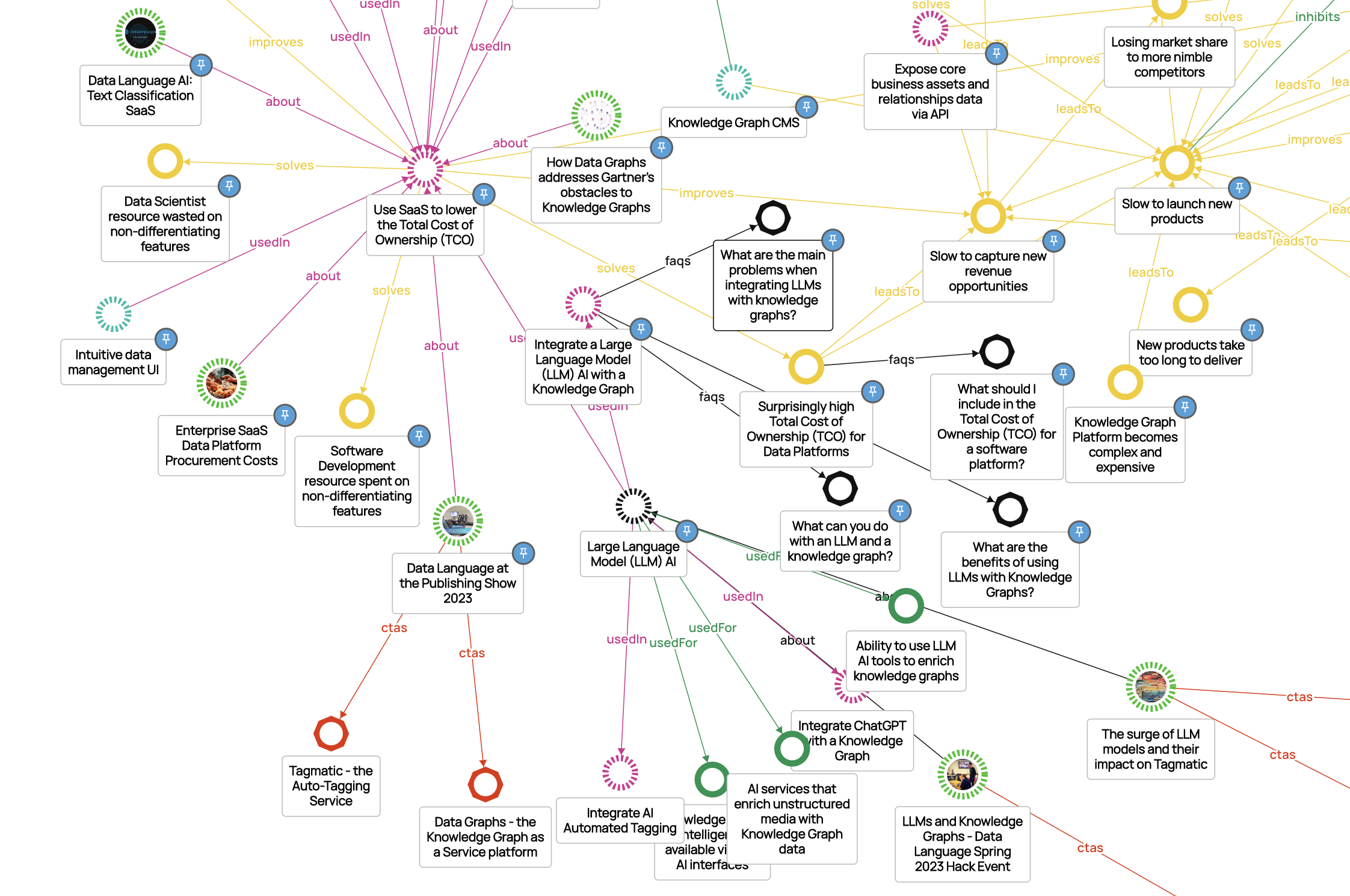
-
-
eclass.srv.ualberta.ca eclass.srv.ualberta.ca
-
While the most visible intellectual element is usuallythe content, it is important to recognize that DigitalHumanities projects present arguments and knowledgeexperiments in many different ways, often contribut-ing to the creation of new knowledge through complexinteractions, visualizations, data and data structures,and even code
It is another good definition of DH.
-
-
readingandwritingyour.world readingandwritingyour.world
-
Then, from that word, use words or images that relate to the main idea by branching out from it. Next, create “sub-branches” that further explore or illustrate the idea. Mind maps are usually colorful and include images and/or sketches.
When mind mapping (like a spider web) you branch out your ideas on the main topic. When branching out you can use colors to color code different big ideas or can include pictures/drawings.
-
-
www.techlearning.com www.techlearning.com
-
QR Codes can be a great way for teachers to distribute class material. Here are free sites you can use to generate QR codes
Free QR code sites
-
-
-
WORLD Italian cheesemakers microchip parmesan in bid to fight copycats BY EMMET LYONS
AUGUST 18, 2023 / 11:45 AM / CBS NEWS
One of the world's most famous cheeses is also one of the most counterfeited dairy products on the planet.
Competing manufacturers have for years produced cheaper imitations of Italy's parmigiano reggiano, a favored topping for pasta and salad.
FILE PHOTO: A storage area for Parmesan cheese wheels is pictured at storehouse shelf at 4 Madonne Caseificio dell'Emilia dairy cooperative in Modena A storage area for Parmesan cheese wheels is pictured at storehouse shelf at 4 Madonne Caseificio dell'Emilia dairy cooperative in Modena, Italy, February 16 2016. ALESSANDRO BIANCHI / REUTERS Now, the producers of parmigiano reggiano say they have innovated a way to prevent any pretenders from ripping off their product.
Parmigiano Reggiano Consortium (PRC), the association that oversees production of the cheese, says it has been putting microchips in its product as part of a technological trial which would allow consumers to trace parmesan cheese back to its place of origin.
Under special protections designated by the European Union, parmigiano reggiano is the only kind of cheese which can be called parmesan within Europe and it must be made in a small part of northern Italy, including in the provinces of Parma and Reggio Emilia.
PRC are hopeful that their new technology will help to enforce that protected status. Their microchips are about the size of a grain of salt and have been inserted into the labels found on the rind of about 120,000 wheels of parmigiano reggiano. The chips work as scannable food tags with a QR code label (link)
-
-
www.quora.com www.quora.com
-
But the main impetus for the popularity of these codes came from the smartphone market, as this market expanded so did the codes. Added to this is the exponential growth of social media - for instance a QR code embedded in your phone can give out contact information such as photos, videos, favorite things and links to social media pages like Facebook, Twitter, LinkedIn, Google+ and Flickr.
QR code popularity
-
-
www.tmwr.org www.tmwr.org
-
In the context of modeling, it is also important to avoid highly technical jargon, such as Greek letters or obscure terms in terms.
Why do they hate Greek letters so much in America? Greek letters are concise way of naming values you otherwise should name with some long symbol strings. In addition, Greek argument and value names provide the connection between code and theory making the user more prepared to understand corresponding papers if she had to.
-
-
www.biorxiv.org www.biorxiv.org
-
Note: This rebuttal was posted by the corresponding author to Review Commons. Content has not been altered except for formatting.
Learn more at Review Commons
Reply to the reviewers
Reviewer #1 (Evidence, reproducibility and clarity):
In this manuscript the author is presenting a deep-learning model used to predict the development stage of zebrafish embryo. A robust method that can accurately classify a zebrafish into different development stages is highly relevant for many researchers working with zebrafish and hence the importance in developing methods like this is high.
The manuscript is overall ok. However, more data is needed to convince the reader that the method is robust enough to work with other samples in other labs. This would greatly improve the impact of the publication.
We agree with the reviewer and have included in our revised manuscripts additional test data that was acquired at a different laboratory to the training data (Figures 5 - 7).
Page 6.<br /> - How is the data acquired?
Images used to do initial model training are the same as those used in a previous study - the details of image acquisition are contained in the relevant publication (doi: 10.12688/wellcomeopenres.18313.1). However, we have now added “Zebrafish Husbandry” and “Live Imaging” for newly-acquired images. We have added a table (Table 1) listing details of all image data used in the study.
Page 8.<br /> "This indicates that whileKimmelNet can be used successfully with noisier test data than that on which it was trained,there is an upper limit to how noisy the data can be."<br /> - This is an obvious statement there will always be an upper limit on noise.
We agree with the reviewer that this statement is not terribly informative. This section (“KimmelNet’s prediction accuracy is not significantly impacted by moderate levels of additive noise”) has been removed from the revised manuscript in favour of incorporating a section detailing testing of the model on newly-acquired images (“KimmelNet can generalise to previously unseen data”).
Page 9.<br /> - Are only wildtype embryos used? How would this work on different mutants. To evaluate the robustness of the method this it would be valuable to test on some mutant line with known developmental difference from the wild type.
We agree with the reviewer that testing on a mutant line would lend more weight to our findings. For example, the p53-/- zebrafish has a reported, published developmental delay, but we did not have access to that line. However, the developmental delay reported for the p53-/- mutant is virtually indistinguishable from that effected by a temperature change. We therefore focussed our efforts on developmental delay affected by altering incubation temperature only.
Image data.<br /> - I would strongly suggest that the author should include a description of the data in the manuscript. A description of how the data is acquired, microscope, different batches, type of embryos used.
The image data used in the first draft of the manuscript is the same as that used in a previous publication (Jones et al. 2022), which contains all the relevant details the reviewer seeks. However, we have now added the relevant information for the newly-acquired image data.
"Random160translation in the y-direction was avoided due to the aspect ratio of the images (width>161height) - any artifacts introduced by translation in the x-direction would be removed by the162centre crop layer, but this would not be the case for translation in the y-direction."<br /> - Could this be solved by using some border method reflection, repetition or fixed value?
The reviewer is correct that some form of image reflection or repetition could be utilised. However, given the nature of our images, if an embryo is located close to the image boundary, reflection/repetition can result in some odd artefacts, so we minimised the use of such fill methods (also used by the random zoom augmentation layer). We could instead use an arbitrary fixed value, as the reviewer suggested, but finding a value suitable for all images is difficult.
Page 10.<br /> Addition of Noise to Image Data<br /> - This should be added in the training phase. This would probably improve the robustness of the network and also improve the results on the test data.
We agree with the reviewer and have now added a random Gaussian noise layer for data augmentation purposes during model training (see Figure 1).
- Supplementary 3 images with high noise. It is worrying that the network is not able to handle the noise in this figure. Looks like the features that is used to distinguish the developmental stage of the embryo is still clearly seen with this high noise level? Retrain the model with noise as an augmentation to improve this.
As the reviewer suggested, addition of random noise is now incorporated into model training. The new version of the manuscript does not include the same supplemental figures, but instead includes additional testing on newly-acquired data instead.
Reviewer #1 (Significance):
The development of methods like this is highly relevant in the zebrafish community. Staging and evaluating the developmental stage for zebrafish is common and is of interest to the broad community. A lot of this work today is done manually, limiting the throughput, and adding human bias.
The limit of this study is the dataset used for training and evaluation. Firstly, it is not clear about the structure of the data and how it is acquired, different types of fish or imaging setup etc. For a method to be useful to the community it needs to be robust enough to handle different types of fish (transgenic lines). The manuscript would be greatly improved by adding this to the training and evaluation.
We have now added additional datasets for the purposes of evaluating the model.
My expertise is image analysis and machine learning for quantification of biological samples, with focus on zebrafish screening.
Reviewer #2 (Evidence, reproducibility and clarity):
Summary<br /> The paper "Automated staging of zebrafish embryos with KimmelNet" by Barry et al., presents a method to automatically stage developmental timepoints of zebrafish embryos based on convolutional neural networks (CNN). The authors show that a CNN trained on ~20k images can determine time post fertilization on test-image sets with an accuracy on the range of a few hours. This technique undoubtedly has the potential to become very useful for any zebrafish researchers interested in developmental timing as it eases analysis and removes potential subjective bias.
Major comments<br /> In its current form the paper lacks sufficient graph annotations and method descriptions. This makes it hard in places to judge the validity of the claims. I do believe that the presented method can be useful and is likely valid but to be convincing, the authors need to spend more time expanding the methods, justifying their choices of analysis and clarifying figure annotations.
We believe that we have addressed the reviewer’s concerns in this revised manuscript, as detailed in response to the specific points below.
Specific points:<br /> 1) The annotation of the training data is not described and specifically it is unclear how valid the staging of the training data itself is. The authors state in the introduction "the hours post fertilization (hpf) [...] provides only and approximation of the actual developmental stage". It is therefore critical to know how this was accounted for in the annotation of the training data. Since the quality of the training data will ultimately limit the best-case quality of Kimmel Net. The authors need to go into some detail here even though the training data appears to be from another published dataset.
The reviewer raises a valid point – two individual zebrafish embryos that are x hours post-fertilisation are not necessarily at the same developmental stage. However, we believe it is reasonable to assume that two populations of embryos x hours post-fertilisation are, on average, at the same developmental stage and it is this assumption that forms the basis for our approach. Given the inherent variability the reviewer refers to, we are not suggesting that our model would be particularly accurate for staging individual embryos. However, we are very confident (and we believe the data in the manuscript supports this) that given a population of embryos, our model will provide an accurate rate of development. We have added a paragraph (lines 131-141) to address this point.
2) Why were "test predictions fit to a straight line through the origin". On the one hand this makes sense (since the slope would indicate the correspondence) but it should be clarified why an intercept was omitted in the fit. After all it is unclear if Kimmel net correctly identifies 0Hpf embryos.
The reviewer makes a valid point – we do not know what predictions KimmelNet would produce for images of embryos closer to 0 hpf. However, we felt an equation of the form y=mx was a reasonable choice for two reasons. First of all, it matches the form of the Kimmel equation, which, despite its flaws, we are using as a benchmark of sorts – the absence of a y intercept makes comparisons with the Kimmel equation straightforward. Secondly, a “perfect” model would produce a straight line fit with y=x, so the lack of a y intercept seemed a reasonable constraint to impose. We have added some brief text (lines 103-105) to clarify this choice.
3) The methods do not list how the mean of the absolute error was calculated from 3B/C. I think this should be the mean of the absolute error (not the mean of the error) but in that case the numbers listed in the text appear rather small given the histograms in 3 B/C. A clear statement in the methods would clarify this issue.
We have now added a “Statistical Analysis” section under Materials & Methods to detail exactly what was used to calculate the values given for error analysis. We have calculated the mean of the error, not the mean of the absolute error, as we wish to illustrate that the mean is close to zero. We have used the standard deviation of the errors to illustrate that there is a significant spread in the error values, as depicted in Figure 3C and D.
Minor comments<br /> 1) The Y-axis in Figure 2B is simply labeled "Loss" - what is the unit of this loss? HPF? Or HPF^2? This is important for judging the quality of the fit
We thank the reviewer for drawing our attention to this omission. The loss is hpf2 (mean squared error) and we have updated the plot to reflect this.
2) Figure 3 B. I would suggest changing the labels of the confidence intervals in the legend. "Inner and outer" is already clear from the figure itself, so labels that state that these are derived from n=100 vs. n=20 test image sized samples would be more useful to the reader
We thank the reviewer for this suggestion – we have updated the figure legend accordingly.
Referees cross-commenting
I concur with comments issued by the other reviewers. I think it will be especially important to address the comments related to testing the method on mutants (Reviewer #1) and training the model in the presence of noise to increase its robustness (Reviewers #1 and #3) as well as addressing the overall annotation/generation of the training data (Reviewers #1 and #2).
We believe we have now addressed all of these concerns. The model has been retrained with additional data augmentation incorporating random noise, tested on newly-acquired data and we have added tables summarising the details of all image data used in this study.
I think these points will be critical to make the paper useful by increasing transparency and ensuring reproducibility in other labs with different imaging conditions, strains, mutants, etc.
Reviewer #2 (Significance):
Developmental delay is a common occurrence that can be caused by genetic and environmental background effects. It is therefore highly desirable to properly quantify this variable. The work presented here makes an important step in this direction, by allowing to quantify developmental timepoints independent of subjective staging. This speeds up analysis, increases reproducibility and enhances rigor. However, as my comments above indicate, the significance also depends on the ability of potential users to judge the quality of the work. Once those issues have been addressed, I think the work will be of broad interest to the developmental biology community, first and foremost labs utilizing the zebrafish model. However, as the authors state, the presented model architecture could be trained with the data from other species as well.
Expertise: Zebrafish, quantitative analysis, behavior, neuroscience
We thank the reviewer for their positive feedback.
Reviewer #3 (Evidence, reproducibility and clarity):
Summary:
Properly staging embryos of zebrafish embryos is important, yet provides challenging since it can depend on many factors, such as temperature, water quality, fish population density, etc. Here, the authors provide a deep-learning-based model called KimmelNet that allows the prediction of the age of zebrafish embryos, using 2D brightfield images. The technique is robust to weak measurement noise and can also be used to identify developmental delays from a very small number of experimental data.
The code is accessible to the reader, open-source and should be useable by experimentalists without huge effort.
Major comments:
I suggest retraining the model and application of the model to additional data for the following reasons:<br /> • Why did the authors not train for (high) measurement noise and heterogeneous background illumination? Would that not make the model more robust? In principle, creating training should not be considerably harder than before, since the manipulation of the images has been already shown in the manuscript and the authors just need to run it again on the HPC cluster. If there are no technical or administrative constraints (access to the cluster, computational effort, high costs, etc.), the authors should retrain their model.
We thank the reviewer for this suggestion. As detailed in Figure 1, with a view to making the model more robust, we have now added several more layers of data augmentation, including the addition of random noise, and retrained our model.
• For Fig. S2 and S3 it is not clear if there is such a strong deviation from the Kimmel equation due to measurement noise or due to the background illumination. The saliency maps appear as if they are mainly affected by the illumination, and maybe less by the noise. Would it be possible to apply the model to a case without artificial noise, but with heterogeneous background illumination to identify what has a bigger impact?
We thank the reviewer for this suggestion. We have now replaced the “artificial” examples used in the previous version of the manuscript with newly-acquired data (Figure 5), which exhibits different characteristics to that used for training.
Additionally, the authors need to clarify what exactly they are comparing in this manuscript and rework their interpretation of their findings:<br /> • When comparing the predictions between KimmelNet and the Kimmel equation, the authors use an equation of the form y=mx. Could the authors please elaborate on why they introduce the constraint of y(0)=0? It might be naturally given by the so-called Kimmel equation, but by looking at Fig 3a, it seems like an equation of the form y=mx+a would be more appropriate and it appears like KimmelNet introduces an offset of around a=2h for 25 Celsius. The authors need to discuss this.
The main rationale for using an equation of the form y=mx is to be consistent with the Kimmel equation (see lines 103-105). The reviewer is correct that an equation of the form y=mx+c may well produce a better fit to the data, but omitting a y intercept makes comparison with the Kimmel Equation trivial.
• In lines 5-8 the authors say that developmental stage progression does not only depend on temperature, but also on population density, water quality etc. and they explain that usually not only hpf, but also staging guides based on morphological criteria are used! If that is true, how good is their training data set that only uses hpf and not the other important guides? How did the authors test that these factors have no impact on their training data?
We have now added a paragraph (lines 131-141) to address this point.
Since this tool has the potential to have a big impact on zebrafish research, it would be nice to provide some examples of how exactly this could be achieved:<br /> • Could the authors discuss how exactly their tool is useful to experimentalists? Is it the idea that if an experimentalist wants to investigate an embryo of a particular stage, they apply KimmelNet to images of embryos to identify the stage of the embryo and only then undertake their planned experiment? Is that a realistic undertaking?
As is evidenced by the errors presented in Figure 3C & D, testing KimmelNet on individual images of embryos may well result in a large error in the predicted hpf. As such, it is not appropriate to use the tool in such a manner. However, to modify the example provided by the reviewer, should an experimentalist have a population of embryos they wished to stage, then yes, KimmelNet would certainly be an appropriate tool for doing so.
• Would it be possible to provide a tutorial (or even video tutorial if such skills are available in the group of authors) that provides real examples of how to apply the technique? This would make it easier for people without advanced Python/Deep-Learning skills to use the tool, hence improving the impact of KimmelNet.
A lack of user-friendly interfaces for applying deep learning methods in biology is well-documented – basic knowledge of python and tools like jupyter notebooks are often necessary (https://doi.org/10.1038/s41592-023-01900-4). However, we have endeavoured to make the running of KimmelNet as easy as possible for new users. A jupyter notebook instance can be run on Binder with absolutely no set-up required. To run KimmelNet on their own data, biologists just need to download the Git repo and replace the test images with their own data. We have updated the landing page on the GitHub repo to provide more specific step-by-step instructions for each of these tasks. We will also endeavour to upload our model to the BioImage Model Zoo (https://bioimage.io/#/) to further increase accessibility.
I am very critical towards equation 1. Please note that I don't think this has any impact on the quality of the technique provided in this manuscript and the significant flaws can already be found in Kimmel 1995 (which is not under review here). That is why I suggest rewriting of this manuscript to not support an over-interpretation of this equation.<br /> • I do not think that the Kimmel equation is an established term. At least a Google Scholar Search for "Kimmel equation" only gives one result: the preprint of this manuscript.<br /> • The equation has no mathematical meaning regarding its units (subtracting temperature and a unitless value). I also very rarely see equations with Degrees Celsius and not Kelvin.<br /> • Additionally, the equation provides a linear relationship between the development time and temperature h(T) and in Kimmel et al, it is shown that this is only true for 25-33 Celsius. Such a linearisation is not very surprising for a small temperature range, but I am not sure how true it is for higher temperature differences. Hence, I feel that it is very bold to give a specific name to such an equation, giving it an importance that it does not deserve.
We appreciate the reviewer’s concerns and have removed explicit references to “The Kimmel Equation”, without substantively changing the content of the manuscript.
Minor comments:
• For the measurement noise cases it would be nice to have some example images of fish with the specific noise levels in Fig S1 and Fig S2.
We have now removed the “synthetic” additive noise test data, previously depicted in Figures S1-3, in favour of newly-acquired images in Figures 5-7.
• Could the authors hypothesize why they predict a slower dynamic for 25 Celsius than predicted by the Kimmel equation?
Referring to Figure 2 in Kimmel et al (1995), it is apparent that the straight lines are by no means perfect fits to the datapoints. In Fig 2A in particular, some datapoints for the 25C data fall well below the line fit. While the published equation suggests a rate of development 80.5% of the rate at 28.5C, according to Fig 2A, an alternative line fit could give a developmental rate as low as 70-75%, which would be in agreement with our data.
Reviewer #3 (Significance):
Strengths of the study:
An easy-to-use method to automatically stage zebrafish embryos and identify differences in the developmental stage is very important for the zebrafish community and the technique in this manuscript definitely novel. The tool is can be used without large effort and the authors suggest that it can also find applications beyond zebrafish embryos. Hence, it is not only interesting to the zebrafish community, but to a broader developmental biology audience.
Weakness of the study:<br /> The main weakness of the manuscript is in the training data used for the deep-learning model and the apparent large impact of heterogeneous background illumination. If that is not solved, it is unclear if this technique will find an application in the zebrafish community.
We believe this weakness has now been addressed by incorporating additional data augmentation measures in the training process and testing the model on newly-acquired data.
Field of expertise of the reviewer: Image Analysis, Mathematical Modelling, Biological Physics. While I have limited experience in deep learning, I cannot evaluate the specific details of the network architecture. I also have no experience in zebrafish research.
-
Note: This preprint has been reviewed by subject experts for Review Commons. Content has not been altered except for formatting.
Learn more at Review Commons
Referee #3
Evidence, reproducibility and clarity
Summary:
Properly staging embryos of zebrafish embryos is important, yet provides challenging since it can depend on many factors, such as temperature, water quality, fish population density, etc. Here, the authors provide a deep-learning-based model called KimmelNet that allows the prediction of the age of zebrafish embryos, using 2D brightfield images. The technique is robust to weak measurement noise and can also be used to identify developmental delays from a very small number of experimental data.
The code is accessible to the reader, open-source and should be useable by experimentalists without huge effort.
Major comments:
I suggest retraining the model and application of the model to additional data for the following reasons:<br /> - Why did the authors not train for (high) measurement noise and heterogeneous background illumination? Would that not make the model more robust? In principle, creating training should not be considerably harder than before, since the manipulation of the images has been already shown in the manuscript and the authors just need to run it again on the HPC cluster. If there are no technical or administrative constraints (access to the cluster, computational effort, high costs, etc.), the authors should retrain their model.<br /> - For Fig. S2 and S3 it is not clear if there is such a strong deviation from the Kimmel equation due to measurement noise or due to the background illumination. The saliency maps appear as if they are mainly affected by the illumination, and maybe less by the noise. Would it be possible to apply the model to a case without artificial noise, but with heterogeneous background illumination to identify what has a bigger impact?
Additionally, the authors need to clarify what exactly they are comparing in this manuscript and rework their interpretation of their findings:<br /> - When comparing the predictions between KimmelNet and the Kimmel equation, the authors use an equation of the form y=mx. Could the authors please elaborate on why they introduce the constraint of y(0)=0? It might be naturally given by the so-called Kimmel equation, but by looking at Fig 3a, it seems like an equation of the form y=mx+a would be more appropriate and it appears like KimmelNet introduces an offset of around a=2h for 25 Celsius. The authors need to discuss this.<br /> - In lines 5-8 the authors say that developmental stage progression does not only depend on temperature, but also on population density, water quality etc. and they explain that usually not only hpf, but also staging guides based on morphological criteria are used! If that is true, how good is their training data set that only uses hpf and not the other important guides? How did the authors test that these factors have no impact on their training data?
Since this tool has the potential to have a big impact on zebrafish research, it would be nice to provide some examples of how exactly this could be achieved:<br /> - Could the authors discuss how exactly their tool is useful to experimentalists? Is it the idea that if an experimentalist wants to investigate an embryo of a particular stage, they apply KimmelNet to images of embryos to identify the stage of the embryo and only then undertake their planned experiment? Is that a realistic undertaking?<br /> - Would it be possible to provide a tutorial (or even video tutorial if such skills are available in the group of authors) that provides real examples of how to apply the technique? This would make it easier for people without advanced Python/Deep-Learning skills to use the tool, hence improving the impact of KimmelNet.
I am very critical towards equation 1. Please note that I don't think this has any impact on the quality of the technique provided in this manuscript and the significant flaws can already be found in Kimmel 1995 (which is not under review here). That is why I suggest rewriting of this manuscript to not support an over-interpretation of this equation.<br /> - I do not think that the Kimmel equation is an established term. At least a Google Scholar Search for "Kimmel equation" only gives one result: the preprint of this manuscript.<br /> - The equation has no mathematical meaning regarding its units (subtracting temperature and a unitless value). I also very rarely see equations with Degrees Celsius and not Kelvin.<br /> - Additionally, the equation provides a linear relationship between the development time and temperature h(T) and in Kimmel et al, it is shown that this is only true for 25-33 Celsius. Such a linearisation is not very surprising for a small temperature range, but I am not sure how true it is for higher temperature differences. Hence, I feel that it is very bold to give a specific name to such an equation, giving it an importance that it does not deserve.
Minor comments:
- For the measurement noise cases it would be nice to have some example images of fish with the specific noise levels in Fig S1 and Fig S2.
- Could the authors hypothesize why they predict a slower dynamic for 25 Celsius than predicted by the Kimmel equation?
Significance
Strengths of the study:
An easy-to-use method to automatically stage zebrafish embryos and identify differences in the developmental stage is very important for the zebrafish community and the technique in this manuscript definitely novel. The tool is can be used without large effort and the authors suggest that it can also find applications beyond zebrafish embryos. Hence, it is not only interesting to the zebrafish community, but to a broader developmental biology audience.
Weakness of the study:
The main weakness of the manuscript is in the training data used for the deep-learning model and the apparent large impact of heterogeneous background illumination. If that is not solved, it is unclear if this technique will find an application in the zebrafish community.
Field of expertise of the reviewer:
Image Analysis, Mathematical Modelling, Biological Physics. While I have limited experience in deep learning, I cannot evaluate the specific details of the network architecture. I also have no experience in zebrafish research.
-
-
runestone.academy runestone.academy
-
This is the first example we have seen of a semantic error: the code runs without producing an error message, but it doesn’t do the “right” thing.
Example of sematic error
-
-
www.ebay.com www.ebay.com
-
https://www.ebay.com/itm/304964453291
Vintage Wood Library Card File Table Top Index Dovetail Gaylord Bros 13x7x4
Listed in Spring 2023 for $24.74 + $56.80 shipping from Kingwood, TX to Los Angeles (emailed about being high on 2023-09-10)
Coupon code for 10%: WINDSOFAUTUMN
Tags
Annotators
URL
-
-
openclassrooms.com openclassrooms.com
-
Visual Studio Code est en anglais, comment le passer à une version française, svp.
-
-
bgc-jena.mpg.de bgc-jena.mpg.de
-
number
turn around the title of the color code by 180 degrees. All axis/legend titles should "look" into the same direction. Good scientific convention to avoid headaches ;-)
-
-
razorpay.com razorpay.com
-
If the customer has not linked any UPI account, use the following code to link the newly created UPI account with your app. This function can be called from anywhere in the application, providing multiple entry points for customers to link their UPI account with your app.
TODO - Update
-
-
razorpay.com razorpay.com
-
case LinkActionLinkAccountResponse: if (action.error == NULL) { // Handle success / error during new account onboarding } }}
After code. add a line to link Action description and action parameter values below
-
Parameter
Action.code, Action.data, Action.error, and action paramater values should be under same heading for Action. Should be Linked above after linkNewAccount code.
-
-
github.com github.com
-
IPFS Community Code of Conduct
x
-
-
www.learn-clojurescript.com www.learn-clojurescript.com
-
Expression-Oriented ClojureScript code
It's a syntactical inversion of the imperative statement oriented javascript code.
-
-
www.biorxiv.org www.biorxiv.org
-
Author Response
Evaluation Summary:
The manuscript shows that retinal ganglion cell light responses in awake mice differ substantially from those under two forms for anesthesia and previously attained ex vivo recordings. This difference is central to our understanding of how ganglion cell responses relate to behavior. There are a few technical issues and issues about how the work is presented that could be strengthened.
We thank the reviewers for their constructive comments. We have addressed all the issues, and added substantially more data and analysis results in the revised manuscript, further supporting our findings that awake responses are larger, faster, and more linearly decodable in the mouse retina than those responses under anesthesia or ex vivo.
Reviewer #1 (Public Review):
This paper compares output signals from the mouse retina in three conditions: awake mice, anaesthetized mice, and isolated retinas. The paper reports substantial differences, particularly between awake and either of the other conditions. Retinal signaling has been well studied using ex vivo preparations, with an assumption that the findings from those studies can be carried over to how the retina operates in vivo. The results from this paper at a minimum indicate a need to be cautious about that assumption. There are several technical issues that need testing or further explanation, and several issues about the presentation that could be clarified.
Spike sorting
The paper does not describe any control analyses that test for contamination in spike sorting. These are needed to evaluate the work.
We have reported the details of our spike sorting procedure in the revised manuscript (Data Analysis section in Methods and Figure 1). In short, single-units were identified by clustering in principal component space, followed by manual inspection of spike waveform (triphasic as expected from axonal signals; e.g., revised Figure 1F-H; Barry, 2015) as well as auto- and cross-correlograms (minimal inter-spike interval above 1 ms for a refractory period; e.g., revised Figure 1I-K). A small fraction of visually responsive cells (20/282, awake; 21/325, isoflurane; 1/103, FMM) had a small fraction of interspike intervals below 2 ms; but, whether or not including them in the analysis did not affect our main conclusions.
Light levels
The paper argues that differences in light level cannot account for the results. According to the methods, light levels were about two-fold higher at the retina in array recordings as compared to the front of the eye for in vivo recordings. The main text indicates that they differ less, it's not clear why the numbers in the main text and methods are different. Aside from this issue, this comparison does not consider the loss of light between the front of the eye and the retina. It is crucial that the paper provide a more detailed description of light levels. This should include converting those light levels to units that include the spectral output of the light source used (e.g. to isomerizations per rod or cone per second).
The maximum light intensity of our in vivo setup was 31.3 mW/m2 (with 15.9 mW for UV LED and 15.4 mW/m2 for blue LED). Following the suggestion by the reviewer, we calculated the photon flux on the mouse retina in vivo by taking into account the loss of light by the eye optics. In short, assuming 50% and 68% transmittance at 365 nm and 454 nm, respectively (Jacobs & Williams 2007), the pupil size of 1 mm and the retinal diameter of 4 mm with the stimulus covering 73° in azimuth and 44° in elevation, we obtained the photon flux on the mouse retina in vivo as 3.81×10³ and 6.64×10³ photons/s/μm2 for UV and blue light, respectively. Assuming a total photon collecting area of 0.2 μm² for cones and 0.5 μm² for rods (Nikonov et al. 2006), and a relative sensitivity of rods, S- and M-cones to be [UV, Blue]=[25, 60], [90, 0], [25, 60]%, respectively (Jacobs & Williams 2007), we then estimated the photoisomerization (R) rate as: 2.5×10³ R/rod/s, 0.7×10³ R/S-cone/s, and 1.0×10³ R/M-cone/s.
In contrast, the maximum light intensity of the in vitro set up was 36 mW/m2 as reported in Vlasiuk and Asari (2021). The photon flux on the isolated retina was then estimated to be around 9×10⁴ photons/s/μm2 (under the assumption that the white light from a CRT monitor is centered around 500 nm). Assuming the sensitivity of rods, S- and M-cones to be 40, 2 and 40%, respectively, we then obtained 4×10⁴ R/rod/s, 2×10³ R/S-cone/s, and 4×10⁴ R*/Scone/s.
Thus, the light intensity level was about ten times larger for the in vitro recordings than for the in vivo recordings. The amount of light reaching the retina in the awake condition should also be somewhat smaller than that under anesthesia due to pupillary reflexes. Past studies suggest that the darker the stimulus is, the slower the kinetics is and the smaller the response is for RGCs in an isolated retina (Wang et al 2011). Thus, the light intensity difference cannot simply account for the higher firing and faster kinetics in the awake condition than ex vivo or in the anesthestized condition.
We have revised the manuscript accordingly.
Comparison with other work
The authors accurately point out that there is not much prior work on retinal outputs in awake animals. The paper, however, minimally describes the work that does exist. The Hong et al. (2018) paper, in particular, should be discussed. There are several differences between the results of that paper and the present paper. These include the fraction of recorded cells that are DS cells, and the maintained firing rates (though this does not appear to be studied systematically in Hong et al.).
In the discussion section of the revised manuscript, we clarified connections to the existing studies on the retinal activity in vivo. To our knowledge, none of the past studies provided descriptive statistics on the awake RGC response properties (Hong et al., 2018; Schroeder et al., 2020; Sibille et al., 2022). Nevertheless, consistent with our study, we can see high baseline activity in the reported examples from C57BL6 mice (Figure 3C, Schroeder et al. 2020; Figure S7h, Sibille et al. 2022).
Hong et al (2018), in contrast, reported somewhat different as pointed out by the reviewer. Firstly, they found a relatively low baseline activity in RGCs of albino CD1 mice. We think that this is likely due to general impairments of the vision/retina associated with albinism. While equipped with normal electroretinogram signals, CD1 mice showed no optomotor response and a reduced number of rods (Abdeljalil et al 2005; Brown et al 2007). This suggests a certain level of retinal dysfunction in these mice. Secondly, Hong et al (2018) reported a higher fraction of direction-selective RGCs in their recordings (>50% at a DS index threshold of 0.3). This is even higher than one would expect from anatomical and physiological studies ex vivo on BL6 mice (about a third; Sanes and Masland, 2015; Baden et al., 2016; Jouty et al 2013). Besides the effect of albinism, we think that this overrepresentation of DS cells in Hong et al (2018) arose as a consequence of the low baseline activity. As discussed above, the higher the baseline activity, the lower the DS/OS index by definition (Eq.(3) in Methods). Indeed we found much more cells with high DS/OS index values in our anesthetized data than in awake ones (42-54% vs 17% at an index value threshold of 0.15; Figure 2), even though these recordings were done in the same experimental set up.
A related issue is that there are a few comparisons of ex vivo RGC responses with behavioral sensitivity. Smeds et al. (2019) is one example. More generally, the long-standing observation that dark-adapted sensitivity approaches limits set by Poisson fluctuations in photon absorption, and that prior RGC measurements are consistent with this result, is hard to explain if the RGCs are firing at high spontaneous rates under these conditions. RGC responses will certainly change with light level, but this merits discussion in the paper.
As the reviewer pointed out, the retina may employ different coding principles under different light levels. In a scotopic condition, ex vivo studies reported a high tonic firing rate for OFF RGC types (~50 Hz, OFF sustained alpha cells in mice; Smeds et al 2019; ~20 Hz, OFF parasol cells in primates; Ala-Laurila and Rieke, 2014), while a low tonic firing for ON cell types (<1Hz for both ON sustained alpha in mice and ON parasol in primates). These ON cells were shown to be responsible for light detection by firing in the silent background, hence compatible with the sparse feature detection strategy. In contrast, our recordings were done in a high mesopic / low photopic range where both rods and cones are supposedly active. Unlike the scotopic condition with rod vision, we then found high firing in awake recordings in general, indicating that no visual feature can be readily detectable as brief firing events in the silent background. To explore the implications of such firing patterns on visual coding, we took a modelling approach in the revised manuscript. We found that a latency-based temporal code was not preferable in the awake condition (Figure 7); and that a linear decoder worked significantly better with the population responses in the awake condition to capture the presented random fluctuation of the light intensity (Figure 8). While we have not tested any behavioural relevance in our study besides correlation to locomotion/pupil size, it is then possible that the retina may work in different modes under different light intensity regimes (Tikidji-Hamburyan et al 2015).
We clarified these points in the revised discussion section.
Sampling bias
The paper argues that sampling bias is not likely to contribute substantially to the results because of the wide variety of cell types recorded (line 431). This does not seem like a particularly strong argument, especially given the large degree of overlap in the distributions of most quantities across preparations. The argument about many cell types could be made more strongly if the distributions were completely separated, but that is not the case.
We cannot deny the presence of a sampling bias in our datasets, and as the reviewer pointed out, we made comparisons only at a population level, but not at the level of individual cells or cell-types. However, the anesthetized and awake recordings were done with the same recording setup and techniques, and thus subject to the same sampling bias. Hence, the difference in the RGC response properties between these conditions cannot be explained by the sampling bias per se.
Sensitivity
The firing rates in response to 10% contrast sinusoids are quite low, as are the maximal firing rates for high contrast sinusoids. Relatedly, the modulation produced by the noise stimuli, particularly for the array recordings, is weak. This raises concerns about the health of some of the preparations.
To our knowledge, in vivo contrast responses reported here were comparable to ex vivo data in previous reports (mouse, Jouty et al 2018, Pearson and Kerschensteiner 2015; rat, Jensen 2017, 2019). Likewise, the static nonlinearity and its upper bound for ex vivo responses were comparable between this study and previous reports (Santina et al. 2013; Kerschensteiner et al 2008; Cantrell et al 2010; Trapani et al 2022).
We also examined batch effects in the response to the noise stimuli. We found certain variabilities across preparations in each recording condition, but not to the extent to discard any particular data as an obvious outlier (Figure 6 – figure supplement 1). While it is difficult to tell the health status of preparations retrospectively, we thus believe that the effects were negligible.
Efficient coding
Sparse firing is not a universal property of retinal ganglion cell responses. Primate midget RGCs, for example, have pretty high maintained firing rates as shown in many past studies. Mouse RGCs have also been reported to operate in a mode similar to the high firing rate On cells reported here (Ke et al. 2014). A more balanced discussion of this past work is needed.
As the reviewer pointed out, some retinal ganglion cells show high firing under certain conditions. In a scotopic condition, for example, OFF cells have high firing rates, while ON cells fire virtually nothing unless a light stimulus is presented (Ke et al 2014; Smeds et al 2019). At the behavoural level, a single-photon detection above chance level nevertheless relies on the information from the ON but not the OFF pathway (Smeds et al 2019). Thus, the sparse coding framework still works as a valid strategy here, if not universal.
This is, however, very different from what we report here. In a high-mesopic/low-photopic light level, we found a general increase of firing across all cell categories in the awake condition, compared to the anesthetized or ex vivo recordings (Figures 3 and 6). While this lowers information transfer rate (bits/spike; Figure 7), we found that the awake responses were more linearly decodable than the responses in the other conditions (Figure 8). We also ran a simulation and showed that a latency-based temporal code is not preferable for the awake responses (Figure 7 – figure supplement 1). These results suggest that the retina in awake condition is in favor of a rate code, though we have not tested all light levels or any behavioural relevance here.
We clarified these points in the revised manuscript.
Role of eye movements
Could eye movements be at least partially responsible for the differences in response properties? Specifically, small fixational eye movements might produce a constantly varying input that could modulate firing.
As described above (Essential Review item #2), eye movements were rarely observed during the head-fixed awake recordings. Eliminating those events from the analysis did not change our overall conclusions, and thus their contributions should be minimal in this study. It should also be noted that we mainly used full-field stimulation, and thus microsaccades should not substantially affect the amount of light impinging on the retina. We clarified these points in the revised manuscript.
Reviewer #2 (Public Review):
The technical achievements presented in the manuscript represent a tour de force, as optical tract recordings in awake mice have only rarely been done before. The substantial number of neurons recorded in both awake and anaesthetized conditions form a precious and worldwide unique dataset. However, since the recordings represent a non-standard approach, it would be, in my view, highly beneficial to show more details about the success of the method. How did the authors post-hoc identify electrode contacts located in the optical tract, how did the spike waveforms look like, what were the metrics of spike sorting quality, etc.
We added more details about our recording and analysis methods in the revised manuscript. Below are answers to the reviewer’s specific questions:
-
The probe was coated with a fluorescent dye (DiI stain) and its location was verified histologically after the recordings (Figure 1E).
-
Spike waveforms typically had a triphasic shape (e.g., Figure 1F-H) as expected from axonal signals (Barry, 2015).
-
Single-units were identified by clustering in principal component space, followed by manual inspection of spike shape as well as auto- and cross-correlograms. Most units had a minimum interspike interval above 2 ms (93%, awake; 94%, isoflurane; 99%, FMM); and no units had the interspike intervals below 1 ms for a refractory period (e.g., Figure 1I-K), except for 1 (out of 103) for FMM-anesthetized recordings.
We then selected visually responsive cells (SNR>0.15; see Eq.(1) in Methods) for the analyses.
The authors go a long way in characterising the functional response properties of the recorded neurons and relating them to previous ex-vivo recordings. Based on the responses they find, the authors claim that they identified "... a new response type [which] likely emerged due to high baseline firing in awake mice". Regarding this claim, how do the authors rule out that it corresponds to any of the previously described cell types? For instance, the very sharp transient or brief modulations by the contrast part of the stimulus might have been missed in previous classifications based on calcium responses (e.g. Baden et al. 2016), where a number of cell types seem to respond equally strong to grey and white and have an elevated response throughout the sinusoidal modulation of contrast. I acknowledge that the authors touch upon the possibility that the newly described OFFsuppressive ON cells correspond to a known cell type in the discussion, but I would recommend changing the phrasing of the results to avoid potential misunderstandings.
We agreed with the reviewer and revised the manuscript accordingly. Here we have two possibilities. Firstly, as the reviewer pointed out, this kind of response dynamics could be overlooked previously because of a difference in the recording modality (Ca imaging; Baden et al 2016) or clustering methods (Jouty et al 2019). Secondly, these cells may belong to one of the cell-types described in the past ex vivo studies, but exhibited distinct response dynamics in vivo as an emerging property of the awake condition. This is an interesting topic to pursue in future studies.
The manuscript makes the interesting suggestion that "the retinal output characteristics [...] observed in vivo, [...] provide a completely different view on the retinal code". Given that this conclusion would change the way we should think about and do retinal neuroscience, in my view, the authors should take a few more steps to quantitatively demonstrate the implications of their findings on retinal coding, e.g. how much lower is the information transmitted per spike, how much does a temporal code based on spike timing suffer with the latencies observed in vivo. If the authors could quantify through computational modelling approaches the consequences of the observed differences, they might also be able to revise their title / main message, i.e. that "Awake responses SUGGEST inefficient dense coding in the mouse retina".
To explore functional implications of our findings, we performed three more analyses as suggested by the reviewer. Specifically,
1) We showed that the information transmitted per spike was significantly lower in awake condition, while the total information rate was comparable (Figure 7).
2) We tested the performance of a linear decoder applied on the firing rate in response to full-field noise, and showed that it worked significantly better for the awake population responses (Figure 8).
3) We simulated RGC responses to a full-field contrast change at different intensities in different conditions, and showed that a latency coding did not work well with awake responses, compared to ex vivo or anesthetized responses (Figure 7 – figure supplement 1).
These results strengthened our conclusion that awake response dynamics were different from anesthetized or ex vivo responses, all arguing against the sparse efficient coding principles at least at a light level we examined. We nevertheless kept the title as is because we have not explored the retinal coding properties per se. Our main claim stays on the visual response characteristics of retinal outputs in awake mice.
Reviewer #3 (Public Review):
The manuscript by Boissonnet, Tripodi, and Asari compares retinal ganglion cell (RGC) light responses in awake mice (recorded in the optic nerve) with those under two forms for anaesthesia and previously attained ex vivo recordings. This is a well motivated study looking at a question that is really critical to the field.
The presentation is generally clear and compelling. My suggestions are relatively minor and aimed at improving an already very strong article.
1) More cells in the awake condition would help strenghten the conclusions. Only 51 cells are reported, and mouse RGCs comprise more than 40 different types. The authors are well aware of the possible confound of sampling bias, and the best way to mitigate this issue in this experimental paradigm is simply to record more cells. The anesthsia conditions each have about 100 cells, which is better.
We made substantially more recordings in the awake condition, reaching 282 cells (in 15 animals) in total in the revised manuscript. This does not yet allow for a full cell-type classification as in the past ex vivo studies. Nevertheless, we did our best to broadly classify visual responses, and showed that the overall conclusions remained the same: awake RGCs had higher baseline firing and faster response kinetics in general. For details, see above our response to the Essential Revision item #1.
2) It took me longer than it should have (had to look up the previous paper cited) to figure out that the ex vivo comparison data were recorded at 37{degree sign}C. This is an important detail since most ex vivo recordings are at 32{degree sign}C. The authors should make this clear in the text and perhaps say something in the Discussion about comparisons to the larger body of literature of ex vivo studies at 32{degree sign}.
We are aware that most ex vivo studies on the retina were performed at 32 °C, which is lower than physiological body temperature (37 °C). However, the temperature of the ocular surface is around 37 °C (Vogel et al 2016), suggesting that the retina should operate at 37 °C in vivo. This is why we decided to perform ex vivo experiments at 37 °C in our previous study (Vlasiuk and Asari, 2021), allowing us to make a fair comparison between the ex vivo and in vivo recordings.
We clarified the point in the revised manuscript.
3) Direction and orientation selectivity should be separated in Fig. 2 and not combined into the confusing term "motion sensitive." Motion sensitivity has another meaning in the literature for RGCs that respond preferentially to moving over static stimuli without direction or orientation preference (Kuo et al., 2016; Manookin et al., 2018)
We agree with the reviewer. In the revised manuscript, we separated the direction and orientation selective cells (Figure 2), and avoided the term “motion sensitive.”
4) While I am certainly sympathetic to the argument that the RGC spike code is "inefficient" in the sense that it does not conform to efficient coding theory (ETC), I think it's oversimplified to claim that the present data is a key argument against ETC. Plenty of ex vivo data has already shown ETC to be incomplete at best, and misguided at worst, since it includes the implicit assumption that image reconstruction is the retina's objective function (or even that the experimenter has any idea what that objective function is). For example, OFF sustained alpha (OFF delta in guinea pig) RGCs are not quite sparse feature detectors even ex vivo, and they seem to be optimized to transmit contrast with high SNR (Homann and Freed, 2017). In general, the enormous coverage factor of the RGC population seems to make ETC untenable to begin with, as discussed in (Schwartz, 2021) and elsewhere. I realize that there are still people attached to simplistic forms of ETC as a key principle of retinal computatiion, so I am not asking for the authors to completely remove this angle. Rather, a more nuanced treatment of the issue both in the introduction and the discussion is warranted.
We totally agree that we are not the first to argue against the efficient coding principles in the retina (Schwartz, 2021). The main argument in this study is that certain aspects of the RGC activity are distinct in an awake condition, such as the baseline firing and response kinetics, and thus we cannot simply translate our knowledge obtained from ex vivo studies into awake animals. To explore the implications on retinal computations, we showed in the revised manuscript that 1) awake responses have a comparable total information transfer rate (in bits per second; Figure 7A) but are less efficient (i.e., lower bits per spikes; Figure 7B); 2) awake responses are not in favor of a latency-based temporal code (Figure 7 – figure supplement 1); and 3) a linear decoder worked significantly better with awake responses (Figure 8), even though an image reconstruction is not necessarily the objective function of the retina. These results point out a need to rethink about retinal function in vivo, including the efficient coding theory.
We thank the reviewer for the suggestion, and revised the manuscript accordingly.
References
Homann, J., and Freed, M.A. (2017). A mammalian retinal ganglion cell implements a neuronal computation that maximizes the SNR of its postsynaptic currents. Journal of Neuroscience 37, 1468-1478.
Kuo, S.P., Schwartz, G.W., and Rieke, F. (2016). Nonlinear Spatiotemporal Integration by Electrical and Chemical Synapses in the Retina. Neuron 90, 320-332.
Manookin, M.B., Patterson, S.S., and Linehan, C.M. (2018). Neural Mechanisms Mediating Motion Sensitivity in Parasol Ganglion Cells of the Primate Retina. Neuron 97, 13271340.e4. Schwartz, G.W. (2021). Retinal Computation (Academic Press).
-
-
-
www.biorxiv.org www.biorxiv.org
-
Author Response
The following is the authors’ response to the original reviews.
Reviewer #1 (Public Review):
Summary of the major findings -
1) The authors used saturation mutagenesis and directed evolution to mutate the highly conserved fusion loop (98 DRGWGNGCGLFGK 110) of the Envelope (E) glycoprotein of Dengue virus (DENV). They created 2 libraries with parallel mutations at amino acids 101, 103, 105-107, and 101-105 respectively. The in vitro transcribed RNA from the two plasmid libraries was electroporated separately into Vero and C6/36 cells and passaged thrice in each of these cells. They successfully recovered a variant N103S/G106L from Library 1 in C6/36 cells, which represented 95% of the sequence population and contained another mutation in E outside the fusion loop (T171A). Library 2 was unsuccessful in either cell type.
2) The fusion loop mutant virus called D2-FL (N103S/G106L) was created through reverse genetics. Another variant called D2-FLM was also created, which in addition to the fusion loop mutations, also contains a previously published, evolved, and optimized prM-furin cleavage sequence that results in a mature version of the virus (with lower prM content). Both D2-FL and D2-FLM viruses grew comparably to wild type virus in mosquito (C6/36) cells but their infectious titers were 2-2.5 log lower than wild type virus when grown in mammalian (Vero) cells. These viruses were not compromised in thermostability, and the mechanism for attenuation in Vero cells remains unknown.
4) Next, the authors probed the neutralization of these viruses using a panel of monoclonal antibodies (mAbs) against fusion loop and domain I, II and III of E protein, and against prM protein. As intended, neutralization by fusion loop mAbs was reduced or impaired for both D2-FL and D2-FLM, compared to wild type DENV2. D2-FLM virus was equivalent to wild type with respect to neutralization by domain I, II, and III antibodies tested (except domain II-C10 mAb) suggesting an intact global antigenic landscape of the mutant virion. As expected, D2-FLM was also resistant to neutralization by prM mAbs (D2-FL was not tested in this batch of experiments).
5) Finally, the authors evaluated neutralization in the context of polyclonal serum from convalescent humans (n=6) and experimentally infected non-human primates (n=9) at different time points (27 total samples). Homotypic sera (DENV2) neutralized D2-FL, D2-FLM, and wild type DENV similarly, suggesting that the contribution of fusion loop and prM epitopes is insignificant in a serotype-specific neutralization response. However, heterotypic sera (DENV4) neutralized D2-FL and D2-FLM less potently than wild type DENV2, especially at later time points, demonstrating the contribution of fusion loop- and prM-specific antibodies to heterotypic neutralization.
Impact of the study-
1) The engineered D2-FL and D2-FLM viruses are valuable reagents to probe antibodies targeting the fusion loop and prM in the overall polyclonal response to DENV.
2) Though more work is needed, these viruses can facilitate the design of a new generation of DENV vaccine that does not elicit fusion loop- and prM-specific antibodies, which are often poorly neutralizing and lead to antibody-dependent enhancement effect (ADE).
3) This work can be extended to other members of the flavivirus family.
4) A broader impact of their work is a reminder that conserved amino acids may not always be critical for function and therefore should not be immediately dismissed in substitution/mutagenesis/protein design efforts.
Evaluating this study in the context of prior literature -
The authors write "Although the extreme conservation and critical role in entry have led to it being traditionally considered impossible to change the fusion loop, we successfully tested the hypothesis that massively parallel directed evolution could produce viable DENV fusion-loop mutants that were still capable of fusion and entry, while altering the antigenic footprint."
".....Previously, a single study on WNV successfully generated a viable virus with a single mutation at the fusion loop, although it severely attenuated neurovirulence. Otherwise, it has not been generated in DENV or other mosquito-borne flaviviruses"
The above claims are a bit overstated. In the context of other flaviviruses:
-
A previous study applied a similar saturation mutagenesis approach to the full length E protein of Zika virus and found that while the conserved fusion loop was mutationally constrained, some mutations, including at amino acid residue 106 were tolerated (PMID 31511387).
-
The Japanese encephalitis virus (JEV) SA14-14-2 live vaccine strain contains a L107F mutation in the fusion loop (in addition to other changes elsewhere in the genome) relative to the parental JEV SA14 strain (PMID: 25855730).
-
For tickborne encephalitis virus (TBEV-DENV4 chimera), H104G/L107F double mutant has been described (PMID: 8331735)
There have also been previous examples of functionally tolerated mutations within the DENV fusion loop:
-
Goncalvez et al., isolated an escape variant of DENV 2 using chimpanzee Fab 1A5, with a mutation in the fusion loop G106V (PMID: 15542644). G106 is also mutated in D2-FL clone (N103S/G106L) described in the current study.
-
In the context of single-round infectious DENV, mutation at site 102 within the fusion loop has been shown to retain infectivity (PMID 31820734).
We thank the reviewer for these comments. We have adjusted the text above to better reflect and credit the prior literature. Text is modified as follows in the discussion session.
“Previous reported mutations in the fusion loop are mainly derived from experimental evolution using FL-Ab to select for escape mutant or by deep mutational scanning (DMS) of the Env protein for Ab epitope mapping. Mutations in the FL epitope were observed in a DENV2-NGC-V2 (G106V)39, attenuated JEV vaccine strain SA14-14-2 (L107F)40, attenuated WNV-NY99 (L107F)41. While most of the mutations, including the double mutations reported here lead to attenuation of the virus. A recent DMS study showed that Zika-G106A has no observable impact on viral fitness42. Interestingly, we also recovered a mutation G106L, suggesting position 106 and 107 might be the most tolerable position for mutation in mosquito borne flavivirus FL. On the other hand, tick borne flavivirus as well as vector only flavivirus show a more diverse FL composition. The inflexibility of mosquito borne flavivirus might be due to the evolution constraint of the virus to switch between mosquito and vertebrate hosts.”
Appraisal of the results -
The data largely support the conclusions, but some improvements and extensions can benefit the work.
1) Line 92-93: "This major variant comprised ~95% of the population, while the next most populous variant comprised only 0.25% (Figure 1C)".
What is the sequence of the next most abundant variant?
The sequence of the next most abundant variant has been added to the text.
2) Lines 94-95: "Residues W101, C105, and L107 were preserved in our final sequence, supporting the structural importance of these residues." L107F is viable in other flaviviruses.
We acknowledge that the L107F mutation has been described in other flaviviruses, including the tick-borne flaviviruses DTV and POWV. This mutation in JEV is associated with viral attenuation. This sentence is referring to the fact that, in our libraries, we did not recover variants with mutations at these positions, in contrast to D2-FL with variants at N103 and G106, indicating less mutational tolerance. However, we want to re-direct the focus of this manuscript to engineer a viable DENV that is antigenically different in the FL epitope, but not which residue is more tolerance for mutation.
3) Figure 2c: The FLM sample in the western blot shows hardly any E protein, making E/prM quantitation unreliable.
The samples used in Figure 2C derive from the growth curve endpoint (Figure 2A), in which there is a 1-log difference in viral titer between D2 and D2-FLM. Equivalent volumes of viral supernatant were loaded in the gel, explaining the reduced intensity of the E band in D2-FLM. The higher exposure on the right shows the E band more clearly for D2-FLM. The Western blot assay comparing prM/E ratio as a measure of maturation state was described and validated in our previous study (Tse et al. 2022, mbio). The methods and figure legend have been updated to include greater detail. The polyclonal E antibody was specifically chosen for this study as our previously used monoclonal antibody targeted the fusion loop. The polyclonal antibody was raised against a fragment of E (AA 1-495) and should have minimal effect by the fusion loop mutations.
4) Lines 149 -151: "Importantly, D2-FL and D2-FLM were resistant to antibodies targeting the fusion loop. While neutralization by 1M7 is reduced by ~2-logs, no neutralization was observed for 1N5, 1L6, and 4G2 for either variant (Figure 3 A)".
a) Partial neutralization was observed for 1N5, for D2-FL.
The text has been updated to more accurately describe the 1N5 neutralization data.
b) Do these mAbs cover the full spectrum of fusion loop antibodies identified thus far in the field?
We did not test every known fusion loop antibody that has been described, instead focusing on 1M7, 1N5, 1L6, and 4G2, which were previously described by Smith et al and Crill et al. We also modified the text in discussion to reflect the possibility of other FL-Ab that are not affected by out mutations.
“We have tested a panel of FL-Ab; however, we cannot exclude the possibility that other FL-Abs may not be affected by N103S and G106L. However, we have shown that saturation mutagenesis could generate mutants with multiple amino acid changes, and we are currently using D2-FLM as backbone to iteratively evolve additional mutations in FL to further deviate the FL antigenic epitope.”
c) Are the epitopes known for these mAbs? It would be useful to discuss how the epitope of 1M7 differs from the other mAbs? What are the critical residues?
Critical residues for these antibodies have been described. They are as follows: 1M7: W101R, W101C, G111R; 1N5: W101R, L107P, L107R, G111R; 1L6: G100A, W101A, F108A; 4G2: G104H, G106Q, L107K. The critical residues for 1M7 are slightly different than the others, perhaps explaining the residual binding to D2-FL. Note that the critical residue identified previously for 1M7 and 1N5 do not overlap with D2-FLM mutations, suggesting the FL mutations has extending effect on the antigenic FL epitope.
d) Maybe the D2-FL mutant can be further evolved with selection pressure with fusion loop mAbs 1M7 +/-1N5 and/or other fusion loop mAbs.
We agree that it may be possible to further evolve D2-FL using antibody selection, although we have not yet performed these experiments, we are currently performing iterative saturation mutagenesis and directed evolution to further evolve away from the natural FL.
5) It would have been useful to include D2-M for comparison (with evolved furin cleavage sequence but no fusion loop mutations).
Neutralization data for some of the mAbs against D2-M can be found in our previous study (Tse et al. 2022 mBio), in which no difference in neutralization was observed compared to DV2 wildtype. Given the limited resources of the anti-DENV NHP and human serum, we did not add D2-M for comparison. Although some insight can be deduced from the D2-FL vs D2-FLM comparison, we agree future studies that are designed to delineate CR-Ab population between prM, FL and other CR-epitopes should include D2-M for comparison.
6) Data for polyclonal serum can be better discussed. Table 1 is not discussed much in the text. For the R1160-90dpi-DENV4 sample, D2-FL and D2-FLM are neutralized better than wild type DENV2? The authors' interpretation in lines 181-182 is inconsistent with the data presented in Figure 3C, which suggests that over time, there is INCREASED (not waning) dependence on FL- and prM-specific antibodies for heterotypic neutralization.
We remade Table 1 to show dilution factors instead of dilution factor-1 of FRNT50.
In general, our human convalescent sera from heterotypic infection (DENV1, 3 and 4) showed none to low neutralization against our DENV2. FRNT50s were between 1: 40 – 1:200. Given the weak potency of the antiserum, it is difficult to compare the FRNT50s between DV2-WT and D2-FLM.
Similarly, in a different NHP cohort (2nd NHP cohort shown in Table 1), only one DENV4 infected NHP (R1160) showed a low heterotypic titer against DENV2. The detectable FRNT50s were between 1: 50 – 1:90. The value was extrapolated based on a single data point (1:40) which has above 50% neutralization. Given the Hill slope of all the neutralization curves were below 0.5, the FRNT50 values is should not be
In conclusion, we do not think serum from Table 1 is potent enough to shows difference between the viruses. The intension to show the negative data in Table 1 is to highlight the difference in serum heterogeneity in DENV infected patients and experimental infected NHPs.
As the reviewer pointed out, the dependence of FL-Ab in later time points increased (the difference between DV2 and D2-FL at 20dpi vs 60dpi vs 90dpi), suggesting non-FL CR-Ab is waning but not prM- and FL-Abs. We rewrote the sentence as follow:
“These data suggest that after a single infection, many of the CR Ab responses target prM and the FL and the reliance on these Abs for heterotypic neutralization increase overtime (Figure 3C).”
Suggestions for further experiments-
1) It would be interesting to see the phenotype of single mutants N103S and G106L, relative to double mutant N103S/G106L (D2-FL).
2) The fusion capability of these viruses can be gauged using liposome fusion assay under different pH conditions and different lipids.
3) Correlative antibody binding vs neutralization data would be useful.
We thank the reviewer for the suggestions; we agree these would be of interest and, indeed, these studies are currently underway. In regard to single mutants, these were present in the initial plasmid library but did not enrich after viral production and passage. Two possible explanations can be drawn, 1) The stochastic of directed evolution prevents a single mutant with similar fitness to enriched. 2) The two mutations are compensatory to each other to make a functional mutant. The 2nd hypothesis highlights the difference between saturation mutagenesis (this study) and DMS (in previous studies).
Fusion capability is indeed very interesting, however, the mechanistic difference or not between wildtype FL and the mutated FL in supporting fusion is not the focus of this study. Instead, we are currently working on adapting the D2-FLM in mammalian cells. If successful, the difference in fusion mechanism between the Vero adapted and D2-FLM in different lipid, insect vs mammalian would be of interest.
We are currently developing whole virus ELISA; we avoid using rE monomer for the study as it might neglect the conformation Ab.
Reviewer #2 (Public Review):
Antibody-dependent enhancement (ADE) of Dengue is largely driven by cross-reactive antibodies that target the DENV fusion loop or pre-membrane protein. Screening polyclonal sera for antibodies that bind to these cross-reactive epitopes could increase the successful implementation of a safe DENV vaccine that does not lead to ADE. However, there are few reliable tools to rapidly assess the polyclonal sera for epitope targets and ADE potential. Here the authors develop a live viral tool to rapidly screen polyclonal sera for binding to fusion loop and pre-membrane epitopes. The authors performed a deep mutational scan for viable viruses with mutations in the fusion loop (FL). The authors identified two mutations functionally tolerable in insect C6/36 cells, but lead to defective replication in mammalian Vero cells. These mutant viruses, D2-FL and D2-FLM, were tested for epitope presentation with a panel of monoclonal antibodies and polyclonal sera. The D2-FL and D2-FLM viruses were not neutralized by FL-specific monoclonal antibodies demonstrating that the FL epitope has been ablated. However, neutralization data with polyclonal sera is contradictory to the claim that cross-reactive antibody responses targeting the pre-membrane and the FL epitopes wane over time.
Overall, the central conclusion that the engineered viruses can predict epitopes targeted by antibodies is supported by the data and the D2-FL and D2-FLM viruses represent a valuable tool to the DENV research community.
Reviewer #1 (Recommendations For The Authors):
1) Line 51-52: "Currently, there is a single approved DENV vaccine, Dengvaxia." Line 56-57: "Other DENV vaccines have been tested or are currently undergoing clinical trial, but thus far none have been approved for use."
It should be specified for the global audience that this applies to the United States. Takeda's DENV vaccine, QDENGA is approved in Indonesia, European Union, and Brazil.
The text has been modified to include this information.
2) Line 62-63: - "The core fusion loop-motif DRGWGNGCGLFGK is highly conserved..." Lines 78-80: - We generated two different saturation mutagenesis libraries, each with 5 randomized amino acids: DRGXGXGXXXFGK (Library 1) and 79 DRGXXXXXGLFGK (Library 2).
It may be useful for the readers if the amino acid numbers are stated. The core fusion loop motif DRGWGNGCGLFGK (Eaa98-110) is highly conserved. We generated two different saturation mutagenesis libraries, each with 5 randomized amino acids: DRGXGXGXXXFGK (Library 1; Xaa 101,103, 105-7) and DRGXXXXXGLFGK (Library 2; Xaa 101-105).
This information has been added to the text.
3) Line 91-92: "Bulk Sanger sequencing revealed an additional Env-91 T171A mutation outside of the fusion-loop region."
It looks like the mutation T171A is in domain I of the E protein and does not seem to interface with the fusion loop. Is that why it wasn't pursued further?
The E171A mutation was included in the infectious clone for D2-FL and D2-FLM. The text has been modified to clarify this inclusion.
4) Lines 82-85: "Saturation mutagenesis plasmid libraries were used to produce viral libraries in either C6/36 (Aedes albopictus mosquito) or Vero 81 (African green monkey) cells and passaged three times in their respective cell types."
a) What was the size of the libraries? How does one make sure that the experimental library actually has all the amino acid combinations that were intended?
Each library has 5 randomized amino acids, so there are 205 = 3.2 million combinations. In these experiments, sequencing of the plasmid libraries revealed about 2 million unique amino acid sequences, or approximately 62.5% library coverage. The actual plasmid diversity is expected to be higher than 2 million as our deep sequencing has limited coverage.
b) The wild type sequence was excluded from the libraries, correct?
The wild-type sequence was not specifically excluded from the libraries, as there is no easy method to do so. Wild-type sequence was detected in the plasmid libraries but was not selected in the C6/36 library. However, in the Vero library, we recovered WT virus.
5) Table 1: - Please include in the table description, what the colors indicate.
We remade Table 1 to show dilution factors instead of dilution factor-1 of FRNT50 and removed the unnecessary color code. We also added all relevant information in the table legend.
6) Lines 246-248: "Previously, a single study on WNV successfully generated a viable virus with a single mutation at the fusion loop, although it severely attenuated neurovirulence."
It may be worthwhile to mention the WNV mutation (L107F) as some readers may be curious about where this mutation is relative to the ones described in this study.
This information has been added to the text. We also included the previously described FL mutations in flaviviruses in the text.
Reviewer #2 (Recommendations For The Authors):
Major Critique:
- There is a disconnect between Fig 2A and 2C. FL and FLM viruses have much lower levels of prM-E expression in the viral supernatants based on the western blot in 2C. Why isn't E being detected in the Western? Is the particle-to-pfu ratio skewed in the mutant viruses? Is it possible that the polyclonal is targeting the cross-reactive prM and FL epitopes, and if so would using a monoclonal antibody targeting a known DIII-epitope (2D22) yield a different western result? Also, the legend and methods for Fig 2C are not clear. What is actually being tested in the Western blot? Were equivalent volumes of the different viral preps used?
The samples used in Figure 2C derive from the growth curve endpoint (Figure 2A), in which there is a 1-log difference in viral titer between D2 and D2-FLM. Equivalent volumes of viral supernatant were loaded in the gel, explaining the reduced intensity of the E band in D2-FLM. The higher exposure on the right shows the E band more clearly for D2-FLM. The Western blot assay comparing prM/E ratio as a measure of maturation state was described and validated in our previous study (Tse et al. 2022, mBio) and the methods have been updated to include greater detail. The polyclonal E antibody was specifically chosen for this study as our previously used monoclonal antibody targeted the fusion loop. The polyclonal antibody was raised against a fragment of E (AA 1-495) and should not be affected by the fusion loop mutations. 2D22 is a conformational antibody and does not work in western blot.
- Table 1: The data within Table 1 is ignored in the text, and some of this data contradicts the central conclusions of the manuscript.
o A.) Some of the convalescent data contradicts the hypothesis. DS0275 had an equivalent neut between DV2 and D2-FLM, DS1660, and R1160 (90) had better neut against the D2-FLM than DV2. Discussion of these samples is warranted.
o C.) The description in the legend does not adequately describe the table. What do the colors represent? What are the numerical values being displayed? What is in parentheses, (I assume the challenge strain)? The limit of detection is reported as 1:40; 0.25. 1:40 is 0.025 which matches most of the data? There is inadequate description of these experiments in the materials and methods.
We remade Table 1 to show dilution factors instead of dilution factor-1 of FRNT50 and removed the unnecessary color code. We also added discussion for Table 1 and clarify the difference between the three cohorts of serum in the text with the corresponding references.
In general, our human convalescent sera from heterotypic infection (DENV1, 3 and 4) showed none to low neutralization against our DENV2. FRNT50s were between 1: 40 – 1:200. Given the weak potency of the antiserum, it is difficult to compare the FRNT50s between DV2-WT and D2-FLM.
Similarly, in a different NHP cohort (2nd NHP cohort shown in Table 1), only one DENV4 infected NHP (R1160) showed a low heterotypic titer against DENV2. The detectable FRNT50s were between 1: 50 – 1:90. The value was extrapolated based on a single data point (1:40) which was above 50% neutralization. Given the Hill slope of all the neutralization curves were below 0.5, the FRNT50 values are not reliable.
In conclusion, we do not think sera from Table 1 is potent enough to show difference between the viruses. The intension to show the negative data in Table 1 is to highlight the difference in serum heterogeneity in DENV infected patients and experimental infected NHPs.
Minor critique:
Figure 1C: Legend is not clear for this panel. What is on the x-axis of the bubble plots? Are these mutations across the entire viral genome or is this just the prM-E sequence?
The X-axis is a scatter of all of the sequences contained in the library, similar to graphs used for plotting CRISPR screen results. These represent individual sequences from the saturation mutagenesis libraries in the fusion loop of E as described in Figure 1B.
The wording in Lines 92-94 is not clear. It looks like the T171A mutation was present in 95% of the sequences (Line 92). Yet this sequence was not incorporated into the variant virus. What is the rationale for omitting this mutation in downstream variant virus generation?
The 95% in Line 92 refers to the variant containing N103S/G106L mutations as seen in Figure 1C. The high-throughput sequencing approach did not include residue 171, so the presence of the T171A mutation in combination with fusion loop mutations cannot be determined. However, the E171A mutation was included in the infectious clone for D2-FL and D2-FLM. The text has been modified to clarify this inclusion.
The authors discuss the potential of the D2-FL or D2-FLM virus as a potential vaccine platform in the abstract, introduction, and conclusion. This is a good idea, but the authors provide no evidence of feasibility in this manuscript.
The ultimate goal to engineer a viable DENV with distinct FL antigenic epitope is for it use as live attenuated vaccine. As this is the rationale for the study, we introduce the concept throughout the manuscript. The current study demonstrated the possibility to mutate a novel fusion loop motif in DENV and provided evidence to show the favorable antigenic properties of D2-FLM. We agree with the reviewer that definitive work in animal to show vaccine efficacy need to be done and are currently undergoing. To avoid misleading our audience, we tone down the emphasis of vaccine use in the text.
Line 150-153: Figure 3A demonstrates that the FL-specific antibodies broadly do not neutralize the mutant viruses. However, the conclusions are overstated in the text. 1N5 neutralizes the D2-FL variant.
The text has been updated to more accurately describe the 1N5 neutralization data.
Lines 175-182: The authors make a lot of assumptions about the target of the polyclonal target without any evidence.
These lines reference studies that showed greater enhancement by antibodies targeting the fusion loop and prM as compared to other cross-reacting antibodies. The assumption that both our manuscript and others have drawn was that Abs that are cross-reactive and weakly neutralizing are more prone for ADE. As discussed, other groups have attempted to mutate the FL from recombinant E protein to achieve similar goal to remove the fusion loop epitope to reduce ADE. We have re-written the sentence in the followings:
“As FL and prM targeting Abs are the major species demonstrated to cause ADE in vitro, we and others hypothesized these Abs are responsible for ADE-driven negative outcomes after primary infection and vaccination,10–12,32 we propose that genetic ablation of the FL and prM epitopes in vaccine strains will minimize the production of these subclasses of Abs responsible for undesirable vaccine responses. Indeed, covalently locked E-dimers and E-dimers with FL mutations have been engineered as potential subunit vaccines that reduce the availability of the FL, thereby reducing the production of FL Abs.33–36”
-
-
-
www.biorxiv.org www.biorxiv.org
-
Note: This preprint has been reviewed by subject experts for Review Commons. Content has not been altered except for formatting.
Learn more at Review Commons
Referee #3
Evidence, reproducibility and clarity
Summary:
The present manuscript presents a thorough description of the relative localization (in space and time) of a number of proteins of the early secretory pathway. To that aim, the authors used by their custom-made 3D live cell super-resolution microscope (SCLIM) and the yeast S. cerevisiae as a model system. The main claim of these data is that the early secretory pathway in S. cerevisiae is organized by maturation from a newly proposed yeast ERGIC compartment all the way to the trans-Golgi network (TGN).
Major comments:
I have two major comments regarding this manuscript:
- It is not clear to me how the presented data shows the existence of an ERGIC in the yeast S. cerevisiae. I understand, and appreciate from this text too, that a clear definition of ERGIC, even in a mammalian system, is unclear. For this reason, I would first suggest that the authors provide a clear definition of what ERGIC means to them. Next, the experiments herein presented are all based on a very careful, thorough and nicely organized spatio-temporal mapping of a large number of early secretory pathway proteins, including the ERGIC53 yeast "counterpart" Emp46 (it would help to add, even as a supplementary figure, an alignment/sequence comparison between the human ERGIC53 and the S. cerevisiae emp46). However, the data presented here does not clearly indicate to me that there is a bona fide ERGIC in yeast. Couldn't it just be that what the authors call ERGIC is a cis-Golgi cisterna? I understand that the BFA experiments show a different behavior for some proteins, which fits with what the authors previously names GECCO in plants, so why not calling this GECCO? Again, it will be important to provide definitions of these compartments for the audience. Next, my main concern here is that this is all based on SCLIM, which is a very nice technique, but the resolution is limited in both space and time (by the way, it would be nice to explicitly measure of quantify the spatial resolution in x-y-z). Hence, it is not possible to discern whether an "independent" ERGIC is formed as compared to cis-Golgi cisterna. Electron microscopy (possibly CLEM) could help somehow resolve that and massively increase the strength of the claims, but I do understand this might be difficult for this group and very time consuming, so it might be important to clearly state the limitation of the herein presented data. A possible alternative to test if protein that are seen segregated are within the same membrane (as claimed here) would be to do trapping experiments where a reagent induces dimerization between the two proteins (when tagged with specific tags, such as FKBP/FRB).
- I could not find any details (maybe I have missed them) about how many times experiments were replicated and the statistical significance of the findings herein reported. In most figures, examples of microscopy images/videos are shown, and selected lines profiles are presented. However, it is not clear how robust these experiments are. Some ideas:
2.1.) The major source of quantification is the peak-to-peak time distance between two proteins. In Table S1 some stdev is presented, but not clear how it is find (it is the sted of all n number of puncta? or of the mean duration per cell? or of the mean duration per experiment? I would suggest that the authors provide the results shown in Table S1 plotted as a histogram or superplot (see e.g. https://rupress.org/jcb/article/219/6/e202001064/151717/SuperPlots-Communicating-reproducibility-and) and clearly explain how statistics is performed.
2.2) Also, the time-lapse movies are acquired with a 5s gap between time points. How is this included in the incertainty of the peak-to-peak duration in Table S1?
2.3) In pg. 7 the authors write "Although experimental variation was high, the two zones appeared to be spatially segregated". Can the authors provide quantitative and statistical support of this claim?
2.4) It is not clear to me how the puncta for analysis are selected. For example, in Fig. 1C, the punctum shown already shows some initial co-localization (it could be e.g. that a peak value was prior or after the duration of the time lapse movie, thereby biassing the computation of the peak-to-peak duration). So, if one would consider those spots e.g., positive for Emp46 that do not contain Mnn9 signal, how often do you see conversion (that is, appearance of Mnn9 signal)? Along the same lines, in pg. 8 the authors write "... signal appeared first and then mnn9-mCherry came up". Details on how this quantification is done and statistical analysis would be needed, to my opinion, to support the claim.
Minor comments:
- The color code for the 3 color microscopy images is nice, however, the use of green and red for the 2 color images is a bit unfortunate for some people (like myself) who suffer from color blindness. I'd suggest to use green and magenta instead.
- Pg. 8: have the authors tested Rer1 vs Emp46?
- Pg. 8: I was of the impression that GRASP65 (GORASP1) is considered to be a cis-Golgi protein (see e.g., Tie et al eLife 2018). Then, what the authors call "ERGIC" couldn't it simply be a cis-Golgi cisterna?
- pg. 13: "propose to define Grh1, Rer1, and Sed5 as yeast ERGIC/GECCO...". What about Emp46?
- The first part of the manuscript (up to mid page 13) is clearly focused on defining ERGIC in yeast, then the paper appears as a set of experiments aimed at adding more components in their spatio-temporal mapping. This is ok, but is should be clearly motivated and explained in the Title, abstract and intro.
- The visualization of colocalization according to the opacity (as said in the methods) is somehow confusing to me. Are the 3D images projections or 3D renderings (no axes are seen)? In e.g. Fig. 6G or 8L, regions where green and magenta (or green and red) are colocalized do not appear white (or yellow), which visually suggests to the inattentive reader that there is no colocalization, when there is.
- I have not understood what this sentence in pg. 18 means: Similar segregation patterns are also observed during the Golgi-TGN maturation process (Tojima et al., 2019). "We propose that the ERGIC, Golgi, and TGN can coexist as structurally and functionally distinct zones within a single, maturing cisterna." Are they referring to ERGIC, Golgi, and TGN steady state components (proteins) or the structures themselves?
- The introduction of new data (mammalian data) in the discussion is odd. It might be ok, but I would frame it within a results section and use it later in the discussion.
- Fig.9: the arrows should go from protein to protein (some seem to go from in between proteins, such as the bottom-most arrow with 87.8 s time duration. Also in panel B, bottom part, some proteins are missing (Erd2 ad Chs5).
- Fig. 1 and many other: in the line profiles the distance in the x axis has no units or labels. Please add this and the direction of the line profile (an arrowhead would suffice).
Significance
General assessment:
The experiments herein presented are based on a very careful, thorough and nicely organized spatio-temporal mapping of a large number of early secretory pathway proteins, including the ERGIC53 yeast "counterpart" Emp46. However, the data presented here does not convincingly show that there is a bona fide ERGIC in yeast. A major limitation is that the experiments are all based on a state-of-the-art, but still with a limited resolution, fluorescence microscopy technique. Ultrastructural data (e.g., CLEM) would massively help support or revisit the claims presented in this manuscript regarding the existence of an ERGIC compartment in yeast. Also, adding the information about the number of biological replicates and proper statistical analyses on the presented results would be needed to further support the claims.
Advance:
This manuscript builds on the authors' custom build 4D super-resolution microscope (SCLIM) and on previous results (e.g., Tojima et al., J. Cell Sci. 2019). The main novelty is in the study of a number of new early secretory pathway proteins and in the proposal of the existence of a non-stable, maturing ERGIC compartment in S. cerevisiae.
Audience:
This paper might be attractive for a broad audience of cell biologists, especially those interested in membrane biology, cell compartmentalization, and intracellular trafficking and secretion.
Describe your expertise:
I am an expert in membrane trafficking.
-
-
thescimus.com thescimus.com
-
We will try to add two tests for response code in order to know that our request was successful. Another test we will add for response time < 2 sec in order to understand how fast request was processed by server. If it will be executed slower then for 2 seconds, our test will fail. In this case I use 2 seconds just for example it might be greater or lower number, but 7 seconds is usually a maximum time for request execution. So in order to add tests, go to “Tests” in request section of application and add this few lines : tests["Status code is 200"] = responseCode.code === 200; tests["Response time is less than 200ms"] = responseTime < 2000; When this is done hit on Send button again and execute your first test.
Good case -- importance of adding tests to validate response codes and times, ensuring optimal server performance and response.
-
-
thescimus.com thescimus.com
-
Configuring PyCharm: Open PyCharm with ‘Pytest Web Framework’ Press Ctrl+Alt+S > Project Click ‘Project Interpreter’ Select Python 3.6 Click ‘OK’ Go to write over 100500 automated tests!!!
This section provides a step-by-step guide on setting up PyCharm for automated testing using the 'Pytest Web Framework'.
-
-
thescimus.com thescimus.com
-
Time Required to Code: Every project comes with a deadline, and the time set out by your client to get the work done is a crucial part of your decision. If you have a tight deadline, you might be better off with the fastest front-end framework you can find. One that would work well with your team’s capabilities to ensure great results in the shortest time possible.
The efficiency of a front-end framework can significantly impact project timelines. Choosing a framework that aligns with the project's deadline and the team's proficiency can ensure timely delivery.
-
-
thescimus.com thescimus.com
-
So now we have a file that you need to open in JMeter UI, configure number of threads that you want to execute and you are good to go.
After converting the Postman test into a JMeter format, users can easily adjust the concurrency settings by configuring the number of threads in the JMeter UI, offering flexibility in load testing scenarios.
-
-
thescimus.com thescimus.com
-
Let’s add a test that will validate that number of results on a page is lower then total number of results.
This code snippet in Postman ensures that the number of displayed results on a single page is always less than the total count of results, ensuring pagination is functioning correctly.
-
-
razorpay.com razorpay.com
-
Response Parameters
response code is missing
-
-
razorpay.com razorpay.com
-
created attempted paid
needs to be in code format
-
-
www.telecoise.com www.telecoise.com
-
Clavier codé connecté sur portillon accès piétons sur rue
Clavier codé connecté
-
-
www.biorxiv.org www.biorxiv.org
-
All data, code, and materials used in the analysis will be available to any researcher for purposes of reproducing or extending the analysis.
I think at the bare minimum code and raw data files should be uploaded somewhere that is publicly accessible, given the probably high interest in this piece of work. I can only speak for microbial data since that is my background, but 16S amplicons should be uploaded to the NCBI SRA, and the commands or code used for 16S analysis can easiliy be put on github.
-
-
www.bibliotecapleyades.net www.bibliotecapleyades.net
-
What gives?! These, if true, would not be trivial genetic errors. Their discovery in the original Arecibo transmission, after 27 years, would be simply inexplicable. Without knowing that these sequences were supposed to be describing molecules bonded in a polymer called “DNA,” it would essentially be impossible to rectify the apparent “errors” in the Message with that structure. Now, if you’re claiming to send the genetic code of the life forms on your own planet to a completely alien species (which may have a genetic code based on molecular sequences completely different from what we know as “DNA”, such repeating nucleotide errors would simply make it impossible for any alien recipients to successfully unscramble your genetic code, let alone the basis of that code. Yet this was supposedly a key objective of the entire 1974 Message: to send accurate genetic information about the human species, if not the foundations of all Life on Earth, into deep space… These investigators, on finding these perplexing “fundamental errors,” have gone on to claim that Drake and Sagan “deliberately included such mistakes” as a means of “catching hoaxers.” Hoaxers? For a radio transmission aimed at a globular star cluster some 26,000 light years distant?! Just who could possibly successfully “hoax” any received radio response? And when… in 50,000 years!? To borrow a recent phrase from Seth Shostak (of the SETI Institute), this whole idea simply “fails the baloney test, as Sagan would put it.” In fact, these apparent “errors” in the Message are explained quite simply: they come from the fact that these nucleotides are NOT “free molecules” (as these investigators have erroneously assumed) - but are bonded in the larger DNA molecule itself. If their amalgamation into the DNA polymer is properly deduced (from other aspects of the binary), the apparent “missing atoms” in these “isolated” nucleotides is completely understood. A real potential problem was discovered by Chris Joseph, who noted that the entire original Message was filled with “binary inconsistencies and counter intuitive symbolization.” Not only did the binary notation change without warning from line to line (below), but interspersion of non-binary graphical elements - such as the “humanoid figure,” the “solar system line,” and the “curved schematic of the Arecibo telescope” - added, according to his assessm
echidnapped #diablo #icbmechatro
I've "asked the machine that sometimes ... acthually makes things for me to produce a series of tools related to ticonderoga/this ..
here specifically like lego-blox a set of 23 molecules mirroring the 23 BCAA "nucleotides" could mo,st likely very easily be used to create a useful to life storage paradigm that will be significantly more robust than simply DNA.
RNA radio recception inside the endoplasmic reticulum has been the subject of my "drakul fantasies" since deciding all on my own that chemotherapy (like astra zenica and bayer) could easily be the salvation of our .. "augmented reaities towards ... not staying in reality" if only we cared to implement ... a layer of something between shapeshifting and "democrat-people are the best system money and space-computers have ever had take care of them."
-
-
www.biorxiv.org www.biorxiv.org
-
Reviewer #2 (Public Review):
In this manuscript, Birkbak and colleagues use a novel approach to transform multi-omics datasets in images and apply Deep Learning methods for image analysis. Interestingly they find that the spatial representation of genes on chromosomes and the order of chromosomes based on 3D contacts leads to best performance. This supports that both 1D proximity and 3D proximity could be important for predicting different phenotypes. I appreciate that the code is made available as a github repository. The authors use their method to investigate different cancers and identify novel genes potentially involved in these cancers. Overall, I found this study important for the field.
In the original submission there were several major points with this manuscript could be grouped in three parts:
1. While the authors have provided validation for their model, it is not always clear that best approaches have been used. This has now been addressed in the revised version of the manuscript.
2. Potential improvement to the method
a. It is very encouraging the use of HiC data, but the authors used a very coarse approach to integrate it (by computing the chromosome order based on interaction score). We know that genes that are located far away on the same chromosome can interact more in 3D space than genes that are relatively close in 1D space. Did the authors consider this aspect? Why not group genes based on them being located in the same TAD? In the revised version of the manuscript, the authors discussed this possibility but did not do any new additional analysis.
b. Authors claim that "given that methylation negatively correlates with gene expression, these were considered together". This is clearly not always the case. See for example https://genomebiology.biomedcentral.com/articles/10.1186/s13059-022-02728-5. In the revised version of the manuscript, the authors addressed fully this comment.
3. Interesting results that were not explained.
a. In Figure 3A methylation seems to be most important omics data, but in 3B, mutations and expression are dominating. The authors need to explain why this is the case. In the revised version of the manuscript, the authors have clarified this.
-
-
razorpay.com razorpay.com
-
23, IFSC Code
Suggestion: 2023, the IFSC Code
-
The IFSC code will get changed to UTIB000RAZP.
The IFSC code will be changed to UTIB000RAZP.
-
the prior IFSC code will be superseded by a new one.
Suggestion : a new one will supersede the prior IFSC code.
-
One of the primary changes is the account migration which entails a change in the IFSC Code for existing Customer Identifiers.
One of the primary changes is the account migration, which entails a change in the IFSC Code for existing Customer Identifiers.
-
-
Local file Local file
-
Code meshing blend dialects, interna tional languages, local idioms, chat- room lingo, and the rhe-torical styles of various ethnic and cultural groups in both formal an ti informal speech acts.
defines code meshing
-
-
huggingface.co huggingface.co
-
The argument args, state and control are positionals for all events, all the others are grouped in kwargs. You can unpack the ones you need in the signature of the event using them. As an example, see the code of the simple ~transformer.PrinterCallback. Example: Copied class PrinterCallback(TrainerCallback): def on_log(self, args, state, control, logs=None, **kwargs):
[!NOTE] 🤗
TrainerCallback的方法的参数是如何定义的?flashcard
argsstatecontrolkwargs(也可以显式定义)
-
Callbacks are “read only” pieces of code, apart from the TrainerControl object they return, they cannot change anything in the training loop.
[!NOTE] 🤗 Transformers Trainer Callbacks 的能力范围为?
flashcard
- 不能修改 training loop
- 只能返回
TrainerControl来造成影响
-
-
socialsci.libretexts.org socialsci.libretexts.org
-
American students put much more emphasis on comfort than on presentation, an overall trend in American dress.
In our current day, this statement is extremely accurate. However, When you look at school's back in the early 1900's, you find that there was a strict dress code in most cases. This arises the question of how did our culture evolve to our current social norm of looking less presentable when going to school?
-
-
cds-astro.github.io cds-astro.github.io
-
You can also explore the tutorials in an interactive environnement where the code can be executed and modified following this link
This is only for exploration, we recommend that you install python and jupyter notebooks on your machine. It will be useful later ;)
-
-
blog.stephaniestimac.com blog.stephaniestimac.com
-
also don't ever give someone an unsolicited code review on Twitter. It's rude.)
This reminds me of people who have encountered others complaining about/getting involved with something that the speaker has decided "isn't any of their business" (e.g. telling someone without a handicap placard not to park in a handicap space) who then go on and rant about it and demand that others not to tell them what to do.
In other words:
Don't ever make unprompted blanket criticism+demands like saying "Don't ever [do something]. It's rude." That's rude.
-
-
www.medrxiv.org www.medrxiv.org
-
AbstractRecent advances in genome-wide association study (GWAS) and sequencing studies have shown that the genetic architecture of complex diseases and traits involves a combination of rare and common genetic variants, distributed throughout the genome. One way to better understand this architecture is to visualize genetic associations across a wide range of allele frequencies. However, there is currently no standardized or consistent graphical representation for effectively illustrating these results.Here we propose a standardized approach for visualizing the effect size of risk variants across the allele frequency spectrum. The proposed plots have a distinctive trumpet shape, with the majority of variants having low frequency and small effects, while a small number of variants have higher frequency and larger effects. These plots, which we call ‘trumpet plots’, can help to provide new and valuable insights into the genetic basis of traits and diseases, and can help prioritize efforts to discover new risk variants. To demonstrate the utility of trumpet plots in illustrating the relationship between the number of variants, their frequency, and the magnitude of their effects in shaping the genetic architecture of complex diseases and traits, we generated trumpet plots for more than one hundred traits in the UK Biobank. To facilitate their broader use, we have developed an R package ‘TrumpetPlots’ and R Shiny application, available at https://juditgg.shinyapps.io/shinytrumpets/, that allows users to explore these results and submit their own data.
This work has been published in GigaByte Journal under a CC-BY 4.0 license (https://doi.org/10.46471/gigabyte.89) and has published the reviews under the same license. These are as follows.
**Reviewer 1. Clara Albiñana **
As Open Source Software are there guidelines on how to contribute, report issues or seek support on the code?
No. Although there are no explicit guidelines for contribution in the manuscript or website, it is true that by placing the project on gitlab it is possible to contribute to the project / open issues.
Is the code executable?
No. Unfortunately, I wasn't able to install the R package. I have now opened an issue on the gitlab page so that it can hopefully get solved.
Is installation/deployment sufficiently outlined in the paper and documentation, and does it proceed as outlined?
Yes. It is very common for new R packages to just use devtools for installation.
Is the documentation provided clear and user friendly?
Yes. The requirements for generating a trumpet plot just involve providing a set of GWAS summary statistics with column-specific names, together with the GWAS sample size. This is very common for GWAS summary statistics-based tools. I think it is fine for the R package to require re-naming the columns to fit the format, as one already needs to upload the file into R. However, I find it inconvenient to have to re-save the summary statistics file with different name-columns for the shinyapp tool. Providing e.g. column indexes alone would be much more user-friendly.
Is there enough clear information in the documentation to install, run and test this tool, including information on where to seek help if required?
No. I cannot answer this question until I can install the tool.
Have any claims of performance been sufficiently tested and compared to other commonly-used packages?
Not applicable. There are no existing comparable tools.
Is automated testing used or are there manual steps described so that the functionality of the software can be verified?
Yes. I can see there is a toy dataset included with the R package.
Additional Comments:
I think the manuscript is very clear and good at making the point of the utility of the software. The proposed trumpet plots are very visually appealing and can be useful to characterise the genetic variation of diverse phenotypes. The novelty of the trumpet plots, as compared to previously proposed effect size vs. allele frequency plots, is the use of positive and negative effect sizes, making it look like a trumpet. I also appreciate the style decisions in the standard generated plots, with a nice visually-appealing color scheme and design.
On the use of the software, I have focused my testing on the R package, which I was not able to install. The shinyapp is very useful for visualising the existing, pre-computed trumpet plots, but I do not find it very useful for generating user-uploaded summary statistics for the reasons I mentioned above. Another comment on the ShinyApp is that I appreciate the possibility to download the plots but it would be very useful to include the name of the visualized phenotype as the plot title, for example, to avoid confusion when downloading multiple plots.
I also found an incorrect sentence in the abstract, which is think should be reversed: " The proposed plots have a distinctive trumpet shape, with the majority of variants having low frequency and small effects, while a small number of variants have higher frequency and larger effects".
**Reviewer 2. Wentian Li **
Is the documentation provided clear and user friendly?
No. Many aspects of Fig.1 are not explained.
Overall Comments: Plots with allele frequency as x axis and effect size (e.g. odds ratio) as y axis is a very common display of the contribution from both common and rare alleles to genetic association. A schematic form of this plot is practically on almost everybody's presentation slides when introducing this topic (to see an example, see, e.g. Science (23 Nov 2012), vol 338(6110), pp.1016-1017 ). Considering how many people have already been familiar with this type of plot, I feel that very little new is added in this paper: maybe only a new name ("trumpet"), and/or the power lines. The other methods contributions (log-x, one variant per LD, avoiding gene-level statistics) are rather straightforward. People without experience with "shiny" (R package) can still use ggplot2 or plot in R to get the same result. Generally speaking, I think the paper is weak, though OK as a program/package announcement.
Major comments: * I think the trumpet shape (increase of "effect size" for rare variant) is probably a direct consequence of using odds-ratio as a measure of effect size. If the allele frequency in normal population is p0, that in disease population is p1, [p1/(1-p1)]/[p0/(1-p0)] ~ p1/p0 tends to be large for small p0's, simply because the denominator is small. On the other hand, if population attributable risk (p0(RR-1)/(1+p0(RR-1))) is used as the y-axis, I am uncertain what the shape of the plot would be.
- A risk allele has these pieces of information:
- allele frequency,
- effect size (e.g. odds ratio),
- type-I error/p-value,
- type-II error/power. The plot in this paper show #1 vs #2 and #4 being added as extra. In another publication with a proposal to plot genetic association results (Comp Biol. and Chem. (2014), 48:77-83 doi: 10.1016/j.compbiolchem.2013.02.003), #2 is against #3 with #1 being an added extra. I'm sure using other combinations could lead to other types of plots. The authors should discussion/compare these possibilities.
Minor comments: In Fig.1, the size of the dots, the brown vs cyan color, the discontinuity of scatter dots around 0.01, are not explained.
Re-review:
I have read authors' response and I'm mostly satisfied. Only two minor comments: * Witte 2014 Nature Rev. Genet. article summarizes the point I tried to make well. I understand that rare variants should have a relatively higher effect from an evolutionary perspective, but since these are rare, their individual or even collective contribution to a disease in the population is still small. A casual reader may not realize this point and I think it would be helpful to cite Witte's article. * My minor comment on Fig.1 is still not addressed: there seem to be more points on the right side of p=0.01 line than the left side. Why this discontinuity? (the added text in Revision is about the color and size of the dots, not about this discontinuity)
-
-
www.biorxiv.org www.biorxiv.org
-
Author Response:
The following is the authors’ response to the original reviews.
We thank the reviewers for their thoughtful and positive evaluation of our work. Below, we have addressed all of the essential revisions and provide point-by-point responses to all of the reviewer comments. Additionally, we include with this resubmission quantification microneme localization, determined by expansion microscopy, which further validates the central role of HOOK in microneme trafficking.
Suggested revisions:
1. Please confirm the interaction between CDPK1 and ROM4 by reciprocal IP.
Prompted by the reviewers suggestions we examined more closely the pulldowns of WT and myristoylation-deficient CDPK1 (cMut). ROM4 had been identified as differentially enriched in the cMut pulldown; however, upon closer examination we realized that the abundance of ROM4 is actually even greater in the untagged control and therefore likely a variable contaminant in the pulldowns. We have re-analyzed the results of those pulldowns to focus on proteins significantly enriched in association with either WT or cMut CDPK1, relative to untagged controls. Among this set of 16 enriched proteins, only three proteins appeared differentially enriched between WT and cMut. None of the proteins associated with CDPK1 inform pathways related to parasite motility and were therefore not pursued further in this study.
2. Please compare the expression of the tagged and complemented (cWT and cMut) CDPK1 with the endogenous expression of the non-tagged and non-complemented gene.
We compared expression levels of CDPK1 using immunoblot with an anti-CDPK1 antibody comparing TIR1, CDPK1-AID, cWT and cMut parasites, which we have included in panel G of Figure 2–figure supplement 1. Endogenous AID tagging of CDPK1 resulted in a decrease in the abundance of CDPK1. cWT and cMut complementation result in similar expression levels to the AID-tagged iKD CDPK1, albeit the cMut complement has marginally higher expression. Since CDPK1 is essential for the lytic cycle, insufficient levels of the cWT expression would have displayed defects in our plaque assays. We have updated our results to reflect this new data:
“Additionally, we compared endogenous CDPK1 expression to mAID-tagged, cWT, and cMut strain (Figure 2–figure supplement 1). Introduction of a mAID tag to CDPK1 led to a reduction in CDPK1 levels, but these levels were equivalent to complementation products in cWT and cMut parasites.”
3. Please attempt to confirm that aerolysin treatment does not impact myristoylation-dependent subcellular partitioning of CDPK1.
The kinase activity in aerolysin-treated parasites was unaffected by the 1B7 inhibitory nanobody, demonstrating that parasites remain impermeable to proteins as small as 15 kDa. Furthermore, we localize CDPK1 by immunofluorescence in aerolysin-treated parasites to show that the localization of CDPK1 is indistinguishable from that of vehicle-treated parasites, suggesting that overall CDPK1 localization is unaffected by aerolysin treatment. We include this data in panel B in Figure 3–figure supplement 1. Nevertheless, in the manuscript we discuss the limitations of the thiophosphorylation experiment:
“While our approach largely maintains kinases in their subcellular context, aerolysin treatment disrupts native ion concentrations and detaches the plasma membrane from the inner membrane complex (IMC) (Wichroski et al., 2002).”
Because of these limitations we rely on the overlap of CDPK1-dependent targets between our thiophosphorylation and time course experiments.
4. Please confirm the interaction of TGGT1_306920 and TGGT1_316650 with the HOOK and FTS proteins.
In response to this suggestion, we tagged the C termini of TGGT1_306920 and TGGT1_316650 with 3xHA epitopes. Although immunoprecipitation of TGGT1_316650 was unsuccessful, immunoprecipitation of TGGT1_306920 identified HOOK and FTS as significantly enriched proteins. We include this new data in panel C of Figure 5 and have updated our results:
“To further confirm the interaction, we fused a 3xHA tag to the C terminus of TGGT1_306920, performed IP-MS and compared protein enrichment to the HOOK-3xHA IP (Figure 5C). HOOK, FTS, and TGGT1_306920 were significantly enriched across both IP-MS experiments, whereas TGGT1_316650 is only significantly enriched in HOOK and FTS pulldowns. This suggests the presence of multiple HOOK complexes composed of the core HOOK and FTS proteins that bind with either TGGT1_316650 or TGGT1_306920.”
While further interactions with other members of the complex still need to be validated it is not the standard of the field to validate every member of a protein complex by reciprocal IP. Our HOOK and FTS IP-MS results each identified HOOK, FTS, TGGT1_306920, and TGGT1_316650 and our TGGT1_306920 IP-MS identified all members except TGGT1_316650. These interaction partners were found significantly enriched compared to parental controls, which make the observation of the complex robust.
Reviewer #1 (Recommendations For The Authors):
I have only a few minor comments:
1. In the supplemental data section I would include a document of code ( R script) used for the analysis. If this is too cumbersome then I would instead suggest that like done with proteomic data, the code should be deposited in a database that provides a DOI for access, instead of only being provided on request. This can be done by use of an electronic laboratory notebook or via Github.com or a similar service.
Zip files containing R code and CSVs have been included for the sub-minute resolution phosphoproteomics (Supplementary File 11) and thiophosphorylation (Supplementary File 12).
2. It would be useful to expand the discussion of the other 2 proteins identified in the HOOK complex TGGT1_316650 and 306920. Do these have homologs to proteins in other organisms? Based on HOOK in other eukaryotes can you provide a model of the 4 proteins in the complex that you identified? Was any work done on 316650 and 306920 with regards to genetic KO or auxin regulation to see if they also provided a similar phenotype to what was described with HOOK and FTS?
We have included the following information in our discussion:
“It also remains unknown how the HOOK complex binds to micronemes. In H. sapiens and D. melanogaster, RAB5 on vesicles interacts with FHIP in the HOOK complex(Bielska et al., 2014; Gillingham et al., 2014; Guo et al., 2016; Xu et al., 2008; Yao et al., 2014). We speculate that TGGT1_306920 may serve the role of FHIP within the HOOK complex as it is fitness conferring whereas TGGT1_316650 appears dispensable but the complex's binding partner on micronemes remains unknown. RAB5A and RAB5C have been implicated in the biogenesis of micronemes, but their roles during exocytosis have not been explored(Kremer et al., 2013). Understanding how micronemes are recognized may elucidate how cargo specificity is achieved and regulated.”
TGGT1_306920 is conserved amongst coccidians and shares similar localization to HOOK and FTS. TGGT1_316650 is conserved amongst apicomplexans and more broadly in subsets of other eukaryotic phyla. Given our IP-MS data, HOOK and FTS form a core complex that is either bound to TGGT1_316650 or TGGT1_306920. Given that TGGT1_306920 appears to be important for parasite fitness, based on genome-wide screening data (Sidik, Huet, et al. 2016), we speculate this could function to mediate the linkage to microneme organelles. At this time, we have no additional data to present on 316650 and 306920. Additional biochemical studies will be needed to characterize the stoichiometry of complexes and their function; however, we propose that HOOK and FTS are interacting as previously described in opisthokonts (Bielska et al., 2014, Guo et al., 2016 and Zhang et al., 2014).
3. The myristoylation data section ended with "additional studies will be required to understand how myristoylation influences CDPK1 activity". What studies are required to further this understanding? I assume these studies are difficult and that is why they were not part of this outstanding paper.
The effect of myristoylation is modest during acute phenotypes like egress (see Figure 2H). Moreover there were no significant differences between cWT and cMut that could explain the impact of CDPK1 on microneme secretion, which was the purpose of this study. Further studies would require a phosphoproteomic workup of the cWT and cMut, which is beyond the scope of the present study.
4. In the key resource table, in the first column reagent type I suggest you indicate this as T. gondii RH strain to make it clear the background strain (I know it is encoded in additional information but the first column should also be clear).
We have updated the key resources table to indicate the T. gondii strains used are of RH background.
Reviewer #2 (Recommendations For The Authors):
I have a few minor comments that could be addressed by modification of the current version of the manuscript.
Line 290, where authors classify proteins phosphorylated in CDPK1 dependent manner into five groups, it would be helpful to list at least class 1 (five proteins) and class 2 (four proteins) in the text of the results section. Further since in the same paragraph, the authors are also describing figure 3G, it would be helpful if the groups are identified with roman numerals or as class A, B, C, D, and E. Currently, in fig 3G, the three columns (CDPK1 dependent, CDPK1 independent and fitness scores) are also identified as 1, 2 and 3 and these nomenclatures could be confused with the five different classes of putative substrates.
We thank the reviewer for their helpful suggestion. We have renamed the classes of CDPK1 targets using roman numerals I, II, III, IV, and V. We have also listed out the proteins in Class I and Class II in the results section as follows:
“Class I contains five proteins for which the same phosphorylated site was identified in both the time course and thiophosphorylation experiments and include: TGGT1_227610, TGGT1_221470, TGGT1_235160, TGGT1_273560 (KinesinB), and TGGT1_310060. Class II contains four proteins for which phosphorylated sites identified across both approaches were within 50 amino acid residues of one another and include: TGGT1_289100 (MIC18), TGGT1_309190 (AIP), TGGT1_254870, and TGGT1_259630.”
Line 398, the expansions of the abbreviations FTS and FHIP should be included.
We have included the expansions of the abbreviations for FTS and FHIP:
“In D. melanogaster and mammals, HOOK proteins have been shown to form dimers and bind Fused Toes (FTS) and FTS and HOOK-interacting protein (FHIP) via a C-terminal region that interacts with vesicular cargo (Christensen et al., 2021; Krämer and Phistry, 1996; Lee et al., 2018; Xu et al., 2008).”
The HOOK protein shows CDPK1-dependent phosphorylation at multiple sites S167, S177, and S189-191. In the discussion section, it would be helpful if the authors can speculate about the importance of these phosphorylated residues on the functioning of HOOK.
Prior to engaging parasite motility, micronemes are positioned at the apical third of the parasite, but after an increase in intracellular Ca_2+_, micronemes rapidly traffic to the apical tip of the parasite. Our results indicate that both CDPK1 kinase activity and HOOK are required for microneme trafficking. Given the association of micronemes with tubulin-based structures such as the cortical microtubules and conoid, activation of trafficking along such structures must be rapid, on the time scale of seconds. Cell-free reconstitution assays generated from opisthokonts indicate that activating adaptors like HOOK are necessary to activate processive dynein trafficking along microtubules in addition to conferring cargo selectivity. In intracellular non-motile parasites, HOOK is expressed and localized to the apical end and cytosol prior to the activation of rapid microneme trafficking, consistent with regulation of HOOK activity. We have included reference to this type of regulation and our expectation that CDPK1 activates the HOOK complex as part of the Discussion:
“Phosphorylation has been reported to regulate the function of activating adaptors. In HeLa cells, phosphorylation of BICD2 facilitates recruitment of dynein and dynactin (Gallisà-Suñé et al. 2023). Analogously, phosphorylation of JIP1 mediates the switch between kinesin and dynein motility of autophagosomes in murine neurons (Fu et al. 2014). We therefore speculate that phosphorylation of HOOK by CDPK1 may activate the adaptor by promoting its interaction with dynein and dynactin to initiate trafficking of micronemes.”
Reviewer #3 (Recommendations For The Authors):
1. CDPK1 myristoylation. The loss of myristoylation of CDPK1 appears to increase its interaction with ROM4 which also becomes cytosolic instead of localizing to the plasma membrane. As ROM4 is necessary for microneme discharge after proteolysis it would be interesting to investigate the specific relation between CDPK1 and ROM4 and to confirm the interaction by reciprocal IP.
Please see our response to Suggested Revision #1.
2. CDPK1 myristoylation, Figure 2D. It would be useful to compare the expression of the tagged and complemented (cWT and cMut) CDPK1 with the endogenous expression of the non-tagged and non-complemented gene.
Please see our response to Suggested Revision #2.
3. Thiophosphorylation. The authors used the bacterial toxin aerolysin to semi-permeabilize parasite membranes by forming 3-nm pores. Aerolysin affects the membrane integrity, however, the authors demonstrated that CDPK1 is possibly associated with membrane structures (Figure 2E/F). Could it be possible to transiently destabilize the membrane before to treat with KTPγS or ATP? If not, it would be necessary to confirm that aerolysin treatment does not impact myristoylation-dependent subcellular partitioning of CDPK1 before identifying proteins specifically labelled by CDPK1G and not by CDPK1M (Figure 3C).
Please see our response to Essential Revision #3.
4. IP-MS on HOOK-3xHA parasites. The authors' results suggest that HOOK and FTS form a functional complex implicated in microneme exocytosis. It would be interesting to know if HOOK knockdown can have an effect on FTS expression or localization and reciprocally.
While we agree with the reviewer that this is an interesting question, we focused this paper on the discovery of the complex in relation to CDPK1. Understanding the regulation and interaction of the complex components is the focus of ongoing work and will require generation of new strains and additional mass spectrometry. For those reasons we find these experiments fall beyond the scope of the present study.
5. FTS-Turbo-ID. (Line 443-444) Authors should confirm the interaction of TGGT1_306920 and TGGT1_316650 with the HOOK and FTS proteins, it will give strength to their conclusion. In fact, without confirmation, everything is based on suggestions that were also formulated but not confirmed in humans. The physical existence of this putative complex should be demonstrated by co-IP experiments. In addition, the missing player is a dynein candidate itself, which leaves the model vulnerable. Short of pursuing this experimentally, it should at least be commented on in the Discussion.
Please see our response to Sugegsted Revision #4. Our IP-MS experiments of HOOK-3xHA and FTS-3xHA indicate interactions with HOOK, FTS, TGGT1_316650, and TGGT1_306920. Our FTS-TurboID experiments also suggest an interaction between FTS, HOOK, TGGT1_316650 and TGGT1_306920. Furthermore, our TGGT1_306920 IP-MS data identifies HOOK and FTS, but not TGGT1_316650, suggesting distinct complexes with HOOK and FTS as core components.
6. MIC2 secretion (Fig 5J). The rep represented by the grey dot with a white outline seems like an outlier result compared to the other 2 reps. Basically, without this rep there at least is a strong trend that there is a difference in secretion without EtOH stimulation. That is what actually would be expected, for constitutive secretion! Please carefully reconsider these data - e.g. check for outlier statistics and/or add reps.
We present three independent biological replicates, showing a significant difference in microneme secretion following depletion of CDPK1, HOOK, or FTS. It is expected, based on our prior experience, that microneme secretion will vary day to day. However, the expected trend can be observed in all replicates. We are unclear what the reviewer means by constitutive secretion since some low-level of calcium-dependent microneme discharge is expected even in the absence of stimulation, barring BAPTA-AM treatment. Even in the absence of EtOH stimulation (left graph in Fig. 5J), the trend of diminished basal MIC2 release holds when CDPK1, HOOK, or FTS is knocked down.
7. Apical accumulation of micronemes. A similar observation was made upon manipulation of Ferlin1, which is a manuscript on BioRXivs. Since other BioRXiv manuscripts are cited in the presented work, this is an omission.
We apologize for this omission and have updated the manuscript accordingly:
“It therefore appears that the initial round of microneme discharge during egress depends on CDPK1, and only subsequent rounds require the HOOK complex. Indeed, a fraction of micronemes are already found docked at the apical complex prior to the transition from the replicative to the motile stages, and may constitute the first round of microneme exocytosis (Mageswaran et al., 2021; Sun et al., 2022). Ferlin 1 (FER1) was recently shown to be involved in microneme positioning and overexpression of FER1 was sufficient to initiate an initial round of microneme exocytosis and induce egress (Tagoe et al. 2020).”
Minor comments:
1. Concerning the expression of the HOOK protein in Figures 4B, and C, could the author indicate why they performed the IFA after 24h of auxin treatment and the WB after 40h of treatment?
The difference in timing was for technical reasons. Our immunoblots and additional assays such as microneme secretion require more parasites, such that we harvest at the end of the lytic cycle to increase yields. For the IFAs, we perform these at 24 hrs, which allows for depletion and replication, but captures parasites in small vacuoles that show clear localization patterns. Furthermore, our microneme relocalization studies in Figure 6 were also performed after 24 hrs of auxin treatment, yet exhibit a trafficking defect following 24 hr HOOK depletion.
2. Fig 4H. The color of CDPK1-AID on the left and the HA on the top (HOOK) do correspond but indicate different proteins. Please label HOOK text in teal, not CDPK1.
We have changed the text color of the strain names on 4H to black to avoid confusion with the IFA channel labels.
3. I would like to suggest adding the "Key resources tables" in the supplementary data because it makes the materials & methods harder to read.
The key resources table was included at the beginning of the Materials and Methods section as indicated in eLife’s instructions to the authors.
-
-
viva.pressbooks.pub viva.pressbooks.pub
-
The NEA Code of Ethics guides your teaching behaviors by placing your students central to your practice. Always consider that you must treat all students equitably, not necessarily equally.
This is something I want to be mindful of as I am becoming a teacher and I am starting my service learning once again. I want to learn more about the codes of ethics mentioned in the reading and become for familiar with them. I will be serving at a school where most of the students come from hispanic families, there is a lot of migrant students and students that are english learners. They all have different families and have different situations at home that may or may not affect their potential at school. Therefore, it is important that we treat students fairly making connections and taking the time to learn about their different situations.
-
-
docs.wandb.ai docs.wandb.ai
-
Create a Precision-Recall curve in one line:wandb.log({"pr": wandb.plot.pr_curve(ground_truth, predictions)})You can log this whenever your code has access to:a model's predicted scores (predictions) on a set of examplesthe corresponding ground truth labels (ground_truth) for those examples(optionally) a list of the labels/class names (labels=["cat", "dog", "bird"...] if label index 0 means cat, 1 = dog, 2 = bird, etc.)(optionally) a subset (still in list format) of the labels to visualize in the plot
[!NOTE] WandB 中,如何记录一整条曲线?
flashcard
例如 ROC Curves 可以使用
wandb.log({"pr": wandb.plot.pr_curve(ground_truth, predictions)})
-
-
github.com github.com
-
@zaccharieramzi , could you also add the flag --include-offline when syncing all offline runs? The cmd should be: wandb sync --include-synced --include-offline --sync-all. The reason we need to include this flag is that in offline mode all your runs have a prefix offline (you can check these out in the wandb dir or the zip file you shared above). Therefore, the code at this line suggests that if this flag is provided, all runs in offline-run-* will be included when syncing to W&B.
[!NOTE] WandB 中,是如何本地储存 (offline) runs 的?以及上传时如何识别?
flashcard
- 储存:添加前缀得到
offline-run-* - 上传:使用参数
--include-offline
- 储存:添加前缀得到
-
-
cuis-smalltalk.github.io cuis-smalltalk.github.io
-
The code examples in the online version can be directly copied and pasted into Cuis-Smalltalk. This is why the assignment character “←” you see in the developer Cuis-Smalltalk window is printed as “:=” in the online version of the book. The same applies with the return character “↑” printed as “^” in the online version.
Cuis University differs from Cuis in that it disables the original left arrow assignment ← and return ↑ glyphs by default, preferring the ANSI Smalltalk syntax, namely
:=and^. In order to revert and display the arrow glyphs evaluateSmalltalk Preferences name: #showAssignmentAsLeftArrow category: #programming value: trueThe two keystrokes:=will be shown as ←. Note that typing the underscore character will still show a ← regardless of the setting.
-
-
www.nytimes.com www.nytimes.com
-
I could have passed this person off to someone else
really? Consider Ward v. Willbanks, as well as ACA Code of Ethics
-
-
code.visualstudio.com code.visualstudio.com
-
black does not support formatting sections of code.
[!NOTE]
black是否支持 format 代码片段?flashcard
不支持
-
-
docs.wandb.ai docs.wandb.ai
-
wandb.restoreThis will allow you to log new historical values for your metrics to a run starting from where you left off but does not take care of re-establishing the state of your code, you will need to make sure you have written checkpoints that you can load!
[!NOTE] WandB 中,要仅恢复 logging,但不恢复程序状态,可以使用?
flashcard
wandb.restore
-
-
www.biorxiv.org www.biorxiv.org
-
Note: This rebuttal was posted by the corresponding author to Review Commons. Content has not been altered except for formatting.
Learn more at Review Commons
Reply to the reviewers
Reviewer #1 (Evidence, reproducibility and clarity (Required)):
In this manuscript, Kagermeier et al. present a novel and interesting study that attempts to model a severe neurodevelopmental disorder, pontocerebellar hypoplasia type 2a, using neocortical and cerebellar organoids. Brain organoids are an appropriate and promising approach to elucidate disease mechanisms in neurodevelopmental diseases. The authors show a reduction in the size of the organoids which is more pronounced in the cerebellar compared to neocortical organoids. While this finding is interesting and reminiscent of the clinical PCH2a phenotype, i.e., cerebellar hypoplasia, the study is very preliminary and the conclusions of the manuscript are not supported by the data. Additional information and further experiments are necessary to support the claims made.
Major concerns:
-
hiPSC lines show considerable inter- and intra-individual variability and therefore the size differences observed between these control and patient-derived organoids may arise from differences in the hiPSC lines used. While the data sufficiently demonstrates the pluripotency of the multiple novel hiPSC lines, major concerns remain as to the appropriateness of the control hiPSC lines. The manuscript should include a table describing the age and sex matching as well as mode of reprogramming for all control and patient lines. Patient and control lines should be matched as closely as possible. Furthermore, figure legends should clearly indicate which clones and lines are shown in the various figure panels.
We agree with the reviewer that hiPSC variability is an important concern in the field. In order to minimize such effects, all iPSCs lines used in this study were generated following the same protocol in the same lab. All cell lines are derived from male donors, thus, eliminating sex-based variability. Further, there is no report of sex-based variance in the clinical phenotype of PCH2a children and this finding is further corroborated by a currently on-going natural history study in our research team. While it would be ideal to also have age-matched controls, this is not possible for ethical reasons as skin biopsies from healthy children cannot easily be obtained to match the pediatric PCH2a cases. However, based on the literature, we believe that epigenetic age is erased upon reprogramming (Strassler et al 2018, Studer et al 2015). Following the reviewer’s recommendation, we provide a table that clearly indicates the origin of all six cell lines used (see Methods section) and information of respective lines was added to the figure legends as suggested by the reviewer.
As the hiPSC lines used are not isogenic, it is important that the authors characterise these lines further. This should include a quantification of the rates proliferation and apoptosis in all used hiPSC lines, as these might impact the growth rate of the embryoid bodies / organoids.
We thank the reviewer for raising this concern. To address the variability of hiPSC lines, we performed an extensive characterization of pluripotency, proliferation and cell cycle dynamics of all six hiPSC lines through immunocytochemistry against pluripotency marker OCT4, proliferation marker Ki-67 and EdU incorporation experiments. We further assessed the apoptosis rate of hiPSCs by staining against apoptotic marker cCas3. These experiments were carried out in three consecutive passages of all iPSC lines providing statistical power to the analyses. All experiments did not result in significant differences between PCH2a and control iPSC lines (see Figure 2).
The authors state that the hiPSC lines have been characterised by SNP arrays to show that no genomic / chromosomal aberrations have been accrued due to reprogramming. The manuscript should include information as to when the SNP array was performed (i.e., immediately after reprogramming, after initial passaging, etc) and also include the results of the SNP array as additional information. What passage were the hiPSC when the presented experiments were carried out?
In agreement with this comment, we provide data of SNP arrays that were performed to ensure the chromosomal integrity of all cell lines (see supplement). Further, we added details on passages of the cell lines in the respective figure legends as suggested by the reviewer. In brief, all cell lines were kept below passage 20 and were subjected to pluripotency testing before differentiations were started.
Given that TSNE54 is broadly and strongly expressed in the developing nervous system, the very limited staining of the organoids for TSNE54 in Figure 2 is surprising. Can the authors provide an explanation for the fact that TSNE54 is only expressed in a small subset of cells? Which cell types are these? Moreover, high-magnification images should be shown to demonstrate subcellular staining pattern of TSNE54. Quantification of TSNE54 protein levels by immunoblotting would also be beneficial.
Related to this observation, it is puzzling that the large size differences that the authors observe in their organoids would be driven by such a small number of TSNE54-expressing cells. How do the authors explain this discrepancy?
We thank the reviewer for this comment. We have carefully assessed human cerebellar development transcriptomic datasets which demonstrate that TSEN54 is in fact not strongly but moderately expressed in the human developing nervous system. Additionally, TSEN54 expression is expressed in various different cell types (not limited to a subset of cell types) (Aldinger et al 2021, Sepp et al 2021). We agree with this reviewer and reviewer 3 that Western Blotting or other types of quantification would be informative as well as investigation of the subcellular localization of the protein. However, these questions go beyond the scope of the current manuscript, which aims to present a disease model. We have therefore decided to remove the characterization of TSEN54 expression in organoids from our revised manuscript.
The generated organoids need to be better characterised with a broader range of markers using both qPCR and immunostaining. At the moment, their identity as "cortical" and "cerebellar" organoids remain unconvincing. This is particularly true for cerebellar organoids, which are challenging to generate and are not widely used. The authors should include additional markers (for example, see PMIDs 25640179, 29397531, 32117945) and immunostaining should clearly show expected staining patterns.
In Figure 5, it appears that some markers (e.g., SATB2) are expressed differently between control and patient lines, yet this is not commented on by the authors who conclude that control and patient lines show differentiation into organoids.
We thank the reviewer for this suggestion. We performed further immunostainings using the markers that were used in other cerebellar organoid papers (Muguruma et al 2015, Silva et al 2020, Watson et al 2018) as the reviewer suggested. In detail, we added immunohistochemistry experiments on Day 30 and Day 50 of differentiation for early Purkinje cell markers OLIG2 and SKOR2. We also included ATOH1 as a marker for rhombic lip-derived granule cells. For the neocortical organoids, we believe that the performed characterization is sufficient since the protocol we used is well-established and widely used as also indicated by the reviewer. We agree that the cellular composition of the organoids should be investigated in detail (for instance using single-cell transcriptomics). However, we believe this is out of the scope of this manuscript, which describes the establishment of a brain-region specific model platform.
The authors attempt to look into a potential mechanism for the size differences observed between control and patient organoids. However, only cleaved caspase-3 is used as a marker for apoptosis and no differences were observed. The authors should include further markers for potential cell death. In addition, immunostaining for proliferation markers (i.e., KI67) should be performed to evaluate whether the difference in organoid size could stem from decreased proliferation rather than increased cell death.
We agree with the reviewer and included a quantification of the proliferation marker Ki-67 within the SOX2 positive population of cerebellar and neocortical organoids as well as the quantification of SOX2 positive areas within the organoids (Figure 6). We observed significant differences in proliferation between PCH2a and control cerebellar organoids. Moreover, we also analyzed the morphology of organoids and quantified the thickness and number of rosettes and find significant differences between control and PCH2a cerebellar organoids corroborating the notion that proliferation is altered in cerebellar organoids. Neocortical organoids do not show any significant differences in proliferation and Sox2+ structures. Only the thickness of the Sox2+ areas is slightly decreased in neocortical PCH2a organoids compared to controls. In order to deepen our analysis of a possible increased apoptosis in PCH2a organoids, we also quantified cCas3 in Sox2+ structures (Figure 5) as also suggested by Reviewer 2. These analyses did not show any significant differences between PCH2a and control organoids. We therefore suggest that at the early stages of differentiation studied here, proliferative differences are the main reason for the size differences between PCH2a and control organoids.
Reviewer #1 (Significance (Required)):
The authors present an innovative approach to study neurodevelopmental disorders using brain organoids and should be of interest to researchers and clinicians working on neurodevelopmental diseases. However, the data presented are too limited to support any conclusions about the phenotype observed. Furthermore, questions remain about the used methodology and more work is needed to demonstrate the successful generation of both cortical and cerebellar organoids.
Reviewer #2 (Evidence, reproducibility and clarity (Required)):
Please find enclosed my recommendation for the paper submitted by Kagermeier et al entitled' Human organoid model of PCH2a recapitulates brain region-specific pathology'. It describes the development of a human model for PCH2a and its characterization. My overall assessment of the paper is 'Major revision' which is explained below.
Although the paper is very well written and clearly interesting in that it describes the generation and initial analyses of a human organoid model for PCH2a it should be revised such that it will proof the points it is trying to make. The authors are meticulous in their studies combining cellular characterization and a thorough initial screen of organoid (both cerebellar as well as cortical) integrity, yet hardly any mechanistic data is provided. Nevertheless, if the authors are able to add additional experiments and are able to address the points raised, the reviewer may be willing to consider a more positive outcome.
Major concerns
1) The overall quality of the figures is poor. There is a lot of overexposure such that often cellular or tissue structures are blended. It starts with Figure 1 G and H but can be observed throughout the manuscript. Deconvolution would greatly enhance their results.
We are thankful for this comment and we have improved the quality of all microscopy images.
2) Especially figure 4 and 5 could have been complemented with quantitative data. It furthermore seems more supplemental figure as these are just proof-of-principle stainings. No conclusions can be drawn from the panels except that all markers are there in the various conditions. And while they are showing a neural rosette in Fig 4A, just tiny ones can be observed in 4B. It is also not clear what the whole mount IHC ads in comparison to the IHC on sections. It is also strange that there is still a lot of SOX2 in the CALB/MAP2-positive area, but again with this magnification hard to appreciate.
We agree with the reviewer that so far we presented qualitative proof-of-principle stainings that demonstrate cerebellar and neocortical differentiation, respectively. In order to address the comment of the reviewer, we improved the quality of the images and also provided higher magnification and enhanced resolution. Additionally, we now provide detailed quantifications of SOX2+ and Ki67+ neural progenitor cells and show that differences observed between PCH2a and control cerebellar organoids may explain the size differences observed between organoids (Figure 6). Our study provides the basis for more in-depth analysis of differences in differentiation and cell type composition between PCH2a and control organoids in the future, for example through single-cell RNAseq.
3) If the authors would like to proof the point that cerebellar/cortical development is hampered, more functional assays could have been done. Nothing is analyses on the fraction of progenitor cells present (such as the percentage of Tbr2+ IPC in VZ/CP). Furthermore, if there is a suspicion that the number of cells is affected (which is also not shown), proliferation/cell cycle exit experiments using BrdU/EdU should have been performed. Early cell cycle exit still cannot be rules out and should have been tested by the combination of Ki67-/EdU+ percentage of a certain faction of progenitor cells (eg PAX6+ pool).
We thank the reviewer for this valuable suggestion and agree that it would be interesting to carry out respective experiments. In this study, we show the establishment of a brain-region-specific organoid platform as a disease model for PCH2a and are only at the beginning of deciphering the underlying mechanism. In the revised manuscript, we quantified Ki-67+/Sox2+ cells in proliferative zones in the organoids. We believe that future studies including BrdU / EdU incorporation assays as well as scRNA-seq will answer the questions raised here and decipher the disease-causing mechanism on both cellular and molecular levels but are beyond the scope of this manuscript.
4) Instead the author chose to only perform a cCas3 staining. From the panels in Figure 6 it is hard to appreciate which cells are actually cCas3+. Also the analyses were performed on the total pool of cell while it might have been more interesting to look for cell death of the various progenitor pools (eg the SOX2+ pool).
We agree with the reviewer that a more in-depth analysis of apoptotic cell populations is interesting and performed cCas3/Sox2+ quantification for cerebellar and neocortical organoids. We did not observe significant differences of cCas3 expression within the SOX2+ cell population. (Figure 5)
Minor concerns
1) It would greatly enhance the review process if line numbers are added
We have added line numbers to the manuscript.
2) On general concepts (such as the generation of organoids in the context of disease) more references could have been added
We have added more references and discussed the topic of brain organoids as disease models as suggested by this reviewer (Eichmüller & Knoblich 2022, Khakipoor et al 2020, Velasco et al 2020).
Figures
Fig. 1: In A, the square is clearly visible and not similar to B. An annotation of which is the control and which is the patient is missing in the figure. The arrows are hardly visibly, would make them slightly bigger and remove the black outer lining. Figure 1C can easily go to the Supplemental material. Fig 1 D is hard to appreciate the staining, a close-up with bright field microscope will help. E-I Most of the panels but especially G and H are overexposed. In J, it is hard to appreciate the TSEN54 staining. Maybe separate channels and a merge?
We thank the reviewer for bringing these details to our attention. We have changed the arrows in the figure to enhance their visibility. Further we have adjusted the quality of the images overall. Lastly, we have made a comment in the figure legend clearly stating which scan came from which child. The described square was added to hide facial features of the imaged individuals hence they are not identical.
Fig. 3: Usually go into the supplementals.
Since organoid size is a major first readout when modeling a disorder that is characterized by a reduction of the volume of specific brain regions, we decided to keep this readout in the main text.
Fig 4/5: Lack of quantitative data and poor quality of figures (overexposure).
Fig 6: Many of the SOX2 panels are overexposed
We thank the reviewer for the suggestions on the figures and addressed the concerns in the revised manuscript.
CROSS-CONSULTATION COMMENTS
I completely agree with reviewers #1 and #3. It is good to notice that we are overall on the same page.
Reviewer #2 (Significance (Required)):
The authors definitely made an excellent start to model PCH2a. Three controls and three patient lines are good to begin with but isogenic controls using one parental line and a patient line where the mutation is fixed would have been ideal. It is interesting that there seem to be a brain area specific pathology of the phenotype. Yet, more thorough analyses could have been performed such as proliferation and differentiation and cell cycle exit experiments. As for now the mostly descriptive data are only scratching the surface and little can be concluded on the molecular framework they are trying to solve.
Reviewer #3 (Evidence, reproducibility and clarity (Required)):
Summary:
In this study Kagermeier et al. use human cerebellar and neocortical organoids to investigate the effects of the PCH2a-causing homozygous TSEN54c.919G>T variant on the neurodevelopment of different brain regions. They reveal a substantial growth defect in both neocortical and cerebellar regions with a more profound phenotype in the cerebellum. They continue to investigate major cell types of neurodevelopment in both regions and briefly potential mechanisms underlying the phenotypes. The study is well conceived and addresses the current gap of disease-modeling in cerebellar organoids; nevertheless, some major claims are not sufficiently substantiated in the current version. Below, I provide suggestions on how to improve the manuscript with some additional minor comments that might help with readability and accessibility of the work.
Major comments:
- TSEN54 expression levels: The authors compare RNA and protein expression levels for TSEN54 to investigate the mutation's effect. For this the authors use qPCR on iPSCs and organoids of different age and immunostainings and conclude "we did not find differences in expression between cell and tissue types". There are some issues with this analysis as explained below:
-The qPCR data (Fig. 2B) is first normalized to a housekeeping gene (GAPDH), however, then all organoid data are additionally normalized to the respective iPSC line. Thus, in case there is already a difference on iPSC level, this normalization might mask any difference in the organoids. It is unclear why this approach was chosen, and it seems more appropriate to show the data just normalized to GAPDH than additionally normalizing to the iPSCs, or at least to show first that iPSCs do not have differences in TSEN54 expression. Furthermore, even though apparently not statistically significant there seems to be a strong trend of lower TSEN54 levels in PCH2a in neocortical organoids, but even more so in cerebellar organoids. In my view this would fit very well with the study and should be further explored before concluding there is no statistical difference. Considering the high error bars of the cerebellar organoid samples, a higher N-number might be necessary to reach statistical significance in the difference in expression. Most importantly, it would be appropriate to show single data points where possible and to mark the different cell lines (as done in other figures), as otherwise it is not possible to judge whether there is a cell line bias in the data.
-The evidence for protein expression of TSEN54 is immunofluorescence stainings for all conditions. As there is no quantification, the authors should not conclude differences, or the lack thereof, based on this qualitative data. Furthermore, in fact in the on example shown the PCH2a cerebellar condition (Fig 2D) seems to show lower expression levels compared with other conditions. This could be due to the selected image, as all other examples include large neural rosettes with strong staining in the center of the rosettes. Furthermore, it is unclear what cell line these stainings come from, even whether the PCH2a cerebellar and neocortical stainings come from the same cell line. Thus, the authors should select comparable examples for all conditions, and ideally provide staining examples (e.g., as supplementary data) for the other replicates to ensure expression in all replicates. If the authors want to comment on differences in protein expression, maybe a quantitative approach (e.g., quantitative western blot) would be more appropriate. Otherwise, the statements should be adjusted to not conclude whether TSEN54 protein levels differ or not.
-Irrespective of the above comments the conclusion of the section "TSEN54 expression in cerebellar and neocortical organoids", that currently reads "we did not find differences in expression between cell and tissue types" should be changed, as the authors did not investigate whether there are cell type-specific differences of TSEN54 expression.
We thank the reviewer for this comment. We agree that the provided data is not suitable for quantitative analysis of TSEN54 expression. Please also see our related response to the similar concern raised by reviewer 1. Thanks to these suggestions, we have decided to exclude the TSEN54 expression data from the current manuscript as a detailed analysis should be part of an extensive future study.
Organoid growth analysis:
The organoid growth analysis in Figure 3 and supplementary Figure 2 shows the main phenotype of the study that seems to be very strong. The authors use unpaired t-tests to compare within the different timepoints. Unfortunately, I think this approach might not be appropriate as even though the Welch correction does not rely on similar SDs in the compared groups (Control vs. PCH2a), it still assumes that all data points within each group share the same variance. However, this is not the case, as e.g., the control condition includes three groups (Control-1 to -3), that between groups might have different variance as such not all datapoints are independent from each other. Potentially ANOVA analyses controlling for cell line and timepoint might be more appropriate. Or additionally, the authors could consider using the linear regression analysis in Supplementary Figure 2 to further investigate the difference in organoid growth by e.g., comparing the slope of the regression lines. This might be more appropriately reflecting the growth deficit over time than simply comparing each timepoint individually. Expanding on this analysis the regression analysis requires some more information on the fit (intercept, slope, R-squared of the model), which would help clarifying the growth dynamics in the different systems and conditions.
We thank the reviewer for the suggestions on statistical analysis and adjusted our approach accordingly. Briefly we performed 3-way-ANOVA analysis for the growth curves which revealed no significant differences between the different lines within the groups (Control or PCH2a) at different time points. Additionally, we added the linear regression model to the results (See Figure 3 and supplementary table 2, with the information on the curve fit).
The growth ratio analysis (Figure 3D) is essential to the major claim of the paper that the organoids replicate the region-specific differences. As the authors performed all experiments with matching cell lines this could additionally strengthen the argument by generating the ratio of size differences for each cell line separately (instead of just for all PCH2a lines together). This would allow comparison of the same genetic background in both cerebellar and neocortical condition and further corroborate the region-specific severity of the phenotype. Potentially, this would also enable to test these differences statistically.
We appreciate the suggestion to compare the differentiation protocols by line. Below we display the line-by-line analysis between the two differentiation protocols at D30 (A), D50 (B), and D90 (C). In order to visualize the differences in size between the two protocols more clearly, we have generated ratios of the average organoid sizes between neocortical and cerebellar organoids (D). The analysis corroborates our previous visualizations and statistics (3-way ANOVA) by showing that PCH lines produce neocortical and cerebellar organoids that differ in size more than those of control lines. The differences are most pronounced at D30 and D90. However, we believe that this analysis does not add additional value to our manuscript and have therefore decided not to include it in the revised version.
Additionally, all growth analyses for the neocortical organoids (Figure 3C, Supplementary Figure 2B and C) seem to lack the PCH-1 cell line and only contain PCH-2 and PCH-3. This cell line should be added or commented on why it was excluded from the analyses.
We agree with the reviewer. Unfortunately, we experienced contamination in that specific differentiation and therefore cannot provide the data. We have made a related comment in the manuscript. Since all differentiations were performed in parallel, adding this line at a later time point would add additional confounders and is therefore undesirable.
Potential mechanism of the phenotype (apoptosis analysis):
In Figure 6 the authors investigate the hypothesis that increased apoptosis contributes to the phenotypes. In the cleaved Caspase 3 staining there appear to be no differences. Unfortunately, the analysis apparently only includes one replicate (one organoid?) per cell line and condition. Considering the variability in the data shown this seems inappropriately low and should ideally contain ~3 replicates per cell line condition to judge technical and biological variability if the authors want to make the point that there is no "significant difference between PCH2a and control organoids at any time point in both cerebellar and neocortical organoids". Otherwise, this claim does not seem to be substantiated enough by the data.
Finally, due to the absence of a phenotype related to apoptosis the authors conclude that the phenotypes may be due to "deficits in the proliferation of progenitor cells". Although this is mentioned in the introduction and the discussion, there is no evidence in the current study that supports this interesting idea. By adding relatively straight forward co-staining experiments for e.g., SOX2 (progenitors) and Ki67 (proliferating cells), the authors could provide further evidence for this hypothesis using existing organoid sections. This would support this speculative idea and could add a more mechanistic insight to the study, thereby making it more exciting.
To address this concern, we have now added a table to the supplement that described in detail which organoids / batches / cell lines were used for which experiment (Supplementary table 3). In addition to our previous cCas3 quantifications, we performed the quantification of cCas3 within the population of SOX2-positive cells, which was suggested by Reviewer 2 (Figure 5).
To assess the alternative hypothesis, that proliferation deficits account for the size differences observed between organoids, we also performed quantifications of SOX2-positive zones in the organoids at D30 and D50 of differentiation as well as quantifications of Ki-67 positive cells within the SOX2-positive population. For cerebellar organoids we found significant differences in these experiments (Figure 6). We believe that this data supports the hypothesis of aberrant proliferation in PCH2a cerebellar organoids explaining the size differences.
Minor comments:
- Cell line and quality control: The authors recruit three male patients with PCH2a and reprogram iPSCs. These cell lines are subjected to a well performed extensive quality control. However, it is unclear what cell lines the stainings (e.g., Fig. 1D to I) originate from. Furthermore, the supplementary qPCR analysis (Supplementary Figure 1) includes only the PCH-1 line, and additionally two cell lines that are not explained (F-CO and hESC-I3). It is unclear what the relevance of showing the qPCR of these cell lines is. To ensure proper QC for all used cell lines the authors should provide data for all cell lines (PCH-1 to -3 and control-1 to -3), or at least summarize (e.g., in a table) what QC metrics were applied to which cell line. Most importantly, this information is completely lacking for the control cell lines and the QC is just mentioned in the text. Unfortunately, it is unclear where the control cell lines originate from, and some basic information would be required to judge whether they are appropriate controls: are they iPSC or ESC, were they reprogrammed with a similar paradigm as the PCH2a cells, what is the gender of the control cell lines (all PCH2a cell lines are apparently male)?
In line with a similar comment from reviewer 1, we have included a table that provides information on the origin of all six cell lines used in the revised manuscript (methods section). Further we provide SNP-Array data on all cell lines as supplementary material. We also performed detailed characterization of pluripotency, proliferation and cell cycle dynamics of all six hiPSC lines through immunocytochemistry against pluripotency marker OCT4, proliferation marker Ki-67 and EdU incorporation experiments (Figure 2). We further assessed the apoptosis rate of hiPSCs by staining against apoptotic marker cCas3. All experiments did not result in significant differences between PCH2a and control iPSC lines (see Figure 2). In line with the suggestion of this reviewer, we removed the qPCR analysis of iPSCs from the manuscript.
- To make the study more approachable for a medical audience and to judge the variability in phenotype presentation among the recruited patients it would be appreciated if more information on the patients would be provided. The authors write: "We identified three individuals that display the genetic, clinical and brain imaging features previously described for PCH2a.". This information including age/date of birth, as well as other medically relevant information could be provided in the supplementary figure (e.g., is there a difference in disease burden among the different patients?). This would allow judging the recruited cohort better.
We thank the reviewer for this insightful comment. We provided a table with detailed clinical information (supplementary table 1).
-
According to the method section the cerebellar and neocortical organoids were cultured in very different medium especially at later timepoints. While neocortical organoids were kept in a neural maintenance medium based on Neurobasal-A, cerebellar organoids were kept in a medium based on BrainPhys. These media contain very different levels of nutrients, especially of glucose (25mM vs 2.5mM, Bardy et al. 2015). This can have a strong phenotype on proliferation of progenitors and proliferative phenotypes (e.g., see Eichmüller et al. 2022). Especially as the authors claim that there is a difference in the PCH2a phenotypes between brain regions, it should be excluded that this is due to medium differences at later timepoints. When investigating the growth curves of Figure 3B and C it seems like the major difference in growth speed seems to be that neocortical organoids grow faster in early timepoints (We agree that media composition can greatly influence growth dynamics of cells in 2D and 3D. However, in this study we assess the differences between two groups: the PCH2a and control iPSC-derived organoids. The differences we describe are in relation to the respective control group and iPSCs were generated following the same protocol in the same lab. We believe that by following two protocols and comparing the three PCH2a to the three control lines within each protocol predominantly, we account for different media composition possibly changing growth dynamics.
-
Staining examples shown and presentation: In several figures the authors could improve the presentation of the staining examples with some changes:
o Cell line information for images: as the authors only ever note the condition (PCH2a or Control) but not the cell line it is unclear if the stainings all come from one cell line or from multiple different cell lines. This prevents comparing the different differentiation conditions. Additionally, for major conclusions the authors should consider including supplemental stainings or further information on how reproducible the results shown are (how many cell lines and batches were used?).
We thank the reviewer for these suggestions. We added information on cell lines and passages for all experiments shown in this study in the figure legends. Moreover, we also added a table providing information on n-numbers for all experiments (supplementary table 3).
o Selection of examples: in several cases (Fig 2C/D, 4A, 6A/B) the selected images depict very different regions, e.g., one condition shows a large rosette, while in the other condition no rosette can be seen. It would be more appropriate to show matching examples where possible.
We agree with the reviewer and have chosen matched regions of interest in the figure panels in the revised version of the manuscript. Please note that for cerebellar organoids we observed a significant difference in the timepoint of appearance of these rosette-like structures. Therefore, an exact matching of regions of interest was not possible due to biological differences between the samples, which we have also quantified (Figure 6).
o Color code of stainings: Colors do not match throughout the manuscript in immunofluorescence images. E.g., Fig. 4 uses blue, green, red, magenta and Fig. 5 uses blue, green, magenta, cyan. It would be preferable to adhere to one color code. Considering significant fraction of the population is having red-green blindness, the latter color code seems more appropriate as it should ensure readability also for color-blind audiences.
We are thankful for this comment. We changed the color code to make figures more widely accessible.
- Small typos:
o Figure 1 legend: last sentence "The" instead of "Th"
o Supplementary Figure 1B: PCH-2 is named "PCH-22"
o Supplementary Figure 2: As in the main figure for neocortical organoids the PCH-1 condition is missing (see comment on organoid growth curves). Additionally, the color/shape code of the plots in B does not always match the legend (e.g., size in left plot is different and color of PCH-3 in middle and left plot differs from legend and right plot).
o It is unclear why the cortical organoids are referred to as "neocortical organoids" in the figures and the text. The methods and the reference in the methods as well as all major papers rather use the word "cortical".
We addressed these suggestions and thank the reviewer for bringing these to our attention. Unfortunately, we could not include data on PCH-01 in neocortical differentiation due to a contamination in this batch. We made sure to run all the batches presented here in parallel so that all conditions are equivalent, preventing us from including a different batch at a later time point.
We believe that in the context of our study, it is important to highlight cortical organoids as neocortical organoids, because we are also showing cerebellar organoids and there is also a cerebellar cortex.
References:
Bardy, C. et al. Neuronal medium that supports basic synaptic functions and activity of human neurons in vitro. Proc National Acad Sci 112, E3312 (2015).
Eichmüller, O. L. et al. Amplification of human interneuron progenitors promotes brain tumors and neurological defects. Science 375, (2022).
CROSS-CONSULTATION COMMENTS
I agree with the comments of the other reviewers and as they are mostly matching, this reinforces the importance to improve certain aspects of the manuscript. As there are no deviating issues I do not comment specifically on any reviewer comments.
Reviewer #3 (Significance (Required)):
This work is using organoid technology to shed light on brain region-specific phenotypes in PCH2a. Brain organoids have drastically changed the way we study human neurological diseases (Eichmüller and Knoblich 2022), however, most brain organoid research has focused on cortical organoids. Cerebellar organoid protocols exist for some time (Muguruma et al. 2015, Silva et al. 2020, Nayler et al. 2021) but were not yet applied to uncover new disease biology. Especially considering the important role of human-specific cerebellar processes in specific developmental disorders (Haldipur et al. 2021) and cancer (Hendrikse et al. 2022, Smith et al. 2022), disease modeling in human cerebellar organoids holds great potential for understanding disease biology. The work by Kagermeier et al. demonstrates that human cerebellar organoids are recapitulating brain region-specific growth deficits and thus is an important step forward for disease modeling. Therefore, this work will be interesting to researchers working on brain development and disease modeling, especially in in-vitro systems. Nevertheless, the mechanistic insight of the study is limited, as is the insight into how human-specific processes might be involved in the pathogenesis of PCH2a. Therefore, it will be interesting how this disease model will be used in future to investigate the cell types and mechanisms involved in the PCH2a phenotype.
Personal field of expertise: Brain organoids and disease modeling in organoids especially of neurodevelopmental diseases. Analysis of organoids with stainings, as well as sequencing techniques, and bioinformatics.
References:
Eichmüller, O. L. & Knoblich, J. A. Human cerebral organoids - a new tool for clinical neurology research. Nat Rev Neurol 1-20 (2022) doi:10.1038/s41582-022-00723-9.
Haldipur, P. et al. Evidence of disrupted rhombic lip development in the pathogenesis of Dandy-Walker malformation. Acta Neuropathol 142, 761-776 (2021).
Hendrikse, L. D. et al. Failure of human rhombic lip differentiation underlies medulloblastoma formation. Nature 609, 1021-1028 (2022).
Muguruma, K., Nishiyama, A., Kawakami, H., Hashimoto, K. & Sasai, Y. Self-Organization of Polarized Cerebellar Tissue in 3D Culture of Human Pluripotent Stem Cells. Cell Reports 10, 537-550 (2015).
Nayler, S., Agarwal, D., Curion, F., Bowden, R. & Becker, E. B. E. High-resolution transcriptional landscape of xeno-free human induced pluripotent stem cell-derived cerebellar organoids. Sci Rep-uk 11, 12959 (2021).
Silva, T. P. et al. Scalable Generation of Mature Cerebellar Organoids from Human Pluripotent Stem Cells and Characterization by Immunostaining. J Vis Exp (2020) doi:10.3791/61143.
Smith, K. S. et al. Unified rhombic lip origins of group 3 and group 4 medulloblastoma. Nature 609, 1012-1020 (2022).
References by the authors
Aldinger KA, Thomson Z, Phelps IG, Haldipur P, Deng M, et al. 2021. Spatial and cell type transcriptional landscape of human cerebellar development. Nat Neurosci 24: 1163-75
Eichmüller OL, Knoblich JA. 2022. Human cerebral organoids — a new tool for clinical neurology research. Nature Reviews Neurology 18: 661-80
Khakipoor S, Crouch EE, Mayer S. 2020. Human organoids to model the developing human neocortex in health and disease. Brain Res 1742: 146803
Muguruma K, Nishiyama A, Kawakami H, Hashimoto K, Sasai Y. 2015. Self-organization of polarized cerebellar tissue in 3D culture of human pluripotent stem cells. Cell Rep 10: 537-50
Sepp M, Leiss K, Sarropoulos I, Murat F, Okonechnikov K, et al. 2021.
Silva TP, Fernandes TG, Nogueira DES, Rodrigues CAV, Bekman EP, et al. 2020. Scalable Generation of Mature Cerebellar Organoids from Human Pluripotent Stem Cells and Characterization by Immunostaining. J Vis Exp
Strassler ET, Aalto-Setala K, Kiamehr M, Landmesser U, Krankel N. 2018. Age Is Relative-Impact of Donor Age on Induced Pluripotent Stem Cell-Derived Cell Functionality. Front Cardiovasc Med 5: 4
Studer L, Vera E, Cornacchia D. 2015. Programming and Reprogramming Cellular Age in the Era of Induced Pluripotency. Cell Stem Cell 16: 591-600
Velasco S, Paulsen B, Arlotta P. 2020. 3D Brain Organoids: Studying Brain Development and Disease Outside the Embryo. Annu Rev Neurosci 43: 375-89
Watson LM, Wong MMK, Vowles J, Cowley SA, Becker EBE. 2018. A Simplified Method for Generating Purkinje Cells from Human-Induced Pluripotent Stem Cells. Cerebellum 17: 419-27
-
-
Note: This preprint has been reviewed by subject experts for Review Commons. Content has not been altered except for formatting.
Learn more at Review Commons
Referee #3
Evidence, reproducibility and clarity
Summary: In this study Kagermeier et al. use human cerebellar and neocortical organoids to investigate the effects of the PCH2a-causing homozygous TSEN54c.919G>T variant on the neurodevelopment of different brain regions. They reveal a substantial growth defect in both neocortical and cerebellar regions with a more profound phenotype in the cerebellum. They continue to investigate major cell types of neurodevelopment in both regions and briefly potential mechanisms underlying the phenotypes. The study is well conceived and addresses the current gap of disease-modeling in cerebellar organoids; nevertheless, some major claims are not sufficiently substantiated in the current version. Below, I provide suggestions on how to improve the manuscript with some additional minor comments that might help with readability and accessibility of the work.
Major comments: 1. TSEN54 expression levels: The authors compare RNA and protein expression levels for TSEN54 to investigate the mutation's effect. For this the authors use qPCR on iPSCs and organoids of different age and immunostainings and conclude "we did not find differences in expression between cell and tissue types". There are some issues with this analysis as explained below: -The qPCR data (Fig. 2B) is first normalized to a housekeeping gene (GAPDH), however, then all organoid data are additionally normalized to the respective iPSC line. Thus, in case there is already a difference on iPSC level, this normalization might mask any difference in the organoids. It is unclear why this approach was chosen, and it seems more appropriate to show the data just normalized to GAPDH than additionally normalizing to the iPSCs, or at least to show first that iPSCs do not have differences in TSEN54 expression. Furthermore, even though apparently not statistically significant there seems to be a strong trend of lower TSEN54 levels in PCH2a in neocortical organoids, but even more so in cerebellar organoids. In my view this would fit very well with the study and should be further explored before concluding there is no statistical difference. Considering the high error bars of the cerebellar organoid samples, a higher N-number might be necessary to reach statistical significance in the difference in expression. Most importantly, it would be appropriate to show single data points where possible and to mark the different cell lines (as done in other figures), as otherwise it is not possible to judge whether there is a cell line bias in the data. -The evidence for protein expression of TSEN54 is immunofluorescence stainings for all conditions. As there is no quantification, the authors should not conclude differences, or the lack thereof, based on this qualitative data. Furthermore, in fact in the on example shown the PCH2a cerebellar condition (Fig 2D) seems to show lower expression levels compared with other conditions. This could be due to the selected image, as all other examples include large neural rosettes with strong staining in the center of the rosettes. Furthermore, it is unclear what cell line these stainings come from, even whether the PCH2a cerebellar and neocortical stainings come from the same cell line. Thus, the authors should select comparable examples for all conditions, and ideally provide staining examples (e.g., as supplementary data) for the other replicates to ensure expression in all replicates. If the authors want to comment on differences in protein expression, maybe a quantitative approach (e.g., quantitative western blot) would be more appropriate. Otherwise, the statements should be adjusted to not conclude whether TSEN54 protein levels differ or not. -Irrespective of the above comments the conclusion of the section "TSEN54 expression in cerebellar and neocortical organoids", that currently reads "we did not find differences in expression between cell and tissue types" should be changed, as the authors did not investigate whether there are cell type-specific differences of TSEN54 expression.
-
Organoid growth analysis: The organoid growth analysis in Figure 3 and supplementary Figure 2 shows the main phenotype of the study that seems to be very strong. The authors use unpaired t-tests to compare within the different timepoints. Unfortunately, I think this approach might not be appropriate as even though the Welch correction does not rely on similar SDs in the compared groups (Control vs. PCH2a), it still assumes that all data points within each group share the same variance. However, this is not the case, as e.g., the control condition includes three groups (Control-1 to -3), that between groups might have different variance as such not all datapoints are independent from each other. Potentially ANOVA analyses controlling for cell line and timepoint might be more appropriate. Or additionally, the authors could consider using the linear regression analysis in Supplementary Figure 2 to further investigate the difference in organoid growth by e.g., comparing the slope of the regression lines. This might be more appropriately reflecting the growth deficit over time than simply comparing each timepoint individually. Expanding on this analysis the regression analysis requires some more information on the fit (intercept, slope, R-squared of the model), which would help clarifying the growth dynamics in the different systems and conditions. The growth ratio analysis (Figure 3D) is essential to the major claim of the paper that the organoids replicate the region-specific differences. As the authors performed all experiments with matching cell lines this could additionally strengthen the argument by generating the ratio of size differences for each cell line separately (instead of just for all PCH2a lines together). This would allow comparison of the same genetic background in both cerebellar and neocortical condition and further corroborate the region-specific severity of the phenotype. Potentially, this would also enable to test these differences statistically. Additionally, all growth analyses for the neocortical organoids (Figure 3C, Supplementary Figure 2B and C) seem to lack the PCH-1 cell line and only contain PCH-2 and PCH-3. This cell line should be added or commented on why it was excluded from the analyses.
-
Potential mechanism of the phenotype (apoptosis analysis): In Figure 6 the authors investigate the hypothesis that increased apoptosis contributes to the phenotypes. In the cleaved Caspase 3 staining there appear to be no differences. Unfortunately, the analysis apparently only includes one replicate (one organoid?) per cell line and condition. Considering the variability in the data shown this seems inappropriately low and should ideally contain ~3 replicates per cell line condition to judge technical and biological variability if the authors want to make the point that there is no "significant difference between PCH2a and control organoids at any time point in both cerebellar and neocortical organoids". Otherwise, this claim does not seem to be substantiated enough by the data. Finally, due to the absence of a phenotype related to apoptosis the authors conclude that the phenotypes may be due to "deficits in the proliferation of progenitor cells". Although this is mentioned in the introduction and the discussion, there is no evidence in the current study that supports this interesting idea. By adding relatively straight forward co-staining experiments for e.g., SOX2 (progenitors) and Ki67 (proliferating cells), the authors could provide further evidence for this hypothesis using existing organoid sections. This would support this speculative idea and could add a more mechanistic insight to the study, thereby making it more exciting.
Minor comments: - Cell line and quality control: The authors recruit three male patients with PCH2a and reprogram iPSCs. These cell lines are subjected to a well performed extensive quality control. However, it is unclear what cell lines the stainings (e.g., Fig. 1D to I) originate from. Furthermore, the supplementary qPCR analysis (Supplementary Figure 1) includes only the PCH-1 line, and additionally two cell lines that are not explained (F-CO and hESC-I3). It is unclear what the relevance of showing the qPCR of these cell lines is. To ensure proper QC for all used cell lines the authors should provide data for all cell lines (PCH-1 to -3 and control-1 to -3), or at least summarize (e.g., in a table) what QC metrics were applied to which cell line. Most importantly, this information is completely lacking for the control cell lines and the QC is just mentioned in the text. Unfortunately, it is unclear where the control cell lines originate from, and some basic information would be required to judge whether they are appropriate controls: are they iPSC or ESC, were they reprogrammed with a similar paradigm as the PCH2a cells, what is the gender of the control cell lines (all PCH2a cell lines are apparently male)?
-
To make the study more approachable for a medical audience and to judge the variability in phenotype presentation among the recruited patients it would be appreciated if more information on the patients would be provided. The authors write: "We identified three individuals that display the genetic, clinical and brain imaging features previously described for PCH2a.". This information including age/date of birth, as well as other medically relevant information could be provided in the supplementary figure (e.g., is there a difference in disease burden among the different patients?). This would allow judging the recruited cohort better.
-
According to the method section the cerebellar and neocortical organoids were cultured in very different medium especially at later timepoints. While neocortical organoids were kept in a neural maintenance medium based on Neurobasal-A, cerebellar organoids were kept in a medium based on BrainPhys. These media contain very different levels of nutrients, especially of glucose (25mM vs 2.5mM, Bardy et al. 2015). This can have a strong phenotype on proliferation of progenitors and proliferative phenotypes (e.g., see Eichmüller et al. 2022). Especially as the authors claim that there is a difference in the PCH2a phenotypes between brain regions, it should be excluded that this is due to medium differences at later timepoints. When investigating the growth curves of Figure 3B and C it seems like the major difference in growth speed seems to be that neocortical organoids grow faster in early timepoints (<d30), but similar at later timepoints, which would exclude effects of the media at late timepoints. Nevertheless, considering the strong effect media glucose concentration can have the authors should investigate whether there is an effect at growth speed at later timepoints by comparing control organoids. This could also strengthen the region-specific phenotype due to PCH2a.
-
Staining examples shown and presentation: In several figures the authors could improve the presentation of the staining examples with some changes: o Cell line information for images: as the authors only ever note the condition (PCH2a or Control) but not the cell line it is unclear if the stainings all come from one cell line or from multiple different cell lines. This prevents comparing the different differentiation conditions. Additionally, for major conclusions the authors should consider including supplemental stainings or further information on how reproducible the results shown are (how many cell lines and batches were used?). o Selection of examples: in several cases (Fig 2C/D, 4A, 6A/B) the selected images depict very different regions, e.g., one condition shows a large rosette, while in the other condition no rosette can be seen. It would be more appropriate to show matching examples where possible. o Color code of stainings: Colors do not match throughout the manuscript in immunofluorescence images. E.g., Fig. 4 uses blue, green, red, magenta and Fig. 5 uses blue, green, magenta, cyan. It would be preferable to adhere to one color code. Considering significant fraction of the population is having red-green blindness, the latter color code seems more appropriate as it should ensure readability also for color-blind audiences.
-
Small typos: o Figure 1 legend: last sentence "The" instead of "Th" o Supplementary Figure 1B: PCH-2 is named "PCH-22" o Supplementary Figure 2: As in the main figure for neocortical organoids the PCH-1 condition is missing (see comment on organoid growth curves). Additionally, the color/shape code of the plots in B does not always match the legend (e.g., size in left plot is different and color of PCH-3 in middle and left plot differs from legend and right plot). o It is unclear why the cortical organoids are referred to as "neocortical organoids" in the figures and the text. The methods and the reference in the methods as well as all major papers rather use the word "cortical".
References: Bardy, C. et al. Neuronal medium that supports basic synaptic functions and activity of human neurons in vitro. Proc National Acad Sci 112, E3312 (2015). Eichmüller, O. L. et al. Amplification of human interneuron progenitors promotes brain tumors and neurological defects. Science 375, (2022).
CROSS-CONSULTATION COMMENTS I agree with the comments of the other reviewers and as they are mostly matching, this reinforces the importance to improve certain aspects of the manuscript. As there are no deviating issues I do not comment specifically on any reviewer comments.
Significance
This work is using organoid technology to shed light on brain region-specific phenotypes in PCH2a. Brain organoids have drastically changed the way we study human neurological diseases (Eichmüller and Knoblich 2022), however, most brain organoid research has focused on cortical organoids. Cerebellar organoid protocols exist for some time (Muguruma et al. 2015, Silva et al. 2020, Nayler et al. 2021) but were not yet applied to uncover new disease biology. Especially considering the important role of human-specific cerebellar processes in specific developmental disorders (Haldipur et al. 2021) and cancer (Hendrikse et al. 2022, Smith et al. 2022), disease modeling in human cerebellar organoids holds great potential for understanding disease biology. The work by Kagermeier et al. demonstrates that human cerebellar organoids are recapitulating brain region-specific growth deficits and thus is an important step forward for disease modeling. Therefore, this work will be interesting to researchers working on brain development and disease modeling, especially in in-vitro systems. Nevertheless, the mechanistic insight of the study is limited, as is the insight into how human-specific processes might be involved in the pathogenesis of PCH2a. Therefore, it will be interesting how this disease model will be used in future to investigate the cell types and mechanisms involved in the PCH2a phenotype.
Personal field of expertise: Brain organoids and disease modeling in organoids especially of neurodevelopmental diseases. Analysis of organoids with stainings, as well as sequencing techniques, and bioinformatics.
References:
Eichmüller, O. L. & Knoblich, J. A. Human cerebral organoids - a new tool for clinical neurology research. Nat Rev Neurol 1-20 (2022) doi:10.1038/s41582-022-00723-9.
Haldipur, P. et al. Evidence of disrupted rhombic lip development in the pathogenesis of Dandy-Walker malformation. Acta Neuropathol 142, 761-776 (2021).
Hendrikse, L. D. et al. Failure of human rhombic lip differentiation underlies medulloblastoma formation. Nature 609, 1021-1028 (2022).
Muguruma, K., Nishiyama, A., Kawakami, H., Hashimoto, K. & Sasai, Y. Self-Organization of Polarized Cerebellar Tissue in 3D Culture of Human Pluripotent Stem Cells. Cell Reports 10, 537-550 (2015).
Nayler, S., Agarwal, D., Curion, F., Bowden, R. & Becker, E. B. E. High-resolution transcriptional landscape of xeno-free human induced pluripotent stem cell-derived cerebellar organoids. Sci Rep-uk 11, 12959 (2021).
Silva, T. P. et al. Scalable Generation of Mature Cerebellar Organoids from Human Pluripotent Stem Cells and Characterization by Immunostaining. J Vis Exp (2020) doi:10.3791/61143.
Smith, K. S. et al. Unified rhombic lip origins of group 3 and group 4 medulloblastoma. Nature 609, 1012-1020 (2022).
-
-
-
martinfowler.com martinfowler.com
-
it is this architecture, the one which is in the heads of those writing the code, that is the most important. In adopting this decentralised approach, where the practice of architectural decision-making is much more dispersed, this problem is in many ways, mitigated
Only true in software architecture. But, in enterprise architecture - that spans domains decentralized decisions create fragmentations.
-
-
queue.acm.org queue.acm.org
-
• Design and coding. Volume or count of design documents and specs, work items, pull requests, commits, and code reviews. • Continuous integration and deployment. Count of build, test, deployment/release, and infrastructure utilization. • Operational activity. Count or volume of incidents/issues and distribution based on their severities, on-call participation, and incident mitigation.
Honestly, a well-oiled team with strong collaboration completely outweighs any measured outputs like this. I would never want my engineers faced with performance observability like this.
Tags
Annotators
URL
-
-
forum.indamed.de forum.indamed.de
-
BMP über die App Antworten //<![CDATA[ quoteData.set('post-51656', { objectID: 51656, objectType: 'post', quotes: 0 }); //]]> Benutzerinformationen überspringen bauck Beiträge: 41 Wohnort: - 1 Dienstag, 2. Mai 2023, 10:16 BMP über die App Hallo, git es die Möglichkeit, einen BMP (MEDPLAN) über die MedicalOffice-App einzuscannen ? jedes Handy hat doch die Möglichkeit einen QR-Code zu scannen. Gibt es da irgend eine Möglichkeit ?
-
-
www.preetamnath.com www.preetamnath.com
-
By picking a market that is already growing (think no-code site builders, or the demand for product feature upvote tools as an example), you ride the momentum of the market and get customers more easily than in a stagnating market.
which is the better market?
-
- Aug 2023
-
docdrop.org docdrop.orgUntitled1
-
The ability to move effectively between different audiences and adjust your language and delivery is what linguists call code switching.
code switching is another skill of effective communicators.
-
-
stackoverflow.com stackoverflow.com
-
async is a concurrency technique. If you need concurrency, async is required for node to work properly (not "better"). If you don't have concurrency, you don't need async. The point is you need to actually understand what async does for you and why. It's not inherently "better" for no reason and you don't need to memorize it as a "best practice". If the OP is writing a command line utility to alter a JSON file then exit, async complicates the code for no reason as the concurrency is not required.
-
-
code.visualstudio.com code.visualstudio.com
-
Download Visual Studio Code Free and built on open source. Integrated Git, debugging and extensions
vscode
-
-
nodejs.org nodejs.org
-
Download the Node.js source code or a pre-built installer for your platform, and start developing today.
18.17.1
-
-
razorpay.com razorpay.com
-
Only 6 character HEX code is supported.
Only a 6 character....
-
-
www.biorxiv.org www.biorxiv.org
-
Reviewer #1 (Public Review):
Murphy, Fancy and Skene performed a reanalysis of snRNA-seq data from Alzheimer Disease (AD) patients and healthy controls published previously by Mathys et al. (2019), arriving at the conclusion that many of the transcriptional differences described in the original publication were false positives. This was achieved by revising the strategy for both quality control and differential expression analysis. I believe the authors' intention was to show the results of their reanalysis not as a criticism of the original paper (which can hardly be faulted for their strategy which was state-of-the-art at the time and indeed they took extra measures attempting to ensure the reliability of their results), but primarily to raise awareness and provide recommendations for rigorous analysis of sc/snRNA-seq data for future studies.
STRENGTHS:
The authors demonstrate that the choice of data analysis strategy can have a vast impact on the results of a study, which in itself may not be obvious to many researchers.
The authors apply a pseudobulk-based differential expression analysis strategy (essentially, adding up counts from all cells per individual and comparing those counts with standard RNA-seq differential expression tests), which is (a) in line with latest community recommendations, (b) different from the "default options" in most popular scRNA-seq analysis suites, and (c) explains the vastly different number of DEGs identified by the authors and the original publication. The recommendation of this approach together with a detailed assessment of the DEGs found by both methodologies could be a useful finding for the research community. Unfortunately, it is currently not fully substantiated and is confounded with concurrent changes in QC measures (see weaknesses).
The authors show a correlation between the number of DEGs and the number of cells assessed, which indicates a methodological shortcoming of the original paper's approach (actually, the authors of the original paper already acknowledged that the lesser number of DEGs for rare cell types was a technical artefact). To be educational for the reader it would be important to provide more information about the DEGs that were "found" and those that were "lost". Given vast inter-individual heterogeneity in humans, it is likely that the study was underpowered to find weaker differences using the pseudobulks (Fig. 1B shows that only genes with more than 4-fold change were found "significant").
All code and data used in this study are publicly available to the readers.
WEAKNESSES:
The authors interpret the fact that they found fewer DEGs with their method than the original paper as a good thing by making the assumption that all genes that were not found were false positives. However, they do not prove this, and it is likely that at least some genes were not found due to a lack of statistical power and not because they were actually "incorrect". The original paper also performed independent validations of some genes that were not found here.
I am concerned that the only DEGs found by the authors are in the rare cell types, foremost the rare microglia (see Fig. 1f). It is unclear to me how many cells the pseudo-bulk counts were based on for these cells types, but it seems that (a) there were few and (b) there were quite few reads per cells. If both are the case, the pseudobulk counts for these cell populations might be rather noisy and the DEG results are liable to outliers with extreme fold changes.
The authors claim they improved the quality control of the dataset. While I do not think they did anything wrong per se, the authors offer no objective metric to assess this putative improvement. This is another major weakness of the paper as it confounds the results of the improved (?) differential analysis strategy and dilutes the results. I detail this weakness in the two following points:
Removing low-quality cells: The authors apply a new QC procedure resulting in the removal of some 20k more cells than in the original publication. They state "we believe the authors' quality control (QC) approach did not capture all of these low quality cells" (l. 26). While all the QC metrics used are very sensible, it is unclear whether they are indeed "better". For instance, removal with a mitochondrial count of <5% seems harsh and might account for a large proportion of additional cells filtered out in comparison to the original analysis. There is no blanket "correct cutoff" for this percentage. For instance, the "classic" Seurat tutorial https://satijalab.org/seurat/articles/pbmc3k_tutorial.html uses the 5% threshold chosen by the authors, an MAD-based selection of cutoff arrived at 8% here https://www.sc-best-practices.org/preprocessing_visualization/quality_control.html, another "best practices" guide choses by default 10% https://bioconductor.org/books/3.17/OSCA.basic/quality-control.html#quality-control-discarded, etc. Generally, the % of mitochondrial reads varies a lot between datasets. As far as I can tell, the original paper did not use a fixed threshold but instead used a clustering approach to identify cells with an "abnormally high" mitochondrial read fraction. That also seems reasonable. Overall, I cannot assess whether the new QC is really more appropriate than the original analysis and the authors do not provide any evidence in favor of their strategy.
Batch correction: "Dataset integration has become a standard step in single-cell RNA-Seq protocols" (l. 29). While it is true that many authors now choose to perform an integration step as part of their analysis workflow, this is by no means uncontroversial as there is a risk of "over-integration" and loss of true biological differences. Also, there are many different methods for dataset integration out there, which will all have different results. More importantly, the authors go on "we found different cell type proportions to the authors (Fig. 1a) which could be due to accounting for batch effects" but offer no support for the claim that the batch effects are indeed related to the observed differences. An alternative explanation would be a selective loss/gain of certain cell types during quality control. The original paper stated concerns about losing certain cell types (microglia, which do not seem to be differentially abundant in the original paper / new analysis).
Relevant literature is incompletely cited. Instead of referring to reviews of best practices and benchmarks comparing methods for batch correction and or differential analysis, the authors only refer to their own previous work.
Due to a lack of comparison with other methods and due to the fact that the author's methodology was only applied to a single dataset, the paper presents merely a case study, which could be useful but falls short of providing a general recommendation for a best practice workflow.
APPRAISAL:
The manuscript could help to increase awareness of data analysis choices in the community, but only if the superiority of the methodology was clearly demonstrated. The recommended pseudobulk differential expression approach along with the indication of drastic differences that this might have on the results is the main output of the current manuscript, but it is difficult to assess unequivocally how this influenced the results because the differential analysis comes after QC and cell type annotation, which have also been changed in comparison to the original publication. In my opinion, the purpose of the paper might be better served by focusing on the DE strategy without changing QC and instead detailing where/how DEGs were gained/lost and supporting whether these were false positives.
-
-
www.biorxiv.org www.biorxiv.org
-
Author Response
The following is the authors’ response to the original reviews.
Reviewer #1 (Public Review):
The authors report a study, where they have sequenced whole genomes of four individuals of an extinct species of butterfly from western North America (Glaucopsyche xerces), along with seven genomes of a closely related species (Glaucopsyche lygdamus), mainly from museum specimens, several to many decades old. They then compare these fragmented genomes to a high-quality, chromosome-level assembly of a genome of a European species in the same genus (Glaucopsyche alexis). They find that the extinct species shows clear signs of declining population sizes since the last glacial period and an increase in inbreeding, perhaps exacerbating the low viability of the populations and contributing to the extinction of the species.
The study really highlights how museum specimens can be used to understand the genetic variability of populations and species in the past, up to a century or more ago. This is an incredibly valuable tool, and can potentially help us to quickly identify whether current populations of rare and declining species are in danger due to inbreeding, or whether at least their genetic integrity is in good condition and other factors need to be prioritised in their conservation. In the case of extinct species, sequencing museum specimens is really our only window into the dynamics of genomic variability prior to extinction, and such information can help us understand how genetic variation is related to extinction.
I think the authors have achieved their goal admirably, they have used a careful approach to mapping their genomic reads to a related species with a high-quality genome assembly. They might miss out on some interesting genetic information in the unmapped reads, but by and large, they have captured the essential information on genetic variability within their mapped reads. Their conclusions on the lower genetic variability in the extinct species are sound, and they convincingly show that Glaucopyche xerces is a separate species to Glaucopsyche lygdamus (this has been debated in the past).
We thank the reviewer for his/her positive assessment and we hope to have contributed to both the knowledge of this iconic extinct species and also the possibility of applying our observations to other, endangered insects.
Reviewer #2 (Public Review):
The Xerces Blue is an iconic species, now extinct, that is a symbol for invertebrate conservation. Using genomic sequencing of century-old specimens of the Xerces Blue and its closest living relatives, the authors hypothesize about possible genetic indicators of the species' demise. Although the limited range and habitat destruction are the most likely culprits, it is possible that some natural reasons have been brewing to bring this species closer to extinction.
The importance of this study is in its generality and applicability to any other invertebrate species. The authors find that low effective population size, high inbreeding (for tens of thousands of years), and higher fraction of deleterious alleles characterize the Xerces colonies prior to extinction. These signatures can be captured from comparative genomic analysis of any target species to evaluate its population health.
It should be noted that it remains unclear if these genomic signatures are indeed predictive of extinction, or populations can bounce back given certain conditions and increase their genetic diversity somehow.
Methods are detailed and explained well, and the study could be replicated. I think this is a solid piece of work. Interested researchers can apply these methods to their chosen species and eventually, we will assemble datasets to study extinction process in many species to learn some general rules.
We thank the reviewer for his/her observations and suggestions for improvement and we agree that endangered species show conflicting signals sometimes associated to decreasing genetic diversity (some species are very low in numbers and yet they keep reasonably high diversity levels as compare to others); however, this aspect remains to be explored in detail in insects that have demographic dynamics to a large extent impossible to compare to those observed in vertebrates. We agree there is a full range of cases and circumstances in declining insects to be explored in the future.
Several small questions/suggestions:
1) The authors reference a study concluding that Shijimiaeoides is Glaucopsyche. Their tree shows the same, confirming previous publications. And yet they still use Shijimiaeoides, which is confusing. Why not use Glaucopsyche for all these blues?
We have decided, for the sake of clarity, to change it to Glaucopsyche divina in Figure 1, as suggested by the reviewer.
2) Plebejus argus is a species much more distant from P. melissa than Plebejus anna (anna and melissa are really very close to each other), and yet their tree shows the opposite. What is the problem? Misidentification? Errors in phylogenetic analyses?
The reviewer is right and we think there is a mixture of potential problems here that deserve a more in depth analysis of this genus. We used MN974526 as a proxy for P. argus and we suspect now this is probably a case of misidentification (but we cannot verify it without a morphological examination of the original specimen and likely additional genomic data). MN974526 shows a 99.33% identity to the sequence by Vila et al. (2011) code NGK02C411, defined as P. melissa; as the true status of this mitogenome cannot be totally clarified (it is likely that it is in fact P. idas), we have decided to attribute it to “Plebejus sp” in the Figure 1 and explained this in the text.
3) Wouldn't it be nicer to show the underside of butterfly pictures that reveals the differences between xerces and others? Now, they all look blue and like one species, no real difference.
This is a good suggestion, and we have now included the underside of different species, including Xerces Blue.
4) The authors stated that one of five xerces specimens failed to sequence, and yet they show 5 specimens in the tree. Was the extra specimen taken from GenBank?
Yes, the extra specimen is the one reported in Grewe et al. 2021; we have marked in Figure 1 with an * this specific mitogenome (and mentioned in the legend), which clusters nicely within the set of Xerces Blue mtDNA diversity we have generated.
Reviewer #1 (Recommendations For The Authors):
I am curious why the authors did not attempt to do a de novo assembly of the extinct species' genomes. In our work on museum specimen genomes, we have successfully used a de novo approach to extract protein coding genes from such highly fragmented genomes. We used SPAdes to assemble the museum genomes and then assessed BUSCO completeness, finding anything from 50% to 90% BUSCO completeness. The genome assemblies themselves are pretty poor with N50s around a few thousand bp at best, but the information we can extract from such highly fragmented genomes is very useful, especially with regard to protein coding gene exons. Perhaps worth trying?
Thanks for the comment. In our approach, and considering the expected low quality from some museum specimens in the lower part of the conservation spectrum, we used the standard approach based on the variant calling of short read data mapped to a close assembly. This method has been shown to be precise enough in cross species mapping (Kuderna et al. Science 2023). Local assemblies of exons and genes, while potentially informative, particularly for structural preservation, was not the priority in our objectives where only the base pair mutations were explored. Nevertheless, we are planning to generate in the near future an assembly for the closest living relative of Xerces, Glaucopsyche lygdamus, and once we get it, we will consider the possibility of undertaking the suggested approach with this new reference to explore the genomic architecture of Xerces Blue in more detail.
-
-
www.biorxiv.org www.biorxiv.org
-
Reviewer #3 (Public Review):
Summary:<br /> This study tackles the important subject of sensory driven suppression of alpha oscillations using a unique intracranial dataset in human patients. Using a model-based approach to separate changes in alpha oscillations from broadband power changes, the authors try to demonstrate that alpha suppression is spatially tuned, with similar center location as high broadband power changes, but much larger receptive field. They also point to interesting differences between low-order (V1-V3) and higher-order (dorsolateral) visual cortex. While I find some of the methodology convincing, I also find significant parts of the data analysis, statistics and their presentation incomplete. Thus, I find that some of the main claims are not sufficiently supported. If these aspects could be improved upon, this study could potentially serve as an important contribution to the literature with implications for invasive and non-invasive electrophysiological studies in humans.
Strengths:<br /> The study utilizes a unique dataset (ECOG & high-density ECOG) to elucidate an important phenomenon of visually driven alpha suppression. The central question is important and the general approach is sound. The manuscript is clearly written and the methods are generally described transparently (and with reference to the corresponding code used to generate them). The model-based approach for separating alpha from broadband power changes is especially convincing and well-motivated. The link to exogenous attention behavioral findings (figure 8) is also very interesting. Overall, the main claims are potentially important, but they need to be further substantiated (see weaknesses).
Weaknesses:<br /> I have three major concerns:<br /> 1. Low N / no single subject results/statistics: The crucial results of Figure 4,5 hang on 53 electrodes from four patients (Table 2). Almost half of these electrodes (25/53) are from a single subject. Data and statistical analysis seem to just pool all electrodes, as if these were statistically independent, and without taking into account subject-specific variability. The mean effect per each patient was not described in text or presented in figures. Therefore, it is impossible to know if the results could be skewed by a single unrepresentative patient. This is crucial for readers to be able to assess the robustness of the results. N of subjects should also be explicitly specified next to each result.
2. Separation between V1-V3 and dorsolateral electrodes: Out of 53 electrodes, 27 were doubly assigned as both V1-V3 and dorsolateral (Table 2, Figures 4,5). That means that out of 35 V1-V3 electrodes, 27 might actually be dorsolateral. This problem is exasperated by the low N. for example all the 20 electrodes in patient 8 assigned as V1-V3 might as well be dorsolateral. This double assignment didn't make sense to me and I wasn't convinced by the authors' reasoning. I think it needlessly inflates the N for comparing the two groups and casts doubts on the robustness of these analyses.
3. Alpha pRFs are larger than broadband pRFs: first, as broadband pRF models were on average better fit to the data than alpha pRF models (dark bars in Supp Fig 3. Top row), I wonder if this could entirely explain the larger Alpha pRF (i.e. worse fits lead to larger pRFs). There was no anlaysis to rule out this possibility. Second, examining closely the entire 2.4 section there wasn't any formal statistical test to back up any of the claims (not a single p-value is mentioned). It is crucial in my opinion to support each of the main claims of the paper with formal statistical testing.
While I judge these issues as crucial, I can also appreciate the considerable effort and thoughtfulness that went into this study. I think that addressing these concerns will substantially raise the confidence of the readership in the study's findings, which are potentially important and interesting.
-
-
baijiahao.baidu.com baijiahao.baidu.com
-
百度首页求vc6个人中心帐号设置意见反馈退出逼近GPT-4,AI编程要革命!Meta开源史上最强代码工具Code Llama播报文章新智元2023-08-25 14:18北京鲲鹏计划获奖作者,优质科技领域创作者关注编辑:编辑部【新智元导读】史上最强开源代码工具Code Llama上线了,Llama-2唯一的编程短板被补平,34B参数的模型已接近GPT-4。凭借开源Llama杀疯的Meta,今天又放大招了!专用编程版的Code Llama正式开源上线,可以免费商用和研究。
这个越来越可怕了,以后越来越有很多的东西能够直接有写代码的能力了
-
-
www.proquest.com www.proquest.com
-
letting neighbors, not the police, respond to low-level street crime.
Before I continue reading, I want to give a few thoughts. I think the premise of neighborhood policing is interesting. As of now though, I don't support the idea. Law enforcement right now is flawed because, in my opinion, it is way too easy for officers to not apply their training in practice. This leads to incidents of the police thinking they are above the law, or the police becoming bullies in some sense. Just this year, 17 officers of my local police department got fired, and almost half are on leave for admitting and bragging about racial profiling and targeted assault https://abc7news.com/antioch-police-scandal-racist-texts-chief-fbi-investigation/13516343/. That's the thing though, there was some sort of justice in the end to be expected because we are protected by the law, and corrupt officers are supposed to be bound by it. They don't always follow it, but they are trained to. That's what makes me feel safe, not the actual officers, but the code they are supposed to follow and the consequences of breaking it. However, that safety is undermined if we were to just rely on our neighbor to protect us. Joe, or Bill, or Sarah or whatever your neighbor's name is not bound any code, let alone trained to follow it. I think corrupting the neighborhood "police" would also be much easier because they aren't attached to any departartment of justice, so it would be easier to get away with having loose rules and morals. I'm opened to get my mind changed though.
-
-
ajv.js.org ajv.js.org
-
Ajv generates code to turn JSON Schemas into super-fast validation functions that are efficient for v8 optimization.
-
-
www.biorxiv.org www.biorxiv.org
-
Note: This rebuttal was posted by the corresponding author to Review Commons. Content has not been altered except for formatting.
Learn more at Review Commons
Reply to the reviewers
We thank the reviewers for their time, the positive reviews and the useful comments. We answer below and explain the changes made to the manuscript. The comments of the reviewers are in italics.
Reviewer #1
- 'For GWAS, the strains that were fertile after 20 generations were considered non-Mrt.' One aspect of Fig 1D that could be clarified are the dots at generation 21. If these represent strains that were always fertile at generation 21, then perhaps give these a different color to indicate that sterility was never observed?
Response: This is a good idea. We added colors in Figure 1, which makes it clearer.
We also provide a different color for surviving replicates in all relevant figures.
- 'The mean Mrt values of strains ranged from sterile at 3 generations to fertile after 20 generations at 25°C, with a skewed distribution toward high values (Figure 1B).' Based on Table S2, part of the explanation for this skewed distribution in later generations is that some strains became sterile rapidly for some blocks, whereas the same strain did not become sterile in other blocks. For example, JU1200, JU360, PB303. I suggest providing a second color for Fig. 1D for strains that sometimes displayed sterility and sometimes did not.
__Response: __We now colored the isolates that never became sterile, with the same color code as in panel B. Because we stopped the scoring at G20 and code fertility at G20 as '21', those with a mean below 21 show some sterility in at least one case.
Because the number of generations at which we stopped the phenotyping (20) is arbitrary, the fact a line stayed fertile at 20 generations in one replicate is not very meaningful, especially considering that the number of replicates is not the same for all strains. The key point of the variance graph is to show that the strains with the most variance are those with high but
For those that were sometimes fertile and sometimes sterile, I suggest creating a graph in Figure 1 that shows generations at sterility or lack of sterility, color coded by block. This will allow the significance of strains with high generation Mrt values to be better appreciated for readers who do not look at the supplementary table.
__Response: __Yes, we added this graph in Figure S1. This is indeed useful.
- The GWAS section could benefit from a simple explanation of the premise of GWAS for non-specialist readers.
__Response: __Yes, we added: "A genome-wide association study (GWAS) is a genetic mapping that uses the natural diversity of a panel of organisms of a given species to test for statistical independence between the allelic state of polymorphic markers and the phenotype of interest (Andersen and Rockman 2022). A statistical association between the marker and the phenotype indicates that a polymorphism tightly linked to the marker in the data (i.e. in linkage disequilibrium with it) causes the variation in phenotype. For statistical reasons, GWAS can only detect polymorphisms that are at intermediate frequencies in the panel, i.e. cases where both alleles occur at frequencies higher than 5%. We only used such polymorphisms in the GWAS (see Methods)."
And further down:
"To diminish the multiple testing burden, the initial analysis in Figure 1E used a restricted set of markers, after pruning those that were in high linkage to each other."
-
One problem might be that the Mrt phenotype is widespread among wild strains. To the authors' credit, they consider results observed in different laboratories as valid, even when the results do not agree. If the Mrt phenotype is influenced by the environment, then some laboratory environments might result in 'false negative' Mrt results that could be ignored in favor of positive results from another lab that appear strong. Might focusing on strains with a set of strong positive results from one lab allow the authors to draw stronger GWAS conclusions?
-
The authors' perform GWAS based on the variance of the Mrt phenotype data. Would the GWAS data be more illuminating if the authors only considered strains that become sterile fairly rapidly, within 10 generations. The authors might then have a second category that included strains that become sterile from generation 11-20. If the genetic basis for the Mrt phenotypes is the same, then GWAS of strains that become sterile in less than 10 generations might yield similar peaks as GWAS for strains that become sterile between generations 11-20.
__Response: __These two comments are strongly related so we answer them together. Note that the GWAS is not mapping the variance values but the Mrt values themselves.
We actually initially only used block 1 (a single replicate, all strains performed in parallel in our laboratory) and also detected the chromosome III association using a categorical variable (threshold at 11), but decided to show the results with all data to maximize power, taking into account the generation value and block effects.
We investigated other ways to code the data (e.g. categorically) and removing the strains of the most variable middle category, as proposed by the reviewer. This changed the p values and the rank of the markers on chromosome III but not the overall result.
In summary, we did a variety of tests, which pointed to chromosome III, a region that was validated using crosses (Figure 2).
Note that in the revision, we updated the GWAS plot and fine mapping table as we noticed a few problems in our previous mapping. 1) We removed 3 isolates that were classified in Lee et al. 2021 as divergent. 2) We included strains that had been lost in the pipeline because their names did not match CeNDR isotypes. This increased the significance of the chromosome III peak.
__Response: __There was no comment 6.
- 'We did not investigate whether a second locus present in JU775 on the right arm of Chr III might have a lesser effect.'
__Response: __We are not sure what the reviewer meant. Considering the difficulties with the stronger effect locus, we did not try to study loci with a weaker effect.
- It might be interesting to test the memory of growth on beneficial bacteria on JU4134, which had a Mrt phenotype that was strongly suppressed by the beneficial bacteria.
__Response: __We agree that testing other strains would be useful but given the duration of such experiments (30 generations and two weeks of preparation before), we respectfully decline to perform this experiment that does not seem strictly necessary.
- The Mrt phenotype of mutants in small RNA inheritance and histone modifying enzymes 'appears however distinct from that of the prg-1/piwi mutant (for which the cause of sterility is debated), especially the latter does not show temperature dependence and is suppressed by starvation.' While it is true that the cause of sterility is debated for the prg-1/piwi mutant, this mutant is defective for small RNA silencing and likely has parallels with some defects in histone modifying enzymes. Anecdotal reports suggest that starvation might affect the Mrt phenotype or longevity of histone modifying enzyme mutants. Moreover, the cause of sterility is not clear for small RNA inheritance and histone modifying enzyme mutants. It is fair to say that the distinction between temperature-sensitivity or lack of temperature sensitivity of small RNA mutants is not understood. Could the authors please comment here about whether any of the wild strains display sterility at 20°C.
__Response: __The temperature-dependence of the wild isolates is progressive between 20-25°C. We previously showed that strains with a very strong Mrt phenotype, such as QX1211, can display sterility at 20°C (Figure 1B in Frézal et al. 2018). However, its Mrt phenotype is still temperature-dependent as the sterility occurs much earlier at 25°C.
- If intracellular bacteria are simply somatic, then how is it that they are transmitted to progeny. If they are released into the environment and then consumed by hatched larvae, this is soma-to-soma transmission.
__Response: __These microsporidia (which are eukaryotes related to fungi) are indeed transmitted horizontally. To make this clear, we added: "colonizing its intestinal cells and being transmitted horizontally via defecation and ingestion of spores". The soma-to-germline interaction concerns the effect of microsporidia on germline maintenance.
Minor: 1. 'We measured the mortal germline (Mrt) phenotype'. Mortal Germline (Mrt)
__Response: __It is unclear as to whether phenotypes start with a capital letter when they are in full words. We did write phenotypes in previous works with a capital letter but have changed because C. elegans nomenclature rules (https://cgc.umn.edu/nomenclature) suggest that they should not: "Phenotypic characteristics can be described in words, e.g., dumpy animals or uncoordinated animals." For the mortal germline phenotype in particular, we find several ways to write it in articles (with 0, 1 or 2 capital letters, including the three reviewers). We are happy to change it if required.
Reviewer #2
Major comments: The authors claimed that the variants causing Mrt exist at intermediate frequency in the natural population but the evidence supporting this claim is rather limited.
__Response: __Thank you for this comment as it helped us clarify the manuscript.
To better explain the notion of intermediate frequency in the GWAS, we added an explanation of the principle of the GWAS (see above) and again in the Discussion: "The intermediate frequency of the candidate alleles derives from the GWAS approach, which cannot detect rare alleles, such as set-24, that are present in a single strain of the dataset."
We also illustrated the frequency by adding a plot (Fig. 1F) showing the association of the most associated candidate SNP, with a visual depiction of the frequency. We further added in Results: "For SNPs with a high significance (p-4) in the fine mapping, the frequency of the Mrt associated allele was comprised between 21 and 41% in our GWAS strain set (Table S3); as an example, the Mrt allele of the associated SNP shown in Figure 1F (III:4677491) displayed a frequency of 29% in the restricted strain set. Over the global wild strain set with genotypes at CeNDR in 2020, these numbers are 17-58% and 39%, respectively. "
To strengthen the claim, the authors should examine the distribution and frequency (perhaps coupled with phylogenetic analysis) of the Ch III haplotype in the wild isolates. The authors should also examine the GWAS peak for the signature of balancing selection (e.g., dN/dS ratio).
__Response: __Thank you for this comment. The different associated SNPs in Table S3 differ in their allele frequency (Table S3), hence they belong to different haplotypes. We added a supplementary Figure S2 with an analysis of the haplotype structure. Those at a low frequency (around 20%) belong to the same haplotype (e.g. JU775 and MY10) but some associated alleles are present in more haplotypes (40-50%), such as JU1793. Even if we neglect recombination, the history of mutations in the region is complex and there is not a single associated haplotype. We now show the genotypes of these different haplotypes at all SNPs in Table S3. We also added Table S4 that shows the co-occurrence of relevant haplotypes in local populations.
Concerning tests of balancing selection, without knowing the causal polymorphism and linked haplotype, this is far reaching. We only feel confident to say that the causal polymorphism(s) is present at a significant frequency. We added however the fact that irrespective of which polymorphisms are causal, both alleles were found to coexist locally.
Results: relevant text was added at the end of the GWAS section.
Discussion: "The co-occurrence of relevant chromosome III haplotypes on multiple continents and in local populations (Table S4) is suggestive of balancing selection; however, a linked locus other than that causing the Mrt phenotype may be involved."
Does JU775 carry polymorphisms in genes that are known to be involved in Mrt? These genes may genetically interact with the Ch III variant, as suggested by the partial penetrant phenotypes of the introgressed lines. It would be helpful to have a table summarize the variation in these genes.
__Response: __It is difficult to deduce much from a genomic variant analysis, so we refrain from showing tables of polymorphisms beyond that used for the fine GWAS mapping in Table S3. For example, a non-synonymous SNP may or may not alter protein activity and cis-regulatory elements are difficult to assess. Moreover, an obviously null allele may be compensated by another polymorphism in the background. The JU775 alleles and bam files are publically available from CeNDR (Erik Andersen's lab): https://caendr.org/data/data-release/c-elegans/latest
It is curious to me that for experiments with HT115, the expression of the RNAi vectors was induced with IPTG. Is this step necessary? It is known that even the backbone of L4440 could trigger a non-specific RNAi response (PMID: 30838421). I wonder if activating exogenous RNAi response is required for Mrt rescue.
__Response: __Indeed: this experiment was initially aimed at testing RNAi sensitivity of JU775, thus IPTG was added on the plate (Figure 7, panel B). We therefore repeated the memory experiment with OP50 and without IPTG, with a similar result (Figure 7, panel A).
In figure 7, it appears that the worms transferred from MG1655/HT115 to OP50 showed an even stronger rescue (higher Mrt value) than the ones constantly on MG1655/HT115. This suggests to me that fluctuations in food composition may strongly affect epigenetic inheritance. Please clarify as this is very interesting, if true.
__Response: __Note: This answers the comment above (IPTG is not required).
We indeed noticed this strong rescue but do not wish to make a point as we did no attempt to reproduce this result in the exact same conditions. The experiment in panel B does not show this effect.
Optional - Numerous studies have shown that SKN-1 regulates metabolism in response to food composition and availability (PMID: 23040073). Additionally, some recent studies have indicated a role of SKN-1 in epigenetic inheritance triggered by exogenous RNAi. In particular, SKN-1 promotes stress-induced epigenetic resetting (PMID: 33729152). I wonder if SKN-1 modulates Mrt based on bacterial diet.
__Response: __We tested skn-1b/c hypomorphic and gain-of-function mutants in the N2 background on E. coli OP50 and did not see an effect of the skn-1 allele.
Minor comments Line 47: typo "...they defined..."
__Response: __We did mean "thus defined".
Line 100-101: weird sentence structure. Please consider rephrasing.
__Response: __We simplified to "a wild C. elegans strain can keep the memory of its culture on a suppressing bacterial strain."
Line 138-139: I don't quite understand what "intermediate-frequency chromosome III alleles" means here. Some SNPs were found in Ch III 4-6Mb? Please expand.
__Response: __We rephrased to: "because this isolate carries the chromosome III alleles associated in the GWAS analysis with the Mrt phenotype (Table S3)."
Line 213 - it was unclear to me why the assay was performed at 23C instead of 25C. I later learned in the method section that microsporidia cannot be cultured at 25C. I think it will be helpful to add that information when microsporidia is introduced to improve clarity.
__Response: __We added: " We used a temperature of 23°C because these microsporidia kill C. elegans too rapidly at 25°C."
Reviewer #3.
Minor points 1. Could the authors please define "experimental blocks"
__Response: __We added the following sentence in Results: "Each Mrt assay started at a certain date constitutes an experimental block."
- Legend to supplementary snp table should be completed: define AF, impact, modifier, moderate, AA1, AA2...
__Response: __This is added in the first sheet of the table. We also simplified the table and removed some of these columns.
- Please define "intermediate-frequency allele"
__Response: __We added in Results: "GWAS can only detect polymorphisms that are at intermediate frequencies in the panel, i.e. cases where both alleles occur at frequencies higher than 5%." We also added below: " "For SNPs with a high significance (p-4) in the fine mapping, the frequency of the Mrt associated allele was comprised between 21 and 41% in our GWAS strain set (Table S3); as an example, the Mrt allele of the associated SNP shown in Figure 1F (III:4677491) displayed a frequency of 29% in the restricted strain set."
- Figure 7 legend: Authors should be more specific in describing the figure: After 10 (A panel), 13 or 20 generations (B panel) on the K-12 strain... What is E. coli OP50 start 'G10'? the 15° stock?
__Response: __We changed to: " After 10 (A panel), 13 or 20 generations (B panel) on the K-12 strain" and added some details in:
"A control from a 15°C culture maintained without starvation ("15°C stock") was bleached in parallel (labeled "E. coli OP50 start "G10" " in the graph of panel A)."
Optional: Did the authors attempt to rescue the Mrt phenotype with individual metabolites (eg Vit B12...)? These are not straight forward experiments and most likely part of a future study.
__Response: __We indeed tested several metabolites that are known to differ in C. elegans raised on E. coli OP50 versus K-12 strains for their effect on the Mrt phenotype. None was able to rescue the mortal germline phenotype. However, especially in these long multigenerational experiments, it is difficult to know whether the metabolites are stable. We monitored vitamin B12 activity by using an acdh-1::GFP reporter that is known to be repressed by vitamin B12 - so we are confident of this negative result, which we now show in Figure S4. As cell wall lipopolysaccharide (LPS) differ between E. coli K-12 and B strains, we also tested the E. coli LPS mutants, which had no eff
-
-
viva.pressbooks.pub viva.pressbooks.pub
-
As you gathered from this activity, there is not always one right “answer” to any given situation. A Code of Ethics provides moral standards to help guide your decision making and teaching practice. It helps with what you should do. It does not provide specific directions on what to do or even how to do it.
This is one of the many reason teacher get burnt out. Working with a codes of ethics is meaning you must be creative and willing to explore other options. While this is an important role of being a teacher; creativity.
-
With this Code of Ethics in mind, this teacher could argue that reading this book stimulates the spirit of inquiry and knowledge acquisition, and not reading the book would unreasonably deny the students access to varying points of view
I personally accept this as an appropriate setting a lesson plans to more serious issues the world faces.
-
The purpose of a dress code is to provide an optimal learning environment. It can also do the opposite with gender-biased language that results in stricter enforcement of rules for female minority students rather than other sub-groups. A gender-neutral dress code is recommended, along with gathering student input when revising the school dress code and ensuring that female students are not ‘victim-blamed’ (Barrett, 2018).
I constantly hear the statement made by schools that, "The purpose of a dress code is to provide an optimal learning environment". It brings me to the question of how are schools able to correlate that Dress Code = Optimal Learning Environment?
It makes better sense to just give students the opportunity to dress how they see fit. For many students clothing is major part of their identity and creative expression.
-
Dress codes have been challenged by students and teachers alike as a form of freedom of speech and expression. Courts have upheld that school boards can impose student dress codes to include symbols, clothing, and jewelry if it is believed to have the potential to disrupt a school’s functioning.
I know that dress code is just one factor to maintain some decorum and order within the school, but I do think that is outdated and is more targeted towards female students rather than for everybody with the exception of school that have to wear uniforms.
-
As you gathered from this activity, there is not always one right “answer” to any given situation. A Code of Ethics provides moral standards to help guide your decision making and teaching practice. It helps with what you should do. It does not provide specific directions on what to do or even how to do it.
I was surprised by the notion that a Code of Ethics doesn't provide specific directions on what to do or how to do it. This challenges the common assumption that ethical guidelines offer clear-cut solutions. Instead, they seem to serve as a framework for decision-making rather than a step-by-step manual, which emphasizes critical thinking and context-based judgment. This perspective highlights the complexity of ethical considerations and the need for practitioners to engage in thoughtful reflection rather than relying solely on predefined answers.
-
-
openclassrooms.com openclassrooms.com
-
Pour cet exercice, vous allez devoir partir de votre fichier index.html que vous venez de créer
https://fr.wikihow.com/ex%C3%A9cuter-un-fichier-HTML-dans-Visual-Studio-Code
-
Pour écrire votre première vraie page web en HTML, ouvrez votre fichier index.html sous Visual Studio Code et copiez-collez le code ci-dessous à la place de ce que vous aviez juste avant.
https://fr.wikihow.com/ex%C3%A9cuter-un-fichier-HTML-dans-Visual-Studio-Code
-
-
razorpay.com razorpay.com
-
bank account
format the request code using JSON formatter
-
-
razorpay.com razorpay.com
-
Kotlin
add code for java
-
-
razorpay.com razorpay.com
-
numbe
add code for kotlin
-
-
www.biorxiv.org www.biorxiv.org
-
Note: This rebuttal was posted by the corresponding author to Review Commons. Content has not been altered except for formatting.
Learn more at Review Commons
Reply to the reviewers
Reviewer #1:
In this paper, authors report that radiation, acidic pH, hypoxia, and drugs that interfere with lipid synthesis, all of which affect lipid droplets (LD), also affect the production of small extracellular vesicles (sEVs). In addition, they also report that LD content and sEV secretion are also modulated in CR-CSCs. Authors conclude that sEV formation and secretion is directly linked to LDs, and that their studies may open the way to new clinical perspectives. However, some important issues need to be addressed before the paper can be considered for publication.
My main concern is that the notion that LDs and sEVs are linked remains vague. Do cells contain more LDs and secrete more sEVs because these two pathways are selectively up-regulated via some mechanisms that controls both pathways in a concerted manner? Or do cells with more LDs and more sEVs also contain more of everything, perhaps as a result of metabolic activity?
We appreciate the Reviewer's observations. Indeed, this comment represents the main pillar of the entire manuscript. We have attempted to uncover the molecular mechanism behind this novel and intriguing organelle connection. First of all, we have adapted the manuscript emphasizing that the LD – sEV connection might be direct or indirect. Our omic data suggested that some proteins belonging to the RAB family, mainly Rab18, Rab7a and Rab5c, could play a pivotal role in the LDs-sEVs axis. To strengthen those results, we have performed additional experiments by silencing the expression of the three candidate Rabs. Rab5c seems to be a good candidate to modulate the LD-sEV connection. We believe that Rab5c is not the only contributor to the LD-sEV connection but is part of a whole set of different elements that regulate this axis. However, it is quite challenging to rule out other molecular candidates as co-contributors to this phenomenon, especially when considering cellular metabolic pathways.
We recognize that external stimuli, such as radiation, pH, and lipid-interfering drugs, may exert their effects on other cellular organelles, even though we have strived to analyze each individual phenomenon rigorously. We are confident that our work lays the foundation for further research in the field.
A direct corollary of this issue is whether increased sEV secretion reflects more endosomes and lysosomes (e.g. LysoTracker-positive compartments) or whether sEV secretion is selectively up-regulated.
Thanks to the Reviewer’ suggestion, we have analyzed both the lysosome and endosome contents in our experimental cell systems. These data are now included in the manuscript in Figure S8. We have observed that it is unlikely that lysosomes are directly involved in the LD – sEV connection. However, the expression of Rab7a, a regulator of the late endosomal pathway, correlated with the LD content of the cells and their sEV release. Therefore, the endosomal pathway might be a good candidate to contribute to this LD – sEV connection.
At one point, authors argue that cells that secrete more sEVs also contain more MVBs, but this issue remains elusive. To what extent is the increase in LDs and sEVS correlated in particular with an increase in endosome-lysosomes, and ER-Golgi (LDs originate from the ER)?
We thank the Reviewer for this comment. We agree that the analyses of sEVs secreted in the media might not reflect the MVB content in the cells. However, two experiments, one on Panc01 cells and another one on MCF7 cells, showed that the number of MVBs, assessed by confocal microscopy using CD63 staining (MCF7) or CD63 and Alix plasmids (PANC-01), was directly correlated with the number of released sEVs in the media (Figure Fig S3C and 4J).
In addition, we included additional experiments assessing the lysosome content in HT29 LDHigh and LDLowcells. Hereby, we confirmed that HT29 LDHigh cells showed a higher LD content than HT29 LDLow cells. Inversely, by studying the lysotracker area per cell, we showed that HT29 LDLow population has a higher lysosomal content as compared to their counterpart, HT29 LDHigh cells (test = Wilcoxon rank sum test with continuity correction_ W = 85127, p-value = 7.255e-07 for LDs and W = 49321, p-value = 1.14e-11 for Lysotracker). However, we could not demonstrate a clear correlation between the number of LDs in the cell and the lysotracker signal.
Finally, we have also studied the expression of GM130, a Golgi-shaping protein (Ref. 1) and Rab7, a late-endocytic protein (Fig S8C). While the expression of Rab7 (endosome) seemed to correlate with the LD and sEV contents, the expression of GM130 (Golgi) gave back no coherent results. Indeed, it was inversely correlated to the LD and sEV amount, in accordance with what was already reported elsewhere (Ref 2 and 3)
- Nakamura N. Emerging new roles of GM130, a cis-Golgi matrix protein, in higher order cell functions. J Pharmacol Sci. (2010) 112:255–64. Doi: 10.1254/jphs.09R03CR
- Lydia-Ann L.S. Harris, James R. Skinner, Trevor M. Shew, Nada A. Abumrad, Nathan E. Wolins. _Monoacylglycerol disrupts Golgi structure and perilipin 2 association with lipid droplets.___Doi.org/10.1101/2021.07.09.451829
- Alvin Kamili, Nuruliza Roslan, Sarah Frost, Laurence C. Cantrill, Dongwei Wang, Austin Della-Franca, Robert K. Bright, Guy E. Groblewski, Beate K. Straub, Andrew J. Hoy, Yuyan Chen, Jennifer A. Byrne; TPD52 expression increases neutral lipid storage within cultured cells. J Cell Sci 1 September 2015; 128 (17): 3223–3238. Doi: 10.1242/jcs.167692
Authors conclude that the data with lipid inhibitors strengthen the connection between LDs and sEVs (Fig 2 and S2). However, is this regulation selective, or does it merely reflect the general effect of these inhibitors on membrane-related processes? The same comment applies to the role of iron metabolism after knockdown of ferritin heavy chain (Fig 3 and S3), acidic pH and X-ray radiation (Fig 4 and S4).
We thank the Reviewer for the interesting observation. As previously mentioned, we cannot rule out other potential contributors to the LDs-sEVs connection upon lipid inhibitor treatments and/or the others external stimuli applied to our cell systems.
The data presented in this manuscript merely represent a novel and unexplored (at least so far) organelle connection, direct or indirect, with a broad clinical implication. As the membrane-related processes (such as Endosomes, Golgi apparatus, Exosome (sEV) pathway, Lysosomes and Autophagosome) are all interconnected, in our opinion, it might be quite challenging to make such a definitive statement.
Such assertion would require extensive further investigation to relate each organelle to the LDs and/or sEVs. However, with our research, we hope to open the door to a new era of investigations regarding the sEV – LDs connection.
OTHER COMMENTS
1) Which cell line is used for sEV analysis (markers vs contaminants (Fig S1B)? In any case, the data should be shown for both cell types.
Our method to isolate sEVs is a standardized method that was already published by our group and collaborators in 2020 (M. Bordas, et al., Optimized Protocol for Isolation of Small Extracellular Vesicles from Human and Murine Lymphoid Tissues. Int J Mol Sci (2020) https:/doi.org/10.3390/ijms21155586.). This protocol was validated on human and mouse tissues, much more complex samples than cell culture supernatant.
Figure S1C was modified, as requested by the Reviewer, including new data for HT29, Panc01 and MCF7 cell lines to broaden the panel. Those results confirmed the good purity of sEV samples isolated from cell culture supernatant.
2) The Tsg101 blot is not impressive (Fig S1B): the difference between cells and sEVs is not easy to see. It would be nice if blots were quantified.
Indeed, the signal obtained for TSG101 for sEVs derived from Panc01 cell line is quite weak. It is important to remember that not all sEV markers are highly expressed in all cell lines and their derived sEVs. Some cell line-derived sEVs show a low or high expression of the diverse sEV markers. To answer the Reviewer #1’s comment, we quantified the expression of TSG101 in Panc01-derived sEVs. The quantification showed that TSG101 is 6.8 times more expressed on Panc01-dervied sEVs as compared to the cell line. However, since the expression is quite low, this quantification should be taken with some caution.
In light of the Reviewer ‘comment, we have performed the Western Blot analysis on other cell lines (HT29 and MCF7), and we have replaced TSG101 marker with CD9 marker (Figure S1C).
3) From Fig 1B it cannot be concluded that the size of sEVs ranges from 30 to 200nm: the micrograph only shows a few structures.
We appreciate the Reviewer's comment and have attempted to provide more clarity. Firstly, we want to highlight that TEM micrographs of sEVs typically show the donut shape, a unique feature of sEVs imaged with TEM, as well as a size range. In Figure 1B micrograph, the sEV size is approximately 100 nm. The size distribution of LoVo and HT29-derived sEVs can be observed from the NTA size measurements in Figure S1B. Indeed, the peak size is 148 nm for LoVo-derived sEVs and 135 nm for HT29, which aligns with the sEV sizes presented in Figure 1B. We have also included multiple micrographs here under. As the number of Supplementary Figures is already large, we have decided to not include those micrographs in the manuscript. The average size of LoVo-derived sEVs, based on TEM micrograph analysis, was 94 ± 41.10 nm, while the average size of HT29-derived sEVs was 76.41 ± 44.22 nm. The size discrepancy between the two methods (NTA versus TEM) can be ascribed to the dehydration step required for TEM, which results in a reduction of the actual sEV size.
4) HT29 cells contain far more LDs than LoVo cells (Fig 1A). Similarly, sEV proteins (CD63, CD81, CD9, Hsc-70) are more abundant in HT29 sEVs than in LoVo sEVs (Fig 1D). However, the sEV preparation from HT29 cells contains only approx. 50% more total protein than LoVo sEVs (Fig S1D-E). Are sEVs prepared from LoVo cells far more contaminated with cell debris etc.. than sEV fractions from HT29 cells?
We are confident that our EV isolation method allows us to achieve high yield and excellent purity. It is possible that a lower number of sEVs in samples may lead to increased protein contamination during ultracentrifugation. However, size exclusion chromatography should minimize this protein contamination. It is important to note that the NTA method is significantly more sensitive and accurate than Qubit protein quantification. Consequently, protein concentration and particle concentration should not be directly compared.
5) LD staining should be shown for the corresponding populations of cells with high/low CD63 (Fig 1E). Cells in culture can be somewhat heterogeneous, but the difference between low and high CD63 is quite extreme (Fig 1E). Is such high heterogeneity also observed with other proteins of the endocytic and biosynthetic pathways? Authors conclude that cells containing high CD63 levels also contain more MVBs (Fig 1E): are all late endosomal proteins (e.g. LAMP1, RAB7) upregulated in cells with high CD63?
We thank the Reviewer for this comment, and we totally agree with the Reviewer that it would be better to have the LD and CD63 staining on the same images. Unfortunately, the staining for CD63 on LD540-sorted HT29 cells requires a permeabilization step that interferes with the cellular lipid part and could therefore negatively affect the LD imaging by confocal microscopy. To prove that the HT29 LDHigh and HT29 LDLowcontain high and low LD amount respectively, we sorted HT29 cells based on the LD content and, soon after, we observed them at the confocal microscopy. We thus added new images in Figure S1F, corresponding to the LD fluorescence detection. The readers will also appreciate the explanation regarding the inability of observing both LDs and CD63 staining on the same confocal images under the line 165 – 166:
“As the staining for CD63 required a permeabilization step, and therefore lipid digestion, it was not possible to assess both LDs and CD+MVBs on the same micrographs “.
In addition, we have added confocal images representing HT29 cells sorted based on their LD content and stained with Hoechst and Lysotracker. A quantification of the Lysotracker fluorescence per cell and the correlation with the number of LDs can also be appreciated in Figure S8A-B.
Finally, we performed Western Blot analysis to examine Rab7a expression under various conditions described in our manuscript (Figure S8C). In general, Rab7 expression corresponded with LD content, indicating that cells with high LD content exhibited higher Rab7 expression, while cells with low LD amount showed lower Rab7 expression, except for Triacsin-C. The Reviewer can now appreciate the quantification in the graphs provided below (not included in the manuscript).
Regarding the heterogeneity of LDs, CD63+MVBs, or lysotracker among the cell population, we have indeed noticed heterogeneity observable in these three types of staining in HT29, particularly in the HT29 LDHighpopulation.
6) Inhibitors of lipid synthesis reduce LD formation (Fig 2B), sEV production and CD63 / CD81/ CD9 secretion (Fig2C-D, Fig S2B). Are the cellular levels of these (and other endosomal) proteins also reduced after inhibitor treatment? Does the stimulation of LD formation with oleic acid also stimulate CD63 synthesis and sEV production?
We thank the Reviewer for this very interesting comment. To answer this question, we have added a supplementary figure (Figure S2A, S2B) showing the cellular expression of CD63 upon LD inhibition or stimulation.
During the planning of our experiments, we discussed about the possibility of using oleic acid to induce the formation of Lipid Droplets, which was ultimately not done. This is because the use of oleic acid would have more strongly stimulated the triglyceride pathway, as extensively discussed elsewhere (Mejhert N. et al., The lipid droplet knowledge portal: a resource for systematic analyses of lipid droplet biology, Developmental Cell, 2022). Since Lipid Droplets are made by cholesterol esters and triglycerides, we preferred to use other stimuli (hypoxia, radiation), all of them already discussed in literature, to induce both pathways simultaneously, resulting in the Lipid Droplet formation/induction.
7) It seems that pH and irradiation increase sEV markers far more significantly (Fig 4 B-C and Fig S4A-E) than FTH1 depletion decreases sEV markers (Fig 3 D-E). In fact, authors mention that they cannot exclude a contamination of sEVs with small apoptotic / autophagic vesicles after irradiation (Fig 4). To facilitate comparison, it would be nice to also show the number of secreted particles per cell (like after FTH1 depletion Fig 3D), as well as the distribution of possible contaminants (e.g. Fig S1). Also, authors state that the increase in the number CD63+ MVBs after irradiation is shown, but this is not the case.
We apologize to the Reviewer because, in fact, one figure was missing (Figure 4). We have rectified this by increasing the quality of Figure 4 and have added representative images for each acquisition of the number of MVBs, either positive for CD63 or Alix, in transfected Panc01 cells X-ray irradiated (8 Gy) or not (0Gy). In addition, a similar experiment was performed in MCF7 cells transduced with shRNA or shFTH1. CD63+ MVBs were assessed in both cell line and the number of CD63+ puncta (MVBs) were quantified by ImageJ. The results, although not significative, illustrated a trend for MCF7 shFTH1 to contain less CD63+ MVBs than MCF7 shRNA. Furthermore, the quantification of sEVs released in the conditioned media was performed in three independent experiments and demonstrated that significantly less particles (sEVs) were released by MCF7 shFTH1 than MCF7 shRNA.
8) Are the proteomic data (Fig 6) with LDlow and LDhigh cells obtained after cell sorting, as in Fig 1E? Did authors compare the proteome of LoVo and HT29 sEVs? How do the protein profiles (in particular proteins involved in lipid metabolism) obtained under different conditions compare with each other, in particular after irradiation (Fig4N) and knockdown of ferritin heavy chain (Fig 3, Fig S3)? It would also be interesting to compare these data with the data obtained in CR-CSCs culture under hypoxia (Fig S5). Are common proteins involved in sEV production and LD biosynthesis identified in the analysis of these biological processes? Is there a common set of proteins/genes revealed by this analysis, which may potentially control sEV production and LD biosynthesis?
We thank the reviewer for this interesting comment.
Proteomic analyses have been performed on the following conditions:
- Panc01 (0 Gy – 6 Gy – 8 Gy) for sEV samples
- MCF7 (shFTH1 and MCF7 shRNA)
- MCF7 (0 Gy and 6 Gy)
- MCF7 (Normoxia and Hypoxia)
- H460 (0 Gy and 6 Gy)
- H460 (Normoxia and Hypoxia)
RNA sequencing was performed on the following conditions:
- CR-CSCs (#4, #8, #21)
Based on all those data, we have analyzed the sEV pathway and how this pathway was modulated in the conditions with high LD content and low LD content. We therefore came up with several proteins, presented in Figure S7. Based on this analysis, we have decided to further investigate the role of RAB18, RAB5c and RAB7a in the connection between LDs and sEVs. Those additional results can be found in Figure 6 and Figure S7A (originally Figure 6). We have found that RAB5c, but not RAB7a or RAB18, seems to be a good candidate to intervene in the LD – sEV connection.
Minor comments
1) Some parts of the text are still a bit rough, and should be read and corrected carefully. For example: i) isn't it obvious that a common source of lipids builds up the membrane of sEVS, much like any other membrane (line 90, p.2); ii) what does this sentence mean: "LD have been considered as mere fat storage organelles for a long time, although important evidence could be traced back to the early 1960's". Important evidence for what? iii) why is the acronym AdExo used? iv) (line 138) the text should probably be "sEVs released during 72h were studied" and not "released sEVs were studied ... 72 h after seeding".
We apologize to the Reviewer if some parts of the paper were a bit rough. We have re-read the entire manuscript and corrected all the parts that needed revision work.
2) The captions are far too small in most figures and diagrams (for example X and Y axis in Fig 1C-D, text in Fig 1E; Fig S1; Fig 3C proteins in the heatmap).
We agree with the Reviewer. All images and their captions were properly revised.
3) The color code for LoVO and HT29 cells is reversed in Fig S1D-E
The mistake was corrected.
4) In Fig 1D, I cannot see CD81 in the LoVo blot.
In the image below, it is possible to see the LoVo blot.
5) Wording is not adequate in following sentences: "62.7% of proteins related to the exosomal pathway are downregulated in MCF7 shFTH1 cells" (line 233) and a few lines below: ".. the expression of almost all exosomal markers was downregulated in MCF7 shFTH1 cells" (line 239). Does 62.7% represent all proteins?
We apologize to the reviewer for the mistake. We rephrased this sentence.
6) In Fig 3E authors compare sEV markers secreted by cells treated with shFTH1 or control shRNA. The Anx5 and CD63 blots are not very convincing (quantification would be helpful).
We apologize to the Reviewer for this issue. These Western Blot analyses were performed only once, therefore a quantification in the manuscript would not be relevant. However, we report here the results of the quantification. The expression of Annexin V was 1.58 times higher in MCF7 shRNA than MCF7 shFTH1, while the expression of CD63 was 1.34 time higher in MCF shRNA as compared to MCF7 shFTH1.
7) The micrographs in Fig 4L are too small: gold particles cannot be seen, even in the high magnification views.
We thank the Reviewer for her/his comment. We have moved the micrograph and the quantification histogram to the Figure S6. Now, it is possible to discriminate easily gold nanoparticles.
8) The micrographs showing ALIX and CD63 (Fig 4J) in irradiated and unirradiated Panc01 cells should be shown for comparison.
We followed the Reviewer’ suggestion as it is possible to note in the Figure below.
Reviewer #2:
This manuscript describes a relationship between lipid droplet presence in cells and small EV secretion. First, correlations are done between number of lipid droplets and numbers of EVs secreted. Then chemical inhibitors of lipid droplet biosynthesis pathways were shown to reduce small EV secretion. Then various processes known to target lipid droplets, including iron metabolism, irradiation, hypoxia, low pH are used to show concordant effects on lipid droplets and small EV secretion. Proteomic analysis of EVs and cells subjected to some of the treatments are also performed. Overall, it is an interesting line of investigation and the data overall seem solid. Several flaws exist, which can probably be fixed. These include the use of different cell lines for different experiments. It makes it a bit difficult to connect everything together. It could be fixed by adding some extra cell lines to some experiments - for example taking the MCF7 and Panc-01 cells for which proteomics was performed and redoing some of the correlative and causative experiments from Figs 1 and 2.
We appreciate the Reviewer's insightful observation. Following her/his suggestion, we have conducted additional experiments on MCF7, H460 and PANC-01 cell lines to enhance data consistency and facilitate a smoother transition between different sections of the paper.
It also would be good to have some more direct evidence of the connection between lipid droplets and EV secretion - one could argue that this was already done in Fig 2 with the chemical inhibitors, I wonder if there is a genetic way to do it too?
We totally agree with the Reviewer. Indeed, starting from our proteomic data we highlighted some genes belonging to the RAB family as potential candidates to interfere with the LD – sEV connection. The Reviewer can now appreciate in Figure 6 and Figure S7, the results from the additional experiments we carried out on RAB5c, RAB7a and RAB18 silencing in HT29 cells. The former Figure 6 has been moved in the Supplementary part (Figure S7).
Some tightening up of the writing (especially the Discussion) and the resolution of the figures would also improve the manuscript.
We apologize to the Reviewer for this issue. We have now re-prepared all Figures by increasing their resolution, as well as reviewing the entire manuscript with the aim of making the reading smoother and simpler.
Overall, it is a nice piece of work but there are many minor things to be fixed.<br /> <br /> Specific Comments:
The sentence in the Introduction: "The non-endosomal pathway generates sEVs devoid of<br /> CD63, CD81 and CD9 or sEVs enriched in ECM and serum-derived factors (7)." is not well-supported and should be removed. The idea that you can classify membrane of origin based on markers has not been proven, but rather assumed.
We agree with the Reviewer. We have rephrased the sentence.
We thank the Reviewer for this comment. In response to this, we have generated correlation graphs for several of our experiments:
- HT29 (CTL – Triacsin-C - PF-06424439) in Figure 2E
- PANC-01 (CTL – 2 – 4 – 6 – 8 Gy) in Figure 4K
- CR-CSCs (#4, #8, #21) in Figure 5E
The Method used for EV purification should be stated in the Results rather than referring to a reference and a Supplemental Figure (S1A) that is too low of a resolution to see.
Our method to isolate sEVs is a standardized methods that was already published by our group and collaborators in 2020 (M. Bordas, et al., Optimized Protocol for Isolation of Small Extracellular Vesicles from Human and Murine Lymphoid Tissues. Int J Mol Sci (2020) https:/doi.org/10.3390/ijms21155586.). This protocol was validated on human and mouse tissues, much more complex samples than cell culture supernatant.
In regard to the Reviewer’s comment, we have added a better description of the protocol in the Results part, referring to the Material and Method. For this reason, we decided to keep the sEV protocol in the SI section. We apologize for the low quality of the Figure S1. In agreement with the Reviewer suggestion, we have modified the image by increasing its quality.
Fig 1B would be better to have an image in which the EVs are not aggregated.
We thank the Reviewer for this comment and have modified the Figure accordingly.
Fig 3 is interesting but jumps cell lines. For better continuity, some of the experiments from Figs 1 and 2 should be repeated in the MCF7 cells to connect with the proteomics.
In agreement with the Reviewer’ comment, we decided to perform additional experiment on MCF7, using Triacsin-C. The Reviewer can now appreciate the results in Figure 2F, Figure 2G and Figure S2E.
Fig 3C is too low resolution to read, please export at higher resolution.
We are sorry for the low-quality Figure. We have modified the image accordingly.
Please provide all the raw proteomics data as a supplementary spreadsheet.
We have provided all the raw data regarding our proteomic analyses.
Fig 4 panels are low resolution
We apologize for the low-resolution Figure. We have modified the figure by increasing the quality.
Fig 4 again adds new cell lines with H460 and Panc-01
We thank the reviewer for this comment. In this regard, we have performed additional experiment:
- Western Blot: comparison cellular and exosomal markers (Figure S1C)
- MCF7 (CTL - Triacsin) (Figure 2F, Figure 2G and Figure S2E)
- Western Blot: analysis of RAB7a, GM130
The images corresponding to 4J should be shown in a Supp Figure somewhere
We thank the reviewer for pointing out this oversight. We have added the confocal images corresponding to the Figure 4J below the quantification.
The statements: "In addition, the exosomal nature of Panc01-derived vesicles was demonstrated by an analysis of CD63+ or Alix+ multivesicular bodies (MVBs) in unirradiated (0 Gy) or irradiated (8 Gy) pancreatic cancer cells (Fig 4J). Moreover, we confirmed a clear correlation between cellular LD content and sEV biogenesis, as represented in Fig 4K." are overly conclusive. For 4J, one can make a statement about the MVBs but not the EVs as that's not what was measured there. Likewise for 4K, what was measured was how many EVs were released not how many were formed. While the data are suggestive of alteration of exosome biogenesis, they are not conclusive.
We agree with the reviewer and have performed the necessary changes in the manuscript. The reviewer can see the changes under the lines 282 – 284:
“In addition, the analysis of CD63+ or Alix+ multivesicular bodies (MVBs) in unirradiated (0 Gy) or irradiated (8 Gy) pancreatic cancer cells revealed an increased number of MVBs after irradiation (Figure 4J).”
Western blot is always capitalized by convention - Western not western.
We have corrected it accordingly.
Fig 5A is too small and low resolution - suggest eliminating and just put info in methods.
We are sorry for the low-resolution image. We have followed the Reviewer suggestion. The graphical method has been now moved to the Supplementary Figure S6.
Fig 5G, many of the genes shown are frequently EV cargoes but most not involved in exosome biogenesis - not sure where the label of Exosome pathway came from but it is not very compelling. Only ANXA2, Arf6, and Rab5C seem related and they are barely elevated.
We completely agree with the Reviewer's comment. As a result, we have revised the heatmap title to "Exosomal Cargoes and Pathways" instead of "Exosomal Pathway".
Most main figures and all supplementary figures are extremely low res - please fix.
We are very sorry for the low-quality figures. We have revised all Figures (main text and SI) by increasing their quality.
Fig 6 is first mentioned in the Discussion - it should be described in the Results before that (or alternatively removed).
We agree with the Reviewer. Our initial idea was to mention perspectives of analyses that could be carried ulteriorly. Nevertheless, we have performed additional experiments in order to get insight on the mechanism involved in the LD – sEV connection. Indeed, based on our proteomic data, we have analyzed the sEV pathway and how this pathway was modulated in the conditions with high LD content and low LD content. We therefore came up with several proteins, presented in Figure S7A (originally Figure 6). Based on this analysis, we have decided to further investigate the role of RAB18, RAB5c and RAB7a in the connection between LDs and sEVs. Those additional results can be found in Figure 6 and Figure S7 in the Results section. We have found that RAB5c, but not RAB7a or RAB18, seems to be a good candidate to intervene in the LD – sEV connection.
Table S1, also first mentioned in the Discussion, is missing. Either describe in the Results section or remove the callout to it.
Our apologies for that. The Table S1 has been now mentioned in the Results section and has been properly uploaded.
The discussion is too dense with too many trains of thought, often many different directions in the same paragraph. It needs to be streamlined, with a central thought for each paragraph and good transitions between the paragraphs.
We apologize to the Reviewer if the Discussion part was a bit confusing. We rewrote the paragraph, streamlining it and making the transitions between its paragraphs smoother.
Reviewer #2 (Significance (Required)):
<br /> Strengths of this manuscript are the interesting connection between lipid droplets and exosomes and the number of experiments to address it.
<br /> Limitations: use of different cell lines for different figures, overall descriptive nature with regard to direct demonstration of connection to lipid droplets -- it's kind of done in Fig 2, but could be possibly bolstered.
-
Note: This preprint has been reviewed by subject experts for Review Commons. Content has not been altered except for formatting.
Learn more at Review Commons
Referee #1
Evidence, reproducibility and clarity
In this paper, authors report that radiation, acidic pH, hypoxia, and drugs that interfere with lipid synthesis, all of which affect lipid droplets (LD), also affect the production of small extracellular vesicles (sEVs). In addition, they also report that LD content and sEV secretion are also modulated in CR-CSCs. Authors conclude that sEV formation and secretion is directly linked to LDs, and that their studies may open the way to new clinical perspectives. However, some important issues need to be addressed before the paper can be considered for publication.
My main concern is that the notion that LDs and sEVs are linked remains vague. Do cells contain more LDs and secrete more sEVs because these two pathways are selectively up-regulated via some mechanism that controls both pathways in a concerted manner? Or do cells with more LDs and more sEVs also contain more of everything, perhaps as a result of metabolic activity? A direct corollary of this issue is whether increased sEV secretion reflects more endosomes and lysosomes (e.g. LysoTracker-positive compartments) or whether sEV secretion is selectively up-regulated. At one point, authors argue that cells that secrete more sEVs also contain more MVBs, but this issue remains elusive. To what extent is the increase in LDs and sEVS correlated in particular with an increase in endosome-lysosomes, and ER-Golgi (LDs originate from the ER)? Authors conclude that the data with lipid inhibitors strengthen the connection between LDs and sEVs (Fig 2 and S2). However, is this regulation selective, or does it merely reflect the general effect of these inhibitors on membrane-related processes? The same comment applies to the role of iron metabolism after knockdown of ferritin heavy chain (Fig 3 and S3), acidic pH and X-ray radiation (Fig 4 and S4)
Other comments
- Which cell line is used for sEV analysis (markers vs contaminants (Fig S1B)? In any case, the data should be shown for both cell types.
- The Tsg101 blot is not impressive (Fig S1B): the difference between cells and sEVs is not easy to see. It would be nice if blots were quantified.
- From Fig 1B it cannot be concluded that the size of sEVs ranges from 30 to 200nm: the micrograph only shows a few structures.
- HT29 cells contain far more LDs than LoVo cells (Fig 1A). Similarly, sEV proteins (CD63, CD81, CD9, Hsc-70) are more abundant in HT29 sEVS than in LoVo sEVs (Fig 1D). However, the sEV preparation from HT29 cells contains only approx. 50% more total protein than LoVo sEVs (Fig S1D-E). Are sEVs prepared from LoVo cells far more contaminated with cell debris etc.. than sEV fractions from HT29 cells?
- LD staining should be shown for the corresponding populations of cells with high/low CD63 (Fig 1E). Cells in culture can be somewhat heterogeneous, but the difference between low and high CD63 is quite extreme (Fig 1E). Is such high heterogeneity also observed with other proteins of the endocytic and biosynthetic pathways? Authors conclude that cells containing high CD63 levels also contain more MVBs (Fig 1E): are all late endosomal proteins (e.g. LAMP1, RAB7) upregulated in cells with high CD63?
- Inhibitors of lipid synthesis reduce LD formation (Fig 2B), sEV production and CD63 / CD81/ CD9 secretion (Fig2C-D, Fig S2B). Are the cellular levels of these (and other endosomal) proteins also reduced after inhibitor treatment? Does the stimulation of LD formation with oleic acid also stimulate CD63 synthesis and sEV production?
- It seems that pH and irradiation increase sEV markers far more significantly (Fig 4 B-C and Fig S4A-E) than FTH1 depletion decreases sEV markers (Fig 3 D-E). In fact, authors mention that they cannot exclude a contamination of sEVs with small apoptotic / autophagic vesicles after irradiation (Fig 4). To facilitate comparison, it would be nice to also show the number of secreted particles per cell (like after FTH1 depletion Fig 3D), as well as the distribution of possible contaminants (e.g. Fig S1). Also, authors state that the increase in the number CD63+ MVBs after irradiation is shown, but this is not the case.
- Are the proteomic data (Fig 6) with LDlow and LDhigh cells obtained after cell sorting, as in Fig 1E? Did authors compare the proteome of LoVo and HT29 sEVs? How do the protein profiles (in particular proteins involved in lipid metabolism) obtained under different conditions compare with each other, in particular after irradiation (Fig4N) and knockdown of ferritin heavy chain (Fig 3, Fig S3)? It would also be interesting to compare these data with the data obtained in CR-CSCs culture under hypoxia (Fig S5). Are common proteins involved in sEV production and LD biosynthesis identified in the analysis of these biological processes? Is there a common set of proteins/genes revealed by this analysis, which may potentially control sEV production and LD biosynthesis?
Minor comments
- Some parts of the text are still a bit rough, and should be read and corrected carefully. For example: i) isn't it obvious that a common source of lipids builds up the membrane of sEVS, much like any other membrane (line 90, p.2); ii) what does this sentence mean: "LD have been considered as mere fat storage organelles for a long time, although important evidence could be traced back to the early 1960's". Important evidence for what? iii) why is the acronym AdExo used? iv) (line 138) the text should probably be "sEVs released during 72h were studied" and not "released sEVs were studied ... 72 h after seeding".
- The captions are far too small in most figures and diagrams (for example x and Y axis in Fig 1C-D, text in Fig 1E; Fig S1; Fig 3C proteins in the heatmap).
- The color code for LoVO and HT29 cells is reversed in Fig S1D-E
- In Fig 1D, I cannot see CD81 in the LoVo blot.
- Wording is not adequate in following sentences: "62.7% of proteins related to the exosomal pathway are downregulated in MCF7 shFTH1 cells" (line 233) and a few lines below: ".. the expression of almost all exosomal markers was downregulated in MCF7 shFTH1 cells" (line 239). Does 62.7% represent all proteins?
- In Fig 3E authors compare sEV markers secreted by cells treated with shFTH1 or control shRNA. The Anx5 and CD63 blots are not very convincing (quantification would be helpful).
- The micrographs in Fig 4L are too small: gold particles cannot be seen, even in the high magnification views.
- The micrographs showing ALIX and CD63 (Fig 4J) in irradiated and unirradiated Panc01 cells should be shown for comparison.
Significance
The topic of the paper is clearly interesting, since the mechanisms that regulate sEV formation and secretion are not fully understood and since the notion that their fate is linked to LDs is potentially exciting.
My expertise: subcellular organization, endocytosis, membrane traffic, organelle biogenesis
-
-
criticalcodestudies.com criticalcodestudies.com
Tags
Annotators
URL
-
-
wg.criticalcodestudies.com wg.criticalcodestudies.com
-
Critical Code Studies
-
-
razorpay.com razorpay.com
-
Regex for Stakeholder PAN: /^[a-zA-z]{5}\d{4}[a-zA-Z]{1}$/
Is this optional? I don't see it in the code. Also, googled to find what this is. Apparently, code to validate PAN numbers. You can probably include a one-liner to state "Use this to validate the PAN"
-
-
www.biorxiv.org www.biorxiv.org
-
Author Response
The following is the authors’ response to the original reviews.
Reviewer #1 (Public Review):
This study investigates the context-specificity of facial expressions in three species of macaques to test predictions for the 'social complexity hypothesis for communicative complexity'. This hypothesis has garnered much attention in recent years. A proper test of this hypothesis requires clear definitions of 'communicative complexity' and 'social complexity'. Importantly, these two facets of a society must not be derived from the same data because otherwise, any link between the two would be trivial. For instance, if social complexity is derived from the types of interactions individuals have, and different types of signals accompany these interactions, we would not learn anything from a correlation between social and communicative complexity, as both stem from the same data.
The authors of the present paper make a big step forward in operationalising communicative complexity. They used the Facial Action Coding System to code a large number of facial expressions in macaques. This system allows decomposing facial expressions into different action units, such as 'upper lid raiser', 'upper lip raiser' etc.; these units are closely linked to activating specific muscles or muscle groups. Based on these data, the authors calculated three measures derived from information theory: entropy, specificity and prediction error. These parts of the analysis will be useful for future studies.
The three species of macaque varied in these three dimensions. In terms of entropy, there were differences with regard to context (and if there are these context-specific differences, then why pool the data?). Barbary and Tonkean macaques showed lower specificity than rhesus macaques. Regarding predicting context from the facial signals, a random forest classifier yielded the highest prediction values for rhesus monkeys. These results align with an earlier study by Preuschoft and van Schaik (2000), who found that less despotic species have greater variability in facial expressions and usage.
Crucially, the three species under study are also known to vary in terms of their social tolerance. According to the highly influential framework proposed by Bernard Thierry, the members of the genus Macaca fall along a graded continuum from despotic (grade 1) to highly tolerant (grade 4). The three species chosen for the present study represent grade 1 (rhesus monkeys), grade 3 (Barbary macaques), and grade 4 (Tonkean macaques).
The authors of the present paper define social complexity as equivalent to social tolerance - but how is social tolerance defined? Thierry used aggression and conflict resolution patterns to classify the different macaque species, with the steepness of the rank hierarchy and the degree of nepotism (kin bias) being essential. However, aggression and conflict resolution are accompanied by facial gestures. Thus, the authors are looking at two sides of the same coin when investigating the link between social complexity (as defined by the authors) and communicative complexity. Therefore, I am not convinced that this study makes a significant advance in testing the social complexity for communicative complexity hypothesis. A further weakness is that - despite the careful analysis - only three species were considered; thus, the effective sample size is very small.
Social tolerance in macaques is defined by various covarying traits, among which rates of counter-aggression and conflict resolution are only two of many included (see Thierry 2021 for a recent discussion and review). We do not deviate from Thierry’s definition of social tolerance. We simply highlight that the constellation of behavioral traits in the most tolerant macaque species results in a social environment where the outcome of social interactions is more uncertain (see introduction lines 102-114). As we argue throughout the paper, higher uncertainty can be used as a proxy for higher complexity and thus we conclude that the most tolerant macaque species have the highest social complexity. While most social behavior in macaques is accompanied by some facial behavior, we were careful to define social contexts only from the body language/behavior (e.g., lunge for aggression, grooming for affiliation) of the individuals involved and ignored the facial behavior used (see method lines 371-381). Therefore, the facial behavior of macaques (communication signals) was not used in defining either social tolerance (and by extension complexity) or the social context in which it was used. We feel like this appropriately minimizes any elements of circularity in the analysis of social and communicative complexity.
Regarding the effective sample size of three species, we agree that it is small, and it is a limitation of this study. However, the methodology we used is applicable to any species for which FACS is available (including other non-human primates, dogs, and horses), and therefore, we hope that other datasets will complement ours in the future. Nevertheless, we now acknowledge this limitation in the discussion (lines 314317).
Reviewer #2 (Public Review):
This is a well-written manuscript about a strong comparative study of diversity of facial movements in three macaque species to test arguments about social complexity influencing communicative complexity. My major criticism has to do with the lack of any reporting of inter-observer reliability statistics - see comment below. Reporting high levels of inter-observer reliability is crucial for making clear the authors have minimized chances of possible observer biases in a study like this, where it is not possible to code the data blind with regard to comparison group. My other comments and questions follow by line number:
We agree that inter-observer coding reliability is an important piece of information. We now report in more detail the inter-observer reliability tests that we conducted on lines 384-392.
38-40. Whereas I am an advocate of this hypothesis and have tested it myself, the authors should probably comment here, or later in the discussion, about the reverse argument - greater communicative complexity (driven by other selection pressures) could make more complicated social structures possible. This latter view was the one advocated by McComb & Semple in their foundational 2005 Biology Letters comparative study of relationships between vocal repertoire size and typical group size in non-human primate species.
It is true that an increase in communicative complexity could allow/drive an increase in social complexity. Unfortunately our data is correlational in nature and we cannot determine the direction of causality. We added such a statement to the discussion (lines 311-314).
72-84 and 95-96. In the paragraph here, the authors outline an argument about increasing uncertainty / entropy mapping on to increasing complexity in a system (social or communicative). In lines 95-96, though, they fall back on the standard argument about complex systems having intermediate levels of uncertainty (complete uncertainty roughly = random and complete certainty roughly = simple). Various authors have put forward what I think are useful ways of thinking about complexity in groups - from the perspective of an insider (i.e., a group member, where greater randomness is, in fact, greater complexity) vs from the perspective of an outside (i.e., a researcher trying to quantify the complexity of the system where is it relatively easy to explain a completely predictable or completely random system but harder to do so for an intermediately ordered or random system). This sort of argument (Andrew Whiten had an early paper that made this argument) might be worth raising here or later in the discussion? (I'm also curious where the authors sentiments lie for this question - they seem to touch on it in lines 285-287, but I think it's worth unpacking a little more here!)
In this study we used three measures of uncertainty (entropy, context specificity, and prediction error) to approximate complexity. However, maximum entropy or uncertainty would be achieved in a system that is completely random (and thus be considered simple). Therefore, the species with the highest entropy values, or unpredictability, could be interpreted as having a simpler communication system than a species with a moderately high entropy/unpredictability value. Our argument is that animal communication systems cannot possibly be random, otherwise they would not have evolved as signals. In systems where we know the highest entropy (or unpredictability) will not be due to randomness, as is the case with animal social interactions and communication, we can conclude that the system with the highest uncertainty is the most complex. We have now expanded upon this point in the discussion (lines 286-294). See also response to reviewer 1 below.
115-129. See also:
Maestripieri, D. (2005). "Gestural communication in three species of macaques (Macaca mulatta, M. nemestrina, M. arctoides): use of signals in relation to dominance and social context." Gesture 5: 57-73.
Maestripieri, D. and K. Wallen (1997). "Affiliative and submissive communication in rhesus macaques." Primates 38(2): 127-138.
On that note, it is probably worth discussing in this paragraph and probably later in the discussion exactly how this study differs from these earlier studies of Maestripieri. I think the fact that machine learning approaches had the most difficulty assigning crested data to context is an important methodological advance for addressing these sorts of questions - there are probably other important differences between the authors' study here and these older publications that are worth bringing up.
Our study differs from these two studies in that the studies above classified facial behavior into discrete categories (e.g., bared-teeth, lip-smack), whereas we adopted a bottom-up approach and made no a priori assumptions about which movements are relevant. We broke down facial behavior down to their individual muscle movements (i.e., Action Units). Measuring facial behavior at the level of individual muscle movements allows for a more detailed and objective description of the complexity of facial behavior. This is a general point in advancing the study of facial behavior that is discussed in the introduction (lines 60-71) and discussion (lines 206-208). The reason we don’t draw a direct comparison with the studies above is because they had a slightly different focus. Our study was more focused on complexity of the (facial) communication system in general rather than comparing whether the different species use the same facial behavior in the same/different social contexts.
220-222. What is known about visual perception in these species? Recent arguments suggest that more socially complex species should have more sensitive perceptual processing abilities for other individuals' signals and cues (see Freeberg et al. 2019 Animal Behaviour). Are there any published empirical data to this effect, ideally from the visual domain but perhaps from any domain?
This is an interesting point. We are not aware of any studies showing differences in visual perceptions within the macaque genus. Both crested macaques and rhesus macaques are able to discriminate between individuals and facial expressions in match-to-sample tasks with comparable performances (Micheletta et al., 2015a, 2015b; Parr et al. 2008; Parr & Heinz, 2009). Similarly, several macaque species are sensitive to gaze shifts from conspecifics (Tomasello et al. 1998; Teufel et al. 2010; Micheletta & Waller, 2012).
274-277. I am not sure I follow this - could not different social and non-social contexts produce variation in different affective states such that "emotion"-based signals could be as flexible / uncertain as seemingly volitional / information-based / referential-like signals? This issue is probably too far away from the main points of this paper, but I suspect the authors' argument in this sentence is too simplified or overstated with regard to more affect-based signals.
Emotion-based signals could, in theory, also produce flexible signals and it is possible that some facial expressions reflect an emotional state. However, some previous studies have suggested that facial expressions are only used as a display of emotion, rather than such signals having evolved for a different function such as announcing future intentions. In our study we found that macaques used, in some cases, the same facial expressions (i.e. combination of Action Units) in at least two different social contexts that, presumably, differed in their emotional valence. Thus, it is unlikely that particular facial expressions are bound to a single emotion. We think that this is an important point to make even though it is slightly beyond the scope of our paper.
288 on. Given there are only three species in this study, the chances of one of the species being the 'most complex' in any measure is 0.33. Although I do not believe this argument I am making here, can the authors rule out the possibility that their findings related to crested macaques are all related to chance, statistically speaking?
We are not aware of a way to rule out this possibility. However, we believe that we are appropriately cautious throughout the paper and acknowledge that having only investigated three species is a limitation of this study in the discussion (lines 314-317, see also our response to reviewer 1 above).
329-330. The fact that only one male rhesus macaque was assessed here seems problematic, given the balance of sexes in the other two species. Can the authors comment more on this - are the gestures they are studying here identical across the sexes?
We agree it would have been preferable to collect data on more than one male rhesus macaque, but that was unfortunately not possible. We are not aware of any studies showing differences in the use of facial behavior between male and female rhesus macaques. If differences exist, most likely these would occur in a sexual/mating context. However, in our study we only considered affiliative (non-sexual), submissive, and aggressive contexts, where we have no a priori reason to believe that there are sex differences.
354-371. Inter-observer reliability statistics are required here - one of the authors who did not code the original data set, or a trained observer who is not an author, could easily code a subset of the video files to obtain inter-observer reliability data. This is important for ruling out potential unconscious observer biases in coding the data.
We agree this is an important piece of information. We now report in more detail the inter-observer reliability tests that we conducted on lines 384-392:
“An agreement rating of >0.7 was considered good [Ekman et al 2002] and was necessary for obtaining certification. To obtain a MaqFACS coding certification, AVR, CP, and PRC coded 23 video clips of rhesus macaques and the MaqFACS codes were compared to the data of other certified coders (https://animalfacs.com).
The mean agreement ratings obtained were 0.85, 0.73, 0.83 for AVR, CP, and PRC, respectively. In addition, AVR and CP coded 7 videos of Barbary macaques with a mean agreement rating of 0.79. AVR and PRC coded 10 videos of crested macaques with a mean agreement rating of 0.74.”
Reviewer #1 (Recommendations For The Authors):
Given the long debate on the concept of information exchange in animal communication, I would also recommend being more careful with the term 'exchanges of information' (line 271). Perhaps it's better to be agnostic in the context of this paper.
As suggested, we now changed the phrasing to focus on the behavior of the animals, rather than suggesting that information is being exchanged (lines 270-273),
Line 281: "This result confirms the assumption that facial behaviour in macaques is not used randomly": the authors are knocking down a straw man. Nobody who has ever studied animal communication would consider that signals occur randomly. Otherwise, they would not have evolved as signals.
Indeed, nobody claims that animal communication signals are used randomly. Although it may be taken for granted, we feel it is worthwhile to reiterate this point, given that we used relative entropy and prediction error as measures of complexity. For instance, maximum entropy or unpredictability would be achieved in a system that is completely random (and thus be considered simple). Therefore, the species with the highest entropy values, or lowest predictability, could be interpreted as having a simpler communication system than a species with a moderately high entropy value. But if we are working under the assumption that animal communication systems cannot possibly be random, then we can conclude that the species whose communication system has the highest entropy is in fact the most complex. We tried to make this justification clearer in the discussion (lines 285-294).
I did not follow why there is a higher reliance on facial signals when predation pressure is higher. Apart from the fact that the authors cannot address this question, they may want to reconsider this idea altogether.
We now expand on the logic of why predation pressure might affect the use of facial signals (see lines 308-309): “When predation pressure is higher, reliance on facial signals could be higher than, for example vocal signals, such as to not draw attention of predators to the signaller.”
Technical comments:
One methodological issue that requires clarification is what the units of analysis are. The authors write that each row in their analysis denoted an observation time of 500 ms. How many rows did the authors assemble? The authors mention a sample size of > 3000 social interactions in the abstract. How did they define social interactions? And how many 'time windows' of 500 ms were obtained? Did they take one window per interaction or several? If several, then how was this move accounted for in the analysis? The reporting needs to be more accurate here. Most likely, the bootstrapping took care of biases in the data, but still, this information needs to be provided.
We have now added some additional information to the method section. Social interactions for each context had the following definitions: “Social context was labeled from the point of view of the signaler based on their general behavior and body language (but not the facial behavior itself), during or immediately following the facial behavior. An aggressive context was considered when the signaler lunged or leaned forward with the body or head, charged, chased, or physically hit the interaction partner. A submissive context was considered when the signaler leaned back with the body or head, moved away, or fled from the interaction partner. An affiliative context was considered when the signaler approached another individual without aggression (as defined previously) and remained in proximity, in relaxed body contact, or groomed either during or immediately after the facial behavior. In cases where the behavior of the signaler did not match our context definitions, or displayed behaviors belonging to multiple contexts, we labeled the social context as unclear. Social context was determined from the video itself and/or from the matching focal behavioral data, if available.” (lines 371-382). The total duration of all social interactions per social context, and thus the number of 500ms windows/rows, have been added to Table 1 (lines 395-397). There were several 500ms windows per social interaction. All 500ms time blocks per interaction were used in the statistical analyses in order to retain all the variation and complexity of the facial behavior (Action Unit combinations) used by the macaques (lines 403-405). Indeed the bootstrapping procedure was used to account for any biases in the data.
Overall, I would recommend providing more information on the actual behaviour of the animals. The paper is strong in handling highly derived indices representing the behaviour, but the reader learns little about the animals' behaviour. Thus, it would be great if statements about the entropy ratio were translated into what these measures represent in real life. For context specificity, this is clear, but for entropy, not so much.
A high entropy ratio essentially suggests that a species uses a high variety of unique facial behavior/signals and all signals in the repertoire are used roughly equally often (rather than one facial behavior being used 90% of the time and others rarely used). We have tried our best to better explain this point in the introduction (lines 75-81) and discussion (lines 215-222). Discussing exactly what these signals are and what they mean was beyond the scope of this paper.
Line 106: nepotism, not kinship
Changed as suggested (line 106).
Line 113: I would avoid statements about how a monkey society is perceived by its members.
We think that noting how individuals may perceive their social environment is worthwhile when defining social complexity, so have retained this point but changed the phrasing to be more speculative (lines 112-113).
Line 329: I was very surprised that only one male was represented in the data for rhesus monkeys. The authors try to wriggle their way out of this issue in the supplementary material ("Therefore, we have no a priori reason to expect an overall difference in the diversity and complexity of facial behaviour between the sexes"), but I think this is a major shortcoming of the analysis. They should ascertain whether there are no sex differences in the other two species regarding their variables of interest. They could then make a very cautious case for there being no sex differences in rhesus either. But of course, they would not know for sure.
As with our response to reviewer 2 above, we agree that it would have been preferable to collect data on more than one male rhesus macaque, but that was unfortunately not possible. We are not aware of any studies showing differences in the use of facial behavior between male and female rhesus macaques. If differences exist, most likely these would occur in a sexual/mating context. However, in our study we only considered affiliative (non-sexual), submissive, and aggressive contexts, where we have no a priori reason to believe that there are sex differences. Looking at sex differences in the use of facial behavior would be a worthwhile study on its own, but it is outside the scope of this paper.
This paper would make a stronger contribution if it focussed on the comparative analysis of facial expressions and removed the attempt of testing the social complexity for communicative complexity hypothesis.
A comparative analysis of the contextual use of specific facial movements is important. But this paper is focused on making a more general comparison of the communication style and complexity across species. The social complexity hypothesis for communicative complexity is one of the key theoretical frameworks for such an investigation and allows us to frame our study in a broader context. We contribute important data on 3 species with methods that can be replicated and extended to others species. Therefore, we believe that it is a worthy contribution to investigations of the evolution of complex communication.
REFERENCES
Micheletta, J., J. Whitehouse, L.A. Parr, and B.M. Waller. ‘Facial Expression Recognition in Crested Macaques (Macaca nigra)’. Animal Cognition 18 (2015): 985–90. https://doi.org/10/f7fvnh.
Micheletta, Jérôme, Jamie Whitehouse, Lisa A. Parr, Paul Marshman, Antje Engelhardt, and Bridget M. Waller. ‘Familiar and Unfamiliar Face Recognition in Crested Macaques (Macaca nigra)’. Royal Society Open Science 2 (2015): 150109. https://doi.org/10/ggx9k9.
Parr, L. A., and M. Heintz. ‘Facial Expression Recognition in Rhesus Monkeys, Macaca mulatta’. Animal Behaviour 77 (2009): 1507–13. https://doi.org/10/bbsp5n.
Parr, L.A., M. Heintz, and G. Pradhan. ‘Rhesus Monkeys (Macaca mulatta) Lack Expertise in Face Processing’. Journal of Comparative Psychology 122 (2008): 390–402. https://doi.org/10/d7w6bv.
Micheletta, J., and B.M. Waller. ‘Friendship Affects Gaze Following in a Tolerant Species of Macaque, Macaca nigra’. Animal Behaviour 83 (2012): 459–67. https://doi.org/10/c4f8n2.
Thierry B. Where do we stand with the covariation framework in primate societies? Am. J. Biol. Anthropol. 128 (2021): 5–25. https://doi.org/10.1002/ajpa.24441
Tomasello, M., J. Call, and B. Hare. ‘Five Primate Species Follow the Visual Gaze of Conspecifics’. Animal Behaviour 55 (1998): 1063–69. https://doi.org/10/bmq7xh.
Teufel, C., A. Gutmann, R. Pirow, and J. Fischer. ‘Facial Expressions Modulate the Ontogenetic Trajectory of Gaze-Following among Monkeys’. Developmental Science 13 (2010): 913–22. https://doi.org/10/b6j5r7.
-
-
www.biorxiv.org www.biorxiv.org
-
Author Response
The following is the authors’ response to the original reviews.
Reviewer #1 (Recommendations For The Authors):
1) The authors need to validate that RAP1-HA still retains its essential function. As indicated above, if RAP1-HA still retains its essential functions, cells carrying one RAP1-HA allele and one deleted allele are expected to grow the same as WT cells. These cells should also have the WT VSG expression pattern, and RAP1-HA should still interact with TRF.
We demonstrated that C-terminally HA-tagged RAP1 co-localizes with telomeres by a combination of immunofluorescence and fluorescence in situ hybridization (Cestari and Stuart, 2015, PNAS), and co-immunoprecipitate telomeric and 70 bp repeats (Cestari et al. 2019 Mol Cell Biol). We also showed by immunoprecipitation and mass spectrometry that HA-tagged RAP1 interacts with nuclear and telomeric proteins, including PIP5Pase (Cestari et al. 2019). Others have also tagged T. brucei RAP1 with HA without disrupting its nuclear localization (Yang et al. 2009, Cell), all of which indicate that the HA-tag does not affect protein function. As for the suggested experiment, there is no guarantee that cells lacking one allele of RAP1 will behave as wildtype, i.e., normal growth and repression of VSGs genes. Also, less than 90% of T. brucei TRF was reported to interact with RAP1 (Yang et al. 2009, Cell), which might be indirect via their binding to telomeric repeats rather than direct protein-protein interactions.
2) The authors need to remove the His6 tag from the recombinant RAP1 fragments before the EMSA analysis. This is essential to avoid any artifacts generated by the His6-tagged proteins.
Our controls show that the His-tag is not interfering with RAP1-DNA binding. We show in Fig 3CG by EMSA and in Fig S5 by EMSA and microscale thermophoresis that His-tagged full-length rRAP1 does not bind to scrambled telomeric dsDNA sequences, which demonstrates that His-tagged rRAP1 does not bind unspecifically to DNA. Moreover, in Fig 3G and Fig S5, we show that His-tagged rRAP11-300 also does not bind to 70 bp or telomeric repeats. In contrast, the full-length His-tagged rRAP1, rRAP1301-560, or rRAP1561-855 bind to 70 bp or telomeric repeats (Fig 3C-G). Since all proteins were His-tagged, the His tag cannot be responsible for the DNA binding. We have worked with many different His-tagged proteins for nucleic acid binding and enzymatic assays without any interference from the tag (Cestari and Stuart, 2013; JBC; Cestari et al; 2013, Mol Cell Biol; Cestari and Stuart, 2015, PNAS; Cestari et al. 2016; Cell Chem Biol; Cestari et al. 2019 Mol Biol Cell).
3) More details need to be provided for ChIPseq and RNAseq analysis regarding the read numbers per sample, mapping quality, etc.
Table S3 includes information on sequencing throughput and read length. Mapping quality was included in the Methods section “Computational analysis of RNA-seq and ChIP-seq”, starting at line 499. In summary, we filtered reads to keep primary alignment (eliminate supplementary and secondary alignments). We also analyzed ChIP-seq with MAPQ ≥20 (99% probability of correct alignment) to distinguish RAP1 binding to specific ESs, including silent vs active ES (ChIP-seq). We included Fig S4 to show the effect of filtering alignments on the active vs silent ESs. We used MAPQ ≥30 to analyze RNA-seq mapping to VSG genes, including those in subtelomeric regions. Our scripts are available at https://github.com/cestari-lab/lab_scripts. We also included in the Methods, lines 522-524: “Scripts used for ChIP-seq, RNA-seq, and VSG-seq analysis are available at https://github.com/cestari-lab/lab_scripts. A specific pipeline was developed for clonal VSG-seq analysis, available at https://github.com/cestarilab/VSG-Bar-seq.”
4) The authors should revise the Discussion section to clearly state the authors' speculations and their working models (the latter of which need solid supporting evidence). Specifically, statements in lines 218 - 219 and lines 224-226 need to be revised.
The statement “likely due to RAP1 conformational changes” in line 228 discusses how binding of PI(3,4,5)3 could affect RAP1 Myb and MybL domains binding to DNA. We did not make a strong statement but discussed a possibility. We believe that it is beneficial to the reader to have the data discussed, and we do not feel this point is overly speculative. For lines 224-226 (now 234-235), the statement refers to the finding of RAP1 binding to centromeric regions by ChIP-seq, which is a new finding but not the focus of this work. To make it clear that it does not refer to telomeric ESs, we edited: “The finding of RAP1 binding to subtelomeric regions other than ESs, including centromeres, requires further validation.” Since RAP1 binding to centromeres is not the focus of the work, future studies are necessary to follow up, and we believe it is appropriate in the Discussion to be upfront and highlight this point to the readers.
Our model is based on the data presented here but also on scientific literature. We have reviewed the Discussion to prevent broad speculations. When discussing a model, we stated (line 245): “The scenario suggests a model in which …”, to state that this is a working model. Similarly, in Results (line 201) we included: “Our data suggest a model in which…”.
5) The authors should revise the title to reflect a more reasonable conclusion of the study.
We agree that the title should be changed to imply a direct role of PI(3,4,5)P3 regulation of RAP1, which is not captured in the original title. This will provide more specific information to the readers, especially those broadly interested in telomeric gene regulation and RAP1. The new title is: PI(3,4,5)P3 allosteric regulation of repressor activator protein 1 controls antigenic variation in trypanosomes
6) The authors are recommended to provide an estimation of the expression level of the V5-tagged PIP5pase from the tubulin array in reference to the endogenous protein level.
The relative mRNA levels of the exclusive expression of PIP5Pase mutant compared to the wildtype is available in the Data S1, RNA-seq. The Mut PIP5Pase allele’s relative expression level is 0.85fold to the WT allele (both from tubulin loci). We also showed by Western blot the WT and Mut PIP5Pase protein expression (Cestari et al. 2019, Mol Cell Biol). Concerning PIP5Pase endogenous alleles, we compared normalized RNA-seq counts per million from the conditional null PIP5Pase cells exclusively expressing WT or the Mut PIP5Pase alleles (Data S1, this work) to our previous RNA-seq of single-marker 427 strain (Cestari et al. 2019, Mol Cell Biol). We used the single-maker 427 because the conditional null cells were generated in this strain background. The PIP5Pase WT and Mut mRNAs expressed from tubulin loci are 1.6 and 1.3-fold the endogenous PIP5Pase levels in single-marker 427, respectively. We included a statement in the Methods, lines 275-278: “The WT or Mut PIP5Pase mRNAs exclusively expressed from tubulin loci are 1.6 and 1.3-fold the WT PIP5Pase mRNA levels expressed from endogenous alleles in the single marker 427 strain. The fold-changes were calculated from RNA-seq counts per million from this work (WT and Mut PIP5Pase, Data S1) and our previous RNA-seq from single marker 427 strain (24).”
7) The authors are recommended to provide more detailed EMSA conditions such as protein and substrate concentrations. Better quality EMSA gels are preferred.
All concentrations were already provided in the Methods section. See line 356, in topic Electrophoretic mobility shift assays: “100 nM of annealed DNA were mixed with 1 μg of recombinant protein…”. For microscale thermophoresis, also see lines 375-376 in topic Microscale thermophoresis binding kinetics: “1 μM rRAP1 was diluted in 16 two-fold serial dilutions in 250 mM HEPES pH 7.4, 25 mM MgCl2, 500 mM NaCl, and 0.25% (v/v) N P-40 and incubated with 20 nM telomeric or 70 bp repeats…”. Note that two different biochemical approaches, EMSA and microscale thermophoresis, were used to assess rRAP1-His binding to DNA. Both show agreeable results (Fig 3 and 5, and Fig S5. Microscale thermophoresis shows the binding kinetics, data available in Table 1). The EMSA images clearly show the binding of RAP1 to 70 bp or telomeric repeats but not to scramble telomeric repeat DNA.
Reviewer #2 (Recommendations For The Authors):
Major comments:
Figures
All figures should have their axes properly labeled and units should be indicated. For many of the ChIPseq datasets it is not clear whether the authors show a fold enrichment or RPM and whether they used all reads or only uniquely mapping reads. Especially the latter is a very important piece of information when analyzing expression sites and should always be reported. The authors write, that all RNA-seq and ChIP-seq experiments were performed in triplicate. What is shown in the figures, one of the replicates? Or the average?
ChIP-seq is shown as fold enrichment; we clarified this in the figures by including in the y-axis RAP1-HA ChIP/Input (log 2). We included in figure legends, see line 710: “Data show fold-change comparing ChIP vs Input.”. For quantitative graphs (Fig 2B, D, and E, and Fig 5F and G), data are shown as the mean of biological replicates. Graphs generated in the integrated genome viewer (IGV, qualitative graphs) is a representative data (Fig 2A, C, and F, and Fig 5D-E). All statistical analyses were calculated from the three biological replicates. Uniquely mapped reads were used. We also included ChIP-seq analysis with MAPQ ≥10 and 20 (90% and 99% probability of correct alignment, respectively) to distinguish RAP1 binding to ESs. Fig S4 shows the various mapping stringency and demonstrates the enrichment of RAP1-HA to silent vs active ES.
Figure 1 is very important for the main argument of the manuscript, but very difficult (impossible for me) to fully understand. It would be great if the author could make an effort to clarify the figure and improve the labels. Panel Fig 1E. Here it is impossible to read the names of the genes that are activated and therefore it is impossible to verify the statements made about the activation of VSGs and the switching.
We have edited Fig 1E to include the most abundant VSGs, which decreased the amount of information in the graph and increased the label font. We also re-labeled each VSG with chromosome or ES name and common VSG name when known (e.g., VSG2). We included Table S1 in the supplementary information with the data used to generate Fig 1E. In Table S1, the reader will be able to check the VSG gene IDs and evaluate the data in detail. We included in the legend, line 700: “See Table S1 for data and gene IDs of VSGs.”
Figure 1F: This panel is important and should be shown in more detail as it distinguishes VSG switching from a general VSG de-repression phenotype. VSG-seq is performed in a clonal manner here after PIP5Pase KD and re-expression. To show that proper switching has occurred place in the different clones, instead of a persistent VSG de-repression, the expression level of more VSGs should be shown (e.g. as in panel E) to show that there is really only one VSG detected per clone. For example, it is not clear what the authors 'called' the dominant VSG gene.
We showed in supplementary information Fig S1 B-C examples of reads mapping to the VSGs. Now we included a graph (Fig S1 D) that quantifies reads mapped to the VSG selected as expressed compared to other VSG genes considered not expressed). The data show an average of several clones analyzed. Other VSGs (not selected) are at the noise level (about 4 normalized counts) compared to >250 normalized counts to the selected as expressed VSGs.
As mentioned in the public comments, I don't see how the data from Fig 1E and 1F fit together. Based on Fig 1E VSG2 is the dominant VSG, based on Fig 1F VSG2 is almost never the dominant VSG, but the VSG from BES 12.
In Fig 1E, the VSG2 predominates in cells expressing WT PIP5Pase, however, in cells expressing Mut PIP5Pase, this is not the case anymore. Many other VSGs are detected, and other VSG mRNAs are more abundant than VSG2 (see color intensity in the heat map). The Mut cells may also have remaining VSG2 mRNAs (from before switching) rather than continuous VSG2 expression. This is the reason we performed the clonal analysis shown in Fig 1F, to be certain about the switching. While Fig 1F shows potential switchers in the population, Fig 1E confirms VSG switching in clones.
Many potential switchers were detected in the VSG-seq (Fig 1F, the whole cell population is over 107 parasites), but not all potential switchers were detected in the clonal analysis because we analyzed 212 clones total, a fraction of the over 107 cells analyzed by VSG-seq (Fig 1E). Also, it is possible that not all potential switchers are viable. A preference for switching to specific ESs has been observed in T. brucei (Morrison et al. 2005, Int J Parasitol; Cestari and Stuart, 2015, PNAS), which may explain several clones switching to BES12.
Note that in Fig 1F, tet + cells did not switch VSGs at all; all 118 clones expressed VSG2. We relabeled Fig 1F for clarity and included the VSG names. We added gene IDs in the Figure legends, see line 702 “ BES1_VSG2 (Tb427_000016000), BES12_VSG (Tb427_000008000)…”
Statements in Introduction / Discussion
The statement in lines 82/83 is very strong and gives the impression that the PIP5Pase-Rap1 circuit has been proven to regulate antigenic variation in the host. However, I don't think this is the case. The paper shows that the pathway can indeed turn expression sites on and off, but there is no evidence (yet) that this is what happens in the host and regulates antigenic variation during infection. The same goes for lines 214/215 in the discussion.
We agree with the reviewer, and we edited these statements. The statement lines 82-83: “The data provide a molecular mechanism…” to “The data indicates a molecular mechanism…” For lines 224225: “and provides a mechanism to control…” to “and indicates a mechanism to control…”. We also included in lines 261-262: “It is unknown if a signaling system regulates antigenic variation in vivo.” Also edited lines 262-263: “…the data indicate that trypanosomes may have evolved a sophisticated mechanism to regulate antigenic variation...”.
New vs old data
In general, for Figures 1 - 4, it was a bit difficult to understand which panels showed new findings, and which panels confirmed previous findings (see below for specific examples). In the text and in the figure design, the new results should be clearly highlighted. Authors: All data presented is new, detailed below.
Figure 1: A similar RNA-seq after PIP5Pase deletion was performed in citation 24. Perhaps the focus of this figure should be more on the (clone-specific) VSG-seq experiment after PIP5Pase re-introduction.
This is the first time we show RNA-seq of T. brucei expressing catalytic inactive PIP5Pase, which establishes that the regulation of VSG expression and switching, and repression of subtelomeric regions, is dependent on PIP5Pase enzyme catalysis, i.e., PI(3,4,5)P3 dephosphorylation. Hence, the relevance and difference of the RNA-seq here vs the previous RNA-seq of PIP5Pase knockdown.
Figure 2: A similar ChIP-seq of RAP1 was performed in citation 24, with and without PIP5Pase deletion. Could new findings be highlighted more clearly?
Our and others’ previous work showed ChIP-qPCR, which analyses specific loci. Here we performed ChIP-seq, which shows genome-wide binding sites of RAP1, and new findings are shown here, including binding sites in the BES, MESs, and other genome loci such as centromeres. We also identified DNA sequence bias defining RAP1 binding sites (Fig 2A). We also show by ChIP-seq how RAP1-binding to these loci changes upon expression of catalytic inactive PIP5Pase. To improve clarity in the manuscript, we edited lines 129-130: “We showed that RAP1 binds telomeric or 70 bp repeats (24), but it is unknown if it binds to other ES sequences or genomic loci.”
Figure 4: Binding of Rap1 to PI(3,4,5)P3, but not to other similar molecules, was previously shown in citation 24. Could new findings be highlighted more clearly?
We published in reference 24 (Cestari et al. Mol Cell Biol) that RAP1-HA can bind agarose beadsconjugated synthetic PI(3,4,5)P3. Here, we were able to measure T. brucei endogenous PI(3,4,5)P3 associated with RAP1-HA (Fig 4F). Moreover, we showed that the endogenous RAP1-HA and PI(3,4,5)P3 binding is about 100-fold higher when PIP5Pase is catalytic inactive than WT PIP5Pase. The data establish that in vivo endogenous PI(3,4,5)P3 binds to RAP1-HA and how the binding changes in cells expressing mutant PIP5Pase; this data is new and relevant to our conclusions. To clarify, we edited the manuscript in lines 180-182: “To determine if RAP1 binds to PI(3,4,5)P3 in vivo, we in-situ HA-tagged RAP1 in cells that express the WT or Mut PIP5Pase and analyzed endogenous PI(3,4,5)P3 levels associated with immunoprecipitated RAP1-HA”.
Sequencing.<br /> I really appreciate the amount of detail the authors provide in the methods section. The authors do an excellent job of describing how different experiments were performed. However, it would be important that the authors also provide the basic statistics on the sequencing data. How many sequencing reads were generated per run (each replicate of the ChIP-seq and RNA-seq assays)? How long were the reads? How many reads could be aligned?
The sequencing metrics for RNA-seq and ChIP-seq for all biological replicates were included in Table S3 (supplementary information). The details of the analysis and sequencing quality were described in the Methods section “Computational analysis of RNA-seq and ChIP-seq”. To be clearer about the analysis, we also included in Methods, lines 522-524: “Scripts used for ChIP-seq, RNA-seq, and VSG-seq analysis are available at https://github.com/cestari-lab/lab_scripts. A specific pipeline was developed for clonal VSG-seq analysis, available at https://github.com/cestari-lab/VSG-Bar-seq.”.
Minor comments:
Figure 1B: I would recommend highlighting the non-ES VSGs and housekeeping genes with two more colors in the volcano plot, to show that it is mostly the antigen repertoire that is deregulated, and not the Pol ll transcribed housekeeping genes. This is not entirely clear from the panel as it is right now.
The suggestion was incorporated in Fig 1B. We color-coded the figure to include BES VSGs, MES VSGs, ESAGs, subtelomeric genes, core genes (typically Pol II and Pol III transcribed genes), and Unitig genes, those genes not assembled in the 427-2018 reference genome.
Were the reads in Figure 2a filtered in the same way as those in Figure 2C? To support the statements, only unique reads should be used.
Yes, we also added Fig S4 to make more clear the comparison between read mapping to silent vs active ES.
It would be good if the authors could add a supplementary figure showing the RAP1 ChIP-seq (WT and cells lacking a functional PIP5Pase) for all silent expression sites.
We had RAP1 ChIP-seq from cells expressing WT PIP5Pase already. We have it modified to include data from the Mutant PIP5Pase. See Fig S3 and S5.
In Figure 5D, after depletion of PIP5Pase, RAP1 binding appears to decrease across ESAGs, but ESAG expression appears to increase. How can this be explained with the model of RAP1 repressing transcription?
We included in the Results, lines 208-212: “The increased level of VSG and ESAG mRNAs detected in cells expressing Mut PIP5Pase (Fig 5D) may reflect increased Pol I transcription. It is possible that the low levels of RAP1-HA at the 50 bp repeats affect Pol I accessibility to the BES promoter; alternatively, RAP1 association to telomeric or 70 bp repeats may affect chromatin compaction or folding impairing VSG and ESAG genes transcription.”.
Reviewer #3 (Recommendations For The Authors):
Line 114 - typo? Procyclic instead of procyclics:
Fixed, thanks.
Line 233 - the phrasing here is confusing, may want to replace "whose" with "which" (if I am interpreting correctly):
Thanks, no changes were needed. I have had the sentence reviewed by a Ph.D.-level scientific writer.
Methods - there is no description of VSG-seq analysis in the methods. Is it done the same way as the RNA-seq analysis? Is the code for analysis/generating figures available online?
The procedure is similar. We included an explanation in Methods, lines 503-504: “RNA-seq and VSG-seq (including clonal VSG-seq) mapped reads were quantified…”. Also, in lines 522-54: “Scripts used for ChIP-seq, RNA-seq, and VSG-seq analysis are available at https://github.com/cestari-lab/lab_scripts. A specific pipeline was developed for clonal VSG-seq analysis, available at https://github.com/cestarilab/VSG-Bar-seq.”.
Fig 1H - Is this from RNA-seq or VSG-seq analysis of procyclics?
The procyclic forms VSG expression analysis was done by real-time PCR. To clarify it, we included it in the legend “Expression analysis of ES VSG genes after knockdown of PIP5Pase in procyclic forms by real-time PCR”. We also amended the Methods, under the topic RNA-seq and real-time PCR, line 402-407: “For procyclic forms, total RNAs were extracted from 5.0x10⁸ T. brucei CN PIP5Pase growing in Tet + (0.5 µg/mL, no knockdown) or Tet – (knockdown) at 5h, 11h, 24h, 48h, and 72h using TRIzol (Thermo Fisher Scientific) according to manufacturer's instructions. The isolated mRNA samples were used to synthesize cDNA using ProtoScript II Reverse Transcriptase (New England Biolabs) according to the manufacturer's instructions. Real-time PCRs were performed using VSG primers as previously described (23).”
Fig 2 A - Where it says "downstream VSG genes" I assume "downstream of VSG genes" is meant? the regions described in this figure might be more clearly laid out in the text or the legend
Fixed, thanks. We included in the text in Results, line 140: “… and Ts and G/Ts rich sequences downstream of VSG genes”.
Fig 2E - what does "Flanking VSGs" mean in this context?
We added to line 705, figure legends: “Flanking VSGs, DNA sequences upstream or downstream of VSG genes in MESs. “
Fig 2H - Why is the PIP5Pase Mutant excluded from the Chr_1 core visualization?
We did not notice it. We included it now; thanks.
-
-
www.biorxiv.org www.biorxiv.org
-
Reviewer #3 (Public Review):
In this study, Zhu and authors investigate the expression and function of the clustered Protocadherins (cPcdhs) in synaptic connectivity in the mouse cortex. The cPcdhs encode a large family of cadherin-related transmembrane molecules hypothesized to regulate synaptic specificity through combinatorial expression and homophilic binding between neurons expressing matching cPcdh isoforms. But the evidence for combinatorial expression has been limited to a few cell types, and causal functions between cPcdh diversity and wiring specificity have been difficult to test experimentally. This study addresses two important but technically challenging questions in the mouse cortex: 1) Do single neurons in the cortex express different cPcdh isoform combinations? and 2) Does Pcdh isoform diversity or particular combinations among pyramidal neurons influence their connectivity patterns? Focusing on the Pcdh-gamma subcluster of 22 isoforms, the group performed 5'end-directed single-cell RNA sequencing from dissociated postnatal (P11) cortex. To address the functional role of Pcdhg diversity in cortical connectivity, they asked whether the Pcdhgs and isoform matching influence the likelihood of synaptic pairing between 2 nearby pyramidal neurons. They performed simultaneous whole-cell recordings of 6 pyramidal neurons in cortical slices, and measured paired connections by evoked monosynaptic responses. In these experiments, they measured synaptic connectivity between pyramidal neurons lacking the Pcdhgs, or overexpressing dissimilar or matching sets of Pcdhg isoforms introduced by electroporation of plasmids encoding Pcdhg cDNAs.
Overall, the study applies elegant methods that demonstrate that single cortical neurons express different combinations of Pcdh-gamma isoforms, including the upper layer Pyramidal cells that are assayed in paired recordings. The electrophysiology data demonstrate that nearby Pyramidal neurons lacking the entire Pcdhg cluster are more likely to be synaptically connected compared to the control neurons, and that overexpression of matching isoforms between pairs decreases the likelihood to be synaptically connected. These are important and compelling findings that advance the idea that the Pcdhgs are important for cortical synaptic connectivity, and that the repertoire of isoforms expressed by neurons influence their connectivity patterns potentially through a self/non-self discrimination mechanism. However, the findings are limited to probability in connectivity and do they do not support the authors' conclusions that Pcdhg isoforms regulate synaptic specificity, 'by preventing synapse formation with specific cells' or to 'unwanted partners'. Characterizations of the cellular basis of these defects are needed to determine whether they are secondary to other roles in cell positioning, axon/dendrite branching and synaptic pruning, and overall synaptic formation. Claims that Pcdh-alpha and Pcdhg C-type isoforms are not functionally required are premature, due to limitations of the experiments. Moreover, claims that 'similarity level of γ-PCDH isoforms between neurons regulate the synaptic formation' are not supported due to weak statistical analyses presented in Fig4. The overstatements should be corrected. There was also missed opportunity to clearly discuss these results in the context of other published work, including recent publications focused on the cortex.
Strengths:
- The 5' end sequencing with a Pcdhg-amplified library is a technical feat and addresses the pitfall of conventional scRNA-Seq methods due to the identical 3'sequences shared by all Pcdhg isoform and the low abundance of the variable exons. New figures with annotated cell types confirm that several pyramidal and inhibitory cortical subpopulations were captured.
-Statistical assessment of co-occurrence of isoform expression within clusters is also a strength.
- By establishing the combinatorial expression of Pcdhgs by maturing pyramidal cells, the study further substantiates the 'single neuron combinatorial code for cPcdhs' model. Although combinatorial expression is not universal (ie. serotonergic neurons), there was limited evidence. The findings that individual pyramidal neurons express ~1-3 variable Pcdhg transcripts plus the C-type transcripts aligns with single RT-PCR studies of single Purkinje cells (Esumi et al 2005; Toyoda et al 2014). They differ from the findings by Lv et al 2022, where C-type expression was lower among pyramidal neurons. OSNs also do not substantially express C-type isoforms (Mountoufaris et al 2017; Kiefer et al 2023). Differences, and the advantages of the 5'end -directed sequencing (vs. SmartSeq) could be raised in the discussion.
- Simultaneous whole-cell recordings and pairwise comparisons of pyramidal neurons is a technically outstanding approach. They assess the effects of Pcdhg OE isoform on the probability of paired connections.
- The connectivity assay between nearby pairs proved to be sensitive to quantify differences in probability in Pcdhg-cKO and overexpression mutants. The comparisons of connectivity across vertical vs lateral arrangement are also strengths. Overexpressing identical Pcdhg isoform (whether 1 or 6) reduces the probability of connectivity, but there are caveats to the interpretations (see below).
Weaknesses:
-The experiments support a role for the Pcdhgs in influencing the probability of synaptic connectivity between nearby pairs but are not sufficient evidence for synapse specificity. The cPcdhs play multiple roles in neurite arborization, synaptic density, and cell positioning. Kostadinov 2015 also showed that starburst cells lacking the Pcdhgs maintained increased % connectivity at maturity, suggesting a lack of refinement in the absence of Pcdhgs. The known roles raise questions on how these manipulations might have primary effects in these processes and then subsequently impact the probability of connectivity. Investigations of morphological aspects of pyramidal development would strengthen the study and potentially refine the findings. The authors should more clearly relate their findings to the body of cPcdh studies in the discussion.
- Pcdhg cKO-dependent effects on connectivity occur between closely spaced soma (50-100um - Figure 2E), highlighting the importance of spatial arrangement to connectivity (also noted by Tarusawa 2016). Was distance considered for the overexpression (OE) assays, and did the authors note changes in cell distribution which might diminish the connectivity? Recent work by Lv et al 2022 reported that manipulating Pcdhgs influences the dispersion of clonally-related pyramidal neurons, which also impacts the likelihood of connections. Overexpression of Pcdhgc3 increased cell dispersion and decreased the rate of connectivity between pairs. Though these papers are mentioned, they should be discussed in more detail and related to this work.
- Though the authors added suggested citations and improved the contextualization of the study, several statements do not accurately represent the cited literature. It is at the expense of crystalizing the novelty and importance of this present work. For instance, Garrett et al 2012 PMID: 22542181 was the first to describe roles for Pcdhgs in cortical pyramidal cells and dendrite arborization, and that pyramidal cell migration and survival are intact. Line 52 cited Wang et al 2002, but this was limited to gross inspection. Garrett et al is the correct citation for: 'The absence of γ-PCDH does not cause general abnormality in the development of the cerebral cortex, such as cell differentiation, migration, and survival (Wang et al., 2002).' Second, single cell cPcdh diversity is introduced very generally, as though all neuron types are expected to show combinatorial variable expression with ubiquitous C-Type expression. But those initial studies were limited to Purkinje cells (Esumi 2005 and Toyoda 2014). Profiling of serotonergic neurons and OSN reveals different patterns (citations needed for Chen 2017 PMID: 28450636; Mountofaris et al PMID: 2845063; Canzio 2023 PMID: 37347873), raising the idea that cPcdh diversity and ubiquitous C-type expression is not universal. Thus, the authors missed the opportunity to emphasize the gap regarding cPcdh diversity in the cortex.
- They have not shown rigorously and statistically that the rate of connectivity changes with% isoform matching. In Figure 4D, comparisons of % isoform matching in OE assays show a single statistical comparison between the control and 100% groups, but not between the 0%, 11% and 33% groups. Is there a significant difference between the other groups? Significant differences are claimed in the results section, but statistical tests are not provided. The regression analysis in 4E suggests a correlation between % isoform similarity and connectivity probability, but this is not sound as it is based on a mere 4 data points from 4D. The authors previously explained that they cannot evaluate the variance in these recordings as they must pool data together. However, there should be some treatment of variability, especially given the low baseline rate of connectivity. Or at the very least, they should acknowledge the limitations that prevent them from assessing this relationship. Claims in lines 230+ are not supported: ' Overall, our findings demonstrate a negative correlation between the probability of forming synaptic connections and the similarity level of γ-PCDH isoforms expressed in neuron pairs (Fig. 4E)".
-Figure 4 provides connectivity probability, but this result might be affected by overall synapse density. Did connection probability change with directionality (e.g between red to green cells, or green to red cells).
-Generally, the statistical approaches were not sufficiently described in the methods nor in the figure legends, making it difficult to assess the findings. They do not report on how they calculated FDR for connectivity data, when this is typically used for larger multivariate datasets.
- The possibility that the OE effects are driven by total Pcdhg levels, rather isoform matching, should be examined. As shown by qRT-PCR in Fig. 3, expression of individual isoforms can vary. It is reasonable that protein levels cannot be measured by IHC, although epitope tags could be considered as C-terminal tagging of cPcdhs preserves the function in mice (see Lefebvre 2008). Quantification of constant Pcdhg RNA levels by qRT-PCR or sc-RT-PCR would directly address the potential caveat that OE levels vary with isoform combinations.
-A caveat for the relative plasmid expression quantifications in Figure 3-S1 is that IHC was used to amplify the RFP-tagged isoform, and thus does not likely preserve the relationship between quantities and detection.
-Figure 1 didn't change in response to reviews to improve clarity. New panels relating to the scRNA-Seq analyses were added to supplementary data but many are central and should be included in Figure 1 (ie. S1-Fig6D). In the Results, the authors state that neuronal subpopulations generally show a combinatorial expression of some variable RNA isoforms and near ubiquitous C-type expression. But they only show data for the Layer 2/3 neuron-specific cluster in S1-Fig-6D, and so it is not clear if this pattern applies to other clusters. Fig. S1-5 show a low number of expressed isoforms per cell, but specific descriptions on whether these include C-type isoforms would be helpful. Figure 1F showing isoform profile in all neurons is not particularly meaningful. There is a lot of interest in neuron-type specific differences in cPcdh diversity, and the authors could highlight their data from S1-5 accordingly.
-The concept of co-occurrence and results should be explained within the results section, to more clearly relate this concept to data and interpretations. Explanations are now found in the methods, but this did not improve the clarity of this otherwise very interesting aspect of the study.
- The claim that C-type Pcdhgs do not functionally influence connectivity is premature. Tests were limited to PcdhgC4, which has unique properties compared to the other 2 C-type isoforms (Garrett et al 2019 PMID: 31877124; Mancia et al PMID: 36778455). The text should be corrected to limit the conclusion to PcdhgC4, and not generally to C-type. The authors should test PcdhgC3 and PcdhgC5 isoforms.
-The group generated a novel conditional Pcdh-alpha mouse allele using CRISPR methods, and state that there were no changes in synaptic connectivity in these Pcdh-alpha mutants. But this claim is premature. The Southern blots validate the targeting of the allele. But further validations are required to establish that this floxed allele can be efficiently recombined, disrupting Pcdha protein levels and function. Pcdha alleles have been validated by western blots and by demonstration of the prominent serotonergic axonal phenotype of Pcdha-KO (ie. Chen 2017 PMID: 28450636; Ing-Esteves 2018 PMID: 29439167).
-The Discussion would be strengthened by a deeper discussion of the findings to other cPcdh roles and studies, and of the limitations of the study. The idea that the Pcdhgs are influencing the rate of connectivity through a repulsion mechanism or synaptic formation (ie through negative interactions with synaptic organizers such as Nlgn - Molumby 2018, Steffen 2022) could be presented in a model, and supported by other literature.
-
-
www.biorxiv.org www.biorxiv.org
-
eLife assessment
This study provides useful initial information on how humans represent two-dimensional abstract spaces in relation to the social traits of warmth and competence. While the study poses an interesting question, the evidence for a grid-like code at present is incomplete. This study will be of interest to researchers working in the field of spatial navigation as well as the navigation of conceptual abstract space.
-
Reviewer #2 (Public Review):
Summary:<br /> In this work, Liang et al. investigate whether an abstract social space is neurally represented by a grid-like code. They trained participants to 'navigate' around a two-dimensional space of social agents characterized by the traits of warmth and competence, then measured neural activity as participants imagined navigating through this space. The primary neural analysis consisted of three procedures: 1) identifying brain regions exhibiting the hexagonal modulation characteristic of a grid-like code, 2) estimating the orientation of each region's grid, and 3) testing whether the strength of the univariate neural signal increases when a participant is navigating in a direction aligned with the grid, compared to a direction that is misaligned with the grid.<br /> From these analyses, the authors find the clearest evidence of a grid-like code in the prefrontal cortex and weaker evidence in the entorhinal cortex.
Strengths:<br /> The work demonstrates the existence of a grid-like neural code for a socially-relevant task, providing evidence that such coding schemes may be relevant for a variety of two-dimensional task spaces.
Weaknesses:<br /> In various parts of this manuscript, the authors appear to use a variety of terms to refer to the (ostensibly) same neural regions: prefrontal cortex, frontal pole, ventromedial prefrontal cortex (vmPFC), and orbitofrontal cortex (OFC). It would be useful for the authors to use more consistent terminology to avoid confusing readers.
Claims about a grid code in the entorhinal cortex are not well-supported by the analyses presented. The whole-brain analysis does not suggest that the entorhinal cortex exhibits hexagonal modulation; the strength of the entorhinal BOLD signal does not track the putative alignment of the grid code there; multivariate analyses do not reveal any evidence of a grid-like representational geometry.
On a conceptual level, it is not entirely clear how this work advances our understanding of grid-like encoding of two-dimensional abstract spaces, or of social cognition. The study design borrows heavily from Constantinescu et al. 2016, which is itself not an inherent weakness, but the Constantinescu et al. study already suggests that grid codes are likely to underlie two-dimensional spaces, no matter how abstract or arbitrary. If there were a hypothesis that there is something unique about how grid codes operate in the social domain, that would help motivate the search for social grid codes specifically, but no such theory is provided. The authors do note that warmth and competence likely have ecological importance as social traits, but other past studies have used slightly different social dimensions without any apparent loss of generality (e.g., Park et al. 2021). There are some (seemingly) exploratory analyses examining how individual difference measures like social anxiety and avoidance might affect the brain and behavior in this study, but a strong theoretical basis for examining these particular measures is lacking.
I found it difficult to understand the analyses examining whether behavior (i.e., reaction times) and individual difference measures (i.e., social anxiety and avoidance) can be predicted by the hexagonal modulation strength in some region X, conditional on region X having a similar estimated grid alignment with some other region Y. It is possible that I have misunderstood the authors' logic and/or methodology, but I do not feel comfortable commenting on the correctness or implications of this approach given the information provided in the current version of this manuscript.
It was puzzling to see passing references to multivariate analyses using representational similarity analysis (RSA) in the main text, given that RSA is only used in analyses presented in the supplementary material.
References:<br /> Constantinescu, A. O., O'Reilly, J. X., & Behrens, T. E. (2016). Organizing conceptual knowledge in humans with a gridlike code. Science, 352(6292), 1464-1468.
Park, S. A., Miller, D. S., & Boorman, E. D. (2021). Inferences on a multidimensional social hierarchy use a grid-like code. Nature Neuroscience, 24(9), 1292-1301.
-
Reviewer #3 (Public Review):
Liang and colleagues set out to test whether the human brain uses distance and grid-like codes in social knowledge using a design where participants had to navigate in a two-dimensional social space based on competence and warmth during an fMRI scan. They showed that participants were able to navigate the social space and found distance-based codes as well as grid-like codes in various brain regions, and the grid-like code correlated with behavior (reaction times).
On the whole, the experiment is designed appropriately for testing for distant-based and grid-like codes and is relatively well-powered for this type of study, with a large amount of behavioral training per participant. They revealed that a number of brain regions correlated positively or negatively with distance in the social space, and found grid-like codes in the frontal polar cortex and posterior medial entorhinal cortex, the latter in line with prior findings on grid-like activity in the entorhinal cortex. The current paper seems quite similar conceptually and in design to previous work, most notably by Park et al., 2021, Nature Neuroscience.
Below, I raise a few issues and questions on the evidence presented here for a grid-like code as the basis of navigating abstract social space or social knowledge.
1. The authors claim that this study provides evidence that humans use a spatial / grid code for abstract knowledge like social knowledge.
This data does specifically not add anything new to this argument. As with almost all studies that test for a grid code in a similar "conceptual" space (not only the current study), the problem is that when the space is not a uniform, square/circular space, and 2-dimensional then there is no reason the code will be perfectly grid-like, i.e., show six-fold symmetry. In real-world scenarios of social space (as well as navigation, semantic concepts), it must be higher dimensional - or at least more than two-dimensional. It is unclear if this generalizes to larger spaces where not all part of the space is relevant. Modelling work from Tim Behrens' lab (e.g., Whittington et al., 2020) and Bradley Love's lab (e.g., Mok & Love, 2019) have shown/argued this to be the case. In experimental work, like in mazes from the Mosers' labs (e.g., Derdikman et al., 2009), or trapezoid environments from the O'Keefe lab (Krupic et al., 2015), there are distortions in mEC cells, and would not pass as grid cells in terms of the six-fold symmetry criterion.
The authors briefly discuss the limitations of this at the very end but do not really say how this speaks to the goal of their study and the claim that social space or knowledge is organized as a grid code and if it is in fact used in the brain in their study and beyond. This issue deserves to be discussed in more depth, possibly referring to prior work that addressed this, and raising the issue for future work to address the problem - or if the authors think it is a problem at all.
Data and analysis
2. Concerning the negative correlation of distance with activation in the fusiform gyrus and visual cortex: this is a slightly puzzling but potentially interesting finding. However, could this be related to reaction times? The larger the distance, the longer the reaction times, so the original finding might reflect larger activations with smaller distances.
3. Concerning the correlation of grid-like activity with behavior: is the correlation with reaction time just about how long people took (rather than a task-related neural signal)? The authors have only reported correlations with reaction time. The issue here is that the duration of reaction times also relates to the starting positions of each trial and where participants will navigate to. Considering the speed-accuracy tradeoff, could performance accuracy be negatively correlated with these grid consistency metrics? Or it could be positively correlated, which would suggest the grid signal reflects a good representation of the task.
-
-
beff.substack.com beff.substack.com
-
if code is law
We need a digital constitution that can be updatd
-
-
-
4. Too much couplingAnother issue I had with this is the coupling that it might introduce in your code. I do understand that our community in general is not very much interested in dealing with coupling and I am not an expert at this either, but I do get a feeling that this suppress method would lead to some very bad usages.For instance, why does the Copyable module needs to know about a class named Notification?
-
-
-
Bilan du passage Code Postal - Code Commune dans Envie
bla
-
-
sites.google.com sites.google.com
-
I suppose that the man whom your father murdered was one of your relatives—clearly he was; for if he had been a stranger you would never have thought of prosecuting him.
Shows the moral code of family protecting family held by most of society.
-
-
simonwillison.net simonwillison.net
-
It’s called the reAct paper, and it describes another one of these prompt engineering tricks. You tell a language model that it has the ability to run tools, like a Google search, or to use a calculator. If it wants to run them, it says what it needs and then stops. Then your code runs that tool and pastes the result back into the model for it to continue processing.
I use this approximate pattern a lot, I didn't realize it had a name and a paper! Need to check that out.
-
Code-wise, I will never commit code if I can’t both understand and explain every line of the code that I’m committing. Occasionally, it’ll spit out quite a detailed solution to a coding problem I have that clearly works because I can run the code. But I won’t commit that code until I’ve at least broken it down and made sure that I fully understand it and could explain it to somebody else.
This is super important, especially for people who aren't very comfortable with coding or who are learning.
Tags
Annotators
URL
-
-
curlec.com curlec.comFPX2
-
fetch the payment details to check the status of the payment by using the following code
to fetch the payment details:
-
To get the list of Banks and their respective codes, use the following API code:
Use this endpoint to get the list of Banks and their respective codes:
-
-
-
Success
Can we make success and failure as separate code blocks?
-
-
learn.microsoft.com learn.microsoft.com
-
Codex 能够创建和理解代码,因此可以使用它来执行任务,例如解释文件中的代码的用途。 实现此目的的一种方法是在以“此函数”或“此应用程序是”开头的函数之后添加注释。Codex 通常会将此理解为说明的开始,并补全文本的其余部分。
[!NOTE] Code Copilot 中,如何方便地获取代码解释?
flashcard
编写注释,以“此函数”或“此应用程序是”开头
-
测试应用程序通常需要使用示例数据。 由于 Codex 是一种能够理解如何编写和理解自然语言的语言模型,因此可以指示 Codex 创建数据,如虚构名称、产品和其他变量的数组。 例如,此处我们要求 Codex 创建天气温度数组。
[!NOTE] Code Copilot 中,可以如何方便地获取示例数据?
flashcard
要求模型生成,提供指令与示例
-
-
www.biorxiv.org www.biorxiv.org
-
Note: This rebuttal was posted by the corresponding author to Review Commons. Content has not been altered except for formatting.
Learn more at Review Commons
Reply to the reviewers
- General Statements
We would like to thank the editorial staff and the reviewers for their handling of our manuscript. We were very pleased with the timely communications from Review Commons, and we are grateful to have been assigned this insightful and constructive group of reviewers.
The reviewers were well-suited to evaluate our work based on their stated areas of expertise (cancer biology, image analysis, machine learning, cell-based screening, etc.). As such, we received thoughtful and constructive feedback, which we have already incorporated into our attached revision. We are confident that these reviews have improved our manuscript.
Our goal with this manuscript is to present a proof-of-concept study where high-content imaging and morphological profiling are used to characterize drug resistance in clonal cell lines. The main criticism from reviewers was that our original manuscript may have overstated our method’s ability to discriminate the signal of bortezomib resistance and that any extension beyond cultured cells (to patient samples for example) would require significant follow-up studies. The reviewers suggested that such work would be beyond the scope of our study, and recommended toning down our language to better reflect the limitations of this proof-of-concept work. We have embraced this suggestion, extensively revising our text, and we now believe our language and tone more accurately reflects our results. The reviewers also suggested follow-up computational analyses to more robustly characterize the bortezomib resistance signature. We have performed these analyses and added their description to our revised manuscript. We feel that these analyses have improved understanding of the signature, and will help a reader to gain a deeper understanding of our results and methodology.
The reviewers also suggested several minor changes; many of which we embraced fully, but others that we chose not to incorporate. We felt that a lack of clarity in our text contributed to these reviewer suggestions. In these cases, we improved clarity in the text and responded to each comment point-by-point in the “prefer not to carry out” section. Further, we address all reviewer comments in the following document point-by-point, grouped by common themes across reviewers (e.g., tone, clarity, analyses, etc.).
Lastly, a common theme among reviewer comments was their appreciation for our strong methodology and data transparency (examples pasted below). We are extremely gratified by this observation as we feel this is a particular strength of our manuscript. In addition, we were pleased to see reviewers engaged by our work, acknowledging the interest this manuscript is likely to generate among a broad range of scientific disciplines.
Examples of reviewer appreciation of our strong methodology and data transparency:
Reviewer 1: “However, this does not imply that the same approach can not achieve the goal, perhaps by using other cell painting markers for bortezomib-sensitivity, or with the same markers to assess sensitivity of different drugs. The cell painting + analysis approaches are not new and the clinical impact is questionable, but the technical aspects (data, analysis) are exceptional and the concept may hold as I described above.”
Reviewer 2: “The paper is well written, and the text is clear, as is the presentation of data and transparency of methods being utilized. The methods were applied appropriately and followed established standards in the field. The paper's premise is timely and interesting, addressing a pressing issue in cancer therapy: making informed treatment decisions fast, based on markers found in tumors early in tumor development, and using image-based screening for characterizing drug resistance before treatment could be an option. A fascinating bit of the manuscript is the description of the feature selection from the screen is done systematically, considering the technical and biological variability and technical artifacts and modeling covariates using linear models seems a very appropriate way of doing so and could serve as another proof of concept that this is indeed the most robust way of modeling and removing signal of technical covariates from the data.”
Reviewer 3: “The strengths of this study are the machine learning best practice and detailed methodology. The experiments could be reproduced and statistical analysis is more than adequate. The analysis takes into account batch effects, well position, differences in cell numbers, and other sources of technical variation that complicate high-content image analysis. It is a good exemplar of how unsupervised morphological profiling can be applied to imaging data. The major limitation is the generalizability of this particular method for patient samples. This could be addressed in the Discussion.”
- Description of the planned revisions
We have incorporated all planned revisions.
- Description of the revisions that have already been incorporated in the transferred manuscript
Text revisions already carried out
- [Text revision] We have materially toned down our claims in the manuscript in two distinct areas: A) model performance and B) potential clinical application. A) Model performance. We specifically balanced our discussion of the discriminative signal of the Bortezomib Signature. While the signature adequately separated never-before-seen wildtype and resistant clones with metrics well above randomly permuted baselines (accuracy near 80%, average precision about 70%, area under the ROC curve (AUROC) about 84%), there were many limitations that we should have more explicitly highlighted. For example, many individual profiles were incorrectly classified, some clones were predicted entirely incorrectly, and many profiles did not receive Bortezomib Signature scores above the randomly permuted baseline. We have more clearly discussed these limitations and used more balanced language (see key examples of text-based changes below). Additionally, we modified a figure (now Figure 3) to include boxplots of clones that explicitly show the Bortezomib Signature scores of each well profile and permit examination of the strength of the signature for each clone (previously found in Figure 2-Supplement 9). Lastly, we add a new supplementary figure (now Figure 5-Supplement 1) that describes a feature space analysis of misclassified samples. Please note that this figure rearrangement and new analysis helped to balance our claims, but were also performed in response to other tangential reviewer comments. B) Clinical application. In the abstract, introduction, and discussion, we further emphasized that this work is a proof of concept, and that more advances must be made prior to clinical application.
We made these changes in direct response to the following reviewer comments:
Reviewer 1 - Major Comment 1 (relevant excerpts)
While I am convinced that the signature captures morphological phenotypes associated with drug resistance, at the cumulative scale, the discriminative signal of a single cell type seems weak… With Fig. 4, the data fully supports the argument that the bortezomib-signature encodes bortezomib-resistance, but the signal is weak. Thus statements such as "We found the Bortezomib Signature could predict whether a cell line was bortezomib-resistant or bortezomib-sensitive" (line #172) and the specificity statements in the abstract" (line #28) are not supported by the data in my opinion. I would recommend the authors to tune down these and other related statements throughout the manuscript.
Reviewer cross-commenting - Reviewer 1
My main critic is regarding "over selling" a weak discriminative signal. Specifically, I am not convinced that the major claims regarding predicting sensitivity and specificity at the single cell types scales are supported by the data. Since reviewer #2 and #3 did not raise this concern I think it is worth discussion here.
Once these statements are tuned down - I think no significant additional work is needed to make the point that they can measure a discriminative signal. If they want to make these claims, perhaps they'd like to collect more data to gain statistical power (but I am not optimistic this will work at the single cell level).
Personally, I was happy with the authors' choice of cell lines not included in the training dataset. I am not convinced that additional cell lines + validations are necessary for making the point of a proof of principle.
Reviewer cross-commenting - Reviewer 2
I agree that, perhaps, my major criticism of the paper was the manuscript's 'overselling' of claims that were only weakly supported by the data. Yes, if the authors tune down their claims and clearly state that this is an interesting starting point and proof of concept study, it might be ok to publish with only minor revisions. If the claims should be more generalized, then this study needs more data supporting the conclusions and the method's predictive power.
Reviewer 2 - Major Comment 8
Lastly, I find some misfits between the question, the model used, and the conclusions drawn. The authors start by exploring the problem of bortezomib resistance in cancer treatment, which they say is a devastating issue for patients with, e.g., multiple myeloma. Yet, the authors use HCT116 as their model cell line, a microsatellite instable, colorectal cell line with several intrinsic mutations that make it a difficult model to address physiologically relevant medical problems after all. The authors then go on to suppose that their method might be suitable to diagnose resistance in patient samples, but I am not convinced this conclusion can be speculated based on data from HCT cells. I suggest the authors test their approach on at least two other cell lines (maybe from different tissues) and benchmark their results against a dataset of digital pathology where such predictions are made from stained and analyzed tissue slices. This way, after a thorough benchmark against related third-party data sets, the method would significantly gain relevance, the paper would appeal to a broader audience, and the advance gains more merit.
Reviewer 3 - Major Comment 5
It is not clear from the Discussion whether this type of analysis is more broadly applicable to cell lines derived from patients, rather than selected from a parental cell line, or if this approach would be more efficient than genotyping or next-gen sequencing. How many replicates and ground truth cell lines would be necessary for predictive confidence?
We edited the last two sentences of the abstract to tone down specificity claims (“provide evidence”) and clarify that we are establishing a “proof-of-concept framework”.
- This signature predicted bortezomib resistance better than resistance to other drugs targeting the ubiquitin-proteasome system. Our results establish a proof-of-concept framework for the unbiased analysis of drug resistance using high-content microscopy of cancer cells, in the absence of drug treatment.
We revised the last paragraph of the introduction to contrast bortezomib predictions with ixazomib/CB-5083 predictions, and to remove claims about “using microscopy to guide therapy”.
- This morphological signature correctly predicted the bortezomib resistance of seven out of ten clones not included in the signature training dataset. Overall, our results establish a proof-of-concept framework for identifying unbiased signatures of drug resistance using high-content microscopy. The ability to identify drug-resistant cells based on morphological features provides a valuable orthogonal method for characterizing resistance in the absence of drug treatment.
To tone down claims in the figures, we added boxplots to Figure 3 (previous Figure 2) showing specific distribution of signature scores per well profile and updated Figure 4 legend (previous Figure 3).
- Figure 4. Bortezomib Signature has limited ability to characterize clones resistant to other ubiquitin-proteasome system inhibitors.
We modify the following text in the discussion to tone down claims of specificity and clinical utility:
- This Bortezomib Signature correctly predicted the bortezomib resistance of seven out of ten clones not included in the training dataset and was more specific to bortezomib-resistance given its limited ability to identify clones that were resistant to other UPS-targeting drugs.
Though it is unclear whether this method can be extended to patient samples, where identifying intrinsic drug resistance in cells prior to treatment has the potential to improve targeted cancer therapy, our results are an encouraging proof of concept. We expect that further refinement may develop Cell Painting as a tool for identifying drug-resistant cells, perhaps even guiding strategies to overcome intrinsic resistance.
- [Text revision] We defined LD50 in text (originally line #97), changed description of resistant clone selection to remove main text references to LD90 (originally line #87), and stated drug concentrations used for selection in Methods. We also defined LD90 in the Methods and described its role in determining the drug concentrations to use for clone selection. This change was in response to the following comments:
Reviewer 1 - Minor Comment 2
What is LD90 (line #87)? LD50 (line #97)?
Reviewer 2 - Minor Comment 5
What was the LD 90 per drug on HCT cells? Rather than LD90 foldchanges, absolute concentrations should be used in the results and discussion to allow the reader to vet the conclusions.
- To determine the appropriate drug concentrations to use in order to isolate drug-resistant clones, we performed proliferation assays on HCT116 parental cells with our drugs of interest: bortezomib (proteasome inhibitor), ixazomib (proteasome inhibitor), or CB-5083 (p97 inhibitor) (Fig. 1-Supplement 1 A-D).
- We characterized the bortezomib-resistant clones and found that the median lethal doses (LD50s) were ~2.8- to ~9-fold that of HCT116 parental cells (Fig. 1-Supplement 2 B).
- Briefly, HCT116 cells were plated in 150 mm dishes and grown in the presence of the desired drug at a concentration that resulted in the death of the majority of cells (selection concentrations: bortezomib, 12 nM; ixazomib, 150 nM; CB-5083, 600 and 700 nM).
-
Using the data from our proliferation assays, we calculated the median lethal dose (LD50) for each of our drugs of interest by fitting data of normalized growth vs. log[drug concentration] to a sigmoidal dose-response curve using GraphPad Prism (v.9.2.0) (Fig. 1-Supplement 1 D).
-
[Text revision] We thank the reviewer for allowing us an opportunity to improve clarity on the clones we used. We now describe the total number of clones generated and removed unnecessary references to specific clones for ease of reading (originally lines #96-98) (We maintain all references to specific clones in the figures, legends, supplement, and methods)
Reviewer 1 - Minor Comment 3
It was not clear to me in the text which and how many cell lines were evaluated and the reader is forced to go to the SI. For example, "(BZ01-10 and BZ clones A and E)" (line #96-97) and "wild-type clones (WT01-05, 10, and 12-15)" (line #98) appeared when presenting the results without a clear explanation and made it harder for me to follow. Summary of the data (for example, based on Figure 2-Supplement 8) can be briefly mentioned in the text to make it more clear for the reader.
We added the following to the second paragraph of the results:
- Together these methods provided a total of twelve bortezomib-resistant, five ixazomib-resistant, five CB-5083-resistant, and twelve bortezomib-sensitive clones as well as HCT116 parental cells for our experiments.
[Text revision] We removed duplicate text (originally lines #115-125).
Reviewer 1 - Minor Comment 5
- Lines #104-111 were duplicated in lines #114-122.
Reviewer 3 - Minor Comment 4
Ten lines of text are duplicated on page 5.
Reviewer 2 - Minor Comment 4
on page 5, paragraph 4, there is a sizeable copy-and-paste error of text being identically replicated.
- [Text revision] We provided more intuition of the Bortezomib Signature in the results section (originally lines #150-151).
Reviewer 1 - Minor Comment 6
The "Bortezomib Signature" is a critical measurement but is only briefly mentioned in lines 150-151 ("..based on the direction-sensitive ranking method for phenotype analysis, singscore (Foroutan et al., 2018)"). Please provide more information/intuition.
-
We used these 45 features to compute a rank-based resistance score or “Bortezomib Signature” for each well profile based on the direction-sensitive method called singscore (Foroutan et al. 2018). Singscore ranks these 45 resistance-related features on a per sample basis and calculates a normalized score between -1 and 1, with higher values expected for bortezomib-resistant clones and lower values expected for bortezomib-sensitive clones.
-
[Text revision] We clarified that DNA sequencing had been performed solely on clones A and E in a previous study (originally lines #88-90). Furthermore, one of the strengths of our approach is that it can identify resistant clones in an unbiased fashion prior to molecular characterization. It is beyond scope to perform these sequencing studies in the present paper.
Reviewer 2 - Minor Comment 3
The authors talk about validating the mutation - PSMB5 by RNA-seq. However, the data for the genotyping/sequencing/characterization of these newly generated BZ-resistant lines are missing.<br />
In the results, we clarify DNA sequencing that was previously performed on clones A and E
- We also isolated bortezomib-sensitive (wild-type; WT) clones by dilution of the HCT116 parental cell line and acquired two bortezomib-resistant clones (BZ clones A and E) both with mutations in PSMB5 identified by RNA sequencing performed in previous work (Fig. 1-Supplement 1 E) (Wacker et al. 2012).
In the last paragraph of the discussion, we highlight the strength of our unbiased approach
-
Together, our work has demonstrated the potential for morphological profiling with Cell Painting to be used as an unbiased method to characterize resistance in the absence of drug treatment. Our results indicate that different mechanisms of bortezomib resistance may generate distinct morphological profiles; with larger and broader training datasets, it may be possible to identify signatures for distinct mechanisms of bortezomib resistance as well as signatures of resistance to other drugs. Though it is unclear whether this method can be extended to patient samples, where identifying intrinsic drug resistance in cells prior to treatment has the potential to improve targeted cancer therapy, our results are an encouraging proof of concept. We expect that further refinement may develop Cell Painting as a tool for identifying drug-resistant cells, perhaps even guiding strategies to overcome intrinsic resistance.
-
[Text revision] We thank the reviewers for their suggestions. We agree that the description of the experimental design was somewhat unclear and have provided greater detail and clarity, particularly regarding the generation of clones. We used the HCT116 parental cell line to generate drug-resistant clones by identifying single surviving cells after drug treatment and allowing these cells to expand prior to isolating colonies for experimentation. We did not perform experiments to confirm whether these “clones” were isogenic and can not exclude cell migration during expansion or genetic drift as convoluting factors. However, we have provided greater detail in the descriptions of our method for clone isolation in order to address this concern.
Reviewer 1 - Minor Comment 1
More information in Fig. 1's legend would be helpful to follow the experimental design. I found it hard to follow in its current form and had to go back to carefully reading the main text to fully understand.
Reviewer 2 - Minor Comment 6
The description of the resistant clonal populations is confusing. As I understand, no single-cell clones were isolated during the selection procedure. Thus, the training lines are not yet isogenic clones but oligoclonal sub-populations of the parental cell line. The authors could provide more details here and discuss the different characteristics of their sub-populations, e.g., their growth kinetics or molecular alterations.
We bolstered the description in the results.
- We first isolated and characterized drug-resistant cells (Fig. 1 A). To isolate drug-resistant clones, we used an approach we have described previously (Wacker et al. 2012; Kasap, Elemento, and Kapoor 2014) and the HCT116 cell line. These cancer cells express multidrug resistance pumps at low levels and are mismatch repair deficient, providing a genetically heterogeneous polyclonal population of cells (Umar et al. 1994; Papadopoulos et al. 1994; Teraishi et al. 2005) allowing for isolation of drug-resistant clones in 2-3 weeks. We hypothesize that a rapid selection of resistance could favor the isolation of clones with intrinsic resistance. To determine the appropriate drug concentrations to use in order to isolate drug-resistant clones, we performed proliferation assays on HCT116 parental cells with our drugs of interest: bortezomib, ixazomib, or CB-5083 (Fig. 1-Supplement 1 A-D). We also isolated bortezomib-sensitive (wild-type; WT) clones by dilution of the HCT116 parental cell line and acquired two published bortezomib-resistant clones (BZ clones A and E) both with mutations in PSMB5 identified by RNA sequencing performed in previous work (Fig. 1-Supplement 1 E) (Wacker et al. 2012). We characterized the bortezomib-resistant clones and found that the median lethal doses (LD50s) for bortezomib were ~2.8- to ~9-fold that of HCT116 parental cells (Fig. 1-Supplement 2 B). In contrast, bortezomib-sensitive clones had LD50s for bortezomib that ranged from ~0.7- to ~1.2-fold that of HCT116 parental cells (Fig. 1-Supplement 2 A). Together these methods provided a total of twelve bortezomib-resistant, five ixazomib-resistant, five CB-5083-resistant, and twelve bortezomib-sensitive clones as well as HCT116 parental cells for our experiments.
We also updated the legend for Figure 1A.
-
Figure 1. Experimental design for using Cell Painting to examine morphological profiles of drug-resistant cells. (A) Graphic of the experimental workflow: we isolated drug-resistant clones by treating parental HCT116 cells with a high dose of the desired drug and then expanded them for experiments. We isolated drug-sensitive clones by diluting HCT116 cells and then expanded them for experiments. We then performed proliferation assays on select clones to screen for multidrug resistance. Next, we performed Cell Painting on both drug-resistant and -sensitive clones, using multiplexed high-throughput fluorescence microscopy of fixed cells followed by feature extraction and morphological profiling to search for features that contribute to a signature of drug resistance.
-
[Text revision] We clarified that the Bortezomib Signature did not correspond to well position (originally lines #155-157).
Reviewer 1 - Minor Comment 9
Line #155-156: "We found that the pattern of Bortezomib Signatures corresponded to the cell identity plate layout", the word "not" is missing before "corresponded".
We found that the pattern of Bortezomib Signatures did not correspond to well position relative to the plate (Fig. 2-Supplement 7 B), indicating that the well position for each clone was not strongly contributing to its Bortezomib Signature.
- [Text revision] We explicitly described the result that some misclassified clones (WT10, WT15, and BZ06) did not have unexpected bortezomib sensitivity as determined by proliferation assays. We also moved the supplementary figure to an updated Figure 3 to better highlight this result (described below in “Figure revisions already carried out”). Lastly, we add a new figure (Figure 5-Supplement 1) to more explicitly analyze the misclassified lines (described below in “New analyses already carried out”).
Reviewer 3 - Minor Comment 3
The bortezomib sensitivity of the WT lines used in the last experiments was determined and did not seem to be greater than parental. This could be mentioned in the text; the figure raises the question and the answer is provided, but it's in the supplemental material.
While the Bortezomib Signature correctly characterized the bortezomib sensitivity of most clones, it consistently misclassified others (WT10, WT15, and BZ06) (Fig 5-Supplement 1 A). Proliferation assays conducted in earlier experiments showed that WT10 and WT15 were sensitive to bortezomib while BZ06 was resistant (Fig. 1-Supplement 2 A and B). By comparing these incorrect predictions with high-confidence correct predictions, we observed differences that varied by clone type, suggesting unique morphology may be driving each of these misclassifications (Fig. 5-Supplement 1 B and C). These results are consistent with the Bortezomib Signature being generalizable to clones not included in the training dataset and suggest that morphological profiling has the potential to identify bortezomib-resistant clones based on the morphological features of cells in the absence of drug treatment.
- [Text revision] We clarified that the metrics (accuracy and average precision) were based on median Bortezomib Signature scores of all replicate well-level profiles per clone. We can compare samples based on rank, and difference from 95% confidence interval of permuted data. There is no current way for our method to assign a likelihood. Also note that we have updated the discussion to discuss alternative metrics (see Reviewer 1 - Minor Comment 7) These are very important distinctions, and we are grateful to the reviewer for bringing them up.
Reviewer 3 - Major Comment 3
The study classifies cells as binary sensitive or resistant, but would results be improved by scoring based on likelihood of being resistant/sensitive?
Reviewer 3 - Minor Comment 2
It is not clear whether the accuracy was based on a percentage of replicates per cell line that were classified correctly or whether that was referring to classification of the cell line overall as sensitive/resistant.
- We next examined whether the Bortezomib Signature was able to predict the bortezomib resistance of a clone based on morphological profiling data (Fig. 3 A-E and Fig. 3-Supplement 2 A and B). We called the clone bortezomib-resistant if the median Bortezomib Signature of all replicate well profiles was greater than zero and bortezomib-sensitive if the median Bortezomib Signature less than zero. In the training dataset, the Bortezomib Signature correctly predicted the bortezomib resistance of all ten clones, with median Bortezomib Signatures for eight out of ten clones beyond the 95% confidence interval for the randomly permuted data (Fig. 3 A). The accuracy of the Bortezomib Signature was 88% while the average precision was 81% for the training dataset (Fig. 3-Supplement 2 A and B) (see Methods). The signature performed similarly well in the validation dataset (Fig. 3 B), with an accuracy of 92% and an average precision of 89% (Fig. 3-Supplement 2 A and B). In the test dataset the Bortezomib Signature correctly predicted the bortezomib resistance of all clones, though only HCT116 parental cells had a median Bortezomib Signature outside the 95% confidence interval for the randomly permuted data (Fig. 3 C). The test dataset had an accuracy of 80% and an average precision of 68% (Fig. 3-Supplement 2 A and B). Similarly, in the holdout dataset the Bortezomib Signature had an accuracy of 78% and an average precision of 69% (Fig.3 -Supplement 2 A and B), and correctly predicted the bortezomib resistance of twelve out of thirteen clones, with WT01 misclassified as bortezomib-resistant (Fig. 3 D). In the holdout dataset, four of the twelve correctly characterized clones had median Bortezomib Signatures outside the 95% confidence interval for the randomly permuted data.
We also mirrored language when discussing the ixazomib and CB-5083 results.
-
However, only two of the four correctly identified ixazomib-resistant clones and one of the three CB-5083-resistant clones had median Bortezomib Signatures outside the 95% confidence interval of the randomly permuted data. The area under the ROC (AUROC) curve for ixazomib-resistant and CB-5083-resistant clones (0.63 and 0.60, respectively) was lower than those calculated for the training, validation, test, and holdout datasets. In addition, many of the Bortezomib Signatures for well profiles of ixazomib- and CB-5083-resistant clones, particularly those for CB-5083-resistant clones, landed within the 95% confidence interval of the randomly permuted data. These results suggest that the Bortezomib Signature is not a general signature of UPS-targeting drug resistance and instead has some specificity for bortezomib.
-
[Text revision] We added an explicit note that our image analysis pipelines are also publicly available. Our reporting of our data processing pipelines are documented fully and well above standards in our field. Linking the publicly-available resources with these methods maximizes reproducibility.
Reviewer 1 - Minor Comment 10
Additional details on the processing steps in the analysis pipeline in the Methods will be highly appreciated.
We include all image analysis pipelines at https://github.com/broadinstitute/profiling-resistance-mechanisms (G. Way et al. 2023).
- [Text revision] We have compared our approach to the on-disease/off-disease scores as introduced in (Heiser et al. 2020). We agree with the reviewer that a discussion of these two methods would help clarify our phenotypic signature concept. The on/off score is about the degree to which a perturbation pushes disease towards a healthy state. In this case we have 3 sets of data: healthy samples (used for training), disease samples (used for training), and the sample we want to score, which should be of the form "disease + perturbation". With our approach, based on singscore, we also have 3 sets of data: sensitive samples (used for training), resistance samples (used for training), and the sample we want to score. Here, our sample we want to score could be anything, not necessarily of the form "resistance + perturbation". Furthermore, singscore does not have the concept of orthogonality to resistance/sensitivity. This would become relevant if we were exploring perturbations or conditions that would induce a resistant cell line to become sensitive, but we are not doing that here. There are other statistical differences (projection vs. rank based etc.) but the key difference is the applicability of the method to the specific problem at hand.
Reviewer 1 - Minor Comment 7
How is the Bortezomib Signature related to the "on-disease"/"off-disease" scores described in https://www.biorxiv.org/content/10.1101/2020.04.21.054387v1.full? Are there other alternatives used for similar binary phenotypic signatures? What is the justification for using these measurements? I would love to see this generalized concept explicitly discussed in the Discussion.
We added the following to the discussion.
- The Bortezomib Signature is conceptually similar to the on-disease/off-disease score (Heiser et al. 2020). Both require three phenotypic measurements: a target phenotype representing ideal, a disease phenotype, and a new phenotype to classify. However, our approach is technically different (non-parametric compared to linear projection) and our goals are different (phenotypic classification compared to perturbation alignment). Other methods also enable phenotype labeling, but they focus on single-sample annotation without regard to a target phenotype (Wawer et al. 2014; Rohban et al. 2017; Simm et al. 2018; Nyffeler et al. 2020).
Figure revisions already carried out
- [Figure revision] We moved all boxplots from the original Fig. 2-Supplement 9 to the main text (also splitting Fig. 2 into Fig. 2 and 3). From the original Figure 2, we moved the accuracy and average precision bar graphs to the supplement. We also note that this change increases transparency of the discriminative signal of our signature.
Reviewer 1 - Minor Comment 8
I would highly recommend showing the Bortezomib Signatures from Figure 2-Supplement 9. in Fig. 2. This was the main measurement used throughout the manuscript and in my opinion, it is very important to consistently visualize the data along the manuscript, for clarity and easier reader interpretation.
- [Figure revision] We adjusted the position of the legend in the accuracy and average precision bar graphs (originally Fig. 2 C and D, now Fig. 3-Supplement 2) for clarity. We also note that keeping the bar chart here is standard best practice (compared to a dot plot).
Reviewer 1 - Minor Comment 4
I found the visualization in Fig. 2C-D not intuitive (it is properly explained in the legend). I suggest replacing the accuracy colorbar with a color marker to make it more distinct from the random permutation (|--*--|) The location of the text "mean +- SD of 100 random permutation" made me first think that it is linked to the holdout.
- [Figure revision] We changed the point distribution in the boxplots (from expanded to standard) to minimize overlap with the boxplot lines. We also updated the legend text to indicate that individual points in boxplots represent the Bortezomib Signature for well profiles. Note, we paste a representative example of this change above (new Figure 3).
Reviewer 3 - Minor Comment 1
I found the box plots somewhat difficult to interpret (especially where the WT lines had a lot of overlap with the red shaded area). Do the points in these charts correspond to replicate wells?
We also update the figure legend.
-
Plots show values for individual well profiles (points), range (error bars), 25th and 75th percentiles (box boundaries), and median.
-
[Figure revision] [Response to Reviewer 2 - Major Comment 7] We thank the reviewer for allowing us an opportunity to clarify the mechanism. We feel that it is beyond scope of this manuscript to disentangle the molecular alterations that cause bortezomib resistance based on our Cell Painting insights. This wet lab experimental process is arduous and cost prohibitive, and we argue that one of the benefits of taking a morphology approach to resistance status is that we can detect resistant cells (and therefore cells that won’t die when presented with a treatment) without knowing the molecular mechanism.
Nevertheless, the reviewer has encouraged us to enhance the ability for a reader to view and interpret the signature to perhaps more easily facilitate future work. Previously, we presented our signature in text form in Figure 2-Supplement 4 and in heatmap form in Figure 2-Supplement 5. Here, we add a new figure (Figure 2-Supplement 6; pasted below) which will improve interpretability.
Reviewer 2 - Major Comment 7:
Next to feature importance, the authors do not discuss (or I missed) what biology the features represent. Such the reader is left wondering what the actual mechanism of bortezomib resistance could be and if cell painting could shed light on the molecular alterations that cause the treatment resistance. While reviewing, I thus wondered which audience the authors targeted with their manuscript. A more focused analysis of their data that highlights aspects of the study either for the machine learning community, the cell biology community, or the precision oncology community would greatly benefit the manuscript's impact. In its current form, the study's findings seem diluted and spread across a wide range of research questions.<br />
- Figure 2-Supplement 6. Bortezomib Signature visualized by CellProfiler features. Visualization of CellProfiler features contributing to the Bortezomib Signature. Features with high values (mean signature estimates) in resistant cells are purple while features with low values in resistant cells are green. The mean signature estimates were based on Tukey's Honestly Significant Difference test score and the number in each box represents the number of features used to calculate the mean signature estimate.
Additionally, we add the following to the results section:
- We then examined the grouping of features across compartments and channels and found radial distribution features were higher in resistant cells (Fig 2-Supplement 6).
The code change to generate the signature visualization summary is available at: https://github.com/broadinstitute/profiling-resistance-mechanisms/pull/131
New analyses already carried out
- [New analysis] [Response to Reviewer 2 - Major Comment 5] We agree that a systematic analysis of feature selection methods will provide additional insights not already in the manuscript. Therefore, we have performed two new computational experiments to compare our linear modeling feature selection approach against other standard approaches. We demonstrate that our linear modeling approach is effective at isolating the core differences between resistant and sensitive classes.
Specifically, we performed two analyses: A) UMAP and B) k-means cluster analysis. We analyzed profiles defined by four different feature selection approaches: 1) Using all traditional CellProfiler features; 2) Using the traditional CellProfiler feature selection approach (removing low variance features, high correlating features, etc.); 3) Using 45 random features (same size as Bortezomib Signature); and 4) Using only the bortezomib signature features. We performed Fisher’s exact tests to derive odds ratios of cluster membership by resistance status and calculated Silhouette widths to quantify relative proximity of clusters.
This analysis generates a new supplementary figure (see below), and demonstrates that the linear-modeling-based feature selection isolated the features driving the differences between the clone types (resistance vs. wildtype) while the standard approaches do not as effectively separate.
Reviewer 2 - Major Comment 5:
A fascinating bit of the manuscript is the description of the feature selection from the screen is done systematically, considering the technical and biological variability and technical artifacts and modeling covariates using linear models seems a very appropriate way of doing so and could serve as another proof of concept that this is indeed the most robust way of modeling and removing signal of technical covariates from the data. Yet, I wondered why the authors do not discuss other means of feature selection or dimensionality reduction; further, they need to show how the features cluster the cell lines or why impact (information content) different features deliver. For an audience interested in the technical aspects of cell painting analysis and machine learning based on the data, that would, IMHO, be the most exciting questions.
- Figure 3-Supplement 3. Benchmarking linear-modeling feature selection to separate clones by bortezomib resistance. Uniform Manifold Approximation and Projection (UMAP) analysis of the qualitative separability of (A) resistance status and (B) Bortezomib Signature scores across four different feature spaces. (C) k-means clustering from k=2 to k=14 of average odds ratio, maximum odds ratio (Fisher’s exact test), and Silhouette width using Bortezomib Signature features.
Additionally, we add the following to the results section:
- We then compared our linear-modeling approach to feature selection against other feature spaces and found that the Bortezomib Signature clusters same-type clones (bortezomib-resistant vs. bortezomib-sensitive) with higher enrichment compared to the full feature space, standard feature selection (see Methods), or a random selection of 45 features (Fig 3-Supplement 3).
And methods section, describing this analysis:
- We were also interested in comparing the ability of different feature spaces to cluster clones of the same type (resistant vs. sensitive). This analysis would determine if the Bortezomib Signature features, which we derived using linear modeling to isolate biological from technical variables, had a greater ability to cluster. We compared the Bortezomib Signature against three other feature spaces: 1) the full feature space, 2) standard feature selection (see Image data processing methods), and 3) 45 randomly selected features. We performed two analyses using these four feature spaces including Uniform Manifold Approximation and Projection (UMAP) (McInnes et al. 2018) and k-means clustering. For UMAP, we used default umap-learn parameters to identify two UMAP coordinates per feature space. We then visualized the clusters by their resistance status and Bortezomib Signature score. The UMAP analysis represents a qualitative analysis. Next, we applied k-means clustering with 25 initializations across a range of 2-14 clusters (k). Prior to clustering and for each feature space, we applied principal component analysis (PCA) and transformed each feature space into 30 principal components. This step was necessary to compare k-means clustering metrics, which are sensitive to the feature space dimensionality. We applied a Fisher’s exact test to each cluster using a two-by-two contingency matrix that specified cluster membership for each clone classification (resistant vs. sensitive). We visualized the mean odds ratio and max cluster odds ratio for each feature space across k. A high odds ratio tells us that the feature space effectively clusters clones of the same resistance status. Lastly, we calculated Silhouette width (the average proximity between samples in one cluster to the second nearest cluster) for each feature space across k.
The code change to derive the UMAP coordinates, perform clustering, and generate the figure is available at https://github.com/broadinstitute/profiling-resistance-mechanisms/pull/132
- [New analysis] [Response to Reviewer 3 - Major Comment 1] We thank the reviewer for this suggestion, which allowed us to explore the misclassified samples in more depth. We added a new supplementary figure in which we summarized all bortezomib clones (wildtype and resistant) in their accuracy based on the bortezomib signature (panel A). We did not include training set samples in this analysis. Using samples that were consistently incorrectly classified with high confidence (three samples: WT15, BZ06, WT10) we performed two separate two-sample Kolmogorov–Smirnov (KS) tests. Specifically, we compared high incorrect wildtype to high correct wildtype and high incorrect resistant to high correct resistant. Our results indicate that most bortezomib signatures were significantly different between correct and incorrect assignments (panel B), and that the signature features varied between resistant and wildtype misclassification tests (panel C).
Reviewer 3 - Major Comment 1:
While the claims are largely substantiated, there are a few points where further consideration would improve the manuscript. Several cell lines were mis-classified with what appears to be a high degree of certainty. Can the authors tell what was driving those predictions? Was there something in the morphological signature that weighed more heavily in those cases?
- Figure 5-Supplement 1. Examining the accuracy of clone classification and misclassification of clones. (A) Proportion of high-confidence correct, low-confidence correct, low-confidence incorrect, and high-confidence incorrect predictions of well profiles across clones in the test, holdout, and validation sets. High-confidence predictions (high) had a Bortezomib Signatures greater (resistant clones) or less than (sensitive) the 95% confidence interval of randomly permuted data while low-confidence predictions (low) had Bortezomib Signatures within the 95% confidence interval of randomly permuted data. (B) Visualization of Kolmogorov-Smirnov (KS) test statistic means of feature groups across channels and cellular compartments. (C) Plot of the KS test statistic means for feature groups in bortezomib-resistant vs. -sensitive cells. Each feature group is color coded by the imaging channel.
Additionally, we add the following to the results section:
- While the Bortezomib Signature correctly characterized the bortezomib sensitivity of most clones, it consistently misclassified others (WT10, WT15, and BZ06) (Fig 5-Supplement 1 A). Proliferation assays conducted in earlier experiments showed that WT10 and WT15 were sensitive to bortezomib while BZ06 was resistant (Fig. 1-Supplement 2 A and B). By comparing these incorrect predictions with high-confidence correct predictions, we observed differences that varied by clone type, suggesting unique morphology may be driving each of these misclassifications (Fig. 5-Supplement 1 B and C). These results are consistent with the Bortezomib Signature being generalizable to clones not included in the training dataset and suggest that morphological profiling has the potential to identify bortezomib-resistant clones based on the morphological features of cells in the absence of drug treatment.
And methods section, describing this analysis:
Some profiles were consistently predicted incorrectly with high confidence but in the opposite direction (see Figure 5-Supplement 1). For a well-level profile to be categorized as high-confidence (in either the correct or incorrect directions), it needed to score beyond the 95% confidence interval of the randomly permuted data range. For example, a high-confidence incorrect resistant profile would have a Bortezomib Signature below 95% confidence interval of the randomly permuted data. To evaluate the features driving the differences in these samples, we applied two-sample Kolmogorov–Smirnov (KS) tests per Bortezomib Signature feature. We applied these tests to two separate groups: 1) misclassified bortezomib-sensitive vs. high-confidence accurate bortezomib-sensitive and 2) misclassified bortezomib-resistant vs. high-confidence accurate bortezomib-resistant.
The code change to generate the UMAP coordinates and figure is available at https://github.com/broadinstitute/profiling-resistance-mechanisms/pull/130
Description of analyses that authors prefer not to carry out
1. [Response to Reviewer 2 - Minor Comments 1 and 2]: These are interesting suggestions! Still, we prefer not to speculate on the biological mechanism of the Bortezomib signature. Connecting morphological features identified as contributing to the Bortezomib Signature by Cell Painting to specific biological pathways would demand considerable cell-based assays to validate. In addition, our analyses suggest that the features contributing to the Bortezomib Signature are spread across a range of cellular compartments and channels, making it difficult to pin down specific mechanisms or pathways as likely contributors to bortezomib resistance. However, we are adding a figure to increase interpretability of the signature, which will aid in developing future hypotheses. Note that the signature was not possible to detect by eye (Fig. 2 A).
Reviewer 2 - Minor Comment 1:
There could be some speculation on the mechanism of Bortezomib resistance concerning the literature with the existing image data. For example, Bortezomib resistance is connected to serine synthesis and how a particular feature could contribute to the known mechanism.<br />
Reviewer 2 - Minor Comment 2:
Along the same lines, the authors could show that larger cells lead to resistance with microscopic images.
2. [Response to Reviewer 2 - Major Comment 8]: We appreciate the reviewer’s concern that our work using HCT116 clonal cells lines may not directly reflect results from patient samples. Our choice was based on previously published work demonstrating the efficiency with which HCT116 cells generate resistant clones due to diminished DNA mismatch repair and decreased expression of drug efflux pumps. Since our work is a proof of concept rather than a comprehensive demonstration of translating morphological profiling into clinical practice, we believe that experiments using multiple patient cell lines from different tissues as well as digital pathology records to be beyond the scope of this work. We instead chose to tone down the language of our manuscript to more clearly acknowledge the limitations of our work and clarify this as a proof of concept.
Reviewer 2 - Major Comment 8 (relevant excerpt):
I suggest the authors test their approach on at least two other cell lines (maybe from different tissues) and benchmark their results against a dataset of digital pathology where such predictions are made from stained and analyzed tissue slices. This way, after a thorough benchmark against related third-party data sets, the method would significantly gain relevance, the paper would appeal to a broader audience, and the advance gains more merit.<br />
3. [Response to Reviewer 3 - Major Comment 2]: The bortezomib sensitivity of ixazomib- and CB-5083-resistant clones was not determined, and hence can not be ruled out as a possible explanation for their high Bortezomib Signature scores. However, we prefer not to conduct additional proliferation assays for the misclassified clones (IX02, WT06, CB14, CB16) in the presence of bortezomib to determine whether coincidental bortezomib resistance might explain the signature performance. Our rationale is that three other misclassified clones (WT10, WT15, and BZ06) had the expected bortezomib sensitivity in proliferation assays (Fig. 1-Supplement 2), meaning that additional proliferation assays may not reveal any insights regarding the signature performance.
Reviewer 3 - Major Comment 2:
Was the bortezomib sensitivity of the IX (or CB) resistant cell lines determined? If there were differences, this could explain some of the variation in the morphological signatures. This could be easily done in one or two growth experiments.
4. [Response to Reviewer 2 - Major Comment 7]: Thank you for pointing this out. Our goal is to keep the study multi-disciplinary. We are adding a figure to increase interpretability of the signature, and adding text-based clarifications.
Reviewer 2 - Major Comment 7 (relevant excerpt):
While reviewing, I thus wondered which audience the authors targeted with their manuscript. A more focused analysis of their data that highlights aspects of the study either for the machine learning community, the cell biology community, or the precision oncology community would greatly benefit the manuscript's impact. In its current form, the study's findings seem diluted and spread across a wide range of research questions.<br />
5. [Response to Reviewer 2 and 3 - Major Comments 6 and 4]: We prefer not to expand the scope of the model to predict other drug signatures. This would require a substantial amount of work to generate the appropriate drug-resistant clones, collect the imaging data, and analyze it, and we think it important to convey the purpose of our paper is proof of concept. We do not feel that the time invested in performing this analysis would result in adequate returns beyond what we already demonstrate.
Reviewer 2 - Major Comment 6.
Interestingly, the Bortezomib signature is specific to the drug and not a broad range of proteasomal inhibitors. However, seeing the common features between all the proteasomal inhibitors would be interesting.
Reviewer 3 - Major Comment 4
There was some predictive ability of the Bortezomib Signature for ixazomib resistance. Were there some features that were correlated with IX-resistance, i.e. UPS pathway, versus specific to bortezomib? Do the features suggest anything about resistance mechanisms or is the feature set too abstruse to interpret?
References
Heiser, Katie, Peter F. McLean, Chadwick T. Davis, Ben Fogelson, Hannah B. Gordon, Pamela Jacobson, Brett Hurst, et al. 2020. “Identification of Potential Treatments for COVID-19 through Artificial Intelligence-Enabled Phenomic Analysis of Human Cells Infected with SARS-CoV-2.” bioRxiv. https://doi.org/10.1101/2020.04.21.054387.
Rohban, Mohammad Hossein, Shantanu Singh, Xiaoyun Wu, Julia B. Berthet, Mark-Anthony Bray, Yashaswi Shrestha, Xaralabos Varelas, Jesse S. Boehm, and Anne E. Carpenter. 2017. “Systematic Morphological Profiling of Human Gene and Allele Function via Cell Painting.” eLife 6 (March). https://doi.org/10.7554/eLife.24060.
Way, Gregory, Yu Han, David Stirling, and Shantanu Singh. 2023. Broadinstitute/profiling-Resistance-Mechanisms: Analysis for Preprint. Zenodo. https://doi.org/10.5281/ZENODO.7803787.
-
-
huggingface.co huggingface.co
-
Recently, there have been clear changes in the open-source policy and regulations of our overall organization's code, data, and models. Despite this, we have still worked hard to obtain opening the weights of the model first, but the data involves stricter auditing and is in review with our legal team . Our researchers have no authority to publicly release them without authorization. Thank you for your understanding.
[!NOTE] 如何获取 Wizard 系列模型的数据?
flashcard
截至 2023-8-26,还未开放
-
-
-
The Windows, macOS, and Linux profile-guided optimizationsinclude these checks and improvements:• Function inlining: If a function is regularly called from anotherfunction, then it will be inlined, or copied into the calling func-tion, to reduce the stack size.• Virtual call speculation and inlining: If a virtual function callfrequently targets a certain function, then PGO can insert a condi-tionally executed direct call to that function. The direct call canthen be inlined.• Register allocation optimization: Based on profile data re-sults, the PGO will optimize register allocation.• Basic block optimization: Basic block optimization allowscommonly executed basic blocks that temporally execute within agiven frame to be placed in the same locality, or set of pages. Itminimizes the number of pages used, which minimizes memoryoverhead.
PGO - Profile Guided Optimization They are attached along side the compilers. They run tests and create profiles that then optimize the binary code to run faster.
-
-
www.biorxiv.org www.biorxiv.org
-
Author Response:
We thank the reviewers for their constructive comments. Below we include a point by point response.
Reviewer #1 (Public Review):
[...] Elaborate on the Methodology: Provide an in-depth explanation of the two active learning batch selection methods, including algorithmic details, implementation considerations, and any specific assumptions made. This will enable readers to better comprehend and evaluate the proposed techniques.
We thank the reviewer for this suggestion. Following this comments we will extend the text in Methods (in Section: Batch selection via determinant maxi- mization and Section: Approximation of the posterior distribution) and in Supporting Methods (Section: Toy example). We will also include the pseudo code for the Batch optimization method.
Clarify Evaluation Metrics: Clearly specify the evaluation metrics employed in the study to measure the performance of the active learning methods. Additionally, conduct statistical tests to establish the significance of the improvements observed over existing batch selection methods.
Following this comment we will add to Table 1 details about the way we computed the cutoff times for the different methods. We will also provide more details on the statistics we performed to determine the significance of these differences.
Enhance Reproducibility: To facilitate the reproducibility of the study, consider sharing the code, data, and resources necessary for readers to replicate the experiments. This will allow researchers in the field to validate and build upon your work more effectively.
This is something we already included with the original submission. The code is publicly available. In fact, we provide a phyton library, ALIEN (Active Learning in data Exploration) which is published on the Sanofi Github (https://github.com/Sanofi-Public/Alien). We also provide details on the public data used and expect to provide the internal data as well. We included a small paragraph on code and data availability.
Reviewer #2 (Public Review):
[...] I would expect to see a comparison regarding other regression metrics and considering the applicability domain of models which are two essential topics for the drug design modelers community.
We want to thank the reviewer for these comments. We will provide a detailed response to their specific comments when we resubmit.
-
-
practico-3--correlacional.netlify.app practico-3--correlacional.netlify.app
-
Aunque simple de implementar, con este enfoque podemos perder información importante, especialmente si los valores perdidos no se distribuyen
abajo de esto haría un cuadro (callout box) con el texto: Siempre hay que intentar rescatar la mayor cantidad de casos posibles. Por lo tanto, si un listwise genera más de un 10% de casos perdidos se debe detectar qué variables esta produciendo esta pérdida e intentar recuperar datos. se puede revisar un ejemplo aquí"
-
-
people.inf.ethz.ch people.inf.ethz.ch
-
TypeTest(x, obj.type, FALSE) ; x.type := ORB.boolType
The explicit
x.typeassignment here is redundant, becauseTypeTestwill have already done it (in this case because the third argument is false).
-
-
razorpay.com razorpay.com
-
The card issuer. The 4-character code denotes the issuing bank. Handy TipsThis attribute will not be set for the card issued by a foreign bank.
merge
-
-
razorpay.com razorpay.com
-
The card issuer. The 4-character code denotes the issuing bank. Handy Tips
let us merge this
-
-
professordanongrades.files.wordpress.com professordanongrades.files.wordpress.com
-
“code meshing”
Could you explain what code meshing means?
-
always involves degrees of ʻcode-meshingʼ
Code-meshing is important in writing as it not only makes it more interesting for the reader but also makes it more authentic to the writer's identity
-
“code meshing”
a very important skill - to "mesh" two "codes" such as balancing and combining the use of both formal language and your own unique/personal language
-
-
colorado.posit.co colorado.posit.co
-
Some packages contain C and C++ code which needs to be compiled during package installation if packages are installed from source. CompilationConcurrency
This may be what prevent R from installing xgboost.
-
-
codolc.com codolc.com
-
he countries of the common-law world have inherited from England alegal system in which written-down rules are less important than thepopular rulebook image of law has it, and in which judge-made law—law created in the process of deciding particular disputes—occupies cen-tral stage
under the common law structure, decisions > a dogmatic written code of law
-