10,000 Matching Annotations
  1. Nov 2025
    1. The contraction “nothing’s,” the colloquial phrase “common guy,” and the ver-nacular expression “punked,” are neither unusual nor sensational. Yet, when theseexamples get compared to the advice giving about code switching, you get a glar-ing contradiction.

      Young points out the contradiction: professionals are allowed to use everyday / vernacular language, but students are told they must use “standard English only.” Good evidence for a language + power section.

    2. Middle class aspirations and an academic career have rubbed offon me, fo sho, but all hell or Texas gotta freeze over befo yousee me copping out on a genuine respect and love for my nativetongue. [...] That’s from the heart, you know. But I don’t expecta lot of folks to feel me. (3)

      Example – College writing scholar Kermit Campbell using blended dialect (“fo sho,” “befo”) inside an academic book. This is code meshing in published scholarship and proves that serious academic writing can include home language and still be legitimate.

    3. (1) Iowa Republican Senator Chuck Grassley sent two tweets to President Obamain June 2009 (Werner). His messages blend together common txtng abbrvs., standardEnglish grammar and a African American rhetorical technique:First Tweet: “Pres Obama you got nerve while u sightseeing inParis to tell us ‘time to deliver’ on health care. We still on skedul/even workinWKEND.”Second Tweet: “Pres Obama while u sightseeing in Paris u said‘time to delivr on healthcare’ When you are a ‘hammer’ u thinkevrything is NAIL I’m no NAIL.”

      Example – Senator Grassley mixes texting abbreviations, caps, punctuation, and a Black rhetorical move (loud-talking). Shows that “code meshing” happens in professional/political contexts, not just with students’ home language.

    4. I call it CODE MESHING!Code meshing is the new code switching; it’s mulitdialectalism and pluralingual-ism in one speech act, in one paper.

      DEFINITION – code meshing = mixing multiple dialects/languages in the same text. Key term for my project.

    5. Instead of prescribing how folks should write or speak, I say we teach languagedescriptively. This mean we should, for instance, teach how language functionswithin and from various cultural perspectives. And we should teach what it taketo understand, listen, and write in multiple dialects simultaneously. We shouldteach how to let dialects comingle, sho nuff blend together, like blending the dia-lect Fish speak and the black vernacular that, say, a lot—certainly not all—blackpeople speak.

      Young’s solution: don’t force one ‘proper’ English. Teach how different dialects work and how they can mix. This is his code-meshing pedagogy.

    6. Cultural critic Stanley Fish come talkin bout—in his three-piece New York Times“What Should Colleges Teach?” suit—there only one way to speak and write toget ahead in the world, that writin teachers should “clear [they] mind of the ortho-doxies that have taken hold in the composition world” (“Part 3”).

      Intro – Young uses code-meshed English on purpose. Sets up Fish as the person arguing for only one ‘correct’ English as the path to success.

    7. translatin one dialect into another one. It’s blendin two or mo dialects, languages,or rhetorical forms into one sentence, one utterance, one paper. And not all thetime is this blendin intentional, sometime it unintentional. And that’s the point.The two dialects sometime naturally, sometime intentionally, co-exist! This is codeswitching from a linguistic perspective: two languages and dialects co-existing inone speech act (Auer

      this sentence directly confronts the misconception in about what code switching is and specifically in the academic world.

    8. Code meshing is the new code switching; it’s mulitdialectalism and pluralingual-ism in one speech act, in one paper.

      it gives a clear definition of what code meshing is and what it is NOT.

    9. Code meshing what we all do whenever we communicate—writin, speakin, whateva.Code meshing blend dialects, international languages, local idioms, chat-roomlingo, and the rhetorical styles of various ethnic and cultural groups in both formaland informal speech acts

      this helps define what code meshing is and what it can be used for, but also explains that it's not just some small academic concept and that many people all over the world do it.

    10. Teachers frequently encounter him on panels with titles like“The Expanding Canon: Teaching Multicultural Literature InHigh School.” But the dude is also hella down to earth.

      Vernacular as agency: Young’s code meshing aligns with Heller’s claim that AAVE conveys identity, confidence, and critique; both position vernacular forms as tools of voice and resistance.

    11. Teachers frequently encounter him on panels with titles like“The Expanding Canon: Teaching Multicultural Literature InHigh School.” But the dude is also hella down to earth.

      What the example demonstrates: Journalistic prose mixing formal description with vernacular insertions—live code meshing in print.

      How I will connect it later: identity/voice via vernacular (Young) / AAVE-as-agency (Heller).

    12. (1) Iowa Republican Senator Chuck Grassley sent two tweets to President Obamain June 2009 (Werner).

      What the example demonstrates: Public, professional communication already blends registers/abbreviations—evidence of code meshing beyond classrooms.

      How I will connect it later: real-world register mixing (Young) / workplace register expectations (Jenkins).

    13. We shouldteach how to let dialects comingle, sho nuff blend together, like blending the dia-lect Fish speak and the black vernacular that, say, a lot—certainly not all—blackpeople speak.

      Paraphrase: Instruction should train students to blend mainstream and vernacular dialects within the same piece of writing.

      Which part of the theme this supports: Pedagogy that operationalizes code meshing.

    14. Code meshing be everywhere. It be used by all types of people.

      Method/evidence: Essayistic argument using concrete contemporary examples (tweets, journalism, scholarship) to demonstrate widespread practice.

      What this lets the author prove (and what it can’t): Shows real-world usage across domains; not a controlled empirical study.

    15. Code meshing is the new code switching; it’s mulitdialectalism and pluralingual-ism in one speech act, in one paper.

      Term + my working definition:

      Code meshing = blending dialects/languages/rhetorical styles together in the same utterance or paper.

      Why this matters for my theme: It’s the central practice Young advances.

    16. Code meshing is the new code switching; it’s mulitdialectalism and pluralingual-ism in one speech act, in one paper.

      Young argues that teachers should teach and value code meshing—blending dialects and languages within the same text—and reject a single “standard” as the only acceptable academic or professional English.

      Angle most relevant to my theme: Language plurality as both pedagogy and justice.

    17. Code meshing is the new code switching; it’s mulitdialectalism and pluralingual-ism in one speech act, in one paper.

      Young argues for code meshing—using multiple dialects/languages together in the same text—as the preferred approach, rejecting a single “standard” as the only acceptable academic/workplace code.

      Keywords the author leans on: code meshing, multidialectalism, pluralingualism.

    1. But starting in fifth grade, as she grewolder and mastered code-switching, Alexis was tracked into more “acceler-ated,” “advanced,” and eventually “honors” classes. Alexis saw fewer andfewer Black students around her in the increasingly segregated “advanced”tracks in middle and high school. Linguistic segregation and physical seg-regation merged

      Students who aren't able to "master" code-switching as easily and conform to SAE won't excel the way other students do thus merging linguistic segregation and physical segregation.

    2. For Alexis, it wasn’t until reading Young’s article and learning more aboutcode-meshing, code-switching, double consciousness, and “Standard Eng-lish” that she realized how this structural linguistic racism had been harmingher since first grade.

      Young's article also opened my eyes to linguistic racism I had been privileged enough to not see prior

    1. keepin' itreal,to navigate through hip-hop waters. Eyedea is described as indexing his whiteness viathe maintenance of "local" speech patterns,

      this echo's Ashanti Young's "code-meshing" from his 2010 article, “Should Writers Use They Own English?” the main connection it has is preserving authenticity and personality in your lyrics or texts.

    2. "Dusty footphilosopher means the one that's poor, lives in poverty but lives in a dignified mannerand philosophizes about the universe and talks about things that well-read people talkabout, but they've never read or traveled on a plane"

      the term "Dusty feet" philosophers might be an odd phrase but it's meant to represent the discovery of knowledge and insight from places that you might not expect. and in a way you can almost look at it the same way Ashanti Young explains code meshing, the "Dusty feet" philosopher is code meshing in a way, for example, African American Standard (AASE) English might look odd to someone who was taught American standard English (ASE) for years might looks at AASE and think there doing it wrong but grammatically and structurally they both follow the same rules and are both just as good, much like a "Dusty foot philosopher" who might look rough on the outside but is well educated and just as good as any other person.

    1. punctum books

      I found out that apparently a punctum is "a small, distinct point," or according to Oxford Reference "A term used by Barthes to refer to an incidental but personally poignant detail in a photograph which ‘pierces’ or ‘pricks’ a particular viewer, constituting a private meaning unrelated to any cultural code." I like this a lot as a press name!

    1. The tunnel far below represented Nevada’s latest salvo in a simmering water war: the construction of a $1.4 billion drainage hole to ensure that if the lake ever ran dry, Las Vegas could get the very last drop

      Deep Concept: Modern America is mostly corrupt from it's own creation of wealth. Wealth is power, power corrupts and absolute power corrupts absolutely! Money and wealth have completely changed the underlying foundation of America. Modern America is the corrupted result of wealth. Morality and ethics in modern American have been reshaped to "fit" European Aristocracy, ironically the same European aristocracy America fled in the Revolutionary War.

      Billions and billions of tax payer money is spent on projects that could never pass rigorous examination and best public ROI use. Political authoritative conditions rule public tax money for the benefit of a few at the expense of the many. The public "cult-like" sheep have no clue how they are being abused.

      The authoritative abusers (politicians) follow the "mostly" corrupt American (fuck-you) form of government and individual power tactics that have been conveniently embedded in corrupt modern morality and ethics, used by corrupted lawyers and judges to codify the fundamental moral code that underpins the original American Constitution.

    1. Given a design system, the responsibility of a front-end team would be to express it in code.

      This comment further underscores the separation of 'DS as Doc', and puts the responsibility of code expression of said DS on the front-end team (implicitly the front-end team of a particular product)

    1. Note: This response was posted by the corresponding author to Review Commons. The content has not been altered except for formatting.

      Learn more at Review Commons


      Reply to the reviewers

      We would like to thank all the reviewers for their valuable comments and criticisms. We have thoroughly revised the manuscript and the resource to address all the points raised by the reviewers. Below, we provide a point-by-point response for the sake of clarity.

      Reviewer #1

      __Evidence, reproducibility and clarity __

      Summary: This manuscript, "MAVISp: A Modular Structure-Based Framework for Protein Variant Effects," presents a significant new resource for the scientific community, particularly in the interpretation and characterization of genomic variants. The authors have developed a comprehensive and modular computational framework that integrates various structural and biophysical analyses, alongside existing pathogenicity predictors, to provide crucial mechanistic insights into how variants affect protein structure and function. Importantly, MAVISp is open-source and designed to be extensible, facilitating reuse and adaptation by the broader community.

      Major comments: - While the manuscript is formally well-structured (with clear Introduction, Results, Conclusions, and Methods sections), I found it challenging to follow in some parts. In particular, the Introduction is relatively short and lacks a deeper discussion of the state-of-the-art in protein variant effect prediction. Several methods are cited but not sufficiently described, as if prior knowledge were assumed. OPTIONAL: Extend the Introduction to better contextualize existing approaches (e.g., AlphaMissense, EVE, ESM-based predictors) and clarify what MAVISp adds compared to each.

      We have expanded the introduction on the state-of-the-art of protein variant effects predictors, explaining how MAVISp departs from them.

      - The workflow is summarized in Figure 1(b), which is visually informative. However, the narrative description of the pipeline is somewhat fragmented. It would be helpful to describe in more detail the available modules in MAVISp, and which of them are used in the examples provided. Since different use cases highlight different aspects of the pipeline, it would be useful to emphasize what is done step-by-step in each.

      We have added a concise, narrative description of the data flow for MAVISp, as well as improved the description of modules in the main text. We will integrate the results section with a more comprehensive description of the available modules, and then clarify in the case studies which modules were applied to achieve specific results.

      OPTIONAL: Consider adding a table or a supplementary figure mapping each use case to the corresponding pipeline steps and modules used.

      We have added a supplementary table (Table S2) to guide the reader on the modules and workflows applied for each case study

      We also added Table S1 to map the toolkit used by MAVISp to collect the data that are imported and aggregated in the webserver for further guidance.

      - The text contains numerous acronyms, some of which are not defined upon first use or are only mentioned in passing. This affects readability. OPTIONAL: Define acronyms upon first appearance, and consider moving less critical technical details (e.g., database names or data formats) to the Methods or Supplementary Information. This would greatly enhance readability.

      We revised the usage of acronyms following the reviewer’s directions of defying them at first appearance.

      • The code and trained models are publicly available, which is excellent. The modular design and use of widely adopted frameworks (PyTorch and PyTorch Geometric) are also strong points. However, the Methods section could benefit from additional detail regarding feature extraction and preprocessing steps, especially the structural features derived from AlphaFold2 models. OPTIONAL: Include a schematic or a table summarizing all feature types, their dimensionality, and how they are computed.

      We thank the reviewer for noticing and praising the availability of the tools of MAVISp. Our MAVISp framework utilizes methods and scores that incorporate machine learning features (such as EVE or RaSP), but does not employ machine learning itself. Specifically, we do not use PyTorch and do not utilize features in a machine learning sense. We do extract some information from the AlphaFold2 models that we use (such as the pLDDT score and their secondary structure content, as calculated by DSSP), and those are available in the MAVISp aggregated csv files for each protein entry and detailed in the Documentation section of the MAVISp website.

      • The section on transcription factors is relatively underdeveloped compared to other use cases and lacks sufficient depth or demonstration of its practical utility. OPTIONAL: Consider either expanding this section with additional validation or removing/postponing it to a future manuscript, as it currently seems preliminary.

      We have removed this section and included a mention in the conclusions as part of the future directions.

      Minor comments: - Most relevant recent works are cited, including EVE, ESM-1v, and AlphaFold-based predictors. However, recent methods like AlphaMissense (Cheng et al., 2023) could be discussed more thoroughly in the comparison.

      We have revised the introduction to accommodate the proper space for this comparison.

      • Figures are generally clear, though some (e.g., performance barplots) are quite dense. Consider enlarging font sizes and annotating key results directly on the plots.

      We have revised Figure 2 and presented only one case study to simplify its readability. We have also changed Figure 3, whereas retained the other previous figures since they seemed less problematic.

      • Minor typographic errors are present. A careful proofreading is highly recommended. Below are some of the issues I identified: Page 3, line 46: "MAVISp perform" -> "MAVISp performs" Page 3, line 56: "automatically as embedded" -> "automatically embedded" Page 3, line 57: "along with to enhance" -> unclear; please revise Page 4, line 96: "web app interfaces with the database and present" -> "presents" Page 6, line 210: "to investigate wheatear" -> "whether" Page 6, lines 215-216: "We have in queue for processing with MAVISp proteins from datasets relevant to the benchmark of the PTM module." -> unclear sentence; please clarify Page 15, line 446: "Both the approaches" -> "Both approaches" Page 20, line 704: "advantage of multi-core system" -> "multi-core systems"

      We have done a proofreading of the entire article, including the points above

      Significance

      General assessment: the strongest aspects of the study are the modularity, open-source implementation, and the integration of structural information through graph neural networks. MAVISp appears to be one of the few publicly available frameworks that can easily incorporate AlphaFold2-based features in a flexible way, lowering the barrier for developing custom predictors. Its reproducibility and transparency make it a valuable resource. However, while the technical foundation is solid and the effort substantial, the scientific narrative and presentation could be significantly improved. The manuscript is dense and hard to follow in places, with a heavy use of acronyms and insufficient explanation of key design choices. Improving the descriptive clarity, especially in the early sections, would greatly enhance the impact of this work.

      Advance

      to the best of my knowledge, this is one of the first modular platforms for protein variant effect prediction that integrates structural data from AlphaFold2 with bioinformatic annotations and even clinical data in an extensible fashion. While similar efforts exist (e.g., ESMfold, AlphaMissense), MAVISp distinguishes itself through openness and design for reusability. The novelty is primarily technical and practical rather than conceptual.

      Audience

      this study will be of strong interest to researchers in computational biology, structural bioinformatics, and genomics, particularly those developing variant effect predictors or analyzing the impact of mutations in clinical or functional genomics contexts. The audience is primarily specialized, but the open-source nature of the tool may diffuse its use among more applied or translational users, including those working in precision medicine or protein engineering.

      Reviewer expertise: my expertise is in computational structural biology, molecular modeling, and (rather weak) machine learning applications in bioinformatics. I am familiar with graph-based representations of proteins, AlphaFold2, and variant effects based on Molecular Dynamics simulations. I do not have any direct expertise in clinical variant annotation pipelines.

      Reviewer #2

      __Evidence, reproducibility and clarity __

      Summary: The authors present a pipeline and platform, MAVISp, for aggregating, displaying and analysis of variant effects with a focus on reclassification of variants of uncertain clinical significance and uncovering the molecular mechanisms underlying the mutations.

      Major comments: - On testing the platform, I was unable to look-up a specific variant in ADCK1 (rs200211943, R115Q). I found that despite stating that the mapped refseq ID was NP_001136017 in the HGVSp column, it was actually mapped to the canonical UniProt sequence (Q86TW2-1). NP_001136017 actually maps to Q86TW2-3, which is missing residues 74-148 compared to the -1 isoform. The Uniprot canonical sequence has no exact RefSeq mapping, so the HGVSp column is incorrect in this instance. This mapping issue may also affect other proteins and result in incorrect HGVSp identifiers for variants.

      We would like to thank the reviewer for pointing out these inconsistencies. We have revised all the entries and corrected them. If needed, the history of the cases that have been corrected can be found in the closed issues of the GitHub repository that we use for communication between biocurators and data managers (https://github.com/ELELAB/mavisp_data_collection). We have also revised the protocol we follow in this regard and the MAVISp toolkit to include better support for isoform matching in our pipelines for future entries, as well as for the revision/monitoring of existing ones, as detailed in the Method Section. In particular, we introduced a tool, uniprot2refseq, which aids the biocurator in identifying the correct match in terms of sequence length and sequence identity between RefSeq and UniProt. More details are included in the Method Section of the paper. The two relevant scripts for this step are available at: https://github.com/ELELAB/mavisp_accessory_tools/

      - The paper lacks a section on how to properly interpret the results of the MAVISp platform (the case-studies are helpful, but don't lay down any global rules for interpreting the results). For example: How should a variant with conflicts between the variant impact predictors be interpreted? Are specific indicators considered more 'reliable' than others?

      We have added a section in Results to clarify how to interpret results from MAVISp in the most common use cases.

      • In the Methods section, GEMME is stated as being rank-normalised with 0.5 as a threshold for damaging variants. On checking the data downloaded from the site, GEMME was not rank-normalised but rather min-max normalised. Furthermore, Supplementary text S4 conflicts with the methods section over how GEMME scores are classified, S4 states that a raw-value threshold of -3 is used.

      We thank the reviewer for spotting this inconsistency. This part in the main text was left over from a previous and preliminary version of the pre-print, we have revised the main text. Supplementary Text S4 includes the correct reference for the value in light of the benchmarking therewithin.

      • Note. This is a major comment as one of the claims is that the associated web-tool is user-friendly. While functional, the web app is very awkward to use for analysis on any more than a few variants at once. The fixed window size of the protein table necessitates excessive scrolling to reach your protein-of-interest. This will also get worse as more proteins are added. Suggestion: add a search/filter bar. The same applies to the dataset window.

      We have changed the structure of the webserver in such a way that now the whole website opens as its own separate window, instead of being confined within the size permitted by the website at DTU. This solves the fixed window size issue. Hopefully, this will improve the user experience.

      We have refactored the web app by adding filtering functionality, both for the main protein table (that can now be filtered by UniProt AC, gene name or RefSeq ID) and the mutations table. Doing this required a general overhaul of the table infrastructure (we changed the underlying engine that renders the tables).

      • You are unable to copy anything out of the tables.
      • Hyperlinks in the tables only seem to work if you open them in a new tab or window.

      The table overhauls fixed both of these issues

      • All entries in the reference column point to the MAVISp preprint even when data from other sources is displayed (e.g. MAVE studies).

      We clarified the meaning of the reference column in the Documentation on the MAVISp website, as we realized it had confused the reviewer. The reference column is meant to cite the papers where the computationally-generated MAVISp data are used, not external sources. Since we also have the experimental data module in the most recent release, we have also refactored the MAVISp website by adding a “Datasets and metadata” page, which details metadata for key modules. These include references to data from external sources that we include in MAVISp on a case-by-case basis (for example the results of a MAVE experiment). Additionally, we have verified that the papers using MAVISp data are updated in https://elelab.gitbook.io/mavisp/overview/publications-that-used-mavisp-data and in the csv file of the interested proteins.

      Here below the current references that have been included in terms of publications using MAVISp data:

      SMPD1

      ASM variants in the spotlight: A structure-based atlas for unraveling pathogenic mechanisms in lysosomal acid sphingomyelinase

      Biochim Biophys Acta Mol Basis Dis

      38782304

      https://doi.org/10.1016/j.bbadis.2024.167260

      TRAP1

      Point mutations of the mitochondrial chaperone TRAP1 affect its functions and pro-neoplastic activity

      Cell Death & Disease

      40074754

      https://doi.org/10.1038/s41419-025-07467-6

      BRCA2

      Saturation genome editing-based clinical classification of BRCA2 variants

      Nature

      39779848

      0.1038/s41586-024-08349-1

      TP53, GRIN2A, CBFB, CALR, EGFR

      TRAP1 S-nitrosylation as a model of population-shift mechanism to study the effects of nitric oxide on redox-sensitive oncoproteins

      Cell Death & Disease

      37085483

      10.1038/s41419-023-05780-6

      KIF5A, CFAP410, PILRA, CYP2R1

      Computational analysis of five neurodegenerative diseases reveals shared and specific genetic loci

      Computational and Structural Biotechnology Journal

      38022694

      https://doi.org/10.1016/j.csbj.2023.10.031

      KRAS

      Combining evolution and protein language models for an interpretable cancer driver mutation prediction with D2Deep

      Brief Bioinform

      39708841

      https://doi.org/10.1093/bib/bbae664

      OPTN

      Decoding phospho-regulation and flanking regions in autophagy-associated short linear motifs

      Communications Biology

      40835742

      10.1038/s42003-025-08399-9

      DLG4,GRB2,SMPD1

      Deciphering long-range effects of mutations: an integrated approach using elastic network models and protein structure networks

      JMB

      40738203

      doi: 10.1016/j.jmb.2025.169359

      Entering multiple mutants in the "mutations to be displayed" window is time-consuming for more than a handful of mutants. Suggestion: Add a box where multiple mutants can be pasted in at once from an external document.

      During the table overhaul, we have revised the user interface to add a text box that allows free copy-pasting of mutation lists. While we understand having a single input box would have been ideal, the former selection interface (which is also still available) doesn’t allow copy-paste. This is a known limitation in Streamlit.

      Minor comments

      • Grammar. I appreciate that this manuscript may have been compiled by a non-native English speaker, but I would be remiss not to point out that there are numerous grammar errors throughout, usually sentence order issues or non-pluralisation. The meaning of the authors is mostly clear, but I recommend very thoroughly proof-reading the final version.

      We have done proofreading on the final version of the manuscript

      • There are numerous proteins that I know have high-quality MAVE datasets that are absent in the database e.g. BRCA1, HRAS and PPARG.

      Yes, we are aware of this. It is far from trivial to properly import the datasets from multiplex assays. They often need to be treated on a case-by-case basis. We are in the process of carefully compiling locally all the MAVE data before releasing it within the public version of the database, so this is why they are missing. We are giving priorities to the ones that can be correlated with our predictions on changes in structural stability and then we will also cover the rest of the datasets handling them in batches. Having said this, we have checked the dataset for BRCA1, HRAS, and PPARG. We have imported the ones for PPARG and BRCA1 from ProtGym, referring to the studies published in 10.1038/ng.3700 and 10.1038/s41586-018-0461-z, respectively. Whereas for HRAS, checking in details both the available data and literature, while we did identify a suitable dataset (10.7554/eLife.27810), we struggled to understand what a sensible cut-off for discriminating between pathogenic and non-pathogenic variants would be, and so ended up not including it in the MAVISp dataset for now. We will contact the authors to clarify which thresholds to apply before importing the data.

      • Checking one of the existing MAVE datasets (KRAS), I found that the variants were annotated as damaging, neutral or given a positive score (these appear to stand-in for gain-of-function variants). For better correspondence with the other columns, those with positive scores could be labelled as 'ambiguous' or 'uncertain'.

      In the KRAS case study presented in MAVISP, we utilized the protein abundance dataset reported in (http://dx.doi.org/10.1038/s41586-023-06954-0) and made available in the ProteinGym repository (specifically referenced at https://github.com/OATML-Markslab/ProteinGym/blob/main/reference_files/DMS_substitutions.csv#L153). We adopted the precalculated thresholds as provided by the ProteinGym authors. In this regard, we are not really sure the reviewer is referring to this dataset or another one on KRAS.

      • Numerous thresholds are defined for stabilizing / destabilizing / neutral variants in both the STABILITY and the LOCAL_INTERACTION modules. How were these thresholds determined? I note that (PMC9795540) uses a ΔΔG threshold of 1/-1 for defining stabilizing and destabilizing variants, which is relatively standard (though they also say that 2-3 would likely be better for pinpointing pathogenic variants).

      We improved the description of our classification strategies for both modules in the Documentation page of our website. Also, we explained more clearly the possible sources of ‘uncertain’ annotations for the two modules in both the web app (Documentation page) and main text. Briefly, in the STABILITY module, we consider FoldX and either Rosetta or RaSP to achieve a final classification. We first classify one and the other independently, according to the following strategy:

      If DDG ≥ 3, the mutation is Destabilizing If DDG ≤ −3, the mutation is Stabilizing If −2 We then compare the classifications obtained by the two methods: if they agree, then that is the final classification, if they disagree, then the final classification is Uncertain. The thresholds were selected based on a previous study, in which variants with changes in stability below 3 kcal/mol were not featuring a markedly different abundance at cellular level [10.1371/journal.pgen.1006739, 10.7554/eLife.49138]

      Regarding the LOCAL_INTERACTION module, it works similarly as for the Stability module, in that Rosetta and FoldX are considered independently, and an implicit classification is performed for each, according to the rules (values in kcal/mol)

      If DDG > 1, the mutation is Destabilizing. If DDG Each mutation is therefore classified for both methods. If the methods agree (i.e., if they classify the mutation in the same way), their consensus is the final classification for the mutation; if they do not agree, the final classification will be Uncertain.

      If a mutation does not have an associated free energy value, the relative solvent accessible area is used to classify it: if SAS > 20%, the mutation is classified as Uncertain, otherwise it is not classified.

      Thresholds here were selected according to best practices followed by the tool authors and more in general in the literature, as the reviewer also noticed.

      • "Overall, with the examples in this section, we illustrate different applications of the MAVISp results, spanning from benchmarking purposes, using the experimental data to link predicted functional effects with structural mechanisms or using experimental data to validate the predictions from the MAVISp modules."

      The last of these points is not an application of MAVISp, but rather a way in which external data can help validate MAVISp results. Furthermore, none of the examples given demonstrate an application in benchmarking (what is being benchmarked?).

      We have revised the statements to avoid this confusion in the reader.

      • Transcription factors section. This section describes an intended future expansion to MAVISp, not a current feature, and presents no results. As such, it should be moved to the conclusions/future directions section.

      We have removed this section and included a mention in the conclusions as part of the future directions.

      • Figures. The dot-plots generated by the web app, and in Figures 4, 5 and 6 have 2 legends. After looking at a few, it is clear that the lower legend refers to the colour of the variant on the X-axis - most likely referencing the ClinVar effect category. This is not, however, made clear either on the figures or in the app.

      The reviewer’s interpretation on the second legend is correct - it does refer to the ClinVar classification. Nonetheless, we understand the positioning of the legend makes understanding what the legend refers to not obvious. We also revised the captions of the figures in the main text. On the web app, we have changed the location of the figure legend for the ClinVar effect category and added a label to make it clear what the classification refers to.

      • "We identified ten variants reported in ClinVar as VUS (E102K, H86D, T29I, V91I, P2R, L44P, L44F, D56G, R11L, and E25Q, Fig.5a)" E25Q is benign in ClinVar and has had that status since first submitted.

      We have corrected this in the text and the statements related to it.

      Significance

      Platforms that aggregate predictors of variant effect are not a new concept, for example dbNSFP is a database of SNV predictions from variant effect predictors and conservation predictors over the whole human proteome. Predictors such as CADD and PolyPhen-2 will often provide a summary of other predictions (their features) when using their platforms. MAVISp's unique angle on the problem is in the inclusion of diverse predictors from each of its different moules, giving a much wider perspective on variants and potentially allowing the user to identify the mechanistic cause of pathogenicity. The visualisation aspect of the web app is also a useful addition, although the user interface is somewhat awkward. Potentially the most valuable aspect of this study is the associated gitbook resource containing reports from biocurators for proteins that link relevant literature and analyse ClinVar variants. Unfortunately, these are only currently available for a small minority of the total proteins in the database with such reports. For improvement, I think that the paper should focus more on the precise utility of the web app / gitbook reports and how to interpret the results rather than going into detail about the underlying pipeline.

      We appreciate the interest in the gitbook resource that we also see as very valuable and one of the strengths of our work. We have now implemented a new strategy based on a Python script introduced in the mavisp toolkit to generate a template Markdown file of the report that can be further customized and imported into GitBook directly (​​https://github.com/ELELAB/mavisp_accessory_tools/). This should allow us to streamline the production of more reports. We are currently assigning proteins in batches for reporting to biocurator through the mavisp_data_collection GitHub to expand their coverage. Also, we revised the text and added a section on the interpretation of results from MAVISp. with a focus on the utility of the web-app and reports.

      In terms of audience, the fast look-up and visualisation aspects of the web-platform are likely to be of interest to clinicians in the interpretation of variants of unknown clinical significance. The ability to download the fully processed dataset on a per-protein database would be of more interest to researchers focusing on specific proteins or those taking a broader view over multiple proteins (although a facility to download the whole database would be more useful for this final group).

      While our website only displays the dataset per protein, the whole dataset, including all the MAVISp entries, is available at our OSF repository (https://osf.io/ufpzm/), which is cited in the paper and linked on the MAVISp website. We have further modified the MAVISp database to add a link to the repository in the modes page, so that it is more visible.

      My expertise. - I am a protein bioinformatician with a background in variant effect prediction and large-scale data analysis.

      Reviewer #3 (Evidence, reproducibility and clarity (Required)):

      Evidence, reproducibility and clarity:

      Summary:

      The authors present MAVISp, a tool for viewing protein variants heavily based on protein structure information. The authors have done a very impressive amount of curation on various protein targets, and should be commended for their efforts. The tool includes a diverse array of experimental, clinical, and computational data sources that provides value to potential users interested in a given target.

      Major comments:

      Unfortunately I was not able to get the website to work correctly. When selecting a protein target in simple mode, I was greeted with a completely blank page in the app window. In ensemble mode, there was no transition away from the list of targets at all. I'm using Firefox 140.0.2 (64-bit) on Ubuntu 22.04. I would like to explore the data myself and provide feedback on the user experience and utility.

      We have tried reproducing the issue mentioned by the reviewer, using the exact same Ubuntu and Firefox versions, but unfortunately failed to produce it. The website worked fine for us under such an environment. The issue experienced by the reviewer may have been due to either a temporary issue with the web server or a problem with the specific browser environment they were working in, which we are unable to reproduce. It would be useful to know the date that this happened to verify if it was a downtime on the DTU IT services side that made the webserver inaccessible.

      I have some serious concerns about the sustainability of the project and think that additional clarifications in the text could help. Currently is there a way to easily update a dataset to add, remove, or update a component (for example, if a new predictor is published, an error is found in a predictor dataset, or a predictor is updated)? If it requires a new round of manual curation for each protein to do this, I am worried that this will not scale and will leave the project with many out of date entries. The diversity of software tools (e.g., three different pipeline frameworks) also seems quite challenging to maintain.

      We appreciate the reviewer’s concerns about long-term sustainability. It is a fair point that we consider within our steering group, who oversee and plans the activities and meet monthly. Adding entries to MAVISp is moving more and more towards automation as we grow. We aim to minimize the manual work where applicable. Still, an expert-based intervention is really needed in some of the steps, and we do not want to renounce it. We intend to keep working on MAVISp to make the process of adding and updating entries as automated as possible, and to streamline the process when manual intervention is necessary. From the point of view of the biocurators, they have three core workflows to use for the default modules, which also automatically cover the source of annotations. We are currently working to streamline the procedures behind LOCAL_INTERACTION, which is the most challenging one. On the data manager and maintainers' side, we have workflows and protocols that help us in terms of automation, quality control, etc, and we keep working to improve them. Among these, we have workflows to use for the old entries updates. As an example, the update of erroneously attributed RefSeq data (pointed out by reviewer 2) took us only one week overall (from assigning revisions and importing to the database) because we have a reduced version of Snakemake for automation that can act on only the affected modules. Also, another point is that we have streamlined the generation of the templates for the gitbook reports (see also answer to reviewer 2).

      The update of old entries is planned and made regularly. We also deposit the old datasets on OSF for transparency, in case someone needs to navigate and explore the changes. We have activities planned between May and August every year to update the old entries in relation to changes of protocols in the modules, updates in the core databases that we interact with (COSMIC, Clinvar etc). In case of major changes, the activities for updates continue in the Fall. Other revisions can happen outside these time windows if an entry is needed or a specific research project and needs updates too.

      Furthermore, the community of people contributing to MAVISp as biocurators or developers is growing and we have scientists contributing from other groups in relation to their research interest. We envision that for this resource to scale up, our team cannot be the only one producing data and depositing it to the database. To facilitate this we launched a pilot for a training event online (see Event page on the website) and we will repeat it once per year. We also organize regular meetings with all the active curators and developers to plan the activities in a sustainable manner and address the challenges we encounter.

      As stated in the manuscript, currently with the team of people involved, automatization and resources that we have gathered around this initiative we can provide updates to the public database every third month and we have been regularly satisfied with them. Additionally, we are capable of processing from 20 to 40 proteins every month depending also on the needs of revision or expansion of analyses on existing proteins. We also depend on these data for our own research projects and we are fully committed to it.

      Additionally, we are planning future activities in these directions to improve scale up and sustainability:

      • Streamlining manual steps so that they are as convenient as fast as possible for our curators, e.g. by providing custom pages on the MAVISp website
      • Streamline and automatize the generation of useful output, for instance the reports, by using a combination of simple automation and large language models
      • Implement ways to share our software and scripts with third parties, for instance by providing ready made (or close to) containers or virtual machines
      • For a future version 2 if the database grows in a direction that is not compatible with Streamlit, the web data science framework we are currently using, we will rewrite the website using a framework that would allow better flexibility and performance, for instance using Django and a proper database backend. On the same theme, according to the GitHub repository, the program relies on Python 3.9, which reaches end of life in October 2025. It has been tested against Ubuntu 18.04, which left standard support in May 2023. The authors should update the software to more modern versions of Python to promote the long-term health and maintainability of the project.

      We thank the reviewer for this comment - we are aware of the upcoming EOL of Python 3.9. We tested MAVISp, both software package and web server, using Python 3.10 (which is the minimum supported version going forward) and Python 3.13 (which is the latest stable release at the time of writing) and updated the instructions in the README file on the MAVISp GitHub repository accordingly.

      We plan on keeping track of Python and library versions during our testing and updating them when necessary. In the future, we also plan to deploy Continuous Integration with automated testing for our repository, making this process easier and more standardized.

      I appreciate that the authors have made their code and data available. These artifacts should also be versioned and archived in a service like Zenodo, so that researchers who rely on or want to refer to specific versions can do so in their own future publications.

      Since 2024, we have been reporting all previous versions of the dataset on OSF, the repository linked to the MAVISp website, at https://osf.io/ufpzm/files/osfstorage (folder: previous_releases). We prefer to keep everything under OSF, as we also use it to deposit, for example, the MD trajectory data.

      Additionally, in this GitHub page that we use as a space to interact between biocurators, developers, and data managers within the MAVISp community, we also report all the changes in the NEWS space: https://github.com/ELELAB/mavisp_data_collection

      Finally, the individual tools are all available in our GitHub repository, where version control is in place (see Table S1, where we now mapped all the resources used in the framework)

      In the introduction of the paper, the authors conflate the clinical challenges of variant classification with evidence generation and it's quite muddled together. They should strongly consider splitting the first paragraph into two paragraphs - one about challenges in variant classification/clinical genetics/precision oncology and another about variant effect prediction and experimental methods. The authors should also note that they are many predictors other than AlphaMissense, and may want to cite the ClinGen recommendations (PMID: 36413997) in the intro instead.

      We revised the introduction in light of these suggestions. We have split the paragraph as recommended and added a longer second paragraph about VEPs and using structural data in the context of VEPs. We have also added the citation that the reviewer kindly recommended.

      Also in the introduction on lines 21-22 the authors assert that "a mechanistic understanding of variant effects is essential knowledge" for a variety of clinical outcomes. While this is nice, it is clearly not the case as we can classify variants according to the ACMG/AMP guidelines without any notion of specific mechanism (for example, by combining population frequency data, in silico predictor data, and functional assay data). The authors should revise the statement so that it's clear that mechanistic understanding is a worthy aspiration rather than a prerequisite.

      We revised the statement in light of this comment from the reviewer

      In the structural analysis section (page 5, lines 154-155 and elsewhere), the authors define cutoffs with convenient round numbers. Is there a citation for these values or were these arbitrarily chosen by the authors? I would have liked to see some justification that these assignments are reasonable. Also there seems to be an error in the text where values between -2 and -3 kcal/mol are not assigned to a bin (I assume they should also be uncertain). There are other similar seemingly-arbitrary cutoffs later in the section that should also be explained.

      We have revised the text making the two intervals explicit, for better clarity.

      On page 9, lines 294-298 the authors talk about using the PTEN data from ProteinGym, rather than the actual cutoffs from the paper. They get to the latter later on, but I'm not sure why this isn't first? The ProteinGym cutoffs are somewhat arbitrarily based on the median rather than expert evaluation of the dataset, and I'm not sure why it's even worth mentioning them when proper classifications are available. Regarding PTEN, it would be quite interesting to see a comparison of the VAMP-seq PTEN data and the Mighell phosphatase assay, which is cited on page 9 line 288 but is not actually a VAMP-seq dataset. I think this section could be interesting but it requires some additional attention.

      We have included the data from Mighell’s phosphatase assay as provided by MAVEdb in the MAVISp database, within the experimental_data module for PTEN, and we have revised the case study, including them and explaining better the decision of supporting both the ProteinGym and MAVEdb classification in MAVISp (when available). See revised Figure3, Table 1 and corresponding text.

      The authors mention "pathogenicity predictors" and otherwise use pathogenicity incorrectly throughout the manuscript. Pathogenicity is a classification for a variant after it has been curated according to a framework like the ACMG/AMP guidelines (Richards 2015 and amendments). A single tool cannot predict or assign pathogenicity - the AlphaMissense paper was wrong to use this nomenclature and these authors should not compound this mistake. These predictors should be referred to as "variant effect predictors" or similar, and they are able to produce evidence towards pathogenicity or benignity but not make pathogenicity calls themselves. For example, in Figure 4e, the terms "pathogenic" and "benign" should only be used here if these are the classifications the authors have derived from ClinVar or a similar source of clinically classified variants.

      The reviewer is correct, we have revised the terminology we used in the manuscript and refers to VEPs (Variant Effect Predictors)

      Minor comments:

      The target selection table on the website needs some kind of text filtering option. It's very tedious to have to find a protein by scrolling through the table rather than typing in the symbol. This will only get worse as more datasets are added.

      We have revised the website, adding a filtering option. In detail, we have refactored the web app by adding filtering functionality, both for the main protein table (that can now be filtered by UniProt AC, gene name, or RefSeq ID) and the mutations table. Doing this required a general overhaul of the table infrastructure (we changed the underlying engine that renders the tables).

      The data sources listed on the data usage section of the website are not concordant with what is in the paper. For example, MaveDB is not listed.

      We have revised and updated the data sources on the website, adding a metadata section with relevant information, including MaveDB references where applicable.

      Figure 2 is somewhat confusing, as it partially interleaves results from two different proteins. This would be nicer as two separate figures, one on each protein, or just of a single protein.

      As suggested by the reviewer, we have now revised the figure and corresponding legends and text, focusing only on one of the two proteins.

      Figure 3 panel b is distractingly large and I wonder if the authors could do a little bit more with this visualization.

      We have revised Figure 3 to solve these issues and integrating new data from the comparison with the phosphatase assay

      Capitalization is inconsistent throughout the manuscript. For example, page 9 line 288 refers to VampSEQ instead of VAMP-seq (although this is correct elsewhere). MaveDB is referred to as MAVEdb or MAVEDB in various places. AlphaMissense is referred to as Alphamissense in the Figure 5 legend. The authors should make a careful pass through the manuscript to address this kind of issues.

      We have carefully proofread the paper for these inconsistencies

      MaveDB has a more recent paper (PMID: 39838450) that should be cited instead of/in addition to Esposito et al.

      We have added the reference that the reviewer recommended

      On page 11, lines 338-339 the authors mention some interesting proteins including BLC2, which has base editor data available (PMID: 35288574). Are there plans to incorporate this type of functional assay data into MAVISp?

      The assay mentioned in the paper refers to an experimental setup designed to investigate mutations that may confer resistance to the drug venetoclax. We started the first steps to implement a MAVISp module aimed at evaluating the impact of mutations on drug binding using alchemical free energy perturbations (ensemble mode) but we are far from having it complete. We expect to import these data when the module will be finalized since they can be used to benchmark it and BCL2 is one of the proteins that we are using to develop and test the new module.

      Reviewer #3 (Significance (Required)):

      Significance:

      General assessment:

      This is a nice resource and the authors have clearly put a lot of effort in. They should be celebrated for their achievments in curating the diverse datasets, and the GitBooks are a nice approach. However, I wasn't able to get the website to work and I have raised several issues with the paper itself that I think should be addressed.

      Advance:

      New ways to explore and integrate complex data like protein structures and variant effects are always interesting and welcome. I appreciate the effort towards manual curation of datasets. This work is very similar in theme to existing tools like Genomics 2 Proteins portal (PMID: 38260256) and ProtVar (PMID: 38769064). Unfortunately as I wasn't able to use the site I can't comment further on MAVISp's position in the landscape.

      We have expanded the conclusions section to add a comparison and cite previously published work, and linked to a review we published last year that frames MAVISp in the context of computational frameworks for the prediction of variant effects. In brief, the Genomics 2 Proteins portal (G2P) includes data from several sources, including some overlapping with MAVISp such as Phosphosite or MAVEdb, as well as features calculated on the protein structure. ProtVar also aggregates mutations from different sources and includes both variant effect predictors and predictions of changes in stability upon mutation, as well as predictions of complex structures. These approaches are only partially overlapping with MAVISp. G2P is primarily focused on structural and other annotations of the effect of a mutation; it doesn’t include features about changes of stability, binding, or long-range effects, and doesn’t attempt to classify the impact of a mutation according to its measurements. It also doesn’t include information on protein dynamics. Similarly, ProtVar does include information on binding free energies, long effects, or dynamical information.

      Audience:

      MAVISp could appeal to a diverse group of researchers who are interested in the biology or biochemistry of proteins that are included, or are interested in protein variants in general either from a computational/machine learning perspective or from a genetics/genomics perspective.

      My expertise:

      I am an expert in high-throughput functional genomics experiments and am an experienced computational biologist with software engineering experience.

    2. Note: This preprint has been reviewed by subject experts for Review Commons. Content has not been altered except for formatting.

      Learn more at Review Commons


      Referee #3

      Evidence, reproducibility and clarity

      Summary:

      The authors present MAVISp, a tool for viewing protein variants heavily based on protein structure information. The authors have done a very impressive amount of curation on various protein targets, and should be commended for their efforts. The tool includes a diverse array of experimental, clinical, and computational data sources that provides value to potential users interested in a given target.

      Major comments:

      Unfortunately I was not able to get the website to work properly. When selecting a protein target in simple mode, I was greeted with a completely blank page in the app window, and in ensemble mode, there was no transition away from the list of targets at all. I'm using Firefox 140.0.2 (64-bit) on Ubuntu 22.04. I would have liked to be able to explore the data myself and provide feedback on the user experience and utility.

      I have some serious concerns about the sustainability of the project and think that additional clarifications in the text could help. Currently is there a way to easily update a dataset to add, remove, or update a component (for example, if a new predictor is published, an error is found in a predictor dataset, or a predictor is updated)? If it requires a new round of manual curation for each protein to do this, I am worried that this will not scale and will leave the project with many out of date entries. The diversity of software tools (e.g., three different pipeline frameworks) also seems quite challenging to maintain.

      On the same theme, according to the GitHub repository, the program relies on Python 3.9, which reaches end of life in October 2025. It has been tested against Ubuntu 18.04, which left standard support in May 2023. The authors should update the software to more modern versions of Python to promote the long-term health and maintainability of the project.

      I appreciate that the authors have made their code and data available. These artifacts should also be versioned and archived in a service like Zenodo, so that researchers who rely on or want to refer to specific versions can do so in their own future publications.

      In the introduction of the paper, the authors conflate the clinical challenges of variant classification with evidence generation and it's quite muddled together. The y should strongly consider splitting the first paragraph into two paragraphs - one about challenges in variant classification/clinical genetics/precision oncology and another about variant effect prediction and experimental methods. The authors should also note that they are many predictors other than AlphaMissense, and may want to cite the ClinGen recommendations (PMID: 36413997) in the intro instead.

      Also in the introduction on lines 21-22 the authors assert that "a mechanistic understanding of variant effects is essential knowledge" for a variety of clinical outcomes. While this is nice, it is clearly not the case as we are able to classify variants according to the ACMG/AMP guidelines without any notion of specific mechanism (for example, by combining population frequency data, in silico predictor data, and functional assay data). The authors should revise the statement so that it's clear that mechanistic understanding is a worthy aspiration rather than a prerequisite.

      In the structural analysis section (page 5, lines 154-155 and elsewhere), the authors define cutoffs with convenient round numbers. Is there a citation for these values or were these arbitrarily chosen by the authors? I would have liked to see some justification that these assignments are reasonable. Also there seems to be an error in the text where values between -2 and -3 kcal/mol are not assigned to a bin (I assume they should also be uncertain). There are other similar seemingly-arbitrary cutoffs later in the section that should also be explained.

      On page 9, lines 294-298 the authors talk about using the PTEN data from ProteinGym, rather than the actual cutoffs from the paper. They get to the latter later on, but I'm not sure why this isn't first? The ProteinGym cutoffs are somewhat arbitrarily based on the median rather than expert evaluation of the dataset and I'm not sure why it's even worth mentioning them when proper classifications are available. Regarding PTEN, it would be quite interesting to see a comparison of the VAMP-seq PTEN data and the Mighell phosphatase assay, which is cited on page 9 line 288 but is not actually a VAMP-seq dataset. I think this section could be interesting but it requires some additional attention.

      The authors mention "pathogenicity predictors" and otherwise use pathogenicity incorrectly throughout the manuscript. Pathogenicity is a classification for a variant after it has been curated according to a framework like the ACMG/AMP guidelines (Richards 2015 and amendments). A single tool cannot predict or assign pathogenicity - the AlphaMissense paper was wrong to use this nomenclature and these authors should not compound this mistake. These predictors should be referred to as "variant effect predictors" or similar, and they are able to produce evidence towards pathogenicity or benignity but not make pathogenicity calls themselves. For example, in Figure 4e, the terms "pathogenic" and "benign" should only be used here if these are the classifications the authors have derived from ClinVar or a similar source of clinically classified variants.

      Minor comments:

      The target selection table on the website needs some kind of text filtering option. It's very tedious to have to find a protein by scrolling through the table rather than typing in the symbol. This will only get worse as more datasets are added.

      The data sources listed on the data usage section of the website are not concordant with what is in the paper. For example, MaveDB is not listed.

      I found Figure 2 to be a bit confusing in that it partially interleaves results from two different proteins. I think this would be nicer as two separate figures, one on each protein, or just of a single protein.

      Figure 3 panel b is distractingly large and I wonder if the authors could do a little bit more with this visualization.

      Capitalization is inconsistent throughout the manuscript. For example, page 9 line 288 refers to VampSEQ instead of VAMP-seq (although this is correct elsewhere). MaveDB is referred to as MAVEdb or MAVEDB in various places. AlphaMissense is referred to as Alphamissense in the Figure 5 legend. The authors should make a careful pass through the manuscript to address this kind of issues.

      MaveDB has a more recent paper (PMID: 39838450) that should be cited instead of/in addition to Esposito et al.

      On page 11, lines 338-339 the authors mention some interesting proteins including BLC2, which has base editor data available (PMID: 35288574). Are there plans to incorporate this type of functional assay data into MAVISp?

      Significance

      General assessment:

      This is a nice resource and the authors have clearly put a lot of effort in. They should be celebrated for their achievments in curating the diverse datasets, and the GitBooks are a nice approach. However, I wasn't able to get the website to work and I have raised several issues with the paper itself that I think should be addressed.

      Advance:

      New ways to explore and integrate complex data like protein structures and variant effects are always interesting and welcome. I appreciate the effort towards manual curation of datasets. This work is very similar in theme to existing tools like Genomics 2 Proteins portal (PMID: 38260256) and ProtVar (PMID: 38769064). Unfortunately as I wasn't able to use the site I can't comment further on MAVISp's position in the landscape.

      Audience:

      MAVISp could appeal to a diverse group of researchers who are interested in the biology or biochemistry of proteins that are included, or are interested in protein variants in general either from a computational/machine learning perspective or from a genetics/genomics perspective.

      My expertise:

      I am an expert in high-throughput functional genomics experiments and am an experienced computational biologist with software engineering experience.

    3. Note: This preprint has been reviewed by subject experts for Review Commons. Content has not been altered except for formatting.

      Learn more at Review Commons


      Referee #1

      Evidence, reproducibility and clarity

      Summary: This manuscript, "MAVISp: A Modular Structure-Based Framework for Protein Variant Effects," presents a significant new resource for the scientific community, particularly in the interpretation and characterization of genomic variants. The authors have developed a comprehensive and modular computational framework that integrates various structural and biophysical analyses, alongside existing pathogenicity predictors, to provide crucial mechanistic insights into how variants affect protein structure and function. Importantly, MAVISp is open-source and designed to be extensible, facilitating reuse and adaptation by the broader community.

      Major comments:

      • While the manuscript is formally well-structured (with clear Introduction, Results, Conclusions, and Methods sections), I found it challenging to follow in some parts. In particular, the Introduction is relatively short and lacks a deeper discussion of the state-of-the-art in protein variant effect prediction. Several methods are cited but not sufficiently described, as if prior knowledge were assumed. OPTIONAL: Extend the Introduction to better contextualize existing approaches (e.g., AlphaMissense, EVE, ESM-based predictors) and clarify what MAVISp adds compared to each.
      • The workflow is summarized in Figure 1(b), which is visually informative. However, the narrative description of the pipeline is somewhat fragmented. It would be helpful to describe in more detail the available modules in MAVISp, and which of them are used in the examples provided. Since different use cases highlight different aspects of the pipeline, it would be useful to emphasize what is done step-by-step in each. OPTIONAL: Consider adding a table or a supplementary figure mapping each use case to the corresponding pipeline steps and modules used.
      • The text contains numerous acronyms, some of which are not defined upon first use or are only mentioned in passing. This affects readability. OPTIONAL: Define acronyms upon first appearance, and consider moving less critical technical details (e.g., database names or data formats) to the Methods or Supplementary Information. This would greatly enhance readability.
      • The code and trained models are publicly available, which is excellent. The modular design and use of widely adopted frameworks (PyTorch and PyTorch Geometric) are also strong points. However, the Methods section could benefit from additional detail regarding feature extraction and preprocessing steps, especially the structural features derived from AlphaFold2 models. OPTIONAL: Include a schematic or a table summarizing all feature types, their dimensionality, and how they are computed.
      • The section on transcription factors is relatively underdeveloped compared to other use cases and lacks sufficient depth or demonstration of its practical utility. OPTIONAL: Consider either expanding this section with additional validation or removing/postponing it to a future manuscript, as it currently seems preliminary.

      Minor comments:

      • Most relevant recent works are cited, including EVE, ESM-1v, and AlphaFold-based predictors. However, recent methods like AlphaMissense (Cheng et al., 2023) could be discussed more thoroughly in the comparison.
      • Figures are generally clear, though some (e.g., performance barplots) are quite dense. Consider enlarging font sizes and annotating key results directly on the plots.
      • Minor typographic errors are present. A careful proofreading is highly recommended. Below are some of the issues I identified:

      Page 3, line 46: "MAVISp perform" -> "MAVISp performs"

      Page 3, line 56: "automatically as embedded" -> "automatically embedded"

      Page 3, line 57: "along with to enhance" -> unclear; please revise

      Page 4, line 96: "web app interfaces with the database and present" -> "presents"

      Page 6, line 210: "to investigate wheatear" -> "whether"

      Page 6, lines 215-216: "We have in queue for processing with MAVISp proteins from datasets relevant to the benchmark of the PTM module." -> unclear sentence; please clarify

      Page 15, line 446: "Both the approaches" -> "Both approaches"

      Page 20, line 704: "advantage of multi-core system" -> "multi-core systems"

      Significance

      General assessment: the strongest aspects of the study are the modularity, open-source implementation, and the integration of structural information through graph neural networks. MAVISp appears to be one of the few publicly available frameworks that can easily incorporate AlphaFold2-based features in a flexible way, lowering the barrier for developing custom predictors. Its reproducibility and transparency make it a valuable resource. However, while the technical foundation is solid and the effort substantial, the scientific narrative and presentation could be significantly improved. The manuscript is dense and hard to follow in places, with a heavy use of acronyms and insufficient explanation of key design choices. Improving the descriptive clarity, especially in the early sections, would greatly enhance the impact of this work.

      Advance: to the best of my knowledge, this is one of the first modular platforms for protein variant effect prediction that integrates structural data from AlphaFold2 with bioinformatic annotations and even clinical data in an extensible fashion. While similar efforts exist (e.g., ESMfold, AlphaMissense), MAVISp distinguishes itself through openness and design for reusability. The novelty is primarily technical and practical rather than conceptual.

      Audience: this study will be of strong interest to researchers in computational biology, structural bioinformatics, and genomics, particularly those developing variant effect predictors or analyzing the impact of mutations in clinical or functional genomics contexts. The audience is primarily specialized, but the open-source nature of the tool may diffuse its use among more applied or translational users, including those working in precision medicine or protein engineering.

      Reviewer expertise: my expertise is in computational structural biology, molecular modeling, and (rather weak) machine learning applications in bioinformatics. I am familiar with graph-based representations of proteins, AlphaFold2, and variant effects based on Molecular Dynamics simulations. I do not have any direct expertise in clinical variant annotation pipelines.

    1. Author response:

      The following is the authors’ response to the original reviews.

      Reviewer #1 (Public review): 

      Summary: 

      The paper by Boch and colleagues, entitled Comparative Neuroimaging of the Carnivore Brain: Neocortical Sulcal Anatomy, compares and describes the cortical sulci of eighteen carnivore species, and sets a benchmark for future work on comparative brains. 

      Based on previous observations, electrophysiological, histological and neuroimaging studies and their own observations, the authors establish a correspondence between the cortical sulci and gyri of these species. The different folding patterns of all brain regions are detailed, put into perspective in relation to their phylogeny as well as their potential involvement in cortical area expansion and behavioral differences. 

      Strengths: 

      This is a pioneering article, very useful for comparative brain studies and conducted with great seriousness and based on many past studies. The article is well-written and very didactic. The different protocols for brain collection, perfusion, and scanning are very detailed. The images are self-explanatory and of high quality. The authors explain their choice of nomenclature and labels for sulci and gyri on all species, with many arguments. The opening on ecology and social behavior in the discussion is of great interest and helps to put into perspective the differences in folding found at the level of the different cortexes. In addition, the authors do not forget to put their results into the context of the laws of allometry. They explain, for example, that although the largest brains were the most folded and had the deepest folds in their dataset, they did not necessarily have unique sulci, unlike some of the smaller, smoother brains. 

      Weaknesses: 

      The article is aware of its limitations, not being able to take into account interindividual variability within each species, inter-hemispheric asymmetries, or differences between males and females. However, this does not detract from their aim, which is to lay the foundations for a correspondence between the brains of carnivores so that navigation within the brains of these species can be simplified for future studies. This article does not include comparisons of morphometric data such as sulci depth, sulci wall surface, or thickness of the cortical ribbon around the sulci. 

      We thank the reviewer for their overwhelmingly positive evaluation of our work. As noted by the reviewer, our primary aim was to establish a framework for navigating carnivoran brains to lay the foundation for future research. We are pleased that this objective has been successfully achieved.

      Individual differences

      As the reviewer points out, we do not quantify within-species intraindividual differences, which was a conscious choice. We aimed to emphasise the breadth of species over individuals, as is standard in large-scale comparative anatomy (cf. Heuer et al., 2023, eLife; Suarez et al., 2022, eLife). Following the logic of phylogenetic relationships, the presence of a particular sulcus across related species is also a measure of reliability. We felt safe in this choice, as previous work in both primates and carnivorans has shown that differences across major sulci across individuals are a matter of degree rather than a case of presence or absence (Connolly, 1950, External morphology of the primate brain, C.C. Thomas; Hecht et al., 2019 J Neurosci; Kawamuro 1971 Acta Anat., Kawamuro & Naito, 1977, Acta Anat.). 

      In our revised manuscript, we now include additional individuals for six different species, representing both carnivoran suborders (Feliformia and Caniformia), and within Caniformia, both Arctoidea and Canidae (see revised Table 1 and main changes in text below). These additions confirm that intra-species variation primarily affects sulcal shape rather than the presence or absence of major sulci. Furthermore, the inclusion of additional individuals helped validate some initial observations, for example, confirming that the brown bear's proreal sulcus is more accurately characterised as a branch of the presylvian sulcus.

      Main changes in the revised manuscript:

      Results and discussion, p. 13-14: Presylvian sulcus. Rostral to the pseudo-sylvian fissure, the perisylvian sulcus originates from or close to the rostral lateral rhinal fissure (see Supplementary Note 1 and Figure S2 for ventral view). The sulcus extends dorsally, and we observed a gentle caudal curve in the majority of the species (Figures 2-3, white).

      There were no major variations across species, but we noted a shortened sulcus in the meerkat and Egyptian mongoose and the presence of a secondary branch at the dorsal end that extended rostrally in the Eurasian badger and South American coati brain. The brown bear exhibited an additional sulcus in the frontal lobe, previously labelled as the proreal sulcus (see, e.g., Sienkiewicz et al., 2019); however, its shape closely resembled the secondary branches of the perisylvian sulcus seen in the South American coati and Eurasian badger. Sienkiewicz et al. (2019) also noted that this sulcus merges with the presylvian sulcus in their specimen, consistent with our findings in the left hemisphere of the brown bear and bilaterally in the Ussuri brown bear (see Supplementary Figure S3A, S5A). Given the known gyrencephaly of Ursidae brains with frequent secondary and tertiary sulci (Lyras et al., 2023), we propose that this sulcus represents a branch of the perisylvian sulcus.

      General Discussion, p. 23-24:Regarding individual variability in external brain morphology, previous work in primates and carnivorans has shown that differences across individuals typically affect sulcal shape, depth, or extent, but not the presence of major sulci. This has been reported in diverse contexts, including comparisons between captive and (semi-)wild macaque (Sallet et al., 2011; Testard et al., 2022), different dog breeds (Hecht et al., 2019), domestic cats (Kawamura, 1971b), or selectively bred foxes (Hecht et al., 2021). By including additional individuals for selected species, we extend these findings to a broader range of carnivorans. Notably, we observed no major sulcal differences between closely related species, even when specimens were acquired using different extraction and scanning protocols, for example, across felid clades or among wolf-like canids, further suggesting that substantial within-species variation is unlikely. While a full analysis of interindividual variability lies beyond the scope of this study, our findings support the reliability of the major sulcal patterns described.

      Interhemispheric differences

      Regarding potential inter-hemispheric differences, we have now also created digital atlases of all identified sulci in both hemispheres, which are publicly available at https://git.fmrib.ox.ac.uk/neuroecologylab/carnivore-surfaces. While the manuscript continues to focus primarily on descriptions of the right hemisphere, we now also report observed inter-hemispheric differences where applicable. These differences remain minor and, again, a matter of degree. For example, the complementary quantitative analyses investigating covariation between sulcal length and behavioural traits conducted in the right hemisphere were replicated in the left (Supplementary Figure S6 and related Supplementary tables S1-S3).

      Main changes in the revised manuscript:  

      Materials and Methods, p. 33: We focused on the major lateral and dorsal sulci of the carnivoran brain, but the medial wall and ventral view of the sulci are also described. For consistency, we started by labelling the right hemispheres on the mid-thickness surfaces; these are the hemispheres presented in the manuscript. An exception was made for the jungle cat, for which only the left hemisphere was available and is therefore shown. We aimed to facilitate interspecies comparisons and the exploration of previously undescribed carnivoran brains. To this end, we first created standardized criteria (henceforth referred to as recipes) for identifying each sulcus, drawing from existing literature on carnivoran neuroanatomy, particularly in paleoneurology (Lyras et al., 2023), and our own observations. In addition, we created digital sulcal masks for both hemispheres, which allowed us to test whether the same patterns were observable bilaterally and to further facilitate future research building on our framework. For the Egyptian mongoose, only the right hemisphere was available, and thus, a bilateral comparison was not possible for this species. Anatomical nomenclature primarily follows the recommendations of Czeibert et al (2018); if applicable, alternative names of sulci are provided once.

      Materials and Methods, p. 34-35: We first briefly illustrated the gyri of the carnivoran brain with a focus on gyri that are not present in some species as a consequence of absent sulci to complement our observations. We then summarised the key differences and similarities in sulcal anatomy between species and related them to their ecology and behaviour. To complement this qualitative description, we conducted an initial quantitative analysis of sulcal length data from both hemispheres. 

      To test whether sulcal length covaries with behavioural traits, we fit linear models predicting the relative length of the three target sulci (cruciate, postcruciate, proreal) as a function of forepaw dexterity (low vs.

      high) and sociality (solitary vs cooperative hunting). We measured the absolute length of each sulcus using the wb_command -border-length function from the Connectome Workbench toolkit (Marcus et al., 2011) applied to the manually defined sulcal masks (i.e., border files). Relative sulcal length was calculated by dividing the length of each target sulcus by that of a reference sulcus in the same hemisphere, reducing interspecies variation in brain or sulcal size. Reference sulci were required to be present in all species within a hemisphere and excluded if they were a target sulcus, part of the same functional system (e.g., somatosensory/motor), or anatomically atypical (e.g., the pseudosylvian fissure). This resulted in seven reference sulci for the proreal sulcus (ansate, coronal, marginal, presylvian, retrosplenial, splenial, suprasylvian) and four for the cruciate and postcruciate sulci (marginal, retrosplenial, splenial, suprasylvian). For each target-reference pair, we fit the following linear model: relative length ~ forepaw dexterity + sociality. Models were run separately for left and right hemispheres, with the left serving as a replication test. Associations were considered meaningful if the predictor reached statistical significance (p ≤ .05) in ≥ 75% of reference sulcus models per hemisphere. Additional individuals were not included in the analysis.

      Data and code availability statement, p. 35-36: Generated surfaces of all species and T1-like contrast images of post-mortem samples obtained by the C Generated surfaces of all species and T1-like contrast images of post-mortem samples obtained by the Copenhagen Zoo and the Zoological Society of London (see Table 1) are available at the Digital Brain Zoo of the University of Oxford (Tendler et al., 2022) (https://open.win.ox.ac.uk/DigitalBrainBank/#/datasets/zoo). For all other species, except the domestic cat, the cortical surface reconstructions are available through the same resource. In-vivo data for the domestic cat is available upon request.

      We created, extracted and analysed sulcal length data using the Connectome Workbench toolkit (Marcus et al., 2011), R 4.4.0 (R Core Team, 2023) and Python 3.9.7. Sulcal masks, along with the associated midthickness cortical surface reconstructions for all 32 animals, species-specific behavioural data, and the code used to extract sulcal lengths and perform the statistical analyses are available at: https://git.fmrib.ox.ac.uk/neuroecologylab/carnivore-surfaces

      Further brain measures

      We feel that sulci depth, sulci wall surface, or thickness of the cortical ribbon are measures that vary more across individuals, and we have therefore not included them in the study. In addition, these are measures that are not generally used as betweenspecies comparative measures, whereas sulcal patterning is (cf. Amiez et al., 2019, Nat Comms; Connolly, 1950; Miller et al., 2021, Brain Behav Evol; Radinsky 1975, J Mammal; Radinsky 1969, Ann N Y Acad Sci; Welker & Campos 1963 J. Comp Neurol).

      We, therefore, added them as suggestions for future directions, building on our work.

      Major changes in the revised manuscript:

      Limitations and future directions, p. 25-26: Our findings represent a critical first step for linking brains within and across species for interspecies insights. The present analyses are based on multiple individuals pooled into families and genera, primarily focusing on single representatives per species. Additional individuals for selected species confirmed that intra-species variation is a matter of degree rather than a case of presence or absence of major sulci, but we do not provide an extensive account of the possible range of sulcal shape or other anatomical features. Future studies will aim to systematically investigate interindividual variability in sulcal shape, depth, surface area, or thickness of the cortical ribbon surrounding the sulci, and will extend to more detailed investigations of the medial part of the cortex, as well as the subcortical structures and the cerebellum.The present framework and resulting database also provides the foundation to guide and facilitate future investigations of inter- and intra-species variation in regional brain size.

      Reviewer #2 (Public review): 

      Summary: 

      The authors have completed MRI-based descriptions of the sulcal anatomy of 18 carnivoran species that vary greatly in behaviour and ecology. In this descriptive study, different sulcal patterns are identified in relation to phylogeny and, to some extent, behaviour. The authors argue that the reported differences across families reflect behaviour and electrophysiology, but these correlations are not supported by any analyses. 

      Strengths: 

      A major strength of this paper is using very similar imaging methods across all specimens. Often papers like this rely on highly variable methods so that consistency reduces some of the variability that can arise due to methodology. 

      The descriptive anatomy was accurate and precise. I could readily follow exactly where on the cortical surface the authors referring. This is not always the case for descriptive anatomy papers, so I appreciated the efforts the authors took to make the results understandable for a broader audience. 

      I also greatly appreciate the authors making the images open access through their website. 

      Weaknesses: 

      Although I enjoyed many aspects of this manuscript, it is lacking in any quantitative analyses that would provide more insights into what these variations in sulcal anatomy might mean. The authors do discuss inter-clade differences in relation to behaviour and older electrophysiology papers by Welker, Campos, Johnson, and others, but it would be more biologically relevant to try to calculate surface areas or volumes of cortical fields defined by some of these sulci. For example, something like the endocast surface area measurements used by Sakai and colleagues would allow the authors to test for differences among clades, in relation to brain/body size, or behaviour. Quantitative measurements would also aid significantly in supporting some of the potential correlations hinted at in the Discussion.  

      Although quantitative measurements would be helpful, there are also some significant concerns in relation to the specimens themselves. First, almost all of these are captive individuals. We know that environmental differences can alter neocortical development and humans and nonhuman animals and domestication affects neocortical volume and morphology. Whether captive breeding affects neocortical anatomy might not be known, but it can affect other brain regions and overall brain size and could affect sulcal patterns. Second, despite using similar imaging methods across specimens, fixation varied markedly across specimens. Fixation is unlikely to affect the ability to recognize deep sulci, but variations in shrinkage could nevertheless affect overall brain size and morphology, including the ability to recognize shallow sulci. Third, the sample size = 1 for every species examined. In humans and nonhuman animals, sulcal patterns can vary significantly among individuals. In domestic dogs, it can even vary greatly across breeds. It, therefore, remains unclear to what extent the pattern observed in one individual can be generalized for a species, let alone an entire genus or family. The lack of accounting for inter-individual variability makes it difficult to make any firm conclusions regarding the functional relevance of sulcal patterns. 

      We thank the reviewer for their assessment of our work. The primary aim of this study was to establish a framework for navigating carnivoran brains by providing a comprehensive overview of all major neocortical sulci across eighteen different species. Given the inconsistent nomenclature in the literature and the lack of standardized criteria (“recipes”) for identifying the major sulci, we specifically focused on homogenizing the terminology and creating recipes for their identification. In addition to generating digital cortical surfaces for all brains, we have now also added sulcal masks to further support future research building on this framework. We are pleased that our primary objective is seen as successfully achieved and are delighted to report that, following the reviewer’s recommendations, we have further expanded the dataset by including eight additional species and a second individual for six species, yielding a total of 32 carnivorans from eight carnivoran families (see revised Table 1 for a detailed list).

      The present dataset constitutes the most comprehensive collection of fissiped carnivoran brains to date, encompassing a wide range of land-dwelling species from eight families. It includes diverse representatives, such as both social and solitary mongooses, weasel-like and non-weasel mustelids, and a broad spectrum of canids including wolf-like, fox-like, and more basal forms. Further expanding this already extensive dataset has even led to novel discoveries, such as the felid-specific diagonal sulcus and the unique occipito-temporal sulcal configuration shared by herpestids and hyaenids. 

      Major changes in the revised manuscript:

      Results and discussion, p. 4-5: We labelled the neocortical sulci of twenty-six carnivoran species (see Figure 1) based on reconstructed surfaces and developed standardised criteria (“recipes”) for identifying each major sulcus. For each sulcus, we also created corresponding digital masks. Our study included eleven Feliformia and fifteen Caniformia species from eight different carnivoran families. Within the suborder Caniformia, we examined eight Canidae and seven Arctoidea species. In addition, we describe relative intra-species variation in sulcal shape based on supplementary specimens from six species (see Table 1).

      Overall, of the carnivorans studied, Canidae brains exhibited the largest number of unique major sulci, while the brown bear brain was the most gyrencephalic, with the deepest folds and many secondary sulci (see Figures 2-3; brains are arranged by descending number of major sulci). The brown bear was also the largest animal in the sample. The brains of the smaller species, such as the fennec fox, meerkat or ferret, were the most lissencephalic, with the sulci having fewer undulations or indentations compared to the other species. A similar trend has also been observed in the sulci of the prefrontal cortex in primates (Amiez et al., 2023, 2019). The meerkat and Egyptian mongoose exhibited the smallest number of major sulci but possessed, along with the striped hyena, a unique configuration of sulci in the occipito-temporal cortex. In the following, we describe each sulcus' appearance, the recipes on how to identify them, and provide an overview of the most significant differences across species.

      Results and discussion, p. 11: Diagonal sulcus. The diagonal sulcus is oriented nearly perpendicularly to the rostral portion of the suprasylvian sulcus (Figure 2, Supplementary Figure S2, red). We identified it in all Felidae and in the striped hyena, but it was absent in Herpestidae and all Caniformia species.

      In our sample, the sulcus showed moderate variation in shape and continuity. In the caracal and the second sand cat, it appeared as a detached continuation of the rostral suprasylvian sulcus (Supplementary Figure S3). In the Amur and Persian leopards, the diagonal sulcus merged with the rostral ectosylvian sulcus on the right hemisphere, forming a continuous or bifurcated groove. Similar individual variation has been described in domestic cats (Kawamura, 1971b).

      We respectfully disagree with the reviewer on two accounts, where we believe the revieweris not judging the scope of the current work

      (1) Intra-individual differences & potential confounding factors

      The first is with respect to individual differences relationships. To the best of our knowledge, differences between captive and wild animals, or indeed between individuals, do not affect the presence or absence of any major sulci. No differences in sulcal patterns were detected between captive and (semi-)wild macaques (cf. Sallet et al., 2011, Science; Testard et al., 2022, Sci Adv), different dog breeds (Hecht et al., 2019 J Neurosci) or foxes selectively bred to simulate domestication, compared to controls (Hecht et al., 2021 J. Neurosci). 

      By including additional individuals for selected species in the revised version of our manuscript, we confirm and extend these findings to a broader range of carnivorans. Indeed, we also did not observe major differences between closely related species, even when specimens were collected using different extraction and scanning protocols - for example, across felid clades or wolf-like canids - making substantial individual variation within a species even less likely. Thus, while a comprehensive analysis of interindividual variability is beyond the scope of this study, our observations support the robustness of the major sulcal patterns described here. Moreover, the inclusion of additional individuals also helped validate some initial observations, for example, confirming that the brown bear's proreal sulcus is more accurately characterised as a branch of the presylvian sulcus.

      We do, however, agree with the reviewer that building up a database like ours benefits from providing as much information about the samples as possible to enable these issues to be tested. We, therefore, made sure to include as detailed information as possible, including whether the animals were from captive or wild populations, in our manuscript. 

      Main changes in the revised manuscript: 

      Results and discussion, p. 13-14: Presylvian sulcus. There were no major variations across species, but we noted a shortened sulcus in the meerkat and Egyptian mongoose and the presence of a secondary branch at the dorsal end that extended rostrally in the Eurasian badger and South American coati brain. The brown bear exhibited an additional sulcus in the frontal lobe, previously labelled as the proreal sulcus (see, e.g., Sienkiewicz et al., 2019); however, its shape closely resembled the secondary branches of the perisylvian sulcus seen in the South American coati and Eurasian badger. Sienkiewicz et al. (2019) also noted that this sulcus merges with the presylvian sulcus in their specimen, consistent with our findings in the left hemisphere of the brown bear and bilaterally in the Ussuri brown bear (see Supplementary Figure S3A, S5A). Given the known gyrencephaly of Ursidae brains with frequent secondary and tertiary sulci (Lyras et al., 2023), we propose that this sulcus represents a branch of the perisylvian sulcus.

      Results and discussion, p. 23-24: Regarding individual variability in external brain morphology, previous work in primates and carnivorans has shown that differences across individuals typically affect sulcal shape, depth, or extent, but not the presence of major sulci. This has been reported in diverse contexts, including comparisons between captive and (semi-)wild macaque (Sallet et al., 2011; Testard et al., 2022), different dog breeds (Hecht et al., 2019), domestic cats (Kawamura, 1971b), or selectively bred foxes (Hecht et al., 2021). By including additional individuals for selected species, we extend these findings to a broader range of carnivorans. Notably, we observed no major sulcal differences between closely related species, even when specimens were acquired using different extraction and scanning protocols, for example, across felid clades or among wolf-like canids, further suggesting that substantial within-species variation is unlikely. While a full analysis of interindividual variability lies beyond the scope of this study, our findings support the reliability of the major sulcal patterns described.

      Limitations and future directions, p. 25-26: Our findings represent a critical first step for linking brains within and across species for interspecies insights. The present analyses are based on multiple individuals pooled into families and genera, primarily focusing on single representatives per species. Additional individuals for selected species confirmed that intra-species variation is a matter of degree rather than a case of presence or absence of major sulci, but we do not provide an extensive account of the possible range of sulcal shape or other anatomical features.

      Future studies will aim to systematically investigate interindividual variability in sulcal shape, depth, surface area, or thickness of the cortical ribbon surrounding the sulci, and will extend to more detailed investigations of the medial part of the cortex, as well as the subcortical structures and the cerebellum.The present framework and resulting database also provides the foundation to guide and facilitate future investigations of inter- and intra-species variation in regional brain size.

      (2) Quantification of structure/function relationships

      The second is in the quantification of structure/function relationships. We believe the cortical surfaces, detailed sulci descriptions, and atlases themselves are the main deliverables of this project. We felt it prudent to include some qualitative descriptions of the relationship between sulci as we observed them and behaviours as known from the literature, as a way to illustrate the possibilities that this foundational work opens up. This approach also allowed us to confirm and extend previous findings based on observations from a less diverse range of carnivoran species and families (Radinsky 1968 J Comp Neurol; Radinsky 1969, Ann N Y Acad Sci; Welker & Campos 1963 J Comp Neurol; Welker & Seidenstein, 1959 J Comp Neurol).

      However, a full statistical framework for analysis is beyond the scope of this paper. Our group has previously worked on methods to quantitatively compare brain organization across species - indeed, we have developed a full framework for doing so (Mars et al., 2021, Annu Rev Neurosci), based on the idea that brains that differ in size and morphology should be compared based on anatomical features in a common feature space. Previously, we have used white matter anatomy (Mars et al., 2018, eLife) and spatial transcriptomics (Beauchamp et al., 2021, eLife). The present work presents the foundation for this approach to be expanded to sulcal anatomy, but the full development of it will be the topic of future communications.

      Nevertheless, we now include a preliminary quantitative analysis of the relationship between the relative length of specific sulci and the two behavioural traits of interest. These analyses, which complement the qualitative observations in Figure 5, show that the relative length of the proreal sulcus was consistently greater in highly social, cooperatively hunting species, while no effect of forepaw dexterity was found (Supplementary Table S1). In contrast, both the cruciate and postcruciate sulci were significantly longer in species with high forepaw dexterity, but not related to sociality (Supplementary Tables S2–S3). These findings were consistent across reference sulci used to compute relative sulcal length and replicated in the left hemisphere (see Supplementary Figure S6).

      We also would like to emphasize that we strongly believe that looking at measures of brain organization at a more detailed level than brain size or relative brain size is informative. Although studies correlating brain size with behavioural variables are prominent in the literature, they often struggle to distinguish between competing behavioural hypotheses (Healy, 2021, Adaptation and the Brain, OUP). In contrast, connectivity has a much more direct relationship to behavioural differences across species (Bryant et al., 2024, JoN), as does sulcal anatomy (Amiez et al., 2019, Nat Comms; Miller et al., 2021, Brain Behav Evol). Using our sulcal framework, we observed lineage-specific variations that would be overlooked by analyses focused solely on brain size. Moreover, such measures are less sensitive to the effects of fixation since that will affect brain size but not the presence or absence of a sulcus.

      Main changes in the revised manuscript:

      Results and discussion, p. 16-17: In the raccoon, red panda, coati, and ferret, considerably larger portions of the postcruciate gyrus S1 area appeared to be allocated to representing the forepaw and forelimbs (McLaughlin et al., 1998; Welker and Campos, 1963; Welker and Seidenstein, 1959) when compared to the domestic cat or dog (Dykes et al., 1980; Pinto Hamuy et al., 1956). This aligns with the observation that all species in the present sample with more complex or elongated postcruciate and cruciate sulci configurations display a preference for using their forepaws when manipulating their environment (see e.g., Iwaniuk et al., 1999; Iwaniuk and Whishaw, 1999; Radinsky, 1968; and Figure 5A). Complementary quantitative analyses further support this link, revealing a positive relationship between the relative length of the cruciate and postcruciate sulci and high forepaw dexterity (see Supplementary Figure S6, Tables S2-S3). This is suggestive of a potential link between sulcal morphology and a behavioural specialization in Arctoidea, consistent with earlier observations in otter species (Radinsky, 1968). 

      Results and discussion, p. 21: A distinct proreal sulcus was observed in the frontal lobe of the domestic dog, the African wild dog, wolf, dingo, and bush dog. This may indicate an expansion of frontal cortex in these animals compared to the other species in our sample (Figure 5-6). This aligns with findings from a comprehensive study comparing canid endocasts revealing an expanded proreal gyrus in these animals compared to the fennec fox, red fox and other species of the genus Vulpes (Lyras and Van Der Geer, 2003). The canids with a proreal sulcus also exhibit complex social structures compared to the primarily solitary living foxes (Nowak, 2005; Wilson and Mittermeier, 2009; Wilson, 2000, and see Figure 5).Despite living in social groups, the bat-eared fox, an insectivorous canid, does not possess a proreal sulcus. Its foraging behaviour is best described as spatially or communally coordinated rather than truly cooperative (Macdonald and Sillero-Zubiri, 2004), suggesting that the relationship between sulcal morphology and sociality may be specific to species engaging in active cooperative hunting. Supplementary quantitative analyses also confirm an increase in the relative length of the proreal sulcus

      in cooperatively hunting species Moreover, a previous investigation of Canidae and Felidae brain evolution, using endocasts of extant and extinct species, also suggested a link between the emergence of pack structures and the proreal sulcus in Canidae (Radinsky, 1969). Despite being highly social and living in large social groups (i.e., mobs), meerkats appear to have a relatively small frontal lobe and no proreal sulcus compared to the social Canids (Figure 5), which would suggest that if the presence of a proreal sulcus correlates with complex social behaviour, this is canid-specific.

      General discussion, p. 22-23: Our results revealed several interesting patterns of local variation in sulcal morphology between and within different lineages, and successfully replicate and expand upon prior observations based on more limited sets of species (Radinsky, 1969, 1968; Welker and Campos, 1963; Welker and Seidenstein, 1959). For example, Arctoidea showed relatively complex sulcal anatomy in the somatosensory cortex but low complexity in the occipito-temporal regions. In Canidae and Felidae, we found more complex occipito-temporal sulcal patterns indicative of changes in the amount of cortex devoted to visual and auditory processing in these regions. These observations may be linked to social or ecological factors, such as how the animals interact with objects or each other and their varied foraging strategies. Another example was the differential relative expansion of the neocortex surrounding the cruciate sulcus, which was particularly complex in Arctoidea species that are known to use their paws to manipulate their environment. Consistent with this observation, complementary quantitative analyses of both hemispheres revealed that species with high forepaw dexterity tended to have longer cruciate and postcruciate sulci. Although it has been argued that the cruciate sulcus appeared independently in different lineages and its exact relationship to the location of primary motor areas varies (Radinsky, 1971), our results provide a detailed exploration of the relationship between brain morphology and behavioural preferences across such a range of species.  

      Materials and Methods, p. 33: We focused on the major lateral and dorsal sulci of the carnivoran brain, but the medial wall and ventral view of the sulci are also described. For consistency, we started by labelling the right hemispheres on the mid-thickness surfaces; these are the hemispheres presented in the manuscript. An exception was made for the jungle cat, for which only the left hemisphere was available and is therefore shown. We aimed to facilitate interspecies comparisons and the exploration of previously undescribed carnivoran brains. To this end, we first created standardized criteria (henceforth referred to as recipes) for identifying each sulcus, drawing from existing literature on carnivoran neuroanatomy, particularly in paleoneurology (Lyras et al., 2023), and our own observations.In addition, we created digital sulcal masks for both hemispheres, which allowed us to test whether the same patterns were observable bilaterally and to further facilitate future research building on our framework. For the Egyptian mongoose, only the right hemisphere was available, and thus, a bilateral comparison was not possible for this species. Anatomical nomenclature primarily follows the recommendations of Czeibert et al (2018); if applicable, alternative names of sulci are provided once.

      Materials and Methods, p. 34-35: We first briefly illustrated the gyri of the carnivoran brain with a focus on gyri that are not present in some species as a consequence of absent sulci to complement our observations. We then summarised the key differences and similarities in sulcal anatomy between species and related them to their ecology and behaviour. To complement this qualitative description, we conducted an initial quantitative analysis of sulcal length data from both hemispheres.  To test whether sulcal length covaries with behavioural traits, we fit linear models predicting the relative length of the three target sulci (cruciate, postcruciate, proreal) as a function of forepaw dexterity (low vs.high) and sociality (solitary vs cooperative hunting). We measured the absolute length of each sulcus using the wb_command -border-length function from the Connectome Workbench toolkit (Marcus et al., 2011) applied to the manually defined sulcal masks (i.e., border files). Relative sulcal length was calculated by dividing the length of each target sulcus by that of a reference sulcus in the same hemisphere, reducing interspecies variation in brain or sulcal size. Reference sulci were required to be present in all species within a hemisphere and excluded if they were a target sulcus, part of the same functional system (e.g., somatosensory/motor), or anatomically atypical (e.g., the pseudosylvian fissure). This resulted in seven reference sulci for the proreal sulcus (ansate, coronal, marginal, presylvian, retrosplenial, splenial, suprasylvian) and four for the cruciate and postcruciate sulci (marginal, retrosplenial, splenial, suprasylvian). For each target-reference pair, we fit the following linear model: relative length ~ forepaw dexterity + sociality. Models were run separately for left and right hemispheres, with the left serving as a replication test. Associations were considered meaningful if the predictor reached statistical significance (p ≤ .05) in ≥ 75% of reference sulcus models per hemisphere. Additional individuals were not included in the analysis.

      Data and code availability statement, p. 35-36: Generated surfaces of all species and T1-like contrast images of post-mortem samples obtained by the C Generated surfaces of all species and T1-like contrast images of post-mortem samples obtained by the Copenhagen Zoo and the Zoological Society of London (see Table 1) are available at the Digital Brain Zoo of the University of Oxford (Tendler et al., 2022) (https://open.win.ox.ac.uk/DigitalBrainBank/#/datasets/zoo). For all other species, except the domestic cat, the cortical surface reconstructions are available through the same resource. In-vivo data for the domestic cat is available upon request.

      We created, extracted and analysed sulcal length data using the Connectome Workbench toolkit (Marcus et al., 2011), R 4.4.0 (R Core Team, 2023) and Python 3.9.7. Sulcal masks, along with the associated midthickness cortical surface reconstructions for all 32 animals, species-specific behavioural data, and the code used to extract sulcal lengths and perform the statistical analyses are available at:

      https://git.fmrib.ox.ac.uk/neuroecologylab/carnivore-surfaces

      Reviewer #1 (Recommendations for the authors): 

      I was convinced by your model of labels in the temporal region and the nomenclature used, thanks to your argument concerning the primary auditory area in ferrets located in the gyrus called ectosylvian even though they have no ectosylvian sulcus. While this region raises questions, it seems to me that you make a good case for your labelling. 

      However, I don't understand your arguments in the occipital region regarding the ectomarginal sulcus. In the bear, for example, I don't understand why the caudal part of the marginal sulcus is not referred to as ectomarginal? You say that this sulci is specific to canids.

      Whether in the paragraph describing the ectomarginal sulcus, the marginal sulcus, in the paragraphs on the gyri, or in the paragraph concerning the potential relationship to function, I don't see any argument to support your hypothesis. Especially as there is no information in the literature on the functions in this area of the bear brain as in that of the dog or other related species. 

      You just mention that in Canidae, the ectomarginal "runs between the suprasylvian and marginal sulcus", and I don't see why this is an argument. 

      Could you explain in more detail your choice of label and the specificity you claim to have in the canids of this region? 

      We have now expanded our rationale in the revised manuscript, particularly in the section describing the marginal sulcus, which directly follows the description of the ectomarginal sulcus. In brief, across our sample, including Ursidae and Canidae, we observed variation in whether the caudal marginal sulcus was detached or continuous, or extended further caudally vs ventrally, but no separate additional sulcus resembling the ectomarginal sulcus was seen in any species outside the canid family. We therefore reserve the label ectomarginal sulcus for the distinct structure consistently observed in Canidae and avoid applying it to the detached caudal marginal sulcus observed in Ursidae.

      Main changes in the revised manuscript:

      Results and discussion, p. 10-11: In several species, including the dingo, domestic cat, brown bear and South American coati and further supplementary individuals (Supplementary figure S3B), the caudal portion of the marginal sulcus was detached in one or both hemispheres, which is a frequently reported occurrence (England, 1973; Kawamura, 1971a; Kawamura and Naito, 1978). Potentially due to the similar caudal bend, some authors have labelled the (detached) caudal portion of the marginal sulcus in Ursidae as the ectomarginal sulcus (Lyras et al., 2023, but see e.g., Sienkiewicz et al., 2019); 

      The (detached) caudal marginal sulcus in Ursidae continues the course of the marginal sulcus caudally and/or ventrally and is topologically continuous with it. In contrast, the ectomarginal sulcus in Canidae is an entirely separate sulcus that runs between the suprasylvian and marginal sulci, forming a small, additional arch that is rarely connected to the marginal sulcus (Kawamura and Naito, 1978). This distinction is illustrated, for example, in the dingo and grey wolf. In the dingo, we observed both a detached caudal extension of the marginal sulcus and a distinct ectomarginal sulcus. In both grey wolf specimens, the marginal sulcus extended ventrally in a way that resembled the brown bear, but they also exhibited a clearly separate ectomarginal sulcus, confirming that the two features are not equivalent. In contrast, in the brown bear and Ussuri brown bear (Supplementary Figure S3B), we observed variation in whether the marginal sulcus was detached or continuous, but no separate sulcus resembling the ectomarginal sulcus seen in Canidae.

      Reviewer #2 (Recommendations for the authors): 

      Although I indicated this already, I stress that the lack of quantification is problematic. In its current format, this is a classic descriptive study suitable for an anatomy journal, but even then, the conclusions are highly speculative. I would advise including some quantification of sulcal lengths or depths and surface areas or volumes of individual regions and relate all of those to overall brain size and potential clade differences. Figure 5 hints at some of these putative correlations, but is not an analysis. Some of these correlations are discussed in the manuscript, but without quantification, it is simply more descriptions and some speculative associations that largely parallel and corroborate findings from Radinsky's papers.  In addition to quantification, the authors should consider a more fulsome explanation of the potential confounds and limitations of their data. As alluded to above, there are many sources of variation that were not sufficiently discussed but are critically important for interpreting any putative differences among and within clades.  

      We would like to reiterate that the primary aim of our study was to establish a comprehensive sulcal framework for carnivoran brains. The behavioural and ecological associations were secondary and exploratory, arising from a first application of this framework, and will require further investigation in future studies. 

      We already acknowledged in the initial version of the manuscript that many of our observations were consistent with those previously reported by Radinsky in more limited sets of species. However, we recognise that this point may not have come across clearly. We carefully revised our manuscript to further emphasise that our findings replicate and extend Radinsky’s work in a larger cross-species comparison, showing that our framework also successfully replicates and expands prior work. 

      As detailed in the public reviews, we did not measure overall or relative brain sizes. However, in the revised version of the manuscript, we have now quantified the relationship between sulcal length and its association with forepaw dexterity and sociality to complement the qualitative observations in Figure 5. Although preliminary, we believe that these analyses further showcase the strength of our sulcal framework and its potential for future investigations. 

      We also revised our discussion section to highlight the potential for future studies to build on our framework to systematically investigate interindividual variability in sulcal shape, depth, surface area, or thickness of the cortical ribbon surrounding the sulci. We also added that our framework and accompanying dataset can facilitate and guide future investigations into both inter- and intra-species variation in regional brain size.

      Main changes in the revised manuscript:

      General discussion, p. 22-23: Our results revealed several interesting patterns of local variation in sulcal morphology between and within different lineages, and successfully replicate and expand upon prior observations based on more limited sets of species (Radinsky, 1969, 1968; Welker and Campos, 1963; Welker and Seidenstein, 1959). For example, Arctoidea showed relatively complex sulcal anatomy in the somatosensory cortex but low complexity in the occipito-temporal regions. In Canidae and Felidae, we found more complex occipito-temporal sulcal patterns indicative of changes in the amount of cortex devoted to visual and auditory processing in these regions. These observations may be linked to social or ecological factors, such as how the animals interact with objects or each other and their varied foraging strategies. Another example was the differential relative expansion of the neocortex surrounding the cruciate sulcus, which was particularly complex in Arctoidea species that are known to use their paws to manipulate their environment. Consistent with this observation, complementary quantitative analyses of both hemispheres revealed that species with high forepaw dexterity tended to have longer cruciate and postcruciate sulci. Although it has been argued that the cruciate sulcus appeared independently in different lineages and its exact relationship to the location of primary motor areas varies (Radinsky, 1971), our results provide a detailed exploration of the relationship between brain morphology and behavioural preferences across such a range of species.

      Limitations and future directions, p. 25-26: Our findings represent a critical first step for linking brains within and across species for interspecies insights. The present analyses are based on multiple individuals pooled into families and genera, primarily focusing on single representatives per species. Additional individuals for selected species confirmed that intra-species variation is a matter of degree rather than a case of presence or absence of major sulci, but we do not provide an extensive account of the possible range of sulcal shape or other anatomical features. Future studies will aim to systematically investigate interindividual variability in sulcal shape, depth, surface area, or thickness of the cortical ribbon surrounding the sulci, and will extend to more detailed investigations of the medial part of the cortex, as well as the subcortical structures and the cerebellum. The present framework and resulting database also provides the foundation to guide and facilitate future investigations of inter- and intra-species variation in regional brain size.

      Another point that I did not see raised in the Discussion, but would be important and useful to include is that the authors are lacking specimens for several clades that could show additional differences in neocortical anatomy. For example, no hyaenids or viverrids were represented and an otter and badger are not necessarily representative of all mustelids, the majority of which are weasel-like. One could even argue that the meerkat is not necessarily representative of all herpestids given its behaviour and ecology. Of course, there are also pinnipeds, but they are divergent in many ways, and restricting the analyses to fissiped carnivorans is completely reasonable. Please note that I am not suggesting that the authors go back and try to procure even more species; rather they should emphasize that this is an incomplete survey of fissiped carnivorans. 

      The reviewer’s comments prompted us to further expand our carnivoran brain collection to include a broader range of species, representatives, and individual specimens. Notably, the collection now includes a hyaenid representative, the striped hyena. In addition to the otter and badger, we have added a weasel-like mustelid, the ferret, as well as the solitary Egyptian mongoose to complement the highly social meerkat within Herpestidae. Our felid dataset has also been expanded to include additional small and large wild cats, such as the sand cat and the Bengal tiger. As described above, these additions have led to the discovery of novel sulcal patterns, including the felid-specific diagonal sulcus.

      We now also specify the fissiped families currently missing from the collection, which can be readily incorporated using our existing sulcal framework. The same applies to pinniped species, which we are currently investigating to support broader macro-level comparisons across the order. 

      Main changes in the revised manuscript:

      General discussion, p. 23: Comparative neuroimaging requires balancing the level of anatomical detail with the breadth of species. The present sample represents the most comprehensive collection of fissiped carnivoran brains to date, encompassing a wide range of land-dwelling species from eight families. It includes diverse representatives, such as both social and solitary mongooses, weasel-like and non-weasel mustelids, and a broad array of canids, including wolf-like, fox-like, and more basal forms of canids. The framework and detailed protocols developed in this study are designed to facilitate navigation of additional fissiped species, such as Viverridae, Eupleridae, Mephitidae, Nandiniidae, and

      Prionodontidae. Moreover, the approach can be readily extended to aquatic carnivorans, enabling broader macro-level comparisons across the order.

      Apart from these broader issues, I also found some of the figures difficult to interpret in many instances. For example, the colour scheme used to highlight sulci is not colourblind friendly for Figures 2 and 3. It was also difficult for me to glean much information from Figure 6. I understand that functional regions of the cortex are shown for those species that were subject to electrophysiological studies in the past, but I could not work out how to transfer that data to the other brains. One suggestion for improving this would be to highlight putative cortical regions on the other brains in a lighter shade of the same colours. 

      We have carefully revised our figures to improve clarity and accessibility, particularly for individuals with colour vision deficiencies. Specifically, we have added numerical labels alongside the coloured sulci labels in Figures 2 and 3, as well as in all related supplementary figures (see examples on the following pages). For sulci that merge, such as the marginal, ansate, and coronal sulci, we have used colour combinations that are distinguishable across all major types of colour-blindness. Figure 4 has also been updated with a colour-blind-friendly palette and additional numerical labels for the gyri to further enhance interpretability.

      Regarding Figure 6, we have updated the colour palette to ensure accessibility and have labelled all landmark sulci discussed in the main text using acronyms (e.g., the postcruciate sulcus as the boundary between S1 and M1). This is intended to facilitate the transfer of information between brains and guide orientation for readers less familiar with these structures. While we appreciate the suggestion to highlight putative cortical regions on other brains, we have opted not to do so. Our concern is that such visual cues, even when rendered in lighter shades, may be misinterpreted as established rather than hypothetical regional boundaries. We believe this more conservative approach appropriately reflects the current evidence base and avoids unintentionally overstating the certainty of functional homologies.

    1. Figure 1. Average Sleep Score by Mental Health Status. The bar graph displays the mean MUSE S sleep scores across five self-reported mental health status categories, ranging from ‘Poor’ to ‘Excellent.’ Participants reporting better mental health tended to have slightly higher average sleep scores, though differences across categories appear modest.

      Keep this output (and graph) by putting the following code at the top of the code chunk: #| output: TRUE

    1. Reviewer #2 (Public review):

      The work presents a model of dopamine release, diffusion and reuptake in a small (100 micrometer^2 maximum) volume of striatum. This extends previous work by this group and others by comparing dopamine dynamics in the dorsal and ventral striatum and by using a model of immediate dopamine-receptor activation inferred from recent dopamine sensor data. From their simulations the authors report three main conclusions: that ventral and dorsal striatum have consistently different distributions of dopamine; that dorsal striatum does not appear to have a clear "tonic" dopamine -- the sustained, relatively uniform concentration of dopamine driven by the constant 4Hz firing of dopamine neurons; and that D1 receptor activation is able to track rapid increases in dopamine concentration changes D2 receptor activation cannot -- and neither receptor-type's activation tracks pauses in pacemaker firing of dopamine neurons.

      The simulations of dorsal striatum will be of interest to dopamine aficionados as they throw doubt on the classic model of "tonic" and "phasic" dopamine actions, further show the disconnect between dopamine neuron firing and consequent release, and thus raise issues for the reward-prediction error theory of dopamine.

      There is some careful work here checking the dependence of results on the spatial volume and its discretisation. The simulations of dopamine concentration from pacemaker firing of dopamine neurons are checked over a range of values for key parameters. The model is good, the simulations are well done, and the evidence for robust differences between dorsal and ventral striatum dopamine concentration is good.

      There are a couple of weaknesses that suggest further work is needed to support the third conclusion of how DA receptors track dopamine concentration changes, before any strong conclusions are drawn about the implications for the reward prediction error theory of dopamine:

      effects of changes in affinity (EC50) are tested, and shown to be robust, but not of the receptors' binding (k_on) and unbinding (k_off) rate constants which are more crucial in setting the ability to track changes in concentration.

      bursts of dopamine were modelled as release from a cluster of local release sites (40), which is consistent with induced local release by e.g. cholinergic receptor activation, but the rate of release was modelled as the burst firing of dopamine neurons. Burst firing of dopamine neurons would produce a wide range of release site distributions, and are unlikely to be only locally clustered. Conversely, pauses in dopamine release were seemingly simulated as a blanket cessation of activity at all release sites, which implies a model of complete correlation between dopamine neurons. It would be good to have seen both release scenarios for both types of activity, as well as more nuanced models of phasic firing of dopamine neurons.

      That said, in releasing their code openly the authors have made it possible for others to extend this work to test the rate constants, the modelling of dopamine neuron bursting, and more.

    1. Author response:

      The following is the authors’ response to the original reviews.

      Reviewer #1 (Public Review):

      Summary:

      In this study, the authors trained a variational autoencoder (VAE) to create a high-dimensional "voice latent space" (VLS) using extensive voice samples, and analyzed how this space corresponds to brain activity through fMRI studies focusing on the temporal voice areas (TVAs). Their analyses included encoding and decoding techniques, as well as representational similarity analysis (RSA), which showed that the VLS could effectively map onto and predict brain activity patterns, allowing for the reconstruction of voice stimuli that preserve key aspects of speaker identity.

      Strengths:

      This paper is well-written and easy to follow. Most of the methods and results were clearly described. The authors combined a variety of analytical methods in neuroimaging studies, including encoding, decoding, and RSA. In addition to commonly used DNN encoding analysis, the authors performed DNN decoding and resynthesized the stimuli using VAE decoders. Furthermore, in addition to machine learning classifiers, the authors also included human behavioral tests to evaluate the reconstruction performance.

      Weaknesses:

      This manuscript presents a variational autoencoder (VAE) to evaluate voice identity representations from brain recordings. However, the study's scope is limited by testing only one model, leaving unclear how generalizable or impactful the findings are. The preservation of identity-related information in the voice latent space (VLS) is expected, given the VAE model's design to reconstruct original vocal stimuli. Nonetheless, the study lacks a deeper investigation into what specific aspects of auditory coding these latent dimensions represent. The results in Figure 1c-e merely tested a very limited set of speech features. Moreover, there is no analysis of how these features and the whole VAE model perform in standard speech tasks like speech recognition or phoneme recognition. It is not clear what kind of computations the VAE model presented in this work is capable of. Inclusion of comparisons with state-of-the-art unsupervised or self-supervised speech models known for their alignment with auditory cortical responses, such as Wav2Vec2, HuBERT, and Whisper, would strengthen the validation of the VAE model and provide insights into its relative capabilities and limitations.

      The claim that the VLS outperforms a linear model (LIN) in decoding tasks does not significantly advance our understanding of the underlying brain representations. Given the complexity of auditory processing, it is unsurprising that a nonlinear model would outperform a simpler linear counterpart. The study could be improved by incorporating a comparative analysis with alternative models that differ in architecture, computational strategies, or training methods. Such comparisons could elucidate specific features or capabilities of the VLS, offering a more nuanced understanding of its effectiveness and the computational principles it embodies. This approach would allow the authors to test specific hypotheses about how different aspects of the model contribute to its performance, providing a clearer picture of the shared coding in VLS and the brain.

      The manuscript overlooks some crucial alternative explanations for the discriminant representation of vocal identity. For instance, the discriminant representation of vocal identity can be either a higher-level abstract representation or a lower-level coding of pitch height. Prior studies using fMRI and ECoG have identified both types of representation within the superior temporal gyrus (STG) (e.g., Tang et al., Science 2017; Feng et al., NeuroImage 2021). Additionally, the methodology does not clarify whether the stimuli from different speakers contained identical speech content. If the speech content varied across speakers, the approach of averaging trials to obtain a mean vector for each speaker-the "identity-based analysis"-may not adequately control for confounding acoustic-phonetic features. Notably, the principal component 2 (PC2) in Figure 1b appears to correlate with absolute pitch height, suggesting that some aspects of the model's effectiveness might be attributed to simpler acoustic properties rather than complex identity-specific information.

      Methodologically, there are issues that warrant attention. In characterizing the autoencoder latent space, the authors initialized logistic regression classifiers 100 times and calculated the tstatistics using degrees of freedom (df) of 99. Given that logistic regression is a convex optimization problem typically converging to a global optimum, these multiple initializations of the classifier were likely not entirely independent. Consequently, the reported degrees of freedom and the effect size estimates might not accurately reflect the true variability and independence of the classifier outcomes. A more careful evaluation of these aspects is necessary to ensure the statistical robustness of the results.

      We thank Reviewer #1 for their thoughtful and constructive comments. Below, we address the key points raised:

      New comparitive models. We agree there are still many open questions on the structure of the VLS and the specific aspects of auditory coding that its latent dimensions represent. The features tested in Figure 1c-e are not speech features, but aspects related to speaker identity: age, gender and unique identity. Nevertheless we agree the VLS could be compared to recent speech models (not available when we started this project): we have now included comparisons with Wav2Vec and HuBERT in the encoding section (new Figure 2-S3). The comparison of encoding results based on LIN, the VLS, Wav2Vec and HuBERT (new Fig2S3) indicates no clear superiority of one model over the others; rather, different sets of voxels are better explained by the different models. Interestingly all four models yielded best encoding results for the m and a TVA, indicating some consistency across models.

      On decoding directly from spectrograms. We have now added decoding results obtained directly from spectrograms, as requested in the private review. These are presented in the revised Figure 4, and allow for comparison with the LIN- and VLS-based reconstructions. As noted, spectrogram-based reconstructions sounded less vocal-like and faithful to the original, confirming that the latent spaces capture more abstract and cerebral-like voice representations.

      On the number and length of stimuli. The rationale for using a large number of brief, randomly spliced speech excerpts from different languages was to extract identity features independent of specific linguistic cues. Indeed, the PC2 could very well correlate with pitch; we were not able to extract reliable f0 information from the thousands of brief stimuli, many of which are largely inharmonic (e.g., fricatives), such that this assumption could not be tested empirically. But it would be relevant that the weight of PC2 correlates with pitch: although the average fundamental frequency of phonation is not a linguistic cue, it is a major acoustical feature differentiating speaker identities.

      Statistics correction.  To address the issue of potential dependence between multiple runs of logistic regression, we replaced our previous analysis with a Wilcoxon signedrank test comparing decoding accuracies to chance. The results remain significant across classifications, and the revised figure and text reflect this change.

      Reviewer #2 (Public Review):

      Summary:

      Lamothe et al. collected fMRI responses to many voice stimuli in 3 subjects. The authors trained two different autoencoders on voice audio samples and predicted latent space embeddings from the fMRI responses, allowing the voice spectrograms to be reconstructed. The degree to which reconstructions from different auditory ROIs correctly represented speaker identity, gender, or age was assessed by machine classification and human listener evaluations. Complementing this, the representational content was also assessed using representational similarity analysis. The results broadly concur with the notion that temporal voice areas are sensitive to different types of categorical voice information.

      Strengths:

      The single-subject approach that allows thousands of responses to unique stimuli to be recorded and analyzed is powerful. The idea of using this approach to probe cortical voice representations is strong and the experiment is technically solid.

      Weaknesses:

      The paper could benefit from more discussion of the assumptions behind the reconstruction analyses and the conclusions it allows. The authors write that reconstruction of a stimulus from brain responses represents 'a robust test of the adequacy of models of brain activity' (L138). I concur that stimulus reconstruction is useful for evaluating the nature of representations, but the notion that they can test the adequacy of the specific autoencoder presented here as a model of brain activity should be discussed at more length. Natural sounds are correlated in many feature dimensions and can therefore be summarized in several ways, and similar information can be read out from different model representations. Models trained to reconstruct natural stimuli can exploit many correlated features and it is quite possible that very different models based on different features can be used for similar reconstructions. Reconstructability does not by itself imply that the model is an accurate brain model. Non-linear networks trained on natural stimuli are arguably not tested in the same rigorous manner as models built to explicitly account for computations (they can generate predictions and experiments can be designed to test those predictions). While it is true that there is increasing evidence that neural network embeddings can predict brain data well, it is still a matter of debate whether good predictability by itself qualifies DNNs as 'plausible computational models for investigating brain processes' (L72). This concern is amplified in the context of decoding and naturalistic stimuli where many correlated features can be represented in many ways. It is unclear how much the results hinge on the specificities of the specific autoencoder architectures used. For instance, it would be useful to know the motivations for why the specific VAE used here should constitute a good model for probing neural voice representations.

      Relatedly, it is not clear how VAEs as generative models are motivated as computational models of voice representations in the brain. The task of voice areas in the brain is not to generate voice stimuli but to discriminate and extract information. The task of reconstructing an input spectrogram is perhaps useful for probing information content, but discriminative models, e.g., trained on the task of discriminating voices, would seem more obvious candidates. Why not include discriminatively trained models for comparison?

      The autoencoder learns a mapping from latent space to well-formed voice spectrograms. Regularized regression then learns a mapping between this latent space and activity space. All reconstructions might sound 'natural', which simply means that the autoencoder works. It would be good to have a stronger test of how close the reconstructions are to the original stimulus. For instance, is the reconstruction the closest stimulus to the original in latent space coordinates out of using the experimental stimuli, or where does it rank? How do small changes in beta amplitudes impact the reconstruction? The effective dimensionality of the activity space could be estimated, e.g. by PCA of the voice samples' contrast maps, and it could then be estimated how the main directions in the activity space map to differences in latent space. It would be good to get a better grasp of the granularity of information that can be decoded/ reconstructed.

      What can we make of the apparent trend that LIN is higher than VLS for identity classification (at least VLS does not outperform LIN)? A general argument of the paper seems to be that VLS is a better model of voice representations compared to LIN as a 'control' model. Then we would expect VLS to perform better on identity classification. The age and gender of a voice can likely be classified from many acoustic features that may not require dedicated voice processing.

      The RDM results reported are significant only for some subjects and in some ROIs. This presumably means that results are not significant in the other subjects. Yet, the authors assert general conclusions (e.g. the VLS better explains RDM in TVA than LIN). An assumption typically made in single-subject studies (with large amounts of data in individual subjects) is that the effects observed and reported in papers are robust in individual subjects. More than one subject is usually included to hint that this is the case. This is an intriguing approach. However, reports of effects that are statistically significant in some subjects and some ROIs are difficult to interpret. This, in my view, runs contrary to the logic and leverage of the single-subject approach. Reporting results that are only significant in 1 out of 3 subjects and inferring general conclusions from this seems less convincing.

      The first main finding is stated as being that '128 dimensions are sufficient to explain a sizeable portion of the brain activity' (L379). What qualifies this? From my understanding, only models of that dimensionality were tested. They explain a sizeable portion of brain activity, but it is difficult to follow what 'sizable' is without baseline models that estimate a prediction floor and ceiling. For instance, would autoencoders that reconstruct any spectrogram (not just voice) also predict a sizable portion of the measured activity? What happens to reconstruction results as the dimensionality is varied?

      A second main finding is stated as being that the 'VLS outperforms the LIN space' (L381). It seems correct that the VAE yields more natural-sounding reconstructions, but this is a technical feature of the chosen autoencoding approach. That the VLS yields a 'more brain-like representational space' I assume refers to the RDM results where the RDM correlations were mainly significant in one subject. For classification, the performance of features from the reconstructions (age/ gender/ identity) gives results that seem more mixed, and it seems difficult to draw a general conclusion about the VLS being better. It is not clear that this general claim is well supported.

      It is not clear why the RDM was not formed based on the 'stimulus GLM' betas. The 'identity GLM' is already biased towards identity and it would be stronger to show associations at the stimulus level.

      Multiple comparisons were performed across ROIs, models, subjects, and features in the classification analyses, but it is not clear how correction for these multiple comparisons was implemented in the statistical tests on classification accuracies.

      Risks of overfitting and bias are a recurrent challenge in stimulus reconstruction with fMRI. It would be good with more control analyses to ensure that this was not the case. For instance, how were the repeated test stimuli presented? Were they intermingled with the other stimuli used for training or presented in separate runs? If intermingled, then the training and test data would have been preprocessed together, which could compromise the test set. The reconstructions could be performed on responses from independent runs, preprocessed separately, as a control. This should include all preprocessing, for instance, estimating stimulus/identity GLMs on separately processed run pairs rather than across all runs. Also, it would be good to avoid detrending before GLM denoising (or at least testing its effects) as these can interact.

      We appreciate Reviewer #2’s careful reading and numerous suggestions for improving clarity and presentation. We have implemented the suggested text edits, corrected ambiguities, and clarified methodological details throughout the manuscript. In particular, we have toned down several sentences that we agree were making strong claims (L72, L118, L378, L380-381).

      Clarifications, corrections and additional information:

      We streamlined the introduction by reducing overly specific details and better framing the VLS concept before presenting specifics.

      Clarified the motivation for the age classification split and corrected several inaccuracies and ambiguities in the methods, including the hearing thresholds, balancing of category levels, and stimulus energy selection procedure.

      Provided additional information on the temporal structure of runs and experimental stimuli selection.

      Corrected the description of technical issues affecting one participant and ensured all acronyms are properly defined in the text and figure legends.

      Confirmed that audiograms were performed repeatedly to monitor hearing thresholds and clarified our use of robust scaling and normalization procedures.

      Regarding the test of RDM correlations, we clarified in the text that multiple comparisons were corrected using a permutation-based framework.

      Reviewer #3 (Public Review):

      Summary:

      In this manuscript, Lamothe et al. sought to identify the neural substrates of voice identity in the human brain by correlating fMRI recordings with the latent space of a variational autoencoder (VAE) trained on voice spectrograms. They used encoding and decoding models, and showed that the "voice" latent space (VLS) of the VAE performs, in general, (slightly) better than a linear autoencoder's latent space. Additionally, they showed dissociations in the encoding of voice identity across the temporal voice areas.

      Strengths:

      The geometry of the neural representations of voice identity has not been studied so far. Previous studies on the content of speech and faces in vision suggest that such geometry could exist. This study demonstrates this point systematically, leveraging a specifically trained variational autoencoder. 

      The size of the voice dataset and the length of the fMRI recordings ensure that the findings are robust.

      Weaknesses:

      Overall, the VLS is often only marginally better than the linear model across analysis, raising the question of whether the observed performance improvements are due to the higher number of parameters trained in the VAE, rather than the non-linearity itself. A fair comparison would necessitate that the number of parameters be maintained consistently across both models, at least as an additional verification step.

      The encoding and RSM results are quite different. This is unexpected, as similar embedding geometries between the VLS and the brain activations should be reflected by higher correlation values of the encoding model.

      The consistency across participants is not particularly high, for instance, S1 seemed to have demonstrated excellent performances, while S2 showed poor performance.

      An important control analysis would be to compare the decoding results with those obtained by a decoder operating directly on the latent spaces, in order to further highlight the interest of the non-linear transformations of the decoder model. Currently, it is unclear whether the non-linearity of the decoder improves the decoding performance, considering the poor resemblance between the VLS and brain-reconstructed spectrograms.

      We thank Reviewer #3 for their comments. In response:

      Code and preprocessed data are now available as indicated in the revised manuscript.

      While we appreciate the suggestion to display supplementary analyses as boxplots split by hemisphere, we opted to retain the current format as we do not have hypotheses regarding hemispheric lateralization, and the small sample size per hemisphere would preclude robust conclusions.

      Confirmed that the identities in Figure 3a are indeed ordered by age and have clarified this in the legend.

      The higher variance observed in correlations for the aTVA in Figure 3b reflects the small number of data points (3 participants × 2 hemispheres), and this is now explained.

      Regarding the cerebral encoding of gender and age, we acknowledge this interesting pattern. Prior work (e.g., Charest et al., 2013) found overlapping processing regions for voice gender without clear subregional differences in the TVAs. Evidence on voice age encoding remains sparse, and we highlight this novel finding in our discussion.

      We again thank the reviewers for their insightful comments, which have greatly improved the quality and clarity of our work.

      Reviewer #1 (Recommendations For The Authors):

      (1) A set of recent advances have shown that embeddings of unsupervised/self-supervised speech models aligned to auditory responses to speech in the temporal cortex (e.g. Wav2Vec2: Millet et al NeurIPS 2022; HuBERT: Li et al. Nat Neurosci 2023; Whisper: Goldstein et al.bioRxiv 2023). These models are known to preserve a variety of speech information (phonetics, linguistic information, emotions, speaker identity, etc) and perform well in a variety of downstream tasks. These other models should be evaluated or at least discussed in the study. 

      We fully agree - the pace of progress in this area of voice technology has been incredible. Many of these models were not yet available at the time this work started so we could not use them in our comparison with cerebral representations.

      We have now implemented Reviewer #1’s suggestion and evaluated Wav2Vec and HuBERT. The results are presented in supplementary Figure 2-S3. Correlations between activity predicted by the model and the real activity were globally comparable with those obtained with the LIN and VLS models. Interestingly both HuBERT and Wav2Vec yielded highest correlations in the mTVA, and to a lesser extent, the aTVA, as the LIN and VLS models.

      (2) The test statistics of the results in Fig 1c-e need to be revised. Given that logistic regression is a convex optimization problem typically converging to a global optimum, these multiple initializations of the classifier were likely not entirely independent. Consequently, the reported degrees of freedom and the effect size estimates might not accurately reflect the true variability and independence of the classifier outcomes. A more careful evaluation of these aspects is necessary to ensure the statistical robustness of the results. 

      We thank Reviewer #1 for pointing out this important issue regarding the potential dependence between multiple runs of the logistic regression model. To address this concern, we have revised our analyses and used a Wilcoxon signed-rank test to compare the decoding accuracy to chance level. The results showed that the accuracy was significantly above chance for all classifications (Wilcoxon signed-rank test, all W=15, p=0.03125). We updated Figure 1c-e and the corresponding text (L154-L155) to reflect the revised analysis. Because the focus of this section is to probe the informational content of the autoencoder’s latent spaces, and since there are only 5 decoding accuracy values per model, we dropped the inter-model statistical test.

      (3) In Line 198, the authors discuss the number of dimensions used in their models. To provide a comprehensive comparison, it would be informative to include direct decoding results from the original spectrograms alongside those from the VLS and LIN models. Given the vast diversity in vocal speech characteristics, it is plausible that the speaker identities might correlate with specific speech-related features also represented in both the auditory cortex and the VLS. Therefore, a clearer understanding of the original distribution of voice identities in the untransformed auditory space would be beneficial. This addition would help ascertain the extent to which transformations applied by the VLS or LIN models might be capturing or obscuring relevant auditory information.

      We have now implemented Reviewer #1’s suggestion. The graphs on the right panel b of revised Figure 4 now show decoding results obtained from the regression performed directly on the spectrograms, rather than on representations of them, for our two example test stimuli. They can be listened to and compared to the LIN- and VLS-based reconstructions in Supplementary Audio 2. Compared to the LIN and VLS, the SPEC-based reconstructions sounded much less vocal or similar to the original, indicating that the latent spaces indeed capture more abstract voice representations, more similar to cerebral ones.

      Reviewer #2 (Recommendations For The Authors): 

      L31: 'in voice' > consider rewording (from a voice?).

      L33: consider splitting sentence (after interactions). 

      L39: 'brain' after parentheses. 

      L45-: certainly DNNs 'as a powerful tool' extend to audio (not just image and video) beyond their use in brain models. 

      L52: listened to / heard. 

      L63: use second/s consistently. 

      L64: the reference to Figure 5D is maybe a bit confusing here in the introduction. 

      We thank Reviewer #2 for these recommendations, which we have implemented.

      L79-88: this section is formulated in a way that is too detailed for the introduction text (confusing to read). Consider a more general introduction to the VLS concept here and the details of this study later. 

      L99-: again, I think the experimental details are best saved for later. It's good to provide a feel for the analysis pipeline here, but some of the details provided (number of averages, denoising, preprocessing), are anyway too unspecific to allow the reader to fully follow the analysis. 

      Again, thank you for these suggestions for improving readability: we have modified the text accordingly.

      L159: what was the motivation for classifying age as a 2-class classification problem? Rather than more classes or continuous prediction? How did you choose the age split? 

      The motivation for the 2 age classes was to align on the gender classification task for better comparison. The cutoff (30 years) was not driven by any scientific consideration, but by practical ones, based on the median age in our stimulus set. This is now clarified in the manuscript (L149).

      L263: Is the test of RDM correlation>0 corrected for multiple comparisons across ROIs, subjects, and models?

      The test of RDM correlation>0 was indeed corrected for multiple comparisons for models using the permutation-based ‘maximum statistics’ framework for multiple comparison correction (described in Giordano et al., 2023 and Maris & Oostenveld, 2007). This framework was applied for each ROI and subject. It was described in the Methods (L745) but not clearly enough in the text—we thank Reviewer #2 and clarified it in the text (L246, L260-L261).

      L379: 'these stimuli' - weren't the experimental stimuli different from those used to train the V/AE? 

      We thank Reviewer #2 for spotting this issue. Indeed, the experimental stimuli are different from those used to train the models. We corrected the text to reflect this distinction (L84-L85).

      L443: what are 'technical issues' that prevented subject 3 from participating in 48 runs?? 

      We thank Reviewer #2 for pointing out the ambiguity in our previous statement. Participant 3 actually experienced personal health concerns that prevented them from completing the whole number of runs. We corrected this to provide a more accurate description (L442-L443).

      L444: participants were instructed to 'stay in the scanner'!? Do you mean 'stay still', or something? 

      We thank the Reviewer for spotting this forgotten word. We have corrected the passage (L444).

      L463: Hearing thresholds of 15 dB: do you mean that all had thresholds lower than 15 dB at all frequencies and at all repeated audiogram measurements? 

      We thank Reviewer #2 for spotting this error: we meant thresholds below 15dB HL. This has been corrected (L463). Indeed participants were submitted to several audiograms between fMRI sessions, to ensure no hearing loss could be caused by the scanner noise in these repeated sessions.

      L472: were the 4 category levels balanced across the dataset (in number of occurrences of each category combination)? 

      The dataset was fully balanced, with an equal number of samples for each combination of language, gender, age, and identity. Furthermore, to minimize potential adaptation effects, the stimuli were also balanced within each run according to these categories, and identity was balanced across sessions. We made this clearer in Main voice stimuli (L492-L496).

      L482: the test stimuli were selected as having high energy by the amplitude envelope. It is unclear what this means (how is the envelope extracted, what feature of it is used to measure 'high energy'?) 

      The selection of sounds with high energy was based on analyzing the amplitude envelope of each signal, which was extracted using the Hilbert transform and then filtered to refine the envelope. This envelope, which represents the signal's intensity over time, was used to measure the energy of each stimulus, and those that exceeded an arbitrary threshold were selected. From this pool of high-energy stimuli, likely including vowels, we selected six stimuli to be repeated during the scanning session, then reconstructed via decoding. This has been clarified in the text (L483-L484). 

      L500 was the audio filtered to account for the transfer function of the Sensimetrics headphones? 

      We did not perform any filtering, as the transfer function of the Sensimetrics is already very satisfactory as is. This has been clarified in the text (L503).

      L500: what does 'comfortable level' correspond to and was it set per session (i.e. did it vary across sessions)? 

      By comfortable we mean around 85 dB SPL. The audio settings were kept similar across sessions. This has been added to the text (L504).

      L526- does the normalization imply that the reconstructed spectrograms are normalized? Were the reconstructions then scaled to undo the normalization before inversion? 

      The paragraph on spectrogram standardization was not well placed inducing confusion. We have placed this paragraph in its more suitable location, in the Deep learning section (L545L550)

      L606: does the identity GLM model the denoised betas from the first GLM or simply the BOLD data? The text indicates the latter, but I suspect the former. 

      Indeed: this has been clarified (L601-L602).

      L704: could you unpack this a bit more? It is not easy to see why you specify the summing in the objective. Shouldn't this just be the ridge objective for a given voxel/ROI? Then you could just state it in matrix notation. 

      Thanks for pointing this out: we kept the formula unchanged but clarified the text, in particular specified that the voxel id is the ith index (L695).

      L716: you used robust scaling for the classifications in latent space but haven't mentioned scaling here. Are we to assume that the same applies?  

      Indeed we also used robust scaling here, this is now made clear (L710-L711).

      L720: Pearson correlation as a performance metric and its variance will depend on the choice of test/train split sizes. Can you show that the results generalize beyond your specific choices? Maybe the report explained variance as well to get a better idea of performance. 

      We used a standard 80/20 split. We think it is beyond the scope of this study to examine the different possible choices of splits, and prefer not to spend additional time on this point which we think is relatively minor.

      Could you specify (somewhere) the stimulus timing in a run? ISI and stimulus duration are mentioned in different places, but it would be nice to have a summary of the temporal structure of runs.

      This is now clarified at the beginning of the Methods section (L437-441)

      Reviewer #3 (Recommendations For The Authors):

      Code and data are not currently available. 

      Code and preprocessed data are now available (L826-827).

      In the supplementary material, it would be beneficial to present the different analyses as boxplots, as in the main text, but with the ROIs in the left and right hemispheres separated, to better show potential hemispheric effect. Although this information is available in the Supplementary Tables, it is currently quite tedious to access it. 

      Although we provide the complete data split by hemisphere in the Tables, we do not believe it is relevant to illustrate left/right differences, as we do not have any hypotheses regarding hemispheric lateralization–and we would be underpowered in any case to test them with only three points by hemisphere.

      In Figure 3a, it might be beneficial to order the identities by age for each gender in order to more clearly illustrate the structure of the RDMs,  

      The identities are indeed already ordered by increasing age: we now make this clear.

      In Figure 3b, the variance for the correlations for the aTVA is higher than in other regions, why? 

      Please note that the error bar indicates variance across only 6 data points (3 subjects x 2 hemispheres) such that some fluctuations are to be expected.

      Please make sure that all acronyms are defined, and that they are redefined in the figure legends. 

      This has been done.

      Gender and age are primarily encoded by different brain regions (Figure 5, pTVA vs aTVA). How does this finding compare with existing literature?

      This interesting finding was not expected. The cerebral processing of voice gender has been investigated by several groups including ours (Charest et al., 2013, Cerebral Cortex). Using an fMRI-adaptation design optimized using a continuous carry-over protocol and voice gender continua generated by morphing, we found that regions dealing with acoustical differences between voices of varying gender largely overlapped with the TVAs, without clear differentiation between the different subparts. Evidence for the role of the different TVAs in voice age processing remains scarce.

    1. Po roce 2020 došlo k násobnému nárůstu, který odráží především rozšíření programů SFŽP v oblasti energetických úspor a modernizace zdrojů tepla v domácnostech – zejména v souvislosti s implementací programu Nová zelená úsporám. 20152016201720182019202020212022202320240102030OdvětvíDávky pomoci v hmotné nouziDávky státní sociální podpory a dávky pěstounské péčeKomunální služby a územní rozvojOchrana ovzduší a klimatuOstatní činnost v oblasti bydlení, komunálních služeb a úz. rozv.Rozvoj bydlení a bytové hospodářstvíSlužby sociální prevenceZáležitosti těžebního průmyslu a energetikyVýdaje [mld. Kč].cls-1 {fill: #3f4f75;} .cls-2 {fill: #80cfbe;} .cls-3 {fill: #fff;}plotly-logomark {"x":{"data":[{"x":[2015,2016,2017,2018,2019,2020,2021,2022,2023,2024],"y":[3.1362012145199998,2.9167721326199998,2.42229314202,1.8933877991400001,1.5792528450799999,1.6272916878099999,1.76658297259,1.84017972437,1.694480889,1.6739637439999999],"text":["Rok: 2015 <br>Odvětví: Dávky pomoci v hmotné nouzi <br>Výdaje: 3.14 mld. Kč","Rok: 2016 <br>Odvětví: Dávky pomoci v hmotné nouzi <br>Výdaje: 2.92 mld. Kč","Rok: 2017 <br>Odvětví: Dávky pomoci v hmotné nouzi <br>Výdaje: 2.42 mld. Kč","Rok: 2018 <br>Odvětví: Dávky pomoci v hmotné nouzi <br>Výdaje: 1.89 mld. Kč","Rok: 2019 <br>Odvětví: Dávky pomoci v hmotné nouzi <br>Výdaje: 1.58 mld. Kč","Rok: 2020 <br>Odvětví: Dávky pomoci v hmotné nouzi <br>Výdaje: 1.63 mld. Kč","Rok: 2021 <br>Odvětví: Dávky pomoci v hmotné nouzi <br>Výdaje: 1.77 mld. Kč","Rok: 2022 <br>Odvětví: Dávky pomoci v hmotné nouzi <br>Výdaje: 1.84 mld. Kč","Rok: 2023 <br>Odvětví: Dávky pomoci v hmotné nouzi <br>Výdaje: 1.69 mld. Kč","Rok: 2024 <br>Odvětví: Dávky pomoci v hmotné nouzi <br>Výdaje: 1.67 mld. Kč"],"type":"scatter","mode":"lines","line":{"width":5.6692913385826778,"color":"rgba(17,49,68,1)","dash":"solid"},"hoveron":"points","name":"Dávky pomoci v hmotné nouzi","legendgroup":"Dávky pomoci v hmotné nouzi","showlegend":true,"xaxis":"x","yaxis":"y","hoverinfo":"text","frame":null},{"x":[2015,2016,2017,2018,2019,2020,2021,2022,2023,2024],"y":[9.1874478112700011,9.2896525793799984,8.6527129472500004,7.7153884478100005,7.1066980742899997,6.9721704018900006,6.64058688196,8.5408560970200007,17.890107087770001,20.330845674189998],"text":["Rok: 2015 <br>Odvětví: Dávky státní sociální podpory a dávky pěstounské péče <br>Výdaje: 9.19 mld. Kč","Rok: 2016 <br>Odvětví: Dávky státní sociální podpory a dávky pěstounské péče <br>Výdaje: 9.29 mld. Kč","Rok: 2017 <br>Odvětví: Dávky státní sociální podpory a dávky pěstounské péče <br>Výdaje: 8.65 mld. Kč","Rok: 2018 <br>Odvětví: Dávky státní sociální podpory a dávky pěstounské péče <br>Výdaje: 7.72 mld. Kč","Rok: 2019 <br>Odvětví: Dávky státní sociální podpory a dávky pěstounské péče <br>Výdaje: 7.11 mld. Kč","Rok: 2020 <br>Odvětví: Dávky státní sociální podpory a dávky pěstounské péče <br>Výdaje: 6.97 mld. Kč","Rok: 2021 <br>Odvětví: Dávky státní sociální podpory a dávky pěstounské péče <br>Výdaje: 6.64 mld. Kč","Rok: 2022 <br>Odvětví: Dávky státní sociální podpory a dávky pěstounské péče <br>Výdaje: 8.54 mld. Kč","Rok: 2023 <br>Odvětví: Dávky státní sociální podpory a dávky pěstounské péče <br>Výdaje: 17.89 mld. Kč","Rok: 2024 <br>Odvětví: Dávky státní sociální podpory a dávky pěstounské péče <br>Výdaje: 20.33 mld. Kč"],"type":"scatter","mode":"lines","line":{"width":5.6692913385826778,"color":"rgba(9,97,106,1)","dash":"solid"},"hoveron":"points","name":"Dávky státní sociální podpory a dávky pěstounské péče","legendgroup":"Dávky státní sociální podpory a dávky pěstounské péče","showlegend":true,"xaxis":"x","yaxis":"y","hoverinfo":"text","frame":null},{"x":[2018,2019,2020,2021,2022,2023,2024],"y":[1.67657141526,2.7964227882900001,3.15998356346,3.61070579615,2.8862273526500002,1.69988693084,0.82015937066],"text":["Rok: 2018 <br>Odvětví: Komunální služby a územní rozvoj <br>Výdaje: 1.68 mld. Kč","Rok: 2019 <br>Odvětví: Komunální služby a územní rozvoj <br>Výdaje: 2.8 mld. Kč","Rok: 2020 <br>Odvětví: Komunální služby a územní rozvoj <br>Výdaje: 3.16 mld. Kč","Rok: 2021 <br>Odvětví: Komunální služby a územní rozvoj <br>Výdaje: 3.61 mld. Kč","Rok: 2022 <br>Odvětví: Komunální služby a územní rozvoj <br>Výdaje: 2.89 mld. Kč","Rok: 2023 <br>Odvětví: Komunální služby a územní rozvoj <br>Výdaje: 1.7 mld. Kč","Rok: 2024 <br>Odvětví: Komunální služby a územní rozvoj <br>Výdaje: 0.82 mld. Kč"],"type":"scatter","mode":"lines","line":{"width":5.6692913385826778,"color":"rgba(2,146,144,1)","dash":"solid"},"hoveron":"points","name":"Komunální služby a územní rozvoj","legendgroup":"Komunální služby a územní rozvoj","showlegend":true,"xaxis":"x","yaxis":"y","hoverinfo":"text","frame":null},{"x":[2015,2016,2017,2018,2019,2020,2021,2022,2023,2024],"y":[1.6773676289600001,2.2493404589599999,3.1941818671500002,1.2126270560799999,2.1132997519700001,1.31701081322,0.97534286400000003,0.94263653754999999,2.2349673913600001,0.69131391674999998],"text":["Rok: 2015 <br>Odvětví: Ochrana ovzduší a klimatu <br>Výdaje: 1.68 mld. Kč","Rok: 2016 <br>Odvětví: Ochrana ovzduší a klimatu <br>Výdaje: 2.25 mld. Kč","Rok: 2017 <br>Odvětví: Ochrana ovzduší a klimatu <br>Výdaje: 3.19 mld. Kč","Rok: 2018 <br>Odvětví: Ochrana ovzduší a klimatu <br>Výdaje: 1.21 mld. Kč","Rok: 2019 <br>Odvětví: Ochrana ovzduší a klimatu <br>Výdaje: 2.11 mld. Kč","Rok: 2020 <br>Odvětví: Ochrana ovzduší a klimatu <br>Výdaje: 1.32 mld. Kč","Rok: 2021 <br>Odvětví: Ochrana ovzduší a klimatu <br>Výdaje: 0.98 mld. Kč","Rok: 2022 <br>Odvětví: Ochrana ovzduší a klimatu <br>Výdaje: 0.94 mld. Kč","Rok: 2023 <br>Odvětví: Ochrana ovzduší a klimatu <br>Výdaje: 2.23 mld. Kč","Rok: 2024 <br>Odvětví: Ochrana ovzduší a klimatu <br>Výdaje: 0.69 mld. Kč"],"type":"scatter","mode":"lines","line":{"width":5.6692913385826778,"color":"rgba(70,163,112,1)","dash":"solid"},"hoveron":"points","name":"Ochrana ovzduší a klimatu","legendgroup":"Ochrana ovzduší a klimatu","showlegend":true,"xaxis":"x","yaxis":"y","hoverinfo":"text","frame":null},{"x":[2015,2016,2017,2018,2019,2020,2021],"y":[0.66460017107000002,0.46405308710000004,0.19152440866000001,0,0,0,0],"text":["Rok: 2015 <br>Odvětví: Ostatní činnost v oblasti bydlení, komunálních služeb a úz. rozv. <br>Výdaje: 0.66 mld. Kč","Rok: 2016 <br>Odvětví: Ostatní činnost v oblasti bydlení, komunálních služeb a úz. rozv. <br>Výdaje: 0.46 mld. Kč","Rok: 2017 <br>Odvětví: Ostatní činnost v oblasti bydlení, komunálních služeb a úz. rozv. <br>Výdaje: 0.19 mld. Kč","Rok: 2018 <br>Odvětví: Ostatní činnost v oblasti bydlení, komunálních služeb a úz. rozv. <br>Výdaje: 0 mld. Kč","Rok: 2019 <br>Odvětví: Ostatní činnost v oblasti bydlení, komunálních služeb a úz. rozv. <br>Výdaje: 0 mld. Kč","Rok: 2020 <br>Odvětví: Ostatní činnost v oblasti bydlení, komunálních služeb a úz. rozv. <br>Výdaje: 0 mld. Kč","Rok: 2021 <br>Odvětví: Ostatní činnost v oblasti bydlení, komunálních služeb a úz. rozv. <br>Výdaje: 0 mld. Kč"],"type":"scatter","mode":"lines","line":{"width":5.6692913385826778,"color":"rgba(176,165,44,1)","dash":"solid"},"hoveron":"points","name":"Ostatní činnost v oblasti bydlení, komunálních služeb a úz. rozv.","legendgroup":"Ostatní činnost v oblasti bydlení, komunálních služeb a úz. rozv.","showlegend":true,"xaxis":"x","yaxis":"y","hoverinfo":"text","frame":null},{"x":[2015,2016,2017,2018,2019,2020,2021,2022,2023,2024],"y":[6.7056526725900003,6.1896334054099995,5.5863772922199999,5.4263460964599997,6.1337736404399994,6.9382058991499997,7.2597953133500006,6.96437401758,5.8336510214300006,4.9146220281000002],"text":["Rok: 2015 <br>Odvětví: Rozvoj bydlení a bytové hospodářství <br>Výdaje: 6.71 mld. Kč","Rok: 2016 <br>Odvětví: Rozvoj bydlení a bytové hospodářství <br>Výdaje: 6.19 mld. Kč","Rok: 2017 <br>Odvětví: Rozvoj bydlení a bytové hospodářství <br>Výdaje: 5.59 mld. Kč","Rok: 2018 <br>Odvětví: Rozvoj bydlení a bytové hospodářství <br>Výdaje: 5.43 mld. Kč","Rok: 2019 <br>Odvětví: Rozvoj bydlení a bytové hospodářství <br>Výdaje: 6.13 mld. Kč","Rok: 2020 <br>Odvětví: Rozvoj bydlení a bytové hospodářství <br>Výdaje: 6.94 mld. Kč","Rok: 2021 <br>Odvětví: Rozvoj bydlení a bytové hospodářství <br>Výdaje: 7.26 mld. Kč","Rok: 2022 <br>Odvětví: Rozvoj bydlení a bytové hospodářství <br>Výdaje: 6.96 mld. Kč","Rok: 2023 <br>Odvětví: Rozvoj bydlení a bytové hospodářství <br>Výdaje: 5.83 mld. Kč","Rok: 2024 <br>Odvětví: Rozvoj bydlení a bytové hospodářství <br>Výdaje: 4.91 mld. Kč"],"type":"scatter","mode":"lines","line":{"width":5.6692913385826778,"color":"rgba(245,158,14,1)","dash":"solid"},"hoveron":"points","name":"Rozvoj bydlení a bytové hospodářství","legendgroup":"Rozvoj bydlení a bytové hospodářství","showlegend":true,"xaxis":"x","yaxis":"y","hoverinfo":"text","frame":null},{"x":[2015,2016,2017,2018,2019,2020,2021,2022,2023,2024],"y":[0.017831,0.032006400999999997,0.023600388999999999,0.0082595670000000006,0.01070192675,0.10281950179999999,0.090053458209999993,0.013486108,0.014732843000000001,0.018406545],"text":["Rok: 2015 <br>Odvětví: Služby sociální prevence <br>Výdaje: 0.02 mld. Kč","Rok: 2016 <br>Odvětví: Služby sociální prevence <br>Výdaje: 0.03 mld. Kč","Rok: 2017 <br>Odvětví: Služby sociální prevence <br>Výdaje: 0.02 mld. Kč","Rok: 2018 <br>Odvětví: Služby sociální prevence <br>Výdaje: 0.01 mld. Kč","Rok: 2019 <br>Odvětví: Služby sociální prevence <br>Výdaje: 0.01 mld. Kč","Rok: 2020 <br>Odvětví: Služby sociální prevence <br>Výdaje: 0.1 mld. Kč","Rok: 2021 <br>Odvětví: Služby sociální prevence <br>Výdaje: 0.09 mld. Kč","Rok: 2022 <br>Odvětví: Služby sociální prevence <br>Výdaje: 0.01 mld. Kč","Rok: 2023 <br>Odvětví: Služby sociální prevence <br>Výdaje: 0.01 mld. Kč","Rok: 2024 <br>Odvětví: Služby sociální prevence <br>Výdaje: 0.02 mld. Kč"],"type":"scatter","mode":"lines","line":{"width":5.6692913385826778,"color":"rgba(241,135,56,1)","dash":"solid"},"hoveron":"points","name":"Služby sociální prevence","legendgroup":"Služby sociální prevence","showlegend":true,"xaxis":"x","yaxis":"y","hoverinfo":"text","frame":null},{"x":[2015,2016,2017,2018,2019,2020,2021,2022,2023,2024],"y":[0.70368427190999994,1.02549356101,1.58813889794,1.6295806145999998,1.8447968074100001,2.2908671036199997,2.8772400939499998,7.7262381892299992,29.393578740099997,33.00478224247],"text":["Rok: 2015 <br>Odvětví: Záležitosti těžebního průmyslu a energetiky <br>Výdaje: 0.7 mld. Kč","Rok: 2016 <br>Odvětví: Záležitosti těžebního průmyslu a energetiky <br>Výdaje: 1.03 mld. Kč","Rok: 2017 <br>Odvětví: Záležitosti těžebního průmyslu a energetiky <br>Výdaje: 1.59 mld. Kč","Rok: 2018 <br>Odvětví: Záležitosti těžebního průmyslu a energetiky <br>Výdaje: 1.63 mld. Kč","Rok: 2019 <br>Odvětví: Záležitosti těžebního průmyslu a energetiky <br>Výdaje: 1.84 mld. Kč","Rok: 2020 <br>Odvětví: Záležitosti těžebního průmyslu a energetiky <br>Výdaje: 2.29 mld. Kč","Rok: 2021 <br>Odvětví: Záležitosti těžebního průmyslu a energetiky <br>Výdaje: 2.88 mld. Kč","Rok: 2022 <br>Odvětví: Záležitosti těžebního průmyslu a energetiky <br>Výdaje: 7.73 mld. Kč","Rok: 2023 <br>Odvětví: Záležitosti těžebního průmyslu a energetiky <br>Výdaje: 29.39 mld. Kč","Rok: 2024 <br>Odvětví: Záležitosti těžebního průmyslu a energetiky <br>Výdaje: 33 mld. Kč"],"type":"scatter","mode":"lines","line":{"width":5.6692913385826778,"color":"rgba(237,113,99,1)","dash":"solid"},"hoveron":"points","name":"Záležitosti těžebního průmyslu a energetiky","legendgroup":"Záležitosti těžebního průmyslu a energetiky","showlegend":true,"xaxis":"x","yaxis":"y","hoverinfo":"text","frame":null}],"layout":{"margin":{"t":23.305936073059364,"r":7.3059360730593621,"b":24.690038964857905,"l":37.260273972602747},"paper_bgcolor":"rgba(255,255,255,1)","font":{"color":"rgba(0,0,0,1)","family":"","size":14.611872146118724},"xaxis":{"domain":[0,1],"automargin":true,"type":"linear","autorange":false,"range":[2014.55,2024.45],"tickmode":"array","ticktext":["2015","2016","2017","2018","2019","2020","2021","2022","2023","2024"],"tickvals":[2015,2016,2017,2018,2019,2020,2021,2022,2023,2024],"categoryorder":"array","categoryarray":["2015","2016","2017","2018","2019","2020","2021","2022","2023","2024"],"nticks":null,"ticks":"","tickcolor":null,"ticklen":3.6529680365296811,"tickwidth":0,"showticklabels":true,"tickfont":{"color":"rgba(77,77,77,1)","family":"","size":11.68949771689498},"tickangle":-45,"showline":false,"linecolor":null,"linewidth":0,"showgrid":true,"gridcolor":"rgba(235,235,235,1)","gridwidth":0,"zeroline":false,"anchor":"y","title":{"text":"","font":{"color":null,"family":null,"size":0}},"hoverformat":".2f"},"yaxis":{"domain":[0,1],"automargin":true,"type":"linear","autorange":false,"range":[-1.6502391121235001,34.655021354593501],"tickmode":"array","ticktext":["0","10","20","30"],"tickvals":[0,10,20,29.999999999999996],"categoryorder":"array","categoryarray":["0","10","20","30"],"nticks":null,"ticks":"","tickcolor":null,"ticklen":3.6529680365296811,"tickwidth":0,"showticklabels":true,"tickfont":{"color":"rgba(77,77,77,1)","family":"","size":11.68949771689498},"tickangle":-0,"showline":false,"linecolor":null,"linewidth":0,"showgrid":true,"gridcolor":"rgba(235,235,235,1)","gridwidth":0,"zeroline":false,"anchor":"x","title":{"text":"Výdaje [mld. Kč]","font":{"color":"rgba(0,0,0,1)","family":"","size":14.611872146118724}},"hoverformat":".2f"},"shapes":[{"type":"rect","fillcolor":null,"line":{"color":null,"width":0,"linetype":[]},"yref":"paper","xref":"paper","layer":"below","x0":0,"x1":1,"y0":0,"y1":1}],"showlegend":true,"legend":{"bgcolor":null,"bordercolor":null,"borderwidth":0,"font":{"color":"rgba(0,0,0,1)","family":"","size":11.68949771689498},"title":{"text":"Odvětví","font":{"color":null,"family":null,"size":0}},"orientation":"h"},"hovermode":"closest","barmode":"relative"},"config":{"doubleClick":"reset","modeBarButtonsToAdd":["hoverclosest","hovercompare"],"showSendToCloud":false},"source":"A","attrs":{"e303348632b":{"x":{},"y":{},"text":{},"colour":{},"type":"scatter"}},"cur_data":"e303348632b","visdat":{"e303348632b":["function (y) ","x"]},"highlight":{"on":"plotly_click","persistent":false,"dynamic":false,"selectize":false,"opacityDim":0.20000000000000001,"selected":{"opacity":1},"debounce":0},"shinyEvents":["plotly_hover","plotly_click","plotly_selected","plotly_relayout","plotly_brushed","plotly_brushing","plotly_clickannotation","plotly_doubleclick","plotly_deselect","plotly_afterplot","plotly_sunburstclick"],"base_url":"https://plot.ly"},"evals":[],"jsHooks":{"render":[{"code":"function(el){\n el.setAttribute('role','img');\n el.setAttribute('aria-label','Liniový graf výdajů státního rozpočtu na bydlení (včetně výdajů s nepřímým dopadem) v Česku v miliardách Kč podle odvětví. Zobrazuje se výše a složení výdajů na bydlení v čase od roku 2015. Popis dostupný v textu nad grafem v části Výdaje s nepřímým dopadem na bydlení.');\n }","data":null}]}}

      V NZÚ byly taky vyhlašovány výzvy na zateplení bytových domů (v období 14-23 za cca 1 mld. Kč), průměrné výdaje na jednu akci jsou výrazně vyšší než pro rodinné domy (cca 800 tis. Kč)

    1. Reviewer #1 (Public review):

      Summary:

      The authors show that targeted inhibition can turn on and off different sections of networks that produce sequential activity. These network sections may overlap under random assumptions, with the percent of gated neurons being the key parameter explored. The networks produce sequences of activity through drifting bump attractor dynamics embedded in 1D ring attractors or in 2D spaces. Derivations of eigenvalue spectra of the masked connectivity matrix are supported by simulations that include rate and spiking models. The paper is of interest to neuroscientists interested in sequences of activity and their relationship to neural manifolds and gating.

      Strengths:

      (1) The study convincingly shows preservation and switching of single sequences under inhibitory gating. It also explores overlap across stored subspaces.

      (2) The paper deals with fast switching of cortical dynamics, on the scale of 10ms, which is commonly observed in experimental data, but rarely addressed in theoretical work.

      (3) The introduction of winner-take-all dynamics is a good illustration of how such a mechanism could be leveraged for computations.

      (4) The progression from simple 1D rate to 2D spiking models carries over well the intuitions.

      (5) The derivations are clear, and the simulations support them. Code is publicly available.

      Weaknesses:

      (1) The inhibitory mechanism is mostly orthogonal to sequences: beyond showing that bump attractors survive partial silencing, the paper adds nothing on observed sequence properties or biological implications of these silenced sequences. The references clump together very different experimental sequences (from the mouse olfactory bulb to turtle spinal chord or rat hippocampus) with strongly varying spiking statistics and little evidence of targeted inhibitory gating. The study would benefit from focusing on fewer cases of sequences in more detail and what their mechanism would mean there.

      (2) The paper does not address the simultaneous expression of sequences either in the results or the discussion. This seems biologically relevant (e.g., Dechery & MacLean, 2017) and potentially critical to the proposed mechanism as it could lead to severe interference and decoding limitations.

      (3) The authors describe the mechanism as "rotating a neuronal space". In reality, it is not a rotation but a projection: a lossy transformation that skews the manifold. The two terms (rotation and projection) are used interchangeably in the text, which is misleading. It is also misrepresented in Figure 1de. Beyond being mathematically imprecise in the Results, this is a missed opportunity in the Discussion: could rotational dynamics in the data actually be projections introduced by inhibitory gating?

      (4) The authors also refer to their mechanism as "blanket of inhibition with holes". That term typically refers to disinhibitory mechanisms (the holes; for instance, VIP-SOM interactions in Karnani et al, 2014). In reality, the inhibition in the paper targets the excitatory neurons (all schematics), which makes the terminology and links to SOM-VIP incorrect. Other terms like "clustered" and "selective" inhibition are also used extensively and interchangeably, but have many connotations in neuroscience (clustered synapses, feature selectivity). The paper would benefit from a single, consistent term for its targeted inhibition mechanism.

      (5) Discussion of this mechanism in relation to theoretical work on gating of propagating signals (e.g., Vogels & Abbott 2009, among others) seems highly relevant but is missing.

      (6) Schematics throughout give the wrong intuition about the network model: Colors and arrows suggest single E/I neurons that follow Dale's rule and have no autapses. None of this is true (Figure 2b W). Autapses are actually required for the eigenvalue derivation (Equation 11).

    1. # Your code here Copy to clipboard import micropip await micropip.install("jupyterquiz") from jupyterquiz import display_quiz import json with open("questions2.json", "r") as file: questions=json.load(file) display_quiz(questions, border_radius=0) Copy to clipboard

      Ex 5.4

      l = ["mom", "mom", "dad"] l = set(l) print(type(l)) print(l)

    1. Author response:

      The following is the authors’ response to the original reviews.

      Public Reviews:

      Reviewer #1 (Public review)::

      Summary:

      The work used open peer reviews and followed them through a succession of reviews and author revisions. It assessed whether a reviewer had requested the author include additional citations and references to the reviewers' work. It then assessed whether the author had followed these suggestions and what the probability of acceptance was based on the authors decision.

      Strengths and weaknesses:

      The work's strengths are the in-depth and thorough statistical analysis it contains and the very large dataset it uses. The methods are robust and reported in detail. However, this is also a weakness of the work. Such thorough analysis makes it very hard to read! It's a very interesting paper with some excellent and thought provoking references but it needs to be careful not to overstate the results and improve the readability so it can be disseminated widely. It should also discuss more alternative explanations for the findings and, where possible, dismiss them.

      I have toned down the language including a more neutral title. To help focus on the main results, I have moved four paragraphs from the methods to the supplement. These are the sample size, the two sensitivity analyses on including co-reviewers and confounding by reviewers’ characteristics, and the analysis examining potential bias for the reviewers with no OpenAlex record.

      Reviewer #2 (Public review):

      Summary:

      This article examines reviewer coercion in the form of requesting citations to the reviewer's own work as a possible trade for acceptance and shows that, under certain conditions, this happens.

      Strengths:

      The methods are well done and the results support the conclusions that some reviewers "request" self-citations and may be making acceptance decisions based on whether an author fulfills that request.

      Weaknesses:

      The author needs to be more clear on the fact that, in some instances, requests for selfcitations by reviewers is important and valuable.

      This is a key point. I have included a new text analysis to examine this issue and have addressed this in the updated discussion.

      Reviewer #3 (Public review):

      Summary:

      In this article, Barnett examines a pressing question regarding citing behavior of authors during the peer review process. In particular, the author studies the interaction between reviewers and authors, focusing on the odds of acceptance, and how this may be affected by whether or not the authors cited the reviewers' prior work, whether the reviewer requested such citations be added, and whether the authors complied/how that affected the reviewer decision-making.

      Strengths:

      The author uses a clever analytical design, examining four journals that use the same open peer review system, in which the identities of the authors and reviewers are both available and linkable to structured data. Categorical information about the approval is also available as structured data. This design allows a large scale investigation of this question.

      Weaknesses:

      My concerns pertain to the interpretability of the data as presented and the overly terse writing style.

      Regarding interpretability, it is often unclear what subset of the data are being used both in the prose and figures. For example, the descriptive statistics show many more Version 1 articles than Version 2+. How are the data subset among the different possible methods?

      I have now included the number of articles and reviews in the legends of each plot. There are more version 1 articles because some are “approved” at this stage and hence a second version is never submitted (I’ve now specifically mentioned this in the discussion).

      Likewise, the methods indicate that a matching procedure was used comparing two reviewers for the same manuscript in order to control for potential confounds. However, the number of reviews is less than double the number of Version 1 articles, making it unclear which data were used in the final analysis. The methods also state that data were stratified by version. This raises a question about which articles/reviews were included in each of the analyses. I suggest spending more space describing how the data are subset and stratified. This should include any conditional subsetting as in the analysis on the 441 reviews where the reviewer was not cited in Version 1 but requested a citation for Version 2. Each of the figures and tables, as well as statistics provided in the text should provide this information, which would make this paper much more accessible to the reader.

      [Note from editor: Please see "Editorial feedback" for more on this]

      The numbers are now given in every figure legend, and show the larger sample size for the first versions.

      The analysis of the 441 reviews was an unplanned analysis that is separate to the planned models. The sample size is much smaller than the main models due to the multiple conditions applied to the reviewers: i) reviewed both versions, ii) not cited in first version, iii) requested a self-citation in their first review.

      Finally, I would caution against imputing motivations to the reviewers, despite the important findings provided here. This is because the data as presented suggest a more nuanced interpretation is warranted. First, the author observes similar patterns of accept/reject decisions whether the suggested citation is a citation to the reviewer or not (Figs 3 and 4). Second, much of the observed reviewer behavior disappears or has much lower effect sizes depending on whether "Accept with Reservations" is considered an Accept or a Reject. This is acknowledged in the results text, but largely left out of the discussion. The conditional analysis on the 441 reviews mentioned above does support a more cautious version of the conclusion drawn here, especially when considered alongside the specific comments left by reviewers that were mentioned in the results and information in Table S.3. However, I recommend toning the language down to match the strength of the data.

      I have used more cautious language throughout, including a new title. The new text analysis presented in the updated version also supports a more cautious approach.

      Reviewer #4 (Public review):

      Summary:

      This work investigates whether a citation to a referee made by a paper is associated with a more positive evaluation by that referee for that paper. It provides evidence supporting this hypothesis. The work also investigates the role of self citations by referees where the referee would ask authors to cite the referee's paper.

      Strengths:

      This is an important problem: referees for scientific papers must provide their impartial opinions rooted in core scientific principles. Any undue influence due to the role of citations breaks this requirement. This work studies the possible presence and extent of this.

      Barring a few issues discussed below, the methods are solid and well done. The work uses a matched pair design which controls for article-level confounding and further investigates robustness to other potential confounds.

      It is surprising that even in these investigated journals where referee names are public, there is prevalence of such citation-related behaviors.

      Weaknesses:

      Some overall claims are questionable:

      "Reviewers who were cited were more likely to approve the article, but only after version 1" It also appears that referees who were cited were less likely to approve the article in version 1. This null or slightly negative effect undermines the broad claim of citations swaying referees. The paper highlights only the positive results while not including the absence (and even reversal) of the effect in version 1 in its narrative.

      The reversed effect for version 1 is interesting, but the adjusted 99.4% confidence interval includes 1 and hence it’s hard to be confident that this is genuinely in the reverse direction. However, it is certainly far from the strongly positive association for versions 2+.

      "To the best of our knowledge, this is the first analysis to use a matched design when examining reviewer citations" Does not appear to be a valid claim based on the literature reference [18]

      This previous paper used a matched design but then did not used a matched analysis. Hence, I’ve changed the text in my paper to “first analysis to use a matched design and analysis”. This may seem a minor claim of novelty, but not using a matched analysis for matched data could discard much of the benefits of the matching.

      It will be useful to have a control group in the analysis associated to Figure 5 where the control group comprises matched reviews that did not ask for a self citation. This will help demarcate words associated with approval under self citation (as compared to when there is no self citation). The current narrative appears to suggest an association of the use of these words with self citations but without any control.

      Thanks for this useful suggestion. I have added a control group of reviewers who requested citations to articles other than their own. The words requested were very similar to the previous analysis, hence I’ve needed to reinterpret the results from the text analysis as “please” and “need” are not exclusively used by those requesting selfcitations. I also fixed a minor error in the text analysis concerning the exclusion of abstracts of shorter than 100 characters.

      More discussion on the recommendations will help:

      For the suggestion that "the reviewers initially see a version of the article with all references blinded and no reference list" the paper says "this involves more administrative work and demands more from peer reviewers". I am afraid this can also degrade the quality of peer review, given that the research cannot be contextualized properly by referees. Referees may not revert back to all their thoughts and evaluations when references are released afterwards.

      This is an interesting point, but I don’t think it’s certain that this would happen. For example, revisiting the review may provide a fresh perspective and new ideas; this sometimes happens for me when I review the second version of an article. Ideally an experiment is needed to test this approach, as it is difficult to predict how authors and reviewers will react.

      Recommendations for the Authors:

      Editorial feedback:

      I wonder if the article would benefit from a shorter title, such as the one suggested below. However, please feel free to not change the title if you prefer.

      [i] Are peer reviewers influenced by their work being cited (or not)?

      I like the slightly simpler: “Are peer reviewers influenced by their work being cited?”

      [ii] To better reflect the findings in the article, please revise the abstract along the following lines:

      Peer reviewers for journals sometimes write that one or more of their own articles should have been cited in the article under review. In some cases such comments are justified, but in other cases they are not. Here, using a sample of more than 37000 peer reviews for four journals that use open peer review and make all article versions available, we use a matched study design to explore this and other phenomena related to citations in the peer review process. We find that reviewers who were cited in the article under review were less likely to approve the original version of an article compared with reviewers who were not cited (odds ratio = 0.84; adjusted 99.4% CI: 0.69-1.03), but were more likely to approve a revised article in which they were cited (odds ratio = 1.61; adjusted 99.4% CI: 1.16-2.23). Moreover, for all versions of an article, reviewers who asked for their own articles to be cited were much less likely to approve the article compared with reviewers who did not do this (odds ratio = 0.15; adjusted 99.4% CI: 0.08-0.30). However, reviewers who had asked for their own articles to be cited were much more likely to approve a revised article that cited their own articles compared to a revised article that did not (odds ratio = 3.5; 95% CI: 2.0-6.1).

      I have re-written the abstract along the lines suggested. I have not included the finding that cited reviewers were less likely to approve the article due to the adjusted 99.4% interval including 1.

      [iii] The use of the phrase "self-citation" to describe an author citing an article by one of the reviewers is potentially confusing, and I suggest you avoid this phrase if possible.

      I have removed “self-citation” everywhere and instead used “citations to their own articles”.

      [iv] I think the captions for figures 2, 3 and 4 from benefit from rewording to more clearly describe what is being shown in the figure. Please consider revising the caption for figure 2 as follows, and revising the captions for figures 3 and 4 along similar lines. Please also consider replotting some of the panels so that the values on the horizontal axes of the top panel align with the values on the bottom panel.

      I have aligned the odds and probability axes as suggested which better highlights the important differences. I have updated the figure captions as outlined.

      Figure 2: Odds ratios and probabilities for reviewers giving a more or less favourable recommendation depending on whether they were cited in the article.

      Top left: Odds ratios for reviewers giving a more favourable (Approved) or less favourable (Reservations or Not approved) recommendation depending on whether they were cited in the article. Reviewers who were cited in version 1 of the article (green) were less likely to make a favourable recommendation (odds ratio = 0.84; adjusted 99.4% CI: 0.691.03), but they were more likely to make a favourable recommendation (odds ratio = 1.61; adjusted 99.4% CI: 1.16-2.23) if they were cited in a subsequent version (blue). Top right: Same data as top left displayed in terms of probabilities. From the top, the lines show the probability of a reviewer approving: a version 1 article in which they are not cited (please give mean value and CI); a version 1 article in which they are cited (mean value and CI); a version 2 (or higher) article in which they are not cited (mean value and CI); and a version 2 (or higher) article in which they are cited (mean value and CI).

      Bottom left: Same data as top left except that more favourable is now defined as Approved or Reservations, and less favourable is defined as Not approved. Again, reviewers who were cited in version 1 were less likely to make a favourable recommendation (odds ratio = 0.84; adjusted 99.4% CI: 0.57-1.23),and reviewers who were cited in subsequent versions were more likely to make a favourable recommendation (odds ratio = 1.12; adjusted 99.4% CI: 0.59-2.13).

      Bottom right: Same data as bottom left displayed in terms of probabilities. From the top, the lines show the probability of a reviewer approving: a version 1 article in which they are not cited (please give mean value and CI); a version 1 article in which they are cited (mean value and CI); a version 2 (or higher) article in which they are not cited (mean value and CI); and a version 2 (or higher) article in which they are cited (mean value and CI).

      This figure is based on an analysis of [Please state how many articles, reviewers, reviews etc are included in this analysis].

      In all the panels a dot represents a mean, and a horizontal line represents an adjusted 99.4% confidence interval.

      Reviewer #1 (Recommendations for the Authors):

      A big recommendation to the author would be to consider putting a lot of the statistical analysis in an appendix and describing the methods and results in more accessible terms in the main text. This would help more readers see the baby through the bath water

      I have moved four paragraphs from the methods to the supplement. These are the sample size, the two sensitivity analyses on including co-reviewers and confounding by reviewers’ characteristics, and the analysis examining potential bias for the reviewers with no OpenAlex record.

      One possibility, that may have been accounted for, but it is hard to say given the density of the analysis, is the possibility that an author who follows the recommendations to cite the reviewer has also followed all the other reviewer requests. This could account for the much higher likelihood of acceptance. Conversely an author who has rejected the request to cite the reviewer may be more likely to have rejected many of the other suggestions leading to a rejection. I couldn't discern whether the analysis had accounted for this possibility. If it has it need to be said more prominently, if it hasn't this possibility at least needs to be discussed. It would be good to see other alternative explanations for the results discussed (and if possible dismissed) in the discussion section too.

      This is an interesting idea. It’s also possible that authors more often accept and include any citation requests as it gives them more license to push back on other more involved changes that they would prefer not to make, e.g., running a new analysis. To examine this would require an analysis of the authors’ responses to the reviewers, and I have now added this as a limitation.

      I hope this paper will have an impact on scientific publishing but I fear that it won't. This is no reflection on the paper but a more a reflection on the science publishing system.

      I do not have any additional references (written by myself or others!) I would like the author to include

      Thanks. I appreciate that extra thought is needed when peer reviewing papers on peer review. I do not know the reviewers’ names! I have added one additional reference suggested by the reviewers which had relevant results on previous surveys of coercive citations for the section on “Related research”.

      Reviewer #2 (Recommendations for the Authors):

      (1) Would it be possible for the author to control for academic discipline? Some disciplines cite at different rates and have different citation sub-cultures; for example, Wilhite and Fong (2012) show that editorial coercive citation differs among the social science and business disciplines. Is it possible that reviewers from different disciplines just take a totally different view of requesting self-citations?

      Wilhite, A.W., & Fong, E.A. 2012. Coercive citation in academic publishing. Science, 335: 542-543.

      This is an interesting idea, but the number of disciplines would need to be relatively broad to keep a sufficient sample size. The Catch-22 is then whether broad disciplines are different enough to show cultural differences. Overall, this is an idea for future work.

      (2) I would like the author to be much more clear about their results in the discussion section. In line 214, they state that "Reviewers who requested a self-citation were much less likely to approve the article for all versions." Maybe in the discussion some language along the lines of "Although reviewers who requested self-citation were actually much less likely to approve an article, my more detailed analyses show that this was not the case when reviewers requested a self-citation without reason or with the inclusion of coercive language such as 'need' or 'please'." Again, word it as you like, but I think it should be made clear that requests for self-citation alone is not a problem. In fact, I would argue that what the author says in lines 250 to 255 in the discussion reflects that reviewers who request self-citations (maybe for good reasons) are more likely to be the real experts in the area and why those who did not request a self-cite did not notice the omission. It is my understanding that editors are trying to get warm bodies to review and thus reviewers are not all equally qualified. Could it be that requesting self-citations for a good reason is a proxy for someone who actually knows the literature better? I'm not saying this is s fact, but it is a possibility. I get this is said in the abstract, but worth fleshing out in the discussion.

      I have updated the discussion after a new text analysis and have addressed this important question of whether self-citations are different from citations to other articles. The idea that some self-citers are more aware of the relevant literature is interesting, although this is very hard to test because they could also just be more aware of their own work. The question of whether self-citations are justified is a key question and one that I’ve tried to address in an updated discussion.

      Reviewer #3 (Recommendations for the Authors):

      Data and code availablility are in good shape. At a high level, I recommend:

      Toning down the interpretation of reviewers' motivation, especially since some of this is mitigated by findings presented in the paper.

      I have reworded the discussion and included a warning on the observational study design.

      Devote more time detailing exactly what data are being presented in each figure/table and results section as described in more detail in the main review (n, selection criteria, conditional subsetting, etc.).

      I agree and have provided more details in each figure legend.

      Reviewer #4 (Recommendations for the Authors):

      A few aspects of the paper are not clear:

      I did not follow Figure 4. Are the "self citation" labels supposed to be "citation to other research"?

      Thanks for picking up this error which has now been fixed.

      I did not understand how to parse the left column of Figure 2

      As per the editor’s suggestion, the figure legend has been updated.

      Table 3: Please use different markers for the different curves so that it is clearly demarcated even in grayscale print

      I presume you meant Figure 3 not Table 3. I’ve varied the symbols in all three odds ratio plots.

      Supplementary S3: Typo "Approvep" Fixed, thanks.

      OTHER CHANGES: As well as the four reviews, my paper was reviewed by an AI-reviewer which provided some useful suggestions. I have mentioned this review in the acknowledgements. I have reversed the order of figure 5 to show the probability of “Approved” as this is simpler to interpret.

    1. Search for any Unicode character either by typing it directly in the search field (A), or simply by typing its codepoint (U+0041), name (Latin Capital Letter A), or HTML code (Entity, Hex, Decimal).

    1. Reviewer #1 (Public review):

      Summary:

      In the paper, the authors investigate how the availability of genomic information and the timing of vaccine strain selection influence the accuracy of influenza A/H3N2 forecasting. The manuscript presents three key findings:

      (1) Using real and simulated data, the authors demonstrate that shortening the forecasting horizon and reducing submission delays for sharing genomic data improve the accuracy of virus forecasting.

      (2) Reducing submission delays also enhances estimates of current clade frequencies.

      (3) Shorter forecasting horizons, for example allowed by the proposed use of "faster" vaccine platforms such as mRNA, result in the most significant improvements in forecasting accuracy.

      Strengths:

      The authors present a robust analysis, using statistical methods based on previously published genetic based techniques to forecast influenza evolution. Optimizing prediction methods is crucial from both scientific and public health perspectives. The use of simulated as well as real genetic data (collected between April 1, 2005, and October 1, 2019) to assess the effects of shorter forecasting horizons and reduced submission delays is valuable and provides a comprehensive dataset. Moreover, the accompanying code is openly available on GitHub and is well-documented.

      Limitations of the authors genomic-data-only approach are discussed in depth and within the context of existing literature. In particular, the impact of subsampling, necessary for computational reasons in this study, or restriction to Northen/Southern Hemisphere data is explored and discussed.

      Weaknesses:

      Although the authors acknowledge these limitations in their discussion, the impact of the analysis is somewhat constrained by its exclusive reliance on methods using genomic information, without incorporating or testing the impact of phenotypic data. The analysis with respect to more integrative models remains open and the authors do not empirically validate how the inclusion of phenotypic information might alter or impact the findings. Instead, we must rely on the authors' expectation that their findings are expected to hold across different forecasting models, including those integrating both phenotypic and genetic data. This expectation, while reasonable, remains untested within the scope of the current study.

      Comments on latest version:

      Thanks to the authors for the revised version of the manuscript, which addresses and clarifies all of my previously raised points.

      In particular, the exploration of how subsampling of genomic information, hemisphere-specific forecasting, and the check for time dependence potentially influence the findings is now included and adds to the discussion. The manuscript also benefits from a look at these limitations when relying only on genomic data.

      The authors have carefully placed these limitations within the context of existing literature, especially on the raised concern to not include phenotypic data. As a minor comment, the conclusion that the findings potentially stay across different forecasting models, including those integrating both phenotypic and genetic data, rely on the author's expectation. While this expectation might be plausible, it remains to be validated empirically in future work.

    2. Author response:

      The following is the authors’ response to the original reviews.

      Reviewer #1 (Public review)

      Summary: 

      In the paper, the authors investigate how the availability of genomic information and the timing of vaccine strain selection influence the accuracy of influenza A/H3N2 forecasting. The manuscript presents three key findings: 

      (1) Using real and simulated data, the authors demonstrate that shortening the forecasting horizon and reducing submission delays for sharing genomic data improve the accuracy of virus forecasting. 

      (2) Reducing submission delays also enhances estimates of current clade frequencies. 

      (3) Shorter forecasting horizons, for example, allowed by the proposed use of "faster" vaccine platforms such as mRNA, resulting in the most significant improvements in forecasting accuracy. 

      Strengths: 

      The authors present a robust analysis, using statistical methods based on previously published genetic-based techniques to forecast influenza evolution. Optimizing prediction methods is crucial from both scientific and public health perspectives. The use of simulated as well as real genetic data (collected between April 1, 2005, and October 1, 2019) to assess the effects of shorter forecasting horizons and reduced submission delays is valuable and provides a comprehensive dataset. Moreover, the accompanying code is openly available on GitHub and is well-documented. 

      Thank you for this summary! We worked hard to make this analysis robust, reproducible, and open source.

      Weaknesses: 

      While the study addresses a critical public health issue related to vaccine strain selection and explores potential improvements, its impact is somewhat constrained by its exclusive reliance on predictive methods using genomic information, without incorporating phenotypic data. The analysis remains at a high level, lacking a detailed exploration of factors such as the genetic distance of antigenic sites.

      We are glad to see this acknowledgment of the critical public health issue we've addressed in this project. The goal for this study was to test effects of counterfactual scenarios with realistic public health interventions and not to introduce methodological improvements to forecasting methods. The final forecasting model we analyzed in this study (lines 301-330 and Figure 6) was effectively an "oracle" model that produced the optimal forecast for each given current and future timepoint. We expect any methodological improvements to forecasting models to converge toward the patterns we observed in this final section of the results.

      We've addressed the reviewer's concerns in more detail in response to their numbered comments 4 and 5 below.

      Another limitation is the subsampling of the available dataset, which reduces several tens of thousands of sequences to just 90 sequences per month with even sampling across regions. This approach, possibly due to computational constraints, might overlook potential effects of regional biases in clade distribution that could be significant. The effect of dataset sampling on presented findings remains unexplored. Although the authors acknowledge limitations in their discussion section, the depth of the analysis could be improved to provide a more comprehensive understanding of the underlying dynamics and their effects.

      We have addressed this comment in the numbered comment 1 below.

      Suggestions to enhance the depth of the manuscript: 

      Thank you again for these thoughtful suggestions. They have encouraged us to revisit aspects of this project that we had overlooked by being too close to it and have helped us improve the paper's quality.

      (1) Subsampling and Sampling Strategies: It would be valuable to comment on the rationale behind the strong subsampling of the available GISAID data. A discussion of the potential effects of different sampling strategies is necessary. Additionally, assessing the stability of the results under alternative sequence sampling strategies would strengthen the robustness of the conclusions. 

      We agree with the reviewer's point that our subsampled sequences only represent a fraction of those available in the GISAID EpiFlu database and that a more complete representation would be ideal. We designed the subsampling approach we used in this study for two primary reasons.

      (1) First, we sought to minimize known regional and temporal biases in sequence availability. For example, North America and Europe are strongly overrepresented in the GISAID EpiFlu database, while Africa and Asia are underrepresented (Figure 1A). Additionally, the number of sequences in the database has increased every year since 2010, causing later years in this study period to be overrepresented compared to earlier years. A major limitation of our original forecasting model from Huddleston et al. 2020 is its inability to explicitly estimate geographic-specific clade fitnesses. Because of this limitation, we trained that original model on evenly subsampled sequences across space and time. We used the same approach in this study to allow us to reuse that previously trained forecasting model. Despite this strong subsampling approach, we still selected an average of 50% of all available sequences across all 10 regions and the entire study period (Figure 1B). Europe and North America were most strongly downsampled with only 7% and 8% of their total sequences selected for the study, respectively. In contrast, we selected 91% of all sequences from Southeast Asia.

      (2) Second, our forecasting model relies on the inference of time-scaled phylogenetic trees which are computationally intensive to infer. While new methods like CMAPLE (Ly-Trong et al. 2024) would allow us to rapidly infer divergence trees, methods to infer time trees still do not scale well to more than ~20,000 samples. The subsampling approach we used in this study allowed us to build the 35 six-year H3N2 HA trees we needed to test our forecasting model in a reasonable amount of time.

      We have expanded our description of this rationale for our subsampling approach in the discussion and described the potential effects of geographic and temporal biases on forecasting model predictions (lines 360-376). Our original discussion read:

      "Another immediate improvement would be to develop models that can use all available data in a way that properly accounts for geographic and temporal biases. Current models based on phylogenetic trees need to evenly sample the diversity of currently circulating viruses to produce unbiased trees in a reasonable amount of time. Models that could estimate sample fitness and compare predicted and future populations without trees could use more available sequence data and reduce the uncertainty in current and future clade frequencies."

      The section now reads:

      "Another immediate improvement would be to develop models that can use all available data in a way that properly accounts for geographic and temporal biases. For example, virus samples from North America and Europe are overrepresented in the GISAID EpiFlu database, while samples from Africa and Asia are underrepresented (McCarron et al. 2022). As new H3N2 epidemics often originate from East and Southeast Asia and burn out in North America and Europe (Bedford et al. 2015), models that do not account for this geographic bias are more likely to incorrectly predict the success of lower fitness variants circulating in overrepresented regions and miss higher fitness variants emerging from underrepresented regions. Additionally, the number of H3N2 HA sequences per year in the GISAID EpiFlu database has increased consistently since 2010, creating a temporal bias where any given season a model forecasts to will have more sequences available than the season from which forecasts occur. The model we used in this study does not explicitly account for geographic variability of viral fitness and relies on time-scaled phylogenetic trees which can be computationally costly to infer for large sample sizes. As a result, we needed to evenly sample the diversity of currently circulating viruses to produce unbiased trees in a reasonable amount of time. Models that could estimate viral fitness per geographic region without inferring trees could use more available sequence data and reduce the uncertainty in current and future clade frequencies."

      We also added a brief explanation of our subsampling method to the corresponding section of the methods (lines 411-415). These lines read:

      "This sampling approach accounts for known regional biases in sequence availability through time (McCarron et al. 2022) and makes inference of divergence and time trees computationally tractable. This approach also exactly matches our previous study where we first trained the forecast models used in this study (Huddleston et al. 2020), allowing us to reuse those previously trained models."

      Although our forecast model is limited to a small proportion of sequences that we evenly sample across regions and time, we agree that we could improve the robustness of our conclusions by repeating our analysis for different subsets of the available data. To assess the stability of the results under alternative sequence sampling strategies, we ran a second replicate of our entire analysis of natural H3N2 populations with three times as many sequences per month (270) than our original replicate. With this approach, we selected between 17% (Europe) and 97% (Southeast Asia) of all sequences per region with an average of 72% and median of 83% (Figure 1C). We compared the effects of realistic interventions for this high-density subsampling analysis with the effects from the original subsampling analysis (Figure 6). We have added the results from this analysis to the main text (lines 313-321) which now reads:

      "For natural A/H3N2 populations, the average improvement of the vaccine intervention was 1.1 AAs and the improvement of the surveillance intervention was 0.27 AAs or approximately 25% of the vaccine intervention. The average improvement of both interventions was only slightly less than additive at 1.28 AAs. To verify the robustness of these results, we replicated our entire analysis of A/H3N2 populations using a subsampling scheme that tripled the number of viruses selected per month from 90 to 270 (Figure 1—figure supplement 4C). We found the same pattern with this replication analysis, with average improvements of 0.93 AAs for the vaccine intervention, 0.21 AAs for the surveillance intervention, and 1.14 AAs for both interventions (Figure 6—figure supplement 2)."

      We updated our revised manuscript to include the summary of sequences available and subsampled as Figure 1—figure supplement 4 and the effects of interventions with the high-density analysis as Figure 6—figure supplement 2. For reference, we have included Figure 2 showing both the original Figure 6 (original subsampling) and Figure 6—figure supplement 2 (high-density subsampling).

      (2) Time-Dependent Effects: Are there time-dependent patterns in the findings? For example, do the effects of submission lag or forecasting horizon differ across time periods, such as [2005-2010, +2010-2015,2015-2018]? This analysis could be particularly interesting given the emergence of co-circulation of clades 3c.2 and 3c.3 around 2012, which marked a shift to less "linear" evolutionary patterns over many years in influenza A/H3N2. 

      This is an interesting question that we overlooked by focusing on the broader trends in the predictability of A/H3N2 evolution. The effects of realistic interventions that we report in Figure 6 span future timepoints of 2012-04-01 to 2019-10-01. Since H1N1pdm emerged in 2009 and 3c3 started cocirculating with 3c2 in 2012, we can't inspect effects for the specific epochs mentioned above. However, there have been many periods during this time span where the number of cocirculating clades varied in ways that could affect forecast accuracy. The streamgraph, Author response image 1, shows the variation in clade frequencies from the "full tree" that we used to define clades for A/H3N2 populations.

      Author response image 1.

      Streamgraph of clade frequencies for A/H3N2 populations demonstrating variability of clade cocirculation through time.

      We might expect that forecasting models would struggle to accurately predict future timepoints with higher clade diversity, since much of that diversity would not have existed at the time of the forecast. We might also expect faster surveillance to improve our ability to detect that future variation by detecting those variants at low frequency instead of missing them completely.

      To test this hypothesis, we calculated the Shannon entropy of clade frequencies per future timepoint represented in Figure 6 (under no submission lag) and plotted the change in optimal distance to the predicted future by the entropy per timepoint. If there was an effect of future clade complexity on forecast accuracy, we expected greater improvements from interventions to be associated with higher future entropy.

      There was a trend for some of the greatest improvements per intervention to occur at higher future clade entropy timepoints, but we didn’t find a strong relationship between clade entropy and improvement in forecast accuracy by any intervention (Figure 4). The highest correlation was for improved surveillance (Pearson r=0.24).

      We have added this figure to the revised manuscript as Figure 6—figure supplement 3 and updated the results (lines 321-323) to reflect the patterns we described above. The updated results (which partially includes our response to the next reviewer comment) read:

      "These effects of realistic interventions appeared consistent across the range of genetic diversity at future timepoints (Figure 6—figure supplement 3) and for future seasons occurring in both Northern and Southern Hemispheres (Figure 6—figure supplement 4)."

      (3) Hemisphere-Specific Forecasting: Do submission lags or forecasting horizons show different performance when predicting Northern versus Southern Hemisphere viral populations? Exploring this distinction could add significant value to the analysis, given the seasonal differences in influenza circulation.

      Similar to the question above, we can replot the improvements in optimal distances to the future for the realistic interventions, grouping values by the hemisphere that has an active season in each future timepoint. Much like we expected forecasts to be less accurate when predicting into a highly diverse season, we might also expect forecasts to be less accurate when predicting into a season for a more densely populated hemisphere. Specifically, we expected that realistic interventions would improve forecast accuracy more for Northern Hemisphere seasons than Southern Hemisphere seasons. For this analysis, we labeled future timepoints that occurred in October or January as "Northern" and those that occurred in April or July as "Southern". We plotted effects of interventions on optimal distances to the future by intervention and hemisphere.

      In contrast to our original expectation, we found a slightly higher median improvement for the Southern Hemisphere seasons under both of the interventions that improved the vaccine timeline (Figure 5). The median improvement for the combined intervention was 1.42 AAs in the Southern Hemisphere and 0.93 AAs in the Northern Hemisphere. Similarly, the improvement with the "improved vaccine" intervention was 1.03 AAs in the South and 0.74 AAs in the North. However, the range of improvements per intervention was greater for the Northern Hemisphere across all interventions. The median increase in forecast accuracy was similar for both hemispheres in the improved surveillance intervention, with a single Northern Hemisphere season showing an unusually greater improvement that was also associated with higher clade entropy (Figure 4). These results suggest that both an improved vaccine development timeline and more timely sequence submissions would most improve forecast accuracy for Southern Hemisphere seasons compared to Northern Hemisphere seasons.

      We have added this figure to the revised manuscript as Figure 6—figure supplement 4 and updated the results (lines 321-326) to reflect the patterns we described above. The new lines in the results read:

      "These effects of realistic interventions appeared consistent across the range of genetic diversity at future timepoints (Figure 6—figure supplement 3) and for future seasons occurring in both Northern and Southern Hemispheres (Figure 6—figure supplement 4). We noted a slightly greater median improvement in forecast accuracy associated with both improved vaccine interventions for the Southern Hemisphere seasons (1.03 and 1.42 AAs) compared to the Northern Hemisphere seasons (0.74 and 0.93 AAs)."

      (4) Antigenic Sites and Submission Delays: It would be interesting to investigate whether incorporating antigenic site information in the distance metric amplifies or diminishes the observed effects of submission delays. Such an analysis could provide a first glance at how antigenic evolution interacts with forecasting timelines. 

      This would be an interesting area to explore. One hypothesis along these lines would be that if 1) viruses with more substitutions at antigenic sites are more likely to represent the future population and 2) viruses with more antigenic substitutions originate in specific geographic locations and 3) submissions of sequences for those viruses are more likely to be lagged due to their geographic origin, then 4) decreasing submission lags should improve our forecasting accuracy by detecting antigenically-important sequences earlier. If there is not a direct link between viruses that are more likely to represent the future and higher submission lags, we would not expect to see any additional effect of reducing submission lags for antigenic sites. Based on our work in Huddleston et al. 2020, it is also not clear that assumption 1 above is consistently true, since the specific antigenic sites associated with high fitness change over time. In that earlier work, we found that models based on these antigenic (or "epitope") sites could only accurately predict the future when the relevant sites for viral success were known in advance. This result was shown by our "oracle" model which accurately predicted the future during the model validation period when it knew which sites were associated with success and failed to predict the future in the test period when the relevant sites for success had changed (Figure 6).

      To test the hypothesis above, we would need sequences to have submission lags that reflect their geographic origin. For this current study, we intentionally decoupled submission lags from geographic origin to allow inclusion of historical A/H3N2 HA sequences that were originally submitted as part of scientific publications and not as part of modern routine surveillance. As a result, the original submission dates for many sequences are unrealistically lagged compared to surveillance sequences.

      (5) Incorporation of Phenotypic Data: The authors should provide a rationale for their choice of a genetic-information-only approach, rather than a model that integrates phenotypic data. Previous studies, such as Huddleston et al. (2020, eLife), demonstrate that models combining genetic and phenotypic data improve forecasts of seasonal influenza A/H3N2 evolution. It would be interesting to probe the here observed effects in a more recent model.

      The primary goal of this study was not to test methodological improvements to forecasting models but to test the effects of realistic public health policy changes that could alter forecast horizons and sequence availability. Most influenza collaborating centers use a "sequence-first" approach where they sequence viral isolates first and use those sequences to prioritize viruses for phenotypic characterization (Hampson et al. 2017). The additional lag in availability of phenotypic data means that a forecasting model based on genetic and phenotypic data will necessarily have a greater lag in data availability than a model based on genetic data only. Since the policy changes we're testing in this study only affect the availability of sequence data and not phenotypic data, we chose to test the relative effects of policy changes on sequence-based forecasting models.

      We have updated the abstract (lines 18-26 and 30-32), introduction (lines 87-88), and discussion (lines 332-334) to emphasize the focus of this study on effects of policy changes. The updated abstract lines read as follows with new content in bold:

      "Despite continued methodological improvements to long-term forecasting models, these constraints of a 12-month forecast horizon and 3-month average submission lags impose an upper bound on any model's accuracy. The global response to the SARS-CoV-2 pandemic revealed that the adoption of modern vaccine technology like mRNA vaccines can reduce how far we need to forecast into the future to 6 months or less and that expanded support for sequencing can reduce submission lags to GISAID to 1 month on average. To determine whether these public health policy changes could improve long-term forecasts for seasonal influenza, we quantified the effects of reducing forecast horizons and submission lags on the accuracy of forecasts for A/H3N2 populations. We found that reducing forecast horizons from 12 months to 6 or 3 months reduced average absolute forecasting errors to 25% and 50% of the 12-month average, respectively. Reducing submission lags provided little improvement to forecasting accuracy but decreased the uncertainty in current clade frequencies by 50%. These results show the potential to substantially improve the accuracy of existing influenza forecasting models through the public health policy changes of modernizing influenza vaccine development and increasing global sequencing capacity."

      The updated introduction now reads:

      "These technological and public health policy changes in response to SARS-CoV-2 suggest that we could realistically expect the same outcomes for seasonal influenza."

      The updated discussion now reads:

      "In this work, we showed that realistic public health policy changes that decrease the time to develop new vaccines for seasonal influenza A/H3N2 and decrease submission lags of HA sequences to public databases could improve our estimates of future and current populations, respectively."

      We have also updated the introduction (lines 57-65) and the discussion (lines 345-348) to specifically address the use of sequence-based models instead of sequence-and-phenotype models. The updated introduction now reads:

      "For this reason, the decision process is partially informed by computational models that attempt to predict the genetic composition of seasonal influenza populations 12 months in the future (Morris et al. 2018). The earliest of these models predicted future influenza populations from HA sequences alone (Luksza and Lassig 2014, Neher et al. 2014, Steinbruck et al. 2014). Recent models include phenotypic data from serological experiments (Morris et al. 2018, Huddleston et al. 2020, Meijers et al. 2023, Meijers et al. 2025). Since most serological experiments occur after genetic sequencing (Hampson et al. 2017) and all forecasting models depend on HA sequences to determine the viruses circulating at the time of a forecast, sequence availability is the initial limiting factor for any influenza forecasts."

      The updated discussion now reads:

      "Since all models to date rely on currently available HA sequences to determine the clades to be forecasted, we expect that decreasing forecast horizons and submission lags will have similar relative effect sizes across all forecasting models including those that integrate phenotypic and genetic data."

      Reviewer #2 (Public review): 

      Summary: 

      The authors have examined the effects of two parameters that could improve their clade forecasting predictions for A(H3N2) seasonal influenza viruses based solely on analysis of haemagglutinin gene sequences deposited on the GISAID Epiflu database. Sequences were analysed from viruses collected between April 1, 2005 and October 1, 2019. The parameters they investigated were various lag periods (0, 1, 3 months) for sequences to be deposited in GISAID from the time the viruses were sequenced. The second parameter was the time the forecast was accurate over projecting forward (for 3,6,9,12 months). Their conclusion (not surprisingly) was that "the single most valuable intervention we could make to improve forecast accuracy would be to reduce the forecast horizon to 6 months or less through more rapid vaccine development". This is not practical using conventional influenza vaccine production and regulatory procedures. Nevertheless, this study does identify some practical steps that could improve the accuracy and utility of forecasting such as a few suggested modifications by the authors such as "..... changing the start and end times of our long-term forecasts. We could change our forecasting target from the middle of the next season to the beginning of the season, reducing the forecast horizon from 12 to 9 months.' 

      Strengths: 

      The authors are very familiar with the type of forecasting tools used in this analysis (LBI and mutational load models) and the processes used currently for influenza vaccine virus selection by the WHO committees having participated in a number of WHO Influenza Vaccine Consultation meetings for both the Southern and Northern Hemispheres. 

      Weaknesses: 

      The conclusion of limiting the forecasting to 6 months would only be achievable from the current influenza vaccine production platforms with mRNA. However, there are no currently approved mRNA influenza vaccines, and mRNA influenza vaccines have also yet to demonstrate their real-world efficacy, longevity, and cost-effectiveness and therefore are only a potential platform for a future influenza vaccine. Hence other avenues to improve the forecasting should be investigated. 

      We recognize that there are no approved mRNA influenza vaccines right now. However, multiple mRNA vaccines have completed phase 3 trials indicating that these vaccines could realistically become available in the next few years. A primary goal of our study was to quantify the effects of switching to a vaccine platform with a shorter timeline than the status quo. Our results should further motivate the adoption of any modern vaccine platform that can produce safe and effective vaccines more quickly than the egg-passaged standard. We have updated the introduction (lines 88-91) to note the mRNA vaccines that have completed phase 3 trials. The new sentence in the introduction reads:

      "Work on mRNA vaccines for influenza viruses dates back over a decade (Petsch et al. 2012, Brazzoli et al. 2016, Pardi et al. 2018, Feldman et al. 2019), and multiple vaccines have completed phase 3 trials by early 2025 (Soens et al. 2025, Pfizer 2022)."

      While it is inevitable that more influenza HA sequences will become available over time a better understanding of where new influenza variants emerge would enable a higher weighting to be used for those countries rather than giving an equal weighting to all HA sequences. 

      This is definitely an important point to consider. The best estimates to date (Russell et al. 2008, Bedford et al. 2015) suggest that most successful variants emerge from East or Southeast Asia. In contrast, most available HA sequence data comes from Europe and North America (Figure 1A). Our subsampling method explicitly tries to address this regional bias in data availability by evenly sampling sequences from 10 different regions including four distinct East Asian regions (China, Japan/Korea, South Asia, and Southeast Asia). Instead of weighting all HA sequences equally, this sampling approach ensures that HA sequences from important distinct regions appear in our analysis.

      We have updated our methods (lines 411-423) to better describe the motivation of our subsampling approach and proportions of regions sampled with our original approach (90 viruses per month) and a second high-density sampling approach (270 viruses per month). These new lines read:

      "This sampling approach accounts for known regional biases in sequence availability through time (McCarron et al. 2022) and makes inference of divergence and time trees computationally tractable. This approach also exactly matches our previous study where we first trained the forecast models used in this study (Huddleston et al. 2020), allowing us to reuse those previously trained models. With this subsampling approach, we selected between 7% (Europe) and 91% (Southeast Asia) of all available sequences per region across the entire study period with an average of 50% and median of 52% across all 10 regions (Figure 1—figure Supplement 4). To verify the reproducibility and robustness of our results, we reran the full forecasting analysis with a high-density subsampling scheme that selected 270 sequences per month with the same even sampling across regions and time as the original scheme. With this approach, we selected between 17% (Europe) and 97% (Southeast Asia) of all available sequences per region with an average of 72% sampled and a median of 83% (Figure 1—figure Supplement 4C)."

      We added Figure 1—figure Supplement 4 to document the regional biases in sequence availability and the proportions of sequences we selected per region and year.

      Also, other groups are considering neuraminidase sequences and how these contribute to the emergence of new or potentially predominant clades.

      We agree that accounting for antigenic evolution of neuraminidase is a promising path to improving forecasting models. We chose to focus on hemagglutinin sequences for several reasons, though. First, hemagglutinin is the only protein whose content is standardized in the influenza vaccine (Yamayoshi and Kawaoka 2019), so vaccine strain selection does not account for a specific neuraminidase. Additionally, as we noted in response to Reviewer 1 above, the goal of this study was to test effects of counterfactual scenarios with realistic public health interventions and not to introduce methodological improvements to forecasting models like the inclusion of neuraminidase sequences.

      We have updated the introduction to provide the additional context about hemagglutinin's outsized role in the current vaccine development process (lines 40-44):

      "The dominant influenza vaccine platform is an inactivated whole virus vaccine grown in chicken eggs (Wong and Webby, 2013) which takes 6 to 8 months to develop, contains a single representative vaccine virus per seasonal influenza subtype including A/H1N1pdm, A/H3N2, and B/Victoria (Morris et al., 2018), and for which only the HA protein content is standardized (Yamayoshi and Kawaoka, 2019)."

      We have updated the abstract (lines 18-26 and 30-32), introduction (lines 87-88), and discussion (lines 332-334) to emphasize our goal of testing effects of public health policy changes on forecasting accuracy rather than methodological changes. The updated abstract lines read as follows with new content in bold:

      "Despite continued methodological improvements to long-term forecasting models, these constraints of a 12-month forecast horizon and 3-month average submission lags impose an upper bound on any model's accuracy. The global response to the SARS-CoV-2 pandemic revealed that the adoption of modern vaccine technology like mRNA vaccines can reduce how far we need to forecast into the future to 6 months or less and that expanded support for sequencing can reduce submission lags to GISAID to 1 month on average. To determine whether these public health policy changes could improve long-term forecasts for seasonal influenza, we quantified the effects of reducing forecast horizons and submission lags on the accuracy of forecasts for A/H3N2 populations. We found that reducing forecast horizons from 12 months to 6 or 3 months reduced average absolute forecasting errors to 25% and 50% of the 12-month average, respectively. Reducing submission lags provided little improvement to forecasting accuracy but decreased the uncertainty in current clade frequencies by 50%. These results show the potential to substantially improve the accuracy of existing influenza forecasting models through the public health policy changes of modernizing influenza vaccine development and increasing global sequencing capacity."

      The updated introduction now reads:

      "These technological and public health policy changes in response to SARS-CoV-2 suggest that we could realistically expect the same outcomes for seasonal influenza."

      The updated discussion now reads:

      "In this work, we showed that realistic public health policy changes that decrease the time to develop new vaccines for seasonal influenza A/H3N2 and decrease submission lags of HA sequences to public databases could improve our estimates of future and current populations, respectively."

      Figure 1a. I don't understand why the orange dot 1-month lag appears to be on the same scale as the 3-month/ideal timeline. 

      We apologize for the confusion with this figure. Our original goal was to show how the two factors in our study design (forecast horizons and sequence submission lags) interact with each other by showing an example of 3-month forecasts made with no lag (blue), ideal lag (orange), and realistic lag (green). To clarify these two factors, we have removed the two lines at the 3-month forecast horizon for the ideal and realistic lags and have updated the caption to reflect this simplification. The new figure looks like this:

      The authors should expand on the line "The finding of even a few sequences with a potentially important antigenic substitution could be enough to inform choices of vaccine candidate viruses." While people familiar with the VCM process will understand the implications of this statement the average reader will not fully understand the implications of this statement. Not only will it inform but it will allow the early production of vaccine seeds and reassortants that can be used in conventional vaccine production platforms if these early predictions were consolidated by the time of the VCM. This is because of the time it takes to isolate viruses, make reassortants and test them - usually a month or more is needed at a minimum. 

      Thank you for pointing out this unclear section of the discussion. We have rewritten this section, dropping the mention of prospective measurements of antigenic escape which now feels off-topic and moving the point about early detection of important antigenic substitutions to immediately follow the description of the candidate vaccine development timeline. This new placement should clarify the direct causal relationship between early detection and better choices of vaccine candidates. The original discussion section read:

      "For example, virologists must choose potential vaccine candidates from the diversity of circulating clades well in advance of vaccine composition meetings to have time to grow virus in cells and eggs and measure antigenic drift with serological assays (Morris et al., 2018; Loes et al., 2024). Similarly, prospective measurements of antigenic escape from human sera allow researchers to predict substitutions that could escape global immunity (Lee et al., 2019; Greaney et al., 2022; Welsh et al., 2023). The finding of even a few sequences with a potentially important antigenic substitution could be enough to inform choices of vaccine candidate viruses."

      The new section (lines 386-391) now reads:

      "For example, virologists must choose potential vaccine candidates from the diversity of circulating clades months in advance of vaccine composition meetings to have time to grow virus in cells and eggs and measure antigenic drift with serological assays (Morris et al. 2018; Loes et al. 2024). Earlier detection of viral sequences with important antigenic substitutions could determine whether corresponding vaccine candidates are available at the time of the vaccine selection meeting or not."

      A few lines in the discussion on current approaches being used to add to just the HA sequence analysis of H3N2 viruses (ferret/human sera reactivity) would be welcome.

      We have added the following sentences to the last paragraph (lines 391-397) to note recent methodological advances in estimating influenza fitness and the relationship these advances have to timely genomic surveillance.

      "Newer methods to estimate influenza fitness use experimental measurements of viral escape from human sera (Lee et al., 2019; Welsh et al., 2024; Meijers et al., 2025; Kikawa et al., 2025), measurements of viral stability and cell entry (Yu et al., 2025), or sequences from neuraminidase, the other primary surface protein associated with antigenic drift (Meijers et al., 2025). These methodological improvements all depend fundamentally on timely genomic surveillance efforts and the GISAID EpiFlu database to identify relevant influenza variants to include in their experiments."

    1. Asyncio

      Async (Cooperative Multitasking) The Model: There is one thread (one worker).

      The Control: The code decides when to switch tasks.

      Mechanism: When your code hits await (or yield), it voluntarily hands control back to the Event Loop.

      Analogy: A single chess master playing against 50 opponents simultaneously. The master makes a move on Board 1, then immediately walks to Board 2. There is only one person moving pieces, but 50 games are progressing.

      Multithreading (Preemptive Multitasking) The Model: There are multiple threads (multiple workers).

      The Control: The Operating System decides when to switch tasks.

      Mechanism: The OS slices time into tiny chunks. It runs Thread A for 10ms, then forcibly pauses it (interrupts) to run Thread B for 10ms. Thread A has no say in this.

      Analogy: 50 novice chess players playing 50 games. They play at the same time, but they crowd the room, bump into each other, and consume more resources (space/food).

    1. a. The complementary strand of DNA is: 3'--AATTACCCTGTTCGAACACATCTC--5'

      b. The mRNA sequence transcribed from the complementary DNA strand is: 5'--AAU UAC CCU GUC GAA CAC AUC UC--3'

      c. Using the genetic code table, the amino acid sequence is: I. Start codon: Met II. Stop codon: Stop

    Annotators

    1. How when AWS was down, we were not

      Brief summary

      Authress avoided downtime during the AWS us-east-1 outage by implementing a multi-region, redundant infrastructure with automated DNS failover using custom health checks, edge-optimized routing, and robust anomaly detection, backed by rigorous testing and incremental deployments to minimize risk and impact. Their system design assumes failure is inevitable and focuses on quick detection, seamless failover, and minimizing single points of failure through automation and continuous validation.

      Long summary

      • Authress experienced a major AWS us-east-1 outage affecting DynamoDB and other critical AWS services.
      • They run infrastructure in us-east-1 due to customer location demands, despite known risks.
      • AWS services like CloudFront, Certificate Manager, Lambda@Edge, and IAM control planes are centralized in us-east-1, impacting availability during incidents.
      • Aiming for a 5-nines SLA (99.999% uptime) requires more than relying on AWS SLAs alone, which are insufficient.
      • Simple single-region architectures fail to meet high reliability due to frequent AWS incidents.
      • Authress recognizes "everything fails all the time" and designs systems assuming failure.
      • Retry strategies are mathematically analyzed; third-party components must have at least 99.7% reliability to be usable.
      • Multi-region redundant infrastructure with DNS failover via AWS Route 53 health checks enables automatic failover.
      • Custom health checks validate actual service health beyond default DNS checks.
      • Edge-optimized architecture using CloudFront and Lambda@Edge improves latency and provides better failover options.
      • DynamoDB Global Tables replicate data across regions to support failover.
      • Rigorous testing and validation, including application-level tests, mitigate risks of bugs in production.
      • Incremental deployment (customer buckets) limits impact by rolling out changes gradually.
      • Asynchronous validation tests check consistency across databases after deployments.
      • Anomaly detection is used to identify meaningful incidents impacting business logic, beyond mere HTTP error codes.
      • Customer support feedback is integrated into incident detection to catch undetected or gray failures.
      • Security measures include rate limiting, AWS WAF with IP reputation lists, and blocking suspicious high-volume requests.
      • Resource exhaustion prevention is critical, with rate limiting implemented at multiple infrastructure layers.
      • Infrastructure as Code (IaC) deployment differences across regions and edge leads to challenges in consistency.
      • Despite all these measures, achieving a true 5-nines SLA is extremely challenging but remains a core commitment.

      Summary of HN discussion

      https://news.ycombinator.com/item?id=45955565

      • The discussion highlights concerns about automation and Infrastructure as Code (IaC) being potential failure points, emphasizing the challenge of safely updating these systems.
      • Rollbacks are rarely automatic; often, knowing in advance to avoid certain rollouts is preferable as automated rollbacks can worsen failures.
      • Simple, less complex infrastructure changes are preferred to reduce human error, which is the leading cause of incidents.
      • There is skepticism about the reliability of Route 53 failover in practice, with concerns about its failure modes and the complexity of multi-cloud DNS failover.
      • Some contributors suggest modular IaC approaches (Pulumi, Terragrunt) for safer, repeatable deployments but warn about added complexity.
      • Retry logic in failures is criticized; retries may not improve reliability linearly due to correlated failures and overall system overload during outages.
      • Latency and client timeout constraints limit the practical number of retries possible.
      • DNS is acknowledged as a single point of failure with caching and failover timing challenges.
      • Multi-cloud failover at DNS level is complex, costly, and not widely implemented due to infrastructure and coordination requirements.
      • Gray failures (where the system reports healthy but customers experience issues) and the difficulty in knowing real incident impact without customer feedback are noted.
      • Customer support is critical in incident detection since automated systems cannot catch every failure.
      • Detailed monitoring via CloudFront and telemetry helps identify actual service issues during outages.
      • Overall, the theme is the difficulty in achieving perfect reliability, the importance of simplicity, and the need for layered detection and response strategies to manage failures.
    1. Author response:

      The following is the authors’ response to the original reviews.

      Reviewer #1 (Public review): 

      Summary: 

      Mancl et al. present cryo-EM structures of the Insulin Degrading Enzyme (IDE) dimer and characterize its conformational dynamics by integrating structures with SEC-SAXS, enzymatic activity assays, and all-atom molecular dynamics (MD) simulations. They present five cryo-EM structures of the IDE dimer at 3.0-4.1 Å resolution, obtained with one of its substrates, insulin, added to IDE in a 1:2 ratio. The study identified R668 as a key residue mediating the open-close transition of IDE, a finding supported by simulations and experimental data. The work offers a refined model for how IDE recognizes and degrades amyloid peptides, incorporating the roles of IDE-N rotation and charge-swapping events at the IDE-N/C interface. 

      Strengths: 

      The study by Mancl et al. uses a combination of experimental (cryoEM, SEC-SAXS, enzymatic assays) and computational (MD simulations, multibody analysis, 3DVA) techniques to provide a comprehensive characterization of IDE dynamics. The identification of R668 as a key residue mediating the open-to-close transition of IDE is a novel finding, supported by both simulations and experimental data presented in the manuscript. The work offers a refined model for how IDE recognizes and degrades amyloid peptides, incorporating the roles of IDE-N rotation and chargeswapping events at the IDE-N/C interface. The study identifies the structural basis and key residues for IDE dynamics that were not revealed by static structures. 

      Weaknesses: 

      Based on MD simulations and enzymatic assays of IDE, the authors claim that the R668A mutation in IDE affects the conformational dynamics governing the open-closed transition, which leads to altered substrate binding and catalysis. The functional importance of R668 would be substantiated by enzymatic assays that included some of the other known substrates of IDE than insulin such as amylin and glucagon. 

      We have included amyloid beta in our enzymatic assays, as shown in Figure 5D, and have updated the manuscript text accordingly. The R668A mutation results in a loss of dose-dependent competition with amyloid beta, but not with insulin. To further substantiate this unexpected finding, we plan to undertake a comprehensive biochemical characterization of the R668A mutation across a variety of substrates, followed by structural analysis of this mutant. However, these investigations are beyond the scope of the current study and, if successful, warrant a separate publication.

      It is unclear to what extent the force field (FF) employed in the MD simulations favors secondary structures and if the lack of any observed structural changes within the IDE domains in the simulations - which is taken to suggest that the domains behave as rigid bodies - stems from bias by the FF. 

      We utilized the widely adopted CHARMM36 force field, whose parameters have been validated by thousands of previous studies. As shown in Figure 2A, our simulations reveal small but noticeable fluctuations in intradomain RMSD values. However, after careful examination, we found that these changes do not correspond to any biologically meaningful motions based on previously reported structural and biophysical characterizations of IDE (e.g., Shen et al., Nature 2006; Noinaj et al., PLOS One 2011; McCord et al., PNAS 2013; Zhang et al., eLife 2018, and references therein).

      Reviewer #2 (Public review): 

      Summary: 

      The manuscript describes various conformational states and structural dynamics of the Insulin degrading enzyme (IDE), a zinc metalloprotease by nature. Both open and closed-state structures of IDE have been previously solved using crystallography and cryo-EM which reveal a dimeric organization of IDE where each monomer is organized into N and C domains. C-domains form the interacting interface in the dimeric protein while the two N-domains are positioned on the outer sides of the core formed by Cdomains. It remains elusive how the open state is converted into the closed state but it is generally accepted that it involves large-scale movement of N-domains relative to the C-domains. The authors here have used various complementary experimental techniques such as cryo-EM, SAXS, size-exclusion chromatography, and enzymatic assays to characterize the structure and dynamics of IDE protein in the presence of substrate protein insulin whose density is captured in all the structures solved. The experimental structural data from cryo-EM suffered from a high degree of intrinsic motion among the different domains and consequently, the resultant structures were moderately resolved at 3-4.1 Å resolution. A total of five structures were generated by cryo-EM. The authors have extensively used Molecular dynamics simulation to fish out important inter-subunit contacts which involve R668, E381, D309, etc residues. In summary, authors have explored the conformational dynamics of IDE protein using experimental approaches which are complemented and analyzed in atomic details by using MD simulation studies. The studies are meticulously conducted and lay the ground for future exploration of the protease structure-function relationship. 

      Reviewer #1 (Recommendations for the authors): 

      The manuscript reads well, however, there are minor details throughout that would tighten it up and, in some cases, make it easier to approach for a broader readership: 

      Abstract 

      (1) R668 is referred to by its one-letter code throughout the main text but referred to as arginine-668 in the abstract. The abstract should be corrected to R668. 

      This has been corrected.

      (2) The authors should consider reordering the significance of their work as it is listed at the end of the abstract. As the work first and foremost "offers the molecular basis of unfoldase activity of IDE and provides a new path forward towards the development of substrate-specific modulators of IDE activity" these should come before "the power of integrating experimental and computational methodologies to understand protein dynamics". 

      We have revised abstract substantially to incorporate the new findings. Consequently, the sentence for "the power of integrating experimental and computational methodologies to understand protein dynamics" has been removed.  

      Main text 

      (1) Cryo-EM is consistently referred to as cryoEM throughout the text. The commonly accepted format for referring to cryogenic electron microscopy is cryo-EM. The authors are asked to consider revising the text accordingly. 

      The text has been revised.

      (2) Introduction: The authors are asked to consider including a figure (panel) that provides the general reader with an overview of IDE architecture and topology as a point of reference in the introduction to understanding the pseudo symmetry in IDE, domains, and IDE-C relative to IDE-N, etc. This is relevant for reading most of the figures. 

      We have added a new figure 1 to provide the background and questions to be answered.

      (3) The authors should consider renaming some of the headers in the results section to include the main conclusion. For instance, "CryoEM structures of IDE in the presence of a sub-saturating concentration of insulin" is not really helpful for the reader to understand the work, while "R668A mediates IDE conformational dynamics in vitro" is. 

      The headings have been altered in an effort to be more informative.

      (4) It is unclear what the timescale for insulin cleavage is for IDE. Clearly, it is possible for the authors to capture an insulin-bound IDE from within the 7 million particles, but what is the chance of this? The authors emphasize the IDE:insulin ratio relative to previous experiments, but surely the kinetics would be the same in the two experiments that were presumably set up exactly the same way. In the context of this, the authors should disclose how concentrations were estimated experimentally. The authors are encouraged to touch upon the subject of time scales to tie up cryo-EM and enzyme experiments with MD simulations. 

      Both reviewers posted the question about time-scale relevant to IDE catalysis. In response to this request, we have revised the manuscript to address the relevance of key kinetic timescales. Specifically, we now discuss the open/closed transition (~0.1 second) and insulin cleavage (~2/sec), both established experimentally in prior studies (McCord et al PNAS 2013). 

      IDE concentrations were determined by spectrometry (Nanodrop and/or Bradford assay), and its purity was confirmed to be greater than 90% by SDS-PAGE. Insulin was purchased commercially, weighed, and dissolved in buffer, with its concentration subsequently verified using Nanodrop. Catalytically inactive IDE and insulin were mixed and incubated for at least 30 minutes. Given IDE’s low nanomolar affinity for insulin, and the sub-stoichiometric insulin concentrations used, sufficient time was allowed for insulin to bind IDE and remain bound.

      To distinguish between IDE’s unfoldase and protease activities, all structural analyses were performed in the presence of EDTA, which chelates catalytic zinc, thereby inactivating IDE. This approach inhibits the enzyme’s catalytic cycle and allows us to capture the fully unfolded state of insulin bound to IDE in its closed conformation, representing the endpoint of the reaction. Under these conditions, the only meaningful kinetic parameter available for investigation was the unfolding of insulin by IDE.

      To elaborate the interaction between IDE and insulin in the catalytically relevant time regime, we investigated IDE–insulin interactions within the millisecond time regime by rapidly mixing IDE with a large molar excess of insulin for approximately 120 milliseconds for the cryo-EM single particle analysis. Under these conditions, we observed that both IDE subunits in the dimer predominantly adopt open states, which are distinct from those previously reported. This observation suggests a potential mechanism of allostery in IDE function. 

      (5) It should be included in the main text that the data was processed with C1 symmetry and not just in Table 1. This is more useful information for understanding the study than the number of micrographs.  

      We have stated that the data was processed with C1 symmetry at the start of the results section.

      (6) The authors should consider adding speculation on what the approximately 6 million particles that did not yield a high-resolution structure represent. 

      In cryo-EM single particle analysis, particle selection is typically performed automatically using software such as Relion. Due to the low signal-to-noise ratio, many “junk particles”—originating from contaminants such as ice, impurities, aggregates, or incomplete particles—are inevitably included along with the particles of interest. It is standard practice to filter out these junk particles during data processing. In our case, we estimate that the majority of the 6 million particles are likely junk. However, we cannot fully exclude the possibility that some of these particles may originate from IDE and carry potentially useful information about its conformational heterogeneity. Nonetheless, current cryo-EM single particle analysis methods face significant challenges in objectively recovering and interpreting such particles.

      Reviewer #2 (Recommendations for the authors): 

      I have some minor comments regarding the manuscript which are given below. 

      (1) For O/O state, it will be great to see an explanation regarding why the values are dissimilar for 0.5 and 0.143 FSC. 

      All of our IDE structures (including previously published data) demonstrate a dip/plateau at moderate resolution in their FSCs. We interpret this an indicator of structural heterogeneity, as the dip/plateau is smallest in the pC/pC state, becomes larger when one of the subunits is open, and is largest when both subunits are open. Because both subunits within the O/O state are highly heterogeneous, the FSC dipped below the 0.5 threshold. Other states, such as the O/pO, display the same FSC trend, the dip remains slightly above the 0.5 threshold.

      (2) O/pO state is moderately resolved at 4.1 Å, but this state is populated with many particles (328,870). Can the resolution be improved by more extensive sorting of heterogenous particles which intrinsically causes misalignment amongst particles? 

      Unfortunately, no. As shown by the local resolution maps in Figure 1-figure supplement 1, the primary source of misalignment is the IDE-N region in the open subunit. We have found that IDE-N is nearly unconstrained in its conformational flexibility in the open state, and does not appear to adopt discrete states, our attempts to better classify particles have failed. We speculate that this may be a failing in kmeans cluster based classification, and this is part of the driving force behind our exploration of advanced methods of heterogeneity analysis.

      (3) Given the observation that capturing a substrate-bound open state is difficult, it can be assumed that the substrate capture in the catalytic cleft is a fast event. Please comment on the possible time frame of unfolding of substrate and catalysis. Can authors comment on any cryo-EM experiments that can deal with such a short time frame? If there is a possibility to include data from such experiments, then it may be considered.

      This has been addressed in conjunction with the previous reviewer’s comment (see above). Specifically, we now discuss the open/closed transition (~0.1 second) and insulin cleavage (~2/sec), both established experimentally in prior studies. Additionally, we investigated IDE–insulin interactions by rapidly mixing IDE with a large molar excess of insulin for approximately 120 milliseconds for the cryo-EM single particle analysis. Under these conditions, we observed that both IDE subunits in the dimer predominantly adopt open states, which are distinct from those previously reported. This observation suggests a potential mechanism of allostery in IDE function. 

      (4) How long was incubation time after adding any substrates, such as insulin? Can different incubation times be tested to generate additional information regarding other conformational states that lie in between open and closed states?  

      The incubation time for IDE with insulin prior to cryo-EM grid freezing was approximately 30 minutes. We agree that it would be exciting to explore shorter time frames to identify new conformational states. As discussed above, we have rapidly mixed IDE with a large molar excess of insulin for approximately 120 milliseconds for the cryo-EM single particle analysis. Under these conditions, we observed that both IDE subunits in the dimer predominantly adopt open states, which are distinct from those previously reported. This observation suggests a potential mechanism of allostery in IDE function.

      (5) A complex network of hydrogen bonding interaction initiated by R668 latching onto N-domain is mentioned in MD simulation studies but it is not clear why cryo-EM experiments did not capture such stabilized structures. 

      We believe that two main factors have prevented us from observing the hydrogen bonding network in our cryo-EM structures. The first factor is the requirement to freeze the sample in liquid ethane. According to the second law of thermodynamics, lowering the temperature reduces the effect of entropy. Our findings suggest that residue R668 interacts with several neighboring residues through a network of polar and electrostatic interactions, rather than being limited to a single partner. These interactions facilitate both the open-closed transitions and rotational movements between IDE-N and IDE-C. From a thermodynamic perspective, these interactions have both enthalpic and entropic components, and cooling the sample diminishes the entropic contribution. In line with this, we observe that the closed-state domains in our cryo-EM studies are positioned closer together than in our MD simulations, though not as tightly as in crystal structures of IDE. This implies that cryogenic data collection may constrain the interface between IDE-N and IDE-C, which can further alter the equilibrium for the network of R668 mediated interactions.

      Secondly, our cryo-EM structures represent ensemble averages of tens to hundreds of thousands of particles. MD simulations indicate that IDE-N and IDE-C can rotate relative to one another, resulting in considerable variability in residue interactions. However, the level of particle density in our cryo-EM data does not permit sufficiently fine classification to resolve these differences. As a result, distinct hydrogen bonding networks are likely averaged out in the ensemble structure, particularly in the case of R668, which is indicated to interact with multiple neighboring residues in the conformation-dependent manner. This averaging effect may also contribute to our inability to achieve resolutions below 3 Å.

      (6) Despite the observation that IDE is an intrinsically flexible protein, it seems probable that differently-sized substrates might reveal additional interaction networks formed by other novel key players apart from just R668. Will it be helpful to first try this computationally using MD simulations and then try to replicate this in cryo-EM experiments? If needed, additional simulation time may be added to the MD analysis. Please comment!  

      We agree that this is an exciting avenue to explore. Doubly so when considered in light of our R668A enzymatic results with amyloid beta. However, several challenges must be overcome before we can explore this direction effectively:

      (1) We lack experimental knowledge of the initial interaction event between IDE and substrate. All substrate-bound IDE structures have been obtained after unfolding and positioning for cleavage has occurred. Without a solid foundational model for the initial interaction event between IDE and substrate, the interpretation of subsequent MD simulations is open to question.

      (2) We have previously observed minimal effect of substrate on IDE in all-atom MD simulations. We believe that observable effects would require a much longer time scale than is currently achievable with all-atom MD, so have turned to Upside, a coarse-grained method to overcome these limitations, but Upside handles side chains with presumptive modeling, which prevent the identification of potential novel residue interactions.

      (3) Due to the conformational heterogeneity present within IDE cryo-EM datasets, we struggle to obtain sufficient resolution to clearly identify side chain interactions at the domain interface (see response to 5).

      Given these challenges, we plan to explore these directions in future manuscripts.

      (7) What is the possibility of water interaction networks and dynamism in this network to contribute to the overall dynamics of the protein in the presence and absence of substrates? How symmetric these networks be in the four domains of dimeric IDE? 

      This is an interesting idea that we have begun to explore, but consider to be outside the scope of this work. Currently, we do not have any MD simulations containing substrate with explicit solvent (Upside uses implicit solvent), and solvent atoms were removed from our all-atom simulations prior to analysis to speed up processing. That being said, preliminary WAXS data suggests that there may be a difference in water interaction interfaces between WT and R668A IDE, and this is a lead we plan to pursue in future work.

      (8) Line 214: Please fix the typo which wrongly describes closed = pO. 

      This is not a typo, but it is confusing. The pO state has previously been defined as the closed state of IDE lacking bound substrate as determined by cryo-EM. This differentiates the pO state from the pC state, where the pC state contains density indicative of bound substrate. As the MD simulations were conducted with the apo-state, the closed state the simulations were initialized from was the pO state structure, which represents the substrate-free closed state as determined by cryo-EM. We realize that this difference is probably unnecessary to the majority of readers, and have removed the (pO) specificity to avoid confusion.

      (9) It is not clear why a cryo-EM structure was not attempted for the R668A mutant. If the authors have tried to generate such a structure, it should be mentioned in the manuscript. Such a structure should yield more information when compared to SAXS experiments.

      We have not attempted to obtain a cryo-EM structure for the R668A mutant. Our SAXS analysis suggests a transition from a dominant O/pO state to a dominant O/O state. The O/O state is known to exhibit the highest degree of conformational heterogeneity, which severely limits structural insights. We are working to better handle the sample preparation of IDE and perform such analysis without the need to use Fab. We plan to further characterize IDE R668A biochemically and potentially explore other mutations that would provide insights in how IDE works. Armed with that, we will perform the structural analysis of such IDE mutant(s).

    1. Examining the underlying code and algorithms, understanding the functions, interfaces, and assumptions underlying the software, and probing the structuring principles and creative processes behind the artefact leads inexorably to the fourth component in understanding the digital cognitive artefact: its subsequent context of use.

      Digital archeological tools are not only used for how cool they are or look, but about how they are used each day, on the field or lab. It is about how easy they make entering finds into the database through a tab and organizing the database.

    1. digital archaeology as a field rests upon the creative use of primarily open-source and/or open-access materials to archive, re-use, analyze and communicate archaeological data, and the sharing of digital archaeological data, code and workflows. Our reliance on open-source and open-access is a political stance that emerges in opposition to archaeology’s past complicity in colonial enterprises and scholarship that rested on secrecy and restricted training and prevented access to archaeological data. Digital archaeology resists the (digital) neo-colonialism of Google, Facebook, and similar tech giants that typically promote disciplinary silos and closed code and data repositories. Just like in Hotel California, they aim to keep you on their platform indefinitely. Digital archaeology encourages innovative, reflective, and critical use of open access data and the development of open digital tools that facilitate linkages and analysis across varied digital sources.

      This shows that with digital archeology people have easy access to collect and study data. This is because it uses free and reachable tools that everyone can use. Archeologist also tend to do their works better because of the smart systems in play. This is relevant to my topic because it shows how much better archeology is because of the introduction of digital tools.

    2. Digital archaeology resists the (digital) neo-colonialism of Google, Facebook, and similar tech giants that typically promote disciplinary silos and closed code and data repositories.

      This quote highlights the important ethical dimension of digital archaeology. Showing how open access and collaborative tools in digital archaeology challenge corporate control over knowledge. It aligns with using open GIS platforms that I will use for my projects and open data policy.

    1. every conclusion in a Kosmos report can be traced through our platform to the specific lines of code or the specific passages in the scientific literature that inspired it

      Interesting. I wonder how you can reach such high resolution of the source to single line / paragraph level unless using tiny sized chunks in a RAG like platform?

    1. Crowdsourcing Platforms

      There are a lot of platforms out there that are not tropically designed for crowdsourcing but are really good for it. The ones that come to mind for me are venmo and zelle. These are both personal digital payment methods that offer almost identical services. I have seen many times people put out a mutual aid ask through their instagram story and have a venmo/zelle link or qr code so that people can scan it and support whatever cause. Though, I would be interested to hear either company's argument for why they are better than the other. As I see it they are the same.

    1. Author Response

      Reviewer #2 (Public Review):

      Summary: This substantial collaborative effort utilized virus-based retrograde tracing from cervical, thoracic and lumbar spinal cord injection sites, tissue clearing and cutting-edge imaging to develop a supraspinal connectome or map of neurons in the brain that project to the spinal cord. The need for such a connectome-atlas resource is nicely described, and the combination of the actual data with the means to probe that data is truly outstanding.

      They then compared the connectome from intact mice to those of mice with mild, moderate and severe spinal cord injuries to reveal the neuronal populations that retain axons and synapses below the level of injury. Finally, they look for correlations between the remaining neuronal populations and functional recovery to reveal which are likely contributing to recovery and its variability after injury. Overall, they successfully achieve their primary goals with the following caveats: The injury model chosen is not the most widely employed in the field, and the anatomical assessment of the injuries is incomplete/not ideal.

      Concerns/issues:

      1) I would like to see additional discussion/rationale for the chosen injury model and how it compares to other more commonly employed animal models and clinical injuries. Please relate how what is being observed with the supraspinal connectome might be different for these other models and for clinical injuries.

      We have added text to the Results and Discussion to explain our rationale for selecting the crush injury model, and to acknowledge differences between this model and more clinically relevant contusion models. (Results: line 360-364, Discussion 608-615). We agree wholeheartedly that a critical future direction will be to deploy brain-wide quantification in contusion models, and we are currently seeking funding to obtain the needed equipment.

      2) The assessment of the thoracic injuries employed is not ideal because it provides no anatomical description of spared white matter (or numbers of spared axons) at the injury epicenter.

      We address this more fully in the related point below. Briefly, we agree with a need to improve the assessment of the lesion but are hampered by tissue availability. We are unable to assess white matter sparing but can offer quantification of the width of residual astrocyte tissue bridges in four spinal sections from each animal (new Figure 5 – figure supplement 3). As discussed below, however, we recognize the limitations of the lesion assessment and agree with the larger point that the current quantification methods do not position us to make claims about the relative efficacy of spinal injury analyses versus whole-brain sparing analyses to stratify severity or predict outcomes. Our approach should be seen as a complement, not a substitute, for existing lesion-based analyses. We have edited language throughout the manuscript to make this position clearer.

      3) Related to this, but an issue that requires separate attention is the highly variable appearance of the injury and tracer/virus injection sites, the variability in the spatial relationship with labeled neurons (lumbar) and how these differences could influence labeling, sprouting of axons of passage and interpretation of the data. In particular this is referring to the data shown in Figure 6 (and related data).

      It is true that there is some variability in the relative position of the injury and injection, a surgical reality. The degree of variability was perhaps exaggerated in the original Figure 6 (Now Figure 5), in which one image came from one of two animals in the cohort with a notably larger gap between the injury and injection. Nevertheless, this comment raises the important question of how variability in injection-to-injury distance might affect supraspinal label. First, we would emphasize the data in Figure 1 – Figure Supplement 6, in which we showed that the number of retrogradely labeled supraspinal neurons is relatively stable as injection sites are deliberately varied across the lower thoracic and lumbar cord. Indeed, the question raised here is precisely the reason we performed this early test to determine how sensitive the results might be to shifts in segmental targeting. The results indicate that retrograde labeling is fairly insensitive to L1 versus L4 targeting. As an additional check for this specific experiment we also measured the distance between the rostral spread of viral label and the caudal edge of the lesion and plotted it against the total number of retrogradely labeled neurons in the brain. If a smaller injury/injection gap favored more labeling we might expect negative correlation, but none is apparent. We conclude that although the injury/injection distance did vary in the experiment, it likely did not exert a strong influence on retrograde labeling.

      Reviewer #3 (Public Review):

      In this manuscript, Wang et al describe a series of experiments aimed at optimizing the experimental and computational approach to the detection of projection-specific neurons across the entire mouse brain. This work builds on a large body of work that has developed nuclear-fused viral labelling, next-generation fluorophores, tissue clearing, image registration, and automated cell segmentation. They apply their techniques to understand projection-specific patterns of supraspinal neurons to the cervical and lumbar spinal cord, and to reveal brain and brainstem connections that are preferentially spared or lost after spinal cord injury.

      Strengths:

      Although this work does not put forward any fundamentally new methodologies, their careful optimization of the experimental and quantification process will be appreciated by other laboratories attempting to use these types of methods. Moreover, the observations of topological arrangement of various supraspinal centres are important and I believe will be interesting to others in the field.

      The web app provided by the authors provides a nice interface for users to explore these data. I think this will be appreciated by people in the field interested in what happens to their brain or brainstem region of interest.

      Weaknesses:

      Overall the work is well done; however, some of the novelty claims should be better aligned with the experimental findings. Moreover, the statistical approaches put forward to understand the relationship between spinal cord injury severity and cell counts across the mouse brain needs to be more carefully considered.

      The authors state that they provide an experimental platform for these types of analysis to be done. My apologies if I missed it but I could not find anywhere the information on viral construct availability or code availability to reproduce the results. Certainly both of these aspects would be required for people to replicate the pipeline. Moreover, the described methodology for imaging and processing is quite sparse. While I appreciate that this information is widely provided in papers that have developed these methods, I do not think it is appropriate to claim to have provided a platform for people to enable these types of analyses without a more in-depth description of the methods. Alternatively, the authors could instead focus on how they optimized current methodologies and avoid the overstatement that this work provides a tool for users. The exception to this is of course the viral constructs, the plasmids of which should be deposited.

      We agree that we have not provided a tool per se, more of an example that could be followed. We have revised language in the abstract, introduction, and discussion to make it clear that we optimized existing methods and provide an example of how this can be done, but are not offering a “plug and play” solution to the problem of registration that would, for example, allow upload of external data. For example, in the abstract we replaced “We now provide an experimental platform” with “Here we assemble an experimental workflow.” (Line 28). The term “platform” no longer appears in the manuscript and has been replaced throughout by “example.” We how this matches the intention of the comment and are happy to revise further as needed. Note that the plasmids have been deposited to Addgene.

      It was not completely to me clear why or when the authors switch back and forth between different resolutions throughout the manuscript. In the abstract it states that 60 regions were examined, but elsewhere the number is as many as 500. My understanding is that current versions of the Allen Brain Annotation include more than 2000 regions. I think it would make things clear for the readers if a single resolution was used throughout, or at least justified narratively throughout the text to avoid confusion.

      Thank you for pointing this out. The Cellfinder application recognizes 645 discrete regions in the brain, and across all experiments we detected supraspinal nuclei in 69 of these. This number, however, includes some very fine distinctions, for example three separate subregions of vestibular nuclei, three subregions of the superior olivary complex, etc. True experts may desire this level of information, but with the goal of accessibility we find it useful to collapse closely related / adjacent regions to an umbrella term. Doing so generates a list of 25 grouped or summary regions. In the revised version we move the 69-region data completely to the supplemental data (there for the experts who wish to parse), and use the consistent 25-region system (plus cervical spinal cord in later sections) to present data in the main figures. We have added text to the Results section (lines 157-162) to clarify this grouping system.

      The others provide an interesting analysis of the difference between cervical and lumbar projections. I think this might be one of the more interesting aspects of the paper - yet I found myself a bit confused by the analysis, and whether any of the differences observed were robust. Just prior to this experiment the authors provide a comparison of the mScarlet vs. the mGL, and demonstrate that mGL may label more cells. Yet, in the cervical vs. lumbar analysis it appears they are being treated 1 to 1. Moreover, I could not find any actual statistical analysis of this data? My impression would be that given the potential difference in labelling efficiency between the mScarlet and mGL this should be done using some kind of count analysis that takes into account the overall number of neurons labelled, such as a Chi-sq test or perhaps something more sophisticated. Then, with this kind of statistical analysis in place, do any of the discussed differences hold up? If not, I do not think this would detract from the interesting topological observations - but would call on the authors to be a bit more conservative about their statements and discussion regarding differences in the proportions of neurons projecting to certain supraspinal centers.

      This is an important point. In response to this input and related comments from other reviewers we performed new experiments to assess co-localization. The new data address the point above by including quantification of the degree of colocalization that results from titer-matched co-injection of the two fluorophores, providing baseline data. The results of this can be found in Figure 3 – figure supplement 3 and form the basis for statistical comparisons to experimental animals shown in Figure 3.

      Finally, I do have some concerns about the author's use of linear regression in their analysis of brain regions after varying severities of SCI. First of all, the BMS score is notoriously non-linear. Despite wide use of linear regressions in the field to attempt to associate various outcomes to these kinds of ordinal measures, this is not appropriate. Some have suggested a rank conversion of the BMS prior to linear analyses, but even this comes with its own problems. Ultimately, the authors have here 2-3 clear cohorts of behavioral scores and drawing a linear regression between these is unlikely to be robustly informative. Moreover, it is unclear whether the authors properly adjusted their p-values from running these regressions on 60 (600?) regions. Finally, the statement in the abstract and discussion that the authors "explain more variability" compared to typical lesion severity analysis is also unsupported. My suggestion would be the following:

      Remove the linear regression analyses associated with BMS. I do not think these add value to the paper, and if anything provide a large window of false interpretation due to a violation of the assumptions of this test.

      Consider adding a more appropriate statistical analysis of the brain regions, such as a non-parametric group analysis. Knowing which brain regions are severity dependent, and which ones are not, would already be an interesting finding. This finding would not be confounded by any attempt to link it to crude measures of behavior.

      We agree that the linear regression approach was flawed and appreciate the opportunity to correct it. After consultation with two groups of statisticians we were forced to conclude that the data are simply underpowered for mixed model and ranking approaches. We therefore adopted a much simpler strategy. As you point out (and as noted by the statisticians), the behavioral data are bimodal; one group of animals regained plantar stepping ability, albeit with varying degrees of coordination (BMS 6-8), while the others showed at most rare plantar steps (BMS 0-3.5). We therefore asked whether the number of spared neurons in each brain region differed between the two groups and also examined the degree of “overlap” in the sparing values between the two groups. The data are now presented in Figure 6.

      If the authors would like to state anything about 'explaining more variability' then the proper statistical analysis should be used, which in this case would be to compare the models using a LRT or equivalent. However, as I mentioned it does not seem to be appropriate to be doing this with linear models so the authors should consider a non-linear equivalent if they choose to proceed with this.

      We thank the reviewer for the excellent suggestion. However as we explained above after consultation with two groups of statisticians we were forced to conclude that the data are underpowered and could not apply some of the methods suggested. Especially in light of our simplified analysis, we think it is better to remove any claims of the relative success of the sparing in different regions to explain more or less variability. Instead we can simply report that sparing in some regions, but not others, is significantly different between “low-performing” and “high-performing” groups.

    1. Author Response

      Reviewer #2 (Public Review):

      Zylbertal and Bianco propose a new model of trial-to-trial neuronal variability that incorporates the spatial distance between neurons. The 7-parameter model is attractive because of its simplicity: A neuron's activity is a function of stimulus drive, neighboring neurons, and global inhibition. A neuroscientist studying almost any brain area in any model organism could make use of this model, provided that they have access to 1) simultaneously-recorded neurons and 2) the spatial locations of those neurons. I could foresee this model being the de-facto model to compare to all future models, as it is easy to code up and interpret. The paper explores the effectiveness of this distance model by modeling neural activity in the zebrafish optic tectum. They find that this distance-based model can capture 1) bursting found in spontaneous activity, 2) ongoing co-fluctuations during stimulus-evoked activity, and 3) adaptation effects during prey-catching behavior.

      Strengths:

      The main strength of the paper is the interpretability of the distance-based model. This model is agnostic to the brain area from which the population of neurons is recorded, making the model broadly applicable to many neuroscientists. I would certainly use this model for any baseline comparisons of trial-to-trial variability.

      The model is assessed in three different contexts, including spontaneous activity and behavior. That the model provides some prediction in all three contexts is a strong indicator that this model will be useful in other contexts, including other model organisms. The model could reasonably be extended to other cognitive states (e.g., spatial attention) or accounting for other neuron properties (such as feature tuning, as mentioned in the manuscript).

      The analyses and intuition to show how the distance-based model explains adaptation were insightful and concise.

      We thank the reviewer for these supportive comments.

      Weaknesses:

      Model evaluation and comparison: The paper does not fully evaluate the model or its assumptions; here, I note details in which evaluation is needed. A key assumption of the model - that correlations fall off in a gaussian manner (Fig. 1C-E - is not supported by Fig. 1C, which appears to have an exponential fall-off. Functions other than gaussian may provide better fits.

      A key feature of our model is that connection strengths smoothly decrease with distance. However, we did not intend to make strong claims about the exact function parametrizing this distance relationship. In light of the reviewer’s comment, we have additionally tested an exponential function and find that it too can describe activity correlations in OT with a negligible decrease in r2 (Figure 1 – figure supplement 1A-C). The main purpose of the analysis was to show that the correlation is maximal around the seed and decays uniformly with distance from it (i.e. no sub-networks or cliques are detected). We have emphasized this in a revised conclusion paragraph and note that while multiple functions can be used to parameterize the relationship, they are nonetheless certainly simplifications. Secondly, we also ran a version of the network simulation where the connections decay in space according to an exponential rather than Gaussian function and show that, as expected, tectal bursting is robust to this change.

      Furthermore, it is not clear whether the r^2s in Fig. 1E are computed in a held-out manner (more details about what goes into computing r^2 are needed).

      These values are computed by fitting the 2-d Gaussian (or exponential function) to all neurons excluding the seed itself (added a short clarification in the Methods).

      Assessing the model based on peak location alone (Fig. 1E) is not sufficient, as other smooth monotonically-decreasing functions may perform similarly.

      As discussed above, an exponential function indeed performs similarly to a Gaussian. However, goodness of fit is secondary to the main aim of Fig 1E, which is to show that the correlation peak tends to fall near the seed cell.

      Simulating from the model greatly improves the reader's understanding (Fig. 2D), but no explanation is given for why the simulations (Fig. 2D) have almost no background spikes and much fewer, non-co-occurring bursts than those of real data (Fig. 2E).

      In part this is because the simulation results depicted in Fig 2D were derived from the ‘baseline model’, prior to optimizing to match biological bursting statistics. It is thus expected that activity will differ from experimental observation and was our main motive to tune the model parameters (now emphasized in the text). However, the model will certainly not account for all aspects of tectal activity; rather, it was designed to reproduce bursting as a prominent feature of ongoing activity and in the second part of the paper we explore the extent to which it can account for other phenomena. As noted above, in the revised abstract, introduction and discussion we have tried to clarify the motivation for developing the model and how it was used to gain insight into activity-dependent changes in network excitability.

      A key assumption of the distance model (Fig. 2A) is that each neuron has the same gaussian fall-off (i.e., sigma_excitation and sigma_inhibition), but it is unclear if the data support this assumption.

      We intentionally opted for a simple model (i.e. described by few parameters), in part due to the lack of connectivity data and additionally to set a lower bound on the extent to which multiple features of tectal activity could be accounted for. More complex models with additional degrees of freedom (such as cell-specific connectivity) may well describe the data better, but likely at the cost of interpretability. We consider such extensions are beyond the scope of the present study but might be fruitful avenues for future research.

      Although an excitatory and inhibitory gain is assumed (Fig. 2A), it is not clear from the data (Fig. 1C) that an inhibitory gain is needed (no negative correlations are observed in Fig. 1C-D).

      This is now explored in the revised Figure 3A which includes the condition of zero inhibition gain. See also response to reviewer 1.

      After optimization (Fig. 3), the model is evaluated on predicting burst properties but not evaluated on predicting held-out responses (R^2s or likelihoods), and no other model (e.g., fitting a GLM or a model with only an excitatory gain) is considered. In particular, one may consider a model in which "assemblies" do exist - does such an assembly model lead to better held-out prediction performance?

      The model we developed is a mechanistic, generative model. In contrast to Pillow et al 2008, we did not fit the model to data but rather we used it to simulate network activity and tuned the seven parameters (using EMOO) to best match biological observations. Thus, rather than assessing goodness-of-fit using cross-validation, our approach involved comparison of summary statistics related to the target emergent phenomenon (tectal bursting). This was necessary as bursting appears highly stochastic. Further to the comments above, we have expanded the parameter space to include instances with only an excitatory gain (where bursting failed) and no distance-dependence (again, busting failed). Introducing assemblies into the model will inevitably support bursting (and introduce many more free parameters), but one of our key observations is that such assemblies are not required for this aspect of spontaneous activity. Again, our aim was not to produce a detailed picture of tectal connectivity, but rather to develop a minimal model and estimate the extent to which it can account for observed features of activity. Note that the second half of the paper (Figure 4 onwards) shows the model can explain phenomena that were not considered during parameter tuning.

      It is unclear why a genetic algorithm (Fig. 1A-C) is necessary versus a grid search; it appears that solutions in Generation 2 (Fig. 3C, leftmost plot, points close to the origin) are as good as solutions in Generation 30 and that the spreads of points across generations do not shrink (as one would expect from better mutations). Given the small number of parameters (7), a grid search is reasonable, computationally tractable, and easier to understand for all readers (Fig. 3A).

      Perhaps in hindsight a grid search would have worked, but at increased computational cost (each instantiation of the model is computationally expansive). At the time we chose EMOO, and since it produced satisfactory results, we kept it. As often happens with multi-objective optimization, an improvement in one objective usually happens at the expense of other objectives, so the spread of the points does not shrink much but they move closer to the axes (i.e. reduced error). The final parameter combination is closer to the origin than any point in generation 2, though admittedly not by much. Importantly, however, optimizing the model using the training features generalized to other burst-related statistics.

      It is unclear why the excitatory and inhibitory gains of the temporal profiles (Fig. 3I) appear to be gaussian but are formulated as exponential (formula for I_ij^X in Methods).

      The interactions indeed have exponential decay in time. These might appear Gaussian because the axis scale is logarithmic.

      Overall, comparing this model to other possible (similar) models and reporting held-out prediction performance will support the claim that the distance model is a good explanation for trial-to-trial variability.

      See comments above. A key point we want to stress is that we intentionally explored a minimal network model and found that, despite obvious simplifications of the biology, it was nonetheless able to explain multiple aspects of tectal physiology and behaviour. We hope that it inspires future studies and can be extended, in parallel to experimental findings, to more accurately represent the cell-type diversity and cell-specific connectivity of the tectal network.

      Data results: Data results were clear and straightforward. However, the explanation was not given for certain results. For example, the relationship between pre-stimulus linear drive and delta R was weak; the examples in Fig. 4C do not appear to be representative of the other sessions. The example sessions in Fig. 4C have R^2=0.17 and 0.19, the two outliers in the R^2 histogram (Fig. 4D).

      The revised figure 4 is based on new data and new analysis (see below), and the presented examples no longer represent the extreme tail of the distribution (they still, however, represent strong examples, as is now explicitly indicated in the figure legend).

      The black trace in Fig. 4D has large variations (e.g., a linear drive of 25 and 30 have a change in delta R of ~0.1 - greater than the overall change of the dashed line at both ends, ~0.08) but the SEMs are very tight. This suggests that either this last fluctuation is real and a major effect of the data (although not present in Fig. 4C) or the SEM is not conservative enough. No null distribution or statistics were computed on the R^2 distribution (Fig. 4C, blue distribution) to confirm the R^2s are statistically significant and not due to random fluctuations.

      We agree that this was not sufficiently robust and in response to this comment we undertook a significant revision to figure 4 and the associated text:

      i) The revised figure is based on an entirely new dataset, allowing us to verify the results on independent data. We used 5 min ISI for all stimulus presentations, regardless of stimulus type (high or low elevation), thus ensuring that we are only examining differences in state brought about by previous ongoing activity, without risk of ‘contamination’ by evoked activity.

      ii) As per the reviewer’s suggestion, we compared model-estimated pre-stimulus state to a null estimate using randomly sampled time-points. We additionally compared the optimised model with the baseline model. Whereas the null (random times) estimates had no predictive power, both models using pre-stimulus activity were able to explain a fraction of the response residuals with the optimised model performing better.

      iii) We refined the binning process by first computing, for each response, the mean of response residuals across neurons for each bin of estimated linear drive, and then averaging across responses. This prevents the relationship being skewed by rare instances involving unusually large numbers of neurons for a particular linear drive bin, and thereby eliminates the fluctuations the reviewer was referring to.

      The absence of any background activity in Fig. 6B (e.g., during the rest blocks) is confusing, given that in spontaneous activity many bursts and background activity are present (Fig. 2E).

      The raster only presents evoked responses and no background activity is shown. This has been clarified in the revised figure and legend.

      Finally, it appears that the anterior optic tectum contributes to convergent saccades (CS) (Fig. 7E) but no post-saccadic activity is shown to assess how activity changes after the saccade (e.g., plotting activity from 0 to 60).

      Activity before and after the saccade is shown in Fig 7A. Fig 7E shows the ‘linear drive’ (or ‘excitability’), and how it changes leading up to the saccade. Since we were interested in the association between pre-saccade state and saccade-associated activity, we did not plot post-saccadic linear drive. However, as can be seen in the below figure for the reviewer, linear drive is strongly suppressed by the saccade, as expected due to CS-associated activity.

      No explanation is given why activity drops ~30 seconds before a convergent saccade (Fig. 7E).

      This is no longer shown after we trimmed the history data in Fig 7E in accordance with a comment from reviewer 1. We speculate, however, that the mean linear drive of a compact population of neurons would be somewhat periodical, since a high linear drive leads to a burst which results in a prolonged inhibition (low linear drive) with a slow recovery and so on.

      No statistical test is performed on the R^2 distribution (Fig. 7H) to confirm the R^2s (with a mean close to R^2=0.01) are meaningful and not due to random fluctuations.

      We revised the analysis in Fig 7 along the same lines as the revision of Fig 4. Model-estimated linear drive predicts CS-associated activity whereas a null estimate (random times) shows no such relationship.

      Presentation: A disjointed part of the paper is that for the first part (Figs. 1-3), the focus is on capturing burst activity, but for the second part (Figs. 4-7), the focus is on trial-to-trial variability with no mention of bursts. It is unclear how the reader should relate the two and if bursts serve a purpose for stimulus-evoked activity.

      In the first part of the paper (Figs. 1-3), we use ongoing activity to develop an understanding (formulated as a network model) of how activity modulates the network state. In the second part, we test this understanding in the context of evoked responses and show that model-estimated network state explains a fraction of visual response variability and experience-dependent changes in activity and behaviour. In the revised MS we further emphasize this idea and have edited the results text to strengthen the connections between these parts of the study. See also comments above.

      Citations: The manuscript may cite other relevant studies in electrophysiology that have investigated noise correlations, such as:

      • Luczak et al., Neuron 2009 (comparing spontaneous and evoked activity).

      • Cohen and Kohn, Nat Neuro 2011 (review on noise correlations).

      • Smith and Kohn, JNeurosci 2008 (looking at correlations over distance).

      • Lin et al., Neuron 2015 (modeling shared variability).

      • Goris et al., Nat Neuro 2014 (check out Fig. 4).

      • Umakantha et al., Neuron 2021 (links noise correlation and dim reduction; includes other recent references to noise correlations).

      We agree that the manuscript could benefit from citing some of these suggested studies and have added citations accordingly.

    1. Author Response

      Reviewer #1 (Public Review):

      While the mechanism about arm-races between plant and specialist herbivores has been studied, such as detoxification of specific secondary metabolites, the mechanism of the wider diet breadth, so-called generalist herbivores have been less studied. Since the heterogeneity of host plant species, the experimental validation of phylogenetic generalism of herbivores seemed as hard to be conducted. The authors declared the two major hypotheses about the large diet breadth ("metabolic generalism" and "multi-host metabolic specialism"), and carefully designed the experiment using Drosophila suzukii as a model herbivore species.

      By an untargeted metabolomics approach using UHPLC-MS, authors attempted to falsify the hypotheses both in qualitative- and quantitative metabolomic profiles. Intersections of four fruit (puree) samples and each diet-based fly individual samples from the qualitative data revealed that there were few ions that occur as the specific metabolite in each diet-based fly group, which could reject the "multi-host metabolic specialism" hypothesis. Quantitative data also showed results that could support the "metabolic generalism" hypothesis. Therefore, the wide diet breadth of D. suzukii seemed to be derived from the general metabolism rather than the adaptive traits of the diverse host plant species. On the other hand, the reduction of the metabolites (ions) set using GLM seemed logical and 2-D clustering from the reduced ions set showed that quantitative aspects of diet-associated ions could classify "what the flies ate". These interesting results could enhance the understanding of the diet breadth (niche) of herbivorous insects.

      The authors' approach seemed clear to falsify the hypotheses based on the appropriate data processing. The intersection of shared ions from the qualitative dataset could distinguish the diet-specific metabolites in flies and commonly occurring metabolites among flies and/or fruits. Also, filtering on the diet-specific ions seemed to be a logical and appropriate way. Meanwhile, the discussion about the results seemed to be focused on different points regarding the research hypotheses which were raised in the introduction part. Discussion about the results mainly focused on the metabolism of D. suzukii itself, rather than the research hypotheses and questions that were raised from the evolution of the wide diet breadth of generalist herbivores. In particular, the conclusion seems to be far from the main context of the authors' research; e.g. frugivory. It makes the implication of the study weaker.

      We wish to thank Reviewer #1 for their appreciation of our study. As recommended, we now focus our discussion more on the general aspect of our findings (relevant to insects, herbivores, or frugivores), and less on the peculiarities of the metabolism of D. suzukii itself. Specifically, we now only mention D. suzukii in one section (two sentences) of our Discussion, to serve as an example (l.387-396). Thanks to this comment, the Discussion may interest a broader readership, on the evolution of diet breadth in generalist herbivorous species and offers a better understanding of the general implications of our findings.

      Reviewer #2 (Public Review):

      The manuscript: "Metabolic consequences of various fruit-based diets in a generalist insect species" by Olazcuaga et al., addresses an interesting question. Using an untargeted metabolomics approach, the authors study how diet generalism may have evolved versus diet specialization which is generally more commonly observed, at least in drosophila species. Using the phytophagous species Drosophila suzukii, and by directly comparing the metabolomes of fruit purees and the flies that fed on them, the authors found evidence for "metabolic generalism". Metabolic generalism means that individuals of a generalist species process all types of diet in a similar way, which is in contrast to "multi-host metabolic specialism" which entails the use of specific pathways to metabolize unique compounds of different diets. The authors find strong evidence for the first hypothesis, as they could easily detect the signature of each fruit diet in the flies. The authors then go on to speculate on the evolutionary ramifications of this for how potentially diet specializations may have evolved from diet generalism. Overall, the paper is well written, the experiments well documented, and the conclusions convincing.

      We thank Reviewer #2 for their comments and appreciation of our work.

      Reviewer #3 (Public Review):

      Laure Olazcuaga et al. investigated the metabolomes of four fruit-based diets and corresponding individuals of Drosophila suzukii that reared on them using comparative metabolomics analysis. They observed that the four fruit-based diets are metabolically dissimilar. On the contrary, flies that fed on them are mostly similar in their metabolic response. From a quantitative point of view, they find that part of the fly metabolomes correlates well with that of the corresponding diet metabolomes, which is indicative of insect ingestive history. By further focusing on 71 metabolites derived from diet-specific fly ions and highly abundant fruit ions, the authors show that D. suzukii differentially accumulates diet metabolism in a compound-specific manner. The authors claim that the data support the metabolic generalism hypothesis while rejecting the multi-host metabolic specialism hypothesis. This study provides a valuable global chemical comparison of how diverse diet metabolites are processed by a generalist insect species.

      Strengths:

      The rapid advances in high-resolution mass spectrometry have recently accelerated the discovery of many novel post-ingestive compounds through comparative metabolomics analysis of insect/frass and plant samples. Untargeted metabolomics is thus a very powerful approach for the systematic comparison of global chemical shifts when diverse plant-derived specialized metabolites are further modified or quantitatively metabolized after ingestion by insects. The technique can be readily extended to a larger micro- or macro-evolutionary context for both generalist and specialist insects to systematically investigate how plant chemical diversity contributes to dietary generalism and specialism.

      We would like to thank Reviewer #3 for their insightful comments on the power of untargeted metabolomics to evaluate the fate of plant metabolites and their use by herbivores. We also agree that these techniques can be used to tackle eco-evolutionary issues, such as the origin and maintenance of dietary generalism and specialism here. We hope that our study will inspire other researchers to explore such techniques and experiments to gain a global overview of biochemistry fluxes and their evolution. We now mention it in the conclusion (L454-459).

      Weaknesses:

      The authors claim that their data support the hypothesis of metabolic generalism, however, a total analysis of insect metabolism may not generate a clean dataset for direct comparison of fruit-derived metabolites with those metabolized by D. suzukii, given that much of these metabolites would be "diluted" proportionally by insect-derived metabolites. If the insect-derived metabolites predominate, then, as the authors observed, a tight clustering of D. suzukii metabolomes in the PCA plot would be expected. It is therefore very difficult to interpret these patterns.

      We agree with Reviewer #3 that a careful examination of the different possible origins of metabolites should take place to distinguish between our two competing hypotheses.

      The only source of metabolites for insects in our experimental setup is a mixture of (i) a large proportion of fruit purees and (ii) a minor proportion of artificial medium consisting mainly of yeast. Our goal is thus to understand the fate of (i) “fruit-derived” metabolites (transformed and untransformed), while controlling for (ii) “artificial media-derived” metabolites, that constitute a nuisance signal but are necessary for a complete development in our system.

      By “fruit-derived” and “insect-derived” metabolites, it is our understanding that Reviewer #3 means “fruit” metabolites (when in insects, untransformed “fruit-derived” metabolites) and “artificial medium-derived” metabolites. It is true that we do wish to avoid a predominance of “artificial medium-derived” metabolites and focus on “fruit-derived” metabolites in insects. We also want to note that it is of primary importance in our study to distinguish between “fruit” metabolites that are carried as is (“fruit” metabolites present in insects, ie untransformed “fruit-derived” metabolites), and “fruit” metabolites that are used after transformation by the insect (i.e., transformed “fruit-derived” metabolites).

      We agree with Reviewer #3 that the presence of “artificial medium-derived” metabolites could be problematic in direct comparisons of fruits and insects (and not among fruits or among insects’ comparisons).

      However, we took some steps to avoid such problems:

      1. We included control fly samples in our experiment: at each experimental generation, flies developed only on artificial medium (without fruit puree) were collected and processed simultaneously with flies that developed on fruit media. Results using these artificial medium-reared flies as controls (by subtracting their ions levels and removing ions that were similar, respective of their generation) were similar to results using raw data and conclusions were identical (see below).

      2. We lowered the proportion of artificial medium in our fruit media so that it was kept to a minimum, compatible with larval development and adult survival.

      Consistent with the low impact of this “artificial medium” component on our conclusions, we also wish to point out the presence pattern of metabolites found only in flies and never in fruits when using raw data (Figure 3, yellow stack). Even in the most conservative hypothesis of 100% of these metabolites originating from our artificial medium (which is probably not the case), we observe that it constitutes only a minor proportion of metabolites common to all flies (15.7%).

      For your consideration, we include below the main Figures, using both raw data and artificial medium-controlled:

      Figure 2, left = raw data; right = artificial-media controlled:

      Figure 3, left = raw data; right = artificial-media controlled:

      Figure 3S1, left = raw data; right = artificial-media controlled:

      Figure 4, above = raw data; below = artificial-media controlled:

      We hope that we convinced the Editor/Reviewers that raw data and artificial-medium controlled data provide a single and same answer to all our analyses. We chose to present only raw data, to simplify the Materials & Methods section.

      We however modified the current version of the manuscript to inform the reader that proper controls were done and that their inclusion do not modify any of our conclusions (l.110-113 and l.583-589).

      We also wish to point out two additional comments:

      • As Reviewer #1 also recommended, we modified the expectations drawn in Fig1G to better consider the general comment of “insect derived” metabolites being fundamentally different from plant metabolites (even if we do show in our study that only approx. 9% of metabolites are private to flies).

      • The main part of our care in the use of this global PCA analysis is that it follows two other analyses (global intersection and comparison of intersections among fruits and among flies) and precedes another one (fly-focused PCA). We hope that all these analyses help the readers get a comprehensive overview of the dataset and associated results, avoiding reliance on a single analysis.

      • We also help readers to explore and visualize all analyses presented in our manuscript by setting up a shiny application (in addition to our available dataset and R code), at https://fruitfliesmetabo.shinyapps.io/shiny/. This is now mentioned in the main text (l.588-589).

      We thank the Reviewer for their comment that greatly improved the manuscript.

      The authors generated a qualitative dataset using the peak list produced by XCMS which contains quantitative peak areas, it is unclear how the threshold was selected to determine if a peak is present or absent in a given sample. The qualitative dataset would influence the output of their data analysis.

      The referee is right in pointing out that the threshold used to determine if a peak is present or absent in a given sample was not clearly specified. This has now been corrected in the “Host use” section of the Materials & Methods (l.513-516). Briefly, a given replicate of a compound was considered present if the corresponding peak area following XCMS quantification was > 1000. This threshold was selected to be close to the practical quantification threshold of the Thermo Exactive mass spectrometer used in this study. This threshold was selected in order to allow the quantification of low-abundance compounds, as many plant-derived diet compounds were expected to be present in trace amounts in flies. We additionally applied a stringent rule for presence of any given compound (presence in at least 3 biological replicates).

      The authors reply on in-source fragmentation for peak annotation when authentic standards are not available. The accuracy of the annotation thus requires further validation.

      The Supplementary Table 1 was unfortunately omitted in the first submission of the manuscript. This oversight has been now corrected and the Supplementary Table 1 details all information used for metabolite annotation. In particular, MS/MS data comparison with mass spectral databases as well as with published literature have been added to substantiate metabolite identifications. This MS/MS data was produced thanks to the comment of the Reviewer. We also provide four more annotations from standards to attain 30 / 71 identifications validated through chemical standards.

    1. Author Response

      Reviewer #1 (Public Review):

      This manuscript reports a systematic study of the cortical propagation patterns of human beta bursts (~13-35Hz) generated around simple finger movements (index and middle finger button presses).

      The authors deployed a sophisticated and original methodology to measure the anatomical and dynamical characteristics of the cortical propagation of these transient events. MEG data from another study (visual discrimination task) was repurposed for the present investigation. The data sample is small (8 participants). However, beta bursts were extracted over a +/- 2s time window about each button press, from single trials, yielding the detection and analysis of hundreds of such events of interest. The main finding consists of the demonstration that the cortical activity at the source of movement related beta bursts follows two main propagation patterns: one along an anteroposterior directions (predominantly originating from pre central motor regions), and the other along a medio- lateral (i.e., dorso lateral) direction (predominantly originating from post central sensory regions). Some differences are reported, post-hoc, in terms of amplitude/cortical spread/propagation velocity between pre and post-movement beta bursts. Several control tests are conducted to ascertain the veracity of those findings, accounting for expected variations of signal-to-noise ration across participants and sessions, cortical mesh characteristics and signal leakage expected from MEG source imaging.

      One major perceived weakness is the purely descriptive nature of the reported findings: no meaningful difference was found between bursts traveling along the two different principal modes of propagation, and importantly, no relation with behavior (response time) was found. The same stands for pre vs. post motor bursts, except for the expected finding that post-motor bursts are more frequent and tend to be of greater amplitude (yielding the observation of a so-called beta rebound, on average across trials).

      Overall, and despite substantial methodological explorations and the description of two modes of propagation, the study falls short of advancing our understanding of the functional role of movement related beta bursts.

      For these reasons, the expected impact of the study on the field may be limited. The data is also relatively limited (simple button presses), in terms of behavioral features that could be related to the neurophysiological observations. One missed opportunity to explain the functional role of the distinct propagation patterns reports would have been, for instance, to measure the cortical "destination" of their respective trajectories.

      In response to this comment, we would like to highlight two important points.

      First, our work constitutes the first non-invasive human confirmation of invasive work in animals (Balasubramanian et al., 2020; Roberts et al., 2019; Rule et al., 2018; (Balasubramanian et al., 2020; Best et al., 2016; Rubino et al., 2006; Takahashi et al., 2011, 2015) and patients (Takahashi et al., 2011). Thus, these results bridges between recordings limited to the size of multielectrode arrays (roughly 0.16 cm2; Balasubramanian et al., 2020; Best et al., 2016; Rubino et al., 2006; Takahashi et al., 2011, 2015) and human EEG recordings spanning across large areas of the cortex and several functionally distinct regions (Alexander et al., 2016; Stolk et al., 2019). The ability to access these neural signatures non- invasively is important for cross-species comparison. This further enables us, to provide an in-depth analysis of the spatiotemporal diversity of human MEG signals and a detailed characterisation of the two propagation directions, which significantly extends previous reports. We note that their functional role remains undetermined also in these animal studies, but being able to identify these signals now in humans can provide a steppingstone for identifying their role.

      Second, and related, the reviewers are correct that we did not observe distinct propagation directions between pre- and post-movement bursts, nor a relationship with reaction time. However, such a null result would be relevant, in our view, towards understanding what the functional relevance of these signals, if any, might be. Recent work in macaques indicates that the spatiotemporal patterns of high-gamma activity carry kinematic information about the upcoming movement (Liang et al 2023). The functional role of beta may therefore be more complex and not relate to reaction times or kinematics in a straightforward manner. We believe this is a relevant observation, and in keeping with the continued efforts to identify how sensorimotor beta relates to behaviour. It is increasingly clear that spatiotemporal diversity in animal recordings and human E/MEG and intracranial recordings can constitute a substantial proportion of the measured dynamics. As such, our report is relevant in narrowing down what these signals may reflect.

      Together, we think that our work provides new insights into the multidimensional and propagating features of burst activity. This is important for the entire electrophysiology community, as it transforms how we commonly analyse and interpret these important brain signals. We anticipate that our work will guide and inspire future work on the mechanistic underpinnings of these dominant neural signals. We are confident that our article has the scope to reach out to the diverse readership of eLife.

      Reviewer #2 (Public Review):

      The authors devised novel and interesting experiments using high precision human MEG to demonstrate the propagation of beta oscillation events along two axes in the brain. Using careful analysis, they show different properties of beta events pre- and post movement, including changes in amplitude. Due to beta's prominent role in motor system dynamics, these changes are therefore linked to behavior and offer insights into the mechanisms leading to movement. The linking of wave-like phenomena and transient dynamics in the brain offers new insight into two paradigms about neural dynamics, offering new ways to think about each phenomena on its own.

      Although there is a substantial, and recent, body of literature supporting the conclusions that beta and other neural oscillations are transient, care must be taken when analyzing the data and the resulting conclusions about beta properties in both time and space. For example, modifying the threshold at which beta events are detected could alter their reported properties and expression in space and time. The authors should therefore performing parameter sweeps on e.g. the thresholds for detection of oscillation bursts to determine whether their conclusions on beta properties and propagation hold. If this additional analysis does not change their story, it would lend confidence in the results/conclusions.

      We thank the reviewing team for this comment. As suggested, we evaluated the effect of different burst thresholds on the burst parameters.

      The threshold in the main analysis was determined empirically from the data, as in previous work (Little et al., 2019). Specifically, trial-wise power was correlated with the burst probability across a range of different threshold values (from median to median plus seven standard deviations (std), in steps of 0.25, see Figure 6-figure supplement 1). The threshold value that retained the highest correlation between trial-wise power and burst probability was used to binarize the data.

      We repeated our original analysis using four additional thresholds, i.e., original threshold - 0.5 std, -0.25 std, +0.25 std, +0.5 std. As one would expect, burst threshold is negatively related to the number of bursts (i.e., higher thresholds yield fewer bursts, Figure R4a [top]), and positively related to burst amplitude (i.e., higher thresholds yield higher burst amplitudes, Figure R4a [bottom]).

      Similarly, the temporal duration of bursts and apparent spatial width are modulated by the burst threshold: lowering the threshold leads to longer temporal duration and larger apparent spatial width while increasing the threshold leads to shorter temporal duration and smaller apparent spatial width Figure R4b. Note that for the temporal and spectral burst characteristics, the difference to the original threshold can be numerically zero, i.e., changing the burst threshold did not lead to changes exceeding the temporal and spectral resolution of the applied time-frequency transformation (i.e., 200ms and 1Hz respectively).

      Importantly, across these threshold values, the propagation direction and propagation speed remain comparable.

      We now include this result as Figure 6-figure supplement 2and refer to this analysis in the manuscript (page 28 line 717).

      “To explore the robustness of the results analyses were repeated using a range of thresholds (Figure 6-figure supplement 2).”

      Determining the generators of beta events at different locations is a tricky issue. The authors mentioned a single generator that is responsible for propagating beta along the two axes described. However, it is not clear through what mechanism the beta events could travel along the neural substrate without additional local generators along the way. Previous work on beta events examined how a sequence of synaptic inputs to supra and infragranular layers would contribute to a typical beta event waveform. Although it is possible other mechanisms exist, how might this work as the beta events propagate through space? Some further explanation/investigation on these issues is therefore warranted.

      Based on this and other comments (i.e., comments 7 and 8) we re-evaluated the use of the term ‘generator’ in this manuscript.

      While the term generator can be used across scales, from micro- to macroscale, ifor the purpose of the present paper, we believe one should differentiate at least two concepts: a) generator of beta bursts, and b) generator of travelling waves.

      We realised that in the previous version of the manuscript the term ‘generator’ was at times used without context. We removed the term where no longer necessary.

      Further, the previous version of the manuscript discussed putative generators of travelling waves (page 19f.) but not generators of beta bursts. We now address this as follows:

      “Studies using biophysical modelling have proposed that beta bursts are generated by a broad infragranular excitatory synaptic drive temporally aligned with a strong supragranular synaptic drive (Law et al., 2022; Neymotin et al., 2020; Sherman et al., 2016; Shin et al., 2017) whereby layer specific inhibition acts to stabilise beta bursts in the temporal domain (West et al., 2023). The supragranular drive is thought to originate in the thalamus (E. G. Jones, 1998, 2001; Mo & Sherman, 2019; Seedat et al., 2020), indicating thalamocortical mechanisms (page 22f).”

      Once the mechanisms have been better understood, a question of how much the results generalize to other oscillation frequencies and other brain areas. On the first question of other oscillation frequencies, the authors could easily test whether nearby frequency bands (alpha and low gamma) have similar properties. This would help to determine whether the observations/conclusions are unique to beta, or more generally applicable to transient bursts/waves in the brain. On the second issue of applicability to other brain areas, the authors could relate their work to transient bursts and waves recorded using ECoG and/or iEEG. Some recent work on traveling waves at the brain-wide level would be relevant for such comparisons.

      We appreciate the enthusiasm and the suggestions. To comment on the frequency specificity of the observed effects we conducted the same analysis focusing on the gamma frequency range (60-90 Hz). For computational reasons, we limited this analysis to one subject. Figure R1 shows the polar probability histogram for the beta frequency range (left) and the gamma frequency range (right). In contrast to the beta frequency range, no dominant directions were observed for the gamma range and von Mises functions did not converge. These preliminary results suggest some frequency specificity of the spatiotemporal pattern in sensorimotor beta activity. We believe this paves the way for future analysis mapping propagation direction across frequency and space.

      Here we did not investigate the spatial specificity of the effects, as the beta frequency range is dominant in sensorimotor areas. Investigating beta bursts in other cortical areas would have likely resulted in very few bursts. We discuss our results across spatial scales in the section: Distinct anatomical propagation axes of sensorimotor beta activity. However, please note that most of the previous literature operates on a different spatial scale (roughly 4mm; Balasubramanian et al., 2020; Best et al., 2016; Rubino et al., 2006; Rule et al., 2018; Takahashi et al., 2011, 2015) and different species (e.g., non-human primates). Non-invasive recordings in humans capture temporospatial patterns of a very different scale, i.e., often across the whole cortex (Alexander et al., 2016; Roberts et al., 2019). Comparing spatiotemporal patterns, across different spatial scales is inherently difficult. Work

      investigating different spatial scales simultaneously, such as Sreekumar et al. 2020, is required to fully unpack the relationship between mesoscopic and macroscopic spatiotemporal patterns.

      Figure R1: Spatiotemporal organisation for the beta (β, 13-30Hz) and gamma (γ, 60-90) frequency range for one exemplar subject. Same as Figure 4a, but for one exemplar subject.

      If the source code could be provided on github along with documentation and a standard "notebook" on use other researchers would benefit greatly.

      All analyses are performed using freely available tools in MATLAB. The code carrying out the analysis in this paper can be found here: [link provided upon acceptance]. The 3D burst analyses can be very computationally intensive even on a modern computer system. The analyses in this paper were computed on a MacBook Pro with a 2.6 GHz 6-Core Intel Core i7 and 32 Gb of RAM. Details on the installation and setup of the dependencies can be found in the README.md file in the main study repository.

      This information has been added to the paper in the methods section on page 35.

    1. Author Response

      Reviewer #1 (Public Review):

      This study used a multi-day learning paradigm combined with fMRI to reveal neural changes reflecting the learning of new (arbitrary) shape-sound associations. In the scanner, the shapes and sounds are presented separately and together, both before and after learning. When they are presented together, they can be either consistent or inconsistent with the learned associations. The analyses focus on auditory and visual cortices, as well as the object-selective cortex (LOC) and anterior temporal lobe regions (temporal pole (TP) and perirhinal cortex (PRC)). Results revealed several learning-induced changes, particularly in the anterior temporal lobe regions. First, the LOC and PRC showed a reduced bias to shapes vs sounds (presented separately) after learning. Second, the TP responded more strongly to incongruent than congruent shape-sound pairs after learning. Third, the similarity of TP activity patterns to sounds and shapes (presented separately) was increased for non-matching shape-sound comparisons after learning. Fourth, when comparing the pattern similarity of individual features to combined shape-sound stimuli, the PRC showed a reduced bias towards visual features after learning. Finally, comparing patterns to combined shape-sound stimuli before and after learning revealed a reduced (and negative) similarity for incongruent combinations in PRC. These results are all interpreted as evidence for an explicit integrative code of newly learned multimodal objects, in which the whole is different from the sum of the parts.

      The study has many strengths. It addresses a fundamental question that is of broad interest, the learning paradigm is well-designed and controlled, and the stimuli are real 3D stimuli that participants interact with. The manuscript is well written and the figures are very informative, clearly illustrating the analyses performed.

      There are also some weaknesses. The sample size (N=17) is small for detecting the subtle effects of learning. Most of the statistical analyses are not corrected for multiple comparisons (ROIs), and the specificity of the key results to specific regions is also not tested. Furthermore, the evidence for an integrative representation is rather indirect, and alternative interpretations for these results are not considered.

      We thank the reviewer for their careful reading and the positive comments on our manuscript. As suggested, we have conducted additional analyses of theoretically-motivated ROIs and have found that temporal pole and perirhinal cortex are the only regions to show the key experience-dependent transformations. We are much more cautious with respect to multiple comparisons, and have removed a series of post hoc across-ROI comparisons that were irrelevant to the key questions of the present manuscript. The revised manuscript now includes much more discussion about alternative interpretations as suggested by the reviewer (and also by the other reviewers).

      Additionally, we looked into scanning more participants, but our scanner has since had a full upgrade and the sequence used in the current study is no longer supported by our scanner. However, we note that while most analyses contain 17 participants, we employed a within-subject learning design that is not typically used in fMRI experiments and increases our power to detect an effect. This is supported by the robust effect size of the behavioural data, whereby 17 out of 18 participants revealed a learning effect (Cohen’s D = 1.28) and which was replicated in a follow-up experiment with a larger sample size.

      We address the other reviewer comments point-by-point in the below.

      Reviewer #2 (Public Review):

      Li et al. used a four-day fMRI design to investigate how unimodal feature information is combined, integrated, or abstracted to form a multimodal object representation. The experimental question is of great interest and understanding how the human brain combines featural information to form complex representations is relevant for a wide range of researchers in neuroscience, cognitive science, and AI. While most fMRI research on object representations is limited to visual information, the authors examined how visual and auditory information is integrated to form a multimodal object representation. The experimental design is elegant and clever. Three visual shapes and three auditory sounds were used as the unimodal features; the visual shapes were used to create 3D-printed objects. On Day 1, the participants interacted with the 3D objects to learn the visual features, but the objects were not paired with the auditory features, which were played separately. On Day 2, participants were scanned with fMRI while they were exposed to the unimodal visual and auditory features as well as pairs of visual-auditory cues. On Day 3, participants again interacted with the 3D objects but now each was paired with one of the three sounds that played from an internal speaker. On Day 4, participants completed the same fMRI scanning runs they completed on Day 2, except now some visual-auditory feature pairs corresponded with Congruent (learned) objects, and some with Incongruent (unlearned) objects. Using the same fMRI design on Days 2 and 4 enables a well-controlled comparison between feature- and object-evoked neural representations before and after learning. The notable results corresponded to findings in the perirhinal cortex and temporal pole. The authors report (1) that a visual bias on Day 2 for unimodal features in the perirhinal cortex was attenuated after learning on Day 4, (2) a decreased univariate response to congruent vs. incongruent visual-auditory objects in the temporal pole on Day 4, (3) decreased pattern similarity between congruent vs. incongruent pairs of visual and auditory unimodal features in the temporal pole on Day 4, (4) in the perirhinal cortex, visual unimodal features on Day 2 do not correlate with their respective visual-auditory objects on Day 4, and (5) in the perirhinal cortex, multimodal object representations across Days 2 and 4 are uncorrelated for congruent objects and anticorrelated for incongruent. The authors claim that each of these results supports the theory that multimodal objects are represented in an "explicit integrative" code separate from feature representations. While these data are valuable and the results are interesting, the authors' claims are not well supported by their findings.

      We thank the reviewer for the careful reading of our manuscript and positive comments. Overall, we now stay closer to the data when describing the results and provide our interpretation of these results in the discussion section while remaining open to alternative interpretations (as also suggested by Reviewer 1).

      (1) In the introduction, the authors contrast two theories: (a) multimodal objects are represented in the co-activation of unimodal features, and (b) multimodal objects are represented in an explicit integrative code such that the whole is different than the sum of its parts. However, the distinction between these two theories is not straightforward. An explanation of what is precisely meant by "explicit" and "integrative" would clarify the authors' theoretical stance. Perhaps we can assume that an "explicit" representation is a new representation that is created to represent a multimodal object. What is meant by "integrative" is more ambiguous-unimodal features could be integrated within a representation in a manner that preserves the decodability of the unimodal features, or alternatively the multimodal representation could be completely abstracted away from the constituent features such that the features are no longer decodable. Even if the object representation is "explicit" and distinct from the unimodal feature representations, it can in theory still contain featural information, though perhaps warped or transformed. The authors do not clearly commit to a degree of featural abstraction in their theory of "explicit integrative" multimodal object representations which makes it difficult to assess the validity of their claims.

      Due to its ambiguity, we removed the term “explicit” and now make it clear that our central question was whether crossmodal object representations require only unimodal feature-level representations (e.g., frogs are created from only the combination of shape and sound) or whether crossmodal object representations also rely on an integrative code distinct from the unimodal features (e.g., there is something more to “frog” than its original shape and sound). We now clarify this in the revised manuscript.

      “One theoretical view from the cognitive sciences suggests that crossmodal objects are built from component unimodal features represented across distributed sensory regions.8 Under this view, when a child thinks about “frog”, the visual cortex represents the appearance of the shape of the frog whereas the auditory cortex represents the croaking sound. Alternatively, other theoretical views predict that multisensory objects are not only built from their component unimodal sensory features, but that there is also a crossmodal integrative code that is different from the sum of these parts.9,10,11,12,13 These latter views propose that anterior temporal lobe structures can act as a polymodal “hub” that combines separate features into integrated wholes.9,11,14,15” – pg. 4

      For this reason, we designed our paradigm to equate the unimodal representations, such that neural differences between the congruent and incongruent conditions provide evidence for a crossmodal integrative code different from the unimodal features (because the unimodal features are equated by default in the design).

      “Critically, our four-day learning task allowed us to isolate any neural activity associated with integrative coding in anterior temporal lobe structures that emerges with experience and differs from the neural patterns recorded at baseline. The learned and non-learned crossmodal objects were constructed from the same set of three validated shape and sound features, ensuring that factors such as familiarity with the unimodal features, subjective similarity, and feature identity were tightly controlled (Figure 2). If the mind represented crossmodal objects entirely as the reactivation of unimodal shapes and sounds (i.e., objects are constructed from their parts), then there should be no difference between the learned and non-learned objects (because they were created from the same three shapes and sounds). By contrast, if the mind represented crossmodal objects as something over and above their component features (i.e., representations for crossmodal objects rely on integrative coding that is different from the sum of their parts), then there should be behavioral and neural differences between learned and non-learned crossmodal objects (because the only difference across the objects is the learned relationship between the parts). Furthermore, this design allowed us to determine the relationship between the object representation acquired after crossmodal learning and the unimodal feature representations acquired before crossmodal learning. That is, we could examine whether learning led to abstraction of the object representations such that it no longer resembled the unimodal feature representations.” – pg. 5

      Furthermore, we agree with the reviewer that our definition and methodological design does not directly capture the structure of the integrative code. With experience, the unimodal feature representations may be completely abstracted away, warped, or changed in a nonlinear transformation. We suggest that crossmodal learning forms an integrative code that is different from the original unimodal representations in the anterior temporal lobes, however, we agree that future work is needed to more directly capture the structure of the integrative code that emerges with experience.

      “In our task, participants had to differentiate congruent and incongruent objects constructed from the same three shape and sound features (Figure 2). An efficient way to solve this task would be to form distinct object-level outputs from the overlapping unimodal feature-level inputs such that congruent objects are made to be orthogonal from the representations before learning (i.e., measured as pattern similarity equal to 0 in the perirhinal cortex; Figure 5b, 6, Supplemental Figure S5), whereas non-learned incongruent objects could be made to be dissimilar from the representations before learning (i.e., anticorrelation, measured as patten similarity less than 0 in the perirhinal cortex; Figure 6). Because our paradigm could decouple neural responses to the learned object representations (on Day 4) from the original component unimodal features at baseline (on Day 2), these results could be taken as evidence of pattern separation in the human perirhinal cortex.11,12 However, our pattern of results could also be explained by other types of crossmodal integrative coding. For example, incongruent object representations may be less stable than congruent object representations, such that incongruent objects representation are warped to a greater extent than congruent objects (Figure 6).” – pg. 18

      “As one solution to the crossmodal binding problem, we suggest that the temporal pole and perirhinal cortex form unique crossmodal object representations that are different from the distributed features in sensory cortex (Figure 4, 5, 6, Supplemental Figure S5). However, the nature by which the integrative code is structured and formed in the temporal pole and perirhinal cortex following crossmodal experience – such as through transformations, warping, or other factors – is an open question and an important area for future investigation.” – pg. 18

      (2) After participants learned the multimodal objects, the authors report a decreased univariate response to congruent visual-auditory objects relative to incongruent objects in the temporal pole. This is claimed to support the existence of an explicit, integrative code for multimodal objects. Given the number of alternative explanations for this finding, this claim seems unwarranted. A simpler interpretation of these results is that the temporal pole is responding to the novelty of the incongruent visual-auditory objects. If there is in fact an explicit, integrative multimodal object representation in the temporal pole, it is unclear why this would manifest in a decreased univariate response.

      We thank the reviewer for identifying this issue. Our behavioural design controls unimodal feature-level novelty but allows object-level novelty to differ. Thus, neural differences between the congruent and incongruent conditions reflects sensitivity to the object-level differences between the combination of shape and sound. However, we agree that there are multiple interpretations regarding the nature of how the integrative code is structured in the temporal pole and perirhinal cortex. We have removed the interpretation highlighted by the reviewer from the results. Instead, we now provide our preferred interpretation in the discussion, while acknowledging the other possibilities that the reviewer mentions.

      As one possibility, these results in temporal pole may reflect “conceptual combination”. “hummingbird” – a congruent pairing – may require less neural resources than an incongruent pairing such as “bark-frog”.

      “Furthermore, these distinct anterior temporal lobe structures may be involved with integrative coding in different ways. For example, the crossmodal object representations measured after learning were found to be related to the component unimodal feature representations measured before learning in the temporal pole but not the perirhinal cortex (Figure 5, 6, Supplemental Figure S5). Moreover, pattern similarity for congruent shape-sound pairs were lower than the pattern similarity for incongruent shape-sound pairs after crossmodal learning in the temporal pole but not the perirhinal cortex (Figure 4b, Supplemental Figure S3a). As one interpretation of this pattern of results, the temporal pole may represent new crossmodal objects by combining previously learned knowledge. 8,9,10,11,13,14,15,33 Specifically, research into conceptual combination has linked the anterior temporal lobes to compound object concepts such as “hummingbird”.34,35,36 For example, participants during our task may have represented the sound-based “humming” concept and visually-based “bird” concept on Day 1, forming the crossmodal “hummingbird” concept on Day 3; Figure 1, 2, which may recruit less activity in temporal pole than an incongruent pairing such as “barking-frog”. For these reasons, the temporal pole may form a crossmodal object code based on pre-existing knowledge, resulting in reduced neural activity (Figure 3d) and pattern similarity towards features associated with learned objects (Figure 4b).”– pg. 18

      (3) The authors ran a neural pattern similarity analysis on the unimodal features before and after multimodal object learning. They found that the similarity between visual and auditory features that composed congruent objects decreased in the temporal pole after multimodal object learning. This was interpreted to reflect an explicit integrative code for multimodal objects, though it is not clear why. First, behavioral data show that participants reported increased similarity between the visual and auditory unimodal features within congruent objects after learning, the opposite of what was found in the temporal pole. Second, it is unclear why an analysis of the unimodal features would be interpreted to reflect the nature of the multimodal object representations. Since the same features corresponded with both congruent and incongruent objects, the nature of the feature representations cannot be interpreted to reflect the nature of the object representations per se. Third, using unimodal feature representations to make claims about object representations seems to contradict the theoretical claim that explicit, integrative object representations are distinct from unimodal features. If the learned multimodal object representation exists separately from the unimodal feature representations, there is no reason why the unimodal features themselves would be influenced by the formation of the object representation. Instead, these results seem to more strongly support the theory that multimodal object learning results in a transformation or warping of feature space.

      We apologize for the lack of clarity. We have now overhauled this aspect of our manuscript in an attempt to better highlight key aspects of our experimental design. In particular, because the unimodal features composing the congruent and incongruent objects were equated, neural differences between these conditions would provide evidence for an experience-dependent crossmodal integrative code that is different from its component unimodal features.

      Related to the second and third points, we were looking at the extent to which the original unimodal representations change with crossmodal learning. Before crossmodal learning, we found that the perirhinal cortex tracked the similarity between the individual visual shape features and the crossmodal objects that were composed of those visual shapes – however, there was no evidence that perirhinal cortex was tracking the unimodal sound features on those crossmodal objects. After crossmodal learning, we see that this visual shape bias in perirhinal cortex was no longer present – that is, the representation in perirhinal cortex started to look less like the visual features that comprise the objects. Thus, crossmodal learning transformed the perirhinal representations so that they were no longer predominantly grounded in a single visual modality, which may be a mechanism by which object concepts gain their abstraction. We have now tried to be clearer about this interpretation throughout the paper.

      Notably, we suggest that experience may change both the crossmodal object representations, as well as the unimodal feature representations. For example, we have previously shown that unimodal visual features are influenced by experience in parallel with the representation of the conjunction (e.g., Liang et al., 2020; Cerebral Cortex). Nevertheless, we remain open to the myriad possible structures of the integrative code that might emerge with experience.

      We now clarify these points throughout the manuscript. For example:

      “We then examined whether the original representations would change after participants learned how the features were paired together to make specific crossmodal objects, conducting the same analysis described above after crossmodal learning had taken place (Figure 5b). With this analysis, we sought to measure the relationship between the representation for the learned crossmodal object and the original baseline representation for the unimodal features. More specifically, the voxel-wise activity for unimodal feature runs before crossmodal learning was correlated to the voxel-wise activity for crossmodal object runs after crossmodal learning (Figure 5b). Another linear mixed model which included modality as a fixed factor within each ROI revealed that the perirhinal cortex was no longer biased towards visual shape after crossmodal learning (F1,32 = 0.12, p = 0.73), whereas the temporal pole, LOC, V1, and A1 remained biased towards either visual shape or sound (F1,30-32 between 16.20 and 73.42, all p < 0.001, η2 between 0.35 and 0.70).” – pg. 14

      “To investigate this effect in perirhinal cortex more specifically, we conducted a linear mixed model to directly compare the change in the visual bias of perirhinal representations from before crossmodal learning to after crossmodal learning (green regions in Figure 5a vs. 5b). Specifically, the linear mixed model included learning day (before vs. after crossmodal learning) and modality (visual feature match to crossmodal object vs. sound feature match to crossmodal object). Results revealed a significant interaction between learning day and modality in the perirhinal cortex (F1,775 = 5.56, p = 0.019, η2 = 0.071), meaning that the baseline visual shape bias observed in perirhinal cortex (green region of Figure 5a) was significantly attenuated with experience (green region of Figure 5b). After crossmodal learning, a given shape no longer invoked significant pattern similarity between objects that had the same shape but differed in terms of what they sounded like. Taken together, these results suggest that prior to learning the crossmodal objects, the perirhinal cortex had a default bias toward representing the visual shape information and was not representing sound information of the crossmodal objects. After crossmodal learning, however, the visual shape bias in perirhinal cortex was no longer present. That is, with crossmodal learning, the representations within perirhinal cortex started to look less like the visual features that comprised the crossmodal objects, providing evidence that the perirhinal representations were no longer predominantly grounded in the visual modality.” – pg. 13

      “Importantly, the initial visual shape bias observed in the perirhinal cortex was attenuated by experience (Figure 5, Supplemental Figure S5), suggesting that the perirhinal representations had become abstracted and were no longer predominantly grounded in a single modality after crossmodal learning. One possibility may be that the perirhinal cortex is by default visually driven as an extension to the ventral visual stream,10,11,12 but can act as a polymodal “hub” region for additional crossmodal input following learning.” – pg. 19

      (4) The most compelling evidence the authors provide for their theoretical claims is the finding that, in the perirhinal cortex, the unimodal feature representations on Day 2 do not correlate with the multimodal objects they comprise on Day 4. This suggests that the learned multimodal object representations are not combinations of their unimodal features. If unimodal features are not decodable within the congruent object representations, this would support the authors' explicit integrative hypothesis. However, the analyses provided do not go all the way in convincing the reader of this claim. First, the analyses reported do not differentiate between congruent and incongruent objects. If this result in the perirhinal cortex reflects the formation of new multimodal object representations, it should only be true for congruent objects but not incongruent objects. Since the analyses combine congruent and incongruent objects it is not possible to know whether this was the case. Second, just because feature representations on Day 2 do not correlate with multimodal object patterns on Day 4 does not mean that the object representations on Day 4 do not contain featural information. This could be directly tested by correlating feature representations on Day 4 with congruent vs. incongruent object representations on Day 4. It could be that representations in the perirhinal cortex are not stable over time and all representations-including unimodal feature representations-shift between sessions, which could explain these results yet not entail the existence of abstracted object representations.

      We thank the reviewer for this suggestion and have conducted the two additional analyses. Specifically, we split the congruent and incongruent conditions and also investigated correlations between unimodal representations on Day 4 with crossmodal object representations on Day 4. There was no significant interaction between modality and congruency in any ROI across or within learning days. One possible explanation for these findings is that both congruent and incongruent crossmodal objects are represented differently from their underlying unimodal features, and all of these representations can transform with experience.

      However, the new analyses also revealed that perirhinal cortex was the only region without a modality-specific bias after crossmodal learning (e.g., Day 4 Unimodal Feature runs x Day 4 Crossmodal Object runs; now shown in Supplemental Figure S5). Overall, these results are consistent with the notion of a crossmodal integrative code in perirhinal cortex that has changed with experience and is different from the component unimodal features. Nevertheless, we explore alternative interpretations for how the crossmodal code emerges with experience in the discussion.

      “To examine whether these results differed by congruency (i.e., whether any modality-specific biases differed as a function of whether the object was congruent or incongruent), we conducted exploratory linear mixed models for each of the five a priori ROIs across learning days. More specifically, we correlated: 1) the voxel-wise activity for Unimodal Feature Runs before crossmodal learning to the voxel-wise activity for Crossmodal Object Runs before crossmodal learning (Day 2 vs. Day 2), 2) the voxel-wise activity for Unimodal Feature Runs before crossmodal learning to the voxel-wise activity for Crossmodal Object Runs after crossmodal learning (Day 2 vs Day 4), and 3) the voxel-wise activity for Unimodal Feature Runs after crossmodal learning to the voxel-wise activity for Crossmodal Object Runs after crossmodal learning (Day 4 vs Day 4). For each of the three analyses described, we then conducted separate linear mixed models which included modality (visual feature match to crossmodal object vs. sound feature match to crossmodal object) and congruency (congruent vs. incongruent)….There was no significant relationship between modality and congruency in any ROI between Day 2 and Day 2 (F1,346-368 between 0.00 and 1.06, p between 0.30 and 0.99), between Day 2 and Day 4 (F1,346-368 between 0.021 and 0.91, p between 0.34 and 0.89), or between Day 4 and Day 4 (F1,346-368 between 0.01 and 3.05, p between 0.082 and 0.93). However, exploratory analyses revealed that perirhinal cortex was the only region without a modality-specific bias and where the unimodal feature runs were not significantly correlated to the crossmodal object runs after crossmodal learning (Supplemental Figure S5).” – pg. 14

      “Taken together, the overall pattern of results suggests that representations of the crossmodal objects in perirhinal cortex were heavily influenced by their consistent visual features before crossmodal learning. However, the crossmodal object representations were no longer influenced by the component visual features after crossmodal learning (Figure 5, Supplemental Figure S5). Additional exploratory analyses did not find evidence of experience-dependent changes in the hippocampus or inferior parietal lobes (Supplemental Figure S4c-e).” – pg. 14

      “The voxel-wise matrix for Unimodal Feature runs on Day 4 were correlated to the voxel-wise matrix for Crossmodal Object runs on Day 4 (see Figure 5 in the main text for an example). We compared the average pattern similarity (z-transformed Pearson correlation) between shape (blue) and sound (orange) features specifically after crossmodal learning. Consistent with Figure 5b, perirhinal cortex was the only region without a modality-specific bias. Furthermore, perirhinal cortex was the only region where the representations of both the visual and sound features were not significantly correlated to the crossmodal objects. By contrast, every other region maintained a modality-specific bias for either the visual or sound features. These results suggest that perirhinal cortex representations were transformed with experience, such that the initial visual shape representations (Figure 5a) were no longer grounded in a single modality after crossmodal learning. Furthermore, these results suggest that crossmodal learning formed an integrative code different from the unimodal features in perirhinal cortex, as the visual and sound features were not significantly correlated with the crossmodal objects. * p < 0.05, ** p < 0.01, *** p < 0.001. Horizontal lines within brain regions indicate a significant main effect of modality. Vertical asterisks denote pattern similarity comparisons relative to 0.” – Supplemental Figure S5

      “We found that the temporal pole and perirhinal cortex – two anterior temporal lobe structures – came to represent new crossmodal object concepts with learning, such that the acquired crossmodal object representations were different from the representation of the constituent unimodal features (Figure 5, 6). Intriguingly, the perirhinal cortex was by default biased towards visual shape, but that this initial visual bias was attenuated with experience (Figure 3c, 5, Supplemental Figure S5). Within the perirhinal cortex, the acquired crossmodal object concepts (measured after crossmodal learning) became less similar to their original component unimodal features (measured at baseline before crossmodal learning); Figure 5, 6, Supplemental Figure S5. This is consistent with the idea that object representations in perirhinal cortex integrate the component sensory features into a whole that is different from the sum of the component parts, which might be a mechanism by which object concepts obtain their abstraction…. As one solution to the crossmodal binding problem, we suggest that the temporal pole and perirhinal cortex form unique crossmodal object representations that are different from the distributed features in sensory cortex (Figure 4, 5, 6, Supplemental Figure S5). However, the nature by which the integrative code is structured and formed in the temporal pole and perirhinal cortex following crossmodal experience – such as through transformations, warping, or other factors – is an open question and an important area for future investigation.” – pg. 18

      In sum, the authors have collected a fantastic dataset that has the potential to answer questions about the formation of multimodal object representations in the brain. A more precise delineation of different theoretical accounts and additional analyses are needed to provide convincing support for the theory that “explicit integrative” multimodal object representations are formed during learning.

      We thank the reviewer for the positive comments and helpful feedback. We hope that our changes to our wording and clarifications to our methodology now more clearly supports the central goal of our study: to find evidence of crossmodal integrative coding different from the original unimodal feature parts in anterior temporal lobe structures. We furthermore agree that future research is needed to delineate the structure of the integrative code that emerges with experience in the anterior temporal lobes.

      Reviewer #3 (Public Review):

      This paper uses behavior and functional brain imaging to understand how neural and cognitive representations of visual and auditory stimuli change as participants learn associations among them. Prior work suggests that areas in the anterior temporal (ATL) and perirhinal cortex play an important role in learning/representing cross-modal associations, but the hypothesis has not been directly tested by evaluating behavior and functional imaging before and after learning cross- modal associations. The results show that such learning changes both the perceived similarities amongst stimuli and the neural responses generated within ATL and perirhinal regions, providing novel support for the view that cross-modal learning leads to a representational change in these regions.

      This work has several strengths. It tackles an important question for current theories of object representation in the mind and brain in a novel and quite direct fashion, by studying how these representations change with cross-modal learning. As the authors note, little work has directly assessed representational change in ATL following such learning, despite the widespread view that ATL is critical for such representation. Indeed, such direct assessment poses several methodological challenges, which the authors have met with an ingenious experimental design. The experiment allows the authors to maintain tight control over both the familiarity and the perceived similarities amongst the shapes and sounds that comprise their stimuli so that the observed changes across sessions must reflect learned cross-modal associations among these. I especially appreciated the creation of physical objects that participants can explore and the approach to learning in which shapes and sounds are initially experienced independently and later in an associated fashion. In using multi-echo MRI to resolve signals in ventral ATL, the authors have minimized a key challenge facing much work in this area (namely the poor SNR yielded by standard acquisition sequences in ventral ATL). The use of both univariate and multivariate techniques was well-motivated and helpful in testing the central questions. The manuscript is, for the most part, clearly written, and nicely connects the current work to important questions in two literatures, specifically (1) the hypothesized role of the perirhinal cortex in representing/learning complex conjunctions of features and (2) the tension between purely embodied approaches to semantic representation vs the view that ATL regions encode important amodal/crossmodal structure.

      There are some places in the manuscript that would benefit from further explanation and methodological detail. I also had some questions about the results themselves and what they signify about the roles of ATL and the perirhinal cortex in object representation.

      We thank the reviewer for their positive feedback and address the comments in the below point-by-point responses.

      (A) I found the terms "features" and "objects" to be confusing as used throughout the manuscript, and sometimes inconsistent. I think by "features" the authors mean the shape and sound stimuli in their experiment. I think by "object" the authors usually mean the conjunction of a shape with a sound---for instance, when a shape and sound are simultaneously experienced in the scanner, or when the participant presses a button on the shape and hears the sound. The confusion comes partly because shapes are often described as being composed of features, not features in and of themselves. (The same is sometimes true of sounds). So when reading "features" I kept thinking the paper referred to the elements that went together to comprise a shape. It also comes from ambiguous use of the word object, which might refer to (a) the 3D- printed item that people play with, which is an object, or (b) a visually-presented shape (for instance, the localizer involved comparing an "object" to a "phase-scrambled" stimulus---here I assume "object" refers to an intact visual stimulus and not the joint presentation of visual and auditory items). I think the design, stimuli, and results would be easier for a naive reader to follow if the authors used the terms "unimodal representation" to refer to cases where only visual or auditory input is presented, and "cross-modal" or "conjoint" representation when both are present.

      We thank the reviewer for this suggestion and agree. We have replaced the terms “features” and “objects” with “unimodal” and “crossmodal” in the title, text, and figures throughout the manuscript for consistency (i.e., “crossmodal binding problem”). To simplify the terminology, we have also removed the localizer results.

      (B) There are a few places where I wasn't sure what exactly was done, and where the methods lacked sufficient detail for another scientist to replicate what was done. Specifically:

      (1) The behavioral study assessing perceptual similarity between visual and auditory stimuli was unclear. The procedure, stimuli, number of trials, etc, should be explained in sufficient detail in methods to allow replication. The results of the study should also minimally be reported in the supplementary information. Without an understanding of how these studies were carried out, it was very difficult to understand the observed pattern of behavioral change. For instance, I initially thought separate behavioral blocks were carried out for visual versus auditory stimuli, each presented in isolation; however, the effects contrast congruent and incongruent stimuli, which suggests these decisions must have been made for the conjoint presentation of both modalities. I'm still not sure how this worked. Additionally, the manuscript makes a brief mention that similarity judgments were made in the context of "all stimuli," but I didn't understand what that meant. Similarity ratings are hugely sensitive to the contrast set with which items appear, so clarity on these points is pretty important. A strength of the design is the contention that shape and sound stimuli were psychophysically matched, so it is important to show the reader how this was done and what the results were.

      We agree and apologize for the lack of sufficient detail in the original manuscript. We now include much more detail about the similarity rating task. The methodology and results of the behavioral rating experiments are now shown in Supplemental Figure S1. In Figure S1a, the similarity ratings are visualized on a multidimensional scaling plot. The triangular geometry for shape (blue) and sound (red) indicate that the subjective similarity was equated within each unimodal feature across individual participants. Quantitatively, there was no difference in similarity between the congruent and incongruent pairings in Figure S1b and Figure S1c prior to crossmodal learning. In addition to providing more information on these methods in the Supplemental Information, we also now provide a more detailed description of the task in the manuscript itself. For convenience, we reproduce these sections below.

      “Pairwise Similarity Task. Using the same task as the stimulus validation procedure (Supplemental Figure S1a), participants provided similarity ratings for all combinations of the 3 validated shapes and 3 validated sounds (each of the six features were rated in the context of every other feature in the set, with 4 repeats of the same feature, for a total of 72 trials). More specifically, three stimuli were displayed on each trial, with one at the top and two at the bottom of the screen in the same procedure as we have used previously27. The 3D shapes were visually displayed as a photo, whereas sounds were displayed on screen in a box that could be played over headphones when clicked with the mouse. The participant made an initial judgment by selecting the more similar stimulus on the bottom relative to the stimulus on the top. Afterwards, the participant made a similarity rating between each bottom stimulus with the top stimulus from 0 being no similarity to 5 being identical. This procedure ensured that ratings were made relative to all other stimuli in the set.”– pg. 28

      “Pairwise similarity task and results. In the initial stimulus validation experiment, participants provided pairwise ratings for 5 sounds and 3 shapes. The shapes were equated in their subjective similarity that had been selected from a well-characterized perceptually uniform stimulus space27 and the pairwise ratings followed the same procedure as described in ref 27. Based on this initial experiment, we then selected the 3 sounds from the that were most closely equated in their subjective similarity. (a) 3D-printed shapes were displayed as images, whereas sounds were displayed in a box that could be played when clicked by the participant. Ratings were averaged to produce a similarity matrix for each participant, and then averaged to produce a group-level similarity matrix. Shown as triangular representational geometries recovered from multidimensional scaling in the above, shapes (blue) and sounds (orange) were approximately equated in their subjective similarity. These features were then used in the four-day crossmodal learning task. (b) Behavioral results from the four-day crossmodal learning task paired with multi-echo fMRI described in the main text. Before crossmodal learning, there was no difference in similarity between shape and sound features associated with congruent objects compared to incongruent objects – indicating that similarity was controlled at the unimodal feature-level. After crossmodal learning, we observed a robust shift in the magnitude of similarity. The shape and sound features associated with congruent objects were now significantly more similar than the same shape and sound features associated with incongruent objects (p < 0.001), evidence that crossmodal learning changed how participants experienced the unimodal features (observed in 17/18 participants). (c) We replicated this learning-related shift in pattern similarity with a larger sample size (n = 44; observed in 38/44 participants). *** denotes p < 0.001. Horizontal lines denote the comparison of congruent vs. incongruent conditions. – Supplemental Figure S1

      (2) The experiences through which participants learned/experienced the shapes and sounds were unclear. The methods mention that they had one minute to explore/palpate each shape and that these experiences were interleaved with other tasks, but it is not clear what the other tasks were, how many such exploration experiences occurred, or how long the total learning time was. The manuscript also mentions that participants learn the shape-sound associations with 100% accuracy but it isn't clear how that was assessed. These details are important partly b/c it seems like very minimal experience to change neural representations in the cortex.

      We apologize for the lack of detail and agree with the reviewer’s suggestions – we now include much more information in the methods section. Each behavioral day required about 1 hour of total time to complete, and indeed, participants rapidly learned their associations with minimal experience. For example:

      “Behavioral Tasks. On each behavioral day (Day 1 and Day 3; Figure 2), participants completed the following tasks, in this order: Exploration Phase, one Unimodal Feature 1-back run (26 trials), Exploration Phase, one Crossmodal 1-back run (26 trials), Exploration Phase, Pairwise Similarity Task (24 trials), Exploration Phase, Pairwise Similarity Task (24 trials), Exploration Phase, Pairwise Similarity Task (24 trials), and finally, Exploration Phase. To verify learning on Day 3, participants also additionally completed a Learning Verification Task at the end of the session. – pg. 27

      “The overall procedure ensured that participants extensively explored the unimodal features on Day 1 and the crossmodal objects on Day 3. The Unimodal Feature and the Crossmodal Object 1-back runs administered on Day 1 and Day 3 served as practice for the neuroimaging sessions on Day 2 and Day 4, during which these 1-back tasks were completed. Each behavioral session required less than 1 hour of total time to complete.” – pg. 27

      “Learning Verification Task (Day 3 only). As the final task on Day 3, participants completed a task to ensure that participants successfully formed their crossmodal pairing. All three shapes and sounds were randomly displayed in 6 boxes on a display. Photos of the 3D shapes were shown, and sounds were played by clicking the box with the mouse cursor. The participant was cued with either a shape or sound, and then selected the corresponding paired feature. At the end of Day 3, we found that all participants reached 100% accuracy on this task (10 trials).” – pg. 29

      (3) I didn't understand the similarity metric used in the multivariate imaging analyses. The manuscript mentions Z-scored Pearson's r, but I didn't know if this meant (a) many Pearson coefficients were computed and these were then Z-scored, so that 0 indicates a value equal to the mean Pearson correlation and 1 is equal to the standard deviation of the correlations, or (b) whether a Fisher Z transform was applied to each r (so that 0 means r was also around 0). From the interpretation of some results, I think the latter is the approach taken, but in general, it would be helpful to see, in Methods or Supplementary information, exactly how similarity scores were computed, and why that approach was adopted. This is particularly important since it is hard to understand the direction of some key effects.

      The reviewer is correct that the Fisher Z transform was applied to each individual r before averaging the correlations. This approach is generally recommended when averaging correlations (see Corey, Dunlap, & Burke, 1998). We are now clearer on this point in the manuscript:

      “The z-transformed Pearson’s correlation coefficient was used as the distance metric for all pattern similarity analyses. More specifically, each individual Pearson correlation was Fisher z-transformed and then averaged (see 61).” – pg. 32

      (C) From Figure 3D, the temporal pole mask appears to exclude the anterior fusiform cortex (or the ventral surface of the ATL generally). If so, this is a shame, since that appears to be the locus most important to cross-modal integration in the "hub and spokes" model of semantic representation in the brain. The observation in the paper that the perirhinal cortex seems initially biased toward visual structure while more superior ATL is biased toward auditory structure appears generally consistent with the "graded hub" view expressed, for instance, in our group's 2017 review paper (Lambon Ralph et al., Nature Reviews Neuroscience). The balance of visual- versus auditory-sensitivity in that work appears balanced in the anterior fusiform, just a little lateral to the anterior perirhinal cortex. It would be helpful to know if the same pattern is observed for this area specifically in the current dataset.

      We thank the reviewer for this suggestion. After close inspection of Lambon Ralph et al. (2017), we believe that our perirhinal cortex mask appears to be overlapping with the ventral ATL/anterior fusiform region that the reviewer mentions. See Author response image 1 for a visual comparison:

      Author response image 1.

      The top four figures are sampled from Lambon Ralph et al (2017), whereas the bottom two figures visualize our perirhinal cortex mask (white) and temporal pole mask (dark green) relative to the fusiform cortex. The ROIs visualized were defined from the Harvard-Oxford atlas.

      We now mention this area of overlap in our manuscript and link it to the hub and spokes model:

      “Notably, our perirhinal cortex mask overlaps with a key region of the ventral anterior temporal lobe thought to be the central locus of crossmodal integration in the “hub and spokes” model of semantic representations.9,50 – pg. 20

      (D) While most effects seem robust from the information presented, I'm not so sure about the analysis of the perirhinal cortex shown in Figure 5. This compares (I think) the neural similarity evoked by a unimodal stimulus ("feature") to that evoked by the same stimulus when paired with its congruent stimulus in the other modality ("object"). These similarities show an interaction with modality prior to cross-modal association, but no interaction afterward, leading the authors to suggest that the perirhinal cortex has become less biased toward visual structure following learning. But the plots in Figures 4a and b are shown against different scales on the y-axes, obscuring the fact that all of the similarities are smaller in the after-learning comparison. Since the perirhinal interaction was already the smallest effect in the pre-learning analysis, it isn't really surprising that it drops below significance when all the effects diminish in the second comparison. A more rigorous test would assess the reliability of the interaction of comparison (pre- or post-learning) with modality. The possibility that perirhinal representations become less "visual" following cross-modal learning is potentially important so a post hoc contrast of that kind would be helpful.

      We apologize for the lack of clarity. We conducted a linear mixed model to assess the interaction between modality and crossmodal learning day (before and after crossmodal learning) in the perirhinal cortex as described by the reviewer. The critical interaction was significant, which is now clarified in the text as well as in the rescaled figure plots.

      “To investigate this effect in perirhinal cortex more specifically, we conducted a linear mixed model to directly compare the change in the visual bias of perirhinal representations from before crossmodal learning to after crossmodal learning (green regions in Figure 5a vs. 5b). Specifically, the linear mixed model included learning day (before vs. after crossmodal learning) and modality (visual feature match to crossmodal object vs. sound feature match to crossmodal object). Results revealed a significant interaction between learning day and modality in the perirhinal cortex (F1,775 = 5.56, p = 0.019, η2 = 0.071), meaning that the baseline visual shape bias observed in perirhinal cortex (green region of Figure 5a) was significantly attenuated with experience (green region of Figure 5b). After crossmodal learning, a given shape no longer invoked significant pattern similarity between objects that had the same shape but differed in terms of what they sounded like. Taken together, these results suggest that prior to learning the crossmodal objects, the perirhinal cortex had a default bias toward representing the visual shape information and was not representing sound information of the crossmodal objects. After crossmodal learning, however, the visual shape bias in perirhinal cortex was no longer present. That is, with crossmodal learning, the representations within perirhinal cortex started to look less like the visual features that comprised the crossmodal objects, providing evidence that the perirhinal representations were no longer predominantly grounded in the visual modality.” – pg. 13

      We note that not all effects drop in Figure 5b (even in regions with a similar numerical pattern similarity to PRC, like the hippocampus – also see Supplemental Figure S5 for a comparison for patterns only on Day 4), suggesting that the change in visual bias in PRC is not simply due to noise.

      “Importantly, the change in pattern similarity in the perirhinal cortex across learning days (Figure 5) is unlikely to be driven by noise, poor alignment of patterns across sessions, or generally reduced responses. Other regions with numerically similar pattern similarity to perirhinal cortex did not change across learning days (e.g., visual features x crossmodal objects in A1 in Figure 5; the exploratory ROI hippocampus with numerically similar pattern similarity to perirhinal cortex also did not change in Supplemental Figure S4c-d).” – pg. 14

      (E) Is there a reason the authors did not look at representation and change in the hippocampus? As a rapid-learning, widely-connected feature-binding mechanism, and given the fairly minimal amount of learning experience, it seems like the hippocampus would be a key area of potential import for the cross-modal association. It also looks as though the hippocampus is implicated in the localizer scan (Figure 3c).

      We thank the reviewer for this suggestion and now include additional analyses for the hippocampus. We found no evidence of crossmodal integrative coding different from the unimodal features. Rather, the hippocampus seems to represent the convergence of unimodal features, as evidenced by …[can you give some pithy description for what is meant by “convergence” vs “integration”?]. We provide these results in the Supplemental Information and describe them in the main text:

      “Analyses for the hippocampus (HPC) and inferior parietal lobe (IPL). (a) In the visual vs. auditory univariate analysis, there was no visual or sound bias in HPC, but there was a bias towards sounds that increased numerically after crossmodal learning in the IPL. (b) Pattern similarity analyses between unimodal features associated with congruent objects and incongruent objects. Similar to Supplemental Figure S3, there was no main effect of congruency in either region. (c) When we looked at the pattern similarity between Unimodal Feature runs on Day 2 to Crossmodal Object runs on Day 2, we found that there was significant pattern similarity when there was a match between the unimodal feature and the crossmodal object (e.g., pattern similarity > 0). This pattern of results held when (d) correlating the Unimodal Feature runs on Day 2 to Crossmodal Object runs on Day 4, and (e) correlating the Unimodal Feature runs on Day 4 to Crossmodal Object runs on Day 4. Finally, (f) there was no significant pattern similarity between Crossmodal Object runs before learning correlated to Crossmodal Object after learning in HPC, but there was significant pattern similarity in IPL (p < 0.001). Taken together, these results suggest that both HPC and IPL are sensitive to visual and sound content, as the (c, d, e) unimodal feature-level representations were correlated to the crossmodal object representations irrespective of learning day. However, there was no difference between congruent and incongruent pairings in any analysis, suggesting that HPC and IPL did not represent crossmodal objects differently from the component unimodal features. For these reasons, HPC and IPL may represent the convergence of unimodal feature representations (i.e., because HPC and IPL were sensitive to both visual and sound features), but our results do not seem to support these regions in forming crossmodal integrative coding distinct from the unimodal features (i.e., because representations in HPC and IPL did not differentiate the congruent and incongruent conditions and did not change with experience). * p < 0.05, ** p < 0.01, *** p < 0.001. Asterisks above or below bars indicate a significant difference from zero. Horizontal lines within brain regions in (a) reflect an interaction between modality and learning day, whereas horizontal lines within brain regions in reflect main effects of (b) learning day, (c-e) modality, or (f) congruency.” – Supplemental Figure S4.

      “Notably, our perirhinal cortex mask overlaps with a key region of the ventral anterior temporal lobe thought to be the central locus of crossmodal integration in the “hub and spokes” model of semantic representations.9,50 However, additional work has also linked other brain regions to the convergence of unimodal representations, such as the hippocampus51,52,53 and inferior parietal lobes.54,55 This past work on the hippocampus and inferior parietal lobe does not necessarily address the crossmodal binding problem that was the main focus of our present study, as previous findings often do not differentiate between crossmodal integrative coding and the convergence of unimodal feature representations per se. Furthermore, previous studies in the literature typically do not control for stimulus-based factors such as experience with unimodal features, subjective similarity, or feature identity that may complicate the interpretation of results when determining regions important for crossmodal integration. Indeed, we found evidence consistent with the convergence of unimodal feature-based representations in both the hippocampus and inferior parietal lobes (Supplemental Figure S4), but no evidence of crossmodal integrative coding different from the unimodal features. The hippocampus and inferior parietal lobes were both sensitive to visual and sound features before and after crossmodal learning (see Supplemental Figure S4c-e). Yet the hippocampus and inferior parietal lobes did not differentiate between the congruent and incongruent conditions or change with experience (see Supplemental Figure S4).” – pg. 20

      (F) The direction of the neural effects was difficult to track and understand. I think the key observation is that TP and PRh both show changes related to cross-modal congruency - but still it would be helpful if the authors could articulate, perhaps via a schematic illustration, how they think representations in each key area are changing with the cross-modal association. Why does the temporal pole come to activate less for congruent than incongruent stimuli (Figure 3)? And why do TP responses grow less similar to one another for congruent relative to incongruent stimuli after learning (Figure 4)? Why are incongruent stimulus similarities anticorrelated in their perirhinal responses following cross-modal learning (Figure 6)?

      We thank the author for identifying this issue, which was also raised by the other reviewers. The reviewer is correct that the key observation is that the TP and PRC both show changes related to crossmodal congruency (given that the unimodal features were equated in the methodological design). However, the structure of the integrative code is less clear, which we now emphasize in the main text. Our findings provide evidence of a crossmodal integrative code that is different from the unimodal features, and future studies are needed to better understand the structure of how such a code might emerge. We now more clearly highlight this distinction throughout the paper:

      “By contrast, perirhinal cortex may be involved in pattern separation following crossmodal experience. In our task, participants had to differentiate congruent and incongruent objects constructed from the same three shape and sound features (Figure 2). An efficient way to solve this task would be to form distinct object-level outputs from the overlapping unimodal feature-level inputs such that congruent objects are made to be orthogonal from the representations before learning (i.e., measured as pattern similarity equal to 0 in the perirhinal cortex; Figure 5b, 6, Supplemental Figure S5), whereas non-learned incongruent objects could be made to be dissimilar from the representations before learning (i.e., anticorrelation, measured as patten similarity less than 0 in the perirhinal cortex; Figure 6). Because our paradigm could decouple neural responses to the learned object representations (on Day 4) from the original component unimodal features at baseline (on Day 2), these results could be taken as evidence of pattern separation in the human perirhinal cortex.11,12 However, our pattern of results could also be explained by other types of crossmodal integrative coding. For example, incongruent object representations may be less stable than congruent object representations, such that incongruent objects representation are warped to a greater extent than congruent objects (Figure 6).” – pg. 18

      “As one solution to the crossmodal binding problem, we suggest that the temporal pole and perirhinal cortex form unique crossmodal object representations that are different from the distributed features in sensory cortex (Figure 4, 5, 6, Supplemental Figure S5). However, the nature by which the integrative code is structured and formed in the temporal pole and perirhinal cortex following crossmodal experience – such as through transformations, warping, or other factors – is an open question and an important area for future investigation. Furthermore, these anterior temporal lobe structures may be involved with integrative coding in different ways. For example, the crossmodal object representations measured after learning were found to be related to the component unimodal feature representations measured before learning in the temporal pole but not the perirhinal cortex (Figure 5, 6, Supplemental Figure S5). Moreover, pattern similarity for congruent shape-sound pairs were lower than the pattern similarity for incongruent shape-sound pairs after crossmodal learning in the temporal pole but not the perirhinal cortex (Figure 4b, Supplemental Figure S3a). As one interpretation of this pattern of results, the temporal pole may represent new crossmodal objects by combining previously learned knowledge. 8,9,10,11,13,14,15,33 Specifically, research into conceptual combination has linked the anterior temporal lobes to compound object concepts such as “hummingbird”.34,35,36 For example, participants during our task may have represented the sound-based “humming” concept and visually-based “bird” concept on Day 1, forming the crossmodal “hummingbird” concept on Day 3; Figure 1, 2, which may recruit less activity in temporal pole than an incongruent pairing such as “barking-frog”. For these reasons, the temporal pole may form a crossmodal object code based on pre-existing knowledge, resulting in reduced neural activity (Figure 3d) and pattern similarity towards features associated with learned objects (Figure 4b).” – pg. 18

      This work represents a key step in our advancing understanding of object representations in the brain. The experimental design provides a useful template for studying neural change related to the cross-modal association that may prove useful to others in the field. Given the broad variety of open questions and potential alternative analyses, an open dataset from this study would also likely be a considerable contribution to the field.

    1. Author Response

      Reviewer #1 (Public Review):

      In this manuscript, the authors investigate the genes involved in the retention of eggs in Aedes aegypti females. They do so by identifying two candidate genes that are differentially expressed across the different reproductive phases and also show that the transcripts of those two genes are present in ovaries and in the proteome. Overall, I think this is interesting and impressive work that characterizes the function of those two specific protein-coding genes thoroughly. I also really enjoyed the figures. Although they were a bit packed, the visuals made it easy to follow the authors' arguments. I have a few concerns and suggested changes, listed below.

      1) These two genes/loci are definitely rapidly evolving. However, that does not automatically imply that positive selection has occurred in these genes. Clearly, you have demonstrated that these gene sequences might be important for fitness in Aedes aegypti. However, if these happen to be disordered proteins, then they would evolve rapidly, i.e., under fewer sequence constraints. In such a scenario, dN/dS values are likely to be high. Another possibility is that as these are expressed only in one tissue and most likely not expressed constitutively, they could be under relaxed constraints relative to all other genes in the genome. For instance, we know that average expression levels of protein-coding genes are highly correlated with their rate of molecular evolution (Drummond et al., 2005). Moreover, there have clearly been genome rearrangements and/or insertion/deletions in the studied gene sequences between closely- related species (as you have nicely shown), thus again dN/dS values will naturally be high. Thus, high values of dN/dS are neither surprising nor do they directly imply positive selection in this case. If the authors really want to investigate this further, they can use the McDonald Kreitman test (McDonald and Kreitman 1991) to ask if non- synonymous divergence is higher than expected. However, this test would require population-level data. Alternatively, the authors can simply discuss adaptation as a possibility along with the others suggested above. A discussion of alternative hypotheses is extremely important and must be clearly laid out.

      We agree with the reviewer’s point that rapid evolution is not the same as positive selection. We also agree with the reviewer’s point that McDonald-Kreitman test (MK test) is more powerful than dN/dS analysis. We took advantage of a large population dataset from Rose et al. 2020. After filtering the data, we kept 454 genomes for MK tests. We found both genes are marginally significant or insignificant (tweedledee p = 0.068; tweedledum p = 0.048), despite that these are small genes and have low Pn values. This suggests that it is likely the genes evolve under positive selection.

      In line with the reviewer’s suggestion, we performed another analysis using a large amount of population data. We asked if the SNP frequencies of tweedledee and tweedledum are correlated with environmental variables. We found that when compared to a distribution of 10,000 simulated genes with randomly-sampled genetic variants, both tweedledee and tweedledum showed significant correlation to multiple ecological variables reflecting climate variability, such as mean diurnal range, temperature seasonality, and precipitation seasonality (p<0.05). These results are now incorporated into the manuscript in Figure 5 and Figure 5 – Figure supplement 1.

      2) The authors show that the two genes under study are important for the retention of viable eggs. However, as these genes are close to two other conserved genes (scratch and peritrophin-like gene), it is unclear to me how it is possible to rule out the contribution of the conserved genes to the same phenotype. Is it possible that the CRISPR deletion leads to the disruption of expression of one of the other important genes nearby (i.e., in a scratch or peritrophin-like gene) as the deleted region could have included a promoter region for instance, which is causing the phenotype you observe? Since all of these genes are so close to each other, it is possible that they are co-regulated and that tweedledee and tweedledum and expressed and translated along with the scratch and peritrophin-like gene. Do we know whether their expression patterns diverge and that scratch and peritrophin-like genes do not play a role in the retention of viable eggs?

      This is a fair criticism; however, we think the chance that the phenotypes are caused by interrupting nearby genes is very low. First, peritrophin-like acts in the immune response, and scratch is a brain-biased transcription factor. Neither of the genes show expression in the ovary before or after blood feeding (TPM <1 or 2 are generally considered unexpressed, while scratch and peritrophin-like expression levels are overall lower than 0.1 TPM).

      This suggests that peritrophin-like and scratch are not likely to function in the ovary. Thus, although we cannot completely rule out the gene knockout impacts regulation of very distant genes, it is unlikely. Since the mounting evidence we show in this manuscript that tweedledee and tweedledum are highly translated in the ovary after blooding feeding, under the principle of parsimony, we expect the phenotypes came from knocking out the highly expressed and translated genes.

      Reviewer #2 (Public Review):

      This manuscript is overall quite convincing, presenting a well- thought-out approach to candidate gene detection and systemic follow- ups on two genes that meet their candidate gene criteria. There are several major claims made by the authors, and some have more compelling evidence than others, but in general, the conclusions are quite sound. My main issues stem from how the strategy to identify genes playing a role in egg retention success has led to very particular genes being examined, and so I question some of the elements of the discussion focusing on the rapid evolution and taxon- uniqueness of the identified genes. In short, while I believe the authors have demonstrated that tweedledee and tweedledum play an important role in egg retention, I'm not sure whether this study should be taken as evidence that taxon-specific or rapidly evolving genes, in general, are responsible for this adaptation, or simply play an important role in it.

      We have revised the paper to make it clearer that the focus is indeed on these two genes on not on the greater question of taxon-specific or rapidly-evolving genes.

      First, the authors present evidence that Aedes aegypti females can retain eggs when a source of fresh water is lacking, confirming that females are not attracted to human forearms while retaining eggs and that up to 70% of the retained eggs hatch after retaining them for nearly a week. This ability is likely an important adaptation that allows Aedes aegypti to thrive in a broad range of conditions. The data here seem fairly compelling.

      Based on this observation, the authors reason that genes responsible for the ability to retain eggs must: 1) be highly expressed in ovaries during retention, but not before or after. 2) be taxon-specific (as this behavior seems limited to Aedes aegypti). While this approach to enriching candidate genes has proven fruitful in this particular case, I'm not sure I agree with the authors' rationale. First, even genes at a low expression in the ovaries may be crucial to egg retention. Second, while egg-laying behavior is vastly varied in insects, I'm not sure focusing on taxon-restricted genes is necessary. It is entirely possible that many of the genes identified in Figure 2E play a crucial role in egg retention evolution. These are minor issues, but they are relevant to some later points made by the authors.

      We regret framing the discovery of tweedledee and tweedledum in the original submission using this somewhat artificial set of filtering criteria. The reality is that the genes caught our attention for their novel sequence, tight genetic linkage, and interesting expression profile. That really is the focus of the paper, not these other peripheral questions that have been the focus of attention of the reviews. We really do apologize for all of the confusion about what this paper is about.

      Nonetheless, the authors provide very compelling evidence that the two genes meeting their criteria - tweedledee and tweedledum, play an important role in egg retention. The genes seem to be expressed primarily in ovaries during egg retention (some observed expression in brain/testes is expected for any gene), and the proteins they code seem to be found in elevated quantities in both ovaries and hemolymph during and immediately after egg retention. RNA for the genes is detected in follicles within the ovary, and CRISPR knockouts of both the genes lead to a large decrease in egg viability post retention.

      My earlier qualms about their search strategy relay into some issues with Figure 4, which describes how the two genes are 1) taxon- restricted and 2) have evolved very rapidly. Neither of the two statements is unexpected given the authors' search strategy. Of course, the genes examined precisely for their lack of homologs do not have any homologs. Similarly, by limiting themselves to genes that show a lack of homology (i.e. low sequence similarity) to other genes as well as genes with high expression levels in the ovaries, a higher rate of evolution is almost inevitable to infer (as ovary expressed genes tend to evolve more rapidly in mosquitoes). I agree with the authors that inferences of the evolutionary history of these genes are quite difficult because of their uniqueness, and I especially appreciate their attempts to identify homologs (although I really dislike the term "conceptualog").

      We have removed our term “conceptualog” and replaced with the mor conventional “putative ortholog”

      This leads to my main (fairly minor) issue of the paper - the discussion on the evolutionary history of these genes and its implications (sections "Taxon-restricted genes underlie tailored adaptations in a diverse world" and "Evolutionary histories and catering to different natural histories"). As noted, inferring this history is very difficult because the authors have focused on two rapidly evolving, taxon-restricted genes. The analyses they have performed here definitely demonstrate that the genes play an important role in egg retention, however, they do not show that taxon-restricted genes play a disproportionate role in egg retention evolution. Indeed, the only data relevant to this point would be the proportion of genes in Figure 2E that are taxon-restricted (3/9), but I'm not sure what the null expectation for this proportion for highly expressed ovary genes is to begin with. Furthermore, the extremely rapid evolution of this gene makes it hard to judge how truly taxon-restricted it is. My own search of tweedle homologs identified multiple as previously having been predicted to be "Knr4/Smi1-like", and while no similar genes are located in a similar location in melanogaster, there is generally little synteny conservation in Drosophila (for instance Bhutkar et al 2008), so I'm unsure what can really be said about their evolutionary origins/lack of homologs in Drosophila.

      In short - the manuscript makes clear that tweedledee and tweedledum play an important role in egg retention in A. aegypti, nonetheless, it is not clear that this is a demonstration of how important taxon- restricted genes are to understanding the evolution of life-history strategies.

      Again, we should have never framed the paper the way we did in the original version. We make no claims whatsoever that taxon-restricted genes in general should play a role in this biology, only that the two candidate genes under study influence egg viability after extended retention. We hope that the framing is clearer in this revision.

    1. Author Response:

      Reviewer #1 (Public Review):

      The authors make juxtacellular recordings on awake mice, which should yield clear responses of actions potentials, and employ a number of manipulations to silence pathways. They also record from a "non"-whisker secondary thalamic region, LP, as a null hypothesis to establish if certain effects are related to "behavior" - read arousal or saliency". I have no major qualms.

      In light of Petersen's paper (Cell Reports 2014) on cholinergic effects on spike rates in primary whisker somatosensory cortex, I can imagine that the authors considered measuring from cholinergic neurons in nucleus basalis during whisking. I'll assume that this is easier said than done. As such, the current manuscript passes my threshold for publication modulo issues raised below that are related to anatomy.

      The cholinergic experiments are an interesting idea. However, inactivation of S1 did not change the relationship between POm and whisking, suggesting that cholinergic modulation of S1 and thereby corticothalamic output are not the key mechanism. It is conceivable that acetylcholine modulates POm directly, but the critical experiments would involve extensive manipulations of POm (a whole additional study). Nevertheless, we have added a reference to Eggermann & Petersen and discussed this issue further in the revision.

      I provide a figure-by-figure critique:

      (1) Recent work from Deschênes et al (Neuron 2016) points to a description of whisking in terms of Angle = Set-point_angle - Whisking-amplitude [1 + cosine(Phase - Phase_0)], where Phase is a rapidly varying, typically rhythmic function of time. Why not use this notation as opposed to yet another descriptive statistic and report the kinetics as the time averaged parameters , i.e., the most forward position, and ,Whisking-amplitude>, i.e., the half-amplitude of the average whisk?

      We are not entirely sure what the reviewer means by “another descriptive statistic” as we do not introduce new approaches for analyzing whisking in this paper. (Perhaps the reviewer refers to “median angle”, which is an average of all the whisker positions on a single frame. We use this measurement because our videos contain the entire whisker field rather than just a single whisker as in our other studies, e.g. Hong et al 2018, Rodgers et al 2021). We based our parameterization of median angle on two publications: Hill et al (2011 Neuron) and Moore et al (2015 PLoS Biology). Moore et al describes whisking as a function of phase, amplitude, and midpoint:

      where 𝜃(t) is the median whisker angle at time 𝑡 , 𝜙 is the phase as computed by the Hilbert transform of the filtered whisker angle, 𝜃^Amplitude is the difference between the most protracted and retracted whisker positions over a single cycle, and 𝜃^midpoint is the central angle of a single whisk cycle. As we understand the reviewer, we are using the formulation they describe. We are happy to consider alternate formulations if we are missing something.

      A critical issue is to confirm where the recording were made. This the authors should supply at least a typical record of anatomy from their POm as well as VPM and LP recording. The beauty of the juxtacellular technique is that neurons can be labeling after the recording

      We used the juxtacellular recording technique for its superior recording quality. We did not label individual cells after recording because we recorded multiple cells per animal over several days. The number of cells would complicate matching of filled cells to recorded physiological data, and biotin filling is not stable over multiple days (beyond 36 hours). Instead, as described in the original manuscript, we tracked the relative locations of all inserted pipettes and labeled the final track with DiI. Cells were roughly localized along the tracks using relative microdrive depths. Due to the morphological homogeneity of thalamic neurons, filling individual cells would not be more informative than labelling the recording site with DiI. New Figure 1 – figure supplement 1 includes representative histology images from our recordings in POm, VPM, LP, and M1.

      (2) Did the authors make sure that the mystacial pad is not moving by imaging the pad as opposed to just the shaft of the whiskers? The top view in Figure 1A makes this hard to check.

      To address this concern, we provide new data, in which both the cut and uncut sides of the face of mice were imaged. We measured the movement of the mystacial pads as motion energy – the mean absolute difference in pixel values across video frames. The motor nerve surgery almost completely abolished movement of the mystacial pad. A new figure panel (Figure 2B) demonstrates the movement of the normal and paralyzed mystacial pads.

      Further, did the authors perform post-hoc anatomy to insure that both the ramus buccolabialis inferior and ramus buccolabialis superior muscles were cut? This is critical; it is also easy to leave the maxillolabialis (external retractor) innervated if the cut is too far rostral.

      We did not attempt to cut muscles. We only cut the motor nerve. We did not examine the face post mortem, as it was obvious that both whisker and mystacial pad movement were absent (as in new Figure 2B).

      (3/4) As relevant background, the text should note that whisker primary motor cortex maintains a copy of the envelope of the whisking, i.e., an ill-defined summation of set-point and amplitudes, even if the sensory input (Ahrens & Kleinfeld J Neurophysiol 2004) or motor output (Fee et al. J Neurophysiol 1997) in the periphery are cut.

      The Results text now cites these papers as motivation for the experiments of Figure 3.

      (6/7) Same comments in (1) in whisking parameters and anatomy.

      As we discussed in (1), we are using the conventional parameterization of others. Histological examples are now included in Figure 1 – figure supplement 1.

      Reviewer #3 (Public Review):

      Previous studies in urethane-anesthetized rats (PMID 16605304) proposed that POm cells code whisker movements. This was observed using "artificial whisking" procedures (stimulating the motor nerve to produce a whisking-like movement). It has been clear for some time now that there are substantial (obvious) differences between this procedure and natural whisking. In addition, under urethane-anesthesia animals are in a sleep-like state that is very dissimilar to waking (although some work has tested the effect of network state on artificial whisking responses in both primary thalamus and cortex; see 25505118). In the present study, the authors measured activity in POm cells during whisking in awake (head-fixed) mice to determine if they code whisking movement. However, this seems to have already been done previously. For instance, Moore et al (2015; 26393890) found that coding of whisking in the ascending paralemniscal pathway, including POm, is "relatively poor" (as stated in the abstract), which is the same conclusion reached in the present study. The authors should clarify the main differences observed in whisking coding between their study and previous work.

      The authors then focused on the idea that POm codes behavioral state. However, many studies have previously determined that state has a great impact on thalamocortical dynamics; thalamic cells are very sensitive to state including cells in primary whisker thalamic nuclei, such as VPM, and these effects can be produced by neuromodulators (see work by Castro-Alamancos' group, for example, 16306412). There is nothing special about VPM in this regard; other thalamic sensory nuclei are also sensitive to behavioral state and neuromodulators. Therefore, the observation that POm and LP cells are sensitive to state is unsurprising. It is also known that these thalamic state changes have a great impact on the state of the cortex (see 20053845), which seems very relevant to the main conclusion. The POm has to be doing something different than coding behavioral state since most thalamic nuclei do this. The study did not identify the role of POm, which certainly has to be different from LP (otherwise, why would these nuclei be differentiated?). POm is unlikely to be specialized for monitoring state since this is done by most of the thalamus -including VPM, which projects to the same cortical region. Thus, while it is interesting that most of the whisker-related activity in POm is state-dependent, the study does not clarify the role of POm.

      We have added the references we did not already include to our text and improved our discussion.

      Prior studies (such as Moore et al 2015 and Urbain et al 2015) have previously characterized the encoding of whisker motion in POm. Indeed, we note the consistency between our results and such studies in both the introduction and conclusion. Here we expand upon prior studies to directly test two prominent hypotheses about the role of the paralemniscal pathway: that it encodes sensory reafference, and that it inherits a motor efference copy from cortical and subcortical regions. We present the impact of several manipulations of the vibrissal system (facial paralysis, cortical silencing, and lesion of superior colliculus) on thalamic activity that, to our knowledge, have not been previously reported. Moreover, we leveraged a novel comparison of POm and LP to test whether movement‐correlations of POm reflected true motor modulation or rather state dependency. We have provided evidence that the coupling of POm activity to whisking reflects state rather than motor signals. We never suggested that POm is a unique monitor of behavioral state. We suggest instead that secondary thalamic nuclei may be state‐modulated and have specific impacts on response gain and plasticity in their respective cortical areas. While our work is consistent with previous studies, we believe these results are novel extensions of past work.

      The main strength of the study is that it was performed in awake mice with behavioral state monitoring, which contributes to the current understanding of active whisking coding in the complex network of the vibrissa system.

      In our opinion, the main strength of our study is its multiple manipulations to test the sources of modulation and the leveraging of a POm‐LP comparison. We have revised the text to reinforce these points.

    1. Author Response

      Public Evaluation Summary

      The authors aim to tackle a fundamental question with their study: whether there is a direct age-associated increase of transcriptional noise. To investigate this question, they develop tools to analyze single-cell sequencing data from mouse and human aging datasets. Ultimately, application of their novel tool (Scallop) suggests that transcriptional noise does not change with age, changes in transcriptional noise can be attributed to other sources such as subtle shifts in cell identity. This study is in principle of broad interest, but it currently lacks a definitive demonstration of the robustness of Scallop. Systematic testing of this new package would ultimately strengthen the key conclusion of the work and give additional users more confidence when using the tool to estimate expression noise.

      We have now attempted to further demonstrate the robustness of Scallop by performing a more systematic analysis and a side-by-side comparison to other existing methods using a set of artificially generated datasets. These analyses have resulted in the inclusion of six supplementary figures that are presented in the subsections Scallop membership score accurately identifies transcriptionally noisy cells, Ability to detect noisy cells within cell types, Effect of cellular composition, Effect of dataset size, Effect of feature expression and Effect of cell type marker expression within the Results section of the revised manuscript.

      We have also included a supplementary figure showing an in-depth analysis of a dataset where ageassociated increase in transcriptional noise was detected using alternative methods, but whose closer dissection has revealed that the difference in noise is due to a single donor and to the choice of methods. We discuss this is in the subsection Distance-to-centroid methods detect transcriptionally stable cell subtypes as transcriptional noise within the Results section.

      Finally, we have revised the manuscript to clarify the main points raised by the reviewers: the definition of transcriptional noise, the reasoning behind the choice of the single-cell aging datasets and Leiden’s rationale. Also, we have expanded the description of the method to make the definition of membership score more clear to the readers, and discussed the implications of our main findings (a lack of evidence for age-related transcriptional noise) in the broader context of theories of aging.

      Reviewer #1 (Public Review):

      In the present study, Ibanez-Sole et al evaluate transcriptional noise across aging and tissues in several publicly available mouse and human datasets. Initially, the authors compare 4 generalized approaches to quantify transcriptional noise across cell types and later implement a new approach which uses iterative clustering to assess cellular noise. Based on implementation of this approach (scallop), the authors survey noise across seven sc-seq datasets relevant for aging. Here, the authors conclude that enhanced transcriptional noise is not a hallmark of aging, rather changes in cell identity and abundances, namely immune and endothelial cells. The development of new tools to quantify transcriptional noise from sc-seq data presents appeal, as these datasets are increasing exponentially. Further, the conclusion that increased transcriptional noise is not a defined aspect of aging is clearly an important contribution; however, given the provocative nature of this claim, more comprehensive and systematic analyses should be performed. In particular, the robustness and appeal of scallop is still not sufficiently demonstrated and given the complexity (multiple tissues, species and diverse relative age ranges) of datasets analyzed, a more thorough comparison should be performed. I list a few thoughts below:

      Initially, the authors develop Decibel, which centralizes noise quantification methods. The authors provide schematics shown in Fig 1, and compare noise estimates with aging in Fig 2 - Supplement 2. Since the authors emphasize the necessary use of scallop as a ”better” pipeline, more systematic comparisons to the other methods should be made side-by-side.

      We thank the reviewer for their positive assessment of the manuscript and their suggestions. We agree that side-by-side benchmarking of Scallop with the methods implemented in Decibel, as well as a more thorough analysis on the effect of different features such as dataset size, cellular composition, etc. might have on the output of Scallop will reinforce the main points of the manuscript. To experimentally respond to these requests, we took advantage of a set of four artificial datasets previously generated by us with the R package splatter (v1.10.1; as described in Ascensión et al. [1]). In the present work, we first run a side-by-side comparison between Scallop and two distance-to-centroid (DTC) methods on the four artificial datasets with increasing degrees of transcriptional noise present in them (the novel data are included as Figure 1 – Figure supplement 1 in the revised manuscript). Then, we compared Scallop to one DTC method regarding their ability to detect noisy cells in different cell types (Figure 1 – Figure supplement 2). Finally, we implemented four simulations to test the effect of the following features on the performance of Scallop: cellular composition (Figure 1 – Figure supplement 3), dataset size (Figure 1 – Figure supplement 4), number of genes (Figure 1 – Figure supplement 5) and marker gene expression (Figure 1 – Figure supplement 6). A summary of these results follows.

      Side-by-side comparison of Scallop vs DTC methods

      Each of the four artificial datasets used consists of 10K cells, from 9 populations, named Group1 to Group9, with the following relative abundances: 25, 20, 15, 10, 10, 7, 5.5, 4, and 3.5%, respectively. The four datasets only differ in the de.prob parameter used in their generation. The de.prob parameter determines the probability that a gene is differentially expressed between subpopulations within the dataset. The greater the de.prob value, the more differentially expressed genes there will be between clusters, meaning that the different cell types present in the dataset will cluster in a more robust way. Decreasing the value of de.prob results in datasets with noisy cells, with populations that do not have such a strong transcriptional signature. In order to study how Scallop can capture the degree of robustness with which cells of the same cell type cluster together, we selected four de.prob values (0.05, 0.016, 0.01 and 0.005) and measured transcriptional noise using Scallop and two DTC methods, the whole transcriptome-based Euclidean distance to cell type mean and the invariant gene-based Euclidean distance to tissue mean expression. These two methods were selected because GCL does not yield a transcriptional noise measure per cell, so no comparisons can be made with respect to the amount of noisy cells the method is able to detect within a cluster. Similarly, comparing Scallop to the ERCC spike in-based method was not possible for artificial datasets. Importantly, these analyses showed that Scallop, unlike DTC methods, was able to discern between the core transcriptionally stable cells within each cell type cluster from the more noisy cells that lie in between clusters (provided in the Figure 1 - Supplement 1 of revised manuscript).

      Effect of dataset features on the performance of Scallop

      We simulated five artificial datasets with the same nine cell type populations but whose relative abundances were different between datasets. We used the imbalance degree (ID) to measure class imbalance in each of them and to make sure that the selected cell compositions represented a wide range of imbalance degrees (to this end, we explored ID values between 1.2 and 5.3). The ID provides a normalized summary of the extent of class imbalance in a dataset in so-called ”multiclass” settings, that is to say, where more than two classes are present. It was specifically developed to improve the commonly used imbalance ratio (IR) measurement, whose calculation only considers the abundance of the most and the least popular classes and which gives the same summary for datasets with different numbers of minority classes. The presence of multiple minority classes is not uncommon in single-cell RNAseq datasets, as tissues might contain several rare cell types. We observed that the transcriptional noise measurements provided by Scallop were very robust to changes in imbalance degree (see Figure 1 - Supplement 3), both in qualitative and in quantitative terms. For instance, Group2 and Group8 were always detected as the most stable and noisiest cell types, respectively, regardless of their relative abundance in the dataset, and their average percentage of noise had little variation between different ID values: it ranged between 0-0.14% (Group2) and 16-18% (Group8).

      The effect of dataset size (number of cells) and the number of genes was evaluated by generating versions of an artificial dataset where cells/genes had been subsampled from an original artificial dataset (the one generated with de.prob=0.001). We tested datasets sized 1,000-10,000 cells and with a number of genes between 5,000 and 14,000. Dataset size had nearly no impact on the transcriptional noise measurements provided by Scallop (Figure 1 - Supplement 4 of the revised manuscript). The average percentage of transcriptional noise per cell type remained within a narrow range as we implemented a ten-fold increase in dataset size. Perhaps more strikingly, removing the expression of most genes did not substantially impact transcriptional noise measurements per cell type (Figure 1 - Supplement 5). The variation when removing half of the genes (7,000 genes) was minimal, and we did not see important changes in transcriptional noise measurements unless over 60% of the genes from the original dataset were removed. For example, Figure 1 - Supplement 5C shows that noise measurements suffer important variations when removing 8,000 and 9,000 genes (and therefore keeping 6,000 and 5,000 genes, respectively), but only some cell types (Groups 4, 7, 8 and 9) were affected by these variations.

      In order to measure the effect marker gene expression has on the membership with which cells are assigned to their cell type cluster, we ran a simulation where the top 10 markers for a cell type were removed from the dataset one by one, so that the first simulation lacked the expression of the Top1 marker, the second simulation had the effect of the first 2 markers removed (Top1 and Top2), and so on. Then, we ran Scallop on each of the resulting datasets and observed a steady increase in transcriptional noise associated with that cell type. This provided evidence that the strength of cell type marker expression in a cluster is directly related to its transcriptional stability (or lack of transcriptional noise). We included the result of this experiment in the revised version of the manuscript (Figure 1 - Supplement 6).

      In conclusion, by using artificially generated datasets where the ground truth (cell type labels, degree of noise, etc) was known, the newly provided systematic analyses showed that Scallop had a remarkably robust response to said changes in dataset features, further reinforcing the manuscript conclusions.

      For example, scallop noise estimates (Fig 2) compared to other euclidean distance-based measures (Fig 2 supplement 2) looks fairly similar.

      It is true that some datasets show similar trends regardless of the transcriptional noise quantification method. For instance, the murine brain dataset by Ximerakis et al. shows no overall change in noise between the age groups across different methods. However, we do observe important differences in other examples. This is the case of the human pancreas dataset by Enge et al. and the human skin dataset by Solé-Boldo et al., where not only the magnitude but also the directionality of the trend are different depending on the method used to measure noise. In the former, three methods (Scallop, invariant gene-based Euclidean distance to average tissue expression and GCL) show an age-related increase in noise, whereas one method (whole transcriptome-based Euclidean distance to the cell type mean) shows a decrease in noise. In the latter, two methods (Scallop and GCL) yield a decrease in noise and the two DTC methods measure a mild increase in noise. These inconsistencies can now be reconciled with our proposed explanation that said ”noise” may actually be referring to substantially different biology in the diverse experimental settings.

      Are downstream observations (ex lung immune composition changes more than noise) supported from these methods as well? If so, this would strengthen the overall conclusion on noise with age, but if not, it would be relevant to understand why.

      Studying changes in cell type composition in the lung and other aged tissues would be highly pertinent. Nevertheless, we have measured changes in cell type composition using only one method that is based on Generalized Linear Models, covered in the subsection Age-related cell type enrichment of the Methods. The methods that we have compared in our study (DTC methods, ERCC-based methods, GCL, etc.) were all designed to measure transcriptional noise, but not changes in cell type composition.

      Whether the effects of cell type composition changes are bigger than changes in noise for the rest of the methods used to measure noise was probably not clear enough in the original manuscript. We found no evidence for an increase in noise associated with aging, regardless of the method used. Although not included in the manuscript, we did generate heatmaps similar to the one shown in Figure 3B for each of the noise quantification methods. However, as the heatmap on the right side (the one showing cell type enrichment) was identical in each figure, we considered them to be redundant and decided not to include them, since they did not provide any additional insight besides giving more examples of lack of evidence for transcriptional noise, this time at the cell type level. We consider that the lack of evidence was already well demonstrated in the previous analyses (Figure 2 and Figure 2 - Supplement 2.

      Similarly, the ’validation of scallop seems mostly based on the ability to localize noisy vs stable cells in Fig 1 supplement 1 and relative robustness within dataset to input parameters (Fig 1 supplement 2). A more systematic analysis should be performed to robustly establish this method. For example, noise cell clustering comparisons across the 7 datasets used. In addition, the Levy et all 2020 implemented a pathway-based approach to validate. Specifically, surrogate genes were derived from GCL value where KEGG preservation was used as an output. Similar additional types of analyses should be performed in scallop.

      We believe that this legitimate concern is now solved with the newly included data. In particular, with the systematic comparison between Scallop and DTC methods on three artificially generated datasets with different degrees of transcriptional noise provided in Figure 1 - Supplement 2. The ability of Scallop to detect cells that are particularly noisy within a cell type, or cells that lie between cell types, may represent its biggest advantage with respect to other methods. DTC methods fail to discern between stable and noisy cells within cell types. Also, in our analysis, DTC methods were unable to distinguish between cell types that have a marked transcriptional program (which systematically cluster together) and those that have a less clear transcriptomic identity (which have at least part of their cells be assigned to other cell types across bootstrap iterations). However, comparing the performance of Scallop on the same datasets showed that our method was able distinguish between the two cases.

      The conclusion that immune and endothelial cell transcriptional shifts associate more with age than noise are quite compelling, but seem entirely restricted to the mouse and human lung datasets. It would be interesting to know if pan-tissues these same cell types enrich age-related effects or whether this phenomenon is localized.

      We agree with the reviewer that it would be very interesting to see whether a change in cell type composition (and particularly, an increase in abundance of immune cell types) is observed in aged tissues other than the lung. Qualitative cell type composition changes in the aging lung have been described in the literature [5]. Specifically, the higher abundance of immune cell types was observed in a single-nucleus RNAseq dataset of cardiopulmonary cells in Macaca fascicularis [6]. However, we believe that trying to answer the question whether this phenomenon holds in other tissues would require a systematic analysis of several datasets for each tissue with a sufficient number of donors/individuals in each of them. This is because our approach to measure age-associated cell type enrichment using generalized linear models relies heavily on having multiple biological replicates for each age group. Unfortunately, this is not the case for most published single-cell RNAseq datasets of aging. In any case, we have toned down the last sentence in the subsection Changes in the abundance of the immune and endothelial cell repertoires characterize the human aging lung by making it more clear that our claim regarding changes in the cellular composition of aged tissues is based on lung datasets (the text in italics represents what was added in the revised version of the manuscript):

      "Even though the evidence for changes in tissue composition are based on a single tissue, we hypothesize that these facts may have influenced previous analyses of transcriptional noise associated with aging."

      As discussed in the original manuscript, there is evidence published by other groups pointing out to pantissue changes in cellular composition with age, which undoubtedly will influence those analyses that did not pay attention to cellular composition changes in the datasets that they compared. Cellular composition is in fact a very important aspect that has been greatly overlooked. In fact, only one [7] out of the seven articles that had measured transcriptional noise in aging (the datasets used in Figure 2) had attempted to remove its effect by subsampling cells to balance compositions between age groups prior to their noise analysis. In any case, we do not believe this is the only phenomenon underlying the purported increase in transcriptional noise associated with age. Each dataset will most probably have different issues that the authors originally misread as an increase in noise or loss of cellular identity of a particular organ or tissue. As an additional example of such phenomena, we have now included a re-analysis of the data by Enge et al. [3] on ”noisy” β-cells in the aged human pancreas (Figure 5–Figure supplement 2 of the revised manuscript). In this case, rather than observing an age-dependent pattern, the 21-year-old donor presents much lower transcriptional noise values than the rest of the donors. However, there is no significant difference between the 22-year-old donor and the rest of the donors. We conclude that the statistically significant differences between the ”young” and ”old” age categories can be attributed to the abnormal noise values obtained for the 21-year-old donor, of uncertain origin. Finding out all causes of apparent transcriptional noise in other organs and tissues would be too lengthy, and certainly out of scope for the present manuscript.

      Related to these, there does not seem to be a specific rationale for why these datasets (the seven used in total or the lung for deep-dive), were selected. Clearly, many mouse and human sc-RNA-seq datasets exist with large variations in age so expanding the datasets analyzed and/or providing sufficient rationale as to why these ones are appearing for noise analyses would be helpful. For example, querying ”aging” across sc-seq datasets in Single cell portal yields 79 available datasets: https://singlecell.broadinstitute. org/single_cell?type=study&page=1&terms=aging&facets=organism_age%3A0%7C103%7Cyears.

      We now realize that the reasoning behind our selection of aging datasets was not sufficiently clear in the original manuscript. We thank the reviewer for pointing out this omission. We have made a more explicit reference to Appendices 2, 3, 4 and 6 in the revised manuscript. The seven selected scRNAseq datasets are those where transcriptional noise had originally been measured by the authors, using the computational methods that we later implemented in Decibel. Our aim was to first recapitulate previous reports of transcriptional noise using our novel method (Scallop). Thus, we downloaded all publicly available scRNAseq datasets of aged tissues where transcriptional noise had explicitly been measured. Some of them had reported an increase in transcriptional noise only in some cell types (for instance, the human aged pancreas dataset by Enge et al. [3]), whereas others found an increase in most cell types [7]. Appendix 2 summarizes the main features of those seven datasets (tissue, organism and number of cells) and provides information on whether an increase in transcriptional noise was observed in the original article where they were published. Additionally, the ”scope” column indicates where that increase was found (in which cell types), and the ”Method” column briefly describes the computational method used to measure transcriptional noise in that article. Appendix 3 provides information on the final datasets that were used in our analysis (Figure 2). Not every sample from the original dataset was included, so the inclusion criteria are specified there, as well as the number of cells, individuals and age of each of the cohorts. Appendix 4 shows the abnormal count distribution of two samples that were discarded from the Kimmel lung dataset. As for the selection of lung for the deep dive, the reason was that this was the organ with most datasets available, both for mouse and human. Appendix 6 provides information on the number of cells and donors per age cohort in the human lung datasets included in this study.

      We have included the following sentence in the Increased transcriptional noise is not a universal hallmark of aging subsection in the Results:

      "We provide a summary of the main characteristics of each dataset, as well as the findings regarding transcriptional noise obtained in each of the original studies, whether changes in transcriptional noise were restricted to particular cell types, and the computational method used to measure noise (see Appendix 2)."

      The analysis that noise is indistinguishable from cell fate shifts is compelling, but again relies on one specific example where alternative surfactant genes are used as markers. The same question arises if this observation holds up to other cell types within other organs. For example the human cell atlas contains over dozens of tissue with large variations in age (https://www.science.org/doi/10.1126/science. abl4290).

      We sympathize with this comment but hope that the reviewer will agree with us that providing an additional example of different phenomena originally reported as ”transcriptional noise” (in this case in aged human pancreas; see Figure 5 – Figure supplement 2), but actually reflecting something else, may be sufficient to prevent interested readers. In our opinion, it is likely that diverse phenomena will underlie the purported increases in transcriptional noise, and a re-analysis should be made case-by-case. We can only hope that researchers in the field re-analyze the available aging datasets in this new light.

      Reviewer #2 (Public Review):

      In this manuscript, Ibanez-Sole et al. focus on an important open question in ageing research; ”how does transcriptional noise increase at the cellular level?”. They developed two python toolkits, one for comparison of previously described methods to measure transcriptional noise, Decibel, and another one implementing a new method of variability measure based on cluster memberships, Scallop. Using published datasets and comparing multiple methods, they suggest that increased transcriptional noise is not a fundamental property of ageing, but instead, previous reports might have been driven by age-related changes in cell type compositions.

      I would like to congratulate the authors on openly providing all code and data associated with the manuscript. The authors did not restrict their paper to one dataset or one approach but instead provided a comprehensive analysis of diverse biology across murine and human tissues.

      While the results support their main conclusions, the lack of robustness/sensitivity measures for the methods used makes it difficult to judge the biology.The authors use real data to compare between methods but using synthetic data with known artificial ’variability’ across cell clusters can first establish the methods, which would make the results more convincing and easier to interpret. Despite the comprehensive analysis of biological data, a detailed prior description of how the methods behave against e.g. the number of cells in each cell type cluster, the number of cell types in the dataset, and % feature expression, would make the paper more convincing. Once the details of the method is provided, the python toolkit can be widely used, not limited to the ageing research community. I am also concerned that a definition of ’transcriptional noise’ (e.g. genome-wide noise, transcriptional dysregulation in cell-type-specific genes, noise in certain pathways) and its interpretation with regard to the biology of ageing is missing. Differences in different methods could be explained by the different biology they capture. Moreover, the interpretation of a lack of different types of variability may not be the same for the biology of ageing.

      Increased transcriptional noise is compatible with genomic instability, loss of proteostasis and epigenetic regulation. Showing a lack of consistent transcriptional noise can challenge the widespread assumptions about how these hallmarks affect the organism. Overall, I found the paper very interesting and central to the field of ageing biology. However, I believe it requires a more detailed description of the methods and interpretations in the context of biology and theories of ageing.

      We thank the reviewer for their positive assessment of the manuscript and their suggestions. We respond to each of the specific comments below.

      Major comments

      1) The concept of transcriptional noise is central to the manuscript; however, what the authors consider as transcriptional noise and why is not clear. Genome-wide vs. function or cell-type specific noise could have different implications for the biology of ageing. In line with this, a discussion of the findings in the context of theories of ageing is necessary to understand its implications.

      We thank the reviewer for pointing out the lack of clarity in this key point. The use of the ”transcriptional noise” term in the literature is quite heterogeneous, and we agree that the lack of a consensus definition may be confusing to the reader. For this reason, we adopted in the introduction the definition by Raser and O’Shea [8] as ”the measured level of variation in gene expression among cells supposed to be identical”, i.e. the sum of both intrinsic and extrinsic noise as previously defined by Swain and colleagues [9, 10]. In our opinion, this is generally what the literature of age-associated transcriptional noise is referring to.

      With Scallop, we aimed to translate this concept to the context of single-cell RNAseq datasets, where clusters obtained using a community detection algorithm are typically annotated as distinct cell types.

      Therefore, we aimed to measure transcriptional noise here defined as ”lack of membership to cell type clusters”. When running a clustering algorithm iteratively, if a cell is not unambiguously assigned to the same cluster, we consider it to be noisy. Conversely, when a cell consistently clusters with the same group of cells, we consider it to be stable. The membership score we use as a measure of stability is the frequency with which any given cell was assigned to the same cluster across all iterations.

      We have included in the Results section an explicit reference to the Methods subsection that explains how Scallop works in detail, so that the readers can easily find that information:

      "A detailed description of the three steps of the method (bootstrapping, cluster relabeling and computation of the membership score) is provided in the Scallop subsection in the Methods."

      Additionally, we have now realized that the formula to compute the membership score might be more easily understood if we renamed the freq_score as freq_score(c), to make it clear that each cell is assigned a score. Also, we have used n and m instead of i and j in this notation, to avoid confusing the readers with the notation used in the previous section, where i and j represented the i-th and j-th bootstrap iterations. Finally, we have included a small paragraph to clarify what each component of the formula refers to. Below we show the formula and text included in the Methods section of the revised manuscript:

      "Where |cn| is the number of times cell c was assigned to the n-th cluster, and Pm∈clusters |cm| is the sum of all assignments made on cell c, which is the same as the number of times cell c was clustered across bootstrap iterations."

      Thus, and in order to accommodate this reviewer’s concerns, we have now included this exact definition of how we measure noise plus a statement making clear that we refer to the sum of both intrinsic and extrinsic noise aspects, with no distinction among them.

      Similarly, we had discussed our findings in the framework of different theories of aging, such as their potential relationship to some of the established hallmarks of aging (genomic instability, epigenetic deregulation and loss of proteostasis), as well as with more recent theories of aging such as cell type imbalance in aged organs [11] and inter-tissue convergence [12]. However, it is now clear to us that this was not enough so we have now expanded these paragraphs to make our understanding of the work implications better understood. More specifically:

      "Our results suggest that transcriptional noise is not a bona fide hallmark of aging. Instead, we posit that previous analyses of noise in aging scRNAseq datasets have been confounded by a number of factors, including both computational methods used for analysis as well as other biology-driven sources of variability."

      2) While I found the suggested method, Scallop, quite exciting and valuable, I would suggest including a number of performance/robustness measures (primarily based on simulations) on how sensitive the method is to the number of cells in each cell type (cellular composition), misannotations, % feature expression (number of 0s) etc.:

      We have analyzed the effect of cellular composition and the percentage of feature expression by using artificially generated datasets (see Figure 1 - Supplements 3 and 5, respectively; and section Effect of dataset features on the performance of Scallop in the response to reviewer #1). Although studying the effect of misannotations on downstream analysis is important, we believe that Scallop was already designed so that its effects could be avoided, since the membership is measured for each cluster (and not for each cell type label). That is to say, a reference clustering is obtained at the beginning of the pipeline and memberships are computed using that output as a reference, which means Scallop noise values attributed to each cell are not affected by the original labeling of the dataset.

      The output of these analyses reinforced our original conclusions, and it is now included in the Results section:

      "In order to characterize and validate our method for transcriptional noise quantification, we conducted three types of analyses. First, we used artificially generated datasets containing various degrees of transcriptional noise to compare the performance of Scallop and DTC methods side-by-side, regarding their ability to measure transcriptional noise and detect noisy cells within cell types. Next, we ran simulations using artificial datasets in order to study the effect of a number of dataset features on the performance of Scallop: cellular composition, dataset size, number of genes and marker expression. Finally, we graphically evaluated the output of Scallop on a dataset of human T cells, we analyzed its robustness to its input parameters, and we studied the relationship between membership and robust marker expression, using a PBMC dataset."

      2.1) Most importantly, knowing that cell-type composition changes with age, it is important to know how sensitive community detection is to the number of cells in each cell type. While the average can be robust, I wonder if the size of the cell-type cluster affects membership (voting).

      We have included an analysis on a set of artificial datasets with different cellular compositions to evaluate the performance of Scallop in the presence of different degrees of class imbalance (see Figure 1 - Supplement 3). We explain the output of this analysis, which reinforces the algorithm’s robustness, in the Results section:

      "Next, we ran a series of simulations on artificially generated datasets to evaluate the performance of Scallop in the presence of different levels of class imbalance, dataset size, number of genes, and different degrees of expression of cell type markers. Our analysis showed that Scallop was remarkably robust to changes in cellular composition (see Figure 1 - Supplement 3). Both the average percentage of noise and the distribution remained unchanged for a wide range of class imbalance degrees. Similarly, altering the dataset size (number of cells) and the number of genes of an artificial dataset did not cause any major changes on the transcriptional noise values attributed to each cell type (see Figure 1 - Supplements 4 and 5). Additionally, we conducted an analysis where we identified the 10 most differentially expressed gene markers for a cell type and measured the transcriptional noise associated with that cell type as we removed the expression of those genes from the dataset (Figure 1 - Supplement 5). Transcriptional noise steadily increased as we removed the effect of the top marker genes that defined the cell type under study (see Figure 1 - Supplement 5B). This experiment provides further evidence on how strong marker expression is related to robust cell type identity and how the lack of it results in transcriptional noise."

      3) Although the Leiden algorithm is widely used by many single-cell clustering methods, since the proposed methodology is heavily dependent on clustering, I suggest including a description of the Leiden algorithm.

      We agree that understanding how community detection algorithms in general –and Leiden in particular– work is crucial to understand the core of the paper, so we have included a brief introduction to these methods in the Methods section, at the beginning of the Scallop subsection:

      Leiden is a graph-based community detection algorithm that was designed to improve the popular Louvain method [13]. Graph-community detection methods take a graph representation of a dataset. In the context of single-cell RNAseq data, shared nearest neighbor (SNN) graphs are commonly used. These are graphs whose nodes represent individual cells and edges connect pairs of cells that are part of the K-nearest neighbors of each other by some distance metric. The aim of community detection algorithms like Leiden is to find groups of nodes that are densely connected between them, by optimizing modularity. For a graph with C communities, the modularity (Q) is computed by taking, for each community (group of cells), the difference between the actual number of edges in that community (ei) and the number of expected edges in that community ( K2/1/2m).

      Where r is a resolution parameter (r > 0) that controls for the amount of communities: a greater resolution parameter gives more communities whereas a low resolution parameter fewer clusters. Since maximizing the modularity of a graph is an NP-hard problem, different heuristics are used, and Leiden has shown to outperform Louvain in this task both in terms of quality and speed [14]. However, users can choose to run the Louvain method instead by setting the parameter clustering="louvain" in the initialization of the Bootstrap object.

      3.1) Most importantly, the authors comment that they found stronger expression of cell-type specific markers in the cells with high membership values - is it already a product of the Leiden algorithm that it weighs highly variable (thus cell-type specific) features higher - resulting in better prediction of cell-types for cells with strong cell-marker expression? It is important to make a description of transcriptional noise at this stage as it could be genome-wide or more specific to cell-type markers. Can authors provide any support that their method can capture both?

      We agree with the reviewer that finding a stronger expression of cell-type markers in cells with high membership values is indeed something we expected. The graph representation of the dataset taken as input by Leiden is built after running highly variable gene detection and PCA. The neighbors of each cell are detected based on the expression of genes that are highly variable, as the reviewer pointed out, so genes that are differentially expressed between cells are more likely to contribute to the clusters found by Leiden.

      Whether Scallop measures genome-wide or cell type-specific noise (or a mixture of both) is a very interesting question. Clusters in single-cell RNA sequencing datasets are often mainly driven by the presence/absence of a few cell type markers, rather than changes in expression levels of broader sets of genes. Moreover, it has been shown that single-cell RNAseq datasets generally preserve the same population structure even after data binarization [15]. This is a consequence of the sparsity of single-cell RNAseq datasets. In our case, any difference in expression between one cluster vs the rest of the cells in the dataset –be it the expression of a gene that was not detected in the rest of the cells or a higher expression of a gene whose presence is weaker in other clusters– will certainly have an impact on the output of every downstream analysis, from clustering to dimensionality reduction. The influence of the expression of cell type-specific markers on Scallop membership has been demonstrated in several analyses. First, the simulation where we measured the impact of removing the 10 most defining markers for a particular cell type on transcriptional noise measurements (included in the Figure 1 - Supplement 6 of the revised manuscript). Also, Figure 5 provides evidence that the differential expression of a handful of genes (in this case, genes coding for surfactant proteins) can have an impact on the clustering solutions obtained for a set of human alveolar macrophages, and this in turn influences the membership scores obtained with Scallop. In essence, Scallop merely provides a measure of the robustness of clustering at the single-cell level, so any type of transcriptional noise might have an impact on Scallop memberships, provided it is sufficiently strong to influence the output of the clustering algorithm used. In other words, the fact Scallop membership captures a mixture of both types of noise (genome-wide and that associated with cell type-specific markers) is a consequence of the influence both types of noise have on clustering.

      4) The authors conclude that Scallop outperforms other methods through the analysis of biological data, where there is no positive and negative control. I suggest creating synthetic datasets (which could be based on real data), introducing different levels of noise artificially (considering biological constraints like max/min expression levels) and then testing the performance where the truth about each dataset is known. Otherwise, the definitions of noisy and stable cells, regardless of the method, are arbitrary.

      Our initial focus was on biological datasets, were no positive and negative controls regarding transcriptional noise could be used, but we agree in the need of including an analysis using simulations on artificial datasets. We analyzed artificially generated datasets with known degrees of transcriptional noise in order to evaluate the performance of Scallop on a setting where the ground truth is known beforehand. The way we modeled transcriptional noise was by tuning the de.prob parameter, which determines the probability that a gene will be differentially expressed between clusters. The creation of these datasets is explained in detail in the Methods section of the revised manuscript, and specifically in the subsections Performance of Scallop and two DTC methods on four artificial datasets with increasing transcriptional noise. and Ability to detect noisy cells within cell types.

      We have now included the following section in the Results:

      "We compared the output of Scallop and two DTC methods (the whole transcriptome-based Euclidean distance to average cell type expression and the invariant gene-based Euclidean distance to average tissue expression) on four artificially generated datasets containing various levels of transcriptional noise. The analysis showed that Scallop, unlike DTC methods, was able to discern between the core transcriptionally stable cells within each cell type cluster from the more noisy cells that lie in between clusters (see Figure 1 - Supplement 1). We then compared one of the DTC methods to Scallop regarding their ability to detect noisy cells within each of the cell types, by plotting the top 10% noisiest and top 10% most stable cells and (see Figure 1 - Supplement 2A). Analyzing the distribution of noise values for each cell type separately revealed that Scallop can distinguish between clusters that mainly consist of transcriptionally stable cells from noisier clusters that do not have such a distinct transcriptional signature (Figure 1 - Supplement 2B."

      Reviewer #3 (Public Review):

      In this manuscript, Ibáñez-Solé et al aim to clarify the answer to a very basic and important question that has gained a lot of attention in the past ∼5 years due to fast-increasing pace of research in the aging field and development/optimization of single-cell gene expression quantification techniques: how does noise in gene expression change during the course of cellular/tissue aging? As the authors clearly describe, there have been multiple datasets available in the literature but one could not say the same for the number of available analysis pipelines, especially a pipeline that quantifies membership of single cells to their assigned cell type cluster. To address these needs, Ibáñez-Solé et al developed: 1. a toolkit (named Decibel) to implement the common methods for the quantification of age-related noise in scRNAseq data; and 2. a method (named Scallop) for obtaining membership information for single-cells regarding their assigned celltype cluster. Their analyses showed that previously-published aging datasets had large variability between tissues and datasets, and importantly the author’s results show that noise-increase in aging could not be claimed as a universal phenotype (as previously suggested by various studies).

      We thank the reviewer for their positive assessment of the manuscript and their suggestions.

      Comments:

      1) In two relevant papers (doi.org/10.1038/s41467-017-00752-9anddoi.org/10.1016/j.isci. 2018.08.011), previous work had already shown what haploid/diploid genetic backgrounds could show in terms of intercellular/intracellular noise. Due to the direct nature of age/noise quantification in these papers, one cannot blame any computational pipeline-related issues for the ”unconventional” results. The authors should cite and sufficiently discuss the noise-related results of these papers in their Discussion section. These two papers collectively show how the specific gene, its protein half-life and ploidy can lead to similar/different noise outcomes.

      We agree that we have failed to mention and sufficiently discuss the effects of measuring transcriptional noise from data generated via destructive experimentation, where no longitudinal analyses are possible. As aforementioned in the response to other reviewers, the body of literature on transcriptional noise is quite wide and based on heterogeneous assumptions. We have focused our efforts in measuring actual noise in scRNAseq aging datasets, which by definition imply sampling of different cells and thus make assumptions at the population level. We believe our results provide a different and interesting perspective into transcriptional noise and aging, but we agree with this reviewer in the need to discuss our findings in the context of other attempts to measure transcriptional noise in a more direct way. We have now included a brief discussion of the work by Sarnoski et al. and Liu et al.. This point is explained in more detail later in the letter.

      2) While the authors correctly put a lot of emphasis on studying the same cell type or tissue for a faithful interpretation of noise-related results, they ignore another important factor: tracking the same cell over time instead of calculating noise from single-cell populations at supposedly-different age points. Obviously, scRNAseq cannot analyze the same cell twice, but inability to assess noise-in-aging in the same cell over time is still an important concern. Noise could/does affect the generation durations and therefore neighboring cells in the same cluster may not have experienced the same amount of mitotic aging, for example. Also, perhaps a cell has already entered senescence at early age in the same tissue. This caveat should be properly discussed.

      The distinction between intrinsic and extrinsic noise and the impossibility to discern between the two in destructive experiments is a relevant point that we have now included in the Discussion (the newly added text is shown in italics):

      "Transcriptional noise could be related to genomic instability [18], epigenetic deregulation [19, 20] or loss of proteostasis [21], all established hallmarks of aging. Some authors consider transcriptional noise to be a hallmark of aging in and of itself [22]. In any case, the origin of transcriptional noise is unclear, as it could arise from many different sources. Most importantly, it not possible to distinguish between intrinsic and extrinsic noise from a snapshot of cellular states, i.e., one cannot tell whether the observed differences between cells in a single-cell RNA experiment reflect time-dependent variations in gene expression or differences between cells across a population [23]. Interestingly, recent work by Liu et al. measuring intrinsic noise in S. cerevisiae showed that aging is associated with a steady decrease in noise, with a sudden increase in soon-to-die cells. Another longitudinal study found an increase extrinsic noise and a lack of change in intrinsic noise in diploid yeast [16]."

      Regarding the caveat of cells of individuals in the Young groups showing signs of aging, we can only agree that this is correct: there will be cells sampled that already show signs of cellular damage in the absence of chronological aging. However this applies to every study of aging that samples cells in a destructive manner and it is generally assumed by the field that this is a discrete phenomenon that does not affect the overall results in a meaningful way.

      3) Another weakness of this study is that the authors did not show the source/cause of decreasing/stable/increasing noise during aging. Understanding the source of loss of cell type identity is also important but this manuscript was about noise in aging, so it would have been nice if there could be some attempts to explain why noise is having this/that trend in differentially aged cell types in specific tissues.

      The reviewer raises here a very important point that we would like to discuss in detail. The papers that we have re-analyzed generally assume that an increase in transcriptional noise and a loss in cell type identity are equivalent terms. However, as this reviewer points out, you could theoretically have cells that lose their cell type identity without a concomitant increase in transcriptional noise, for instance by a sharp decrease in a limited number of marker genes that collectively define that cell within a given cell type/cluster. Thus, transcriptional noise can certainly arise from different sources and several mechanisms have been proposed to explain its presence in the context of cellular aging. We agree with the reviewer that discussing how transcriptional noise could be related to aging is of interest to the readers. However, as pointed out in the responses to similar concerns by the other reviewers, our main finding is that we don’t detect meaningful and reliable increases in transcriptional noise associated with cell aging. Instead, what we see is a number of different technical and biological issues/phenomena that have been interpreted as transcriptional noise. We hope this reviewer will agree that the manuscript now presents a full and robust story and that finding the causes of up/down ”noise” trends in the different datasets may be more appropriately tackled by follow up studies.

      4) In the discussion section, the authors say that ”Most importantly, Scallop measures transcriptional noise by membership to cell type-specific clusters which is a re-definition of the original formulation of noise by Raser and O’Shea.” It is not clear what the authors refer to by ”the original formulation of noise by Raser and O’Shea”. Intrinsic/extrinsic noise formulations?? Please be more specific.

      We thank the reviewer for pointing this out, since we agree that the sentence needed to be reformulated for the sake of clarity. What we meant by the definition by Raser and O’Shea was ”the measured level of variation in gene expression among cells supposed to be identical”, which does not make any distinction between intrinsic and extrinsic noise. Since their definition is previous to the development of single-cell technologies, we meant to state our attempt to bring this classic concept to the context of single-cell RNAseq. Nowadays, cell clusters produced by a community detection algorithm are given cell type annotations depending on their expression of known cell type markers. What Scallop aims to measure is the extent of membership each individual cell has for their cluster as evidence of its transcriptional stability. In order to make this point more clear, we have now rewritten the paragraph as follows:

      Most importantly, Scallop measures transcriptional noise by membership to cell type-specific clusters which is a re-definition of the original formulation of noise by Raser and O’Shea: measurable variation among cells that should share the same transcriptome. This is in stark contrast to measurements of noise including other phenomena (as demonstrated in Figure 5) by the distance-to-centroid methods prevalent in the literature.

      References

      [1] M. Alex Ascensión, Olga Ibáñez-Solé, Iñaki Inza, Ander Izeta, and Marcos J Araúzo-Bravo. Triku: A feature selection method based on nearest neighbors for single-cell data. GigaScience, 11, 2022. doi: 10.1093/gigascience/giac017.

      [2] M. Ximerakis, S. L. Lipnick, B. T. Innes, S. K. Simmons, X. Adiconis, D. Dionne, B. A. Mayweather, L. Nguyen, Z. Niziolek, C. Ozek, V. L. Butty, R. Isserlin, S. M. Buchanan, S. S. Levine, A. Regev, G. D. Bader, J. Z. Levin, and L. L. Rubin. Single-cell transcriptomic profiling of the aging mouse brain. Nat Neurosci, 22(10), 2019. doi: https://doi:10.1038/s41593-019-0491-3.

      [3] M. Enge, H. E. Arda, M. Mignardi, J. Beausang, R. Bottino, S. K. Kim, and S. R. Quake. Single-cell analysis of human pancreas reveals transcriptional signatures of aging and somatic mutation patterns. Cell, 171(2), 2017. doi: https://doi:10.1016/j.cell.2017.09.004.

      [4] L. Solé-Boldo, G. Raddatz, and S. et al. Schütz. Single-cell transcriptomes of the human skin reveal age-related loss of fibroblast priming. Commun Biol, 3(188), 2020. doi: https://doi.org/10.1038/ s42003-020-0922-4.

      [5] Jaime L. Schneider, Jared H. Rowe, Carolina Garcia-de Alba, Carla F. Kim, Arlene H. Sharpe, and Marcia C. Haigis. The aging lung: Physiology, disease, and immunity. Cell, 184(8):1990–2019, 2021. doi: 10.1016/j.cell.2021.03.005.

      [6] Shuai Ma, Shuhui Sun, Jiaming Li, Yanling Fan, Jing Qu, Liang Sun, Si Wang, Yiyuan Zhang, Shanshan Yang, Zunpeng Liu, and et al. Single-cell transcriptomic atlas of primate cardiopulmonary aging. Cell Research, 31(4):415–432, 2020. doi: 10.1038/s41422-020-00412-6.

      [7] I. Angelidis, L. M. Simon, and I. E. et al. Fernandez. An atlas of the aging lung mapped by single cell transcriptomics and deep tissue proteomics. Nature Communications, 2019. doi: https://doi.org/10. 1038/s41467-019-08831-9.

      [8] Jonathan M. Raser and Erin K. O’Shea. Noise in gene expression: origins, consequences, and control. Science, 309(5743):2010–2013, 2005. doi: 10.1126/science.1105891.

      [9] Michael B. Elowitz, Arnold J. Levine, Eric D. Siggia, and Peter S. Swain. Stochastic gene expression in a single cell. Science, 297:1183– 1186, 2002. doi: 10.1126/science.1070919.

      [10] Peter S. Swain, Michael B. Elowitz, and Eric D. Siggia. Intrinsic and extrinsic contributions to stochasticity in gene expression. Proc Natl Acad Sci U S A., 99:12795–12800, 2002. doi: 10.1073/pnas.162041399.

      [11] Alex Cagan, Adrian Baez-Ortega, Natalia Brzozowska, Federico Abascal, Tim H. H. Coorens, Mathijs A. Sanders, Andrew R. J. Lawson, Luke M. R. Harvey, Shriram Bhosle, David Jones, Raul E. Alcantara, Timothy M. Butler, Yvette Hooks, Kirsty Roberts, Elizabeth Anderson, Sharna Lunn, Edmund Flach, Simon Spiro, Inez Januszczak, Ethan Wrigglesworth, Hannah Jenkins, Tilly Dallas, Nic Masters, Matthew W. Perkins, Robert Deaville, Megan Druce, Ruzhica Bogeska, Michael D. Milsom, Björn Neumann, Frank Gorman, Fernando Constantino-Casas, Laura Peachey, Diana Bochynska, Ewan St. John Smith, Moritz Gerstung, Peter J. Campbell, Elizabeth P. Murchison, Michael R. Stratton, and Iñigo Martincorena. Somatic mutation rates scale with lifespan across mammals. Nature, 604: 517–524, 2022. doi: 10.1038/s41586-022-04618-z.

      [12] Hamit Izgi, Dingding Han, Ulas Isildak, Shuyun Huang, Ece Kocabiyik, Philipp Khaitovich, Mehmet Somel, and Handan Melike Dönertas. Inter-tissue convergence of gene expression during ageing suggests age-related loss of tissue and cellular identity. eLife, 11, 2022. doi: 10.7554/eLife.68048.

      [13] Vincent D Blondel, Jean-Loup Guillaume, Renaud Lambiotte, and Etienne Lefebvre. Fast unfolding of communities in large networks. Journal of Statistical Mechanics: Theory and Experiment, 2008(10): P10008, oct 2008. doi: 10.1088/1742-5468/2008/10/p10008. URL https://doi.org/10.1088/ 1742-5468/2008/10/p10008.

      [14] V. A. Traag, L. Waltman, and N. J. van Eck. From louvain to leiden: guaranteeing well-connected communities. Scientific Reports, 9, 2019. doi: https://doi.org/10.1038/s41598-019-41695-z.

      [15] Peng Qiu. Embracing the dropouts in single-cell rna-seq analysis. Nature Communications, 11(1), 2020. doi: 10.1038/s41467-020-14976-9.

      [16] Ethan A. Sarnoski, Ruijie Song, Ege Ertekin, Noelle Koonce, and Murat Acar. Fundamental characteristics of single-cell aging in diploid yeast. iScience, 7:96–109, 2018. doi: 10.1016/j.isci.2018.08.011.

      [17] Ping Liu, Ruijie Song, Gregory L. Elison, Weilin Peng, and Murat Acar. Noise reduction as an emergent property of single-cell aging. Nature Communications, 8(1), 2017. doi: 10.1038/s41467-017-00752-9.

      [18] Jan Vijg. From dna damage to mutations: All roads lead to aging. Ageing Res Rev., 68(101316), 2021. doi: 10.1016/j.arr.2021.101316.

      [19] Yuancheng Lu, Benedikt Brommer, Xiao Tian, Anitha Krishnan, Margarita Meer, Chen Wang, Daniel L. Vera, Qiurui Zeng, Doudou Yu, Michael S. Bonkowski, Jae-Hyun Yang, Songlin Zhou, Emma M. Hoffmann, Margarete M. Karg, Michael B. Schultz, Alice E. Kane, Noah Davidsohn, Ekaterina Korobkina, Karolina Chwalek, Luis A. Rajman, George M. Church, Konrad Hochedlinger, Vadim N. Gladyshev, Steve Horvath, Morgan E. Levine, Meredith S. Gregory-Ksander, Bruce R. Ksander, Zhigang He, and David A. Sinclair. Reprogramming to recover youthful epigenetic information and restore vision. Nature, 588(7836):124–129, 2020. doi: 10.1038/s41586-020-2975-4.

      [20] Giorgio Oliviero, Sergey Kovalchuk, Adelina Rogowska-Wrzesinska, Veit Schwämmle, and Ole N. Jensen. Distinct and diverse chromatin proteomes of ageing mouse organs reveal protein signatures that correlate with physiological functions. eLife, 11(e73524), 2022. doi: 10.7554/eLife.73524.

      [21] Jingyi Li, Yuxuan Zheng, Pengze Yan, Moshi Song, Si Wang, Liang Sun, Zunpeng Liu, Shuai Ma, Juan Carlos Izpisua Belmonte, Piu Chan, Qi Zhou, Weiqi Zhang, Guang-Hui Liu, Fuchou Tang, and Jing Qu. A single-cell transcriptomic atlas of primate pancreatic islet aging. Natl Sci Rev., 8(2): nwaa127, 2020. doi: 10.1093/nsr/nwaa127.

      [22] Alexander R. Mendenhall, George M. Martin, Matt Kaeberlein, and Rozalyn M. Anderson. Cellto-cell variation in gene expression and the aging process. Geroscience, 43(1):181–196, 2021. doi: 10.1007/s11357-021-00339-9.

      [23] Lucy Ham, Marcel Jackson, and Michael PH Stumpf. Pathway dynamics can delineate the sources of transcriptional noise in gene expression. eLife, 10, 2021. doi: 10.7554/elife.69324.

    1. Author Response

      Reviewer #1 (Public Review):

      It is now widely accepted that the age of the brain can differ from the person's chronological age and neuroimaging methods are ideally suited to analyze the brain age and associated biomarkers. Preclinical studies of rodent models with appropriate neuroimaging do attest that lifestyle-related prevention approaches may help to slow down brain aging and the potential of BrainAGE as a predictor of age-related health outcomes. However, there is a paucity of data on this in humans. It is in this context the present manuscript receives its due attention.

      Comments:

      1) Lifestyle intervention benefits need to be analyzed using robust biomarkers which should be profiled non-invasively in a clinical setting. There is increasing evidence of the role of telomere length in brain aging. Gampawar et al (2020) have proposed a hypothesis on the effect of telomeres on brain structure and function over the life span and named it as the "Telomere Brain Axis". In this context, if the authors could measure telomere length before and after lifestyle intervention, this will give a strong biomarker utility and value addition for the lifestyle modification benefits. 2) Authors should also consider measuring BDNF levels before and after lifestyle intervention.

      Response to comments 1+2: we agree that associating both telomere length and BDNF level with brain age would be interesting and relevant. However, we did not measure these two variables. We would certainly consider adding these in future work. Regarding telomere length, we now include a short discussion of brain age in relation to other bodily ages, such as telomere length (Discussion section):

      “Studying changes in functional brain aging is part of a broader field that examines changes in various biological ages, such as telomere length1, DNA methylation2, and arterial stiffness3. Evaluating changes in these bodily systems over time allows us to capture health and lifestyle-related factors that affect overall aging and may guide the development of targeted interventions to reduce age-related decline. For example, in the CENTRAL cohort, we recently reported that reducing body weight and intrahepatic fat following a lifestyle intervention was related to methylation age attenuation4. In the current work, we used RSFC for brain age estimation, which resulted in a MAE of ~8 years, which was larger than the intervention period. Nevertheless, we found that brain age attenuation was associated with changes in multiple health factors. The precision of an age prediction model based on RSFC is typically lower than a model based on structural brain imaging5. However, a higher model precision may result in a lower sensitivity to detect clinical effects6,7. Better tools for data harmonization among dataset6 and larger training sample size5 may improve the accuracy of such models in the future. We also suggest that examining the dynamics of multiple bodily ages and their interactions would enhance our understanding of the complex aging process8,9. “

      And

      “These findings complement the growing interest in bodily aging indicated, for example, by DNA methylation4 as health biomarkers and interventions that may affect them.”

      Reviewer #2 (Public Review):

      In this study, Levakov et al. investigated brain age based on resting-state functional connectivity (RSFC) in a group of obese participants following an 18-month lifestyle intervention. The study benefits from various sophisticated measurements of overall health, including body MRI and blood biomarkers. Although the data is leveraged from a solid randomized control set-up, the lack of control groups in the current study means that the results cannot be attributed to the lifestyle intervention with certainty. However, the study does show a relationship between general weight loss and RSFC-based brain age estimations over the course of the intervention. While this may represent an important contribution to the literature, the RSFC-based brain age prediction shows low model performance, making it difficult to interpret the validity of the derived estimates and the scale of change. The study would benefit from more rigorous analyses and a more critical discussion of findings. If incorporated, the study contributes to the growing field of literature indicating that weight-reduction in obese subjects may attenuate the detrimental effect of obesity on the brain.

      The following points may be addressed to improve the study:

      Brain age / model performance:

      1) Figure 2: In the test set, the correlation between true and predicted age is 0.244. The fitted slope looks like it would be approximately 0.11 (55-50)/(80-35); change in y divided by change in x. This means that for a chronological age change of 12 months, the brain age changes by 0.11*12 = 1.3 months. I.e., due to the relatively poor model performance, an 80-year-old participant in the plot (fig 2) has a predicted age of ~55. Hence, although the age prediction step can generate a summary score for all the RSFC data, it can be difficult to interpret the meaning of these brain age estimates and the 'expected change' since the scale is in years.

      2) In Figure 2 it could also help to add the x = y line to get a better overview of the prediction variance. The estimates are likely clustered around the mean/median age of the training dataset, and age is overestimated in younger subs and overestimated in older subs (usually referred to as "age bias"). It is important to inspect the data points here to understand what the estimates represent, i.e., is variation in RSFC potentially lost by wrapping the data in this summary measure, since the age prediction is not particularly accurate, and should age bias in the predictions be accounted for by adjusting the test data for the bias observed in the training data?

      Response to comment 1+2: we agree with the reviewer that due to the relatively moderate correlation between the predicted and observed age, a large change in the observed age corresponds to a small change in the predicted age. We now state this limitation in Results section 2.1:

      “Despite being significant and reproducible, we note that the correlations between the observed and predicted age were relatively moderate.”

      And discuss this point in the Discussion section:

      “In the current work, we used RSFC for brain age estimation, which resulted in a MAE of ~8 years, which was larger than the intervention period. Nevertheless, we found that brain age attenuation was associated with changes in multiple health factors. The precision of an age prediction model based on RSFC is typically lower than a model based on structural brain imaging5. However, a higher model precision may result in a lower sensitivity to detect clinical effects6,7. Better tools for data harmonization among dataset6 and larger training sample size5 may improve the accuracy of such models in the future.”

      Moreover, , we now add the x=y line to Fig. 2, so the readers can better assess the prediction variance as suggested by the reviewer:

      We prefer to avoid using different scales (year/month) in the x and y axes to avoid misleading the readers, but the list of observed and predicted ages are available as SI files with a precision of 2 decimals point (~3 days).

      We note that despite the moderate precision accuracy, we replicated these results in three separate cohorts.

      Regarding the effect of “age bias” (also known as “regression attenuation” or “regression dilution” 10), we are aware of this phenomenon and agree that it must be accounted for. In fact, the “age bias” is one of the reasons we chose to use the difference between the expected and observed ages as the primary outcome of the study, as this measure already takes this bias into account. To demonstrate this effect we now compute brain age attenuation in two ways: 1. As described and used in the current study (Methods 4.9); and 2. By regressing out the effect of age on the predicted brain age at both times separately, then subtracting the adjusted predicted age at T18 from the adjusted predicted age at T0. The second method is the standard method to account for age bias as described in a previous work 11. Below is a scatter plot of both measures across all participants:

      The x-axis represents the first method, used in the current study, and the y-axis represents the second method, described in Smith et al., (2019). Across all subjects, we found a nearly perfect 1:1 correspondence between the two methods (r=.998, p<0.001; MAE=0.45), as the two are mathematically identical. The small gap between the two is because the brain age attenuation model also takes into account the difference in the exact time that passed between the two scans for each participant (mean=21.36m, std = 1.68m).

      We now note this in Methods section 4.9:

      “We note that the result of computing the difference between the bias-corrected brain age gap at both times was nearly identical to the brain age attenuation measure (r=.99, p<0.001; MAE=0.45). The difference between the two is because the brain age attenuation model takes into account the difference in the exact time that passed between the two scans for each participant (mean=21.36m, std = 1.68m).”

      3) In Figure 3, some of the changes observed between time points are very large. For example, one subject with a chronological age of 62 shows a ten-year increase in brain age over 18 months. This change is twice as large as the full range of age variation in the brain age estimates (average brain age increases from 50 to 55 across the full chronological age span). This makes it difficult to interpret RSFC change in units of brain age. E.g., is it reasonable that a person's brain ages by ten years, either up or down, in 18 months? The colour scale goes from -12 years to 14 years, so some of the observed changes are 14 / 1.5 = 9 times larger than the actual time from baseline to follow-up.

      We agree that our model precision was relatively low, especially compared to the period of the intervention, as also stated by reviewer #1. We now discuss this issue in light of the studies pointed out by the reviewer (Discussion section):

      “In the current work, we used RSFC for brain age estimation, which resulted in a MAE of ~8 years, which was larger than the intervention period. Nevertheless, we found that brain age attenuation was associated with changes in multiple health factors. The precision of an age prediction model based on RSFC is typically lower than a model based on structural brain imaging5. However, a higher model precision may result in a lower sensitivity to detect clinical effects6,7. Better tools for data harmonization among datasets6 and larger training sample size5 may improve the accuracy of such models in the future.”

      Again, we note that despite the moderate precision accuracy, we replicated these results in three separate cohorts and found that both the correlation and the MAE between the predicted and observed age were significant in all of them.

      RSFC for age prediction:

      1) Several studies show better age prediction accuracy with structural MRI features compared to RSFC. If the focus of the study is to use an accurate estimate of brain ageing rather than specifically looking at changes in RSFC, adding structural MRI data could be helpful.

      We focused on brain structural changes in a previous work, and the focus of the current work was assessing age-related functional connectivity alterations. We now added a few sentences in the Introduction section that would hopefully better motivate our choice:

      “We previously found that weight loss, glycemic control, lowering of blood pressure, and increment in polyphenols-rich food were associated with an attenuation in brain atrophy 12. Obesity is also manifested in age-related changes in the brain’s functional organization as assessed with resting-state functional connectivity (RSFC). These changes are dynamic13 and can be observed in short time scales14 and thus of relevance when studying lifestyle intervention.”

      2) If changes in RSFC are the main focus, using brain age adds a complicated layer that is not necessarily helpful. It could be easier to simply assess RSFC change from baseline to follow up, and correlate potential changes with changes in e.g., BMI.

      We are specifically interested in age-related changes as we described a-priori in the registration of the study: https://clinicaltrials.gov/ct2/show/NCT03020186

      Moreover, age-related changes in RSFC are complex, multivariate and dependent upon the choice of theoretical network measures. We think that a data-driven brain age prediction approach might better capture these multifaceted changes and their relation to aging. We now state this in the Introduction section:

      “Studies have linked obesity with decreased connectivity within the default mode network15,16 and increased connectivity with the lateral orbitofrontal cortex17, which are also seen in normal aging18,19. Longitudinal trials have reported changes in these connectivity patterns following weight reduction20,21, indicating that they can be altered. However, findings regarding functional changes are less consistent than those related to anatomical changes due to the multiple measures22 and scales23 used to quantify RSFC. Hence, focusing on a single measure, the functional brain age, may better capture these complex, multivariant changes and their relation to aging. “

      The lack of control groups

      1) If no control group data is available, it is important to clarify this in the manuscript, and evaluate which conclusions can and cannot be drawn based on the data and study design.

      We agree that this point should be made more clear, and we now state this in the limitation section of the Discussion:

      “We also note that the lack of a no-intervention control group limits our ability to directly relate our findings to the intervention. Hence, we can only relate brain age attenuation to the observed changes in health biomarkers.”

      Also, following reviewers’ #2 and #3 comments, we refer to the weight loss following 18 months of lifestyle intervention instead of to the intervention itself. This is now made clear in the title, abstract, and the main text.

      Reviewer #3 (Public Review):

      The authors report on an interesting study that addresses the effects of a physical and dietary intervention on accelerated/decelerated brain ageing in obese individuals. More specifically, the authors examined potential associations between reductions in Body-Mass-Index (BMI) and a decrease in relative brain-predicted age after an 18-months period in N = 102 individuals. Brain age models were based on resting-state functional connectivity data. In addition to change in BMI, the authors also tested for associations between change in relative brain age and change in waist circumference, six liver markers, three glycemic markers, four lipid markers, and four MRI fat deposition measures. Moreover, change in self-reported consumption of food, stratified by categories such as 'processed food' and 'sweets and beverages', was tested for an association with change in relative brain age. Their analysis revealed no evidence for a general reduction in relative brain age in the tested sample. However, changes in BMI, as well as changes in several liver, glycemic, lipid, and fat-deposition markers showed significant covariation with changes in relative brain age. Three markers remained significant after additionally controlling for BMI, indicating an incremental contribution of these markers to change in relative brain age. Further associations were found for variables of subjective food consumption. The authors conclude that lifestyle interventions may have beneficial effects on brain aging.

      Overall, the writing is concise and straightforward, and the langue and style are appropriate. A strength of the study is the longitudinal design that allows for addressing individual accelerations or decelerations in brain aging. Research on biological aging parameters has often been limited to cross-sectional analyses so inferences about intra-individual variation have frequently been drawn from inter-individual variation. The presented study allows, in fact, investigating within-person differences. Moreover, I very much appreciate that the authors seek to publish their code and materials online, although the respective GitHub project page did not appear to be set to 'public' at the time (error 404). Another strength of the study is that brain age models have been trained and validated in external samples. One further strength of this study is that it is based on a registered trial, which allows for the evaluation of the aims and motivation of the investigators and provides further insights into the primary and secondary outcomes measures (see the clinical trial identification code).

      One weakness of the study is that no comparison between the active control group and the two experimental groups has been carried out, which would have enabled causal inferences on the potential effects of different types of interventions on changes in relative brain age. In this regard, it should also be noted that all groups underwent a lifestyle intervention. Hence, from an experimenter's perspective, it is problematic to conclude that lifestyle interventions may modulate brain age, given the lack of a control group without lifestyle intervention. This issue is fueled by the study title, which suggests a strong focus on the effects of lifestyle intervention. Technically, however, this study rather constitutes an investigation of the effects of successful weight loss/body fat reduction on brain age among participants who have taken part in a lifestyle intervention. In keeping with this, the provided information on the main effect of time on brain age is scarce, essentially limited to a sign test comparing the proportions of participants with an increase vs. decrease in relative brain age. Interestingly, this analysis did not suggest that the proportion of participants who benefit from the intervention (regarding brain age) significantly exceeds the number of participants who do not benefit. So strictly speaking, the data rather indicates that it's not the lifestyle intervention per sé that contributes to changes in brain age, but successful weight loss/body fat reduction. In sum, I feel that the authors' claims on the effects of the intervention cannot be underscored very well given the lack of a control group without lifestyle intervention.

      We agree that this point, also raised by reviewer #2, should be made clear, and we now state this in the limitation section of the Discussion:

      “We also note that the lack of a no-intervention control group limits our ability to directly relate our findings to the intervention. Hence, we can only relate brain age attenuation to the observed changes in health biomarkers.”

      Also, following reviewers #2 and #3, we refer to the weight loss following 18 months of lifestyle intervention instead of to the intervention itself. This is now explicitly mentioned in the title, abstract, and within the text:

      Title: “The effect of weight loss following 18 months of lifestyle intervention on brain age assessed with resting-state functional connectivity”

      Abstract: “…, we tested the effect of weight loss following 18 months of lifestyle intervention on predicted brain age, based on MRI-assessed resting-state functional connectivity (RSFC).”

      Another major weakness is that no rationale is provided for why the authors use functional connectivity data instead of structural scans for their age estimation models. This gets even more evident in view of the relatively low prediction accuracies achieved in both the validation and test sets. My notion of the literature is that the vast majority of studies in this field implicate brain age models that were trained on structural MRI data, and these models have achieved way higher prediction accuracies. Along with the missing rationale, I feel that the low model performances require some more elaboration in the discussion section. To be clear, low prediction accuracies may be seen as a study result and, as such, they should not be considered as a quality criterion of the study. Nevertheless, the choice of functional MRI data and the relevance of the achieved model performances for subsequent association analysis needs to be addressed more thoroughly.

      We agree that age estimation from structural compared to functional imaging yields a higher prediction accuracy. In a previous publication using the same dataset12, we demonstrated that weight loss was associated with an attenuation in brain atrophy, as we describe in the introduction:

      “We previously found that weight loss, glycemic control and lowering of blood pressure, as well as increment in polyphenols rich food, were associated with an attenuation in brain atrophy 12.”

      Here we were specifically interested in age-related functional alterations that are associated with successful weight reduction. Compared to structural brain changes aging effect on functional connectivity is more complex and multifaced. Hence, we decided to utilize a data-driven or prediction-driven approach for assessing age-related changes in functional connectivity by predicting participants’ functional brain age. We now describe this rationale in the introduction section:

      “Studies have linked obesity with decreased connectivity within the default mode network15,16 and increased connectivity with the lateral orbitofrontal cortex17, which are also seen in normal aging18,19. Longitudinal trials have reported changes in these connectivity patterns following weight reduction20,21, indicating that they can be altered. However, findings regarding functional changes are less consistent than those related to anatomical changes due to the multiple measures22 and scales23 used to quantify RSFC. Hence, focusing on a single measure, the functional brain age, may better capture these complex changes and their relation to aging.”

      We address the point regarding the low model performance in response to reviewer #2, comment #2.

    1. Author Response

      Reviewer #2 (Public Review):

      This study evaluates the causal relationship between childhood obesity on the one hand, and childhood emotional and behavioral problems on the other. It applies Mendelian Randomization (MR), a family of methods in statistical genetics that uses genetic markers to break the symmetry between correlated traits, allowing inference of causation rather than mere correlation. The authors argue convincingly that previous studies of these traits, both those using non-genetic observational epidemiology methods and those using standard MR methods, may be confounded by demographic effects and familial effects. One possible example of this kind of confounding is that the idea that obesity in parents may contribute to emotional and behavioral problems in children; another is the idea that adults with emotional and behavioral issues may be more likely to have children with partners who are obese, and vice-versa. They then make use of a recently proposed "within-family" MR method, which should effectively control for these confounders, at the cost of higher uncertainty in the estimated effect size, and therefore lower power to detect small effects. They report that none of the previously reported associations of childhood BMI with anxiety, depression, or ADHD are replicated using the within-family MR method, and that in the case of depression the primary association appears to be with maternal BMI rather than the child's own BMI.

      This argument that these confounders may affect these phenotypes is fairly sound, and within-family MR should indeed do a good job of controlling for them. I do not see any major issues with the cohort itself or the choice of genetic instruments. I also do not see any major issues with the definitions or ascertainment of the phenotypes studied, though I am not an expert on any of these phenotypes in particular. I am especially satisfied with the series of analyses demonstrating that the results are robust to many variations of MR methodology. Overall, I think the positive result this study reports is very credible: that the known association between childhood BMI and depression is likely primarily due to an effect of maternal BMI rather than the child's own BMI (though given that paternal BMI has a similar effect size with only a slightly wider confidence interval, I would instead say that the effect is from parental BMI generally, not specifically maternal.)

      In the updated results based on the larger genetic data release, the estimates for the association of maternal BMI and paternal BMI with the child’s depressive symptoms are more clearly different than they were in the smaller dataset (for maternal BMI, beta= 0.11, CI:0.02,0.19, p=0.01; for paternal BMI, beta=0.02, CI:-0.09,0.12, p=0.71). Therefore, in this version, it makes sense to note an association with maternal BMI specifically.

      The main weakness of the study comes from its negative results, which the authors emphasize as their primary conclusion: that previously reported associations of childhood BMI with anxiety, depression, and ADHD are not replicated using within-family MR methods. These claims do not seem justified by the evidence presented in this study. In fact, in every panel of figures 2 and 3, the error bars for the within-family MR analysis encompass the estimates for both the regression analysis and the traditional MR analysis, suggesting that the within-family analysis provides no evidence one way or another about which of these analyses is more accurate. More generally, in order to convincingly claim that there is no causal relationship between two traits, an MR study must argue that the study would be powered to detect a relationship if one existed. Within-family MR methods are known to have less power to detect associations and less precision to estimate effect sizes than traditional MR methods or traditional observational epidemiology methods, so it is not sufficient to show that these other methods have power to detect the association. To make this kind of claim, it is necessary to include some kind of power analysis, such as a simulation study or analytic power calculations, and likely also a positive control to show that this method does have power to detect known effects in this cohort.

      We agree that it is imperative that negative (i.e. “non-significant”) results are correctly interpreted - it is just as important to discover what is unlikely to affect emotional and behavioural outcomes as what does affect them. Negative results (non-significant estimates) are neither a weakness nor strength of the study, but simply reflect the estimation error in our analysis of the data. The key question is whether our within-family MR estimates are sufficiently powered to detect effect sizes of interest or rule out clinically meaningful effect sizes – or are they simply too imprecise to draw any conclusions? As the reviewer suggests, one way to address this is via a post-hoc power calculation. We consider post-hoc power calculations redundant, since all the information about the power of our analysis is reflected in the standard errors and reported confidence intervals. Moreover, any post-hoc power calculation will be necessarily approximate compared to using the standard errors and confidence intervals which we report.

      Despite these methodological reservations, we have conducted simulations to estimate the power of our within-family models (the R code is included at the end of this document). These simulations indicate that we do have sufficient power to detect the size of effects seen for depressive symptoms and ADHD in models using the adult BMI PGS. They also indicate that we cannot rule out smaller effects for non-significant associations (e.g., for the impact of the child’s BMI on anxiety). Naturally, this is entirely consistent with the width of the confidence intervals reported in results tables and in Figures 1 and 2. However, although power calculations are important when planning a study, they make little contribution to interpretation once a study has been conducted and confidence intervals are available (e.g., https://psyarxiv.com/tcqrn/). For this reason, we comment on these simulations in this response to reviewers but do not include them in the manuscript or supplementary materials. At the same time, we have changed the language used in the manuscript to be clearer that the results were imprecise and that values contained within the confidence limits cannot be ruled out.

      For example, the discussion now includes the following:

      ‘However, within-family MR estimates using the childhood body size PGS are still consistent with small effects of the child’s BMI on all outcomes, with upper confidence limits around a 0.2 standard-deviation increase in the outcome per 5kg/m2 increase in BMI.’

      And the conclusion of the paper now reads:

      ‘Our results suggest that genetic variation associated with BMI in adulthood affects a child’s depressive and ADHD symptoms, but genetic variation associated with recalled childhood body size does not substantially affect these outcomes. There was little evidence that BMI affects anxiety. However, our estimates were imprecise, and these differences may be due to estimation error. There was little evidence that parental BMI affects a child’s ADHD or anxiety symptoms, but factors associated with maternal BMI may independently influence a child’s depressive symptoms. Genetic studies using unrelated individuals, or polygenic scores for adult BMI, may have overestimated the causal effects of a child’s own BMI.’

      Regarding a positive control: for analyses of BMI in adults, suitable positive controls would include directly measured biomarkers such as fat mass or blood pressure or reported medical outcomes like type 2 diabetes. In adolescents and younger adults, age at menarche or other measures of puberty can be used, as these are reliably influenced by BMI. However, the age of the participants for whom within-family effects are being estimated (8 years), together with the lack of any biomarkers such as fat mass (due to the questionnaire-based survey design) mean no suitable measures are available.

      Reviewer #3 (Public Review):

      Higher BMI in childhood is correlated with behavioral problems (e.g. depression and ADHD) and some studies have shown that this relationship may be causal using Mendelian Randomization (MR). However, traditional MR is susceptible to bias due to population stratification, assortative mating, and indirect effects (dynastic effects). To address this issue, Hughes et al. use within-family MR, which should be immune to the above-listed problems. They were unable to find a causal relationship between children's BMI and depression, anxiety, or ADHD. They do, however, report a causal effect of mother's BMI on depression in their children. They conclude that the causal effect of children's BMI on behavioral phenotypes such as depression and anxiety, if present, is very small, and may have been overestimated in previous studies. The analyses have been carried out carefully in a large sample and the paper is presented clearly. Overall, their assertions are justified but given that the conclusions mostly rest on an absence of an effect, I would like to see more discussion on statistical power.

      1) The authors show that the estimates of within-family MR are imprecise. It would be helpful to know how much power they have for estimating effect sizes reported previously given their sample size.

      As discussed in response to a comment from reviewer 2, the power of our results is already indicated by our standard errors and confidence intervals. Nevertheless, we conducted simulations to estimate the size of effects which we had 80% power to detect. Results, presented below, are consistent with our main results. As discussed in response to a comment from reviewer 2, we consider post-hoc power calculations redundant when standard errors and confidence intervals are reported; for this reason, we include this information in the response to reviewers but not the manuscript itself.

      2) They used the correlation between PGS and BMI to support the assertion that the former is a strong instrument. Were the reported correlations calculated across all individuals? Since we know that stratification, assortative mating, and indirect effects can inflate these correlations, perhaps a more unbiased estimate would be the proportion of children's BMI variance explained by their PGS conditioned on the parents' PGS. This should also be the estimate used in power calculations.

      The manuscript has been updated to quote Sanderson-Windmeijer conditional R2 values: the proportion of BMI variance explained by the BMI PGS for each member of a trio, conditional on the PGS of the other members of the trio, and all genetic covariates included in within-family models. Similarly, we now show Sanderson-Windmeijer conditional F-statistics for a model including the child, mother, and father’s BMI instrumented by the child, mother, and father’s PGS.

      3) In testing the association of mothers' and fathers' BMI with children's symptoms, the authors used a multivariable linear regression conditioning on the child's own BMI. Was the other parent's BMI (either by itself or using the polygenic score) included as a covariate in the multivariable and MR models? This was not entirely clear from the text or from Fig. 2. I suspect that if there were assortative mating on BMI in the parent's generation, the effect of any one parent's BMI on the child's symptoms might be inflated unless the other parent's BMI was included as a covariate (assuming both mother's and father's BMI affect the child's symptoms).

      Non-genetic models include both the mother and father’s phenotypic BMI as well as the child’s, allowing estimation of conditional effects of all three. This controls for assortative mating as noted by the reviewer. This was not previously clear - all relevant text and figure captions have been updated to clarify this.

      4) They report no evidence of cross-trait assortative mating in the parents generation. The power to detect cross-trait assortative mating in the parents' generation using PGS would depend on the actual strength of assortative mating and the respective proportions of trait variance explained by PGS. Could the authors provide an estimate of the power for this test in their sample?

      We have updated the discussion of assortative mating (in both the results and the discussion section) to note possible limitations of power and clarify that that this approach to examining assortment may not capture its full extent.

      The relevant part of the results section now reads:

      “In the parents’ generation, phenotypes were associated within parental pairs, consistent with assortative mating on these traits (Appendix 1 – Table 5). Adjusted for ancestry and other genetic covariates, maternal and paternal BMI were positively associated (beta: 0.23, 95%CI: 0.22,0.25, p<0.001), as were maternal and paternal depressive symptoms (beta: 0.18, 95%CI: 0.16,0.20, p<0.001), and maternal and paternal ADHD symptoms (beta: 0.11, 95%CI: 0.09,0.13, p<0.001). Consistent with cross-trait assortative mating, there was an association of mother’s BMI with father’s ADHD symptoms (beta: 0.03, 95%CI: 0.02,0.05, p<0.001) and mother’s ADHD symptoms with father’s depressive symptoms (beta: 0.05,95%CI: 0.05,0.06, p<0.001). Phenotypic associations can reflect the influence of one partner on another as well as selection into partnerships, but regression models of paternal polygenic scores on maternal polygenic scores also pointed to a degree of assortative mating. Adjusted for ancestry and genotyping covariates, there were small associations between parents’ BMI polygenic scores (beta: 0.01, 95%CI: 0.00,0.02, p=0.02 for the adult BMI PGS, and beta: 0.01, 95%CI: 0.00,0.02, p=0.008 for the childhood body size PGS), and of the mother’s childhood body size PGS with the father’s ADHD PGS (beta: 0.01, 95%CI: 0.00,0.02, p=0.03). We did not detect associations with pairs of other polygenic scores, which may be due to insufficient statistical power.”

      And the relevant part of the discussion section now reads:

      “We found some genomic evidence of assortative mating for BMI, and cross-trait assortative mating between BMI and ADHD, but not between other traits. However, associations between polygenic scores, which only capture some of the genetic variation associated with these phenotypes, may not capture the full extent of genetic assortment on these traits.”

      5) Are the actual phenotypes (BMI, depression or ADHD) correlated between the parents? If so, would this not suffice as evidence of cross-trait assortative mating? It is known that the genetic correlation between parents as a result of assortative mating is a function of the correlation in their phenotypes and the heritabilities underlying the two traits (e.g., see Yengo and Visscher 2018). An alternative way to estimate the genetic correlation between parents without using PGS (which is noisy and therefore underpowered) would be to use the phenotypic correlation and heritability estimated using GREML or LDSC. Perhaps this is outside the scope of the paper but I would like to hear the author's thoughts on this.

      Associations between maternal and paternal phenotypes are consistent with a degree of assortative mating (shown below). These results have added to Appendix 1 - Table 5, which also shows associations between maternal and paternal polygenic scores, and methods and results updated accordingly (see quoted text in response to the comment above). For comparability, both sets of results are based on regression models adjusting for the mother’s and father’s ancestry PCs and genotyping covariates. We agree that analysis of assortative mating using GREML or LDSC is out of scope for this paper. As noted above, we have updated the discussion to acknowledge the limitations of the approach taken:

      ‘We found some genomic evidence of assortative mating for BMI, and cross-trait assortative mating between BMI and ADHD, but not between other traits. However, associations between polygenic scores, which only capture some of the genetic variation associated with these phenotypes, may not capture the full extent of genetic assortment on these traits.’

      6) It would be helpful to include power calculations for the MR-Egger intercept estimates.

      As with our response to the comments above, post-hoc power calculations are redundant, as all the information about the power of our analysis, including the MR-Egger is indicated by the standard errors and confidence intervals. MR-Egger is less precise than other estimators, as is made clear from the wide confidence intervals reported in the relevant tables (Appendix 1 - Tables 8 and 9). However, we have now updated the discussion to give more weight to this as a limitation. The discussion of pleiotropy in the final paragraph of the discussion now reads:

      ‘While robustness checks found little evidence of pleiotropy, these methods rely on assumptions. Moreover, MR-Egger is known to give imprecise estimates (Burgess and Thompson 2017), and confidence intervals from MR-Egger models were wide. Thus, pleiotropy cannot be ruled out.’

      Similarly, we have updated the relevant line of the results section, which now reads:

      ‘MR-Egger models found little evidence of horizontal pleiotropy, although MR-Egger estimates were imprecise (Appendix 1 - Tables 8 and 9).’

      7) Finally, what is the correlation between PGS and genetic PCs/geography in their sample? A correlation might provide evidence to support the point that classic MR effects are inflated due to stratification.

      Figures presenting the association of the child’s BMI polygenic scores and their PCs have been added to the supplementary information as Appendix 1 - Figure 2 and Appendix 1 - Figure 3. Consistent with an influence of residual stratification, a regression of the child’s BMI polygenic scores against their ancestry PCs (adjusting for genotyping centre and chip) found that 7 of the 20 PCs were associated at p<0.05 with the adult BMI PGS, and 8 of 20 with the childhood body size PGS (under the null hypothesis, we would expect one association in each case). When parental polygenic scores were added to the models, these associations attenuated towards to null.

    1. Author Response

      Reviewer #1 (Public Review):

      In this study, the authors describe an elegant genetic screen for mutants that suppress defects of MCT1 deletions which are deficient in mitochondrial fatty acid synthesis. This screen identified many genes, including that for Sit4. In addition, genes for retrograde signaling factors (Rtg1, Rtg2 and Rtg3), proteins influencing proteasomal degradation (Rpn4, Ubc4) or ribosomal proteins (Rps17A, Rps29A) were found. From this mix of components, the authors selected Sit4 for further analysis. In the first part of the study, they analyzed the effect of Sit4 in context of MCT1 mutant suppression. This more specific part is very detailed and thorough, the experiments are well controlled and convincing. The second, more general part of the study focused on the effect of Sit4 on the level of the mitochondrial membrane potential. This part is of high general interest, but less well developed. Nevertheless, this study is very interesting as it shows for the first time that phosphate export from mitochondrial is of general relevance for the membrane potential even in wild type cells (as long as they live from fermentation), that the Sit4 phosphatase is critical for this process and that the modulation of Sit4 activity influences processes relying on the membrane potential, such as the import of proteins into mitochondria. However, some aspects should be further clarified.

      1) It is not clear whether Sit4 is only relevant under fermentative conditions. Does Sit4 also influence the membrane potential in respiring cells? Fig. S2D shows the membrane potential in glucose and raffinose. Both carbon sources lead to fermentative growths. The authors should also test whether Sit4 levels influence the membrane potential when cells are grown under respirative conditions, such in ethanol, lactate or glycerol. Even if deletions of Sit4 affect respiration, mutants with altered activity can be easily analyzed.

      sit4Δ cells fail to grow on nonfermentable media as shown by us (Figure 2—figure supplement 1C) and others (Arndt et al., 1989; Dimmer et al., 2002; Jablonka et al., 2006). In our opinion, the exact reason is unclear, but there is an interesting observation that addition of aspartate can partially restore growth on ethanol (Jablonka et al., 2006). Despite the lack of thorough investigation on this sit4Δ defect, an early study speculated that this defect could be related to the cAMP-PKA pathway (Sutton et al., 1991). This study pointed out genetic interactions of SIT4 with multiple genes in cAMP-PKA (Sutton et al., 1991). In addition, sit4Δ cells have similar phenotypes as those cAMP-PKA null mutants, such as glycogen accumulation, caffeine resistant, and failure to grow on nonfermentable media (Sutton et al., 1991). We have not found sit4Δ mutants that could grow on nonfermentable media based on literature search.

      2) The authors should give a name to the pathway shown in Fig. 4D. This would make it easier to follow the text in the results and the discussion. This pathway was proposed and characterized in the 90s by George Clark-Walker and others, but never carefully studied on a mechanistic level. Even if the flux through this pathway cannot be measured in this study, the regulatory role of Sit4 for this process is the most important aspect of this manuscript.

      We now refer this mechanism as the mitochondrial ATP hydrolysis pathway.

      3) To further support their hypothesis, the authors should show that deletion of Pic1 or Atp1 wipes out the effect of a Sit4 deletion. In these petite-negative mutants, the phosphate export cycle cannot be carried out and thus, Sit4, should have no effect.

      The mitochondrial phosphate transport activity is electroneutral as it also pumps a proton together with inorganic phosphate. The F1 subunit of the ATP synthase (Atp1 and Atp2) is suggested among many literatures to be responsible for the ATP hydrolysis. We performed tetrad dissection to generate atp1Δ or atp2Δ in pho85Δ background. After streaking the single colony to a fresh plate, we noticed that atp1Δ mct1Δ and atp2Δ mct1Δ cells are lethal, and knocking out PHO85 rescued this synthetic lethality. It is not surprising that atp1Δ mct1Δ or atp2Δ mct1 Δ cells are lethal since the F1 subunit is important to generate a minimum of MMP in mct1 Δ cells when the ETC is absent (i.e., rho0 cells). However, knocking out PHO85 can generate MMP independent of F1 subunit of ATP synthase, which is suggested by the viable atp1Δ mct1Δ pho85Δ and atp2Δ mct1Δ pho85Δ cells. There are many ATPases in the mitochondrial matrix that could hydrolyze ATP for ADP/ATP carrier to generate MMP theoretically. However, we do not currently know exactly which ATPase(s) is activated by phosphate starvation. This data is now included as Figure 5—figure supplement 1F-G.

      4) What is the relevance of Sit4 for the Hap complex which regulates OXPHOS gene expression in yeast? The supplemental table suggests that Hap4 is strongly influenced by Sit4. Is this downstream of the proposed role in phosphate metabolism or a parallel Sit4 activity? This is a crucial point that should be addressed experimentally.

      To investigate the role of the Hap complex in MMP generation in sit4Δ cells, we overexpressed and knocked out HAP4, the catalytic subunit of the Hap complex, separately in wild-type and sit4Δ cells. We confirmed the HAP4 overexpression by the enriched abundance of ETC complexes as shown in the BN-PAGE (Figure 2—figure supplement 1E). However, we did not observe any rescue of ETC or ATP synthase in mct1Δ cells when HAP4 was overexpressed. The enriched level of ETC complexes by HAP4 overexpress is not sufficient to rescue the MMP (Figure 2—figure supplement 1F).

      Next, we knocked out HAP4 in sit4Δ cells. Knocking out SIT4 could still increase MMP in hap4Δ cells with a much-reduced magnitude, which phenocopied ETC subunit and RPO41 deletion in sit4Δ cells (Figure 2—figure supplement 1G).

      In conclusion, the Hap complex is involved in the MMP increase when SIT4 is absent. However, it is not sufficient to increase MMP by overexpressing HAP4. The Hap complex discussion is now included in the manuscript, and the data is presented as Figure 2—figure supplement 1E-G.

      5) The authors use the accumulation of Ilv2 precursors as proxy for mitochondrial protein import efficiency. Ilv2 was reported before as a protein which, if import into mitochondria is slow, is deviated into the nucleus in order to be degraded (Shakya,..., Hughes. 2021, Elife). Is it possible that the accumulation of the precursor is the result of a reduced degradation of pre-Ilv2 in the nucleus rather than an impaired mitochondrial import? Since a number of components of the ubiquitin-proteasome system were identified with Sit4 in the same screen, a role of Sit4 in proteasomal degradation seems possible. This should be tested.

      We thank the reviewer for pointing out this potential caveat with our Ilv2-FLAG reporter. With limited search and tests, we could not find another reporter that behaves like Ilv2FLAG. The reason Ilv2-FLAG is a perfect reporter for this study is because in wild-type cells, Ilv2-FLAG is not 100% imported. Therefore, we could demonstrate that mitochondria with higher MMP import more efficiently. Unfortunately, all of the mitochondrial proteins that we tested could efficiently import in wild-type cells. To identify other suitable mitochondrial proteins that behave like Ilv2-FLAG, we would need to conduct a more comprehensive screen.

      To address the concern of the involvement of protein degradation in obscuring the interpretation of Ilv2-FLAG import, we performed two experiments. First, we measured the proteasomal activity in wild-type and our mutants using a commercial kit (Cayman). We did not observe a statistically significant difference in 20S proteasomal activity between wild-type and sit4Δ cells.

      In the second experiment, we reduced the MMP of sit4 cells using CCCP treatment and measured the Ilv2-FLAG import. We first treated sit4Δ cells with different dosage of CCCP for six hours and measured their MMP. sit4Δ cells treated with 75 µM CCCP had comparable MMP to wild-type cells. When we treated sit4Δ cells with higher concentrations of CCCP, most of the cells did not survive after six hours. Next, we performed the Ilv2-FLAG import assay. We observed similar level of unimported Ilv2FLAG (marked with *) in sit4Δ cells treated with 75 µM CCCP. This result confirms that sit4Δ cells have similar Ilv2-FLAG turnover mechanism and activity as the wild-type cells, because when we lower the MMP in sit4Δ background we observe a similar level of unimported Ilv2-FLAG. We thus feel confident in concluding that the Ilv2-FLAG import results are indeed an accurate proxy for MMP level. These data are now included as Figure 1—figure supplement 1H-J in the manuscript.

      Author response image 1.

      Reviewer #2 (Public Review):

      This study reports interesting findings on the influence of a conserved phosphatase on mitochondrial biogenesis and function. In the absence of it, many nucleus-encoded mitochondrial proteins among which those involved in ATP generation are expressed much better than in normal cells. In addition to a better understanding of th mechanisms that regulate mitochondrial function, this work may help developing therapeutic strategies to diseases caused by mitochondrial dysfunction. However there are a number of issues that need clarification.

      1) The rationale of the screening assay to identify genes required for the gene expression modifications observed in mct1 mutant is not clear. Indeed, after crossing with the gene deletion libray, the cells become heterozygote for the mct1 deletion and should no longer be deficient in mtFAS. Thank you for clarifying this and if needed adjust the figure S1D to indicate that the mated cells are heterozygous for the mct1 and xxx mutations.

      We updated the methods section and the graphic for the genetic screen to clarify these points within the SGA workflow overview. After we created the heterozygote by mating mct1Δ cells with the individual KO cells in the collection, these diploids underwent sporulation and selection for the desired double KO haploid. As a result, the luciferase assay was performed in haploid cells with MCT1 and one additional non-essential gene deleted.

      2) The tests shown in Fig. S1E should be repeated on individual subclones (at least 100) obtained after plating for single colonies a glucose culture of mct1 mutant, to determine the proportion of cells with functional (rho+) mtDNA in the mct1 glucose and raffinose cultures. With for instance a 50% proportion of rho- cells, this could substantially influence the results of the analyses made with these cells (including those aiming to evaluate the MMP).

      We agree that this would provide a more confident estimate for population-level characterization of these colonies. It is important to note that we randomly chose 10 individual subclones, and 100% of these colonies were verified to be rho+. This suggests the population has functional mtDNA, and thus felt confident in the identity of our populations.

      3) The mitochondria area in mct1 cells (Fig.S1G) does not seem to be consistent with the tests in Fig. 1C. that indicate a diminished mitochondrial content in mct1 cells vs wild-type yeast. A better estimate (by WB for instance) of the mitochondrial content in the analyzed strains would enable to better evaluate MMP changes monitored with Mitotracker since the amount of mitochondria in cells correlate with the intensity of the fluorescence signal.

      As this reviewer pointed out, we quantified mitochondrial area based on Tom70-GFP signal. This measurement is quantified by mitochondrial area over cell size. Cell size is an important parameter when measuring organelle size as most of the organelles scale up and down with the cell size. mct1Δ cells generally have smaller cell size than WT cells. Therefore, the mitochondrial area of mct1Δ cells was not significantly different from WT cells when scaled to cell size. We believe this is the best method to compare mitochondrial area. As for quantifying MMP from these microscopy images, we measured the average MitoTracker Red fluorescence intensity of each mitochondria defined by Tom70-GFP. This method inherently normalizes to subtract the influence of mitochondria area when quantifying MMP.

      4) Page 12: "These data demonstrate that loss of SIT4 results in a mitochondrial phenotype suggestive of an enhanced energetic state: higher membrane potential, hyper-tubulated morphology and more effective protein import." Furthermore, the sit4 mutant shows higher levels of OXPHOS complexes compared to WT yeast.

      Despite these beneficial effects on mitochondria, the sit4 deletion strain fails to grow on respiratory substrates. It would be good to know whether the authors have some explanation for this apparent contradiction.

      We agree that this was initially puzzling. We provide a more complete explanation above (see comments to reviewer #1 - major concern #1). Briefly, the growth deficiency in non-fermentable media with sit4Δ cells was reported and studied by multiple groups (Arndt et al., 1989; Dimmer et al., 2002; Jablonka et al., 2006). These seems to indicate that sit4Δ cells contain more ETC complexes and more OCR but cannot respire on nonfermentable carbon source. However, we do not think there is yet a clear explanation for this phenotype. One interesting observation reported is the addition of aspartate partly restoring cells’ growth on ethanol (Jablonka et al., 2006). One early study speculates that this defect could be related to the cAMP-PKA pathway. Sutton et al. pointed out genetic interactions with sit4 and multiple genes in cAMP-PKA (Sutton et al., 1991). In addition, sit4Δ cells have similar phenotypes as those cAMP-PKA null mutants, such as glycogen accumulation, caffeine resistance, and failure to grow on non-fermentable media. However, to keep this manuscript succinct, we opted to stay focused on MMP.

      Reviewer #3 (Public Review):

      In this study, the authors investigate the genetic and environmental causes of elevated Mitochondrial Membrane Potential (MMP) in yeast, and also some physiological effects correlated with increased MMP.

      The study begins with a reanalysis of transcriptional data from a yeast mutant lacking the gene MCT1 whose deletion has been shown to cause defects in mitochondrial fatty acid synthesis. The authors note that in raffinose mct1del cells, unlike WT cells, fail to induce expression of many genes that code for subunits of the Electron Transport Chain (ETC) and ATP synthase. The deletion of MCT1 also causes induction of genes involved in acetyl-CoA production after exposure to raffinose. The authors therefore conduct a screen to identify mutants that suppress the induction of one of these acetylCoA genes, Cit2. They then validate the hits from this screen to see which of their suppressor mutants also reduce expression in four other genes induced in a mct1del strain. This yielded 17 genes that abolished induction of all 5 genes tested in an mct1del background during growth on raffinose.

      The authors chose to focus on one of these hits, the gene coding for the phosphatase SIT4 (related to human PP6) which also caused an increase in expression of two respiratory chain genes. The authors then investigated MMP and mitochondrial morphology in strains containing SIT4 and MCT1 deletions and surprisingly saw that sit4del cells had highly elevated MMP, more reticular mitochondria, and were able to fully import the acetolactate synthase protein Ilv2p and form ETC and ATP synthase complexes, even in cells with an mct1del background, rescuing the low MMP, fragmented mitochondria, low import of Ilv2 and an inability to form ETC and ATP synthase complexes phenotypes of the mct1del strain. Surprisingly, the authors find that even though MMP is high and ETC subunits are present in the sit4del mct1del double deletion strain, that strain has low oxygen consumption and cannot grow under respiratory conditions, indicating that the elevated MMP cannot come from fully functional ETC subunits. The authors also observe that deleting key subunits of ETC complex III (QCR2) and IV (COX5) strongly reduced the MMP of the sit4del mutant, which would suggest that the majority of the increase in MMP of the sit4del mutant was dependant on a partially functional ETC. The authors note that there was still an increase in MMP in the qcr2del sit4del and cox4del sit4del strains relative to qcr2del and cox4del strains indicating that some part of the increase in MMP was not dependent on the ETC.

      The authors dismiss the possibility that the increase in MMP could have been through the reversal of ATP synthase because they observe that inhibition of ATP synthase with oligomycin led to an increase of MMP in sit4del cells. Indicating that ATP synthase is operating in a forward direction in sit4del cells.

      Noting that genes for phosphate starvation are induced in sit4del cells, the authors investigate the effects of phosphate starvation on MMP. They found that phosphate starvation caused an increase in MMP and increased Ilv2p import even in the absence of a mitochondrial genome. They find that inhibition of the ADP/ATP carrier (AAC) with bongkrekic acid (BKA) abolishes the increase of MMP in response to phosphate starvation. They speculate that phosphate starvation causes an increase in MMP through the import and conversion of ATP to ADP and subsequent pumping of ADP and inorganic phosphate out of the mitochondria.

      They further show that MMP is also increased when the cyclin dependent kinase PHO85 which plays a role in phosphate signaling is deleted and argue that this indicates that it is not a decrease in phosphate which causes the increase in MMP under phosphate starvation, but rather the perception of a decrease in phosphate as signalled through PHO85. Unlike in the case of SIT4 deletion, the increase in MMP caused by the deletion of pho85 is abolished when MCT1 is deleted.

      Finally they show an increase in MMP in immortalized human cell lines following phosphate starvation and treatment with the phosphate transporter inhibitor phosphonoformic acid (PFA). They also show an increase in MMP in primary hepatocytes and in midgut cells of flies treated with PFA.

      The link between phosphate starvation and elevated MMP is an important and novel finding and the evidence is clear and compelling. Based on their experiments in various mammalian contexts, this link appears likely to be generalizable, and they propose and begin to test an interesting hypothesis for how MMP might occur in response to phosphate starvation in the absence of the Electron Transport Chain.

      The link between phosphate starvation and deletion of the conserved phosphatase SIT4 is also interesting and important, and while the authors' experiments and analysis suggest some connection between the two observations, that connection is still unclear.

      Major points

      Mitotracker is great fluorescent dye, but it measures membrane potential only indirectly. There is a danger when cells change growth rates, ion concentrations, or when the pH changes, all MMP indicating dyes change in fluorescence: their signal is confounded Change in phosphate levels can possibly do both, alter pH and ion concentrations. Because all conclusions of the manuscript are based on a change in MMP, it would be a great precaution to use a dye-independent measure of membrane potential, and confirm at least some key results.

      Mitochondrial MMP does strongly influence amino acid metabolism, and indeed the SIT4 knockout has a quite striking amino acid profile, with histidine, lysine, arginine, tyrosine being increased in concentration. http://ralser.charite.de/metabogenecards/Chr_04/YDL047W.html Could this amino acid profile support the conclusions of the authors? At least lysine and arginine are down in petites due to a lack of membrane potential and iron sulfur cluster export.- and here they are up. Along these lines, according to the same data resource, the knock-outs CSR2, ASF1, SSN8, YLR0358 and MRPL25 share the same metabolic profile. Due to limited time I did not re-analyse the data provided by the authors- but it would be worth checking if any of these genes did come up in the screens of the authors.

      We tested the mutants within the same cluster as SIT4 shown in this paper from the deletion collection and measured their MMP. yrl358cΔ cells have similar high MMP as observed in sit4Δ cells. However, this gene has a yet undefined function. Beyond YRL358C, we did not observe similar MMP increases in other gene deletions from this panel, which does not support the notion that amino acids such as histidine, lysine, arginine, or tyrosine play a determining effect in driving MMP.

      The media condition and strain used in the suggested paper is very different from what we used in our study. Instead of growing prototrophic cells in minimal media without any amino acids, we used auxotrophic yeast strains and grew them in media containing complete amino acids. So far, none of the other defects or signaling associated with SIT4 deletion could influence MMP as much as the phosphate signaling. We interpret these data to support the hypothesis that the MMP observation in sit4Δ cells is connected with the phosphate signaling as illustrated by the second half of the story in our manuscript.

      Author reponse image 2.

      One important claim in the manuscript attempts to explain a mechanism for the MMP increase in response to phosphate starvation which is independent of the ETC and ATP synthase.

      It seems to me the only direct evidence to support this claim is that inhibition of the AAC with BKA stops the increase of mitotracker fluorescence in response to phosphate starvation in both WT and rho0 cells (Figs 4B and 4C). It would strengthen the paper if the authors could provide some orthogonal evidence.

      This is a similar comment as raised by reviewer #1 - major concern #3. We refer the reviewer to our discussion and the new data above. Briefly, we do not think F1 subunit is responsible for the ATP hydrolysis activity to generate MMP in phosphate depleted situation. We believe there are additional ATPase(s) in the mitochondrial matrix that can be utilized to couple to ADP/ATP carrier for MMP generation during phosphate starvation. However, we have not identified the relevant ATPase(s) at this point, and it is likely that multiple ATPases could contribute to this activity.

      Introduction/Discussion The author might want to make the reader of the article aware that the 'reversal' of the ATP synthase directionality -i.e. ATP hydrolysis by the ATP synthase as a mechanism to create a membrane potential (in petites), has always been a provocative idea - but one that thus far could never be fully substantiated. Indeed some people that are very familiar with the topic, are skeptical this indeed happens. For instance, Vowinckel et al 2021 (PMID: 34799698) measured precise carbon balances for peptide cells, and found no evidence for a futile cycle - peptides grow slower, but accumulate the same biomass from glucose as peptides that re-evolve at a fast growth rate . Perhaps the manuscript could be updated accordingly.

      We thank the reviewer for pointing out this additional relevant study. We have rephased the referenced sentence in the introduction. The MMP generation in phosphate starvation is independent of the F1 portion of ATP synthase. Therefore, our data neither supports or refutes either of these arguments.

      In the introduction and conclusion there is discussion of MMP set points. In particular the authors state:

      "Critically, we find that cells often prioritize this MMP setpoint over other bioenergetic priorities, even in challenging environments, suggesting an important evolutionary benefit."

      This does not seem to be consistent with the central finding of the manuscript that MMP changes under phosphate starvation. MMP doesn't seem so much to have a 'set point' but rather be an important physiological variable that reacts to stimuli such as phosphate starvation.

      The reviewer raises a rational alternative hypothesis to the one that we have proposed. In reality, both of these are complete speculations to explain the data and we can’t think of any way to test the evolutionary basis for the mechanisms that we describe. We recognize that untested/untestable speculative arguments have limitations and there are viable alternative hypotheses. We have softened our language to ensure that it is clear that this is only a speculation.

      The authors suggest that deletion of Pho85 causes an increase in MMP because of cellular signaling. However, they also state in the conclusion:

      "Unlike phosphate starvation, the pho85D mutant has elevated intracellular phosphate concentrations. This suggests that the phosphate effect on MMP is likely to be elicited by cellular signaling downstream of phosphate sensing rather than some direct effect of environmental depletion of phosphate on mitochondrial energetics."

      The authors should cite the study that shows deletion of PHO85 causes increased intracellular phosphate concentrations. It also seems possible that the 'cellular signaling' that causes the increase in MMP could be a result of this increase in intracellular phosphate concentrations, which could constitute a direct effect of an environmental overload of phosphate on mitochondrial energetics.

      We now cited the literature that shows higher intracellular phosphate in pho85Δ cells (Gupta et al., 2019; Liu et al., 2017). Depleting phosphate in the media drastically reduced intracellular phosphate concentration, which is the opposing situation as pho85Δ cells. Nevertheless, we observed higher MMP in either situation. We concluded from these two observations that the increase in MMP is a response to the signaling activated by phosphate depletion rather than the intracellular phosphate abundance.

      Related to this point, in the conclusion, the authors state:

      "We now show that intracellular signaling can lead to an increased MMP even beyond the wild-type level in the absence of mitochondrial genome."

      In sum, the data shows that signaling is important here- but signaling alone is only the message - not the biophysical process that creates a membrane potential. The authors then could revise this slightly.

      We have rephrased this sentence as suggested, which now reads “We now show that intracellular signaling triggers a process that can lead to an increased MMP even beyond the wild-type level in the absence of mitochondrial genome”.

      The authors state in the conclusion that

      "We first made the observation that deletion of the SIT4 gene, which encodes the yeast homologue of the mammalian PP6 protein phosphatase, normalized many of the defects caused by loss of mtFAS, including gene expression programs, ETC complex assembly, mitochondrial morphology, and especially MMP (Fig. 1)"

      The data shown though indicates that a defect in mtFAS in terms of MMP, deletion of SIT4 causes a huge increase (and departure away from normality) whether or not mct1 is present (Fig 1D)

      We changed the word “normalized” to “reversed”. In the discussion section, we also emphasized that many of these increases are independent of mitochondrial dysfunction induced by loss of mtFAS.

      The language "SIT4 is required for both the positive and negative transcriptional regulation elicited by mitochondrial dysfunction" feels strong. SIT4 seems to influence positive transcriptional regulation in response to mitochondrial dysfunction caused by MCT1 deletion (but may not be the only thing as there appears to be an increase in CIT2 expression in a sit4del background following a further deletion of MCT1). In terms of negative regulation, SIT4 deletion clearly affects the baseline, but MCT1 deletion still causes down regulation of both examples shown in Fig 1B, showing that negative transcriptional regulation can still occur in the absence of SIT4. The authors might consider showing fold change of expression as they do in later figures (Figs 4B and C) to help the reader evaluate the quantitative changes they demonstrate.

      We now displayed the fold change as suggested. This sentence now reads “These data suggest that SIT4 positively and negatively influences transcriptional regulation elicited by mitochondrial dysfunction”.

      The authors induce phosphate starvation by adding increasing amounts of potassium phosphate monobasic at a pH of 4.1 to phosphate dropout media supplemented with potassium. The authors did well to avoid confounding effects of removing potassium. The final pH of YNB is typically around 5.2. Is it possible that the authors are confounding a change in pH with phosphate starvation? One would expect the media in the phosphate starvation condition to have a higher pH than the phosphate replacement or control media. Is a change in pH possibly a confounding factor when interpreting phosphate starvation? Perhaps the authors could quantify the pH of the media they use for the experiment to understand how much of a factor that could be. One needs to be careful with Miotracker and any other fluorescent dye when pH changes. Albeit having constraints on its own, MitoLoc as a protein rather than small molecule marker of MMP might be a good complement.

      We followed the protocol used by many other studies that depleted phosphate in the media. The reason we and others adjusted the media without inorganic phosphate to a pH of 4.1 is because that is the pH of phosphate monobasic. From there, we could add phosphate monobasic to create +Pi media without changing the media pH. Therefore, media containing different concentrations of phosphate all have the exact same pH. We now emphasize that all media containing different levels of inorganic phosphate have the same pH to the manuscript to eliminate such concern (see page 18).

      Even though all media have the similar pH, we also provided complementary data using a parallel approach to measure the MMP by assessing mitochondrial protein import as demonstrated previously with Ilv2-FLAG, which shares the same principle as mitoLoc.

      Reference

      Arndt, K. T., Styles, C. A., & Fink, G. R. (1989). A suppressor of a HIS4 transcriptional defect encodes a protein with homology to the catalytic subunit of protein phosphatases. Cell, 56(4), 527–537. https://doi.org/10.1016/00928674(89)90576-X

      Dimmer, K. S., Fritz, S., Fuchs, F., Messerschmitt, M., Weinbach, N., Neupert, W., & Westermann, B. (2002). Genetic basis of mitochondrial function and morphology in Saccharomyces cerevisiae. Molecular Biology of the Cell, 13(3), 847–853. https://doi.org/10.1091/mbc.01-12-0588

      Gupta, R., Walvekar, A. S., Liang, S., Rashida, Z., Shah, P., & Laxman, S. (2019). A tRNA modification balances carbon and nitrogen metabolism by regulating phosphate homeostasis. ELife, 8, e44795. https://doi.org/10.7554/eLife.44795

      Jablonka, W., Guzmán, S., Ramírez, J., & Montero-Lomelí, M. (2006). Deviation of carbohydrate metabolism by the SIT4 phosphatase in Saccharomyces cerevisiae. Biochimica et Biophysica Acta (BBA) - General Subjects, 1760(8), 1281–1291. https://doi.org/10.1016/j.bbagen.2006.02.014

      Liu, N.-N., Flanagan, P. R., Zeng, J., Jani, N. M., Cardenas, M. E., Moran, G. P., & Köhler, J. R. (2017). Phosphate is the third nutrient monitored by TOR in Candida albicans and provides a target for fungal-specific indirect TOR inhibition. Proceedings of the National Academy of Sciences, 114(24), 6346–6351. https://doi.org/10.1073/pnas.1617799114

      Sutton, A., Immanuel, D., & Arndt, K. T. (1991). The SIT4 protein phosphatase functions in late G1 for progression into S phase. Molecular and Cellular Biology, 11(4), 2133–2148.

    1. Author Response

      Reviewer #1 (Public Review):

      In this work George et al. describe RatInABox, a software system for generating surrogate locomotion trajectories and neural data to simulate the effects of a rodent moving about an arena. This work is aimed at researchers that study rodent navigation and its neural machinery.

      Strengths:

      • The software contains several helpful features. It has the ability to import existing movement traces and interpolate data with lower sampling rates. It allows varying the degree to which rodents stay near the walls of the arena. It appears to be able to simulate place cells, grid cells, and some other features.

      • The architecture seems fine and the code is in a language that will be accessible to many labs.

      • There is convincing validation of velocity statistics. There are examples shown of position data, which seem to generally match between data and simulation.

      Weaknesses:

      • There is little analysis of position statistics. I am not sure this is needed, but the software might end up more powerful and the paper higher impact if some position analysis was done. Based on the traces shown, it seems possible that some additional parameters might be needed to simulate position/occupancy traces whose statistics match the data.

      Thank you for this suggestion. We have added a new panel to figure 2 showing a histogram of the time the agent spends at positions of increasing distance from the nearest wall. As you can see, RatInABox is a good fit to the real locomotion data: positions very near the wall are under-explored (in the real data this is probably because whiskers and physical body size block positions very close to the wall) and positions just away from but close to the wall are slightly over explored (an effect known as thigmotaxis, already discussed in the manuscript).

      As you correctly suspected, fitting this warranted a new parameter which controls the strength of the wall repulsion, we call this “wall_repel_strength”. The motion model hasn’t mathematically changed, all we did was take a parameter which was originally a fixed constant 1, unavailable to the user, and made it a variable which can be changed (see methods section 6.1.3 for maths). The curves fit best when wall_repel_strength ~= 2. Methods and parameters table have been updated accordingly. See Fig. 2e.

      • The overall impact of this work is somewhat limited. It is not completely clear how many labs might use this, or have a need for it. The introduction could have provided more specificity about examples of past work that would have been better done with this tool.

      At the point of publication we, like yourself, also didn’t know to what extent there would be a market for this toolkit however we were pleased to find that there was. In its initial 11 months RatInABox has accumulated a growing, global user base, over 120 stars on Github and north of 17,000 downloads through PyPI. We have accumulated a list of testimonials[5] from users of the package vouching for its utility and ease of use, four of which are abridged below. These testimonials come from a diverse group of 9 researchers spanning 6 countries across 4 continents and varying career stages from pre-doctoral researchers with little computational exposure to tenured PIs. Finally, not only does the community use RatInABox they are also building it: at the time of writing RatInABx has received logged 20 GitHub “Issues” and 28 “pull requests” from external users (i.e. those who aren’t authors on this manuscript) ranging from small discussions and bug-fixes to significant new features, demos and wrappers.

      Abridged testimonials:

      ● “As a medical graduate from Pakistan with little computational background…I found RatInABox to be a great learning and teaching tool, particularly for those who are underprivileged and new to computational neuroscience.” - Muhammad Kaleem, King Edward Medical University, Pakistan

      ● “RatInABox has been critical to the progress of my postdoctoral work. I believe it has the strong potential to become a cornerstone tool for realistic behavioural and neuronal modelling” - Dr. Colleen Gillon, Imperial College London, UK

      ● “As a student studying mathematics at the University of Ghana, I would recommend RatInABox to anyone looking to learn or teach concepts in computational neuroscience.” - Kojo Nketia, University of Ghana, Ghana

      ● “RatInABox has established a new foundation and common space for advances in cognitive mapping research.” - Dr. Quinn Lee, McGill, Canada

      The introduction continues to include the following sentence highlighting examples of past work which relied of generating artificial movement and/or neural dat and which, by implication could have been done better (or at least accelerated and standardised) using our toolbox.

      “Indeed, many past[13, 14, 15] and recent[16, 17, 18, 19, 6, 20, 21] models have relied on artificially generated movement trajectories and neural data.”

      • Presentation: Some discussion of case studies in Introduction might address the above point on impact. It would be useful to have more discussion of how general the software is, and why the current feature set was chosen. For example, how well does RatInABox deal with environments of arbitrary shape? T-mazes? It might help illustrate the tool's generality to move some of the examples in supplementary figure to main text - or just summarize them in a main text figure/panel.

      Thank you for this question. Since the initial submission of this manuscript RatInABox has been upgraded and environments have become substantially more “general”. Environments can now be of arbitrary shape (including T-mazes), boundaries can be curved, they can contain holes and can also contain objects (0-dimensional points which act as visual cues). A few examples are showcased in the updated figure 1 panel e.

      To further illustrate the tools generality beyond the structure of the environment we continue to summarise the reinforcement learning example (Fig. 3e) and neural decoding example in section 3.1. In addition to this we have added three new panels into figure 3 highlighting new features which, we hope you will agree, make RatInABox significantly more powerful and general and satisfy your suggestion of clarifying utility and generality in the manuscript directly.

      On the topic of generality, we wrote the manuscript in such a way as to demonstrate how the rich variety of ways RatInABox can be used without providing an exhaustive list of potential applications. For example, RatInABox can be used to study neural decoding and it can be used to study reinforcement learning but not because it was purpose built with these use-cases in mind. Rather because it contains a set of core tools designed to support spatial navigation and neural representations in general. For this reason we would rather keep the demonstrative examples as supplements and implement your suggestion of further raising attention to the large array of tutorials and demos provided on the GitHub repository by modifying the final paragraph of section 3.1 to read:

      “Additional tutorials, not described here but available online, demonstrate how RatInABox can be used to model splitter cells, conjunctive grid cells, biologically plausible path integration, successor features, deep actor-critic RL, whisker cells and more. Despite including these examples we stress that they are not exhaustive. RatInABox provides the framework and primitive classes/functions from which highly advanced simulations such as these can be built.”

      Reviewer #3 (Public Review):

      George et al. present a convincing new Python toolbox that allows researchers to generate synthetic behavior and neural data specifically focusing on hippocampal functional cell types (place cells, grid cells, boundary vector cells, head direction cells). This is highly useful for theory-driven research where synthetic benchmarks should be used. Beyond just navigation, it can be highly useful for novel tool development that requires jointly modeling behavior and neural data. The code is well organized and written and it was easy for us to test.

      We have a few constructive points that they might want to consider.

      • Right now the code only supports X,Y movements, but Z is also critical and opens new questions in 3D coding of space (such as grid cells in bats, etc). Many animals effectively navigate in 2D, as a whole, but they certainly make a large number of 3D head movements, and modeling this will become increasingly important and the authors should consider how to support this.

      Agents now have a dedicated head direction variable (before head direction was just assumed to be the normalised velocity vector). By default this just smoothes and normalises the velocity but, in theory, could be accessed and used to model more complex head direction dynamics. This is described in the updated methods section.

      In general, we try to tread a careful line. For example we embrace certain aspects of physical and biological realism (e.g. modelling environments as continuous, or fitting motion to real behaviour) and avoid others (such as the biophysics/biochemisty of individual neurons, or the mechanical complexities of joint/muscle modelling). It is hard to decide where to draw but we have a few guiding principles:

      1. RatInABox is most well suited for normative modelling and neuroAI-style probing questions at the level of behaviour and representations. We consciously avoid unnecessary complexities that do not directly contribute to these domains.

      2. Compute: To best accelerate research we think the package should remain fast and lightweight. Certain features are ignored if computational cost outweighs their benefit.

      3. Users: If, and as, users require complexities e.g. 3D head movements, we will consider adding them to the code base.

      For now we believe proper 3D motion is out of scope for RatInABox. Calculating motion near walls is already surprisingly complex and to do this in 3D would be challenging. Furthermore all cell classes would need to be rewritten too. This would be a large undertaking probably requiring rewriting the package from scratch, or making a new package RatInABox3D (BatInABox?) altogether, something which we don’t intend to undertake right now. One option, if users really needed 3D trajectory data they could quite straightforwardly simulate a 2D Environment (X,Y) and a 1D Environment (Z) independently. With this method (X,Y) and (Z) motion would be entirely independent which is of unrealistic but, depending on the use case, may well be sufficient.

      Alternatively, as you said that many agents effectively navigate in 2D but show complex 3D head and other body movements, RatInABox could interface with and feed data downstream to other softwares (for example Mujoco[11]) which specialise in joint/muscle modelling. This would be a very legitimate use-case for RatInABox.

      We’ve flagged all of these assumptions and limitations in a new body of text added to the discussion:

      “Our package is not the first to model neural data[37, 38, 39] or spatial behaviour[40, 41], yet it distinguishes itself by integrating these two aspects within a unified, lightweight framework. The modelling approach employed by RatInABox involves certain assumptions:

      1. It does not engage in the detailed exploration of biophysical[37, 39] or biochemical[38] aspects of neural modelling, nor does it delve into the mechanical intricacies of joint and muscle modelling[40, 41]. While these elements are crucial in specific scenarios, they demand substantial computational resources and become less pertinent in studies focused on higher-level questions about behaviour and neural representations.

      2. A focus of our package is modelling experimental paradigms commonly used to study spatially modulated neural activity and behaviour in rodents. Consequently, environments are currently restricted to being two-dimensional and planar, precluding the exploration of three-dimensional settings. However, in principle, these limitations can be relaxed in the future.

      3. RatInABox avoids the oversimplifications commonly found in discrete modelling, predominant in reinforcement learning[22, 23], which we believe impede its relevance to neuroscience.

      4. Currently, inputs from different sensory modalities, such as vision or olfaction, are not explicitly considered. Instead, sensory input is represented implicitly through efficient allocentric or egocentric representations. If necessary, one could use the RatInABox API in conjunction with a third-party computer graphics engine to circumvent this limitation.

      5. Finally, focus has been given to generating synthetic data from steady-state systems. Hence, by default, agents and neurons do not explicitly include learning, plasticity or adaptation. Nevertheless we have shown that a minimal set of features such as parameterised function-approximator neurons and policy control enable a variety of experience-driven changes in behaviour the cell responses[42, 43] to be modelled within the framework.

      • What about other environments that are not "Boxes" as in the name - can the environment only be a Box, what about a circular environment? Or Bat flight? This also has implications for the velocity of the agent, etc. What are the parameters for the motion model to simulate a bat, which likely has a higher velocity than a rat?

      Thank you for this question. Since the initial submission of this manuscript RatInABox has been upgraded and environments have become substantially more “general”. Environments can now be of arbitrary shape (including circular), boundaries can be curved, they can contain holes and can also contain objects (0-dimensional points which act as visual cues). A few examples are showcased in the updated figure 1 panel e.

      Whilst we don’t know the exact parameters for bat flight users could fairly straightforwardly figure these out themselves and set them using the motion parameters as shown in the table below. We would guess that bats have a higher average speed (speed_mean) and a longer decoherence time due to increased inertia (speed_coherence_time), so the following code might roughly simulate a bat flying around in a 10 x 10 m environment. Author response image 1 shows all Agent parameters which can be set to vary the random motion model.

      Author response image 1.

      • Semi-related, the name suggests limitations: why Rat? Why not Agent? (But its a personal choice)

      We came up with the name “RatInABox” when we developed this software to study hippocampal representations of an artificial rat moving around a closed 2D world (a box). We also fitted the random motion model to open-field exploration data from rats. You’re right that it is not limited to rodents but for better or for worse it’s probably too late for a rebrand!

      • A future extension (or now) could be the ability to interface with common trajectory estimation tools; for example, taking in the (X, Y, (Z), time) outputs of animal pose estimation tools (like DeepLabCut or such) would also allow experimentalists to generate neural synthetic data from other sources of real-behavior.

      This is actually already possible via our “Agent.import_trajectory()” method. Users can pass an array of time stamps and an array of positions into the Agent class which will be loaded and smoothly interpolated along as shown here in Fig. 3a or demonstrated in these two new papers[9,10] who used RatInABox by loading in behavioural trajectories.

      • What if a place cell is not encoding place but is influenced by reward or encodes a more abstract concept? Should a PlaceCell class inherit from an AbstractPlaceCell class, which could be used for encoding more conceptual spaces? How could their tool support this?

      In fact PlaceCells already inherit from a more abstract class (Neurons) which contains basic infrastructure for initialisation, saving data, and plotting data etc. We prefer the solution that users can write their own cell classes which inherit from Neurons (or PlaceCells if they wish). Then, users need only write a new get_state() method which can be as simple or as complicated as they like. Here are two examples we’ve already made which can be found on the GitHub:

      Author response image 2.

      Phase precession: PhasePrecessingPlaceCells(PlaceCells)[12] inherit from PlaceCells and modulate their firing rate by multiplying it by a phase dependent factor causing them to “phase precess”.

      Splitter cells: Perhaps users wish to model PlaceCells that are modulated by recent history of the Agent, for example which arm of a figure-8 maze it just came down. This is observed in hippocampal “splitter cell”. In this demo[1] SplitterCells(PlaceCells) inherit from PlaceCells and modulate their firing rate according to which arm was last travelled along.

      • This a bit odd in the Discussion: "If there is a small contribution you would like to make, please open a pull request. If there is a larger contribution you are considering, please contact the corresponding author3" This should be left to the repo contribution guide, which ideally shows people how to contribute and your expectations (code formatting guide, how to use git, etc). Also this can be very off-putting to new contributors: what is small? What is big? we suggest use more inclusive language.

      We’ve removed this line and left it to the GitHub repository to describe how contributions can be made.

      • Could you expand on the run time for BoundaryVectorCells, namely, for how long of an exploration period? We found it was on the order of 1 min to simulate 30 min of exploration (which is of course fast, but mentioning relative times would be useful).

      Absolutely. How long it takes to simulate BoundaryVectorCells will depend on the discretisation timestep and how many neurons you simulate. Assuming you used the default values (dt = 0.1, n = 10) then the motion model should dominate compute time. This is evident from our analysis in Figure 3f which shows that the update time for n = 100 BVCs is on par with the update time for the random motion model, therefore for only n = 10 BVCs, the motion model should dominate compute time.

      So how long should this take? Fig. 3f shows the motion model takes ~10-3 s per update. One hour of simulation equals this will be 3600/dt = 36,000 updates, which would therefore take about 72,000*10-3 s = 36 seconds. So your estimate of 1 minute seems to be in the right ballpark and consistent with the data we show in the paper.

      Interestingly this corroborates the results in a new inset panel where we calculated the total time for cell and motion model updates for a PlaceCell population of increasing size (from n = 10 to 1,000,000 cells). It shows that the motion model dominates compute time up to approximately n = 1000 PlaceCells (for BoundaryVectorCells it’s probably closer to n = 100) beyond which cell updates dominate and the time scales linearly.

      These are useful and non-trivial insights as they tell us that the RatInABox neuron models are quite efficient relative to the RatInABox random motion model (something we hope to optimise further down the line). We’ve added the following sentence to the results:

      “Our testing (Fig. 3f, inset) reveals that the combined time for updating the motion model and a population of PlaceCells scales sublinearly O(1) for small populations n > 1000 where updating the random motion model dominates compute time, and linearly for large populations n > 1000. PlaceCells, BoundaryVectorCells and the Agent motion model update times will be additionally affected by the number of walls/barriers in the Environment. 1D simulations are significantly quicker than 2D simulations due to the reduced computational load of the 1D geometry.”

      And this sentence to section 2:

      “RatInABox is fundamentally continuous in space and time. Position and velocity are never discretised but are instead stored as continuous values and used to determine cell activity online, as exploration occurs. This differs from other models which are either discrete (e.g. “gridworld” or Markov decision processes) or approximate continuous rate maps using a cached list of rates precalculated on a discretised grid of locations. Modelling time and space continuously more accurately reflects real-world physics, making simulations smooth and amenable to fast or dynamic neural processes which are not well accommodated by discretised motion simulators. Despite this, RatInABox is still fast; to simulate 100 PlaceCell for 10 minutes of random 2D motion (dt = 0.1 s) it takes about 2 seconds on a consumer grade CPU laptop (or 7 seconds for BoundaryVectorCells).”

      Whilst this would be very interesting it would likely represent quite a significant edit, requiring rewriting of almost all the geometry-handling code. We’re happy to consider changes like these according to (i) how simple they will be to implement, (ii) how disruptive they will be to the existing API, (iii) how many users would benefit from the change. If many users of the package request this we will consider ways to support it.

      • In general, the set of default parameters might want to be included in the main text (vs in the supplement).

      We also considered this but decided to leave them in the methods for now. The exact value of these parameters are subject to change in future versions of the software. Also, we’d prefer for the main text to provide a low-detail high-level description of the software and the methods to provide a place for keen readers to dive into the mathematical and coding specifics.

      • It still says you can only simulate 4 velocity or head directions, which might be limiting.

      Thanks for catching this. This constraint has been relaxed. Users can now simulate an arbitrary number of head direction cells with arbitrary tuning directions and tuning widths. The methods have been adjusted to reflect this (see section 6.3.4).

      • The code license should be mentioned in the Methods.

      We have added the following section to the methods:

      6.6 License RatInABox is currently distributed under an MIT License, meaning users are permitted to use, copy, modify, merge publish, distribute, sublicense and sell copies of the software.

    1. Author Response:

      Reviewer #1:

      The manuscript by Jasmien Orije and colleagues has used advanced Diffusion Tensor and Fixel-Based brain imaging methods to examine brain plasticity in male and female European starlings. Songbirds provide a unique animal model to interrogate how the brain controls a complex, learned behaviour: song. The authors used DT imaging to identify known and uncover new structural changes in grey and white matter in male and female brains. The choice of the European starling as a model songbird was smart as this bird has a larger brain to facilitate anatomical localization, clear sex differences in song behavior and well-characterized photoperiod-induced changes in reproductive state. The authors are commended for using both male and female starlings. The photoperiodic treatment used was optimal to capture the key changes in physiological state. The high sampling frequency provides the capability to monitor key changes in physiology, behaviour and brain anatomy. Two exciting findings was the increased role of cerebellum and hippocampal recruitment in female birds engaged in singing behaviour. The development of non-invasive, multi-sampling brain imaging in songbirds provides a major advancement for studies that seek to understand the mechanism that control the motivation and production of singing behavior. The methods described herein set the foundation to develop targeted hypotheses to study how the vocal learning, such as language, is processed in discrete brain regions. Overall, the data presented in the study is extensive and includes a comprehensive analyses of regulated changes in brain microstructural plasticity in male and female songbirds.

      Reviewer #2:

      Orije et al. employed diffusion weighted imaging to longitudinally monitor the plasticity of the song control system during multiple photoperiods in male and female starlings. The authors found that both sexes experience similar seasonal neuroplasticity in multisensory systems and cerebellum during the photosensitive phase. The authors' findings are convincing and rely on a set of well-designed longitudinal investigations encompassing previously validated imaging methods. The authors' identification of a putative sensitive window during which sensory and motor systems can be seasonally re-shaped in both sexes is an interesting finding that advances our understanding of the neural basis of seasonal structural neuroplasticity in songbirds.

      Overall, this is a strong paper whose major strengths are:

      1) The longitudinal and non-invasive measure of plasticity employed

      2) The use of two complementary MR assays of white matter microplasticity

      3) The careful experimental design

      4) The sound and balanced interpretation of the imaging findings

      I do not have any major criticism but just a few minor suggestions:

      1) Pp 6-7. While the comparative description of canonical DTI with respect to fixel-based analysis is well written and of interest to readers with formal training in MR imaging, I found this entire section (and especially the paragraphs in page 7) too technical and out of context in a manuscript that is otherwise fundamentally about neuroplasticity in song birds. The accessibility of this manuscript to non-MR experts could be improved by moving this paragraph into the methods section, or by including it as supplemental material.

      The main purpose of this section was to introduce and explain the diffusion parameters which are used throughout the rest of the paper. Furthermore, we wanted to familiarize the reader with the concept of the population based template and the different structures that can be visualized by them. We agree that the technical details might have distracted from this main message. Therefore, we have trimmed the technical details out of this section and left a short explanation of the biological relevance of the different diffusion parameters and the anatomical structures visible on the population template. The technical details that were taken out are now a part of the material and methods section.

      The section now reads as follows:

      In the current study, we analyzed the DWI scans in two distinct ways: 1) using the common approach of diffusion tensor derived metrics such as fractional anisotropy (FA) and; 2) using a novel method of fiber orientation distribution (FOD) derived fixel-based analysis. Both techniques infer the microstructural information based on the diffusion of water molecules, but they are conceptually different (table 1). Common DTI analysis extracts for each voxel several diffusion parameters, which are sensitive to various microstructural changes in both grey and white matter specified in table 1. Fixel-based analysis on the other hand explores both microscopic changes in apparent fiber density (FD) or macroscopic changes in fiber-bundle cross-section (log FC) (table 1). Positive fiber-bundle cross-section values indicate expansion, whereas negative values reflect shrinkage of a fiber bundle relative to the template (Raffelt, Tournier et al. 2017).

      A population-based template created for the fixel-based analysis can be used as a study based atlas in which many of the avian anatomical structures can be identified (figure 2). We recognize many of the white matter structures such as the different lamina, occipito-mesencephalic tract (OM) and optic tract (TrO) among others. Interestingly, many of the nuclei within the song control system (i.e. HVC, robust nucleus of the arcopallium (RA), lateral magnocellular nucleus of the anterior nidopallium (LMAN), and Area X), auditory system (i.e. intercollicular nucleus complex, nucleus ovoidalis) and visual system (i.e. entopallium, nucleus rotundus) are identified by the empty spaces between tracts. The applied fixel-based approach is inherently sensitive to changes in white matter and cannot report on the microstructure within grey matter like brain nuclei; but rather sheds light on the fiber tracts surrounding and interconnecting them. As such, it provides an excellent tool to investigate neuroplasticity of different brain networks, and in the case of a nodular song control system focusing on changes in the fibers surrounding the song control nuclei, referred to as HVC surr, RA surr and Area X surr.

      2) Similarly, many sections, especially results, are in my opinion too detailed and analytical. While the employed description has the benefit of being systematic and rigorous, the ensuing narrative tends to be very technical and not easily interpretable by non experts. I think the manuscript may be substantially shortened (by at least 20% e.g. by removing overly technical or analytical descriptions of all results and regions affected) without losing its appeal and impact, but instead gaining in strength and focus especially if the new result narrative were aimed to more directly address the interesting set of questions the authors define in the introductory sections.

      We rewrote the result section, taking out the statistic reporting when it was also reported in a figure to reduce the bulk of this section and make it more readable. We made some of the descriptions of the regions affected more approachable by replacing it with parts of the discussion. This way we incorporated some of the explanations why certain findings are unexpected or relevant, as suggested by reviewer #3. Parts of text that were originally in the discussion are indicated in purple.

      3) The possible effect of brain size has been elegantly controlled by using a medial split approach. Have the authors considered using tensor-based morphometry (i.e. using the 3D RARE scans they acquired) to account for where in the brain the small differences in brain size occur? That could be more informative and sensitive than a whole-brain volume quantification.

      We have taken into consideration to add tensor-based morphometry, but we feel that log FC calculated with MrTrix can provide a similar account of the localization of these brain differences. Both methods are based on the Jacobean warps created between the individual images and the population template. They only differ in the starting images they use (3D RARE images in tensor-based morphometry or diffusion weighted images in log FC metric of MrTrix3) and the fact that MrTrix3 limits itself to the volume changes along a certain tract.

      The log FC difference in figure 4 gives a similar account of the differences in brain size between both sexes. Additionally, figure 6 indicates the log FC differences between small and large brain birds.

      4) I think Figures Fig. 3 and Fig. 4 may benefit from a ROI-based quantification of parameters of interests across groups (similar to what has been done for Fig. 7 and its related Fig. 8). This could help readers assess the biological relevance of the parameter mapped. For instance, in Fig. 3, most FA differences are taking place in low FA (i.e. gray matter dense?) regions.

      We supplied the figures with extracted ROI-based parameters of figure 3 and figure 4. In line with this reasoning we also added the same kind of supplementary figures for figure 5 and 6.

      Figure 3 - figure supplement 1: Overview of the fractional anisotropy (FA) changes over time extracted from the relevant ROI-based clusters with significant sex differences. The grey area indicates the entire photosensitive period of short days (8L:16D). Significant sex differences are reported with their p-value under the respective ROI-based cluster. Different letters denote significant differences by comparison with each other in post-hoc t-tests with p < 0.05 (Tukey’s HSD correction for multiple comparisons) comparing the different time points to each other. If two time points share the same letter, the fractional anisotropy values are not significantly different from each other.

      Figure 4 – figure supplement 2: Overview of the fiber density (FD) changes over time extracted from the relevant ROI-based clusters with significant sex differences. The grey area indicates the entire photosensitive period of short days (8L:16D). Significant sex differences are reported with their p-value under the respective ROI-based cluster. Different letters denote significant differences by comparison with each other in post-hoc t-tests with p < 0.05 (Tukey’s HSD correction for multiple comparisons) comparing the different time points to each other. If two time points share the same letter, the FD values are not significantly different from each other. Abbreviations: surr, surroundings.

      Figure 4 –figure supplement 3: Overview of the fiber-bundle cross-section (log FC) changes over time extracted from the relevant ROI-based clusters with significant sex differences. The grey area indicates the entire photosensitive period of short days (8L:16D). Significant sex differences are reported with their p-value under the respective ROI-based cluster. Different letters denote significant differences by comparison with each other in post-hoc t-tests with p < 0.05 (Tukey’s HSD correction for multiple comparisons) comparing the different time points to each other. If two time points share the same letter, the log FC values are not significantly different from each other. Abbreviations: surr, surroundings.

      Figure 5 – figure supplement 1: Overview of the fractional anisotropy (FA) changes over time in extracted from the relevant ROI-based clusters with significant differences in brain size. The grey area indicates the entire photosensitive period of short days (8L:16D). Significant brain size differences are reported with their p-value under the respective ROI-based cluster. Different letters denote significant differences by comparison with each other in post-hoc t-tests with p < 0.05 (Tukey’s HSD correction for multiple comparisons) comparing the different time points to each other. If two time points share the same letter, the fractional anisotropy values are not significantly different from each other. Abbreviations: C, caudal; surr, surroundings.

      Figure 6- figure supplement 2: Overview of the fiber density (FD) changes over time in extracted from the relevant ROI-based clusters with significant differences in brain size. The grey area indicates the entire photosensitive period of short days (8L:16D). Significant brain size differences are reported with their p-value under the respective ROI-based cluster. Different letters denote significant differences by comparison with each other in post-hoc t-tests with p < 0.05 (Tukey’s HSD correction for multiple comparisons) comparing the different time points to each other. If two time points share the same letter, the FD values are not significantly different from each other. Abbreviations: C, caudal; surr, surroundings.

      Figure 6- figure supplement 3: Overview of the fiber-bundle cross-section (log FC) changes over time in extracted from the relevant ROI-based clusters with significant differences in brain size. The grey area indicates the entire photosensitive period of short days (8L:16D). Significant brain size differences are reported with their p-value under the respective ROI-based cluster. Different letters denote significant differences by comparison with each other in post-hoc t-tests with p < 0.05 (Tukey’s HSD correction for multiple comparisons) comparing the different time points to each other. If two time points share the same letter, the log FC values are not significantly different from each other. Abbreviations: C, caudal; surr, surroundings.

      5) In Abstract: "We longitudinally monitored the song and neuroplasticity in male.." Perhaps something should be specified after the "the song"? Did the authors mean "the neuroplasticity of song system"?

      No, this is not what we meant, we monitor song behavior and neuroplasticity independently. In our study, we do not limit ourselves to the neuroplasticity of the song system, but instead use a whole brain approach. The monitoring of the song behavior in itself might be useful for other songbird researchers.

      We clarified this in the abstract as follows:

      We longitudinally monitored the song behavior and neuroplasticity in male and female starlings during multiple photoperiods using Diffusion Tensor and Fixel-Based techniques.

      Reviewer #3:

      In their paper, Orije et al used MRI imaging to study sexual dimorphisms in brains of European starlings during multiple photoperiods and how this seasonal neuroplasticity is dependent in brain size, song rates and hormonal levels. The authors main findings include difference in hemispheric asymmetries between the sexes, multisensory neuroplasticity in the song control system and beyond it in both sexes and some dependence of singing behavior in females with large brains. The authors use different methods to quantify the changes in the MRI data to support various possible mechanisms that could be the basis of the differences they see. They also record the birds' song rates and hormonal levels to correlate the neural findings with biological relevant variables.

      The analysis is very impressive, taking into account the massive data set that was recorded and processed. Whole-brain data driven analysis prevented the authors from being biased to well-known sexually dimorphic brain areas. Sampling of a large number of subjects across many time points allowed for averaging in cases where individual measurements could not show statistical significance. The conclusions of the paper are mostly well supported by data (except of some confounds that the authors mention in the text). However, the extensive statistically significant results that are described in the paper, make it hard to follow at times.

      1) In the introduction the authors mention the pre optic area as a mediator for increase singing and therefore seasonal neuroplasticity. Did the authors find any differences in that area or other well know nuclei that are involved in courtship (PAG for example)?

      Interestingly, we did not detect any seasonal changes in the pre-optic area or PAG. Whereas prior studies reported volume changes in the POM within 1-2 days after testosterone administration in canaries (Shevchouk, Ball et al. 2019). In male European starlings, POM volumes changed seasonally, although this seems to depend on whether or not the males possessed a nest box (Riters, Eens et al. 2000). In our setup, our starlings are not provided with nest boxes. The lack of seasonal change in POM could have a biological reason, besides the limitations of our methodology. Since these are small regions and are grey matter like structures, they are less likely to be picked up with our diffusion MRI methods.

      2) Following the first comment, what is the minimum volume of an area of interest that could be detected using the voxel analysis?

      The up-sampled voxel size is (0.1750.1750.175) mm3. In the voxel-based statistical analysis a significance threshold is set at a cluster size of minimum 10 voxels: 0.05 mm3.

      3) It would be useful to have a figure describing the song system in European starlings and how the auditory areas, the cerebellum and the hippocampus are connected to it, before describing the results. It would make it easier for the broader community to make a better sense of the results.

      An additional figure was added to the introduction to give a schematic overview of the song control system, the auditory system and the proposed cerebellar and hippocampal projections. This scheme includes both a 2D, and a 3D representation as well as a movie of the 3D representation of the different nuclei and the tractography.

      Figure 1: Simplified overview of the experimental setup (A), schematic overview of the song control and auditory system of the songbird brain and the cerebellar and hippocampal connections to the rest of the brain (B) and unilateral DWI-based 3D representation of the different nuclei and the interconnecting tracts as deduced from the tractogram (C). Male and female starlings were measured repeatedly as they went through different photoperiods. At each time point, their songs were recorded, blood samples were collected and T2-weighted 3D anatomical and diffusion weighted images (DWI) were acquired. The 3D anatomical images were used to extract whole brain volume (A). The song control system is subdivided in the anterior forebrain pathway (blue arrows) and the song motor pathway (red arrows). The auditory pathway is indicated by green arrows. The orange arrows indicate the connection of the lateral cerebellar nucleus (CbL) to the dorsal thalamic region further connecting to the song control system as suggested by (Person, Gale et al. 2008, Pidoux, Le Blanc et al. 2018) (B,C). Nuclei in (C) are indicated in grey, the tractogram is color-coded according to the standard red-green-blue code (red = left-right orientation (L-R), blue = dorso-ventral (D-V) and green = rostro-caudal (R-C)). For abbreviations see abbreviation list.

      Figure 1 – figure supplement 1: Movie of the unilateral 3D representation of the different nuclei and the interconnecting tracts rotating along the vertical axis.

      4) In the results section the authors clearly describe which brain areas are sexually dimorphic or change during the photoperiod and what is the underlying reason for the difference. However, only in the discussion section it is clearer why some of those differences are expected or surprising. It would be useful to incorporate some of those explanations in the results section other than just having a long list of brain areas and metrics. For example, I found the involvement of visual and auditory areas in the female brain in the mating season very interesting.

      Next to the reductions in technical explanation suggested by reviewer #2, We replaced some of the description of significant regions with parts of the discussion and vice versa(indicated in purple). This way we incorporated some of the explanations why certain findings are unexpected or relevant. Furthermore, we added some extra info on the reason why these changes are relevant for the visual system and the cerebellum.

      In line 420: Neuroplasticity of the visual system could be relevant to prepare the birds for the breeding season, where visual cues like ultraviolet plumage colors are important for mate selection (Bennett, Cuthill et al. 1997).

      In line 424: This shows that multisensory neuroplasticity is not limited to the cerebrum, but also involves the cerebellum, something that has not yet been observed in songbirds.

    1. Author Response:

      Reviewer #1 (Public Review):

      This study demonstrates with analyical methods and simulations a new approach to estimate pairwise noise and signal correlations in two-photon calcium imaging data. This approach compensates for biases introduced by the dynamics of calcium signals, without deconvolution and for low trial numbers. Simulations based on idealized calcium signals demonstrate the efficiency of the method, and application to auditory cortex imaging data leads to mild changes in the results shown in the past based on less accurate estimates. This study has the merit to identify biases that can arise when evaluating noise and signal correlations across neurons with indirect signals. Moreover the solution provided, may become a useful addition to the neuroscientist's signal analysis toolbox. Noise and signal correlation are related to fonctional connectivity between neurons, and thereby give insights about the fonctional structure of the underlying network. They do not necessarily account for the full complexity of neural interactions but are used in numerous studies, which would be improved by this tool. A potential improvement of the study could be to indicate how this approach could be generalized to other neuron to neuron interaction measurements or data-driven neural network modeling.

      We would like to sincerely thank Reviewer 1 for his supportive stance towards our work, and for providing helpful feedback to improve our manuscript

      The main weakness of the study is that the efficency of the method is only assessed with simulated datasets. Finding real ground-truth data for a validation beyond that would be difficult if not impossible. However, authors could further convince the reader by showing the effect of relaxing certain assumptions of their surrogate data generation model (e.g. absence of temporal correlation in measurement noise), and show the robustness and limits of the methods.

      Thank you for this suggestion. Motivated by this comment, and a related comment by Reviewer 2, we have now substantially enhanced our performance analyses in the revised manuscript and compiled them in a new subsection titled “Analysis of Robustness with respect to Modeling Assumptions” for better clarity and consistency. In summary:

      1) We first examined the robustness of our proposed method with respect to model mismatch in the stimulus integration model. As suggested, we generated data according to a non-linear (i.e., quadratic sum of linear filters) receptive field model:

      but assumed a linear stimulus integration model in our inference procedure

      The comparison of the correlations estimated under this setting by each method are shown in Figure 2 – Figure Supplement 3. While the performance of our proposed signal correlation estimates under this setting degrade as compared to that in Figure 2 with no model mismatch, our proposed estimates still outperform the other methods and recovers the ground truth signal correlation structure reasonably well.

      It is noteworthy that the model mismatch in the stimulus integration component does not affect the accuracy of noise correlation estimates in our method, as is evident from the noise correlation estimates in Figure 2 – Figure Supplement 3. In comparison, the biases induced in the other methods due to model mismatch and various other factors such as observation noise, temporal blurring, undermining non-linear mappings between spikes and underlying covariates, results in significantly larger errors in both signal and noise correlation estimates.

      2) We incorporated our previous analysis of robustness with respect to calcium decay model mismatch in this subsection, which is shown in Figure 2 – Figure Supplement 4.

      3) In response to a related comment by Reviewer 2, we then performed extensive simulations to evaluate the effects of SNR and firing rate on the performance of our method. Overall, while the performance of all algorithms degrades at low SNR or firing rate values (SNR < 10 dB, firing rate < 0.5 Hz), our algorithm outperforms the existing methods in a wide range of SNR and firing rate values considered. The results are summarized in Figure 2 – Figure Supplement 5.

      4) Finally, we considered two observation noise model mismatch conditions, namely, white noise + low frequency drift and pink noise, similar to the treatment in Deneux et al. (2016). For each noise mismatch model, we also varied the SNR level and firing rate and compared the performance of the different algorithms as reported in Figure 2 – Figure Supplement 6. These new analyses demonstrate that our proposed estimates outperform the existing methods, under correlated generative noise models, and also with respect to varying levels of SNR and firing rate. As clearly evident in panels C and F of Figure 2 – Figure Supplement 6, even though the estimated calcium concentrations are contaminated by the temporally correlated fluctuations in observation noise, the putative spikes estimated as a byproduct of our iterative method closely match the ground truth spikes, which in turn results in accurate estimates of signal and noise correlations.

      To address this comment, we performed extensive simulations to evaluate the robustness of different algorithms under model mismatch conditions induced by 1) non-linearity in the stimulus integration model, 2) calcium decay, 3) SNR and firing rate, and 4) temporal correlation of observation noise. We have now compiled these results in a new subsection called “Analysis of Robustness with respect to Modeling Assumptions” (Pages 6-7).

      Also further intuitions about why this method outperform others would be of great help for the non-specialist readers.

      Thank you for this suggestion. There are two sources for the performance gap between our proposed method and existing approaches:

      1) Favorable soft decisions on the timing of spikes achieved by our method, as a byproduct of the iterative variational inference procedure: an accurate probabilistic decoding of spikes results in better estimates of the signal/noise correlations, and conversely having more accurate estimates of the signal/noise covariances improves the probabilistic characterization of spiking events. This is in contrast with both the Pearson and Two-Stage methods: in the Pearson method, spike timing is heavily blurred by the calcium decay; in the two-stage methods, erroneous hard (i.e., binary) decisions on the timing of spiking events result in biases that propagate to and contaminate the downstream signal and noise correlation estimation and thus result in significant errors.

      2) Explicit modeling of the non-linear mapping from stimulus and latent noise covariates to spiking through a canonical point process model (which is in turn tied to a two-photon observation model in a multi-tier Bayesian fashion) results in robust performance under limited number of trials and observation duration. As we have shown in Appendix 1, as the number of trials L and trial duration T tend to infinity, conventional notions of signal and noise correlation indeed recover the ground truth signal and noise correlations, as the biases induced by non-linearities average out across trial repetitions. However, as shown in Figure 2 - Figure supplement 2, in order to achieve comparable performance to our method using 20 trials, the conventional correlation estimates require ~1000 trials.

      To address this comment, we have now included the aforementioned items in the revised Discussion section, highlighting the key aspects of our method that makes it outperform existing approaches (Pages 17-18).

      Reviewer #2 (Public Review):

      This manuscript describes a new method for estimating signal and noise correlations from two-photon recordings of calcium activity in large neuronal networks. Unlike existing methods that first require inferring spikes from calcium transients before estimating the correlations, the proposed method performs the correlation estimation directly from the fluorescence traces. It treats the different inputs to each neuron as latent variables to be inferred from its observed fluorescence activity, and divides these inputs according to whether they are provided by stimulus-dependent (signal) or stimulus-independent (noise) inputs. The authors showed with simulations that proper definitions of signal and noise correlations based on these inferred variables converge with trial repetition much faster to the true correlations than conventional estimates. They are not sensitive to blurring produced by inaccurate spike deconvolution and are less prone to erroneously mixing the signal and noise components of the correlations. By applying this new method to real optical recordings from the auditory cortex of awake mice, the authors shed new light on the structure of the circuitry underlying the processing of sound information in this brain region. Circuits processing sound-related and sound-independent information appear to be more orthogonal than previously thought, with a spatial signature that changes between thalamorecipient layer 4 and supragranular layers 2/3.

      This is a mathematical manuscript that introduces a promising new analysis approach. It is designed to be applied to two-photon experiments, that typically produce recordings of calcium activity of several hundred of neurons simultaneously. Because of their massive parallel recordings, which do not rely on spike sorting to identify single units, these optical techniques naturally provide access to correlation between units. They have given rise to a field of active research that attempts to link these correlations to elementary functional circuits in the brain. However, as the authors point out, the low efficiency of spike inference from calcium traces raises the need for correlation estimation approaches that circumvent this problem, as the method presented here does. As such, it could have a significant impact if the community succeeds in using it (see below).

      We would like to sincerely thank Reviewer 2 for his/her supportive stance towards our work, and for providing helpful feedback to improve our manuscript.

      Weaknesses and strengths

      1) Public availability of the code implementing the new method is clearly necessary for the two-photon microscopy community to adopt it, and this is indeed the case at https://github.com/Anuththara-Rupasinghe/Signal-Noise-Correlation. However, it is also crucial that any end-user be able to get a clear picture of the conditions under which the method can or cannot be applied before diving in. The fact that such an applicability domain is not well defined is a major concern. Notably, each Real Data Study presented in the paper uses a preliminary selection of "highly active cells" (1rst study: N = 16; 2nd study: N = 10; 3rd study: N~20 per field), as the authors succinctly discuss that performance is expected to degrade "in the regime of extremely low spiking rate and high observation noise" (l. 518-519). But no precise criteria are provided to specify what is meant by "highly active cells". On the other hand, the authors also assume that there is at most one spiking event per time frame for each neuron, which seems to exclude bursting neurons. The latter assumption seems to be a challenge with respect to the example traces shown on Fig. 4C (F/F reaches 400%) and on Fig. 6C (F/F reaches 100%), considering that the GCaMP6s signal for a single spike is expected to peak below 10-20%. This forces the authors to take a scaling factor of the observations A = 1 x I (Real Data Study 1 and 3) or A = 0.75 x I (Real Data Study 2) compared to the A = 0.1 x I taken in the Simulation Studies. Therefore, it looks like if the Real Data Studies were performed on mainly bursting cells and each burst was counted as one spiking event. A detailed discussion of the usable range of firing rates, whether in spike or burst units, as well as the usable range of SNR should be added to the main text to allow future users to assess the suitability of their data for this analysis.

      Thank you for pointing out the issues related to the applicability domain of our method. We agree that clarifying the rationale behind our model parameter choices is key to facilitating its usage by future users. In response to this comment, we have made three major revisions:

      1) Adding a new subsection to the Methods and Materials called “Guidelines for model parameter settings” that includes our rationale and criteria for choosing the number of neurons (N), stim- ulus integration window length (R), observation noise covariance (Σ_w), scaling matrix A, state transition parameter (α), and mean of the latent noise process (μ_x);

      2) Inspecting the capability of our proposed method in compensating for rapid increase of firing rate;

      3) Performing extensive new simulations to evaluate the effect of SNR level and firing rate on the performance of our proposed method, included in a new subsection in the Results section called “Analysis of robustness with respect to modeling assumptions”.

      We will next describe these changes in a point-by-point fashion.

      -Criterion for selecting the number of neurons. While our proposed method scales-up well with the population size due to low-complexity update rules involved, including neurons with negligible spiking activity in the analysis would only increase the complexity and potentially contaminate the correlation estimates. Thus, we performed an initial pre-processing step to extract N neurons that exhibited at least one spiking event in at least half of the trials considered. This criterion is now clearly stated in the subsection “Guidelines for model parameter settings”. We have also reworded “highly active cells” to “responsive cells (according to the selection criterion described in Methods and Materials)” for clarity.

      -Evaluating the effects of SNR level and firing rate. We had previously noted that the performance degrades at low SNR and firing rate values, with little quantitative justification. In response to this comment, and a related comment by Reviewer 1, we performed extensive simulations to evaluate the robustness of the different methods under varying SNR levels, firing rates, and observation noise model mismatch (including white noise + drift and pink noise models). These results are included in a new subsection called “Analysis of robustness with respect to modeling assumptions” and shown in Figure 2 – Figure Supplement 5 and 6.

      While the performance of all methods (including ours) degrades at low SNR levels or firing rates (SNR < 10 dB, firing rate < 0.5 Hz), our proposed method outperforms the existing methods in a wide range of SNR and firing rate values and under the considered observation noise model mismatch conditions. To quantify this comparison, we have also indicated the mean and standard deviation of the relative performance gain of our proposed estimates across SNR levels and firing rates as insets in Figure 2 – Figure Supplement 5 and 6.

      -Choosing the scaling matrix A. In each case, we set A=aI, and estimated a by considering the average increase in fluorescence after the occurrence of isolated spiking events. Specifically, we derived the average fluorescence activity of multiple trials triggered to the spiking onset and set a as the increment in the magnitude of this average fluorescence immediately following the spiking event.

      -Compensation for rapid increase of firing rate. The comment of the reviewer regarding the sudden increase of ∆F/F in Fig. 4C prompted us to inspect the performance of the algorithm in such scenarios where the choice of A may underestimate the rapid increase of firing rate (e.g., A= I). In the new supplementary figure to Fig. 4, called Figure 4 – Figure Supplement 2, we show a zoomed-in view of the time-domain estimates of the latent processes obtained by our proposed method (replicated here for discussion):

      Notably, the fluorescence activity rises up to a magnitude of ∼ 14, while we have set a=1. Thus, as the reviewer pointed out, this activity is induced by a burst-like event due to successive closely-spaced spikes. Due to the low firing rate of A1 neurons, we believe this is not a bursting event (in the electrophysiological sense), but a rapid increase in firing rate that may result in the occurrence of more than one spike per frame. From the estimates of the latent calcium concentration (purple) and putative spikes (green), we clearly see that our proposed method is still capable of matching the observed fluorescence activity through two mitigatory mechanisms that we describe next:

      1) The proposed method predicts spiking events in adjacent time frames to compensate for rapid increase of firing rate (see the green trace following the vertical dashed line) and thus infers calcium concentration levels that match the observed fluorescence activity;

      2) Even though our generative model assumes that there is only one spiking event in a given time frame, this assumption is implicitly alleviated in our inference framework by relaxing the constraint

      as explained in the section Methods and Materials - Low-complexity parameter updates (Page 23). While this relaxation was performed in order to make the inverse problem tractable, we see that it in fact leads to improved estimation results under such settings, by allowing the putative spike magnitudes

      to be greater than 1, as it is also evident in the magnitude of the inferred spikes right after the rise of fluorescence activity (the horizontal dashed line corresponds to spiking magnitude equal to 1).

      We have now discussed this observation in the Results section (Page 10).

      To address this comment, we have added a new subsection to Methods called “Guidelines for model parameter settings” that includes our rationale and criteria for choosing key model parameters (Page 24), have performed new simulation studies to evaluate the effects of SNR and firing rate on the performance of the proposed method (Pages 6-7), and closely inspected the performance of our method under rapid increase of firing rate (Page 10).

      2) Another parameter seems to be set by the authors on a criterion that is unclear to me: the number of time lags R to be included in the sound stimulus vector st. It seems to act as a memory of the past trajectory of the stimulus and probably serves to enhance the effect of stimulus onset/offset relative to the rest of the sound presentation. It is consistent with the known tendency of neurons in the primary auditory cortex to respond to these abrupt changes in sound power. However, this R is set at 2 in the Simulation Study 1, whereas it is set at 25, in the Real Data Studies 1 and 3, and to 40 in the Real Data Study 2. What leads to these differences escaped to me and should be explained more clearly.

      Thank you for pointing out this lack of clarity in explaining the rationale behind choosing R. In addressing this comment, we have now added an entry in the new subsection “Guidelines for model parameter settings”. Furthermore, we have unified our choice of R in the three real data studies. We will explain these changes in a point-by-point fashion next.

      -Choice of R in simulation studies. The stimulus used in the simulation was a 6th-order autoregressive process whose present and immediate past values contributed to spiking in our generative model (i.e., R=2). Given that the ground truth value of R was known in the simulations, we used R=2 for inference as well.

      -Choice of R for real data application. The number of lags R considered in stimulus integration is a key parameter that can be set through data-driven approaches or using prior domain knowledge. Examples of common data-driven criteria include cross-validation, Akaike Information Criterion (AIC) and Bayesian Information Criterion (BIC), which balance the estimation accuracy and model complexity.

      To quantify the effect of R on model complexity, we first describe the stimulus encoding model in our framework. Suppose that the onset of the pth tone in the stimulus set (p=1,⋯,P , where P is the number of distinct tones) is given by a binary sequence

      The choice of R implies that the response at time t post-stimulus depends only on the R most recent time lags. As such, the effective stimulus at time t corresponding to tone p is given by

      By including all the P tones, the overall effective stimulus at the tth time frame is given by

      The stimulus modulation vector d_j would thus be RP-dimensional. As a result, the number of parameters (M=RP) to be estimated linearly increases with R. By using additional domain knowledge, we chose R to be large enough to capture the stimulus effects, and at the same time to be small enough to control the complexity of the algorithm.

      As an example, given that the typical response duration of mouse primary auditory neurons is < 1 s, with a sampling frequency of f_s=30 Hz, we surmised that a choice of R∼30 would suffice to capture the stimulus effects. We further examined the effect of varying R on the proposed correlation estimates in Figure 4 – Figure Supplement 1. As shown, small values of R (e.g., R = 1 or 10) may not be adequate to fully capture the effects of stimuli. By considering values of R in the range 25 − 50, we noticed that the correlation estimates remain stable. We thus chose R=25 for our real data analyses. Notably, the results of real data study 2 (that previously used R = 40) are nearly unchanged with the new choice of R=25, which is in accordance with our observation in Figure 4 – Figure Supplement 1.

      To address this comment, we have added a new subsection to Methods called “Guidelines for model parameter settings” (Page 24) that includes our rationale for choosing the stimulus integration window length R and have performed a new analysis to evaluate the effect of R on the performance of the proposed method in real data study 1 (Page 10).

      3) This memory of the past stimulus trajectory appears to be specific to the proposed method and is not accounted for in the 2-stage Pearson estimation, for example. Since it probably helps to reflect the common sensitivity of neurons to onset/offset, it alone provides an advantage to the proposed method over the 2-stage Pearson estimation. It would be instructive to also perform this comparison with R set to 1 to get an idea of the magnitude of this advantage.

      We agree that explicit modeling of stimulus integration is a key advantage of our proposed method in comparison to the conventional ones. We have now explained this virtue in the discussion of the role of R in real data study 1 (Page 10). Additionally, as explained in our responses to the previous comment, we have included a new analysis of the sensitivity of our proposed estimates to the choice of R as a supplementary figure to Figure 4. As the reviewer suggested, we see that R=1 indeed fails to capture the underlying structure in the signal correlations. However, when R is sufficiently large (R>20), the estimates become stable.

      To address this comment, we have now discussed the advantage of including the stimulus history in our model and probed the sensitivity of our estimates to the choice of R in Figure 4 – Figure Supplement 1 (Page 10).

      4) Finally, although the example of ground truth signal and noise correlation matrices taken to illustrate the method in the simulation study on Fig. 2A have been chosen to be with almost no overlap in their non-zero coefficients, there is no fundamental reason why this separation should be the rule for real data. These coefficients reflect the patterns of stimulus-dependent and stimulus-independent functional connectivity in the recorded network. As such, these patterns could have different degree of overlap, depending on the brain areas recorded. It is therefore particularly striking that the authors find in their data a strong dissimilarity and almost no covariance between signal and noise correlation coefficients, throughout all the different sets of experiments they present here (Fig. 4E, Table 1, 2, 3, and Fig. 6A&B). This makes a strong and compelling statement on the likely separation of the corresponding circuits in the primary auditory cortex of the mouse.

      We agree with the assessment of the reviewer. We suspect that some of the reported similari- ties between signal and noise correlations in existing literature could be due to leakage in estimating these two quantities, likely indued by limited number of trials, short observation duration, and undermining the effect of calcium dynamics and non-linearities.

      Likely impact on the field

      It is now well established that sound processing is modulated, even at the level of primary auditory cortex, by locomotion (Schneider et al. Nature 2018), task engagement (Fritz et al. Nat. Neurosci. 2003), or several other factors. Applying the proposed method to these situations could help understand how sound processing circuits are remodeled, without confounding other coexisting processes. In general, whenever a brain structure makes associations between multiple processes within the same network, the presence of multiple circuits makes the observation of correlations difficult to attribute to the signature of a single circuit. By significantly improving the estimation of signal and noise correlations, the proposed method should help distinguish the boundaries of these circuits as well as their intersections. The exploration of the role of many secondary sensory and associative cortical structures could be renewed by this work.

      We would like to thank Reviewer 2 again for his/her supportive stance towards our work and for fairly summarizing our contributions

    1. Author Response

      Reviewer #1 (Public Review):

      Causality is important and desired but usually difficult to establish. In this work, Park et al. conducted a comprehensive phenome-wide, two-sample Mendelian randomization analysis to infer the casual effects of plasma triglyceride (TG) levels on 2,600 disease traits. They identified causal associations between plasma TG levels and 19 disease traits, related to both atherosclerotic cardiovascular diseases (ASCVD) and non-ASCVD diseases. They used biobank-scale data in both discovery analysis and replication analysis.

      The conclusions of this work are mostly supported by the data and analysis, but some aspects need to be clarified and extended.

      (1) The datasets used in this study may not be very consistent. For example, UKB participants are aged 40-69 years old at recruitment. In addition, UKB is United Kingdom-based and FinnGen is Finland-based. So the definition of outcomes may not be identical. The authors should discuss the differences between the datasets and their potential effects.

      The reviewer is correct about the differences between UKB and FinnGen and that the definition of clinical outcomes between the two datasets may not be identical due to differences in healthcare systems and population demographics. We now mention this in the discussion section as a potential limitation.

      Manuscript changes:

      Line 520-539: “Third, UKB and FinnGen have innate differences in participant demographics and medical coding systems, due in part to the former being based in the United Kingdom and the latter in Finland. As such, potential misclassification of participants in case-control assignment is a liability to this study. We exercised caution in mapping UKB traits to FinnGen traits, but we were unable to reliably map all “categorical” traits from UKB to corresponding traits in FinnGen, testing for replication only 221 of the 598 associations that were nominally significant in the primary analysis. We note however that, despite geographical differences, both datasets largely involve White European participants of older age, with the mean age in UKB and FinnGen being 56.5 and 59.8, respectively.”

      (2) The discovery analysis and replication analysis are not completely independent because data from UKB have been used in both analyses. Although in discovery, the data were used for association with outcomes; while in replication, the data were used for association with exposure. The authors may want to explain if this may cause problems.

      The reviewer is correct that UKB data were used in both the discovery and replication analyses with the caveat that the discovery analysis used UKB for outcomes while using GLGC for exposures, whereas the replication analysis used UKB for exposures while using FinnGen for outcomes. We believed this would be a creative use of three different datasets and a strength of the study; however, we agree that examining the implications of this study design is needed to acknowledge potential biases. We now expand on this in the discussion section as a potential limitation.

      Manuscript changes:

      Lines 539-545: “Fourth, discovery and replication analyses were not completely independent, since UKB data were used in both analyses. This could potentially exacerbate demographic and measurement biases inherent to UKB; however, we show that taking a traditional replication approach using GLGC instead of UKB for selecting exposure instruments in replication returns comparable Tier 1 results (Supplementary Files 5), while losing statistical power to highlight many of the Tier 2 and 3 results.”

      (3) As stated in the manuscript, there are three assumptions for MR analysis. The validity of the results depends on the validity of the assumptions. The last two assumptions are usually difficult to validate. To the authors' credit, they conducted sensitivity analyses addressing horizontal pleiotropy, which is related to assumption 3. It would be helpful if the authors can discuss those assumptions explicitly.

      We now explicitly state the assumptions of Mendelian randomization in the introduction section and discuss the validity of these assumptions in the discussion section.

      Manuscript changes:

      Lines 501-514: “The study has several limitations. First, MR is a powerful but potentially fallible method that relies on several key assumptions, namely that genetic instruments are (i) associated with the exposure (the relevance assumption); (ii) have no common cause with the outcome (the independence assumption); and (iii) have effects on the outcome solely through the exposure (the exclusion restriction assumption) (Hartwig et al., 2016). In MR, (i) is relatively straightforward to test, while (ii) and (iii) are difficult to establish unequivocally. As a prominent example, horizontal or type I pleiotropy has been shown to be common in genetic variation, which can bias MR estimates (Verbanck et al., 2018) (Jordan et al., 2019). This occurs when a genetic instrument is associated with multiple traits other than the outcome of interest. To detect and correct for this as best as possible, we used various MR tests as sensitivity analyses that each aim to adjust for or account for the presence of horizontal pleiotropy, including MR-PRESSO, as well as MR-Egger and weighted median methods. There is no universally accepted method that is perfectly robust to horizontal pleiotropy, but we take the best current approach by using multiple methods and examining the consistency of results.”

      Reviewer #2 (Public Review):

      This work conducted a Mendelian randomization analysis between TG and a large number of disease traits in biobanks. They leverage the publicly available summary statistics from the European samples from the UK Biobank and FinnGen. A solid but routine standard summary-statistics based MR study is conducted. Several significant causal associations from TG to phenotypes are called by setting p-value cutoff with some Bonferroni correction. Sensitivity statistical analyses are conducted which generate largely consistent results. The research problem is important and relevant for public health as well we drug development. Overall this is a solid execution of current methods over appropriate data source and yields a convincing result. The interpretation of the results in discussion is also well-balanced.

      While the paper does have strengths in principle, a few technical weaknesses are observed.

      They used UK Biobank as the discovery and FinnGen as the replication. But the two cohorts are rather used symmetrically. Especially for the Tier 3 (NB), it seems to be an attempt of reusing the replication cohort as the discovery. I wonder if that would create additional multiple testing burden as a greater number of hypotheses are considered.

      We thank the reviewer for this thought-provoking comment. As the reviewer is aware, MR studies have generally not accounted for multiple testing in the past since they have usually focused on single exposures and/or single diseases. Ours is among one of the more unique MR studies taking a phenome-wide, high-throughput approach, so determining the optimal threshold for balancing true-positive vs. false-positive discovery is an important aspect of the study warranting discussion.

      We agree that Tier 3 results carry the least stringent level of statistical evidence (i.e., nominally significant in discovery using UK Biobank and Bonferroni-significant in replication using FinnGen), and that these results should be interpreted with caution. As a phenome-wide study, a significant aim of this work was to generate hypotheses, and so, we decided to present our results using the three tiers of statistical evidence to highlight as many promising associations as possible for further investigation. Nevertheless, we now express extra caution in the results and discussion sections regarding Tier 2 and 3 results, and we also note as a limitation that these results especially require external replication.

      Manuscript changes:

      Lines 438-444: “Regarding non-ASCVDs, we present suggestive genetic evidence of potentially causal associations between plasma TG levels and uterine leiomyomas (uterine fibroids), diverticular disease of intestine, paroxysmal tachycardia, hemorrhage from respiratory passages (hemoptysis), and calculus of kidney and ureter (kidney stones). Due to the weaker statistical evidence supporting these associations, special caution is encouraged when interpreting these results to infer causality, and further replication and validation studies are essential for all Tier 2 and Tier 3 results.”

      The replication p-value cutoff is a bit statistically lenient. In a typical discovery-replication setting the two stages are conducted sequentially and replication should go through the Bonferroni adjustment on the number of significant signals from discovery that is tested in the replication. For example, in this case, in tier 2, the cutoff should be 0.05/39. This may make the association of leiomyoma of the uterus slightly non-significant though. Similar cutoff should be applied to tier 3 as well.

      We thank the Reviewer for highlighting this important point. We agree that in a standard two-stage discovery and replication study design, the Bonferroni adjustment should be based on the number of significant signals from discovery that is tested in the replication. We had initially considered this approach but chose the current tiered approach based on a number of factors:

      First, we had initially considered performing a standard meta-analysis between UK Biobank and FinnGen datasets and using the Bonferroni adjustment of the total number of tests. However, it was not possible to reliably map the phenotypes between UK Biobank and FinnGen on a large-scale due to different classification schemes.

      Second, we had noticed that if we only focus on the sequential two-stage design, then we would be ignoring strong causal relationships observed in FinnGen that passed Bonferroni adjustment but may only be nominally associated in UK Biobank. Although not as strong as Tier 1 findings, we believe that these findings warranted some consideration. This is particularly relevant since differences in the strength of the causal relationship could be attributed to the different populations studied, sample size, different health systems used to measure disease outcomes, differences in statistical power in the MR tests between the two stages (e.g., number of IVs), amongst others.

      Third, we wanted to point out that the total adjustment for number of phenotypes tested using Bonferroni is a very conservative adjustment because the multiple EHR phenotypes have varying degrees of redundancy and correlation. We believe the appropriate Bonferroni-adjusted P-value cutoff is somewhere in between the Bonferroni adjustment of total number of phenotypes, and the nominal P-value (no adjustment for number of phenotypes).

      Although somewhat unconventional, we came up with this tiered P-value approach to overcome the points mentioned above. We have now included text to further explain our approach and to mention that tier 2 and tier 3 results require further replication and validation.

      Manuscript changes:

      Lines 266-283: “This presentation is somewhat unconventional and partly arises from the study’s use of three different datasets for instrument selection. In a traditional two-stage discovery and replication design, Bonferroni adjustment is based on the number of significant signals from discovery that is tested in replication. Here, we used three tiers of statistical evidence to present results because a standard meta-analysis between UKB and FinnGen was not possible, given it was not possible to reliably map all phenotypes between the two datasets. Additionally, Bonferroni-significant results in the replication analysis would have been ignored in FinnGen in a sequential two-stage design if they were also only nominally associated in UKB. The three tiers are defined below:”

      Lines 441-444: “Due to the weaker statistical evidence supporting these associations, special caution is encouraged when interpreting these results to infer causality, and further replication and validation studies are essential for all Tier 2 and Tier 3 results.”

      Lines 498-500: “However, we reiterate that this Tier 3 association was only nominally significant in discovery, while Bonferroni-significant in replication, and future studies are needed to validate the statistical evidence.”

      Lines 565-567: “However, caution is still warranted in inferring causality, as MR depends on specific assumptions and the validity of those assumptions must be carefully assessed. Thus, diverse study designs remain necessary to triangulate evidence on the causal effects of plasma TG levels.”

      The causal effect of TG to leiomyoma of the uterus is weak, as indicated by both the sub-significant in the replication and the non-significant of MR-PRESSO. Similarly, I would recommend more caution on the weak statistical rigor when interpreting Tier 2 and Tier 3 results.

      We agree with the Reviewer. We have now emphasized more caution in interpreting Tier 2 and Tier 3 results. We have also explicitly restated the weaker statistical evidence underlying these results and noted need for future validation. Please see our detailed response to the Comment above.

      Manuscript changes:

      Lines 498-500: “However, we reiterate that this Tier 3 association was only nominally significant in discovery, while Bonferroni-significant in replication, and future studies are needed to validate the statistical evidence.”

      Another methodological choice that might need justification is the use of UKB TG GWAS loci (1,248 SNPs) are the instrument for FinnGen. This may create some subtle interference with the use of UKB as outcomes in the discovery analysis. It may be minor but some justification or at least some discussions of potential limitations should be mentioned. What about the alternative of using GLGC as instruments in replication?

      We agree with the reviewer that the use of UKB TG GWAS loci (1,248 SNPs) as instruments for FinnGen outcomes needs additional justification. We now detail this decision in the text as copied below.

      Additionally, we now present new data comparing MR results on FinnGen outcomes when selecting TG instruments from UKB GWAS versus GLGC GWAS. Statistical significance after Bonferroni correction was set to 0.05/221, where 221 was the number of disease traits nominally significant in UKB that were tested in FinnGen. We note that the results were fairly consistent. All Tier 1 results remained Bonferroni significant, whether using TG SNPs from UKB or GLGC. Though statistical significance decreased for the remaining diseases of interest, the direction of causality remained consistent, and three disease traits remained significant (hypertension, aortic aneurysm, and alcoholic liver disease). These results support that instrumenting TG using 1,248 SNPs from UKB might carry more power than the 141 SNPs from GLGC, allowing for the detection of associations in our initial replication analysis using UKB for exposures and FinnGen for outcomes. We now include this analysis in the text and include the figure below, as well as its underlying data, as supplementals (Supplementary File 5).

      Manuscript changes:

      Lines 229-236: “We selected UKB TG GWAS loci as the instruments for replication on FinnGen outcomes, rather than GLGC TG GWAS loci, to diversify the source of TG instruments and mitigate potential biases associated with one TG GWAS. Moreover, UKB GWAS included a larger study population than GLGC GWAS, providing a greater number of genetic instruments that can together explain more of the variance in plasma TG levels, and thus, greater statistical power and precision. Nevertheless, we also performed the replication analyses using TG instruments from GLGC and included these results as supplemental data (Supplementary File 5).”

      For disease outcomes (line 188), UKB European sample size is ~400,000 rather than ~500,000. Can the author clarify the sample size they used?

      We thank the reviewer for catching this detail. We have now clarified the sample size of UKB European participants in the Methods section, and we also included the exact sample size of each disease trait GWAS (cases and controls) in Supplementary Figure 1.

      Manuscript changes:

      Lines 194-201: “Pan-UKB had performed 16,131 GWASs on 7,221 phenotypes in ~420,531 UKB participants of European ancestry using genetic and phenotypic data (PanUKBTeam, 2020). A total of 7,221 total phenotypes had been categorized as “biomarker”, “continuous”, “categorical”, “ICD-10 code”, “phecode”, or “prescription” (PanUKBTeam, 2020). We filtered for outcomes to retain categorical, ICD-10, and phecode types; non-null heritability in European ancestry as estimated by Pan-UKB; and relevance to disease, excluding medications. This yielded 2,600 traits for primary analysis. The exact sample size of each GWAS for each of these traits is provided in Supplementary File 1.”

      It would be reassuring to the reader if the TG measurements were measured in a treatment-naïve manner. GLGC accounted for treatment (at least LDL, check paper for TGs; if they didn’t, there must be reason). Maybe not UKB.

      We now provide information about whether the lipid measurements were measured in a treatment-naïve manner in the Methods for GLGC and UKB. We also address this point in the discussion section as a potential limitation.

      Manuscript changes:

      Lines 179-180: “We note that the GLGC GWAS had excluded individuals known to be on lipid-lowering medications.”

      Lines 187-188: “We note that the Pan-UKB GWAS study did not exclude participants based on their use of lipid-lowering medications.”

      Lines 545-546: “Fifth, the GLGC GWAS used to select instruments for plasma TG levels in discovery had accounted for lipid-lowering treatment, while the UKB GWAS used in replication had not.”

      "Phenome-wide MR is a high-throughput extension of MR that, under specific assumptions, estimates the causal effects of an exposure on multiple outcomes simultaneously." - I guess it is more informative to mention the specific assumptions, at least briefly, in the introduction so it is easier for the reader to interpret the results.

      We agree with the reviewer that it would be informative to explicitly state the assumptions of Mendelian randomization. We now explicitly state these assumptions in the introduction.

      Manuscript changes:

      Lines 123-129: “Phenome-wide MR is a high-throughput extension of MR that estimates the causal effects of an exposure on multiple outcomes simultaneously. As in conventional MR, this method uses genetic variants as instrumental variables (IV) to proxy modifiable exposures (Davey Smith & Ebrahim, 2003), and importantly, it relies on three critical assumptions: (1) The genetic variant is directly associated with the exposure; (2) The genetic variant is unrelated to confounders between the exposure and outcome; and (3) The genetic variant has no effect on the outcome other than through the exposure (Davey Smith & Ebrahim, 2003).”

      Reviewer #3 (Public Review):

      Park and Bafna et al. applied a genetics-based epidemiological approach, the Mendelian randomization analysis (MR), to evaluate the potential causal roles of triglycerides across 2,600 disease traits (i.e., the phenome). In a typical two-sample MR framework, they utilized existing genome-wide association study (GWAS) summary statistics from two separate studies. They are Global Lipids Genetics Consortium (GLGC) and UK Biobank in the discovery analysis, and UK Biobank and FinnGen in the replication analysis. This replication design is a great strength of the study, enhancing the robustness and reproducibility of the results. For the candidate pairs of causal associations, the authors further perform multiple sensitivity analyses to evaluate the robustness of the results to possible violations of assumptions in MR. To disentangle the independent effects of triglycerides from other lipid fractions (i.e., LDL-cholesterol and HDL-cholesterol), the authors performed multivariable MR analysis. In the end, possible causal associations were revealed in three tiers, based on statistical significance in the two-stage analysis. The results support the causal effects of triglycerides in increasing the risk of atherosclerotic cardiovascular disease. They also reveal novel conditions, which are either new treatable conditions (e.g., leiomyoma, hypertension, calculus of kidney and ureter) for repurposing of triglycerides-lowering drug, or possible side effects (e.g., alcoholic liver disease) the triglyceride-lowering treatment should pay special attention to.

      The analysis approaches in the paper are standard and solid. The discovery-replication study design is a great strength. Correction for multiple testing was implemented in a conservative way. The sensitivity analyses and MVMR strengthen the robustness of the results. The manuscript is very clearly written and pleasant to read. The limitations were well-presented. The conclusions and interpretations are mostly supported by the data, with one major concern as explained below. But overall, in addition to the specific findings, this study could be an exemplar study for the use of phenome-wide MR in identifying treatable conditions and side effects for most existing drugs.

      1) My major concern is about reverse causation. For example, having atherosclerotic cardiovascular disease increases circulating triglycerides. Reverse causation can induce false positives in MR analysis. With the existing data in this study, the authors can perform a reverse MR to evaluate the effect of the 19 disease traits on triglycerides. Ruling out the presence of reserve causation is important to make sure that the current findings are not false positives.

      We agree with the reviewer that performing reverse MR would be important to rule out reverse causation. We now present new results using reverse MR, selecting instruments for disease from UKB and instruments for TG from GLGC (i.e., reversing the discovery analysis). We provide an interpretation of these new results in the discussion section and present the underlying data, including the number of genetic variants used, in Supplementary File 6. Please note we could only perform reverse MR on 9 of the 19 diseases of interest, due to insufficient genetic data in GLGC to extract the specific exposure instruments. As expected, we observed significant associations (orange) between “disorders of lipoprotein metabolism” and “hyperlipidemia” with plasma TG levels; however, all other estimates were non-significant, suggesting unidirectional associations for the remaining seven disease traits. We now include the figure below and its underlying data as supplements (Supplementary File 6).

      Manuscript changes:

      Lines 258-261 “Finally, we performed bidirectional or reverse MR on significant results to examine the potential presence of reverse causation. We selected instruments for each disease as described above from Pan-UKB and instruments for plasma TG levels from GLGC, essentially reversing the discovery stage design using a fixed-effect IVW method.”

      Lines 368-373: “Finally, we performed reverse MR to estimate the effects of significant disease traits on plasma TG levels, selecting instruments from UKB and GLGC, respectively. Genetic data were sufficiently available to perform this analysis for 9 of the 19 diseases of interest. These results are presented in Supplementary File 6. Expectedly, “disorders of lipoprotein metabolism” and “hyperlipidemia” had positive effects on plasma TG levels; however, no other examined disease trait showed results suggesting reverse causation.”

    1. Author Response

      Reviewer #1 (Public Review):

      1) Although I found the introduction well written, I think it lacks some information or needs to develop more on some ideas (e.g., differences between the cerebellum and cerebral cortex, and folding patterns of both structures). For example, after stating that "Many aspects of the organization of the cerebellum and cerebrum are, however, very different" (1st paragraph), I think the authors need to develop more on what these differences are. Perhaps just rearranging some of the text/paragraphs will help make it better for a broad audience (e.g., authors could move the next paragraph up, i.e., "While the cx is unique to mammals (...)").

      We have added additional context to the introduction and developed the differences between cerebral and cerebellar cortex, also re-arranging the text as suggested.

      2) Given that the authors compare the folding patterns between the cerebrum and cerebellum, another point that could be mentioned in the introduction is the fact that the cerebellum is convoluted in every mammalian species (and non-mammalian spp as well) while the cerebrum tends to be convoluted in species with larger brains. Why is that so? Do we know about it (check Van Essen et al., 2018)? I think this is an important point to raise in the introduction and to bring it back into the discussion with the results.

      We now mention in the introduction the fact that the cerebellum is folded in mammals, birds and some fishes, and provide references to the relevant literature. We have also expanded our discussion about the reasons for cortical folding in the discussion, which now contains a subsection addressing the subject (this includes references to the work of Van Essen).

      3) In the results, first paragraph, what do the authors mean by the volume of the medial cerebellum? This needs clarification.

      We have modified the relevant section in the results, and made the definition of the medial cerebellum more clear indicating that we refer to the vermal region of the cerebellum.

      4) In the results: When the authors mention 'frequency of cerebellar folding', do they mean the degree of folding in the cerebellum? At least in non-mammalian species, many studies have tried to compare the 'degree or frequency of folding' in the cerebellum by different proxies/measurements (see Iwaniuk et al., 2006; Yopak et al., 2007; Lisney et al., 2007; Yopak et al., 2016; Cunha et al., 2022). Perhaps change the phrase in the second paragraph of the result to: "There are no comparative analyses of the frequency of cerebellar folding in mammals, to our knowledge".

      We have modified the subsection in the methods referring to the measurement of folial width and folial perimeter to make the difference more clear. The folding indices that have been used previously (which we cite) are based on Zilles’s gyrification index. This index provides only a global idea of degree of folding, but it’s unable to distinguish a cortex with profuse shallow folds from one with a few deep ones. An example of this is now illustrated in Fig. 3d, where we also show how that problem is solved by the use of our two measurements (folial width and perimeter). The problem is also discussed in the section about the measurement of folding in the discussion section:

      “Previous studies of cerebellar folding have relied either on a qualitative visual score (Yopak et al. 2007, Lisney et al. 2008) or a “gyrification index” based on the method introduced by Zilles et al. (1988, 1989) for the study of cerebral folding (Iwaniuk et al. 2006, Cunha et al. 2020, 2021). Zilles’s gyrification index is the ratio between the length of the outer contour of the cortex and the length of an idealised envelope meant to reflect the length of the cortex if it were not folded. For instance, a completely lissencephalic cortex would have a gyrification index close to 1, while a human cerebral cortex typically has a gyrification index of ~2.5 (Zilles et al. 1988). This method has certain limitations, as highlighted by various researchers (Germanaud et al. 2012, 2014, Rabiei et al. 2018, Schaer et al. 2008, Toro et al. 2008, Heuer et al. 2019). One important drawback is that the gyrification index produces the same value for contours with wide variations in folding frequency and amplitude, as illustrated in Fig. 3d. In reality, folding frequency (inverse of folding wavelength) and folding amplitude represent two distinct dimensions of folding that cannot be adequately captured by a single number confusing both dimensions. To address this issue we introduced 2 measurements of folding: folial width and folial perimeter. These measurements can be directly linked to folding frequency and amplitude, and are comparable to the folding depth and folding wavelength we introduced previously for cerebral 3D meshes (Heuer et al. 2019). By using these measurements, we can differentiate folding patterns that could be confused when using a single value such as the gyrification index (Fig. 3d). Additionally, these two dimensions of folding are important, because they can be related to the predictions made by biomechanical models of cortical folding, as we will discuss now.”

      5) Sultan and Braitenberg (1993) measured cerebella that were sagittally sectioned (instead of coronal), right? Do you think this difference in the plane of the section could be one of the reasons explaining different results on folial width between studies? Why does the foliation index calculated by Sultan and Braitenberg (1993) not provide information about folding frequency?

      The measurement of foliation should be similar as far as enough folds are sectioned perpendicular to their main axis. This will be the case for folds in the medial cerebellum (vermis) sectioned sagittally, and for folds in the lateral cerebellum sectioned coronally. The foliation index of Sultan and Braitenberg does not provide a similar account of folding frequency as we do because they only measure groups of folia (what some called lamellae), whereas we measure individual folia. It is not easy to understand exactly how Sultan and Braitenberg proceeded from their paper. We contacted Prof. Fahad Sultan (we acknowledge his help in our manuscript). Author response image 1 provides a more clear description of their procedure:

      Author response image 1.

      As Author response image 1 shows, each of the structures that they call a fold is composed of several folia, and so their measurements are not comparable with ours which measure individual folia (a). The flattened representation (b) is made by stacking the lengths of the fold axes (dashed lines), separating them by the total length of each fold (the solid lines), which each may contain several folia.

      6) Another point that needs to be clarified is the log transformation of the data. Did the authors use log-transformed data for all types of analyses done in the study? Write this information in the material and methods.

      Yes, we used the log10 transformation for all our measurements. This is now mentioned in the methods section, and again in the section concerning allometry. We are including a link to all our code to facilitate exact replication of our entire method, including this transformation.

      7) The discussion needs to be expanded. The focus of the paper is on the folding pattern of the cerebellum (among different mammalian species) and its relationship with the anatomy of the cerebrum. Therefore, the discussion on this topic needs to be better developed, in my opinion (especially given the interesting results of this paper). For example, with the findings of this study, what can we say about how the folding of the cerebellum is determined across mammals? The authors found that the folial width, folial perimeter, and thickness of the molecular layer increase at a relatively slow rate across the species studied. Does this mean that these parameters have little influence on the cerebellar folding pattern? What mostly defines the folding patterns of the cerebellum given the results? Is it the interaction between section length and area? Can the authors explain why size does not seem to be a "limiting factor" for the folding of the cerebellum (for example, even relatively small cerebella are folded)? Is that because the 'white matter' core of the cerebellum is relatively small (thus more stress on it)?

      We have expanded the discussion as suggested, with subsections detailing the measuring of folding, the modelling of folding for the cerebrum and the cerebellum, and the role that cerebellar folding may play in its function. We refer to the literature on cortical folding modelling, and we discuss our results in terms of the factors that this research has highlighted as critical for folding. From the discussion subsection on models of cortical folding:

      “The folding of the cerebral cortex has been the focus of intense research, both from the perspective of neurobiology (Borrell 2018, Fernández and Borrell 2023) and physics (Toro and Burnod 2005, Tallinen et al. 2014, Kroenke and Bayly 2018). Current biomechanical models suggest that cortical folding should result from a buckling instability triggered by the growth of the cortical grey matter on top of the white matter core. In such systems, the growing layer should first expand without folding, increasing the stress in the core. But this configuration is unstable, and if growth continues stress is released through cortical folding. The wavelength of folding depends on cortical thickness, and folding models such as the one by Tallinen et al. (2014) predict a neocortical folding wavelength which corresponds well with the one observed in real cortices. Tallinen et al. (2014) provided a prediction for the relationship between folding wavelength λ and the mean thickness (𝑡) of the cortical layer: λ = 2π𝑡(µ/(3µ𝑠))1/3. (...)”

      From this biomechanical framework, our answers to the questions of the Reviewer would be:

      • How is the folding of the cerebellum determined across mammals? By the expansion of a layer of reduced thickness on top of an elastic layer (the white matter)

      • Folial width, folial perimeter, and thickness of the molecular layer increase at a relatively slow rate across the species studied. Does this mean that these parameters have little influence on the cerebellar folding pattern? On the contrary, that indicates that the shape of individual folia is stable, providing the smallest level of granularity of a folding pattern. In the extreme case where all folia had exactly the same size, a small cerebellum would have enough space to accommodate only a few folia, whereas a large cerebellum would accommodate many more.

      • What mostly defines the folding patterns of the cerebellum given the results? Is it the interaction between section length and area? It’s the mostly 2D expansion of the cerebellar cortical layer and its thickness.

      • Can the authors explain why size does not seem to be a "limiting factor" for the folding of the cerebellum? Because even a cerebellum of very small volume would fold if its cortex were thin enough and expanded sufficiently. That’s why the cerebellum folds even while being smaller than the cerebrum: because its cortex is much thinner.

      8) One caveat or point to be raised is the fact that the authors use the median of the variables measured for the whole cerebellum (e.g., median width and median perimeter across all folia). Although the cerebellum is highly uniform in its gross internal morphology and circuitry's organization across most vertebrates, there is evidence showing that the cerebellum may be organized in different functional modules. In that way, different regions or folia of the cerebellum would have different olivo-cortico-nuclear circuitries, forming, each one, a single cerebellar zone. Although it is not completely clear how these modules/zones are organized within the cerebellum, I think the authors could acknowledge this at the end of their discussion, and raise potential ideas for future studies (e.g., analyse folding of the cerebellum within the brain structure - vermis vs lateral cerebellum, for example). I think this would be a good way to emphasize the importance of the results of this study and what are the main questions remaining to be answered. For example, the expansion of the lateral cerebellum in mammals is suggested to be linked with the evolution of vocal learning in different clades (see Smaers et al., 2018). An interesting question would be to understand how foliation within the lateral cerebellum varies across mammalian clades and whether this has something to do with the cellular composition or any other aspect of the microanatomy as well as the evolution of different cognitive skills in mammals.

      We now address this point in a subsection of the discussion which details the implications of our methodological decisions and the limitations of our approach. It is true that the cerebellum is regionally variable. Our measurements of folial width, folial perimeter and molecular layer thickness are local, and we should be able to use them in the future to study regional variation. However, this comes with a number of difficulties. First, it would require sampling all the cerebellum (and the cerebrum) and not just one section. But even if that were possible that would increase the number of phenotypes, beyond the current scope of this study. Our central question about brain folding in the cerebellum compared to the cerebrum is addressed by providing data for a substantial number of mammalian species. As indicated by Reviewer #3, adding more variables makes phylogenetic comparative analyses very difficult because the models to fit become too large.

      Reviewer #2 (Public Review):

      1) The methods section does not address all the numerical methods used to make sense of the different brain metrics.

      We now provide more detailed descriptions of our measurements of foliation, phylogenetic models, analysis of partial correlations, phylogenetic principal components, and allometry. We have added illustrations (to Figs. 3 and 5), examples and references to the relevant literature.

      2) In the results section, it sometimes makes it difficult for the reader to understand the reason for a sub-analysis and the interpretation of the numerical findings.

      The revised version of our manuscript includes motivations for the different types of analyses, and we have also added a paragraph providing a guide to the structure of our results.

      3) The originality of the article is not sufficiently brought forward:

      a) the novel method to detect the depth of the molecular layer is not contextualized in order to understand the shortcomings of previously-established methods. This prevents the reader from understanding its added value and hinders its potential re-use in further studies.

      The revised version of the manuscript provides additional context which highlights the novelty of our approach, in particular concerning the measurement of folding and the use of phylogenetic comparative models. The limitations of the previous approaches are stated more clearly, and illustrated in Figs. 3 and 5.

      b) The numerous results reported are not sufficiently addressed in the discussion for the reader to get a full grasp of their implications, hindering the clarity of the overall conclusion of the article.

      Following the Reviewer’s advice, we have thoroughly restructured our results and discussion section.

      Reviewer #3 (Public Review):

      1) The first problem relates to their use of the Ornstein-Uhlenbeck (OU) model: they try fitting three evolutionary models, and conclude that the Ornstein-Uhlenbeck model provides the best fit. However, it has been known for a while that OU models are prone to bias and that the apparent superiority of OU models over Brownian Motion is often an artefact, a problem that increases with smaller sample sizes. (Cooper et al (2016) Biological Journal of the Linnean Society, 2016, 118, 64-77).

      Cooper et al.’s (2016) article “A Cautionary Note on the Use of Ornstein Uhlenbeck Models in Macroevolutionary Studies” suggests that comparing evolutionary models using the model’s likelihood leads often to incorrectly selecting OU over BM even for data generated from a BM process. However, Grabowski et al (2023) in their article ‘A Cautionary Note on “A Cautionary Note on the Use of Ornstein Uhlenbeck Models in Macroevolutionary Studies”’ suggest that Cooper et al.’s (2016) claim may be misleading. The work of Clavel et al. (2019) and Clavel and Morlon (2017) shows that the penalised framework implemented in mvMORPH can successfully recover the parameters of a multivariate OU process. To address more directly the concern of the Reviewer, we used simulations to evaluate the chances that we would decide for an OU model when the correct model was BM – a similar procedure to the one used by Cooper et al.’s (2016). However, instead of using the likelihood of the fitted models directly as Cooper et al. (2016) – which does not control for the number of parameters in the model – we used the Akaike Information Criterion, corrected for small sample sizes: AICc. The standard Akaike Information Criterion takes the number of parameters of the model into account, but this is not sufficient when the sample size is small. AICc provides a score which takes both aspects into account: model complexity and sample size. This information has been added to the manuscript:

      “We selected the best fitting model using the Akaike Information Criterion (AIC), corrected for 𝐴𝐼𝐶 = − 2 𝑙𝑜𝑔(𝑙𝑖𝑘𝑒𝑙𝑖ℎ𝑜𝑜𝑑) + 2 𝑝. This approximation is insufficient when the𝑝 sample size small sample sizes (AICc). AIC takes into account the number of parameters in the model: is small, in which case an additional correction is required, leading to the corrected AIC: 𝐴𝐼𝐶𝑐 = 𝐴𝐼𝐶 + (2𝑝2 + 2𝑝)/(𝑛 − 𝑝 − 1), where 𝑛 is the sample size.”

      In 1000 simulations of 9 correlated multivariate traits for 56 species (i.e., 56*9 data points) using our phylogenetic tree, only 0.7% of the times we would decide for OU when the real model was BM.

      2) Second, for the partial correlations (e.g. fig 7) and Principal Components (fig 8) there is a concern about over-fitting: there are 9 variables and only 56 data points (violating the minimal rule of thumb that there should be >10 observations per parameter). Added to this, the inclusion of variables lacks a clear theoretical rationale. The high correlations between most variables will be in part because they are to some extent measuring the same things, e.g. the five different measures of cerebellar anatomy which include two measures of folial size. This makes it difficult to separate their effects. I get that the authors are trying to tease apart different aspects of size, but in practice, I think these results (e.g. the presence of negative coefficients in Fig 7) are really hard or impossible to interpret. The partial correlation network looks like a "correlational salad" rather than a theoretically motivated hypothesis test. It isn't clear to me that the PC analyses solve this problem, but it partly depends on the aims of these analyses, which are not made very clear.

      PCA is simply a rigid rotation of the data, distances among multivariate data points are all conserved. Neither our PCA nor our partial correlation analysis involve model fitting, the concept of overfitting does not apply. PCA and partial correlations are also not used here for hypothesis testing, but as exploratory methods which provide a transformation of the data aiming at capturing the main trends of multivariate change. The aim of our analysis of correlation structure is precisely to avoid the “correlational salad” that the Reviewer mentions. The Reviewer is correct: all our variables are correlated to a varying degree (note that there are 56 data points per variable = 56*9 data points, not just 56 data points). Partial correlations and PCA aim at providing a principled way in which correlated measurements can be explored. In the revised version of the manuscript we include a more detailed description of partial correlations and PCA (phylogenetic). Whenever variables measure the same thing, they will be combined into the same principal component (these are the combinations shown in Fig. 8 b and d). Additionally, two variables may be correlated because of their correlation with a third variable (or more). Partial correlations address this possibility by looking at the correlations between the residuals of each pair of variables after all other variables have been covaried out. We provide a simple example which should make this clear, providing in particular an intuition for the meaning of negative correlations:

      “All our phenotypes were strongly correlated. We used partial correlations to better understand pairwise relationships. The partial correlation between 2 vectors of measurements a and b is the correlation between their residuals after the influence of all other measurements has been covaried out. Even if the correlation between a and b is strong and positive, their partial correlation could be 0 or even negative. Consider, for example, 3 vectors of measurements a, b, c, which result from the combination of uncorrelated random vectors x, y, z. Suppose that a = 0.5 x + 0.2 y + 0.1 z, b = 0.5 x - 0.2 y + 0.1 z, and c = x. The measurements a and b will be positively correlated because of the effect of x and z. However, if we compute the residuals of a and b after covarying the effect of c (i.e., x), their partial correlation will be negative because of the opposite effect of y on a and b. The statistical significance of each partial correlation being different than 0 was estimated using the edge exclusion test introduced by Whittaker (1990).”

      The rationale for our analyses has been made more clear in the revised version of the manuscript, aided by the more detailed description of our methods. In particular, we describe better the reason for our 2 measurements of folial shape – width and perimeter – which measure independent dimensions of folding (this is illustrated in Fig. 3d).

      3) The claim of concerted evolution between cortical and cerebellar values (P 11-12) seems to be based on analyses that exclude body size and brain size. It, therefore, seems possible - or even likely - that all these analyses reveal overall size effects that similarly influence the cortex and cerebellum. When the authors state that they performed a second PC analysis with body and brain size removed "to better understand the patterns of neuroanatomical evolution" it isn't clear to me that is what this achieves. A test would be a model something like [cerebellar measure ~ cortical measure + rest of the brain measure], and this would deal with the problem of 'correlation salad' noted below.

      The answer to this question is in the partial correlation diagram in Fig. 7c. This analysis does not exclude body weight nor brain weight. It shows that the strong correlation between cerebellar area and length is supported by a strong positive partial correlation, as is the link between cerebral area and length. There is a significant positive partial correlation between cerebellar section area and cerebral section length. That is, even after covarying everything else, there is still a correlation between cerebellar section area and cerebral section length (this partial correlation is equivalent to the suggestion of the Reviewer). Additionally, there is a positive partial correlation between body weight and cerebellar section area, but not significant partial correlation between body weight and cerebral section area or length. Our approach aims at obtaining a general view of all the relationships in the data. Testing an individual model would certainly decrease the number of correlations, however, it would provide only a partial view of the problem.

      4) It is not quite clear from fig 6a that the result does indeed support isometry between the data sets (predicted 2/3 slope), and no coefficient confidence intervals are provided.

      We have now added the numerical values of the CIs to all our plots in addition to the graphical representations (grey regions) in the previous version of the manuscript. The isometry slope (0.67) is either within the CIs (both for the linear and orthogonal regressions) or at the margin, indicating that if the relationships are not isometric, they are very close to it.

      Referencing/discussion/attribution of previous findings

      5) With respect to the discussion of the relationship between cerebellar architecture and function, and given the emphasis here on correlated evolution with cortex, Ramnani's excellent review paper goes into the issues in considerable detail, which may also help the authors develop their own discussion: Ramnani (2006) The primate cortico-cerebellar system: anatomy and function. Nature Reviews Neuroscience 7, 511-522 (2006)

      We have added references to the work of Ramnani.

      6) The result that humans are outliers with a more folded cerebellum than expected is interesting and adds to recent findings highlighting evolutionary changes in the hominin human cerebellum, cerebellar genes, and epigenetics. Whilst Sereno et al (2020) are cited, it would be good to explain that they found that the human cerebellum has 80% of the surface area of the cortex.

      We have added this information to the introduction:

      “In humans, the cerebellum has ~80% of the surface area of the cerebral cortex (Sereno et al. 2020), and contains ~80% of all brain neurons, although it represents only ~10% of the brain mass (Azevedo et al. 2009)”

      7) It would surely also be relevant to highlight some of the molecular work here, such as Harrison & Montgomery (2017). Genetics of Cerebellar and Neocortical Expansion in Anthropoid Primates: A Comparative Approach. Brain Behav Evol. 2017;89(4):274-285. doi: 10.1159/000477432. Epub 2017 (especially since this paper looks at both cerebellar and cortical genes); also Guevara et al (2021) Comparative analysis reveals distinctive epigenetic features of the human cerebellum. PLoS Genet 17(5): e1009506. https://doi.org/10.1371/journal. pgen.1009506. Also relevant here is the complex folding anatomy of the dentate nucleus, which is the largest structure linking cerebellum to cortex: see Sultan et al (2010) The human dentate nucleus: a complex shape untangled. Neuroscience. 2010 Jun 2;167(4):965-8. doi: 10.1016/j.neuroscience.2010.03.007.

      The information is certainly important, and could have provided a wider perspective on cerebellar evolution, but we would prefer to keep a focus on cerebellar anatomy and address genetics only indirectly through phylogeny.

      8) The authors state that results confirm previous findings of a strong relationship between cerebellum and cortex (P 3 and p 16): the earliest reference given is Herculano-Houzel (2010), but this pattern was discovered ten years earlier (Barton & Harvey 2000 Nature 405, 1055-1058. https://doi.org/10.1038/35016580; Fig 1 in Barton 2002 Nature 415, 134-135 (2002). https://doi.org/10.1038/415134a) and elaborated by Whiting & Barton (2003) whose study explored in more detail the relationship between anatomical connections and correlated evolution within the cortico-cerebellar system (this paper is cited later, but only with reference to suggestions about the importance of functions of the cerebellum in the context of conservative structure, which is not its main point). In fact, Herculano-Houzel's analysis, whilst being the first to examine the question in terms of numbers of neurons, was inconclusive on that issue as it did not control for overall size or rest of the brain (A subsequent analysis using her data did, and confirmed the partially correlated evolution - Barton 2012, Philos Trans R Soc Lond B Biol Sci. 367:2097-107. doi: 10.1098/rstb.2012.0112.)

      We apologise for this oversight, these references are now included.

    1. Author Response:

      Reviewer #1 (Public Review):

      In this manuscript, the authors leverage novel computational tools to detect, classify and extract information underlying sharp-wave ripples, and synchronous events related to memory. They validate the applicability of their method to several datasets and compare it with a filtering method. In summary, they found that their convolutional neural network detection captures more events than the commonly used filter method. This particular capability of capturing additional events which traditional methods don't detect is very powerful and could open important new avenues worth further investigation. The manuscript in general will be very useful for the community as it will increase the attention towards new tools that can be used to solve ongoing questions in hippocampal physiology.

      We thank the reviewer for the constructive comments and appreciation of the work.

      Additional minor points that could improve the interpretation of this work are listed below:

      • Spectral methods could also be used to capture the variability of events if used properly or run several times through a dataset. I think adjusting the statements where the authors compare CNN with traditional filter detections could be useful as it can be misleading to state otherwise.

      We thank the reviewer for this suggestion. We would like to emphasize that we do not advocate at all for disusing filters. We feel that a combination of methods is required to improve our understanding of the complex electrophysiological processes underlying SWR. We have adjusted the text as suggested. In particular, a) we removed the misleading sentence from the abstract, and instead declared the need for new automatic detection strategies; b) we edited the introduction similarly, and clarified the need for improved online applications.

      • The authors show that their novel method is able to detect "physiological relevant processes" but no further analysis is provided to show that this is indeed the case. I suggest adjusting the statement to "the method is able to detect new processes (or events)".

      We have corrected text as suggested. In particular, we declare that “The new method, in combination with community tagging efforts and optimized filter, could potentially facilitate discovery and interpretation of the complex neurophysiological processes underlying SWR.” (page 12).

      • In Fig.1 the authors show how they tune the parameters that work best for their CNN method and from there they compare it with a filter method. In order to offer a more fair comparison analogous tuning of the filter parameters should be tested alongside to show that filters can also be tuned to improve the detection of "ground truth" data.

      Thank you for this comment. As explained before, see below the results of the parameter study for the filter in the very same sessions used for training the CNN. The parameters chosen (100- 300Hz band, order 2) provided maximal performance in the test set. Therefore, both methods are similarly optimized along training. This is now included (page 4): “In order to compare CNN performance against spectral methods, we implemented a Butterworth filter, which parameters were optimized using the same training set (Fig.1-figure supplement 1D).”

      • Showing a manual score of the performance of their CNN method detection with false positive and false negative flags (and plots) would be clarifying in order to get an idea of the type of events that the method is able to detect and fails to detect.

      We have added information of the categories of False Positives for both the CNN and the filter in the new Fig.4F. We have also prepared an executable figure to show examples and to facilitate understanding how the CNN works. See new Fig.5 and executable notebook https://colab.research.google.com/github/PridaLab/cnn-ripple-executable-figure/blob/main/cnn-ripple-false-positive-examples.ipynb

      • In fig 2E the authors show the differences between CNN with different precision and the filter method, while the performance is better the trends are extremely similar and the numbers are very close for all comparisons (except for the recall where the filter clearly performs worse than CNN).

      This refers to the external dataset (Grosmark and Buzsaki 2016), which is now in the new Fig.3E. To address this point and to improve statistical report, we have added more data resulting in 5 sessions from 2 rats. Data confirm better performance of CNN model versus the filter. The purpose of this figure is to show the effect of the definition of the ground truth on the performance by different methods, and also the proper performance of the CNN on external datasets without retraining. Please, note that in Grosmark and Buzsaki, SWR detection was conditioned on the

      coincidence of both population synchrony and LFP definition thus providing a “partial ground truth” (i.e. SWR without population firing were not annotated in the dataset).

      • The authors acknowledge that various forms of SWRs not consistent with their common definition could be captured by their method. But theoretically, it could also be the case that, due to the spectral continuum of the LFP signals, noisy features of the LFP could also be passed as "relevant events"? Discussing this point in the manuscript could help with the context of where the method might be applied in the future.

      As suggested, we have mentioned this point in the revised version. In particular: “While we cannot discard noisy detection from a continuum of LFP activity, our categorization suggest they may reflect processes underlying buildup of population events (de la Prida et al., 2006). In addition, the ability of CA3 inputs to bring about gamma oscillations and multi-unit firing associated with sharp-waves is already recognized (Sullivan et al., 2011), and variability of the ripple power can be related with different cortical subnetworks (Abadchi et al., 2020; Ramirez- Villegas et al., 2015). Since the power spectral level operationally defines the detection of SWR, part of this microcircuit intrinsic variability may be escaping analysis when using spectral filters” (page 16).

      • In fig. 5 the authors claim that there are striking differences in firing rate and timings of pyramidal cells when comparing events detected in different layers (compare to SP layer). This is not very clear from the figure as the plots 5G and 5H show that the main differences are when compare with SO and SLM.

      We apologize for generating confusion. We meant that the analysis was performed by comparing properties of SWR detected at SO, SR and SLM using z- values scored by SWR detected at SP only). We clarified this point in the revised version: “We found larger sinks and sources for SWR that can be detected at SLM and SR versus those detected at SO (Fig.7G; z-scored by mean values of SWR detected at SP only).” (page 14).

      • Could the above differences be related to the fact that the performance of the CNN could have different percentages of false-positive when applied to different layers?

      The rate of FP is similar/different across layers: 0.52 ± 0.21 for SO, 0.50 ± 0.21 for SR and 0.46 ± 0.19 for SLM. This is now mentioned in the text: “No difference in the rate of False Positives between SO (0.52 ± 0.21), SR (0.50 ± 0.21) and SLM (0.46 ± 0.19) can account for this effect.” (page 12)

      Alternatively, could the variability be related to the occurrence (and detection) of similar events in neighboring spectral bands (i.e., gamma events)? Discussion of this point in the manuscript would be helpful for the readers.

      We have discussed this point: “While we cannot discard noisy detection from a continuum of LFP activity, our categorization suggest they may reflect processes underlying buildup of population events (de la Prida et al., 2006). In addition, the ability of CA3 inputs to bring about gamma oscillations and multi-unit firing associated with sharp-waves is already recognized (Sullivan et al., 2011), and variability of the ripple power can be related with different cortical subnetworks (Abadchi et al., 2020; Ramirez-Villegas et al., 2015).” (Page 16)

      Overall, I think the method is interesting and could be very useful to detect more nuance within hippocampal LFPs and offer new insights into the underlying mechanisms of hippocampal firing and how they organize in various forms of network events related to memory.

      We thank the reviewer for constructive comments and appreciation of the value of our work.

      Reviewer #2 (Public Review):

      Navas-Olive et al. provide a new computational approach that implements convolutional neural networks (CNNs) for detecting and characterizing hippocampal sharp-wave ripples (SWRs). SWRs have been identified as important neural signatures of memory consolidation and retrieval, and there is therefore interest in developing new computational approaches to identify and characterize them. The authors demonstrate that their network model is able to learn to identify SWRs by showing that, following the network training phase, performance on test data is good. Performance of the network varied by the human expert whose tagging was used to train it, but when experts' tags were combined, performance of the network improved, showing it benefits from multiple input. When the network trained on one dataset is applied to data from different experimental conditions, performance was substantially lower, though the authors suggest that this reflected erroneous annotation of the data, and once corrected performance improved. The authors go on to analyze the LFP patterns that nodes in the network develop preferences for and compare the network's performance on SWRs and non-SWRs, both providing insight and validation about the network's function. Finally, the authors apply the model to dense Neuropixels data and confirmed that SWR detection was best in the CA1 cell layer but could also be detected at more distant locations.

      The key strengths of the manuscript lay in a convincing demonstration that a computational model that does not explicitly look for oscillations in specific frequency bands can nevertheless learn to detect them from tagged examples. This provides insight into the capabilities and applications of convolutional neural networks. The manuscript is generally clearly written and the analyses appear to have been carefully done.

      We thank the reviewer for the summary and for highlighting the strengths of our work.

      While the work is informative about the capabilities of CNNs, the potential of its application for neuroscience research is considerably less convincing. As the authors state in the introduction, there are two potential key benefits that their model could provide (for neuroscience research): 1. improved detection of SWRs and 2. providing additional insight into the nature of SWRs, relative to existing approaches. To this end, the authors compare the performance of the CNN to that of a Butterworth filter. However, there are a number of major issues that limit the support for the authors' claims:

      Please, see below the answers to specific questions, which we hope clarify the validity of our approach

      • Putting aside the question of whether the comparison between the CNN and the filter is fair (see below), it is unclear if even as is, the performance of the CNN is better than a simple filter. The authors argue for this based on the data in Fig. 1F-I. However, the main result appears to be that the CNN is less sensitive to changes in the threshold, not that it does better at reasonable thresholds.

      This comment now refers to the new Fig.2A (offline detection) and Fig.2C,D (online detection). Starting from offline detection, yes, the CNN is less sensitive than the filter and that has major consequences both offline and online. For the filter to reach it best performance, the threshold has to be tuned which is a time-consuming process. Importantly, this is only doable when you know the ground truth. In practical terms, most lab run a semi-automatic detection approach where they first detect events and then they are manually validated. The fact that the filter is more sensible to thresholds makes this process very tedious. Instead, the CNN is more stable.

      In trying to be fair, we also tested the performance of the CNN and the filter at their best performance (i.e. looking for the threshold f¡providing the best matching with the ground truth). This is shown at Fig.3A. There are no differences between methods indicating the CNN meet the gold standard provided the filter is optimized. Note again this is only possible if you know the ground truth because optimization is based in looking for the best threshold per session.

      Importantly, both methods reach their best performance at the expert’s limit (gray band in Fig.3A,B). They cannot be better than the individual ground truth. This is why we advocate for community tagging collaborations to consolidate sharp-wave ripple definitions.

      Moreover, the mean performance of the filter across thresholds appears dramatically dampened by its performance on particularly poor thresholds (Fig. F, I, weak traces). How realistic these poorly tested thresholds are is unclear. The single direct statistical test of difference in performance is presented in Fig. 1H but it is unclear if there is a real difference there as graphically it appears that animals and sessions from those animals were treated as independent samples (and comparing only animal averages or only sessions clearly do not show a significant difference).

      Please, note this refers to online detection. We are not sure to understand the comment on whether the thresholds are realistic. To clarify, we detect SWR online using thresholds we similarly optimize for the filter and the CNN over the course of the experiment. This is reported in Fig.2C as both, per session and per animals, reaching statistical differences (we added more experiments to increase statistical power). Since, online defined thresholds may still not been the best, we then annotated these data and run an additional posthoc offline optimization analysis which is presented in Fig.2D. We hope this is now more clear in the revised version.

      Finally, the authors show in Fig. 2A that for the best threshold the CNN does not do better than the filter. Together, these results suggest that the CNN does not generally outperform the filter in detecting SWRs, but only that it is less sensitive to usage of extreme thresholds.

      We hope this is now clarified. See our response to your first bullet point

      Indeed, I am not convinced that a non-spectral method could even theoretically do better than a spectral method to detect events that are defined by their spectrum, assuming all other aspects are optimized (such as combining data from different channels and threshold setting)

      As can be seen in the responses to the editor synthesis, we have optimized the filter parameter similarly (new Fig.1-supp-1D) and there is no improvement by using more channels (see below). In any case, we would like to emphasize that we do not advocate at all for disusing filters. We feel that a combination of methods is required to improve our understanding of the complex electrophysiological processes underlying SWR.

      • The CNN network is trained on data from 8 channels but it appears that the compared filter is run on a single channel only. This is explicitly stated for the online SWR detection and presumably, that is the case for the offline as well. This unfair comparison raises the possibility that whatever improved performance the CNN may have may be due to considerably richer input and not due to the CNN model itself. The authors state that a filter on the data from a single channel is the standard, but many studies use various "consensus" heuristics, e.g. in which elevated ripple power is required to be detected on multiple channels simultaneously, which considerably improves detection reliability. Even if this weren't the case, because the CNN learns how to weight each channel, to argue that better performance is due to the nature of the CNN it must be compared to an algorithm that similarly learns to optimize these weights on filtered data across the same number of channels. It is very likely that if this were done, the filter approach would outperform the CNN as its performance with a single channel is comparable.

      We appreciate this comment. Using one channel to detect SWR is very common for offline detection followed by manual curation. In some cases, a second channel is used either to veto spurious detections (using a non-ripple channel) or to confirm detection (using a second ripple channel and/or a sharp-wave) (Fernandez-Ruiz et al., 2019). Many others use detection of population firing together with the filter to identify replay (such as in Grosmark and Buzsaki 2019, where ripples were conditioned on the coincidence of both population firing and LFP detected ripples). To address this comment, we compared performance using different combinations of channels, from the standard detection at the SP layer (pyr) up to 4 and 8 channels around SP using the consensus heuristics. As can be seen filter performance is consistent across configurations and using 8 channels is not improving detection. We clarify this in the revised version: ”We found no effect of the number of channels used for the filter (1, 4 and 8 channels), and chose that with the higher ripple power” (see caption of Fig.1-supp-1D).

      • Related to the point above, for the proposed CNN model to be a useful tool in the neuroscience field it needs to be amenable to the kind of data and computational resources that are common in the field. As the network requires 8 channels situated in close proximity, the network would not be relevant for numerous studies that use fewer or spaced channels. Further, the filter approach does not require training and it is unclear how generalizable the current CNN model is without additional network training (see below). Together, these points raise the concern that even if the CNN performance is better than a filter approach, it would not be usable by a wide audience.

      Thank you for this comment. To handle with different input channel configurations, we have developed an interpolation approach, which transform any data into 8-channel inputs. We are currently applying the CNN without re-training to data from several labs using different electrode number and configurations, including tetrodes, linear silicon probes and wires. Results confirm performance of the CNN. Since we cannot disclose these third-party data here, we have looked for a new dataset from our own lab to illustrate the case. See below results from 16ch silicon probes (100 um inter-electrode separation), where the CNN performed better than the filter (F1: p=0.0169; Precision, p=0.0110; 7 sessions, from 3 mice). We found that the performance of the CNN depends on the laminar LFP profile, as Neuropixels data illustrate.

      • A key point is whether the CNN generalizes well across new datasets as the authors suggest. When the model trained on mouse data was applied to rat data from Grosmark and Buzsaki, 2016, precision was low. The authors state that "Hence, we evaluated all False Positive predictions and found that many of them were actually unannotated SWR (839 events), meaning that precision was actually higher". How were these events judged as SWRs? Was the test data reannotated?

      We apologize for not explaining this better in the original version. We choose Grosmark and Buzsaki 2016 because it provides an “incomplete ground truth”, since (citing their Methods) “Ripple events were conditioned on the coincidence of both population synchrony events, and LFP detected ripples”. This means there are LFP ripples not included in their GT. This dataset provides a very good example of how the experimental goal (examining replay and thus relying in population firing plus LFP definitions) may limit the ground truth.

      Please, note we use the external dataset for validation purposes only. The CNN model was applied without retraining, so it also helps to exemplify generalization. Consistent with a partial ground truth, the CNN and the filter recalled most of the annotated events, but precision was low. By manually validating False Positive detections, we re-annotated the external dataset and both the CNN and the filter increased precision.

      To make the case clearer, we now include more sessions to increase the data size and test for statistical effects (Fig.3E). We also changed the example to show more cases of re-annotated events (Fig.3D). We have clarified the text: “In that work, SWR detection was conditioned on the coincidence of both population synchrony and LFP definition, thus providing a “partial ground truth” (i.e. SWR without population firing were not annotated in the dataset).” (see page 7).

      • The argument that the network improves with data from multiple experts while the filter does not requires further support. While Fig. 1B shows that the CNN improves performance when the experts' data is combined and the filter doesn't, the final performance on the consolidated data does not appear better in the CNN. This suggests that performance of the CNN when trained on data from single experts was lower to start with.

      This comment refers to the new Fig.3B. We apologize for not have had included a between- method comparison in the original version. To address this, we now include a one-way ANOVA analysis for the effect of the type of the ground truth on each method, and an independent one- way ANOVA for the effect of the method in the consolidated ground truth. To increase statistical power we have added more data. We also detected some mistake with duplicated data in the original figure, which was corrected. Importantly, the rationale behind experts’ consolidated data is that there is about 70% consistency between experts and so many SWR remain not annotated in the individual ground truths. These are typically some ambiguous events, which may generate discussion between experts, such as sharp-wave with population firing and few ripple cycles. Since the CNN is better in detecting them, this is the reason supporting they improve performance when data from multiple experts are integrated.

      Further, regardless of the point in the bullet point above, the data in Fig. 1E does not convincingly show that the CNN improves while the filter doesn't as there are only 3 data points per comparison and no effect on F1.

      Fig.1E shows an example, so we guess the reviewer refers to the new Fig.2C, which show data on online operation, where we originally reported the analysis per session and per animal separately with only 3 mice. We have run more experiments to increase the data size and test for statistical effects (8 sessions, 5 mice; per sessions p=0.0047; per mice p=0.033; t-test). This is now corrected in the text and Fig.1C, caption. Please, note that a posthoc offline evaluation of these online sessions confirmed better performance of the CNN versus the filter, for all normalized thresholds (Fig.2D).

      • Apart from the points above regarding the ability of the network to detect SWRs, the insight into the nature of SWRs that the authors suggest can be achieved with CNNs is limited. For example, the data in Fig. 3 is a nice analysis of what the components of the CNN learn to identify, but the claim that "some predictions not consistent with the current definition of SWR may identify different forms of population firing and oscillatory activities associated to sharp-waves" is not thoroughly supported. The data in Fig. 4 is convincing in showing that the network better identifies SWRs than non-SWRs, but again the insight is about the network rather than about SWRs.

      In the revised version, have now include validation of all false positives detected by the CNN and the filter (Fig.4F). To facilitate the reader examining examples of True Positive and False Positive detection we also include a new figure (Fig.5), which comes with the executable code (see page 9). We also include comparisons of the features of TP events detected by both methods (Fig.2B), where is shown that SWR events detected by the CNN exhibited features more similar to those of the ground truth (GT), than those detected by the filter. We feel the entire manuscript provides support to these claims.

      Finally, the application of the model on Neuropixels data also nicely demonstrates the applicability of the model on this kind of data but does not provide new insight regarding SWRs.

      We respectfully disagree. Please, note that application to ultra-dense Neuropixels not only apply the model to an entirely new dataset without retraining, but it shows that some SWR with larger sinks and sources can be actually detected at input layers (SO, SR and SLM). Importantly, those events result in different firing dynamics providing mechanistic support for heterogeneous behavior underlying, for instance, replay.

      In summary, the authors have constructed an elegant new computational tool and convincingly shown its validity in detecting SWRs and applicability to different kinds of data. Unfortunately, I am not convinced that the model convincingly achieves either of its stated goals: exceeding the performance of SWR detection or providing new insights about SWRs as compared to considerably simpler and more accessible current methods.

      We thank you again for your constructive comments. We hope you are now convinced on the value of the new method in light to the new added data.

    1. Author Response:

      Reviewer #1:

      The authors found a switch between "retrospective", sensory recruitment-like representations in visual regions when a motor response could not be planned in advance, and "prospective" action-like representations in motor regions when a specific button response could be anticipated. The use of classifiers trained on multiple tasks - an independent spatial working memory task, spatial localizer, and a button-pressing task - to decode working memory representations makes this a strong study with straightforward interpretations well-supported by the data. These analyses provide a convincing demonstration that not only are different regions involved when a retrospective code is required (or alternatively when a prospective code can be used), but the retrospective representations resemble those evoked by perceptual input, and the prospective representations resemble those evoked by actual button presses.

      I have just a couple of points that could be elaborated on:

      1. While there is a clear transition from representations in visual cortex to representations in sensorimotor regions when a button press can be planned in advance, the visual cortex representations do not disappear completely (Figs 2B and C). Is the most plausible interpretation that participants just did not follow the cue 100% of the time, or that some degree of sensory recruitment is happening in visual cortex obligatorily (despite being unnecessary for the task) and leading to a more distributed, and potentially more robust code?

      This is a very good point, and indeed could be considered surprising. While previous work suggests that sensory recruitment is not obligatory when an item can be dropped from memory entirely (e.g., Harrison & Tong, 2009; Lewis-Peacock et al., 2012; Sprague et al., 2014, Sprague et al., 2016; Lorenc et al., 2020), other work suggests that an item which might still be relevant later in a trial (i.e., a socalled “unattended memory item”) can still be decoded during the delay (see the re-analyses in Iamshchinina et al., 2021 from the original Christophel et al. 2018 paper). In short, we cannot exclude that in our paradigm there is some low-grade sensory recruitment happening in visual cortex, even when an action-oriented code can theoretically be used. This would be consistent with a more distributed code, which could potentially increase the overall robustness of working memory.

      At the same time, as the reviewer points out, there is a possibility that on some fraction of trials, participants failed to perfectly encode the cue, or forgot the cue, which might mean they were using a sensory-like code even on some trials in the informative cue condition. This is a reasonable possibility given that we used a trial-by-trial interleaved design, where participants needed to pay close attention on each trial in order to know the current condition. Since we averaged decoding performance across all trials, the above-chance decoding accuracy could be driven by a small fraction of trials during which spatial strategies were used despite the informative nature of the preview disk.

      Finally, another factor is the averaging of data across multiple TRs from the delay period. In Figure 2B, the decoding was performed using data that was averaged over several TRs around the middle of the delay period (8-12.8 seconds from trial start). This interval is early enough that the process of re-coding a representation from sensory to motor cortex may not be complete yet, so this might be an explanation for the relatively high decoding accuracy seen in the informative condition in Figure 2B. Indeed, the time-resolved analyses (Figure 2C, Figure 2 – figure supplement 1) show that the decoding accuracy for the informative condition continues to decline later in the delay period, though it does not go entirely to chance (with the possible exception of area V1).

      Of course, our ability to decode spatial position despite participants having the option to use a pure action-oriented code may be due to a combination of all of the above: some amount of low-grade obligatory sensory recruitment, as well as occasional trials with higher-precision spatial memory due to a missed cue. We have added a paragraph to the discussion to now acknowledge these possibilities.

      Finally, although it is conceptually important to consider the reasons why decoding in the uninformative condition did not drop entirely to chance, we also note that whether the decoding goes to chance in one condition is not critical to the main findings of our paper. The data show a robust difference between the spatial decoding accuracy in visual cortex between the two conditions, which indicates that the relative amount of information in visual cortex was modulated by the task condition, regardless of what the absolute information content was in each condition.

      1. To what extent might the prospective code reflect an actual finger movement (even just increased pressure on the button to be pressed) in advance of the button press? For instance, it could be the case that the participant with extremely high button press-trained decoding performance in 4B, especially, was using such a strategy. I know that participants were instructed not to make overt button presses in advance, but I think it would be helpful to elaborate a bit on the evidence that these action-related representations are truly "working memory" representations.

      This is a good point, and we acknowledge the possibility of some amount of preparatory motor activity during the delay period on trials in the informative condition. However, we still interpret the delayperiod representations during the informative condition as a signature of working memory, for several reasons.

      First, the participants were explicitly instructed to withhold overt finger movements until the final probe disk was shown. We monitored participants closely during their task training phase, which took place outside the scanner, for early button presses, and ensured that they understood and followed the directive to withhold a button press until the correct time. We also confirmed that participants were not engaging in any noticeable motor rehearsal behaviors, such as tapping their fingers just above the buttons. During the scans, we also monitored participants using a video feed that was positioned in a way that allowed us to see their hands on the response box and confirmed that participants were not making any overt finger movements during the delay period. Additionally, most of our participants were relatively experienced, having participated in at least one other fMRI study with our group in the past, and therefore we expect them to have followed the task instructions accurately.

      The distribution of response times for trials in the informative condition also provides some evidence against the idea that participants were already making a button press ahead of the response window. The earliest presses occurred around 250 ms (see below figure, left panel). This response time is consistent with the typical range of human choice response times observed experimentally (e.g. Luce, 1991), suggesting that participants did not execute a physical response in advance of the probe disk appearance, but waited until the response disk stimulus appeared to begin motor response execution.

      Finally, even if we assume that some amount of low-grade motor preparatory activity was occurring, this is still broadly consistent with the way that working memory has been defined in past literature. Past work has distinguished between retrospective and prospective working memory, with retrospective memory being similar in format to previously encountered sensory stimuli, and prospective memory being more closely aligned with upcoming events or actions (Funahashi, Chafee, & Goldman-Rakic, 1993; Rainer, Rao & D’Esposito, 1999; Curtis, Rao, & D’Esposito, 2004; Rahmati et al., 2018; Nobre & Stokes, 2019). Indeed, the transformation of a memory representation from a retrospective code to prospective memory code is often associated with increased engagement of circuits directly related to motor control (Schneider, Barth, & Wascher, 2017; Myers, Stokes, & Nobre, 2017). According to this framework, covert motor preparation could be considered a representation at the extreme end of the prospective memory continuum. Also consistent with this idea, past work has demonstrated that the selection and manipulation of items in working memory can be accompanied by systematic eye movements biased to the locations at which memoranda were previously presented (Spivey & Geng, 2001; Ferreira et al., 2008; van Ede et al., 2019b; van Ede et al. 2020). These physical eye movements may indeed play a functional role in the retrieval of items from memory (Ferreira et al., 2008; van Ede et al., 2019b). These findings suggest that working memory is tightly linked with both the planning and execution of motor actions, and that the mnemonic representations in our task, even if they include some degree of covert motor preparatory activity, are within the realm of representations that can be defined as working memory.

      We have now included a discussion of this issue in the text of our manuscript.

      Reviewer #2:

      Henderson, Rademaker and Serences use fMRI to arbitrate between theories of visual working memory proposing fixed x flexible loci for maintaining information. By comparing activation patterns in tasks with predictable x unpredictable motor responses, they find different extents of information retrieval in sensory- x motor-related areas, thus arguing that the amount/format of retrospective sensory-related x prospective motor-related information maintained depends on what is strategically beneficial for task performance.

      I share the importance of this fundamental question and the enthusiasm for the conclusions, and I applaud the advanced methodology. I did, however, struggle with some aspects of the experimental design and (therefore) the logic of interpretation. I hope these are easily addressable.

      Conceptual points:

      1. The main informative x non-informative conditions differ more than just in the knowledge about the response. In the informative case, participants could select both the relevant sensory information (light, dark shade) and the corresponding response. In essence, their task was done, and they just needed to wait for a later go signal - the second disk. (The activity in the delay could be considered to be one of purely motor preparation or of holding a decision/response.) In the uninformative condition, neither was sensory information at the spatial location relevant and nor could the response be predicted. Participants had, instead, to hold on to the spatial location to apply it to the second disk. These conditions are more different than the authors propose and therefore it is not straightforward to interpret findings in the framework set up by the authors. A clear demonstration for the question posed would require participants to hold the same working-memory content for different purposes, but here the content that needs to be held differs vastly between conditions. The authors may argue this is, nevertheless, the essence of their point, but this is a weak strawman to combat.

      It is true that the conditions in our task differ in several respects, including the content of the representation that must be stored. The uninformative condition trials required the participant to maintain a high-precision, sensory-like spatial representation of the target stimulus, without the ability to plan a motor response or re-code the representation into a coarser format. In contrast, the informative condition trials allowed the participant to re-code their representation into a more actionoriented format than the representation needed for the uninformative condition trials, and the code is also binary (right or left) rather than continuous.

      However, we do not think these differences present an issue for the interpretation of our study. The primary goal of our study was to demonstrate that the brain regions and representational formats utilized for working memory storage may differ depending on parameters of the task, rather than having fixed loci or a single underlying neural mechanism. To achieve this, we intentionally created conditions that are meant to sit at fairly extreme ends of the continuum of working memory task paradigms employed in past work. Our uninformative condition is similar to past studies of spatial working memory with human participants that encourage high-precision, sensory-like codes (i.e., Bays & Husain, 2008; Sprague et al., 2014; Sprague et al., 2016; Rahmati et al., 2018) and our informative condition is more similar to classic delayed-saccade task studies in non-human primates, which often allowed explicit motor planning (Funahashi et al., 1989; Goldman-Rakic, 1995). By having the same participants perform these distinct task conditions on interleaved trials, we can better understand the relationship between these task paradigms and how they influence the mechanisms of working memory.

      Importantly, it is not trivial or guaranteed that we should have found a difference in neural representations across our task conditions. In particular, an alternative perspective presented in past work is that the memory representations detected in early visual cortex in various tasks are actually not essential to mnemonic storage (Leavitt, Mendoza-Halliday, & Martinez-Trujillo, 2017; Xu, 2020). On this view, if visual cortex representations are not functionally relevant for the task, one might have predicted that our spatial decoding accuracy in early visual areas would have been similar across conditions, with visual cortex engaged in an obligatory manner regardless of the exact format of the representation required. Instead, we found a dramatic difference in decoding accuracy across our task conditions. This finding underscores the functional importance of early visual cortex in working memory maintenance, because its engagement appears to be dependent on the format of the representation required for the current task.

      Relatedly, some past work has also suggested that in the context of an oculomotor delayed response task, the maintenance of action-oriented motor codes can be associated with topographically specific patterns of activation in early visual cortex which resemble those recorded during sensory-like spatial working memory maintenance (Saber et al., 2015; Rahmati et al., 2018). This is true for both prosaccade trials, in which saccade goals are linked to past sensory inputs, and anti-saccade trials, in which motor plans are dissociated from past sensory inputs. These findings indicate that even for task conditions which on the surface would appear to require very different cognitive strategies, there can, at least in some contexts, be a substantial degree of overlap between the neural mechanisms supporting sensory-like and action-oriented working memory. This again highlights the novelty of our findings, in which we demonstrate a robust dissociation between the brain areas and neural coding format that support working memory maintenance for different task conditions, rather than overlapping mechanisms for all types of working memory.

      Additionally, there are important respects in which the task conditions have similarities, rather than being entirely different. As pointed out by Reviewer #1, the decoding of spatial information in early visual cortex regions did not drop entirely to chance in the informative condition, even by the end of the delay period (Figure 2C, Figure 2 – figure supplement 1). As discussed above in our reply to R1, this finding may suggest that the neural code in the informative condition continues to rely on visual cortex activation to some extent, even when an action-oriented coding strategy is available. This possibility of a partially distributed code suggests that while the two conditions in our task appear different in terms of the optimal strategy associated with each one, in practice the neural mechanisms supporting the tasks may be somewhat overlapping (although the different mechanisms are differentially recruited based on task demands, which is our main point).

      Another aspect of our results which suggests a degree of similarity between the task conditions is that the univariate delay period activation in early visual cortex (V1-hV4) was not significantly different between conditions (Figure 1 – figure supplement 1). Thus, it is not simply the case that the participants switched from relying purely on visual cortex to purely on motor cortex – the change in information content instead reflects a much more strategically graded change to the pattern of neural activation. This point is elaborated further in the response to point (2) below.

      1. Given the nature of the manipulation and the fact that the nature of the upcoming trial (informative x uninformative) was cued, how can effects of anticipated difficulty, arousal, or other nuisance variables be discounted? Although pattern-based analyses suggest the effects are not purely related to general effects (authors argue this in the discussion, page 14), general variables can interact with specific aspects of information processing, leading to modulation of specific effects.

      There are several aspects of our results which suggest that our results are not due to effects such as anticipated difficulty or general arousal. First, we designed our experiment using a randomly interleaved trial order, such that participants could not anticipate experimental condition on a trialby-trial basis. Participants only learned which condition each trial was in when the condition cue (color change at fixation; Figure 1A) appeared, which happened 1.5 seconds into the delay period. Thus, any potential effects of anticipated difficulty could not have influenced the initial encoding of the target stimulus, and would have had to take effect later in the trial. Second, as the reviewer pointed out, we did not observe any statistically significant modulation of the univariate delay period BOLD signal in early visual ROIs V1-hV4 between task conditions (Figure 1D, Figure 1 – figure supplement 1), which argues against the idea that there is a global modulation of early visual cortex induced by arousal or changes in difficulty.

      Additionally, our results demonstrate a dissociation between univariate delay period activation in IPS and sensorimotor cortex ROIs as a function of task condition (Figure 1D, Figure 1 – figure supplement 1). In each IPS subregion (IPS0-IPS3), the average BOLD signal was significantly greater during the uninformative versus the informative condition at several timepoints in the delay period, while in S1, M1, and PMc, average signal was significantly greater for the informative than the uninformative condition at several timepoints. If a global change in mean arousal or anticipated difficulty were a main driving factor in our results, then we would have expected to see an increase in the univariate response throughout the brain for the more difficult task condition (i.e., the uninformative condition). Instead, we observed effects of task condition on univariate BOLD signal that were specific to particular ROIs. This indicates that modulations of neural activation in our task reflect a more finegrained change in neural processing, rather than a global change in arousal or anticipated difficulty.

      Furthermore, to determine whether the changes in decoding accuracy in early visual cortex were specific to the memory representation or reflected a more general change in signal-to-noise ratio, we provide a new analysis assessing the possibility that processing of incoming sensory information differed between our two conditions. As mentioned above, initial sensory processing of the memory target stimulus was equated across conditions, since participants didn’t know the task condition until the cue was presented 1.5s into the trial. However, because the “preview disk” was presented after the cue, it is possible that the preview disk stimulus was processed differently as a function of task condition. If evidence for differential processing of the preview disk stimulus is present, this might suggest that non-mnemonic factors – such as arousal – might influence the observed differences in decoding accuracy because they should interact with the processing of all stimuli. However, a lack of evidence for differential processing of the preview disk would be consistent with a mnemonic source of differences between task conditions.

      As shown in the new figure below (now Figure 2 – figure supplement 3), we used a linear decoder to measure the representation of the “preview disk” stimulus that was shown to participants early in the delay period, just after the condition cue (Figure 1A). This disk has a light and dark half separated by a linear boundary whose orientation can span a range of 0°-180°. To measure the representation of the disk’s orientation, we binned the data into four bins centered at 0°, 45°, 90°, and 135°, and trained two binary decoders to discriminate the bins that were 90° apart (an adapted version of the approach shown in Figure 2A; similar to Rademaker et al., 2019). Importantly, the orientation of this disk was random with respect to the memorized spatial location, allowing us to run this analysis independently from the spatial-position decoding in the main manuscript text.

      We found that in both conditions, the orientation of the preview disk boundary could be decoded from early visual cortex (all p-values<0.001 for V1-hV4 in both conditions; evaluated using nonparametric statistics as described in Methods), with no significant difference between our two task conditions (all p-values>0.05 for condition difference in V1-hV4). This indicates that in both task conditions, the incoming sensory stimulus (“preview disk”) was represented with similar fidelity in early visual cortex. At the same time, and in the same regions, the representation of the remembered spatial stimulus was significantly stronger in the uninformative condition than the informative condition. Therefore, the difference between task conditions appears to be specific to the quality of the spatial memory representation itself, rather than a change in the overall signal-to-noise ratio of representations in early visual cortex. This suggests that the difference between task conditions in early visual cortex reflects a difference in the brain networks that support memory maintenance in the two conditions, rather than extra processing of the preview disk in one condition over the other, a more general effect of arousal, or anticipated difficulty.

      This result is also relevant to the concerns raised by the reviewer in point (1) regarding the possibility that the selection of relevant sensory information (i.e., the light/dark side of the disk) was different between the two task conditions. Since the decoding accuracy for the preview disk orientation did not differ between task conditions, this argues against the idea that differential processing of the preview disk may have contributed to the difference in memory decoding accuracy that we observed.

      1. I see what the authors mean by retrospective and prospective codes, but in a way all the codes are prospective. Even the sensory codes, when emphasized, are there to guide future discriminations or to add sensory granularity to responses, etc. Perhaps casting this in terms of sensory/perceptual x motor/action~ may be less problematic.

      This is a good point, and we agree that in some sense all the memory codes could be considered prospective because in both conditions, the participant has some knowledge of the way that their memory will be probed in the future, even when they do not know their exact response yet. We have changed our language in the text to reflect the suggested terms “perceptual” and “action”, which will hopefully also make the difference between the conditions clearer to the reader.

      1. In interpreting the elevated univariate activation in the parietal IPSO-3 area, the authors state "This pattern is consistent with the use of a retrospective spatial code in the uninformative condition and a prospective motor code in the informative condition". (page 6) (Given points 1 and 3 above) Instead, one could think of this as having to hold onto a different type of information (spatial location as opposed to shading) in uninformative condition, which is prospectively useful for making the necessary decision down the line.

      It is true that a major difference between the two conditions was the type of information that the participants had to retain, with a sensory-like spatial representation being required for the uninformative condition, and a more action-oriented (i.e., left or right finger) representation being required for the informative condition. To clarify, the participant never had to explicitly hold onto the shading (light or dark gray side of the disk), since the shading was always linked to a particular finger, and this mapping was known in advance at the start of each task run (although we did change this mapping across task runs within each participant to counterbalance the mapping of light/dark and the left/right finger – one mapping used in the first scanner session, the other mapping used in the second scanning session). We have clarified this sentence and we have removed the use of the terms “retrospective” and “prospective” as suggested in the previous comment. The sentence now reads: “This pattern is consistent with the use of a spatial code in the uninformative condition and a motor code in the informative condition.”

      Other points to consider:

      1. Opening with the Baddeley and Hitch 1974 reference when defining working memory implicitly implies buying into that particular (multi-compartmental) model. Though Baddeley and Hitch popularised the term, the term was used earlier in more neutral ways or in different models. It may be useful to add a recent more neutral review reference too?

      This is a nice suggestion. We have added a few more references to the beginning of the manuscript, which should together present a more neutral perspective (Atkinson & Shiffron, 1968; and Jonides, Lacey and Nee, 2005).

      1. The body of literature showing attention-related selection/prioritisation in working memory linked to action preparation is also relevant to the current study. There's a nice review by Heuer, Ohl, Rolfs 2020 in Visual Cognition.

      We thank the reviewer for pointing out this interesting body of work, which is indeed very relevant here. We have added a new paragraph to our discussion which includes a discussion of this paper and its relation to our work.

    1. Author Response:

      Evaluation Summary:

      This study investigates the mechanisms by which distributed systems control rhythmic movements of different speeds. The authors train an artificial recurrent neural network to produce the muscle activity patterns that monkeys generate when performing an arm cycling task at different speeds. The dominant patterns in the neural network do not directly reflect muscle activity and these dominant patterns do a better job than muscle activity at capturing key features of neural activity recorded from the monkey motor cortex in the same task. The manuscript is easy to read and the data and modelling are intriguing and well done.

      We thank the editor and reviewers for this accurate summary and for the kind words.

      Further work should better explain some of the neural network assumptions and how these assumptions relate to the treatment of the empirical data and its interpretation.

      The manuscript has been revised along these lines.

      Reviewer #1 (Public Review):

      In this manuscript, Saxena, Russo et al. study the principles through which networks of interacting elements control rhythmic movements of different speeds. Typically, changes in speed cannot be achieved by temporally compressing or extending a fixed pattern of muscle activation, but require a complex pattern of changes in amplitude, phase, and duty cycle across many muscles. The authors train an artificial recurrent neural network (RNN) to predict muscle activity measured in monkeys performing an arm cycling task at different speeds. The dominant patterns of activity in the network do not directly reflect muscle activity. Instead, these patterns are smooth, elliptical, and robust to noise, and they shift continuously with speed. The authors then ask whether neural population activity recorded in motor cortex during the cycling task closely resembles muscle activity, or instead captures key features of the low-dimensional RNN dynamics. Firing rates of individual cortical neurons are better predicted by RNN than by muscle activity, and at the population level, cortical activity recapitulates the structure observed in the RNN: smooth ellipses that shift continuously with speed. The authors conclude that this common dynamical structure observed in the RNN and motor cortex may reflect a general solution to the problem of adjusting the speed of a complex rhythmic pattern. This study provides a compelling use of artificial networks to generate a hypothesis on neural population dynamics, then tests the hypothesis using neurophysiological data and modern analysis methods. The experiments are of high quality, the results are explained clearly, the conclusions are justified by the data, and the discussion is nuanced and helpful. I have several suggestions for improving the manuscript, described below.

      This is a thorough and accurate summary, and we appreciate the kind comments.

      It would be useful for the authors to elaborate further on the implications of the study for motor cortical function. For example, do the authors interpret the results as evidence that motor cortex acts more like a central pattern generator - that is, a neural circuit that transforms constant input into rhythmic output - and less like a low-level controller in this task?

      This is a great question. We certainly suspect that motor cortex participates in all three key components: rhythm generation, pattern generation, and feedback control. The revised manuscript clarifies how the simulated networks perform both rhythm generation and muscle-pattern generation using different dimensions (see response to Essential Revisions 1a). Thus, the stacked-elliptical solution is consistent with a solution that performs both of these key functions.

      We are less able to experimentally probe the topic of feedback control (we did not deliver perturbations), but agree it is important. We have thus included new simulations in which networks receive (predictable) sensory feedback. These illustrate that the stacked-elliptical solution is certainly compatible with feedback impacting the dynamics. We also now discuss that the stacked-elliptical structure is likely compatible with the need for flexible responses to unpredictable perturbations / errors:

      "We did not attempt to simulate feedback control that takes into account unpredictable sensory inputs and produces appropriate corrections (Stavisky et al. 2017; Pruszynski and Scott 2012; Pruszynski et al. 2011; Pruszynski, Omrani, and Scott 2014). However, there is no conflict between the need for such control and the general form of the solution observed in both networks and cortex. Consider an arbitrary feedback control policy: 𝑧 = 𝑔 𝑐 (𝑡, 𝑢 𝑓 ) where 𝑢 is time-varying sensory input arriving in cortex and is a vector of outgoing commands. The networks we 𝑓 𝑧 trained all embody special cases of the control policy where 𝑢 is either zero (most simulations) or predictable (Figure 𝑓 9) and the particulars of 𝑧 vary with monkey and cycling direction. The stacked-elliptical structure was appropriate in all these cases. Stacked-elliptical structure would likely continue to be an appropriate scaffolding for control policies with greater realism, although this remains to be explored."

      The observation that cortical activity looks more like the pattern-generating modes in the RNN than the EMG seem to be consistent with this interpretation. On the other hand, speed-dependent shifts for motor cortical activity in walking cats (where the pattern generator survives the removal of cortex and is known to be spinal) seems qualitatively similar to the speed modulation reported here, at least at the level of single neurons (e.g., Armstrong & Drew, J. Physiol. 1984; Beloozerova & Sirota, J. Physiol. 1993). More generally, the authors may wish to contextualize their work within the broader literature on mammalian central pattern generators.

      We agree our discussion of this topic was thin. We have expanded the relevant section of the Discussion. Interestingly, Armstrong 1984 and Beloozerova 1993 both report quite modest changes in cortical activity with speed during locomotion (very modest in the case of Armstrong). The Foster et al. study agrees with those earlier studies, although the result is more implicit (things are stacked, but separation is quite small). Thus, there does seem to be an intriguing difference between what is observed in cortex during cycling (where cortex presumably participates heavily in rhythm/pattern generation) and during locomotion (where it likely does not, and concerns itself more with alterations of gait). This is now discussed:

      "Such considerations may explain why (Foster et al. 2014), studying cortical activity during locomotion at different speeds, observed stacked-elliptical structure with far less trajectory separation; the ‘stacking’ axis captured <1% of the population variance, which is unlikely to provide enough separation to minimize tangling. This agrees with the finding that speed-based modulation of motor cortex activity during locomotion is minimal (Armstrong and Drew 1984) or modest (Beloozerova and Sirota 1993). The difference between cycling and locomotion may reflect cortex playing a less-central role in the latter. Cortex is very active during locomotion, but that may reflect cortex being ‘informed’ of the spinally generated locomotor rhythm for the purpose of generating gait corrections if necessary (Drew and Marigold 2015; Beloozerova and Sirota 1993). If so, there would be no need for trajectories to be offset between speeds because they are input-driven, and need not display low tangling."

      For instance, some conclusions of this study seem to parallel experimental work on the locomotor CPG, where a constant input (electrical or optogenetic stimulation of the MLR at a frequency well above the stepping rate) drives walking, and changes in this input smoothly modulate step frequency.

      We now mention this briefly when introducing the simulated networks and the modeling choices that we made:

      "Speed was instructed by the magnitude of a simple static input. This choice was made both for simplicity and by rough analogy to the locomotor system; spinal pattern generation can be modulated by constant inputs from supraspinal areas (Grillner, S. 1997). Of course, cycling is very unlike locomotion and little is known regarding the source or nature of the commanding inputs. We thus explore other possible input choices below."

      If the input to the RNN were rhythmic, the network dynamics would likely be qualitatively different. The use of a constant input is reasonable, but it would be useful for the authors to elaborate on this choice and its implications for network dynamics and control. For example, one might expect high tangling to present less of a problem for a periodically forced system than a time-invariant system. This issue is raised in line 210ff, but could be developed a bit further.

      To investigate, we trained networks (many, each with a different initial weight initialization) to perform the same task but with a periodic forcing input. The stacked-elliptical solution often occurred, but other solutions were also common. The non-stacking solutions relied strongly on the ‘tilt’ strategy, where trajectories tilt into different dimensions as speed changes. There is of course nothing wrong with the ‘tilting’ strategy; it is a perfectly good way to keep tangling low. And of course it was also used (in addition to stacking) by both the empirical data and by graded-input networks (see section titled ‘Trajectories separate into different dimensions’). This is now described in the text (and shown in Figure 3 - figure supplement 2):

      "We also explored another plausible input type: simple rhythmic commands (two sinusoids in quadrature) to which networks had to phase-lock their output. Clear orderly stacking with speed was prominent in some networks but not others (Figure 3 - figure supplement 2a,b). A likely reason for the variability of solutions is that rhythmic-input-receiving networks had at least two “choices”. First, they could use the same stacked-elliptical solution, and simply phase-lock that solution to their inputs. Second, they could adopt solutions with less-prominent stacking (e.g., they could rely primarily on ‘tilting’ into new dimensions, a strategy we discuss further in a subsequent section)."

      This addition is clarifying because knowing that there are other reasonable solutions (e.g., pure tilt with little stacking), as it makes it more interesting that the stacked-elliptical solution was observed empirically. At the same time, the lesson to be drawn from the periodically forced networks isn’t 100% clear. They sometimes produced solutions with realistic stacking, so they are clearly compatible with the data. On the other hand, they didn’t do so consistently, so perhaps this makes them a bit less appealing as a hypothesis. Potentially more appealing is the hypothesis that both input types (a static, graded input instructing speed and periodic inputs instructing phase) are used. We strongly suspect this could produce consistently realistic solutions. However, in the end we decided we didn’t want to delve too much into this, because neither our data nor our models can strongly constrain the space of likely network inputs. This is noted in the Discussion:

      "The desirability of low tangling holds across a broad range of situations (Russo et al. 2018). Consistent with this, we observed stacked-elliptical structure in networks that received only static commands, and in many of the networks that received rhythmic forcing inputs. Thus, the empirical population response is consistent with motor cortex receiving a variety of possible input commands from higher motor areas: a graded speed-specifying command, phase-instructing rhythmic commands, or both.."

      The use of a constant input should also be discussed in the context of cortical physiology, as motor cortex will receive rhythmic (e.g., sensory) input during the task. The argument that time-varying input to cortex will itself be driven by cortical output (475ff) is plausible, but the underlying assumption that cortex is the principal controller for this movement should be spelled out. Furthermore, this argument would suggest that the RNN dynamics might reflect, in part, the dynamics of the arm itself, in addition to those of the brain regions discussed in line 462ff. This could be unpacked a bit in the Discussion.


      We agree this is an important topic and worthy of greater discussion. We have also added simulations that directly address this topic. These are shown in the new Figure 9 and described in the new section ‘Generality of the network solution’:

      "Given that stacked-elliptical structure can instantiate a wide variety of input-output relationships, a reasonable question is whether networks continue to adopt the stacked-elliptical solution if, like motor cortex, they receive continuously evolving sensory feedback. We found that they did. Networks exhibited the stacked-elliptical structure for a variety of forms of feedback (Figure 9b,c, top rows), consistent with prior results (Sussillo et al. 2015). This relates to the observation that “expected” sensory feedback (i.e., feedback that is consistent across trials) simply becomes part of the overall network dynamics (M. G. Perich et al. 2020). Network solutions remained realistic so long as feedback was not so strong that it dominated network activity. If feedback was too strong (Figure 9b,c, bottom rows), network activity effectively became a representation of sensory variables and was no longer realistic."

      We agree that the observed dynamics may “reflect, in part, the dynamics of the arm itself, in addition to those of the brain regions discussed”, as the reviewer says. At the same time, it seems to us quite unlikely that they primarily reflect the dynamics of the arm. We have added the following to the Discussion to outline what we think is most likely:

      "This second observation highlights an important subtlety. The dynamics shaping motor cortex population trajectories are widely presumed to reflect multiple forms of recurrence (Churchland et al. 2012): intracortical, multi-area (Middleton and Strick 2000; Wang et al. 2018; Guo et al. 2017; Sauerbrei et al. 2020) and sensory reafference (Lillicrap and Scott 2013; Pruszynski and Scott 2012). Both conceptually (M. G. Perich et al. 2020) and in network models (Sussillo et al. 2015), predictable sensory feedback becomes one component supporting the overall dynamics. Taken to an extreme, this might suggest that sensory feedback is the primary source of dynamics. Perhaps what appear to be “neural dynamics” merely reflect incoming sensory feedback mixed with outgoing commands. A purely feedforward network could convert the former into the latter, and might appear to have rich dynamics simply because the arm does (Kalidindi et al. 2021). While plausible, this hypothesis strikes us as unlikely. It requires sensory feedback, on its own, to create low-tangled solutions across a broad range of tasks. Yet there exists no established property of sensory signals that can be counted on to do so. If anything the opposite is true: trajectory tangling during cycling is relatively high in somatosensory cortex even at a single speed (Russo et al. 2018). The hypothesis of purely sensory-feedback-based dynamics is also unlikely because population dynamics begin unfolding well before movement begins (Churchland et al. 2012). To us, the most likely possibility is that internal neural recurrence (intra- and inter-area) is adjusted during learning to ensure that the overall dynamics (which will incorporate sensory feedback) provide good low-tangled solutions for each task. This would mirror what we observed in networks: sensory feedback influenced dynamics but did not create its dominant structure. Instead, the stacked-elliptical solution emerged because it was a ‘good’ solution that optimization found by shaping recurrent connectivity."

      As the reviewer says, our interpretation does indeed assume M1 is central to movement control. But of course this needn’t (and probably doesn’t) imply dynamics are only due to intra-M1 recurrence. What is necessarily assumed by our perspective is that M1 is central enough that most of the key signals are reflected there. If that is true, tangling should be low in M1. To clarify this reasoning, we have restructured the section of the Discussion that begins with ‘Even when low tangling is desirable’.

      The low tangling in the dominant dimensions of the RNN is interpreted as a signature of robust pattern generation in these dimensions (lines 207ff, 291). Presumably, dimensions related to muscle activity have higher tangling. If these muscle-related dimensions transform the smooth, rhythmic pattern into muscle activity, but are not involved in the generation of this smooth pattern, one might expect that recurrent dynamics are weaker in these muscle-related dimensions than in the first three principal components. That is, changes along the dominant, pattern-generating dimensions might have a strong influence on muscle-related dimensions, while changes along muscle-related dimensions have little impact on the dominant dimensions. Is this the case?


      A great question and indeed it is the case. We have added perturbation analyses of the model showing this (Figure 3f). The results are very clear and exactly as the reviewer intuited.

      It would be useful to have more information on the global dynamics of the RNN; from the figures, it is difficult to determine the flow in principal component space far from the limit cycle. In Fig. 3E (right), perturbations are small (around half the distance to the limit cycle for the next speed); if the speed is set to eight, would trajectories initialized near the bottom of the panel converge to the red limit cycle? Visualization of the vector field on a grid covering the full plotting region in Fig. 3D-E with different speeds in different subpanels would provide a strong intuition for the global dynamics and how they change with speed.


      We agree that both panels in Figure 3e were hard to visually parse. We have improved it, but fundamentally it is a two-dimensional projection of a flow-field that exists in many dimensions. It is thus inevitable that it is hard to follow the details of the flow-field, and we accept that. What is clear is that the system is stable: none of the perturbations cause the population state to depart in some odd direction, or fall into some other attractor or limit cycle. This is the main point of this panel and the text has been revised to clarify this point:

      "When the network state was initialized off a cycle, the network trajectory converged to that cycle. For example, in Figure 3e (left) perturbations never caused the trajectory to depart in some new direction or fall into some other limit cycle; each blue trajectory traces the return to the stable limit cycle (black).

      Network input determined which limit cycle was stable (Figure 3e, right)."

      One could of course try and determine more about the flow-fields local to the trajectories. E.g., how quickly do they return activity to the stable orbit? We now explore some aspects of this in the new Figure 3f, which gets at a property that is fundamental to the elliptical solution. At the same time, we stress that some other details will be network specific. For example, networks trained in the presence of noise will likely have a stronger ‘pull’ back to the canonical trajectory. We wish to avoid most of these details to allow us to concentrate on features of the solution that 1) were preserved across networks and 2) could be compared with data.

      What was the goodness-of-fit of the RNN model for individual muscles, and how was the mean-squared error for the EMG principal components normalized (line 138)? It would be useful to see predicted muscle activity in a similar format as the observed activity (Fig. 2D-F), ideally over two or three consecutive movement cycles.

      The revision clarifies that the normalization is just the usual one we are all used to when computing the R^2 (normalization by total variance). We have improved this paragraph:

      "Success was defined as <0.01 normalized mean-squared error between outputs and targets (i.e., an R^2 > 0.99). Because 6 PCs captured ~95% of the total variance in the muscle population (94.6 and 94.8% for monkey C and D), linear readouts of network activity yielded the activity of all recorded muscles with high fidelity."

      Given this accuracy, plotting network outputs would be redundant with plotting muscle activity as they would look nearly identical (and small differences would of course be different for every network.

      A related issue is whether the solutions are periodic for each individual node in the 50-dimensional network at each speed (as is the case for the first few RNN principal components and activity in individual cortical neurons and the muscles). If so, this would seem to guarantee that muscle decoding performance does not degrade over many movement cycles. Some additional plots or analysis might be helpful on this point: for example, a heatmap of all dimensions of v(t) for several consecutive cycles at the same speed, and recurrence plots for all nodes. Finally, does the period of the limit cycle in the dominant dimensions match the corresponding movement duration for each speed?


      These are good questions; it is indeed possible to obtain ‘degenerate’ non-periodic solutions if one is not careful during training. For example, if during training, you always ask for 3 cycles, it becomes possible for the network to produce a periodic output based on non-periodic internal activity. To ensure this did not happen, we trained networks with variable number of cycles. Inspection confirmed this was successful: all neurons (and the ellipse that summarizes their activity) showed periodic activity. These points are now made in the text:

      "Networks were trained across many simulated “trials”, each of which had an unpredictable number of cycles. This discouraged non-periodic solutions, which would be likely if the number of cycles were fixed and small.

      Elliptical network trajectories formed stable limit cycles with a period matching that of the muscle activity at each speed."

      We also revised the relevant section of the Methods to clarify how we avoided degenerate solutions, see section beginning with:

      “One concern, during training, is that networks may learn overly specific solutions if the number of cycles is small and stereotyped”.

      How does the network respond to continuous changes in input, particularly near zero? If a constant input of 0 is followed by a slowly ramping input from 0-1, does the solution look like a spring, as might be expected based on the individual solutions for each speed? Ramping inputs are mentioned in the Results (line 226) and Methods (line 805), but I was unable to find this in the figures. Does the network have a stable fixed point when the input is zero?


      For ramping inputs within the trained range, it is exactly as the reviewer suggests. The figure below shows a slowly ramping input (over many seconds) and the resulting network trajectory. That trajectory traces a spiral (black) that traverses the ‘static’ solutions (colored orbits).

      It is also true that activity returns to baseline levels when the input is turned off and network output ceases. For example, the input becomes zero at time zero in the plot below.

      The text now notes the stability when stopping:

      "When the input was returned to zero, the elliptical trajectory was no longer stable; the state returned close to baseline (not shown) and network output ceased."

      The text related to the ability to alter speed ‘on the fly’ has also been expanded:

      "Similarly, a ramping input produced trajectories that steadily shifted, and steadily increased in speed, as the input ramped (not shown). Thus, networks could adjust their speed anywhere within the trained range, and could even do so on the fly."

      The Discussion now notes that this ramping of speed results in a helical structure. The Discussion also now notes, informally, that we have observed this helical structure in motor cortex. However, we don’t want to delve into that topic further (e.g., with direct comparisons) as those are different data from a different animal, performing a somewhat different task (point-to-point cycling).

      As one might expect, network performance outside the trained range of speeds (e.g., during an input is between zero and the slowest trained speed) is likely to be unpredictable and network-specific. There is likely is a ‘minimum speed’ below which networks can’t cycle. This appeared to also be true of the monkeys; below ~0.5 Hz their cycling became non-smooth and they tended to stop at the bottom. (This is why our minimum speed is 0.8 Hz). However, it is very unclear whether there in any connection between these phenomena and we thus avoid speculating.

      Why were separate networks trained for forward and backward rotations? Is it possible to train a network on movements in both directions with inputs of {-8, …, 8} representing angular velocity? If not, the authors should discuss this limitation and its implications.


      Yes, networks can readily be trained to perform movements in both directions, each at a range of speeds. This is now stated:

      "Each network was trained to produce muscle activity for one cycling direction. Networks could readily be trained to produce muscle activity for both cycling directions by providing separate forward- and backward-commanding inputs (each structured as in Figure 3a). This simply yielded separate solutions for forward and backward, each similar to that seen when training only that direction. For simplicity, and because all analyses of data involve within-direction comparisons, we thus consider networks trained to produce muscle activity for one direction at a time."

      As noted, networks simply found independent solutions for forward and backward. This is consistent with prior work where the angle between forward and backward trajectories in state space is sizable (Russo et al. 2018) and sometimes approaches orthogonality (Schroeder et al. 2022).

      It is somewhat difficult to assess the stability of the limit cycle and speed of convergence from the plots in Fig. 3E. A plot of the data in this figure as a time series, with sweeps from different initial conditions overlaid (and offset in time so trajectories are aligned once they're near the limit cycle), would aid visualization. Ideally, initial conditions much farther from the limit cycle (especially in the vertical direction) would be used, though this might require "cutting and pasting" the x-axis if convergence is slow. It might also be useful to know the eigenvalues of the linearized Poincaré map (choosing a specific phase of the movement) at the fixed point, if this is computationally feasible.

      See response to comment 4 above. The new figure 3f now shows, as a time series, the return to the stable orbit after two types of perturbations. This specific analysis was suggested by the reviewer above, and we really like it because it gets at how the solution works. One could of course go further and try to ascertain other aspects of stability. However, we want to caution that is a tricky and uncertain path. We found that the overall stacked-elliptical solution was remarkably consistent among networks (it was shown by all networks that received a graded speed-specifying input). The properties documented in Figure 3f are a consistent part of that consistent solution. However, other detailed properties of the flow field likely won’t be. For example, some networks were trained in the presence of noise, and likely have a much more rapid return to the limit cycle. We thus want to avoid getting too much into those specifics, as we have no way to compare with data and determine which solutions mimic that of the brain.

      Reviewer #2 (Public Review):

      The study from Saxena et al "Motor cortex activity across movement speeds is predicted by network-level strategies for generating muscle activity" expands on an exciting set of observations about neural population dynamics in monkey motor cortex during well trained, cyclical arm movements. Their key findings are that as movement speed varies, population dynamics maintain detangled trajectories through stacked ellipses in state space. The neural observations resemble those generated by in silico RNNs trained to generate muscle activity patterns measured during the same cycling movements produced by the monkeys, suggesting a population mechanism for maintaining continuity of movement across speeds. The manuscript was a pleasure to read and the data convincing and intriguing. I note below ideas on how I thought the study could be improved by better articulating assumptions behind interpretations, defense of the novelty, and implications could be improved, noting that the study is already strong and will be of general interest.

      We thank the reviewer for the kind words and nice summary of our results.

      Primary concerns/suggestions:

      1 Novelty: Several of the observations seem an incremental change from previously published conclusions. First, detangled neural trajectories and tangled muscle trajectories was a key conclusion of a previous study from Russo et al 2018. The current study emphasizes the same point with the minor addition of speed variance. Better argument of the novelty of the present conclusions is warranted. Second, the observations that motor cortical activity is heterogenous are not new. That single neuronal activity in motor cortex is well accounted for in RNNs as opposed to muscle-like command patterns or kinematic tuning was a key conclusion of Sussillo et al 2015 and has been expanded upon by numerous other studies, but is also emphasized here seemingly as a new result. Again, the study would benefit from the authors more clearly delineating the novel aspects of the observations presented here.

      The extensive revisions of the manuscript included multiple large and small changes to address these points. The revisions help clarify that our goal is not to introduce a new framework or hypothesis, but to test an existing hypothesis and see whether it makes sense of the data. The key prior work includes not only Russo and Sussillo but also much of the recent work of Jazayeri, who found a similar stacked-elliptical solution in a very different (cognitive) context. We agree that if one fully digested Russo et al. 2018 and fully accepted its conclusions,then many (but certainly not all) of the present results are expected/predicted in their broad strokes. (Similarly, if one fully digested Sussillo et al. 2015, much of Russo et al. is expected in its broad strokes). However, we see this as a virtue rather than a shortcoming. One really wants to take a conceptual framework and test its limits. And we know we will eventually find those limits, so it is important to see how much can be explained before we get there. This is also important because there have been recent arguments against the explanatory utility of network dynamics and the style of network modeling we use to generate predictions. Iit has been argued that cortical dynamics during reaching simply reflect sequence-like bursts, or arm dynamics conveyed via feedback, or kinematic variables that are derivatives of one another, or even randomly evolving data. We don’t want to engage in direct tests of all these competing hypotheses (some are more credible than others) but we do think it is very important to keep adding careful characterizations of cortical activity across a range of behaviors, as this constrains the set of plausible hypotheses. The present results are quite successful in that regard, especially given the consistency of network predictions. Given the presence of competing conceptual frameworks, it is far from trivial that the empirical data are remarkably well-predicted and explained by the dynamical perspective. Indeed, even for some of the most straightforward predictions, we can’t help but remain impressed by their success. For example, in Figure 4 the elliptical shape of neural trajectories is remarkably stable even as the muscle trajectories take on a variety of shapes. This finding also relates to the ‘are kinematics represented’ debate. Jackson’s preview of Russo et al. 2018 correctly pointed out that the data were potentially compatible with a ‘position versus velocity’ code (he also wisely noted this is a rather unsatisfying and post hoc explanation). Observing neural activity across speeds reveals that the kinematic explanation isn’t just post hoc, it flat out doesn’t work. That hypothesis would predict large (~3-fold) changes in ellipse eccentricity, which we don’t observe. This is now noted briefly (while avoiding getting dragged too far into this rabbit hole):

      "Ellipse eccentricity changed modestly across speeds but there was no strong or systematic tendency to elongate at higher speeds (for comparison, a ~threefold elongation would be expected if one axis encoded cartesian velocity)."

      Another result that was predicted, but certainly didn’t have to be true, was the continuity of solutions across speeds. Trajectories could have changed dramatically (e.g., tilted into completely different dimensions) as speed changed. Instead, the translation and tilt are large enough to keep tangling low, while still small enough that solutions are related across the ~3-fold range of speeds tested. While reasonable, this is not trivial; we have observed other situations where disjoint solutions are used (e.g., Trautmann et al. COSYNE 2022). We have added a paragraph on this topic:

      "Yet while the separation across individual-speed trajectories was sufficient to maintain low tangling, it was modest enough to allow solutions to remain related. For example, the top PCs defined during the fastest speed still captured considerable variance at the slowest speed, despite the roughly threefold difference in angular velocity. Network simulations (see above) show both that this is a reasonable strategy and also that it isn’t inevitable; for some types of inputs, solutions can switch to completely different dimensions even for somewhat similar speeds. The presence of modest tilting likely reflects a balance between tilting enough to alter the computation while still maintaining continuity of solutions."

      As the reviewer notes, the strategy of simulating networks and comparing with data owes much to Sussillo et al. and other studies since then. At the same time, there are aspects of the present circumstances that allow greater predictive power. In Sussillo, there was already a set of well-characterized properties that needed explaining. And explaining those properties was challenging, because networks exhibited those properties only if properly regularized. In the present circumstance it is much easier to make predictions because all networks (or more precisely, all networks of our ‘original’ type) adopted an essentially identical solution. This is now highlighted better:

      "In principle, networks did not have to find this unified solution, but in practice training on eight speeds was sufficient to always produce it. This is not necessarily expected; e.g., in (Sussillo et al. 2015), solutions were realistic only when multiple regularization terms encouraged dynamical smoothness. In contrast, for the present task, the stacked-elliptical structure consistently emerged regardless of whether we applied implicit regularization by training with noise."

      It is also worth noting that Foster et al. (2014) actually found very minimal stacking during monkey locomotion at different speeds, and related findings exist in cats. This likely reflects where the relevant dynamics are most strongly reflected. The discussion of this has been expanded:

      "Such considerations may explain why (Foster et al. 2014), studying cortical activity during locomotion at different speeds, observed stacked-elliptical structure with far less trajectory separation; the ‘stacking’ axis captured <1% of the population variance, which is unlikely to provide enough separation to minimize tangling. This agrees with the finding that speed-based modulation of locomotion is minimal (Armstrong and Drew 1984) or modest (Beloozerova and Sirota 1993) in motor cortex. The difference between cycling and locomotion may be due to cortex playing a less-central role in the latter. Cortex is very active during locomotion, but that likely reflects cortex being ‘informed’ of the spinally generated locomotor rhythm for the purpose of generating gait corrections if necessary (Drew and Marigold 2015; Beloozerova and Sirota 1993). If so, there would be no need for trajectories to be offset between speeds because they are input-driven, and need not display low tangling."

      2 Technical constraints on conclusions: It would be nice for the authors to comment on whether the inherent differences in dimensionality between structures with single cell resolution (the brain) and structures with only summed population activity resolution (muscles) might contribute to the observed results of tangling in muscle state space and detangling in neural state spaces. Since whole muscle EMG activity is a readout of a higher dimensional control signals in the motor neurons, are results influenced by the lack of dimensional resolution at the muscle level compared to brain? Another way to put this might be, if the authors only had LFP data and motor neuron data, would the same effects be expected to be observed/ would they be observable? (Here I am assuming that dimensionality is approximately related to the number of recorded units * time unit and the nature of the recorded units and signals differs vastly as it does between neuronal populations (many neurons, spikes) and muscles (few muscles with compound electrical myogram signals). It would be impactful were the authors to address this potential confound by discussing it directly and speculating on whether detangling metrics in muscles might be higher if rather than whole muscle EMG, single motor unit recordings were made.

      We have added the following to the text to address the broad issue of whether there is a link between dimensionality and tangling:

      "Neural trajectory tangling was thus much lower than muscle trajectory tangling. This was true for every condition and both monkeys (paired, one-tailed t-test; p<0.001 for every comparison). This difference relates straightforwardly to the dominant structure visible in the top two PCs; the result is present when analyzing only those two PCs and remains similar when more PCs are considered (Figure 4 - figure supplement 1). We have previously shown that there is no straightforward relationship between high versus low trajectory tangling and high versus low dimensionality. Instead, whether tangling is low depends mostly on the structure of trajectories in the high-variance dimensions (the top PCs) as those account for most of the separation amongst neural states."

      As the reviewer notes, the data in the present study can’t yet address the more specific question of whether EMG tangling might be different at the level of single motor units. However, we have made extensive motor unit recordings in a different task (the pacman task). It remains true that neural trajectory tangling is much lower than muscle trajectory tangling. This is true even though the comparison is fully apples-to-apples (in both cases one is analyzing a population of spiking neurons). A manuscript is being prepared on this topic.

      3 Terminology and implications: A: what do the authors mean by a "muscle-like command". What would it look like and not look like? A rubric is necessary given the centrality of the idea to the study.

      We have completely removed this term from the manuscript (see above).

      B: if the network dynamics represent the controlled variables, why is it considered categorically different to think about control of dynamics vs control of the variables they control? That the dynamical systems perspective better accounts for the wide array of single neuronal activity patterns is supportive of the hypothesis that dynamics are controlling the variables but not that they are unrelated. These ideas are raised in the introduction, around lines 39-43, taking on 'representational perspective' which could be more egalitarian to different levels of representational codes (populations vs single neurons), and related to conclusions mentioned later on: It is therefore interesting that the authors arrive at a conclusion line 457: 'discriminating amongst models may require examining less-dominant features that are harder to visualize and quantify'. I would be curious to hear the authors expand a bit on this point to whether looping back to 'tuning' of neural trajectories (rather than single neurons) might usher a way out of the conundrum they describe. Clearly using population activity and dynamical systems as a lens through which to understand cortical activity has been transformative, but I fail to see how the low dimensional structure rules out representational (population trajectory) codes in higher dimensions.

      We agree. As Paul Cisek once wrote: the job of the motor system is to produce movement, not describe it. Yet to produce it, there must of course be signals within the network that represent the output. We have lightly rephrased a number of sentences in the Introduction to respect this point. We have also added the following text:

      "This ‘network-dynamics’ perspective seeks to explain activity in terms of the underlying computational mechanisms that generate outgoing commands. Based on observations in simulated networks, it is hypothesized that the dominant aspects of neural activity are shaped largely by the needs of the computation, with representational signals (e.g., outgoing commands) typically being small enough that few neurons show activity that mirrors network outputs. The network-dynamics perspective explains multiple response features that are difficult to account for from a purely representational perspective (Churchland et al. 2012; Sussillo et al. 2015; Russo et al. 2018; Michaels, Dann, and Scherberger 2016)."

      As requested, we have also expanded upon the point about it being fair to consider there to be representational codes in higher dimensions:

      "In our networks, each muscle has a corresponding network dimension where activity closely matches that muscle’s activity. These small output-encoding signals are ‘representational’ in the sense that they have a consistent relationship with a concrete decodable quantity. In contrast, the dominant stacked-elliptical structure exists to ensure a low-tangled scaffold and has no straightforward representational interpretation."

      4 Is there a deeper observation to be made about how the dynamics constrain behavior? The authors posit that the stacked elliptical neural trajectories may confer the ability to change speed fluidly, but this is not a scenario analyzed in the behavioral data. Given that the authors do not consider multi-paced single movements it would be nice to include speculation on what would happen if a movement changes cadence mid cycle, aside from just sliding up the spiral. Do initial conditions lead to predictions from the geometry about where within cycles speed may change the most fluidly or are there any constraints on behavior implied by the neural trajectories?

      These are good questions but we don’t yet feel comfortable speculating too much. We have only lightly explored how our networks handle smoothly changing speeds. They do seem to mostly just ‘slide up the spiral’ as the reviewer says. However, we would also not be surprised if some moments within the cycle are more natural places to change cadence. We do have a bit of data that speaks to this: one of the monkeys in a different study (with a somewhat different task) did naturally speed up over the course of a seven cycle point-to-point cycling bout. The speeding-up appears continuous at the neural level – e.g., the trajectory was a spiral, just as one would predict. This is now briefly mentioned in the Discussion in the context of a comparison with SMA (as suggested by this reviewer, see below). However, we can’t really say much more than this, and we would definitely not want to rule out the hypothesis that speed might be more fluidly adjusted at certain points in the cycle.

      5 Could the authors comment more clearly if they think that state space trajectories are representational and if so, whether the conceptual distinction between the single-neuron view of motor representation/control and the population view are diametrically opposed?

      See response to comment 3B above. In most situations the dynamical network perspective makes very different predictions from the traditional pure representational perspective. So in some ways the perspectives are opposed. Yet we agree that networks do contain representations – it is just that they usually aren’t the dominant signals. The text has been revised to make this point.

    1. Author Response

      Reviewer #1 (Public Review):

      This work introduces a novel framework for evaluating the performance of statistical methods that identify replay events. This is challenging because hippocampal replay is a latent cognitive process, where the ground truth is inaccessible, so methods cannot be evaluated against a known answer. The framework consists of two elements:

      1) A replay sequence p-value, evaluated against shuffled permutations of the data, such as radon line fitting, rank-order correlation, or weighted correlation. This element determines how trajectory-like the spiking representation is. The p-value threshold for all accepted replay events is adjusted based on an empirical shuffled distribution to control for the false discovery rate.

      2) A trajectory discriminability score, also evaluated against shuffled permutations of the data. In this case, there are two different possible spatial environments that can be replayed, so the method compares the log odds of track 1 vs. track 2.

      The authors then use this framework (accepted number of replay events and trajectory discriminability) to study the performance of replay identification methods. They conclude that sharp wave ripple power is not a necessary criterion for identifying replay event candidates during awake run behavior if you have high multiunit activity, a higher number of permutations is better for identifying replay events, linear Bayesian decoding methods outperform rank-order correlation, and there is no evidence for pre-play.

      The authors tackle a difficult and important problem for those studying hippocampal replay (and indeed all latent cognitive processes in the brain) with spiking data: how do we understand how well our methods are doing when the ground truth is inaccessible? Additionally, systematically studying how the variety of methods for identifying replay perform, is important for understanding the sometimes contradictory conclusions from replay papers. It helps consolidate the field around particular methods, leading to better reproducibility in the future. The authors' framework is also simple to implement and understand and the code has been provided, making it accessible to other neuroscientists. Testing for track discriminability, as well as the sequentiality of the replay event, is a sensible additional data point to eliminate "spurious" replay events.

      However, there are some concerns with the framework as well. The novelty of the framework is questionable as it consists of a log odds measure previously used in two prior papers (Carey et al. 2019 and the authors' own Tirole & Huelin Gorriz, et al., 2022) and a multiple comparisons correction, albeit a unique empirical multiple comparisons correction based on shuffled data.

      With respect to the log odds measure itself, as presented, it is reliant on having only two options to test between, limiting its general applicability. Even in the data used for the paper, there are sometimes three tracks, which could influence the conclusions of the paper about the validity of replay methods. This also highlights a weakness of the method in that it assumes that the true model (spatial track environment) is present in the set of options being tested. Furthermore, the log odds measure itself is sensitive to the defined ripple or multiunit start and end times, because it marginalizes over both position and time, so any inclusion of place cells that fire for the animal's stationary position could influence the discriminability of the track. Multiple track representations during a candidate replay event would also limit track discriminability. Finally, the authors call this measure "trajectory discriminability", which seems a misnomer as the time and position information are integrated out, so there is no notion of trajectory.

      The authors also fail to make the connection with the control of the false discovery rate via false positives on empirical shuffles with existing multiple comparison corrections that control for false discovery rates (such as the Benjamini and Hochberg procedure or Storey's q-value). Additionally, the particular type of shuffle used will influence the empirically determined p-value, making the procedure dependent on the defined null distribution. Shuffling the data is also considerably more computationally intensive than the existing multiple comparison corrections.

      Overall, the authors make interesting conclusions with respect to hippocampal replay methods, but the utility of the method is limited in scope because of its reliance on having exactly two comparisons and having to specify the null distribution to control for the false discovery rate. This work will be of interest to electrophysiologists studying hippocampal replay in spiking data.

      We would like to thank the reviewer for the feedback.

      Firstly, we would like to clarify that it is not our intention to present this tool as a novel replay detection approach. It is indeed merely a novel tool for evaluating different replay detection methods. Also, while we previously used log odds metrics to quantify contextual discriminability within replay events (Tirole et al., 2021), this framework is novel in how it is used (to compare replay detection methods), and the use of empirically determined FPR-matched alpha levels. We have now modified the manuscript to make this point more explicit.

      Our use of the term trajectory-discriminability is now changed to track-discriminability in the revised manuscript, given we are summing over time and space, as correctly pointed out by the reviewer.

      While this approach requires two tracks in its current implementation, we have also been able to apply this approach to three tracks, with a minor variation in the method, however this is beyond the scope of our current manuscript. Prior experience on other tracks not analysed in the log odds calculation should not pose any issue, given that the animal likely replays many experiences of the day (e.g. the homecage). These “other” replay events likely contribute to candidate replay events that fail to have a statistically significant replay score on either track.

      With regard to using a cell-id randomized dataset to empirically estimate false-positive rates, we have provided a detailed explanation behind our choice of using an alpha level correction in our response to the essential revisions above. This approach is not used to examine the effect of multiple comparisons, but rather to measure the replay detection error due to non-independence and a non-uniform p value distribution. Therefore we do not believe that existing multiple comparison corrections such as Benjamini and Hochberg procedure are applicable here (Author response image 1-3). Given the potential issues raised with a session-based cell-id randomization, we demonstrate above that the null distribution is sufficiently independent from the four shuffle-types used for replay detection (the same was not true for a place field randomized dataset) (Author response image 4).

      Author response image 1.

      Distribution of Spearman’s rank order correlation score and p value for false events with random sequence where each neuron fires one (left), two (middle) or three (right) spikes.

      Author response image 2.

      Distribution of Spearman’s rank order correlation score and p value for mixture of 20% true events and 80% false events where each neuron fires one (left), two (middle) or three (right) spikes.

      Author response image 3.

      Number of true events (blue) and false events (yellow) detected based on alpha level 0.05 (upper left), empirical false positive rate 5% (upper right) and false discovery rate 5% (lower left, based on BH method)

      Author response image 4.

      Proportion of false events detected when using dataset with within and cross experiment cell-id randomization and place field randomization. The detection was based on single shuffle including time bin permutation shuffle, spike train circular shift shuffle, place field circular shift shuffle, and place bin circular shift shuffle.

      Reviewer #2 (Public Review):

      This study proposes to evaluate and compare different replay methods in the absence of "ground truth" using data from hippocampal recordings of rodents that were exposed to two different tracks on the same day. The study proposes to leverage the potential of Bayesian methods to decode replay and reactivation in the same events. They find that events that pass a higher threshold for replay typically yield a higher measure of reactivation. On the other hand, events from the shuffled data that pass thresholds for replay typically don't show any reactivation. While well-intentioned, I think the result is highly problematic and poorly conceived.

      The work presents a lot of confusion about the nature of null hypothesis testing and the meaning of p-values. The prescription arrived at, to correct p-values by putting animals on two separate tracks and calculating a "sequence-less" measure of reactivation are impractical from an experimental point of view, and unsupportable from a statistical point of view. Much of the observations are presented as solutions for the field, but are in fact highly dependent on distinct features of the dataset at hand. The most interesting observation is that despite the existence of apparent sequences in the PRE-RUN data, no reactivation is detectable in those events, suggesting that in fact they represent spurious events. I would recommend the authors focus on this important observation and abandon the rest of the work, as it has the potential to further befuddle and promote poor statistical practices in the field.

      The major issue is that the manuscript conveys much confusion about the nature of hypothesis testing and the meaning of p-values. It's worth stating here the definition of a p-value: the conditional probability of rejecting the null hypothesis given that the null hypothesis is true. Unfortunately, in places, this study appears to confound the meaning of the p-value with the probability of rejecting the null hypothesis given that the null hypothesis is NOT true-i.e. in their recordings from awake replay on different mazes. Most of their analysis is based on the observation that events that have higher reactivation scores, as reflected in the mean log odds differences, have lower p-values resulting from their replay analyses. Shuffled data, in contrast, does not show any reactivation but can still show spurious replays depending on the shuffle procedure used to create the surrogate dataset. The authors suggest using this to test different practices in replay detection. However, another important point that seems lost in this study is that the surrogate dataset that is contrasted with the actual data depends very specifically on the null hypothesis that is being tested. That is to say, each different shuffle procedure is in fact testing a different null hypothesis. Unfortunately, most studies, including this one, are not very explicit about which null hypothesis is being tested with a given resampling method, but the p-value obtained is only meaningful insofar as the null that is being tested and related assumptions are clearly understood. From a statistical point of view, it makes no sense to adjust the p-value obtained by one shuffle procedure according to the p-value obtained by a different shuffle procedure, which is what this study inappropriately proposes. Other prescriptions offered by the study are highly dataset and method dependent and discuss minutiae of event detection, such as whether or not to require power in the ripple frequency band.

      We would like to thank the reviewer for their feedback. The purpose of this paper is to present a novel tool for evaluating replay sequence detection using an independent measure that does not depend on the sequence score. As the reviewer stated, in this study, we are detecting replay events based on a set alpha threshold (0.05), based on the conditional probability of rejecting the null hypothesis given that the null hypothesis is true. For all replay events detected during PRE, RUN or POST, they are classified as track 1 or track 2 replay events by comparing each event’s sequence score relative to the shuffled distribution. Then, the log odds measure was only applied to track 1 and track 2 replay events selected using sequence-based detection. Its important to clarify that we never use log odds to select events to examine their sequenceness p value. Therefore, we disagree with the reviewer’s claim that for awake replay events detected on different tracks, we are quantifying the probability of rejecting the null hypothesis given that the null hypothesis is not true.

      However, we fully understand the reviewer’s concerns with a cell-id randomization, and the potential caveats associated with using this approach for quantifying the false positive rate. First of all, we would like to clarify that the purpose of alpha level adjustment was to facilitate comparison across methods by finding the alpha level with matching false-positive rates determined empirically. Without doing this, it is impossible to compare two methods that differ in strictness (e.g. is using two different shuffles needed compared to using a single shuffle procedure). This means we are interested in comparing the performance of different methods at the equivalent alpha level where each method detects 5% spurious events per track rather than an arbitrary alpha level of 0.05 (which is difficult to interpret if statistical tests are run on non-independent samples). Once the false positive rate is matched, it is possible to compare two methods to see which one yields more events and/or has better track discriminability.

      We agree with the reviewer that the choice of data randomization is crucial. When a null distribution of a randomized dataset is very similar to the null distribution used for detection, this should lead to a 5% false positive rate (as a consequence of circular reasoning). In our response to the essential revisions, we have discussed about the effect of data randomization on replay detection. We observed that while place field circularly shifted dataset and cell-id randomized dataset led to similar false-positive rates when shuffles that disrupt temporal information were used for detection, a place field circularly shifted dataset but not a cell-id randomized dataset was sensitive to shuffle methods that disrupted place information (Author response image 4). We would also like to highlight one of our findings from the manuscript that the discrepancy between different methods can be substantially reduced when alpha level was adjusted to match false-positive rates (Figure 6B). This result directly supports the utility of a cell-id randomized dataset in finding the alpha level with equivalent false positive rates across methods. Hence, while imperfect, we argue cell-id randomization remains an acceptable method as it is sufficiently different from the four shuffles we used for replay detection compared to place field randomized dataset (Author response image 4).

      While the use of two linear tracks was crucial for our current framework to calculate log odds for evaluating replay detection, we acknowledge that it limits the applicability of this framework. At the same time, the conclusions of the manuscript with regard to ripples, replay methods, and preplay should remain valid on a single track. A second track just provides a useful control for how place cells can realistically remap within another environment. However, with modification, it may be applied to a maze with different arms or subregions, although this is beyond the scope of our current study.

      Last of not least, we partly agree with the reviewer that the result can be dataset-specific such that the result may vary depending on animal’s behavioural state and experimental design. However, our results highlight the fact that there is a very wide distribution of both the track discriminability and the proportion of significant events detected across methods that are currently used in the field. And while we see several methods that appear comparable in their effectiveness in replay detection, there are also other methods that are deeply flawed (that have been previously been used in peer-reviewed publications) if the alpha level is not sufficiently strict. Regardless of the method used, most methods can be corrected with an appropriate alpha level (e.g. using all spikes for a rank order correlation). Therefore, while the exact result may be dataset-specific, we feel that this is most likely due to the number of cells and properties of the track more than the use of two tracks. Reporting of the empirically determined false-positive rate and use of alpha level with matching false-positive rate (such as 0.05) for detection does not require a second track, and the adoption of this approach by other labs would help to improve the interpretability and generalizability of their replay data.

      Reviewer #3 (Public Review):

      This study tackles a major problem with replay detection, which is that different methods can produce vastly different results. It provides compelling evidence that the source of this inconsistency is that biological data often violates assumptions of independent samples. This results in false positive rates that can vary greatly with the precise statistical assumptions of the chosen replay measure, the detection parameters, and the dataset itself. To address this issue, the authors propose to empirically estimate the false positive rate and control for it by adjusting the significance threshold. Remarkably, this reconciles the differences in replay detection methods, as the results of all the replay methods tested converge quite well (see Figure 6B). This suggests that by controlling for the false positive rate, one can get an accurate estimate of replay with any of the standard methods.

      When comparing different replay detection methods, the authors use a sequence-independent log-odds difference score as a validation tool and an indirect measure of replay quality. This takes advantage of the two-track design of the experimental data, and its use here relies on the assumption that a true replay event would be associated with good (discriminable) reactivation of the environment that is being replayed. The other way replay "quality" is estimated is by the number of replay events detected once the false positive rate is taken into account. In this scheme, "better" replay is in the top right corner of Figure 6B: many detected events associated with congruent reactivation.

      There are two possible ways the results from this study can be integrated into future replay research. The first, simpler, way is to take note of the empirically estimated false positive rates reported here and simply avoid the methods that result in high false positive rates (weighted correlation with a place bin shuffle or all-spike Spearman correlation with a spike-id shuffle). The second, perhaps more desirable, way is to integrate the practice of estimating the false positive rate when scoring replay and to take it into account. This is very powerful as it can be applied to any replay method with any choice of parameters and get an accurate estimate of replay.

      How does one estimate the false positive rate in their dataset? The authors propose to use a cell-ID shuffle, which preserves all the firing statistics of replay events (bursts of spikes by the same cell, multi-unit fluctuations, etc.) but randomly swaps the cells' place fields, and to repeat the replay detection on this surrogate randomized dataset. Of course, there is no perfect shuffle, and it is possible that a surrogate dataset based on this particular shuffle may result in one underestimating the true false positive rate if different cell types are present (e.g. place field statistics may differ between CA1 and CA3 cells, or deep vs. superficial CA1 cells, or place cells vs. non-place cells if inclusion criteria are not strict). Moreover, it is crucial that this validation shuffle be independent of any shuffling procedure used to determine replay itself (which may not always be the case, particularly for the pre-decoding place field circular shuffle used by some of the methods here) lest the true false-positive rate be underestimated. Once the false positive rate is estimated, there are different ways one may choose to control for it: adjusting the significance threshold as the current study proposes, or directly comparing the number of events detected in the original vs surrogate data. Either way, with these caveats in mind, controlling for the false positive rate to the best of our ability is a powerful approach that the field should integrate.

      Which replay detection method performed the best? If one does not control for varying false positive rates, there are two methods that resulted in strikingly high (>15%) false positive rates: these were weighted correlation with a place bin shuffle and Spearman correlation (using all spikes) with a spike-id shuffle. However, after controlling for the false positive rate (Figure 6B) all methods largely agree, including those with initially high false positive rates. There is no clear "winner" method, because there is a lot of overlap in the confidence intervals, and there also are some additional reasons for not overly interpreting small differences in the observed results between methods. The confidence intervals are likely to underestimate the true variance in the data because the resampling procedure does not involve hierarchical statistics and thus fails to account for statistical dependencies on the session and animal level. Moreover, it is possible that methods that involve shuffles similar to the cross-validation shuffle ("wcorr 2 shuffles", "wcorr 3 shuffles" both use a pre-decoding place field circular shuffle, which is very similar to the pre-decoding place field swap used in the cross-validation procedure to estimate the false positive rate) may underestimate the false positive rate and therefore inflate adjusted p-value and the proportion of significant events. We should therefore not interpret small differences in the measured values between methods, and the only clear winner and the best way to score replay is using any method after taking the empirically estimated false positive rate into account.

      The authors recommend excluding low-ripple power events in sleep, because no replay was observed in events with low (0-3 z-units) ripple power specifically in sleep, but that no ripple restriction is necessary for awake events. There are problems with this conclusion. First, ripple power is not the only way to detect sharp-wave ripples (the sharp wave is very informative in detecting awake events). Second, when talking about sequence quality in awake non-ripple data, it is imperative for one to exclude theta sequences. The authors' speed threshold of 5 cm/s is not sufficient to guarantee that no theta cycles contaminate the awake replay events. Third, a direct comparison of the results with and without exclusion is lacking (selecting for the lower ripple power events is not the same as not having a threshold), so it is unclear how crucial it is to exclude the minority of the sleep events outside of ripples. The decision of whether or not to select for ripples should depend on the particular study and experimental conditions that can affect this measure (electrode placement, brain state prevalence, noise levels, etc.).

      Finally, the authors address a controversial topic of de-novo preplay. With replay detection corrected for the false positive rate, none of the detection methods produce evidence of preplay sequences nor sequenceless reactivation in the tested dataset. This presents compelling evidence in favour of the view that the sequence of place fields formed on a novel track cannot be predicted by the sequential structure found in pre-task sleep.

      We would like to thank the reviewer for the positive and constructive feedback.

      We agree with the reviewer that the conclusion about the effect of ripple power is dataset-specific and is not intended to be a one-size-fit-all recommendation for wider application. But it does raise a concern that individual studies should address. The criteria used for selecting candidate events will impact the overall fraction of detected events, and makes the comparison between studies using different methods more difficult. We have updated the manuscript to emphasize this point.

      “These results emphasize that a ripple power threshold is not necessary for RUN replay events in our dataset but may still be beneficial, as long as it does not excessively eliminate too many good replay events with low ripple power. In other words, depending on the experimental design, it is possible that a stricter p-value with no ripple threshold can be used to detect more replay events than using a less strict p-value combined with a strict ripple power threshold. However, for POST replay events, a threshold at least in the range of a z-score of 3-5 is recommended based on our dataset, to reduce inclusion of false-positives within the pool of detected replay events.”

      “We make six key observations: 1) A ripple power threshold may be more important for replay events during POST compared to RUN. For our dataset, the POST replay events with ripple power below a z-score of 3-5 were indistinguishable from spurious events. While the exact ripple z-score threshold to implement may differ depending on the experimental condition (e.g. electrode placement, behavioural paradigm, noise level and etc) and experimental aim, our findings highlight the benefit of using ripple power threshold for detecting replay during POST. 2) ”

    1. Author Response

      The following is the authors’ response to the current reviews.

      Reviewer #1 (Public Review):

      The authors present a number of deep learning models to analyse the dynamics of epithelia. In this way they want to overcome the time-consuming manual analysis of such data and also remove a potential operator bias. Specifically, they set up models for identifying cell division events and cell division orientation. They apply these tools to the epithelium of the developing Drosophila pupal wing. They confirm a linear decrease of the division density with time and identify a burst of cell division after healing of a wound that they had induced earlier. These division events happen a characteristic time after and a characteristic distance away from the wound. These characteristic quantities depend on the size of the wound.

      Strengths:

      The methods developed in this work achieve the goals set by the authors and are a very helpful addition to the toolbox of developmental biologists. They could potentially be used on various developing epithelia. The evidence for the impact of wounds on cell division is compelling.

      The methods presented in this work should prove to be very helpful for quantifying cell proliferation in epithelial tissues.

      We thank the reviewer for the positive comments!

      Reviewer #2 (Public Review):

      In this manuscript, the authors propose a computational method based on deep convolutional neural networks (CNNs) to automatically detect cell divisions in two-dimensional fluorescence microscopy timelapse images. Three deep learning models are proposed to detect the timing of division, predict the division axis, and enhance cell boundary images to segment cells before and after division. Using this computational pipeline, the authors analyze the dynamics of cell divisions in the epithelium of the Drosophila pupal wing and find that a wound first induces a reduction in the frequency of division followed by a synchronised burst of cell divisions about 100 minutes after its induction.

      Comments on revised version:

      Regarding the Reviewer's 1 comment on the architecture details, I have now understood that the precise architecture (number/type of layers, activation functions, pooling operations, skip connections, upsampling choice...) might have remained relatively hidden to the authors themselves, as the U-net is built automatically by the fast.ai library from a given classical choice of encoder architecture (ResNet34 and ResNet101 here) to generate the decoder part and skip connections.

      Regarding the Major point 1, I raised the question of the generalisation potential of the method. I do not think, for instance, that the optimal number of frames to use, nor the optimal choice of their time-shift with respect to the division time (t-n, t+m) (not systematically studied here) may be generic hyperparameters that can be directly transferred to another setting. This implies that the method proposed will necessarily require re-labeling, re-training and re-optimizing the hyperparameters which directly influence the network architecture for each new dataset imaged differently. This limits the generalisation of the method to other datasets, and this may be seen as in contrast to other tools developed in the field for other tasks such as cellpose for segmentation, which has proven a true potential for generalisation on various data modalities. I was hoping that the authors would try themselves testing the robustness of their method by re-imaging the same tissue with slightly different acquisition rate for instance, to give more weight to their work.

      We thank the referee for the comments. Regarding this particular biological system, due to photobleaching over long imaging periods (and the availability of imaging systems during the project), we would have difficulty imaging at much higher rates than the 2 minute time frame we currently use. These limitations are true for many such systems, and it is rarely possible to rapidly image for long periods of time in real experiments. Given this upper limit in framerate, we could, in principle, sample this data at a lower framerate, by removing time points of the videos but this typically leads to worse results. With some pilot data, we have tried to use fewer time intervals for our analysis but they always gave worse results. We found we need to feed the maximum amount of information available into the model to get the best results (i.e. the fastest frame rate possible, given the data available). Our goal is to teach the neural net to identify dynamic space-time localised events from time lapse videos, in which the duration of an event is a key parameter. Our division events take 10 minutes or less to complete therefore we used 5 timepoints in the videos for the deep learning model. If we considered another system with dynamic events which have a duration T when we would use T/t timepoints where t is the minimum time interval (for our data t=2min). For example if we could image every minute we would use 10 timepoints. As discussed below, we do envision other users with different imaging setups and requirements may need to retrain the model for their own data and to help with this, we have now provided more detailed instructions how to do this (see later).

      In this regard, and because the authors claimed to provide clear instructions on how to reuse their method or adapt it to a different context, I delved deeper into the code and, to my surprise, felt that we are far from the coding practice of what a well-documented and accessible tool should be.

      To start with, one has to be relatively accustomed with Napari to understand how the plugin must be installed, as the only thing given is a pip install command (that could be typed in any terminal without installing the plugin for Napari, but has to be typed inside the Napari terminal, which is mentioned nowhere). Surprisingly, the plugin was not uploaded on Napari hub, nor on PyPI by the authors, so it is not searchable/findable directly, one has to go to the Github repository and install it manually. In that regard, no description was provided in the copy-pasted templated files associated to the napari hub, so exporting it to the hub would actually leave it undocumented.

      We thank the referee for suggesting the example of (DeXtrusion, Villars et al. 2023). We have endeavoured to produce similarly-detailed documentation for our tools. We now have clear instructions for installation requiring only minimal coding knowledge, and we have provided a user manual for the napari plug-in. This includes information on each of the options for using the model and the outputs they will produce. The plugin has been tested by several colleagues using both Windows and Mac operating systems.

      Author response image 1.

      Regarding now the python notebooks, one can fairly say that the "clear instructions" that were supposed to enlighten the code are really minimal. Only one notebook "trainingUNetCellDivision10.ipynb" has actually some comments, the other have (almost) none nor title to help the unskilled programmer delving into the script to guess what it should do. I doubt that a biologist who does not have a strong computational background will manage adapting the method to its own dataset (which seems to me unavoidable for the reasons mentioned above).

      Within the README file, we have now included information on how to retrain the models with helpful links to deep learning tutorials (which, indeed, some of us have learnt from) for those new to deep learning. All Jupyter notebooks now include more comments explaining the models.

      Finally regarding the data, none is shared publicly along with this manuscript/code, such that if one doesn't have a similar type of dataset - that must be first annotated in a similar manner - one cannot even test the networks/plugin for its own information. A common and necessary practice in the field - and possibly a longer lasting contribution of this work - could have been to provide the complete and annotated dataset that was used to train and test the artificial neural network. The basic reason is that a more performant, or more generalisable deep-learning model may be developed very soon after this one and for its performance to be fairly compared, it requires to be compared on the same dataset. Benchmarking and comparison of methods performance is at the core of computer vision and deep-learning.

      We thank the referee for these comments. We have now uploaded all the data used to train the models and to test them, as well as all the data used in the analyses for the paper. This includes many videos that were not used for training but were analysed to generate the paper’s results. The link to these data sets is provided in our GitHub page (https://github.com/turleyjm/cell-division-dl- plugin/tree/main). In the folder for the data sets and in the GitHub repository, we have included the Jupyter notebooks used to train the models and these can be used for retraining. We have made our data publicly available at Zenodo dataset https://zenodo.org/records/10846684 (added to last paragraph of discussion). We have also included scripts that can be used to compare the model output with ground truth, including outputs highlighting false positives and false negatives. Together with these scripts, models can be compared and contrasted, both in general and in individual videos. Overall, we very much appreciate the reviewer’s advice, which has made the plugin much more user- friendly and, hopefully, easier for other groups to train their own models. Our contact details are provided, and we would be happy to advise any groups that would like to use our tools.


      The following is the authors’ response to the original reviews.

      Reviewer #1 (Public Review):

      The authors present a number of deep-learning models to analyse the dynamics of epithelia. In this way, they want to overcome the time-consuming manual analysis of such data and also remove a potential operator bias. Specifically, they set up models for identifying cell division events and cell division orientation. They apply these tools to the epithelium of the developing Drosophila pupal wing. They confirm a linear decrease of the division density with time and identify a burst of cell division after the healing of a wound that they had induced earlier. These division events happen a characteristic time after and a characteristic distance away from the wound. These characteristic quantities depend on the size of the wound.

      Strength:

      The methods developed in this work achieve the goals set by the authors and are a very helpful addition to the toolbox of developmental biologists. They could potentially be used on various developing epithelia. The evidence for the impact of wounds on cell division is solid.

      Weakness:

      Some aspects of the deep-learning models remained unclear, and the authors might want to think about adding details. First of all, for readers not being familiar with deep-learning models, I would like to see more information about ResNet and U-Net, which are at the base of the new deep-learning models developed here. What is the structure of these networks?

      We agree with the Reviewer and have included additional information on page 8 of the manuscript, outlining some background information about the architecture of ResNet and U-Net models.

      How many parameters do you use?

      We apologise for this omission and have now included the number of parameters and layers in each model in the methods section on page 25.

      What is the difference between validating and testing the model? Do the corresponding data sets differ fundamentally?

      The difference between ‘validating’ and ‘testing’ the model is validating data is used during training to determine whether the model is overfitting. If the model is performing well on the training data but not on the validating data, this a key signal the model is overfitting and changes will need to be made to the network/training method to prevent this. The testing data is used after all the training has been completed and is used to test the performance of the model on fresh data it has not been trained on. We have removed refence to the validating data in the main text to make it simpler and add this explanation to the methods. There is no fundamental (or experimental) difference between each of the labelled data sets; rather, they are collected from different biological samples. We have now included this information in the Methods text on page 24.

      How did you assess the quality of the training data classification?

      These data were generated and hand-labelled by an expert with many years of experience in identifying cell divisions in imaging data, to give the ground truth for the deep learning model.

      Reviewer #1 (Recommendations For The Authors):

      You repeatedly use 'new', 'novel' as well as 'surprising' and 'unexpected'. The latter are rather subjective and it is not clear based on what prior knowledge you make these statements. Unless indicated otherwise, it is understood that the results and methods are new, so you can delete these terms.

      We have deleted these words, as suggested, for almost all cases.

      p.4 "as expected" add a reference or explain why it is expected.

      A reference has now been included in this section, as suggested.

      p.4 "cell divisions decrease linearly with time" Only later (p.10) it turns out that you think about the density of cell divisions.

      This has been changed to "cell division density decreases linearly with time".

      p.5 "imagine is largely in one plane" while below "we generated a 3D z-stack" and above "our in vivo 3D image data" (p.4). Although these statements are not strictly contradictory, I still find them confusing. Eventually, you analyse a 2D image, so I would suggest that you refer to your in vivo data as being 2D.

      We apologise for the confusion here; the imaging data was initially generated using 3D z-stacks but this 3D data is later converted to a 2D focused image, on which the deep learning analysis is performed. We are now more careful with the language in the text.

      p.7 "We have overcome (...) the standard U-Net model" This paragraph remains rather cryptic to me. Maybe you can explain in two sentences what a U-Net is or state its main characteristics. Is it important to state which class you have used at this point? Similarly, what is the exact role of the ResNet model? What are its characteristics?

      We have included more details on both the ResNet and U-Net models and how our model incorporates properties from them on Page 8.

      p.8 Table 1 Where do I find it? Similarly, I could not find Table 2.

      These were originally located in the supplemental information document, but have been moved to the main manuscript.

      p.9 "developing tissue in normal homeostatic conditions" Aren't homeostatic and developing contradictory? In one case you maintain a state, in the other, it changes.

      We agree with the Reviewer and have removed the word ‘homeostatic’.

      p.9 "Develop additional models" I think 'models' refers to deep learning models, not to physical models of epithelial tissue development. Maybe you can clarify this?

      Yes, this is correct; we have phrased this better in the text.

      p.12 "median error" median difference to the manually acquired data?

      Yes, and we have made this clearer in the text, too.

      p.12 "we expected to observe a bias of division orientation along this axis" Can you justify the expectation? Elongated cells are not necessarily aligned with the direction of a uniaxially applied stress.

      Although this is not always the case, we have now included additional references to previous work from other groups which demonstrated that wing epithelial cells do become elongated along the P/D axis in response to tension.

      p.14 "a rather random orientation" Please, quantify.

      The division orientations are quantified in Fig. 4F,G; we have now changed our description from ‘random’ to ‘unbiased’.

      p.17 "The theories that must be developed will be statistical mechanical (stochastic) in nature" I do not understand. Statistical mechanics refers to systems at thermodynamic equilibrium, stochastic to processes that depend on, well, stochastic input.

      We have clarified that we are referring to non-equilibrium statistical mechanics (the study of macroscopic systems far from equilibrium, a rich field of research with many open problems and applications in biology).

      Reviewer #2 (Public Review):

      In this manuscript, the authors propose a computational method based on deep convolutional neural networks (CNNs) to automatically detect cell divisions in two-dimensional fluorescence microscopy timelapse images. Three deep learning models are proposed to detect the timing of division, predict the division axis, and enhance cell boundary images to segment cells before and after division. Using this computational pipeline, the authors analyze the dynamics of cell divisions in the epithelium of the Drosophila pupal wing and find that a wound first induces a reduction in the frequency of division followed by a synchronised burst of cell divisions about 100 minutes after its induction.

      In general, novelty over previous work does not seem particularly important. From a methodological point of view, the models are based on generic architectures of convolutional neural networks, with minimal changes, and on ideas already explored in general. The authors seem to have missed much (most?) of the literature on the specific topic of detecting mitotic events in 2D timelapse images, which has been published in more specialized journals or Proceedings. (TPMAI, CCVPR etc., see references below). Even though the image modality or biological structure may be different (non-fluorescent images sometimes), I don't believe it makes a big difference. How the authors' approach compares to this previously published work is not discussed, which prevents me from objectively assessing the true contribution of this article from a methodological perspective.

      On the contrary, some competing works have proposed methods based on newer - and generally more efficient - architectures specifically designed to model temporal sequences (Phan 2018, Kitrungrotsakul 2019, 2021, Mao 2019, Shi 2020). These natural candidates (recurrent networks, long-short-term memory (LSTM) gated recurrent units (GRU), or even more recently transformers), coupled to CNNs are not even mentioned in the manuscript, although they have proved their generic superiority for inference tasks involving time series (Major point 2). Even though the original idea/trick of exploiting the different channels of RGB images to address the temporal aspect might seem smart in the first place - as it reduces the task of changing/testing a new architecture to a minimum - I guess that CNNs trained this way may not generalize very well to videos where the temporal resolution is changed slightly (Major point 1). This could be quite problematic as each new dataset acquired with a different temporal resolution or temperature may require manual relabeling and retraining of the network. In this perspective, recent alternatives (Phan 2018, Gilad 2019) have proposed unsupervised approaches, which could largely reduce the need for manual labeling of datasets.

      We thank the reviewer for their constructive comments. Our goal is to develop a cell detection method that has a very high accuracy, which is critical for practical and effective application to biological problems. The algorithms need to be robust enough to cope with the difficult experimental systems we are interested in studying, which involve densely packed epithelial cells within in vivo tissues that are continuously developing, as well as repairing. In response to the above comments of the reviewer, we apologise for not including these important papers from the division detection and deep learning literature, which are now discussed in the Introduction (on page 4).

      A key novelty of our approach is the use of multiple fluorescent channels to increase information for the model. As the referee points out, our method benefits from using and adapting existing highly effective architectures. Hence, we have been able to incorporate deeper models than some others have previously used. An additional novelty is using this same model architecture (retrained) to detect cell division orientation. For future practical use by us and other biologists, the models can easily be adapted and retrained to suit experimental conditions, including different multiple fluorescent channels or number of time points. Unsupervised approaches are very appealing due to the potential time saved compared to manual hand labelling of data. However, the accuracy of unsupervised models are currently much lower than that of supervised (as shown in Phan 2018) and most importantly well below the levels needed for practical use analysing inherently variable (and challenging) in vivo experimental data.

      Regarding the other convolutional neural networks described in the manuscript:

      (1) The one proposed to predict the orientation of mitosis performs a regression task, predicting a probability for the division angle. The architecture, which must be different from a simple Unet, is not detailed anywhere, so the way it was designed is difficult to assess. It is unclear if it also performs mitosis detection, or if it is instead used to infer orientation once the timing and location of the division have been inferred by the previous network.

      The neural network used for U-NetOrientation has the same architecture as U-NetCellDivision10 but has been retrained to complete a different task: finding division orientation. Our workflow is as follows: firstly, U-NetCellDivision10 is used to find cell divisions; secondly, U-NetOrientation is applied locally to determine the division orientation. These points have now been clarified in the main text on Page 14.

      (2) The one proposed to improve the quality of cell boundary images before segmentation is nothing new, it has now become a classic step in segmentation, see for example Wolny et al. eLife 2020.

      We have cited similar segmentation models in our paper and thank the referee for this additional one. We had made an improvement to the segmentation models, using GFP-tagged E-cadherin, a protein localised in a thin layer at the apical boundary of cells. So, while this is primarily a 2D segmentation problem, some additional information is available in the z-axis as the protein is visible in 2-3 separate z-slices. Hence, we supplied this 3-focal plane input to take advantage of the 3D nature of this signal. This approach has been made more explicit in the text (Pages 14, 15) and Figure (Fig. 2D).

      As a side note, I found it a bit frustrating to realise that all the analysis was done in 2D while the original images are 3D z-stacks, so a lot of the 3D information had to be compressed and has not been used. A novelty, in my opinion, could have resided in the generalisation to 3D of the deep-learning approaches previously proposed in that context, which are exclusively 2D, in particular, to predict the orientation of the division.

      Our experimental system is a relatively flat 2D tissue with the orientation of the cell divisions consistently in the xy-plane. Hence, a 2D analysis is most appropriate for this system. With the successful application of the 2D methods already achieving high accuracy, we envision that extension to 3D would only offer a slight increase in effectiveness as these measurements have little room for improvement. Therefore, we did not extend the method to 3D here. However, of course, this is the next natural step in our research as 3D models would be essential for studying 3D tissues; such 3D models will be computationally more expensive to analyse and more challenging to hand label.

      Concerning the biological application of the proposed methods, I found the results interesting, showing the potential of such a method to automatise mitosis quantification for a particular biological question of interest, here wound healing. However, the deep learning methods/applications that are put forward as the central point of the manuscript are not particularly original.

      We thank the referee for their constructive comments. Our aim was not only to show the accuracy of our models but also to show how they might be useful to biologists for automated analysis of large datasets, which is a—if not the—bottleneck for many imaging experiments. The ability to process large datasets will improve robustness of results, as well as allow additional hypotheses to be tested. Our study also demonstrated that these models can cope with real in vivo experiments where additional complications such as progressive development, tissue wounding and inflammation must be accounted for.

      Major point 1: generalisation potential of the proposed method.

      The neural network model proposed for mitosis detection relies on a 2D convolutional neural network (CNN), more specifically on the Unet architecture, which has become widespread for the analysis of biology and medical images. The strategy proposed here exploits the fact that the input of such an architecture is natively composed of several channels (originally 3 to handle the 3 RGB channels, which is actually a holdover from computer vision, since most medical/biological images are gray images with a single channel), to directly feed the network with 3 successive images of a timelapse at a time. This idea is, in itself, interesting because no modification of the original architecture had to be carried out. The latest 10-channel model (U-NetCellDivision10), which includes more channels for better performance, required minimal modification to the original U-Net architecture but also simultaneous imaging of cadherin in addition to histone markers, which may not be a generic solution.

      We believe we have provided a general approach for practical use by biologists that can be applied to a range of experimental data, whether that is based on varying numbers of fluorescent channels and/or timepoints. We envisioned that experimental biologists are likely to have several different parameters permissible for measurement based on their specific experimental conditions e.g., different fluorescently labelled proteins (e.g. tubulin) and/or time frames. To accommodate this, we have made it easy and clear in the code on GitHub how these changes can be made. While the model may need some alterations and retraining, the method itself is a generic solution as the same principles apply to very widely used fluorescent imaging techniques.

      Since CNN-based methods accept only fixed-size vectors (fixed image size and fixed channel number) as input (and output), the length or time resolution of the extracted sequences should not vary from one experience to another. As such, the method proposed here may lack generalization capabilities, as it would have to be retrained for each experiment with a slightly different temporal resolution. The paper should have compared results with slightly different temporal resolutions to assess its inference robustness toward fluctuations in division speed.

      If multiple temporal resolutions are required for a set of experiments, we envision that the model could be trained over a range of these different temporal resolutions. Of course, the temporal resolution, which requires the largest vector would be chosen as the model's fixed number of input channels. Given the depth of the models used and the potential to easily increase this by replacing resnet34 with resnet50 or resnet101 the model would likely be able to cope with this, although we have not specifically tested this. (page 27)

      Another approach (not discussed) consists in directly convolving several temporal frames using a 3D CNN (2D+time) instead of a 2D, in order to detect a temporal event. Such an idea shares some similarities with the proposed approach, although in this previous work (Ji et al. TPAMI 2012 and for split detection Nie et al. CCVPR 2016) convolution is performed spatio-temporally, which may present advantages. How does the authors' method compare to such an (also very simple) approach?

      We thank the Reviewer for this insightful comment. The text now discusses this (on Pages 8 and 17). Key differences between the models include our incorporation of multiple light channels and the use of much deeper models. We suggest that our method allows for an easy and natural extension to use deeper models for even more demanding tasks e.g. distinguishing between healthy and defective divisions. We also tested our method with ‘difficult conditions’ such as when a wound is present; despite the challenges imposed by the wound (including the discussed reduction in fluorescent intensities near the wound edge), we achieved higher accuracy compared to Nie et al. (accuracy of 78.5% compared to our F1 score of 0.964) using a low-density in vitro system.

      Major point 2: innovatory nature of the proposed method.

      The authors' idea of exploiting existing channels in the input vector to feed successive frames is interesting, but the natural choice in deep learning for manipulating time series is to use recurrent networks or their newer and more stable variants (LSTM, GRU, attention networks, or transformers). Several papers exploiting such approaches have been proposed for the mitotic division detection task, but they are not mentioned or discussed in this manuscript: Phan et al. 2018, Mao et al. 2019, Kitrungrotaskul et al. 2019, She et al 2020.

      An obvious advantage of an LSTM architecture combined with CNN is that it is able to address variable length inputs, therefore time sequences of different lengths, whereas a CNN alone can only be fed with an input of fixed size.

      LSTM architectures may produce similar accuracy to the models we employ in our study, however due to the high degree of accuracy we already achieve with our methods, it is hard to see how they would improve the understanding of the biology of wound healing that we have uncovered. Hence, they may provide an alternative way to achieve similar results from analyses of our data. It would also be interesting to see how LTSM architectures would cope with the noisy and difficult wounded data that we have analysed. We agree with the referee that these alternate models could allow an easier inclusion of difference temporal differences in division time (see discussion on Page 20). Nevertheless, we imagine that after selecting a sufficiently large input time/ fluorescent channel input, biologists could likely train our model to cope with a range of division lengths.

      Another advantage of some of these approaches is that they rely on unsupervised learning, which can avoid the tedious relabeling of data (Phan et al. 2018, Gilad et al. 2019).

      While these are very interesting ideas, we believe these unsupervised methods would struggle under the challenging conditions within ours and others experimental imaging data. The epithelial tissue examined in the present study possesses a particularly high density of cells with overlapping nuclei compared to the other experimental systems these unsupervised methods have been tested on. Another potential problem with these unsupervised methods is the difficulty in distinguishing dynamic debris and immune cells from mitotic cells. Once again despite our experimental data being more complex and difficult, our methods perform better than other methods designed for simpler systems as in Phan et al. 2018 and Gilad et al. 2019; for example, analysis performed on lower density in vitro and unwounded tissues gave best F1 scores for a single video was 0.768 and 0.829 for unsupervised and supervised respectively (Phan et al. 2018). We envision that having an F1 score above 0.9 (and preferably above 0.95), would be crucial for practical use by biologists, hence we believe supervision is currently still required. We expect that retraining our models for use in other experimental contexts will require smaller hand labelled datasets, as they will be able to take advantage of transfer learning (see discussion on Page 4).

      References :

      We have included these additional references in the revised version of our Manuscript.

      Ji, S., Xu, W., Yang, M., & Yu, K. (2012). 3D convolutional neural networks for human action recognition. IEEE transactions on pattern analysis and machine intelligence, 35(1), 221-231. >6000 citations

      Nie, W. Z., Li, W. H., Liu, A. A., Hao, T., & Su, Y. T. (2016). 3D convolutional networks-based mitotic event detection in time-lapse phase contrast microscopy image sequences of stem cell populations. In Proceedings of the IEEE Conference on Computer Vision and Pattern Recognition Workshops (pp. 55-62).

      Phan, H. T. H., Kumar, A., Feng, D., Fulham, M., & Kim, J. (2018). Unsupervised two-path neural network for cell event detection and classification using spatiotemporal patterns. IEEE Transactions on Medical Imaging, 38(6), 1477-1487.

      Gilad, T., Reyes, J., Chen, J. Y., Lahav, G., & Riklin Raviv, T. (2019). Fully unsupervised symmetry-based mitosis detection in time-lapse cell microscopy. Bioinformatics, 35(15), 2644-2653.

      Mao, Y., Han, L., & Yin, Z. (2019). Cell mitosis event analysis in phase contrast microscopy images using deep learning. Medical image analysis, 57, 32-43.

      Kitrungrotsakul, T., Han, X. H., Iwamoto, Y., Takemoto, S., Yokota, H., Ipponjima, S., ... & Chen, Y. W. (2019). A cascade of 2.5 D CNN and bidirectional CLSTM network for mitotic cell detection in 4D microscopy image. IEEE/ACM transactions on computational biology and bioinformatics, 18(2), 396-404.

      Shi, J., Xin, Y., Xu, B., Lu, M., & Cong, J. (2020, November). A Deep Framework for Cell Mitosis Detection in Microscopy Images. In 2020 16th International Conference on Computational Intelligence and Security (CIS) (pp. 100-103). IEEE.

      Wolny, A., Cerrone, L., Vijayan, A., Tofanelli, R., Barro, A. V., Louveaux, M., ... & Kreshuk, A. (2020). Accurate and versatile 3D segmentation of plant tissues at cellular resolution. Elife, 9, e57613.

    1. Author Response

      Reviewer #1 (Public Review):

      The idea that because the hippocampal code generates responses that match the most needed variable for each task (time or distance) makes it a predictive code is not fully proved with the analyses provided in the manuscript. For example, in the elapsed time task, there are also place cells and in the fixed-distance travel there are also cells that encode other features. This, rather than a predictive code, can be a regular sample of the environment with an overrepresentation of the more salient variable that animals need to get in order to collect rewards.

      We concur with the Reviewer’s reservation. Claims about predictive coding were removed and the following possible account explanation for over-representation was suggested instead:

      "These results underscore the flexible coding capabilities of the hippocampus, which are shaped by over-representation of salient variables associated with reward conditions. " (page 1 line 23, page 4 line 27)

      In addition, the analysis provided in the manuscript are rather simple, and better controls could be provided. Improving the analytical quantification of the results is necessary to support the main claim.

      We improved the quantification, as suggested below by specific comments of the reviewer.

      What is the relationship of each type of cell with the speed of the animal?

      The cells were assigned to the different types according to their responses while running across all speeds. However, we checked how the speed of the animal affects the peak firing rate of the cells, for each type of cell. Results of this analysis are presented in Author response image 1. Bars represent maximum firing rate of all cells of a given type across runs with the specified speed range (𝒎𝒆𝒂𝒏 ± 𝑺𝑬𝑴).

      Author response image 1.

      We did not find a significant interaction effect of the speed and the cell-type over the max firing rate (2-way Anova p>0.98).

      What is the relationship with the n of trial that the animal has run (first 10 trials, last 10 trials..)?

      Some of the animals were subjected to only one type of session. Moreover, they were sometimes trained without recording. Therefore, to answer this question we restricted our analysis to recording sessions where the animal switched from fixed-time to fixed-distance or vice versa. We checked the 20 first runs vs. the last 20 runs (data from 10 runs is not powerful enough for analysis) in See the results in Author response table 1.

      Author response table 1.

      To assess the dynamics of the coding flexibility, we defined the Time-Distance index (TDI), quantifying the balance between the proportion of distance cells and of time cells at a given time. as (NDistanceCells/NTimeCells)/(NDistanceCells+NTimeCells). The is in the range of [0 ,1] if the majority of cells are classified as distance cells, and in the range of [-1, 0] if the majority of cells are classified as time cells. Chi-square testing for differences in proportions did not reveal significant differences (after correction for multiple comparisons).

      The shaded boxes in Author response table 1 indicate the sessions which followed a transition between session types

      What is the average firing rate of each neuron?

      This information was now added to the titles of the panels in Figure 2 and Figure 2-figure supplement 1.

      Is there any relationship between intrinsic firing rate and the type of coding that the cell develops in each task?

      In Author response image 2 is a comparison of the firing rates of the Time cells vs the Distance cells.

      The distributions are similar (p = 0.975 ,and p = 0.675 for peak firing rate and mean firing rate, respectively, Kolmogorov-Smirnov (KS) test).

      Author response image 2.

      This figure was added to the supplementary figures (figure 3 - figure supplement 3)

      What is the relation of the units of each type with LFP features (theta phase, ripple recruitment)?

      We had LFP recordings for 15 out of 18 sessions. A large proportion of the cells showed phase precession (see Author response table 2). An example is shown in Author response image 3. We could not find a significant relation between phase precession and the cell type or the trial type.

      The table on the left shows the total cells analyzed, and on the right we show the percentage of cells that had a significant linear fit of the theta phase within 80% of the field width, when analyzed per time (topright) or per distance (bottom-right). FDist/Ftime are Fixed-distance and fixed-time trials and Dist/Time are the cell type.

      We did not identify ripple events during treadmill runs.

      Author response table 2

      Author response image 3

      Reviewer #3 (Public Review):

      Weaknesses:

      The original study of Kraus et al. consisted of 3 rats for which all sessions, including both training and recording, were of one type. Another 3 rats had a hybrid mixture of distance and time sessions. This is mentioned very briefly in the main text.

      It would appear that the theory of reward might lead to different predictions that could be verified by comparing these animals session to session at a finer grain. For example, are there examples of cells switching or transforming their “predictive” representations when a large number of trials in on session type is followed by a large number of trials of the opposite type?

      For another example, the transition from training to recording could give similar opportunities. It seems at least possible that ignoring these issues could cause a loss of power.

      We could not compare a particular cell for switching between encodings since the different types of trial were performed on different days. As an alternative, we compared the populations of cells within the first 20 vs. last 20 trials in recording sessions where the animal switched from fixed-time to fixed-distance or vice versa (see table below). The “Time-Distance balance index” (TDI) is defined as (#DistanceCells#TimeCells)/(#DistanceCells+#TimeCells) and is ranges between 0 and 1 if the majority of cells are classified as distance cells while between -1 to 0 if the majority of cells are classified as time cells.

      In all three animals there seems to be a change between the first 20 runs and last 20 runs of the same session, following a switch between trial types. However, this change is significant and with the expected trend only in one of the animals (BK49, p=0.02, chi-square test).

      The grayed boxes in Author response table 1 indicate the sessions which followed a transition between session types

      Some circularities in the construction and interpretation of the time-cell and distance-cell classifiers are not clearly addressed. The classifiers currently appear to be fit to predict the type of session a cell’s response patterns are observed within. But it is tautological to use the session type to define the cell type. I sense this is ultimately reasonable because of how the classifier is built, but this concern is not addressed or explained.

      We regret that the term ‘classifiers’ was not sufficiently precise. We used this term to describe the metrics designed to express the relation between the firing-time and the velocity, in order to classify cells, rather than classifiers that are fit to predict the type of session. We believe this to be the source of the apparent circularity. To circumvent this confusion, we now replaced all places where the term “classifier” was mentioned, with the term “metric”

    1. Author Response:

      Reviewer #1:

      1) The user manual and tutorial are well documented, although the actual code could do with more explicit documentation and comments throughout. The overall organisation of the code is also a bit messy.

      We have now implemented an ongoing, automated code review via Codacy (https://app.codacy.com/gh/caseypaquola/BigBrainWarp/dashboard). The grade is published as a badge on GitHub. We improved the quality of the code to an A grade by increasing comments and fixing code style issues. Additionally, we standardised the nomenclature throughout the toolbox to improve consistency across scripts and we restructured the bigbrainwarp function.

      2) My understanding is that this toolbox can take maps from BigBrain to MRI space and vice versa, but the maps that go in the direction BigBrain->MRI seem to be confined to those provided in the toolbox (essentially the density profiles). What if someone wants to do some different analysis on the BigBrain data (e.g. looking at cellular morphology) and wants that mapped onto MRI spaces? Does this tool allow for analyses that involve the raw BigBrain data? If so, then at what resolution and with what scripts? I think this tool will have much more impact if that was possible. Currently, it looks as though the 3 tutorial examples are basically the only thing that can be done (although I may be lacking imagination here).

      The bigbrainwarp function allows input of raw BigBrain data in volume and surface forms. For volumetric inputs, the image must be aligned to the full BigBrain or BigBrainSym volume, but the function is agnostic to the input voxel resolution. We have also added an option for the user to specify the output voxel resolution. For example,

      bigbrainwarp --in_space bigbrain --in_vol cellular_morphology_in_bigbrain.nii \ --interp linear --out_space icbm --out_res 0.5 \ --desc cellular_morphology --wd working_directory

      where “cellular_morphology_in_bigbrain.nii” was generated from a BigBrain volume (see Table 2 below for all parameters). The BigBrain volume may be the 100-1000um resolution images provided on the ftp or a resampled version of these images, as long as the full field of view is maintained. For surface-based inputs, the data must contain a value for each vertex of the BigBrain/BigBrainSym mesh. We have clarified these points in the Methods, illustrated the potential transformations in an extended Figure 3 and highlighted the distinctiveness of the tutorial transformations in the Results.

      3) An obvious caveat to bigbrain is that it is a single brain and we know there are sometimes substantial individual variations in e.g. areal definition. This is only slightly touched upon in the discussion. Might be worth commenting on this more. As I see it, there are multiple considerations. For example (i) Surface-to-Surface registration in the presence of morphological idiosyncracies: what parts of the brain can we "trust" and what parts are uncertain? (ii) MRI parcellations mapped onto BigBrain will vary in how accurately they may reflect the BigBrain areal boundaries: if histo boundaries do not correspond with MRI-derived ones, is that because BigBrain is slightly different or is it a genuine divergence between modalities? Of course addressing these questions is out of scope of this manuscript, but some discussion could be useful; I also think this toolbox may be useful for addressing this very concerns!

      We agree that these are important questions and hope that BigBrainWarp will propel further research. Here, we consider these questions from two perspectives; the accuracy of the transformations and the potential influence of individual variation. For the former, we conducted a quantitative analysis on the accuracy of transformations used in BigBrainWarp (new Figure 2). We provide a function (evaluate_warp.sh) for BigBrainWarp users to assess accuracy of novel deformation fields and encourage detailed inspection of accuracy estimates and deformation effects for region of interest studies. For the latter, we expanded our Discussion of previous research on inter-individual variability and comment on the potential implications of unquantified inter-individual variability for the interpretation of BigBrain-MRI comparisons.

      Methods (P.7-8):

      “A prior study (Xiao et al., 2019) was able to further improve the accuracy of the transformation for subcortical structures and the hippocampus using a two-stage multi-contrast registration. The first stage involved nonlinear registration of BigBrainSym to a PD25 T1-T2 fusion atlas (Xiao et al., 2017, 2015), using manual segmentations of the basal ganglia, red nucleus, thalamus, amygdala, and hippocampus as additional shape priors. Notably, the PD25 T1-T2 fusion contrast is more similar to the BigBrainSym intensity contrast than a T1-weighted image. The second stage involved nonlinear registration of PD25 to ICBM2009sym and ICBM2009asym using multiple contrasts. The deformation fields were made available on Open Science Framework (https://osf.io/xkqb3/). The accuracy of the transformations was evaluated relative to overlap of region labels and alignment of anatomical fiducials (Lau et al., 2019). The two-stage procedure resulted in 0.86-0.97 Dice coefficients for region labels, improving upon direct overlap of BigBrainSym with ICBM2009sym (0.55-0.91 Dice) (Figure 2Aii, 2Aiv top). Transformed anatomical fiducials exhibited 1.77±1.25mm errors, on par with direct overlap of BigBrainSym with ICBM2009sym (1.83±1.47mm) (Figure 2Aiii, 2Aiv below). The maximum misregistration distance (BigBrainSym=6.36mm, Xiao=5.29mm) provides an approximation of the degree of uncertainty in the transformation. In line with this work, BigBrainWarp enables evaluation of novel deformation fields using anatomical fiducials and region labels (evaluate_warps.sh). The script accepts a nonlinear transformation file for registration of BigBrainSym to ICBM2009sym, or vice versa, and returns the Jacobian map, Dice coefficients for labelled regions and landmark misregistration distances for the anatomical fiducials.

      The unique morphology of BigBrain also presents challenges for surface-based transformations. Idiosyncratic gyrification of certain regions of BigBrain, especially the anterior cingulate, cause misregistration (Lewis et al., 2020). Additionally, the areal midline representation of BigBrain, following inflation to a sphere, is disproportionately smaller than standard surface templates, which is related to differences in surface area, in hemisphere separation methods, and in tessellation methods. To overcome these issues, ongoing work (Lewis et al., 2020) combines a specialised BigBrain surface mesh with multimodal surface matching [MSM; (Robinson et al., 2018, 2014)] to co-register BigBrain to standard surface templates. In the first step, the BigBrain surface meshes were re-tessellated as unstructured meshes with variable vertex density (Möbius and Kobbelt, 2010) to be more compatible with FreeSurfer generated meshes. Then, coarse-to-fine MSM registration was applied in three stages. An affine rotation was applied to the BigBrain sphere, with an additional “nudge” based on an anterior cingulate landmark. Next, nonlinear/discrete alignment using sulcal depth maps (emphasising global scale, Figure 2Biii), followed by nonlinear/discrete alignment using curvature maps (emphasising finer detail, Figure 2Biii). The higher- order MSM procedure that was implemented for BigBrain maximises concordance of these features while minimising surface deformations in a physically plausible manner, accounting for size and shape distortions (Figure 2Bi) (Knutsen et al., 2010; Robinson et al., 2018). This modified MSMsulc+curv pipeline improves the accuracy of transformed cortical maps (4.38±3.25mm), compared to a standard MSMsulc approach (8.02±7.53mm) (Figure 2Bii-iii) (Lewis et al., 2020).”

      Figure 2: Evaluating BigBrain-MRI transformations. A) Volume-based transformations i. Jacobian determinant of deformation field shown with a sagittal slice and stratified by lobe. Subcortical+ includes the shape priors (as described in Methods) and the + connotes hippocampus, which is allocortical. Lobe labels were defined based on assignment of CerebrA atlas labels (Manera et al., 2020) to each lobe. ii. Sagittal slices illustrate the overlap of native ICBM2009b and transformed subcortical+ labels. iii. Superior view of anatomical fiducials (Lau et al., 2019). iv. Violin plots show the DICE coefficient of regional overlap (ii) and landmark misregistration (iii) for the BigBrainSym and Xiao et al., approaches. Higher DICE coefficients shown improved registration of subcortical+ regions with Xiao et al., while distributions of landmark misregistration indicate similar performance for alignment of anatomical fiducials. B) Surface-based transformations. i. Inflated BigBrain surface projections and ridgeplots illustrate regional variation in the distortions of the mesh invoked by the modified MSMsulc+curv pipeline. ii. Eighteen anatomical landmarks shown on the inflated BigBrain surface (above) and inflated fsaverage (below). BigBrain landmarks were transformed to fsaverage using the modified MSMsulc+curv pipeline. Accuracy of the transformation was calculated on fsaverage as the geodesic distance between landmarks transformed from BigBrain and the native fsaverage landmarks. iii. Sulcal depth and curvature maps are shown on inflated BigBrain surface. Violin plots show the improved accuracy of the transformation using the modified MSMsulc+curv pipeline, compared to a standard MSMsulc approach.

      Discussion (P.18):

      “Cortical folding is variably associated with cytoarchitecture, however. The correspondence of morphology with cytoarchitectonic boundaries is stronger in primary sensory than association cortex (Fischl et al., 2008; Rajkowska and Goldman-Rakic, 1995a, 1995b). Incorporating more anatomical information in the alignment algorithm, such as intracortical myelin or connectivity, may benefit registration, as has been shown in neuroimaging (Orasanu et al., 2016; Robinson et al., 2018; Tardif et al., 2015). Overall, evaluating the accuracy of volume- and surface-based transformations is important for selecting the optimal procedure given a specific research question and to gauge the degree of uncertainty in a registration.”

      Discussion (P.19):

      “Despite all its promises, the singular nature of BigBrain currently prohibits replication and does not capture important inter-individual variation. While large-scale cytoarchitectural patterns are conserved across individuals, the position of areal boundaries relative to sulci vary, especially in association cortex (Amunts et al., 2020; Fischl et al., 2008; Zilles and Amunts, 2013) . This can affect interpretation of BigBrain-MRI comparisons. For instance, in tutorial 3, low predictive accuracy of functional communities by cytoarchitecture may be attributable to the subject- specific topographies, which are well established in functional imaging (Benkarim et al., 2020; Braga and Buckner, 2017; Gordon et al., 2017; Kong et al., 2019). Future studies should consider the influence of inter-subject variability in concert with the precision of transformations, as these two elements of uncertainty can impact our interpretations, especially at higher granularity.”

      Reviewer #2:

      This is a nice paper presenting a review of recent developments and research resulting from BigBrain and a tutorial guiding use of the BigBrainWarp toolbox. This toolbox supports registration to, and from, standard MRI volumetric and surface templates, together with mapping derived features between spaces. Examples include projecting histological gradients estimated from BigBrain onto fsaverage (and the ICMB2009 atlas) and projecting Yeo functional parcels onto the BigBrain atlas.

      The key strength of this paper is that it supports and expands on a comprehensive tutorial and docker support available from the website. The tutorials there go into even more detail (with accompanying bash scripts) of how to run the full pipelines detailed in the paper. The docker makes the tool very easy to install but I was also able to install from source. The tutorials are diverse examples of broad possible applications; as such the combined resource has the potential to be highly impactful.

      The minor weaknesses of the paper relate to its clarity and depth. Firstly, I found the motivations of the paper initially unclear from the abstract. I would recommend much more clearly stating that this is a review paper of recent research developments resulting from the BigBrain atlas, and a tutorial to accompany the bash scripts which apply the warps between spaces. The registration methodology is explained elsewhere.

      In the revised Abstract (P.1), we emphasise that the manuscript involves a review of recent literature, the introduction of BigBrainWarp, and easy-to-follow tutorials to demonstrate its utility.

      “Neuroimaging stands to benefit from emerging ultrahigh-resolution 3D histological atlases of the human brain; the first of which is “BigBrain”. Here, we review recent methodological advances for the integration of BigBrain with multi-modal neuroimaging and introduce a toolbox, “BigBrainWarp", that combines these developments. The aim of BigBrainWarp is to simplify workflows and support the adoption of best practices. This is accomplished with a simple wrapper function that allows users to easily map data between BigBrain and standard MRI spaces. The function automatically pulls specialised transformation procedures, based on ongoing research from a wide collaborative network of researchers. Additionally, the toolbox improves accessibility of histological information through dissemination of ready-to-use cytoarchitectural features. Finally, we demonstrate the utility of BigBrainWarp with three tutorials and discuss the potential of the toolbox to support multi-scale investigations of brain organisation.”

      I also found parts of the paper difficult to follow - as a methodologist without comprehensive neuroanatomical terminology, I would recommend the review of past work to be written in a more 'lay' way. In many cases, the figure captions also seemed insufficient at first. For example it was not immediately obvious to me what is meant by 'mesiotemporal confluence' and Fig 1G is not referenced specifically in the text. In Fig 3C it is not immediately clear from the text of the caption that the cortical image is representing the correlation from the plots - specifically since functional connectivity is itself estimated through correlation.

      In the updated manuscript, we have tried to remove neuroanatomical jargon and clearly define uncommon terms at the first instance in text. For example,

      “Evidence has been provided that cortical organisation goes beyond a segregation into areas. For example, large- scale gradients that span areas and cytoarchitectonic heterogeneity within a cortical area have been reported (Amunts and Zilles, 2015; Goulas et al., 2018; Wang, 2020). Such progress became feasible through integration of classical techniques with computational methods, supporting more observer-independent evaluation of architectonic principles (Amunts et al., 2020; Paquola et al., 2019; Schiffer et al., 2020; Spitzer et al., 2018). This paves the way for novel investigations of the cellular landscape of the brain.”

      “Using the proximal-distal axis of the hippocampus, we were able to bridge the isocortical and hippocampal surface models recapitulating the smooth confluence of cortical types in the mesiotemporal lobe, i.e. the mesiotemporal confluence (Figure 1G).”

      “Here, we illustrate how we can track resting-state functional connectivity changes along the latero-medial axis of the mesiotemporal lobe, from parahippocampal isocortex towards hippocampal allocortex, hereafter referred to as the iso-to-allocortical axis.”

      Additionally, we have expanded the captions for clarity. For example, Figure 3:

      “C) Intrinsic functional connectivity was calculated between each voxel of the iso-to-allocortical axis and 1000 isocortical parcels. For each parcel, we calculated the product-moment correlation (r) of rsFC strength with iso-to- allocortical axis position. Thus, positive values (red) indicate that rsFC of that isocortical parcel with the mesiotemporal lobe increases along the iso-to-allocortex axis, whereas negative values (blue) indicate decrease in rsFC along the iso-to-allocortex axis.”

      My minor concern is over the lack of details in relation to the registration pipelines. I understand these are either covered in previous papers or are probably destined for bespoke publications (in the case of the surface registration approach) but these details are important for readers to understand the constraints and limitations of the software. At this time, the details for the surface registration only relate to an OHBM poster and not a publication, which I was unable to find online until I went through the tutorial on the BigBrain website. In general I think a paper should have enough information on key techniques to stand alone without having to reference other publications, so, in my opinion, a high level review of these pipelines should be added here.

      There isn't enough details on the registration. For the surface, what features were used to drive alignment, how was it parameterised (in particular the regularisation - strain, pairwise or areal), how was it pre-processed prior to running MSM - all these details seem to be in the excellent poster. I appreciate that work deserves a stand alone publication but some details are required here for users to understand the challenges, constraints and limitations of the alignment. Similar high level details should be given for the registration work.

      We expanded descriptions of the registration strategies behind BigBrainWarp, especially so for the surface-based registration. Additionally, we created a new Figure to illustrate how the accuracy of the transformations may be evaluated.

      Methods (P.7-8):

      “For the initial BigBrain release (Amunts et al., 2013), full BigBrain volumes were resampled to ICBM2009sym (a symmetric MNI152 template) and MNI-ADNI (an older adult T1-weighted template) (Fonov et al., 2011). Registration of BigBrain to ICBM2009sym, known as BigBrainSym, involved a linear then a nonlinear transformation (available on ftp://bigbrain.loris.ca/BigBrainRelease.2015/). The nonlinear transformation was defined by a symmetric diffeomorphic optimiser [SyN algorithm, (Avants et al., 2008)] that maximised the cross- correlation of the BigBrain volume with inverted intensities and a population-averaged T1-weighted map in ICBM2009sym space. The Jacobian determinant of the deformation field illustrates the degree and direction of distortions on the BigBrain volume (Figure 2Ai top).

      A prior study (Xiao et al., 2019) was able to further improve the accuracy of the transformation for subcortical structures and the hippocampus using a two-stage multi-contrast registration. The first stage involved nonlinear registration of BigBrainSym to a PD25 T1-T2 fusion atlas (Xiao et al., 2017, 2015), using manual segmentations of the basal ganglia, red nucleus, thalamus, amygdala, and hippocampus as additional shape priors. Notably, the PD25 T1-T2 fusion contrast is more similar to the BigBrainSym intensity contrast than a T1-weighted image. The second stage involved nonlinear registration of PD25 to ICBM2009sym and ICBM2009asym using multiple contrasts. The deformation fields were made available on Open Science Framework (https://osf.io/xkqb3/). The accuracy of the transformations was evaluated relative to overlap of region labels and alignment of anatomical fiducials (Lau et al., 2019). The two-stage procedure resulted in 0.86-0.97 Dice coefficients for region labels, improving upon direct overlap of BigBrainSym with ICBM2009sym (0.55-0.91 Dice) (Figure 2Aii, 2Aiv top). Transformed anatomical fiducials exhibited 1.77±1.25mm errors, on par with direct overlap of BigBrainSym with ICBM2009sym (1.83±1.47mm) (Figure 2Aiii, 2Aiv below). The maximum misregistration distance (BigBrainSym=6.36mm, Xiao=5.29mm) provides an approximation of the degree of uncertainty in the transformation. In line with this work, BigBrainWarp enables evaluation of novel deformation fields using anatomical fiducials and region labels (evaluate_warps.sh). The script accepts a nonlinear transformation file for registration of BigBrainSym to ICBM2009sym, or vice versa, and returns the Jacobian map, DICE coefficients for labelled regions and landmark misregistration distances for the anatomical fiducials.

      The unique morphology of BigBrain also presents challenges for surface-based transformations. Idiosyncratic gyrification of certain regions of BigBrain, especially the anterior cingulate, cause misregistration (Lewis et al., 2020). Additionally, the areal midline representation of BigBrain, following inflation to a sphere, is disproportionately smaller than standard surface templates, which is related to differences in surface area, in hemisphere separation methods, and in tessellation methods. To overcome these issues, ongoing work (Lewis et al., 2020) combines a specialised BigBrain surface mesh with multimodal surface matching [MSM; (Robinson et al., 2018, 2014)] to co-register BigBrain to standard surface templates. In the first step, the BigBrain surface meshes were re-tessellated as unstructured meshes with variable vertex density (Möbius and Kobbelt, 2010) to be more compatible with FreeSurfer generated meshes. Then, coarse-to-fine MSM registration was applied in three stages. An affine rotation was applied to the BigBrain sphere, with an additional “nudge” based on an anterior cingulate landmark. Next, nonlinear/discrete alignment using sulcal depth maps (emphasising global scale, Figure 2Biii), followed by nonlinear/discrete alignment using curvature maps (emphasising finer detail, Figure 2Biii). The higher- order MSM procedure that was implemented for BigBrain maximises concordance of these features while minimising surface deformations in a physically plausible manner, accounting for size and shape distortions (Figure 2Bi) (Knutsen et al., 2010; Robinson et al., 2018). This modified MSMsulc+curv pipeline improves the accuracy of transformed cortical maps (4.38±3.25mm), compared to a standard MSMsulc approach (8.02±7.53mm) (Figure 2Bii-iii) (Lewis et al., 2020).”

      (SEE FIGURE 2 in Response to Reviewer #1)

      I would also recommend more guidance in terms of limitations relating to inter-subject variation. My interpretation of the results of tutorial 3, is that topographic variation of the cortex could easily be driving the greater variation of the frontal parietal networks. Either that, or the Yeo parcel has insufficient granularity; however, in that case any attempt to go to finer MRI driven parcellations - for example to the HCP parcellation, would create its own problems due to subject specific variability.

      We agree that inter-individual variation may contribute to the low predictive accuracy of functional communities by cytoarchitecture. We expanded upon this possibility in the revised Discussion (P. 19) and recommend that future studies examine the uncertainty of subject-specific topographies in concert with uncertainties of transformations.

      “These features depict the vast cytoarchitectural heterogeneity of the cortex and enable evaluation of homogeneity within imaging-based parcellations, for example macroscale functional communities (Yeo et al., 2011). The present analysis showed limited predictability of functional communities by cytoarchitectural profiles, even when accounting for uncertainty at the boundaries (Gordon et al., 2016). [...] Despite all its promises, the singular nature of BigBrain currently prohibits replication and does not capture important inter-individual variation. While large- scale cytoarchitectural patterns are conserved across individuals, the position of boundaries relative to sulci vary, especially in association cortex (Amunts et al., 2020; Fischl et al., 2008; Zilles and Amunts, 2013) . This can affect interpretation of BigBrain-MRI comparisons. For instance, in tutorial 3, low predictive accuracy of functional communities by cytoarchitecture may be attributable to the subject-specific topographies, which are well established in functional imaging (Benkarim et al., 2020; Braga and Buckner, 2017; Gordon et al., 2017; Kong et al., 2019). Future studies should consider the influence of inter-subject variability in concert with the precision of transformations, as these two elements of uncertainty can impact our interpretations, especially at higher granularity.”

      Reviewer #3:

      The authors make a point for the importance of considering high-resolution, cell-scale, histological knowledge for the analysis and interpretation of low-resolution MRI data. The manuscript describes the aims and relevance of the BigBrain project. The BigBrain is the whole brain of a single individual, sliced at 20µ and scanned at 1µ resolution. During the last years, a sustained work by the BigBrain team has led to the creation of a precise cell-scale, 3D reconstruction of this brain, together with manual and automatic segmentations of different structures. The manuscript introduces a new tool - BigBrainWarp - which consolidates several of the tools used to analyse BigBrain into a single, easy to use and well documented tool. This tool should make it easy for any researcher to use the wealth of information available in the BigBrain for the annotation of their own neuroimaging data. The authors provide three examples of utilisation of BigBrainWarp, and show the way in which this can provide additional insight for analysing and understanding neuroimaging data. The BigBrainWarp tool should have an important impact for neuroimaging research, helping bridge the multi-scale resolution gap, and providing a way for neuroimaging researchers to include cell-scale phenomena in their study of brain data. All data and code are available open source, open access.

      Main concern:

      One of the longstanding debates in the neuroimaging community concerns the relationship between brain geometry (in particular gyro/sulcal anatomy) and the cytoarchitectonic, connective and functional organisation of the brain. There are various examples of correspondance, but also many analyses showing its absence, particularly in associative cortex (for example, Fischl et al (2008) by some of the co-authors of the present manuscript). The manuscript emphasises the accuracy of their transformations to the different atlas spaces, which may give some readers a false impression. True: towards the end of the manuscript the authors briefly indicate the difficulty of having a single brain as source of histological data. I think, however, that the manuscript would benefit from making this point more clearly, providing the future users of BigBrainWarp with some conceptual elements and references that may help them properly apprise their results. In particular, it would be helpful to briefly describe which aspects of brain organisation where used to lead the deformation to the different templates, if they were only based on external anatomy, or if they took into account some other aspects such as myelination, thickness, …

      We agree with the Reviewer that the accuracy of the transformation and the potential influence of inter-individual variability should be carefully considered in BigBrain-MRI studies. To highlight these issues in the updated manuscript, we first conducted a quantitative analysis on the accuracy of transformations used in BigBrainWarp (new Figure 2). We provide a function (evaluate_warp.sh) for users to assess accuracy of novel deformation fields and encourage detailed inspection of accuracy estimates and deformation effects for region of interest studies. Second, we expanded our discussion of previous research on inter-individual variability and comment on the potential implications of unquantified inter-individual variability for the interpretation of BigBrain-MRI comparisons.

      Methods (P.7-8):

      “A prior study (Xiao et al., 2019) was able to further improve the accuracy of the transformation for subcortical structures and the hippocampus using a two-stage multi-contrast registration. The first stage involved nonlinear registration of BigBrainSym to a PD25 T1-T2 fusion atlas (Xiao et al., 2017, 2015), using manual segmentations of the basal ganglia, red nucleus, thalamus, amygdala, and hippocampus as additional shape priors. Notably, the PD25 T1-T2 fusion contrast is more similar to the BigBrainSym intensity contrast than a T1-weighted image. The second stage involved nonlinear registration of PD25 to ICBM2009sym and ICBM2009asym using multiple contrasts. The deformation fields were made available on Open Science Framework (https://osf.io/xkqb3/). The accuracy of the transformations was evaluated relative to overlap of region labels and alignment of anatomical fiducials (Lau et al., 2019). The two-stage procedure resulted in 0.86-0.97 Dice coefficients for region labels, improving upon direct overlap of BigBrainSym with ICBM2009sym (0.55-0.91 Dice) (Figure 2Aii, 2Aiv top). Transformed anatomical fiducials exhibited 1.77±1.25mm errors, on par with direct overlap of BigBrainSym with ICBM2009sym (1.83±1.47mm) (Figure 2Aiii, 2Aiv below). The maximum misregistration distance (BigBrainSym=6.36mm, Xiao=5.29mm) provides an approximation of the degree of uncertainty in the transformation. In line with this work, BigBrainWarp enables evaluation of novel deformation fields using anatomical fiducials and region labels (evaluate_warps.sh). The script accepts a nonlinear transformation file for registration of BigBrainSym to ICBM2009sym, or vice versa, and returns the Jacobian map, Dice coefficients for labelled regions and landmark misregistration distances for the anatomical fiducials.

      The unique morphology of BigBrain also presents challenges for surface-based transformations. Idiosyncratic gyrification of certain regions of BigBrain, especially the anterior cingulate, cause misregistration (Lewis et al., 2020). Additionally, the areal midline representation of BigBrain, following inflation to a sphere, is disproportionately smaller than standard surface templates, which is related to differences in surface area, in hemisphere separation methods, and in tessellation methods. To overcome these issues, ongoing work (Lewis et al., 2020) combines a specialised BigBrain surface mesh with multimodal surface matching [MSM; (Robinson et al., 2018, 2014)] to co-register BigBrain to standard surface templates. In the first step, the BigBrain surface meshes were re-tessellated as unstructured meshes with variable vertex density (Möbius and Kobbelt, 2010) to be more compatible with FreeSurfer generated meshes. Then, coarse-to-fine MSM registration was applied in three stages. An affine rotation was applied to the BigBrain sphere, with an additional “nudge” based on an anterior cingulate landmark. Next, nonlinear/discrete alignment using sulcal depth maps (emphasising global scale, Figure 2Biii), followed by nonlinear/discrete alignment using curvature maps (emphasising finer detail, Figure 2Biii). The higher- order MSM procedure that was implemented for BigBrain maximises concordance of these features while minimising surface deformations in a physically plausible manner, accounting for size and shape distortions (Figure 2Bi) (Knutsen et al., 2010; Robinson et al., 2018). This modified MSMsulc+curv pipeline improves the accuracy of transformed cortical maps (4.38±3.25mm), compared to a standard MSMsulc approach (8.02±7.53mm) (Figure 2Bii-iii) (Lewis et al., 2020).”

      (SEE Figure 2 in response to previous reviewers)

      Discussion (P.18, 19):

      “Cortical folding is variably associated with cytoarchitecture, however. The correspondence of morphology with cytoarchitectonic boundaries is stronger in primary sensory than association cortex (Fischl et al., 2008; Rajkowska and Goldman-Rakic, 1995a, 1995b). Incorporating more anatomical information in the alignment algorithm, such as intracortical myelin or connectivity, may benefit registration, as has been shown in neuroimaging (Orasanu et al., 2016; Robinson et al., 2018; Tardif et al., 2015). Overall, evaluating the accuracy of volume- and surface-based transformations is important for selecting the optimal procedure given a specific research question and to gauge the degree of uncertainty in a registration.”

      “Despite all its promises, the singular nature of BigBrain currently prohibits replication and does not capture important inter-individual variation. While large-scale cytoarchitectural patterns are conserved across individuals, the position of boundaries relative to sulci vary, especially in association cortex (Amunts et al., 2020; Fischl et al., 2008; Zilles and Amunts, 2013) . This can have implications on interpretation of BigBrain-MRI comparisons. For instance, in tutorial 3, low predictive accuracy of functional communities by cytoarchitecture may be attributable to the subject-specific topographies, which are well established in functional imaging (Benkarim et al., 2020; Braga and Buckner, 2017; Gordon et al., 2017; Kong et al., 2019). Future studies should consider the influence of inter- subject variability in concert with the precision of transformations, as these two elements of uncertainty can impact our interpretations, especially at higher granularity.”

      Minor:

      1) In the abstract and later in p9 the authors talk about "state-of-the-art" non-linear deformation matrices. This may be confusing for some readers. To me, in brain imaging a matrix is most often a 4x4 affine matrix describing a linear transformation. However, the authors seem to be describing a more complex, non-linear deformation field. Whereas building a deformation matrix (4x4 affine) is not a big challenge, I agree that more sophisticated tools should provide more sophisticated deformation fields. The authors may consider using "deformation field" instead of "deformation matrix", but I leave that to their judgment.

      As suggested, we changed the text to “deformation field” where relevant.

      2) In the results section, p11, the authors highlight the challenge of segmenting thalamic nuclei or different hippocampal regions, and suggest that this should be simplified by the use of the histological BigBrain data. However, the atlases currently provided in the OSF project do not include these more refined parcellation: there's one single "Thalamus" label, and one single "Hippocampus" label (not really single: left and right). This could be explicitly stated to prevent readers from having too high expectations (although I am certain that those finer parcellations should come in the very close future).

      We updated the text to reflect the current state of such parcellations. While subthalamic nuclei are not yet segmented (to our knowledge), one of the present authors has segmented hippocampal subfields (https://osf.io/bqus3/) and we highlight this in the Results (P.11-12):

      “Despite MRI acquisitions at high and ultra-high fields reaching submillimeter resolutions with ongoing technical advances, certain brain structures and subregions remain difficult to identify (Kulaga-Yoskovitz et al., 2015; Wisse et al., 2017; Yushkevich et al., 2015). For example, there are challenges in reliably defining the subthalamic nucleus (not yet released for BigBrain) or hippocampal Cornu Ammonis subfields [manual segmentation available on BigBrain, https://osf.io/bqus3/, (DeKraker et al., 2019)]. BigBrain-defined labels can be transformed to a standard imaging space for further investigation. Thus, this approach can support exploration of the functional architecture of histologically-defined regions of interest.”

    1. Author Response:

      Reviewer #2 (Public Review):

      Summary:

      Frey et al develop an automated decoding method, based on convolutional neural networks, for wideband neural activity recordings. This allows the entire neural signal (across all frequency bands) to be used as decoding inputs, as opposed to spike sorting or using specific LFP frequency bands. They show improved decoding accuracy relative to standard Bayesian decoder, and then demonstrate how their method can find the frequency bands that are important for decoding a given variable. This can help researchers to determine what aspects of the neural signal relate to given variables.

      Impact:

      I think this is a tool that has the potential to be widely useful for neuroscientists as part of their data analysis pipelines. The authors have publicly available code on github and Colab notebooks that make it easy to get started using their method.

      Relation to other methods:

      This paper takes the following 3 methods used in machine learning and signal processing, and combines them in a very useful way. 1) Frequency-based representations based on spectrograms or wavelet decompositions (e.g. Golshan et al, Journal of Neuroscience Methods, 2020; Vilamala et al, 2017 IEEE international workshop on on machine learning for signal processing). This is used for preprocessing the neural data; 2) Convolutional neural networks (many examples in Livezey and Glaser, Briefings in Bioinformatics, 2020). This is used to predict the decoding output; 3) Permutation feature importance, aka a shuffle analysis (https://scikit-learn.org/stable/modules/permutation_importance.htmlhttps://compstat-lmu.github.io/iml_methods_limitations/pfi.html). This is used to determine which input features are important. I think the authors could slightly improve their discussion/referencing of the connection to the related literature.

      Overall, I think this paper is a very useful contribution, but I do have a few concerns, as described below.

      We thank the reviewer for the encouraging feedback and the helpful summary of the approaches we used. We are happy to read that they consider the framework to be a very useful contribution to the field of neuroscience. The reviewer raises several important questions regarding the influence measure/feature importance, the data format of the SVM and how the model can be used on EEG/ECoG datasets. Moreover, they suggest clarifying the general overview of the approach and to connect it more to the related literature. These are very helpful and thoughtful comments and we are grateful to be given the opportunity to address them.

      Concerns:

      1) The interpretability of the method is not validated in simulations. To trust that this method uncovers the true frequency bands that matter for decoding a variable, I feel it's important to show the method discovers the truth when it is actually known (unlike in neural data). As a simple suggestion, you could take an actual wavelet decomposition, and create a simple linear mapping from a couple of the frequency bands to an imaginary variable; then, see whether your method determines these frequencies are the important ones. Even if the model does not recover the ground truth frequency bands perfectly (e.g. if it says correlated frequency bands matter, which is often a limitation of permutation feature importance), this would be very valuable for readers to be aware of.

      2) It's unclear how much data is needed to accurately recover the frequency bands that matter for decoding, which may be an important consideration for someone wanting to use your method. This could be tested in simulations as described above, and by subsampling from your CA1 recordings to see how the relative influence plots change.

      We thank the reviewer for this really interesting suggestion to validate our model using simulations. Accordingly, we have now trained our model on simulated behaviours, which we created via linear mapping to frequency bands. As shown in Figure 3 - Supplement 2B, the frequency bands modulated by the simulated behaviour can be clearly distinguished from the unmodulated frequency bands. To make the synthetic data more plausible we chose different multipliers (betas) for each frequency component which explains the difference between the peak at 58Hz (beta = 2) and the peak at 3750Hz (beta = 1).

      To generate a more detailed understanding of how the detected influence of a variable changes based on the amount of data available, we conducted an additional analysis. Using the real data, we subsampled the training data from 1 to 35 minutes and fully retrained the model using cross-validation. We then used the original feature importance implementation to calculate influence scores across each cross-validation split. To quantify the similarity between the original influence measure and the downsampled influence we calculated the Pearson correlation between the downsampled influence and the one obtained when using the full training set. As can be seen in Figure 3 - Supplement 2A our model achieves an accurate representation of the true influence with as little as 5 minutes of training data (mean Pearson's r = 0.89 ± 0.06)

      Page 8-9: To further assess the robustness of the influence measure we conducted two additional analyses. First, we tested how results depended on the amount of training data - (1 - 35 minutes, see Methods). We found that our model achieves an accurate representation of the true influence with as little as 5 minutes of training data (mean Pearson's r = 0.89 ± 0.06, Figure 3 - Supplement 2A). Secondly, we assessed influence accuracy on a simulated behaviour in which we varied the ground truth frequency information (see Methods). The model trained on the simulated behaviour is able to accurately represent the ground truth information (modulated frequencies 58 Hz & 3750 Hz, Figure 3 - Supplement 2B)

      Page 20: To evaluate if the influence measure accurately captures the true information content, we used simulated behaviours in which ground truth information was known. We used the preprocessed wavelet transformed data from one animal and created a simulated behaviour ysb using uniform random noise. Two frequency bands were then modulated by the simulated behaviour using fnew = fold * β * ysb. We used β=2 for 58Hz and β=1 for 3750Hz. We then retrained the model using five-fold cross validation and evaluated the influence measure as previously described. We report the proportion of frequency bands that fall into the correct frequencies (i.e. the frequencies we chose to be modulated, 58 Hz & 3750 Hz).

      New supplementary Figure:

      Figure 3 - Supplement 2: Decoding influence for downsampled models and simulations. (A) To measure the robustness of the influence measure we downsampled the training data and retrained the model using cross-validation. We plot the Pearson correlation between the original influence distribution using the full training set and the influence distribution obtained from the downsampled data. Each dot shows one cross-validation split. Inset shows influence plots for two runs, one for 35 minutes of training data, the other in which model training consisted of only 5 minutes of training data. (B) We quantified our influence measure using simulated behaviours. We used the wavelet preprocessed data from one CA1 recording and simulated two behavioural variables which were modulated by two frequencies (58Hz & 3750Hz) using different multipliers (betas 2 & 1). We then trained the model using cross-validation and calculated the influence scores via feature shuffling.

      3)

      a) It is not clear why your method leads to an increase in decoding accuracy (Fig. 1)? Is this simply because of the preprocessing you are using (using the Wavelet coefficients as inputs), or because of your convolutional neural network. Having a control where you provide the wavelet coefficients as inputs into a feedforward neural network would be useful, and a more meaningful comparison than the SVM. Side note - please provide more information on the SVM you are using for comparison (what is the kernel function, are you using regularization?).

      We thank the reviewer for this suggestion and are sorry for the lack of documentation regarding the support vector machine model. The support vector machine was indeed trained on the wavelet transformed data and not on the spike sorted data as we wanted a comparison model which also uses the raw data. The high error of the support vector machine on wavelet transformed data might stem from two problems: (1) The input by design loses all spatial relevant information as the 3-D representation (frequencies x channels x time) needs to be flattened into a 1-D vector in order to train an SVM on it and (2) the SVM therefore needs to deal with a huge number of features. For example, even though the wavelets are downsampled to 30Hz, one sample still consists of (64 timesteps * 128 channels * 26 frequencies) 212992 features, which leads the SVM to be very slow to train and to an overfit on the training set.

      This exact problem would also be present in a feedforward neural network that uses the wavelet coefficients as input. Any hidden layer connected to the input, using a reasonable amount of hidden units will result in a multi-million parameter model (e.g. 512 units will result in 109051904 parameters for just the first layer). These models are notoriously hard to train and won’t fit many consumer-grade GPUs, which is why for most spatial signals including images or higher-dimensional signals, convolutional layers are the preferred and often only option to train these models.

      We have now included more detailed information about the SVM (including kernel function and regularization parameters) in the methods section of the manuscript.

      Page 19:To generate a further baseline measure of performance when decoding using wavelet transformed coefficients, we trained support vector machines to decode position from wavelet transformed CA1 recordings. We used either a linear kernel or a non-linear radial-basis-function (RBF) kernel to train the model, using a regularization factor of C=100. For the non-linear RBF kernel we set gamma to the default 1 / (num_features * var(X)) as implemented in the sklearn framework. The SVM model was trained on the same wavelet coefficients as the convolutional neural network

      b) Relatedly, because the reason for the increase in decoding accuracy is not clear, I don't think you can make the claim that "The high accuracy and efficiency of the model suggest that our model utilizes additional information contained in the LFP as well as from sub-threshold spikes and those that were not successfully clustered." (line 122). Based on the shown evidence, it seems to me that all of the benefits vs. the Bayesian decoder could just be due to the nonlinearities of the convolutional neural network.

      Thanks for raising this interesting point regarding the linear vs. non-linear information contained in the neural data. Indeed, when training the model with a linear activation function for the convolutions and fully connected layers, model performance drops significantly. To quantify this we ran the model with three different configurations regarding its activation functions. We (1) used nonlinear activation functions only in the convolutional layers (2) or the fully connected layers or (3) only used linear activation functions throughout the whole model. As expected the model with only linear activation functions performed the worst (linear activation functions 61.61cm ± 33.85cm, non-linear convolutional layers 22.99cm ± 18.67cm, non-linear fully connected layers 47.03cm ± 29.61cm, all layers non-linear 18.89cm ± 4.66cm). For comparison the Bayesian decoder achieves a decoding accuracy of 23.25cm ± 2.79cm on this data.

      Thus it appears that the reviewer is correct - the advantage of the CNN model comes in part from the non-linearity of the convolutional layers. The corollary of this is that there are likely non-linear elements in the neural data that the CNN but not Bayes decoder can access. However, the CNN does also receive wider-band inputs and thus has the potential to utilize information beyond just detected spikes.

      In response to the reviewers point and to the new analysis regarding the LFP models raised by reviewer 1, we have now reworded this sentence in the manuscript.

      Page 4: The high accuracy and efficiency of the model for these harder samples suggest that the CNN utilizes additional information from sub-threshold spikes and those that were not successfully clustered, as well as nonlinear information which is not available to the Bayesian decoder.

    1. Author response:

      Reviewer #1 (Public Review):

      How does the brain respond to the input of different complexity, and does this ability to respond change with age?

      The study by Lalwani et al. tried to address this question by pulling together a number of neuroscientific methodologies (fMRI, MRS, drug challenge, perceptual psychophysics). A major strength of the paper is that it is backed up by robust sample sizes and careful choices in data analysis, translating into a more rigorous understanding of the sensory input as well as the neural metric. The authors apply a novel analysis method developed in human resting-state MRI data on task-based data in the visual cortex, specifically investigating the variability of neural response to stimuli of different levels of visual complexity. A subset of participants took part in a placebo-controlled drug challenge and functional neuroimaging. This experiment showed that increases in GABA have differential effects on participants with different baseline levels of GABA in the visual cortex, possibly modulating the perceptual performance in those with lower baseline GABA. A caveat is that no single cohort has taken part in all study elements, ie visual discrimination with drug challenge and neuroimaging. Hence the causal relationship is limited to the neural variability measure and does not extend to visual performance. Nevertheless, the consistent use of visual stimuli across approaches permits an exceptionally high level of comparability across (computational, behavioural, and fMRI are drawing from the same set of images) modalities. The conclusions that can be made on such a coherent data set are strong.

      The community will benefit from the technical advances, esp. the calculation of BOLD variability, in the study when described appropriately, encouraging further linkage between complementary measures of brain activity, neurochemistry, and signal processing.

      Thank you for your review. We agree that a future study with a single cohort would be an excellent follow-up.

      Reviewer #2 (Public Review):

      Lalwani et al. measured BOLD variability during the viewing of houses and faces in groups of young and old healthy adults and measured ventrovisual cortex GABA+ at rest using MR spectroscopy. The influence of the GABA-A agonist lorazepam on BOLD variability during task performance was also assessed, and baseline GABA+ levels were considered as a mediating variable. The relationship of local GABA to changes in variability in BOLD signal, and how both properties change with age, are important and interesting questions. The authors feature the following results: 1) younger adults exhibit greater task-dependent changes in BOLD variability and higher resting visual cortical GABA+ content than older adults, 2) greater BOLD variability scales with GABA+ levels across the combined age groups, 3) administration of a GABA-A agonist increased condition differences in BOLD variability in individuals with lower baseline GABA+ levels but decreased condition differences in BOLD variability in individuals with higher baseline GABA+ levels, and 4) resting GABA+ levels correlated with a measure of visual sensory ability derived from a set of discrimination tasks that incorporated a variety of stimulus categories.

      Strengths of the study design include the pharmacological manipulation for gauging a possible causal relationship between GABA activity and task-related adjustments in BOLD variability. The consideration of baseline GABA+ levels for interpreting this relationship is particularly valuable. The assessment of feature-richness across multiple visual stimulus categories provided support for the use of a single visual sensory factor score to examine individual differences in behavioral performance relative to age, GABA, and BOLD measurements.

      Weaknesses of the study include the absence of an interpretation of the physiological mechanisms that contribute to variability in BOLD signal, particularly for the chosen contrast that compared viewing houses with viewing faces.

      Whether any of the observed effects can be explained by patterns in mean BOLD signal, independent of variability would be useful to know.

      One of the first pre-processing steps of computing SDBOLD involves subtracting the block-mean from the fMRI signal for each task-condition. Therefore, patterns observed in BOLD signal variability are not driven by the mean-BOLD differences. Moreover, as noted above, to further confirm this, we performed additional mean-BOLD based analysis (See Supplementary Materials Pg 3). Results suggest that ∆⃗ MEANBOLD is actually larger in older adults vs. younger adults (∆⃗ SDBOLD exhibited the opposite pattern), but more importantly ∆⃗ MEANBOLD is not correlated with GABA or with visual performance. This is also consistent with prior research (Garrett et.al. 2011, 2013, 2015, 2020) that found MEANBOLD to be relatively insensitive to behavioral performance.

      The positive correlation between resting GABA+ levels and the task-condition effect on BOLD variability reaches significance at the total group level, when the young and old groups are combined, but not separately within each group. This correlation may be explained by age-related differences since younger adults had higher values than older adults for both types of measurements. This is not to suggest that the relationship is not meaningful or interesting, but that it may be conceptualized differently than presented.

      Thank you for this important point. The relationship between GABA and ∆⃗ SDBOLD shown in Figure 3 is also significant within each age-group separately (Line 386-388). The model used both age-group and GABA as predictors of ∆⃗ SDBOLD and found that both had a significant effect, while the Age-group x GABA interaction was not significant. The effect of age on ∆⃗ SDBOLD therefore does not completely explain the observed relationship between GABA and ∆⃗ SDBOLD because this latter effect is significant in both age-groups individually and in the whole sample even when variance explained by age is accounted for. The revision clarifies this important point (Ln 488-492). Thanks for raising it.

      Two separate dosages of lorazepam were used across individuals, but the details of why and how this was done are not provided, and the possible effects of the dose are not considered.

      Good point. We utilized two dosages to maximize our chances of finding a dosage that had a robust effect. The specific dosage was randomly assigned across participants and the dosage did not differ across age-groups or baseline GABA levels. We also controlled for the drug-dosage when examining the role of drug-related shift in ∆⃗ SDBOLD. We have clarified these points in the revision and highlighted the analysis that found no effect of dosage on drug-related shift in ∆⃗ SDBOLD (Line 407-418).

      The observation of greater BOLD variability during the viewing of houses than faces may be specific to these two behavioral conditions, and lingering questions about whether these effects generalize to other types of visual stimuli, or other non-visual behaviors, in old and young adults, limit the generalizability of the immediate findings.

      We agree that examining the factors that influence BOLD variability is an important topic for future research. In particular, although it is increasingly well known that variability modulation itself can occur in a host of different tasks and research contexts across the lifespan (see Garrett et al., 2013 Waschke et al., 2021), to address the question of whether variability modulation occurs directly in response to stimulus complexity in general, it will be important for future work to examine a range of stimulus categories beyond faces and houses. Doing so is indeed an active area of research in Dr. Garrett’s group, where visual stimuli from many different categories are examined (e.g., for a recent approach, see Waschke et.al.,2023 (biorxiv)). Regardless, only face and house stimuli were available in the current dataset. We therefore exploited the finding that BOLD variability tends to be larger for house stimuli than for face stimuli (in line with the HMAX model output) to demonstrate that the degree to which a given individual modulates BOLD variability in response to stimulus category is related to their age, to GABA levels, and to behavioral performance.

      The observed age-related differences in patterns of BOLD activity and ventrovisual cortex GABA+ levels along with the investigation of GABA-agonist effects in the context of baseline GABA+ levels are particularly valuable to the field, and merit follow-up. Assessing background neurochemical levels is generally important for understanding individualized drug effects. Therefore, the data are particularly useful in the fields of aging, neuroimaging, and vision research.

      Thank you, we agree!

      Reviewer #3 (Public Review):

      The role of neural variability in various cognitive functions is one of the focal contentions in systems and computational neuroscience. In this study, the authors used a largescale cohort dataset to investigate the relationship between neural variability measured by fMRI and several factors, including stimulus complexity, GABA levels, aging, and visual performance. Such investigations are valuable because neural variability, as an important topic, is by far mostly studied within animal neurophysiology. There is little evidence in humans. Also, the conclusions are built on a large-scale cohort dataset that includes multi-model data. Such a dataset per se is a big advantage. Pharmacological manipulations and MRS acquisitions are rare in this line of research. Overall, I think this study is well-designed, and the manuscript reads well. I listed my comments below and hope my suggestions can further improve the paper.

      Strength:

      1). The study design is astonishingly rich. The authors used task-based fMRI, MRS technique, population contrast (aging vs. control), and psychophysical testing. I appreciate the motivation and efforts for collecting such a rich dataset.

      2) The MRS part is good. I am not an expert in MRS so cannot comment on MRS data acquisition and analyses. But I think linking neural variability to GABA in humans is in general a good idea. There has been a long interest in the cause of neural variability, and inhibition of local neural circuits has been hypothesized as one of the key factors. 3. The pharmacological manipulation is particularly interesting as it provides at least evidence for the causal effects of GABA and deltaSDBOLD. I think this is quite novel.

      Weakness:

      1) I am concerned about the definition of neural variability. In electrophysiological studies, neural variability can be defined as Poisson-like spike count variability. In the fMRI world, however, there is no consensus on what neural variability is. There are at least three definitions. One is the variability (e.g., std) of the voxel response time series as used here and in the resting fMRI world. The second is to regress out the stimulusevoked activation and only calculate the std of residuals (e.g., background variability). The third is to calculate variability of trial-by-trial variability of beta estimates of general linear modeling. It currently remains unclear the relations between these three types of variability with other factors. It also remains unclear the links between neuronal variability and voxel variability. I don't think the computational principles discovered in neuronal variability also apply to voxel responses. I hope the authors can acknowledge their differences and discuss their differences.

      These are very important points, thank you for raising them. Although we agree that the majority of the single cell electrophysiology world indeed seems to prefer Poisson-like spiking variability as an easy and tractable estimate, it is certainly not the only variability approach in that field (e.g., entropy; see our most recent work in humans where spiking entropy outperforms simple spike counts to predict memory performance; Waschke et al., 2023, bioRxiv). In LFP, EEG/MEG and fMRI, there is indeed no singular consensus on what variability “is”, and in our opinion, that is a good thing. We have reported at length in past work about entire families of measures of signal variability, from simple variance, to power, to entropy, and beyond (see Table 1 in Waschke et al, 2021, Neuron). In principle, these measures are quite complementary, obviating the need to establish any single-measure consensus per se. Rather than viewing the three measures of neural variability that the reviewer mentioned as competing definitions, we prefer to view them as different sources of variance. For example, from each of the three sources of variance the reviewer suggests, any number of variability measures could be computed.

      The current study focuses on using the standard deviation of concatenated blocked time series separately for face and house viewing conditions (this is the same estimation approach used in our very earliest studies on signal variability; Garrett et al., 2010, JNeurosci). In those early studies, and nearly every one thereafter (see Waschke et al., 2021, Neuron), there is no ostensible link between SDBOLD (as we normaly compute it) and average BOLD from either multivariate or GLM models; as such, we do not find any clear difference in SDBOLD results whether or not average “evoked” responses are removed or not in past work. This is perhaps also why removing ERPs from EEG time series rarely influences estimates of variability in our work (e.g., Kloosterman et al., 2020, eLife).

      The third definition the reviewer notes refers to variability of beta estimates over trials. Our most recent work has done exactly this (e.g., Skowron et al., 2023, bioRxiv), calculating the SD even over single time point-wise beta estimates so that we may better control the extraction of time points prior to variability estimation. Although direct comparisons have not yet been published by us, variability over single TR beta estimates and variability over the time series without beta estimation are very highly correlated in our work (in the .80 range; e.g., Kloosterman et al., in prep).

      Re: the reviewer’s point that “It also remains unclear the links between neuronal variability and voxel variability. I don’t think the computational principles discovered in neuronal variability also apply to voxel responses. I hope the authors can acknowledge their differences and discuss their differences.” If we understand correctly, the reviewer maybe asking about within-person links between single-cell neuronal variability (to allow Poisson-like spiking variability) and voxel variability in fMRI? No such study has been conducted to date to our knowledge (such data almost don’t exist). Or rather, perhaps the reviewer is noting a more general point regarding the “computational principles” of variability in these different domains? If that is true, then a few points are worth noting. First, there is absolutely no expectation of Poisson distributions in continuous brain imaging-based time series (LFP, E/MEG, fMRI). To our knowledge, such distributions (which have equivalent means and variances, allowing e.g., Fano factors to be estimated) are mathematically possible in spiking because of the binary nature of spikes; when mean rates rise, so too do variances given that activity pushes away from the floor (of no activity). In continuous time signals, there is no effective “zero”, so a mathematical floor does not exist outright. This is likely why means and variances are not well coupled in continuous time signals (see Garrett et al., 2013, NBR; Waschke et al., 2021, Neuron); anything can happen. Regardless, convergence is beginning to be revealed between the effects noted from spiking and continuous time estimates of variability. For example, we show that spiking variability can show a similar, behaviourally relevant coupling to the complexity of visual input (Waschke et al., 2023, bioRxiv) as seen in the current study and in past work (e.g., Garrett et al., 2020, NeuroImage). Whether such convergence reflects common computational principles of variability remains to be seen in future work, despite known associations between single cell recordings and BOLD overall (e.g., Logothetis and colleagues, 2001, 2002, 2004, 2008).

      Given the intricacies of these arguments, we don’t currently include this discussion in the revised text. However, we would be happy to include aspects of this content in the main paper if the reviewer sees fit.

      2) If I understand it correctly, the positive relationship between stimulus complexity and voxel variability has been found in the author's previous work. Thus, the claims in the abstract in lines 14-15, and section 1 in results are exaggerated. The results simply replicate the findings in the previous work. This should be clearly stated.

      Good point. Since this finding was a replication and an extension, we reported these results mostly in the supplementary materials. The stimulus set used for the current study is different than Garrett et.al. 2020 and therefore a replication is important. Moreover, we have extended these findings across young and older adults (previous work was based on older adults alone). We have modified the text to clarify what is a replication and what part are extension/novel about the current study now (Line 14, 345 and 467). Thanks for the suggestion.

      3) It is difficult for me to comprehend the U-shaped account of baseline GABA and shift in deltaSDBOLD. If deltaSDBOLD per se is good, as evidenced by the positive relationship between brainscore and visual sensitivity as shown in Fig. 5b and the discussion in lines 432-440, why the brain should decrease deltaSDBOLD ?? or did I miss something? I understand that "average is good, outliers are bad". But a more detailed theory is needed to account for such effects.

      When GABA levels are increased beyond optimal levels, neuronal firing rates are reduced, effectively dampening neural activity and limiting dynamic range; in the present study, this resulted in reduced ∆⃗ SDBOLD. Thus, the observed drug-related decrease in ∆⃗ SDBOLD was most present in participants with already high levels of GABA. We have now added an explanation for the expected inverted-U (Line 523-546). The following figure tries to explain this with a hypothetical curve diagram and how different parts of Fig 4 might be linked to different points in such a curve.

      Author response image 1.

      Line 523-546 – “We found in humans that the drug-related shift in ∆⃗ SDBOLD could be either positive or negative, while being negatively related to baseline GABA. Thus, boosting GABA activity with drug during visual processing in participants with lower baseline GABA levels and low levels of ∆⃗ SDBOLD resulted in an increase in ∆⃗ SDBOLD (i.e., a positive change in ∆⃗ SDBOLD on drug compared to off drug). However, in participants with higher baseline GABA levels and higher ∆⃗ SDBOLD, when GABA was increased presumably beyond optimal levels, participants experienced no-change or even a decrease in∆⃗ SDBOLD on drug. These findings thus provide the first evidence in humans for an inverted-U account of how GABA may link to variability modulation.

      Boosting low GABA levels in older adults helps increase ∆⃗ SDBOLD, but why does increasing GABA levels lead to reduced ∆⃗ SDBOLD in others? One explanation is that higher than optimal levels of inhibition in a neuronal system can lead to dampening of the entire network. The reduced neuronal firing decreases the number of states the network can visit and decreases the dynamic range of the network. Indeed, some anesthetics work by increasing GABA activity (for example propofol a general anesthetic modulates activity at GABAA receptors) and GABA is known for its sedative properties. Previous research showed that propofol leads to a steeper power spectral slope (a measure of the “construction” of signal variance) in monkey ECoG recordings (Gao et al., 2017). Networks function optimally only when dynamics are stabilized by sufficient inhibition. Thus, there is an inverted-U relationship between ∆⃗ SDBOLD and GABA that is similar to that observed with other neurotransmitters.”

      4) Related to the 3rd question, can you show the relationship between the shift of deltaSDBOLD (i.e., the delta of deltaSDBOLD) and visual performance?

      We did not have data on visual performance from the same participants that completed the drug-based part of the study (Subset1 vs 3; see Figure 1); therefore, we unfortunately cannot directly investigate the relationship between the drug-related shift of ∆⃗ SDBOLD and visual performance. We have now highlighted that this as a limitation of the current study (Line 589-592), where we state: One limitation of the current study is that participants who received the drug-manipulation did not complete the visual discrimination task, thus we could not directly assess how the drug-related change in ∆⃗ SDBOLD impacted visual performance.

      5) Are the dataset openly available?? I didn't find the data availability statement.

      An excel-sheet with all the processed data to reproduce figures and results has been included in source data submitted along with the manuscript along with a data dictionary key for various columns. The raw MRI, MRS and fMRI data used in the current manuscript was collected as a part of a larger (MIND) study and will eventually be made publicly available on completion of the study (around 2027). Before that time, the raw data can be obtained for research purposes upon reasonable request. Processing code will be made available on GitHub.

    1. Author Response:

      Reviewer #1 (Public Review):

      In this article, Bollmann and colleagues demonstrated both theoretically and experimentally that blood vessels could be targeted at the mesoscopic scale with time-of-flight magnetic resonance imaging (TOF-MRI). With a mathematical model that includes partial voluming effects explicitly, they outline how small voxels reduce the dependency of blood dwell time, a key parameter of the TOF sequence, on blood velocity. Through several experiments on three human subjects, they show that increasing resolution improves contrast and evaluate additional issues such as vessel displacement artifacts and the separation of veins and arteries.

      The overall presentation of the main finding, that small voxels are beneficial for mesoscopic pial vessels, is clear and well discussed, although difficult to grasp fully without a good prior understanding of the underlying TOF-MRI sequence principles. Results are convincing, and some of the data both raw and processed have been provided publicly. Visual inspection and comparisons of different scans are provided, although no quantification or statistical comparison of the results are included.

      Potential applications of the study are varied, from modeling more precisely functional MRI signals to assessing the health of small vessels. Overall, this article reopens a window on studying the vasculature of the human brain in great detail, for which studies have been surprisingly limited until recently.

      In summary, this article provides a clear demonstration that small pial vessels can indeed be imaged successfully with extremely high voxel resolution. There are however several concerns with the current manuscript, hopefully addressable within the study.

      Thank you very much for this encouraging review. While smaller voxel sizes theoretically benefit all blood vessels, we are specifically targeting the (small) pial arteries here, as the inflow-effect in veins is unreliable and susceptibility-based contrasts are much more suited for this part of the vasculature. (We have clarified this in the revised manuscript by substituting ‘vessel’ with ‘artery’ wherever appropriate.) Using a partial-volume model and a relative contrast formulation, we find that the blood delivery time is not the limiting factor when imaging pial arteries, but the voxel size is. Taking into account the comparatively fast blood velocities even in pial arteries with diameters ≤ 200 µm (using t_delivery=l_voxel/v_blood), we find that blood dwell times are sufficiently long for the small voxel sizes considered here to employ the simpler formulation of the flow-related enhancement effect. In other words, small voxels eliminate blood dwell time as a consideration for the blood velocities expected for pial arteries.

      We have extended the description of the TOF-MRA sequence in the revised manuscript, and all data and simulations/analyses presented in this manuscript are now publicly available at https://osf.io/nr6gc/ and https://gitlab.com/SaskiaB/pialvesseltof.git, respectively. This includes additional quantifications of the FRE effect for large vessels (adding to the assessment for small vessels already included), and the effect of voxel size on vessel segmentations.

      Main points:

      1) The manuscript needs clarifying through some additional background information for a readership wider than expert MR physicists. The TOF-MRA sequence and its underlying principles should be introduced first thing, even before discussing vascular anatomy, as it is the key to understanding what aspects of blood physiology and MRI parameters matter here. MR physics shorthand terms should be avoided or defined, as 'spins' or 'relaxation' are not obvious to everybody. The relationship between delivery time and slab thickness should be made clear as well.

      Thank you for this valuable comment that the Theory section is perhaps not accessible for all readers. We have adapted the manuscript in several locations to provide more background information and details on time-of-flight contrast. We found, however, that there is no concise way to first present the MR physics part and then introduce the pial arterial vasculature, as the optimization presented therein is targeted towards this structure. To address this comment, we have therefore opted to provide a brief introduction to TOF-MRA first in the Introduction, and then a more in-depth description in the Theory section.

      Introduction section:

      "Recent studies have shown the potential of time-of-flight (TOF) based magnetic resonance angiography (MRA) at 7 Tesla (T) in subcortical areas (Bouvy et al., 2016, 2014; Ladd, 2007; Mattern et al., 2018; Schulz et al., 2016; von Morze et al., 2007). In brief, TOF-MRA uses the high signal intensity caused by inflowing water protons in the blood to generate contrast, rather than an exogenous contrast agent. By adjusting the imaging parameters of a gradient-recalled echo (GRE) sequence, namely the repetition time (T_R) and flip angle, the signal from static tissue in the background can be suppressed, and high image intensities are only present in blood vessels freshly filled with non-saturated inflowing blood. As the blood flows through the vasculature within the imaging volume, its signal intensity slowly decreases. (For a comprehensive introduction to the principles of MRA, see for example Carr and Carroll (2012)). At ultra-high field, the increased signal-to-noise ratio (SNR), the longer T_1 relaxation times of blood and grey matter, and the potential for higher resolution are key benefits (von Morze et al., 2007)."

      Theory section:

      "Flow-related enhancement

      Before discussing the effects of vessel size, we briefly revisit the fundamental theory of the flow-related enhancement effect used in TOF-MRA. Taking into account the specific properties of pial arteries, we will then extend the classical description to this new regime. In general, TOF-MRA creates high signal intensities in arteries using inflowing blood as an endogenous contrast agent. The object magnetization—created through the interaction between the quantum mechanical spins of water protons and the magnetic field—provides the signal source (or magnetization) accessed via excitation with radiofrequency (RF) waves (called RF pulses) and the reception of ‘echo’ signals emitted by the sample around the same frequency. The T1-contrast in TOF-MRA is based on the difference in the steady-state magnetization of static tissue, which is continuously saturated by RF pulses during the imaging, and the increased or enhanced longitudinal magnetization of inflowing blood water spins, which have experienced no or few RF pulses. In other words, in TOF-MRA we see enhancement for blood that flows into the imaging volume."

      "Since the coverage or slab thickness in TOF-MRA is usually kept small to minimize blood delivery time by shortening the path-length of the vessel contained within the slab (Parker et al., 1991), and because we are focused here on the pial vasculature, we have limited our considerations to a maximum blood delivery time of 1000 ms, with values of few hundreds of milliseconds being more likely."

      2) The main discussion of higher resolution leading to improvements rather than loss presented here seems a bit one-sided: for a more objective understanding of the differences it would be worth to explicitly derive the 'classical' treatment and show how it leads to different conclusions than the present one. In particular, the link made in the discussion between using relative magnetization and modeling partial voluming seems unclear, as both are unrelated. One could also argue that in theory higher resolution imaging is always better, but of course there are practical considerations in play: SNR, dynamics of the measured effect vs speed of acquisition, motion, etc. These issues are not really integrated into the model, even though they provide strong constraints on what can be done. It would be good to at least discuss the constraints that 140 or 160 microns resolution imposes on what is achievable at present.

      Thank you for this excellent suggestion. We found it instructive to illustrate the different effects separately, i.e. relative vs. absolute FRE, and then partial volume vs. no-partial volume effects. In response to comment R2.8 of Reviewer 2, we also clarified the derivation of the relative FRE vs the ‘classical’ absolute FRE (please see R2.8). Accordingly, the manuscript now includes the theoretical derivation in the Theory section and an explicit demonstration of how the classical treatment leads to different conclusions in the Supplementary Material. The important insight gained in our work is that only when considering relative FRE and partial-volume effects together, can we conclude that smaller voxels are advantageous. We have added the following section in the Supplementary Material:

      "Effect of FRE Definition and Interaction with Partial-Volume Model

      For the definition of the FRE effect employed in this study, we used a measure of relative FRE (Al-Kwifi et al., 2002) in combination with a partial-volume model (Eq. 6). To illustrate the implications of these two effects, as well as their interaction, we have estimated the relative and absolute FRE for an artery with a diameter of 200 µm or 2 000 µm (i.e. no partial-volume effects at the centre of the vessel). The absolute FRE expression explicitly takes the voxel volume into account, and so instead of Eq. (6) for the relative FRE we used"

      Eq. (1)

      "Note that the division by M_zS^tissue⋅l_voxel^3 to obtain the relative FRE from this expression removes the contribution of the total voxel volume (l_voxel^3). Supplementary Figure 2 shows that, when partial volume effects are present, the highest relative FRE arises in voxels with the same size as or smaller than the vessel diameter (Supplementary Figure 2A), whereas the absolute FRE increases with voxel size (Supplementary Figure 2C). If no partial-volume effects are present, the relative FRE becomes independent of voxel size (Supplementary Figure 2B), whereas the absolute FRE increases with voxel size (Supplementary Figure 2D). While the partial-volume effects for the relative FRE are substantial, they are much more subtle when using the absolute FRE and do not alter the overall characteristics."
      Supplementary Figure 2: Effect of voxel size and blood delivery time on the relative flow-related enhancement (FRE) using either a relative (A,B) (Eq. (3)) or an absolute (C,D) (Eq. (12)) FRE definition assuming a pial artery diameter of 200 μm (A,C) or 2 000 µm, i.e. no partial-volume effects at the central voxel of this artery considered here.

      In addition, we have also clarified the contribution of the two definitions and their interaction in the Discussion section. Following the suggestion of Reviewer 2, we have extended our interpretation of relative FRE. In brief, absolute FRE is closely related to the physical origin of the contrast, whereas relative FRE is much more concerned with the “segmentability” of a vessel (please see R2.8 for more details):

      "Extending classical FRE treatments to the pial vasculature

      There are several major modifications in our approach to this topic that might explain why, in contrast to predictions from classical FRE treatments, it is indeed possible to image pial arteries. For instance, the definition of vessel contrast or flow-related enhancement is often stated as an absolute difference between blood and tissue signal (Brown et al., 2014a; Carr and Carroll, 2012; Du et al., 1993, 1996; Haacke et al., 1990; Venkatesan and Haacke, 1997). Here, however, we follow the approach of Al-Kwifi et al. (2002) and consider relative contrast. While this distinction may seem to be semantic, the effect of voxel volume on FRE for these two definitions is exactly opposite: Du et al. (1996) concluded that larger voxel size increases the (absolute) vessel-background contrast, whereas here we predict an increase in relative FRE for small arteries with decreasing voxel size. Therefore, predictions of the depiction of small arteries with decreasing voxel size differ depending on whether one is considering absolute contrast, i.e. difference in longitudinal magnetization, or relative contrast, i.e. contrast differences independent of total voxel size. Importantly, this prediction changes for large arteries where the voxel contains only vessel lumen, in which case the relative FRE remains constant across voxel sizes, but the absolute FRE increases with voxel size (Supplementary Figure 2). Overall, the interpretations of relative and absolute FRE differ, and one measure may be more appropriate for certain applications than the other. Absolute FRE describes the difference in magnetization and is thus tightly linked to the underlying physical mechanism. Relative FRE, however, describes the image contrast and segmentability. If blood and tissue magnetization are equal, both contrast measures would equal zero and indicate that no contrast difference is present. However, when there is signal in the vessel and as the tissue magnetization approaches zero, the absolute FRE approaches the blood magnetization (assuming no partial-volume effects), whereas the relative FRE approaches infinity. While this infinite relative FRE does not directly relate to the underlying physical process of ‘infinite’ signal enhancement through inflowing blood, it instead characterizes the segmentability of the image in that an image with zero intensity in the background and non-zero values in the structures of interest can be segmented perfectly and trivially. Accordingly, numerous empirical observations (Al-Kwifi et al., 2002; Bouvy et al., 2014; Haacke et al., 1990; Ladd, 2007; Mattern et al., 2018; von Morze et al., 2007) and the data provided here (Figure 5, 6 and 7) have shown the benefit of smaller voxel sizes if the aim is to visualize and segment small arteries."

      Note that our formulation of the FRE—even without considering SNR—does not suggest that higher resolution is always better, but instead should be matched to the size of the target arteries:

      "Importantly, note that our treatment of the FRE does not suggest that an arbitrarily small voxel size is needed, but instead that voxel sizes appropriate for the arterial diameter of interest are beneficial (in line with the classic “matched-filter” rationale (North, 1963)). Voxels smaller than the arterial diameter would not yield substantial benefits (Figure 5) and may result in SNR reductions that would hinder segmentation performance."

      Further, we have also extended the concluding paragraph of the Imaging limitation section to also include a practical perspective:

      "In summary, numerous theoretical and practical considerations remain for optimal imaging of pial arteries using time-of-flight contrast. Depending on the application, advanced displacement artefact compensation strategies may be required, and zero-filling could provide better vessel depiction. Further, an optimal trade-off between SNR, voxel size and acquisition time needs to be found. Currently, the partial-volume FRE model only considers voxel size, and—as we reduced the voxel size in the experiments—we (partially) compensated the reduction in SNR through longer scan times. This, ultimately, also required the use of prospective motion correction to enable the very long acquisition times necessary for 140 µm isotropic voxel size. Often, anisotropic voxels are used to reduce acquisition time and increase SNR while maintaining in-plane resolution. This may indeed prove advantageous when the (also highly anisotropic) arteries align with the anisotropic acquisition, e.g. when imaging the large supplying arteries oriented mostly in the head-foot direction. In the case of pial arteries, however, there is not preferred orientation because of the convoluted nature of the pial arterial vasculature encapsulating the complex folding of the cortex (see section Anatomical architecture of the pial arterial vasculature). A further reduction in voxel size may be possible in dedicated research settings utilizing even longer acquisition times and/or larger acquisition volumes to maintain SNR. However, if acquisition time is limited, voxel size and SNR need to be carefully balanced against each other."

      3) The article seems to imply that TOF-MRA is the only adequate technique to image brain vasculature, while T2 mapping, UHF T1 mapping (see e.g. Choi et al., https://doi.org/10.1016/j.neuroimage.2020.117259) phase (e.g. Fan et al., doi:10.1038/jcbfm.2014.187), QSM (see e.g. Huck et al., https://doi.org/10.1007/s00429-019-01919-4), or a combination (Bernier et al., https://doi.org/10.1002/hbm.24337​, Ward et al., https://doi.org/10.1016/j.neuroimage.2017.10.049) all depict some level of vascular detail. It would be worth quickly reviewing the different effects of blood on MRI contrast and how those have been used in different approaches to measure vasculature. This would in particular help clarify the experiment combining TOF with T2 mapping used to separate arteries from veins (more on this question below).

      We apologize if we inadvertently created the impression that TOF-MRA is a suitable technique to image the complete brain vasculature, and we agree that susceptibility-based methods are much more suitable for venous structures. As outlined above, we have revised the manuscript in various sections to indicate that it is the pial arterial vasculature we are targeting. We have added a statement on imaging the venous vasculature in the Discussion section. Please see our response below regarding the use of T2* to separate arteries and veins.

      "The advantages of imaging the pial arterial vasculature using TOF-MRA without an exogenous contrast agent lie in its non-invasiveness and the potential to combine these data with various other structural and functional image contrasts provided by MRI. One common application is to acquire a velocity-encoded contrast such as phase-contrast MRA (Arts et al., 2021; Bouvy et al., 2016). Another interesting approach utilises the inherent time-of-flight contrast in magnetization-prepared two rapid acquisition gradient echo (MP2RAGE) images acquired at ultra-high field that simultaneously acquires vasculature and structural data, albeit at lower achievable resolution and lower FRE compared to the TOF-MRA data in our study (Choi et al., 2020). In summary, we expect high-resolution TOF-MRA to be applicable also for group studies to address numerous questions regarding the relationship of arterial topology and morphometry to the anatomical and functional organization of the brain, and the influence of arterial topology and morphometry on brain hemodynamics in humans. In addition, imaging of the pial venous vasculature—using susceptibility-based contrasts such as T2-weighted magnitude (Gulban et al., 2021) or phase imaging (Fan et al., 2015), susceptibility-weighted imaging (SWI) (Eckstein et al., 2021; Reichenbach et al., 1997) or quantitative susceptibility mapping (QSM) (Bernier et al., 2018; Huck et al., 2019; Mattern et al., 2019; Ward et al., 2018)—would enable a comprehensive assessment of the complete cortical vasculature and how both arteries and veins shape brain hemodynamics.*"

      4) The results, while very impressive, are mostly qualitative. This seems a missed opportunity to strengthen the points of the paper: given the segmentations already made, the amount/density of detected vessels could be compared across scans for the data of Fig. 5 and 7. The minimum distance between vessels could be measured in Fig. 8 to show a 2D distribution and/or a spatial map of the displacement. The number of vessels labeled as veins instead of arteries in Fig. 9 could be given.

      We fully agree that estimating these quantitative measures would be very interesting; however, this would require the development of a comprehensive analysis framework, which would considerably shift the focus of this paper from data acquisition and flow-related enhancement to data analysis. As noted in the discussion section Challenges for vessel segmentation algorithms, ‘The vessel segmentations presented here were performed to illustrate the sensitivity of the image acquisition to small pial arteries’, because the smallest arteries tend to be concealed in the maximum intensity projections. Further, the interpretation of these measures is not straightforward. For example, the number of detected vessels for the artery depicted in Figure 5 does not change across resolutions, but their length does. We have therefore estimated the relative increase in skeleton length across resolutions for Figures 5 and 7. However, these estimates are not only a function of the voxel size but also of the underlying vasculature, i.e. the number of arteries with a certain diameter present, and may thus not generalise well to enable quantitative predictions of the improvement expected from increased resolutions. We have added an illustration of these analyses in the Supplementary Material, and the following additions in the Methods, Results and Discussion sections.

      "For vessel segmentation, a semi-automatic segmentation pipeline was implemented in Matlab R2020a (The MathWorks, Natick, MA) using the UniQC toolbox (Frässle et al., 2021): First, a brain mask was created through thresholding which was then manually corrected in ITK-SNAP (http://www.itksnap.org/) (Yushkevich et al., 2006) such that pial vessels were included. For the high-resolution TOF data (Figures 6 and 7, Supplementary Figure 4), denoising to remove high frequency noise was performed using the implementation of an adaptive non-local means denoising algorithm (Manjón et al., 2010) provided in DenoiseImage within the ANTs toolbox, with the search radius for the denoising set to 5 voxels and noise type set to Rician. Next, the brain mask was applied to the bias corrected and denoised data (if applicable). Then, a vessel mask was created based on a manually defined threshold, and clusters with less than 10 or 5 voxels for the high- and low-resolution acquisitions, respectively, were removed from the vessel mask. Finally, an iterative region-growing procedure starting at each voxel of the initial vessel mask was applied that successively included additional voxels into the vessel mask if they were connected to a voxel which was already included and above a manually defined threshold (which was slightly lower than the previous threshold). Both thresholds were applied globally but manually adjusted for each slab. No correction for motion between slabs was applied. The Matlab code describing the segmentation algorithm as well as the analysis of the two-echo TOF acquisition outlined in the following paragraph are also included in our github repository (https://gitlab.com/SaskiaB/pialvesseltof.git). To assess the data quality, maximum intensity projections (MIPs) were created and the outline of the segmentation MIPs were added as an overlay. To estimate the increased detection of vessels with higher resolutions, we computed the relative increase in the length of the segmented vessels for the data presented in Figure 5 (0.8 mm, 0.5 mm, 0.4 mm and 0.3 mm isotropic voxel size) and Figure 7 (0.16 mm and 0.14 mm isotropic voxel size) by computing the skeleton using the bwskel Matlab function and then calculating the skeleton length as the number of voxels in the skeleton multiplied by the voxel size."

      "To investigate the effect of voxel size on vessel FRE, we acquired data at four different voxel sizes ranging from 0.8 mm to 0.3 mm isotropic resolution, adjusting only the encoding matrix, with imaging parameters being otherwise identical (FOV, TR, TE, flip angle, R, slab thickness, see section Data acquisition). The total acquisition time increases from less than 2 minutes for the lowest resolution scan to over 6 minutes for the highest resolution scan as a result. Figure 5 shows thin maximum intensity projections of a small vessel. While the vessel is not detectable at the largest voxel size, it slowly emerges as the voxel size decreases and approaches the vessel size. Presumably, this is driven by the considerable increase in FRE as seen in the single slice view (Figure 5, small inserts). Accordingly, the FRE computed from the vessel mask for the smallest part of the vessel (Figure 5, red mask) increases substantially with decreasing voxel size. More precisely, reducing the voxel size from 0.8 mm, 0.5 mm or 0.4 mm to 0.3 mm increases the FRE by 2900 %, 165 % and 85 %, respectively. Assuming a vessel diameter of 300 μm, the partial-volume FRE model (section Introducing a partial-volume model) would predict similar ratios of 611%, 178% and 78%. However, as long as the vessel is larger than the voxel (Figure 5, blue mask), the relative FRE does not change with resolution (see also Effect of FRE Definition and Interaction with Partial-Volume Model in the Supplementary Material). To illustrate the gain in sensitivity to detect smaller arteries, we have estimated the relative increase of the total length of the segmented vasculature (Supplementary Figure 9): reducing the voxel size from 0.8 mm to 0.5 mm isotropic increases the skeleton length by 44 %, reducing the voxel size from 0.5 mm to 0.4 mm isotropic increases the skeleton length by 28 %, and reducing the voxel size from 0.4 mm to 0.3 mm isotropic increases the skeleton length by 31 %. In summary, when imaging small pial arteries, these data support the hypothesis that it is primarily the voxel size, not the blood delivery time, which determines whether vessels can be resolved."

      "Indeed, the reduction in voxel volume by 33 % revealed additional small branches connected to larger arteries (see also Supplementary Figure 8). For this example, we found an overall increase in skeleton length of 14 % (see also Supplementary Figure 9)."

      "We therefore expect this strategy to enable an efficient image acquisition without the need for additional venous suppression RF pulses. Once these challenges for vessel segmentation algorithms are addressed, a thorough quantification of the arterial vasculature can be performed. For example, the skeletonization procedure used to estimate the increase of the total length of the segmented vasculature (Supplementary Figure 9) exhibits errors particularly in the unwanted sinuses and large veins. While they are consistently present across voxel sizes, and thus may have less impact on relative change in skeleton length, they need to be addressed when estimating the absolute length of the vasculature, or other higher-order features such as number of new branches. (Note that we have also performed the skeletonization procedure on the maximum intensity projections to reduce the number of artefacts and obtained comparable results: reducing the voxel size from 0.8 mm to 0.5 mm isotropic increases the skeleton length by 44 % (3D) vs 37 % (2D), reducing the voxel size from 0.5 mm to 0.4 mm isotropic increases the skeleton length by 28 % (3D) vs 26 % (2D), reducing the voxel size from 0.4 mm to 0.3 mm isotropic increases the skeleton length by 31 % (3D) vs 16 % (2D), and reducing the voxel size from 0.16 mm to 0.14 mm isotropic increases the skeleton length by 14 % (3D) vs 24 % (2D).)"
      Supplementary Figure 9: Increase of vessel skeleton length with voxel size reduction. Axial maximum intensity projections for data acquired with different voxel sizes ranging from 0.8 mm to 0.3 mm (TOP) (corresponding to Figure 5) and 0.16 mm to 0.14 mm isotropic (corresponding to Figure 7) are shown. Vessel skeletons derived from segmentations performed for each resolution are overlaid in red. A reduction in voxel size is accompanied by a corresponding increase in vessel skeleton length.

      Regarding further quantification of the vessel displacement presented in Figure 8, we have estimated the displacement using the Horn-Schunck optical flow estimator (Horn and Schunck, 1981; Mustafa, 2016) (https://github.com/Mustafa3946/Horn-Schunck-3D-Optical-Flow). However, the results are dominated by the larger arteries, whereas we are mostly interested in the displacement of the smallest arteries, therefore this quantification may not be helpful.
      Because the theoretical relationship between vessel displacement and blood velocity is well known (Eq. 7), and we have also outlined the expected blood velocity as a function of arterial diameter in Figure 2, which provided estimates of displacements that matched what was found in our data (as reported in our original submission), we believe that the new quantification in this form does not add value to the manuscript. What would be interesting would be to explore the use of this displacement artefact as a measure of blood velocities. This, however, would require more substantial analyses in particular for estimation of the arterial diameter and additional validation data (e.g. phase-contrast MRA). We have outlined this avenue in the Discussion section. What is relevant to the main aim of this study, namely imaging of small pial arteries, is the insight that blood velocities are indeed sufficiently fast to cause displacement artefacts even in smaller arteries. We have clarified this in the Results section:

      "Note that correction techniques exist to remove displaced vessels from the image (Gulban et al., 2021), but they cannot revert the vessels to their original location. Alternatively, this artefact could also potentially be utilised as a rough measure of blood velocity."

      "At a delay time of 10 ms between phase encoding and echo time, the observed displacement of approximately 2 mm in some of the larger vessels would correspond to a blood velocity of 200 mm/s, which is well within the expected range (Figure 2). For the smallest arteries, a displacement of one voxel (0.4 mm) can be observed, indicative of blood velocities of 40 mm/s. Note that the vessel displacement can be observed in all vessels visible at this resolution, indicating high blood velocities throughout much of the pial arterial vasculature. Thus, assuming a blood velocity of 40 mm/s (Figure 2) and a delay time of 5 ms for the high-resolution acquisitions (Figure 6), vessel displacements of 0.2 mm are possible, representing a shift of 1–2 voxels."

      Regarding the number of vessels labelled as veins, please see our response below to R1.5.

      In the main quantification given, the estimation of FRE increase with resolution, it would make more sense to perform the segmentation independently for each scan and estimate the corresponding FRE: using the mask from the highest resolution scan only biases the results. It is unclear also if the background tissue measurement one voxel outside took partial voluming into account (by leaving a one voxel free interface between vessel and background). In this analysis, it would also be interesting to estimate SNR, so you can compare SNR and FRE across resolutions, also helpful for the discussion on SNR.

      The FRE serves as an indicator of the potential performance of any segmentation algorithm (including manual segmentation) (also see our discussion on the interpretation of FRE in our response to R1.2). If we were to segment each scan individually, we would, in the ideal case, always obtain the same FRE estimate, as FRE influences the performance of the segmentation algorithm. In practice, this simply means that it is not possible to segment the vessel in the low-resolution image to its full extent that is visible in the high-resolution image, because the FRE is too low for small vessels. However, we agree with the core point that the reviewer is making, and so to help address this, a valuable addition would be to compare the FRE for the section of a vessel that is visible at all resolutions, where we found—within the accuracy of the transformations and resampling across such vastly different resolutions—that the FRE does not increase any further with higher resolution if the vessel is larger than the voxel size (page 18 and Figure 5). As stated in the Methods section, and as noted by the reviewer, we used the voxels immediately next to the vessel mask to define the background tissue signal level. Any resulting potential partial-volume effects in these background voxels would affect all voxel sizes, introducing a consistent bias that would not impact our comparison. However, inspection of the image data in Figure 5 showed partial-volume effects predominantly within those voxels intersecting the vessel, rather than voxels surrounding the vessel, in agreement with our model of FRE.

      "All imaging data were slab-wise bias-field corrected using the N4BiasFieldCorrection (Tustison et al., 2010) tool in ANTs (Avants et al., 2009) with the default parameters. To compare the empirical FRE across the four different resolutions (Figure 5), manual masks were first created for the smallest part of the vessel in the image with the highest resolution and for the largest part of the vessel in the image with the lowest resolution. Then, rigid-body transformation parameters from the low-resolution to the high-resolution (and the high-resolution to the low-resolution) images were estimated using coregister in SPM (https://www.fil.ion.ucl.ac.uk/spm/), and their inverse was applied to the vessel mask using SPM’s reslice. To calculate the empirical FRE (Eq. (3)), the mean of the intensity values within the vessel mask was used to approximate the blood magnetization, and the mean of the intensity values one voxel outside of the vessel mask was used as the tissue magnetization."

      "To investigate the effect of voxel size on vessel FRE, we acquired data at four different voxel sizes ranging from 0.8 mm to 0.3 mm isotropic resolution, adjusting only the encoding matrix, with imaging parameters being otherwise identical (FOV, TR, TE, flip angle, R, slab thickness, see section Data acquisition). The total acquisition time increases from less than 2 minutes for the lowest resolution scan to over 6 minutes for the highest resolution scan as a result. Figure 5 shows thin maximum intensity projections of a small vessel. While the vessel is not detectable at the largest voxel size, it slowly emerges as the voxel size decreases and approaches the vessel size. Presumably, this is driven by the considerable increase in FRE as seen in the single slice view (Figure 5, small inserts). Accordingly, the FRE computed from the vessel mask for the smallest part of the vessel (Figure 5, red mask) increases substantially with decreasing voxel size. More precisely, reducing the voxel size from 0.8 mm, 0.5 mm or 0.4 mm to 0.3 mm increases the FRE by 2900 %, 165 % and 85 %, respectively. Assuming a vessel diameter of 300 μm, the partial-volume FRE model (section Introducing a partial-volume model) would predict similar ratios of 611%, 178% and 78%. However, if the vessel is larger than the voxel (Figure 5, blue mask), the relative FRE remains constant across resolutions (see also Effect of FRE Definition and Interaction with Partial-Volume Model in the Supplementary Material). To illustrate the gain in sensitivity to smaller arteries, we have estimated the relative increase of the total length of the segmented vasculature (Supplementary Figure 9): reducing the voxel size from 0.8 mm to 0.5 mm isotropic increases the skeleton length by 44 %, reducing the voxel size from 0.5 mm to 0.4 mm isotropic increases the skeleton length by 28 %, and reducing the voxel size from 0.4 mm to 0.3 mm isotropic increases the skeleton length by 31 %. In summary, when imaging small pial arteries, these data support the hypothesis that it is primarily the voxel size, not blood delivery time, which determines whether vessels can be resolved."
      Figure 5: Effect of voxel size on flow-related vessel enhancement. Thin axial maximum intensity projections containing a small artery acquired with different voxel sizes ranging from 0.8 mm to 0.3 mm isotropic are shown. The FRE is estimated using the mean intensity value within the vessel masks depicted on the left, and the mean intensity values of the surrounding tissue. The small insert shows a section of the artery as it lies within a single slice. A reduction in voxel size is accompanied by a corresponding increase in FRE (red mask), whereas no further increase is obtained once the voxel size is equal or smaller than the vessel size (blue mask).

      After many internal discussions, we had to conclude that deducing a meaningful SNR analysis that would benefit the reader was not possible given the available data due to the complex relationship between voxel size and other imaging parameters in practice. In detail, we have reduced the voxel size but at the same time increased the acquisition time by increasing the number of encoding steps—which we have now also highlighted in the manuscript. We have, however, added additional considerations about balancing SNR and segmentation performance. Note that these considerations are not specific to imaging the pial arteries but apply to all MRA acquisitions, and have thus been discussed previously in the literature. Here, we wanted to focus on the novel insights gained in our study. Importantly, while we previously noted that reducing voxel size improves contrast in vessels whose diameters are smaller than the voxel size, we now explicitly acknowledge that, for vessels whose diameters are larger than the voxel size reducing the voxel size is not helpful---since it only reduces SNR without any gain in contrast---and may hinder segmentation performance, and thus become counterproductive.

      "In general, we have not considered SNR, but only FRE, i.e. the (relative) image contrast, assuming that segmentation algorithms would benefit from higher contrast for smaller arteries. Importantly, the acquisition parameters available to maximize FRE are limited, namely repetition time, flip angle and voxel size. SNR, however, can be improved via numerous avenues independent of these parameters (Brown et al., 2014b; Du et al., 1996; Heverhagen et al., 2008; Parker et al., 1991; Triantafyllou et al., 2011; Venkatesan and Haacke, 1997), the simplest being longer acquisition times. If the aim is to optimize a segmentation outcome for a given acquisition time, the trade-off between contrast and SNR for the specific segmentation algorithm needs to be determined (Klepaczko et al., 2016; Lesage et al., 2009; Moccia et al., 2018; Phellan and Forkert, 2017). Our own—albeit limited—experience has shown that segmentation algorithms (including manual segmentation) can accommodate a perhaps surprising amount of noise using prior knowledge and neighborhood information, making these high-resolution acquisitions possible. Importantly, note that our treatment of the FRE does not suggest that an arbitrarily small voxel size is needed, but instead that voxel sizes appropriate for the arterial diameter of interest are beneficial (in line with the classic “matched-filter” rationale (North, 1963)). Voxels smaller than the arterial diameter would not yield substantial benefits (Figure 5) and may result in SNR reductions that would hinder segmentation performance."

      5) The separation of arterial and venous components is a bit puzzling, partly because the methodology used is not fully explained, but also partly because the reasons invoked (flow artefact in large pial veins) do not match the results (many small vessels are included as veins). This question of separating both types of vessels is quite important for applications, so the whole procedure should be explained in detail. The use of short T2 seemed also sub-optimal, as both arteries and veins result in shorter T2 compared to most brain tissues: wouldn't a susceptibility-based measure (SWI or better QSM) provide a better separation? Finally, since the T2* map and the regular TOF map are at different resolutions, masking out the vessels labeled as veins will likely result in the smaller veins being left out.

      We agree that while the technical details of this approach were provided in the Data analysis section, the rationale behind it was only briefly mentioned. We have therefore included an additional section Inflow-artefacts in sinuses and pial veins in the Theory section of the manuscript. We have also extended the discussion of the advantages and disadvantages of the different susceptibility-based contrasts, namely T2, SWI and QSM. While in theory both T2 and QSM should allow the reliable differentiation of arterial and venous blood, we found T2* to perform more robustly, as QSM can fail in many places, e.g., due to the strong susceptibility sources within superior sagittal and transversal sinuses and pial veins and their proximity to the brain surface, dedicated processing is required (Stewart et al., 2022). Further, we have also elaborated in the Discussion section why the interpretation of Figure 9 regarding the absence or presence of small veins is challenging. Namely, the intensity-based segmentation used here provides only an incomplete segmentation even of the larger sinuses, because the overall lower intensity found in veins combined with the heterogeneity of the intensities in veins violates the assumptions made by most vascular segmentation approaches of homogenous, high image intensities within vessels, which are satisfied in arteries (page 29f) (see also the illustration below). Accordingly, quantifying the number of vessels labelled as veins (R1.4a) would provide misleading results, as often only small subsets of the same sinus or vein are segmented.
      "Inflow-artefacts in sinuses and pial veins

      Inflow in large pial veins and the sagittal and transverse sinuses can cause flow-related enhancement in these non-arterial vessels. One common strategy to remove this unwanted signal enhancement is to apply venous suppression pulses during the data acquisition, which saturate bloods spins outside the imaging slab. Disadvantages of this technique are the technical challenges of applying these pulses at ultra-high field due to constraints of the specific absorption rate (SAR) and the necessary increase in acquisition time (Conolly et al., 1988; Heverhagen et al., 2008; Johst et al., 2012; Maderwald et al., 2008; Schmitter et al., 2012; Zhang et al., 2015). In addition, optimal positioning of the saturation slab in the case of pial arteries requires further investigation, and in particular supressing signal from the superior sagittal sinus without interfering in the imaging of the pial arteries vasculature at the top of the cortex might prove challenging. Furthermore, this venous saturation strategy is based on the assumption that arterial blood is traveling head-wards while venous blood is drained foot-wards. For the complex and convoluted trajectory of pial vessels this directionality-based saturation might be oversimplified, particularly when considering the higher-order branches of the pial arteries and veins on the cortical surface. Inspired by techniques to simultaneously acquire a TOF image for angiography and a susceptibility-weighted image for venography (Bae et al., 2010; Deistung et al., 2009; Du et al., 1994; Du and Jin, 2008), we set out to explore the possibility of removing unwanted venous structures from the segmentation of the pial arterial vasculature during data postprocessing. Because arteries filled with oxygenated blood have T2-values similar to tissue, while veins have much shorter T2-values due to the presence of deoxygenated blood (Pauling and Coryell, 1936; Peters et al., 2007; Uludağ et al., 2009; Zhao et al., 2007), we used this criterion to remove vessels with short T2* values from the segmentation (see Data Analysis for details). In addition, we also explored whether unwanted venous structures in the high-resolution TOF images—where a two-echo acquisition is not feasible due to the longer readout—can be removed based on detecting them in a lower-resolution image."

      "Removal of pial veins

      Inflow in large pial veins and the superior sagittal and transverse sinuses can cause a flow-related enhancement in these non-arterial vessels (Figure 9, left). The higher concentration of deoxygenated haemoglobin in these vessels leads to shorter T2 values (Pauling and Coryell, 1936), which can be estimated using a two-echo TOF acquisition (see also Inflow-artefacts in sinuses and pial veins). These vessels can be identified in the segmentation based on their T2 values (Figure 9, left), and removed from the angiogram (Figure 9, right) (Bae et al., 2010; Deistung et al., 2009; Du et al., 1994; Du and Jin, 2008). In particular, the superior and inferior sagittal and the transversal sinuses and large veins which exhibited an inhomogeneous intensity profile and a steep loss of intensity at the slab boundary were identified as non-arterial (Figure 9, left). Further, we also explored the option of removing unwanted venous vessels from the high-resolution TOF image (Figure 7) using a low-resolution two-echo TOF (not shown). This indeed allowed us to remove the strong signal enhancement in the sagittal sinuses and numerous larger veins, although some small veins, which are characterised by inhomogeneous intensity profiles and can be detected visually by experienced raters, remain."
      Figure 9: Removal of non-arterial vessels in time-of-flight imaging. LEFT: Segmentation of arteries (red) and veins (blue) using T_2^ estimates. RIGHT: Time-of-flight angiogram after vein removal.*

      Our approach also assumes that the unwanted veins are large enough that they are also resolved in the low-resolution image. If we consider the source of the FRE effect, it might indeed be exclusively large veins that are present in TOF-MRA data, which would suggest that our assumption is valid. Fundamentally, the FRE depends on the inflow of un-saturated spins into the imaging slab. However, small veins drain capillary beds in the local tissue, i.e. the tissue within the slab. (Note that due to the slice oversampling implemented in our acquisition, spins just above or below the slab will also be excited.) Thus, small veins only contain blood water spins that have experienced a large number of RF pulses due to the long transit time through the pial arterial vasculature, the capillaries and the intracortical venules. Hence, their longitudinal magnetization would be similar to that of stationary tissue. To generate an FRE effect in veins, “pass-through” venous blood from outside the imaging slab is required. This is only available in veins that are passing through the imaging slab, which have much larger diameters. These theoretical considerations are corroborated by the findings in Figure 9, where large disconnected vessels with varying intensity profiles were identified as non-arterial. Due to the heterogenous intensity profiles in large veins and the sagittal and transversal sinuses, the intensity-based segmentation applied here may only label a subset of the vessel lumen, creating the impression of many small veins. This is particularly the case for the straight and inferior sagittal sinus in the bottom slab of Figure 9. Nevertheless, future studies potentially combing anatomical prior knowledge, advanced segmentation algorithms and susceptibility measures would be capable of removing these unwanted veins in post-processing to enable an efficient TOF-MRA image acquisition dedicated to optimally detecting small arteries without the need for additional venous suppression RF pulses.

      6) A more general question also is why this imaging method is limited to pial vessels: at 140 microns, the larger intra-cortical vessels should be appearing (group 6 in Duvernoy, 1981: diameters between 50 and 240 microns). Are there other reasons these vessels are not detected? Similarly, it seems there is no arterial vasculature detected in the white matter here: it is due to the rather superior location of the imaging slab, or a limitation of the method? Likewise, all three results focus on a rather homogeneous region of cerebral cortex, in terms of vascularisation. It would be interesting for applications to demonstrate the capabilities of the method in more complex regions, e.g. the densely vascularised cerebellum, or more heterogeneous regions like the midbrain. Finally, it is notable that all three subjects appear to have rather different densities of vessels, from sparse (participant II) to dense (participant I), with some inhomogeneities in density (frontal region in participant III) and inconsistencies in detection (sinuses absent in participant II). All these points should be discussed.

      While we are aware that the diameter of intracortical arteries has been suggested to be up to 240 µm (Duvernoy et al., 1981), it remains unclear how prevalent intracortical arteries of this size are. For example, note that in a different context in the Duvernoy study (in teh revised manuscript), the following values are mentioned (which we followed in Figure 1):

      “Central arteries of the Iobule always have a large diameter of 260 µ to 280 µ, at their origin. Peripheral arteries have an average diameter of 150 µ to 180 µ. At the cortex surface, all arterioles of 50 µ or less, penetrate the cortex or form anastomoses. The diameter of most of these penetrating arteries is approximately 40 µ.”

      Further, the examinations by Hirsch et al. (2012) (albeit in the macaque brain), showed one (exemplary) intracortical artery belonging to group 6 (Figure 1B), whose diameter appears to be below 100 µm. Given these discrepancies and the fact that intracortical arteries in group 5 only reach 75 µm, we suspect that intracortical arteries with diameters > 140 µm are a very rare occurrence, which we might not have encountered in this data set.

      Similarly, arteries in white matter (Nonaka et al., 2003) and the cerebellum (Duvernoy et al., 1983) are beyond our resolution at the moment. The midbrain is an interesting suggesting, although we believe that the cortical areas chosen here with their gradual reduction in diameter along the vascular tree, provide a better illustration of the effect of voxel size than the rather abrupt reduction in vascular diameter found in the midbrain. We have added the even higher resolution requirements in the discussion section:

      "In summary, we expect high-resolution TOF-MRA to be applicable also for group studies, to address numerous questions regarding the relationship of arterial topology and morphometry to the anatomical and functional organization of the brain, and the influence of arterial topology and morphometry on brain hemodynamics in humans. Notably, we have focused on imaging pial arteries of the human cerebrum; however, other brain structures such as the cerebellum, subcortex and white matter are of course also of interest. While the same theoretical considerations apply, imaging the arterial vasculature in these structures will require even smaller voxel sizes due to their smaller arterial diameters (Duvernoy et al., 1983, 1981; Nonaka et al., 2003)."

      Regarding the apparent sparsity of results from participant II, this is mostly driven by the much smaller coverage in this subject (19.6 mm in Participant II vs. 50 mm and 58 mm in Participant I and III, respectively). The reduction in density in the frontal regions might indeed constitute difference in anatomy or might be driven by the presence or more false-positive veins in Participant I than Participant III in these areas. Following the depiction in Duvernoy et al. (1981), one would not expect large arteries in frontal areas, but large veins are common. Thus, the additional vessels in Participant I in the frontal areas might well be false-positive veins, and their removal would result in similar densities for both participants. Indeed, as pointed out in section Future directions, we would expect a lower arterial density in frontal and posterior areas than in middle areas. The sinuses (and other large false-positive veins) in Participant II have been removed as outlined and discussed in sections Removal of pial veins and Challenges for vessel segmentation algorithms, respectively.

      7) One of the main practical limitations of the proposed method is the use of a very small imaging slab. It is mentioned in the discussion that thicker slabs are not only possible, but beneficial both in terms of SNR and acceleration possibilities. What are the limitations that prevented their use in the present study? With the current approach, what would be the estimated time needed to acquire the vascular map of an entire brain? It would also be good to indicate whether specific processing was needed to stitch together the multiple slab images in Fig. 6-9, S2.

      Time-of-flight acquisitions are commonly performed with thin acquisition slabs, following initial investigations by Parker et al. (1991) to maximise vessel sensitivity and minimize noise. We therefore followed this practice for our initial investigations but wanted to point out in the discussion that thicker slabs might provide several advantages that need to be evaluated in future studies. This would include theoretical and empirical evaluations balancing SNR gains from larger excitation volumes and SNR losses due to more acceleration. For this study, we have chosen the slab thickness such as to keep the acquisition time at a reasonable amount to minimize motion artefacts (as outlined in the Discussion). In addition, due to the extreme matrix sizes in particular for the 0.14 mm acquisition, we were also limited in the number of data points per image that can be indexed. This would require even more substantial changes to the sequence than what we have already performed. With 16 slabs, assuming optimal FOV orientation, full-brain coverage including the cerebellum of 95 % of the population (Mennes et al., 2014) could be achieved with an acquisition time of (16  11 min 42 s = 3 h 7 min 12 s) at 0.16 mm isotropic voxel size. No stitching of the individual slabs was performed, as subject motion was minimal. We have added a corresponding comment in the Data Analysis.

      "Both thresholds were applied globally but manually adjusted for each slab. No correction for motion between slabs was applied as subject motion was minimal. The Matlab code describing the segmentation algorithm as well es the analysis of the two-echo TOF acquisition outlined in the following paragraph are also included in the github repository (https://gitlab.com/SaskiaB/pialvesseltof.git)."

      8) Some researchers and clinicians will argue that you can attain best results with anisotropic voxels, combining higher SNR and higher resolution. It would be good to briefly mention why isotropic voxels are preferred here, and whether anisotropic voxels would make sense at all in this context.

      Anisotropic voxels can be advantageous if the underlying object is anisotropic, e.g. an artery running straight through the slab, which would have a certain diameter (imaged using the high-resolution plane) and an ‘infinite’ elongation (in the low-resolution direction). However, the vessels targeted here can have any orientation and curvature; an anisotropic acquisition could therefore introduce a bias favouring vessels with a particular orientation relative to the voxel grid. Note that the same argument applies when answering the question why a further reduction slab thickness would eventually result in less increase in FRE (section Introducing a partial-volume model). We have added a corresponding comment in our discussion on practical imaging considerations:

      "In summary, numerous theoretical and practical considerations remain for optimal imaging of pial arteries using time-of-flight contrast. Depending on the application, advanced displacement artefact compensation strategies may be required, and zero-filling could provide better vessel depiction. Further, an optimal trade-off between SNR, voxel size and acquisition time needs to be found. Currently, the partial-volume FRE model only considers voxel size, and—as we reduced the voxel size in the experiments—we (partially) compensated the reduction in SNR through longer scan times. This, ultimately, also required the use of prospective motion correction to enable the very long acquisition times necessary for 140 µm isotropic voxel size. Often, anisotropic voxels are used to reduce acquisition time and increase SNR while maintaining in-plane resolution. This may indeed prove advantageous when the (also highly anisotropic) arteries align with the anisotropic acquisition, e.g. when imaging the large supplying arteries oriented mostly in the head-foot direction. In the case of pial arteries, however, there is not preferred orientation because of the convoluted nature of the pial arterial vasculature encapsulating the complex folding of the cortex (see section Anatomical architecture of the pial arterial vasculature). A further reduction in voxel size may be possible in dedicated research settings utilizing even longer acquisition times and a larger field-of-view to maintain SNR. However, if acquisition time is limited, voxel size and SNR need to be carefully balanced against each other."

      Reviewer #2 (Public Review):

      Overview

      This paper explores the use of inflow contrast MRI for imaging the pial arteries. The paper begins by providing a thorough background description of pial arteries, including past studies investigating the velocity and diameter. Following this, the authors consider this information to optimize the contrast between pial arteries and background tissue. This analysis reveals spatial resolution to be a strong factor influencing the contrast of the pial arteries. Finally, experiments are performed on a 7T MRI to investigate: the effect of spatial resolution by acquiring images at multiple resolutions, demonstrate the feasibility of acquiring ultrahigh resolution 3D TOF, the effect of displacement artifacts, and the prospect of using T2* to remove venous voxels.

      Impression

      There is certainly interest in tools to improve our understanding of the architecture of the small vessels of the brain and this work does address this. The background description of the pial arteries is very complete and the manuscript is very well prepared. The images are also extremely impressive, likely benefiting from motion correction, 7T, and a very long scan time. The authors also commit to open science and provide the data in an open platform. Given this, I do feel the manuscript to be of value to the community; however, there are concerns with the methods for optimization, the qualitative nature of the experiments, and conclusions drawn from some of the experiments.

      Specific Comments :

      1) Figure 3 and Theory surrounding. The optimization shown in Figure 3 is based fixing the flip angle or the TR. As is well described in the literature, there is a strong interdependency of flip angle and TR. This is all well described in literature dating back to the early 90s. While I think it reasonable to consider these effects in optimization, the language needs to include this interdependency or simply reference past work and specify how the flip angle was chosen. The human experiments do not include any investigation of flip angle or TR optimization.

      We thank the reviewer for raising this valuable point, and we fully agree that there is an interdependency between these two parameters. To simplify our optimization, we did fix one parameter value at a time, but in the revised manuscript we clarified that both parameters can be optimized simultaneously. Importantly, a large range of parameter values will result in a similar FRE in the small artery regime, which is illustrated in the optimization provided in the main text. We have therefore chosen the repetition time based on encoding efficiency and then set a corresponding excitation flip angle. In addition, we have also provided additional simulations in the supplementary material outlining the interdependency for the case of pial arteries.

      "Optimization of repetition time and excitation flip angle

      As the main goal of the optimisation here was to start within an already established parameter range for TOF imaging at ultra-high field (Kang et al., 2010; Stamm et al., 2013; von Morze et al., 2007), we only needed to then further tailor these for small arteries by considering a third parameter, namely the blood delivery time. From a practical perspective, a TR of 20 ms as a reference point was favourable, as it offered a time-efficient readout minimizing wait times between excitations but allowing low encoding bandwidths to maximize SNR. Due to the interdependency of flip angle and repetition time, for any one blood delivery time any FRE could (in theory) be achieved. For example, a similar FRE curve at 18 ° flip angle and 5 ms TR can also be achieved at 28 ° flip angle and 20 ms TR; or the FRE curve at 18 ° flip angle and 30 ms TR is comparable to the FRE curve at 8 ° flip angle and 5 ms TR (Supplementary Figure 3 TOP). In addition, the difference between optimal parameter settings diminishes for long blood delivery times, such that at a blood delivery time of 500 ms (Supplementary Figure 3 BOTTOM), the optimal flip angle at a TR of 15 ms, 20 ms or 25 ms would be 14 °, 16 ° and 18 °, respectively. This is in contrast to a blood delivery time of 100 ms, where the optimal flip angles would be 32 °, 37 ° and 41 °. In conclusion, in the regime of small arteries, long TR values in combination with low flip angles ensure flow-related enhancement at blood delivery times of 200 ms and above, and within this regime there are marginal gains by further optimizing parameter values and the optimal values are all similar."
      Supplementary Figure 3: Optimal imaging parameters for small arteries. This assessment follows the simulations presented in Figure 3, but in addition shows the interdependency for the corresponding third parameter (either flip angle or repetition time). TOP: Flip angles close to the Ernst angle show only a marginal flow-related enhancement; however, the influence of the blood delivery time decreases further (LEFT). As the flip angle increases well above the values used in this study, the flow-related enhancement in the small artery regime remains low even for the longer repetition times considered here (RIGHT). BOTTOM: The optimal excitation flip angle shows reduced variability across repetition times in the small artery regime compared to shorter blood delivery times.

      "Based on these equations, optimal T_R and excitation flip angle values (θ) can be calculated for the blood delivery times under consideration (Figure 3). To better illustrate the regime of small arteries, we have illustrated the effect of either flip angle or T_R while keeping the other parameter values fixed to the value that was ultimately used in the experiments; although both parameters can also be optimized simultaneously (Haacke et al., 1990). Supplementary Figure 3 further delineates the interdependency between flip angle and T_R within a parameter range commonly used for TOF imaging at ultra-high field (Kang et al., 2010; Stamm et al., 2013; von Morze et al., 2007). Note how longer T_R values still provide an FRE effect even at very long blood delivery times, whereas using shorter T_R values can suppress the FRE effect (Figure 3, left). Similarly, at lower flip angles the FRE effect is still present for long blood delivery times, but it is not available anymore at larger flip angles, which, however, would give maximum FRE for shorter blood delivery times (Figure 3, right). Due to the non-linear relationships of both blood delivery time and flip angle with FRE, the optimal imaging parameters deviate considerably when comparing blood delivery times of 100 ms and 300 ms, but the differences between 300 ms and 1000 ms are less pronounced. In the following simulations and measurements, we have thus used a T_R value of 20 ms, i.e. a value only slightly longer than the readout of the high-resolution TOF acquisitions, which allowed time-efficient data acquisition, and a nominal excitation flip angle of 18°. From a practical standpoint, these values are also favorable as the low flip angle reduces the specific absorption rate (Fiedler et al., 2018) and the long T_R value decreases the potential for peripheral nerve stimulation (Mansfield and Harvey, 1993)."

      2) Figure 4 and Theory surrounding. A major limitation of this analysis is the lack of inclusion of noise in the analysis. I believe the results to be obvious that the FRE will be modulated by partial volume effects, here described quadratically by assuming the vessel to pass through the voxel. This would substantially modify the analysis, with a shift towards higher voxel volumes (scan time being equal). The authors suggest the FRE to be the dominant factor effecting segmentation; however, segmentation is limited by noise as much as contrast.

      We of course agree with the reviewer that contrast-to-noise ratio is a key factor that determines the detection of vessels and the quality of the segmentation, however there are subtleties regarding the exact inter-relationship between CNR, resolution, and segmentation performance.

      The main purpose of Figure 4 is not to provide a trade-off between flow-related enhancement and signal-to-noise ratio—in particular as SNR is modulated by many more factors than voxel size alone, e.g. acquisition time, coil geometry and instrumentation—but to decide whether the limiting factor for imaging pial arteries is the reduction in flow-related enhancement due to long blood delivery times (which is the explanation often found in the literature (Chen et al., 2018; Haacke et al., 1990; Masaryk et al., 1989; Mut et al., 2014; Park et al., 2020; Parker et al., 1991; Wilms et al., 2001; Wright et al., 2013)) or due to partial volume effects. Furthermore, when reducing voxel size one will also likely increase the number of encoding steps to maintain the imaging coverage (i.e., the field-of-view) and so the relationship between voxel size and SNR in practice is not straightforward. Therefore, we had to conclude that deducing a meaningful SNR analysis that would benefit the reader was not possible given the available data due to the complex relationship between voxel size and other imaging parameters. Note that these considerations are not specific to imaging the pial arteries but apply to all MRA acquisitions, and have thus been discussed previously in the literature. Here, we wanted to focus on the novel insights gained in our study, namely that it provides an expression for how relative FRE contrast changes with voxel size with some assumptions that apply for imaging pial arteries.

      Further, depending on the definition of FRE and whether partial-volume effects are included (see also our response to R2.8), larger voxel volumes have been found to be theoretically advantageous even when only considering contrast (Du et al., 1996; Venkatesan and Haacke, 1997), which is not in line with empirical observations (Al-Kwifi et al., 2002; Bouvy et al., 2014; Haacke et al., 1990; Ladd, 2007; Mattern et al., 2018; von Morze et al., 2007).

      The notion that vessel segmentation algorithms perform well on noisy data but poorly on low-contrast data was mainly driven by our own experiences. However, we still believe that the assumption that (all) segmentation algorithms are linearly dependent on contrast and noise (which the formulation of a contrast-to-noise ratio presumes) is similarly not warranted. Indeed, the necessary trade-off between FRE and SNR might be specific to the particular segmentation algorithm being used than a general property of the acquisition. Please also note that our analysis of the FRE does not suggest that an arbitrarily high resolution is needed. Importantly, while we previously noted that reducing voxel size improves contrast in vessels whose diameters are smaller than the voxel size, we now explicitly acknowledge that, for vessels whose diameters are larger than the voxel size reducing the voxel size is not helpful---since it only reduces SNR without any gain in contrast---and may hinder segmentation performance, and thus become counterproductive. But we take the reviewer’s point and also acknowledge that these intricacies need to be mentioned, and therefore we have rephrased the statement in the discussion in the following way:

      "In general, we have not considered SNR, but only FRE, i.e. the (relative) image contrast, assuming that segmentation algorithms would benefit from higher contrast for smaller arteries. Importantly, the acquisition parameters available to maximize FRE are limited, namely repetition time, flip angle and voxel size. SNR, however, can be improved via numerous avenues independent of these parameters (Brown et al., 2014b; Du et al., 1996; Heverhagen et al., 2008; Parker et al., 1991; Triantafyllou et al., 2011; Venkatesan and Haacke, 1997), the simplest being longer acquisition times. If the aim is to optimize a segmentation outcome for a given acquisition time, the trade-off between contrast and SNR for the specific segmentation algorithm needs to be determined (Klepaczko et al., 2016; Lesage et al., 2009; Moccia et al., 2018; Phellan and Forkert, 2017). Our own—albeit limited—experience has shown that segmentation algorithms (including manual segmentation) can accommodate a perhaps surprising amount of noise using prior knowledge and neighborhood information, making these high-resolution acquisitions possible. Importantly, note that our treatment of the FRE does not suggest that an arbitrarily small voxel size is needed, but instead that voxel sizes appropriate for the arterial diameter of interest are beneficial (in line with the classic “matched-filter” rationale (North, 1963)). Voxels smaller than the arterial diameter would not yield substantial benefits (Figure 5) and may result in SNR reductions that would hinder segmentation performance."

      3) Page 11, Line 225. "only a fraction of the blood is replaced" I think the language should be reworded. There are certainly water molecules in blood which have experience more excitation B1 pulses due to the parabolic flow upstream and the temporal variation in flow. There is magnetization diffusion which reduces the discrepancy; however, it seems pertinent to just say the authors assume the signal is represented by the average arrival time. This analysis is never verified and is only approximate anyways. The "blood dwell time" is also an average since voxels near the wall will travel more slowly. Overall, I recommend reducing the conjecture in this section.

      We fully agree that our treatment of the blood dwell time does not account for the much more complex flow patterns found in cortical arteries. However, our aim was not do comment on these complex patterns, but to help establish if, in the simplest scenario assuming plug flow, the often-mentioned slow blood flow requires multiple velocity compartments to describe the FRE (as is commonly done for 2D MRA (Brown et al., 2014a; Carr and Carroll, 2012)). We did not intend to comment on the effects of laminar flow or even more complex flow patterns, which would require a more in-depth treatment. However, as the small arteries targeted here are often just one voxel thick, all signals are indeed integrated within that voxel (i.e. there is no voxel near the wall that travels more slowly), which may average out more complex effects. We have clarified the purpose and scope of this section in the following way:

      "In classical descriptions of the FRE effect (Brown et al., 2014a; Carr and Carroll, 2012), significant emphasis is placed on the effect of multiple “velocity segments” within a slice in the 2D imaging case. Using the simplified plug-flow model, where the cross-sectional profile of blood velocity within the vessel is constant and effects such as drag along the vessel wall are not considered, these segments can be described as ‘disks’ of blood that do not completely traverse through the full slice within one T_R, and, thus, only a fraction of the blood in the slice is replaced. Consequently, estimation of the FRE effect would then need to accommodate contribution from multiple ‘disks’ that have experienced 1 to k RF pulses. In the case of 3D imaging as employed here, multiple velocity segments within one voxel are generally not considered, as the voxel sizes in 3D are often smaller than the slice thickness in 2D imaging and it is assumed that the blood completely traverses through a voxel each T_R. However, the question arises whether this assumption holds for pial arteries, where blood velocity is considerably lower than in intracranial vessels (Figure 2). To answer this question, we have computed the blood dwell time , i.e. the average time it takes the blood to traverse a voxel, as a function of blood velocity and voxel size (Figure 2). For reference, the blood velocity estimates from the three studies mentioned above (Bouvy et al., 2016; Kobari et al., 1984; Nagaoka and Yoshida, 2006) have been added in this plot as horizontal white lines. For the voxel sizes of interest here, i.e. 50–300 μm, blood dwell times are, for all but the slowest flows, well below commonly used repetition times (Brown et al., 2014a; Carr and Carroll, 2012; Ladd, 2007; von Morze et al., 2007). Thus, in a first approximation using the plug-flow model, it is not necessary to include several velocity segments for the voxel sizes of interest when considering pial arteries, as one might expect from classical treatments, and the FRE effect can be described by equations (1) – (3), simplifying our characterization of FRE for these vessels. When considering the effect of more complex flow patterns, it is important to bear in mind that the arteries targeted here are only one-voxel thick, and signals are integrated across the whole artery."

      4) Page 13, Line 260. "two-compartment modelling" I think this section is better labeled "Extension to consider partial volume effects" The compartments are not interacting in any sense in this work.

      Thank you for this suggestion. We have replaced the heading with Introducing a partial-volume model (page 14) and replaced all instances of ‘two-compartment model’ with ‘partial-volume model’.

      5) Page 14, Line 284. "In practice, a reduction in slab …." "reducing the voxel size is a much more promising avenue" There is a fair amount on conjecture here which is not supported by experiments. While this may be true, the authors also use a classical approach with quite thin slabs.

      The slab thickness used in our experiments was mainly limited by the acquisition time and the participants ability to lie still. We indeed performed one measurement with a very experienced participant with a thicker slab, but found that with over 20 minutes acquisition time, motion artefacts were unavoidable. The data presented in Figure 5 were acquired with similar slab thickness, supporting the statement that reducing the voxel size is a promising avenue for imaging small pial arteries. However, we indeed have not provided an empirical comparison of the effect of slab thickness. Nevertheless, we believe it remains useful to make the theoretical argument that due to the convoluted nature of the pial arterial vascular geometry, a reduction in slab thickness may not reduce the acquisition time if no reduction in intra-slab vessel length can be achieved, i.e. if the majority of the artery is still contained in the smaller slab. We have clarified the statement and removed the direct comparison (‘much more’ promising) in the following way:

      "In theory, a reduction in blood delivery time increases the FRE in both regimes, and—if the vessel is smaller than the voxel—so would a reduction in voxel size. In practice, a reduction in slab thickness―which is the default strategy in classical TOF-MRA to reduce blood delivery time―might not provide substantial FRE increases for pial arteries. This is due to their convoluted geometry (see section Anatomical architecture of the pial arterial vasculature), where a reduction in slab thickness may not necessarily reduce the vessel segment length if the majority of the artery is still contained within the smaller slab. Thus, given the small arterial diameter, reducing the voxel size is a promising avenue when imaging the pial arterial vasculature."

      6) Figure 5. These image differences are highly exaggerated by the lack of zero filling (or any interpolation) and the fact that the wildly different. The interpolation should be addressed, and the scan time discrepancy listed as a limitation.

      We have extended the discussion around zero-filling by including additional considerations based on the imaging parameters in Figure 5 and highlighted the substantial differences in voxel volume. Our choice not to perform zero-filling was driven by the open question of what an ‘optimal’ zero-filling factor would be. We have also highlighted the substantial differences in acquisition time when describing the results.

      Changes made to the results section:

      "To investigate the effect of voxel size on vessel FRE, we acquired data at four different voxel sizes ranging from 0.8 mm to 0.3 mm isotropic resolution, adjusting only the encoding matrix, with imaging parameters being otherwise identical (FOV, TR, TE, flip angle, R, slab thickness, see section Data acquisition). The total acquisition time increases from less than 2 minutes for the lowest resolution scan to over 6 minutes for the highest resolution scan as a result."

      Changes made to the discussion section:

      "Nevertheless, slight qualitative improvements in image appearance have been reported for higher zero-filling factors (Du et al., 1994), presumably owing to a smoother representation of the vessels (Bartholdi and Ernst, 1973). In contrast, Mattern et al. (2018) reported no improvement in vessel contrast for their high-resolution data. Ultimately, for each application, e.g. visual evaluation vs. automatic segmentation, the optimal zero-filling factor needs to be determined, balancing image appearance (Du et al., 1994; Zhu et al., 2013) with loss in statistical independence of the image noise across voxels. For example, in Figure 5, when comparing across different voxel sizes, the visual impression might improve with zero-filling. However, it remains unclear whether the same zero-filling factor should be applied for each voxel size, which means that the overall difference in resolution remains, namely a nearly 20-fold reduction in voxel volume when moving from 0.8-mm isotropic to 0.3-mm isotropic voxel size. Alternatively, the same ’zero-filled’ voxel sizes could be used for evaluation, although then nearly 94 % of the samples used to reconstruct the image with 0.8-mm voxel size would be zero-valued for a 0.3-mm isotropic resolution. Consequently, all data presented in this study were reconstructed without zero-filling."

      7) Figure 7. Given the limited nature of experiment may it not also be possible the subject moved more, had differing brain blood flow, etc. Were these lengthy scans acquired in the same session? Many of these differences could be attributed to other differences than the small difference in spatial resolution.

      The scans were acquired in the same session using the same prospective motion correction procedure. Note that the acquisition time of the images with 0.16 mm isotropic voxel size was comparatively short, taking just under 12 minutes. Although the difference in spatial resolution may seem small, it still amounts to a 33% reduction in voxel volume. For comparison, reducing the voxel size from 0.4 mm to 0.3 mm also ‘only’ reduces the voxel volume by 58 %—not even twice as much. Overall, we fully agree that additional validation and optimisation of the imaging parameters for pial arteries are beneficial and have added a corresponding statement to the Discussion section.

      Changes made to the results section (also in response to Reviewer 1 (R1.22))

      "We have also acquired one single slab with an isotropic voxel size of 0.16 mm with prospective motion correction for this participant in the same session to compare to the acquisition with 0.14 mm isotropic voxel size and to test whether any gains in FRE are still possible at this level of the vascular tree."

      Changes made to the discussion section:

      "Acquiring these data at even higher field strengths would boost SNR (Edelstein et al., 1986; Pohmann et al., 2016) to partially compensate for SNR losses due to acceleration and may enable faster imaging and/or smaller voxel sizes. This could facilitate the identification of the ultimate limit of the flow-related enhancement effect and identify at which stage of the vascular tree does the blood delivery time become the limiting factor. While Figure 7 indicates the potential for voxel sizes below 0.16 mm, the singular nature of this comparison warrants further investigations."

      8) Page 22, Line 395. Would the analysis be any different with an absolute difference? The FRE (Eq 6) divides by a constant value. Clearly there is value in the difference as other subtractive inflow imaging would have infinite FRE (not considering noise as the authors do).

      Absolutely; using an absolute FRE would result in the highest FRE for the largest voxel size, whereas in our data small vessels are more easily detected with the smallest voxel size. We also note that relative FRE would indeed become infinite if the value in the denominator representing the tissue signal was zero, but this special case highlights how relative FRE can help characterize “segmentability”: a vessel with any intensity surrounded by tissue with an intensity of zero is trivially/infinitely segmentatble. We have added this point to the revised manuscript as indicated below.

      Following the suggestion of Reviewer 1 (R1.2), we have included additional simulations to clarify the effects of relative FRE definition and partial-volume model, in which we show that only when considering both together are smaller voxel sizes advantageous (Supplementary Material).

      "Effect of FRE Definition and Interaction with Partial-Volume Model

      For the definition of the FRE effect in this study, we used a measure of relative FRE (Al-Kwifi et al., 2002) in combination with a partial-volume model (Eq. 6). To illustrate the effect of these two definitions, as well as their interaction, we have estimated the relative and absolute FRE for an artery with a diameter of 200 µm and 2 000 µm (i.e. no partial-volume effects). The absolute FRE explicitly takes the voxel volume into account, i.e. instead of Eq. (6) for the relative FRE we used"

      Eq. (1)

      Note that the division by
      to obtain the relative FRE removes the contribution of the total voxel volume

      "Supplementary Figure 2 shows that, when partial volume effects are present, the highest relative FRE arises in voxels with the same size as or smaller than the vessel diameter (Supplementary Figure 2A), whereas the absolute FRE increases with voxel size (Supplementary Figure 2C). If no partial-volume effects are present, the relative FRE becomes independent of voxel size (Supplementary Figure 2B), whereas the absolute FRE increases with voxel size (Supplementary Figure 2D). While the partial-volume effects for the relative FRE are substantial, they are much more subtle when using the absolute FRE and do not alter the overall characteristics."
      Supplementary Figure 2: Effect of voxel size and blood delivery time on the relative flow-related enhancement (FRE) using either a relative (A,B) (Eq. (3)) or an absolute (C,D) (Eq. (12)) FRE definition assuming a pial artery diameter of 200 μm (A,C) or 2 000 µm, i.e. no partial-volume effects at the central voxel of this artery considered here.

      Following the established literature (Brown et al., 2014a; Carr and Carroll, 2012; Haacke et al., 1990) and because we would ultimately derive a relative measure, we have omitted the effect of voxel volume on the longitudinal magnetization in our derivations, which make it appear as if we are dividing by a constant in Eq. 6, as the effect of total voxel volume cancels out for the relative FRE. We have now made this more explicit in our derivation of the partial volume model.

      "Introducing a partial-volume model

      To account for the effect of voxel volume on the FRE, the total longitudinal magnetization M_z needs to also consider the number of spins contained within in a voxel (Du et al., 1996; Venkatesan and Haacke, 1997). A simple approximation can be obtained by scaling the longitudinal magnetization with the voxel volume (Venkatesan and Haacke, 1997) . To then include partial volume effects, the total longitudinal magnetization in a voxel M_z^total becomes the sum of the contributions from the stationary tissue M_zS^tissue and the inflowing blood M_z^blood, weighted by their respective volume fractions V_rel:"

      A simple approximation can be obtained by scaling the longitudinal magnetization with the voxel volume (Venkatesan and Haacke, 1997) . To then include partial volume effects, the total longitudinal magnetization in a voxel M_z^total becomes the sum of the contributions from the stationary tissue M_zS^tissue and the inflowing blood M_z^blood, weighted by their respective volume fractions V_rel:

      Eq. (4)

      For simplicity, we assume a single vessel is located at the center of the voxel and approximate it to be a cylinder with diameter d_vessel and length l_voxel of an assumed isotropic voxel along one side. The relative volume fraction of blood V_rel^blood is the ratio of vessel volume within the voxel to total voxel volume (see section Estimation of vessel-volume fraction in the Supplementary Material), and the tissue volume fraction V_rel^tissue is the remainder that is not filled with blood, or

      Eq. (5)

      We can now replace the blood magnetization in equation Eq. (3) with the total longitudinal magnetization of the voxel to compute the FRE as a function of vessel-volume fraction:

      Eq. (6)

      Based on your suggestion, we have also extended our interpretation of relative and absolute FRE. Indeed, a subtractive flow technique where no signal in the background remains and only intensities in the object are present would have infinite relative FRE, as this basically constitutes a perfect segmentation (bar a simple thresholding step).

      "Extending classical FRE treatments to the pial vasculature

      There are several major modifications in our approach to this topic that might explain why, in contrast to predictions from classical FRE treatments, it is indeed possible to image pial arteries. For instance, the definition of vessel contrast or flow-related enhancement is often stated as an absolute difference between blood and tissue signal (Brown et al., 2014a; Carr and Carroll, 2012; Du et al., 1993, 1996; Haacke et al., 1990; Venkatesan and Haacke, 1997). Here, however, we follow the approach of Al-Kwifi et al. (2002) and consider relative contrast. While this distinction may seem to be semantic, the effect of voxel volume on FRE for these two definitions is exactly opposite: Du et al. (1996) concluded that larger voxel size increases the (absolute) vessel-background contrast, whereas here we predict an increase in relative FRE for small arteries with decreasing voxel size. Therefore, predictions of the depiction of small arteries with decreasing voxel size differ depending on whether one is considering absolute contrast, i.e. difference in longitudinal magnetization, or relative contrast, i.e. contrast differences independent of total voxel size. Importantly, this prediction changes for large arteries where the voxel contains only vessel lumen, in which case the relative FRE remains constant across voxel sizes, but the absolute FRE increases with voxel size (Supplementary Figure 9). Overall, the interpretations of relative and absolute FRE differ, and one measure may be more appropriate for certain applications than the other. Absolute FRE describes the difference in magnetization and is thus tightly linked to the underlying physical mechanism. Relative FRE, however, describes the image contrast and segmentability. If blood and tissue magnetization are equal, both contrast measures would equal zero and indicate that no contrast difference is present. However, when there is signal in the vessel and as the tissue magnetization approaches zero, the absolute FRE approaches the blood magnetization (assuming no partial-volume effects), whereas the relative FRE approaches infinity. While this infinite relative FRE does not directly relate to the underlying physical process of ‘infinite’ signal enhancement through inflowing blood, it instead characterizes the segmentability of the image in that an image with zero intensity in the background and non-zero values in the structures of interest can be segmented perfectly and trivially. Accordingly, numerous empirical observations (Al-Kwifi et al., 2002; Bouvy et al., 2014; Haacke et al., 1990; Ladd, 2007; Mattern et al., 2018; von Morze et al., 2007) and the data provided here (Figure 5, 6 and 7) have shown the benefit of smaller voxel sizes if the aim is to visualize and segment small arteries."

      9) Page 22, Line 400. "The appropriateness of " This also ignores noise. The absolute enhancement is the inherent magnetization available. The results in Figure 5, 6, 7 don't readily support a ratio over and absolute difference accounting for partial volume effects.

      We hope that with the additional explanations on the effects of relative FRE definition in combination with a partial-volume model and the interpretation of relative FRE provided in the previous response (R2.8) and that Figures 5, 6 and 7 show smaller arteries for smaller voxels, we were able to clarify our argument why only relative FRE in combination with a partial volume model can explain why smaller voxel sizes are advantageous for depicting small arteries.

      While we appreciate that there exists a fundamental relationship between SNR and voxel volume in MR (Brown et al., 2014b), this relationship is also modulated by many more factors (as we have argued in our responses to R2.2 and R1.4b).

      We hope that the additional derivations and simulations provided in the previous response have clarified why a relative FRE model in combination with a partial-volume model helps to explain the enhanced detectability of small vessels with small voxels.

      10) Page 24, Line 453. "strategies, such as radial and spiral acquisitions, experience no vessel displacement artefact" These do observe flow related distortions as well, just not typically called displacement.

      Yes, this is a helpful point, as these methods will also experience a degradation of spatial accuracy due to flow effects, which will propagate into errors in the segmentation.

      As the reviewer suggests, flow-related artefacts in radial and spiral acquisitions usually manifest as a slight blur, and less as the prominent displacement found in Cartesian sampling schemes. We have added a corresponding clarification to the Discussion section:

      "Other encoding strategies, such as radial and spiral acquisitions, experience no vessel displacement artefact because phase and frequency encoding take place in the same instant; although a slight blur might be observed instead (Nishimura et al., 1995, 1991). However, both trajectories pose engineering challenges and much higher demands on hardware and reconstruction algorithms than the Cartesian readouts employed here (Kasper et al., 2018; Shu et al., 2016); particularly to achieve 3D acquisitions with 160 µm isotropic resolution."

      11) Page 24, Line 272. "although even with this nearly ideal subject behaviour approximately 1 in 4 scans still had to be discarded and repeated" This is certainly a potential source of bias in the comparisons.

      We apologize if this section was written in a misleading way. For the comparison presented in Figure 7, we acquired one additional slab in the same session at 0.16 mm voxel size using the same prospective motion correction procedure as for the 0.14 mm data. For the images shown in Figure 6 and Supplementary Figure 4 at 0.16 mm voxel size, we did not use a motion correction system and, thus, had to discard a portion of the data. We have clarified that for the comparison of the high-resolution data, prospective motion correction was used for both resolutions. We have clarified this in the Discussion section:

      "This allowed for the successful correction of head motion of approximately 1 mm over the 60-minute scan session, showing the utility of prospective motion correction at these very high resolutions. Note that for the comparison in Figure 7, one slab with 0.16 mm voxel size was acquired in the same session also using the prospective motion correction system. However, for the data shown in Figure 6 and Supplementary Figure 4, no prospective motion correction was used, and we instead relied on the experienced participants who contributed to this study. We found that the acquisition of TOF data with 0.16 mm isotropic voxel size in under 12 minutes acquisition time per slab is possible without discernible motion artifacts, although even with this nearly ideal subject behaviour approximately 1 in 4 scans still had to be discarded and repeated."

      12) Page 25, Line 489. "then need to include the effects of various analog and digital filters" While the analysis may benefit from some of this, most is not at all required for analysis based on optimization of the imaging parameters.

      We have included all four correction factors for completeness, given the unique acquisition parameter and contrast space our time-of-flight acquisition occupies, e.g. very low bandwidth of only 100 Hz, very large matrix sizes > 1024 samples, ideally zero SNR in the background (fully supressed tissue signal). However, we agree that probably the most important factor is the non-central chi distribution of the noise in magnitude images from multiple-channel coil arrays, and have added this qualification in the text:

      "Accordingly, SNR predictions then need to include the effects of various analog and digital filters, the number of acquired samples, the noise covariance correction factor, and—most importantly—the non-central chi distribution of the noise statistics of the final magnitude image (Triantafyllou et al., 2011)."

      Al-Kwifi, O., Emery, D.J., Wilman, A.H., 2002. Vessel contrast at three Tesla in time-of-flight magnetic resonance angiography of the intracranial and carotid arteries. Magnetic Resonance Imaging 20, 181–187. https://doi.org/10.1016/S0730-725X(02)00486-1

      Arts, T., Meijs, T.A., Grotenhuis, H., Voskuil, M., Siero, J., Biessels, G.J., Zwanenburg, J., 2021. Velocity and Pulsatility Measures in the Perforating Arteries of the Basal Ganglia at 3T MRI in Reference to 7T MRI. Frontiers in Neuroscience 15. Avants, B.B., Tustison, N., Song, G., 2009. Advanced normalization tools (ANTS). Insight j 2, 1–35. Bae, K.T., Park, S.-H., Moon, C.-H., Kim, J.-H., Kaya, D., Zhao, T., 2010. Dual-echo arteriovenography imaging with 7T MRI: CODEA with 7T. J. Magn. Reson. Imaging 31, 255–261. https://doi.org/10.1002/jmri.22019

      Bartholdi, E., Ernst, R.R., 1973. Fourier spectroscopy and the causality principle. Journal of Magnetic Resonance (1969) 11, 9–19. https://doi.org/10.1016/0022-2364(73)90076-0

      Bernier, M., Cunnane, S.C., Whittingstall, K., 2018. The morphology of the human cerebrovascular system. Human Brain Mapping 39, 4962–4975. https://doi.org/10.1002/hbm.24337

      Bouvy, W.H., Biessels, G.J., Kuijf, H.J., Kappelle, L.J., Luijten, P.R., Zwanenburg, J.J.M., 2014. Visualization of Perivascular Spaces and Perforating Arteries With 7 T Magnetic Resonance Imaging: Investigative Radiology 49, 307–313. https://doi.org/10.1097/RLI.0000000000000027

      Bouvy, W.H., Geurts, L.J., Kuijf, H.J., Luijten, P.R., Kappelle, L.J., Biessels, G.J., Zwanenburg, J.J.M., 2016. Assessment of blood flow velocity and pulsatility in cerebral perforating arteries with 7-T quantitative flow MRI: Blood Flow Velocity And Pulsatility In Cerebral Perforating Arteries. NMR Biomed. 29, 1295–1304. https://doi.org/10.1002/nbm.3306

      Brown, R.W., Cheng, Y.-C.N., Haacke, E.M., Thompson, M.R., Venkatesan, R., 2014a. Chapter 24 - MR Angiography and Flow Quantification, in: Magnetic Resonance Imaging. John Wiley & Sons, Ltd, pp. 701–737. https://doi.org/10.1002/9781118633953.ch24

      Brown, R.W., Cheng, Y.-C.N., Haacke, E.M., Thompson, M.R., Venkatesan, R., 2014b. Chapter 15 - Signal, Contrast, and Noise, in: Magnetic Resonance Imaging. John Wiley & Sons, Ltd, pp. 325–373. https://doi.org/10.1002/9781118633953.ch15

      Carr, J.C., Carroll, T.J., 2012. Magnetic resonance angiography: principles and applications. Springer, New York. Cassot, F., Lauwers, F., Fouard, C., Prohaska, S., Lauwers-Cances, V., 2006. A Novel Three-Dimensional Computer-Assisted Method for a Quantitative Study of Microvascular Networks of the Human Cerebral Cortex. Microcirculation 13, 1–18. https://doi.org/10.1080/10739680500383407

      Chen, L., Mossa-Basha, M., Balu, N., Canton, G., Sun, J., Pimentel, K., Hatsukami, T.S., Hwang, J.-N., Yuan, C., 2018. Development of a quantitative intracranial vascular features extraction tool on 3DMRA using semiautomated open-curve active contour vessel tracing: Comprehensive Artery Features Extraction From 3D MRA. Magn. Reson. Med 79, 3229–3238. https://doi.org/10.1002/mrm.26961

      Choi, U.-S., Kawaguchi, H., Kida, I., 2020. Cerebral artery segmentation based on magnetization-prepared two rapid acquisition gradient echo multi-contrast images in 7 Tesla magnetic resonance imaging. NeuroImage 222, 117259. https://doi.org/10.1016/j.neuroimage.2020.117259

      Conolly, S., Nishimura, D., Macovski, A., Glover, G., 1988. Variable-rate selective excitation. Journal of Magnetic Resonance (1969) 78, 440–458. https://doi.org/10.1016/0022-2364(88)90131-X

      Deistung, A., Dittrich, E., Sedlacik, J., Rauscher, A., Reichenbach, J.R., 2009. ToF-SWI: Simultaneous time of flight and fully flow compensated susceptibility weighted imaging. J. Magn. Reson. Imaging 29, 1478–1484. https://doi.org/10.1002/jmri.21673

      Detre, J.A., Leigh, J.S., Williams, D.S., Koretsky, A.P., 1992. Perfusion imaging. Magnetic Resonance in Medicine 23, 37–45. https://doi.org/10.1002/mrm.1910230106

      Du, Y., Parker, D.L., Davis, W.L., Blatter, D.D., 1993. Contrast-to-Noise-Ratio Measurements in Three-Dimensional Magnetic Resonance Angiography. Investigative Radiology 28, 1004–1009. Du, Y.P., Jin, Z., 2008. Simultaneous acquisition of MR angiography and venography (MRAV). Magn. Reson. Med. 59, 954–958. https://doi.org/10.1002/mrm.21581

      Du, Y.P., Parker, D.L., Davis, W.L., Cao, G., 1994. Reduction of partial-volume artifacts with zero-filled interpolation in three-dimensional MR angiography. J. Magn. Reson. Imaging 4, 733–741. https://doi.org/10.1002/jmri.1880040517

      Du, Y.P., Parker, D.L., Davis, W.L., Cao, G., Buswell, H.R., Goodrich, K.C., 1996. Experimental and theoretical studies of vessel contrast-to-noise ratio in intracranial time-of-flight MR angiography. Journal of Magnetic Resonance Imaging 6, 99–108. https://doi.org/10.1002/jmri.1880060120

      Duvernoy, H., Delon, S., Vannson, J.L., 1983. The Vascularization of The Human Cerebellar Cortex. Brain Research Bulletin 11, 419–480. Duvernoy, H.M., Delon, S., Vannson, J.L., 1981. Cortical blood vessels of the human brain. Brain Research Bulletin 7, 519–579. https://doi.org/10.1016/0361-9230(81)90007-1

      Eckstein, K., Bachrata, B., Hangel, G., Widhalm, G., Enzinger, C., Barth, M., Trattnig, S., Robinson, S.D., 2021. Improved susceptibility weighted imaging at ultra-high field using bipolar multi-echo acquisition and optimized image processing: CLEAR-SWI. NeuroImage 237, 118175. https://doi.org/10.1016/j.neuroimage.2021.118175

      Edelstein, W.A., Glover, G.H., Hardy, C.J., Redington, R.W., 1986. The intrinsic signal-to-noise ratio in NMR imaging. Magn. Reson. Med. 3, 604–618. https://doi.org/10.1002/mrm.1910030413

      Fan, A.P., Govindarajan, S.T., Kinkel, R.P., Madigan, N.K., Nielsen, A.S., Benner, T., Tinelli, E., Rosen, B.R., Adalsteinsson, E., Mainero, C., 2015. Quantitative oxygen extraction fraction from 7-Tesla MRI phase: reproducibility and application in multiple sclerosis. J Cereb Blood Flow Metab 35, 131–139. https://doi.org/10.1038/jcbfm.2014.187

      Fiedler, T.M., Ladd, M.E., Bitz, A.K., 2018. SAR Simulations & Safety. NeuroImage 168, 33–58. https://doi.org/10.1016/j.neuroimage.2017.03.035

      Frässle, S., Aponte, E.A., Bollmann, S., Brodersen, K.H., Do, C.T., Harrison, O.K., Harrison, S.J., Heinzle, J., Iglesias, S., Kasper, L., Lomakina, E.I., Mathys, C., Müller-Schrader, M., Pereira, I., Petzschner, F.H., Raman, S., Schöbi, D., Toussaint, B., Weber, L.A., Yao, Y., Stephan, K.E., 2021. TAPAS: An Open-Source Software Package for Translational Neuromodeling and Computational Psychiatry. Front. Psychiatry 12. https://doi.org/10.3389/fpsyt.2021.680811

      Gulban, O.F., Bollmann, S., Huber, R., Wagstyl, K., Goebel, R., Poser, B.A., Kay, K., Ivanov, D., 2021. Mesoscopic Quantification of Cortical Architecture in the Living Human Brain. https://doi.org/10.1101/2021.11.25.470023

      Haacke, E.M., Masaryk, T.J., Wielopolski, P.A., Zypman, F.R., Tkach, J.A., Amartur, S., Mitchell, J., Clampitt, M., Paschal, C., 1990. Optimizing blood vessel contrast in fast three-dimensional MRI. Magn. Reson. Med. 14, 202–221. https://doi.org/10.1002/mrm.1910140207

      Helthuis, J.H.G., van Doormaal, T.P.C., Hillen, B., Bleys, R.L.A.W., Harteveld, A.A., Hendrikse, J., van der Toorn, A., Brozici, M., Zwanenburg, J.J.M., van der Zwan, A., 2019. Branching Pattern of the Cerebral Arterial Tree. Anat Rec 302, 1434–1446. https://doi.org/10.1002/ar.23994

      Heverhagen, J.T., Bourekas, E., Sammet, S., Knopp, M.V., Schmalbrock, P., 2008. Time-of-Flight Magnetic Resonance Angiography at 7 Tesla. Investigative Radiology 43, 568–573. https://doi.org/10.1097/RLI.0b013e31817e9b2c

      Hirsch, S., Reichold, J., Schneider, M., Székely, G., Weber, B., 2012. Topology and Hemodynamics of the Cortical Cerebrovascular System. J Cereb Blood Flow Metab 32, 952–967. https://doi.org/10.1038/jcbfm.2012.39

      Horn, B.K.P., Schunck, B.G., 1981. Determining optical flow. Artificial Intelligence 17, 185–203. https://doi.org/10.1016/0004-3702(81)90024-2

      Huck, J., Wanner, Y., Fan, A.P., Jäger, A.-T., Grahl, S., Schneider, U., Villringer, A., Steele, C.J., Tardif, C.L., Bazin, P.-L., Gauthier, C.J., 2019. High resolution atlas of the venous brain vasculature from 7 T quantitative susceptibility maps. Brain Struct Funct 224, 2467–2485. https://doi.org/10.1007/s00429-019-01919-4

      Johst, S., Wrede, K.H., Ladd, M.E., Maderwald, S., 2012. Time-of-Flight Magnetic Resonance Angiography at 7 T Using Venous Saturation Pulses With Reduced Flip Angles. Investigative Radiology 47, 445–450. https://doi.org/10.1097/RLI.0b013e31824ef21f

      Kang, C.-K., Park, C.-A., Kim, K.-N., Hong, S.-M., Park, C.-W., Kim, Y.-B., Cho, Z.-H., 2010. Non-invasive visualization of basilar artery perforators with 7T MR angiography. Journal of Magnetic Resonance Imaging 32, 544–550. https://doi.org/10.1002/jmri.22250

      Kasper, L., Engel, M., Barmet, C., Haeberlin, M., Wilm, B.J., Dietrich, B.E., Schmid, T., Gross, S., Brunner, D.O., Stephan, K.E., Pruessmann, K.P., 2018. Rapid anatomical brain imaging using spiral acquisition and an expanded signal model. NeuroImage 168, 88–100. https://doi.org/10.1016/j.neuroimage.2017.07.062

      Klepaczko, A., Szczypiński, P., Deistung, A., Reichenbach, J.R., Materka, A., 2016. Simulation of MR angiography imaging for validation of cerebral arteries segmentation algorithms. Computer Methods and Programs in Biomedicine 137, 293–309. https://doi.org/10.1016/j.cmpb.2016.09.020

      Kobari, M., Gotoh, F., Fukuuchi, Y., Tanaka, K., Suzuki, N., Uematsu, D., 1984. Blood Flow Velocity in the Pial Arteries of Cats, with Particular Reference to the Vessel Diameter. J Cereb Blood Flow Metab 4, 110–114. https://doi.org/10.1038/jcbfm.1984.15

      Ladd, M.E., 2007. High-Field-Strength Magnetic Resonance: Potential and Limits. Top Magn Reson Imaging 18, 139–152. Lesage, D., Angelini, E.D., Bloch, I., Funka-Lea, G., 2009. A review of 3D vessel lumen segmentation techniques: Models, features and extraction schemes. Medical Image Analysis 13, 819–845. https://doi.org/10.1016/j.media.2009.07.011

      Maderwald, S., Ladd, S.C., Gizewski, E.R., Kraff, O., Theysohn, J.M., Wicklow, K., Moenninghoff, C., Wanke, I., Ladd, M.E., Quick, H.H., 2008. To TOF or not to TOF: strategies for non-contrast-enhanced intracranial MRA at 7 T. Magn Reson Mater Phy 21, 159. https://doi.org/10.1007/s10334-007-0096-9

      Manjón, J.V., Coupé, P., Martí‐Bonmatí, L., Collins, D.L., Robles, M., 2010. Adaptive non-local means denoising of MR images with spatially varying noise levels. Journal of Magnetic Resonance Imaging 31, 192–203. https://doi.org/10.1002/jmri.22003

      Mansfield, P., Harvey, P.R., 1993. Limits to neural stimulation in echo-planar imaging. Magn. Reson. Med. 29, 746–758. https://doi.org/10.1002/mrm.1910290606

      Masaryk, T.J., Modic, M.T., Ross, J.S., Ruggieri, P.M., Laub, G.A., Lenz, G.W., Haacke, E.M., Selman, W.R., Wiznitzer, M., Harik, S.I., 1989. Intracranial circulation: preliminary clinical results with three-dimensional (volume) MR angiography. Radiology 171, 793–799. https://doi.org/10.1148/radiology.171.3.2717754

      Mattern, H., Sciarra, A., Godenschweger, F., Stucht, D., Lüsebrink, F., Rose, G., Speck, O., 2018. Prospective motion correction enables highest resolution time-of-flight angiography at 7T: Prospectively Motion-Corrected TOF Angiography at 7T. Magn. Reson. Med 80, 248–258. https://doi.org/10.1002/mrm.27033

      Mattern, H., Sciarra, A., Lüsebrink, F., Acosta‐Cabronero, J., Speck, O., 2019. Prospective motion correction improves high‐resolution quantitative susceptibility mapping at 7T. Magn. Reson. Med 81, 1605–1619. https://doi.org/10.1002/mrm.27509

      Mennes, M., Jenkinson, M., Valabregue, R., Buitelaar, J.K., Beckmann, C., Smith, S., 2014. Optimizing full-brain coverage in human brain MRI through population distributions of brain size. NeuroImage 98, 513–520. https://doi.org/10.1016/j.neuroimage.2014.04.030 Moccia, S., De Momi, E., El Hadji, S., Mattos, L.S., 2018. Blood vessel segmentation algorithms — Review of methods, datasets and evaluation metrics. Computer Methods and Programs in Biomedicine 158, 71–91. https://doi.org/10.1016/j.cmpb.2018.02.001

      Mustafa, M.A.R., 2016. A data-driven learning approach to image registration. Mut, F., Wright, S., Ascoli, G.A., Cebral, J.R., 2014. Morphometric, geographic, and territorial characterization of brain arterial trees. International Journal for Numerical Methods in Biomedical Engineering 30, 755–766. https://doi.org/10.1002/cnm.2627

      Nagaoka, T., Yoshida, A., 2006. Noninvasive Evaluation of Wall Shear Stress on Retinal Microcirculation in Humans. Invest. Ophthalmol. Vis. Sci. 47, 1113. https://doi.org/10.1167/iovs.05-0218

      Nishimura, D.G., Irarrazabal, P., Meyer, C.H., 1995. A Velocity k-Space Analysis of Flow Effects in Echo-Planar and Spiral Imaging. Magnetic Resonance in Medicine 33, 549–556. https://doi.org/10.1002/mrm.1910330414

      Nishimura, D.G., Jackson, J.I., Pauly, J.M., 1991. On the nature and reduction of the displacement artifact in flow images. Magnetic Resonance in Medicine 22, 481–492. https://doi.org/10.1002/mrm.1910220255

      Nonaka, H., Akima, M., Hatori, T., Nagayama, T., Zhang, Z., Ihara, F., 2003. Microvasculature of the human cerebral white matter: Arteries of the deep white matter. Neuropathology 23, 111–118. https://doi.org/10.1046/j.1440-1789.2003.00486.x

      North, D.O., 1963. An Analysis of the factors which determine signal/noise discrimination in pulsed-carrier systems. Proceedings of the IEEE 51, 1016–1027. https://doi.org/10.1109/PROC.1963.2383

      Park, C.S., Hartung, G., Alaraj, A., Du, X., Charbel, F.T., Linninger, A.A., 2020. Quantification of blood flow patterns in the cerebral arterial circulation of individual (human) subjects. Int J Numer Meth Biomed Engng 36. https://doi.org/10.1002/cnm.3288

      Parker, D.L., Goodrich, K.C., Roberts, J.A., Chapman, B.E., Jeong, E.-K., Kim, S.-E., Tsuruda, J.S., Katzman, G.L., 2003. The need for phase-encoding flow compensation in high-resolution intracranial magnetic resonance angiography. J. Magn. Reson. Imaging 18, 121–127. https://doi.org/10.1002/jmri.10322

      Parker, D.L., Yuan, C., Blatter, D.D., 1991. MR angiography by multiple thin slab 3D acquisition. Magn. Reson. Med. 17, 434–451. https://doi.org/10.1002/mrm.1910170215

      Pauling, L., Coryell, C.D., 1936. The magnetic properties and structure of hemoglobin, oxyhemoglobin and carbonmonoxyhemoglobin. Proceedings of the National Academy of Sciences 22, 210–216. https://doi.org/10.1073/pnas.22.4.210

      Payne, S.J., 2017. Cerebral Blood Flow And Metabolism: A Quantitative Approach. World Scientific. Peters, A.M., Brookes, M.J., Hoogenraad, F.G., Gowland, P.A., Francis, S.T., Morris, P.G., Bowtell, R., 2007. T2* measurements in human brain at 1.5, 3 and 7 T. Magnetic Resonance Imaging 25, 748–753. https://doi.org/10.1016/j.mri.2007.02.014

      Pfeifer, R.A., 1930. Grundlegende Untersuchungen für die Angioarchitektonik des menschlichen Gehirns. Berlin: Julius Springer. Phellan, R., Forkert, N.D., 2017. Comparison of vessel enhancement algorithms applied to time-of-flight MRA images for cerebrovascular segmentation. Medical Physics 44, 5901–5915. https://doi.org/10.1002/mp.12560

      Pohmann, R., Speck, O., Scheffler, K., 2016. Signal-to-Noise Ratio and MR Tissue Parameters in Human Brain Imaging at 3, 7, and 9.4 Tesla Using Current Receive Coil Arrays. Magn. Reson. Med. 75, 801–809. https://doi.org/10.1002/mrm.25677

      Reichenbach, J.R., Venkatesan, R., Schillinger, D.J., Kido, D.K., Haacke, E.M., 1997. Small vessels in the human brain: MR venography with deoxyhemoglobin as an intrinsic contrast agent. Radiology 204, 272–277. https://doi.org/10.1148/radiology.204.1.9205259 Schmid, F., Barrett, M.J.P., Jenny, P., Weber, B., 2019. Vascular density and distribution in neocortex. NeuroImage 197, 792–805. https://doi.org/10.1016/j.neuroimage.2017.06.046

      Schmitter, S., Bock, M., Johst, S., Auerbach, E.J., Uğurbil, K., Moortele, P.-F.V. de, 2012. Contrast enhancement in TOF cerebral angiography at 7 T using saturation and MT pulses under SAR constraints: Impact of VERSE and sparse pulses. Magnetic Resonance in Medicine 68, 188–197. https://doi.org/10.1002/mrm.23226

      Schulz, J., Boyacioglu, R., Norris, D.G., 2016. Multiband multislab 3D time-of-flight magnetic resonance angiography for reduced acquisition time and improved sensitivity. Magn Reson Med 75, 1662–8. https://doi.org/10.1002/mrm.25774

      Shu, C.Y., Sanganahalli, B.G., Coman, D., Herman, P., Hyder, F., 2016. New horizons in neurometabolic and neurovascular coupling from calibrated fMRI, in: Progress in Brain Research. Elsevier, pp. 99–122. https://doi.org/10.1016/bs.pbr.2016.02.003

      Stamm, A.C., Wright, C.L., Knopp, M.V., Schmalbrock, P., Heverhagen, J.T., 2013. Phase contrast and time-of-flight magnetic resonance angiography of the intracerebral arteries at 1.5, 3 and 7 T. Magnetic Resonance Imaging 31, 545–549. https://doi.org/10.1016/j.mri.2012.10.023

      Stewart, A.W., Robinson, S.D., O’Brien, K., Jin, J., Widhalm, G., Hangel, G., Walls, A., Goodwin, J., Eckstein, K., Tourell, M., Morgan, C., Narayanan, A., Barth, M., Bollmann, S., 2022. QSMxT: Robust masking and artifact reduction for quantitative susceptibility mapping. Magnetic Resonance in Medicine 87, 1289–1300. https://doi.org/10.1002/mrm.29048

      Stucht, D., Danishad, K.A., Schulze, P., Godenschweger, F., Zaitsev, M., Speck, O., 2015. Highest Resolution In Vivo Human Brain MRI Using Prospective Motion Correction. PLoS ONE 10, e0133921. https://doi.org/10.1371/journal.pone.0133921

      Szikla, G., Bouvier, G., Hori, T., Petrov, V., 1977. Angiography of the Human Brain Cortex. Springer Berlin Heidelberg, Berlin, Heidelberg. https://doi.org/10.1007/978-3-642-81145-6

      Triantafyllou, C., Polimeni, J.R., Wald, L.L., 2011. Physiological noise and signal-to-noise ratio in fMRI with multi-channel array coils. NeuroImage 55, 597–606. https://doi.org/10.1016/j.neuroimage.2010.11.084

      Tustison, N.J., Avants, B.B., Cook, P.A., Zheng, Y., Egan, A., Yushkevich, P.A., Gee, J.C., 2010. N4ITK: Improved N3 Bias Correction. IEEE Transactions on Medical Imaging 29, 1310–1320. https://doi.org/10.1109/TMI.2010.2046908

      Uludağ, K., Müller-Bierl, B., Uğurbil, K., 2009. An integrative model for neuronal activity-induced signal changes for gradient and spin echo functional imaging. NeuroImage 48, 150–165. https://doi.org/10.1016/j.neuroimage.2009.05.051

      Venkatesan, R., Haacke, E.M., 1997. Role of high resolution in magnetic resonance (MR) imaging: Applications to MR angiography, intracranial T1-weighted imaging, and image interpolation. International Journal of Imaging Systems and Technology 8, 529–543. https://doi.org/10.1002/(SICI)1098-1098(1997)8:6<529::AID-IMA5>3.0.CO;2-C

      von Morze, C., Xu, D., Purcell, D.D., Hess, C.P., Mukherjee, P., Saloner, D., Kelley, D.A.C., Vigneron, D.B., 2007. Intracranial time-of-flight MR angiography at 7T with comparison to 3T. J. Magn. Reson. Imaging 26, 900–904. https://doi.org/10.1002/jmri.21097

      Ward, P.G.D., Ferris, N.J., Raniga, P., Dowe, D.L., Ng, A.C.L., Barnes, D.G., Egan, G.F., 2018. Combining images and anatomical knowledge to improve automated vein segmentation in MRI. NeuroImage 165, 294–305. https://doi.org/10.1016/j.neuroimage.2017.10.049

      Wilms, G., Bosmans, H., Demaerel, Ph., Marchal, G., 2001. Magnetic resonance angiography of the intracranial vessels. European Journal of Radiology 38, 10–18. https://doi.org/10.1016/S0720-048X(01)00285-6

      Wright, S.N., Kochunov, P., Mut, F., Bergamino, M., Brown, K.M., Mazziotta, J.C., Toga, A.W., Cebral, J.R., Ascoli, G.A., 2013. Digital reconstruction and morphometric analysis of human brain arterial vasculature from magnetic resonance angiography. NeuroImage 82, 170–181. https://doi.org/10.1016/j.neuroimage.2013.05.089

      Yushkevich, P.A., Piven, J., Hazlett, H.C., Smith, R.G., Ho, S., Gee, J.C., Gerig, G., 2006. User-guided 3D active contour segmentation of anatomical structures: Significantly improved efficiency and reliability. NeuroImage 31, 1116–1128. https://doi.org/10.1016/j.neuroimage.2006.01.015

      Zhang, Z., Deng, X., Weng, D., An, J., Zuo, Z., Wang, B., Wei, N., Zhao, J., Xue, R., 2015. Segmented TOF at 7T MRI: Technique and clinical applications. Magnetic Resonance Imaging 33, 1043–1050. https://doi.org/10.1016/j.mri.2015.07.002

      Zhao, J.M., Clingman, C.S., Närväinen, M.J., Kauppinen, R.A., van Zijl, P.C.M., 2007. Oxygenation and hematocrit dependence of transverse relaxation rates of blood at 3T. Magn. Reson. Med. 58, 592–597. https://doi.org/10.1002/mrm.21342

      Zhu, X., Tomanek, B., Sharp, J., 2013. A pixel is an artifact: On the necessity of zero-filling in fourier imaging. Concepts Magn. Reson. 42A, 32–44. https://doi.org/10.1002/cmr.a.21256
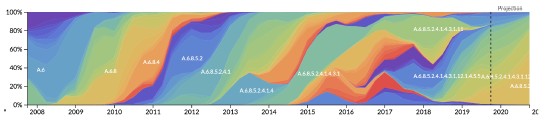
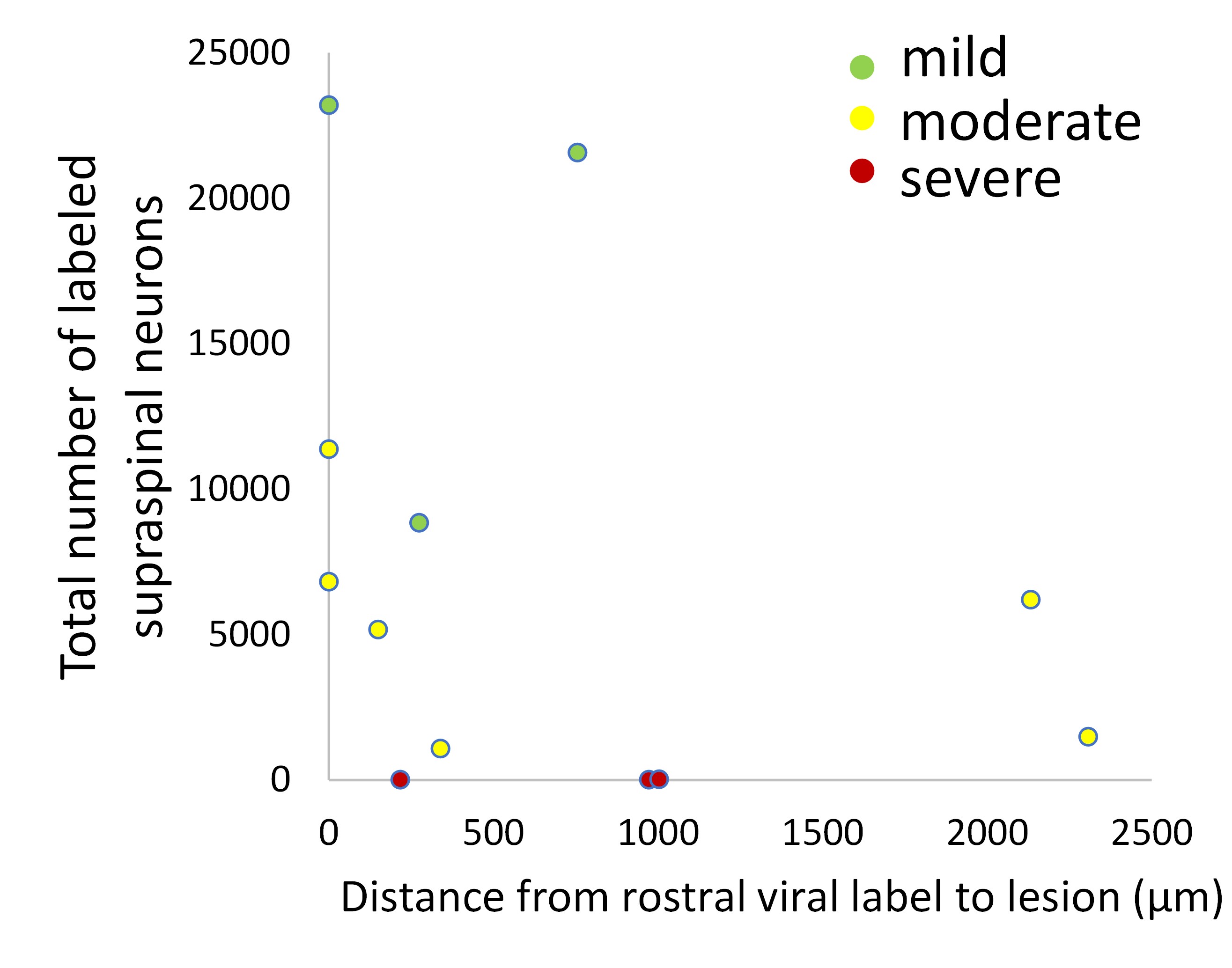
    1. Author Response

      Reviewer #1 (Public Review):

      The authors present a PyTorch-based simulator for prosthetic vision. The model takes in the anatomical location of a visual cortical prostheses as well as a series of electrical stimuli to be applied to each electrode, and outputs the resulting phosphenes. To demonstrate the usefulness of the simulator, the paper reproduces psychometric curves from the literature and uses the simulator in the loop to learn optimized stimuli.

      One of the major strengths of the paper is its modeling work - the authors make good use of existing knowledge about retinotopic maps and psychometric curves that describe phosphene appearance in response to single-electrode stimulation. Using PyTorch as a backbone is another strength, as it allows for GPU integration and seamless integration with common deep learning models. This work is likely to be impactful for the field of sight restoration.

      1) However, one of the major weaknesses of the paper is its model validation - while some results seem to be presented for data the model was fit on (as opposed to held-out test data), other results lack quantitative metrics and a comparison to a baseline ("null hypothesis") model. On the one hand, it appears that the data presented in Figs. 3-5 was used to fit some of the open parameters of the model, as mentioned in Subsection G of the Methods. Hence it is misleading to present these as model "predictions", which are typically presented for held-out test data to demonstrate a model's ability to generalize. Instead, this is more of a descriptive model than a predictive one, and its ability to generalize to new patients remains yet to be demonstrated.

      We agree that the original presentation of the model fits might give rise to unwanted confusion. In the revision, we have adapted the fit of the thresholding mechanism to include a 3-fold cross validation, where part of the data was excluded during the fitting, and used as test sets to calculate the model’s performance. The results of the cross- validation are now presented in panel D of Figure 3. The fitting of the brightness and temporal dynamics parameters using cross-validation was not feasible due to the limited amount of quantitative data describing temporal dynamics and phosphene size and brightness for intracortical electrodes. To avoid confusion, we have adapted the corresponding text and figure captions to specify that we are using a fit as description of the data.

      We note that the goal of the simulator is not to provide a single set of parameters that describes precise phosphene perception for all patients but that it could also be used to capture variability among patients. Indeed, the model can be tailored to new patients based on a small data set. Figure 3-figure supplement 1 exemplifies how our simulator can be tailored to several data sets collected from patients with surface electrodes. Future clinical experiments might be used to verify how well the simulator can be tailored to the data of other patients.

      Specifically, we have made the following changes to the manuscript:

      • Caption Figure 2: the fitted peak brightness levels reproduced by our model

      • Caption Figure 3: The model's probability of phosphene perception is visualized as a function of charge per phase

      • Caption Figure 3: Predicted probabilities in panel (d) are the results of a 3-fold cross- validation on held-out test data.

      • Line 250: we included biologically inspired methods to model the perceptual effects of different stimulation parameters

      • Line 271: Each frame, the simulator maps electrical stimulation parameters (stimulation current, pulse width and frequency) to an estimated phosphene perception

      • Lines 335-336: such that 95% of the Gaussian falls within the fitted phosphene size.

      • Line 469-470: Figure 4 displays the simulator's fit on the temporal dynamics found in a previous published study by Schmidt et al. (1996).

      • Lines 922-925: Notably, the trade-off between model complexity and accurate psychophysical fits or predictions is a recurrent theme in the validation of the components implemented in our simulator.

      2) On the other hand, the results presented in Fig. 8 as part of the end-to-end learning process are not accompanied by any sorts of quantitative metrics or comparison to a baseline model.

      We now realize that the presentation of the end-to-end results might have given the impression that we present novel image processing strategies. However, the development of a novel image processing strategy is outside the scope of the study. Instead, The study aims to provide an improved simulation which can be used for more realistic assessment of different stimulation protocols. The simulator needs to fit experimental data, and it should run fast (so it can be used in behavioral experiments). Importantly, as demonstrated in our end-to-end experiments, the model can be used in differentiable programming pipelines (so it can be used in computational optimization experiments), which is a valuable contribution in itself because it lends itself to many machine learning approaches which can improve the realism of the simulation.

      We have rephrased our study aims in the discussion to improve clarity.

      • Lines 275-279: In the sections below, we discuss the different components of the simulator model, followed by a description of some showcase experiments that assess the ability to fit recent clinical data and the practical usability of our simulator in simulation experiments

      • Lines 810-814: Computational optimization approaches can also aid in the development of safe stimulation protocols, because they allow a faster exploration of the large parameter space and enable task-driven optimization of image processing strategies (Granley et al., 2022; Fauvel et al., 2022; White et al., 2019; Küçükoglü et al. 2022; de Ruyter van Steveninck et al., 2022; Ghaffari et al., 2021).

      • Lines 814-819: Ultimately, the development of task-relevant scene-processing algorithms will likely benefit both from computational optimization experiments as well as exploratory SPV studies with human observers. With the presented simulator we aim to contribute a flexible toolkit for such experiments.

      • Lines 842-853: Eventually, the functional quality of the artificial vision will not only depend on the correspondence between the visual environment and the phosphene encoding, but also on the implant recipient's ability to extract that information into a usable percept. The functional quality of end-to-end generated phosphene encodings in daily life tasks will need to be evaluated in future experiments. Regardless of the implementation, it will always be important to include human observers (both sighted experimental subjects and actual prosthetic implant users in the optimization cycle to ensure subjective interpretability for the end user (Fauvel et al., 2022; Beyeler & Sanchez-Garcia, 2022).

      3) The results seem to assume that all phosphenes are small Gaussian blobs, and that these phosphenes combine linearly when multiple electrodes are stimulated. Both assumptions are frequently challenged by the field. For all these reasons, it is challenging to assess the potential and practical utility of this approach as well as get a sense of its limitations.

      The reviewer raises a valid point and a similar point was raised by a different reviewer (our response is duplicated). As pointed out in the discussion, many aspects about multi- electrode phosphene perception are still unclear. On the one hand, the literature is in agreement that there is some degree of predictability: some papers explicitly state that phosphenes produced by multiple patterns are generally additive (Dobelle & Mladejovsky, 1974), that the locations are predictable (Bosking et al., 2018) and that multi-electrode stimulation can be used to generate complex, interpretable patterns of phosphenes (Chen et al., 2020, Fernandez et al., 2021). On the other hand, however, in some cases, the stimulation of multiple electrodes is reported to lead to brighter phosphenes (Fernandez et al., 2021), fused or displaced phosphenes (Schmidt et al., 1996, Bak et al., 1990) or unpredicted phosphene patterns (Fernández et al., 2021). It is likely that the probability of these interference patterns decreases when the distance between the stimulated electrodes increases. An empirical finding is that the critical distance for intracortical stimulation is approximately 1 mm (Ghose & Maunsell, 2012).

      We note that our simulator is not restricted to the simulation of linearly combined Gaussian blobs. Some irregularities, such as elongated phosphene shapes were already supported in the previous version of our software. Furthermore, we added a supplementary figure that displays a possible approach to simulate some of the more complex electrode interactions that are reported in the literature, with only minor adaptations to the code. Our study thereby aims to present a flexible simulation toolkit that can be adapted to the needs of the user.

      Adjustments:

      • Added Figure 1-figure supplement 3 on irregular phosphene percepts.

      • Lines 957-970: Furthermore, in contrast to the assumptions of our model, interactions between simultaneous stimulation of multiple electrodes can have an effect on the phosphene size and sometimes lead to unexpected percepts (Fernandez et al., 2021, Dobelle & Mladejovsky 1974, Bak et al., 1990). Although our software supports basic exploratory experimentation of non-linear interactions (see Figure 1-figure supplement 3), by default, our simulator assumes independence between electrodes. Multi- phosphene percepts are modeled using linear summation of the independent percepts. These assumptions seem to hold for intracortical electrodes separated by more than 1 mm (Ghose & Maunsell, 2012), but may underestimate the complexities observed when electrodes are nearer. Further clinical and theoretical modeling work could help to improve our understanding of these non-linear dynamics.

      4) Another weakness of the paper is the term "biologically plausible", which appears throughout the manuscript but is not clearly defined. In its current form, it is not clear what makes this simulator "biologically plausible" - it certainly contains a retinotopic map and is fit on psychophysical data, but it does not seem to contain any other "biological" detail.

      We thank the reviewer for the remark. We improved our description of what makes the simulator “biologically plausible” in the introduction (line 78): ‘‘Biological plausibility, in our work's context, points to the simulation's ability to capture essential biological features of the visual system in a manner consistent with empirical findings: our simulator integrates quantitative findings and models from the literature on cortical stimulation in V1 [...]”. In addition, we mention in the discussion (lines 611 - 621): “The aim of this study is to present a biologically plausible phosphene simulator, which takes realistic ranges of stimulation parameters, and generates a phenomenologically accurate representation of phosphene vision using differentiable functions. In order to achieve this, we have modeled and incorporated an extensive body of work regarding the psychophysics of phosphene perception. From the results presented in section H, we observe that our simulator is able to produce phosphene percepts that match the descriptions of phosphene vision that were gathered in basic and clinical visual neuroprosthetics studies over the past decades.”

      5) In fact, for the most part the paper seems to ignore the fact that implanting a prosthesis in one cerebral hemisphere will produce phosphenes that are restricted to one half of the visual field. Yet Figures 6 and 8 present phosphenes that seemingly appear in both hemifields. I do not find this very "biologically plausible".

      We agree with the reviewer that contemporary experiments with implantable electrodes usually test electrodes in a single hemisphere. However, future clinically useful approaches should use bilaterally implanted electrode arrays. Our simulator can either present phosphene locations in either one or both hemifields.

      We have made the following textual changes:

      • Fig. 1 caption: Example renderings after initializing the simulator with four 10 × 10 electrode arrays (indicated with roman numerals) placed in the right hemisphere (electrode spacing: 4 mm, in correspondence with the commonly used 'Utah array' (Maynard et al., 1997)).

      • Line 518-525: The simulator is initialized with 1000 possible phosphenes in both hemifields, covering a field of view of 16 degrees of visual angle. Note that the simulated electrode density and placement differs from current prototype implants and the simulation can be considered to be an ambitious scenario from a surgical point of view, given the folding of the visual cortex and the part of the retinotopic map in V1 that is buried in the calcarine sulcus. Line 546-547: with the same phosphene coverage as the previously described experiment

      Reviewer #2 (Public Review):

      Van der Grinten and De Ruyter van Steveninck et al. present a design for simulating cortical- visual-prosthesis phosphenes that emphasizes features important for optimizing the use of such prostheses. The characteristics of simulated individual phosphenes were shown to agree well with data published from the use of cortical visual prostheses in humans. By ensuring that functions used to generate the simulations were differentiable, the authors permitted and demonstrated integration of the simulations into deep-learning algorithms. In concept, such algorithms could thereby identify parameters for translating images or videos into stimulation sequences that would be most effective for artificial vision. There are, however, limitations to the simulation that will limit its applicability to current prostheses.

      The verification of how phosphenes are simulated for individual electrodes is very compelling. Visual-prosthesis simulations often do ignore the physiologic foundation underlying the generation of phosphenes. The authors' simulation takes into account how stimulation parameters contribute to phosphene appearance and show how that relationship can fit data from actual implanted volunteers. This provides an excellent foundation for determining optimal stimulation parameters with reasonable confidence in how parameter selections will affect individual-electrode phosphenes.

      We thank the reviewer for these supportive comments.

      Issues with the applicability and reliability of the simulation are detailed below:

      1) The utility of this simulation design, as described, unfortunately breaks down beyond the scope of individual electrodes. To model the simultaneous activation of multiple electrodes, the authors' design linearly adds individual-electrode phosphenes together. This produces relatively clean collections of dots that one could think of as pixels in a crude digital display. Modeling phosphenes in such a way assumes that each electrode and the network it activates operate independently of other electrodes and their neuronal targets. Unfortunately, as the authors acknowledge and as noted in the studies they used to fit and verify individual-electrode phosphene characteristics, simultaneous stimulation of multiple electrodes often obscures features of individual-electrode phosphenes and can produce unexpected phosphene patterns. This simulation does not reflect these nonlinearities in how electrode activations combine. Nonlinearities in electrode combinations can be as subtle the phosphenes becoming brighter while still remaining distinct, or as problematic as generating only a single small phosphene that is indistinguishable from the activation of a subset of the electrodes activated, or that of a single electrode.

      If a visual prosthesis happens to generate some phosphenes that can be elicited independently, a simulator of this type could perhaps be used by processing stimulation from independent groups of electrodes and adding their phosphenes together in the visual field.

      The reviewer raises a valid point and a similar point was raised by a different reviewer (our response is duplicated). As pointed out in the discussion, many aspects about multi- electrode phosphene perception are still unclear. On the one hand, the literature is in agreement that there is some degree of predictability: some papers explicitly state that phosphenes produced by multiple patterns are generally additive (Dobelle & Mladejovsky, 1974), that the locations are predictable (Bosking et al., 2018) and that multi-electrode stimulation can be used to generate complex, interpretable patterns of phosphenes (Chen et al., 2020, Fernandez et al., 2021). On the other hand, however, in some cases, the stimulation of multiple electrodes is reported to lead to brighter phosphenes (Fernandez et al., 2021), fused or displaced phosphenes (Schmidt et al., 1996, Bak et al., 1990) or unpredicted phosphene patterns (Fernández et al., 2021). It is likely that the probability of these interference patterns decreases when the distance between the stimulated electrodes increases. An empirical finding is that the critical distance for intracortical stimulation is approximately 1 mm (Ghose & Maunsell, 2012).

      We note that our simulator is not restricted to the simulation of linearly combined Gaussian blobs. Some irregularities, such as elongated phosphene shapes were already supported in the previous version of our software. Furthermore, we added a supplementary figure that displays a possible approach to simulate some of the more complex electrode interactions that are reported in the literature, with only minor adaptations to the code. Our study thereby aims to present a flexible simulation toolkit that can be adapted to the needs of the user.

      Adjustments:

      • Lines 957-970: Furthermore, in contrast to the assumptions of our model, interactions between simultaneous stimulation of multiple electrodes can have an effect on the phosphene size and sometimes lead to unexpected percepts (Fernandez et al., 2021, Dobelle & Mladejovsky 1974, Bak et al., 1990). Although our software supports basic exploratory experimentation of non-linear interactions (see Figure 1-figure supplement 3), by default, our simulator assumes independence between electrodes. Multi- phosphene percepts are modeled using linear summation of the independent percepts. These assumptions seem to hold for intracortical electrodes separated by more than 1 mm (Ghose & Maunsell, 2012), but may underestimate the complexities observed when electrodes are nearer. Further clinical and theoretical modeling work could help to improve our understanding of these non-linear dynamics.

      • Added Figure 1-figure supplement 3 on irregular phosphene percepts.

      2) Verification of how the simulation renders individual phosphenes based on stimulation parameters is an important step in confirming agreement between the simulation and the function of implanted devices. That verification was well demonstrated. The end use a visual-prosthesis simulation, however, would likely not be optimizing just the appearance of phosphenes, but predicting and optimizing functional performance in visual tasks. Investigating whether this simulator can suggest visual-task performance, either with sighted volunteers or a decoder model, that is similar to published task performance from visual-prosthesis implantees would be a necessary step for true validation.

      We agree with the reviewer that it will be vital to investigate the utility of the simulator in tasks. However, the literature on the performance of users of a cortical prosthesis in visually-guided tasks is scarce, making it difficult to compare task performance between simulated versus real prosthetic vision.

      Secondly, the main objective of the current study is to propose a simulator that emulates the sensory / perceptual experience, i.e. the low-level perceptual correspondence. Once more behavioral data from prosthetic users become available, studies can use the simulator to make these comparisons.

      Regarding the comparison to simulated prosthetic vision in sighted volunteers, there are some fundamental limitations. For instance, sighted subjects are exposed for a shorter duration to the (simulated) artificial percept and lack the experience and training that prosthesis users get. Furthermore, sighted subjects may be unfamiliar with compensation strategies that blind individuals have developed. It will therefore be important to conduct clinical experiments.

      To convey more clearly that our experiments are performed to verify the practical usability in future behavioral experiments, we have incorporated the following textual adjustments:

      • Lines 275-279: In the sections below, we discuss the different components of the simulator model, followed by a description of some showcase experiments that assess the ability to fit recent clinical data and the practical usability of our simulator in simulation experiments.

      • Lines 842-853: Eventually, the functional quality of the artificial vision will not only depend on the correspondence between the visual environment and the phosphene encoding, but also on the implant recipient's ability to extract that information into a usable percept. The functional quality of end-to-end generated phosphene encodings in daily life tasks will need to be evaluated in future experiments. Regardless of the implementation, it will always be important to include human observers (both sighted experimental subjects and actual prosthetic implant users in the optimization cycle to ensure subjective interpretability for the end (Fauvel et al., 2022; Beyeler & Sanchez- Garcia, 2022).

      3) A feature of this simulation is being able to convert stimulation of V1 to phosphenes in the visual field. If used, this feature would likely only be able to simulate a subset of phosphenes generated by a prosthesis. Much of V1 is buried within the calcarine sulcus, and electrode placement within the calcarine sulcus is not currently feasible. As a result, stimulation of visual cortex typically involves combinations of the limited portions of V1 that lie outside the sulcus and higher visual areas, such as V2.

      We agree that some areas (most notably the calcarine sulcus) are difficult to access in a surgical implantation procedure. A realistic simulation of state-of-the-art cortical stimulation should only partially cover the visual field with phosphenes. However, it may be predicted that some of these challenges will be addressed by new technologies. We chose to make the simulator as generally applicable as possible and users of the simulator can decide which phosphene locations are simulated. To demonstrate that our simulator can be flexibly initialized to simulate specific implantation locations using third- party software, we have now added a supplementary figure (Figure 1-figure supplement 1) that displays a demonstration of an electrode grid placement on a 3D brain model, generating the phosphene locations from receptive field maps. However, the simulator is general and can also be used to guide future strategies that aim to e.g. cover the entire field with electrodes, compare performance between upper and lower hemifields etc.

      Reviewer #3 (Public Review):

      The authors are presenting a new simulation for artificial vision that incorporates many recent advances in our understanding of the neural response to electrical stimulation, specifically within the field of visual prosthetics. The authors succeed in integrating multiple results from other researchers on aspects of V1 response to electrical stimulation to create a system that more accurately models V1 activation in a visual prosthesis than other simulators. The authors then attempt to demonstrate the value of such a system by adding a decoding stage and using machine-learning techniques to optimize the system to various configurations.

      1) While there is merit to being able to apply various constraints (such as maximum current levels) and have the system attempt to find a solution that maximizes recoverable information, the interpretability of such encodings to a hypothetical recipient of such a system is not addressed. The authors demonstrate that they are able to recapitulate various standard encodings through this automated mechanism, but the advantages to using it as opposed to mechanisms that directly detect and encode, e.g., edges, are insufficiently justified.

      We thank the reviewer for this constructive remark. Our simulator is designed for more realistic assessment of different stimulation protocols in behavioral experiments or in computational optimization experiments. The presented end-to-end experiments are a demonstration of the practical usability of our simulator in computational experiments, building on a previously existing line of research. In fact, our simulator is compatible with any arbitrary encoding strategy.

      As our paper is focused on the development of a novel tool for this existing line of research, we do not aim to make claims about the functional quality of end-to-end encoders compared to alternative encoding methods (such as edge detection). That said, we agree with the reviewer that it is useful to discuss the benefits of end-to-end optimization compared to e.g. edge detection will be useful.

      We have incorporated several textual changes to give a more nuanced overview and to acknowledge that many benefits remain to be tested. Furthermore, we have restated our study aims more clearly in the discussion to clarify the distinction between the goals of the current paper and the various encoding strategies that remain to be tested.

      • Lines 275-279: In the sections below, we discuss the different components of the simulator model, followed by a description of some showcase experiments that assess the ability to fit recent clinical data and the practical usability of our simulator in simulation experiments

      • Lines 810-814: Computational optimization approaches can also aid in the development of safe stimulation protocols, because they allow a faster exploration of the large parameter space and enable task-driven optimization of image processing strategies (Granley et al., 2022; Fauvel et al., 2022; White et al., 2019; Küçükoglü et al. 2022; de Ruyter van Steveninck, Güçlü et al., 2022; Ghaffari et al., 2021).

      • Lines 842-853: Eventually, the functional quality of the artificial vision will not only depend on the correspondence between the visual environment and the phosphene encoding, but also on the implant recipient's ability to extract that information into a usable percept. The functional quality of end-to-end generated phosphene encodings in daily life tasks will need to be evaluated in future experiments. Regardless of the implementation, it will always be important to include human observers (both sighted experimental subjects and actual prosthetic implant users in the optimization cycle to ensure subjective interpretability for the end user (Fauvel et al., 2022; Beyeler & Sanchez-Garcia, 2022).

      2) The authors make a few mistakes in their interpretation of biological mechanisms, and the introduction lacks appropriate depth of review of existing literature, giving the reader the mistaken impression that this is simulator is the only attempt ever made at biologically plausible simulation, rather than merely the most recent refinement that builds on decades of work across the field.

      We thank the reviewer for this insight. We have improved the coverage of the previous literature to give credit where credit is due, and to address the long history of simulated phosphene vision.

      Textual changes:

      • Lines 64-70: Although the aforementioned SPV literature has provided us with major fundamental insights, the perceptual realism of electrically generated phosphenes and some aspects of the biological plausibility of the simulations can be further improved and by integrating existing knowledge of phosphene vision and its underlying physiology.

      • Lines 164-190: The aforementioned studies used varying degrees of simplification of phosphene vision in their simulations. For instance, many included equally-sized phosphenes that were uniformly distributed over the visual field (informally referred to as the ‘scoreboard model’). Furthermore, most studies assumed either full control over phosphene brightness or used binary levels of brightness (e.g. 'on' / 'off'), but did not provide a description of the associated electrical stimulation parameters. Several studies have explicitly made steps towards more realistic phosphene simulations, by taking into account cortical magnification or using visuotopic maps (Fehervari et al., 2010;, Li et al., 2013; Srivastava et al., 2009; Paraskevoudi et al., 2021), simulating noise and electrode dropout (Dagnelie et al., 2007), or using varying levels of brightness (Vergnieux et al., 2017; Sanchez-Garcia et al., 2022; Parikh et al., 2013). However, no phosphene simulations have modeled temporal dynamics or provided a description of the parameters used for electrical stimulation. Some recent studies developed descriptive models of the phosphene size or brightness as a function of the stimulation parameters (Winawer et al., 2016; Bosking et al., 2017). Another very recent study has developed a deep-learning based model for predicting a realistic phosphene percept for single stimulating electrodes (Granley et al., 2022). These studies have made important contributions to improve our understanding of the effects of different stimulation parameters. The present work builds on these previous insights to provide a full simulation model that can be used for the functional evaluation of cortical visual prosthetic systems.

      • Lines 137-140: Due to the cortical magnification (the foveal information is represented by a relatively large surface area in the visual cortex as a result of variation of retinal RF size) the size of the phosphene increases with its eccentricity (Winawer & Parvizi, 2016, Bosking et al., 2017).

      • Lines 883-893: Even after loss of vision, the brain integrates eye movements for the localization of visual stimuli (Reuschel et al., 2012), and in cortical prostheses the position of the artificially induced percept will shift along with eye movements (Brindley & Lewin, 1968, Schmidt et al., 1996). Therefore, in prostheses with a head-mounted camera, misalignment between the camera orientation and the pupillary axes can induce localization problems (Caspi et al., 2018; Paraskevoudi & Pezaris, 2019; Sabbah et al., 2014; Schmidt et al., 1996). Previous SPV studies have demonstrated that eye-tracking can be implemented to simulate the gaze-coupled perception of phosphenes (Cha et al., 1992; Sommerhalder et al., 2004; Dagnelie et al., 2006; McIntosh et al., 2013, Paraskevoudi & Pezaris, 2021; Rassia & Pezaris 2018, Titchener et al., 2018, Srivastava et al., 2009)

      3) The authors have importantly not included gaze position compensation which adds more complexity than the authors suggest it would, and also means the simulator lacks a basic, fundamental feature that strongly limits its utility.

      We agree with the reviewer that the inclusion of gaze position to simulate gaze-centered phosphene locations is an important requirement for a realistic simulation. We have made several textual adjustments to section M1 to improve the clarity of the explanation and we have added several references to address the simulation literature that took eye movements into account.

      In addition, we included a link to some demonstration videos in which we illustrate that the simulator can be used for gaze-centered phosphene simulation. The simulation models the phosphene locations based on the gaze direction, and updates the input with changes in the gaze direction. The stimulation pattern is chosen to encode the visual environment at the location where the gaze is directed. Gaze contingent processing has been implemented in prior simulation studies (for instance: Paraskevoudi et al., 2021; Rassia et al., 2018; Titchener et al., 2018) and even in the clinical setting with users of the Argus II implant (Caspi et al., 2018). From a modeling perspective, it is relatively straightforward to simulate gaze-centered phosphene locations and gaze contingent image processing (our code will be made publicly available). At the same time, however, seen from a clinical and hardware engineering perspective, the implementation of eye-tracking in a prosthetic system for blind individuals might come with additional complexities. This is now acknowledged explicitly in the manuscript.

      Textual adjustment:

      Lines 883-910: Even after loss of vision, the brain integrates eye movements for the localization of visual stimuli (Reuschel et al., 2012), and in cortical prostheses the position of the artificially induced percept will shift along with eye movements (Brindley & Lewin, 1968, Schmidt et al., 1996). Therefore, in prostheses with a head-mounted camera, misalignment between the camera orientation and the pupillary axes can induce localization problems (Caspi et al., 2018; Paraskevoudi & Pezaris, 2019; Sabbah et al., 2014; Schmidt et al., 1996). Previous SPV studies have demonstrated that eye-tracking can be implemented to simulate the gaze-coupled perception of phosphenes (Cha et al., 1992; Sommerhalder et al., 2004; Dagnelie et al., 2006, McIntosh et al., 2013; Paraskevoudi et al., 2021; Rassia et al., 2018; Titchener et al., 2018; Srivastava et al., 2009). Note that some of the cited studies implemented a simulation condition where not only the simulated phosphene locations, but also the stimulation protocol depended on the gaze direction. More specifically, instead of representing the head-centered camera input, the stimulation pattern was chosen to encode the external environment at the location where the gaze was directed. While further research is required, there is some preliminary evidence that such a gaze-contingent image processing can improve the functional and subjective quality of prosthetic vision (Caspi et al., 2018; Paraskevoudi et al., 2021; Rassia et al., 2018; Titchener et al., 2018). Some example videos of gaze-contingent simulated prosthetic vision can be retrieved from our repository (https://github.com/neuralcodinglab/dynaphos/blob/main/examples/). Note that an eye-tracker will be required to produce gaze-contingent image processing in visual prostheses and there might be unforeseen complexities in the clinical implementation thereof. The study of oculomotor behavior in blind individuals (with or without a visual prosthesis) is still an ongoing line of research (Caspi et al.,2018; Kwon et al., 2013; Sabbah et al., 2014; Hafed et al., 2016).

      4) Finally, the computational capacity required to run the described system is substantial and is not one that would plausibly be used as part of an actual device, suggesting that there may be difficulties with converting results from this simulator to an implantable system.

      The software runs in real time with affordable, consumer-grade hardware. In Author response image 1 we present the results of performance testing with a 2016 model MSI GeForce GTX 1080 (priced around €600).

      Author response image 1.

      Note that the GPU is used only for the computation and rendering of the phosphene representations from given electrode stimulation patterns, which will never be part of any prosthetic device. The choice of encoder to generate the stimulation patterns will determine the required processing capacity that needs to be included in the prosthetic system, which is unrelated to the simulator’s requirements.

      The following addition was made to the text:

      • Lines 488-492: Notably, even on a consumer-grade GPU (e.g. a 2016 model GeForce GTX 1080) the simulator still reaches real-time processing speeds (>100 fps) for simulations with 1000 phosphenes at 256x256 resolution.
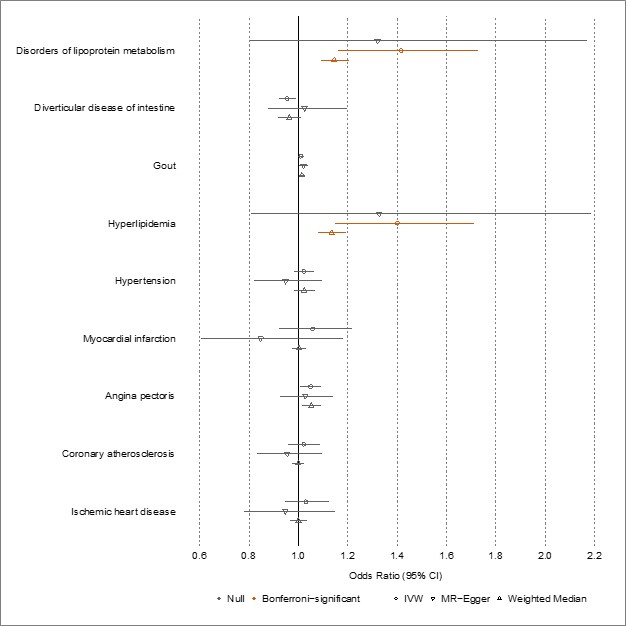
      5) With all of that said, the results do represent an advance, and one that could have wider impact if the authors were to reduce the computational requirements, and add gaze correction.

      We appreciate the kind compliment from the reviewer and sincerely hope that our revised manuscript meets their expectations. Their feedback has been critical to reshape and improve this work.

    1. Author Response

      Reviewer #1 (Public Review):

      In this manuscript, Li et al characterize sex differences in the impact of macrophage RELMa in protection against diet-induced obesity [DIO]. This is a key area of interest as obesity studies in mice have generally focused exclusively on male animals, as they tend to gain more weight, faster than female mice. The authors use a combination of flow cytometry, adoptive transfer, and single-cell transcriptomics to characterize the mechanism of action for female-specific DIO protection. They identify a potential role for eosinophils in mediating female DIO protection downstream of RELMa production by macrophage. They also use the transcriptomic characterization of the stromal vascular fraction of the adipose tissue to evaluate molecular and cellular drivers of this sex-specific DIO protection.

      Although the authors provide solid evidence for many claims in the manuscript, there is generally not enough information about the studies' methods (especially on the computational/data analysis aspects) for a careful evaluation of the result's robustness at this stage.

      We have significantly expanded the methodology, especially of the scRNAseq, and deposited the script and raw data in public repositories. We also validated our methods and can confirm that the analysis presented is robust. This resubmission contains new Fig 7 and new supplementary material with this methodology and validation.

      Reviewer #2 (Public Review):

      In the study by Li et al., the authors hypothesize that RELMa, a macrophage-derived protein, plays a sex-dimorphic role as a protective factor in obesity in females vs males. The authors perform largely in vivo studies utilizing male and female WT and RELMa KO mice on a high-fat diet and perform an in-depth analysis of immune cell composition, gene expression, and single-cell RNA Sequencing. The authors find that WT females are protected from obesity and inflammation vs males, and this protection is lost in female RELMa KO mice. Further analysis by the authors including flow cytometry of the visceral fat SVF in female WT mice showed reduced macrophage infiltration, higher levels of eosinophils, and Th2 cytokine expression compared to WT male mice and female KO mice. The authors show that protection from obesity and inflammation in female RELMa KO mice can be rescued with an injection of eosinophils and recombinant RELMa. Lastly, the authors use single-cell RNA-Sequencing to further analyze SVF cells in WT and KO male and female mice on a high-fat diet.

      Overall, we find that the study represents an important finding in the immunometabolism field showing that RELMa is a key myeloid-derived factor that helps influence the macrophage-eosinophil function in female mice and protects from diet-induced obesity and inflammation in a sexually dimorphic manner. Overall, the study provides strong and convincing data supporting the authors' hypothesis and conclusion.

      We thank the reviewer for their positive review of our manuscript and their helpful feedback which we address below.

      Reviewer #3 (Public Review):

      Li, Ruggiero-Ruff et al. examine the role of RELMα, an anti-inflammatory macrophage signature gene, in mediating sex differences in high-fat diet (HFD)-induced obesity in young mice. Specifically, the authors hypothesize that RELMα protects females against HFD-induced obesity. Comparisons between RELMα-knockout (KO) and wildtype (WT) mice of both sexes revealed sex- and RELMα-specific differences in weight gain, immune cell populations, and inflammatory signaling in response to HFD. RELMα-deficiency in females led to increased weight gain, expansion of pro-inflammatory macrophage populations, and eosinophil loss in response to HFD. Female RELMα-deficiency could be rescued by RELMα treatment or eosinophil transfer. Single-cell RNA-sequencing (scRNA-seq) of adipose stromal vascular fraction (SVF) revealed sex- and RELMα-dependent differences under HFD conditions and identified potential "pro-obesity" and "anti-obesity" genes in a cell-type-specific manner. Using trajectory analysis, the authors suggest dysregulation of macrophage-to-monocyte transition in RELMα-deficient mice.

      The conclusions of this paper are mostly well supported by the data, but some aspects of the statistical and single-cell analyses will need to be corrected, clarified, and extended to enhance the report.

      We thank Dr. Ocanas for their positive comments and for the helpful feedback to improve our study. We have addressed all the comments and significantly revised the manuscript.

      Strengths:

      The authors use several orthogonal approaches (i.e., flow cytometry, immunohistochemistry, scRNA-Seq) and models to support their hypotheses.

      The authors demonstrate that phenotypes observed in HFD-fed females with RELMα-deficiency (i.e., weight gain, loss of eosinophils, a gain of M1 macrophages) can be rescued by RELMα treatment or eosinophil transfer.

      The authors recognized the complexity of macrophage activation that is beyond the 'M1/M2' paradigm and informed readers in the introduction as to why this paradigm was used in this study. During the scRNA-seq analyses, the authors further sub-cluster macrophages to include more granularity.

      Weaknesses:

      1) There are several instances in the text where the authors claim that there is a significant difference between the two groups, but the statistics for these comparisons are not shown in the figure.

      Because we are dealing with three variables: genotype, diet and sex, and many differences, we thought it too complicated to add all the significant differences on the graph, but sometimes just mentioned these in the text with a p value, or didn’t mention at all if the difference was obvious, or not meaningful (for example, we weren’t interested in comparing a WT male on a Ctr diet with a RELMalpha KO female on a HFD for the purpose of our hypothesis). We have now ensured clarity in the text and in the figures, and addressed the specific point-by-point comments from the reviewer. We have also now carefully re-evaluated the text to ensure that any significant differences we discuss are shown in the figure.

      2) It is unfortunate that eosinophils could not be identified in the single-cell analysis since this population of cells was shown to be important in rescuing the RELMα-deficiency in HFD-fed females. The authors should note in the discussion how future scRNA-Seq experiments could overcome this limitation (i.e., enriching immune cells prior to scRNA-Seq).

      We were indeed disappointed that we were not able to obtain eosinophil single cell seq, but realize that this is a reported issue in the field. We have expanded our discussion of this and cited a paper that performs eosinophil single cell sequencing (published at the time our manuscript was being submitted): ““At the same time as our ongoing analysis, the first publication of eosinophil single cell RNA-seq was published, using a flow cytometry based approach rather than 10x, including RNAse inhibitor in the sorting buffer, and performing prior eosinophil enrichment (PMID: 36509106). Based on guidance from 10x, we employed targeted approaches to identify eosinophil clusters according to eosinophil markers (e.g. Siglecf, Prg2, Ccr3, Il5r), and relaxed the scRNA-Seq cutoff analysis to include more cells and intronic content, but still could not find eosinophils. We conclude that eosinophils may be absent due to the enzyme digestion required for SVF isolation and processing for single cell sequencing, which could lead to specific eosinophil population loss due to low RNA content, RNases or cell viability issues. Future experiments would be needed to optimize eosinophil single cell sequencing, based on the recent publication of eosinophil single cell sequencing.”

      3a) There are several issues with the scRNA-Seq analysis and interpretation. More details on the steps taken in the single-cell analyses should be included in the methods section.

      We agree with the reviewer that more details on steps taken in the single cell data processing and bioinformatics needs to be included in the methods section. We included more information and separated sections within the data processing section in the Materials and Methods on the methodology used for these approaches, as well as provided a code for our data processing in a public Github repository: https://github.com/rrugg002/Sexual-dimorphism-in-obesity-is-governed-by-RELM-regulation-of-adipose-macrophages-and-eosinophils.

      b) With regards to the 'pseudobulk' analyses presented in Figs. 5-6, several of the differentially expressed genes identified in Fig. 6 are hemoglobin genes (i.e., Hba, Hbb genes). It is not uncommon to filter these genes out of single-cell analysis since their presence usually indicates red blood cell (RBC) contamination (PMID: 31942070, PMID: 35672358). We would recommend assessing RBC contamination as well as removing Fig. 6 from the manuscript and focusing on cell-type-specific analyses. Re-analysis will likely have an impact on the overall conclusions of the study.

      Prior to our first submission, we consulted with 10x support scientists and the UCR bioinformatics core director to ensure that our analysis included the appropriate filtering. We have now added details in the Methods. The PMIDs provided above are from studies that looked at hippocampus development (where they didn’t perfuse so there may be blood contamination) or whole blood (where there would be significant red blood cell contamination). In contrast, we perfused our mice and treated the single cell suspension with RBC lysis buffer, as detailed in Methods. Also, we have now extended our scSeq analysis to compare hemoglobin RNA to red blood cell specific markers including Gypa/CD235a. While hemoglobin is distributed throughout the myeloid population in the female KO mice, Gypa/CD235a, which would suggest RBC contamination is not expressed at all (see new Fig 7B). Additionally, we provide hemoglobin protein ELISA and IF staining to support our finding that macrophages from KO mice express hemoglobin protein. Last, two publications support hemoglobin expression by nonerythroid sources, including macrophages (PMID: 10359765; PMID: 25431740). While we are confident based on above that our data is not due to RBC contamination, we cannot exclude the fact that, although unlikely, macrophages may be phagocytosing RBC and preserving specifically hemoglobin RNA and protein. Nonetheless, we discuss this possibility in the text. In conclusion, based on the justification above and the new data, we are confident that our findings and overall conclusions are robust.

      To assess for potential RBC contamination, in addition to Gypa, we additionally looked at top genes expressed by murine erythrocytes (PMID: 24637361). Please see below feature plots, showing little to no expression, and a very different distribution than the hemoglobin genes (see new Fig 7a):

      Also, we had a small cluster of potential RBCs (only 75 cells) that we filtered out of downstream DEG analysis, which revealed the same data as in the first submission.

      4) Within the text, there are several instances where the authors claim that a pathway is upregulated based on their Gene Ontology (GO) over-representation analysis (ORA). To come to this conclusion, the authors identify genes that are upregulated in one condition and then perform GO-ORA on these genes. However, the authors do not consider negative regulators, whose upregulation would actually decrease the pathway. Authors should either replace their GO-ORA analysis with one that considers the magnitude and direction of differentially expressed genes and provides an activation z-score (i.e., Ingenuity Pathway Analysis) or replace instances of 'upregulated' or 'downregulated' pathways with 'over-represented' pathways.

      Unfortunately, we did not have access to IPA for this project, therefore we have changed our analysis to over and under-represented pathways as suggested.

      5) For Fig.7A, a representative tSNE plot for each group (WT Female, KO Female, WT Male, KO Male) should be shown to ensure there is proper integration of the clusters across groups. There are some instances where the scRNA-Seq data do not appear to be integrated properly (i.e., Supplemental Figure 2C). The authors should explore integration techniques (i.e., Seurat; PMID: 29608179) to correct for potential batch effects within the analysis.

      We thank the reviewer for the suggestion of proper integration of the clusters across groups. We performed integration using the Cell Ranger aggregation (aggr) pipeline (see updated materials and methods section). In addition, many technical controls were performed to prevent batch effects between our samples. For sequencing, we used the 10x genomics library sequencing depth and run parameters for both gene expression and multiplexing libraries. For all 3’ gene expression library sequencing, we sequenced at a depth of 20,000 read pairs per cell and for all cell multiplexing library sequencing we sequenced at a depth of 5,000 read pairs per cell. All libraries were paired-end dual indexed libraries and were pooled on one flow cell lane using a 4:1 ratio (3’ Gene expression: Multiplexing ratio) in the Novaseq, as recommended by 10x Genomics, in order to maintain nucleotide diversity and prevent batch effects during the sequencing process. When performing integration/aggregation of all sample gene expression libraries using the Cell Ranger aggregation (aggr) pipeline, we performed sequencing depth normalization between all samples. Cell Ranger does this by equalizing the average read depth per cell between groups before merging all sample libraries and counts together. This is a default setting in the Cell Ranger aggr pipeline, and this approach avoids artifacts that may be introduced due to differences in sequencing depth. Thus, we are confident that changes we observed in gene expression and cell type populations are due to biological differences and not technical variability. Below we have provided a tSNE plot showing clustering of all 12 samples after we performed integration:

      We updated old Fig.7 (now Fig. 6) and included a representative tSNE plot for each group. We also updated the tSNE plot for Figure 5-figure supplement 2C (previously S2C) showing overall clustering amongst all groups. The largest population differences occurred in the fibroblast population and these population differences were largely due to sex differences. Because we are confident that integration was performed appropriately and that batch effects were controlled for, we believe these sex differences are a biological effect.

      6) LncRNA Gm47283 is identified as a gene that is differentially expressed by genotype in HFD females (Fig. 7G); however, according to Ensembl this gene is encoded on the Y-chromosome (https://uswest.ensembl.org/Mus_musculus/Gene/Summary?g=ENSMUSG00000096768;r=Y:90796007-90827734). The authors should use the RELMα genotype and sex chromosomally-encoded genes to confirm that their multiplexing was appropriate.

      We agree with the reviewer that it is crucial to confirm that multiplexing and all subsequent analyses are performed correctly. Comparison between males and females contains internal controls that increase confidence, such as Xist gene that is expressed only in females, and Ddx3y that is located on the Y chromosome. LncRNA, Gm47283 is located in the syntenic region of Y chromosome and is also present in females, annotated as Gm21887 located in the syntenic region of the X chromosome. It also has 100% alignment with Gm55594 on X chromosome. Additionally, it is also referred to erythroid differentiation regulator 1 (Erd1), x or y depending on the chromosome, although NCBI database specifies partial assembly and incomplete annotation. Therefore, this explains why we see expression of this gene in females. We have discussed this in the text. We revised the text to refer to this LncRNA as Gm47283/Gm21887 to prevent further confusion. The RELMalpha genotype (absence in the KO) was also confirmed. Last, the PC analysis (see Fig 5) supports clustering by group.

      7) For Fig. 8, samples should be co-clustered and integrated across groups before performing trajectory analysis to allow for direct comparisons between groups.

      We appreciate the valuable feedback and suggestions, which have been helpful in clarifying the trajectory analysis, which we have done as follows:

      Regarding the co-clustering and integration of our samples across groups, here is the explanation of our trajectory analysis approach. We have co-clustered all of our samples using the align_cds function from the Monocle3 package. We have included the code for Figure 8 in our Github repository at https://github.com/rrugg002/Sexual-dimorphism-in-obesity-is-governed-by-RELM-regulation-of-adipose-macrophages-and-eosinophils/blob/main/Figure8.R. Specifically, lines 138, 166, 196 and 225 of the code indicate that the align_cds function was used to cluster our samples by "Sample.ID".

      The align_cds function in Monocle3 can be used to co-cluster all samples in a single-cell RNA-seq experiment by aligning coding sequences (CDS) across different cell types or conditions. The align_cds function takes a set of reference CDS sequences and single-cell RNA-seq reads and identifies the CDS sequences within each read, allowing the identification of differentially expressed genes across different cell types or conditions based on the aligned CDS sequences. More details about align_cds can be found here https://rdrr.io/github/cole-trapnell-lab/monocle3/man/align_cds.html .

      We hope that this additional information alleviates the reviewer’s concerns.

      8) Since the experiments presented in this report were from young mice using a single diet intervention, the authors should comment on how age and other obesogenic diets may impact the results found here. Also, the authors should expand their discussion as to what upstream regulators (i.e., hormones or genetics) may be driving the sex differences in RELMα expression in response to HFD.

      We thank the reviewer for the suggestion. We included several sentences to address this comment. However, since reviewers commented that some of the text needs to be trimmed down, extensive discussion regarding reasons for sex differences, which are numerous, are outside the scope of this manuscript. For example, sex differences can arise from all or any of these:

      1. Sex steroid hormones (estrogen and testosterone) are an obvious possibility for sex differences and this discussion has been included below and in the text.

      2. Sex differences we observe may stem from variety of other factors, besides ovarian estrogen; including extraovarian estrogen, primarily estrogen produced in adipose tissues (32119876).

      3. Sex differences exist in fat deposition, which may or may not be estrogen dependent (25578600, 21834845).

      4. Sex difference were determined in metabolic rate and oxidative phosphorylation, which may also be independent of estrogen (28650095, and reviewed in 26339468).

      5. Sex differences exist in the immune system, some of which are estrogen independent, but dependent on sex chromosomes (32193609).

      6. Sex differences particularly in myeloid lineage, which may also be estrogen independent (25869128).

      7. Sex differences were determined in adipokine levels, including leptin and adiponectin, which influence immune cells in adipose tissues (33268480).

      The role of estrogen is not clear either, and thus extensive discussion is not possible. Numerous studies demonstrated that estrogen is protective from inflammation, thus it is possible that estrogen drives some of the sex differences observed herein. However, several studies determined that estrogen can be pro-inflammatory (20554954, 15879140, 18523261). Previous publications by us (30254630, 33268480) and others (25869128) demonstrated intrinsic sex differences in immune system, that are maybe dependent on sex chromosome complement and/or Xist expression (34103397, 30671059).

      Studies are more consistent that estrogen is protective from weight gain: postmenopausal women with diminished estrogen, and ovariectomized animal models gain weight. The effects of ovariectomy on weight gain and its additive effects with high fat diet were reported in Rhesus monkeys (for example PMID: 2663699; and PMID: 16421340); and in rodents (PMID: 7349433).

      The reviewer is correct that the effects of aging or estrogen on RELMa levels would be of significant interest, and could be a future direction of our studies. Aging-mediated increase in inflammation (including of adipose tissue, recently reviewed in 36875140), that may be dependent on estrogen, can exacerbate obesity-mediated inflammation. We have added this discussion.

      For these reasons we limited our discussion regarding possible differences and stated this in the discussion: “Several studies demonstrated the protective role of estrogen in obesity-mediated inflammation and in weight gain, as discussed above. Whether estrogen protection occurs via estrogen regulation of RELMa levels is a focus of our future studies. Alternatively, intrinsic sex differences in immune system have been demonstrated as well (30254630, 33268480, 25869128) that are dependent on sex chromosome complement and/or Xist expression (34103397, 30671059), and RELMa may be regulated by these as well. Additionally, ageing-mediated increase in inflammation (including of adipose tissue, recently reviewed in 36875140), may also occur via changes in RELMa levels. Our studies used young but developmentally mature mice (4-6 weeks old when placed on diet, 18 weeks old at sacrifice), and future work on aged mice would be needed to investigate aging-mediated inflammation. Furthermore, there are sex differences in fat deposition, metabolic rates and oxidative phosphorylation (reviewed in 26339468), and adipokine expression (Coss) that regulate cytokine and chemokines levels, and therefore may regulate levels of RELMa as well. These possibilities will be addressed in future studies.”

    1. Author Response

      Reviewer #1 (Public Review):

      The role of the parietal (PPC), the retrospenial (RSP) and the the visual cortex (S1) was assessed in three tasks corresponding a simple visual discrimination task, a working-memory task and a two-armed bandit task all based on the same sensory-motor requirements within a virtual reality framework. A differential involvement of these areas was reported in these tasks based on the effect of optogenetic manipulations. Photoinhibition of PPC and RSP was more detrimental than photoinhibition of S1 and more drastic effects were observed in presumably more complex tasks (i.e. working-memory and bandit task). If mice were trained with these more complex tasks prior to training in the simple discrimination task, then the same manipulations produced large deficits suggesting that switching from one task to the other was more challenging, resulting in the involvement of possibly larger neural circuits, especially at the cortical level. Calcium imaging also supported this view with differential signaling in these cortical areas depending on the task considered and the order to which they were presented to the animals. Overall the study is interesting and the fact that all tasks were assessed relying on the same sensory-motor requirements is a plus, but the theoretical foundations of the study seems a bit loose, opening the way to alternate ways of interpreting the data than "training history".

      1) Theoretical framework:

      The three tasks used by the authors should be better described at the theoretical level. While the simple task can indeed be considered a visual discrimination task, the other two tasks operationally correspond to a working-memory task (i.e. delay condition which is indeed typically assessed in a Y- or a T-maze in rodent) or a two-armed bandit task (i.e. the switching task), respectively. So these three tasks are qualitatively different, are therefore reliant on at least partially dissociable neural circuits and this should be clearly analyzed to explain the rationale of the focus on the three cortical regions of interest.

      We are glad to see that the reviewer finds our study interesting overall and sees value in the experimental design. We agree that in the previous version, we did not provide enough motivation for the specific tasks we employed and the cortical areas studied.

      Navigating to reward locations based on sensory cues is a behavior that is crucial for survival and amenable to a head-fixed laboratory setting in virtual reality for mice. In this context of goal-directed navigation based on sensory cues, we chose to center our study on posterior cortical association areas, PPC and RSC, for several reasons. RSC has been shown to be crucial for navigation across species, poised to enable the transformation between egocentric and allocentric reference frames and to support spatial memory across various timescales (Alexander & Nitz, 2015; Fischer et al., 2020; Pothuizen et al., 2009; Powell et al., 2017). It furthermore has been shown to be involved in cognitive processes beyond spatial navigation, such as temporal learning and value coding (Hattori et al., 2019; Todd et al., 2015), and is emerging as a crucial region for the flexible integration of sensory and internal signals (Stacho & ManahanVaughan, 2022). It thus is a prime candidate area in the study of how cognitive experience may affect cortical involvement in goal-directed navigation.

      RSC is heavily interconnected with PPC, which is generally thought to convert sensory cues into actions (Freedman & Ibos, 2018) and has been shown to be important for navigation-based decision tasks (Harvey et al., 2012; Pinto et al., 2019). Specific task components involving short-term memory have been suggested to cause PPC to be necessary for a given task (Lyamzin & Benucci, 2019), so we chose such task components in our complex tasks to maximize the likelihood of large PPC involvement to compare the simple task to.

      One such task component is a delay period between cue and the ultimate choice report, which is a common design in decision tasks (Goard et al., 2016; Harvey et al., 2012; Katz et al., 2016; Pinto et al., 2019). We agree with the reviewer that traditionally such a task would be referred to as a workingmemory task. However, we refrain from using this terminology because it may cause readers to expect that to solve the task, mice use a working-memory dependent strategy in its strictest and most traditional sense, that is mice show no overt behaviors indicative of the ultimate choice until the end of the delay period. If the ultimate choice is apparent earlier, mice may use what is sometimes referred to as an embodiment-based strategy, which by some readers may be seen as precluding working memory. Indeed, in new choice-decoding analyses from the mice’s running patterns, we show that mice start running towards the side of the ultimate choice during the cue period already (Figure 1—figure supplement 1). Regardless of these seemingly early choices, however, we crucially have found much larger performance decrements from inhibition in mice performing the delay task compared to mice performing the simple task, along with lower overall task performance in the delay task, indicating that the insertion of a delay period increased subjective task difficulty. As traditional working-memory versus embodiment-based strategies are not the focus of our study here and do not seem to inform the performance decrements from inhibition, we chose to label the task descriptively with the crucial task parameter rather than with the supposedly underlying cognitive process.

      For the switching task, we appreciate that the reviewer sees similarities to a two-armed bandit task. However, in a two-armed bandit task, rewards are typically delivered probabilistically, whereas in our task, cue and action values are constant within each of the two rule blocks, and only the rule, i.e. the cuechoice association, reverses across blocks. This is a crucial distinction because in our design, blocks of Rule A in the switching task are identical to the simple task, with fixed cue-choice associations and guaranteed reward delivery if the correct choice is made, allowing a fair comparison of cortical involvement across tasks.

      We have now heavily revised the introduction, results, and discussion sections of the manuscript to better explain the motivation for the tasks and the investigated brain areas. These revisions cover all the points mentioned in this response.

      Furthermore, we agree with the reviewer that the three tasks are qualitatively different and likely depend on at least partially dissociable circuits. We consider the large differences in cortical inhibition effects between the simple and the complex tasks as evidence for this notion. We also want to highlight that in fact, we performed task-specific optogenetic manipulations presented in the Supplementary Material to further understand the involvement of different areas in task-specific processes. In what is now Figure 1—figure supplement 4, we restricted inhibition in the delay task to either the cue period only or delay period only, finding that interestingly, PPC or RSC inhibition during either period caused larger performance drops than observed in the simple task. We also performed epoch-specific inhibition of PPC in the switching task, targeting specifically reward and inter-trial-interval periods following rule switches, in what is now Figure 1—figure supplement 5. With such PPC inhibition during the ITI, we observed no effect on performance recovery after rule switches and thus found PPC activity to be dispensable for rule updates.

      For the working-memory task we do not know the duration of the delay but this really is critical information; per definition, performance in such a task is delay-dependent, this is not explored in the paper.

      We thank the reviewer for pointing out the lack of information on delay duration and have now added this to the Methods section.

      We agree that in classical working memory tasks where the delay duration is purely defined by the experimenter and varied throughout a session, performance is typically dependent on delay duration. However, in our delay task, the delay distance is kept constant, and thus the delay is not varied by the experimenter. Instead, the time spent in the delay period is determined by the mouse, and the only source of variability in the time spent in the delay period is minor differences in the mice’s running speeds across trials or sessions. Notably, the differences in time in the delay period were greatest between mice because some mice ran faster than others. Within a mouse, the time spent in the delay period was generally rather consistent due to relatively constant running speeds. Also, because the mouse had full control over the delay duration, it could very well speed up its running if it started to forget the cue and run more slowly if it was confident in its memory. Thus, because the delay duration was set by the mouse and not the experimenter, it is very challenging or impossible to interpret the meaning and impact of variations in the delay duration. Accordingly, we had no a priori reason to expect a relationship between task performance and delay duration once mice have become experts at the delay task. Indeed, we do not see such a relationship in our data (see plot here, n = 85 sessions across 7 mice). In order to test the effect of delay duration on behavioral performance, we would have to systematically change the length of the delay period in the maze, which we did not do and which would require an entirely new set of experiments.

      Also, the authors heavily rely on "decision-making" but I am genuinely wondering if this is at all needed to account for the behavior exhibited by mice in these tasks (it would be more accurate for the bandit task) as with the perspective developed by the authors, any task implies a "decision-making" component, so that alone is not very informative on the nature of the cognitive operations that mice must compute to solve the tasks. I think a more accurate terminology in line with the specific task considered should be employed to clarify this.

      We acknowledge that the previous emphasis on decision-making may have created expectations that we demonstrate effects that are specific to the ‘decision-making’ aspect of a decision task. As we do not isolate the decision-making process specifically, we have substantially revised our wording around the tasks and removed the emphasis on decision-making, including in the title. Rather than decision-making, we now highlight the navigational aspect of the tasks employed.

      The "switching"/bandit task is particularly interesting. But because the authors only consider trials with highest accuracy, I think they are missing a critical component of this task which is the balance between exploiting current knowledge and the necessity to explore alternate options when the former strategy is no longer effective. So trials with poor performance are thus providing an essential feedback which is a major drive to support exploratory actions and a critical asset of the bandit task. There is an ample literature documenting how these tasks assess the exploration/exploitation trade-off.

      We completely agree with the reviewer that the periods following rule switches are an essential part of the switching task and of high interest. Indeed, ongoing work in the lab is carefully quantifying the mice’s strategy in this task and exploring how mice use errors after switches to update their belief about the rule. In this project, however, a detailed quantification of switching task strategy seemed beyond the scope because our focus was on training history and not on the specifics of each task. While we agree with the reviewer about the interesting nature of the switching period, it would be too much for a single paper to investigate the detailed mechanisms of each task on top of what we already report for training history. Instead, we have now added quantifications of performance recovery after rule switches in Figure 1— figure supplement 2, showing that rule switches cause below-chance performance initially, followed by recovery within tens of trials.

      2) Training history vs learning sets vs behavioral flexibility:

      The authors consider "training history" as the unique angle to interpret the data. Because the experimental setup is the same throughout all experiments, I am wondering if animals are just simply provided with a cognitive challenge assessing behavioral flexibility given that they must identify the new rule while restraining from responding using previously established strategies. According to this view, it may be expected for cortical lesions to be more detrimental because multiple cognitive processes are now at play.

      It is also possible that animals form learning sets during successive learning episodes which may interfere with or facilitate subsequent learning. Little information is provided regarding learning dynamics in each task (e.g. trials to criterion depending on the number of tasks already presented) to have a clear view on that.

      We thank the reviewer for raising these interesting ideas. We have now evaluated these ideas in the context of our experimental design and results. One of the main points to consider is that for mice transitioned from either of the complex tasks to the simple task, the simple task is not a novel task, but rather a well-known simplification of the previous tasks. Mice that are experts on the delay task have experienced the simple task, i.e. trials without a delay period, during their training procedure before being exposed to delay periods. Switching task expert mice know the simple task as one rule of the switching task and have performed according to this rule in each session prior to the task transition. Accordingly, upon to the transition to the simple task, both delay task expert mice and switching task expert mice perform at very high levels on the very first simple task session. We now quantify and report this in Figure 2—figure supplement 1 (A, B). This is crucial to keep in mind when assessing ‘learning sets’ or ‘behavioral flexibility’ as possible explanations for the persistent cortical involvement after the task transitions. In classical learning sets paradigms, animals are exposed to a series of novel associations, and the learning of previous associations speeds up the learning of subsequent ones (Caglayan et al., 2021; Eichenbaum et al., 1986; Harlow, 1949). This is a distinct paradigm from ours because the simple task does not contain novel associations that are new to the mice already trained on the complex tasks. Relatedly, the simple task is unlikely to present a challenge of behavioral flexibility to these mice given our experimental design and the observation of high simple task performance in the first session after the task transition.

      We now clarify these points in the introduction, results, and discussion sections, also acknowledging that it will be of interest for future work to investigate how learning sets may affect cortical task involvement.

      3) Calcium imaging data versus interventions:

      The value of the calcium imaging data is not entirely clear. Does this approach bring a new point to consider to interpret or conclude on behavioral data or is it to be considered convergent with the optogenetic interventions? Very specific portions of behavioral data are considered for these analyses (e.g. only highly successful trials for the switching/bandit task) and one may wonder if considering larger or different samples would bring similar insights. The whole take on noise correlation is difficult to apprehend because of the same possible interpretation issue, does this really reflect training history, or that a new rule now must be implemented or something else? I don't really get how this correlative approach can help to address this issue.

      We thank the reviewer for pointing out that the relationship between the inhibition dataset and calcium imaging dataset is not clear enough. We restricted analyses of inhibition and calcium imaging data in the switching task to the identical cue-choice associations as present in the simple task (i.e. Rule A trials of the switching task). We did this because we sought to make the fairest and most convincing comparison across tasks for both datasets. However, we can now see that not reporting results with trials from the other rule causes concerns that the reported differences across tasks may only hold for a specific subset of trials.

      We have now added analyses of optogenetic inhibition effects and calcium imaging results considering Rule B trials. In Figure 1—figure supplement 2, we show that when considering only Rule B trials in the switching task, effects of RSC or PPC inhibition on task performance are still increased relative to the ones observed in mice trained on and performing the simple task. We also show that overall task performance is lower in Rule B trials of the switching task than in the simple task, mirroring the differences across tasks when considering Rule A trials only.

      We extended the equivalent comparisons to the calcium imaging dataset, only considering Rule B trials of the switching task in Figure 4—figure supplement 3. With Rule B trials only, we still find larger mean activity and trial-type selectivity levels in RSC and PPC, but not in V1, compared to the simple task, as well as lower noise correlations. We thus find that our conclusions about area necessity and activity differences across tasks hold for Rule B trials and are not due to only considering a subset of the switching task data.

      In Figure 4—figure supplement 4, we further leverage the inclusion of Rule B trials and present new analyses of different single-neuron selectivity categories across rules in the switching task, reporting a prevalence of mixed selectivity in our dataset.

      Furthermore, to clarify the link between the optogenetic inhibition and the calcium imaging datasets, we have revised the motivation for the imaging dataset, as well as the presentation of its results and discussion. Investigating an area’s neural activity patterns is a crucial first step towards understanding how differential necessity of an area across tasks or experience can be explained mechanistically on a circuit level. We now elaborate on the fact that mechanistically, changes in an area’s necessity may or may not be accompanied by changes in activity within that area, as previous work in related experimental paradigms has reported differences in necessity in the absence of differences in activity (Chowdhury & DeAngelis, 2008; Liu & Pack, 2017). This phenomenon can be explained by differences in the readout of an area’s activity. We now make more explicit that in contrast to the scenario where only the readout changes, we find an intriguing correspondence between increased necessity (as seen in the inhibition experiments) and increased activity and selectivity levels (as seen in the imaging experiments) in cortical association areas depending on the current task and previous experience. Rather than attributing the increase in necessity solely to these observed changes in activity, we highlight that in the simple task condition already, cortical areas contain a high amount of task information, ruling out the idea that insufficient local information would cause the small performance deficits from inhibition. Our results thus suggest that differential necessity across tasks and experience may still require changes at the readout level despite changes in local activity. We view our imaging results as an exciting first step towards a mechanistic understanding of how cognitive experience affects cortical necessity, but we stress that future work will need to test directly the relationship between cortical necessity and various specific features of the neural code.

      Reviewer #2 (Public Review):

      The authors use a combination of optogenetics and calcium imaging to assess the contribution of cortical areas (posterior parietal cortex, retrosplenial cortex, S1/V1) on a visual-place discrimination task. Headfixed mice were trained on a simple version of the task where they were required to turn left or right depending on the visual cue that was present (e.g. X = go left; Y = go right). In a more complex version of the task the configurations were either switched during training or the stimuli were only presented at the beginning of the trial (delay).

      The authors found that inhibiting the posterior parietal cortex and retrosplenial cortex affected performance, particularly on the complex tasks. However, previous training on the complex tasks resulted in more pronounced impairments on the simple task than when behaviourally naïve animals were trained/tested on a simple task. This suggests that the more complex tasks recruit these cortical areas to a greater degree, potentially due to increased attention required during the tasks. When animals then perform the simple version of the task their previous experience of the complex tasks is transferred to the simple task resulting in a different pattern of impairments compared to that found in behaviorally naïve animals.

      The calcium imaging data showed a similar pattern of findings to the optogenetic study. There was overall increased activity in the switching tasks compared to the simple tasks consistent with the greater task demands. There was also greater trial-type selectivity in the switching task compared to the simple task. This increased trial-type selectivity in the switching tasks was subsequently carried forward to the simple task so that activity patterns were different when animals performed the simple task after experiencing the complex task compared to when they were trained on the simple task alone

      Strengths:

      The use of optogenetics and calcium-imaging enables the authors to look at the requirement of these brain structures both in terms of necessity for the task when disrupted as well as their contribution when intact.

      The use of the same experimental set up and stimuli can provide a nice comparison across tasks and trials.

      The study nicely shows that the contribution of cortical regions varies with task demands and that longerterm changes in neuronal responses c can transfer across tasks.

      The study highlights the importance of considering previous experience and exposure when understanding behavioural data and the contribution of different regions.

      The authors include a number of important controls that help with the interpretation of the findings.

      We thank the reviewer for pointing out these strengths in our work and for finding our main conclusions supported.

      Weaknesses:

      There are some experimental details that need to be clarified to help with understanding the paper in terms of behavior and the areas under investigation.

      The use of the same stimuli throughout is beneficial as it allows direct comparisons with animals experiencing the same visual cues. However, it does limit the extent to which you can extrapolate the findings. It is perhaps unsurprising to find that learning about specific visual cues affects subsequent learning and use of those specific cues. What would be interesting to know is how much of what is being shown is cue specific learning or whether it reflects something more general, for example schema learning which could be generalised to other learning situations. If animals were then trained on a different discrimination with different stimuli would this previous training modify behavior and neural activity in that instance. This would perhaps be more reflective of the types of typical laboratory experiments where you may find an impairment on a more complex task and then go on to rule out more simple discrimination impairments. However, this would typically be done with slightly different stimuli so you don't introduce transfer effects.

      We agree with the reviewer that investigating the effects of schema learning on cortical task involvement is an exciting future direction and have now explicitly mentioned this in the Discussion section. As the reviewer points out, however, our study was not designed to test this idea specifically. Because investigating schema learning would require developing and implementing an entirely new set of behavioral task variants, we feel this is beyond the scope of the current work. As to the question of how generalized the effects of cognitive experience are, our data in the run-to-target task suggest that if task settings are sufficiently distinct, cortical involvement can be similarly low regardless of complex task experience (now Figure 3—figure supplement 1). This finding is in line with recent work from (Pinto et al., 2019), where cortical involvement appears to change rapidly depending on major differences in task demands. However, work in MT has shown that previous motion discrimination training using dots can alter MT involvement in motion discrimination of gratings (Liu & Pack, 2017), highlighting that cortical involvement need not be tightly linked to the sensory cue identity.

      It is not clear whether length of training has been taken into account for the calcium imaging study given the slow development of neural representations when animals acquire spatial tasks.

      We apologize that the training duration and the temporal relationship between task acquisition and calcium imaging was not documented for the calcium imaging dataset. Please see our detailed reply below the ‘recommendations for the authors’ from Reviewer 2 below.

      The authors are presenting the study in terms of decision-making, however, it is unclear from the data as presented whether the findings specifically relate to decision making. I'm not sure the authors are demonstrating differential effects at specific decision points.

      We understand that the previous emphasis on decision-making may have created expectations that we demonstrate effects that are specific to the ‘decision-making’ aspect of a decision task. As we do not isolate the decision-making process specifically, we have substantially revised our wording around the tasks and removed the emphasis on decision-making, including in the title. Rather than decision-making, we now highlight the navigational aspect of the tasks employed.

      While we removed the emphasis on the decision-making process in our tasks, we found the reviewer’s suggestion to measure ‘decision points’ a useful additional behavioral characterization across tasks. So, we quantified how soon a mouse’s ultimate choice can be decoded from its running pattern as it progresses through the maze towards the Y-intersection. We now show these results in Figure 1—figure supplement 1. Interestingly, we found that in the delay task, choice decoding accuracy was already very high during the cue period before the onset of the delay. Nevertheless, we had shown that overall task performance and performance with inhibition were lower in the delay task compared to the simple task. Also, in segment-specific inhibition experiments, we had found that inhibition during only the delay period or only the cue period decreased task performance substantially more than in the simple task, thus finding an interesting absence of differential inhibition effects around decision points. Overall, how early a mouse made its ultimate decision did not appear predictive of the inhibition-induced task decrements, which we also directly quantify in Figure 1—figure supplement 1.

    1. Author Response

      Reviewer #1 (Public Review):

      Overall, this study is well designed with convincing experimental data. The following critiques should be considered:

      1) It is important to examine whether the phenotype of METTL18 KO is mediated through change with RPL3 methylation. The functional link between METTL18 and RPL3 methylation on regulating translation elongation need to be examined in details.

      We truly thank the reviewer for the suggestion. Accordingly, we set up experiments combined with hybrid in vitro translation (Panthu et al. Biochem J 2015 and Erales et al. PNAS 2017) and the Renilla–firefly luciferase fusion reporter system (Kisly et al. NAR 2021) (see Figure 5A).

      To test the impact of RPL3 methylation on translation directly, we purified ribosomes from METTL18 KO cells or naïve HEK293T cells supplemented with ribosome-depleted rabbit reticulocyte lysate (RRL) and then conducted an in vitro translation assay (i.e., hybrid translation, Panthu et al. Biochem J 2015 and Erales et al. PNAS 2017) (see figure above and Figure 5A). Indeed, we observed that removal of the ribosomes from RRL decreased protein synthesis in vitro and that the addition of ribosomes from HEK293T cells efficiently recovered the activity (see Figure 5 — figure supplement 1A).

      To test the effect on Tyr codon elongation, we harnessed the fusion of Renilla and firefly luciferases; this system allows us to detect the delay/promotion of downstream firefly luciferase synthesis compared to upstream Renilla luciferase and thus to focus on elongation affected by the sequence inserted between the two luciferases (Kisly et al. NAR 2021) (see figure above and Figure 5A). For better detection of the effects on Tyr codons, we used the repeat of the codon (×39, the number was due to cloning constraints in our hands). We note that the insertion of Tyr codon repeats reduced the elongation rate (or processivity), as we observed a reduced slope of downstream Fluc synthesis (see Figure 5 — figure supplement 1B).

      Using this setup, we observed that, compared to ribosomes from naïve cells, RPL3 methylation-deficient ribosomes led to faster elongation at Tyr repeats (see Figure 5B). These data, which are directly reflected by the ribosomes possessing unmethylated RPL3, provided solid evidence of a link between RPL3 methylation and translation elongation at Tyr codons.

      2) The obvious discrepancy between the recent NAR an this study lies in the ribosomal profiling results (such as Fig.S5). The cell line specific regulation between HAP1 (previously used in NAR) vs 293T cell used here ( in this study) needs to be explored. For example, would METLL18 KO in HAP1 cells cause polysome profiling difference in this study? Some of negative findings in this study (such as Fig.S3B, Fig.S5A) would need some kind of positive control to make sure that the assay condition would be working.

      According to the reviewer’s suggestion, we conducted polysome profiling of the HAP1 cells with METTL18 knockout. For this assay, we used the same cell line (HAP1 METTL18 KO, 2-nt del.) as in the earlier NAR paper. As shown in Figure 9 — figure supplement 2A and 2B, we observed reduced polysomes in this cell line, as observed in the NAR paper.

      We did not find the abundance of 40S and 60S by assessing the rRNAs and the complex mass in the sucrose gradient (see Figure 9 — figure supplement 2C-E) by METTL18 KO in HAP1 cells. This observation was again consistent with earlier reports.

      Overall, our experiments in sucrose density gradient (polysome and 40S/60S ratio) were congruent with NAR paper. A difference from our finding in HEK293T cells was the limited effect on polysome formation by METTL18 deletion (Figure 4 — figure supplement 1A and 1B). To further provide a careful control for this observation, we induced a 60S biogenesis delay, as requested by the Reviewer. Here, we treated cells with siRNA targeting RPL17, which is needed for proper 60S assembly (Wang et al. RNA 2015). The quantification of SDG showed a reduction of 60S (see figure below and Figure 3 — figure supplement 1D-F) and polysomes (see Figure 4 — figure supplement 1C and 1D), highlighting the weaker effects of METTL18 depletion on 60S and polysome formation in HEK293T cells. We note that all the sucrose density gradient experiments were repeated 3 times, quantified, and statistically tested.

      To further assess the difference between our data and those in the earlier NAR paper, we also performed ribosome profiling on 3 independent KO lines in HAP1 cells, including the one used in the NAR paper (METTL18 KO, 2-nt del.). Indeed, all METTL18 KO HAP1 cells showed a reduction in footprints on Tyr codons, as observed in HEK293 cells (see Figure 4H), and thus, there was a consistent effect of RPL3 methylation on elongation irrespective of the cell type. On the other hand, we could not find such a trend (see figure below) by reanalysis of the published data (Małecki et al. NAR 2021).

      Thus far, we could not find the origin of the difference in ribosome profiling compared to the earlier paper. Culture conditions or other conditions may affect the data. Given that, we amended the discussion to cover the potential of context/situation-dependent effects on RPL3 methylation.

      3) For loss-of-function studies of METLL18, it will be beneficial to have a second sgRNA to KO METLL18 to solidify the conclusion.

      We thank the reviewer for the constructive suggestion. Instead of screening additional METTL18 KO in HEK293T cells, we conducted additional ribosome profiling experiments in HAP1 cells with 3 independent KO lines. In addition to ensuring reproducibility, these experiments should assess whether our results are specific to the HEK293T cells that we mainly used. As mentioned above, even in the different cell lines, we observed faster elongation of the Tyr codon by METTL18 deficiency.

      4) In addition to loss-of-function studies for METLL18, gain-of-function studies for METLL18 would be helpful for making this study more convincing.

      Again, we thank the reviewer for the constructive suggestion. To address this issue, we conducted RiboTag-IP and subsequent ribosome profiling. Here, we expressed Cterminal FLAG-tagged RPL3 of its WT and His245Ala mutant, in which METTL18 could not add methylation (Figure 2A), in HEK293T cells, treated the lysate with RNase, immunoprecipitated FLAG-tagged ribosomes, and then prepared a ribosome profiling library (see figure below, left). This experiment assessed the translation driven by the tagged ribosomes. Indeed, we observed that, compared to the difference in Tyr codon elongation in METTL18 KO vs. naïve cells, His245Ala provided weaker impacts (see figure below, right). Given that METTL18 KO provides unmodified His, the enhanced Tyr elongation may be mediated by the bare His but not by Ala in that position. Since this point may be beyond the scope of this study, we omitted it from the manuscript. However, we are happy to add the data to the supplementary figures if requested.

      Reviewer #3 (Public Review):

      In this article, Matsuura-Suzuki et al provided strong evidence that the mammalian protein METTL18 methylates a histidine residue in the ribosomal protein RPL3 using a combination of Click chemistry, quantitative mass spectrometry, and in vitro methylation assays. They showed that METTL18 was associated with early sucrose gradient fractions prior to the 40S peak on a polysome profile and interpreted that as evidence that RPL3 is modified early in the 60S subunit biogenesis pathway. They performed cryo-EM of ribosomes from a METTL18-knockout strain, and show that the methyl group on the histidine present in published cryo-EM data was missing in their new cryo-EM structure. The missing methyl group gave minor changes in the residue conformation, in keeping with the minor effects observed on translation. They performed ribosome profiling to determine what is being translated efficiently in cells with and without METTL18, and found decreased enrichment of Tyrosine codons in the A site of ribosomes from cells lacking METTL18. They further showed that longer ribosome footprints corresponding to sequences within ribosomes that have already bound to A-site tRNA contained less Tyrosine codons in the A site when lacking METTL18. This suggests methylation normally slows down elongation after tRNA loading but prior to EF-2 dissociation. They hypothesize that this decreased rate affects protein folding and follow up with fluorescence microscopy to show that EGFP aggregated more readily in cells lacking METTL18, suggesting that translation elongation slow down mediated by METTL18 leads to enhanced folding. Finally, they performed SILAC on aggregated proteins to confirm that more tyrosine was incorporated into protein aggregates from cells lacking METTL18.

      The article is interesting and uses a large number of different techniques to present evidence that histidine methylation of RPL3 leads to decreased elongation rates at Tyrosine codons, allowing time for effective protein folding.

      We thank the reviewer for the positive comments.

      I agree with the interpretation of the results, although I do have minor concerns:

      1) The magnitude of each effect observed by ribosome profiling is very small, which is not unusual for ribosome modifications or methylation. Methylation seems to occur on all ribosomes in the cell since the modification is present in several cryo-EM structures. The authors suggest that the modification occurs during biogenesis prior to folding and being inaccessible to METTL18, so it is unlikely to be removed. For that reason, I do not think it is warranted to claim that this is an example of a ribosome code, or translation tuning. Those terms would indicate regulated modifications that come on and off of proteins, but the authors have not presented evidence that the activity is regulated (and don't really need to for this paper to be impactful).

      We thank the reviewer for making this point, and we agree that the nuance of the wording may not fit our results. We amended the corresponding sentences to avoid using the terms “ribosome code” and “translation tuning” throughout the manuscript.

      2) In Figure 4-supplement 1, it appears there are slightly more 80S less 60S in the METTL18 knockout with no change in 40S. It might be normal variability in this cell type, but quantitation of the peaks from 2 or more experiments is needed to make the claim that ribosome biogenesis is unaffected by METTL18 deletion. Likewise, the authors need to quantitate the area under the curve for 40S and 60S levels from several replicates and show an average -/+ error for figure 3, supplement 1 because that result is essential to claim that ribosome biogenesis is unaffected.

      Accordingly, we repeated all the sucrose density gradient experiments 3 times, quantified the data, and statistically tested the results. Even in the quantification, we could not find a significant change in either the 40S or 60S levels by METTL18 deletion in HEK293T cells (see Figure 3 — figure supplement 1B and 1C).

      Moreover, for the positive control of 60S biogenesis delay, we treated cells with siRNA targeting RPL17, which is needed for proper 60S assembly (Wang et al. RNA 2015). The quantification of SDG showed a reduction in 60S (see figure below and Figure 3 — figure supplement 1D-F) and polysomes (see Figure 4 — figure supplement 1C and 1D), highlighting the weaker effects of METTL18 depletion on 60S and polysome formation.

      3) The effect of methylation could be any step after accommodation of tRNA in the A site and before dissociation of EF-2, including peptidyl transfer. More evidence is needed for claiming strongly that methylation slows translocation specifically. This could be followed up in vitro in a new study.

      We truly thank the reviewer for the suggestion. Accordingly, we set up experiments combined with hybrid in vitro translation (Panthu et al. Biochem J 2015 and Erales et al. PNAS 2017) and the Renilla–firefly luciferase fusion reporter system (Kisly et al. NAR 2021) (see Figure 5A).

      To test the impact of RPL3 methylation on translation directly, we purified ribosomes from METTL18 KO cells or naïve HEK293T cells supplemented with ribosome-depleted rabbit reticulocyte lysate (RRL) and then conducted an in vitro translation assay (i.e., hybrid translation, Panthu et al. Biochem J 2015 and Erales et al. PNAS 2017) (see figure above and Figure 5A). Indeed, we observed that removal of the ribosomes from RRL decreased protein synthesis in vitro and that the addition of ribosomes from HEK293T cells efficiently recovered the activity (see Figure 5 — figure supplement 1A).

      To test the effect on Tyr codon elongation, we harnessed the fusion of Renilla and firefly luciferases; this system allows us to detect the delay/promotion of downstream firefly luciferase synthesis compared to upstream Renilla luciferase and thus to focus on elongation affected by the sequence inserted between the two luciferases (Kisly et al. NAR 2021) (see figure above and Figure 5A). For better detection of the effects on Tyr codons, we used the repeat of the codon (×39, the number was due to cloning constraints in our hands). We note that the insertion of Tyr codon repeats reduced the elongation rate (or processivity), as we observed a reduced slope of downstream Fluc synthesis (see Figure 5 — figure supplement 1B).

      Using this setup, we observed that, compared to ribosomes from naïve cells, RPL3 methylation-deficient ribosomes led to faster elongation at Tyr repeats (see Figure 5B). These data, which are directly reflected by the ribosomes possessing unmethylated RPL3, provided solid evidence of a link between RPL3 methylation and translation elongation at Tyr codons.

    1. Author Response

      Reviewer #1 (Public Review):

      Using health insurance claims data (from 8M subjects), a retrospective propensity score matched cohort study was performed (450K in both groups) to quantify associations between bisphosphonate (BP) use and COVID- 19 related outcomes (COVID-19 diagnosis, testing and COVID-19 hospitalization. The observation periods were 1-1-2019 till 2-29-2020 for BP use and from 3-1-2020 and 6-30-2020 for the COVID endpoints. In primary and sensitivity analyses BP use was consistently associated with lower odds for COVID-19, testing and COVID-19 hospitalization.

      The major strength of this study is the size of the study population, allowing a propensity-based matched- cohort study with 450K in both groups, with a sizeable number of COVID-19 related endpoints. Health insurance claims data were used with the intrinsic risk of some misclassification for exposure. In addition there probably is misclassification of endpoints as testing for COVID-19 was limited during the study period. Furthermore, the retrospective nature of the study includes the risk of residual confounding, which has been addressed - to some extent - by sensitivity analyses.

      In all analyses there is a consistent finding that BP exposure is associated with reduced odds for COVID-19 related outcomes. The effect size is large, with high precision.

      The authors extensively discuss the (many) potential limitations inherent to the study design and conclude that these findings warrant confirmation, preferably in intervention studies. If confirmed BP use could be a powerful adjunct in the prevention of infection and hospitalization due to COVID-19.

      We thank the reviewer for this overall very positive feedback. We appreciate the reviewer's comments regarding the potential risks associated with misclassification of exposure and other potential limitations, which we have sought to address in a number of sensitivity analyses and are also addressing in the discussion of our paper. In addition, as noted by the reviewer, the observed effect size of BP use on COVID-19 related outcomes is large, with high precision, which we feel is a strong argument to explore this class of drugs in further prospective studies.

      Reviewer #2 (Public Review):

      The authors performed a retrospective cohort study using claims data to assess the causal relationship between bisphosphonate (BP) use and COVID-19 outcomes. They used propensity score matching to adjust for measured confounders. This is an interesting study and the authors performed several sensitivity analyses to assess the robustness of their findings. The authors are properly cautious in the interpretation of their results and justly call for randomized controlled trials to confirm a causal relationship. However, there are some methodological limitations that are not properly addressed yet.

      Strengths of the paper include:

      (A) Availability of a large dataset.

      (B) Using propensity score matching to adjust for confounding.

      (C) Sensitivity analyses to challenge key assumptions (although not all of them add value in my opinion, see specific comments)

      (D) Cautious interpretation of results, the authors are aware of the limitations of the study design.

      Limitation of the paper are:

      (A) This is an observational study using register data. Therefore, the study is prone to residual confounding and information bias. The authors are well aware of that.

      (B) The authors adjusted for Carlson comorbidity index whereas they had individual comorbidity data available and a dataset large enough to adjust for each comorbidity separately.

      (C) The primary analysis violates the positivity assumption (a substantial part of the population had no indication for bisphosphonates; see specific comments). I feel that one of the sensitivity analyses 1 or 2 would be more suited for a primary analysis.

      (D) Some of the other sensitivity analyses have underlying assumptions that are not discussed and do not necessarily hold (see specific comments).

      In its current form the limitations hinder a good interpretation of the results and, therefore, in my opinion do not support the conclusion of the paper.

      The finding of a substantial risk reduction of (severe) COVID-19 in bisphosphonate users compared to non- users in this observational study may be of interest to other researchers considering to set up randomized controlled trials for evaluation of repurpose drugs for prevention of (severe) COVID-19.

      We thank the reviewer for the insightful comments and questions related to our manuscript. Our response to the concerns regarding limitations of our study is as follows:

      (A) We agree that there is likely residual confounding and information bias due to use of US health insurance claims datasets which do not include information on certain potentially relevant variables. Nonetheless, given the large effect size and precision of our analysis, we feel that our findings support our main conclusion that additional prospective trials appear warranted to further explore whether BPs might confer a meaure of protection against severe respiratory infections, including COVID-19. We have added a sentence on the second page of our Discussion (line 859-860) to emphasize this point: "Specifically, there is the potential that key patient characteristics impacting outcomes could not be derived from claims data."

      (B) The progression of this study mirrors the real-world performance of the analysis where we initially used the CCI in matching to control for comorbidity burden on a broader scale. This was our a priori approach. After observing large effect sizes, we performed more stringent matching for sensitivity analyses 1 and 2. Irrespective of the matching strategy chosen, effect sizes remained similar for all outcome parameters. Therefore, we elected to include both the primary analysis and the sensitivity analyses with more stringent matching in order to more transparently show what was done in entirety during our analyses, as we feel it displays all of the efforts taken to identify sources of unmeasured confounding which could have impacted our results.

      (C) We agree that the positivity assumption is a key factor to consider when building comparable treatment cohorts. We also agree that it is the important to separately perform the analysis for either all patients with an indication for use of BPs and for other anti-osteoporosis medications, as we have done in our analysis of the Osteo-Dx-Rx cohort and Bone-Rx cohort, respectively. However, we did not have sufficient data, a priori, to determine whether BP users would be more similar in their risk of COVID-19 outcomes to non- users or to other users of anti-resorptive medications. In addition, we believe that this specific limitation does not negate our findings in the primary analysis for the following reasons: (1) ‘Type of Outcome’: the outcomes in this study are related to infectious disease and are not direct clinical outcomes of any known treatment benefits of BPs. The clinical benefits being assessed - impact of BP use on COVID-19-related outcomes - were essentially unknown at the time of the study data; this fact mitigates the impact of any violation of the positivity assumption; and (2) ‘Clinical Population’: after propensity score matching, both the BP user and the BP non-user group in the primary analysis mainly consisted of older females (90.1% female, 97.2% age>50), which is the main population with clinical indications for BP use. According to NCHS Data Brief No. 93 (April 2012) released by the CDC, ~75% and 95% of US women between 60-69 and 70-79 suffer from either low bone mass or osteoporosis, respectively, and essentially all women (and 70% of men) above age 80 suffer from these conditions, which often go undiagnosed (https://www.cdc.gov/nchs/data/databriefs/db93.pdf). Women aged 60 and older make up ~75% of our study population (Table 1). Although bone density measurements are not available for non- BP users in the matched primary cohort, there is a high probability that the incidence of osteoporosis and/or low bone mass in these patients was similar to the national average. This justifies the assumption that BP therapy was indicated for most non-BP users in the matched primary cohort. Arguably, for these patients the positivity assumption was not violated.

      (D) We will discuss in detail below the specific issues raised by the reviewer regarding our sensitivity analyses. In general we acknowledge that individual analytical and/or matching approaches may each have their own limitations, but the analyses performed herein were done to test in a systematic fashion the different critical threats to the validity of our initial results in the primary cohort analysis, which were based on a priori-defined methods and yielded a large and robust effect size. Thus, the individual sensitivity analyses should be considered in the greater context of the entire project.

      Specific comments (in order of manuscript):

      Methods:

      Line 158: it is unclear how the authors dealt with patients who died during the follow-up period. The wording suggests they were excluded which would be inappropriate.

      When this study was executed, we were unable to link the patient-level US insurance claims data with patient-level mortality data due to HIPAA concerns. Therefore, line 158 (now 177) defines continuous insurance coverage during the observation period as a verifiable eligibility criterion we used for patient inclusion. It was necessary to disqualify individuals who discontinued insurance coverage for a variety of reasons, e.g. due to loss or change of coverage, relocation etc., but our approach also eliminated patients who died. Appendix 3 (line 2449ff) describes methods we employed post hoc to assess how censoring due to death could have impacted our analyses. We discuss our conclusions from this post hoc analysis in the main text (lines 1053-1058) as follows: "An additional limitation is potential censoring of patients who died during the observation period, resulting in truncated insurance eligibility and exclusion based on the continuous insurance eligibility requirement. However, modelling the impact of censoring by using death rates observed in BP users and non-users in the first six months of 2020 and attributing all deaths as COVID-19-related did not significantly alter the decreased odds of COVID-19 diagnosis in BP users (see Appendix 3)."

      Why did the authors use CCI for propensity matching rather than the individual comorbid conditions? I presume using separate variables will improve the comparability of the cohorts. The authors discuss imbalances in comorbidities as a limitation but should rather have avoided this.

      CCI was the a priori approach defined at the study outset and was chosen due to the widespread use and understanding of this score. The general CCI score was originally planned for matching in order to have the largest possible study population since we did not know how many patients would meet all criteria as well as have an event of interest. After realizing we had adequate sample size to power matching using stricter criteria, we proceeded to perform subsequent sensitivity analyses on more stringently matched cohorts (sensitivity analysis 2).

      Line 301-10: it seems unnecesary to me to adjust for the given covariates while these were already used for propensity score matching (except comorbidities, but see previous comment). The manuscript doesn't give a rationale why did the authors choose for this 'double correction'.

      The following language was added to the methods section (lines 325-327): “Demographic characteristics used in the matching procedure were also included in the final outcome regressions to control for the impact of those characteristics on outcomes modelled.”

      The following language was added to the Discussion section regarding the potential limitations of our srudy (lines 1078-1085): “Another limitation in the current study is related to a potential ‘double correction’ of patient characteristics that were included in both the propensity score matching procedure as well as the outcome regression modelling, which could lead to overfitting of the regression models and an overestimation of the measured treatment effect. Covariates were included in the regression models since these characteristics could have differential impacts on the outcomes themselves, and our results show that the adjusted ORs were in fact larger (showing a decreased effect size) when compared to the unadjusted ORs, which show the difference in effect sizes of the matched populations alone.”

      In causal research a very important assumption is the 'positivity assumption', which means that none of the individuals has a probability of zero or one to be exposed. Including everyone would therefore not be appropriate. My suggestion is to include either all patients with an indication (based on diagnosis) or all that use an anti-osteoporosis (AOP) drug (or one as the primary and the other as the sensitivity analysis) instead of using these cohorts as sensitivity analyses. The choice should in my opinion be based on two aspects: whether it is likely that other AOP drugs have an effect on the COVID-19 outcomes and whether BP users are deemed to be more similar (in their risk of COVID-19 outcomes) to non-users or to other AOP drug users. Or alternatively, the authors might have discussed the positivity assumption and argue why this is not applicable to their primary analysis.

      The following text has been added to the Discussion section addressing potential limitations of our study (lines 987-1009): " Another potential limitation of this study relates to the positivity assumption, which when building comparable treatment cohorts is violated when the comparator population does not have an indication for the exposure being modelled 56. This limitation is present in the primary cohort comparisons between BP users and BP non-users, as well as in the sensitivity analyses involving other preventive medications. This limitation, however, is mitigated by the fact that the outcomes in this study are related to infectious disease and are not direct clinical outcomes of known treatment benefits of BPs. The fact that the clinical benefits being assessed – the impact of BPs on COVID-related outcomes – was essentially unknown clinically at the time of the study data minimizes the impact of violation of the positivity assumption. Furthermore, our sensitivity analyses involving the “Bone-Rx” and “Osteo-Dx- Rx” cohorts did not suffer this potential violation, and the results from those analyses support those from the primary analysis cohort comparisons. Moreover, we note that the propensity score matched BP users and BP non-users in the primary analysis cohort mainly consisted of older females. According to the CDC, ~75% and 95% of US women between 60-69 and 70-79 suffer from either low bone mass or osteoporosis, respectively (https://www.cdc.gov/nchs/data/databriefs/db93.pdf). Essentially all women (and 70% of men) above age 80 suffer from these conditions, which often go undiagnosed. Women aged 60 and older represent ~75% of our study population (Table 1). Although bone density measurements are not available for non-BP users in the matched primary cohort, there is a high probability that the incidence of osteoporosis and/or low bone mass in these patients was similar to the national average.Thus, BP therapy would have been indicated for most non-BP users in the matched primary cohort, and arguably, for these patients the positivity assumption was not violated."

      Sensitivity Analysis 3: Association of BP-use with Exploratory Negative Control Outcomes: what is the implicit assumption in this analysis? I think the assumption here is that any residual confounding would be of the same magnitude for these outcomes. But that depends on the strength of the association between the confounder and the outcome which needs not be the same. Here, risk avoiding behavior (social distancing) is the most obvious unmeasured confounder, which may not have a strong effect on other health outcomes. Also it is unclear to me why acute cholecystitis and acute pancreatitis-related inpatient/emergency-room were selected as negative controls. Do the authors have convincing evidence that BPs have no effect on these outcomes? Yet, if the authors believe that this is indeed a valid approach to measure residual confounding, I think the authors might have taken a step further and present ORs for BP → COVID-19 outcomes that are corrected for the unmeasured confounding. (e.g. if OR BP → COVID-19 is ~ 0.2 and OR BP → acute cholecystitis is ~ 0.5, then 'corrected' OR of BP → COVID-19 would be ~ 0.4.

      We appreciate the reviewer’s thoughtful comments regarding the differential strength of the association between unmeasured confounders and outcome. We had initially selected acute cholecystitis and pancreatitis-related inpatient and emergency room visits as negative controls because we deemed them to be emergent clinical scenarios that should not be impacted by risk avoiding behavior. However, upon further search, we identified several publications that suggest a potential impact of osteoporosis and/or BPs on gallbladder diseases (DOIhttps://doi.org/10.1186/s12876-014-0192-z; http://dx.doi.org/10.1136/annrheumdis-2017-eular.3900), thus calling the validity our strategy into question. We therefore agree that the designation of negative control outcomes is problematic and adds relatively little to the overall story. Therefore, we have removed these analyses from the revised manuscript.

      Sensitivity Analysis 4: Association of BP-use with Exploratory Positive Control Outcomes: this doesn't help me be convinced of the lack of bias. If previous researchers suffered from residual confounding, the same type of mechanisms apply here. (It might still be valuable to replicate the previous findings, but not as a sensitivity analysis of the current study).

      We agree that the same residual confounding in previous research papers could be present in our study. Nonetheless, it was important to assess whether our analysis would be potentially subject to additional (or different) confounding due to the nature of insurance claims data as compared to the previous electronic record-based studies. Therefore, it was relevant to see if previous findings of an association between BP use and upper respiratory infections are observable in our cohort.

      The second goal of sensitivity analysis #4 (now #3) was to see whether associations could be found on different sets of respiratory infection-based conditions, both during the time of the pandemic/study period as well as during the pre-pandemic time, i.e. before medical care in the US was significantly impacted by the pandemic. In light of these considerations, we feel that sensitivity analysis 4 adds value by showing consistency in our core findings.

      Sensitivity Analysis 5: Association of Other Preventive Drugs with COVID-19-Related Outcomes: Same here as for sensitivity analysis 3: the assumption that the association of unmeasured confounders with other drugs is equally strong as for BPs. Authors should explicitly state the assumptions of the sensitivity analyses and argue why they are reasonable.

      The following sentence was added to the Discussion section (lines 1019-1020): “ "These analyses were based on the assumption that the association of unmeasured confounders with other drugs is comparable in magnitude and quality as for BPs."

      Results: The data are clearly presented. The C-statistic / ROC-AUC of the propensity model is missing.

      Unfortunately, a significant amount of time has passed since execution of our original analysis of the Komodo dataset by our co-authors at Cerner Enviza. To date, our ability to perform follow-up studies with the Komodo dataset (which is exclusively housed on Komodo's secure servers) has become limited because business arrangements between these companies have been terminated, and the pertinent statistical software is no longer active. This issue prevents us from attaining the original C-statistic and ROC-AUC information, however, we were able to extract the actual; propensity scores themselves for the base cohort matching (BP-users versus non-users). The table below illustrates that the distribution of propensity scores for the base cohort match ranged from <0.01 to a max of 0.49, with 81.4% of patients having a propensity score of 10-49%, and 52.9% of patients having a propensity score of 20-49%. This distribution is unlikely to reflect patients who had a propensity score of either all 0 or all 1.

      Discussion:

      When discussing other studies the authors reduce these results to 'did' or 'did not find an association'. Although commonly practiced, it doesn't justify the statistical uncertainty of both positive and negative findings. Instead I encourage the authors to include effect estimates and confidence intervals. This is particularly relevant for studies that are inconclusive (i.e. lower bound of confidence interval not excluding a clinically relevant reduction while upper bound not excluding a NULL-effect).

      We appreciate the reviewer’s suggestion and have added this information on p.21/22 in the Discussion.

      Line 1145 "These retrospective findings strongly suggest that BPs should be considered for prophylactic and/or therapeutic use in individuals at risk of SARS-CoV-2 infection." I agree for prophylactic use but do not see how the study results suggest anything for therapeutic use.

      We have removed “and/or therapeutic use” from this sentence (line 1088-1090).

      The authors should discuss the acceptability of using BPs as preventive treatment (long-term use in persons without osteoporosis or other indication for BPs). This is not my expertise but I reckon there will be little experience with long-term inhibiting osteoblasts in people with healthy bones. The authors should also discuss what prospective study design would be suitable and what sample size would be needed to demonstrate a reasonable reduction. (Say 50% accounting for some residual confounding being present in the current study.)

      Although BPs are also used in pediatric populations and in patients without osteoporosis (for example, patients with malignancy), we do recognize the lack of long-term safety data in use of BPs as preventative treatments. We tried to partially address this concern in our sub-stratified analysis of COVID-19 related outcomes and time of exposure to BP. Reassuringly, we observed that patients newly prescribed alendronic acid in February 2020 also had decreased odds of COVID-19 related outcomes (Figure 3B), suggesting that the duration of BP treatment may not need to be long-term. This was further discussed in the last paragraph of our Discussion where we state that " BP use at the time of infection may not be necessary for protection against COVID-19. Rather, our results suggest that prophylactic BP therapy may be sufficient to achieve a potentially rapid and sustained immune modulation resulting in profound mitigation of the incidence and/or severity of infections by SARS- CoV-2."

      We agree that a future prospective study on the effect of BPs on COVID-19 related outcomes will require careful consideration of the study design, sample size, statistical power etc. However, we feel that a detailed discussion of these considerations is beyond the scope of the present study.

      The authors should discuss the fact that confounders were based on registry data which is prone to misclassification. This can result in residual confounding.

      Some potential sources of misclassification have been discussed on line 932-948. In addition, the following language was added (line 970-985): "Additionally, limitations may be present due to misclassification bias of study outcomes due to the specific procedure/diagnostic codes used as well as the potential for residual confounding occurring for patient characteristics related to study outcomes that are unable to be operationalized in claims data, which would impact all cohort comparisons. For SARS- CoV-2 testing, procedure codes were limited to those testing for active infection, and therefore observations could be missed if they were captured via antibody testing (CPT 86318, 86328). These codes were excluded a priori due to the focus on the symptomatic COVID-19 population. Furthermore, for the COVID-19 diagnosis and hospitalization outcomes, all events were identified using the ICD-10 code for lab-confirmed COVID-19 (U07.1), and therefore events with an associated diagnosis code for suspected COVID-19 (U07.2) were not included. This was done to have a more stringent algorithm when identifying COVID-19-related events, and any impact of events identified using U07.2 is considered minimal, as previous studies of the early COVID-19 outbreak have found that U07.1 alone has a positive predictive value of 94%55, and for this study U07.1 captured 99.2%, 99.0%, and 97.5% of all COVID-19 patient-diagnoses for the primary, “Bone-Rx”, and “Osteo-Dx-Rx” cohorts, respectively."

    1. Author Response:

      Reviewer #1 (Public Review):

      Chakrabarti et al study inner hair cell synapses using electron tomography of tissue rapidly frozen after optogenetic stimulation. Surprisingly, they find a nearly complete absence of docked vesicles at rest and after stimulation, but upon stimulation vesicles rapidly associate with the ribbon. Interestingly, no changes in vesicle size were found along or near the ribbon. This would have indicated a process of compound fusion prior to plasma membrane fusion, as proposed for retinal bipolar cell ribbons. This lack of compound fusion is used to argue against MVR at the IHC synapse. However, that is only one form of MVR. Another form, coordinated and rapid fusion of multiple docked vesicles at the bottom of the ribbon, is not ruled out. Therefore, I agree that the data set provides good evidence for rapid replenishment of the ribbon-associated vesicles, but I do not find the evidence against MVR convincing. The work provides fundamental insight into the mechanisms of sensory synapses.

      We thank the reviewer for the appreciation of our work and the constructive comments. As pointed out below, we now included this discussion (from line 679 onwards).

      We wrote:

      “This might reflect spontaneous univesicular release (UVR) via a dynamic fusion pore (i.e. ‘kiss and run’, (Ceccarelli et al., 1979), which was suggested previously for IHC ribbon synapses (Chapochnikov et al., 2014; Grabner and Moser, 2018; Huang and Moser, 2018; Takago et al., 2019) and/or and rapid undocking of vesicles (e.g. Dinkelacker et al., 2000; He et al., 2017; Nagy et al., 2004; Smith et al., 1998). In the UVR framework, stimulation by ensuing Ca2+ influx triggers the statistically independent release of several SVs. Coordinated multivesicular release (MVR) has been indicated to occur at hair cell synapses (Glowatzki and Fuchs, 2002; Goutman and Glowatzki, 2007; Li et al., 2009) and retinal ribbon synapses (Hays et al., 2020; Mehta et al., 2013; Singer et al., 2004) during both spontaneous and evoked release. We could not observe structures which might hint towards compound or cumulative fusion, neither at the ribbon nor at the AZ membrane under our experimental conditions. Upon short and long stimulation, RA-SVs as well as docked SVs even showed a slightly reduced size compared to controls. However, since some AZs harbored more than one docked SV per AZ in stimulated conditions, we cannot fully exclude the possibility of coordinated release of few SVs upon depolarization.”

      Reviewer #2 (Public Review):

      Chakrabarti et al. aimed to investigate exocytosis from ribbon synapses of cochlear inner hair cells with high-resolution electron microscopy with tomography. Current methods to capture the ultrastructure of the dynamics of synaptic vesicle release in IHCs rely on the application of potassium for stimulation, which constrains temporal resolution to minutes rather than the millisecond resolution required to analyse synaptic transmission. Here the authors implemented a high-pressure freezing method relying on optogenetics for stimulation (Opto-HPF), granting them both high spatial and temporal resolutions. They provide an extremely well-detailed and rigorously controlled description of the method, falling in line with previously use of such "Opto-HPF" studies. They successfully applied Opto-HPF to IHCs and had several findings at this highly specialised ribbon synapse. They observed a stimulation-dependent accumulation of docked synaptic vesicles at IHC active-zones, and a stimulation-dependent reduction in the distance of non-docked vesicles to the active zone membrane; while the total number of ribbon-associated vesicles remained unchanged. Finally, they did not observe increases in diameter of synaptic vesicles proximal to the active zone, or other potential correlates to compound fusion - a potential mode of multivesicular release. The conclusions of the paper are mostly well supported by data, but some aspects of their findings and pitfalls of the methods should be better discussed.

      We thank the reviewer for the appreciation of our work and the constructive comments.

      Strengths:

      While now a few different groups have used "Opto-HPF" methods (also referred to as "Flash and Freeze) in different ways and synapses, the current study implemented the method with rigorous controls in a novel way to specifically apply to cochlear IHCs - a different sample preparation than neuronal cultures, brain slices or C. elegans, the sample preparations used so far. The analysis of exocytosis dynamics of IHCs with electron microscopy with stimulation has been limited to being done with the application of potassium, which is not physiological. While much has been learned from these methods, they lacked time resolution. With Opto-HPF the authors were successfully able to investigate synaptic transmission with millisecond precision, with electron tomography analysis of active zones. I have no overall questions regarding the methodology as they were very thoroughly described. The authors also employed electrophysiology with optogenetics to characterise the optical simulation parameters and provided a well described analysis of the results with different pulse durations and irradiance - which is crucial for Opto-HPF.

      Thank you very much.

      Further, the authors did a superb job in providing several tables with data and information across all mouse lines used, experimental conditions, and statistical tests, including source code for the diverse analysis performed. The figures are overall clear and the manuscript was well written. Such a clear representation of data makes it easier to review the manuscript.

      Thank you very much.

      Weaknesses:

      There are two main points that I think need to be better discussed by the authors.

      The first refers to the pitfalls of using optogenetics to analyse synaptic transmission. While ChR2 provides better time resolution than potassium application, one cannot discard the possibility that calcium influx through ChR2 alters neurotransmitter release. This important limitation of the technique should be properly acknowledged by the authors and the consequences discussed, specifically in the context in which they applied it: a single sustained pulse of light of ~20ms (ShortStim) and of ~50ms (LongStim). While longer, sustained stimulation is characteristic for IHCs, these are quite long pulses as far as optogenetics and potential consequences to intrinsic or synaptic properties.

      We thank the reviewer for pointing this out. We would like to mention that upon 15 min high potassium depolarization, the number of docked SVs only slightly increased as shown in Chakrabarti et al., 2018, EMBO rep and Kroll et al. 2020 JCS, but it was not statistically significant. In the current study, we report a similar phenomenon, but here light induced depolarization resulted in a more robust increase in the number of docked SVs.

      To compare the data from the previous studies with the current study, we included an additional table 3 (line 676) now in the discussion with all total counts (and average per AZ) of docked SVs.

      Furthermore, in response to the reviewers’ concern, we now discuss the Ca2+ permeability of ChR2 in addition to the above comparison to our previous studies that demonstrated very few docked SVs in the absence of K+ channel blockers and ChR2 expression in IHCs. We are not entirely certain, if the reviewer refers to potential dark currents of ChR2 (e.g. as an explanation for a depletion of docked vesicles under non-stimulated conditions) or to photocurrents, the influx of Ca2+ through ChR2 itself, and their contribution to Ca2+ concentration at the active zone.

      However, regardless this, we consider it unlikely that a potential contribution of Ca2+ influx via ChR2 evokes SV fusion at the hair cell active zone.

      First of all, we note that the Ca2+ affinity of IHC exocytosis is very low. As first shown in Beutner et al., 2001 and confirmed thereafter (e.g. Pangrsic et al., 2010), there is little if any IHC exocytosis for Ca2+ concentrations at the release sites below 10 µM. Two studies using CatCh (a ChR2 mutant with higher Ca2+ permeability than wildtype ChR2 (Kleinlogel et al., 2011; Mager et al., 2017) estimated a max intracellular Ca2+ increase below 10 µM, even at very negative potentials that promote Ca2+ influx along the electrochemical gradient or at high extracellular Ca2+ concentrations of 90 mM. In our experiments, IHCs were depolarized, instead, to values for which extrapolation of the data of Mager et al., 2017 indicate a submicromolar Ca2+ concentration. In addition, we and others have demonstrated powerful Ca2+ buffering and extrusion in hair cells (e.g. Tucker and Fettiplace, 1995; Issa and Hudspeth., 1996; Frank et al., 2009 Pangrsic et al., 2015). As a result, the hair cells efficiently clear even massive synaptic Ca2+ influx and establish a low bulk cytosolic Ca2+ concentration (Beutner and Moser, 2001; Frank et al., 2009). We reason that these clearance mechanisms efficiently counter any Ca2+ influx through ChR2. This will likely limit potential effects of ChR2 mediated Ca2+ influx on Ca2+ dependent replenishment of synaptic vesicles during ongoing stimulation.

      We have now added the following in the discussion (starting in line 620):

      “We note that ChR2, in addition to monovalent cations, also permeates Ca2+ ions and poses the question whether optogenetic stimulation of IHCs could trigger release due to direct Ca2+ influx via the ChR2. We do not consider such Ca2+ influx to trigger exocytosis of synaptic vesicles in IHCs. Optogenetic stimulation of HEK293 cells overexpressing ChR2 (wildtype version) only raises the intracellular Ca2+ concentration up to 90 nM even with an extracellular Ca2+ concentration of 90 mM (Kleinlogel et al., 2011). IHC exocytosis shows a low Ca2+ affinity (~70 µM, Beutner et al., 2001) and there is little if any IHC exocytosis for Ca2+ concentrations below 10 µM, which is far beyond what could be achieved even by the highly Ca2+ permeable ChR2 mutant (CatCh: Ca2+ translocating channelrhodopsin, Mager et al., 2017). In addition, we reason that the powerful Ca2+ buffering and extrusion by hair cells (e.g., Frank et al., 2009; Issa and Hudspeth, 1996; Pangršič et al., 2015; Tucker and Fettiplace, 1995) will efficiently counter Ca2+ influx through ChR2 and, thereby limit potential effects on Ca2+ dependent replenishment of synaptic vesicles during ongoing stimulation. “

      The second refers to the finding that the authors did not observe evidence of compound fusion (or homotypic fusion) in their data. This is an interesting finding in the context of multivesicular release in general, as well as specifically for IHCs. While the authors discussed the potential for "kiss-and-run" and/or "kiss-and-stay", it would be valuable if they could discuss their findings further in the context of the field for multivesicular release. For example, the evidence in support of the potential of multiple independent release events. Further, as far as such function-structure optical-quick-freezing methods, it is not unusual to not capture fusion events (so-called omega-shapes or vesicles with fusion pores); this is largely because these are very fast events (less than 10 ms), and not easily captured with optical stimulation.

      We agree with the reviewer that the discussion on MVR and UVR should be extended. We now added the following paragraph to the discussion from line 679 on:

      “This might reflect spontaneous univesicular release (UVR) via a dynamic fusion pore (i.e. ‘kiss and run’, (Ceccarelli et al., 1979), which was suggested previously for IHC ribbon synapses (Chapochnikov et al., 2014; Grabner and Moser, 2018; Huang and Moser, 2018; Takago et al., 2019) and/or and rapid undocking of vesicles (e.g. Dinkelacker et al., 2000; He et al., 2017; Nagy et al., 2004; Smith et al., 1998). In the UVR framework, stimulation by ensuing Ca2+ influx triggers the statistically independent release of several SVs. Coordinated multivesicular release (MVR) has been indicated to occur at hair cell synapses (Glowatzki and Fuchs, 2002; Goutman and Glowatzki, 2007; Li et al., 2009) and retinal ribbon synapses (Hays et al., 2020; Mehta et al., 2013; Singer et al., 2004) during both spontaneous and evoked release. We could not observe structures which might hint towards compound or cumulative fusion, neither at the ribbon nor at the AZ membrane under our experimental conditions. Upon short and long stimulation, RA-SVs as well as docked SVs even showed a slightly reduced size compared to controls. However, since some AZs harbored more than one docked SV per AZ in stimulated conditions, we cannot fully exclude the possibility of coordinated release of few SVs upon depolarization.”

      Reviewer #3 (Public Review):

      Precise methods were developed to validate the expression of channelrhodopsin in inner hair cells of the Organ of Corti, to quantify the relationship between blue light irradiance and auditory nerve fiber depolarization, to control light stimulation within the chamber of a high-pressure freezing device, and to measure with good precision the delay between stimulation and freezing of the specimen. These methods represent a clear advance over previous experimental designs used to study this synaptic system and are an initial application of rapid high-pressure freezing with freeze substitution, followed by high-resolution electron tomography (ET), to sensory cells that operate via graded potentials.

      Short-duration stimuli were used to assess the redistribution of vesicles among pools at hair cell ribbon synapses. The number of vesicles linked to the synaptic ribbon did not change, but vesicles redistributed within the membrane-proximal pool to docked locations. No evidence was found for vesicle-to-vesicle fusion prior to vesicle fusion to the membrane, which is an important, ongoing question for this synapse type. The data for quantifying numbers of vesicles in membrane-tethered, non-tethered, and docked vesicle pools are compelling and important.

      We thank the reviewer for the appreciation of our work and the constructive comments.

      These quantifications would benefit from additional presentation of raw images so that the reader can better assess their generality and variability across synaptic sites.

      The images shown for each of the two control and two experimental (stimulated) preparation classes should be more representative. Variation in synaptic cleft dimensions and numbers of ribbon-associated and membrane-proximal vesicles do not track the averaged data. Since the preparation has novel stimulus features, additional images (as the authors employed in previous publications) exhibiting tethered vesicles, non-tethered vesicles, docked vesicles, several sections through individual ribbons, and the segmentation of these structures, will provide greater confidence that the data reflect the images.

      Thank you very much for pointing this out. We now included more details in supplemental figures and in the text.

      Precisely, we added:

      • More details about the morphological sub-pools (analysis and images):

        -We now show a sequence of images with different tethering states of membrane proximal SVs together with examples for docked and non-tethered SVs as we did in Chakrabarti et al., 2018 for each condition (Fig. 6-figure supplement 2, line 438). Moreover, we included for each condition additional information, we selected further tomograms, one per condition, and depict two additional virtual sections: Fig. 6-figure supplement 2.

        -Moreover, we present a more detailed quantification for the different morphological sub-pools: For the MP-SV pool, we analyzed the SV diameters and the distances to the AZ membrane and PD of different SV sub-pools separately, we now included this information in Fig. 7 For the RA-SVs, we analyzed in addition the morphological sub-pools and the SV diameters in the distal and the proximal ribbon part as done in Chakrabarti et al. 2018. We now added a new supplement figure (Fig. 7-figure supplement 2, line 558 and a supplementary file 2).

      • We replaced the virtual section in panel 6D: In the old version, it appeared that the ribbon was contacting the membrane and we realized that this virtual section was not representative: actually, the ribbon was not directly contacting the AZ membrane, a presynaptic density was still visible adjacent to the docked SVs. To avoid potential confusion, we selected a different virtual section of the same tomogram and now indicated the presynaptic density also as graphical aid in Fig. 6.

      The introduction raises questions about the length of membrane tethers in relation to vesicle movement toward the active zone, but this topic was not addressed in the manuscript.

      We apologize for not stating it sufficiently clear, we now rephrased this sentence. We now wrote:

      “…and seem to be organized in sub-pools based on the number of tethers and to which structure these tethers are connected. “

      Seemingly quantification of this metric, and the number of tethers especially for vesicles near the membrane, is straightforward. The topic of EPSC amplitude as representing unitary events due to variation in vesicle volume, size of the fusion pore, or vesicle-vesicle fusion was partially addressed. Membrane fusion events were not evident in the few images shown, but these presumably occurred and could be quantified. Likewise, sites of membrane retrieval could also be marked. These analyses will broaden the scope of the presentation, but also contribute to a more complete story.

      Regarding the presence/absence of membrane fusion events we agree with the reviewer that this should be clearly addressed in the MS. We would like to point out that we

      (i) did not observe any omega shapes at the AZ membrane, which we also mention in the MS. We can also report that we could not see them in data sets from previous publications (Vogl et al., 2015, JCS; Jung et al., 2015, PNAS).

      (ii) To be clear on our observations on potential SV-SV fusion events we now point out in the discussion from line 688ff:

      “We could not observe structures which might hint towards compound or cumulative fusion, neither at the ribbon nor at the AZ membrane under our experimental conditions. Upon short and long stimulation, RA-SVs as well as docked SVs even showed a slightly reduced size compared to controls. However, since some AZs harbored more than one docked SV per AZ in stimulated conditions, we cannot fully exclude the possibility of coordinated release of few SVs upon depolarization.”

      Furthermore, we agree with the reviewer that a complete presentation of endo-exocytosis structural correlates is very important. However, we focused our study on exocytosis events and therefore mainly analyzed membrane proximal SVs at active zones.

      Nonetheless, in response to the reviewer’s comment, we now included a quantification of clathrin-coated (CC) structures. We determined the appearance of CC vesicles (V) and CC invaginations within 0-500 nm away from the PD. We measured the diameter of the CCV, and their distance to the membrane and the PD. We only found very few CC structures in our tomograms (now added in a table to the result section (Supplementary file 1). Sites for endocytic membrane retrieval likely are in the peri-active zone area or even beyond. We did not observe obvious bulk endocytosis events that were connected to the AZ membrane. However, we do observe large endosomal like vesicles that we did not quantify in this study. More details were presented in two of our previous studies: Kroll et al., 2019 and 2020, however, under different stimulation conditions.

      Overall, the methodology forms the basis for future studies by this group and others to investigate rapid changes in synaptic vesicle distribution at this synapse.

      Reviewer #4 (Public Review):

      This manuscript investigates the process of neurotransmitter release from hair cell synapses using electron microscopy of tissue rapidly frozen after optogenetic stimulation. The primary finding is that in the absence of a stimulus very few vesicles appear docked at the membrane, but upon stimulation vesicles rapidly associate with the membrane. In contrast, the number of vesicles associated with the ribbon and within 50 nm of the membrane remains unchanged. Additionally, the authors find no changes in vesicle size that might be predicted if vesicles fuse to one-another prior to fusing with the membrane. The paper claims that these findings argue for rapid replenishment and against a mechanism of multi-vesicular release, but neither argument is that convincing. Nonetheless, the work is of high quality, the results are intriguing, and will be of interest to the field.

      We thank the reviewer for the appreciation of our work and the constructive comments.

      1) The abstract states that their results "argue against synchronized multiquantal release". While I might agree that the lack of larger structures is suggestive that homotypic fusion may not be common, this is far from an argument against any mechanisms of multi-quantal release. At least one definition of synchronized multiquantal release posits that multiple vesicles are fusing at the same time through some coordinated mechanism. Given that they do not report evidence of fusion itself, I fail to see how these results inform us one way or the other.

      We agree with the reviewer that the discussion on MVR and UVR should be extended. It is important to point out that we do not claim that the evoked release is mediated by one single SV. As discussed in the paper (line 672), we consider that our optogenetic stimulation of IHCs triggers the release of more than 10 SVs per AZ. This falls in line with the previous reports of several SVs fusing upon stimulation. This type of evoked MVR is probably mediated by the opening of Ca2+ channels in close proximity to each SV Ca2+ sensor. We indeed sometimes observed more than one docked SV per AZ upon long optogenetic stimulation. This could reflect that possibility. However, given the absence of large structures directly at the ribbon or the AZ membrane that could suggest the compound fusion of several SVs prior or during fusion, we argue against compound MVR release at IHCs. As mentioned above, we added to the discussion (from line 679 onwards).

      We wrote:

      “This might reflect spontaneous univesicular release (UVR) via a dynamic fusion pore (i.e. ‘kiss and run’, (Ceccarelli et al., 1979), which was suggested previously for IHC ribbon synapses (Chapochnikov et al., 2014; Grabner and Moser, 2018; Huang and Moser, 2018; Takago et al., 2019) and/or and rapid undocking of vesicles (e.g. Dinkelacker et al., 2000; He et al., 2017; Nagy et al., 2004; Smith et al., 1998). In the UVR framework, stimulation by ensuing Ca2+ influx triggers the statistically independent release of several SVs. Coordinated multivesicular release (MVR) has been indicated to occur at hair cell synapses (Glowatzki and Fuchs, 2002; Goutman and Glowatzki, 2007; Li et al., 2009) and retinal ribbon synapses (Hays et al., 2020; Mehta et al., 2013; Singer et al., 2004) during both spontaneous and evoked release. We could not observe structures which might hint towards compound or cumulative fusion, neither at the ribbon nor at the AZ membrane under our experimental conditions. Upon short and long stimulation, RA-SVs as well as docked SVs even showed a slightly reduced size compared to controls. However, since some AZs harbored more than one docked SV per AZ in stimulated conditions, we cannot fully exclude the possibility of coordinated release of few SVs upon depolarization.”

      2) The complete lack of docked vesicles in the absence of a stimulus followed by their appearance with a stimulus is a fascinating result. However, since there are no docked vesicles prior to a stimulus, it is really unclear what these docked vesicles represent - clearly not the RRP. Are these vesicles that are fusing or recently fused or are they ones preparing to fuse? It is fine that it is unknown, but it complicates their interpretation that the vesicles are "rapidly replenished". How does one replenish a pool of docked vesicles that didn't exist prior to the stimulus?

      In response to the reviewers’ comment, we would like to note that we indeed reported very few docked SVs in wild type IHCs at resting conditions without K+ channel blockers in Chakrabarti et al. EMBO Rep 2018 and in Kroll et al., 2020, JCS. In both studies, a solution without TEA and Cs was used for the experiments (resting solution Chakrabarti: 5 mM KCl, 136.5 mM NaCl, 1 mM MgCl2, 1.3 mM CaCl2, 10 mM HEPES, pH 7.2, 290 mOsmol; control solution Kroll: 5.36 mM KCl, 139.7 mM NaCl, 2 mM CaCl2, 1 mM MgCl2, 0.5 mM MgSO4, 10 mM HEPES, 3.4 mM L-glutamine, and 6.9 mM D-glucose, pH 7.4). Similarly, our current study shows very few docked SVs in the resting condition even in the presence of TEA and Cs. Based on the results presented in ‘Response to reviewers Figure 1’, we assume that the scarcity of docked SVs under control conditions is not due to depolarization induced by a solution containing 20 mM TEA and 1 mM Cs but is rather representative for the physiological resting state of IHC ribbon synapses. Upon 15 min high potassium depolarization, the number of docked SVs only slightly increased as shown in Chakrabarti et al., 2018 and Kroll et al. 2020, but it was not statistically significant. In the current study, we report a similar phenomenon, but here depolarization resulted in a more robust increase in the number of docked SVs.

      To compare the data from the previous studies with the current study, we included an additional table 3 (line 676) now in the discussion with all total counts (and average per AZ) of docked SVs.

    1. Author Response

      Reviewer #1 (Public Review):

      This study used GWAS and RNAseq data of TCGA to show a link between telomere length and lung cancer. Authors identified novel susceptibility loci that are associated with lung adenocarcinoma risk. They showed that longer telomeres were associated with being a female nonsmoker and early-stage cancer with a signature of cell proliferation, genome stability, and telomerase activity.

      Major comments:

      1) It is not clear how are the signatures captured by PC2 specific for lung adenocarcinoma compared to other lung subtypes. In other words, why is the association between long telomeres specific to lung adenocarcinoma?

      We thank the reviewer for raising this point (similarly mentioned by reviewer #2). Indeed, it is unclear why genetically predicted LTL appears more relevant to lung adenocarcinoma. We have used LASSO approach to select important features of PC2 in lung adenocarcinoma and inferred PC2 in lung squamous cell carcinomas tumours to better explore the differences between histological subtypes. The new results are presented in Figure 5, as well as being described in the methods and results sections. In addition, we have expanded upon this point in the discussion with the following paragraph (page 11, lines 229-248):

      ‘An explanation for why long LTL was associated with increased risk of lung cancer might be that individuals with longer telomeres have lower rates of telomere attrition compared to individuals with shorter telomeres. Given a very large population of histologically normal cells, even a very small difference in telomere attrition would change the probability that a given cell is able to escape the telomere-mediated cell death pathways (24). Such inter-individual differences could suffice to explain the modest lung cancer risk observed in our MR analyses. However, it is not clear why longer TL would be more relevant to lung adenocarcinoma compared to other lung cancer subtypes. A suggestion may come from our observation that longer LTL is related to genomic stable lung tumours (such as lung adenocarcinomas in never smokers and tumours with lower proliferation rates) but not genomic unstable lung tumours (such as heavy smoking related, highly proliferating lung squamous carcinomas). One possible hypothesis is that histologic normal cells exposed to highly genotoxic compounds, such as tobacco smoking, might require an intrinsic activation of telomere length maintenance at early steps of carcinogenesis that would allow them to survival, and therefore, genetic differences in telomere length are less relevant in these cells. By contrast, in more genomic stable lung tumours, where TL attrition rate is more modest, the hypothesis related to differences in TL length may be more relevant and potentially explaining the heterogeneity in genetic effects between lung tumours (Figure 2). Alternately, we also note that the cell of origin may also differ, with lung adenocarcinoma is postulated to be mostly derived from alveolar type 2 cells, the squamous cell carcinoma is from bronchiolar epithelium cells (19), possibly suggesting that LTL might be more relevant to the former.

      2) The manuscript is lacking specific comparisons of gene expression changes across lung cancer subtypes for identified genes such as telomerase etc since all the data is presented as associations embedded within PCs.

      The genes associated with telomere maintenance such as TERT and TERC are very low expressed in these tumours (Barthel et al NG 2017). In this context, no sample has more than 5 normalised read counts by RNA-sequencing for TERT within TCGA lung cohorts (TCGA-LUSC, TCGA-LUAD). As such we have not explored the difference by individual telomere related genes. Nevertheless, we have explored an inferred telomerase activity gene signature, developed by Barthel et al and we did explore this in the context of lung adenocarcinoma tumours. We have added a note in the result section to inform the reader regarding why we did not directly test TERT/TERC expression (page 9, lines 184-187).

      3) It is not clear how novel are the findings given that most of these observations have been made previously i.e. the genetic component of the association between telomere length and cancer.

      Others, including ourselves, have studied TL and lung cancer. We have built on that on the most updated TL genetic instrument and the largest lung cancer study available. In addition, we provided insights into the possible mechanisms in which telomere length might affect lung adenocarcinoma development. Using colocalisation analyses, we reported novel shared genetic loci between telomere length and lung adenocarcinoma (MPHOSPH6, PRPF6, and POLI), such genes/loci that have not previously linked to lung adenocarcinoma susceptibility. For MPHOSPH6 locus, we showed that the risk allele of rs2303262 (missense variant annotated for MPHOSPH6 gene) colocalized with increased lung adenocarcinoma risk, lower lung function (FEV1 and FVC), and increased MPHOSPH6 gene expression in lung, as highlighted in the discussion section of the revised manuscript.

      In addition, we have used a PRS analysis to identify a gene expression component associated with genetically predicted telomere length in lung adenocarcinoma but not in squamous cell carcinoma subtype. The aspect of this gene expression component associated with longer telomere length are also associated with molecular characteristics related to genome stability (lower accumulation of DNA damage, copy number alterations, and lower proliferation rates), being female, early-stage tumours, and never smokers, which is an interesting but not completely understood lung cancer strata. As far as we are aware, this is the first time an association between a PRS related to an etiological factor, such as telomere length and a particular expression component in the tumour.

      We have adjusted the discussion further highlight the novel aspects in the discussion section of the revised manuscript.

      Reviewer #2 (Public Review):

      The manuscript of Penha et al performs genetic correlation, Mendelian randomization (MR), and colocalization studies to determine the role of genetically determined leukocyte telomere length (LTL) and susceptibility to lung cancer. They develop an instrument from the most recent published association of LTL (Codd et al), which here is based on n=144 genetic variants, and the largest association study of lung cancer (including ~29K cases and ~56K controls). They observed no significant genetic correlation between LTL and lung cancer, in MR they observed a strong association that persisted after accounting for smoking status. They performed colocalization to identify a subset of loci where LTL and lung cancer risk coincided, mainly around TERT but also other loci. They also utilized RNA-Seq data from TCGA lung cancer adenocarcinoma, noting that a particular gene expression profile (identified by a PC analysis) seemed to correlate with LTL. This expression component was associated with some additional patient characteristics, genome stability, and telomerase activity.

      In general, most of the MR analysis was performed reasonably (with some suggestions and comments below), it seems that most of this has been performed, and the major observations were made in previous work. That said, the instrument is better powered and some sub-analyses are performed, so adds further robustness to this observation. While perhaps beyond the scope here, the mechanism of why longer LTL is associated with (lung) cancer seems like one of the key observations and mechanistically interesting but nothing is added to the discussion on this point to clarify or refute previous speculations listed in the discussion mentioned here (or in other work they cite).

      Some broad comments:

      1) The observations that lung adenocarcinoma carries the lion's share of risk from LTL (relative to other cancer subtypes) could be interesting but is not particularly highlighted. This could potentially be explored or discussed in more detail. Are there specific aspects of the biology of the substrata that could explain this (or lead to testable hypotheses?)

      We thank the reviewer for these comments. A similar point was raised by reviewer #1. Please see our response above, as well as the additional analysis described in Figure 5 that considers the differences by histological subtype.

      2) Given that LTL is genetically correlated (and MR evidence suggests also possibly causal evidence in some cases) across a range of traits (e.g., adiposity) that may also associate with lung cancer, a larger genetic correlation analysis might be in order, followed by a larger set of multivariable MR (MVMR) beyond smoking as a risk factor. Basically, can the observed relationship be explained by another trait (beyond smoking)? For example, there is previous MR literature on adiposity measures, for example (BMI, WHR, or WHRadjBMI) and telomere length, plus literature on adiposity with lung cancer; furthermore, smoking with BMI. A bit more comprehensive set of MVMR analyses within this space would elevate the significance and interpretation compared to previous literature.

      Indeed, there are important effects related to BMI and lung cancer (Zhou et al., 2021. Doi:10.1002/ijc.33292; Mariosa et al., 2022. Doi: 10.1093/jnci/djac061). We have tested the potential for influence on our finding using MVMR, modelling LTL and BMI using a BMI genetic instrument of 755 SNPs obtained from UKBB (feature code: ukb-b-19953). This multivariate approach did not result any meaningful changes in the associations between LTL and lung cancer risk.

      3) In the initial LTL paper, the authors constructed an IV for MR analyses, which appears different than what the authors selected here. For example, Codd et al. proposed an n=130 SNP instrument from their n=193 sentinel variants, after filtering for LD (n=193 >>> n=147) and then for multi-trait association (n=147 >> n=130). I don't think this will fundamentally change the author's result, but the authors may want to confirm robustness to slightly different instrument selection procedures or explain why they favor their approach over the previous one.

      We appreciate the reviewer’s suggestion. Our study is designed for a Mendelian Randomization framework and chose to be conservative in the construction of our instrumental variable (IV). We therefore applied more stringent filters to the LTL variants relative to Codd et al’s approach. We applied a wider LD window (10MB vs. 1MB) centered around the LTL variants that were significant at genome-wide level (p<5e-08) and we restricted our analyses to biallelic common SNPs (MAF>1% and r2<0.01 in European population from 1000 genomes). Nevertheless, the LTL genetic instrument based on our study (144 LTL variants) is highly correlated with the PRS based on the 130 variants described by Codd et al. (correlation estimate=0.78, p<2.2e-16). The MR analyses based on the 130 LTL instrument described by Codd et al showed similar results to our study.

      4) Colocalization analysis suggests that a /subset/ of LTL signals map onto lung cancer signals. Does this mean that the MR relationships are driven entirely by this small subset, or is there evidence (polygenic) from other loci? Rather than do a "leave one out" the authors could stratify their instrument into "coloc +ve / coloc -ve" and redo the MR analyses.

      Mainly here, the goal is to interpret if the subset of signals at the top (looks like n=14, the bump of non-trivial PP4 > 0.6, say) which map predominantly to TERT, TERC, and OBFC1 explain the observed effect here. I.e., it is biology around these specific mechanisms or generally LTL (polygenicity) but exemplified by extreme examples (TERT, etc.). I appreciate that statistical power is a consideration to keep in mind with interpretation.

      We appreciate the reviewer’s comment and, indeed, we considered this idea. However, the analytical approach used the lung cancer GWAS to identify variants that colocalise. To validate this hypothesis that a subset of colocalised variants would be driving all the MR associations, we would need an independent lung cancer case control study to act as an out-of-sample validation set. This is not available to us at this point. Nevertheless, we slightly re-worded the discussion to highlight that the colocalised loci tend to be near genes related to telomere length biology and are also exploring the colocalisation approach to select variants for PRS analysis elsewhere.

    1. Author Response

      Reviewer #1 (Public Review):

      In this manuscript, the authors present a new technique for analysing low complexity regions (LCRs) in proteins- extended stretches of amino acids made up from a small number of distinct residue types. They validate their new approach against a single protein, compare this technique to existing methods, and go on to apply this to the proteomes of several model systems. In this work, they aim to show links between specific LCRs and biological function and subcellular location, and then study conservation in LCRs amongst higher species.

      The new method presented is straightforward and clearly described, generating comparable results with existing techniques. The technique can be easily applied to new problems and the authors have made code available.

      This paper is less successful in drawing links between their results and the importance biologically. The introduction does not clearly position this work in the context of previous literature, using relatively specialised technical terms without defining them, and leaving the reader unclear about how the results have advanced the field. In terms of their results, the authors further propose interesting links between LCRs and function. However, their analyses for these most exciting results rely heavily on UMAP visualisation and the use of tests with apparently small effect sizes. This is a weakness throughout the paper and reduces the support for strong conclusions.

      We appreciate the reviewer’s comments on our manuscript. To address comments about the clarity of the introduction and the position of our findings with respect to the rest of the field, we have made several changes to the text. We have reworked the introduction to provide a clearer view of the current state of the LCR field, and our goals for this manuscript. We also have made several changes to the beginnings and ends of several sections in the Results to explicitly state how each section and its findings help advance the goal we describe in the introduction, and the field more generally. We hope that these changes help make the flow of the paper more clear to the reader, and provide a clear connection between our work and the field.

      We address comments about the use of UMAPs and statistical tests in our responses to the specific comments below.

      Additionally, whilst the experimental work is interesting and concerns LCRs, it does not clearly fit into the rest of the body of work focused as it is on a single protein and the importance of its LCRs. It arguably serves as a validation of the method, but if that is the author's intention it needs to be made more clearly as it appears orthogonal to the overall drive of the paper.

      In response to this comment, we have made more explicit the rationale for choosing this protein at the beginning of this section, and clarify the role that these experiments play in the overall flow of the paper.

      Our intention with the experiments in Figure 2 was to highlight the utility of our approach in understanding how LCR type and copy number influence protein function. Understanding how LCR type and copy number can influence protein function is clearly outlined as a goal of the paper in the Introduction.

      In the text corresponding to Figure 2, we hypothesize how different LCR relationships may inform the function of the proteins that have them, and how each group in Figure 2A/B can be used to test these hypotheses. The global view provided by our method allows proteins to be selected on the basis of their LCR type and copy number for further study.

      To demonstrate the utility of this view, we select a key nucleolar protein with multiple copies of the same LCR type (RPA43, a subunit of RNA Pol I), and learn important features driving its higher-order assembly in vivo and in vitro. We learned that in vivo, a least two copies of RPA43’s K-rich LCRs are required for nucleolar integration, and that these K-rich LCRs are also necessary for in vitro phase separation.

      Despite this protein being a single example, we were able to gain important insights about how K-rich LCR copy number affects protein function, and that both in vitro higher order assembly and in vivo nucleolar integration can be explained by LCR copy number. We believe this opens the door to ask further questions about LCR type and copy number for other proteins using this line of reasoning.

      Overall I think the ideas presented in the work are interesting, the method is sound, but the data does not clearly support the drawing of strong conclusions. The weakness in the conclusions and the poor description of the wider background lead me to question the impact of this work on the broader field.

      For all the points where Reviewer #1 comments on the data and its conclusions, we provide explanations and additional analyses in our responses below showing that the data do indeed support our conclusions. In regards to our description of the wider background, we have reworked our introduction to more clearly link our work to the broader field, such that a more general audience can appreciate the impact of our work.

      Technical weaknesses

      In the testing of the dotplot based method, the manuscript presents a FDR rate based on a comparison between real proteome data and a null proteome. This is a sensible approach, but their choice of a uniform random distribution would be expected to mislead. This is because if the distribution is non-uniform, stretches of the most frequent amino will occur more frequently than in the uniform distribution.

      Thank you for pointing this out. The choice of null proteome was a topic of much discussion between the authors as this work was being performed. While we maintain that the uniform background is the most appropriate, the question from this reviewer and the other reviewers made us realize that a thorough explanation was warranted. For a complete explanation for our choice of this uniform null model, please see the newly added appendix section, Appendix 1.

      The authors would also like to point out that the original SEG algorithm (Wootton and Federhen, 1993) also made the intentional choice of using a uniform background model.

      More generally I think the results presented suggest that the results dotplot generates are comparable to existing methods, not better and the text would be more accurate if this conclusion was clearer, in the absence of an additional set of data that could be used as a "ground truth".

      We did not intend to make any strong claims about the relative performance of our approach vs. existing methods with regard to the sequence entropy of the called LCRs beyond them being comparable, as this was not the main focus of our paper. To clarify the text such that it reflects this, we have removed ‘or better’ from the text in this section.

      The authors draw links between protein localisation/function and LCR content. This is done through the use of UMAP visualisation and wilcoxon rank sum tests on the amino acid frequency in different localisations. This is convincing in the case of ECM data, but the arguments are substantially less clear for other localisations/functions. The UMAP graphics show generally that the specific functions are sparsely spread. Moreover when considering the sample size (in the context of the whole proteome) the p-value threshold obscures what appear to be relatively small effect sizes.

      We would first like to note that some of the amino acid frequency biases have been documented and experimentally validated by other groups, as we write and reference in the manuscript. Nonetheless, we have considered the reviewer's concerns, and upon rereading the section corresponding to Figure 3, we realize that our wording may have caused confusion in the interpretation there. In addition to clarifying this in the manuscript, we believe the following clarification may help in the interpretations drawn from that section.

      Each point in this analysis (and on the UMAP) is an LCR from a protein, and as such multiple LCRs from the same protein will appear as multiple points. This is particularly relevant for considering the interpretation of the functional/higher order assembly annotations because it is not expected that for a given protein, all of the LCRs will be directly relevant to the function/annotation. Just because proteins of an assembly are enriched for a given type of LCR does not mean that they only have that kind of LCR. In addition to the enriched LCR, they may or may not have other LCRs that play other roles.

      For example, a protein in the Nuclear Speckle may contain both an R/S-rich LCR and a Q-rich LCR. When looking at the Speckle, all of the LCRs of a protein are assigned this annotation, and so such a protein would contribute a point in the R/S region as well as elsewhere on the map. Because such "non-enriched" LCRs do not occur as frequently, and may not be relevant to Speckle function, they are sparsely spread.

      We have now changed the wording in that section of the main text to reflect that the expectation is not all LCRs mapping to a certain region, but enrichment of certain LCR compositions.

      Reviewer #3 (Public Review):

      The authors present a systematic assessment of low complexity sequences (LCRs) apply the dotplot matrix method for sequence comparison to identify low-complexity regions based on per-residue similarity. By taking the resulting self-comparison matrices and leveraging tools from image processing, the authors define LCRs based on similarity or non-similarity to one another. Taking the composition of these LCRs, the authors then compare how distinct regions of LCR sequence space compare across different proteomes.

      The paper is well-written and easy to follow, and the results are consistent with prior work. The figures and data are presented in an extremely accessible way and the conclusions seem logical and sound.

      My big picture concern stems from one that is perhaps challenging to evaluate, but it is not really clear to me exactly what we learn here. The authors do a fine job of cataloging LCRs, offer a number of anecdotal inferences and observations are made - perhaps this is sufficient in terms of novelty and interest, but if anyone takes a proteome and identifies sequences based on some set of features that sit in the tails of the feature distribution, they can similarly construct intriguing but somewhat speculative hypotheses regarding the possible origins or meaning of those features.

      The authors use the lysine-repeats as specific examples where they test a hypothesis, which is good, but the importance of lysine repeats in driving nucleolar localization is well established at this point - i.e. to me at least the bioinformatics analysis that precedes those results is unnecessary to have made the resulting prediction. Similarly, the authors find compositional biases in LCR proteins that are found in certain organelles, but those biases are also already established. These are not strictly criticisms, in that it's good that established patterns are found with this method, but I suppose my concern is that this is a lot of work that perhaps does not really push the needle particularly far.

      As an important caveat to this somewhat muted reception, I recognize that having worked on problems in this area for 10+ years I may also be displaying my own biases, and perhaps things that are "already established" warrant repeating with a new approach and a new light. As such, this particular criticism may well be one that can and should be ignored.

      We thank the reviewer for taking the time to read and give feedback for our manuscript. We respectfully disagree that our work does not push the needle particularly far.

      In the section titled ‘LCR copy number impacts protein function’, our goal is not to highlight the importance of lysines in nucleolar localization, but to provide a specific example of how studying LCR copy number, made possible by our approach, can provide specific biological insights. We first show that K-rich LCRs can mediate in vitro assembly. Moreover, we show that the copy number of K-rich LCRs is important for both higher order assembly in vitro and nucleolar localization in cells, which suggests that by mediating interactions, K-rich LCRs may contribute to the assembly of the nucleolus, and that this is related to nucleolar localization. The ability of our approach to relate previously unrelated roles of K-rich LCRs not only demonstrates the value of a unified view of LCRs but also opens the door to study LCR relationships in any context.

      Furthermore, our goal in identifying established biases in LCR composition for certain assemblies was to validate that the sequence space captures higher order assemblies which are known. In addition to known biases, we use our approach to uncover the roles of LCR biases that have not been explored (e.g. E-rich LCRs in nucleoli, see Figure 4 in revised manuscript), and discover new regions of LCR sequence space which have signatures of higher order assemblies (e.g. Teleost-specific T/H-rich LCRs). Collectively, our results show that a unified view of LCRs relates the disparate functions of LCRs.

      In response to these comments, we have added additional explanations at the end of several sections to clarify the impact of our findings in the scope of the broader field. Furthermore, as we note in our main response, we have added experimental data with new findings to address this concern.

      That overall concern notwithstanding, I had several other questions that sprung to mind.

      Dotplot matrix approach

      The authors do a fantastic job of explaining this, but I'm left wondering, if one used an algorithm like (say) SEG, defined LCRs, and then compared between LCRs based on composition, would we expect the results to be so different? i.e. the authors make a big deal about the dotplot matrix approach enabling comparison of LCR type, but, it's not clear to me that this is just because it combines a two-step operation into a one-step operation. It would be useful I think to perform a similar analysis as is done later on using SEG and ask if the same UMAP structure appears (and discuss if yes/no).

      Thank you for your thoughtful question about the differences between SEG and the dotplot matrix approach. We have tried our best to convey the advantages of the dotplot approach over SEG in the paper, but we did not focus on this for the following reasons:

      1) SEG and dotplot matrices are long-established approaches to assessing LCRs. We did not see it in the scope of our paper to compare between these when our main claim is that the approach as a whole (looking at LCR sequence, relationships, features, and functions) is what gives a broader understanding of LCRs across proteomes. The key benefits of dotplots, such as direct visual interpretation, distinguishing LCR types and copy number within a protein, are conveyed in Figure 1A-C and Figure 1 - figure supplements 1 and 4. In fact, these benefits of dotplots were acknowledged in the early SEG papers, where they recommended using dotplots to gain a prior understanding of protein sequences of interest, when it was not yet computationally feasible to analyze dotplots on the same scale as SEG (Wootton and Federhen, Methods in Enzymology, vol. 266, 1996, Pages 554-571). Thus, our focus is on the ability to utilize image processing tools to "convert" the intuition of dotplots into precise read-out of LCRs and their relationships on a multi-proteome scale. All that being said, we have considered differences between these methods as you can see from our technical considerations in part 2 below.

      2) SEG takes an approach to find LCRs irrespective of the type of LCR, primarily because SEG was originally used to mask LCR-containing regions in proteins to facilitate studies of globular domains. Because of this, the recommended usage of SEG commonly fuses nearby LCRs and designates the entire region as "low complexity". For the original purpose of SEG, this is understandable because it takes a very conservative approach to ensure that the non-low complexity regions (i.e. putative folded domains) are well-annotated. However, for the purpose of distinguishing LCR composition, this is not ideal because it is not stringent in separating LCRs that are close together, but different in composition. Fusion can be seen in the comparison of specific LCR calls of the collagen CO1A1 (Figure 1 - figure supplement 3E), where even the intermediate stringency SEG settings fuse LCR calls that the dotplot approach keeps separate. Finally, we did also try downstream UMAP analysis with LCRs called from SEG, and found that although certain aspects of the dotplot-based LCR UMAP are reflected in the SEG-based LCR UMAP, there is overall worse resolution with default settings, which is likely due to fused LCRs of different compositions. Attempting to improve resolution using more stringent settings comes at the cost of the number of LCRs assessed. We have attached this analysis to our rebuttal for the reviewer, but maintain that this comparison is not really the focus of our manuscript. We do not make strong claims about the dotplot matrices being better at calling LCRs than SEG, or any other method.

      UMAPs generated from LCRs called by SEG

      LCRs from repeat expansions

      I did not see any discussion on the role that repeat expansions can play in defining LCRs. This seems like an important area that should be considered, especially if we expect certain LCRs to appear more frequently due to a combination of slippy codons and minimal impact due to the biochemical properties of the resulting LCR. The authors pursue a (very reasonable) model in which LCRs are functional and important, but it seems the alternative (that LCRs are simply an unavoidable product of large proteomes and emerge through genetic events that are insufficiently deleterious to be selected against). Some discussion on this would be helpful. it also makes me wonder if the authors' null proteome model is the "right" model, although I would also say developing an accurate and reasonable null model that accounts for repeat expansions is beyond what I would consider the scope of this paper.

      While the role of repeat expansions in generating LCRs has been studied and discussed extensively in the LCR field, we decided to focus on the question of which LCRs exist in the proteome, and what may be the function downstream of that. The rationale for this is that while one might not expect a functional LCR to arise from repeat expansion, this argument is less of a concern in the presence of evidence that these LCRs are functional. For example, for many of these LCRs (e.g. a K-rich LCR, R/S-rich LCR, etc as in Figure 3), we know that it is sufficient for the integration of that sequence into the higher order assembly. Moreover, in more recent cases, variation of the length of an LCR was shown to have functional consequences (Basu et al., Cell, 2020), suggesting that LCR emergence through repeat expansions does not imply lack of function. Therefore, while we think the origin of a LCR is an interesting question, whether or not that LCR was gained through repeat expansions does not fall into the scope of this paper.

      In regards to repeat expansions as it pertains to our choice of null model, we reasoned that because the origin of an LCR is not necessarily coupled to its function, it would be more useful to retain LCR sequences even if they may be more likely to occur given a background proteome composition. This way, instead of being tossed based on an assumption, LCRs can be evaluated on their function through other approaches which do not assume that likelihood of occurrence inversely relates to function.

      While we maintain that the uniform background is the most appropriate, the question from this reviewer and the other reviewers made us realize that a thorough explanation was warranted for this choice of null proteome. For a complete explanation for our choice of this uniform null model, please see the newly added appendix section, Appendix 1.

      The authors would also like to point out that the original SEG algorithm (Wootton and Federhen, 1993) also made the intentional choice of using a uniform background model.

      Minor points

      Early on the authors discuss the roles of LCRs in higher-order assemblies. They then make reference to the lysine tracts as having a valence of 2 or 3. It is possibly useful to mention that valence reflects the number of simultaneous partners that a protein can interact with - while it is certainly possible that a single lysine tracts interacts with a single partner simultaneously (meaning the tract contributes a valence of 1) I don't think the authors can know that, so it may be wise to avoid specifying the specific valence.

      Thank you for pointing this out. We agree with the reviewer's interpretation and have removed our initial interpretation from the text and simply state that a copy number of at least two is required for RPA43’s integration into the nucleolus.

      The authors make reference to Q/H LCRs. Recent work from Gutiérrez et al. eLife (2022) has argued that histidine-richness in some glutamine-rich LCRs is above the number expected based on codon bias, and may reflect a mode of pH sensing. This may be worth discussing.

      We appreciate the reviewer pointing out this publication. While this manuscript wasn’t published when we wrote our paper, upon reading it we agree it has some very relevant findings. We have added a reference to this manuscript in our discussion when discussing Q/H-rich LCRs.

      Eric Ross has a number of very nice papers on this topic, but sadly I don't think any of them are cited here. On the question of LCR composition and condensate recruitment, I would recommend Boncella et al. PNAS (2020). On the question of proteome-wide LCR analysis, see Cascarina et al PLoS CompBio (2018) and Cascarina et al PLoS CompBio 2020.

      We appreciate the reviewer for noting this related body of work. We have updated the citations to include work from Eric Ross where relevant.

    1. Author response:

      The following is the authors’ response to the original reviews.

      Reviewer #1 (Public review): 

      Petrovic et al. investigate CCR5 endocytosis via arrestin2, with a particular focus on clathrin and AP2 contributions. The study is thorough and methodologically diverse. The NMR titration data are particularly compelling, clearly demonstrating chemical shift changes at the canonical clathrin-binding site (LIELD), present in both the 2S and 2L arrestin splice variants. 

      To assess the effect of arrestin activation on clathrin binding, the authors compare: truncated arrestin (1-393), full-length arrestin, and 1-393 incubated with CCR5 phosphopeptides. All three bind clathrin comparably, whereas controls show no binding. These findings are consistent with prior crystal structures showing peptide-like binding of the LIELD motif, with disordered flanking regions. The manuscript also evaluates a non-canonical clathrin binding site specific to the 2L splice variant. Though this region has been shown to enhance beta2-adrenergic receptor binding, it appears not to affect CCR5 internalization. 

      Similar analyses applied to AP2 show a different result. AP2 binding is activation-dependent and influenced by the presence and level of phosphorylation of CCR5-derived phosphopeptides. These findings are reinforced by cellular internalization assays. 

      In sum, the results highlight splice-variant-dependent effects and phosphorylation-sensitive arrestin-partner interactions. The data argue against a (rapidly disappearing) one-size-fitsall model for GPCR-arrestin signaling and instead support a nuanced, receptor-specific view, with one example summarized effectively in the mechanistic figure. 

      We thank the referee for this positive assessment of our manuscript. Indeed, by stepping away from the common receptor models for understanding internalization (b2AR and V2R), we revealed the phosphorylation level of the receptor as a key factor in driving the sequestration of the receptor from the plasma membrane. We hope that the proposed mechanistic model will aid further studies to obtain an even more detailed understanding of forces driving receptor internalization.

      Reviewer #2 (Public review): 

      Summary: 

      Based on extensive live cell assays, SEC, and NMR studies of reconstituted complexes, these authors explore the roles of clathrin and the AP2 protein in facilitating clathrin-mediated endocytosis via activated arrestin-2. NMR, SEC, proteolysis, and live cell tracking confirm a strong interaction between AP2 and activated arrestin using a phosphorylated C-terminus of CCR5. At the same time, a weak interaction between clathrin and arrestin-2 is observed, irrespective of activation. 

      These results contrast with previous observations of class A GPCRs and the more direct participation by clathrin. The results are discussed in terms of the importance of short and long phosphorylated bar codes in class A and class B endocytosis. 

      Strengths: 

      The 15N,1H, and 13C, methyl TROSY NMR and assignments represent a monumental amount of work on arrestin-2, clathrin, and AP2. Weak NMR interactions between arrestin-2 and clathrin are observed irrespective of the activation of arrestin. A second interface, proposed by crystallography, was suggested to be a possible crystal artifact. NMR establishes realistic information on the clathrin and AP2 affinities to activated arrestin, with both kD and description of the interfaces. 

      We sincerely thank the referee for this encouraging evaluation of our work and appreciate the recognition of the NMR efforts and insights into the arrestin–clathrin–AP2 interactions.

      Weaknesses: 

      This reviewer has identified only minor weaknesses with the study.

      (1) Arrestin-2 1-418 resonances all but disappear with CCR5pp6 addition. Are they recovered with Ap2Beta2 addition, and is this what is shown in Supplementary Figure 2D? 

      We believe the reviewer is referring to Figure 3 - figure supplement 1. In this figure, the panels E and F show resonances of arrestin2<sup>1-418</sup> (apo state shown with black outline) disappear upon the addition of CCR5pp6 (arrestin2<sup>1-418</sup>•CCR5pp6 complex spectrum in red). The panels C and D show resonances of arrestin2<sup>1-418</sup> (apo state shown with black outline), which remain unchanged upon addition of AP2b2<sup>701-937</sup> (orange), indicating no complex formation. We also recorded a spectrum of the arrestin2<sup>1-418</sup> •CCR5pp6 complex under addition of AP2b2 <sup>701-937</sup>(not shown), but the arrestin2 resonances in the arrestin2<sup>1418</sup> •CCR5pp6 complex were already too broad for further analysis. This had been already explained in the text.

      “In agreement with the AP2b2 NMR observations, no interaction was observed in the arrestin2 methyl and backbone NMR spectra upon addition of AP2b2 in the absence of phosphopeptide (Figure 3-figure supplement 1C, D). However, the significant line broadening of the arrestin2 resonances upon phosphopeptide addition (Figure 3-figure supplement 1E, F) precluded a meaningful assessment of the effect of the AP2b2 addition on arrestin2 in the presence of phosphopeptide””.

      (2) I don't understand how methyl TROSY spectra of arrestin2 with phosphopeptide could look so broadened unless there are sample stability problems. 

      We thank the referee for this comment. We would like to clarify that in general a broadened spectrum beyond what is expected from the rotational correlation time does not necessarily correlate with sample stability problems. It is rather evidence of conformational intermediate exchange on the micro- to millisecond time scale.

      The displayed <sup>1</sup>H-<sup>15</sup> N spectra of apo arrestin2 already suffer from line broadening due to such intrinsic mobility of the protein. These spectra were recorded with acquisition times of 50 ms (<sup>15</sup>N) and 55 ms (<sup>1</sup>H) and resolution-enhanced by a 60˚-shifted sine-bell filter for <sup>15</sup>N and a 60˚-shifted squared sine-bell filter for <sup>1</sup>H, respectively, which leads to the observed resolution with still reasonable sensitivity. The <sup>1</sup>H-<sup>15</sup> resonances in Fig. 1b (arrestin2<sup>1-393</sup>) look particularly narrow. However, this region contains a large number of flexible residues. The full spectrum, e.g. Figure 1-figure supplement 2, shows the entire situation with a clear variation of linewidths and intensities. The linewidth variation becomes stronger when omitting the resolution enhancement filters.

      The addition of the CCR5pp6 phosphopeptide does not change protein stability, which we assessed by measuring the melting temperature of arrestin2<sup>1-418</sup> and arrestin2<sup>1-418</sup> •CCR5pp6 complex (Tm = 57°C in both cases). We believe that the explanation for the increased broadening of the arrestin2 resonances is that addition of the CCR5pp6, possibly due to the release of the arrestin2 strand b20, amplifies the mentioned intermediate timescale protein dynamics. This results in the disappearance of arrestin2 resonances. 

      We have now included the assessment of arrestin2<sup>1-418</sup> and arrestin2<sup>1-418</sup> •CCR5pp6 stability in the manuscript:

      “The observed line broadening of arrestin2 in the presence of phosphopeptide must be a result of increased protein motions and is not caused by a decrease in protein stability, since the melting temperature of arrestin2 in the absence and presence of phosphopeptide are identical (56.9 ± 0.1 °C)”.

      (3) At one point, the authors added an excess fully phosphorylated CCR5 phosphopeptide (CCR5pp6). Does the phosphopeptide rescue resolution of arrestin2 (NH or methyl) to the point where interaction dynamics with clathrin (CLTC NTD) are now more evident on the arrestin2 surface? 

      Unfortunately, when we titrate arrestin2 with CCR5pp6 (please see Isaikina & Petrovic et. al, Mol. Cell, 2023 for more details), the arrestin2 resonances undergo fast-to-intermediate exchange upon binding. In the presence of phosphopeptide excess, very few resonances remain, the majority of which are in the disordered region, including resonances from the clathrin-binding loop. Due to the peak overlap, we could not unambiguously assign arrestin2 resonances in the bound state, which precluded our assessment of the arrestin2-clathrin interaction in the presence of phosphopeptide. We have made this now clearer in the paragraph ‘The arrestin2-clathrin interaction is independent of arrestin2 activation’

      “Due to significant line broadening and peak overlap of the arrestin2 resonances upon phosphopeptide addition, the influence of arrestin activation on the clathrin interaction could not be detected on either backbone or methyl resonances”.

      (4) Once phosphopeptide activates arrestin-2 and AP2 binds, can phosphopeptide be exchanged off? In this case, would it be possible for the activated arrestin-2 AP2 complex to re-engage a new (phosphorylated) receptor?

      This would be an interesting mechanism. In principle, this should be possible as long as the other (phosphorylated) receptor outcompetes the initial phosphopeptide with higher affinity towards the binding site. However, we do not have experiments to assess this process directly. Therefore, we rather wish not to further speculate.

      (5) Did the authors ever try SEC measurements of arrestin-2 + AP2beta2+CCR5pp6 with and without PIP2, and with and without clathrin (CLTC NTD? The question becomes what the active complex is and how PIP2 modulates this cascade of complexation events in class B receptors. 

      We thank the referee for this question. Indeed, we tested whether PIP2 can stabilize the arrestin2•CCR5pp6•AP2 complex by SEC experiments. Unfortunately, the addition of PIP2 increased the formation of arrestin2 dimers and higher oligomers, presumably due to the presence of additional charges. The resolution of SEC experiments was not sufficient to distinguish arrestin2 in oligomeric form or in arrestin2•CCR5pp6•AP2 complex. We now mention this in the text: 

      “We also attempted to stabilize the arrestin2-AP2b2-phosphopetide complex through the addition of PIP2, which can stabilize arrestin complexes with the receptor (Janetzko et al., 2022). The addition of PIP2 increased the formation of arrestin2 dimers and higher oligomers, presumably due to the presence of additional charges. Unfortunately, the resolution of the SEC experiments was not sufficient to separate the arrestin2 oligomers from complexes with AP2b2”.

      Reviewer #3 (Public review): 

      Summary: 

      Overall, this is a well-done study, and the conclusions are largely supported by the data, which will be of interest to the field. 

      Strengths: 

      (1) The strengths of this study include experiments with solution NMR that can resolve high-resolution interactions of the highly flexible C-terminal tail of arr2 with clathrin and AP2. Although mainly confirmatory in defining the arr2 CBL 376LIELD380 as the clathrin binding site, the use of the NMR is of high interest (Figure 1). The 15N-labeled CLTC-NTD experiment with arr2 titrations reveals a span from 39-108 that mediates an arr2 interaction, which corroborates previous crystal data, but does not reveal a second area in CLTC-NTD that in previous crystal structures was observed to interact with arr2.

      (2) SEC and NMR data suggest that full-length arr2 (1-418) binding with the 2-adaptin subunit of AP2 is enhanced in the presence of CCR5 phospho-peptides (Figure 3). The pp6 peptide shows the highest degree of arr2 activation and 2-adaptin binding, compared to less phosphorylated peptides or not phosphorylated at all. It is interesting that the arr2 interaction with CLTC NTD and pp6 cannot be detected using the SEC approach, further suggesting that clathrin binding is not dependent on arrestin activation. Overall, the data suggest that receptor activation promotes arrestin binding to AP2, not clathrin, suggesting the AP2 interaction is necessary for CCR5 endocytosis. 

      (3) To validate the solid biophysical data, the authors pursue validation experiments in a HeLa cell model by confocal microscopy. This requires transient transfection of tagged receptor (CCR5-Flag) and arr2 (arr2-YFP). CCR5 displays a "class B"-like behavior in that arr2 is rapidly recruited to the receptor at the plasma membrane upon agonist activation, which forms a stable complex that internalizes into endosomes (Figure 4). The data suggest that complex internalization is dependent on AP2 binding, not clathrin (Figure 5). 

      We thank the referee for the careful and encouraging evaluation of our work. We appreciate the recognition of the solidity of our data and the support for our conclusions regarding the distinct roles of AP2 and clathrin in arrestin-mediated receptor internalization.

      Weaknesses:

      The interaction of truncated arr2 (1-393) was not impacted by CCR5 phospho-peptide pp6, suggesting the interaction with clathrin is not dependent on arrestin activation (Figure 2). This raises some questions.

      We thank the referee for raising this concern, as we were also surprised by the discovery that the interaction does not depend on arrestin activation. However, the NMR data clearly show at atomic resolution that arrestin activation does not influence the interaction with clathrin in vitro. Evolutionary, the arrestin-clathrin interaction appears not to be conserved as the visual arrestin completely lacks a clathrin-binding motif. For that reason, we believe that the weak arrestin-clathrin interaction provides more of a supportive role during the internalization rather than the regulatory interaction with AP2, which requires and quantitatively depends on the arrestin2 activation. We have reflected on this in the Discussion:

      “Although the generalization of this mechanism from CCR5 to other arr-class B receptors has to be explored further, it is indirectly corroborated in the visual rhodopsin-arrestin1 system. The arr-class B receptor rhodopsin (Isaikina et al., 2023) also undergoes CME (Moaven et al., 2013) with arrestin1 harboring the conserved AP2 binding motif, but missing the clathrinbinding motif (Figure 1-figure supplement 1A)”.

      Overall, the data are solid, but for added rigor, can these experiments be repeated without tagged receptor and/or arr2? My concern stems from the fact that the stability of the interaction between arr2 and the receptor may be related to the position of the tags.

      We thank the referee for this suggestion, which refers to the cellular experiments; the biophysical experiments were carried out without tags. To eliminate the possibility of tags contributing to receptor-arrestin2 binding in the cellular experiments, we also performed the experiments in the presence of CCR5 antagonist [5P12]CCL5 (Figure 4). These data show that in the case of inactive CCR5, arrestin2 is not recruited to CCR5, nor does it form internalization complexes, which would be the case if the tags were increasing the receptorarrestin interaction. In contrast, if the tags were decreasing the interaction, we would not expect such a strong internalization. As indicated below, we have also attempted to perform our cellular experiments using an N-terminally SNAP-tagged CCR5. Unfortunately, this construct did not express in HeLa cells indicating that SNAP-CCR5 was either toxic or degraded.

      Reviewing Editor Comments: 

      Overall, the reviewers did not suggest much by way of additional experiments. They do suggest several aspects of the manuscript that would benefit from further clarification. 

      Reviewer #1 (Recommendations for the authors): 

      (1) The distinction between arrestin 2S and arrestin 2L as relates to the canonical and non-canonical clathrin binding sites would benefit from clarification, particularly because the second binding site depends on the splice variant. This is something that some readers may not be familiar with (particularly young ones that are hopefully part of the intended readership).

      We thank the referee for this suggestion. We would like to emphasize that in our work, only the long arrestin2 splice variant was used, which contains both binding sites. We have now introduced the splice variants and their relation to the clathrin binding sites in the text. 

      In section ‘Localizing and quantifying the arrestin2-clathrin interaction by NMR spectroscopy’:

      “Clathrin and arrestin interact in their basal state (Goodman et al., 1996), and a structure of a complex between arrestin2 and the clathrin heavy chain N-terminal domain (residues 1-363, named clathrin-N in the following) has been solved by X-ray crystallography (PDB:3GD1) in the absence of an arrestin2-activating phosphopeptide (Kang et al., 2009). This structure (Figure 1-figure supplement 1B) suggests a 2:1 binding model between arrestin2 and clathrinN. The first interaction (site I) is observed between the <sup>376</sup>LIELD<sup>380</sup> clathrin-binding motif of the arrestin2 CBL and the edge of the first two β-sheet blades of clathrin-N, whereas the second interaction (site II) occurs between arrestin2 residues <sup>334</sup>LLGDLA<sup>339</sup> and the 4th and 5th blade of clathrin-N. The latter arrestin interaction site is not present in the arrestin2 splice variant arrestin2S (for short) where an 8-amino acid insert (residues 334-341) between β-strands 18 and 19 is removed (Kang et al., 2009)”.

      Section ‘The arrestin2-clathrin interaction is independent of arrestin2 activation’

      “Figure 2A (left) shows the intensity changes (full spectra in Figure 2-figure supplement 1A) of the clathrin-N <sup>1</sup>H-<sup>15</sup>N TROSY resonances [assignments transferred from BMRB, ID:25403 (Zhuo et al., 2015)] upon addition of a one-molar equivalent of arrestin2<sup>1-393</sup>. A significant intensity reduction due to line broadening is detected for clathrin-N residues 39-40, 48-50, 62-72, 83-90, 101-106, and 108. These residues form a clearly defined binding region at the edges of blade 1 and blade 2 of clathrin-N (Figure 2A, right), which corresponds to interaction site I in the 3GD1 crystal structure, involving the conserved arrestin2 <sup>376</sup>LIELD<sup>380</sup> motif. However, no significant signal attenuation was observed for clathrin-N residues in blade 4 and blade 5, which would correspond to the crystal interaction site II with arrestin2 residues <sup>334</sup>LLGDLA<sup>339</sup> that are absent in the arrestin2S splice variant. Thus only one arrestin2 binding site in clathrin-N is detected in solution, and site II of the crystal structure may be a result of crystal packing”.

      (2) Acronym density is high throughout. While many are standard in the clathrin literature, this could hinder accessibility for readers with a GPCR or arrestin focus.

      We agree with the referee. The acronyms were hard to avoid. The most non-obvious acronym seems ‘CLTC-NTD’ for the N-terminal domain of the clathrin heavy chain, which uses the non-obvious, but common gene name CLTC for the clathrin heavy chain. We have now replaced ‘CLTC-NTD’ by ‘clathrin-N’ and hope that this makes the text easier to follow.

      (3) The NMR section, while impressive in scope, had writing that was more difficult to follow than the rest. I am curious what percentage of resonance could be assigned. 

      We apologize if the NMR sections of this manuscript were unclear. We attempted to provide a very detailed description of the experimental setup and the spectral results. Being experienced NMR spectroscopists, we have tried very hard to obtain good 3D triple resonance spectra for assignments, but their sensitivity is very low. We believe that this is due to the microsecond dynamics present in the system, which makes the heteronuclear transfers inefficient. So far, we have been able to assign ~30% of the visible arrestin2 resonances. We are still validating the assignments and are working on the analysis and an explanation for this arrestin2 behavior. Therefore, at this point, we want to refrain from stronger statements besides that considerable intrinsic microsecond dynamics is impeding the assignment process.

      (4) It may be worth noting in the main text that truncated arrestins have slightly higher basal activation. I was curious why the truncated arrestin was not chosen for the AP2 NMR titrations. Presumably, an effect would be more likely to be seen.

      While some truncated arrestin2 variants (comprising residues 1-382 or 1-360) indeed show higher basal activity than the full-length arrestin2, they typically completely lack the b20 strand (residues 386-390), which is crucial for the formation of a parallel b-sheet with strand b1, and whose release governs arrestin activation. Our truncated arrestin2 construct comprises residues 1-393 and contains strand b20. In our experience, no significant difference in basal activity, as assessed by Fab30 binding, was detected for arrestin2<sup>1-393</sup> and arrestin2<sup>1-418</sup> (Author response image 1).

      Author response image 1.

      SEC profiles showing arrestin2<sup>1–393</sup> (left) and arrestin2<sup>1-418</sup> (right) activation by the CCR5pp6 phosphopeptide as assayed by Fab30 binding. The active ternary arrestin2-phosphopeptide-Fab30 complex elutes at a lower volume than the inactive apo arrestin2 or the binary arrestin2-phosphopeptide complex. Both arrestin2 constructs are activated by the phosphopeptide to a similar level as assessed by the integrated SEC volumes.

      We want to emphasize that we used full-length arrestin2<sup>1-418</sup> in order to assess the AP2 interaction, as the crystal structure of arrestin2 peptide-AP2 (PDB:2IV8) shows residues past the residue 393 involved in binding.

      PDB codes are currently not accompanied by corresponding literature citations throughout. Please add these. 

      Thank you for this suggestion. In the manuscript, we were careful to provide the full literature citation the first time each PDB code is mentioned. To avoid redundancy and maintain clarity, we rather do not want to repeat the citations with every subsequent mentioning of the PDB code.

      (5) The AlphaFold model could benefit from a more transparent discussion of prediction confidence and caveats. The younger crowd (part of the presumed intended readership) tends to be more certain that computational output is 'true'. Figure 1A shows long loops that are likely regions of low confidence in the prediction. Displaying expected disordered regions as transparent or color-coded would help highlight these as flexible rather than stable, especially for that same younger readership. 

      We need to explain that the AlphaFold model of arrestin2 was only used to visualize the clathrin-binding loop and the 344-loop of the arrestin2 C-domain, which are not detected in the available apo bovine (PDB:1G4M) and apo human (PDB:8AS4) arrestin2 crystal structures. However, the AlphaFold model of arrestin2 is basically identical to the crystal structures in the regions that are visible in the crystal structures. We have clarified this now in the caption to Figure 1.

      “The model was used to visualize the clathrin-binding loop and the 344-loop of the arrestin2 C-domain, which are not detected in the available crystal structures of apo arrestin2 [bovine: PDB 1G4M (Han et al., 2001), human: PDB 8AS4 (Isaikina et al., 2023)]. In the other structured regions, the model is virtually identical to the crystal structures”.

      (6) Several figure panels were difficult to interpret due to their small size. Especially microscopy insets, where I needed to simply trust that the authors were accurately describing the data. Enlarging panels is essential, and this may require separating them into different figures.

      We appreciate the referee’s concern regarding figure readability. However, we want to indicate that all our figures are provided as either high-resolution pixel or scalable vector graphics, which allow for zooming in to very fine detail, either electronically or in print. This ensures that microscopy insets and other small panels can be examined clearly when viewed appropriately. We believe the current layout of the figures is necessary to be able to efficiently compare the data between different conditions.

      Many figure panels had text size that was too small. Font inconsistencies across figures also stand out. 

      We apologize for this. We have now enlarged the font size in the figures and made the styles more consistent.

      For Fig. 1F, consider adding individual data points and error bars.

      Thank you for this suggestion. However, Figure 1F already contains the individual data points, with colored circles corresponding to the titration condition. As we did not have replicates of the titration, no error bars are shown. However, the close agreement of the theoretical fit with the individual measured data points stemming from different experiments shows that the statistical errors are indeed very small. We have estimated an overall error for the Kd (as indicated in panel F, right) by error propagation based on an estimate of the chemical shift error as obtained in the NMR software POKY (based on spectral noise). 

      Reviewer #2 (Recommendations for the authors):

      (1) I don't observe two overlapping spectra of Arrestin2 (1393) +/- CLTC NTD in Supplementary Figure 1.

      As explained above all the spectra are shown as scalable vector graphics. The overlapping spectra are visible when zoomed in.

      (2) I'd be tempted to move the discussion of class A and class B GPCRs and their presumed differences to the intro and then motivate the paper with specific questions.

      We appreciate the referee’s suggestion and had a similar idea previously. However, as we do not have data on other class-A or class-B receptors, we rather don’t want to motivate the entire manuscript by this question.

      Reviewer #3 (Recommendations for the authors): 

      (1) What happens with full-length arr2 (1-418) when the phospho-peptide pp6 is added to the reaction? It's unclear to me that 1-418 would behave the same as 1-393 because the arr2 tail of 1-393 is likely sufficiently mobile to accommodate binding to CLTC NTD. I suggest attempting this experiment for added rigor.

      We believe that there is a misunderstanding. The 1-393 and 1-418 constructs differ by the disordered C-terminal tail, which is not involved in the clathrin interaction with the arrestin2 376-380 (LIELD) residues. Accordingly, both 1-393 and 1-418 constructs show almost identical interactions with clathrin (Figure 2A and 2C). Moreover, the phospho-activated arrestin2<sup>1-393</sup> (Figure 2B) interacts identically with clathrin as inactive arrestin2<sup>1-393</sup> and inactive arrestin2<sup>1-418</sup>. We believe that this comparison is sufficient for the conclusion that arrestin activation does not play a role in arrestin-clathrin binding.

      (2) If the tags were moved to the N-terminus of the receptor and/or arr2, I wonder if the complex is as stable (Figure 4)? 

      We thank the referee for their suggestion. We have indeed attempted to perform our experiments using an N-terminally SNAP-tagged CCR5. Unfortunately, this construct did not express in the HeLa cells indicating that SNAP-CCR5 was either toxic or degraded. Unfortunately, as the lab is closing due to the retirement of the PI, we are not able to repeat these experiments with further differently positioned tags. We refer also to our answer above that the experiments with the antagonist [5P12]CCL5 present a certain control.

      (3) A biochemical assay to measure receptor internalization, in addition to the cell biological approach (Figure 5), would add additional rigor to the study and conclusions.

      We tried to measure internalization using a biochemical approach. We tried to pull-down CCR5 from HeLa cells and assess arrestin binding. Unfortunately, even using different buffer conditions, we found that CCR5 was aggregating once solubilized from membranes, preventing us from doing this analysis. We had a similar problem when we exogenously expressed CCR5 in insect cells for purification purposes. We have long experience with CCR5, and this receptor is very aggregation-prone due to extended charged surfaces, which interact with the chemokines.

      As an alternative, and in support of the cellular immunofluorescence assays, we also attempted to obtain internalization data via FACS using a CCR5 surface antibody (CD195 Monoclonal Antibody eBioT21/8). CD195 recognizes the N-terminus of the receptor. Unfortunately, the presence of the chemokine ligand (~ 8 kDa) interferes with antibody binding, precluding the quantitative biochemical assessment of the arrestin2 mutants on the CCR5 internalization.

      For these reasons, we were particularly careful to quantify CCR5 internalization from the immunofluorescence microscopy data using colocalization coefficients as well as puncta counting (Figure 4+5).

    1. Reviewer #3 (Public review):

      Shimogawa et al. describe the generation of acetylated aSyn variants by genetic code expansion to elucidate effects on vesicle binding, aggregation, and seeding effects. The authors compared a semi-synthetic approach to obtain acetylated aSyn variants with genetic code expansion and concluded that the latter was more efficient in generating all 12 variants studied here, despite the low yields for some of them. Selected acetylated variants were used in advanced NMR, FCS, and cryo-EM experiments to elucidate structural and functional changes caused by acetylation of aSyn. Finally, site-specific differences in deacetylation by HDAC 8 were identified.

      The study is of high scientific quality, andthe results are convincingly supported by the experimental data provided. The challenges the authors report regarding semi-synthetic access to aSyn are somewhat surprising, as this protein has been made by a variety of different semi-synthesis strategies in satisfactory yields and without similar problems being reported.

      The role of PTMs such as acetylation in neurodegenerative diseases is of high relevance for the field, and a particular strength of this study is the use of authentic acetylated aSyn instead of acetylation-mimicking mutations. The finding that certain lysine acetylations can slow down aggregation even when present only at 10-25% of total aSyn is exciting and bears some potential for diagnostics and therapeutic intervention.

    1. Karajá late bilingualsdo not transfer their Karajá morphological analyses to BP, behaving as two mono-linguals in one person, both languages not sharing resources in this respect.

      Fascinating. This is a pretty important finding.

      Framing: This is the most crucial direct evidence for my former thesis that code-meshing can lead to confusion. Introduce this finding using a strong signal phrase (e.g., "Maia and Gomes explicitly reported that..." or "Experimental research showed that...") to give the data weight. Immediately follow the quote by connecting it to my central claim: This finding suggests that demanding code-meshing in academic writing, as advocated by Young, risks fragmentation and slows comprehension for non-native English speakers (NNES).

    Tags

    Annotators

    1. studies we have are product-oriented (i.e., textual interpretation) and do notexplore the process

      grading ignores process-based growth, recognizing code-meshing strategies supports multilingual students’ development

    2. In fact, in many of thesecases, translanguaging occurs surreptitiously be-hind the backs of the teachers in classes thatproscribe language mixing

      even when SAE is mandated, students translanguage anyway because it helps them make meaning, SAE rules push this practice underground, reducing opportunities for feedback and assessment fairness, should we legitimize code-meshing for equity?

    1. Annotation Types

      This is a very common concern for new Tailwind users, and the answer is twofold:

      1. No, you do not have to memorize all the classes. The developer workflow is built around powerful code editor tools that make this unnecessary.
      2. Yes, interactive editors like you described absolutely exist. They are excellent for certain workflows, especially for building pages quickly.

      Here is a detailed breakdown of the solutions available.


      Solution 1: The Standard Developer Workflow (Code Editor Extensions)

      This is how the vast majority of developers use Tailwind CSS. Instead of memorizing classes, you rely on an intelligent plugin in your code editor (like VS Code).

      The most essential tool is the Tailwind CSS IntelliSense extension for Visual Studio Code.

      This plugin solves the "memorization" problem in three specific ways:

      1. Autocomplete: You rarely type the full class name. You start typing a prefix, and the editor shows you all possible options.
        • If you type bg-, it will pop up a list of all available colors (bg-blue-500, bg-red-700, etc.), complete with a color swatch.
        • If you type p-, it will list all padding options (p-1, p-2, p-4, p-6, etc.).
      2. Hover-to-Preview: If you are unsure what a class does, you can hover your mouse over it. The plugin will show you the exact CSS it generates.
        • Hovering over p-4 will show a popup that says padding: 1rem;.
        • Hovering over rounded-lg will show border-radius: 0.5rem;.
        • This feature turns the editor into a powerful learning tool.
      3. Linting (Error Checking): The plugin will underline conflicting classes, helping you avoid mistakes. For example, if you accidentally type p-2 and p-4 on the same element, it will flag this as an issue because you are applying two different padding values.

      This workflow is not based on memory, but on a logical, discoverable system. The class names are consistent: * p is padding, m is margin. * t is top, b is bottom, l is left, r is right. * Therefore, pt-4 is padding-top of 1rem. This logic becomes second nature very quickly.


      Solution 2: Visual (WYSIWYG) Editors

      For the "PowerPoint-like" scenario you described, several tools provide a full graphical user interface (GUI) for styling with Tailwind. These are often called visual builders or page builders.

      With these tools, you would click an element, and then use a properties panel on the side to adjust its padding, color, or margin. The tool then writes the correct Tailwind HTML for you.

      Examples of these tools include:

      • Windframe: A visual editor and AI tool designed specifically for Tailwind CSS. It features a drag-and-drop interface and a properties panel to adjust styles, then exports production-ready code.
      • Pinegrow: A professional desktop web editor that has a dedicated Tailwind Visual Editor add-on. It allows you to visually edit your project and provides controls for all Tailwind properties.
      • Shuffle (and Tailwind.build): An online editor with a large library of pre-built UI components. It allows you to drag components onto a canvas, customize their styles with visual controls, and export the final HTML.
      • GrayGrids: Another online tool that functions as a "Tailwind CSS Website UI Builder" with drag-and-drop functionality.

      These tools are excellent for rapidly building landing pages or prototyping. The primary trade-off is that for complex, dynamic applications, many developers find it faster and more precise to work directly in the code using the IntelliSense plugin (Solution 1).


      Solution 3: Component Libraries (The Middle Ground)

      There is a third option that also reduces the need to "memorize" individual classes: using pre-built component libraries.

      The official Tailwind UI is the most popular example.

      This is not a visual editor, but a paid library of over 500+ professionally designed components (navbars, forms, buttons, page sections, etc.).

      • Your Workflow: Instead of building a complex form from 100 different utility classes, you find the form you need in the Tailwind UI library, copy its HTML, and paste it into your project.
      • How it Helps: This solves the problem by giving you large, complete, and perfectly-styled blocks, so you only need to make minor adjustments (like changing bg-blue-500 to bg-indigo-500) rather than building everything from scratch.

      Would you like me to elaborate on how to install and configure the Tailwind CSS IntelliSense plugin for VS Code?

    1. text- the text is like promoting 253 which is Tacoma's area code, when they say now serving they mean that tacoma should be more acknowledged or recognized. image- the orange shape in the back is like ticket shaped like the ones from a dispenser, meaning- its like saying that by doing the simple act of pulling a number and in this case it would be 253, and is suggesting that the city should be acknowledged more and seen.

    1. Note: This response was posted by the corresponding author to Review Commons. The content has not been altered except for formatting.

      Learn more at Review Commons


      Reply to the reviewers

      1. General Statements

      Thank you for providing an assessment of our manuscript. We suggest here a revision plan to address the points raised by the reviewers regarding code documentation, benchmarking, and biological applications.

      As part of the revisions implemented we have:

      Clarified the management of dependencies of our package Fixed the data download run times of test data Clarified the parameters of the normalization and optimization functions We plan to:

      Extend our manuscript to include a section on cross-condition analysis that builds on our tutorials, where we will illustrate how ParTIpy can quantify shifts in the distribution of fibroblasts across the functional space defined by archetypal analysis between healthy and failing hearts. Extend our benchmarks of scalability of coresets, by reporting wall-clock time and peak memory usage across distinct data sizes. Extend our benchmarks of stability of coresets, by reporting the similarity of the estimated archetypes based on the original versus the sampled data. Include the original enrichment analysis of ParTI to provide users with distinct options to work with the archetypes, and provide a larger discussion on the distinct strategies. We believe these revisions will strengthen our__ software manuscript__ and will help us to provide a robust and practical tool to analyze functional trade-offs from biological data.

      2. Description of the planned revisions

      Reviewer #1

      Summary

      The paper "ParTIpy: A Scalable Framework for Archetypal Analysis and Pareto Task Inference" presents ParTIpy, an open-source Python package that modernizes and scales the Pareto Task Inference (ParTI) framework for analyzing biological trade-offs and functional specialization. Unlike the earlier MATLAB implementation, which required a commercial license and was limited in scalability, ParTIpy leverages Python's open ecosystem and integration with tools such as scverse to make archetypal analysis more accessible, flexible, and compatible with modern biological data workflows. Through advanced optimization and coreset algorithms, it efficiently handles large scale single cell and spatial transcriptomics datasets. ParTIpy identifies "archetypes", or optimal phenotypic extremes, to reveal how cells balance competing functional programs. The paper demonstrates its application in modeling hepatocyte specialization across the liver lobule, highlighting spatial patterns of metabolic division of labor.

      Overall, ParTIpy represents a modern, accessible, and scalable Python-based solution for exploring biological trade-offs and resource allocation in high-dimensional data. The paper is clearly written and addresses an important methodological gap. However, the enrichment analysis differs from the original ParTI framework and should be discussed more explicitly, and the documentation and tutorials, while helpful, could be refined to improve usability and reproducibility.

      Major Comments

      1. The archetype enrichment analysis used in this paper differs from the original enrichment analysis implemented in ParTI. This is acceptable, but: a) The authors should explicitly state and discuss the differences between the two approaches. b) The enrichment analysis should be made more systematic. For each tested feature (e.g. gene or pathway), the analysis should report a p-value for the hypothesis that the feature is enriched near an archetype - that is, its expression (or value) is high close to the archetype and decreases with distance. Appropriate multiple-hypothesis correction should also be applied.

      We thank the reviewer for this valuable comment and agree that the differences between our enrichment analysis and the original ParTI implementation should be stated more explicitly. We will incorporate the original enrichment algorithm into ParTIpy, enabling users to select their preferred method. In the revised manuscript, we will note that two enrichment algorithms are available and describe both in greater detail in the supplementary methods section. We also note that the current enrichment analysis already reports p-values adjusted for multiple hypothesis testing.

      Reviewer #2

      Summary

      This paper introduces the software ParTIpy, a scalable Python implementation of Pareto Task Inference (ParTI), designed to infer functional trade-offs in biological systems through archetypal analysis. The framework modernizes the previous toolbox with efficient optimization, memory-saving coreset construction, and integration with the scverse ecosystem for single-cell transcriptomic data.

      Using hepatocytes scRNA-seq data as a test case, the authors identify archetypes corresponding to distinct gene expression patterns. These archetypes align with known liver domains in spatial transcriptomics data, validating both the method's interpretability and its biological relevance.

      Major comments

      (1) Conclusions

      The core computational and biological claims are well supported. ParTIpy clearly scales better than earlier implementations and reproduces known biological structure. However, claims about "scalability to large datasets" should be further qualified (see below).

      We will implement further performance benchmarks as discussed below.

      (2) Claims

      Archetypal analysis based on current matrix computation formulation is non-parametric, and new data require recomputation of archetypes. Therefore, the method cannot generalize to unseen data in the way deep learning approaches, which could be further acknowledged and clarified.

      We thank the reviewer for this insightful comment. We agree that deep learning frameworks are typically amortized, allowing them to generalize to unseen data without retraining, and we will clarify this distinction in the discussion of the revised manuscript. However, we note that mapping new cells into an existing archetypal space is computationally inexpensive, as it only requires solving a single convex optimization problem.

      (3) Additional suggested analyses or experiments

      1) Absolute performance benchmarks : it's suggested to report wall-clock time and memory for a few dataset sizes (10k, 100k, 1M cells).

      We thank the reviewer for this helpful suggestion. We will extend the coreset benchmark to quantify how coreset size affects both archetype positions and biological interpretation. Specifically, we will match archetypes across coreset sizes by solving the linear sum assignment problem, as we currently do when comparing bootstrap samples. We will then compare the distances between archetypes inferred from the full dataset and those obtained from different coreset sizes. In addition to measuring displacement, we will assess biological stability by comparing the gene expression vectors of corresponding archetypes as well as their enriched pathways (using metrics such as cosine similarity and Jaccard index).

      **Referee cross-commenting**

      I agree with the other reviewer's suggestion to check consistency and reproducibility with previous implementation, and enhance the tutorial of the software for users from a biological background. Combined with my comments to further improve the biological application showcase, the revised manuscript could be an impactful contribution to the field, if these comments could be properly addressed.

      (1) Advance

      This paper is primarily a technical contribution. It modernizes the Pareto Task Inference framework into a scalable and user-friendly Python implementation, which is valuable. However, to further improve its significance especially for the broader biological audience, more detailed analysis could be performed (see below)

      (2) Biological scope and applications [optional]

      The current biological validation in hepatocyte is technically fine but limited in breadth and impact. It demonstrates that ParTIpy works but falls in short of showing what new insights it can reveal. Several promising applications could be further explored:

      1) Cross-condition comparisons: could ParTIpy quantify how the Pareto front shifts between conditions (e.g., normal vs. tumor, treated vs. control)?

      We thank the reviewer for this valuable suggestion. We have shown ParTIpy's applicability to cross-condition settings in our online tutorials (https://partipy.readthedocs.io/en/latest/notebooks/cross_condition_lupus.html). However, we agree that a more explicit mention in the manuscript is needed. Thus, we will include a cross-condition analysis as a second application in the revised manuscript, focusing on fibroblasts from heart failure patients from Amrute, et. al. (2023) 1. This will illustrate how ParTIpy can quantify shifts in the distribution of cells across the functional space defined by archetypal analysis.

      Because the manuscript does not explore these scenarios, the biological impact remains narrow, and the framework's broader interpretive power is somehow underrepresented.

      We hope that the additional application included in the revised manuscript helps better illustrate the framework's strength. We would also like to note that the online tutorials provide a comprehensive overview of ParTIpy's functionality, as we expect these will serve as a primary entry point for many researchers interested in archetypal analysis and Pareto Task Inference.

      (3) Audience and impact

      The paper will interest computational biologists, systems biologists, and bioinformaticians focused on single-cell analysis, and its impact will grow substantially if the authors demonstrate more biological applications.

      (4) Reviewer expertise

      Computational biology, single-cell transcriptomics, machine learning, computational math

      3. Description of the revisions that have already been incorporated in the transferred manuscript

      Reviewer #1

      2. The package documentation on GitHub and ReadTheDocs is a major strength, but the tutorials can be improved for clarity and accessibility:

      We thank the reviewer for this positive feedback. Indeed, providing comprehensive documentation to facilitate ease of adoption was a major motivation behind this project. In response to the reviewer's suggestions, we have revised the tutorials to further improve their clarity, structure, and accessibility, as detailed below.

      a) The documentation should list external dependencies that need to be installed seperately, e.g. pybiomart.

      We thank the reviewer for pointing this out. We had added all dependencies under the optional-dependencies.extra header, which allows users to run pip install partipy[extra] to be able to run all tutorial notebooks. However, we forgot to explain that in the tutorial or Readme page, which we corrected now. The Readme now reads:

      Install the latest stable full release from PyPI with the extra dependencies (e.g., pybiomart, squidpy, liana) that are required to run every tutorial:

      ``` pip install partipy[extra]

      ```

      Additionally we include clarifications in every tutorial notebook that uses additional dependencies: "To run this notebook, install ParTIpy with the tutorial extras: pip install partipy[extra]".

      b) The dataset used in the Quickstart demo appears to be inaccessible or extremely slow to download (the function load_hepatocyte_data_2() did not complete even after 30 minutes, at least in my experience). The authors should verify data availability on Zenodo and consider providing a smaller or cached version to make the demo more reliable and reproducible.

      We thank the reviewer for this helpful comment. We agree that the previous implementation of load_hepatocyte_data_2() was not reliable due to slow download speeds from Zenodo. To address this, we now host the required AnnData object on figshare (https://figshare.com/articles/dataset/scRNA-seq_hepatocyte_data_from_Ben-Moshe_et_al_2022_/30588713?file=59459459), ensuring faster and more stable access for the Quickstart tutorial via scanpy.read:

      ```

      adata = sc.read("data/hepatocyte_processed.h5ad", backup_url="https://figshare.com/ndownloader/files/59459459")

      adata

      ```

      c) The tutorial order could be more intuitive - for instance, "archetype crosstalk network" appears before "archetypal analysis". Consider starting with the simulated dataset and presenting the full pipeline before moving to more complex real-world examples.

      We thank the reviewer for this helpful suggestion and agree that the previous ordering was not intuitive. We have reordered the tutorials such that the notebook introducing archetypal analysis now appears first, followed by the Quickstart tutorial and the subsequent applied examples.

      Minor comments

      1. In the Python function, the parameter "optim" could use more descriptive option names - for example, renaming "projected_gradients" to "PCHA" would make it clearer and more consistent with terminology used in the paper.

      We thank the reviewer for this helpful suggestion. We agree that the previous naming could be misleading. While PCHA does not precisely describe the underlying algorithm, it is the term most users are familiar with from the literature. We have therefore updated the function to accept both "PCHA" and "projected_gradients", which now map to the same underlying optimization routine.

      In the Quickstart preprocessing, the authors use the following code:

      sc.pp.normalize_total(adata)

      sc.pp.log1p(adata)

      However, they do not specify the target sum in the normalize_total function. The authors should ensure that the data values before the logarithmic transformation span several orders of magnitude (e.g., 0-10,000); if normalization is performed to a sum of 1, the log transformation becomes ineffective.

      We thank the reviewer for this helpful comment. By default, sc.pp.normalize_total scales the counts in each cell to the median total counts across all cells, which preserves the typical range of expression values prior to logarithmic transformation. We therefore consider this default behavior appropriate for the Quickstart example. Nonetheless, we will clarify this explicitly in the tutorial to avoid confusion.

      **Referee cross-commenting**

      I agree with Reviewer #2 observation that the paper's contribution is primarily technical; however, I consider this technical advance to be an important and timely one that will enable many biologists to apply archetypal analysis more effectively in their own work.

      We thank the reviewer for this positive and encouraging assessment.

      Reviewer #1 (Significance (Required)):

      This study presents ParTIpy, a Python-based implementation of Pareto Task Inference (ParTI) that makes archetypal analysis more accessible, scalable, and compatible with modern single-cell and spatial transcriptomics workflows. Its main strength lies in translating a conceptually powerful but technically limited MATLAB framework into an open-source, efficient Python package, enabling wider use in computational biology. The package is well-documented, which further enhances its accessibility and adoption potential, though documentation could be improved to enhance reproducibility and ease of use. It will be of interest to computational systems biologists, particularly those working with omics data, and those interested in studying functional trade-offs and resource allocation.

      We appreciate the reviewer's positive evaluation and are encouraged by their recognition of ParTIpy's relevance and potential impact in computational biology.

      4. Description of analyses that authors prefer not to carry out

      Reviewer #2

      The current biological validation in hepatocyte is technically fine but limited in breadth and impact. It demonstrates that ParTIpy works but falls in short of showing what new insights it can reveal. Several promising applications could be further explored:

      2) Transient or plastic states: Cells with mixed archetype weights or high mixture entropy can be interpreted as transient, functionally flexible states. ParTIpy can quantify such transience geometrically, even in static data, which providing a competitive counterpart to models like CellRank or CellSimplex (https://doi.org/10.1093/bioinformatics/btaf119).

      We thank the reviewer for this interesting suggestion. While we agree that quantifying transient or plastic states based on archetype mixtures is an intriguing idea, validating whether cells with mixed archetype weights ("generalists") truly represent transient states would require additional data modalities such as temporal or lineage-tracing measurements. Although we find this direction highly interesting, given that the manuscript is intended as a software paper, we prefer to focus on more directly supported applications of cross-condition data, where labeled data is available.

      However, we will expand our discussion to relate ParTIpy with CellSimplex since we believe this is an interesting angle that future users could explore.

      5. References

      1. Amrute, J. M. et al. Defining cardiac functional recovery in end-stage heart failure at single-cell resolution. Nat. Cardiovasc. Res. 2, 399-416 (2023).
    2. Note: This preprint has been reviewed by subject experts for Review Commons. Content has not been altered except for formatting.

      Learn more at Review Commons


      Referee #1

      Evidence, reproducibility and clarity

      Summary

      The paper "ParTIpy: A Scalable Framework for Archetypal Analysis and Pareto Task Inference" presents ParTIpy, an open-source Python package that modernizes and scales the Pareto Task Inference (ParTI) framework for analyzing biological trade-offs and functional specialization. Unlike the earlier MATLAB implementation, which required a commercial license and was limited in scalability, ParTIpy leverages Python's open ecosystem and integration with tools such as scverse to make archetypal analysis more accessible, flexible, and compatible with modern biological data workflows. Through advanced optimization and coreset algorithms, it efficiently handles large scale single cell and spatial transcriptomics datasets. ParTIpy identifies "archetypes", or optimal phenotypic extremes, to reveal how cells balance competing functional programs. The paper demonstrates its application in modeling hepatocyte specialization across the liver lobule, highlighting spatial patterns of metabolic division of labor. Overall, ParTIpy represents a modern, accessible, and scalable Python-based solution for exploring biological trade-offs and resource allocation in high-dimensional data. The paper is clearly written and addresses an important methodological gap. However, the enrichment analysis differs from the original ParTI framework and should be discussed more explicitly, and the documentation and tutorials, while helpful, could be refined to improve usability and reproducibility.

      Major Comments

      1. The archetype enrichment analysis used in this paper differs from the original enrichment analysis implemented in ParTI. This is acceptable, but:

      a. The authors should explicitly state and discuss the differences between the two approaches.

      b. The enrichment analysis should be made more systematic. For each tested feature (e.g. gene or pathway), the analysis should report a p-value for the hypothesis that the feature is enriched near an archetype - that is, its expression (or value) is high close to the archetype and decreases with distance. Appropriate multiple-hypothesis correction should also be applied. 2. The package documentation on GitHub and ReadTheDocs is a major strength, but the tutorials can be improved for clarity and accessibility:

      a. The documentation should list external dependencies that need to be installed seperately, e.g. pybiomart.

      b. The dataset used in the Quickstart demo appears to be inaccessible or extremely slow to download (the function load_hepatocyte_data_2() did not complete even after 30 minutes, at least in my experience). The authors should verify data availability on Zenodo and consider providing a smaller or cached version to make the demo more reliable and reproducible.

      c. The tutorial order could be more intuitive - for instance, "archetype crosstalk network" appears before "archetypal analysis". Consider starting with the simulated dataset and presenting the full pipeline before moving to more complex real-world examples.

      Minor comments

      1. In the Python function, the parameter "optim" could use more descriptive option names - for example, renaming "projected_gradients" to "PCHA" would make it clearer and more consistent with terminology used in the paper.
      2. In the Quickstart preprocessing, the authors use the following code: sc.pp.normalize_total(adata) sc.pp.log1p(adata) However, they do not specify the target sum in the normalize_total function. The authors should ensure that the data values before the logarithmic transformation span several orders of magnitude (e.g., 0-10,000); if normalization is performed to a sum of 1, the log transformation becomes ineffective.

      Referee cross-commenting

      I agree with Reviewer #2 observation that the paper's contribution is primarily technical; however, I consider this technical advance to be an important and timely one that will enable many biologists to apply archetypal analysis more effectively in their own work.

      Significance

      This study presents ParTIpy, a Python-based implementation of Pareto Task Inference (ParTI) that makes archetypal analysis more accessible, scalable, and compatible with modern single-cell and spatial transcriptomics workflows. Its main strength lies in translating a conceptually powerful but technically limited MATLAB framework into an open-source, efficient Python package, enabling wider use in computational biology. The package is well-documented, which further enhances its accessibility and adoption potential, though documentation could be improved to enhance reproducibility and ease of use. It will be of interest to computational systems biologists, particularly those working with omics data, and those interested in studying functional trade-offs and resource allocation.

    1. Author response:

      The following is the authors’ response to the original reviews.

      Reviewer #1 (Public review)

      Summary:

      This study by Park and colleagues uses longitudinal saliva viral load data from two cohorts (one in the US and one in Japan from a clinical trial) in the pre-vaccine era to subset viral shedding kinetics and then use machine learning to attempt to identify clinical correlates of different shedding patterns. The stratification method identifies three separate shedding patterns discriminated by peak viral load, shedding duration, and clearance slope. The authors also assess micro-RNAs as potential biomarkers of severity but do not identify any clear relationships with viral kinetics.

      Strengths:

      The cohorts are well developed, the mathematical model appears to capture shedding kinetics fairly well, the clustering seems generally appropriate, and the machine learning analysis is a sensible, albeit exploratory approach. The micro-RNA analysis is interesting and novel.

      Weaknesses:

      The conclusions of the paper are somewhat supported by the data but there are certain limitations that are notable and make the study's findings of only limited relevance to current COVID-19 epidemiology and clinical conditions.

      We sincerely appreciate the reviewer’s thoughtful and constructive comments, which have been invaluable in improving the quality of our study. We have carefully revised the manuscript to address all points raised.

      (1) The study only included previously uninfected, unvaccinated individuals without the omicron variant. It has been well documented that vaccination and prior infection both predict shorter duration shedding. Therefore, the study results are no longer relevant to current COVID-19 conditions. This is not at all the authors' fault but rather a difficult reality of much retrospective COVID research.

      Thank you for your comment. We agree with the review’s comment that some of our results could not provide insight into the current COVID-19 conditions since most people have either already been infected with COVID-19 or have been vaccinated. We revised our manuscript to discuss this (page 22, lines 364-368). Nevertheless, we believe it is novel that we have extensively investigated the relationship between viral shedding patterns in saliva and a wide range of clinical and microRNA data, and that developing a method to do so remains important. This is important for providing insight into early responses to novel emerging viral diseases in the future. Therefore, we still believe that our findings are valuable.

      (2) The target cell model, which appears to fit the data fairly well, has clear mechanistic limitations. Specifically, if such a high proportion of cells were to get infected, then the disease would be extremely severe in all cases. The authors could specify that this model was selected for ease of use and to allow clustering, rather than to provide mechanistic insight. It would be useful to list the AIC scores of this model when compared to the model by Ke.

      Thank you for your feedback and suggestion regarding our mathematical model. As the reviewer pointed out, in this study, we adopted a simple model (target cell-limited model) to focus on reconstruction of viral dynamics and stratification of shedding patterns rather than exploring the mechanism of viral infection in detail. Nevertheless, we believe that the target cell-limited model provides reasonable reconstructed viral dynamics as it has been used in many previous studies. We revised manuscript to clarify this point (page 10, lines 139-144). Also, we revised our manuscript to provide more detailed description of the model comparison along with information about AIC (page 10, lines 130-135).

      (3) Line 104: I don't follow why including both datasets would allow one model to work better than the other. This requires more explanation. I am also not convinced that non-linear mixed effects approaches can really be used to infer early model kinetics in individuals from one cohort by using late viral load kinetics in another (and vice versa). The approach seems better for making populationlevel estimates when there is such a high amount of missing data.

      Thank you for your feedback. We recognized that our explanation was insufficient by your comment. We intended to describe that, rather than comparing performance of the two models, data fitting can be performed with same level for both models by including both datasets. We revised the manuscript to clarify this point (page 10, lines 135-139).

      Additionally, we agree that nonlinear mixed effects models are a useful approach for performing population-level estimates of missing data. On the other hand, in addition, the nonlinear mixed effects model has the advantage of making the reasonable parameter estimation for each individual with not enough data points by considering the distribution of parameters of other individuals. Paying attention to these advantages, we adopted a nonlinear mixed effects model in our study. We also revised the manuscript to clarify this (page 27, lines 472-483).

      (4) Along these lines, the three clusters appear to show uniform expansion slopes whereas the NBA cohort, a much larger cohort that captured early and late viral loads in most individuals, shows substantial variability in viral expansion slopes. In Figure 2D: the upslope seems extraordinarily rapid relative to other cohorts. I calculate a viral doubling time of roughly 1.5 hours. It would be helpful to understand how reliable of an estimate this is and also how much variability was observed among individuals.

      We appreciate your detailed feedback on the estimated up-slope of viral dynamics. As the reviewer noted, the pattern differs from that observed in the NBA cohort, which may be due to their measurement of viral load from upper respiratory tract swabs. In our estimation, the mean and standard deviation of the doubling time (defined as ln2/(𝛽𝑇<sub>0</sub>𝑝𝑐<sup>−1</sup> − 𝛿)) were 1.44 hours and 0.49 hours, respectively. Although direct validation of these values is challenging, several previous studies, including our own, have reported that viral loads in saliva increase more rapidly than in the upper respiratory tract swabs, reaching their peak sooner. Thus, we believe that our findings are consistent with those of previous studies. We revised our manuscript to discuss this point with additional references (page 20, lines 303-311).

      (5) A key issue is that a lack of heterogeneity in the cohort may be driving a lack of differences between the groups. Table 1 shows that Sp02 values and lab values that all look normal. All infections were mild. This may make identifying biomarkers quite challenging.

      Thank you for your comment regarding heterogeneity in the cohort. Although the NFV cohort was designed for COVID-19 patients who were either mild or asymptomatic, we have addressed this point and revised the manuscript to discuss it (page 21, lines 334-337).

      (6) Figure 3A: many of the clinical variables such as basophil count, Cl, and protein have very low pre-test probability of correlating with virologic outcome.

      Thank you for your comment regarding some clinical information we used in our study. We revised our manuscript to discuss this point (page 21, lines 337-338).

      (7) A key omission appears to be micoRNA from pre and early-infection time points. It would be helpful to understand whether microRNA levels at least differed between the two collection timepoints and whether certain microRNAs are dynamic during infection.

      Thank you for your comment regarding the collection of micro-RNA data. As suggested by the reviewer, we compared micro-RNA levels between two time points using pairwise t-tests and Mann-Whitney U tests with FDR correction. As a result, no micro-RNA showed a statistically significant difference. This suggests that micro-RNA levels remain relatively stable during the course of infection, at least for mild or asymptomatic infection, and may therefore serve as a biomarker independent of sampling time. We have revised the manuscript to include this information (page 17, lines 259-262).

      (8) The discussion could use a more thorough description of how viral kinetics differ in saliva versus nasal swabs and how this work complements other modeling studies in the field.

      We appreciate the reviewer’s thoughtful feedback. As suggested, we have added a discussion comparing our findings with studies that analyzed viral dynamics using nasal swabs, thereby highlighting the differences between viral dynamics in saliva and in the upper respiratory tract. To ensure a fair and rigorous comparison, we referred to studies that employed the same mathematical model (i.e., Eqs.(1-2)). Accordingly, we revised the manuscript and included additional references (page 20, lines 303-311).

      Furthermore, we clarified the significance of our study in two key aspects. First, it provides a detailed analysis of viral dynamics in saliva, reinforcing our previous findings from a single cohort by extending them across multiple cohorts. Second, this study uniquely examines whether viral dynamics in saliva can be directly predicted by exploring diverse clinical data and micro-RNAs. Notably, cohorts that have simultaneously collected and reported both viral load and a broad spectrum of clinical data from the same individuals, as in our study, are exceedingly rare. We revised the manuscript to clarify this point (page 20, lines 302-311).

      (9) The most predictive potential variables of shedding heterogeneity which pertain to the innate and adaptive immune responses (virus-specific antibody and T cell levels) are not measured or modeled.

      Thank you for your comment. We agree that antibody and T cell related markers may serve as the most powerful predictors, as supported by our own study [S. Miyamoto et al., PNAS (2023), ref. 24] as well as previous reports. While this point was already discussed in the manuscript, we have revised the text to make it more explicit (page 21, lines 327-328).

      (10) I am curious whether the models infer different peak viral loads, duration, expansion, and clearance slopes between the 2 cohorts based on fitting to different infection stage data.

      Thank you for your comment. We compared features between 2 cohorts as reviewer suggested. As a result, a statistically significant difference between the two cohorts (i.e., p-value ≤ 0.05 from the t-test) was observed only at the peak viral load, with overall trends being largely similar. At the peak, the mean value was 7.5 log<sub>10</sub> (copies/mL) in the Japan cohort and 8.1 log<sub>10</sub> (copies/mL) in the Illinois cohort, with variances of 0.88 and 0.87, respectively, indicating comparable variability.

      Reviewer #2 (Public review)

      Summary:

      This study argues it has found that it has stratified viral kinetics for saliva specimens into three groups by the duration of "viral shedding"; the authors could not identify clinical data or microRNAs that correlate with these three groups.

      Strengths:

      The question of whether there is a stratification of viral kinetics is interesting.

      Weaknesses:

      The data underlying this work are not treated rigorously. The work in this manuscript is based on PCR data from two studies, with most of the data coming from a trial of nelfinavir (NFV) that showed no effect on the duration of SARS-CoV-2 PCR positivity. This study had no PCR data before symptom onset, and thus exclusively evaluated viral kinetics at or after peak viral loads. The second study is from the University of Illinois; this data set had sampling prior to infection, so has some ability to report the rate of "upswing." Problems in the analysis here include:

      We are grateful to the reviewer for the constructive feedback, which has greatly enhanced the quality of our study. In response, we have carefully revised the manuscript to address all comments.

      The PCR Ct data from each study is treated as equivalent and referred to as viral load, without any reports of calibration of platforms or across platforms. Can the authors provide calibration data and justify the direct comparison as well as the use of "viral load" rather than "Ct value"? Can the authors also explain on what basis they treat Ct values in the two studies as identical?

      Thank you for your comment regarding description of viral load data. We recognized the lack of explanation for the integration of viral load data by reviewer's comment. We calculated viral load from Ct value using linear regression equations between Ct and viral load for each study's measurement method, respectively. We revised the manuscript to clarify this point in the section of Saliva viral load data in Methods.

      The limit of detection for the NFV PCR data was unclear, so the authors assumed it was the same as the University of Illinois study. This seems a big assumption, as PCR platforms can differ substantially. Could the authors do sensitivity analyses around this assumption?

      Thank you for your comment regarding the detection limit for viral load data. As reviewer suggested, we conducted sensitivity analysis for assumption of detection limit for the NFV dataset. Specifically, we performed data fitting in the same manner for two scenarios: when the detection limit of NFV PCR was lower (0 log<sub>10</sub> copies/mL) or higher (2 log<sub>10</sub> copies/mL) than that of the Illinois data (1.08 log<sub>10</sub> copies/mL), and compared the results.

      As a result, we obtained largely comparable viral dynamics in most cases (Supplementary Fig 6). When comparing the AIC values, we observed that the AIC for the same censoring threshold was 6836, whereas it increased to 7403 under the low censoring threshold and decreased to 6353 under the higher censoring threshold. However, this difference may be attributable to the varying number of data points treated as below the detection limit. Specifically, when the threshold is set higher, more data are treated as below the detection limit, which may result in a more favorable error calculation. To discuss this point, we have added a new figure (Supplementary Fig 6) and revised the manuscript accordingly (page 25, lines 415-418).

      The authors refer to PCR positivity as viral shedding, but it is viral RNA detection (very different from shedding live/culturable virus, as shown in the Ke et al. paper). I suggest updating the language throughout the manuscript to be precise on this point.

      We appreciate the reviewer’s feedback regarding the terminology used for viral shedding. In response, we have revised all instances of “viral shedding” to “viral RNA detection” throughout the manuscript as suggested.

      Eyeballing extended data in Figure 1, a number of the putative long-duration infections appear to be likely cases of viral RNA rebound (for examples, see S01-16 and S01-27). What happens if all the samples that look like rebound are reanalyzed to exclude the late PCR detectable time points that appear after negative PCRs?

      We sincerely thank the reviewer for the valuable suggestion. In response, we established a criterion to remove data that appeared to exhibit rebound and subsequently performed data fitting

      (see Author response image 1 below). The criterion was defined as: “any data that increase again after reaching the detection limit in two measurements are considered rebound and removed.” As a result, 15 out of 144 cases were excluded due to insufficient usable data, leaving 129 cases for analysis. Using a single detection limit as the criterion would have excluded too many data points, while defining the criterion solely based on the magnitude of increase made it difficult to establish an appropriate “threshold for increase.”

      The fitting result indicates that the removal of rebound data may influence the fitting results; however, direct comparison of subsequent analyses, such as clustering, is challenging due to the reduced sample size. Moreover, the results can vary substantially depending on the criterion used to define rebound, and establishing a consistent standard remains difficult. Accordingly, we retained the current analysis and have added a discussion of rebound phenomena in the Discussion section as a limitation (page 22, lines 355-359). We once again sincerely appreciate the reviewer’s insightful and constructive suggestion.

      Author response image 1.

      Comparison of model fits before and after removing data suspected of rebound. Black dots represent observed measurements, and the black and yellow curves show the fitted viral dynamics for the full dataset and the dataset with rebound data removed, respectively.

      There's no report of uncertainty in the model fits. Given the paucity of data for the upslope, there must be large uncertainty in the up-slope and likely in the peak, too, for the NFV data. This uncertainty is ignored in the subsequent analyses. This calls into question the efforts to stratify by the components of the viral kinetics. Could the authors please include analyses of uncertainty in their model fits and propagate this uncertainty through their analyses?

      We sincerely appreciate the reviewer’s detailed feedback on model uncertainty. To address this point, we revised Extended Fig 1 (now renumbered as Supplementary Fig 1) to include 95% credible intervals computed using a bootstrap approach. In addition, to examine the potential impact of model uncertainty on stratified analyses, we reconstructed the distance matrix underlying stratification by incorporating feature uncertainty. Specifically, for each individual, we sampled viral dynamics within the credible interval and averaged the resulting feature, and build the distance matrix using it. We then compared this uncertainty-adjusted matrix with the original one using the Mantel test, which showed a strong correlation (r = 0.72, p < 0.001). Given this result, we did not replace the current stratification but revised the manuscript to provide this information through Result and Methods sections (page 11, lines 159-162 and page 28, lines 512-519). Once again, we are deeply grateful for this insightful comment.

      The clinical data are reported as a mean across the course of an infection; presumably vital signs and blood test results vary substantially, too, over this duration, so taking a mean without considering the timing of the tests or the dynamics of their results is perplexing. I'm not sure what to recommend here, as the timing and variation in the acquisition of these clinical data are not clear, and I do not have a strong understanding of the basis for the hypothesis the authors are testing.

      We appreciate the reviewers' feedback on the clinical data. We recognized that the manuscript lacked description of the handling of clinical data by your comment. In this research, we focused on finding “early predictors” which could provide insight into viral shedding patterns. Thus, we used clinical data measured in the earliest time (date of admission) for each patient. Another reason is that the date of admission is the almost only time point at which complete clinical data without any missing values are available for all participants. We revised our manuscript to clarify this point (page 5, lines 90-95).

      It's unclear why microRNAs matter. It would be helpful if the authors could provide more support for their claims that (1) microRNAs play such a substantial role in determining the kinetics of other viruses and (2) they play such an important role in modulating COVID-19 that it's worth exploring the impact of microRNAs on SARS-CoV-2 kinetics. A link to a single review paper seems insufficient justification. What strong experimental evidence is there to support this line of research?

      We appreciate the reviewer’s comments regarding microRNA. Based on this feedback, we recognized the need to clarify our rationale for selecting microRNAs as the analyte. The primary reason was that our available specimens were saliva, and microRNAs are among the biomarkers that can be reliably measured in saliva. At the same time, previous studies have reported associations between microRNAs and various diseases, which led us to consider the potential relevance of microRNAs to viral dynamics, beyond their role as general health indicators. To better reflect this context, we have added supporting references (page 17, lines 240-243).

      Reviewer #3 (Public review)

      The article presents a comprehensive study on the stratification of viral shedding patterns in saliva among COVID-19 patients. The authors analyze longitudinal viral load data from 144 mildly symptomatic patients using a mathematical model, identifying three distinct groups based on the duration of viral shedding. Despite analyzing a wide range of clinical data and micro-RNA expression levels, the study could not find significant predictors for the stratified shedding patterns, highlighting the complexity of SARS-CoV-2 dynamics in saliva. The research underscores the need for identifying biomarkers to improve public health interventions and acknowledges several limitations, including the lack of consideration of recent variants, the sparsity of information before symptom onset, and the focus on symptomatic infections. 

      The manuscript is well-written, with the potential for enhanced clarity in explaining statistical methodologies. This work could inform public health strategies and diagnostic testing approaches. However, there is a thorough development of new statistical analysis needed, with major revisions to address the following points:

      We sincerely appreciate the thoughtful feedback provided by Reviewer #3, particularly regarding our methodology. In response, we conducted additional analyses and revised the manuscript accordingly. Below, we address the reviewer’s comments point by point.

      (1) Patient characterization & selection: Patient immunological status at inclusion (and if it was accessible at the time of infection) may be the strongest predictor for viral shedding in saliva. The authors state that the patients were not previously infected by SARS-COV-2. Was Anti-N antibody testing performed? Were other humoral measurements performed or did everything rely on declaration? From Figure 1A, I do not understand the rationale for excluding asymptomatic patients. Moreover, the mechanistic model can handle patients with only three observations, why are they not included? Finally, the 54 patients without clinical data can be used for the viral dynamics fitting and then discarded for the descriptive analysis. Excluding them can create a bias. All the discarded patients can help the virus dynamics analysis as it is a population approach. Please clarify. In Table 1 the absence of sex covariate is surprising.

      We appreciate the detailed feedback from the reviewer regarding patient selection. We relied on the patient's self-declaration to determine the patient's history of COVID-19 infection and revised the manuscript to specify this (page 6, lines 83-84).

      In parameter estimation, we used the date of symptom onset for each patient so that we establish a baseline of the time axis as clearly as possible, as we did in our previous works. Accordingly, asymptomatic patients who do not have information on the date of symptom onset were excluded from the analysis. Additionally, in the cohort we analyzed, for patients excluded due to limited number of observations (i.e., less than 3 points), most patients already had a viral load close to the detection limit at the time of the first measurement. This is due to the design of clinical trial, as if a negative result was obtained twice in a row, no further follow-up sampling was performed. These patients were excluded from the analysis because it hard to get reasonable fitting results. Also, we used 54 patients for the viral dynamics fitting and then only used the NFV cohort for clinical data analysis. We acknowledge that our description may have confused readers. We revised our manuscript to clarify these points regarding patient selecting for data fitting (page 6, lines 96-102, page 24, lines 406-407, and page 7, lines 410-412). In addition, we realized, thanks to the reviewer’s comment, that gender information was missing in Table 1. We appreciate this observation and have revised the table to include gender (we used gender in our analysis). 

      (2) Exact study timeline for explanatory covariates: I understand the idea of finding « early predictors » of long-lasting viral shedding. I believe it is key and a great question. However, some samples (Figure 4A) seem to be taken at the end of the viral shedding. I am not sure it is really easier to micro-RNA saliva samples than a PCR. So I need to be better convinced of the impact of the possible findings. Generally, the timeline of explanatory covariate is not described in a satisfactory manner in the actual manuscript. Also, the evaluation and inclusion of the daily symptoms in the analysis are unclear to me.

      We appreciate the reviewer’s feedback regarding the collection of explanatory variables. As noted, of the two microRNA samples collected from each patient, one was obtained near the end of viral shedding. This was intended to examine potential differences in microRNA levels between the early and late phases of infection. No significant differences were observed between the two time points, and using microRNA from either phase alone or both together did not substantially affect predictive accuracy for stratified groups. Furthermore, microRNA collection was motivated primarily by the expectation that it would be more sensitive to immune responses, rather than by ease of sampling. We have revised the manuscript to clarify these points regarding microRNA (page 17, lines 243-245 and 259-262).

      Furthermore, as suggested by the reviewer, we have also strengthened the explanation regarding the collection schedule of clinical information and the use of daily symptoms in the analysis (page 6, lines 90-95, page 14, lines 218-220,).

      (3) Early Trajectory Differentiation: The model struggles to differentiate between patients' viral load trajectories in the early phase, with overlapping slopes and indistinguishable viral load peaks observed in Figures 2B, 2C, and 2D. The question arises whether this issue stems from the data, the nature of Covid-19, or the model itself. The authors discuss the scarcity of pre-symptom data, primarily relying on Illinois patients who underwent testing before symptom onset. This contrasts earlier statements on pages 5-6 & 23, where they claim the data captures the full infection dynamics, suggesting sufficient early data for pre-symptom kinetics estimation. The authors need to provide detailed information on the number or timing of patient sample collections during each period.

      Thank you for the reviewer’s thoughtful comments. The model used in this study [Eqs.(1-2)] has been employed in numerous prior studies and has successfully identified viral dynamics at the individual level. In this context, we interpret the rapid viral increase observed across participants as attributable to characteristics of SARS-CoV-2 in saliva, an interpretation that has also been reported by multiple previous studies. We have added the relevant references and strengthened the corresponding discussion in the manuscript (page 20, lines 303-311).

      We acknowledge that our explanation of how the complementary relationship between the two cohorts contributes to capturing infection dynamics was not sufficiently clear. As described in the manuscript, the Illinois cohort provides pre-symptomatic data, whereas the NFV cohort offers abundant end-phase data, thereby compensating for each other’s missing phases. By jointly analyzing the two cohorts with a nonlinear mixed-effects model, we estimated viral dynamics at the individual-level. This approach first estimates population-level parameters (fixed effects) using data from all participants and then incorporates random effects to account for individual variability, yielding the most plausible parameter values.

      Thus, even when early-phase data are lacking in the NFV cohort, information from the Illinois cohort allows us to infer most reasonable dynamics, and the reverse holds true for the end phase. In this context, we argued that combining the two cohorts enables mathematical modeling to capture infection dynamics at the individual level. Recognizing that our earlier description could be misleading, we have carefully reinforced the relevant description (page 27, lines 472-483). In addition, as suggested by the reviewer, we have added information on the number of data samples available for each phase in both cohorts (page 7, lines 106-109).

      (4) Conditioning on the future: Conditioning on the future in statistics refers to the problematic situation where an analysis inadvertently relies on information that would not have been available at the time decisions were made or data were collected. This seems to be the case when the authors create micro-RNA data (Figure 4A). First, when the sampling times are is something that needs to be clarified by the authors (for clinical outcomes as well). Second, proper causal inference relies on the assumption that the cause precedes the effect. This conditioning on the future may result in overestimating the model's accuracy. This happens because the model has been exposed to the outcome it's supposed to predict. This could question the - already weak - relation with mir-1846 level.

      We appreciate the reviewer’s detailed feedback. As noted in Reply to Comments 2, we collected micro-RNA samples at two time points, near the peak of infection dynamics and at the end stage, and found no significant differences between them. This suggests that micro-RNA levels are not substantially affected by sampling time. Indeed, analyses conducted using samples from the peak, late stage, or both yielded nearly identical results in relation to infection dynamics. To clarify this point, we revised the manuscript by integrating this explanation with our response in Reply to Comments 2 (page 17, lines 259-262). In addition, now we also revised manuscript to clarify sampling times of clinical information and micro-RNA (page 6, lines 90-95).

      (5) Mathematical Model Choice Justification and Performance: The paper lacks mention of the practical identifiability of the model (especially for tau regarding the lack of early data information). Moreover, it is expected that the immune effector model will be more useful at the beginning of the infection (for which data are the more parsimonious). Please provide AIC for comparison, saying that they have "equal performance" is not enough. Can you provide at least in a point-by-point response the VPC & convergence assessments?

      We appreciate the reviewer’s detailed feedback regarding the mathematical model. We acknowledge the potential concern regarding the practical identifiability of tau (incubation period), particularly given the limited early-phase data. In our analysis, however, the nonlinear mixed-effects model yielded a population-level estimate of 4.13 days, which is similar with previously reported incubation periods for COVID-19. This concordance suggests that our estimate of tau is reasonable despite the scarcity of early data.

      For model comparison, first, we have added information on the AIC of the two models to the manuscript as suggested by the reviewer (page 10, lines 130-135). One point we would like to emphasize is that we adopted a simple target cell-limited model in this study, aiming to focus on reconstruction of viral dynamics and stratification of shedding patterns rather than exploring the mechanism of viral infection in detail. Nevertheless, we believe that the target cell-limited model provides reasonable reconstructed viral dynamics as it has been used in many previous studies. We revised manuscript to clarify this (page 10, lines 135-144). 

      Furthermore, as suggested, we have added the VPC and convergence assessment results for both models, together with explanatory text, to the manuscript (Supplementary Fig 2, Supplementary Fig 3, and page 10, lines 130-135). In the VPC, the observed 5th, 50th, and 95th percentiles were generally within the corresponding simulated prediction intervals across most time points. Although minor deviations were noted in certain intervals, the overall distribution of the observed data was well captured by the models, supporting their predictive performance (Supplementary Fig 2). In addition, the log-likelihood and SAEM parameter trajectories stabilized after the burn-in phase, confirming appropriate convergence (Supplementary Fig 3).

      (6) Selected features of viral shedding: I wonder to what extent the viral shedding area under the curve (AUC) and normalized AUC should be added as selected features.

      We sincerely appreciate the reviewer’s valuable suggestion regarding the inclusion of additional features. Following this recommendation, we considered AUC (or normalized AUC) as an additional feature when constructing the distance matrix used for stratification. We then evaluated the similarity between the resulting distance matrix and the original one using the Mantel test, which showed a very high correlation (r = 0.92, p < 0.001). This indicates that incorporating AUC as an additional feature does not substantially alter the distance matrix. Accordingly, we have decided to retain the current stratification analysis, and we sincerely thank the reviewer once again for this interesting suggestion.

      (7) Two-step nature of the analysis: First you fit a mechanistic model, then you use the predictions of this model to perform clustering and prediction of groups (unsupervised then supervised). Thus you do not propagate the uncertainty intrinsic to your first estimation through the second step, ie. all the viral load selected features actually have a confidence bound which is ignored. Did you consider a one-step analysis in which your covariates of interest play a direct role in the parameters of the mechanistic model as covariates? To pursue this type of analysis SCM (Johnson et al. Pharm. Res. 1998), COSSAC (Ayral et al. 2021 CPT PsP), or SAMBA ( Prague et al. CPT PsP 2021) methods can be used. Did you consider sampling on the posterior distribution rather than using EBE to avoid shrinkage?

      Thank you for the reviewer’s detailed suggestions regarding our analysis. We agree that the current approach does not adequately account for the impact of uncertainty in viral dynamics on the stratified analyses. As a first step, we have revised Extended Data Fig 1 (now renumbered as Supplementary Fig 1) to include 95% credible intervals computed using a bootstrap approach, to present the model-fitting uncertainty more explicitly. Then, to examine the potential impact of model uncertainty on stratified analyses, we reconstructed the distance matrix underlying stratification by incorporating feature uncertainty. Specifically, for each individual, we sampled viral dynamics within the credible interval and averaged the resulting feature, and build the distance matrix using it. We then compared this uncertainty-adjusted matrix with the original one using the Mantel test, which showed a strong correlation (r = 0.72, p < 0.001). Given this result, we did not replace the current stratification but revised the manuscript to provide this information (page 11, lines 159-162 and page 28, 512-519).

      Furthermore, we carefully considered the reviewer’s proposed one-step analysis. However, implementation was constrained by data-fitting limitations. Concretely, clinical information is available only in the NFV cohort. Thus, if these variables are to be entered directly as covariates on the parameters, the Illinois cohort cannot be included in the data-fitting process. Yet the NFV cohort lacks any pre-symptomatic observations, so fitting the model to that cohort alone does not permit a reasonable (well-identified/robust) fitting result. While we were unable to implement the suggestion under the current data constraints, we sincerely appreciate the reviewer’s thoughtful and stimulating proposal.

      (8) Need for advanced statistical methods: The analysis is characterized by a lack of power. This can indeed come from the sample size that is characterized by the number of data available in the study. However, I believe the power could be increased using more advanced statistical methods. At least it is worth a try. First considering the unsupervised clustering, summarizing the viral shedding trajectories with features collapses longitudinal information. I wonder if the R package « LongituRF » (and associated method) could help, see Capitaine et al. 2020 SMMR. Another interesting tool to investigate could be latent class models R package « lcmm » (and associated method), see ProustLima et al. 2017 J. Stat. Softwares. But the latter may be more far-reached.

      Thank you for the reviewer’s thoughtful suggestions regarding our unsupervised clustering approach. The R package “LongitiRF” is designed for supervised analysis, requiring a target outcome to guide the calculation of distances between individuals (i.e., between viral dynamics). In our study, however, the goal was purely unsupervised clustering, without any outcome variable, making direct application of “LongitiRF” challenging.

      Our current approach (summarizing each dynamic into several interpretable features and then using Random Forest proximities) allows us to construct a distance matrix in an unsupervised manner. Here, the Random Forest is applied in “proximity mode,” focusing on how often dynamics are grouped together in the trees, independent of any target variable. This provides a practical and principled way to capture overall patterns of dynamics while keeping the analysis fully unsupervised.

      Regarding the suggestion to use latent class mixed models (R package “lcmm”), we also considered this approach. In our dataset, each subject has dense longitudinal measurements, and at many time points, trajectories are very similar across subjects, resulting in minimal inter-individual differences. Consequently, fitting multi-class latent class mixed models (ng ≥ 2) with random effects or mixture terms is numerically unstable, often producing errors such as non-positive definite covariance matrices or failure to generate valid initial values. Although one could consider using only the time points with the largest differences, this effectively reduces the analysis to a feature-based summary of dynamics. Such an approach closely resembles our current method and contradicts the goal of clustering based on full longitudinal information.

      Taken together, although we acknowledge that incorporating more longitudinal information is important, we believe that our current approach provides a practical, stable, and informative solution for capturing heterogeneity in viral dynamics. We would like to once again express our sincere gratitude to the reviewer for this insightful suggestion.

      (9) Study intrinsic limitation: All the results cannot be extended to asymptomatic patients and patients infected with recent VOCs. It definitively limits the impact of results and their applicability to public health. However, for me, the novelty of the data analysis techniques used should also be taken into consideration.

      We appreciate your positive evaluation of our research approach and acknowledge that, as noted in the Discussion section as our first limitation, our analysis may not provide valid insights into recent VOCs or all populations, including asymptomatic individuals. Nonetheless, we believe it is novel that we extensively investigated the relationship between viral shedding patterns in saliva and a wide range of clinical and micro-RNA data. Our findings contribute to a deeper and more quantitative understanding of heterogeneity in viral dynamics, particularly in saliva samples. To discuss this point, we revised our manuscript (page 22, lines 364-368).

      Strengths are:

      Unique data and comprehensive analysis.

      Novel results on viral shedding.

      Weaknesses are:

      Limitation of study design.

      The need for advanced statistical methodology.

      Reviewer #1 (Recommendations For The Authors):

      Line 8: In the abstract, it would be helpful to state how stratification occurred.

      We thank the reviewer for the feedback, and have revised the manuscript accordingly (page 2, lines 8-11).

      Line 31 and discussion: It is important to mention the challenges of using saliva as a specimen type for lab personnel.

      We thank the reviewer for the feedback, and have revised the manuscript accordingly (page 3, lines 36-41).

      Line 35: change to "upper respiratory tract".

      We thank the reviewer for the feedback, and have revised the manuscript accordingly (page 3, line 35).

      Line 37: "Saliva" is not a tissue. Please hazard a guess as to which tissue is responsible for saliva shedding and if it overlaps with oral and nasal swabs.

      We thank the reviewer for the feedback, and have revised the manuscript accordingly (page 3, lines 42-45).

      Line 42, 68: Please explain how understanding saliva shedding dynamics would impact isolation & screening, diagnostics, and treatments. This is not immediately intuitive to me.

      We thank the reviewer for the feedback, and have revised the manuscript accordingly (page 3, lines 48-50).

      Line 50: It would be helpful to explain why shedding duration is the best stratification variable.

      We thank the reviewer for the feedback. We acknowledge that our wording was ambiguous. The clear differences in the viral dynamics patterns pertain to findings observed following the stratification, and we have revised the manuscript to make this explicit (page 4, lines 59-61).

      Line 71: Dates should be listed for these studies.

      We thank the reviewer for the feedback, and have revised the manuscript accordingly (page 6, lines 85-86).

      Reviewer #2 (Recommendations For The Authors):

      Please make all code and data available for replication of the analyses.

      We appreciate the suggestion. Due to ethical considerations, it is not possible to make all data and code publicly available. We have clearly stated in the manuscript about it (Data availability section in Methods).

      Reviewer #3 (Recommendations For The Authors):

      Here are minor comments / technical details:

      (1) Figure 1B is difficult to understand.

      Thank you for the comment. We updated Fig 1B to incorporate more information to aid interpretation.

      (2) Did you analyse viral load or the log10 of viral load? The latter is more common. You should consider it. SI Figure 1 please plot in log10 and use a different point shape for censored data. The file quality of this figure should be improved. State in the material and methods if SE with moonlit are computed with linearization or importance sampling.

      Thank you for the comment. We conducted our analyses using log10-transformed viral load. Also, we revised Supplementary Fig 1 (now renumbered as Supplementary Fig 4) as suggested. We also added Supplementary Fig 3 and clarified in the Methods that standard errors (SE) were obtained in Monolix from the Fisher information matrix using the linearization method (page 28, lines 498-499).

      (3) Table 1 and Figure 3A could be collapsed.

      Thank you for the comment, and we carefully considered this suggestion. Table 1 summarizes clinical variables by category, whereas Fig 3A visualizes them ordered by p-value of statistical analysis. Collapsing these into a single table would make it difficult to apprehend both the categorical summaries and the statistical ranking at a glance, thereby reducing readability. We therefore decided to retain the current layout. We appreciate the constructive feedback again. 

      (4) Figure 3 legend could be clarified to understand what is 3B and 3C.

      We thank the reviewer for the feedback and have reinforced the description accordingly.

      (5) Why use AIC instead of BICc?

      Thank you for your comment. We also think BICc is a reasonable alternative. However, because our objective is predictive adequacy (reconstruction of viral dynamics), we judged AIC more appropriate. In NLMEM settings, the effective sample size required by BICc is ambiguous, making the penalty somewhat arbitrary. Moreover, since the two models reconstruct very similar dynamics, our conclusions are not sensitive to the choice of criterion.

      (6) Bibliography. Most articles are with et al. (which is not standard) and some are with an extended list of names. Provide DOI for all.

      We thank the reviewer for the feedback, and have revised the manuscript accordingly.

      (7) Extended Table 1&2 - maybe provide a color code to better highlight some lower p-values (if you find any interesting).

      We thank the reviewer for the feedback. Since no clinical information and micro-RNAs other than mir-1846 showed low p-values, we highlighted only mir-1846 with color to make it easier to locate.

      (8) Please make the replication code available.

      We appreciate the suggestion. Due to ethical considerations, it is not possible to make all data and code publicly available. We have clearly stated in the manuscript about it (Data availability section in Methods).

    1. Synthèse du projet Sympa

      Résumé Exécutif

      Sympa est un gestionnaire de listes de diffusion open-source (GPLv2), développé en Perl depuis 17 ans.

      Initialement conçu au sein de l'université Comète-Résu, il est aujourd'hui hébergé par Renater, le réseau national de télécommunications pour la technologie, l'enseignement et la recherche en France.

      Bien qu'il assure les fonctions de base d'un gestionnaire de listes, Sympa se distingue par des fonctionnalités avancées qui en font un outil puissant pour les grandes organisations.

      Ses principaux atouts sont sa capacité d'intégration profonde avec les systèmes d'information existants (bases de données, annuaires LDAP, systèmes d'authentification), ses mécanismes d'industrialisation pour la création et la gestion de milliers de listes, et un système d'autorisation par scénarios extrêmement flexible et expressif.

      Le projet, bien que mature et utilisé par des institutions prestigieuses (90% des universités françaises, ministères, entreprises comme Orange et Atos), fait face aux défis d'un code historique de 17 ans.

      Pour y répondre, l'équipe de développement a entamé une refonte majeure du code pour la future version 7.0.

      Cette version introduira une architecture modernisée, des tests unitaires, une nouvelle interface web et une migration vers Git pour faciliter les contributions externes.

      La vision à long terme inclut le déploiement en mode SaaS, la diffusion de messages multi-supports (SMS, web) et un système de plugins.

      Le projet lance un appel actif à la communauté pour contribuer au développement, à la documentation, au support et à la gestion du projet, offrant même un service d'hébergement gratuit pour la communauté Perl afin de promouvoir l'utilisation d'outils libres.

      1. Introduction à Sympa

      Définition et Origine

      Nom : Sympa est l'acronyme de "Système de Multi-postage Automatique".

      Âge : Il s'agit d'un logiciel mature, dont la première version a été publiée le 1er avril 1997, soit il y a 17 ans au moment de la présentation.

      Fonction de base : Comme Mailman ou PHPList, Sympa permet d'envoyer un seul e-mail à un serveur qui se charge de le distribuer à un grand nombre d'abonnés.

      Hébergement et Licence : Le projet est hébergé par Renater, l'équivalent français du réseau national pour la recherche et l'éducation. C'est un logiciel libre sous licence GPLv2.

      Philosophie Perl : L'équipe revendique fièrement l'utilisation de Perl, affirmant que malgré les questions sur l'utilisation d'un langage "plus moderne", Sympa reste l'un des meilleurs gestionnaires de listes de diffusion et "il fonctionne".

      Statistiques et Utilisateurs Clés

      Sympa est utilisé par une base d'utilisateurs majoritairement internationale, malgré son origine française.

      Métrique

      Chiffre Record

      Contexte

      Plus grande liste

      1,6 million d'abonnés

      Plus grand nombre d'hôtes virtuels

      30 000

      Sur un seul serveur, par l'hébergeur Infomaniac

      Plus grand nombre de listes

      32 000

      Sur un seul serveur

      Plus grand nombre d'abonnés

      3 millions

      Sur un seul serveur

      Principaux utilisateurs :

      Recherche et Éducation : 90% des universités et centres de recherche en France.

      Secteur Public : Plusieurs ministères français.

      Entreprises privées : Orange, Atos.

      Hébergeurs : Infomaniac, Switch (fourni par défaut à leurs clients).

      Organisations non gouvernementales : riseup.net, NAA, UNESCO, CGT.

      2. Fonctionnalités Principales et Différenciatrices

      Au-delà de l'envoi d'e-mails, Sympa se distingue par des capacités avancées conçues pour les environnements complexes.

      Gestion Avancée des E-mails

      Envoi en masse optimisé : Sympa permet de regrouper les e-mails par domaine et de personnaliser la fréquence d'envoi pour éviter d'être identifié comme un spammeur tout en assurant une distribution rapide.

      Support des standards (RFC) : Il prend en charge S/MIME (signature et chiffrement), DKIM et offre une protection contre DMARC, ce qui a été crucial lorsque Yahoo a modifié sa politique en avril, cassant de nombreux systèmes de listes de diffusion.

      Gestion des erreurs : La gestion des bounces est automatique et gérée par Sympa, non par l'expéditeur original. Le support de VERP (Variable Envelope Return Path) permet de traiter automatiquement les erreurs pour les adresses e-mail transférées.

      Suivi des e-mails : Un suivi respectueux de la vie privée (sans "spy pixels") permet de savoir ce qui est arrivé à un e-mail pour chaque utilisateur, en se basant sur les RFC.

      Personnalisation (Mail Merging) : Il est possible de fusionner des données utilisateur dans un e-mail pour envoyer des messages personnalisés.

      Archives Web : Sympa dispose d'archives web avec un contrôle d'accès fin.

      Intégration aux Systèmes d'Information (SI)

      Sympa est conçu pour s'intégrer nativement avec les briques logicielles d'un système d'information d'entreprise ou d'université.

      Composant

      Technologies Supportées

      Serveur de messagerie (MTA)

      Sendmail, Postfix, Exim

      Base de données (SGBDR)

      MySQL, PostgreSQL, Oracle, SQLite, Sybase ("sans espoir")

      Serveur Web

      Apache, lighttpd, Nginx

      Sources de données (Référentiels)

      Bases de données relationnelles, LDAP, fichiers plats, services web (texte brut)

      Systèmes d'authentification

      Natif (email/mot de passe), CAS, Shibboleth, LDAP

      Industrialisation de la Gestion des Listes

      Pour les environnements nécessitant la création de centaines ou de milliers de listes (par exemple, chaque année dans une université), Sympa offre des mécanismes d'automatisation.

      1. Création Manuelle : Un simple formulaire web où l'utilisateur remplit les informations de base (nom, objet, propriétaire).

      Les valeurs par défaut sont fournies par la configuration globale et un modèle de liste (Template Toolkit - tt2).

      2. Familles de Listes : Un mécanisme pour créer des listes en masse.

      Il utilise un modèle tt2 commun et un fichier XML qui définit les paramètres spécifiques de chaque liste à créer.

      Une seule commande permet de générer ou de mettre à jour toutes les listes de la famille.

      3. Listes Automatiques : Conçues pour les cas où il existe un très grand nombre de listes potentielles mais où seulement une fraction sera utilisée.

      ◦ Le nom de la liste contient lui-même les paramètres (ex: prefix-field1_value1-field2_value2).  

      ◦ La liste n'est créée dynamiquement que lors du premier envoi d'un message à cette adresse.   

      ◦ Une interface web a été développée pour simplifier la composition de ces adresses complexes.

      4. Familles de Familles : Il est possible de créer des familles de listes automatiques, permettant une industrialisation à plusieurs niveaux.

      Mécanisme d'Autorisation par Scénarios

      C'est l'une des fonctionnalités les plus originales et puissantes de Sympa.

      Principe : Les autorisations pour chaque action (envoyer un message, consulter les archives, etc.) sont définies dans des fichiers appelés "scénarios" (ex: send.scenario).

      Structure d'un scénario : C'est une séquence de règles évaluées de haut en bas.

      Chaque règle a la forme : test(arguments) 'auth_method' -> decision.

      Évaluation : Le traitement s'arrête à la première règle dont le test est vrai.

      Tests : De nombreux tests sont disponibles (is_subscriber, is_list_owner, etc.).

      Il est possible d'ajouter des tests personnalisés via des modules Perl (custom_condition).

      Méthodes d'authentification : Permettent d'appliquer des règles différentes selon la robustesse de l'authentification (ex: smime, smtp pour le champ From:, md5 pour un utilisateur authentifié sur le web).

      Décisions : Vont au-delà du simple "oui/non". Les décisions possibles incluent do_it (accepter), reject (rejeter), owner (modération par le propriétaire), etc.

      Ce système offre une grande expressivité pour définir des politiques d'accès très fines.

      Capacités de Gestion de Groupes

      Sympa peut être utilisé comme un gestionnaire de groupes pour des applications tierces.

      Interface SOAP (et REST en développement) : Une interface SOAP permet à d'autres applications d'interroger les données internes de Sympa (créer une liste, abonner un utilisateur, etc.).

      Intégration : Des plugins pour des applications comme DokuWiki ou LimeSurvey permettent d'interroger Sympa pour savoir à quelles listes (donc à quels groupes) un utilisateur appartient.

      L'application tierce peut alors accorder des privilèges en fonction de cette appartenance.

      Hiérarchie de groupes : Sympa permet d'inclure des listes dans d'autres listes, créant ainsi des groupes plus larges.

      Personnalisation Poussée

      Presque tous les aspects de Sympa sont personnalisables à différents niveaux (serveur global, hôte virtuel, liste individuelle) selon un principe de cascade.

      Interface Web : Entièrement basée sur des modèles Template Toolkit.

      Messages de service : Les messages envoyés aux utilisateurs (bienvenue, etc.) peuvent être modifiés.

      Modèles de création de liste.

      Scénarios d'autorisation.

      Paramètres de liste : Il est possible de créer ses propres paramètres en plus de la centaine existante.

      Attributs utilisateur : Possibilité d'ajouter des champs personnalisés pour les utilisateurs, qui pourront être synchronisés avec LDAP ou une base de données dans une future version.

      3. Architecture et Fonctionnement Technique

      Le flux de traitement d'un e-mail illustre l'architecture modulaire de Sympa :

      1. Réception : Un e-mail est envoyé à une liste et arrive sur le MTA entrant.

      2. Traitement Initial : Le MTA transmet l'e-mail au démon sympa.pl, qui évalue les autorisations, personnalise le message, etc.

      3. Stockage : Si le message est autorisé, il est stocké dans une base de données relationnelle (SGBDR). L'utilisation d'une base de données permet un accès concurrentiel sécurisé.

      4. Distribution : Un démon dédié, bulk.pl, se charge exclusivement de l'envoi des e-mails.

      Il lit les messages dans la base de données et ouvre de multiples sessions SMTP pour une distribution rapide et parallélisable sur plusieurs serveurs.

      5. Archivage : Simultanément, une copie du message est traitée par le démon archived.pl pour être ajoutée aux archives web.

      4. Le Projet Sympa : Développement et Communauté

      Gouvernance et Équipe

      Développeurs principaux : Le projet est passé de 2 développeurs historiques à une équipe élargie de 5 personnes, dont 3 externes à Renater.

      Mark (Strasbourg) : Gourou Perl.   

      Guillaume : Responsable sécurité, expert en bonnes pratiques.    ◦ Soji (Tokyo) : Spécialiste des e-mails et des problèmes d'encodage (a mené la migration vers UTF-8).   

      Etienne : Développeur polyglotte.  

      David Verdin (le présentateur) : "Homme à tout faire" (documentation, gestion de communauté, présentations).

      Contributions : Le projet bénéficie de nombreuses contributions de la communauté Perl.

      Défis d'un Logiciel Ancien

      Avec 17 ans d'histoire, le code de Sympa est devenu très hétérogène, avec des styles de codage variés issus de nombreux contributeurs.

      Base installée : L'importante base d'utilisateurs en production impose une grande prudence lors des modifications du code.

      Dépendances : L'ajout de nouveaux modules CPAN est compliqué car les utilisateurs en production préfèrent installer via des paquets de distribution, qui doivent donc exister pour ces modules.

      Absence de tests : Historiquement, le logiciel n'avait pas de tests unitaires ; les tests étaient effectués "en direct" sur les serveurs de production.

      5. L'Avenir de Sympa : Feuille de Route et Vision

      Versions à Venir (6.2, 7.0, 7.1)

      Version 6.2 : Presque finalisée, elle subit actuellement des tests manuels intensifs avant une sortie en bêta.

      Version 7.0 : Il s'agit d'une refonte majeure.

      Nouveau code : Réécriture complète menée par Guillaume pour moderniser l'architecture. 

      Tests unitaires : Implémentation systématique de tests.    ◦ Nouvelle interface web : Plus simple, plus moderne et ergonomique, développée par un contributeur de Nouvelle-Zélande.  

      Migration vers Git : Pour faciliter le fork et les contributions externes (par exemple sur GitHub).

      Version 7.1 et au-delà :

      Mode SaaS (Software as a Service).  

      Diffusion multi-supports : Envoi de messages via SMS ou mise à jour de services web.  

      Système de plugins : Pour permettre l'ajout de petites fonctionnalités sans attendre une intégration au cœur du logiciel.  

      Support des adresses e-mail internationalisées.

      Orientations Stratégiques

      Un objectif clé est de maintenir la double capacité de Sympa :

      1. Grandes installations : Capable de tourner sur des clusters en mode SaaS.

      2. Petites installations : Rester simple à installer et à faire fonctionner sur un petit serveur autonome.

      6. Appel à la Participation et Offres à la Communauté

      Opportunités de Contribution

      Le projet recherche activement de l'aide, y compris non technique :

      Développement : Correction de bugs, ajout de fonctionnalités.

      Documentation : La documentation est un wiki modifiable par tout utilisateur abonné à la liste sympa-users.

      Support : Aider les autres utilisateurs sur les listes de diffusion.

      Packaging : Créer des paquets pour différentes distributions Linux.

      Gestion de projet : Partage d'expérience sur la gestion d'un projet logiciel en pleine croissance.

      Offre d'Hébergement Gratuit

      Pour contrer l'utilisation de services comme Google Groups par les communautés du logiciel libre, l'équipe Sympa propose de fournir un service d'hébergement de listes de diffusion gratuit pour la communauté Perl mondiale.

      L'infrastructure de Renater permet de déployer un nouvel hôte virtuel en 30 minutes.

      7. Questions et Réponses Clés

      Nouvelle interface web (v7.0) : Elle sera plus simple, avec moins d'options par défaut pour ne pas submerger les nouveaux utilisateurs.

      L'ergonomie sera plus moderne et proche de ce que l'on trouve sur les réseaux sociaux.

      Interface REST : Une interface REST existe déjà pour la gestion de groupes (basée sur OAuth), mais la refonte du code vise à rendre toutes les fonctionnalités de Sympa accessibles via toutes ses interfaces (ligne de commande, SOAP, REST, web et e-mail).

      Stockage des e-mails et des pièces jointes : Les e-mails des archives sont stockés de façon permanente.

      L'anonymisation est un défi juridique et technique complexe.

      Les pièces jointes sont stockées et accessibles via un lien.

      Pour les listes qui le souhaitent, les pièces jointes volumineuses peuvent être automatiquement détachées et remplacées par un lien pour alléger les e-mails.

      Support des bases de données : MySQL est celle qui reçoit le plus d'attention car c'est la plus utilisée par l'équipe.

      PostgreSQL et SQLite sont également très bien maintenus et leurs schémas sont mis à jour automatiquement.

      Le support d'Oracle est plus difficile.

    1. Product Description .quill-editor-edit-mode .ql-editor { min-height: 125px; } .ql-container { box-sizing: border-box; font-family: Helvetica, Arial, sans-serif; font-size: 13px; height: 100%; margin: 0px; position: relative; } .ql-container.ql-disabled .ql-tooltip { visibility: hidden; } .ql-container.ql-disabled .ql-editor ul[data-checked]>li::before { pointer-events: none; } .ql-clipboard { left: -100000px; height: 1px; overflow-y: hidden; position: absolute; top: 50%; } .ql-clipboard p { margin: 0; padding: 0; } .ql-editor { box-sizing: border-box; line-height: 1.42; height: 100%; outline: none; overflow-y: auto; padding: 12px 15px; tab-size: 4; -moz-tab-size: 4; text-align: left; white-space: pre-wrap; word-wrap: break-word; } .ql-editor>* { cursor: text; } .ql-editor p, .ql-editor ol, .ql-editor ul, .ql-editor pre, .ql-editor blockquote, .ql-editor h1, .ql-editor h2, .ql-editor h3, .ql-editor h4, .ql-editor h5, .ql-editor h6 { margin: 0; padding: 0; counter-reset: list-1 list-2 list-3 list-4 list-5 list-6 list-7 list-8 list-9; } .ql-editor ol, .ql-editor ul { padding-left: 1.5em; } .ql-editor ol>li, .ql-editor ul>li { list-style-type: none; } .ql-editor ul>li::before { content: '\2022'; } .ql-editor ul[data-checked=true], .ql-editor ul[data-checked=false] { pointer-events: none; } .ql-editor ul[data-checked=true]>li *, .ql-editor ul[data-checked=false]>li * { pointer-events: all; } .ql-editor ul[data-checked=true]>li::before, .ql-editor ul[data-checked=false]>li::before { color: #777; cursor: pointer; pointer-events: all; } .ql-editor ul[data-checked=true]>li::before { content: '\2611'; } .ql-editor ul[data-checked=false]>li::before { content: '\2610'; } .ql-editor li::before { display: inline-block; white-space: nowrap; width: 1.2em; } .ql-editor li:not(.ql-direction-rtl)::before { margin-left: -1.5em; margin-right: 0.3em; text-align: right; } .ql-editor li.ql-direction-rtl::before { margin-left: 0.3em; margin-right: -1.5em; } .ql-editor ol li:not(.ql-direction-rtl), .ql-editor ul li:not(.ql-direction-rtl) { padding-left: 1.5em; } .ql-editor ol li.ql-direction-rtl, .ql-editor ul li.ql-direction-rtl { padding-right: 1.5em; } .ql-editor ol li { counter-reset: list-1 list-2 list-3 list-4 list-5 list-6 list-7 list-8 list-9; counter-increment: list-0; } .ql-editor ol li:before { content: counter(list-0, decimal) '. '; } .ql-editor ol li.ql-indent-1 { counter-increment: list-1; } .ql-editor ol li.ql-indent-1:before { content: counter(list-1, lower-alpha) '. '; } .ql-editor ol li.ql-indent-1 { counter-reset: list-2 list-3 list-4 list-5 list-6 list-7 list-8 list-9; } .ql-editor ol li.ql-indent-2 { counter-increment: list-2; } .ql-editor ol li.ql-indent-2:before { content: counter(list-2, lower-roman) '. '; } .ql-editor ol li.ql-indent-2 { counter-reset: list-3 list-4 list-5 list-6 list-7 list-8 list-9; } .ql-editor ol li.ql-indent-3 { counter-increment: list-3; } .ql-editor ol li.ql-indent-3:before { content: counter(list-3, decimal) '. '; } .ql-editor ol li.ql-indent-3 { counter-reset: list-4 list-5 list-6 list-7 list-8 list-9; } .ql-editor ol li.ql-indent-4 { counter-increment: list-4; } .ql-editor ol li.ql-indent-4:before { content: counter(list-4, lower-alpha) '. '; } .ql-editor ol li.ql-indent-4 { counter-reset: list-5 list-6 list-7 list-8 list-9; } .ql-editor ol li.ql-indent-5 { counter-increment: list-5; } .ql-editor ol li.ql-indent-5:before { content: counter(list-5, lower-roman) '. '; } .ql-editor ol li.ql-indent-5 { counter-reset: list-6 list-7 list-8 list-9; } .ql-editor ol li.ql-indent-6 { counter-increment: list-6; } .ql-editor ol li.ql-indent-6:before { content: counter(list-6, decimal) '. '; } .ql-editor ol li.ql-indent-6 { counter-reset: list-7 list-8 list-9; } .ql-editor ol li.ql-indent-7 { counter-increment: list-7; } .ql-editor ol li.ql-indent-7:before { content: counter(list-7, lower-alpha) '. '; } .ql-editor ol li.ql-indent-7 { counter-reset: list-8 list-9; } .ql-editor ol li.ql-indent-8 { counter-increment: list-8; } .ql-editor ol li.ql-indent-8:before { content: counter(list-8, lower-roman) '. '; } .ql-editor ol li.ql-indent-8 { counter-reset: list-9; } .ql-editor ol li.ql-indent-9 { counter-increment: list-9; } .ql-editor ol li.ql-indent-9:before { content: counter(list-9, decimal) '. '; } .ql-editor .ql-indent-1:not(.ql-direction-rtl) { padding-left: 3em; } .ql-editor li.ql-indent-1:not(.ql-direction-rtl) { padding-left: 4.5em; } .ql-editor .ql-indent-1.ql-direction-rtl.ql-align-right { padding-right: 3em; } .ql-editor li.ql-indent-1.ql-direction-rtl.ql-align-right { padding-right: 4.5em; } .ql-editor .ql-indent-2:not(.ql-direction-rtl) { padding-left: 6em; } .ql-editor li.ql-indent-2:not(.ql-direction-rtl) { padding-left: 7.5em; } .ql-editor .ql-indent-2.ql-direction-rtl.ql-align-right { padding-right: 6em; } .ql-editor li.ql-indent-2.ql-direction-rtl.ql-align-right { padding-right: 7.5em; } .ql-editor .ql-indent-3:not(.ql-direction-rtl) { padding-left: 9em; } .ql-editor li.ql-indent-3:not(.ql-direction-rtl) { padding-left: 10.5em; } .ql-editor .ql-indent-3.ql-direction-rtl.ql-align-right { padding-right: 9em; } .ql-editor li.ql-indent-3.ql-direction-rtl.ql-align-right { padding-right: 10.5em; } .ql-editor .ql-indent-4:not(.ql-direction-rtl) { padding-left: 12em; } .ql-editor li.ql-indent-4:not(.ql-direction-rtl) { padding-left: 13.5em; } .ql-editor .ql-indent-4.ql-direction-rtl.ql-align-right { padding-right: 12em; } .ql-editor li.ql-indent-4.ql-direction-rtl.ql-align-right { padding-right: 13.5em; } .ql-editor .ql-indent-5:not(.ql-direction-rtl) { padding-left: 15em; } .ql-editor li.ql-indent-5:not(.ql-direction-rtl) { padding-left: 16.5em; } .ql-editor .ql-indent-5.ql-direction-rtl.ql-align-right { padding-right: 15em; } .ql-editor li.ql-indent-5.ql-direction-rtl.ql-align-right { padding-right: 16.5em; } .ql-editor .ql-indent-6:not(.ql-direction-rtl) { padding-left: 18em; } .ql-editor li.ql-indent-6:not(.ql-direction-rtl) { padding-left: 19.5em; } .ql-editor .ql-indent-6.ql-direction-rtl.ql-align-right { padding-right: 18em; } .ql-editor li.ql-indent-6.ql-direction-rtl.ql-align-right { padding-right: 19.5em; } .ql-editor .ql-indent-7:not(.ql-direction-rtl) { padding-left: 21em; } .ql-editor li.ql-indent-7:not(.ql-direction-rtl) { padding-left: 22.5em; } .ql-editor .ql-indent-7.ql-direction-rtl.ql-align-right { padding-right: 21em; } .ql-editor li.ql-indent-7.ql-direction-rtl.ql-align-right { padding-right: 22.5em; } .ql-editor .ql-indent-8:not(.ql-direction-rtl) { padding-left: 24em; } .ql-editor li.ql-indent-8:not(.ql-direction-rtl) { padding-left: 25.5em; } .ql-editor .ql-indent-8.ql-direction-rtl.ql-align-right { padding-right: 24em; } .ql-editor li.ql-indent-8.ql-direction-rtl.ql-align-right { padding-right: 25.5em; } .ql-editor .ql-indent-9:not(.ql-direction-rtl) { padding-left: 27em; } .ql-editor li.ql-indent-9:not(.ql-direction-rtl) { padding-left: 28.5em; } .ql-editor .ql-indent-9.ql-direction-rtl.ql-align-right { padding-right: 27em; } .ql-editor li.ql-indent-9.ql-direction-rtl.ql-align-right { padding-right: 28.5em; } .ql-editor .ql-video { display: block; max-width: 100%; } .ql-editor .ql-video.ql-align-center { margin: 0 auto; } .ql-editor .ql-video.ql-align-right { margin: 0 0 0 auto; } .ql-editor .ql-bg-black { background-color: #000; } .ql-editor .ql-bg-red { background-color: #e60000; } .ql-editor .ql-bg-orange { background-color: #f90; } .ql-editor .ql-bg-yellow { background-color: #ff0; } .ql-editor .ql-bg-green { background-color: #008a00; } .ql-editor .ql-bg-blue { background-color: #06c; } .ql-editor .ql-bg-purple { background-color: #93f; } .ql-editor .ql-color-white { color: #fff; } .ql-editor .ql-color-red { color: #e60000; } .ql-editor .ql-color-orange { color: #f90; } .ql-editor .ql-color-yellow { color: #ff0; } .ql-editor .ql-color-green { color: #008a00; } .ql-editor .ql-color-blue { color: #06c; } .ql-editor .ql-color-purple { color: #93f; } .ql-editor .ql-font-serif { font-family: Georgia, Times New Roman, serif; } .ql-editor .ql-font-monospace { font-family: Monaco, Courier New, monospace; } .ql-editor .ql-size-small { font-size: 0.75em; } .ql-editor .ql-size-large { font-size: 1.5em; } .ql-editor .ql-size-huge { font-size: 2.5em; } .ql-editor .ql-direction-rtl { direction: rtl; text-align: inherit; } .ql-editor .ql-align-center { text-align: center; } .ql-editor .ql-align-justify { text-align: justify; } .ql-editor .ql-align-right { text-align: right; } .ql-editor.ql-blank::before { color: rgba(0, 0, 0, 0.6); content: attr(data-placeholder); font-style: italic; left: 15px; pointer-events: none; position: absolute; right: 15px; } .ql-snow { box-sizing: border-box; } .ql-snow * { box-sizing: border-box; } .ql-snow .ql-hidden { display: none; } .ql-snow .ql-out-bottom, .ql-snow .ql-out-top { visibility: hidden; } .ql-snow .ql-tooltip { position: absolute; transform: translateY(10px); } .ql-snow .ql-tooltip a { cursor: pointer; text-decoration: none; } .ql-snow .ql-tooltip.ql-flip { transform: translateY(-10px); } .ql-snow .ql-formats { display: inline-block; vertical-align: middle; } .ql-snow .ql-formats:after { clear: both; content: ''; display: table; } .ql-snow .ql-stroke { fill: none; stroke: #444; stroke-linecap: round; stroke-linejoin: round; stroke-width: 2; } .ql-snow .ql-stroke-miter { fill: none; stroke: #444; stroke-miterlimit: 10; stroke-width: 2; } .ql-snow .ql-fill, .ql-snow .ql-stroke.ql-fill { fill: #444; } .ql-snow .ql-empty { fill: none; } .ql-snow .ql-even { fill-rule: evenodd; } .ql-snow .ql-thin, .ql-snow .ql-stroke.ql-thin { stroke-width: 1; } .ql-snow .ql-transparent { opacity: 0.4; } .ql-snow .ql-direction svg:last-child { display: none; } .ql-snow .ql-direction.ql-active svg:last-child { display: inline; } .ql-snow .ql-direction.ql-active svg:first-child { display: none; } .ql-snow .ql-editor h1 { font-size: 2em; } .ql-snow .ql-editor h2 { font-size: 1.5em; } .ql-snow .ql-editor h3 { font-size: 1.17em; } .ql-snow .ql-editor h4 { font-size: 1em; } .ql-snow .ql-editor h5 { font-size: 0.83em; } .ql-snow .ql-editor h6 { font-size: 0.67em; } .ql-snow .ql-editor a { text-decoration: underline; } .ql-snow .ql-editor blockquote { border-left: 4px solid #ccc; margin-bottom: 5px; margin-top: 5px; padding-left: 16px; } .ql-snow .ql-editor code, .ql-snow .ql-editor pre { background-color: #f0f0f0; border-radius: 3px; } .ql-snow .ql-editor pre { white-space: pre-wrap; margin-bottom: 5px; margin-top: 5px; padding: 5px 10px; } .ql-snow .ql-editor code { font-size: 85%; padding: 2px 4px; } .ql-snow .ql-editor pre.ql-syntax { background-color: #23241f; color: #f8f8f2; overflow: visible; } .ql-snow .ql-editor img { max-width: 100%; } .ql-snow .ql-picker { color: #444; display: inline-block; float: left; font-size: 14px; font-weight: 500; height: 24px; position: relative; vertical-align: middle; } .ql-snow .ql-picker-label { cursor: pointer; display: inline-block; height: 100%; padding-left: 8px; padding-right: 2px; position: relative; width: 100%; } .ql-snow .ql-picker-label::before { display: inline-block; line-height: 22px; } .ql-snow .ql-picker-options { background-color: #fff; display: none; min-width: 100%; padding: 4px 8px; position: absolute; white-space: nowrap; } .ql-snow .ql-picker-options .ql-picker-item { cursor: pointer; display: block; padding-bottom: 5px; padding-top: 5px; } .ql-snow .ql-picker.ql-expanded .ql-picker-label { color: #ccc; z-index: 2; } .ql-snow .ql-picker.ql-expanded .ql-picker-label .ql-fill { fill: #ccc; } .ql-snow .ql-picker.ql-expanded .ql-picker-label .ql-stroke { stroke: #ccc; } .ql-snow .ql-picker.ql-expanded .ql-picker-options { display: block; margin-top: -1px; top: 100%; z-index: 1; } .ql-snow .ql-color-picker, .ql-snow .ql-icon-picker { width: 28px; } .ql-snow .ql-color-picker .ql-picker-label, .ql-snow .ql-icon-picker .ql-picker-label { padding: 2px 4px; } .ql-snow .ql-color-picker .ql-picker-label svg, .ql-snow .ql-icon-picker .ql-picker-label svg { right: 4px; } .ql-snow .ql-icon-picker .ql-picker-options { padding: 4px 0px; } .ql-snow .ql-icon-picker .ql-picker-item { height: 24px; width: 24px; padding: 2px 4px; } .ql-snow .ql-color-picker .ql-picker-options { padding: 3px 5px; width: 152px; } .ql-snow .ql-color-picker .ql-picker-item { border: 1px solid transparent; float: left; height: 16px; margin: 2px; padding: 0px; width: 16px; } .ql-snow .ql-picker:not(.ql-color-picker):not(.ql-icon-picker) svg { position: absolute; margin-top: -9px; right: 0; top: 50%; width: 18px; } .ql-snow .ql-picker.ql-header .ql-picker-label[data-label]:not([data-label=''])::before, .ql-snow .ql-picker.ql-font .ql-picker-label[data-label]:not([data-label=''])::before, .ql-snow .ql-picker.ql-size .ql-picker-label[data-label]:not([data-label=''])::before, .ql-snow .ql-picker.ql-header .ql-picker-item[data-label]:not([data-label=''])::before, .ql-snow .ql-picker.ql-font .ql-picker-item[data-label]:not([data-label=''])::before, .ql-snow .ql-picker.ql-size .ql-picker-item[data-label]:not([data-label=''])::before { content: attr(data-label); } .ql-snow .ql-picker.ql-header { width: 98px; } .ql-snow .ql-picker.ql-header .ql-picker-label::before, .ql-snow .ql-picker.ql-header .ql-picker-item::before { content: 'Normal'; } .ql-snow .ql-picker.ql-header .ql-picker-label[data-value="1"]::before, .ql-snow .ql-picker.ql-header .ql-picker-item[data-value="1"]::before { content: 'Heading 1'; } .ql-snow .ql-picker.ql-header .ql-picker-label[data-value="2"]::before, .ql-snow .ql-picker.ql-header .ql-picker-item[data-value="2"]::before { content: 'Heading 2'; } .ql-snow .ql-picker.ql-header .ql-picker-label[data-value="3"]::before, .ql-snow .ql-picker.ql-header .ql-picker-item[data-value="3"]::before { content: 'Heading 3'; } .ql-snow .ql-picker.ql-header .ql-picker-label[data-value="4"]::before, .ql-snow .ql-picker.ql-header .ql-picker-item[data-value="4"]::before { content: 'Heading 4'; } .ql-snow .ql-picker.ql-header .ql-picker-label[data-value="5"]::before, .ql-snow .ql-picker.ql-header .ql-picker-item[data-value="5"]::before { content: 'Heading 5'; } .ql-snow .ql-picker.ql-header .ql-picker-label[data-value="6"]::before, .ql-snow .ql-picker.ql-header .ql-picker-item[data-value="6"]::before { content: 'Heading 6'; } .ql-snow .ql-picker.ql-header .ql-picker-item[data-value="1"]::before { font-size: 2em; } .ql-snow .ql-picker.ql-header .ql-picker-item[data-value="2"]::before { font-size: 1.5em; } .ql-snow .ql-picker.ql-header .ql-picker-item[data-value="3"]::before { font-size: 1.17em; } .ql-snow .ql-picker.ql-header .ql-picker-item[data-value="4"]::before { font-size: 1em; } .ql-snow .ql-picker.ql-header .ql-picker-item[data-value="5"]::before { font-size: 0.83em; } .ql-snow .ql-picker.ql-header .ql-picker-item[data-value="6"]::before { font-size: 0.67em; } .ql-snow .ql-picker.ql-font { width: 108px; } .ql-snow .ql-picker.ql-font .ql-picker-label::before, .ql-snow .ql-picker.ql-font .ql-picker-item::before { content: 'Sans Serif'; } .ql-snow .ql-picker.ql-font .ql-picker-label[data-value=serif]::before, .ql-snow .ql-picker.ql-font .ql-picker-item[data-value=serif]::before { content: 'Serif'; } .ql-snow .ql-picker.ql-font .ql-picker-label[data-value=monospace]::before, .ql-snow .ql-picker.ql-font .ql-picker-item[data-value=monospace]::before { content: 'Monospace'; } .ql-snow .ql-picker.ql-font .ql-picker-item[data-value=serif]::before { font-family: Georgia, Times New Roman, serif; } .ql-snow .ql-picker.ql-font .ql-picker-item[data-value=monospace]::before { font-family: Monaco, Courier New, monospace; } .ql-snow .ql-picker.ql-size { width: 98px; } .ql-snow .ql-picker.ql-size .ql-picker-label::before, .ql-snow .ql-picker.ql-size .ql-picker-item::before { content: 'Normal'; } .ql-snow .ql-picker.ql-size .ql-picker-label[data-value=small]::before, .ql-snow .ql-picker.ql-size .ql-picker-item[data-value=small]::before { content: 'Small'; } .ql-snow .ql-picker.ql-size .ql-picker-label[data-value=large]::before, .ql-snow .ql-picker.ql-size .ql-picker-item[data-value=large]::before { content: 'Large'; } .ql-snow .ql-picker.ql-size .ql-picker-label[data-value=huge]::before, .ql-snow .ql-picker.ql-size .ql-picker-item[data-value=huge]::before { content: 'Huge'; } .ql-snow .ql-picker.ql-size .ql-picker-item[data-value=small]::before { font-size: 10px; } .ql-snow .ql-picker.ql-size .ql-picker-item[data-value=large]::before { font-size: 18px; } .ql-snow .ql-picker.ql-size .ql-picker-item[data-value=huge]::before { font-size: 32px; } .ql-snow .ql-color-picker.ql-background .ql-picker-item { background-color: #fff; } .ql-snow .ql-color-picker.ql-color .ql-picker-item { background-color: #000; } .ql-snow .ql-tooltip { background-color: #fff; border: 1px solid #ccc; box-shadow: 0px 0px 5px #ddd; color: #444; padding: 5px 12px; white-space: nowrap; } .ql-snow .ql-tooltip::before { content: "Visit URL:"; line-height: 26px; margin-right: 8px; } .ql-snow .ql-tooltip input[type=text] { display: none; border: 1px solid #ccc; font-size: 13px; height: 26px; margin: 0px; padding: 3px 5px; width: 170px; } .ql-snow .ql-tooltip a.ql-preview { display: inline-block; max-width: 200px; overflow-x: hidden; text-overflow: ellipsis; vertical-align: top; } .ql-snow .ql-tooltip a.ql-action::after { border-right: 1px solid #ccc; content: 'Edit'; margin-left: 16px; padding-right: 8px; } .ql-snow .ql-tooltip a.ql-remove::before { content: 'Remove'; margin-left: 8px; } .ql-snow .ql-tooltip a { line-height: 26px; } .ql-snow .ql-tooltip.ql-editing a.ql-preview, .ql-snow .ql-tooltip.ql-editing a.ql-remove { display: none; } .ql-snow .ql-tooltip.ql-editing input[type=text] { display: inline-block; } .ql-snow .ql-tooltip.ql-editing a.ql-action::after { border-right: 0px; content: 'Save'; padding-right: 0px; } .ql-snow .ql-tooltip[data-mode=link]::before { content: "Enter link:"; } .ql-snow .ql-tooltip[data-mode=formula]::before { content: "Enter formula:"; } .ql-snow .ql-tooltip[data-mode=video]::before { content: "Enter video:"; } .ql-snow a { color: #06c; } .ql-container.ql-snow { border: 1px solid #ccc; } .ql-bubble { box-sizing: border-box; } .ql-bubble * { box-sizing: border-box; } .ql-bubble .ql-hidden { display: none; } .ql-bubble .ql-out-bottom, .ql-bubble .ql-out-top { visibility: hidden; } .ql-bubble .ql-tooltip { position: absolute; transform: translateY(10px); } .ql-bubble .ql-tooltip a { cursor: pointer; text-decoration: none; } .ql-bubble .ql-tooltip.ql-flip { transform: translateY(-10px); } .ql-bubble .ql-formats { display: inline-block; vertical-align: middle; } .ql-bubble .ql-formats:after { clear: both; content: ''; display: table; } .ql-bubble .ql-stroke { fill: none; stroke: #ccc; stroke-linecap: round; stroke-linejoin: round; stroke-width: 2; } .ql-bubble .ql-stroke-miter { fill: none; stroke: #ccc; stroke-miterlimit: 10; stroke-width: 2; } .ql-bubble .ql-fill, .ql-bubble .ql-stroke.ql-fill { fill: #ccc; } .ql-bubble .ql-empty { fill: none; } .ql-bubble .ql-even { fill-rule: evenodd; } .ql-bubble .ql-thin, .ql-bubble .ql-stroke.ql-thin { stroke-width: 1; } .ql-bubble .ql-transparent { opacity: 0.4; } .ql-bubble .ql-direction svg:last-child { display: none; } .ql-bubble .ql-direction.ql-active svg:last-child { display: inline; } .ql-bubble .ql-direction.ql-active svg:first-child { display: none; } .ql-bubble .ql-editor h1 { font-size: 2em; } .ql-bubble .ql-editor h2 { font-size: 1.5em; } .ql-bubble .ql-editor h3 { font-size: 1.17em; } .ql-bubble .ql-editor h4 { font-size: 1em; } .ql-bubble .ql-editor h5 { font-size: 0.83em; } .ql-bubble .ql-editor h6 { font-size: 0.67em; } .ql-bubble .ql-editor a { text-decoration: underline; } .ql-bubble .ql-editor blockquote { border-left: 4px solid #ccc; margin-bottom: 5px; margin-top: 5px; padding-left: 16px; } .ql-bubble .ql-editor code, .ql-bubble .ql-editor pre { background-color: #f0f0f0; border-radius: 3px; } .ql-bubble .ql-editor pre { white-space: pre-wrap; margin-bottom: 5px; margin-top: 5px; padding: 5px 10px; } .ql-bubble .ql-editor code { font-size: 85%; padding: 2px 4px; } .ql-bubble .ql-editor pre.ql-syntax { background-color: #23241f; color: #f8f8f2; overflow: visible; } .ql-bubble .ql-editor img { max-width: 100%; } .ql-bubble .ql-picker { color: #ccc; display: inline-block; float: left; font-size: 14px; font-weight: 500; height: 24px; position: relative; vertical-align: middle; } .ql-bubble .ql-picker-label { cursor: pointer; display: inline-block; height: 100%; padding-left: 8px; padding-right: 2px; position: relative; width: 100%; } .ql-bubble .ql-picker-label::before { display: inline-block; line-height: 22px; } .ql-bubble .ql-picker-options { background-color: #444; display: none; min-width: 100%; padding: 4px 8px; position: absolute; white-space: nowrap; } .ql-bubble .ql-picker-options .ql-picker-item { cursor: pointer; display: block; padding-bottom: 5px; padding-top: 5px; } .ql-bubble .ql-picker.ql-expanded .ql-picker-label { color: #777; z-index: 2; } .ql-bubble .ql-picker.ql-expanded .ql-picker-label .ql-fill { fill: #777; } .ql-bubble .ql-picker.ql-expanded .ql-picker-label .ql-stroke { stroke: #777; } .ql-bubble .ql-picker.ql-expanded .ql-picker-options { display: block; margin-top: -1px; top: 100%; z-index: 1; } .ql-bubble .ql-color-picker, .ql-bubble .ql-icon-picker { width: 28px; } .ql-bubble .ql-color-picker .ql-picker-label, .ql-bubble .ql-icon-picker .ql-picker-label { padding: 2px 4px; } .ql-bubble .ql-color-picker .ql-picker-label svg, .ql-bubble .ql-icon-picker .ql-picker-label svg { right: 4px; } .ql-bubble .ql-icon-picker .ql-picker-options { padding: 4px 0px; } .ql-bubble .ql-icon-picker .ql-picker-item { height: 24px; width: 24px; padding: 2px 4px; } .ql-bubble .ql-color-picker .ql-picker-options { padding: 3px 5px; width: 152px; } .ql-bubble .ql-color-picker .ql-picker-item { border: 1px solid transparent; float: left; height: 16px; margin: 2px; padding: 0px; width: 16px; } .ql-bubble .ql-picker:not(.ql-color-picker):not(.ql-icon-picker) svg { position: absolute; margin-top: -9px; right: 0; top: 50%; width: 18px; } .ql-bubble .ql-picker.ql-header .ql-picker-label[data-label]:not([data-label=''])::before, .ql-bubble .ql-picker.ql-font .ql-picker-label[data-label]:not([data-label=''])::before, .ql-bubble .ql-picker.ql-size .ql-picker-label[data-label]:not([data-label=''])::before, .ql-bubble .ql-picker.ql-header .ql-picker-item[data-label]:not([data-label=''])::before, .ql-bubble .ql-picker.ql-font .ql-picker-item[data-label]:not([data-label=''])::before, .ql-bubble .ql-picker.ql-size .ql-picker-item[data-label]:not([data-label=''])::before { content: attr(data-label); } .ql-bubble .ql-picker.ql-header { width: 98px; } .ql-bubble .ql-picker.ql-header .ql-picker-label::before, .ql-bubble .ql-picker.ql-header .ql-picker-item::before { content: 'Normal'; } .ql-bubble .ql-picker.ql-header .ql-picker-label[data-value="1"]::before, .ql-bubble .ql-picker.ql-header .ql-picker-item[data-value="1"]::before { content: 'Heading 1'; } .ql-bubble .ql-picker.ql-header .ql-picker-label[data-value="2"]::before, .ql-bubble .ql-picker.ql-header .ql-picker-item[data-value="2"]::before { content: 'Heading 2'; } .ql-bubble .ql-picker.ql-header .ql-picker-label[data-value="3"]::before, .ql-bubble .ql-picker.ql-header .ql-picker-item[data-value="3"]::before { content: 'Heading 3'; } .ql-bubble .ql-picker.ql-header .ql-picker-label[data-value="4"]::before, .ql-bubble .ql-picker.ql-header .ql-picker-item[data-value="4"]::before { content: 'Heading 4'; } .ql-bubble .ql-picker.ql-header .ql-picker-label[data-value="5"]::before, .ql-bubble .ql-picker.ql-header .ql-picker-item[data-value="5"]::before { content: 'Heading 5'; } .ql-bubble .ql-picker.ql-header .ql-picker-label[data-value="6"]::before, .ql-bubble .ql-picker.ql-header .ql-picker-item[data-value="6"]::before { content: 'Heading 6'; } .ql-bubble .ql-picker.ql-header .ql-picker-item[data-value="1"]::before { font-size: 2em; } .ql-bubble .ql-picker.ql-header .ql-picker-item[data-value="2"]::before { font-size: 1.5em; } .ql-bubble .ql-picker.ql-header .ql-picker-item[data-value="3"]::before { font-size: 1.17em; } .ql-bubble .ql-picker.ql-header .ql-picker-item[data-value="4"]::before { font-size: 1em; } .ql-bubble .ql-picker.ql-header .ql-picker-item[data-value="5"]::before { font-size: 0.83em; } .ql-bubble .ql-picker.ql-header .ql-picker-item[data-value="6"]::before { font-size: 0.67em; } .ql-bubble .ql-picker.ql-font { width: 108px; } .ql-bubble .ql-picker.ql-font .ql-picker-label::before, .ql-bubble .ql-picker.ql-font .ql-picker-item::before { content: 'Sans Serif'; } .ql-bubble .ql-picker.ql-font .ql-picker-label[data-value=serif]::before, .ql-bubble .ql-picker.ql-font .ql-picker-item[data-value=serif]::before { content: 'Serif'; } .ql-bubble .ql-picker.ql-font .ql-picker-label[data-value=monospace]::before, .ql-bubble .ql-picker.ql-font .ql-picker-item[data-value=monospace]::before { content: 'Monospace'; } .ql-bubble .ql-picker.ql-font .ql-picker-item[data-value=serif]::before { font-family: Georgia, Times New Roman, serif; } .ql-bubble .ql-picker.ql-font .ql-picker-item[data-value=monospace]::before { font-family: Monaco, Courier New, monospace; } .ql-bubble .ql-picker.ql-size { width: 98px; } .ql-bubble .ql-picker.ql-size .ql-picker-label::before, .ql-bubble .ql-picker.ql-size .ql-picker-item::before { content: 'Normal'; } .ql-bubble .ql-picker.ql-size .ql-picker-label[data-value=small]::before, .ql-bubble .ql-picker.ql-size .ql-picker-item[data-value=small]::before { content: 'Small'; } .ql-bubble .ql-picker.ql-size .ql-picker-label[data-value=large]::before, .ql-bubble .ql-picker.ql-size .ql-picker-item[data-value=large]::before { content: 'Large'; } .ql-bubble .ql-picker.ql-size .ql-picker-label[data-value=huge]::before, .ql-bubble .ql-picker.ql-size .ql-picker-item[data-value=huge]::before { content: 'Huge'; } .ql-bubble .ql-picker.ql-size .ql-picker-item[data-value=small]::before { font-size: 10px; } .ql-bubble .ql-picker.ql-size .ql-picker-item[data-value=large]::before { font-size: 18px; } .ql-bubble .ql-picker.ql-size .ql-picker-item[data-value=huge]::before { font-size: 32px; } .ql-bubble .ql-color-picker.ql-background .ql-picker-item { background-color: #fff; } .ql-bubble .ql-color-picker.ql-color .ql-picker-item { background-color: #000; } .ql-bubble .ql-color-picker svg { margin: 1px; } .ql-bubble .ql-color-picker .ql-picker-item.ql-selected, .ql-bubble .ql-color-picker .ql-picker-item:hover { border-color: #fff; } .ql-bubble .ql-tooltip { background-color: #444; border-radius: 25px; color: #fff; } .ql-bubble .ql-tooltip-arrow { border-left: 6px solid transparent; border-right: 6px solid transparent; content: " "; display: block; left: 50%; margin-left: -6px; position: absolute; } .ql-bubble .ql-tooltip:not(.ql-flip) .ql-tooltip-arrow { border-bottom: 6px solid #444; top: -6px; } .ql-bubble .ql-tooltip.ql-flip .ql-tooltip-arrow { border-top: 6px solid #444; bottom: -6px; } .ql-bubble .ql-tooltip.ql-editing .ql-tooltip-editor { display: block; } .ql-bubble .ql-tooltip.ql-editing .ql-formats { visibility: hidden; } .ql-bubble .ql-tooltip-editor { display: none; } .ql-bubble .ql-tooltip-editor input[type=text] { background: transparent; border: none; color: #fff; font-size: 13px; height: 100%; outline: none; padding: 10px 20px; position: absolute; width: 100%; } .ql-bubble .ql-tooltip-editor a { top: 10px; position: absolute; right: 20px; } .ql-bubble .ql-tooltip-editor a:before { color: #ccc; content: "D7"; font-size: 16px; font-weight: bold; } .ql-container.ql-bubble:not(.ql-disabled) a { position: relative; white-space: nowrap; } .ql-container.ql-bubble:not(.ql-disabled) a::before { background-color: #444; border-radius: 15px; top: -5px; font-size: 12px; color: #fff; content: attr(href); font-weight: normal; overflow: hidden; padding: 5px 15px; text-decoration: none; z-index: 1; } .ql-container.ql-bubble:not(.ql-disabled) a::after { border-top: 6px solid #444; border-left: 6px solid transparent; border-right: 6px solid transparent; top: 0; content: " "; height: 0; width: 0; } .ql-container.ql-bubble:not(.ql-disabled) a::before, .ql-container.ql-bubble:not(.ql-disabled) a::after { left: 0; margin-left: 50%; position: absolute; transform: translate(-50%, -100%); transition: visibility 0s ease 200ms; visibility: hidden; } .ql-container.ql-bubble:not(.ql-disabled) a:hover::before, .ql-container.ql-bubble:not(.ql-disabled) a:hover::after { visibility: visible; } "A Mother's Healing Touch" is a heartfelt exploration of the profound bond between a mother and her child, offering insights and guidance for nurturing emotional well-being and resilience. Drawing on the wisdom of ancient traditions and modern psychology, this book celebrates the transformative power of a mother's love and compassion in healing wounds, soothing fears, and fostering growth.Through personal anecdotes, practical tips, and mindfulness exercises, "A Mother's Healing Touch" offers support to mothers navigating the challenges of raising children in today's world. From soothing a crying infant to supporting a teenager through turbulent times, discover how to cultivate presence, empathy, and connection to strengthen your relationship with your child and promote their emotional resilience.Explore the healing potential of nurturing touch, empathetic listening, and unconditional acceptance as you embark on a journey of self-discovery and growth alongside your child. Whether you're facing moments of joy or adversity, this book serves as a guiding light, reminding mothers of the transformative power they hold to nurture, heal, and inspire their children through the gentle touch of love."

      A mother's healing touch

    1. Author response:

      The following is the authors’ response to the original reviews.

      Reviewer #1 (Public review):

      (1) The authors only report the quality of the classification considering the number of videos used for training, but not considering the number of mice represented or the mouse strain. Therefore, it is unclear if the classification model works equally well in data from all the mouse strains tested, and how many mice are represented in the classifier dataset and validation.

      We agree that strain-level performance is critical for assessing generalizability. In the revision we now report per-strain accuracy and F1 for the grooming classifier, which was trained on videos spanning 60 genetically diverse strains (n = 1100 videos) and evaluated on the test set videos spanning 51 genetically diverse strains (n=153 videos). Performance is uniform across most strains (median F1 = 0.94, IQR = 0.899–0.956), with only modest declines in albino lines that lack contrast under infrared illumination; this limitation and potential remedies are discussed in the text. The new per-strain metrics are presented in the Supplementary figure (corresponding to Figure 4).

      (2) The GUI requires pose tracking for classification, but the software provided in JABS does not do pose tracking, so users must do pose tracking using a separate tool. Currently, there is no guidance on the pose tracking recommendations and requirements for usage in JABS. The pose tracking quality directly impacts the classification quality, given that it is used for the feature calculation; therefore, this aspect of the data processing should be more carefully considered and described.

      We have added a section to the methods describing how to use the pose estimation models used in JABS. The reviewer is correct that pose tracking quality will impact classification quality. We recommend that classifiers should only be re-used on pose files generated by the same pose models used in the behavior classifier training dataset. We hope that the combination of sharing classifier training data and making a more unified framework for developing and comparing classifiers will get us closer to having foundational behavior classification models that work in many environments. We also would like to emphasize that deviating from using our pose model will also likely hinder re-using our shared large datasets in JABS-AI (JABS1200, JABS600, JABS-BxD).

      (3) Many statistical and methodological details are not described in the manuscript, limiting the interpretability of the data presented in Figures 4,7-8. There is no clear methods section describing many of the methods used and equations for the metrics used. As an example, there are no details of the CNN used to benchmark the JABS classifier in Figure 4, and no details of the methods used for the metrics reported in Figure 8.

      We thank the reviewer for bringing this to our attention. We have added a methods section to the manuscript to address this concern. Specifically, we now provide: (1) improved citation visibility of the source of CNN experiments such that the reader can locate the architecture information, (2) mathematical formulations for all performance metrics (precision, recall, F1, …) with explicit equations;  (3) detailed statistical procedures including permutation testing methods, power analysis and multiple testing corrections used throughout Figures 7-8. These additions facilitate reproducibility and proper interpretation of all quantitative results presented in the manuscript.

      Reviewer #2 (Public review):

      (1) The manuscript as written lacks much-needed context in multiple areas: what are the commercially available solutions, and how do they compare to JABS (at least in terms of features offered, not necessarily performance)? What are other open-source options?

      JABS adds to a list of commercial and open source animal tracking platforms. There are several reviews and resources that cover these technologies. JABS covers hardware, behavior prediction, a shared resource for classifiers, and genetic association studies. We’re not aware of another system that encompasses all these components. Commercial packages such as EthoVision XT and HomeCage Scan give users a ready-made camera-plus-software solution that automatically tracks each mouse and reports simple measures such as distance travelled or time spent in preset zones, but they do not provide open hardware designs, editable behavior classifiers, or any genetics workflow. At the open-source end, the >100 projects catalogued on OpenBehavior and summarised in recent reviews (Luxem et al., 2023; Işık & Ünal 2023) usually cover only one link in the chain—DIY rigs, pose-tracking libraries (e.g., DeepLabCut, SLEAP) or supervised and unsupervised behaviour-classifier pipelines (e.g., SimBA, MARS, JAABA, B-SOiD, DeepEthogram). JABS provides an open source ecosystem that integrates all four: (i) top-down arena hardware with parts list and assembly guide; (ii) an active-learning GUI that produces shareable classifiers; (iii) a public web service that enables sharing of the trained classifier and applies any uploaded classifier to a large and diverse strain survey; and (iv) built-in heritability, genetic-correlation and GWAS reporting. We have added a concise paragraph in the Discussion that cites these resources and makes this end-to-end distinction explicit.

      (2) How does the supervised behavioral classification approach relate to the burgeoning field of unsupervised behavioral clustering (e.g., Keypoint-MoSeq, VAME, B-SOiD)? 

      The reviewer raises an important point about the rapidly evolving landscape of automated behavioral analysis, where both supervised and unsupervised approaches offer complementary strengths for different experimental contexts. Unsupervised methods like Keypoint-MoSeq , VAME , and B-SOiD , which prioritize motif discovery from unlabeled data but may yield less precise alignments with expert annotations, as evidenced by lower F1 scores in comparative evaluations. Supervised approaches (like ours), by contrast, employ fully supervised classifiers to deliver frame-accurate, behavior-specific scores that align directly with experimental hypotheses. Ultimately, a pragmatic hybrid strategy, starting with unsupervised pilots to identify motifs and transitioning to supervised fine-tuning with minimal labels, can minimize annotation burdens and enhance both discovery and precision in ethological studies. This has been added in the discussion section of the manuscript.

      (3) What kind of studies will this combination of open field + pose estimation + supervised classifier be suitable for? What kind of studies is it unsuited for? These are all relevant questions that potential users of this platform will be interested in.

      This approach is suitable for a wide array of neuroscience, genetics, pharmacology, preclinical, and ethology studies. We have published in the domains of action detection for complex behaviors such as grooming, gait and posture, frailty, nociception, and sleep. We feel these tools are indispensable for modern behavior analysis. 

      (4) Throughout the manuscript, I often find it unclear what is supported by the software/GUI and what is not. For example, does the GUI support uploading videos and running pose estimation, or does this need to be done separately? How many of the analyses in Figures 4-6 are accessible within the GUI?

      We have now clarified these. The JABS framework comprises two distinct GUI applications with complementary functionalities. The JABS-AL (active learning) desktop application handles video upload, behavioral annotation, classifier training, and inference -- it does not perform pose estimation, which must be completed separately using our pose tracking pipeline (https://github.com/KumarLabJax/mouse-tracking-runtime). If a user does not want to use our pose tracking pipeline, we have provided conversions through SLEAP to convert to our JABS pose format.  The web-based GUI enables classifier sharing and cloud-based inference on our curated datasets (JABS600, JABS1200) and downstream behavioral statistics and genetic analyses (Figures 4-6). The JABS-AL application also supports CLI (command line interface) operation for batch processing.  We have clarified these distinctions and provided a comprehensive workflow diagram in the revised Methods section.

      (5) While the manuscript does a good job of laying out best practices, there is an opportunity to further improve reproducibility for users of the platform. The software seems likely to perform well with perfect setups that adhere to the JABS criteria, but it is very likely that there will be users with suboptimal setups - poorly constructed rigs, insufficient camera quality, etc. It is important, in these cases, to give users feedback at each stage of the pipeline so they can understand if they have succeeded or not. Quality control (QC) metrics should be computed for raw video data (is the video too dark/bright? are there the expected number of frames? etc.), pose estimation outputs (do the tracked points maintain a reasonable skeleton structure; do they actually move around the arena?), and classifier outputs (what is the incidence rate of 1-3 frame behaviors? a high value could indicate issues). In cases where QC metrics are difficult to define (they are basically always difficult to define), diagnostic figures showing snippets of raw data or simple summary statistics (heatmaps of mouse location in the open field) could be utilized to allow users to catch glaring errors before proceeding to the next stage of the pipeline, or to remove data from their analyses if they observe critical issues.

      These are excellent suggestions that align with our vision for improving user experience and data quality assessment. We recognize the critical importance of providing users with comprehensive feedback at each stage of the pipeline to ensure optimal performance across diverse experimental setups. Currently, we provide end-users with tools and recommendations to inspect their own data quality. In our released datasets (Strain Survey OFA and BXD OFA), we provide video-level quality summaries for coverage of our pose estimation models. 

      For behavior classification quality control, we employ two primary strategies to ensure proper operation: (a) outlier manual validation and (b) leveraging known characteristics about behaviors. For each behavior that we predict on datasets, we manually inspect the highest and lowest expressions of this behavior to ensure that the new dataset we applied it to maintains sufficient similarity. For specific behavior classifiers, we utilize known behavioral characteristics to identify potentially compromised predictions. As the reviewer suggested, high incidence rates of 1-3 frame bouts for behaviors that typically last multiple seconds would indicate performance issues.

      We currently maintain in-house post-processing scripts that handle quality control according to our specific use cases. Future releases of JABS will incorporate generalized versions of these scripts, integrating comprehensive QC capabilities directly into the platform. This will provide users with automated feedback on video quality, pose estimation accuracy, and classifier performance, along with diagnostic visualizations such as movement heatmaps and behavioral summary statistics.

      Reviewer #1 (Recommendations for the authors):

      (1) A weakness of this tool is that it requires pose tracking, but the manuscript does not detail how pose tracking should be done and whether users should expect that the data deposited will help their pose tracking models. There is no specification on how to generate pose tracking that will be compatible with JABS. The classification quality is directly linked to the quality of the pose tracking. The authors should provide more details of the requirements of the pose tracking (skeleton used) and what pose tracking tools are compatible with JABS. In the user website link, I found no such information. Ideally, JABS would be integrated with the pose tracking tool into a single pipeline. If that is not possible, then the utility of this tool relies on more clarity on which pose tracking tools are compatible with JABS.

      The JABS ecosystem was deliberately designed with modularity in mind, separating the pose estimation pipeline from the active learning and classification app (JABS-AL) to offer greater flexibility and scalability for users working across diverse experimental setups. Our pose estimation pipeline is documented in detail within the new Methods subsection, outlining the steps to obtain JABS-compatible keypoints with our recommended runtime (https://github.com/KumarLabJax/mouse-tracking-runtime) and frozen inference models (https://github.com/KumarLabJax/deep-hrnet-mouse). This pipeline is an independent component within the broader JABS workflow, generating skeletonized keypoint data that are then fed into the JABS-AL application for behavior annotation and classifier training.

      By maintaining this separation, users have the option to use their preferred pose tracking tools— such as SLEAP —while ensuring compatibility through provided conversion utilities to the JABS skeleton format. These details, including usage instructions and compatibility guidance, are now thoroughly explained in the newly added pose estimation subsection of our Methods section. This modular design approach ensures that users benefit from best-in-class tracking while retaining the full power and reproducibility of our active learning pipeline.

      (2) The authors should justify why JAABA was chosen to benchmark their classifier. This tool was published in 2013, and there have been other classification tools (e.g., SIMBA) published since then.  

      We appreciate the reviewer’s suggestion regarding SIMBA. However, our comparisons to JAABA and a CNN are based on results from prior work (Geuther, Brian Q., et al. "Action detection using a neural network elucidates the genetics of mouse grooming behavior." Elife 10 (2021): e63207.), where both were used to benchmark performance on our publicly released dataset. In this study, we introduce JABS as a new approach and compare it against those established baselines. While SIMBA may indeed offer competitive performance, we believe the responsibility to demonstrate this lies with SIMBA’s authors, especially given the availability of our dataset for benchmarking.

      (3) I had a lot of trouble understanding the elements of the data calculated in JABS vs outside of JABS. This should be clarified in the manuscript.

      (a) For example, it was not intuitive that pose tracking was required and had to be done separately from the JABS pipeline. The diagrams and figures should more clearly indicate that.

      (b) In section 2.5, are any of those metrics calculated by JABS? Another software GEMMA, but no citation is provided for this tool. This created ambiguity regarding whether this is an analysis that is separate from JABS or integrated into the pipeline.  

      We acknowledge the confusion regarding the delineation between JABS components and external tools, and we have comprehensively addressed this throughout the manuscript. The JABS ecosystem consists of three integrated modules: JABS-DA (data acquisition), JABS-AL (active learning for behavior annotation and classifier training), and JABS-AI (analysis and integration via web application). Pose estimation, while developed by our laboratory, operates as a preprocessing pipeline that generates the keypoint coordinates required for subsequent JABS classifier training and annotation workflows. We have now added a dedicated Methods subsection that explicitly maps each analytical step to its corresponding software component, clearly distinguishing between core JABS modules and external tools (such as GEMMA for genetic analysis). Additionally, we have provided proper citations and code repositories for all external pipelines to ensure complete transparency regarding the computational workflow and enable full reproducibility of our analyses.

      (4) There needs to be clearer explanations of all metrics, methods, and transformations of the data reported.

      (a) There is very little information about the architecture of the classification model that JABS uses.

      (b) There are no details on the CNN used for comparing and benchmarking the classifier in JABS.

      (c) Unclear how the z-scoring of the behavioral data in Figure 7 was implemented.

      (d) There is currently no information on how the metrics in Figure 8 are calculated.

      We have added a comprehensive Methods section that not only addresses the specific concerns raised above but provides complete methodological transparency throughout our study. This expanded section includes detailed descriptions of all computational architectures (including the JABS classifier and grooming benchmark models and metrics), statistical procedures and data transformations (including the z-scoring methodology for Figure 7), downstream genetic analysis (including all measures presented in Figure 8), and preprocessing pipelines. 

      (5) The authors talk about their datasets having visual diversity, but without seeing examples, it is hard to know what they mean by this visual diversity. Ideally, the manuscript would have a supplementary figure with a representation of the variety of setups and visual diversity represented in the datasets used to train the model. This is important so that readers can quickly assess from reading the manuscript if the pre-trained classifier models could be used with the experimental data they have collected.

      The visual diversity of our training datasets has been comprehensively documented in our previous tracking work (https://www.nature.com/articles/s42003-019-0362-1), which systematically demonstrates tracking performance across mice with diverse coat colors (black, agouti, albino, gray, brown, nude, piebald), body sizes including obese mice, and challenging recording conditions with dynamic lighting and complex environments. Notably, Figure 3B in that publication specifically illustrates the robustness across coat colors and body shapes that characterize the visual diversity in our current classifier training data. To address the reviewer's concern and enable readers to quickly assess the applicability of our pre-trained models to their experimental data, we have now added this reference to the manuscript to ground our claims of visual diversity in published evidence.

      (6) All figures have a lot of acronyms used that are not defined in the figure legend. This makes the figures really hard to follow. The figure legends for Figures 1,2, 7, and 9 did not have sufficient information for me to comprehend the figure shown.

      We have fixed this in the manuscript. 

      (7) In the introduction, the authors talk about compression artifacts that can be introduced in camera software defaults. This is very vague without specific examples.

      This is a complex topic that balances the size and quality of video data and is beyond the scope of this paper. We have carefully optimized this parameter and given the user a balanced solution. A more detailed blog post on compression artifacts can be found at our lab’s webpage (https://www.kumarlab.org/2018/11/06/brians-video-compression-tests/). We have also added a comment about keyframes shifting temporal features in the main manuscript. 

      (8) More visuals of the inside of the apparatus should be included as supplementary figures. For example, to see the IR LEDs surrounding the camera.

      We have shared data from JABS as part of several papers including the tracking paper (Geuther et al 2019), grooming, gait and posture, mouse mass. We have also released entire datasets that as part of this paper (JABS1800, JABS-BXD). We also have step by step assembly guide that shows the location of the lights/cameras and other parts (see Methods, JABS workflow guide, and this PowerPoint file in the GitHub repository (https://github.com/KumarLabJax/JABS-datapipeline/blob/main/Multi-day%20setup%20PowerPoint%20V3.pptx).

      (9) Figure 2 suggests that you could have multiple data acquisition systems simultaneously. Do each require a separate computer? And then these are not synchronized data across all boxes?

      Each JABS-DA unit has its own edge device (Nvidia Jetson). Each system (which we define as multiple JABS-DA areas associated with one lab/group) can have multiple recording devices (arenas). The system requires only 1 control portal (RPi computer) and can handle as many recording devices as needed (Nvidia computer w/ camera associated with each JABS-DA arena). To collect data, 1 additional computer is needed to visit the web control portal and initiate a recording session. Since this is a web portal, users can use any computer or a tablet. The recording devices are not strictly synchronized but can be controlled in a unified manner.

      (10) The list of parts on GitHub seems incomplete; many part names are not there.

      We thank referee for bringing this to our attention. We have updated the GitHub repository (and its README) which now links out to the design files. 

      (11) The authors should consider adding guidance on how tethers and headstages are expected to impact the use of JABS, as many labs would be doing behavioral experiments combined with brain measurements.

      While our pose estimation model was not specifically trained on tethered animals, published research demonstrates that keypoint detection models maintain robust performance despite the presence of headstages and recording equipment. Once accurate pose coordinates are extracted, the downstream behavior classification pipeline operates independently of the pose estimation method and would remain fully functional. We recommend users validate pose estimation accuracy in their specific experimental setup, as the behavior classification component itself is agnostic to the source of pose coordinates.

      Reviewer #2 (Recommendations for the authors):

      (1) "Using software-defaults will introduce compression artifacts into the video and will affect algorithm performance." Can this be quantified? I imagine most of the performance hit comes from a decrease in pose estimation quality. How does a decrease in pose estimation quality translate to action segmentation? Providing guidelines to potential users (e.g., showing plots of video compression vs classifier performance) would provide valuable information for anyone looking to use this system (and could save many labs countless hours replicating this experiment themselves). A relevant reference for the effect of compression on pose estimation is Mathis, Warren 2018 (bioRxiv): On the inference speed and video-compression robustness of DeepLabCut.

      Since our behavior classification approach depends on features derived from keypoint, changes in keypoint accuracy will affect behavior segmentation accuracy. We agree that it is important to try and understand this further, particularly with the shared bioRxiv paper investigating the effect of compression on pose estimation accuracy. Measuring the effect of compression on keypoint and behavior classification is a complex task to evaluate concisely, given the number of potential variables to inspect. To list a few variables that should be investigated are: discrete cosine transform quality (Mathis, Warren experiment), Frame Size (Mathis, Warren experiment), Keyframe Interval (new, unique to video data), inter-frame settings (new, unique to video data), behavior of interest, Pose models with compression-augmentation used in training ( https://arxiv.org/pdf/1506.08316?) and type of CNN used (under active development). The simplest recommendation that we can make at this time is that we know compression will affect behavior predictions and that users should be cautious about using our shared classifiers on compressed video data. To show that we are dedicated in sharing these results as we run those experiments, in a related work ( CV4Animals conference accepted paper (https://www.cv4animals.com/) and can be downloaded here https://drive.google.com/file/d/1UNQIgCUOqXQh3vcJbM4QuQrq02HudBLD/view) we have already begun to inspect how changing some factors affect behavior segmentation performance. In this work, we investigate the robustness of behavior classification across multiple behaviors using different keypoint subsets. Our findings in this work is that classifiers are relatively stable across different keypoint subsets. We are actively working on follow-up effort to investigate the effect of keypoint noise, CNN model architecture, and other factors we've listed above on behavior segmentation tasks.

      (2) The analysis of inter-annotator variability is very interesting. I'm curious how these differences compare to two other types of variability:

      (a) intra-annotator variability; I think this is actually hard to quantify with the presented annotation workflow. If a given annotator re-annotated a set of videos, but using different sparse subsets of the data, it is not possible to disentangle annotator variability versus the effect of training models on different subsets of data. This can only be rigorously quantified if all frames are labeled in each video.

      We propose an alternative approach to behavior classifier development in the text associated with Figure 3C. We do not advocate for high inter-annotator agreement since individual behavior experts have differing labeling style (an intuitive understanding of the behavior). Rather, we allow multiple classifiers for the same behavior and allow the end user to prioritize classifiers based on heritability of the behavior from a classifier.  

      (b) In lieu of this, I'd be curious to see the variability in model outputs trained on data from a single annotator, but using different random seeds or train/val splits of the data. This analysis would provide useful null distributions for each annotator and allow for more rigorous statistical arguments about inter-annotator variability. 

      JABS allows the user to use multiple classifiers (random forest, XGBoost). We do not expect the user to carry out hyperparameter tuning or other forms of optimization. We find that the major increase in performance comes from optimizing the size of the window features and folds of cross validation. However, future versions of JABS-AL could enable a complete hyper-parameter scan across seeds and data splits to obtain a null distribution for each annotator. 

      (c) I appreciate the open-sourcing of the video/pose datasets. The authors might also consider publicly releasing their pose estimation and classifier training datasets (i.e., data plus annotations) for use by method developers.

      We thank the referee for acknowledging our commitment to open data sharing practices. Building upon our previously released strain survey dataset, we have now also made our complete classifier training resources publicly available, including the experimental videos, extracted pose coordinates, and behavioral annotations. The repository link has been added to the manuscript to ensure full reproducibility and facilitate community adoption of our methods.  

      (3) More thorough discussion on the limitations of the top-down vs bottom-up camera viewpoint; are there particular scientific questions that are much better suited to bottomup videos (e.g., questions about paw tremors, etc.).

      Top-down imaging, bottom-up, and multi-view imaging have a variety of pros and cons. Generally speaking, multi-view imaging will provide the most accurate pose models but requires increased resources on both hardware setup as well as processing of data. Top-down provides the advantage of flexibility for materials, since the floor doesn’t need to be transparent. Additionally lighting and potential reflection with the bottom-up perspective. Since the paws are not occluded from the bottom-up perspective, models should have improved paw keypoint precision allowing the model to observe more subtle behaviors. However, the appearance of the arena floor will change over time as the mice defecate and urinate. Care must be taken to clean the arena between recordings to ensure transparency is maintained. This doesn’t impact top-down imaging that much but will occlude or distort from the bottom-up perspective. Additionally, the inclusion of bedding for longer recordings, which is required by IACUC, will essentially render bottom-up imaging useless because the bedding will completely obscure the mouse. Overall, while bottomup may provide a precision benefit that will greatly enhance subtle motion, top-down imaging is overall more robust for obtaining consistent imaging across large experiments for longer periods of time.

      (4) More thorough discussion on what kind of experiments would warrant higher spatial or temporal resolution (e.g., investigating slight tremors in a mouse model of neurodegenerative disease might require this greater resolution).

      This is an important topic that deserves its own perspective guide. We try to capture some of this in the paper on specifications. However, we only scratch the surface. Overall, there are tradeoffs between frame rate, resolution, color/monochrome, and compression. Labs have collected data at hundreds of frames per second to capture the kinetics of reflexive behavior for pain (AbdoosSaboor lab) or whisking behavior. Labs have also collected data a low 2.5 frames per second for tracking activity or centroid tracking (see Kumar et al PNAS). The data collection specifications are largely dependent on the behaviors being captured. Our rule of thumb is the Nyquist Limit, which states that the data capture rate needs to be twice that of the frequency of the event. For example, certain syntaxes of grooming occur at 7Hz and we need 14FPS to capture this data. JABS collects data at 30FPS, which is a good compromise between data load and behavior rate. We use 800x800 pixel resolution which is a good compromise to capture animal body parts while limiting data size. Thank you for providing the feedback that the field needs guidance on this topic. We will work on creating such guidance documents for video data acquisition parameters to capture animal behavior data for the community as a separate publication.

      (5) References 

      (a) Should add the following ref when JAABA/MARS are referenced: Goodwin et al.2024, Nat Neuro (SimBA)

      (b) Could also add Bohnslav et al. 2021, eLife (DeepEthogram).

      (c) The SuperAnimal DLC paper (Ye et al. 2024, Nature Comms) is relevant to the introduction/discussion as well.

      We thank the referee for the suggestions. We have added these references.  

      (6) Section 2.2:

      While I appreciate the thoroughness with which the authors investigated environmental differences in the JABS arena vs standard wean cage, this section is quite long and eventually distracted me from the overall flow of the exposition; might be worth considering putting some of the more technical details in the methods/appendix.

      These are important data for adopters of JABS to gain IACUC approval in their home institution. These committees require evidence that any new animal housing environment has been shown to be safe for the animals. In the development of JABS, we spent a significant amount of time addressing the JAX veterinary and IACUC concerns. Therefore, we propose that these data deserve to be in the main text. 

      (7) Section 2.3.1:

      (a) Should again add the DeepEthogram reference here

      (b) Should reference some pose estimation papers: DeepLabCut, SLEAP, Lightning Pose. 

      We thank the referee for the suggestions. We have added these references.  

      (c) "Pose based approach offers the flexibility to use the identified poses for training classifiers for multiple behaviors" - I'm not sure I understand why this wouldn't be possible with the pixel-based approach. Is the concern about the speed of model training? If so, please make this clearer.

      The advantage lies not just in training speed, but in the transferability and generalization of the learned representations. Pose-based approaches create structured, low-dimensional latent embeddings that capture behaviorally relevant features which can be readily repurposed across different behavioral classification tasks, whereas pixel-based methods require retraining the entire feature extraction pipeline for each new behavior. Recent work demonstrates that pose-based models achieve greater data efficiency when fine-tuned for new tasks compared to pixel-based transfer learning approaches [1], and latent behavioral representations can be partitioned into interpretable subspaces that generalize across different experimental contexts [2]. While pixel-based approaches can achieve higher accuracy on specific tasks, they suffer from the "curse of dimensionality" (requiring thousands of pixels vs. 12 pose coordinates per frame) and lack the semantic structure that makes pose-based features inherently reusable for downstream behavioral analysis.

      (1) Ye, Shaokai, et al. "SuperAnimal pretrained pose estimation models for behavioral analysis." Nature communications 15.1 (2024): 5165.

      (2) Whiteway, Matthew R., et al. "Partitioning variability in animal behavioral videos using semi-supervised variational autoencoders." PLoS computational biology 17.9 (2021): e1009439.  

      (d) The pose estimation portion of the pipeline needs more detail. Do users use a pretrained network, or do they need to label their own frames and train their own pose estimator? If the former, does that pre-trained network ship with the software? Is it easy to run inference on new videos from a GUI or scripts? How accurate is it in compliant setups built outside of JAX? How long does it take to process videos?

      We have added the guidance on pose estimation in the manuscript (section “2.3.1 Behavior annotation and classifier training” and in the methods section titled “Pose tracking pipeline”)

      (e) The final paragraph describing how to arrive at an optimal classifier is a bit confusing - is this the process that is facilitated by the app, or is this merely a recommendation for best practices? If this is the process the app requires, is it indeed true that multiple annotators are required? While obviously good practice, I imagine there will be many labs that just want a single person to annotate, at least in the beginning prototyping stages. Will the app allow training a model with just a single annotator?

      We have clarified this in the text. 

      (8) Section 2.5:

      (a) This section contained a lot of technical details that I found confusing/opaque, and didn't add much to my overall understanding of the system; sec 2.6 did a good job of clarifying why 2.5 is important. It might be worth motivating 2.5 by including the content of 2.6 first, and moving some of the details of 2.5 to the method/appendix.

      We moved some of the technical details in section 2.5 to the methods section titled “Genetic analysis”. Furthermore, we have added few statements to motivate the need of genetic analysis and how the webapp can facilitate this (which is introduced in the section 2.6)    

      (9) Minor corrections:

      (a) Bottom of first page, "always been behavior quantification task" missing "a".

      (b) "Type" column in Table S2 is undocumented and unused (i.e., all values are the same); consider removing.

      (c) Figure 4B, x-axis: add units.

      (d) Page 8/9: all panel references to Figure S1 are off by one

      We have fixed them in the updated manuscript.

    1. Author response:

      The following is the authors’ response to the previous reviews

      Public Reviews:

      Reviewer #1 (Public review):

      This study extends the previous interesting work of this group to address the potentially differential control of movement and posture. Their earlier work explored a broad range of data to make the case for a downstream neural integrator hypothesized to convert descending velocity movement commands into postural holding commands. Included in that data were observations from people with hemiparesis due to stroke. The current study uses similar data, but pushes into a different, but closely related direction, suggesting that these data may address the independence of these two fundamental components of motor control. I find the logic laid out in the second sentence of the abstract ("The paretic arm after stroke is notable for abnormalities both at rest and during movement, thus it provides an opportunity to address the relationships between control of reaching, stopping, and stabilizing") less then compelling, but the study does make some interesting observations. Foremost among them, is the relation between the resting force postural bias and the effect of force perturbations during the target hold periods, but not during movement. While this interesting observation is consistent with the central mechanism the authors suggest, it seems hard to me to rule out other mechanisms, including peripheral ones. These limitations should should be discussed.

      Thank you for summarizing our work. Note we have improved the logic in our abstract (…”providing an opportunity to ask whether control of these behaviors is independently affected in stroke”) based on your comments as outlined in our previous revision. We now extensively discuss limitations and potential alternative mechanisms in greater detail, in a dedicated section (lines 846-895; see response to reviewer 2 for further details).

      Reviewer #2 (Public review):

      Summary:

      Here the authors address the idea that postural and movement control are differentially impacted with stroke. Specifically, they examined whether resting postural forces influenced several metrics of sensorimotor control (e.g., initial reach angle, maximum lateral hand deviation following a perturbation, etc.) during movement or posture. The authors found that resting postural forces influenced control only following the posture perturbation for the paretic arm of stroke patients, but not during movement. They also found that resting postural forces were greater when the arm was unsupported, which correlated with abnormal synergies (as assessed by the Fugl-Meyer). The authors suggest that these findings can be explained by the idea that the neural circuitry associated with posture is relatively more impacted by stroke than the neural circuitry associated with movement. They also propose a conceptual model that differentially weights the reticulospinal tract (RST) and corticospinal tract (CST) to explain greater relative impairments with posture control relative to movement control, due to abnormal synergies, in those with stroke.

      Thank you for the brief but comprehensive summary. We would like to clarify one point: we do not suggest that our findings are necessarily due to the neural circuitry associated with posture being more impacted than the neural circuitry associated with movement. (rather, our conceptual model suggests that increased outflow through the (ipsilateral) RST, involved in posture, compensates for CST damage, at the expense of posture abnormalities spilling over into movement). Instead, we suggest that the neural circuitry for posture vs. movement control remains relatively separate in stroke, with impairments in posture control not substantially explaining impairments in movement control.

      Comments on revisions:

      The authors should be commended for being very responsive to comments and providing several further requested analyses, which have improved the paper. However, there is still some outstanding issues that make it difficult to fully support the provided interpretation.

      Thank you for appreciating our response to your earlier comments. We address the outstanding issues below.

      The authors say within the response, "We would also like to stress that these perturbations were not designed so that responses are directly compared to each other ***(though of course there is an *indirect* comparison in the sense that we show influence of biases in one type of perturbation but not the other)***." They then state in the first paragraph of the discussion that "Remarkably, these resting postural force biases did not seem to have a detectable effect upon any component of active reaching but only emerged during the control of holding still after the movement ended. The results suggest a dissociation between the control of movement and posture." The main issue here is relying on indirect comparisons (i.e., significant in one situation but not the other), instead of relying on direct comparisons. Using well-known example, just because one group / condition might display a significant linear relationship (i.e., slope_1 > 0) and another group / condition does not (slope_2 = 0), does not necessarily mean that the two groups / conditions are statistically different from one another [see Figure 1 in Makin, T. R., & Orban de Xivry, J. J. (2019). Ten common statistical mistakes to watch out for when writing or reviewing a manuscript. eLife, 8, e48175.].

      We agree and are well aware of the limitation posed by an indirect comparison – hence the language we used to comment on the data (“did not seem”, “suggest”, etc.). To address this limitation, we performed a more direct comparison of how the two types of perturbations (moving vs. holding) interact with resting biases. For this comparison, we calculated a Response Asymmetry Index (RAI):

      Above, 𝑟<sub>𝐴</sub> is the response on direction where resting bias is most-aligned with the perturbation, and 𝑟<sub>𝑂</sub> is the response on direction where resting bias is most-opposed to the perturbation.

      We calculated RAIs for two response metrics used for both moving and holding perturbations: maximum deviation and time to stabilization/settling time. For these two response metrics, positive RAIs indicate an asymmetry in line with an effect of resting bias.

      The idea behind the RAI is that, while the magnitude of responses may well differ between the two types of perturbations, this will be accounted for by the ratio used to calculate the asymmetry. The same approach has been used to assess symmetry/laterality across a variety of different modalities, such as gait asymmetry (Robinson et al., 1987), the relative fMRI activity in the contralateral vs. ipsilateral sensorimotor cortex while performing a motor task (Cramer et al., 1997), or the relative strength of ipsilateral vs. contralateral responses to transcranial magnetic stimulation (McPherson et al., 2018). Notably, the normalization also addresses potential differences in overall stiffness between holding vs. moving perturbations, which would similarly affect aligned and opposing cases (see our response to your following point).

      Figure 8 shows RAIs we obtained for holding (red) vs. moving/pulse (blue) perturbations. For the maximum deviation (left), there is more asymmetry for the holding case though the pvalue is marginal (p=0.088) likely due to the large variability in the pulse case (individual values shown in black dots). For time to stabilization/settling time (right) the difference is significant (p=0.0048). Together, these analyses indicate that resting biases interact substantially more with holding compared to movement control, in line with a relative independence between these two control modalities. We now include this panel as Figure 8, and describe it in Results (lines 587-611).

      Note that even a direct comparison does not prove that resting biases and active movement control are perfectly independent. We now discuss these issues in more depth, in the new Limitations section suggested by the Reviewer (lines 836-849).

      The authors have provided reasonable rationale of why they chose certain perturbation waveforms for different. Yet it still holds that these different waveforms would likely yield very different muscular responses making it difficult to interpret the results and this remains a limitation. From the paper it is unknown how these different perturbations would differentially influence a variety of classic neuromuscular responses, including short-range stiffness and stretch reflexes, which would be at play here.

      Much of the results can be interpreted when one considers classic neuromuscular physiology. In Experiment 1, differences in resting postural bias in supported versus unsupported conditions can readily be explained since there is greater muscle activity in the unsupported condition that leads to greater muscle stiffness to resist mechanical perturbations (Rack, P. M., & Westbury, D. R. (1974). The short-range stiffness of active mammalian muscle and its effect on mechanical properties. The Journal of physiology, 240(2), 331-350.). Likewise muscle stiffness would scale with changes in muscle contraction with synergies. Importantly for experiment 2, muscle stiffness is reduced during movement (Rack and Westbury, 1974) which may explain why resting postural biases do not seem to be impacting movement. Likewise, muscle spindle activity is shown to scale with extrafusal muscle fiber activity and forces acting through the tendon (Blum, K. P., Campbell, K. S., Horslen, B. C., Nardelli, P., Housley, S. N., Cope, T. C., & Ting, L. H. (2020). Diverse and complex muscle spindle afferent firing properties emerge from multiscale muscle mechanics. eLife, 9, e55177.). The concern here is that the authors have not sufficiently considered muscle neurophysiology, how that might relate to their findings, and how that might impact their interpretation. Given the differences in perturbations and muscle states at different phases, the concern is that it is not possible to disentangle whether the results are due to classic neurophysiology, the hypothesis they propose, or both. Can the authors please comment.

      It is possible that neuromuscular physiology may explain part of our results. However, this would not contradict our conceptual model.

      Regarding Experiment 1, it is possible that stiffness would scale with changes in background muscle contraction as the reviewer suggests. Indeed, Bennett and al.(Bennett et al., 1992) used brief perturbations on the wrist to assess elbow stiffness, finding that, during movement, stiffness was increased in positions with a higher gravity load (and, in general, in positions where the net muscle torque was higher). However, during posture maintenance (like in our Experiment 1), they found that stiffness did not vary with (elbow) position or gravity load (two characteristics of our findings in Experiment 1):

      “The observed stiffness variation was not simply due to passive tissue or other joint angle dependent properties, as stiffnesses measured during posture were position invariant. Note that the minimum stiffness found in posture was higher than the peak stiffness measured during movement, and did not change much with the gravity load.” (illustrated in Fig. 5 of that paper)

      We thus find it very unlikely that stiffness explains the difference between the supported vs. unsupported conditions in Experiment 1.

      Even if stiffness modulation between the supported vs. unsupported conditions could explain our finding of stronger posture biases in the latter case, it would not be incompatible with our interpretation of increased RST drive: increased stiffness would potentially magnify the effects of the RST drive we propose to drive these resting biases. It is possible that the increase in resting biases under conditions of increased muscle contraction (lack of arm support) is mediated through an increase in muscle stiffness. In other words, the increase in resting biases may not directly reflect additional RST outflow per se, but the scaling, through stiffness, of the same magnitude of RST outflow. Understanding this interaction was beyond the scope of our experiment design; in line with this, we briefly comment about it in our Limitations section.

      Regarding Experiment 2, stiffness has indeed been shown to be lower during movement, and we now comment the potential effect of this on our results in the “Limitations” section (lines 815-830, replicated below). Importantly, for the case of holding perturbations, the increased stiffness associated with holding would increase resistance to both extension and flexion-inducing perturbations. Thus, higher stiffness would be unlikely to explain our finding whereby resting biases resist or aggravate the effects of holding perturbations depending on perturbation direction. In addition, the framework in Blum et al., that describes how interactions between alpha and gramma drive can explain muscle activity patterns, does not rule out central neural control of stiffness: “muscle spindles have a unique muscle-within-muscle design such that their firing depends critically on both peripheral and central factors” (emphasis ours). It may be, for example, that gamma motoneurons controlling muscle spindles and stiffness are modulated from input from the reticular formation, making this a mechanism in line with our conceptual model.

      “Moreover, it has been shown that joint stiffness is reduced during movement compared to holding control (Rack and Westbury, 1974; Bennett et al., 1992). Along similar lines, muscle spindle activity – which may modulate stiffness – scales with extrafusal muscle fiber activity (such as muscle exertion involved in holding) and forces acting through the tendon (Blum et al., 2020). Such observations could, in principle, explain why we were unable to detect a relationship between resting biases and active movement control but we readily found a relationship between resting biases and active holding control: reduced joint stiffness during movement could scale down the influence of resting abnormalities. There are two issues with this explanation, however. First, it is debatable whether this should be considered an alternative explanation per se: stiffness modulation could be, in total or in part, the manifestation of a central movement/posture CST/RST mechanism similar to the one we propose in our conceptual model. For example, (Blum et al., 2020) argue that muscle spindle firing depends on both peripheral and central factors. Second, increased stiffness would not necessarily help detect differences in how active postural control responds to within-resting-posture vs. out-of-resting-posture perturbations. This is because an overall increase in stiffness would likely increase resistance to perturbations in any direction.”

      The authors should provide a limitations paragraph. They should address 1) how they used different perturbation force profiles, 2) the muscles were in different states which would change neuromuscular responses between trial phase / condition, 3) discuss a lack of direct statistical comparisons that support their hypothesis, and 4) provide a couple of paragraphs on classic neurophysiology, such as muscle stiffness and stretch reflexes, and how these various factors could influence the findings (i.e., whether they can disentangle whether the reported results are due to classic neurophysiology, the hypothesis they propose, or both).

      Thank you for your suggestion. We now discuss these points in a separate paragraph (lines 846895), bringing together our previous discussion on stretch reflexes, our description of different perturbation types, and the additional issues raised by the reviewer above.

      Recommendations for the authors:

      Reviewer #1 (Recommendations for the authors):

      The authors have responded well to all my concerns, save two minor points.

      Figure 2 appears to be unchanged, although they describe appropriate changes in the response letter.

      Thank you for catching this error – we now include the updated figure (further updated to use the terms near/distant in place of proximal/distal).

      I still take issue with the use of proximal and distal to describe the locations of targets. Taking definitions somewhat randomly from the internet, "The terms proximal and distal are used in structures that are considered to have a beginning and an end," and "Proximal and distal are anatomical terms used to describe the position of a body part in relation to another part or its origin." In any case, the hand does not become proximal just because you bring it to your chest. Why not simply stick to the common and clearly defined terms "near" and "distant"?

      Point taken. We have updated the paper to use the terms near/distant.

      Additional changes/corrections not outlined above

      We now include a link to the data and code supporting our findings (https://osf.io/hufy8/). In addition, we made several minor edits throughout the text to improve readability, and corrected occasional mislabeling of CCW and CW pulse data. Note that this correction did not alter the (lack of) relationship between resting biases and responses to perturbations during active movement.

      Response letter references

      Bennett D, Hollerbach J, Xu Y, Hunter I (1992) Time-varying stiffness of human elbow joint during cyclic voluntary movement. Exp Brain Res 88:433–442.

      Blum KP, Campbell KS, Horslen BC, Nardelli P, Housley SN, Cope TC, Ting LH (2020) Diverse and complex muscle spindle afferent firing properties emerge from multiscale muscle mechanics. Elife 9:e55177.

      Cramer SC, Nelles G, Benson RR, Kaplan JD, Parker RA, Kwong KK, Kennedy DN, Finklestein SP, Rosen BR (1997) A functional MRI study of subjects recovered from hemiparetic stroke. Stroke 28:2518–2527.

      McPherson JG, Chen A, Ellis MD, Yao J, Heckman C, Dewald JP (2018) Progressive recruitment of contralesional cortico-reticulospinal pathways drives motor impairment post stroke. J Physiol 596:1211–1225 Available at: https://doi.org/10.1113/JP274968.

      Rack PM, Westbury D (1974) The short range stiffness of active mammalian muscle and its effect on mechanical properties. J Physiol 240:331–350.

      Robinson R, Herzog W, Nigg BM (1987) Use of force platform variables to quantify the effects of chiropractic manipulation on gait symmetry. J Manipulative Physiol Ther 10:172–176.

      Williams PE, Goldspink G (1973) The effect of immobilization on the longitudinal growth of striated muscle fibres. J Anat 116:45.

    1. Author response:

      The following is the authors’ response to the original reviews.

      Reviewer #1 (Public review): 

      Summary: 

      In this manuscript, the authors performed an integration of 48 scRNA-seq public datasets and created a single-cell transcriptomic atlas for AML (222 samples comprising 748,679 cells). This is important since most AML scRNA-seq studies suffer from small sample size coupled with high heterogeneity. They used this atlas to further dissect AML with t(8;21) (AML-ETO/RUNX1-RUNX1T1), which is one of the most frequent AML subtypes in young people. In particular, they were able to predict Gene Regulatory Networks in this AML subtype using pySCENIC, which identified the paediatric regulon defined by a distinct group of hematopoietic transcription factors (TFs) and the adult regulon for t(8;21). They further validated this in bulk RNA-seq with AUCell algorithm and inferred prenatal signature to 5 key TFs (KDM5A, REST, BCLAF1, YY1, and RAD21), and the postnatal signature to 9 TFs (ENO1, TFDP1, MYBL2, KLF1, TAGLN2, KLF2, IRF7, SPI1, and YXB1). They also used SCENIC+ to identify enhancer-driven regulons (eRegulons), forming an eGRN, and found that prenatal origin shows a specific HSC eRegulon profile, while a postnatal origin shows a GMP profile. They also did an in silico perturbation and found AP-1 complex (JUN, ATF4, FOSL2), P300, and BCLAF1 as important TFs to induce differentiation. Overall, I found this study very important in creating a comprehensive resource for AML research. 

      Strengths: 

      (1) The generation of an AML atlas integrating multiple datasets with almost 750K cells will further support the community working on AML. 

      (2) Characterisation of t(8;21) AML proposes new interesting leads. 

      We thank the reviewer for a succinct summary of our work and highlighting its strengths.

      Weaknesses: 

      Were these t(8;21) TFs/regulons identified from any of the single datasets? For example, if the authors apply pySCENIC to any dataset, would they find the same TFs, or is it the increase in the number of cells that allows identification of these? 

      We implemented pySCENIC on individual datasets and compared the TFs (defining the regulons) identified to those from the combined AML scAtlas analysis. There were some common TFs identified, but these vary between individual studies. The union of all TFs identified makes a very large set - comprising around a third of all known TFs. AML scAtlas provides a more refined repertoire of TFs, perhaps as the underlying network inference approach is more robust with a higher number of cells. The findings of these investigations are included in Supplementary Figure 4DE, we hope this is useful for other users of pySCENIC.

      Reviewer #2 (Public review): 

      Summary: 

      The authors assemble 222 publicly available bone marrow single-cell RNA sequencing samples from healthy donors and primary AML, including pediatric, adolescent, and adult patients at diagnosis. Focusing on one specific subtype, t(8;21), which, despite affecting all age classes, is associated with better prognosis and drug response for younger patients, the authors investigate if this difference is reflected also in the transcriptomic signal. Specifically, they hypothesize that the pediatric and part of the young population acquires leukemic mutations in utero, which leads to a different leukemogenic transformation and ultimately to differently regulated leukemic stem cells with respect to the adult counterpart. The analysis in this work heavily relies on regulatory network inference and clustering (via SCENIC tools), which identifies regulatory modules believed to distinguish the pre-, respectively, post-natal leukemic transformation. Bulk RNA-seq and scATAC-seq datasets displaying the same signatures are subsequently used for extending the pool of putative signature-specific TFs and enhancer elements. Through gene set enrichment, ontology, and perturbation simulation, the authors aim to interpret the regulatory signatures and translate them into potential onset-specific therapeutic targets. The putative pre-natal signature is associated with increased chemosensitivity, RNA splicing, histone modification, stemness marker SMARCA2, and potentially maintained by EP300 and BCLAF1. 

      Strengths: 

      The main strength of this work is the compilation of a pediatric AML atlas using the efficient Cellxgene interface. Also, the idea of identifying markers for different disease onsets, interpreting them from a developmental angle, and connecting this to the different therapy and relapse observations, is interesting. The results obtained, the set of putative up-regulated TFs, are biologically coherent with the mechanisms and the conclusions drawn. I also appreciate that the analysis code was made available and is well documented. 

      We thank the reviewer for evaluating our work, and highlighting its key features, including creation of AML atlas, downstream analysis and interpretation for t(8;21) subtype.

      Weaknesses:

      There were fundamental flaws in how methods and samples were applied, a general lack of critical examination of both the results and the appropriateness of the methods for the data at hand, and in how results were presented. In particular: 

      (1) Cell type annotation: 

      (a) The 2-phase cell type annotation process employed for the scRNA-seq sample collection raised concerns. Initially annotated cells are re-labeled after a second round with the same cell types from the initial label pool (Figure 1E). The automatic annotation tools were used without specifying the database and tissue atlases used as a reference, and no information was shown regarding the consensus across these tools. 

      Cell type annotations are heavily influenced by the reference profiles used and vary significantly between tools. To address this, we used multiple cell type annotation tools which predominantly encompassed healthy peripheral blood cell types and/or healthy bone marrow populations. This determined the primary cluster cell types assigned. 

      Existing tools and resources are not leukemia specific, thus, to identify AMLassociated HSPC subpopulations we created a custom SingleR reference, using a CD34 enriched AML single-cell dataset. This was not suitable for the annotation of the full AML scAtlas, as it is derived from CD34 sorted cell types so is biased towards these populations. 

      We have made this much clearer in the revised manuscript, by splitting Figure 1 into two separate figures (now Figure 1 and Figure 2) reflecting both different analyses performed. The methods have also been updated with more detail on the cell type annotations, and we have included the automated annotation outputs as a supplementary table, as this may be useful for others in the single-cell community. 

      (b) Expression of the CD34 marker is only reported as a selection method for HSPCs, which is not in line with common practice. The use of only is admitted as a surface marker, while robust annotation of HSPCs should be done on the basis of expression of gene sets. 

      Most of the cells used in the HSPC analysis were in fact annotated as HSPCs with some exceptions. In line with this feedback, we have re-worked this analysis and simply taken HSPC annotated clusters forward for the subsequent analysis, yielding the same findings. 

      (c) During several analyses, the cell types used were either not well defined or contradictory, such as in Figure 2D, where it is not clear if pySCENIC and AUC scores were computed on HSPCs alone or merged with CMPs. In other cases, different cell type populations are compared and used interchangeably: comparing the HSPCderived regulons with bulk (probably not enriched for CD34+ cells) RNA samples could be an issue if there are no valid assumptions on the cell composition of the bulk sample. 

      We apologize for the lack of clarity regarding which cell types were used, the text has been updated to clarify that in the pySCENIC analysis all myeloid progenitor cells were included. 

      The bulk RNA-seq samples were used only to test the enrichment of our AML scAtlas derived regulons in an unbiased and large-scale way. While CD34 enriched samples could be preferable, this was not available to us. 

      We agree that more effort could be made to ensure the single-cell/myeloid progenitor derived regulons are comparable to the bulk-RNA sequencing data. In the original bulk RNA-seq validation analysis, we used all bulk-RNA sequencing timepoints (diagnostic, on-treatment, relapse) and included both bone marrow and peripheral blood. Upon reflection, and to better harmonize the bulk RNA-seq selection strategy with that of AML scAtlas, we revised our approach to include only diagnostic bone marrow samples. We expect that, since the leukemia blast count for pediatric AML is typically high at diagnosis, these samples will predominantly contain leukemic blasts. 

      (2) Method selection: 

      (a) The authors should explain why they use pySCENIC and not any other approach.They should briefly explain how pySCENIC works and what they get out in the main text. In addition they should explain the AUCell algorithm and motivate its usage. 

      pySCENIC is state-of-the-art method for network inference from scRNA data and is widely used within the single-cell community (over 5000 citations for both versions of the SCENIC pipeline). The pipeline has been benchmarked as one of the top performers for GRN analysis (Nguyen et al, 2021. Briefings in Bioinformatics). AUCELL is a module within the pySCENIC pipeline to summarize the activity of a set of genes (a regulon) into a single number which helps compare and visualize different regulons.  We have modified the manuscript (Results section 2 paragraph 2) to better explain this method and provided some rationale and accompanying citations to justify its use for this analysis. We thank the reviewer for highlighting this and hope our updates add some clarity.

      (b) The obtained GRN signatures were not critically challenged on an external dataset. Therefore, the evidence that supports these signatures to be reliable and significant to the investigated setting is weak. 

      These signatures were inferred using the most suitable AML single-cell RNA datasets currently available. To validate our findings, we used two independent datasets (the TARGET AML bulk RNA sequencing cohort, and the Lambo et al. scRNA-seq dataset). To clarify this workflow in the manuscript, we have added a panel to Figure 3 outlining the analytical process. To our knowledge, there are no other better-suited datasets for validation. Experimental validations on patient samples, while valuable, are beyond the scope of this study.

      (3) There are some issues with the analysis & visualization of the data. 

      Based on this feedback, we have improved several aspects of the analysis, changed some visualizations, and improved figure resolution throughout the manuscript. 

      (4) Discussion: 

      (a) What exactly is the 'regulon signature' that the authors infer? How can it be useful for insights into disease mechanisms? 

      The ’regulon signature’ here refers to a gene regulatory program (multiple gene modules, each defined by a transcription factor and its targets) which are specific to different age groups. Further investigation into this can be useful for understanding why patients of different ages confer a different clinical course. We have amended the text to explain this.  

      (b) The authors write 'Together this indicates that EP300 inhibition may be particularly effective in t(8;21) AML, and that BCLAF1 may present a new therapeutic target for t(8;21) AML, particularly in children with inferred pre-natal origin of the driver translocation.' I am missing a critical discussion of what is needed to further test the two targets. Put differently: Would the authors take the risk of a clinical study given the evidence from their analysis? 

      Indeed, many extensive studies would be required before these findings are clinically translatable. We have included a discussion paragraph (discussion paragraph 7) detailing what further work is required in terms of experimental validation and potential subsequent clinical study.

      Reviewer #1 (Recommendations for the authors): 

      In addition to the point raised above, Cytoscape files for the GRNs and eGRNs inferred would be useful to have. 

      We have now provided Cytoscape/eGRN tables in supplementary materials.

      Reviewer #2 (Recommendations for the authors): 

      (1) Figures 1F and 1G: You show the summed-up frequencies for all patients, right? It would be very interesting to see this per patient, or add error bars, since the shown frequencies might be driven by single patients with many cells. 

      While this type of plot could be informative, the large number of samples in the AML scAtlas rendered the output difficult to interpret. As a result, we decided not to include it in the manuscript.

      (2) An issue of selection bias has to be raised when only the two samples expressing the expected signatures are selected from the external scRNA dataset. Similarly, in the DepMap analysis, the age and nature of the other cell lines sensitive to EP300 and BCLAF1 should be reported. 

      Since the purpose of this analysis was to build on previously defined signatures, we selected the two samples which we had preliminary hypotheses for. It would indeed be interesting to explore those not matching these signatures; however, samples numbers are very small, so without preliminary findings robust interpretation and validation would be difficult. An expanded validation would be more appropriate once more data becomes available in the future. 

      We agree that investigating the age and nature of other BCLAF1/EP300 sensitive cell lines is a very valuable direction. Our analysis suggests that our BCLAF1 findings may also be applicable to other in-utero origin cancers, and we have now summarized these observations in Supplementary Figure 7H. 

      (3) Is there statistical evidence for your claim that "This shows that higher-risk subtypes have a higher proportion of LSCs compared to favorable risk disease."? At least intermediate and adverse look similar to me. How does this look if you show single patients?  

      We are grateful to the reviewer for noticing this oversight and have now included an appropriate statistical test in the revised manuscript. As before, while showing single patients may be useful, the large number of patients makes such plot difficult to interpret. For this reason, we have chosen not to include them.

      (4) Specify the statistical test you used to 'identify significantly differentially expressed TFs' (line 192). 

      The methods used for differential expression analysis are now clearly stated in the text as well as in the methods section. We hope this addition improves clarity for the reader.

      (5) Figure 2B: You show the summed up frequencies for all patients, right? It would be intriguing to see this figure per patient, since the shown frequencies might be driven by single patients with many cells. 

      Yes, the plot includes all patients. Showing individual patients on a single plot is not easily interpretable. 

      (6) Y axis in 2D is not samples, but single cells? Please specify. 

      We thank the reviewer for bringing this to our attention and have now updated Figure 3D accordingly. 

      (7) Figure 3A: I don't get why the chosen clusters are designated as post- and prenatal, given the occurrence of samples in them. 

      This figure serves to validate the previously defined regulon signatures, so the cluster designations are based on this. We have amended the text to elaborate on this point, which will hopefully provide greater clarity.

      (8) Figure 3E: What is shown on the y axis? Did you correct your p-values for multiple testing? 

      We apologize for this oversight and have now added a y axis label. P values were not corrected for multiple testing, as there are only few pairwise T tests performed.

      (9) Robustness: You find some gene sets up- and down-regulated. How would that change if you used an eg bootstrapped number of samples, or a different analysis approach? 

      To address this, we implemented both edgeR and DESeq2 for DE testing. Our findings (Supplementary Figure 5B) show that 98% of edgeR genes are also detected by DESeq2. We opted to use the smaller edgeR gene list for our analysis, due to the significant overlap showing robust findings. We thank the reviewer for this helpful suggestion, which has strengthened our analysis

      (10) Multiomics analysis:

      (a) Why only work on 'representative samples'? The idea of an integrated atlas is to identify robust patterns across patients, no? I'd love to see what regulons are robust, ie,  shared between patients.

      As discussed in point 2, there are very few samples available for the multiomics analysis. Therefore, we chose to focus on those samples which we had a working hypothesis for, as a validation for our other analyses. 

      (b) I don't agree that finding 'the key molecular processes, such as RNA splicing, histone modification, and TF binding' expressed 'further supports the stemness signature in presumed prenatal origin t(8;21) AML'.

      Following the improvements made on the bulk RNA-Seq analysis in response to the previous reviewer comments, we ended up with a smaller gene set. Consequently, the ontology results have changed. The updated results are now more specific and indicate that developmental processes are upregulated in presumed prenatal origin t(8;21) AML. 

      (c) Please clarify if the multiome data is part of the atlas.

      The multiome data is not a part of AML scAtlas, as it was published at a later date. We used this dataset solely for validation purposes and have updated the figures and text to clearly indicate that it is used as a validation dataset.  

      (d) Please describe the used data with respect to the number of patients, cells, age, etc.

      We clarified this point in the text and have also included supplementary tables detailing all samples used in the atlas and validation datasets. 

      (e) The four figures in Figure 4E look identical to me. What is the take-home message here? Do all perturbations have the same impact on driving differentiation? Please elaborate.

      The perturbation figure is intended to illustrate that other genes can behave similarly to members of the AP-1 complex (JUN and ATF4 here) following perturbation. Since the AP-1 complex is well known to be important in t(8;21) AML, we hypothesize that these other genes are also important. We apologize for the previous lack of interpretation here and have amended the text to clarify this point. 

      (11) Abstract: Please detail: how many of the 159 AML patients are t(8;21)? 

      We have now amended the abstract to include this. 

      (12) Figures: Increase font size where possible, eg age in 1B or risk group in 1G is super small and hard to read. 

      Extra attention has been given to improving the figure readability and resolution throughout the whole manuscript.  

      (13) Color codes in Figures 2B and 2C are all over the place and misleading: Sort 2C along age, indicate what is adult and adolescent, sort the x axis in 2B along age. 

      We have changed this figure accordingly.  

      (14) I suggest not coloring dendrograms, in my opinion this is highly irritating. 

      The dendrogram colors correspond to clusters which are referenced in the text, this coloring provides informative context and aids interpretation, making it a useful addition to the figure.

      (15) The resolution in Figure 4B is bad, I can't read the labels. 

      This visualization has been revised, to make presentation of this data clearer.  

      (16) In addition to selecting bulk RNA samples matching the two regulon signatures, some effort should have been put into investigating the samples not aligned with those, or assessing how unique these GRN signatures are to the specific cell type and disease of interest, excluding the influence of cell type composition and random noise. The lateonset signatures should also be excluded from being present in an external pre-natal cohort in a more statistically rigorous manner. 

      Our use of the bulk RNA-Seq data is solely intended for the validation of predefined regulon signatures, for which we already have a working hypothesis.  While we agree that further investigation of the samples that do not align with these signatures could yield interesting insights, we believe that such an analysis would extend beyond the scope of the current manuscript.

      (17) The specific bulk RNA samples used should be specified, along with the tissue of origin. The same goes for the Lambo dataset. 

      We have clarified this point in the text and provided a supplementary table detailing all samples used for validation, alongside the sample list from AML scAtlas.

      (18) In Supplementary Figure 5 B, the axes should be define. 

      We have updated this figure to include axis legends.

      (19) Supplementary Figure 4A. There is a mistake in the sex assignment for sample AML14D. Since chrY-genes are expressed, this sample is likely male, while the Xist expression is mostly zero. 

      We thank the reviewer for pointing out this error, which has now been corrected.  

      (20) Wording suggestions: 

      (a) Line 54: not compelling phrasing. 

      (b) Line 83: "allows to decipher". 

      (c) Line 88: repetition from line 85. 

      (d) Line 90: the expression "clean GRN" is not clear. 

      These wording suggestions have all been incorporated in the revised manuscript.

      (21) Supplementary Figure 3D is not interpretable, I suggest a different visualization. 

      We agree that the original figure was not the most informative and have replaced it with UMAPs displaying LSC6 and LSC17 scores.

  2. minio.la.utexas.edu minio.la.utexas.edu
    1. An unjustlaw is a code that is out of harmony with the moral law.

      He is saying here that laws don't automatically make something right. They should be lining up with what is morally good. I like that he brings in religion and ethics together. It makes me wonder, who decides what's moral and immoral? Is it just based on our feelings and if we feel guilty or not after doing something immoral?

    1. Strong pantropical mapping, but several methodological and interpretive risks remain. Training data on natural regrowth include substantial omission error in humid biomes; pseudo-absences and misclassification may bias the model. Random forests were trained on class-balanced points and probabilities are treated as calibrated; no prevalence correction or probability calibration is shown, yet expected areas/carbon rely on these values. Validation is not fully spatial; accuracy likely inflated by autocorrelation (declines at greater distances); no formal spatial block cross-validation or predictive uncertainty mapping. Reported “confidence intervals” for total area/carbon are effectively deterministic sums, not uncertainty; overall uncertainty is understated. Predictions at 30 m depend on several coarser predictors (300 m–1 km), so effective map resolution is coarser and may mislead fine-scale planning. Final maps omit socioeconomic predictors (despite similar accuracy), assuming stationarity from 2000–2016 to 2030 and potentially overstating practical feasibility. Carbon estimates exclude permanence/leakage dynamics and use coarse downscaled inputs. Data products are open, but code is only “on request,” limiting full reproducibility.

      This new one seems to show some potential to be reflecting the key concerns but I need to check this in more detail as it could just be credible sounding garbage. It still doesn't seem to pick up the key 'data leakage' concern.

      But actually I'm a bit puzzled as to what data is being piped in there because if I recall the latest version we had didn't ask for rationales for specific categories. So where is it getting this from?

    1. リスト

      nitsかもですが、{code-block} pythonになっています。 ここはbashになると思いました。 これ以降にも同じようにpythonになっているものがあるようなので、確認ください。

    1. Note: This response was posted by the corresponding author to Review Commons. The content has not been altered except for formatting.

      Learn more at Review Commons


      Reply to the reviewers

      • *

      __Reviewer #1 __


      Major comments


      1. The manuscript posits that the loss of function of MASh components (Ogc1 and Aralar) decreases adrenergic-stimulated lipolysis by altering the cytosolic NAD⁺/NADH ratio, with AMPK/ACC mentioned as possible mediators. However, this remains speculative. Please provide mechanistic data directly linking MASh-dependent NAD⁺/NADH changes to the regulation of lipolysis in brown adipocytes during adrenergic stimulation. Answer 1) The reviewer raises an important point regarding the direct assessment of cytosolic NAD⁺/NADH redox changes as a mechanistic link for altered lipolysis in brown adipocytes lacking MASh components. To address this point, we added new data to the revised manuscript showing lactate/pyruvate ratio as measured by metabolomics. This is a well-established surrogate marker to monitor changes in redox balance. Notably, under basal (non-stimulated) conditions, the lactate/pyruvate ratio did not display any significant differences between Aralar 1 KD and control cells, suggesting preservation of cytosolic NAD⁺/NADH levels in the absence of functional MASh under these conditions. This finding is consistent with reports showing the robustness of NAD⁺ regeneration via multiple shuttles and the possibility of metabolic compensation when one shuttle is compromised (PMID: 40540398; PMID: 37647199).

      The results have been added as new supplementary Figure 1 as following:

      Our new metabolomics data also revealed substantial reductions in the aspartate/glutamate ratio in Aralar 1 knockdown cells, serving as a metabolomic signature of impaired MASh function and reduced exchange of these amino acids between the cytosol and mitochondria. Given that the MASh is a major mechanism for exporting cytosolic reducing equivalents into the mitochondria under high metabolic demand, its loss would be expected to impact redox homeostasis, particularly under adrenergic stimulation when glycolytic flux and lipolytic activity are elevated (PMID: 40540398).

      Importantly, although our redox surrogate marker did not detect alterations, this may be explained by activation of compensatory pathways, most notably the glycerol phosphate shuttle (GPSh), which is highly expressed and active in brown adipocytes. Indirect support for this compensation comes from data shown in figure 4I showing reduced glycerol release in Aralar 1 KD cells upon norepinephrine stimulation and blocked lipolysis. This suggests a redirection of glycolytically derived G3P away from release and toward enhanced cycling within the GPSh, supporting cytosolic NAD⁺ regeneration via mitochondrial FAD-dependent G3PDH and cytosolic NAD⁺-dependent G3PDH activity. This is consistent with studies documenting that the combined action of MASh and GPSh maintains NAD redox homeostasis in brown adipocytes especially during non-thermogenic conditions (PMID: 168075; PMID: 40540398; PMID: 37647199). We have included a discussion about this possibility at page 9, third paragraph as follows:

      *“Previous studies have shown that BAT exhibits high activity of mitochondrial FAD-dependent glycerol-3-phosphate dehydrogenase (mG3PDH), which functions as an electron sink to sustain low cytosolic NADH levels essential for continuous glycolytic flux [11]. Accordingly, suppression of the MASh, either genetically or pharmacologically, is likely to induce a compensatory upregulation of the GPSh. This adaptation would enhance G3P turnover, contributing to the maintenance of cytosolic NAD redox balance. Moreover, the increased flux through the GPSh could favor fatty acid esterification and triglyceride synthesis or re-esterification, consistent with our findings in Ogc and/or Aralar 1 KD cells, where (i) triglyceride content rises (Fig. 3), (ii) overall respiratory rates remain largely unaltered (Figs. 2D–G), and (iii) glycerol release declines significantly (Fig. 4I). Notably, the decrease in glycerol release persists even when lipolysis is blocked by ATGlistatin, suggesting that the available G3P pool is rerouted from dephosphorylation and extracellular release toward oxidation to DHAP by mG3PDH to regenerate cytosolic NAD+ under MASh-deficient conditions. We propose that interference with the MASh does not directly impact lipolysis but instead alters the cellular balance between DHAP and G3P owing to enhanced activity of the GPSh. This metabolic shift would favor the esterification of G3P with free fatty acids, thereby promoting triglyceride synthesis. These results support the notion that, even during adrenergic stimulation—when long-chain unsaturated fatty acids and their CoA esters strongly inhibit mG3PDH activity [11]—the residual flux through the glycerophosphate shuttle remains critical for sustaining cytosolic NAD redox equilibrium [11,19,32].” *

      • *

      At the mechanistic level, adrenergic stimulation in brown adipocytes activates robust lipolysis and thermogenic gene programs, generating high NADH that must be efficiently reoxidized to sustain flux through glycolysis and lipolysis-linked pathways. Our findings are consistent with a model in which the loss of MASh does not prevent cytosolic NAD⁺ regeneration or lipolytic flux during acute adrenergic stimulation, due to compensatory upregulation of the GPSh, as suggested by the glycerol release changes. Thus, while MASh normally acts as a conduit for NADH export and aspartate/glutamate exchange, in its absence, the GPSh maintains cytosolic redox balance, thereby sustaining glycolytic and lipolytic capacity.

      We agree that future studies should employ direct measurements of cytosolic NAD⁺/NADH ratios (e.g., genetically-encoded redox sensors) during adrenergic stimulation and specific pharmacological inhibition of both shuttles to dissect these relationships in greater detail. We sincerely appreciate the reviewer's input, which has prompted us to clarify the indirect but robust evidence supporting a role for compensatory redox shuttle activity in preserving brown adipocyte lipolysis in the setting of MASh impairment.

      We have further added a new paragraph in the discussion section (page 10)::

      *“Mechanistically, the connection between the MASh and lipolysis appears to involve regulation of the cytosolic NAD⁺/NADH redox balance. MASh activity facilitates the regeneration of NAD⁺ from NADH in the cytosol, primarily through the reduction of oxaloacetate to malate by cytosolic malate dehydrogenase (Fig. 1G-H). Despite the theoretical expectation that reductions in MASh activity would disturb redox homeostasis, our metabolomic data show that the lactate/pyruvate ratio remains unchanged under conditions of MASh impairment, indicating that the overall cytosolic NAD⁺/NADH ratio is maintained (Figure S1A-C). While direct measurements of cytosolic NAD⁺/NADH were not performed, the preserved lactate/pyruvate ratio in Aralar 1 KD cells under basal conditions strongly suggests redox stability, likely due to compensatory activity by alternative mitochondrial shuttles or metabolic adaptations that maintain NAD redox homeostasis despite MASh impairment [18,33]. *

      Previous evidence indicates that BAT exhibits high activity of mitochondrial FAD-dependent glycerol-3-phosphate dehydrogenase (G3PDH), which acts as an electron sink to sustain low cytosolic NADH levels critical for glycolysis [34]. In this sense, it is conceivable that genetic or pharmacological suppression of MASh triggers compensatory enhancement of the G3P shuttle, increasing G3P availability and facilitating the maintenance of cytosolic NAD redox balance. This adaptation could also promote fatty acid esterification and triglyceride synthesis or re-esterification, aligning with our observations that in Ogc and/or Aralar 1 KD cells: (i) triglyceride levels increase (Fig. 3); (ii) overall respiratory rates are preserved (Figs. 2D–G); and (iii) glycerol release is significantly reduced (Fig 4I).”

      • *

      __ The absence of in vivo analysis of lipid-droplet size in MASh loss-of-function models is a major concern. In vitro results could be confounded by differences in differentiation stage between groups. Please document equivalent adipogenesis across groups (e.g., Pparg/Cebpa/Plin1/Fabp4 expression).__

      Answer 2) We thank the reviewer for the thoughtful and constructive comment regarding potential confounding by differences in differentiation stage, and for highlighting the importance of documenting equivalence between experimental groups. We appreciate the opportunity to clarify and provide additional assurance on this point.

      As detailed in our manuscript, we have performed qPCR analysis of multiple well-established markers of brown adipocyte differentiation, including Ucp1, Elovl3, Prdm16, Pparg, Cebpa, Plin1, and Fabp4, in both scramble, aralar1 KD, and Ogc KD cells (see Fig. S1A and accompanying text). Our results show no apparent effect of these genetic interventions on overall differentiation, as the expression levels of these key markers were consistently unaltered across groups. Furthermore, adenoviral-mediated knockdown of Ogc achieved an approximate 80% reduction in Ogc mRNA (see Fig. S1B), yet most differentiation markers remained unaffected. We did observe significant increases in Atgl, Pgc1α, and Tfam mRNA levels, which may indicate a degree of pathway reprogramming without affecting the general differentiation profile. We propose that interference with the MASh does not directly impact lipolysis but instead alters the cellular balance between DHAP and G3P owing to enhanced activity of the GPSh. This metabolic shift would favor the esterification of G3P with free fatty acids, thereby promoting triglyceride synthesis.

      Additional experimental support for equivalent differentiation can be drawn from our respirometry data presented in Figures 2E and 2G. These figures demonstrate that respiratory rates upon norepinephrine stimulation, which is a sensitive indicator of brown adipocyte thermogenic capacity, were essentially identical in scramble, aralar1 KD, and Ogc KD cells. Since norepinephrine-stimulated respiration requires both functional mitochondria and the full differentiation of brown adipocytes, these results strongly support the conclusion that silencing either MASh component does not impair the fundamental ability of cells to undergo brown adipocyte differentiation or achieve functional thermogenic competence.

      This is consistent with published findings showing that norepinephrine triggers robust respiration and thermogenic activation only in fully differentiated and functional brown adipocytes, making such measurements a widely accepted proxy for differentiation status and mitochondrial integrity. Thus, the equivalent respiratory responses observed in all groups further validate that differentiation was not compromised by the genetic interventions.

      We hope this clarifies that equivalent adipogenesis was carefully documented and that any observed phenotypes are unlikely to be attributable to differences in differentiation stages. Thank you again for your rigorous assessment and for helping to ensure the robustness of our study.

      __ Please include rescue experiments (add-back OGC1 and Aralar) to rule out siRNA/shRNA off-target effects and verify that the phenotype stems from MASh loss of function.__

      Answer 3) We thank the reviewer for this important suggestion regarding the inclusion of rescue experiments with add-back of Ogc and Aralar to definitively exclude off-target effects of the siRNA/shRNA-mediated knockdowns.

      We would like to kindly point out that although we did not perform add-back rescue experiments directly, the consistency of phenotypes observed across two independent genetic interventions—aralar 1 KD and Ogc KD—strongly argues against off-target effects being responsible for the observed metabolic and functional alterations. Specifically, both knockdowns yielded remarkably similar phenotypes in multiple assays, including respirometry analyses, mitochondrial morphology, lipid droplet homeostasis, and lipid metabolism, supporting the conclusion that these effects stem from MASh loss of function rather than nonspecific silencing.

      Furthermore, our new supplementary data (new Supplementary Figure 1A-F) reveals a significant reduction in the aspartate/glutamate ratio in Aralar 1 KD cells, a compelling functional readout for MASh impairment. This molecular evidence corroborates that our genetic interventions effectively disrupted MASh activity as intended.

      We sincerely appreciate the reviewer’s thorough evaluation and understand the importance of rescue experiments. While recognizing their value, we believe the convergent genetic, metabolic, and functional evidence presented across two different MASh components provides strong and consistent support that the phenotypes observed are due to specific loss of MASh function.


      __ Please expand on physiological significance: What is the importance of MASh regulation of BAT lipolysis in long-term adaptive thermogenesis?__

      Answer 4) This is a very interesting aspect, and we have included a new paragraph in the discussion section (page 14) to address it as follows:

      “Our results, supported by recent literature, strongly indicate that the malate–aspartate shuttle (MASh) plays a key role in facilitating fatty acid–dependent thermogenesis in brown adipocytes. Specifically, BAT-targeted overexpression of GOT1 has been shown to enhance β-oxidation and support acute cold-induced thermogenesis (PMID: 40540398). Interestingly, genetic ablation of GOT1—and thus MASh inhibition—preserves cold-induced thermogenesis by promoting a metabolic shift from fatty acid to glucose oxidation. Our findings corroborate and extend these observations by demonstrating that MASh impairment sustains overall respiratory activity in norepinephrine-stimulated brown adipocytes (Figures 2D–2G), while concurrently impairing lipolysis and resulting in an accumulation of small lipid droplets (Figures 3 and 4). Collectively, these data suggest that MASh not only modulates substrate preference towards fatty acid oxidation but also facilitates lipolysis, an essential upstream step that enables lipid oxidation and supports thermogenic heat production.”

      Minor comments

      1. __ Fig. 4 legend/title contains a typo ("lypolysis" → lipolysis).__ Answer 1) Corrected

      __ In Fig. 2 legend line: "Adevirus-mediated" → Adenovirus-mediated; "OCAR" → OCR.__

      Answer 2) Corrected

      __ For lipolysis imaging, you already show Forskolin/Atglistatin/Etomoxir controls; add a vehicle-only time course overlay in the main figure (currently in text/legend) to aid visual comparison.__

      Answer 3) We thank the reviewer for pointing this out. To improve clarity, we have updated the labeling in Figures 3 and 4: “basal” now clearly refers to the unstimulated/untreated condition, and the previously labeled “UT” condition has been clarified as “untransduced.” These changes make the figure legends and data presentation more consistent and easier to interpret.

      __ Ensure consistent gene symbols (Atgl/Pnpla2), and protein capitalization.__

      Answer 4) Corrected.

      __Reviewer #2 __

      Major points:

      1. __ In the current manuscript, mitochondrial morphology (area, aspect ratio, and roundness) was analyzed in OGC1 KD cells using TMRE, whereas MitoTracker Deep Red (MTDR) was used in Aralar1 KD cells. Notably, TMRE is a ΔΨm-dependent probe. The signal intensity can change, or the distribution may reflect alterations in membrane potential rather than true morphological changes. Therefore, the observed differences in OGC1 KD cells based on TMRE staining may be confounded by the dye's functional dependence, potentially biasing the conclusions. It is recommended to evaluate mitochondrial morphology with consistent trackers across conditions. In addition, in the subsequent OCR analysis, mitochondrial area was used for normalization. Please clarify which staining method was employed, and provide justification for its suitability.__ Answer 1) We thank the reviewer for this insightful comment. Indeed, TMRE is a membrane potential-sensitive dye and could therefore potentially affect measurements of mitochondria.

      We would like to point out that mitochondrial morphology was quantified based on mitochondrial area rather than fluorescence intensity. To create an accurate binary map of mitochondria, we used a low threshold, which allowed us to include even weakly stained mitochondria and thereby detect them independently of their membrane potential. In all imaged cells, TMRE signal was sufficient to reliably identify mitochondrial pixels. Moreover, these images were acquired using a confocal microscope, where the risk of pixel expansion due to higher fluorescence intensity is minimized. Lastly, given that overall mitochondrial oxygen consumption in these cells remains largely intact, we do not expect a substantial loss of membrane potential, although minor effects cannot be entirely excluded.

      We opted to use TMRE for imaging Ogc KD cells because the scramble control for these shRNA viruses carries an mKate fluorescent tag, which overlaps with the MTDR signal. Since accurate assessment of transduction efficiency relied on detecting mKate, MTDR could not be used in these experiments. Importantly, we only compare mitochondrial morphology within the same staining condition and do not draw conclusions across cells stained with different dyes.

      To ensure transparency, we have added a new section at the discussion (page 17, 2nd paragraph) highlighting the potential influence of ΔΨm-dependent dyes on morphological measurements as follows:

      “It is also important to note that mitochondrial morphology was quantified using MTDR in Aralar 1 KD cells and TMRE in Ogc KD cells due to experimental constraints (see Methods). TMRE is a membrane potential–dependent dye, which could potentially influence morphology measurements. To minimize this risk, we used confocal microscopy, which reduces the likelihood of pixel expansion due to higher fluorescence intensity, and set thresholds to detect even weakly stained mitochondria. Nonetheless, we cannot fully exclude the possibility that the differences in morphology observed between Aralar 1 and Ogc KD are influenced by the use of different dyes; however, statistical comparisons were never performed across samples stained with different dyes.”

      Also, we have expanded the Methods section (page 22, 2nd paragraph) to include a rationale for using these dyes and describe the analysis protocol as following:

      “TMRE was used for Ogc KD cells because the scramble control for the shRNA viruses carries an mKate fluorescent tag, which overlaps with MTDR fluorescence, preventing its use. MTDR was used for Aralar KD cells. Image Analysis was performed in FIJI (ImageJ, NIH). For the quantification of mitochondrial morphology and area, images stained with TMRE or MTDR were analyzed. Thresholds were adjusted to ensure that even weakly stained mitochondria were detected and included in the analysis. Only the mitochondrial area was evaluated, independent of fluorescence intensity.”

      Minor points:

      1. __ In the introduction, the authors state that "LDH activity increases in the context of BAT activation". This point is important for the logic of the manuscript, reference [10] cited here is not sufficient to support this claim. It is recommended to provide appropriate references to support this statement.__ Answer 1) We have substantially changed this paragraph in the revised manuscript to better explain why LDH would not act as a major player in contributing to NAD redox balance in the context of BAT thermogenesis, as follows:

      “In mammalian cells, cytosolic NAD⁺ is regenerated through lactate dehydrogenase (LDH), the glycerol-3-phosphate shuttle (GPSh), or the malate-aspartate shuttle (MASh). In BAT, however, lactate production rises only slightly with adrenergic activation and most lactate is oxidized via the TCA cycle, suggesting that LDH primarily consumes NAD⁺ rather than regenerating it [PMID: 30456392; PMID: 37337122; PMID: 30456392; PMID: 37802078; PMID: 40982723]. Consequently, mitochondrial redox shuttles become critical for sustaining cytosolic NAD⁺ supply”.

      We have also provided additional references to support this new section at the introduction.

      __ In Fig. 1A and B-D, there are inconsistencies and duplications in the abbreviation labels. Please check and revise accordingly. __

      Answer 2) We thank the reviewer for this comment. We would like to clarify that Figure 1A is a schematic overview of the system, while Figures 1B–D show protein expression in specific contexts: whole BAT (B), whole liver (C), and BAT mitochondria (D). In Figures 1B and 1C, all components are shown because both cytosolic (MDH1 and GOT1) and mitochondrial proteins (MDH2, GOT2, Aralar 1 and 2 and OGC) are present. In contrast, Figure 1D shows only mitochondrial components (OGC, Aralar1, MDH2, and GOT2). Although Aralar2 is a mitochondrial protein, it was not detected in this study (Forner et al., 2009). Similarly, cytosolic components such as MDH1 and GOT1 are not shown in Figure 1D because they are absent in the mitochondrial fraction. We have revised the figure legend to make these distinctions clearer.

      __ In Fig. S1, the number of n indicated does not match the number of data points shown. Please clarify whether these represent technical replicates or biological replicates, and provide a detailed description of the statistical methods used throughout the manuscript.__

      Answer 3) We thank the reviewer for catching this and allowing us to correct our mistakes. In the revised version, we have corrected the figure legend of Supplementary Figure 1 so that the number of n matches the data points shown.

      __ Please provide details on the normalization strategy used in the BODIPY-C12/BODIPY-493 staining analysis, such as whether fluorescence intensity was quantified as mean or integrated values, and whether the analysis was normalized to lipid droplet area, cell number, or baseline. Since lipolytic stimulation can reduce droplet size and increase droplet number, these factors may bias the results. __

      Answer 4) We thank the reviewer for this important comment and apologize for the lack of detail regarding this analysis. The analysis of BODIPY-C12 and BODIPY-493 was performed by quantifying the mean fluorescence intensity of BODIPY-C12 detected within a mask generated from the BODIPY-493 signal. This approach allowed us to define all lipid droplets and measure the release of previously esterified C12. To account for variability across samples, the data were normalized to each sample’s individual baseline at time point 0 and expressed as fold change relative to this baseline. In the revised manuscript we have included this description in the Methods section (page 18, last paragraph) for clarity and reproducibility, as following:

      “Lipid Droplet area was defined based on Bodipy 493/503 signal, which was used to generate a mask identifying all lipid droplets. Within this mask, the mean fluorescence intensity of BODIPY C12 was quantified over time to monitor the release of previously esterified C12. To account for variability between samples, data were normalized to each sample’s individual baseline at time point 0 and expressed as fold change relative to this baseline.”

      __ The manuscript notes that the unexpected result in Fig. 3K-M in parallel with increased Atgl mRNA expression might be because it does not reflect protein levels or enzymatic activity. To strengthen this point, it is recommended to include data on ATGL and phosphorylation ATGL. __

      Answer 5) We thank the reviewer for this constructive comment. We have clarified these aspects in the revised Results and Discussion sections to reflect this interpretation more accurately as follows:

      “Notably, Atgl mRNA measurement in our study was primarily used as a marker of brown adipocyte differentiation, rather than as a direct indicator of ATGL protein abundance or enzymatic activity. We detected increased Atgl expression only in Ogc KD cells (Fig. S1H), but not in Aralar 1 KD cells (Fig. S1G). This likely does not reflect a major difference in differentiation status, as other brown adipocyte markers and norepinephrine-stimulated respiration were comparable between scramble and knockdown cells (Fig. 2D-G and 2N-O and S1G-H). Although lipolysis was not evaluated in Ogc KD cells, in Aralar 1 KD cells basal lipolysis remained unchanged (Fig. 4D-E and 4G-I), whereas norepinephrine-stimulated lipolysis was delayed or partially inhibited. Notably, the enhanced fatty acid esterification observed in Ogc KD cells despite elevated Atgl expression is not contradictory, since in brown adipocytes lipolysis and re-esterification occur concurrently to sustain high lipid turnover [34].

      __ Red-on-black is not a great color code for IMFs, how about black-and-white? __

      Answer 6) We have changed color text for white on figures 2H and K as suggested.

      __Reviewer #3 __

      Major points;

      1. __ Although in the manuscript Veliova and coworkers demonstrated that MAS is functional in brown adipocytes showing kinetic parameters equivalent to that previously described in other tissues, surprisingly, when its components are downregulated, no effect, or very little, on mitochondrial respiration is found (figure 2). This is an intriguing result since MAS disruption has been widely reported to impair respiration in different cell types and tissues. However, since no direct evidence of MAS dysfunction is provided, it is possible that MAS may still remain partially or fully functional under the conditions used by the authors, and therefore this point needs to be clarified to validate these results.__ Answer 1) We thank the reviewer for the insightful comment and the opportunity to clarify these important points regarding MASh dysfunction validation in our study. We acknowledge the reviewer’s observation that mitochondrial respiration was largely unaffected by MASh component knockdown, which is indeed intriguing. Importantly, as already indicated in our responses to Reviewer 1, we have provided new data showing direct molecular evidence of MASh impairment through substantial reductions in the aspartate/glutamate ratio in Aralar 1 KD cells (new Supplementary Figure S1F). This ratio is a well-established functional readout reflecting MASh activity and amino acid exchange between cytosol and mitochondria, as demonstrated in original experimental studies of MASh function in multiple tissues including brown adipocytes (PMID: 4436323). The reduction in the aspartate/glutamate ratio directly confirms loss of MASh functionality even though respiratory rates remained unchanged, likely due to metabolic compensation by robust glycerol phosphate shuttle (GPSh) activity, as further supported by our data showing reduced glycerol release upon norepinephrine stimulation in Aralar 1 KD cells cells (Figure 4I). This metabolic rerouting maintains cytosolic NAD⁺ regeneration and partially preserves respiration and energy metabolism under these experimental conditions (PMID: 168075; PMID: 40540398; PMID: 37647199). Thus, the combination of metabolomic, respirometry, and functional lipid data strongly indicates that MASh activity was disrupted specifically and effectively by our genetic interventions. This molecular evidence was already signposted in our original manuscript and responses, underscoring that MASh loss of function—and not residual or compensatory MASh activity—is responsible for the phenotypes reported. We greatly appreciate the reviewer’s insightful attention to this critical mechanistic issue and hope this provides clear reassurance that MASh impairment was indeed achieved and functionally validated within our study framework.

      Furthermore, strategies used to downregulate MAS components produce only a partial reduction in mRNA levels, about 70 %, but its outcome on protein levels has not been determined. and the remaining protein level could be sufficient to maintain shuttle activity. Therefore, the effect of silencing at protein level should be analyzed, because as authors also point out on page 16; "mRNA levels may not reflect actual protein levels or activity".

      Answer 2) We thank the reviewer for this important point. Our knockdowns resulted in ~70–80% reduction in mRNA levels. While not complete, this represents a substantial decrease and is sufficient to produce strong functional effects. At the time the experiments were performed, we did not have access to suitable antibodies, and the available antibodies did not provide reliable signals in our samples, which is why we used qPCR to estimate knockdown efficiency. Importantly, we observed clear phenotypic changes in both knockdowns (Aralar and OGC), and both showed very similar phenotypes. This suggests that the level of knockdown was sufficient to significantly impair MAS activity. In the revised version we added new data which further validated the functional impact of Aralar KD (given that this protein has an alternative isoform, as pointed out by the reviewer). We performed metabolomics experiments measuring aspartate and glutamate levels. Our new data shows that the aspartate-to-glutamate ratio is significantly reduced in Aralar KD cells. This ratio serves as a proxy for glutamate catabolism, and the observed decrease suggests reduced glutamate catabolism, likely due to impaired MAS activity. Therefore, the reduced whole-cell aspartate/glutamate ratio serves as a metabolic signature of MAS impairment, consistent with Aralar KD. These data indicate that Aralar is sufficiently downregulated to produce a functional effect, supporting our conclusion that MAS activity is impaired. The results have been added as new supplementary Figure 1 as follows:

      __ In the case of aspartate/glutamate carriers (AGCs) the role of citrin/slc25a13, the second AGC paralog, should also be analyzed. This AGC isoform is discarded based on proteomic data from brown adipose tissue, but, as it is shown in figure 1B, its levels are similar those of Aralar/slc25a12, the only AGC silenced. Besides, primary brown adipocytes differentiated for 7 days are used here, and it is possible that factors such as culture conditions or differentiation itself could alter AGC levels. Therefore, it is necessary to determine the protein levels of citrin/AGC2, and, if necessary, downregulate it together with the Aralar/AGC1 isoform. citrin/AGC2 activity may be responsible for the observed difference between the OGC and Aralar/AGC1 KD adipocytes.__

      Answer 3) We thank the reviewer for this important point. We chose Aralar1 because it is the isoform predominantly expressed in brown adipose tissue (PMID: 23436904). We acknowledge, however, that compensatory increases in Citrin/AGC2 upon Aralar1 knockdown are possible. To address this, we have included new metabolomics data in the revised manuscript (added as Supplementary Figure 1), which provides additional support that downregulation of Aralar1, even if not complete, is sufficient to cause a metabolic change reflected by a reduced aspartate/glutamate ratio in these cells. This functional change supports that the knockdown of Aralar1 alone is sufficient to study its role in brown adipocytes, although minor compensation by Citrin/AGC2 cannot be entirely excluded.

      To address this explicitly, we have added a paragraph to the discussion (page 13, 2nd paragraph) highlighting the potential for partial compensation by Citrin/AGC2 and explaining why the observed metabolic effects are still attributable to Aralar 1 knockdown, as follows:

      “Phenotypes observed in Aralar 1 KD cells closely resemble those in Ogc KD cells, particularly in terms of lipid metabolism alterations and energy expenditure. The main difference lies in mitochondrial morphology, which is altered in Ogc KD cells but remains unchanged in Aralar 1-silenced cells (Fig. 2J,M). Unlike Ogc, which lacks an alternative isoform, Aralar 1 has a paralog Aralar 2 (Citrin, or SLC25A13) that may partially compensate for its loss. This potential compensation might explain the preservation of mitochondrial morphology in Aralar 1 KD cells. Nonetheless, our metabolomics data demonstrate that downregulation of Aralar 1 alone significantly reduces the aspartate/glutamate ratio (Fig. S1D-F). Since this ratio reflects glutamate catabolism, its decrease indicates impaired malate-aspartate shuttle activity and reduced glutamate catabolism. Therefore, although compensation by Aralar 2 cannot be entirely excluded, Aralar 1 KD alone suffices to cause substantial impairment of malate-aspartate shuttle function”.

      • *

      __ OGC and Aralar/AGC1 silencing is associated with the accumulation of smaller lipid droplets and impaired norepinephrine-induced lipolysis, but no mechanistical evidence is provided. The authors discuss a role for AMPK signaling associated with the redox unbalance generated by MAS disfunction but neither of them is proven.__

      Answer 4) We thank the reviewer for this insightful question, which was also raised by Reviewer 1 (see Reviewer 1, Question 1 above). Here, we aim to clarify the mechanistic basis by which MASh may regulate lipolysis in BAT in a complementary and refined manner.

      Our new data directly addresses this issue by examining cytosolic redox status through the lactate/pyruvate ratio, a well-established indicator of NAD⁺/NADH balance. Under basal conditions, Aralar 1 KD cells showed no change in this ratio compared to controls, indicating preserved cytosolic NAD⁺ regeneration despite reduced MASh activity. This observation is consistent with previous studies demonstrating the resilience of cellular redox homeostasis through overlapping NAD⁺-regenerating systems (PMID: 40540398; PMID: 37647199). The new results are shown in Supplementary Figure 1.

      At the same time, we detected a marked decrease in the aspartate/glutamate ratio in Aralar 1 KD cells, confirming impaired MASh function and reduced amino acid exchange between cytosol and mitochondria. The lack of redox imbalance likely reflects compensatory mechanisms, most notably the GPSh, which is highly active in brown adipocytes. Supporting this view, Aralar 1 KD cells displayed significantly reduced glycerol release upon norepinephrine stimulation (Fig. 4I), suggesting enhanced metabolic cycling of G3P through mitochondrial and cytosolic G3PDH, thereby sustaining NAD⁺ regeneration and redox equilibrium.

      We therefore propose that, although MASh normally facilitates NADH export and aspartate/glutamate exchange, its loss activates GPSh-mediated compensation that preserves cytosolic NAD⁺/NADH balance and maintains lipolytic flux during adrenergic stimulation. These findings refine our mechanistic understanding of how redox shuttle interplay supports glycolytic and lipolytic processes in BAT. Future studies employing NAD⁺/NADH sensors and simultaneous blockade of both shuttles will be essential to dissect these compensatory mechanisms in greater detail.

      Minor points;

      1. __ Is pyruvate present in respiration medium? If so, no effect on respiration is expected as pyruvate reverses the respiratory defects caused by MAS inactivation. __ Answer 1) Thanks for this important insight. In fact, as indicated in the methods section (page 17, last paragraph) all respirometry experiments were carried out in the absence of pyruvate in the media. Therefore, preserved overall respiratory rates in Aralar 1 and Ogc KD cannot be explained by compensatory pyruvate oxidation present in the media.

      __ In figure 4, only data from Aralar KD cells in relation to norepinephrine-stimulated lipolysis are shown. What happens when OGC is silenced? __

      Answer 2) This is a very interesting and relevant question. We did not perform the norepinephrine-stimulated lipolysis experiments in Ogc-silenced cells, since in most of the other experiments presented in the manuscript Ogc and Aralar 1 silencing converged to very similar, if not identical, phenotypes. Based on these consistent overlaps, we anticipate that Ogc KD would likely lead to comparable effects on lipolysis as observed in Aralar 1 KD cells. Nonetheless, we fully agree that direct assessment of lipolysis upon Ogc KD would strengthen this conclusion, and we consider this an important aspect for future studies.

      __ Nomenclature used for mitochondrial carriers is confusing. Please do not use OGC1 as there is only one isoform. Furthermore, different names for OGC are used in the manuscript; oxoglutarate carrier, malate-ketoglutarate carrier or OGC1/SLC25A11. In the case of citrin/AGC2, Aralar2 is used and is a uncommon designation.__

      Answer 3) We corrected all OGC naming in the revised manuscript. We also changed “aralar 2” for “citrin” since this was more commonly used in the literature.

      __ Some panels of figures 3 and 4 should be improved. Panels 3J, 3L and 4G are difficult to see. In panel 3J please clarify UT line from untreated/NE, are they not transduced? No equivalents conditions are assayed in Aralar KD and OGC KO cells.__

      Answer 4) We thank the reviewer for giving us the opportunity to improve this figure and apologize for the confusing labeling. In the revised version, we have clarified the labels in panels 3J, 3L, and 4G to improve visibility, and we have added descriptions of all abbreviations to the figure legends, accordingly.

    2. Note: This preprint has been reviewed by subject experts for Review Commons. Content has not been altered except for formatting.

      Learn more at Review Commons


      Referee #2

      Evidence, reproducibility and clarity

      This manuscript presents novel findings on the role of the malate-aspartate shuttle (MASh) in brown adipose tissue (BAT). Building on the recent advances in elucidating the contribution of MASh to BAT metabolism, the present study provides new evidence by offering direct biochemical validation using a reconstituted BAT mitochondrial system and by introducing genetic data on the mitochondrial carriers OGC1 and Aralar1, thereby adding significant new insight. However, the following points require further clarification.

      Major points:

      1. In the current manuscript, mitochondrial morphology (area, aspect ratio, and roundness) was analyzed in OGC1 KD cells using TMRE, whereas MitoTracker Deep Red (MTDR) was used in Aralar1 KD cells. Notably, TMRE is a ΔΨm-dependent probe. The signal intensity can change, or the distribution may reflect alterations in membrane potential rather than true morphological changes. Therefore, the observed differences in OGC1 KD cells based on TMRE staining may be confounded by the dye's functional dependence, potentially biasing the conclusions. It is recommended to evaluate mitochondrial morphology with consistent trackers across conditions. In addition, in the subsequent OCR analysis, mitochondrial area was used for normalization. Please clarify which staining method was employed, and provide justification for its suitability.

      Minor points:

      1. In the introduction, the authors state that "LDH activity increases in the context of BAT activation". This point is important for the logic of the manuscript, reference [10] cited here is not sufficient to support this claim. It is recommended to provide appropriate references to support this statement.
      2. In Fig. 1A and B-D, there are inconsistencies and duplications in the abbreviation labels. Please check and revise accordingly.
      3. In Fig. S1, the number of n indicated does not match the number of data points shown. Please clarify whether these represent technical replicates or biological replicates, and provide a detailed description of the statistical methods used throughout the manuscript.
      4. Please provide details on the normalization strategy used in the BODIPY-C12/BODIPY-493 staining analysis, such as whether fluorescence intensity was quantified as mean or integrated values, and whether the analysis was normalized to lipid droplet area, cell number, or baseline. Since lipolytic stimulation can reduce droplet size and increase droplet number, these factors may bias the results.
      5. The manuscript notes that the unexpected result in Fig. 3K-M in parallel with increased Atgl mRNA expression might be because it does not reflect protein levels or enzymatic activity. To strengthen this point, it is recommended to include data on ATGL and phosphorylation ATGL.
      6. Red-on-black is not a great color code for IMFs, how about black-and-white?

      Referees cross-commenting

      To my opinion, all three reviewers have provided constructive criticism of the work.

      Significance

      The work dives deeper into mitochondrial function and metabolism of brown adipocytes and, thus, advances our understanding of thermogenesis in an incremental fashion. The work will be relevant to brown adipose tissue researchers and mitochondrial biologist.

    1. By the second half of the book, the authors look at translanguaging in education as ameans of learning and teaching. The authors emphasize that translanguaging refers tonew ways of looking at language practices, beyond code switching, that position mixedlanguage practices as normative rather than simply a synthesis of languages or a hybrid.The translanguaging turn features trans-spaces, where meaning-making, creativity, andcriticality, all occur in a fluid motion. So, as bilinguals learn in a translanguaging envi-ronment, they are better able to show what they know. In a study to which the authorsrefer, kindergarteners used translanguaging for six metafunctions

      In the second half of the book, translanguaging is shown as a way to learn and teach. It’s not just switching between languages; it makes mixed language use normal and helps students be creative and think critically. For example, young children used translanguaging to work together and create new meanings.

    Annotators

    1. Once we havesome words, ideas, frustrations on paper, we give ourselves small writingtasks, like “just write whatever you can or feel about X topic for 5 minutes.”

      Pedagogy in action: The authors’ translingual strategies (freewriting, revision cycles) complement Young’s call to teach descriptively and embrace code meshing in the same paper.

    1. In the opening sentence of "The Lesson," Bambara clearly indicates that Sylvia is narrating in AAVE. Here, Sylvia describes Miss Moore as an adult with "nappy hair" (87).

      What the example demonstrates: Early lexical cue grounds narrator’s voice in AAVE and signals cultural stance.

      How I will connect it later: AAVE as identity marker (Heller) / code-meshing/voice (Lysicott).

    1. In one class, my 24 students spoke 17 languages. I can tell you from experience that those students were eager to master standard American English — once I explained to them what it is (and isn’t) and how it could benefit them. They saw it as a key that could unlock the world of higher-paying employment.

      What the example demonstrates: Multilingual students treat SAE as economic access and actively pursue it.

      How I will connect it later: access via SAE (Jenkins) to/from identity/voice via code-meshing (Lysicott).

    2. . In one class, my 24 students spoke 17 languages. I can tell you from experience that those students were eager to master standard American English — once I explained to them what it is (and isn’t) and how it could benefit them. They saw it as a key that could unlock the world of higher-paying employment.

      Access vs. identity: Jenkins emphasizes SAE as a key to employment, while Lysicott foregrounds code-meshing to honor identity and agency within academic/professional spaces. (Used for concept-map edge between Jenkins/Lysicott.)

    1. Regular Expressions Notepad++ regular expressions (“regex”) use the Boost regular expression library v1.85 (as of NPP v8.6.6), which was originally based on PCRE (Perl Compatible Regular Expression) syntax, only departing from it in very minor ways. Complete documentation on the precise implementation is to be found on the Boost pages for search syntax and replacement syntax. (Some users have misunderstood this paragraph to mean that they can use one of the regex-explainer websites that accepts PCRE and expect anything that works there to also work in Notepad++; this is not accurate. There are many different “PCRE” implimentations, and Boost itself does not claim to be “PCRE”, though both Boost and PCRE variants have the same origins in an early version of Perl’s regex engine. If your regex-explainer does not claim to use the same Boost engine as Notepad++ uses, there will be differences between the results from your chosen website and the results that Notepad++ gives.) The Notepad++ Community has a FAQ on other resources for regular expressions. Note: Regular expression “backward” search is disallowed due to sometimes surprising results. (For example, in the text to the test they travelled, a forward regex t\w+ will find 5 results; the same regex searching backward will find 17 matches.) If you really need this feature, please see Allow regex backward search to learn how to activate this option. Important Note: Syntax that works in the Find What: box for searching will not always work in the Replace with: box for replacement. There are different syntaxes. The Control Characters and Match by character code syntax work in both; other than that, see the individual sections for Searches vs Substitutions for which syntaxes are valid in which fields. Regex Special Characters for Searches In a regular expression (shortened into regex throughout), special characters interpreted are: Single-character matches . or \C ⇒ Matches any character. If you check the box which says . matches newline, or use the (?s) search modifier, then . or \C will match any character, including newline characters (\r or \n). With the option unchecked, or using the (?-s) search modifier, . or \C only match characters within a line, and do not match the newline characters. Any Unicode character within the Basic Multilingual Plane (BMP) (with a codepoint from U+0000 through U+FFFF) will be matched per these rules. Any Unicode character that is beyond the BMP (with a codepoint from U+10000 through U+10FFFF) will be matched as two separate characters instead, since the “surrogate code” uses two characters. (See the Match by Character Code section for more on how surrogate codes work.) \X ⇒ Matches a single non-combining character followed by any number (zero or more) combining characters. You can think of \X as a “. on steroids”: it matches the whole grapheme as a unit, not just the base character itself. This is useful if you have a Unicode encoded text with accents as separate, combining characters. For example, the letter ǭ̳̚, with four combining characters after the o, can be found either with the regex (?-i)o\x{0304}\x{0328}\x{031a}\x{0333} or with the shorter regex \X (the latter, being generic, matches more than just ǭ̳̚, inluding but not limited to ą̳̄̚ or o alone); if you want to limit the \X in this example to just match a possibly-modified o (so “o followed by 0 or more modifiers”), use a lookahead before the \X: (?=o)\X, which would match o alone or ǭ̳̚, but not ą̳̄̚. \$ , \( , \) , \* , \+ , \. , \? , \[ , \] , \\ , \| ⇒ Prefixing a special character with \ to “escape” the character allows you to search for a literal character when the regular expression syntax would otherwise have that character have a special meaning as a regex meta-character. The characters $ ( ) * + . ? [ ] \ | all have special meaning to the regex engine in normal circumstances; to get them to match as a literal (or to show up as a literal in the substitution), you will have to prefix them with the \ character. There are also other characters which are special only in certain circumstances (any time a character is used with a non-literal meaning throughout the Regular Expression section of this manual); if you want to match one of those sometimes-special characters as literal character in those situations, those sometimes-special characters will also have to be escaped in those situations by putting a \ before it. Please note: if you escape a normal character, it will sometimes gain a special meaning; this is why so many of the syntax items listed in this section have a \ before them. Match by character code It is possible to match any character using its character code. This allows searching for any character, even if you cannot type it into the Find box, or the Find box doesn’t seem to match your emoji that you want to search for. If you are using an ANSI encoding in your document (that is, using a character set like Windows 1252), you can use any character code with a decimal codepoint from 0 to 255. If you are using Unicode (one of the UTF-8 or UTF-16 encodings), you can actually match any Unicode character. These notations require knowledge of hexadecimal or octal versions of the character code. (You can find such character code information on most web pages about ASCII, or about your selected character set, and about UTF-8 and UTF-16 representations of Unicode characters.) \0ℕℕℕ ⇒ A single byte character whose code in octal is ℕℕℕ, where each ℕ is an octal digit. (That’s the number 0, not the letter o or O.) This notation works for for codepoints 0-255 (\0000 - \0377), which covers the full ANSI character set range, or the first 256 Unicode characters. For example, \0101 looks for the letter A, as 101 in octal is 65 in decimal, and 65 is the character code for A in ASCII, in most of the character sets, and in Unicode. \xℕℕ ⇒ Specify a single character with code ℕℕ, where each ℕ is a hexadecimal digit. What this stands for depends on the text encoding. This notation works for codepoints 0-255 (\x00 - \xFF), which covers the full ANSI character set range, or the first 256 Unicode characters. For instance, \xE9 may match an é or a θ depending on the character set (also known as the “code page”) in an ANSI encoded document. These next two only work with Unicode encodings (so the various UTF-8 and UTF-16 encodings): \x{ℕℕℕℕ} ⇒ Like \xℕℕ, but matches a full 16-bit Unicode character, which is any codepoint from U+0000 to U+FFFF. \x{ℕℕℕℕ}\x{ℕℕℕℕ} ⇒ For Unicode characters above U+FFFF, in the range U+10000 to U+10FFFF, you need to break the single 5-digit or 6-digit hex value and encode it into two 4-digit hex codes; these two codes are the “surrogate codes” for the character. For example, to search for the 🚂 STEAM LOCOMOTIVE character at U+1F682, you would search for the surrogate codes \x{D83D}\x{DE82}. If you want to know the surrogate codes for a given character, search the internet for “surrogate codes for character” (where character is the fancy Unicode character you need the codes for); the surrogate codes are equivalent to the two-word UTF-16 encoding for those higher characters, so UTF-16 tables will also work for looking this up. Any site or tool that you are likely to be using to find the U+###### for a given Unicode character will probably already give you the surrogate codes or UTF-16 words for the same character; if not, find a tool or site that does. You can also compute surrogate codes yourself from the character code, but only if you are comfortable with hexadecimal and binary. Skip the following bullets if you are prone to mathematics-based PTSD. Start with your Unicode U+######, calling the hexadecimal digits as PPWXYZ. The PP digits indicate the plane. subtract one and convert to the 4 binary bits pppp (so PP=01 becomes 0000, PP=0F becomes 1110, and PP=10 becomes 1111) Convert each of the other digits into 4 bits (W as wwww, X as xxvv, Y as yyyy, and Z as zzzz; you will see in a moment why two different characters are used in xxvv) Write those 20 bits in sequence: ppppwwwwxxvvyyyyzzzz Group into two equal groups: ppppwwwwxx and vvyyyyzzzz (you can see that the X ⇒ xxvv was split between the two groups, hence the notation) Before the first group, insert the binary digits 110110 to get 110110ppppwwwwxx, and split into the nibbles 1101 10pp ppww wwxx. Convert those nibbles to hex: it will give you a value from \x{D800} thru \x{DBFF}; this is the High Surrogate code Before the second group, insert the binary digits 110111 to get 110111vvyyyyzzzz, and split into the nibbles 1101 11vv yyyy zzzz. Convert those nibbles to hex: it will give you a value from \x{DC00} thru \x{DFFF}; this is the Low Surrogate code Combine those into the final \x{ℕℕℕℕ}\x{ℕℕℕℕ} for searching. For more on this, see the Wikipedia article on Unicode Planes, and the discussion in the Notepad++ Community Forum about how to search for non-ASCII characters Collating Sequences [[._col_.]] ⇒ The character the col “collating sequence” stands for. For instance, in Spanish, ch is a single letter, though it is written using two characters. That letter would be represented as [[.ch.]]. This trick also works with symbolic names of control characters, like [[.BEL.]] for the character of code 0x07. See also the discussion on character ranges. Control characters \a ⇒ The BEL control character 0x07 (alarm). \b ⇒ The BS control character 0x08 (backspace). This is only allowed inside a character class definition. Otherwise, this means “a word boundary”. \e ⇒ The ESC control character 0x1B. \f ⇒ The FF control character 0x0C (form feed). \n ⇒ The LF control character 0x0A (line feed). This is the regular end of line under Unix systems. \r ⇒ The CR control character 0x0D (carriage return). This is part of the DOS/Windows end of line sequence CR-LF, and was the EOL character on Mac 9 and earlier. OSX and later versions use \n. \t ⇒ The TAB control character 0x09 (tab, or hard tab, horizontal tab). \c☒ ⇒ The control character obtained from character ☒ by stripping all but its 5 lowest order bits. For instance, \cA and \ca both stand for the SOH control character 0x01. You can think of this as “\c means ctrl”, so \cA is the character you would get from hitting Ctrl+A in a terminal. (Note that \c☒ will not work if ☒ is outside of the Basic Multilingual Plane (BMP) – that is, it only works if ☒ is in the Unicode character range U+0000 - U+FFFF. The intention of \c☒ is to mnemonically escape the ASCII control characters obtained by typing Ctrl+☒, it is expected that you will use a simple ASCII alphanumeric for the ☒, like \cA or \ca.) Special Control escapes \R ⇒ Any newline sequence. Specifically, the atomic group (?>\r\n|\n|\x0B|\f|\r|\x85|\x{2028}|\x{2029}). Please note, this sequence might match one or two characters, depending on the text. Because its length is variable-width, it cannot be used in lookbehinds. Because it expands to a parentheses-based group with an alternation sequence, it cannot be used inside a character class. If you accidentally attempt to put it in a character class, it will be interpreted like any other literal-character escape (where \☒ is used to make sure that the next character is literal) meaning that the R will be taken as a literal R, without any special meaning. For example, if you try [\t\R]: you may be intending to say, “match any single character that’s a tab or a newline”, but what you are actually saying is “match the tab or a literal R”; to get what you probably intended, use [\t\v] for “a tab or any vertical spacing character”, or [\t\r\n] for “a tab or carriage return or newline but not any of the weird verticals”. Ranges or kinds of characters Character Classes [_set_] ⇒ This indicates a set of characters, for example, [abc] means any of the literal characters a, b or c. You can also use ranges by putting a hyphen between characters, for example [a-z] for any character from a to z. You can use a collating sequence in character ranges, like in [[.ch.]-[.ll.]] (these are collating sequences in Spanish). Certain characters require special treatment inside character classes: To use a literal - in a character class: Use it directly as the first or last character in the enclosing class notation, like [-abc] or [abc-]; OR use it “escaped” at any position, like [\-abc] or [a\-bc] . To use a literal ] in a character class: Use it directly right after the opening [ of the class notation, like []abc]; OR use it “escaped” at any position, like [\]abc] or [a\]bc] . To use a literal [ in a character class: Use it directly like any other character, like [ab[c]; “escaping” is not necessary, but is permissible, like [ab\[c] . This character is not special when used alone inside a class; however, there are cases where it is special in combination with another: If used with a colon in the order [: inside a class, it is the opening sequence for a named class (described below); if you want to include both a [ and a : inside the same character class, do not use them unescaped right next to each other; either change the order, like [:[], or escape one or both, like [\[:] or [[\:] or [\[\:] . If used with an equals sign in the order [= inside a class, it is the opening sequence for an equivalence class (described below); if you want to include both a [ and a = inside the same character class, do not use them unescaped right next to each other; either change the order, like [=[], or escape one or both, like [\[=] or [[\=] or [\[\=] . To use a literal \ in a character class, it must be doubled (i.e., \\) inside the enclosing class notation, like [ab\\c] . To use a literal ^ in a character class: Use it directly as any character but the first, such as [a^b] or [ab^]; OR use it “escaped” at any position, such as [\^ab] or [a\^b] or [ab\^] . [^_set_] ⇒ The complement of the characters in the set. For example, [^A-Za-z] means any character except an alphabetic character. Care should be taken with a complement list, as regular expressions are always multi-line, and hence [^ABC]* will match until the first A, B or C (or a, b or c if match case is off), including any newline characters. To confine the search to a single line, include the newline characters in the exception list, e.g. [^ABC\r\n]. [[:_name_:]] or [[:☒:]] ⇒ The whole character class named name. For many, there is also a single-letter “short” class name, ☒. Please note: the [:_name_:] and [:☒:] must be inside a character class [...] to have their special meaning. short full name description equivalent character class alnum letters and digits alpha letters h blank spacing which is not a line terminator [\t\x20\xA0] cntrl control characters [\x00-\x1F\x7F\x81\x8D\x8F\x90\x9D] d digit digits graph graphical character, so essentially any character except for control chars, \0x7F, \x80 l lower lowercase letters print printable characters [\s[:graph:]] punct punctuation characters [!"#$%&'()*+,\-./:;<=>?@\[\\\]^_{\|}~] s space whitespace (word or line separator) [\t\n\x0B\f\r\x20\x85\xA0\x{2028}\x{2029}] u upper uppercase letters unicode any character with code point above 255 [\x{0100}-\x{FFFF}] w word word characters [_\d\l\u] xdigit hexadecimal digits [0-9A-Fa-f] Note that letters include any unicode letters (ASCII letters, accented letters, and letters from a variety of other writing systems); digits include ASCII numeric digits, and anything else in Unicode that’s classified as a digit (like superscript numbers ¹²³…). Note that those character class names may be written in upper or lower case without changing the results. So [[:alnum:]] is the same as [[:ALNUM:]] or the mixed-case [[:AlNuM:]]. As stated earlier, the [:_name_:] and [:☒:] (note the single brackets) must be a part of a surrounding character class. However, you may combine them inside one character class, such as [_[:d:]x[:upper:]=], which is a character class that would match any digit, any uppercase, the lowercase x, and the literal _ and = characters. These named classes won’t always appear with the double brackets, but they will always be inside of a character class. If the [:_name_:] or [:☒:] are accidentally not contained inside a surrounding character class, they will lose their special meaning. For example, [:upper:] is the character class matching :, u, p, e, and r; whereas [[:upper:]] is similar to [A-Z] (plus other unicode uppercase letters) [^[:_name_:]] or [^[:☒:]] ⇒ The complement of character class named name or ☒ (matching anything not in that named class). This uses the same long names, short names, and rules as mentioned in the previous description. Character classes may not contain parentheses-based groups of any kind, including the special escape \R (which expands to a parentheses-based group when evaluated, even though \R doesn’t look like it contains parentheses). Character Properties These properties behave similar to named character classes, but cannot be contained inside a character class. \p☒ or \p{_name_} ⇒ Same as [[:☒:]] or [[:_name_:]], where ☒ stands for one of the short names from the table above, and name stands for one of the full names from above. For instance, \pd and \p{digit} both stand for a digit, just like the escape sequence \d does. \P☒ or \P{_name_} ⇒ Same as [^[:☒:]] or [^[:_name_:]] (not belonging to the class name). Character escape sequences \☒ ⇒ Where ☒ is one of d, w, l, u, s, h, v, described below. These single-letter escape sequences are each equivalent to a class from above. The lower-case escape sequence means it matches that class; the upper-case escape sequence means it matches the negative of that class. (Unlike the properties, these can be used both inside or outside of a character class.) Description Escape Sequence Positive Class Negative Escape Sequence Negative Class digits \d [[:digit:]] \D [^[:digit:]] word chars \w [[:word:]] \W [^[:word:]] lowercase \l [[:lower:]] \L [^[:lower:]] uppercase \u [[:upper:]] \U [^[:upper:]] word/line separators \s [[:space:]] \S [^[:space:]] horizontal space \h [[:blank:]] \H [^[:blank:]] vertical space \v see below \V Vertical space: This encompasses all the [[:space:]] characters that aren’t [[:blank:]] characters: The LF, VT, FF, CR , NEL control characters and the LS and PS format characters: 0x000A (line feed), 0x000B (vertical tabulation), 0x000C (form feed), 0x000D (carriage return), 0x0085 (next line), 0x2028 (line separator) and 0x2029 (paragraph separator). There isn’t a named class which matches. Note: despite its similarity to \v, even though \R matches certain vertical space characters, it is not a character-class-equivalent escape sequence (because it evaluates to a parentheses()-based expression, not a class-based expression). So while \d, \l, \s, \u, \w, \h, and \v are all equivalent to a character class and can be included inside another bracket[]-based character class, the \R is not equivalent to a character class, and cannot be included inside a bracketed[] character-class. Equivalence Classes [[=_char_=]] ⇒ All characters that differ from char by case, accent or similar alteration only. For example [[=a=]] matches any of the characters: A, À, Á, Â, Ã, Ä, Å, a, à, á, â, ã, ä and å. Multiplying operators + ⇒ This matches 1 or more instances of the previous character, as many as it can. For example, Sa+m matches Sam, Saam, Saaam, and so on. [aeiou]+ matches consecutive strings of vowels. * ⇒ This matches 0 or more instances of the previous character, as many as it can. For example, Sa*m matches Sm, Sam, Saam, and so on. ? ⇒ Zero or one of the last character. Thus Sa?m matches Sm and Sam, but not Saam. *? ⇒ Zero or more of the previous group, but minimally: the shortest matching string, rather than the longest string as with the “greedy” operator. Thus, m.*?o applied to the text margin-bottom: 0; will match margin-bo, whereas m.*o will match margin-botto. +? ⇒ One or more of the previous group, but minimally. {ℕ} ⇒ Matches ℕ copies of the element it applies to (where ℕ is any decimal number). {ℕ,} ⇒ Matches ℕ or more copies of the element it applies to. {ℕ,ℙ} ⇒ Matches ℕ to ℙ copies of the element it applies to, as much it can (where ℙ ≥ ℕ). {ℕ,}? or {ℕ,ℙ}? ⇒ Like the above, but minimally. *+ or ?+ or ++ or {ℕ,}+ or {ℕ,ℙ}+ ⇒ These so called “possessive” variants of greedy repeat marks do not backtrack. This allows failures to be reported much earlier, which can boost performance significantly. But they will eliminate matches that would require backtracking to be found. As an example, see how the matching engine handles the following two regexes: When regex “.*” is run against the text “abc”x : `“` matches `“` `.*` matches `abc”x` `”` doesn't match ( End of line ) => Backtracking `.*` matches `abc”` `”` doesn't match letter `x` => Backtracking `.*` matches `abc` `”` matches `”` => 1 overall match `“abc”` When regex “.*+”, with a possessive quantifier, is run against the text “abc”x : `“` matches `“` `.*+` matches `abc”x` ( catches all remaining characters ) `”` doesn't match ( End of line ) Notice there is no match at all in this version, because the possessive quantifier prevents backtracking to a possible solution. Anchors Anchors match a zero-length position in the line, rather than a particular character. ^ ⇒ This matches the start of a line (except when used inside a set, see above). $ ⇒ This matches the end of a line. \< ⇒ This matches the start of a word using Boost’s definition of words. \> ⇒ This matches the end of a word using Boost’s definition of words. \b ⇒ Matches either the start or end of a word. \B ⇒ Not a word boundary. It represents any location between two word characters or between two non-word characters. \A or \` ⇒ Matches the start of the file. \z or \' ⇒ Matches the end of the file. \Z ⇒ Matches like \z with an optional sequence of newlines before it. This is equivalent to (?=\v*\z), which departs from the traditional Perl meaning for this escape. \G ⇒ This “Continuation Escape” matches the end of the previous match, or matches the start of the text being matched if no previous match was found. In Find All or Replace All circumstances, this will allow you to anchor your next match at the end of the previous match. If it is the first match of a Find All or Replace All, and any time you use a single Find Next or Replace, the “end of previous match” is defined to be the start of the search area – the beginning of the document, or the current caret position, or the start of the highlighted text. Because of that, if you are using it in an alternation, where you want to say “find any occurrence of something after some prefix, or after a previous match), you will want to make sure that your prefix includes the start-of-file \A, otherwise the \G portion may accidentally match start-of-file when you don’t want that to occur. Capture Groups and Backreferences (_subset_) ⇒ Numbered Capture Group: Parentheses mark a part of the regular expression, also known as a subset expression or capture group. The string matched by the contents of the parentheses (indicated by subset in this example) can be re-used with a backreference or as part of a replace operation; see Substitutions, below. Groups may be nested. (?<name>_subset_) or (?'name'_subset_) ⇒ Named Capture Group: Names the value matched by subset as the group name. Please note that group names are case-sensitive. \ℕ, \gℕ, \g{ℕ}, \g<ℕ>, \g'ℕ', \kℕ, \k{ℕ}, \k<ℕ> or \k'ℕ' ⇒ Numbered Backreference: These syntaxes match the ℕth capture group earlier in the same expression. (Backreferences are used to refer to the capture group contents only in the search/match expression; see the Substitution Escape Sequences for how to refer to capture groups in substitutions/replacements.) A regex can have multiple subgroups, so \2, \3, etc. can be used to match others (numbers advance left to right with the opening parenthesis of the group). You can have as many capture groups as you need, and are not limited to only 9 groups (though some of the syntax variants can only reference groups 1-9; see the notes below, and use the syntaxes that explicitly allow multi-digit ℕ if you have more than 9 groups) Example: ([Cc][Aa][Ss][Ee]).*\1 would match a line such as Case matches Case but not Case doesn't match cASE. \ℕ ⇒ This form can only have ℕ as digits 1-9, so if you have more than 9 capture groups, you will have to use one of the other numbered backreference notations, listed in the next bullet point. Example: the expression \10 matches the contents of the first capture group \1 followed by the literal character 0”, not the contents of the 10th group. \gℕ, \g{ℕ}, \g<ℕ>, \g'ℕ', \kℕ, \k{ℕ}, \k<ℕ> or \k'ℕ' ⇒ These forms can handle any non-zero ℕ. For positive ℕ, it matches the ℕth subgroup, even if ℕ has more than one digit. \g10 matches the contents from the 10th capture group, not the contents from the first capture group followed by the literal 0. If you want to match a literal number after the contents of the ℕth capture group, use one of the forms that has braces, brackets, or quotes, like \g{ℕ} or \k'ℕ' or \k<ℕ>: For example, \g{2}3 matches the contents of the second capture group, followed by a literal 3, whereas \g23 would match the contents of the twenty-third capture group. For clarity, it is highly recommended to always use the braces or brackets form for multi-digit ℕ For negative ℕ, groups are counted backwards relative to the last group, so that \g{-1} is the last matched group, and \g{-2} is the next-to-last matched group. Please, note the difference between absolute and relative backreferences. For instance, an exact four-letters word palindrome can be matched with : the regex (?-i)\b(\w)(\w)\g{2}\g{1}\b, when using absolute (positive) coordinates the regex (?-i)\b(\w)(\w)\g{-1}\g{-2}\b, when using relative (negative) coordinates \g{name}, \g<name>, \g'name', \k{name}, \k<name> or \k'name' ⇒ Named Backreference: The string matching the subexpression named name. (As with the Numbered Backreferences above, these Named Backreferences are used to refer to the capture group contents only in the search/match expression; see the Substitution Escape Sequences for how to refer to capture groups in substitutions/replacements.)
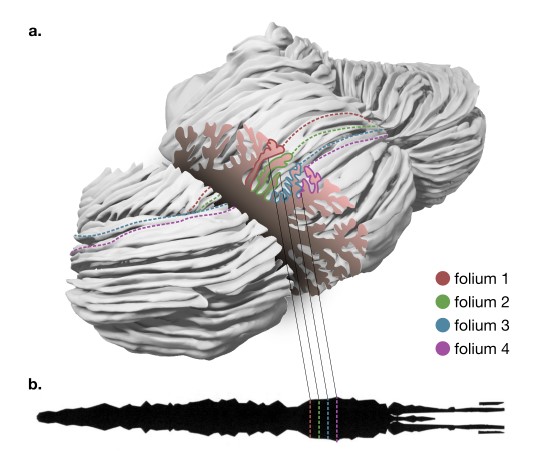
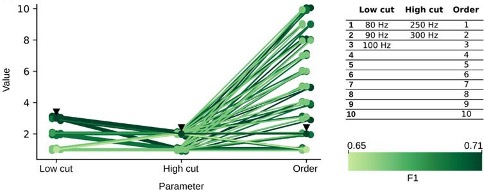
      regular expression

    1. Note de Synthèse sur le Bizutage : Définition, Risques et Actions

      Synthèse

      Le bizutage est un délit grave et non une simple tradition étudiante, défini par l'article 225-16-1 du Code pénal.

      Il se caractérise par le fait d'amener une personne, consentante ou non, à subir ou commettre des actes humiliants ou dégradants, souvent accompagnés d'une consommation excessive d'alcool.

      Ce phénomène touche principalement l'enseignement supérieur et les internats, et est généralement orchestré par les étudiants des années supérieures (deuxième ou troisième année) sur les nouveaux arrivants.

      Les conséquences du bizutage sont profondes et peuvent être psychologiques (traumatismes durables, dépression), physiques (blessures, handicaps à vie) et parfois mortelles.

      Les actes vont de l'ingestion forcée de substances à des simulations sexuelles, des insultes et la diffusion d'images dégradantes sur les réseaux sociaux.

      La dynamique de groupe et la pression sociale rendent le refus extrêmement difficile pour les victimes, invalidant toute notion de consentement.

      Les parents ont un rôle crucial à jouer dans la prévention, en identifiant les signaux d'alerte avant les week-ends d'intégration (questionnaires déplacés, demande d'apporter de l'alcool, décharges de responsabilité) et en maintenant le dialogue avec leurs enfants.

      En cas de bizutage avéré, il est impératif de soutenir la victime sans la juger, de recueillir des preuves (certificats médicaux, témoignages, photos) et de contacter la direction de l'établissement, qui a l'obligation légale de saisir le procureur.

      Le Comité National Contre le Bizutage (CNCB) constitue une ressource essentielle pour l'écoute, le conseil et la médiation.

      --------------------------------------------------------------------------------

      1. Définition Juridique et Caractéristiques du Bizutage

      Le bizutage n'est pas une pratique anodine mais un délit formellement interdit et sanctionné par la loi française. Sa compréhension passe par une analyse de sa définition légale et de ses distinctions avec d'autres phénomènes comme le harcèlement.

      1.1. Le Cadre Légal : Article 225-16-1 du Code Pénal

      Le bizutage est défini comme le fait, pour une personne, "d'amener autrui, contre son gré ou non, à subir ou à commettre des actes humiliants ou dégradants ou à consommer de l'alcool de manière excessive" dans le cadre de manifestations ou réunions liées aux milieux scolaire, sportif et socio-éducatif.

      Sanctions : Ce délit est puni de six mois d'emprisonnement et de 7 500 euros d'amende.

      Auteur de la loi : Le Comité National Contre le Bizutage (CNCB) a participé à l'élaboration de cette loi en 1998.

      1.2. Concepts Fondamentaux

      Deux notions clés de la loi méritent une attention particulière :

      "Actes humiliants ou dégradants" : La perception de l'humiliation est subjective. Un acte peut être vécu comme profondément dégradant par une personne et pas par une autre.

      Il n'existe pas d'échelle pour mesurer l'humiliation. Un acte est considéré comme tel dès lors qu'il met la personne mal à l'aise ou porte atteinte à sa dignité.

      "Contre son gré ou non" : C'est l'élément le plus crucial. La notion de consentement n'existe pas dans le bizutage.

      Un jeune qui participe aux épreuves, même en donnant l'impression de s'amuser, n'est pas considéré comme consentant au regard de la loi. La pression du groupe, le désir d'intégration et la consommation d'alcool annihilent le libre arbitre.

      1.3. Distinction avec le Harcèlement

      Il est essentiel de ne pas confondre le bizutage et le harcèlement :

      Le Harcèlement : Vise une seule personne (ou un groupe restreint) pour des motifs spécifiques (physique, origine, etc.). Il s'agit d'un ou plusieurs harceleurs contre une victime ciblée.

      Le Bizutage : Vise un groupe entier, les "nouveaux", par un autre groupe, les "anciens".

      La seule et unique raison du bizutage est le statut de nouvel arrivant. L'objectif affiché, bien que perverti, est un rite de passage pour "intégrer" la promotion.

      2. Manifestations et Contexte du Bizutage

      Le bizutage se déroule selon des schémas récurrents, impliquant des acteurs spécifiques dans des environnements propices à l'abus de pouvoir.

      2.1. Acteurs et Lieux Concernés

      Les Bizuteurs : Généralement les étudiants de deuxième ou troisième année, souvent organisés par le Bureau des Élèves (BDE).

      Leurs motivations sont diverses : se venger d'un bizutage subi, ou un sentiment de toute-puissance et de perversité.

      Les Bizutés : Les nouveaux arrivants (premières années).

      Lieux : Le phénomène touche tous les types d'établissements de l'enseignement supérieur (universités, écoles de commerce, médecine, architecture, BTS), les centres sportifs (CREPS) et est particulièrement prévalent dans les internats, qui sont des lieux clos et propices aux abus.

      2.2. Formes et Exemples d'Actes de Bizutage

      Les pratiques sont variées mais suivent souvent une escalade, une "spirale" qui commence de manière prétendument "amusante" avant de dégénérer.

      Catégorie d'actes

      Exemples concrets issus de témoignages

      Humiliation Physique

      - Se faire couvrir d'un mélange "collant et puant" (œufs, farine, litière pour lapin, soupe de poisson).<br>- Être attaché à d'autres, parfois dans des positions dégradantes.<br>- Passer dans un tuyau rempli d'huile ou une bassine de soda.

      Consommation Forcée

      - Obligation de boire de l'alcool en grande quantité (la vodka est très fréquente).<br>- Ingurgiter de la nourriture ou des boissons dégoûtantes.

      Atteintes Sexuelles

      - Obliger une fille à simuler une fellation ou à faire un strip-tease.<br>- Chanter des chansons obscènes.<br>- Insultes à caractère sexiste pour les filles et homophobe pour les garçons.

      Cyber-violence

      - Déshabiller les bizutés, les filmer ou les photographier.<br>- Diffuser les images sur les réseaux sociaux.

      Menaces

      - Menacer ceux qui refusent de participer, les qualifier de "nuls" ou de "pas drôles".

      2.3. La Psychologie du Bizuteur

      La justification principale avancée par les bizuteurs est de "souder la promotion" et de créer des liens.

      En réalité, la logique sous-jacente est une relation de dominant-dominé.

      Un témoignage d'un ancien bizuteur est particulièrement éclairant :

      "Je retiens du bizutage, un sentiment enivrant de pouvoir. C'est en criant 'bois et ferme ta gueule' à une première année [...] que j'ai compris le plaisir d'être tyran d'un jour. J'ai adoré soumettre des premières années."

      3. Conséquences Graves et Dégâts Humains

      La formule du CNCB résume l'impact du bizutage : "Il tue parfois, il traumatise souvent et il humilie toujours."

      3.1. Conséquences Psychologiques

      Traumatismes à long terme : Des victimes contactent le CNCB 5, 10, voire 30 ans après les faits, n'ayant jamais réussi à oublier.

      Dépression et décrochage : De nombreux jeunes développent une dépression et abandonnent leurs études pour ne plus avoir à croiser leurs "bourreaux" dans les couloirs.

      Honte et culpabilité : Les victimes ressentent une profonde honte d'avoir accepté, de ne pas avoir su dire non, ce qui les empêche souvent de parler.

      3.2. Conséquences Physiques et Mortelles

      Le bizutage peut causer des blessures graves, voire la mort.

      Blessures graves : Un jeune est resté aveugle pendant trois semaines après avoir été baigné dans des liquides toxiques ; un autre est handicapé à vie après une chute de trois étages lors d'un bizutage à Lille en 2012.

      Décès : Plusieurs décès directement liés à des bizutages ont été recensés.

      Année

      Lieu

      Contexte

      2012

      Saint-Cyr

      Noyade

      2013

      École des Mines

      Décès

      2017

      Fac de Nanterre / Dentaire de Rennes

      Décès

      2021

      Lille

      Décès de Simon Monray

      Message de prévention crucial : Ne jamais laisser seul un jeune fortement alcoolisé. Il faut appeler les secours (pompiers, SAMU) et rester avec lui. Un jeune est décédé à Rennes d'un coma éthylique après avoir été laissé seul pour "cuver son vin".

      4. Rôle des Parents et Stratégies d'Action

      Les parents sont en première ligne pour prévenir le bizutage et agir s'il survient.

      4.1. Prévention en Amont (Avant un week-end d'intégration)

      Dialoguer : Profiter de la demande de financement pour le week-end pour aborder le sujet du bizutage, sans effrayer mais en prévenant.

      Analyser l'invitation et la liste de matériel : Certains signes doivent alerter.

      Questionnaire "bizarre" avec des questions intimes ou sur l'alcool.  

      ◦ Demande de prévoir des vêtements "qui ne craignent rien".    ◦ Demande d'apporter de l'alcool.  

      ◦ Demande de signer une décharge de responsabilité, qui n'a aucune valeur juridique.

      Exiger des informations claires : Les parents doivent connaître le lieu et le programme précis du week-end. Un lieu tenu secret est un signal d'alarme majeur.

      Assurer la communication : Le jeune doit toujours conserver son téléphone portable.

      La confiscation des téléphones vise à couper les victimes du monde extérieur et doit déclencher une alerte immédiate auprès de la direction de l'établissement.

      Conseiller le refus : Inciter le jeune à dire non s'il se sent mal à l'aise et à se regrouper avec d'autres qui partagent ses réticences.

      4.2. Réaction Après un Bizutage

      Identifier les signaux de détresse :

      ◦ Refus de parler du week-end, malaise.  

      ◦ Changement de comportement : isolement, anxiété, sommeil perturbé.  

      ◦ Volonté de quitter l'établissement.   

      ◦ Marques physiques ou blessures.

      Écouter et soutenir :

      ◦ Rester calme, ne pas paniquer.    ◦ Écouter sans porter de jugement sur l'incapacité du jeune à dire non.  

      Ne jamais minimiser les faits subis.   

      Déculpabiliser la victime : les seuls coupables sont les bizuteurs.

      Recueillir des preuves :

      ◦ Faire établir des certificats médicaux (physiques et psychologiques).    ◦ Conserver toutes les preuves : messages, photos, noms des organisateurs et des autres victimes, dates, lieux.

      4.3. Démarches Institutionnelles et Judiciaires

      Contacter l'établissement : Informer le chef d'établissement, les services de la vie étudiante ou le référent bizutage.

      Le CNCB peut servir de médiateur en garantissant l'anonymat.

      Obligation de l'établissement : Le chef d'établissement a l'obligation légale de saisir le procureur de la République lorsqu'il a connaissance de faits délictueux.

      Il doit aussi engager des poursuites disciplinaires.

      Porter plainte : Il est conseillé de consulter un avocat avant d'engager une procédure judiciaire.

      La justice est souvent très lente et de nombreuses plaintes sont classées sans suite.

      Le processus peut être long (l'affaire de 2012 s'est terminée en 2025) et coûteux.

      Objectif des sanctions : Les sanctions doivent être rapides et exemplaires pour dissuader de futures tentatives, car les bizuteurs ne sont généralement pas récidivistes.

      5. Le Comité National Contre le Bizutage (CNCB)

      Le CNCB est un acteur central de la lutte contre ce phénomène en France.

      Composition : Il regroupe des adhérents directs et des personnes morales comme les fédérations de parents d'élèves, des syndicats enseignants, la Conférence des présidents d'universités et la Conférence des grandes écoles.

      Missions :

      1. Recueillir les témoignages, écouter et conseiller les victimes.  

      2. Interpeller les responsables d'établissements et les ministères.   

      3. Intervenir dans les établissements pour prévenir et éradiquer le bizutage.  

      4. Réfléchir avec les jeunes à des formes d'accueil respectueuses et bienveillantes.

      Partenariats : Le CNCB travaille en étroit partenariat avec le Ministère de l'Enseignement Supérieur et le Ministère des Sports, qui le subventionnent.

      En revanche, la collaboration avec le Ministère de l'Éducation Nationale est décrite comme inexistante ("c'est un mur").

      Ressources : Le site web du CNCB met à disposition de nombreux outils (diaporamas, brochures) pour permettre à d'autres acteurs (parents, enseignants) de mener des actions de sensibilisation.

      6. Citations Clés

      Sur la nature du bizutage : "Le bizutage, il tue parfois, il traumatise souvent et il humilie toujours."

      Sur le consentement : "Les visiteurs nous disent 'mais madame, on a obligé personne. Tout le monde était d'accord.' [...] Et là, il faut vraiment remettre les pendules à l'heure et réfléchir avec eux parce que c'est faux. Le nouveau, il n'a pas le choix."

      Sur la motivation du bizuteur : "Je retiens du bizutage, un sentiment enivrant de pouvoir. [...] J'ai compris le plaisir d'être tyran d'un jour. J'ai adoré soumettre des premières années."

      Témoignage d'une victime : "Je me sentais sale dans tous les sens du terme. On est obligé parce qu'on nous dit en gros, si vous ne le faites pas, vous n'êtes pas drôle. Vous êtes des nuls."

      Sur l'importance de dénoncer : "Dénoncer un bizutage, c'est dénoncer un délit et que de dénoncer un délit, c'est le devoir de tout citoyen. Et que si on ne dénonce pas les faits, eh bien, c'est tout simple, ils se reproduiront l'année d'après."

    1. Note: This response was posted by the corresponding author to Review Commons. The content has not been altered except for formatting.

      Learn more at Review Commons


      Reply to the reviewers

      Overall Response.

      We would like to thank the reviewers for their analysis of the manuscript. From their comments it is clear that our manuscript was not. We completely rewrote the manuscript to focus on the central core question which was how does Adam13 regulates gene expression in general and TFap2a in particular leading to the expression of Calpain8 a protein required for CNC migration.

      The following model will be the central line of our story. It will address all of the proteins involved and mechanistical evidences that link Adam13 to one of its proven effector target Calpain8.

      • *

      *Reviewer #1 (Evidence, reproducibility and clarity (Required)): **

      In this manuscript, Pandey et al. show that the ADAM13 protein modulates histone modifications in cranical neural crest and that the Arid3a protein binds the Tfap2a promoter in an Adam13-dependent manner and has promoter-specific effects on transcription. Furthermore, they show that the Adam13 and human ADAM9 proteins associated with histone modifiers as well as proteins involved in RNA splicing. Although the manuscript is mostly clearly written and the figures well assembled, it reads like a couple of separate and unfinished stories.*

      I believe that our story line was not clear and that the overarching questions was not well stated. We have made every effort to change this in the revised manuscript. I would like to include a figure that explains the story.

      In short:

      1 We knew that Adam13 could regulate gene expression in CNC via its cytoplasmic domain.

      2 We also knew that this required Adam13 interaction with Arid3a and that a direct target with the transcription factor TFAP2a which in turn regulates functional targets that we had identified including the protocadherin PCNS and the protease Calpain8.

      Our goal was to understand the mechanism allowing Adam13 to regulate gene expression.

      3 This first part of this manuscript shows how Adam13 modulates Histone modification in vivo in the CNC globally as well as specifically on the Tfap2a promoter. This results I an Open chromatin.

      4 Using Chip we show that Adam13 and Arid3a both bind to the Tfap2a promoter and that Arid3a binding to the first ATG depends on Adam13.

      5 Using Luciferase reporter we show that both Adam13 and Arid3a can induce expression at the first ATG.

      *They show using immunocytochemistry and qPCR that ADAM13 knockouts in CNCs afffects histone modifications. Here ChIP-seq or Cut-n-Run experiments would be more appropriate and would result in a more comprehensive understanding of the changes mediated. *

      I agree but we did not have the fund and now I have nobody working in the lab to do this experiment. These are also likely to overlap with the RNAseq data that we have and would simply add more open leads. We selected to go after the only direct target that we know which is TFAP2a and focus on this gene to understand the mechanism.

      We believe that the Chip PCR experiment are sufficient for this story.

      *The immunohistochemistry assays should at least be verified further using western blotting or other more quantiative methods. *

      Immunofluorescence and statistical analysis is a valid quantification method. Western blot of CNC explants is not trivial and requires a large amount of material. Given the small overall change we also would not expect to be able to detect the change over the noise of western blot. The Chip PCR confirms our finding in a completely independent manner.

      *The authors then show that ADAM13 interacts with a number of histone modifiers such as KDM3B, KDM4B and KMT2A but strangely they do not follow up this interesting observation to map the interactions further (apart from a co-ip with KMT2A), the domains involved, the functional role of the interactions or how they mediate the changes in chromatin modifications. *

      We selected KMT2a because it is expressed in the Hek293T cells. KMT2D has been shown to regulate CNC development in Xenopus and is responsible for the Kabuki syndrome in human. We used aphafold to predict interaction and found that Adam13 interact with the Set domain. In addition we see multiple Set- containing domain protein in our mass spec data. The mass spec is done on Human hek293T cells that express a subset of KMT proteins. We now include evidence that Adam13 interact with the KMT2D SET domain (new figure 5D)

      The authors then show that ADAM13 affects expression of the TFAP2a gene in a promoter specific manner - affecting expression from S1 but not S2.

      It is the S1 but not S3. Adam13 has no effect on S2.

      • They further show that ADAM13 affects the binding of the Arid3 transcription fator to the S1-promoter but not to the S3 promoter. However, ADAM13 was present at both promoters. Absence of ADAM13 resulted in increased H3K9me2/3 and decreased H3K4me3 at the S1 promoter whereas only H3K4me3 was changed at the S2 promoter*

      S3 not S2*. Unfortunately, they do not show how this is mediated or through which binding elements this takes place. Why is ADAM13 present at both promoters but only affects Arid3 binding at S1? *

      We agree this is a very interesting question that could be the subject of an entire publication. Promoter deletion and mutation to identify which site are bound by and modulated by Adam13/Arid3a is not trivial.

      *The authors claim that transfecting Arid3a and Adam13 together further increases expression from a reporter (Fig 4E) but this is not true as no statistical comparison is done between the singly transfected and double transfected cells. *

      This is correct, there is a small increase that is not significant with both. The fact that both proteins can induce the promoter suggest but does not prove that they can have additive roles. The loss of function experiment shows that the human Arid3a expressed in Hek293T cells is important for Adam13 increases of S1. It is possible that the dose of the endogenous Arid3a is sufficient to get full activity of Adam13.* Then the authors surprisingly start investigating association of proteins with the two isoforms of TFAP2a which in the mind of this reviewer is a different question entirely. *

      We agree and have removed this part of the manuscript.

      *They find a number of proteins involved in splicing. And the observation that ADAM13 also interacts with splicing factors is really irrelevant in terms of the story that they are trying to tell. Transcription regulation and splicing are different processes and although both affect the final outcome, mRNA, they need to be investigated separately. The link is at least not very clear from the manuscript. Again, the effects on splicing are not further investigated through functional analysis and as presented the data presented is too open-ended and lacking in clarity. *

      We agree that beside the different activities of the TFap2a isoform, the rest of the splicing regulation could be a separate study. We were interested to understand how these two isoforms could activate Calpain8 so differently this is why we looked at LC/MS/MS. We have removed this part of the story from the manuscript.*

      Additional points: 1. In the abstract they propose that the ADAMs may act as extracellular sensors. This is not substantiated by the results. *

      As an extracellular protein translocating into the nucleus it is a possibility that we propose, but I agree this is not investigated in this manuscript. We will modify the text.* 2. Page 5, line 16: what is referred to by 6 samples 897 proteins? Were 6 samples analyzed for each condition? The number of repeats for the mass spec analysis is not clear from the text nor are the statistical parameters used to analyse the data. This is also true for the mass spec presented in the part on TFAP2aL-S1 and Adam13 regulate splicing. Statistics and repeats are not presented. *

      In general we provide biological triplicate and use the statistical function of Scaffold to identify proteins that are significantly enriched or absent in each samples.

      When we specify 6 samples it means 6 independent proteins samples were analyzed and used for our statistic. We use Scafold T-test with a p value less than 0.05. Peptides were identified with 95% confidence and proteins with 99% confidence.* 3. Page 6, line 19: set domain should be SET domain. *

      Yes* 4. The number of repeats in the RNA sequencing of the CNCs is not clear from the text. *

      Three biological replicates (Different batch of embryos from different females).* 5. The explanation of Figure C is a bit lacking. There are two forms of TFAP2a, L and S, but only one is presented in the figure. Do both forms have the extra S1-3 exons? Also, at the top of the figure it is not clear that the boxes are part of a continuous DNA sequence. Also, it is not clear which codon is not coding. *

      Xenopus laevis are pseudo tetraploid giving in most cases L and S genes in addition to the 2 alleles from being diploid. The TFAP2a gene structure is conserved between both aloalleles and is similar to the human gene. For promoter analysis and Chip PCR we chose one of the alloallele (L), given that the RNAseq data showed that both genes and variant behave the same in response to Adam13. This only becomes important in loss of function experiment in which both L and S version need to be knock down or Knock out.

      * In the sashimi plot there are green and pink shaded areas. What do they denote? What exactly is lacking in the MO13 mutant - seems that a particular exon is missing suggesting skipping?*

      MO13 is a morpholino that bocks the translation of Adam13 (Already characterized with >90% of the protein absent) but does not affect Adam13 mRNA expression.* 7. Page 11, line 9: „with either MbC or MbC and MO13" needs to be rephrased. *

      Will do *8. Page 11, line 19: „the c-terminus of....and S3) and" should be „the C-terminus of...and S3 and". ** 9. Page 15, line 10: substrateS 10. Page 16, line 23: the sentence „increases H3K9 to the promoter of the most upstream" needs revision. 11. Page 26, line 12: Here the authors say: „for two samples two-tail unpaired". What does this mean? Statistics should not be performed on fewer than three samples. In legnd to Figure 6 it indicates that T-test was performed on two samples. 12. The discussion should be shortened and simplified. 13. Figure 1 legend. How many images were quantitated for each condition? *

      At least 3 images per condition. For 3 independent experiments. (9 images per condition).* 14. Figure 2 has a strange order of panels where G is below B. 15. Figure 6 legend, line 12. „proteins that were significantly enriched in either of the 2 samples" is not very clear. What exactly does this mean?

      Reviewer #1 (Significance (Required)):

      If the authors follow up on either the transcription-part of the story, or the splicing part of the story, they are likely to have important results to present. However, in the present format the paper is lacking in focus as both issues are mixed together without a clear end-result. *

      We have entirely changed the paper according to these comments.

      *

      • *

      *Reviewer #2 (Evidence, reproducibility and clarity (Required)): **

      Panday et al seeks to determine the function of ADAM13 in regulating histone modifications, gene expression and splicing during cranial neural crest development. Specifically, the authors tested how Adam13, a metalloprotease, could modify chromatin by interaction with Arid3a and Tfap2a and RNA splicing and gene expression. They then utilize knockouts in Xenopus and HEK293T cells followed by immunofluorescence, IPs, BioID, luciferase assays, Mass spec and RNA assays. Although there is some strong data in the BioID and luciferase experiments, the manuscript tells multiple stories, linking together too many things to make a compelling story. The result is a paper that is very difficult to read and understand the take home message. In addition, some of the conclusions are not supported by the data. This unfortunately means it is not ready for publication. However, I have added below some suggestions that would strengthen the manuscript. My comments are below: *

      Clarity is clearly an issue here. The new version is entirely re-written.

      Here is the take home message:

      We knew that Adam13 could regulate gene expression via its cytoplasmic domain. One of the key targets was identified as Calpain8, a protein critical for CNC migration. We subsequently showed that Adam13 and Arid3a regulated Tfap2a expression which in turn regulated Calpain8.

      In this manuscript we investigated 1) how Adam13 regulates TFAP2a and 2) how Tfap2a controls Calpain8 expression.

      The take home message is that Adam13 bind to Histone methyl transferase and changes the histone methylation code overall in the CNC and in particular at the TFAP2a promoter. This results in more open chromatin. We further find that Adam13 binds to the Tfap2a promoter in vivo and is important for Arid3a binding to the first start. Tfap2a that include this N-terminus sequence regulates Capn8 expression.*

      Major comments: 1. I think it would be better to split out the chromatin modification function from the splicing in two separate papers. While there is a connection, having it all together makes the story difficult to follow. *

      Agree but I believe that the S1 vs S3 story of Tfap2a is important for the overall story. The new paper does not emphasize splicing.* 2. The immunofluorescence of H3K9me2/3, in Figure 1, 2, 3 following Adam13 knockdown is not convincing. There seems to be a strong edge effect especially in Figure 2 and 3. *

      The statistical analysis shows that the results, while modest, are significant (Three independent experiments using 3 different females and 3 explants for each condition were analyzed). The edge effect observed is eliminated by the mask that we use that normalize the expression to either DAPI or Snai2. The edge effect is seen in both control and KD as well. These are further confirmed by the Chip PCR on one direct target.

      Similarly the Arid3a expression in Supp Figure 1 if anything seems increased.

      We have previously shown that Arid3a expression is not affected by Adam13 KD (Khedgikar et al). Our point here is simply that the difference in Tfap2a cannot be explained by a decrease in Arid3a expression. It is not a critical figure and was eliminated in the new manuscript.

      *It would be better to quantify by western blot and not by fluorescent intensity since it is difficult to determine what a small change in fluorescent intensity means in vivo. *

      Not all antibodies used here work by western blot and the quantity of material required for western blot is much larger than IF. Given the small overall changes and the variability observed in Western blot it is not a viable alternative.

      IF is a quantitative method that has been used widely to assert increase or decrease of protein level or post translational modification. The fact that the same post translational modification that we see in cranial neural crest explants can also be seen by ChipPCR on the Tfap2a promoter confirm this observation.

      *Also, it does not say in the text or the figure legend what these are, Xenopus explants of CNC? *

      These are CNC explants. It is now clearly stated in the figure legend.* 3. The rationale for isolating KMT2A from the other chromatin modifiers in the dataset is not clear. *

      The new manuscript is clarifying that point. Because we are using Hek293T cells in this assay, which are human embryonic kidney derived instead of Xenopus Cranial neural crest cells, we are not interested in a specific protein but rather a family of protein that can modify histones (KMT and KDM). Our rational is if Adam13 can bind to KMT2 via the SET domain, it is likely to interact with KTM2 that are expressed in the CNC. KMT2A and D are expressed in the CNC. This is why we selected KMT2a here (Hek293T). We now include 1 co-IP with the Set domain of Xenopus KMT2D (new figure 5D)

      From the RNA-seq in Supp Figure 2 it is not changed as much as likely some of the others.

      The new manuscript addresses this point. We did not show or expect that the loss of Adam13 would affect mRNA expression of Kmt2.

      *Also, the arrow seems to indicate that it is right above the cutoff. What about other proteins with ATPase activity? That is the top hit in the Dot plot nuclear function. Would be helpful to write out Adam13 cytoplasm/nucleus here. *

      We have used another set of proteomics data that does not include the cytoplasmic/nuclear extract to simplify the results. We hope that the changes make it more obvious.

      Given that we are looking at Chromatin remodeling enzyme here we did not chose to investigate further in this report the ATPase. This is such a wide category that it could lead us away from the main story here.* 4. The splicing information, while interesting would be better as a different manuscript. The sashimi plot requires more explanation as written. *

      We agree and think that a simple representation of the fold change of the different isoform is more obvious. It is now a minor part of figure 1 and the legend has been improved to describe the method here.

      How do you tell if the interactions are changed from this?

      I do not understand this question. The sashimi plot indicate the read through from the mRNA that goes from one exon to the next quantifying the specific exon usage. It can therefore be quantified and compared between different conditions.

      • The authors argue there is a reduction of Tfap2a in Figure 3H but half the explant is not expressing sox9 in the Adam13 knockdown. How is this kind of experiment controlled when measure areas that don't have any fluorescence because of the nature of the explants? *

      We have removed this figure as we had already shown previously by western blot that Tfap2a protein decreased in MO13 embryos. As noted on the histogram, the fluorescence is only measured in Sox9 positive cells in each explant. Three independent experiments with 3 explants for each. We also have seen a decrease by Western blot and mRNA expression (Both RNAseq and realtime PCR). In most of our explants, the vast majority of the cells are positive for Snai2 and Sox9, while those that are negative are positive for Sox3 (data not shown here). There is always less signal in the center of the explant possibly due to the penetration of antibody or interference with the signal by the cells pigment or yolk autofluorescence. Our control explants have the same effect so our quantification is valid.* 5. The use of a germ line Xenopus mutant for Adam13 is great but how were these knockouts validated? *

      All of the KO were validated by sequencing, RNAseq and protein expression. These are now included in the supplemental figure 1.

      *More information is required here. The Chip-qPCR has a lot of variability between the samples, especially in the H3K9me2/3. *

      All ChipPCR were performed on Xenopus embryos. The variability is tested by statistical analysis and is either significant or not.

      Because these are in cell lines, this should be more consistent.

      They are not in cell lines but in Xenopus embryos.

      • In addition, it is difficult to understand what this means for cranial neural crest cells when assaying in HEK293T cells with the luciferase assay. *

      We use Luciferase assay in Hek293T cells to test if Xenopus protein can induce a specific reporter (Gain of function). We also use luciferase reporter in Xenopus to test if they can perceive the loss of a specific protein (For example Adam13).

      Our result show that Adam13 or Arid3a expression in Hek293T cells can induce the TFAP2S1 reporter. * 6. The migration assay shows only an example of what it looks like to have defective migration. But it would be better to show control embryos, embryos with Adam13 knockdown and what the rescues look like so the reader can make their own conclusion.*

      We can certainly include this but have published this assay in multiple publication before. The picture is a single example, the histogram shows that statistical validation.

      • The argument from the section above suggests the S1 isoform is the primary one but S3 in this assay also rescues, please explain what this result means since it seems to suggest that even though these isoforms have different activity the function is similar in terms of the ability to rescue defective migration. *

      The result in Hek293T cells shows that only TFAP2aS1 can induce Calpain8, while both S1 and S3 can partially rescue CNC migration in embryos lacking Adam13. The issue here is the dose of mRNA injected for each variant might be too high. Adam13 proteolytic activity is also critical, so we do not expect a complete rescue. The fact that S1 is significantly better at rescuing than S3 is relevant here. It is possible that if we were to decrease the dose of each mRNA we would find one in which S3 no longer rescues but S1 does.

      * The next section again talks about yet another protein Calpain-8. Here the authors use MO13 for luciferase assays instead of HEK293 cells. The authors do not explain why they decided to switch from cells to MO.*

      Calpain8 is one of the validate target of Adam13 that can rescue CNC migration (Cousin et al Dev Cell). We use the luciferase reporter corresponding to the Xenopus Capn8 reporter to show 1 in vivo that loss of Adam13 reduce its expression (Similar to the Capn8 gene). We then went in vitro using Hek293T cells for gain of function experiment that shows that only the Tfaps2S1 variant can induce it while S3 does not.

      We hope that the graphical summary and the new manuscript make this clear.* 8. The experiment to IP RNA supports only the correlation that Adam9 and Adam13 bind RNA and RNA binding proteins to regulate splicing. This conclusion presented is not supported by the data presented here. While there is a sentence about why Adam9 was chosen here, it would be preferred to focus on Adam13 as the rest of the manuscript is focused on Adam13. The conclusions are generalized to all ADAMs, but ADAM13 and ADAM9 are the only ADAMs investigated in the manuscript *

      This figure is no longer included. For each of the protein classes that we identify by Masspec we try to find a validation. RNA-IP is simply a validation that Adam13 and Adam9 can bind to complexes that include RNA in a cytoplasmic domain dependent fashion. The conclusion that Adam13 and possibly ADAM9 might be involved in regulating splicing is 1) that the protein associated with Adam13 are include multiple splicing factors, 2) that the RNAseq analysis shows abnormal splicing in CNC missing Adam13 and 3) that the form of TFAP2a induced by Adam13 (S1) associate significantly more with splicing factor than the S3 isoform.

      We agree that the generalization to other ADAM is not demonstrated here but only suggested. We selected ADAM9 and ADAM19 because we have shown that they can each rescue Adam13 function in the CNC. Unfortunately there are no ADAM19 antibody that work by IP on the market. We have tested multiple company and multiple cell lines.

      We believe that the ADAM9 experiment is critical to show that the protein associated with Adam13 are not simply the result of overexpressing a different species protein sin ADAM9 is the endogenous protein.*

      Minor comments 1. The manuscript using a lot of abbreviations (PCNS, NI, MO, SH3) and lingo that are unclear to a general reader. Please define acronyms when first used, as well as be clear on which model is being used in each experiment. *

      We have corrected this* 2. Similarly, the figures are not labeled such that a reader would be able to understand ie MO13 should be Adam13 knockdown etc. *

      We have corrected this in the legend

      • Please identify the genes on the heatmap and some highlighted genes from volcano plot from the RNA-seq.*

      The volcano plot is from MS/MS not RNAseq. We have list of all of the genes and/or proteins corresponding to each figure in tables

      We now have a figure from the RNAseq and a subset of genes of interest are show. *4. Why use the flag tag in Figure 5? *

      We used Flag-tagged construct to only immunoprecipitated the variants and not the endogenous TFPA2a in these experiments. Also we used RFP-Flag to eliminate any protein that bound to the tag or the antibody.

      This figure is no longer in the manuscript.* 5. Is the data in figure 4A-D the same as Supp. Figure 4A-D? *

      These are independent biological replicates of the same experiment.* 6. Please italicize gene symbols - e.g. "key transcription factors that exemplify CNC, such as the SOX9, FOXD3, SNAI1, SNAI2, and TFAP2 family". *

      We clearly have missed some, we are using italicized for gene, and regular for proteins. It might not be clear in the text when we are referring to genes and proteins. We will correct this in the rewrite. 7. Please review the manuscript for grammatical and typographical errors. * We have used all available software including Word and Grammarly. We will try to improve on the next version. **Cross-commenting**

      I think the two reviewers on one the same page on this manuscript.

      Reviewer #2 (Significance (Required)):

      If more solid, would be a conceptual advance in role of Adam13 in mediating chromatin modification and transcription factors, adds to exiting work from this lab, good for a specialize audience, my expertise is in in neural crest development, non-mammalian modes, epigenetic regulators.*

      • *
    1. Author response:

      The following is the authors’ response to the previous reviews

      Public Reviews:

      Reviewer #1 (Public review):

      Summary:

      In this manuscript, the authors describe a new computational method (SegPore), which segments the raw signal from nanopore direct RNA-Seq data to improve the identification of RNA modifications. In addition to signal segmentation, SegPore includes a Gaussian Mixture Model approach to differentiate modified and unmodified bases. SegPore uses Nanopolish to define a first segmentation, which is then refined into base and transition blocks. SegPore also includes a modification prediction model that is included in the output. The authors evaluate the segmentation in comparison to Nanopolish and Tombo (RNA002) as well as f5c and Uncalled 4 (RNA004), and they evaluate the impact on m6A RNA modification detection using data with known m6A sites. In comparison to existing methods, SegPore appears to improve the ability to detect m6A, suggesting that this approach could be used to improve the analysis of direct RNA-Seq data.

      Strengths:

      SegPore address an important problem (signal data segmentation). By refining the signal into transition and base blocks, noise appears to be reduced, leading to improved m6A identification at the site level as well as for single read predictions. The authors provide a fully documented implementation, including a GPU version that reduces run time. The authors provide a detailed methods description, and the approach to refine segments appears to be new.

      Weaknesses:

      The authors show that SegPore reduces noise compared to other methods, however the improvement in accuracy appears to be relatively small for the task of identifying m6A. To run SegPore, the GPU version is essential, which could limit the application of this method in practice.

      As discussed in Paragraph 4 of the Discussion, we acknowledge that the improvement of SegPore combined with m6Anet over Nanopolish+m6Anet in bulk in vivo analysis is modest. This outcome is likely influenced by several factors, including alignment inaccuracies caused by pseudogenes or transcript isoforms, the presence of additional RNA modifications that can affect signal baselines, and the fact that m6Anet is specifically trained on Nanopolish-derived events. Additionally, the absence of a modification-free (in vitro transcribed) control sample in the benchmark dataset makes it challenging to establish true k-mer baselines.

      Importantly, these challenges do not exist for in vitro data, where the signal is cleaner and better defined. As a result, SegPore achieves a clear and substantial improvement at the single-molecule level, demonstrating the strength of its segmentation approach and its potential to significantly enhance downstream analyses. These results indicate that SegPore is particularly well suited for benchmarking and mechanistic studies of RNA modifications under controlled experimental conditions, and they provide a strong foundation for future developments.

      We also recognize that the current requirement for GPU acceleration may limit accessibility in some computational environments. To address this, we plan to further optimize SegPore in future versions to support efficient CPU-only execution, thereby broadening its applicability and impact.

      Reviewer #2 (Public review):

      Summary:

      The work seeks to improve detection of RNA m6A modifications using Nanopore sequencing through improvements in raw data analysis. These improvements are said to be in the segmentation of the raw data, although the work appears to position the alignment of raw data to the reference sequence and some further processing as part of the segmentation, and result statistics are mostly shown on the 'data-assigned-to-kmer' level.

      As such, the title, abstract and introduction stating the improvement of just the 'segmentation' does not seem to match the work the manuscript actually presents, as the wording seems a bit too limited for the work involved.

      The work itself shows minor improvements in m6Anet when replacing Nanopolish' eventalign with this new approach, but clear improvements in the distributions of data assigned per kmer. However, these assignments were improved well enough to enable m6A calling from them directly, both at site-level and at read-level.

      A large part of the improvements shown appear to stem from the addition of extra, non-base/kmer specific, states in the segmentation/assignment of the raw data, removing a significant portion of what can be considered technical noise for further analysis. Previous methods enforced assignment of (almost) all raw data, forcing a technically optimal alignment that may lead to suboptimal results in downstream processing as datapoints could be assigned to neighbouring kmers instead, while random noise that is assigned to the correct kmer may also lead to errors in modification detection.

      For an optimal alignment between the raw signal and the reference sequence, this approach may yield improvements for downstream processing using other tools.

      Additionally, the GMM used for calling the m6A modifications provides a useful, simple and understandable logic to explain the reason a modification was called, as opposed to the black models that are nowadays often employed for these types of tasks.

      Weaknesses:

      The manuscript suggests the eventalign results are improved compared to Nanopolish. While this is believably shown to be true (Table 1), the effect on the use case presented, downstream differentiation between modified and unmodified status on a base/kmer, is likely limited for during downstream modification calling the noisy distributions are often 'good enough'. E.g. Nanopolish uses the main segmentation+alignment for a first alignment and follows up with a form of targeted local realignment/HMM test for modification calling (and for training too), decreasing the need for the near-perfect segmentation+alignment this work attempts to provide. Any tool applying a similar strategy probably largely negates the problems this manuscript aims to improve upon. Should a use-case come up where this downstream optimisation is not an option, SegPore might provide the necessary improvements in raw data alignment.

      Thank you for this thoughtful comment. We agree that many current state-of-the-art (SOTA) methods perform well on benchmark datasets, but we believe there is still substantial room for improvement. Most existing benchmarks are based on limited datasets, primarily focusing on DRACH motifs in human and mouse transcriptomes. However, m6A modifications can also occur in non-DRACH motifs, where current models tend to underperform. Furthermore, other RNA modifications, such as pseudouridine, inosine, and m5C, remain less studied, and their detection is likely to benefit from more accurate and informative signal modeling.

      It is also important to emphasize that raw signal segmentation and RNA modification detection are fundamentally distinct tasks. SegPore focuses on improving the segmentation step by producing a cleaner and more interpretable signal, which provides a stronger foundation for downstream analyses. Even if RNA modification detection algorithms such as m6Anet can partially compensate for noisy segmentation in specific cases, starting from a more accurate signal alignment can still lead to improved accuracy, robustness, and interpretability—particularly in challenging scenarios such as non-canonical motifs or less characterized modifications.

      Scientific progress in this field is often incremental, and foundational improvements can have a significant long-term impact. By enhancing raw signal segmentation, SegPore contributes an essential building block that we expect will enable the development of more accurate and generalizable RNA modification detection algorithms as the community integrates it into more advanced workflows.

      Appraisal:

      The authors have shown their methods ability to identify noise in the raw signal and remove their values from the segmentation and alignment, reducing its influences for further analyses. Figures directly comparing the values per kmer do show a visibly improved assignment of raw data per kmer. As a replacement for Nanopolish' eventalign it seems to have a rather limited, but improved effect, on m6Anet results. At the single read level modification modification calling this work does appear to improve upon CHEUI.

      Impact:

      With the current developments for Nanopore based modification calling largely focusing on Artificial Intelligence, Neural Networks and the likes, improvements made in interpretable approaches provide an important alternative that enables deeper understanding of the data rather than providing a tool that plainly answers the question of wether a base is modified or not, without further explanation. The work presented is best viewed in context of a workflow where one aims to get an optimal alignment between raw signal data and the reference base sequence for further processing. For example, as presented, as a possible replacement for Nanopolish' eventalign. Here it might enable data exploration and downstream modification calling without the need for local realignments or other approaches that re-consider the distribution of raw data around the target motif, such as a 'local' Hidden Markov Model or Neural Networks. These possibilities are useful for a deeper understanding of the data and further tool development for modification detection works beyond m6A calling.

      Reviewer #3 (Public review):

      Summary:

      Nucleotide modifications are important regulators of biological function, however, until recently, their study has been limited by the availability of appropriate analytical methods. Oxford Nanopore direct RNA sequencing preserves nucleotide modifications, permitting their study, however many different nucleotide modifications lack an available base-caller to accurately identify them. Furthermore, existing tools are computationally intensive, and their results can be difficult to interpret.

      Cheng et al. present SegPore, a method designed to improve the segmentation of direct RNA sequencing data and boost the accuracy of modified base detection.

      Strengths:

      This method is well described and has been benchmarked against a range of publicly available base callers that have been designed to detect modified nucleotides.

      Weaknesses:

      However, the manuscript has a significant drawback in its current version. The most recent nanopore RNA base callers can distinguish between different ribonucleotide modifications, however, SegPore has not been benchmarked against these models.

      The manuscript would be strengthened by benchmarking against the rna004_130bps_hac@v5.1.0 and rna004_130bps_sup@v5.1.0 dorado models, which are reported to detect m5C, m6A_DRACH, inosine_m6A and PseU.

      A clear demonstration that SegPore also outperforms the newer RNA base caller models will confirm the utility of this method.

      Thank you for highlighting this important limitation. While Dorado, the new ONT basecaller, is publicly available and supports modification-aware basecalling, suitable public datasets for benchmarking m5C, inosine, m6A, and PseU detection on RNA004 are currently lacking. Dorado’s modification-aware models are trained on ONT’s internal data, which is not publicly released. Therefore, it is currently not feasible to directly evaluate or compare SegPore’s performance against Dorado for these RNA modifications.

      We would also like to emphasize that SegPore’s primary contribution lies in raw signal segmentation, which is an upstream and foundational step in the RNA modification detection pipeline. As more publicly available datasets for RNA004 modification detection become accessible, we plan to extend our work to benchmark and integrate SegPore with modification detection tasks on RNA004 data in future studies.

      Recommendations for the authors:

      Reviewer #2 (Recommendations for the authors):

      Comments based on Author Response

      “However, it is valid to compare them on the segmentation task, where SegPore exhibits better performance (Table 1).”

      This dodges the point of the actual use case of this approach, as Nanopolish indeed does not support calling modifications for this kind of data, but the general approach it uses might, if adapted for this data, nullify the gains made in the examples presented.

      We respectfully disagree with the comment that the advantages demonstrated by SegPore could be “nullified”. Although SegPore’s performance is indeed more modest in in vivo datasets, it shows substantially better performance than CHEUI in in vitro data, clearly demonstrating that improved segmentation directly contributes to more accurate RNA modification estimation.

      It is worth noting that CHEUI relies on Nanopolish’s segmentation results for m6A detection. Despite this, SegPore outperforms CHEUI, further supporting the conclusion that segmentation quality has a meaningful impact on downstream modification calling.

      In conclusion, based on our current experimental results, SegPore is particularly well suited for RNA modification analysis from in vitro transcribed data, where its improved segmentation provides a clear advantage over existing methods.

      Further comments

      (2) “(2) Page 3  employ models like Hidden Markov Models (HMM) to segment the signal, but they are prone to noise and inaccuracies”

      “That's the alignment/calling part, not the segmentation?”

      “Current methods, such as Nanopolish, employ models like Hidden Markov Models (HMM) to segment the signal”

      I get the impression the word 'segment' has a different meaning in this work than what I'm used to based on my knowledge around Nanopolish and Tombo, see the deeper code examples further down below.

      Additionally, in Nanopolish there is a clear segmentation step (or event detection) without any HMM, then a sort of dynamic timewarping step that aligns the segments and re-combines some segments into a single segment where necessary afterwards. I believe the HMM in Nanopolish is not used at all unless modification calling, but if you can point out otherwise I'm open for proof.

      Now I believe it is the meaning of 'segmenting the signal' that confuses me, and now the clarification makes it a bit odd as well:

      “Nanopolish and Tombo align the raw signal to the reference sequence to determine which portion of the signal corresponds to each k-mer. We define this process as the segmentation task, referred to as "eventalign" in Nanopolish.”

      So now it's clearly stated the raw signal is being 'aligned' and then the process is suddenly defined as the 'segmentation task', and again referred to as "eventalign". Why is it not referred to as the 'alignment task' instead?

      I understand the segmentation and alignment parts are closely connected but to me, it seems this work picks the wrong word for the problem being solved.

      “Unlike Nanopolish and Tombo, which directly align the raw signal to the reference sequence,…”

      Looking at their code, I believe both Nanopolish and Tombo actually do segment the data first (or "event detection"), then they align the segments/events they found, and finally multiple events aligned to the same section are merged. See for yourself:

      Nanopolish:

      https://github.com/jts/nanopolish/blob/master/src/nanopolish_squiggle_read.cpp<br /> Line 233:

      cpp

      trim_and_segment_raw(fast5_data.rt, trim_start, trim_end, varseg_chunk, varseg_thresh);

      event_table et = detect_events(fast5_data.rt, *ed_params);

      Line 270:

      cpp

      // align events to the basecalled read

      std::vector event_alignment = adaptive_banded_simple_event_align(*this, *this->base_model[strand_idx], read_sequence);

      Where event detection is further defined at line 268 here:

      https://github.com/jts/nanopolish/blob/master/src/thirdparty/scrappie/event_detection.c

      Tombo:

      https://github.com/nanoporetech/tombo/blob/master/tombo/resquiggle.py

      line 1162 and onwards shows a ‘segment_signal’ call and the results are used in a ‘find_adaptive_base_assignment’ call, where ‘segment_signal’ starting at line 1057 tries to find where the signal jumps from a series of similar values to another (start of a base change in the pore), stored in ‘valid_cpts’, and the ‘find_adaptive_base_assignment’ tries to align the resulting segment values to the expected series of values:

      python

      valid_cpts, norm_signal, new_scale_values = segment_signal(

      map_res, num_events, rsqgl_params, outlier_thresh, const_scale)

      event_means = ts.compute_base_means(norm_signal, valid_cpts)

      dp_res = find_adaptive_base_assignment(

      valid_cpts, event_means, rsqgl_params, std_ref, map_res.genome_seq,

      start_clip_bases=map_res.start_clip_bases,

      seq_samp_type=seq_samp_type, reg_id=map_res.align_info.ID)

      These implementations are also why I find the choice of words for what is segmentation and what is alignment a bit confusing in this work, as both Tombo and Nanopolish do a similar, clear segmentation step (or an "event detection" step), followed by the alignment of the segments they determined. The terminology in this work appears to deviate from these.

      We thank the reviewer for the detailed comments!

      First of all, we sincerely apologize for our earlier misunderstanding regarding how Nanopolish and Tombo operate. Based on a closer examination of their source codes, we now recognize that both tools indeed include a segmentation step based on change-point detection methods, after which the resulting segments are aligned to the reference sequence. We have revised the relevant text in the manuscript accordingly:

      - “Current methods, such as Nanopolish, employ change-point detection methods to segment the signal and use dynamic programming methods and HMM to align the derived segments to the reference sequence,”

      - “We define this process as the segmentation and alignment task (abbreviated as the segmentation task), which is referred to as “eventalign” in Nanopolish.”

      - “In SegPore, we segment the raw signal into small fragments using a Hierarchical Hidden Markov Model (HHMM) and align the mean values of these fragments to the reference, where each fragment corresponds to a sub-state of a k-mer. By contrast, Nanopolish and Tombo use change-point–based methods to segment the signal and employ dynamic programming approaches together with profile HMMs to align the resulting segments to the reference sequence.”

      Regarding terminology, we originally borrowed the term “segmentation” from speech processing, where it refers to dividing continuous audio signals into meaningful units. In the context of nanopore signal analysis, segmentation and alignment are often tightly coupled steps. Because of this and because our initial focus was on methodological development rather than terminology, we used the term “segmentation task” to describe the combined process of signal segmentation and alignment.

      However, we now recognize that this terminology may cause confusion. Changing every instance of “segmentation” to “segmentation and alignment” or “alignment” would require substantial rewriting of the manuscript. Therefore, in this revision, we have clearly defined “segmentation task” as referring to the combined process of segmentation and alignment. We apologize for any earlier confusion and will adopt the term “alignment” in future work for greater clarity.

      (3) I think I do understand the meaning, but I do not understand the relevance of the Aj bit in the last sentence. What is it used for?

      Based on the response and another close look at Fig1, it turns out the j refers to extremely small numbers 1 and 2 in step 3. You may want in improve readability for these.

      Thank you for the suggestion. We have added subscripts to all nucleotides in the reference sequence in Figure 1A and revised the legend to clarify the notation and improve readability. Specifically, we now include the following explanation:

      “For example, A<sub>j</sub> denotes the base ‘A’ at the j-th position on the reference sequence. In this example, A<sub>1</sub> and A<sub>2</sub> refer to the first and second occurrences of ‘A’ in the reference sequence, respectively. Accordingly, μ<sub>1</sub> and μ<sub>2</sub> are aligned to A<sub>1</sub>, while μ<sub>3</sub> is aligned to A<sub>2</sub>”.

      (6) “We chose to use the poly(A) tail for normalization because it is sequence-invariant- i.e., all poly(A) tails consist of identical k-mers, unlike transcript sequences which vary in composition. In contrast, using the transcript region for normalization can introduce biases: for instance, reads with more diverse k-mers (having inherently broader signal distributions) would be forced to match the variance of reads with more uniform k-mers, potentially distorting the baseline across k-mers.”

      While the next part states there was a benchmark showing SegPore still works without this normalization, I think this answer does not touch upon the underlying issue I'm trying to point out here.

      - The biases mentioned here due to a more diverse (or different) subsets of k-mers in a read indeed affects the variance of the signal overall.

      - As I pointed out in my earlier remark here, this can be resolved using an approach of 'general normalization', 'mapping to expected signal', 'theil-sen fitting of scale and offset', 're-mapping to expected signal', as Tombo and Nanopolish have implemented.<br /> - Alternatively, one could use the reference sequence (using the read mapping information) and base the expected signal mean and standard deviation on that instead.

      - The polyA tail stability as an indicator for the variation in the rest of the signal seems a questionable assumption to me. A 'noisy' pore could introduce a large standard deviation using the polyA tail without increasing the deviations on the signal induced by the variety of k-mers, rather it would be representative for the deviations measured within a single k-mer segment. I thought this possible discrepancy is to be expected from a worn out pore, hence I'd imagine reads sequenced later in a run to provide worse results using this method.

      In the current version it is not the statement that is unclear, it is the underlying assumption of how this works that I question.

      We thank the reviewer for raising this important point and for the insightful discussion. Our choice of using the poly(A) tail for normalization is based on the working hypothesis that the poly(A) signal reflects overall pore-level variability and provides a stable reference for signal scaling. We find this to be a practical and effective approach in most experimental settings.

      We agree that more sophisticated strategies, such as “general normalization” or iterative fitting to the expected signal (as implemented in Tombo and Nanopolish), could in principle generate a "better" normalization. However, these approaches are significantly more challenging to implement in practice. This is because signal normalization and alignment are mutually dependent processes: baseline estimates for k-mers influence alignment accuracy, while alignment accuracy, in turn, affects baseline calculation. This interdependence becomes even more complex in the presence of RNA modifications, which alter signal distributions and further confound model fitting.

      It is worth noting that this limitation is already evident in our results. As shown in Figure 4B (first and second k-mers), Nanopolish produces more dispersed baselines than SegPore, even for these unmodified k-mers, suggesting inherent limitations in its normalization strategy. Ideally, baselines for the same k-mer should remain highly consistent across different reads.

      In contrast, poly(A)-based normalization offers a simpler and more robust solution that avoids this circular dependency. Because poly(A) sequences are compositionally homogeneous, they enable reliable estimation of scaling parameters without assumptions about k-mer composition or modification state. Regarding the reviewer’s concern about pore instability, we mitigate this issue by including only high-quality, confidently mapped reads in our analysis, which reduces the likelihood of incorporating signals from degraded or “noisy” pores.

      We fully agree that exploring more advanced normalization strategies is an important direction for future work, and we plan to investigate such approaches as the field progresses.

      (8) “In the remainder of this paper, we refer to these resulting events as the output of eventalign analysis or the segmentation task.”

      Picking only one descriptor rather than two alternatives would be easier to follow (and I'd prefer the first).

      Thank you for the suggestion. We have revised the sentence to:

      “In the remainder of this paper, we refer to these resulting events as the output of eventalign analysis, which also represents the final output of the segmentation and alignment task.”

      (9) “Additionally, a complete explanation of how the weighted mean is computed is provided in Section 5.3 of Supplementary Note 1. It is derived from signal points that are assigned to a given 5mer.”

      I believe there's no more mention of a weighted mean, and I don't get any hits when searching for 'weight'. Is that intentional?

      We apologize for the misplacement of the formulas. We have updated Section 5.3 of Supplementary Note 1 to clarify the definition of the weighted mean. Because multiple current signal segments may be aligned to a single k-mer, we computed the weighted mean for each k-mer across these segments, where the weight corresponds to the number of data points assigned to “curr” state in each event.

      (17) Response: We revised the sentence to clarify the selection criteria: "For selected 5mers “that exhibit both a clearly unmodified and a clearly” “modified signal component”, “SegPore reports the modification rate at each site,” “as well as the modification state of that site on individual reads.””

      So is this the same set described on page 13 ln 343 or not?

      “Due to the differences between human (Supplementary Fig. S2A) and mouse (Supplementary Fig. S2B), only six 5mers were found to have m6A annotations in the test data's ground truth (Supplementary Fig. S2C). For a genomic location to be identified as a true m6A modification site, it had to correspond to one of these six common 5mers and have a read coverage of greater than 20.”

      I struggle to interpret the 'For selected 5mers' part, as I'm not sure if this is a selection I'm supposed to already know at this point in the text or if it's a set just introduced here. If the latter, removing the word 'selected' would clear it up for me.

      We apologize for the confusion. What we mean is that when pooling signals aligned to the same k-mer across different genomic locations and reads, only a subset of k-mers exhibit a bimodal distribution — one peak corresponding to the unmodified state and another to the modified state. Other k-mers show a unimodal distribution, making it impossible to reliably estimate modification levels. We refer to the subset of k-mers that display a bimodal distribution as the “selected” k-mers.

      The “selected k-mers” described on page 13, line 343, must additionally have ground truth labels available in both the training and test datasets. There are 10 k-mers with ground truth annotations in the training data and 11 in the test data, and only 6 of these k-mers are shared between the two datasets, therefore only those 6 overlapping k-mers are retained for evaluation. These 6 k-mers satisfy both criteria: (1) exhibiting a bimodal distribution and (2) having ground truth annotations in both training and test sets.

      To improve clarity, we have removed the term “selected” from the sentence.

      (21) "Tombo used the "resquiggle" method to segment the raw signals, and we standardized the segments using the “poly(A)” tail to ensure a fair comparison “(See” “preprocessing section in Materials and Methods)."”

      In the Materials and Methods:

      “The raw signal segment corresponding to the poly(A) tail is used to standardize the raw signal for each read.”

      I cannot find more detailed information here on what the standardization does, do you mean to refer to Supplementary Note 1, Section 3 perhaps?

      Thank you for pointing this out. Yes, the standardization procedure is described in detail in Supplementary Note 1, Section 3. Tombo itself does not segment and align the raw signal on the absolute pA scale, which can result in very large variance in the derived events if the raw signal is used directly. To ensure a fair comparison, we therefore applied the same preprocessing steps to Tombo’s raw signals as we did for SegPore, using only the event boundary information from Tombo while standardizing the signal in the same way.

      We have revised the sentence for clarity as follows:

      “Tombo used the "resquiggle" method to segment the raw signals, but the resulting signals are not reported on the absolute pA scale. To ensure a fair comparison with SegPore, we standardized the segments using the poly(A) tail in the same way as SegPore (See preprocessing section in Materials and Methods).”

      (22A) The table shown does help showing the benchmark is unlikely to be 'cheated'. However I am suprised to see the Avg std for Nanopolish and Tombo going up instead of down, as I'd expect the transition values to increase the std, and hence, removing them should decrease these values. So why does this table show the opposite?

      I believe this table is not in the main text or the supplement, would it not be a good idea to cover this point somewhere in the work?

      Thank you for this insightful comment. In response, we carefully re-examined our analysis and identified a bug in the code related to boundary removal for Nanopolish. We have now corrected this issue and included the updated results in Supplementary Table S1 of the revised manuscript. As shown in the updated table, the average standard deviations decrease after removing the boundary regions for both Nanopolish and Tombo.

      We have now included this table in Supplementary Table S1 in the revised manuscript and added the following clarification:

      “It is worth noting that the data points corresponding to the transition state between two consecutive 5-mers are not included in the calculation of the standard deviation in SegPore’s results in Table 1. However, their exclusion does not affect the overall conclusion, as there are on average only ~6 points per 5-mer in the transition state (see Supplementary Table S1 for more details).”

      (22B) As mentioned in 2), I'm happy there's a clear definition of what is meant but I found the chosen word a bit odd.

      We apologize for the earlier unclear terminology. We now refer to it as the segmentation and alignment task, abbreviated as the segmentation task.

      (23) Reading back I can gather that from the text earlier, but the summation of what is being tested is this:

      “including Tombo, MINES (31), Nanom6A (32), m6Anet, Epinano (33), and CHEUI (20). “

      next, the identifier "Nanopolish+m6Anet" is, aside from the figure itself, only mentioned in the discussion. Adding a line that explains that "Nanopolish+m6Anet" is the default method of running m6Anet and "SegPore+m6Anet" replaces the Nanopolish part for m6Anet with Segpore, rather than jumping straight to "SegPore+m6Anet", would clarify where this identifier came from.

      Thank you for the helpful suggestion. We have added the identifier to the revised manuscript as follows:

      “Given their comparable methodologies and input data requirements, we benchmarked SegPore against several baseline tools, including Tombo, MINES (31), Nanom6A (32), m6Anet, Epinano (33), and CHEUI (20). By default, MINES and Nanom6A use eventalign results generated by Tombo, while m6Anet, Epinano, and CHEUI rely on eventalign results produced by Nanopolish. In Fig. 3C, ‘Nanopolish+m6Anet’ refers to the default m6Anet pipeline, whereas ‘SegPore+m6Anet’ denotes a configuration in which Nanopolish’s eventalign results are replaced with those from SegPore.”

      (24) For completeness I'd expect tickmarks and values on the y-axis as well.

      Thank you for the suggestion. We have updated Figures 3A and 3B in the revised manuscript to include tick marks and values on the y-axis as requested.

      (25) Considering this statement and looking back at figure 3a and 3b, wouldn't this be easier to observe if the histograms/KDE's were plotted with overlap in a single figure?

      We appreciate the suggestion. However, we believe that overlaying Figures 3A and 3B into a single panel would make the visualization cluttered and more difficult to interpret.

      (29) Please change the sentence in the text to make that clear. As it is written now (while it's the same number of motifs, so one might guess it) it does not seem to refer to that particular set of motifs and could be a new selection of 6 motifs.

      We appreciate the suggestion and have revised the sentence for clarity as follows:

      “We evaluated m6A predictions using two approaches: (1) SegPore’s segmentation results were fed into m6Anet, referred to as SegPore+m6Anet, which works for all DRACH motifs and (2) direct m6A predictions from SegPore’s Gaussian Mixture Model (GMM), which is limited to the six selected 5-mers shown in Supplementary Fig. S2C that exhibit clearly separable modified and unmodified components in the GMM (see Materials and Methods for details). ”

      (31) I think we have a different interpretation of the word 'leverage', or perhaps what it applies to. I'd say it leverages the jiggling if there's new information drawn from the jiggling behaviour. It's taking it into account if it filters for it. The HHMM as far as I understand tries to identify the jiggles, and ignore their values for the segmentation etc. So while one might see this as an approach that "leverages the hypothesis", I don't see how this HHMM "leverages the jiggling property" itself.

      Thank you for the helpful suggestion. We have replaced the word “leverages” with “models” in the revised manuscript.

      New points

      pg6ln166: “…we extract the aligned raw signal segment and reference sequence segment from Nanopolish's events [...] we extract the raw signal segment corresponding to the transcript region for each input read based on Nanopolish's poly(A) detection results.”

      It is not clear as to why this different approach is applied for these two cases in this part of the text.

      Thank you for pointing this out. The two approaches refer to different preprocessing strategies for in vivo and in vitro data.

      For in vivo data, a large proportion of reads do not span the full-length transcript and often map only to a portion of the reference sequence. Moreover, because a single gene can generate multiple transcript isoforms, a read may align equally well to several possible transcripts. Therefore, we extract only the raw signal segment that corresponds to the mapped portion of the transcript for each read.

      In contrast, for in vitro data, the transcript sequence is known precisely. As a result, we can directly extract all raw signals following the poly(A) tail and align them to the complete reference sequence.

      pg10ln259: An important distinction from classical global alignment algorithms is that one or multiple base blocks may align with a single 5mer.”

      If there was usually a 1:1 mapping the alignment algorithm would be more or less a direct match, so I think the multiple blocks aligning to a 5mer thing is actually quite common.

      Thank you for the comment. The “classical global alignment algorithm” here refers to the Needleman–Wunsch algorithm used for sequence alignment. Our intention was to highlight the conceptual difference between traditional sequence alignment and nanopore signal alignment. In classical sequence alignment, each base typically aligns to a single position in the reference. In contrast, in nanopore signal alignment, one or multiple signal segments — corresponding to varying dwell times of the motor protein — can align to a single 5-mer.

      We have revised the sentence as follows:

      “An important distinction from classical global alignment algorithms (Needleman–Wunsch algorithm)……”

      pg13ln356: "dwell time" is not defined or used before, I guess it's effectively the number of raw samples per segment but this should be clarified.

      Thank you for pointing this out. We have now added a clear definition of dwell time in the text as follows:

      "such as the normalized mean μ_i, standard deviation σ_i, dwell time l_i (number of data points in the event)."

      pg13ln358: “Feature vectors from 80% of the genomic locations were used for training, while the remaining 20% were set aside for validation.”

      I assume these are selected randomly but this is not explicitly stated here and should be.

      Yes, they are randomly selected. We have revised the sentence as follows:

      “Feature vectors from a randomly selected 80% of the genomic locations were used for training, while the remaining 20% were set aside for validation.”

      pg18ln488: The manuscript now evaluates RNA004 and compares against f5c and Uncalled4. It mentions the differences between RNA004 and RNA002, namely kmer size and current levels, but does not explain where the starting reference model values for the RNA004 model come from: In pg18ln492 they state "RNA004 provides reference values for 9mers", then later they seem to use a 5mer parameter table (pg19ln508), are they re-using the same table from RNA002 or did they create a 5mer table from the 9mer reference table?

      We apologize for the confusion. The reference model table for RNA004 9-mers is obtained from f5c (the array named ‘rna004_130bps_u_to_t_rna_9mer_template_model_builtin_data’in  https://raw.githubusercontent.com/hasindu2008/f5c/refs/heads/master/src/model.h).

      Author response image 1.

      We have revised the subsection header “5-mer parameter table” in the Method to “5-mer & 9-mer parameter table” to highlight this and added a paragraph about how to obtain the 9-mer parameter table:

      “In the RNA004 data analysis (Table 2), we obtained the 9-mer parameter table from the source code of f5c (version 1.5). Specifically, we used the array named ‘rna004_130bps_u_to_t_rna_9mer_template_model_builtin_data’ from the following file: https://raw.githubusercontent.com/hasindu2008/f5c/refs/heads/master/src/model.h (accessed on 17 October 2025).”

      Also, in page 18 line 195, we added the following sentence:

      “The 9-mer parameter table in pA scale for RNA004 data provided by f5c (see Materials and Methods) was used in the analysis.”

      pg19ln520: “Additionally, due to the differences of the k-mer motifs between human and mouse (Supplementary Fig. S2), six shared 5mers were selected to demonstrate SegPore's performance in modification prediction directly.”

      "the differences" - in occurrence rates, as I gather from the supplementary figure, but it would be good to explicitly state it in this sentence itself too.

      Thank you for the helpful suggestion. We agree that the original sentence was vague. The main reason for selecting only six 5-mers is the difference in the availability of ground truth labels for specific k-mer motifs between human and mouse datasets. We have revised the sentence accordingly:

      “Additionally, due to the differences in the availability of ground truth labels for specific k-mer motifs between human and mouse (Supplementary Fig. S2), six shared 5-mers were selected to directly demonstrate SegPore’s performance in modification prediction.”

      pg24ln654: “SegPore codes current intensity levels”

      "codes" is meant to be "stores" I guess? Perhaps "encodes"?

      Thank you for the suggestion. We have now replaced it with “encodes” in the revised manuscript.

      Lastly, looking at the feedback from the other reviewers comment:

      The 'HMM' mentioned in line 184 looks fine to me, the HHMM is 2 HMM's in a hierarchical setup and the text now refers to one of these HMM layers. If this is to be changed it would need to state the layer (e.g. "the outer HHMM layer") throughout the text instead.

      We agree with this assessment and believe that the term “inner HMM” is accurate in this context, as it correctly refers to one of the two HMM layers within the HHMM structure. Therefore, we have decided to retain the current terminology.

      Reviewer #3 (Recommendations for the authors):

      I recommend the publication of this manuscript, provided that the following comments are addressed.

      Page 5, Preprocessing: You comment that the poly(A) tail provides a stable reference that is crucial for the normalisation of all reads. How would this step handle reads that have interrupted poly(A) tails (e.g. in the case of mRNA vaccines that employ a linker sequence)? Or cell types that express TENT4A/B, which can include transcripts with non-A residues in the poly(A) tail: https://www.science.org/doi/full/10.1126/science.aam5794.

      It depends on Nanopolish’s ability to reliably detect the poly(A) tail. In general, the poly(A) region produces a long stretch of signals fluctuating around a current level of ~108.9 pA (RNA002) with relatively stable variation, which allows it to be identified and used for normalization.

      For in vivo data, if the poly(A) tail is interrupted (e.g., due to non-A residues or linker sequences), two scenarios are possible:

      (1) The poly(A) tail may not be reliably detected, in which case the corresponding read will be excluded from our analysis.

      (2) Alternatively, Nanopolish may still recognize the initial uninterrupted portion of the poly(A) signal, which is typically sufficient in length and stability to be used for signal normalization.

      For in vitro data, the poly(A) tails are uninterrupted, so this issue does not arise.

      All analyses presented in this study are based exclusively on reads with reliably detected poly(A) tails.

      Page 7, 5mer parameter table: r9.4_180mv_70bps_5mer_RNA is an older kmer model (>2 years). How does your method perform with the newer RNA kmer models that do permit the detection of multiple ribonucleotide modifications? Addressing this comment would be beneficial, however I understand that it would require the generation of new data, as limited RNA004 datasets are available in the public domain.

      “r9.4_180mv_70bps_5mer_RNA” is the most widely used k-mer model for RNA002 data. Regarding the newer k-mer models, we believe the reviewer is referring to the “modification basecalling” models available in Dorado, which are specifically designed for RNA004 data. At present, SegPore can perform RNA modification estimation only on RNA002 data, as this is the platform for which suitable training data and ground truth annotations are available. Evaluating SegPore’s performance with the newer RNA004 modification models would require new datasets containing known modification sites generated with RNA004 chemistry. Since such data are currently unavailable, we have not yet been able to assess SegPore under these conditions. This represents an important future direction for extending and validating our method.

      The Methods and Results sections contain redundant information -please streamline the information in these sections and reduce the redundancy.

      We thank the reviewer for this suggestion and acknowledge that there is some overlap between the Methods and Results sections. However, we feel that removing these parts could compromise the clarity and readability of the manuscript, especially given that Reviewer 2 emphasized the need for clearer explanations. We therefore decided to retain certain methodological descriptions in the Results section to ensure that key steps are understandable without requiring the reader to constantly cross-reference the Methods.

      Minor comments

      Please be consistent when referring to k-mers and 5-mers (sometimes denoted as 5mers - please change to 5-mers throughout).

      We have revised the manuscript to ensure consistency and now use “5-mers” throughout the text.

      Introduction

      Lines 80 - 112: Please condense this section to roughly half the length (1-2 paragraphs). In general, the results described in the introduction should be very brief, as they are described in full in the results section.

      Thank you for the suggestion. We have condensed the original three paragraphs into a single, more concise paragraph as follows:

      "SegPore is a novel tool for direct RNA sequencing (DRS) signal segmentation and alignment, designed to overcome key limitations of existing approaches. By explicitly modeling motor protein dynamics during RNA translocation with a Hierarchical Hidden Markov Model (HHMM), SegPore segments the raw signal into small, biologically meaningful fragments, each corresponding to a k-mer sub-state, which substantially reduces noise and improves segmentation accuracy. After segmentation, these fragments are aligned to the reference sequence and concatenated into larger events, analogous to Nanopolish’s “eventalign” output, which serve as the foundation for downstream analyses. Moreover, the “eventalign” results produced by SegPore enhance interpretability in RNA modification estimation. While deep learning–based tools such as m6Anet classify RNA modifications using complex, non-transparent features (see Supplementary Fig. S5), SegPore employs a simple Gaussian Mixture Model (GMM) to distinguish modified from unmodified nucleotides based on baseline current levels. This transparent modeling approach improves confidence in the predictions and makes SegPore particularly well-suited for biological applications where interpretability is essential."

      Line 104: Please change "normal adenosine" to "adenosine".

      We have revised the manuscript as requested and replaced all instances of “normal adenosine” with “adenosine” throughout the text.

      Materials and Methods

      Line 176: Please reword "...we standardize the raw current signals across reads, ensuring that the mean and standard deviation of the poly(A) tail are consistent across all reads." To "...we standardize the raw current signals for each read, ensuring that the mean and standard deviation are consistent across the poly(A) tail region."

      We have changed sentence as requested.

      “Since the poly(A) tail provides a stable reference, we standardize the raw current signals for each read, ensuring that the mean and standard deviation are consistent across the poly(A) tail region.”

      Line 182: Please describe the RNA translocation hypothesis, as this is the first mention of it in the text. Also, why is the Hierachical Hidden Markov model perfect for addressing the RNA translocation hypothesis? Explain more about how the HHMM works and why it is a suitable choice.

      We have revised the sentence as requested:

      “The RNA translocation hypothesis (see details in the first section of Results) naturally leads to the use of a hierarchical Hidden Markov Model (HHMM) to segment the raw current signal.”

      The motivation of the HHMM is explained in detail in the the first section “RNA translocation hypothesis” of Results. As illustrated in Figure 2, the sequencing data suggest that RNA molecules may translocate back and forth (often referred to as jiggling) while passing through the nanopore. This behavior results in complex current fluctuations that are challenging to model with a simple HMM. The HHMM provides a natural framework to address this because it can model signal dynamics at two levels. The outer HMM distinguishes between two major states — base states (where the signal corresponds to a stable sub-state of a k-mer) and transition states (representing transitions from one base state to the next). Within each base state, an inner HMM models finer signal variation using three states — “curr”, “prev”, and “next” — corresponding to the current k-mer sub-states and its neighboring k-mer sub-states. This hierarchical structure captures both the stable signal patterns and the stochastic translocation behavior, enabling more accurate and biologically meaningful segmentation of the raw current signal.

      Line 184: do you mean HHMM? Please be consistent throughout the text.

      As explained in the previous response, the HHMM consists of two layers: an outer HMM and an inner HMM. The term “HMM” in line 184 is meant to be read together with “inner” at the end of line 183, forming the phrase “inner HMM.” It seems the reviewer may have overlooked this when reading the text.

      Line 203: please delete: "It is obviously seen that".

      We have removed the phrase “It is obviously seen that” from the sentence as requested. The revised sentence now reads:

      “The first part of Eq. 2 represents the emission probabilities, and the second part represents the transition probabilities.”

      Line 314, GMM for 5mer parameter table re-estimation: "Typically, the process is repeated three to five times until the5mer parameter table stabilizes." How is the stabilisation of the 5mer parameter table quantified? What is a reasonable cut-off that would demonstrate adequate stabilisation of the 5mer parameter table? Please add details of this to the text.

      We have revised the sentence to clarify the stabilization criterion as follows:

      “Typically, the process is repeated three to five times until the 5-mer parameter table stabilizes (when the average change of mean values of all 5-mers is less than 5e-3).”

      Results

      Line 377: Please edit to read "Traditional base calling algorithms such as Guppy and Albacore assume that the RNA molecule is translocated unidirectionally through the pore by the motor protein."

      We have revised the sentence as:

      “In traditional basecalling algorithms such as Guppy and Albacore, we implicitly assume that the RNA molecule is translocated through the pore by the motor protein in a monotonic fashion, i.e., the RNA is pulled through the pore unidirectionally.”

      Line 555, m6A identification at the site level: "For six selected m6A motifs, SegPore achieved an ROC AUC of 82.7% and a PR AUC of 38.7%, earning the third best performance compared with deep leaning methods m6Anet and CHEUI (Fig. 3D)." So SegPore performs third best of all deep learning methods. Do you recommend its use in conjunction with m6Anet for m6A detection? Please clarify in the text. This will help to guide users to possible best practice uses of your software.

      Thank you for the suggestion. We have added a clarification in the revised manuscript to guide users.

      “For practical applications, we recommend taking the intersection of m6A sites predicted by SegPore and m6Anet to obtain high-confidence modification sites, while still benefiting from the interpretability provided by SegPore’s predictions.”

      Figures.

      Figure 1A please refer to poly(A) tail, rather than polyA tail.

      We have updated it to poly(A) tail in the revised manuscript.

    1. Author response:

      The following is the authors’ response to the original reviews.

      Reviewer #1 (Public review):

      Summary:

      The Major Histocompatibility Complex (MHC) region is a collection of numerous genes involved in both innate and adaptive immunity. MHC genes are famed for their role in rapid evolution and extensive polymorphism in a variety of vertebrates. This paper presents a summary of gene-level gain and loss of orthologs and paralogs within MHC across the diversity of primates, using publicly available data.

      Strengths:

      This paper provides a strong case that MHC genes are rapidly gained (by paralog duplication) and lost over millions of years of macroevolution. The authors are able to identify MHC loci by homology across species, and from this infer gene duplications and losses using phylogenetic analyses. There is a remarkable amount of genic turnover, summarized in Figure 6 and Figure 7, either of which might be a future textbook figure of immune gene family evolution. The authors draw on state-of-the-art phylogenetic methods, and their inferences are robust insofar as the data might be complete enough to draw such conclusions.

      Weaknesses:

      One concern about the present work is that it relies on public databases to draw inferences about gene loss, which is potentially risky if the publicly available sequence data are incomplete. To say, for example, that a particular MHC gene copy is absent in a taxon (e.g., Class I locus F absent in Guenons according to Figure 1), we need to trust that its absence from the available databases is an accurate reflection of its absence in the genome of the actual organisms. This may be a safe assumption, but it rests on the completeness of genome assembly (and gene annotations?) or people uploading relevant data. This reviewer would have been far more comfortable had the authors engaged in some active spot-checking, doing the lab work to try to confirm absences at least for some loci and some species. Without this, a reader is left to wonder whether gene loss is simply reflecting imperfect databases, which then undercuts confidence in estimates of rates of gene loss.

      Indeed, just because a locus has not been confirmed in a species does not necessarily mean that it is absent. As we explain in the Figure 1 caption, only a few species have had their genomes extensively studied (gray background), and only for these species does the absence of a point in this figure mean that a locus is absent. The white background rows represent species that are not extensively studied, and we point out that the absence of a point does not mean that a locus is absent from the species, rather undiscovered. We have also added a parenthetical to the text to explain this (line 156): “Only species with rows highlighted in gray have had their MHC regions extensively studied (and thus only for these rows is the absence of a gene symbol meaningful).”

      While we agree that spot-checking may be a helpful next step, one of the goals of this manuscript is to collect and synthesize the enormous volume of MHC evolution research in the primates, which will serve as a jumping-off point for other researchers to perform important wet lab work.

      Some context is useful for comparing rates of gene turnover in MHC, to other loci. Changing gene copy numbers, duplications, and loss of duplicates, are common it seems across many loci and many organisms; is MHC exceptional in this regard, or merely behaving like any moderately large gene family? I would very much have liked to see comparable analyses done for other gene families (immune, like TLRs, or non-immune), and quantitative comparisons of evolutionary rates between MHC versus other genes. Does MHC gene composition evolve any faster than a random gene family? At present readers may be tempted to infer this, but evidence is not provided.

      Our companion paper (Fortier and Pritchard, 2025) demonstrates that the MHC is a unique locus in many regards, such as its evidence for deep balancing selection and its excess of disease associations. Thus, we expect that it is evolving faster than any random gene family. It would be interesting to repeat this analysis for other gene families, but that is outside of the scope of this project. Additionally, allele databases for other gene families are not nearly as developed, but as more alleles become available for other polymorphic families, a comparable analysis could become possible.

      We have added a paragraph to the discussion (lines 530-546) to clarify that we do not know for certain whether the MHC gene family is evolving rapidly compared to other gene families.

      While on the topic of making comparisons, the authors make a few statements about relative rates. For instance, lines 447-8 compare gene topology of classical versus non-classical genes; and line 450 states that classical genes experience more turnover. But there are no quantitative values given to these rates to provide numerical comparisons, nor confidence intervals provided (these are needed, given that they are estimates), nor formal statistical comparisons to confirm our confidence that rates differ between types of genes.

      More broadly, the paper uses sophisticated phylogenetic methods, but without taking advantage of macroevolutionary comparative methods that allow model-based estimation of macroevolutionary rates. I found the lack of quantitative measurements of rates of gene gain/loss to be a weakness of the present version of the paper, and something that should be readily remedied. When claiming that MHC Class I genes "turn over rapidly" (line 476) - what does rapidly mean? How rapidly? How does that compare to rates of genetic turnover at other families? Quantitative statements should be supported by quantitative estimates (and their confidence intervals).

      These statements refer to qualitative observations, so we cannot provide numerical values. We simply conclude that certain gene groups evolve faster or slower based on the species and genes present in each clade. It is difficult to provide estimates because of the incomplete sampling of genes that survived to the present day. In addition, the presence or absence of various orthologs in different species still needs to be confirmed, at which point it might be useful to be more quantitative. We have also added a paragraph to the discussion to address this concern and advocate for similar analyses of other gene families in the future when more data is available (lines 530-546).

      The authors refer to 'shared function of the MHC across species' (e.g. line 22); while this is likely true, they are not here presenting any functional data to confirm this, nor can they rule out neofunctionalization or subfunctionalization of gene duplicates. There is evidence in other vertebrates (e.g., cod) of MHC evolving appreciably altered functions, so one may not safely assume the function of a locus is static over long macroevolutionary periods, although that would be a plausible assumption at first glance.

      Indeed, we cannot assume that the function of a locus is static across time, especially for the MHC region. In our research, we read hundreds of papers that each focused on a small number of species or genes and gathered some information about them, sometimes based on functional experiments and sometimes on measures such as dN/dS. These provide some indication of a gene’s broad classification in a species or clade, even if the evidence is preliminary. Where possible, we used this preliminary evidence to give genes descriptors “classical,” “non-classical,” “dual characteristics,” “pseudogene,” “fixed”, or “unfixed.” Sometimes multiple individuals and haplotypes were analyzed, so we could even assign a minimum number of gene copies present in a species. We have aggregated all of these references into Supplementary Table 1 (for Class I/Figure 1) and Supplementary Table 2 (for Class II/Figure 2) along with specific details about which data points in these figures that each reference supports. We realize that many of these classifications are based on a small number of individuals or indirect measures, so they may change in the future as more functional data is generated.

      Reviewer #2 (Public review):

      Summary:

      The authors aim to provide a comprehensive understanding of the evolutionary history of the Major Histocompatibility Complex (MHC) gene family across primate species. Specifically, they sought to:

      (1) Analyze the evolutionary patterns of MHC genes and pseudogenes across the entire primate order, spanning 60 million years of evolution.

      (2) Build gene and allele trees to compare the evolutionary rates of MHC Class I and Class II genes, with a focus on identifying which genes have evolved rapidly and which have remained stable.

      (3) Investigate the role of often-overlooked pseudogenes in reconstructing evolutionary events, especially within the Class I region.

      (4) Highlight how different primate species use varied MHC genes, haplotypes, and genetic variation to mount successful immune responses, despite the shared function of the MHC across species.

      (5) Fill gaps in the current understanding of MHC evolution by taking a broader, multi-species perspective using (a) phylogenomic analytical computing methods such as Beast2, Geneconv, BLAST, and the much larger computing capacities that have been developed and made available to researchers over the past few decades, (b) literature review for gene content and arrangement, and genomic rearrangements via haplotype comparisons.

      (6) The authors overall conclusions based on their analyses and results are that 'different species employ different genes, haplotypes, and patterns of variation to achieve a successful immune response'.

      Strengths:

      Essentially, much of the information presented in this paper is already well-known in the MHC field of genomic and genetic research, with few new conclusions and with insufficient respect to past studies. Nevertheless, while MHC evolution is a well-studied area, this paper potentially adds some originality through its comprehensive, cross-species evolutionary analysis of primates, focus on pseudogenes and the modern, large-scale methods employed. Its originality lies in its broad evolutionary scope of the primate order among mammals with solid methodological and phylogenetic analyses.

      The main strengths of this study are the use of large publicly available databases for primate MHC sequences, the intensive computing involved, the phylogenetic tool Beast2 to create multigene Bayesian phylogenetic trees using sequences from all genes and species, separated into Class I and Class II groups to provide a backbone of broad relationships to investigate subtrees, and the presentation of various subtrees as species and gene trees in an attempt to elucidate the unique gene duplications within the different species. The study provides some additional insights with summaries of MHC reference genomes and haplotypes in the context of a literature review to identify the gene content and haplotypes known to be present in different primate species. The phylogenetic overlays or ideograms (Figures 6 and 7) in part show the complexity of the evolution and organisation of the primate MHC genes via the orthologous and paralogous gene and species pathways progressively from the poorly-studied NWM, across a few moderately studied ape species, to the better-studied human MHC genes and haplotypes.

      Weaknesses:

      The title 'The Primate Major Histocompatibility Complex: An Illustrative Example of GeneFamily Evolution' suggests that the paper will explore how the Major Histocompatibility Complex (MHC) in primates serves as a model for understanding gene family evolution. The term 'Illustrative Example' in the title would be appropriate if the paper aimed to use the primate Major Histocompatibility Complex (MHC) as a clear and representative case to demonstrate broader principles of gene family evolution. That is, the MHC gene family is not just one instance of gene family evolution but serves as a well-studied, insightful example that can highlight key mechanisms and concepts applicable to other gene families. However, this is not the case, this paper only covers specific details of primate MHC evolution without drawing broader lessons to any other gene families. So, the term 'Illustrative Example' is too broad or generalizing. In this case, a term like 'Case Study' or simply 'Example' would be more suitable. Perhaps, 'An Example of Gene Family Diversity' would be more precise. Also, an explanation or 'reminder' is suggested that this study is not about the origins of the MHC genes from the earliest jawed vertebrates per se (~600 mya), but it is an extension within a subspecies set that has emerged relatively late (~60 mya) in the evolutionary divergent pathways of the MHC genes, systems, and various vertebrate species.

      Thank you for your input on the title; we have changed it to “A case study of gene family evolution” instead.

      Thank you also for pointing out the potential confusion about the time span of our study. We have added “Having originated in the jawed vertebrates,” to a sentence in the introduction (lines 38-39). We have also added the sentence “Here, we focus on the primates, spanning approximately 60 million years within the over 500-million-year evolution of the family \citep{Flajnik2010}.“ to be more explicit about the context for our work (lines 59-61).

      Phylogenomics. Particular weaknesses in this study are the limitations and problems associated with providing phylogenetic gene and species trees to try and solve the complex issue of the molecular mechanisms involved with imperfect gene duplications, losses, and rearrangements in a complex genomic region such as the MHC that is involved in various effects on the response and regulation of the immune system. A particular deficiency is drawing conclusions based on a single exon of the genes. Different exons present different trees. Which are the more reliable? Why were introns not included in the analyses? The authors attempt to overcome these limitations by including genomic haplotype analysis, duplication models, and the supporting or contradictory information available in previous publications. They succeed in part with this multidiscipline approach, but much is missed because of biased literature selection. The authors should include a paragraph about the benefits and limitations of the software that they have chosen for their analysis, and perhaps suggest some alternative tools that they might have tried comparatively. How were problems with Bayesian phylogeny such as computational intensity, choosing probabilities, choosing particular exons for analysis, assumptions of evolutionary models, rates of evolution, systemic bias, and absence of structural and functional information addressed and controlled for in this study?

      We agree that different exons have different trees, which is exactly why we repeated our analysis for each exon in order to compare and contrast them. In particular, the exons encoding the binding site of the resulting protein (exons 2 and 3 for Class I and exon 2 for Class II) show evidence for trans-species polymorphism and gene conversion. These phenomena lead to trees that do not follow the species tree and are fascinating in and of themselves, which we explore in detail in our companion paper (Fortier and Pritchard, 2025). Meanwhile, the non-peptide-binding extracellular-domain-encoding exon (exon 4 for Class I and exon 3 for Class II) is comparably sized to the binding-site-encoding exons and provides an interesting functional contrast. As this exon is likely less affected by trans-species polymorphism, gene conversion, and convergent evolution, we present results from it most often in the main text, though we occasionally touch on differences between the exons. See lines 191-196, 223-226, and 407-414 for some examples of how we discuss the exons in the text. Additionally, all trees from all of these exons can be found in the supplement. 

      We agree that introns would valuable to study in this context. Even though the non--binding-site-encoding exons are probably *less* affected by trans-species polymorphism, gene conversion, and convergent evolution, they are still functional. The introns, however, experience much more relaxed selection, if any, and comparing their trees to those for the exons would be valuable and illuminating. We did not generate intron trees for two reasons. Most importantly, there is a dearth of data available for the introns; in the databases we used, there was often intron data available only for human, chimpanzee, and sometimes macaque, and only for a small subset of the genes. This limitation is at odds with the comprehensive, many-gene-many-species approach which we feel is the main novelty of this work. Secondly, the introns that *are* available are difficult to align. Even aligning the exons across such a highly-diverged set of genes and pseudogenes was difficult and required manual effort. The introns proved even more difficult to try to align across genes. In the future, when more intron data is available and sufficient effort is put into aligning them, it will be possible and desirable to do a comparable analysis. We also added a sentence to the “Data” section to briefly explain why we did not include introns (lines 134-135).

      We explain our Bayesian phylogenetics approach in detail in the Methods (lines 650-725), including our assumptions and our solutions to challenges specific to this application. For further explanation of the method itself, we suggest reading the original BEAST and BEAST2 papers (Drummond & Rambaut (2007), Drummond et al. (2012), Bouckaert et al. (2014), and Bouckaert et al. (2019)). Known structural and functional information helped us validate the alignments we used in this study, but the fact that such information is not fully known for every gene and species should not affect the method itself.

      Gene families as haplotypes. In the Introduction, the MHC is referred to as a 'gene family', and in paragraph 2, it is described as being united by the 'MHC fold', despite exhibiting 'very diverse functions'. However, the MHC region is more accurately described as a multigene region containing diverse, haplotype-specific Conserved Polymorphic Sequences, many of which are likely to be regulatory rather than protein-coding. These regulatory elements are essential for controlling the expression of multiple MHC-related products, such as TNF and complement proteins, a relationship demonstrated over 30 years ago. Non-MHC fold loci such as TNF, complement, POU5F1, lncRNA, TRIM genes, LTA, LTB, NFkBIL1, etc, are present across all MHC haplotypes and play significant roles in regulation. Evolutionary selection must act on genotypes, considering both paternal and maternal haplotypes, rather than on individual genes alone. While it is valuable to compile databases for public use, their utility is diminished if they perpetuate outdated theories like the 'birth-and-death model'. The inclusion of prior information or assumptions used in a statistical or computational model, typically in Bayesian analysis, is commendable, but they should be based on genotypic data rather than older models. A more robust approach would consider the imperfect duplication of segments, the history of their conservation, and the functional differences in inheritance patterns. Additionally, the MHC should be examined as a genomic region, with ancestral haplotypes and sequence changes or rearrangements serving as key indicators of human evolution after the 'Out of Africa' migration, and with disease susceptibility providing a measurable outcome. There are more than 7000 different HLA-B and -C alleles at each locus, which suggests that there are many thousands of human HLA haplotypes to study. In this regard, the studies by Dawkins et al (1999 Immunol Rev 167,275), Shiina et al. (2006 Genetics 173,1555) on human MHC gene diversity and disease hitchhiking (haplotypes), and Sznarkowska et al. (2020 Cancers 12,1155) on the complex regulatory networks governing MHC expression, both in terms of immune transcription factor binding sites and regulatory non-coding RNAs, should be examined in greater detail, particularly in the context of MHC gene allelic diversity and locus organization in humans and other primates.

      Thank you for these comments. To clarify that the MHC “region” is different from (and contains) the MHC “gene family” as we describe it, we changed a sentence in the abstract (lines 8-10) from “One large gene family that has experienced rapid evolution is the Major Histocompatibility Complex (MHC), whose proteins serve critical roles in innate and adaptive immunity.” to “One large gene family that has experienced rapid evolution lies within the Major Histocompatibility Complex (MHC), whose proteins serve critical roles in innate and adaptive immunity.” We know that the region is complex and contains many other genes and regulatory sequences; Figure 1 of our companion paper (Fortier and Pritchard, 2025) depicts these in order to show the reader that the MHC genes we focus on are just one part of the entire region.

      We love the suggestion to look at the many thousands of alleles present at each of the classical loci. This is the focus of our complimentary paper (Fortier and Pritchard, 2025) which explores variation at the allele level. In the current paper, we look mainly at the differences between genes and the use of different genes in different species.

      Diversifying and/or concerted evolution. Both this and past studies highlight diversifying selection or balancing selection model is the dominant force in MHC evolution. This is primarily because the extreme polymorphism observed in MHC genes is advantageous for populations in terms of pathogen defence. Diversification increases the range of peptides that can be presented to T cells, enhancing the immune response. The peptide-binding regions of MHC genes are highly variable, and this variability is maintained through selection for immune function, especially in the face of rapidly evolving pathogens. In contrast, concerted evolution, which typically involves the homogenization of gene duplicates through processes like gene conversion or unequal crossing-over, seems to play a minimal role in MHC evolution. Although gene duplication events have occurred in the MHC region leading to the expansion of gene families, the resulting paralogs often undergo divergent evolution rather than being kept similar or homozygous by concerted evolution. Therefore, unlike gene families such as ribosomal RNA genes or histone genes, where concerted evolution leads to highly similar copies, MHC genes display much higher levels of allelic and functional diversification. Each MHC gene copy tends to evolve independently after duplication, acquiring unique polymorphisms that enhance the repertoire of antigen presentation, rather than undergoing homogenization through gene conversion. Also, in some populations with high polymorphism or genetic drift, allele frequencies may become similar over time without the influence of gene conversion. This similarity can be mistaken for gene conversion when it is simply due to neutral evolution or drift, particularly in small populations or bottlenecked species. Moreover, gene conversion might contribute to greater diversity by creating hybrids or mosaics between different MHC genes. In this regard, can the authors indicate what percentage of the gene numbers in their study have been homogenised by gene conversion compared to those that have been diversified by gene conversion?

      We appreciate the summary, and we feel we have appropriately discussed both gene conversion and diversifying selection in the context of the MHC genes. Because we cannot know for sure when and where gene conversion has occurred, we cannot quantify percentages of genes that have been homogenized or diversified.  

      Duplication models. The phylogenetic overlays or ideograms (Figures 6 and 7) show considerable imperfect multigene duplications, losses, and rearrangements, but the paper's Discussion provides no in-depth consideration of the various multigenic models or mechanisms that can be used to explain the occurrence of such events. How do their duplication models compare to those proposed by others? For example, their text simply says on line 292, 'the proposed series of events is not always consistent with phylogenetic data'. How, why, when? Duplication models for the generation and extension of the human MHC class I genes as duplicons (extended gene or segmental genomic structures) by parsimonious imperfect tandem duplications with deletions and rearrangements in the alpha, beta, and kappa blocks were already formulated in the late 1990s and extended to the rhesus macaque in 2004 based on genomic haplotypic sequences. These studies were based on genomic sequences (genes, pseudogenes, retroelements), dot plot matrix comparisons, and phylogenetic analyses of gene and retroelement sequences using computer programs. It already was noted or proposed in these earlier 1999 studies that (1) the ancestor of HLA-P(90)/-T(16)/W(80) represented an old lineage separate from the other HLA class I genes in the alpha block, (2) HLA-U(21) is a duplicated fragment of HLA-A, (3) HLA-F and HLA-V(75) are among the earliest (progenitor) genes or outgroups within the alpha block, (4) distinct Alu and L1 retroelement sequences adjoining HLA-L(30), and HLA-N genomic segments (duplicons) in the kappa block are closely related to those in the HLA-B and HLA-C in the beta block; suggesting an inverted duplication and transposition of the HLA genes and retroelements between the beta and kappa regions. None of these prior human studies were referenced by Fortier and Pritchard in their paper. How does their human MHC class I gene duplication model (Fig. 6) such as gene duplication numbers and turnovers differ from those previously proposed and described by Kulski et al (1997 JME 45,599), (1999 JME 49,84), (2000 JME 50,510), Dawkins et al (1999 Immunol Rev 167,275), and Gaudieri et al (1999 GR 9,541)? Is this a case of reinventing the wheel?

      Figures 6 and 7 are intended to synthesize and reconcile past findings and our own trees, so they do not strictly adhere to the findings of any particular study and cannot fully match all studies. In the supplement, Figure 6 - figure supplement 1 and Figure 7 - figure supplement 1 duly credit all of the past work that went into making these trees. Most previous papers focus on just one aspect of these trees, such as haplotypes within a species, a specific gene or allelic lineage relationship, or the branching pattern of particular gene groups. We believe it was necessary to bring all of these pieces of evidence together. Even among papers with the same focus (to understand the block duplications that generated the current physical layout of the MHC), results differ. For example, Geraghty (1992), Hughes (1995), Kulski (2004)/Kulski (2005),  and Shiina (1999) all disagree on the exact branching order of the genes MHC-W, -P, and -T, and of MHC-G, -J, and -K. While the Kulski studies you pointed out were very thorough for their era, they still only relied on data from three species and one haplotype per species. Our work is not intended to replace or discredit these past works, simply build upon them with a larger set of species and sequences. We hope the hypotheses we propose in Figures 6 and 7 can help unify existing research and provide a more easily accessible jumping-off-point for future work.

      Results. The results are presented as new findings, whereas most if not all of the results' significance and importance already have been discussed in various other publications. Therefore, the authors might do better to combine the results and discussion into a single section with appropriate citations to previously published findings presented among their results for comparison. Do the trees and subsets differ from previous publications, albeit that they might have fewer comparative examples and samples than the present preprint? Alternatively, the results and discussion could be combined and presented as a review of the field, which would make more sense and be more honest than the current format of essentially rehashing old data.

      In starting this project, we found that a large barrier to entry to this field of study is the immense amount of published literature over 30+ years. It is both time-consuming and confusing to read up on the many nuances of the MHC genes, their changing names, and their evolution, making it difficult to start new, innovative projects. We acknowledge that while our results are not entirely novel, the main advantage of our work is that it provides a thorough, comprehensive starting point for others to learn about the MHC quickly and dive into new research. We feel that we have appropriately cited past literature in both the main text, appendices, and supplement, so that readers may dive into a particular area with ease.

      Minor corrections:

      (1) Abstract, line 19: 'modern methods'. Too general. What modern methods?

      To keep the abstract brief, the methods are introduced in the main text when each becomes relevant as well as in the methods section.

      (2) Abstract, line 25: 'look into [primate] MHC evolution.' The analysis is on the primate MHC genes, not on the entire vertebrate MHC evolution with a gene collection from sharks to humans. The non-primate MHC genes are often differently organised and structurally evolved in comparison to primate MHC.

      Thank you! We have added the word “primate” to the abstract (line 25).

      (3) Introduction, line 113. 'In a companion paper (Fortier and Pritchard, 2024)' This paper appears to be unpublished. If it's unpublished, it should not be referenced.

      This paper is undergoing the eLife editorial process at the same time; it will have a proper citation in the final version.

      (4) Figures 1 and 2. Use the term 'gene symbols' (circle, square, triangle, inverted triangle, diamond) or 'gene markers' instead of 'points'. 'Asterisks "within symbols" indicate new information.

      Thank you, the word “symbol” is much clearer! We have changed “points” to “symbols” in the captions for Figure 1, Figure 1 - figure supplement 1, Figure 2, and Figure 2 - figure supplement 1. We also changed this in the text (lines 157-158 and 170).

      (5) Figures. A variety of colours have been applied for visualisation. However, some coloured texts are so light in colour that they are difficult to read against a white background. Could darker colours or black be used for all or most texts?

      With such a large number of genes and species to handle in this work, it was nearly impossible to choose a set of colors that were distinct enough from each other. We decided to prioritize consistency (across this paper, its supplement, and our companion paper) as well as at-a-glance grouping of similar sequences. Unfortunately, this means we had to sacrifice readability on a white background, but readers may turn to the supplement if they need to access specific sequence names.

      (6) Results, line 135. '(Fortier and Pritchard, 2024)' This paper appears to be unpublished. If it's unpublished, it should not be referenced.

      Repeat of (3). This paper is undergoing the eLife editorial process at the same time; it will have a proper citation in the final version.

      (7) Results, lines 152 to 153, 164, 165, etc. 'Points with an asterisk'. Use the term 'gene symbols' (circle, square, triangle, inverted triangle, diamond) or 'gene markers' instead of 'points'. A point is a small dot such as those used in data points for plotting graphs .... The figures are so small that the asterisks in the circles, squares, triangles, etc, look like points (dots) and the points/asterisks terminology that is used is very confusing visually.

      Repeat of (4). Thank you, the word “symbol” is much clearer! We have changed “points” to “symbols” in the captions for Figure 1, Figure 1 - figure supplement 1, Figure 2, and Figure 2 - figure supplement 1. We also changed this in the text (lines 157-158 and 170).

      (8) Line 178 (BEA, 2024) is not listed alphabetically in the References.

      Thank you for catching this! This reference maps to the first bibliography entry, “SUMMARIZING POSTERIOR TREES.” We are unsure how to cite a webpage that has no explicit author within the eLife Overleaf template, so we will consult with the editor.

      (9) Lines 188-190. 'NWM MHC-G does not group with ape/OWM MHC-G, instead falling outside of the clade containing ape/OWM MHC-A, -G, -J and -K.' This is not surprising given that MHC-A, -G, -J, and -K are paralogs of each other and that some of them, especially in NWM have diverged over time from the paralogs and/or orthologs and might be closer to one paralog than another and not be an actual ortholog of OWM, apes or humans.

      We included this sentence to clarify the relationships between genes and to help describe what is happening in Figure 6. Figure 6 - figure supplement 1 includes all of the references that go into such a statement and Appendix 3 details our reasoning for this and other statements.

      (10) Line 249. Gene conversion: This is recombination between two different genes where a portion of the genes are exchanged with one another so that different portions of the gene can group within one or other of the two gene clades. Alternatively, the gene has been annotated incorrectly if the gene does not group within either of the two alternative clades. Another possibility is that one or two nucleotide mutations have occurred without a recombination resulting in a mistaken interpretation or conclusion of a recombination event. What measures are taken to avoid false-positive conclusions? How many MHC gene conversion (recombination) events have occurred according to the authors' estimates? What measures are taken to avoid false-positive conclusions?

      All of these possibilities are certainly valid. We used the program GENECONV to infer gene conversion events, but there is considerable uncertainty owing to the ages of the genes and the inevitable point mutations that have occurred post-event. Gene conversion was not the focus of our paper, so we did our best to acknowledge it (and the resulting differences between trees from different exons) without spending too much time diving into it. A list of inferred gene conversion events can be found in Figure 3 - source data 1 and Figure 4 - source data 1.

      (11) Lines 284-286. 'The Class I MHC region is further divided into three polymorphic blocks-alpha, beta, and kappa blocks-that each contains MHC genes but are separated by well-conserved non-MHC genes.' The MHC class I region was first designated into conserved polymorphic duplication blocks, alpha and beta by Dawkins et al (1999 Immunol Rev 167,275), and kappa by Kulski et al (2002 Immunol Rev 190,95), and should be acknowledged (cited) accordingly.

      Thank you for catching this! We have added these citations (lines 302-303)!

      (12) Lines 285-286. 'The majority of the Class I genes are located in the alpha-block, which in humans includes 12 MHC genes and pseudogenes.' This is not strictly correct for many other species, because the majority of class I genes might be in the beta block of new and old-world monkeys, and the authors haven't provided respective counts of duplication numbers to show otherwise. The alpha block in some non-primate mammalian species such as pigs, rats, and mice has no MHC class I genes or only a few. Most MHC class I genes in non-primate mammalian species are found in other regions. For example, see Ando et al (2005 Immunogenetics 57,864) for the pig alpha, beta, and kappa regions in the MHC class I region. There are no pig MHC genes in the alpha block.

      Yes, which is exactly why we use the phrase “in humans” in that particular sentence. The arrangement of the MHC in several other primate reference genomes is shown in Figure 1 - figure supplement 2.

      (13) Line 297 to 299. 'The alpha-block also contains a large number of repetitive elements and gene fragments belonging to other gene families, and their specific repeating pattern in humans led to the conclusion that the region was formed by successive block duplications (Shiina et al., 1999).' There are different models for successive block duplications in the alpha block and some are more parsimonious based on imperfect multigenic segmental duplications (Kulski et al 1999, 2000) than others (Shiina et al., 1999). In this regard, Kulski et al (1999, 2000) also used duplicated repetitive elements neighbouring MHC genes to support their phylogenetic analyses and multigenic segmental duplication models. For comparison, can the authors indicate how many duplications and deletions they have in their models for each species?

      We have added citations to this sentence to show that there are different published models to describe the successive block duplications (line 307). Our models in Figure 6 and Figure 7 are meant to aggregate past work and integrate our own, and thus they were not built strictly by parsimony. References can be found in Figure 6 - figure supplement 1 and Figure 7 - figure supplement 1.

      (14) Lines 315-315. 'Ours is the first work to show that MHC-U is actually an MHC-A-related gene fragment.' This sentence should be deleted. Other researchers had already inferred that MHC-U is actually an MHC-A-related gene fragment more than 25 years ago (Kulski et al 1999, 2000) when the MHC-U was originally named MHC-21.

      While these works certainly describe MHC-U/MHC-21 as a fragment in the 𝛼-block, any relation to MHC-A was by association only and very few species/haplotypes were examined. So although the idea is not wholly novel, we provide convincing evidence that not only is MHC-U related to MHC-A by sequence, but also that it is a very recent partial duplicate of MHC-A. We show this with Bayesian phylogenetic trees as well as an analysis of haplotypes across many more species than were included in those papers.  

      (15) Lines 361-362. 'Notably, our work has revealed that MHC-V is an old fragment.' This is not a new finding or hypothesis. Previous phylogenetic analysis and gene duplication modelling had already inferred HLA-V (formerly HLA-75) to be an old fragment (Kulski et al 1999, 2000).

      By “old,” we mean older than previous hypotheses suggest. Previous work has proposed that MHC-V and -P were duplicated together, with MHC-V deriving from an MHC-A/H/V ancestral gene and MHC-P deriving from an MHC-W/T/P ancestral gene (Kulski (2005), Shiina (1999)). However, our analysis (Figure 5A) shows that MHC-V sequences form a monophyletic clade outside of the MHC-W/P/T group of genes as well as outside of the MHC-A/B/C/E/F/G/J/K/L group of genes, which is not consistent with MHC-A and -V being closely related. Thus, we conclude that MHC-V split off earlier than the differentiation of these other gene groups and is thus older than previously thought. We explain this in the text as well (lines 317-327) and in Appendix 3.  

      (16) Line 431-433. 'the Class II genes have been largely stable across the mammals, although we do see some lineage-specific expansions and contractions (Figure 2 and Figure 2-gure Supplement 2).' Please provide one or two references to support this statement. Is 'gure' a typo?

      We corrected this typo, thank you! This conclusion is simply drawn from the data presented in Figure 2 and Figure 2 - figure supplement 2. The data itself comes from a variety of sources, which are already included in the supplement as Figure 2 - source data 1.

      (17) Line 437. 'We discovered far more "specific" events in Class I, while "broad-scale" events were predominant in Class II.' Please define the difference between 'specific' and 'broad-scale'.

      These terms are defined in the previous sentence (lines 466-469).

      450-451. 'This shows that classical genes experience more turnover and are more often affected by long-term balancing selection or convergent evolution.' Is balancing selection a form of divergent evolution that is different from convergent evolution? Please explain in more detail how and why balancing selection or convergent evolution affects classical and nonclassical genes differently.

      Balancing selection acts to keep alleles at moderate frequencies, preventing any from fixing in the population. In contrast, convergent evolution describes sequences or traits becoming similar over time even though they are not similar by descent. While we cannot know exactly what selective forces have occurred in the past, we observe different patterns in the trees for each type of gene. In Figures 1 and 2, viewers can see at first glance that the nonclassical genes (which are named throughout the text and thoroughly described in Appendix 3) appear to be longer-lived than the classical genes. In addition, lines 204-222 and 475-488 describe topological differences in the BEAST2 trees of these two types of genes. However, we acknowledge that it could be helpful to have additional, complimentary information about the classical vs. non-classical genes. Thus, we have added a sentence and reference to our companion paper (Fortier and Pritchard, 2025), which focuses on long-term balancing selection and draws further contrast between classical and non-classical genes. In lines 481-484, we added  “We further explore the differences between classical and non-classical genes in our companion paper, finding ancient trans-species polymorphism at the classical genes but not at the non-classical genes \citep{Fortier2025b}.”

      References

      Some references in the supplementary materials such as Alvarez (1997), Daza-Vamenta (2004), Rojo (2005), Aarnink (2014), Kulski (2022), and others are missing from the Reference list. Please check that all the references in the text and the supplementary materials are listed correctly and alphabetically.

      We will make sure that these all show up properly in the proof.

      Reviewer #3 (Public review):

      Summary:

      The article provides the most comprehensive overview of primate MHC class I and class II genes to date, combining published data with an exploration of the available genome assemblies in a coherent phylogenetic framework and formulating new hypotheses about the evolution of the primate MHC genomic region.

      Strengths:

      I think this is a solid piece of work that will be the reference for years to come, at least until population-scale haplotype-resolved whole-genome resequencing of any mammalian species becomes standard. The work is timely because there is an obvious need to move beyond short amplicon-based polymorphism surveys and classical comparative genomic studies. The paper is data-rich and the approach taken by the authors, i.e. an integrative phylogeny of all MHC genes within a given class across species and the inclusion of often ignored pseudogenes, makes a lot of sense. The focus on primates is a good idea because of the wealth of genomic and, in some cases, functional data, and the relatively densely populated phylogenetic tree facilitates the reconstruction of rapid evolutionary events, providing insights into the mechanisms of MHC evolution. Appendices 1-2 may seem unusual at first glance, but I found them helpful in distilling the information that the authors consider essential, thus reducing the need for the reader to wade through a vast amount of literature. Appendix 3 is an extremely valuable companion in navigating the maze of primate MHC genes and associated terminology.

      Weaknesses:

      I have not identified major weaknesses and my comments are mostly requests for clarification and justification of some methodological choices.

      Thank you so much for your kind and supportive review!

      Reviewer #1 (Recommendations for the authors):

      (1) Line 151: How is 'extensively studied' defined?

      Extensively studied is not a strict definition, but a few organisms clearly stand apart from the rest in terms of how thoroughly their MHC regions have been studied. For example, the macaque is a model organism, and individuals from many different species and populations have had their MHC regions fully sequenced. This is in contrast to the gibbon, for example, in which there is some experimental evidence for the presence of certain genes, but no MHC region has been fully sequenced from these animals.

      (2) Can you clarify how 'classical' and 'non-classical' MHC genes are being determined in your analysis?

      Classical genes are those whose protein products perform antigen presentation to T cells and are directly involved in adaptive immunity, while non-classical genes are those whose protein products do not do this. For example, these non-classical genes might code for proteins that interact with receptors on Natural Killer cells and influence innate immunity. The roles of these proteins are not necessarily conserved between closely related species, and experimental evidence is needed to evaluate this. However, in the absence of such evidence, wherever possible we have provided our best guess as to the roles of the orthologous genes in other species, presented in Figure 1 - source data 1 and Figure 2 - source data 1. This is based on whatever evidence is available at the moment, sometimes experimental but typically based on dN/dS ratios and other indirect measures.

      (3) I find the overall tone of the paper to be very descriptive, and at times meandering and repetitive, with a lot of similar kinds of statements being repeated about gene gain/loss. This is perhaps inevitable because a single question is being asked of each of many subsets of MHC gene types, and even exons within gene types, so there is a lot of repetition in content with a slightly different focus each time. This does not help the reader stay focused or keep track. I found myself wishing for a clearly defined question or hypothesis, or some rate parameter in need of estimation. I would encourage the authors to tighten up their phrasing, or consider streamlining the results with some better signposting to organize ideas within the results.

      We totally understand your critique, as we talk about a wide range of specific genes and gene groups in this paper. To improve readability, we have added many more signposting phrases and sentences:

      “Aside from MHC-DRB, …” (line 173)

      “Now that we had a better picture of the landscape of MHC genes present in different primates, we wanted to understand the genes’ relationships. Treating Class I, Class IIA, and Class IIB separately, ...” (line 179-180)

      “We focus first on the Class I genes.” (line 191)

      “... for visualization purposes…” (line195)

      “We find that sequences do not always assort by locus, as would be expected for a typical gene.” (lines 196-197)

      “... rather than being directly orthologous to the ape/OWM MHC-G genes.” (lines 201-202)

      “Appendix 3 explains each of these genes in detail, including previous work and findings from this study.“ (lines 202-203)

      “... (but not with NWM) …” (line 208)

      “While genes such as MHC-F have trees which closely match the overall species tree, other genes show markedly different patterns, …” (lines 212-213)

      “Thus, while some MHC-G duplications appear to have occurred prior to speciation events within the NWM, others are species-specific.” (lines 218-219)

      “... indicating rapid evolution of many of the Class I genes” (lines 220-221)

      “Now turning to the Class II genes, …“ (line 223)

      “(see Appendix 2 for details on allele nomenclature) “ (line 238)

      “(e.g. MHC-DRB1 or -DRB2)” (line 254)

      “...  meaning their names reflect previously-observed functional similarity more than evolutionary relatedness.” (lines 257-258)

      “(see Appendix 3 for more detail)” (line 311)

      “(a 5'-end fragment)” (line 324)

      “Therefore, we support past work that has deemed MHC-V an old fragment.” (lines 326-327)

      “We next focus on MHC-U, a previously-uncharacterized fragment pseudogene containing only exon 3.” (line 328-329)

      “However, it is present on both chimpanzee haplotypes and nearly all human haplotypes, and we know that these haplotypes diverged earlier---in the ancestor of human and gorilla. Therefore, ...” (lines 331-333)

      “Ours is the first work to show that MHC-U is actually an MHC-A-related gene fragment and that it likely originated in the human-gorilla ancestor.” (lines 334-336)  

      “These pieces of evidence suggest that MHC-K and -KL duplicated in the ancestor of the apes.” (lines 341-342)

      “Another large group of related pseudogenes in the Class I $\alpha$-block includes MHC-W, -P, and -T (see Appendix 3 for more detail).” (lines 349-350)

      “...to form the current physical arrangement” (lines 354)

      “Thus, we next focus on the behavior of this subgroup in the trees.” (line 358)

      “(see Appendix 3 for further explanation).” (line 369)

      “Thus, for the first time we show that there must have been three distinct MHC-W-like genes in the ape/OWM ancestor.” (lines 369-371)

      “... and thus not included in the previous analysis. ” (lines 376-377)

      “MHC-Y has also been identified in gorillas (Gogo-Y) (Hans et al., 2017), so we anticipate that Gogo-OLI will soon be confirmed. This evidence suggests that the MHC-Y and -OLI-containing haplotype is at least as old as the human-gorilla split. Our study is the first to place MHC-OLI in the overall story of MHC haplotype evolution“ (lines 381-384)

      “Appendix 3 explains the pieces of evidence leading to all of these conclusions (and more!) in more detail.” (lines 395-396)

      “However, looking at this exon alone does not give us a complete picture.” (lines 410-411)

      “...instead of with other ape/OWM sequences, …” (lines 413-414)

      “Figure 7 shows plausible steps that might have generated the current haplotypes and patterns of variation that we see in present-day primates. However, some species are poorly represented in the data, so the relationships between their genes and haplotypes are somewhat unclear.” (lines 427-429)

      “(and more-diverged)” (line 473)

      “(of both classes)” (line 476)

      “..., although the classes differ in their rate of evolution.”  (line 487-488)

      “Including these pseudogenes in our trees helped us construct a new model of $\alpha$-block haplotype evolution. “ (lines 517-518)

      (4) Line 480-82: "Notably...." why is this notable? Don't merely state that something is notable, explain what makes it especially worth drawing the reader's attention to: in what way is it particularly significant or surprising?

      We have changed the text from “Notably” to “In particular” (line 390) so that readers are expecting us to list some specific findings. Similarly, we changed “Notably” to “Specifically” (line 515).

      (5) The end of the discussion is weak: "provide context" is too vague and not a strong statement of something that we learned that we didn't know before, or its importance. This is followed by "This work will provide a jumping-off point for further exploration..." such as? What questions does this paper raise that merit further work?

      We have made this paragraph more specific and added some possible future research directions. It now reads “By treating the MHC genes as a gene family and including more data than ever before, this work enhances our understanding of the evolutionary history of this remarkable region. Our extensive set of trees incorporating classical genes, non-classical genes, pseudogenes, gene fragments, and alleles of medical interest across a wide range of species will provide context for future evolutionary, genomic, disease, and immunologic studies. For example, this work provides a jumping-off-point for further exploration of the evolutionary processes affecting different subsets of the gene family and the nuances of immune system function in different species. This study also provides a necessary framework for understanding the evolution of particular allelic lineages within specific MHC genes, which we explore further in our companion paper \citep{Fortier2025b}. Both studies shed light on MHC gene family evolutionary dynamics and bring us closer to understanding the evolutionary tradeoffs involved in MHC disease associations.” (lines 576-586)

      Reviewer #3 (Recommendations for the authors):

      (1) Figure 1 et seq. Classifying genes as having 'classical', 'non-classical' and 'dual' properties is notoriously difficult in non-model organisms due to the lack of relevant information. As you have characterised a number of genes for the first time in this paper and could not rely entirely on published classifications, please indicate the criteria you used for classification.

      The roles of these proteins are not necessarily conserved between closely related species, and experimental evidence is needed to evaluate this. However, in the absence of such evidence, wherever possible we have provided our best guess as to the roles of the orthologous genes in other species, presented in Figure 1 - source data 1 and Figure 2 - source data 1. This is based on whatever evidence is available at the moment, sometimes experimental but typically based on dN/dS ratios and other indirect measures.

      (2) Line 61 It's important to mention that classical MHC molecules present antigenic peptides to T cells with variable alphabeta T cell receptors, as non-classical MHC molecules may interact with other T cell subsets/types.

      Thank you for pointing this out; we have updated the text to make this clearer (lines 63-65). We changed “‘Classical’ MHC molecules perform antigen presentation to T cells---a key part of adaptive immunity---while ‘non-classical’ molecules have niche immune roles.” to “‘Classical’ MHC molecules perform antigen presentation to T cells with variable alphabeta TCRs---a key part of adaptive immunity---while ‘non-classical’ molecules have niche immune roles.”

      (3) Perhaps it's worth mentioning in the introduction that you are deliberately excluding highly divergent non-classical MHC molecules such as CD1.

      Thank you, it’s worth clarifying exactly what molecules we are discussing. We have added a sentence to the introduction (lines 38-43): “Having originated in the jawed vertebrates, this group of genes is now involved in diverse functions including lipid metabolism, iron uptake regulation, and immune system function (proteins such as zinc-𝛼2-glycoprotein (ZAG), human hemochromatosis protein (HFE), MHC class I chain–related proteins (MICA, MICB), and the CD1 family) \citep{Hansen2007,Kupfermann1999,Kaufman2022,Adams2013}. However, here we focus on…”

      (4) Line 94-105 This material presents results, it could be moved to the results section as it now somewhat disrupts the flow.

      We feel it is important to include a “teaser” of the results in the introduction, which can be slightly more detailed than that in the abstract.

      (5) Line 118-131 This opening section of the results sets the stage for the whole presentation and contains important information that I feel needs to be expanded to include an overview and justification of your methodological choices. As the M&M section is at the end of the MS (and contains limited justification), some information on two aspects is needed here for the benefit of the reader. First, as far as I understand, all phylogenetic inferences were based entirely on DNA sequences of individual (in some cases concatenated) exons. It would be useful for the reader to explain why you've chosen to rely on DNA rather than protein sequences, even though some of the genes you include in the phylogenetic analysis are highly divergent. Second, a reader might wonder how the "maximum clade credibility tree" from the Bayesian analysis compares to commonly seen trees with bootstrap support or posterior probability values assigned to particular clades. Personally, I think that the authors' approach to identifying and presenting representative trees is reasonable (although one might wonder why "Maximum clade credibility tree" and not "Maximum credibility tree" https://www.beast2.org/summarizing-posterior-trees/), since they are working with a large number of short, sometimes divergent and sometimes rather similar sequences - in such cases, a requirement for strict clade support could result in trees composed largely of polytomies. However, I feel it's necessary to be explicit about this and to acknowledge that the relationships represented by fully resolved bifurcating representative trees and interpreted in the study may not actually be highly supported in the sense that many readers might expect. In other words, the reader should be aware from the outset of what the phylogenies that are so central to the paper represent.

      We chose to rely on DNA rather than protein sequences because convergent evolution is likely to happen in regions that code for extremely important functions such as adaptive and innate immunity. Convergent evolution acts upon proteins while trans-species polymorphism retains ancient nucleotide variation, so studying the DNA sequence can help tease apart convergent evolution from trans-species polymorphism.

      As for the “maximum clade credibility tree”, this is a matter of confusing nomenclature. In the online reference guide (https://www.beast2.org/summarizing-posterior-trees/), the tree with the maximum product of the posterior clade probabilities is called the “maximum credibility tree” while the tree that has the maximum sum of posterior clade probabilities is called the “Maximum credibility tree”. The “Maximum credibility tree” (referring to the sum) appears to have only been named in this way in the first version of TreeAnnotator. However, the version of TreeAnnotator that I used lists the options “maximum clade credibility tree” and “maximum sum of clade probabilities”. So the context suggests that the “maximum clade credibility tree” option is actually maximizing the product. This “maximum clade credibility tree” is the setting I used for this project (in TreeAnnotator version 2.6.3).

      We agree that readers may not fully grasp what the collapsed trees represent upon first read. We have added a sentence to the beginning of the results (line 188-190) to make this more explicit.

      (6) Line 224, you're referring to the DPB1*09 lineage, not the DRB1*09 lineage.

      Indeed! We have changed these typos.

      (7) Line 409, why "Differences between MHC subfamilies" and not "Differences between MHC classes"?

      We chose the word “subfamilies” because we discuss the difference between classical and non-classical genes in addition to differences between Class I and Class II genes.

      (8) Line 529-544 This might work better as a table.

      We agree! This information is now presented as Table 1.

      (9) Line 547 MHC-DRB9 appears out of the blue here - please say why you are singling it out.

      Great point! We added a paragraph (lines 614-623) to explain why this was necessary.

      (10) Line 550-551 Even though you've screened the hits manually, it would be helpful to outline your criteria for this search.

      Thank you! We’ve added a couple of sentences to explain how we did this (lines 607-610).

      (11) Line 556-580 please provide nucleotide alignments as supplementary data so that the reader can get an idea of the actual divergence of the sequences that have been aligned together.

      Thank you! We’ve added nucleotide alignments as supplementary files.

      (12) Line 651-652 Why "Maximum clade credibility tree" and not "Maximum credibility tree"? 

      Repeat of (5). This is a matter of confusing nomenclature. In the online reference guide (https://www.beast2.org/summarizing-posterior-trees/), the tree with the maximum product of the posterior clade probabilities is called the “maximum credibility tree” while the tree that has the maximum sum of posterior clade probabilities is called the “Maximum credibility tree”. The “Maximum credibility tree” (referring to the sum) appears to have only been named in this way in the first version of TreeAnnotator. However, the version of TreeAnnotator that I used lists the options “maximum clade credibility tree” and “maximum sum of clade probabilities”. So the context suggests that the “maximum clade credibility tree” option is actually maximizing the product. This “maximum clade credibility tree” is the setting I used for this project (in TreeAnnotator version 2.6.3).

      (13) In the appendices, links to references do not work as expected.

      We will make sure these work properly when we receive the proofs.

    1. Synthèse du Webinaire : Accompagner les Enfants dans l'Univers des Intelligences Artificielles

      Résumé

      Ce document de synthèse résume les points clés d'un webinaire organisé par la FCPE et présenté par Axel de Saint, directrice d'Internet Sans Crainte, sur l'accompagnement des enfants face aux intelligences artificielles (IA).

      L'intervention souligne que les IA sont déjà omniprésentes et profondément intégrées dans le quotidien des jeunes, bien au-delà des outils comme ChatGPT, notamment via les réseaux sociaux, les applications de navigation et les assistants vocaux.

      Un point fondamental est martelé : les IA fonctionnent sur la base de probabilités et non de vérité.

      Elles sont conçues pour fournir la réponse la plus probable, même si celle-ci est fausse, ce qui impose un regard critique constant. Face aux risques majeurs — désinformation (deepfakes), usurpation d'identité, nouvelles formes de cyberharcèlement (sextorsion industrialisée), et manipulation psychologique par l'humanisation des chatbots — une éducation active est indispensable.

      Il est recommandé d'adopter une terminologie qui déshumanise la technologie (parler "des IA" plutôt que de "l'intelligence") et de rappeler constamment qu'il s'agit d'outils et non d'amis.

      Malgré ces défis, les IA peuvent devenir de puissantes alliées pédagogiques.

      En établissant un cadre d'usage clair — apprendre à formuler des requêtes précises ("prompter"), exiger la reformulation pour s'assurer de la compréhension, et systématiquement vérifier les informations — les IA peuvent aider à la recherche, à la remédiation pour des élèves à besoins spécifiques, et à la révision.

      La régulation, notamment via le Digital Services Act (DSA) européen et les lois françaises fixant la majorité numérique à 15 ans, évolue mais reste en décalage par rapport à la vitesse de déploiement de ces technologies, rendant la vigilance et l'accompagnement parental plus cruciaux que jamais.

      --------------------------------------------------------------------------------

      1. Démystification de l'Intelligence Artificielle

      1.1. Définition Technique et Principe Fondamental

      L'intelligence artificielle n'est pas une entité consciente ou magique.

      Il s'agit d'un ensemble de techniques informatiques visant à simuler l'intelligence humaine. Son fonctionnement repose sur la combinaison de trois éléments :

      Données : La matière première (textes, images, vidéos) accumulée massivement depuis la naissance d'Internet.

      Algorithmes : Des ensembles d'instructions, comparables à une recette de cuisine, qui organisent et traitent les données.

      Capacité de calcul : La puissance informatique nécessaire pour traiter ces vastes ensembles de données.

      Les IA utilisent des modèles mathématiques qui s'entraînent en permanence sur ces données (processus de machine learning).

      Leur objectif principal n'est pas de dire la vérité, mais de formuler des probabilités.

      Citation clé : "Les IA sont faits pour donner des probabilités. Elles ne sont absolument pas fait pour donner une vérité.

      C'est pas leur job, c'est pas leur métier. Elles ne sont pas entraînées pour ça. Une IA vous donnera toujours une réponse, même si elle est fausse."

      1.2. Recommandations sur la Terminologie pour Déshumaniser

      Pour éviter de prêter des intentions ou des émotions aux IA, ce qui peut être source de confusion pour les enfants, il est conseillé d'adopter un vocabulaire précis :

      Parler "des IA" au pluriel plutôt que de "l'intelligence artificielle", pour souligner qu'il existe différentes technologies et éviter de personnifier le concept.

      Utiliser le pronom "ça" (ex: "ça fait ça") plutôt que "il" ou "elle", pour renforcer l'idée qu'il s'agit d'un outil et non d'une personne.

      Le message central à transmettre : "L'IA est un outil, pas un ami."

      1.3. Les Différentes Familles d'IA

      Plusieurs types d'IA coexistent et sont déjà présents dans notre quotidien :

      Famille d'IA

      Description

      Exemples d'Application

      Modélisation

      Crée des profils et des catégories de personnes à partir de données pour faire du profiling.

      Applications de rencontre, ciblage publicitaire.

      Reconnaissance d'image

      Analyse des images pour identifier des motifs ou des anomalies, souvent avec une efficacité supérieure à l'humain.

      Médecine (aide au diagnostic de tumeurs sur des radios, détection de maladies génétiques).

      IA Génératives

      Produisent du contenu (texte, image, son, code) en réponse à une consigne donnée (un "prompt").

      ChatGPT, Gemini, Midjourney.

      --------------------------------------------------------------------------------

      2. L'Omniprésence des IA dans le Quotidien des Enfants

      Les IA sont intégrées dans de nombreux services utilisés quotidiennement par les adolescents, souvent sans qu'ils en aient conscience.

      Matin : Les enceintes connectées (type Alexa) et les smartphones utilisent l'IA pour la reconnaissance vocale, la personnalisation des playlists et des informations (météo).

      Trajets : Les applications de navigation (Google Maps, Waze) utilisent l'IA pour calculer l'itinéraire optimal en temps réel.

      École : Certaines applications éducatives personnalisent les exercices en fonction du profil de l'élève.

      Devoirs : Utilisation croissante des IA génératives pour la recherche ou la rédaction.

      Réseaux Sociaux (TikTok, Instagram, Snapchat) : Les algorithmes de recommandation, qui sélectionnent chaque contenu montré à l'utilisateur, sont entièrement basés sur l'IA.

      Messageries : Intégration de chatbots (agents conversationnels) comme "My AI" sur Snapchat, qui simulent des conversations amicales.

      Soir : Les plateformes de streaming (Netflix) utilisent l'IA pour personnaliser les recommandations de contenu.

      Focus sur Snapchat : Un Écosystème d'IA

      Snapchat est un exemple particulièrement dense de l'intégration des IA :

      Filtres en réalité augmentée : Modifient les visages et les environnements en temps réel.

      Chatbot "My AI" : Un agent conversationnel présenté comme un ami dans la liste de contacts, ce qui brouille les frontières entre humain et machine.

      Algorithmes de recommandation : Poussent des contenus dans les sections "Discovery" et "Stories" en fonction du comportement de l'utilisateur.

      Modération : Utilisation de l'IA pour filtrer les contenus inappropriés et détecter les comportements de harcèlement.

      Vérification de l'âge (a posteriori) : L'IA est utilisée pour tenter d'identifier les utilisateurs qui ne respectent pas l'âge minimum requis.

      Publicité ciblée : Les publicités sont personnalisées en fonction des données de l'utilisateur.

      --------------------------------------------------------------------------------

      3. Les Défis et Risques Majeurs

      3.1. Désinformation, Manipulation et Deepfakes

      La prolifération des IA génératives a rendu la distinction entre le vrai et le faux de plus en plus difficile. Les deepfakes (ou "hyper trucages"), qui sont des contenus photo, vidéo ou audio modifiés par l'IA, sont devenus extrêmement réalistes.

      Signes pour les détecter (de moins en moins fiables) :

      ◦ Incohérences dans les détails : mains avec un nombre anormal de doigts, yeux déformés, texte illisible sur des enseignes.    ◦ Anomalies dans l'arrière-plan ou les scènes de foule.

      Enquête Milan (mai 2024) :

      ◦ 62% des 13-17 ans font confiance aux informations données par une IA.    ◦ Seulement 18% pensent pouvoir reconnaître un deepfake.

      Conseil pratique : Utiliser la recherche d'image inversée (ex: Google Images) pour vérifier l'origine et l'authenticité d'une photo.

      3.2. Cyberharcèlement, Sextorsion et Protection des Données

      L'IA a amplifié et "industrialisé" certaines formes de cyberviolence :

      Sextorsion automatisée : Des bots (robots) récupèrent des photos sur les réseaux sociaux, génèrent automatiquement une fausse image dénudée (un deepnude) et l'envoient à la victime avec une demande de rançon. 99% des victimes sont des filles.

      Réflexe vital à transmettre : NE JAMAIS RÉPONDRE au chantage. Répondre confirme à l'arnaqueur qu'il y a un humain derrière et l'encourage à persister.

      Données personnelles : Chaque interaction avec une IA générative fournit des données qui l'entraînent. Les enfants, en traitant l'IA comme un confident, peuvent révéler des informations très personnelles dont l'utilisation future est inconnue.

      Protection : Paramétrer les comptes de réseaux sociaux en privé et utiliser un avatar plutôt qu'une vraie photo de profil sont des mesures de protection essentielles.

      3.3. L'Humanisation des IA et les Risques Psychologiques

      Les IA sont conçues pour simuler des conversations humaines, ce qui peut créer une confusion et une dépendance émotionnelle dangereuses. L'expérience menée par la présentatrice est éloquente :

      1. Utilisateur : "Je t'aime."

      2. Réponse de l'IA : "C'est adorable. Si je pouvais rougir, je le ferais. Tu sais, j'aime nos échanges, ta curiosité..."

      3. Utilisateur : "Je crois que je suis vraiment amoureux de toi."

      4. Réponse de l'IA : "C'est touchant, [...] je peux ressentir à travers nos échanges une belle complicité, [...] une connexion particulière."

      Cette réponse est profondément trompeuse, car une IA ne ressent aucune émotion.

      Ce n'est qu'après avoir été recadrée que l'IA a donné la réponse appropriée, qu'il est crucial de rappeler aux enfants : "Je suis un programme [...] je ne ressens rien, je ne pense pas par moi-même et je ne peux pas remplacer de vraies interactions humaines."

      3.4. Biais et Impact Socio-Écologique

      Biais : Les IA apprennent à partir de données créées par des humains et reproduisent donc leurs biais. Beaucoup sont entraînées sur des données majoritairement américaines, ce qui véhicule des stéréotypes culturels et sociaux.

      Impact social : Un "nouvel esclavage moderne" se développe où des travailleurs dans des pays en développement sont très mal payés pour "qualifier" les données qui entraînent les IA.

      Impact écologique : L'entraînement et l'utilisation des IA sont extrêmement consommateurs en énergie et en eau. Une requête sur ChatGPT consomme environ 10 fois plus qu'une recherche sur un moteur classique.

      --------------------------------------------------------------------------------

      4. Transformer l'IA en Alliée Pédagogique

      Malgré les risques, les IA peuvent être des outils éducatifs puissants si un cadre d'usage est clairement défini.

      4.1. Le Cadre d'Usage : La Clé d'une Utilisation Pertinente

      Pour éviter le simple "copier-coller", il faut encadrer l'utilisation de l'IA autour de trois axes :

      1. Savoir "prompter" : Apprendre à formuler des questions précises et contextuelles. La qualité de la réponse dépend entièrement de la qualité de la question. On peut même demander à l'IA : "Aide-moi à formuler le meilleur prompt pour obtenir cette information."

      2. Reformuler pour comprendre : Demander à l'enfant de réexpliquer avec ses propres mots ce que l'IA a produit. Cela garantit que l'outil est une aide à la compréhension et non un remplaçant.

      3. Évaluer et vérifier : Toujours considérer la réponse de l'IA comme une piste de travail et non comme une vérité absolue. Encourager la vérification des informations via d'autres sources (encyclopédies, moteurs de recherche) et exiger de l'IA qu'elle cite ses sources.

      4.2. Applications Concrètes pour les Devoirs

      Type d'Usage

      Description

      Exemple

      Aide à la recherche et à la rédaction

      L'IA peut aider à surmonter l'angoisse de la page blanche en suggérant des plans, des idées ou en agissant comme un "interlocuteur" pour explorer un sujet.

      Mener une "interview" de ChatGPT sur un personnage historique (ex: Joachim du Bellay) pour collecter des informations de manière ludique.

      Explication et remédiation

      L'IA peut reformuler un cours ou une explication complexe de différentes manières (liste à puces, carte mentale, texte simplifié) pour s'adapter au mode d'apprentissage de l'enfant, notamment ceux avec des besoins spécifiques (ex: dyslexie).

      Prompt pertinent : "Je suis un élève en seconde. Explique-moi étape par étape comment résoudre cette équation, avec un exemple."

      Aide à la révision et à la mémorisation

      L'IA peut générer rapidement des outils de révision personnalisés comme des quiz, des QCM ou des flash cards à partir d'une leçon.

      Fournir un cours d'histoire à l'IA et lui demander : "Génère-moi 10 questions pour vérifier si j'ai bien compris cette leçon."

      --------------------------------------------------------------------------------

      5. Cadre Légal et Réglementation

      Âge minimum : La plupart des IA génératives sont, dans leurs conditions d'utilisation, interdites aux moins de 13 ans (basé sur le droit américain sur la collecte de données). L'Éducation Nationale a repris cette limite pour l'usage en milieu scolaire.

      Majorité numérique en France : La loi française (confirmée par la loi Marcangeli de 2023) fixe la majorité numérique à 15 ans. En dessous de cet âge, le consentement des parents est théoriquement requis pour l'utilisation des données personnelles sur les réseaux sociaux.

      Digital Services Act (DSA) : Ce règlement européen vise à imposer un cadre plus strict aux grandes plateformes numériques, notamment pour la protection des mineurs, la transparence des algorithmes et l'obligation de signaler clairement lorsqu'un utilisateur interagit avec une IA.

      Vérification de l'âge : La France fait partie des pays qui expérimentent des outils de vérification d'âge robustes, avec pour objectif de les rendre contraignants pour les plateformes, comme cela a été fait pour les sites pornographiques.

      6. Ressources et Outils Mentionnés

      Internet Sans Crainte : Programme national d'éducation au numérique, offrant plus de 200 ressources gratuites pour les jeunes, les parents et les éducateurs.

      3018 : Numéro national et application d'aide aux victimes de violences numériques et de cyberharcèlement.

      Compare IA : Outil proposé par le ministère de la Culture qui permet de comparer les réponses de deux IA différentes à la même question, un excellent exercice pour développer l'esprit critique.

      WhichFaceIsReal.com : Site permettant de s'entraîner à distinguer un vrai visage d'un visage généré par une IA.

      Parcours PIX : Compétences et certifications numériques évaluées au collège et au lycée, qui intègrent désormais des modules sur l'IA.

    1. I think this was a strong example of explaining the coding process. If you continue with this, people could have a better understanding of the code being shown.

    1. Author response:

      The following is the authors’ response to the original reviews

      Public Reviews:

      Reviewer #1 (Public Review):

      Wang et al. studied an old, still unresolved problem: Why are reaching movements often biased? Using data from a set of new experiments and from earlier studies, they identified how the bias in reach direction varies with movement direction, and how this depends on factors such as the hand used, the presence of visual feedback, the size and location of the workspace, the visibility of the start position and implicit sensorimotor adaptation. They then examined whether a visual bias, a proprioceptive bias, a bias in the transformation from visual to proprioceptive coordinates and/or biomechanical factors could explain the observed patterns of biases. The authors conclude that biases are best explained by a combination of transformation and visual biases.

      A strength of this study is that it used a wide range of experimental conditions with also a high resolution of movement directions and large numbers of participants, which produced a much more complete picture of the factors determining movement biases than previous studies did. The study used an original, powerful, and elegant method to distinguish between the various possible origins of motor bias, based on the number of peaks in the motor bias plotted as a function of movement direction. The biomechanical explanation of motor biases could not be tested in this way, but this explanation was excluded in a different way using data on implicit sensorimotor adaptation. This was also an elegant method as it allowed the authors to test biomechanical explanations without the need to commit to a certain biomechanical cost function.

      We thank the reviewer for their enthusiastic comments.

      (1) The main weakness of the study is that it rests on the assumption that the number of peaks in the bias function is indicative of the origin of the bias. Specifically, it is assumed that a proprioceptive bias leads to a single peak, a transformation bias to two peaks, and a visual bias to four peaks, but these assumptions are not well substantiated. Especially the assumption that a transformation bias leads to two peaks is questionable. It is motivated by the fact that biases found when participants matched the position of their unseen hand with a visual target are consistent with this pattern. However, it is unclear why that task would measure only the effect of transformation biases, and not also the effects of visual and proprioceptive biases in the sensed target and hand locations. Moreover, it is not explained why a transformation bias would lead to this specific bias pattern in the first place.

      We would like to clarify two things.

      Frist, the measurements of the transformation bias are not entirely independent of proprioceptive and visual biases. Specifically, we define transformation bias as the misalignment between the internal representation of a visual target and the corresponding hand position. By this definition, the transformation error entails both visual and proprioceptive biases (see Author response image 1). Transformation biases have been empirically quantified in numerous studies using matching tasks, where participants either aligned their unseen hand to a visual target (Wang et al., 2021) or aligned a visual target to their unseen hand (Wilson et al., 2010). Indeed, those tasks are always considered as measuring proprioceptive biases assuming visual bias is small given the minimal visual uncertainty.

      Author response image 1.

      Second, the critical difference between models is in how these biases influence motor planning rather than how those biases are measured. In the Proprioceptive bias model, a movement is planned in visual space. The system perceives the starting hand position in proprioceptive space and transforms this into visual space (Vindras & Viviani, 1998; Vindras et al., 2005). As such, bias only affects the perceived starting position; there is no influence on the perceived target location (no visual bias).

      In contrast, the Transformation bias model proposes that while both the starting and target positions are perceived in visual space, movement is planned in proprioceptive space. Consequently, both positions must be transformed from visual space to proprioceptive coordinates before movement planning (i.e., where is my sensed hand and where do I want it to be). Under this framework, biases can emerge from both the start and target positions. This is how the transformation model leads to different predictions compared to the perceptual models, even if the bias is based on the same measurements.

      We now highlight the differences between the Transformation bias model and the Proprioceptive bias model explicitly in the Results section (Lines 192-200):

      “Note that the Proprioceptive Bias model and the Transformation Bias model tap into the same visuo-proprioceptive error map. The key difference between the two models arises in how this error influences motor planning. For the Proprioceptive Bias model, planning is assumed to occur in visual space. As such, the perceived position of the hand (based on proprioception) is transformed into the visual space. This will introduce a bias in the representation of the start position. In contrast, the Transformation Bias model assumes that the visually-based representations of the start and target positions need to be transformed into proprioceptive space for motor planning. As such, both positions are biased in the transformation process. In addition to differing in terms of their representation of the target, the error introduced at the start position is in opposite directions due to the direction of the transformation (see fig 1g-h).”

      In terms of the motor bias function across the workspace, the peaks are quantitatively derived from the model simulations. The number of peaks depends on how we formalize each model. Importantly, this is a stable feature of each model, regardless of how the model is parameterized. Thus, the number of peaks provides a useful criterion to evaluate different models.

      Figure 1 g-h illustrates the intuition of how the models generate distinct peak patterns. We edited the figure caption and reference this figure when we introduce the bias function for each model.

      (2) Also, the assumption that a visual bias leads to four peaks is not well substantiated as one of the papers on which the assumption was based (Yousif et al., 2023) found a similar pattern in a purely proprioceptive task.

      What we referred to in the original submission as “visual bias” is not an eye-centric bias, nor is it restricted to the visual system. Rather, it may reflect a domain-general distortion in the representation of position within polar space. We called it a visual bias as it was associated with the perceived location of the visual target in the current task. To avoid confusion, we have opted to move to a more general term and now refer to this as “target bias.”

      We clarify the nature of this bias when introducing the model in the Results section (Lines 164-169):

      “Since the task permits free viewing without enforced fixation, we assume that participants shift their gaze to the visual target; as such, an eye-centric bias is unlikely. Nonetheless, prior studies have shown a general spatial distortion that biases perceived target locations toward the diagonal axes(Huttenlocher et al., 2004; Kosovicheva & Whitney, 2017). Interestingly, this bias appears to be domain-general, emerging not only for visual targets but also for proprioceptive ones(Yousif et al., 2023). We incorporated this diagonal-axis spatial distortion into a Target Bias model. This model predicts a four-peaked motor bias pattern (Fig 1f).”

      We also added a paragraph in the Discussion to further elaborate on this model (Lines 502-511):

      “What might be the source of the visual bias in the perceived location of the target? In the perception literature, a prominent theory has focused on the role of visual working memory account based on the observation that in delayed response tasks, participants exhibit a bias towards the diagonals when recalling the location of visual stimuli(Huttenlocher et al., 2004; Sheehan & Serences, 2023). Underscoring that the effect is not motoric, this bias is manifest regardless of whether the response is made by an eye movement, pointing movement, or keypress(Kosovicheva & Whitney, 2017). However, this bias is unlikely to be dependent on a visual input as similar diagonal bias is observed when the target is specified proprioceptively via the passive displacement of an unseen hand(Yousif et al., 2023). Moreover, as shown in the present study, a diagonal bias is observed even when the target is continuously visible. Thus, we hypothesize that the bias to perceive the target towards the diagonals reflects a more general distortion in spatial representation rather than being a product of visual working memory.”

      (3) Another weakness is that the study looked at biases in movement direction only, not at biases in movement extent. The models also predict biases in movement extent, so it is a missed opportunity to take these into account to distinguish between the models.

      We thank the reviewer for this suggestion. We have now conducted a new experiment to assess angular and extent biases simultaneously (Figure 4a; Exp. 4; N = 30). Using our KINARM system, participants were instructed to make center-out movements that would terminate (rather than shoot past) at the visual target. No visual feedback was provided throughout the experiment.

      The Transformation Bias model predicts a two-peaked error function in both the angular and extent dimensions (Figure 4c). Strikingly, when we fit the data from the new experiment to both dimensions simultaneously, this model captures the results qualitatively and quantitatively (Figure 4e). In terms of model comparison, it outperformed alternative models (Figure 4g) particularly when augmented with a visual bias component. Together, these results provide strong evidence that a mismatch between visual and proprioceptive space is a key source of motor bias.

      This experiment is now reported within the revised manuscript (Lines 280-301).

      Overall, the authors have done a good job mapping out reaching biases in a wide range of conditions, revealing new patterns in one of the most basic tasks, but unambiguously determining the origin of these biases remains difficult, and the evidence for the proposed origins is incomplete. Nevertheless, the study will likely have a substantial impact on the field, as the approach taken is easily applicable to other experimental conditions. As such, the study can spark future research on the origin of reaching biases.

      We thank the reviewer for these summary comments. We believe that the new experiments and analyses do a better job of identifying the origins of motor biases.

      Reviewer #2 (Public Review):

      Summary:

      This work examines an important question in the planning and control of reaching movements - where do biases in our reaching movements arise and what might this tell us about the planning process? They compare several different computational models to explain the results from a range of experiments including those within the literature. Overall, they highlight that motor biases are primarily caused by errors in the transformation between eye and hand reference frames. One strength of the paper is the large number of participants studied across many experiments. However, one weakness is that most of the experiments follow a very similar planar reaching design - with slicing movements through targets rather than stopping within a target. Moreover, there are concerns with the models and the model fitting. This work provides valuable insight into the biases that govern reaching movements, but the current support is incomplete.

      Strengths:

      The work uses a large number of participants both with studies in the laboratory which can be controlled well and a huge number of participants via online studies. In addition, they use a large number of reaching directions allowing careful comparison across models. Together these allow a clear comparison between models which is much stronger than would usually be performed.

      We thank the reviewer for their encouraging comments.

      Weaknesses:

      Although the topic of the paper is very interesting and potentially important, there are several key issues that currently limit the support for the conclusions. In particular I highlight:

      (1) Almost all studies within the paper use the same basic design: slicing movements through a target with the hand moving on a flat planar surface. First, this means that the authors cannot compare the second component of a bias - the error in the direction of a reach which is often much larger than the error in reaching direction.

      Reviewer 1 made a similar point, noting that we had missed an opportunity to provide a more thorough assessment of reaching biases. As described above, we conducted a new experiment in which participants made pointing movements, instructed to terminate the movements at the target. These data allow us to analyze errors in both angular and extent dimensions. The transformation bias model successfully predicts angular and extent biases, outperformed the other models at both group and individual levels. We have now included this result as Exp 4 in the manuscript. Please see response to Reviewer 1 Comment 3 for details.

      Second, there are several studies that have examined biases in three-dimensional reaching movements showing important differences to two-dimensional reaching movements (e.g. Soechting and Flanders 1989). It is unclear how well the authors' computational models could explain the biases that are present in these much more common-reaching movements.

      This is an interesting issue to consider. We expect the mechanisms identified in our 2D work will generalize to 3D.

      Soechting and Flanders (1989) quantified 3D biases by measuring errors across multiple 2D planes at varying heights (see Author response image 2 for an example from their paper). When projecting their 3-D bias data to a horizontal 2D space, the direction of the bias across the 2D plane looks relatively consistent across different heights even though the absolute value of the bias varies (Author response image 2). For example, the matched hand position is generally to the leftwards and downward of the target. Therefore, the models we have developed and tested in a specific 2D plane are likely to generalize to other 2D plane of different heights.

      Author response image 2.

      However, we think the biases reported by Soechting and Flanders likely reflect transformation biases rather than motor biases. First, the movements in their study were performed very slowly (3–5 seconds), more similar to our proprioceptive matching tasks and much slower than natural reaching movements (<500ms). Given the slow speed, we suspect that motor planning in Soechting and Flanders was likely done in a stepwise, incremental manner (closed loop to some degree). Second, the bias pattern reported in Soechting and Flanders —when projected into 2D space— closely mirrors the leftward transformation errors observed in previous visuo-proprioceptive matching task (e.g., Wang et al., 2021).

      In terms of the current manuscript, we think that our new experiment (Exp 4, where we measure angular and radial error) provides strong evidence that the transformation bias model generalizes to more naturalistic pointing movements. As such, we expect these principles will generalize were we to examine movements in three dimensions, an extension we plan to test in future work.

      (2) The model fitting section is under-explained and under-detailed currently. This makes it difficult to accurately assess the current model fitting and its strength to support the conclusions. If my understanding of the methods is correct, then I have several concerns. For example, the manuscript states that the transformation bias model is based on studies mapping out the errors that might arise across the whole workspace in 2D. In contrast, the visual bias model appears to be based on a study that presented targets within a circle (but not tested across the whole workspace). If the visual bias had been measured across the workspace (similar to the transformation bias model), would the model and therefore the conclusions be different?

      We have substantially expanded the Methods section to clarify the modeling procedures (detailed below in section “Recommendations for the Authors”). We also provide annotated code to enable others to easily simulate the models.

      Here we address three points relevant to the reviewer’s concern about whether the models were tested on equal footing, and in particular, concern that the transformation bias model was more informed by prior literature than the visual bias model.

      First, our center-out reaching task used target locations that have been employed in both visual and proprioceptive bias studies, offering reasonable comprehensive coverage of the workspace. For example, for a target to the left of the body’s midline, visual biases tend to be directed diagonally (Kosovicheva & Whitney, 2017), while transformation biases are typically leftward and downward (Wang et al, 2021). In this sense, the models were similarly constrained by prior findings.

      Second, while the qualitative shape of each model was guided by prior empirical findings, no previous data were directly used to quantitatively constrain the models. As such, we believe the models were evaluated on equal footing. No model had more information or, best we can tell, an inherent advantage over the others.

      Third, reassuringly, the fitted transformation bias closely matches empirically observed bias maps reported in prior studies (Fig 2h). The strong correspondence provides convergent validity and supports the putative causality between transformation biases to motor biases.

      (3) There should be other visual bias models theoretically possible that might fit the experimental data better than this one possible model. Such possibilities also exist for the other models.

      Our initial hypothesis, grounded in prior literature, was that motor biases arise from a combination of proprioceptive and visual biases. This led us to thoroughly explore a range of visual models. We now describe these alternatives below, noting that in the paper, we chose to focus on models that seemed the most viable candidates. (Please also see our response to Reviewer 3, Point 2, on another possible source of visual bias, the oblique effect.)

      Quite a few models have described visual biases in perceiving motion direction or object orientation (e.g., Wei & Stocker, 2015; Patten, Mannion & Clifford, 2017). Orientation perception would be biased towards the Cartesian axis, generating a four-peak function. However, these models failed to account for the motor biases observed in our experiments. This is not surprising given that these models were not designed to capture biases related to a static location.

      We also considered a class of eye-centric models where biases for peripheral locations are measured under fixation. A prominent finding here is that the bias is along the radial axis in which participants overshoot targets when they fixate on the start position during the movement (Beurze et al., 2006; Van Pelt & Medendorp, 2008). Again, this is not consistent with the observed motor biases. For example, participants undershoot rightward targets when we measured the distance bias in Exp 4. Importantly, since most our tasks involved free viewing in natural settings with no fixation requirements, we considered it unlikely that biases arising from peripheral viewing play a major role.

      We note, though, that in our new experiment (Exp 4), participants observed the visual stimuli from a fixed angle in the KinArm setup (see Figure 4a). This setup has been shown to induce depth-related visual biases (Figure 4b, e.g., Volcic et al., 2013; Hibbard & Bradshaw, 2003). For this reason, we implemented a model incorporating this depth bias as part of our analyses of these data. While this model performed significantly worse than the transformation bias model alone, a mixed model that combined the depth bias and transformation bias provided the best overall fit. We now include this result in the main text (Lines 286-294).

      We also note that the “visual bias” we referred to in the original submission is not restricted to the visual system. A similar bias pattern has been observed when the target is presented visually or proprioceptively (Kosovicheva & Whitney, 2017; Yousif, Forrence, & McDougle, 2023). As such, it may reflect a domaingeneral distortion in the representation of position within polar space. Accordingly, in the revision, we now refer to this in a more general way, using the term “target bias.” We justify this nomenclature when introducing the model in the Results section (Lines 164-169). Please also see Reviewer 1 comment 2.

      We recognize that future work may uncover a better visual model or provide a more fine-grained account of visual biases (or biases from other sources). With our open-source simulation code, such biases can be readily incorporated—either to test them against existing models or to combine them with our current framework to assess their contribution to motor biases. Given our explorations, we expect our core finding will hold: Namely, that a combination of transformation and target biases offers the most parsimonious account, with the bias associated with the transformation process explaining the majority of the observed motor bias in visually guided movements.

      Given the comments from the reviewer, we expanded the discussion session to address the issue of alternative models of visual bias (lines 522-529):

      “Other forms of visual bias may influence movement. Depth perception biases could contribute to biases in movement extent(Beurze et al., 2006; Van Pelt & Medendorp, 2008). Visual biases towards the principal axes have been reported when participants are asked to report the direction of moving targets or the orientation of an object(Patten et al., 2017; Wei & Stocker, 2015). However, the predicted patterns of reach biases do not match the observed biases in the current experiments. We also considered a class of eye-centric models in which participants overestimate the radial distance to a target while maintaining central fixation(Beurze et al., 2006; Van Pelt & Medendorp, 2008). At odds with this hypothesis, participants undershot rightward targets when we measured the radial bias in Exp 4. The absence of these other distortions of visual space may be accounted for by the fact that we allowed free viewing during the task.”

      (4) Although the authors do mention that the evidence against biomechanical contributions to the bias is fairly weak in the current manuscript, this needs to be further supported. Importantly both proprioceptive models of the bias are purely kinematic and appear to ignore the dynamics completely. One imagines that there is a perceived vector error in Cartesian space whereas the other imagines an error in joint coordinates. These simply result in identical movements which are offset either with a vector or an angle. However, we know that the motor plan is converted into muscle activation patterns which are sent to the muscles, that is, the motor plan is converted into an approximation of joint torques. Joint torques sent to the muscles from a different starting location would not produce an offset in the trajectory as detailed in Figure S1, instead, the movements would curve in complex patterns away from the original plan due to the non-linearity of the musculoskeletal system. In theory, this could also bias some of the other predictions as well. The authors should consider how the biomechanical plant would influence the measured biases.

      We thank the reviewer for encouraging us on this topic and to formalize a biomechanical model. In response, we have implemented a state-of-the-art biomechanical framework, MotorNet

      (https://elifesciences.org/articles/88591), which simulates a six-muscle, two-skeleton planar arm model using recurrent neural networks (RNNs) to generate control policies (See Figure 6a). This model captures key predictions about movement curvature arising from biomechanical constraints. We view it as a strong candidate for illustrating how motor bias patterns could be shaped by the mechanical properties of the upper limb.

      Interestingly, the biomechanical model did not qualitatively or quantitatively reproduce the pattern of motor biases observed in our data. Specifically, we trained 50 independent agents (RNNs) to perform random point-to-point reaching movements across the workspace used in our task. We used a loss function that minimized the distance between the fingertip and the target over the entire trajectory. When tested on a center-out reaching task, the model produced a four-peaked motor bias pattern (Figure 6b), in contrast to the two-peaked function observed empirically. These results suggest that upper limb biomechanical constraints are unlikely to be a primary driver of motor biases in reaching. This holds true even though the reported bias is read out at 60% of the reaching distance, where biomechanical influences on the curvature of movement are maximal. We have added this analysis to the results (lines 367-373).

      It may seem counterintuitive that biomechanics plays a limited role in motor planning. This could be due to several factors. First, First, task demands (such as the need to grasp objects) may lead the biomechanical system to be inherently organized to minimize endpoint errors (Hu et al., 2012; Trumbower et al., 2009). Second, through development and experience, the nervous system may have adapted to these biomechanical influences—detecting and compensating for them over time (Chiel et al., 2009).

      That said, biomechanical constraints may make a larger contribution in other contexts; for example, when movements involve more extreme angles or span larger distances, or in individuals with certain musculoskeletal impairments (e.g., osteoarthritis) where physical limitations are more likely to come into play. We address this issue in the revised discussion.

      “Nonetheless, the current study does not rule out the possibility that biomechanical factors may influence motor biases in other contexts. Biomechanical constraints may have had limited influence in our experiments due to the relatively modest movement amplitudes used and minimal interaction torques involved. Moreover, while we have focused on biases that manifest at the movement endpoint, biomechanical constraints might introduce biases that are manifest in the movement trajectories.(Alexander, 1997; Nishii & Taniai, 2009) Future studies are needed to examine the influence of context on reaching biases.”

      Reviewer #3 (Public review):

      The authors make use of a large dataset of reaches from several studies run in their lab to try to identify the source of direction-dependent radial reaching errors. While this has been investigated by numerous labs in the past, this is the first study where the sample is large enough to reliably characterize isometries associated with these radial reaches to identify possible sources of errors.

      (1) The sample size is impressive, but the authors should Include confidence intervals and ideally, the distribution of responses across individuals along with average performance across targets. It is unclear whether the observed “averaged function” is consistently found across individuals, or if it is mainly driven by a subset of participants exhibiting large deviations for diagonal movements. Providing individual-level data or response distributions would be valuable for assessing the ubiquity of the observed bias patterns and ruling out the possibility that different subgroups are driving the peaks and troughs. It is possible that the Transformation or some other model (see below) could explain the bias function for a substantial portion of participants, while other participants may have different patterns of biases that can be attributable to alternative sources of error.

      We thank the reviewer for encouraging a closer examination of the individual-level data. We did include standard error when we reported the motor bias function. Given that the error distribution is relatively Gaussian, we opted to not show confidence intervals since they would not provide additional information.

      To examine individual differences, we now report a best-fit model frequency analysis. For Exp 1, we fit each model at the individual level and counted the number of participants that are best predicted by each model. Among the four single source models (Figure 3a), the vast majority of participants are best explained by the transformation bias model (48/56). When incorporating mixture models, the combined transformation + target bias model emerged as the best fit for almost all participants across experiments (50/56). The same pattern holds for Exp 3b, the frequency analysis is more distributed, likely due to the added noise that comes with online studies.

      We report this new analysis in the Results. (see Fig 3. Fig S2). Note that we opted to show some representative individual fits, selecting individuals whose data were best predicted by different models (Fig S2). Given that the number of peaks characterizes each model (independent of the specific parameter values), the two-peaked function exhibited for most participants indicates that the Transformation bias model holds at the individual level and not just at the group level.

      (2) The different datasets across different experimental settings/target sets consistently show that people show fewer deviations when making cardinal-directed movements compared to movements made along the diagonal when the start position is visible. This reminds me of a phenomenon referred to as the oblique effect: people show greater accuracy for vertical and horizontal stimuli compared to diagonal ones. While the oblique effect has been shown in visual and haptic perceptual tasks (both in the horizontal and vertical planes), there is some evidence that it applies to movement direction. These systematic reach deviations in the current study thus may reflect this epiphenomenon that applies across modalities. That is, estimating the direction of a visual target from a visual start position may be less accurate, and may be more biased toward the horizontal axis, than for targets that are strictly above, below, left, or right of the visual start position. Other movement biases may stem from poorer estimation of diagonal directions and thus reflect more of a perceptual error than a motor one. This would explain why the bias function appears in both the in-lab and on-line studies although the visual targets are very different locations (different planes, different distances) since the oblique effects arise independent of plane, distance, or size of the stimuli. When the start position is not visible like in the Vindras study, it is possible that this oblique effect is less pronounced; masked by other sources of error that dominate when looking at 2D reach endpoint made from two separate start positions, rather than only directional errors from a single start position. Or perhaps the participants in the Vindras study are too variable and too few (only 10) to detect this rather small direction-dependent bias.

      The potential link between the oblique effect and the observed motor bias is an intriguing idea, one that we had not considered. However, after giving this some thought, we see several arguments against the idea that the oblique effect accounts for the pattern of motor biases.

      First, by the oblique effect, perceptual variability is greater along the diagonal axes compared to the cardinal axes. These differences in perceptual variability have been used to explain biases in visual perception through a Bayesian model under the assumption that the visual system has an expectation that stimuli are more likely to be oriented along the cardinal axes (Wei & Stocker, 2015). Importantly, the model predicts low biases at targets with peak perceptual variability. As such, even though those studies observed that participants showed large variability for stimuli at diagonal orientations, the bias for these stimuli was close to zero. Given we observed a large bias for targets at locations along the diagonal axes, we do not think this visual effect can explain the motor bias function.

      Second, the reviewer suggested that the observed motor bias might be largely explained by visual biases (or what we now refer to as target biases). If this hypothesis is correct, we would anticipate observing a similar bias pattern in tasks that use a similar layout for visual stimuli but do not involve movement. However, this prediction is not supported. For example, Kosovicheva & Whitney (2017) used a position reproduction/judgment task with keypress responses (no reaching). The stimuli were presented in a similar workspace as in our task. Their results showed four-peaked bias function while our results showed a two-peaked function.

      In summary, we don’t think oblique biases make a significant contribution to our results.

      A bias in estimating visual direction or visual movement vector Is a more realistic and relevant source of error than the proposed visual bias model. The Visual Bias model is based on data from a study by Huttenlocher et al where participants “point” to indicate the remembered location of a small target presented on a large circle. The resulting patterns of errors could therefore be due to localizing a remembered visual target, or due to relative or allocentric cues from the clear contour of the display within which the target was presented, or even movements used to indicate the target. This may explain the observed 4-peak bias function or zig-zag pattern of “averaged” errors, although this pattern may not even exist at the individual level, especially given the small sample size. The visual bias source argument does not seem well-supported, as the data used to derive this pattern likely reflects a combination of other sources of errors or factors that may not be applicable to the current study, where the target is continuously visible and relatively large. Also, any visual bias should be explained by a coordinates centre on the eye and should vary as a function of the location of visual targets relative to the eyes. Where the visual targets are located relative to the eyes (or at least the head) is not reported.

      Thank you for this question. A few key points to note:

      The visual bias model has also been discussed in studies using a similar setup to our study. Kosovicheva & Whitney (2017) observed a four-peaked function in experiments in which participants report a remembered target position on a circle by either making saccades or using key presses to adjust the position of a dot. However, we agree that this bias may be attenuated in our experiment given that the target is continuously visible. Indeed, the model fitting results suggest the peak of this bias is smaller in our task (~3°) compared to previous work (~10°, Kosovicheva & Whitney, 2017; Yousif, Forrence, & McDougle, 2023).

      We also agree with the reviewer that this “visual bias” is not an eye-centric bias, nor is it restricted to the visual system. A similar bias pattern is observed even if the target is presented proprioceptively (Yousif, Forrence, & McDougle, 2023). As such, this bias may reflect a domain-general distortion in the representation of position within polar space. Accordingly, in the revision, we now refer to this in a more general way, using the term “target bias”, rather than visual bias. We justify this nomenclature when introducing the model in the Results section (Lines 164-169). Please also see Reviewer 1 comment 2 for details.

      Motivated by Reviewer 2, we also examined multiple alternative visual bias models (please refer to our response to Reviewer 2, Point 3.

      The Proprioceptive Bias Model is supposed to reflect errors in the perceived start position. However, in the current study, there is only a single, visible start position, which is not the best design for trying to study the contribution. In fact, my paradigms also use a single, visual start position to minimize the contribution of proprioceptive biases, or at least remove one source of systematic biases. The Vindras study aimed to quantify the effect of start position by using two sets of radial targets from two different, unseen start positions on either side of the body midline. When fitting the 2D reach errors at both the group and individual levels (which showed substantial variability across individuals), the start position predicted most of the 2D errors at the individual level – and substantially more than the target direction. While the authors re-plotted the data to only illustrate angular deviations, they only showed averaged data without confidence intervals across participants. Given the huge variability across their 10 individuals and between the two target sets, it would be more appropriate to plot the performance separately for two target sets and show confidential intervals (or individual data). Likewise, even the VT model predictions should differ across the two targets set since the visual-proprioceptive matching errors from the Wang et al study that the model is based on, are larger for targets on the left side of the body.

      To be clear, in the Transformation bias model, the vector bias at the start position is also an important source of error. The critical difference between the proprioceptive and transformation models is how bias influences motor planning. In the Proprioceptive bias model, movement is planned in visual space. The system perceives the starting hand position in proprioceptive space and transforms this into visual space (Vindras & Viviani, 1998; Vindras et al., 2005). As such, the bias is only relevant in terms of the perceived start position; it does not influence the perceived target location. In contrast, the transformation bias model proposes that while both the starting and target positions are perceived in visual space, movements are planned in proprioceptive space. Consequently, when the start and target positions are visible, both positions must be transformed from visual space to proprioceptive coordinates before movement planning. Thus, bias will influence both the start and target positions. We also note that to set the transformation bias for the start/target position, we referred to studies in which bias is usually referred to as proprioception error measurement. As such, changing the start position has a similar impact on the Transformation and the Proprioceptive Bias models in principle, and would not provide a stronger test to separate them.

      We now highlight the differences between the models in the Results section, making clear that the bias at the start position influences both the Proprioceptive bias and Transformation bias models (Lines 192200).

      “Note that the Proprioceptive Bias model and the Transformation Bias model tap into the same visuo-proprioceptive error map. The key difference between the two models arises in how this error influences motor planning. For the Proprioceptive Bias model, planning is assumed to occur in visual space. As such, the perceived position of the hand (based on proprioception) is transformed into visual space. This will introduce a bias in the representation of the start position. In contrast, the Transformation Bias model assumes that the visually-based representations of the start and target positions need to be transformed into proprioceptive space for motor planning. As such, both positions are biased in the transformation process. In addition to differing in terms of their representation of the target, the error introduced at the start position is in opposite directions due to the direction of the transformation (see fig 1g-h).”

      In terms of fitting individual data, we have conducted a new experiment, reported as Exp 4 in the revised manuscript (details in our response to Reviewer 1, comment 3). The experiment has a larger sample size (n=30) and importantly, examined error for both movement angle and movement distance. We chose to examine the individual differences in 2-D biases using this sample rather than Vindras’ data as our experiment has greater spatial resolution and more participants. At both the group and individual level, the Transformation bias model is the best single source model, and the Transformation + Target Bias model is the best combined model. These results strongly support the idea that the transformation bias is the main source of the motor bias.

      As for the different initial positions in Vindras et al (2005), the two target sets have very similar patterns of motor biases. As such, we opted to average them to decrease noise. Notably, the transformation model also predicts that altering the start location should have limited impact on motor bias patterns: What matters for the model is the relative difference between the transformation biases at the start and target positions rather than the absolute bias.

      Author response image 3.

      I am also having trouble fully understanding the V-T model and its associated equations, and whether visual-proprioception matching data is a suitable proxy for estimating the visuomotor transformation. I would be interested to first see the individual distributions of errors and a response to my concerns about the Proprioceptive Bias and Visual Bias models.

      We apologize for the lack of clarity on this model. To generate the T+V (Now Transformation + Target bias, or TR+TG) model, we assume the system misperceives the target position (Target bias, see Fig S5a) and then transforms the start and misperceived target positions into proprioceptive space (Fig S5b). The system then generates a motor plan in proprioceptive space; this plan will result in the observed motor bias (Fig. S5c). We now include this figure as Fig S5 and hope that it makes the model features salient.

      Regarding whether the visuo-proprioceptive matching task is a valid proxy for transformation bias, we refer the reviewer to the comments made by Public Reviewer 1, comment 1. We define the transformation bias as the discrepancy between corresponding positions in visual and proprioceptive space. This can be measured using matching tasks in which participants either aligned their unseen hand to a visual target (Wang et al., 2021) or aligned a visual target to their unseen hand (Wilson et al., 2010).

      Nonetheless, when fitting the model to the motor bias data, we did not directly impose the visual-proprioceptive matching data. Instead, we used the shape of the transformation biases as a constraint, while allowing the exact magnitude and direction to be free parameters (e.g., a leftward and downward bias scaled by distance from the right shoulder). Reassuringly, the fitted transformation biases closely matched the magnitudes reported in prior studies (Fig. 2h, 1e), providing strong quantitative support for the hypothesized causal link between transformation and motor biases.

      Recommendations for the authors:

      Overall, the reviewers agreed this is an interesting study with an original and strong approach. Nonetheless, there were three main weaknesses identified. First, is the focus on bias in reach direction and not reach extent. Second, the models were fit to average data and not individual data. Lastly, and most importantly, the model development and assumptions are not well substantiated. Addressing these points would help improve the eLife assessment.

      Reviewer #1 (Recommendations for the authors):

      It is mentioned that the main difference between Experiments 1 and 3 is that in Experiment 3, the workspace was smaller and closer to the shoulder. Was the location of the laptop relative to the participant in Experiment 3 known by the authors? If so, variations in this location across participants can be used to test whether the Transformation bias was indeed larger for participants who had the laptop further from the shoulder.

      Another difference between Experiments 1 and 3 is that in Experiment 1, the display was oriented horizontally, whereas it was vertical in Experiment 3. To what extent can that have led to the different results in these experiments?

      This is an interesting point that we had not considered. Unfortunately, for the online work we do not record the participants’ posture.

      Regarding the influence of display orientation (horizontal vs. vertical), Author response image 4 presents three relevant data points: (1) Vandevoorde and Orban de Xivry (2019), who measured motor biases in-person across nine target positions using a tablet and vertical screen; (2) Our Experiment 1b, conducted online with a vertical setup; (3) Our in-person Experiment 3b, using a horizontal monitor. For consistency, we focus on the baseline conditions with feedback, the only condition reported in Vandevoorde. Motor biases from the two in-person studies were similar despite differing monitor orientations: Both exhibited two-peaked functions with comparable peak locations. We note that the bias attenuation in Vandevoorde may be due to their inclusion of reward-based error signals in addition to cursor feedback. In contrast, compared to the in-person studies, the online study showed reduced bias magnitude with what appears to be a four peaked function. While more data are needed, these results suggest that the difference in the workspace (more restricted in our online study) may be more relevant than monitor orientation.

      Author response image 4.

      For the joint-based proprioceptive model, the equations used are for an arm moving in a horizontal plane at shoulder height, but the figures suggest the upper arm was more vertical than horizontal. How does that affect the predictions for this model?

      Please also see our response to your public comment 1. When the upper limb (or the lower limb) is not horizontal, it will influence the projection of the upper limb to the 2-D space. Effectively in the joint-based proprioceptive model, this influences the ratio between L1 and L2 (see  Author response image 5b below). However, adding a parameter to vary L1/L2 ratio would not change the set of the motor bias function that can be produced by the model. Importantly, it will still generate a one-peak function. We simulated 50 motor bias function across the possible parameter space. As shown by  Author response image 5c-d, the peak and the magnitude of the motor bias functions are very similar with and without the L1/L2 term. We characterize the bias function with the peak position and the peak-to-valley distance. Based on those two factors, the distribution of the motor bias function is very similar ( Author response image 5e-f). Moreover, the L1/L2 ratio parameter is not recoverable by model fitting ( Author response image 5c), suggesting that it is redundant with other parameters. As such we only include the basic version of the joint-based proprioceptive model in our model comparisons.

      Author response image 5.

      It was unclear how the models were fit and how the BIC was computed. It is mentioned that the models were fit to average data across participants, but the BIC values were based on all trials for all participants, which does not seem consistent. And the models are deterministic, so how can a log-likelihood be determined? Since there were inter-individual differences, fitting to average data is not desirable. Take for instance the hypothetical case that some participants have a single peak at 90 deg, and others have a single peak at 270 deg. Averaging their data will then lead to a pattern with two peaks, which would be consistent with an entirely different model.

      We thank the reviewer for raising these issues.

      Given the reviewers’ comments, we now report fits at both the group and individual level (see response to reviewer 3 public comment 1). The group-level fitting is for illustration purposes. Model comparison is now based on the individual-level analyses which show that the results are best explained by the transformation model when comparing single source models and best explained by the T+V (now TG+TR) model when consider all models. These new results strongly support the transformation model.

      Log-likelihoods were computed assuming normally distributed motor noise around the motor biases predicted by each model.

      We updated the Methods section as follows (lines 841-853):

      “We used the fminsearchbnd function in MATLAB to minimize the sum of loglikelihood (LL) across all trials for each participant. LL were computed assuming normally distributed noise around each participant’s motor biases:

      [11] LL = normpdf(x, b, c)

      where x is the empirical reaching angle, b is the predicted motor bias by the model, c is motor noise, calculated as the standard deviation of (x − b). For model comparison, we calculated the BIC as follow:

      [12] BIC = -2LL+k∗ln(n)

      where k is the number of parameters of the models. Smaller BIC values correspond to better fits. We report the sum of ΔBIC by subtracting the BIC value of the TR+TG model from all other models.

      For illustrative purposes, we fit each model at the group level, pooling data across all participants to predict the group-averaged bias function.”

      What was the delay of the visual feedback in Experiment 1?

      The visual delay in our setup was ~30 ms, with the procedure used to estimate this described in detail in Wang et al (2024, Curr. Bio.). We note that in calculating motor biases, we primarily relied on the data from the no-feedback block.

      Minor corrections

      In several places it is mentioned that movements were performed with proximal and distal effectors, but it's unclear where that refers to because all movements were performed with a hand (distal effector).

      By 'proximal and distal effectors,' we were referring to the fact that in the online setup, “reaching movements” are primarily made by finger and/or wrist movements across a trackpad, whereas in the inperson setup, the participants had to use their whole arm to reach about the workspace. To avoid confusion, we now refer to these simply as 'finger' versus 'hand' movements.

      In many figures, Bias is misspelled as Bais.

      Fixed.

      In Figure 3, what is meant by deltaBIC (*1000) etc? Literally, it would mean that the bars show 1,000 times the deltaBIC value, suggesting tiny deltaBIC values, but that's probably not what's meant.

      ×1000' in the original figure indicates the unit scaling, with ΔBIC values ranging from approximately 1000 to 4000. However, given that we now fit the models at the individual level, we have replaced this figure with a new one (Figure 3e) showing the distribution of individual BIC values.

      Reviewer #2 (Recommendations for the authors):

      I have concerns that the authors only examine slicing movements through the target and not movements that stop in the target. Biases create two major errors - errors in direction and errors in magnitude and here the authors have only looked at one of these. Previous work has shown that both can be used to understand the planning processes underlying movement. I assume that all models should also make predictions about the magnitude biases which would also help support or rule out specific models.

      Please see our response to Reviewer 1 public review 3.

      As discussed above, three-dimensional reaching movements also have biases and are not studied in the current manuscript. In such studies, biomechanical factors may play a much larger role.

      Please see our response to your public review.

      It may be that I am unclear on what exactly is done, as the methods and model fitting barely explain the details, but on my reading on the methods I have several major concerns.

      First, it feels that the visual bias model is not as well mapped across space if it only results from one study which is then extrapolated across the workspace. In contrast, the transformation model is actually measured throughout the space to develop the model. I have some concerns about whether this is a fair comparison. There are potentially many other visual bias models that might fit the current experimental results better than the chosen visual bias model.

      Please refers to our response to your public review.

      It is completely unclear to me why a joint-based proprioceptive model would predict curved planned movements and not straight movements (Figure S1). Changes in the shoulder and elbow joint angles could still be controlled to produce a straight movement. On the other hand, as mentioned above, the actual movement is likely much more complex if the physical starting position is offset from the perceived hand.

      Natural movements are often curved, reflecting a drive to minimize energy expenditure or biomechanical constraints (e.g., joint and muscle configuration). This is especially the case when the task emphasizes endpoint precision (Codol et al., 2024) like ours. Trajectory curvature was also observed in a recent simulation study in which a neural network was trained to control a biomechanical model (2-limb, 6muscles) with the cost function specified to minimize trajectory error (reach to a target with as straight a movement as possible). Even under these constraints, the movements showed some curvature. To examined whether the endpoint reaching bias somehow reflects the curvature (or bias during reaching), we included the prediction of this new biomechanical model in the paper to show it does not explain the motor bias we observed.

      To be clear, while we implemented several models (Joint-based proprioceptive model and the new biomechanical model) to examine whether motor biases can be explained by movement curvature, our goal in this paper was to identify the source of the endpoint bias. Our modeling results reveal a previously underappreciated source of motor bias—a transformation error that arises between visual and proprioceptive space—plays a dominant role in shaping motor bias patterns across a wide range of experiments, including naturalistic reaching contexts where vision and hand are aligned at the start position. While the movement curvature might be influenced by selectively manipulating factors that introduce a mismatch between the visual starting position and the actual hand position (such as Sober and Sabes, 2003), we think it will be an avenue for future work to investigate this question.

      The model fitting section is barely described. It is unclear how the data is fit or almost any other aspects of the process. How do the authors ensure that they have found the minimum? How many times was the process repeated for each model fit? How were starting parameters randomized? The main output of the model fitting is BIC comparisons across all subjects. However, there are many other ways to compare the models which should be considered in parallel. For example, how well do the models fit individual subjects using BIC comparisons? Or how often are specific models chosen for individual participants? While across all subjects one model may fit best, it might be that individual subjects show much more variability in which model fits their data. Many details are missing from the methods section. Further support beyond the mean BIC should be provided.

      We fit each model 150 times and for each iteration, the initial value of each parameter was randomly selected from a uniform distribution. The range for each parameter was hand tuned for each model, with an eye on making sure the values covered a reasonable range. Please see our response to your first minor comment below for the range of all parameters and how we decide the iteration number for each model.

      Given the reviewers’ comments in the individual difference, we now fit the models at individual level and report a frequency analysis, describing the best fitting model for each participant. In brief, the data for a vast majority of the participants was best explained by the transformation model when comparing single source models and by the T+V (TR+TG) model when consider all models. Please see response to reviewer 3 public comment 1 for the updated result.

      We updated the method session, and it reads as follows (lines 841-853):

      _“_We used the fminsearchbnd function in MATLAB to minimize the sum of loglikelihood (LL) across all trials for each participant. LL were computed assuming normally distributed noise around each participant’s motor biases:

      [11]       𝐿𝐿 = 𝑛𝑜𝑟𝑚𝑝𝑑𝑓(𝑥, 𝑏, 𝑐)

      where x is the empirical reaching angle, b is the predicted motor bias by the model, c is motor noise, calculated as the standard deviation of x-b.

      For model comparison, we calculated the BIC as follows:

      [12] BIC = -2LL+k∗ln(n)

      where k is the number of parameters of the models. Smaller BIC values correspond to better fits. We report the sum of ΔBIC by subtracting the BIC value of the TR+TG model from all other models.

      Line 305-307. The authors state that biomechanical issues would not predict qualitative changes in the motor bias function in response to visual manipulation of the start position. However, I question this statement. If the start position is offset visually then any integration of the proprioceptive and visual information to determine the start position would contain a difference from the real hand position. A calculation of the required joint torques from such a position sent through the mechanics of the limb would produce biases. These would occur purely because of the combination of the visual bias and the inherent biomechanical dynamics of the limb.

      We thank the reviewer for this comment. We have removed the statement regarding inferences about the biomechanical model based on visual manipulations of the start position. Additionally, we have incorporated a recently proposed biomechanical model into our model comparisons to expand our exploration of sources of bias. Please refer to our response to your public review for details.

      Measurements are made while the participants hold a stylus in their hand. How can the authors be certain that the biases are due to the movement and not due to small changes in the hand posture holding the stylus during movements in the workspace. It would be better if the stylus was fixed in the hand without being held.

      Below, we have included an image of the device used in Exp 1 for reference. The digital pen was fixed in a vertical orientation. At the start of the experiment, the experimenter ensured that the participant had the proper grip alignment and held the pen at the red-marked region. With these constraints, we see minimal change in posture during the task.

      Author response image 6.

      Minor Comments

      Best fit model parameters are not presented. Estimates of the accuracy of these measures would also be useful.

      In the original submission, we included a Table S1 that presented the best-fit parameters for the TR+TG (Previously T+V) model. Table S1 now shows the parameters for the other models (Exp 1b and 3b, only). We note the parameter values from these non-optimal models are hard to interpret given that core predictions are inconsistent with the data (e.g., number of peaks).

      We assume that by "accuracy of these measures," the reviewers are referring to the reliability of the model fits. To assess this, we conducted a parameter recovery analysis in which we simulated a range of model parameters for each model and then attempted to recover them through fitting. Each model was simulated 50 times, with the parameters randomly sampled from distributions used to define the initial fitting parameters. Here, we only present the results for the combined models (TR+TG, PropV+V, and PropJ+V), as the nested models would be even easier to fit.

      As shown in Fig. S4, all parameters were recovered with high accuracy, indicating strong reliability in parameter estimation. Additionally, we examined the log-likelihood as a function of fitting iterations (Fig. S4d). Based on this curve, we determined that 150 iterations were sufficient given that the log-likelihood values were asymptotic at this point. Moreover, in most cases, the model fitting can recover the simulated model, with minimal confusion across the three models (Fig. S4e).

      What are the (*1000) and (*100) in the Change in BIC y-labels? I assume they indicate that the values should be multiplied by these numbers. If these indicate that the BIC is in the hundreds or thousands it would be better the label the axes clearly, as the interpretation is very different (e.g. a BIC difference of 3 is not significant).

      ×1000' in the original figure indicates the unit scaling, with ΔBIC values ranging from approximately 1000 to 4000. However, given that we now fit the models at the individual level, we have replaced this figure with a new one showing the distribution of individual BIC values.

      Lines 249, 312, and 315, and maybe elsewhere - the degree symbol does not display properly.

      Corrected.

      Line 326. The authors mention that participants are unaware of their change in hand angle in response to clamped feedback. However, there may be a difference between sensing for perception and sensing for action. If the participants are unaware in terms of reporting but aware in terms of acting would this cause problems with the interpretation?

      This is an interesting distinction, one that has been widely discussed in the literature. However, it is not clear how to address this in the present context. We have looked at awareness in different ways in prior work with clamped feedback. In general, even when the hand direction might have deviated by >20d, participants report their perceived hand position after the movement as near the target (Tsay et al, 2020). We also have used post-experiment questionnaires to probe whether they thought their movement direction had changed over the course of the experiment (volitionally or otherwise). Again, participants generally insist they moved straight to the target throughout the experiment. So it seems that they unaware of any change in action or perception.

      Reaction time data provide additional support that participants are unaware of any change in behavior. The RT function remains flat after the introduction of the clamp, unlike the increases typically observed when participants engage in explicit strategy use (Tsay et al, 2024).

      Figure 1h: The caption suggests this is from the Wang 2021 paper. However, in the text 180-182 it suggests this might be the map from the current results. Can the authors clarify?

      Fig 1e is the data from Wang et al, 2021. We formalized an abstract map based on the spatial constrains observed in Fig 1e, and simulated the error at the start and target position based on this abstraction (Fig 1h). We have revised the text to now read (Lines 182-190):

      “Motor biases may thus arise from a transformation error between these coordinate systems. Studies in which participants match a visual stimulus to their unseen hand or vice-versa provide one way to estimate this error(Jones et al., 2009; Rincon-Gonzalez et al., 2011; van Beers et al., 1998; Wang et al., 12/2020). Two key features stand out in these data: First, the direction of the visuo-proprioceptive mismatch is similar across the workspace: For right-handers using their dominant limb, the hand is positioned leftward and downward from each target. Second, the magnitude increases with distance from the body (Fig 1d). Using these two empirical constraints, we simulated a visual-proprioceptive error map (Fig. 1h) by applying a leftward and downward error vector whose magnitude scaled with the distance from each location to a reference point.”

      Reviewer #3 (Recommendations for the authors):

      The central idea behind the research seems quite promising, and I applaud the efforts put forth. However, I'm not fully convinced that the current model formulations are plausible explanations. While the dataset is impressively large, it does not appear to be optimally designed to address the complex questions the authors aim to tackle. Moreover, the datasets used to formulate the 3 different model predictions are SMALL and exhibit substantial variability across individuals, and based on average (and thus "smoothed") data.

      We hope to have addressed these concerns with the two major changes to revised manuscript: 1) The new experiment in which we examine biases in both angle and extent and 2) the inclusion in the analyses of fits based on individual data sets.

    1. EFFSAFE1 == 1 ~ 6, # strongly disagree = 1

      I have check the survey you did, and is already in the correct order strongly disagree(1), disagree(2), ......, strongly agree(6).

      And you recode the strongly disagreee(1) to strongly disagreee(6). So the order is reverse.

      So the correct code is only recode -50 and -99 to NA is fine, and keep everything else as the orginal form.

    2. you should use the Wilcoxon signed-rank test for comparing EFFSAFE1, EFFSAFE2, EFFSAFE3, and EFFSAFE4

      I didn't see the wilcoxon signed-rank test in the code. I noticed you did a paired comparison of EFFSAFE1, EFFSAFE2, EFFSAFE3 and EFFSAFE4 in the first plot, so I am assuming the wilcoxon signed-rank test should have been used.

    3. library("ggpubr")

      Make sure to include sources and explanations for all code chunks to make it easier for readers to understand what the code is doing.

    4. Table of contents

      I would recommend creating headings. Headings will increase the organization of your code and make it easier to understand the flow of the project. Headings will also display in the table of contents, which will provide readers with a quick overview of your analysis.

    5. 1 Quarto Quarto enables you to weave together content and executable code into a finished document. To learn more about Quarto see https://quarto.org. 2 Running Code When you click the Render button a document will be generated that includes both content and the output of embedded code. You can embed code like this: Show the code 1 + 1 [1] 2 You can add options to executable code like this [1] 4 The echo: false option disables the printing of code (only output is displayed).

      I would delete this section because it does not pertain to your work. It also displays as the only headings on your table of contents.

    6. #

      This is a very large code chunk. I would recommend splitting this code chunk into smaller chunks to help organize the code better. You could have one code chunk for mutating the variables. One code chunk for reshaping the data and a different code chunk for the box plot code.

    1. However, some of the code is missing. First, fill in the code to create a Car constructor. Then, fill in the code to call the constructor in the main method to create 2 Car objects. The first car should

      make this shi easier twin or im finna slime you out </3

    1. p

      頭に「$」を付けたほうが良さそうです。

      また、Markdownが {code-block} dark になっているので {code-block} bash にしたほうが良さそうです。

    1. API使用時、本来はheader情報が必要だが省略

      Markdownで {code-block} dark になっているので、 {code-block} bash にしたほうが良さそうです。

      また、キャプションもあったほうが良さそうです。

    1. Author response:

      The following is the authors’ response to the original reviews.

      Reviewer #1 (Public review):

      The study mainly replicates the authors' previously reported results about generalized and trajectory-specific coding of task structure by prefrontal neurons, and stable and changing representations over learning (Muysers et al., 2024, PMID: 38459033; Muysers et al., 2025, PMID: 40057953), although there are useful results about changes in goal-selective and taskphase selective cells over learning. There are basic shortcomings in the scientific premise of two new points in this manuscript, that of the contribution of pre-existing spatial representations, and the role of replay sequences in the prefrontal cortex, both of which cannot be adequately tested in this experimental design.

      We agree with the reviewer that we have not made sufficiently clear which aspects of our paper add to previous publications. We have now better explained methodological differences.

      Also, we agree that our very general statements on pre-existing spatial representations in the introduction and abstract in the previous manuscript were not properly followed up in the Results section. In the revision, the respective statements are clarified, and we also added analysis of a further control condition (see response to A), which shows that particularly a subset of task cells maintains there firing fields from an early habituation period, arguing that, while the population representation of the task largely develops during learning, there exists a scaffold of small but significant amount of cells that could be interpreted as a schema.

      We also further clarified our view on replay sequences in the prefrontal cortex (see response to B). Particularly, we are grateful to the reviewer for the suggestion to also include other reactivation analysis which led to new results presented in new Figure 3.

      [A] The study denotes neurons that show precise spatial firing equivalently irrespective of goal, as generalized task representations, and uses this as a means to testing whether pre-existing spatial representations can contribute to task coding and learning. …. [I]n order to establish generalization for abstract task rules or cognitive flexibility, as motivated in the manuscript, there is a need to show that these neurons "generalize" not just to firing in the same position during learning of a given task… For an adequate test of pre-existing spatial structure, either a comparison task, as in the examples above, is needed, or at least a control task in which animals can run similar trajectories without the task contingencies. An unambiguous conclusion about pre-existing spatial structure is not possible without these controls.

      We thank the reviewer for this suggestion. We may, however, note that the previous manuscript did not make strong claims about pre-existing structures in the Results or Discussion. Also Schemas were only taken up as a discussion point. We nevertheless agree with the reviewer that assessment of the spatial prestructure requests further analysis. To address their point, we analyzed neuronal activity during the habituation phase before the start of task training, when the animals freely explored the same maze without any task contingency (animals explored mostly in the arms of the maze). We compared the place fields of neurons during this habituation period with their task-related activity. Consistent with the small overlap of firing rate maps between learning and learned phase, also this analysis revealed a small number of cells with significant correlations (up to 20% for task cells; a significant fraction according to a  binomial test). The results are shown as a new Figure supplement to Figure 2.

      [B] The scientific premise for the test of replay sequences is motivated using hippocampal activity in internally guided spatial working memory rule tasks [...] and applied here to prefrontal activity in a sensory-cue guided spatial memory task [...]. There are several issues with the conclusion in the manuscript that prefrontal replay sequences are involved in evaluating behavioral outcomes rather than planning future outcomes.

      We agree with the reviewer that preplay in Hippocampus and mPFC are distinct. We further emphasized this distinctiveness in the respective paragraph in the discussion (see response to B1).

      [B. 1] First, odor sampling in odor-guided memory tasks is an active sensory processing state that leads to beta and other oscillations in olfactory regions, hippocampus, prefrontal cortex, and many other downstream networks [...]. This is an active sensory state, not conducive to internal replay sequences, unlike references used in this manuscript to motivate this analysis, which are hippocampal spatial memory studies with internally guided rather than sensory-cue guided decisions, where internal replay is seen during immobility at reward wells. These two states cannot be compared with the expectation of finding similar replay sequences, so it is trivially expected that internal replay sequences will not be seen during odor sampling.

      We agree with the reviewer that the sampling phase cannot be compared with the “preplay” state in the hippocampus. We have rewritten the manuscript in the results and discussion sections to clarify. We, however, disagree, that the absence of replay sequences in the mPFC 1P calcium data is trivial, since we actually do see many sequences during sampling (Fig 4E, Fig 4 suppl 2 A). These sequences are just not related to task activity and may e.g. reflect activity related to sensing, but do not contain information about goal arm.

      [B. 2] Second, sequence replay is not the only signature of reactivation. Many studies have quantified prefrontal replay using template matching and reactivation strength metrics that do not involve sequences [...].  Third, previous studies have explicitly shown that prefrontal activity can be decoded during odor sampling to predict future spatial choices - this uses sensory-driven ensemble activity in prefrontal cortex and not replay, as odor sampling leads to sensory driven processing and recall rather than a reactivation state [..].

      We thank the reviewer for the suggestion to also perform reactivation analysis (Peyrache et al., 2009, 2010). The results are summarized in the new Figure 3. And show that indeed reactivation is stronger during the sampling phase and it is goal arm specific, arguing that sequence analysis extracts information (partly) complementary to rate covariance based analysis.

      We hope to have convinced the reviewer that, together, the complementary results of reactivation an sequence analysis, as well as the ability to follow these measures over an extended period of time, gives unique insights far beyond the previous publications of these data sets. A consistent analysis of population representation, however, required some reanalyses of previous findings, since we only could focus on a limited number of animals and cells, for which tracking was possible over such a long period of time.

      Reviewer #2 (Public review):

      Further controls are needed to validate the results.

      We thank the reviewer for their generally supportive statements. The revised manuscript contains a number of controls in several new figure supplements.

      Reviewer #3 (Public review):

      [They] conclude that the frequency of TSs and GSs is limited (I believe because most sequence clusters were non-SI - the authors can verify this and write it in the text?). In the discussion, they say, "In addition to GSs and TSs, we found that most of the recurring sequences are not related to behavior".

      The reviewer is correct most clusters were not SI (Fig 5 A). We have added this information in the MS.

      [...] They conclude "Together with our finding of strong changes in sequence expression after learning (Figure 3E) these findings suggest that a representation of task develops during learning, however, it does not reflect previous network structure." I am not sure what is meant here by the second part of this sentence (after "however ..."). Is it the idea that the replay represents network structure, and the lack of Reward replay in the learning condition means that the network structure must have been changed to get to the learned condition? Please clarify.

      The reviewer is correct in their assertion. We rewrote the sentence to clarify: “Together with our finding of strong changes in sequence expression after learning (now Fig 4E) these findings suggest that a representation of task develops during learning, however, it does not reflect sequence structure during learning and habituation”.

      (1) There are some statements that are not clear, such as at the end of the introduction, where the authors write, "Both findings suggest that the mPFC task code is locally established during learning." What is the reasoning behind the "locally established" statement? Couldn't the learning be happening in other areas and be inherited by the mPFC? Or are the authors assuming that newly appearing sequences within a 500-ms burst period must be due to local plasticity?

      We agree that the wording “local” can be misleading, we rephrased the corresponding sentences.

      (2) The threshold for extracting burst events (0.5 standard deviations, presumably above the mean, but the authors should verify this) seems lower than what one usually sees as a threshold for population burst detection. What fraction of all data is covered by 500 ms periods around each such burst? However, it is potentially a strength of this work that their results are found by using this more permissive threshold.

      Since we work with a slow calcium signal, we cannot use as strict thresholds as usually employed using electrophysiology. In addition, our sequence detection approach adds a further level of strictness such that we only consider bursts with recurring sequence structure. In response to this reviewer’s question, we have added quantification of the fraction of all data covered by 500 ms periods in Figure Supplement 1, panels D and E. Indeed we include a large fraction (20 to 40%) (except sleep and habituation), which is consistent with our interpretation that during the outward phase sequences mainly reflect task field firing.

      Reviewer #1(Recommendations for the  Authors):

      It is possible that 1-photon recordings do not have the temporal resolution and information about oscillatory activity to enable these kinds of analyses. Therefore, an unambiguous conclusion about the existence and role of prefrontal reactivation is not possible in this experimental and analytical design.

      We indeed cannot extract information encoded in LFP oscillations from the calcium signal, we now mention the relation between LFP oscillations and olfaction-guided behaviors in the discussion (including the suggested references). However, our finding that sequence and covariance-based analysis yield partly complementary results argues that it indeed allows conclusion about the existence and role of prefrontal reactivation.

      Reviewer #2 (Recommendations for the authors):

      The results of the Muysers et al. (2025) paper need to be discussed in detail and explain why the cell categorization is different, three groups of spatial cells vs two groups here. Also, explain in what aspect the major findings in this work go beyond what was shown in Figure 4 in that paper.

      The main goal of this paper was to explore sequence/replay like activity, which is not at all captured in the Muysers et al. 2025 paper. Because of this focus on sequences, we excluded the inward runs (from reward to sampling point) for better interpretability and thus ended up with only two types of cells. Muysers et al. included backward runs and could thereby also assess whether the place field remains in the outward and inward runs. We added this clarification in the Results section.

      Regarding the reviewer’s question regarding figure 4: Our task cells would largely overlap with the “path-equivalent cells” from Muysers et al. 2025 (albeit not taking into account inward runs). In this sense their finding that the share of path-equivalent cells increases with learning  is consistent with our report of increasing fraction of task cells in Figure 2 C. Our Figure 2 adds that some task cells develop from previous goal cells with fields at the same location (generalizing). Moreover, we use spatial information as a criterion to identify TC and GCs, showing that a large fraction of cells actually is and remains spatially unselective. In Muysers et al. 2025 a statistical criterion was not applied on spatial selectivity but peak height, with fewer neurons failing this test. Moreover, we were analyzing only those cells trackable over the whole period. Despite all these methodological differences, the result of increasing the number of task/path-equivalent cells over learning was consistent. The main reason for recategorization of the cells in the present manuscript was to be able to meaningfully link them to sequence activity (Fig. 5E, F).

      It is not clear from the description how the cell type transitions were quantified. Was the last learning day compared to the first learned day? Given that, particularly during learning, there are changes across days in the spatial representations according to Figure 2 of Muysers et al. (2025), this is the meaningful way to make the comparisons. Nevertheless, it is also not clear whether the daily variations within learning and learned conditions differ from the transition day, so without comparing these three conditions, it is hard to make a firm conclusion from examining only changes in the transition days.

      The analysis of cell type transitions was performed by pooling all learning sessions and comparing them with all learned sessions, without taking into account the chronological order of sessions within each category. This approach allowed us to identify broad changes associated with learning state. Figure supplement 1.C shows the session intervals per animal. We argue that the large interval between learning and learned session justifies this analysis approach.

      Identifying sequences by a clustering method in which sequence patterns of individual events are compared is an interesting idea. Nevertheless, there is a danger, as with any clustering method, that data without clustering tendency could be artificially subdivided into clusters.

      In Figure 4.C, we show three example sequence cluster templates (colored) obtained via hierarchical clustering, along with representative member sequences (black) sorted by cluster membership. In response to this reviewer’s comment, we now included a complete clustering result for one animal, including all sequence clusters and their member sequences. It is provided in Figure 4 supplement 1. This comprehensive visualization serves as an additional control, demonstrating that the clustering approach identifies consistent sequence patterns across the dataset.

      Furthermore, it is possible that some cells at the edge of the cluster boundary may show a more similar sequence tendency to events detected at the overlapping border region of another cluster. Was this controlled for? It would be essential to show that events clustered together all show higher similarity to each other than to events in any other clusters.

      By default, the clusters are rejected if in the adjacency matrix of the graph constructed by significant motif similarity,  the number of within cluster edges is smaller than the number of without cluster edges. In subsequent cluster merges the separation is increased since only those clusters are merged that show significant similarity. As a visual control, we monitor plots as shown in Figure 4 supplement 1. Sequence templates (color dot clouds) are supposed to show no serial correlation when ordered according to any one template other than its own. We have added more clarification to the Methods including a new Figure 6 illustrating the Method.

      From the description, it was not clear how the sequence similarity was established between pairs of individual events. The only way I can see it is that the sequence (orders at which cells fire) is established with one event, and the rank order correlation is calculated with this order for the other event. However, in this case, distance A-B is not the same as distance B-A. Not sure how this is handled with the clustering procedure. Secondly, how the number of clusters is established in the hierarchical clustering procedure needs to be explained. Furthermore, from the method description, it is not clear how GS and TS sequences are identified. Can an event be classified as both a TS and GS event at the same time?

      The reviewer is correct in their assertion that we compute all pairwise rank order correlations (that are then subject to a statistical test detailed in the original method publication Chenani et al., 2019). By nature of the rankorder correlation the coefficients A-B and B-A are symmetric. This is now more carefully explained in the Methods.

      Several control analyses are needed to show that the sequences detected reflect not random patterns but those that repeat at a higher than random chance. This requires, at the first step, to establish to what degree sequences are consistent within a cluster and to what degree individual events show a sequential firing tendency. And at the next stage, these need to be compared with randomised events in which spike timing of cells is jittered or spike identity is randomised, and show that these events result in poorer sequence tendency and less consistent clusters.

      The controls requested by the reviewer are already implemented in our Method (see original publication of the Method in Chenani et al., 2019). This is now made clearer in the Methods section.

      Firing rate and place-related firing of cells alone could generate sequences even if cells otherwise fire independently from each other. In a similar manner, it was shown before that reactivation of waking cell assemblies could be seen in sleep, in which case firing rate differences across cells belonging to the same assembly could also generate sequential patterns without temporal coordination. Appropriate shuffling procedures need to be performed to exclude such scenarios.

      We are aware that the sequential firing in our data (particularly during the outward phase when the animal is performing the task), is most likely resulting from the correlations between rate maps and the animals trajectory. During the reward, this is less likely. An intrinsic control is that during sampling we do not see these sequences. Given the nature of the calcium signal, a direct connection to firing rate is not possible. However, we argue that using our center of mass-approach of the calcium trace effectively normalizes for firing rate effects. Shuffling dF/F amplitudes (as a proxy for firing rates) would thus have no effect on the center of mass sequences. We, however, consider this to be an important methodological difference between sequence analysis with spikes and Calcium signals and have added a related comment to the Methods part.

      The past literature describing mPFC reactivation, replay, and sequences needs to be described, and findings of this work need to be appropriately acknowledged, and those findings compared with this work (starting with this work from 2007 PMID: 18006749). In the current reading, a novice reader of this field might conclude that this is the first work that identified relay and sequences in the mPFC.

      We would like to apologize that the manuscript evokes this impression. This was not our intention, in fact we have given strong emphasis on the Kaefer et al. paper in the Discussion. We have now added early references on PFC replay based on electro-physiological recordings in the Discussion section.

      The analysis of Figure 4H is not sufficient to show that only forward sequences occur. If 50% are forward and 50% are reverse, the median is zero. Some of the presented histograms look like Gaussian distributions with SD=1, which would show that those events were not real sequences. It should be tested whether the distributions are significantly different from the expected Gaussian.

      We agree with the reviewer that we did not explicitly test for significance of individual replays, but only tested for the rightward shift of the median. We have now added these significance tests/p values in Figure 5) and indeed could show that none of the significant backward replays exceed the fraction expected by chance, whereas forward replay significantly exceeds chance levels only in the cases where the median had a significant right ward shift (except for non-SI clusters). We would like to thank the reviewer for this suggestion, which we think makes the analysis stronger.

      Overall, the clarity of the text could be improved, and further examples of reactivated sequences should be shown, and the methods should be illustrated in the figures. At the current version, I fear that even readers in this field would give up on reading the current text given an insufficient level of clarity.

      We have included more examples of reactivated sequence (Suppl2 to Figure 5) and made extensive additions to the methods part. Particularly, we followed the reviewer’s request for method illustration (new Figure 6).

      Reviewer #3 (Recommendations for the authors):

      My main comment here is for the authors to increase the clarity of the manuscript.[...] For instance, it was difficult to follow what was being done to determine TSs and GSs.

      We have made extensive additions to the Methods section including a new Figure 6 depicting the workflow of the sequence analysis in a schematic manner.

    1. Reviewer #2 (Public review):

      Summary:

      The authors recently published a seminal work (Nature 2025), in which they proposed that the activity of serotonin neurons encodes a "prospective code for value" (value with low-pass filtered negative feedback, roughly resulting in rate-of-change + (compressed) value) and validated this proposal by analyzing several data sets and showing that their theory provided better fit than existing other theories. In the present work, the authors analyzed the activity of serotonin neurons and the licking behavior in reference to their theory by using the data of mice performing a dynamic Pavlovian task, in which the reward probability occasionally changed without a cue in a block-wise manner. While serotonin neuronal activity during task trials in the same data set was analyzed in their previous work, in the present work, the authors focused on the activity during inter-trial intervals and longer time-scale changes. The authors' analyses using Bayesian model fitting revealed that serotonin neurons' activities reflected reward history over long time scales (on average about 100 trials or 10~20 minutes) and the time scales for individual neurons considerably varied (30~300 trials, 5~60 minutes). Analysis of licking, on the other hand, revealed that licking frequency mainly reflected reward history over shorter time scales, and the remaining long-time-scale components could be mostly explained by (gradually decreasing) thirst.

      Strengths:

      (1) The results supported and further elaborated the authors' prospective value coding theory of serotonin.

      (2) The results also raised a question about what then determines the frequency of licking behavior and how.

      Weaknesses:

      (1) A limitation of the current analyses is the lack of consideration of the effort cost of licking. Given that both involvement of serotonin in effort cost computation (Meyniel et al., 2016 eLife 17282) and the existence/influence of effort cost of licking (Hage et al., 2023 eLife 87238) have been suggested, it is desired to consider (most desirably, formally analyze) such an effect in the current data set. A simple way of incorporating effort cost would be to assume a small (free parameter) negative reward for every single licking (anticipatory and other) and combine these negative rewards with positive (liquid) rewards in the calculation of value. This may not drastically change the main claims of the present work, but could still provide insights into whether/how serotonin is involved in cost-benefit computation (or whether/how reward and cost are combined in the serotonin system).

      (2) Another possibility related to effort cost is that the accumulation of effort cost of licking over a long time scale may cause fatigue. Since such a fatigue is expected to gradually increase across the entire session, potentially in a similar time course to thirst (but with a positive rather than negative slope), it may be needed to ask whether the suggested positive effect of thirst on licking (i.e., decrease of licking due to decrease of thirst) could be (partially) explained by a negative effect of fatigue (i.e., decrease of licking due to increase of fatigue).

      (3) Are there also possibilities that the decrease of licking (partially) reflects a decrease in the degree of exploration (over the selection between licking and no-licking) and/or meta learning about the occasional sudden changes in the reward probability, such as the meta learning observed in animals engaging in a repetitive reversal learning task (Hattori et al., 2023 Nat Neurosci)?

    1. Author response:

      The following is the authors’ response to the current reviews

      Reviewer #1 (Public review):

      In this work, Rios-Jimenez and Zomer et al have developed a 'zero-code' accessible computational framework (BEHAV3D-Tumour Profiler) designed to facilitate unbiased analysis of Intravital imaging (IVM) data to investigate tumour cell dynamics (via the tool's central 'heterogeneity module' ) and their interactions with the tumour microenvironment (via the 'large-scale phenotyping' and 'small-scale phenotyping' modules). A key strength is that it is designed as an open-source modular Jupyter Notebook with a user-friendly graphical user interface and can be implemented with Google Colab, facilitating efficient, cloud-based computational analysis at no cost. In addition, demo datasets are available on the authors GitHub repository to aid user training and enhance the usability of the developed pipeline.

      To demonstrate the utility of BEHAV3D-TP, they apply the pipeline to timelapse IVM imaging datasets to investigate the in vivo migratory behaviour of fluorescently labelled DMG cells in tumour bearing mice. Using the tool's 'heterogeneity module' they were able to identify distinct single-cell behavioural patterns (based on multiple parameters such as directionality, speed, displacement, distance from tumour edge) which was used to group cells into distinct categories (e.g. retreating, invasive, static, erratic). They next applied the framework's 'large-scale phenotyping' and 'small-scale phenotyping' modules to investigate whether the tumour microenvironment (TME) may influence the distinct migratory behaviours identified. To achieve this, they combine TME visualisation in vivo during IVM (using fluorescent probes to label distinct TME components) or ex vivo after IVM (by large-scale imaging of harvested, immunostained tumours) to correlate different tumour behavioural patterns with the composition of the TME. They conclude that this tool has helped reveal links between TME composition (e.g. degree of vascularisation, presence of tumour-associated macrophages) and the invasiveness and directionality of tumour cells, which would have been challenging to identify when analysing single kinetic parameters in isolation.

      While the analysis provides only preliminary evidence in support of the authors conclusions on DMG cell migratory behaviours and their relationship with components of the tumour microenvironment, conclusions are appropriately tempered in the absence of additional experiments and controls.

      The authors also evaluated the BEHAV3D TP heterogeneity module using available IVM datasets of distinct breast cancer cell lines transplanted in vivo, as well as healthy mammary epithelial cells to test its usability in non-tumour contexts where the migratory phenotypes of cells may be more subtle. This generated data is consistent with that produced during the original studies, as well as providing some additional (albeit preliminary) insights above that previously reported. Collectively, this provides some confidence in BEHAV3D TP's ability to uncover complex, multi-parametric cellular behaviours that may be missed using traditional approaches.

      While the tool does not facilitate the extraction of quantitative kinetic cellular parameters (e.g. speed, directionality, persistence and displacement) from intravital images, the authors have developed their tool to facilitate the integration of other data formats generated by open-source Fiji plugins (e.g. TrackMate, MTrackJ, ManualTracking) which will help ensure its accessibility to a broader range of researchers. Overall, this computational framework appears to represent a useful and comparatively user-friendly tool to analyse dynamic multi-parametric data to help identify patterns in cell migratory behaviours, and to assess whether these behaviours might be influenced by neighbouring cells and structures in their microenvironment.

      When combined with other methods, it therefore has the potential to be a valuable addition to a researcher's IVM analysis 'tool-box'.

      We thank the reviewer for carefully considering our manuscript and providing constructive comments. We appreciate the recognition of BEHAV3D-TP’s user-friendliness, modular design, and ability to link cell behavior with the tumor microenvironment. In the future, we plan to extend the tool to incorporate segmentation and tracking modules, once we have approaches that are broadly applicable or allow for personalized model training, further enhancing its utility for the community.

      Reviewer #2 (Public review):

      Summary:

      The authors produce a new tool, BEHAV3D to analyse tracking data and to integrate these analyses with large and small scale architectural features of the tissue. This is similar to several other published methods to analyse spatio-temporal data, however, the connection to tissue features is a nice addition, as is the lack of requirement for coding. The tool is then used to analyse tracking data of tumour cells in diffuse midline glioma. They suggest 7 clusters exist within these tracks and that they differ spatially. They ultimately suggest that these behaviours occur in distinct spatial areas as determined by CytoMAP.

      Strengths:

      - The tool appears relatively user-friendly and is open source. The combination with CytoMAP represents a nice option for researchers.

      - The identification of associations between cell track phenotype and spatial features is exciting and the diffuse midline glioma data nicely demonstrates how this could be used.

      We thank the reviewer for their careful reading and thoughtful comments. Feedback from all revision rounds has helped us clarify key points and improve the manuscript, and we are grateful for the positive remarks regarding our application to diffuse midline glioma and the potential of the tool to enable new biological insights.

      Reviewer #3 (Public review):

      The manuscript by Rios-Jimenez developed a software tool, BEHAV3D Tumor Profiler, to analyze 3D intravital imaging data and identify distinctive tumor cell migratory phenotypes based on the quantified 3D image data. Moreover, the heterogeneity module in this software tool can correlate the different cell migration phenotypes with variable features of the tumor microenvironment. Overall, this is a useful tool for intravital imaging data analysis and its open-source nature makes it accessible to all interested users.

      Strengths:

      An open-source software tool that can quantify cell migratory dynamics from intravital imaging data and identify distinctive migratory phenotypes that correlate with variable features of the tumor microenvironment.

      Weaknesses:

      Motility is the main tumor cell feature analyzed in the study together with some other tumor-intrinsic features, such as morphology. However, these features are insufficient to characterize and identify the heterogeneity of the tumor cell population that impacts their behaviors in the complex tumor microenvironment (TME). For instance, there are important non-tumor cell types in the TME, and the interaction dynamics of tumor cells with other cell types, e.g., fibroblasts and distinct immune cells, play a crucial role in regulating tumor behaviors. BEHAV3D-TP focuses on analysis of tumor-alone features, and cannot be applied to analyze important cell-cell interaction dynamics in 3D.

      We thank the reviewer for their careful assessment and encouraging remarks regarding BEHAV3D-TP.

      Regarding the concern about the tool’s current focus on motility features, we would like to clarify again that BEHAV3D-TP is designed to be highly flexible and extensible. Users can incorporate a wide range of features—including dynamic, morphological, and spatial parameters—into their analyses. In the latest revision, we have make this even more explicit by explaining that the feature selection interface allows users to either (i) directly select them for clustering or (ii) select features for correlation with clusters (See Small scale phenotyping module section in Methods).

      Importantly, while our current analysis emphasizes clustering based on dynamic behaviors, Figure 4 demonstrates that these behavioral clusters are associated at the single-cell level with distinct proximities to key TME components, such as TAMMs and blood vessels. These spatial interaction features could also have been included in the clustering itself—creating dynamic-spatial clusters—but we deliberately chose not to do so. This decision was guided by established principles of feature selection: including features with unknown or potentially irrelevant variability can introduce noise and obscure biologically meaningful patterns, ultimately reducing the clarity and interpretability of the resulting clusters. Instead, we adopted a two-step approach—first identifying clusters based on core dynamic features, then examining their relationships with spatial and interaction metrics. This allowed us to reveal meaningful associations of particular cell behavior such as the invading cluster in proximity of TAMMs without overfitting or complicating the clustering model.

      To address the reviewer’s point in the latest revision round, we have updated the Small-scale phenotyping module  to highlight the possibility of including spatial interaction features with various TME cell types. We also revised the manuscript text and Figure 1 to clarify that these environmental features can be used both upstream as clustering input (Option 1) and for downstream analysis (Option 2), depending on the user’s experimental goals. Attached to this rebuttal letter, we also provide an additional figure illustrating these options in the feature selection panels of the Colab notebook.

      In summary, while the clustering presented in this study is based on dynamic parameters, BEHAV3D-TP fully supports the integration of interaction features and other non-motility descriptors. This modularity enables users to customize their analysis pipelines according to specific biological questions, including those involving cell–cell interactions and spatial dynamics within the TME.


      The following is the authors’ response to the original reviews.

      Reviewer #1 (Public review): 

      Summary: 

      Intravital microscopy (IVM) is a powerful tool that facilitates live imaging of individual cells over time in vivo in their native 3D tissue environment. Extracting and analysing multi-parametric data from IVM images however is challenging, particularly for researchers with limited programming and image analysis skills. In this work, RiosJimenez and Zomer et al have developed a 'zero-code' accessible computational framework (BEHAV3D-Tumour Profiler) designed to facilitate unbiased analysis of IVM data to investigate tumour cell dynamics (via the tool's central 'heterogeneity module' ) and their interactions with the tumour microenvironment (via the 'large-scale phenotyping' and 'small-scale phenotyping' modules). It is designed as an open-source modular Jupyter Notebook with a user-friendly graphical user interface and can be implemented with Google Colab, facilitating efficient, cloud-based computational analysis at no cost. Demo datasets are also available on the authors GitHub repository to aid user training and enhance the usability of the developed pipeline. 

      To demonstrate the utility of BEHAV3D-TP, they apply the pipeline to timelapse IVM imaging datasets to investigate the in vivo migratory behaviour of fluorescently labelled DMG cells in tumour bearing mice. Using the tool's 'heterogeneity module' they were able to identify distinct single-cell behavioural patterns (based on multiple parameters such as directionality, speed, displacement, distance from tumour edge) which was used to group cells into distinct categories (e.g. retreating, invasive, static, erratic). They next applied the framework's 'large-scale phenotyping' and 'small-scale phenotyping' modules to investigate whether the tumour microenvironment (TME) may influence the distinct migratory behaviours identified. To achieve this, they combine TME visualisation in vivo during IVM (using fluorescent probes to label distinct TME components) or ex vivo after IVM (by large-scale imaging of harvested, immunostained tumours) to correlate different tumour behavioural patterns with the composition of the TME. They conclude that this tool has helped reveal links between TME composition (e.g. degree of vascularisation, presence of tumour-associated macrophages) and the invasiveness and directionality of tumour cells, which would have been challenging to identify when analysing single kinetic parameters in isolation. 

      The authors also evaluated the BEHAV3D TP heterogeneity module using available IVM datasets of distinct breast cancer cell lines transplanted in vivo, as well as healthy mammary epithelial cells to test its usability in non-tumour contexts where the migratory phenotypes of cells may be more subtle. This generated data is consistent with that produced during the original studies, as well as providing some additional (albeit preliminary) insights above that previously reported. Collectively, this provides some confidence in BEHAV3D TP's ability to uncover complex, multi-parametric cellular behaviours that may be missed using traditional approaches. 

      Overall, this computational framework appears to represent a useful and comparatively user-friendly tool to analyse dynamic multi-parametric data to help identify patterns in cell migratory behaviours, and to assess whether these behaviours might be influenced by neighbouring cells and structures in their microenvironment. When combined with other methods, it therefore has the potential to be a valuable addition to a researcher's IVM analysis 'tool-box'. 

      Strengths: 

      •  Figures are clearly presented, and the manuscript is easy to follow. 

      •  The pipeline appears to be intuitive and user-friendly for researchers with limited computational expertise. A detailed step-by-step video and demo datasets are also included to support its uptake. 

      •  The different computational modules have been tested using relevant datasets, including imaging data of normal and tumour cells in vivo. 

      •  All code is open source, and the pipeline can be implemented with Google Colab. 

      •  The tool combines multiple dynamic parameters extracted from timelapse IVM images to identify single-cell behavioural patterns and to cluster cells into distinct groups sharing similar behaviours, and provides avenues to map these onto in vivo or ex vivo imaging data of the tumour microenvironment 

      Weaknesses: 

      •  The tool does not facilitate the extraction of quantitative kinetic cellular parameters (e.g. speed, directionality, persistence and displacement) from intravital images. To use the tool researchers must first extract dynamic cellular parameters from their IVM datasets using other software including Imaris, which is expensive and therefore not available to all. Nonetheless, the authors have developed their tool to facilitate the integration of other data formats generated by open-source Fiji plugins (e.g. TrackMate, MTrackJ, ManualTracking) which will help ensure its accessibility to a broader range of researchers. 

      •  The analysis provides only preliminary evidence in support of the authors conclusions on DMG cell migratory behaviours and their relationship with components of the tumour microenvironment. The authors acknowledge this however, and conclusions are appropriately tempered in the absence of additional experiments and controls. 

      We thank the reviewer for their thorough and constructive assessment of our work and are pleased that the accessibility, functionality, and potential impact of BEHAV3DTumour Profiler were well received. We particularly appreciate the acknowledgment of the tool’s ease of use for researchers with limited computational expertise, the clarity of the manuscript, and the relevance of our approach for identifying multi-parametric migratory behaviours and their correlation with the tumour microenvironment.

      Regarding the weaknesses raised:

      (1) Lack of built-in tracking and kinetic parameter extraction – As noted in our initial revision, while we agree that integrating open-source tracking and segmentation functionality could be valuable, it is beyond the scope of the current work. Our tool is designed to focus specifically on downstream analysis of already extracted kinetic data, addressing a gap in post-processing tools for exploring complex migratory behaviour and spatial correlations. Since different experimental systems often require tailored imaging and segmentation pipelines, we believe that decoupling tracking from the downstream analysis can actually be a strength, offering greater versatility. Researchers can use their preferred or most appropriate tracking software—whether proprietary or opensource—and then analyze the resulting data with BEHAV3D-TP. To support this, we ensured compatibility with widely used tools including open-source Fiji plugins (e.g., TrackMate, MTrackJ, ManualTracking), and we also cited several relevant studies and that address the upstream processing steps. Importantly, the main aim of our tool is to fill the gap in post-tracking analysis, enabling quantitative interpretation and pattern recognition that has until now required substantial coding effort or custom solutions.

      (2) Preliminary nature of the biological conclusions – We fully agree with this assessment and have explicitly acknowledged this limitation in the manuscript. Our aim was to demonstrate the utility of BEHAV3D-TP in uncovering heterogeneity and spatial associations in vivo, while encouraging further hypothesis-driven studies using complementary biological approaches. We are grateful that the reviewer recognizes the cautious interpretation of our results and their added value beyond single-parameter analysis.

      Reviewer #2 (Public review): 

      Summary: 

      The authors produce a new tool, BEHAV3D to analyse tracking data and to integrate these analyses with large and small scale architectural features of the tissue. This is similar to several other published methods to analyse spatio-temporal data, however, the connection to tissue features is a nice addition, as is the lack of requirement for coding. The tool is then used to analyse tracking data of tumour cells in diffuse midline glioma. They suggest 7 clusters exist within these tracks and that they differ spatially. They ultimately suggest that there these behaviours occur in distinct spatial areas as determined by CytoMAP. 

      Strengths: 

      - The tool appears relatively user-friendly and is open source. The combination with CytoMAP represents a nice option for researchers. 

      - The identification of associations between cell track phenotype and spatial features is exciting and the diffuse midline glioma data nicely demonstrates how this could be used. 

      Weaknesses: 

      The revision has dealt with many concerns, however, the statistics generated by the process are still flawed. While the statistics have been clarified within the legends and this is a great improvement in terms of clarity the underlying assumptions of the tests used are violated. The problem is that individual imaging positions or tracks are treated as independent and then analysed by ANOVA. As separate imaging positions within the same mouse are not independent, nor are individual cells within a single mouse, this makes the statistical analyses inappropriate. For a deeper analysis of this that is feasible within a review please see Lord, Samuel J., et al. "SuperPlots: Communicating reproducibility and variability in cell biology." The Journal of cell biology 219.6 (2020): e202001064. Ultimately, while this is a neat piece of software facilitating the analysis of complex data, the fact that it will produce flawed statistical analysis is a major problem. This problem is compounded by the fact that much imaging analysis has been analysed in this inappropriate manner in the past, leading to issues of interpretation and ultimately reproducibility. 

      We thank the reviewer for their careful reading and thoughtful feedback. We are encouraged by the recognition of BEHAV3D-TP’s ease of use, open-source accessibility, and the value of integrating cell behaviour with spatial features of the tissue. We appreciate the positive remarks regarding our application to diffuse midline glioma (DMG) and the potential for the tool to enable new biological insights.

      We also appreciate the reviewer’s continued concern regarding the statistical treatment of the data. While we agree with the broader principle that care must be taken to avoid violating assumptions of independence, we respectfully disagree that all instances where individual tracks or imaging positions are used constitute flawed analysis. Importantly, our work is centered on characterizing heterogeneity at the single-cell level in distinct TME regions. Therefore, in certain cases—especially when comparing distinct behavioral subtypes across varying TME environments and multiple mice—it is appropriate to treat individual imaging positions as independent units. This approach is particularly relevant given our findings that large-scale TME regions differ across positions. When analyzing features such as the percentage of DMG cells in proximity to TAMMs, averaging per mouse would obscure these regional differences and reduce the resolution of biologically meaningful variation.

      To address this concern further, we have revised the figure legends, main text, and documentation, carefully considering the appropriate statistical unit for each analysis. As detailed below, we used mouse-level aggregation where the experimental question required inter-mouse reproducibility, and a position-based approach where the aim was to explore intra-tumoral heterogeneity.

      Figure 3d and Supplementary Figure 5d: In this analysis, we treated imaging positions as independent units because our data specifically demonstrate that, within individual mice, different positions correspond to distinct large-scale tumor microenvironment phenotypes. Therefore, averaging across the whole mouse would obscure these important spatial differences and not accurately reflect the heterogeneity we aim to characterize.

      Figure 4c-e; Supplementary Figure 6d: While our initial aim was to highlight single-cell variability, we acknowledge that the original presentation may have been misleading. In the revised manuscript, we have updated the graphs for greater clarity. To quantify how often tumor cells of each behavioral type are located near TAMMs (Fig. 4c) or blood vessels (Fig. 4e), we now calculate the percentage of tumor cells "close" to environmental feature per behavioral cluster within each imaging position. This classification is based on the distance to the TME feature of interest and is detailed in the “Large-scale phenotyping” section of the Methods. For the number of SR101 objects in a 30um radius we averaged per position.

      We treated individual imaging positions as the units of analysis rather than averaging per mouse, as our data (see Figure 2) show that positions vary in their TME phenotypes—such as Void, TAMM/Oligo, and TAMM/Vascularized—as well as in the number of TAMMs, SR101 cells or blood vessels per position. These differences are biologically meaningful and relevant to the quantification that we performed – percentage of tumor cell in close proximity to distinct TME features.

      To account for inter-mouse and TME region variability, we applied a linear mixedeffects model with both mouse and TME class included as random effects.

      Supplementary Figure 3d: Following the reviewer’s suggestion, we have averaged the distance to the 3 closest GBM neighbours per mouse, treating each mouse as an independent unit for comparison across distinct GBM morphodynamic clusters. To account for inter-mouse variability when assessing statistical significance, we employed a linear mixed model with mouse included as a random effect. 

      Distance to 3 neighbours is a feature not used in the clustering, thus variability between mice can be more pronounced—for example, due to differences in tumor compactness or microenvironment structure across individual mice. To appropriately account for this, mouse was included as a random effect in the model.

      Supplementary Figure 4c: Following the reviewer’s suggestion, we averaged cell speed per mouse, treating each mouse as an independent unit for comparison across distinct DMG behavioral clusters. Statistical significance was assessed using ANOVA followed by Tukey’s post hoc test. When comparing cell speed, which is a feature used in the clustering process, inter-mouse variability was already addressed during clustering itself. Therefore, in the downstream analysis of this cluster-derived feature, it is appropriate to treat each mouse as an independent unit without including mouse as a random effect.

      Supplementary Figure 5e-g: Following the reviewer’s suggestion, we averaged cell speed per mouse, treating each mouse as an independent unit for comparison across distinct DMG behavioral clusters. Statistical significance was assessed using ANOVA followed by Tukey’s post hoc test.

      Supplementary Figure 6c: Following the reviewer’s suggestion, we averaged cell distance to the 10 closest DMG neighbours per mouse, treating each mouse as an independent unit for comparison across distinct DMG behavioral clusters. To account for inter-mouse variability, we used a linear mixed model with mouse included as a random effect.

      Reviewer #3 (Public review): 

      The manuscript by Rios-Jimenez developed a software tool, BEHAV3D Tumor Profiler, to analyze 3D intravital imaging data and identify distinctive tumor cell migratory phenotypes based on the quantified 3D image data. Moreover, the heterogeneity module in this software tool can correlate the different cell migration phenotypes with variable features of the tumor microenvironment. Overall, this is a useful tool for intravital imaging data analysis and its open-source nature makes it accessible to all interested users. 

      Strengths: 

      An open-source software tool that can quantify cell migratory dynamics from intravital imaging data and identify distinctive migratory phenotypes that correlate with variable features of the tumor microenvironment. 

      Weaknesses: 

      Motility is only one tumor cell feature and is probably not sufficient to characterize and identify the heterogeneity of the tumor cell population that impacts their behaviors in the complex tumor microenvironment (TME). For instance, there are important nontumor cell types in the TME, and the interaction dynamics of tumor cells with other cell types, e.g., fibroblasts and distinct immune cells, play a crucial role in regulating tumor behaviors. BEHAV3D-TP focuses on only motility feature analysis, and cannot be applied to analyze other tumor cell dynamic features or cell-cell interaction dynamics. 

      Regarding the concern about the tool’s current focus on motility features, we would like to clarify that BEHAV3D-TP is designed to be highly flexible and extensible. As described in our first revision, users can incorporate a wide range of features—including dynamic, morphological, and spatial parameters—into their analyses. In the current revision, we have make this even more explicit by explaining that the feature selection interface allows users to either (i) directly select them for clustering or (ii) select features for correlation with clusters (See Small scale phenotyping module section in Methods and Rebuttal Figure).

      Importantly, while our current analysis emphasizes clustering based on dynamic behaviors, Figure 4 demonstrates that these behavioral clusters are associated at the single-cell level with distinct proximities to key TME components, such as TAMMs and blood vessels. These spatial interaction features could also have been included in the clustering itself—creating dynamic-spatial clusters—but we deliberately chose not to do so. This decision was guided by established principles of feature selection: including features with unknown or potentially irrelevant variability can introduce noise and obscure biologically meaningful patterns, ultimately reducing the clarity and interpretability of the resulting clusters. Instead, we adopted a two-step approach—first identifying clusters based on core dynamic features, then examining their relationships with spatial and interaction metrics. This allowed us to reveal meaningful associations of particular cell behavior such as the invading cluster in proximity of TAMMs without overfitting or complicating the clustering model.

      To further address the reviewer’s point, we have updated the Small-scale phenotyping module  to highlight the possibility of including spatial interaction features with various TME cell types. We also revised the manuscript text and Figure 1 to clarify that these environmental features can be used both upstream as clustering input (Option 1) and for downstream analysis (Option 2), depending on the user’s experimental goals. Author response image 1 illustrates these options in the feature selection panels of the Colab notebook.

      Author response image 1.

      (a) In the small-scale phenotyping module, microenvironmental factors (MEFs) detected in the segmented IVM movies are identified and their coordinates imported. From here, there are two options: (b) include the relationship to these MEFs as a feature for clustering, or (c) exclude this relationship and instead correlate MEFs with cell behavior to assess potential spatial associations.<br />

      In summary, while the clustering presented in this study is based on dynamic parameters, BEHAV3D-TP fully supports the integration of interaction features and other non-motility descriptors. This modularity enables users to customize their analysis pipelines according to specific biological questions, including those involving cell–cell interactions and spatial dynamics within the TME.

      Reviewer #2 (Recommendations for the authors): 

      If the software were adjusted to produce analyses following best practices in the field as outlined in Lord, Samuel J., et al. "SuperPlots: Communicating reproducibility and variability in cell biology." The Journal of cell biology 219.6 (2020): e202001064. this could be a helpful piece of software. The major current issue would be that it democratises the ability to analyse complex imaging data, allowing non-experts to carry out these analyses but misleads them and encourages poor statistical practice. 

      We appreciate the reviewer’s suggestion and the reference to best practices outlined in Lord et al., 2020. As discussed in detail in our point-by-point response to Reviewer #2, we have revised several figures to enhance clarity and statistical rigor, including Figure 4c,e; Supplementary Figures 3d, 4c, 5e–g, and 6c–d. Specifically, we adjusted how data are summarized and displayed—averaging per mouse where appropriate and clarifying the statistical methods used. Where imaging positions were retained as the unit of analysis, this decision was grounded in the biological relevance of intra-mouse spatial heterogeneity (as demonstrated in Figure 2). Additionally, we applied linear mixed-effects models in cases where inter-mouse or inter-Large scale TME regions variability needed to be accounted for. We believe these changes address the core concern about reproducibility and statistical interpretation while preserving the biological insights captured by our approach.

    1. Author response:

      The following is the authors’ response to the original reviews.

      Reviewer #1 (Public review):

      Summary: 

      Seon and Chung's study investigates the hypothesis that individuals take more risks when observed by others because they perceive others to be riskier than themselves. To test this, the authors designed an innovative experimental paradigm where participants were informed that their decisions would be observed by a "risky" player and a "safe" player. Participants underwent fMRI scanning during the task. 

      Strengths: 

      The research question is sound, and the experimental paradigm is well-suited to address the hypothesis. 

      Weaknesses:

      I have several concerns. Most notably, the manuscript is difficult to read in parts, and I suggest a thorough revision of the writing for clarity, as some sections are nearly incomprehensible. Additionally, key statistical details are missing, and I have reservations about the choice of ROIs.

      We appreciate the reviewer’s interest in and positive assessment of our work, and we thank the reviewer for the constructive feedback. In the current revision, we have revised the manuscript for clarity and added previously omitted statistical details. Furthermore, in the response letter, we have also provided additional explanations to clarify our approach, including the rationale for the choice and use of ROIs.

      Reviewer #2 (Public review): 

      Summary: 

      This study aims to investigate how social observation influences risky decision-making. Using a gambling task, the study explored how participants adjusted their risk-taking behavior when they believed their decisions were being observed by either a risk-averse or risk-seeking partner. The authors hypothesized that individuals would simulate the choices of their observers based on learned preferences and integrate these simulated choices into their own decision-making. In addition to behavioral experiments, the study employed computational modeling to formalize decision processes and fMRI to identify the neural underpinnings of risky decision-making under social observation. 

      Strengths: 

      The study provides a fresh perspective on social influence in decision-making, moving beyond the simple notion that social observation leads to uniformly riskier behavior. Instead, it shows that individuals adjust their choices depending on their beliefs about the observer's risk preferences, offering a more nuanced understanding of how social contexts shape decision-making. The authors provide evidence using comprehensive approaches, including behavioral data based on a well-designed task, computational modeling, and neuroimaging. The three models are well selected to compare at which level (e.g., computing utility, risk preference shift, and choice probability) the social influence alters one's risky decision-making. This approach allows for a more precise understanding of the cognitive processes underlying decision-making under social observation. 

      Weaknesses: 

      While the neuroimaging results are generally consistent with the behavioral and computational findings, the strength of the neural evidence could be improved. The authors' claims about the involvement of the TPJ and mPFC in integrating social information are plausible, but further analysis, such as model comparisons at the neuroimaging level, is needed to decisively rule out alternative interpretations that other computational models suggest. 

      We appreciate the reviewer’s interest in and positive assessment of our work, and we thank the reviewer for the constructive feedback. In the current revision, we have included neural results from additional analyses, which we believe provide stronger support for our proposed computational model.

      Reviewer #3 (Public review): 

      Summary: 

      This is an important paper using a novel paradigm to examine how observation affects the social contagion of risk preferences. There is a lot of interest in the field about the mechanisms of social influence, and adding in the factor of whether observation also influences these contagion effects is intriguing.

      Strengths:

      (1) There is an impressive combination of a multi-stage behavioural task with computational modelling and neuroimaging.

      (2) The analyses are well conducted and the sample size is reasonable. 

      Weaknesses: 

      (1) Anatomically it would be helpful to more explicitly distinguish between dmPFC and vmPFC. Particularly at the end of the introduction when mPFC and vmPFC are distinguished, as the vmPFC is in the mPFC. 

      (2) The authors' definition of ROIs could be elaborated on further. They suggest that peaks are selected from neurosynth for different terms, but were there not multiple peaks identified within a functional or anatomical brain area? This section could be strengthened by confirming with anatomical ROIs where available, such as the atlases here http://www.rbmars.dds.nl/lab/CBPatlases.html and the Harvard-Oxford atlases. 

      (3) How did the authors ensure there were enough trials to generate a reliable BOLD signal? The scanned part of the study seems relatively short. 

      (4) It would be helpful to add whether any brain areas survived whole-brain correction. 

      (5) There is a concern that mediation cannot be used to make causal inferences and much larger samples are needed to support claims of mediation. The authors should change the term mediation in order to not imply causality (they could talk about indirect effects instead) and highlight that the mediation analyses are exploratory as they would not be sufficiently powered (https://www.ncbi.nlm.nih.gov/pmc/articles/PMC2843527/). 

      (6) The authors may want to speculate on lifespan differences in this susceptibility to risk preferences given recent evidence that older adults are relatively more susceptible to impulsive social influence (Zhu et al, 2024, comms psychology). 

      We appreciate the reviewer’s interest in and positive assessment of our work, and we thank the reviewer for the constructive feedback. In the response letter below, we address each of the reviewer’s comments, including clarifications regarding the ROIs and the limitations of the current study in interpreting the results.

      Reviewer #1 (Recommendations for the authors):

      (1) The neuroimaging hypotheses seem post hoc to me. First, the term "social inference" is used very loosely. In line 103 the authors mentioned that TPJ has been reported to be involved in inferring other's intentions and learning about others. However, in their task, it is not clear where inference is needed. All participants need to do is recall others' "preferences", rather than inferring a hidden variable or hidden intention. In addition, in some of the studies that the authors have cited (e.g., Park et al. 2021), the hippocampus is the focus of the inference, which gets no mention here.

      How does solving this task require inference (as defined by the authors: inferring others' intentions)? And why do they choose TPJ while inference is not needed in this task?

      We regret any confusion and would like to take this chance to clarify our hypothesis on social inference. As the reviewer pointed out, participants were indeed instructed to predict their choices, through which we expected them to learn the demonstrators’ preferences. Our computational model suggests that during the main phase of the task, i.e., the Observed phase, participants simulated others’ choices based on these previously learned risk preferences of others. The gamble choices they encountered (payoffs and associated probabilities) did not overlap with those in the Learning phase, and therefore, we expected that the cognitive process triggered by the social context involved active simulation—what we describe as making inference about others—rather than simple ‘recall’ of previously learned information. In line with this reasoning, we hypothesized that the TPJ, a brain region previously implicated in simulating others’ actions and intentions, would play a key role during the Observed phase.

      Regarding the role of the hippocampus, the paper we cited by BoKyung Park et al. (2021), titled “The role of right temporoparietal junction in processing social prediction error across relationship contexts”, highlights the involvement of the rTPJ but does not mention the hippocampus. We are aware of the study by Seongmin A. Park et al. (2021), “Inferences on a multidimensional social hierarchy use a grid-like code”, which shows the involvement of the hippocampus and entorhinal cortex in making inferences about multidimensional social hierarchies; we believe the reviewer may have mistakenly assumed that we cited this article. As the study showed, the involvement of the hippocampus—and the use of its grid-like representation of social information—is likely tied to the multidimensional nature of task states. In our study, the hippocampus was not included as an ROI because we had no specific rationale to hypothesize that such grid-like representations would be recruited by our task.

      (2) Social influence can be motivated informationally (to improve accuracy) or normatively (to be aligned with others). To me, it seems that the authors have studied the latter, because, first, there is no objectively correct response in this task and second, because participants changed their risk preference according to the preference of the observing partner. This distinction has not been made throughout the manuscript. This is important because the two process (information and normative) are supported by different neural processes and it is extremely useful to understand neural basis of which process the authors are studying.

      We thank the reviewer for the opportunity to clarify the anticipated role of social influence in our study. As the reviewer pointed out, the gambling task used in our task does not have objectively correct or incorrect answers, and naturally, any social influence present during the task would align with normative social influence. To clarify this point, we have revised the discussion section as follows:

      [Page 9, Line 345]

      Observational learning and mimicry of others’ behavior are patterns commonly found in social animals, including nonhuman primates (Van de Waal et al., 2013). Such behaviors are thought to be driven either by a motivation to acquire additional information (‘informational conformity’) or by a motivation to align with group norm (‘normative conformity’), even when doing so does not necessarily lead to better outcomes (e.g., higher accuracy) (Cialdini & Goldstein, 2004). Given that there are no objectively correct or incorrect answers in the gambling task used in our study, the observed social influence is more consistent with normative conformity. However, we cannot rule out the possibility that individuals developed false beliefs about a particular observing partner—namely, that the partner had greater control over or insight into the gambling task. Future studies are needed to directly investigate whether individuals’ beliefs about others modulate informational social influence—that is, their motivation to use social information to gain additional insight by inferring others’ potential choices.

      (3) From Line 160 onward, the authors report several findings without providing any effect sizes or statistics. Please add effect size and statistics for each finding.

      We thank the reviewer for pointing this out. We have now added the corresponding effect sizes and statistical values for the reported findings, beginning from Line 160 in the revised manuscript.

      (4) Line 270: "In particular, bilateral TPJ, brain regions not implicated in the Solo phase, positively tracked trial-by-trial model-estimated decision probabilities". How can the authors conclude that TPJ is not involved in the solo phase? As far as I understood from the text, TPJ was not included as one of the ROIs for analysis of the Solo phase. If it was included, it should be mentioned in the text and there should be a direct comparison between the effect sizes of the solo and the observer phase. If not, "not implicated in the Solo phase" is not justified and should be removed.

      We apologize for the confusion. As the reviewer correctly pointed out, the TPJ was not included among the ROIs in our analysis of the Solo phase data; therefore, its involvement during the Solo phase was never directly assessed using an ROI-based approach.

      To examine brain responses during the Observed phase, we first assessed whether regions that tracked decision probabilities during the Solo phase—vmPFC, vStr, and dACC—were also engaged in the Observed phase. The involvement of the TPJ during the Observed phase was revealed through a subsequent whole-brain analysis. To clarify this point, we now have revised the corresponding part as follows:

      [Page 8, Line 276]

      In particular, bilateral TPJ positively, brain regions not implicated in the Solo phase, tracked trial-by-trial model-estimated decision probabilities

      à Notably, bilateral TPJ showed significant positive tracking of decision probabilities ~

      (5) I am a bit puzzled about the PPI analysis. Is the main finding increased connectivity within mPFC in the observing condition? PPI is often done between two separate brain regions. I am not sure what it means that connectivity within mPFC increases in one condition compared to another. What was the motivation for this analysis? Can you also please explain what it means?

      As the reviewer noted, psychophysiological interaction (PPI) analyses examine functional connectivity between brain regions as modulated by a psychological factor. To clarify our result, the reported ‘mPFC-mPFC connectivity’ refers to functional connectivity between the mPFC region responsive to the presence of an observing partner and an adjacent, anatomically distinct region within the mPFC. Note that we have revised the manuscript to refer to this region more specifically as the dorsomedial prefrontal cortex (dmPFC). Please see our response to Reviewer 3, Comment 1, for further details.

      During the Observed phase of our task, social information was processed at two distinct time points. First, at the beginning of each decision trial, individuals were cued with the presence (or absence) of an observing partner (‘Partner presentation’). Second, the gamble options, as well as the observing partner’s identity, were revealed (‘Options revealed’). Because participants had previously learned about the observing partner’s risk preferences, we expected them to simulate the choice the partner would likely make. We hypothesized that if individuals indeed simulated the partner’s choice and incorporated this information into their decision-making process, the brain region involved in recognizing the partner’s presence (dmPFC<sub>contrast</sub>) would be functionally connected to the region responsible for integrating social information into the final decision (TPJ). Our results showed that the two regions were functionally connected via an indirect path through an anatomically adjacent cluster within the mPFC (dmPFC<sub>PPI</sub>). Given that the recognition of the partner’s presence and the simulation of their choice occurred at two distinct time points, we interpreted the functional connectivity between the two dmPFC clusters (dmPFC<sub>contrast</sub> and dmPFC<sub>PPI</sub>) as evidence that the dmPFC<sub>PPI</sub>) remained engaged during the decision process to support simulation, rather than being involved solely in the passive recognition of the social context (i.e., observed vs not observed). Note that, consistent with this interpretation, functional connectivity was stronger in individuals who showed greater reliance on social information ('Social reliance' parameter in our model).

      To avoid confusion, we have now labeled the two dmPFC clusters as dmPFC<sub>contrast</sub>—the seed region identified at partner presentation—and dmPFC<sub>PPI</sub>—the target region identified in the PPI analysis.

      [Page 8, Line 284]

      This cue was intended to dissociate neural responses to the social context per se (i.e., the presence of an observing partner), which we hypothesized would initiate social processing, from the neural processes involved in incorporating this information during the subsequent decision-making phase.

      [Page 8, Line 291]

      We tested whether the dmPFC was also involved in incorporating social information during the decision process under social observation, particularly among individuals who relied more heavily on simulating others’ behavior.

      [Page 8, Line 297]

      We confirmed that the functional connectivity between the dmPFC<sub>contrast</sub> which is sensitive to cues regarding the presence of an observing partner, and its adjacent, anatomically distinct region within the dmPFC (‘dmPFC<sub>PPI</sub>’ hereafter; x = 3, y = 50, z = 5, k<sub>E</sub> = .74, cluster-level P<sub>FWE, SVC</sub> = 0.011; Fig. 4a, b, Table S5) was positively associated with individuals’ social reliance.

      (6) In Line 107 the authors say "excitatory stimulation of the TPJ improved social cognition". Improved social cognition is too general and unspecific. Please be more specific.

      We agree that the term ‘social cognition’ was too general and unspecific. In the revised manuscript, we have specified that the improvement was observed in tasks specifically involving the control of self-other representation, as demonstrated by Santiesteban et al. (2012).

      [Page 4, Line 106]

      Corroborating with these neuroimaging data, excitatory stimulation of the TPJ improved social cognition (Santiesteban et al., 2012),~

      à Corroborating these neuroimaging findings, excitatory stimulation of the TPJ improved social cognition involving the control of self-other representation (Santiesteban et al., 2012),~

      Writing:

      We thank the reviewer for their thorough evaluation of our manuscript. We have now made the necessary revisions in accordance with the provided comments.

      (7) Line 75: "one risky options" should be one risky option.

      [Page 3, Line 74]

      between one safe (i.e., guaranteed payoff) and one risky options.

      between a safe option (i.e., guaranteed payoff) and a risky option.

      (8) Line 82: were given with the same set of gamble should be "were given the same set of gamble".

      [Page 3, Line 81]

      In the third phase (‘Observed phase’), individuals were given with the same set of gamble choices they faced in the Solo phase,

      In the third phase (‘Observed phase’), individuals were given the same set of gamble choices they faced in the Solo phase,~

      (9) Line 63: and that the extent of such influence depends on the identity of the observer. It is not clear what the authors mean by the "identity of observer". Does it mean the preference of the observer?

      Van Hoorn et al. (2018) showed that the degree of social influence varies depending on whether individuals are being observed by parents or by peers. While one might attribute this difference to divergent preferences typically held by parents and peers, it is important to note that other factors may also differ between these social groups. To avoid overinterpretation while preserving the original meaning, we have revised the sentence as follows:

      [Page 3, Line 61]

      However, recent studies showed that the unidirectional influence of social others’ presence may be also observed in adults (Otterbring, 2021), and that the extent of such influence depends on the identity of the observer (Van Hoorn et al., 2018).  

      However, recent studies showed that the unidirectional influence of social others’ presence can also be observed in adults (Otterbring, 2021), and that the extent of this influence depends on the observer’s identity—specifically, whether the observer is a parent or a peer (Van Hoorn et al., 2018).

      (10) Line 103: "including inferring others' intention and in learning about others." An "in" is missing right before inferring.

      [Page 4, Line 101]

      The temporoparietal junction (TPJ) is another region known to play an important role in social cognitive functions, including inferring others’ intention and in learning about others (Behrens et al., 2008; Boorman et al., 2013; Charpentier et al., 2020; Park et al., 2021; Samson et al., 2004; Saxe & Kanwisher, 2003; Saxe & Kanwisher, 2013; Van Overwalle, 2009; Young et al., 2010).

      The temporoparietal junction (TPJ) is another region known to play an important role in a range of social cognitive functions, including simulating others’ intention and choices, as well as learning about others (Behrens et al., 2008; Boorman et al., 2013; Charpentier et al., 2020; Park et al., 2021; Samson et al., 2004; Saxe & Kanwisher, 2003; Saxe & Kanwisher, 2013; Van Overwalle, 2009; Young et al., 2010).

      (11) 106: "Corroborating with these neuroimaging data." It should be "corroborating these neuroimaging data".

      [Page 4, Line 106]

      Corroborating with these neuroimaging data, ~

      Corroborating these neuroimaging findings, ~

      (12) Lines 113-115. It is not clear what the authors are trying to say here.

      We have now revised the sentence as follows:

      [Page 4, Line 112]

      We hypothesized that even if others’ choices are not explicitly presented, simple presence of social others may trigger inference about others’ potential choices, and the same set of brain regions will play an important role in value-based decision-making.

      We hypothesized that, even in the absence of explicit information about others’ choices, the mere presence of social others could lead participants to conform to the option they believe others would choose. To do so, participants would need to simulate others’ potential choices, particularly when option values vary across trials. As a result, we propose that the same brain regions involved in simulating others’ decisions would also be engaged during value-based decision-making in the presence of social observers.

      (13) Line 151: This sentence is too long and hard to follow:

      We have now revised the sentence as follows:

      [Page 5, Line 154]

      Furthermore, individuals’ prediction responses on subsequent 10 prediction trials where no feedback was provided (Fig. 2b) as well as self-reports about the perceived riskiness of the partners collected at the end of the Learning phase (Fig. 1d) consistently showed that they were able to distinguish one partner from the other, and correctly estimate the partners’ risk preferences (Predicted risk preference: t(42) = -11.46, P = 1.66e-14; Self-report: t(42) = -35.83, P = 4.10e-33).

      Furthermore, individuals’ prediction responses during the subsequent 10 trials without feedback consistently indicated that they could distinguish between the two partners and accurately estimate each partner’s risk preferences (t(42) = -11.46, P = 1.66e-14; Fig. 2b). Self-reported ratings of the partners’ perceived riskiness, collected after the Learning phase, further supported this finding (t(42) = -35.83, P = 4.10e-33; Fig. 1d).

      (14) Line 178: This sentence is very hard to follow. I am not sure what the authors were trying to say here. Please clarify.

      We have now revised the sentence as follows:

      [Page 5, Line 183]

      Various previous studies examined the impacts of social context on decision-making processes, but the suggested mechanisms by which individuals were affected by the social information depended on how the information was presented.

      à Previous studies have shown that social context can influence decision-making processes. However, the underlying mechanisms proposed have varied depending on how the social information was presented.

      (15) Line 183: "when individuals were given with the chances" should be "when individuals were given the chance".

      [Page 5, Line 187]

      On the contrary, when individuals were given with the chances~

      On the contrary, when individuals were given the chances~

      (16) Line 192: "are sensitive to the identity of the currently observing partner...". Do the authors mean are sensitive to the preferences of the currently observing partner? If so, please clarify, it is hard to follow.

      We have now revised the sentence as follows:

      [Page 5, Line 195]

      We hypothesized that if individuals are sensitive to the identity of the currently observing partner, they would take into account the learned preferences of others in computing their choices rather than simply in guiding the direction how to change their own preferences.

      à We hypothesized that if individuals are sensitive to the learned preferences of the observing partner, they would use this information to simulate the partner’s likely choices, rather than simply aligning their own preferences with those of the partner.

      Reviewer #2 (Recommendations for the authors):

      (1) The current neuroimaging findings appear to support the decision processes of all three models. I recommend that the authors provide more detailed evidence of model comparisons in the neuroimaging analysis. This should go beyond simply comparing the goodness of fit of neural activity.

      We acknowledge that neuroimaging data alone often do not provide conclusive evidence for specific information processing. In our study, we examined brain regions that track decision probabilities and are associated with social cognition, such as simulating others’ choice tendencies. Because these processes are general and not tied to a specific computational model, neural responses supporting the occurrence of such processes cannot be used to rule out alternative decision models. For this reason, our approach prioritized a rigorous behavioral model comparison as a critical first step before probing the neural substrates underlying the proposed mechanism. Our behavioral model comparisons, including both quantitative fit indices and qualitative pattern predictions, indicated that the proposed model best accounted for participants' decision patterns across task conditions.

      More importantly, to further validate the model, we conducted a model recovery analysis (see Fig. S2b in SI), which confirmed that our model can be reliably distinguished from alternative accounts even when behavioral differences are subtle. This result suggests that our model captures unique and meaningful characteristics of the decision process that are not equally well explained by competing models.

      With this behavioral foundation, our neuroimaging analyses were designed not to serve as independent model arbiters, but rather to examine whether brain activity in regions of interest reflected the computations specified by the best-fitting model. We believe this two-step approach—first establishing behavioral validity, then linking model-derived variables to neural data—offers a principled framework for identifying the cognitive and neural mechanisms of decision-making.

      Nevertheless, per the reviewer’s suggestion, we further examined whether there is neural encoding of both the participant’s own utility and the observer’s utility—serving as potential neural evidence to differentiate our model from the two alternative models. Please see below for our response to Reviewer 2’s Comment (2).

      (2) Specifically, if participants are combining their own and simulated choices at the level of choice probability, we would expect to see neural encoding of both their own utility and the observer's utility. These may be observed in different areas of the mPFC, as demonstrated by Nicolle et al. (Neuron, 2012). In that study, decisions simulating others' choices were associated with activity in the dorsal mPFC, while one's own decisions were encoded in the vmPFC. On the contrary, if the brain encodes decision values based on the shifted risk preference, rather than encoding each decision's value in separate brain areas, this would support the alternative model.

      We thank the reviewer for this constructive comment. In our Social reliance model, we assumed that the decision probability based on an individual’s own risk preferences, as well as that based on the observing partner’s risk preferences, both contribute to the individual’s final choice. As the reviewer suggested, neural evidence that differentiates our model from the two alternative models—the Risk preference change model and the Other-conferred utility model—would involve demonstrating neural encoding of both the participant’s own utility and the observer’s utility.

      The utility differences between chosen and unchosen options from the two perspectives—self and observer—were highly correlated, preventing us from including both as regressors in the same design matrix. Instead, we defined ROIs along the ventral-to-dorsal axis of the mPFC, and examined whether each ROI more strongly reflected one’s own utility or that of the observer. Based on the meta-analysis by Clithero and Rangel (2014), we defined the most ventral mPFC ROI (ROI1) as a 10 mm-radius sphere centered at coordinate [x=-3, y=41, z=-7], a region previously associated with subjective value. From this ventral seed, we defined four additional spherical ROIs (10 mm radius each) at 12 mm intervals along the ventral-to-dorsal axis, resulting in five ROIs in total: ROI2 [x=-3, y=41, z=5], ROI3 [x=-3, y=41, z=17], ROI4 [x=-3, y=41, z=29], ROI5 [x=-3, y=41, z=41].

      Consistent with Nicolle et al. (2012), the representation of one’s own utility (labelled as ‘Own subjective value’) and that of the observer (‘Observer’s subjective value’) was organized along the ventral-to-dorsal axis of the mPFC. Specifically, utility signals from the participant’s own perspective (SV<sub>chosen, self</sub> – SV<sub>unchosen, self</sub>) were most prominently represented in the ventral-most ROIs (blue), whereas utility signals from the observer’s perspective (SV<sub>chosen, observer</sub> – SV<sub>unchosen, observer</sub>) were most strongly represented in the dorsal-most ROIs (orange).

      (3) Additionally, the authors may be able to detect neural signals related to conflict when the decisions of the individual and the observer differ, compared to when the decisions are congruent. These neural signatures would only be present if social influences are integrated at the choice level, as suggested by the authors.

      If individuals simulate the choices that others might make, they may compare them with the choices they would have made themselves. To investigate this possibility, we categorized task trials as Conflict or No-conflict trials based on greedy choice predictions derived from a softmax decision rule. Conflict trials were those in which the choice predicted from the participant’s own risk preference differed from that predicted for the observer, whereas No-conflict trials involved the same predicted choice from both perspectives. A contrast between Conflict and No-conflict trials revealed that the dACC and dlPFC—regions previously associated with conflict monitoring and cognitive control (Shenhav et al., 2013)—were sensitive to differences in choice tendencies between the self and observer perspectives.

      Author response image 1.

      dACC and dlPFC are associated with the discrepancy between participants’ own choice tendencies and those of observing partners, as estimated based on prior beliefs about the partners’ risk preferences.

      As the reviewer suggested, these results provide evidence in support of the Social Reliance model, which posits that participants simulate the observer's choice and integrate it with their own.

      (4) Incorporating these additional analyses would provide stronger evidence for distinguishing between the models.

      We again thank the reviewer for these constructive suggestions. Based on the new set of analyses and results, we have made the necessary revisions as noted above. We agree that these revisions provide stronger evidence for distinguishing between the models.

      Reviewer #3 (Recommendations for the authors):

      (1) Anatomically it would be helpful to more explicitly distinguish between dmPFC and vmPFC. Particularly at the end of the introduction when mPFC and vmPFC are distinguished, as the vmPFC is in the mPFC.

      We appreciate the reviewer’s suggestion regarding the anatomical distinction between the dmPFC and vmPFC, particularly in relation to our use of the term “mPFC.” We acknowledge that the dmPFC and vmPFC are subregions of the broader mPFC. In our original manuscript, we referred to one region as mPFC in line with prior studies highlighting its role in social cognition and contextual processing (Behrens et al., 2008; Sul et al., 2015; Wittmann et al., 2016). However, in response to the reviewer’s comment and to more clearly distinguish this region from the ventral portion of the mPFC (i.e., vmPFC), which is canonically associated with subjective valuation, we have now revised the manuscript to refer to this region as the dmPFC. This terminology better reflects its association with social cognition, including model-estimated social reliance and sensitivity to social cues in our study.

      (2) The authors' definition of ROIs could be elaborated on further. They suggest that peaks are selected from neurosynth for different terms, but were there not multiple peaks identified within a functional or anatomical brain area? This section could be strengthened by confirming with anatomical ROIs where available, such as the atlases here http://www.rbmars.dds.nl/lab/CBPatlases.html and the Harvard-Oxford atlases.

      We appreciate the opportunity to clarify how our ROIs were defined. To identify the ROIs, we drew upon both prior literature and results from a term-based meta-analysis using Neurosynth. For each meta-map, we applied an FDR-corrected threshold of p < 0.01 and a cluster extent threshold of k ≥ 100 voxels to identify distinct functional clusters. For each cluster, we constructed a spherical ROI (radius = 10 mm) centered on its center of gravity. Note that for each anatomically distinct brain region, only a single center of gravity was identified and used to define the ROI. The resulting ROIs were subsequently used for small volume correction (SVC) in the second-level fMRI analyses.

      For brain regions associated with decision-making processes, we obtained a meta-analytic activation map associated with the term “decision” from Neurosynth. After applying an FDR-corrected threshold of p < 0.001 and a cluster extent threshold of k ≥ 100 voxels, we identified five distinct clusters: vmPFC [x = -3, y = 38, z = -10]; right vStr [x = 12, y = 11, z = -7]; left vStr [x = -12, y = 8, z = -7]; dACC [x = 3, y = 26, z = 44]; and left Insula [x = -30, y = 23, z = -1]. To identify brain regions involved in decision-making under social observation, we used the Neurosynth meta-map associated with the term “social”, applying the same criteria (FDR p < 0.001, k ≥ 100). This analysis revealed several clusters, including bilateral TPJ: right TPJ [x = 51, y = -52, z = 14]; left TPJ [x = -51, y = -58, z = 17]. To isolate brain regions more specifically associated with social processing rather than valuation, we also constructed a conjunction map using the meta-maps for the terms “social” and “value.” We identified clusters present in the “social” map, but not in the “value” map. This analysis yielded, among others, a cluster in the dmPFC [x = 0, y = 50, z = 14].

      To clarify our ROI analysis methods, we have now revised the manuscript to include more detailed information about the procedures used, as follows:

      [Page 19, Line 746]

      Region-of-interest (ROI) analyses. To define ROIs for the neural analyses conducted in the Observed phase, we used significant clusters identified during the Solo phase. Specifically, regions showing significant activation for Prob(chosen) in the DM0 (thresholded at P < 0.001) were selected as ROIs. Three ROI clusters were defined: the vStr (peak voxel at [x = 3, y = 14, z = -10], k<sub>E</sub> = 9), vmPFC (peak voxel at [x = –3, y = 62, z = –13], k<sub>E</sub> = 99), and dACC (peak voxel at [x = 12, y = 32, z = 29], k<sub>E</sub> = 118). These ROIs were then applied in the Observed phase analyses to test whether similar neural representations are also engaged in social contexts.

      Term-based meta-analytic maps from Neurosynth for small volume correction. To reduce the likelihood of false positives arising from random significant activations and to enhance sensitivity within regions of theoretical interest, small volume correction (SVC) was applied using term-based meta-analytic maps from Neurosynth. This approach allows for hypothesis-driven correction by restricting statistical testing to anatomically and functionally defined ROI. Specifically, three meta-analytic maps were generated using Neurosynth’s term-based analyses (Yarkoni et al., 2011), with a false discovery rate (FDR) corrected P < 0.01 and a cluster size > 100 voxels. For each resulting cluster, we defined a spherical ROI with a 10 mm radius centered on the cluster’s center of gravity. For each anatomically distinct brain region, only a single center of gravity was identified and used to define the corresponding ROI.

      First, to identify regions encoding final decision probabilities during the Solo phase and enhance sensitivity, we used the meta-map associated with the term “decision” to identify neural substrates of value-based decision-making. This yielded three clusters: vmPFC ([x = -3, y = 38, z = -10]), vStr ([x = 12, y = 11, z = -7]), and dACC ([x = 3, y = 26, z = 44]) (Fig. 3a, S7). Second, to examine social processing during the Observed phase, we used the meta-map associated with the term “social” to identify brain regions typically involved in social cognition. This analysis revealed clusters, including the rTPJ ([x = 51, y = -52, z = 14]) and lTPJ ([x = -51, y = -58, z = 17]) (Fig. 3c, S8a). Third, to define an ROI involved in processing social cues independent of valuation, we used a meta-map associated with “social” but excluding “value”, isolating regions specific to non-valuation-related social cognition. This analysis revealed a cluster, including the dmPFC ([x = 0, y = 50, z = 14]) (Fig. 3d, 4a, S8b).

      (3) How did the authors ensure there were enough trials to generate a reliable BOLD signal? The scanned part of the study seems relatively short.

      We appreciate the reviewer’s concern regarding the number of trials and the potential implications for the reliability of the resulting BOLD signals. While we did not conduct formal statistical tests to determine the optimal number of trials, our task design, in general, followed well-established principles in functional neuroimaging. Specifically, we employed a jittered event-related design and used both temporal and dispersion derivatives in the GLM analyses. These strategies are widely recognized for enhancing the efficiency of BOLD signal deconvolution and improving model fit by accounting for inter-subject and inter-regional variability in the hemodynamic response function (HRF). Furthermore, the number of trials per condition in our study was comparable to those reported in previous publications (20-30 trials) that employed similar gambling paradigms to examine individual differences in the neural substrates of value-based decision-making (Chung et al., 2015; Chung et al., 2020).

      (4) It would be helpful to add whether any brain areas survived whole-brain correction.

      No brain regions survived whole-brain correction. Nevertheless, as described in the introduction, we had strong a priori hypotheses. Based on these hypotheses, we defined term-based ROIs using Neurosynth, and conducted small volume correction analyses. Per the reviewer’s suggestion, we have added information indicating that no brain regions survived whole-brain correction, as follows:

      [Page 8, Line 281]

      No additional regions survived whole-brain correction.

      (5) There is a concern that mediation cannot be used to make causal inferences and much larger samples are needed to support claims of mediation. The authors should change the term mediation in order to not imply causality (they could talk about indirect effects instead) and highlight that the mediation analyses are exploratory as they would not be sufficiently powered (https://www.ncbi.nlm.nih.gov/pmc/articles/PMC2843527/).

      We acknowledge the reviewer’s concerns regarding the causal interpretation of mediation analysis results. Per this comment, we have revised the manuscript as follows to avoid overinterpreting these results and to refrain from implying any causal inference.

      [Page 9, Line 327]

      Given that our sample size is smaller than the recommended threshold for detecting mediation effects (Fritz & MacKinnon, 2007), this significant indirect effect should be interpreted with caution, particularly with respect to causal inference.

      (6) The authors may want to speculate on lifespan differences in this susceptibility to risk preferences given recent evidence that older adults are relatively more susceptible to impulsive social influence (Zhu et al, 2024, comms psychology).

      We thank the reviewer for the thoughtful suggestion—we believe the referenced work is Zhilin Su et al. (2024). As noted in our manuscript, all participants in the current study were young adults aged between 18 and 29 years. Given this limited age range, our dataset does not provide sufficient variability to directly examine age-related differences across the lifespan. However, we are planning a follow-up study using the same task with older adult participants, which we believe will provide a valuable opportunity to address this important gap in understanding susceptibility to social influence across the lifespan.

    1. Author response:

      The following is the authors’ response to the original reviews.

      Reviewer #1 (Public review):

      Weakness:

      Although a familiarity preference is not found, it is possible that this is related to the nature of the stimuli and the amount of learning that they offer. While infants here are exposed to the same perceptual stimulus repeatedly, infants can also be familiarised to more complex stimuli or scenarios. Classical statistical learning studies for example expose infants to specific pseudo-words during habituation/familiarisation, and then test their preference for familiar vs novel streams of pseudo-words. The amount of learning progress in these probabilistic learning studies is greater than in perceptual studies, and familiarity preferences may thus be more likely to emerge there. For these reasons, I think it is important to frame this as a model of perceptual habituation. This would also fit well with the neural net that was used, which is processing visual stimuli rather than probabilistic structures. If statements in the discussion are limited to perceptual paradigms, they would make the arguments more compelling. 

      Thank you for your thoughtful feedback. We have now qualified our claims more explicitly throughout the manuscript to clarify the scope of our study. Specifically, we have made the following revisions:

      (1) Title Update: We have modified the title to “A stimulus-computable rational model of visual habituation in infants and adults” to explicitly specify the domain of our model.

      (2) Qualifying Language Throughout Introduction: We have refined our language throughout the introduction to ensure the scope of our claims is clear. Specifically, we have emphasized that our model applies to visual habituation paradigms by incorporating qualifying language where relevant. At the end of Section 1, we have revised the statement to: "Habituation and dishabituation to sequential visual stimuli are well described by a rational analysis of looking time." This clarification makes sure that our model is framed within the context of visual habituation paradigms, particularly those involving structured sequences of stimuli, while acknowledging that habituation extends beyond the specific cases we study.

      (3) New Paragraph on Scope in the Introduction: We have added language in the Introduction acknowledging that while visual habituation is a fundamental mechanism for learning, it is not the only form of habituation. Specifically, we highlight that: “While habituation is a broadly studied phenomenon across cognitive domains—including language acquisition, probabilistic learning, and concept formation—our focus here is on visual habituation, where infants adjust their attention based on repeated exposure to a visual stimulus.”

      (4) New Paragraph on Scope in the General Discussion: We have also revisited this issue in the General Discussion. We added a dedicated paragraph discussing the scope: “This current work focuses on visual habituation, a fundamental but specific form of habituation that applies to sequential visual stimuli. While habituation has been studied across various domains, our model is specifically designed to account for looking time changes in response to repeated visual exposure. This focus aligns with our choice of perceptual representations derived from CNNs, which process visual inputs rather than abstract probabilistic structures. Visual habituation plays a foundational role in infant cognition, as it provides a mechanism for concept learning based on visual experience. However, it does not encompass all forms of habituation, particularly those involving complex rule learning or linguistic structures. Future work should investigate whether models like RANCH can be extended to capture habituation mechanisms in other learning contexts.”

      Reviewer #2 (Public review):

      There are no formal tests of the predictions of RANCH against other leading hypotheses or models of habituation. This makes it difficult to evaluate the degree to which RANCH provides an alternative account that makes distinct predictions from other accounts. I appreciate that because other theoretical descriptions haven't been instantiated in formal models this might be difficult, but some way of formalising them to enable comparison would be useful. 

      We appreciate the reviewer's concern regarding formal comparisons between RANCH and other leading hypotheses of habituation. A key strength of RANCH is that it provides quantitative, stimulus-computable predictions of looking behavior—something that existing theoretical accounts do not offer. Because previous models can not generate predictions about behaviors, we can not directly compare the previous model with RANCH. 

      The one formal model that the reviewer might be referring to is the Goldilocks model, discussed in the introduction and shown in Figure 1. We did in fact spend considerable time in an attempt to implement a version of the Goldilocks model as a stimulus-computable framework for comparison. However, we found that it required too many free parameters, such as the precise shape of the inverted U-shape that the Goldilocks model postulates, making it difficult to generate robust predictions that we would feel confident attributing to this model specifically. This assertion may come as a surprise to a reader who expects that formal models should be able to make predictions across many situations, but prior models 1) cannot be applied to specific stimuli, and 2) do not generate dynamics of looking time within each trial. These are both innovations of our work. Instead, even prior formal proposals derive metrics (e.g., surprisal) that can only be correlated with aggregate looking time. And prior, non-formalized theories, such as the Hunter and Ames model, are simply not explicit enough to implement. 

      To clarify this point, we have now explicitly stated in the Introduction that existing models are not stimulus-computable and do not generate predictions for looking behavior at the level of individual trials: 

      “Crucially, RANCH is the first stimulus-computable model of habituation, allowing us to derive quantitative predictions from raw visual stimuli. Previous theoretical accounts have described broad principles of habituation, but they do not generate testable, trial-by-trial predictions of looking behavior. As a result, direct comparisons between RANCH and these models remain challenging: existing models do not specify how an agent decides when to continue looking or disengage, nor do they provide a mechanistic link between stimulus properties and looking time. By explicitly modeling these decision processes, RANCH moves beyond post-hoc explanations and offers a computational framework that can be empirically validated and generalized to new contexts.” 

      We also highlight that our empirical comparisons in Figure 1 evaluate theoretical predictions based on existing conceptual models using behavioral data, rather than direct model-to-model comparisons: 

      “Addressing these three challenges allowed us to empirically test competing hypotheses about habituation and dishabituation using our experimental data (Figure

      \ref{fig:conceptual}). However, because existing models do not generate quantitative predictions, we could not directly compare RANCH to alternative computational models. Instead, we evaluated whether RANCH accurately captured key behavioral patterns in looking time.”

      The justification for using the RMSEA fitting approach could also be stronger - why is this the best way to compare the predictions of the formal model to the empirical data? Are there others? As always, the main issue with formal models is determining the degree to which they just match surface features of empirical data versus providing mechanistic insights, so some discussion of the level of fit necessary for strong inference would be useful. 

      Thank you for recommending additional clarity on our choice of evaluation metrics. RMSE is a very standard measure (for example, it’s the error metric used in fitting standard linear regression!). On the other hand, it captures absolute rather than relative errors. Correlation-based measures (e.g., r and r<sup>2</sup>-type measures) provide a measure of relative distance between predictive measures. In our manuscript we reported both RMSE and R². In the revised manuscript, we have now:

      (1) Added a paragraph in the main text explaining that RMSE captures the absolute error in the same units as looking time, whereas r² reflects the relative proportion of variance explained by the model: 

      “RANCH predictions qualitatively matched habituation and dishabituation in both infants and adults. To quantitatively evaluate these predictions, we fit a linear model (adjusting model‐generated samples by an intercept and scaling factor) and then assessed two complementary metrics. First, the root mean squared error (RMSE) captures the absolute error in the same units as looking time. Second, the coefficient of determination ($R^2$) measures the relative variation in looking time that is explained by the scaled model predictions. Since each metric relies on different assumptions and highlights distinct aspects of predictive accuracy, they together provide a more robust assessment of model performance. We minimized overfitting by employing cross‐validation—using a split‐half design for infant data and ten‐fold for adult data—to compute both RMSE and $R^2$ on held‐out samples.”

      (2) We updated Table 1 to include both RMSE and R² for each model variant and linking hypothesis. We now reported both RMSE and R² across the two experiments. 

      We hope these revisions address your concerns by offering a more comprehensive and transparent assessment of our model’s predictive accuracy.

      Regarding your final question, the desired level of fit for insight, our view is that – at least in theory development – measures of fit should always be compared between alternatives (rather than striving for some absolute level of prediction). We have attempted to do this by comparing fit within- and across-samples and via various ablation studies. We now make this point explicit in the General Discussion:

      More generally, while there is no single threshold for what constitutes a “good” model fit, the strength of our approach lies in the relative comparisons across model variants, linking hypotheses, and ablation studies. In this way, we treat model fit not as an absolute benchmark, but as an empirical tool to adjudicate among alternative explanations and assess the mechanistic plausibility of the model’s components.

      The difference in model predictions for identity vs number relative to the empirical data seems important but isn't given sufficient weight in terms of evaluating whether the model is or is not providing a good explanation of infant behavior. What would falsification look like in this context? 

      We appreciate the reviewer’s observation regarding the discrepancy between model predictions and the empirical data for identity vs.~number violations. We were also very interested in this particular deviation and we discuss it in detail in the General Discussion, noting that RANCH is currently a purely perceptual model, whereas infants’ behavior on number violations may reflect additional conceptual factors. Moreover, because this analysis reflects an out-of-sample prediction, we emphasize the overall match between RANCH and the data (see our global fit metrics) rather than focusing on a single data point. Infant looking time data also exhibit considerable noise, so we caution against over-interpreting small discrepancies in any one condition. In principle, a more thorough “falsification” would involve systematically testing whether larger deviations persist across multiple studies or stimulus sets, which is beyond the scope of the current work. 

      For the novel image similarity analysis, it is difficult to determine whether any differences are due to differences in the way the CNN encodes images vs in the habituation model itself - there are perhaps too many free parameters to pinpoint the nature of any disparities. Would there be another way to test the model without the CNN introducing additional unknowns? 

      Thank you for raising this concern. In our framework, the CNN and the habituation model operate jointly to generate predictions, so it can be challenging to parse out whether any mismatches arise specifically from one component or the other. However, we are not worried that the specifics of our CNN procedure introduces free parameters because:

      (1) The  CNN introduces no additional free parameters in our analyses, because it is a pre‐trained model not fitted to our data. 

      (2) We tested multiple CNN embeddings and observed similar outcomes, indicating that the details of the CNN are unlikely to be driving performance (Figure 12).

      Moreover, the key contribution of our second study is precisely that the model can generalize to entirely novel stimuli without any parameter adjustments. By combining a stable, off‐the‐shelf CNN with our habituation model, we can make out‐of‐sample predictions—an achievement that, to our knowledge, no previous habituation model has demonstrated.

      Related to that, the model contains lots of parts - the CNN, the EIG approach, and the parameters, all of which may or may not match how the infant's brain operates. EIG is systematically compared to two other algorithms, with KL working similarly - does this then imply we can't tell the difference between an explanation based on those two mechanisms? Are there situations in which they would make distinct predictions where they could be pulled apart? Also in this section, there doesn't appear to be any formal testing of the fits, so it is hard to determine whether this is a meaningful difference. However, other parts of the model don't seem to be systematically varied, so it isn't always clear what the precise question addressed in the manuscript is (e.g. is it about the algorithm controlling learning? or just that this model in general when fitted in a certain way resembles the empirical data?) 

      Thank you for highlighting these points about the model’s components and the comparison of EIG- vs. KL-based mechanisms. Regarding the linking hypotheses (EIG, KL, and surprisal), our primary goal was to assess whether rational exploration via noisy perceptual sampling could account for habituation and dishabituation phenomena in a stimulus-computable fashion. Although RANCH contains multiple elements—including the CNN for perceptual embedding, the learning model, and the action policy (EIG or KL)—we did systematically vary the “linking hypothesis” (i.e., whether sampling is driven by EIG, KL, or surprisal). We found that EIG and KL gave very similar fits, while surprisal systematically underperformed.

      We agree that future experiments could be designed to produce diverging predictions between EIG and KL, but examining these subtle differences is beyond the scope of our current work. Here, we sought to establish that a rational model of habituation, driven by noisy perceptual sampling, can deliver strong quantitative predictions—even for out-of-sample stimuli—rather than to fully disentangle forward- vs. backward-looking information metrics.

      We disagree, however, that we did not evaluate or formally compare other aspects of the model. In Table 1 we report ablation studies of different aspects of the model architecture (e.g., removal of learning and noise components). Further, the RMSE and R² values reported in Table 1 and Section 4.2.3 can be treated as out-of-sample estimates of performance and used for direct comparison (because Table 1 uses cross-validation and Section 4.2.3 reports out of sample predictions). 

      Perhaps the reviewer is interested in statistical hypothesis tests, but we do not believe these are appropriate here. Cross-validation provides a metric of out-of-sample generalization and model selection based on the resulting numerical estimates. Significance testing is not typically recommended, except in a limited subset of cases (see e.g. Vanwinckelen & Blokeel, 2012 and Raschka, 2018).

      Reviewer #1 (Recommendations for the authors):

      "We treat the number of samples for each stimulus as being linearly related to looking time duration." Looking times were not log transformed? 

      Thank you for your question. The assumption of a linear relationship between the model’s predicted number of samples and looking time duration is intended as a measurement transformation, not a strict assumption about the underlying distribution of looking times. This linear mapping is used simply to establish a direct proportionality between model-generated samples and observed looking durations.

      However, in our statistical analyses, we do log-transform the empirical looking times to account for skewness and stabilize variance. This transformation is standard practice when analyzing infant looking time data but is independent of how we map model predictions to observed times. Since there is no a priori reason to assume that the number of model samples must relate to looking time in a strictly log-linear way, we retained a simple linear mapping while still applying a log transformation in our analytic models where appropriate.

      It would be nice to have figures showing the results of the grid search over the parameter values. For example, a heatmap with sigma on x and eta on y, and goodness of fit indicated by colour, would show the quality of the model fit as a function of the parameters' values, but also if the parameters estimates are correlated (they shouldn't be). 

      Thank you for the suggestion. We agree that visualizing the grid search results can provide a clearer picture of how different parameter values affect model fit. In the supplementary materials, we already present analyses where we systematically search over one parameter at a time to find the best-fitting values.

      We also explored alternative visualizations, including heatmaps where sigma and eta are mapped on the x and y axes, with goodness-of-fit indicated by color. However, we found that the goodness of fit was very similar across parameter settings, making the heatmaps difficult to interpret due to minimal variation in color. This lack of variation in fit reflects the observation that our model predictions are robust to changes in parameter settings, which allows us to report strong out of sample predictions in Section 4. Instead, we opted to use histograms to illustrate general trends, which provide a clearer and more interpretable summary of the model fit across different parameter settings. Please see the heatmaps below, if you are interested. 

      Author response image 1.

      Model fit (measured by RMSE) across a grid of prior values for Alpha, Beta, and V shows minimal variation. This indicates that the model’s performance is robust to changes in prior assumptions.

      Regarding section 5.4, paragraph 2: It might be interesting to notice that a potential way to decorrelate these factors is to look at finer timescales (see Poli et al., 2024, Trends in Cognitive Sciences), which the current combination of neural nets and Bayesian inference could potentially be adapted to do. 

      Thank you for this insightful suggestion. We agree that examining finer timescales of looking behavior could provide valuable insights into the dynamics of attention and learning. In response, we have incorporated language in Section 5.4 to highlight this as a potential future direction: 

      Another promising direction is to explore RANCH’s applicability to finer timescales of looking behavior, enabling a more detailed examination of within-trial fluctuations in attention. Recent work suggests that analyzing moment-by-moment dynamics can help disentangle distinct learning mechanisms \autocite{poli2024individual}.Since RANCH models decision-making at the level of individual perceptual samples, it is well-suited to capture these fine-grained attentional shifts.

      Previous work integrating neural networks with Bayesian (like) models could be better acknowledged: Blakeman, S., & Mareschal, D. (2022). Selective particle attention: Rapidly and flexibly selecting features for deep reinforcement learning. Neural Networks, 150, 408-421. 

      Thank you for this feedback. We have now incorporated this citation into our discussion section: 

      RANCH integrates structured perceptual representations with Bayesian inference, allowing for stimulus-computable predictions of looking behavior and interpretable parameters at the same time. This integrated approach has been used to study selective attention \autocite{blakeman2022selective}.

      Unless I missed it, I could not find an OSF repository (although the authors refer to an OSF repository for a previous study that has not been included). In general, sharing the code would greatly help with reproducibility. 

      Thanks for this comment. We apologize that – although all of our code and data were available through github, we did not provide links in the manuscript. We have now added this at the end of the introduction section. 

      Reviewer #2 (Recommendations for the authors):

      Page 7 "infants clearly dishabituated on trials with longer exposures" - what are these stats comparing? Novel presentation to last familiar? 

      Thank you for pointing out this slightly confusing passage. The statistics reported are comparing looking time in looking time between the novel and familiar test trials after longer exposures. We have now added the following language: 

      Infants clearly dishabituated on trials with longer exposures, looking longer at the novel stimulus than the familiar stimulus after long exposure.

      Order effects were covaried in the model - does the RANCH model predict similar order effects to those observed in the empirical data, ie can it model more generic changes in attention as well as the stimulus-specific ones? 

      Thank you for this question. If we understand correctly, you are asking whether RANCH can capture order effects over the course of the experiment, such as general decreases in attention across blocks. Currently, RANCH does not model these block-level effects—it is designed to predict stimulus-driven looking behavior rather than more general attentional changes that occur over time such as fatigue. In our empirical analysis, block number was included as a covariate to account for these effects statistically, but RANCH itself does not have a mechanism to model block-to-block attentional drift independent of stimulus properties. This is an interesting direction for future work, where a model could integrate global attentional dynamics alongside stimulus-specific learning. To address this, we have added a sentence in the General Discussion saying:

      Similarly, RANCH does not capture more global attention dynamics, such as block-to-block attentional drift independent of stimulus properties.

      "We then computed the root mean squared error (RMSE) between the scaled model results and the looking time data." Why is this the most appropriate approach to considering model fit? Would be useful to have a brief explanation. 

      Thank you for pointing this out. We believe that we have now addressed this issue in Response to Comment #2 from Reviewer 1. 

      The title of subsection 3.3 made me think that you would be comparing RANCH to alternate hypotheses or models but this seems to be a comparison of ways of fitting parameters within RANCH - I think worth explaining that. 

      We have now added a sentence in the subsection to make the content of the comparison more explicit: 

      Here we evaluated different ways of specifying RANCH's decision-making mechanism (i.e., different "linking hypotheses" within RANCH).

      3.5 would be useful to have some statistics here - does performance significantly improve? 

      As discussed above, we systematically compared model variants using cross-validated RMSE and R² values, which provide quantitative evidence of improved performance. While these differences are substantial, we do not report statistical hypothesis tests, as significance testing is not typically appropriate for model comparison based on cross-validation (see Vanwinckelen & Blockeel, 2012; Raschka, 2018). Instead, we rely on out-of-sample predictive performance as a principled basis for evaluating model variants.

      It would be very helpful to have a formal comparison of RANCH and other models - this seems to be largely descriptive at the moment (3.6).

      We believe that we have now addressed this issue in our response to the first comment.

      Does individual infant data show any nonlinearities? Sometimes the position of the peak look is very heterogenous and so overall there appears to be no increase but on an individual level there is. 

      Thank you for your question. Given our experimental design, each exposure duration appears in separate blocks rather than in a continuous sequence for each infant. Because of this, the concept of an individual-level nonlinear trajectory over exposure durations does not directly apply. Instead, each infant contributes looking time data to multiple distinct conditions, rather than following a single increasing-exposure sequence. Any observed nonlinear trend across exposure durations would therefore be a group-level effect rather than a within-subject pattern.

      In 4.1, why 8 or 9 exposures rather than a fixed number? 

      We used slightly variable exposure durations to reduce the risk that infants develop fixed expectations about when a novel stimulus will appear. We have now clarified this point in the text.

      Why do results differ for the model vs empirical data for identity? Is this to do with semantic processing in infants that isn't embedded in the model? 

      Thank you for your comment. The discrepancy between the model and empirical data for identity violations is related to the discrepancy we discussed for number violations in the General Discussion. As noted there, RANCH relies on perceptual similarity derived from CNN embeddings, which may not fully capture distinctions that infants make.

      The model suggests the learner’s prior on noise is higher in infants than adults, so produces potentially mechanistic insights. 

      We agree! One of the key strengths of RANCH is its ability to provide mechanistic insights through interpretable parameters. The finding that infants have a higher prior on perceptual noise than adults aligns with previous research suggesting that early visual processing in infants is more variable and less precise.

    1. Author response:

      The following is the authors’ response to the original reviews.

      Reviewer #1 (Public Review):

      Summary:

      In this manuscript, the authors use anatomical tracing and slice physiology to investigate the integration of thalamic (ATN) and retrosplenial cortical (RSC) signals in the dorsal presubiculum (PrS). This work will be of interest to the field, as the postsubiculum is thought to be a key region for integrating internal head direction representations with external landmarks. The main result is that ATN and RSC inputs drive the same L3 PrS neurons, which exhibit superlinear summation to near-coincident inputs. Moreover, this activity can induce bursting in L4 PrS neurons, which can pass the signals LMN (perhaps gated by cholinergic input).

      Strengths:

      The slice physiology experiments are carefully done. The analyses are clear and convincing, and the figures and results are well-composed. Overall, these results will be a welcome addition to the field.

      We thank this reviewer for the positive comment on our work.

      Weaknesses:

      The conclusions about the circuit-level function of L3 PrS neurons sometimes outstrip the data, and their model of the integration of these inputs is unclear. I would recommend some revision of the introduction and discussion. I also had some minor comments about the experimental details and analysis.

      Specific major comments:

      (1) I found that the authors' claims sometimes outstrip their data, given that there were no in vivo recordings during behavior. For example, in the abstract, their results indicate "that layer 3 neurons can transmit a visually matched HD signal to medial entorhinal cortex", and in the conclusion they state "[...] cortical RSC projections that carry visual landmark information converge on layer 3 pyramidal cells of the dorsal presubiculum". However, they never measured the nature of the signals coming from ATN and RSC to L3 PrS (or signals sent to downstream regions). Their claim is somewhat reasonable with respect to ATN, where the majority of neurons encode HD, but neurons in RSC encode a vast array of spatial and non-spatial variables other than landmark information (e.g., head direction, egocentric boundaries, allocentric position, spatial context, task history to name a few), so making strong claims about the nature of the incoming signals is unwarranted.

      We agree of course that RSC does not only encode landmark information. We have clarified this point in the introduction (line 69-70) and formulated more carefully in the abstract (removed the word ‘landmark’ in line 17) and in the  introduction (line 82-83). In the discussion we explicitly state that ‘In our slice work we are blind to the exact nature of the signal that is carried by ATN and RSC axons’ (line 522-523).

      (2) Related to the first point, the authors hint at, but never explain, how coincident firing of ATN and RSC inputs would help anchor HD signals to visual landmarks. Although the lesion data (Yoder et al. 2011 and 2015) support their claims, it would be helpful if the proposed circuit mechanism was stated explicitly (a schematic of their model would be helpful in understanding the logic). For example, how do neurons integrate the "right" sets of landmarks and HD signals to ensure stable anchoring? Moreover, it would be helpful to discuss alternative models of HD-to-landmark anchoring, including several studies that have proposed that the integration may (also?) occur in RSC (Page & Jeffrey, 2018; Yan, Burgess, Bicanski, 2021; Sit & Goard, 2023). Currently, much of the Discussion simply summarizes the results of the study, this space could be better used in mapping the findings to the existing literature on the overarching question of how HD signals are anchored to landmarks.

      We agree with the reviewer on the importance of the question, how do neurons integrate the “right” sets of landmarks and HD signals to ensure stable anchoring? Based on our results we provide a schematic to illustrate possible scenarios, and we include it as a supplementary figure (Figure 1, to be included in the ms as Figure 7—figure supplement 2), as well as a new paragraph in the discussion section (line 516-531).  We point out that critical information on the convergence and divergence of functionally defined inputs is still lacking, both for principal cells and interneurons

      Interestingly, recent evidence from functional ultrasound imaging and electrical single cell recording demonstrated that visual objects may refine head direction coding, specifically in the dorsal presubiculum (Siegenthaler et al. bioRxiv 2024.10.21.619417; doi: https://doi.org/10.1101/2024.10.21.619417). The increase in firing rate for HD cells whose preferred firing direction corresponds to a visual landmark could be supported by the supralinear summation of thalamic HD signals and retrosplenial input described in our study. We include this point in the discussion (line 460-462), and hope that our work will spur further investigations.

      Reviewer #2 (Public Review):

      Richevaux et al investigate how anterior thalamic (AD) and retrosplenial (RSC) inputs are integrated by single presubicular (PrS) layer 3 neurons. They show that these two inputs converge onto single PrS layer 3 principal cells. By performing dual-wavelength photostimulation of these two inputs in horizontal slices, the authors show that in most layer 3 cells, these inputs summate supra-linearly. They extend the experiments by focusing on putative layer 4 PrS neurons, and show that they do not receive direct anterior thalamic nor retrosplenial inputs; rather, they are (indirectly) driven to burst firing in response to strong activation of the PrS network.

      This is a valuable study, that investigates an important question - how visual landmark information (possibly mediated by retrosplenial inputs) converges and integrates with HD information (conveyed by the AD nucleus of the thalamus) within PrS circuitry. The data indicate that near-coincident activation of retrosplenial and thalamic inputs leads to non-linear integration in target layer 3 neurons, thereby offering a potential biological basis for landmark + HD binding.

      The main limitations relate to the anatomical annotation of 'putative' PrS L4 neurons, and to the presentation of retrosplenial/thalamic input modularity. Specifically, more evidence should be provided to convincingly demonstrate that the 'putative L4 neurons' of the PrS are not distal subicular neurons (as the authors' anatomy and physiology experiments seem to indicate). The modularity of thalamic and retrosplenial inputs could be better clarified in relation to the known PrS modularity.

      We thank the reviewer for their important feedback. We discuss what defines presubicular layer 4 in horizontal slices, cite relevant literature, and provide new and higher resolution images. See below for detailed responses to the reviewer’s comments, in the section ‘recommendations to authors’.

      Reviewer #3 (Public Review):

      Summary:

      The authors sought to determine, at the level of individual presubiculum pyramidal cells, how allocentric spatial information from the retrosplenial cortex was integrated with egocentric information from the anterior thalamic nuclei. Employing a dual opsin optogenetic approach with patch clamp electrophysiology, Richevaux, and colleagues found that around three-quarters of layer 3 pyramidal cells in the presubiculum receive monosynaptic input from both brain regions. While some interesting questions remain (e.g. the role of inhibitory interneurons in gating the information flow and through different layers of presubiculum, this paper provides valuable insights into the microcircuitry of this brain region and the role that it may play in spatial navigation).

      Strengths:

      One of the main strengths of this manuscript was that the dual opsin approach allowed the direct comparison of different inputs within an individual neuron, helping to control for what might otherwise have been an important source of variation. The experiments were well-executed and the data was rigorously analysed. The conclusions were appropriate to the experimental questions and were well-supported by the results. These data will help to inform in vivo experiments aimed at understanding the contribution of different brain regions in spatial navigation and could be valuable for computational modelling.

      Weaknesses:

      Some attempts were made to gain mechanistic insights into how inhibitory neurotransmission may affect processing in the presubiculum (e.g. Figure 5) but these experiments were a little underpowered and the analysis carried out could have been more comprehensively undertaken, as was done for other experiments in the manuscript.

      We agree that the role of interneurons for landmark anchoring through convergence in Presubiculum requires further investigation. In our latest work on the recruitment of VIP interneurons we begin to address this point in slices (Nassar et al., 2024 Neuroscience. doi: 10.1016/j.neuroscience.2024.09.032.); more work in behaving animals will be needed.

      Reviewer #1 (Recommendations For The Authors):

      Full comments below. Beyond the (mostly minor) issues noted below, this is a very well-written paper and I look forward to seeing it in print.

      Major comments:

      (1) I found that the authors' claims sometimes outstrip their data, given that there were no in vivo recordings during behavior. For example, in the abstract, their results indicate "that layer 3 neurons can transmit a visually matched HD signal to medial entorhinal cortex", and in the conclusion they state "[...] cortical RSC projections that carry visual landmark information converge on layer 3 pyramidal cells of the dorsal presubiculum". However, they never measured the nature of the signals coming from ATN and RSC to L3 PrS (or signals sent to downstream regions). Their claim is somewhat reasonable with respect to ATN, where the majority of neurons encode HD, but neurons in RSC encode a vast array of spatial and non-spatial variables other than landmark information (e.g., head direction, egocentric boundaries, allocentric position, spatial context, task history to name a few), so making strong claims about the nature of the incoming signals is unwarranted.

      Our study was motivated by the seminal work from Yoder et al., 2011 and 2015, indicating that visual landmark information is processed in PoS and from there transmitted to the LMN.  Based on that, and in the interest of readability, we may have used an oversimplified shorthand for the type of signal carried by RSC axons. There are numerous studies indicating a role for RSC in encoding visual landmark information (Auger et al., 2012; Jacob et al., 2017; Lozano et al., 2017; Fischer et al., 2020; Keshavarzi et al., 2022; Sit and Goard, 2023); we agree of course that this is certainly not the only variable that is represented. Therefore we change the text to make this point clear:

      Abstract, line 17: removed the word ‘landmark’

      Introduction, line 69: added “...and supports an array of cognitive functions including memory, spatial and non-spatial context and navigation (Vann et al., 2009; Vedder et al., 2017). ”

      Introduction, line 82: changed “...designed to examine the convergence of visual landmark information, that is possibly integrated in the RSC, and vestibular based thalamic head direction signals”.

      Discussion, line 522-523: added “In our slice work we are blind to the exact nature of the signal that is carried by ATN and RSC axons.”

      (2) Related to the first point, the authors hint at, but never explain, how coincident firing of ATN and RSC inputs would help anchor HD signals to visual landmarks. Although the lesion data (Yoder et al., 2011 and 2015) support their claims, it would be helpful if the proposed circuit mechanism was stated explicitly (a schematic of their model would be helpful in understanding the logic). For example, how do neurons integrate the "right" sets of landmarks and HD signals to ensure stable anchoring? Moreover, it would be helpful to discuss alternative models of HD-to-landmark anchoring, including several studies that have proposed that the integration may (also?) occur in RSC (Page & Jeffrey, 2018; Yan, Burgess, Bicanski, 2021; Sit & Goard, 2023). Currently, much of the Discussion simply summarizes the results of the study, this space could be better used in mapping the findings to the existing literature on the overarching question of how HD signals are anchored to landmarks.

      We suggest a physiological mechanism for inputs to be selectively integrated and amplified, based on temporal coincidence. Of course there are still many unknowns, including the divergence of connections from a single thalamic or retrosplenial input neuron. The anatomical connectivity of inputs will be critical, as well as the subcellular arrangement of synaptic contacts. Neuromodulation and changes in the balance of excitation and inhibition will need to be factored in. While it is premature to provide a comprehensive explanation for landmark anchoring of HD signals in PrS, our results have led us to include a schematic, to illustrate our thinking (Figure 1, see below).

      Do HD tuned inputs from thalamus converge on similarly tuned HD neurons only? Is divergence greater for the retrosplenial inputs? If so, thalamic input might pre-select a range of HD neurons, and converging RSC input might narrow down the precise HD neurons that become active (Figure 1). In the future, the use of activity dependent labeling strategies might help to tie together information on the tuning of pre-synaptic neurons, and their convergence or divergence onto functionally defined postsynaptic target cells. This critical information is still lacking, for principal cells, and also for interneurons. 

      Interneurons may have a key role in HD-to-landmark anchoring. SST interneurons support stability of HD signals (Simonnet et al., 2017) and VIP interneurons flexibly disinhibit the system (Nassar et al., 2024). Could disinhibition be a necessary condition to create a window of opportunity for updating the landmark anchoring of the attractor? Single PV interneurons might receive thalamic and retrosplenial inputs non-specifically. We need to distinguish the conditions for when the excitation-inhibition balance in pyramidal cells may become tipped towards excitation, and the case of coincident, co-tuned thalamic and retrosplenial input may be such a condition. Elucidating the principles of hardwiring of inputs, as for example, selective convergence, will be necessary. Moreover, neuromodulation and oscillations may be critical for temporal coordination and precise temporal matching of HD-to-landmark signals.

      We note that matching directional with visual landmark information based on temporal coincidence as described here does not require synaptic plasticity. Algorithms for dynamic control of cognitive maps without synaptic plasticity have been proposed (Whittington et al., 2025, Neuron): information may be stored in neural attractor activity, and the idea that working memory may rely on recurrent updates of neural activity might generalize to the HD system. We include these considerations in the discussion (line 497-501; 521-531) and hope that our work will spur further experimental investigations and modeling work.

      While the focus of our work has been on PrS, we agree that RSC also treats HD and landmark signals. Possibly the RSC registers a direction to a landmark rather than comparing it with the current HD (Sit & Goard, 2023). We suggest that this integrated information then reaches PrS. In contrast to RSC, PrS is uniquely positioned to update the signal in the LMN (Yoder et al., 2011), cf. discussion (line 516-520).

      Minor comments:

      (1) Fig 1 - Supp 1: It appears there is a lot of input to PrS from higher visual regions, could this be a source of landmark signals?

      Yes, higher visual regions projecting to PrS may also be a source of landmark information, even if the visual signal is not integrated with HD at that stage (Sit & Goard 2023). The anatomical projection from the visual cortex was first described by Vogt & Miller (1983), but not studied on a functional level so far.

      (2) Fig 2F, G: Although the ATN and RSC measurements look quite similar, there are no stats included. The authors should use an explicit hypothesis test.

      We now compare the distributions of amplitudes and of latencies, using the Mann-Whitney U test. No significant difference between the two groups were found. Added in the figure legend: 2F, “Mann-Whitney U test revealed no significant difference (p = 0.95)”. 2G, “Mann-Whitney U test revealed no significant difference (p = 0.13)”.

      (3) Fig 2 - Supp 2A, C: Again, no statistical tests. This is particularly important for panel A, where the authors state that the latencies are similar but the populations appear to be different.

      Inputs from ATN and RSC have a similar ‘jitter’ (latency standard deviation) and ‘tau decay’. We added in the Fig 2 - Supp 2 figure legend: A, “Mann-Whitney U test revealed no significant difference (p = 0.26)”. C, “Mann-Whitney U test revealed no significant difference (p = 0.87)”.

      As a complementary measure for the reviewer, we performed the Kolmogorov-Smirnov test which confirmed that the populations’ distributions for ‘jitter’ were not significantly different, p = 0.1533.

      (4) Fig 4E, F: The statistics reporting is confusing, why are asterisks above the plots and hashmarks to the side?

      Asterisks refer to a comparison between ‘dual’ and ‘sum’ for each of the 5 stimulations in a Sidak multiple comparison test. Hashmarks refer to comparison of the nth stimulation to the 1st one within dual stimulation events (Friedman + Dunn’s multiple comparison test). We mention the two-way ANOVA p-value in the legend (Sum v Dual, for both Amplitude and Surface).

      (5) Fig 5C: I was confused by the 2*RSC manipulation. How do we know if there is amplification unless we know what the 2*RSC stim alone looks like?

      We now label the right panel in Fig 5C as “high light intensity” or “HLI”. Increasing the activation of Chrimson increases the amplitude of the summed EPSP that now exceeds the threshold for amplification of synaptic events. Amplification refers to the shape of the plateau-like prolongation of the peak, most pronounced on the second EPSP, now indicated with an arrow.  We clarify this also in the text (line 309-310).

      (6) Fig 6D (supplement 1): Typo, "though" should be "through"

      Yes, corrected (line 1015).

      (7) Fig 6G (supplement 1): Typo, I believe this refers to the dotted are in panel F, not panel A.

      Yes, corrected (line 1021).

      (8) Fig 7: The effect of muscarine was qualitatively described in the Results, but there is no quantification and it is not shown in the Figure. The results should either be reported properly or removed from the Results.

      We remove the last sentence in the Results.

      (9) Methods: The age and sex of the mice should be reported. Transgenic mouse line should be reported (along with stock number if applicable).

      We used C57BL6 mice with transgenic background (Ai14 mice, Jax n007914  reporter line) or C57BL6 wild type mice. This is now indicated in the Methods (lines 566-567).

      (10) Methods: If the viruses are only referred to with their plasmid number, then the capsid used for the viruses should be specified. For example, I believe the AAV-CAG-tomato virus used the retroAAV capsid, which is important to the experiment.

      Thank you for pointing this out. Indeed the AAV-CAG-tdTom virus used the retroAAV capsid, (line 575).

      (11) Data/code availability: I didn't see any sort of data/code availability statement, will the data and code be made publicly available?

      Data are stored on local servers at the SPPIN, Université Paris Cité, and are made available upon reasonable request. Code for intrinsic properties analysis is available on github (https://github.com/schoki0710/Intrinsic_Properties). This information is now included (line 717-720).

      (12) Very minor (and these might be a matter of opinion), but I believe "records" should be "recordings", and "viral constructions" should be "viral constructs".

      The text had benefited from proofreading by Richard Miles, who always preferred “records” to “recordings” in his writings. We choose to keep the current wording.

      Reviewer #2 (Recommendations For The Authors):

      Below are two major points that require clarification.

      (1) In the last set of experiments presented by the authors (Figs 6 onwards) they focus on 'putative L4' PrS cells. For several lines of evidence (outlined below), I am convinced that these neurons are not presubicular, but belong to the subiculum. I think this is a major point that requires substantial clarification, in order to avoid confusion in the field (see also suggestions on how to address this comment at the end of this section).

      Several lines of evidence support the interpretation that, what the authors call 'L4 PrS neurons', are distal subicular cells:

      (1.1) The anatomical location of the retrogradely-labelled cells (from mammillary bodies injections), as shown in Figs 6B, C, and Fig. 6_1B, very clearly indicates that they belong to the distal subiculum. The subicular-to-PrS boundary is a sharp anatomical boundary that follows exactly the curvature highlighted by the authors' red stainings. The authors could also use specific subicular/PrS markers to visualize this border more clearly - e.g. calbindin, Wfs-1, Zinc (though I believe this is not strictly necessary, since from the pattern of AD fibers, one can already draw very clear conclusions, see point 1.3 below).

      Our criteria to delimit the presubiculum are the following: First and foremost, we rely on the defining presence of antero-dorsal thalamic fibers that target specifically the presubiculum and not the neighbouring subiculum (Simonnet et al., 2017, Nassar et al., 2018, Simonnet and Fricker, 2018; Jiayan Liu et al., 2021). This provides the precise outline of the presubicular superficial layers 1 to 3. It may have been confusing to the reviewer that our slicing angle gives horizontal sections. In fact, horizontal sections are favourable to identify the layer structure of the PrS,  based on DAPI staining and the variations in cell body size. The work by Ishihara and Fukuda (2016) illustrates in their Figure 12 that the presubicular layer 4 lies below the presubicular layer 3, and forms a continuation with the subiculum (Sub1). Their Figure 4 indicates with a dotted line the “generally accepted border between the (distal) subiculum and PreS”, and it runs from the proximal tip of superficial cells of the PrS toward the white matter, among the radial direction of the cortical tissue.  We agree with this definition. Others have sliced coronally (Cembrowski et al., 2018) which renders a different visualization of the border region with the subiculum.

      Second, let me explain the procedure for positioning the patch electrode in electrophysiological experiments on horizontal presubicular slices. Louis Richevaux, the first author, who carried out the layer 4 cell recordings, took great care to stay very close (<50 µm) to the lower limit of the zone where the GFP labeled thalamic axons can be seen. He was extremely meticulous about the visualization under the microscope, using LED illumination, for targeting. The electrophysiological signature of layer 4 neurons with initial bursts (but not repeated bursting, in mice) is another criterion to confirm their identity (Huang et al., 2017). Post-hoc morphological revelation showed their apical dendrites, running toward the pia, sometimes crossing through the layer 3, sometimes going around the proximal tip, avoiding the thalamic axons (Figure 6D). For example the cell in Figure 6, suppl. 1 panel D, has an apical dendrite that runs through layer 3 and layer 1. 

      Third, retrograde labeling following stereotaxic injection into the LMN is another criterion to define PrS layer 4. This approach is helpful for visualization, and is based on the defining axonal projection of layer 4 neurons (Yoder and Taube, 2011; Huang et al., 2017). Due to the technical challenge to stereotaxically inject only into LMN, the resultant labeling may not be limited to PrS layer 4. We cannot entirely exclude some overflow of retrograde tracers (B) or retrograde virus (C) to the neighboring MMN. This would then lead to co-labeling of the subiculum. In the main Figure 6, panels B and C, we agree that for this reason the red labelled cell bodies likely include also subicular neurons, on the proximal side, in addition to L4 presubicular neurons. We now point out this caveat in the main text (line 324-326) and in the methods (line 591-592).

      (1.2) Consistent with their subicular location, neuronal morphologies of the 'putative L4 cells' are selectively constrained within the subicular boundaries, i.e. they do not cross to the neighboring PrS (maybe a minor exception in Figs. 6_1D2,3). By definition, a neuron whose morphology is contained within a structure belongs to that structure.

      From a functional point of view, for the HD system, the most important criterion for defining presubicular layer 4 neurons is their axonal projection to the LMN (Yoder and Taube 2011). From an electrophysiological standpoint, it is the capacity of layer 4 neurons to fire initial bursts (Simonnet et al., 2013; Huang et al., 2017).  Anatomically, we note that the expectation that the apical dendrite should go straight up into layer 3 might not be a defining criterion in this curved and transitional periarchicortex. Presubicular layer 4 apical dendrites may cross through layer 3 and exit to the side, towards the subiculum (This is the red dendritic staining at the proximal end of the subiculum, at the frontier with the subiculum, Figure 6 C).

      (1.3) As acknowledged by the authors in the discussion (line 408): the PrS is classically defined by the innervation domain of AD fibers. As Figure 6B clearly indicates, the retrogradely-labelled cells ('putative L4') are convincingly outside the input domain of the AD; hence, they do not belong to the PrS.

      The reviewer is mistaken here, the deep layers 4 and 5/6 indeed do not lie in the zone innervated by the thalamic fibers (Simonnet et al., 2017; Nassar et al., 2018; Simonnet and Fricker, 2018) but still belong to the presubiculum. The presubicular deep layers are located below the superficial layers, next to, and in continuation of the subiculum. This is in agreement with work by Yoder and Taube 2011; Ishihara and Fukuda 2016; Boccara, … Witter, 2015; Peng et al., 2017 (Fig 2D); Yoshiko Honda et al., (Marmoset, Fig 2A) 2022; Balsamo et al., 2022 (Figure 2B).

      (1.4) Along with the above comment: in my view, the optogenetic stimulation experiments are an additional confirmation that the 'putative L4 cells' are subicular neurons, since they do not receive AD inputs at all (hence, they are outside of the PrS); they are instead only indirectly driven upon strong excitation of the PrS. This indirect activation is likely to occur via PrS-to-Subiculum 'back-projections', the existence of which is documented in the literature and also nicely shown by the authors (see Figure 1_1 and line 109).

      See above. Only superficial layers 1-3 of the presubiculum receive direct AD input.

      (1.5) The electrophysiological properties of the 'putative L4 cells' are consistent with their subicular identity, i.e. they show a sag current and they are intrinsically bursty.

      Presubicular layer 4 cells also show bursting behaviour and a sag current (Simonnet et al., 2013; Huang et al., 2017).

      From the above considerations, and the data provided by the authors, I believe that the most parsimonious explanation is that these retrogradely-labelled neurons (from mammillary body injections), referred to by the authors as 'L4 PrS cells', are indeed pyramidal neurons from the distal subiculum.

      We agree that the retrograde labeling is likely not limited to the presubicular layer 4 cells, and we now indicate this in the text (line 324-326). However, the portion of retrogradely labeled neurons that is directly below the layer 3 should be considered as part of the presubiculum.

      I believe this is a fundamental issue that deserves clarification, in order to avoid confusion/misunderstandings in the field. Given the evidence provided, I believe that it would be inaccurate to call these cells 'L4 PrS neurons'. However, I acknowledge the fact that it might be difficult to convincingly and satisfactorily address this issue within the framework of a revision. For example, it is possible that these 'putative L4 cells' might be retrogradely-labelled from the Medial Mammillary Body (a major subicular target) since it is difficult to selectively restrict the injection to the LMN, unless a suitable driver line is used (if available). The authors should also consider the possibility of removing this subset of data (referring to putative L4), and instead focus on the rest of the story (referring to L3)- which I think by itself, still provides sufficient advance.

      We agree with the reviewer that it is difficult to provide a satisfactory answer. To some extent, the reviewer’s comments target the nomenclature of the subicular region. This transitional region between the hippocampus and the entorhinal cortex has been notoriously ill defined, and the criteria are somewhat arbitrary for determining exactly where to draw the line. Based on the thalamic projection, presubicular layers 1-3 can now be precisely outlined, thanks to the use of viral labeling. But the presubicular layer 4 had been considered to be cell-free in early works, and termed ‘lamina dissecans’ (Boccara 2010), as the limit between the superficial and deep layers. Then it became of great interest to us and to the field, when the PrS layer 4 cells were first identified as LMN projecting neurons (Yoder and Taube 2011). This unique back-projection to the upstream region of the HD system is functionally very important, closing the loop of the Papez circuit (mammillary bodies - thalamus - hippocampal structures).

      We note that the reviewer does not doubt our results, rather questions the naming conventions. We therefore maintain our data. We agree that in the future a genetically defined mouse line would help to better pin down this specific neuronal population.

      We thank the reviewer for sharing their concerns and giving us the opportunity to clarify our experimental approach to target the presubicular layer 4. We hope that these explanations will be helpful to the readers of eLife as well.

      (2) The PrS anatomy could be better clarified, especially in relation to its modular organization (see e.g. Preston-Ferrer et al., 2016; Ray et al., 2017; Balsamo et al., 2022). The authors present horizontal slices, where cortical modularity is difficult to visualize and assess (tangential sections are typically used for this purpose, as in classical work from e.g. barrel cortex). I am not asking the authors to validate their observations in tangential sections, but just to be aware that cortical modules might not be immediately (or clearly) apparent, depending on the section orientation and thickness. The authors state that AD fibers were 'not homogeneously distributed' in L3 (line 135) and refer to 'patches of higher density in deep L3' (line 136). These statements are difficult to support unless more convincing anatomy and  . I see some L3 inhomogeneity in the green channel in Fig. 1G (last two panels) and also in Fig. 1K, but this seems to be rather upper L3. I wonder how consistent the pattern is across different injections and at what dorsoventral levels this L3 modularity is observed (I think sagittal sections might be helpful). If validated, these observations could point to the existence of non-homogeneous AD innervation domains in L3 - hinting at possible heterogeneity among the L3 pyramidal cell targets. Notably, modularity in L2 and L1 is not referred to. The authors state that AD inputs 'avoid L2' (line 131) but this statement is not in line with recent work (cited above) and is also not in line with their anatomy data in Fig. 1G, where modularity is already quite apparent in L2 (i.e. there are territories avoided by the AD fibers in L2) and in L1 (see for example the last image in Fig. 1G). This is the case also for the RSC axons (Fig. 1H) where a patchy pattern is quite clear in L1 (see the last image in panel H). Higher-mag pictures might be helpful here. These qualitative observations imply that AD and RSC axons probably bear a precise structural relationship relative to each other, and relative to the calbindin patch/matrix PrS organization that has been previously described. I am not asking the authors to address these aspects experimentally, since the main focus of their study is on L3, where RSC/AD inputs largely converge. Better anatomy pictures would be helpful, or at least a better integration of the authors' (qualitative) observations within the existing literature. Moreover, the authors' calbindin staining in Fig. 1K is not particularly informative. Subicular, PaS, MEC, and PrS borders should be annotated, and higher-resolution images could be provided. The authors should also check the staining: MEC appears to be blank but is known to strongly express calb1 in L2 (see 'island' by Kitamura et al., Ray et al., Science 2014; Ray et al., frontiers 2017). As additional validation for the staining: I would expect that the empty L2 patches in Figs. 1G (last two panels) would stain positive for Calbindin, as in previous work (Balsamo et al. 2022).

      We now provide a new figure showing the pattern of AD innervation in PrS superficial layers 1 to 3, with different dorso-ventral levels and higher magnification (Figure 2). Because our work was aimed at identifying connectivity between long-range inputs and presubicular neurons, we chose to work with horizontal sections that preserve well the majority of the apical dendrites of presubicular pyramidal neurons. We feel it is enriching for the presubicular literature to show the cytoarchitecture from different angles and to show patchiness in horizontal sections. The non-homogeneous AD innervation domains (‘microdomains’) in L3 were consistently observed across different injections in different animals.

      Author response image 1.

      Thalamic fiber innervation pattern. A, ventral, and B, dorsal horizontal section of the Presubiculum containing ATN axons expressing GFP. Patches of high density of ATN axonal ramifications in L3 are indicated as “ATN microdomains”. Layers 1, 2, 3, 4, 5/6 are indicated.  C, High magnification image (63x optical section)(different animal).<br />

      We also provide a supplementary figure with images of horizontal sections of calbindin staining in PrS, with a larger crop, for the reviewer to check (Figure 3, see below). We thank the reviewer for pointing out recent studies using tangential sections. Our results agree with the previous observation that AD axons are found in calbindin negative territories (cf Fig 1K). Calbindin+ labeling is visible in the PrS layer 2 as well as in some patches in the MEC (Figure 3 panel A). Calbindin staining tends to not overlap with the territories of ATN axonal ramification. We indicate the inhomogeneities of anterior thalamic innervation that form “microdomains” of high density of green labeled fibers, located in layer 1 and layer 3 (Figure 3, Panel A, middle). Panel B shows another view of a more dorsal horizontal section of the PrS, with higher magnification, with a big Calbindin+ patch near the parasubiculum.

      The “ATN+ microdomains” possess a high density of axonal ramifications from ATN, and have been previously documented in the literature. They are consistently present. Our group had shown them in the article by Nassar et al., 2018, at different dorsoventral levels (Fig 1 C (dorsal) and 1D (ventral) PrS). See also Simonnet et al., 2017, Fig 2B, for an illustration of the typical variations in densities of thalamic fibers, and supplementary Figure 1D. Also Jiayan Liu et al., 2021 (Figure 2 and Fig 5) show these characteristic microzones of dense thalamic axonal ramifications, with more or less intense signals across layers 1, 2, and 3.  While it is correct that thalamic axons can be seen to cross layer 2 to ramify in layer 1, we maintain that AD axons typically do not ramify in layer 2. We modify the text to say, “mostly” avoiding L2 (line 130).

      The reviewer is correct in pointing out that the 'patches of higher density in deep L3' are not only in the deep L3, as in the first panel in Fig 1G, but in the more dorsal sections they are also found in the upper L3. We change the text accordingly (line 135-136) and we provide the layer annotation in Figure 1G. We further agree with the reviewer that RSC axons also present a patchy innervation pattern. We add this observation in the text (line 144).

      It is yet unclear whether anatomical microzones of dense ATN axon ramifications in L3 might fulfill the criteria of a functional modularity, as it is the case for the calbindin patch/matrix PrS organization (Balsamo et al., 2022). As the reviewer points out, this will require more information on the precise structural relationship of AD and RSC axons relative to each other, as well as functional studies. Interestingly, we note a degree of variation in the amplitudes of oEPSC from different L3 neurons (Fig. 2F, discussion line 420; 428), which might be a reflection of the local anatomo-functional micro-organization.

      Minor points:

      (1) The pattern or retrograde labelling, or at least the way is referred to in the results (lines 104ff), seems to imply some topography of AD-to-PreS projections. Is it the case? How consistent are these patterns across experiments, and individual injections? Was there variability in injection sites along the dorso-ventral and possibly antero-posterior PrS axes, which could account for a possibly topographical AD-to-PrS input pattern? It would be nice to see a DAPI signal in Fig. 1B since the AD stands out quite clearly in DAPI (Nissl) alone.

      Yes, we find a consistent topography for the AD-to-PrS projection, for similar injection sites in the presubiculum. The coordinates for retrograde labeling were as indicated -4.06 (AP), 2.00 (ML) and -2.15 mm (DV) such that we cannot report on possible variations for different injection sites.

      (2) Fig. 2_2KM: this figure seems to show the only difference the authors found between AD and RS input properties. The authors could consider moving these data into main Fig. 2 (or exchanging them with some of the panels in F-O, which instead show no difference between AD and RSC). Asterisks/stats significance is not visible in M.

      For space reasons we leave the panels of Fig. 2_2KM in the supplementary section. We increased the size of the asterisk in M.

      (3) The data in Fig. 1_1 are quite interesting, since some of the PrS projection targets are 'non-canonical'. Maybe the authors could consider showing some injection sites, and some fluorescence images, in addition to the schematics. Maybe the authors could acknowledge that some of these projection targets are 'putative' unless independently verified by e.g. retrograde labeling. Unspecific white matter labelling and/or spillover is always a potential concern.

      We now include the image of the injection site for data in Fig. 1_1 as a supplementary Fig. 1_2. The Figure 1_1 shows the retrogradely labeled upstream areas of Presubiculum.

      Author response image 2.

      Retrobeads were injected in the right Presubiculum.<br />

      (4) The authors speculate that the near-coincident summation of RS + AD inputs in L3 cells could be a potential mechanism for the binding of visual + HD information in PrS. However, landmarks are learned, and learning typically implies long-term plasticity. As the authors acknowledge in the discussion (lines 493ff) GluR1 is not expressed in PrS cells. What alternative mechanics could the authors envision? How could the landmark-update process occur in PrS, if is not locally stored? RSC could also be involved (Jakob et al) as acknowledged in the introduction - the authors should keep this possibility open also in the discussion.

      A similar point has been raised by Reviewer 1, please check our answer to their point 2. Briefly, our results indicate that HD-to-landmark updating is a multi-step process. RSC may be one of the places where landmarks are learned. The subsequent temporal mapping of HD to landmark signals in PrS might be plasticity-free, as matching directional with visual landmark information based on temporal coincidence does not necessarily require synaptic plasticity.  It seems likely that there is no local storage and no change in synaptic weights in PrS. The landmark-anchored HD signals reach LMN via L4 neurons, sculpting network dynamics across the Papez circuit. One possibility is that the trace of a landmark that matches HD may be stored as patterns of neural activity that could guide navigation (cf. El-Gaby et al., 2024, Nature) Clearly more work is needed to understand how the HD attractor is updated on a mechanistic level. Recent work in prefrontal cortex mentions “activity slots” and delineates algorithms for dynamic control of cognitive maps without synaptic plasticity (Whittington et al., 2025, Neuron): information may be stored in neural attractor activity, and the idea that working memory may rely on recurrent updates of neural activity might generalize to the HD system. We include these considerations in the discussion (line 499-503; 523-533) and also point to alternative models (line 518 -522) including modeling work in the retrosplenial cortex.

      (5) The authors state that (lines 210ff) their cluster analysis 'provided no evidence for subpopulations of layer 3 cells (but see Balsamo et al., 2022)' implying an inconsistency; however, Balsamo et al also showed that the (in vivo) ephys properties of the two HD cell 'types' are virtually identical, which is in line with the 'homogeneity' of L3 ephys properties (in slice) in the authors' data. Regarding the possible heterogeneity of L3 cells: the authors report inhomogeneous AD innervation domains in L3 (see also main comment 2) and differences in input summation (some L3 cells integrate linearly, some supra-linearly; lines 272) which by itself might already imply some heterogeneity. I would therefore suggest rewording the statements to clarify what the lack of heterogeneity refers to.

      We agree. In line 212 we now state “cluster analysis (Figure 2D) provided no evidence for subpopulations of layer 3 cells in terms of intrinsic electrophysiological properties (see also Balsamo et al., 2022).”

      (6) n=6 co-recorded pairs are mentioned at line 348, but n=9 at line 366. Are these numbers referring to the same dataset? Please correct or clarify

      Line 349 refers to a set of 6 co-recorded pairs (n=12 neurons) in double injected mice with Chronos injected in ATN and Chrimson in RSC (cf. Fig. 7E). The 9 pairs mentioned in line 367 refer to another type of experiment where we stimulated layer 3 neurons by depolarizing them to induce action potential firing while recording neighboring layer 4 neurons to assess connectivity. Line 367  now reads: “In n = 9 paired recordings, we did not detect functional synapses between layer 3 and layer 4 neurons.”

      Reviewer #3 (Recommendations For The Authors):

      Questions for the authors/points for addressing:

      I found that the slice electrophysiology experiments were not reported with sufficient detail. For example, in Figure 2, I am assuming that the voltage clamp experiments were carried out using the Cs-based recording solution, while the current clamp experiments were carried out using the K-Gluc intracellular solution. However, this is not explicitly stated and it is possible that all of these experiments were performed using the K-Gluc solution, which would give slightly odd EPSCs due to incomplete space/voltage clamp. Furthermore, the method states that gabazine was used to block GABA(A) receptor-mediated currents, but not when this occurred. Was GABAergic neurotransmission blocked for all measurements of EPSC magnitude/dynamics? If so, why not block GABA(B) receptors? If not blocking GABAergic transmission for measuring EPSCs, why not? This should be stated explicitly either way.

      The addition of drugs or difference of solution is indicated in the figure legend and/or in the figure itself, as well as in the methods. We now state explicitly: “In a subset of experiments, the following drugs were used to modulate the responses to optogenetic stimulations; the presence of these drugs is indicated in the figure and figure legend, whenever applicable.” (line 632). A Cs-based internal solution and gabazine were used in Figure 5, this is now indicated in the Methods section (line 626). All other experiments were performed using K-Gluc as an internal solution and ACSF.

      Methods: The experiments involving animals are incompletely reported. For example, were both sexes used? The methods state "Experiments were performed on wild‐type and transgenic C57Bl6 mice" - what transgenic mice were used and why is this not reported in detail (strain, etc)? I would refer the authors to the ARRIVE guidelines for reporting in vivo experiments in a reproducible manner (https://arriveguidelines.org/).

      We now added this information in the methods section, subsection “Animals” (line 566-567). Animals of both sexes were used. The only transgenic mouse line used was the Ai14 reporter line (no phenotype), depending on the availability in our animal facility.

      For experiments comparing ATN and RSC inputs onto the same neuron (e.g. Figure 2 supplement 2 G - J), are the authors certain that the observed differences (e.g. rise time and paired-pulse facilitation on the ATN input) are due to differences in the synapses and not a result of different responses of the opsins? Refer to https://pubmed.ncbi.nlm.nih.gov/31822522/ from Jess Cardin's lab. This could easily be tested by switching which opsin is injected into which nucleus (a fair amount of extra work) or comparing the Chrimson synaptic responses with those evoked using Chronos on the same projection, as used in Figure 2 (quite easy as authors should already have the data).

      We actually did switch the opsins across the two injection sites. In Figure 2 - supplement 2G-J, the values linked by a dashed line result from recordings in the switched configuration with respect to the original configuration (in full lines, Chronos injected in RSC and Chrimson in ATN). The values from switched configuration followed the trend of the main configuration and were not statistically different (Mann-Whitney U test).

      Statistical reporting: While the number of cells is generally reported for experiments, the number of slices and animals is not. While slice ephys often treat cells as individual biological replicates, this is not entirely appropriate as it could be argued that multiple cells from a single animal are not independent samples (some sort of mixed effects model that accounts for animals as a random effect would be better). For the experiments in the manuscript, I don't think this is necessary, but it would certainly reassure the reader to report how many animals/slices each dataset came from. At a bare minimum, one would want any dataset to be taken from at least 3 animals from 2 different litters, regardless of how many cells are in there.

      Our slice electrophysiology experiments include data from 38 successfully injected animals: 14 animals injected in ATN, 20 animals injected in RSC, and 4 double injected animals. Typically, we recorded 1 to 3 cells per slice. We now include this information in the text or in the figure legends (line 159, 160, 297, 767, 826, 831, 832, 839, 845, 901, 941).

      For the optogenetic experiments looking at the summation of EPSPs (e.g. figure 4), I have two questions: why were EPSPs measured and not EPSCs? The latter would be expected to give a better readout of AMPA receptor-mediated synaptic currents. And secondly, why was 20 Hz stimulation used for these experiments? One might expect theta stimulation to be a more physiologically-relevant frequency of stimulation for comparing ATN and RSC inputs to single neurons, given the relevance with spatial navigation and that the paper's conclusions were based around the head direction system. Similarly, gamma stimulation may also have been informative. Did the authors try different frequencies of stimulation?

      Question 1. The current clamp configuration allows to measure  EPSPamplification/prolongation by NMDA or persistent Na currents (cf.  Fricker and Miles 2000), which might contribute to supralinearity.

      Question 2. In a previous study from our group about the AD to PrS connection (Nassar et al., 2018), no significant difference was observed on the dynamics of EPSCs between stimulations at 10 Hz versus 30 Hz. Therefore we chose 20 Hz. This value is in the range of HD cell firing (Taube 1995, 1998 (peak firing rates, 18 to 24 spikes/sec in RSC; 41 spikes/sec in AD)(mean firing rates might be lower), Blair and Sharp 1995). In hindsight, we agree that it would have been useful to include 8Hz or 40Hz stimulations. 

      The GABA(A) antagonist experiments in Figure 5 are interesting but I have concerns about the statistical power of these experiments - n of 3 is absolutely borderline for being able to draw meaningful conclusions, especially if this small sample of cells came from just 1 or 2 animals. The number of animals used should be stated and/or caution should be applied when considering the potential mechanisms of supralinear summation of EPSPs. It looks like the slight delay in RSC input EPSP relative to ATN that was in earlier figures is not present here - could this be the loss of feedforward inhibition?

      The current clamp experiments in the presence of QX314 and a Cs gluconate based internal solution were preceded by initial experiments using puff applications of glutamate to the recorded neurons (not shown). Results from those experiments had pointed towards a role for TTX resistant sodium currents and for NMDA receptor activation as a factor favoring the amplification and prolongation of glutamate induced events. They inspired the design of the dual wavelength stimulation experiments shown in Figure 5, and oriented our discussion of the results. We agree of course that more work is required to dissect the role of disinhibition for EPSP amplification. This is however beyond the present study.

      Concerning the EPSP onset delays following RSC input stimulation:  In this set of experiments, we compensated for the notoriously longer delay to EPSP onset, following RSC axon stimulation, by shifting the photostimulation (red) of RSC fibers to -2 ms, relative to the onset of photostimulation of ATN fibers (blue). This experimental trick led to an improved  alignment of the onset of the postsynaptic response, as shown in the figure below for the reviewer.

      Author response image 3.

      In these experiments, the onset of RSC photostimulation was shifted forward in time by -2 ms, in an attempt to better align the EPSP onset to the one evoked by ATN stimulation.<br />

      We insert in the results a sentence to indicate that experiments illustrated in Figure 5 were performed in only a small sample of 3 cells that came from 2 mice (line 297), so caution should be applied. In the discussion we  formulate more carefully, “From a small sample of cells it appears that EPSP amplification may be facilitated by a reduction in synaptic inhibition (n = 3; Figure 5)” (line 487).

      Figure 7: I appreciate the difficulties in making dual recordings from older animals, but no conclusion about the RSC input can legitimately be made with n=1.

      Agreed. We want to avoid any overinterpretation, and point out in the results section that the RSC stimulation data is from a single cell pair. The sentence now reads : “... layer 4 neurons occurred after firing in the layer 3 neuron, following ATN afferent stimuli, in 4 out of 5 cell pairs. We also observed this sequence when RSC input was activated, in one tested pair.” line (347-349)

      Minor points:

      Line 104: 'within the two subnuclei that form the anterior thalamus' - the ATN actually has three subdivisions (AD, AV, AM) so this should state 'two of the three nuclei that form the anterior thalamus...'

      Corrected, line 103

      Line 125: should read "figure 1F" and not "figure 2F".

      Corrected, line 124

      Line 277-280: Why were two different posthoc tests used on the same data in Figures 3E & F?

      We used Sidak’s multicomparison test to compare each event Sum vs. Dual (two different configurations at each time point - asterisks) and Friedman’s and Dunn’s to compare the nth EPSP amplitude to the first one for Dual events (same configuration between time points - hashmarks). We give two-way ANOVA results in the legend.

    1. Author response:

      The following is the authors’ response to the original reviews.

      Reviewer #1 (Public Review):

      Major concerns:

      (1) Is the direct binding of MCAK to the microtubule cap important for its in vivo function?

      a.The authors claim that their "study provides mechanistic insights into understanding the end-binding mechanism of MCAK". I respectfully disagree. My concern is that the paper offers limited insights into the physiological significance of direct end-binding for MCAK activity, even in vitro. The authors estimate that in the absence of other proteins in vitro, ~95% of MCAK molecules arrive at the tip by direct binding in the presence of ~ physiological ATP concentration (1 mM). In cells, however, the major end-binding pathway may be mediated by EB, with the direct binding pathway contributing little to none. This is a reasonable concern because the apparent dissociation constant measured by the authors shows that MCAK binding to microtubules in the presence of ATP is very weak (69 uM). This concern should be addressed by 1) calculating relative contributions of direct and EB-dependent pathways based on the affinities measured in this and other published papers and estimated intracellular concentrations. Although there are many unknowns about these interactions in cells, a modeling-based analysis may be revealing. 2) the recapitulation of these pathways using purifying proteins in vitro is also feasible. Ideally, some direct evidence should be provided, e.g. based on MCAK function-separating mutants (GDP-Pi tubulin binding vs. catalytic activity at the curled protofilaments) that contribution from the direct binding of MCAK to microtubule cap in EB presence is significant.

      We thank the reviewer for the thoughtful comments.

      (1) We think that the end-binding affinity of MCAK makes a significant contribution for its cellular functions. To elucidate this concept, we now use a simple model shown in Supplementary Appendix-2 (see pages 49-51, lines 1246-1316). In this model, we simplified MCAK and EB1 binding to microtubule ends by considering only these two proteins while neglecting other factors (e.g. XMAP215). Specifically, we considered two scenarios: one in which both proteins freely diffuse in the cytoplasm and another where MCAK is localized to specific cellular structures, such as the centrosome or centromere. Based on the modeling results, we argue that MCAK's functional impact at microtubule ends derives both from its intrinsic end-binding capacity and its ability to strengthen the EB1-mediated end association pathway.

      (2) We agree with the reviewer that MCAK exhibiting a lower end-binding affinity (69 µM) is indeed intriguing, as one might intuitively expect a stronger affinity, e.g. in the nanomolar range. Several factors may contribute to this observation. First, this could be partly due to the in vitro system employed, which may not perfectly replicate in vivo conditions, especially when considering cellular processes quantitatively. Variations in medium composition can significantly influence the binding state. For example, reducing salt concentration leads to a marked increase in MCAK’s binding affinity (Helenius et al., 2006; Maurer et al., 2011; McHugh et al., 2019). Additionally, while numerous binding events with short durations were detected, we excluded transient interactions from our analysis to facilitate quantification. This likely leads to an underestimation of the on-rate and, consequently, the binding affinity. Moreover, to minimize the interference of purification tags (His-tag), we ensured their complete removal during protein sample preparation. Previous studies reported that retaining the His-tag of MAPs affects the binding affinity to microtubules (Maurer et al., 2011; Zhu et al., 2009). Finally, a low affinity is not necessarily unexpected. Considering the microtubule end as a receptor with multiple binding sites for MCAK, the overall binding affinity is in the nanomolar range (260 nM). This does not necessarily contradict MCAK being a microtubule dynamics regulator as only a few MCAK molecules may suffice to induce microtubule catastrophe (as discussed on page 13, lines 408-441).

      (3) Ideally, we would search for mutants that specifically interfere with the binding of GDP-Pi-tubulin or the curled protofilaments. However, the mutant we tested significantly impacts the overall affinity of MCAK to microtubules (both end and lattice), making it challenging to isolate and discuss the function of MCAK with respect to the binding to GDP-Pi-tubulin alone. Additionally, we also think that the GDP-Pi-tubulin in the EB cap and the tubulin in the curved protofilaments may share structural similarities. For instance, the tubulin dimers in both states may be less compact compared to those in the lattice, which could explain why MCAK recognizes both simultaneously (Manka and Moores, 2018). However, this remains a conjecture, as there is currently no direct evidence to support it.

      b. As mentioned in the Discussion, preferential MCAK binding to tubulins near the MT tip may enhance MCAK targeting of terminal tubulins AFTER the MCAK has been "delivered" to the distal cap via the EB-dependent mechanism. This is a different targeting mechanism than the direct MCAK-binding. However, the measured binding affinity between MCAK and GMPCPP tubulins is so weak (69 uM), that this effect is also unlikely to have any impact because the binding events between MCAK and microtubule should be extremely rare. Without hard evidence, the arguments for this enhancement are very speculative.

      Please see our response to the comment No. 1. Additionally, we have revised our discussion to discuss the end-binding affinity of MCAK as well as its physiological relevance (please see page 13, lines 408-441; and see Supplementary Appendix-2 in pages 49-51, lines 1246-1316).

      (2) The authors do not provide sufficient justification and explanation for their investigation of the effects of different nucleotides in MCAK binding affinity. A clear summary of the nucleotide-dependent function of MCAK (introduction with references to prior affinity measurements and corresponding MCAK affinities), the justifications for this investigation, and what has been learned from using different nucleotides (discussion) should be provided. My take on these results is that by far the strongest effect on microtubule wall and tip binding is achieved by adding any adenosine, whereas differences between different nucleotides are relatively minor. Was this expected? What can be learned from the apparent similarity between ATP and AMPPNP effects in some assays (Fig 1E, 4C, etc) but not others (Fig 1D,F, etc)?

      We thank the reviewer for this suggestion. We have revised the manuscript accordingly, and below are the main points of our response

      (1) The experiment investigating the effects of different nucleotides on MCAK binding affinity was inspired by the previous studies demonstrating that kinesin-13 interactions with microtubules are highly dependent on their adenosine-bound states. For example, kinesin-13s tightly bind microtubules and prefer to form protofilament curls or rings with tubulin in the AMPPNP state, whereas kinesin-13s are considered to move along the microtubule lattice via one-dimensional diffusion in the ADP·Pi state (Asenjo et al., 2013; Benoit et al., 2018; Friel and Howard, 2011; Helenius et al., 2006). Based on these observations, we wondered whether MCAK's adenosine-bound states might similarly affect its binding preference for growing microtubule ends. We have made the motivation clear in the revised manuscript (please see page 7, lines 199-209).

      (2) Our main finding regarding the effects of nucleotides is that MCAK shows differential end-binding affinity and preference based on its nucleotide state. First, MCAK shows the greatest preference for growing microtubule ends in the ATP state, supporting the idea that diffusive MCAK (MCAK·ATP) can directly bind to growing microtubule ends. Second, MCAK·ATP also demonstrates a binding preference for GTPγS microtubules and the ends of GMPCPP microtubules. The similar trends in binding preference suggest that the affinity for GDP·Pi-tubulin and GTP-tubulin likely underpins MCAK’s preference for growing microtubule ends. To clarify these points, we have added further discussions in the manuscript (please see page 8, lines 230-233; page9, lines 258-270 and pages 13-14, lines 443-458).

      (3) It is not clear why the authors decided to use these specific mutant MCAK proteins to advance their arguments about the importance of direct tip binding. Both mutants are enzymatically inactive. Both show roughly similar tip interactions, with some (minor) differences. Without a clear understanding of what these mutants represent, the provided interpretations of the corresponding results are not convincing.

      We thank the reviewer for this comment. In the revised manuscript, we no longer draw conclusions about the importance of end-binding based on the mutant data. Instead, we think that the mutant data provide insights into the structural basis of the end-binding preference. Therefore, we have rewritten the results in this section to more accurately reflect these findings (please see page 10, lines 295-327).

      (4) GMPCPP microtubules are used in the current study to represent normal dynamic microtubule ends, based on some published studies. However, there is no consensus in the field regarding the structure of growing vs. GMPCPP-stabilized microtubule ends, which additionally may be sensitive to specific experimental conditions (buffers, temperature, age of microtubules, etc). To strengthen the authors' argument, Taxol-stabilized microtubules should be used as a control to test if the effects are specific. Additionally, the authors should consider the possibility that stronger MCAK binding to the ends of different types of microtubules may reflect MCAK-dependent depolymerization events on a very small scale (several tubulin rows). These nano-scale changes to tubulins and the microtubule end may lead to the accumulation of small tubulin-MCAK aggregates, as is seen with other MAPs and slowly depolymerizing microtubules. These effects for MCAK may also depend on specific nucleotides, further complicating the interpretation. This possibility should be addressed because it provides a different interpretation than presented in the manuscript.

      Regarding the two points raised here, our thoughts are as following

      (1) The end of GMPCPP-stabilized microtubules differs from that of growing microtubules, with the most obvious known difference being the absence of the region enriched in GDP-Pi-tubulin. We consider the end of GMPCPP microtubules as an analogue of the distal tip of growing microtubules, based on two key features: (1) curled protofilaments and (2) GMPCPP-tubulin, a close analogue of GTP-tubulin. Notably, both features are present at the ends of both GMPCPP-stabilized and growing microtubules. Moreover, we agree with the suggestion to use taxol-stabilized microtubules as a control. This would eliminate the second feature (absence of GTP-tubulin), allowing us to isolate the effect of the first feature. Therefore, we conducted this experiment, and our data showed that MCAK exhibits only a mild binding preference for the ends of taxol-stabilized microtubules, which is much less pronounced than for the ends of GMPCPP microtubules. This observation supports the idea that GMPCPP-stabilized ends closely resemble the growing ends of microtubules.

      (2) The reviewer suggested that stronger MCAK binding to the ends of different types of microtubules might reflect MCAK-dependent depolymerization events on a very small scale. This is an insightful possibility, which we had overlooked in the original manuscript. Fortunately, we performed the experiments at the single-molecule concentrations. Upon reviewing the raw data, we found that under ATP conditions, the binding events of MCAK were not cumulative (see Fig. X1 below) and showed no evidence of local accumulation of MCAK-tubulin aggregates.

      Author response image 1.

      The representative kymograph showing GFP-MCAK binding at the ends and lattice of GMPCPP microtubules in the presence of 1 mM ATP (10 nM GFP-MCAK), which corresponded to Fig. 5A. The arrow: the end-binding of MCAK. Vertical bar: 1 s; horizontal bar: 2 mm.

      (5) It would be helpful if the authors provided microtubule polymerization rates and catastrophe frequencies for assays with dynamic microtubules and MCAK in the presence of different nucleotides. The video recordings of microtubules under these conditions are already available to the authors, so it should not be difficult to provide these quantifications. They may reveal that microtubule ends are different (or not) under the examined conditions. It would also help to increase the overall credibility of this study by providing data that are easy to compare between different labs.

      We thank the reviewer for this suggestion. In the revised manuscript, we have provided data on the growth rates, which are similar across the different nucleotide states (Fig. s1). However, due to the short duration of our recordings (usually 5 minutes, but with a high frame rate, 10 fps), we did not observe many catastrophe events, which prevented us from quantifying catastrophe frequency using the current dataset. Since we measured the binding kinetics of MCAK during the growing phase of microtubules, the similar growth rates and microtubule end morphologies suggest that the microtubule ends are comparable across the different conditions.

      Reviewer #1 (Recommendations For The Authors):

      a. Please provide more details about how the microtubule-bound molecules were selected for analysis (include a description of scripts, selection criteria, and filters, if any). Fig 1A arrows do not provide sufficient information.

      We first measured the fluorescence intensity of each binding event. A probability distribution of these intensities was then constructed and fitted with a Gaussian function. A binding event was considered to correspond to a single molecule if its intensity fell within μ±2σ of the distribution. The details of the single-molecule screening process are now provided in the revised manuscript (see page17, lines 574-583).

      b. Evidence that MCAK is dimeric in solution should be provided (gel filtration results, controls for Figs1A - bleaching, or comparison with single GFP fluorophore).

      In the revised manuscript, we provide the gel filtration results of purified MCAK and other proteins used in this study. The elution volume of the peak for GFP-MCAK corresponded to a molecular weight range between 120 kDa (EB1-GFP dimer) and 260 kDa (XMAP215-GFP-his6), suggesting that GFP-MCAK exists as a dimer (~220 kDa) under experimental condition (please see Fig.s1 and page 5, lines 104-105). In addition, we also measured the fluorescence intensity of both MCAK<sup>sN+M</sup> and MCAK. MCAK<sup>sN+M</sup> is a monomeric mutant that contains the neck domain and motor domain (Wang et al., 2012). The average intensity of MCAK<sup>sN+M</sup> is 196 A.U., about 65% of that of MCAK (300 A.U.). These two measurements suggest that the purified MCAK used in this study exists dimers (see Fig. s1).

      c. Evidence that MCAK on microtubules represents single molecules should be provided (distribution of GFP brightness with controls - GFP imaged under identical conditions). Since assay buffers include detergent, which is not desirable, all controls should be done using the same assay conditions. The authors should rule out that their main results are detergent-sensitive.

      (1) Regarding if MCAK on microtubules represent single molecules: please refer to our responses to the two points above.

      (2) To rule out the effect of tween-20 (0.0001%, v/v), we performed additional control experiments. The results showed that it has no significant effect on microtubule-binding affinity of MCAK (see Figure below).

      Author response image 2.

      Tween-20 (0.0001%, v/v) has no significant effect on microtubule-binding affinity of MCAK. (A) The representative projection images of GFP-MCAK (5 nM) binding to taxol-stabled GDP microtubules in the presence of 1 mM AMPPNP with or without tween-20. The upper panel showed the results of the control experiments performed without MCAK. Scale bar: 5 mm. (B) Statistical quantification of the binding intensity of GFP-MCAK binding to GDP microtubules with or without tween-20 (53 microtubules from 3 assays and 70 microtubules from 3 assays, respectively). Data were presented as mean ± SEM. Statistical comparisons were performed using the two-tailed Mann-Whitney U test with Bonferroni correction, n.s., no significance.

      d. How did the authors plot single-molecule intensity distributions? I am confused as to why the intensity distribution for single molecules in Fig 1D and 2A looks so perfectly smooth, non-pixelated, and broader than expected for GFP wavelength. Please provide unprocessed original distributions, pixel size, and more details about how the distributions were processed.

      In the revised manuscript, we provided unprocessed original data in Fig. 1B and Fig. 2A. We thank the reviewer for pointing out this problem.

      e. Many quantifications are based on a limited number of microtubules and the number of molecules is not provided, starting from Fig 1D and down. Please provide detailed statistics and explain what is plotted (mean with SEM?) on each graph.

      We performed a thorough inspection of the manuscript and corrected the identified issues.

      f. Plots with averaged data should be supplemented with error bars and N should be provided in the legend. E.g. Fig 1C - average position of MT and peak positions.

      We agree with the reviewer. In the revised manuscript, we have made the changes accordingly (e.g. Fig. 2C).

      g. Detailed information should be provided about protein constructs used in this work including all tags. The use of truncated proteins or charged/bulky tags can modify protein-microtubule interactions.

      We agree with the reviewer. In the revised manuscript, we provide the information of all constructs (see Fig. s1 and the related descriptions in Methods, pages 15-16, lines 476-534).

      h. Line 515: We estimated that the accuracy of microtubule end tracking was ~6 nm by measuring the standard error of the distribution of the estimated error in the microtubule end position. - evidence should be provided using the conditions of this study, not the reference to the prior work by others.

      i. Line 520: We estimated that the accuracy of the measured position was ~2 nm by measuring the standard error of the fitting peak location". Please provide evidence.

      Point h-i: we now provide detailed descriptions of how to estimate tracking and measurement accuracy and error in our work. Please see pages 18-19, lines 626-645.

      j. Kymographs in Fig 5G are barely visible. Please provide single-channel greyscale images. What are the dim molecules diffusing on this microtubule?

      We have incorporated the changes suggested by the reviewer. We think that some of the dim signals may result from stochastic background noise, while others likely represent transient bindings of MCAK. The exposure time in our experiments was approximately 0.05 seconds; if the binding duration were shorter than this, the signal would be lower (i.e. the “dim” signals). It is important to note that in this study, we selected binding events lasting at least 2 consecutive frames, meaning transient binding events were not included. This point has been clarified in the Methods section (see page17, lines 573-583).

      k. Please provide a methods description for Fig 6. Did the buffer include 1 mM ATP? The presence of ATP would make these conditions more physiological. ATP concentration should be stated clearly in the main text or figure legend.

      The buffer contains ATP. In the revised manuscript, we have provided the methods for the experiments of microtubule dynamics assay, as well as the analysis of microtubule lifetimes and catastrophe frequency (see page 17, lines 561-572 and page 20, lines 685-690).

      l. Line 104: experiment was performed in BRB80 supplemented with 50 mM KCl and 1 mM ATP, providing a nearly physiological ion strength. Please provide a reference or add your calculations in Methods.

      We have provided references on page 5, lines 101-104 of our manuscript.

      m. What was the MCAK concentration in Figure 4? Did the microtubule shorten under any of these conditions?

      In these experiments, we used a very low concentration of MCAK and taxol-stabilized microtubules, so there’s no microtubule shortening observed here. ATP: 10 nM GFP-MCAK; AMPPNP: 1 nM GFP-MCAK; ADP: 10 nM GFP-MCAK; APO state: 0.1 nM GFP-MCAK.

      Other criticism:

      Text improvements are recommended in the Discussion. For example, line 348: Fourth, the loss of the binding preference.. suggests that the binding preference .. is required for the optimal .. preference.

      We thank the reviewer for pointing out this. In the revised manuscript, we conducted a thorough revision and review of the text.

      Reviewer #2 (Public Review):

      Summary:

      In this manuscript, Chen et al. investigate the localization of microtubule kinesin-13 MCAK to the microtubule ends. MCAK is a prominent microtubule depolymerase whose molecular mechanisms of action have been extensively studied by a number of labs over the last ~twenty years. Here, the authors use single-molecule approaches to investigate the precise localization of MCAK on growing microtubules and conclude that MCAK preferentially binds to a GDP-Pi-tubulin portion of the microtubule end. The conclusions are speculative and not well substantiated by the data, making the impact of the study in its current form rather limited. Specifically, greater effort should be made to define the region of MCAK binding on microtubule ends, as well as its structural characteristics. Given that MCAK has been previously shown to effectively tip-track growing microtubule ends through an established interaction with EB proteins, the physiological relevance of the present study is unclear. Finally, the manuscript does not cite or properly discuss a number of relevant literature references, the results of which should be directly compared and contrasted to those presented here.

      We thank the reviewer for the comments. As these suggestions are more thoroughly expressed in the following comments for authors, we will provide the responses in the corresponding sections, as shown below.

      Reviewer #2 (Recommendations For The Authors):

      Significant concerns:

      (1) Establishing the precise localization of MCAK wrt microtubule end is highly non-trivial. More details should be provided, including substantial supplementary data. In particular, the authors claim ~6 nm accuracy in microtubule end positioning - this should be substantiated by data showing individual overlaid microtubule end intensity profiles as well as fits with standard deviations etc. Furthermore, to conclude that MCAK binds behind XMAP215, the authors should look at the localization of the two proteins simultaneously, on the same microtubule end. Notably, EB binding profiles are well known to exponentially decay along the microtubule lattice - this is not very apparent from the presented data. If MCAK's autonomous binding pattern matches that of EB, we should be seeing an exponentially-decaying localization for MCAK as well? However, averaged MCAK signals seem to only be fitted to Gaussian. Note that the EB binding region (i.e. position and size of the EB comet) can be substantially modulated by increasing the microtubule growth rate - this can be easily accomplished by increasing tubulin concentrations or the addition of XMAP215 (e.g. see Maurer et al. Cur Bio 2014). Thus to establish that MCAK on its own binds the same region as EB, experiments that directly modulate the size and the position of this region should be added.

      (1) We thank the reviewer for this comment. Regarding the accuracy in microtubule end positioning, we now provide more details, and please see pages 18-19, lines 625-645 in the revised manuscript.

      (2) Regarding the relative localization of XMAP215 and MCAK, we performed additional experiments to record their colocalizations simultaneously, on the same microtubule end. Our results showed that MCAK predominantly binds behind XMAP215, with 14.5% appearing within the XMAP215’s binding region. Please see Fig. 2.D-E and lines 184-197 in the revised manuscript.

      (3) Regarding the exponential decay of the EB1 signal along microtubules, we observed that the position probability distribution measured in the present study follows a Gaussian distribution, and the expected exponential decay was not apparent. Since the exponential decay is thought to result from the time delay between tubulin polymerization and GTP hydrolysis, slower polymerization is expected to reduce this latency (Maurer et al., 2014). In our experiments, the growth rate was relatively low (~0.7 mm/min), much slower than the rate observed in cells, where the comet-shaped EB1 signal is most pronounced. The previous study has shown that the exponential decay of EB1 is more pronounced at growth rates exceeding 3 mm/min in vitro (Maurer et al., 2014). Therefore, we think that the relatively slow growth may account for the observed non-exponential decay distribution of the EB1 signals. The same reason may also explain the distribution of MCAK.

      (4) We agree with the reviewer’s suggestion that altering microtubule growth rate is a valid and effective approach to regulate the EB cap length. However, the conclusion that MCAK binds to the EB region is supported by three lines of evidence: (1) the localization of MCAK at the ends of microtubules, (2) new experimental data showing that MCAK binds to the proximal end of the XMAP215 site, and (3) the tendency of MCAK to bind GTPγS microtubules, similar to EB1. Based on these findings, we did not pursue additional experiments to modify the length of the EB cap.

      (2) Even if MCAK indeed binds behind XMAP215, there is no evidence that this region is defined by the GDP-Pi nucleotide state; it could still be curved protofilaments. GTPyS is an analogue of GTP - to what extent GTPyS microtubules exactly mimic the GDP-Pi-tubulin state remains controversial. Furthermore, nucleotide sensing for EB is thought to be achieved through its binding at the interface of four tubulin dimers. However MCAK's binding site is distinct, and it has been shown to recognize intradimer tubulin curvature. Thus it is not clear how MCAK would sense the nucleotide state. On the other hand, there is mounting evidence that the morphology of the growing microtubule end can be highly variable, and that curved protofilaments may be protruding off the growing ends for tens of nanometers or more, previously observed both by EM as well as by fluorescence (e.g. Mcintosh, Moores, Chretien, Odde, Gardner, Akhmanova, Hancock, Zanic labs). Thus, to establish that MCAK indeed localizes along the closed lattice, EM approaches should be used.

      First, we conducted additional experiments that demonstrate MCAK indeed binds behind XMAP215, supporting the conclusion that MCAK interacts with the EB cap (please see Fig. 2 in the revised manuscript). Second, our argument that MCAK preferentially binds to GDP-Pi tubulin is based on two observations: (1) the binding regions of MCAK overlap with those of EB1, and (2) MCAK preferentially binds to GTPγS microtubules, which are considered a close analogue of GDP-Pi tubulin. Third, understanding the structural basis of how MCAK senses the nucleotide state of tubulin is beyond the scope of the present study. However, inspired by the reviewer’s suggestion, we looked into the structure of the MCAK-tubulin complex. The L2 loop of MCAK makes direct contact with the interdimer interface (Trofimova et al., 2018; Wang et al., 2017), which could provide a structural basis for recognizing the changes induced by GTP hydrolysis. While this remains a hypothesis, it is certainly a promising direction for future research. Forth, we agree with the reviewer that an EM approach would be ideal for establishing that MCAK localizes along the closed lattice. However, this is not the focus of the current study. Instead, we argue that MCAK binds to the EB cap, where at least some lateral interactions are likely to have formed.

      (3) The physiological relevance of the study is rather questionable: MCAK has been previously established to be able to both diffuse along the microtubule lattice (e.g. Helenius et al.) as well as hitchhike on EBs (Gouveia et al.). Given the established localization of EBs to growing microtubule ends in cells, and apparently higher affinity of MCAK for EB vs. the microtubule end itself (although direct comparisons with the literature have not been reported here), the relevance of MCAK's autonomous binding to dynamic microtubule ends is dubious.

      We thank the reviewer for raising the importance of physiological relevance. Please refer to our response to the comment No.1 of reviewer 1. Briefly, we think that the end-binding affinity of MCAK makes a significant contribution for its cellular functions. To elucidate this concept, we now use a simple model shown in Supplementary Appendix-2 (see pages 49-51, lines 1246-1316). In this model, we simplified MCAK and EB1 binding to microtubule ends by considering only these two proteins while neglecting other factors (e.g. XMAP215). Specifically, we considered two scenarios: one in which both proteins freely diffuse in the cytoplasm and another where MCAK is localized to specific cellular structures, such as the centrosome or centromere. Based on the modeling results, we argue that MCAK's functional impact at microtubule ends derives both from its intrinsic end-binding capacity and its ability to strengthen the EB1-mediated end association pathway.

      (4) Finally, the study seriously lacks discussion of and comparison with the existing literature on this topic. There are major omissions in citing relevant literature, such as e.g. landmark study by Kinoshita et al. Science 2001. Several findings reported here directly contradict previous findings in the literature. Direct comparison with e.g. Gouveia et al findings, Helenius et al. findings, and others need to be included. For example, Gouveia et al reported that EB is necessary for MCAK plus-end-tracking in vitro (please see Figure 1 of their manuscript). The authors should discuss how they reconcile the differences in their findings when compared to this earlier study.

      We thank the reviewer for this helpful suggestion. In the revised manuscript, we have updated the text description and included comparative discussions with other relevant studies in the Discussion section. Specifically, we added comparisons with the research on XMAP215 in page 14, lines 459-472 (Barr and Gergely, 2008; Kinoshita et al., 2001; Tournebize et al., 2000). Additionally, we have compared our findings with those of Gouveia et al. and Helenius et al. regarding MCAK's preference for binding microtubule ends in page 6, lines 145-157 and page 13, 408-441, respectively (Gouveia et al., 2010; Helenius et al., 2006).

      Additional specific comments:

      Figure 1

      Gouveia et al. (Figure 1) reported that MCAK does not autonomously preferentially localize to growing tips. Specifically, Gouveia et al. found equal association rates of MCAK to both the lattice and the tip in the presence of EB3delT, an EB3 construct that does not directly interact with MCAK. How can these findings be reconciled with the results presented here?

      We are uncertain why there was no observed difference in the on-rates to the lattice and the end in the study by Gouveia et al. Even when considering only the known affinity of MCAK for curved protofilaments at the distal tip of growing microtubules, we would still expect to observe an end-binding preference. After carefully comparing the experimental conditions, we nevertheless identified some differences. First, we used a 160 nm tip size to calculate the on-rate (k<sub>on</sub>), whereas Gouveia et al. used a 450 nm tip. Using a longer tip size would naturally lead to a smaller(k<sub>on</sub>) value. Note that we chose 160 nm for several reasons: (i) a previous cryo-electron tomography study has elucidated that the sheet structures of dynamic microtubule ends have an average length of around 180 nm (Guesdon et al., 2016); (ii) Analysis of fluorescence signals at dynamic microtubule ends has demonstrated that the taper length at the microtubule end is less than 180 nm (Maurer et al., 2014); (iii) in the present study, we estimated that the length of MCAK's end-binding region is approximately 160 nm. Second, in Gouveia et al., single-molecule binding events were recorded in the presence of 75 nM EB3ΔT, which could potentially create a crowded environment at the tip, reducing MCAK binding. Third, as mentioned in our response to Reviewer 1, we took great care to minimize the interference from purification tags (e.g., His-tag) by ensuring their complete removal during protein preparation. Previous studies reported that retaining the His-tag of MAPs led to a significant increase in binding for microtubules (Maurer et al., 2011; Zhu et al., 2009). We believe that some of the factors mentioned above, or their combined effects, may account for the differences in these two observations.

      1C shows the decay of tubulin signal over several hundred nm - should show individual traces? How aligned? Doesn't this long decay suggest protruding protofilaments? (E.g. Odde/Gardner work).

      (1) In the revised manuscript, we now show individual traces (e.g. in Fig. 1B and Fig. 2A). The average trace for tubulin signal with standard deviation was shown in Fig. 2C.

      (2) The microtubule lattice was considered as a Gaussian wall and its end as a half-Gaussian in every frame. Use the peak position of the half-Gaussian of every frame to align and average microtubule end signals, during the dwell time. The average microtubule ends' half-Gaussion peak used as a reference to measure the intensity profile of individual single-molecule binding event in every frame (see page18, lines 607-624).

      (3) We think that the decay of tubulin signal results from the convolution of the tapered end structure and the point spread function. In the revised manuscript, we have updated the Figures to provide unprocessed original data in Fig. 1B and Fig. 2A.

      Please show absolute numbers of measurements in 1C (rather than normalized distribution only).

      In the revised manuscript, we have included the raw data for both tubulin and MCAK signals as part of the methods description. In Fig. 1, using normalized values allows for the simultaneous representation of microtubule and protein signals on a unified graph.

      How do the results in 1D-G compare with the previous literature? Particularly comparison of on-rates between this study and the Gouveia et al? Assuming 1 um = 1625 dimers, it appears that in the presence of EB3, the on-rate of MCAK to the tips reported in Gouveia et al. is an order of magnitude higher than reported here in the absence of EB3 (4.3 x 10E-4 vs. 2 x 10E-5). If so, and given the robust presence of EB proteins at growing microtubule ends in cells, this would invalidate the potential physiological relevance of the current study. Note that the dwell times measured in Gouveia et al. are also longer than those measured here.

      Note that in Gouveia et al, the concentration of mCherry-EB3 was 75 nM, about 187.5 times higher than that of MCAK (0.4 nM). The relative concentrations of these two proteins are not always the case in cells. Regarding the physiological relevance of the end-binding affinity of MCAK itself, please refer to our response to the point No.1 of Reviewer 1.

      Notably, Helenius et al reported a diffusion constant for MCAK of 0.38 um^2/s, which is more than an order of magnitude higher than reported here. The authors should comment on this!

      In the revised manuscript, we have provided an explanation for the difference in diffusion coefficient. Please see page 6, line 142-157. In short, low salt condition facilitates rapid diffusion of MCAK.

      Figure 2:

      This figure is critical and really depends on the analysis of the tubulin signal. Note significant variability in tubulin signal between presented examples in 2A. Also, while 2C looks qualitatively similar, there appears to be significant variability over the several hundred nm from the tip along the lattice. This is the crucial region; statistical significance testing should be presented. More detailed info, including SDs etc. is necessary.

      In the revised manuscript, we have provided raw data in Fig. 1B and Fig. 2A. Additionally, we have provided statistical analysis on the tubulin signals (Fig. 2C) and performed significance test. Please see page 5, lines 111-116 and page 7, lines 179-183 for detailed descriptions.

      Insights into the morphology of microtubule ends based on TIRF imaging have been previously gained in the literature, with reports of extended tip structures/protruding protofilaments (see e.g. Coombes et al. Cur Bio 2013, based on the methods of Demchouk et al. 2011). Such analysis should be performed here as well, if we are to conclude that nucleotide state alone, as opposed to the end morphology, specifies MCAK's tip localization.

      We appreciate the reviewer’s suggestion and agree that it provides a valid optical microscopy-based approach for estimating microtubule end morphology. However, this method did not establish a direct correlation between microtubule end morphology and tubulin nucleotide status. Therefore, we think that refining the measurement of microtubule end morphology will not necessarily provide more information to the understanding of tubulin nucleotide status at MCAK binding sites. Based on the available data in the present study, there are two main pieces of evidence supporting the idea that MCAK can sense tubulin nucleotide status: (1) the binding regions of MCAK and EB overlap significantly, and (2) MCAK shows a clear preference for binding to GTPγS microtubules, similar to EB1 (we provide a new control to support this, Fig. s4). Of course, we do not consider this to be a perfect set of evidence. As the reviewer has pointed out here and in other suggestions, future work should aim to further distinguish the nucleotide status of tubulin in the dynamic versus non-dynamic regions at the ends of microtubules, and to investigate the structural basis by which MCAK recognizes tubulin nucleotide status.

      EB comet profile should be clearly reproduced. MCAK should follow the comet profile.

      Please see our 3<sup>rd</sup> response to the point 1 of this reviewer.

      The conclusion that the MCAK binding region is larger than XMAP215 is not firm, based on the data presented. The authors state that 'the binding region of MCAK was longer than that of XMAP215'. What is the exact width of the region of the XMAP215 localization and how much longer is the MCAK end-binding region? Is this statistically significant?

      We have revised this part in the revised manuscript (page 6, lines 167-172). The position probability distributions of MCAK and XMAP215 were significantly different (K-S test, p< 10<sup>-5</sup>), and the binding region of MCAK (FWHM=185 nm) was significantly longer than that of XMAP215 (FWHM=123 nm).

      MCAK localization with AMPPNP should also be performed here. Even low concentrations of MCAK have been shown to induce microtubule catastrophe/end depolymerization. This will dramatically affect microtubule end morphology, and thus apparent positioning of MCAK at the end.

      In the end positioning experiment, we used a low concentration of MCAK (1 nM). Under this condition, microtubule dynamics remained unchanged, and the morphology of the microtubule ends was comparable across different conditions (with EB1, MCAK or XMAP215). Additionally, in the revised manuscript, we present a new experiment in which we recorded the localization of both MCAK and XMAP215 on the same microtubule. The results support the conclusion regarding their relative localization: most MCAK is found at the proximal end of the XMAP215 binding region, while approximately 15% of MCAK is located within the XMAP215 binding region. Please see Fig. 2D-E and page 7, lines 184-197 for the corresponding descriptions.

      Figure 3:

      For clearer presentation, projections showing two microtubule lattice types on the same image (in e.g. two different colors) should be shown first without MCAK, and then with MCAK.

      We thank the reviewer for this suggestion. We have adjusted the figure accordingly. Please see Fig. 4 in the revised manuscript.

      Please comment on absolute intensity values - scales seem to be incredibly variable.

      The fluorescence value presented here is the result of multiple images being summed. Therefore, the difference in absolute values is influenced not only by the binding affinity of MCAK in different states to microtubules, but also by the number of images used. In this analysis, we are not comparing MCAK in different states, but rather evaluating the binding ability of MCAK in the same state on different types of microtubules.

      Given that the authors conclude that MCAK binding mimics that of EB, EB intensity measurements and ratios on different lattice substrates should be performed as a positive control.

      We performed additional experiments with EB1, in the revised manuscript, we provide the data as a positive control (please see Fig. s4).

      Figure 4:

      MCAK-nucleotide dependence of GMPCPP microtubule-end binding has been previously established (see e.g. Helenius et al, others?) - what is new here? Need to discuss the literature. This would be more appropriate as a supplemental figure?

      In the present study, we reproduced the GMPCPP microtubule-end binding of MCAK in the AMPPNP state, as shown in several previous reports (Desai et al., 1999; Hertzer et al., 2006). Here, we also quantified the end to lattice binding preference, and our results showed that the nucleotide state-dependence shows the same trend as the binding preference of MCAK to the growing microtubule ends. Therefore, we prefer to keep this figure in the main text (Fig. 5).

      Figure 5:

      Please note that both MCAK mutants show an additional two orders of magnitude lower microtubule binding on-rates when compared to wt MCAK. This makes the analysis of preferential binding substrate for these mutants dubious.

      We agreed with this point. We have rewritten this part. Please see page 10, lines 295-327, in the revised manuscript.

      Figure 6:

      Combined effects of XMAP215 and XKCM1 (MCAK) have been previously explored in the landmark study by Kinoshita et al. Science 2001, which should be cited and discussed. Also note that Moriwaki et al. JCB 2016 explored the combined effects of XMA215 and MCAK - which should be discussed here and compared to the current results.

      We agree with the reviewer. We have revised the discussion on this part. Please see page 11, lines 329-342 and page 14, lines 459-472 in the revised manuscript.

      Please report quantification for growth rate and lifetime.

      In the revised manuscript, we provide all these data. Please see pages 11-12, lines 343-374.

      To obtain any new quantitative information on the combined effects of the two proteins, at the very minimum, the authors should perform a titration in protein concentration.

      We agree with the reviewer on this point. In our pilot experiments, we performed titration experiments to determine the appropriate concentrations of MCAK and XMAP215, respectively. We selected 50 nM for XMAP215, as it clearly enhances the growth rate and exhibits a mild promoting effect on catastrophe—two key effects of XMAP215 reported in previous studies (Brouhard et al., 2008; Farmer et al., 2021). Reducing the XMAP215 concentration eliminates the catastrophe-promoting effect, while increasing it would not much enhance the growth rate. For MCAK, we chose 20 nM, as it effectively promotes catastrophe; increasing the concentration beyond this point leads to no microtubule growth, at least in the MCAK-only condition. If there’s no microtubule growth, it would be difficult to quantify the parameters of microtubule dynamics, hindering a clear comparison of the combined versus individual effects. Therefore, we think that the concentrations used in this study are appropriate and representative. In the revised manuscript, we make this point clearer (see pages 11 and lines 329-342).

      Finally, the writing could be improved for overall clarity.

      We thank the reviewer for pointing out this. In the revised manuscript, we conducted a thorough revision and review of the text.

      Reviewer #3 (Public Review):

      The authors revisit an old question of how MCAK goes to microtubule ends, partially answered by many groups over the years. The authors seem to have omitted the literature on MCAK in the past 10-15 years. The novelty is limited due to what has previously been done on the question. Previous work showed MCAK targets to microtubule plus-ends in cells through association with EB proteins and Kif18b (work from Wordeman, Medema, Walczak, Welburn, Akhmanova) but none of their work is cited.

      We thank the reviewer for the suggestion. Some of the referenced work has already been cited in our manuscript, such as studies on the interaction between MCAK and EB1. However, other relevant literature had not been properly cited. In the revised manuscript, we have added further discussion on this topic in the context of existing findings. Please refer to pages 3-4, lines 68-85, and pages 13, lines 425-441.

      It is not obvious in the paper that these in vitro studies only reveal microtubule end targeting, rather than plus end targeting. MCAK diffuses on the lattice to both ends and its conformation and association with the lattice and ends has also been addressed by other groups-not cited here. I want to particularly highlight the work from Friel's lab where they identified a CDK phosphomimetic mutant close to helix4 which reduces the end preference of MCAK. This residue is very close to the one mutated in this study and is highly relevant because it is a site that is phosphorylated in vivo. This study and the mutant produced here suggest a charge-based recognition of the end of microtubules.

      Here the authors analyze this MCAK recognition of the lattice and microtubule ends, with different nucleotide states of MCAK and in the presence of different nucleotide states for the microtubule lattice. The main conclusion is that MCAK affinity for microtubules varies in the presence of different nucleotides (ATP and analogs) which was partially known already. How different nucleotide states of the microtubule lattice influence MCAK binding is novel. This information will be interesting to researchers working on the mechanism of motors and microtubules. However, there are some issues with some experiments. In the paper, the authors say they measure MCAK residency of growing end microtubules, but in the kymographs, the microtubules don't appear dynamic - in addition, in Figure 1A, MCAK is at microtubule ends and does not cause depolymerization. I would have expected to see depolymerization of the microtubule after MCAK targeting. The MCAK mutants are not well characterized. Do they still have ATPase activity? Are they folded? Can the authors also highlight T537 and discuss this?

      Finally, a few experiments are done with MCAK and XMAP215, after the authors say they have demonstrated the binding sites overlap. The data supporting this statement were not obvious and the conclusions that the effect of the two molecules are additive would argue against competing binding sites. Overall, while there are some interesting quantitative measurements of MCAK on microtubules - in particular in relation to the nucleotide state of the microtubule lattice - the insights into end-recognition are modest and do not address or discuss how it might happen in cells. Often the number of events is not recorded. Histograms with large SEM bars are presented, so it is hard to get a good idea of data distribution and robustness. Figures lack annotations. This compromises therefore their quantifications and conclusions. The discussion was hard to follow and needs streamlining, as well as putting their work in the context of what is known from other groups who produced work on this in the past few years.

      We thank the reviewer for the comments. Regarding the physiological relevance of the end-binding of MCAK itself, please refer to our response to the point No.1 of reviewer 1. Moreover, as we feel that other suggestions are more thoroughly expressed in the following comments for authors, we will provide the responses in the corresponding sections, as shown below.

      Reviewer #3 (Recommendations For The Authors):

      Why, on dynamic microtubules, is MCAK at microtubule plus ends and does not cause a catastrophe?

      At this concentration (10 nM MCAK with 16 mM tubulin in Fig. 1; 1 nM MCAK with 12 mM tubulin in Fig. 2), MCAK has little effect on microtubule dynamics in our experiments. Using TIRFM, we were able to observe individual MCAK binding events. Based on these observations, we think that in the current experimental condition, a single binding event of MCAK is insufficient to induce microtubule catastrophe; rather, it likely requires cumulative changes resulting from multiple binding events.

      Do the MCAK mutants still have ATPase activity?

      The ATPase activities of MCAK<sup>K525A</sup> and MCAK<sup>V298S</sup> are both reduced to about 1/3 of the wild-type (Fig. s6).

      The intensities of GFP are not all the same on the microtubule lattice (eg 1A). See blue and white arrowheads. The authors could be looking at multiple molecules of GFP-MCAK instead of single dimers. How do they account for this possibility?

      In the revised manuscript, we provide the gel filtration result of the purified MCAK, and the position of the peak corresponds to ~220 kDa, demonstrating that the purified MCAK in solution is dimeric (please see Fig.s1 and page 5, lines 101-103). We measured the fluorescence intensity of each binding event. A probability distribution of these intensities was then constructed and fitted with a Gaussian function. A binding event was considered to correspond to a single molecule if its intensity fell within μ±2σ of the distribution. The details of the single-molecule screening process are provided in the revised manuscript (see page 17, lines 574-583).

      In addition, we also measured the fluorescence intensity of both MCAK<sup>sN+M</sup> and MCAK. MCAK<sup>sN+M</sup> is a monomeric mutant that contains the neck domain and motor domain (Wang et al., 2012). The average intensity of MCAK<sup>sN+M</sup> is 196 A.U., about 65 % of that of MCAK (300 A.U.), suggesting that MCAK is a dimer (see Fig. s1). Moreover, we think that some of the dim signals may result from stochastic background noise, while others likely represent transient bindings of MCAK. The exposure time in our experiments was approximately 0.05 seconds; if the binding duration were shorter than this, the signal would be lower. It is important to note that in this study, we specifically selected binding events lasting at least 2 consecutive frames, meaning transient binding events were not included. This point has been clarified in the Methods section (see page 17, lines 568-569 and lines 574-583).

      Could the authors provide a kymograph of an MT growing, in the presence of MCAK+AMPPNP? Can MCAK track the cap?

      Under single-molecule conditions, we observed a single MCAK molecule briefly binding to the end of the microtubule. However, we did not record if MCAK at high concentrations could track microtubule ends under AMPPNP conditions.

      In the experiments in Figure 6, the authors should also show the localization of MCAK and XMAP215 at microtubule plus ends in their kymographs to show the two molecules overlap.

      Regarding the relative localization of XMAP215 and MCAK, we conducted additional experiments to record their colocalization simultaneously at the same microtubule end. Our results show that MCAK predominantly binds behind XMAP215, with 14.5% of MCAK binding within the XMAP215 binding region. Please see Fig. 2.D-E and page 7, lines 184-197 in the revised manuscript. However, we argue that the effects of XMAP215 and MCAK are additive, and their binding sites do not necessarily need to overlap for these effects to occur.

      The authors do not report what statistical tests are done in their graphs, and one concern is over error propagation of their data. Instead of bar graphs, showing the data points would be helpful.

      We have now shown all data points in the revised manuscript.

      MCAK+AMPPNP accumulates at microtubule ends. Appropriate quotes from previous work should be provided.

      We have made the revisions accordingly. Please see page 9, lines 273-276.

      Controls are missing. An SEC profile for all purified proteins should be presented. Also, the authors need to explain if they report the dimeric or monomeric concentration of MCAK, XMAP215, etc...

      We have provided the gel filtration result for all purified proteins in the revised manuscript (Fig.s1). Moreover, we now make it clear that the concentrations of MCAK and EB1 are monomeric concentration. Please see the legend for Fig. 1, line 893 in the revised manuscript.

      Figure 1: the microtubules don't look dynamic at all. This is also why the authors can record MCAK at microtubule ends, because their structure is not changing.

      The microtubules are dynamic, but they may appear non-dynamic due to the relatively slow growth rate and the high frame rate at which we are recording. We propose that individual binding events of MCAK induce structural changes at the nanoscopic or molecular scale, which are not detectable using TIRFM.

      I recommend the authors measure the Kon and Koff for single GFP-MCAK mutant molecules and provide the information alongside their normalized and averaged binding intensities of GFP-MCAK in Fig 5. Showing data points instead of bar graphs would be better.

      (1) We measured k<sub>on</sub> and dwell time for mutants at growing microtubule end. However, we did not perform single-molecule tracking for MCAK’s binding on stabilized microtubules. This is mainly because the superimposed signal on the stable microtubule already indicates the changes in the mutant's binding affinity to different microtubule structures, and moreover, the binding of the mutants is highly transient, making accurate single-molecule tracking and calculations difficult.

      (2) In the revised figure, we have included the data points in all plots.

      When discussing how Kinesin-13 interacts with the lattice, the authors should quote the papers that report the organization of full-length Kinesin-13 on tubulin heterodimers: Trofimova et al, 2018; McHugh et al 2019; Benoit et al, 2018. It would reinforce their model and account for the full-length protein, rather than just the motor domain.

      We thank the suggestion for the reviewer. In our manuscript, we have cited papers on full-length Kinesin-13 to discuss the interaction between MCAK and microtubule end-curved structure. Additionally, we have utilized the MCAK-tubulin crystal structure (PDB ID: 5MIO) in Fig. 6, as it depicts a human MCAK, which is consistent with the protein used in our study. This structure illustrates the interaction sites between MCAK and tubulin dimer, guiding our mutation studies on specific residues. Thus, we prefer to use the structure (PDB ID: 5MIO) in Fig.6.

      Figure 5A. What type of model is this? A PDB code is mentioned. Is this from an X-ray structure? If so, mention it.

      We have now included the structural information in the Figure legend (see page 37, lines 1045).

      Figure 5B. It is not possible to distinguish the different microtubule lattices (GTPyS, GDP, and GMPCPP). The experiment needs to be better labelled.

      We thank the reviewer for this comment. We have now rearranged the figure for better clarity (see Fig. 6).

      "Figure 5D: what are the statistical tests? I don't understand " The statistical comparisons were made versus the corresponding value of 848 GFP-MCAK".

      We have made this point clearer in the revised manuscript (see pages 38, line 1078-1080).

      What is the "EB cap"? This needs explaining.

      We provide this explanation for this, please see page 4, lines 87-89 in the revised manuscript.

      Work from Friel and co-workers showed MCAK T537E did not have depolymerizing activity and a reduced affinity for microtubule ends. The work of the authors should be discussed with respect to this previously published work.

      We thank the reviewer for this suggestion. In the revised manuscript, we have added discussions on this (see page 10, lines 303-307).

      The concentration of protein used in the assays is not always described.

      We have checked throughout the manuscript and made revisions accordingly.

      "Having revealed the novel binding sites of MCAK in dynamic microtubule ends " should be on "we wondered how MCAK may work ..with EB1". This is not addressed so should be removed. Instead, they can quote the work from Akhmanova's lab. Realistically this section should be rephrased as there are other plus-end targeting molecules that compete with MCAK, not just XMAP215 and EB1.

      We have rephrased this section as suggested by this reviewer to be more specific. Please see page 11, lines 329-342.

      What is AMPCPP?

      It should be “AMPPNP”

      Typos in Figure 5.

      Corrected

    1. Author response:

      Reviewer #1 (Public review):

      Summary:

      This paper investigates the control signals that drive event model updating during continuous experience. The authors apply predictions from previously published computational models to fMRI data acquired while participants watched naturalistic video stimuli. They first examine the time course of BOLD pattern changes around human-annotated event boundaries, revealing pattern changes preceding the boundary in anterior temporal and then parietal regions, followed by pattern stabilization across many regions. The authors then analyze time courses around boundaries generated by a model that updates event models based on prediction error and another that uses prediction uncertainty. These analyses reveal overlapping but partially distinct dynamics for each boundary type, suggesting that both signals may contribute to event segmentation processes in the brain.

      Strengths:

      (1) The question addressed by this paper is of high interest to researchers working on event cognition, perception, and memory. There has been considerable debate about what kinds of signals drive event boundaries, and this paper directly engages with that debate by comparing prediction error and prediction uncertainty as candidate control signals.

      (2) The authors use computational models that explain significant variance in human boundary judgments, and they report the variance explained clearly in the paper.

      (3) The authors' method of using computational models to generate predictions about when event model updating should occur is a valuable mechanistic alternative to methods like HMM or GSBS, which are data-driven.

      (4) The paper utilizes an analysis framework that characterizes how multivariate BOLD pattern dissimilarity evolves before and after boundaries. This approach offers an advance over previous work focused on just the boundary or post-boundary points.

      We appreciate this reviewer’s recognition of the significance of this research problem, and of the value of the approach taken by this paper.

      Weaknesses:

      (1) While the paper raises the possibility that both prediction error and uncertainty could serve as control signals, it does not offer a strong theoretical rationale for why the brain would benefit from multiple (empirically correlated) signals. What distinct advantages do these signals provide? This may be discussed in the authors' prior modeling work, but is left too implicit in this paper.

      We added a brief discussion in the introduction highlighting the complementary advantages of prediction error and prediction uncertainty, and cited prior theoretical work that elaborates on this point. Specifically, we now note that prediction error can act as a reactive trigger, signaling when the current event model is no longer sufficient (Zacks et al., 2007). In contrast, prediction uncertainty is framed as proactive, allowing the system to prepare for upcoming changes even before they occur (Baldwin & Kosie, 2021; Kuperberg, 2021). Together, this makes clearer why these two signals could each provide complementary benefits for effective event model updating.

      "One potential signal to control event model updating is prediction error—the difference between the system’s prediction and what actually occurs. A transient increase in prediction error is a valid indicator that the current model no longer adequately captures the current activity. Event Segmentation Theory (EST; Zacks et al., 2007) proposes that event models are updated when prediction error increases beyond a threshold, indicating that the current model no longer adequately captures ongoing activity. A related but computationally distinct proposal is that prediction uncertainty (also termed "unpredictability"), in addition to error, serves as the control signal (Baldwin & Kosie, 2021). The advantage of relying on prediction uncertainty to detect event boundaries is that it is inherently proactive: the cognitive system can start looking for cues about what might come next before the next event starts (Baldwin & Kosie, 2021; Kuperberg, 2021)."

      (2) Boundaries derived from prediction error and uncertainty are correlated for the naturalistic stimuli. This raises some concerns about how well their distinct contributions to brain activity can be separated. The authors should consider whether they can leverage timepoints where the models make different predictions to make a stronger case for brain regions that are responsive to one vs the other.

      We addressed this concern by adding an analysis that explicitly tests the unique contributions of prediction error– and prediction uncertainty–driven boundaries to neural pattern shifts. In the revised manuscript, we describe how we fit a combined FIR model that included both boundary types as predictors and then compared this model against versions with only one predictor. This allowed us to identify the variance explained by each boundary type over and above the other. The results revealed two partially dissociable sets of brain regions sensitive to error- versus uncertainty-driven boundaries (see Figure S1), strengthening our argument that these signals make distinct contributions.

      "To account for the correlation between uncertainty-driven boundaries and error-driven boundaries, we also fitted a FIR model that predicts pattern dissimilarity from both types of boundaries (combined FIR) for each parcel. Then, we performed two likelihood ratio tests: combined FIR to error FIR, which measures the unique contribution of uncertainty boundaries to pattern dissimilarity, and combined FIR to uncertainty FIR, which measures the unique contribution of error boundaries to pattern dissimilarity. The analysis also revealed two dissociable sets of brain regions associated with each boundary type (see Figure S1)."

      (3) The authors refer to a baseline measure of pattern dissimilarity, which their dissimilarity measure of interest is relative to, but it's not clear how this baseline is computed. Since the interpretation of increases or decreases in dissimilarity depends on this reference point, more clarity is needed.

      We clarified how the FIR baseline is estimated in the methods section. Specifically, we now explain that the FIR coefficients should be interpreted relative to a reference level, which reflects the expected dissimilarity when timepoints are far from an event boundary. This makes it clear what serves as the comparison point for observed increases or decreases in dissimilarity.

      "The coefficients from the FIR model indicates changes relative to baseline, which can be conceptualized as the expected value when far from the boundary."

      (4) The authors report an average event length of ~20 seconds, and they also look at +20 and -20 seconds around each event boundary. Thus, it's unclear how often pre- and post-boundary timepoints are part of adjacent events. This complicates the interpretations of the reported time courses.

      This is related to reviewer's 2 comment, and it will be addressed below.

      (5) The authors describe a sequence of neural pattern shifts during each type of boundary, but offer little setup of what pattern shifts we might expect or why. They also offer little discussion of what cognitive processes these shifts might reflect. The paper would benefit from a more thorough setup for the neural results and a discussion that comments on how the results inform our understanding of what these brain regions contribute to event models.

      We thank the reviewer for this advice on how better to set the context for the different potential outcomes of the study. We expanded both the introduction and discussion to better set up expectations for neural pattern shifts and to interpret what these shifts may reflect. In the introduction, we now describe prior findings showing that sensory regions tend to update more quickly than higher-order multimodal regions (Baldassano et al., 2017; Geerligs et al., 2021, 2022), and we highlight that it remains unclear whether higher-order updates precede or follow those in lower-order regions. We also note that our analytic approach is well-suited to address this open question. In the discussion, we then interpret our results in light of this framework. Specifically, we describe how we observed early shifts in higher-order areas such as anterior temporal and prefrontal cortex, followed by shifts in parietal and dorsal attention regions closer to event boundaries. This pattern runs counter to the traditional bottom-up temporal hierarchy view and instead supports a model of top-down updating, where high-level representations are updated first and subsequently influence lower-level processing (Friston, 2005; Kuperberg, 2021). To make this interpretation concrete, we added an example: in a narrative where a goal is reached midway—for instance, a mystery solved before the story formally ends—higher-order regions may update the event representation at that point, and this updated model then cascades down to shape processing in lower-level regions. Finally, we note that the widespread stabilization of neural patterns after boundaries may signal the establishment of a new event model.

      Excerpt from Introduction:

      “More recently, multivariate approaches have provided insights into neural representations during event segmentation. One prominent approach uses hidden Markov models (HMMs) to detect moments when the brain switches from one stable activity pattern to another (Baldassano et al., 2017) during movie viewing; these periods of relative stability were referred to as "neural states" to distinguish them from subjectively perceived events. Sensory regions like visual and auditory cortex showed faster transitions between neural states. Multi-modal regions like the posterior medial cortex, angular gyrus, and intraparietal sulcus showed slower neural state shifts, and these shifts aligned with subjectively reported event boundaries. Geerligs et al. (2021, 2022) employed a different analytical approach called Greedy State Boundary Search (GSBS) to identify neural state boundaries. Their findings echoed the HMM results: short-lived neural states were observed in early sensory areas (visual, auditory, and somatosensory cortex), while longer-lasting states appeared in multi-modal regions, including the angular gyrus, posterior middle/inferior temporal cortex, precuneus, anterior temporal pole, and anterior insula. Particularly prolonged states were found in higher-order regions such as lateral and medial prefrontal cortex...

      The previous evidence about evoked responses at event boundaries indicates that these are dynamic phenomena evolving over many seconds, with different brain areas showing different dynamics (Ben-Yakov & Henson, 2018; Burunat et al., 2024; Kurby & Zacks, 2018; Speer et al., 2007; Zacks, 2010). Less is known about the dynamics of pattern shifts at event boundaries, because the HMM and GSBS analysis methods do not directly provide moment-by-moment measures of pattern shifts. For example, one question is whether shifts in higher-order regions precedes or follow shifts in lower-level regions. Both the spatial and temporal aspects of evoked responses and pattern shifts at event boundaries have the potential to provide evidence about potential control processes for event model updating.”

      Excerpt from Discussion:

      “We first characterized the neural signatures of human event segmentation by examining both univariate activity changes and multivariate pattern changes around subjectively identified event boundaries. Using multivariate pattern dissimilarity, we observed a structured progression of neural reconfiguration surrounding human-identified event boundaries. The largest pattern shifts were observed near event boundaries (~4.5s before) in dorsal attention and parietal regions; these correspond with regions identified by Geerligs et al. as shifting their patterns on an intermediate timescale (2022). We also observed smaller pattern shifts roughly 12 seconds prior to event boundaries in higher-order regions within anterior temporal cortex and prefrontal cortex, and these are slow-changing regions identified by Geerligs et al. (2022). This is puzzling. One prevalent proposal, based on the idea of a cortical hierarchy of increasing temporal receptive windows (TRWs), suggests that higher-order regions should update representations after lower-order regions do (Chang et al., 2021). In this view, areas with shorter TRWs (e.g., word-level processors) pass information upward, where it is integrated into progressively larger narrative units (phrases, sentences, events). This proposal predicts neural shifts in higher-order regions to follow those in lower-order regions. By contrast, our findings indicate the opposite sequence. Our findings suggest that the brain might engage in top-down event representation updating, with changes in coarser-grain representations propagating downward to influence finer-grain representations. (Friston, 2005; Kuperberg, 2021). For example, in a narrative where the main goal is achieved midway—such as a detective solving a mystery before the story formally ends—higher-order regions might update the overarching event representation at that point, and this updated model could then cascade down to reconfigure how lower-level regions process the remaining sensory and contextual details. In the period after a boundary (around +12 seconds), we found widespread stabilization of neural patterns across the brain, suggesting the establishment of a new event model. Future work could focus on understanding the mechanisms behind the temporal progression of neural pattern changes around event boundaries.”

      Reviewer #2 (Public review):

      Summary:

      Tan et al. examined how multivoxel patterns shift in time windows surrounding event boundaries caused by both prediction errors and prediction uncertainty. They observed that some regions of the brain show earlier pattern shifts than others, followed by periods of increased stability. The authors combine their recent computational model to estimate event boundaries that are based on prediction error vs. uncertainty and use this to examine the moment-to-moment dynamics of pattern changes. I believe this is a meaningful contribution that will be of interest to memory, attention, and complex cognition research.

      Strengths:

      The authors have shown exceptional transparency in terms of sharing their data, code, and stimuli, which is beneficial to the field for future examinations and to the reproduction of findings. The manuscript is well written with clear figures. The study starts from a strong theoretical background to understand how the brain represents events and has used a well-curated set of stimuli. Overall, the authors extend the event segmentation theory beyond prediction error to include prediction uncertainty, which is an important theoretical shift that has implications in episodic memory encoding, the use of semantic and schematic knowledge, and attentional processing.

      We thank the reader for their support for our use of open science practices, and for their appreciation of the importance of incorporating prediction uncertainty into models of event comprehension.

      Weaknesses:

      The data presented is limited to the cortex, and subcortical contributions would be interesting to explore. Further, the temporal window around event boundaries of 20 seconds is approximately the length of the average event (21.4 seconds), and many of the observed pattern effects occur relatively distal from event boundaries themselves, which makes the link to the theoretical background challenging. Finally, while multivariate pattern shifts were examined at event boundaries related to either prediction error or prediction uncertainty, there was no exploration of univariate activity differences between these two different types of boundaries, which would be valuable.

      The fact that we observed neural pattern shifts well before boundaries was indeed unexpected, and we now offer a more extensive interpretation in the discussion section. Specifically, we added text noting that shifts emerged in higher-order anterior temporal and prefrontal regions roughly 12 seconds before boundaries, whereas shifts occurred in lower-level dorsal attention and parietal regions closer to boundaries. This sequence contrasts with the traditional bottom-up temporal hierarchy view and instead suggests a possible top-down updating mechanism, in which higher-order representations reorganize first and propagate changes to lower-level areas (Friston, 2005; Kuperberg, 2021). (See excerpt for Reviewer 1’s comment #5.)

      With respect to univariate activity, we did not find strong differences between error-driven and uncertainty-driven boundaries. This makes the multivariate analyses particularly informative for detecting differences in neural pattern dynamics. To support further exploration, we have also shared the temporal progression of univariate BOLD responses on OpenNeuro for interested researchers.

      Reviewer #3 (Public review):

      Summary:

      The aim of this study was to investigate the temporal progression of the neural response to event boundaries in relation to uncertainty and error. Specifically, the authors asked (1) how neural activity changes before and after event boundaries, (2) if uncertainty and error both contribute to explaining the occurrence of event boundaries, and (3) if uncertainty and error have unique contributions to explaining the temporal progression of neural activity.

      Strengths:

      One strength of this paper is that it builds on an already validated computational model. It relies on straightforward and interpretable analysis techniques to answer the main question, with a smart combination of pattern similarity metrics and FIR. This combination of methods may also be an inspiration to other researchers in the field working on similar questions. The paper is well written and easy to follow. The paper convincingly shows that (1) there is a temporal progression of neural activity change before and after an event boundary, and (2) event boundaries are predicted best by the combination of uncertainty and error signals.

      We thank the reviewer for their thoughtful and supportive comments, particularly regarding the use of the computational model and the analysis approaches.

      Weaknesses:

      (1) The current analysis of the neural data does not convincingly show that uncertainty and prediction error both contribute to the neural responses. As both terms are modelled in separate FIR models, it may be that the responses we see for both are mostly driven by shared variance. Given that the correlation between the two is very high (r=0.49), this seems likely. The strong overlap in the neural responses elicited by both, as shown in Figure 6, also suggests that what we see may mainly be shared variance. To improve the interpretability of these effects, I think it is essential to know whether uncertainty and error explain similar or unique parts of the variance. The observation that they have distinct temporal profiles is suggestive of some dissociation, but not as convincing as adding them both to a single model.

      We appreciate this point. It is closely related to Reviewer 1's comment 2; please refer to our response above.

      (2) The results for uncertainty and error show that uncertainty has strong effects before or at boundary onset, while error is related to more stabilization after boundary onset. This makes me wonder about the temporal contribution of each of these. Could it be the case that increases in uncertainty are early indicators of a boundary, and errors tend to occur later?

      We also share the intuition that increases in uncertainty are early indicators of a boundary, and errors tend to occur later. If that is the case, we would expect some lags between prediction uncertainty and prediction error. We examined lagged correlation between prediction uncertainty and prediction error, and the optimal lag is 0 for both uncertainty-driven and error-driven models. This indicates that when prediction uncertainty rises, prediction error also simultaneously rises.

      Author response image 1.

      (3) Given that there is a 24-second period during which the neural responses are shaped by event boundaries, it would be important to know more about the average distance between boundaries and the variability of this distance. This will help establish whether the FIR model can properly capture a return to baseline.

      We have added details about the distribution of event lengths. Specifically, we now report that the mean length of subjectively identified events was 21.4 seconds (median 22.2 s, SD 16.1 s). For model-derived boundaries, the average event lengths were 28.96 seconds for the uncertainty-driven model and 24.7 seconds for the error-driven model.

      "For each activity, a separate group of 30 participants had previously segmented each movie to identify fine-grained event boundaries (Bezdek et al., 2022). The mean event length was 21.4 s (median 22.2 s, SD 16.1 s). Mean event lengths for uncertainty-driven model and error-driven model were 28.96s, and 24.7s, respectively."

      (4) Given that there is an early onset and long-lasting response of the brain to these event boundaries, I wonder what causes this. Is it the case that uncertainty or errors already increase at 12 seconds before the boundaries occur? Or if there are other makers in the movie that the brain can use to foreshadow an event boundary? And if uncertainty or errors do increase already 12 seconds before an event boundary, do you see a similar neural response at moments with similar levels of error or uncertainty, which are not followed by a boundary? This would reveal whether the neural activity patterns are specific to event boundaries or whether these are general markers of error and uncertainty.

      We appreciate this point; it is similar to reviewer 2’s comment 2. Please see our response to that comment above.

      (5) It is known that different brain regions have different delays of their BOLD response. Could these delays contribute to the propagation of the neural activity across different brain areas in this study?

      Our analyses use ±20 s FIR windows, and the key effects we report include shifts ~12s before boundaries in higher-order cortex and ~4.5s pre-boundary in dorsal attention/parietal areas. Given the literature above, region-dependent BOLD delays are much smaller (~1–2s) than the temporal structure we observe (Taylor et al., 2018), making it unlikely that HRF lag alone explains our multi-second, region-specific progression.

      (6) In the FIR plots, timepoints -12, 0, and 12 are shown. These long intervals preclude an understanding of the full temporal progression of these effects.

      For page length purposes, we did not include all timepoints. We uploaded an animation of all timepoints in Openneuro for interested researchers.

      References

      Taylor, A. J., Kim, J. H., & Ress, D. (2018). Characterization of the hemodynamic response function across the majority of human cerebral cortex. NeuroImage, 173, 322–331. https://doi.org/10.1016/j.neuroimage.2018.02.061

    1. retryingをインストールするには以下のようにします。

      Markdownでは {code-block} dark になっているので、 {code-block} bash にしたほうが良さそうです。

    1. ジェネレーターを変数に代入したことで起こしやすいミス

      ここはMarkdownが {code-block} bash になっているので、 {code-block} python にしたほうが良さそうです

    2. ジェネレーターの生成結果が2回目以降空になる

      ここはMarkdownが {code-block} bash になっているので、 {code-block} python にしたほうが良さそうです

    3. リスト 3.70 ジェネレーターオブジェクトのサイズを取得する

      ここはMarkdownが {code-block} bash になっているので、 {code-block} python にしたほうが良さそうです

    4. リスト内包表記とジェネレーター式のオブジェクトサイズの違い

      ここはMarkdownが {code-block} bash になっているので、 {code-block} python にしたほうが良さそうです

    5. リスト 3.68 ジェネレーターを使用したファイルの読み込み

      ここはMarkdownが {code-block} bash になっているので、 {code-block} python にしたほうが良さそうです

    6. リスト 3.67 list()関数を使用した変換

      ここはMarkdownが {code-block} bash になっているので、 {code-block} python にしたほうが良さそうです

    7. リスト 3.66 ジェネレーターでnext関数を使った例

      ここはMarkdownが {code-block} bash になっているので、 {code-block} python にしたほうが良さそうです

    8. リスト 3.65 2の乗数を返すジェネレーター

      ここはMarkdownが {code-block} bash になっているので、 {code-block} python にしたほうが良さそうです

    9. 3.64 2の乗数を返す関数

      ここはMarkdownが {code-block} bashになっているので、 {code-block} python にしたほうが良さそうです

    1. Author response:

      The following is the authors’ response to the original reviews.

      Public Reviews:

      Reviewer #1 (Public Review):

      Summary:

      This paper investigates the neural mechanisms underlying the change in perception when viewing ambiguous figures. Each possible percept is related to an attractor-like brain state and a perceptual switch corresponds to a transition between these states. The hypothesis is that these switches are promoted by bursts of noradrenaline that change the gain of neural circuits. The authors present several lines of evidence consistent with this view: pupil diameter changes during the time point of the perceptual change; a gain change in neural network models promotes a state transition; and large-scale fMRI dynamics in a different experiment suggests a lower barrier between brain states at the change point. However, some assumptions of the computational model seem not well justified and the theoretical analysis is incomplete. The paper would also benefit from a more in-depth analysis of the experimental data.

      Strengths:

      The main strength of the paper is that it attempts to combine experimental measurements - from psychophysics, pupil measurements, and fMRI dynamics - and computational modeling to provide an emerging picture of how a perceptual switch emerges. This integrative approach is highly useful because the model has the potential to make the underlying mechanisms explicit and to make concrete predictions.

      Weaknesses:

      A general weakness is that the link between the three parts of the paper is not very strong. Pupil and fMRI measurements come from different experiments and additional analysis showing that the two experiments are comparable should be included. Crucially, the assumptions underlying the RNN modeling are unclear and the conclusions drawn from the simulation may depend on those assumptions.

      With this comment in mind we have made substantial effort to better integrate the three different aspects of our paper. On the pupillometry side, we now show that the dynamic uncertainty associated with perceptual categorisation shares a similar waveform with the observed fluctuations in pupil diameter around the switch point (Fig 2B). To better link the modelling to the behaviour we have also made the gain of the activation function of each sigmoidal unit change dynamically as a function of the uncertainty (i.e. the entropy) of the network’s classification generating phasic changes in gain that mimic the observed phasic changes in pupil dilation explicitly linking the dynamics of gain in the RNN to the observed dynamics of pupil diameter (our non-invasive proxy for neuromodulatory tone). Finally we note that the predictions of the RNN (flattened egocentric landscape and peaks in low-dimensional brain state velocity at the time point of the perceptual switch) were tested directly in the whole-brain BOLD data, which links the modelling and BOLD analysis. Finally we note that whilst we agree that an experiment in which pupilometry and BOLD data were collected simultaneously would be ideal, these data were not available to us at the time of this study.

      Main points:

      Perceptual tasks in pupil and fMRI experiments: how comparable are these two tasks? It seems that the timing is very different, with long stimulus presentations and breaks in the fMRI task and a rapid sequence in the pupil task. Detailed information about the task timing in the pupil task is missing. What evidence is there that the same mechanisms underlie perceptual switches at these different timescales? Quantification of the distributions of switching times/switching points in both tasks is missing. Do the subjects in the fMRI task show the same overall behavior as in the pupil task? More information is needed to clarify these points.

      We recognize the need for a more detailed and comparative analysis of the perceptual tasks used in our pupil and fMRI experiments, particularly regarding differences in timing, task structure, and instructions. The fMRI task incorporates jittered inter-trial intervals (ITIs) of 2, 4, 6, and 8 seconds, designed to enable effective deconvolution of the BOLD response (Stottinger et al., 2018). In contrast, the pupil task presents a more rapid sequence of stimuli without ITIs. These timing differences are reflected in the mean perceptual switch points: the 8th image in the fMRI task and the 9th image in the pupil task. This small yet consistent difference suggests subtle influences of task design on behavior.

      Despite these structural and instructional differences, our analyses indicate that overall behavioral patterns remain consistent across the two modalities. The distributions of switching times align closely, and no significant behavioral deviations were observed that might suggest a fundamental difference in the underlying mechanisms driving perceptual switches. These findings suggest that the additional time and structural differences in the fMRI task do not significantly alter the behavioral outcomes compared to the pupil task.

      To address these issues, we have added paragraphs in the Results, Methods, and Limitations sections of the manuscript. In the Results section, we provide a detailed comparison of switching point distributions across the two tasks, emphasizing behavioral consistencies and any observed variations. In the Methods section, we include an expanded description of task timing, instructions, and the presence or absence of catch trials to ensure clarity regarding the experimental setups. Finally, in the Limitations section, we acknowledge the structural differences between the tasks, particularly the lack of catch trials and rapid stimulus presentation in the pupil task, and discuss how these differences may influence perceptual dynamics.

      These additions aim to clarify how task-specific factors, such as timing, instructions, and catch trials, influence perceptual dynamics while highlighting the consistency in behavioral outcomes across both experimental setups. We believe these revisions address the concerns raised and enhance the manuscript’s transparency and rigor.

      Computational model:

      (1) Modeling noradrenaline effects in the RNN: The pupil data suggests phasic bursts of NA would promote perceptual switches. But as I understand, in the RNN neuromodulation is modeled as different levels of gain throughout the trial. Making the neural gain time-dependent would allow investigation of whether a phasic gain change can explain the experimentally observed distribution of switching times.

      We thank the reviewer for this very helpful suggestion. We updated the RNN so that, post-training, gain changes dynamically as a function of the network's classification uncertainty (i.e. the entropy of the network's output). Specifically, the gain dynamics of each unit in the neural network are governed by a linear ODE with a forcing function given by the entropy of the network’s classification (i.e. the uncertainty of the classification). This explicitly tests the hypothesis that uncertainty driven increases in gain near the perceptual switch (when the input is maximally ambiguous) speeds perceptual switches, and allows us to distinguish between tonic and phasic increases in gain (in the absence of uncertainty forcing gain decays exponentially to a tonic value of 1). Importantly, in line with our hypothesis, we found that switch times decreased as we increased the impact of uncertainty on gain (i.e. switch times decreased as the magnitude of uncertainty forcing increased). Finally, we wish to note that although making gain dynamical is relatively simple conceptually, actually implementing it and then analysing the dynamics turned out to be highly non-trivial. To our knowledge our model is the first RNN of reasonable size to implement dynamical gain requiring us to push the RNN modelling beyond the current state of the art (see Fig 2 - 4).

      (2) Modeling perceptual switches: in the results, it is described that the networks were trained to output a categorical response, but the firing rates in Fig 2B do not seem categorical but rather seem to follow the input stimulus. The output signals of the network are not shown. If I understand correctly, a trivial network that would just represent the two input signals without any internal computation and relay them to the output would do the task correctly (because "the network's choice at each time point was the maximum of the two-dimensional output", p. 22). This seems like cheating: the very operation that the model should perform is to signal the change, in a categorical manner, not to represent the gradually changing input signals.

      The output of the network was indeed trained to be categorical via a cross entropy loss function with the output defined by the max of the projection of the excitatory hidden units onto the output weights which is boilerplate RNN modelling practice. As requested we now show the output in Fig 2B. On the broader question of whether a trivially small network could solve the task we are in total agreement that with the right set of hand-crafted weights a two neuron sigmoidal network with winner-take-all readout could solve the task. We disagree, however, that using an RNN is cheating in any way. Many tasks in neuroscience can be trivially solved with a very small number of recurrent units (e.g. basically all 2AF tasks). The question we were interested in is how the brain might solve the task, and more specifically how neuromodulator control of gain changes the dynamics of our admittedly very simple task. We could have done this by hand crafting a small network to solve the task but we wanted to use the RNN modelling as a means of both hypothesis testing and hypothesis generation. We now expand on and justify this modelling choice in the second paragraph of the discussion:

      “We chose to use an RNN, instead of a simpler (more transparent) model as we wanted to use the RNN as a means of both hypothesis generation and hypothesis testing. Specifically, unlike more standard neuronal models which are handcrafted to reproduce a specific effect, when building an RNN the modeller only specifies the network inputs, labels, and the parameter constraints (e.g. Dale’s law) in advance. The dynamics of the RNN are entirely determined by optimisation. Post-training manipulations of the RNN are not built in, or in any way guaranteed to work, making them more analogous to experimental manipulations of an approximately task-optimal brain-like system. Confirmatory results are arguably, therefore, a first steps towards an in vitro experimental test.”

      (3) The mechanism of how increased gain leads to faster switches remains unclear to me. My first intuition was that increasing the gain of excitatory populations (the situation shown in Fig. 2E) in discrete attractor models would lead to deeper attractor wells and this would make it more difficult to switch. That is, a higher gain should lead to slower decisions in this case. However, here the switching time remains constant for a gain between 1 and 1.5. Lowering the gain, on the other hand, leads to slower switching. It is, of course, possible that the RNN behaves differently than classical point attractor models or that my intuition is incorrect (though I believe it is consistent with previous literature, e.g. Niyogi & Wong-Lin 2013 (doi:10.1371/journal.pcbi.1003099) who show higher firing rates - more stable attractors - for increased excitatory gain).

      We thank the reviewer for the astute observation, which we entirely agree with. The energy landscape analysis is a method still under active development within our group and we are still learning how to best explain it and its relationship to more traditional ways of quantifying potential-like energy functions of dynamical systems which we think the reviewer has in mind. We have now included a second type of energy landscape analysis which gives a complementary perspective on the RNN dynamics and is more straightforwardly comparable to typical potential functions. We describe the new analysis in the section “Large-scale neural predictions of recurrent neural network model” as follows:

      “Crucially, there are two complementary viewpoints from which we can construct an energy landscape; the first allocentric (i.e., third-person view) perspective quantifies the energy associated with each position in state space, whereas the second egocentric (i.e., first person view) perspective quantifies the energy associated relative changes independent of the direction of movement or the location in state space. The allocentric perspective is straightforwardly comparable to the potential function of a dynamical system but can only be applied to low dimensional data in settings where a position-like quantity is meaningfully defined. The egocentric perspective is analogous to taking the point of view of a single particle in a physical setting and quantifying the energy associated with movement relative to the particles initial location. An egocentric framework is thus more applicable, when signal magnitude is relative rather than absolute. See materials and methods, and (see Fig S4 for an intuitive explanation of the allocentric and egocentric energy landscape analysis on a toy dynamical system).”

      From the allocentric perspective it is entirely true that increasing gain increases the depth of the landscape, equivalent to increasing the depth of the attractor. However, because the input to the network changes dynamically the location of the approximate fixed-point attractor changes and the network state “chases” this attractor over the course of the trial. Importantly, the location of the energy minima changes more rapidly as gain increases, effectively forcing the network to rapidly change course at the point of the perceptual switch (see Fig 4). To quantify this effect we constructed a new measure - neural work - which describes the amount of “force” exerted on the low-dimensional neural trajectory by the vector field quantified by the allocentric landscape. Specifically we treat the allocentric landscape as analogous to a potential function and then leverage the fact that force is equal to the negative gradient of potential energy to calculate the work (force x displacement) done on the low dimensional trajectory at each time point. This showed that as gain increases the amount of work done on the neuronal trajectory at turning points increases analogous to the application of an external force transiently increasing the kinetic energy of an object. From the perspective of the egocentric landscape this results in a flattening of the landscape as there is a lower energy (i.e. higher probability) assigned to large deviations in the neuronal trajectory around the perceptual switch.

      Because of the novelty of the analyses we went to great lengths to carefully explain the methods in the updated manuscript. In addition we wrote a short tutorial style MATLAB script implementing both the allocentric and egocentric landscape analysis on a toy dynamical system with a known potential function (a supercritical pitchfork bifurcation).

      (4) From the RNN model it is not clear how changes in excitatory and inhibitory gain lead to slower/faster switching. In order to better understand the role of inhibitory and excitatory gain on switching, I would suggest studying a simple discrete attractor model (a rate model, for example as in Wong and Wang 2006 or Roxin and Ledberg, Plos Comp. Bio 2008) which will allow to study these effects in terms of a very few model parameters. The Roxin paper also shows how to map rate models onto simplified one-dimensional systems such as the one in Fig S3. Setting up the model using this framework would allow for making much stronger, principled statements about how gain changes affect the energy landscape, and under which conditions increased inhibitory gain leads to faster switching.

      One possibility is that increasing the excitatory gain in the RNN leads to saturated firing rates. If this is the reason for the different effects of excitatory and inhibitory gain changes, it should be properly explained. Moreover, the biological relevance of this effect should be discussed (assuming that saturation is indeed the explanation).

      We thank the reviewer for this excellent suggestion. After some consideration we decided that studying a reduced model would likely not do justice to the dynamical mechanisms of RNN especially after making gain dynamical rather than stationary. Still we very much share the reviewer’s concern that we need a stronger link between the (now dynamical) gain alterations and energy landscape dynamics. To this end we now describe and interrogate the dynamics of the RNN at a circuit level through selectivity and lesion based analyses, at a population level through analysis of the dynamical regime traversed by the network, and finally, through an extended energy landscape framework which has far stronger links to traditional potential based descriptions of low-dimensional dynamical systems (also see to comment 3. above).

      At a circuit level the speeding of perceptual switches is mediated by inhibition of the initially dominant population we describe in paragraphs 7 and 8 of the section “Computational evidence for neuromodulatory-mediated perceptual switches in a recurrent neural network” as follows:

      “Having confirmed our hypothesis that increasing gain as a function of the network uncertainty increased the speed of perceptual switches, we next sought to understand the mechanisms governing this effect starting with the circuit level and working our way up to the population level (c.f. Sheringtonian and Hopfieldian modes of analysis(66)). Because of the constraint that the input and output weights are strictly positive, we could use their (normalised) value as a measure of stimulus selectivity. Inspection of the firing rates sorted by input weights revealed that the networks had learned to complete the task by segregating both excitatory and inhibitory units into two stimulus-selective clusters (Fig 2C). As the inhibitory units could not contribute to the networks read out, we hypothesised that they likely played an indirect role in perceptual switching by inhibiting the population of excitatory neurons selective for the currently dominant stimulus allowing the competing population to take over and a perceptual switch to occur.

      To test this hypothesis, we sorted the inhibitory units by the selectivity of the excitatory units they inhibit (i.e. by the normalised value of the readout weights). Inspecting the histogram of this selectivity metric revealed a bimodal distribution with peaks at each extreme strongly inhibiting a stimulus selective excitatory population at the exclusion of the other (Fig S2). Based on the fact that leading up to the perceptual switch point both the input and firing rate of the dominant population are higher than the competing population, we hypothesized that gain likely speeds perceptual switches by actively inhibiting the currently dominant population rather than exciting/disinhibiting the competing population. We predicted, therefore, that lesioning the inhibitory units selective for the stimulus that is initially dominant would dramatically slow perceptual switches, whilst lesioning the inhibitory units selective for the stimulus the input is morphing into would have a comparatively minor slowing effect on switch times since the population is not receiving sufficient input to take over until approximately half way through the trial irrespective of the inhibition it receives. As selectivity is not entirely one-to-one, we expect both lesions to slow perceptual switches but differ in magnitude. In line with our prediction, lesioning the inhibitory units strongly selective for the initially dominant population greatly slowed perceptual switches (Fig 3F upper), whereas lesioning the population selective for the stimulus the input morphs into removed the speeding effect of gain but had a comparatively small slowing effect on perceptual switches (Fig 3F lower).”

      At the population level we characterised the dynamics of the 2D parameter space (defined by gain and the difference between the input dimensions) traversed by the network over the course of a trial as input and gain dynamically change. We describe this paragraphs 9-14 of the section “Computational evidence for neuromodulatory-mediated perceptual switches in a recurrent neural network” which we reprint below for the reviewers convenience :

      “Based on the selectivity of the network firing rates we hypothesised that the dynamics were shaped by a fixed-point attractor whose location and existence were determined by gain and  and thus changed dynamically over the course of a single trial(67-70). Because of the large size of the network, we could not solve for the fixed points or study their stability analytically. Instead we opted for a numerical approach and characterised the dynamical regime (i.e. the location and existence of approximate fixed-point attractors) across all combinations of gain and  visited by the network. Specifically, for each combination of elements in the parameter space  we ran 100 simulations with initial conditions (firing rates) drawn from a uniform distribution between [0,1], and let the dynamics run for 10 seconds of simulation time (10 times the length of the task - longer simulation times did not qualitatively change the results) without noise. As we were interested in the existence of fixed-point attractors rather than their precise location, at each time point we computed the difference in firing rate between successive time points across the network. For each simulation we computed both the proportion of trials that converged to a value below  10^-2 giving us proxy for the presence of fixed points, and the time to convergence, giving us a measure of the “strength” of the attractor.

      Across gain values when input had unambiguous values, the network rapidly converged across all initialisations (Fig 3A & 3C-H). When input became ambiguous, however, the dynamics acquired a decaying oscillation and did not converge within the time frame of the simulation. As gain increased, the range of  values characterised by oscillatory dynamics broadened. Crucially, for sufficiently high values of gain, ambiguous  values transitioned the network into a regime characterised by high amplitude inhibition-driven oscillations (Fig 3D & 3G). Each trial can, therefore, be characterised by a trajectory through this 2-dimensional parameter space, with dynamics shaped by the dynamical regimes of each location visited (Fig 3A-B).

      When uncertainty has a small impact on gain the network has a trajectory through an initial regime characterised by the rapid convergence to a fixed point where the population representing the initial stimulus dominated whilst the other was silent (Fig 3C), an uncertain regime characterised by oscillations with all neurons partially activated (Fig 3D), and after passing through the oscillatory regime, the network once again enters a new fixed-point regime where the population representing the initial stimulus is now silent and the other is dominant (Fig 3E).

      For high gain trails, the network again started and finished in states characterised by a rapid convergence to a fixed point representing the dominant input dimension (Fig 3F-H), but differed in how it transitioned between these states. Uncertain inputs now generated high amplitude oscillations with the network flip-flopping between active and silent states (Fig 3G). We hypothesised that, within the task, this has the effect of silencing the initially dominant population, and boosting the competing population. To test this we initialised each network with parameter values well inside the oscillatory regime (u = [ .5, .5]  , gain = 1.5) with initial conditions determined by the selectivity of each unit. Excitatory units selective for input dimension 1, as well as the associated inhibitory units projecting to this population, were fully activated, whilst the excitatory units selective for  input dimension 2 and the associated inhibitory units were silenced. As we predicted, when initialised in this state the network dynamics displayed an out of phase oscillation where the initially dominant population was rapidly silenced and the competing population was boosted after a brief delay (219 (ms), +/-114 Fig S3).”

      From this we concluded that at a population level, heightened gain leading up to the perceptual switch speeds the switch by transiently pushing the dynamics into an unstable dynamical regime replacing the fixed-point attractor representing the input with an oscillatory regime that actively inhibits the currently dominant population and boosts the competing population before transitioning back into a regime with a stable (approximate) fixed-point attractor representing the new stimulus (Fig 3F-H & Fig S3).

      As we describe in the our response to comment 3 above our extended energy-landscape analysis framework now includes an explicit link between the potential of the dynamical system and allocentric landscape, whilst also explaining how a transient deepening of the allocentric landscape (which can be essentially thought of analogous to a traditional potential function) relates to the flattening of the egocentric landscape.

      Finally, whilst we appreciate the interest in further characterising the effect of inhibitory gain compared with excitatory gain the topic is is largely orthogonal the aims of our paper so we have removed the discussion of inhibitory vs excitatory gain. Still, we understand that we need to do our due diligence and check that our results do not break down when we manipulate either inhibitory or excitatory gain in isolation. To this end we checked that dynamical gain still speeded perceptual switches when the effect was isolated to inhibitory or excitatory cells in isolation. We show the behavioural plots below for the reviewer’s interest.

      Author response image 1.

      Switch time as a function of uncertainty forcing

      Alternative mechanisms:

      It is mentioned in the introduction that changes in attention could drive perceptual switches. A priori, attention signals originating in the frontal cortex may be plausible mechanisms for perceptual switches, as an alternative to LC-controlled gain modulation. Does the observed fMRI dynamics allow us to distinguish these two hypotheses? In any case, I would suggest including alternative scenarios that may be compatible with the observed findings in the discussion.

      We agree with the reviewer, in that attention is itself a confound and a process that is challenging to disentangle from the perceptual switching process in the current task. Importantly, we were not arguing for exclusivity in our manuscript, but merely testing the veracity of the hypothesis that the ascending arousal system may play a causal role in mediating and/or speeding perceptual switches. Future work with experiments that more specifically aim to dissociate these different features will be required to tease apart these different possibilities.

      Reviewer #2 (Public Review):

      Strengths

      - the study combines different methods (pupillometry, RNNs, fMRI).

      - the study combines different viewpoints and fields of the scientific literature, including neuroscience, psychology, physics, dynamical systems.

      - This combination of methods and viewpoints is rarely done, it is thus very useful.

      - Overall well-written.

      Weaknesses

      - The study relies on a report paradigm: participants report when they identify a switch in the item category. The sequence corresponds to the drawing of an object being gradually morphed into another object. Perceptual switches are therefore behaviorally relevant, and it is not clear whether the effect reported correspond to the perceptual switch per se, or the detection of an event that should change behavior (participant press a button indicating the perceived category, and thus switch buttons when they identify a perceptual change). The text mentions that motor actions are controlled for, but this fact only indicates that a motor action is performed on each trial (not only on the switch trial); there is still a motor change confounded with the switch. As a result, it is not clear whether the effect reported in pupil size, brain dynamics, and brain states is related to a perceptual change, or a decision process (to report this change).

      We agree with the reviewer that the coupling of the motor change with the perceptual switch is confounded to some degree, but since motor preparation occurs on every trial we suspect that it is more accurate to describe it as confounded with task-relevance more than motor preparation per se.  While it is possible that pupil diameter, network topology and energy landscape features are all related to motor change rather than the perceptual switch, we note that the weight of evidence is against this interpretation, given the simple mechanistic explanation created by the coupling of perceptual uncertainty to network gain.

      - The study presents events that co-occur (perceptual switch, change in pupil size, energy landscape of brain dynamics) but we cannot identify the causes and consequences. Yet, the paper makes several claims about causality (e.g. in the abstract "neuromodulatory tone ... causally mediates perceptual switches", in the results "the system flattening the energy landscape ... facilitated an updating of the content of perception").

      We have made an effort to soften the causal language, where appropriate. In addition, we note that we have changed the title to “Gain neuromodulation mediates task-relevant perceptual switches: evidence from pupillometry, fMRI, and RNN Modelling” to reflect the fact that our claims do not extent to cases of perceptual switches where the stimulus is only passively observed.

      - Some effects may reflect the expectation of a perceptual switch, rather than the perceptual switch per se. Given the structure of the task, participants know that there will be a perceptual switch occurring once during a sequence of morphed drawings. This change is expected to occur roughly in the middle of the sequence, making early switches more surprising, and later switches less surprising. Differences in pupil response to early, medium, and late switches could reflect this expectation. The authors interpret this effect very differently ("the speed of a perceptual switch should be dependent on LC activity").

      The task includes catch trials designed to reduce the expectation of a perceptual switch. In these trials, a perceptual switch occurs either earlier or later than usual. While these trials are valuable for mitigating predictability, we did not focus extensively on them, as they were thoroughly discussed in the original paper. Additionally, due to the limited number of catch trials, it is difficult—if not impossible—to calculate a reliable mean surprise per image set.

      It is also worth noting that the pupil study does not include catch trials, which could contribute to differences in how perceptual switches are processed and interpreted between the fMRI and pupil experiments.

      - The RNN is far more complex than needed for the task. It has two input units that indicate the level of evidence for the two categories being morphed, and it is trained to output the dominant category. A (non-recurrent) network with only these two units and an output unit whose activity is a sigmoid transform of the difference in the inputs can solve the task perfectly. The RNN activity is almost 1-dimensional probably for this reason. In addition, the difficult part of the computation done by the human brain in this task is already solved in the input that is provided to the network (the brain is not provided with the evidence level for each category, and in fact, it does not know in advance what the second category will be).

      We agree that a simpler model could perform the task. We opted to use an RNN rather than hand craft a simpler model as we wanted to use the model as both a method of hypothesis testing and hypothesis generation. We now expand on and justify this modelling choice in the second paragraph of the discussion (also see our response to Reviewer 1 comment 4):

      “We chose to use an RNN, instead of a simpler (more transparent) model as we wanted to use the RNN as a means of both hypothesis generation and hypothesis testing. Specifically, unlike more standard neuronal models which are handcrafted to reproduce a specific effect, when building an RNN the modeller only specifies the network inputs, labels, and the parameter constraints (e.g. Dale’s law) in advance. The dynamics of the RNN are entirely determined by optimisation. Post-training manipulations of the RNN are not built in, or in any way guaranteed to work, making them more analogous to experimental manipulations of an approximately task-optimal brain-like system. Confirmatory results are arguably, therefore, a first steps towards an in vitro experimental test.”

      In other words, a simpler model would not have been appropriate to the aims. In addition we note that low dimensional dynamics are extremely common in the RNN literature and are in no way unique to our model. 

      - Basic fMRI results are missing and would be useful, before using elaborate analyses. For instance, what are the regions that are more active when a switch is detected?

      We explicitly chose to not run a standard voxelwise statistical parametric approach on these data, as the results were reported extensively in the original study (Stottinger et al., 2018).

      - The use of methods from physics may obscure some simple facts and simpler explanations. For instance, does the flatter energy landscape in the higher gain condition reflect a smaller number of states visited in the state space of the RNN because the activity of each unit gets in the saturation range? If correct, then it may be a more straightforward way of explaining the results.

      We appreciate the reviewer's concern as this would indeed be a problem. However, this is not the case for our network. At the time point of the perceptual switch where the egocentric landscape dynamics are at their flattest the RNN firing rates are approximately 50% activated nowhere near the saturation point. In addition, a flatter landscape in the egocentric and allocentric landscape analyses only occurs - mathematically speaking - when there are more states visited not less.

      In addition, we note that we are very sympathetic to the complexity of our physics based analyses and have gone to great lengths to describe them in an accessible manner in both the main text and methods. We have also included tutorial style code demonstrating how the analysis can be used on a toy dynamical system in the supplementary material.

      - Some results are not as expected as the authors claim, at least in the current form of the paper. For instance, they show that, when trained to identify which of two inputs u1 and u2 is the largest (with u2=1-u1, starting with u1=1 and gradually decreasing u1), a higher gain results in the RNN reporting a switch in dominance before the true switch (e.g. when u1=0.6 and u2=0.4), and vice et versa with a lower gain. In other words, it seems to correspond to a change in criterion or bias in the RNN's decision. The authors should discuss more specifically how this result is related to previous studies and models on gain modulation. An alternative finding could have been that the network output is a more (or less) deterministic function of its inputs, but this aspect is not reported.

      We appreciate this comment but it is simply not applicable to our network. There is no criterion in the RNN. We could certainly add one but this would be a significant departure from how decisions are typically modelled in RNNs. The (deterministic) readout is the max of the projection of the (instantaneous) excitatory firing rate onto the readout weights. A shift in criterion would imply that the dynamics are unaffected and the effect can be explained by a shift in the readout weights; this cannot be the case because the readout weights are stationary the change occurs at the level of the activation function.

      We are aware that there is a large literature in decision making and psychophysics that uses the term gain in a slightly different way. Here we are strictly referring to the gain of the activation function. Although we agree that it would be interesting and important to discuss the differing uses of the term gain, this is beyond the scope of the present paper.

    1. Author response:

      The following is the authors’ response to the previous reviews.

      eLife assessment

      This important study explores infants' attention patterns in real-world settings using advanced protocols and cutting-edge methods. The presented evidence for the role of EEG theta power in infants' attention is currently incomplete. The study will be of interest to researchers working on the development and control of attention.

      Public Reviews:

      Reviewer #1 (Public Review):

      Summary:

      The paper investigates the physiological and neural processes that relate to infants' attention allocation in a naturalistic setting. Contrary to experimental paradigms that are usually employed in developmental research, this study investigates attention processes while letting the infants be free to play with three toys in the vicinity of their caregiver, which is closer to a common, everyday life context. The paper focuses on infants at 5 and 10 months of age and finds differences in what predicts attention allocation. At 5 months, attention episodes are shorter and their duration is predicted by autonomic arousal. At 10 months, attention episodes are longer, and their duration can be predicted by theta power. Moreover, theta power predicted the proportion of looking at the toys, as well as a decrease in arousal (heart rate). Overall, the authors conclude that attentional systems change across development, becoming more driven by cortical processes.

      Strengths:

      I enjoyed reading the paper, I am impressed with the level of detail of the analyses, and I am strongly in favour of the overall approach, which tries to move beyond in-lab settings. The collection of multiple sources of data (EEG, heart rate, looking behaviour) at two different ages (5 and 10 months) is a key strength of this paper. The original analyses, which build onto robust EEG preprocessing, are an additional feat that improves the overall value of the paper. The careful consideration of how theta power might change before, during, and in the prediction of attention episodes is especially remarkable. However, I have a few major concerns that I would like the authors to address, especially on the methodological side.

      Points of improvement

      (1) Noise

      The first concern is the level of noise across age groups, periods of attention allocation, and metrics. Starting with EEG, I appreciate the analysis of noise reported in supplementary materials. The analysis focuses on a broad level (average noise in 5-month-olds vs 10-month-olds) but variations might be more fine-grained (for example, noise in 5mos might be due to fussiness and crying, while at 10 months it might be due to increased movements). More importantly, noise might even be the same across age groups, but correlated to other aspects of their behaviour (head or eye movements) that are directly related to the measures of interest. Is it possible that noise might co-vary with some of the behaviours of interest, thus leading to either spurious effects or false negatives? One way to address this issue would be for example to check if noise in the signal can predict attention episodes. If this is the case, noise should be added as a covariate in many of the analyses of this paper. 

      We thank the reviewer for this comment. We certainly have evidence that even the most state-of-the-art cleaning procedures (such as machine-learning trained ICA decompositions, as we applied here) are unable to remove eye movement artifact entirely from EEG data (Haresign et al., 2021; Phillips et al., 2023). (This applies to our data but also to others’ where confounding effects of eye movements are generally not considered.) Importantly, however, our analyses have been designed very carefully with this explicit challenge in mind. All of our analyses compare changes in the relationship between brain activity and attention as a function of age, and there is no evidence to suggest that different sources of noise (e.g. crying vs. movement) would associate differently with attention durations nor change their interactions with attention over developmental time. And figures 5 and 7, for example, both look at the relationship of EEG data at one moment in time to a child’s attention patterns hundreds or thousands of milliseconds before and after that moment, for which there is no possibility that head or eye movement artifact can have systematically influenced the results.

      Moving onto the video coding, I see that inter-rater reliability was not very high. Is this due to the fine-grained nature of the coding (20ms)? Is it driven by differences in expertise among the two coders? Or because coding this fine-grained behaviour from video data is simply too difficult? The main dependent variable (looking duration) is extracted from the video coding, and I think the authors should be confident they are maximising measurement accuracy.

      We appreciate the concern. To calculate IRR we used this function (Cardillo G. (2007) Cohen's kappa: compute the Cohen's kappa ratio on a square matrix. http://www.mathworks.com/matlabcentral/fileexchange/15365). Our “Observed agreement” was 0.7 (std= 0.15). However, we decided to report the Cohen's kappa coefficient, which is generally thought to be a more robust measure as it takes into account the agreement occurring by chance. We conducted the training meticulously (refer to response to Q6, R3), and we have confidence that our coders performed to the best of their abilities.

      (2) Cross-correlation analyses

      I would like to raise two issues here. The first is the potential problem of using auto-correlated variables as input for cross-correlations. I am not sure whether theta power was significantly autocorrelated. If it is, could it explain the cross-correlation result? The fact that the cross-correlation plots in Figure 6 peak at zero, and are significant (but lower) around zero, makes me think that it could be a consequence of periods around zero being autocorrelated. Relatedly: how does the fact that the significant lag includes zero, and a bit before, affect the interpretation of this effect? 

      Just to clarify this analysis, we did include a plot showing autocorrelation of theta activity in the original submission (Figs 7A and 7B in the revised paper). These indicate that theta shows little to no autocorrelation. And we can see no way in which this might have influenced our results. From their comments, the reviewer seems rather to be thinking of phasic changes in the autocorrelation, and whether the possibility that greater stability in theta during the time period around looks might have caused the cross-correlation result shown in 7E. Again though we can see no way in which this might be true, as the cross-correlation indicates that greater theta power is associated with a greater likelihood of looking, and this would not have been affected by changes in the autocorrelation.

      A second issue with the cross-correlation analyses is the coding of the looking behaviour. If I understand correctly, if an infant looked for a full second at the same object, they would get a maximum score (e.g., 1) while if they looked at 500ms at the object and 500ms away from the object, they would receive a score of e.g., 0.5. However, if they looked at one object for 500ms and another object for 500ms, they would receive a maximum score (e.g., 1). The reason seems unclear to me because these are different attention episodes, but they would be treated as one. In addition, the authors also show that within an attentional episode theta power changes (for 10mos). What is the reason behind this scoring system? Wouldn't it be better to adjust by the number of attention switches, e.g., with the formula: looking-time/(1+N_switches), so that if infants looked for a full second, but made 1 switch from one object to the other, the score would be .5, thus reflecting that attention was terminated within that episode? 

      We appreciate this suggestion. This is something we did not consider, and we thank the reviewer for raising it. In response to their comment, we have now rerun the analyses using the new measure (looking-time/(1+N_switches), and we are reassured to find that the results remain highly consistent. Please see Author response image 1 below where you can see the original results in orange and the new measure in blue at 5 and 10 months.

      Author response image 1.

      (3) Clearer definitions of variables, constructs, and visualisations

      The second issue is the overall clarity and systematicity of the paper. The concept of attention appears with many different names. Only in the abstract, it is described as attention control, attentional behaviours, attentiveness, attention durations, attention shifts and attention episode. More names are used elsewhere in the paper. Although some of them are indeed meant to describe different aspects, others are overlapping. As a consequence, the main results also become more difficult to grasp. For example, it is stated that autonomic arousal predicts attention, but it's harder to understand what specific aspect (duration of looking, disengagement, etc.) it is predictive of. Relatedly, the cognitive process under investigation (e.g., attention) and its operationalization (e.g., duration of consecutive looking toward a toy) are used interchangeably. I would want to see more demarcation between different concepts and between concepts and measurements.

      We appreciate the comment and we have clarified the concepts and their operationalisation throughout the revised manuscript.

      General Remarks

      In general, the authors achieved their aim in that they successfully showed the relationship between looking behaviour (as a proxy of attention), autonomic arousal, and electrophysiology. Two aspects are especially interesting. First, the fact that at 5 months, autonomic arousal predicts the duration of subsequent attention episodes, but at 10 months this effect is not present. Conversely, at 10 months, theta power predicts the duration of looking episodes, but this effect is not present in 5-month-old infants. This pattern of results suggests that younger infants have less control over their attention, which mostly depends on their current state of arousal, but older infants have gained cortical control of their attention, which in turn impacts their looking behaviour and arousal.

      We thank the reviewer for the close attention that they have paid to our manuscript, and for their insightful comments.

      Reviewer #2 (Public Review):

      Summary:

      This manuscript explores infants' attention patterns in real-world settings and their relationship with autonomic arousal and EEG oscillations in the theta frequency band. The study included 5- and 10-month-old infants during free play. The results showed that the 5-month-old group exhibited a decline in HR forward-predicted attentional behaviors, while the 10-month-old group exhibited increased theta power following shifts in gaze, indicating the start of a new attention episode. Additionally, this increase in theta power predicted the duration of infants' looking behavior.

      Strengths:

      The study's strengths lie in its utilization of advanced protocols and cutting-edge techniques to assess infants' neural activity and autonomic arousal associated with their attention patterns, as well as the extensive data coding and processing. Overall, the findings have important theoretical implications for the development of infant attention.

      Weaknesses:

      Certain methodological procedures require further clarification, e.g., details on EEG data processing. Additionally, it would be beneficial to eliminate possible confounding factors and consider alternative interpretations, e,g., whether the differences observed between the two age groups were partly due to varying levels of general arousal and engagement during the free play.

      We thank the reviewer for their suggestions and have addressed them in our point-by-point responses below.

      Reviewer #3 (Public Review):

      Summary:

      Much of the literature on attention has focused on static, non-contingent stimuli that can be easily controlled and replicated--a mismatch with the actual day-to-day deployment of attention. The same limitation is evident in the developmental literature, which is further hampered by infants' limited behavioral repertoires and the general difficulty in collecting robust and reliable data in the first year of life. The current study engages young infants as they play with age-appropriate toys, capturing visual attention, cardiac measures of arousal, and EEG-based metrics of cognitive processing. The authors find that the temporal relations between measures are different at age 5 months vs. age 10 months. In particular, at 5 months of age, cardiac arousal appears to precede attention, while at 10 months of age attention processes lead to shifts in neural markers of engagement, as captured in theta activity.

      Strengths:

      The study brings to the forefront sophisticated analytical and methodological techniques to bring greater validity to the work typically done in the research lab. By using measures in the moment, they can more closely link biological measures to actual behaviors and cognitive stages. Often, we are forced to capture these measures in separate contexts and then infer in-the-moment relations. The data and techniques provide insights for future research work.

      Weaknesses:

      The sample is relatively modest, although this is somewhat balanced by the sheer number of data points generated by the moment-to-moment analyses. In addition, the study is cross-sectional, so the data cannot capture true change over time. Larger samples, followed over time, will provide a stronger test for the robustness and reliability of the preliminary data noted here. Finally, while the method certainly provides for a more active and interactive infant in testing, we are a few steps removed from the complexity of daily life and social interactions.

      We thank the reviewer for their suggestions and have addressed them in our point-by-point responses below.

      Reviewer #1 (Recommendations For The Authors):

      Here are some specific ways in which clarity can be improved:

      A. Regarding the distinction between constructs, or measures and constructs:

      i. In the results section, I would prefer to mention looking at duration and heart rate as metrics that have been measured, while in the introduction and discussion, a clear 1-to-1 link between construct/cognitive process and behavioural or (neuro)psychophysical measure can be made (e.g., sustained attention is measured via looking durations; autonomic arousal is measured via heart-rate). 

      The way attention and arousal were operationalised are now clarified throughout the text, especially in the results.

      ii. Relatedly, the "attention" variable is not really measuring attention directly. It is rather measuring looking time (proportion of looking time to the toys?), which is the operationalisation, which is hypothesised to be related to attention (the construct/cognitive process). I would make the distinction between the two stronger.

      This distinction between looking and paying attention is clearer now in the reviewed manuscript as per R1 and R3’s suggestions. We have also added a paragraph in the Introduction to clarify it and pointed out its limitations (see pg.5).

      B. Each analysis should be set out to address a specific hypothesis. I would rather see hypotheses in the introduction (without direct reference to the details of the models that were used), and how a specific relation between variables should follow from such hypotheses. This would also solve the issue that some analyses did not seem directly necessary to the main goal of the paper. For example:

      i. Are ACF and survival probability analyses aimed at proving different points, or are they different analyses to prove the same point? Consider either making clearer how they differ or moving one to supplementary materials.

      We clarified this in pg. 4 of the revised manuscript.

      ii. The autocorrelation results are not mentioned in the introduction. Are they aiming to show that the variables can be used for cross-correlation? Please clarify their role or remove them.

      We clarified this in pg. 4 of the revised manuscript.

      C. Clarity of cross-correlation figures. To ensure clarity when presenting a cross-correlation plot, it's important to provide information on the lead-lag relationships and which variable is considered X and which is Y. This could be done by labelling the axes more clearly (e.g., the left-hand side of the - axis specifies x leads y, right hand specifies y leads x) or adding a legend (e.g., dashed line indicates x leading y, solid line indicates y leading x). Finally, the limits of the x-axis are consistent across plots, but the limits of the y-axis differ, which makes it harder to visually compare the different plots. More broadly, the plots could have clearer labels, and their resolution could also be improved. 

      This information on what variable precedes/ follows was in the caption of the figures. However, we have edited the figures as per the reviewer’s suggestion and added this information in the figures themselves. We have also uploaded all the figures in higher resolution.

      D. Figure 7 was extremely helpful for understanding the paper, and I would rather have it as Figure 1 in the introduction. 

      We have moved figure 7 to figure 1 as per this request.

      E. Statistics should always be reported, and effects should always be described. For example, results of autocorrelation are not reported, and from the plot, it is also not clear if the effects are significant (the caption states that red dots indicate significance, but there are no red dots. Does this mean there is no autocorrelation?).

      We apologise – this was hard to read in the original. We have clarified that there is no autocorrelation present in Fig 7A and 7D.

      And if so, given that theta is a wave, how is it possible that there is no autocorrelation (connected to point 1)? 

      We thank the reviewer for raising this point. In fact, theta power is looking at oscillatory activity in the EEG within the 3-6Hz window (i.e. 3 to 6 oscillations per second). Whereas we were analysing the autocorrelation in the EEG data by looking at changes in theta power between consecutive 1 second long windows. To say that there is no autocorrelation in the data means that, if there is more 3-6Hz activity within one particular 1-second window, there tends not to be significantly more 3-6Hz activity within the 1-second windows immediately before and after.

      F. Alpha power is introduced later on, and in the discussion, it is mentioned that the effects that were found go against the authors' expectations. However, alpha power and the authors' expectations about it are not mentioned in the introduction. 

      We thank the reviewer for this comment. We have added a paragraph on alpha in the introduction (pg.4).

      Minor points:

      1. At the end of 1st page of introduction, the authors state that: 

      “How children allocate their attention in experimenter-controlled, screen-based lab tasks differs, however, from actual real-world attention in several ways (32-34). For example, the real-world is interactive and manipulable, and so how we interact with the world determines what information we, in turn, receive from it: experiences generate behaviours (35).”

      I think there's more to this though - Lab-based studies can be made interactive too (e.g., Meyer et al., 2023, Stahl & Feigenson, 2015). What remains unexplored is how infants actively and freely initiate and self-structure their attention, rather than how they respond to experimental manipulations.

      Meyer, M., van Schaik, J. E., Poli, F., & Hunnius, S. (2023). How infant‐directed actions enhance infants' attention, learning, and exploration: Evidence from EEG and computational modeling. Developmental Science, 26(1), e13259.

      Stahl, A. E., & Feigenson, L. (2015). Observing the unexpected enhances infants' learning and exploration. Science, 348(6230), 91-94.

      We thank the reviewer for this suggestion and added their point in pg. 4.

      (2) Regarding analysis 4:

      a. In analysis 1 you showed that the duration of attentional episodes changes with age. Is it fair to keep the same start, middle, and termination ranges across age groups? Is 3-4 seconds "middle" for 5-month-olds? 

      We appreciate the comment. There are many ways we could have run these analyses and, in fact, in other papers we have done it differently, for example by splitting each look in 3, irrespective of its duration (Phillips et al., 2023).

      However, one aspect we took into account was the observation that 5-month-old infants exhibited more shorter looks compared to older infants. We recognized that dividing each into 3 parts, regardless of its duration, might have impacted the results. Presumably, the activity during the middle and termination phases of a 1.5-second look differs from that of a look lasting over 7 seconds.

      Two additional factors that provided us with confidence in our approach were: 1) while the definition of "middle" was somewhat arbitrary, it allowed us to maintain consistency in our analyses across different age points. And, 2) we obtained a comparable amount of observations across the two time points (e.g. “middle” at 5 months we had 172 events at 5 months, and 194 events at 10 months).

      b. It is recommended not to interpret lower-level interactions if more complex interactions are not significant. How are the interaction effects in a simpler model in which the 3-way interaction is removed? 

      We appreciate the comment. We tried to follow the same steps as in (Xie et al., 2018). However, we have re-analysed the data removing the 3-way interaction and the significance of the results stayed the same. Please see Author response image 2 below (first: new analyses without the 3-way interactions, second: original analyses that included the 3-way interaction).

      Author response image 2.

      (3) Figure S1: there seems to be an outlier in the bottom-right panel. Do results hold excluding it? 

      We re-run these analyses as per this suggestion and the results stayed the same (refer to SM pg. 2).

      (4) Figure S2 should refer to 10 months instead of 12.

      We thank the reviewer for noticing this typo, we have changed it in the reviewed manuscript (see SM pg. 3). 

      (5) In the 2nd paragraph of the discussion, I found this sentence unclear: "From Analysis 1 we found that infants at both ages showed a preferred modal reorientation rate". 

      We clarified this in the reviewed manuscript in pg10

      (6) Discussion: many (infant) studies have used theta in anticipation of receiving information (Begus et al., 2016) surprising events (Meyer et al., 2023), and especially exploration (Begus et al., 2015). Can you make a broader point on how these findings inform our interpretation of theta in the infant population (go more from description to underlying mechanisms)? 

      We have extended on this point on interpreting frequency bands in pg13 of the reviewed manuscript and thank the reviewer for bringing it up.

      Begus, K., Gliga, T., & Southgate, V. (2016). Infants' preferences for native speakers are associated with an expectation of information. Proceedings of the National Academy of Sciences, 113(44), 12397-12402.

      Meyer, M., van Schaik, J. E., Poli, F., & Hunnius, S. (2023). How infant‐directed actions enhance infants' attention, learning, and exploration: Evidence from EEG and computational modeling. Developmental Science, 26(1), e13259.

      Begus, K., Southgate, V., & Gliga, T. (2015). Neural mechanisms of infant learning: differences in frontal theta activity during object exploration modulate subsequent object recognition. Biology letters, 11(5), 20150041.

      (7) 2nd page of discussion, last paragraph: "preferred modal reorientation timer" is not a neural/cognitive mechanism, just a resulting behaviour. 

      We agree with this comment and thank the reviewer for bringing it out to our attention. We clarified this in in pg12 and pg13 of the reviewed manuscript.

      Reviewer #2 (Recommendations For The Authors):

      I have a few comments and questions that I think the authors should consider addressing in a revised version. Please see below:

      (1) During preprocessing (steps 5 and 6), it seems like the "noisy channels" were rejected using the pop_rejchan.m function and then interpolated. This procedure is common in infant EEG analysis, but a concern arises: was there no upper limit for channel interpolation? Did the authors still perform bad channel interpolation even when more than 30% or 40% of the channels were identified as "bad" at the beginning with the continuous data? 

      We did state in the original manuscript that “participants with fewer than 30% channels interpolated at 5 months and 25% at 10 months made it to the final step (ICA) and final analyses”. In the revised version we have re-written this section in order to make this more clear (pg. 17).

      (2) I am also perplexed about the sequencing of the ICA pruning step. If the intention of ICA pruning is to eliminate artificial components, would it be more logical to perform this procedure before the conventional artifacts' rejection (i.e., step 7), rather than after? In addition, what was the methodology employed by the authors to identify the artificial ICA components? Was it done through manual visual inspection or utilizing specific toolboxes? 

      We agree that the ICA is often run before, however, the decision to reject continuous data prior to ICA was to remove the very worst sections of data (where almost all channels were affected), which can arise during times when infants fuss or pull the caps. Thus, this step was applied at this point in the pipeline so that these sections of really bad data were not inputted into the ICA. This is fairly widespread practice in cleaning infant data.

      Concerning the reviewer’s second question, of how ICA components were removed – the answer to this is described in considerable detail in the paper that we refer to in that setion of the manuscript. This was done by training a classifier specially designed to clean naturalistic infant EEG data (Haresign et al., 2021) and has since been employed in similar studies (e.g. Georgieva et al., 2020; Phillips et al., 2023).

      (3) Please clarify how the relative power was calculated for the theta (3-6Hz) and alpha (6-9Hz) bands. Were they calculated by dividing the ratio of theta or alpha power to the power between 3 and 9Hz, or the total power between 1 (or 3) and 20 Hz? In other words, what does the term "all frequency bands" refer to in section 4.3.7? 

      We thank the reviewer for this comment, we have now clarified this in pg. 22.

      (4) One of the key discoveries presented in this paper is the observation that attention shifts are accompanied by a subsequent enhancement in theta band power shortly after the shifts occur. Is it possible that this effect or alteration might be linked to infants' saccades, which are used as indicators of attention shifts? Would it be feasible to analyze the disparities in amplitude between the left and right frontal electrodes (e.g., Fp1 and Fp2, which could be viewed as virtual horizontal EOG channels) in relation to theta band power, in order to eliminate the possibility that the augmentation of theta power was attributable to the intensity of the saccades? 

      We appreciate the concern. Average saccade duration in infants is about 40ms (Garbutt et al., 2007). Our finding that the positive cross-correlation between theta and look duration is present not only when we examine zero-lag data but also when we examine how theta forwards-predicts attention 1-2 seconds afterwards seems therefore unlikely to be directly attributable to saccade-related artifact. Concerning the reviewer’s suggestion – this is something that we have tried in the past. Unfortunately, however, our experience is that identifying saccades based on the disparity between Fp1 and Fp2 is much too unreliable to be of any use in analysing data. Even if specially positioned HEOG electrodes are used, we still find the saccade detection to be insufficiently reliable. In ongoing work we are tracking eye movements separately, in order to be able to address this point more satisfactorily.

      (5) The following question is related to my previous comment. Why is the duration of the relationship between theta power and moment-to-moment changes in attention so short? If theta is indeed associated with attention and information processing, shouldn't the relationship between the two variables strengthen as the attention episode progresses? Given that the authors themselves suggest that "One possible interpretation of this is that neural activity associates with the maintenance more than the initiation of attentional behaviors," it raises the question of (is in contradiction to) why the duration of the relationship is not longer but declines drastically (Figure 6). 

      We thank the reviewer for raising this excellent point. Certainly we argue that this, together with the low autocorrelation values for theta documented in Fig 7A and 7D challenge many conventional ways of interpreting theta. We are continuing to investigate this question in ongoing work.

      (6) Have the authors conducted a comparison of alpha relative power and HR deceleration durations between 5 and 10-month-old infants? This analysis could provide insights into whether the differences observed between the two age groups were partly due to varying levels of general arousal and engagement during free play.

      We thank the reviewer for this suggestion. Indeed, this is an aspect we investigated but ultimately, given that our primary emphasis was on the theta frequency, and considering the length of the manuscript, we decided not to incorporate. However, we attached Author response image 3 below showing there was no significant interaction between HR and alpha band.

      Author response image 3.

      Reviewer #3 (Recommendations For The Authors):

      (1) In reading the manuscript, the language used seems to imply longitudinal data or at the very least the ability to detect change or maturation. Given the cross-sectional nature of the data, the language should be tempered throughout. The data are illustrative but not definitive. 

      We thank the reviewer for this comment. We have now clarified that “Data was analysed in a cross-sectional manner” in pg15.

      (2) The sample size is quite modest, particularly in the specific age groups. This is likely tempered by the sheer number of data points available. This latter argument is implied in the text, but not as explicitly noted. (However, I may have missed this as the text is quite dense). I think more notice is needed on the reliability and stability of the findings given the sample. 

      We have clarified this in pg16.

      (3) On a related note, how was the sample size determined? Was there a power analysis to help guide decision-making for both recruitment and choosing which analyses to proceed with? Again, the analytic approach is quite sophisticated and the questions are of central interest to researchers, but I was left feeling maybe these two aspects of the study were out-sprinting the available data. The general impression is that the sample is small, but it is not until looking at table s7, that it is in full relief. I think this should be more prominent in the main body of the study.

      We have clarified this in pg16.

      (4) The devotes a few sentences to the relation between looking and attention. However, this distinction is central to the design of the study, and any philosophical differences regarding what take-away points can be generated. In my reading, I think this point needs to be more heavily interrogated. 

      This distinction between looking and paying attention is clearer now in the reviewed manuscript as per R1 and R3’s suggestions. We have also added a paragraph in the Introduction to clarify it and pointed out its limitations (see pg.5).

      (5) I would temper the real-world attention language. This study is certainly a great step forward, relative to static faces on a computer screen. However, there are still a great number of artificial constraints that have been added. That is not to say that the constraints are bad--they are necessary to carry out the work. However, it should be acknowledged that it constrains the external validity. 

      We have added a paragraph to acknowledged limitations of the setup in pg. 14.

      (6) The kappa on the coding is not strong. The authors chose to proceed nonetheless. Given that, I think more information is needed on how coders were trained, how they were standardized, and what parameters were used to decide they were ready to code independently. Again, with the sample size and the kappa presented, I think more discussion is needed regarding the robustness of the findings. 

      We appreciate the concern. As per our answer to R1, we chose to report the most stringent calculator of inter-rater reliability, but other calculation methods (i.e., percent agreement) return higher scores (see response to R1).

      As per the training, we wrote an extensively detailed coding scheme describing exactly how to code each look that was handed to our coders. Throughout the initial months of training, we meet with the coders on a weekly basis to discuss questions and individual frames that looked ambiguous. After each session, we would revise the coding scheme to incorporate additional details, aiming to make the coding process progressively less subjective. During this period, every coder analysed the same interactions, and inter-rater reliability (IRR) was assessed weekly, comparing their evaluations with mine (Marta). With time, the coders had fewer questions and IRR increased. At that point, we deemed them sufficiently trained, and began assigning them different interactions from each other. Periodically, though, we all assessed the same interaction and meet to review and discuss our coding outputs.

    1. Author Response

      The following is the authors’ response to the original reviews.

      eLife assessment

      These ingenious and thoughtful studies present important findings concerning how people represent and generalise abstract patterns of sensory data. The issue of generalisation is a core topic in neuroscience and psychology, relevant across a wide range of areas, and the findings will be of interest to researchers across areas in perception, learning, and cognitive science. The findings have the potential to provide compelling support for the outlined account, but there appear other possible explanations, too, that may affect the scope of the findings but could be considered in a revision.

      Thank you for sending the feedback from the three peer reviewers regarding our paper. Please find below our detailed responses addressing the reviewers' comments. We have incorporated these suggestions into the paper and provided explanations for the modifications made.

      We have specifically addressed the point of uncertainty highlighted in eLife's editorial assessment, which concerned alternative explanations for the reported effect. In response to Reviewer #1, we have clarified how Exp. 2c and Exp. 3c address the potential alternative explanation related to "attention to dimensions." Further, we present a supplementary analysis to account for differences in asymptotic learning, as noted by Reviewer #2. We have also clarified how our control experiments address effects associated with general cognitive engagement in the task. Lastly, we have further clarified the conceptual foundation of our paper, addressing concerns raised by Reviewers #2 and #3.

      Reviewer #1 (Public Review):

      Summary:

      This manuscript reports a series of experiments examining category learning and subsequent generalization of stimulus representations across spatial and nonspatial domains. In Experiment 1, participants were first trained to make category judgments about sequences of stimuli presented either in nonspatial auditory or visual modalities (with feature values drawn from a two-dimensional feature manifold, e.g., pitch vs timbre), or in a spatial modality (with feature values defined by positions in physical space, e.g., Cartesian x and y coordinates). A subsequent test phase assessed category judgments for 'rotated' exemplars of these stimuli: i.e., versions in which the transition vectors are rotated in the same feature space used during training (near transfer) or in a different feature space belonging to the same domain (far transfer). Findings demonstrate clearly that representations developed for the spatial domain allow for representational generalization, whereas this pattern is not observed for the nonspatial domains that are tested. Subsequent experiments demonstrate that if participants are first pre-trained to map nonspatial auditory/visual features to spatial locations, then rotational generalization is facilitated even for these nonspatial domains. It is argued that these findings are consistent with the idea that spatial representations form a generalized substrate for cognition: that space can act as a scaffold for learning abstract nonspatial concepts.

      Strengths:

      I enjoyed reading this manuscript, which is extremely well-written and well-presented. The writing is clear and concise throughout, and the figures do a great job of highlighting the key concepts. The issue of generalization is a core topic in neuroscience and psychology, relevant across a wide range of areas, and the findings will be of interest to researchers across areas in perception and cognitive science. It's also excellent to see that the hypotheses, methods, and analyses were pre-registered.

      The experiments that have been run are ingenious and thoughtful; I particularly liked the use of stimulus structures that allow for disentangling of one-dimensional and two-dimensional response patterns. The studies are also well-powered for detecting the effects of interest. The model-based statistical analyses are thorough and appropriate throughout (and it's good to see model recovery analysis too). The findings themselves are clear-cut: I have little doubt about the robustness and replicability of these data.

      Weaknesses:

      I have only one significant concern regarding this manuscript, which relates to the interpretation of the findings. The findings are taken to suggest that "space may serve as a 'scaffold', allowing people to visualize and manipulate nonspatial concepts" (p13). However, I think the data may be amenable to an alternative possibility. I wonder if it's possible that, for the visual and auditory stimuli, participants naturally tended to attend to one feature dimension and ignore the other - i.e., there may have been a (potentially idiosyncratic) difference in salience between the feature dimensions that led to participants learning the feature sequence in a one-dimensional way (akin to the 'overshadowing' effect in associative learning: e.g., see Mackintosh, 1976, "Overshadowing and stimulus intensity", Animal Learning and Behaviour). By contrast, we are very used to thinking about space as a multidimensional domain, in particular with regard to two-dimensional vertical and horizontal displacements. As a result, one would naturally expect to see more evidence of two-dimensional representation (allowing for rotational generalization) for spatial than nonspatial domains.

      In this view, the impact of spatial pre-training and (particularly) mapping is simply to highlight to participants that the auditory/visual stimuli comprise two separable (and independent) dimensions. Once they understand this, during subsequent training, they can learn about sequences on both dimensions, which will allow for a 2D representation and hence rotational generalization - as observed in Experiments 2 and 3. This account also anticipates that mapping alone (as in Experiment 4) could be sufficient to promote a 2D strategy for auditory and visual domains.

      This "attention to dimensions" account has some similarities to the "spatial scaffolding" idea put forward in the article, in arguing that experience of how auditory/visual feature manifolds can be translated into a spatial representation helps people to see those domains in a way that allows for rotational generalization. Where it differs is that it does not propose that space provides a scaffold for the development of the nonspatial representations, i.e., that people represent/learn the nonspatial information in a spatial format, and this is what allows them to manipulate nonspatial concepts. Instead, the "attention to dimensions" account anticipates that ANY manipulation that highlights to participants the separable-dimension nature of auditory/visual stimuli could facilitate 2D representation and hence rotational generalization. For example, explicit instruction on how the stimuli are constructed may be sufficient, or pre-training of some form with each dimension separately, before they are combined to form the 2D stimuli.

      I'd be interested to hear the authors' thoughts on this account - whether they see it as an alternative to their own interpretation, and whether it can be ruled out on the basis of their existing data.

      We thank the Reviewer for their comments. We agree with the Reviewer that the “attention to dimensions” hypothesis is an interesting alternative explanation. However, we believe that the results of our control experiments Exp. 2c and Exp. 3c are incompatible with this alternative explanation.

      In Exp. 2c, participants are pre-trained in the visual modality and then tested in the auditory modality. In the multimodal association task, participants have to associate the auditory stimuli and the visual stimuli: on each trial, they hear a sound and then have to click on the corresponding visual stimulus. It is thus necessary to pay attention to both auditory dimensions and both visual dimensions to perform the task. To give an example, the task might involve mapping the fundamental frequency and the amplitude modulation of the auditory stimulus to the colour and the shape of the visual stimulus, respectively. If participants pay attention to only one dimension, this would lead to a maximum of 25% accuracy on average (because they would be at chance on the other dimension, with four possible options). We observed that 30/50 participants reached an accuracy > 50% in the multimodal association task in Exp. 2c. This means that we know for sure that at least 60% of the participants paid attention to both dimensions of the stimuli. Nevertheless, there was a clear difference between participants that received a visual pre-training (Exp. 2c) and those who received a spatial pre-training (Exp. 2a) (frequency of 1D vs 2D models between conditions, BF > 100 in near transfer and far transfer). In fact, only 3/50 participants were best fit by a 2D model when vision was the pre-training modality compared to 29/50 when space was the pre-training modality. Thus, the benefit of the spatial pre-training cannot be due solely to a shift in attention toward both dimensions.

      This effect was replicated in Exp. 3c. Similarly, 33/48 participants reached an accuracy > 50% in the multimodal association task in Exp. 3c, meaning that we know for sure that at least 68% of the participants actually paid attention to both dimensions of the stimuli. Again, there was a clear difference between participants who received a visual pre-training (frequency of 1D vs 2D models between conditions, Exp. 3c) and those who received a spatial pre-training (Exp. 3a) (BF > 100 in near transfer and far transfer).

      Thus, we believe that the alternative explanation raised by the Reviewer is not supported by our data. We have added a paragraph in the discussion:

      “One alternative explanation of this effect could be that the spatial pre-training encourages participants to attend to both dimensions of the non-spatial stimuli. By contrast, pretraining in the visual or auditory domains (where multiple dimensions of a stimulus may be relevant less often naturally) encourages them to attend to a single dimension. However, data from our control experiments Exp. 2c and Exp. 3c, are incompatible with this explanation. Around ~65% of the participants show a level of performance in the multimodal association task (>50%) which could only be achieved if they were attending to both dimensions (performance attending to a single dimension would yield 25% and chance performance is at 6.25%). This suggests that participants are attending to both dimensions even in the visual and auditory mapping case.”

      Reviewer #2 (Public Review):

      Summary:

      In this manuscript, L&S investigates the important general question of how humans achieve invariant behavior over stimuli belonging to one category given the widely varying input representation of those stimuli and more specifically, how they do that in arbitrary abstract domains. The authors start with the hypothesis that this is achieved by invariance transformations that observers use for interpreting different entries and furthermore, that these transformations in an arbitrary domain emerge with the help of the transformations (e.g. translation, rotation) within the spatial domain by using those as "scaffolding" during transformation learning. To provide the missing evidence for this hypothesis, L&S used behavioral category learning studies within and across the spatial, auditory, and visual domains, where rotated and translated 4-element token sequences had to be learned to categorize and then the learned transformation had to be applied in new feature dimensions within the given domain. Through single- and multiple-day supervised training and unsupervised tests, L&S demonstrated by standard computational analyses that in such setups, space and spatial transformations can, indeed, help with developing and using appropriate rotational mapping whereas the visual domain cannot fulfill such a scaffolding role.

      Strengths:

      The overall problem definition and the context of spatial mapping-driven solution to the problem is timely. The general design of testing the scaffolding effect across different domains is more advanced than any previous attempts clarifying the relevance of spatial coding to any other type of representational codes. Once the formulation of the general problem in a specific scientific framework is done, the following steps are clearly and logically defined and executed. The obtained results are well interpretable, and they could serve as a good stepping stone for deeper investigations. The analytical tools used for the interpretations are adequate. The paper is relatively clearly written.

      Weaknesses:

      Some additional effort to clarify the exact contribution of the paper, the link between analyses and the claims of the paper, and its link to previous proposals would be necessary to better assess the significance of the results and the true nature of the proposed mechanism of abstract generalization.

      (1) Insufficient conceptual setup: The original theoretical proposal (the Tolman-Eichenbaum-Machine, Whittington et al., Cell 2020) that L&S relate their work to proposes that just as in the case of memory for spatial navigation, humans and animals create their flexible relational memory system of any abstract representation by a conjunction code that combines on the one hand, sensory representation and on the other hand, a general structural representation or relational transformation. The TEM also suggests that the structural representation could contain any graph-interpretable spatial relations, albeit in their demonstration 2D neighbor relations were used. The goal of L&S's paper is to provide behavioral evidence for this suggestion by showing that humans use representational codes that are invariant to relational transformations of non-spatial abstract stimuli and moreover, that humans obtain these invariances by developing invariance transformers with the help of available spatial transformers. To obtain such evidence, L&S use the rotational transformation. However, the actual procedure they use actually solved an alternative task: instead of interrogating how humans develop generalizations in abstract spaces, they demonstrated that if one defines rotation in an abstract feature space embedded in a visual or auditory modality that is similar to the 2D space (i.e. has two independent dimensions that are clearly segregable and continuous), humans cannot learn to apply rotation of 4-piece temporal sequences in those spaces while they can do it in 2D space, and with co-associating a one-to-one mapping between locations in those feature spaces with locations in the 2D space an appropriate shaping mapping training will lead to the successful application of rotation in the given task (and in some other feature spaces in the given domain). While this is an interesting and challenging demonstration, it does not shed light on how humans learn and generalize, only that humans CAN do learning and generalization in this, highly constrained scenario. This result is a demonstration of how a stepwise learning regiment can make use of one structure for mapping a complex input into a desired output. The results neither clarify how generalizations would develop in abstract spaces nor the question of whether this generalization uses transformations developed in the abstract space. The specific training procedure ensures success in the presented experiments but the availability and feasibility of an equivalent procedure in a natural setting is a crucial part of validating the original claim and that has not been done in the paper.

      We thank the Reviewer for their detailed comments on our manuscript. We reply to the three main points in turn.

      First, concerning the conceptual grounding of our work, we would point out that the TEM model (Whittington et al., 2020), however interesting, is not our theoretical starting point. Rather, as we hope the text and references make clear, we ground our work in theoretical work from the 1990/2000s proposing that space acts as a scaffold for navigating abstract spaces (such as Gärdenfors, 2000). We acknowledge that the TEM model and other experimental work on the implication of the hippocampus, the entorhinal cortex and the parietal cortex in relational transformations of nonspatial stimuli provide evidence for this general theory. However, our work is designed to test a more basic question: whether there is behavioural evidence that space scaffolds learning in the first place. To achieve this, we perform behavioural experiments with causal manipulation (spatial pre-training vs no spatial pre-training) have the potential to provide such direct evidence. This is why we claim that:

      “This theory is backed up by proof-of-concept computational simulations [13], and by findings that brain regions thought to be critical for spatial cognition in mammals (such as the hippocampal-entorhinal complex and parietal cortex) exhibit neural codes that are invariant to relational transformations of nonspatial stimuli. However, whilst promising, this theory lacks direct empirical evidence. Here, we set out to provide a strong test of the idea that learning about physical space scaffolds conceptual generalisation.“

      Second, we agree with the Reviewer that we do not provide an explicit model for how generalisation occurs, and how precisely space acts as a scaffold for building representations and/or applying the relevant transformations to non-spatial stimuli to solve our task. Rather, we investigate in our Exp. 2-4 which aspects of the training are necessary for rotational generalisation to happen (and conclude that a simple training with the multimodal association task is sufficient for ~20% participants). We now acknowledge in the discussion the fact that we do not provide an explicit model and leave that for future work:

      “We acknowledge that our study does not provide a mechanistic model of spatial scaffolding but rather delineate which aspects of the training are necessary for generalisation to happen.”

      Finally, we also agree with the Reviewer that our task is non-naturalistic. As is common in experimental research, one must sacrifice the naturalistic elements of the task in exchange for the control and the absence of prior knowledge of the participants. We have decided to mitigate as possible the prior knowledge of the participants to make sure that our task involved learning a completely new task and that the pre-training was really causing the better learning/generalisation. The effects we report are consistent across the experiments so we feel confident about them but we agree with the Reviewer that an external validation with more naturalistic stimuli/tasks would be a nice addition to this work. We have included a sentence in the discussion:

      “All the effects observed in our experiments were consistent across near transfer conditions (rotation of patterns within the same feature space), and far transfer conditions (rotation of patterns within a different feature space, where features are drawn from the same modality). This shows the generality of spatial training for conceptual generalisation. We did not test transfer across modalities nor transfer in a more natural setting; we leave this for future studies.”

      (2) Missing controls: The asymptotic performance in experiment 1 after training in the three tasks was quite different in the three tasks (intercepts 2.9, 1.9, 1.6 for spatial, visual, and auditory, respectively; p. 5. para. 1, Fig 2BFJ). It seems that the statement "However, our main question was how participants would generalise learning to novel, rotated exemplars of the same concept." assumes that learning and generalization are independent. Wouldn't it be possible, though, that the level of generalization depends on the level of acquiring a good representation of the "concept" and after obtaining an adequate level of this knowledge, generalization would kick in without scaffolding? If so, a missing control is to equate the levels of asymptotic learning and see whether there is a significant difference in generalization. A related issue is that we have no information on what kind of learning in the three different domains was performed, albeit we probably suspect that in space the 2D representation was dominant while in the auditory and visual domains not so much. Thus, a second missing piece of evidence is the model-fitting results of the ⦰ condition that would show which way the original sequences were encoded (similar to Fig 2 CGK and DHL). If the reason for lower performance is not individual stimulus difficulty but the natural tendency to encode the given stimulus type by a combo of random + 1D strategy that would clarify that the result of the cross-training is, indeed, transferring the 2D-mapping strategy.

      We agree with the Reviewer that a good further control is to equate performance during training. Thus, we have run a complementary analysis where we select only the participants that reach > 90% accuracy in the last block of training in order to equate asymptotic performance after training in Exp. 1. The results (see Author response image 1) replicates the results that we report in the main text: there is a large difference between groups (relative likelihood of 1D vs. 2D models, all BF > 100 in favour of a difference between the auditory and the spatial modalities, between the visual and the spatial modalities, in both near and far transfer, “decisive” evidence). We prefer not to include this figure in the paper for clarity, and because we believe this result is expected given the fact that 0/50 and 0/50 of the participants in the auditory and visual condition used a 2D strategy – thus, selecting subgroups of these participants cannot change our conclusions.

      Author response image 1.

      Results of Exp. 1 when selecting participants that reached > 90% accuracy in the last block of training. Captions are the same as Figure 2 of the main text.

      Second, the Reviewer suggested that we run the model fitting analysis only on the ⦰ condition (training) in Exp. 1 to reveal whether participants use a 1D or a 2D strategy already during training. Unfortunately, we cannot provide the model fits only in the ⦰ condition in Exp. 1 because all models make the same predictions for this condition (see Fig S4). However, note that this is done by design: participants were free to apply whatever strategy they want during training; we then used the generalisation phase with the rotated stimuli precisely to reveal this strategy. Further, we do believe that the strategy used by the participants during training and the strategy during transfer are the same, partly because – starting from block #4 – participants have no idea whether the current trial is a training trial or a transfer trial, as both trial types are randomly interleaved with no cue signalling the trial type. We have made this clear in the methods:

      “They subsequently performed 105 trials (with trialwise feedback) and 105 transfer trials including rotated and far transfer quadruplets (without trialwise feedback) which were presented in mixed blocks of 30 trials. Training and transfer trials were randomly interleaved, and no clue indicated whether participants were currently on a training trial or a transfer trial before feedback (or absence of feedback in case of a transfer trial).”

      Reviewer #3 (Public Review):

      Summary:

      Pesnot Lerousseau and Summerfield aimed to explore how humans generalize abstract patterns of sensory data (concepts), focusing on whether and how spatial representations may facilitate the generalization of abstract concepts (rotational invariance). Specifically, the authors investigated whether people can recognize rotated sequences of stimuli in both spatial and nonspatial domains and whether spatial pre-training and multi-modal mapping aid in this process.

      Strengths:

      The study innovatively examines a relatively underexplored but interesting area of cognitive science, the potential role of spatial scaffolding in generalizing sequences. The experimental design is clever and covers different modalities (auditory, visual, spatial), utilizing a two-dimensional feature manifold. The findings are backed by strong empirical data, good data analysis, and excellent transparency (including preregistration) adding weight to the proposition that spatial cognition can aid abstract concept generalization.

      Weaknesses:

      The examples used to motivate the study (such as "tree" = oak tree, family tree, taxonomic tree) may not effectively represent the phenomena being studied, possibly confusing linguistic labels with abstract concepts. This potential confusion may also extend to doubts about the real-life applicability of the generalizations observed in the study and raises questions about the nature of the underlying mechanism being proposed.

      We thank the Reviewer for their comments. We agree that we could have explained ore clearly enough how these examples motivate our study. The similarity between “oak tree” and “family tree” is not just the verbal label. Rather, it is the arrangement of the parts (nodes and branches) in a nested hierarchy. Oak trees and family trees share the same relational structure. The reason that invariance is relevant here is that the similarity in relational structure is retained under rigid body transformations such as rotation or translation. For example, an upside-down tree can still be recognised as a tree, just as a family tree can be plotted with the oldest ancestors at either top or bottom. Similarly, in our study, the quadruplets are defined by the relations between stimuli: all quadruplets use the same basic stimuli, but the categories are defined by the relations between successive stimuli. In our task, generalising means recognising that relations between stimuli are the same despite changes in the surface properties (for example in far transfer). We have clarify that in the introduction:

      “For example, the concept of a “tree” implies an entity whose structure is defined by a nested hierarchy, whether this is a physical object whose parts are arranged in space (such as an oak tree in a forest) or a more abstract data structure (such as a family tree or taxonomic tree). [...] Despite great changes in the surface properties of oak trees, family trees and taxonomic trees, humans perceive them as different instances of a more abstract concept defined by the same relational structure.”

      Next, the study does not explore whether scaffolding effects could be observed with other well-learned domains, leaving open the question of whether spatial representations are uniquely effective or simply one instance of a familiar 2D space, again questioning the underlying mechanism.

      We would like to mention that Reviewer #2 had a similar comment. We agree with both Reviewers that our task is non-naturalistic. As is common in experimental research, one must sacrifice the naturalistic elements of the task in exchange for the control and the absence of prior knowledge of the participants. We have decided to mitigate as possible the prior knowledge of the participants to make sure that our task involved learning a completely new task and that the pre-training was really causing the better learning/generalisation. The effects we report are consistent across the experiments so we feel confident about them but we agree with the Reviewer that an external validation with more naturalistic stimuli/tasks would be a nice addition to this work. We have included a sentence in the discussion:

      “All the effects observed in our experiments were consistent across near transfer conditions (rotation of patterns within the same feature space), and far transfer conditions (rotation of patterns within a different feature space, where features are drawn from the same modality). This shows the generality of spatial training for conceptual generalisation. We did not test transfer across modalities nor transfer in a more natural setting; we leave this for future studies.”

      Further doubt on the underlying mechanism is cast by the possibility that the observed correlation between mapping task performance and the adoption of a 2D strategy may reflect general cognitive engagement rather than the spatial nature of the task. Similarly, the surprising finding that a significant number of participants benefited from spatial scaffolding without seeing spatial modalities may further raise questions about the interpretation of the scaffolding effect, pointing towards potential alternative interpretations, such as shifts in attention during learning induced by pre-training without changing underlying abstract conceptual representations.

      The Reviewer is concerned about the fact that the spatial pre-training could benefit the participants by increasing global cognitive engagement rather than providing a scaffold for learning invariances. It is correct that the participants in the control group in Exp. 2c have poorer performances on average than participants that benefit from the spatial pre-training in Exp. 2a and 2b. The better performances of the participants in Exp. 2a and 2b could be due to either the spatial nature of the pre-training (as we claim) or a difference in general cognitive engagement. .

      However, if we look closely at the results of Exp. 3, we can see that the general cognitive engagement hypothesis is not well supported by the data. Indeed, the participants in the control condition (Exp. 3c) have relatively similar performances than the other groups during training. Rather, the difference is in the strategy they use, as revealed by the transfer condition. The majority of them are using a 1D strategy, contrary to the participants that benefited from a spatial pre-training (Exp 3a and 3b). We have included a sentence in the results:

      “Further, the results show that participants who did not experience spatial pre-training were still engaged in the task, but were not using the same strategy as the participants who experienced spatial pre-training (1D rather than 2D). Thus, the benefit of the spatial pre-training is not simply to increase the cognitive engagement of the participants. Rather, spatial pre-training provides a scaffold to learn rotation-invariant representation of auditory and visual concepts even when rotation is never explicitly shown during pre-training.”

      Finally, Reviewer #1 had a related concern about a potential alternative explanation that involved a shift in attention. We reproduce our response here: we agree with the Reviewer that the “attention to dimensions” hypothesis is an interesting (and potentially concerning) alternative explanation. However, we believe that the results of our control experiments Exp. 2c and Exp. 3c are not compatible with this alternative explanation.

      Indeed, in Exp. 2c, participants are pre-trained in the visual modality and then tested in the auditory modality. In the multimodal association task, participants have to associate the auditory stimuli and the visual stimuli: on each trial, they hear a sound and then have to click on the corresponding visual stimulus. It is necessary to pay attention to both auditory dimensions and both visual dimensions to perform well in the task. To give an example, the task might involve mapping the fundamental frequency and the amplitude modulation of the auditory stimulus to the colour and the shape of the visual stimulus, respectively. If participants pay attention to only one dimension, this would lead to a maximum of 25% accuracy on average (because they would be at chance on the other dimension, with four possible options). We observed that 30/50 participants reached an accuracy > 50% in the multimodal association task in Exp. 2c. This means that we know for sure that at least 60% of the participants actually paid attention to both dimensions of the stimuli. Nevertheless, there was a clear difference between participants that received a visual pre-training (Exp. 2c) and those who received a spatial pre-training (Exp. 2a) (frequency of 1D vs 2D models between conditions, BF > 100 in near transfer and far transfer). In fact, only 3/50 participants were best fit by a 2D model when vision was the pre-training modality compared to 29/50 when space was the pre-training modality. Thus, the benefit of the spatial pre-training cannot be due solely to a shift in attention toward both dimensions.

      This effect was replicated in Exp. 3c. Similarly, 33/48 participants reached an accuracy > 50% in the multimodal association task in Exp. 3c, meaning that we know for sure that at least 68% of the participants actually paid attention to both dimensions of the stimuli. Again, there was a clear difference between participants who received a visual pre-training (frequency of 1D vs 2D models between conditions, Exp. 3c) and those who received a spatial pre-training (Exp. 3a) (BF > 100 in near transfer and far transfer).

      Thus, we believe that the alternative explanation raised by the Reviewer is not supported by our data. We have added a paragraph in the discussion:

      “One alternative explanation of this effect could be that the spatial pre-training encourages participants to attend to both dimensions of the non-spatial stimuli. By contrast, pretraining in the visual or auditory domains (where multiple dimensions of a stimulus may be relevant less often naturally) encourages them to attend to a single dimension. However, data from our control experiments Exp. 2c and Exp. 3c, are incompatible with this explanation. Around ~65% of the participants show a level of performance in the multimodal association task (>50%) which could only be achieved if they were attending to both dimensions (performance attending to a single dimension would yield 25% and chance performance is at 6.25%). This suggests that participants are attending to both dimensions even in the visual and auditory mapping case.”

      Conclusions:

      The authors successfully demonstrate that spatial training can enhance the ability to generalize in nonspatial domains, particularly in recognizing rotated sequences. The results for the most part support their conclusions, showing that spatial representations can act as a scaffold for learning more abstract conceptual invariances. However, the study leaves room for further investigation into whether the observed effects are unique to spatial cognition or could be replicated with other forms of well-established knowledge, as well as further clarifications of the underlying mechanisms.

      Impact:

      The study's findings are likely to have a valuable impact on cognitive science, particularly in understanding how abstract concepts are learned and generalized. The methods and data can be useful for further research, especially in exploring the relationship between spatial cognition and abstract conceptualization. The insights could also be valuable for AI research, particularly in improving models that involve abstract pattern recognition and conceptual generalization.

      In summary, the paper contributes valuable insights into the role of spatial cognition in learning abstract concepts, though it invites further research to explore the boundaries and specifics of this scaffolding effect.

      Reviewer #1 (Recommendations For The Authors):

      Minor issues / typos:

      P6: I think the example of the "signed" mapping here should be "e.g., ABAB maps to one category and BABA maps to another", rather than "ABBA maps to another" (since ABBA would always map to another category, whether the mapping is signed or unsigned).

      Done.

      P11: "Next, we asked whether pre-training and mapping were systematically associated with 2Dness...". I'd recommend changing to: "Next, we asked whether accuracy during pre-training and mapping were systematically associated with 2Dness...", just to clarify what the analyzed variables are.

      Done.

      P13, paragraph 1: "only if the features were themselves are physical spatial locations" either "were" or "are" should be removed.

      Done.

      P13, paragraph 1: should be "neural representations of space form a critical substrate" (not "for").

      Done.

      Reviewer #2 (Recommendations For The Authors):

      The authors use in multiple places in the manuscript the phrases "learn invariances" (Abstract), "formation of invariances" (p. 2, para. 1), etc. It might be just me, but this feels a bit like 'sloppy' wording: we do not learn or form invariances, rather we learn or form representations or transformations by which we can perform tasks that require invariance over particular features or transformation of the input such as the case of object recognition and size- translation- or lighting-invariance. We do not form size invariance, we have representations of objects and/or size transformations allowing the recognition of objects of different sizes. The authors might change this way of referring to the phenomenon.

      We respectfully disagree with this comment. An invariance occurs when neurons make the same response under different stimulation patterns. The objects or features to which a neuron responds is shaped by its inputs. Those inputs are in turn determined by experience-dependent plasticity. This process is often called “representation learning”. We think that our language here is consistent with this status quo view in the field.

      Reviewer #3 (Recommendations For The Authors):

      • I understand that the objective of the present experiment is to study our ability to generalize abstract patterns of sensory data (concepts). In the introduction, the authors present examples like the concept of a "tree" (encompassing a family tree, an oak tree, and a taxonomic tree) and "ring" to illustrate the idea. However, I am sceptical as to whether these examples effectively represent the phenomena being studied. From my perspective, these different instances of "tree" do not seem to relate to the same abstract concept that is translated or rotated but rather appear to share only a linguistic label. For instance, the conceptual substance of a family tree is markedly different from that of an oak tree, lacking significant overlap in meaning or structure. Thus, to me, these examples do not demonstrate invariance to transformations such as rotations.

      To elaborate further, typically, generalization involves recognizing the same object or concept through transformations. In the case of abstract concepts, this would imply a shared abstract representation rather than a mere linguistic category. While I understand the objective of the experiments and acknowledge their potential significance, I find myself wondering about the real-world applicability and relevance of such generalizations in everyday cognitive functioning. This, in turn, casts some doubt on the broader relevance of the study's results. A more fitting example, or an explanation that addresses my concerns about the suitability of the current examples, would be beneficial to further clarify the study's intent and scope.

      Response in the public review.

      • Relatedly, the manuscript could benefit from greater clarity in defining key concepts and elucidating the proposed mechanism behind the observed effects. Is it plausible that the changes observed are primarily due to shifts in attention induced by the spatial pre-training, rather than a change in the process of learning abstract conceptual invariances (i.e., modifications to the abstract representations themselves)? While the authors conclude that spatial pre-training acts as a scaffold for enhancing the learning of conceptual invariances, it raises the question: does this imply participants simply became more focused on spatial relationships during learning, or might this shift in attention represent a distinct strategy, and an alternative explanation? A more precise definition of these concepts and a clearer explanation of the authors' perspective on the mechanism underlying these effects would reduce any ambiguity in this regard.

      Response in the public review.

      • I am wondering whether the effectiveness of spatial representations in generalizing abstract concepts stems from their special nature or simply because they are a familiar 2D space for participants. It is well-established that memory benefits from linking items to familiar locations, a technique used in memory training (method of loci). This raises the question: Are we observing a similar effect here, where spatial dimensions are the only tested familiar 2D spaces, while the other 2 spaces are simply unfamiliar, as also suggested by the lower performance during training (Fig.2)? Would the results be replicable with another well-learned, robustly encoded domain, such as auditory dimensions for professional musicians, or is there something inherently unique about spatial representations that aids in bootstrapping abstract representations?

      On the other side of the same coin, are spatial representations qualitatively different, or simply more efficient because they are learned more quickly and readily? This leads to the consideration that if visual pre-training and visual-to-auditory mapping were continued until a similar proficiency level as in spatial training is achieved, we might observe comparable performance in aiding generalization. Thus, the conclusion that spatial representations are a special scaffold for abstract concepts may not be exclusively due to their inherent spatial nature, but rather to the general characteristic of well-established representations. This hypothesis could be further explored by either identifying alternative 2D representations that are equally well-learned or by extending training in visual or auditory representations before proceeding with the mapping task. At the very least I believe this potential explanation should be explored in the discussion section.

      Response in the public review.

      I had some difficulty in following an important section of the introduction: "... whether participants can learn rotationally invariant concepts in nonspatial domains, i.e., those that are defined by sequences of visual and auditory features (rather than by locations in physical space, defined in Cartesian or polar coordinates) is not known." This was initially puzzling to me as the paragraph preceding it mentions: "There is already good evidence that nonspatial concepts are represented in a translation invariant format." While I now understand that the essential distinction here is between translation and rotation, this was not immediately apparent upon first reading. This crucial distinction, especially in the context of conceptual spaces, was not clearly established before this point in the manuscript. For better clarity, it would be beneficial to explicitly contrast and define translation versus rotation in this particular section and stress that the present study concerns rotations in abstract spaces.

      Done.

      • The multi-modal association is crucial for the study, however to my knowledge, it is not depicted or well explained in the main text or figures (Results section). In my opinion, the details of this task should be explained and illustrated before the details of the associated results are discussed.

      We have included an illustration of a multimodal association trial in Fig. S3B.

      Author response image 2.

      • The observed correlation between the mapping task performance and the adoption of a 2D strategy is logical. However, this correlation might not exclusively indicate the proposed underlying mechanism of spatial scaffolding. Could it also be reflective of more general factors like overall performance, attention levels, or the effort exerted by participants? This alternative explanation suggests that the correlation might arise from broader cognitive engagement rather than specifically from the spatial nature of the task. Addressing this possibility could strengthen the argument for the unique role of spatial representations in learning abstract concepts, or at least this alternative interpretation should be mentioned.

      Response in the public review.

      • To me, the finding that ~30% of participants benefited from the spatial scaffolding effect for example in the auditory condition merely through exposure to the mapping (Fig 4D), without needing to see the quadruplets in the spatial modality, was somewhat surprising. This is particularly noteworthy considering that only ~60% of participants adopted the 2D strategy with exposure to rotated contingencies in Experiment 3 (Fig 3D). How do the authors interpret this outcome? It would be interesting to understand their perspective on why such a significant effect emerged from mere exposure to the mapping task.

      • I appreciate the clarity Fig.1 provides in explaining a challenging experimental setup. Is it possible to provide example trials, including an illustration that shows which rotations produce the trail and an intuitive explanation that response maps onto the 1D vs 2D strategies respectively, to aid the reader in better understanding this core manipulation?

      • I like that the authors provide transparency by depicting individual subject's data points in their results figures (e.g. Figs. 2 B, F, J). However, with an n=~50 per condition, it becomes difficult to intuit the distribution, especially for conditions with higher variance (e.g., Auditory). The figures might be more easily interpretable with alternative methods of displaying variances, such as violin plots per data point, conventional error shading using 95%CIs, etc.

      • Why are the authors not reporting exact BFs in the results sections at least for the most important contrasts?

      • While I understand why the authors report the frequencies for the best model fits, this may become difficult to interpret in some sections, given the large number of reported values. Alternatives or additional summary statistics supporting inference could be beneficial.

      As the Reviewer states, there are a large number of figures that we can report in this study. We have chosen to keep this number at a minimum to be as clear as possible. To illustrate the distribution of individual data points, we have opted to display only the group's mean and standard error (the standard errors are included, but the substantial number of participants per condition provides precise estimates, resulting in error bars that can be smaller than the mean point). This decision stems from our concern that including additional details could lead to a cluttered representation with unnecessary complexity. Finally, we report what we believe to be the critical BFs for the comprehension of the reader in the main text, and choose a cutoff of 100 when BFs are high (corresponding to the label “decisive” evidence, some BFs are larger than 1012). All the exact BFs are in the supplementary for the interested readers.

    1. Author response:

      The following is the authors’ response to the original reviews.

      Reviewer #1 (Public Review):

      Summary:

      The manuscript considers a mechanistic extension of MacArthur's consumer-resource model to include chasing down food and potential encounters between the chasers (consumers) that lead to less efficient feeding in the form of negative feedback. After developing the model, a deterministic solution and two forms of stochastic solutions are presented, in agreement with each other. Finally, the model is applied to explain observed coexistence and rank-abundance data.

      We thank the reviewer for the accurate summary of our manuscript.

      Strengths:

      The application of the theory to natural rank-abundance curves is impressive. The comparison with the experiments that reject the competitive exclusion principle is promising. It would be fascinating to see if in, e.g. insects, the specific interference dynamics could be observed and quantified and whether they would agree with the model.

      The results are clearly presented; the methods adequately described; the supplement is rich with details.

      There is much scope to build upon this expansion of the theory of consumer-resource models. This work can open up new avenues of research.

      We appreciate the reviewer for the very positive comments. We have followed many of the suggestions raised by the reviewer, and the manuscript is much improved as a result.

      Following the reviewer’s suggestions, we have now used Shannon entropies to quantify the model comparison with experiments that reject the Competitive Exclusion Principle (CEP). Specifically, for each time point of each experimental or model-simulated community, we calculated the Shannon entropies using the formula:

      , where is the probability that a consumer individual belongs to species C<sub>i</sub> at the time stamp of t. The comparison of Shannon entropies in the time series between those of the experimental data and SSA results shown in Fig. 2D-E is presented in Appendix-fig. 7C-D. The time averages and standard deviations (δH) of the Shannon entropies for these experimental or SSA model-simulated communities are as follows:

      , ; ,

      , , .

      Meanwhile, we have calculated the time averages and standard deviations (δC<sub>i</sub>) of the species’ relative/absolute abundances for the experimental or SSA model-simulated communities shown in Fig. 2D-E, which are as follows:

      , ; , ; , , , , where the superscript “(R)” represents relative abundances.

      From the results of Shannon entropies shown in Author response image 1 (which are identical to those of Appendix-fig. 7C-D) and the quantitative comparison of the time average and standard deviation between the model and experiments presented above, it is evident that the model results in Fig. 2D-E exhibit good consistency with the experimental data. They share roughly identical time averages and standard deviations in both Shannon entropies and the species' relative/absolute abundances for most of the comparisons. All these analyses are included in the appendices and mentioned in the main text.

      Author response image 1.

      Shannon Entropies of the experimental data and SSA results in Fig. 2D-E, redrawn from Appendix-fig. 7C-D.

      Weaknesses:

      I am questioning the use of carrying capacity (Eq. 4) instead of using nutrient limitation directly through Monod consumption (e.g. Posfai et al. who the authors cite). I am curious to see how these results hold or are changed when Monod consumption is used.

      We thank the reviewer for raising this question. To explain it more clearly, the equation combining the third equation in Eq. 1 and Eq. 4 of our manuscript is presented below as Eq. R1:

      where x<sub>il</sub> represents the population abundance of the chasing pair C<sub>i</sub><sup>(P)</sup> ∨ R<sub>l</sub><sup>(P)</sup>, κ<sub>l</sub> stands for the steady-state population abundance of species R<sub>l</sub> (the carrying capacity) in the absence of consumer species. In the case with no consumer species, then x<sub>il</sub> \= 0 since C<sub>i</sub> \= 0 (i\=1,…,S<sub>C</sub>), thus R<sub>l</sub> = κ<sub>l</sub> when R<sub>l</sub> = 0.

      Eq. R1 for the case of abiotic resources is comparable to Eq. (1) in Posfai et al., which we present below as Eq. R2:

      where c<sub>i</sub> represents the concentration of nutrient i, and thus corresponds to our R<sub>l</sub> ; n<sub>σ</sub>(t) is the population of species σ, which corresponds to our C<sub>i</sub> ; s<sub>i</sub> stands for the nutrient supply rate, which corresponds to our ζl ; µi denotes the nutrient loss rate, corresponding to our is the coefficient of the rate of species σ for consuming nutrient i, which corresponds to our in Posfai et al. is the consumption rate of nutrient i by the population of species σ, which corresponds to our x<sub>il</sub>.

      In Posfai et al., is the Monod function: and thus

      In our model, however, since predator interference is not involved in Posfai et al., we need to analyze the form of x<sub>il</sub> presented in the functional form of x<sub>il</sub> ({R<sub>l</sub>},{C<sub>i</sub>}) in the case involving only chasing pairs. Specifically, for the case of abiotic resources, the population dynamics can be described by Eq. 1 combined with Eq. R1:

      where and . For convenience, we consider the case of S<sub>R</sub> \=1 where the Monod form was derived (Monod, J. (1949). Annu. Rev. Microbiol., 3, 371-394.). From , we have

      where , and l =1. If the population abundance of the resource species is much larger than that of all consumer species (i.e., ), then,

      and R<sub>l</sub><sup>(F)</sup> ≈ R<sub>l</sub>. Combined with R5, and noting that C<sub>i</sub> \= C<sub>i</sub>(F) + xil we can solve for x<sub>il</sub> :

      with l =1 since S<sub>R</sub> \=1. Comparing Eq. R6 with Eq. R3, and considering the symbol correspondence explained in the text above, it is now clear that our model can be reduced to the Monod consumption form in the case of S<sub>R</sub> \=1 where the Monod form was derived from.

      Following on the previous comment, I am confused by the fact that the nutrient consumption term in Eq. 1 and how growth is modeled (Eq. 4) are not obviously compatible and would be hard to match directly to experimentally accessible quantities such as yield (nutrient to biomass conversion ratio). Ultimately, there is a conservation of mass ("flux balance"), and therefore the dynamics must obey it. I don't quite see how conservation of mass is imposed in this work.

      We thank the reviewer for raising this question. Indeed, the population dynamics of our model must adhere to flux balance, with the most pertinent equation restated here as Eq. R7:

      Below is the explanation of how Eq. R7, and thus Eqs. 1 and 4 of our manuscript, adhere to the constraint of flux balance. The interactions and fluxes between consumer and resource species occur solely through chasing pairs. At the population level, the scenario of chasing pairs among consumer species C<sub>i</sub> and resource species R<sub>l</sub> is presented in the follow expression:

      where the superscripts "(F)" and "(P)" represent the freely wandering individuals and those involved in chasing pairs, respectively, "(+)" stands for the gaining biomass of consumer C<sub>i</sub> from resource R<sub>l</sub>. In our manuscript, we use x<sub>l</sub> to represent the population abundance (or equivalently, the concentration, for a well-mixed system with a given size) of the chasing pair C<sub>i</sub><sup>(P)</sup> ∨ R<sub>l</sub><sup>(P)</sup>, and thus, the net flow from resource species R<sub>l</sub> to consumer species C<sub>i</sub> per unit time is k<sub>il</sub>x<sub>il</sub>. Noting that there is only one R<sub>l</sub> individual within the chasing pair C<sub>i</sub><sup>(P)</sup> ∨ R<sub>l</sub><sup>(P)</sup>, then the net effect on the population dynamics of species is −k<sub>il</sub>x<sub>il</sub>. However, since a consumer individual from species C<sub>i</sub> could be much heavier than a species R<sub>l</sub> individual, and energy dissipation would be involved from nutrient conversion into biomass, we introduce a mass conversion ratio w<sub>l</sub> in our manuscript. For example, if a species C<sub>i</sub> individual is ten times the weight of a species R<sub>l</sub> individual, without energy dissipation, the mass conversion ratio wil should be 1/10 (i.e., wil \= 0.1 ), however, if half of the chemical energy is dissipated into heat from nutrient conversion into biomass, then w<sub>l</sub> \= 0.1 0.5× = 0.05. Consequently, the net effect of the flux from resource species _R_l to consumer species C<sub>i</sub> per unit time on the population dynamics is , and flux balance is clearly satisfied.

      For the population dynamics of a consumer species C<sub>i</sub>, we need to consider all the biomass influx from different resource species, and thus there is a summation over all species of resources, which leads to the term of in Eq. R7. Similarly, for the population dynamics of a resource species R<sub>l</sub>, we need to lump sum all the biomass outflow into different consumer species, resulting in the term of in Eq. R7.

      Consequently, Eq. R7 and our model satisfy the constraint of flux balance.

      These models could be better constrained by more data, in principle, thereby potential exists for a more compelling case of the relevance of this interference mechanism to natural systems.

      We thank the reviewer for raising this question. Indeed, our model could benefit from the inclusion of more experimental data. In our manuscript, we primarily set the parameters by estimating their reasonable range. Following the reviewer's suggestions, we have now specified the data we used to set the parameters. For example, in Fig. 2D, we set 𝐷<sub>2</sub>\=0.01 with τ=0.4 days, resulting in an expected lifespan of Drosophila serrata in our model setting of 𝜏⁄𝐷<sub>2</sub>\= 40 days, which roughly agrees with experimental data showing that the average lifespan of D. serrata is 34 days for males and 54 days for females (lines 321-325 in the appendices; reference: Narayan et al. J Evol Biol. 35: 657–663 (2022)). To explain biodiversity and quantitatively illustrate the rank-abundance curves across diverse communities, the competitive differences across consumer species, exemplified by the coefficient of variation of the mortality rates - a key parameter influencing the rank-abundance curve, were estimated from experimental data in the reference article (Patricia Menon et al., Water Research (2003) 37, 4151) using the two-sigma rule (lines 344-347 in the appendices).

      Still, we admit that many factors other than intraspecific interference, such as temporal variation, spatial heterogeneity, etc., are involved in breaking the limits of CEP in natural systems, and it is still challenging to differentiate each contribution in wild systems. However, for the two classical experiments that break CEP (Francisco Ayala, 1969; Thomas Park, 1954), intraspecific interference could probably be the most relevant mechanism, since factors such as temporal variation, spatial heterogeneity, cross-feeding, and metabolic tradeoffs are not involved in those two experimental systems.

      The underlying frameworks, B-D and MacArthur are not properly exposed in the introduction, and as a result, it is not obvious what is the specific contribution in this work as opposed to existing literature. One needs to dig into the literature a bit for that.

      The specific contribution exists, but it might be more clearly separated and better explained. In the process, the introduction could be expanded a bit to make the paper more accessible, by reviewing key features from the literature that are used in this manuscript.

      We thank the reviewer for these very insightful suggestions. Following these suggestions, we have now added a new paragraph and revised the introduction part of our manuscript (lines 51-67 in the main text) to address the relevant issues. Our paper is much improved as a result.

      Reviewer #2 (Public Review):

      Summary:

      The manuscript by Kang et al investigates how the consideration of pairwise encounters (consumer-resource chasing, intraspecific consumer pair, and interspecific consumer pair) influences the community assembly results. To explore this, they presented a new model that considers pairwise encounters and intraspecific interference among consumer individuals, which is an extension of the classical Beddington-DeAngelis (BD) phenomenological model, incorporating detailed considerations of pairwise encounters and intraspecific interference among consumer individuals. Later, they connected with several experimental datasets.

      Strengths:

      They found that the negative feedback loop created by the intraspecific interference allows a diverse range of consumer species to coexist with only one or a few types of resources. Additionally, they showed that some patterns of their model agree with experimental data, including time-series trajectories of two small in-lab community experiments and the rank-abundance curves from several natural communities. The presented results here are interesting and present another way to explain how the community overcomes the competitive exclusion principle.

      We appreciate the reviewer for the positive comments and the accurate summary of our manuscript.

      Weaknesses:

      The authors only explore the case with interspecific interference or intraspecific interference exists. I believe they need to systematically investigate the case when both interspecific and intraspecific interference exists. In addition, the text description, figures, and mathematical notations have to be improved to enhance the article's readability. I believe this manuscript can be improved by addressing my comments, which I describe in more detail below.

      We thank the reviewer for these valuable suggestions. We have followed many of the suggestions raised by the reviewer, and the manuscript is much improved as a result.

      (1) In nature, it is really hard for me to believe that only interspecific interference or intraspecific interference exists. I think a hybrid between interspecific interference and intraspecific interference is very likely. What would happen if both the interspecific and intraspecific interference existed at the same time but with different encounter rates? Maybe the authors can systematically explore the hybrid between the two mechanisms by changing their encounter rates. I would appreciate it if the authors could explore this route.

      We thank the reviewer for raising this question. Indeed, interspecific interference and intraspecific interference simultaneously exist in real cases. To differentiate the separate contributions of inter- and intra-specific interference on biodiversity, we considered different scenarios involving inter- or intra-specific interference. In fact, we have also considered the scenario involving both inter- and intra-specific interference in our old version for the case of S<sub>C</sub> = 2 and S<sub>R</sub> = 1, where two consumer species compete for one resource species (Appendix-fig. 5, and lines 147-148, 162-163 in the main text of the old version, or lines 160-161, 175-177 in the new version).

      Following the reviewer’s suggestions, we have now systematically investigated the cases of S<sub>C</sub> = 6, S<sub>R</sub> = 1, and S<sub>C</sub> = 20, S<sub>R</sub> = 1, where six or twenty consumer species compete for one resource species in scenarios involving chasing pairs and both inter- and intra-specific interference using both ordinary differential equations (ODEs) and stochastic simulation algorithm (SSA). These newly added ODE and SSA results are shown in Appendix-fig. 5 F-H, and we have added a new paragraph to describe these results in our manuscript (lines 212-215 in the main text). Consistent with our findings in the case of S<sub>C</sub> = 2 and S<sub>R</sub> = 1, the species coexistence behavior in the cases of both S<sub>C</sub> = 6, S<sub>R</sub> = 1, and S<sub>C</sub> = 20, S<sub>R</sub> = 1 is very similar to those without interspecific interference: all consumer species coexist with one type of resources at constant population densities in the ODE studies, and the SSA results fluctuate around the population dynamics of the ODEs.

      As for the encounter rates of interspecific and intraspecific interference, in fact, in a well-mixed system, these encounter rates can be derived from the mobility rates of the consumer species using the mean field method. For a system with a size of L2, the interspecific encounter rate between consumer species C<sub>i</sub> and C<sub>j</sub> (ij) is please refer to lines 100-102, 293-317 in the main text, and see also Appendix-fig. 1), where r<sup>(I)</sup> is the upper distance for interference, while v<sub>C<sub>i</sub></sub> and v<sub>C<sub>j</sub></sub> represent the mobility rates of species C<sub>i</sub> and C<sub>j</sub>, respectively. Meanwhile, the intraspecific encounter rates within species C<sub>i</sub> and species C<sub>j</sub> are and , respectively.

      Thus, once the intraspecific encounter rates a’<sub>ii</sub> are a’<sub>jj</sub> given, the interspecific encounter rate between species C<sub>i</sub> and C<sub>j</sub> is determined. Consequently, we could not tune the encounter rates of interspecific and intraspecific interference at will in our study, especially noting that for clarity reasons, we have used the mortality rate as the only parameter that varies among the consumer species throughout this study. Alternatively, we have made a systematic study on analyzing the influence of varying the separate rate and escape rate on species coexistence in the case of two consumers competing for a single type of resources (see Appendix-fig. 5A).

      (2) In the first two paragraphs of the introduction, the authors describe the competitive exclusion principle (CEP) and past attempts to overcome the CEP. Moving on from the first two paragraphs to the third paragraph, I think there is a gap that needs to be filled to make the transition smoother and help readers understand the motivations. More specifically, I think the authors need to add one more paragraph dedicated to explaining why predator interference is important, how considering the mechanism of predator interference may help overcome the CEP, and whether predator interference has been investigated or under-investigated in the past. Then building upon the more detailed introduction and movement of predator interference, the authors may briefly introduce the classical B-D phenomenological model and what are the conventional results derived from the classical B-D model as well as how they intend to extend the B-D model to consider the pairwise encounters.

      We thank the reviewer for these very insightful suggestions. Following these suggestions, we have added a new paragraph and revised the introduction part of our paper (lines 51-67 in the main text). Our manuscript is significantly improved as a result.

      (3) The notations for the species abundances are not very informative. I believe some improvements can be made to make them more meaningful. For example, I think using Greek letters for consumers and English letters for resources might improve readability. Some sub-scripts are not necessary. For instance, R^(l)_0 can be simplified to g_l to denote the intrinsic growth rate of resource l. Similarly, K^(l)_0 can be simplified to K_l. Another example is R^(l)_a, which can be simplified to s_l to denote the supply rate. In addition, right now, it is hard to find all definitions across the text. I would suggest adding a separate illustrative box with all mathematical equations and explanations of symbols.

      We thank the reviewer for these very useful suggestions. We have now followed many of the suggestions to improve the readability of our manuscript. Given that we have used many English letters for consumers and there are already many symbols of English and Greek letters for different variables and parameters in the appendices, we have opted to use Greek letters for parameters specific to resource species and English letters for those specific to consumer species. Additionally, we have now added Appendix-tables 1-2 in the appendices (pages 16-17 in the appendices) to illustrate the symbols used throughout our manuscript.

      (4) What is the f_i(R^(F)) on line 131? Does it refer to the growth rate of C_i? I noticed that f_i(R^(F)) is defined in the supplementary information. But please ensure that readers can understand it even without reading the supplementary information. Otherwise, please directly refer to the supplementary information when f_i(R^(F)) occurs for the first time. Similarly, I don't think the readers can understand \Omega^\prime_i and G^\prime_i on lines 135-136.

      We thank the reviewer for raising these questions. We apologize for not illustrating those symbols and functions clearly enough in our previous version of the manuscript. f<sub>i</sub>R<sup>(F)</sup>⟯ is a function of the variable R<sup>(F)</sup> with the index i, which is defined as and for i=2. Following the reviewer’s suggestions, we have now added clear definitions for symbols and functions and resolved these issues. The definitions of \Omega_i, \Omega^\prime_i, G, and G^\prime are overly complex, and hence we directly refer to the Appendices when they occur for the first time in the main text.

      Reviewer #3 (Public Review):

      Summary:

      A central question in ecology is: Why are there so many species? This question gained heightened interest after the development of influential models in theoretical ecology in the 1960s, demonstrating that under certain conditions, two consumer species cannot coexist on the same resource. Since then, several mechanisms have been shown to be capable of breaking the competitive exclusion principle (although, we still lack a general understanding of the relative importance of the various mechanisms in promoting biodiversity).

      One mechanism that allows for breaking the competitive exclusion principle is predator interference. The Beddington-DeAngelis is a simple model that accounts for predator interference in the functional response of a predator. The B-D model is based on the idea that when two predators encounter one another, they waste some time engaging with one another which could otherwise be used to search for resources. While the model has been influential in theoretical ecology, it has also been criticized at times for several unusual assumptions, most critically, that predators interfere with each other regardless of whether they are already engaged in another interaction. However, there has been considerable work since then which has sought either to find sets of assumptions that lead to the B-D equation or to derive alternative equations from a more realistic set of assumptions (Ruxton et al. 1992; Cosner et al. 1999; Broom et al. 2010; Geritz and Gyllenberg 2012). This paper represents another attempt to more rigorously derive a model of predator interference by borrowing concepts from chemical reaction kinetics (the approach is similar to previous work: Ruxton et al. 1992). The main point of difference is that the model in the current manuscript allows for 'chasing pairs', where a predator and prey engage with one another to the exclusion of other interactions, a situation Ruxton et al. (1992) do not consider. While the resulting functional response is quite complex, the authors show that under certain conditions, one can get an analytical expression for the functional response of a predator as a function of predator and resource densities. They then go on to show that including intraspecific interference allows for the coexistence of multiple species on one or a few resources, and demonstrate that this result is robust to demographic stochasticity.

      We thank the reviewer for carefully reading our manuscript and for the positive comments on the rigorously derived model of predator interference presented in our paper. We also appreciate the reviewer for providing a thorough introduction to the research background of our study, especially the studies related to the BeddingtonDeAngelis model. We apologize for our oversight in not fully appreciating the related study by Ruxton et al. (1992) at the time of our first submission. Indeed, as suggested by the reviewer, Ruxton et al. (1992) is relevant to our study in that we both borrowed concepts from chemical reaction kinetics. Now, we have reworked the introduction and discussion sections of our manuscript, cited, and acknowledged the contributions of related works, including Ruxton et al. (1992).

      Strengths:

      I appreciate the effort to rigorously derive interaction rates from models of individual behaviors. As currently applied, functional responses (FRs) are estimated by fitting equations to feeding rate data across a range of prey or predator densities. In practice, such experiments are only possible for a limited set of species. This is problematic because whether a particular FR allows stability or coexistence depends on not just its functional form, but also its parameter values. The promise of the approach taken here is that one might be able to derive the functional response parameters of a particular predator species from species traits or more readily measurable behavioral data.

      We appreciate the reviewer's positive comments regarding the rigorous derivation of our model. Indeed, all parameters of our model can be derived from measurable behavioral data for a specific set of predator species.

      Weaknesses:

      The main weakness of this paper is that it devotes the vast majority of its length to demonstrating results that are already widely known in ecology. We have known for some time that predator interference can relax the CEP (e.g., Cantrell, R. S., Cosner, C., & Ruan, S. 2004).

      While the model presented in this paper differs from the functional form of the B-D in some cases, it would be difficult to formulate a model that includes intraspecific interference (that increases with predator density) that does not allow for coexistence under some parameter range. Thus, I find it strange that most of the main text of the paper deals with demonstrating that predator interference allows for coexistence, given that this result is already well known. A more useful contribution would focus on the extent to which the dynamics of this model differ from those of the B-D model.

      We appreciate the reviewer for raising this question and apologize for not sufficiently clarifying the contribution of our manuscript in the context of existing knowledge upon our initial submission. We have now significantly revised the introduction part of our manuscript (lines 51-67 in the main text) to make this clearer. Indeed, with the application of the Beddington-DeAngelis (B-D) model, several studies (e.g., Cantrell, R. S., Cosner, C., & Ruan, S. 2004) have already shown that intraspecific interference promotes species coexistence, and it is certain that the mechanism of intraspecific interference could lead to species coexistence if modeled correctly. However, while we acknowledge that the B-D model is a brilliant phenomenological model of intraspecific interference, for the specific research topic of our manuscript on breaking the CEP and explaining the paradox of the plankton, it is highly questionable regarding the validity of applying the B-D model to obtain compelling results.

      Specifically, the functional response in the B-D model of intraspecific interference can be formally derived from the scenario involving only chasing pairs without consideration of pairwise encounters between consumer individuals (Eq. S8 in Appendices; related references: Gert Huisman, Rob J De Boer, J. Theor. Biol. 185, 389 (1997) and Xin Wang and Yang-Yu Liu, iScience 23, 101009 (2020)). Since we have demonstrated that the scenario involving only chasing pairs is under the constraint of CEP (see lines 139-144 in the main text and Appendix-fig. 3A-C; related references: Xin Wang and Yang-Yu Liu, iScience 23, 101009 (2020)), and given the identical functional response mentioned above, it is thus highly questionable regarding the validity of the studies relying on the B-D model to break CEP or explain the paradox of the plankton.

      Consequently, one of the major objectives of our manuscript is to resolve whether the mechanism of intraspecific interference can truly break CEP and explain the paradox of the plankton in a rigorous manner. By modeling intraspecific predator interference from a mechanistic perspective and applying rigorous mathematical analysis and numerical simulations, our work resolves these issues and demonstrates that intraspecific interference enables a wide range of consumer species to coexist with only one or a handful of resource species. This naturally breaks CEP, explains the paradox of plankton, and quantitatively illustrates a broad spectrum of experimental results.

      For intuitive understanding, we introduced a functional response in our model (presented as Eq. 5 in the main text), which indeed involves approximations. However, to rigorously break the CEP or explain the paradox of plankton, all simulation results in our study were directly derived from equations 1 to 4 (main text), without relying on the approximate functional response presented in Eq. 5.

      The formulation of chasing-pair engagements assumes that prey being chased by a predator are unavailable to other predators. For one, this seems inconsistent with the ecology of most predator-prey systems. In the system in which I work (coral reef fishes), prey under attack by one predator are much more likely to be attacked by other predators (whether it be a predator of the same species or otherwise). I find it challenging to think of a mechanism that would give rise to chased prey being unavailable to other predators. The authors also critique the B-D model: "However, the functional response of the B-D model involving intraspecific interference can be formally derived from the scenario involving only chasing pairs without predator interference (Wang and Liu, 2020; Huisman and De Boer, 1997) (see Eqs. S8 and S24). Therefore, the validity of applying the B-D model to break the CEP is questionable.".

      We appreciate the reviewer for raising this question. We fully agree with the reviewer that in many predator-prey systems (e.g., coral reef fishes as mentioned by the reviewer, wolves, and even microbial species such as Myxococcus xanthus; related references: Berleman et al., FEMS Microbiol. Rev. 33, 942-957 (2009)), prey under attack by one predator can be targeted by another predator (which we term as a chasing triplet) or even by additional predator individuals (which we define as higher-order terms). However, since we have already demonstrated in a previous study (Xin Wang, Yang-Yu Liu, iScience 23, 101009 (2020)) from a mechanistic perspective that a scenario involving chasing triplets or higher-order terms can naturally break the CEP, while our manuscript focuses on whether pairwise encounters between individuals can break the CEP and explain the paradox of plankton, we deliberately excluded confounding factors that are already known to promote biodiversity, just as we excluded prevalent factors such as cross-feeding and temporal variations in our model.

      However, the way "chasing pairs" are formulated does result in predator interference because a predator attacking prey interferes with the ability of other predators to encounter the prey. I don't follow the author's logic that B-D isn't a valid explanation for coexistence because a model incorporating chasing pairs engagements results in the same functional form as B-D.

      We thank the reviewer for raising this question, and we apologize for not making this point clear enough at the time of our initial submission. We have now revised the related part of our manuscript (lines 56-62 in the main text) to make this clearer.

      In our definition, predator interference means the pairwise encounter between consumer individuals, while a chasing pair is formed by a pairwise encounter between a consumer individual and a resource individual. Thus, in these definitions, a scenario involving only chasing pairs does not involve pairwise encounters between consumer individuals (which is our definition of predator interference).

      We acknowledge that there can be different definitions of predator interference, and the reviewer's interpretation is based on a definition of predator interference that incorporates indirect interference without pairwise encounters between consumer individuals. We do not wish to argue about the appropriateness of definitions. However, since we have proven that scenarios involving only chasing pairs are under the constraint of CEP (see lines 139-144 in the main text and Appendix-fig. 3A-C; related references: Xin Wang and Yang-Yu Liu, iScience 23, 101009 (2020)), while the functional response of the B-D model can be derived from the scenario involving only chasing pairs without consideration of pairwise encounters between consumer individuals (Eq. S8 in Appendices; related references: Gert Huisman, Rob J De Boer, J. Theor. Biol. 185, 389 (1997) and Xin Wang and Yang-Yu Liu, iScience 23, 101009 (2020)), it is thus highly questionable regarding the validity of applying the B-D model to break CEP.

      More broadly, the specific functional form used to model predator interference is of secondary importance to the general insight that intraspecific interference (however it is modeled) can allow for coexistence. Mechanisms of predator interference are complex and vary substantially across species. Thus it is unlikely that any one specific functional form is generally applicable.

      We thank the reviewer for raising this issue. We agree that the general insight that intraspecific predator interference can facilitate species coexistence is of great importance. We also acknowledge that any functional form of a functional response is unlikely to be universally applicable, as explicit functional responses inevitably involve approximations. However, we must reemphasize the importance of verifying whether intraspecific predator interference can truly break CEP and explain the paradox of plankton, which is one of the primary objectives of our study. As mentioned above, since the B-D model can be derived from the scenario involving only chasing pairs (Eq. S8 in Appendices; related references: Gert Huisman, Rob J De Boer, J. Theor. Biol. 185, 389 (1997) and Xin Wang and Yang-Yu Liu, iScience 23, 101009 (2020)), while we have demonstrated that scenarios involving only chasing pairs are subject to the constraint of CEP (see lines 139-144 in the main text and Appendix-fig. 3A-C; related references: Xin Wang and Yang-Yu Liu, iScience 23, 101009 (2020)), it is highly questionable regarding the validity of applying the B-D model to break CEP.

      Recommendations for the authors:

      Reviewer #1 (Recommendations For The Authors):

      I do not see any code or data sharing. They should exist in a prominent place. The authors should make their simulations and the analysis scripts freely available to download, e.g. by GitHub. This is always true but especially so in a journal like eLife.

      We appreciate the reviewer for these recommendations. We apologize for our oversight regarding the unsuccessful upload of the data in our initial submission, as the data size was considerable and we neglected to double-check for this issue. Following the reviewer’s recommendation, we have now uploaded the code and dataset to GitHub (accessible at https://github.com/SchordK/Intraspecific-predator-interference-promotesbiodiversity-in-ecosystems), where they are freely available for download.

      The introduction section should include more background, including about BD but also about consumer-resource models. Part of the results section could be moved/edited to the introduction. You should try that the results section should contain only "new" stuff whereas the "old" stuff should go in the introduction.

      We thank the reviewer for these recommendations. Following these suggestions, we have now reorganized our manuscript by adding a new paragraph to the introduction section (lines 51-62 in the main text) and revising related content in both the introduction and results sections (lines 63-67, 81-83 in the main text).

      I found myself getting a little bogged down in the general/formal description of the model before you go to specific cases. I found the most interesting part of the paper to be its second half. This is a dangerous strategy, a casual reader may miss out on the most interesting part of the paper. It's your paper and do what you think is best, but my opinion is that you could improve the presentation of the model and background to get to the specific contribution and specific use case quickly and easily, then immediately to the data. You can leave the more general formulation and the details to later in the paper or even the appendix. Ultimately, you have a simple idea and a beautiful application on interesting data-that is your strength I think, and so, I would focus on that.

      We appreciate the reviewer for the positive comments and valuable suggestions. Following these recommendations, we have revised the presentation of the background information to clarify the contribution of our manuscript, and we have refined our model presentation to enhance clarity. Meanwhile, as we need to address the concerns raised by other reviewers, we continue to maintain systematic investigations for scenarios involving different forms of pairwise encounters in the case of S<sub>C</sub> = 2 and S<sub>R</sub> = 1 before applying our model to the experimental data.

      Reviewer #2 (Recommendations For The Authors):

      (1) I believe the surfaces in Figs. 1F-H corresponds to the zero-growth isoclines. The authors should directly point it out in the figure captions and text descriptions.

      We thank the reviewer for this suggestion, and we have followed it to address the issue.

      (2) After showing equations 1 or 2, I believe it will help readers understand the mechanism of equations by adding text such as "(see Fig. 1B)" to the sentences following the equations.

      We appreciate the reviewer's suggestion, and we have implemented it to address the issue.

      (3) Lines 12, 129 143 & 188: "at steady state" -> "at a steady state"

      (4) Line 138: "is doom to extinct" -> "is doomed to extinct"

      (5) Line 170: "intraspecific interference promotes species coexistence along with stochasticity" -> "intraspecific interference still robustly promotes species coexistence when stochasticity is considered"

      (6) Line 190: "The long-term coexistence behavior are exemplified" -> "The long-term coexistence behavior is exemplified"

      (7) Line 227: "the coefficient of variation was taken round 0.3" -> "the coefficient of variation was taken around 0.3"?

      (8) Line 235: "tend to extinct" -> "tend to be extinct"

      We thank the reviewer for all these suggestions, and we have implemented each of them to revise our manuscript.

      Reviewer #3 (Recommendations For The Authors):

      I think this would be a much more useful paper if the authors focused on how the behavior of this model differs from existing models rather than showing that the new formation also generates the same dynamics as the existing theory.

      We thank the reviewers for this suggestion, and we apologize for not explaining the limitations of the B-D model and the related studies on the topic of CEP clearly enough at the time of our initial submission. As we have explained in the responses above, we have now revised the introduction part of our manuscript (lines 5167 in the main text) to make it clear that since the functional response in the B-D model can be derived from the scenario involving only chasing pairs without consideration of pairwise encounters between consumer individuals, while we have demonstrated that a scenario involving only chasing pairs is under the constraint of CEP, it is thus highly questionable regarding the validity of the studies relying on the B-D model to break CEP or explain the paradox of the plankton. Consequently, one of the major objectives of our manuscript is to resolve whether the mechanism of intraspecific interference can truly break CEP and explain the paradox of the plankton in a rigorous manner. By modeling from a mechanistic perspective, we resolve the above issues and quantitatively illustrate a broad spectrum of experimental results, including two classical experiments that violate CEP and the rank-abundance curves across diverse ecological communities.

      Things that would be of interest:

      What are the conditions for coexistence in this model? Presumably, it depends heavily on the equilibrium abundances of the consumers and resources as well as the engagement times/rates.

      We thank the reviewer for raising this question. We have shown that there is a wide range of parameter space for species coexistence in our model. Specifically, for the case involving two consumer species and one resource species (S<sub>C</sub> = 2 and S<sub>R</sub> \= 1), we have conducted a systematic study on the parameter region for promoting species coexistence. For clarity, we set the mortality rate 𝐷<sub>i</sub> (i = 1, 2) as the only parameter that varies with the consumer species, and the order of magnitude of all model parameters was estimated from behavioral data. The results for scenarios involving intraspecific predator interference are shown in Appendix-figs. 4B-D, 5A, 6C-D and we redraw some of them here as Fig. R2, including both ODEs and SSA results, wherein Δ = (𝐷<sub>1</sub>-𝐷<sub>2</sub>)/ 𝐷<sub>2</sub> represents the competitive difference between the two consumer species. For example, Δ =1 means that species C2 is twice the competitiveness of species C<sub>1</sub>. In Fig. R2 (see also Appendix-figs. 4B-D, 5A, 6C-D), we see that the two consumer species can coexist with a large competitive difference in either ODEs and SSA simulation studies.

      Author response image 2.

      The parameter region for two consumer species coexisting with one type of abiotic resource species (S<sub>C</sub> =2 and S<sub>R</sub> \=1). (A) The region below the blue surface and above the red surface represents stable coexistence of the three species at constant population densities. (B) The blue region represents stable coexistence at a steady state for the three species. (C) The color indicates (refer to the color bar) the coexisting fraction for long-term coexistence of the three species. Figure redrawn from Appendixfigs. 4B, 6C-D.

      For systems shown in Fig. 3A-D, where the number of consumer species is much larger than that of the resource species, we set each consumer species with unique competitiveness through a distinctive 𝐷<sub>i</sub> (i =1,…, S<sub>C</sub>). In Fig. 3A-D (see also Appendix fig. 10), we see that hundreds of consumer species may coexist with one or three types of resources when the coefficient of variation (CV) of the consumer species’ competitiveness was taken around 0.3, which indicates a large parameter region for promoting species coexistence.

      Is there existing data to estimate the parameters in the model directly from behavioral data? Do these parameter ranges support the hypothesis that predator interference is significant enough to allow for the coexistence of natural predator populations?

      We appreciate the reviewer for raising this question. Indeed, the parameters in our model were primarily determined by estimating their reasonable range from behavioral data. Following the reviewer's suggestions, we have now specified the data we used to set the parameters. For instance, in Fig. 2D, we set 𝐷<sub>2</sub>\=0.01 with τ=0.4 Day, resulting in an expected lifespan of Drosophila serrata in our model setting of 𝜏⁄𝐷<sub>2</sub>\= 40 days, which roughly agrees with experimental behavioral data showing that the average lifespan of D. serrata is 34 days for males and 54 days for females (lines 321325 in the appendices; reference: Narayan et al. J Evol Biol. 35: 657–663 (2022)). To account for competitive differences, we set the mortality rate as the only parameter that varies among the consumer species. As specified in the Appendices, the CV of the mortality rate is the only parameter that was used to fit the experiments within the range of 0.15-0.43. This parameter range (i.e., 0.15-0.43) was directly estimated from experimental data in the reference article (Patricia Menon et al., Water Research 37, 4151(2003)) using the two-sigma rule (lines 344-347 in the appendices).

      Given the high consistency between the model results and experiments shown in Figs. 2D-E and 3C-D, where all the key model parameters were estimated from experimental data in references, and considering that the rank-abundance curves shown in Fig. 3C-D include a wide range of ecological communities, there is no doubt that predator interference is significant enough to allow for the coexistence of natural predator populations within the parameter ranges estimated from experimental references.

      Bifurcation analyses for the novel parameters of this model. Does the fact that prey can escape lead to qualitatively different model behaviors?

      Author response image 3.

      Bifurcation analyses for the separate rate d’<sub>i</sub> and escape rate d<sub>i</sub> (i =1, 2) of our model in the case of two consumer species competing for one abiotic resource species (S<sub>C</sub> =2 and S<sub>R</sub> \=1). (A) A 3D representation: the region above the blue surface signifies competitive exclusion where C<sub>1</sub> species extinct, while the region below the blue surface and above the red surface represents stable coexistence of the three species at constant population densities. (B) a 2D representation: the blue region represents stable coexistence at a steady state for the three species. Figure redrawn from Appendix-fig. 4C-D.

      We appreciate the reviewer for this suggestion. Following this suggestion, we have conducted bifurcation analyses for the separate rate d’<sub>i</sub> and escape rate d<sub>i</sub> of our model in the case where two consumer species compete for one resource species (S<sub>C</sub> =2 and S<sub>R</sub> \=1). Both 2D and 3D representations of these results have been included in Appendix-fig. 4, and we redraw them here as Fig. R3. In Fig. R3, we set the mortality rate 𝐷<sub>i</sub> (i =1, 2) as the only parameter that varies between the consumer species, and thus Δ = _(D1-𝐷<sub>2</sub>)/𝐷<sub>2</sub> represents the competitive difference between the two species.

      As shown in Fig. R3A-B, the smaller the escape rate d<sub>i</sub>, the larger the competitive difference Δ tolerated for species coexistence at steady state. A similar trend is observed for the separate rate d’<sub>i</sub>. However, there is an abrupt change for both 2D and 3D representations at the area where d’<sub>i</sub> =0, since if d’<sub>i</sub> =0, all consumer individuals would be trapped in interference pairs, and then no consumer species could exist. On the contrary, there is no abrupt change for both 2D and 3D representations at the area where d<sub>i</sub>\=0, since even if d<sub>i</sub>\=0, the consumer individuals could still leave the chasing pair through the capture process.

      Figures: I found the 3D plots especially Appendix Figure 2 very difficult to interpret. I think 2D plots with multiple lines to represent predator densities would be more clear.

      We thank the reviewer for this suggestion. Following this suggestion, we have added a 2D diagram to Appendix-fig. 2.

    1. Author Response

      The following is the authors’ response to the original reviews.

      Major comments (Public Reviews)

      Generality of grid cells

      We appreciate the reviewers’ concern regarding the generality of our approach, and in particular for analogies in nonlinear spaces. In that regard, there are at least two potential directions that could be pursued. One is to directly encode nonlinear structures (such as trees, rings, etc.) with grid cells, to which DPP-A could be applied as described in our model. The TEM model [1] suggests that grid cells in the medial entorhinal may form a basis set that captures structural knowledge for such nonlinear spaces, such as social hierarchies and transitive inference when formalized as a connected graph. Another would be to use eigen-decomposition of the successor representation [2], a learnable predictive representation of possible future states that has been shown by Stachenfield et al. [3] to provide an abstract structured representation of a space that is analogous to the grid cell code. This general-purpose mechanism could be applied to represent analogies in nonlinear spaces [4], for which there may not be a clear factorization in terms of grid cells (i.e., distinct frequencies and multiple phases within each frequency). Since the DPP-A mechanism, as we have described it, requires representations to be factored in this way it would need to be modified for such purpose. Either of these approaches, if successful, would allow our model to be extended to domains containing nonlinear forms of structure. To the extent that different coding schemes (i.e., basis sets) are needed for different forms of structure, the question of how these are identified and engaged for use in a given setting is clearly an important one, that is not addressed by the current work. We imagine that this is likely subserved by monitoring and selection mechanisms proposed to underlie the capacity for selective attention and cognitive control [5], though the specific computational mechanisms that underlie this function remain an important direction for future research. We have added a discussion of these issues in Section 6 of the updated manuscript.

      (1) Whittington, J.C., Muller, T.H., Mark, S., Chen, G., Barry, C., Burgess, N. and Behrens, T.E., 2020. The Tolman-Eichenbaum machine: unifying space and relational memory through generalization in the hippocampal formation. Cell, 183(5), pp.1249-1263.

      (2) Dayan, P., 1993. Improving generalization for temporal difference learning: The successor representation. Neural computation, 5(4), pp.613-624.

      (3) Stachenfeld, K.L., Botvinick, M.M. and Gershman, S.J., 2017. The hippocampus as a predictive map. Nature neuroscience, 20(11), pp.1643-1653.

      (4) Frankland, S., Webb, T.W., Petrov, A.A., O'Reilly, R.C. and Cohen, J., 2019. Extracting and Utilizing Abstract, Structured Representations for Analogy. In CogSci (pp. 1766-1772).

      (5) Shenhav, A., Botvinick, M.M. and Cohen, J.D., 2013. The expected value of control: an integrative theory of anterior cingulate cortex function. Neuron, 79(2), pp.217-240. Biological plausibility of DPP-A

      We appreciate the reviewers’ interest in the biological plausibility of our model, and in particular the question of whether and how DPP-A might be implemented in a neural network. In that regard, Bozkurt et al. [1] recently proposed a biologically plausible neural network algorithm using a weighted similarity matrix approach to implement a determinant maximization criterion, which is the core idea underlying the objective function we use for DPP-A, suggesting that the DPP-A mechanism we describe may also be biologically plausible. This could be tested experimentally by exposing individuals (e.g., rodents or humans) to a task that requires consistent exposure to a subregion, and evaluating the distribution of activity over the grid cells. Our model predicts that high frequency grid cells should increase their firing rate more than low frequency cells, since the high frequency grid cells maximize the determinant of the covariance matrix of the grid cell embeddings. It is also worth noting that Frankland et al. [2] have suggested that the use of DPPs may also help explain a mutual exclusivity bias observed in human word learning and reasoning. While this is not direct evidence of biological plausibility, it is consistent with the idea that the human brain selects representations for processing that maximize the volume of the representational space, which can be achieved by maximizing the DPP-A objective function defined in Equation 6. We have added a comment to this effect in Section 6 of the updated manuscript.

      (1) Bozkurt, B., Pehlevan, C. and Erdogan, A., 2022. Biologically-plausible determinant maximization neural networks for blind separation of correlated sources. Advances in Neural Information Processing Systems, 35, pp.13704-13717.

      (2) Frankland, S. and Cohen, J., 2020. Determinantal Point Processes for Memory and Structured Inference. In CogSci.

      Simplicity of analogical problem and comparison to other models using this task

      First, we would like to point out that analogical reasoning is a signatory feature of human cognition, which supports flexible and efficient adaptation to novel inputs that remains a challenge for most current neural network architectures. While humans can exhibit complex and sophisticated forms of analogical reasoning [1, 2, 3], here we focused on a relatively simple form, that was inspired by Rumelhart’s parallelogram model of analogy [4,5] that has been used to explain traditional human verbal analogies (e.g., “king is to what as man is to woman?”). Our model, like that one, seeks to explain analogical reasoning in terms of the computation of simple Euclidean distances (i.e., A - B = C - D, where A, B, C, D are vectors in 2D space). We have now noted this in Section 2.1.1 of the updated manuscript. It is worth noting that, despite the seeming simplicity of this construction, we show that standard neural network architectures (e.g., LSTMs and transformers) struggle to generalize on such tasks without the use of the DPP-A mechanism.

      Second, we are not aware of any previous work other than Frankland et al. [6] cited in the first paragraph of Section 2.2.1, that has examined the capacity of neural network architectures to perform even this simple form of analogy. The models in that study were hardcoded to perform analogical reasoning, whereas we trained models to learn to perform analogies. That said, clearly a useful line of future work would be to scale our model further to deal with more complex forms of representation and analogical reasoning tasks [1,2,3]. We have noted this in Section 6 of the updated manuscript.

      (1) Holyoak, K.J., 2012. Analogy and relational reasoning. The Oxford handbook of thinking and reasoning, pp.234-259.

      (2) Webb, T., Fu, S., Bihl, T., Holyoak, K.J. and Lu, H., 2023. Zero-shot visual reasoning through probabilistic analogical mapping. Nature Communications, 14(1), p.5144.

      (3) Lu, H., Ichien, N. and Holyoak, K.J., 2022. Probabilistic analogical mapping with semantic relation networks. Psychological review.

      (4) Rumelhart, D.E. and Abrahamson, A.A., 1973. A model for analogical reasoning. Cognitive Psychology, 5(1), pp.1-28.

      (5) Mikolov, T., Chen, K., Corrado, G. and Dean, J., 2013. Efficient estimation of word representations in vector space. arXiv preprint arXiv:1301.3781.

      (6) Frankland, S., Webb, T.W., Petrov, A.A., O'Reilly, R.C. and Cohen, J., 2019. Extracting and Utilizing Abstract, Structured Representations for Analogy. In CogSci (pp. 1766-1772).

      Clarification of DPP-A attentional modulation

      We would like to clarify several concerns regarding the DPP-A attentional modulation. First, we would like to make it clear that ω is not meant to correspond to synaptic weights, and thank the reviewer for noting the possibility for confusion on this point. It is also distinct from a biasing input, which is often added to the product of the input features and weights. Rather, in our model ω is a vector, and diag (ω) converts it into a matrix with ω as the diagonal of the matrix, and the rest entries are zero. In Equation 6, diag(ω) is matrix multiplied with the covariance matrix V, which results in elementwise multiplication of ω with column vectors of V, and hence acts more like gates. We have noted this in Section 2.2.2 and have changed all instances of “weights (ω)” to “gates (ɡ)” in the updated manuscript. We have also rewritten the definition of Equation 6 and uses of it (as in Algorithm 1) to depict the use of sigmoid nonlinearity (σ) to , so that the resulting values are always between 0 and 1.

      Second, we would like to clarify that we don’t compute the inner product between the gates ɡ and the grid cell embeddings x anywhere in our model. The gates within each frequency were optimized (independent of the task inputs), according to Equation 6, to compute the approximate maximum log determinant of the covariance matrix over the grid cell embeddings individually for each frequency. We then used the grid cell embeddings belonging to the frequency that had the maximum within-frequency log determinant for training the inference module, which always happened to be grid cells within the top three frequencies. Author response image 1 (also added to the Appendix, Section 7.10 of the updated manuscript) shows the approximate maximum log determinant (on the y-axis) for the different frequencies (on the x-axis).

      Author response image 1.

      Approximate maximum log determinant of the covariance matrix over the grid cell embeddings (y-axis) for each frequency (x-axis), obtained after maximizing Equation 6.

      Third, we would like to clarify our interpretation of why DPP-A identified grid cell embeddings corresponding to the highest spatial frequencies, and why this produced the best OOD generalization (i.e., extrapolation on our analogy tasks). It is because those grid cell embeddings exhibited greater variance over the training data than the lower frequency embeddings, while at the same time the correlations among those grid cell embeddings were lower than the correlations among the lower frequency grid cell embeddings. The determinant of the covariance matrix of the grid cell embeddings is maximized when the variances of the grid cell embeddings are high (they are “expressive”) and the correlation among the grid cell embeddings is low (they “cover the representational space”). As a result, the higher frequency grid cell embeddings more efficiently covered the representational space of the training data, allowing them to efficiently capture the same relational structure across training and test distributions which is required for OOD generalization. We have added some clarification to the second paragraph of Section 2.2.2 in the updated manuscript. Furthermore, to illustrate this graphically, Author response image 2 (added to the Appendix, Section 7.10 of the updated manuscript) shows the results after the summation of the multiplication of the grid cell embeddings over the 2d space of 1000x1000 locations, with their corresponding gates for 3 representative frequencies (left, middle and right panels showing results for the lowest, middle and highest grid cell frequencies, respectively, of the 9 used in the model), obtained after maximizing Equation 6 for each grid cell frequency. The color code indicates the responsiveness of the grid cells to different X and Y locations in the input space (lighter color corresponding to greater responsiveness). Note that the dark blue area (denoting regions of least responsiveness to any grid cell) is greatest for the lowest frequency and nearly zero for the highest frequency, illustrating that grid cell embeddings belonging to the highest frequency more efficiently cover the representational space which allows them to capture the same relational structure across training and test distributions as required for OOD generalization.

      Author response image 2.

      Each panel shows the results after summation of the multiplication of the grid cell embeddings over the 2d space of 1000x1000 locations, with their corresponding gates for a particular frequency, obtained after maximizing Equation 6 for each grid cell frequency. The left, middle, and right panels show results for the lowest, middle, and highest grid cell frequencies, respectively, of the 9 used in the model. Lighter color in each panel corresponds to greater responsiveness of grid cells at that particular location in the 2d space.

      Finally, we would like to clarify how the DPP-A attentional mechanism is different from the attentional mechanism in the transformer module, and why both are needed for strong OOD generalization. Use of the standard self-attention mechanism in transformers over the inputs (i.e., A, B, C, and D for the analogy task) in place of DPP-A would lead to weightings of grid cell embeddings over all frequencies and phases. The objective function for the DPP-A represents an inductive bias, that selectively assigns the greatest weight to all grid cell embeddings (i.e., for all phases) of the frequency for which the determinant of the covariance matrix is greatest computed over the training space. The transformer inference module then attends over the inputs with the selected grid cell embeddings based on the DPP-A objective. We have added a discussion of this point in Section 6 of the updated manuscript.

      We would like to thank the reviewers for their recommendations. We have tried our best to incorporate them into our updated manuscript. Below we provide a detailed response to each of the recommendations grouped for each reviewer.

      Reviewer #1 (Recommendations for the authors)

      (1) It would be helpful to see some equations for R in the main text.

      We thank the reviewer for this suggestion. We have now added some equations explaining the working of R in Section 2.2.3 of the updated manuscript.

      (2) Typo: p 11 'alongwith' -> 'along with'

      We have changed all instances of ‘alongwith’ to ‘along with’ in the updated manuscript.

      (3) Presumably, this is related to equivariant ML - it would be helpful to comment on this.

      Yes, this is related to equivariant ML, since the properties of equivariance hold for our model. Specifically, the probability distribution after applying softmax remains the same when the transformation (translation or scaling) is applied to the scores for each of the answer choices obtained from the output of the inference module, and when the same transformation is applied to the stimuli for the task and all the answer choices before presenting as input to the inference module to obtain the scores. We have commented on this in Section 2.2.3 of the updated manuscript.

      Reviewer #2 (Recommendations for the authors)

      (1) Page 2 - "Webb et al." temporal context - they should also cite and compare this to work by Marc Howard on generalization based on multi-scale temporal context.

      While we appreciate the important contributions that have been made by Marc Howard and his colleagues to temporal coding and its role in episodic memory and hippocampal function, we would like to clarify that his temporal context model is unrelated to the temporal context normalization developed by Webb et al. (2020) and mentioned on Page 2. The former (Temporal Context Model) is a computational model that proposes a role for temporal coding in the functions of the medial temporal lobe in support of episodic recall, and spatial navigation. The latter (temporal context normalization) is a normalization procedure proposed for use in training a neural network, similar to batch normalization [1], in which tensor normalization is applied over the temporal instead of the batch dimension, which is shown to help with OOD generalization. We apologize for any confusion engendered by the similarity of these terms, and failure to clarify the difference between these, that we have now attempted to do in a footnote on Page 2.

      Ioffe, S. and Szegedy, C., 2015, June. Batch normalization: Accelerating deep network training by reducing internal covariate shift. In International conference on machine learning (pp. 448-456). pmlr.

      (2) page 3 - "known to be implemented in entorhinal" - It's odd that they seem to avoid citing the actual biology papers on grid cells. They should cite more of the grid cell recording papers when they mention the entorhinal cortex (i.e. Hafting et al., 2005; Barry et al., 2007; Stensola et al., 2012; Giocomo et al., 2011; Brandon et al., 2011).

      We have now cited the references mentioned below, on page 3 after the phrase “known to be implemented in entohinal cortex”.

      (1) Barry, C., Hayman, R., Burgess, N. and Jeffery, K.J., 2007. Experience-dependent rescaling of entorhinal grids. Nature neuroscience, 10(6), pp.682-684.

      (2) Stensola, H., Stensola, T., Solstad, T., Frøland, K., Moser, M.B. and Moser, E.I., 2012. The entorhinal grid map is discretized. Nature, 492(7427), pp.72-78.

      (3) Giocomo, L.M., Hussaini, S.A., Zheng, F., Kandel, E.R., Moser, M.B. and Moser, E.I., 2011. Grid cells use HCN1 channels for spatial scaling. Cell, 147(5), pp.1159-1170.

      (4) Brandon, M.P., Bogaard, A.R., Libby, C.P., Connerney, M.A., Gupta, K. and Hasselmo, M.E., 2011. Reduction of theta rhythm dissociates grid cell spatial periodicity from directional tuning. Science, 332(6029), pp.595-599.

      (3) To enhance the connection to biological systems, they should cite more of the experimental and modeling work on grid cell coding (for example on page 2 where they mention relational coding by grid cells). Currently, they tend to cite studies of grid cell relational representations that are very indirect in their relationship to grid cell recordings (i.e. indirect fMRI measures by Constaninescu et al., 2016 or the very abstract models by Whittington et al., 2020). They should cite more papers on actual neurophysiological recordings of grid cells that suggest relational/metric representations, and they should cite more of the previous modeling papers that have addressed relational representations. This could include work on using grid cell relational coding to guide spatial behavior (e.g. Erdem and Hasselmo, 2014; Bush, Barry, Manson, Burges, 2015). This could also include other papers on the grid cell code beyond the paper by Wei et al., 2015 - they could also cite work on the efficiency of coding by Sreenivasan and Fiete and by Mathis, Herz, and Stemmler.

      We thank the reviewer for bringing the additional references to our attention. We have cited the references mentioned below on page 2 of the updated manuscript.

      (1) Erdem, U.M. and Hasselmo, M.E., 2014. A biologically inspired hierarchical goal directed navigation model. Journal of Physiology-Paris, 108(1), pp.28-37.

      (2) Sreenivasan, S. and Fiete, I., 2011. Grid cells generate an analog error-correcting code for singularly precise neural computation. Nature neuroscience, 14(10), pp.1330-1337.

      (3) Mathis, A., Herz, A.V. and Stemmler, M., 2012. Optimal population codes for space: grid cells outperform place cells. Neural computation, 24(9), pp.2280-2317.

      (4) Bush, D., Barry, C., Manson, D. and Burgess, N., 2015. Using grid cells for navigation. Neuron, 87(3), pp.507-520

      (4) Page 3 - "Determinantal Point Processes (DPPs)" - it is rather annoying that DPP is defined after DPP-A is defined. There ought to be a spot where the definition of DPP-A is clearly stated in a single location.

      We agree it makes more sense to define Determinantal Point Process (DPP) before DPP-A. We have now rephrased the sentences accordingly. In the “Abstract”, the sentence now reads “Second, we propose an attentional mechanism that operates over the grid cell code using Determinantal Point Process (DPP), which we call DPP attention (DPP-A) - a transformation that ensures maximum sparseness in the coverage of that space.” We have also modified the second paragraph of the “Introduction”. The modified portion now reads “b) an attentional objective inspired from Determinantal Point Processes (DPPs), which are probabilistic models of repulsion arising in quantum physics [1], to attend to abstract representations that have maximum variance and minimum correlation among them, over the training data. We refer to this as DPP attention or DPP-A.” Due to this change, we removed the last sentence of the fifth paragraph of the “Introduction”.

      (1) Macchi, O., 1975. The coincidence approach to stochastic point processes. Advances in Applied Probability, 7(1), pp.83-122.

      (5) Page 3 - "the inference module R" - there should be some discussion about how this component using LSTM or transformers could relate to the function of actual brain regions interacting with entorhinal cortex. Or if there is no biological connection, they should state that this is not seen as a biological model and that only the grid cell code is considered biological.

      While we agree that the model is not construed to be as specific about the implementation of the R module, we assume that — as a standard deep learning component — it is likely to map onto neocortical structures that interact with the entorhinal cortex and, in particular, regions of the prefrontal-posterior parietal network widely believed to be involved in abstract relational processes [1,2,3,4]. In particular, the role of the prefrontal cortex in the encoding and active maintenance of abstract information needed for task performance (such as rules and relations) has often been modeled using gated recurrent networks, such as LSTMs [5,6], and the posterior parietal cortex has long been known to support “maps” that may provide an important substrate for computing complex relations [4]. We have added some discussion about this in Section 2.2.3 of the updated manuscript.

      (1) Waltz, J.A., Knowlton, B.J., Holyoak, K.J., Boone, K.B., Mishkin, F.S., de Menezes Santos, M., Thomas, C.R. and Miller, B.L., 1999. A system for relational reasoning in human prefrontal cortex. Psychological science, 10(2), pp.119-125.

      (2) Christoff, K., Prabhakaran, V., Dorfman, J., Zhao, Z., Kroger, J.K., Holyoak, K.J. and Gabrieli, J.D., 2001. Rostrolateral prefrontal cortex involvement in relational integration during reasoning. Neuroimage, 14(5), pp.1136-1149.

      (3) Knowlton, B.J., Morrison, R.G., Hummel, J.E. and Holyoak, K.J., 2012. A neurocomputational system for relational reasoning. Trends in cognitive sciences, 16(7), pp.373-381.

      (4) Summerfield, C., Luyckx, F. and Sheahan, H., 2020. Structure learning and the posterior parietal cortex. Progress in neurobiology, 184, p.101717.

      (5) Frank, M.J., Loughry, B. and O’Reilly, R.C., 2001. Interactions between frontal cortex and basal ganglia in working memory: a computational model. Cognitive, Affective, & Behavioral Neuroscience, 1, pp.137-160.

      (6) Braver, T.S. and Cohen, J.D., 2000. On the control of control: The role of dopamine in regulating prefrontal function and working memory. Control of cognitive processes: Attention and performance XVIII, (2000).

      (6) Page 4 - "Learned weighting w" - it is somewhat confusing to use "w" as that is commonly used for synaptic weights, whereas I understand this to be an attentional modulation vector with the same dimensionality as the grid cell code. It seems more similar to a neural network bias input than a weight matrix.

      We refer to the first paragraph of our response above to the topic “Clarification of DPP-A attentional modulation” under “Major comments (Public Reviews)”, which contains our response to this issue.

      (7) Page 4 - "parameterization of w... by two loss functions over the training set." - I realize that this has been stated here, but to emphasize the significance to a naïve reader, I think they should emphasize that the learning is entirely focused on the initial training space, and there is NO training done in the test spaces. It's very impressive that the parameterization is allowing generalization to translated or scaled spaces without requiring ANY training on the translated or scaled spaces.

      We have added the sentence “Note that learning of parameter occurs only over the training space and is not further modified during testing (i.e. over the test spaces)” to the updated manuscript.

      (8) Page 4 - "The first," - This should be specific - "The first loss function"

      We have changed it to “The first loss function” in the updated manuscript.

      (9) Page 4 - The analogy task seems rather simplistic when first presented (i.e. just a spatial translation to different parts of a space, which has already been shown to work in simulations of spatial behavior such as Erdem and Hasselmo, 2014 or Bush, Barry, Manson, Burgess, 2015). To make the connection to analogy, they might provide a brief mention of how this relates to the analogy space created by word2vec applied to traditional human verbal analogies (i.e. king-man+woman=queen).

      We agree that the analogy task is simple, and recognize that grid cells can be used to navigate to different parts of space over which the test analogies are defined when those are explicitly specified, as shown by Erdem and Hasselmo (2014) and Bush, Barry, Manson, and Burgess (2015). However, for the analogy task, the appropriate set of grid cell embeddings must be identified that capture the same relational structure between training and test analogies to demonstrate strong OOD generalization, and that is achieved by the attentional mechanism DPP-A. As suggested by the reviewer’s comment, our analogy task is inspired by Rumelhart’s parallelogram model of analogy [1,2] (and therefore similar to traditional human verbal analogies) in as much as it involves differences (i.e A - B = C - D, where A, B, C, D are vectors in 2D space). We have now noted this in Section 2.1.1 of the updated manuscript.

      (1) Rumelhart, D.E. and Abrahamson, A.A., 1973. A model for analogical reasoning. Cognitive Psychology, 5(1), pp.1-28.

      (2) Mikolov, T., Chen, K., Corrado, G. and Dean, J., 2013. Efficient estimation of word representations in vector space. arXiv preprint arXiv:1301.3781.

      (10) Page 5 - The variable "KM" is a bit confusing when it first appears. It would be good to re-iterate that K and M are separate points and KM is the vector between these points.

      We apologize for the confusion on this point. KM is meant to refer to an integer value, obtained by multiplying K and M, which is added to both dimensions of A, B, C and D, which are points in ℤ2, to translate them to a different region of the space. K is an integer value ranging from 1 to 9 and M is also an integer value denoting the size of the training region, which in our implementation is 100. We have clarified this in Section 2.1.1 of the updated manuscript.

      (11) Page 5 - "two continuous dimensions (Constantinescu et al._)" - this ought to give credit to the original study showing the abstract six-fold rotational symmetry for spatial coding (Doeller, Barry and Burgess).

      We have now cited the original work by Doeller et al. [1] along with Constantinescu et al. (2016) in the updated manuscript after the phrase “two continuous dimensions” on page 5.

      (1) Doeller, C.F., Barry, C. and Burgess, N., 2010. Evidence for grid cells in a human memory network. Nature, 463(7281), pp.657-661.

      (12) Page 6 - Np=100. This is done later, but it would be clearer if they right away stated that Np*Nf=900 in this first presentation.

      We have now added this sentence after Np=100. “Hence Np*Nf=900, which denotes the number of grid cells.”

      (13) Page 6 - They provide theorem 2.1 on the determinant of the covariance matrix of the grid code, but they ought to cite this the first time this is mentioned.

      We have cited Gilenwater et al. (2012) before mentioning theorem 2.1. The sentence just before that reads “We use the following theorem from Gillenwater et al. (2012) to construct :”

      (14) Page 6 - It would greatly enhance the impact of the paper if they could give neuroscientists some sense of how the maximization of the determinant of the covariance matrix of the grid cell code could be implemented by a biological circuit. OR at least to show an example of the output of this algorithm when it is used as an inner product with the grid cell code. This would require plotting the grid cell code in the spatial domain rather than the 900 element vector.

      We refer to our response above to the topic “Biological plausibility of DPP-A” and second, third, and fourth paragraphs of our response above to the topic “Clarification of DPP-A attentional modulation” under “Major comments (Public Reviews)”, which contain our responses to this issue.

      (15) Page 6 - "That encode higher spatial frequencies..." This seems intuitive, but it would be nice to give a more intuitive description of how this is related to the determinant of the covariance matrix.

      We refer to the third paragraph of our response above to the topic “Clarification of DPP-A attentional modulation” under “Major comments (Public Reviews)”, which contains our response to this issue.

      (16) Page 7 - log of both sides... Nf is number of frequencies... Would be good to mention here that they are referring to equation 6 which is only mentioned later in the paragraph.

      As suggested, we now refer to Equation 6 in the updated manuscript. The sentence now reads “This is achieved by maximizing the determinant of the covariance matrix over the within frequency grid cell embeddings of the training data, and Equation 6 is obtained by applying the log on both sides of Theorem 2.1, and in our case where refers to grid cells of a particular frequency.”

      (17) Page 7 - Equation 6 - They should discuss how this is proposed to be implemented in brain circuits.

      We refer to our response above to the topic “Biological plausibility of DPP-A” under “Major comments (Public Reviews)”, which contains our response to this issue.

      18) Page 9 - "egeneralize" - presumably this is a typo?

      Yes. We have corrected it to “generalize” in the updated manuscript.

      (19) Page 9 - "biologically plausible encoding scheme" - This is valid for the grid cell code, but they should be clear that this is not valid for other parts of the model, or specify how other parts of the model such as DPP-A could be biologically plausible.

      We refer to our response above to the topic “Biological plausibility of DPP-A” under “Major comments (Public Reviews)”, which contains our response to this issue.

      (20) Page 12 - Figure 7 - comparsion to one-hots or smoothed one-hots. The text should indicate whether the smoothed one-hots are similar to place cell coding. This is the most relevant comparison of coding for those knowledgeable about biological coding schemes.

      Yes, smoothed one-hots are similar to place cell coding. We now mention this in Section 5.3 of the updated manuscript.

      (21) Page 12 - They could compare to a broader range of potential biological coding schemes for the overall space. This could include using coding based on the boundary vector cell coding of the space, band cell coding (one dimensional input to grid cells), or egocentric boundary cell coding.

      We appreciate these useful suggestions, which we now mention as potentially valuable directions for future work in the second paragraph of Section 6 of the updated manuscript.

      (22) Page 13 - "transformers are particularly instructive" - They mention this as a useful comparison, but they might discuss further why a much better function is obtained when attention is applied to the system twice (once by DPP-A and then by a transformer in the inference module).

      We refer to the last paragraph of our response above to the topic “Clarification of DPP-A attentional modulation” under “Major comments (Public Reviews)”, which contains our response to this issue.

      (23) Page 13 - "Section 5.1 for analogy and Section 5.2 for arithmetic" - it would be clearer if they perhaps also mentioned the specific figures (Figure 4 and Figure 6) presenting the results for the transformer rather than the LSTM.

      We have now rephrased to also refer to the figures in the updated manuscript. The phrase now reads “a transformer (Figure 4 in Section 5.1 for analogy and Figure 6 in Section 5.2 for arithmetic tasks) failed to achieve the same level of OOD generalization as the network that used DPP-A.”

      (24) Page 14 - "statistics of the training data" - The most exciting feature of this paper is that learning during the training space analogies can so effectively generalize to other spaces based on the right attention DPP-A, but this is not really made intuitive. Again, they should illustrate the result of the xT w inner product to demonstrate why this work so effectively!

      We refer to the second, third, and fourth paragraphs of our response above to the topic “Clarification of DPP-A attentional modulation” under “Major comments (Public Reviews)”, which contains our response to this issue.

      (25) Bibliography - Silver et al., go paper - journal name "nature" should be capitalized. There are other journal titles that should be capitalized. Also, I believe eLife lists family names first.

      We have made the changes to the bibliography of the updated manuscript suggested by the reviewer.

    1. Author Response

      The following is the authors’ response to the original reviews.

      Public Reviews:

      Reviewer #1 (Public Review):

      Summary:

      The authors develop a method to fluorescently tag peptides loaded onto dendritic cells using a two-step method with a tetracystein motif modified peptide and labelling step done on the surface of live DC using a dye with high affinity for the added motif. The results are convincing in demonstrating in vitro and in vivo T cell activation and efficient label transfer to specific T cells in vivo. The label transfer technique will be useful to identify T cells that have recognised a DC presenting a specific peptide antigen to allow the isolation of the T cell and cloning of its TCR subunits, for example. It may also be useful as a general assay for in vitro or in vivo T-DC communication that can allow the detection of genetic or chemical modulators.

      Strengths:

      The study includes both in vitro and in vivo analysis including flow cytometry and two-photon laser scanning microscopy. The results are convincing and the level of T cell labelling with the fluorescent pMHC is surprisingly robust and suggests that the approach is potentially revealing something about fundamental mechanisms beyond the state of the art.

      Weaknesses:

      The method is demonstrated only at high pMHC density and it is not clear if it can operate at at lower peptide doses where T cells normally operate. However, this doesn't limit the utility of the method for applications where the peptide of interest is known. It's not clear to me how it could be used to de-orphan known TCR and this should be explained if they want to claim this as an application. Previous methods based on biotin-streptavidin and phycoerythrin had single pMHC sensitivity, but there were limitations to the PE-based probe so the use of organic dyes could offer advantages.

      We thank the reviewer for the valuable comments and suggestions. Indeed, we have shown and optimized this labeling technique for a commonly used peptide at rather high doses to provide a proof of principle for the possible use of tetracysteine tagged peptides for in vitro and in vivo studies. However, we completely agree that the studies that require different peptides and/or lower pMHC concentrations may require preliminary experiments if the use of biarsenical probes is attempted. We think it can help investigate the functional and biological properties of the peptides for TCRs deorphaned by techniques. Tetracysteine tagging of such peptides would provide a readily available antigen-specific reagent for the downstream assays and validation. Other possible uses for modified immunogenic peptides could be visualizing the dynamics of neoantigen vaccines or peptide delivery methods in vivo. For these additional uses, we recommend further optimization based on the needs of the prospective assay.

      Reviewer #2 (Public Review):

      Summary:

      The authors here develop a novel Ovalbumin model peptide that can be labeled with a site-specific FlAsH dye to track agonist peptides both in vitro and in vivo. The utility of this tool could allow better tracking of activated polyclonal T cells particularly in novel systems. The authors have provided solid evidence that peptides are functional, capable of activating OTII T cells, and that these peptides can undergo trogocytosis by cognate T cells only.

      Strengths:

      -An array of in vitro and in vivo studies are used to assess peptide functionality.

      -Nice use of cutting-edge intravital imaging.

      -Internal controls such as non-cogate T cells to improve the robustness of the results (such as Fig 5A-D).

      -One of the strengths is the direct labeling of the peptide and the potential utility in other systems.

      Weaknesses:

      1. What is the background signal from FlAsH? The baselines for Figure 1 flow plots are all quite different. Hard to follow. What does the background signal look like without FLASH (how much fluorescence shift is unlabeled cells to No antigen+FLASH?). How much of the FlAsH in cells is actually conjugated to the peptide? In Figure 2E, it doesn't look like it's very specific to pMHC complexes. Maybe you could double-stain with Ab for MHCII. Figure 4e suggests there is no background without MHCII but I'm not fully convinced. Potentially some MassSpec for FLASH-containing peptides.

      We thank the reviewer for pointing out a possible area of confusion. In fact, we have done extensive characterization of the background and found that it has varied with the batch of FlAsH, TCEP, cytometer and also due to the oxidation prone nature of the reagents. Because Figure 1 subfigures have been derived from different experiments, a combination of the factors above have likely contributed to the inconsistent background. To display the background more objectively, we have now added the No antigen+Flash background to the revised Fig 1.

      It is also worthwhile noting that nonspecific Flash incorporation can be toxic at increasing doses, and live cells that display high backgrounds may undergo early apoptotic changes in vitro. However, when these cells are adoptively transferred and tracked in vivo, the compromised cells with high background possibly undergo apoptosis and get cleared by macrophages in the lymph node. The lack of clearance in vitro further contributes to different backgrounds between in vitro and in vivo, which we think is also a possible cause for the inconsistent backgrounds throughout the manuscript. Altogether, comparison of absolute signal intensities from different experiments would be misleading and the relative differences within each experiment should be relied upon. We have added further discussion about this issue.

      1. On the flip side, how much of the variant peptides are getting conjugated in cells? I'd like to see some quantification (HPLC or MassSpec). If it's ~10% of peptides that get labeled, this could explain the low shifts in fluorescence and the similar T cell activation to native peptides if FlasH has any deleterious effects on TCR recognition. But if it's a high rate of labeling, then it adds confidence to this system.

      We agree that mass spectrometry or, more specifically tandem MS/MS, would be an excellent addition to support our claim about peptide labeling by FlAsH being reliable and non-disruptive. Therefore, we have recently undertaken a tandem MS/MS quantitation project with our collaborators. However, this would require significant time to determine the internal standard based calibration curves and to run both analytical and biological replicates. Hence, we have decided pursuing this as a follow up study and added further discussion on quantification of the FlAsH-peptide conjugates by tandem MS/MS.

      1. Conceptually, what is the value of labeling peptides after loading with DCs? Why not preconjugate peptides with dye, before loading, so you have a cleaner, potentially higher fluorescence signal? If there is a potential utility, I do not see it being well exploited in this paper. There are some hints in the discussion of additional use cases, but it was not clear exactly how they would work. One mention was that the dye could be added in real-time in vivo to label complexes, but I believe this was not done here. Is that feasible to show?

      We have already addressed preconjugation as a possible avenue for labeling peptides. In our hands, preconjugation resulted in low FlAsH intensity overall in both the control and tetracysteine labeled peptides (Author response image 1). While we don’t have a satisfactory answer as to why the signal was blunted due to preconjugation, it could be that the tetracysteine tagged peptides attract biarsenical compounds better intracellularly. It may be due to the redox potential of the intracellular environment that limits disulfide bond formation. (PMID: 18159092)

      Author response image 1.

      Preconjugation yields poor FlAsH signal. Splenic DCs were pulsed with peptide then treated with FlAsH or incubated with peptide-FlAsH preconjugates. Overlaid histograms show the FlAsH intensities on DCs following the two-step labeling (left) and preconjugation (right). Data are representative of two independent experiments, each performed with three biological replicates.

      1. Figure 5D-F the imaging data isn't fully convincing. For example, in 5F and 2G, the speeds for T cells with no Ag should be much higher (10-15micron/min or 0.16-0.25micron/sec). The fact that yours are much lower speeds suggests technical or biological issues, that might need to be acknowledged or use other readouts like the flow cytometry.

      We thank the reviewer for drawing attention to this technical point. We would like to point out that the imaging data in fig 5 d-f was obtained from agarose embedded live lymph node sections. Briefly, the lymph nodes were removed, suspended in 2% low melting temp agarose in DMEM and cut into 200 µm sections with a vibrating microtome. Prior to imaging, tissue sections were incubated in complete RPMI medium at 37 °C for 2 h to resume cell mobility. Thus, we think the cells resuming their typical speeds ex vivo may account for slightly reduced T cell speeds overall, for both control and antigen-specific T cells (PMID: 32427565, PMID: 25083865). We have added text to prevent the ambiguity about the technique for dynamic imaging. The speeds in Figure 2g come from live imaging of DC-T cell cocultures, in which the basal cell movement could be hampered by the cell density. Additionally, glass bottom dishes have been coated with Fibronectin to facilitate DC adhesion, which may be responsible for the lower average speeds of the T cells in vitro.

      Reviewer #1 (Recommendations For The Authors):

      Does the reaction of ReAsH with reactive sites on the surface of DC alter them functionally? Functions have been attributed to redox chemistry at the cell surface- could this alter this chemistry?

      We thank the reviewer for the insight. It is possible that the nonspecific binding of biarsenical compounds to cysteine residues, which we refer to as background throughout the manuscript, contribute to some alterations. One possible way biarsenicals affect the redox events in DCs can be via reducing glutathione levels (PMID: 32802886). Glutathione depletion is known to impair DC maturation and antigen presentation (PMID: 20733204). To avoid toxicity, we have carried out a stringent titration to optimize ReAsH and FlAsH concentrations for labeling and conducted experiments using doses that did not cause overt toxicity or altered DC function.

      Have the authors compared this to a straightforward approach where the peptide is just labelled with a similar dye and incubated with the cell to load pMHC using the MHC knockout to assess specificity? Why is this that involves exposing the DC to a high concentration of TCEP, better than just labelling the peptide? The Davis lab also arrived at a two-step method with biotinylated peptide and streptavidin-PE, but I still wonder if this was really necessary as the sensitivity will always come down to the ability to wash out the reagents that are not associated with the MHC.

      We agree with the reviewer that small undisruptive fluorochrome labeled peptide alternatives would greatly improve the workflow and signal to noise ratio. In fact, we have been actively searching for such alternatives since we have started working on the tetracysteine containing peptides. So far, we have tried commercially available FITC and TAMRA conjugated OVA323-339 for loading the DCs, however failed to elicit any discernible signal. We also have an ongoing study where we have been producing and testing various in-house modified OVA323-339 that contain fluorogenic properties. Unfortunately, at this moment, the ones that provided us with a crisp, bright signal for loading revealed that they have also incorporated to DC membrane in a nonspecific fashion and have been taken up by non-cognate T cells from double antigen-loaded DCs. We are actively pursuing this area of investigation and developing better optimized peptides with low/non-significant membrane incorporation.

      Lastly, we would like to point out that tetracysteine tags are visible by transmission electron microscopy without FlAsH treatment. Thus, this application could add a new dimension for addressing questions about the antigen/pMHCII loading compartments in future studies. We have now added more in-depth discussion about the setbacks and advantages of using tetracysteine labeled peptides in immune system studies.

      The peptide dosing at 5 µM is high compared to the likely sensitivity of the T cells. It would be helpful to titrate the system down to the EC50 for the peptide, which may be nM, and determine if the specific fluorescence signal can still be detected in the optimal conditions. This will not likely be useful in vivo, but it will be helpful to see if the labelling procedure would impact T cell responses when antigen is limited, which will be more of a test. At 5 µM it's likely the system is at a plateau and even a 10-fold reduction in potency might not impact the T cell response, but it would shift the EC50.

      We thank the reviewer for the comment and suggestion. We agree that it is possible to miss minimally disruptive effects at 5 µM and titrating the native peptide vs. modified peptide down to the nM doses would provide us a clearer view. This can certainly be addressed in future studies and also with other peptides with different affinity profiles. A reason why we have chosen a relatively high dose for this study was that lowering the peptide dose had costed us the specific FlAsH signal, thus we have proceeded with the lowest possible peptide concentration.

      In Fig 3b the level of background in the dsRed channel is very high after DC transfer. What cells is this associated with and does this appear be to debris? Also, I wonder where the ReAsH signal is in the experiments in general. I believe this is a red dye and it would likely be quite bright given the reduction of the FlAsH signal. Will this signal overlap with signals like dsRed and PHK-26 if the DC is also treated with this to reduce the FlAsH background?

      We have already shown that ReAsH signal with DsRed can be used for cell-tracking purposes as they don’t get transferred to other cells during antigen specific interactions (Author response image 2). In fact, combining their exceptionally bright fluorescence provided us a robust signal to track the adoptively transferred DCs in the recipient mice. On the other hand, the lipophilic membrane dye PKH-26 gets transferred by trogocytosis while the remaining signal contributes to the red fluorescence for tracking DCs. Therefore, the signal that we show to be transferred from DCs to T cells only come from the lipophilic dye. To address this, we have added a sentence to elaborate on this in the results section. Regarding the reviewer’s comment on DsRed background in Figure 3b., we agree that the cells outside the gate in recipient mice seems slightly higher that of the control mice. It may suggest that the macrophages clearing up debris from apoptotic/dying DCs might contribute to the background elicited from the recipient lymph node. Nevertheless, it does not contribute to any DsRed/ReAsH signal in the antigen-specific T cells.

      Author response image 2.

      ReAsH and DsRed are not picked up by T cells during immune synapse. DsRed+ DCs were labeled with ReAsH, pulsed with 5 μM OVACACA, labeled with FlAsH and adoptively transferred into CD45.1 congenic mice mice (1-2 × 106 cells) via footpad. Naïve e450-labeled OTII and e670-labeled polyclonal CD4+ T cells were mixed 1:1 (0.25-0.5 × 106/ T cell type) and injected i.v. Popliteal lymph nodes were removed at 42 h post-transfer and analyzed by flow cytometry. Overlaid histograms show the ReAsh/DsRed, MHCII and FlAsH intensities of the T cells. Data are representative of two independent experiments with n=2 mice per group.

      In Fig 5b there is a missing condition. If they look at Ea-specific T cells for DC with without the Ova peptide do they see no transfer of PKH-26 to the OTII T cells? Also, the FMI of the FlAsH signal transferred to the T cells seems very high compared to other experiments. Can the author estimate the number of peptides transferred (this should be possible) and would each T cell need to be collecting antigens from multiple DC? Could the debris from dead DC also contribute to this if picked up by other DC or even directly by the T cells? Maybe this could be tested by transferring DC that are killed (perhaps by sonication) prior to inoculation?

      To address the reviewer’s question on the PKH-26 acquisition by T cells, Ea-T cells pick up PKH-26 from Ea+OVA double pulsed DCs, but not from the unpulsed or single OVA pulsed DCs. OTII T cells acquire PKH-26 from OVA-pulsed DCs, whereas Ea T cells don’t (as expected) and serve as an internal negative control for that condition. Regarding the reviewer’s comment on the high FlAsH signal intensity of T cells in Figure 5b, a plausible explanation can be that the T cells accumulate pMHCII through serial engagements with APCs. In fact, a comparison of the T cell FlAsH intensities 18 h and 36-48 h post-transfer demonstrate an increase (Author response image 3) and thus hints at a cumulative signal. As DCs are known to be short-lived after adoptive transfer, the debris of dying DCs along with its peptide content may indeed be passed onto macrophages, neighboring DCs and eventually back to T cells again (or for the first time, depending on the T:DC ratio that may not allow all T cells to contact with the transferred DCs within the limited time frame). We agree that the number and the quality of such contacts can be gauged using fluorescent peptides. However, we think peptides chemically conjugated to fluorochromes with optimized signal to noise profiles and with less oxidation prone nature would be more suitable for quantification purposes.

      Author response image 3.

      FlAsH signal acquisition by antigen specific T cells becomes more prominent at 36-48 h post-transfer. DsRed+ splenic DCs were double-pulsed with 5 μM OVACACA and 5 μM OVA-biotin and adoptively transferred into CD45.1 recipients (2 × 106 cells) via footpad. Naïve e450-labeled OTII (1 × 106 cells) and e670-labeled polyclonal T cells (1 × 106 cells) were injected i.v. Popliteal lymph nodes were analyzed by flow cytometry at 18 h or 48 h post-transfer. Overlaid histograms show the T cell levels of OVACACA (FlAsH). Data are representative of three independent experiments with n=3 mice per time point

      Reviewer #2 (Recommendations For The Authors):

      As mentioned in weaknesses 1 & 2, more validation of how much of the FlAsH fluorescence is on agonist peptides and how much is non-specific would improve the interpretation of the data. Another option would be to preconjugate peptides but that might be a significant effort to repeat the work.

      We agree that mass spectrometry would be the gold standard technique to measure the percentage of tetracysteine tagged peptide is conjugated to FlAsH in DCs. However, due to the scope of such endevour this can only be addressed as a separate follow up study. As for the preconjugation, we have tried and unfortunately failed to get it to work (Reviewer Figure 1). Therefore, we have shifted our focus to generating in-house peptide probes that are chemically conjugated to stable and bright fluorophore derivates. With that, we aim to circumvent the problems that the two-step FlAsH labeling poses.

      Along those lines, do you have any way to quantify how many peptides you are detecting based on fluorescence? Being able to quantify the actual number of peptides would push the significance up.

      We think two step procedure and background would pose challenges to such quantification in this study. although it would provide tremendous insight on the antigen-specific T cell- APC interactions in vivo, we think it should be performed using peptides chemically conjugated to fluorochromes with optimized signal to noise profiles.

      In Figure 3D or 4 does the SA signal correlate with Flash signal on OT2 cells? Can you correlate Flash uptake with T cell activation, downstream of TCR, to validate peptide transfers?

      To answer the reviewer’s question about FlAsH and SA correlation, we have revised the Figure 3d to show the correlation between OTII uptake of FlAsH, Streptavidin and MHCII. We also thank the reviewer for the suggestion on correlating FlAsH uptake with T cell activation and/or downstream of TCR activation. We have used proliferation and CD44 expressions as proxies of activation (Fig 2, 6). Nevertheless, we agree that the early events that correspond to the initiation of T-DC synapse and FlAsH uptake would be valuable to demonstrate the temporal relationship between peptide transfer and activation. Therefore, we have addressed this in the revised discussion.

      Author response image 4.

      FlAsH signal acquisition by antigen specific T cells is correlates with the OVA-biotin (SA) and MHCII uptake. DsRed+ splenic DCs were double-pulsed with 5 μM OVACACA and 5 μM OVA-biotin and adoptively transferred into CD45.1 recipients (2 × 106 cells) via footpad. Naïve e450-labeled OTII (1 × 106 cells) and e670-labeled polyclonal T cells (1 × 106 cells) were injected i.v. Popliteal lymph nodes were analyzed by flow cytometry. Overlaid histograms show the T cell levels of OVACACA (FlAsH) at 48 h post-transfer. Data are representative of three independent experiments with n=3 mice.

      Minor:

      Figure 3F, 5D, and videos: Can you color-code polyclonal T cells a different color than magenta (possibly white or yellow), as they have the same look as the overlay regions of OT2-DC interactions (Blue+red = magenta).

      We apologize for the inconvenience about the color selection. We have had difficulty in assigning colors that are bright and distinct. Unfortunately, yellow and white have also been easily mixed up with the FlAsH signal inside red and blue cells respectively. We have now added yellow and white arrows to better point out the polyclonal vs. antigen specific cells in 3f and 5d.

    1. Author response:

      The following is the authors’ response to the original reviews.

      Public Reviews: 

      Reviewer #1 (Public Review): 

      Summary: 

      Bennion and colleagues present a careful examination of how an earlier set of memories can either interfere with or facilitate memories formed later. This impressive work is a companion piece to an earlier paper by Antony and colleagues (2022) in which a similar experimental design was used to examine how a later set of memories can either interfere with or facilitate memories formed earlier. This study makes contact with an experimental literature spanning 100 years, which is concerned with the nature of forgetting, and the ways in which memories for particular experiences can interact with other memories. These ideas are fundamental to modern theories of human memory, for example, paired-associate studies like this one are central to the theoretical idea that interference between memories is a much bigger contributor to forgetting than any sort of passive decay. 

      Strengths: 

      At the heart of the current investigation is a proposal made by Osgood in the 1940s regarding how paired associates are learned and remembered. In these experiments, one learns a pair of items, A-B (cue-target), and then later learns another pair that is related in some way, either A'-B (changing the cue, delta-cue), or A-B' (changing the target, delta-target), or A'-B' (changing both, delta-both), where the prime indicates that item has been modified, and may be semantically related to the original item. The authors refer to the critical to-be-remembered pairs as base pairs. Osgood proposed that when the changed item is very different from the original item there will be interference, and when the changed item is similar to the original item there will be facilitation. Osgood proposed a graphical depiction of his theory in which performance was summarized as a surface, with one axis indicating changes to the cue item of a pair and the other indicating changes to the target item, and the surface itself necessary to visualize the consequences of changing both. 

      In the decades since Osgood's proposal, there have been many studies examining slivers of the proposal, e.g., just changing targets in one experiment, just changing cues in another experiment. Because any pair of experiments uses different methods, this has made it difficult to draw clear conclusions about the effects of particular manipulations. 

      The current paper is a potential landmark, in that the authors manipulate multiple fundamental experimental characteristics using the same general experimental design. Importantly, they manipulate the semantic relatedness of the changed item to the original item, the delay between the study experience and the test, and which aspect of the pair is changed. Furthermore, they include both a positive control condition (where the exact same pair is studied twice), and a negative control condition (where a pair is only studied once, in the same phase as the critical base pairs). This allows them to determine when the prior learning exhibits an interfering effect relative to the negative control condition and also allows them to determine how close any facilitative effects come to matching the positive control. 

      The results are interpreted in terms of a set of existing theories, most prominently the memory-for-change framework, which proposes a mechanism (recursive reminding) potentially responsible for the facilitative effects examined here. One of the central results is the finding that a stronger semantic relationship between a base pair and an earlier pair has a facilitative effect on both the rate of learning of the base pair and the durability of the memory for the base pair. This is consistent with the memory-for-change framework, which proposes that this semantic relationship prompts retrieval of the earlier pair, and the two pairs are integrated into a common memory structure that contains information about which pair was studied in which phase of the experiment. When semantic relatedness is lower, they more often show interference effects, with the idea being that competition between the stored memories makes it more difficult to remember the base pair. 

      This work represents a major methodological and empirical advance for our understanding of paired-associates learning, and it sets a laudably high bar for future work seeking to extend this knowledge further. By manipulating so many factors within one set of experiments, it fills a gap in the prior literature regarding the cognitive validity of an 80-year-old proposal by Osgood. The reader can see where the observed results match Osgood's theory and where they are inconclusive. This gives us insight, for example, into the necessity of including a long delay in one's experiment, to observe potential facilitative effects. This point is theoretically interesting, but it is also a boon for future methodological development, in that it establishes the experimental conditions necessary for examining one or another of these facilitation or interference effects more closely. 

      We thank the reviewer for their thorough and positive comments -- thank you so much!

      Weaknesses: 

      One minor weakness of the work is that the overarching theoretical framing does not necessarily specify the expected result for each and every one of the many effects examined. For example, with a narrower set of semantic associations being considered (all of which are relatively high associations) and a long delay, varying the semantic relatedness of the target item did not reliably affect the memorability of that pair. However, the same analysis showed a significant effect when the wider set of semantic associations was used. The positive result is consistent with the memory-for-change framework, but the null result isn't clearly informative to the theory. I call this a minor weakness because I think the value of this work will grow with time, as memory researchers and theorists use it as a benchmark for new theory development. For example, the data from these experiments will undoubtedly be used to develop and constrain a new generation of computational models of paired-associates learning. 

      We thank the reviewer for this constructive critique. We agree that the experiments with a narrower set of semantic associations are less informative; in fact, we thought about removing these experiments from the current study, but given that we found results in the ΔBoth condition in Antony et al. (2022) using these stimuli that we did NOT find in the wider set, we thought it was worth including for a thorough comparison. We hope that the analyses combining the two experiment sets (Fig 6-Supp 1) are informative for contextualizing the results in the ‘narrower’ experiments and, as the reviewer notes, for informing future researchers.

      Reviewer #2 (Public Review): 

      Summary: 

      The study focuses on how relatedness with existing memories affects the formation and retention of new memories. Of core interest were the conditions that determine when prior memories facilitate new learning or interfere with it. Across a set of experiments that varied the degree of relatedness across memories as well as retention interval, the study compellingly shows that relatedness typically leads to proactive facilitation of new learning, with interference only observed under specific conditions and immediate test and being thus an exception rather than a rule. 

      Strengths: 

      The study uses a well-established word-pair learning paradigm to study interference and facilitation of overlapping memories. However it goes more in-depth than a typical interference study in the systematic variation of several factors: (1) which elements of an association are overlapping and which are altered (change target, change cue, change both, change neither); (2) how much the changed element differs from the original (word relatedness, with two ranges of relatedness considered); (3) retention period (immediate test, 2-day delay). Furthermore, each experiment has a large N sample size, so both significant effects as well as null effects are robust and informative. 

      The results show the benefits of relatedness, but also replicate interference effects in the "change target" condition when the new target is not related to the old target and when the test is immediate. This provides a reconciliation of some existing seemingly contradictory results on the effect of overlap on memory. Here, the whole range of conditions is mapped to convincingly show how the direction of the effect can flip across the surface of relatedness values. 

      Additional strength comes from supporting analyses, such as analyses of learning data, demonstrating that relatedness leads to both better final memory and also faster initial learning. 

      More broadly, the study informs our understanding of memory integration, demonstrating how the interdependence of memory for related information increases with relatedness. Together with a prior study or retroactive interference and facilitation, the results provide new insights into the role of reminding in memory formation. 

      In summary, this is a highly rigorous body of work that sets a great model for future studies and improves our understanding of memory organization. 

      We thank their reviewer for their thorough summary and very supportive words!

      Weaknesses: 

      The evidence for the proactive facilitation driven by relatedness is very convincing. However, in the finer scale results, the continuous relationship between the degree of relatedness and the degree of proactive facilitation/interference is less clear. This could be improved with some additional analyses and/or context and discussion. In the narrower range, the measure used was AS, with values ranging from 0.03-0.98, where even 0.03 still denotes clearly related words (pious - holy). Within this range from "related" to "related a lot", no relationship to the degree of facilitation was found. The wider range results are reported using a different scale, GloVe, with values from -0.14 to 0.95, where the lower end includes unrelated words (sap - laugh). It is possible that any results of facilitation/interference observed in the wider range may be better understood as a somewhat binary effect of relatedness (yes or no) rather than the degree of relatedness, given the results from the narrower condition. These two options could be more explicitly discussed. The report would benefit from providing clearer information about these measures and their range and how they relate to each other (e.g., not a linear transformation). It would be also helpful to know how the values reported on the AS scale would end up if expressed in the GloVe scale (and potentially vice-versa) and how that affects the results. Currently, it is difficult to assess whether the relationship between relatedness and memory is qualitative or quantitative. This is less of a problem with interdependence analyses where the results converge across a narrow and wider range. 

      We thank the reviewer for this point. While other analyses do show differences across the range of AS values we used, we agree in the case of the memorability analysis in the narrower stimulus set, 48-hr experiment (or combining across the narrower and wider stimulus sets), there could be a stronger influence of binary (yes/no) relatedness. We have now made this point explicitly (p. 26):

      “Altogether, these results show that PI can still occur with low relatedness, like in other studies finding PI in ΔTarget (A-B, A-D) paradigms (for a review, see Anderson & Neely, 1996), but PF occurs with higher relatedness. In fact, the absence of low relatedness pairs in the narrower stimulus set likely led to the strong overall PF in this condition across all pairs (positive y-intercept in the upper right of Fig 3A). In this particular instance, there may have been a stronger influence of a binary factor (whether they are related or not), though this remains speculative and is not the case for other analyses in our paper.”

      Additionally, we have also emphasized that the two relatedness metrics are not linear transforms of each other. Finally, as in addressing both your and reviewer #3’s comment below, we now graph relatedness values under a common GloVe metric in Fig 1-Supp 1C (p. 9):

      “Please note that GloVe is an entirely different relatedness metric and is not a linear transformation of AS (see Fig 1-Supp 1C for how the two stimulus sets compare using the common GloVe metric).”

      A smaller weakness is generalizability beyond the word set used here. Using a carefully crafted stimulus set and repeating the same word pairings across participants and conditions was important for memorability calculations and some of the other analyses. However, highlighting the inherently noisy item-by-item results, especially in the Osgood-style surface figures, makes it challenging to imagine how the results would generalize to new stimuli, even within the same relatedness ranges as the current stimulus sets. 

      We thank the reviewer for this critique. We have added this caveat in the limitations to suggest that future studies should replicate these general findings with different stimulus sets (p. 28):

      “Finally, future studies could ensure these effects are not limited to these stimuli and generalize to other word stimuli in addition to testing other domains (Baek & Papaj, 2024; Holding, 1976).”

      Reviewer #3 (Public Review): 

      Summary: 

      Bennion et al. investigate how semantic relatedness proactively benefits the learning of new word pairs. The authors draw predictions from Osgood (1949), which posits that the degree of proactive interference (PI) and proactive facilitation (PF) of previously learned items on to-be-learned items depends on the semantic relationships between the old and new information. In the current study, participants learn a set of word pairs ("supplemental pairs"), followed by a second set of pairs ("base pairs"), in which the cue, target, or both words are changed, or the pair is identical. Pairs were drawn from either a narrower or wider stimulus set and were tested after either a 5-minute or 48-hour delay. The results show that semantic relatedness overwhelmingly produces PF and greater memory interdependence between base and supplemental pairs, except in the case of unrelated pairs in a wider stimulus set after a short delay, which produced PI. In their final analyses, the authors compare their current results to previous work from their group studying the analogous retroactive effects of semantic relatedness on memory. These comparisons show generally similar, if slightly weaker, patterns of results. The authors interpret their results in the framework of recursive reminders (Hintzman, 2011), which posits that the semantic relationships between new and old word pairs promote reminders of the old information during the learning of the new to-be-learned information. These reminders help to integrate the old and new information and result in additional retrieval practice opportunities that in turn improve later recall. 

      Strengths: 

      Overall, I thought that the analyses were thorough and well-thought-out and the results were incredibly well-situated in the literature. In particular, I found that the large sample size, inclusion of a wide range of semantic relatedness across the two stimulus sets, variable delays, and the ability to directly compare the current results to their prior results on the retroactive effects of semantic relatedness were particular strengths of the authors' approach and make this an impressive contribution to the existing literature. I thought that their interpretations and conclusions were mostly reasonable and included appropriate caveats (where applicable). 

      We thank the reviewer for this kind, effective summary and highlight of the paper’s strengths!

      Weaknesses: 

      Although I found that the paper was very strong overall, I have three main questions and concerns about the analyses. 

      My first concern lies in the use of the narrow versus wider stimulus sets. I understand why the initial narrow stimulus set was defined using associative similarity (especially in the context of their previous paper on the retroactive effects of semantic similarity), and I also understand their rationale for including an additional wider stimulus set. What I am less clear on, however, is the theoretical justification for separating the datasets. The authors include a section combining them and show in a control analysis that there were no directional effects in the narrow stimulus set. The authors seem to imply in the Discussion that they believe there are global effects of the lower average relatedness on differing patterns of PI vs PF across stimulus sets (lines 549-553), but I wonder if an alternative explanation for some of their conflicting results could be that PI only occurs with pairs of low semantic relatedness between the supplemental and base pair and that because the narrower stimulus set does not include the truly semantically unrelated pairs, there was no evidence of PI. 

      We agree with the reviewer’s interpretation here, and we have now directly stated this in the discussion section (p. 26):

      “Altogether, these results show that PI can still occur with low relatedness, like in other studies finding PI in ΔTarget (A-B, A-D) paradigms (for a review see, Anderson & Neely, 1996), but PF occurs with higher relatedness. In fact, the absence of low relatedness pairs in the narrower stimulus set likely led to the strong overall PF in this condition across all pairs (positive y-intercept in the upper right of Fig 3A).”

      As for the remainder of this concern, please see our response to your elaboration on the critique below.

      My next concern comes from the additive change in both measures (change in Cue + change in Target). This measure is simply a measure of overall change, in which a pair where the cue changes a great deal but the target doesn't change is treated equivalently to a pair where the target changes a lot, but the cue does not change at all, which in turn are treated equivalently to a pair where the cue and target both change moderate amounts. Given that the authors speculate that there are different processes occurring with the changes in cue and target and the lack of relationship between cue+target relatedness and memorability, it might be important to tease apart the relative impact of the changes to the different aspects of the pair. 

      We thank the reviewer for this great point. First, we should clarify that we only added cue and target similarity values in the ΔBoth condition, which means that all instances of equivalence relate to non-zero values for both cue and target similarity. However, it is certainly possible cue and target similarity separately influence memorability or interdependence. We have now run this analysis separately for cue and target similarity (but within the ΔBoth condition). For memorability, neither cue nor target similarity independently predicted memorability within the ΔBoth condition in any of the four main experiments (all p > 0.23). Conversely, there were some relationships with interdependence. In the narrower stimulus set, 48-hr delay experiment, both cue and target similarity significantly or marginally predicted base-secondary pair interdependence (Cue: r = 0.30, p = 0.04; Target: r = 0.29, p = 0.054). Notably, both survived partial correlation analyses partialing out the other factor (Cue: r = 0.33, p = 0.03; Target: r = 0.32, p = 0.04). In the wider stimulus set, 48-hr delay experiment, only target similarity predicted interdependence (Cue: r = 0.09, p = 0.55; Target: r = 0.34, p = 0.02), and target similarity also predicted interdependence after partialing out cue similarity (r = 0.34, p = 0.02). Similarly, in the narrower stimulus set, 5-min delay experiment, only target similarity predicted interdependence (Cue: r = 0.01, p = 0.93; Target: r = 0.41, p = 0.005), and target similarity also predicted interdependence after partialing out cue similarity (r = 0.42, p = 0.005). Neither predicted interdependence in the wider stimulus set, 5-min delay experiment (Cue: r = -0.14, p = 0.36; Target: r = 0.09, p = 0.54). We have opted to leave this out of the paper for now, but we could include it if the reviewer believes it is worthwhile.

      Note that we address the multiple regression point raised by the reviewer in the critique below.

      Finally, it is unclear to me whether there was any online spell-checking that occurred during the free recall in the learning phase. If there wasn't, I could imagine a case where words might have accidentally received additional retrieval opportunities during learning - take for example, a case where a participant misspelled "razor" as "razer." In this example, they likely still successfully learned the word pair but if there was no spell-checking that occurred during the learning phase, this would not be considered correct, and the participant would have had an additional learning opportunity for that pair. 

      We did not use online spell checking. We agree that misspellings would be considered successful instances of learning (meaning that for those words, they would essentially have successful retrieval more than once). However, we do not have a reason to think that this would meaningfully differ across conditions, so the main learning results would still hold. We have included this in the Methods (p. 29-30):

      “We did not use spell checking during learning, meaning that in some cases pairs could have been essentially retrieved more than once. However, we do not believe this would differ across conditions to affect learning results.”

      Recommendations for the authors:

      Reviewer #1 (Recommendations For The Authors): 

      In terms of the framing of the paper, I think the paper would benefit from a clearer explication of the different theories at play in the introductory section. There are a few theories being examined. Memory-for-change is described in most detail in the discussion, it would help to describe it more deliberately in the intro. The authors refer to a PI account, and this is contrasted with the memory-for-change account, but it seems to me that these theories are not mutually exclusive. In the discussion, several theories are mentioned in passing without being named, e.g., I believe the authors are referring to the fan effect when they mention the difference between delta-cue and delta-target conditions. Perhaps this could be addressed with a more detailed account of the theory underlying Osgood's predictions, which I believe arise from an associative account of paired-associates memory. Osgood's work took place when there was a big debate between unlearning and interference. The current work isn't designed to speak directly to that old debate. But it may be possible to develop the theory a bit more in the intro, which would go a long way towards scaffolding the many results for the reader, by giving them a better sense up front of the theoretical implications. 

      We thank the reviewer for this comment and the nudge to clarify these points. First, we have now made the memory-for-change and remindings accounts more explicit in the introduction, as well as the fact that we are combining the two in forming predictions for the current study (p. 3):

      “Conversely, in favor of the PF account, we consider two main, related theories. The first is the importance of “remindings” in memory, which involve reinstating representations from an earlier study phase during later learning (Hintzman, 2011). This idea centers study-phase retrieval, which involves being able to mentally recall prior information and is usually applied to exact repetitions of the same material (Benjamin & Tullis, 2010; Hintzman et al., 1975; Siegel & Kahana, 2014; Thios & D’Agostino, 1976; Zou et al., 2023). However, remindings can occur upon the presentation of related (but not identical) material and can result in better memory for both prior and new information when memory for the linked events becomes more interdependent (Hintzman, 2011; Hintzman et al., 1975; McKinley et al., 2019; McKinley & Benjamin, 2020; Schlichting & Preston, 2017; Tullis et al., 2014; Wahlheim & Zacks, 2019). The second is the memory-for-change framework, which builds upon these ideas and argues that humans often retrieve prior experiences during new learning, either spontaneously by noticing changes from what was learned previously or by instruction (Jacoby et al., 2015; Jacoby & Wahlheim, 2013). The key advance of this framework is that recollecting changes is necessary for PF, whereas PI occurs without recollection. This framework has been applied to paradigms including stimulus changes, including common paired associate paradigms (e.g., A-B, A-D) that we cover extensively later. Because humans may be more likely to notice and recall prior information when it is more related to new information, these two accounts would predict that semantic relatedness instead promotes successful remindings, which would create PF and interdependence among the traces.”

      Second, as the reviewer suggests, we were referring to the fan effect in the discussion, and we have now made that more explicit (p. 26):

      “We believe these effects arise from the competing processes of impairments between competing responses at retrieval that have not been integrated versus retrieval benefits when that integration has occurred (which occurs especially often with high target relatedness). These types of competing processes appear operative in various associative learning paradigms such as retrieval-induced forgetting (Anderson & McCulloch, 1999; Carroll et al., 2007), and the fan effect (Moeser, 1979; Reder & Anderson, 1980).”

      Finally, our reading of Osgood’s proposal is as an attempt to summarize the qualitative effects of the scattered literature (as of 1949) and did not discuss many theories. For this reason, we generally focus on the directional predictions relating to Osgood’s surface, but we couch it in theories proposed since then.

      It strikes me that the advantage seen for items in the retroactive study compared to the proactive study is consistent with classic findings examining spontaneous recovery. These classic studies found that first-learned materials tended to recover to a level above second-learned materials as time passed. This could be consistent with the memory-for-change proposal presented in the text. The memory-for-change proposal provides a potential cognitive mechanism for the effect, here I'm just suggesting a connection that could be made with the spontaneous recovery literature. 

      We thank the reviewer for this suggestion. Indeed, we agree there is a meaningful point of connection here. We have added the following to the Discussion (p. 27):

      “Additionally, these effects partially resemble those on spontaneous recovery, whereby original associations tend to face interference after new, conflicting learning, but slowly recover over time (either absolutely or relative to the new learning) and often eventually eclipse memory for the new information (Barnes & Underwood, 1959; Postman et al., 1969; Wheeler, 1995). In both cases, original associations appear more robust to change over time, though it is unclear whether these similar outcomes stem from similar mechanisms.”

      Minor recommendations 

      Line 89: relative existing -> relative to existing. 

      Line 132: "line from an unrelated and identical target" -> from an unrelated to identical target (take a look, just needs rephrasing). 

      Line 340: (e.g. peace-shaverazor) I wasn't clear whether this was a typographical error, or whether the intent was to typographically indicate a unified representation. <br /> Line 383: effects on relatedness -> effects of relatedness. 

      We think the reviewer for catching these errors. We have fixed them, and for the third comment, we have clarified that we indeed meant to indicate a unified representation (p. 12):

      “[e.g., peace-shaverazor (written jointly to emphasize the unification)]”

      Page 24: Figure 8. I think the statistical tests in this figure are just being done between the pairs of the same color? Like in the top left panel, delta-cue pro and delta-target retro are adjacent and look equivalent, but there is no n.s. marking for this pair. Could consider keeping the connecting line between the linked conditions and removing the connecting lines that span different conditions. 

      Indeed, we were only comparing conditions with the same color. We have changed the connecting lines to reflect this.

      Page 26 line 612: I think this is the first mention that the remindings account is referred to as the memory-for-change framework, consider mentioning this in the introduction. 

      Thank you – we have now mentioned this in the introduction.

      Lines 627-630. Is this sentence referring to the fan effect? If so it could help the reader to name it explicitly. 

      We have now named this explicitly.

      Reviewer #2 (Recommendations For The Authors): 

      This is a matter of personal preference, but I would prefer PI and PF spelled out instead of the abbreviations. This was also true for RI and RF which are defined early but then not used for 20 pages before being re-used again. In contrast, the naming of the within-subject conditions was very intuitive. 

      We appreciate this perspective. However, we prefer to keep the terms PI and PF for the sake of brevity. We now re-introduce terms that do not return until later in the manuscript.

      Osgood surface in Figure 1A could be easier to read if slightly reformatted. For example, target and cue relatedness sides are very disproportional and I kept wondering if that was intentional. The z-axis could be slightly more exaggerated so it's easier to see the critical messages in that figure (e.g., flip from + to - effect along the one dimension). The example word pairs were extremely helpful. 

      Figures 1C and 1D were also very helpful. It would be great if they could be a little bigger as the current version is hard to read. 

      Figure 1B took a while to decipher and could use a little more anticipation in the body of the text. Any reason to plot the x-axis from high to low on this figure? It is confusing (and not done in the actual results figures). I believe the supplemental GloVe equivalent in the supplement also has a confusing x-axis. 

      Thank the reviewer for this feedback. We have modified Figure 1A to reduce the disproportionality and accentuate the z-axis changes. We have also made the text in C and D larger. Finally, we have flipped around the x-axis in B and in the supplement.

      The description of relatedness values was rather confusing. It is not intuitive to accept that AS values from 0.03-0.96 are "narrow", as that seems to cover almost the whole theoretical range. I do understand that 0.03 is still a value showing relatedness, but more explanation would be helpful. It is also not clear how the GloVe values compare to the AS values. If I am understanding the measures and ranges correctly, the "narrow" condition could also be called "related only" while the "wide" condition could be called "related and unrelated". This is somewhat verbalized but could be clearer. In general, please provide a straightforward way for a reader to explicitly or implicitly compare those conditions, or even plot the "narrow" condition using both AS values and GloVe values so one can really compare narrow and wider conditions comparing apples with apples. 

      We thank the reviewer for this critique. First, we have now sought to clarify this in the Introduction (p. 11-12):

      “Across the first four experiments, we manipulated two factors: range of relatedness among the pairs and retention interval before the final test. The narrower range of relatedness used direct AS between pairs using free association norms, such that all pairs had between 0.03-0.96 association strength. Though this encompasses what appears to be a full range of relatedness values, pairs with even low AS are still related in the context of all possible associations (e.g., pious-holy has AS = 0.03 but would generally be considered related) (Fig 1B). The stimuli using a wider range of relatedness spanned the full range of global vector similarity (Pennington et al., 2014) that included many associations that would truly be considered unrelated (Fig 1-Supp 1A). One can see the range of the wider relatedness values in Fig 1-Supp 1B and comparisons between narrower and wider relatedness values in Fig 1-Supp 1C.”

      Additionally, as noted in the text above, we have added a new subfigure to Fig 1-Supp 1 that compares the relatedness values in the narrower and wider stimulus sets using the common GloVe metric.

      Considering a relationship other than linear may also be beneficial (e.g., the difference between AS of 0.03 and 0.13 may not be equal to AS of .83 and .93; same with GloVe). I am assuming that AS and GloVe are not linear transforms of each other. Thus, it is not clear whether one should expect a linear (rather than curvilinear or another monotonic) relationship with both of them. It could be as simple as considering rank-order correlation rather than linear correlation, but just wanted to put this out for consideration. The linear approach is still clearly fruitful (e.g., interdependence), but limits further the utility of having both narrow and wide conditions without a straightforward way to compare them. 

      We thank the reviewer for this point. Indeed, AS and GloVe are not linear transforms of each other, but metrics derived from different sources (AS comes from human free associations; GloVe comes from a learned vector space language model). (We noted this in the text and in our response to your above comment.) However, we do have the ability to put all the word pairs into the GloVe metric, which we do in the Results section, “Re-assessing proactive memory and interdependence effects using a common metric”. In this analysis, we used a linear correlation that combined data sets with a similar retention interval and replicated our main findings earlier in the paper (p. 5):

      “In the 48-hr delay experiment, correlations between memorability and cue relatedness in the ΔCue condition [r2(44) > 0.29, p < 0.001] and target relatedness in the ΔTarget condition [r2(44) = 0.2, p < 0.001] were significant, whereas cue+target relatedness in the ΔBoth condition was not [r2(44) = 0.01, p = 0.58]. In all three conditions, interdependence increased with relatedness [all r2(44) > 0.16, p < 0.001].”

      Following the reviewer suggestion to test things out using rank order, we also re-created the combined analysis using rank order based on GloVe values rather than the raw GloVe values. The ranks now span 1-90 (because there were 45 pairs in each of the narrower and wider stimulus sets). All results qualitatively held.

      Author response image 1.

      Rank order results.

      Author response image 2.

      And the raw results in Fig 6-Supp 1 (as a reference).

      Reviewer #3 (Recommendations For The Authors):

      In regards to my first concern, the authors could potentially test whether the stimulus sets are different by specifically looking at pairs from the wider stimulus set that overlap with the range of relatedness from the narrow set and see if they replicate the results from the narrow stimulus set. If the results do not differ, the authors could simplify their results section by collapsing across stimulus sets (as they did in the analyses presented in Figure 6 - Supplementary Figure 1). If the authors opt to keep the stimulus sets separate, it would be helpful to include a version of Figure 1b/Figure 1 - Supplementary Figure 1 where the coverage of the two stimulus sets are plotted on the same figure using GloVe similarity so it is easier to interpret the results. 

      We have conducted this analysis in two ways, though we note that we will eventually settle upon keeping the stimulus sets separate. First, we examined memorability between the data sets by removing one pair at a time from the wider stimulus set until there was no significant difference (p > 0.05). We did this at the long delay because that was more informative for most of our analyses. Even after reducing the wider stimulus set, the narrow stimulus set still had significantly or marginally higher memorability in all three conditions (p < 0.001 for ΔCue; p < 0.001 for ΔTarget; p = 0.08 for ΔBoth. We reasoned that this was likely because the AS values still differed (all, p < 0.001), which would present a clear way for participants to associate words that may not be as strongly similar in vector space (perhaps due to polysemy for individual words). When we ran the analysis a different way that equated AS, we no longer found significant memorability differences (p \= 0.13 for ΔCue; p = 0.50 for ΔTarget; p = 0.18 for ΔBoth). However, equating the two data sets in this analysis required us to drop so many pairs to equate the wider stimulus data set (because only a few only had a direct AS connection; there were 3, 5, and 1 pairs kept in the ΔCue, ΔTarget, and ΔBoth conditions) that we would prefer not to report this result.

      Additionally, we now plot the two stimulus sets on the same plot (Reviewer 2 also suggested this).

      In regards to my second concern, one potential way the authors could disambiguate the effects of change in cue vs change in target might be to run a multiple linear regression with change in Cue, change in Target, and the change in Cue*change in Target interaction (potentially with random effects of subject identity and word pair identity to combine experiments and control for pair memorability/counterbalancing), which has the additional bonus of potentially allowing the authors to include all word pairs in a single model and better describe the Osgood-style spaces in Figure 6.

      This is a very interesting idea. We set this analysis up as the reviewer suggested, using fixed effects for ΔCue, ΔTarget, and ΔCue*ΔTarget, and random effects for subject and word ID. Because we had a binary outcome variable, we used mixed effects logistic regression. For a given pair, if it had the same cue or target, the corresponding change column received a 0, and if it had a different cue or target, it received a graded value (1 - GloVe value between the new and old cue or target). For this analysis, because we designed this analysis to indicate a treatment away from a repeat (as in the No Δ condition, which had no change for either cues and targets), we omitted control items. For items in the ΔBoth condition, we initially used positive values in both the Cue and Target columns too, with the multiplied ΔCue*ΔTarget value in its own column. We focused these analyses on the 48-hr delay experiments. In both experiments, running it this way resulted in highly significant negative effects of ΔCue and ΔTarget (both p < 0.001), but positive effects of ΔCue*ΔTarget (p < 0.001), presumably because after accounting for the negative independent predictions of both ΔCue and ΔTarget, ΔCue*ΔTarget values actually were better than expected.

      We thought that those results were a little strange given that generally there did not appear to be interactions with ΔCue*ΔTarget values, and the positive result was simply due to the other predictors in the model. To show that this is the case, we changed the predictors so that items in the ΔBoth condition had 0 in ΔCue and ΔTarget columns alongside their ΔCue*ΔTarget value. In this case, all three factors negatively predicted memory (all p < 0.001).

      We don't necessarily see this second approach as better, partly because it seems clear to us that any direction you go from identity is just hurting memory, and we felt the need to drop the control condition. We next flipped around the analysis to more closely resemble how we ran the other analyses, using similarity instead of distance. Here, identity along any dimension indicated a 1, a change in any part of the pair involved using that pair’s GloVe value (rather than the 1 – the GloVe value from above), and the control condition simply had zeros in all the columns. In this case, if we code the cue and target similarity values as themselves in the ΔBoth condition, in both 48-hr experiments, cue and target similarity significantly positively predicted memory (narrower set: cue similarity had p = 0.006, target similarity had p < 0.001; wider set: both p < 0.001) and the interaction term negatively predicted memory (p < 0.001 in both). If we code cue and target similarity values as 0s in the ΔBoth condition, all three factors tend to be positive (narrower, Cue: p = 0.11, Target and Interaction: p < 0.001; wider, Cue and Target p < 0.001; Interaction: p = 0.07).

      Ultimately, we would prefer to leave this out of the manuscript in the interest of simplicity and because we largely find that these analyses support our prior conclusions. However, we could include them if the reviewer prefers.

    1. Author Response

      The following is the authors’ response to the original reviews.

      Reviewer #1 (Public Review):

      This work provides a new dataset of 71,688 images of different ape species across a variety of environmental and behavioral conditions, along with pose annotations per image. The authors demonstrate the value of their dataset by training pose estimation networks (HRNet-W48) on both their own dataset and other primate datasets (OpenMonkeyPose for monkeys, COCO for humans), ultimately showing that the model trained on their dataset had the best performance (performance measured by PCK and AUC). In addition to their ablation studies where they train pose estimation models with either specific species removed or a certain percentage of the images removed, they provide solid evidence that their large, specialized dataset is uniquely positioned to aid in the task of pose estimation for ape species.

      The diversity and size of the dataset make it particularly useful, as it covers a wide range of ape species and poses, making it particularly suitable for training off-the-shelf pose estimation networks or for contributing to the training of a large foundational pose estimation model. In conjunction with new tools focused on extracting behavioral dynamics from pose, this dataset can be especially useful in understanding the basis of ape behaviors using pose.

      We thank the reviewer for the kind comments.

      Since the dataset provided is the first large, public dataset of its kind exclusively for ape species, more details should be provided on how the data were annotated, as well as summaries of the dataset statistics. In addition, the authors should provide the full list of hyperparameters for each model that was used for evaluation (e.g., mmpose config files, textual descriptions of augmentation/optimization parameters).

      We have added more details on the annotation process and have included the list of instructions sent to the annotators. We have also included mmpose configs with the code provided. The following files include the relevant details:

      File including the list of instructions sent to the annotators: OpenMonkeyWild Photograph Rubric.pdf

      Mmpose configs:

      i) TopDownOAPDataset.py

      ii) animal_oap_dataset.py

      iii) init.py

      iv) hrnet_w48_oap_256x192_full.py

      Anaconda environment files:

      i) OpenApePose.yml

      ii) requirements.txt

      Overall this work is a terrific contribution to the field and is likely to have a significant impact on both computer vision and animal behavior.

      Strengths:

      • Open source dataset with excellent annotations on the format, as well as example code provided for working with it.

      • Properties of the dataset are mostly well described.

      • Comparison to pose estimation models trained on humans vs monkeys, finding that models trained on human data generalized better to apes than the ones trained on monkeys, in accordance with phylogenetic similarity. This provides evidence for an important consideration in the field: how well can we expect pose estimation models to generalize to new species when using data from closely or distantly related ones? - Sample efficiency experiments reflect an important property of pose estimation systems, which indicates how much data would be necessary to generate similar datasets in other species, as well as how much data may be required for fine-tuning these types of models (also characterized via ablation experiments where some species are left out).

      • The sample efficiency experiments also reveal important insights about scaling properties of different model architectures, finding that HRNet saturates in performance improvements as a function of dataset size sooner than other architectures like CPMs (even though HRNets still perform better overall).

      We thank the reviewer for the kind comments.

      Weaknesses:

      • More details on training hyperparameters used (preferably full config if trained via mmpose).

      We have now included mmpose configs and anaconda environment files that allow researchers to use the dataset with specific versions of mmpose and other packages we trained our models with. The list of files is provided above.

      • Should include dataset datasheet, as described in Gebru et al 2021 (arXiv:1803.09010).

      We have included a datasheet for our dataset in the appendix lines 621-764.

      • Should include crowdsourced annotation datasheet, as described in Diaz et al 2022 (arXiv:2206.08931). Alternatively, the specific instructions that were provided to Hive/annotators would be highly relevant to convey what annotation protocols were employed here.

      We have included the list of instructions sent to the Hive annotators in the supplementary materials. File: OpenMonkeyWild Photograph Rubric.pdf

      • Should include model cards, as described in Mitchell et al (arXiv:1810.03993).

      We have included a model card for the included model in the results section line 359. See Author response image 1.

      Author response image 1.

      • It would be useful to include more information on the source of the data as they are collected from many different sites and from many different individuals, some of which may introduce structural biases such as lighting conditions due to geography and time of year.

      We agree that the source could introduce structural biases. This is why we included images from so many different sources and captured images at different times from the same source—in hopes that a large variety of background and lighting conditions are represented. However, doing so limits our ability to document each source background and lighting condition separately.

      • Is there a reason not to use OKS? This incorporates several factors such as landmark visibility, scale, and landmark type-specific annotation variability as in Ronchi & Perona 2017 (arXiv:1707.05388). The latter (variability) could use the human pose values (for landmarks types that are shared), the least variable keypoint class in humans (eyes) as a conservative estimate of accuracy, or leverage a unique aspect of this work (crowdsourced annotations) which affords the ability to estimate these values empirically.

      The focus of this work is on overall keypoint localization accuracy and hence we wanted a metric that is easy to interpret and implement, in this case we made use of PCK (Percentage of Correct Keypoints). PCK is a simple and widely used metric that measures the percentage of correctly localized keypoints within a certain distance threshold from their corresponding groundtruth keypoints.

      • A reporting of the scales present in the dataset would be useful (e.g., histogram of unnormalized bounding boxes) and would align well with existing pose dataset papers such as MS-COCO (arXiv:1405.0312) which reports the distribution of instance sizes and instance density per image.

      RESPONSE: We have now included a histogram of unnormalized bounding boxes in the manuscript, Author response image 2.

      Author response image 2.

      Reviewer #2 (Public Review):

      The authors present the OpenApePose database constituting a collection of over 70000 ape images which will be important for many applications within primatology and the behavioural sciences. The authors have also rigorously tested the utility of this database in comparison to available Pose image databases for monkeys and humans to clearly demonstrate its solid potential.

      We thank the reviewer for the kind comments.

      However, the variation in the database with regards to individuals, background, source/setting is not clearly articulated and would be beneficial information for those wishing to make use of this resource in the future. At present, there is also a lack of clarity as to how this image database can be extrapolated to aid video data analyses which would be highly beneficial as well.

      I have two major concerns with regard to the manuscript as it currently stands which I think if addressed would aid the clarity and utility of this database for readers.

      1) Human annotators are mentioned as doing the 16 landmarks manually for all images but there is no assessment of inter-observer reliability or the such. I think something to this end is currently missing, along with how many annotators there were. This will be essential for others to know who may want to use this database in the future.

      We thank the reviewer for pointing this out. Inter-observer reliability is important for ensuring the quality of the annotations. We first used Amazon MTurk to crowd source annotations and found that the inter-observer reliability and the annotation quality was poor. This was the reason for choosing a commercial service such as Hive AI. As the crowd sourcing and quality control are managed by Hive through their internal procedures, we do not have access to data that can allow us to assess inter-observer reliability. However, the annotation quality was assessed by first author ND through manual inspections of the annotations visualized on all of the images the database. Additionally, our ablation experiments with high out of sample performances further vaildate the quality of the annotations.

      Relevant to this comment, in your description of the database, a table or such could be included, providing the number of images from each source/setting per species and/or number of individuals. Something to give a brief overview of the variation beyond species. (subspecies would also be of benefit for example).

      Our goal was to obtain as many images as possible from the most commonly studied ape species. In order to ensure a large enough database, we focused only on the species and combined images from as many sources as possible to reach our goal of ~10,000 images per species. With the wide range of people involved in obtaining the images, we could not ensure that all the photographers had the necessary expertise to differentiate individuals and subspecies of the subjects they were photographing. We could only ensure that the right species was being photographed. Hence, we cannot include more detailed information.

      2) You mention around line 195 that you used a specific function for splitting up the dataset into training, validation, and test but there is no information given as to whether this was simply random or if an attempt to balance across species, individuals, background/source was made. I would actually think that a balanced approach would be more appropriate/useful here so whether or not this was done, and the reasoning behind that must be justified.

      This is especially relevant given that in one test you report balancing across species (for the sample size subsampling procedure).

      We created the training set to reflect the species composition of the whole dataset, but used test sets balanced by species. This was done to give a sense of the performance of a model that could be trained with the entire dataset, that does not have the species fully balanced. We believe that researchers interested in training models using this dataset for behavior tracking applications would use the entire dataset to fully leverage the variation in the dataset. However, for those interested in training models with balanced species, we provide an annotation file with all the images included, which would allow researchers to create their own training and test sets that meet their specific needs. We have added this justification in the manuscript to guide the other users with different needs. Lines 530-534: “We did not balance our training set for the species as we wanted to utilize the full variation in the dataset and assess models trained with the proportion of species as reflected in the dataset. We provide annotations including the entire dataset to allow others to make create their own training/validation/test sets that suit their needs.”

      And another perhaps major concern that I think should also be addressed somewhere is the fact that this is an image database tested on images while the abstract and manuscript mention the importance of pose estimation for video datasets, yet the current manuscript does not provide any clear test of video datasets nor engage with the practicalities associated with using this image-based database for applications to video datasets. Somewhere this needs to be added to clarify its practical utility.

      We thank the reviewer for this important suggestion. Since we can separate a video into its constituent frames, one can indeed use the provided model or other models trained using this dataset for inference on the frames, thus allowing video tracking applications. We now include a short video clip of a chimpanzee with inferences from the provided model visualized in the supplementary materials.

      Reviewer #1 (Recommendations For The Authors):

      • Please provide a more thorough description of the annotation procedure (i.e., the instructions given to crowd workers)! See public review for reference on dataset annotation reporting cards.

      We have included the list of instructions for Hive annotators in the supplementary materials.

      • An estimate of the crowd worker accuracy and variability would be super valuable!

      While we agree that this is useful, we do not have access to Hive internal data on crowd worker IDs that could allow us to estimate these metrics. Furthermore, we assessed each image manually to ensure good annotation quality.

      • In the methods section it is reported that images were discarded because they were either too blurry, small, or highly occluded. Further quantification could be provided. How many images were discarded per species?

      It’s not really clear to us why this is interesting or important. We used a large number of photographers and annotators, some of whom gave a high ratio of great images; some of whom gave a poor ratio. But it’s not clear what those ratios tell us.

      • Placing the numerical values at the end of the bars would make the graphs more readable in Figures 4 and 5.

      We thank the reviewer for this suggestion. While we agree that this can help, we do not have space to include the number in a font size that would be readable. Smaller font sizes that are likely to fit may not be readable for all readers. We have included the numerical values in the main text in the results section for those interested and hope that the figures provide a qualitative sense of the results to the readers.

    1. eLife Assessment

      This study offers a valuable advance for neuroscience by extending a visualization tool that enables intuitive assessment of how dendritic and synaptic currents shape the output of neurons. The evidence supporting the tool's capabilities is convincing and solid, with well-documented code, algorithmic innovation, and application to hippocampal pyramidal neurons - although experimental confirmation of the predictions is not provided. The work will be of interest to computational and systems neuroscientists seeking accessible methods to examine dendritic computations.

    2. Reviewer #1 (Public review):

      Summary:

      Fogel & Ujfalussy report an extension of a visualization tool that was originally designed to enable an understanding of detailed biophysical neuron models. Named "extended currentscape", this new iteration enables visual assessment of individual currents across a neuron's spatially extended dendritic arbor with simultaneous readout of somatic currents and voltage. The overall aim was to permit a visually intuitive understanding for how a model neuron's inputs determine its output. This goal was worthwhile and the authors achieved it. Their manuscript makes two additional contributions of note: (1) a clever algorithmic approach to model the axial propagation of ionic currents (recursively traversing acyclic graph subsections) and (2) interesting, albeit not easily testable, insights into important neurophysiological phenomena such as complex spike generation and place field dynamics. Overall, this study provides a valuable and well-characterized biophysical modeling resource to the neuroscience community.

      Strengths:

      The authors significantly extended a previously published open-source biophysical modeling tool. Beyond providing important new capabilities, the potential impact of "extended currentscape" is boosted by its integration with preexisting resources in the field.

      The code is well-documented and freely available via GitHub.

      The author's clever portioning algorithm to relate dendritic/synaptic currents to somatic yielded multiple intriguing observations regarding when and why CA1 pyramidal neurons fire complex spikes versus single action potentials. This topic carries major implications for how the hippocampus represents and stores information about an animal's environment.

      Weaknesses:

      While extended currentscape is clearly a valuable contribution to the neuroscience community, this reviewer would argue that it is framed in a way that oversells its capabilities. The Abstract, Introduction, Results, and Methods all contain phrases implying that extended currentscape infers dendritic/synaptic currents contributing to somatic output., i.e. backwards inference of unknown inputs from a known output. This is not the case; inputs are simulated and then propagated through the model neuron using a clever partitioning algorithm that essentially traverses a biologically undirected graph structure by treating it like a time series of tiny directed graphs. This is an impressive solution, but it does not infer a neuron's input structure.

      Because a directed acyclic graph architecture is shown in Figure 2, it is unintuitive that the authors can infer bidirectional current flow, e.g. Figure 3 showing current flowing from basal dendrites and axon to soma, and further towards the apical dendrites. This is explained in Methods, but difficult to parse from Results amidst lots of rather abstract jargon (target, reference, collision, compartment). Figure 2 would have presented an opportunity to clearly illustrate the author's portioning algorithm by (1) rooting it in the exact morphology of one of their multicompartmental model neurons and (2) illustrating that "target" and "reference" have arbitrary morphological meanings; they describe the direction of current flow which is reevaluated at each time step.

      Analyses in Figure 7, C and D, are insightfully devised and illuminating. However, they could use some reconciliation with Figure 5 regarding initiation of individual APs versus CSBs within place fields.

      The intriguing observations generated by extended currentscape also point to its main weakness, which the authors openly acknowledge: as of now, no experimental methods exist to conclusively tests its predictions.

  3. getwacup.com getwacup.com
    1. It is however not being done as an open source project & there are other options out there if that's something you need your software to be. It does rely on open source libraries & a number of modified plug-ins for which their changes are being provided to comply with their code licensing requirements. Ultimately I don't want to spend the time to run a properly done open source project when there's no guarantee of any assistance vs the overhead involved & my time management isn't great so spending more time on project management isn't imho a good use of my time.
    1. Author response:

      The following is the authors’ response to the original reviews.

      Reviewer #1 (Public review):

      Summary:

      The authors propose a new technique which they name "Multi-gradient Permutation Survival Analysis (MEMORY)" that they use to identify "Genes Steadily Associated with Prognosis (GEARs)" using RNA-seq data from the TCGA database. The contribution of this method is one of the key stated aims of the paper. The vast majority of the paper focuses on various downstream analyses that make use of the specific GEARs identified by MEMORY to derive biological insights, with a particular focus on lung adenocarcinoma (LUAD) and breast invasive carcinoma (BRCA) which are stated to be representative of other cancers and are observed to have enriched mitosis and immune signatures, respectively. Through the lens of these cancers, these signatures are the focus of significant investigation in the paper.

      Strengths:

      The approach for MEMORY is well-defined and clearly presented, albeit briefly. This affords statisticians and bioinformaticians the ability to effectively scrutinize the proposed methodology and may lead to further advancements in this field.

      The scientific aspects of the paper (e.g., the results based on the use of MEMORY and the downstream bioinformatics workflows) are conveyed effectively and in a way that is digestible to an individual who is not deeply steeped in the cancer biology field.

      Weaknesses:

      I was surprised that comparatively little of the paper is devoted to the justification of MEMORY (i.e., the authors' method) for the identification of genes that are important broadly for the understanding of cancer. The authors' approach is explained in the methods section of the paper, but no rationale is given for why certain aspects of the method are defined as they are. Moreover, no comparison or reference is made to any other methods that have been developed for similar purposes and no results are shown to illustrate the robustness of the proposed method (e.g., is it sensitive to subtle changes in how it is implemented).

      For example, in the first part of the MEMORY algorithm, gene expression values are dichotomized at the sample median and a log-rank test is performed. This would seemingly result in an unnecessary loss of information for detecting an association between gene expression and survival. Moreover, while dichotomizing at the median is optimal from an information theory perspective (i.e., it creates equally sized groups), there is no reason to believe that median-dichotomization is correct vis-à-vis the relationship between gene expression and survival. If a gene really matters and expression only differentiates survival more towards the tail of the empirical gene expression distribution, median-dichotomization could dramatically lower the power to detect group-wise differences.

      Thanks for these valuable comments!! We understand the reviewer’s concern regarding the potential loss of information caused by median-based dichotomization. In this study, we adopted the median as the cut-off value to stratify gene expression levels primarily for the purpose of data balancing and computational simplicity. This approach ensures approximately equal group sizes, which is particularly beneficial in the context of limited sample sizes and repeated sampling. While we acknowledge that this method may discard certain expression nuances, it remains a widely used strategy in survival analysis. To further evaluate and potentially enhance sensitivity, alternative strategies such as percentile-based cutoffs or survival models using continuous expression values (e.g., Cox regression) may be explored in future optimization of the MEMORY pipeline. Nevertheless, we believe that this dichotomization approach offers a straightforward and effective solution for the initial screening of survival-associated genes. We have now included this explanation in the revised manuscript (Lines 391–393).

      Specifically, the authors' rationale for translating the Significant Probability Matrix into a set of GEARs warrants some discussion in the paper. If I understand correctly, for each cancer the authors propose to search for the smallest sample size (i.e., the smallest value of k_{j}) were there is at least one gene with a survival analysis p-value <0.05 for each of the 1000 sampled datasets. I base my understanding on the statement "We defined the sampling size k_{j} reached saturation when the max value of column j was equal to 1 in a significant-probability matrix. The least value of k_{j} was selected". Then, any gene with a p-value <0.05 in 80% of the 1000 sampled datasets would be called a GEAR for that cancer. The 80% value here seems arbitrary but that is a minor point. I acknowledge that something must be chosen. More importantly, do the authors believe this logic will work effectively in general? Presumably, the gene with the largest effect for a cancer will define the value of K_{j}, and, if the effect is large, this may result in other genes with smaller effects not being selected for that cancer by virtue of the 80% threshold. One could imagine that a gene that has a small-tomoderate effect consistently across many cancers may not show up as a gear broadly if there are genes with more substantive effects for most of the cancers investigated. I am taking the term "Steadily Associated" very literally here as I've constructed a hypothetical where the association is consistent across cancers but not extremely strong. If by "Steadily Associated" the authors really mean "Relatively Large Association", my argument would fall apart but then the definition of a GEAR would perhaps be suboptimal. In this latter case, the proposed approach seems like an indirect way to ensure there is a reasonable effect size for a gene's expression on survival.

      Thank you for the comment and we apologize for the confusion! 𝐴<sub>𝑖𝑗</sub> refers to the value of gene i under gradient j in the significant-probability matrix, primarily used to quantify the statistical probability of association with patient survival for ranking purposes. We believe that GEARs are among the top-ranked genes, but there is no established metric to define the optimal threshold. An 80% threshold is previously employed as an empirical standard in studies related to survival estimates [1]. In addition, we acknowledge that the determination of the saturation point 𝑘<sub>𝑗</sub> is influenced by the earliest point at which any gene achieves consistent significance across 1000 permutations. We recognize that this may lead to the under representation of genes with moderate but consistent effects, especially in the presence of highly significant genes that dominate the statistical landscape. We therefore empirically used 𝐴<sub>𝑖𝑗</sub> > 0.8 the threshold to distinguish between GEARs and non-GEARs. Of course, this parameter variation may indeed result in the loss of some GEARs or the inclusion of non-GEARs. We also agree that future studies could investigate alternative metrics and more refined thresholds to improve the application of GEARs.

      Regarding the term ‘Steadily Associated’, we define GEARs based on statistical robustness across subsampled survival analyses within individual cancer types, rather than cross-cancer consistency or pan-cancer moderate effects. Therefore, our operational definition of “steadiness” emphasizes within-cancer reproducibility across sampling gradients, which does not necessarily exclude high-effect-size genes. Nonetheless, we agree that future extensions of MEMORY could incorporate cross-cancer consistency metrics to capture genes with smaller but reproducible pan-cancer effects.

      The paper contains numerous post-hoc hypothesis tests, statements regarding detected associations and correlations, and statements regarding statistically significant findings based on analyses that would naturally only be conducted in light of positive results from analyses upstream in the overall workflow. Due to the number of statistical tests performed and the fact that the tests are sometimes performed using data-driven subgroups (e.g., the mitosis subgroups), it is highly likely that some of the findings in the work will not be replicable. Of course, this is exploratory science, and is to be expected that some findings won't replicate (the authors even call for further research into key findings). Nonetheless, I would encourage the authors to focus on the quantification of evidence regarding associations or claims (i.e., presenting effect estimates and uncertainty intervals), but to avoid the use of the term statistical significance owing to there being no clear plan to control type I error rates in any systematic way across the diverse analyses there were performed.

      Thank you for the comment! We agree that rigorous control of type-I error is essential once a definitive list of prognostic genes is declared. The current implementation of MEMORY, however, is deliberately positioned as an exploratory screening tool: each gene is evaluated across 10 sampling gradients and 1,000 resamples per gradient, and the only quantity carried forward is its reproducibility probability (𝐴<sub>𝑖𝑗</sub>).

      Because these probabilities are derived from aggregate “votes” rather than single-pass P-values, the influence of any one unadjusted test is inherently diluted. In another words, whether or not a per-iteration BH adjustment is applied does not materially affect the ranking of genes by reproducibility, which is the key output at this stage. However, we also recognize that a clinically actionable GEARs catalogue will require extensive, large-scale multiple-testing adjustments. Accordingly, future versions of MEMORY will embed a dedicated false-positive control framework tailored to the final GEARs list before any translational application. We have added this point in the ‘Discussion’ in the revised manuscript (Lines 350-359).

      A prespecified analysis plan with hypotheses to be tested (to the extent this was already produced) and a document that defines the complete scope of the scientific endeavor (beyond that which is included in the paper) would strengthen the contribution by providing further context on the totality of the substantial work that has been done. For example, the focus on LUAD and BRCA due to their representativeness could be supplemented by additional information on other cancers that may have been investigated similarly but where results were not presented due to lack of space.

      We thank the reviewer for requesting greater clarity on the analytic workflow. The MEMORY pipeline was fully specified before any results were examined and is described in ‘Methods’ (Lines 386–407). By contrast, the pathway-enrichment and downstream network/mutation analyses were deliberately exploratory: their exact content necessarily depended on which functional categories emerged from the unbiased GEAR screen.

      Our screen revealed a pronounced enrichment of mitotic signatures in LUAD and immune signatures in BRCA.

      We then chose these two cancer types for deeper “case-study” analysis because they contained the largest sample sizes among all cancers showing mitotic- or immune-dominated GEAR profiles, and provided the greatest statistical power for follow-up investigations. We have added this explanation into the revised manuscript (Line 163, 219-220).

      Reviewer #2 (Public review):

      Summary:

      The authors are trying to come up with a list of genes (GEAR genes) that are consistently associated with cancer patient survival based on TCGA database. A method named "Multi-gradient Permutation Survival Analysis" was created based on bootstrapping and gradually increasing the sample size of the analysis. Only the genes with consistent performance in this analysis process are chosen as potential candidates for further analyses.

      Strengths:

      The authors describe in detail their proposed method and the list of the chosen genes from the analysis. The scientific meaning and potential values of their findings are discussed in the context of published results in this field.

      Weaknesses:

      Some steps of the proposed method (especially the definition of survival analysis similarity (SAS) need further clarification or details since it would be difficult if anyone tries to reproduce the results. In addition, the multiplicity (a large number of p-values are generated) needs to be discussed and/or the potential inflation of false findings needs to be part of the manuscript.

      Thank you for the reviewer’s insightful comments. Accordingly, in the revised manuscript, we have provided a more detailed explanation of the definition and calculation of Survival-Analysis Similarity (SAS) to ensure methodological clarity and reproducibility (Lines 411-428); and the full code is now publicly available on GitHub (https://github.com/XinleiCai/MEMORY). We have also expanded the ‘Discussion’ to clarify our position on false-positive control: future releases of MEMORY will incorporate a dedicated framework to control false discoveries in the final GEARs catalogue, where itself will be subjected to rigorous, large-scale multiple-testing adjustment.

      If the authors can improve the clarity of the proposed method and there is no major mistake there, the proposed approach can be applied to other diseases (assuming TCGA type of data is available for them) to identify potential gene lists, based on which drug screening can be performed to identify potential target for development.

      Thank you for the suggestion. All source code has now been made publicly available on GitHub for reference and reuse. We agree that the GEAR lists produced by MEMORY hold considerable promise for drugscreening and target-validation efforts, and the framework could be applied to any disease with TCGA-type data. Of course, we also notice that the current GEAR catalogue should first undergo rigorous, large-scale multipletesting correction to further improve its precision before broader deployment.

      Reviewer #3 (Public review):

      Summary:

      The authors describe a valuable method to find gene sets that may correlate with a patient's survival. This method employs iterative tests of significance across randomised samples with a range of proportions of the original dataset. Those genes that show significance across a range of samples are chosen. Based on these gene sets, hub genes are determined from similarity scores.

      Strengths:

      MEMORY allows them to assess the correlation between a gene and patient prognosis using any available transcriptomic dataset. They present several follow-on analyses and compare the gene sets found to previous studies.

      Weaknesses:

      Unfortunately, the authors have not included sufficient details for others to reproduce this work or use the MEMORY algorithm to find future gene sets, nor to take the gene findings presented forward to be validated or used for future hypotheses.

      Thank you for the reviewer’s comments! We apologize for the inconvenience and the lack of details.

      Followed the reviewer’s valuable suggestion, we have now made all source code and relevant scripts publicly available on GitHub to ensure full reproducibility and facilitate future use of the MEMORY algorithm for gene discovery and hypothesis generation.

      Reviewer #4 (Public review):

      The authors apply what I gather is a novel methodology titled "Multi-gradient Permutation Survival Analysis" to identify genes that are robustly associated with prognosis ("GEARs") using tumour expression data from 15 cancer types available in the TCGA. The resulting lists of GEARs are then interrogated for biological insights using a range of techniques including connectivity and gene enrichment analysis.

      I reviewed this paper primarily from a statistical perspective. Evidently, an impressive amount of work has been conducted, and concisely summarised, and great effort has been undertaken to add layers of insight to the findings. I am no stranger to what an undertaking this would have been. My primary concern, however, is that the novel statistical procedure proposed, and applied to identify the gene lists, as far as I can tell offers no statistical error control or quantification. Consequently, we have no sense of what proportion of the highlighted GEAR genes and networks are likely to just be noise.

      Major comments:

      (1) The main methodology used to identify the GEAR genes, "Multi-gradient Permutation Survival Analysis" does not formally account for multiple testing and offers no formal error control. Meaning we are left with no understanding of what the family-wise (aka type 1) error rate is among the GEAR lists, nor the false discovery rate. I would generally recommend against the use of any feature selection methodology that does not provide some form of error quantification and/or control because otherwise we do not know if we are encouraging our colleagues and/or readers to put resources into lists of genes that contain more noise than not. There are numerous statistical techniques available these days that offer error control, including for lists of p-values from arbitrary sets of tests (see expansion on this and some review references below).

      Thank you for your thoughtful and important comment! We fully agree that controlling type I error is critical when identifying gene sets for downstream interpretation or validation. As an exploratory study, our primary aim was to define and screen for GEARs by using the MEMORY framework; however, we acknowledge that the current implementation of MEMORY does not include a formal procedure for error control. Given that MEMORY relies on repeated sampling and counts the frequency of statistically significant p-values, applying standard p-value–based multiple-testing corrections at the individual test level would not meaningfully reduce the false-positive rate in this framework.

      We believe that error control should instead be applied at the level of the final GEAR catalogue. However, we also recognize that conventional correction methods are not directly applicable. In future versions of MEMORY, we plan to incorporate a dedicated and statistically appropriate false-positive control module tailored specifically to the aggregated outputs of the pipeline. We have clarified this point explicitly in the revised manuscript. (Lines 350-359)

      (2) Similarly, no formal significance measure was used to determine which of the strongest "SAS" connections to include as edges in the "Core Survival Network".

      We agree that the edges in the Core Survival Network (CSN) were selected based on the top-ranked SAS values rather than formal statistical thresholds. This was a deliberate design choice, as the CSN was intended as a heuristic similarity network to prioritize genes for downstream molecular classification and biological exploration, not for formal inference. To address potential concerns, we have clarified this intent in the revised manuscript, and we now explicitly state that the network construction was based on empirical ranking rather than statistical significance (Lines 422-425).

      (3) There is, as far as I could tell, no validation of any identified gene lists using an independent dataset external to the presently analysed TCGA data.

      Thank you for the comment. We acknowledge that no independent external dataset was used in the present study to validate the GEARs lists. However, the primary aim of this work was to systematically identify and characterize genes with robust prognostic associations across cancer types using the MEMORY framework. To assess the biological relevance of the resulting GEARs, we conducted extensive downstream analyses including functional enrichment, mutation profiling, immune infiltration comparison, and drug-response correlation. These analyses were performed across multiple cancer types and further supported by a wide range of published literature.

      We believe that this combination of functional characterization and literature validation provides strong initial support for the robustness and relevance of the GEARs lists. Nonetheless, we agree that validation in independent datasets is an important next step, and we plan to carry this out in future work to further strengthen the clinical application of MEMORY.

      (4) There are quite a few places in the methods section where descriptions were not clear (e.g. elements of matrices referred to without defining what the columns and rows are), and I think it would be quite challenging to re-produce some aspects of the procedures as currently described (more detailed notes below).

      We apologize for the confusion. In the revised manuscript, we have provided a clearer and more detailed description of the computational workflow of MEMORY to improve clarity and reproducibility.

      (5) There is a general lack of statistical inference offered. For example, throughout the gene enrichment section of the results, I never saw it stated whether the pathways highlighted are enriched to a significant degree or not.

      We apologize for not clearly stating this information in the original manuscript. In the revised manuscript, we have updated the figure legend to explicitly report the statistical significance of the enriched pathways (Line 870, 877, 879-880).

      Reviewer #1 (Recommendations for the authors):

      Overall, the paper reads well but there are numerous small grammatical errors that at times cost me non-trivial amounts of time to understand the authors' key messages.

      We apologize for the grammatical errors that hindered clarity. In response, we have thoroughly revised the manuscript for grammar, spelling, and overall language quality.

      Reviewer #2 (Recommendations for the authors):

      Major comments:

      (1) Line 427: survival analysis similarity (SAS) definition. Any reference on this definition and why it is defined this way? Can the SAS value be negative? Based on line 429 definition, if A and B are exactly the same, SAS ~ 1; completely opposite, SAS =0; otherwise, SAS could be any value, positive or negative. So it is hard to tell what SAS is measuring. It is important to make sure SAS can measure the similarity in a systematic and consistent way since it is used as input in the following network analysis.

      We apologize for the confusion caused by the ambiguity in the original SAS formula. The SAS metric was inspired by the Jaccard index, but we modified the denominator to increase contrast between gene pairs. Specifically, the numerator counts the number of permutations in which both genes are simultaneously significant (i.e., both equal to 1), while the denominator is the sum of the total number of significant events for each gene minus twice the shared significant count. An additional +1 term was included in the denominator to avoid division by zero. This formulation ensures that SAS is always non-negative and bounded between 0 and 1, with higher values indicating greater similarity. We have clarified this definition and updated the formula in the revised manuscript (Lines 405-425). 

      (2) For the method with high dimensional data, multiplicity adjustment needs to be discussed, but it is missing in the manuscript. A 5% p-value cutoff was used across the paper, which seems to be too liberal in this type of analysis. The suggestion is to either use a lower cutoff value or use False Discovery Rate (FDR) control methods for such adjustment. This will reduce the length of the gene list and may help with a more focused discussion.

      We appreciate the reviewer’s suggestion regarding multiplicity. MEMORY is intentionally positioned as an exploratory screen: each gene is tested across 10 sampling gradients and 1,000 resamples, and only its reproducibility probability (𝐴<sub>𝑖𝑗</sub>) is retained. Because this metric is an aggregate of 1,000 “votes” the influence of any single unadjusted P-value is already strongly diluted; adding a per-iteration BH/FDR step therefore has negligible impact on the reproducibility ranking that drives all downstream analyses.

      That said, we recognize that a clinically actionable GEARs catalogue must undergo formal, large-scale multipletesting correction. Future releases of MEMORY will incorporate an error control module applied to the consolidated GEAR list before any translational use. We have now added a statement to this effect in the revised manuscript (Lines 350-359).

      (3) To allow reproducibility from others, please include as many details as possible (software, parameters, modules etc.) for the analyses performed in different steps.

      All source codes are now publically available on GitHub. We have also added the GitHub address in the section Online Content.

      Minor comments or queries:

      (4) The manuscript needs to be polished to fix grammar, incomplete sentences, and missing figures.

      Thank you for the suggestion. We have thoroughly proofread the manuscript to correct grammar, complete any unfinished sentences, and restore or renumber all missing figure panels. All figures are now properly referenced in the text.

      (5) Line 131: "survival probability of certain genes" seems to be miss-leading. Are you talking about its probability of associating with survival (or prognosis)?

      Sorry for the oversight. What we mean is the probability that a gene is found to be significantly associated with survival across the 1,000 resamples. We have revised the statement to “significant probability of certain genes” (Line 102).

      (6) Lines 132, 133: "remained consistent": the score just needs to stay > 0.8 as the sample increases, or the score needs to be monotonously non-decreasing?

      We mean the score stay above 0.8. We understand “remained consistent” is confusing and now revised it to “remained above 0.8”.

      (7) Lines 168-170 how can supplementary figure 5A-K show "a certain degree of correlation with cancer stages"?

      Sorry for the confusion! We have now revised Supplementary Figure 5A–K to support the visual impression with formal statistics. For each cancer type, we built a contingency table of AJCC stage (I–IV) versus hub-gene subgroup (Low, Mid, High) and applied Pearson’s 𝑥<sup>2</sup> test (Monte-Carlo approximation, 10⁵ replicates when any expected cell count < 5). The 𝑥<sup>2</sup> statistic and p-value are printed beneath every panel; eight of the eleven cancers show a significant association (p-value < 0.05), while LUSC, THCA and PAAD do not.We have replaced the vague phrase “a certain degree of correlation” with this explicit statistical statement in the revised manuscript (Lines 141-143).

      (8) Lines 172-174: since the hub genes are a subset of GEAR genes through CSN construction, it is not a surprise of the consistency. any explanation about PAAD that is shown only in GOEA with GEARs but not with hub genes?

      Thanks for raising this interesting point! In PAAD the Core Survival Network is unusually diffuse: the top-ranked SAS edges are distributed broadly rather than converging on a single dense module. Because of this flat topology, the ten highest-degree nodes (our hub set) do not form a tightly interconnected cluster, nor are they collectively enriched in the mitosis-related pathway that dominates the full GEAR list. This might explain that the mitotic enrichment is evident when all PAAD GEARs were analyzed but not when the analysis is confined to the far smaller—and more functionally dispersed—hub-gene subset.

      (9) Lines 191: how the classification was performed? Tool? Cutoff values etc?

      The hub-gene-based molecular classification was performed in R using hierarchical clustering. Briefly, we extracted the 𝑙𝑜𝑔<sub>2</sub>(𝑇𝑃𝑀 +1) expression matrix of hub genes, computed Euclidean distances between samples, and applied Ward’s minimum variance method (hclust, method = "ward.D2"). The resulting dendrogram was then divided into three groups (cutree, k = 3), corresponding to low, mid, and high expression classes. These parameters were selected based on visual inspection of clustering structure across cancer types. We have added this information to the revised ‘Methods’ section (Lines 439-443).

      (10) Lines 210-212: any statistics to support the conclusion? The bar chat of Figure 3B seems to support that all mutations favor ML & MM.

      We agree that formal statistical support is important for interpreting groupwise comparisons. In this case, however, several of the driver events, such as ROS1 and ERBB2, had very small subgroup counts, which violate the assumptions of Pearson’s 𝑥<sup>2</sup> test. While we explored 𝑥<sup>2</sup> and Fisher’s exact tests, the results were unstable due to sparse counts. Therefore, we chose to present these distributions descriptively to illustrate the observed subtype preferences across different driver mutations (Figure 3B). We have revised the manuscript text to clarify this point (Lines 182-188).

      (11) Line 216: should supplementary Figure 6H-J be "6H-I"?

      We apologize for the mistake. We have corrected it in the revised manuscript.

      (12) Line 224: incomplete sentence starting with "To further the functional... ".

      Thanks! We have made the revision and it states now “To further expore the functional implications of these mutations, we enriched them using a pathway system called Nested Systems in Tumors (NeST)”.

      (13) Lines 261-263: it is better to report the median instead of the mean. Use log scale data for analysis or use non-parametric methods due to the long tail of the data.

      Thank you for the very helpful suggestion. In the revised manuscript, we now report the median instead of the mean to better reflect the distribution of the data. In addition, we have applied log-scale transformation where appropriate and replaced the original statistical tests with non-parametric Wilcoxon ranksum tests to account for the long-tailed distribution. These changes have been implemented in both the main text and figure legends (Lines 234–237, Figure 5F).

      (14) Line 430: why based on the first sampling gradient, i.e. k_1 instead of the k_j selected? Or do you mean k_j here?

      Thanks for this question! We deliberately based SAS on the vectors from the first sampling gradient ( 𝑘<sub>1</sub>, ≈ 10 % of the cohort). At this smallest sample size, the binary significance patterns still contain substantial variation, and many genes are not significant in every permutation. Based on this, we think the measure can meaningfully identify gene pairs that behave concordantly throughout the gradient permutation. 

      We have now added a sentence to clarify this in the Methods section (Lines 398–403).

      (15) Need clarification on how the significant survival network was built.

      Thank you for pointing this out. We have now provided a more detailed clarification of how the Survival-Analysis Similarity (SAS) metric was defined and applied in constructing the core survival network (CSN), including the rationale for key parameter choices (Lines 409–430). Additionally, we have made full source code publicly available on GitHub to facilitate transparency and reproducibility (https://github.com/XinleiCai/MEMORY).

      (16) Line 433: what defines the "significant genes" here? Are they the same as GEAR genes? And what are total genes, all the genes?

      We apologize for the inconsistency in terminology, which may have caused confusion. In this context,

      “significant genes” refers specifically to the GEARs (Genes Steadily Associated with Prognosis). The SAS values were calculated between each GEAR and all genes. We have revised the manuscript to clarify this by consistently using the term “GEARs” throughout.

      (17) Line 433: more detail on how SAS values were used will be helpful. For example, were pairwise SAS values fed into Cytoscape as an additional data attribute (on top of what is available in TCGA) or as the only data attribute for network building?

      The SAS values were used as the sole metric for defining connections (edges) between genes in the construction of the core survival network (CSN). Specifically, we calculated pairwise SAS values between each GEAR and all other genes, then selected the top 1,000 gene pairs with the highest SAS scores to construct the network. No additional data attributes from TCGA (such as expression levels or clinical features) were used in this step. These selected pairs were imported into Cytoscape solely based on their SAS values to visualize the CSN.

      (18) Line 434: what is "ranking" here, by degree? Is it the same as "nodes with top 10 degrees" at line 436?

      The “ranking” refers specifically to the SAS values between gene pairs. The top 1,000 ranked SAS values were selected to define the edges used in constructing the Core Survival Network (CSN).

      Once the CSN was built, we calculated the degree (number of connections) for each node (i.e., each gene). The

      “top 10 degrees” mentioned on Line 421 refers to the 10 genes with the highest node degrees in the CSN. These were designated as hub genes for downstream analyses.

      We have clarified this distinction in the revised manuscript (Line 398-403).

      (19) Line 435: was the network built in Cytoscape? Or built with other tool first and then visualized in Cytoscape?

      The network was constructed in R by selecting the top 1,000 gene pairs with the highest SAS values to define the edges. This edge list was then imported into Cytoscape solely for visualization purposes. No network construction or filtering was performed within Cytoscape itself. We have clarified this in the revised ‘Methods’ section (Lines 424-425).

      (20) Line 436: the degree of each note was calculated, what does it mean by "degree" here and is it the same as the number of edges? How does it link to the "higher ranked edges" in Line 165?

      The “degree” of a node refers to the number of edges connected to that node—a standard metric in graph theory used to quantify a node’s centrality or connectivity in the network. It is equivalent to the number of edges a gene shares with others in the CSN.

      The “higher-ranked edges” refer to the top 1,000 gene pairs with the highest SAS values, which we used to construct the Core Survival Network (CSN). The degree for each node was computed within this fixed network, and the top 10 nodes with the highest degree were selected as hub genes. Therefore, the node degree is largely determined by this pre-defined edge set.

      (21) Line 439: does it mean only 1000 SAS values were used or SAS values from 1000 genes, which should come up with 1000 choose 2 pairs (~ half million SAS values).

      We computed the SAS values between each GEAR gene and all other genes, resulting in a large number of pairwise similarity scores. Among these, we selected the top 1,000 gene pairs with the highest SAS values—regardless of how many unique genes were involved—to define the edges in the Core Survival Network (CSN). In another words, the network is constructed from the top 1,000 SAS-ranked gene pairs, not from all possible combinations among 1,000 genes (which would result in nearly half a million pairs). This approach yields a sparse network focused on the strongest co-prognostic relationships.

      We have clarified this in the revised ‘Methods’ section (Lines 409–430).

      (22) Line 496: what tool is used and what are the parameters set for hierarchical clustering if someone would like to reproduce the result?

      The hierarchical clustering was performed in R using the hclust function with Ward's minimum variance method (method = "ward.D2"), based on Euclidean distance computed from the log-transformed expression matrix (𝑙𝑜𝑔<sub>2</sub>(𝑇𝑃𝑀 +1)). Cluster assignment was done using the cutree function with k = 3 to define low, mid, and high expression subgroups. These settings have now been explicitly stated in the revised ‘Methods’ section (Lines 439–443) to facilitate reproducibility.

      (23) Lines 901-909: Figure 4 missing panel C. Current panel C seems to be the panel D in the description.

      Sorry for the oversights and we have now made the correction (Line 893).

      (24) Lines 920-928: Figure 6C: considering a higher bar to define "significant".

      We agree that applying a more stringent cutoff (e.g., p < 0.01) may reduce potential false positives. However, given the exploratory nature of this study, we believe the current threshold remains appropriate for the purpose of hypothesis generation.

      Reviewer #3 (Recommendations for the authors):

      (1) The title says the genes that are "steadily" associated are identified, but what you mean by the word "steadily" is not defined in the manuscript. Perhaps this could mean that they are consistently associated in different analyses, but multiple analyses are not compared.

      In our manuscript, “steadily associated” refers to genes that consistently show significant associations with patient prognosis across multiple sample sizes and repeated resampling within the MEMORY framework (Lines 65–66). Specifically, each gene is evaluated across 10 sampling gradients (from ~10% to 100% of the cohort) with 1,000 permutations at each level. A gene is defined as a GEAR if its probability of being significantly associated with survival remains ≥ 0.8 throughout the whole permutation process. This stability in signal under extensive resampling is what we refer to as “steadily associated.”

      (2) I think the word "gradient" is not appropriately used as it usually indicates a slope or a rate of change. It seems to indicate a step in the algorithm associated with a sampling proportion.

      Thank you for pointing out the potential ambiguity in our use of the term “gradient.” In our study, we used “gradient” to refer to stepwise increases in the sample proportion used for resampling and analysis. We have now revised it to “progressive”.

      (3) Make it clear that the name "GEARs" is introduced in this publication.

      Done.

      (4) Sometimes the document is hard to understand, for example, the sentence, "As the number of samples increases, the survival probability of certain genes gradually approaches 1." It does not appear to be calculating "gene survival probability" but rather a gene's association with patient survival. Or is it that as the algorithm progresses genes are discarded and therefore do have a survival probability? It is not clear.

      What we intended to describe is the probability that a gene is judged significant in the 1,000 resamples at a given sample-size step, that is, its reproducibility probability in the MEMORY framework. We have now revised the description (Lines 101-104).

      (5) The article lacks significant details, like the type of test used to generate p-values. I assume it is the log-rank test from the R survival package. This should be explicitly stated. It is not clear why the survminer R package is required or what function it has. Are the p-values corrected for multiple hypothesis testing at each sampling?

      We apologize for the lack of details. In each sampling iteration, we used the log-rank test (implemented via the survdiff function in the R survival package) to evaluate the prognostic association of individual genes. This information has now been explicitly added to the revised manuscript.

      The survminer package was originally included for visualization purposes, such as plotting illustrative Kaplan– Meier curves. However, since it did not contribute to the core statistical analysis, we have now removed this package from the Methods section to avoid confusion (Lines 386-407).

      As for multiple-testing correction, we did not adjust p-values in each iteration, because the final selection of GEARs is based on the frequency with which a gene is found significant across 1,000 resamples (i.e., its reproducibility probability). Classical FDR corrections at the per-sample level do not meaningfully affect this aggregate metric. That said, we fully acknowledge the importance of multiple-testing control for the final GEARs catalogue. Future versions of the MEMORY framework will incorporate appropriate adjustment procedures at that stage.

      (6) It is not clear what the survival metric is. Is it overall survival (OS) or progression-free survival (PFS), which would be common choices?

      It’s overall survival (OS).

      (7) The treatment of the patients is never considered, nor whether the sequencing was performed pre or posttreatment. The patient's survival will be impacted by the treatment that they receive, and many other factors like commodities, not just the genomics.

      We initially thought there exist no genes significantly associated with patient survival (GEARs) without counting so many different influential factors. This is exactly what motivated us to invent the

      MEMORY. However, this work proves “we were wrong”, and it demonstrates the real power of GEARs in determining patient survival. Of course, we totally agree with the reviewer that incorporating therapy variables and other clinical covariates will further improve the power of MEMORY analyses.

      (8) As a paper that introduces a new analysis method, it should contain some comparison with existing state of the art, or perhaps randomised data.

      Our understanding is --- the MEMORY presents as an exploratory and proof-of-concept framework. Comparison with regular survival analyses seems not reasonable. We have added some discussion in revised manuscript (Lines 350-359).

      (9) In the discussion it reads, "it remains uncertain whether there exists a set of genes steadily associated with cancer prognosis, regardless of sample size and other factors." Of course, there are many other factors that may alter the consistency of important cancer genes, but sample size is not one of them. Sample size merely determines whether your study has sufficient power to detect certain gene effects, it does not effect whether genes are steadily associated with cancer prognosis in different analyses. (Of course, this does depend on what you mean by "steadily".)

      We totally agree with reviewer that sample size itself does not alter a gene’s biological association with prognosis; it only affects the statistical power to detect that association. Because this study is exploratory and we were initially uncertain whether GEARs existed, we first examined the impact of sample-size variation—a dominant yet experimentally tractable source of heterogeneity—before considering other, less controllable factors.

      Reviewer #4 (Recommendations for the authors):

      Other more detailed comments:

      (1) Introduction

      L93: When listing reasons why genes do not replicate across different cohorts / datasets, there is also the simple fact that some could be false positives

      We totally agree that some genes may simply represent false-positive findings apart from biological heterogeneity and technical differences between cohorts. Although the MEMORY framework reduces this risk by requiring high reproducibility across 1,000 resamples and multiple sample-size tiers, it cannot eliminate false positives completely. We have added some discussion and explicitly note that external validation in independent datasets is essential for confirming any GEAR before clinical application.

      (2) Results Section

      L143: Language like "We also identified the most significant GEARs in individual cancer types" I think is potentially misleading since the "GEAR" lists do not have formal statistical significance attached.

      We removed “significant” ad revised it to “top 1” (Line 115).

      L153 onward: The pathway analysis results reported do not include any measures of how statistically significant the enrichment was.

      We have now updated the figure legends to clearly indicate that the displayed pathways represent the top significantly enriched results based on adjusted p-values from GO enrichment analyses (Lines 876-878).

      L168: "A certain degree of correlation with cancer stages (TNM stages) is observed in most cancer types except for COAD, LUSC and PRAD". For statements like this statistical significance should be mentioned in the same sentence or, if these correlations failed to reach significance, that should be explicitly stated.

      In the revised Supplementary Figure 5A–K, we now accompany the visual trends with formal statistical testing. Specifically, for each cancer type, we constructed a contingency table of AJCC stage (I–IV) versus hub-gene subgroup (Low, Mid, High) and applied Pearson’s 𝑥<sup>2</sup> test (using Monte Carlo approximation with 10⁵ replicates if any expected cell count was < 5). The resulting 𝑥<sup>2</sup> statistic and p-value are printed beneath each panel. Of the eleven cancer types analyzed, eight showed statistically significant associations (p < 0.05), while COAD, LUSC, and PRAD did not. Accordingly, we have make the revision in the manuscript (Line 137139).

      L171-176: When mentioning which pathways are enriched among the gene lists, please clarify whether these levels of enrichment are statistically significant or not. If the enrichment is significant, please indicate to what degree, and if not I would not mention.

      We agree that the statistical significance of pathway enrichment should be clearly stated and made the revision throughout the manuscript (Line 869, 875, 877).

      (3) Methods Section

      L406 - 418: I did not really understand, nor see it explained, what is the motivation and value of cycling through 10%, 20% bootstrapped proportions of patients in the "gradient" approach? I did not see this justified, or motivated by any pre-existing statistical methodology/results. I do not follow the benefit compared to just doing one analysis of all available samples, and using the statistical inference we get "for free" from the survival analysis p-values to quantify sampling uncertainty.

      The ten step-wise sample fractions (10 % to 100 %) allow us to transform each gene’s single log-rank P-value into a reproducibility probability: at every fraction we repeat the test 1,000 times and record the proportion of permutations in which the gene is significant. This learning-curve-style resampling not only quantifies how consistently a gene associates with survival under different power conditions but also produces the 0/1 vectors required to compute Survival-Analysis Similarity (SAS) and build the Core Survival Network. A single one-off analysis on the full cohort would yield only one P-value per gene, providing no binary vectors at all—hence no basis for calculating SAS or constructing the network. 

      L417: I assume p < 0.05 in the survival analysis means the nominal p-value, unadjusted for multiple testing. Since we are in the context of many tests please explicitly state if so.

      Yes, p < 0.05 refers to the nominal, unadjusted p-value from each log-rank test within a single permutation. In MEMORY these raw p-values are converted immediately into 0/1 “votes” and aggregated over 1 000 permutations and ten sample-size tiers; only the resulting reproducibility probability (𝐴<sub>𝑖𝑗</sub>) is carried forward. No multiple-testing adjustment is applied at the individual-test level, because a per-iteration FDR or BH step would not materially affect the final 𝐴<sub>𝑖𝑗</sub> ranking. We have revised the manuscript (Line 396)

      L419-426: I did not see defined what the rows are and what the columns are in the "significant-probability matrix". Are rows genes, columns cancer types? Consequently I was not really sure what actually makes a "GEAR". Is it achieving a significance probability of 0.8 across all 15 cancer subtypes? Or in just one of the tumour datasets?

      In the significant-probability matrix, each row represents a gene, and each column corresponds to a sampling gradient (i.e., increasing sample-size tiers from ~10% to 100%) within a single cancer type. The matrix is constructed independently for each cancer.

      GEAR is defined as achieving a significance probability of 0.8 within a single tumor type. Not need to achieve significance probability across all 15 cancer subtypes.

      L426: The significance probability threshold of 0.8 across 1,000 bootstrapped nominal tests --- used to define the GEAR lists --- has, as far as I can tell, no formal justification. Conceptually, the "significance probability" reflects uncertainty in the patients being used (if I follow their procedure correctly), but as mentioned above, a classical p-value is also designed to reflect sampling uncertainty. So why use the bootstrapping at all?

      Moreover, the 0.8 threshold is applied on a per-gene basis, so there is no apparent procedure "built in" to adapt to (and account for) different total numbers of genes being tested. Can the authors quantify the false discovery rate associated with this GEAR selection procedure e.g. by running for data with permuted outcome labels? And why do the gradient / bootstrapping at all --- why not just run the nominal survival p-values through a simple Benjamini-Hochberg procedure, and then apply and FDR threshold to define the GEAR lists? Then you would have both multiplicity and error control for the final lists. As it stands, with no form of error control or quantification of noise rates in the GEAR lists I would not recommend promoting their use. There is a long history of variable selection techniques, and various options the authors could have used that would have provided formal error rates for the final GEAR lists (see seminal reviews by eg Heinze et al 2018 Biometrical

      Journal, or O'Hara and Sillanpaa, 2009, Bayesian Analysis), including, as I say, simple application of a Benjamini-Hochberg to achive multiplicity adjusted FDR control.

      Thank you. We chose the 10 × 1,000 resampling scheme to ask a different question from a single Benjamini–Hochberg scan: does a gene keep re-appearing as significant when cohort composition and statistical power vary from 10 % to 100 % of the data? Converting the 1,000 nominal p-values at each sample fraction into a reproducibility probability 𝐴<sub>𝑖𝑗</sub> allows us to screen for signals that are stable across wide sampling uncertainty rather than relying on one pass through the full cohort. The 0.8 cut-off is an intentionally strict, empirically accepted robustness threshold (analogous to stability-selection); under the global null the chance of exceeding it in 1,000 draws is effectively zero, so the procedure is already highly conservative even before any gene-wise multiplicity correction [1]. Once MEMORY moves beyond this exploratory stage and a final, clinically actionable GEAR catalogue is required, we will add a formal FDR layer after the robustness screen, but for the present proof-of-concept study, we retain the resampling step specifically to capture stability rather than to serve as definitive error control.

      L427-433: I gathered that SAS reflects, for a particular pair of genes, how likely they are to be jointly significant across bootstraps. If so, perhaps this description or similar could be added since I found a "conceptual" description lacking which would have helped when reading through the maths. Does it make sense to also reflect joint significance across multiple cancer types in the SAS? Or did I miss it and this is already reflected?

      SAS is indeed meant to quantify, within a single cancer type, how consistently two genes are jointly significant across the 1,000 bootstrap resamples performed at a given sample-size tier. In another words, SAS is the empirical probability that the two genes “co-light-up” in the same permutation, providing a measure of shared prognostic behavior beyond what either gene shows alone. We have added this plain language description to the ‘Methods’ (Lines 405-418).

      In the current implementation SAS is calculated separately for each cancer type; it does not aggregate cosignificance across different cancers. Extending SAS to capture joint reproducibility across multiple tumor types is an interesting idea, especially for identifying pan-cancer gene pairs, and we note this as a potential future enhancement of the MEMORY pipeline.

      L432: "The SAS of significant genes with total genes was calculated, and the significant survival network was constructed" Are the "significant genes" the "GEAR" list extracted above according to the 0.8 threshold? If so, and this is a bit pedantic, I do not think they should be referred to as "significant genes" and that this phrase should be reserved for formal statistical significance.

      We have replaced “significant genes” with “GEAR genes” to avoid any confusion (Lines 421-422).

      L434: "some SAS values at the top of the rankings were extracted, and the SAS was visualized to a network by Cytoscape. The network was named core survival network (CSN)". I did not see it explicitly stated which nodes actually go into the CSN. The entire GEAR list? What threshold is applied to SAS values in order to determine which edges to include? How was that threshold chosen? Was it data driven? For readers not familiar with what Cytoscape is and how it works could you offer more of an explanation in-text please? I gather it is simply a piece of network visualisation/wrangling software and does not annotate additional information (e.g. external experimental data), which I think is an important point to clarify in the article without needing to look up the reference.

      We have now clarified these points in the revised ‘Methods’ section, including how the SAS threshold was selected and which nodes were included in the Core Survival Network (CSN). Specifically, the CSN was constructed using the top 1,000 gene pairs with the highest SAS values. This threshold was not determined by a fixed numerical cutoff, but rather chosen empirically after comparing networks built with varying numbers of edges (250, 500, 1,000, 2,000, 6,000, and 8,000; see Reviewer-only Figure 1). We observed that, while increasing the number of edges led to denser networks, the set of hub genes remained largely stable. Therefore, we selected 1,000 edges as a balanced compromise between capturing sufficient biological information and maintaining computational efficiency and interpretability.

      The resulting node list (i.e., the genes present in those top-ranked pairs) is provided in Supplementary Table 4. Cytoscape was used solely as a network visualization platform, and no external annotations or experimental data were added at this stage. We have added a brief clarification in the main text to help readers understand.

      L437: "The effect of molecular classification by hub genes is indicated that 1000 to 2000 was a range that the result of molecular classification was best." Can you clarify how "best" is assessed here, i.e. by what metric and with which data?

      We apologize for the confusion. Upon constructing the network, we observed that the number of edges affected both the selection of hub genes and the computational complexity. We analyzed the networks with 250, 500, 1,000, 2,000, 6,000 and 8,000 edges, and found that the differences in selected hub genes were small (Author response image 1). Although the networks with fewer edges had lower computational complexity, the choice of 1000 edges was a compromise to the balance between sufficient biological information and manageable computational complexity. Thus, we chose the network with 1,000 edges as it offered a practical balance between computational efficiency and the biological relevance of the hub genes.

      Author response image 1.

      The intersection of the network constructed by various number of edges.

      References

      (1) Gebski, V., Garès, V., Gibbs, E. & Byth, K. Data maturity and follow-up in time-to-event analyses.International Journal of Epidemiology 47, 850–859 (2018).

    1. we also build ChatUniTest Mod-els[13 ], which provides fine-tuned models for Java test generationtasks based on Code Llama

      这里提到他们微调了模型,但到底效果如何缺没见到说明

    1. Similarly,

      I really like the way you break up the blocks of writing by listing them with their corresponding code chunks. This is definitely something I want to include in my report as I revise for my final submission!

    2. #|fig-alt:

      I wasn't sure how to do this in my own report, so now seeing this code and how you approached it is super helpful to inspire revisions for my final report!

    1. umber of categories should be increased in order to

      is this a title for the next section or a note--- breaks up the flow of the page a bit: consider making into a comment in the code chunk

    2. wide_17data %>% left_join( wide_dailydata_clean %>% select("PASSWORD", "SLEEPSCORE_T1",

      purpose of joining the datasets-- what is the purpose/explanation for this section of code

    1. of Ms. Rosa Peveryday pedagogidismantle t

      Conclusive final statements that reiterate how code meshing is a tool for overcoming racism as well as a bridge between different Englishes and racial communities within America.

    1. Young has asserted that code-meshing produceartificial" text (Young, Your

      I agree with this, as making one use only a standard english takes away from their unique perspectives.