10,000 Matching Annotations
  1. Last 7 days
    1. Author response:

      The following is the authors’ response to the original reviews.

      We thank the editor and the reviewers for the detailed and constructive comments. In revising the manuscript we have: (i) clarified what is new relative to prior stress tolerance work, (ii) made explicit that we observe phenotypic convergence without a shared genetic route, (iii) stated upfront that we evolved four independent lines plus two controls, and (iv) corrected figure legends, statistics, and the missing citations. Below we respond point-by-point.

      Public Reviews:

      Reviewer #1 (Public review):

      Summary:

      This manuscript presents findings on the adaptation mechanisms of Saccharomyces cerevisiae under extreme stress conditions. The authors try to generalize this to adaptation to stress tolerance. A major finding is that S. cerevisiae evolves a quiescence-like state with high trehalose to adapt to freeze-thaw tolerance independent of their genetic background. The manuscript is comprehensive, and each of the conclusions is well supported by careful experiments.

      Strengths:

      This is excellent interdisciplinary work.

      Weaknesses:

      I have questions regarding the overall novelty of the proposal, which I would like the authors to explain.

      (1) Earlier papers have shown that loss of ribosomal proteins, that slow growth, leads to better stress tolerance in S. cerevisiae. Given this, isn’t it expected that any adaptation that slows down growth would, overall, increase stress tolerance? Even for other systems, it has been shown that slowing down growth (by spore formation in yeast or bacteria/or dauer formation in C. elegans) is an effective strategy to combat stress and hence is a likely route to adaptation. The authors stress this as one of the primary findings. I would like the authors to explain their position, detailing how their findings are unexpected in the context of the literature.

      We agree that the link between slower growth and higher stress tolerance has been well studied. What is distinctive here is that repeated, near-lethal freeze–thaw selected not only for a tolerant/quiescent-like state but also for a shorter lag on re-entry. In this regime of freeze–thaw–regrowth, cells that are tolerant but slow to restart would be outcompeted by naive fast growers. Our quiescence-based selection simulations reproduce exactly this constraint. We have added this explanation to the Results to make clear that the novelty is the co-evolution of a tolerant, trehaloserich state together with rapid regrowth under an alternating regime.

      (2) Convergent evolution of traits: I find the results unsurprising. When selecting for a trait, if there is a major mode to adapt to that stress, most of the strains would adapt to that mode, independent of the route. According to me, finding out this major route was the objective of many of the previous reports on adaptive evolution. The surprising part in the previous papers (on adaptive evolution of bacteria or yeast) was the resampling of genes that acquired mutations in multiple replicates of an evolution experiments, providing a handle to understand the major genetic route or the molecular mechanism that guides the adaptation (for example in this case it would be - what guides the overaccumulation of trehalose). I fail to understand why the authors find the results surprising, and I would be happy to understand that from the authors. I may have missed something important.

      Our surprise was precisely that we did not see the classical pattern of “phenotypic convergence + repeated mutations in the same locus/module.” All independently evolved lines converged on a trehalose-rich, mechanically reinforced, quiescence-like phenotype, but population sequencing across lines did not reveal a single repeatedly hit gene or small shared pathway, even when we increased selection stringency (1–3 freeze–thaw cycles per round). We have now stated in the manuscript that this decoupling (strong phenotypic convergence, non-overlapping genetic routes) is the central inference: selection is acting on a physiologically defined state that multiple genotypes can reach.

      (3) Adaptive evolution would work on phenotype, as all of selective evolution is supposed to. So, given that one of the phenotypes well-known in literature to allow free-tolerance is trehalose accumulation, I think it is not surprising that this trait is selected. For me, this is not a case of ”non-genetic” adaptation as the authors point out: it is likely because perturbation of many genes can individually result in the same outcome - up-regulation of trehalose accumulation. Thereby, although the adaptation is genetic, it is not homogeneous across the evolving lines - the end result is. Do the authors check that the trait is actually a non-genetic adaptation, i.e., if they regrow the cells for a few generations without the stress, the cells fall back to being similarly only partially fit to freeze-thaw cycles? Additionally, the inability to identify a network that is conserved in the sequencing does not mean that there is no regulatory pathway. A large number of cryptic pathways may exist to alter cellular metabolic states.

      This is a point in continuation of point #2, and I would like to understand what I have missed.

      We agree, and we have removed the wording “non-genetic adaptation.” The evolved populations retain high survival even after regrowth for ≥25 generations without freeze–thaw, so the adaptation is clearly genetically maintained. What our data show is that there is no single genetic route to the shared phenotype; different mutations can all drive cells into the same trehalose-rich, quiescencelike, mechanochemically reinforced state. We now describe this as “genetic diversification with phenotypic convergence.”

      (4) To propose the convergent nature, it would be important to check for independently evolved lines and most probably more than 2 lines. It is not clear from their results section if they have multiple lines that have evolved independently.

      We indeed evolved four independent lines and maintained two independent controls. We have added this information at the start of the Results so that the level of replication is immediately clear.

      (5) For the genomic studies, it is not clear if the authors sequenced a pool or a single colony from the evolved strains. This is an important point, since an average sequence will miss out on many mutations and only focus on the mutations inherited from a common ancestral cell. It is also not clear from the section.

      We sequenced population samples from the evolved lines. Our specific question was whether independently evolved lines would show the same high-frequency genetic solution, as is often seen in parallel evolution. Pool sequencing may under-sample rare/private variants, but it is appropriate for detecting such shared, high-frequency routes — and we do not find any. We have clarified this rationale in the Methods/Results.

      Reviewer #2 (Public review):

      Summary:

      The authors used experimental evolution, repeatedly subjecting Saccharomyces cerevisiae populations to rapid liquid-nitrogen freeze-thaw cycles while tracking survival, cellular biophysics, metabolite levels, and whole-genome sequence changes. Within 25 cycles, viability rose from ~2 % to ~70 % in all independent lines, demonstrating rapid and highly convergent adaptation despite distinct starting genotypes. Evolved cells accumulated about threefold more intracellular trehalose, adopted a quiescence-like phenotype (smaller, denser, non-budding cells), showed cytoplasmic stiffening and reduced membrane damage, and re-entered growth with shorter lag traits that together protected them from ice-induced injury. Whole-genome sequencing indicated that multiple genetic routes can yield the same mechano-chemical survival strategy. A population model in which trehalose controls quiescence entry, growth rate, lag, and freeze-thaw survival reproduced the empirical dynamics, implicating physiological state transitions rather than specific mutations as the primary adaptive driver. The study therefore concludes that extreme-stress tolerance can evolve quickly through a convergent, trehalose-rich quiescence-like state that reinforces membrane integrity and cytoplasmic structure.

      Strengths:

      The strengths of the paper are the experimental design, data presentation and interpretation, and that it is well-written.

      (1) While the phenotyping is thorough, a few more growth curves would be quite revealing to determine the extent of cross-stress protection. For example, comparing growth rates under YPD vs. YPEG (EtOH/glycerol), and measuring growth at 37ºC or in the presence of 0.8 M KCl.

      We thank the referee for the interesting suggestions. However, growth rates alone may be difficult to interpret since WT strains also show different growth rates under these conditions. Therefore, comparing the relative fitness or survival of the evolved strains versus the WT under these stresses would be more informative. In the present study we limited growth/survival measurements to what was needed to parameterize the adaptation model in YPD under the freeze–thaw regime. We have now added a statement in the Discussion that, given the shared trehalose/mechanical mechanism, such cross-stress assays are an expected and straightforward follow-up.

      (2) Is GEMS integrated prior to evolution? Are the evolved cells transformable?

      Yes. GEMs were integrated prior to evolution, because the non-integrated evolved population showed low transformation efficiency, likely due to altered cell-wall properties.

      (3) From the table, it looks like strains either have mutations in Ras1/2 or Vac8. Given the known requirements of Ras/PKA signaling for the G1/S checkpoint (to make sure there are enough nutrients for S phase), this seems like a pathway worth mentioning and referencing. Regarding Vac8, its emerging roles in NVJ and autophagy suggest another nutrient checkpoint, perhaps through TORC1. The common theme is rewired metabolism, which is probably influencing the carbon shuttling to trehalose synthesis.

      We appreciate the reviewer’s suggestion to consider pathways like Ras/PKA (linked to Ras1/2) and autophagy/TORC1 (linked to Vac8) as potential upstream modulators. While these pathways are involved in nutrient sensing and metabolic regulation, we choose not to emphasize them specifically. This is because (i) some evolved lines lack Ras1/2 or Vac8 variants, and (ii) none of the variants lies directly in trehalose synthesis/degradation pathways. Furthermore, direct links to trehalose accumulation are not well established for these specific variants in this context, and pathways like Ras are global regulators with broad effects. Together with the strongly convergent phenotype, this supports our main inference that multiple genetic/metabolic routes can feed into the same trehalose-rich, mechanochemically reinforced, quiescence-like state. We have added a note in the discussion regarding metabolic rewiring and trehalose.

      Recommendations for the authors:

      Reviewer #1 (Recommendations for the authors):

      Generally, the results sections should have more details. The figures should be corrected, and the legends should be checked for correctness. The manuscript seems to have been assembled in haste?

      We have expanded the relevant Results subsections with one-sentence motivations (why each measurement was performed) and we have corrected the figure legends for ordering and consistency.

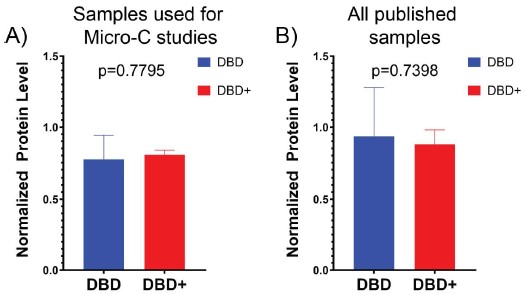
      Figure 3: It will be good to have the correct p-values on the figure itself. P-values are typically less than 1, unless there is some special method (here the values presented are , etc). Please explain how the P-values were obtained in the figure legend itself.
      Figure 3 now shows the actual p-values. The legend specifies the details and the sample sizes used.

      Figure 5: It is not clear what the error bars show in 5B, E (different evolved population/ clones/ cells?). All the figure legends are mixed up, please correct them. It is difficult to follow the paper.

      Figure 5 legends now state clearly what the error bars represent (biological replicates) and which panels are from single-cell measurements. We have checked the panel lettering and legend order for consistency with the flow of the main text.

      Reviewer #3 (Recommendations for the authors):

      Overall, the paper is outstanding, well-written, and insightful.

      A point to address is that there are missing citations on lines 60, 91.

      We have added the missing citations at both locations. We apologize for the omission, which was due to a compilation error. This error has been fixed, and the bibliography has been corrected (now containing 74 references).

    1. Reviewer #2 (Public review):

      The substantially revised paper has increased in clarity and is much more accessibe and straightforward than the first version. The analyses are now clearer and support the conclusions better. There are however some remaining methodological weakness, which in my mind still renders the evidence to not be entirely convincing.

      (1) The temporal autocorrelation concern is not fully convincingly addressed. The temporal autocorrelation curves supplied in the supplements are really helpful, but linearly regressing out the temporal distance from the neural distance clearly does not work, as one can see from the right panel of supplementary Figure 1. If the method had worked correctly the line should have been flat. The analysis however shows that decision trials with a lag > 2 are basically independent - so a simple way to address this is to restrict the RSA analysis to trials with a decision lag of > 2. This analysis would strengthen the paper a lot.

      (2) In the final analysis, the authors use all the trials to make the claim that the hippocampus represents the characters in a shared social space. However, as within-character distances are still included in the analysis, this result could still be driven by the effects of within-character representations that are not shared across characters. A simple way of addressing this concern would be to only include between-character distances in this analysis, making it truly complementary to the previous within-character analysis. It would also be very interesting to compare the the within- and between-character analyses in the hippocampus directly.

      (3) Overall, the correction for multiple comparisons in the fMRI and the resulting corrected p-values are not sufficiently explained and documented in the paper. What was exactly permuted in the tests? Was correction applied in a voxel-wise or cluster-wise fashion? If cluster-wise, the cluster-wise p-values need to be reported.

    2. Author response:

      The following is the authors’ response to the original reviews.

      Public reviews:

      Reviewer #1 (Public review):

      Summary:

      Schafer et al. tested whether the hippocampus tracks social interactions as sequences of neural states within an abstract social space defined by dimensions of affiliation and power, using a task in which participants engaged in narrative-based social interactions. The findings of this study revealed that individual social relationships are represented by unique sequences of hippocampal activity patterns. These neural trajectories corresponded to the history of trial-to-trial affiliation and power dynamics between participants and each character, suggesting an extended role of the hippocampus in encoding sequences of events beyond spatial relationships.

      The current version has limited information on details in decoding and clustering analyses which can be improved in the future revision.

      Strengths:

      (1) Robust Analysis: The research combined representational similarity analysis with manifold analyses, enhancing the robustness of the findings and the interpretation of the hippocampus's role in social cognition.

      (2) Replicability: The study included two independent samples, which strengthens the generalizability and reliability of the results.

      Weaknesses:

      I appreciate the authors for utilizing contemporary machine-learning techniques to analyze neuroimaging data and examine the intricacies of human cognition. However, the manuscript would benefit from a more detailed explanation of the rationale behind the selection of each method and a thorough description of the validation procedures. Such clarifications are essential to understand the true impact of the research. Moreover, refining these areas will broaden the manuscript's accessibility to a diverse audience.

      We thank the reviewer for these comments and have addressed them in various ways.

      First, we removed the spline-based decoding and spectral clustering analyses. As we detail in our response to the recommendations, these approaches were complex and raised legitimate interpretational concerns, making it unclear how they supported our core claims. The revised manuscript now focuses on a set of representational similarity analyses to show representations consistent with social dimension similarity (affiliation vs. power decision trials) and social location similarity (trajectory/map-like coding based on participant choices).

      Second, we expanded the Methods and Results to more clearly explain the analyses, the questions they address, and associated controls and robustness tests. The dimension similarity analysis tests whether hippocampal patterns differentiate affiliation and power decisions in a way consistent with an abstract dimension representation. The location similarity RSAs test whether within-character neural pattern distances scale with Euclidean distance in social space (relationship-specific trajectories), and whether pattern distances across all characters scale with location distances when distances are globally standardized, consistent with a shared map-like coordinate system.

      Third, we emphasize new controls. For the dimension similarity RSA, we test for potential confounds such as word count, text sentiment, and reaction time differences between affiliation and power trials. For the location similarity RSA, we control for temporal distance between trials and show (in the Supplement) that the reported effects cannot be explained by temporal autocorrelation in the fMRI data or by the relationship between temporal distance and behavioral location distance.

      We believe that these changes address the reviewer’s request for clearer rationale and validation.

      Reviewer #2 (Public review):

      Summary:

      Using an innovative task design and analysis approach, the authors set out to show that the activity patterns in the hippocampus related to the development of social relationships with multiple partners in a virtual game. While I found the paper highly interesting (and would be thrilled if the claims made in the paper turned out to be true), I found many of the analyses presented either unconvincing or slightly unconnected to the claims that they were supposed to support. I very much hope the authors can alleviate these concerns in a revision of the paper.

      Strengths & Weaknesses:

      (1) The innovative task design and analyses, and the two independent samples of participants are clear strengths of the paper.

      We thank the reviewer for this comment.

      (2) The RSA analysis is not what I expected after I read the abstract and tile of the result section "The hippocampus represents abstract dimensions of affiliation and power". To me, the title suggests that the hippocampus has voxel patterns, which could be read out by a downstream area to infer the affiliation and power value, independent of the exact identity of the character in the current trial. The presented RSA analysis however presents something entirely different - namely that the affiliation trials and power trials elicit different activity patterns in the area indicated in Figure 3. What is the meaning of this analysis? It is not clear to me what is being "decoded" here and alternative explanations have not been considered. How do affiliation and power trials differ in terms of the length of sentences, complexity of the statements, and reaction time? Can the subsequent decision be decoded from these areas? I hope in the revision the authors can test these ideas - and also explain how the current RSA analysis relates to a representation of the "dimensions of affiliation and power".

      We agree that this analysis needed to be better justified and explained. We have revised the text to clarify that by “represents the interaction decision trials along abstract social dimensions” we mean that hippocampal multivoxel patterns differentiate affiliation and power decisions in a way consistent with the conceptual framework of underlying latent dimensions. The analysis tests one simple prediction of this view – that on average these trial types are separable in the neural patterns. We have added details to the Methods, showing how the affiliation and power trials do not differ in word count or in sentiment, but do differ in their semantics, as assessed by a Large Language Model, as we expect from our task assumptions. Thanks to the reviewer’s comment, we also tested for and found a reaction time difference between affiliation and power trials, that we now control for.

      (3) Overall, I found that the paper was missing some more fundamental and simpler RSA analyses that would provide a necessary backdrop for the more complicated analyses that followed. Can you decode character identity from the regions in question? If you trained a simple decoder for power and affiliation values (using the LLE, but without consideration of the sequential position as used in the spline analysis), could you predict left-out trials? Are affiliation and power represented in a way that is consistent across participants - i.e. could you train a model that predicts affiliation and power from N-1 subjects and then predict the Nth subject? Even if the answer to these questions is "no", I believe that they are important to report for the reader to get a full understanding of the nature of the neural representations in these areas. If the claim is that the hippocampus represents an "abstract" relationship space, then I think it is important to show that these representations hold across relationships. Otherwise, the claim needs to be adjusted to say that it is a representation of a relationship-specific trajectory, but not an abstract social space.

      We appreciate this comment and agree on the value of clear, conceptually simple analyses. To address this concern, we have simplified our main analysis significantly by removing the spline-based analysis and substituting it with a multiple regression representational similarity analysis approach. We test whether within-character neural pattern distances scale with distance in social space (relationship-specific trajectories), and whether pattern distances across all characters scale with location distances when distances are globally standardized. We find evidence for both, consistent with a shared map-like coordinate system.

      We agree that decoding character identity and an across-participant decoding approach could be informative. However, our current task is not well designed for such analyses and as such would complicate the paper. Although we agree that these questions are interesting, they would test questions that are outside the scope of this paper. 

      (4) To determine that the location of a specific character can be decoded from the hippocampal activity patterns, the authors use a sequential analysis in a lowdimensional space (using local linear embedding). In essence, each trial is decoded by finding the pair of two temporally sequential trials that is closest to this pattern, and then interpolating the power/affiliation values linearly between these two points. The obvious problem with this analysis is that fMRI pattern will have temporal autocorrelation and the power and affiliation values have temporal autocorrelation. Successful decoding could just reflect this smoothness in both time series. The authors present a series of control analyses, but I found most of them to not be incisive or convincing and I believe that they (and their explanation of their rationale) need to be improved. For example, the circular shifting of the patterns preserves some of the autocorrelation of the time series - but not entirely. In the shifted patterns, the first and last items are considered to be neighboring and used in the evaluation, which alone could explain the poor performance. The simplest way that I can see is to also connect the first and last item in a circular fashion, even when evaluating the veridical ordering. The only really convincing control condition I found was the generation of new sequences for every character by shuffling the sequence of choices and re-creating new artificial trajectories with the same start and endpoint. This analysis performs much better than chance (circular shuffling), suggesting to me that a lot of the observed decoding accuracy is indeed simply caused by the temporal smoothness of both time series.

      We thank the reviewer for emphasizing this important concern; we agree that we did not sufficiently address this in the initial submission. This concern is one main reason we removed the spline-based analysis and now use regression-based representational similarity analyses in its place. In the revision, we report autocorrelation-related analyses in the supplement, and via controls and additional analysis show that temporal distance (or its square) cannot explain the location-like effects. This substantially improves our ability to interpret the findings.

      (5) Overall, I found the analysis of the brain-behavior correlation presented in Figure 5 unconvincing. First, the correlation is mostly driven by one individual with a large network size and a 6.5 cluster. I suspect that the exclusion of this individual would lead to the correlation losing significance. Secondly, the neural measure used for this analysis (determining the number of optimal clusters that maximize the overlap between neural clustering and behavioral clustering) is new, non-validated, and disconnected from all the analyses that had been reported previously. The authors need to forgive me for saying so, but at this point of the paper, would it not be much more obvious to use the decoding accuracy for power and affiliation from the main model used in the paper thus far? Does this correlate? Another obvious candidate would be the decoding accuracy for character identity or the size of the region that encodes affiliation and power. Given the plethora of candidate neural measures, I would appreciate if the authors reported the other neural measures that were tried (and that did not correlate). One way to address this would have been to select the method on the initial sample and then test it on the validation sample - unfortunately, the measure was not pre-registered before the validation sample was collected. It seems that the correlation was only found and reported on the validation sample?

      We agree that this analysis was too complicated and under constrained, and thus not convincing. We think that removing this cluster-based analysis is the most conservative response to the reviewer’s concerns and have removed it from the revised paper.

      Recommendations to the authors:

      Reviewer #1 (Recommendations for the authors):

      The manuscript's description of the shuffling analysis performed during decoding is currently ambiguous, particularly concerning the control variables. This ambiguity is present only in the Figure 4 legends and requires a more detailed explanation within the methods section. It is essential to clarify whether the permutation process was conducted within each character's data set or across multiple characters' data sets. If permutations were confined to within-character data, the conclusion would be that the hippocampus encodes context-specific information rather than providing a twodimensional common space.

      We thank the reviewer for this comment. We have now removed the spline analysis due to these and other problems and have replaced it with representational similarity analyses that are both more rigorous and easier to interpret. We think these analyses allow us to make the claim that the characters are represented in a common space. 

      In the methods, we explain the analyses (page 23-24, lines 475-500):

      “We also expected the hippocampus to represent the different characters’ changing social locations, which are implicit in the participant’s choices. We used multiple regression searchlight RSA to test whether hippocampal pattern dissimilarity increases with social location distance, based on participant-specific trial-wise beta images where boxcar regressors spanned each trial’s reaction time.”

      “We ran two complementary regression analyses to address two related questions. First, we asked whether the hippocampus represents how a specific relationship changes over time. For this analysis, for each participant and each searchlight, we computed character-specific (i.e., only for same character trial pairs) correlation distances between trial-wise beta patterns and Euclidean distances between the social location behavioral coordinates. Distances were zscored within character trial pairs to isolate character-specific changes. The second analysis asked whether the there is a common map-like representation, where all trials, regardless of relationship, are represented in a shared coordinate system. Here, we included all trial pairs and z-scored the distances globally. For both regression analyses, we included control distances to control for possible confounds. To account for generic time-related changes, we controlled for absolute scan-time difference, as this correlated with location distance across participants (see Temporal autocorrelation of hippocampal beta patterns in the supplement). Although the square of this temporal distance did not explain any additional variance in behavioral distances, we ran a robustness analysis including both temporal distance and its square and saw qualitatively the same clusters with similar effect sizes. As such, we report the main analysis only. We included binary dimension difference (0 = trial pairs of different dimension, 1 = trials pairs of the same dimension), to ensure effects could not be explained by dimension-related effects. In the group-level model, we controlled for sample and the average reaction time between affiliation and power decisions.”

      In the results, we describe the results and our interpretation (pages 11-12, lines 185208):

      “We have shown that the left hippocampus represents the affiliation and power trials differently, consistent with an abstract dimensional representation. Does it also represent the changing social coordinates of each character? To test this, we multiple-regression RSA searchlight to test whether left hippocampus patterns represent the characters’ changing social locations across interactions (see Figure 3). We restricted the distances to those from trial pairs from the same character and standardized the distances within character (see Figure 3BD). We controlled for temporal distance to ensure the effect was not explainable by the time between trials, and for whether the trials shared the same underlying dimension (affiliation or power; see Location similarity searchlight analyses for more details). At the group level, we controlled for sample and the average reaction time difference between affiliation and power trials. Using the same testing logic as the dimensionality similarity analysis, we first tested our hypothesis in the bilateral hippocampus and found widespread effects in both the left (peak voxel MNI x/y/z = -35/-22/-15, cluster extent = 1470 voxels) and right (peak voxel MNI x/y/z = 37/-19/-14, cluster extent = 1953 voxels) hemispheres. The whole-brain searchlight analysis revealed additional clusters in the left putamen (-27/-3/14, cluster extent = 131 voxels) and left posterior cingulate cortex (-10/-28/41, cluster extent = 304 voxels).”

      “We then asked a second, complementary question: does the hippocampus represent all interactions, across characters, within a shared map? To test for this map-like structure, we repeated the analysis but now included all trial pairs, z-scoring distances globally rather than within character (Figure 3E-F). The remainder of the procedure followed the same logic as the preceding analysis. The hippocampus analysis revealed an extensive right hippocampal cluster (27/27/-14, cluster extent = 1667 voxels). The whole-brain analysis did not show any significant clusters.”

      We also describe the results in the discussion (page 12, lines 220-226): 

      “Then, we show that the hippocampus tracks the changing social locations (affiliation and power coordinates), above and beyond the effects of dimension or time; the hippocampus seemed to reflect both the changing within-character locations, tracking their locations over time, and locations across characters, as if in a shared map. Thus, these results suggest that the hippocampus does not just encode static character-related representations but rather tracks relationship changes in terms of underlying affiliation and power.”

      The manuscript's description of the decoding analysis is unclear regarding the variability of the decoded positions. The authors appear to decode the position of a character along a spline, which raises the question of whether this position correlates with time, since characters are more likely to be located further from the center in later trials. There is a concern that the decoded position may not solely reflect the hippocampal encoding of spatial location, but could also be influenced by an inherent temporal association. Given that a character's position at time t is likely to be similar to its positions at t−1 and t+1, it is crucial that the authors clearly articulate their approach to separating spatial representation from temporal autocorrelation. While this issue may have been addressed in the construction of the test set, the manuscript does not seem to adequately explain how such biases were mitigated in the training set.

      We agree that temporal confounding needs to be better accounted for, as our claims depend on space-like signals being separable from time-like ones. We address this in several ways in the revised manuscript.

      First, we emphasize that this is a narrative-based task, where temporal structure is relevant. As such, our analyses aim to demonstrate that effects go beyond simple temporal confounds, like trial order or time elapsed.

      Despite the temporal structure to the task, the decisions for the same character are spaced in time, and interleaved with other characters’ decisions, reducing the chance that a simple temporal confound could explain trajectory-related effects. We now describe the task better in the revised methods (page 16, lines 314-318):

      “All six characters’ decision trials are interleaved with one another and with narrative slides. On average, after a decision trial for a given character, participants view ~11 narrative slides and complete ~3 decisions for other characters before returning to that same character, such that each character’s choices are separated by an average of ~20 seconds (range 12 seconds to 10 min).”

      To address temporal autocorrelation in the fMRI time series, we used SPM’s FAST algorithm. Briefly, FAST models temporal autocorrelation as a weighted combination of candidate correlation functions, using the best estimate to remove autocorrelated signal.

      We also now report the temporal autocorrelation profile of the hippocampal beta series in the supplement, including (pages 29-31, lines 593-656):

      “The Social Navigation Task is a narrative-based task, where the relationships with characters evolve over time; trial pairs that are close in time may have more similar fMRI patterns for reasons unrelated to social mapping (e.g., slow drift). It is important to account for the role of time in our analyses, to ensure effects go beyond simple temporal confounds, like the time between decision trials. To aid in this, we quantified how fMRI signals change over time using a pattern autocorrelation function across decision trial lags. We defined the left and right hippocampus and the left and right intracalcarine cortex using the HarvardOxford atlas and thresholded them at 50% probability. We chose intracalcarine corex as an early visual control region that largely corresponds to primary visual cortex (V1), as it is likely to be driven by the visually presented narrative. We used the same trial-wise beta images as in the location similarity RSA (boxcar regressors spanning each decision trial’s reaction time). For each participant and region-of-interest (ROI), we extracted the decision trial-by-voxel beta matrix and quantified three kinds of temporal dependence: beta autocorrelation, multivoxel pattern correlation and multivoxel pattern correlation after regressing out temporal distance.”

      “To estimate the temporal autocorrelation of the trial-wise beta values, we treated each voxel’s beta values as a time series across trials and measured how much a voxel’s response on one trial correlated (Pearson) with its response on previous trials. We averaged these voxel wise autocorrelations within each ROI. At one trial apart (lag 1), both the hippocampus and V1 showed small positive autocorrelations, indicating modest trial-to-trial carryover in response amplitude (see Supplemental figure 1) that by three trials apart was approximately 0.”

      “Because our representational similarity analyses depend on trial-by-trial pattern similarity, we also estimated how multivoxel patterns were autocorrelated over time. For each lag, we computed the Pearson correlation between each trial’s voxelwise pattern and the pattern from the trial that many trials earlier, then averaged those correlations to obtain a single autocorrelation value for that lag. At one trial apart, both regions showed positive autocorrelation, with V1 having greater autocorrelation than the hippocampus; pattern correlations between trials 3 or 4 trials apart reduced across participants, settling into low but positive values. Then, for each participant and ROI, we regressed out the effect of absolute trial onset differences from all pairwise pattern correlations, to mirror the effects of controlling for these temporal distances in regressions. After removing this temporal distance component, the short lag pattern autocorrelation dropped substantially in both regions. The similarity in autocorrelation profiles between the two regions suggests that significant similarity effects in the hippocampus are unlikely to be driven by generic temporal autocorrelation.”

      “Relationship between behavioral location distance and temporal distance “

      “We also quantified how temporal distances between trials relates to their behavioral location distances, participant by participant. Our dimension similarity analysis controls for temporal distance between trials by design (see Social dimension similarity searchlight analysis), but our location similarity analysis does not. To decide on covariates to include in the analysis, we tested whether temporal distances can explain behavioral location distances. For each participant, we computed the correlations between trial pairs’ Euclidean distances in social locations and their linear temporal distances (“linear”) and the temporal distances squared (“quadratic”), to test for nonlinear effects. We then summarized the correlations using one-sample t-tests. The linear relationship was statistically significant (t<sub>49</sub> = 12.24, p < 0.001), whereas the quadratic relationship was not (t<sub>49</sub> = -0.55, p = 0.586). Similarly, in participant specific regressions with both linear and quadratic temporal distances, the linear effect was significant (t<sub>49</sub> = 5.69, p < 0.001) whereas the quadratic effect was not (t<sub>49</sub> = 0.20, p = 0.84). Based on this, we included linear temporal distances as a covariate in our location similarity analyses (see Location similarity searchlight analyses), and verified that adding a quadratic temporal distance covariate does not alter the results. Thus, the reported location-related pattern similarity effects go beyond what can be explained by temporal distance alone.”

      How the free parameter of spectral clustering was determined, if there is any?

      The interpretation of the number of hippocampal activity clusters is ambiguous. It is suggested that this number could fluctuate due to unique activity patterns or the fit to behaviorally defined trajectories. A lower number of clusters might indicate either a noisier or less distinct representation, raising the question of the necessity and interpretability of such a complex analysis. This concern is compounded by the potential sensitivity of the clustering to the variance in Euclidean distances of each trial's position relative to the center. If a character's position is consistently near the center, this could artificially reduce the perceived number of clusters. Furthermore, the manuscript should address whether there is any correlation between the number of clusters and behavioral performance. Specifically, what are the implications if participants are able to perform the task adequately with a smaller number of distinct hippocampal representation states?

      The rationale for conducting both cluster analysis and position decoding as separate analyses remains unclear. While cluster analysis can corroborate the findings of position decoding, it is not apparent why the authors chose to include trials across characters for cluster analysis but not for decoding analysis. An explanation of the reasoning behind this methodological divergence would help in understanding the distinct contributions of each analysis to the study's findings.

      The paper by Cohen et al. (1997), which provides the questionnaire for measuring the social network index, is not cited in the references. Upon reviewing the questionnaire that the author may have used, it appears that the term "social network size" does not refer to the actual size but to a score or index derived from the questionnaire responses. It may be more appropriate to replace the term "size" with a different term to more accurately reflect this distinction.

      Thank you for seeking these clarifications. Given the complexity of this analysis, we have decided to drop it to focus instead on our dimension and location representational similarity analysis results.

      Reviewer #2 (Recommendations for the authors):

      How did the participants' decisions on previous trials influence the future trials that the subjects saw? If the different participants were faced with different decision trials, then how did you compare their decision? If two participants made the same decisions, would they have seen exactly the same sequence of trials (see point X on how the trial sequence was randomized).

      All participants experience the same narrative, with the same decisions (i.e., the same available options); their choices (i.e., the options they select) are what implicitly shape each character’s affiliation and power locations, and thus each character’s trajectory. In other words, the narrative is fixed; what changes is the social coordinates assigned to each trial’s outcome depending on the participant’s choice of how to interact from the two narrative options. This means that we can meaningfully compare participants' neural patterns, given that every participant received the same text and images throughout.

      We have now added details on the narrative structure, replacing more ambiguous statements with a clearer description (page 16, lines 309-318):

      “The sequence of trials, including both narrative and decision trials, were fixed across participants; all that differs are the choices that the participants make. Narrative trials varied in duration, depending on the content (range 2-10 seconds), but were identical across participants. Decision trials always lasted 12 seconds, with two options presented until the participant made a choice, after which a blank screen was presented for the remainder of the duration. All six characters’ decision trials are interleaved with one another, and with the narrative slides. On average, after a decision trial for a given character, participants view ~11 narrative slides and complete ~3 decisions for other characters before returning to another decision with the same character, such that each character’s choices are separated by an average of ~20 seconds (ranging from 12 seconds to 10 min).”

      Figure 2B: I assume that "count" is "count of participants"? It would be good to indicate this on the axis/caption.

      Thank you for noting this. We have now removed this figure to improve the clarity of our figures. 

      We have shown that the hippocampus represents the interaction decision trials along abstract social dimensions, but does it track each relationship's unique sequence of abstract social coordinates?". Please clarify what you mean by "represents the interaction decision trials”.

      By “represents the interaction decision trials along abstract social dimensions”, we mean that when the participant makes a choice during the social interactions the hippocampal patterns represent the current social dimension of the choice (affiliation vs power). In other words, the hippocampal BOLD patterns differentiate affiliation and power decisions, consistent with our hypothesis of abstract social dimension representation in the hippocampus. We have clarified this (page 11, lines 185-187):

      “We have shown that the left hippocampus represents the affiliation and power trials differently, consistent with an abstract dimensional representation.”

      Page 8: "Hippocampal sequences are ordered like trajectories": It is not entirely clear to me what is meant by the split midpoint. Is this the midpoint of the piece-wise linear interpolation between two points, or simply the mean of all piecewise splines from one character? If the latter, is the null model the same as simply predicting the mean affiliation and power value for this character? If yes, please clarify and simplify this for the reader.

      Page 8: "Hippocampal sequences track relationship-specific paths". First, I was misled by the "relationship-specific". I first understood this to mean that you wanted to test whether two relationships (i.e. the identity of the partner) had different representations in Hippocampus, even if the power/affiliation trajectories are the same. I suggest changing the title of this section.

      The analysis in this section also breaks any temporal autocorrelation of measured patterns - so I am not sure if this is a strong analysis that should be interpreted at all. This analysis seems to not address the claim and conclusion that is drawn from it. I assume that the random trajectories have different choices and different affiliation/power values than the true trajectories. So the fact that the true trajectories can be better decoded simply shows that either choices or affiliation and power (or both) are represented in the neural code - but not necessarily anything beyond this.

      Page 9: "Neural trajectories reflect social locations, not just choices". The motivation of this analysis is not clear to me. As I understand this analysis, both social location and choices are changed from the real trajectories. How can it then show that it reflects social locations, not just the choices?

      Figure 4 caption: "on the -based approximation" Is there a missing "point"-[based] here?

      We agree with the reviewer that this analysis is hard to interpret and does not adequately address concerns regarding temporal autocorrelation, and as such we have removed it from the manuscript. We describe the new results that include controlling for temporal distance between trials (pages 11-12, lines 185-208):

      “We have shown that the left hippocampus represents the affiliation and power trials differently, consistent with an abstract dimensional representation. Does it also represent the changing social coordinates of each character? To test this, we multiple-regression RSA searchlight to test whether left hippocampus patterns represent the characters’ changing social locations across interactions (see Figure 3). We restricted the distances to those from trial pairs from the same character and standardized the distances within character (see Figure 3BD). We controlled for temporal distance to ensure the effect was not explainable by the time between trials, and for whether the trials shared the same underlying dimension (affiliation or power; see Location similarity searchlight analyses for more details). At the group level, we controlled for sample and the average reaction time difference between affiliation and power trials. Using the same testing logic as the dimensionality similarity analysis, we first tested our hypothesis in the bilateral hippocampus and found widespread effects in both the left (peak voxel MNI x/y/z = -35/-22/-15, cluster extent = 1470 voxels) and right (peak voxel MNI x/y/z = 37/-19/-14, cluster extent = 1953 voxels) hemispheres. The whole-brain searchlight analysis revealed additional clusters in the left putamen (-27/-3/14, cluster extent = 131 voxels) and left posterior cingulate cortex (-10/-28/41, cluster extent = 304 voxels).”

      “We then asked a second, complementary question: does the hippocampus represent all interactions, across characters, within a shared map? To test for this map-like structure, we repeated the analysis but now included all trial pairs, z-scoring distances globally rather than within character (Figure 3E-F). The remainder of the procedure followed the same logic as the preceding analysis. The hippocampus analysis revealed an extensive right hippocampal cluster (27/27/-14, cluster extent = 1667 voxels). The whole-brain analysis did not show any significant clusters.”

      We emphasize that the results are robust to the inclusion of temporal distance squared, in the methods (pages 23-24, lines 493-496):

      “Although the square of this temporal distance did not explain any additional variance in behavioral distances, we ran a robustness analysis including both temporal distance and its square and saw qualitatively the same clusters with similar effect sizes.”

      Page 8: last paragraph: The text sounds like you have already shown that you can decode character identity from the patterns - but I do not believe you have it this point. I would consider this would be an interesting addition to the paper, though.

      This section has been removed, and we have been careful to not imply this in the current version of the manuscript. While we agree a character identity decoding would enrich our argument, we do not believe our task is well-suited to capture a character identity effect. Each character only has 12 decision trials, and these trials are partially clustered in time - this is one problem of temporal autocorrelation that we thank the reviewers for pushing us to consider in more detail. Dimension and location patterns, on the other hand, are more natural to analyze in our task, especially in representational similarity analyses that test whether the relevant differences scale with neural distances.

      Page 14ff: Why is "Analysis section" not part of "Materials and Methods"? I believe adding the analysis after a careful description of the methods would improve the clarity of this section.

      We agree with the reviewer and have now consolidated these two sections.

      Two or three examples of Affiliation and Power decision trials should be provided, so the reader can form a more thorough understanding of how these dimensions were operationalized. For the RSA analysis, it is important to consider other differences between these two types of trials.

      We agree that adding examples will clarify the operationalization of these dimensions. We now include example affiliation and power trials in a table (page 17-18).

      We thank the reviewer for noting the need to rule out alternative hypotheses; we have added several such tests. Affiliation and power trials were not different in word count (page 17, lines 329-332):

      “To ensure that any observed neural or behavioral differences were not confounded by trivial features of the text, we tested for differences between the affiliation and power trials (where the two options are concatenated). There were no differences in word count (affiliation average = 26.6, power average = 25.6; t-test p = 0.56).”

      They were also not different in their sentiment, as assessed by a Large Language Model (LLM) analysis (page 17, lines 332-335): 

      “The text’s sentiment also did not differ between these trial types (t-test p = 0.72), as quantified by comparing sentiment compound scores (from most negative, −1, to most positive, +1), using a Large Language Model (LLM) specialized for sentiment analysis [26]. “

      The affiliation and power trials were different in terms of semantic content, consistent with our assumptions (page 17, lines 337-347):

      “Our framework assumes that affiliation and power trials differ in their semantic content–that is, in the conceptual meaning of the text, beyond word count or sentiment. To test this assumption, we used an LLM-based semantic embedding analysis. Each decision trial was embedded into a semantic vector. We then measured the cosine similarity between pairs of trials and calculated the difference between average within-dimension similarity (affiliation-affiliation and power-power comparisons) and average between-dimension similarity (affiliationpower comparisons) and assessed its statistical significance with permutation testing (1,000 shuffles of trial labels). As expected, decision trials of the same dimension were more similar to each other than trials of different dimension, across multiple LLMs (OpenAI’s text-embedding-3-small [27]: similarity difference = 0.041, p < 0.001; all-MiniLM-L12-v2 [28]: similarity difference = 0.032, p < 0.001).”

      The affiliation and power trials were different in average reaction time. To control for this difference in the dimension RSA analysis, we added each participant’s absolute value reaction time difference between the trial types as a covariate. The results were nearly identical to what they were before. We updated the text to reflect this new control (page 23, lines 471-474):

      “However, there was a significant difference in the average reaction time between affiliation and power decisions across participants (t<sub>49</sub> = 6.92, p < 0.001; affiliation mean = 4.92 seconds (s), power mean = 4.51 s), so we controlled for this in the group-level analysis.”

      The exact implementation and timing of the behavioral tasks should be described better. How many narrative trials were intermixed with the decision trials? Which characters were they assigned to? How was the sequence of trials determined? Was it fixed across participants, or randomized?

      We agree that additional details are helpful. In the Methods, we now describe this with more detail (page 16, lines 301-318):

      “There are two types of trials: “narrative” trials where background information is provided or characters talk or take actions (a total of 154 trials), and “decision” trials where the participant makes decisions in one-on-one interactions with a character that can change the relationship with that character (a total of 63 trials). On each decision, participants used a button response box to select between the two options. The options (1 or 2, assigned to the index and middle fingers) choice directions (+/-1 arbitrary unit on the current dimension) were counterbalanced.”

      “The sequence of trials, including both narrative and decision trials, were fixed across participants; all that differs are the choices that the participants make. Narrative trials varied in duration, depending on the content (range 2-10 seconds), but were identical across participants. Decision trials always lasted 12 seconds, with two options presented until the participant made a choice, after which a blank screen was presented for the remainder of the duration. All six characters’ decision trials are interleaved with one another, and with the narrative slides. On average, after a decision trial for a given character, participants view ~11 narrative slides and complete ~3 decisions for other characters before returning to another decision with the same character, such that each character’s choices are separated by an average of ~20 seconds (ranging from 12 seconds to 10 min).”

      What is the exact timing of trials during fMRI acquisition - i.e. how long were the trials, what was the ITI, were there long phases of rest to determine the resting baseline? These are all important factors that will determine the covariance between regressors and should be reported carefully. Ideally, I would like to see the trial-by-trial temporal auto-correlation structure across beta-weights to be reported.

      We thank the reviewer for asking for this clarification. We have added the following text to clarify the trial timing (page 16, lines 314-318):

      “All six characters’ decision trials are interleaved with one another and with narrative slides. On average, after a decision trial for a given character, participants view ~11 narrative slides and complete ~3 decisions for other characters before returning to that same character, such that each character’s choices are separated by an average of ~20 seconds (range 12 seconds to 10 min).”

      We now describe the temporal autocorrelation patterns in the supplement, including how we decided on how to control for temporal distance in representational similarity analyses (pages 29-31, lines 593-656):

      “The Social Navigation Task is a narrative-based task, where the relationships with characters evolve over time; trial pairs that are close in time may have more similar fMRI patterns for reasons unrelated to social mapping (e.g., slow drift). It is important to account for the role of time in our analyses, to ensure effects go beyond simple temporal confounds, like the time between decision trials. To aid in this, we quantified how fMRI signals change over time using a pattern autocorrelation function across decision trial lags. We defined the left and right hippocampus and the left and right intracalcarine cortex using the HarvardOxford atlas and thresholded them at 50% probability. We chose intracalcarine corex as an early visual control region that largely corresponds to primary visual cortex (V1), as it is likely to be driven by the visually presented narrative. We used the same trial-wise beta images as in the location similarity RSA (boxcar regressors spanning each decision trial’s reaction time). For each participant and region-of-interest (ROI), we extracted the decision trial-by-voxel beta matrix and quantified three kinds of temporal dependence: beta autocorrelation, multivoxel pattern correlation and multivoxel pattern correlation after regressing out temporal distance.”

      “To estimate the temporal autocorrelation of the trial-wise beta values, we treated each voxel’s beta values as a time series across trials and measured how much a voxel’s response on one trial correlated (Pearson) with its response on previous trials. We averaged these voxel wise autocorrelations within each ROI. At one trial apart (lag 1), both the hippocampus and V1 showed small positive autocorrelations, indicating modest trial-to-trial carryover in response amplitude (see Supplemental figure 1) that by three trials apart was approximately 0.”

      “Because our representational similarity analyses depend on trial-by-trial pattern similarity, we also estimated how multivoxel patterns were autocorrelated over time. For each lag, we computed the Pearson correlation between each trial’s voxelwise pattern and the pattern from the trial that many trials earlier, then averaged those correlations to obtain a single autocorrelation value for that lag. At one trial apart, both regions showed positive autocorrelation, with V1 having greater autocorrelation than the hippocampus; pattern correlations between trials 3 or 4 trials apart reduced across participants, settling into low but positive values. Then, for each participant and ROI, we regressed out the effect of absolute trial onset differences from all pairwise pattern correlations, to mirror the effects of controlling for these temporal distances in regressions. After removing this temporal distance component, the short lag pattern autocorrelation dropped substantially in both regions. The similarity in autocorrelation profiles between the two regions suggests that significant similarity effects in the hippocampus are unlikely to be driven by generic temporal autocorrelation.”

      “Relationship between behavioral location distance and temporal distance “

      “We also quantified how temporal distances between trials relates to their behavioral location distances, participant by participant. Our dimension similarity analysis controls for temporal distance between trials by design (see Social dimension similarity searchlight analysis), but our location similarity analysis does not. To decide on covariates to include in the analysis, we tested whether temporal distances can explain behavioral location distances. For each participant, we computed the correlations between trial pairs’ Euclidean distances in social locations and their linear temporal distances (“linear”) and the temporal distances squared (“quadratic”), to test for nonlinear effects. We then summarized the correlations using one-sample t-tests. The linear relationship was statistically significant (t<sub>49</sub> = 12.24, p < 0.001), whereas the quadratic relationship was not (t<sub>49</sub> = -0.55, p = 0.586). Similarly, in participant specific regressions with both linear and quadratic temporal distances, the linear effect was significant (t<sub>49</sub> = 5.69, p < 0.001) whereas the quadratic effect was not (t<sub>49</sub> = 0.20, p = 0.84). Based on this, we included linear temporal distances as a covariate in our location similarity analyses (see Location similarity searchlight analyses), and verified that adding a quadratic temporal distance covariate does not alter the results. Thus, the reported location-related pattern similarity effects go beyond what can be explained by temporal distance alone.”

    1. The most frequently cited touch point for GamerGaters was theinsistence that a key part of their movement was about journalismethics.70 The most constructive read of the group is as a consumerboycott of people concerned about journalistic coverage that insultedtheir target audience instead of providing objective coverage of rele-vant news.71 The most common flashpoint in this regard was a flurry ofarticles that appeared shortly after the #GamerGate hashtag was bornthat decried the death of the gamer. The two most widely circulatedand referenced essays were those by Leigh Alexander and Dan Gold-ing.72 The argument about the end of gamers had three key claims.First, video games were reaching a broader audience than ever beforeand, as such, game publishers need not focus on the classic gamer ste-reotypes as their primary audience. This argument largely followed ina tradition of cultural criticism that proclaimed the death of the authoror a variety of other subject positions, and was backed up by data thatclearly indicate the audience of videogame players is far more diverse agroup than the white males of means who match the typical stereotypeof a group of gamers.73 Second, the term “gamer” was at one point akey reclamation of space that reframed people away from being a nerdor some other insulting label into something more positive.

      Third and last argument is that they were scolded and told racist but that didn't sit with their views of themselves or their field. They aimed to protect it, and dismissed other cases as cherry picked anecdotes or as being a necessary part of the system, their system, their identity.

    2. community, fueled by a strong desire to re-tain what already exists. Typically, the cases are carefully swaddled inappeals to skill, to being good enough, and to working hard enoughto make it. All these tropes are at the center of any sort of merito-cratic appeal. If the harassed were tough enough to take it, then theywould be able to reap the rewards of success. Systemic harassment setsthe terms on which players engage, giving stark advantage to thosewho are not targeted and retaining power for those who have alreadyclimbed the ladder.

      There's this non-homogeneous group of white privilege people that yearn to continue playing these types of games, and that may even see themselves as activists when buying them. These may be big mainstream titles, but much like in cinema and TV, their budgets are also big. They know, and they don't mind, they wish these games be as larger and ambitious as possible, ever bigger, and more complex, and continuously "improving", and "innovating" in this sense. They see defending this kind of consumption as defending their identity, defending who they are, defending dark comedy and freedom of speech... freedom of speech, at which point does it become hate speech? Why should their tone for people that have no skin in the game and who aim to get rid of their identity, of their way of living, without asking? You see how both sides have self-reinforcing narratives, and they may even acknowledge this, and although many left-wingers would love to parse out this radically big titles, instead of talking it out and recognising the current exclusionary and biased present (not perpetuating endless debates), some prominent white privilege people push a zero-sum incompatibility competition narrative where one must survive, and it will be them.

      You can't expect a person who's played 5000 hours, to quit Fifa overnight.

    Annotators

    1. Reviewer #1 (Public review):

      Summary:

      The manuscript by Mengxing et al., reports an assessment of three first-order thalamic nuclei (auditory, visual, somatosensory) in a 3 x 2 factorial design to test for specificity of responses in first-order thalamic nuclei to linguistic processing particularly in the left hemisphere. The conditions are reading, speech production, and speech comprehension and their respective control conditions. The authors report the following results:

      (1) BOLD-response analyses: left MGB linguistic vs non-linguistic significant; left LGN linguistic vs non-linguistic significant. There is no hemisphere x stimulus interaction.

      (2) MVPA: left MGB linguistic vs. non-linguistic significant; bilateral VLN linguistic vs. non-linguistic significant; significant lateralisation in MGB (left MGB responses better classified linguistic vs. non-linguistic in contrast to right).

      (3) Functional connectivity: there is, in general, connectivity between the thalamic ROIs and the respective primary cortices independent of linguistics.

      Strengths:

      The study has a clear and comprehensive design and addresses a timely topic. First-order thalamic nuclei and their interaction with the respective cerebral cortex area are likely key to understanding how perception works in a world where one has to compute highly dynamic stimuli often in an instant. Speech is a prime example of an ecologically important, extremely dynamic, and complex stimulus. The field of the contribution of cerebral cortex-thalamic loops is wide open, and the study presents a solid approach to address their role in different speech modalities (i.e., reading, comprehension, production).

      Weaknesses:

      I see two major overall weaknesses in the manuscript in its current form:

      (1) Statistics:

      Unfortunately, I have doubts about the solidity of the statistics. In the analyses of the BOLD responses, the authors do not find significant hemisphere x stimulus interactions. In my view, such results would pre-empt doing a post-hoc t-test. Nevertheless, the authors motivate their post-hoc t-test by 'trends' in the interaction and prior hypotheses. I see two difficulties with that. First, the origin of the prior hypotheses is somewhat unclear (see also the comment below on hypotheses), and the post-hoc t-test is not corrected for multiple comparisons. I find that it is a pity that the authors did not derive more specific hypotheses grounded in the literature to guide the statistical testing, as I think these would have been available, and the response properties of the MGB and LGN also make sense in light of them. In addition, I was wondering whether the MVPA results would also need to be corrected for the three tests, i.e., the three ROIs.

      Hypotheses:

      In my view, it is relatively unclear where the hypotheses precisely come from. For example, the paragraph on the hypotheses in the introduction (p. 6-7) is devoid of references. I also have the impression that the hypotheses are partly not taking into account previous reports on first-order thalamic nuclei involvement in linguistic vs. non-linguistic processing. For example, the authors test for lateralisation of linguistic vs. non-linguistic responses in all nuclei. However, from previous literature, one could derive the hypothesis that the lateralisation in MGB for speech might be there - previous work shows, for example, that speech recognition abilities consistently correlate with left MGB only (von Kriegstein et al., 2008 Curr Biol; Mihai et al., 2019 eLife). In addition, the involvement of the MGB in speech in noise processing is present in the left MGB (Mihai et al., 2021, J Neuroscience). Developmental dyslexia, which is supposed to be based on imprecise phonological processing (Ramus et al., 2004 TiCS), has alterations in left MGB (Diaz et al., 2012 PNAS; Galaburda et al., 1994 PNAS) and left MGB connections to planum temporale (Tschentscher et al., 2019 J Neurosci) as well as altered lateralisation (Müller-Axt et al., 2025 Brain). Conversely, in the LGN, I'm not aware of any studies showing lateralisation for speech. See, for example, Diaz et al., 2018, Neuroimage, where there are correlations of LGN task-dependent modulation with visual speech recognition behaviour in both LGNs. Thus, based on this literature, one could have predicted the result pattern displayed, for example, in Figure 3A at least for MGB and LGN.

      In summary, the motivation for the different hypotheses needs to be carved out more and couched into previous literature that is directly relevant to the topic. The above paragraph is, of course, my view on the topic, but currently, the paper lacks different literature as references to fully understand where the hypotheses are derived from.

    2. Reviewer #2 (Public review):

      Summary:

      This study investigates the involvement of first-order thalamic nuclei in language-related tasks using task-based fMRI in a 3 × 2 design contrasting linguistic and non-linguistic versions of reading, speech comprehension, and speech production. By focusing on the LGN, MGN, and VLN and combining activation, connectivity, lateralization, and multivariate pattern analyses, the authors aim to characterize modality-specific and language-related thalamic contributions.

      Strength:

      A major strength of the work is its hypothesis-driven and multimodal analytical approach, and the modality-specific engagement of first-order thalamic nuclei is robust and consistent with known thalamocortical organization. This is a very sound study overall.

      Weaknesses:

      However, several conceptual issues complicate the interpretation of the results as evidence for linguistic modulation per se. A central concern relates to the operationalization of the linguistic versus non-linguistic contrast. In the present design, linguistic and non-linguistic stimuli differ along multiple dimensions beyond linguistic content. For example, written words and scrambled images differ in spatial frequency structure, edge composition, contrast regularities, and familiarity, while intelligible speech and acoustically scrambled sounds differ substantially in temporal and spectral statistics. This is particularly relevant given that first-order thalamic nuclei such as the LGN are known to be highly sensitive to low-level sensory properties. As a result, observed differences in thalamic responses may reflect sensitivity to stimulus properties rather than linguistic processing per se, and this limits the specificity of claims regarding linguistic modulation.

      Relatedly, although the manuscript frequently refers to effects "depending on the linguistic nature of the stimuli," the statistical evidence for linguistic versus non-linguistic modulation is uneven across analyses. Whole-brain contrasts collapse across stimulus type and primarily test modality effects. Similarly, the primary ROI analyses of activation amplitude are collapsed across linguistic and non-linguistic conditions and convincingly demonstrate modality-specific engagement of thalamic nuclei, but do not in themselves provide evidence for linguistic modulation. Linguistic effects emerge only in later, more targeted analyses focusing on hemispheric lateralization and multivariate pattern classification, and these effects are nucleus-, modality-, and analysis-specific rather than general. Taken together, these results suggest that linguistic modulation constitutes a secondary and selective finding, whereas modality-specific task engagement represents the primary and most robust outcome of the study.

      An additional interpretational issue concerns task engagement and attention. The tasks differ substantially in cognitive demands (e.g., passive reading and listening versus overt speech production), and linguistic and non-linguistic blocks may differ systematically in salience or engagement. This is particularly important given prior evidence, cited by the authors, that LGN and MGN activity can be modulated by task demands and attention. In the absence of behavioral measures indexing task engagement or compliance, it is difficult to determine whether differences between linguistic and non-linguistic conditions reflect linguistic processing per se or are mediated by attentional factors.

      Finally, while the manuscript emphasizes the novelty of evaluating thalamic involvement in language, thalamic contributions to language have been documented previously in both lesion and functional imaging studies. The contribution of the present work, therefore, lies less in establishing thalamic involvement in language per se, and more in its focus on specific first-order nuclei, its multimodal design, and its combination of univariate, connectivity, and multivariate analyses. Moderating claims of novelty would help place the findings more clearly within the existing literature.

    1. Reviewer #1 (Public review):

      Summary:

      Thach et al. report on the structure and function of trimethylamine N-oxide demethylase (TDM). They identify a novel complex assembly composed of multiple TDM monomers and obtain high-resolution structural information for the catalytic site, including an analysis of its metal composition, which leads them to propose a mechanism for the catalytic reaction.

      In addition, the authors describe a novel substrate channel within the TDM complex that connects the N-terminal Zn²-dependent TMAO demethylation domain with the C-terminal tetrahydrofolate (THF)-binding domain. This continuous intramolecular tunnel appears highly optimized for shuttling formaldehyde (HCHO), based on its negative electrostatic properties and restricted width. The authors propose that this channel facilitates the safe transfer of HCHO, enabling its efficient conversion to methylenetetrahydrofolate (MTHF) at the C-terminal domain as a microbial detoxification strategy.

      Strengths:

      The authors provide convincing high-resolution cryo-EM structural evidence (up to 2 Å) revealing an intriguing complex composed of two full monomers and two half-domains. They further present evidence for the metal ion bound at the active site and articulate a plausible hypothesis for the catalytic cycle. Substantial effort is devoted to optimizing and characterizing enzyme activity, including detailed kinetic analyses across a range of pH values, temperatures, and substrate concentrations. Furthermore, the authors validate their structural insights through functional analysis of active-site point mutants.

      In addition, the authors identify a continuous channel for formaldehyde (HCHO) passage within the structure and support this interpretation through molecular dynamics simulations. These analyses suggest an exciting mechanism of specific, dynamic, and gated channeling of HCHO. This finding is particularly appealing, as it implies the existence of a unique, completely enclosed conduit that may be of broad interest, including potential applications in bioengineering.

      Weaknesses:

      Although the idea of an enclosed channel for HCHO is compelling, the experimental evidence supporting enzymatic assistance in the reaction of HCHO with THF is less convincing. The linear regression analysis shown in Figure 1C demonstrates a THF concentration-dependent decrease in HCHO, but the concentrations used for THF greatly exceed its reported KD (enzyme concentration used in this assay is not reported). It has previously been shown that HCHO and THF can couple spontaneously in a non-enzymatic manner, raising the possibility that the observed effect does not require enzymatic channeling. An additional control that can rule out this possibility would help to strengthen the evidence. For example, mutating the THF binding site to prevent THF binding to the protein complex could clarify whether the observed decrease in HCHO depends on enzyme-mediated proximity effects. A mutation which would specifically disable channeling could be even more convincing (maybe at the narrowest bottleneck).

      Another concern is that the observed decrease in HCHO could alternatively arise from a reduced production of HCHO due to a negative allosteric effect of THF binding on the active site. From this perspective, the interpretation would be more convincing if a clear coupled effect could be demonstrated, specifically, that removal of the product (HCHO) from the reaction equilibrium leads to an increase in the catalytic efficiency of the demethylation reaction.

      While the enzyme kinetics appear to have been performed thoroughly, the description of the kinetic assays in the Methods section is very brief. Important details such as reaction buffer composition, cofactor identity and concentration (Zn²⁺), enzyme concentration, defined temperature, and precise pH are not clearly stated. Moreover, a detailed methodological description could not be found in the cited reference (6), if I am not mistaken.

      The composition of the complex is intriguing but raises some questions. Based on SDS-PAGE analysis, the purified protein appears to be predominantly full-length TDM, and size-exclusion chromatography suggests an apparent molecular weight below 100 kDa. However, the cryo-EM structure reveals a substantially larger complex composed of two full-length monomers and two half-domains.

      Given the lack of clear evidence for proteolytic fragments on the SDS-PAGE gel, it is unclear how the observed stoichiometry arises. This raises the possibility of higher-order assemblies or alternative oligomeric states. Did the authors attempt to pick or analyze larger particles during cryo-EM processing? Additional biophysical characterization of particle size distribution - for example, using interferometric scattering microscopy (iSCAT)-could help clarify the oligomeric state of the complex in solution.

      The authors mention strict symmetry in the complex, yet C2 symmetry was enforced during refinement. While this is reasonable as an initial approach, it would strengthen the structural interpretation to relax the symmetry to C1 using the C2-refined map as a reference. This could reveal subtle asymmetries or domain-specific differences without sacrificing the overall quality of the reconstruction.

      In this context, the proposed catalytic role of Zn²⁺ raises additional questions. Why is a 2:1 enzyme-to-metal stoichiometry observed, and how does this reconcile with previous reports? This point warrants discussion. Does this imply asymmetric catalysis within the complex? Would the stoichiometry change under Zn²⁺-saturating conditions, as no Zn²⁺ appears to be added to the buffers? It would be helpful to clarify whether Zn²⁺ occupancy is equivalent in both active sites when symmetry is not imposed, or whether partial occupancy is observed.

      The divalent ion Zn2+ is suggested to activate water for the catalytic reaction. I am not sure if there is a need for a water molecule to explain this catalytic mechanism. Can you please elaborate on this more? As one aspect, it might be helpful to explain in more detail how Zn-OH and D220 are recovered in the last step before a new water molecule comes in.

      Overall, the authors were successful in advancing our structural and functional understanding of the TDM complex. They suggest an interesting oligomeric complex composition which should be investigated with additional biophysical techniques.

      Additionally, they provide an intriguing hypothesis for a new type of substrate channeling. Additional kinetic experiments focusing on HCHO and THF turnover by enzymatic proximity effects would strengthen this potentially fundamental finding. If this channeling mechanism can be supported by stronger experimental evidence, it would substantially advance our understanding and knowledge of biologic conduits and enable future efforts in the design of artificial cascade catalysis systems with high conversion rate and efficiency, as well as detoxification pathways.

    2. Reviewer #2 (Public review):

      Summary:

      The manuscript reports a cryo-EM structure of TMAO demethylase from Paracoccus sp. This is an important enzyme in the metabolism of trimethylamine oxide (TMAO) and trimethylamine (TMA) in human gut microbiota, so new information about this enzyme would certainly be of interest.

      Strengths:

      The cryo-EM structure for this enzyme is new and provides new insights into the function of the different protein domains, and a channel for formaldehyde between the two domains.

      Weaknesses:

      (1) The proposed catalytic mechanism in this manuscript does not make sense. Previous mechanistic studies on the Methylocella silvestris TMAO demethylase (FEBS Journal 2016, 283, 3979-3993, reference 7) reported that, as well as a Zn2+ cofactor, there was a dependence upon non-heme Fe2+, and proposed a catalytic mechanism involving deoxygenation to form TMA and an iron(IV)-oxo species, followed by oxidative demethylation to form DMA and formaldehyde.

      In this work, the authors do not mention the previously proposed mechanism, but instead say that elemental analysis "excluded iron". This is alarming, since the previous work has a key role for non-heme iron in the mechanism. The elemental analysis here gives a Zn content of about 0.5 mol/mol protein (and no Fe), whereas the Methylocella TMAO demethylase was reported to contain 0.97 mol Zn/mol protein, and 0.35-0.38 mol Fe/mol protein. It does, therefore, appear that their enzyme is depleted in Zn, and the absence of Fe impacts the mechanism, as explained below.

      The proposed catalytic mechanism in this manuscript, I am sorry to say, does not make sense to me, for several reasons:

      (i) Demethylation to form formaldehyde is not a hydrolytic process; it is an oxidative process (normally accomplished by either cytochrome P450 or non-heme iron-dependent oxygenase). The authors propose that a zinc (II) hydroxide attacks the methyl group, which is unprecedented, and even if it were possible, would generate methanol, not formaldehyde.

      (ii) The amine oxide is then proposed to deoxygenate, with hydroxide appearing on the Zn - unfortunately, amine oxide deoxygenation is a reductive process, for which a reducing agent is needed, and Zn2+ is not a redox-active metal ion;

      (iii) The authors say "forming a tetrahedral intermediate, as described for metalloproteinase", but zinc metalloproteases attack an amide carbonyl to form an oxyanion intermediate, whereas in this mechanism, there is no carbonyl to attack, so this statement is just wrong.

      So on several counts, the proposed mechanism cannot be correct. Some redox cofactor is needed in order to carry out amine oxide deoxygenation, and Zn2+ cannot fulfil that role. Fe2+ could do, which is why the previously proposed mechanism involving an iron(IV)-oxo intermediate is feasible. But the authors claim that their enzyme has no Fe. If so, then there must be some other redox cofactor present. Therefore, the authors need to re-analyse their enzyme carefully and look either for Fe or for some other redox-active metal ion, and then provide convincing experimental evidence for a feasible catalytic mechanism. As it stands, the proposed catalytic mechanism is unacceptable.

      (2) Given the metal content reported here, it is important to be able to compare the specific activity of the enzyme reported here with earlier preparations. The authors do quote a Vmax of 16.52 µM/min/mg; however, these are incorrect units for Vmax, they should be µmol/min/mg. There is a further inconsistency between the text saying µM/min/mg and the Figure saying µM/min/µg.

      (3) The consumption of formaldehyde to form methylene-THF is potentially interesting, but the authors say "HCHO levels decreased in the presence of THF", which could potentially be due to enzyme inhibition by THF. Is there evidence that this is a time-dependent and protein-dependent reaction? Also in Figure 1C, HCHO reduction (%) is not very helpful, because we don't know what concentration of formaldehyde is formed under these conditions; it would be better to quote in units of concentration, rather than %.

      (4) Has this particular TMAO demethylase been reported before? It's not clear which Paracoccus strain the enzyme is from; the Experimental Section just says "Paracoccus sp.", which is not very precise. There has been published work on the Paracoccus PS1 enzyme; is that the strain used? Details about the strain are needed, and the accession for the protein sequence.

    3. Author response:

      Public Reviews:

      Reviewer #1 (Public review):

      Summary:

      Thach et al. report on the structure and function of trimethylamine N-oxide demethylase (TDM). They identify a novel complex assembly composed of multiple TDM monomers and obtain high-resolution structural information for the catalytic site, including an analysis of its metal composition, which leads them to propose a mechanism for the catalytic reaction.

      In addition, the authors describe a novel substrate channel within the TDM complex that connects the N-terminal Zn²-dependent TMAO demethylation domain with the C-terminal tetrahydrofolate (THF)-binding domain. This continuous intramolecular tunnel appears highly optimized for shuttling formaldehyde (HCHO), based on its negative electrostatic properties and restricted width. The authors propose that this channel facilitates the safe transfer of HCHO, enabling its efficient conversion to methylenetetrahydrofolate (MTHF) at the C-terminal domain as a microbial detoxification strategy.

      Strengths:

      The authors provide convincing high-resolution cryo-EM structural evidence (up to 2 Å) revealing an intriguing complex composed of two full monomers and two half-domains. They further present evidence for the metal ion bound at the active site and articulate a plausible hypothesis for the catalytic cycle. Substantial effort is devoted to optimizing and characterizing enzyme activity, including detailed kinetic analyses across a range of pH values, temperatures, and substrate concentrations. Furthermore, the authors validate their structural insights through functional analysis of active-site point mutants.

      In addition, the authors identify a continuous channel for formaldehyde (HCHO) passage within the structure and support this interpretation through molecular dynamics simulations. These analyses suggest an exciting mechanism of specific, dynamic, and gated channeling of HCHO. This finding is particularly appealing, as it implies the existence of a unique, completely enclosed conduit that may be of broad interest, including potential applications in bioengineering.

      Weaknesses:

      Although the idea of an enclosed channel for HCHO is compelling, the experimental evidence supporting enzymatic assistance in the reaction of HCHO with THF is less convincing. The linear regression analysis shown in Figure 1C demonstrates a THF concentration-dependent decrease in HCHO, but the concentrations used for THF greatly exceed its reported KD (enzyme concentration used in this assay is not reported). It has previously been shown that HCHO and THF can couple spontaneously in a non-enzymatic manner, raising the possibility that the observed effect does not require enzymatic channeling. An additional control that can rule out this possibility would help to strengthen the evidence. For example, mutating the THF binding site to prevent THF binding to the protein complex could clarify whether the observed decrease in HCHO depends on enzyme-mediated proximity effects. A mutation which would specifically disable channeling could be even more convincing (maybe at the narrowest bottleneck).

      We agree with the reviewer that HCHO and THF can react spontaneously in a non-enzymatic manner, and our experiments were not intended to demonstrate enzymatic channeling. The linear regression analysis in Figure 1C was designed solely to confirm that HCHO reacts with THF under our assay conditions. Accordingly, THF was titrated over a broad concentration range starting from zero, and the observed THF concentration–dependent decrease in HCHO reflects this chemical reactivity.

      We do not interpret these data as evidence that the enzyme catalyzes or is required for the HCHO–THF coupling reaction. Instead, the structural observation of an enclosed channel is presented as a separate finding. We have clarified this point in the revised text to avoid overinterpretation of the biochemical data (page 2, line 16).

      Another concern is that the observed decrease in HCHO could alternatively arise from a reduced production of HCHO due to a negative allosteric effect of THF binding on the active site. From this perspective, the interpretation would be more convincing if a clear coupled effect could be demonstrated, specifically, that removal of the product (HCHO) from the reaction equilibrium leads to an increase in the catalytic efficiency of the demethylation reaction.

      We agree that, in principle, a decrease in detectable HCHO could also arise from an indirect effect of THF binding on enzyme activity. However, in our study the experiment was not designed to assess catalytic coupling or allosteric regulation. The assay in question monitors HCHO levels under defined conditions and does not distinguish between changes in HCHO production and downstream consumption.

      Additionally, we do not interpret the observed decrease in HCHO as evidence that THF binding enhances catalytic efficiency, or that removal of HCHO shifts the reaction equilibrium. Instead, the data are presented to establish that HCHO can react with THF under the assay conditions. Any potential allosteric effects of THF on the demethylation reaction, or kinetic coupling between HCHO removal and catalysis, are beyond the scope of the current study, and are not claimed.

      While the enzyme kinetics appear to have been performed thoroughly, the description of the kinetic assays in the Methods section is very brief. Important details such as reaction buffer composition, cofactor identity and concentration (Zn<sup>2+</sup>), enzyme concentration, defined temperature, and precise pH are not clearly stated. Moreover, a detailed methodological description could not be found in the cited reference (6), if I am not mistaken.

      Thank you for the suggestion. We have added reference [24] to the methodological description on page 8. The Methods section has been revised accordingly on page 8 under “TDM Activity Assay,” without altering the Zn<sup>2+</sup> concentration.

      The composition of the complex is intriguing but raises some questions. Based on SDS-PAGE analysis, the purified protein appears to be predominantly full-length TDM, and size-exclusion chromatography suggests an apparent molecular weight below 100 kDa. However, the cryo-EM structure reveals a substantially larger complex composed of two full-length monomers and two half-domains.

      We appreciate the reviewer’s careful analysis of the apparent discrepancy between the biochemical characterization and the cryo-EM structure. This issue is addressed in Figure S1, which may have been overlooked.

      As shown in Figure S1, the stability of TDM is highly dependent on protein and salt conditions. At 150 mM NaCl, SEC reveals a dominant peak eluting between 10.5 and 12 mL, corresponding to an estimated molecular weight of ~170–305 kDa (blue dot, Author response image 1). This fraction was explicitly selected for cryo-EM analysis and yields the larger complex observed in the reconstruction. At lower salt concentrations (50 mM) or higher (>150 mM NaCl), the protein either aggregates or elutes near the void volume (~8 mL).

      SDS–PAGE analysis detects full-length TDM together with smaller fragments (~40–50 kDa and ~22–25 kDa). The apparent predominance of full-length protein on SDS–PAGE likely reflects its greater staining intensity per molecule and/or a higher population, rather than the absence of truncated species.

      Author response image 1.

      Given the lack of clear evidence for proteolytic fragments on the SDS-PAGE gel, it is unclear how the observed stoichiometry arises. This raises the possibility of higher-order assemblies or alternative oligomeric states. Did the authors attempt to pick or analyze larger particles during cryo-EM processing? Additional biophysical characterization of particle size distribution - for example, using interferometric scattering microscopy (iSCAT)-could help clarify the oligomeric state of the complex in solution.

      Cryo-EM data were collected exclusively from the size-exclusion chromatography fraction eluting between 10.5 and 12 mL. This fraction was selected to isolate the dominant assembly in solution. Extensive 2D and 3D particle classification did not reveal distinct classes corresponding to smaller species or higher-order oligomeric assemblies. Instead, the vast majority of particles converged to a single, well-defined structure consistent with the 2 full-length + 2 half-domain stoichiometry.

      A minor subpopulation (~2%) exhibited increased flexibility in the N-terminal region of the two full-length subunits, but these particles did not form a separate oligomeric class, indicating conformational heterogeneity rather than alternative assembly states (Author response image 2). Together, these data support the 2+2½ architecture as the predominant and stable complex under the conditions used for cryo-EM. Additional techniques, such as iSCAT, would provide complementary information, but are not required to support the conclusions drawn from the SEC and cryo-EM analyses presented here.

      Author response image 2.

      The authors mention strict symmetry in the complex, yet C2 symmetry was enforced during refinement. While this is reasonable as an initial approach, it would strengthen the structural interpretation to relax the symmetry to C1 using the C2-refined map as a reference. This could reveal subtle asymmetries or domain-specific differences without sacrificing the overall quality of the reconstruction.

      We thank the reviewer for this thoughtful suggestion. In standard cryo-EM data processing, symmetry is typically not imposed initially to minimize potential model bias; accordingly, we first performed C1 refinement before applying C2 symmetry. The resulting C1 reconstructions revealed no detectable asymmetry or domain-specific differences relative to the C2 map. In addition, relaxing the symmetry consistently reduced overall resolution, indicating lower alignment accuracy and further supporting the presence of a predominantly symmetric assembly.

      In this context, the proposed catalytic role of Zn<sup>2+</sup> raises additional questions. Why is a 2:1 enzyme-to-metal stoichiometry observed, and how does this reconcile with previous reports? This point warrants discussion. Does this imply asymmetric catalysis within the complex? Would the stoichiometry change under Zn<sup>2+</sup>-saturating conditions, as no Zn<sup>2+</sup> appears to be added to the buffers? It would be helpful to clarify whether Zn<sup>2+</sup> occupancy is equivalent in both active sites when symmetry is not imposed, or whether partial occupancy is observed.

      The observed ~2:1 enzyme-to-Zn<sup>2+</sup> stoichiometry likely reflects the composition of the 2 full-length + 2 half-domain (2+2½) complex. In this assembly, only the core domains that are fully present in the complex contribute to metal binding. The truncated or half-domains lack the Zn<sup>2+</sup> binding domain. As a result, only two metal-binding sites are occupied per assembled complex, consistent with the measured stoichiometry.

      We note that Zn<sup>2+</sup> was not deliberately added to the buffers, so occupancy may not reflect full saturation. Based on our cryo-EM and biochemical data, both metal-binding sites in the full-length subunits appear to be occupied to an equivalent extent, and no clear evidence of asymmetric catalysis is observed under these current experimental conditions. Full Zn<sup>2+</sup> saturation could potentially increase occupancy, but was not explored in these experiments.

      The divalent ion Zn<sup>2+</sup> is suggested to activate water for the catalytic reaction. I am not sure if there is a need for a water molecule to explain this catalytic mechanism. Can you please elaborate on this more? As one aspect, it might be helpful to explain in more detail how Zn-OH and D220 are recovered in the last step before a new water molecule comes in.

      Thank you for your suggestion. We revised our text in page 2 as bellow.

      Based on our structural and biochemical data, we propose a structurally informed working model for TMAO turnover by TDM (Scheme 1). In this model, Zn<sup>2+</sup> plays a non-redox role by polarizing the O–H bond of the bound hydroxyl, thereby lowering its pK<sub>a</sub>. The D220 carboxylate functions as a general base, abstracting the proton to generate a hydroxide nucleophile. This hydroxide then attacks the electrophilic N-methyl carbon of TMAO, forming a tetrahedral carbinolamine (hemiaminal) intermediate. Subsequent heterolytic cleavage of the C–N bond leads to the release of HCHO. D220 then switches roles to act as a general acid, donating a proton to the departing nitrogen, which facilitates product release and regenerates the active site. This sequence allows a new water molecule to rebind Zn<sup>2+</sup>, enabling subsequent catalytic turnovers. This proposed pathway is consistent with prior mechanistic studies, in which water addition to the azomethine carbon of a cationic Schiff base generates a carbinolamine intermediate, followed by a rate-limiting breakdown to yield an amino alcohol and a carbonyl compound, in the published case, an aldehyde (Pihlaja et al., J. Chem. Soc. Perkin Trans. 2, 1983, 8, 1223–1226).

      Overall, the authors were successful in advancing our structural and functional understanding of the TDM complex. They suggest an interesting oligomeric complex composition which should be investigated with additional biophysical techniques.

      Additionally, they provide an intriguing hypothesis for a new type of substrate channeling. Additional kinetic experiments focusing on HCHO and THF turnover by enzymatic proximity effects would strengthen this potentially fundamental finding. If this channeling mechanism can be supported by stronger experimental evidence, it would substantially advance our understanding and knowledge of biologic conduits and enable future efforts in the design of artificial cascade catalysis systems with high conversion rate and efficiency, as well as detoxification pathways.

      Reviewer #2 (Public review):

      Summary:

      The manuscript reports a cryo-EM structure of TMAO demethylase from Paracoccus sp. This is an important enzyme in the metabolism of trimethylamine oxide (TMAO) and trimethylamine (TMA) in human gut microbiota, so new information about this enzyme would certainly be of interest.

      Strengths:

      The cryo-EM structure for this enzyme is new and provides new insights into the function of the different protein domains, and a channel for formaldehyde between the two domains.

      Weaknesses:

      (1) The proposed catalytic mechanism in this manuscript does not make sense. Previous mechanistic studies on the Methylocella silvestris TMAO demethylase (FEBS Journal 2016, 283, 3979-3993, reference 7) reported that, as well as a Zn2+ cofactor, there was a dependence upon non-heme Fe<sup>2+</sup>, and proposed a catalytic mechanism involving deoxygenation to form TMA and an iron(IV)-oxo species, followed by oxidative demethylation to form DMA and formaldehyde.

      In this work, the authors do not mention the previously proposed mechanism, but instead say that elemental analysis "excluded iron". This is alarming, since the previous work has a key role for non-heme iron in the mechanism. The elemental analysis here gives a Zn content of about 0.5 mol/mol protein (and no Fe), whereas the Methylocella TMAO demethylase was reported to contain 0.97 mol Zn/mol protein, and 0.35-0.38 mol Fe/mol protein. It does, therefore, appear that their enzyme is depleted in Zn, and the absence of Fe impacts the mechanism, as explained below.

      The proposed catalytic mechanism in this manuscript, I am sorry to say, does not make sense to me, for several reasons:

      (i) Demethylation to form formaldehyde is not a hydrolytic process; it is an oxidative process (normally accomplished by either cytochrome P450 or non-heme iron-dependent oxygenase). The authors propose that a zinc (II) hydroxide attacks the methyl group, which is unprecedented, and even if it were possible, would generate methanol, not formaldehyde.

      (ii) The amine oxide is then proposed to deoxygenate, with hydroxide appearing on the Zn - unfortunately, amine oxide deoxygenation is a reductive process, for which a reducing agent is needed, and Zn2+ is not a redox-active metal ion;

      (iii) The authors say "forming a tetrahedral intermediate, as described for metalloproteinase", but zinc metalloproteases attack an amide carbonyl to form an oxyanion intermediate, whereas in this mechanism, there is no carbonyl to attack, so this statement is just wrong.

      So on several counts, the proposed mechanism cannot be correct. Some redox cofactor is needed in order to carry out amine oxide deoxygenation, and Zn<sup>2+</sup>cannot fulfil that role. Fe<sup>2+</sup> could do, which is why the previously proposed mechanism involving an iron(IV)-oxo intermediate is feasible. But the authors claim that their enzyme has no Fe. If so, then there must be some other redox cofactor present. Therefore, the authors need to re-analyse their enzyme carefully and look either for Fe or for some other redox-active metal ion, and then provide convincing experimental evidence for a feasible catalytic mechanism. As it stands, the proposed catalytic mechanism is unacceptable.

      We thank the reviewer for the detailed and thoughtful mechanistic critique. We fully agree that Zn<sup>2+</sup> is not redox-active, and cannot directly mediate oxidative demethylation or amine oxide deoxygenation. We acknowledge that the oxidative step required for the conversion of TMAO to HCHO is not explicitly resolved in the present study. Accordingly, we have revised the manuscript to remove any implication of Zn<sup>2+</sup>-mediated redox chemistry, and have eliminated the previously imprecise analogy to zinc metalloproteases.

      We recognize and now discuss prior biochemical work on TMAO demethylase from Methylocella silvestris (MsTDM), which proposed an iron-dependent oxidative mechanism (Zhu et al., FEBS 2016, 3979–3993). That study reported approximately one Zn<sup>2+</sup> and one non-heme Fe<sup>2+</sup> per active enzyme, implicated iron in catalysis through homology modeling and mutagenesis, and used crossover experiments suggesting a trimethylamine-like intermediate and oxygen transfer from TMAO, consistent with an Fe-dependent redox process. However, that system lacked experimental structural information, and did not define discrete metal-binding sites.

      In contrast,

      (1) Our high-resolution cryo-EM structures and metal analyses of TDM consistently reveal only a single, well-defined Zn<sup>2+</sup>-binding site, with no structural evidence for an additional iron-binding site as in the previous report (Zhu et al., FEBS 2016, 3979–3993).

      (2) To investigate the potential involvement of iron, we expressed TDM in LB medium supplemented with Fe(NH<sub>4</sub>)<sub>2</sub>SO<sub>4</sub> and determined its cryo-EM structure. This structure is identical to the original one, and no EM density corresponding to a second iron ion was observed. Moreover, the previously proposed Fe<sup>2+</sup>-binding residues are spatially distant (Figure S6).

      (3) ICP-MS analysis shows undetectable Iron, and only Zinc ion (Figure S5).

      (4) Our enzyme kinetics analysis with the TDM without Iron is comparable to that of from MsTDM (Figure 1A). The differences in Km and Vmax we propose is due to the difference in the overall sequence of the enzymes. Please also see comment at the end on a new published paper on MsTDM.

      While we cannot comment on the MsTDM results, our ‘experimental’ results do not support the presence of an iron-binding site. Our data indicate that this chemistry is unlikely to be mediated by a canonical non-heme iron center as proposed for MsTDM. We therefore revised our model as a structural framework that rationalizes substrate binding, metal coordination, and product stabilization, while clearly delineating the limits of mechanistic inference supported by the current data.

      The scheme 1 and proposal mechanism section were revised in page 4. Figure S6 was added.

      (2) Given the metal content reported here, it is important to be able to compare the specific activity of the enzyme reported here with earlier preparations. The authors do quote a Vmax of 16.52 µM/min/mg; however, these are incorrect units for Vmax, they should be µmol/min/mg. There is a further inconsistency between the text saying µM/min/mg and the Figure saying µM/min/µg.

      Thank you for the correction. We converted the V<sub>max</sub> unit to nmol/min/mg. and revised the text in page 2. We also compared with the value of the previous report in the TDM enzyme by revising the text on page 2. See also the note on a newly published manuscript and its comparison.

      (3) The consumption of formaldehyde to form methylene-THF is potentially interesting, but the authors say "HCHO levels decreased in the presence of THF", which could potentially be due to enzyme inhibition by THF. Is there evidence that this is a time-dependent and protein-dependent reaction? Also in Figure 1C, HCHO reduction (%) is not very helpful, because we don't know what concentration of formaldehyde is formed under these conditions; it would be better to quote in units of concentration, rather than %.

      We appreciate this important point. We have revised Figure 1C to present HCHO levels in absolute concentration units. While the current data demonstrate reduced detectable HCHO in the presence of THF, we agree that distinguishing between HCHO consumption and potential THF-mediated enzyme inhibition would require dedicated time-course and protein-dependence experiments. We have therefore revised the description to avoid overinterpretation and limit our conclusions to the observed changes in HCHO concentration in page 2, line 18-19.

      (4) Has this particular TMAO demethylase been reported before? It's not clear which Paracoccus strain the enzyme is from; the Experimental Section just says "Paracoccus sp.", which is not very precise. There has been published work on the Paracoccus PS1 enzyme; is that the strain used? Details about the strain are needed, and the accession for the protein sequence.

      Thank you for this comment. We now indicate that the enzyme is derived from Paracoccus sp. DMF and provide the accession number for the protein sequence (WP_263566861) in the Experimental Section (page 8, line 4).

      Recommendations for the authors:

      Reviewer #1 (Recommendations for the authors):

      (1) The ITC experiment requires a ligand-into-buffer titration as an additional control. Also, maybe I misunderstood the molar ratio or the concentrations you used, but if you indeed added a total of 4.75 μL of 20 μM THF into 250 μL of 5 μM TDM, it is not clear to me how this leads to a final molar ratio of 3.

      We thank the reviewer for this suggestion. A ligand-into-buffer control ITC experiment was performed and is now included in Figure S8C, which shows no realizable signal.

      Regarding the molar ratio, it is our mistake. The experiment used 2.45 μL injections of 80 μM THF into 250 μL of 5 μM TDM. This corresponds to a final ligand concentration of ~12.8 μM, giving a ligand-to-protein molar ratio of ~2.6. We revised our text in page 9, ITC section.

      (2) Characterization/quality check of all mutant enzymes should be performed by NanoDSF, CD spectroscopy or similar techniques to confirm that proteins are properly folded and fit for kinetic testing.

      We appreciate the reviewer’s suggestion. All mutant proteins, including D220A, D367A, and F327A, were purified with yields similar to the wild-type enzyme. Additionally, cryo-EM maps of the mutants show well-defined density and overall structural integrity consistent with the wild-type. These findings indicate that the introduced mutations do not significantly affect protein folding, supporting their use for kinetic analysis. While NanoDSF might reveal differences in thermal stability due to mutations, it does not provide structural information. Our conclusions are not based on minor differences in thermostability. Our cryo-EM structures of the mutants offer much more reliable structural data than CD spectroscopy.

      (3) Best practice would suggest overlapping pH ranges between different buffer systems in the pH-dependence experiments to rule out buffer-specific effects independent of pH.

      We thank the reviewer for this helpful suggestion. We agree that overlapping pH ranges between different buffer systems can be valuable for excluding buffer-specific effects. In this study, the pH-dependence experiments were intended to provide a qualitative assessment of pH sensitivity rather than a detailed analysis of buffer-independent pKa values. While we cannot fully exclude minor buffer-specific contributions, the overall trends observed were reproducible and sufficient to support the conclusions drawn. We have added a clarifying statement to the revised manuscript to reflect this consideration, page 2, line 12.

      (4) Structural comparison revealed high similarity to a THF-binding protein, with superposition onto a T protein.": It would be nice to show this as an additional figure, as resolution and occupancy for THF are low.

      We thank the reviewer for this suggestion. To address this point, we have revised Figure S6 by adding an additional panel (C, now is Figure S7C) showing the structural superposition of TDM with the THF-binding T protein. This comparison is included to better illustrate the structural similarity, despite the limited resolution and partial occupancy of THF density in our map.

      (5) Editing could have been done more thoroughly. Some spelling mistakes, e.g. "RESEULTS", "redius", "complec"; kinetic rate constants should be written in italic (not uniform between text and figures); Prism version is missing; Vmax of 16.52 µM/min/mg - doublecheck units; Figure S1B: The "arrow on the right" might have gone missing.

      We corrected the spelling in page 2 ~ line 10, page 5 ~ line 34, page 6 ~ line40. Prism version was added. The arrow was added into figure S1B. The Vmax unit is corrected to nmol/min/mg.

      Reviewer #2 (Recommendations for the authors):

      (1) The authors must re-examine the metal content of their purified enzyme, looking in particular for Fe or another redox-active metal ion, which could be involved in a reasonable catalytic mechanism.

      We thank the reviewer for this suggestion and have carefully re-examined the metal content of TDM. Elemental analyses by EDX and ICP-MS consistently detected Zn<sup>2+</sup> in purified TDM (Zn:protein ≈ 1:2), whereas Fe was below the detection limit across multiple independent preparations (Fig. S5A,B). To assess whether iron could be incorporated or play a functional role, we expressed TDM in E. coli grown in LB medium supplemented with Fe(NH<sub>4</sub>SO<sub>4</sub>)<sub>2</sub> and performed activity assays in the presence of exogenous Fe<sup>2+</sup>. Neither condition resulted in enhanced enzymatic activity.

      Consistent with these biochemical data, all cryo-EM structures reveal a single, well-defined metal-binding site coordinated by three conserved cysteine residues and occupied by Zn<sup>2+</sup>, with no evidence for an additional iron species or other redox-active metal site.

      (2) The specific activity of the enzyme should be quoted in the same units as other literature papers, so that the enzyme activity can be compared. It could be, for example, that the content of Fe (or other redox-active metal) is low, and that could then give rise to a low specific activity.

      Thank you for the suggestion, we quoted the enzyme units as similar with previous report. and revised the text in in page 2.

      Since the submission of our paper a new report on MsTDM has been published (Cappa et al., Protein Science 33(11), e70364). It further supports our findings. First, the reported kinetic parameters using ITC (Vmax = 0.309 μmol/s, approximately 240 nmol/min/mg; Km = 0.866 mM) are comparable to our observed (156 nmol/min/mg and 1.33 mM, respectively) in the absence of exogenous iron. Second, the optimal pH for enzymatic activity similar to that observed in our paraTDM. Third, the reported two-state unfolding behavior is consistent with our cryo-EM structural observations, in which the more dynamic subunits appear to destabilize prior to unfolding of the core domains. Based on these findings, we now propose that Zn<sup>2+</sup> appears to function primarily as an organizational cofactor at the core catalytic domain (revised Scheme 1).

    1. The success has been such that the foursome joined forces with two others to create Julia Computing, the commercial advisory arm for the language. Setting up the commercial arm was a positive but nerve-racking moment, Shah said. Indeed, he pegged it as the most difficult time for Julia: “It was less to do with Julia and more [to do with] how we can make it self-sustaining. We knew it was the right time, but at the same time, it was scary to imagine doing that.”

      La verdadera ruptura fue la transición de un proyecto entre amigos a una compañía auténtica, para Shah y su equipo, el desafío no consistía en el aspecto técnico del lenguaje, que ya era excelente; sino en cómo hacer que sobreviviera: convertir un código gratuito en una empresa sostenible. Fue una decisión, abandonar el experimento académico y transformarlo en un instrumento profesional que hoy emplean empresas de gran tamaño en cualquier parte del mundo.

    2. Like many revolutionary changes in human history, it started with a flash of frustration. Today, Julia is ranked among the top programming languages, and is deployed by the likes of Amazon, Apple, Facebook, NASA, and Uber. But when its creators started building it nearly a decade ago, their goal was a lot smaller.

      A veces la frustración en cualquier campo es el combustible de las mejores innovaciones tecnológicas y el caso Julia y sus creadores no es exención.

    3. That begs the obvious question: whether they’ve reached that goal yet. Not a chance, said Shah. “It’s a work in progress, right? It’s forever a work in progress. By definition, I don’t think we’ll ever reach it, but I think we are further along than almost anyone else.”

      Ellos lo saben, con tantos desarrollos en proceso y la tecnología corriendo a grandes pasos, su proyecto no tendrá final, siempre estará en constante evolución, e impactando en su proceso.

    4. But now that that initial wave of success has subsided, the team has had time to think about the longer-term impact of the language. “Now we’re in the transitional period from being the hot new language that’s trending with people who like trendy new programming languages to [being] in the mainstream,” said Karpinski.

      Bueno, siento que como todo lo novedoso siempre tiene un declive, entre los aparatos tecnológicos o lenguajes de programación o simplemente en este mundo de tendencias, todo tiene un cierto declive si no se innova, aunque también puede ser momento de una nueva revolución si se desea. Bueno si ven que se puede mejorar o dar un nuevo salto en su necesidad.

    1. Reviewer #1 (Public review):

      This study by Radziun and colleagues investigates the effects of using a hand-augmentation device on mental body representations. The authors use a proprioceptive localisation task to measure metric representations of finger length before and after participants wear the device, and then before and after they learn to use the device, which extends the lengths of the fingers by 10 cm. The authors find changes between different time points, which they interpret as evidence for three distinct forms of plasticity: one related to simply wearing the device, one related to learning to use it, and an aftereffect after taking the device off. A control experiment with a similar device, which does not lengthen the fingers, showed the first and third of these forms of plasticity, but not the second.

      This study takes an interesting approach to a timely and theoretically significant issue. The study appears to be appropriately designed and conducted. There are, however, some points which require clarification.

      (1) The nature of the localization task is unclear. On its face, the task appears to involve localization of each landmark within the 2-dimensional surface of the touchscreen. However, the regression analysis presupposes that localization is made in a 1-dimensional space. Figure S2 shows that three lines are presented on the screen above the index, middle, and ring fingers, which I imagine the participant is meant to use as a guide. But it is at least conceivable that the perceived location or orientation of the finger might not correspond exactly to these lines. While the method can deal gracefully with proximal-distal translations of the fingers (i.e., with the intercept parameter of the regression), it isn't clear how the participant is supposed to respond if their proprioceptive perception of finger location is translated left-right or rotated relative to the lines on the screen. I also worry that presenting a long, thin line to represent each finger on the screen may not be a neutral method and may prime participants to represent the finger as long and thin.

      (2) The task used here fits within a wider family of tasks in the literature using localization judgments of multiple landmarks to map body representations. I feel that some discussion of this broader set of tasks and their use to measure body representation and plasticity is notably absent from the paper. It is also striking to me that some of the present authors have themselves recently criticized the use of landmark localization methods as a measure of represented body size and shape (Peviani et al, 2024, Current Biology). It is therefore surprising to see them use this task here as a measure of represented finger length without commenting on this issue.

      (3) 18 participants strikes me as a relatively small sample size for this type of study. It weakens the manuscript that the authors do not provide any justification, or even comment on, the sample size. This is especially true as participants are excluded from the entire sample, and from specific analyses, on rather post-hoc grounds.

      (4) I have some concerns about the interpretation of contraction in stage 2. The authors claim that wearing the finger extended produces "a contraction",i.e., an "under-representation" (page 12). But in both experiments, regression slopes in stage 2 were not significantly different from 1 (i.e., 0.98 [SE: 0.07] in Exp 1a and 1.04 [SE: 0.09] in Experiment 1b). So how can that be interpreted as "under-representation"?

      (5) I also have concerns about the interpretation of the stretch that is claimed to occur following training. In Exp 1a, regression slopes in stage 3 are on average 1.15. That is LESS than in the pretest at stage 1 (mean: 1.16). The idea of stretch only comes about because of the lower slopes in stage 2, which the authors have interpreted as reflecting contraction. So what the authors call stretch and a 2nd form of plasticity could just be the contraction from stage 2 wearing off or dissipating, since perceived finger length in stage 3 just appears to return to the baseline level seen in stage 1. While the authors describe their results in terms of three distinct forms of plasticity, these are not in fact statistically independent. The dip in regression slopes in stage 2 is interpreted as evidence for two distinct plasticity effects, which I do not find convincing.

      (6) The distinction between plasticity at stage 3 (which appears specific to augmentation) and plasticity at stage 4 (which does not appear specific, as it also occurs in Experiment 1b) feels strained. This feels like a very subtle distinction, and the theoretical significance of it is not convincingly developed.

      (7) The reporting of statistics is not always consistent. For example, 95%CIs are presented for regression slopes in stages 1, 3, and 4, but not for stage 2. Statistics are performed on regression slopes, except for one t-test on page 7 comparing lengths in cm. Estimates of effect size would be nice additions to statistical tests.

      (8) Minor point: On page 4, the authors write, "These included sorting colored blocks, stacking a Jenga tower, and sorting pegs into holes; the latter task required fine-grained manipulation and was used as our outcome measure of motor learning." This suggests that peg sorting was the outcome measure, but in Figure 1D, Jenga is presented as the outcome measure.

    2. Reviewer #2 (Public review):

      Summary:

      This study aimed to explore dynamic changes in the somatosensory representation of both the body and artificial body parts. The study investigated how proprioceptive localisation along the finger changes when participants wear, actively use, and then remove a hand augmentation device - a rigid finger-extension. By mapping perceived target locations along the biological finger and the extension across multiple stages, the authors aim to characterise how the somatosensory system updates our spatial body representation during and after interaction with body augmentation technology.

      Strengths:

      The manuscript addresses an interesting question of how augmentation devices alter proprioceptive localisation abilities. Conceptually, the work moves beyond classic tool-use paradigms by focusing on a device that is used with the hand to extend the fingers' abilities (versus a tool that is simply used by the hand), and by attempting to map perceived spatial structure across both biological and artificial segments within the same framework.

      A major strength is the multi-stage design, which samples localisation abilities at baseline, the beginning of device wear, post-training, and immediately post-removal. This provides a richer characterisation of short-term adaptation compared to a simple pre/post comparison. The dense sampling across stages and target locations generates a rich behavioural dataset that will be valuable to readers interested in somatosensory body representation. The within-subject, counterbalanced control session further strengthens interpretability, providing a useful comparison for interpreting stage-dependent effects, and to probe how functional training shapes changes in the perceptual representations. Finally, the augmentation device itself appears carefully engineered, with thoughtful design decisions regarding wearability, including comfort and customised fit. The manuscript is also communicated clearly, with transparent reporting of analyses and succinct figures that make the pattern changes across stages straightforward to evaluate.

      Weaknesses:

      There is conceptual ambiguity in how the regression outcomes are interpreted in relation to perceived length and spatial integration. The manuscript treats regression slope as a proxy for "length perception" and discards the intercept as "spatial bias," but in this localisation task translation (intercept) and scaling (slope) are coupled: changes in anchoring at the proximal baseline (intercept) or distal endpoint can generate slope differences without uniform rescaling across the mapped surface. Relatedly, the analyses do not establish whether the reported effects are global across targets or disproportionately driven by the most distal locations. This limits the strength of inferences about "partitioning" or "reallocation" of representational space across biological and artificial segments. Some interpretive statements also appear stronger than the evidence supports (e.g., describing the stage 2 bio-extension map as "geometrically accurate", despite Bayes factors that provide only anecdotal support for no difference from true length). Extensive repeated judgements to a fixed set of locations may additionally stabilise response strategies or anchoring even without feedback, complicating the separation of body-representation change from task-specific calibration.

      The manuscript would also benefit from clearer conceptual framing of what the device is and what its training probes are. The device is described variably as an "artificial finger" versus a rigid "finger extension," with different implications for perception and function. In addition, the training tasks appear to emphasise manipulation and dexterity more than scenarios requiring an extended reachable workspace (indeed, participants appear to have performed at least as well, if not better, in the control training), which brings into question whether participants explored the device's intended functionality and possible proprioceptive consequences. The control experiment is thoughtfully designed to test whether functional training contributes to the stage 3 changes, but because localisation is not performed while wearing the short device, the design does not resolve whether the stage 2 change and the post-removal aftereffect are specific to the augmentative extension versus more general consequences of wearing a device on the finger (and the following possible distorted distal cues).

      Finally, the immediate post-removal aftereffects are intriguing, but the mechanistic interpretation remains underspecified. As presented within the internal model framework, the magnitude and consistency of the aftereffect following brief exposure are difficult to reconcile with the stability expected from a lifetime biological finger model, and because the aftereffect is assessed only immediately after removal, its time course and functional significance remain unclear.

    1. astle," submitted to the Llangolleneisteddfod of 1858 and published two years later, may have been setin the late fourteenth century but its subject was the ideal VictorianWelsh woman, and thus, as one of its adjudicators observed, offereda riposte to the Blue Books' slurs on Welsh w

      POetry at the eisteddfod, while with a medieval flavour, sought to use the past to legitimise themselves

    2. ar. However, though it lacks anyobvious Welsh affinities, it provided a fitting setting for a landownerintent on proclaiming his status as a latter-day lord of the manor, notsimply in the general terms so common at the time wherebyVictorian gentlemen identified themselves with the ethos ofmedieval chivalry, but more specifically as the self-proclaimedtwenty-third lord in succession of Cemais - a lordship in nearbynorthern Pembrokeshire established in the early twelfth ce

      The art style was also used to assert dominance - not exactly very nationalist is it

    3. . While provoking widespread condemnation,the report also stimulated efforts to prove that the Welsh were notonly respectable but fully equipped to participate in the commercialand industrial progress of imperial Brit

      SLAYYY very important

    1. Author response:

      The following is the authors’ response to the previous reviews

      Public Review:

      Reviewer #1 (Public review):

      Ewing sarcoma is an aggressive pediatric cancer driven by the EWS-FLI oncogene. Ewing sarcoma cells are addicted to this chimeric transcription factor, which represents a strong therapeutic vulnerability. Unfortunately, targeting EWS-FLI has proven to be very difficult and better understanding how this chimeric transcription factor works is critical to achieving this goal. Towards this perspective, the group had previously identified a DBD-𝛼4 helix (DBD) in FLI that appears to be necessary to mediate EWS-FLI transcriptomic activity. Here, the authors used multi-omic approaches, including CUT&tag, RNAseq, and MicroC to investigate the impact of this DBD domain. Importantly, these experiments were performed in the A673 Ewing sarcoma model where endogenous EWS-FLI was silenced, and EWS-FLI-DBD proficient or deficient isoforms were re-expressed (isogenic context). They found that the DBD domain is key to mediate EWS-FLI cis activity (at msat) and to generate the formation of specific TADs. Furthermore, cells expressing DBD deficient EWS-FLI display very poor colony forming capacity, highlighting that targeting this domain may lead to therapeutic perspectives.

      This new version of the study comprises as requested new data from an additional cell line. The new data has strengthened the manuscript. Nevertheless, some of the arguments of the authors pertaining to the limitations of immunoblots to assess stability of the DBD constructs or the poor reproducibility of the Micro C data remain problematic. While the effort to repeat MicroC in a different cell line is appreciated, the data are as heterogeneous as those in A673 and no real conclusion can be drawn. The authors should tone down their conclusions. If DBD has a strong effect on chromatin organization, it should be reproducible and detectable. The transcriptomic and cut and tag data are more consistent and provide robust evidence for their findings at these levels. 

      We agree that the Micro-C data have more apparent heterogeneity within and across cell lines as compared to other analyses such as our included CUT&Tag and RNA-seq. We addressed the possible limitations of the technique as well as inherent biology that might be driving these findings in our previous responses. Despite the poor clustering on the PCA plots, our analysis on differential interacting regions, TADs and loops remain consistent across both cell lines. We are confident that these findings reflect the context of transcriptional regulation by the constructs, therefore the role of the alpha-helix in modulating chromatin organization. To address the concerns raised by the editors and reviewers for the strength of the conclusions we drew from the Micro-C findings we have made changes to the language used to describe them throughout the manuscript. Find these changes outlined below.

      • On lines 70-71, "is required to restructure" was changed to "is implicated in restructuring of"

      • On line 91, "is required for" was changed to "participates in"

      • On line 98, "is required for" changed to "is potentially required for"

      • On line 360-361, "is required for restructuring" changed to "participates in restructuring"

      Concerning the issue of stability of the DBD and DBD+ constructs, a simple protein half-life assay (e.g. cycloheximide chase assay) could rule out any bias here and satisfactorily address the issue.

      While we generally agree that a cycloheximide assay is a relatively simple approach to look at protein half-life, as we discussed last me the assays included in this paper are performed at equilibrium and rely on the concentration of protein at the me of the assay. This is particularly true for assays involving crosslinking, like Micro-C. As discussed in our prior response, western blots are semi quantitative at best, even when normalized to a housekeeping protein. In analyzing the relative protein concentration of DBD vs. DBD+ with relative protein intensities first normalized to tubulin and using the wildtype EWSR1::FLI1 rescue as a reference point, we find that there is no statistical difference in the samples used for micro-C here (Author responseimage 1A) or across all of the samples that we have used for publication (Author response image 1B). This does show that DBD generally has more variable expression levels relative to wildtype EWSR1::FLI1, and this is consistent with our experience in the lab.

      Nonetheless, we did attempt to perform the requested cycloheximide chase experiment to determine protein stability. Unfortunately, despite an extensive number of troubleshooting attempts, we have not been able to get good expression of DBD for these experiments. The first author who performed this work has left the lab and we have moved to a new lab space since the benchwork was performed. We continue to try to troubleshoot to get this experimental system for DBD and DBD+ to work again. When we tried to look at stability of DBD+ following cycloheximide treatment, there did appear to be some difference in protein stability (Author response image 2). However, these conditions are not the same conditions as those we published, they do not meet our quality control standards for publication, and we are concerned about being close to the limit of detection for DBD throughout the later timepoints. Additional studies will be needed with more comparable expression levels between DBD and DBD+ to satisfactorily address the reviewer concerns.

      Author response image 1.

      Expression Levels of DBD and DBD+ Across Experiments. Expression levels of DBD and DBD+ protein based on western blot band intensity normalized by tubulin band intensity. Expression levels are relative to wildtype EWSR1::FLI1 rescue levels and are calculated for (A) A673 samples used for micro-C and (B) all published studies of DBD and DBD+. P-values were calculated with an unpaired t-test.

      Author response image 2.

      CHX chase assay to determine the stability of DBD and DBD+. (A) Knock-down of endogenous EWSR1::FLI1 detected with FLI1 ab and rescue with DBD and DBD+ detected with FLAG ab. (B) CHX chase assay to determine the stability of DBD and DBD+ in A-673 cells with quantification of the protein levels (n=3). Error bars represent standard deviation. The half-lives (t1/2) of DBD and DBD+ were listed in the table.

      Suggestions:

      The Reviewing Editor and a referee have considered the revised version and the responses of the referees. While the additional data included in the new version has consolidated many conclusions of the study, the MicroC data in the new cell line are also heterogeneous and as the authors argue, this may be an inherent limitation of the technique. In this situation, the best would be for the authors to avoid drawing robust conclusions from this data and to acknowledge its current limitations.

      As discussed above, we have changed the language regarding our conclusions from micro-C data to soften the conclusions we draw per the Editor’s suggestion.

      The referee and Reviewing Editor also felt that the arguments of the authors concerning a lack of firm conclusions on the stability of EWS-FLI1 under +/-DBD conditions could be better addressed. We would urge the authors to perform a cycloheximide chase type assay to assess protein half-life. These types of experiments are relatively simple to perform and should address this issue in a satisfactory manner.

      As discussed above, we do not feel that differences in protein stability would affect the results here because the assays performed required similar levels of protein at equilibrium. Our additional analyses in this response shows that there are not significant differences between DBD and DBD+ levels in samples that pass quality control and are used in published studies. However, we attempted to address the reviewer and editor comments with a cycloheximide chase assay and were unable to get samples that would have passed our internal quality control standards. These data may suggest differences in protein stability, but it is unclear that these conditions accurately reflect the conditions of the published experiments, or that this would matter with equal protein levels at equilibrium.

    1. Note d'Information : Priorités de la Protection de l’Enfance et Justice des Mineurs

      Synthèse de l'Exécutif

      Ce document synthétise les orientations stratégiques et les réformes engagées par le ministère de la Justice pour renforcer la protection de l’enfance et moderniser la justice des mineurs.

      Les points clés incluent :

      Urgence et Rapidité : Réduction des délais de jugement (passés de 18 mois à 8,7 mois en quatre ans) et création d'une ordonnance de protection provisoire permettant au procureur de statuer en 72 heures.

      Refonte du Placement : Fermeture des Centres Éducatifs Fermés (CEF) publics au profit des Unités de Placement de la Jeunesse et de l'Éducation (UJPE), mettant l'accent sur la continuité pédagogique (52 semaines/an).

      Moyens Humains Massifs : Création de 1 600 postes au ministère de la Justice, dont 50 nouveaux cabinets de juges des enfants en deux ans et 70 postes à la Protection Judiciaire de la Jeunesse (PJJ).

      Évolutions Législatives : Soutien à l'imprescriptibilité des crimes sexuels sur mineurs, à la présence obligatoire de l'avocat pour l'enfant, et volonté de réformer l'« excuse de minorité » pour les crimes les plus graves.

      Protection contre les Fléaux Modernes : Lutte contre la prostitution des mineurs (6 prostituées sur 10 sont mineures), interdiction des téléphones portables en centres de placement, et encadrement du protoxyde d'azote.

      --------------------------------------------------------------------------------

      1. Renforcement de la Protection des Enfants Victimes

      Urgence Judiciaire et Mesures de Sûreté

      L'accent est mis sur la nécessité d'une justice qui s'adapte au rythme de l'enfant.

      Ordonnance de protection provisoire : Un nouveau dispositif permet au procureur d'agir en 72 heures pour protéger immédiatement un mineur, avec des interdictions de contact et l'attribution provisoire du logement au parent protecteur.

      Le juge dispose ensuite de 8 jours pour être saisi et de 15 jours pour statuer.

      Loi du 18 mars 2024 : Prévoit le retrait automatique de l'autorité parentale pour les parents condamnés pour crime ou violence sexuelle sur leur enfant, ainsi que l'élargissement de la suspension de l'exercice de cette autorité dès la mise en examen.

      Accompagnement et Droits des Mineurs

      Avocat pour l'enfant : Soutien à la présence obligatoire d'un avocat en assistance éducative.

      Une expérimentation avec les barreaux est envisagée avant une généralisation législative.

      Unités d'Accueil Pédiatrique (UAPED) : Déploiement en cours sur tout le territoire pour améliorer le recueil de la parole et le soin des victimes.

      Chiens d'assistance judiciaire : Passage de 10 à une trentaine de chiens actuellement, avec un objectif de 100 chiens (un par département) d'ici un à deux ans pour apaiser les enfants lors des procédures.

      --------------------------------------------------------------------------------

      2. Réforme de la Justice Pénale des Mineurs

      Équilibre entre Sanction et Éducation

      La doctrine ministérielle refuse l'opposition entre ces deux concepts.

      La sanction comme acte éducatif : « La sanction fait partie de l'éducation. La sanction toute seule n'est pas un but en soi [...] et une éducation sans aucun interdit mène au n'importe quoi. »

      Efficacité du Code de la Justice Pénale des Mineurs (CJPM) : Les délais entre les faits et la sanction ont été divisés par deux en quatre ans (8,7 mois en 2024 contre 18 mois en 2020).

      Transformation des Structures de Placement

      Le constat sur les Centres Éducatifs Fermés (CEF) est jugé sévère : coût élevé (30 à 50 % de plus), taux de fugue identique aux centres classiques, et déshérence éducative (seulement 5 à 10 heures de cours par semaine).

      Création des UJPE : Ces nouvelles unités fusionnent les anciens foyers et les CEF pour garantir un parcours de reconstruction pédagogique.

      Recrutement de professeurs techniques : Réouverture d'un concours pour 40 professeurs dépendant directement du ministère de la Justice afin d'assurer 26 heures de cours par semaine, 52 semaines sur 52, y compris durant les vacances scolaires.

      Santé et Addictions : Recrutement de 60 infirmiers pour pallier les carences de soins psychiatriques et de prise en charge des addictions dans les centres de placement.

      --------------------------------------------------------------------------------

      3. Moyens et Organisation de la Justice

      Augmentation des Effectifs

      Le budget de la Justice permet une hausse inédite des moyens humains :

      Magistrature : Création de 50 cabinets de juges des enfants supplémentaires en deux ans (notamment à Bobigny, Cambrai, Alès).

      Actuellement, certains cabinets gèrent entre 400 et 500 dossiers.

      PJJ : Recréation de 70 postes, permettant de renforcer les effectifs là où ils baissaient depuis 20 ans (ex: Marseille, Île-de-France).

      Milieu Ouvert : Réaffectation de 150 éducateurs vers le milieu ouvert pour ramener la charge de travail à environ 23 dossiers par agent (contre 25 auparavant).

      Unité de Commandement

      Le système actuel est jugé trop fragmenté (plusieurs ministères concernés, compétences partagées avec les départements pour l'ASE).

      Une volonté de meilleure coordination, voire d'unité de responsabilité, est exprimée.

      --------------------------------------------------------------------------------

      4. Enjeux de Société et Nouvelles Menaces

      Violences Sexuelles et Imprescriptibilité

      Fin de la prescription : Avis favorable pour l'imprescriptibilité des crimes sexuels sur mineurs, ainsi que pour les crimes de sang (assassinats).

      Prostitution des mineurs : Un constat alarmant montre que 60 % des prostituées en France sont mineures.

      Des unités dédiées au sein de la PJJ sont opérationnelles depuis trois mois pour lutter contre ce fléau et les réseaux de proxénétisme.

      Sécurité Numérique et Addictions

      Interdiction des téléphones : La nouvelle circulaire de politique éducative et pénale impose l'interdiction des téléphones portables dans les chambres des centres de placement pour protéger les mineurs des prédations numériques (trafiquants, proxénètes).

      Protoxyde d'azote : Soutien à la pénalisation du transport et de l'achat en ligne (en dehors du cadre médical), alors que les intoxications ont triplé entre 2020 et 2023.

      Débats sur la Responsabilité Pénale

      Excuse de minorité : Position favorable à la fin de l'automatisme de l'atténuation de peine pour les crimes les plus graves (assassinats, tortures) commis par des mineurs de 13 à 15 ans.

      Cela nécessiterait une évolution constitutionnelle tout en préservant la spécialisation du jugement des mineurs.

      --------------------------------------------------------------------------------

      5. Données Clés et Statistiques

      | Indicateur | Donnée Source | | --- | --- | | Délai moyen de jugement (2020) | 18 mois | | Délai moyen de jugement (2024) | 8,7 mois | | Dossiers par cabinet de juge des enfants | 400 à 500 (moyenne) | | Proportion de mineurs parmi les prostitués | 60 % | | Nombre de mineurs à l'ASE | 400 000 (dont 200 000 placés) | | Heures de cours en CEF | < 10h/semaine (contre 26h en milieu classique) | | Placements chez des tiers de confiance | < 9 % (19 000 jeunes) |

      --------------------------------------------------------------------------------

      Citations Marquantes

      « L'enfant ne vit pas au rythme d'un dossier administratif ou d'un dossier judiciaire. [...] 4 mois pour un mineur c'est une vie. »

      « Nous devrions pouvoir en grande partie avoir honte de la façon dont on traite une partie de ces enfants notamment à l'aide sociale à l'enfance. »

      « Le placement doit protéger et pas rendre encore plus vulnérable. »

      « La sanction fait partie de l'éducation. [...] Une éducation sans jamais aucun interdit mène au n'importe quoi. »

    1. Everyone brings something valuable to the community. I love this sentences and I believe it's something to remember not only for language learning but about all aspects of community building in international education.

    1. Sequencing of the coding region of ABCA4 and of the entire ABCA4 locus revealed one heterozygous ABCA4 variant c.3113C>T; p.(Ala1038Val). No other (likely) pathogenic coding or noncoding ABCA4 variants including copy number variants were identified.

      ABCA4 variant revealed but not target of research and doesn't seem to amount to anything Variantc.3113C>T p.(Ala1038Val)

    1. The question raisedby these critics is not only what modes of representation and what kindof aesthetic might adequately convey an understanding of nature thatreaches beyond conceptions of harmonious, balanced, and cyberneticallyself-regulating ecosystems to a more complex view of dynamic biologicaland ecological processes that often do not produce anything one wouldwant to refer to as harmonious or equilibrated.

      Nature is not external to humanity and it is certainly not harmonious in the sense that everyone gets along, but ecologies function in a way where threads pulls every which way and affect every lifeform. We can prescribe that life is neutral and ecologies being "harmonious" is neutral, but we have to contend with our accountability ot each other and to the suffering of other humans and other species (read: individuals) that we can reasonably perceive as being harmed unnaturally.

    Annotators

    1. Mandy says she would be afraid to go back without some proof that you were disposed to treat us justly and kindly; and we have concluded to test your sincerity by asking you to send us our wages for the time we served you.

      I agree with this statement, I am proud of Jourdon for listening to his wife and being smart with his request. Not only is he aiming to get money, but he's doing it in a way that can be a double edge sword for the "master". this puts the master in a situation where he truly has to ponder. Dose he sacrifice his ego and put it to the side giving them their well-deserved money, or dose he reject their offer but lose the chance of them coming back.

    1. Ay, lord, she will become thy bed, I warrant, 1485 115 And bring thee forth brave brood.

      We're all very sympathetic to Caliban, but he does attempt to use Miranda as a bargaining chip here, specifically selling her out for sexual purposes to Stephano. Its interesting that Miranda is made a sexual object by Caliban and Prospero, who hates Caliban for his attempted rape of her. Ferdinand isn't sexless, but is far less threatening as a white guy and prince. Prosper approves of him for those reasons, as well as the fact that he's in control, ]since he wants Ferdinand to fall in love with Miranda so he can exploit their courtship for power.

    1. A majority of women also felt supported in their workplace, but at lower rates than those reportingfeeling comfortable. Women between 18 and 24 felt most supported in their workplace, at 71 percent,which is interesting as they were the age group that felt least comfortable (73 percent).

      A majority of women also felt supported in their workplace, but at lower rates than those reporting feeling comfortable. Women between 18 and 24 felt most supported in their workplace, at 71 percent, which is interesting as they were the age group that felt least comfortable (73 percent).

    1. In the face of this guilt-inducing backlog, special collections have turned towards digitization as a solution, prioritizing getting images of Black people online and hoping that will be enough.

      Putting things online doesn’t automatically fix the problem. It might look like progress, but if there’s no real explanation or context, people still won’t understand what they’re looking at or why it matters. Just uploading images isn’t the same as making history truly accessible.

    2. Academics continuously loosen the concept of the archives in vigorous debate and flowery speech, while hundreds of linear feet of Black history are stacked in secure shelving, unbeknownst and inaccessible to implicated communities.

      This part highlights the disconnect between theory and reality. Scholars debate what an archive means, but real Black historical materials are sitting on shelves and not accessible to the communities they belong to. It shows how discussion does not always translate into action.

    1. Thus the profound changes begun in 1769 continue to echointo the present

      discussed in class - it is a key point in history - changed the path of things 1769 - start of Cali missions 1869 - the year the railroad connected Cali to the rest of the country - two events that expeditated the growth of Cali.

      Tidbits: - oranges, grapes, horses, cows - all came to Cali. via the Spanish (Cows brought up from Baja.) - there is agriculture before the Spanish but the variety of crops that Cali is now famous for traces back to the Spanish. - student comments on how the water changes may have affected crops (the distribution of water and its movement) -> Gastil disagrees as Spanish did not make any aqueducts or anything. They did make some dams, some aquifers.

    2. Father Junípero Serra

      Father Serra - short and bald, very charismatic - 'moved people,' a gifted preacher; had followers and taught other priests - speaking to physicality: walked thousands of miles. a martyr. endurance. - lived here for 15 years. contributed to the building of 9 missions in those years.

      • was still a colonizer, did contribute to behavior (abuse and death of NAs). but still wanted to love a life according to God. modeling himself after GOD
      • "Most idealistic man" - Gastil There is a need to discuss Serra carefully. He contributed greatly but he was still part of the problem. You have to acknowledge both! Acknowledge the nuance.
      • judge actions within the time.

      add to other notes later: - Wintu and Shasta not within mission system - tribes outside: were wiped out during gold rush era - mission system helped tribes survive the times (in the long run) - does not excuse mission system but they seem to have helped in some respects

    Annotators

    1. Enrique García Naranjo | Tombstone Checkpoint | Mesa Mainstage 2017Tap to unmute2xEnrique García Naranjo | Tombstone Checkpoint | Mesa Mainstage 2017The Moth 5,004 views 1 year agoSearchCopy linkInfoShoppingIf playback doesn't begin shortly, try restarting your device.Pull up for precise seeking3:28•You're signed outVideos you watch may be added to the TV's watch history and influence TV recommendations. To avoid this, cancel and sign in to YouTube on your computer.CancelConfirmUp nextLiveUpcomingCancelPlay NowThe MothSubscribeSubscribedThe Moth is a nonprofit dedicated to the art and craft of storytelling. Since launching in 1997, The Moth has presented over 40,000 true personal stories, told live, without notes, to standing-room-only audiences around the globe. The Moth produces approximately 600 live shows each year in 28 cities worldwide. Additionally, The Moth runs storytelling workshops for high school students, teachers, adults and advocates through its Education, Community and Global Programs, and MothWorks. The Moth Podcast is downloaded over 90 million times a year, and each week, the Peabody Award-winning The Moth Radio Hour, presented by The Public Radio Exchange, is heard on 570 radio stations. The Moth has published three critically acclaimed books — international bestseller The Moth: 50 True Stories (2013), All These Wonders: True Stories about Facing the Unknown (2017) and The New York Times Best Seller, Occasional Magic: True Stories About Defying the Impossible (2019). The Moth Mainstage180 videosHideShareInclude playlistAn error occurred while retrieving sharing information. Please try again later.0:000:00 / 8:06Live•Watch full video••40:0040 minutes of silenceIra Bnut91K views • 11 years agoLivePlaylist ()Mix (50+)1:00:23Vintage Mountains TV Screensaver | Pacific Northwest | Vintage Art Slideshow | 1 Hr 4K HD PaintingsTV Art Museum 245K views • 3 years agoLivePlaylist ()Mix (50+)7:59Children's Mental Health Week 2026 - Wormwood Scrubs Pony Centre's Sophie on belongingWHO Collaborating Centre for Public Health Edu3 views • 3 days agoLivePlaylist ()Mix (50+)7:03Gratitude & How He Loves - Salim Worship (Cover) By Brandon Lake and David CrowderIglesia Salim335 views • 2 weeks agoLivePlaylist ()Mix (50+)5:54An old mans advice.Bernard Albertson33M views • 12 years agoLivePlaylist ()Mix (50+)1:02:041 hour of Abstract Wave Pattern | 4k screensaver | BackgroundHypnoRimaVisuals559K views • 1 year agoLivePlaylist ()Mix (50+)1:04:15QUIET TIME WITH JESUS - Soaking worship instrumental | Prayer and DevotionalCentral Record1M views • 9 months agoLivePlaylist ()Mix (50+)7:28Let Yourself Be SkinnyTara Marino1.2M views • 13 years agoLivePlaylist ()Mix (50+)14:53The Moth Podcast Archive | Kathi Kinnear Hill: But I Just MightThe Moth8K views • 2 years agoLivePlaylist ()Mix (50+)30:2030 Min Aura Timer - Deep Focus for Relaxing, Studying and WorkingAuraTimer850K views • 2 years agoLivePlaylist ()Mix (50+)12:51nothing, except everything.Wesley Wang9.1M views • 2 years agoLivePlaylist ()Mix (50+)1:03:29IN HIS PRESENCE - Soaking worship instrumental | Prayer and DevotionalCentral Record2.6M views • 1 year agoLivePlaylist ()Mix (50+) Enrique García Naranjo

      Enrique's stake is a sense of identity as a Mexican American individual and safety when confronted at a border checkpoint. He was cautious and aware of the reality of his scenario. At the end, he showed greater clarity about his own identity and confidence in his voice to speak up. He had shown great change, and even though this experience wasn't pleasant, the ability to continue and speak up about a hurtful issue he was able to persevere after reflecting.

    1. Back Skip navigation Search Search with your voice Create 9+ Notifications {"@context":"https://schema.org","@type":"VideoObject","description":"This week, Kathi Kinnear Hill has hard conversations on the campaign trail. This week’s episode of The Moth Podcast is hosted by Jon Goode.\n\nHosted by: Jon Goode\n\nStoryteller: Kathi Kinnear Hill\n--\nThe Moth is a non-profit that promotes the art of storytelling to celebrate the diversity and commonality of the human experience. Subscribe to our channel!\n\nListen to The Moth Podcast on all major platforms including: \n \nApple: https://apple.co/3iCJdkr\n\nSpotify: https://spoti.fi/3c0mRIg\n\nStitcher: https://bit.ly/3c5Mjwl\n\nand http://themoth.org","duration":"PT893S","embedUrl":"https://www.youtube.com/embed/roDFh6reWLM","name":"The Moth Podcast Archive | Kathi Kinnear Hill: But I Just Might","thumbnailUrl":["https://i.ytimg.com/vi/roDFh6reWLM/maxresdefault.jpg?sqp=-oaymwEmCIAKENAF8quKqQMa8AEB-AH-CYAC0AWKAgwIABABGH8gQygqMA8=&rs=AOn4CLCeIpIwB4APvCUOLeEJgpXnR5sSig"],"uploadDate":"2023-09-03T12:00:22-07:00","@id":"https://www.youtube.com/watch?v=roDFh6reWLM","interactionStatistic":[{"@type":"InteractionCounter","interactionType":"https://schema.org/WatchAction","userInteractionCount":"8035"},{"@type":"InteractionCounter","interactionType":"https://schema.org/LikeAction","userInteractionCount":"112"}],"genre":"Entertainment","author":"The Moth"} The Moth Podcast Archive | Kathi Kinnear Hill: But I Just MightTap to unmute2xThe Moth Podcast Archive | Kathi Kinnear Hill: But I Just MightThe Moth 8,035 views 2 years agoSearchInfoShoppingCopy linkIf playback doesn't begin shortly, try restarting your device.5:06Pull up for precise seekingView chapter4:06Intro•You're signed outVideos you watch may be added to the TV's watch history and influence TV recommendations. To avoid this, cancel and sign in to YouTube on your computer.CancelConfirmUp nextLiveUpcomingCancelPlay NowShareInclude playlistAn error occurred while retrieving sharing information. Please try again later.IntroVoting for ObamaKathis backgroundKathis reflectionsOutro5:175:20 / 14:52Live•Watch full video•Voting for Obama•22:03The Gift Of Waiting On God | When Silence Speaks LouderPilgrim Devotions176K views • 1 month agoLivePlaylist ()Mix (50+)7:03Gratitude & How He Loves - Salim Worship (Cover) By Brandon Lake and David CrowderIglesia Salim335 views • 2 weeks agoLivePlaylist ()Mix (50+)24:14WCPTS 820 Interview: Anderson ClaytonWCPT 8207 views • 6 days agoLivePlaylist ()Mix (50+)1:02:30Asking Christian Men WHAT THEY REALLY Look For in a WifeMoral Revolution160K views • 1 month agoLivePlaylist ()Mix (50+)The Moth Podcast: From the ArchiveLivePlaylist (54)Mix (50+)7:11Saved By The Belle | Moth Grandslam Winner Colin RyanColin Ryan36K views • 9 years agoLivePlaylist ()Mix (50+)12:54The pain of becoming yourselfAlastair2.9M views • 2 months agoLivePlaylist ()Mix (50+)27:38The Story of Jezebel | Powerful Animated Bible Story of Power, Corruption & JudgmentBible Chronicles Animation294K views • 9 days agoLivePlaylist ()Mix (50+)8:2912 Hours With Bad Bunny In Puerto Rico | VogueVogue2.5M views • 9 months agoLivePlaylist ()Mix (50+)1:29:18What Really Happened On Jeffrey Epstein’s Private Island?Rotten Mango8.1M views • 2 years agoLivePlaylist ()Mix (50+)17:17Iraq War Veterans, 20 Years Later: ‘I Don’t Know How to Explain the War to Myself’ | Op-DocsNew York Times Opinion13M views • 2 years agoLivePlaylist ()Mix (50+)6:12My Dad was a Cat Lady by Marya Morris (Moth StorySlam winner 2019)Marya Morris1.6K views • 5 years agoLivePlaylist ()Mix (50+) Comments Top Show featured comments Newest Show recent comments, including potential spam Online TherapySponsoredtalkspace.com/teen/therapyStart now Convenient Online TherapyOnline Therapy Is As Effective AsIn-Person And Easier To Get StartedTalkspace For CouplesRediscover Your RelationshipAnd Make It Stronger Than EverCopay As Low As $0Most Insured Talkspace Members HaveA $0 Copay. Get Started Online Now.Start now In this video ChaptersTranscript Chapters These chapters are auto-generated Intro Intro 0:00 Intro 0:00 Voting for Obama Voting for Obama 5:01 Voting for Obama 5:01 Kathis background Kathis background 11:22 Kathis background 11:22 Kathis reflections Kathis reflections 11:56 Kathis reflections 11:56 Outro Outro 12:56 Outro 12:56 Sync to video time Create clip Cindy Quintanilla Public   Add a title (required)   0/140 – 30.0 seconds Cancel Share clip Continue clipping after ad finishes Can’t create clip while ad is playing Description The Moth Podcast Archive | Kathi Kinnear Hill: But I Just Might 112Likes8,035Views2023Sep 3 This week, Kathi Kinnear Hill has hard conversations on the campaign trail. This week’s episode of The Moth Podcast is hosted by Jon Goode. Hosted by: Jon Goode Storyteller: Kathi Kinnear Hill -- The Moth is a non-profit that promotes the art of storytelling to celebrate the diversity and commonality of the human experience. Subscribe to our channel! Listen to The Moth Podcast on all major platforms including: Apple: https://apple.co/3iCJdkr Spotify: https://spoti.fi/3c0mRIg Stitcher: https://bit.ly/3c5Mjwl and http://themoth.org …...more ...more Show less AskGet answers, explore topics, and moreAsk questions Chapters View all Intro Intro 0:00 Intro 0:00 Voting for Obama Voting for Obama 5:01 Voting for Obama 5:01 Kathis background Kathis background 11:22 Kathis background 11:22 Kathis reflections Kathis reflections 11:56 Kathis reflections 11:56 Explore the podcast 54 episodes 54 episodes The Moth Podcast: From the Archive The Moth Podcasts Transcript Follow along using the transcript. Show transcript The Moth 178K subscribers Videos About VideosAboutInstagramFacebookTikTok Transcript NaN / NaN The Moth Podcast Archive | Kathi Kinnear Hill: But I Just Might

      The story centers on a moment where Kathi Kinnear is telling herself what she can’t do. She is limiting her capabilities in her own mind, which is a problem she was facing in the beginning of her hardship. The real stakes are whether she will accept those limitations or challenge them. If she fails to surpass her limitations, she reinforces doubt and dwells in that state of despair. If she succeeds in pushing past her own limits, she reshapes her identity. In the end, Kathi was able to see light through these dark times in her memory and persevere past what once restrained her.

    1. Past versions of you would give anything to be where you are.And yet somewhere deep down, you can’t help but wonder…Did I miss anything? Is this it?Did I build the wrong life?Why do I still feel like something’s off?

      this is sooooo good!

    1. First you search to see if scholars have been writing about this question (textual research). They may have answered it, but most likely, they have not yet come to a firm conclusion. You decide to do some research on your own to try to answer the question.

      Are these the two demonstrations of the Research as Inquiry Framework ?

    1. First phishing. Fishing with an F. There's a way to catch fish using bait like worms. It's fun, except for the worms. Fishing with a Ph isn't fun. It's scary internet stuff. Phishing is a way for bad people to catch your private details, like your bank account number or passwords. The bait they use is lies. Here's how phishing works, say you get an email. It looks like it's from someone you trust, like your bank, but it's not. It tells you to confirm your bank details or your account may be closed. Scary. You click on the link and go to a website. It looks like a real Bank website. But it's not. You enter your details and someone uses them to steal your identity and buy things with your money. Which is not nice. Here's how to be safe from fishing. Number one, your bank will never ask you to confirm your details via an email, like ever. This is the most obvious way to spot a fishing attempt if you receive an email like this, suspecting. Don't click it. Number two, look for your name. Phishing messages say things like, um, dear valued customer. If it doesn't say your name, don't click it. Number three. Look at the URL in your browser browser window if the URL looks like a different name from the name of the company. Don't click it. Number four. Rest your mouse pointer on the link that will show the real web address. If it doesn't look like the proper company name, don't click it. Number five, look for spelling mistakes. If there are any spelling mistakes or the email doesn't look professional? Don't click it. Number six, get security software that includes anti-phishing and identity protection features like Norton 360 or Symantec. Best of all, just don't use links in emails to get to websites like ever. Always type the URL instead. Thank you for looking at our quick guide to scary internet stuff to allow to be safe.

    2. Would it surprise you to learn that millions of computers in the U.S are infected with malware? That's a lot of computers. So, what's malware and why should you care? Malware short for malicious software includes viruses and spyware that get installed on your computer or mobile device without you knowing it. Criminals use malware to steal personal information and commit fraud. For example, they may use malware to steal the login information for your online accounts or to hijack your computer and use it to send spam, an infected computer can lead to serious problems like identity theft. The good news? There's a lot you can do to protect yourself and your your computer. One of the most important steps you can take install security software from a reliable company and set it to update automatically. The bad guys constantly develop new ways to attack your computer, so your software must be up to date to work, set your operating system, and your web browser to update automatically, too. If you're not sure how, use the help function and search for automatic updates. Don't buy security software and response to unexpected calls or messages, especially if they say they scanned your computer and found malware scammers. Send messages like these to trick you into buying worthless software, or worse, downloading malware. What else can you do? Use a pop-up blocker and don't click on links and pop- ups. Don't click on links or open attachments and emails, unless you know what they are. Even if the emails seem to be from friends or family. Download software only from websites you know and trust. Free stuff may sound appealing, but free downloads can hide malware. Make sure your web browser security setting is high enough to detect unauthorized downloads. For example, use at least the medium security setting. Even if you take precautions, malware can find its way onto your computer. So, be on the lookout for these signs. Your computer runs slowly. Drains its battery quickly. Displays, unexpected errors or crashes. It won't shut down or restart. It serves a lot of pop-ups, takes you to web pages you didn't, visit changes your home page, or creates new icons or toolbars without your permission. If you suspect malware, stop doing things that require passwords or personal info. Such as online shopping or banking. Use a different computer, maybe one at work, or at your local library to change your passwords. Update your security software and run a system scan. Delete files that Flags as malware. If you can't fix the problem on your own? Get help from a professional. Your computer manufacturer or internet service provider may offer free tech support. If not, contact a company or retail store that provides tech support. Keep in mind the most important thing you can do to prevent malware is to keep your computer software up to date. And remember, it's easy to find trusted information about computer security

    3. That's why Innovative startups are popping up around the world, solving the security problem with Biometrics. We actually use the vein patterns in your eye. Eye verify discovered that the blood vessels in the whites of your eyes are as unique as the worlds on the tips of your fingers. So the iris, many people know the iris. They expect that to be a good biometric, and it is but actually takes infrared light and an infrared camera. Which phones don't have? We use just an ordinary phone, enter my name. Gosh, this is fast. Done. Eye Verified caught the attention of Samsung Sprint and Wells Fargo. They all invested now. The Kansas City-based company is using that backing to crack two markets where security is Paramount. Number one is Enterprises. The companies want to protect access to their networks. There's a breach like every day, the second one is, you know, broadly, mobile banking or mobile financial Services. According to one forecast by 2019, five, and a half billion people will use Biometric authentication on mobile and wearable devices. MasterCard has been experimenting with biometrics, too, and recently tested an app using voice and facial recognition for 14, 000 e-commerce transactions. MasterCard also invested in Bionam. This Toronto-based startup has developed a wristband, the 79 Nymi that harnesses what may be the most secure Biometric of all your heartbeat. You look at all of the little Peaks and valleys in the shape of that waveform that's unique to you. We've now tied this to you. It's in an active State because it's no, it's still on your rest, right? And now, we can have it do stuff. For example, we can have it unlock a phone. That's the beauty of persistent identity. Imagine how seamless life would be if logging onto your email, unlocking your car, or checking into a flight where as easy as strapping on a wristband and verifying your ECG. The device does the rest is binary to kill the password. I don't know if you use that word too much, but probably.

    4. Passwords are everywhere. We use them to access our money or Communications, even our social lives. At first, we used one password for everything, but that wasn't good enough. So, we started making our passwords even more complicated and began using password managers to organize the dozens or hundreds of the unique passwords we used. But no matter how complex our password system wise, it was never enough to prevent account takeover because all it took was one fishing email or database exploit and your password was out in in the world.

    1. When examining discussions of the Eurozone crisis in our groups, the first thing to note is that discussions of responsibility for the crisis were the one topic that revealed the most profound differences between the debtor states (Spain and Ireland) and the creditor states (Germany and Austria). Our Madrid and Dublin groups agreed that the austerity measures that were imposed in both countries as a consequence of bailout conditionality had had a very real negative effect on the citizens. Nevertheless, most participants insisted that these measures were to be seen as a consequence of mistakes by domestic actors – governments, banks, society as a whole.

      AGAIN -> citizens / participants see it as NATIONAL GOVTS FAULT FOR NEGATIVE EFFECTS OF EUROZONE CRISIS -> on both sides of creditor/debtor isle - Blame for bailouts / austerity measures in EIR and ESP are on NATIONAL GOVTS FORT CREATING THE CONDITIONS FOR SUCH BAILOUTS -> likewise in Germany / Austria on nat govts for asceding to said bailouts. (giving money too wilingly, also blame national govter IN EIR and ESP -> i.e., blaming those member sttaes for their own fuck ups and the crisis writ large).

      Notes that Germany / Asutria bailed them out, but felt crisis much less oainfully (didn't need austerity measures obv)

      "When examining discussions of the Eurozone crisis in our groups, the first thing to note is that discussions of responsibility for the crisis were the one topic that revealed the most profound differences between the debtor states (Spain and Ireland) and the creditor states (Germany and Austria). Our Madrid and Dublin groups agreed that the austerity measures that were imposed in both countries as a consequence of bailout conditionality had had a very real negative effect on the citizens. Nevertheless, most participants insisted that these measures were to be seen as a consequence of mistakes by domestic actors – governments, banks, society as a whole."

    2. the financial implications of Eurozone membership, particularly the need to contribute to the bailouts, were prominent themes. The economic state of the Eurozone was evaluated very negatively, and many participants expr

      In Germany and Austria, see it as NATIONAL issue _> are aware of crisis, but only participate in NATIONAL issue -> wary of DOMESTIC govt handing out too much money to EU, not about steering EU itself which, again, they largely see as too complicated a task to do so while making an informed decision.

      Idea is that CITIIZENS HAVE LITTLE / NO POWER OVER EU, WHILE EU ITSELF HAS WAY TOO MUCH POWER / INFLUENCE OVER NATIONAL GOVTS -> IMPACT OF CRISIS SUMMARISED

    3. ‘Good idea, but does not work in practice’ – an assessment of this kind was made in almost all of our focus groups, and usually went unopposed. What is also characteristic about the last speaker’s statement is a framing of European integration that emphasises national perspectives or differences. As in the exchange above, these perspectives were often defined culturally, especially in Germany and Austria, but equally important in this context were references to criteria of distributive justice between member states and/or one’s own state’s ability to defend and advance its interests.

      idk basically the FRAME they see the EU through is summed up in some keywords: - economics - corruption - "good idea but poor execution"

      "‘Good idea, but does not work in practice’ – an assessment of this kind was made in almost all of our focus groups, and usually went unopposed. What is also characteristic about the last speaker’s statement is a framing of European integration that emphasises national perspectives or differences. As in the exchange above, these perspectives were often defined culturally, especially in Germany and Austria, but equally important in this context were references to criteria of distributive justice between member states and/or one’s own state’s ability to defend and advance its interests."

      See it also as some OTHER member states' faults -> works for THOSE countries (Italy) but not for OURS -> ethnonationalist / cultural distinctions here too invoked.

    4. In fact, in our focus groups, participants in three of the four countries displayed a strong disenchantment with politics in general, and frequently criticised politicians for corruption, incompetence, or lack of responsiveness. Germany was the only exception.

      Notably, in focus groups 3/4 countries say dfisillusioned w/ politics IN GENRAL as oppsoed to only EU

      In either case, MOST say they have no ideas how it works, SOME take conspiratorial attitude (not by today's standards, but still).

    5. revious trend

      Interesting about voter turnout for EP elections (second category of analysis) - Basically, 2014 EP elections were lowest turnout on record despite Eurozone crisis. - BUT some countries had higher turnouts (Germany increase of 5%) -> QUESTION, why? Can you not conclude that Germany, as a creditor country, DID have a more involved electorate post-Eurozone? - In any case, says this IS NOT FULLY EVIDENCE OF EP ELEC†iON DECLINE -> because Western democraciues AT LARGE are on a downward slope of declining voter participation -> AND GAP IS NARROWING BETWEEN EP ELECTIONS AND MEMBER STATES, even if both on downard trajectory - But again, only in Germany is the closing of this gap attributable (maybe) to the crisis and to INCREASED turnout in EP elections.

    1. Another helpful technique in the final revision process is to have someone read your paper aloud to you.

      I think hearing someone else read it aloud to me helps me hear it the way the reader would understand it. I haven't considered this technique before but will use it moving forward.

    2. Revising requires a significant alteration in a piece of writing, such as enriching the content, or giving the piece clarity; editing, however, is not as involved and includes fixing typos and grammatical errors.

      I haven't really considered the difference between revising and editing before. I assumed they were the same but they are not!

    1. paspni

      might be able to understand it, but you can only judge it if you are of the learned - who can understand what Spenser is writing, to understand the intent and invention of it

    1. It’s the difference between climbing a mountain and taking a helicopter to the top. Sure, you get the view either way, but one experience builds strength, resilience, and pride – the other is just a free ride.

      This is a great analogy as it says how taking the easier ways makes you more reliant while in contrast doing it yourself strengthens you and makes you cable of doing it on your own.

    2. It’s the difference between climbing a mountain and taking a helicopter to the top. Sure, you get the view either way, but one experience builds strength, resilience, and pride – the other is just a free ride.

      this is a good way to describe the situation as one side gives difficultly and more satisfaction when done vs the other where there is no difficulty at all.

    1. here are a myriad of organisations that help support women to have careers in the music industry, from those who gave evidence to us, including the F-List, Black Lives in Music, Cactus City, and Women in CTRL, to more local schemes such as Girls Rock London, Yorkshire Sound Women Network and Manchester-based Brighter Sound to name just a few.71 Initiatives such as UK Music’s Five P’s action plan;72 the global Keychange pledge;73 a joint code of practice by the Musicians’ Union and the ISM74 and the best practice framework for the industry being developed by the BPI (British Phonographic Industry) and others are just some that seek to promote a change of culture in the industry. But as Lady of the House, a platform championing women in electronic music, told us: The fact we have so many initiatives, communities, programs etc is amazing but on the other hand shows the desperate need to straighten the music industry out so it can protect and give women an equal opportunity in regards to equity.75

      Support systems for women in the music industry.

    2. Constant comments on social media and elsewhere about female musicians’ appearance—on their attractiveness rather than their talent—contribute to a culture where a female artist’s worth is judged first on their looks and perceived sexual availability.5

      Women are experiencing harassment both in real life and online on social media--not for their talent but their attractiveness and physical looks, worth is judged based on appeal and sexual ability.

    1. French system

      The french took a more hieracical route to promote assimilation. Th French divided colonies into cantons that did not correspind to pre colonial govenemnte units, with them sometimes intetionally breaking up old poltical units. - chiefes were not selected according to customaryprocedure, but were selected based on their education, lineage or loyalty to the french. - their function was basically to be a mouth piece to the locals, maintained no judicial authrity, and they eventualluy removed

    Annotators

    1. For many centuries, Eastern goods had trickled into the Mediterranean through the Middle East from the Indian Ocean commercial network. From the viewpoint of an increasingly dynamic Europe, several major problems accompanied this pattern of trade

      Looking at this now, I can't help but think of how it could've been very inefficient to rely on goods from trade that would take this long to obtain. Getting to the Mediterranean Sea from the Indian Ocean at this time would have taken an extremely long time as it would require going all the way around the African continent, and it would take a very long time to get to the bottom of the continent from both sides.

    1. Example of person working with Obsidian and Claude Code. Note that it does not use the Obsidian CLI access, but its API.

      Same author some months back mentioned running Claude Code on a small Hetzner VPS (but just Claude Code, no models) so he could access it from anywhere (except offline obviously).

    1. But the reality is many poor kids aren't able to move to good neighborhoods. The question in this new study is: can policymakers transform some of America's most impoverished neighborhoods, which have abysmal rates of upward mobility, into better neighborhoods where kids have a much greater shot at escaping poverty? And, if you can transform these neighborhoods and that does increase kids' chances of climbing the economic ladder, how and why does that happen?

      Laying out the overarching questions to be explored in the article as the research results are discussed. Main ideas of the whole article are expressed here; preceding text is priming the audience and providing background.

    1. Comparison video of Claude Code using Anthropics cloud models vs local models on a M4 128GB. Still a heavy lift, fans spinning, memory usage almost at full capacity. But it works. Means that for my M1 16GB a smaller model is all that works, and you need to leave room for context loading too. For one-offs like code generation and for interactive in moving contexts there's different needs.

    1. Warm–dry sagebrush steppe showed wide fluctuations in all climate change scenarios, with large increases projected mid-century in two climate scenarios but declines of 38–72 % (42,000–78,000 ha) by the end of the century.

      Warm-dry sagebrush steppe is a critically important habitat for Golden Eagles, serving as a nesting habitat, hunting ground (and primary habitat for prey). The health of this ecosystem is a key indicator of the Golden Eagle population's survival.

    1. Research on teacher retention underscores the need for a positive and support-ive school environment in order to assist novice teachers in becoming successful,confident teachers.

      How to school districts ensure this occurs throughout? Is it only in some buildings but not other?

    1. Figure 2.

      Enlargement was greater and longer-lasting in the smaller spines, and I’m wondering if this would change their response to stimulation at a later time (when their size is much larger than it was originally)? However, long-lasting enlargement was much higher in small spines than in large spines. This is super interesting. I would have thought that large spines would be easier to induce enlargement in than small ones. The fact that short-term enlargement occurred in all of the small spines and a large majority of the large spines indicates that the methods used were very effective, but is there a more impactful way that we could achieve higher levels of long-term enlargement, especially in larger spines? Would this improve the function of long-term memory?

    2. given that we have now shown that small spines can be converted into larger spines, we suggest that spines act as memory units, with large spines being the physical traces of long-term memory. Consistent with this idea, we found that large spines are resistant to LTP, which is critical for information storage

      This is crazy to think about, but it makes sense! Smaller spines can become larger spines, and these larger spines are involved in long-term memory which is much harder to be altered once it’s formed. It seems that short-term memory is much more prone to influence from outside factors, before it becomes a permanent, long-term memory or is cast out by the brain as unimportant information.

    1. Perhaps there is some way to coax the adult brain into an earlier or more plastic state where it can be reshaped. I’m very uncertain how possible this is, but my instinct is to be optimistic about what AI can invent here.

      how...!?

    1. Author response:

      The following is the authors’ response to the original reviews.

      Public Reviews:

      Reviewer #1 (Public review):

      Summary:

      This study by Howe and colleagues investigates the role of the posterolateral cortical amygdala (plCoA) in mediating innate responses to odors, specifically attraction and aversion. By combining optogenetic stimulation, single-cell RNA sequencing, and spatial analysis, the authors identify a topographically organized circuit within plCoA that governs these behaviors. They show that specific glutamatergic neurons in the anterior and posterior regions of plCoA are responsible for driving attraction and avoidance, respectively, and that these neurons project to distinct downstream regions, including the medial amygdala and nucleus accumbens, to control these responses.

      Strengths:

      The major strength of the study is the thoroughness of the experimental approach, which combines advanced techniques in neural manipulation and mapping with high-resolution molecular profiling. The identification of a topographically organized circuit in plCoA and the connection between molecularly defined populations and distinct behaviors is a notable contribution to understanding the neural basis of innate motivational responses. Additionally, the use of functional manipulations adds depth to the findings, offering valuable insights into the functionality of specific neuronal populations.

      Weaknesses:

      There are some weaknesses in the study's methods and interpretation. The lack of clarity regarding the behavior of the mice during head-fixed imaging experiments raises the possibility that restricted behavior could explain the absence of valence encoding at the population level.

      We agree with idea that head-fixation may alter the state of the animal and the neural encoding of odor. To address this, we have provided further analysis of walking behavior during the imaging sessions, which is provided in Figure S2. Overall, we could not identify any clear patterns in locomotor behavior that are odor-specific. Moreover, when neural activity was sorted depending on the behavioral state (walking, pausing or fleeing) we didn’t observe any apparent patterns in odor-evoked neural activity. This is now discussed in the Results and Limitations sections of the manuscript.

      Furthermore, while the authors employ chemogenetic inhibition of specific pathways, the rationale for this choice over optogenetic inhibition is not fully addressed, and this could potentially affect the interpretation of the results.

      The rationale was logistical. First, inhibition of over a timescale of minutes is problematic with heat generation during prolonged optical stimulation. Second, our behavioral apparatus has a narrow height between the ceiling and floor, making tethering difficult. This is now explained the results section. The trade-off of using chemogenetics is that we are silencing neurons and not specific projections. However, because we find that NAc- and MeA- projecting neurons have little shared collateralization, we believe the conclusion of divergent pathways still stands. This is now discussed in the Limitations section.

      Additionally, the choice of the mplCoA for manipulation, rather than the more directly implicated anterior and posterior subregions, is not well-explained, which could undermine the conclusions drawn about the topographic organization of plCoA.

      We targeted the middle region of plCoA because it contains a mixture of cell types found in both the anterior and posterior plCoA, allowing us to test the hypothesis that cell types, not intra plCoA location, elicit different responses. Had we targeted the anterior or posterior regions, we would expect to simply recapitulate the result from activation of random cells in each region. As a result, we think stimulation in the middle plCoA is a better test for the contribution of cell types. We have now clarified this in the text.

      Despite these concerns, the work provides significant insights into the neural circuits underlying innate behaviors and opens new avenues for further research. The findings are particularly relevant for understanding the neural basis of motivational behaviors in response to sensory stimuli, and the methods used could be valuable for researchers studying similar circuits in other brain regions. If the authors address the methodological issues raised, this work could have a substantial impact on the field, contributing to both basic neuroscience and translational research on the neural control of behavior.

      Reviewer #2 (Public review):

      Summary:

      The manuscript by the Root laboratory and colleagues describes how the posterolateral cortical amygdala (plCoA) generates valenced behaviors. Using a suite of methods, the authors demonstrate that valence encoding is mediated by several factors, including spatial localization of neurons within the plCoA, glutamatergic markers, and projection. The manuscript shows convincingly that multiple features (spatial, genetic, and projection) contribute to overall population encoding of valence. Overall, the authors conduct many challenging experiments, each of which contains the relevant controls, and the results are interpreted within the framework of their experiments.

      Strengths:

      - For a first submission the manuscript is well constructed, containing lots of data sets and clearly presented, in spite of the abundance of experimental results.

      - The authors should be commended for their rigorous anatomical characterizations and posthoc analysis. In the field of circuit neuroscience, this is rarely done so carefully, and when it is, often new insights are gleaned as is the case in the current manuscript.

      - The combination of molecular markers, behavioral readouts and projection mapping together substantially strengthen the results.

      - The focus on this relatively understudied brain region in the context is valence is well appreciated, exciting and novel.

      Weaknesses:

      - Interpretation of calcium imaging data is very limited and requires additional analysis and behavioral responses specific to odors should be considered. If there are neural responses behavioral epochs and responses to those neuronal responses should be displayed and analyzed.

      We have now considered this, see response above.

      - The effect of odor habituation is not considered.

      We considered this, but we did not find any apparent differences in valence encoding as measured by the proportion of neurons with significant valence scores across trials (see Figure 1J).

      - Optogenetic data in the two subregions relies on very careful viral spread and fiber placement. The current anatomy results provided should be clear about the spread of virus in A-P, and D-V axis, providing coordinates for this, to ensure readers the specificity of each sub-zone is real.

      We were careful to exclude animals for improper targeting. The spread of virus is detailed in Figures S3, S8 & S9.

      - The choice of behavioral assays across the two regions doesn't seem balanced and would benefit from more congruency.

      The choice of the 4-quadrant assay was used because this study builds off of our prior experiments that demonstrate a role for the plCoA in innate behavior. It is noteworthy that the responses to odor seen in this assay are generally in agreement with other olfactory behavioral assays, so one wouldn’t predict a different result. Moreover, the approach and avoidance responses measured in this assay are precisely the behaviors we wish to understand. We did examine other non-olfactory behavioral readouts (Figures S3, S8), and didn’t observe any effect of manipulation of these pathways.

      - Rationale for some of the choices of photo-stimulation experiment parameters isn't well defined.

      The parameters for photo-stimulation were based on those used in our past work (Root et al., 2014). We used a gradient of frequency from 1-10 Hz based on the idea that odor likely exists in a gradient and this was meant to mimic a potential gradient, though we don’t know if it exists. The range in stimulation frequencies appears to align with the actual rate of firing of plCoA neurons (Iurilli et al., 2017).

      Reviewer #3 (Public review):

      Summary:

      Combining electrophysiological recording, circuit tracing, single cell RNAseq, and optogenetic and chemogenetic manipulation, Howe and colleagues have identified a graded division between anterior and posterior plCoA and determined the molecular characteristics that distinguish the neurons in this part of the amygdala. They demonstrate that the expression of slc17a6 is mostly restricted to the anterior plCoA whereas slc17a7 is more broadly expressed. Through both anterograde and retrograde tracing experiments, they demonstrate that the anterior plCoA neurons preferentially projected to the MEA whereas those in the posterior plCoA preferentially innervated the nucleus accumbens. Interestingly, optogenetic activation of the aplCoA drives avoidance in a spatial preference assay whereas activating the pplCoA leads to preference. The data support a model that spatially segregated and molecularly defined populations of neurons and their projection targets carry valence specific information for the odors. The discoveries represent a conceptual advance in understanding plCoA function and innate valence coding in the olfactory system.

      Strengths:

      The strongest evidence supporting the model comes from single cell RNASeq, genetically facilitated anterograde and retrograde circuit tracing, and optogenetic stimulation. The evidence clear demonstrates two molecularly defined cell populations with differential projection targets. Stimulating the two populations produced opposite behavioral responses.

      Weaknesses:

      There are a couple of inconsistencies that may be addressed by additional experiments and careful interpretation of the data.

      Stimulating aplCoA or slc17a6 neurons results in spatial avoidance, and stimulating pplCoA or slc17a7 neurons drives approach behaviors. On the other hand, the authors and others in the field also show that there is no apparent spatial bias in odor-driven responses associated with odor valence. This discrepancy may be addressed better. A possibility is that odor-evoked responses are recorded from populations outside of those defined by slc17a6/a7. This may be addressed by marking activated cells and identifying their molecular markers. A second possibility is that optogenetic stimulation activates a broad set of neurons that and does not recapitulate the sparseness of odor responses. It is not known whether sparsely activation by optogenetic stimulation can still drive approach of avoidance behaviors.

      We agree that marking specific genetic or projection defined neurons could help to clarify if there are some neurons have more selective valence responses. However, we are not able to perform these experiments at the moment. We have included new data demonstrating that sparser optogenetic activation evokes behaviors similar in magnitude as the broader activation (see Figure S4).

      The authors show that inhibiting slc17a7 neurons blocks approaching behaviors toward 2-PE. Consistent with this result, inhibiting NAc projection neurons also inhibits approach responses. However, inhibiting aplCOA or slc17a6 neurons does not reduce aversive response to TMT, but blocking MEA projection neurons does. The latter two pieces of evidence are not consistent with each other. One possibility is that the MEA projecting neurons may not be expressing slc17a6. It is not clear that the retrogradely labeling experiments what percentage of MEA- and NACprojecting neurons express slc17a6 and slc17a7. It is possible that neurons expressing neither VGluT1 nor VGluT2 could drive aversive or appetitive responses. This possibility may also explain that silencing slc17a6 neurons does not block avoidance.

      We have now performed RNAscope staining on retrograde tracing to better define this relationship. Although the VGluT1 and VGluT2 neurons have biased projections to the MeA and NAc, respectively, there is some nuance detailed in Figure S10. Generally, MeA projecting neurons are predominately VGluT2+, whereas NAc projecting have about 20% that express both. Some (less than 35%) retrogradely labeled neurons were not detected as VGluT1 or VGluT2 positive, suggesting that other populations could also contribute. We agree that the discrepancy between MeA-projection and VGluT2 silencing is likely due to incomplete targeting of the MeA-projecting population with the VGluT2-cre line. This is included in the Discussion section.

      Recommendations for the authors:

      Reviewer #1 (Recommendations for the authors):

      Main:

      (1) For the head-fixed imaging experiments, what is the behavior of the mice during odor exposure? Could the weak reliability of individual neurons be due to a lack of approach or avoidance behavior? Could restricted behavior also explain the lack of valence encoding at the population level?

      We agree that this is a limitation of head-fixed recordings. In the revised manuscript we did attempt to characterize their behavioral response, and look for correlations in odor representation. Although we did find different patterns of odor-evoked walking behavior, these patterns were not reliable or specific to particular odors (Figure S2). For example, one might expect aversive odors to pause walking or elicit a fast fleeing-like response, but we did not observe any apparent differences for locomotion between odors as all odors evoked a mixture of responses (Figure S2A-D, text lines 208-232). We then examined responses to odor depending on the behavioral state (walking, pausing or fleeing) and didn’t observe any apparent patterns in odor responses (Figure S2E,F). Lastly, we acknowledge in the text that the lack of valence encoding may be an artifact of head-fixation (see lines 849-857).

      (2) For the optogenetic manipulations of Vglut1 and Vglut2 neurons, why was the injection and fiber targeted to the medial portion of the plCoA, if the hypothesis was that these glutamatergic neuron populations in different regions (anterior or posterior) are responsible for approach and avoidance? 

      We targeted the middle region of plCoA because it contains a mixture of cell types found in both the anterior and posterior plCoA, allowing us to test the hypothesis that cell types, not intraplCoA location, elicit different responses. Had we targeted the anterior or posterior regions, we would expect to simply recapitulate the result from activation of random cells in each region. As a result, we think stimulation in the middle plCoA is a better test for the contribution of cell types. We have clarified this in the text (Lines 417-419).

      Could this explain the lack of necessity with the DREADD experiments? 

      For the loss of function experiments, a larger volume of virus was injected to cover a larger area and we did confirm targeting of the appropriate areas. Though, it is always possible that the lack of necessity is due to incomplete silencing.

      Further, why was an optogenetic inhibition approach not utilized? 

      Although optogenetic inhibition could have plausibly been used instead, we chose chemogenetic inhibition for two reasons: First, for minutes-long periods of inhibition, optical illumination poses the risk of introducing heat related effects (Owen et al., 2019). In fact, we first tried optical inhibition but controls were exhibited unusually large variance. Second, it is more feasible in our assay as it has a narrow height between the floor and lid that complicates tethering to an optic fiber. Past experiments overcame this with a motorized fiber retraction system (Root et al., 2014), but this is highly variable with user-dependent effects, so we found chemogenetics to be a more practical strategy. We have added a sentence to explain the rationale (see lines 561-563).

      (3) The specific subregion of the nucleus accumbens that was targeted should be named, as distinct parts of the nucleus accumbens can have very different functions. 

      We attempted to define specific subregions of the nucleus accumbens and found that plCoA projection is not specific to the shell or core, anterior or posterior, rather it broadly innervates the entire structure. We have added a note about this in manuscript (see lines 470-471). Given that we did not find notable subregion-specific outputs within the NAc, targeting was directed to the middle region of NAc, with coordinates stated in the methods. 

      (4) Why was an intersectional DREADD approach used to inhibit the projection pathways, as opposed to optogenetic inhibition? The DREADD approach could potentially affect all projection targets, and the authors might want to address how this could influence the interpretation of the results.

      This is partly addressed above in point 2. As for interpretation, we acknowledge that the intersectional approach silences the neurons projecting to a given target and not the specific projection and we have been careful with the wording. Although this may complicate the conclusion, we did map the collaterals for NAc and MeA projecting neurons and find that neurons do not appreciably project to both targets and have minimal projections to other targets. We have now taken care to state that we silence the neurons projecting to a structure, not silencing the projection, and we acknowledge this caveat. However, since the MeA- and NAcprojecting neurons appear to be distinct from each other (largely not collateralizing to each other), the conclusion that these divergent pathways are required still stands. We have added discussion of this in the Limitations section (see lines 859-863).

      Minor:

      (1) Line 402 needs a reference.

      We have added the missing reference (now line 441).

      (2) The Supplemental Figure labeling in the main text should be checked carefully.

      Thank you for pointing this out. We have fixed the prior errors.

      (3) Panel letter D is missing from Figure 2.

      This has been fixed.

      Reviewer #2 (Recommendations for the authors):

      Major Concerns, additional experiments:

      - In the calcium imaging experiments mice were presented with the same odor many times. Overall responses to odor presentations were quite variable and appear to habituate dramatically (Figure S1F). The general conclusion from these experiments are a lack of consistent valence-specific responses of individual neurons, but I wonder if this conclusion is slightly premature. A few potential explanatory factors that may need additional attention are: -First, despite recording video of the mouse's face during experiments, no behavioral response to any odor is described. Is it possible these odors when presented in head-fixed conditions do not have the same valence?

      Yes, we agree that this is a possibility. We have added a discussion in the Limitations section (see lines 849-857). We have also added additional behavioral analysis discussed below.

      On trials with neural responses are there behavioral responses that could be quantified? 

      We have now added data in which we attempt to characterize their behavioral response, to look for correlations in odor representation (see lines 208-228). Although we did observe different patterns of odor-evoked walking behavior, these patterns were not reliable or specific to particular odors (Figure S2). One might expect aversive odors to pause walking or elicit a fast fleeing-like response, but we did not observe any apparent differences for locomotion between odors (Figure S2A-D). Next, we examined responses to odor depending on the behavioral state (walking, pausing or fleeing) and didn’t observe any meaningful differences in odor responses (Figure S2E,F). Lastly, we acknowledge that the odor representation may be different in freely moving animals that exhibit dynamic responses to odor (see lines 859-857).

      - Habituation seems to play a prominent role in the neural signals, is there a larger contribution of valence if you look only at the first delivery (or some subset of the 20 presentations) of an odor type for a given trial? 

      Indeed, we considered this, but we did not find any apparent differences in valence encoding as measured by the proportion of neurons with significant valence scores across trials (see Figure 1J).

      - Is it reasonable to exclude valence encoding as a possibility when largely neurons were unresponsive to the positive valence odors (2PE and peanut) chosen when looking at the average cluster response (Figure 1F)? 

      It is true that we see fewer neurons responding to the appetitive odors (Figure 1H) and smaller average responses within the cluster, but some neurons do respond robustly. If these were valence responses, we would predict that neural responses should be similarly selective, but we do not observe any such selectivity. The sparseness of responses to appetitive odors does cause the average cluster analysis (Figure 1F) to show muted responses to these odors, consistent with the decreased responsivity to appetitive odors. Moreover, single neuron response analysis reveals that a given neuron is not more likely to respond to appetitive or aversive odors with any selectivity greater than chance. For these reasons, we think it is reasonable to conclude an absence of valence responses, which is consistent with the conclusion from another report (Iurilli et al., 2017).

      - While the preference and aversion assay with 4 corners is an interesting set-up and provides a lot of data for this particular manuscript. It would be helpful to test additional behaviors to determine whether these circuits are more conserved. As it stands the current manuscript relies on very broad claims using a single behavioral readout. Some attempts to use head-fixed approaches with more defined odor delivery timelines and/or additional valenced behavioral readouts is warranted.

      We appreciate the suggestion, but are not able to perform these experiments at the moment. The choice of the 4-quadrant assay was used because it built off of our prior experiments that demonstrate a role for the plCoA in innate behavior. It is noteworthy that the responses to odor seen in this assay are generally in agreement with other olfactory behavioral assays, so one wouldn’t predict a different result. The approach and avoidance responses measured in this assay are precisely the behaviors we wish to understand. Moreover, we did examine other nonolfactory behavioral readouts (Figures S3, S8), and didn’t observe any effect of manipulation of these pathways. Lastly, we have tried to define parameters for head-fixed behavior that would permit correlation of neural responses with behavior, including longer stimulations and closed loop locomotion control of odor concentration, but were unsuccessful at establishing parameters that generated reliable behavioral responses. We acknowledge that one limitation of the study is the limited behavioral tests with two odors and whether the circuits are more broadly necessary for other odors. 

      Minor comments:

      • Please define PID in the Results when it is first introduced.

      Done (see line 154)

      • Line 412 Figure S5C-N should be Figure S6C-N.

      Fixed. Now Figure S8C-N due to additional figures (see line 451).

      • Throughout the Discussion it would be helpful if the authors referred to specific Figure panels that support their statements (e.g. lines 654-656 "[...] which is supported by other findings presented here showing that both VGluT2+ and VGluT1+ neurons project to MeA, while the projection to NAc is almost entirely composed of VGluT1+ neurons".

      Thank you for the suggestion. We have added figure references in the discussion.

      • Line 778 "producing" should be "produce".

      Corrected (see line 840)

      • The figures are very busy, especially all the manipulations. The authors are commended for including each data point, but they might consider a more subtle design (translucent lines only for each animal, and one mean dot for the SEM), just to reduce the overall clutter of an already overwhelming figure set. But this is ultimately left to the authors to resolve and style to their liking. 

      Thank you for the suggestion. We have tried some different styles but like the original best.

      Reviewer #3 (Recommendations for the authors):

      If within reach, I suggest that the author determine the percentage of retrogradely labeled neurons to NAc or MEA that expresses GluT1 and GluT2. 

      We have done this for the middle region plCoA that has the greatest mixture of cell types (See Figure S10, lines 504-517). We find that the MeA projecting neurons are mostly VGluT2+ with a minority that express both VGluT1 and VGlut2. NAc-projecting neurons are primarily VGluT1+ with about 20% expressing VGlut2 as well.

      It would also be nice to sparse label of aplCoA and pplCoA using ChR2 to see if sparse activation drives approach or avoidance. 

      We agree that it would be useful to vary the sparseness of the ChR2 expression, to see if produces similar results. We examined this using sparsely labeled odor ensembles, as previously done (Root et al., 2014). Briefly, we used the Arc-CreER mouse to label TMT responsive neurons with a cre-dependent ChR2 AAV vector targeted to the anterior or posterior regions, while previously we had broadly targeted the entirety of plCoA. We had established that this labeling method captures about half of the active cells detected by Arc expression, which is on the order of hundreds of neurons rather than thousands by broad cre-independent expression. Remarkably, we get effects similar in magnitude that are not significantly different from that with broader activation of the anterior or posterior domains (see new Figure S4, lines 267-288). It still remains possible that there is a threshold number of neurons that are necessary to elicit behavior, but that is beyond the scope of the current study. However, these data indicate that the effect of activating anterior and posterior domains is not an artifact of broad stimulation.

    1. it’s easy to forget that it lies on top of these other experiences of subjective feeling and of wanting to communicate that feeling.

      I think it's a bit of an exaggeration demonizing AI but I think we already know it's not alive and it says its happy to see us. It's like dora the explora saying how's your day going its just a cartoon and behind it is a voice actor that will never know you and your struggles in life.

    2. : they let you engage in something like plagiarism, but there’s no guilt associated with it because it’s not clear even to you that you’re copying.

      I've heard that they got there data to train the AI illegally, but I don't think that's our problem I think that's between them and the person they stole from. As long as you inspect sources they use and credit them then that's not your issue. I think sometimes we dig deep into stuff thats none of our buisness. There are a lot of sketchy things going in the world and if we focus too much on its orgin we would die from boycotting everything. It's like if your boss does something illegally to get his money but your just working a normal job as long you don't use that money in a bad way then its none of your buisness what he does because your not directly assisting his act.

    3. What I’m saying is that art requires making choices at every scale; the countless small-scale choices made during implementation are just as important to the final product as the few large-scale choices made during the conception.

      I guess there are details that you can find is profound that you won't find AI doing since it's mostly taking whats common but whose to say that It wont in the future make the small decisions we do. At the end of the day when we draw its from our in expereince in life and Ai just observing our observations

    1. Reviewer #1 (Public review):

      Summary:

      This study set out to investigate potential pharmacological drug-drug interactions between the two most common antimalarial classes, the artemisinins and quinolines. There is strong rationale for this aim, because drugs from these classes are already widely-used in Artemisinin Combination Therapies (ACTs) in the clinic, and drug combinations are an important consideration in the development of new medicines. Furthermore, whilst there is ample literature proposing many diverse mechanisms of action and resistance for the artemisinins and quinolines, it is generally accepted that the mechanisms for both classes involve heme metabolism in the parasite, and that artemisinin activity is dependent on activation by reduced heme. The study was designed to measure drug-drug interactions associated with a short pulse exposure (4 h) that is reminiscent of the short duration of artemisinin exposure obtained after in vivo dosing. Clear antagonism was observed between dihydroartemisinin (DHA) and chloroquine, which became even more extensive in chloroquine-resistant parasites. Antagonism was also observed in this assay for the more clinically-relevant ACT partner drugs piperaquine and amodiaquine, but not for other ACT partners mefloquine and lumefantrine, which don't share the 4-aminoquinoline structure or mode of action. Interestingly, chloroquine induced an artemisinin resistance phenotype in the standard in vitro Ring-stage Survival Assay, whereas this effect was not as extensive for piperaquine.

      The authors also utilised a heme-reactive probe to demonstrate that the 4-aminoquinolines can inhibit heme-mediated activation of the probe within parasites, which suggests that the mechanism of antagonism involves the inactivation of heme, rendering it unable to activate the artemisinins. Measurement of protein ubiquitination showed reduced DHA-induced protein damage in the presence of chloroquine, which is also consistent with decreased heme-mediated activation, and/or with decreased DHA activity more generally.

      Overall, the study clearly demonstrates a mechanistic antagonism between DHA and 4-aminoquinoline antimalarials in vitro. It is interesting that this combination is successfully used to treat millions of malaria cases every year, which may raise questions about the clinical relevance of this finding. However, the conclusions in this paper are supported by multiple lines of evidence and the data is clearly and transparently presented, leaving no doubt that DHA activity is compromised by the presence of chloroquine in vitro. It is perhaps fortunate the that the clinical dosing regimens of 4-aminoquinoline-based ACTs have been sufficient to maintain clinical efficacy despite the non-optimal combination. Nevertheless, optimisation of antimalarial combinations and dosing regimens is becoming more important in the current era of increasing resistance to artemisinins and 4-aminoquinolines. Therefore, these findings should be considered when proposing new treatment regimens (including Triple-ACTs) and the assays described in this study should be performed on new drug combinations that are proposed for new or existing antimalarial medicines.

      Strengths:

      This manuscript is clearly written and the data presented is clear and complete. The key conclusions are supported by multiple lines of evidence, and most findings are replicated with multiple drugs within a class, and across multiple parasite strains, thus providing more confidence in the generalisability of these findings across the 4-aminoquinoline and peroxide drug classes.

      A key strength of this study was the focus on short pulse exposures to DHA (4 h in trophs and 3 h in rings), which is relevant to the in vivo exposure of artemisinins. Artemisinin resistance has had a significant impact on treatment outcomes in South-East Asia, and is now emerging in Africa, but is not detected using a 'standard' 48 or 72 h in vitro growth inhibition assay. It is only in the RSA (a short pulse of 3-6 h treatment of early ring stage parasites) that the resistance phenotype can be detected in vitro. Therefore, assays based on this short pulse exposure provide the most relevant approach to determine whether drug-drug interactions are likely to have a clinically-relevant impact on DHA activity. These assays clearly showed antagonism between DHA and 4-aminoquinolines (chloroquine, piperaquine, amodiaquine and ferroquine) in trophozoite stages. Interestingly, whilst chloroquine clearly induced an artemisinin-resistant phenotype in the RSA, piperaquine only had a minor impact on the early ring stage activity of DHA, which may be fortunate considering that piperaquine is a currently recommended DHA partner drug in ACTs, whereas chloroquine is not.

      The evaluation of additional drug combinations at the end of this paper is a valuable addition, which increases the potential impact of this work. The finding of antagonism between piperaquine and OZ439 in trophozoites is consistent with the general interactions observed between peroxides and 4-aminoquinolines, and it may be interesting to see whether piperaquine impacts the ring-stage activity of OZ439.

      The evaluation of reactive heme in parasites using a fluorescent sensor, combined with the measurement of K48-linked ubiquitin, further support the findings of this study, providing independent read-outs for the chloroquine-induced antagonism.<br /> The in-depth discussion of the interpretation and implications of the results are an additional strength of this manuscript. Whilst the discussion section is rather lengthy, there are important caveats to the interpretation of some of these results, and clear relevance to the future management of malaria that require these detailed explanations.

      Overall, this is a high quality manuscript describing an important study that has implications for the selection of antimalarial combinations for new and existing malaria medicines.

      Weaknesses:

      This study is an in vitro study of parasite cultures, and therefore caution should be taken when applying these findings to decisions about clinical combinations. The drug concentrations and exposure durations in these assays are intended to represent clinically relevant exposures, although it is recognised that the in vitro system is somewhat simplified and there may be additional factors that influence in vivo activity. This limitation is reasonably well acknowledged in the manuscript.

      It is also important to recognise that the majority of the key findings regarding antagonism are based on trophozoite-stage parasites, and one must show caution when generalising these findings to other stages or scenarios. For example, piperaquine showed clear antagonism in trophozoite stages, but minimal impact in ring stages under these assay conditions.

      A key limitation is the interpretation of the mechanistic studies that implicate heme-mediated artemisinin activation as the mechanism underpinning antagonism by chloroquine. This study did not directly measure the activation of artemisinins. The data obtained from the activation of the fluorescent probe are generally supportive of chloroquine suppressing the heme-mediated activation of artemisinins, and I think this is the most likely explanation, but there are significant caveats to consider. Primarily, the inconsistency between the fluorescence profile in the chemical reactions and the cell-based assay raise questions about the accuracy of this readout. In the chemical reaction, mefloquine and chloroquine showed identical inhibition of fluorescence, whereas piperaquine had minimal impact. On the contrary, in the cell, chloroquine and piperaquine had similar impacts on fluorescence, but mefloquine had minimal impact. This inconsistency indicates that the cellular fluorescence based on this sensor does not give a simple direct readout of the reactivity of ferrous heme, and therefore, these results should be interpreted with caution. Indeed, the correlation between fluorescence and antagonism for the tested drugs is a correlation, not causation. There could be several reasons for the disconnect between the chemical and biological results, either via additional mechanisms that quench fluorescence, or the presence of biomolecules that alter the oxidation state or coordination chemistry of heme or other potential catalysts of this sensor. It is possible that another factor that influences the H-FluNox fluorescence in cells also influences the DHA activity in cells, leading to the correlation with activity. It should be noted that H-FluNox is not a chemical analogue of artemisinins. It's activation relies on Fenton-like chemistry, but with a N-O rather that O-O bond, and it possesses very different steric and electronic substituents around the reactive centre, which are known to alter reactivity to different iron sources. Despite these limitations, the authors have provided reasonable justification for the use of this probe to directly visualise heme reactivity in cells, and the results are still informative.

      Another interesting finding that was not elaborated by the authors is the impact of chloroquine in the DHA dose-response curves from the ring stage assays. Detection of artemisinin resistance in the RSA generally focuses on the % survival at high DHA concentrations (700 nM) as there is minimal shift in the IC50 (see Fig 2), however, chloroquine clearly induces a shift in the IC50 (~5-fold), where the whole curve is shifted to the right, whereas the increase in % survival is relatively small. This different profile suggests that the mechanism of chloroquine-induced antagonism may be different to the mechanism of artemisinin resistance. Current evidence regarding the mechanism of artemisinin resistance generally points towards decreased heme-mediated drug activation due to a decrease in hemoglobin uptake, which should be analogous to the decrease in heme-mediated drug activation caused by chloroquine. However, these different dose response curves suggest different mechanisms are primarily responsible. Additional mechanisms have been proposed for artemisinin resistance, involving redox or heat stress responses, proteostatic responses, mitochondrial function, dormancy and PI3K signalling among others. Whilst the H-FluNox probe generally supports the idea that chloroquine suppresses heme-mediated DHA activation, it remains plausible that chloroquine could induce these, or other, cellular responses that suppress DHA activity.

      Impact:

      This study has important implications for the selection of drugs to form combinations for the treatment of malaria. The overall findings of antagonism between peroxide antimalarials and 4-aminoquinolines in the trophozoite stage are robust, and the this carries across to the ring stage for chloroquine.

      The manuscript also provides a plausible mechanism to explain the antagonism, although future work will be required to further explore the details of this mechanism and to rule out alternative factors that may contribute.

      Overall, this is an important contribution to the field and provides a clear justification for the evaluation of potential drug combinations in relevant in vitro assays before clinical testing.

    2. Reviewer #2 (Public review):

      Summary:

      This manuscript by Rosenthal and Goldberg investigates interactions between artemisinins and its quinoline partner drugs currently used for treating uncomplicated Plasmodium falciparum malaria. The authors show that chloroquine (CQ), piperaquine, and amodiaquine antagonize dihydroartemisinin (DHA) activity, and in CQ-resistant parasites, the interaction is described as "superantagonism," linked to the pfcrt genotype. Mechanistically, application of the heme-reactive probe H-FluNox indicates that quinolines render cytosolic heme chemically inert, thereby reducing peroxide activation. The work is further extended to triple ACTs and ozonide-quinoline combinations, with implications for artemisinin-based combination therapy (ACT) design, including triple ACTs.

      Strengths:

      The manuscript is clearly written, methodologically careful, and addresses a clinically relevant question. The pulsing assay format more accurately models in vivo artemisinin exposure than conventional 72-hour assays, and the use of H-FluNox and Ac-H-FluNox probes provides mechanistic depth by distinguishing chemically active versus inert heme. These elements represent important refinements beyond prior studies, adding nuance to our understanding of artemisinin-quinoline interactions.

      Weaknesses:

      Several points warrant consideration. The novelty of the work is somewhat incremental, as antagonism between artemisinins and quinolines is well established. Multiple prior studies using standard fixed-ratio isobologram assays have shown that DHA exhibits indifferent or antagonistic interactions with chloroquine, piperaquine, and amodiaquine (e.g., Davis et al., 2006; Fivelman et al., 2007; Muangnoicharoen et al., 2009), with recent work highlighting the role of parasite genetic background, including pfcrt and pfmdr1, in modulating these interactions (Eastman et al., 2016). High-throughput drug screens likewise identify quinoline-artemisinin combinations as mostly antagonistic. The present manuscript adds refinement by applying pulsed-exposure assays and heme probes rather than establishing antagonism de novo.

      The dataset focuses on several parasite lines assayed in vitro, so claims about broad clinical implications should be tempered, and the discussion could more clearly address how in vitro antagonism may or may not translate to clinical outcomes. The conclusion that artemisinins are predominantly activated in the cytoplasm is intriguing but relies heavily on Ac-H-FluNox data, which may have limitations in accessing the digestive vacuole and should be acknowledged explicitly. The term "superantagonism" is striking but may appear rhetorical; clarifying its reproducibility across replicates and providing a mechanistic definition would strengthen the framing. Finally, some discussion points, such as questioning the clinical utility of DHA-PPQ, should be moderated to better align conclusions with the presented data while acknowledging the complexity of in vivo pharmacology and clinical outcomes.

      Despite these mild reservations, the data are interesting and of high quality and provide important new information for the field.

      Editor's Review of the Revision: The authors have provided a well-reasoned rebuttal to the comments of the three reviewers. Most of the changes were incorporated in their revised Discussion. Their data with the active heme probe H-FluNox are novel and the authors reveal interesting interactions between peroxide and 4-aminoquinoline-based antimalarials that open new avenues of research especially when considering antimalarial combinations that combine these chemical scaffolds. This study will be of broad interest to investigators studying and developing antimalarial drugs and combinations and the impact of Plasmodium falciparum resistance mechanisms. A minor recommendation would be that the authors state H-FluNox when referring to their small molecule probe in the abstract, so that it is captured in PubMed searches.

    3. Reviewer #3 (Public review):

      Summary:

      The authors present an in vitro evaluation of drug-drug interactions between artemisinins and quinoline antimalarials, as an important aspect for screening the current artemisinin-based combination therapies for Plasmodium falciparum. Using a revised pulsing assay, they report antagonism between dihydroartemisinin (DHA) and several quinolines, including chloroquine, piperaquine (PPQ), and amodiaquine. This antagonism is increased in CQ-resistant strains in isobologram analyses. Moreover, CQ co-treatment was found to induce artemisinin resistance even in parasites lacking K13 mutations during the ring-stage survival assay. This implies that drug-drug interactions, not just genetic mutations, can influence resistance phenotypes. By using a chemical probe for reactive heme, the authors demonstrate that quinolines inhibit artemisinin activation by rendering cytosolic heme chemically inert, thereby impairing the cytotoxic effects of DHA. The study also observed negative interactions in triple-drug regimens (e.g., DHA-PPQ-Mefloquine) and in combinations involving OZ439, a next-generation peroxide antimalarial. Taken together, these findings raise significant concerns regarding the compatibility of artemisinin and quinoline combinations, which may promote resistance or reduce efficacy.

      With the additive profile as the comparison and a lack of synergistic effect in any of the comparisons, it is hard to contextualize the observed antagonism. Including a known synergistic pair (e.g., artemisinin + lumefantrine) would have provided a useful benchmark to assess the relative impact of the drug interactions described.

      Strengths:

      This study demonstrates the following strengths:

      • The use of a pulsed in vitro assay that is more physiologically relevant over the traditional 48h or 72h assays

      • Small molecule probes, H-FluNox, and Ac-H-FluNox to detect reactive cytosolic heme, demonstrating that quinolines render heme inert and thereby block DHA activation.

      • Evaluates not only traditional combinations but also triple-drug combinations and next-generation artemisinins like OZ439. This broad scope increases the study's relevance to current treatment strategies and future drug development.

      • By using the K13 wild-type parasites, the study suggests that resistance phenotypes can emerge from drug-drug interactions alone, without requiring genetic resistance markers.

      Weaknesses:

      • The study would benefit from a future characterization of the molecular basis for the observed heme inactivation by quinolines to support this hypothesis - while the probe experiments are valuable, they do not fully elucidate how quinolines specifically alter heme chemistry at the molecular level.

      • Suggestion of alternative combinations that show synergy could have improved the significance of the work. The invitro study did not include pharmacokinetic/pharmacodynamic modeling, hence it leaves questions about how the observed antagonism would manifest under real-world dosing conditions, necessitating furture work based on these findings.

    4. Author response:

      The following is the authors’ response to the original reviews.

      eLife Assessment

      We appreciate the positive assessment. We recognize that since all of the work in this manuscript was done in vitro, there are reasonable concerns about the translatability of these data to clinical settings. These results should not directly inform malaria policy, but we hope that these data bring new considerations to the approach for choosing strategic antimalarial combinations. We have modified the manuscript to clarify this distinction.

      Public Reviews

      Reviewer #1 (Public Review):

      We thank the reviewer for their thoughtful summary of this manuscript. It is important to note that DHA-PPQ did show antagonism in RSAs. In this modified RSA, 200 nM PPQ alone inhibited growth of PPQ-sensitive parasites approximately 20%. If DHA and PPQ were additive, then we would expect that addition of 200 nM PPQ would shift the DHA dose response curve to the left and result in a lower DHA IC50. Please refer to Figure 4a and b as examples of additive relationships in dose-response assays. We observed no significant shift in IC50 values between DHA alone and DHA + PPQ. This suggests antagonism, albeit not to the extent seen with CQ. We have modified the manuscript to emphasize this point. As the reviewer pointed out, it is fortunate that despite being antagonistic, clinically used artemisinin-4-aminoquinoline combinations are effective, provided that parasites are sensitive to the 4-aminoquinoline. It is possible that superantagonism is required to observe a noticeable effect on treatment efficacy (Sutherland et al. 2003 and Kofoed et al. 2003), but that classical antagonism may still have silent consequences. For example, if PPQ blocks some DHA activation, this might result in DHA-PPQ acting more like a pseudo-monotherapy. However, as the reviewer pointed out, while our data suggest that DHA-PPQ and AS-ADQ are “non-optimal” combinations, the clinical consequences of these interactions are unclear. We have modified the manuscript to emphasize the later point.

      While the Ac-H-FluNox and ubiquitin data point to a likely mechanism for DHA-quinoline antagonism, we agree that there are other possible mechanisms to explain this interaction.  We have addressed this limitation in the discussion section. Though we tried to measure DHA activation in parasites directly, these attempts were unsuccessful. We acknowledge that the chemistry of DHA and Ac-H-FluNox activation is not identical and that caution should be taken when interpreting these data. Nevertheless, we believe that Ac-H-FluNox is the best currently available tool to measure “active heme” in live parasites and is the best available proxy to assess DHA activation in live parasites. These points are now addressed in the discussion section. Both in vitro and in parasite studies point to a roll for CQ in modulating heme, though an exact mechanism will require further examination. Similar to the reviewer, we were perplexed by the differences observed between in vitro and in parasite assays with PPQ and MFQ. We proposed possible hypotheses to explain these discrepancies in the discussion section. Interestingly, our data corelate well with hemozoin inhibition assays in which all three antimalarials inhibit hemozoin formation in solution, but only CQ and PPQ inhibit hemozoin formation in parasites. In both assays, in-parasite experiments are likely to be more informative for mechanistic assessment.

      It remains unclear why K13 genotype influences RSA values, but not early ring DHA IC50 values. In K13<sup>WT</sup> parasites, both RSA values and DHA IC50 values were increased 3-5 fold upon addition of CQ. This suggests that CQ-mediated resistance is more robust than that conferred by K13 genotype. However, this does not necessarily suggest a different resistance mechanism. We acknowledge that in addition to modulating heme, it is possible that CQ may enhance DHA survival by promoting parasite stress responses. Future studies will be needed to test this alternative hypothesis. This limitation has been acknowledged in the manuscript. We have also addressed the reviewer’s point that other factors, including poor pharmacokinetic exposure, contributed to OZ439-PPQ treatment failure.

      Reviewer #2 (Public Review):

      We appreciate the positive feedback. We agree that there have been previous studies, many of which we cited, assessing interactions of these antimalarials. We also acknowledge that previous work, including our own, has shown that parasite genetics can alter drug-drug interactions. We have included the author’s recommended citations to the list of references that we cited. Importantly, our work was unique not only for utilizing a pulsing format, but also for revealing a superantagonistic phenotype, assessing interactions in an RSA format, and investigating a mechanism to explain these interactions. We agree with the reviewer that implications from this in vitro work should be cautious, but hope that this work contributes another dimension to critical thinking about drug-drug interactions for future combination therapies. We have modified the manuscript to temper any unintended recommendations or implications.

      The reviewer notes that we conclude “artemisinins are predominantly activated in the cytoplasm”. We recognize that the site of artemisinin activation is contentious. We were very clear to state that our data combined with others suggest that artemisinins can be activated in the parasite cytoplasm. We did not state that this is the primary site of activation. We were clear to point out that technical limitations may prevent Ac-H-FluNox signal in the digestive vacuole, but determined that low pH alone could not explain the absence of a digestive vacuole signal.

      With regard to the “reproducibility” and “mechanistic definition” of superantagonism, we observed what we defined as a one-sided superantagonistic relationship for three different parasites (Dd2, Dd2 PfCRT<sup>Dd2</sup>, and Dd2 K13<sup>R539T</sup>) for a total of nine independent replicates. In the text, we define that these isoboles are unique in that they had mean ΣFIC50 values > 2.4 and peak ΣFIC50 values >4 with points extending upward instead of curving back to the axis. As further evidence of the reproducibility of this relationship, we show that CQ has a significant rescuing effect on parasite survival to DHA as assessed by RSAs and IC50 values in early rings.

      Reviewer #3 (Public Review):

      We thank the reviewer for their positive feedback. We acknowledge that no combinations tested in this manuscript were synergistic. However, two combinations, DHA-MFQ and DHA-LM, were additive, which provides context for contextualizing antagonistic relationships. We have previously reported synergistic and additive isobolograms for peroxide-proteasome inhibitor combinations using this same pulsing format (Rosenthal and Ng 2021). These published results are now cited in the manuscript.

      We believe that these findings are specific to 4-aminoquinoline-peroxide combinations, and that these findings cannot be generalized to antimalarials with different mechanisms of action. Note that the aryl amino alcohols, MFQ and LM, were additive with DHA. Since the mechanism of action of MFQ and LM are poorly understood, it is difficult to speculate on a mechanism underlying these interactions.

      We agree with the reviewer that while the heme probe may provide some mechanistic insight to explain DHA-quinoline interactions, there is much more to learn about CQ-heme chemistry, particularly within parasites.

      The focus of this manuscript was to add a new dimension to considerations about pairings for combination therapies. It is outside the scope of this manuscript to suggest alternative combinations. However, we agree that synergistic combinations would likely be more strategic clinically.

      An in vitro setup allows us to eliminate many confounding variables in order to directly assess the impact of partner drugs on DHA activity. However, we agree that in vivo conditions are incredibly more complex, and explicitly state this.

      We agree that in the future, modeling studies could provide insight into how antagonism may contribute to real-world efficacy. This is outside the scope of our studies.

      Recommendations for the Authors:

      Reviewer #1 (Recommendations for the Authors):

      The key weaknesses identified in this manuscript are described in the 'weaknesses' section of the public review. The major one is the inconsistency around the H-FluNox response in the chemical vs biological experiments. I can't think of a simple experiment to resolve this issue, but it is good that this data is openly provided in the manuscript. I believe there could be more discussion to clarify this limitation with the current study, and the conclusions, and particularly the title, should be softened regarding the mechanism of antagonism being based on heme reactivity.

      We have softened the title and conclusions to take into account the limitations of our studies.

      (1) Please double-check the definitions for isobologram interpretation. In most antimicrobial interaction studies, I see the threshold for antagonism at sumFIC50 of 1.5, or even 2. 1.25 is often interpreted as additive in many studies.

      We acknowledge that different studies use various cutoff values. Our interpretations for additive versus antagonistic versus superantagonistic were based not only on mean ΣFIC50 values, but also isobologram shape. For example, the flat isoboles for MFQ-DHA were clearly distinct from the curved isoboles of PPQ-DHA. It is unclear what cutoff value(s) would be most clinically relevant.

      (2) For the MFQ-PPQ interaction study, please make it clear that these drugs have very long half-lives (weeks), so the 4 h pulse assay isn't really relevant to their overall activity. It probably shows a slower onset of action, but there is plenty of drug remaining for many days in the clinical scenario, so perhaps the data from the traditional 48h assay is more relevant. The same consideration applies to OZ439, which may impact the interpretation of that data.

      We have now included the half-lives of these compounds in the discussion section. Our intent was to use a pulsing format to make these isobolograms comparable with the other assays. It is important to note that pulses can reveal stronger phenotypes that might be missed with traditional methods. Thus, while 48 h assays may better mimic in vivo conditions, they could also mask important phenotypes.

      Reviewer #3 (Recommendations for the Authors):

      I have included most of my concerns in the public review. Below are some additional specific points for consideration:

      (1) It is expected to include a synergistic combination as a control (e.g., artemisinin + lumefantrine) to contextualize the degree of antagonism observed. The experimental design should show some synergistic profiles in comparison. Adding a few experiments by including a synergistic control is needed.

      Both MFQ-DHA and LM-DHA combinations were additive, which provides context for antagonistic combinations. This is now stated in the results section pertaining to Figure 1. We have also included a reference to our previous publication in which we demonstrated that proteasome inhibitor-peroxide combinations are synergistic to additive using this same pulsing format.

      (2) Consider in vivo validation or pharmacokinetic/pharmacodynamic modeling to strengthen the translational relevance of the findings when it comes to doses and the IC50 correlations.

      We agree that this would be useful to do in future, but it is outside the scope of the current study.

      (3) It would be beneficial to include a discussion section on how the findings are generalizable to different Plasmodium falciparum genotypes (3D7, Dd2, MRA-1284) and their relevance.

      Findings were consistent across three parasite backgrounds depending on PfCRT genotype. This point has been included in the discussion section. The background of these parasites is also provided in Table 1.

      (4) Potential evaluation criteria to understand where certain combinations should be reconsidered can be included as a suggestion for the wider audience.

      Our in vitro studies suggest that pulsing isobolograms would be a useful assay to include when evaluating combination therapies. While we believe that synergistic combinations would be more strategic than antagonistic combinations, we cannot provide evaluation criteria or make recommendations for reconsidering currently used combinations.

      (5) Further elaborate on the mechanistic basis of heme inactivation by quinolines. If data are available, please include more data on the specificity of the process.

      Despite our best efforts, we were unable to evaluate quinoline-heme interactions in parasites. Even in vitro, this interaction has remined elusive for decades. We agree that this would be an important future step towards supporting a specific mechanism for quinoline-DHA antagonism.

    1. Reviewer #1 (Public review):

      Summary:

      Mitochondria encode a small set of proteins that are made inside the organelle by specialized ribosomes. When this mitochondrial translation system fails, oxidative phosphorylation is impaired, an outcome that is particularly harmful to energy-demanding tissues such as the heart. In this manuscript, the authors use a targeted CRISPR/Cas9 screen in cultured cells grown on galactose (a condition that forces reliance on oxidative phosphorylation) to identify genes required for mitochondrial activity. They highlight EOLA1, previously studied mainly in inflammatory contexts, as a top candidate.

      Strengths:

      The authors present data suggesting that EOLA1 is imported into mitochondria via an N-terminal targeting sequence and resides in the mitochondrial matrix. Loss of EOLA1 reduces oxygen consumption and is associated with altered mitochondrial ultrastructure. Mechanistically, affinity purification suggests interaction with mitochondrial elongation factors TUFM (mtEF-Tu), and RNA immunoprecipitation experiments enrich 12S mt-rRNA, consistent with a relationship to the small ribosomal subunit. Multiple assays, including sucrose-gradient profiling, reduced abundance of selected mtDNA-encoded proteins, and a click-chemistry labeling approach, support the conclusion that mitochondrial protein synthesis is decreased in EOLA1-deficient cells. Finally, whole-body Eola1 knockout mice show echocardiographic findings consistent with dilated cardiomyopathy and reduced levels of representative mitochondrially encoded proteins in cardiac tissue.

      How to interpret the work:

      The data support a role for EOLA1 in maintaining mitochondrial gene expression and oxidative phosphorylation capacity, and they plausibly implicate mitochondrial translation.

      Weaknesses:

      The main caveat is that the study does not yet establish how EOLA1 acts, whether it directly modulates translation elongation through TUFM, whether it is primarily required for mitoribosome biogenesis/rRNA stability, or whether it influences translation indirectly through mitochondrial stress pathways. The in vivo phenotype is intriguing, but without tissue-specific deletion/rescue and deeper cardiac pathology/mitochondrial functional measurements, it remains uncertain how directly the heart phenotype reflects a cardiomyocyte-autonomous defect in mitochondrial translation.

    2. Reviewer #2 (Public review):

      Summary:

      In this study, the authors identify a previously uncharacterised regulator of mitochondrial function using a genetic screen and propose a role for this protein in supporting mitochondrial protein production. They provide evidence that the protein localises to mitochondria, interacts with components of the mitochondrial translation machinery, and is required for normal heart function in an animal model.

      Strengths:

      A major strength of the work is the use of multiple independent approaches to assess mitochondrial activity and protein production, which together provide support for the central conclusions. The in vivo data linking loss of this factor to impaired heart function are particularly compelling and elevate the relevance of the study beyond a purely cell-based context.

      Weaknesses:

      Given prior reports placing this protein outside mitochondria, its mitochondrial localisation would benefit from more rigorous and quantitative validation, and the proposed mechanism of the interaction with the mitochondrial translation machinery remains only partially explored. In addition, the physiological analysis is largely limited to the heart, leaving open questions about how broadly this pathway operates across tissues.

      Major comments:

      (1) Evidence for mitochondrial localization of EOLA1<br /> EOLA1 has previously been reported as a nuclear and cytosolic protein and is not annotated in MitoCarta 3.0, making rigorous validation of its mitochondrial localization particularly important. Although the authors provide several lines of evidence, interpretation is complicated by the use of different cell lines across localization, interaction, and functional experiments. Greater consistency in the cellular models used would strengthen the conclusions. The immunofluorescence analysis of tagged EOLA1 would also benefit from quantification across more cells and the inclusion of an additional mitochondrial marker (e.g., an outer membrane marker such as TOM20), as HSP60 staining can vary with mitochondrial state.

      (2) Normalization of OCR measurements<br /> Clarification of how Seahorse oxygen consumption rate measurements were normalized (e.g., cell number or protein content) would aid interpretation, particularly given potential effects of Eola1 loss on cell growth.

      (3) Linking interaction data to functional phenotypes<br /> Loss-of-function analyses are performed in mouse cell lines, whereas localization and interactome studies are conducted in human HEK293T cells. The absence of a human EOLA1 knockout model makes it difficult to directly connect the interaction data to the observed functional phenotypes. Additional validation or discussion of species conservation would improve clarity.

      (4) Mechanistic interpretation of the EOLA1-TUFM-12S rRNA interaction<br /> The identification of TUFM and 12S mt-rRNA as EOLA1 interactors is an interesting finding; however, the basis for prioritizing TUFM among the many mitochondrial proteins identified in the interactome is not fully explained. Providing enrichment statistics and functional categorization of mitochondrial interactors would increase transparency. In addition, the proposed role of the ASCH domain in RNA binding would be strengthened by structure-informed or mutational analysis of the conserved RNA-binding motif.

      (5) Interpretation of mitochondrial translation and protein abundance data<br /> Several assays supporting impaired mitochondrial translation would benefit from additional controls and quantification. The de novo mitochondrial translation assay (Fig. 3h) is not quantified, making it difficult to assess the magnitude and reproducibility of the effect. In addition, western blots showing reduced levels of mitochondrially encoded OXPHOS subunits (Figure 3g) lack a mitochondrial loading control (e.g., TOM20 or VDAC). Since loss of EOLA1 may affect mitochondrial mass, normalization to a mitochondrial marker is necessary. Relatedly, it would be informative to assess whether steady-state levels of mitoribosomal proteins (e.g., MRPS15, MRPL37) and nuclear-encoded OXPHOS subunits are altered upon Eola1 loss, both in knockout cell lines and in the knockout mouse.

      (6) Physiological scope of the in vivo analysis<br /> The cardiac phenotype observed in the whole-body Eola1 knockout mouse is compelling, but the focus on a single tissue limits interpretation of EOLA1's broader physiological role. Examination of additional high-energy-demand tissues would help clarify whether the observed effects are heart-specific or more general. In addition, the presence of residual EOLA1 protein bands in western blots (Figure 4a) and remaining Eola1 transcripts in qRT-PCR analyses (Extended Figure 4e) from knockout tissues should be addressed. The authors should clarify whether these signals reflect incomplete knockout, alternative isoforms, antibody cross-reactivity, or technical background.

      (7) Relationship to previously reported MT2A interaction<br /> Given prior reports of EOLA1 interaction with MT2A, a brief comment on whether MT2A was detected in the authors' co-immunoprecipitation experiments and how this relates to the proposed mitochondrial role would be useful.

    3. Reviewer #3 (Public review):

      The authors identified EOLA1 in a CRISPR/Cas9 screen for essential mitochondrial genes in a mouse B16-F10 cell line; however, no information on the library used for this screen or the list of all identified essential genes is provided. What was the p-value for EOLA1 in Figure 1b?

      The authors show that EOLA1 is indeed a mitochondrial protein (using both mouse and human cell lines). It is valuable that the authors use different cell lines to investigate the function of this protein; however, this also presents a challenge, as four different cell lines (two mouse and two human) are used across individual experiments, with no consistency between them. Knock-out (KO) experiments were performed in mouse cell lines only, and human cell lines were used in overexpression experiments, in which EOLA1 was tagged with FLAG-HA. It would be beneficial if a knock-out were also generated in a human cell line to confirm the effect on the expression of mitochondria-encoded proteins, along with a rescue experiment in which the EOLA1 protein is reintroduced into KO cells.

      Functional analysis of EOLA1: The authors performed affinity immunoprecipitation of FLAG-HA-tagged EOLA1 from stably overexpressing cells, and identified 202 co-immunoprecipitating proteins, of which 71 were known mitochondrial proteins; however, no list of these proteins is provided. Why did the authors choose TUFM? Were any mitochondrial ribosomal proteins co-immunoprecipitated, if EOLA1 is suggested to regulate translation? Were levels of TUFM affected in EOLA1-KO cells?

      The authors continued to analyze mitochondrial ribosomes using sucrose gradient fractionation and in-vitro mitochondrial translation. However, there are several technical problems with the presented data: It has been established that mitochondrial ribosomes do not form polysomes in mammalian cells but rather perform translation as monosomes. The authors indirectly confirm this: almost no 12S or 16S rRNA (Fig. 3f) or MRP proteins (Extended data 3c) are present in "polysome" fractions. Although indeed 12S and 16S rRNAs are decreased in monosome fractions, the levels of mRNAs are not different between KO and WT cells, and neither is the migration of mitochondrial ribosomal proteins. As there is no loading control provided for the sucrose gradients blots (such as SDHA, VDAC), it is not possible to assess the overall levels of mitochondrial ribosomes. The gel presented for mitochondrial translation is of poor quality, as it is impossible to identify any of the expected 13 polypeptides. Although the intensity of the signal is weaker for KO, so is the intensity in the portion of Coomassie stained gel. A better-quality gel and quantification need to be provided to support the claims.

      What is the difference between endogenous and exogenous RIP-qPCR? EOLA1 pulled down 12S rRNA without cross-linking (Figure 3d) or with UV-crosslinking (Figure 3e), however, both 12S and 16S rRNAs were enriched in UV-crosslinked cells (Figure 3c) and by UV-RIP-seq (Extended data 3b; although no control is provided here). Is no discussion offered for this observation? Is it possible that EOLA1 plays a role in the maturation of the mito-ribosome, rather than translation? Does EOLA1 co-migrate with the mito-ribosome on sucrose gradients?

      Altogether, there is insufficient evidence to support the conclusion that EOLA1 plays a role in mitochondrial translation.

      To investigate EOLA1 biological function, the authors created a whole-body EOLA1-/- mouse that exhibited no overall developmental abnormalities; however presented with an abnormal cardiac function. This is an ideal model to confirm prior observations in cellular models; however, apart from one western-blot for three mitochondrial encoded subunits, no other experiments were provided (such as measurements of the levels of 12S, or 16S rRNA, TUFM levels, ribosomes profile, mitochondrial translation, OXPHOS assembly, respirometry).

      In Figure 2 g-i: TEM images are presented, but the method is not described, nor is any information on the cells used provided, nor is it clear how the circularity was determined. KO cells certainly look abnormal; however, are the authors sure that the indicated structures are mitochondria? They rather resemble autophagosomes/lysosomes with lamellar inclusions.

    1. The lithium-ion batteries that China dominates are becoming increasingly prevalent. In February Google said that it had installed more than 100 million cells across its data centers and had started to replace diesel generators with batteries. Microsoft said it aimed for its data centers to eliminate diesel fuel for backup by 2030 to meet environmental goals.

      Microsoft has a commitment to entirely remove fossil fuel backup generation by 2030?

      I know it's implied by the 100/100/0 statement, but I hadn't realised they had been explicit

    1. Airbnb picks Alibaba’s Qwen over ChatGPT in a win for Chinese open-source AIAirbnb ‘relies heavily’ on Alibaba’s Qwen models to power its AI customer service agent, CEO Brian Chesky says

      Even US firms are using Chinese models because they are so much cheaper. They do not use them for everything, but where they can get away with lower cost options they will.

    1. Low-cost Chinese AI models forge ahead, even in the US, raising the risks of a US AI bubble Nvidia’s latest earnings report reassured some. But Chinese AI models are fast gaining a following around the world, underlining concerns over an ‘AI bubble’ centered on high-investment, high-cost US models.
    1. In Belgium, we’ll soon install the first ever battery-based system for replacing generators at a hyperscale data center. In the event of a power disruption, the system will help keep our users’ searches, e-mails, and videos on the move—without the pollution associated with burning diesel. But even more important is what will happen when Google doesn’t need emergency power. Whereas diesel generators sit idle most of the year, batteries are multi-talented team players: when we’re not using them, they’ll be available as an asset that strengthens the broader electric grid.

      This was 2020, so around five years ago they started to do this.

    1. One of the largest PC suppliers, Dell, was reported to be planning a price hike that could raise hardware costs by hundreds of dollars. Interestingly, for consumers opting for higher memory configurations, this would now require a significant price increase. Here were the price increases that were reported across a variety of products: $130–$230 increase for Dell Pro and Pro Max notebooks and desktops configured with 32 GB of memory $520–$765 increase for systems configured with 128 GB of memory $55–$135 increase for configurations with a 1 TB SSD $66 increase for AI laptops equipped with an NVIDIA RTX PRO 500 Blackwell GPU (6 GB) $530 increase for AI laptops equipped with an NVIDIA RTX PRO 500 Blackwell GPU (24 GB) Similarly, companies like ASUS and Acer were also reported to be bumping up PC pricing to cope with memory shortages, and according to Acer's Chairman, Jason Chen, the BoM (Bill of Materials) for several products within Acer's portfolio has risen dramatically, leaving no choice but to increase prices to ensure consistent supply. Small-scale manufacturers like Framework are also looking to increase the cost of upgrading RAM on existing configurations, indicating a widespread "price hike" wave approaching gamers.

      price hikes of DRAM, due to pc laptop manufacturers having trouble in getting enough RAM. Shortages to keep going for 2026, after 2025. AI supply chain gobbling up the rest.

    1. Using the Hypothesis extension, annotations live directly on the page. It requires you to create an account, but after that, I only have to highlight any text on a website and add a note that saves to my account. Before I discovered this extension, I was regularly clipping quotes into Notion.

      I'm trying this too

    1. While a lot of dysphoria is about the physical body (how could it not be), much of the ill-feeling in practice is to do with emotions and with desire.

      dysphoria is not just physical, but about emotions and desires (and their clash with environment) too.

    1. While there are healthy ways of sharing difficult emotions and experiences (see the next section), when these difficult emotions and experiences are thrown at unsuspecting and unwilling audiences, that is called trauma dumping. Social media can make trauma dumping easier. For example, with parasocial relationships, you might feel like the celebrity is your friend who wants to hear your trauma. And with context collapse, where audiences are combined, how would you share your trauma with an appropriate audience and not an inappropriate one (e.g., if you re-post something and talk about how it reminds you of your trauma, are you dumping it on the original poster?).

      I have experienced being on the viewer-side of users trauma dumping- whether it be in video formats, posted publicly for everyone to see and interact with, or under a comment section, where no one asked to read about their traumatic past. In many ways I can see how this may be therapeutic or even comforting, knowing that there are people out there to listen to and talk about your past with, however there are also cons to doing so. Most users when scrolling on social media somewhat expect there to be negative, sad, or frustrating stories that they will come across, however a lot of users may not feel comfortable being told personal stories and traumatic events that have happened to other people, as it could be triggering to their own past, or make them skeptical, fearing, or deeply uncomfortable. There have been various times where under a persons post where they're sharing their health journey from an eating disorder I will see users in the comments talking about all the ways in which they endulged in their unhealthy habits, and that could not only make users and the video poster uncomfortable, but even push them into reforming their bad habits. There's so many potential consequences sharing one's traumatic story online can bring, I find it would be much more efficient and beneficial to all users if these people would instead speak to a therapist or close friends (who are comfortable speaking about this with), rather than strangers on the internet who never asked to read or listen to your story. **

    1. In order to make a point that is worth making, we may need facts or evidence, but we will also need ways to connect those specifics to bigger points or other related specifics.

      This is a really nice point since, yes, we do need evidence to support worthwhile arguments and to demonstrate how they relate to one another.

    2. cross the country, we have seen so many cases of teachers openly expressing their political beliefs in the classroom

      While yes I do agree this happens more than is should be, but it is only teachers who reveal too much about their personal lives and don't know how to keep professor and personal apart in their teaching jobs.

    3. In order to make a point that is worth making, we may need facts or evidence, but we will also need ways to connect those specifics to bigger points or other related specifics.

      This is a very good point because yes, we do need evidence to back up points that are worth it, and we do need to show how they do connect.

    4. We can surely think of teachers who do not express political beliefs in the classroom.

      I don't think there is really a reason for teachers to bring up their political beliefs but maybe in some cases.

    1. Due to historical racism and systemic inequalities, the majority of “disadvantaged communities” are predominantly lower-income black and brown citizens, who have little social capital and little financial security. The nonprofit industry rakes in billions of dollars annually off the creation of programs and services designed with this demographic in mind.

      This statement is very true but Roxbury Ma. was so successful because the residents knew better then to allow business people from outside the community come in and tell them what should be done. Che and other community members saved Roxbury by implementing macro social principles and including the community in the redevelopment of the town.

    1. While highly specific bioink formulations (12) or customizedprinting methodologies (13) can address the printability of certainbiomaterial systems, these do not provide a standardized method thatcan be applied across different 3D printing scenarios. This consider-ation highlights the motivation for a more generalizable strategy thatextends the biofabrication window across a broad palette of print-able, cytocompatible bioinks

      There is no generalized way to print cell in a cell compatible way but hopes to create a standard

    Annotators

  2. drive.google.com drive.google.com
    1. I hear colleagues complain about student writ-ing, my response is “But isn’t that why we’re here? Is it not our jobto teach them?” But a power differential between inexperiencedwriters and professional authors perpetuates the idea of learnersas helpless children. We paint narratives of new writers negatively,researchers refer to them by first name only in publications ratherthan last names as we would real authors

      I think it’s a bit sad and should change. If experienced writers and teachers helped new writers by giving them tips and corrections, we would have many more new novels. This would also help the economy and create new knowledge.

    2. By seeing authors as genius artists only, we removeourselves from the activity of writing, which is social and contex-tual, and are distracted by the product itself.

      I hadn't thought about it that way, but I think It's right. Instead of just using the product, it would be much more interesting to create something myself

    3. . In fact, attimes throughout history, the best authors were believed to havebeen chosen and directly inspired by God Himself.

      I don't see it exactly the same way, but I agree with part of it. I think writing is different from other talents. For example, being good at math comes from practice ,just repeating things over and over. But with writing, I believe people are born with that imagination; it’s a special gift you’re born with it

    1. The Spanish did not want to physically eliminate the indigenous, but they did advocate a cultural genocide of sorts, which was never complete due to native resistance. But this was, in the long run, less successful than the destruction of native culture in North America because despite the Columbian Exchange there were more natives left.

      It makes sense that the cultural destruction of the native people in South America was not as successful as North America. The tactis used in North America seem much more brutal than the ones used in South America.

    1. Elon Musk’s view expressed in that tweet is different than some of the ideas of the previous owners, who at least tried to figure out how to make Twitter’s algorithm support healthier conversation.

      I wonder if there is something be gained but being so open about there being negative incentives to maximize engagement

    2. Elon Musk’s view expressed in that tweet is different than some of the ideas of the previous owners, who at least tried to figure out how to make Twitter’s algorithm support healthier conversation.

      What is gained for Elon stating this so openly. Is the hope that it pushes personal responsibility from the site and on individuals? I don’t believe this sentiment does an effective job but it’s interesting to reflect on the rhetoric.

  3. Feb 2026
    1. Advisors are charged with making sure that studentssucceed academically, too. When students struggle, theadvisor reaches out to their teachers to develop strategiesto turn things around.

      We focus heavily on student success and ensuring students are supported academically, but teachers also need advisement. Resources that support educators while promoting student success are the most effective investments any school system can make, in my opinion.

    2. Student-centered schools emphasize the use of variedinstructional strategies that accommodate the wide rangeof skills young people bring to the classroom.

      These schools have excellent results, but the lessons and assessments that accompany their curriculum tend to take longer. This trade-off often results in less of the written curriculum being covered, but the content that is covered is usually absorbed at a higher cognitive level.

    3. For years, schools haverelied on testing to sort students into groups or tracks,presumably for the purpose of efficiently meeting theirlearning needs.

      This is often because we have used adult brain development models as our guide in education, rather than child development as our north star. Yes, we aim to reach the adult stages, but as our brains develop, educators and education professionals need to meet the basic needs of child development.

    4. For low-income studentswho spent all 12 years of school in districts that increasedspending by at least 20 percent, graduation rates rose by23 percentage points and educational attainment levelsrose by a full year.

      As I started my career in special education, I found that when you showed kids you cared, they typically responded. Now, the spike in per-pupil spending is nice, but it would be more important to know how these districts used the money. That is the important part of the equation. Money and resources are not the same thing. How you use the money to accumulate and use resources correctly is the key.

    5. Rather than creating an enriched environmentthat would provide robust linguistic and hands-on learningexperiences that could develop higher-order thinking andperformance, students are often subjected to a seriesof drills and learning experiences designed to developlow-level skills.

      Closing the gap from below expectations to meet standards on a standardized test becomes the focus for kids who are behind. Instead of working backward and using creativity to spark a struggling child's imagination, educators often focus on skill- and drill-based methods. Sometimes it helps, but many times it just has children check out more.

    6. For a number of reasons, advocates for such teaching andlearning never gained much traction in schools servingchildren of color in areas where poverty was concentrated.

      Yes, areas of color are a very sad epidemic, but areas of poverty in all races are often held back. Poverty is one of the most cumbersome obstacles for all races. When your focus is on surviving or learning this math problem, survival instincts tend to kick in before the bigger picture view of education being the ticket to a better life.

    1. The government’s interest in protecting the physical and psychological well-being of children, the court found, was not implicated when such obscene material is computer generated. “Virtual child pornography is not ‘intrinsically related’ to the sexual abuse of children,” the court wrote.

      Now I see the complexity of the argument. Because it is AI it does not display a real child. However I would argue that if you could create this you have the means to involve an actual child later.

      An example a person threatens to kill another person. They don't actually kill the person, but they can still get in trouble with the law for the threat. They may not be charged with murder but there is still accountability. I think you could something similar in this scenario.

      They technically still have possession of child porn which is illegal involving a real child or an AI generated. Also technically speaking all porn is created or produced for creative, imaginative purposes. That being said, an AI child is not far off.

    1. Most people dislike vanity in others, whatever share they have of it themselves; but I give it fair quarter wherever I meet with it, being persuaded that it is often productive of good to the possessor, and to others that are within his sphere of action; and therefore, in many cases, it would not be altogether absurd if a man were to thank God for his vanity among the other comforts of life.

      I like this take.

    2. That felicity, when I reflected on it, has induced me sometimes to say, that were it offered to my choice, I should have no objection to a repetition of the same life from its beginning, only asking the advantages authors have in a second edition to correct some faults of the first.

      If Benjamin Franklin had the opportunity to live his life again, he would do everything the same, save for fixing a few mistakes, but, even if he couldn't fix those mistakes, he'd still take the opportunity to live his life again.

    1. thank you for listening to us 11:01 now I probably won't vote for your guy 11:06 and we waved and turned around walked 11:08 away 11:09 in a few steps up 11:11 we hear this but hey Kathy 11:14 I just might 11:16 thank you

      This quote describes how hearing someone out, having a conversation with them can truly change and understand where someone may be coming from. These people may have been very adamant on who they were voting for, but just because Kathi and her friend decided to come inside talk and eat really helps convey the theme of hope. Hope is something that is needed when campaigning as sometimes it can be very bleak. That's why having hope, hearing people out, and showing sympathy along with determination are the perfect combination to have a good outlook for the future.

    1. When video and audio reinforce each other, as when images or text on a slide reinforce a speaker’s point, learning is enhanced. However, if video and audio are misaligned, such as when slide text is different from the audio narration, the brain has to work harder, and learning can be negatively impacted.

      This is so interesting, as I have never heard about this before. It makes so much sense because when I am watching a show that is originally in a different language with an English dub, I can't stand how the audio doesn't match the way a person's mouth is moving. I never knew that the brain had to work harder, but now I know why it really bothers me.

    1. Key assumptions

      Skip the 'key assumptions' part -- I don't think this gets it correctly anyways. E.g., comparisons of SD units shouldn't require linearity per se, that would be sufficient but not necessary. I'm not sure if interpersonal comparability in levels is necessary either -- if we had linearity and cardinality the measured changes wouldn't depend on the starting points

    2. Is the WELLBY (linear, 0–10 life satisfaction) a useful and reliable measure for comparing interventions—particularly those involving mental health, consumption, and life-saving—in the context that organizations like Founders Pledge use it?

      Claude rephrased these in simpler but less rigorous and imo less useful ways. This page should use the actual wording of the key questions on the page https://coda.io/d/Unjournal-Public-Pages_ddIEzDONWdb/Wellbeing-PQ_suPg8sEH#_luVrD0mE -- use quotes where possible, ellipse where necessary, and link or fold the details

      I find 'useful and reliable' a bit too vague perhaps

    1. rsync books back and forth and mess on until your heart is content, as you should be able to with a device you own.Note: your books will end up in /mnt/storage - unimaginative, but very simple.

      perhaps useful for annotations too?

    1. Many universities have entire colleges, departments or schools devoted to the study of information science, while numerous information-science scholars work in disciplines such as communication, healthcare, computer science, law, and sociology. Several institutions have formed an I-School Caucus (see List of I-Schools), but numerous others besides these also have comprehensive information specializations.

      Podríamos considerar que se está hablando de comunicación científica, en específico, R&D collaboration (investigación y desarrollo). Ya que, se habla de varias instituciones trabajando juntas para lograr el avance de la ciencia.

    1. the world’s largest professional community of music managers, about the unequal standards women face where assertive male managers can be considered “great champions” for their artists, while female managers report being labelled a “b*tch or difficult” if they are equally assertive, and ignored or pushed aside if “polite and kind”.38

      Managers, but also can be applied to artists.

    2. n 2022, it contributed £6.7 billion to the UK economy and generated £4 billion in exports. It employs over 200,000 people in a wide variety of roles, genres and settings.1

      Maybe good information for the introduction but I need a global aspect of this.

    3. Emily Eavis, co-organiser of the festival, who has long advocated for balanced line-ups, voiced her frustration at the lack of female artists being signed and supported: We’re trying our best so the pipeline needs to be developed. This starts way back with the record companies, radio. I can shout as loud as I like but we need to get everyone on board.

      Emily Eavis is co-organizer of the festival who has long advocated for equality in festivals:

      -"We’re trying our best so the pipeline needs to be developed. This starts way back with the record companies, radio. I can shout as loud as I like but we need to get everyone on board."

    4. Abuse and discrimination are not unique to the industry but they are amplified in music by the high number of freelance workers in the sector

      Freelancing enhances abuse and discrimination.

      -Causes power imbalances and strange working relationships.

    5. but in certain areas progress is slow and shackled by discrimination, misogyny and sexual abuse in an industry that is still routinely described as a “boys’ club”.2

      It looks like there is progress for women, but there is still discrimination, misogyny, and sexual abuse in the music industry.

      The industry is still considered a "boys club."

    1. Sometimes your instructor will require that you use at least a specific number of sources for a project, but you won’t always have that as a guideline. If you need to determine the number of sources to use on your own, you can base it on what seems to be enough to fully answer your research question. Keep in mind that this might be more sources than the minimum you’re required to use.

      It is important to remember the minimun amount of sources needed, as some may get stuck relying on two, when more are often needed.

    1. Sox9, Hnf6expression is not maintained in PanINs and PDA (Prevot et al.,2012). Therefore, only Sox9 expression is sustained in PanINs,providing a possible explanation for why Sox9 is absolutelyrequired for PanIN formation

      They work differently Hnf6 expression is not found in PDA and PanINs but Sox9 is absolutely required.

    2. considerable latency, which is significantly shortened inthe presence of pancreatitis

      Kras activation may induce ADM and PanIN but it may take a long time. Pancreatitis speeds up this process.

    3. Sox9 expression in acinar cells destabilizes theacinar cell state and promotes expression of ductal genes, butis not sufficient to induce complete ductal reprogramming.

      Sox9 expression in acinar cells can destabilize it and promote ductal gene expression but will not fully transform.

      SOX9 induces ductal genes in acinar cells.

    4. Notably, PanINs that stillformed in Ptf1a CreER;Kras G12D;Sox9 f/f ;R26RYFP mice were YFP +and Sox9 + (Figures 4N and 4Q), indicating that these PanINsarose from acinar cells that recombined the R26R YFP andKras G12D alleles, but not the Sox9 flox allele. Together, these find-ings demonstrate that PanIN formation from Kras-active acinarcells requires Sox9 activity (Figure S3R)

      MAIN TOPICS OF SOX9

    5. As seen in PanINs originating from acinar cells (Figures 2F, S1G,and S1H), the duct-derived lesions were Alcian blue + (Figure 2H,inset), and expressed Muc5AC and Claudin18 (Figures S1I andS1J) and the lineage marker YFP

      PanINs similiar to acinar cells but originated in duct lesions were Alcian Blue+ and expressed Muc5AC and Claudin18 and lineage marker YFP.

    6. unlikeacinar-derived PanINs, the duct-derived lesions were notrandomly distributed throughout the pancreas, but were moreoften associated with large ducts (Figure S1J, arrow).

      Duct lesions more often associated in large ducts

    7. CK19 promoter-based alleles to activateoncogenic Kras in ductal cells, suggest that PanINs rarely arisefrom ducts

      Tests using CK19+ promoter activated oncogenic Kras in ductal cells. Previously suggested that PanINs rarely arise from ducts but that may be wrong.

    8. spectrum of preneoplastic mucinous lesions withductal morphology

      There is a range of early, mucus-producing abnormal cell changes in the pancreatic ducts that are not cancer yet but can potentially develop into pancreatic cancer

    9. oncogenic Kras, Sox9 accelerates formation of premalignant lesions. These results provideinsight into the cellular origin of PDA and suggest that its precursors arise via induction of a duct-like state inacinar cells

      They are trying to determine the origins of PDA using a PDA-initiating Kras mutation. Ductal and Stem-like centroacinar cells are refractory to oncogenic transformation, but acinar cells readily form PDA lesions

    Annotators

    1. nterpretation. In contrast, overrespondents with written collection development policies (28,reported that, while the policy was relatively specific, there was sointerpreta

      I didn't do much more than skim the appendix, but I wonder to what extent that community archives were surveyed for the purposes of this monograph? Along with what Millar states in the next reading, there are plenty of co-operatively developed written policies (between archivist / workers, institutions and representative communities, for example) that don't seem to slavishly adhere to the text and allow for wiggle room / interpretation.

  4. drive.google.com drive.google.com
    1. Federal lawmakers can support states in using the new accountability rules underESSA to invest in teachers’ learning and demonstrating skills in designing and scoringnew student assessments.

      Please support something that actual educators jointly request. Listen to your constituents and what they want, but please listen to the experts when they tell you what is needed.

    2. Leadership in any field,but particularly among teachers, rarely occurs as“a chance organizational event.”54

      This is beautifully said and completely true. In most aspects of professional life, leadership is taught as a matter of institutional control. In education, educators are often given a roll sheet and told, "Good luck." The leadership comes from trial and error and experience.

    3. Some of the resistance boils down to politics anda lack of commitment to investing in the teachingprofession. But I also suspect that many decisionsabout teachers and their leadership are made withouta deep understanding of how teachers learn to lead orof how their expertise can be spread.

      Until education is not viewed through a red or blue lens, arguments will always arise in the political realm. Along those lines are the obvious facts that we have unqualified politicians making educational laws and guidelines. Just because you were a student does not make you qualified to speak on educational policy any more than my attending a dental appointment makes me qualified to set dental guidelines.

    4. New designs areemerging, but taking them to scalewill require a game-changing strategy:unleashing the potential of teachersto lead the transformation of theirprofession.

      Over time, an increasing number of responsibilities have been placed on them, leading to a decline in their effectiveness in their primary area of expertise. To foster a more productive environment, educators should be encouraged to exercise their creativity. They should not be burdened with additional roles such as social worker, police officer, counselor, or, in some cases, a substitute parental figure. Addressing this issue is important for improving the overall educational experience and supporting the best outcomes for students.

    5. Parents, too, are attuned to the failures of recentreforms. Frustrated by a narrowing curriculumand inaccurate assessments, many are havingtheir children opt out of standardized tests.

      This, too, is leading to incredibly misleading information. It's no secret that this type of educational analysis is incredibly flawed, but with parents opting out of the information-gathering assessments, it's skewing the data. However flawed it is, when participation is limited, data is not accurately reflected.

    1. Pricing Models

      We need to add a conclusion paragraph saying that, although ChMeetings and Churchtrac provide the same pricing model but ChMeetings is more value for money which can save you $85 per year (~25% saving per year)

    1. Peter Naur reminded us some decades ago that a program is more than its source code. Rather a program is a theory that lives in the minds of the developer(s) capturing what the program does, how developer intentions are implemented, and how the program can be changed over time. Usually this theory is not just in the minds of one developer but fragments of this theory are distributed across the minds of many, if not thousands, of other developers.

      Peter Naur, Programming as Theory Building 1985 https://doi.org/10.1016/0165-6074(85)90032-8

      Programming as theory building 1985 in Zotero

    2. Technical debt nicely captures that “human understanding” also matters, but the words “technical debt” conjure up the notion that the accrued debt is a property of the code and effort needs to be spent on removing that debt from code.

      While techdebt is about the accumulation of human decisions, and the resulting erosion of human understanding, the term itself suggests it is a property of the code itself, and that one could remove it from code.

    1. More recently, the psychol-ogist Paul Piff has conducted research on a modified Monopoly gamewhere one player is given substantial advantages over the other as de-termined by a coin flip at the beginning of the game.113 This experi-ment, in conjunction with other experimental research, leads Piff toan argument that being wealthy affects behavior in profound ways.114Across multiple measures, his research has found that being in a pow-erful position leads a person to be less empathetic, less supportive ofothers, and more likely to ignore structural inequality.

      To downplay inequalities, and barriers, and focus on objectivist fallacious measurements. It is most commonly thrown that money makes one happy, but that is a partly false statement. It's not money that motivates one to do work (necessarily), rather rationalisation. And the classical conundrum of how much you'd pay for a restaurant if everything is divided or on the house, doesn't consider the inherited circumstances that bias it.

    2. The dominance of Korean players ingames like Starcraft and League of Legends is due in part to the largesystems of support to back them, from state-run organizations like theKorean eSports Association (KeSPA), the large infrastructure and re-wards enabling players to improve, wide broadcasts and support fortournaments, and financial rewards that enable players to focus onplay.106 All of these elements produce a system where some are led tobelieve they are better than others and those who struggle are led tothe conclusion that it is their own personal failing, rather than poten-tial systematic issues that ensure the deck is stacked. Structural fac-tors are occasionally acknowledged—Todd Harper finds that somefighting game players justify certain players’ performance based ontheir “Asian hands”—but these elements are tied to creating an envi-ronment where a particular kind of skill is praised.

      INHERITANCE, SOCIALISATION, INVESTMENT. Check how much Catalan society invests in football athletes! Meritocracy or talentocracy disguise children exploitation (which is not too dissimilar to parents using their children for views on social media, and also perpetuates the family institution).

    3. Recent economic analysis in the UnitedStates shows that “even poor kids who do everything right don’t domuch better than rich kids who do everything wrong.”78 As a differentcritique observes, “The truth is that the meritocracy was never morethan partial,” and it goes on to argue that selective admissions systemsat elite colleges ensure some kinds of diversity, but rarely in terms ofeconomic class or parental occupation.79 Colleges in the United Statesalso fail at social status equalization, as getting into and succeedingin college still leads to lesser life outcomes for graduates who happento be black, Hispanic, or raised poor compared to their classmates.80For Jo Littler, meritocracy “functions as an ideological myth to ob-scure economic and social inequalities and the role it plays in curtailingsocial equality.”

      Meritocracy without changes from what we have now, is a marketing trick to switch the blame from companies to users. It's individuating, and hides corps, loans, rents, and stock markets. It hides Shirky principle and Matthew effect. It's a new shiny version of the classical pyramid of power.

    4. Much like a standard-ized test can be hard to see as a problem if you score well on it,video games that cater to one’s own skills, abilities, and habits canbe hard to see as a systemic problem. Hardcore gamers can oftenbe seen calling for more video games that suit them, rather than fordiverse games that draw in more players or test new kinds of skills.The creative director at Ubisoft argues that this predictability andconsistency in video games is “less about familiarity than it’s just en-joying the content.

      And that's what's dark(ening), I'd say! It naturalises conservatism. By matching mainstream culture to individualistic desire, it establishes A Brave New World's premise: "I am giving you what you want". But desire is manufactured AND HISTORICAL (inherited, slightly molded through Overton window and Creeping normality), there was no choice, there is no choice, we have no free will, we are interdependent!

    5. Instead of developers branching outin new directions, a risk-averse approach to game development anda lack of diversity in the community of people making games cre-ates an echo chamber where recycling content and ideas ensures thatthose who are part of the community already are rewarded and theirsuccess is justified under the guise of merit. Weerasuriya’s positionthat as a gamer he is interested in making “cool things” is not neces-sarily wrong, but it does elide key dynamics of videogame consump-tion and production. Producing the kinds of games he wants to playmeans that he is increasingly speaking to an audience of people likehim, which undercuts any idea of a true meritocracy by building keyassumptions into the “workplace” of games.

      Remember, meritocracy was never meants as a means to pursue innovation and diversity, but as a replacement for traditions and aristocracy. So, what gets popular and is seen as deserving of merit, falls prey to popularity and survivorship biases. It would necessitate that marketing dissappeared, come on. It would need to equalise salary to avoid creating non-meritocratic gatekeeping and give true incentives for those innovating. But then... who would assess innovation? Exactly those who previously did, or the whole of population... which would maintain things as they were, unchallenged, keeping the status quo.

      How do I say this... meritocarcy without breaking off with traditions, and without doing a hard reset, without destroying all inheritance and present structures, and without deeply changing culture, is grounds for ENSHITTIFIED MONOPOLIES. Violence besets violence, and privilege besets privilege. Meritocracy won't erase close ties, friendships, and networks. Meritocracy is a self-exploitation premise for enterpreneurship, that favours already consolidated and rich extroverted individuals. That is aggressive. That is monopolistic. That kills "healthy competition", or more than that, it kills cooperation. It kills care, and it kills interdependence.

      It's winner-take-all. It's a coin with a face that says "I win", and a tails that says "You lose". Emperor Nero's conundrum, a Catch-22.

    6. Insteadof paying attention to systems and structures, meritocracy emphasizeseach person and what they have done or not, which leaves the priv-ileged left to enjoy their earned status and the unfortunate to blamethemselves for what they lack.A clear place to see this dynamic in video games is to explore thecase of Geguri and her skills at Blizzard’s first-person shooter Over-watch. Rapidly ascending into the top ten players in the world, Geguriwas extraordinarily successful in tournament play but was accused ofcheating because other players thought her aiming was too good tobe done without some sort of assistance.

      Because she was a woman.

    7. one of the biggest problems a contemporary defender of a merito-cratic order can see is the fact that parents of means are not willingto let their children fail, even if, by the logic of merit, they should. Atthe point that parents can prop up future generations, skill and effortbecome less relevant than birthright and inherited position, subvert-ing the meritocracy with the very aristocratic dynamics that skill pluseffort was designed to reject and continuing the cycle seen through-out China’s history with meritocracy.

      It feels "fair", and it "works"... why shouldn't the people who work harder and have "the most" mechanotechnical capabilities be assigned to a job? In other words, as a friend of mine told, if we could have 3 Michelin star cooks only, why wouldn't we? It's an enticing idea, if we had these cooks with functional diversity, from different cultural backgrounds, skin tones, health, etc. it makes sense to begin with that we would assign resources to them.

      But this ignores who we would be leaving. Further, we are skipping past what makes a 3-star chef, which is to say, it's NEVER a "chef", it's a WHOLE RESTAURANT. It's the location, ambience, the service, which often takes much much longer than a "typical" one, and requires many many more people (it's an spectacle in of itself, as they have minuscule dishes, and they often prepare them in front of people ONE BY ONE), plus, it essentialises consumption, as there is ONLY ONE 3-M Vegan restaurant in the world. It requires special utensils, learning, makes the process elitist and consumerist (telling you, you don't have to engage in it, leave that to experts), displacing hobbyism (the root of innovation), failure, spiral (not linear) learning processes, and many other externalities, like the type of exotic (highly limited) produce needed to make most recipes.

      And that's accounting for the magical position that the process would be inclusive of everyone, and have enough chefs to feed the whole world. In what mind? Since we can't have this kind of home cook (or robot cook) for every person, we would have to rely on mass prepared dishes, probably inundating shelves with non-recyclable plastic containers to extend the food's life, these requiring a lot more carbon for transportation, and de-skilling people (less versatile, spitting at transference and imagination for other tasks, and reducing ability to make diverse stories and engage in interdisciplinary dialogue) who would pick food from a distant commodified service.

    8. Detailed in a lengthy article by Robert Guthrie,prison servers are described as a “dystopian experience unlike any-thing I’ve ever experienced in a video game.”36 Prison servers, whichare run outside the bounds and rules of the primary version of Mine-craft, work differently than most other instantiations of the game. In-stead of jumping into an open world, on a prison server players startout with just a pick and perhaps some basic gear and must then setout to do hard labor, repeatedly working in stone mines to ascend togreater status on the server. Working hard enough eventually awardsplayers with special titles, privileges, resources, and maybe even a placeon the leaderboard. These servers are funded by donations, so a wayto move up more quickly is to spend money to skip out on the grind,which offers an aristocratic approach for players with means. Guth-rie was surprised to find that players did not object to other playersbeing able to buy their way ahead; instead, they stuck around, “hop-ing for handouts or an opportunity down the road to make their wayinto the upper echelons. Occasional generosity from wealthy playersand lottery-style games seems to be what keeps these players engaged,but there really isn’t a path to the highest ranks without paying realmoney.”

      That's dark, I think. It speaks of how retribution is so engraved in our society, that we yearn for it even if false. But the dramatic ups and downs of this kind of life, as portrayed in shows like When Life gives you Tangerines, ridiculises oppression. It makes it invisible, as you don't lose a cared one in Minecraft...

    Annotators

    1. A key challenge when deploying off-grid generation is managing redundancy. For example, the 1.4GW Vantage DC campus in Shackelford County, TX will deploy 2.3GW of VoltaGrid systems. These systems being small facilitates redundancy – but if you were to deploy onsite power with large heavy duty turbines, redundancy might be to simply have two power plants, if not more.

      Oh, the redundancy in onsite gen isn’t something I thought too much about before

    2. Maintenance has historically also been notably higher than other solutions. Individual fuel cell stacks last roughly 5-6 years, then must be replaced and refurbished. This per-cell replacement makes up ~65% of service costs, although specific numbers are kept close to vest. Bloom discloses little about its materials beyond the use of ceramics in the cell core, but claim that their fuel cells have no critical mineral dependence on China or other contested regions

      Wow, this is waaay lower than I thought

    1. A shorter version of the report — stripped of the personal claims about Pogrund but with a section on “The Sunday Times article” — was shared with the National Cyber Security Centre, part of GCHQ, which declined to launch a full investigation. AdvertisementLabour Together, however, used the fact of the GCHQ referral to create suspicion about the story and its sources, with cabinet ministers and special advisers among those who quietly alleged the report was linked to the Russian state.

      Trick that should be noted.

    1. Frayn in 1963. Even then – in the very year of That Was the Week That Was – Frayn was using the same analogy, and could see, just as clearly, how anti-establishment comedy was letting its audience off the hook: ‘To go on mocking the Establishment,’ he wrote, ‘has more and more meant making the audience laugh not at themselves at all, but at a standard target which is rapidly becoming as well-established as mothers-in-law. To do this is not to undermine but to confirm the audience’s prejudices, and has less in common with satire than with community hymn-singing – agreeable and heartwarming as that may be.

      Nicely put

    1. required that only English ships could carry goods between England and the colonies.

      This seems smart for trying to make the most money and resources out of it but will probably cause problems.

    1. accelerate

      I like that this article gave a realistic view on how AI can help accelerate the efficiency of certain tasks but also has its limits. AI use can often be abused and is sometimes thought to be a cure all for any work, however it should be used as a supplement to learning instead of replacing the act of learning.

    1. These generative AI biases can have real-world consequences

      This quote pushes the agenda of AI resulting in real consequences and pushes something that is not per say fiction, but rather something that feels more like a 'force'. I chose this quote because it correlates with the narrative this subsection pushes about bias and prejudice, and how AI motivates ideas such as those.

    1. Implicit bias, as a behavioral phenomenon, is and will remain real and important.

      I chose this sentence because it speaks a powerful message, more or so a point is trying to be proven. Which is that no matter how strong someone's judgement may be. A bias will be formed as a behavioural response, and to instead not accept that fact, but rather we should come to terms with.

    1. Plantation owners could have changed their practices, but the reduced profits would have exceeded the replacement costs of the slaves, so planters chose to work slaves to death quickly and buy more.

      This shows how slavery in the Caribbean was driven purely by profit even at the cost of human life.

    2. The settlement may have been overrun by local Indians, but it is also possible that the abandoned colonists went to live with the natives when their food ran out

      When The English settlement disappeared the Indians took over. Although the English disappeared it's possible they went to live with the Indians so they could survive.

    3. The Hapsburg family continued to try to maintain an entity they called the “Holy Roman Empire” but it was really an alliance of German principalities

      Instead of coming up with their own principles they used German ones and came up with a new name.

    1. Historians use context, change over time, and causality to form arguments explaining past change. While scientists can devise experiments to test theories and yield data, historians cannot alter past conditions to produce new information. Rather, they must base their arguments upon the interpretation of partial primary sources that frequently offer multiple explanations for a single event.

      Context is important in explorative archeology. We might not know how a particular items were made hundreds of years ago but looking into past conditions and context is possible to develope a likely theory for how things were made in the past.

    2. The idea of change over time is perhaps the easiest of the C’s to grasp. Students readily acknowledge that we employ and struggle with technologies unavailable to our forebears, that we live by different laws, and that we enjoy different cultural pursuits. Moreover, students also note that some aspects of life remain the same across time.

      It is very important to understand that things are different in both time a culture. Realizing cultural roots can also help better attach ideas and goals to the things we view as different. For example we may not make an old recipe using the exact same methods but rather make it with modern appliances. So in some ways the recipe is different but the root is the same.

    1. we might move again. The point is that we can. We can because we own our prompts, our skills, our databases, our memory architecture, they all live in our bar. None of it lives inside OpenAI or Anthropic. When we moved, we rewired the model layer and everything else stayed put. That’s the whole trick, really. If you control the pieces that make your agents smart, switching the engine underneath is just plumbing.

      Description of how Activate keep their prompts, skills, databases, memory architecture under their own control and within their own environment.

      Moving means wiring up another model or models, but the rest is kept as is.

      • Detriots auto industry was a defining pull factor for black migrants
      • to get elected detriot had some serious political barriers
      • By 1970 the voting age percejt was almost 50, this made blacks BOP
      • Detriots municipal election was at large and nonpartisan so people were not under the banners of parties and they had to win aross the city
      • Per the agrument at the begging of the book, this is going to inhibit black politicans ability to get elected as well as the voting power of the population
      • Black population is stepping mainly into this compettion between ford and the labor unions on the political level
      • Oldest and largest chapters of the NAACP
      • As in other cities, Black churches play a major role in all spheres of life, but politival and civil rights mobilization in general
      • The ford motor company has a lot of say in who gets elected (maybe will chnage as their base of employees chnages) and before the major influx of the black population they are supporting discrimatory candidates
      • 1920 election starts the immunization towards civil rights (or just anti racits) policy
      • All or nothing kind of politics, because the black vote is in BOP, KKK will always mobolix=ze agaisntb and other candidate will always mobolize for
      • Ford complicated the balncing of politica; preference and economic wellbeing
      • In all of these examples the impratnt part is that the balk vote is non-trival, something to be feared or garnered, and this si before the true boom
      • Explicit racism is orertty jarring for detriot
      • Race becomes a wedge issue as the population and strength of BVAP increases
      • "chnage his stance on racial issies once it became clear that Blak Detroiters we important"
      • 1961 is the first victory for the Black community in determining the kayor, might go on to become the status quo
      • In detriot, even in a system that was set up to limit their political voice (indeirectly), they could have been the BOP in 19/22 elections, with its least influential, still 50% of the time
      • Politicians became more responsive to the opinions of Black politicians as the proportio of the oting age population increased
      • Detriot had serious structrual barriers for balck people holding office
      • It would take black politicians some time to get going but eventually they would have some very meanigful political representation
      • black politicians were primarily concerned with anti-discrimination laws (jobs and housing)
      • While not limited to civil reform, racial policy was importsnt at the begginbg as a means of reprsentation
      • they were human, not monolithic and cared about a lot of things
      • migrant legislators were particuarly concerned with the migrant concersn (hand up) which extended to non-black migrants as well
      • locally, the political system made it hard for balck officials to be elected based on the support of blak homogoneus communiiues, which I remind you were fucking required by detriot whites
      • outcome of the sytem was the exlusion of the black population from municipal eledted office
      • detriot lagged in national representation (congress)
      • while the population grew, conservative candidates won by convicing whites to vote reacially conservative
      • the system in detriot rwally lagged the potential influence until there was a mass bloc
      • "The great migration unlocked Black Americans ability yo participate as full citizens in our democracy... in some instances for the first time"
      • northern politiicians interactions with black voters chmaged as the population grew and there was an increase of Black elected officials
      • partys responses were positive if they had no ther choice; black population would signifigantly affect the outcome
      • highlight the agency of black people in the great migration
      • its been studied through almost every angle except politics
      • Black voters (when an important block) could seriously chnage the policiies that fficials took up, negative if they wwanted to alienatate the vite but positive to win it
      • We are looking at top down change, how the motivations of the politicians chnaged
      • secular realignment, parties are constanrtly changing all the time and can arrive at a completely differnt plcae over decades -politicians were mobolizing the black vote for the first time
      • black colaitions were able to chnage the policies locally befire nationally (intuitive)
      • we're gonna argue that the inlfux of migrants chnaged the place more than the place chnaged the migrants
    1. Manon Berriche

      Auteur : Manon Berriche, doctorante en sociologie au Medialab de Science Po.

      Contexte : The Conversation, media en ligne qui fédère, sous la forme d'une association à but non lucratif, des établissements d'enseignement supérieur et de recherche. Des universitaire et des chercheurs en collaboration avec des journalistes proposent des articles d'analyse de l'actualité.

    1. Note: This response was posted by the corresponding author to Review Commons. The content has not been altered except for formatting.

      Learn more at Review Commons


      Reply to the reviewers

      Manuscript number: RC-2025-03280

      Corresponding author(s): Stephan Gruber

      1. General Statements [optional]

      First, we would like to thank the editor at Review Commons for the efficient handling of our manuscript. We also apologize for our delayed response.

      We are grateful to all three reviewers for their careful evaluation of our work and for their constructive feedback, which will provide a valuable basis for improving the figures and the text, as described below. We expect to be able to complete the revision following the plan described below quickly.

      We note that the reviewer reports (Rev. #1 and Rev. #3) made us realize that the manuscript text was misleading on the following point. Although we used the purified ATP hydrolysis–deficient Smc protein for sybody isolation, this does not restrict the selection to a specific conformation. As described in detail in Vazquez-Nunez et al. (Figure 5), this mutant displays the ATP-engaged conformation only in a smaller fraction of complexes (~25% in the presence of ATP and DNA), consistent with prior in vivo observations reported by Diebold-Durand et al. (Figure 5). Rather than limiting the selection to a particular configuration, our aim was to reduce the prevalence of the predominant rod state in order to broaden the range of conformations represented during sybody selection. Consistent with this interpretation, only a small number of isolated sybodies show strong conformation-specific binding in the presence or absence of ATP/DNA, as observed by ELISA (now included in the manuscript). We will revise the manuscript text accordingly to clarify this point.

      2. Description of the planned revisions

      Insert here a point-by-point reply that explains what revisions, additional experimentations and analyses are planned to address the points raised by the referees.

      • *

      Reviewer #1 (Evidence, reproducibility and clarity (Required)):

      Gosselin et al., develop a method to target protein activity using synthetic single-domain nanobodies (sybodies). They screen a library of sybodies using ribosome/ phage display generated against bacillus Smc-ScpAB complex. Specifically, they use an ATP hydrolysis deficient mutant of SMC so as to identify sybodies that will potentially disrupt Smc-ScpAB activity. They next screen their library in vivo, using growth defects in rich media as a read-out for Smc activity perturbation. They identify 14 sybodies that mirror smc deletion phenotype including defective growth in fast-growth conditions, as well as chromosome segregation defects. The authors use a clever approach by making chimeras between bacillus and S. pnuemoniae Smc to narrow-down to specific regions within the bacillus Smc coiled-coil that are likely targets of the sybodies. Using ATPase assays, they find that the sybodies either impede DNA-stimulated ATP hydrolysis or hyperactivate ATP hydrolysis (even in the absence of DNA). The authors propose that the sybodies may likely be locking Smc-ScpAB in the "closed" or "open" state via interaction with the specific coiled-coil region on Smc. I have a few comments that the authors should consider:

      Major comments: 1. Lack of direct in vitro binding measurements: The authors do not provide measurements of sybody affinities, binding/ unbinding kinetics, stoichiometries with respect to Smc-ScpAB. Additionally, do the sybodies preferentially interact with Smc in ATP/ DNA-bound state? And, do the sybodies affect the interaction of ScpAB with SMC? It is understandable that such measurements for 14 sybodies is challenging, and not essential for this study. Nonetheless, it is informative to have biochemical characterization of sybody interaction with the Smc-ScpAB complex for at least 1-2 candidate sybodies described here.

      We agree with the reviewer that adding such data would be reassuring and that obtaining solid data using purified components is not easy even for a smaller selection of sybodies. We have data that show direct binding of Smc to sybodies by various methods including ELISA, pull-downs and by biophysical methods (GCI). Initially, we omitted these data from the manuscript as we are convinced that the mapping data obtained with chimeric SMC proteins is more definitive and relevant. During the revision we will incorporate the ELISA data showing direct binding and also indicating a lack of preference for a specific state of Smc.

      Many modes of sybody binding to Smc are plausible The authors provide an elaborate discussion of sybodies locking the Smc-ScpAB complex in open/ closed states. However, in the absence of structural support, the mechanistic inferences may need to be tempered. For example, is it also not possible for the sybodies to bind the inner interface of the coiled-coil, resulting in steric hinderance to coiled-coil interactions. It is also possible that sybody interaction disrupts ScpAB interaction (as data ruling this possibility out has not been provided). Thus, other potential mechanisms would be worth considering/ discussing. In this direction, did AlphaFold reveal any potential insights into putative binding locations?

      We have attempted to map the binding by structure prediction, however, so far, even the latest versions of AlphaFold are not able to clearly delineate the binding interface. Indeed, many ways of binding are possible, including disruption of ScpAB interaction. However, since the main binding site is located on the SMC coiled coils, the later scenario would likely be an indirect consequence of altered coiled coil configuration, consistent with our current interpretation.

      1. Sybody expression in vivo Have the authors estimated sybody expression in vivo? Are they all expressed to similar levels?

      We have tagged selected sybodies with gfp and performed live cell imaging. This showed that they are all roughly equally expressed and that they localize as foci in the cell presumably by binding to Smc complexes loaded onto the chromosome at ParB/parS sites. We will include this data in the revised version of the manuscript.

      1. Sybodies should phenocopy ATP hydrolysis mutant of Smc The sybodies were screened against an ATP hydrolysis deficient mutant of Smc, with the rationale that these sybodies would interfere this step of the Smc duty cycle. Does the expression of the sybodies in vivo phenocopy the ATP hydrolysis deficient mutant of Smc? Could the authors consider any phenotypic read-outs that can indicate whether the sybody action results in an smc-null effect or specifically an ATP hydrolysis deficient effect?

      As eluded to above, we think that our selection gave rise to sybodies that bind various, possibly multiple Smc conformations. Consistent with this idea, the phenotypes are similar to null mutant rather than the ATP-hydrolysis defective EQ mutant, which display even more severe growth phenotypes. We will add the following notes to the text:

      “These conditions favour ATP-engaged particles alongside the typically predominant ATP-disengaged rod-shaped state (add Vazquez Nunez et al., 2021).”

      “ELISA data confirm that nearly all clones bind Smc-ScpAB; however, their binding shows little or no dependence on the presence of ATP or DNA.”

      Minor comments: 1. It was surprising that no sybodies were found that could target both bacillus and spneu Smc. For example, sybodies targeting the head regions of Smc that might work in a more universal manner. Could the authors comment on the coverage of the sybodies across the protein structure?

      It is rather common that sybodies (like antibodies and nanobodies) exhibit strong affinity differences between highly conserved proteins (> 90 % identity). The underlying reasons for such strong discrimination are i) location of less conserved residues primarily at the target protein surface and ii) the large interaction interface between sybody and target which offers multiple vulnerabilities for disturbance, in particular through bulky side chains resulting in steric clashes. Another frequently observed phenomenon is sybody binding to a dominant epitope, which also often applies to nanobodies and antibodies. A great example for this are the dominant epitopes on SARS-CoV-2 RBDs.

      Growth curves (Fig. S3) show a large jump in recovery in growth under sybody induction conditions. Could the authors address this observation here and in the text?

      We suppose that this recovery represents suppressor mutants and/or (more likely) improved growth in the absence of functional Smc during nutrient limitation (see Gruber et al., 2013 and Wang et al., 2013). We will add this statement to the text.

      L41- Sentence correction: Loop can be removed. Ah, yes, sorry for this confusing error. Thank you. 4. L525 - bsuSmc 'E' :extra E can be removed. To do. Thank you. 5. References need to be properly formatted. To do. Thank you. 6. The authors should add in figure legend for Fig 1i) details on representation of the purple region, and explain the grey strokes for orientation of the loop. To do. 7. How many cells were analysed in the cell biological assays? Legends should include these information. To Be Included.

      Reviewer #1 (Significance (Required)):

      Overall, this is an impressive study that uses an elegant strategy to find inhibitors of protein activity in vivo. The manuscript is clearly written and the experiments are logical and well-designed. The findings from the study will be significant to the broad field of genome biology, synthetic biology and also SMC biology. Specifically, the coiled coil domain of SMC proteins have been proposed to be of high functional value. The authors have elegantly identified key coiled-coil regions that may be important for function, and parallelly exhibited potential of the use of synthetic sybody/designed binders for inhibition of protein activity.

      Reviewer #2 (Evidence, reproducibility and clarity (Required)):

      Review: "Single Domain Antibody Inhibitors Target the Coiled Coil Arms of the Bacillus subtilis SMC complex" by Ophélie Gosselin et al, Review Commons RC-2025-03280 Structural Maintenance of Chromosome proteins (SMCs), a family of proteins found in almost all organisms, are organizers of DNA. They accomplish this by a process known as loop extrusion, wherein double-stranded DNA is actively reeled in and extruded into loops. Although SMCs are known to have several DNA binding regions, the exact mechanism by which they facilitate loop extrusion is not understood but is believed to entail large conformational changes. There are currently several models for loop extrusion, including one wherein the coiled coil (CC) arms open, but there is a lack of insightful experimentation and analysis to confirm any of these models. The work presented aims to provide much-needed new tools to investigate these questions: conformation-selective sybodies (synthetic nanobodies) that are likely to alter the CC opening and closing reactions. The authors produced, isolated, and expressed sybodies that specifically bound to Bacillus subtilis Smc-ScpAB. Using chimeric Smc constructs, where the coiled coils were partly replaced with the corresponding sequences from Streptococcus pneumoniae, the authors revealed that the isolated sybodies all targeted the same 4N CC element of the Smc arms. This region is likely disrupted by the sybodies either by stopping the arms from opening (correctly) or forcing them to stay open (enough). Disrupting these functional elements is suggested to cause the Smc-dependent chromosome organization lethal phenotype, implying that arm opening and closing is a key regulatory feature of bacterial Smc-ScpAB. In summary, the authors present a new method for trapping bacterial Smc's in certain conformations using synthetic antibodies. Using these antibodies, they have pinpointed the (previously suggested) 4N region of the coiled coils as an essential site for the opening and closing of the Smc coiled coil arms and that hindering these reactions blocks Smc-driven chromosomal organization. The work has important implications for how we might elucidate the mechanism of DNA loop extrusion by SMC complexes. Some specific comments: Line 75: "likely stabilizing otherwise rare intermediates of the conformational cycle." - sorry, why is that being concluded? Why not stabilizing longer-lived oncformations? We will clarify this statement!

      Line 89: Sorry, possibly our lack of understanding: why first ribosome and then phage display?

      Ribosome display offers to screen around 10^12 sybodies per selection round (technically unrestricted library size), while for phage display, the library size is restricted to around 10^9 sybodies due to the fact that production of a phage library requires transformation of the phagemid plasmid into E. coli, thereby introducing a diversity bottleneck. This is why the sybody platform starts off with ribosome display. It switches to phage display from round 2 onwards because the output of the initial round of ribosome display is around 10^6 sybodies, which can be easily transferred into the phage display format. Phage display is used to minimize selection biases. For more information, please consult the original sybody paper (PMID: 29792401).

      Line 100: Why was only lethality selected? Less severe phenotypes not clear enough?

      Yes, colony size is more difficult to score robustly, as the sizes of individual transformant colonies can vary quite widely. The number of isolated sybodies was at the limit of further analysis.

      Line 106: Could it be tested somehow if convex and concave library sybodies fold in Bs?

      We did not focus on the non-functional sybody candidates and only sybodies of the loop library turned out to cause functional consequences at the cellular level. Notably, we will include gfp-imaging showing that non-lethal sybodies are expressed to similar levels that toxic sybodies. Given the identical scaffold of concave and loop sybodies (they only differ in their CDR3 length), we expect that the concave sybodies fold in the cytoplasm of B. subtilis. For the convex sybodies exhibiting a different scaffold, this will be tested.

      Line 125: Could Pxyl be repressed by glucose?

      To our knowledge and experience, repression by glucose (catabolite repression) does not work well in this context in B. subtilis.

      Line 131: The SMC replacement strain is a cool experiment and removes a lot of doubts!

      Thank you! (we agree 😊)

      Line 141: The mapping is good and looks reliable, but looks and feels like a tour de force? Of course, some cryo-EM would have been lovely (lines 228-229 understood, it has been tried!).

      Yes, we have made several attempts at structural biology. Unfortunately, Smc-ScpAB is not well suited for cryo-EM in our hands and crystallography with Smc fragments and sybodies did not yield well-diffracting crystals.

      Line 179: Mmmh. Do we not assume DNA binding on top of the dimerised heads to open the CC (clamp)?

      We will clarify the text here.

      Line 187: Having sybodies that presumably keep the CC together (closing) and some that do not allow them to come together correctly (opening) is really cool and probably important going forward.

      Thank you!

      Figure 1 Ai is not very colour-blind friendly.

      We are sorry for this oversight. We will try to make the color scheme more inclusive. Thank you for the notification.

      Optional: did the authors see any spontaneous mutations emerge that bypass the lethal phenotype of sybody expression?

      No, we did not observe spontaneous mutations suppressing the phenotype, possibly due to the limited number of cell generations observed. We tried to avoid suppressors by limiting growth, but this may indeed be a good future approach for further fine map the binding sites and to obtain insights into the mechanism of inhibition.

      Optional: we think it would be nice to try some biochemical experiment with BMOE/cysteine-crosslinked B. subtilis Smc in the mid-region (4N or next to it) of the Smc coiled coils to try to further strengthen the story. Some of the authors are experts in this technique and strains might already exist?

      We have indeed tried to study the impact of sybody binding on Smc conformation by cysteine cross-linking. However, we were not convinced by the results and thus prefer not to draw any conclusions from them. We will add a corresponding note to the text.

      Reviewer #2 (Significance (Required)):

      The authors present a new method for trapping bacterial Smc's in certain conformations using synthetic antibodies. Using these antibodies, they have pinpointed the (previously suggested) 4N region of the coiled coils as an essential site for the opening and closing of the Smc coiled coil arms and that hindering these reactions blocks Smc-driven chromosomal organization. The work has important implications for how we might elucidate the mechanism of DNA loop extrusion by SMC complexes. Thank you!

      Reviewer #3 (Evidence, reproducibility and clarity (Required)):

      Gosselin et al. use the sybody technology to study effects of in vivo inhibition oft he Bacillus subtilis SMC complex. Smc proteins are central DNA binding elements of several complexes that are vital for chromosome dynamics in almost all organisms. Sybodies are selected from three different libraries of the single domain antibodies, using the „transition state" mutant Smc. They identify 14 such mutant sybodies that are lethal when expressed in vivo, because they prevent proper function of Smc. The authors present evidence suggesting that all obtained sybodies bind to a coiled-coil region close to the Smc „neck", and thereby interfere with the Smc activity cycle, as evidenced by defective ATPase activity when Smc is bound to DNA. The study is well done and presented and shows that the strategy is very potent in finding a means to quickly turn off a protein's function in vivo, much quicker than depleting the protein.

      The authors also draw conclusions on the molecular mode of action of the SMC complex. The provide a number of suggestive experiments, but in my view mostly indirect evidence for such mechanism.

      My main criticism ist hat the authors have used a single - and catalytically trapped form of SMC. They speculate why they only obtain sybodies from one library, and then only idenfity sybodies that bind to a rather small part oft he large Smc protein. While the approach is definitely valuable, it is biassed towards sybodies that bind to Smc in a quite special way, it seems. Using wild type Smc would be interesting, to make more robust statements about the action of sybodies potantially binding to different parts of Smc.

      As explained above, we are quite confident the Smc ATPase mutation did not bias the selection in an obvious way. The surprising bias towards coiled coil binding sites has likely other explanations, as they likely form a preferred epitope recognized by sybodies.

      Line 105: Alternatively, the other libraries did not produce good binders or these sybodies were 106 not stably expressed in B. subtilis. This could be tested using Western blotting - I am assuming sybody antibodies are commercially avalable. However, this test is not important for the overall study, it would just clarify a minor point.

      While there are antibody fragments available to augment the size of sybodies (PMID: 40108246), these recognize 3D-epitopes and are thus not suited for Western blotting. We did not follow up on the negative results much, but would like to point out again that there are several biases that likely emerge for the same reason (bias to library, bias to coiled coil binding site). If correct, then likely few other sybodies are effectively lethal in B. subtilis, with the exception of the ones isolated and characterized. We have added this notion to the manuscript. We have also tested the expression of non-lethal sybodies by gfp-tagging and imaging. These results will be included in the revision.

      Fig. 2B: is is odd to count Spo0J foci per cells, as it is clear from the images that several origins must be present within the fluorescent foci. I am fine with the „counting" method, as the images show there is a clear segregation defect when sybodies are expressed, I believe the authors should state, though, that this is not a replication block, but failure to segregate origins.

      We agree that this is an important point and will add a corresponding comment to the text.

      Testing binding sites of sybodies tot he SMC complex is done in an indirect manner, by using chimeric Smc constructs. I am surprised why the authors have not used in vitro crosslinking: the authors can purify Smc, and mass spectrometry analyses would identify sites where sybodies are crosslinked to Smc. Again, I am fine with the indirect method, but the authors make quite concrete statements on binding based on non-inhibition of chimeric Smc; I can see alternative explanations why a chimera may not be targeted.

      We have made several attempts of testing direct binding with mixed outcomes and decided to not include those results in the light of the stronger and more relevant in vivo mapping. However, we will add ELISA results and briefly discuss grating coupled interferometry (GCI) data and pull-downs.

      Smc-disrupting sybodies affect the ATPase activity in one of two ways. Again, rather indirect experiments. This leads to the point Revealing Smc arm dynamics through synthetic binders in the discussion. The authors are quite careful in stating that their experiments are suggestive for a certain mode of action of Smc, which is warranted.

      In line 245, they state More broadly, the study demonstrates how synthetic binders can trap, stabilize, or block transient conformations of active chromatin-associated machines, providing a powerful means to probe their mechanisms in living cells. This is off course a possible scenario for the use of sybodies, but the study does not really trap Smc in a transient conformation, at least this is not clearly shown.

      We agree and will carefully rephrase this statement. Thank you.

      Overall, it is an interesting study, with a well-presented novel technology, and a limited gain of knowledge on SMC proteins. We respectfully disagree with the last point, since our unique results highlight the importance of the Smc coiled coils, which are otherwise largely neglected in the SMC literature, likely (at least in part) due the mild effect of single point mutations on coiled coil dynamics.

      Reviewer #3 (Significance (Required)):

      The work describes the gaining and use of single-binder antibodies (sybodies) to interfere with the function of proteins in bacteria. Using this technology for the SMC complex, the authors demonstrate that they can obtain a significant of binders that target a defined region is SMC and thereby interfere with the ATPase cycle.

      The study does not present a strong gain of knowledge of the mode of action of the SMC complex.

      As pointed out above, we respectfully disagree with this assertion.

      • *

      3. Description of the revisions that have already been incorporated in the transferred manuscript

      Please insert a point-by-point reply describing the revisions that were already carried out and included in the transferred manuscript. If no revisions have been carried out yet, please leave this section empty.

      • *

      4. Description of analyses that authors prefer not to carry out

      Please include a point-by-point response explaining why some of the requested data or additional analyses might not be necessary or cannot be provided within the scope of a revision. This can be due to time or resource limitations or in case of disagreement about the necessity of such additional data given the scope of the study. Please leave empty if not applicable.

      As pointed out above, there are a few minor points that we prefer not to experimentally address. In particular, we do not consider it as necessary to determine the expression levels of sybodies which were non-inhibitory. We also wish to note that we attempted to obtain structural additional biochemical data and to that end performed cryo-EM, crystallography and cysteine cross-linking experiments. Unfortunately, we did not obtain sybody complex structures and the cross-linking data were unfortunately not conclusive. We also wish to note that the first author has finished her PhD and left the lab, which limits our capacity to add additional experiments. However, as the reviewers also pointed out, the main conclusions are well supported by the data already.

    2. Note: This preprint has been reviewed by subject experts for Review Commons. Content has not been altered except for formatting.

      Learn more at Review Commons


      Referee #3

      Evidence, reproducibility and clarity

      Gosselin et al. use the sybody technology to study effects of in vivo inhibition oft he Bacillus subtilis SMC complex. Smc proteins are central DNA binding elements of several complexes that are vital for chromosome dynamics in almost all organisms. Sybodies are selected from three different libraries of the single domain antibodies, using the „transition state" mutant Smc. They identify 14 such mutant sybodies that are lethal when expressed in vivo, because they prevent proper function of Smc. The authors present evidence suggesting that all obtained sybodies bind to a coiled-coil region close to the Smc „neck", and thereby interfere with the Smc activity cycle, as evidenced by defective ATPase activity when Smc is bound to DNA. The study is well done and presented and shows that the strategy is very potent in finding a means to quickly turn off a protein's function in vivo, much quicker than depleting the protein.

      The authors also draw conclusions on the molecular mode of action of the SMC complex. The provide a number of suggestive experiments, but in my view mostly indirect evidence for such mechanism.

      My main criticism ist hat the authors have used a single - and catalytically trapped form of SMC. They speculate why they only obtain sybodies from one library, and then only idenfity sybodies that bind to a rather small part oft he large Smc protein. While the approach is definitely valuable, it is biassed towards sybodies that bind to Smc in a quite special way, it seems. Using wild type Smc would be interesting, to make more robust statements about the action of sybodies potantially binding to different parts of Smc.

      Line 105: Alternatively, the other libraries did not produce good binders or these sybodies were 106 not stably expressed in B. subtilis. This could be tested using Western blotting - I am assuming sybody antibodies are commercially avalable. However, this test is not important for the overall study, it would just clarify a minor point.

      Fig. 2B: is is odd to count Spo0J foci per cells, as it is clear from the images that several origins must be present within the fluorescent foci. I am fine with the „counting" method, as the images show there is a clear segregation defect when sybodies are expressed, I believe the authors should state, though, that this is not a replication block, but failure to segregate origins.

      Testing binding sites of sybodies tot he SMC complex is done in an indirect manner, by using chimeric Smc constructs. I am surprised why the authors have not used in vitro crosslinking: the authors can purify Smc, and mass spectrometry analyses would identify sites where sybodies are crosslinked to Smc. Again, I am fine with the indirect method, but the authors make quite concrete statements on binding based on non-inhibition of chimeric Smc; I can see alternative explanations why a chimera may not be targeted.

      Smc-disrupting sybodies affect the ATPase activity in one of two ways. Again, rather indirect experiments. This leads to the point Revealing Smc arm dynamics through synthetic binders in the discussion. The authors are quite careful in stating that their experiments are suggestive for a certain mode of action of Smc, which is warranted.

      In line 245, they state More broadly, the study demonstrates how synthetic binders can trap, stabilize, or block transient conformations of active chromatin-associated machines, providing a powerful means to probe their mechanisms in living cells. This is off course a possible scenario for the use of sybodies, but the study does not really trap Smc in a transient conformation, at least this is not clearly shown.

      Overall, it is an interesting study, with a well-presented novel technology, and a limited gain of knowledge on SMC proteins.

      Significance

      The work describes the gaining and use of single-binder antibodies (sybodies) to interfere with the function of proteins in bacteria. Using this technology for the SMC complex, the authors demonstrate that they can obtain a significant of binders that target a defined region is SMC and thereby interfere with the ATPase cycle.

      The study does not present a strong gain of knowledge of the mode of action of the SMC complex.

    3. Note: This preprint has been reviewed by subject experts for Review Commons. Content has not been altered except for formatting.

      Learn more at Review Commons


      Referee #2

      Evidence, reproducibility and clarity

      Review: "Single Domain Antibody Inhibitors Target the Coiled Coil Arms of the Bacillus subtilis SMC complex" by Ophélie Gosselin et al, Review Commons RC-2025-03280

      Structural Maintenance of Chromosome proteins (SMCs), a family of proteins found in almost all organisms, are organizers of DNA. They accomplish this by a process known as loop extrusion, wherein double-stranded DNA is actively reeled in and extruded into loops. Although SMCs are known to have several DNA binding regions, the exact mechanism by which they facilitate loop extrusion is not understood but is believed to entail large conformational changes. There are currently several models for loop extrusion, including one wherein the coiled coil (CC) arms open, but there is a lack of insightful experimentation and analysis to confirm any of these models. The work presented aims to provide much-needed new tools to investigate these questions: conformation-selective sybodies (synthetic nanobodies) that are likely to alter the CC opening and closing reactions.

      The authors produced, isolated, and expressed sybodies that specifically bound to Bacillus subtilis Smc-ScpAB. Using chimeric Smc constructs, where the coiled coils were partly replaced with the corresponding sequences from Streptococcus pneumoniae, the authors revealed that the isolated sybodies all targeted the same 4N CC element of the Smc arms. This region is likely disrupted by the sybodies either by stopping the arms from opening (correctly) or forcing them to stay open (enough). Disrupting these functional elements is suggested to cause the Smc-dependent chromosome organization lethal phenotype, implying that arm opening and closing is a key regulatory feature of bacterial Smc-ScpAB. In summary, the authors present a new method for trapping bacterial Smc's in certain conformations using synthetic antibodies. Using these antibodies, they have pinpointed the (previously suggested) 4N region of the coiled coils as an essential site for the opening and closing of the Smc coiled coil arms and that hindering these reactions blocks Smc-driven chromosomal organization. The work has important implications for how we might elucidate the mechanism of DNA loop extrusion by SMC complexes.

      Some specific comments:

      Line 75: "likely stabilizing otherwise rare intermediates of the conformational cycle." - sorry, why is that being concluded? Why not stabilizing longer-lived oncformations?

      Line 89: Sorry, possibly our lack of understanding: why first ribosome and then phage display?

      Line 100: Why was only lethality selected? Less severe phenotypes not clear enough?

      Line 106: Could it be tested somehow if convex and concave library sybodies fold in Bs?

      Line 125: Could Pxyl be repressed by glucose?

      Line 131: The SMC replacement strain is a cool experiment and removes a lot of doubts!

      Line 141: The mapping is good and looks reliable, but looks and feels like a tour de force? Of course, some cryo-EM would have been lovely (lines 228-229 understood, it has been tried!).

      Line 179: Mmmh. Do we not assume DNA binding on top of the dimerised heads to open the CC (clamp)?

      Line 187: Having sybodies that presumably keep the CC together (closing) and some that do not allow them to come together correctly (opening) is really cool and probably important going forward.

      Figure 1 Ai is not very colour-blind friendly. Optional: did the authors see any spontaneous mutations emerge that bypass the lethal phenotype of sybody expression?

      Optional: we think it would be nice to try some biochemical experiment with BMOE/cysteine-crosslinked B. subtilis Smc in the mid-region (4N or next to it) of the Smc coiled coils to try to further strengthen the story. Some of the authors are experts in this technique and strains might already exist?

      Significance

      The authors present a new method for trapping bacterial Smc's in certain conformations using synthetic antibodies. Using these antibodies, they have pinpointed the (previously suggested) 4N region of the coiled coils as an essential site for the opening and closing of the Smc coiled coil arms and that hindering these reactions blocks Smc-driven chromosomal organization. The work has important implications for how we might elucidate the mechanism of DNA loop extrusion by SMC complexes.

    1. Note: This response was posted by the corresponding author to Review Commons. The content has not been altered except for formatting.

      Learn more at Review Commons


      Reply to the reviewers

      Response to Reviewers

      We thank the Reviewers for their appreciative comments (Reviewer 1: “first time that a well-established existing mathematical model of signaling response extended and applied to heterogeneous ligand mixtures”)and constructive suggestions for improvement. In this extensive revision, we have not only addressed the suggestions comprehensively but also extended our analysis of signaling antagonism to all doses and at the single-cell level using novel computational workflows. This resulted in the discovery of several mechanismsof antagonism and synergy that are dose-dependent, and dependent on the cell-specific state of the signaling network, thereby manifesting in only a subset of cells.

      We have addressed Reviewer comments: we have made substantial revisions to improve clarity, rigor, and biological interpretation. Below we briefly summarize the main concerns raised by Reviewers 1-3 and how we have addressed them.

      • We have rewritten the Methods section to clarify our approaches. We have also added the explanation of methodology and the rationale in the main text to improve readability and comprehensiveness (Addressing Reviewer #1 comments). This includes explaining and justifying the signaling codon approaches (Reviewer 1), our core-module parameter matching methodology and discussion (Reviewer #1, point 11, Reviewer #2, point 1), and the model schematic (Reviewer #1, point 5).
      • For one of our major conclusions – that macrophages may distinguish stimuli in the context of ligand mixtures – we have validated these results with experiments, which increases confidence in this conclusion (Reviewer #2, point 3, Reviewer #3, point 2).
      • We have updated the model for CpG-pIC competition using Michaelis–Menten kinetics without any additional parameters, rather than introducing new free parameters. This change removes parameter freedom for fitting combinatorial conditions, leading to a more constrained and mechanistically grounded model whose predictions align better with experimental data (Updated Figures 2 and S2; Reviewer #2, point 2).
      • We have addressed all other editorial and clarification-related concerns as well, as detailed in our point-by-point response below. In addition, we have extended the scope of the manuscript. We have extended our analysis of ligand combinations across a broad dose range, from non-responsive to saturated conditions. This led to several additional discoveries. For example, we show that ultrasensitive IKK activation can underlie synergistic combinations of ligands at low doses. In contrast, beyond the CpG-poly(I:C) antagonism, we identify that competition for CD14 uptake by LPS and Pam can generate antagonism between these ligands within specific dose ranges.

      Importantly, such antagonism or synergy is not evident in all cells in the population. It may also not be picked up by studies of the mean behavior. With our new computational workflow that allows for single-cell resolution we identify the conditions that must be met by the signaling network state, for antagonism or synergy to take place.

      Further, we examine the hypothesis that such signaling pathway interactions affect stimulus-response specificity in combinatorial stimulus conditions. By comparing models with and without this antagonism, we demonstrate that antagonistic interactions can improve stimulus-response specificity in complex ligand mixtures.

      These additional analyses provide a new mechanistic understanding of cellular information processing and elucidate how synergy and antagonism can mechanistically shape signaling fidelity in response to complex ligand mixtures.

      Point-by-Point Response

      Reviewer #1

      Evidence, reproducibility and clarity

      The authors extend an existing mathematical model of NFkB signalling under stimulation of various single receptors, to model that describes responses to stimulation of multiple receptors simultaneously. They compare this model to experimental data derived from live-cell imaging of mouse macrophages, and modify the model to account for potential antagonism between TLR3 and TLR9 response due to competition for endosomal transport. Using this framework they show that, despite distinguishability decreasing with increasing numbers of heterogenous stimuli, macrophages are still able in principle to distinguish these to a statistically significant degree. I congratulate the authors on an interesting approach that extends and validates an existing mathematical model, and also provides valuable information regarding macrophage response.

      Response: We thank the reviewer for this appreciative assessment and for the careful reading of our work. The constructive comments helped us substantially improve the rigor and clarity of the manuscript.

      In addition to revising the text for clarity, we have extended our analysis to systematically investigate dose-response behavior for each pair of ligand combination. Using the experimentally validated model, we explored 10 ligand pairs across a range of doses from non-responsive to saturating. This allowed us to identify mechanistic regimes in which synergy and antagonism arise at the single-cell level. In particular, we found that low-dose synergy can be explained by ultrasensitive IKK activation (Figure 4 and corresponding supplementary figures), while antagonism can emerge from competition for shared components such as CD14 (Figure 5 and corresponding supplementary figures). We further show that antagonism can enhance condition distinguishability in ligand mixtures, thereby contributing to stimulus-response specificity (Figure 5 and corresponding supplementary figures).

      There are no major issues affecting the scientific conclusions of the paper, however the lack of detail surrounding the mathematical model and the 'signaling codons' that are used throughout the paper make it difficult to read. This is exacerbated by the fact that I was unable to find Ref 25 which apparently describes the model, however I was able to piece together the essential components from the description in Ref 8 and the supplementary material.

      Response: This comment helped us to improve the writing. We apologize that the key reference 25 was still not publicly available. It is now published in Nature Communications. In addition, we have added more details to clarify the mathematical model as well as the signaling codons, in results and in methods. Please see below for details.

      Lots of the minor comments below stem from this, however there are also a few other places that could benefit from some additional clarification and explanation.

      Significance: 1. '...it remains unclear complex...' -> '...it remains unclear whether complex...' Response: We have rewritten the Significance (now it is Synopsis).

      Introduction: 2. 'temporal dynamics of NFkB' - it would be good to be more concrete regarding the temporal dynamics of what aspect of this (expression, binding, conformation, etc), if possible. Response: It refers to the presence of NFκB into nucleus, which represents active NFκB capable of activating gene expression. We have clarified this (Lines 59-61 in introduction paragraph 2). “Upon stimulation, NFκB translocates into the nucleus, … activating immune gene expression (10, 15–19).

      'signaling codons' - the behaviour of these is key to the entire paper, so even if they are well described in the reference, it would be good to have a short description as early as possible so that the reader can get an idea in their mind what exactly is being discussed here. Later, it would be good to have concrete description of exactly what these capture.

      Response: We thank the reviewer for this comment. We have added one whole paragraph in the early introduction to describe the concept of Signaling Codons which allow quantitative characterization of NFkB stimulus-response-specific dynamics (Lines 60-67). We have also added more concrete description of Signaling Codons in the results as well as adding an illustration for the signaling codons (Lines 169-175, Figure S2B).

      'This challenge...population of macrophages' - this seems a bit out of place, and is a bit of a run on sentence, so I suggest moving this to the next paragraph and working it into the first sentence there '...regulatory mechanisms, and this challenge could be addressed with a model parameterised to account for heterogeneous...Early models ...', or something similar.

      Response: We thank the reviewer for this suggestion, we have revised this as suggested. This improves the logic flow (Lines 87-88).

      Ref 25: I can't find a paper with this title anywhere, so if it's an accepted preprint then it would be good to have this available as well. That said, I still think it would be difficult to grasp the work done in this paper without some description of the mathematical model here, at least schematically, if not the full set of ODEs. For example, there are numerous references to how this incorporates heterogeneous responses, the 'core module', etc, and the reader has no context of these if they aren't familiar with the structure of the model. Response: We apologize that Ref 25 was not on PubMed. Now it’s published, and we have updated the corresponding information. This comment also helped us to improve the writing by adding a description of the mathematical model in the Introduction (Lines 95-105), the results (Lines 129-141), and a detailed description of the model in the Methods (Simulation of heterogenous NFκB dynamical responses.)

      We have also added the schematic of the model topology in Figure S1 (adapted from previous publications Guo et al 2025, Adelaja et al 2021) to make sure the paper is self-contained.

      'A key challenge which is...' -> 'A key challenge is...' Response: We have revised the Introduction and removed this sentence.

      'With model simulation ...' -> a bit of a run on sentence, I suggest breaking after 'conditions'. Response: We have revised the introduction and removed this sentence.

      Results:

      1. This section would benefit from a more in-depth description of the model and experimental setup. In particular for the experiment, the reader never really knows what this workflow for this is, nor what the model ingests as input, and what the predictions are of. Response: This comment helped us to improve clarity by adding an in-depth description of the model and experimental setup. We have revised the Results as suggested (Lines 129-141). We also appended the corresponding revision here for reviewer reference.

      This mechanistic model was trained on single-ligand response experimental datasets, capturing the single-ligand stimulus-response specificity of the population of macrophages while accounting for cellular heterogeneity. Specifically, quantitative NFκB dynamic trajectory data from hundreds of single macrophages responding to five single ligands (TNF, pIC, Pam, CpG, LPS) at 3-5 doses was obtained from live cell imaging experiments. The mathematical model (Figure S1) consists of a 52-dimensional system of ordinary differential equations, including 52 intracellular species, 101 reactions and 133 parameters, and is divided into five receptor modules, which respond to the corresponding ligands respectively, and the IKK-NFκB core module that contains the prominent IκBα negative feedback loop. By fitting the single-cell experimental data set with a non-linear mixed effect statistical model (coupling with 52-dimensional NFκB ODE model), the parameter distributions for the single-cell population were inferred. Analyzing the resulting simulated NFκB trajectories with Information theoretic and machine learning classification analyses confirmed that the virtual cell model simulations reproduced key SRS performance characteristics of live macrophages.”

      '..mechanistic model was trained...' - trained in this study, or in the previous referenced study? Response: The mechanistic model was trained in a previous study (Guo et al 2025 Nature Comm), and we have clarified this in the revision (Lines 127 - 129).

      1. 'determined parameter distributions' - this is where it would be good to have more background on the model. What parameters are these, and what do they correspond to biologically? It would also be nice to see in the methods or supplementary material how this is done (maximum likelihood, etc). Response: This comment helps us to clarify the predetermined parameter distributions. We have revised the methods to include this information (Simulation of heterogenous NFκB dynamical responses, paragraph 3). We have appended the corresponding text here for reviewer’s convenience.

      “The ODE model was then fitted to the population of single-cell trajectories to recapitulate the cell-to-cell heterogeneity in the experimental data (2). This is achieved by solving the non-linear mixed effects model (NLME) through stochastic approximation of expectation maximation algorithm (SAEM) (3–6). Seventeen parameters were estimated. Within the core module, the estimated parameters included the rates governing TAK1 activation (k52, k65), the time delays of IκBα transcription regulated by NFκB (k99, k101), and the total cellular NFκB abundance (tot NFκB). Within the receptor module, receptor synthesis rates (k54 for TNF, k68 for Pam, k85 for CpG, k35 for LPS, k77 for pIC), degradation rates of the receptor–ligand complexes (k56, k61, k64 for TNF; k75 for Pam; k93 for CpG; k44 for LPS; k83 for pIC), and endosomal uptake rates (k87 for CpG; k36 and k40 for LPS; k79 for pIC) were fitted. All remaining parameters were fixed at literature-suggested values (1). The single-cell parameters inferred from experimental individualcell trajectories then served as empirical distributions for generating the new dataset (see SupplementaryDataset2).”

      'matching cells with similar core model...' - it's difficult to follow the logic as to why this is done, so I think this needs to be a little clearer. My guess would be that the assumption is that simulated cells with similar 'core' parameters have a similar downstream signalling response, and therefore the receptors can be 'transplanted'. So it would be nice to see exactly what these distributions are and what the effect of a bad match would be. Response: We thank the reviewer for this comment. In the revision, we have explained the rationale for matching cells with similar core module (Lines 145-152).

      Previous work determined parameter distributions for only the cognate receptor module (and the core module) that provided the best fit for the relevant single ligand experimental data (Figure 1A, Step 1), but other receptor modules’ parameter values were not determined. To simulate stimulus responses to more than two ligands, we imputed the other ligand-receptor module parameters using shared core-module parameters as common variables and employing nearest-neighbor hot-deck imputation (35). In this setup, the core module functions as an “anchor” to harmonize two or more receptor-specific parameter distributions.

      This nearest-neighbor hot-deck imputation approach (the core module matching method) was shown to outperform other approaches, including random matching and rescaled-similarity matching (Guo et al. 2025, Supplementary Figure S11). For the reviewer’s convenience, we have also appended the corresponding figure below.

      Figure S11 from (Guo et al., 2025). Assessment of matching techniques for predicting single-cell responses to various ligand stimuli (a-d). Heatmaps illustrating the Wasserstein distance between the signaling codon distributions predicted by the model and those observed in experiments. The analysis employs four distinct matching methods to align the five ligand-receptor module parameters: (a) “Random Matching”, (b) “Similarity Matching” (the method used in our study), (c) “Rescaled-Similarity Matching”, and (d) “Sampling Approximated Distribution”. In the heatmaps, rows represent signaling codons, columns denote ligands, and the color intensity indicates the Wasserstein distance, providing a visual metric of similarity between model predictions and experimental data. e-f. Histogram of the average Wasserstein distance between the model-predicted and experimentally observed signaling codon distributions, summarized across signaling codons (e) and ligands (f).

      Some explanation of how this relates to the experimental data the parameters are fit on would also be useful. (a) Is there a correspondence between individual simulated cells and the experimental data for the single ligand stimulation, and then the smallest set of these is taken? Is there also a matching from the simulated multi-receptor modules and the multi-receptor data, and if so, is this done in the same way? Response: This comment to help us clarify the correspondence relationship between model simulations and experimental data.

      Yes—there is a correspondence between individual simulated cells and the previously published experimental data (Guo et al., 2025b) for single-ligand stimulation. We have revised the first paragraph of the Results (Lines 136–148) and the Methods (Lines 544-557) to clarify how the model simulations were fit to the previous experimental dataset. See Reviewer 1, Comments 10 for the updates in Methods. We have pasted in the revised Results section below for the reviewer’s reference.

      By fitting the single-cell experimental data set with a non-linear mixed effect statistical model (coupling with 52-dimensional NFκB ODE model), the parameter distributions for the single cell population were inferred.

      'six signaling codons' - here it would be good to recapitulate what these represent, but also what the 'strength' and 'activity' correspond to (total integrated value, maximum value, etc) Response: We thank the reviewer for the suggestion and have clarified this point (Lines 169-175, Figure S2B).

      'pre-defined thresholds' - no need to state these numerically in the text (although giving some sense of how/why these were chosen would give some context), but I couldn't find the values of these, nor values corresponding to the signaling codons. Response: We appreciate the reviewer’s comment. We have added this information in the figure legend (Figure 1B-C) and Method -- “Responder fraction” (Lines 666-672). Specifically, for the model simulation data, the integral thresholds are 0.4 (µM·h), 0.5 (µM·h), and 0.6 (µM·h). The peak thresholds are 0.12 (µM), 0.14 (µM), and 0.16 (µM). For the experimental data, the integral thresholds are 0.2 (A.U.·h), 0.3 (A.U.·h), and 0.4 (A.U.·h). The peak thresholds are 0.14 (A.U.), 0.18 (A.U.), and 0.22 (A.U.). Thresholds were selected so that the medium threshold yields 50% responder cells under single-ligand conditions, while the responder ratio remains unsaturated under three-ligand stimulation.

      'non-responder cells are likely a result of cellular heterogeneity in receptor modules rather than the core module' - is this the 'ill health' referenced earlier? If so make this clear. Response: Yes, this is the ‘ill health’ referenced earlier, and we have clarified this (Lines 198-199).

      It's also very difficult to follow this chain of logic, given that the reader at this point doesn't have any knowledge of what the 'core' module is, nor the significance of the thresholds on the signaling codons. I would suggest making this much clearer, with reference to each of these. Response: We apologize for the poor explanation. We have now explained in the Introduction (Lines 95-106) and the results (Lines 129-141) how the model is structured into receptor-proximal modules that converge on the common core module. We have also added a schematic for clarity (Figure S1). For further clarification of the math models, we have significantly revised the Methods (Simulation of heterogenous NFκB dynamical responses). The defined thresholds are clarified in the Methods -- “Responder fraction”.

      '...but the model represented these as independent mass action reactions' - the significance of this may not be clear to someone not familiar with biophysical models, so probably better to make it explicit. Response: We thank the reviewer for this reminder, and we have added a description of the significance of this point (Lines 225-227).

      '...we trained a random forest classifier...' - is this trained on the 'raw' experimental time series data, or on the signaling codons? Response: It is trained on the signaling codons calculated from model simulations of NFκB trajectories. We have clarified this (Lines 260-261).

      'We also applied a Long Short-Term Memory (LSTM) machine learning model...' - it might be good to reference these three approaches at the beginning of this section, otherwise they seem to come out of the blue a little. Response: We have added the references of these three approaches in the beginning of this section (Lines 242-246).

      'We then used machine learning classifiers...' - random forests, LSTMs, or a different model? Response: We have clarified that this as random forest classifier (Line 276).

      Discussion:

      1. '...over statistical models...' - suggest maybe 'purely statistical models' Response: We thank the reviewer for this suggestion. We have rewritten the whole Discussion to include the new insights of antagonism and synergy and their roles in maintaining unexpectedly high SRS performance. Thus, this sentence was removed.

      'We found that endosomal transport...' - A paper by Huang, et. al. (https://www.jneurosci.org/content/40/33/6428) observed a synergistic phagocytic response between CpC and pIC stimulation in microglia. This is still consistent with a saturation effect dependent on dose, but may be worth a mention. Response: We thank the reviewer for referring this interesting paper to us, and this comment helps us to improve the Discussion of inflammatory signaling pathways besides NFκB. This paper demonstratessynergistic effects between CpG and pIC in inhibiting tumor growth and promoting cytokine production(Huang et al., 2020), such as IFN-β and TNF-α, whose expression is also regulated by the IRF and MAPK signaling pathways (Luecke et al., 2021; Sheu et al., 2023). This finding does not contradict our findings that CpG and pIC act antagonistically in the NFκB signaling pathway because of the combinatorial pathways that act on gene expression: CpG can activate the MAPK signaling pathway (Luecke et al., 2024) but not the IRF signaling pathway, whereas pIC activates the IRF signaling pathway (Akira and Takeda, 2004) but only weakly the MAPK pathway. Therefore, their combination can synergistically regulate inflammatory responses. We have added this to the discussion (Lines 515-522).

      '...features termed...' -> 'features, termed' Response: We thank the reviewer for their carefully reading, and we have rewritten the Discussion.

      '...we applied a Long Short-Term Memory (LSTM) machine learning model..' - maybe make clear that this is on the time-series data (also LSTM has already been defined). Response: We thank the reviewer for their carefully reading, and we have rewritten the Discussion.

      Materials and methods:

      1. The descriptions in this section are quite vague, so I would suggest expanding this with more detail from the supplementary material, where things are quite well explained. Response: We thank the reviewer for this suggestion, and we have rewritten the whole Methods as suggested.

      'sampling distribution' - not clear what this refers to in this context Response: We have clarified this in the revision (Methods -- Simulation of heterogenous NFκB dynamical responses, paragraph 3). The single-cell signaling-pathway parameter values used for bootstrapping sampling to generate model simulations are given in Supplementary dataset 2.

      'RelA-mVenus mouse strain' - it would be good to mention the relevance of the reporter for NFkB signaling Response: We have added the relevance of the reporter for NFkB signaling (Methods, Lines 624-626).

      '...A random forest classifier...' -> a random forest classifier

      Response: We have rewritten the methods.

      Significance

      This study provides mechanistically interpretable insight on the important question of how immune cells perform target recognition in realistic scenarios, and also provides validation of existing mathematical models by extending these beyond their original domain. The paper uses 'signaling codons' as a proxy for information processing, however in this instance it is cross-validated with an LSTM model that is applied directly to the time series data. Nevertheless, the scope of the paper is such that it does not deal with the question of how these signals are transmitted or used in a downstream immune response. To my knowledge, this is the first time that a well established existing mathematical model of signalling response has been extended and applied to heterogeneous ligand mixtures. These results will be of interest to those studying immune cell responses, and to those interested in basic research on mathematical models of signaling and cellular information processing more generally.

      My background is in biophysical models, machine learning, and signaling in cancer. I have a basic understanding of immunology, but no experience in experimental cell biology.

      Response: We thank the reviewer for highlighting the novelty of our study. We appreciate the reviewer’s recognition that our work advances the understanding of cellular information processing in the context of ligand mixtures, particularly as the first to extend computational models to investigate signaling fidelity under mixed-ligand conditions.

      We agree that this work will interest computational biologists focused on signaling network modeling and information processing. In addition, we believe it will also be valuable for all signaling biologists, as we provide fundamental insights. For experimental biologists in particular, our model provides an efficient, quantitative framework for exploring and generating testable hypotheses.

      We would also like to gently emphasize that evaluating specificity within signaling pathways is as essential as studying downstream functional responses. While immune function outcomes are certainly important, they rely on the upstream signaling pathways that first respond to environmental cues. Understanding how these signaling pathways achieve specificity and discriminability is therefore crucial. For example, this is particularly relevant for drug development targeting pathways such as NFκB, where assessing the direct signaling output—NFκB activation dynamics—can provide valuable insight into the effects of pharmacological interventions.

      Reviewer #2

      Evidence, reproducibility and clarity

      Guo et al. developed a heterogeneous, single-cell ODE model of NFκB signaling parameterized on five individual ligands (TNF, Pam, LPS, CpG, pIC) and extended it, via core-module parameter matching, to predict responses to all 31 combinations of up to five ligands. They found that simulated responder fractions and signaling codon features generally agreed with live-cell imaging data. A notable discrepancy emerged for the CpG (TLR9) + pIC (TLR3) pair: experiments exhibited non-integrative antagonism unpredicted by the original model. This issue was resolved by incorporating a Hill-type term for competitive, limited endosomal trafficking of these ligands. Finally, by decomposing NFκB trajectories into six "signaling codons" and applying Wasserstein distances plus random-forest and LSTM classifiers, the authors showed that stimulus-response specificity (SRS) declines with ligand complexity but remains statistically significant even for quintuple mixtures. This is a well written and scientifically sound manuscript about complexities of cellular signaling, especially considering the limitations of in vitro experiments in recapitulating in vivo dynamics.

      Response: We thank the reviewer for carefully reading the manuscript and for this endorsement. We have significantly improved the manuscript thanks to the reviewer’s insightful comments (see below for point-to-point responses).

      Besides addressing the reviewer’s questions, we have further extended our work to investigate how ligand pairs interact across all doses and how those interactions affect stimulus-response specificity. As the reviewer pointed out, experimental studies are limited in recapitulating the multitude of complex physiological contexts. The model is helpful to explore more complex scenarios beyond the feasibility of in-vitro experimental setups. Using computational simulations, we have further explored 360 conditions generated from 10 ligand pairs, each evaluated at 6 doses spanning non-responsive to saturating levels, and with each condition considered 1000 cells to capture the heterogeneity of the population.

      From this extended analysis, we identified the mechanistic bases for observations of both synergy and antagonism. Synergy for certain low-dose ligand combinations can be explained by ultrasensitive IKK activation (Figure 4), while antagonism between LPS and Pam arises from competition for the cofactor CD14 (Figure 5). We show that these phenomena are dependent on the signaling network state and therefore are not observed in all cells of the population. We define the network conditions that must be met for antagonism and synergy to occur. Importantly, we then show that antagonism can contribute to stimulus-response specificity in ligand mixtures (Figure 5).

      Here are a few comments and recommendations:

      1. The modeling approach used in this manuscript, while interesting, might need further validation. Inferring multi-ligand receptor parameters by matching single-ligand cells on core-module similarity may not capture true co-variation in receptor expression or adaptor availability. Single cell measurements of receptor expressions could be done (e.g. via flow cytometry) to ground this assumption in real data. If the authors think this is out of scope for this manuscript, they could fit core-matched single cell models with two receptor modules from scratch to the two-ligand experimental data. Would this fitted model produce similar receptor parameters compared to the presented approach? At least the authors should add a bit more explanation for why their modeling approach is better (or valid) than fitting the models with 2/3/4/5 receptor modules from scratch to the experimental data.

      Response: We thank the reviewer for this comment, this helped us improve the explanation of the methodology, the rationale, and the validation. The methodology is based on the well-established statistical method of nearest-neighbor hot-deck imputation (Andridge and Little, 2010). In this implementation, the core module functions as a stabilizing “anchor” (common variables) to harmonize various receptor-specific parameter distributions. Similar methodologies have been successfully applied to correct batch effects or integrate single-cell RNAseq datasets using anchor cell types (Stuart et al., 2019). Our workflow has been validated on single-ligand stimuli conditions in a previous study (Guo et al., 2025) (See below 3rdparagraph). Here, we used this method to generate predictions for ligand mixtures and have validated them with experimental studies of the dual-ligand stimuli, and we found that our predictions align well with the experimental data. As the reviewer suggested in point 3, in the revision, we also added experimental validation on the binary classifiers of macrophage determines whether specific stimuli are presented in the ligand mixture. The question we are interested in in this work is how macrophage process ligand-specific information in the context of ligand mixtures. For this question, the experimental results align with the model predictions, reaching consistent conclusions.

      In the revision, we have explained the rationale for using the nearest-neighbor hot-deck imputation by matching cells with similar core module (Lines 143-150).

      Previous work determined parameter distributions for only the cognate receptor module (and the core module) that provided the best fit for the single ligand experimental data (Figure 1A, Step 1), and other receptor modules parameter information is missing. To simulate stimulus responses to more than two ligands, we imputed the other ligand–receptor module parameters using shared core-module parameters as common variables and employing nearest-neighbor hot-deck imputation (35). In this setup, the core module functions as an “anchor” to harmonize two or more receptor-specific parameter distributions. This was achieved by by minimizing Euclidean distance between the core module parameters associated with the independently parameterized single-ligand models (Figure 1A, Step 2).

      In Guo et al. (2025) (see Supplementary Figure S11), the nearest-neighbor hot-deck imputation approach (core module similarity matching method) was compared with other approaches, including random matching and rescaled-similarity matching. The results show that, after matching, the core module method best preserves the single-ligand stimulus signaling codon distributions. For the reviewer’s convenience, we have also appended the figure in the response to Reviewer 1, Comment 11.

      The advantage of our workflow is that it does not need to be fit to new experimental data and still gives reliable predictions on signaling dynamics. For the reviewer’s interest, we have tried to fit core-matched single cell models with two receptor modules. As fitting parameters require sufficiently large and high-quality datasets, single-ligand stimulation data with more than 1,000 cells can be adequate to estimate 6~7 parameters (Guo et al., 2025) (approx. 1400 cells to 2000 cells per ligand). However, our current experimental dataset for combinatorial-ligand conditions contains only 500~1,000 cells, and we have tested these datasets but results show a poor fit of heterogeneous signaling dynamics. This is due to an insufficient number of cells for estimating 8~10 parameters. We estimate that at least ~1,500 cells would be needed for reliable parameter estimation under dual-ligand stimulation (and more cells may be needed for combinatorial ligand stimuli involving more ligands). This is currently not feasible to obtain for mixed ligands given the large number of combinatorial conditions.

      Overall, in this paper, the nearest-neighbor hot-deck imputation approach is presented as a feasible and acceptable approach that best reflects our current understanding of the signaling network. Importantly, it helps identify potential gaps by highlighting discrepancies between model predictions and experimental observations.

      (a) The refined model posits competitive, saturable endosomal transport for CpG and pIC, but no direct measurements of endosomal uptake rates or compartmental saturation thresholds are provided, leaving the Hill parameters under-constrained. The authors could produce dose-response curves for CpG and pIC individually and in combination across a range of concentrations to fit the Hill parameters for competitive uptake. (b) If this is out of scope for this paper, the authors should at least comment on why the endosome hypothesis is better than others e.g. crosstalks and other parallel pathway activations. Especially given that even the refined model simulations with Hill equations for CpG and pIC do not quite match with the experimental data (Fig 2 B,E).

      Response: (a) The reviewer’s comments helped us to improve our work by employing the Michaelis-Menten Kinetics for substrate competition reactions, which increases the mathematic rigor of the CpG-pIC competition model. In this updated model, there is no free parameters to tune, as all the Vmax, Kd, should be consistent with the single-ligand scenario. And the Hill is same as single-ligand case, equal to 1.

      The comments on examining dose-response curves for CpG and pIC inspired us to extend the dose-response curves for all ligand pair combination, allowing us to identify the synergy in low-dose ligand pairs and antagonism for high-dose LPS-Pam, besides CpG-pIC (new Figure 4 & 5).

      (b) Regarding alternative hypotheses for antagonism—such as crosstalk or parallel-pathway activation: any antagonistic effect would have to arise from negative regulation acting within the first 30 min. However, IκBα-mediated feedback only becomes appreciable after ~30 min (Hoffmann et al., 2002), and A20-dependent attenuation requires ≥2 h (Werner et al., 2005). Beyond these delayed feedback, NFκB activation depends primarily on phosphorylation and K63-linked ubiquitination, for which no mechanism produces true antagonism; at most, combinatorial inputs saturate the response to the level of the strongest single ligand. We have added this rationale to the Discussion to explain why we favor the endosome saturation hypothesis over other mechanisms (Lines 459-465). While this may not capture every nuance, it represents the simplest model extension capable of reproducing the observed antagonism.

      Authors asses the distinguishability of single-ligand stimuli and combinatorial ligands stimuli using the simulations from the refined model. While this is informative, the simulated data could propagate deviations from the experimental data to the classifiers. How would the classifiers fare when the experimental data is used to assess the single-stimulus distinguishability? The authors could use the experimental data they already have and confirm their main claim of the paper, that cells retain stimulus-response specificity even with multiple ligand exposure. In short, how would Fig 3E look when trained/validated on available experimental data?

      Response: We thank the reviewer’s valuable comments, and they helped us strengthen the rigor of our analysis by incorporating cross-model testing. Specifically, we refined our analysis of ligand presence/absence classification by including ROC AUC and balanced accuracy metrics. This adjustment accounts for the fact that the experimental data did not cover all combinatorial conditions, thereby mitigating potential biases from data imbalance and threshold choice. The experimental results are qualitatively consistent with the simulations, though—as expected—they show somewhat lower ligand distinguishability compared to the noise-free simulated dataset. We have updated Figures 3E–F (previously Figure 3E), added Figure S8, and revised the manuscript accordingly (Lines 292–301). For the reviewer’s convenience, we have also pasted in the revised manuscript text below.

      “Classifiers trained to distinguish TNF-present from TNF-absent conditions achieved a Receiver Operating Characteristic-Area Under the Curve (ROC AUC) of 0.96, significantly above the 0.5 baseline (Figure 3D, Figure S8A). Extending this analysis to other ligands, cells detected LPS (0.85), Pam (0.84), pIC (0.73), and CpG (0.63) in mixtures (Figure 3D, S8A). Using experimental data from double- and triple-ligand stimuli (Figure 1D), ROC AUC values were TNF 0.74, LPS 0.74, Pam 0.66, pIC 0.75, and CpG 0.66 (Figure 3E, S8B). Classifier accuracies yielded consistent results (Figure S8C-D). These results indicated a remarkable capability of preserving ligand-specific dynamic features within complex NFκB signal trajectories that enable nuclear detection of extracellular ligands even in complex stimulus mixtures.”

      While the approach of presented here with multiple simultaneous ligand exposures is a major step towards the in vivo-like conditions, the temporal aspect is still missing. That is, temporal phasing i.e. sequential exposure to multiple ligands as one would expect in vivo rather than all at once. This is probably out of scope for this paper but the authors could comment how how their work could be taken forward in such direction and would the SRS be better or worse in such conditions. Response: We thank the reviewer for this insightful comment. We have added “the temporal aspect of multiple ligand exposures” to the discussion (Lines 503-510), and we pasted the corresponding paragraph here for reviewer’s references (black fonts are previous version, and blue fonts is the revised new texts):

      Cells may be expected to interpret not only the combination of signals but also their timing and duration to mount appropriate transcriptional responses (58, 59). For example, acute inflammation integrates pathogen-derived cues with pro- and anti-inflammatory signals over a timeframe of hours to days (58), to coordinate the pathogen removal and tissue repairing process. Investigating sequential stimulus combinations in our model is therefore crucial for understanding how cells process complex physiological inputs. Simulations that account for longer timescales may require additional feedback mechanisms, as described in some of our previous studies for NFκB (15, 60). **

      There is no caption for Figure 3F in the figure legend nor a reference in the main text.

      Response: In the revised manuscript we actually removed Figure 3F.

      Significance

      General assessment: This is a good manuscript in it's present form which could get better with revision. There needs more supporting data and validation to back the main claim presented in the manuscript.

      Significance/impact/readership: When revised this manuscript could be of interest to a broad community involving single cells biology, cell and immune signaling, and mathematical modeling. Especially the models presented here could be used a starting point to more complex and detailed modeling approaches.

      Response: We thank the reviewer for this endorsement. The reviewer’s constructive suggestion helped us significantly improve the clarity and rigor of our main conclusion.

      In summary, we have strengthened the computational framework in several ways. We improved the model’s fit to experimental single-ligand training data and reformulated the antagonistic CpG-pIC model using Michaelis–Menten kinetics, thereby reducing parameter arbitrariness and increasing mechanistic interpretability. These changes led to better agreement between model predictions and experimental observations for combinatorial ligand responses (Updated Figure 2 and Figure S2), which we hope will further increase experimentalists’ confidence in the modeling results. We have also validated one key conclusion (“cells retain stimulus-response specificity even with multiple ligand exposure”) using the experimental dataset, and it aligns with the model predictions.

      In addition, we have further extended our analysis and the scope. Inspired by the reviewer’s advice (and Reviewer 3’s comment 1b) on dose-combination study for CpG-pIC pair, we expanded our research to dose-response relationships for all dual-ligand combinations (Lines 302-406, Figure 4-5). This additional comprehensive analysis allowed us to identify the mechanism of synergistic and antagonistic effects in single-cell responses and to pinpoint the corresponding dose ranges among different ligand pairs.

      Interestingly, we found that IKK ultrasensitive activation may lead to low-dose ligand combinations synergistic response for single cells. We also found that CD14 uptake competition between LPS and Pam may lead to antagonistic/non-integrative combination. Our simulation-based finding of non-integrative combination of LPS-Pam stimuli aligns with previous independent experimental finding of non-integrative response for LPS and Pam combination (Kellogg et al., 2017), and this independent experimental study validated our model prediction.

      We further analyzed stimulus-response specificity under conditions predicted to exhibit synergy or antagonism. Our results indicate that antagonistic combinations of ligands can increase stimulus-response specificity in the context of ligand mixtures.

      Reviewer #3

      Evidence, reproducibility and clarity

      The authors investigate experimentally single macrophages' NF-kB responses to five ligands, separately and to 3 pairs of ligands. Using the single ligand stimulations, they train an existing mathematical model to replicate single-cell NF-kB nuclear trajectories. From what I understand, for each single cell trajectory in response to a given ligand, the best fit parameters of the core module and the receptor module (specific for the given ligand) are found.

      Then (again, from what I understand), single ligand models are used to generate responses to combinations of ligands. The parametrizations of single ligand models (to be combined) are chosen to have the most similar core modules. It is not described how the responses to more than one ligand are calculated - I expect that respective receptor modules work in parallel, providing signals to the core module. After observing that the response to CpG+pIC is lower (in terms of duration and total) than for CpG alone, the model is modified to account for competition for endosomal transport required by both ligands.

      Having the trained model, simulations of responses to all 31 combinations of ligands are performed, and each NF-κB trajectory is described by six signaling codons-Speed, Peak, Duration, Total, Early vs. Late, and Oscillations. Next, these codons are used to reconstruct (using a random forest model) the stimuli (which may be the combination of ligands). The single and even the two ligand stimuli are relatively well recognized, which is interpreted as the ability of macrophages to distinguish ligands even if present in combination.

      We thank the reviewer for careful reading of the manuscript.

      Major comments

      1) The demonstrated ability to recognize stimuli is based on several key assumptions that can hardly be met in reality.

      Response: We thank the reviewer for this comment, which prompted us to carefully reflect on the rigor of our work, inspired us to extend our analysis to a broad range of ligand-dose combinations, and helped us improve clarifying the limitations of our approach. Please see our detailed responses below.

      a) The cell knows the stimulation time, and then it can use speed as a codon. Look on fig. S4A: The trajectories in response to plC are similar to those in response to TNF, but just delayed. Response: We thank the reviewer for this comment. We updated the model parameterization to better fit to the single-ligand pIC condition (Lines 557-559). In the updated model, the simulated responses to TNF and pIC are quite different (Fig. S2A-B, Fig. S5A-B). Specifically, the Peak, Duration, EarlyVsLate, and Total signaling codons have different values. In addition, the literature suggests that timing difference of NFκB activation are sufficient to elicit differences in downstream gene expression responses, especially for the early response genes (ERG) and intermediate response genes (ING) (Figure 1 in Ando, et al, 2021). For reviewer’s convenience, we have also appended the figures. Specifically, within the first 60 minutes, ctrl exhibit higher Speed of NFκB activation, and the NFκB regulated ERG and ING show differences in the first 60 minutes (Below Fig 1a,b). Ando et al then identified the gene regulatory mechanism that is able to distinguish between differences in the Speed codon. Importantly, this mechanism does not require knowledge of t=0, i.e. when the timer was started.

      The signaling codon Speed, which is based on derivatives, is one way to quantify such timing differences in activation. It was selected from a library of more than 900 different dynamic features using an information maximizing algorithm (Adelaja et al., 2021). It is possible that other ways of measuring time, e.g. time to half-max, might not be distinguished that well by these regulatory mechanisms.

      b) The increase of stimulus concentration typically increases Peak, Duration, and Total, so a similar effect can be achieved by changing the ligand or concentration. Response: This (“the increase of stimulus concentration typically increases Peak, Duration, and Total”) is not an assumption. What the reviewer described (“a similar effect can be achieved by changing the ligand or concentration”) may occur or may not. The six informative signaling codons can vary under different ligands or doses. For example, with increasing doses of Pam, the NFκB response shows a higher peak, potentially making it appear more like LPS stimulation. However, as the Pam dose increases, the response duration decreases, which distinguishes it from LPS stimulation (See experimental data shown in Figure 4A, second row, and Figure 3A, second row in Luecke et al., (2024), we also pasted the corresponding figure below for reviewer’s convenience).

      Figure 4A and Figure 3A from Luecke et al., (2024). Figure 4A: NFκB activity dynamics in the single cells in response to 0, 0.01, 0.1, 1, 10, and 100 ng/ml P3C4 stimulation. Eight hours were measured by fluorescence microscopy of reporter hMPDMs. Each row of the heatmap represents the p38 or NFκB signaling trajectory of one cell. Trajectories are sorted by the maximum amplitude of p38 activity. Data from two pooled biological replicates are depicted. Total # of cells: 898, 834, 827, 787, 778, and 923. Figure 3A: NFκB activity dynamics in the single cells in response to 100 ng/ml LPS stimulation. Eight hours were measured by fluorescence microscopy of reporter hMPDMs. Each row of the heatmap represents the NFκB signaling trajectory of one cell (with p38 measured shown in the original paper). Trajectories are sorted by the maximum amplitude of p38 activity. Data from two pooled biological replicates are depicted.

      Inspired by the reviewer’s comment (and also Reviewer 2’s comments), in the revision, we expanded our research to dose-response relationships for all dual-ligand combinations (Lines 302-406, Figure 4-5). This additional comprehensive analysis allowed us to identify the mechanism of synergistic and antagonistic effects in single-cell responses and to pinpoint the corresponding dose ranges among different ligand pairs.

      Interestingly, we found that IKK ultrasensitive activation may lead to synergistic responses to low-dose ligand combinations but only in a subset of single cells. We also found that CD14 uptake competition between LPS and Pam may lead to antagonistic/non-integrative combination. Our simulation-based finding of non-integrative combination of LPS-Pam stimuli aligns with previous independent experimental findings of non-integrative response for LPS and Pam combination (Kellogg et al., 2017).

      c) Distinguishing a given ligand in the presence of some others, even stronger bases, on the assumption that these ligands were given at the same time, which is hardly justified. Response: We agree with the reviewer that ligands could be given at different times. Considering time delays between ligands (the inset and also removal) dramatically adds to the combinatorial complexity. Some initial studies by the Tay lab are beginning to explore some scenarios of time-shifted ligand pairs (Wang et al 2025). Here we focus on a systematic exploration of all ligand combinations at 6 different doses. The fact that we do not consider time delays is not an assumption but admittedly a limitation that may well be addressed in future studies. We have included a brief discussion of this issue in the discussion (Lines 503-514). We’ve appended here for reviewer’s convenience.

      Cells may be expected to interpret not only the combination of signals but also their timing and duration to mount appropriate transcriptional responses (Kumar et al., 2004; Son et al., 2023). For example, acute inflammation integrates pathogen-derived cues with pro- and anti-inflammatory signals over a timeframe of hours to days (Kumar et al., 2004), to coordinate the pathogen removal and tissue repairing process. Investigating sequential stimulus combinations in our model is therefore crucial for understanding how cells process complex physiological inputs. Simulations that account for longer timescales may require additional feedback mechanisms, as described in some of our previous studies for NFκB (Werner et al., 2008, 2005).

      We would like to suggest that despite (or maybe because) limiting our study to coincident stimuli, we made some noteworthy discoveries.

      2) For single ligands, it would be nice to see how the random forest classifier works on experimental data, not only on in silico data (even if generated by a fitted model).

      Response: This comment and Reviewer 2 comment 3 have helped us strengthen the rigor of our analysis by incorporating cross-model testing. We pasted the response below.

      Specifically, we refined our analysis of ligand presence/absence classification by including ROC AUC and balanced accuracy metrics. This adjustment accounts for the fact that the experimental data did not cover all combinatorial conditions, thereby mitigating potential biases from data imbalance and threshold choice. The experimental results are qualitatively consistent with the simulations, though—as expected—they show somewhat lower ligand distinguishability compared to the noise-free simulated dataset. We have updated Figures 3E–F (previously Figure 3E), added Figure S8, and revised the manuscript accordingly (Lines 292–301). For the reviewer’s convenience, we have also included the revised manuscript text below.

      “Classifiers trained to distinguish TNF-present from TNF-absent conditions achieved a Receiver Operating Characteristic-Area Under the Curve (ROC AUC) of 0.96, significantly above the 0.5 baseline (Figure 3D, Figure S8A). Extending this analysis to other ligands, cells detected LPS (0.85), Pam (0.84), pIC (0.73), and CpG (0.63) in mixtures (Figure 3D, S8A). Using experimental data from double- and triple-ligand stimuli (Figure 1D), ROC AUC values were TNF 0.74, LPS 0.74, Pam 0.66, pIC 0.75, and CpG 0.66 (Figure 3E, S8B). Classifier accuracies yielded consistent results (Figure S8C-D). These results indicated a remarkable capability of preserving ligand-specific dynamic features within complex NFκB signal trajectories that enable nuclear detection of extracelular ligands even in complex stimulus mixtures.”

      3) My understanding of ligand discrimination is such that it is rather based on a combination of pathways triggered than solely on a single transcription factor response trajectory, which varies with ligand concentration and ligand concentration time profile (no reason to assume it is OFF-ON-OFF). For example, some of the considered ligands (plC and CpG) activate IRF3/IRF7 in addition to NF-kB, which leads to IFN production and activation of STATs. This should at least be discussed.

      Response: We thank the reviewer for this comment and fully agree. In the previous version, we discussed different signaling pathways combinatorically distinguishing stimulus. In the revision, we have extended this discussion to include the example of pIC and CpG activation, as suggested (Lines 515-522). We pasted the corresponding text below.

      Furthermore, innate immune responses do not solely rely on NFκB but also involve the critical functions of AP1, p38, and the IRF3-ISGF3 axis. The additional pathways are likely activated in a coordinated manner and provide additional information (Luecke et al., 2021). This is exemplified by the studies demonstrating synergistic effects between CpG and pIC in inhibiting tumor growth and promoting cytokine production (Huang et al., 2020), such as IFNβ and TNFα, whose expression is also regulated by the IRF and MAPK signaling pathways (Luecke et al., 2021; Sheu et al., 2023). Therefore the inclusion of parallel pathways of AP1 and MAPK, as well as the type I interferon network (Cheng et al., 2015; Davies et al., 2020; Hanson and Batchelor, 2022; Luecke et al., 2024; Paek et al., 2016; Peterson et al., 2022) are next steps for expanding the mathematical models presented here.”

      Technical comments

      1) Reference 25: X. Guo, A. Adelaja, A. Singh, W. Roy, A. Hoffmann, Modeling single-cell heterogeneity in signaling dynamics of macrophages reveals principles of information transmission. Nature Communications (2025) does not lead to any paper with the same or a similar title and author list. This Ref is given as a reference to the model. Fortunately, Ref 8 is helpful. Nevertheless, authors should include a schematic of the model.

      Response: We apologize for the paper not being accessible on time. It is now. We have also added a schematic of the model as suggested (Figure S1) and have added detailed description of the model and simulations in introduction (Lines 95-106), results (Lines 129-141), and methods (Simulation of heterogenous NFκB dynamical responses).

      2) Also Mendeley Data DOI:10.17632/bv957x6frk.1 and GitHub https://github.com/Xiaolu-Guo/Combinatorial_ligand_NFkB lead to nowhere.

      Response: We thank the reviewer for this comment, and we have made the GitHub codes public. Mendeley Data DOI:10.17632/bv957x6frk.1 can be accessed via the shared link: https://data.mendeley.com/preview/bv957x6frk?a=6d56e079-d7b0-482e-951f-8a8e06ee8797

      and will be public once the paper accepted.

      3) Dataset 1 is not described. Possibly it contains sets of parameters of receptor modules (different numbers of sets for each module, why?), but the names of parameters never appear in the text, which makes it impossible to reproduce the data.

      Response: We thank the reviewer for this comment, and we have added the description of the dataset (S3 SupplementaryDataset2_NFkB_network_single_cell_parameter_distribution.xlsx) and added the parameter names in the methods (Simulation of heterogenous NFκB dynamical responses).


      4) It is difficult to understand how the simulations in response to more than one ligand are performed.

      Response: We thank the reviewer for this comment, and we have improved the explanation of the methods (Results, Lines 145-152) and included a detailed description of the model and simulations for combinatorial ligands (Methods, Predicting heterogeneous single-cell responses to combinatorial-ligand stimulation).

      Significance

      A lot of work has been done, the methodology is interesting, but the biological conclusions are overstated.

      Response: We thank the reviewer for their interest in the methodology. We have revised the title, the abstract, and added the discussion about our finding to more accurately document what we have found. In the revision, we have increased the clarity and rigor of the work. For the key conclusion that macrophages maintain some level of NFκB signaling fidelity in response to ligand mixtures, we have validated the binary classifier results on experimental data as reviewer suggested.

      In the revision, we have also extended our methodology to explore further, the dose-response curves for different dosage combination for ligand pairs. This further work allowing us identified the synergistic and antagonistic regimes. By comparing the stimulus response specificity for antagonistic model vs the non-antagonistic model, we demonstrated that signaling antagonism may increase the distinguishability of presence or absence of specific ligands within complex ligand mixtures. This provides a mechanism of how signaling fidelity is maintained to the surprising degree we reported.

      REFERENCES

      Adelaja, A., Taylor, B., Sheu, K.M., Liu, Y., Luecke, S., Hoffmann, A., 2021. Six distinct NFκB signaling codons convey discrete information to distinguish stimuli and enable appropriate macrophage responses. Immunity 54, 916-930.e7. https://doi.org/10.1016/j.immuni.2021.04.011

      Akira, S., Takeda, K., 2004. Toll-like receptor signalling. Nat Rev Immunol 4, 499–511. https://doi.org/10.1038/nri1391

      Andridge, R.R., Little, R.J.A., 2010. A Review of Hot Deck Imputation for Survey Non-response. Int Stat Rev 78, 40–64. https://doi.org/10.1111/j.1751-5823.2010.00103.x

      Cheng, Z., Taylor, B., Ourthiague, D.R., Hoffmann, A., 2015. Distinct single-cell signaling characteristics are conferred by the MyD88 and TRIF pathways during TLR4 activation. Sci Signal 8, ra69. https://doi.org/10.1126/scisignal.aaa5208

      Davies, A.E., Pargett, M., Siebert, S., Gillies, T.E., Choi, Y., Tobin, S.J., Ram, A.R., Murthy, V., Juliano, C., Quon, G., Bissell, M.J., Albeck, J.G., 2020. Systems-Level Properties of EGFR-RAS-ERK Signaling Amplify Local Signals to Generate Dynamic Gene Expression Heterogeneity. Cell Systems 11, 161-175.e5. https://doi.org/10.1016/j.cels.2020.07.004

      Guo, X., Adelaja, A., Singh, A., Roy, W., Hoffmann, A., 2025a. Modeling single-cell heterogeneity in signaling dynamics of macrophages reveals principles of information transmission. Nature Communications.

      Guo, X., Adelaja, A., Singh, A., Wollman, R., Hoffmann, A., 2025b. Modeling heterogeneous signaling dynamics of macrophages reveals principles of information transmission in stimulus responses. Nat Commun 16, 5986. https://doi.org/10.1038/s41467-025-60901-3

      Hanson, R.L., Batchelor, E., 2022. Coordination of MAPK and p53 dynamics in the cellular responses to DNA damage and oxidative stress. Molecular Systems Biology 18, e11401. https://doi.org/10.15252/msb.202211401

      Huang, Y., Zhang, Q., Lubas, M., Yuan, Y., Yalcin, F., Efe, I.E., Xia, P., Motta, E., Buonfiglioli, A., Lehnardt, S., Dzaye, O., Flueh, C., Synowitz, M., Hu, F., Kettenmann, H., 2020. Synergistic Toll-like Receptor 3/9 Signaling Affects Properties and Impairs Glioma-Promoting Activity of Microglia. J. Neurosci. 40, 6428–6443. https://doi.org/10.1523/JNEUROSCI.0666-20.2020

      Kellogg, R.A., Tian, C., Etzrodt, M., Tay, S., 2017. Cellular Decision Making by Non-Integrative Processing of TLR Inputs. Cell Rep 19, 125–135. https://doi.org/10.1016/j.celrep.2017.03.027

      Kumar, R., Clermont, G., Vodovotz, Y., Chow, C.C., 2004. The dynamics of acute inflammation. Journal of Theoretical Biology 230, 145–155. https://doi.org/10.1016/j.jtbi.2004.04.044

      Luecke, S., Guo, X., Sheu, K.M., Singh, A., Lowe, S.C., Han, M., Diaz, J., Lopes, F., Wollman, R., Hoffmann, A., 2024. Dynamical and combinatorial coding by MAPK p38 and NFκB in the inflammatory response of macrophages. Molecular Systems Biology 20, 898–932. https://doi.org/10.1038/s44320-024-00047-4

      Luecke, S., Sheu, K.M., Hoffmann, A., 2021. Stimulus-specific responses in innate immunity: Multilayered regulatory circuits. Immunity 54, 1915–1932. https://doi.org/10.1016/j.immuni.2021.08.018

      Paek, A.L., Liu, J.C., Loewer, A., Forrester, W.C., Lahav, G., 2016. Cell-to-Cell Variation in p53 Dynamics Leads to Fractional Killing. Cell 165, 631–642. https://doi.org/10.1016/j.cell.2016.03.025

      Peterson, A.F., Ingram, K., Huang, E.J., Parksong, J., McKenney, C., Bever, G.S., Regot, S., 2022. Systematic analysis of the MAPK signaling network reveals MAP3K-driven control of cell fate. Cell Systems 13, 885-894.e4. https://doi.org/10.1016/j.cels.2022.10.003

      Sheu, K.M., Guru, A.A., Hoffmann, A., 2023. Quantifying stimulus-response specificity to probe the functional state of macrophages. Cell Systems 14, 180-195.e5. https://doi.org/10.1016/j.cels.2022.12.012

      Son, M., Wang, A.G., Keisham, B., Tay, S., 2023. Processing stimulus dynamics by the NF-κB network in single cells. Exp Mol Med 55, 2531–2540. https://doi.org/10.1038/s12276-023-01133-7

      Stuart, T., Butler, A., Hoffman, P., Hafemeister, C., Papalexi, E., Mauck, W.M., Hao, Y., Stoeckius, M., Smibert, P., Satija, R., 2019. Comprehensive Integration of Single-Cell Data. Cell 177, 1888-1902.e21. https://doi.org/10.1016/j.cell.2019.05.031

      Werner, S.L., Barken, D., Hoffmann, A., 2005. Stimulus Specificity of Gene Expression Programs Determined by Temporal Control of IKK Activity. Science 309, 1857–1861. https://doi.org/10.1126/science.1113319

      Werner, S.L., Kearns, J.D., Zadorozhnaya, V., Lynch, C., O’Dea, E., Boldin, M.P., Ma, A., Baltimore, D., Hoffmann, A., 2008. Encoding NF-kappaB temporal control in response to TNF: distinct roles for the negative regulators IkappaBalpha and A20. Genes Dev 22, 2093–2101. https://doi.org/10.1101/gad.1680708

    2. Note: This preprint has been reviewed by subject experts for Review Commons. Content has not been altered except for formatting.

      Learn more at Review Commons


      Referee #3

      Evidence, reproducibility and clarity

      The authors investigate experimentally single macrophages' NF-kB responses to five ligands, separately and to 3 pairs of ligands. Using the single ligand stimulations, they train an existing mathematical model to replicate single-cell NF-kB nuclear trajectories. From what I understand, for each single cell trajectory in response to a given ligand, the best fit parameters of the core module and the receptor module (specific for the given ligand) are found. Then (again, from what I understand), single ligand models are used to generate responses to combinations of ligands. The parametrizations of single ligand models (to be combined) are chosen to have the most similar core modules. It is not described how the responses to more than one ligand are calculated - I expect that respective receptor modules work in parallel, providing signals to the core module. After observing that the response to CpG+pIC is lower (in terms of duration and total) than for CpG alone, the model is modified to account for competition for endosomal transport required by both ligands.

      Having the trained model, simulations of responses to all 31 combinations of ligands are performed, and each NF-κB trajectory is described by six signaling codons-Speed, Peak, Duration, Total, Early vs. Late, and Oscillations. Next, these codons are used to reconstruct (using a random forest model) the stimuli (which may be the combination of ligands). The single and even the two ligand stimuli are relatively well recognized, which is interpreted as the ability of macrophages to distinguish ligands even if present in combination.

      Major comments

      1. The demonstrated ability to recognize stimuli is based on several key assumptions that can hardly be met in reality.

      a) The cell knows the stimulation time, and then it can use speed as a codon. Look on fig. S4A: The trajectories in response to plC are similar to those in response to TNF, but just delayed.

      b) The increase of stimulus concentration typically increases Peak, Duration, and Total, so a similar effect can be achieved by changing the ligand or concentration.

      c) Distinguishing a given ligand in the presence of some others, even stronger bases, on the assumption that these ligands were given at the same time, which is hardly justified. 2. For single ligands, it would be nice to see how the random forest classifier works on experimental data, not only on in silico data (even if generated by a fitted model). 3. My understanding of ligand discrimination is such that it is rather based on a combination of pathways triggered than solely on a single transcription factor response trajectory, which varies with ligand concentration and ligand concentration time profile (no reason to assume it is OFF-ON-OFF). For example, some of the considered ligands (plC and CpG) activate IRF3/IRF7 in addition to NF-kB, which leads to IFN production and activation of STATs. This should at least be discussed.

      Technical comments

      1. Reference 25: X. Guo, A. Adelaja, A. Singh, W. Roy, A. Hoffmann, Modeling single-cell heterogeneity in signaling dynamics of macrophages reveals principles of information transmission. Nature Communications (2025) does not lead to any paper with the same or a similar title and author list. This Ref is given as a reference to the model. Fortunately, Ref 8 is helpful. Nevertheless, authors should include a schematic of the model.
      2. Also Mendeley Data DOI:10.17632/bv957x6frk.1 and GitHub https://github.com/Xiaolu-Guo/Combinatorial_ligand_NFkB lead to nowhere.
      3. Dataset 1 is not described. Possibly it contains sets of parameters of receptor modules (different numbers of sets for each module, why?), but the names of parameters never appear in the text, which makes it impossible to reproduce the data.
      4. It is difficult to understand how the simulations in response to more than one ligand are performed.

      Significance

      A lot of work has been done, the methodology is interesting, but the biological conclusions are overstated.

    3. Note: This preprint has been reviewed by subject experts for Review Commons. Content has not been altered except for formatting.

      Learn more at Review Commons


      Referee #2

      Evidence, reproducibility and clarity

      Guo et al. developed a heterogeneous, single-cell ODE model of NFκB signaling parameterized on five individual ligands (TNF, Pam, LPS, CpG, pIC) and extended it, via core-module parameter matching, to predict responses to all 31 combinations of up to five ligands. They found that simulated responder fractions and signaling codon features generally agreed with live-cell imaging data . A notable discrepancy emerged for the CpG (TLR9) + pIC (TLR3) pair: experiments exhibited non-integrative antagonism unpredicted by the original model. This issue was resolved by incorporating a Hill-type term for competitive, limited endosomal trafficking of these ligands. Finally, by decomposing NFκB trajectories into six "signaling codons" and applying Wasserstein distances plus random-forest and LSTM classifiers, the authors showed that stimulus-response specificity (SRS) declines with ligand complexity but remains statistically significant even for quintuple mixtures. This is a well written and scientifically sound manuscript about complexities of cellular signaling, especially considering the limitations of in vitro experiments in recapitulating in vivo dynamics. Here are a few comments and recommendations:

      1. The modeling approach used in this manuscript, while interesting, might need further validation. Inferring multi-ligand receptor parameters by matching single-ligand cells on core-module similarity may not capture true co-variation in receptor expression or adaptor availability. Single cell measurements of receptor expressions could be done (e.g. via flow cytometry) to ground this assumption in real data. If the authors think this is out of scope for this manuscript, they could fit core-matched single cell models with two receptor modules from scratch to the two-ligand experimental data. Would this fitted model produce similar receptor parameters compared to the presented approach? At least the authors should add a bit more explanation for why their modeling approach is better (or valid) than fitting the models with 2/3/4/5 receptor modules from scratch to the experimental data.
      2. The refined model posits competitive, saturable endosomal transport for CpG and pIC, but no direct measurements of endosomal uptake rates or compartmental saturation thresholds are provided, leaving the Hill parameters under-constrained. The authors could produce dose-response curves for CpG and pIC individually and in combination across a range of concentrations to fit the Hill parameters for competitive uptake. If this is out of scope for this paper, the authors should at least comment on why the endosome hypothesis is better than others e.g. crosstalks and other parallel pathway activations. Especially given that even the refined model simulations with Hill equations for CpG and pIC do not quite match with the experimental data (Fig 2 B,E).
      3. Authors asses the distinguishability of single-ligand stimuli and combinatorial ligands stimuli using the simulations from the refined model. While this is informative, the simulated data could propagate deviations from the experimental data to the classifiers. How would the classifiers fare when the experimental data is used to assess the single-stimulus distinguishability? The authors could use the experimental data they already have and confirm their main claim of the paper, that cells retain stimulus-response specificity even with multiple ligand exposure. In short, how would Fig 3E look when trained/validated on available experimental data?
      4. While the approach of presented here with multiple simultaneous ligand exposures is a major step towards the in vivo-like conditions, the temporal aspect is still missing. That is, temporal phasing i.e. sequential exposure to multiple ligands as one would expect in vivo rather than all at once. This is probably out of scope for this paper but the authors could comment how how their work could be taken forward in such direction and would the SRS be better or worse in such conditions.
      5. There is no caption for Figure 3F in the figure legend nor a reference in the main text.

      Significance

      General assessment: This is a good manuscript in it's present form which could get better with revision. There needs more supporting data and validation to back the main claim presented in the manuscript.

      Significance/impact/readership: When revised this manuscript could be of interest to a broad community involving single cells biology, cell and immune signaling, and mathematical modeling. Especially the models presented here could be used a starting point to more complex and detailed modeling approaches.

    4. Note: This preprint has been reviewed by subject experts for Review Commons. Content has not been altered except for formatting.

      Learn more at Review Commons


      Referee #1

      Evidence, reproducibility and clarity

      The authors extend an existing mathematical model of NFkB signalling under stimulation of various single receptors, to model that describes responses to stimulation of multiple receptors simultaneously. They compare this model to experimental data derived from live-cell imaging of mouse macrophages, and modify the model to account for potential antagonism between TLR3 and TLR9 response due to competition for endosomal transport. Using this framework they show that, despite distinguishability decreasing with increasing numbers of heterogenous stimuli, macrophages are still able in principle to distinguish these to a statistically significant degree. I congratulate the authors on an interesting approach that extends and validates an existing mathematical model, and also provides valuable information regarding macrophage response.

      There are no major issues affecting the scientific conclusions of the paper, however the lack of detail surrounding the mathematical model and the 'signaling codons' that are used throughout the paper make it difficult to read. This is exacerbated by the fact that I was unable to find Ref 25 which apparently describes the model, however I was able to piece together the essential components from the description in Ref 8 and the supplementary material.

      Lots of the minor comments below stem from this, however there are also a few other places that could benefit from some additional clarification and explanation.

      Significance:

      '...it remains unclear complex...' -> '...it remains unclear whether complex...'

      Introduction: 'temporal dynamics of NFkB' - it would be good to be more concrete regarding the temporal dynamics of what aspect of this (expression, binding, conformation, etc), if possible.

      'signaling codons' - the behaviour of these is key to the entire paper, so even if they are well described in the reference, it would be good to have a short description as early as possible so that the reader can get an idea in their mind what exactly is being discussed here. Later, it would be good to have concrete description of exactly what these capture.

      'This challenge...population of macrophages' - this seems a bit out of place, and is a bit of a run on sentence, so I suggest moving this to the next paragraph and working it into the first sentence there '...regulatory mechanisms, and this challenge could be addressed with a model parameterised to account for heterogeneous...Early models ...', or something similar.

      Ref 25: I can't find a paper with this title anywhere, so if it's an accepted preprint then it would be good to have this available as well. That said, I still think it would be difficult to grasp the work done in this paper without some description of the mathematical model here, at least schematically, if not the full set of ODEs. For example, there are numerous references to how this incorporates heterogeneous responses, the 'core module', etc, and the reader has no context of these if they aren't familiar with the structure of the model.

      'A key challenge which is...' -> 'A key challenge is...'

      'With model simulation ...' -> a bit of a run on sentence, I suggest breaking after 'conditions'.

      Results:

      This section would benefit from a more in-depth description of the model and experimental setup. In particular for the experiment, the reader never really knows what this workflow for this is, nor what the model ingests as input, and what the predictions are of.

      '..mechanistic model was trained...' - trained in this study, or in the previous referenced study?

      'determined parameter distributions' - this is where it would be good to have more background on the model. What parameters are these, and what do they correspond to biologically? It would also be nice to see in the methods or supplementary material how this is done (maximum likelihood, etc).

      'matching cells with similar core model...' - it's difficult to follow the logic as to why this is done, so I think this needs to be a little clearer. My guess would be that the assumption is that simulated cells with similar 'core' parameters have a similar downstream signalling response, and therefore the receptors can be 'transplanted'. So it would be nice to see exactly what these distributions are and what the effect of a bad match would be.

      Some explanation of how this relates to the experimental data the parameters are fit on would also be useful. Is there a correspondence between individual simulated cells and the experimental data for the single ligand stimulation, and then the smallest set of these is taken? Is there also a matching from the simulated multi-receptor modules and the multi-receptor data, and if so, is this done in the same way?

      'six signaling codons' - here it would be good to recapitulate what these represent, but also what the 'strength' and 'activity' correspond to (total integrated value, maximum value, etc)

      'pre-defined thresholds' - no need to state these numerically in the text (although giving some sense of how/why these were chosen would give some context), but I couldn't find the values of these, nor values corresponding to the signaling codons.

      'non-responder cells are likely a result of cellular heterogeneity in receptor modules rather than the core module' - is this the 'ill health' referenced earlier? If so make this clear.

      It's also very difficult to follow this chain of logic, given that the reader at this point doesn't have any knowledge of what the 'core' module is, nor the significance of the thresholds on the signaling codons. I would suggest making this much clearer, with reference to each of these.

      '...but the model represented these as independent mass action reactions' - the significance of this may not be clear to someone not familiar with biophysical models, so probably better to make it explicit.

      '...we trained a random forest classifier...' - is this trained on the 'raw' experimental time series data, or on the signaling codons?

      'We also applied a Long Short-Term Memory (LSTM) machine learning model...' - it might be good to reference these three approaches at the beginning of this section, otherwise they seem to come out of the blue a little.

      'We then used machine learning classifiers...' - random forests, LSTMs, or a different model?

      Discussion:

      '...over statistical models...' - suggest maybe 'purely statistical models'

      'We found that endosomal transport...' - A paper by Huang, et. al. (https://www.jneurosci.org/content/40/33/6428) observed a synergistic phagocytic response between CpC and pIC stimulation in microglia. This is still consistent with a saturation effect dependent on dose, but may be worth a mention.

      '...features termed...' -> 'features, termed'

      '...we applied a Long Short-Term Memory (LSTM) machine learning model..' - maybe make clear that this is on the time-series data (also LSTM has already been defined).

      Materials and methods:

      The descriptions in this section are quite vague, so I would suggest expanding this with more detail from the supplementary material, where things are quite well explained.

      'sampling distribution' - not clear what this refers to in this context

      'RelA-mVenus mouse strain' - it would be good to mention the relevance of the reporter for NFkB signaling

      '...A random forest classifier...' -> a random forest classifier

      Significance

      This study provides mechanistically interpretable insight on the important question of how immune cells perform target recognition in realistic scenarios, and also provides validation of existing mathematical models by extending these beyond their original domain. The paper uses 'signaling codons' as a proxy for information processing, however in this instance it is cross-validated with an LSTM model that is applied directly to the time series data. Nevertheless, the scope of the paper is such that it does not deal with the question of how these signals are transmitted or used in a downstream immune response. To my knowledge, this is the first time that a well established existing mathematical model of signalling response has been extended and applied to heterogeneous ligand mixtures. These results will be of interest to those studying immune cell responses, and to those interested in basic research on mathematical models of signaling and cellular information processing more generally.

      My background is in biophysical models, machine learning, and signaling in cancer. I have a basic understanding of immunology, but no experience in experimental cell biology.

    1. What experiences haveyou had with annotation? How might those experiences prepare you to read incommunity with others?

      I have little experience with annotation, since I have never really thought that it would help me, and none of my previous instructors have ordered me to do so. I think annotation definitely has some benefits to it, but it just does not resonate with me, and maybe that is because I do not view reading the same ways as others.

    2. Before the inven-tion of the printing press, it was common to share a text and annotationsamong groups of readers even though the technology made reproducingthe text and annotations time consuming

      This statement is strong because it provides historical context that deepens the reader’s understanding of annotation. By referencing a time before the printing press, it shows that sharing texts and annotations is not just a modern academic strategy, but a long-standing practice.

    3. You may have used digital annotation tools. But, if you’re likemany of my students, annotation might have been a reading strategy youpracticed alone

      This statement acknowledges different possibilities—digital annotation tools versus practicing alone—which makes the statement balanced and realistic.

    1. Can I feel inside my hand?It's a really... I've never...-Sense your hand.-I've never...I've never tried to do this.Okay. We're gonna try it right now.Okay, so sense your hand.Sense your index finger from the inside.Index. That's pinkie.Okay.-Yeah, it's kind of warm.-Yeah.Warm and what else?Numb. I don't know. Warm and numb.-Numb?-I don't know if numb is the right word.It just feels like an energy, you know.Yeah, you're right. See if you can senseyour whole hand from the insidein the same way.Take your time.If you've never done this before,it's hard.Yeah, I can feel something in there.Like...You do?Let it just...Gently let your attention go up your arm.Yeah.See if you can sense your whole armfrom the inside.Yeah, it feels like there's wolvesrunning in my arm.Oh. It does not.See if you can sense both of your armsat the same time from the inside.Yeah, I could do that.And if you can do that, add your legs,so that you can sense your armsand your legs at the same timefrom the inside.Yeah, it's weird. Yeah, I can do that.That...is presence.That's weird.-I've never done that before. It's weird.-That's presence.And what you're doingis you're not in your mind.This gets you out of your mind.You are not mediating your senseof your arms and legs through your mind.Through your mind. Mental.So that's a way to get out of your head.That's what you can do immediatelywhen you're on the side of the riverbeing nibbled by weasels and bees.And so the next thingyou can do, Duncan...Yes?...is, while you are sensingyour arms and your legs simultaneously...Yes....add two more facets.Look. Sense your arms and legs and look.-Look at what?-Whatever you see.Just let it come to you.-Don't search it out.-Okay.Just take in what you see.It's a bee with a thousand eyes and horns,-holding a dagger covered in pentagrams.-If you're on the side of the river,what else could it be?-You know...-Wait a minute. There's one more piece.Go ahead.And listen.So you sense your arms and legs...you look and you listen,all at the same time.Three things you're doing.Yeah, I get it. It gives youa kind of clarity. It kind of...It gives you clarityand it takes you into a slightly differentdimension of consciousness.It's quite different, actually.It is quite different.Because I've got a microphone in my face,it's hard for me to do what I would...Like if I was really sitting by myself...But I think that this recipefor a meditative exercise is awesome.Well, what it does is it allows youto get into presence without a teacherand without a penny to your name.-Yes.-And even as you are in that...um, state of presence...if you are in it, even for a minute,if you can stay in it for a minute,you will begin to sense the flow...-Right.-...of energy.You will sense that there is a river,because a lot of peopleon the side of the riverdon't even realize there's a river.Right.-So...-What's the river?It's reality, with its...flowing dynamism.
    2. But also, you know,if you look at the world,what you seeis things appearing and disappearing,and humans are a partof the whole of that,and humans appear and they disappear.- Hmm.- Off the face of the Earth.That just happens.You know, our egos personalize itand we consider ourselves special cases.-Yes.-But we're really not, you know?We are a part of the wholeand everything in the wholetransforms all the time.It changes form. Transfigures.You're a special case.- That's 'cause I'm your mama.- No!No, I know there's... I know, but come on.There's no way to stop the heartbreak.How do you...What do you do about that?You cry.You cry.It's really hard.But it's definitely somethingeveryone's got to, you know, deal with.Yeah.And it's such a strange thing.I mean, the universe, it...it seems so stable......if you are...you know.......in this kind of automatic state.And the encounter with truth,which, for me, you dying...your dying....This thing has beenprobably the greatest...run-in with truth that I've hadin my whole life.You can't really...It's inexpressible.Yeah.But it's not like it makes you feel...This... This is not a feeling of, like...-This is not a desirable feeling.-No.But it's a feeling that every singlehuman being will experienceone way or the other.It is.But so much...So many of us are spending so much timeengaged in just ridiculous activities,it seems like,just to try to avoid this experience.Exactly.People really try to avoidthe consideration that they are gonna dieand that people they love are gonna die.It opens your heart.It breaks your heart open.- Yes.- You know?Our hearts have been closed,because we've closed them.We've defended ourselves against pain.And this opens them.Opening your heart sucks.- It hurts.- This is the thing.This is the thing Ram Dasstalks about all the... It hurts.Does it always hurt?Does opening your heart always just hurt?Are you just in a constant state of...No, it doesn't always hurt.But when it really cracks open, it hurts.You know? And it does.Even the hurt transforms,because if you inquire into the hurt,you know what you're experiencing is love.-Right.-The real deal.Yeah, it's... Yeah, right.Because it's seeing newness.It's seeing how much you value life.Yes. And the reasonI look better now than I ever have- is because I am more fully living.- Right.Because I'm living and dying consciously.Simultaneously, I'm holding both.
      • our egos personalize our life experience
      • transformation is what's constant in the universe
      • the only way to grieve is to cry
      • pain opens your heart
      • "if you inquire into the hurt, you know what you're experiencing is love"
      • living and dying consciously and simultaneously
    3. You subscribe to the ideathat the formative years...create the beginning of a patternthat goes throughout your life?Yes. I would saythat the first five years of our livesshapes the personality structurein such a waythat any kind of spiritual workthat you're gonna do later......is going to involvelooking back at the patternsthat were set downin your family of origin.There's no way to avoid that?No. Because, think about it...I mean, anything that you werereinforced for in a positive way,you're gonna lock inas the way a person should be.So if people thought you, um...were especially wonderful if you broughtMommy the diaper for the new baby,then that's gonna tend to make youmore responsible.Maybe more responsiblethan you ever tended to be.Maybe super responsibleor maybe compulsively responsible.-Right.-So you start with where you are,but if you don't go backand see what's real and what's not real,then you're missing your way into reality,which is what spirituality is all about,as far as I'm concerned.It's distinguishing what's realfrom what's not real.And that's why a teacher is needed,and the teacher needs to bedevoted to truth.
      • the formative years build who you will be for the rest of your life
      • any healing work that you'll do later in life requires looking back at the formative years
      • a teacher needs to be devoted to truth
    1. Again the gangster was illuminating changes in the lives of his

      I was unable to complete the quotation, but gangsters are a mirror businessmen. As was discussed in American Values and Organized crime, gangsters operate on the belief that humans are inherently corrupt and they are above the "suckers" for embracing that. In the full quote, which expands onto the next page, it discusses their mirroring of their counterparts. Gangsters serve as a simultaneously less and more apparent indicator of the trends of these people at the time in their embracing of their base desires and subsequent frequenting of these institutions.

    2. More than ever before, prod uct s wereimportant not only because of the immediate function they served,but because of the images they conveyed.

      This sentence immediately explains a theme that I think is relevant, especially to The Great Gatsby. Presentation. Gangsters seek to build an image of respectability despite their criminal behaviors, dressing lavishly and building fronts (though cleaning their money is a big component) Gatsby throws his parties and dresses in fine clothes to make an impression. Bill The Butcher dressed in finer clothes than his actual position would indicate.

    1. outsourcing

      Outsourcing refers to sending domestic jobs that can be done in one country to another, typically to reduce costs. They can reduce costs by outsourcing to lower-income countries, where they pay less for the same amount of work they pay for in their own country. There are pros and cons, such as being able to provide lower-cost services or products, but this means that jobs are being removed from the country to a different country, which results in the unemployment percentage going up.

    2. One might argue that the best way to protect workers and the domestic economy is to stop trade with other nations. Then the whole circular flow of inputs and outputs would stay within our borders. But if we decided to do that, how would we get resources like cobalt and coffee beans? The United States simply can’t produce some things, and it can’t manufacture some products, such as steel and most clothing, at the low costs we’re used to. The fact is that nations—like people—are good at producing different things: you may be better at balancing a ledger than repairing a car. In that case you benefit by “exporting” your bookkeeping services and “importing” the car repairs you need from a good mechanic. Economists refer to specialization like this as advantage.

      This means that no country can efficiently produce everything it needs, so it makes sense to trade with others. Countries focus on producing goods and services they are best at making and trade for the things they cannot produce easily or cheaply. This specialization helps the economy grow because it lowers costs, increases efficiency, and allows everyone to benefit from trade.

    1. PostgreSQL's performance can drop by orders of magnitude (up to 1,000x in some benchmarks) compared to MongoDB because it cannot perform "in-place" updates.

      Yugabyte doesn't really have this issue since it doesn't have to re-write the whole document - it can just updated the specific field. For TigerData, the rowstore still has performance decrease but it is fast to read.

    2. To read or filter even a tiny piece of data, the database must fetch and decompress the entire document from disk into memory.

      This isn't really an issue in Yugabyte, but kind of is in Tigerdata since it still uses this type of storage in its rowstore

    1. Lua is more dynamic than Wren which makes its job harder. Lua also tries very hard to be compatible across a wide range of hardware and compilers. If you have a C89 compiler for it, odds are very good that you can run Lua on it. Wren cares about compatibility, but it requires C99 or C++98 and IEEE double precision floats. That may exclude some edge case hardware, but makes things like NaN tagging, computed gotos, and some other tricks possible.

      With these words, you might expect that programs that target the Wren reference implementation are faster than those written in Lua. But (again), languages are not language implementations, and the language implementation matters; while Wren programs written for the reference implementation available here are generally faster than programs that run on lua.org's Lua implementation, they're not faster than programs that run on LuaJIT.

    1. Doomscrolling

      I think doomscrolling can be really damaging on mental health, but I also think that in the recent time it's become more than just bad news, it's when you're on a social media platform (and say to yourself: just 5 more minutes) and then end up scrolling for another hour or so, without being able to stop. This loss of self control can be really hard to grasp, and take a toll on ones mental health.

    1. feeling calmer but isolated, re-downloading them, feeling worse but connected again

      This is such a central comment, because it's so true. I feel like we all a some point feel the need to take a step back, overwhelmed by the media, but also feeling the need to stay connected. So do we have to choose? feeling alone or feeling overwhelmed, it's hard to figure out how to work it out the best way.

    1. But James Nevin, the Sipekne’katik fisherman, still went out for elvers. “It’s fast money,” he said. On a philosophical level, he agreed with the elders: “You come in, you fuckin’ reap the benefits, and then, once it’s gone, that’s it. You feel pretty shitty.” But, with the money he made, he was able to buy a new boat for the lobster season.

      Interesting take -> Elver fishery here -> Nevin fishes illegally after DFO shut down the fishery (for EVERYONE mind you) -> says he feels like shit for stripping the land of resources, but he was able to buy a new boat for lobster season -> therefore IS quick fix

    2. “No one is going to be talking about taking things away from the First Nations, and that is very good for the company.”

      DAMN -> "gold mine"

      • Acadians and Mi'kmaq have "same basic economic goal - creating prosperity within once impoverished communities - and the same enemy: corporate influence."

      • Basically need to unite against corporations / conglomerates who want the whole pie -> Clearwater only catches a few lobtser, but owns MOST OF THE DISTRIBUTION (since 80s/90s)

      • "the company’s processing and exporting business was central to the industry, connecting Nova Scotia to global markets in Asia and Europe. "
      • Allince of fishermen had kept it at bay -> THEN CLEARWATER IS PURCHASED BY THE MI'KMAQ IN 2020 -> shock to the world
      • Mi'kmaq obviously don't believe in extraction economy, but this looks very bad -> for COMPANY obviously now cannot be criticised in same way because it is IND owned, even if super extractionist.

      • "The Clearweater deal consolidated the company’s influence in the industry, and some feared that it would somehow find a way to exploit Mi’kmaw fishing rights in order to gain access to inshore waters. "

      • " “It’s a big gamble,” Williams said. “The most cynical view is we are now in a new world of neocolonialism where First Nations are being sold beans and trinkets for their access to resources.”"

    3. pass down licenses to their children, and populate quaint villages in an area that has become known as the French Shore

      WAS lobster industry in US, but global warming pushed them northwards

      NS now has greatest lobster population on earth (in terms of fishing capacity)

      Also unique because NOT DOMINATED BY CONGLOMERATES -> instead local / family fishermen -> entirely because lobster fishing is done in INTERNAL WATERS where conglomerates are not allowed to fish -> allows free range for settler / commercial fishermen

      Saint Mary's Bay / Bay of Fundy is "Fishing Zone 34" and is collectively the lobster fishing mecca -> "dominated" by British Canadians and a "tight-knit enclave" of Acadians.

      Fishermen PASS DOWN LICENSES TO THEIR CHILDREN -> family business / inherited wealth (somnething about owning private property / inhereting not land, but right to EXTRACT FROM IT).

      "Inshore fishermen"

      All "resist" the entry of Mi'kmaq fishermen.

    1. Briefing : Analyse des idées reçues sur l'animation jeunesse

      Synthèse

      Ce document synthétise les travaux de l'Institut national de la jeunesse et de l'éducation populaire (INJEP) présentés lors de la parution de l'ouvrage collectif Idées reçues sur l'animation jeunesse.

      Le secteur de l'animation en France, bien qu'il concerne près de 4 millions de jeunes et mobilise plus de 350 000 intervenants, souffre d'un manque de reconnaissance et de représentations sociales souvent réductrices.

      L'analyse démontre que l'animation n'est pas un simple service de « gardiennage » ou de loisirs récréatifs, mais un pilier historique et structurel de l'écosystème éducatif français.

      Les principaux enjeux identifiés concernent la précarité des conditions d'emploi (notamment dans le périscolaire), la complexification des missions (gestion du handicap, violences sexistes et sexuelles) et la tension constante entre l'animation « volontaire » (occasionnelle) et l'animation professionnelle.

      Malgré une image de secteur « peu sérieux », les recherches en sciences sociales soulignent que le jeu et les activités de groupe constituent des vecteurs d'apprentissages fondamentaux, complémentaires à l'école.

      --------------------------------------------------------------------------------

      1. Évolution historique et structuration du secteur

      L'animation contemporaine est le fruit d'une longue histoire qui lie les mouvements d'éducation populaire à la construction du modèle républicain.

      Origines et continuité pédagogique : Dès la fin du XIXe siècle, les premières expérimentations (colonies de vacances, patronages) visaient à combler la vacance du temps scolaire.

      Ces initiatives ont souvent été portées par des enseignants cherchant à expérimenter des pédagogies actives en dehors du cadre formel.

      Professionnalisation : On observe un glissement sémantique et statutaire au fil des décennies : de « moniteur » à « éducateur », puis vers le terme « animateur » dans les années 1960.

      Soutien public et réseau associatif : Le secteur s'est structuré grâce à une combinaison d'initiatives associatives nationales (CMA, Francas, etc.) et d'un soutien de l'État via des agréments, des subventions et la création de corps de métiers au sein du ministère de la Jeunesse et des Sports.

      Réorientation vers l'insertion : Entre les années 1970 et 1990, sous l'effet de la crise économique, l'animation s'est progressivement intégrée aux politiques de jeunesse, avec un accent mis sur l'insertion des jeunes.

      --------------------------------------------------------------------------------

      2. Portrait de l'univers professionnel : Entre engagement et précarité

      Le secteur de l'animation se caractérise par des profils spécifiques et des conditions de travail souvent dégradées.

      Profils des animateurs et animatrices

      | Indicateur | Données clés | | --- | --- | | Féminisation | 3/4 des effectifs sont des femmes (surreprésentées dans le périscolaire). | | Âge | 50 % ont moins de 34 ans ; 25 % ont moins de 25 ans. | | Employeurs principaux | 60 % sont recrutés par des collectivités locales. | | Niveau de formation | 70 % possèdent un diplôme égal ou inférieur au baccalauréat. |

      Conditions d'emploi

      Instabilité : Utilisation massive de contrats courts et de temps partiels subis, particulièrement dans l'animation périscolaire où le temps de travail est fractionné (matin, midi, soir).

      Rémunération : Le salaire net moyen en équivalent temps plein est inférieur de 450 € à la moyenne des autres secteurs (environ 1 800 € net).

      Rotation : Un taux de rotation élevé (turnover), avec 30 % des équipes présentes dans leur structure depuis moins d'un an.

      --------------------------------------------------------------------------------

      3. Enjeux de formation : Du BAFA aux diplômes professionnels

      La formation constitue un point de tension majeur dans la reconnaissance du métier.

      Prédominance du BAFA : Bien que ce ne soit qu'un brevet pour l'animation occasionnelle, le BAFA reste la porte d'entrée principale (50 000 délivrés par an contre 3 000 diplômes professionnels de type BPJEPS).

      Technicisation du contenu : Le BAFA s'est densifié. Les stagiaires sont désormais formés à gérer des problématiques complexes : harcèlement, discriminations, violences sexistes et sexuelles, ou accueil d'enfants en situation de handicap.

      Abaissement de l'âge : Le passage de l'âge d'entrée en formation à 16 ans n'a pas révolutionné le secteur, mais nécessite des ajustements pédagogiques pour accompagner ces très jeunes encadrants.

      Délaissement des diplômes longs : Les employeurs, notamment les communes, privilégient souvent le BAFA car il est moins coûteux et plus rapide que les diplômes professionnels universitaires (BUT) ou de l'animation spécialisée.

      --------------------------------------------------------------------------------

      4. L'impact de l'animation sur les publics jeunes

      L'animation joue un rôle crucial dans la socialisation et le développement des enfants et adolescents.

      Apprentissage par les pairs : La proximité d'âge entre animateurs et jeunes favorise une transmission de savoirs différente du cadre scolaire, sans pour autant supprimer la hiérarchie éducative.

      Valeur éducative du jeu : La recherche infirme l'idée que les enfants « ne savent plus jouer ». Le jeu est un espace d'apprentissage de l'autonomie, de la négociation et de la prise de parole en public.

      Inégalités sociales : Les classes les plus favorisées investissent davantage la diversité des offres (culture, sport, loisirs), tandis que certaines fractions des classes populaires privilégient une prise en charge familiale au foyer.

      Saturation des rythmes : Les enfants sont souvent épuisés par l'empilement des activités scolaires et périscolaires, ce qui limite leur temps de « jeu libre » pour eux-mêmes.

      --------------------------------------------------------------------------------

      5. Défis contemporains et angles morts de la recherche

      Le document souligne plusieurs thématiques émergentes qui nécessitent une attention accrue.

      Violences sexuelles : Les accueils collectifs de mineurs (ACM) sont statistiquement des lieux plus sécurisés que le cadre familial. Cependant, la recherche montre que les filles subissent un continuum de violences sexistes de la petite enfance à l'âge adulte.

      Handicap : Cette question est identifiée comme un angle mort majeur de la recherche actuelle. Bien que traitée en formation, l'inclusion réelle des jeunes et des animateurs en situation de handicap reste peu documentée.

      Contrôle et réglementation : Le secteur est soumis à une inflation de normes (sécurité, alimentation, hygiène) qui transforme les pratiques professionnelles.

      Territorialisation : Il existe de fortes disparités dans l'offre d'animation selon les régions et le tissu associatif local (différences notables entre la Bretagne et la région PACA, par exemple).

      --------------------------------------------------------------------------------

      Citations clés

      « Si ce secteur concerne près de 4 millions de jeunes et plus de 350 000 animateurs et animatrices, il reste encore largement méconnu. Il est souvent associé au loisir et relégué aux marges de l'école. »

      « Le BAFA est une porte d'entrée majoritaire... Certains vont se former au BAFA sans savoir qu'ensuite ils vont se diriger vers l'animation comme métier. »

      « Moins que l'incapacité des enfants à jouer, c'est l'impossibilité de le faire au regard de l'ensemble des activités qui leur est demandé... à la fin desquelles ils sont régulièrement épuisés. »

    1. The improvement of the blacks in body and mind, in the first instance of their mixture with the whites, has been observed by every one, and proves that their inferiority is not the effect merely of their condition of life.

      Jefferson is claiming that any person of African American descent that has children with those of White descent have improved their child's quality of life. Proving that these thoughts are not just opinions but true beliefs rooted in strict racism.

    1. Camus is often classified as an existentialist writer, and it is easy to see why. Affinities with Kierkegaard and Sartre are patent. He shares with these philosophers (and with the other major writers in the existentialist tradition, from Augustine and Pascal to Dostoyevsky and Nietzsche) an habitual and intense interest in the active human psyche, in the life of conscience or spirit as it is actually experienced and lived. Like these writers, he aims at nothing less than a thorough, candid exegesis of the human condition, and like them he exhibits not just a philosophical attraction but also a personal commitment to such values as individualism, free choice, inner strength, authenticity, personal responsibility, and self-determination. However, one troublesome fact remains: throughout his career Camus repeatedly denied that he was an existentialist. Was this an accurate and honest self-assessment? On the one hand, some critics have questioned this “denial” (using the term almost in its modern clinical sense), attributing it to the celebrated Sartre-Camus political “feud” or to a certain stubbornness or even contrariness on Camus’s part. In their view, Camus qualifies as, at minimum, a closet existentialist, and in certain respects (e.g., in his unconditional and passionate concern for the individual) as an even truer specimen of the type than Sartre. On the other hand, besides his personal rejection of the label, there appear to be solid reasons for challenging the claim that Camus is an existentialist. For one thing, it is noteworthy that he never showed much interest in (indeed he largely avoided) metaphysical and ontological questions (the philosophical raison d’etre of Heidegger and Sartre). Of course there is no rule that says an existentialist must be a metaphysician. However, Camus’s seeming aversion to technical philosophical discussion does suggest one way in which he distanced himself from contemporary existentialist thought. Another point of divergence is that Camus seems to have regarded existentialism as a complete and systematic world-view, that is, a fully articulated doctrine. In his view, to be a true existentialist one had to commit to the entire doctrine (and not merely to bits and pieces of it), and this was apparently something he was unwilling to do. A further point of separation, and possibly a decisive one, is that Camus actively challenged and set himself apart from the existentialist motto that being precedes essence. Ultimately, against Sartre in particular and existentialists in general, he clings to his instinctive belief in a common human nature. In his view human existence necessarily includes an essential core element of dignity and value, and in this respect he seems surprisingly closer to the humanist tradition from Aristotle to Kant than to the modern tradition of skepticism and relativism from Nietzsche to Derrida (the latter his fellow-countryman and, at least in his commitment to human rights and opposition to the death penalty, his spiritual successor and descendant).
    1. Arguments for Utilitarianismfunction togglePlayOrPause(){document.getElementById("player-container").classList.add("show-player"),document.getElementById("audio-icon").outerHTML=""}Table of ContentsIntroduction: Moral Methodology & Reflective EquilibriumArguments for UtilitarianismWhat Fundamentally MattersThe Veil of IgnoranceEx Ante ParetoExpanding the Moral CircleThe Poverty of the AlternativesThe Paradox of DeontologyThe Hope ObjectionSkepticism About the Distinction Between Doing and AllowingStatus Quo BiasEvolutionary Debunking ArgumentsConclusionResources and Further ReadingIntroduction: Moral Methodology & Reflective EquilibriumYou cannot prove a moral theory. Whatever arguments you come up with, it’s always possible for someone else to reject your premises—if they are willing to accept the costs of doing so. Different theories offer different advantages. This chapter will set out some of the major considerations that plausibly count in favor of utilitarianism. A complete view also needs to consider the costs of utilitarianism (or the advantages of its competitors), which are addressed in Chapter 8: Objections to Utilitarianism. You can then reach an all-things-considered judgment as to which moral theory strikes you as overall best or most plausible.To this end, moral philosophers typically use the methodology of reflective equilibrium. 1 1 This involves balancing two broad kinds of evidence as applied to moral theories:Intuitions about specific cases (thought experiments).General theoretical considerations, including the plausibility of the theory’s principles or systematic claims about what matters.General principles can be challenged by coming up with putative counterexamples, or cases in which they give an intuitively incorrect verdict. In response to such putative counterexamples, we must weigh the force of the case-based intuition against the inherent plausibility of the principle being challenged. This could lead you to either revise the principle to accommodate your intuitions about cases or to reconsider your verdict about the specific case, if you judge the general principle to be better supported (especially if you are able to “explain away” the opposing intuition as resting on some implicit mistake or confusion).As we will see, the arguments in favor of utilitarianism rest overwhelmingly on general theoretical considerations. Challenges to the view can take either form, but many of the most pressing objections involve thought experiments in which utilitarianism is held to yield counterintuitive verdicts.There is no neutral, non-question-begging answer to how one ought to resolve such conflicts. 2 2 It takes judgment, and different people may be disposed to react in different ways depending on their philosophical temperament. As a general rule, those of a temperament that favors systematic theorizing are more likely to be drawn to utilitarianism (and related views), whereas those who hew close to common sense intuitions are less likely to be swayed by its theoretical virtues. Considering the arguments below may thus do more than just illuminate utilitarianism; it may also help you to discern your own philosophical temperament!While our presentation focuses on utilitarianism, it’s worth noting that many of the arguments below could also be taken to support other forms of welfarist consequentialism (just as many of the objections to utilitarianism also apply to these related views). This chapter explores arguments for utilitarianism and closely related views over non-consequentialist approaches to ethics.Arguments for UtilitarianismWhat Fundamentally MattersMoral theories serve to specify what fundamentally matters, and utilitarianism offers a particularly compelling answer to this question.Almost anyone would agree with utilitarianism that suffering is bad, and well-being is good. What could be more obvious? If anything matters morally, human well-being surely does. And it would be arbitrary to limit moral concern to our own species, so we should instead conclude that well-being generally is what matters. That is, we ought to want the lives of sentient beings to go as well as possible (whether that ultimately comes down to maximizing happiness, desire satisfaction, or other welfare goods).Could anything else be more important? Such a suggestion can seem puzzling. Consider: it is (usually) wrong to steal. 3 3 But that is plausibly because stealing tends to be harmful, reducing people’s well-being. 4 4 By contrast, most people are open to redistributive taxation, if it allows governments to provide benefits that reliably raise the overall level of well-being in society. So it’s not that individuals just have a natural right to not be interfered with no matter what. When judging institutional arrangements (such as property and tax law), we recognize that what matters is coming up with arrangements that tend to secure overall good results, and that the most important factor in what makes a result good is that it promotes well-being. 5 5Such reasoning may justify viewing utilitarianism as the default starting point for moral theorizing. 6 6 If someone wants to claim that there is some other moral consideration that can override overall well-being (trumping the importance of saving lives, reducing suffering, and promoting flourishing), they face the challenge of explaining how that could possibly be so. Many common moral rules (like those that prohibit theft, lying, or breaking promises), while not explicitly utilitarian in content, nonetheless have a clear utilitarian rationale. If they did not generally promote well-being—but instead actively harmed people—it’s hard to see what reason we would have to still want people to follow them. To follow and enforce harmful moral rules (such as rules prohibiting same-sex relationships) would seem like a kind of “rule worship”, and not truly ethical at all. 7 7 Since the only moral rules that seem plausible are those that tend to promote well-being, that’s some reason to think that moral rules are, as utilitarianism suggests, purely instrumental to promoting well-being.Similar judgments apply to hypothetical cases in which you somehow know for sure that a typically reliable rule is, in this particular instance, counterproductive. In the extreme case, we all recognize that you ought to lie or break a promise if lives are on the line. In practice, of course, the best way to achieve good results over the long run is to respect commonsense moral rules and virtues while seeking opportunities to help others. (It’s important not to mistake the hypothetical verdicts utilitarianism offers in stylized thought experiments with the practical guidance it offers in real life.) The key point is just that utilitarianism offers a seemingly unbeatable answer to the question of what fundamentally matters: protecting and promoting the interests of all sentient beings to make the world as good as it can be.The Veil of IgnoranceHumans are masters of self-deception and motivated reasoning. If something benefits us personally, it’s all too easy to convince ourselves that it must be okay. We are also more easily swayed by the interests of more salient or sympathetic individuals (favoring puppies over pigs, for example). To correct for such biases, it can be helpful to force impartiality by imagining that you are looking down on the world from behind a “veil of ignorance”. This veil reveals the facts about each individual’s circumstances in society—their income, happiness level, preferences, etc.—and the effects that each choice would have on each person, while hiding from you the knowledge of which of these individuals you are. 8 8 To more fairly determine what ideally ought to be done, we may ask what everyone would have most personal reason to prefer from behind this veil of ignorance. If you’re equally likely to end up being anyone in the world, it would seem prudent to maximize overall well-being, just as utilitarianism prescribes. 9 9How much weight we should give to the verdicts that would be chosen, on self-interested grounds, from behind the veil? The veil thought experiment highlights how utilitarianism gives equal weight to everyone’s interests, without bias. That is, utilitarianism is just what we get when we are beneficent to all: extending to everyone the kind of careful concern that prudent people have for their own interests. 10 10 But it may seem question-begging to those who reject welfarism, and so deny that interests are all that matter. For example, the veil thought experiment clearly doesn’t speak to whether non-sentient life or natural beauty has intrinsic value. It’s restricted to that sub-domain of morality that concerns what we owe to each other, where this includes just those individuals over whom our veil-induced uncertainty about our identity extends: presently existing sentient beings, perhaps. 11 11 Accordingly, any verdicts reached via the veil of ignorance will still need to be weighed against what we might yet owe to any excluded others (such as future generations, or non-welfarist values).Still, in many contexts other factors will not be relevant, and the question of what we morally ought to do will reduce to the question of how we should treat each other. Many of the deepest disagreements between utilitarians and their critics concern precisely this question. And the veil of ignorance seems relevant here. The fact that some action is what everyone affected would personally prefer from behind the veil of ignorance seems to undermine critics’ claims that any individual has been mistreated by, or has grounds to complain about, that action.Ex Ante ParetoA Pareto improvement is better for some people, and worse for none. When outcomes are uncertain, we may instead assess the prospect associated with an action—the range of possible outcomes, weighted by their probabilities. A prospect can be assessed as better for you when it offers you greater well-being in expectation, or ex ante. 12 12 Putting these concepts together, we may formulate the following principle:Ex ante Pareto: in a choice between two prospects, one is morally preferable to another if it offers a better prospect for some individuals and a worse prospect for none.This bridge between personal value (or well-being) and moral assessment is further developed in economist John Harsanyi’s aggregation theorem. 13 13 But the underlying idea, that reasonable beneficence requires us to wish well to all, and prefer prospects that are in everyone’s ex ante interests, has also been defended and developed in more intuitive terms by philosophers. 14 14A powerful objection to most non-utilitarian views is that they sometimes violate ex ante Pareto, such as when choosing policies from behind the veil of ignorance. Many rival views imply, absurdly, that prospect Y could be morally preferable to prospect X, even when Y is worse in expectation for everyone involved.Caspar Hare illustrates the point with a Trolley case in which all six possible victims are stuffed inside suitcases: one is atop a footbridge, five are on the tracks below, and a train will hit and kill the five unless you topple the one on the footbridge (in which case the train will instead kill this one and then stop before reaching the others). 15 15 As the suitcases have recently been shuffled, nobody knows which position they are in. So, from each victim’s perspective, their prospects are best if you topple the one suitcase off the footbridge, increasing their chances of survival from 1/6 to 5/6. Given that this is in everyone’s ex ante interests, it’s deeply puzzling to think that it would be morally preferable to override this unanimous preference, shared by everyone involved, and instead let five of the six die; yet that is the implication of most non-utilitarian views. 16 16Expanding the Moral CircleWhen we look back on past moral atrocities—like slavery or denying women equal rights—we recognize that they were often sanctioned by the dominant societal norms at the time. The perpetrators of these atrocities were grievously wrong to exclude their victims from their “circle” of moral concern. 17 17 That is, they were wrong to be indifferent towards (or even delight in) their victims’ suffering. But such exclusion seemed normal to people at the time. So we should question whether we might likewise be blindly accepting of some practices that future generations will see as evil but that seem “normal” to us. 18 18 The best protection against making such an error ourselves would be to deliberately expand our moral concern outward, to include all sentient beings—anyone who can suffer—and so recognize that we have strong moral reasons to reduce suffering and promote well-being wherever we can, no matter who it is that is experiencing it.While this conclusion is not yet all the way to full-blown utilitarianism, since it’s compatible with, for example, holding that there are side-constraints limiting one’s pursuit of the good, it is likely sufficient to secure agreement with the most important practical implications of utilitarianism (stemming from cosmopolitanism, anti-speciesism, and longtermism).The Poverty of the AlternativesWe’ve seen that there is a strong presumptive case in favor of utilitarianism. If no competing view can be shown to be superior, then utilitarianism has a strong claim to be the “default” moral theory. In fact, one of the strongest considerations in favor of utilitarianism (and related consequentialist views) is the deficiencies of the alternatives. Deontological (or rule-based) theories, in particular, seem to rest on questionable foundations. 19 19Deontological theories are explicitly non-consequentialist: instead of morally assessing actions by evaluating their consequences, these theories tend to take certain types of action (such as killing an innocent person) to be intrinsically wrong. 20 20 There are reasons to be dubious of this approach to ethics, however.The Paradox of DeontologyDeontologists hold that there is a constraint against killing: that it’s wrong to kill an innocent person even if this would save five other innocent people from being killed. This verdict can seem puzzling on its face. 21 21 After all, given how terrible killing is, should we not want there to be less of it? Rational choice in general tends to be goal-directed, a conception which fits poorly with deontic constraints. 22 22 A deontologist might claim that their goal is simply to avoid violating moral constraints themselves, which they can best achieve by not killing anyone, even if that results in more individuals being killed. While this explanation can render deontological verdicts coherent, it does so at the cost of making them seem awfully narcissistic, as though the deontologist’s central concern was just to maintain their own moral purity or “clean hands”.Deontologists might push back against this characterization by instead insisting that moral action need not be goal-directed at all. 23 23 Rather than only seeking to promote value (or minimize harm), they claim that moral agents may sometimes be called upon to respect another’s value (by not harming them, even as a means to preventing greater harm to others), which would seem an appropriately outwardly-directed, non-narcissistic motivation.The challenge remains that such a proposal makes moral norms puzzlingly divergent from other kinds of practical norms. If morality sometimes calls for respecting value rather than promoting it, why is the same not true of prudence? (Given that pain is bad for you, for example, it would not seem prudent to refuse a painful operation now if the refusal commits you to five comparably painful operations in future.) Deontologists may offer various answers to this question, but insofar as we are inclined to think, pre-theoretically, that ethics ought to be continuous with other forms of rational choice, that gives us some reason to prefer consequentialist accounts. 24 24Deontologists also face a tricky question about where to draw the line. Is it at least okay to kill one person to prevent a hundred killings? Or a million? Absolutists never permit killing, no matter the stakes. But such a view seems too extreme for many. Moderate deontologists allow that sufficiently high stakes can justify violations. But how high? Any answer they offer is apt to seem arbitrary and unprincipled. Between the principled options of consequentialism or absolutism, many will find consequentialism to be the more plausible of the two.The Hope ObjectionImpartial observers should want and hope for the best outcome. Non-consequentialists claim, nonetheless, that it’s sometimes wrong to bring about the best outcome. Putting the two claims together yields the striking result that you should sometimes hope that others act wrongly.Suppose it would be wrong for some stranger—call him Jack—to kill one innocent person to prevent five other (morally comparable) killings. Non-consequentialists may claim that Jack has a special responsibility to ensure that he does not kill anyone, even if this results in more killings by others. But you are not Jack. From your perspective as an impartial observer, Jack’s killing one innocent person is no more or less intrinsically bad than any of the five other killings that would thereby be prevented. You have most reason to hope that there is only one killing rather than five. So you have reason to hope that Jack acts “wrongly” (killing one to save five). But that seems odd.More than merely being odd, this might even be taken to undermine the claim that deontic constraints matter, or are genuinely important to abide by. After all, to be important just is to be worth caring about. For example, we should care if others are harmed, which validates the claim that others’ interests are morally important. But if we should not care more about Jack’s abiding by the moral constraint against killing than we should about his saving five lives, that would seem to suggest that the constraint against killing is not in fact more morally important than saving five lives.Finally, since our moral obligations ought to track what is genuinely morally important, if deontic constraints are not in fact important then we cannot be obligated to abide by them. 25 25 We cannot be obliged to prioritize deontic constraints over others’ lives, if we ought to care more about others’ lives than about deontic constraints. So deontic constraints must not accurately describe our obligations after all. Jack really ought to do whatever would do the most good overall, and so should we.Skepticism About the Distinction Between Doing and AllowingYou might wonder: if respect for others requires not harming them (even to help others more), why does it not equally require not allowing them to be harmed? Deontological moral theories place great weight on distinctions such as those between doing and allowing harm, or killing and letting die, or intended versus merely foreseen harms. But why should these be treated so differently? If a victim ends up equally dead either way, whether they were killed or “merely” allowed to die would not seem to make much difference to them—surely what matters to them is just their death. Consequentialism accordingly denies any fundamental significance to these distinctions. 26 26Indeed, it’s far from clear that there is any robust distinction between “doing” and “allowing”. Sometimes you might “do” something by remaining perfectly still. 27 27 Also, when a doctor unplugs a terminal patient from life support machines, this is typically thought of as “letting die”; but if a mafioso, worried about an informant’s potentially incriminating testimony, snuck in to the hospital and unplugged the informant’s life support, we are more likely to judge it to constitute “killing”. 28 28 Jonathan Bennett argues at length that there is no satisfactory, fully general distinction between doing and allowing—at least, none that would vindicate the moral significance that deontologists want to attribute to such a distinction. 29 29 If Bennett is right, then that might force us towards some form of consequentialism (such as utilitarianism) instead.Status Quo BiasOpposition to utilitarian trade-offs—that is, benefiting some at a lesser cost to others—arguably amounts to a kind of status quo bias, prioritizing the preservation of privilege over promoting well-being more generally.Such conservatism might stem from the Just World fallacy: the mistake of assuming that the status quo is just, and that people naturally get what they deserve. Of course, reality offers no such guarantees of justice. What circumstances one is born into depends on sheer luck, including one’s endowment of physical and cognitive abilities which may pave the way for future success or failure. Thus, even later in life we never manage to fully wrest back control from the whimsies of fortune and, consequently, some people are vastly better off than others despite being no more deserving. In such cases, why should we not be willing to benefit one person at a lesser cost to privileged others? They have no special entitlement to the extra well-being that fortune has granted them. 30 30 Clearly, it’s good for people to be well-off, and we certainly would not want to harm anyone unnecessarily. 31 31 However, if we can increase overall well-being by benefiting one person at the lesser cost to another, we should not refrain from doing so merely due to a prejudice in favor of the existing distribution. 32 32 It’s easy to see why traditional elites would want to promote a “morality” which favors their entrenched interests. It’s less clear why others should go along with such a distorted view of what (and who) matters.It can similarly be argued that there is no real distinction between imposing harms and withholding benefits. The only difference between the two cases concerns what we understand to be the status quo, which lacks moral significance. Suppose scenario A is better for someone than B. Then to shift from A to B would be a “harm”, while to prevent a shift from B to A would be to “withhold a benefit”. But this is merely a descriptive difference. If we deny that the historically given starting point provides a morally privileged baseline, then we must say that the cost in either case is the same, namely the difference in well-being between A and B. In principle, it should not matter where we start from. 33 33Now suppose that scenario B is vastly better for someone else than A is: perhaps it will save their life, at the cost of the first person’s arm. Nobody would think it okay to kill a person just to save another’s arm (that is, to shift from B to A). So if we are to avoid status quo bias, we must similarly judge that it would be wrong to oppose the shift from A to B—that is, we should not object to saving someone’s life at the cost of another’s arm. 34 34 We should not care especially about preserving the privilege of whoever stood to benefit by default; such conservatism is not truly fair or just. Instead, our goal should be to bring about whatever outcome would be best overall, counting everyone equally, just as utilitarianism prescribes.Evolutionary Debunking ArgumentsAgainst these powerful theoretical objections, the main consideration that deontological theories have going for them is closer conformity with our intuitions about particular cases. But if these intuitions cannot be supported by independently plausible principles, that may undermine their force—or suggest that we should interpret these intuitions as good rules of thumb for practical guidance, rather than as indicating what fundamentally matters.The force of deontological intuitions may also be undermined if it can be demonstrated that they result from an unreliable process. For example, evolutionary processes may have endowed us with an emotional bias favoring those who look, speak, and behave like ourselves; this, however, offers no justification for discriminating against those unlike ourselves. Evolution is a blind, amoral process whose only “goal” is the propagation of genes, not the promotion of well-being or moral rightness. Our moral intuitions require scrutiny, especially in scenarios very different from our evolutionary environment. If we identify a moral intuition as stemming from our evolutionary ancestry, we may decide not to give much weight to it in our moral reasoning—the practice of evolutionary debunking. 35 35Katarzyna de Lazari-Radek and Peter Singer argue that views permitting partiality are especially susceptible to evolutionary debunking, whereas impartial views like utilitarianism are more likely to result from undistorted reasoning. 36 36 Joshua Greene offers a different psychological debunking argument. He argues that deontological judgments—for instance, in response to trolley cases—tend to stem from unreliable and inconsistent emotional responses, including our favoritism of identifiable over faceless victims and our aversion to harming someone up close rather than from afar. By contrast, utilitarian judgments involve the more deliberate application of widely respected moral principles. 37 37Such debunking arguments raise worries about whether they “prove too much”: after all, the foundational moral judgment that pain is bad would itself seem emotionally-laden and susceptible to evolutionary explanation—physically vulnerable creatures would have powerful evolutionary reasons to want to avoid pain whether or not it was objectively bad, after all! 38 38However, debunking arguments may be most applicable in cases where we feel that a principled explanation for the truth of the judgment is lacking. We do not tend to feel any such lack regarding the badness of pain—that is surely an intrinsically plausible judgment if anything is. Some intuitions may be over-determined: explicable both by evolutionary causes and by their rational merits. In such a case, we need not take the evolutionary explanation to undermine the judgment, because the judgment also results from a reliable process (namely, rationality). By contrast, deontological principles and partiality are far less self-evidently justified, and so may be considered more vulnerable to debunking. Once we have an explanation for these psychological intuitions that can explain why we would have them even if they were rationally baseless, we may be more justified in concluding that they are indeed rationally baseless.As such, debunking objections are unlikely to change the mind of one who is drawn to the target view (or regards it as independently justified and defensible). But they may help to confirm the doubts of those who already felt there were some grounds for scepticism regarding the intrinsic merits of the target view.ConclusionUtilitarianism can be supported by several theoretical arguments, the strongest perhaps being its ability to capture what fundamentally matters. Its main competitors, by contrast, seem to rely on dubious distinctions—like “doing” vs. “allowing”—and built-in status quo bias. At least, that is how things are apt to look to one who is broadly sympathetic to a utilitarian approach. Given the flexibility inherent in reflective equilibrium, these arguments are unlikely to sway a committed opponent of the view. For those readers who find a utilitarian approach to ethics deeply unappealing, we hope that this chapter may at least help you to better understand what appeal others might see in the view.However strong you judge the arguments in favor of utilitarianism to be, your ultimate verdict on the theory will also depend upon how well the view is able to counter the influential objections that critics have raised against it.The next chapter discusses theories of well-being, or what counts as being good for an individual.Next Chapter: Theories of Well-BeingHow to Cite This PageChappell, R.Y. and Meissner, D. (2023). Arguments for Utilitarianism. In R.Y. Chappell, D. Meissner, and W. MacAskill (eds.), An Introduction to Utilitarianism, <https://www.utilitarianism.net/arguments-for-utilitarianism>, accessed document.write((new Date).toLocaleDateString("en-US"))2/13/2026.
    1. HICS, Peirce has said, depends onaesthetics, i.e., judgments of oughtdepend on the delineation of anideal, of what is admirable and what isnot.' Existentialism has given to the ad-mirable a new location-and hence byimplication has relocated judgments ofmoral value. What the existentialist ad-mires is not the happiness of a man's life,the goodness of his disposition, or therightness of his acts but the authenticityof his existence. This is, I think, theunique contribution of existentialism toethical theory. There are, of course, otherethical principles involved in existentialphilosophy, but they are principles whichit has in common with other ethical sys-tems. For example, the existentialistdenies the practical supremacy of reason,he denies the universality of moralvalues, he asserts the all-importance,ethically, of the historic individual in hisunique situation-all these tenets theexistentialist shares with numerous othermoralists, past and present. They aretenets which will appear obvious truthsto those who believe them and obviousfalsehoods to those who disbelieve them;in either event they are not unique. Butthe stress on authenticity is, I think, aunique existentialist emphasis-and animportant one.There are, in contemporary existen-tialism, two principal versions of thisnew ethical concept. For Heidegger,genuine existence is existence whichdares to face death: rising from the dis-sipating and deceptive consolations of to-day's concerns to the inner realizationthat its own past must take shape and sig-nificance in relation to its inevitable lasttomorrow. Contrasted with such genuineexistence is Verfallen, the distraction orscattering of one's freedom in the cares ofeveryday, where not the true individual,but das man, the indifferent "they," issovereign. In Sartre, on the other hand,genuine existence is conceived of as free,not in facing death so much as in facingthe meaningless ground of its own tran-scendence; that is, the fact that thevalues by which I live depend not ondivine fiat or metaphysical necessity buton myself alone. Contrasted with suchawareness is bad faith, the stultificationof freedom in the enslavement to an "ob-jective" truth or a consuming passion.In both versions, the concept ofauthenticity is rooted in the existentialinterpretation of freedom. We live frombirth to death under the compulsion ofbrute fact; yet out of the mere givennessof situation it is we ourselves who shapeourselves and our world. And in thisshaping we succeed or fail. To succeed isnot to escape compulsion but to tran-scend it-to give it significance andmeaning by our own projection of the ab-surdly given past into a directed future.But such shaping of contingency, suchimposition of meaning on the meaning-less, is possible only through the veryrecognition of meaninglessness-of thenothingness that underlies our lives.Such recognition means, for Sartre, theawareness, in dread, that the values bywhich I live are totally, absurdly mine;the contingency, the compulsion I mustface is the irrevocable givenness of myown creation. In the more radical concep-266AUTHENTICITY: AN EXISTENTIAL VIRTUE 267tion of Heidegger it is not the absurdity,the nothingness, of life which must befaced but the ultimate nothingness, thelast and total contingency of death,which must inwardly determine as it out-wardly delimits my existence. Thus forSartre it is a peculiar attitude towardfreedom in its relation to value that de-fines authentic existence; for Heideggerit is the orientation to the end of life, theresolve to death, that is essential toauthenticity. In both cases authenticityis a kind of honesty or a kind of courage;the authentic individual faces somethingwhich the unauthentic individual isafraid to face.If, in authentic existence, freedom caninform necessity and give meaning to themeaningless, it may also fail of its tran-scendence, it may succumb to the mul-tiplicity and absurdity of fact, it mayseek escape in the fiction of a supportingcosmic morality or in the domination ofa blind passion or in the nagging distrac-tions of its everyday concerns. In otherwords, freedom is not an abstraction tobe generically applied to "man" as such,but a risk, a venture, a demand. In asense we are all free, but we are free toachieve our freedom or to lose it. Thereare no natural slaves, but most of us haveenslaved ourselves. Existentialism is, inthis, a kind of inverse Spinozism. LikeSpinoza, it sees man as bond or free; only,unlike Spinoza, it finds in reason not aliberator but one of the possible enslaversand in imagination of a sort the sourcenot of enslavement but of emancipationfrom it.It should be noticed, however, that inHeidegger's conception the sphere of thenonauthentic, of Verfallen, is always withus. There is no easy distinction betweenthose who, leaving the fraudulent behindthem, achieve the level of genuine exist-ence and those who do not. We are all,always, a prey to the cares of here andnow; of a thousand and one trivialitiesall our days are made. Yet there is an es-sential, qualitative, recognizable differ-ence, a total difference, morally, betweenthe existence for which the trivialitiesare the whole and the existence for whichthe manifold of experience is transcendedin a unity not, like the Kantian, abstractand universal but intensely personal andconcrete.What does it mean to say, as Heideg-ger does, that what constitutes this unityis a "resolve to death," that it is "beingto death" or "freedom to death" whichemancipates the individual from bondageto the "they"? The arguments by whichHeidegger develops this thesis cannot betaken seriously as arguments. Like mostof his arguments they consist principallyin inversions of ground and consequentand in the kind of word play in whichGerman philosophy from Hegel onabounds. For example, if empirically it isfound that various peoples and individu-als face death in various ways, he can de-fine personal existence as "being todeath" and say that it is not the case thatdeath is essential to existence becausepeople die and face the fact of dying but,much more profoundly, people die andface the fact of dying because existenceis being to death. In other words, a pos-terioris are turned into a prioris: and,presto, there is the philosopher possessedof a foresight far finer than the hindsightof the ordinary man. Or, for instance, hecan play, much as Aristotle does withtelos in the Politics, with the meaning of"end": death is the end of life, and there-fore the end of life, etc.Yet, although Sein und Zeit is a tissueof this sort of pseudo-definition and re-definition, there is in its central thesis aserious truth. For the individual de-prived of supernatural support, cast268 ETHICSalone into his world, the dread of deathis a haunting if suppressed theme thatruns through life. What is more, if at alltimes communication between men istattered and fragile, it is in the face ofdeath that each man stands most strik-ingly and irrevocably alone. For thisEveryman there is after all no guide inhis most need to go by his side; and there-fore, more intensely than for his medievalcounterpart, his relation to death marksas nothing else does the integrity and in-dependence of his life. Thus, if authen-ticity is rare, authenticity in youth onemay expect to find extremely rare, for itis a virtue that flowers only in andthrough dread, in the living presence ofits own mortality.Yet whether "being to death" is thesole content and meaning of existentialauthenticity, as Heidegger makes it, isanother question. That the awareness ofdeath is a significant factor in any con-scious life is certain-and to have shownthis is an extremely important service ofSein und Zeit to contemporary thought.For this is, so far as I know, the first timesince Plato that death has been givencentral philosophic significance in the in-terpretation of life. In the case of Lucre-tius, for example, the fear of death and inthat of Hobbes the fear of violent deathare hinges, so to speak, on which theirphilosophic systems are hung; but theyare not, like Heidegger's "resolve todeath," internal to the analysis of life it-self. Whatever moralists wish to do here-after with this concept, they must cer-tainly reckon with it.On the other hand, in the fashion inwhich Heidegger presents it, the empha-sis on death involves an inescapable nar-rowness which warps the total concep-tion of the authentic individual. It isonly a man's death, Heidegger says,which is irreplaceably his own, which isnot interchangeable with the experienceof others; and therefore it is only in "be-ing to death" that he escapes the claimsof the public and corrupting "they" andis genuinely himself, genuinely free. His"freedom to death," the confrontationwith this one fact which is really his own,is the whole content and meaning of hisfreedom, and the existence of otherselves as of the world is for him only ameans to the achievement of this grimand lonely triumph. But this is not onlyemancipation from the bewildering dis-traction of the anonymous "they"; it isemancipation from all that might, by ourown creation, be made meaningful. It isindeed a transcendence of the meaning-less manifold, but a transcendence toodearly bought, for the very oneness andintensity of the achievement make it it-self almost empty of meaning. This isagain the Nullpunktsexistenz of Kierke-gaard, from which even God himself hasvanished. Personal authenticity is a sig-nificant ethical concept, and the relationof the individual to death is an essentialaspect of it, but it is not an aspect whichcan stand alone as Heidegger makes itdo. If nothing else, some relation toothers in their authenticity, some livingcommunication or the attempt at it,must play a part. But Heidegger'sauthentic individual wanders his solitary"wood paths," and they are not after allvery admirable roads to follow nor is it avery admirable sort of man who followsthem.If, then, Heidegger's definition ofauthentic existence is inadequate, that ofSartre may at first glance appear morefruitful. For Sartre, again, the honesty ofthe authentic person consists in his facingthe nature of his own freedom. This de-scription, since it is tied to life ratherthan to its cessation, does not seem, es-sentially, to entail the same narrownessAUTHENTICITY: AN EXISTENTIAL VIRTUE 269as does Heidegger's version. Yet as theFrench existentialists have developedtheir theory they have, I think, impover-ished as much as they have enriched theconcept of authenticity.For one thing, instead of amplifyingthe concept of das Sein zum Tode or pro-ceeding from it, Sartre has, in his theo-retical statements, dismissed it rathercavalierly. My death, he says, since itcan never become part of my own experi-ence, is more real to others than to me. Itis true, of course, that the death ofothers, of those near to me in particular,forms an essential part of my experiencein a fashion which Heidegger ought tobut does not recognize. But my own rela-tion to my own death does also, in itsparadoxical fashion, constitute an essen-tial element in my experience. Sartrehimself has given a brilliant account ofthe most dramatic and visible kind of"being to death" in his moving tributeto the Resistance, The Republic ofSilence:Exile, captivity and especially death (whichwe usually shrink from facing at all in happiertimes) became for us the habitual objects of ourconcern. We learned that they were neitherinevitable accidents, nor even constant and exte-rior dangers, but that they must be consideredas our lot itself, our destiny, the profound sourceof our reality as men.. . . Thus the basicquestion of liberty was posed, and we werebrought to the verge of the deepest knowledgethat man can have of himself. For the secretof a man is not his Oedipus complex or his in-feriority complex: it is the limit of his ownliberty, his capacity for resisting torture anddeath.2And he has, though perhaps less success-fully, dealt with similar themes in suchworks as The Wall or The Unburied Dead.But theoretically, it seems, he is toomuch interested in what is called the"open future"-or perhaps the indefiniteextent of open futures which the existen-tial revolutionary needs to envisage-tobe much concerned, philosophically, withthe individual's awareness of death. Yetthe concept of authenticity needs thissharp edge to mark it. Genuine existenceis revealed for what it is in relation towhat Jaspers called Grenzsituationen, andthe dreadful awareness of my own crea-tion of myself in indeed such a situation.But my death is the most dramatic ofsuch boundary situations-and in fact itis more than that; it is the essential anddetermining boundary situation. If it isterrible that I am responsible for what Ihave become, it is always hopeful to re-flect that tomorrow I may do better. Butwhat is most terrible is that I cannot doso forever, that in fact if I have bungledand cheated and generally made a fool ofmyself, there is only a little while, per-haps not all of today even, in which to doit all over. Kierkegaard's favorite maxim,"over 70,000 fathoms, miles and milesfrom all human help, to be glad," is anessential constituent of existentialism,and in particular of the concept of theauthentic individual.And perhaps one may call on Kierke-gaard to support a second criticism ofSartre's conception of authenticity. Thistime it is the "knight of infinite resigna-tion" whom I should like to recall. It isnot necessary here to attempt to under-stand this character, let alone to endorsehim, so to speak, as a moral model, butthere is this about him which is impor-tant-though he is extremely differentfrom the ordinary sort of person, he may,Kierkegaard says, look and act just likehim. That, we have noticed, is true alsoof Heidegger's authentic person. In thecase of Sartre, however, those who liveby mauvaise foi are marked off from anelusive but admirable sort of individualwho presumably has left bad faith behindand lives entirely in the separate and dis-270 ETHICStinct area of authenticity. Now the con-cept of bad faith has in fact served as akey for some brilliant portraits of varioussorts of depravity as, for example, in thePortrait of the Anti-Semite. Yet if onelooks, for instance, at the masterly pic-ture of life by mauvaisefoi painted in theopening episode of The Room, one getsthe feeling that the life of bad faith is theconventional one and, by implication,that of good faith unconventional. Infact this is, implicitly at least, the themeof the whole story-the story of a youngwoman who chooses to share the life ofher mad husband, even to try earnestlyand tragically to share his hallucina-tions, rather than to return to the va-cantly respectable existence of her horri-fied bourgeois parents. And here again, ifone equates convention with bourgeoisconvention, the interest of the existentialrevolutionary demands such a view. Lib-eration is the existential keynote allalong the line. It is the shackles of con-vention, of beliefs imposed from outside,that bind us personally, just as the eco-nomic interests of those who foster theconventions bind us socially. To cast offthe expressions of false privilege in ourprivate lives is to become authentic, tobecome ourselves, just as political revo-lution will, in this view, cast off for us theshackes that bind us in our economic andpolitical lives.Now of course it is true that theauthentic person is seldom a convention-al person. The concept of authenticity isnot a concept of adjustment-in factwith respect to the current ideal of thewell-adjusted member of society it istruly and deeply a heresy. One can evensay that some societies almost demandrebellion of a sort as the price of authen-ticity. Yet there may be authentic indi-viduals who live all their lives, like theknight of infinite resignation, as highlyrespectable members of highly respect-able societies. Elizabeth Bennett is anauthentic individual, though she neverdid anything more unconventional thanto walk three miles on a rather muddyday. Sartre's authentic existent, on theother hand, deprived of all the triviali-ties and all the substance of Verfallen andgiven only a highly mechanical un-Marxist Marxianism by which to live, re-mains a mere ideal, or a ghost of a per-son. Mathieu, for example, who in TheAge of Reason is a real person, has notachieved authenticity but is constantlyand desperately seeking it. He is unableto survive the Grenzsitucation which theFrench existentialists in their own per-sons met so courageously. Absurdly anddefiantly, he is killed during the fall ofFrance in 1940. The trouble is that anauthentic existent, as Sartre conceiveshim, has no end given him except his ownauthenticity; but authenticity is not somuch an end of acts as a value which isrealized as a by-product of acts. The fail-ure to recognize this essential complexityof the ethical situation is a serious lack ofexistentialism, as it is of most other sys-tematic moralities. Moralists seek to de-scribe the end of human action, but manyvalues, and perhaps the highest, are pro-duced as Hartmann puts it "on the backof the act." The self-consciousness in-volved in seeking them makes them im-possible to find. And authenticity is sucha value. Those who attain it are doingand seeking what others are doing andseeking; the unique and in a sense time-less value their life exhibits is a qualifyof, but not an end for, that life itself.But this lack of complexity reflects adeeper lack, for the central difficultywhich underlies all these errors or omis-sions of existentialism is the narrownessof the existential view of the free act. Itis because of that narrowness that theAUTHENTICITY: AN, EXISTENTIAL VIRTUE 271existential hero has nothing to seek buthis own authentic act. The existentialisthas rightly seen that, "thrown into theworld," always already "engaged," weare nevertheless each totally responsiblefor our own destinies. But by singling outthe act alone by which a man faces hisown "condemnation to be free," theexistentialist isolates part of a complexsituation which cannot in fact be so iso-lated. It is true that it is I who have-al-ways-already-chosen the values by whichI live. But I have chosen, not createdthem; if they were not in some sensethere to be chosen, if they did not some-how compel me to choose them, theywould not be values at all. I could noteven, like Kirillov, choose suicide as thenegation of all values. Sartre says thatvalues "start up like partridges beforeour acts." That is how it looks in the re-flective moment of dread-but the aspectof total responsibility is only one aspectof a more complex situation. The choiceis my choice, yet it is also the choice ofsomething-and of something thatobliges me to choose it. For Sartre, how-ever, there is a crude and absolute dis-junction between the free act of genuineexistence and the bad faith of belief invalues as metaphysically self-existent orsupernaturally revealed. Either I myself,all alone, simply act or I enslave myselfto a falsely hypostatized being; hence thedesperate endeavor to make of the act it-self-of my freedom as such or the hones-ty to face my freedom-the whole endand object of the free man. But there areno pure acts. An act involves a referenceto values which in some way make aclaim on the agent and perhaps, at leastindirectly, bind him to other agents or tothose affected by his acts.It is probably in some such context,moreover, that the problems of the rela-tions between individuals need to betreated. And that brings me to my finalcriticism, that is, the all too familiar butnecessary objection that the authenticindividual, while facing with admirablecourage the ultimate loneliness of humanlife, is nevertheless even lonelier than cir-cumstances warrant. To be sure, Sartreand, presumably with his knowledge andassent, Beauvoir have tried in variousways to meet this common objection,but, in my opinion at least, with verylittle success.They try to relate one self to others inaccordance with two favorite maxims(each of which is the slogan for a Beau-voir novel): Hegel's "Every conscious-ness wants the death of another" andDostoevski's "We are all responsible forall." The Hegelian maxim serves as aguiding principle for Sartre's detailedanalysis of the circle of conflicts in L'Etreet le Neant, and it also serves as a basis forthe description of class-consciousness andtherefore as a bridge to his theory of revo-lution. That it is not an adequate prin-ciple for a complete or essential analysisof human relationships has been saidoften enough, and that some uneasinessis felt about it even at headquarters isevidenced by the extremely crude argu-ments with which Beauvoir has since at-tempted to dismiss it in The Ethics ofAmbiguity. The first view one takes ofanother, that the other consciousnesswants the death of mine, is naive, shesays, for one at once realizes that ofcourse, as we all know, if anyone takesanything away from me, he is really giv-ing it to me all the while. This is un-doubtedly one of the worst philosophicalarguments ever penned-not to mentionthe shocking fact that there are in thiscase four hundred pages of naivete in themaster's masterpiece. Nor have other at-tempts to get from the first to the secondmaxim had better success. Sartre and,272 ETHICSfollowing him, Beaufrom my concrete, indom to freedom as aalways with curious sophistry-exceptperhaps in the argument that I cannot befree unless others are so. It is true thatminimal requirements of civil and eco-nomic freedom are the sine qua non of myfreedom. Yet we believe in freedom forothers not only because it facilitates ourown. This argument, though valid, is in-sufficient. And what is worse, the politicswhich is developed on this basis has,despite its opposition to dialectical ma-terialism, the same lifeless and mechani-cal quality as the article it seeks to re-place. One need only instance the longseries of articles called What Is Litera-ture? in which, after a rather ingeniousanalysis of the differences between thearts, Sartre embarks on a completelystock Marxian account of the functionsof the prose writer, in which RichardWright becomes the greatest Americannovelist and Flaubert is no good becausehe did not take his political responsibili-ties seriously, and so on.Yet it does seem likely that somehowand in some sense the concept of authen-ticity does involve not only the winningof freedom but the respect for freedom,not only the achievement of dignity inthe individual but the acceptance of theKantian maxim of the dignity of all indi-viduals. Some such connection does seemto exist; one cannot imagine an authenticindividual who really has no respect forthe liberty of others, and one cannotimagine the existence of authenticitywhere some sort of liberty does not exist,in idea even if not in fact. But there hasbeen, so far as I know, no convincingphilosophic statement why this should beso. Certainly to take away substantivevalues as mauvaise foi and then to putfreedom back in as a substantive value isnot good enough. But on the other hand,like Heidegger, to view the existence ofothers only as a means to my freedom isworse than not good enough-it is posi-tively evil. Yet it is difficult, at least inexistential language, to say why.Perhaps this failure of existentialism-its failure adequately to relate my free-dom to freedom in general-is connectedwith the more limited or more concreteproblem which it equally fails to treat,that is, the problem of the manner inwhich authenticity is determined or de-fined or influenced by the direct relationof one individual to another in his free-dom. Both Jaspers and Marcel have in-troduced concepts of communication intoexistentialism, but in both cases thetreatment is so vague and sentimental asto contribute little. Yet it is here, in thequestion of communication as well as inthe implications of the concept of authen-tic existence for the general concept ofliberty, that more needs to be said.Is it wholly in loneliness that authen-ticity is achieved? If genuine existence istranscendence successfully accomplished,giving form and meaning to the meaning-less succession of hours and needs, does itnot, in transcending contingency andnothingness, in some sense transcendloneliness as well? Is not-sometimes, atleast-the transcendence of lonelinessneeded for the very achievement ofauthenticity? True, authenticity itself,the core of genuine existence, is a valuewhich must center in the individual whobears it; the inner dissipation of the selfin seeming devotion to other selves is,existentially speaking, deeply immoral.Even the "self-sacrifice" of an authenticperson perfects and dignifies the individ-ual and inalienable person that is him-self. Yet, if one can distinguish betweena fraudulent and an authentic aspect ofthe self, may one not distinguish also be-AUTHENTICITY: AN EXISTENTIAL VIRTUE 273tween a fraudulent and an authentic rela-tion between selves? The quality of theconcern with others on the distractivelevel is evident in all gregariousness; itsmost extreme expression, perhaps, is thecozy friendliness of radio announcers totheir disembodied audience. But, in theprojection toward one's own freedomwhich focuses distraction into authen-ticity, the bewildered and bewilderingdiffusion of everyday sociability wouldseem likewise to be, if not replaced, atleast reoriented in the direction of a gen-uine and decisive reaching-out to the fewothers whose existence shows a signifi-cant kinship to one's own. Even ifauthenticity is in an essential aspect "be-ing to death," it is in that very aspect, inthe light of the ultimate dissolution ofthe person loved or loving, that the ur-gency and the reality of communicationare most strikingly exhibited. In short,between the two Beauvoir maxims, be-tween the sadism of the Hegelian masterand the sainthood of Zossima, there lies awhole range of kinds of and endeavors atcommunication-of times and places inwhich, fleetingly and in devious ways,perhaps, but still truly, minds do meet.And, without the actuality and possibili-ty of such meetings, the irrevocableloneliness of human life, however authen-tic, would be indeed too great to bear.But whether existential philosophy assuch can produce an adequate solutionfor this problem-whether it can buildagain the bridge it has broken-is an-other question. Every philosophy "ex-plains" only such phenomena as itspremises already include; it can onlyamplify what its basic beliefs already as-sert. So, for example, Descartes's failureto understand the living-both animallife and human passion-is determinedby the concept of "clear and distinctidea" with which he starts. If, then, forthe existentialists the beginning is the in-dividual in loneliness and peril, the wholecontent of their doctrine is the elabora-tion and expansion of this same theme:and, to go further, to describe the ties ofmen as well as their isolation, their loyal-ties as well as their momentary decisions,demands at least, as we have suggestedearlier, a recognition of the complexity ofthe free act, of the element in every actof submission to a claim as well as re-sponsibility for choosing to submit.This is not to deny the significance ofthe existential insight but to demand itsinterpretation in a wider, other thanexistential, setting. Without some suchimmersion in a more inclusive view ofman's nature, existentialism remains asignificant but static insight into one as-pect of human consciousness. True, it isan aspect peculiarly characteristic of ourpresent mentality, and existentialism is aphilosophy peculiarly descriptive of thecrisis of our time. But it is the kind ofphilosophy which sees something thatmust be seen and goes no further. And togo further, or rather to go back, to makea new and richer beginning, is no longerexistentialism. Yet if, for the existential-ist, freedom is transcendence, he shouldperhaps be willing to acknowledge that,in the projective creation of the future,existentialism itself is among the data tobe transcended
    1. BERT CAMUS sought, in TheMlyth of Sisyphus, to establishthe absurdity of the humancondition.2 There and in The Rebel hefurther sought to derive an ethic fromthat condition-the ethic of the absurdman. Here we shall see that in thesecond task he failed completely, while,in the first, partial success is purchasedat the price of triviality and, even so,rests on .paradoxical ambiguities in hisnotion of "absurdity."To grasp Camus's notion of the ab-surd, one must juxtapose it against abackground of the philosophical ideasof the Greek Neo-Platonist, Plotinus.Plotinus envisioned the world as a"chain of Being." That is, he conceivedof reality as a hierarchical arrangementof different sorts of entities culminatingin the One or Absolute. Embracing theeternal and unchanging Platonic ideas,or essences, as a pattern for "explain-ing" or "accounting for" the varied andchanging world of ordinary experience,Plotinus felt that the Platonic formsthemselves required an explanation. Hedid so primarily from one of the mostbasic and pervasive motives that hasentranced philosophers from the days ofthe Greeks to the present-the idea thatdiversity has to be explained in termsof some ultimate unity. For, where dis-tinctions remain, the monist feels thatthe relationships among the diversethings require explanation. The searchfor an explanation, on this pattern, canonly come to rest in some all-embracingunity, which, allowing of no distinctionswithin itself, somehow accounts for allthe diversity that there is and, in turn,requires no explanation. It is, in itsway, the old idea of the one and themany. Plato sought to account for themany particulars of a certain kind interms of the universal form in whichthey all participated. But, for Plotinus,the Platonic forms, being many, couldnot then be the ultimate source of ex-planation and, hence, of reality. The ul-timate sources of explanation and realitycoalesce, since to explain a thing is toaccount for its being in terms of someother entity. Thus the explanatory orderreflects the "chain of Being." The ulti-mate level of explanation and source ofreality could then only be some absoluteunity. Being the source of the Platonicforms, the One was not, in turn, a formor idea itself. Since the ideas or formsalso functioned as the objects andmeans of rational thought, the One washeld to be incapable of being rationallycomprehended. Another line of reason-ing led to the same conclusion. Rationalthought, for Plotinus, inescapably in-volved two dualisms: that of knowerand known and that of subject andpredicate. First, in thought there wasthe distinction between the knower andthe object of knowledge and, second,judgments involved ascribing a predi-cate to a subject. Rational thought,involving such dualisms, was thus heldto be incapable of comprehending abso-lute unity. The comprehension of theOne must then go beyond rationalthought and beyond all dualisms. Pla-8788 ETHICStonic rationalism, pushed to this ex-treme, lapses or, perhaps, leaps intomysticism. In the mystic experience theOne is finally reached and grasped. Butthe diversity characteristic of reasonand ordinary experience must be avoid-ed, hence the soul, in experiencing andcomprehending the Absolute, becomes"one with the One." The mystic finallyescapes diversity and gains comprehen-sion by being absorbed into the Abso-lute.By providing the ultimate explana-tion for, and source of, all things, theOne constitutes the productive cause ofall else. The pattern of Plotinus thusprovides a dividend, for not only doesthe soul fulfil its desire to comprehendin the obliterating mystical experience,but it attains the very source and causeof its existence. In reaching the One, itjoins the highest link in the chain ofbeing and, consequently, achieves salva-tion. Starting out to explain the ordi-nary world, one thus ends by discoveringits insignificance and the need to fleefrom it to something higher. The Abso-lute provides a haven as well as anexplanation. By so doing, it gives manan end or destiny, union with it, as wellas an ethic. One's life is to be lived soas to prepare for salvation. This is aunion not only with the ultimate sourceof reality but with the absolute good,for the One, as man's final end, is theultimate source of value. The "chain ofbeing" is simultaneously a "chain ofvalue," and something is good insofaras it is real. If one then asks how evilcan come from the ultimate source ofall, which is the absolute good, one istold that evil is simply the absence ofgoodness or reality and, as such, is non-being. The further one gets from theAbsolute, the lower one sinks on thechain of being and of value. Since theordinary world is the lowest link, toflee it is to flee from a lesser state ofbeing and of value to the highest ofboth-to the true, the good, and thebeautiful.One can see, on the basis of the pre-ceding sketch of Plotinus' view, someof the things that would appeal toChristians eager to find a metaphysicaldefense for their faith. However, thereare pitfalls. One is the so-called prob-lem of evil. Unlike Augustine, some mayfeel that there is still a puzzle in recon-ciling the absolute goodness of God withthe evils of the world. The contrastseems, if we may anticipate, "absurd."A second problem is found in the deter-ministic element of Plotinus' worldview. The Absolute is not modeled ona mind confronted with choices aboutwhich it exercises its free will. Thethings of this world are explained by theAbsolute's being their necessary groundor condition. Hence all flows from it asrigorously as theorems from axioms indeductive systems. Orthodox Christian-ity obviously cannot make its peacewith such a theme. In part the issueerupted in the Middle Ages in the scho-lastic attempts to reconcile a personalGod's "knowledge" of all with man'sfreedom to create the future. For, somewondered, in what sense does man free-ly create what God knew he would do?These problems are not confined toChristians. They will bother anyonesimultaneously intoxicated with thePlotinian pattern, man's freedom, andevil. Camus is such a one. Around thesethemes he attempts to construct anethic
  5. pressbooks.library.torontomu.ca pressbooks.library.torontomu.ca
    1. Introduction

      WOW! So much here. Amazing. Wild really. Table 18! I'm curious if you've seen anything this big in MEE before.

      I think maybe we need to workshop the intro just a touch. I remember that the spatsoc intro was also a different kind of animal.

      I don't have a crystal clear vision for what the workshoped version is. I see how what is there is definitely the scaffolding.

      I'll ruminate on it.

      Thanks for all the work on this Alec. I see how this commenting system works decently for pretty much everything but the intro. But I also think that maybe the intro doesn't need my knee-jerk reaction. But some reflection and then looking at a few different potential models outlines.