10,000 Matching Annotations
  1. Dec 2025
    1. Reviewer #1 (Public review):

      This work compiles a comprehensive atlas of ncORFs across mammalian tissues and cell types, derived from reanalysis of ~400 public ribosome profiling datasets. The authors then evaluate cross-species conservation and functional signatures, proposing that evolutionarily ancient ncORFs tend to have higher translation potential, stronger expression, and closer relationships with canonical coding sequences.

      Strengths:

      In general, the study provides a large-scale and timely resource of annotated ncORFs, which could be broadly useful for the community. The authors collected ~400 public ribosome profiling datasets for annotations of ncORFs, which, to my best knowledge, is the largest collection of data for such a purpose. The catalog could facilitate future investigations into ncORF biology and broaden understanding of the coding potential of the "non-coding" genome.

      Weaknesses:

      Based on the ncORF catalog, some of the analyses were not properly done. Some of the results are descriptive.

      (1) Bias and representations of the data source. Public ribo-seq datasets are unevenly distributed across tissues and cell lines, raising concerns about heterogeneity and underrepresentation of certain contexts. This may limit the generalizability of the catalog.

      (2) The discussion on modular domains of ncORFs is unclear, and the claim that they may originate via TE-related mechanisms is not well supported. Stronger evidence or clearer reasoning is needed.

      (3) The conservation comparisons are not fully convincing. Figure S7 shows only mild differences between ncORFs and CDS, and statistical significance is not clearly demonstrated.<br /> Comparisons with other non-coding RNAs should be added, and overlapping sequences between ncORFs and CDS should be excluded to avoid bias.

      (4) Figure 3 indicates that some ncORFs are subject to evolutionary constraints. This is not surprising. The authors should provide further analyses on more detailed features of these "conserved" ncORFs vs. the "non-conserved" ones. Some pretty informative works have been done in Drosophila, worms, mice, and humans. Figure 3 suggests some ncORFs are under evolutionary constraint, but this is not unexpected. More granular analyses contrasting "conserved" versus "non-conserved" ncORFs would be informative. In fact, small ORFs, especially uORFs, have been extensively studied for their functions and cross-species conservation. The authors should explicitly show what is new here in their analyses.

      (5) Translation levels are reported using RPF counts. However, translation efficiency (normalized by RNA expression) is a more appropriate measure to account for expression heterogeneity.

      (6) The correlation analyses between ncORF translation levels and PhyloCSF are confusing and largely descriptive. These sections need sharper framing and clearer conclusions.

      (7) Public ribo-seq datasets, generated by different research labs, are known for their strong batch effects. Representations of tissues and cells are also very unbalanced. Therefore, the co-translation analysis between ncORFs and canonical CDS is not well controlled. This should be done by referring to a recent large-scale ribo-seq meta-analysis (Nat Biotechnol. 2025. doi: 10.1038/s41587-025-02718-5).

    1. Note: This response was posted by the corresponding author to Review Commons. The content has not been altered except for formatting.

      Learn more at Review Commons


      Reply to the reviewers

      __Reviewer #1 (Evidence, reproducibility and clarity (Required)): __

      This study explores chromatin organization around trans-splicing acceptor sites (TASs) in the trypanosomatid parasites Trypanosoma cruzi, T. brucei and Leishmania major. By systematically re-analyzing MNase-seq and MNase-ChIP-seq datasets, the authors conclude that TASs are protected by an MNase-sensitive complex that is, at least in part, histone-based, and that single-copy and multi-copy genes display differential chromatin accessibility. Altogether, the data suggest a common chromatin landscape at TASs and imply that chromatin may modulate transcript maturation, adding a new regulatory layer to an unusual gene-expression system.

      I value integrative studies of this kind and appreciate the careful, consistent data analysis the authors implemented to extract novel insights. That said, several aspects require clarification or revision before the conclusions can be robustly supported. My main concerns are listed below, organized by topic/result section.

      TAS prediction * Why were TAS predictions derived only from insect-stage RNA-seq data? Restricting TAS calls to one life stage risks biasing predictions toward transcripts that are highly expressed in that stage and may reduce annotation accuracy for lowly expressed or stage-specific genes. Please justify this choice and, if possible, evaluate TAS robustness using additional transcriptomes or explicitly state the limitation.

      TAS predictions derived only from insect-stage RNA-seq data because in a previous study it was shown that there are no significant differences between stages in the 5'UTR procesing in T. cruzi life stages (https://doi.org/10.3389/fgene.2020.00166) We are not testing an additional transcriptome here, because the robustness of the software was already probed in the original article were UTRme was described (Radio S, 2018 doi:10.3389/fgene.2018.00671).

      Results - "There is a distinctive average nucleosome arrangement at the TASs in TriTryps": * You state that "In the case of L. major the samples are less digested." However, Supplementary Fig. S1 suggests that replicate 1 of L. major is less digested than the T. brucei samples, while replicate 2 of L. major looks similarly digested. Please clarify which replicates you reference and correct the statement if needed.

      The reviewer has a good point. We made our statement based on the value of the maximum peak of the sequenced DNA molecules, which in general is a good indicative of the extension of the digestion achieved by the sample (Cole H, NAR, 2011).

      As the reviewer correctly points, we should have also considered the length of the DNA molecules in each percentile. However, in this case both, T. brucei's and L major's samples were gel purified before sequencing and it is hard to know exactly what fragments were left behind in each case. Therefore, it is better not to over conclude on that regard.

      We have now comment on this in the main manuscript, and we have clarified in the figure legends which data set we used in each case in the figure legends and in Table S1.

      * It appears you plot one replicate in Fig. 1b and the other in Suppl. Fig. S2. Please indicate explicitly which replicate is in each plot. For T. brucei, the NDR upstream of the TAS is clearer in Suppl. Fig. S2 while the TAS protection is less prominent; based on your digestion argument, this should correspond to the more-digested replicate. Please confirm.

      The replicates used for the construction of each figure are explicitly indicated in Table S1. Although we have detailed in the table the original publication, the project and accession number for each data set, the reviewer is correct that in this case it was still not completely clear to which length distribution heatmap was each sample associated with. To avoid this confusion, we have now added the accession number for each data set to the figure legends and also clarified in Table S1. Regarding the reviewer's comment on the correspondence between the observed TAS protection and the extent of samples digestion, he/she is correct that for a more digested sample we would expect a clearer NDR. In this case, the difference in the extent of digestion between these two samples is minor, as observed the length of the main peak in the length distribution histogram for sequenced DNA molecules is the same. These two samples GSM5363006, represented in Fig1 b, and GSM5363007, represented in S2, belong to the same original paper (Maree et al 2017), and both were gel purified before sequencing. Therefore, any difference between them could not only be the result of a minor difference in the digestion level achieved in each experiment but could be also biased by the fragments included or not during gel purification. Therefore, I would not over conclude about TAS protection from this comparison. We have now included a brief comment on this, in the figure discussion

      * The protected region around the TAS appears centered on the TAS in T. brucei but upstream in L. major. This is an interesting difference. If it is technical (different digestion or TAS prediction offset), explain why; if likely biological, discuss possible mechanisms and implications.

      We appreciate the reviewer suggestion. We cannot assure if it is due to technical or biological reasons, but there is evidence that L. major 's genome has a different dinucleotide content and it might have an impact on nucleosome assembly. We have now added a comment about this observation in the final discussion of the manuscript.

      Additionally, we analyzed DRIP-seq data for L. major, recently published doi: 10.1038/s41467-025-56785-y, and we observed that the R-loop footprint co-localized with the MNase-protected region upstream of the TAS (new S5 Fig), suggesting that the shift is not related to the MNase-seq technique.

      Results - "An MNase sensitive complex occupies the TASs in T. brucei": * The definition of "MNase activity" and the ordering of samples into Low/Intermediate/High digestion are unclear. Did you infer digestion levels from fragment distributions rather than from controlled experimental timepoints? In Suppl. Fig. S3a it is not obvious how "Low digestion" was defined; that sample's fragment distribution appears intermediate. Please provide objective metrics (e.g., median fragment length, fraction 120-180 bp) used to classify digestion levels.

      As the reviewer suggests, the ideal experiment would be to perform a time course of MNase reaction with all the samples in parallel, or to work with a fixed time point adding increasing amounts of MNase. However, even when making controlled experimental timepoints, you need to check the length distribution histogram of sequenced DNA molecules to be sure which level of digestion you have achieved.

      In this particular case, we used public available data sets to make this analysis. We made an arbitrary definition of low, intermediate and high level of digestion, not as an absolute level of digestion, but as a comparative output among the tested samples. We based our definition on the comparison of __the main peak in length distribution heatmaps because this parameter is the best metric to estimate the level of digestion of a given sample. It represents the percentage of the total DNA sequenced that contains the predominant length in the sample tested. __Hence, we considered:

      low digestion: when the main peak is longer than the expected protection for a nucleosome (longer than 150 bp). We expect this sample to contain additional longer bands that correspond to less digested material.

      intermediate digestion, when the main peak is the expected for the nucleosome core-protection (˜146-150bp).

      high digestion, when the main peak is shorter than that (shorter than 146 bp). This case, is normally accompanied by a bigger dispersion in fragment sizes.

      To do this analysis, we chose samples that render different MNase protection of the TAS when plotting all the sequenced DNA molecules relative to this point and we used this protection as a predictor of the extent of sample digestion (Figure 2). To corroborate our hypothesis, that the degree of TAS protection was indeed related to the extent of the MNase digestion of a given sample, we looked at the length distribution histogram of the sequenced DNA molecules in each case. It is the best measurement of the extent of the digestion achieved, especially, when sequencing the whole sample without any gel purification and representing all the reads in the analysis as we did. The only caveat is with the sample called "intermediate digestion 1" that belongs to the original work of Mareé 2017, since only this data set was gel purified. To avoid this problem, we decided to remove this data from figures 2 and S3. In summary, the 3 remaining samples comes from the same lab, and belong to the same publication (Mareé 2022). These sample are the inputs of native MNase ChIp-seq, obtain the same way, totally comparable among each other.

      * Several fragment distributions show a sharp cutoff at ~100-125 bp. Was this due to gel purification or bioinformatic filtering? State this clearly in Methods. If gel purification occurred, that can explain why some datasets preserve the MNase-sensitive region.

      The sharp cutoff is neither due to gel purification or bioinformatic filtering, it is just due to the length of the paired-end read used in each case. In earlier works the most common was to sequence only 50bp, with the improvement of technologies it went up to 75,100 or 125 bp. We have now clarified in Table S1 the length of the paired-reads used in each case when possible.

      * Please reconcile cases where samples labeled as more-digested contain a larger proportion of >200 bp fragments than supposedly less-digested samples; this ordering affects the inference that digestion level determines the loss/preservation of TAS protection. Based on the distributions I see, "Intermediate digestion 1" appears most consistent with an expected MNase curve - please confirm and correct the manuscript accordingly.

      As explained above, it's a common observation in MNase digestion of chromatin that more extensive digestion can still result in a broad range of fragment sizes, including some longer fragments. This seemingly counter-intuitive result is primarily due to the non-uniform accessibility of chromatin and the sequence preference of the MNase enzyme, which has a preference for AT reach sequences.

      The rationale of this is as follows: when you digest chromatin with MNase and the objective is to map nucleosomes genome-wide, the ideal situation would be to get the whole material contained in the mononucleosome band. Given that MNase is less efficient to digest protected DNA but, if the reaction proceeds further, it always ends up destroying part of it, the result is always far from perfect. The better situation we can get, is to obtain samples were ˜80% of the material is contained in the mononucloesome band. __And here comes the main point: __even in the best scenario, you always get some additional longer bands, such as those for di or tri nucleosomes. If you keep digesting, you will get less than 80 % in the nucleosome band and, those remaining DNA fragments that use to contain di and tri nucleosomes start getting digested as well, originating a bigger dispersion in fragments sizes. How do we explain persistence of Long Fragments? The longest fragments (di-, tri-nucleosomes) that persist in a highly digested sample are the ones that were originally most highly protected by proteins or higher-order structure, or by containing a poor AT sequence content, making their linker DNA extremely resistant to initial cleavage. Once the majority of the genome is fragmented, these few resistant longer fragments become a more visible component of the remaining population, contributing to a broader size dispersion. Hence, you end up observing a bigger dispersion in length distributions in the final material. Bottom line, it is not a good practice to work with under or over digested samples. Our main point, is to emphasize that especially when comparing samples, it important to compare those with comparable levels of digestion. Otherwise, a different sampling of the genome will be represented in the remaining sequenced DNA.

      Results - "The MNase sensitive complexes protecting the TASs in T. brucei and T. cruzi are at least partly composed of histones": * The evidence that histones are part of the MNase-sensitive complex relies on H3 MNase-ChIP signal in subnucleosomal fragment bins. This seems to conflict with the observation (Fig. 1) that fragments protecting TASs are often nucleosome-sized. Please reconcile these points: are H3 signals confined to subnucleosomal fragments flanking the TAS while the TAS itself is depleted of H3? Provide plots that compare MNase-seq and H3 ChIP signals stratified by consistent fragment-size bins to clarify this.

      What we learned from other eukaryotic organisms that were deeply studied, such as yeast, is that NDRs are normally generated at regulatory points in the genome. In this sense, yeast tRNA genes have a complex with a bootprint smaller than a nucleosome formed by TFIIIC-TFIIB (Nagarajavel, doi: 10.1093/nar/gkt611). On the other hand, many promotor regions have an MNase-sensitive complex with a nucleosome-size footprint, but it does not contain histones (Chereji, et al 2017, doi:10.1016/j.molcel.2016.12.009). The reviewer is right that from Figure 1 and S2 we could observe that the footprint of whatever occupies the TAS region, especially in T. brucei, is nucleosome-size. However, it only shows the size, but it doesn't prove the nature of its components. Nevertheless, those are only MNase-seq data sets. Since it does not include a precipitation with specific antibodies, we cannot confirm the protecting complex is made up by histones. In parallel, a complementary study by Wedel 2017, from Siegel's lab, shows that using a properly digested sample and further immunoprecipitating with a-H3 antibody, the TAS is not protected by nucleosomes at least not when analyzing nucleosome size-DNA molecules. Besides, Briggs et. al 2018 (doi: 10.1093/nar/gky928) showed that at least at intergenic regions H3 occupancy goes down while R-loops accumulation increases. We have now added a new figure 4 replotting R-loops and MNase-ChIP-seq for H3 relative to our predicted TAS showing this anti-correlation and how it partly correlates with MNase protection as well. As a control we show that Rpb9 trends resembles H3 as Siegel's lab have shown in Wedel 2018. Moreover, we analyzed redate from a recently published paper (doi: 10.1038/s41467-025-56785-y) added a new supplemental figure 5 showing that a similar correlation between MNase protection and R-loop footprint occurs in L. major (S5 Fig).

      * Please indicate which datasets are used for each panel in Suppl. Fig. S4 (e.g., Wedel et al., Maree et al.), and avoid calling data from different labs "replicates" unless they are true replicates.

      In most of our analysis we used real replicated experiments. Such is the case MNase-seq data used in Figure 1, with the corresponding replicate experiments used in Figure S2; T. cruzi MNase-ChIP-seq data used in Figure 3b and 4a with the respective replicate used in Figures S4 and S5 (now S6 in the revised manuscript). The only case in which we used experiments coming from two different laboratories, is in the case of MNase-ChIP-seq for H3 from T. brucei. Unfortunately, there are only two public data sets coming each of them from different laboratories. The samples used in Fig 3 (from Siegel's lab) whether the IP from H3 represented in S4 and S5 (S6 n the updated version) comes from another lab (Patterton's). To be more rigorous, we now call them data 1 and 2 when comparing these particular case.

      The reviewer is right that in this particular case one is native chromatin (Pattertons') while the other one is crosslinked (Siegel's). We have now clarified it in the main text that unfortunately we do not count on a replicate but even under both condition the result remains the same, and this is compatible with my own experience, were crosslinking does not affect the global nucleosome patterns (compared nucleosome organization from crosslinked chromatin MNAse-seq inputs Chereji, Mol Cell, 2017 doi: 10.1016/j.molcel.2016.12.009 and native MNase-seq from Ocampo, NAR, 2016 doi: 10.1093/nar/gkw068).

      * Several datasets show a sharp lower bound on fragment size in the subnucleosomal range (e.g., ~80-100 bp). Is this a filtering artifact or a gel-size selection? Clarify in Methods and, if this is an artifact, consider replotting after removing the cutoff.

      We have only filtered adapter dimmer or overrepresented sequences when needed. In Figures 2 and S3 we represented all the sequenced reads. In other figures when we sort fragments sizes in silico, such as nucleosome range, dinucleosome or subnucleosome size, we make a note in the figure legends. What the reviewer points is related to the length of the sequence DNA fragment in each experiment. As we explained above, the older data-sets were performed with 50 bp paired-end reads, the newer ones are 75, 100 or 125bp. This is information is now clarified in Table S1.

      __Results - "The TASs of single and multi-copy genes are differentially protected by nucleosomes": __

      __ __* Please include T. brucei RNA-seq data in Suppl. Fig. S5b as you did for T. cruzi.

      We have shown chromatin organization for T. brucei in previous S5b to illustrate that there is a similar trend. Unfortunately, we did not get a robust list of multi-copy genes for T. brucei as we did get for T. cruzi, therefore we do not want to over conclude showing the RNA-seq for these subsets of genes. The limitation is related to the fact that UTRme restrict the search and is extremely strict when calling sites at repetitive regions. Additionally, attending to the request of one reviewer we have now changed the UTR predictions for T. brucei using a different RNA-seq data set from Lister 427(detail in method section). Given that with the new predictions it was even harder to obtain the list of multicopy genes for T. brucei, we decided to remove that figure in the updated version of the manuscript.

      * Discuss how low or absent expression of multigene families affects TAS annotation (which relies on RNA-seq) and whether annotation inaccuracies could bias the observed chromatin differences.

      The mapping of occurrence and annotations that belong to repetitive regions has great complexity. UTRme is specially designed to avoid overcalling those sites. In other words, there is a chance that we could be underestimating the number of predicted TASs at multi-copy genes. Regarding the impact on chromatin analysis, we cannot rule out that it might have an impact, but the observation favors our conclusion, since even when some TASs at multi-copy genes can remain elusive, we observe more nucleosome density at those places.

      * The statement that multi-copy genes show an "oscillation" between AT and GC dinucleotides is not clearly supported: the multi-copy average appears noisier and is based on fewer loci. Please tone down this claim or provide statistical support that the pattern is periodic rather than noisy.

      We have fixed this now in the preliminary revised version

      * How were multi-copy genes defined in T. brucei? Include the classification method in Methods.

      This classification was done the same way it was explained for T. cruzi. However, decided to remove the supplemental figure that included this sorting.

      Genomes and annotations: * If transcriptomic data for the Y strain was used for T. cruzi, please explain why a Y strain genome was not used (e.g., Wang et al. 2021 GCA_015033655.1), or justify the choice. For T. brucei, consider the more recent Lister 427 assembly (Tb427_2018) from TriTrypDB. Use strain-matched genomes and transcriptomes when possible, or discuss limitations.

      The most appropriate way to analyze high throughput data, is to aline it to the same genome were the experiments were conducted. This was clearly illustrated in a previous publication from our group were we explained how should be analyzed data from the hybrid CL Brener strain. A common practice in the past was to use only Esmeraldo-like genome for simplicity, but this resulted in output artifacts. Therefore, we aligned it to CL Brener genome, and then focused the main analysis on the Esmeraldo haplotype (Beati Plos ONE, 2023). Ideally, we should have counted on transcriptomic data for the same strain (CL Brener or Esmeraldo). Since this was not the case at that moment, we used data from Y strain that belongs to the same DTU with Esmeraldo.

      In the case of T. brucei, when we started our analysis and the software code for UTRme was written, the previous version of the genome was available. Upon 2018 version came up, we checked chromatin parameters and observed that it did not change the main observations. Therefore, we continue working with our previous setups.

      Reproducibility and broader integration: * Please share the full analysis pipeline (ideally on GitHub/Zenodo) so the results are reproducible from raw reads to plots.

      We are preparing a full pipeline in GitHub. We will make it available before manuscript full revision

      * As an optional but helpful expansion, consider including additional datasets (other life stages, BSF MNase-seq, ATAC-seq, DRIP-seq) where available to strengthen comparative claims.

      We are now including a new figure 4 and a supplemental figure 5 including DRIP-seq and Rp9 ChIP-seq for T. brucei (revised Fig 4) and DRIP-seq for L. major (S5 Fig). Additionally, we added FAIRE-seq data to previous Fig 4 now Fig 5 (revised Fig 5C).

      We are analyzing ATAC-seq data for T. brucei.

      Regarding BSF MNase-seq, the original article by Mareé 2017 claims that there is not significant difference for average chromatin organization between the two life forms; therefore, is not worth including that analysis.

      Optional analyses that would strengthen the study: * Stratify single-copy genes by expression (high / medium / low) and examine average nucleosome occupancy at TASs for each group; a correlation between expression and NDR depth would strengthen the functional link to maturation.

      We have now included a panel in suplemental figure 5 (now revised S6), showing the concordance for chromatin organization of stratified genes by RNA-seq levels relative to TAS.

      __Minor / editorial comments: __ * In the Introduction, the sentence "transcription is initiated from dispersed promoters and in general they coincide with divergent strand switch regions" should be qualified: such initiation sites also include single transcription start regions.

      We have clarified this in the preliminary revised version

      * Define the dotted line in length distribution plots (if it is not the median, please clarify) and consider placing it at 147 bp across plots to ease comparison.

      The dotted line is just to indicate where the maximum peak is located. It is now clarified in figure legends.

      * In Suppl. Fig. 4b "Replicate2" the x-axis ticks are misaligned with labels - please fix.

      We have now fixed the figure. Thanks for noticing this mistake.

      * Typo in the Introduction: "remodellingremodeling" → "remodeling

      Thanks for noticing this mistake, it is fixed in the current version of the manuscript

      **Referee cross-commenting** Comment 1: I think Reviewer #2 and Reviewer #3 missed that they authors of this manuscript do cite and consider the results from Wedel at al. 2017. They even re-analysed their data (e.g. Figure 3a). I second Reviewer #2 comment indicating that the inclusion of a schematic figure to help readers visualize and better understand the findings would be an important addition.

      Comment 2: I agree with Reviewer #3 that the use of different MNase digestion procedures in the different datasets have to be considered. On the other hand, I don't think there is a problem with figure 1 showing an MNase-protected TAS for T. brucei as it is based on MNase-seq data and reproduces the reported results (Maree et al. 2017). What the Siegel lab did in Wedel et al. 2017 was MNase-ChIPseq of H3 showing nucleosome depletion at TAS, but both results are not necessary contradictory: There could still be something else (which does not contain H3) sitting on the TAS protecting it from MNase digestion.

      Reviewer #1 (Significance (Required)):

      This study provides a systematic comparative analysis of chromatin landscapes at trans-splicing acceptor sites (TASs) in trypanosomatids, an area that has been relatively underexplored. By re-analyzing and harmonizing existing MNase-seq and MNase-ChIP-seq datasets, the authors highlight conserved and divergent features of nucleosome occupancy around TASs and propose that chromatin contributes to the fidelity of transcript maturation. The significance lies in three aspects: 1. Conceptual advance: It broadens our understanding of gene regulation in organisms where transcription initiation is unusual and largely constitutive, suggesting that chromatin can still modulate post-transcriptional processes such as trans-splicing. 2. Integrative perspective: Bringing together data from T. cruzi, T. brucei and L. major provides a comparative framework that may inspire further mechanistic studies across kinetoplastids. 3. Hypothesis generation: The findings open testable avenues about the role of chromatin in coordinating transcript maturation, the contribution of DNA sequence composition, and potential interactions with R-loops or RNA-binding proteins. Researchers in parasitology, chromatin biology, and RNA processing will find it a useful resource and a stimulus for targeted experimental follow-up.

      My expertise is in gene regulation in eukaryotic parasites, with a focus on bioinformatic analysis of high-throughput sequencing data

      __Reviewer #2 (Evidence, reproducibility and clarity (Required)): __

      Siri et al. perform a comparative analysis using publicly available MNase-seq data from three trypanosomatids (T. brucei, T. cruzi, and Leishmania), showing that a similar chromatin profile is observed at TAS (trans-splicing acceptor site) regions. The original studies had already demonstrated that the nucleosome profile at TAS differs from the rest of the genome; however, this work fills an important gap in the literature by providing the most reliable cross-species comparison of nucleosome profiles among the tritryps. To achieve this, the authors applied the same computational analysis pipeline and carefully evaluated MNase digestion levels, which are known to influence nucleosome profiling outcomes.

      In my view, the main conclusion is that the profiles are indeed similar-even when comparing T. brucei and T. cruzi. This was not clear in previous studies (and even appeared contradictory, reporting nucleosome depletion versus enrichment) largely due to differences in chromatin digestion across these organisms. The manuscript could be improved with some clarifications and adjustments:

      1. The authors state from the beginning that available MNase data indicate altered nucleosome occupancy around the TAS. However, they could also emphasize that the conclusions across the different trypanosomatids are inconsistent and even contradictory: NDR in T. cruzi versus protection-in different locations-in T. brucei and Leishmania.

      We start our manuscript by referring to the first MNase-seq data sets publicly available for each TriTryp and we point that one of the main observations, in each of them, is the occurrence of a change in nucleosome density or occupancy at intergenic regions. In T. cruzi, in a previous publication from our group, we stablished that this intergenic drop in nucleosome density occurs near the trans-splicing acceptor site. In this work, we extend our study to the other members of TriTryps: T. brucei and L. major.

      In T. brucei the papers from Patterton's lab and Siegel's lab came out almost simultaneously in 2017. Hence, they do not comment on each other's work. The first one claims the presence of a well-positioned nucleosome at the TAS by using MNase-seq, while the second one, shows an NDR at the TAS by using MNase-ChIP-seq. However, we do not think they are contradictory, or they have inconsistency. We brought them together along the manuscript because we think these works can provide complementary information.

      On one hand, we infer data from Pattertons lab is slightly less digested than the sample from Siegel's lab. Therefore, we discuss that this moderate digestion must be the reason why they managed to detect an MNase protecting complex sitting at the TAS (Figure 1). On the other hand, Sigel's lab includes an additional step by performing MNase-ChIP-seq, showing that when analyzing nucleosome size fragments, histones are not detected at the TAS. Here, we go further in this analysis on figure 3, showing that only when looking at subnucleosome-size fragments, we can detect histone H3. And this is also true for T. cruzi.

      By integrating every analysis in this work and the previous ones, we propose that TASs are protected by an MNase-sensitive complex (proved in Figure 2). This complex most likely is only partly formed by histones, since only when analyzing sub-nucleosomes size DNA molecules we can detect histone H3 (Figure 3). To be sure that the complex is not entirely made up by histones, future studies should perform an MNse-ChIP-seq with less digested samples. However, it was previously shown that R-loops are enriched at those intergenic NDRs (Briggs, 2018 doi: 10.1093/nar/gky928) and that R-loops have plenty of interacting proteins (Girasol, 2023 10.1093/nar/gkad836). Therefore, most likely, this MNase-sensitive complexed have a hybrid nature made up by H3 and some other regulatory molecules, possibly involved in trans-splicing. We have now added a new figure 4 showing R-loop co-localization with the NDR.

      Regarding the comparison between different organisms, after explaining the sensitivity to MNase of the TAS protecting complex, we discuss that when comparing equally digested samples T. cruzi and T. brucei display a similar chromatin landscape with a mild NDR at the TAS (See T. cruzi represented in Figure 1 compared to T. brucei represented in Intermediate digestion 2 in Figure 2, intermediate digestion in the revised manuscript). Unfortunately, we cannot make a good comparison with L. major, since we do not count on a similar level of digestion. However, by analyzing a recently published DRIP-seq data-set for L. major we show that R-loop signal co localize with MNase-protection in a similar way (new S5 Fig).

      Another point that requires clarification concerns what the authors mean in the introduction and discussion when they write that trypanosomes have "...poorly organized chromatin with nucleosomes that are not strikingly positioned or phased." On the other hand, they also cite evidence of organization: "...well-positioned nucleosome at the spliced-out region.. in Leishmania (ref 34)"; "...a well-positioned nucleosome at the TASs for internal genes (ref37)"; "...a nucleosome depletion was observed upstream of every gene (ref 35)." Aren't these examples of organized chromatin with at least a few phased nucleosomes? In addition, in ref 37, figure 4 shows at least two (possibly three to four) nucleosomes that appear phased. In my opinion, the authors should first define more precisely what they mean by "poorly organized chromatin" and clarify that this interpretation does not contradict the findings highlighted in the cited literature.

      For a better understanding of nucleosome positioning and phasing I recommend the review: Clark 2010 doi:10.1080/073911010010524945, Figure 4. Briefly, in a cell population there are different alternative positions that a given nucleosome can adopt. However, some are more favorable. When talking about favorable positions, we refer to the coordinates in the genome that are most likely covered by a nucleosome and are predominant in the cell population. Additionally, nucleosomes could be phased or not. This refers not only the position in the genome, but to the distance relative to a given point. In yeast, or in highly transcribed genes of more complex eukaryotes, nucleosomes are regularly spaced and phased relative to the transcription start site (TSS) or to the +1 nucleosome (Ocampo, NAR, 2016, doi:10.1093/nar/gkw068). In trypanosomes, nucleosomes have some regular distribution when making a browser inspection but, given that they are not properly phased with respect to any point, it is almost impossible to make a spacing estimation from paired-end data. This is also consistent with a chromatin that is transcribed in an almost constitutive manner.

      As the reviewer mention, we do site evidence of organization. We think the original observations are correct, but we do not fully agree with some of the original statements. In this manuscript our aim is to take the best we learned from their original works and to make a constructive contribution adding to the original discussions. In this regard, in trypanosomes there are some conserved patterns in the chromatin landscape, but their nucleosomes are far from being well-positioned or phased. For a better understanding, compare the variations observed in the y axis when representing av. nucleosome occupancy in yeast with those observed in trypanosomes and you will see that the troughs and peaks are much more prominent in yeast than the ones observed in any TryTryp member.

      Following the reviewer's suggestion we have now clarified this in the main text.

      The paper would also benefit from the inclusion of a schematic figure to help readers visualize and better understand the findings. What is the biological impact of having nucleosomes, di-nucleosomes, or sub-nucleosomes at TAS? This is not obvious to readers outside the chromatin field. For example, the following statement is not intuitive: "We observed that, when analyzing nucleosome-size (120-180 bp) DNA molecules or longer fragments (180-300 bp), the TASs of either T. cruzi or T. brucei are mostly nucleosome-depleted. However, when representing fragments smaller than a nucleosome-size (50-120 bp) some histone protection is unmasked (Fig. 3 and Fig. S4). This observation suggests that the MNase sensitive complex sitting at the TASs is at least partly composed of histones." Please clarify.

      We appreciate the reviewer's suggestion to make a schematic figure. We have now added a new Figure 6.

      Regarding the biological impact of having mono, di or subnucleosome fragments, it is important to unveil the fragment size of the protected DNA to infer the nature of the protecting complex. In the case of tRNA genes in yeast, at pol III promoters they found footprints smaller than a nucleosome size that ended up being TFIIB-TFIIC (Nagarajavel, doi: 10.1093/nar/gkt611). Therefore, detecting something smaller than a nucleosome might suggest the binding of trans-acting factors different than histones or involving histones in a mixed complex. These mixed complexes are also observed, and that is the case of the centromeric nucleosome which has a very peculiar composition (Ocampo and Clark, Cells Reports, 2015). On the other hand, if instead we detect bigger fragments, it could be indicative of the presence of bigger protecting molecules or that those regions are part of higher order chromatin organization still inaccessible for MNase linker digestions.

      Here we show on 2Dplots, that complex or components protecting the TAS have nucleosome size, but we cannot assure they are entirely made up by histones, since, only when looking at subnucleosome-size fragments, we are able to detect histone H3. We have now added part of this explanation to the discussion.

      By integrating every analysis in this work and the previous ones, we propose that the TAS is protected by an MNase-sensitive complex (Figure 2). This complex most likely is only partly formed by histones, since only when analyzing sub-nucleosomes size DNA molecules we can detect histone H3 (Figure 3). As explained above, to be sure that the complex is not entirely made up by histones, future studies should perform an MNse-ChIP-seq with less digested samples. However, it was previously shown that R-loops are enriched at those intergenic NDRs (Briggs 2018) and that R-loops have plenty of interacting proteins (Girasol, 2023). Therefore, most likely, this MNase-sensitive complexed have a hybrid nature made up by H3 and some other regulatory molecules. We have now added a new figure 4 showing R-loop partial co-localization with MNase protection.

      Some references are missing or incorrect:

      we will make a thorough revision

      "In trypanosomes, there are no canonical promoter regions." - please check Cordon-Obras et al. (Navarro's group). Thank you for the appropiate suggestion.

      Thank you for the appropriate suggestion. We have now added this reference

      Please, cite the study by Wedel et al. (Siegel's group), which also performed MNase-seq analysis in T. brucei.

      We understand that reviewer number 2# missed that we cited this reference and that we did used the raw data from the manuscript of Wedel et. al 2017 form Siegel's group. We used the MNase-ChIP-seq data set of histone H3 in our analysis for Figures 3, S4 and S6 (in the revised version), also detailed in table S1. To be even more explicit, we have now included the accession number of each data set in the figure legends.

      Figure-specific comments: Fig. S3: Why does the number of larger fragments increase with greater MNase digestion? Shouldn't the opposite be expected?

      This a good observation. As we also explained to reviewer#1:

      It's a common observation in MNase digestion of chromatin that more extensive digestion can still result in a broad range of fragment sizes, including some longer fragments. This seemingly counter-intuitive result is primarily due to the non-uniform accessibility of chromatin and the sequence preference of the MNase enzyme.

      The rationale of this is as follows: when you digest chromatin with MNase and the objective is to map nucleosomes genome-wide, the ideal situation would get the whole material contained in the mononucleosome band. Given that MNase is less efficient to digest protected DNA but, if the reaction proceeds further, it always ends up destroying part of it, the result is always far from perfect. The better situation we can get, is to obtain samples were ˜80% of the material is contained in the mononucloesome band. __And here comes the main point: __even in the best scenario, you always have some additional longer bands, such as those for di or tri nucleosomes. If you keep digesting, you will get less than 80 % in the nucleosome band and, those remaining DNA fragments that use to contain di and tri nucleosomes start getting digested as well originating a bigger dispersion in fragments sizes. How do we explain persistence of Long Fragments? The longest fragments (di-, tri-nucleosomes) that persist in a highly digested sample are the ones that were originally most highly protected by proteins or higher-order structure, making their linker DNA extremely resistant to initial cleavage. Once most of the genome is fragmented, these few resistant longer fragments become a more visible component of the remaining population, contributing to a broader size dispersion. Hence, there you end up having a bigger dispersion in length distributions in the final material. Bottom line, it is not a good practice to work with under or overdirected samples. Our main point is to emphasize that especially when comparing samples, it important to compare those with comparable levels of digestion. Otherwise, a different sampling of the genome will be represented in the remaining sequenced DNA.

      Minor points:

      There are several typos throughout the manuscript.

      Thanks for the observation. We will check carefully.

      Methods: "Dinucelotide frecuency calculation."

      We will add a code in GitHub

      Reviewer #2 (Significance (Required)):

      In my view, the main conclusion is that the profiles are indeed similar-even when comparing T. brucei and T. cruzi. This was not clear in previous studies (and even appeared contradictory, reporting nucleosome depletion versus enrichment) largely due to differences in chromatin digestion across these organisms. Audience: basic science and specialized readers.

      Expertise: epigenetics and gene expression in trypanosomatids.

      __Reviewer #3 (Evidence, reproducibility and clarity (Required)): __

      The authors analysed publicly accessible MNase-seq data in TriTryps parasites, focusing on the chromatin structure around trans-splicing acceptor sites (TASs), which are vital for processing gene transcripts. They describe a mild nucleosome depletion at the TAS of T. cruzi and L. major, whereas a histone-containing complex protects the TASs of T. brucei. In the subsequent analysis of T. brucei, they suggest that a Mnase-sensitive complex is localised at the TASs. For single-copy versus multi-copy genes, the authors show different di-nucleotide patterns and chromatin structures. Accordingly, they propose this difference could be a novel mechanism to ensure the accuracy of trans-splicing in these parasites.

      Before providing an in- depth review of the manuscript, I note that some missing information would have helped in assessing the study more thoroughly; however, in the light of the available information, I provide the following comments for consideration.

      The numbering of the figures, including the figure legends, is missing in the PDF file. This is essential for assessing the provided information.

      We apologized for not including the figure numbers in the main text, although they are located in the right place when called in the text. The omission was unwillingly made when figure legends were moved to the bottom of the main text. This is now fixed in the updated version of the manuscript.

      The publicly available Mnase- seq data are manyfold, with multiple datasets available for T. cruzi, for example. It is unclear from the manuscript which dataset was used for which figure. This must be clarified.

      This was detailed in Table S1. We have now replaced the table by an improved version, and we have also included the accession number of each data set used in the figure legends.

      Why do the authors start in figure 1 with the description of an MNase- protected TAS for T.brucei, given that it has been clearly shown by the Siegel lab that there is a nucleosome depletion similar to other parasites?

      We did not want to ignore the paper from Patterton's lab because it was the first one to map nucleosomes genome-wide in T. brucei and the main finding of that paper claimed the existence of a well-positioned nucleosome at intergenic regions, what we though constitutes a point worth to be discussed. While Patterton's work use MNase-seq from gel-purified samples and provides replicated experiments sequenced in really good depth; Siegel's lab uses MNase-ChIP-seq of histone H3 but performs only one experiment and its input was not sequenced. So, each work has its own caveats and provides different information that together contributes to make a more comprehensive study. We think that bringing up both data sets to the discussion, as we have done in Figures 1 and 3, helps us and the community working in the field to enrich the discussion.

      If the authors re- analyse the data, they should compare their pipeline to those used in the other studies, highlighting differences and potential improvements.

      We are working on this point. We will provide a more detail description in the final revision.

      Since many figures resemble those in already published studies, there seems little reason to repeat and compare without a detailed comparison of the pipelines and their differences.

      Following the reviewer advice, we are now working on highlighting the main differences that justify analyzing the data the way we did and will be added in the finally revised method section.

      At a first glance, some of the figures might look similar when looking at the original manuscripts comparing with ours. However, with a careful and detailed reading of our manuscripts you can notice that we have added several analyses that allow to unveil information that was not disclosed before.

      First, we perform a systematic comparison analyzing every data set the same way from beginning to end, being the main difference with previous studies the thorough and precise prediction of TAS for the three organisms. Second, we represent the average chromatin organization relative to those predicted TASs for TriTryps and discuss their global patterns. Third, by representing the average chromatin into heatmaps, we show for the very first time, that those average nucleosome landscape are not just an average, they keep a similar organization in most of the genome. These was not done in any of the previous manuscripts except for our own (Beati, PLOS One 2023). Additionally, we introduce the discussion of how the extension of MNase reaction can affect the output of these experiments and we show 2D-plots and length distribution heatmaps to discuss this point (a point completely ignored in all the chromatin literature for trypanosomes). Furthermore, we made a far-reaching analysis by considering the contributions of each publish work even when addressed by different techniques. Finally, we discuss our findings in the context of a topic of current interest in the field, such as TriTryp's genome compartmentalization.

      Several previous Mnase- seq analysis studies addressing chromatin accessibility emphasized the importance of using varying degrees of chromatin digestion, from low to high digestion (30496478, 38959309, 27151365).

      The reviewer is correct, and this point is exactly what we intended to illustrate in figure number 2. We appreciate he/she suggests these references that we are now citing in the final discussion. Just to clarify, using varying degrees of chromatin digestion is useful to make conclusions about a given organism but when comparing samples, strains, histone marks, etc. It is extremely important to do it upon selection of similar digested samples.

      No information on the extent of DNA hydrolysis is provided in the original Mnase- seq studies. This key information can not be inferred from the length distribution of the sequenced reads.

      The reviewer is correct that "No information on the extent of DNA hydrolysis is provided in the original Mnase-seq studies" and this is another reason why our analysis is so important to be published and discussed by the scientific community working in trypanosomes. We disagree with the reviewer in the second statement, since the level of digestion of a sequenced sample is actually tested by representing the length distribution of the total DNA sequenced. It is true that before sequencing you can, and should, check the level of digestion of the purified samples in an agarose gel and/or in a bioanalyzer. It could be also tested after library preparation, but before sequencing, expecting to observe the samples sizes incremented in size by the addition of the library adapters. But, the final test of success when working with MNase digested samples is to analyze length of DNA molecules by representing the histograms with length distribution of the sequenced DNA molecules. Remarkably, on occasions different samples might look very similar when run in a gel, but they render different length distribution histograms and this is because the nucleosome core could be intact but they might have suffered a differential trimming of the linker DNA associated to it or even be chewed inside (see Cole Hope 2011, section 5.2, doi: 10.1016/B978-0-12-391938-0.00006-9, for a detailed explanation).

      As the input material are selected, in part gel- purified mono- nucleosomal DNA bands. Furthermore the datasets are not directly comparable, as some use native MNase, while others employ MNase after crosslinking; some involve short digestion times at 37 {degree sign} C, while others involve longer digestion at lower temperatures. Combining these datasets to support the idea of an MNase- sensitive complex at the TAS of T. brucei therefore may not be appropriate, and additional experiments using consistent methodologies would strengthen the study's conclusions.

      In my opinion, describing an MNase- sensitive complex based solely on these data is not feasible. It requires specifically designed experiments using a consistent method and well- defined MNase digestion kinetics.

      As the reviewer suggests, the ideal experiment would be to perform a time course of MNase reaction with all the samples in parallel, or to work with a fix time point adding increasing amounts of MNase. However, the information obtained from the detail analysis of the length distribution histogram of sequenced DNA molecules the best test of the real outcome. In fact, those samples with different digestion levels were probably not generated on purpose.

      The only data sets that were gel purified are those from Mareé 2017 (Patterton's lab), used in Figures 1, S1 and S2 and those from L. major shown in Fig 1. It was a common practice during those years, then we learned that is not necessary to gel purify, since we can sort fragment sizes later in silico when needed.

      As we explained to reviewer #1, to avoid this conflict, we decided to remove this data from figures 2 and S3. In summary, the 3 remaining samples comes from the same lab, and belong to the same publication (Mareé 2022). These sample are the inputs of native MNase ChIp-seq, obtain the same way, totally comparable among each other.

      Reviewer #3 (Significance (Required)):

      Due to the lack of controlled MNase digestion, use of heterogeneous datasets, and absence of benchmarking against previous studies, the conclusions regarding MNase-sensitive complexes and their functional significance remain speculative. With standardized MNase digestion and clearly annotated datasets, this study could provide a valuable contribution to understanding chromatin regulation in TriTryps parasites.

      As we have explained in the previous point our conclusions are valid since we do not compare in any figure samples coming from different treatments. The only exception to this comment could be in figure 3 when talking about MNase-ChIP-seq. We have now added a clear and explicit comment in the section and the discussion that despite having subtle differences in experimental procedures we arrive to the same results. This is the case for T. cruzi IP, run from crosslinked chromatin, compared to T. brucei's IP, run from native chromatin.

      Along the years it was observed in the chromatin field that nucleosomes are so tightly bound to DNA that crosslinking is not necessary. However, it is still a common practice specially when performing IPs. In our own hands, we did not observe any difference at the global level neither in T. cruzi (unpublished) nor in my previous work with yeast (compared nucleosome organization from crosslinked chromatin MNAse-seq inputs Chereji, Mol Cell, 2017 doi:10.1016/j.molcel.2016.12.009 and native MNase-seq from Ocampo, NAR, 2016 doi: 10.1093/nar/gkw068).

    2. Note: This preprint has been reviewed by subject experts for Review Commons. Content has not been altered except for formatting.

      Learn more at Review Commons


      Referee #2

      Evidence, reproducibility and clarity

      Siri et al. perform a comparative analysis using publicly available MNase-seq data from three trypanosomatids (T. brucei, T. cruzi, and Leishmania), showing that a similar chromatin profile is observed at TAS (trans-splicing acceptor site) regions. The original studies had already demonstrated that the nucleosome profile at TAS differs from the rest of the genome; however, this work fills an important gap in the literature by providing the most reliable cross-species comparison of nucleosome profiles among the tritryps. To achieve this, the authors applied the same computational analysis pipeline and carefully evaluated MNase digestion levels, which are known to influence nucleosome profiling outcomes.

      In my view, the main conclusion is that the profiles are indeed similar-even when comparing T. brucei and T. cruzi. This was not clear in previous studies (and even appeared contradictory, reporting nucleosome depletion versus enrichment) largely due to differences in chromatin digestion across these organisms. The manuscript could be improved with some clarifications and adjustments:

      1. The authors state from the beginning that available MNase data indicate altered nucleosome occupancy around the TAS. However, they could also emphasize that the conclusions across the different trypanosomatids are inconsistent and even contradictory: NDR in T. cruzi versus protection-in different locations-in T. brucei and Leishmania.
      2. Another point that requires clarification concerns what the authors mean in the introduction and discussion when they write that trypanosomes have "...poorly organized chromatin with nucleosomes that are not strikingly positioned or phased." On the other hand, they also cite evidence of organization: "...well-positioned nucleosome at the spliced-out region.. in Leishmania (ref 34)"; "...a well-positioned nucleosome at the TASs for internal genes (ref37)"; "...a nucleosome depletion was observed upstream of every gene (ref 35)." Aren't these examples of organized chromatin with at least a few phased nucleosomes? In addition, in ref 37, figure 4 shows at least two (possibly three to four) nucleosomes that appear phased. In my opinion, the authors should first define more precisely what they mean by "poorly organized chromatin" and clarify that this interpretation does not contradict the findings highlighted in the cited literature.
      3. The paper would also benefit from the inclusion of a schematic figure to help readers visualize and better understand the findings. What is the biological impact of having nucleosomes, di-nucleosomes, or sub-nucleosomes at TAS? This is not obvious to readers outside the chromatin field. For example, the following statement is not intuitive: "We observed that, when analyzing nucleosome-size (120-180 bp) DNA molecules or longer fragments (180-300 bp), the TASs of either T. cruzi or T. brucei are mostly nucleosome-depleted. However, when representing fragments smaller than a nucleosome-size (50-120 bp) some histone protection is unmasked (Fig. 3 and Fig. S4). This observation suggests that the MNase sensitive complex sitting at the TASs is at least partly composed of histones." Please clarify. Some references are missing or incorrect:

      "In trypanosomes, there are no canonical promoter regions." - please check Cordon-Obras et al. (Navarro's group).

      Please, cite the study by Wedel et al. (Siegel's group), which also performed MNase-seq analysis in T. brucei.

      Figure-specific comments:

      Fig. S3: Why does the number of larger fragments increase with greater MNase digestion? Shouldn't the opposite be expected?

      Fig. S5B: Why not use MNase conditions under which T. cruzi and T. brucei display comparable profiles at TAS? This would facilitate interpretation.

      Minor points:

      There are several typos throughout the manuscript.

      Methods: "Dinucelotide frecuency calculation."

      Significance

      In my view, the main conclusion is that the profiles are indeed similar-even when comparing T. brucei and T. cruzi. This was not clear in previous studies (and even appeared contradictory, reporting nucleosome depletion versus enrichment) largely due to differences in chromatin digestion across these organisms.

      Audience: basic science and specialized readers.

      Expertise: epigenetics and gene expression in trypanosomatids.

    1. Note: This preprint has been reviewed by subject experts for Review Commons. Content has not been altered except for formatting.

      Learn more at Review Commons


      Referee #4

      Evidence, reproducibility and clarity

      Major criticisms

      The manuscript by Chapa-y-Lazo et al. is confusing. It does not provide precise information about the three photostable monomers developed by different research groups. Please read the review (ref. 17) carefully. The monomeric version analyzed in this study was developed by Ivorra-Molla et al. and should be referred to as StayGold-E138D. This variant excels in dispersibility (monomericity), photostability, and molecular brightness (the product of the molar extinction coefficient and the fluorescence quantum yield). However, when analyzed in animal cells, StayGold-E138D is practically dim, and its brightness is poor. This can be seen in Figures 2, 3, S5, and S6 of the manuscript. The maturation efficiency of the chromophore is not so good in fly embryos. On the other hand, Ando et al. independently developed a monomeric version of StayGold called mStayGold at FPbase and Addgene. Therefore, I think that the authors should acknowledge that their analysis of StayGold monomer behavior is still incomplete. Additionally, the evolution tree of StayGold shown in Figure S2 is incorrect. The side-by side comparison of the three monomeric variants of StayGold, including StayGold-E138D and mStayGold, is documented in a recent preprint. Comparison of monomeric variants of StayGold | bioRxiv

      Minor comments

      Line 84 z-stacks were acquired using a spinning disc confocal microscope. Line 100 we collected a z-stack through each embryo. Line373 We analyzed the slices from 7 µm to 20.5 µm depth. Line 390 Depth 9 µm to 21 µm was analyzed. It is not clear what "z-stack" means in these sentences.

      Significance

      Nothing in particular.

    2. Note: This preprint has been reviewed by subject experts for Review Commons. Content has not been altered except for formatting.

      Learn more at Review Commons


      Referee #2

      Evidence, reproducibility and clarity

      In this manuscript Saunders and colleagues benchmark the brightness, folding speed and photostability of a variety of red (8 versions) and green fluorescent proteins (9 versions), which have been widely used for in vivo imaging. They fused each protein to histone2Av, cloned the fusion into attP constructs and inserted them in the Drosophila genome at the same genetic location. Thus, expression levels can be compared. Nuclei at embryonic cycle 14 were imaged, segmented and fluorescence was quantified. At this early stage the maturation kinetics of the fluorophore can particularly influence its fluorescence intensity.

      Additionally, stage 15-16 embryos were imaged at the dorsal side to quantify brightness. As the histone promoter is active in all cells, the fluorescence in the nuclei of all cell types can be quantified. Brightness differences between the different proteins vary a bit between both experiments, likely taking folding versus brightness into account. Generally, sfGFP, mEGFP, mEmerald as well as mStrawberry and mScarlet are the brightest. Next, developmental movies were recorded starting at gastrulation to estimate the folding rates of the different proteins. No large differences of the relative fluorescence increase over time were reported. To estimate photostability, embryos were imaged ventrally shortly before the onset of gastrulation for 2 or 4 hours with high laser intensity and the fluorescence intensity was recorded. Consistent with data in the literature, StayGold is the most photostable green protein, although it is not the brightest from the start, likely to also slower folding. From the red proteins mRFP and mCherry are good choices for long-term imaging.

      In summary, these results do not bring huge surprises but are still valuable for future choice of protein tagging for imaging. Best green proteins are mEGFP, mNeonGreen, mStayGold with differences in brightness vs stability. For red, no protein is the clear winner, mScarlet-I is good in folding and brightness but others are better for photostability.

      Major comments:

      1. Form the methods, it is not clear which promoter is used to drive expression of the histone2Av fusions. I assume this is not UAS but the histone promotor/enhancer. Please clarify.
      2. From text is not always what the purpose of the experiment is. For example, it is not mentioned that developmental movies were recorded for the data related to Figure 3 to calculate folding, while bleaching was measured in the movies related to Figure 4. In contrast to simple single time points in Figures 1 and 2.

      Minor comments:

      1. Please add time to movie 2 and rotate it such that anterior is to the left and dorsal it up.
      2. Lines 141 - 144 should refer to Figure 3D not 4D.
      3. Movies 3 and 4, please insert time.

      Significance

      Experiments are well performed and the finding are useful to guide the future choice of fluorophores in Drosophila and possibly other model organisms. Results are not very surprising, as the major finding that StayGold is photostable (but not the brightest) is not entirely new but still reassuring. It is particularly nice to have the differences confirmed by well controlled side-by-side measurements in Drosophila. This will likely guide many Drosophila researchers to tag their favourite protein with StayGold in the future.

    1. Reviewer #1 (Public review):

      Summary:

      RNA modification has emerged as an important modulator of protein synthesis. Recent studies found that mRNA can be acetylated (ac4c), which can alter mRNA stability and translation efficiency. The role of ac4c mRNA in the brain has not been studied. In this paper, the authors convincingly show that ac4c occurs selectively on mRNAs localized at synapses, but not cell-wide. The ac4c "writer" NAT10 is highly expressed in hippocampal excitatory neurons. Using NAT10 conditional KO mice, decreasing levels of NAT10 resulted in decreases in ac4c of mRNAs and also showed deficits in LTP and spatial memory. These results reveal a potential role for ac4c mRNA in memory consolidation.

      This is a new type of mRNA regulation that seems to act specifically at synapses, which may help elucidate the mechanisms of local protein synthesis in memory consolidation. Overall, the studies are well carried out and presented. There is some confusion over training/learning vs memory, and the precise mRNAs that require ac4c to carry out memory consolidation are not clear. The specificity of changes occurring only at the end of training, rather than after each day of training, is interesting and warrants some investigation. This timeframe is puzzling because the authors show that ac4c can dynamically increase within 1 hour after cLTP.

      Strengths:

      (1) The studies show that mRNA acetylation (ac4c) occurs selectively at mRNAs localized to synaptic compartments (using synaptoneurosome preps).

      (2) The authors identify a few key mRNAs acetylated and involved in plasticity and memory - e.g., Arc.

      (3) The authors show that Ac4c is induced by learning and neuronal activity (cLTP).

      (4) The studies show that the ac4c "writer" NAT10 is expressed in hippocampal excitatory neurons and may be relocated to synapses after cLTP/learning induction.

      (5) The authors used floxed NAT10 mice injected with AAV-Cre in the hippocampus (NAT10 cKO) to show that NAT10 may play a role in LTP maintenance and memory consolidation (using the Morris Water Maze).

      Weaknesses:

      (1) The authors use a confusing timeline for their behavioral experiments, i.e, day 1 is the first day of training in the MWM, and day 6 is the probe trial, but in reality, day 6 is the first day after the last training day. So this is really day 1 post-training, and day 20 is 14 days post-training.

      (2) The authors inaccurately use memory as a term. During the training period in the MWM, the animals are learning, while memory is only probed on day 6 (after learning). Thus, day 6 reflects memory consolidation processes after learning has taken place.

      (3) The NAT10 cKO mice are useful to test the causal role of NAT10 in ac4a and plasticity/memory, but all the experiments used AAV-CRE injections in the dorsal hippocampus that showed somewhat modest decreases in total NAT10 protein levels. For these experiments, it would be better to cross the NAT10 floxed animals to CRE lines where a better knockdown of NAT10 can be achieved, with less variability.

      (4) Because knockdown is only modest (~50%), it is not clear if the remaining ac4c on mRNAs is due to remaining NAT10 protein or due to an alternative writer (as the authors pose).

    2. Reviewer #2 (Public review):

      This is an interesting study that shows that mRNA acetylation at synapses is dynamically regulated at synapses by spatial memory in the mouse hippocampus. The dynamic changes of ac4C-mRNAs regulated by memory were validated by methods including ac4C dot-blot and liquid 13 chromatography-tandem mass spectrometry (LC-MS/MS).

      Here are some comments for consideration by readers and authors:

      (1) It is known that synaptosomes are contaminated with glial tissue. In the study, the authors also show that NAT0 is expressed in glia. So the candidate mRNAs identified by acRIP-seq might also be mixed with glial mRNAs. Are the GO BP terms shown in Figure 3A specifically chosen, or unbiasedly listed for all top ones?

      (2) Where does NAT10-mediated mRNA acetylation take place within cells generally? Is there evidence that NAT10 can catalyze mRNA acetylation in the cytoplasm?

      (3) "The NAT10 proteins were significantly reduced in the cytoplasm (S2 fraction) but increased in the PSD fraction at day 6 after memory (Figures 5J and 5K)." The authors argue that the translocation of NAT10 from soma to synapses accounts for these changes. The increase of NAT10 protein in the PSD fraction can be understood. However, it is quite surprising that the NAT10 proteins were significantly reduced in the cytoplasm (S2 fraction), considering the amount of NAT10 in soma is much more abundant in synapses. The small increase in synaptic NAT10 might not be enough to cause a decrease in soma NAT10 protein level.

      (4) It is difficult to separate the effect on mRNA acetylation and protein mRNA acetylation when doing the loss of function of NAT10.

    3. Author response:

      Reviewer #1:

      Comment 1: The authors use a confusing timeline for their behavioral experiments, i.e., day 1 is the first day of training in the MWM, and day 6 is the probe trial, but in reality, day 6 is the first day after the last training day. So this is really day 1 post-training, and day 20 is 14 days post-training.

      We thank this reviewer for pointing out the issue of the behavioral timeline. We will revise the behavioral timeline as suggested by this reviewer. Days 1–5 will be labeled as “Training phase day 1–5”. Day 6 will be labeled as the “Day 1 post-training” and Day 20 will be labeled as the “Day 14 post-training”.

      Comment 2: The authors inaccurately use memory as a term. During the training period in the MWM, the animals are learning, while memory is only probed on day 6 (after learning). Thus, day 6 reflects memory consolidation processes after learning has taken place.

      We will revise the manuscript to distinguish between "learning" and "memory." We will refer to the performance during the 5-day training period as "spatial learning" and restrict the term "memory" to the probe tests on Day 6, which reflect memory processes after learning has taken place.

      Comment 3: The NAT10 cKO mice are useful... but all the experiments used AAV-CRE injections in the dorsal hippocampus that showed somewhat modest decreases... For these experiments, it would be better to cross the NAT10 floxed animals to CRE lines where a better knockdown of NAT10 can be achieved, with less variability.

      We want to clarify the reason for using AAV-Cre injection rather than Cre lines. Indeed, we attempted to generate Nat10 conditional knockouts by crossing Nat10<sup>flox/flox</sup> mice with several CNS-specific Cre lines. Crossing with Nestin-Cre and Emx1-Cre resulted in embryonic and premature lethality, respectively, consistent with the essential housekeeping function of NAT10 during neurodevelopment. We are currently using the Camk2α-Cre line which starts to express Cre after postnatal 3 weeks specifically in hippocampal pyramidal neurons (Tsien et al., 1996).

      Comment 4: Because knockdown is only modest (~50%), it is not clear if the remaining ac4c on mRNAs is due to remaining NAT10 protein or due to an alternative writer (as the authors pose).

      Our results suggest the existence of alternative writers. As shown in Figure 6D, we identified a population of "NAT10-independent" MISA mRNAs (present in MISA but not downregulated in NASA). Remarkably, these mRNAs possess a consensus motif (RGGGCACTAACY) that is fundamentally different from the canonical NAT10 motif (AGCAGCTG). This distinct motif usage suggests that the residual ac4C signals are not merely due to incomplete knockdown of NAT10, but reflect the activity of other, as-yet-unidentified ac4C writers. Nonetheless, we think that generation of a Nat10 knockout line with completely loss of NAT10 proteins is useful to address this reviewer’s concern.

      Reviewer #2:

      Comment 1: It is known that synaptosomes are contaminated with glial tissue... So the candidate mRNAs identified by acRIP-seq might also be mixed with glial mRNAs. Are the GO BP terms shown in Figure 3A specifically chosen, or unbiasedly listed for all top ones?

      It is true that some ac4C-mRNAs identified by acRIP-seq from the synaptosomes are highly expressed in astrocyte, such as Aldh1l1, ApoE, Sox9 and Aqp4 (Table S3, Fig. S6H). In agreement, we found that NAT10 was also expressed in astrocyte in addition to neurons. We will show representative image for the expression of NAT10-Cre in astrocytes in the revised MS. The BP items shown in Fig. 3A were chosen from top 30 and highly related with synaptic plasticity and memory. We will show the full list of significant BP items for MISA in the revised MS.

      Comment 2: Where does NAT10-mediated mRNA acetylation take place within cells generally? Is there evidence that NAT10 can catalyze mRNA acetylation in the cytoplasm?

      The previous studies from non-neuronal cells showed that NAT10 can catalyze mRNA acetylation in the cytoplasm and enhance translational efficiency (Arango et al., 2018; Arango et al., 2022). In this study, we showed that mRNA acetylation occurred both in the homogenates and synapses (see ac4C-mRNA lists in Table S2 and S3). However, spatial memory upregulated mRNA acetylation mainly in the synapses rather than in the homogenates (Fig. 2 and Fig. S2).

      Comment 3: "The NAT10 proteins were significantly reduced in the cytoplasm (S2 fraction) but increased in the PSD fraction..." The small increase in synaptic NAT10 might not be enough to cause a decrease in soma NAT10 protein level.

      We showed that the NAT10 protein levels were increased by one-fold in the PSD fraction, but were reduced by about 50% in the cytoplasm after memory formation (Fig. 5J and K). The protein levels of NAT10 in the homogenates and nucleus were not altered after memory formation (Fig. 5F and I). Due to these facts, we hypothesized that NAT10 proteins may have a relocation from cytoplasm to synapses after memory formation, which was also supported by the immunofluorescent results from cultured neurons (Fig. S4). However, we agree with this reviewer that drawing such a conclusion may require the time-lapse imaging of NAT10 protein trafficking in living animals, which is technically challenging at this moment.

      Comment 4: It is difficult to separate the effect on mRNA acetylation and protein mRNA acetylation when doing the loss of function of NAT10.

      This is a good point. We agree with this reviewer that NAT10 may acetylate both mRNA and proteins. We examined the acetylation levels of -tubulin and histone H3, two substrate proteins of NAT10 in the hippocampus of Nat10 cKO mice. As shown in Fig S5C, E, and F, the acetylation levels of -tubulin and histone H3 remained unchanged in the Nat10 cKO mice, likely due to the compensation by other protein acetyltransferases. In contrast, mRNA ac4C levels were significantly decreased in the Nat10 cKO mice (Figure S5G–H). These results suggest that the memory deficits seen in Nat10 cKO mice may be largely due to the impaired mRNA acetylation. Nonetheless, we believe that developing a new technology which enables selective erasure of mRNA acetylation would be helpful to address the function of mRNA. We discussed these points in the MS (line 585-592).

      References

      Arango, D., Sturgill, D., Alhusaini, N., Dillman, A. A., Sweet, T. J., Hanson, G., Hosogane, M., Sinclair, W. R., Nanan, K. K., & Mandler, M. D. (2018). Acetylation of cytidine in mRNA promotes translation efficiency. Cell, 175(7), 1872-1886. e1824.

      Arango, D., Sturgill, D., Yang, R., Kanai, T., Bauer, P., Roy, J., Wang, Z., Hosogane, M., Schiffers, S., & Oberdoerffer, S. (2022). Direct epitranscriptomic regulation of mammalian translation initiation through N4-acetylcytidine. Molecular cell, 82(15), 2797-2814. e2711.

      Tsien, J. Z., Chen, D. F., Gerber, D., Tom, C., Mercer, E. H., Anderson, D. J., Mayford, M., Kandel, E. R., & Tonegawa, S. (1996). Subregion-and cell type–restricted gene knockout in mouse brain. Cell, 87(7), 1317-1326.

    1. UDA (Unified Data Architecture) at Netflix - Summary

      Problem Statement

      • Netflix faces growing complexity as offerings expand across films, series, games, live events, and ads
      • Core business concepts (actor, movie) are modeled independently across multiple systems with no coordination

        "Each system models these concepts differently and in isolation, with little coordination or shared understanding."

      Key Challenges Addressed

      • Duplicated and Inconsistent Models — Teams re-model same entities in different systems with conflicting definitions
      • Inconsistent Terminology — Different terms for same concept, or same term for different concepts
      • Data Quality Issues — Discrepancies and broken references hard to detect across microservices

        "While identifiers and foreign keys exist, they are inconsistently modeled and poorly documented"

      • Limited Connectivity — Cross-system relationships effectively non-existent

      What is UDA?

      • Foundation for connected data in Content Engineering

        "UDA enables teams to model domains once and represent them consistently across systems — powering automation, discoverability, and semantic interoperability."

      Core Capabilities

      1. Register and connect domain models — Formal conceptualizations of federated business domains
      2. Catalog and map domain models to data containers — GraphQL resolvers, Data Mesh sources, Iceberg tables
      3. Transpile domain models into schema languages — GraphQL, Avro, SQL, RDF, Java while preserving semantics
      4. Move data faithfully between containers — Automatic handling of data transformation between systems
      5. Discover and explore domain concepts — Via search and graph traversal
      6. Programmatically introspect the knowledge graph — Using Java, GraphQL, or SPARQL

      Technical Foundation

      • Knowledge Graph — Built on RDF and SHACL

        "We chose RDF and SHACL as the foundation for UDA's knowledge graph"

      • Named-graph-first information model — Each named graph conforms to a governing model

      Upper Metamodel

      • Language for formally describing domains and their concepts

        "Upper is the metamodel for Connected Data in UDA — the model for all models"

      • Key properties:

        • Self-referencing — Models itself as a domain model
        • Self-describing — Defines the concept of a domain model
        • Self-validating — Conforms to its own model
      • Domain models expressed as conceptual RDF, organized into named graphs
      • Enables projections to GraphQL, Avro, Iceberg, Java

      Mappings

      • Data connecting domain models to data containers

        "A Mapping connects nodes in a subgraph of the domain model to nodes in a subgraph of a container representation"

      • Enable discovery by walking knowledge graph to find concept materializations

      • Support intent-based automation for data movement

      Projections

      • Produce concrete data containers (GraphQL schemas, Data Mesh sources)

        "Each projection is a concrete realization of Upper's denotational semantics, ensuring semantic interoperability across all containers"

      • Transpilation targets: GraphQL, Avro (Data Mesh flavor)

      • Some containers auto-populated (Iceberg Tables) via Data Mesh platform

      Early Adopters

      Primary Data Management (PDM)

      • Single place for business users to manage controlled vocabularies
      • Uses SKOS (Simple Knowledge Organization System) W3C standard

        "PDM uses Domain Models to integrate SKOS into the rest of Content Engineering's ecosystem"

      • Auto-generates: UI, Domain Graph Service, GraphQL APIs, Data Mesh pipelines, warehouse data products

      Sphere

      • Self-service operational reporting tool

        "Instead of specifying exact tables and join keys, users simply can search for familiar business concepts such as 'actors' or 'movies'"

      • Uses UDA knowledge graph for query generation via graph traversal

      • Identifies join strategies, boundaries, and islands in data landscape

      Future Directions

      • Protobuf/gRPC projections
      • Materializing knowledge graph of instance data
      • Solving Graph Search challenges

      Key References

    1. ile some of us can read in the shadow world of generalized markup, all we get when we aim that low is an experience that pales to what it could be, and one that needlessly introduces barriers to access. If I’ve succeeded in bringing these terms into relief, you can hop

      xxxx

    1. Note: This response was posted by the corresponding author to Review Commons. The content has not been altered except for formatting.

      Learn more at Review Commons


      Reply to the reviewers

      Manuscript number: RC-2025-03195R

      Point-by-Point Response to Reviewers

      We thank the reviewers for their thoughtful and constructive evaluations, which have helped us substantially improve the clarity, rigor, and balance of our manuscript. We are grateful for their recognition that our integrated ATAC-seq and RNA-seq analyses provide a valuable and technically sound contribution to understanding soxB1-2 function and regenerative neurogenesis in planarians.

      We have carefully addressed the reviewers' major points as follows:

      1. Direct versus indirect regulation by SoxB1-2:____ In the revision, we explicitly acknowledge the limitations of inferring direct regulation from our current datasets and have revised statements throughout the Results and Discussion to emphasize that our findings are correlative.
      2. Evidence for pioneer activity:____ Although the pioneer role of SoxB1 transcription factors in well established in other systems, we agree that additional binding or motif data would be required to formally demonstrate SoxB1-2 pioneer function. Accordingly, we performed motif analysis and revised the text throughout to frame SoxB1-2's proposed role as consistent with, rather than demonstrating transcriptional activator activity.
      3. Motif enrichment and downstream regulatory interactions:____ In response to Reviewer #1's suggestion, we have included a new motif enrichment analysis in the supplement to contextualize possible co-regulators within the SoxB1-2 network.
      4. Data reproducibility and peak-calling consistency:____ We have included sample correlations ____and peak overlaps for ATAC-seq samples in the revision, providing a clearer assessment of reproducibility.
      5. Clarification of co-expression and downstream targets:____ We included co-expression plots for soxB1-2 with mecom and castor in the supplemental materials. These plots were generated from previously published scRNA-seq data and demonstrate that cells expressing soxB1-2 also express mecom and __ __We appreciate the reviewers' recognition that our methods are rigorous and our data accessible. We have incorporated all major revisions suggested and believe have strengthened the manuscript's precision, interpretations, and conclusions. Below, we respond to each comment in detail.

      Reviewer #1 (Evidence, reproducibility and clarity (Required)):

      Summary

      The authors of this interesting study take the approach of combining RNAi, RNA-seq and ATAC-seq to try to build a regulatory network surrounding the function of a planarian SoxB1 ortholog, broadly required for neural specification during planarian regeneration. They find a number of chromatin regions that differentially accessible (measured by ATAC-seq), associate these with potential genes by proximity to the TSS. They then compare this set of genes with those that are differentially regulated (using RNA-seq), after SoxB1 RNAi mediated knockdown. This allows them the authors some focus on potential directly regulated targets of the planarian SoxB1. Two of these downstream targets, the mecom and castor transcription factors are then studied in greater detail.

      Major Comments

      I have no suggestions for new experiments that fit sensibly with the scope of the current work. There are other analyses that could be appropriate with the ATAC-seq data, but may not make sense in the content of SoxB1 acting as pioneer factor.

      I would like to see motif enrichment analysis under the set of peaks to see if SoxB1 is opening chromatin for a restricted set of other transcription factors to then bind. Much of this could be taken from Neiro et al, eLife 2022 (which also used ATAC-seq) and matched planarians TF families to likely binding motifs. This could add some breadth to the regulatory network. It could be revealing for example if downstream TF also help regulate other targets that SoxB1 makes available, this is pattern often seen for cell specification (as I am sure the authors are aware). Alternatively, it may reveal other candidate regulators.

      Thank you for this suggestion. We agree with the reviewers that this analysis should be done. We ran the motif enrichment analysis using the same methods as outlined in Neiro et al. eLife, 2022. We have included a new motif enrichment analysis in the supplement to contextualize possible co-regulators within the SoxB1-2 network.

      Overall peak calling consistency with ATAC-sample would be useful to report as well, to give readers an idea of noise in the data. What was the correlation between samples?

      __Excellent point. In response to this comment, we ran a Pearson correlation test on replicates within gfp and soxB1-2 RNAi replicates to get an idea of overall correlation between replicates. Additionally, we calculated percent overlap of peaks for biological replicates and between treatment groups. __

      While it is logical to focus on downregulated genes, it would also be interesting to look at upregulated genes in some detail. In simple terms would we expect to see the representation of an alternate set of fate decisions being made by neoblast progeny?

      This is also an important point that we considered but initially did not pursue it due to the lack of tools to test upregulated gene function. However, the reviewer is correct that this is straightforward to perform computationally. Thus, we have performed Gene Ontology analysis on the upregulated genes in all RNA-seq datasets (soxB1-2 RNAi, mecom RNAi, and castor RNAi). Both mecom and castor datasets did not reveal enrichment within the upregulated portion of the dataset. Genes upregulated after soxB1-2 RNAi were enriched for metabolic, xenobiotic detoxification, potassium homeostasis, and endocytic programs. Rather than indicating a shift toward alternative lineages, including non-ectodermal fates, these signatures are consistent with stress-responsive and homeostatic programs activated following loss of soxB1-2. We did not detect enrichment patterns strongly associated with alternative cell fates. We conclude that this analysis does not formally exclude potential shifts in lineage-specific transcriptional programs, but does support our hypothesis that soxB1-2 functions as a transcriptional activator.

      Can the authors be explicit about whether they have evidence for co-expression of SoxB1/castor and SoxB1/mecom? I could find this clearly and it would be important to be clear whether this basic piece of evidence is in place or not at this stage.

      We included co-expression plots for soxB1-2 with mecom and castor in the supplemental material. These plots were generated from previously published scRNA-seq data and demonstrate that cells expressing soxB1-2 also express mecom and castor. We have not done experiments showing co-expression via in situ at this time.

      Minor comments

      Formally loss of castor and mecom expression does mean these cells are absent, strictly the cell absence needs an independent method. It might be useful to clarify this with the evidence of be clear that cells are "very probably" not produced.

      We agree that loss of castor and mecom expression does not formally demonstrate the physical absence of these cells, and that independent methods would be required to definitively confirm their loss. In response, we have revised our wording to indicate that castor- and mecom-expressing cells are very likely not being produced, rather than stating that they are absent.

      Reviewer #1 (Significance (Required)):

      Significance

      Strengths and limitations.

      The precise exploitation of the planarian system to identify potential targets, and therefore regulatory mechanisms, mediated by SoxB1 is an interesting contribution to the fi eld. We know almost nothing about the regulatory mechanisms that allow regeneration and how these might have evolved, and this work is well-executed step in that direction.

      Advance

      The paper makes a clear advance in our understanding of an important process in animals (neural specification) and how this happens in the context in the context during an example of animal regeneration. The methods are state-of-the-art with respect to what is possible in the planarian system.

      Audience

      This will be of wide interest to developmental biologists, particularly those studying regeneration in planarians and other regenerative systems,and those who study comparative neurodevelopment.

      Expertise

      I have expertise in functional genomics in the context of stem cells and regeneration, particularly in the planarian model system

      Reviewer #2 (Evidence, reproducibility and clarity (Required)):

      Review - Cathell, et al (RC-2025-03195)

      Summary and Significance:

      Understanding regenerative neurogenesis has been difficult due to the limited amount of neurogenesis that occurs after injury in most animal species. Planarians, with their adult neurogenesis and robust post-injury response, allow us to get a glimpse into regenerative neurogenesis. The Zayas laboratory previously revealed a key role for SoxB1-2 in maintenance and regeneration of a broad set of sensory and peripheral neurons in the planarian body. SoxB1-2 also has a role in many epidermal fates. Their previous work left open the tempting possibility that SoxB1-2 acts as a very upstream regulator of epidermal and neuronal fates, potentially acting as a pioneer transcription factor within these lineages. In the manuscript currently under review, Cathell and colleagues use ATAC-Seq and RNA-Seq to investigate chromatin changes after SoxB1-2(RNAi). With the experimental limitations in planarians, this is a strong first step toward testing their hypothesis that SoxB1-2acts as a pioneer within a set of planarian lineages. Beyond these cell types, this work is also important because planarian cell fates often rely on a suite of transcription factors, but the nature of transcription factor cooperation has been much less well understood. Indeed, the authors do show that loss of SoxB1-2 by RNAi causes changes in a number of accessible regions of the genome; many of these chromatin changes correspond to changes in gene expression of genes nearby these peaks. The authors also examine in more detail two genes that have genomic and transcriptomic changes after SoxB1-2(RNAi), mecom and castor. The authors completed RNA-Seq on mecom(RNAi) and castor(RNAi) animals, identifying genes downregulated after loss of either factor that are also seen in SoxB1-2(RNAi). The results in this paper are rigorous and very well presented. I will share two major limitations of the study and some suggestions for addressing them, but this work may also be acceptable without those changes at some journals.

      Limitation 1:

      The paper aims to test the hypothesis that SoxB1-2 is a pioneer transcription factor. Observation that SoxB1-2(RNAi) leads to loss of many accessible regions in the chromatin supports the hypothesis. However, an alternate possibility is that SoxB1-2 leads to transcription of another factor that is a pioneer factor or a chromatin remodeling enzyme; in either of these cases, the accessibility peak changes may not be due to SoxB1-2 directly but due to another protein that SoxB1-2 promotes. The authors describe how they can address this limitation in the future; in the meantime, is it known what the likely binding for SoxB1-2 would be (experimentally or based on homology)? If so, could the authors examine the relative abundance of SoxB1-2 binding sites in peaks that change after SoxB1-2(RNAi)? This could be compared to the abundance of the same binding sequence in non-changing peaks. Enrichment of SoxB1-2 binding sites in ATAC peaks that change after its RNAi would support the argument that chromatin changes are directly due to SoxB1-2.

      We appreciate the feedback and agree that distinguishing between direct SoxB1-2 pioneer activity and indirect effects mediated through downstream regulators is an important consideration. While we did not perform a direct abundance analysis of potential chromatin-remodeling cofactors, we conducted a motif enrichment analysis following the approach of Neiro et al. (eLife, 2022), comparing control and soxB1-2(RNAi) peak sets. This analysis revealed that Sox-family motifs, particularly SoxB1-like motifs, were among the most enriched in regions that remain accessible in control animals relative to soxB1-2(RNAi) animals, consistent with a model in which SoxB1-2 directly contributes to establishing or maintaining accessibility at these loci. We have now included this analysis in the supplemental materials to further contextualize potential co-regulators and transcriptional partners within the SoxB1-2 regulatory network. We agree and acknowledge in the report that future studies assessing chromatin remodeling factor expression and abundance will be valuable to definitively separate direct and indirect pioneer activity.

      Limitation 2:

      The characterization of mecom and castor is somewhat preliminary relative to the deep work in the rest of the paper. I think this could be addressed with a few experiments. The authors could validate RNA-seq findings with ISH to show that cells are lost after reduction of either TF (this would support the model figure). The authors could also try to define whether loss of either TF causes behavioral phenotypes that might be similar to SoxB1-2(RNAi); this would be a second line of evidence that the TFs are downstream of key events in the SoxB1-2

      pathway.

      Thank you for this suggestion. We agree that additional validation of the mecom and castor RNA-seq results and further phenotypic characterization would strengthen this section. We are currently conducting in situ hybridization experiments to validate transcriptional changes in mecom and castor using the same experimental framework applied to soxB1-2 downstream candidates. We anticipate completing these studies within the next three months and will incorporate the results into future work.

      Regarding behavioral phenotypes, we performed preliminary screening for robust behavioral responses, including mechanosensory responses, but did not observe overt defects. However, the lack of established, standardized behavioral assays in planarians presents a current limitation; such assays need to be developed de novo, and predicting specific behavioral phenotypes in advance remains challenging. We fully agree that functional behavioral assays represent an important next step and are actively exploring strategies to systematically develop and implement them going forward.

      Other questions or comments for the authors:

      Is it known how other Sox factors work as pioneer TFs? Are key binding partners known? I wondered if it would be possible to show that SoxB1-2 is co-expressed with the genes that encode these partners and/or if RNAi of these factors would phenocopy SoxB1-2. This is likely beyond the scope of this paper, but if the authors wanted to further support their argument about SoxB1-2 acting as a pioneer in planarians, this might be an additional way to do it.

      In other systems, Sox pioneer factors often act together with POU family transcription factors (for example, Oct4 and Brn2) and PAX family members such as Pax6. In planarians, a POU homolog (pou-p1) is expressed in neoblasts and may represent an interesting candidate co-factor for future investigation in the context of SoxB1-2 pioneer activity. We have also previously examined the relationship between SoxB1-2 and the POU family transcription factors pou4-1 and pou4-2. Although RNAi of these factors does not fully phenocopy soxB1-2 knockdown, pou4-2(RNAi) results in loss of mechanosensation, suggesting that downstream POU factors may contribute to aspects of neural function regulated by SoxB1-2 (McCubbin et al. eLife 2025). We agree that co-expression and functional interaction studies with these candidates would be highly informative, and we view this as an exciting future direction beyond the scope of the current manuscript.

      This paper is one of few to use ATAC-Seq in planarians. First, I think the authors should make a bigger deal of their generation of a dataset with this tool! Second, it would be great to know whether the ATAC-Seq data (controls and/or RNAi) will be browsable in any planarian databases or in a new website for other scientists. I believe that in addition to the data being used to test hypotheses about planarians, the data could also be a huge hypothesis generating resource in the planarian community, so I would encourage the authors to both self-promote their contribution and make plans to share it as widely and usably as possible.

      Thank you very much for this encouraging feedback. We appreciate the suggestion and have strengthened the text to emphasize the significance of generating this ATAC-seq resource for the planarian field. We agree that these datasets represent a valuable community resource and are committed to making all control and soxB1-2(RNAi) ATAC-seq data publicly accessible.

      Reviewer #2 (Significance (Required)):

      This paper's strengths are that it addresses an important problem in regenerative biology in a rigorous manner. The writing and presentation of the data are excellent. The paper also provides excellent datasets that will be very useful to other researchers in the fi eld. Finally, the work is one of, if not the first to examine how the action of one transcription factor in planarians leads to changes in the cellular and chromatin environment that could then be acted upon by subsequent factors. This is an important contribution to the planarian fi eld, but also one that will be useful for other developmental neuroscientists and regenerative biologists.

      I described a couple of limitations in the review above, but the strengths outweigh the weaknesses.

      Reviewer #3 (Evidence, reproducibility and clarity (Required)):

      The authors investigated the role of soxB1-2 in planarian neural and epidermal lineage specification. Using ATAC-seq and RNA-seq from head fragments after soxB1-2 RNAi, they identified regions of decreased chromatin accessibility and reduced gene expression, demonstrating that soxB1-2 induces neural and sensory programs. Integration of the datasets yielded 31 overlapping candidate targets correlating ATAC-seq and RNA-seq. Downstream analyses of transcription factors that had either/or differentially accessible regulatory region or showed differential expression (castor and mecom) implicated these transcription factors in mechanosensory and ciliary modules. The authors combined additional techniques, such as in situ hybridization to support the observations based on the ATACseq/RNAseq data. The manuscript is clearly written as well as data presentation in the main and supplementary figures. The major claim of the manuscript is that SoxB1-2 is likely a pioneer transcription factor that alters the accessibility of the chromatin, which if true, would be one of the first demonstrations of direct transcriptional regulation in planarians. As described below, I am not certain that this interpretation of the data is more valid than alternative interpretations.

      Major comments

      1. Direct vs. indirect regulation. The current analysis does not distinguish between direct and indirect soxB1-2 targets, therefore, this analysis cannot indicate whether soxB1-2 functions as a pioneer transcription. ATAC-seq and RNA-seq, as performed here, do not determine whether reduced accessibility or downregulation of gene expression represents a change within existing cells or a reduction in the proportion of specific cell types in the libraries produced. This limitation should be explicitly recognized where causal statements are made. In fact, several pieces of information strongly suggest that indirect effects are abundant in the data: (1) the observed loss of accessibility and gene expression in late epidermal progenitors likely represent indirect effects, indicating that within the timeframe of the experiment, it is impossible (using these techniques) to distinguish between the scenarios. (2) The finding that castor knockdown reduces soxB1-2 expression likely reflects population loss rather than direct regulation, given overlapping expression domains. This further illustrates the difficulty in inferring directionality from such datasets. In order to provide evidence for a more direct association between soxB1-2 and the differentially accessible chromatin regions, a sequence(e.g., motif) analysis would be required. Other approaches to infer direct regulation would have been useful, but they are not available in planarians to the best of my knowledge.

      We agree that distinguishing between direct SoxB1-2 pioneer activity and indirect chromatin changes mediated by downstream factors is an important consideration. As suggested, examining the enrichment of SoxB1-2 binding motifs in regions that lose accessibility following soxB1-2(RNAi) can provide supporting evidence for direct regulation.

      While we did not conduct a direct abundance analysis of all potential chromatin-remodeling cofactors, we performed a motif enrichment analysis following the methodology of Neiro et al. (eLife, 2022), comparing control-specific and soxB1-2(RNAi)-specific accessible peak sets. Consistent with a direct role for SoxB1-2 in chromatin regulation, Sox-family motifs, particularly SoxB1-like motifs, were among the most significantly enriched in regions that maintain accessibility in control animals relative to soxB1-2(RNAi) animals.

      Evidence for pioneer activity. The authors correctly acknowledge that they do not present direct evidence of soxB1-2 binding or chromatin opening. However, the section title in the Discussion could be interpreted as implying otherwise. The claim of pioneer activity should remain explicitly tentative until supported (at least) by motif or binding data.

      We have performed suggested motif analysis and changed the language in this section to better fit the data.

      Replication and dataset comparability. Both ATAC-seq and soxB1-2 RNA-seq were performed on head fragments, but the number of replicates differ between assays (ATAC-seq n=2 per group, RNA-seq n=4-6). This is of course acceptable, but when interpreting the results, it should be taken into consideration that the statistical power is different when using data collected using different techniques and having a varied number of replicates.

      Thank you for raising this important point regarding replication and comparability across datasets. We agree that the differing number of biological replicates between the ATAC-seq and RNA-seq experiments results in different statistical power across assays. We have now clarified this consideration in the manuscript text.

      Minor comments

      "Thousands of accessible chromatin sites". Please state the number of peaks and the thresholds for calling them. Ensure consistency between text (264 DA peaks) and Figure 1 legend (269 DA peaks).

      __We have clarified specific peak numbers and will include the calling parameters in the methods section. Additionally, we will fix the discrepancies between differential peaks. __

      Specify the y-axis normalization units in all coverage plots.

      We have specified this across plots.

      Clarify replicate numbers consistently in the text and figure legends.

      We have identified and corrected discrepancies in the figure legends vs text and correct them and ensured they are included consistently across datasets.

      Referees cross commenting

      The reviews are highly consistent. They recognize the value of the work, and raise similar points. The main shared view is that the current data do not distinguish direct from indirect effects, and claims about pioneer activity should be softened, and further analysis of the differentially accessible peaks could strengthen the link between SoxB1-2 and the chromatin changes.

      -I don't think that it's necessary to further characterize experimentally mecom or castor (as suggested), but of course that it could have value.

      We thank all three reviewers for their positive assessment of the value of our work aiming to elucidate mechanisms by which SoxB1-2 programs planarian stem cells. In the revision, we have improved the presentation and carefully edited conclusions about the function of SoxB1-2. Performing motif analysis and GO annotation of upregulated genes has strengthened our observation that SoxB1-2 acts as an activator and has revealed putative binding sites.

      The preliminary revision does not yet include further characterization of mecom and castor downstream genes. In response to Reviewer #2, we appreciate that additional validation of the mecom and castor RNA-seq results and further phenotypic characterization would strengthen this section. Although we are currently conducting in situ hybridization experiments to validate transcriptional changes in mecom and castor using the same experimental framework applied to soxB1-2 downstream candidates, we also reconsidered, as we did in our first revision, whether this is necessary or better suited for future investigations.

      In the revision, we noted that our Discussion points were not balanced and that we emphasized the mecom and castor results in a manner that distracted from the major focus of the work, likely contributing to the impression that additional experimental evidence was required. Therefore, we have revised the section accordingly and streamlined the Discussion to avoid repetitive statements and to focus on the insights gained into the mechanism of SoxB1-2 function in planarian neurogenesis. We remain open to including these additional experiments if the reviewers or handling editors consider them essential; however, we agree that their inclusion is not absolutely necessary.

      Reviewer #3 (Significance (Required)):

      General assessment. The study offers valuable observations by combining chromatin and transcriptional analysis of planarian neural differentiation. The integration with in situ validation convincingly demonstrates effects on neural tissues and provides a solid resource for future functional work. However, mechanistic interpretation remains limited, partly because of technical limitations of the system. The data support an important role for soxB1-2 in neural and epidermal lineage regulation, but not direct binding or chromatin-opening activity. The authors have previously published analysis of soxB1-2 in planarians, so the addition of ATAC-seq data contributes to solving another piece of the puzzle.

      __Advance. __

      This is one of the first studies to couple ATAC-seq and RNA-seq in planarian tissue to dissect regulatory logic during regeneration. It identifies new candidate regulators of sensory and epidermal differentiation and identifies soxB1-2 as a likely upstream factor in ectodermal lineage networks. The work extends previous studies on soxB1-2 activity and neural cell production by integrating chromatin and transcriptional layers. In that respect the results are very solid, although the study remains correlative at the mechanistic level.

      Audience.

      This work will potentially interest researchers interested in regeneration and transcriptional networks. The datasets and gene lists will be valuable references for follow-up studies on planarian ectodermal lineages, and therefore will appeal to this community.

    2. Note: This preprint has been reviewed by subject experts for Review Commons. Content has not been altered except for formatting.

      Learn more at Review Commons


      Referee #3

      Evidence, reproducibility and clarity

      The authors investigated the role of soxB1-2 in planarian neural and epidermal lineage specification. Using ATAC-seq and RNA-seq from head fragments after soxB1-2 RNAi, they identified regions of decreased chromatin accessibility and reduced gene expression, demonstrating that soxB1-2 induces neural and sensory programs. Integration of the datasets yielded 31 overlapping candidate targets correlating ATAC-seq and RNA-seq. Downstream analyses of transcription factors that had either/or differentially accessible regulatory region or showed differential expression (castor and mecom) implicated these transcription factors in mechanosensory and ciliary modules. The authors combined additional techniques, such as in situ hybridization to support the observations based on the ATACseq/RNAseq data. The manuscript is clearly written as well as data presentation in the main and supplementary figures. The major claim of the manuscript is that SoxB1-2 is likely a pioneer transcription factor that alters the accessibility of the chromatin, which if true, would be one of the first demonstrations of direct transcriptional regulation in planarians. As described below, I am not certain that this interpretation of the data is more valid than alternative interpretations.

      Major comments

      1. Direct vs. indirect regulation. The current analysis does not distinguish between direct and indirect soxB1-2 targets, therefore, this analysis cannot indicate whether soxB1-2 functions as a pioneer transcription. ATAC-seq and RNA-seq, as performed here, do not determine whether reduced accessibility or downregulation of gene expression represents a change within existing cells or a reduction in the proportion of specific cell types in the libraries produced. This limitation should be explicitly recognized where causal statements are made. In fact, several pieces of information strongly suggest that indirect effects are abundant in the data: (1) the observed loss of accessibility and gene expression in late epidermal progenitors likely represent indirect effects, indicating that within the timeframe of the experiment, it is impossible (using these techniques) to distinguish between the scenarios. (2) The finding that castor knockdown reduces soxB1-2 expression likely reflects population loss rather than direct regulation, given overlapping expression domains. This further illustrates the difficulty in inferring directionality from such datasets. In order to provide evidence for a more direct association between soxB1-2 and the differentially accessible chromatin regions, a sequence (e.g., motif) analysis would be required. Other approaches to infer direct regulation would have been useful, but they are not available in planarians to the best of my knowledge.
      2. Evidence for pioneer activity. The authors correctly acknowledge that they do not present direct evidence of soxB1-2 binding or chromatin opening. However, the section title in the Discussion could be interpreted as implying otherwise. The claim of pioneer activity should remain explicitly tentative until supported (at least) by motif or binding data.
      3. Replication and dataset comparability. Both ATAC-seq and soxB1-2 RNA-seq were performed on head fragments, but the number of replicates differ between assays (ATAC-seq n=2 per group, RNA-seq n=4-6). This is of course acceptable, but when interpreting the results, it should be taken into consideration that the statistical power is different when using data collected using different techniques and having a varied number of replicates.

      Minor comments

      "Thousands of accessible chromatin sites". Please state the number of peaks and the thresholds for calling them. Ensure consistency between text (264 DA peaks) and Figure 1 legend (269 DA peaks). Specify the y-axis normalization units in all coverage plots. Clarify replicate numbers consistently in the text and figure legends.

      Referees cross commenting

      The reviews are highly consistent. They recognize the value of the work, and raise similar points. The main shared view is that the current data do not distinguish direct from indirect effects, and claims about pioneer activity should be softened, and further analysis of the differentially accessible peaks could strengthen the link between SoxB1-2 and the chromatin changes.

      • I don't think that it's necessary to further characterize experimentally mecom or castor (as suggested), but of course that it could have value.

      Significance

      General assessment. The study offers valuable observations by combining chromatin and transcriptional analysis of planarian neural differentiation. The integration with in situ validation convincingly demonstrates effects on neural tissues and provides a solid resource for future functional work. However, mechanistic interpretation remains limited, partly because of technical limitations of the system. The data support an important role for soxB1-2 in neural and epidermal lineage regulation, but not direct binding or chromatin-opening activity. The authors have previously published analysis of soxB1-2 in planarians, so the addition of ATAC-seq data contributes to solving another piece of the puzzle.

      Advance. This is one of the first studies to couple ATAC-seq and RNA-seq in planarian tissue to dissect regulatory logic during regeneration. It identifies new candidate regulators of sensory and epidermal differentiation and identifies soxB1-2 as a likely upstream factor in ectodermal lineage networks. The work extends previous studies on soxB1-2 activity and neural cell production by integrating chromatin and transcriptional layers. In that respect the results are very solid, although the study remains correlative at the mechanistic level.

      Audience. This work will potentially interest researchers interested in regeneration and transcriptional networks. The datasets and gene lists will be valuable references for follow-up studies on planarian ectodermal lineages, and therefore will appeal to this community.

    1. fluence and Impact Giving autonomy to persons and groups oo Freeing people to “do their thing Expressing own ideas and feelings as one aspect of the group data Facilitating learning Giving orders Directing subordinates’ behavior Keeping own ideas and feelings “close to the vest” Exercising authority over people and organizations Coercing when necessary Teaching, instructing, advising Evaluating others Stimulating independence in d action Delenuting: siving full responsibility Offering feedback and receiving it Encouraging and relying on self-evaluation Finding rewards in the achievements of others Being rewarded by own achievements > Pp Pp d control. NT . wee Douglas McGregor’s Human Side of eo theory X and theory Y.° They are not oppos ‘ poles views about work—including teaching and obs a ae ement and the assumptions underlying it. Ty nived from research in the social sciences. Three basic assumptions of theory X are ggests two approaches to management, oles on a continuum but two different Theory X applies to traditional s based on assumptions de- isli i id it if Th age human being has an inherent dislike of work and will avoi 4. The aver possible. e of this hu * threatened with punishment to get them to put forth adeq achievement of organizational objectives. i i ibility, e human being prefers to be directed, wishes to avoid responsibility 3. The averag i 1. has relatively little ambition, and wants security above al i e an ick” tivation fits reason- i “ d the stick” theory of mo indicates that the “carrot an oe OE te alan theory X. External rewards and punishments are mu monn ee The oer ‘quent direction and control does not recognize intrinsic ' ms Theory Y is more humanistic and is based on six assumptions: i sh. and mental effort in work is as natural as play or re 1. The expenditure of physical ly means for bringing i the on 2. External controls and the threat of punishment are not i i ise self- iectives. Human beings will exercise sof obi h they are committed. izational o t effort toward organiza s. n ‘ineotion and self-control in the service of objectives to wh Notes 121 3. Commitment to objectives is a function of the rewards associated with their achievement. 4. The average human being learns, under proper conditions, not only to accept but also to seek responsibility, 5. The capacity to exercise a relatively hi creativity in the solution of organizatio tributed in the population. 6. Under the conditions of modern industrial life, th average human being are only partially utilized. gh degree of imagination, ingenuity, and nal problems is widely, not natrowly, dis- e intellectual potentialities of the McGregor saw these assumptions leading to superior—subordinate relationships in which the subordinate would have greater influence over the activities in his or her own work and also have influence on the Superior’s actions. Through participatory manage- Inent, greater creativity and productivity are expected, and also a greater sense of personal accomplishment and satisfaction by the workers. Chris Argyris,”° Warren Bennis,2” and Rensis Likert” cite evidence that a participatory system of management can be more ef- fective than traditional management. Likert’s studies showed that high production can be achieved by people- rather than production-oriented managers. Mor cover, these high-production managers were willing to delegate; to allow subordinates to participate in decisions; to be relatively nonpunitive; and to use open, two-way communication patterns. High morale and effective planning were also characteristic of these “person-centered” managers. The results may be applied to the supervisory relationship in education as well as to industry. There have been at least two theory Z candi broached in Abraham Maslow’s Nature.” The other dealt with when they were applied to pos circles, cooperative learning, influenced by those theories. dates in more recent years. One was posthumous publication, The Farther Reaches of Human the success of ideas from the 1930s in the United States twar Japan following WWII. Innovations such as quality participatory management, and shared decision making were NOTES 1. Shwartz, T. ( 1996). What really matters: Searching for wis- 7. Hersey, P. and Blanchard, K, (1982). Management of organi- dom in America. New York: Bantam Books. zational behavior: Utilizing human resources. Englewood Cliffs, 2. Bales, R. F. (1976). Interaction process analysis: A method NJ: Prentice-Hall. Jor the study of small 8roups. Chicago: Midway Reprint, Univer- 8. Gregorc, A. F. (1986). Gregore style delineator. Gregorc sity of Chicago Press, Associates. 9. Myers-Briggs: Quenk, N. L. (2000). Essentials of Myers- Briges type indicator assessment. New York: John Wiley & Sons. 10. Keirsey, D., & Bates, M. (1978). Please understand me. Del 3, Cattell; See Hall, Lindsey, and Campbell, (1997). Theories of Personality. New York: John Wiley & Sons. 4, Murray, Rorschach: See Buros, O. (1970-1975). Personality tests and reviews (Vol. 1 & 2). Highland Park, NI: Gryphon Mar, CA: Prometheus Nemesis Book Company. Press, : 11. Keirsey, D. (1998). Please understand me TT; Temperament, 5. Amidon, E., & Flanders, N. (1967), Interaction analysis asa character, intelligence. Loughton, UK: Prometheus Books. feedba¢k system. In Interaction Analysis: Theory, Research, and Applica’ ; ‘ 12. Goldberg, L. R. http://www.ori.org/scientists/goldberg. htm! ton (pp. 122-124). Reading, MA: Addison-Wesley. 6.8 . ; 13. Spaulding, R. I. (1967). A coping analysis schedule for edu- o lumberg, A, (1974). Supervisors and teachers: A Private cational settings (CASES). In A. Simon & EG. Boyer (Eds.), ‘var Berkeley, CA: McCutchan, 1974. Mirrors for behavior. Philadelphia: Research for Better Schools.

      I agree that most teachers need influence and impact, NOT power and control from their leadership!

    2. OMMUNICATION TECHNIQUE 1: LISTEN MORE, TALK LESS Many observers domi and objectives Saualnate oe conversation. The teacher has little chance to identify goal Teachers talk to stile . interpret information, or reach decisions about future acti ns. suspect) observers talk in os avenge) about two-thirds of the time they teach and (we about the same proporti ° € but too many obs proportion to teachers. The i i ervers do most of the talki is di : exact ratio varies . : ng. It is difficult , cerns in a co: A to attend to a t , nference or encourage a teacher’s plans for improvement when the obs ver observer g COMMUNICATION TECHNIQUE 2: ACKN AND USE WHAT THE TEACHER IS ave benABHBASES teacher’s conversation indi y w indicate that they are listeni ° ¢ listening. Accurate paraphrases al at "Using the each, p ‘0 sho that hey understand the teacher. Using the teacher’s ideas can be even more conv ncing than merel y i i y acknowledging (hearing) or par. aphrasing (compr ehending) them. Appl ing A 4 ALAS . ‘an

      Listen more, Talk less!!!! THIS! Stop talking so much. I remind teachers of this with their students and I think it is a great reminder for us as mentors.

    1. Note: This response was posted by the corresponding author to Review Commons. The content has not been altered except for formatting.

      Learn more at Review Commons


      Reply to the reviewers

      Reviewer #1 (Evidence, reproducibility and clarity (Required)):

      In this manuscript, the authors employed fast MAS NMR spectroscopy to investigate the gel aggregation of longer repeat (48×) RNAs, revealing inherent folding structures and interactions (i.e., G-quadruplex and duplex). The dynamic structure of the RNA gel was not resolved at high resolution, and only the structural features-namely, the coexistence of G-quadruplexes and duplexes-were inferred. The 1D and 2D NMR spectra were not assigned to specific atomic positions within the RNA, which makes it difficult to perform molecular dynamics (MD) modeling to elucidate the dynamic nature of the RNA gel. The following comments are provided for the authors' consideration:

      Reviewer #1, Comment 1:

      Figure 2E and Figure 3A: The data suggest that Ca²⁺ promotes stronger G-quadruplex formation within the RNA gel compared with Mg²⁺. This observation is somewhat puzzling, as Mg²⁺ is generally known to stabilize G-quadruplex structures. The authors should clarify this discrepancy.

      __Response: __Mg2+ is also a stabilizer of double-stranded RNA. In most cases, Mg²⁺ stabilizes RNA duplexes more significantly than it stabilizes G-quadruplexes. When Mg2+ is removed and replaced for Ca2+, RNA duplex is destabilized more than G4 structures. We have added a clarification regarding that to the Conclusions section.

      Reviewer #1, Comment 2:

      Figures 2 and 3: The authors use the chemical shift at δN 144.1 ppm to distinguish between G-quadruplex and duplex structures. How was the reliability of this assignment evaluated? Chemical shifts of RNA atoms can be influenced by various factors such as intermolecular interactions, conformational stress, and local chemical environment, not only by higher-order structures. This point should be substantiated by citing relevant references or by analyzing additional RNA structures exhibiting δN 144.1 ppm signals using NMR spectroscopy.

      Response: The assignment was made by comparing the chemical shifts with published data and by comparing the obtained spectra with existing datasets in the lab. We have added an explanation to the Results section and cited the literature. The 144.1 ppm was an illustrative value selected for guiding the discussion and we noted that it could sound too specific. We modified Figure 2 to outline the regions of chemical shifts in accordance with our interpretation of spectra.

      Reviewer #1, Comment 3:

      The authors state that "Our findings demonstrate that fast MAS NMR spectroscopy enables atomic-resolution monitoring of structural changes in GGGGCC repeat RNA of physiological lengths." This claim appears overstated, as no molecular model was constructed to define atomic coordinates based on NMR restraints.

      Response: We agree and we have rewritten the conclusions to be more precise in wording. The new text does not mention “atomic-resolution” anymore.

      Reviewer #1, Comment 4: Figure 3B: The experiment using nuclear extracts supplemented with Mg²⁺ to study RNA aggregation via 2D NMR may not accurately reflect intracellular conditions. It would be informative to perform a parallel experiment using nuclear extracts without additional Mg²⁺ to better simulate the native environment for RNA folding.

      __Response: __We agree that we have not yet approached physiological conditions and that it would be interesting to obtain data for conditions at physiological Mg2+ concentrations in the range between 0.5 mM – 1 mM. The buffer of purchased nuclear extracts does not contain MgCl2, so some MgCl2 would still need to be added. In our opinion, nuclear extracts are actually not the optimal way to move forward, since they still differ from real in cell environment with the caveat that their composition is not well controlled. Full reconstitution with recombinant proteins might be a better approach because stoichiometry can be better regulated.

      __Reviewer #1 (Significance (Required)): __ In this manuscript, the authors employed fast MAS NMR spectroscopy to investigate the gel aggregation of longer repeat (48×) RNAs, revealing inherent folding structures and interactions (i.e., G-quadruplex and duplex). The dynamic structure of the RNA gel was not resolved at high resolution, and only the structural features-namely, the coexistence of G-quadruplexes and duplexes-were inferred. The 1D and 2D NMR spectra were not assigned to specific atomic positions within the RNA, which makes it difficult to perform molecular dynamics (MD) modeling to elucidate the dynamic nature of the RNA gel.

      Response: We agree that constraints for molecular dynamics cannot be derived from these data. The focus of this work is methodological: to demonstrate how 1H-15N 2D correlation spectra can be used to characterize G-G pairing in RNA gels directly. Such spectra could be used to study effects of small molecules or interacting proteins for example.

      __Reviewer #2 (Evidence, reproducibility and clarity (Required)): __ The manuscript by Kragelj et al. has the potential to become a valuable study demonstrating the role and power of modern solid-state NMR spectroscopy in investigating molecular assemblies that are otherwise inaccessible to other structural biology techniques. However, due to poor experimental execution and incomplete data interpretation, the manuscript requires substantial revision before it can be considered for publication in any journal.

      __Reviewer #2, Major Concern __Inspection of the analytical gels of the transcribed RNA clearly shows that the desired RNA product constitutes only about 10% of the total crude transcript. The RNA must therefore be purified, for example by preparative PAGE, before performing any NMR or other biophysical studies. As it stands, all spectra shown in the figures represent a combined signal of all products in the crude mixture rather than the intended 48 repeat RNA. Consequently, all analyses and conclusions currently refer to a heterogeneous mixture of transcripts rather than the specific target RNA.

      Response: The estimate of 10% 48xG4C2 on the gel is an overstatement. While multiple bands are visible, they correspond to dimers or multimers of the 48xG4C2 RNA. Transcripts that are longer than 48xG4C2 cannot occur in our transcription conditions. Bands at lower masses than expected are folded RNA. The high repeat length and the presence of Mg²⁺ during transcription promote multimerization, which is not fully reversed by denaturation in urea. If shorter transcripts had arisen from early termination they would be still substantially longer than 24 repeats based of what is visible on the gel and would thus remain within the pathological length range. Therefore, the observed NMR spectra primarily report on 48 repeat lengths.

      __Reviewer #2, Specific Comments 1: __The statements: "We show that a technique called NMR spectroscopy under fast Magic Angle Spinning (fast MAS NMR) can be used to obtain structural information on GGGGCC repeat RNAs of physiological lengths. Fast MAS NMR can be used to obtain structural information on biomolecules regardless of their size." on page 1 are not entirely correct. Firstly, not only fast MAS NMR but MAS NMR in general can provide structural information on biomolecules regardless of their size. Fast MAS primarily allows for ¹H-detected experiments, improves spectral resolution, and reduces the required sample amount. Conventional ¹³C-detected solid-state MAS NMR can provide very similar structural information. A more thorough review of relevant literature could help address this issue.

      Response: We have clarified the distinction between MAS NMR and Fast MAS NMR in the introduction.

      __Reviewer #2, Specific Comments 2: __Secondly, MAS NMR has already been applied to systems of comparable complexity - for instance, the (CUG)₉₇ repeat studied by the Goerlach group as early as 2005. That work provided a comprehensive structural characterization of a similar molecular assembly. The authors are strongly encouraged to cite these studies (e.g., Riedel et al., J. Biomol. NMR, 2005; Riedel et al., Angew. Chem., 2006).

      Response: We added a mention of that study in the introduction.

      Reviewer #2, Experimental Description 1: The experimental details are poorly documented and need to be described in sufficient detail for reproducibility. Specifically: 1. What was the transcription scale? What was the yield (e.g., xx mg RNA per 1 mL transcription reaction)?

      Response: Between 3.5 mg and 4.5 mg per 10 ml transcription reaction. We’ve added this information to the methods.

      Reviewer #2, Experimental Description 2: 2. Why was the transcription product not purified? Dialysis only removes small molecules, while all macromolecular impurities above the cutoff remain. What was the dialysis cutoff used?

      Response: RNA was purified using dialysis and phenol-chloroform precipitation. We have added the information about molecular weight cutoff for dialysis membranes to the methods.

      Reviewer #2, Experimental Description 3: 3. How much RNA was used for each precipitation experiment? Were the amounts normalized? For example, if 10 mg of pellet were obtained, what fraction of that mass corresponded to RNA? Was this ratio consistent across all samples?

      Response: In the test gel formations, we used 180.0 µg per condition. We used 108.0 µg of RNA for gelation test in the presence of nuclear extracts. We have not determined the water content in the gels. We added this information to methods and results section.

      Reviewer #2, Experimental Description 4: 4. Why is there a smaller amount of precipitate when nuclear extract (NE) or CaCl₂ is added?

      Response: The apparent difference in pellet size may reflect variations in water content rather than RNA quantity. While the Figure 1 might entice to directly compare pellet weights across different ion series tests, our primary goal was to determine the minimal divalent-ion concentrations required to reproducibly obtain gels. We have added a clarification in the Results section and in the Figure 1 caption regarding the comparability of conditions

      Reviewer #2, Experimental Description 5: 5. The authors should describe NE addition in more detail: What is the composition of NE? What buffer was used (particularly Mg²⁺ and salt concentrations)? Was a control performed with NE buffer-type alone (without NE)?

      Response: We have added the full description of NE buffer to the methods section. Its composition is: 40 mM Tris pH 8.0, 100 mM KCl, 0.2 mM EDTA, 0.5 mM PMSF, 0.5 mM DTT, 25 % glycerol. After mixing the nuclear extract with RNA, the target buffer was: 20 mM Tris pH 8.0, 90 mM KCl, 0.1 mM EDTA, 0.25 mM PMSF, 0.75 mM DTT, 12.5% glycerol, and 10 mM MgCl2.

      We have not performed a control with NE buffer-type alone but we confirmed separately that glycerol does not affect gel formation.

      Reviewer #2, Experimental Description 6: 6. How much pellet/RNA material was actually packed into each MAS rotor?

      Response: Starting with a 5 mg pellet, we packed a rotor with a volume of 3 µl. We added this information to the methods section.

      Reviewer #2, Additional Clarifications: P5. What is meant by "selective" in the phrase "We recorded a selective 1D-¹H MAS NMR spectrum of 48×G₄C₂ RNA gels"?

      Response: That was a typo. We meant imino-selective. It is now corrected.

      __Reviewer #2, Additional Clarifications: __ There are also several contradictions between statements in the text and the corresponding figures. For example: • Page 4: The authors write that "The addition of at least 5 mM Mg²⁺ was required for significant 48×G₄C₂ aggregation." However, Figure 1E shows significant aggregation already at 3 mM MgCl₂ (NE−), and in samples containing NE, aggregation appears even at 1 mM MgCl₂. Was aggregation already present in the sample containing NE but without any added MgCl₂?

      Response: We changed text in the results section to more closely align with what’s depicted on the figure. There was some aggregation present in the nuclear extracts but it was of different quantity and quality. We clarified this in the results section.

      __Reviewer #2 (Significance (Required)): __ The manuscript by Kragelj et al. has the potential to become a valuable study demonstrating the role and power of modern solid-state NMR spectroscopy in investigating molecular assemblies that are otherwise inaccessible to other structural biology techniques.

      In its current form, tthe manuscript has significant experimental concerns - particularly the lack of RNA purification and inadequate description of materials and methods. The data therefore cannot support the conclusions presented. I recommend extensive revision and repetition of the experiments using purified RNA material before further consideration for publication.

      __Response: __We’ve addressed the concerns about RNA purification within the response to the first comment (Major concern).

      __Reviewer #3 (Evidence, reproducibility and clarity (Required)): __ This is an interesting manuscript reporting evidence for formation of both hairpins and G-quadruplexes within RNA aggregates formed by ALS expansion repeats (GGGGCC)n. This is in line with literature but never directly confirmed. Given the novelty of the method (NMR magic angle) and of the data (NMR on aggregate), I believe this manuscript should be considered for publication. I also trust the methods are appropriately reported and reproducible.

      Below are my main points:

      Major points:

      __Reviewer #3, Comment 1: __ 1) RNA aggregation of the GGGGCCn repeat has been reported for expansion as short as 6-8 repeats (see Raguseo et al. Nat Commun 2023), so the authors might not see aggregation under the conditions they use for these shorter repeats but this can happen under physiological conditions . The ionic strengths and the conditions used can vary heavily the phase diagram and the authors therefore should tone down significantly their conclusions. They characterise one aggregate that is likely to contain both secondary structures under the conditions used (in terms of ion and pHs). However, it has been shown in Raguseo et al that aggregates can arise by both intermolecular G4s and hairpins (or a mixture of them) depending on the ionic conditions used. This means that what the authors report might not be necessarily relevant in cells, which should be caveated in the manuscript.

      __Response: __We toned down our statements regarding aggregation of shorter repeats in the introduction. We added the citation to Raguseo et al. Nat Commun 2023, which indeed provides useful insights about aggregation of GGGGCC repeats. In Supplementary Figure 1, we had data on gel formation with 8x and 24x repeats which showed these repeat lengths form gels to some extent. We oversimplified our conclusion and said there were no aggregates which needs correction, especially considering other studies reported in the literature have observed in vitro aggregation of these repeat lengths. We modified the results section to reflect this nuance.

      __Reviewer #3, Comment 2: __ 2) It would be important to perform perturbation experiments that might promote/disrupt formation of the G4 or hairpin and see if this affect RNA aggregation, which has been already reported by Raguseo et al, and wether this can be appreciated spectroscopically in their assay. This can be done by taking advantage of some of the experiments reported in the manuscript mentioned above, such as: PDS treatment (favouring monomolecular G4s and preventing aggregation), Li vs K treatment (favouring hairpin over G4s), NMM photo-oxidation (disassembling G4s) or addition of ALS relevant RNA binding proteins (i.e. TDP-43). Not all of these controls need to be performed but it would be good to reconcile how the fraction of G4 vs hairpin reflect aggregates' properties, since the authors offer such a nice technique to measure this.

      Response: We appreciate the reviewer’s suggestions and we would be eager to do the perturbation experiments in the future. However, these experiments would require additional optimization and waiting for approval and availability of measurement time on a high-field NMR spectrometer. Given that the primary goal of this manuscript is reporting on the methodological approach, we think the current data adequately demonstrate the technique’s utility.

      __Reviewer #3, Comment 3: __ 3) I disagree with the speculation of the monomolecular G4 being formed within the condensates, as the authors have no evidence to support this. It has been shown that n=8 repeat forms multimolecular G4s that are responsible of aggregation, so the authors need to provide direct evidence to support this hypothesis if they want to keep it in the manuscript, as it would clash with previous reports (Raguseo et al Nat Commun 2023)

      Response: We agree that multimolecular G4s contribute to aggregation in our 48xG4C2 gels. We also realized, after reading this comment, that the original presentation of data and schematics may have unintentionally suggested the presence of monomolecular G4 in our RNA gels. To address this, we have added a clarification to the results section, we modified Figure 2 and 3, and we included a new Supplementary Figure 4. For clarification, both multimolecular and monomolecular G4s in model oligonucleotides produce imino 1H and 15N chemical shifts in the same region and cannot be distinguished by the experiments used in our study. Based on the observations reported in the literature, we believe that G4s in 48xG4C2 form primarily intermolecularly, although direct experimental proof is not available with the present data.

      Minor points:

      __Reviewer #3, Comment 4: __ 4) An obvious omission in the literature is Raguseo et al Nat Commun 2023, extensively mentioned above. Given the relevance of the findings reported in this manuscript for this study, this should be appropriately referenced for clarity.

      Response: We’ve added the citation to Raguseo et al Nat Commun 2023 to the introduction where in vitro aggregation is discussed.

      __Reviewer #3, Comment 5: __ 5) The schematic in Figure 3 is somehow confusing and the structures reported and how they relate to aggregate formation is not clear. Given that in structural studies presentation and appearance is everything, I would strongly recommend to the authors to improve the clarity of the schematic for the benefit of the readers.

      Response: We thank you for your comment. We’ve modified the figure, and we hope it is now clearer.

      Providing that the authors can address the criticisms raised, I would be supportive of publication of this fine study.

      Reviewer #3 (Significance (Required)):

      The main strength of this paper is to provide direct evidence of DNA secondary structure formation within aggregates, which is something that has not been done before. This is important as it reconcile with the relevance of hairpin formation for the disease (reported by Disney and co-workers) and the relevance of G4-formation in the process of aggregation through multimolecular G4-formation (reported by Di Antonio and co-workers). Given the significance of the findings in this context and the novelty of the method applied to the study of RNA aggregation, this reviewer is supportive for publication of this manuscript and of its relevance to the field. I would be, however, more careful in the conclusions reported and would add additional controls to strengthen the conclusions.

      Response: We thank the reviewer for the comment. In the conclusion section, we have added a statement highlighting the potential roles of both double-stranded and G4 structures in gel formation, in line with what has been reported in previous studies.

    2. Note: This preprint has been reviewed by subject experts for Review Commons. Content has not been altered except for formatting.

      Learn more at Review Commons


      Referee #3

      Evidence, reproducibility and clarity

      This is an interesting manuscript reporting evidence for formation of both hairpins and G-quadruplexes within RNA aggregates formed by ALS expansion repeats (GGGGCC)n. This is in line with literature but never directly confirmed. Given the novelty of the method (NMR magic angle) and of the data (NMR on aggregate), I believe this manuscript should be considered for publication. I also trust the methods are appropriately reported and reproducible.

      Below are my main points:

      Major points:

      1) RNA aggregation of the GGGGCCn repeat has been reported for expansion as short as 6-8 repeats (see Raguseo et al. Nat Commun 2023), so the authors might not see aggregation under the conditions they use for these shorter repeats but this can happen under physiological conditions . The ionic strengths and the conditions used can vary heavily the phase diagram and the authors therefore should tone down significantly their conclusions. They characterise one aggregate that is likely to contain both secondary structures under the conditions used (in terms of ion and pHs). However, it has been shown in Raguseo et al that aggregates can arise by both intermolecular G4s and hairpins (or a mixture of them) depending on the ionic conditions used. This means that what the authors report might not be necessarily relevant in cells, which should be caveated in the manuscript.

      2) It would be important to perform perturbation experiments that might promote/disrupt formation of the G4 or hairpin and see if this affect RNA aggregation, which has been already reported by Raguseo et al, and wether this can be appreciated spectroscopically in their assay. This can be done by taking advantage of some of the experiments reported in the manuscript mentioned above, such as: PDS treatment (favouring monomolecular G4s and preventing aggregation), Li vs K treatment (favouring hairpin over G4s), NMM photo-oxidation (disassembling G4s) or addition of ALS relevant RNA binding proteins (i.e. TDP-43). Not all of these controls need to be performed but it would be good to reconcile how the fraction of G4 vs hairpin reflect aggregates' properties, since the authors offer such a nice technique to measure this.

      3) I disagree with the speculation of the monomolecular G4 being formed within the condensates, as the authors have no evidence to support this. It has been shown that n=8 repeat forms multimolecular G4s that are responsible of aggregation, so the authors need to provide direct evidence to support this hypothesis if they want to keep it in the manuscript, as it would clash with previous reports (Raguseo et al Nat Commun 2023)

      Minor points:

      4) An obvious omission in the literature is Raguseo et al Nat Commun 2023, extensively mentioned above. Given the relevance of the findings reported in this manuscript for this study, this should be appropriately referenced for clarity.

      5) The schematic in Figure 3 is somehow confusing and the structures reported and how they relate to aggregate formation is not clear. Given that in structural studies presentation and appearance is everything, I would strongly recommend to the authors to improve the clarity of the schematic for the benefit of the readers.

      Providing that the authors can address the criticisms raised, I would be supportive of publication of this fine study.

      Significance

      The main strength of this paper is to provide direct evidence of DNA secondary structure formation within aggregates, which is something that has not been done before. This is important as it reconcile with the relevance of hairpin formation for the disease (reported by Disney and co-workers) and the relevance of G4-formation in the process of aggregation through multimolecular G4-formation (reported by Di Antonio and co-workers). Given the significance of the findings in this context and the novelty of the method applied to the study of RNA aggregation, this reviewer is supportive for publication of this manuscript and of its relevance to the field. I would be, however, more careful in the conclusions reported and would add additional controls to strengthen the conclusions.

    3. Note: This preprint has been reviewed by subject experts for Review Commons. Content has not been altered except for formatting.

      Learn more at Review Commons


      Referee #2

      Evidence, reproducibility and clarity

      The manuscript by Kragelj et al. has the potential to become a valuable study demonstrating the role and power of modern solid-state NMR spectroscopy in investigating molecular assemblies that are otherwise inaccessible to other structural biology techniques. However, due to poor experimental execution and incomplete data interpretation, the manuscript requires substantial revision before it can be considered for publication in any journal.

      Major Concern

      Inspection of the analytical gels of the transcribed RNA clearly shows that the desired RNA product constitutes only about 10% of the total crude transcript. The RNA must therefore be purified, for example by preparative PAGE, before performing any NMR or other biophysical studies. As it stands, all spectra shown in the figures represent a combined signal of all products in the crude mixture rather than the intended 48× repeat RNA. Consequently, all analyses and conclusions currently refer to a heterogeneous mixture of transcripts rather than the specific target RNA.

      Specific Comments

      The statements: "We show that a technique called NMR spectroscopy under fast Magic Angle Spinning (fast MAS NMR) can be used to obtain structural information on GGGGCC repeat RNAs of physiological lengths. Fast MAS NMR can be used to obtain structural information on biomolecules regardless of their size." on page 1 are not entirely correct. Firstly, not only fast MAS NMR but MAS NMR in general can provide structural information on biomolecules regardless of their size. Fast MAS primarily allows for ¹H-detected experiments, improves spectral resolution, and reduces the required sample amount. Conventional ¹³C-detected solid-state MAS NMR can provide very similar structural information. A more thorough review of relevant literature could help address this issue. Secondly, MAS NMR has already been applied to systems of comparable complexity - for instance, the (CUG)₉₇ repeat studied by the Goerlach group as early as 2005. That work provided a comprehensive structural characterization of a similar molecular assembly. The authors are strongly encouraged to cite these studies (e.g., Riedel et al., J. Biomol. NMR, 2005; Riedel et al., Angew. Chem., 2006).

      Experimental Description

      The experimental details are poorly documented and need to be described in sufficient detail for reproducibility. Specifically:

      1. What was the transcription scale? What was the yield (e.g., xx mg RNA per 1 mL transcription reaction)?
      2. Why was the transcription product not purified? Dialysis only removes small molecules, while all macromolecular impurities above the cutoff remain. What was the dialysis cutoff used?
      3. How much RNA was used for each precipitation experiment? Were the amounts normalized? For example, if 10 mg of pellet were obtained, what fraction of that mass corresponded to RNA? Was this ratio consistent across all samples?
      4. Why is there a smaller amount of precipitate when nuclear extract (NE) or CaCl₂ is added?
      5. The authors should describe NE addition in more detail: What is the composition of NE? What buffer was used (particularly Mg²⁺ and salt concentrations)? Was a control performed with NE buffer-type alone (without NE)?
      6. How much pellet/RNA material was actually packed into each MAS rotor? Additional Clarifications P5. What is meant by "selective" in the phrase "We recorded a selective 1D-¹H MAS NMR spectrum of 48×G₄C₂ RNA gels"? There are also several contradictions between statements in the text and the corresponding figures. For example:

      7. Page 4: The authors write that "The addition of at least 5 mM Mg²⁺ was required for significant 48×G₄C₂ aggregation." However, Figure 1E shows significant aggregation already at 3 mM MgCl₂ (NE−), and in samples containing NE, aggregation appears even at 1 mM MgCl₂. Was aggregation already present in the sample containing NE but without any added MgCl₂?

      Significance

      The manuscript by Kragelj et al. has the potential to become a valuable study demonstrating the role and power of modern solid-state NMR spectroscopy in investigating molecular assemblies that are otherwise inaccessible to other structural biology techniques.

      In its current form, tthe manuscript has significant experimental concerns - particularly the lack of RNA purification and inadequate description of materials and methods. The data therefore cannot support the conclusions presented. I recommend extensive revision and repetition of the experiments using purified RNA material before further consideration for publication.

    4. Note: This preprint has been reviewed by subject experts for Review Commons. Content has not been altered except for formatting.

      Learn more at Review Commons


      Referee #1

      Evidence, reproducibility and clarity

      In this manuscript, the authors employed fast MAS NMR spectroscopy to investigate the gel aggregation of longer repeat (48×) RNAs, revealing inherent folding structures and interactions (i.e., G-quadruplex and duplex).

      The dynamic structure of the RNA gel was not resolved at high resolution, and only the structural features-namely, the coexistence of G-quadruplexes and duplexes-were inferred. The 1D and 2D NMR spectra were not assigned to specific atomic positions within the RNA, which makes it difficult to perform molecular dynamics (MD) modeling to elucidate the dynamic nature of the RNA gel. The following comments are provided for the authors' consideration:

      1. Figure 2E and Figure 3A: The data suggest that Ca²⁺ promotes stronger G-quadruplex formation within the RNA gel compared with Mg²⁺. This observation is somewhat puzzling, as Mg²⁺ is generally known to stabilize G-quadruplex structures. The authors should clarify this discrepancy.
      2. Figures 2 and 3: The authors use the chemical shift at δN 144.1 ppm to distinguish between G-quadruplex and duplex structures. How was the reliability of this assignment evaluated? Chemical shifts of RNA atoms can be influenced by various factors such as intermolecular interactions, conformational stress, and local chemical environment, not only by higher-order structures. This point should be substantiated by citing relevant references or by analyzing additional RNA structures exhibiting δN 144.1 ppm signals using NMR spectroscopy.
      3. The authors state that "Our findings demonstrate that fast MAS NMR spectroscopy enables atomic-resolution monitoring of structural changes in GGGGCC repeat RNA of physiological lengths." This claim appears overstated, as no molecular model was constructed to define atomic coordinates based on NMR restraints.
      4. Figure 3B: The experiment using nuclear extracts supplemented with Mg²⁺ to study RNA aggregation via 2D NMR may not accurately reflect intracellular conditions. It would be informative to perform a parallel experiment using nuclear extracts without additional Mg²⁺ to better simulate the native environment for RNA folding.

      Significance

      In this manuscript, the authors employed fast MAS NMR spectroscopy to investigate the gel aggregation of longer repeat (48×) RNAs, revealing inherent folding structures and interactions (i.e., G-quadruplex and duplex).

      The dynamic structure of the RNA gel was not resolved at high resolution, and only the structural features-namely, the coexistence of G-quadruplexes and duplexes-were inferred. The 1D and 2D NMR spectra were not assigned to specific atomic positions within the RNA, which makes it difficult to perform molecular dynamics (MD) modeling to elucidate the dynamic nature of the RNA gel.

    1. Author response:

      The following is the authors’ response to the original reviews

      Public Reviews:

      Reviewer #1 (Public review):

      The paper by Chen et al describes the role of neuronal themo-TRPV3 channels in the firing of cortical neurons at a fever temperature range. The authors began by demonstrating that exposure to infrared light increasing ambient temperature causes body temperature to rise to a fever level above 38{degree sign}C. Subsequently, they showed that at the fever temperature of 39{degree sign}C, the spike threshold (ST) increased in both populations (P12-14 and P7-8) of cortical excitatory pyramidal neurons (PNs). However, the spike number only decreased in P7-8 PNs, while it remained stable in P12-14 PNs at 39 degrees centigrade. In addition, the fever temperature also reduced the late peak postsynaptic potential (PSP) in P12-14 PNs. The authors further characterized the firing properties of cortical P12-14 PNs, identifying two types: STAY PNs that retained spiking at 30{degree sign}C, 36{degree sign}C, and 39{degree sign}C, and STOP PNs that stopped spiking upon temperature change. They further extended their analysis and characterization to striatal medium spiny neurons (MSNs) and found that STAY MSNs and PNs shared the same ST temperature sensitivity. Using small molecule tools, they further identified that themo-TRPV3 currents in cortical PNs increased in response to temperature elevation, but not TRPV4 currents. The authors concluded that during fever, neuronal firing stability is largely maintained by sensory STAY PNs and MSNs that express functional TRPV3 channels. Overall, this study is well designed and executed with substantial controls, some interesting findings, and quality of data. Here are some specific comments:

      (1) Could the authors discuss, or is there any evidence of, changes in TRPV3 expression levels in the brain during the postnatal 1-4 week age range in mice?

      This is an excellent question. To our knowledge, no published studies have documented changes in TRPV3 expression in the mouse brain during the first to fourth postnatal weeks. Research on TRPV3 expression has primarily relied on RT-PCR analysis of RNA from dissociated adult brain tissue (Jang et al., 2012; Kumar et al., 2018), largely due to the limited availability of effective antibodies for brain sections at the time. Furthermore, the Allen Brain Atlas does not provide data on TRPV3 expression in the developing or postnatal brain. To address this gap, we performed immunohistochemistry to examine TRPV3 expression at P7,

      P14, and P21 (Figure 7). To confirm specificity, the TRPV3 antibody was co-incubated with a TRPV3 blocker (Figure 7A, top row, right panel). While immunohistochemistry is semiquantitative, we observed a trend toward increased TRPV3 expression in the cortex, striatum, hippocampus, and thalamus from P7 to P14.

      (2) Are there any differential differences in TRPV3 expression patterns that could explain the different firing properties in response to fever temperature between the STAY- and STOP neurons?

      This is another excellent question, and we plan to explore it in the future by developing reporter mice for TRPV3 expression and viral tools that leverage endogenous TRPV3 promoters to drive a fluorescent protein, enabling monitoring of cells with native TRPV3 expression. To our knowledge, such tools do not currently exist. Creating them will be challenging, as it requires identifying promoters that accurately reflect endogenous TRPV3 expression.

      We have not yet quantified TRPV3 expression in STOP and STAY neurons. However, our analysis of evoked spiking at 30, 36, and 39 °C suggests that TRPV3 may mark a population of cortical pyramidal neurons that tend to remain active (“STAY”) as temperatures increase. While we have not directly compared TRPV3 expression between STAY and STOP neurons at feverrange temperatures, intracellular blockade of TRPV3 with forsythoside B (50 µM) significantly reduced the proportion of STAY neurons (Figure 9B). Consistently, spiking was also significantly reduced in Trpv3⁻/⁻ mice (Figure 10D).

      In our immunohistochemical analysis, TRPV3 was detected in L4 barrels and in L2/3, where we observed a patchy distribution with some regions showing more intense staining (Figure 7B). It is possible that cells with higher TRPV3 levels correspond to STAY neurons, while those with lower levels correspond to STOP neurons. As we develop tools to monitor activity based on endogenous TRPV3 levels, we anticipate gaining deeper insight into this relationship.

      (3) TRPV3 and TRPV4 can co-assemble to form heterotetrameric channels with distinct functional properties. Do STOP neurons exhibit any firing behaviors that could be attributed to the variable TRPV3/4 assembly ratio?

      There is some evidence that TRPV3 and TRPV4 proteins can physically associate in HEK293 cells and native skin tissues (Hu et al., 2022).TRPV3 and TRPV4 are both expressed in the cortex (Kumar et al., 2018), but it remains unclear whether they are co-expressed and coassembled to form heteromeric channels in cortical excitatory pyramidal neurons. Examination of the I-V curve from HEK cells co-expressing TRPV3/4 heteromeric channels shows enhanced current at negative membrane potentials (Hu et al., 2022).

      Currently, we cannot characterize cells as STOP or STAY and measure TRPV3 or TRPV4 currents simultaneously, as this would require different experimental setups and internal solutions. Additionally, the protocol involves a sequence of recordings at 30, 36, and 39°C, followed by cooling back to 30°C and re-heating to each temperature. Cells undergoing such a protocol will likely not survive till the end.

      In our recordings of TRPV3 currents, which likely include both STOP and STAY cells, we do not observe a significant current at negative voltages, suggesting that TRPV3/4 heteromeric channels may either be absent or underrepresented, at least at a 1:1 ratio. However, the possibility that TRPV3/4 heteromeric channels could define the STOP cell population is intriguing and plausible.

      (4) In Figure 7, have the authors observed an increase of TRPV3 currents in MSNs in response to temperature elevation?

      We have not recorded TRPV3 currents in MSNs in response to elevated temperatures. Please note that the handling editor gave us the option to remove these data from the paper, and we elected to do so to develop them as a separate manuscript.

      (5) Is there any evidence of a relationship between TRPV3 expression levels in D2+ MSNs and degeneration of dopamine-producing neurons?

      This is an interesting question, though it falls outside our current research focus in the lab. A PubMed search yields no results connecting the terms TRPV3, MSNs, and degeneration. However, gain-of-function mutations in TRPV4 channel activity have been implicated in motor neuron degeneration (Sullivan et al., 2024) and axon degeneration (Woolums et al., 2020). Similarly, TRPV1 activation has been linked to developmental axon degeneration (Johnstone et al., 2019), while TRPV3 blockade has shown neuroprotective effects in models of cerebral ischemia/reperfusion injury in mice (Chen et al., 2022).

      The link between TRPV activation and cell degeneration, however, may not be straightforward. For instance, TRPV1 loss has been shown to accelerate stress-induced degradation of axonal transport from retinal ganglion cells to the superior colliculus and to cause degeneration of axons in the optic nerve (Ward et al., 2014). Meanwhile, TRPV1 activation by capsaicin preserves the survival and function of nigrostriatal dopamine neurons in the MPTP mouse model of Parkinson's disease (Chung et al., 2017).

      (6) Does fever range temperature alter the expressions of other neuronal Kv channels known to regulate the firing threshold?

      This is an active line of investigation in our lab. The results of ongoing experiments will provide further insight into this question.

      Reviewer #2 (Public review):

      Summary:

      The authors study the excitability of layer 2/3 pyramidal neurons in response to layer four stimulation at temperatures ranging from 30 to 39 Celsius in P7-8, P12-P14, and P22-P24 animals. They also measure brain temperature and spiking in vivo in response to externally applied heat. Some pyramidal neurons continue to fire action potentials in response to stimulation at 39 C and are called stay neurons. Stay neurons have unique properties aided by TRPV3 channel expression.

      Strengths:

      The authors use various techniques and assemble large amounts of data.

      Weaknesses:

      (1) No hyperthermia-induced seizures were recorded in the study.

      The goal of this manuscript is to uncover age-related physiological changes that enable the brain to maintain function at fever-range temperatures, typically 38–40°C. Febrile seizures in humans are also typically induced within this temperature range. Given this context, we initially did not examine hyperthermia-induced seizures. However, as requested, we assessed the effects of reduced Trpv3 expression on hyperthermia-induced seizures in WT(Trpv3<sup>+/+</sup>), heterozygous (Trpv3<sup>+/-</sup>), and homozygous knockout (Trpv3<sup>-/-</sup>) P12 pups. Please see figure 10.

      While T<sub>b</sub> at seizure onset and the rate of T<sub>b</sub> increase leading to seizure were not significantly different among genotypes, the time to seizure from the point of loss of postural control (LPC), defined as collapse and failure to maintain upright posture, was significantly longer in Trpv3<sup>+/-</sup> and Trpv3<sup>-/-</sup> mice. Together, these results indicate that reduced TRPV3 function enhances resistance to seizure initiation and/or propagation under febrile conditions, likely by decreasing neuronal depolarization and excitability.

      (2) Febrile seizures in humans are age-specific, extending from 6 months to 6 years. While translating to rodents is challenging, according to published literature (see Baram), rodents aged P11-16 experience seizures upon exposure to hyperthermia. The rationale for publishing data on P7-8 and P22-24 animals, which are outside this age window, must be clearly explained to address a potential weakness in the study.

      As requested, we have added an explanation in the “Introduction” for our rationale in including age ranges that flank the period of susceptibility to hyperthermia-induced seizures (see lines 80–100). In summary, we emphasize that this design provides negative controls, allowing us to determine whether the changes observed in the P12–14 window are specific to this developmental period.

      (3) Authors evoked responses from layer 4 and recorded postsynaptic potentials, which then caused action potentials in layer 2/3 neurons in the current clamp. The post-synaptic potentials are exquisitely temperature-sensitive, as the authors demonstrate in Figures 3 B and 7D. Note markedly altered decay of synaptic potentials with rising temperature in these traces. The altered decays will likely change the activation and inactivation of voltage-gated ion channels, adjusting the action potential threshold.

      The activation and inactivation of voltage-gated ion channels can modulate action potential threshold. Indeed, we have identified channels that contribute to the temperature-induced increase in spike threshold, including BK channels and Scn2a. However, Figure 4B represents a cell with no inhibition at 39°C, and thus the observed loss of the late postsynaptic potential (PSP). This primarily contributes to the prolonged decay of the synaptic potentials. By contrast, cells in which inhibition is retained, when exposed to the same thermal protocol, do not exhibit such extended decay.

      (4) The data weakly supports the claim that the E-I balance is unchanged at higher temperatures. Synaptic transmission is exquisitely temperature-sensitive due to the many proteins and enzymes involved. A comprehensive analysis of spontaneous synaptic current amplitude, decay, and frequency is crucial to fully understand the effects of temperature on synaptic transmission.

      We did not intend to imply that E-I balance is generally unchanged at higher temperatures. Our statements specifically referred to observations in experiments conducted during the P20–26 age range in cortical pyramidal neurons. We are conducting a parallel line of investigation examining the differential susceptibility of E-I balance across age and temperature, and we have observed age- and temperature-dependent effects. Recognizing that our earlier wording may have been misleading, we have removed this statement from the manuscript.

      (5) It is unclear how the temperature sensitivity of medium spiny neurons is relevant to febrile seizures. Furthermore, the most relevant neurons are hippocampal neurons since the best evidence from human and rodent studies is that febrile seizures involve the hippocampus.

      Thank you for the opportunity to provide clarification. The goal of this manuscript is to uncover age-related physiological changes that enable the brain to maintain stable, non-excessive neuronal firing at fever-range temperatures (typically 38–40°C). We hypothesize that these changes are a normal part of brain development, potentially explaining why most children do not experience febrile seizures. By understanding these mechanisms, we may identify points in the process that are susceptible to dysfunction, due to genetic mutations, developmental delays, or environmental factors, which could provide insight into the rare cases when seizures occur between 2–5 years of age.

      Our aim was not to establish a link between medium spiny neuron (MSN) function and febrile seizures. MSNs were included in this study as a mechanistic comparison because they represent a non-pyramidal, non-excitatory neuronal subtype, allowing us to assess whether the physiological changes observed in L2/3 excitatory pyramidal neurons are unique to these cells. Please note that the handling editor gave us the option to remove these data from the manuscript, and we chose to do so, developing these findings into a separate manuscript.

      (6) TRP3V3 data would be convincing if the knockout animals did not have febrile seizures.

      We find that approximately equal numbers of excitatory neurons either start or stop firing at fever-range temperatures (typically 38–40 °C). Neurons that continue to fire (“STAY” cells), thus play a key role in maintaining stable, non-excessive network activity. While future studies will examine the mechanisms driving some neurons to initiate spiking, our findings suggest that a reduction in the number of STAY cells could influence more subtle aspects of seizure dynamics, such as time to onset, by decreasing overall network excitability. We assessed the effects of reduced Trpv3 expression on hyperthermia-induced seizures in WT(Trpv3<sup>+/+</sup>), heterozygous (Trpv3<sup>+/-</sup>), and homozygous knockout (Trpv3<sup>-/-</sup>) P12 pups. As you stated, these mice have hyperthermic seizures, however, we noted that the time to seizure from the point of loss of postural control (LPC), defined as collapse and failure to maintain upright posture, was significantly longer in Trpv3<sup>+/-</sup> and Trpv3<sup>-/-</sup> mice. Normally, seizures happen shortly after this point, but notably, Trpv3<sup>-/-</sup> mice took twice as long to reach seizure onset compared with wildtype mice. In an epileptic patient, this increased time may be sufficient for a caretaker to move the patient to a safer location, reducing the risk of injury during the seizure.

      Consistent with findings that TRPV3 blockade using 50 µM forsythoside B reduces spiking in cortical L2/3 pyramidal neurons, we observed significantly reduced spiking in Trpv3<sup>-/-</sup> mice as well (Figure 10D). Analysis of postsynaptic potentials in these neurons showed that, in WT mice, PSP amplitude increased with temperature elevation into the febrile range, whereas this temperature-dependent depolarization was absent in Trpv3<sup>-/-</sup> mice (Figure 10E). Together, these results indicate that reduced TRPV3 function enhances resistance to seizure initiation and/or propagation under febrile conditions, likely by decreasing neuronal depolarization and excitability.

      Reviewer #3 (Public review):

      Summary:

      This important study combines in vitro and in vivo recording to determine how the firing of cortical and striatal neurons changes during a fever range temperature rise (37-40 oC). The authors found that certain neurons will start, stop, or maintain firing during these body temperature changes. The authors further suggested that the TRPV3 channel plays a role in maintaining cortical activity during fever.

      Strengths:

      The topic of how the firing pattern of neurons changes during fever is unique and interesting. The authors carefully used in vitro electrophysiology assays to study this interesting topic.

      Weaknesses:

      (1) In vivo recording is a strength of this study. However, data from in vivo recording is only shown in Figures 5A,B. This reviewer suggests the authors further expand on the analysis of the in vivo Neuropixels recording. For example, to show single spike waveforms and raster plots to provide more information on the recording. The authors can also separate the recording based on brain regions (cortex vs striatum) using the depth of the probe as a landmark to study the specific firing of cortical neurons and striatal neurons. It is also possible to use published parameters to separate the recording based on spike waveform to identify regular principal neurons vs fast-spiking interneurons. Since the authors studied E/I balance in brain slices, it would be very interesting to see whether the "E/I balance" based on the firing of excitatory neurons vs fast-spiking interneurons might be changed or not in the in vivo condition.

      As requested, we have included additional analyses and figures related to the in vivo recording experiments in Figure 5. Specifically, we added examples of multiunit and single-spike waveforms, as well as autocorrelation histograms (ACHs). ACHs were used because raster plots of individual single units would not be very informative given the long recording period. Additionally, Figure 5F was also aimed to replace raster plots as it helps to track changes in the firing rate of a single neurons over time.

      Additionally, all recordings were conducted in the cortex at a depth of ~1 mm from the surface, and no recordings were performed in the striatum. Based on the reviewing editor’s suggestions, we decided to remove the striatal data from the manuscript and develop this aspect of the project for a separate publication.

      Lastly, we used published parameters to classify recordings based on spike waveform into putative regular principal neurons and interneurons. To clarify this point, we have now included descriptions that were previously listed only in the “Methods” section into the “Results” section as well.

      The paragraph below from the methods section describes this procedure.

      “Following manual curation, based on their spike waveform duration, the selected single units (n= 633) were separated into putative inhibitory interneurons and excitatory principal cells (Barthóet al., 2004). The spike duration was calculated as the time difference between the trough and the subsequent waveform peak of the mean filtered (300 – 6000 Hz bandpassed) spike waveform. Durations of extracellularly recorded spikes showed a bimodal distribution (Hartigan’s dip test; p < 0.001) characteristic of the neocortex with shorter durations corresponding to putative interneurons (narrow spikes) and longer durations to putative principal cells (wide spikes). Next, k-means clustering was used to separate the single units into these two groups, which resulted in 140 interneurons (spike duration < 0.6 ms) and 493 principal cells (spike duration > 0.6 ms), corresponding to a typical 22% - 78% (interneuron – principal) cell ratio”.

      As suggested, we calculated the E/I balance using the average firing rates of excitatory and inhibitory neurons in the in vivo condition. Our analysis revealed that the E/I balance remained unchanged (see Author response image 1). Nonetheless, following the option provided by the reviewing editor, we have chosen to remove the statement referencing E/I balance from the manuscript.

      Author response image 1.

      (2) The author should propose a potential mechanism for how TRPV3 helps to maintain cortical activity during fever. Would calcium influx-mediated change of membrane potential be the possible reason? Making a summary figure to put all the findings into perspective and propose a possible mechanism would also be appreciated.

      Thank you for your helpful suggestion. In response, we have included a summary figure (Figure 11) illustrating the hypothesis described in the Discussion section. We agree with your assessment that Trpv3 most likely contributes to maintaining cortical activity during fever by promoting calcium influx and depolarizing the membrane potential.

      (3) The author studied P7-8, P12-14, and P20-26 mice. How do these ages correspond to the human ages? it would be nice to provide a comparison to help the reader understand the context better.

      Ideally, the mouse to human age comparison should depend on the specific process being studied. Per your suggestion, we have added additional references in the Introduction (Dobbing and Sands, 1973; Baram et al., 1997; Bender et al., 2004) to help readers better understand the correspondence between mouse and human ages.

      Recommendations for the authors:

      Reviewer #2 (Recommendations for the authors):

      (3) Perform I-F curves to study the intrinsic properties of layer 2/3 neurons without the confound of evoked responses.

      We performed F-I curve analyses (Figures 2H–I), as suggested by Reviewer 2, to study intrinsic properties of L2/3 neurons without evoked responses. Although rheobase increased at 39 °C compared to 30 °C, consistent with findings such as depolarized spike threshold and reduced input resistance, the mean number of spikes across current steps did not differ.

      Reviewer #3 (Recommendations for the authors):

      Some statistical descriptions are not clearly stated. For example, what statistical methods were used in Fig 2E? The effect size in Fig 2D seems to be quite small. The authors are advised to consider "nested analysis" to further increase the rigor of the analysis. Does each dot mean one neuron? Some of the data points might not be totally independent. The author should carefully check all figures to make sure the stats methods are provided for each panel.

      We apologize for not including statistical details in Figure 2E. We have now added this information and verified that statistical descriptions are provided in all figure legends. In Figure 2D, each dot represents a cell, with measurements taken from the same cell at 30°C, 36°C, and 39°C. Given this design, the appropriate test is a one-way repeated-measures ANOVA.

    1. Reviewer #3 (Public review):

      The current paper investigates neural correlates of trust development in human-AI interaction, looking at EEG signatures locked to the moment that AI advice is presented. The key finding is that both human-response-locked EEG signatures (the CPP) and post-AI-advice signatures (N2, P3) are modulated by trust ratings. The study is interesting, however, it does have some clear and sometimes problematic weaknesses:

      (1) The authors did not include "AI-advice". Instead, a manikin turned green or blue, which was framed as AI advice. It is unclear whether participants viewed this as actual AI advice.

      (2) The authors did not include a "non-AI" control condition in their experiment, such that we cannot know how specific all of these effects are to AI, or just generic uncertain feedback processing.

      (3) Participants perform the task at chance level. This makes it unclear to what extent they even tried to perform the task or just randomly pressed buttons. These situations likely differ substantially from a real-life scenario where humans perform an actual task (which is not impossible) and receive actual AI advice.

      (4) Many of the conclusions in the paper are overstated or very generic.

    2. Author response:

      A major point all three reviewers raise is that the ‘human-AI collaboration’ in our experiment may not be true collaboration (as the AI does not classify images per se), but that it is only implied. The reviewers pointed out that whether participants were genuinely engaged in our experimental task is currently not sufficiently addressed. We plan to address this issue in the revised manuscript by including results from a brief interview we conducted after the experiment with each participant, which asked about the participant’s experience and decision-making processes while performing the task. Additionally, we also measured the participants’ propensity to trust in AI via a questionnaire before and after the experiment. The questionnaire and interview results will allow us to more accurately describe the involvement of our participants in the task. Additionally, we will conduct additional analyses of the behavioural data (e.g., response times) to show that participants genuinely completed the experimental task. Finally, we will work to sharpen our language and conclusions in the revised manuscript, following the reviewers’ recommendations.

      Reviewer #1:

      Summary:

      In the study by Roeder and colleagues, the authors aim to identify the psychophysiological markers of trust during the evaluation of matching or mismatching AI decision-making. Specifically, they aim to characterize through brain activity how the decision made by an AI can be monitored throughout time in a two-step decision-making task. The objective of this study is to unfold, through continuous brain activity recording, the general information processing sequence while interacting with an artificial agent, and how internal as well as external information interact and modify this processing. Additionally, the authors provide a subset of factors affecting this information processing for both decisions.

      Strengths:

      The study addresses a wide and important topic of the value attributed to AI decisions and their impact on our own confidence in decision-making. It especially questions some of the factors modulating the dynamical adaptation of trust in AI decisions. Factors such as perceived reliability, type of image, mismatch, or participants' bias toward one response or the other are very relevant to the question in human-AI interactions.

      Interestingly, the authors also question the processing of more ambiguous stimuli, with no real ground truth. This gets closer to everyday life situations where people have to make decisions in uncertain environments. Having a better understanding of how those decisions are made is very relevant in many domains.

      Also, the method for processing behavioural and especially EEG data is overall very robust and is what is currently recommended for statistical analyses for group studies. Additionally, authors provide complete figures with all robustness evaluation information. The results and statistics are very detailed. This promotes confidence, but also replicability of results.

      An additional interesting method aspect is that it is addressing a large window of analysis and the interaction between three timeframes (evidence accumulation pre-decision, decision-making, post-AI decision processing) within the same trials. This type of analysis is quite innovative in the sense that it is not yet a standard in complex experimental designs. It moves forward from classical short-time windows and baseline ERP analysis.

      We appreciate the constructive appraisal of our work.

      Weaknesses:

      R1.1. This manuscript raises several conceptual and theoretical considerations that are not necessarily answered by the methods (especially the task) used. Even though the authors propose to assess trust dynamics and violations in cooperative human-AI teaming decision-making, I don't believe their task resolves such a question. Indeed, there is no direct link between the human decision and the AI decision. They do not cooperate per se, and the AI decision doesn't seem, from what I understood to have an impact on the participants' decision making. The authors make several assumptions regarding trust, feedback, response expectation, and "classification" (i.e., match vs. mismatch) which seem far stretched when considering the scientific literature on these topics.

      This issue is raised by the other reviewers as well. The reviewer is correct in that the AI does not classify images but that the AI response is dependent on the participants’ choice (agree in 75% of trials, disagree in 25% of the trials). Importantly, though, participants were briefed before and during the experiment that the AI is doing its own independent image classification and that human input is needed to assess how well the AI image classification works. That is, participants were led to believe in a genuine, independent AI image classifier on this experiment.

      Moreover, the images we presented in the experiment were taken from previous work by Nightingale & Farid (2022). This image dataset includes ‘fake’ (AI generated) images that are indistinguishable from real images.

      What matters most for our work is that the participants were truly engaging in the experimental task; that is, they were genuinely judging face images, and they were genuinely evaluating the AI feedback. There is strong indication that this was indeed the case. We conducted and recorded brief interviews after the experiment, asking our participants about their experience and decision-making processes. The questions are as follows:

      (1) How did you make the judgements about the images?

      (2) How confident were you about your judgement?

      (3) What did you feel when you saw the AI response?

      (4) Did that change during the trials?

      (5) Who do you think it was correct?

      (6) Did you feel surprised at any of the AI responses?

      (7) How did you judge what to put for the reliability sliders?

      In our revised manuscript we will conduct additional analyses to provide detail on participants’ engagement in the task; both in the judging of the AI faces, as well as in considering the AI feedback. In addition, we will investigate the EEG signal and response time to check for effects that carry over between trials. We will also frame our findings more carefully taking scientific literature into account.

      Nightingale SJ, and Farid H. "AI-synthesized faces are indistinguishable from real faces and more trustworthy." Proceedings of the National Academy of Sciences 119.8 (2022): e2120481119.

      R1.2. Unlike what is done for the data processing, the authors have not managed to take the big picture of the theoretical implications of their results. A big part of this study's interpretation aims to have their results fit into the theoretical box of the neural markers of performance monitoring.

      We indeed used primarily the theoretical box of performance monitoring and predictive coding, since the make-up of our task is similar to a more classical EEG oddball paradigm. In our revised manuscript, we will re-frame and address the link of our findings with the theoretical framework of evidence accumulation and decision confidence.

      R1.3. Overall, the analysis method was very robust and well-managed, but the experimental task they have set up does not allow to support their claim. Here, they seem to be assessing the impact of a mismatch between two independent decisions.

      Although the human and AI decisions are independent in the current experiment, the EEG results still shed light on the participant’s neural processes, as long as the participant considers the AI’s decision and believes it to be genuine. An experiment in which both decisions carry effective consequences for the task and the human-AI cooperation would be an interesting follow-up study.

      Nevertheless, this type of work is very important to various communities. First, it addresses topical concerns associated with the introduction of AI in our daily life and decisions, but it also addresses methodological difficulties that the EEG community has been having to move slowly away from the static event-based short-timeframe analyses onto a more dynamic evaluation of the unfolding of cognitive processes and their interactions. The topic of trust toward AI in cooperative decision making has also been raised by many communities, and understanding the dynamics of trust, as well as the factors modulating it, is of concern to many high-risk environments, or even everyday life contexts. Policy makers are especially interested in this kind of research output.

      Reviewer #2:

      Summary:

      The authors investigated how "AI-agent" feedback is perceived in an ambiguous classification task, and categorised the neural responses to this. They asked participants to classify real or fake faces, and presented an AI-agent's feedback afterwards, where the AI-feedback disagreed with the participants' response on a random 25% of trials (called mismatches). Pre-response ERP was sensitive to participants' classification as real or fake, while ERPs after the AI-feedback were sensitive to AI-mismatches, with stronger N2 and P3a&b components. There was an interaction of these effects, with mismatches after a "Fake" response affecting the N2 and those after "Real" responses affecting P3a&b. The ERPs were also sensitive to the participants' response biases, and their subjective ratings of the AI agent's reliability.

      Strengths:

      The researchers address an interesting question, and extend the AI-feedback paradigm to ambiguous tasks without veridical feedback, which is closer to many real-world tasks. The in-depth analysis of ERPs provides a detailed categorisation of several ERPs, as well as whole-brain responses, to AI-feedback, and how this interacts with internal beliefs, response biases, and trust in the AI-agent.

      We thank the reviewer for their time in reading and reviewing our manuscript.

      Weaknesses:

      R2.1. There is little discussion of how the poor performance (close to 50% chance) may have affected performance on the task, such as by leading to entirely random guessing or overreliance on response biases. This can change how error-monitoring signals presented, as they are affected by participants' accuracy, as well as affecting how the AI feedback is perceived.

      The images were chosen from a previous study (Nightingale & Farid, 2022, PNAS) that looked specifically at performance accuracy and also found levels around 50%. Hence, ‘fake’ and ‘real’ images are indistinguishable in this image dataset. Our findings agree with the original study.

      Judging based on the brief interviews after the experiment (see answer to R.1.1.), all participants were actively and genuinely engaged in the task, hence, it is unlikely that they pressed buttons at random. As mentioned above, we will include a formal analysis of the interviews in the revised manuscript.

      The response bias might indeed play a role in how participants responded, and this might be related to their initial propensity to trust in AI. We have questionnaire data available that might shed light on this issue: before and after the experiment, all participants answered the following questions with a 5-point Likert scale ranging from ‘Not True’ to ‘Completely True’:

      (1) Generally, I trust AI.

      (2) AI helps me solve many problems.

      (3) I think it's a good idea to rely on AI for help.

      (4) I don't trust the information I get from AI.

      (5) AI is reliable.

      (6) I rely on AI.

      The propensity to trust questionnaire is adapted from Jessup SA, Schneider T R, Alarcon GM, Ryan TJ, & Capiola A. (2019). The measurement of the propensity to trust automation. International Conference on Human-Computer Interaction.

      Our initial analyses did not find a strong link between the initial (before the experiment) responses to these questions, and how images were rated during the experiment. We will re-visit this analysis and add the results to the revised manuscript.

      Regarding how error-monitoring (or the equivalent thereof in our experiment) is perceived, we will analyse interview questions 3 (“What did you feel when you saw the AI response”) and 6 (“Did you feel surprised at any of the AI responses”) and add results to the revised manuscript.

      The task design and performance make it hard to assess how much it was truly measuring "trust" in an AI agent's feedback. The AI-feedback is yoked to the participants' performance, agreeing on 75% of trials and disagreeing on 25% (randomly), which is an important difference from the framing provided of human-AI partnerships, where AI-agents usually act independently from the humans and thus disagreements offer information about the human's own performance. In this task, disagreements are uninformative, and coupled with the at-chance performance on an ambiguous task, it is not clear how participants should be interpreting disagreements, and whether they treat it like receiving feedback about the accuracy of their choices, or whether they realise it is uninformative. Much greater discussion and justification are needed about the behaviour in the task, how participants did/should treat the feedback, and how these affect the trust/reliability ratings, as these are all central to the claims of the paper.

      In our experiment, the AI disagreements are indeed uninformative for the purpose of making a correct judgment (that is, correctly classifying images as real or fake). However, given that the AI-generated faces are so realistic and indistinguishable from the real faces, the correctness of the judgement is not the main experimental factor in this study. We argue that, provided participants were genuinely engaged in the task, their judgment accuracy is less important than their internal experience when the goal is to examine processes occurring within the participants themselves. We briefed our participants as follows before the experiment:

      “Technology can now create hyper-realistic images of people that do not exist. We are interested in your view on how well our AI system performs at identifying whether images of people’s faces are real or fake (computer-generated). Human input is needed to determine when a face looks real or fake. You will be asked to rate images as real or fake. The AI system will also independently rate the images. You will rate how reliable the AI is several times throughout the experiment.”

      We plan to more fully expand the behavioural aspect and our participants’ experience in the revised manuscript by reporting the brief post-experiment interview (R.1.1.), the propensity to trust questionnaire (R.2.1.), and additional analyses of the response times.

      There are a lot of EEG results presented here, including whole-brain and window-free analyses, so greater clarity on which results were a priori hypothesised should be given, along with details on how electrodes were selected for ERPs and follow-up tests.

      We chose the electrodes mainly to be consistent across findings, and opted to use central electrodes (Pz and Fz), as long as the electrode was part of the electrodes within the reported cluster. We can in our revised manuscript also report on the electrodes with the maximal statistic, as part of a more complete and descriptive overview. We will also report on where we expected to see ERP components within the paper. In short, we did expect something like a P3, and we did also expect to see something before the response what we call the CPP. The rest of the work was more exploratory, with a more careful expectation that bias would be connected to the CPP, and the reliability ratings more to the P3; however, we find the opposite results. We will include this in our revised work as well.

      We selected the electrodes primarily to maintain consistency across our findings and figures, and focused on central electrodes (Pz and Fz), provided they fell within the reported cluster. In the revised manuscript, we will also report the electrodes showing the maximal statistical effects to give a more complete and descriptive overview. Additionally, we will report where we expected specific ERP components to appear. In brief, we expected to see a P3 component post AI feedback, and a pre-response signal corresponding to the CPP. Beyond these expectations, the remaining analyses were more exploratory. Although we tentatively expected bias to relate to the CPP and reliability ratings to the P3, our results showed the opposite pattern. We will clarify this in the revised version of the manuscript.

      Reviewer #3:

      The current paper investigates neural correlates of trust development in human-AI interaction, looking at EEG signatures locked to the moment that AI advice is presented. The key finding is that both human-response-locked EEG signatures (the CPP) and post-AI-advice signatures (N2, P3) are modulated by trust ratings. The study is interesting, however, it does have some clear and sometimes problematic weaknesses:

      (1) The authors did not include "AI-advice". Instead, a manikin turned green or blue, which was framed as AI advice. It is unclear whether participants viewed this as actual AI advice.

      This point has been raised by the other reviewers as well, and we refer to the answers under R1.1., and under R2.1. We will address this concern by analysing the post-experiment interviews. In particular, questions 3 (“What did you feel when you saw the AI response”), 4 (“Did that change during the trials?”) and 6 (“Did you feel surprised at any of the AI responses”) will give critical insight. As stated above, our general impression from conducting the interviews is that all participants considered the robot icon as decision from an independent AI agent.

      (2) The authors did not include a "non-AI" control condition in their experiment, such that we cannot know how specific all of these effects are to AI, or just generic uncertain feedback processing.

      In the conceptualization phase of this study, we indeed considered different control conditions for our experiment to contrast different kinds of feedback. However, previous EEG studies on performance monitoring ERPs have reported similar results for human and machine supervision (Somon et al., 2019; de Visser et al., 2018). We therefore decided to focus on one aspect (the judgement of observation of an AI classification), also to prevent the experiment from taking too long and risking that participants would lose concentration and motivation to complete the experiment. Comparing AI vs non-AI feedback, is still interesting and would be a valuable follow-up study.

      Somon B, et al. "Human or not human? Performance monitoring ERPs during human agent and machine supervision." NeuroImage 186 (2019): 266-277.

      De Visser EJ, et al. "Learning from the slips of others: Neural correlates of trust in automated agents." Frontiers in human neuroscience 12 (2018): 309.

      (3) Participants perform the task at chance level. This makes it unclear to what extent they even tried to perform the task or just randomly pressed buttons. These situations likely differ substantially from a real-life scenario where humans perform an actual task (which is not impossible) and receive actual AI advice.

      This concern was also raised by the other two reviewers. As already stated in our responses above, we will add results from the post-experiment interviews with the participants, the propensity to trust questionnaire, and additional behavioural analyses in our revised manuscript.

      Reviewer 1 (R1.3) also brought up the situation where decisions by the participant and the AI have a more direct link which carries consequences. This will be valuable follow-up research. In the revised manuscript, we will more carefully frame our approach.

      (4) Many of the conclusions in the paper are overstated or very generic.

      In the revised manuscript, we will re-phrase our discussion and conclusions to address the points raised in the reviewer’s recommendations to authors.

    1. Reviewer #1 (Public review):

      Summary:

      This manuscript provides a comprehensive systematic analysis of envelope-containing Ty3/gypsy retrotransposons (errantiviruses) across metazoan genomes, including both invertebrates and ancient animal lineages. Using iterative tBLASTn mining of over 1,900 genomes, the authors catalog 1,512 intact retrotransposons with uninterrupted gag, pol, and env open reading frames. They show that these elements are widespread-present in most metazoan phyla, including cnidarians, ctenophores, and tunicates-with active proliferation indicated by their multicopy status. Phylogenetic analyses distinguish "ancient" and "insect" errantivirus clades, while structural characterization (including AlphaFold2 modeling) reveals two major env types: paramyxovirus F-like and herpesvirus gB-like proteins. Although bot envelope types were identified in previous analyses two decades ago, the evolutionary provenance of these envelope genes was almost rudimentary and anecdotal (I can say this because I authored one of these studies). The results in the present study support an ancient origin for env acquisition in metazoan Ty3/gypsy elements, with subsequent vertical inheritance and limited recombination between env and pol domains. The paper also proposes an expanded definition of 'errantivirus' for env-carrying Ty3/gypsy elements outside Drosophila.

      Strengths:

      (1) Comprehensive Genomic Survey:<br /> The breadth of the genome search across non-model metazoan phyla yields an impressive dataset covering evolutionary breadth, with clear documentation of search iterations and validation criteria for intact elements.

      (2) Robust Phylogenetic Inference:<br /> The use of maximum likelihood trees on both pol and env domains, with thorough congruence analysis, convincingly separates ancient from lineage-specific elements and demonstrates co-evolution of env and pol within clades.

      (3) Structural Insights:<br /> AlphaFold2-based predictions provide high-confidence structural evidence that both env types have retained fusion-competent architectures, supporting the hypothesis of preserved functional potential.

      (4) Novelty and Scope:<br /> The study challenges previous assumptions of insect-centric or recent env acquisition and makes a compelling case for a Pre-Cambrian origin, significantly advancing our understanding of animal retroelement diversity and evolution. THIS IS A MAJOR ADVANCE.

      (5) Data Transparency:<br /> I appreciate that all data, code, and predicted structures are made openly available, facilitating reproducibility and future comparative analyses.

      Major Weaknesses

      (1) Functional Evidence Gaps:<br /> The work rests largely on sequence and structure prediction. No direct expression or experimental validation of envelope gene function or infectivity outside Drosophila is attempted, which would be valuable to corroborate the inferred roles of these glycoproteins in non-insect lineages. At least for some of these species, there are RNA-seq datasets that could be leveraged.

      (2) Horizontal Transfer vs. Loss Hypotheses:<br /> The discussion argues primarily for vertical inheritance, but the somewhat sporadic phylogenetic distributions and long-branch effects suggest that loss and possibly rare horizontal events may contribute more than acknowledged. Explicit quantitative tests for horizontal transfer, or reconciliation analyses, would strengthen this conclusion. It's also worth pointing out that, unlike retrotransposons that can be found in genomes, any potential related viral envelopes must, by definition, have a spottier distribution due to sampling. I don't think this challenges any of the conclusions, but it must be acknowledged as something that could affect the strength of this conclusion

      (3) Limited Taxon Sampling for Certain Phyla:<br /> Despite the impressive breadth, some ancient lineages (e.g., Porifera, Echinodermata) are negative, but the manuscript does not fully explore whether this reflects real biological absence, assembly quality, or insufficient sampling. A more systematic treatment of negative findings would clarify claims of ubiquity. However, I also believe this falls beyond the scope of this study.

      (4) Mechanistic Ambiguity:<br /> The proposed model that env-containing elements exploit ovarian somatic niches is plausible but extrapolated from Drosophila data; for most taxa, actual tissue specificity, lifecycle, or host interaction mechanisms remain speculative and, to me, a bit unreasonable.

      Minor Weaknesses:

      (1) Terminology and Nomenclature:<br /> The paper introduces and then generalizes the term "errantivirus" to non-insect elements. While this is logical, it may confuse readers familiar with the established, Drosophila-centric definition if not more explicitly clarified throughout. I also worry about changes being made without any input from the ICTV nomenclature committee, which just went through a thorough reclassification. Nevertheless, change is expected, and calling them all errantiviruses is entirely reasonable.

      (2) Figures and Supplementary Data Navigation:<br /> Some key phylogenies and domain alignments are found only in supplementary figures, occasionally hindering readability for non-expert audiences. Selected main-text inclusion of representative trees would benefit accessibility.

      (3) ORF Integrity Thresholds:<br /> The cutoff choices for defining "intact" elements (e.g., numbers/placement of stop codons, length ranges) are reasonable but only lightly justified. More rationale or sensitivity analysis would improve confidence in the inclusion criteria. For example, how did changing these criteria change the number of intact elements?

      (4) Minor Typos/Formatting:<br /> The paper contains sporadic typographical errors and formatting glitches (e.g., misaligned figure labels, unrendered symbols) that should be addressed.

    2. Author response:

      We appreciate thorough and highly valuable feedback from the reviewers. We will take their suggestions on board and prepare a revised manuscript focusing on the following points:

      (1) As reviewers pointed out, we did not evaluate horizontal transfer events of env-containing Ty3/gypsy elements. We consistently observed that elements found in the same phylum/class/superfamily cluster together in the POL phylogenetic tree, suggesting an ancient acquisition of env to the Ty3/gypsy elements—separation should not be as clear as we observed should they had been frequently gained from animals across different phylum/class/superfamilies. However, this does not exclude more recent horizontal transfer events that may occur between closely related species. We will perform gene-tree species-tree reconciliation analyses in clades that have enough elements and represented species to estimate the frequency of horizontal transfer events.

      (2) We did not find env-containing Ty3/gypsy elements in some animal phyla such as Echinodermata and Porifera, but this could be due to the quality or number of available genome assemblies as reviewers suggested. To address this, we will mine GAG-POL gypsy elements in the genomes that were devoid of GAG-POL-ENV elements and compare their abundance with other genomes that carry GAG-POL-ENV elements. If GAG-POL gypsy elements were similarly abundantly identified, that would indicate that the observed absence of GAG-POL-ENV elements is not due to poor quality of genome assemblies.

      (3) We will include F-type and HSV-gB type ENV proteins from known viruses in the phylogenetic analysis to investigate their ancestry and potential recombination events with env-containing Ty3/gypsy elements.

      (4) Wherever relevant, we will clarify the terms using in the manuscript, provide rationale to our selection of POL domains used for structural and phylogenetic analyses, improve accessibility of figures, touch on gypsy elements in vertebrates, and make sure all concepts covered in the results are sufficiently introduced in the introduction.

  2. Nov 2025
    1. Écologie : Complexité, Paradoxes et Holisme — Synthèse de la Leçon Inaugurale de Franck Courchamp

      Résumé Exécutif

      Cette note de synthèse résume la leçon inaugurale de Franck Courchamp, titulaire de la chaire annuelle "Biodiversité et écosystèmes" au Collège de France.

      La présentation articule l'étude de l'écologie autour de trois concepts fondamentaux : la complexité, les paradoxes et le holisme.

      Franck Courchamp, directeur de recherche au CNRS et scientifique de renommée mondiale, démontre que la biodiversité est un système d'une richesse et d'une interconnexion extraordinaires, dont la compréhension ne peut être que partielle sans une approche globale.

      Les points clés sont les suivants :

      La Biodiversité est une réalité multidimensionnelle et largement méconnue.

      Définie à trois niveaux (spécifique, génétique, écosystémique), elle représente une richesse quantitative (potentiellement jusqu'à 10 milliards d'espèces de procaryotes) et qualitative (valeur utilitaire et intrinsèque) immense.

      Cependant, la science n'a décrit qu'une infime fraction de cette diversité (2,3 millions d'espèces eucaryotes), alors même qu'un million d'espèces sont menacées d'extinction.

      La complexité est la caractéristique fondamentale des écosystèmes.

      Le nombre vertigineux d'espèces (des dizaines de milliers dans une surface équivalente à une salle de conférence en forêt amazonienne) et la multitude d'interactions directes et indirectes entre elles et avec leur environnement créent des systèmes dynamiques et auto-organisés d'une complexité qui dépasse souvent l'intuition.

      De cette complexité naissent des paradoxes écologiques. De nombreux phénomènes observés en écologie sont contre-intuitifs.

      Par exemple, l'ajout d'engrais peut appauvrir la diversité végétale, la prévention des incendies peut engendrer des méga-feux, et la réintroduction de prédateurs comme le loup peut paradoxalement rendre les routes plus sûres en modifiant le comportement de leurs proies.

      L'approche holistique est indispensable pour comprendre et agir.

      Seule une vision globale de l'écosystème, intégrant toutes ses composantes et interactions, permet de déchiffrer ces paradoxes et d'éviter des interventions de conservation aux conséquences inverses de celles escomptées.

      L'exemple de la réintroduction des loups à Yellowstone, qui a modifié jusqu'au cours des rivières, illustre parfaitement la puissance des effets en cascade qu'une approche holistique peut révéler.

      La conférence conclut que ces trois concepts — complexité, paradoxes, holisme — sont des outils intellectuels essentiels pour naviguer dans le champ de l'écologie.

      Ils formeront le fil conducteur des cours à venir, qui se concentreront sur la biologie des invasions, en adoptant une perspective résolument interdisciplinaire.

      --------------------------------------------------------------------------------

      Introduction : Contexte et Présentation de Franck Courchamp

      La leçon inaugurale a été prononcée dans le cadre de la cinquième édition de la chaire annuelle "Biodiversité et écosystèmes" du Collège de France, une initiative soutenue par la Fondation Jean-François de Clermont-Tonnerre.

      Cette chaire vise à promouvoir la recherche et à éclairer le débat public sur les enjeux du vivant.

      Le titulaire de la chaire, Franck Courchamp, est une figure de premier plan dans le domaine de l'écologie. Ses qualifications incluent :

      Positions académiques : Directeur de recherche première classe au CNRS, il dirige une équipe à l'Université Paris-Saclay et est titulaire de la chaire AXA "Biologie des invasions".

      Reconnaissance internationale : Auteur de plus de 200 publications, il est l'un des scientifiques les plus cités au monde dans son domaine et contribue aux travaux de panels intergouvernementaux majeurs comme le GIEC et l'IPBES.

      Distinctions : Il a reçu de nombreuses récompenses, dont la médaille d'argent du CNRS (2011), a été nommé à l'Académie européenne des sciences (2014) et fait chevalier de l'Ordre national du Mérite (2021).

      Vulgarisation : Reconnu pour son talent de communicant, il a participé à des documentaires (notamment la série Une espèce à part sur Arte), et a publié des ouvrages grand public tels que L'Écologie pour les nuls et la bande dessinée La Guerre des fourmis.

      Thème I : Définition et Importance de la Biodiversité

      Les Trois Niveaux de la Biodiversité

      La biodiversité, contraction de "diversité biologique", est classiquement analysée selon trois échelles interdépendantes :

      1. La biodiversité spécifique : Le nombre d'espèces présentes dans un espace donné (ex. : 160 000 à 180 000 espèces de papillons dans le monde). C'est le niveau le plus couramment étudié.

      2. La biodiversité génétique : La diversité au sein d'une même espèce (ex. : les 340 races de chiens). Une faible diversité génétique, comme chez le guépard, rend une espèce très vulnérable.

      3. La biodiversité écosystémique : La variété des écosystèmes dans un paysage (ex. : un paysage avec forêt, lac et prairie a une plus grande diversité écosystémique qu'un récif corallien, même si ce dernier a une très grande diversité spécifique).

      L'Étendue de la Biodiversité : Connue et Inconnue

      L'ampleur de la biodiversité sur Terre reste largement sous-estimée.

      Espèces décrites : La science a formellement décrit 2,3 millions d'espèces eucaryotes (animaux, plantes, champignons, protistes).

      Espèces inconnues : Les estimations suggèrent que la grande majorité des espèces reste à découvrir. Le tableau suivant, évoqué dans la conférence, illustre ce déficit de connaissance :

      Groupe Taxonomique

      Pourcentage d'Espèces Inconnues (estimation)

      Mammifères

      Près de 10 %

      Poissons

      Près de 90 %

      Insectes

      Près de 90 %

      Algues

      Près de 90 %

      Champignons

      Plus de 90 %

      Franck Courchamp souligne : "Nous vivons, sans le savoir, dans un monde de champignons et d'insectes."

      De plus, les eucaryotes ne sont qu'une infime partie du vivant ; les procaryotes (bactéries et archées) pourraient représenter jusqu'à 10 milliards d'espèces.

      La Double Valeur de la Biodiversité

      La biodiversité est importante pour l'humanité de deux manières distinctes :

      La valeur utilitaire : Elle fournit des "biens" et des "services" essentiels.

      Biens : Alimentation (seulement 12 espèces végétales fournissent 75% de la nourriture mondiale), matériaux (bois, coton, laine), et médicaments (deux tiers des molécules pharmaceutiques proviennent directement des plantes).  

      Services : Pollinisation (près de 80% de nos cultures), purification de l'eau et de l'air, fertilisation des sols et biodégradation.

      La valeur intrinsèque : Chaque espèce, écosystème ou individu possède une valeur propre, indépendamment de son utilité pour l'être humain.

      Une Richesse Menacée

      Cette richesse est en péril. Le rapport de l'IPBES de 2019 a établi qu'un million d'espèces animales et végétales sont menacées d'extinction au cours des prochaines décennies, avec une accélération notable du rythme des extinctions récentes.

      Thème II : L'Écologie, Science des Interactions du Vivant

      L'écologie est la discipline scientifique qui étudie les interactions entre les organismes et leur environnement. Elle est intrinsèquement liée à la science de l'évolution. Comme le formule Franck Courchamp : "L'écologie observe la danse des espèces dans leur environnement [...]. L'évolution raconte l'histoire de cette danse."

      Des Systèmes Simples aux Réseaux Complexes

      L'écologie analyse des systèmes à différentes échelles, des individus à la biosphère. L'étude de la dynamique des populations offre une porte d'entrée.

      L'exemple classique des cycles prédateur-proie entre le lynx et le lièvre arctique, documenté grâce aux registres de la Compagnie de la Baie d'Hudson, montre comment des modèles mathématiques simples (comme le modèle de Lotka-Volterra) peuvent décrire des dynamiques complexes.

      Cependant, la réalité est celle de réseaux trophiques où chaque espèce interagit avec de nombreuses autres, créant des systèmes d'une complexité immense, auxquels s'ajoutent les interactions non-vivantes (cycles biogéochimiques du carbone, de l'azote, etc.).

      Thème III : Les Concepts Clés pour Appréhender l'Écologie

      Franck Courchamp propose une grille de lecture de l'écologie fondée sur trois concepts interdépendants.

      La Complexité : Le Fondement de l'Écologie

      La biodiversité est un système caractérisé par une richesse, une dynamicité et un nombre d'interactions extraordinairement élevés.

      Un exercice de pensée illustre ce point : sur une surface équivalente à celle de la salle de conférence, une forêt amazonienne peut abriter entre 10 000 et 20 000 espèces différentes, dont 5 000 à 10 000 espèces d'insectes.

      L'ensemble des interactions directes et indirectes entre ces milliers d'acteurs forme un système dynamique, auto-organisé (autopoïétique) et multiscalaire.

      Les Paradoxes : Les Conséquences Contre-Intuitives de la Complexité

      De cette complexité émergent des résultats qui défient l'intuition. Ces paradoxes sont omniprésents en écologie.

      Paradoxes généraux :

      Écologie des communautés : L'ajout d'engrais peut "tuer" les plantes en favorisant quelques espèces dominantes au détriment de la diversité globale, rendant l'écosystème moins stable.  

      Écologie forestière : La suppression systématique des feux de faible intensité mène à l'accumulation de combustible et à des "méga-feux" dévastateurs.  

      Biologie de la conservation : Le retour des loups dans certaines régions des États-Unis a réduit de près d'un quart les accidents de voiture impliquant des cerfs, non pas en diminuant leur population, mais en modifiant leur comportement (création d'un "paysage de la peur").

      Paradoxes issus des recherches de Franck Courchamp :

      Épidémiologie : Les chats infectés par le VIF (sida du chat) vivent plus longtemps, car le virus se transmet lors de combats entre les individus les plus dominants et les plus robustes.  

      Effet Allee : Pour certaines espèces sociales (suricates, lycaons), c'est l'incapacité à coopérer en dessous d'un certain seuil d'effectif qui cause l'extinction, et non la compétition.  

      Paradoxe de la rareté : La rareté d'une espèce augmente sa valeur sur le marché (chasse, collection), ce qui intensifie son exploitation et accélère sa disparition dans une boucle de rétroaction positive.  

      Espèces charismatiques : Elles sont à la fois les plus aimées, les plus menacées, et leur omniprésence culturelle nous fait croire à tort qu'elles sont communes, ce qui freine les efforts de conservation.

      L'Holisme : La Nécessité d'une Approche Globale

      La clé pour comprendre ces paradoxes et agir efficacement est l'adoption d'une approche holistique, qui considère l'écosystème dans son ensemble.

      Pour Comprendre : L'Exemple des Loups à Yellowstone La réintroduction du loup, un prédateur apical, a déclenché une cascade d'effets dans tout l'écosystème :

      1. Contrôle des élans : Diminution de la pression de broutage sur la végétation.  

      2. Régénération de la végétation : Les saules et les peupliers ont pu repousser.  

      3. Retour des castors : Avec plus de bois, les populations de castors ont explosé, créant des barrages.  

      4. Modification des rivières : Les barrages ont modifié l'hydrologie et la morphologie des cours d'eau, créant des habitats pour d'autres espèces (poissons, amphibiens, oiseaux). Cet exemple montre qu'une seule action peut avoir des répercussions profondes et inattendues sur l'ensemble du système.

      Pour Agir : Biologie de la Conservation Une vision non-holistique peut mener à l'échec. La surprotection des éléphants dans certaines réserves, sans tenir compte du reste de l'écosystème, a conduit à la dégradation de la végétation et a nui à d'autres herbivores.

      De même, l'interdiction totale du commerce de l'ivoire, bien qu'intentionnée, a créé un marché noir qui a pu intensifier le braconnage dans certaines zones.

      Conclusion et Perspectives

      La complexité, les paradoxes et le holisme ne sont pas de simples concepts académiques, mais des outils essentiels pour déchiffrer le fonctionnement du vivant et orienter l'action humaine.

      Ces principes formeront la structure des cours à venir de Franck Courchamp, qui se concentreront sur la biologie des invasions.

      Chaque cours sera enrichi par un séminaire mené par un spécialiste d'une autre discipline (économie, philosophie, épidémiologie, etc.), soulignant la nécessité d'une approche interdisciplinaire pour relever les défis environnementaux actuels.

      La leçon se termine sur une citation de Carl Sagan, rappelant que la nature recèle encore d'innombrables merveilles à découvrir : "Quelque part, quelque chose d'incroyable attend d'être connu."

    1. Specific words and images make your writing clearer, more precise, and often more interesting. Whenever possible, avoid overly general words in your writing; instead, try to replace general language with particular nouns, verbs, and modifiers that convey details and that bring yours words to life. Add words that provide color, texture, sound, and even smell to your writing.

      This makes me realize that using specific words could make such a big difference.Adding small details like color or sound can suddenly make writing feel more alive.

    1. 1— “Debate has raged”

      Some headline news from the budget: Labour is finally, after an 18-month internal battle, scrapping the two-child benefit cap. How did they get here? Ailbhe is here, as always, with the inside track. Finn

      2—“Mortal danger”

      Is it all over in Ukraine? The country cannot fight a war for another year, that much is clear. Europe is facing a lonely future, without its American guarantor and with an expansionist, unchecked Russia. Andrew Marr assesses the grave situation. Finn

      3—“How did this happen?”

      Will Dunn makes an unappetising expedition for the sketch this week. There is “a hulking glacier of crap 500 feet long in the heart of the Oxfordshire countryside.” Criminals used it as an illegal rubbish tip. Will holds his nose and follows Ed Davey once more unto the heap. George

      4—“Her rally or his…”

      It’s Your Party conference weekend, and it’s going to be massive. Some predict a barney, some a bust-up. We’ve got two pieces for the meantime. First, Megan Kenyon sat down with Jeremy Corbyn to discuss his apology to Your Party members, his breakfast meeting with Zack Polanski and his ambitions for the leadership. Watch here, and read here.

      And then we have a weekend essay from the left-wing veteran, Andrew Murray. He has some advice for the Your Party high-ups, most saliently to “to stop doing stupid stuff”. Nicholas

      5—“Who was Salman Rushdie?”

      This is a major one. When one colleague asked Tanjil how he felt to be writing about Sir Salman Rushdie, he said, “Well, I have been reading him since I was a boy.” And Tanjil’s boyhood is foreground and background in this essay-cum-meditation-cum-memoir. Not a dry eye in the house. Nicholas

      To enjoy our latest analysis of politics, news and events, in addition to world-class literary and cultural reviews, click here to subscribe to the New Statesman. You'll enjoy all of the New Statesman's online content, ad-free podcasts and invitations to NS events.

      75% off

      6—”Here’s the trick”

      It takes a village (or un village?). While Will Dunn was inspecting the giant trash heap I was thoroughly investigating this year’s Beaujolais nouveau. Come along for a glass of summer in the bleak mid winter: the unassuming Gamay grape can teach us more than you might think about life. Trust me, or read me, to find out what. Finn

      7—“Hymns of isolation”

      I’ve always thought of Radiohead as headphone music: that falsetto over those arrangements, it’s something intense and private, not for 20,000 people standing in a field. But, in this wonderful review of the band live, George has won me round to the alternative. Nicholas

      8—”Just-so satisfaction” William Nicholson and the pleasure in the paint No one can really agree on how significant William Nicholson’s contribution to 20th century painting was. Probably thanks to all those plodding still lifes. Michael Prodger jumps in to tell me to stop being such a hater – there is real pleasure in the close reading, he says. Convinced? Finn

      9—”Like the Stasi in East Berlin”

      Ethan Croft scopes out a faction with traction in the Labour party. Blue Labour involves a “bricolage of calls for reindustrialisation and lower migration, inspired by Catholic social teaching”. Others write it off as a load of Tories. Its influence has gone up, then down, then up, and so on. Right now they’re riding high. Ethan never fails to provide your quotient of gossip and Labour infighting. George

      Elsewhere Naomi Klein: surrealism against fascism (from the brilliant new mag, Equator)

      Why would China want to trade with us?

      Guardian investigates the Free Birth Society

      New Yorker: Airport lounge wars

      Atlantic: Stranger Things comes to an exhausting end

      Ryan Lizza/Olivia Nuzzi latest

      Gamma the tortoise dies in her prime, at 141 :(

      Recipe of the week: Nigel Slater’s pear and chocolate crumble (a crowd pleaser)

      And with that…

      Something smells fishy! And snail-y. And wine-y. I am talking, of course, about the recent spate of luxury grocery theft. Some thieves have stolen €90,000 worth of snails, intended for the restaurant trade. The producer (funny word for that job, I thought) said he was shocked when he learnt of the disappearance of 450kg of snails from his farm in Bouzy, in – get this – the Champagne region of France. The Times described the theft as “yet another blow to a struggling sector”.

      Meanwhile, closer to home in Chelsea, a woman has been caught on CCTV making off with a box of langoustines, stolen from the doorstep of the Michelin-starred restaurant Elystan Street. That’s about £200 worth of big prawns. And in Virginia, a couple posed as wealthy collectors in order to secure private tours of restaurant wine cellars. While one distracted the sommelier, the other swiped. In their haul? A rare 2020 Romanée-Conti, worth $24,000.

      I can’t help but think about the Louvre jewel heist in October: a crime of extraordinary effort. To pull it off, you do not just need to outsmart Louvre security, you then have to work out how to sell the things. And as Michael explains, flogging stolen jewels without alerting the authorities is a hard task. Snail theft is starting to sound appealing: no need for a cross-border pan-European crime network or experts in recutting precious stones; just a hot oven, some salted butter, chopped parsley and a splash of dry white, and you have already succeeded.

    1. L'Égalité des Genres : Analyse des Origines du Patriarcat et des Modèles Alternatifs

      Résumé

      Ce document de synthèse analyse la thèse selon laquelle le patriarcat n'est pas une loi naturelle et immuable, mais une construction historique.

      S'appuyant sur des exemples historiques, archéologiques et anthropologiques, il démontre que les relations entre les genres ont pris des formes très diverses au cours de l'histoire humaine.

      L'égalité a non seulement existé, mais elle persiste dans certaines sociétés matrilinéaires contemporaines.

      L'analyse révèle que l'émergence des premiers États a été un facteur décisif dans l'institutionnalisation et la propagation mondiale du patriarcat comme outil de contrôle démographique et social.

      Le cas de l'Islande illustre que l'égalité moderne est une conquête récente et fragile, fruit d'une lutte collective déterminée, et non un retour à un état originel.

      En conclusion, la reconnaissance de la mutabilité des structures sociales ouvre la voie à la possibilité de construire un avenir égalitaire, en comprenant que l'ordre social actuel n'est pas une fatalité.

      --------------------------------------------------------------------------------

      1. La Remise en Question du Patriarcat comme Ordre Naturel

      La perception commune présente la lutte pour les droits des femmes comme un combat sans fin contre un patriarcat qui serait une constante de l'histoire humaine. Cette vision postule une rébellion perpétuelle contre l'exclusion du pouvoir, le travail domestique non rémunéré et la violence.

      Le documentaire remet fondamentalement en cause cette narration en posant la question centrale : « les femmes et les hommes n'ont-ils jamais été égaux ? ».

      Il suggère que loin d'être une "loi naturelle", l'organisation patriarcale n'est qu'une des nombreuses façons dont les sociétés humaines ont structuré les relations de genre au fil du temps.

      2. La Lutte Moderne pour l'Égalité : Le Cas de l'Islande

      L'Islande est souvent citée comme un modèle de l'égalité des genres au 21e siècle, avec une égalité salariale inscrite dans la loi, un congé parental largement adopté par les pères, et des femmes aux plus hautes fonctions politiques. Cependant, cette situation est le résultat d'une lutte récente et intense.

      Le Contexte d'Inégalité : Dans les années 1970-80, la situation était radicalement différente.

      L'anthropologue Sigridur Duna Christmunir, cofondatrice du premier parti féministe islandais en 1983, rapporte qu'à l'époque, les femmes gagnaient à peine 60 % du salaire de leurs collègues masculins.

      Elle compare la frustration grandissante des femmes à une « éruption volcanique ».

      La Grève Historique du 24 octobre 1975 : Face à cette inégalité, 90 % des femmes islandaises ont refusé de travailler lors du « jour de vacances des femmes » (gena Frida Urine).

      Cette grève concernait à la fois le travail rémunéré et les tâches domestiques (cuisine, garde d'enfants, ménage).

      Impact : La société a été « totalement paralysée », créant un « état d'urgence total ».

      Sigridur Duna Christmunir se souvient :

      « Je sentais l'odeur de la viande brûlée dans les rues. Les hommes faisaient la cuisine [...]. L'odeur de la viande brûlée me rappelle toujours cette journée. »

      Conséquences Politiques et Législatives : L'événement a provoqué une accélération spectaculaire des réformes :

      1976 : Entrée en vigueur de la loi sur l'égalité salariale.  

      1980 : Élection de Vigdís Finnbogadóttir, première femme au monde élue présidente démocratiquement.  

      ◦ Par la suite, l'entrée au parlement de la « Liste des femmes », dont faisait partie Sigridur Duna, a « révolutionné la politique islandaise ».

      3. Relecture de l'Histoire : Des Vikings à la Préhistoire

      L'analyse historique et archéologique révèle des indices d'organisations sociales non patriarcales, contredisant l'idée d'une domination masculine universelle.

      A. Le Statut des Femmes Viking : Entre Mythe et Réalité

      Les sagas et les découvertes archéologiques nuancent l'image d'une société viking strictement patriarcale.

      Droits et Autonomie : Les sagas du 13e siècle, comme la Saga de Laxdæla, dépeignent des femmes de la classe supérieure comme intelligentes et volontaires.

      Le premier recueil de lois islandais, les Grágás, confirme que les femmes vikings pouvaient divorcer et, en tant que veuves, hériter et gérer leur propre fortune.

      Limites du Pouvoir : Ce statut ne s'appliquait pas à toutes.

      Il concernait principalement l'élite et excluait les esclaves.

      Surtout, les femmes n'avaient aucun pouvoir politique direct et n'avaient pas voix au chapitre au Þing, l'assemblée populaire. Leur influence était indirecte, via leurs liens avec des hommes puissants.

      La Guerrière de Birka : La découverte en 2017 que la tombe d'un guerrier viking de haut rang, découverte en 1878 en Suède, contenait en réalité le squelette d'une femme (prouvé par l'ADN) a forcé une réévaluation des préjugés sur les rôles de genre, illustrant comment les idées actuelles sont projetées sur le passé.

      B. Indices d'Égalité dans les Sociétés Préhistoriques

      L'archéologie préhistorique suggère fortement l'existence de sociétés égalitaires.

      Pratiques Funéraires : Dans les tombes somptueuses de l'Âge du Fer, des femmes étaient enterrées avec les mêmes trésors (chars, armes, bijoux) que les hommes, indiquant un statut social potentiellement égal dans la mort comme dans la vie.

      Le Cas de Çatalhöyük : Ce site anatolien, l'une des plus anciennes cités connues (9000 ans), offre des preuves frappantes.

      L'analyse des résidus pulmonaires et des squelettes a montré que les hommes et les femmes passaient autant de temps à l'intérieur qu'à l'extérieur et que leur différence de taille était minime.

      La journaliste scientifique Angela Saini, qui a étudié le site, rapporte la conclusion des archéologues : « dans les plus anciennes colonies humaines, les hommes et les femmes menaient à peu de choses près la même vie [...] sur un pied d'égalité ».

      4. Le Débat sur le Matriarcat et la Matrilinéarité

      Le concept de matriarcat est souvent mal interprété. L'anthropologie lui préfère le terme de société matrilinéaire pour décrire des modèles sociaux non patriarcaux.

      Critique du Concept de Matriarcat : L'archéologue Brigitte Röder considère les termes « matriarcat » et « patriarcat » comme des « catégories scientifiques non appropriées » car elles reposent sur un modèle binaire des genres, produit de la société bourgeoise du 18e siècle.

      La Théorie de Marija Gimbutas : Dans les années 70, l'archéologue Marija Gimbutas a postulé l'existence de cultures matriarcales pacifiques en Europe primitive, centrées sur le culte d'une déesse mère, qui auraient été détruites par des tribus de cavaliers patriarcaux.

      Cette théorie a été critiquée pour son interprétation très libre des données archéologiques, de nombreux artefacts étant ambigus (la "déesse" pouvant être un phallus).

      Les Sociétés Matrilinéaires : Il existe des preuves de l'existence de plus de 160 cultures matrilinéaires, où la filiation, l'héritage et le statut social se transmettent par la mère.

      L'Exemple des Mosuo (Chine) : Ce groupe ethnique vivant autour du lac Lugu offre un exemple contemporain.      

      Organisation Sociale : La grand-mère est la chef de famille. Tous les membres de la lignée maternelle vivent ensemble. Les femmes gèrent les finances et les affaires importantes.       

      Relations et Filiation : Les hommes restent vivre dans la maison de leur mère.

      Les relations amoureuses prennent la forme du « mariage par visite », où l'homme rend visite à la femme la nuit mais ne vit pas avec elle.

      Le frère de la mère assume le rôle de père social pour les enfants.     

      Stabilité : Selon Jiong Zhidui, directeur du musée des Mosuo, ce modèle familial est « le plus stable qui soit », car l'homogénéité familiale limite les conflits.

      5. L'Émergence et l'Imposition du Patriarcat

      Le patriarcat ne s'est pas imposé comme une défaite unique et soudaine du genre féminin, mais comme un processus graduel et insidieux, étroitement lié à la naissance des États.

      Le Rôle Clé de l'État : L'émergence des premiers États en Mésopotamie (environ 5000 ans avant notre ère) a été un tournant.

      La gestion de larges populations a nécessité un contrôle démographique et une organisation stricte de la société.

      La Codification des Rôles de Genre : Les élites étatiques ont établi une répartition claire des rôles (qui combat, qui s'occupe des enfants, qui travaille) et les ont inscrits dans des listes classées par genre.

      Une fois ces différences « gravées dans le marbre », elles ont commencé à être perçues comme naturelles.

      Un Instrument de Contrôle : Le patriarcat est devenu un instrument efficace pour contrôler la population.

      Comme le souligne Angela Saini : « Les systèmes de domination ne tirent pas seulement leur pouvoir de la force brute, ils déploient également leur puissance en imposant des idées ».

      L'Expansion Mondiale : Ce modèle s'est répandu à travers le monde par l'expansion des États, qui ont supplanté d'autres formes d'organisation sociale.

      Les lois sur le mariage, le divorce et l'adultère sont devenues de plus en plus strictes pour les femmes, légitimant et solidifiant un ordre social qui avantageait une élite masculine au sommet du pouvoir.

      6. Conclusion : L'Égalité, un Horizon Possible

      L'analyse des différentes formes d'organisation sociale à travers l'histoire humaine mène à une conclusion fondamentale : il n'existe pas de forme "naturelle" de cohabitation entre hommes et femmes.

      La Mutabilité des Sociétés : La diversité des modèles observés prouve que les structures sociales sont des constructions culturelles et peuvent changer. Le patriarcat lui-même est une construction.

      Le Mécanisme du Patriarcat : Son ressort le plus efficace est de « monter les uns contre les autres et nous faire oublier que les sociétés peuvent changer ».

      L'idée d'une opposition fondamentale entre hommes et femmes est un produit de ce système.

      Une Lutte Continue : Même dans un pays avancé comme l'Islande, des problèmes comme la violence domestique et la misogynie persistent.

      Sigridur Duna Christmunir conclut : « Je me demande s'il y aura un jour une égalité parfaite quelque part. Peut-être n'est-ce qu'un mythe. Quoi qu'il en soit, il reste encore beaucoup à faire. »

      Regarder vers l'Avenir : Il n'est pas nécessaire de prouver l'existence d'un passé parfaitement égalitaire pour imaginer un futur égalitaire. Il suffit de comprendre que ce qui est considéré comme "normal" n'est pas immuable.

      La lutte pour les droits des femmes appartient au présent.

    1. Le Programme pHARe : Stratégie et Mise en Œuvre de la Lutte Contre le Harcèlement Scolaire

      Synthèse

      Ce document présente une analyse exhaustive de la politique française de lutte contre le harcèlement scolaire, axée sur le programme pHARe.

      Initié à titre expérimental en 2019 et renforcé par le plan interministériel de septembre 2023, le programme pHARe constitue une réponse systémique et globale déployée de l'école primaire au lycée.

      Il s'articule autour de trois ambitions majeures : la prévention, la détection et l'apport de solutions concrètes.

      La stratégie repose sur une "responsabilité collective" mobilisant l'ensemble de la communauté éducative : personnels, élèves et parents.

      Les données issues d'une enquête annuelle à grande échelle révèlent que si le harcèlement au sens strict concerne 3 à 5 % des élèves, les situations de vulnérabilité et de violences répétées touchent une part bien plus large, atteignant jusqu'à 20 % et 30 % des élèves respectivement.

      Les piliers du programme pHARe incluent la formation de l'ensemble des personnels, la mise en place d'équipes ressources spécialisées, le déploiement de plus de 120 000 élèves ambassadeurs et l'organisation d'un questionnaire annuel pour tous les élèves du CE2 à la terminale.

      Une nouveauté majeure permet désormais aux élèves de renseigner leur identité sur ce questionnaire pour faciliter une prise en charge directe.

      L'implication des parents est un axe stratégique, évoluant d'une simple information à une participation active via des ateliers de sensibilisation et le nouveau dispositif de parents ambassadeurs, visant à renforcer la prévention et le dialogue.

      De multiples ressources, telles que la plateforme en ligne "Des clés pour les familles", les protocoles de traitement des situations et le numéro national 30 18, sont mises à disposition pour outiller chaque acteur.

      L'objectif final est de construire une "alliance éducative" solide pour garantir un climat scolaire sécurisant, condition essentielle à l'épanouissement et aux apprentissages de chaque élève.

      --------------------------------------------------------------------------------

      1. Contexte et Ampleur du Phénomène de Harcèlement

      La politique de lutte contre le harcèlement scolaire s'inscrit dans une démarche de longue haleine, mais a connu une accélération significative face à un phénomène perçu comme "s'approfondissant".

      Historique et Cadre Politique : Le programme pHARe a été lancé à titre expérimental dès 2019.

      La politique a été renforcée et dotée de moyens nouveaux par le plan interministériel de septembre 2023, structuré autour de trois axes : prévention, détection et solutions.

      Cette politique s'intègre dans une vision plus large de la protection de la santé physique et psychique des élèves, considérée par le ministère comme l'un des deux piliers de l'école, avec l'instruction.

      Mesure du Phénomène : Pour mieux connaître et combattre le harcèlement, le ministère s'appuie sur une enquête annuelle d'envergure menée par la DEPP (Direction de l'évaluation, de la prospective et de la performance) auprès de plus de 30 000 élèves, du CE2 à la terminale.

      Données Clés sur le Harcèlement Scolaire

      Catégorie de Harcèlement

      Population Concernée

      Taux

      Harcèlement au sens strict

      Écoliers

      3 %

      Collégiens

      5 %

      Lycéens

      3 %

      Situations de vulnérabilité ou de fragilité

      Écoliers

      Près de 20 % (17 % spécifiquement mentionné)

      Violences répétées (insultes, etc.)

      Tous niveaux

      Jusqu'à 30 % des élèves (victimes d'au moins deux types de violence plusieurs fois dans l'année)

      Le ministère adopte une "vision extensive du phénomène", considérant non seulement le harcèlement strict mais aussi toutes les formes de violence et de mal-être pour calibrer son action.

      2. Le Programme pHARe : Une Approche Structurée et Globale

      L'objectif central du programme pHARe est de doter chaque école, collège et lycée d'un plan de prévention du harcèlement structuré et efficient.

      Il repose sur la mobilisation de tous les acteurs et se décline à travers un système de labellisation progressif.

      2.1. Les Piliers du Programme

      1. Formation des Adultes : Formation de l'ensemble des personnels pour repérer les signaux faibles, comprendre les mécanismes du harcèlement et savoir prendre en charge les situations.

      2. Sensibilisation des Élèves : Organisation de séances de sensibilisation pour tous les élèves, afin qu'ils comprennent ce qu'est le harcèlement et comment réagir.

      3. Élèves Ambassadeurs : Au collège et au lycée, des élèves volontaires sont formés et encadrés pour être des relais attentifs auprès de leurs pairs et mener des actions de prévention.

      4. Implication des Parents : Les parents sont considérés comme des partenaires essentiels, avec une implication croissante à chaque niveau du programme.

      2.2. Le Système de Labellisation

      L'engagement des établissements est structuré par un label à trois niveaux, qui vient récompenser leur degré d'implication.

      Niveau de Label

      Exigences Clés

      Statut

      Niveau 1

      - Constitution d'une équipe ressource formée (au niveau de la circonscription pour le primaire, de l'établissement pour le secondaire).<br>\

      • Participation à la journée nationale (9 novembre) avec passation du questionnaire annuel par tous les élèves (CE2-Terminale).<br>\

      • Information des parents sur le programme.<br>- Mise en place d'élèves ambassadeurs (secondaire).

      Obligatoire pour 100% des écoles et établissements. Environ 80% sont officiellement dans ce niveau via la plateforme de suivi.

      Niveau 2

      Inclut les critères du niveau 1 et ajoute l'organisation d'un atelier de sensibilisation à destination des parents sur une thématique liée au harcèlement.

      Volontaire

      Niveau 3

      Inclut les critères des niveaux 1 et 2 et ajoute la mise en place du dispositif de parents ambassadeurs.

      Volontaire

      3. Les Acteurs Clés et Leurs Rôles

      La réussite du programme repose sur une répartition claire des rôles et une collaboration active entre les différents acteurs.

      3.1. Les Équipes Ressources et les Coordinateurs

      Dans chaque collège et lycée, un coordinateur pHARe est nommé par le chef d'établissement.

      Il est chargé de piloter l'équipe ressource, composée de 5 personnes formées, et de déployer l'ensemble des actions du programme.

      Pour le premier degré, cette équipe est mutualisée au niveau de la circonscription.

      Ces équipes sont les expertes du traitement des situations et suivent un protocole précis.

      3.2. Les Élèves Ambassadeurs

      Nombre : Plus de 120 000 élèves ambassadeurs sont actifs dans les collèges et lycées.

      Sélection : Ils sont choisis sur la base du volontariat.

      Rôle : Formés et encadrés par des adultes, leur mission est d'être attentifs à leurs pairs, de relayer les situations préoccupantes aux adultes et de mener des actions de sensibilisation.

      Visibilité : Leur identité est connue de tous les élèves via des trombinoscopes, des badges ou des présentations en classe pour qu'ils soient facilement identifiables.

      3.3. Les Parents Ambassadeurs

      Ce dispositif, correspondant au niveau 3 de la labellisation, est un axe de développement prioritaire.

      Initiative : La démarche est initiée par l'établissement, en concertation avec les parents.

      Rôle : Leur mission n'est pas de résoudre les situations de harcèlement, ce qui reste la responsabilité de l'établissement. Leur rôle est centré sur la prévention :

      ◦ Sensibiliser les autres familles.   

      ◦ Aider à identifier les signes de harcèlement.  

      ◦ Orienter les parents vers les bons interlocuteurs.    ◦ Promouvoir une communication constructive avec l'établissement.

      Cadre : Une "charte d'engagement mutuel" formalise la relation de confiance entre les parents ambassadeurs et l'établissement. Il n'est pas nécessaire d'être un parent élu pour devenir parent ambassadeur.

      4. Outils et Ressources Pratiques

      Un ensemble d'outils concrets est déployé pour soutenir la politique de lutte contre le harcèlement.

      Le Questionnaire Annuel : Passé par tous les élèves du CE2 à la terminale entre le 6 et le 21 novembre.

      Depuis cette année, il offre la possibilité aux élèves d'inscrire leur nom et prénom pour permettre une aide plus directe et rapide.

      Les Protocoles de Traitement : Des documents méthodologiques "pas à pas" sont fournis aux personnels pour les guider depuis le signalement d'une situation jusqu'à sa résolution.

      Ces protocoles sont publics et téléchargeables sur le site du ministère, garantissant la transparence de la démarche. La politique est qu'« aucune situation ne doit rester sans réponse ».

      Plateforme "non au harcèlement - des clés pour les familles" : Créée avec le CNED, cette plateforme propose un parcours d'auto-formation gratuit d'une heure en quatre modules.

      Elle explique le phénomène du harcèlement et les actions mises en œuvre dans les établissements.

      Site Ministériel (education.gouv.fr) : Centralise les informations institutionnelles, les campagnes de communication (comme le clip annuel "tous différents, jamais indifférent"), et les coordonnées des lignes d'assistance académiques.

      Le Numéro 30 18 : Plateforme nationale gratuite et confidentielle, ouverte 7j/7 de 9h à 23h.

      Gérée par l'association e-Enfance, elle offre une écoute, des conseils et, si nécessaire, transmet les signalements de harcèlement scolaire aux responsables académiques qui saisissent l'établissement concerné.

      5. Recommandations Pratiques pour les Parents

      Comment Signaler une Situation

      La chaîne de signalement recommandée est la suivante :

      1. Contact Direct avec l'Établissement : C'est le premier et principal interlocuteur.

      Les parents doivent s'adresser à l'équipe de direction, au coordinateur pHARe, ou à tout adulte de confiance au sein de l'école ou de l'établissement.

      2. Lignes d'Assistance Académiques : Si le contact direct est difficile ou n'aboutit pas, chaque académie dispose d'une ligne téléphonique dédiée dont les numéros sont disponibles sur les sites du ministère et des académies.

      3. Le 30 18 : En dernier recours ou pour un conseil extérieur, ce numéro national prend en charge le signalement et assure le relais vers l'Éducation nationale.

      Suivi du Protocole

      Une fois un signalement effectué, le protocole est déclenché rapidement.

      L'établissement assure la mise en protection de l'élève victime et engage un dialogue avec toutes les parties concernées.

      Les parents sont tenus informés de la mise en œuvre du protocole par l'équipe qui prend en charge la situation, typiquement le coordinateur pHARe.

      Devenir Parent Ambassadeur

      Pour devenir parent ambassadeur, il faut se rapprocher de la direction de l'établissement de son enfant pour savoir si la démarche est engagée ou pour proposer de l'initier.

      Le processus repose sur le volontariat et une discussion avec l'équipe de direction pour s'accorder sur les objectifs et les modalités, formalisés par la charte d'engagement.

    1. Notre capacité de concentration : Déclin ou Adaptation ?

      Résumé

      Ce document de synthèse analyse l'état actuel de la capacité de concentration humaine à l'ère numérique, en se basant sur des perspectives historiques, psychologiques et neuroscientifiques.

      Loin de l'idée répandue d'un déclin généralisé, les données suggèrent une adaptation profonde de notre cerveau aux nouvelles exigences environnementales.

      La capacité attentionnelle fondamentale, soit la faculté de traiter simultanément un nombre limité d'informations (entre un et quatre éléments), demeure stable depuis les années 1960.

      Les tests objectifs montrent même une amélioration de la performance en attention sélective au cours des dernières décennies.

      La découverte centrale est que l'attention n'est pas un état constant, mais un processus rythmique et oscillatoire.

      Notre cerveau alterne à une fréquence très élevée (toutes les 250 millisecondes) entre un état de concentration sensorielle intense et un état moteur, plus propice à l'action et à la distraction.

      Ce mécanisme, hérité d'une évolution de plus de 22 millions d'années, confère une flexibilité cognitive essentielle.

      L'environnement numérique, avec son flux constant de notifications et de contenus, n'a pas détruit notre capacité de concentration mais a favorisé le développement de nouvelles compétences, comme le passage rapide d'une tâche à l'autre et un filtrage plus efficace de l'information.

      La véritable question n'est donc pas celle d'une perte de capacité, mais celle de l'autodétermination : qui, ou quoi, contrôle notre attention ?

      La capacité à maintenir une concentration prolongée n'est pas perdue ; elle peut être réapprise et renforcée par un entraînement ciblé, démontrant la plasticité continue de notre cerveau.

      --------------------------------------------------------------------------------

      1. Le Mythe du Déclin de l'Attention

      L'idée que notre capacité de concentration se dégrade est une préoccupation récurrente, mais elle manque de fondement scientifique solide.

      Une anxiété historique : Le débat sur la concentration n'est pas nouveau.

      Il a émergé au 19ème siècle avec l'industrialisation, qui exigeait une attention soutenue pour maximiser la productivité et la sécurité.

      La psychologie naissante s'est alors emparée de l'étude de l'attention pour optimiser le recrutement de la main-d'œuvre.

      La fable du poisson rouge : En 2015, une affirmation largement relayée prétendait que la durée d'attention humaine (8 secondes) était devenue inférieure à celle d'un poisson rouge (9 secondes).

      Cette donnée provient d'une étude de Microsoft mesurant le temps passé sur une page web.

      Plutôt qu'une dégradation, ce chiffre peut indiquer une amélioration de notre efficacité à filtrer l'information en ligne.

      Comme le souligne le document, "être attentif c'est sélectionner l'information".

      Les paniques morales : Chaque nouvelle technologie a suscité des craintes similaires.

      Au 18ème siècle, le roman était jugé dangereux ; au 20ème, le cinéma.

      Aujourd'hui, les réseaux sociaux et le streaming sont les boucs émissaires.

      2. La Nature Fondamentale de la Concentration

      Les mécanismes de base de notre attention sont bien étudiés et révèlent une capacité stable et multifactorielle.

      Une capacité de base stable : Des tests de laboratoire, reproduits régulièrement depuis les années 1960, démontrent que notre capacité attentionnelle fondamentale est limitée et stable.

      Nous pouvons nous concentrer sur un à quatre éléments simultanément, selon leur complexité.

      Les deux fonctions essentielles : L'attention remplit un double rôle crucial :

      1. Traitement sélectif : Focaliser nos ressources cognitives sur l'information pertinente.   

      2. Filtrage : Occulter les stimuli parasites, qu'ils soient externes (bruits, lumières) ou internes (pensées, émotions).

      Les conditions de l'état de "Flow" : Le psychologue Mihaly Csikszentmihalyi a décrit le "flow" comme un état de concentration totale et sans effort, où l'on est absorbé par une tâche qui procure satisfaction.

      Cet état optimal est atteint lorsque la difficulté d'une tâche est parfaitement équilibrée :

      Ni trop facile : pour éviter l'ennui et la divagation des pensées.  

      Ni trop difficile : pour éviter le sentiment d'être dépassé et l'abandon.   

      ◦ La motivation intrinsèque est également une composante essentielle.

      3. Le Rythme Caché de notre Cerveau

      Des recherches récentes révèlent que l'attention est un processus dynamique et non un état statique.

      Une oscillation permanente : L'attention n'est pas uniforme. Elle suit un rythme ondulatoire rapide. Des expériences montrent qu'elle "croit et décroit" en permanence.

      L'alternance Sensoriel/Moteur : Notre cerveau alterne constamment entre deux états à une fréquence d'environ 250 millisecondes :

      État sensoriel : Un pic de concentration, où nous sommes plus focalisés et absorbons plus d'informations.  

      État moteur : Un creux où notre système moteur est plus actif, nous rendant plus facilement distraits mais aussi plus prompts à l'action.

      Une flexibilité cognitive évolutive : Ce rythme est un mécanisme évolutif fondamental, retrouvé chez les macaques, ce qui suggère une origine remontant à au moins 22 millions d'années.

      Cette "alternance attention-action" nous permet à la fois de nous concentrer intensément et de réagir rapidement à de nouvelles informations pertinentes.

      La distraction est donc une composante intrinsèque de la concentration ; elles sont "les deux faces d'une même pièce".

      L'illusion de la maîtrise totale : L'idée que l'attention est un acte purement volontaire est une illusion.

      L'effet "cocktail party" illustre que des informations subjectivement pertinentes (comme notre prénom) peuvent percer notre filtre attentionnel de manière quasi-automatique, redirigeant notre "projecteur" attentionnel.

      4. L'Adaptation à l'Ère Numérique

      Contrairement aux idées reçues, les données objectives ne soutiennent pas une thèse de dégradation, mais plutôt celle d'une adaptation.

      Une performance en hausse : Une méta-analyse menée entre 1990 et 2021 sur le test d'attention D2 (un test standardisé d'attention sélective) a révélé que la performance moyenne des participants a augmenté au fil des ans.

      Cela indique qu'il n'y a "aucune raison de basculer dans le catastrophisme".

      De nouvelles compétences : L'environnement numérique agit comme un entraînement intensif pour certaines facultés :

      ◦ Les utilisateurs de médias numériques et les joueurs de jeux vidéo développent une grande habileté à passer rapidement d'une tâche à l'autre.   

      ◦ Ils affinent leur capacité à détecter les signaux pertinents (visuels, textuels).   

      ◦ Il s'agit d'un "gain, une adaptation nécessaire de notre cerveau à ce qu'il doit faire à un moment donné".

      Les défis de l'environnement moderne : Si notre capacité de base n'a pas diminué, le contexte a changé.

      ◦ L'effet "Brain Drain" : La simple présence d'un smartphone peut réduire la capacité de concentration et de mémorisation disponible.   

      Des alternatives attractives : Les médias numériques offrent des distractions puissantes, particulièrement alléchantes lorsque nous sommes confrontés à des tâches routinières ou ennuyeuses.

      5. Le Spectre de l'Attention et la Question du Pouvoir

      La discussion sur la concentration dépasse la simple mesure de performance pour toucher à des questions de neurodéveloppement et de contrôle personnel.

      Les extrêmes du spectre : Les troubles de l'attention (TDAH) peuvent être compris comme une défaillance du cycle rythmique de l'attention.

      L'hyperactivité : Les individus sont bloqués dans le "creux" du rythme, l'état moteur, passant constamment d'une activité à l'autre.   

      L'hyperfixation : Les individus sont bloqués dans le "pic" du rythme, l'état sensoriel, incapables de se détacher de leur objet de concentration.  

      ◦ L'attention est qualifiée de "mère de toutes les fonctions cognitives", et ses défaillances ont des impacts dramatiques.

      La question de l'autodétermination : Le véritable enjeu contemporain n'est pas la capacité, mais le contrôle.

      La possibilité de réapprentissage : La capacité de concentration prolongée n'est pas perdue, mais simplement moins sollicitée.

      Elle peut être réentraînée. Des activités comme lire un livre ou apprendre un instrument de musique permettent de réapprendre à maintenir son attention.

      Cela "demandera beaucoup de travail et d'entraînement, mais ce n'est pas perdu pour toujours".

      Conclusion

      Notre capacité de concentration n'a pas diminué ; elle a évolué pour s'adapter à un monde hyper-connecté.

      Le discours alarmiste ignore la remarquable plasticité de notre cerveau et les nouvelles compétences que nous développons.

      Le monde moderne n'est "ni mieux ni pire", il est simplement "différent".

      Le défi pour chacun est de devenir plus conscient et volontaire dans la gestion de cette ressource précieuse, en trouvant un équilibre personnel entre les sollicitations externes et les objectifs internes.

      La question fondamentale qui demeure est : à quoi choisissons-nous d'accorder notre attention ?

    1. Synthèse des Expériences sur les Préjugés et le Racisme Inconscient

      Résumé

      Ce document de synthèse analyse une émission d'investigation sociale qui, à travers une série d'expériences en caméra cachée, démontre comment les préjugés et les stéréotypes raciaux influencent de manière inconsciente les comportements, les jugements et même la perception de la réalité.

      Cinquante participants, croyant participer à une émission sur "les mystères de notre cerveau", sont confrontés à des situations de la vie quotidienne conçues pour révéler des biais automatiques.

      Les résultats sont unanimes : des mécanismes cognitifs comme la catégorisation sociale poussent les individus à privilégier la similarité, à juger plus sévèrement les minorités visibles, et à percevoir une menace accrue en leur présence.

      Les expériences révèlent également que ces biais sont acquis dès l'enfance et peuvent mener à une internalisation des stéréotypes par les groupes minoritaires eux-mêmes.

      Le contexte s'avère crucial, capable d'atténuer ou de renforcer les stéréotypes.

      Finalement, l'émission conclut que si ces mécanismes sont universels, la prise de conscience, l'éducation et la rencontre avec l'autre sont des leviers puissants pour les déconstruire, rappelant que ce qui rassemble les êtres humains est fondamentalement plus fort que ce qui les divise.

      1. Dispositif Expérimental et Concepts Fondamentaux

      L'émission met en scène 50 volontaires qui ignorent le véritable sujet de l'étude : le racisme.

      Le faux titre, "Les mystères de notre cerveau", vise à garantir la spontanéité de leurs réactions.

      Leurs comportements sont observés et analysés par la présentatrice Marie Drucker, le comédien et réalisateur Lucien Jean-Baptiste, et le psychosociologue Sylvain Delouvée.

      L'analyse repose sur plusieurs concepts clés de la psychologie sociale :

      La Catégorisation Sociale : Mécanisme mental naturel et "paresseux" par lequel le cerveau classe les individus en groupes (hommes/femmes, jeunes/vieux, noirs/blancs) pour simplifier la complexité du monde.

      Ce processus entraîne une perception accrue des ressemblances au sein de son propre groupe ("nous") et des différences avec les autres groupes ("eux"), pouvant générer méfiance et rejet.

      Le Stéréotype : Défini comme "un ensemble d'idées préconçues que l'on va appliquer à un individu du simple fait de son appartenance à un groupe."

      Les stéréotypes ont un caractère automatique et sont intégrés culturellement (médias, éducation, etc.).

      Le Préjugé : C'est l'attitude, positive ou négative, que l'on développe envers un groupe sur la base de stéréotypes.

      La Discrimination : Le comportement qui découle des préjugés, comme le fait d'écarter une personne d'un emploi ou d'un logement.

      Sylvain Delouvée souligne que "toutes les expériences que nous allons voir s'appuient sur des études scientifiques parfaitement documentées" et que les mécanismes étudiés (misogynie, sexisme, homophobie, etc.) reposent sur les mêmes fondements.

      2. Le Biais de Similarité et le Jugement Spontané

      Les premières expériences démontrent une tendance instinctive à favoriser les individus qui nous ressemblent et à porter des jugements hâtifs basés sur l'apparence physique.

      Expérience 1 : La Salle d'Attente

      Dispositif : Les participants entrent un par un dans une salle d'attente où sont assis deux complices, un homme noir (Jean-Philippe) et un homme blanc (Florian), habillés identiquement. Une chaise vide est disponible de chaque côté.

      Résultats : La quasi-totalité des participants choisit de s'asseoir à côté de l'homme blanc.

      Même lorsque les complices échangent leurs places pour éliminer un biais lié à la configuration de la pièce, le résultat reste le même.

      Analyse : Selon Sylvain Delouvée, ce comportement n'est pas "raciste en tant que tel" mais relève d'une recherche de similarité.

      "On va chercher les gens qui nous ressemblent."

      C'est un mécanisme presque "reptilien", hérité des tribus primitives qui se méfiaient de la différence.

      Lucien Jean-Baptiste souligne les conséquences dramatiques de ce biais dans des contextes comme "l'accès au logement" ou la recherche d'emploi.

      Expérience 2 : Le Procès Fictif

      Dispositif : Les participants agissent en tant que jurés et doivent attribuer une peine de prison (de 3 à 15 ans) à un accusé pour "coups et blessures volontaires ayant entraîné la mort sans l'intention de la donner".

      Le crime et le contexte sont identiques pour tous, mais la moitié des participants juge un accusé blanc, l'autre moitié un accusé d'origine maghrébine.

      Résultats : L'accusé d'origine maghrébine écope en moyenne d'une peine de prison plus lourde.

      Fait marquant, les participants ont été 5 fois plus nombreux à lui infliger la peine maximale de 15 ans.

      Analyse : Les commentaires des participants révèlent leurs biais : "Il a une bonne tête, il n'a pas l'air d'être violent" pour l'accusé blanc ; "Il n'y a pas de perpétuité ?" pour l'accusé maghrébin.

      Delouvée explique que ce jugement est influencé par un "fameux biais intégré" via la culture et les médias, qui associent certaines catégories de personnes à la délinquance.

      3. La Perception de la Menace et de la Culpabilité

      Les expériences suivantes illustrent comment les stéréotypes raciaux activent automatiquement une perception de danger ou de culpabilité, menant à des réactions discriminatoires.

      Expérience 3 : Le Vol de Vélo

      Dispositif : En caméra cachée dans la rue, trois comédiens (un homme blanc, Johan ; un homme d'origine maghrébine, Bachir ; une jeune femme blonde, Urielle) scient tour à tour l'antivol d'un vélo.

      Résultats :

      Johan (blanc) : Les passants sont indifférents ou bienveillants. Une femme lui dit même qu'il a "une tête de type honnête".  

      Bachir (maghrébin) : Les réactions sont immédiates et hostiles ("C'est pas bien, de faire ça").

      Les passants l'interpellent et appellent la police, qui intervient réellement, forçant l'équipe de tournage à s'interposer.  

      ◦ **Urielle (blonde) :

      ** Plusieurs hommes s'arrêtent spontanément pour lui proposer leur aide, sans jamais remettre en question la propriété du vélo.

      Analyse : Cette expérience démontre un comportement discriminatoire flagrant.

      Le stéréotype s'active automatiquement ("fait-il partie de mon groupe ?"), entraîne un préjugé ("j'ai confiance ou non") et déclenche une action (l'appel à la police).

      Lucien Jean-Baptiste témoigne : "Il m'est arrivé combien de fois de rentrer dans des halls d'immeuble et qu'on me demande : 'Qu'est-ce que vous faites là ?'".

      Expérience 4 : Le Laser Game (Le Biais du Tireur)

      Dispositif : Les participants, armés d'un pistolet de laser game, doivent neutraliser le plus rapidement possible des figurants armés qui surgissent, tout en évitant de tirer sur ceux qui tiennent un téléphone.

      Les figurants sont de différentes origines (blancs, noirs, maghrébins).

      Résultats :

      1. Les participants ont tiré près de 4 fois plus sur les figurants désarmés noirs ou d'origine maghrébine que sur les figurants désarmés blancs.    

      1. Face à un dilemme où un homme blanc et un homme maghrébin surgissent simultanément armés, ils ont été 4 fois plus nombreux à tirer en priorité sur le figurant d'origine maghrébine.

      Analyse : Cette expérience, inspirée de recherches sur les forces de police américaines, illustre le "biais du tireur".

      Elle ne signifie pas que les participants sont racistes, mais met en évidence "l'ancrage fort et automatique d'un stéréotype".

      Face à une situation menaçante, le cerveau s'accroche aux stéréotypes pour agir, percevant la scène comme "encore plus menaçante qu'elle ne l'est".

      4. La Genèse des Préjugés chez l'Enfant

      Ces expériences démontrent que les stéréotypes raciaux sont absorbés et intégrés très tôt, non pas de manière innée, mais par observation et modélisation du monde adulte.

      Expérience 5 : Les Marionnettes

      Dispositif : Des enfants de 5 à 6 ans assistent à un spectacle de marionnettes où le goûter de Vanessa a été volé. Deux suspects leur sont présentés : Kevin (blanc) et Moussa (noir).

      On demande aux enfants de désigner le coupable.

      Résultats : Une majorité d'enfants désigne spontanément Moussa comme le voleur le plus probable.

      Analyse : "Ça commence très tôt", réagit Lucien Jean-Baptiste.

      Delouvée précise que cela "ne prouve pas que les enfants sont enclins naturellement à la discrimination" mais qu'ils sont très sensibles aux normes sociales et "incorporent les stéréotypes, les préjugés de leur entourage".

      Expérience 6 : Le Test de la Poupée

      Dispositif : L'émission présente les résultats d'une réplication du célèbre test des psychologues Kenneth et Mamie Clark (années 1940), issue du documentaire "Noirs en France".

      On présente à de jeunes enfants, y compris des enfants noirs, une poupée blanche et une poupée noire et on leur pose des questions ("Quelle est la plus jolie ?", "La moins jolie ?").

      Résultats : Les enfants, y compris les enfants noirs, désignent majoritairement la poupée blanche comme la plus jolie et la poupée noire comme la moins jolie. Une petite fille noire déclare :

      "Parce qu'elle est noire... quand je serai grande, je mettrai de la crème pour devenir blanche."

      Analyse : Ce test illustre tragiquement l'internalisation du stéréotype, où les membres d'un groupe minoritaire finissent par incorporer les préjugés négatifs qui leur sont attribués.

      Le résultat, constant à travers les décennies, montre la puissance des modèles culturels et de l'entourage.

      5. Stéréotypes, Contexte et Raccourcis Cognitifs

      Cette section regroupe des expériences montrant comment les stéréotypes fonctionnent comme des raccourcis mentaux, comment le contexte peut les moduler et comment même les préjugés "positifs" sont problématiques.

      Expérience 7 : La Reconnaissance des Visages ("Ils se ressemblent tous")

      Dispositif : Six comédiens (quatre blancs, deux asiatiques) jouent une courte scène.

      Les participants doivent ensuite réattribuer chaque réplique au bon comédien via une application.

      Résultats : Les participants ont fait quasiment deux fois plus d'erreurs en attribuant les répliques aux comédiens d'origine asiatique qu'aux comédiens blancs.

      Analyse : Ce phénomène illustre que le cerveau perçoit moins les différences "intracatégorielles" pour les groupes qui ne sont pas le nôtre.

      Comme l'explique Delouvée, "à partir du moment où nous catégorisons les individus en groupe, ce biais apparaît, cette tendance à voir les membres d'un groupe qui n'est pas le nôtre comme se ressemblant."

      Expérience 8 : Les Accents des Conférenciers

      Dispositif : Trois groupes de participants assistent à la même conférence sur l'IA, mais donnée par trois "experts" différents.

      1. Groupe 1 : Un comédien blanc prenant un fort accent allemand.    

      1. Groupe 2 : Le même comédien prenant un accent marseillais.    

      2. Groupe 3 : Un véritable professeur d'université noir, M. Diallo.

      Résultats :

      Accent allemand : Jugé "très compétent", "sérieux", mais "moyennement chaleureux".   

      Accent marseillais : Jugé "moins compétent", "pas convaincant", mais "sympathique" et "très chaleureux".    ◦ Professeur noir :

      Les participants sont perplexes, peinent à le qualifier et expriment des doutes sur sa légitimité ("Pour moi, il s'agit d'un comédien").

      Analyse : L'accent active un stéréotype qui devient le critère principal de jugement.

      L'Allemand est perçu comme rigoureux, le Marseillais comme sympathique mais peu sérieux.

      Le professeur noir, lui, ne correspond à aucun stéréotype clair dans l'esprit des participants, ce qui crée une dissonance cognitive.

      Le fait qu'il soit le seul véritable expert est la conclusion ironique de l'expérience.

      Expérience 9 : Les Sprinteurs (Le Préjugé Positif)

      Dispositif : On demande aux participants qui, d'un sprinteur noir ou blanc, a le plus de chances de gagner une course.

      Résultats : Une majorité répond le sprinteur noir, se basant sur le cliché "les Noirs courent plus vite".

      Analyse : L'émission déconstruit ce stéréotype, expliquant qu'il n'a aucune base scientifique fiable.

      Sa persistance est liée à des facteurs historiques (le corps noir associé au labeur physique durant l'esclavage) et socio-culturels (le sport comme l'un des rares modèles de réussite pour les jeunes noirs).

      Delouvée qualifie ce type de croyance de "préjugé positif très problématique", car il "retire le mérite aux coureurs noirs de gagner", réduisant leur succès à une essence biologique plutôt qu'à leur travail.

      Expérience 10 : L'Association de Mots (Le Rôle du Contexte)

      Dispositif : Trois groupes voient une photo d'une même femme asiatique dans trois contextes différents et doivent donner le premier mot qui leur vient à l'esprit.

      1. Photo 1 : Mangeant avec des baguettes.  

      2. Photo 2 : Se maquillant.  

      3. Photo 3 : Portant une blouse blanche avec un stéthoscope.

      Résultats :

      Photo 1 : Les réponses évoquent l'origine ("Asie", "sushi", "femme asiatique").   

      Photo 2 : Les réponses évoquent la féminité ("maquillage", "rouge à lèvres", "belle femme").  

      Photo 3 : Les réponses évoquent la profession ("médecin", "infirmière", "hôpital").

      Analyse : L'expérience démontre que le contexte est capable d'effacer ou de renforcer un stéréotype.

      Lorsque le contexte fournit une information plus saillante (le métier, la féminité), l'origine ethnique passe au second plan.

      6. L'Impact Neurologique et Mémoriel des Préjugés

      Ces expériences finales explorent les fondements biologiques et cognitifs des préjugés, montrant comment ils peuvent altérer l'empathie et même réécrire les souvenirs.

      Expérience 11 : L'Empathie et la Douleur

      Dispositif : L'émission rapporte une étude neurologique où l'on mesure la réaction cérébrale de sujets (blancs et noirs) regardant une main se faire piquer par une aiguille.

      Résultats :

      ◦ Le cerveau d'un sujet blanc réagit (empathie, "freezing") en voyant une main blanche se faire piquer, mais pas en voyant une main noire.   

      ◦ Inversement, le cerveau d'un sujet noir réagit à la douleur d'une main noire, mais pas d'une main blanche.   

      ◦ Étonnamment, quand la main est de couleur violette (un groupe pour lequel aucun préjugé n'existe), les cerveaux des sujets blancs et noirs réagissent tous les deux avec empathie.

      Analyse : C'est la seule expérience basée sur la neurologie. Elle révèle que "nos préjugés effacent notre empathie à l'égard de personnes différentes de nous".

      Le cerveau est plastique, et c'est "par la rencontre, l'éducation" que l'on peut développer une empathie plus universelle.

      Expérience 12 : La Photo Contre-Stéréotypique et le Bouche-à-Oreille

      Dispositif : Les participants observent une photo de rue où un homme d'origine maghrébine donne une pièce à un homme blanc faisant la manche.

      Puis, on teste leur mémoire.

      Dans un second temps, une chaîne de bouche-à-oreille est créée pour voir comment l'information se transmet.

      Résultats :

      1. Test de mémoire : Près de la moitié des participants décrivent la scène en inversant les rôles, affirmant avoir vu un homme blanc donner de l'argent à un SDF maghrébin.

      Un participant, décrivant la scène correctement, la qualifie de "très perturbante".   

      2. Bouche-à-oreille : Même lorsque la première personne décrit la scène correctement, l'information se déforme rapidement au fil de la transmission.

      Les rôles s'inversent, et la scène d'aumône se transforme même en "une altercation".

      Analyse : La photo est "contre-stéréotypique" : elle contredit les attentes du cerveau.

      Pour simplifier, le cerveau "corrige" la réalité pour la faire correspondre au stéréotype (le Maghrébin en situation de précarité).

      L'expérience du bouche-à-oreille, basée sur une étude classique sur les rumeurs (Allport & Postman, 1940), montre comment "nos croyances et stéréotypes nous permettent de lire cette scène" et de la transformer.

      7. Révélation Finale et Humanité Partagée

      À la fin de la journée, le véritable titre de l'émission, "Sommes-nous tous racistes ?", est révélé aux participants, provoquant choc et prise de conscience.

      L'objectif, leur explique-t-on, n'était pas de juger mais de montrer que "nous avons toutes et tous les mêmes mécanismes qui se déclenchent dans nos têtes".

      L'ultime expérience vise à déconstruire les divisions.

      Répartis en groupes de couleurs distinctes, les participants sont invités à avancer au centre s'ils se sentent concernés par une série de questions, allant du léger ("Qui a déjà revendu des cadeaux de Noël ?") au profondément intime.

      "Qui, parmi vous, se sent très seul ?" Plusieurs personnes, de groupes différents, se rejoignent au centre, partageant une vulnérabilité commune.

      "Qui, parmi vous, a été harcelé pendant sa scolarité ?"

      Un grand nombre de participants avancent, partageant des témoignages émouvants sur le harcèlement lié à la couleur de peau ou à d'autres différences.

      Cette dernière séquence démontre visuellement que malgré les appartenances à des groupes différents, les expériences humaines fondamentales (joie, amour, solitude, souffrance) sont partagées.

      La conclusion de l'émission est un appel à la reconnaissance de cette humanité commune :

      "Ce qui nous rassemble est toujours plus fort que ce qui nous divise."

    1. Les AESH : Pilier Méconnu et Précaire de l'École Inclusive

      Résumé Exécutif

      Ce document de synthèse analyse les conditions de travail, le rôle et le manque de reconnaissance des Accompagnants d'Élèves en Situation de Handicap (AESH), un métier jugé indispensable au projet de l'école inclusive en France.

      Il ressort une tension fondamentale : alors que les AESH sont essentiels à la scolarisation de près de 500 000 élèves et expriment une grande fierté pour leur mission, ils subissent une maltraitance institutionnelle systémique.

      Cette situation se caractérise par une précarité salariale extrême, une absence de formation qualifiante, une hiérarchie floue et un manque de reconnaissance symbolique et matérielle.

      Le "bricolage" permanent et le flou entourant leurs missions, bien que pratiques pour l'institution, abîment non seulement les professionnels mais compromettent également l'idéal de l'école inclusive, en faisant peser sur les AESH la responsabilité de compenser les défaillances du système.

      L'analyse met en lumière que la négligence envers cette profession est intrinsèquement liée à la négligence envers les élèves qu'ils accompagnent.

      1. Définition et Complexité du Métier d'AESH

      Le métier d'AESH, bien que central pour l'application des lois de 2005 et 2019 sur l'école inclusive, demeure mal connu et peu défini. Il s'inscrit dans la tradition des métiers du "care" (soin à la personne) mais peine à trouver sa place en tant que profession éducative à part entière.

      Trois Axes Fondamentaux : Le travail s'articule autour de trois missions principales :

      1. Aide à l'accès aux apprentissages.    2. Aide à la socialisation et à l'intégration dans le groupe-classe.    3. Aide dans les gestes de la vie quotidienne.

      Dimension Relationnelle Centrale : Au-delà de ces missions, le métier est profondément relationnel.

      L'AESH est en interaction constante non seulement avec l'élève (souvent en relation duelle), mais aussi avec les enseignants et les autres adultes de l'établissement pour adapter l'environnement aux besoins de l'élève.

      Un Rôle d'Interface : Les AESH agissent comme une "passerelle" ou un "tampon" entre l'élève, le groupe-classe et les enseignants. Ils sont souvent amenés à "absorber les dysfonctionnements du système" pour permettre la scolarisation.

      Des Tâches Dépassant le Cadre Défini : Dans la pratique, les missions peuvent s'étendre bien au-delà du cadre officiel, incluant la surveillance de classes entières ou la réalisation de gestes de soin complexes (comme changer la canule de trachéotomie d'un élève) sans formation adéquate, les transformant de fait en "soignantes".

      2. Une Profession en Proie à la Maltraitance Institutionnelle

      Un thème majeur est le paradoxe vécu par les AESH : une grande fierté tirée du travail accompli et de son utilité sociale, juxtaposée à un sentiment de maltraitance et de mépris de la part de l'institution.

      Le Manque de Reconnaissance Symbolique : Cette maltraitance se manifeste par des "micro-mises à l'écart" quotidiennes :

      Invisibilisation : Oubli systématique dans les communications officielles de la hiérarchie (par exemple, les vœux de vacances).  

      Exclusion des Espaces Communs : Des "salles des profs" qui ne sont pas renommées en "salles des adultes" ou "des personnels", excluant symboliquement les AESH.   

      Absence aux Réunions Clés : Les AESH sont souvent "évincées" des Équipes de Suivi de la Scolarisation (ESS), alors que leur parole est cruciale pour l'évaluation des besoins de l'élève.

      Une Hiérarchie Floue et Oppressante : La structure hiérarchique est mal définie, créant une situation inconfortable. Une AESH résume ce sentiment par la phrase :

      "Dans mon école, tout le monde est mon chef."

      Le Poids des Injonctions Paradoxales : Les AESH doivent constamment arbitrer entre des valeurs contradictoires.

      Par exemple, leur mission est de lutter contre la stigmatisation de l'élève, tout en faisant elles-mêmes partie d'un dispositif (ULIS, accompagnement individualisé) qui est de fait stigmatisant.

      3. Précarité Salariale et Pénibilité du Travail

      Les conditions matérielles des AESH sont marquées par une précarité extrême qui reflète la faible valeur accordée à leur travail par l'institution.

      Aspect

      Description

      Rémunération

      Payées au SMIC horaire, avec des contrats à temps incomplet qui placent beaucoup d'entre elles sous le seuil de pauvreté.

      Pluri-activité

      La majorité des AESH sont contraintes de cumuler plusieurs emplois (cantine, aide aux devoirs, aide à domicile) pour subvenir à leurs besoins.

      Primes

      L'accès aux primes REP/REP+ (éducation prioritaire) est très récent (2023) et d'un montant faible (environ 80 €).

      Pénibilité Physique

      Le métier engendre des troubles musculosquelettiques, notamment lors de la prise en charge d'élèves (toilette, déplacements) dans des bâtiments non adaptés.

      Charge Émotionnelle

      La charge mentale et émotionnelle est immense, liée à la gestion de crises, à la crainte permanente de l'incident ("l'accident"), à l'attachement aux élèves et à l'incertitude sur leur avenir.

      4. Le Déficit Criant de Formation Professionnelle

      L'absence de formation adéquate est un point de critique central, perçu comme un signe de mépris et une source de difficultés professionnelles.

      Une "Adaptation à l'Emploi" Insuffisante : La formation officielle se résume à 60 heures d'adaptation à l'emploi, un héritage des anciens contrats aidés.

      Elle est décrite comme une simple transmission d'informations via des diaporamas, et non une véritable formation professionnelle.

      De nombreux AESH n'ont même jamais reçu cette formation.

      L'Autoformation comme Norme : Face à la diversité des handicaps (autisme, dyslexie, comorbidités, etc.), les AESH sont contraintes de s'autoformer sur leur temps personnel, en lisant des ouvrages ou en cherchant des informations pour s'adapter aux besoins spécifiques de chaque élève.

      Revendication d'un Statut Professionnel : Les syndicats, comme le SNES-FSU, revendiquent la création d'une véritable formation diplômante de niveau Bac+2, sur le modèle du CAPPEI pour les enseignants spécialisés, afin de reconnaître et de structurer le métier.

      5. L'École Inclusive : Entre Idéal et "Bricolage"

      Vingt ans après la loi fondatrice de 2005, le projet de l'école inclusive repose en grande partie sur le "bricolage" et le dévouement des AESH, ce qui fragilise l'ensemble du système.

      Des Chiffres Alarmants : Près de 50 000 élèves ayant une notification pour un accompagnement ne sont pas suivis, faute de moyens.

      Un Système Organisé pour Dysfonctionner : Selon Frédéric Grimaux, "si on voulait que l'école inclusive disfonctionne, on s'y prendrait pas autrement".

      Le flou des missions, le manque de temps de concertation et la non-reconnaissance du travail collaboratif comme un travail en soi organisent l'échec.

      Exemples d'Indignité : Des situations dégradantes sont rapportées, comme celle d'un élève changé sur des sacs poubelles à l'arrière d'une classe, derrière un paravent improvisé avec des rideaux, illustrant "l'indignité totale de l'enfant, des travailleurs et de l'institution scolaire".

      La Mutualisation (PIAL) : Les Pôles Inclusifs d'Accompagnement Localisés (PIAL) ont accentué la mutualisation des moyens, menant à des situations où des AESH doivent accompagner plusieurs élèves simultanément ou effectuer des missions sur des sites géographiquement éloignés, au détriment de la qualité de l'accompagnement.

      6. Le Poids du Langage et de la Stigmatisation

      Le vocabulaire utilisé à l'école révèle les tensions et les préjugés entourant le handicap.

      La Prolifération des Sigles : Le jargon institutionnel (AESH, AVS, ULIS, ESS, GEVASCO, MDPH) est souvent incompréhensible pour les non-initiés, y compris les familles et les élèves.

      L'Infantilisation : Le fait d'appeler "les enfants" des adolescents au collège contribue à une infantilisation des élèves en situation de handicap.

      La Stigmatisation par le Langage : Le terme "Ulis" devient une insulte dans la cour de récréation ("T'es un Ulis").

      Des mots comme "mongol" ou "autiste" sont encore couramment utilisés de manière péjorative, montrant que les mentalités évoluent lentement.

      La Persistance de la "Normalité" : Le concept de "normalité" reste prégnant, y compris chez certains professionnels de l'éducation, ce qui va à l'encontre de la philosophie d'une école inclusive qui devrait valoriser les différences.

      7. Évolutions Récentes et Inquiétudes Futures

      La situation des AESH pourrait se dégrader davantage avec les réformes à venir, notamment le Pôle d'Appui à la Scolarité (PAS).

      Ce dispositif prévoit d'étendre les missions des AESH à l'ensemble des élèves à besoins éducatifs particuliers (enfants du voyage, allophones, élèves "dys", etc.), et pas seulement ceux en situation de handicap.

      Cette évolution fait craindre une augmentation considérable de la charge de travail et de la charge mentale, sans formation ni revalorisation correspondantes, en s'appuyant une fois de plus sur le "dévouement" de ces professionnels.

    1. Author response:

      The following is the authors’ response to the original reviews.

      Reviewer #1 (Public review):

      Summary:

      From a forward genetic mosaic mutant screen using EMS, the authors identify mutations in glucosylceramide synthase (GlcT), a rate-limiting enzyme for glycosphingolipid (GSL) production, that result in EE tumors. Multiple genetic experiments strongly support the model that the mutant phenotype caused by GlcT loss is due to by failure of conversion of ceramide into glucosylceramide. Further genetic evidence suggests that Notch signaling is comprised in the ISC lineage and may affect the endocytosis of Delta. Loss of GlcT does not affect wing development or oogenesis, suggesting tissue-specific roles for GlcT. Finally, an increase in goblet cells in UGCG knockout mice, not previously reported, suggests a conserved role for GlcT in Notch signaling in intestinal cell lineage specification.

      Strengths:

      Overall, this is a well-written paper with multiple well-designed and executed genetic experiments that support a role for GlcT in Notch signaling in the fly and mammalian intestine. I do, however, have a few comments below.

      Weaknesses:

      (1) The authors bring up the intriguing idea that GlcT could be a way to link diet to cell fate choice. Unfortunately, there are no experiments to test this hypothesis.

      We indeed attempted to establish an assay to investigate the impact of various diets (such as high-fat, high-sugar, or high-protein diets) on the fate choice of ISCs. Subsequently, we intended to examine the potential involvement of GlcT in this process. However, we observed that the number or percentage of EEs varies significantly among individuals, even among flies with identical phenotypes subjected to the same nutritional regimen. We suspect that the proliferative status of ISCs and the turnover rate of EEs may significantly influence the number of EEs present in the intestinal epithelium, complicating the interpretation of our results. Consequently, we are unable to conduct this experiment at this time. The hypothesis suggesting that GlcT may link diet to cell fate choice remains an avenue for future experimental exploration.

      (2) Why do the authors think that UCCG knockout results in goblet cell excess and not in the other secretory cell types?

      This is indeed an interesting point. In the mouse intestine, it is well-documented that the knockout of Notch receptors or Delta-like ligands results in a classic phenotype characterized by goblet cell hyperplasia, with little impact on the other secretory cell types. This finding aligns very well with our experimental results, as we noted that the numbers of Paneth cells and enteroendocrine cells appear to be largely normal in UGCG knockout mice. By contrast, increases in other secretory cell types are typically observed under conditions of pharmacological inhibition of the Notch pathway.

      (3) The authors should cite other EMS mutagenesis screens done in the fly intestine.

      To our knowledge, the EMS screen on 2L chromosome conducted in Allison Bardin’s lab is the only one prior to this work, which leads to two publications (Perdigoto et al., 2011; Gervais, et al., 2019). We have now included citations for both papers in the revised manuscript.

      (4) The absence of a phenotype using NRE-Gal4 is not convincing. This is because the delay in its expression could be after the requirement for the affected gene in the process being studied. In other words, sufficient knockdown of GlcT by RNA would not be achieved until after the relevant signaling between the EB and the ISC occurred. Dl-Gal4 is problematic as an ISC driver because Dl is expressed in the EEP.

      This is an excellent point, and we agree that the lack of an observable phenotype using NRE-Gal4 could be due to delayed expression, which may result in missing the critical window required for effective GlcT knockdown. Consequently, we cannot rule out the possibility that GlcT also plays a role in early EBs or EEPs. We have revised the manuscript to soften this conclusion and to include this alternative explanation for the experiment.

      (5) The difference in Rab5 between control and GlcT-IR was not that significant. Furthermore, any changes could be secondary to increases in proliferation.

      We agree that it is possible that the observed increase in proliferation could influence the number of Rab5+ endosomes, and we will temper our conclusions on this aspect accordingly. However, it is important to note that, although the difference in Rab5+ endosomes between the control and GlcT-IR conditions appeared mild, it was statistically significant and reproducible. In our revised experiments, we have not only added statistical data and immunofluorescence images for Rab11 but also unified the approaches used for detecting Rab-associated proteins (in the previous figures, Rab5 was shown using U-Rab5-GFP, whereas Rab7 was detected by direct antibody staining). Based on this unified strategy, we optimized the quantification of Dl-GFP colocalization with early, late, and recycling endosomes, and the results are consistent with our previous observations (see the updated Fig. 5).

      Reviewer #2 (Public review):

      Summary:

      This study genetically identifies two key enzymes involved in the biosynthesis of glycosphingolipids, GlcT and Egh, which act as tumor suppressors in the adult fly gut. Detailed genetic analysis indicates that a deficiency in Mactosyl-ceramide (Mac-Cer) is causing tumor formation. Analysis of a Notch transcriptional reporter further indicates that the lack of Mac-Ser is associated with reduced Notch activity in the gut, but not in other tissues.

      Addressing how a change in the lipid composition of the membranes might lead to defective Notch receptor activation, the authors studied the endocytic trafficking of Delta and claimed that internalized Delta appeared to accumulate faster into endosomes in the absence of Mac-Cer. Further analysis of Delta steady-state accumulation in fixed samples suggested a delay in the endosomal trafficking of Delta from Rab5+ to Rab7+ endosomes, which was interpreted to suggest that the inefficient, or delayed, recycling of Delta might cause a loss in Notch receptor activation.

      Finally, the histological analysis of mouse guts following the conditional knock-out of the GlcT gene suggested that Mac-Cer might also be important for proper Notch signaling activity in that context.

      Strengths:

      The genetic analysis is of high quality. The finding that a Mac-Cer deficiency results in reduced Notch activity in the fly gut is important and fully convincing.

      The mouse data, although preliminary, raised the possibility that the role of this specific lipid may be conserved across species.

      Weaknesses:

      This study is not, however, without caveats and several specific conclusions are not fully convincing.

      First, the conclusion that GlcT is specifically required in Intestinal Stem Cells (ISCs) is not fully convincing for technical reasons: NRE-Gal4 may be less active in GlcT mutant cells, and the knock-down of GlcT using Dl-Gal4ts may not be restricted to ISCs given the perdurance of Gal4 and of its downstream RNAi.

      As previously mentioned, we acknowledge that a role for GlcT in early EBs or EEPs cannot be completely ruled out. We have revised our manuscript to present a more cautious conclusion and explicitly described this possibility in the updated version.

      Second, the results from the antibody uptake assays are not clear.: i) the levels of internalized Delta were not quantified in these experiments; ii) additionally, live guts were incubated with anti-Delta for 3hr. This long period of incubation indicated that the observed results may not necessarily reflect the dynamics of endocytosis of antibody-bound Delta, but might also inform about the distribution of intracellular Delta following the internalization of unbound anti-Delta. It would thus be interesting to examine the level of internalized Delta in experiments with shorter incubation time.

      We thank the reviewer for these excellent questions. In our antibody uptake experiments, we noted that Dl reached its peak accumulation after a 3-hour incubation period. We recognize that quantifying internalized Dl would enhance our analysis, and we will include the corresponding statistical graphs in the revised version of the manuscript. In addition, we agree that during the 3-hour incubation, the potential internalization of unbound anti-Dl cannot be ruled out, as it may influence the observed distribution of intracellular Dl. We therefore attempted to supplement our findings with live imaging experiments to investigate the dynamics of Dl/Notch endocytosis in both normal and GlcT mutant ISCs. However, we found that the GFP expression level of Dl-GFP (either in the knock-in or transgenic line) was too low to be reliably tracked. During the three-hour observation period, the weak GFP signal remained largely unchanged regardless of the GlcT mutation status, and the signal resolution under the microscope was insufficient to clearly distinguish membrane-associated from intracellular Dl. Therefore, we were unable to obtain a dynamic view of Dl trafficking through live imaging. Nevertheless, our Dl antibody uptake and endosomal retention analyses collectively support the notion that MacCer influences Notch signaling by regulating Dl endocytosis.

      Overall, the proposed working model needs to be solidified as important questions remain open, including: is the endo-lysosomal system, i.e. steady-state distribution of endo-lysosomal markers, affected by the Mac-Cer deficiency? Is the trafficking of Notch also affected by the Mac-Cer deficiency? is the rate of Delta endocytosis also affected by the Mac-Cer deficiency? are the levels of cell-surface Delta reduced upon the loss of Mac-Cer?

      Regarding the impact on the endo-lysosomal system, this is indeed an important aspect to explore. While we did not conduct experiments specifically designed to evaluate the steady-state distribution of endo-lysosomal markers, our analyses utilizing Rab5-GFP overexpression and Rab7 staining did not indicate any significant differences in endosome distribution in MacCer deficient conditions. Moreover, we still observed high expression of the NRE-LacZ reporter specifically at the boundaries of clones in GlcT mutant cells (Fig. 4A), indicating that GlcT mutant EBs remain responsive to Dl produced by normal ISCs located right at the clone boundary. Therefore, we propose that MacCer deficiency may specifically affect Dl trafficking without impacting Notch trafficking.

      In our 3-hour antibody uptake experiments, we observed a notable decrease in cell-surface Dl, which was accompanied by an increase in intracellular accumulation. These findings collectively suggest that Dl may be unstable on the cell surface, leading to its accumulation in early endosomes.

      Third, while the mouse results are potentially interesting, they seem to be relatively preliminary, and future studies are needed to test whether the level of Notch receptor activation is reduced in this model.

      In the mouse small intestine, Olfm4 is a well-established target gene of the Notch signaling pathway, and its staining provides a reliable indication of Notch pathway activation. While we attempted to evaluate Notch activation using additional markers, such as Hes1 and NICD, we encountered difficulties, as the corresponding antibody reagents did not perform well in our hands. Despite these challenges, we believe that our findings with Olfm4 provide an important start point for further investigation in the future.

      Reviewer #3 (Public review):

      Summary:

      In this paper, Tang et al report the discovery of a Glycoslyceramide synthase gene, GlcT, which they found in a genetic screen for mutations that generate tumorous growth of stem cells in the gut of Drosophila. The screen was expertly done using a classic mutagenesis/mosaic method. Their initial characterization of the GlcT alleles, which generate endocrine tumors much like mutations in the Notch signaling pathway, is also very nice. Tang et al checked other enzymes in the glycosylceramide pathway and found that the loss of one gene just downstream of GlcT (Egh) gives similar phenotypes to GlcT, whereas three genes further downstream do not replicate the phenotype. Remarkably, dietary supplementation with a predicted GlcT/Egh product, Lactosyl-ceramide, was able to substantially rescue the GlcT mutant phenotype. Based on the phenotypic similarity of the GlcT and Notch phenotypes, the authors show that activated Notch is epistatic to GlcT mutations, suppressing the endocrine tumor phenotype and that GlcT mutant clones have reduced Notch signaling activity. Up to this point, the results are all clear, interesting, and significant. Tang et al then go on to investigate how GlcT mutations might affect Notch signaling, and present results suggesting that GlcT mutation might impair the normal endocytic trafficking of Delta, the Notch ligand. These results (Fig X-XX), unfortunately, are less than convincing; either more conclusive data should be brought to support the Delta trafficking model, or the authors should limit their conclusions regarding how GlcT loss impairs Notch signaling. Given the results shown, it's clear that GlcT affects EE cell differentiation, but whether this is via directly altering Dl/N signaling is not so clear, and other mechanisms could be involved. Overall the paper is an interesting, novel study, but it lacks somewhat in providing mechanistic insight. With conscientious revisions, this could be addressed. We list below specific points that Tang et al should consider as they revise their paper.

      Strengths:

      The genetic screen is excellent.

      The basic characterization of GlcT phenotypes is excellent, as is the downstream pathway analysis.

      Weaknesses:

      (1) Lines 147-149, Figure 2E: here, the study would benefit from quantitations of the effects of loss of brn, B4GalNAcTA, and a4GT1, even though they appear negative.

      We have incorporated the quantifications for the effects of the loss of brn, B4GalNAcTA, and a4GT1 in the updated Figure 2.

      (2) In Figure 3, it would be useful to quantify the effects of LacCer on proliferation. The suppression result is very nice, but only effects on Pros+ cell numbers are shown.

      We have now added quantifications of the number of EEs per clone to the updated Figure 3.

      (3) In Figure 4A/B we see less NRE-LacZ in GlcT mutant clones. Are the data points in Figure 4B per cell or per clone? Please note. Also, there are clearly a few NRE-LacZ+ cells in the mutant clone. How does this happen if GlcT is required for Dl/N signaling?

      In Figure 4B, the data points represent the fluorescence intensity per single cell within each clone. It is true that a few NRE-LacZ+ cells can still be observed within the mutant clone; however, this does not contradict our conclusion. As noted, high expression of the NRE-LacZ reporter was specifically observed around the clone boundaries in MacCer deficient cells (Fig. 4A), indicating that the mutant EBs can normally receive Dl signal from the normal ISCs located at the clone boundary and activate the Notch signaling pathway. Therefore, we believe that, although affecting Dl trafficking, MacCer deficiency does not significantly affect Notch trafficking.

      (4) Lines 222-225, Figure 5AB: The authors use the NRE-Gal4ts driver to show that GlcT depletion in EBs has no effect. However, this driver is not activated until well into the process of EB commitment, and RNAi's take several days to work, and so the author's conclusion is "specifically required in ISCs" and not at all in EBs may be erroneous.

      As previously mentioned, we acknowledge that a role for GlcT in early EBs or EEPs cannot be completely ruled out. We have revised our manuscript to present a more cautious conclusion and described this possibility in the updated version.

      (5) Figure 5C-F: These results relating to Delta endocytosis are not convincing. The data in Fig 5C are not clear and not quantitated, and the data in Figure 5F are so widely scattered that it seems these co-localizations are difficult to measure. The authors should either remove these data, improve them, or soften the conclusions taken from them. Moreover, it is unclear how the experiments tracing Delta internalization (Fig 5C) could actually work. This is because for this method to work, the anti-Dl antibody would have to pass through the visceral muscle before binding Dl on the ISC cell surface. To my knowledge, antibody transcytosis is not a common phenomenon.

      We thank the reviewer for these insightful comments and suggestions. In our in vivo experiments, we observed increased co-localization of Rab5 and Dl in GlcT mutant ISCs, indicating that Dl trafficking is delayed at the transition to Rab7⁺ late endosomes, a finding that is further supported by our antibody uptake experiments. We acknowledge that the data presented in Fig. 5C are not fully quantified and that the co-localization data in Fig. 5F may appear somewhat scattered; therefore, we have included additional quantification and enhanced the data presentation in the revised manuscript.

      Regarding the concern about antibody internalization, we appreciate this point. We currently do not know if the antibody reaches the cell surface of ISCs by passing through the visceral muscle or via other routes. Given that the experiment was conducted with fragmented gut, it is possible that the antibody may penetrate into the tissue through mechanisms independent of transcytosis.

      As mentioned earlier, we attempted to supplement our findings with live imaging experiments to investigate the dynamics of Dl/Notch endocytosis in both normal and GlcT mutant ISCs. However, we found that the GFP expression level of Dl-GFP (either in the knock-in or transgenic line) was too low to be reliably tracked. During the three-hour observation period, the weak GFP signal remained largely unchanged regardless of the GlcT mutation status, and the signal resolution under the microscope was insufficient to clearly distinguish membrane-associated from intracellular Dl. Therefore, we were unable to obtain a dynamic view of Dl trafficking through live imaging. Nevertheless, our Dl antibody uptake and endosomal retention analyses collectively support the notion that MacCer influences Notch signaling by regulating Dl endocytosis.

      (6) It is unclear whether MacCer regulates Dl-Notch signaling by modifying Dl directly or by influencing the general endocytic recycling pathway. The authors say they observe increased Dl accumulation in Rab5+ early endosomes but not in Rab7+ late endosomes upon GlcT depletion, suggesting that the recycling endosome pathway, which retrieves Dl back to the cell surface, may be impaired by GlcT loss. To test this, the authors could examine whether recycling endosomes (marked by Rab4 and Rab11) are disrupted in GlcT mutants. Rab11 has been shown to be essential for recycling endosome function in fly ISCs.

      We agree that assessing the state of recycling endosomes, especially by using markers such as Rab11, would be valuable in determining whether MacCer regulates Dl-Notch signaling by directly modifying Dl or by influencing the broader endocytic recycling pathway. In the newly added experiments, we found that in GlcT-IR flies, Dl still exhibits partial colocalization with Rab11, and the overall expression pattern of Rab11 is not affected by GlcT knockdown (Fig. 5E-F). These observations suggest that MacCer specifically regulates Dl trafficking rather than broadly affecting the recycling pathway.

      (7) It remains unclear whether Dl undergoes post-translational modification by MacCer in the fly gut. At a minimum, the authors should provide biochemical evidence (e.g., Western blot) to determine whether GlcT depletion alters the protein size of Dl.

      While we propose that MacCer may function as a component of lipid rafts, facilitating Dl membrane anchorage and endocytosis, we also acknowledge the possibility that MacCer could serve as a substrate for protein modifications of Dl necessary for its proper function. Conducting biochemical analyses to investigate potential post-translational modifications of Dl by MacCer would indeed provide valuable insights. We have performed Western blot analysis to test whether GlcT depletion affects the protein size of Dl. As shown below, we did not detect any apparent changes in the molecular weight of the Dl protein. Therefore, it is unlikely that MacCer regulates post-translational modifications of Dl.

      Author response image 1.

      To investigate whether MacCer modifies Dl by Western blot,(A) Four lanes were loaded: the first two contained 20 μL of membrane extract (lane 1: GlcT-IR, lane 2: control), while the last two contained 10 μL of membrane extract (B) Full blot images are shown under both long and shortexposure conditions.

      (8) It is unfortunate that GlcT doesn't affect Notch signaling in other organs on the fly. This brings into question the Delta trafficking model and the authors should note this. Also, the clonal marker in Figure 6C is not clear.

      In the revised working model, we have explicitly described that the events occur in intestinal stem cells. Regarding Figure 6C, we have delineated the clone with a white dashed line to enhance its clarity and visual comprehension.

      (9) The authors state that loss of UGCG in the mouse small intestine results in a reduced ISC count. However, in Supplementary Figure C3, Ki67, a marker of ISC proliferation, is significantly increased in UGCG-CKO mice. This contradiction should be clarified. The authors might repeat this experiment using an alternative ISC marker, such as Lgr5.

      Previous studies have indicated that dysregulation of the Notch signaling pathway can result in a reduction in the number of ISCs. While we did not perform a direct quantification of ISC numbers in our experiments, our Olfm4 staining—which serves as a reliable marker for ISCs—demonstrates a clear reduction in the number of positive cells in UGCG-CKO mice.

      The increased Ki67 signal we observed reflects enhanced proliferation in the transit-amplifying region, and it does not directly indicate an increase in ISC number. Therefore, in UGCG-CKO mice, we observe a decrease in the number of ISCs, while there is an increase in transit-amplifying (TA) cells (progenitor cells). This increase in TA cells is probably a secondary consequence of the loss of barrier function associated with the UGCG knockout.

    1. Reviewer #1 (Public review):

      The study analyzes the gastric fluid DNA content identified as a potential biomarker for human gastric cancer. However, the study lacks overall logicality, and several key issues require improvement and clarification. In the opinion of this reviewer, some major revisions are needed:

      (1) This manuscript lacks a comparison of gastric cancer patients' stages with PN and N+PD patients, especially T0-T2 patients.

      (2) The comparison between gastric cancer stages seems only to reveal the difference between T3 patients and early-stage gastric cancer patients, which raises doubts about the authenticity of the previous differences between gastric cancer patients and normal patients, whether it is only due to the higher number of T3 patients.

      (3) The prognosis evaluation is too simplistic, only considering staging factors, without taking into account other factors such as tumor pathology and the time from onset to tumor detection.

      (4) The comparison between gfDNA and conventional pathological examination methods should be mentioned, reflecting advantages such as accuracy and patient comfort.

      (5) There are many questions in the figures and tables. Please match the Title, Figure legends, Footnote, Alphabetic order, etc.

      (6) The overall logicality of the manuscript is not rigorous enough, with few discussion factors, and cannot represent the conclusions drawn

    1. Author response:

      The following is the authors’ response to the previous reviews

      Reviewer #3 (Recommendations for the authors):

      The authors have done an excellent job of addressing most comments, but my concerns about Figure 5 remain. I appreciate the authors' efforts to address the problem involving Rs being part of the computation on both the x and y axes of Figure 5, but addressing this via simulation addresses statistical significance but overlooks effect size. I think the authors may have misunderstood my original suggestion, so I will attempt to explain it better here. Since "Rs" is an average across all trials, the trials could be subdivided in two halves to compute two separate averages - for example, an average of the even numbered trials and an average of the odd numbered trials. Then you would use the "Rs" from the even numbered trials for one axis and the "Rs" from the odd numbered trials for the other. You would then plot R-Rs_even vs Rf-Rs_odd. This would remove the confound from this figure, and allow the text/interpretation to be largely unchanged (assuming the results continue to look as they do).

      We have added a description and the result of the new analysis (line #321 to #332), and a supplementary figure (Suppl. Fig. 1) (line #1464 to #1477). 

      “We calculated 𝑅<sub>𝑠</sub> in the ordinate and abscissa of Figure 5A-E using responses averaged across different subsets of trials, such that 𝑅<sub>𝑠</sub> was no longer a common term in the ordinate and abscissa. For each neuron, we determined 𝑅<sub>𝑠1</sub> by averaging the firing rates of 𝑅<sub>𝑠</sub> across half of the recorded trials, selected randomly. We also determined 𝑅<sub>𝑠2</sub> by averaging the firing rates of 𝑅<sub>𝑠</sub> across the rest of the trials.  We regressed (𝑅 − 𝑅<sub>𝑠1</sub> )  on (𝑅<sub>𝑓</sub> − 𝑅<sub>𝑠2</sub>) , as well as (𝑅<sub>𝑠</sub> - 𝑅<sub>𝑠2</sub>)  on (𝑅<sub>𝑓</sub> − 𝑅<sub>𝑠1</sub>), and repeated the procedure 50 times. The averaged slopes obtained with 𝑅<sub>𝑠</sub> from the split trials showed the same pattern as those using 𝑅<sub>𝑠</sub> from all trials (Table 1 and Supplementary Fig. 1), although the coefficient of determination was slightly reduced (Table 1). For ×4 speed separation, the slopes were nearly identical to those shown in Figure 5F1. For ×2 speed separation, the slopes were slightly smaller than those in Figure 5F2, but followed the same pattern (Supplementary Fig. 1). Together, these analysis results confirmed the faster-speed bias at the slow stimulus speeds, and the change of the response weights as stimulus speeds increased.”

      An additional remaining item concerns the terminology weighted sum, in the context of the constraint that wf and ws must sum to one. My opinion is that it is non-standard to use weighted sum when the computation is a weighted average, but as long as the authors make their meaning clear, the reader will be able to follow. I suggest adding some phrasing to explain to the reader the shift in interpretation from the more general weighted sum to the more constrained weighted average. Specifically, "weighted sum" first appears on line 268, and then the additional constraint of ws + wf =1 is introduced on line 278. Somewhere around line 278, it would be useful to include a sentence stating that this constraint means the weighted sum is constrained to be a weighted average.

      Thanks for the suggestion. We have modified the text as follows. Since we made other modifications in the text, the line numbers are slightly different from the last version. 

      Line #274 to 275: 

      “Since it is not possible to solve for both variables, 𝑤<sub>𝑠</sub> and 𝑤<sub>𝑓</sub>, from a single equation (Eq. 5) with three data points, we introduced an additional constraint: 𝑤<sub>𝑠</sub> + 𝑤<sub>𝑓</sub> =1. With this constraint, the weighted sum becomes a weighted average.”

      Also on line #309:

      “First, at each speed pair and for each of the 100 neurons in the data sample shown in Figure 5, we simulated the response to the bi-speed stimuli (𝑅<sub>𝑒</sub>) as a randomly weighted average of 𝑅<sub>𝑓</sub> and 𝑅<sub>𝑠</sub> of the same neuron. 

      in which 𝑎 was a randomly generated weight (between 0 and 1) for 𝑅<sub>𝑓</sub>, and the weights for 𝑅<sub>𝑓</sub> and 𝑅<sub>𝑠</sub> summed to one.”

    1. Note: This response was posted by the corresponding author to Review Commons. The content has not been altered except for formatting.

      Learn more at Review Commons


      Reply to the reviewers

      Reviewer #1 (Evidence, reproducibility and clarity (Required)): The authors map the ZFP36L1 protein interactome in human T cells using UltraID proximity labeling combined with quantitative mass spectrometry. They optimize labeling conditions in primary T cells, profile resting and activated cells, and include a time course at 2, 5, and 16 hours. They complement the interactome with co-immunoprecipitation in the presence or absence of RNase to assess RNA dependence. They then test selected candidates using CRISPR knockouts in primary T cells, focusing on UPF1 and GIGYF1/2, and report effects on global translation, stress, activation markers, and ZFP36L1 protein levels. The work argues that ZFP36L1 sits at the center of multiple post-transcriptional pathways in T cells (which in itself is not a novel finding) and that UPF1 supports ZFP36L1 expression at the mRNA and protein level. The main model system is primary human T cells, with some data in Jurkat cells.

      The core datasets show thousands of identified proteins in total lysates and enriched biotinylated fractions. Known partners from CCR4-NOT, decapping, stress granules, and P-bodies appear, with additional candidates like GIGYF1/2, PATL1, DDX6, and UPF1. Time-resolved labeling suggests shifts in proximity during early activation. Co-IP with and without RNase suggests both RNA-dependent and RNA-independent contacts. CRISPR loss of UPF1 or GIGYF1/2 increases translation at rest and elevates activation markers, and UPF1 loss reduces ZFP36L1 protein and mRNA while MG132 does not rescue protein levels; UPF1 RIP enriches ZFP36L1 mRNA.

      Among patterns worth noting are that the activation state drives the principal variance in both proteome and proximity datasets. Deadenylation, decapping, and granule proteins are consistently near ZFP36L1 across conditions, while some contacts dip at 2 hours and recover by 5 to 16 hours. Mitochondrial ribosomal proteins become more proximal later. UPF1 and GIGYF1 show time-linked behavior and RNase sensitivity that fits roles in mRNA surveillance and translational control. These observations support a dynamic hub model, though they remain proximity-based rather than direct binding maps.

      We thank the reviewer for their careful reading and thoughtful summary. Please find our point-to point response below.

      Major comments

      1) The key conclusions are directionally convincing for a broad and dynamic ZFP36L1 neighborhood in human T cells. The data robustly recover established complexes and add plausible candidates. The time-course and RNase experiments strengthen the claim that interactions shift with activation state and RNA context. The functional tests around UPF1 and GIGYF1/2 point to biological relevance. That said, some statements could be qualified. The statement that ZFP36L1 "coordinates" multiple pathways implies mechanism and directionality that proximity data alone cannot prove. I suggest reframing as "positions ZFP36L1 within" or "supports a model where ZFP36L1 sits within" these networks.

      We thank this reviewer for considering our data ‘directionally convincing, and robust, adding new plausible candidates as interactors with ZFP36L1’. We agree that the proposed wording is more appropriate and will change it accordingly.

      2) UPF1, as an upstream regulator of ZFP36L1 expression, is a promising lead. The reduction of ZFP36L1 protein and mRNA in UPF1 knockout, the non-rescue by MG132, and the UPF1 RIP on ZFP36L1 mRNA together argue that UPF1 influences ZFP36L1 transcript output or processing. This claim would read stronger with one short rescue or perturbation that pins the mechanism. A compact test would be UPF1 re-expression in UPF1-deficient T cells with wild-type and helicase-dead alleles. This is realistic in primary T cells using mRNA electroporation or virus-based systems. Approximate time 2 to 3 weeks, including guide design check and expansion. Reagents and sequencing about 2 to 4k USD depending on donor numbers. This would help separate viability or stress effects from a direct role in ZFP36L1 mRNA handling.

      We agree that a rescue experiment with wild-type and helicase-dead UPF1 in UPF1-deficient primary T cells would be interesting. Unfortunately, however, UPF1 knockout T cells are less viable and divide less (Supp Figure 6B), making further manipulations such as re-expression by viral transduction technically impossible. We will clarify this limitation in the Discussion and will more explicitly indicate that UPF1 promotes ZFP36L1 mRNA and protein expression, while acknowledging that the precise mechanistic contribution of UPF1 (e.g. to transcript processing, export, or surveillance) remain to be fully resolved.

      3) The inference that ZFP36L1 proximity to decapping and deadenylation complexes reflects pathway engagement is reasonable and, frankly, expected. Still, where the manuscript moves from proximity to function, the narrative works best when supported by orthogonal validation. Two compact additions would raise confidence without opening new lines of work. First, a small set of reciprocal co-IPs for PATL1 or DDX6 at endogenous levels in activated T cells, run with and without RNase, would tie the RNase-class assignments to biochemistry. Second, a short-pulse proximity experiment using a reduced biotin dose and shorter labeling window in activated cells would address whether long incubations drive non-specific labeling. Both are feasible in 2 to 3 weeks with minimal extra cost for antibodies and MS runs if the facility is in-house.

      We fully agree with the reviewer that orthogonal biochemical validation is valuable. Therefore, we already combined time-resolved proximity labeling (between 0-2h, 2-5h, and 5-16 hours) with time-resolved ZFP36L1 co-IPs ± RNase, to address the dynamic behavior and potential temporal broadening of the interactome.

      As to running reciprocal co-IPs for PATL1 or DDX6: we had in fact already considered to follow up on PATL1. However, we failed to identified specific antibodies, revealing many unspecific bands (see below). As to DDX6, antibodies suitable for IP have been reported, and we can therefore offer such reciprocal IP as requested.

      To further address the raised points, we will (i) clarify how we define and interpret RNase-sensitive versus RNase-resistant classes (ii) emphasize that some key factors (including PATL1) are already detected in shorter labeling conditions (2 h) in activated T cells (Fig 4C); and (iii) better highlight that the our data provide strong candidates and pathway hypotheses that warrant further mechanistic experimentation in follow-up studies, when moving from proximity to function.

      As to the suggested lowering dose of biotin: As described in Figure S1, this appeared unsuccessful. We owe it to the reported dependence and use of biotin in primary T cells (Ref’s 31-33 of this manuscript). This also included that we could not culture T cells in biotin-free medium prior to labeling, as most protocols would do in cell lines.

      The reviewer also suggested shorter labeling times. Please be advised that the labeling times chosen were based on the reported protein induction and activity on target mRNAs: 1) ZFP36L1 expression peaks at 2h of T cell activation (Zandhuis et al. 2025; 0.1002/eji.202451641, Petkau et al. 2024; 10.1002/eji.202350700), 3) shows the strongest effects on T cell function between 4-5h, and displays a late phase of activity at 5-16h (Popovic et al. Cell Reports 2023; 10.1016/j.celrep.2023.112419). We realize that additional explanation is warranted for this rationale, which we will provide.

      4) Reproducibility is helped by donor pooling, repeated T-cell screens, Jurkat confirmation, and detailed methods including MaxQuant, LIMMA, and supervised patterning. Deposition of MS data is listed. The authors should consider adding a brief, stand-alone analysis notebook in SI or on GitHub with exact filtering thresholds and "shape" definitions, since the supervised profiles are central to claims. This would let others reproduce figures from raw tables with the same code and workflows.

      We thank the reviewer for his or her suggestion and we have done as suggested. We will include the following link in the manuscript: https://github.com/ajhoogendijk/ZFP36L1_UltraID

      5) Replication and statistics are mostly adequate for discovery proteomics. The thresholds are clear, and PCA and correlation frameworks are appropriate. For functional readouts in edited T cells, please make the number of donors and independent experiments explicit in figure legends, and indicate whether statistics are paired by donor. Where viability differs (UPF1), note any gating strategies used to avoid bias in puromycin or activation marker measurements. These clarifications are quick to add.

      Please be advised that the current figure legends already contain the requested information at the bottom (which test used, donor number etc). To highlight this better, we will indicate this point more explicitly in the methods section.

      Minor comments 6) The UltraID optimization in primary T cells is useful, but the long 16-hour labeling and high biotin should be framed as a compromise rather than a standard. A short statement about potential off-target labeling during extended incubations would set expectations and justify the RNase and time-course controls.

      Please be advised that 1) high biotin was required because primary T cells depend on biotin and 2) increase biotin absorption a 2-7-fold upon activation (Ref 31-33 from the paper). For better time resolution, we included a labeling of 2h (from 0-2h of activation), 3h (from 2-5h) and 9h (from 5-16h) of T cell activation. Nevertheless, we agree that we cannot exclude the risk of off-target labeling, which in fact is inherent to any labeling and pulldown method. We will include such statement in the discussion.

      7) The overlap across T-cell screens and with HEK293T APEX datasets is discussed, but a compact quantitative reconciliation would help. A table that lists shared versus cell-type-specific interactors with brief notes on known expression patterns would make this point concrete.

      We thank the reviewer for this suggestion. We agree and we will include such table.

      8) Figures are generally clear. Where proximity and total proteome PCA are shown, consider adding sample-wise annotations for donor pools and activation time to help readers link variance to biology. Ensure all volcano plots and heatmaps display the exact cutoffs used in text.

      We agree that sample-wise annotations would be a nice addition. However, when testing this for e.g. FIgure 1D&E, such differentiation into individual donors becomes illegible due to the many different variables already present. We therefore decided against it.

      9) Prior work on ZFP36 family roles in decay, deadenylation via CCR4-NOT, granules, and translational control is cited within the manuscript. In a few places, recent proximity and interactome papers could be more explicitly integrated when comparing overlap, especially where conclusions differ by cell type. A concise paragraph in Discussion that lays out what is truly new in primary T cells would help clarify the contribution of this work to the field.

      We appreciate this suggestion and will revise the Discussion accordingly. As to what is new in primary T cells, we would also like to mention that adding H2O2 (required for APEX labeling) to T cells results in immediate cell death can therefore not be employed on T cells. This technical limitation further underscores the valuable contribution of the UltraID-based approach we present here.

      Reviewer #1 (Significance (Required)):

      Nature and type of advance. The study is a technical and contextual advance in mapping ZFP36L1 proximity partners directly in human primary T cells during activation. The combination of time-resolved labeling and RNase-class assignments is informative. The CRIS PR perturbations provide an initial functional bridge from proximity to phenotype, especially for UPF1.

      Context in the literature. ZFP36 family proteins have long been linked to ARE-mediated decay, CCR4-NOT recruitment, and granule localization. The present work confirms those cores and extends them to include decapping and GIGYF1/2-4EHP scaffolds in primary T cells with temporal resolution. The UPF1 link to ZFP36L1 expression adds a plausible surveillance angle that merits follow-up. The cell-type specificity analysis versus HEK293T underscores that proximity networks vary with context.

      Audience. Readers in RNA biology, T-cell biology, and proteomics will find the dataset valuable. Groups studying post-transcriptional regulation in immunity can use the resource to prioritize candidate nodes for mechanistic work.

      Expertise and scope. I work on post-transcriptional regulation, RNA-protein complexes, and T-cell effector biology. I am comfortable evaluating the conceptual claims, experimental design, and statistical treatment. I am not a mass spectrometry specialist, so I rely on the presented parameters and deposited data for MS acquisition specifics.

      To conclude, the manuscript delivers a substantive proximity map of ZFP36L1 in human T cells, with useful temporal and RNA-class information. The UPF1 observations are promising and would benefit from a compact rescue to secure causality. A few minor additions for biochemical validation and transparency in replication would further strengthen the paper.

      We thank the reviewer for this comprehensive and constructive assessment. We agree that our study primarily provides a substantive and well-annotated proximity map of ZFP36L1 in human T cells, including temporal and RNA-class information, and that the UPF1 observations constitute a promising lead that merits more detailed mechanistic analysis in follow-up studies.

      Reviewer #2 (Evidence, reproducibility and clarity (Required)): The manuscript by Wolkers and colleagues describes the protein interactome of the RNA-binding protein ZFP36L1 in primary human T-cells. There is inherent value in the use of primary cells of human origin, but there is also value in that the study is quite complete, as it is performed in a variety of conditions: T-cells that have been activated or not, at different time points after activation, and by two methods (co-IP and proximity labeling). One might imagine that this basically covers all what can be detected for this protein in T-cells. The authors report a large amount of new interactors involved at all steps in post-transcriptional regulation. In addition, the authors show that UPF1, a known interactor of ZFP36L1, actually binds to ZFP36L1 mRNA and enhances its levels. In sum, the work provides a valuable resource of ZFP36L1 interactors. Yet, how the data add to the mechanistic understanding of ZFP36L1 functions and/or regulation of ZFP36L1 remains unclear.

      We thank the reviewer for this enthusiasm on our experimental setups, considering the use of primary T cells of inherent value and our study with the variety of conditions complete.

      Major comments: 1) Fig 2: It is confusing that the Pearson correlation to define ZFP36L1 interactors is changed depending on figure panel. In panels A-C, a correlation {greater than or equal to} 0.6 is used, while panel D uses a correlation > 0.5, which changes the nº of interactors. Then, this is changed again in Fig 3A for some cell types but not for others. Why has this been done? It would be better to stick to the same thresholds throughout the manuscript.

      Please be advised that different correlation thresholds arise from the composition of the individual datasets: they in depth, number of controls, and the overall dynamic range. The initial proximity labeling experiment (Figure 2A–C) had a higher depth and a larger number of suitable control samples, which allowed us to apply a stricter cutoff (r ≥ 0.6). The time-course experiment and some of the cross-cell-type comparisons have fewer controls and somewhat lower depth, which then required a more permissive threshold (e.g. r > 0.5) to retain known core interactors.

      We fully agree that this rationale needs to be explicit. In the revised manuscript we (i) clearly state for each dataset which correlation cutoff is used (ii) emphasize that these thresholds are somewhat arbitrary and should not be directly compared across experiments, and (iii) highlight that our key biological conclusions do not depend on the exact boundary chosen but rather on the consistent enrichment of core complexes and pathways across .

      2) Fig 3A: It would be nice to have the information of this Figure panel as a Table (protein name, molecular process(es), known or novel, previously detected in which cells) in addition to the figure.

      We agree that this would increase the value of our work as a resource to the community, and we will include such table and merge it with the table Reviewer 1 asked about.

      3) Fig 6: To what extent are the effects of UPF1 and GIGFYF1 knock-out on translation and T-cell hyper-activation mediated by ZFP36L1? If deletion of ZFP36L1 itself has no effect on these processes, it seems unlikely that it is involved. In this respect, I am not sure that Fig 6 contributes to the understanding of ZFP36L.

      We appreciate this conceptual question. In our dataset, ZFP36L1 knockout affects T-cell activation markers, but does not recapitulate the increased global translation observed upon UPF1 or GIGYF1/2 deletion. We will discuss this finding more explicitly in the Results and Discussion. We discuss the possibility that other ZFP36 family members (e.g. ZFP36/TTP, ZFP36L2) may partially compensate for the absence of ZFP36L1 in some readouts1. Moreover, we will emphasize that at this point it is not clear whether ZFP36L1’s contribution to UPF1 and GIGYF1 protein levels is direct or indirect.

      We nonetheless consider Fig. 6 an important component of the story, as it demonstrates that proximity partners emerging from the interactome (UPF1, GIGYF1/2) have measurable functional consequences on T cell activation and translational control, thereby illustrating how the resource can guide mechanistic hypotheses. We will now more carefully phrase this as “first indications of mechanism” and avoid implying that these phenotypes are mediated exclusively via ZFP36L1.

      4) Fig 7E: Differences in ZFP36L1 mRNA expression are claimed as a consequence of UPF1 deletion, and indeed there is a clear tendency to reduction of ZFP36L1 mRNA levels upon UPF1 KO. Yet the difference is statistically non-significant. Please, repeat this experiment to increase statistical significance. In addition, a clear discussion on how UPF1 -generally associated to mRNA degradation- contributes to increase ZFP36L1 mRNA levels would be appreciated.

      We would like to refrain from including repeats for increasing statistical power. We find similar trends with n=3 at 0h as with n=7 at 3h of activation (Fig. 7E). We rather would like to stress that despite the width overall expression levels which most probably stems from using primary human material, the overall levels of ZFP36L1 mRNA are lower in UPF1 KO T cells. We will include a point on how UPF1 possibly may contribute to the decreased ZFP36L1 mRNA levels, as suggested.

      5) Fig 6A: The decrease in global translation by GIGFYF1 knock-out upon activation claimed by the authors is not clear in Fig 6A and is non-significant upon quantification. Please, modify narrative accordingly.

      Indeed, this was not phrased well. We will correct our description to match the statistical analysis.

      6) Page 6: The authors state 'This included the PAN2/3 complex proteins which trim poly(A) tails prior to mRNA degradation through the CCR4/NOT complex'. To the best of my knowledge, the CCR4/NOT complex does not degrade the body of the mRNA. Both PAN2/3 and CCR4/NOT are deadenylases that function independently.

      We thank the reviewer for highlighting this inaccuracy. PAN2/3 and CCR4–NOT are indeed both deadenylase complexes that function independently rather than one acting strictly upstream of the other in degrading the mRNA body. We will correct this statement to that PAN2/3 and CCR4–NOT cooperate in poly(A) tail shortening and do not themselves degrade the mRNA body, which is instead handled by the downstream decay machinery.

      7) Please, label all Table sheets. Right now one has to guess what is being shown in most of them. Furthermore, it would be convenient to join all Tables related to the same Figure in one unique Excel with several sheets, rather than having many Tables with only one sheet each.

      We appreciate this suggestion. In the revised supplementary files all table sheets will be clearly labeled to indicate the corresponding figure and dataset, and combined into a single excel file when multiple tables relate to the same figure. We have already done so.

      Minor comments: 8) Fig 1E: Shouldn't there be a better separation by biotinylation in the UltraID IP principal component analysis? In theory, only biotinylated proteins should be immunoprecipitated.

      In theory this should indeed be the case. However, in practice, pull down experiments always suffer from background stickiness of proteins to tubes, beads etc. Combined, these known background issues highlight the critical addition of control samples, allowing for unequivocal call of proteins that are above background.

      In addition, as we indicated in the manuscript, primary T cells depend on Biotin. This prohibited us to use biotin-free medium, even for a short culture period (it resulted in cell death). Such biotin-free culture steps are included in proximity labeling assays performed in cell lines. Owing to the continuous addition of biotin, some of the ‘background’ biotinylation signal may even be ‘real’. Nevertheless, the higher levels of biotin we added during the labeling results in increased signals, and statistical analysis with these controls identifies which of the proteins are above background, irrespective from the source. We will include a short note on this in the manuscript

      9) Fig 3B-E: Is the labeling not swapped, top (always +) is Biotin and bottom (- or +) is aCD3/aCD28?

      We thank the reviewer for catching this mistake- we have corrected it

      10) Fig 7A data is from another paper, so I suggest to move this panel to Supplementary materials.

      We respectfully disagree. Please be advised that we reanalysed data from published datasets, that resulted in this figure. Re-analysis is a widely accepted method and certainly used for main figure panels. Our re-analysis from Bestenhorn et al 2025; (10.1016/j.molcel.2025.01.001) confirms that ZFP36L1 interacts with UPF1 and GIGYF1/2 in the RAW 264.7 macrophage cell line, which we consider an important consolidation of our findings. To highlight that this table is a re-analysis of published data, we will include this information (including the reference) below the data. As ‘extracted from Bestenhorn et al'

      11) Fig S1A: Why is there so much labeling in the UltraID only lane without biotin?

      This is a phenomenon also reported by others (Kubitz et al. 2022; 10.1038/s42003-022-03604-5: Figure 5A). UltraID alone is a small protein of (19.7KD), comparable to TurboID or others (Kubitz et al. 2022; 10.1038/s42003-022-03604-5). If not tethered to a specific compartment, these proximity labeling moieties can diffuse through the cytoplasm, biotinylating any protein they ‘bump’ into. Please be advised that we included this control to show this effect, to substantiate why we use GFP-UltraID- as control, to limit such background effects. To highlight this point better, we will better articulate this reasoning in the results section.

      12) Fig S1E: Please, explain better. What is WT?

      We thank the reviewer for catching this inconsistency. We will explicitly define “WT” as wild-type primary T cells (non-edited, non-transduced) and clarify how this relates to the other conditions.

      13) Fig S4B: Please, explain the labels on top of the shapes.

      We will update the figure, explaining how the labels above each shape are chosen (e.g. indicating specific clusters, functional categories, or experimental conditions, as appropriate). This should make the reading more intuitive.

      14) Page 3: A time-course of incubation with biotin is lacking in Fig S1B, and thereby it is confusing that the authors direct readers to this figure when an increased to 16h incubation is claimed to be better.

      Please be advised that short labeling times yielded disappointing results in primary human T cells. Therefore all first analyses were performed with 16h biotinylation, as depicted in Figure S1B). Only after achieving good results (presented in Figure 1B), we performed time course experiments (presented in __Figure 4, __lowering incubation times to 2h, 3h and 9h). We realize that this is confusing and we will rephrase this point in page 3.

      Reviewer #2 (Significance (Required)): Strengths: A thorough repository of ZFP36L1 interactors in primary human T-cells. A valuable resource for the community. Weaknesses: There is little mechanistic insight on ZFP36L1 function or regulation.

      We would like to highlight that the purpose of our study was to provide a comprehensive interactome of ZFP36L1, and to study the dynamics of these interactions. In addition to known interactors, we identified novel putative interactors of ZFP36L1. We have indeed not followed up on all interactions, which we consider beyond the scope of this manuscript. Rather, we consider our study as a toolbox for the community, that helps in their studies.

      Nevertheless, in Fig 6-7, we show first indications of mechanistic insights on ZFP36L1 interactors, exemplifying how the findings of this resource paper can be used by the community.

      Reviewer #3 (Evidence, reproducibility and clarity (Required)):

      The authors have analyzed the interactome of ZFP36L1 in primary human T cells using a biotin-based proximity labeling method. In addition to proteins that are known to interact with ZFP36L1, the authors defined a multitude of novel interactions involved in mRNA decapping, mRNA degradation pathways, translation repressors, stress granule/p-body formation, and other regulatory pathways. Time-lapse proximity labeling revealed that the ZFP36L1 interactome undergoes remodeling during T cell activation. Co-IP for ZFP36L1 executed in the presence/absence of RNA further revealed the interactome and possible regulators of ZFP36L1, including the helicase UPF1. In addition to interacting with ZFP36L1, UPF1 promotes the ZFP36L1 protein expression, seemingly by binding to the ZFP36L1 mRNA transcript, and in some way stabilizing it. This comprehensive interactome map highlights the widespread interactions of ZFP36L1 with proteins of many types, and its potential roles in diverse T cell processes. Although somewhat descriptive, rather than hypothesis-testing, this work represents an important contribution to understanding the potential roles of the ZFP36 family proteins, and sets up many future experiments which could test molecular details.

      We thank the reviewer for these thoughtful points, and for recognizing our paper as an important contribution for the field as resource, that should support future experiments.

      Major points: 1) Can the authors discuss the specificity of the antibody for ZFP36L1 used in the Co-IP experiments? The antibody listed in Appendix A is abcam catalog number ab42473, although the catalog number for this antibody (unlike the others major ones used) is not listed in the Methods section - please add this to the Methods to make it easier for readers to find this detail. Could this antibody also be immunoprecipitating ZFP36 or ZFP36L2? Other antibodies have had cross-reactivity for the different family members. It is also notable that this antibody has been discontinued by the manufacturer (https://www.abcam.com/en-us/products/unavailable/zfp36l1-antibody-ab42473). Have the authors tried the current abcam anti-ZFP36L1 antibody being sold, catalog number ab230507?

      We appreciate the opportunity to clarify this important technical point. We have now added the catalog number (ab42473, Abcam) of the anti-ZFP36L1 antibody used for co-IP to the Methods section, in addition to Appendix A, to facilitate reproducibility. The antibody ab42473 has indeed been discontinued by the manufacturer. We have contacted the manufacturer on multiple occasions with no luck.

      We have evaluated multiple alternative anti-ZFP36L1 antibodies, including the currently available Abcam antibody ab230507. In our hands, these alternatives showed weaker or less specific detection of ZFP36L1 compared to the original ZFP36L1 antibody. Only antibody 1A3 recognized ZFP36L1. We therefore used this antibody for the Co-IP. Importantly, even though the signal is lower than the original antibody we used, the migration patterns observed with ab42473 in our co-IP experiments match the expected molecular weight of ZFP36L1 and do not suggest substantial cross-reactivity with ZFP36 or ZFP36L2, which display distinct sizes (we will add the sizes to the WB in figures). We discuss this point briefly in the revised Methods/Results.

      2) On this point, the authors report interactions between ZFP36L1 and its related proteins ZFP36 and ZFP36L2 in the Co-IP experiment (Supp 5C). Did these proteins interact in the proximity labeling? Ideally this could be discussed in the Discussion section.

      ZFP36 and ZFP36L2 were indeed detected as co-precipitating with ZFP36L1 in the co-IP experiments but were not found as high-confidence interactors in the UltraID proximity labeling datasets. Also in the APEX proximity labeling of Bestehorn et al. In RAW macrophage cells, they did not find ZFP36 or ZFP36L1 to interact with ZFP36L1. * *We now explicitly mention this in the Results and discuss it in the Discussion.

      3) Can the authors discuss more fully the limited overlap in identified interactors across the two proximity labeling screens performed in primary T cells (Fig 2C)? Likewise, can the authors comment on the very limited overlap between the screens in T cells and the published ZFP36L1-APEX proximity labelling experiment performed in the HEK293T cell line by Bestehorn et al. (ref 42)? Only 6.8% of proteins found in either T cell screen were found as interactors in this cell line. The authors comment that this may be because "...either expression of certain proteins is cell-type specific, or [because] ZFP36L1 has cell-type specific protein interactions, in addition to its core interactome". While I agree that cell-type specific interactions may be at play, I would think most of the interactors found in the T cell screens are widely expressed proteins necessary for central cell functions.

      First, the apparent overlap percentage depends on depth and filtering. As noted above and now detailed in a new Supplementary table, a core set of decapping, deadenylation, and granule-associated factors is consistently recovered across our T-cell screens and the HEK293T APEX dataset. However, beyond this core protein, overlap is reduced, reflecting several factors: (i) differences in expression levels of many interactors between HEK293T cells and primary T cells; (ii) the activation-dependent nature of ZFP36L1 function in T cells, which cannot be fully mimicked in HEK293T; (iii) different proximity labeling enzymes and fusion constructs (APEX vs UltraID, different tags, expression levels); and (iv) distinct experimental designs and control strategies, which influence statistical filtering and the effective “depth” of each interactome.

      In the revised Discussion and in the new comparative table, we now emphasize that while many of the ZFP36L1 proximity partners identified in T cells are indeed widely expressed, their effective labeling and enrichment are strongly context dependent. We therefore interpret the relatively limited overlap as highlighting both a robust core interactome and substantial context-specific remodeling, rather than as evidence of artifacts in one or the other dataset.


      Minor comments: 4) In Figure 3D, the legend states that black circles indicate significantly enriched proteins in biotin samples, while grey circles indicate non-significant enrichment. However, some genes, including DCP1A, DDX6, YBX1, have black circles in the -biotin group and grey in the +biotin group, which creates confusion in interpretation.

      We thank the reviewer for this comment. We have accidentally switched the labeling of biotin and activation as pointed out by reviewer 2. Once this is fixed, this comment will also be fixed.

      5) Did the authors find any interactors whose expression is known to be specific to CD4 or CD8 T cells?

      In our current dataset we did not identify interactors whose presence was clearly restricted to CD4 or CD8 T-cells. We agree that differential ZFP36L1 interactomes in defined T-cell subsets represent an interesting avenue for future targeted studies and will outline this is the discussion.

      Reviewer #3 (Significance (Required)):

      The authors present the first comprehensive analysis of the ZFP36L1 interactome in primary T cells. The use of biotin-based proximity labeling enables detection of physiologically relevant interactions in live cells. This approach revealed many novel interactors.

      Strengths include the overall richness of the dataset, and the hypothesis-provoking experiments that could follow in the future. Limitations include somewhat limited overlap with a published proximity labeling dataset from performed in a different cell line, suggesting that there may be artifacts in one or both datasets.

      The audience for this article would include those interested broadly in RNA binding proteins and those interested in post-transcriptional and translational regulation.

      I have immunology expertise on T cell activation and differentiation and expertise on transcriptional and post-transcriptional regulation of gene expression in T cells.

    2. Note: This preprint has been reviewed by subject experts for Review Commons. Content has not been altered except for formatting.

      Learn more at Review Commons


      Referee #3

      Evidence, reproducibility and clarity

      The authors have analyzed the interactome of ZFP36L1 in primary human T cells using a biotin-based proximity labeling method. In addition to proteins that are known to interact with ZFP36L1, the authors defined a multitude of novel interactions involved in mRNA decapping, mRNA degradation pathways, translation repressors, stress granule/p-body formation, and other regulatory pathways. Time-lapse proximity labeling revealed that the ZFP36L1 interactome undergoes remodeling during T cell activation. Co-IP for ZFP36L1 executed in the presence/absence of RNA further revealed the interactome and possible regulators of ZFP36L1, including the helicase UPF1. In addition to interacting with ZFP36L1, UPF1 promotes the ZFP36L1 protein expression, seemingly by binding to the ZFP36L1 mRNA transcript, and in some way stabilizing it. This comprehensive interactome map highlights the widespread interactions of ZFP36L1 with proteins of many types, and its potential roles in diverse T cell processes. Although somewhat descriptive, rather than hypothesis-testing, this work represents an important contribution to understanding the potential roles of the ZFP36 family proteins, and sets up many future experiments which could test molecular details.

      Major points:

      1) Can the authors discuss the specificity of the antibody for ZFP36L1 used in the Co-IP experiments? The antibody listed in Appendix A is abcam catalog number ab42473, although the catalog number for this antibody (unlike the others major ones used) is not listed in the Methods section - please add this to the Methods to make it easier for readers to find this detail. Could this antibody also be immunoprecipitating ZFP36 or ZFP36L2? Other antibodies have had cross-reactivity for the different family members. It is also notable that this antibody has been discontinued by the manufacturer (https://www.abcam.com/en-us/products/unavailable/zfp36l1-antibody-ab42473). Have the authors tried the current abcam anti-ZFP36L1 antibody being sold, catalog number ab230507?

      2) On this point, the authors report interactions between ZFP36L1 and its related proteins ZFP36 and ZFP36L2 in the Co-IP experiment (Supp 5C). Did these proteins interact in the proximity labeling? Ideally this could be discussed in the Discussion section.

      3) Can the authors discuss more fully the limited overlap in identified interactors across the two proximity labeling screens performed in primary T cells (Fig 2C)? Likewise, can the authors comment on the very limited overlap between the screens in T cells and the published ZFP36L1-APEX proximity labelling experiment performed in the HEK293T cell line by Bestehorn et al. (ref 42)? Only 6.8% of proteins found in either T cell screen were found as interactors in this cell line. The authors comment that this may be because "...either expression of certain proteins is cell-type specific, or [because] ZFP36L1 has cell-type specific protein interactions, in addition to its core interactome". While I agree that cell-type specific interactions may be at play, I would think most of the interactors found in the T cell screens are widely expressed proteins necessary for central cell functions.

      Minor comments:

      4) In Figure 3D, the legend states that black circles indicate significantly enriched proteins in biotin samples, while grey circles indicate non-significant enrichment. However, some genes, including DCP1A, DDX6, YBX1, have black circles in the -biotin group and grey in the +biotin group, which creates confusion in interpretation.

      5) Did the authors find any interactors whose expression is known to be specific to CD4 or CD8 T cells?

      Significance

      The authors present the first comprehensive analysis of the ZFP36L1 interactome in primary T cells. The use of biotin-based proximity labeling enables detection of physiologically relevant interactions in live cells. This approach revealed many novel interactors.

      Strengths include the overall richness of the dataset, and the hypothesis-provoking experiments that could follow in the future. Limitations include somewhat limited overlap with a published proximity labeling dataset from performed in a different cell line, suggesting that there may be artifacts in one or both datasets.

      The audience for this article would include those interested broadly in RNA binding proteins and those interested in post-transcriptional and translational regulation.

      I have immunology expertise on T cell activation and differentiation and expertise on transcriptional and post-transcriptional regulation of gene expression in T cells.

    3. Note: This preprint has been reviewed by subject experts for Review Commons. Content has not been altered except for formatting.

      Learn more at Review Commons


      Referee #2

      Evidence, reproducibility and clarity

      The manuscript by Wolkers and colleagues describes the protein interactome of the RNA-binding protein ZFP36L1 in primary human T-cells. There is inherent value in the use of primary cells of human origin, but there is also value in that the study is quite complete, as it is performed in a variety of conditions: T-cells that have been activated or not, at different time points after activation, and by two methods (co-IP and proximity labeling). One might imagine that this basically covers all what can be detected for this protein in T-cells. The authors report a large amount of new interactors involved at all steps in post-transcriptional regulation. In addition, the authors show that UPF1, a known interactor of ZFP36L1, actually binds to ZFP36L1 mRNA and enhances its levels. In sum, the work provides a valuable resource of ZFP36L1 interactors. Yet, how the data add to the mechanistic understanding of ZFP36L1 functions and/or regulation of ZFP36L1 remains unclear.

      Major comments:

      1) Fig 2: It is confusing that the Pearson correlation to define ZFP36L1 interactors is changed depending on figure panel. In panels A-C, a correlation {greater than or equal to} 0.6 is used, while panel D uses a correlation > 0.5, which changes the nº of interactors. Then, this is changed again in Fig 3A for some cell types but not for others. Why has this been done? It would be better to stick to the same thresholds throughout the manuscript.

      2) Fig 3A: It would be nice to have the information of this Figure panel as a Table (protein name, molecular process(es), known or novel, previously detected in which cells) in addition to the figure.

      3) Fig 6: To what extent are the effects of UPF1 and GIGFYF1 knock-out on translation and T-cell hyper-activation mediated by ZFP36L1? If deletion of ZFP36L1 itself has no effect on these processes, it seems unlikely that it is involved. In this respect, I am not sure that Fig 6 contributes to the understanding of ZFP36L.

      4) Fig 7E: Differences in ZFP36L1 mRNA expression are claimed as a consequence of UPF1 deletion, and indeed there is a clear tendency to reduction of ZFP36L1 mRNA levels upon UPF1 KO. Yet the difference is statistically non-significant. Please, repeat this experiment to increase statistical significance. In addition, a clear discussion on how UPF1 -generally associated to mRNA degradation- contributes to increase ZFP36L1 mRNA levels would be appreciated.

      5) Fig 6A: The decrease in global translation by GIGFYF1 knock-out upon activation claimed by the authors is not clear in Fig 6A and is non-significant upon quantification. Please, modify narrative accordingly.

      6) Page 6: The authors state 'This included the PAN2/3 complex proteins which trim poly(A) tails prior to mRNA degradation through the CCR4/NOT complex'. To the best of my knowledge, the CCR4/NOT complex does not degrade the body of the mRNA. Both PAN2/3 and CCR4/NOT are deadenylases that function independently.

      7) Please, label all Table sheets. Right now one has to guess what is being shown in most of them. Furthermore, it would be convenient to join all Tables related to the same Figure in one unique Excel with several sheets, rather than having many Tables with only one sheet each.

      Minor comments:

      8) Fig 1E: Shouldn't there be a better separation by biotinylation in the UltraID IP principal component analysis? In theory, only biotinylated proteins should be immunoprecipitated.

      9) Fig 3B-E: Is the labeling not swapped, top (always +) is Biotin and bottom (- or +) is aCD3/aCD28?

      10) Fig 7A data is from another paper, so I suggest to move this panel to Supplementary materials.

      11) Fig S1A: Why is there so much labeling in the UltraID only lane without biotin?

      12) Fig S1E: Please, explain better. What is WT?

      13) Fig S4B: Please, explain the labels on top of the shapes.

      14) Page 3: A time-course of incubation with biotin is lacking in Fig S1B, and thereby it is confusing that the authors direct readers to this figure when an increased to 16h incubation is claimed to be better.

      Significance

      Strengths: A thorough repository of ZFP36L1 interactors in primary human T-cells. A valuable resource for the community.

      Weaknesses: There is little mechanistic insight on ZFP36L1 function or regulation.

    1. Document d'Information : Le Traitement Médiatique des Violences Faites aux Femmes

      Résumé Exécutif

      Ce document d'information synthétise les discussions d'une table ronde sur le traitement médiatique des violences faites aux femmes, réunissant une journaliste d'investigation, une vulgarisatrice et une militante féministe.

      Il ressort que si la médiatisation de ce sujet sociétal est croissante, elle est entachée de biais significatifs et de pratiques problématiques. Les points essentiels sont les suivants :

      Le Rôle Ambivalent des Médias : Les médias jouent un rôle crucial en rendant publiques des violences souvent cantonnées à la sphère privée, ce qui permet de faire évoluer les mentalités et de reconnaître le caractère systémique du problème.

      Chaque avancée sociétale sur le sujet est liée à la médiatisation d'une affaire emblématique (Mazneff, Depardieu, etc.).

      Critiques Principales du Traitement Médiatique : La couverture médiatique est critiquée pour sa tendance à racialiser les agresseurs, servant un agenda politique raciste en surreprésentant les agresseurs étrangers ou racisés contre des victimes blanches.

      On observe également une différence de traitement majeure entre la presse nationale, qui aborde parfois le sujet sous un angle systémique, et la presse locale (PQR), qui le confine souvent au sensationnalisme du "fait divers".

      Éthique Journalistique et Protection des Victimes : Le traitement rigoureux d'une affaire de violence sexiste et sexuelle (VSS) repose sur des principes déontologiques stricts.

      La priorité est de croire et de protéger la victime, notamment par l'anonymat, et de respecter son choix de parler ou non.

      L'enquête doit être irréprochable pour éviter les risques de diffamation et garantir la crédibilité du récit, ce qui inclut la vérification des faits et la procédure du "contradictoire" (contacter l'agresseur présumé).

      Les Angles Morts de la Médiatisation : De nombreuses formes de violences demeurent largement invisibles.

      C'est le cas des violences psychologiques (contrôle, harcèlement numérique via traceurs) et surtout des violences visant les populations les plus marginalisées : les enfants, les travailleuses du sexe et les femmes trans, dont les agressions sont souvent ignorées, voire justifiées par un traitement médiatique transphobe et déshumanisant.

      --------------------------------------------------------------------------------

      1. Introduction et Définitions Clés

      La discussion établit un cadre conceptuel pour analyser le traitement médiatique des violences faites aux femmes, un sujet de plus en plus présent dans le débat public, souvent à travers le prisme d'affaires très médiatisées impliquant des personnalités publiques (PPDA, Gérard Depardieu, Léo Grasset).

      Définition du Patriarcat et de la Notion de "Femme"

      Pour analyser les violences, les intervenantes adoptent une approche matérialiste et sociologique.

      Femme : Dans ce contexte, une "femme" n'est pas définie par sa biologie ou son identité de genre, mais comme une personne subissant des conditions sociales spécifiques, notamment le sexisme, les violences et l'exploitation par le système patriarcal.

      Patriarcat : Il est défini comme un système social qui hiérarchise les groupes sociaux "hommes" et "femmes".

      Ce système organise l'exploitation (notamment économique via le travail domestique) et l'oppression des femmes, et sanctionne toute personne déviant des normes qu'il impose (ex: hétéronormativité, sanctionnée par l'homophobie).

      2. Les Formes de Violence et le Rôle des Médias

      Typologie des Violences Sexistes et Sexuelles (VSS)

      Les VSS englobent une large gamme de violences, souvent sous-représentées dans leur diversité.

      Violences les plus médiatisées : Le viol et les agressions sexuelles sont les plus visibles médiatiquement, car perçus comme les plus graves.

      Les violences conjugales physiques sont également mentionnées, mais les violences psychologiques restent largement ignorées.

      Statistiques et Binarité : Les statistiques disponibles sur les VSS sont majoritairement binaires (hommes/femmes), ce qui invisibilise les victimes non-binaires.

      Pauline Bouty souligne que si la plupart des victimes sont des femmes et la plupart des auteurs des hommes, il est crucial de rappeler que des personnes de tous genres peuvent être victimes.

      Il est rappelé que près de 90 % des victimes connaissent leur agresseur, qui est souvent un membre de la famille ou le conjoint, contredisant le mythe de l'agresseur inconnu dans une ruelle sombre.

      L'Importance Cruciale du Rôle des Médias

      Le traitement médiatique des VSS est considéré comme un enjeu public majeur et non une affaire privée.

      Le "5ème Pouvoir" : Jade Bourgerie, journaliste, qualifie les médias de "5ème pouvoir" dont le rôle est de refléter les maux de la société.

      Traiter une affaire de VSS relève de l'intérêt public, car ces violences sont le symptôme d'une "société malade".

      Visibilité et Existence : Selon Pauline Bouty, "ce qu'on ne voit pas n'existe pas".

      La médiatisation permet au public de prendre conscience de l'existence et de l'ampleur de ces violences.

      Chaque progression dans la compréhension de ce phénomène est directement liée à la couverture médiatique d'une affaire symbolique.

      Déconstruire les Stéréotypes : La médiatisation aide à humaniser les victimes et les agresseurs, brisant l'image du "monstre".

      Elle montre que l'agresseur peut être "votre voisin, votre frère, votre oncle", une personne perçue comme sympathique en société.

      3. Pratiques et Éthique Journalistiques dans le Traitement des VSS

      La journaliste Jade Bourgerie détaille les règles déontologiques qu'elle s'impose pour traiter ces sujets sensibles, en l'absence de règles formelles universelles dans la profession.

      Les Règles Déontologiques et la Rigueur de l'Enquête

      1. Respecter et Croire la Victime : Le point de départ est de croire la parole de la victime et de respecter ses volontés.

      2. Rigueur de l'Enquête : L'article doit être "parfait" et "solide".

      Cela implique de vérifier méticuleusement chaque élément fourni par la victime pour construire un dossier inattaquable et se prémunir contre les accusations de diffamation.

      Exemple donné : retrouver une gynécologue consultée par une victime dans les années 90 pour corroborer une partie de son récit.

      3. Le Contradictoire : Une étape essentielle consiste à contacter la personne mise en cause (l'agresseur présumé) pour lui exposer les faits recueillis et lui donner la possibilité de se défendre.

      Le Rôle de l'Anonymat pour la Protection des Victimes

      L'anonymat est un outil de protection essentiel pour les victimes, en particulier dans les milieux professionnels restreints (ex: musique classique) où tout le monde se connaît. Il permet à la victime d'éviter :

      • D'être durablement étiquetée comme "victime de viol".

      • De subir des représailles professionnelles ou sociales dans une société encore peu avancée sur ces questions.

      4. Critiques Majeures du Traitement Médiatique Actuel

      Plusieurs problèmes récurrents dans la couverture des VSS sont identifiés par les intervenantes.

      La Racialisation des Récits

      Lou Girard dénonce un biais racial majeur : les médias, en particulier ceux détenus par des groupes de droite et d'extrême-droite (citant les "empires Bolloré et Drahi"), tendent à surreprésenter les affaires où des femmes blanches sont agressées par des hommes racisés ou migrants.

      Ce traitement sert un "narratif raciste" qui présente "la femme blanche, pure, la Française" comme étant attaquée par "le migrant, l'étranger".

      Cela occulte la réalité statistique : la grande majorité des violences sont intra-communautaires et intrafamiliales.

      Disparités entre Presse Nationale et Presse Quotidienne Régionale (PQR)

      Un clivage important existe entre les types de médias.

      Critère

      Presse Nationale (ex: Le Monde, Libération)

      Presse Quotidienne Régionale (PQR) (ex: La Dépêche)

      Traitement

      Tendance à traiter les affaires sous un angle plus systémique, souvent liées à des personnalités connues ou à des faits de grande ampleur.

      Traitement majoritairement sous le prisme du fait divers et du sensationnalisme.

      Biais Racial

      Le narratif racialisant est "assez absent" des grands médias nationaux.

      Le schéma "femme blanche victime d'un agresseur racisé" est beaucoup plus fréquent.

      Causes

      Journalistes plus jeunes, formés aux enjeux actuels des VSS dans les écoles de journalisme.

      Journalistes souvent en poste depuis des décennies, moins formés à ces problématiques spécifiques.

      L'Évolution du Vocabulaire : Du "Crime Passionnel" au "Féminicide"

      Le langage utilisé a évolué, mais des termes problématiques persistent.

      Progrès : Le terme "féminicide" a émergé et s'est démocratisé après le mouvement #MeToo. Son usage est politique : il souligne que la victime a été tuée parce qu'elle est une femme, et non dans le cadre d'un simple homicide.

      Persistance : Des termes euphémisants ou inappropriés comme "crime passionnel" ou la description de viols comme des "relations sexuelles imposées" sont encore utilisés, minimisant la notion de violence et de domination.

      5. Les Violences Invisibilisées et les Critères de Médiatisation

      Violences Psychologiques et Violences contre les Populations Marginalisées

      Certaines violences sont systématiquement absentes de la couverture médiatique.

      Violences Psychologiques : Le contrôle insidieux, qui ne "laisse pas de bleu", est très peu représenté. Pauline Bouty cite le documentaire Traquée de Marine Périn sur les hommes installant des traceurs sur les téléphones de leurs compagnes.

      Ce contrôle peut aussi être financier ou social.

      Violences contre les enfants : Les enfants sont particulièrement vulnérables car dépendants des adultes qui sont souvent leurs agresseurs.

      Violences contre les femmes trans : Lou Girard souligne leur vulnérabilité extrême. "En tant que femme on a peur d'être violé, en tant que femme trans on a peur d'être violé puis tué."

      Le traitement médiatique, quand il existe, est souvent abominable, utilisant des termes transphobes ("homme travesti") et présentant l'agression comme un fait divers "presque marrant".

      Les victimes sont mégenrées, même après leur mort.

      Violences contre les travailleuses du sexe : Leurs agressions sont souvent invisibilisées ou justifiées par leur profession, niant la notion de consentement.

      Les Critères de Médiatisation d'une Affaire

      Pour qu'une affaire soit traitée médiatiquement de manière solide, plusieurs critères sont souvent nécessaires du point de vue journalistique :

      Avoir plusieurs victimes : Cela permet d'éviter la situation de "parole contre parole".

      Au moins une victime acceptant de parler à visage découvert : Cela renforce la crédibilité du récit.

      Des faits documentables avec des preuves : Une affaire reposant uniquement sur un témoignage sans plainte ni preuve est quasiment impossible à traiter pour un journaliste.

      Le consentement de la victime : Le respect de la parole de la victime est primordial. De nombreuses affaires ne sortent pas car les victimes ne souhaitent pas parler, un choix qui doit être absolument respecté.

      6. L'Impact sur les Victimes et la Question du Langage

      Le Manque de Couverture sur les Conséquences pour les Victimes

      Les médias se concentrent sur les faits et les agresseurs, mais très rarement sur l'impact à long terme des violences sur la vie des victimes (psychologique, social, professionnel).

      Analyse Politique : Lou Girard analyse ce manque comme un choix politique.

      S'intéresser à la "carrière brisée" de l'agresseur est commun, mais parler des "conséquences terribles du viol" sur la vie des femmes serait un acte "hautement féministe" que beaucoup de médias évitent.

      Le Rôle des Livres : Pauline Bouty nuance en affirmant que ce n'est peut-être pas le rôle des journalistes de parler à la place des victimes de leur ressenti.

      Elle défend l'importance des espaces où les victimes peuvent s'exprimer avec leur propre voix, comme les livres (citant Florence Porcel) ou les films (Les Chatouilles).

      L'Importance de la Précision Terminologique

      L'usage de termes précis est un enjeu politique.

      Pédocriminalité vs. Pédophilie : Il est crucial de différencier la pédophilie (une paraphilie, un attrait) de la pédocriminalité (le passage à l'acte).

      La plupart des personnes ayant des attirances pédophiles ne passent pas à l'acte et se font suivre. Un pédocriminel cherche avant tout à exercer une emprise et n'est pas nécessairement "pédophile".

      La Voix Active : Il est recommandé d'utiliser la voix active pour nommer l'agresseur et sa responsabilité : "un homme a violé une femme" plutôt que "une femme s'est fait violer".

      Présenter les faits est un choix politique : soit on le fait avec des euphémismes, soit on nomme la violence telle qu'elle est.

    1. Author response:

      The following is the authors’ response to the original reviews.

      Reviewer #1 (Public review):

      The authors focus on the molecular mechanisms by which EMT cells confer resistance to cancer cells. The authors use a wide range of methods to reveal that overexpression of Snail in EMT cells induces cholesterol/sphingomyelin imbalance via transcriptional repression of biosynthetic enzymes involved in sphingomyelin synthesis. The study also revealed that ABCA1 is important for cholesterol efflux and thus for counterbalancing the excess of intracellular free cholesterol in these snail-EMT cells. Inhibition of ACAT, an enzyme catalyzing cholesterol esterification, also seems essential to inhibit the growth of snail-expressing cancer cells.

      However, It seems important to analyze the localization of ABCA1, as it is possible that in the event of cholesterol/sphingomyelin imbalance, for example, the intracellular trafficking of the pump may be altered.

      The authors should also analyze ACAT levels and/or activity in snail-EMT cells that should be increased. Overall, the provided data are important to better understand cancer biology.

      We thank the reviewer for recognizing the significance of our study. Consistent with the hypothesis that ABCA1 contributes to chemoresistance in hybrid E/M cells, we agree that demonstrating the localization of ABCA1 at the plasma membrane is important, and we have included additional experiments to address this point.

      We also examined the expression of the major ACAT isoform in the kidney, SOAT1, across RCC cell lines. However, its expression did not correlate with that of Snail (Figure 4B), suggesting that SOAT1 is constitutively expressed at a certain level regardless of Snail expression. The details of these additional experiments are provided in the point-by-point responses below.

      Reviewer #2 (Public review):

      Summary:

      In this study, the authors discovered that the chemoresistance in RCC cell lines correlates with the expression levels of the drug transporter ABCA1 and the EMT-related transcription factor Snail. They demonstrate that Snail induces ABCA1 expression and chemoresistance, and that ABCA1 inhibitors can counteract this resistance. The study also suggests that Snail disrupts the cholesterol-sphingomyelin (Chol/SM) balance by repressing the expression of enzymes involved in very long-chain fatty acid-sphingomyelin synthesis, leading to excess free cholesterol. This imbalance activates the cholesterol-LXR pathway, inducing ABCA1 expression. Moreover, inhibiting cholesterol esterification suppresses Snail-positive cancer cell growth, providing potential lipid-targeting strategies for invasive cancer therapy.

      Strengths:

      This research presents a novel mechanism by which the EMT-related transcription factor Snail confers drug resistance by altering the Chol/SM balance, introducing a previously unrecognized role of lipid metabolism in the chemoresistance of cancer cells. The focus on lipid balance, rather than individual lipid levels, is a particularly insightful approach. The potential for targeting cholesterol detoxification pathways in Snail-positive cancer cells is also a significant therapeutic implication.

      Weaknesses:

      The study's claim that Snail-induced ABCA1 is crucial for chemoresistance relies only on pharmacological inhibition of ABCA1, lacking additional validation. The causal relationship between the disrupted Chol/SM balance and ABCA1 expression or chemoresistance is not directly supported by data. Some data lack quantitative analysis.

      We thank the reviewer for his/her insightful and constructive comments. In response, we have performed additional experiments using complementary approaches to further substantiate the contribution of Snail-induced ABCA1 expression to chemoresistance. Furthermore, to clarify the causal relationship between reduced sphingomyelin biosynthesis and ABCA1 expression, we conducted new experiments showing that supplementation with sphingolipids attenuates ABCA1 upregulation (Figure 3H). The details of these additional experiments are described in the point-by-point responses below.

      Reviewer #1 (Recommendations for the authors):

      In this paper, the authors reveal that snail expression in EMT-cells leads to an imbalance between cholesterol and sphingomyelin via a transcriptional repression of enzymes involved in the biosynthesis of sphingomyelin.

      This paper is interesting and highlights how the imbalance of lipids would impact chemotherapy resistance. However, I have a few comments.

      In Figure 2 in Eph4 cells, while filipin staining appears exclusively at the plasma membrane in the case of EpH4-snail cells filipin staining is also intracellular. It seems plausible that all filipin-positive intracellular staining is not exclusively in LDs, authors should therefore try to colocalize filipin with other intracellular markers. To this aim, authors might want to use topfluocholesterol-probe for instance.

      We examined the distribution of TopFluor-cholesterol in hybrid E/M cells (Figure 2H) and found that TopFluor-cholesterol colocalizes with lipid droplets. In addition, we analyzed the colocalization between intracellular filipin signals and organelle-specific proteins, ADRP (lipid droplets) and LAMP1 (lysosomes) (Figure 2I). Since filipin binds exclusively to unesterified cholesterol, filipin signals did not colocalize with ADRP. Instead, we observed colocalization of filipin with LAMP1, suggesting that cholesterol accumulates in hybrid E/M cells in both esterified and unesterified forms.

      In Figure 3, the authors reveal that the exogenous expression of the snail alters the ratio of cholesterol to sphingomyelin. The authors should reveal where is found the intracellular cholesterol and intracellular sphingomyelin within these cells Eph4-snail.

      To investigate the lipid composition of the plasma membrane, we utilized lipid-binding protein probes, D4 (for cholesterol) and lysenin (for sphingomyelin) (Figures 2L and 2M). We found that the plasma membrane cholesterol content was not affected by EMT, whereas sphingomyelin levels were markedly decreased. In addition, intracellular cholesterol was visualized (Comment 1-1; Figures 2E–2K). On the other hand, because visualization of intracellular sphingomyelin is technically challenging, we were unable to include this analysis in the present study. We consider this an important direction for future investigation.

      Regarding the model described in panel K of Figure 3. I would expect that the changes in lipid-membrane organization depicted in panel K should affect the pattern of GM1 toxin for instance or the motility of raft-associated proteins for instance. The authors could perform these experiments in order to sustain the change of lipid plasma membrane organization.

      We attempted staining with FITC–cholera toxin to visualize GM1, but both EpH4 and EpH4–Snail cells exhibited very low levels of GM1, resulting in minimal or no detectable staining (data not shown). Instead, to assess the impact of decreased sphingomyelin on the overall biophysical properties of the plasma membrane, we used a plasma membrane–specific lipid-order probe, FπCM–SO₃ (Figures 2N–2P and Figure 2—figure supplement 3). We found that the plasma membrane of EpH4–Snail cells was more disordered (fluidized), suggesting that the overall properties of the plasma membrane are altered by ectopic expression of Snail.

      Another issue is the intracellular localization of ABCA1 in Eph4-Snail cells. Knowing that a change in the cholesterol/sphingomyelin ratio can also modify intracellular protein trafficking, it seems important to analyze the intracellular localization of ABCA1 in EPh4-Snail cells.

      We performed immunofluorescence microscopy for ABCA1 and found that ABCA1 was mainly localized at the plasma membrane in EpH4–Snail cells (Figure 1M).

      As for the data on ACAT inhibition, we expect an increase in ACAT activity and protein levels in EMT cells overexpressing Snail. The authors should also investigate this point.

      As noted in our response to the public review, we examined the expression of the major ACAT isoform in the kidney, SOAT1, across RCC cell lines. However, its expression did not correlate with Snail (Figure 4B), suggesting that SOAT1 is expressed at sufficient levels even in cells with low Snail expression. We agree that measuring ACAT activity would be important, as ACATs are regulated at multiple levels. However, we consider this to be beyond the scope of the present study and plan to address it in future work.

      Minor comments

      I do not understand why in the text, Figure S1 appears after Figure S2. The authors might want to change the numbering of these two figures.

      We thank the reviewer for pointing this out. We have corrected the numbering of the supplementary figures so that Figure S1 now appears before Figure S2 in both the text and the revised figure legends.

      Page 5, lane 20 Figure 1I instead of 1H.

      Page 6, lane 2, Figure 1J instead of 1I, and lane 9 Figure 1H instead of 1I.

      We thank the reviewer for carefully checking the figure references. We have corrected the figure numbering errors in the text as suggested.

      Reviewer #2 (Recommendations for the authors):

      For Figures 1B, 1H, 1J, 2B, 2C, 3G, S3A, and S3B, to enhance data reliability, it is necessary to conduct a quantitative analysis of the Western blot data. The average values from at least three biological replicates should be calculated, with statistical significance assessed.

      We have conducted quantitative analyses of the Western blot data for Figures 1B, 1H, 1J, 2B, 2C, 3G, S3A, and S3B. Band intensities from at least three independent biological replicates were quantified, and the mean values with statistical significance are now presented in the revised figures.

      For Figures 1D, 2A, 2D, and S2, the images of cells or tissues should not rely solely on selected fields. Quantitative analysis is required, and the mean values from at least three biological replicates should be provided with statistical significance testing.

      We have performed quantitative analyses for Figures 1D, 2A, 2D, and S2. The quantification was based on data from at least three independent biological replicates, and the mean values with statistical significance are now included in the revised figures.

      For Figures 1A, 1G, 4, and S5, evaluating ABCA1's involvement in drug resistance based solely on CsA treatment is insufficient. Demonstrating the loss of drug resistance through ABCA1 knockdown or knockout is necessary.

      We generated ABCA1 knockout EpH4–Snail cells and examined their resistance to nitidine chloride. However, knockout of ABCA1 alone did not affect resistance to the compound (Figure 2 - figure supplement 2). This may be due to secondary metabolic alterations induced by ABCA1 loss or compensatory upregulation of other LXR-induced cholesterol efflux transporters. Instead, we demonstrated that treatment with the LXR inhibitor GSK2033 reduced the nitidine chloride resistance of EpH4–Snail cells (Figure 2C), supporting the idea that enhanced efflux of antitumor agents through the LXR–ABCA1–mediated cholesterol efflux pathway contributes to nitidine chloride resistance.

      For Figure 3, to establish a causal relationship between changes in the Chol/SM balance and ABCA1 expression, it is important to test whether modifying cholesterol and SM levels to disrupt this balance affects ABCA1 expression.

      Regarding causality, as shown in Figure 2, we have already demonstrated that reducing cholesterol levels in EpH4–Snail cells decreases ABCA1 expression. To further explore this relationship, we examined whether increasing sphingomyelin levels by adding ceramide to the culture medium—thereby restoring the sphingomyelin-to-cholesterol ratio—would reduce ABCA1 expression (Figure 3H). Indeed, supplementation with C22:0 ceramide decreased ABCA1 expression, suggesting that downregulation of the VLCFA-sphingomyelin biosynthetic pathway triggers ABCA1 upregulation. Collectively, these findings support a causal relationship between the Chol/SM balance and ABCA1 expression.

      In Figure 3, if there is any information on differences in cholesterol affinity between LCFA-SM and VLCFA-SM, it would be beneficial to include it in the manuscript.

      Differences in cholesterol affinity between LCFA-SM and VLCFA-SM in cellular membranes remain controversial and have yet to be fully elucidated. The decrease in cell surface sphingomyelin content, evaluated by lysenin staining (Figure 2L), was more pronounced than that of total sphingomyelin (Figure 3A). Given that VLCFA-SMs have been suggested to undergo distinct trafficking during recycling from endosomes to the plasma membrane (Koivusalo et al. Mol Biol Cell 2007), their reduction may lead to decreased plasma membrane sphingomyelin content by altering its intracellular distribution. We have added this discussion to the revised manuscript.

      In Figure 3F, it is recommended to assess housekeeping gene expression as a control. Quantitative real-time PCR should be performed, and the average values from at least three biological replicates should be presented.

      We have performed quantitative RT-PCR analysis. The average values from at least three independent biological replicates are presented in Figure 3G.

      For Figure 3F, to show whether the reduction of CERS3 or ELOVL7 affects the Chol/SM balance and ABCA1 expression, it is necessary to investigate the phenotypes following the knockdown or knockout of these enzymes.

      We fully agree that phenotypic analyses of epithelial cells lacking CerS3 or ELOVL7 would provide valuable insights. However, we consider such investigations to be beyond the scope of the present study and plan to pursue them in future work.

      Clarifying whether similar phenotypes are induced by other EMT-related transcription factors, or if they are specific to Snail, would be beneficial.

      We agree that examining whether similar phenotypes are induced by other EMT-related transcription factors would be highly valuable for understanding the broader EMT network. However, as the focus of the present study is on lipid metabolic alterations associated with EMT—particularly the imbalance between sphingomyelin and cholesterol—we consider this investigation to be beyond the scope of the current work and plan to address it in future studies.

      There are errors in figure citations within the text that need correction:

      p.9 l.18 Fig. 3D → Fig. 3G

      p.9 l.22 Fig. 3I → Fig. 3H

      p.9 l.23 Fig. S2 → Fig. S4

      p.10 l.6 Fig. 3J → Fig. 1J

      p.10 l.8 Fig. 3J → Fig. 1J

      p.10 l.9 Fig. 3K → Fig. 3I

      p.10 l.12 Fig. 3H → Fig. 3J

      p.10 l.14 Fig. 2D and Fig. S4 → Fig. 2G and Fig. S4D

      We thank the reviewer for carefully pointing out these citation errors. We have corrected all figure references in the text as suggested.

    1. Author response:

      The following is the authors’ response to the previous reviews.

      Reviewer #1 (Public review):

      Summary: 

      This study builds off prior work that focused on the molecule AA147 and its role as an activator of the ATF6 arm of the unfolded protein response. In prior manuscripts, AA147 was shown to enter the ER, covalently modify a subset of protein disulfide isomerases (PDIs), and improve ER quality control for the disease-associated mutants of AAT and GABAA. Unsuccessful attempts to improve the potency of AA147 have led the authors to characterize a second hit from the screen in this study: the phenylhydrazone compound AA263. The focus of this study on enhancing the biological activity of the AA147 molecule is compelling, and overcomes a hurdle of the prior AA147 drug that proved difficult to modify. The study successfully identifies PDIs as a shared cellular target of AA263 and its analogs. The authors infer, based on the similar target hits previously characterized for AA147, that PDI modification accounts for a mechanism of action for AA263. 

      Strengths: 

      The authors are able to establish that, like AA147, AA263 covalently targets ER PDIs. The work establishes the ability to modify the AA263 molecule to create analogs with more potency and efficacy for ATF6 activation. The "next generation" analogs are able to enhance the levels of functional AAT and GABAA receptors in cellular models expressing the Z-variant of AAT or an epilepsy-associated variant of the GABAA receptor, outlining the therapeutic potential for this molecule and laying the foundation for future organism-based studies. 

      We thank the reviewer for the positive comments on our manuscript. We address the reviewers remaining comments on our work, as described below.

      Weaknesses: 

      Arguably, the work does not fully support the statement provided in the abstract that the study "reveals a molecular mechanism for the activation of ATF6". The identification of targets of AA263 and its analogs is clear. However, it is a presumption that the overlap in PDIs as targets of both AA263 and AA147 means that AA263 works through the PDIs. While a likely mechanism, this conclusion would be bolstered by establishing that knockdown of the PDIs lessens drug impact with respect to ATF6 activation. 

      We thank the reviewer for this comment. We previously showed that genetic depletion of different PDIs modestly impacts ATF6 activation afforded by ATF6 activating compound such as AA147 (see Paxman et al (2018) ELIFE). However, as discussed in this manuscript, the ability for AA147 and AA263 to activate ATF6 signaling is mediated through polypharmacologic targeting of multiple different PDIs involved in regulating the redox state of ATF6. Thus, individual knockdowns are predicted to only minimally impact the ability for AA263 and its analogs to activate ATF6 signaling. 

      To address this comment, we have tempered our language regarding the mechanism of AA263-dependent ATF6 activation through PDI targeting described herein to better reflect the fact that we have not explicitly proven that PDI targeting is responsible for this activity, as highlighted below:

      “Page 7, Line 158: “Intriguingly, 12 proteins were shared between these two conditions, including 7 different ER-localized PDIs (Fig. 1H). This includes PDIs previously shown to regulate ATF6 activation including TXNDC12/ERP18.[45,46] These results are similar to those observed when comparing proteins modified by the selective ATF6 activating compound AA147<sup>yne</sup> and AA132<sup>yne</sup>.[38] Further, we found that the extent of labeling for PDIs including PDIA1, PDIA4, PDIA6, and TMX1, but not TXNDC12, showed greater modification by AA132<sup>yne</sup>, as compared to AA263<sup>yne</sup> (Fig. 1I). Similar results were observed for AA147<sup>yne</sup>.[38] This suggests that, like AA147, the selective activation of ATF6 afforded by AA263 is likely attributed to the modifications of a subset of multiple different ER-localized PDIs by this compound.”

      Alternatively, it has previously been suggested that the cell-type dependent activity of AA263 may be traced to the presence of cell-type specific P450s that allow for the metabolic activation of AA263 or cell-type specific PDIs (Plate et al 2016; Paxman et al 2018). If the PDI target profile is distinct in different cell types, and these target difference correlates with ATF6-induced activity by AA263, that would also bolster the authors' conclusion. 

      As highlighted by the reviewer, different ER oxidases (e.g., P450s) could differentially influence activation of compounds such as AA263 to promote PDI modification and subsequent ATF6 activation. The specific ER oxidases responsible for AA263 activation are currently unknown; however, we anticipate that multiple different enzymes can promote this activity making it difficult to discern the specific contributions of any one oxidase. We have made this point clearer in the revised submission, as below:

      Page 7, Line 169: “This specificity for ER proteins instead suggests the localized generation of AA263 quinone methides at the ER membrane, likely through metabolic activation by different ER localized oxidases, which has been previously been shown to contribute to the selective modification of ER proteins afforded by other compounds such as AA147 [49]”   

      Reviewer #2 (Public review):

      Modulating the UPR by pharmacological targeting of its sensors (or regulators) provides mostly uncharted opportunities in diseases associated with protein misfolding in the secretory pathway. Spearheaded by the Kelly and Wiseman labs, ATF6 modulators were developed in previous years that act on ER PDIs as regulators of ATF6. However, hurdles in their medicinal chemistry have hampered further development. In this study, the authors provide evidence that the small molecule AA263 also targets and covalently modifies ER PDIs, with the effect of activating ATF6. Importantly, AA263 turned out to be amenable to chemical optimization while maintaining its desired activity. Building on this, the authors show that AA263 derivatives can improve the aggregation, trafficking, and function of two disease-associated mutants of secretory pathway proteins. Together, this study provides compelling evidence for AA263 (and its derivatives) being interesting modulators of ER proteostasis. Mechanistic details of its mode of action will need more attention in future studies that can now build on this.

      We thank the reviewer for their positive comments on our manuscript. We address the reviewer’s specific queries on our work, as outlined below. 

      In detail, the authors provide strong evidence that AA263 covalently binds to ER PDIs, which will inhibit the protein disulfide isomerase activity. ER PDIs regulate ATF6, and thus their finding provides a mechanistic interpretation of AA263 activating the UPR. It should be noted, however, that AA263 shows broad protein labeling (Figure 1G), which may suggest additional targets, beyond the ones defined as MS hits in this study. 

      This is true. We do show broad proteome-wide labeling with AA263<sup>yne</sup>, which are largely reflected in the hits identified by MS beyond PDI family members. It is possible that other observed engaged targets, in addition to PDIs, may contribute to the activation of ATF6 signaling. Regardless, our MS analysis clearly shows that the compounds modified by AA263 are enriched for PDIs, further supporting our model whereby AA263-dependent PDI modification is likely responsible for ATF6 activation. 

      Also, a further direct analysis of the IRE1 and PERK pathways (activated or not by AA263) would have been a benefit, as e.g., PDIA1, a target of AA263, directly regulates IRE1 (Yu et al., EMBOJ, 2020), and other PDIs also act on PERK and IRE1. The authors interpret modest activation of IRE1/PERK target genes (Figure 2C) as an effect on target gene overlap, indeed the most likely explanation based on their selective analyses on IRE1 (ERdj4) and PERK (CHOP) downstream genes, but direct activation due to the targeting of their PDI regulators is also a possible explanation. 

      While we do observe mild increases in IRE1/XBP1s target genes, we do not observe significant increases in PERK/ISR target genes in cells treated with optimized AA263 analogs (see Fig. 2C). We previously showed that genetic ATF6 activation leads to a modest increase in IRE1/XBP1s target genes, reflecting the overlap in target genes of the IRE1/XBP1s and ATF6 pathways (see Shoulders et al (2013) Cell Reports). However, with our data, we cannot explicitly rule out the possibility that the mild increase in IRE1/XBP1s target genes reflects direct IRE1/XBP1s activation, as suggested by the reviewer. To address this, we have adapted the text to highlight this point, now specifically referring to preferential ATF6 activation afforded by these compounds, as below:

      Page 5, Line 100: “In addition to finding AA147, our original high-throughput screen also identified the phenylhydrazone compound AA263 as a compound that preferentially activates the ATF6 arm of the UPR [26]”  

      Further key findings of this paper are the observed improvement of AAT behavior and GABAA trafficking and function. Further strength to the mechanistic conclusion that ATF6 activation causes this could be obtained by using ATF6 inhibitors/knockouts in the presence of AA263 (as the target PDIs may directly modulate the behavior of AAT and/or GABAA). 

      AA263 and related compounds could influence ER proteostasis of destabilized proteins through multiple mechanisms including ATF6 activation or direct modification of a subset of PDIs. We previously showed that AA263-dependent enhancement of A1AT-Z secretion and activity can be largely attributed to ATF6 activation (see Sun et al (2023) Cell Chem Biol). In the revised submission, we now show that increased levels of g2(R177G) afforded by treatment with AA263<sup>yne</sup> are partially blocked by co-treatment with the ATF6 inhibitor Ceapin-A7 (CP7), highlighting the contributions of ATF6 activation for this phenotype (Fig. S5B,C). Intriguingly, this result also demonstrates the benefit for targeting ER proteostasis using compounds such as our optimized AA263 analogs, as this approach allows us to enhance ER proteostasis of destabilized proteins through multiple mechanisms. We further expand on this specific point in the revised manuscript as below:

      Page 14, Line 375: “AA263 and its related analogs can influence ER proteostasis in these models through different mechanisms including ATF6-dependent remodeling of ER proteostasis and direct alterations to the activity of specific PDIs.(*) Consistent with this, we show that pharmacologic inhibition of ATF6 only partially blocks increases of g2(R177G) afforded by treatment with AA263<sup>yne</sup>, highlighting the benefit for targeting multiple aspects of ER proteostasis to enhance ER proteostasis of this diseaserelevant GABA<sub>A</sub> variant. While additional studies are required to further deconvolute the relative contributions of these two mechanisms on the protection afforded by our optimized compounds, our results demonstrate the potential for these compounds to enhance ER proteostasis in the context of different protein misfolding diseases.”  

      Along the same line, it also warrants further investigation why the different compounds, even if all were used at concentrations above their EC50, had different rescuing capacities on the clients.

      This is an interesting question that we are continuing to study. While in general, we observe fairly good correlation between ATF6 activation and correction of diseases of ER proteostasis linked to proteins such as A1AT-Z or GABA<sub>A</sub> receptors, as the reviewer points out, we do find some compounds are more efficient at correcting proteostasis than others activate ATF6 to similar levels. We attribute this to differences in either labeling efficiency of PDIs or differential regulation of various ER proteostasis factors, although that remains to be further defined. As we continue working with these (and other) compounds, we will focus on defining a more molecular basis for these findings. 

      Together, the study now provides a strong basis for such in-depth mechanistic analyses.

      We agree and we are continuing to pursue the mechanistic basis of ER proteostasis remodeling afforded by these and related compounds. 

      Reviewer #3 (Public review):

      Summary: 

      This study aims to develop and characterize phenylhydrazone-based small molecules that selectively activate the ATF6 arm of the unfolded protein response by covalently modifying a subset of ER-resident PDIs. The authors identify AA263 as a lead scaffold and optimize its structure to generate analogs with improved potency and ATF6 selectivity, notably AA263-20. These compounds are shown to restore proteostasis and functional expression of disease-associated misfolded proteins in cellular models involving both secretory (AAT-Z) and membrane (GABAA receptor) proteins. The findings provide valuable chemical tools for modulating ER proteostasis and may serve as promising leads for therapeutic development targeting protein misfolding diseases.

      Strengths: 

      (1) The study presents a well-defined chemical biology framework integrating proteomics, transcriptomics, and disease-relevant functional assays. 

      (2) Identification and optimization of a new electrophilic scaffold (AA263) that selectively activates ATF6 represents a valuable advance in UPR-targeted pharmacology.

      (3) SAR studies are comprehensive and logically drive the development of more potent and selective analogs such as AA263-20.

      (4) Functional rescue is demonstrated in two mechanistically distinct disease models of protein misfolding-one involving a secretory protein and the other a membrane protein-underscoring the translational relevance of the approach. 

      We thank the reviewer for their positive comments related to our work. We address specific weaknesses highlighted by the reviewer, as outlined below. 

      Weaknesses: 

      (1) ATF6 activation is primarily inferred from reporter assays and transcriptional profiling; however, direct evidence of ATF6 cleavage is lacking.

      While ATF6 trafficking and processing can be visualized in cell culture models following severe ER insults (e.g., Tg, Tm), we showed previously that the more modest activation afforded by pharmacologic activators such as AA147 and AA263 cannot be easily visualized by monitoring ATF6 processing (see Plate et al (2016) ELIFE). As we have shown in numerous other manuscripts, we have established a transcriptional profiling approach that accurately defines ATF6 activation. We use that approach to confirm preferential ATF6 activation in this manuscript. We feel that this is sufficient for confirming ATF6 activation. However, we also now include data showing that co-treatment with ATF6 inhibitors (e.g., CP7) blocks increased expression of ATF6 target genes induced by our prioritized compound AA263<sup>yne</sup> (Fig. S1B). This further supports our assertion that this compound activates ATF6 signaling.  

      (2) While the mechanism involving PDI modification and ATF6 activation is plausible, it remains incompletely characterized. 

      We thank the reviewer for this comment. We previously showed that genetic depletion of different PDIs modestly impacts ATF6 activation afforded by ATF6 activating compound such as AA147. However, as discussed in this manuscript, the ability for AA147 and AA263 to activate ATF6 signaling is mediated through polypharmacologic targeting of multiple different PDIs involved in regulating ATF6 redox. Thus, individual knockdowns are predicted to only minimally impact the ability for AA263 and its analogs to activate ATF6 signaling. 

      To address this comment, we have tempered out language regarding the mechanism of AA263-dependent ATF6 activation through PDI targeting described herein to better reflect the fact that we have not explicitly proven that PDI targeting is responsible for this activity, as highlighted below:

      Page 7, Line 158: “Intriguingly, 12 proteins were shared between these two conditions, including 7 different ER-localized PDIs (Fig. 1H). This includes PDIs previously shown to regulate ATF6 activation including TXNDC12/ERP18.[45,46] These results are similar to those observed when comparing proteins modified by the selective ATF6 activating compound AA147<sup>yne</sup> and AA132<sup>yne</sup>.[38] Further, we found that the extent of labeling for PDIs including PDIA1, PDIA4, PDIA6, and TMX1, but not TXNDC12, showed greater modification by AA132<sup>yne</sup>, as compared to AA263<sup>yne</sup> (Fig. 1I). Similar results were observed for AA147<sup>yne</sup>[38] This suggests that, like AA147, the selective activation of ATF6 afforded by AA263 is likely attributed to the modifications of a subset of multiple different ER-localized PDIs by this compound.”

      (3) No in vivo data are provided, leaving the pharmacological feasibility and bioavailability of these compounds in physiological systems unaddressed.

      We are continuing to test the in vivo activity of these compounds in work outside the scope of this initial study. 

      Reviewer #1 (Recommendations for the authors): 

      (1) First page of the discussion, last sentence. "We previously showed the relatively labeling of PDI modification directly impacts..." should be reworded.

      Thank you. We have corrected this in the revised manuscript. 

      (2) What is the rationale for measuring ERSE-Fluc activity at 18 h but RNAseq at 6 h? What is known about the timing of action for AA263?

      Compound-dependent activation of luciferase reporters requires the translation and accumulation of the luciferase protein for sufficient signal, while qPCR does not. We normally use longer incubations for reporter assays to ensure that we have sufficient quantity of reporter protein to accurately monitor activation. We have found that AA263 can rapidly increase ATF6 activity, with gene expression increases being observed after only a few hours of treatment. This is consistent with the proposed mechanism of ATF6 activation discussed herein involving metabolic activation and subsequent PDI modification.   

      (3) Figure 1 panel E and Figure S2 panel B. Are these the same data for AA263 and AA263yne, with the AA2635 added to the plot for Figure S2? If so, it would be nice to note that panel B represents data from 3 of the replicates that are shown in Figure 1 (n=6).

      Yes. The AA263 and AA263<sup>yne</sup> data shown in Fig. 1E and Fig. S2B are the same data, as these experiments were performed at the same time. We apologize for this oversight, which has now been corrected in the revised version. Note that there were n=3 replicates for the dose response shown in Fig. 1E, which we corrected in the figure legend as below:

      Fig. S2B Figure Legend: “B. Activation of the ERSE-FLuc ATF6 reporter in HEK293T cells treated for 18 h with the indicated concentration of AA263, AA263<sup>yne</sup>, or AA263-5. Error bars show SEM for n= 3 replicates. The data for AA263 and AA263<sup>yne</sup> is the same as that shown in Fig. 1E and are shown for comparison.” 

      (4) Figure S3. The legend notes 5 µM AA263-yne and 20 µM analog, whereas the figure itself outlines the same ratio but different concentrations: 10 µM and 40 µM.

      We apologize for this mistake in the legend, which has been corrected. The information in the figure is correct. 

      Reviewer #2 (Recommendations for the authors): 

      (1) The activation mechanism of ATF6 is still debated (really trafficking as a monomer?); the authors may want to word more carefully here. 

      We agree. We have corrected this in the revised manuscript to indicate that increased populations of reduced ATF6 traffic for proteolytic processing. 

      (2) In Figure 1B, below the figure, mM is written for BME, but micromolar is meant.

      Thank you. This has been corrected in the revised manuscript. 

      (3) The authors may want to make clearer, why BME does not completely inhibit AA263 and does not cause ER stress itself under the conditions tested.

      The addition of BME in our experiments is designed to shift the redox potential of the cell to increase intracellular thiol reagents, such as glutathione, that can quench ‘activated’ AA263 and its analogs. However, BME is actively being oxidized upon addition and the intracellular redox environment can rapidly equilibrate following BME addition. Thus, we do not expect that AA263 or other metabolically activated compounds will be fully quenched using this approach, as is observed. This is consistent with other experiments where we show that the use of these types of reducing agents do not fully suppress the activity of reactive molecules, instead shifting their dosedependent activation of specific pathways.  

      (4) The data in Figure 4C seems to disagree with the other data on the tested compounds; this should be clarified. 

      It is unclear to what the reviewer is referring. The data in 4C shows that treatment with our optimized AA263 analogs improved elastase inhibition afforded by secreted A1AT, as would be predicted. 

      (5) PDIs that have been shown to regulate ATF6 should be discussed in more detail in the light of the presented data/interactome (e.g., ERp18).

      Thank you for the suggestion. We now explicitly note that AA263<sup>yne</sup> covalent modifies TXNDC12/ERP18 in our proteomic dataset. However, we also note that there is no difference in labeling of this specific PDI between AA263<sup>yne</sup> and AA132<sup>yne</sup>. This may indicate that the targeting of this protein is responsible for the larger levels of ATF6 activation afforded by both these compounds relative to AA147, with the activation of other UPR pathways afforded by AA132 resulting from increased labeling of other PDIs. We are now exploring this possibility in work outside the scope of this current manuscript. 

      Page 7 Line 158: “Intriguingly, 12 proteins were shared between these two conditions, including 7 different ER-localized PDIs (Fig. 1H). This includes PDIs previously shown to regulate ATF6 activation including TXNDC12/ERP18.[45,46] These results are similar to those observed when comparing proteins modified by the selective ATF6 activating compound AA147<sup>yne</sup> and AA132<sup>yne</sup>.[38] Further, we found that the extent of labeling for PDIs including PDIA1, PDIA4, PDIA6, and TMX1, but not TXNDC12, showed greater modification by AA132<sup>yne</sup>, as compared to AA263<sup>yne</sup> (Fig. 1I). Similar results were observed for AA147<sup>yne</sup> [38] This suggests that, like AA147, the selective activation of ATF6 afforded by AA263 is likely attributed to the modifications of a subset of multiple different ER-localized PDIs by this compound.”

      Reviewer #3 (Recommendations for the authors):

      (1) Please consider adding detection of ATF6 cleavage by Western blot as direct evidence of AA263-induced ATF6 activation, to substantiate the central mechanistic claim.

      While ATF6 trafficking and processing can be visualized in cell culture models following severe ER insults (e.g., Tg, Tm), we showed previously that the more modest activation afforded by pharmacologic activators such as AA147 and AA263 cannot be easily visualized through monitoring ATF6 proteolytic processing by western blotting (see Plate et al (2016) ELIFE). As we have shown in numerous other manuscripts, we have established a transcriptional profiling approach that accurately defines ATF6 activation. We use that approach to confirm preferential ATF6 activation in this manuscript. We feel that this is sufficient for confirming ATF6 activation. However, we also now include qPCR data showing that co-treatment with ATF6 inhibitors (e.g., CP7) blocks increased expression of ATF6 target genes induced by our prioritized compounds. 

      (2) To strengthen causal inference, loss-of-function experiments such as PDI knockdown, cysteine mutant inactivation, or reconstitution studies may be informative.

      We thank the reviewer for this comment. We previously showed that genetic depletion of different PDIs modestly impacts ATF6 activation afforded by ATF6 activating compound such as AA147. However, as discussed in this manuscript, the ability for AA147 and AA263 to activate ATF6 signaling is mediated through polypharmacologic targeting of multiple different PDIs involved in regulating ATF6 redox state rather than a single PDI family member. Thus, individual knockdowns are predicted to only minimally impact the ability for AA263 and its analogs to activate ATF6 signaling. 

      To address this comment, we have tempered out language regarding the mechanism of AA263-dependent ATF6 activation through PDI targeting described herein to better reflect the fact that we have not explicitly proven that PDI targeting is responsible for this activity.

      (3) Since β-mercaptoethanol inhibits ATF6 activation, it would be helpful to examine whether DTT also suppresses the activity of AA263 or its analogs, to clarify the redox sensitivity of the mechanism.

      The use of reducing agents stronger than BME, such as DTT, globally activates the UPR, including the ATF6 arm of the UPR. Thus, we are unable to perform the requested experiments. We specifically use BME because it is a sufficiently mild reducing agent that can quench reactive metabolites (e.g., activated AA263 analogs) through alterations in cellular glutathione levels without globally activating the UPR.  

      (4) Given the electrophilic nature of AA263, which may allow it to react with endogenous thiols (e.g., glutathione or cysteine), a brief discussion or experimental validation of this potential liability would enhance the interpretation of in vivo applicability.

      Metabolically activated AA263, like AA147, can be quenched by endogenous thiols such as glutathione. However, treatment with our metabolically activatable electrophiles AA147 and AA263 , either in vitro or in vivo, does not seem to induce activation of the NRF2-regulated oxidative stress response (OSR) in the cell lines used in this manuscript (e.g., Fig. S2C). This suggests that treatment with these compounds does not globally disrupt the intracellular redox state, at least in the tested cell lines. While AA147 has been shown to activate NRF2 in specifical neuronal cell lines and in primary neurons, AA147 does not activate NRF2 signaling in other nonneuronal cell lines or other tissues (see Rosarda et al (2021) ACS Chem Bio). We are currently testing the potential for AA263 to similarly activate adaptive NRF2 signaling in neuronal cells. Regardless, AA147, which functions through a similar mechanism to that proposed for AA263, has been shown to be beneficial in multiple models of disease both in vitro and in vivo. This indicates that this mechanism of action is suitable for continued translational development to mitigate pathologic ER proteostasis disruption observed in diverse types of human disease.  

      (5) Evaluation of in vivo activity, such as BiP induction in the liver following intraperitoneal administration of AA263-20 or related analogs, could substantially increase the translational impact of the work.

      We are continuing to probe the activity of our optimized AA263 analogs in vivo in work outside the scope of this current manuscript. We thank the reviewer for this suggestion. 

      (6) The degree of BiP induction may also be contextualized by comparison with known ER stress inducers such as thapsigargin or tunicamycin, ideally by providing relative dose-equivalent responses.

      We are not sure to what the reviewer is referring. We show comparative activation of ATF6 in cells treated with the ER stressor Tg and our compounds by both reporter assay (e.g., Fig. 2B) and qPCR of the ATF6 target gene BiP (HSPA5) (Fig. S2A). We feel that this provides context for the more physiologic levels of ATF6 activation afforded by these compounds.

    1. 1 AbstractRoot hairs play a key role in plant nutrient and water uptake. Historically, root hair traits have been largely quantified manually. As such, this process has been laborious and low-throughput. However, given their importance for plant health and development, high-throughput quantification of root hair morphology could help underpin rapid advances in the genetic understanding of these traits. With recent increases in the accessibility and availability of artificial intelligence (AI) and machine learning techniques, the development of tools to automate plant phenotyping processes has been greatly accelerated. Here, we present pyRootHair, a high-throughput, AI-powered software application to automate root hair trait extraction from images of plant roots grown on agar plates. pyRootHair is capable of batch processing over 600 images per hour without manual input from the end user. In this study, we deploy pyRootHair on a panel of 24 diverse wheat cultivars and uncover a large, previously unresolved amount of variation in many root hair traits. We show that the overall root hair profile falls under two distinct shape categories, and that different root hair traits often correlate with each other. We also demonstrate that pyRootHair can be deployed on a range of plant species, including arabidopsis (Arabidopsis thaliana), brachypodium (Brachypodium distachyon), medicago (Medicago truncatula), oat (Avena sativa), rice (Oryza sativa), teff (Eragostis tef) and tomato (Solanum lycopersicum). The application of pyRootHair enables users to rapidly screen large numbers of plant germplasm resources for variation in root hair morphology, supporting high-resolution measurements and high-throughput data analysis. This facilitates downstream investigation of the impacts of root hair genetic control and morphological variaton on plant performance.

      This work has been peer reviewed in GigaScience (see https://doi.org/10.1093/gigascience/giaf141), which carries out open, named peer-review. These reviews are published under a CC-BY 4.0 license and were as follows:

      Reviewer 1: Wanneng Yang

      This paper introduces an artificial intelligence-driven software named pyRootHair, which enables high-throughput automated extraction of root hair traits from plant root images, thereby facilitating rapid analysis of root hair morphological variations in various plants, including wheat. However, the following issues remain: 1)Compared to previously published work, the contributions and innovations of this study are not sufficiently highlighted. For instance, the work by Lu, Wei, Xiaochan Wang, and Wei Jia, titled "Root hair image processing based on deep learning and prior knowledge" (Comput. Electron. Agric. 202, 2022: 107397), should be explicitly referenced to clarify the advancements presented here. 2) Although the study demonstrates that pyRootHair can be applied to multiple plant species, including Arabidopsis, Brachypodium, rice, and tomato, the primary validation and analysis are conducted on wheat. For other species, only segmentation results and trait extraction figures are presented, lacking detailed comparative validation with manual measurements as thoroughly as for wheat. 3)The process of "straightening" curved roots is implemented, but the potential introduction of new errors by this procedure is not discussed. 4) In the trait validation section, the correlation analysis between automated and manual measurements shows strong agreement for root hair length and root length, but weaker correlation for elongation zone length. The study should provide a more in-depth discussion on the possible reasons for this lower correlation. 5)The details of the core algorithms (CNN architecture, random forest classifier) are insufficiently described. Key aspects such as parameter selection, optimization, training procedures, and the division ratios of the training/validation/test sets are not clearly specified. Additionally, the specific strategies for data augmentation are not mentioned. 6) No quantitative comparisons with similar tools (e.g., in terms of speed and accuracy) are provided.

    1. RNA-Seq analysis has become a routine task in numerous genomic research labs, driven by the reduced cost of bulk RNA sequencing experiments. These generate billions of reads that require accurate, efficient, effective, and reproducible analysis. But the time required for comprehensive analysis remains a bottleneck. Many labs rely on in-house scripts, making standardization and reproducibility challenging. To address this, we developed RNA-SeqEZPZ, an automated pipeline with a user-friendly point-and-click interface, enabling rigorous and reproducible RNA-Seq analysis without requiring programming or bioinformatics expertise. For advanced users, the pipeline can also be executed from the command line, allowing customization of steps to suit specific requirements.This pipeline includes multiple steps from quality control, alignment, filtering, read counting to differential expression and pathway analysis. We offer two different implementations of the pipeline using either (1) bash and SLURM or (2) Nextflow. The two implementation options allow for straightforward installation, making it easy for individuals familiar with either language to modify and/or run the pipeline across various computing environments.RNA-SeqEZPZ provides an interactive visualization tool using R shiny to easily select the FASTQ files for analysis and compare differentially expressed genes and their functions across experimental conditions. The tools required by the pipeline are packaged into a Singularity image for ease of installation and to ensure replicability. Finally, the pipeline performs a thorough statistical analysis and provides an option to perform batch adjustment to minimize effects of noise due to technical variations across replicates.RNA-SeqEZPZ is freely available and can be downloaded from https://github.com/cxtaslim/RNA-SeqEZPZ.

      This work has been peer reviewed in GigaScience (see https://doi.org/10.1093/gigascience/giaf133), which carries out open, named peer-review. These reviews are published under a CC-BY 4.0 license and were as follows:

      Reviewer 2: Yang Yang

      The manuscript describes RNA-SeqEZPZ, an automated RNA-Seq analysis pipeline with a user-friendly point-and-click interface. It aims to make comprehensive transcriptomics analyses more accessible to researchers who lack extensive bioinformatics skills by addressing common issues with standardization and usability that arise from using in-house scripts. The pipeline's main features are the use of a Singularity container to simplify software installation and a Nextflow version to support scalability across different computing environments like clouds and clusters. However, I'm not sure if this manuscript fits the journal's scope in its current form. It seems to be just an integration of existing tools without offering new methods or findings.

      Major comments:

      1. The manuscript mentions several existing RNA-Seq pipelines, such as ENCODE, nf-core, ROGUE, Shiny-Seq, bulkAnalyseR, Partek™ flow, RaNA-Seq, and RASflow. A more detailed comparison of RNA-SeqEZPZ with these tools is needed, especially regarding specific features, performance metrics, and ease of use. For example, it would be helpful to compare the computational resources required by each pipeline or the statistical methods used for differential expression analysis.

      2. The manuscript emphasizes reproducibility through Singularity containers and Nextflow. However, it would be stronger if it included a more rigorous demonstration of reproducibility. This could involve running the pipeline on multiple datasets and comparing the results, or providing a detailed protocol for other researchers to reproduce the findings.

      3. The manuscript highlights the scalability and portability of RNA-SeqEZPZ due to its Nextflow version. It would be useful to include specific examples of how the pipeline has been used in different computing environments (e.g., cloud, cluster) and to provide performance data to demonstrate its scalability.

      4. The point-and-click interface is a key feature, but the manuscript could benefit from a more detailed description of the interface and its functionalities. Including screenshots or a video demonstration would be valuable for potential users.

      5. The manuscript shows the effects of batch adjustment using a public dataset. It would be beneficial to expand this section with a discussion of the limitations of batch adjustment methods and to provide guidance on when and how to apply them.

    2. RNA-Seq analysis has become a routine task in numerous genomic research labs, driven by the reduced cost of bulk RNA sequencing experiments. These generate billions of reads that require accurate, efficient, effective, and reproducible analysis. But the time required for comprehensive analysis remains a bottleneck. Many labs rely on in-house scripts, making standardization and reproducibility challenging. To address this, we developed RNA-SeqEZPZ, an automated pipeline with a user-friendly point-and-click interface, enabling rigorous and reproducible RNA-Seq analysis without requiring programming or bioinformatics expertise. For advanced users, the pipeline can also be executed from the command line, allowing customization of steps to suit specific requirements.This pipeline includes multiple steps from quality control, alignment, filtering, read counting to differential expression and pathway analysis. We offer two different implementations of the pipeline using either (1) bash and SLURM or (2) Nextflow. The two implementation options allow for straightforward installation, making it easy for individuals familiar with either language to modify and/or run the pipeline across various computing environments.RNA-SeqEZPZ provides an interactive visualization tool using R shiny to easily select the FASTQ files for analysis and compare differentially expressed genes and their functions across experimental conditions. The tools required by the pipeline are packaged into a Singularity image for ease of installation and to ensure replicability. Finally, the pipeline performs a thorough statistical analysis and provides an option to perform batch adjustment to minimize effects of noise due to technical variations across replicates.RNA-SeqEZPZ is freely available and can be downloaded from https://github.com/cxtaslim/RNA-SeqEZPZ.

      This work has been peer reviewed in GigaScience (see https://doi.org/10.1093/gigascience/giaf133), which carries out open, named peer-review. These reviews are published under a CC-BY 4.0 license and were as follows:

      Reviewer 1: Unitsa Sangket

      This research presents a well-designed and powerful program for comprehensive transcriptomics analysis with interactive visualizations. The tool is conceptually strong and user-friendly, requiring only raw reads in FASTQ format to initiate the analysis, with no need for manual quality checks. However, a limitation is that the software must be installed manually, which typically requires access to a high-performance computing (HPC) system and support from a system administrator for installation and server maintenance. As such, non-technical users may find it difficult to install and operate the program independently.

      With appropriate revisions based on the comments below, the manuscript has the potential to be significantly improved.

      • Page 8, line 158-160 "DESeq2 was selected based on findings by Rapaport et al. (2013)40, which demonstrated its superior specificity and sensitivity as well as good control of false positive errors." The findings in the paper titled "bestDEG: a web-based application automatically combines various tools to precisely predict differentially expressed genes (DEGs) from RNA-Seq data" (https://peerj.com/articles/14344) show that DESeq2 achieves higher sensitivity than other tools when applied to newer human RNA-Seq datasets. This finding should be included in the manuscript. For example, DESeq2 was selected based on findings by Rapaport et al. (2013)⁴⁰, which demonstrated its superior specificity and sensitivity as well as good control of false positive errors. Additionally, recent findings from the bestDEG study (cite bestDEG) further support the higher sensitivity of DESeq2 than other tools when applied to newer human RNA-Seq datasets.

      • Page 6, line 124-125 "Raw reads quality control are then performed using 125 FASTQC18 and QC reports are compiled using MultiQC19." The quality of the trimmed reads can be assessed using FastQC, as demonstrated and summarized in the paper titled "VOE: automated analysis of variant epitopes of SARS-CoV-2 for the development of diagnostic tests or vaccines for COVID-19." (https://peerj.com/articles/17504/) (Page 4, in last paragraph ""(1) Per base sequence quality (median value of each base greater than 25), (2) per sequence quality (median quality greater than 27), (3) perbase N content (N base less than 5% at each read position) and (4) adapter content (adapter sequences at each position less than 5% of all reads)". This point should be mentioned in the manuscript, including the cutoff values for each FastQC metrics used in RNA-SeqEZPZ, as these thresholds may vary. For example, the quality of the trimmed FASTQ reads was assessed based on the four FastQC metrics, as summarized by Lee et al. (2024). The cutoffs for RNA-SeqEZPZ were set as follows: the median value of each base must be greater than [x], the median quality score must be above [y], the percentage of N bases at each read position must be less than [z]%, and the proportion of adapter sequences at each position must be below [xx]% of all reads.

      • The programs used for counts table creation and alignment process should be mentioned in the manuscript.

      • The default cutoffs for FDR and log₂ fold change, as well as instructions on how to modify these thresholds, should be clearly stated in the manuscript.

    1. Reviewer #2 (Public review):

      Summary:

      This paper formulates an individual-based model to understand the evolution of division of labor in vertebrates. The model considers a population subdivided in groups, each group has a single asexually-reproducing breeder, other group members (subordinates) can perform two types of tasks called "work" or "defense", individuals have different ages, individuals can disperse between groups, each individual has a dominance rank that increases with age, and upon death of the breeder a new breeder is chosen among group members depending on their dominance. "Workers" pay a reproduction cost by having their dominance decreased, and "defenders" pay a survival cost. Every group member receives a survival benefit with increasing group size. There are 6 genetic traits, each controlled by a single locus, that control propensities to help and disperse, and how task choice and dispersal relate to dominance. To study the effect of group augmentation without kin selection, the authors cross-foster individuals to eliminate relatedness. The paper allows for the evolution of the 6 genetic traits under some different parameter values to study the conditions under which division of labour evolves, defined as the occurrence of different subordinates performing "work" and "defense" tasks. The authors envision the model as one of vertebrate division of labor.

      The main conclusion of the paper is that group augmentation is the primary factor causing the evolution of vertebrate division of labor, rather than kin selection. This conclusion is drawn because, for the parameter values considered, when the benefit of group augmentation is set to zero, no division of labor evolves and all subordinates perform "work" tasks but no "defense" tasks.

      Strengths:

      The model incorporates various biologically realistic details, including the possibility to evolve age polytheism where individuals switch from "work" to "defence" tasks as they age or vice versa, as well as the possibility of comparing the action of group augmentation alone with that of kin selection alone.

      Weaknesses:

      The model and its analysis are limited, which in my view makes the results insufficient to reach the main conclusion that group augmentation and not kin selection is the primary cause of the evolution of vertebrate division of labour. There are several reasons.

      First, although the main claim that group augmentation drives the evolution of division of labour in vertebrates, the model is rather conceptual in that it doesn't use quantitative empirical data that applies to all/most vertebrates and vertebrates only. So, I think the approach has a conceptual reach rather than being able to achieve such a conclusion about a real taxon.

      Second, I think that the model strongly restricts the possibility that kin selection is relevant. The two tasks considered essentially differ only by whether they are costly for reproduction or survival. "Work" tasks are those costly for reproduction and "defense" tasks are those costly for survival. The two tasks provide the same benefits for reproduction (eqs. 4, 5) and survival (through group augmentation, eq. 3.1). So, whether one, the other, or both helper types evolve presumably only depends on which task is less costly, not really on which benefits it provides. As the two tasks give the same benefits, there is no possibility that the two tasks act synergistically, where performing one task increases a benefit (e.g., increasing someone's survival) that is going to be compounded by someone else performing the other task (e.g., increasing that someone's reproduction). So, there is very little scope for kin selection to cause the evolution of labour in this model. Note synergy between tasks is not something unusual in division of labour models, but is in fact a basic element in them, so excluding it from the start in the model and then making general claims about division of labour is unwarranted. In their reply, the authors point out that they only consider fertility benefits as this, according to them, is what happens in cooperative breeders with alloparental care; however, alloparental care entails that workers can increase other's survival *without group augmentation*, such as via workers feeding young or defenders reducing predator-caused mortality, as a mentioned in my previous review but these potentially kin-selected benefits are not allowed here.

      Third, the parameter space is understandably little explored. This is necessarily an issue when trying to make general claims from an individual-based model where only a very narrow parameter region of a necessarily particular model can be feasibly explored. As in this model the two tasks ultimately only differ by their costs, the parameter values specifying their costs should be varied to determine their effects. In the main results, the model sets a very low survival cost for work (yh=0.1) and a very high survival cost for defense (xh=3), the latter of which can be compensated by the benefit of group augmentation (xn=3). Some limited variation of xh and xn is explored, always for very high values, effectively making defense unevolvable except if there is group augmentation. In this revision, additional runs have been included varying yh and keeping xh and xn constant (Fig. S6), so without addressing my comment as xn remains very high. Consequently, the main conclusion that "division of labor" needs group augmentation seems essentially enforced by the limited parameter exploration, in addition to the second reason above.

      Fourth, my view is that what is called "division of labor" here is an overinterpretation. When the two helper types evolve, what exists in the model is some individuals that do reproduction-costly tasks (so-called "work") and survival-costly tasks (so-called "defense"). However, there are really no two tasks that are being completed, in the sense that completing both tasks (e.g., work and defense) is not necessary to achieve a goal (e.g., reproduction). In this model there is only one task (reproduction, equation 4,5) to which both helper types contribute equally and so one task doesn't need to be completed if completing the other task compensates for it; instead, it seems more fitting to say that there are two types of helpers, one that pays a fertility cost and another one a survival cost, for doing the same task. So, this model does not actually consider division of labor but the evolution of different helper types where both helper types are just as good at doing the single task but perhaps do it differently and so pay different types of costs. In this revision, the authors introduced a modified model where "work" and "defense" must be performed to a similar extent. Although I appreciate their effort, this model modification is rather unnatural and forces the evolution of different helper types if any help is to evolve.

      I should end by saying that these comments don't aim to discourage the authors, who have worked hard to put together a worthwhile model and have patiently attended to my reviews. My hope is that these comments can be helpful to build upon what has been done to address the question posed.

    2. Author response:

      The following is the authors’ response to the previous reviews

      Reviewer #1 (Public review):

      This paper presents a computational model of the evolution of two different kinds of helping ("work," presumably denoting provisioning, and defense tasks) in a model inspired by cooperatively breeding vertebrates. The helpers in this model are a mix of previous offspring of the breeder and floaters that might have joined the group, and can either transition between the tasks as they age or not. The two types of help have differential costs: "work" reduces "dominance value," (DV), a measure of competitiveness for breeding spots, which otherwise goes up linearly with age, but defense reduces survival probability. Both eventually might preclude the helper from becoming a breeder and reproducing. How much the helpers help, and which tasks (and whether they transition or not), as well as their propensity to disperse, are all evolving quantities. The authors consider three main scenarios: one where relatedness emerges from the model, but there is no benefit to living in groups, one where there is no relatedness, but living in larger groups gives a survival benefit (group augmentation, GA), and one where both effects operate. The main claim is that evolving defensive help or division of labor requires the group augmentation; it doesn't evolve through kin selection alone in the authors' simulations.

      This is an interesting model, and there is much to like about the complexity that is built in. Individual-based simulations like this can be a valuable tool to explore the complex interaction of life history and social traits. Yet, models like this also have to take care of both being very clear on their construction and exploring how some of the ancillary but potentially consequential assumptions affect the results, including robust exploration of the parameter space. I think the current manuscript falls short in these areas, and therefore, I am not yet convinced of the results. In this round, the authors provided some clarity, but some questions still remain, and I remain unconvinced by a main assumption that was not addressed.

      Based on the authors' response, if I understand the life history correctly, dispersers either immediately join another group (with 1-the probability of dispersing), or remain floaters until they successfully compete for a breeder spot or die? Is that correct? I honestly cannot decide because this seems implicit in the first response but the response to my second point raises the possibility of not working while floating but can work if they later join a group as a subordinate. If it is the case that floaters can have multiple opportunities to join groups as subordinates (not as breeders; I assume that this is the case for breeding competition), this should be stated, and more details about how. So there is still some clarification to be done, and more to the point, the clarification that happened only happened in the response. The authors should add these details to the main text. Currently, the main text only says vaguely that joining a group after dispersing " is also controlled by the same genetic dispersal predisposition" without saying how.

      In each breeding cycle, individuals have the opportunity to become a breeder, a helper, or a floater. Social role is really just a state, and that state can change in each breeding cycle (see Figure 1). Therefore, floaters may join a group as subordinates at any point in time depending on their dispersal propensity, and subordinates may also disperse from their natal group any given time. In the “Dominance-dependent dispersal propensities” section in the SI, this dispersal or philopatric tendency varies with dominance rank.

      We have added: “In each breeding cycle” (L415) to clarify this further.

      In response to my query about the reasonableness of the assumption that floaters are in better condition (in the KS treatment) because they don't do any work, the authors have done some additional modeling but I fail to see how that addresses my point. The additional simulations do not touch the feature I was commenting on, and arguably make it stronger (since assuming a positive beta_r -which btw is listed as 0 in Table 1- would make floaters on average be even more stronger than subordinates). It also again confuses me with regard to the previous point, since it implies that now dispersal is also potentially a lifetime event. Is that true?

      We are not quite sure where the reviewer gets this idea because we have never assumed a competitive advantage of floaters versus helpers. As stated in the previous revision, floaters can potentially outcompete subordinates of the same age if they attempt to breed without first queuing as a subordinate (step 5 in Figure 1) if subordinates are engaged in work tasks. However, floaters also have higher mortality rates than group members, which makes them have lower age averages. In addition, helpers have the advantage of always competing for an open breeding position in the group, while floaters do not have this preferential access (in Figure S2 we reduce even further the likelihood of a floater to try to compete for a breeding position).

      Moreover, in the previous revision (section: “Dominance-dependent dispersal propensities” in the SI) we specifically addressed this concern by adding the possibility that individuals, either floaters or subordinate group members, react to their rank or dominance value to decide whether to disperse (if subordinate) or join a group (if floater). Hence, individuals may choose to disperse when low ranked and then remain on the territory they dispersed to as helpers, OR they may remain as helpers in their natal territory as low ranked individuals and then disperse later when they attain a higher dominance value. The new implementation, therefore, allows individuals to choose when to become floaters or helpers depending on their dominance value. This change to the model affects the relative competitiveness between floaters and helpers, which avoids the assumption that either low- or high-quality individuals are the dispersing phenotype and, instead, allows rank-based dispersal as an emergent trait. As shown in Figure S5, this change had no qualitative impact on the results.

      To make this all clearer, we have now added to all of the relevant SI tables a new row with the relative rank of helpers vs floaters. As shown, floaters do not consistently outrank helpers. Rather, which role is most dominant depends on the environment and fitness trade-offs that shape their dispersing and helping decisions.

      Some further clarifications: beta_r is a gene that may evolve either positive or negative values, 0 (no reaction norm of dispersal to dominance rank) is the initial value in the simulations before evolution takes place. Therefore, this value may evolve to positive or negative values depending on evolutionary trade-offs. Also, and as clarified in the previous comment, the decision to disperse or not occurs at each breeding cycle, so becoming a floater, for example, is not a lifetime event unless they evolve a fixed strategy (dispersal = 0 or 1). 

      Meanwhile, the simplest and most convincing robustness check, which I had suggested last round, is not done: simply reduce the increase in the R of the floater by age relative to subordinates. I suspect this will actually change the results. It seems fairly transparent to me that an average floater in the KS scenario will have R about 15-20% higher than the subordinates (given no defense evolves, y_h=0.1 and H_work evolves to be around 5, and the average lifespan for both floaters and subordinates are in the range of 3.7-2.5 roughly, depending on m). That could be a substantial advantage in competition for breeding spots, depending on how that scramble competition actually works. I asked about this function in the last round (how non-linear is it?) but the authors seem to have neglected to answer.

      As we mentioned in the previous comment above, we have now added the relative rank between helpers and floaters to all the relevant SI tables, to provide a better idea of the relative competitiveness of residents versus dispersers for each parameter combination. As seen in Table S1, the competitive advantage of floaters is only marginally in the favor for floaters in the “Only kin selection” implementation. This advantage only becomes more pronounced when individuals can choose whether to disperse or remain philopatric depending on their rank. In this case, the difference in rank between helpers and floaters is driven by the high levels of dispersal, with only a few newborns (low rank) remaining briefly in the natal territory (Table S6). Instead, the high dispersal rates observed under the “Only kin selection” scenario appear to result from the low incentives to remain in the group when direct fitness benefits are absent, unless indirect fitness benefits are substantially increased. This effect is reinforced by the need for task partitioning to occur in an all-or-nothing manner (see the new implementation added to the “Kin selection and the evolution of division of labor” in the Supplementary materials; more details in following comments).

      In addition, we specifically chose not to impose this constraint of forcing floaters to be lower rank than helpers because doing so would require strong assumptions on how the floaters rank is determined. These assumptions are unlikely to be universally valid across natural populations (and probably not commonly met in most species) and could vary considerably among species. Therefore, it would add complexity to the model while reducing generalizability.

      As stated in the previous revision, no scramble competition takes place, this was an implementation not included in the final version of the manuscript in which age did not have an influence in dominance. Results were equivalent and we decided to remove it for simplicity prior to the original submission, as the model is already very complex in the current stage; we simply forgot to remove it from Table 1, something we explained in the previous round of revisions.

      More generally, I find that the assumption (and it is an assumption) floaters are better off than subordinates in a territory to be still questionable. There is no attempt to justify this with any data, and any data I can find points the other way (though typically they compare breeders and floaters, e.g.: https://bioone.org/journals/ardeola/volume-63/issue-1/arla.63.1.2016.rp3/The-Unknown-Life-of-Floaters--The-Hidden-Face-of/10.13157/arla.63.1.2016.rp3.full concludes "the current preliminary consensus is that floaters are 'making the best of a bad job'."). I think if the authors really want to assume that floaters have higher dominance than subordinates, they should justify it. This is driving at least one and possibly most of the key results, since it affects the reproductive value of subordinates (and therefore the costs of helping).

      We explicitly addressed this in the previous revision in a long response about resource holding potential (RHP). Once again, we do NOT assume that dispersers are at a competitive advantage to anyone else. Floaters lack access to a territory unless they either disperse into an established group or colonize an unoccupied territory. Therefore, floaters endure higher mortalities due to the lack of access to territories and group living benefits in the model, and are not always able to try to compete for a breeding position.

      The literature reports mixed evidence regarding the quality of dispersing individuals, with some studies identifying them as low-quality and others as high-quality, attributing this to them experiencing fewer constraints when dispersing that their counterparts (e.g. Stiver et al. 2007 Molecular Ecology; Torrents‐Ticó, et al. 2018 Journal of Zoology). Additionally, dispersal can provide end-of-queue individuals in their natal group an opportunity to join a queue elsewhere that offers better prospects, outcompeting current group members (Nelson‐Flower et al. 2018 Journal of Animal Ecology). Moreover, in our model floaters do not consistently have lower dominance values or ranks than helpers, and dominance value is often only marginally different.

      In short, we previously addressed the concern regarding the relative competitiveness of floaters compared to subordinate group members. To further clarify this point here, we have now included additional data on relative rank in all of the relevant SI tables. We hope that these additions will help alleviate any remaining concerns on this matter.

      Regarding division of labor, I think I was not clear so will try again. The authors assume that the group reproduction is 1+H_total/(1+H_total), where H_total is the sum of all the defense and work help, but with the proviso that if one of the totals is higher than "H_max", the average of the two totals (plus k_m, but that's set to a low value, so we can ignore it), it is replaced by that. That means, for example, if total "work" help is 10 and "defense" help is 0, total help is given by 5 (well, 5.1 but will ignore k_m). That's what I meant by "marginal benefit of help is only reduced by a half" last round, since in this scenario, adding 1 to work help would make total help go to 5.5 vs. adding 1 to defense help which would make it go to 6. That is a pretty weak form of modeling "both types of tasks are necessary to successfully produce offspring" as the newly added passage says (which I agree with), since if you were getting no defense by a lot of food, adding more food should plausibly have no effect on your production whatsoever (not just half of adding a little defense). This probably explains why often the "division of labor" condition isn't that different than the no DoL condition.

      The model incorporates division of labor as the optimal strategy for maximizing breeder productivity, while penalizing helping efforts that are limited to either work or defense alone. Because the model does not intend to force the evolution of help as an obligatory trait (breeders may still reproduce in the absence of help; k<sub>0</sub> ≠ 0), we assume that the performance of both types of task by the helpers is a non-obligatory trait that complements parental care.

      That said, we recognize the reviewer’s concern that the selective forces modeled for division of labor might not be sufficient in the current simulations. To address this, we have now introduced a new implementation, as discussed in the “Kin selection and the evolution of division of labor” section in the SI. In this implementation, division of labor becomes obligatory for breeders to gain a productivity boost from the help of subordinate group members. The new implementation tests whether division of labor can arise solely from kin selection benefits. Under these premises, philopatry and division of labor do emerge through kin selection, but only when there is a tenfold increase in productivity per unit of help compared to the default implementation. Thus, even if such increases are biologically plausible, they are more likely to reflect the magnitudes characteristic of eusocial insects rather than of cooperatively breeding vertebrates (the primary focus of this model). Such extreme requirements for productivity gains and need for coordination further suggest that group augmentation, and not kin selection, is probably the primary driving force particularly in harsh environments. This is now discussed in L210-213.

      Reviewer #2 (Public review):

      Summary:

      This paper formulates an individual-based model to understand the evolution of division of labor in vertebrates. The model considers a population subdivided in groups, each group has a single asexually-reproducing breeder, other group members (subordinates) can perform two types of tasks called "work" or "defense", individuals have different ages, individuals can disperse between groups, each individual has a dominance rank that increases with age, and upon death of the breeder a new breeder is chosen among group members depending on their dominance. "Workers" pay a reproduction cost by having their dominance decreased, and "defenders" pay a survival cost. Every group member receives a survival benefit with increasing group size. There are 6 genetic traits, each controlled by a single locus, that control propensities to help and disperse, and how task choice and dispersal relate to dominance. To study the effect of group augmentation without kin selection, the authors cross-foster individuals to eliminate relatedness. The paper allows for the evolution of the 6 genetic traits under some different parameter values to study the conditions under which division of labour evolves, defined as the occurrence of different subordinates performing "work" and "defense" tasks. The authors envision the model as one of vertebrate division of labor.

      The main conclusion of the paper is that group augmentation is the primary factor causing the evolution of vertebrate division of labor, rather than kin selection. This conclusion is drawn because, for the parameter values considered, when the benefit of group augmentation is set to zero, no division of labor evolves and all subordinates perform "work" tasks but no "defense" tasks.

      Strengths:

      The model incorporates various biologically realistic details, including the possibility to evolve age polytheism where individuals switch from "work" to "defence" tasks as they age or vice versa, as well as the possibility of comparing the action of group augmentation alone with that of kin selection alone.

      Weaknesses:

      The model and its analysis is limited, which makes the results insufficient to reach the main conclusion that group augmentation and not kin selection is the primary cause of the evolution of vertebrate division of labor. There are several reasons.

      First, the model strongly restricts the possibility that kin selection is relevant. The two tasks considered essentially differ only by whether they are costly for reproduction or survival. "Work" tasks are those costly for reproduction and "defense" tasks are those costly for survival. The two tasks provide the same benefits for reproduction (eqs. 4, 5) and survival (through group augmentation, eq. 3.1). So, whether one, the other, or both tasks evolve presumably only depends on which task is less costly, not really on which benefits it provides. As the two tasks give the same benefits, there is no possibility that the two tasks act synergistically, where performing one task increases a benefit (e.g., increasing someone's survival) that is going to be compounded by someone else performing the other task (e.g., increasing that someone's reproduction). So, there is very little scope for kin selection to cause the evolution of labour in this model. Note synergy between tasks is not something unusual in division of labour models, but is in fact a basic element in them, so excluding it from the start in the model and then making general claims about division of labour is unwarranted. I made this same point in my first review, although phrased differently, but it was left unaddressed.

      The scope of this paper was to study division of labor in cooperatively breeding species with fertile workers, in which help is exclusively directed towards breeders to enhance offspring production (i.e., alloparental care), as we stated in the previous review. Therefore, in this context, helpers may only obtain fitness benefits directly or indirectly by increasing the productivity of the breeders. This benefit is maximized when division of labor occurs between group members as there is a higher return for the least amount of effort per capita. Our focus is in line with previous work in most other social animals, including eusocial insects and humans, which emphasizes how division of labor maximizes group productivity. This is not to suggest that the model does not favor synergy, as engaging in two distinct tasks enhances the breeders' productivity more than if group members were to perform only one type of alloparental care task. We have expanded on the need for division of labor by making the performance of each type of task a requirement to boost the breeders productivity, see more details in a following comment.

      Second, the parameter space is very little explored. This is generally an issue when trying to make general claims from an individual-based model where only a very narrow parameter region has been explored of a necessarily particular model. However, in this paper, the issue is more evident. As in this model the two tasks ultimately only differ by their costs, the parameter values specifying their costs should be varied to determine their effects. Instead, the model sets a very low survival cost for work (yh=0.1) and a very high survival cost for defense (xh=3), the latter of which can be compensated by the benefit of group augmentation (xn=3). Some very limited variation of xh and xn is explored, always for very high values, effectively making defense unevolvable except if there is group augmentation. Hence, as I stated in my previous review, a more extensive parameter exploration addressing this should be included, but this has not been done. Consequently, the main conclusion that "division of labor" needs group augmentation is essentially enforced by the limited parameter exploration, in addition to the first reason above.

      We systematically explored the parameter landscape and report in the body of the paper only those ranges that lead to changes in the reaction norms of interest (other ranges are explored in the SI). When looking into the relative magnitude of cost of work and defense tasks, it is important to note that cost values are not directly comparable because they affect different traits. However, the ranges of values capture changes in the reaction norms that lead to rank-depending task specialization.

      To illustrate this more clearly, we have added a new section in the SI (Variation in the cost of work tasks instead of defense tasks section) showing variation in y<sub>h</sub>, which highlights how individuals trade off the relative costs of different tasks. As shown, the results remain consistent with everything we showed previously: a higher cost of work (high y<sub>h</sub>) shifts investment toward defense tasks, while a higher cost of defense (high x<sub>h</sub>) shifts investment toward work tasks.

      Importantly, additional parameter values were already included in the SI of the previous revision, specifically to favor the evolution of division of labor under only kin selection. Basically, division of labor under only kin selection does happen, but only under conditions that are very restrictive, as discussed in the “Kin selection and the evolution of division of labor” section in the SI. We have tried to make this point clearer now (see comments to previous reviewer above, and to this reviewer right below).

      Third, what is called "division of labor" here is an overinterpretation. When the two tasks evolve, what exists in the model is some individuals that do reproduction-costly tasks (so-called "work") and survival-costly tasks (so-called "defense"). However, there are really no two tasks that are being completed, in the sense that completing both tasks (e.g., work and defense) is not necessary to achieve a goal (e.g., reproduction). In this model there is only one task (reproduction, equation 4,5) to which both "tasks" contribute equally and so one task doesn't need to be completed if the other task compensates for it. So, this model does not actually consider division of labor.

      Although it is true that we did not make the evolution of help obligatory and, therefore, did not impose division of labor by definition, the assumptions of the model nonetheless create conditions that favor the emergence of division of labor. This is evident when comparing the equilibria between scenarios where division of labor was favored versus not favored (Figure 2 triangles vs circles).

      That said, we acknowledge the reviewer’s concern that the selective forces modeled in our simulations may not, on their own, be sufficient to drive the evolution of division of labor under only kin selection. Therefore, we have now added a section where we restrict the evolution of help to instances in which division of labor is necessary to have an impact on the dominant breeder productivity. Under this scenario, we do find division of labor (as well as philopatry) evolving under only kin selection. However, this behavior only evolves when help highly increases the breeders’ productivity (by a factor of 10 what is needed for the evolution of division of labor under group augmentation). Therefore, group augmentation still appears to be the primary driver of division of labor, while kin selection facilitates it and may, under certain restrictive circumstances, also promote division of labor independently (discussed in L210-213).

      Reviewer #1 (Recommendations for the authors):

      I really think you should do the simulations where floaters do not come out ahead by floating. That will likely change the result, but if it doesn't, you will have a more robust finding. If it does, then you will have understood the problem better.

      As we outlined in the previous round of revisions, implementing this change would be challenging without substantially increasing model complexity and reducing its general applicability, as it would require strong assumptions that could heavily influence dispersal decisions. For instance, by how much should helpers outcompete floaters? Would a floater be less competitive than a helper regardless of age, or only if age is equal? If competitiveness depends on equal age, what is the impact of performing work tasks given that workers always outcompete immigrants? Conversely, if floaters are less competitive regardless of age, is it realistic that a young individual would outcompete all immigrants? If a disperser finds a group immediately after dispersal versus floating for a while, is the dominance value reduced less (as would happen to individuals doing prospections before dispersal)? 

      Clearly it is not as simple as the referee suggests because there are many scenarios that would need to be considered and many assumptions made in doing this. As we explained to the points above, we think our treatment of floaters is consistent with the definition of floaters in the literature, and our model takes a general approach without making too many assumptions.

      Reviewer #2 (Recommendations for the authors):

      The paper's presentation is still unclear. A few instances include the following. It is unclear what is plotted in the vertical axes of Figure 2, which is T but T is a function of age t, so this T is presumably being plotted at a specific t but which one it is not said.

      The values graphed are the averages of the phenotypically expressed tasks, not the reaction norms per se. We have now rewritten the the axis to “Expressed task allocation T (0 = work, 1 = defense)” to increase clarity across the manuscript.

      The section titled "The need for division of labor" in the methods is still very unclear.

      We have rephased this whole section to improve clarity.

    1. Reviewer #1 (Public review):

      Summary:

      The authors investigate how the Drosophila TNF receptor-associated factor Traf4 - a multifunctional adaptor protein with potential E3 ubiquitin ligase activity - regulates JNK signaling and adherens junctions (AJs) in wing disc epithelium. When they overexpress Traf4 in the posterior compartment of the wing disc, many posterior cells express the JNK target gene puckered (puc), apoptose, and are basally extruded from the epithelium. The authors term this process "delamination", but I think that this is an inaccurate description, especially since they can suppress the "delamination" by blocking programmed cell death (by concomitantly overexpressing p35). Through Y2H assays using Traf4 as a bait, they identified the Bearded family proteins E(spl)m4 (and to a lesser extent E(spl)m2), as Traf4 interactors. They use Alphafold to model computationally the interaction between Traf4 and E(spl)m4. They show that co-overexpression of Traf4 with E(spl)m4 in the posterior domain of the wing disc reduces death of posterior cells. They generate a new, weaker hypomorphic allele of Traf4 that is viable (as opposed to the homozygous lethality of null Traf4 alleles). There is some effect of these mutations on wing margin bristles; fewer wing margin bristle defects are seen when E(spl)m4 is overexpressed, suggesting opposite effects of Traf4 and E(spl)m4. Finally, they use the Minute model of cell competition to show that Rp/+ loser clones have greater clone area (indicating increased survival) when they are depleted for Traf4 or when they overexpress E(spl)m4. Only the cell competition results are quantified. Because most of the data in the preprint are not quantified, it is impossible to know how penetrant the phenotypes are. The authors conclude that E(spl)m4 binds the Traf4 MATH/TRAF domain, disrupts Traf4 trimerization, and selectively suppresses Traf4-mediated JNK and caspase activation without affecting its role in AJ destabilization. However, I believe that this is an overstatement. First, there is no biochemical evidence showing that Traf4 binds E(spl)m4 and that E(spl)m4 disrupts Traf4 trimerization. Second, the data on AJs is weak and not quantified; additionally, cells that are being basally extruded lose contact with neighboring cells, hence changes in adhesion proteins. Related to this, the authors, in my opinion, inaccurately describe basal extrusion of dying cells from the wing disc epithelium as delamination.

      Strengths:

      (1) The authors use multiple approaches to test the model that overexpressed E(spl)m4 inhibits Traf4, including genetics, cell biological imaging, yeast two-hybrid assays, and molecular modeling.

      (2) The authors generate a new Traf4 hypomorphic mutant and use this mutant in cell competition studies, which supports the concept that E(spl)m4 (when overexpressed) can antagonize Traf4.

      Weaknesses:

      (1) Conflation of "delamination" with "basal extrusion of apoptotic cells": Over-expression of Traf4 causes apoptosis in wing disc cells, and this is a distinct process from delamination of viable cells from an epithelium. However, the two processes are conflated by the authors, and this weakens the premise of the paper.

      (2) Dependence on overexpression: The conclusions rely heavily on ectopic expression of Traf4 and E(spl)m4. Thus, the physiological relevance of the interaction remains inferred rather than demonstrated.

      (3) Lack of quantitative rigor: Except for the cell competition studies, phenotypic descriptions (e.g., number of apoptotic cells, puc-LacZ intensity) are qualitative; additional quantification, inclusion of sample size, and statistical testing would strengthen the conclusions.

      (4) Limited biochemical validation: The Traf4-E(spl)m4 binding is inferred from Y2H and in silico models, but no co-immunoprecipitation or in vitro binding assays confirm direct interaction or the predicted disruption of trimerization.

      (5) Specificity within the Bearded family: While E(spl)m2 shows partial binding and Tom shows none, the mechanistic basis for this selectivity is not deeply explored experimentally, leaving questions about motif-context contributions unresolved.

    2. Reviewer #2 (Public review):

      Summary:

      This manuscript analyzes the contribution of Traf4 to the fate of epithelial cells in the developing wing imaginal disc tissue. The manuscript is direct and concise and suggests an interesting and valuable hypothesis with dual functions of Traf4 in JNK pathway activation and cell delamination. However, the text is partially speculative, and the evidence is incomplete as the main claims are only partially supported. Some results require validation to support the conclusions.

      Strengths:

      (1) The manuscript is direct and concise, with a well-written and precise introduction.

      (2) It presents an interesting and valuable hypothesis regarding the dual role of Traf4 in JNK pathway activation and cell delamination.

      (3) The study addresses a relevant biological question in epithelial tissue development using a genetically tractable model.

      (4) The use of newly generated Traf4 mutants adds novelty to the experimental approach.

      (5) The manuscript includes multiple experimental strategies, such as genetic manipulation and imaging, to explore Traf4 function.

      Weaknesses:

      (1) The evidence supporting key claims is incomplete, and some conclusions are speculative.

      (2) The use of GFP-tagged Traf4 lacks validation regarding its functional integrity.

      (3) Orthogonal views and additional imaging data are needed to confirm changes in apicobasal localization and cell delamination.

      (4) Experimental conditions and additional methods should be further detailed.

      (5) The interaction between Traf4 and E(spl)m4 remains speculative in Drosophila.

      (6) New mutants require deeper analysis and validation.

      (7) The elimination of Traf4 mutant clones may be due to cell competition, which requires further experimental clarification.

      (8) The role of Traf4 in cell competition is contradictory and needs to be resolved.

    3. Reviewer #3 (Public review):

      Summary:

      This is an important and well-conceived study that identifies the Bearded-type small protein E(spl)m4 as a physical and genetic interactor of TRAF4 in Drosophila. By combining classical genetics, yeast two-hybrid assays, and AlphaFold in silico modeling, the authors convincingly demonstrate that E(spl)m4 acts as an inhibitor of TRAF4-mediated induction of JNK-driven apoptosis in developing larval imaginal wing discs, while not affecting TRAF4's role in adherence junction remodeling.

      Based primarily on modeling, the authors propose that the specificity of E(spl)m4 towards TRAF4-mediated signaling arises from its interference with TRAF4 trimerization, which is likely required for the activation of the JNK signaling arm but not for the maintenance of adherence junctions and stability of E-cadherin/β-catenin complex.

      Overall, this study is of broad interest to cell and developmental biologists. It also holds potential biomedical relevance, particularly for strategies aimed at modulating TRAF protein activities to dissect and modulate canonical versus non-canonical signaling functions.

      Strengths:

      (1) The work identifies the Bearded-type small protein E(spl)m4 as a physical and genetic interactor of TRAF4 in Drosophila, extending the understanding of E(spl)m4 beyond its established functions in Notch signaling.

      (2) The study is experimentally solid, well-executed, and written, combining classical genetics with protein-protein interaction assays and modeling to reveal E(spl)m4 as a new regulator of TRAF4 signaling.

      (3) The genetic and biochemical data convincingly show the ability of E(spl)m4 overexpression to inhibit TRAF4-induced JNK-dependent apoptosis, while leaving the TRAF4 role in adherens junction remodeling unaffected.

      (4) The findings have important implications for the regulation of cell signaling and apoptosis and may guide pharmacological targeting of TRAF proteins.

      Weaknesses:

      The study is overall strong; however, several aspects could be clarified or expanded to strengthen the proposed mechanism and data presentation:

      (1) The proposed mechanism that E(spl)m4 inhibits TRAF4 activation of JNK signaling by affecting TRAF4 trimerization relies mainly on modeling. Experimental evidence would strengthen this claim. For example, a native or non-denaturing SDS-PAGE could be used to assess TRAF4 oligomerization states in the absence or presence of E(spl)m4 overexpression, testing whether E(spl)m4 interferes with high-molecular-weight TRAF4 assemblies.

      (2) The study depends largely on E(spl)m4 overexpression, which may not reflect physiological conditions. It would be valuable to test, or at least discuss, whether loss-of-function or knockdown of E(spl)m4 modulates the strength or duration of JNK-mediated signaling, potentially accelerating apoptosis. Such data would reinforce the model that E(spl)m4 acts as a physiological modulator of TRAF4-JNK signaling in vivo.

      (3) The authors initially identify both E(spl)m4 and E(spl)m2 as TRAF4 interactions, but subsequently focus on E(spl)m4. It would be helpful to clarify or discuss the rationale for prioritizing E(spl)m4 for detailed functional analysis.

      (4) E(spl)m4 overexpression appears to protect RpS3 loser clones (Figure 6H-K), yet caspase-3-positive cells are still visible in mosaic wing discs. Please comment on the nature of these Caspase 3-positive cells, whether they are cell-autonomous to the clone or non-autonomous (Figure 6K)?

      (5) This is a clear, well-executed, and conceptually strong study that significantly advances understanding of TRAF4 signaling specificity and its modulation by the Bearded-type protein E(spl)m4.

    1. Author response:

      The following is the authors’ response to the original reviews.

      Reviewer #1 (Public review):

      Nielsen et al have identified a new disease mechanism underlying hypoplastic left heart syndrome due to variants in ribosomal protein genes that lead to impaired cardiomyocyte proliferation. This detailed study starts with an elegant screen in stemcell-derived cardiomyocytes and whole genome sequencing of human patients and extends to careful functional analysis of RP gene variants in fly and fish models. Striking phenotypic rescue is seen by modulating known regulators of proliferation, including the p53 and Hippo pathways. Additional experiments suggest that the cell type specificity of the variants in these ubiquitously expressed genes may result from genetic interactions with cardiac transcription factors. This work positions RPs as important regulators of cardiomyocyte proliferation and differentiation involved in the etiology of HLHS, although the downstream mechanisms are unclear.

      We thank Reviewer 1 for the thoughtful assessment of our manuscript. Our point-bypoint responses to the recommendations are provided (Reviewer 1, “Recommendations for the authors”).

      Reviewer #2 (Public review):

      Tanja Nielsen et al. present a novel strategy for the identification of candidate genes in Congenital Heart Disease (CHD). Their methodology, which is based on comprehensive experiments across cell models, Drosophila and zebrafish models, represents an innovative, refreshing and very useful set of tools for the identification of disease genes, in a field which are struggling with exactly this problem. The authors have applied their methodology to investigate the pathomechanisms of Hypoplastic Left Heart Syndrome (HLHS) - a severe and rare subphenotype in the large spectrum of CHD malformations. Their data convincingly implicates ribosomal proteins (RPs) in growth and proliferation defects of cardiomyocytes, a mechanism which is suspected to be associated with HLHS.

      By whole genome sequencing analysis of a small cohort of trios (25 HLHS patients and their parents), the authors investigated a possible association between RP encoding genes and HLHS. Although the possible association between defective RPs and HLHS needs to be verified, the results suggest a novel disease mechanism in HLHS, which is a potentially substantial advance in our understanding of HLHS and CHD. The conclusions of the paper are based on solid experimental evidence from appropriate high- to medium-throughput models, while additional genetic results from an independent patient cohort are needed to verify an association between RP encoding genes and HLHS in patients.

      We thank Reviewer 2 for the thoughtful assessment of our manuscript. Our point-by-point responses to the recommendations are provided (Reviewer 2, “Recommendations for the authors”).

      Reviewer #1 (Recommendations for the authors): 

      (1) Despite an interesting surveillance model, the disease-causing mechanisms directly downstream of the RP variants remain unclear. Can the authors provide any evidence for abnormal ribosomes or defects in translation in cells harboring such variants? The possibility that reduced translation of cardiac transcription factors such as TBX5 and NKX2-5 may contribute to the functional interactions observed should be considered. How do the authors consider that the RP variants are affecting transcript levels as observed in the study?

      Our model implies that cell cycle arrest does not require abnormal ribosomes or translational defects but instead relies on the sensing of RP levels or mutations as a fitness-sensing mechanism that activates TP53/CDKN1A-dependent arrest. Supporting this framework, we observed no significant changes in TBX5 or NKX2-5 expression (data not shown), but rather an upregulation of CDKN1A levels upon RP KD.

      (2) The authors suggest that a nucleolar stress program is activated in cells harboring RP gene variants. Can they provide additional evidence for this beyond p53 activation? 

      We added additional data to support nucleolar stress (Suppl. Fig. 6) and text (lines 52635):

      To determine whether cardiac KD of RpS15Aa causes nucleolar stress in the Drosophila heart, we stained larval hearts for Fibrillarin, a marker for nucleoli and nucleolar integrity.  We found that RpS15Aa KD causes expansion of nucleolar Fibrillarin staining in cardiomyocyte, which is a hallmark of nucleolar stress (Suppl. Fig. 6A-C). As a control, we also performed cardiac KD of Nopp140, which is known to cause nucleolar stress upon loss-of-function. We found a similar expansion of Fibrillarin staining in larval cardiomyocyte nuclei (Suppl. Fig. 6C,D). This suggests that RpS15Aa KD indeed causes nucleolar stress in the Drosophila heart, that likely contributes to the dramatic heart loss in adults.

      Other recommendations: 

      (3) Concerning the cell type specificity, in the proliferation screen, were similar effects seen on the actinin negative as actinin positive EdU+ cells? It would be helpful to refer to the fibroblast result shown in Supplementary Figure 1C in the results section

      As suggested by reviewer #1, we have added a reference to Supplementary Fig. 1C, D and noted that RP knockdown exerts a non–CM-specific effect on proliferation.

      (4) The authors refer to HLHS patients with atrial septal defects and reduced right ventricular ejection fraction. Please clarify the specificity of the new findings to HLHS versus other forms of CHD, as implied in several places in the manuscript, including the abstract.

      This study focused on a cohort of 25 HLHS proband-parent trios selected for poor clinical outcome, including restrictive atrial septal defect and reduced right ventricular ejection fraction.  We have revised the following sentence  in response to the Reviewer’s comment (lines 567-571): “While our study highlights the potential of this approach for gene prioritization, additional research is needed to directly demonstrate the functional consequence of the identified genetic variants, verify an association between RP encoding genes and HLHS in other patient cohorts with and without poor outcome, and determine if RP variants have a broader role in CHD susceptibility.

      (5) The multi-model approach taken by the authors is clearly a good system for characterizing disease-causing variants. Did the authors score for cardiomyocyte proliferation or the time of phenotypic onset in the zebrafish model? 

      We used an antibody against phosphohistone 3 to identify proliferating cells and DAPI to identify all cardiac cells in control injected, rps15a morphants, and rps15a crispants. We found that  cell numbers and proliferating cells were significantly reduced at 24 and 48 hpf. By 72 hpf cardiac cell proliferation is greatly diminished even in controls, where proliferation typically declines. 

      Reduced ventricular cardiomyocyte numbers could potentially result from impaired addition of LTPB3-expressing progenitors. In experiments where altered cardiac rhythm is observed, please comment on the possible links to proliferation.

      Heart function data showed that heart period (R-R interval) was unaffected in morphants and crispants at 72 hpf where we also observed significant reductions in cell numbers. This suggests that the bradycardia observed in the rps15a + nkx2.5 or tbx5a double KD (Sup. Fig. 5D & E) was not due to the reduction in cell numbers alone. 

      Author response image 1.

      Finally, the use of the mouse to model HLHS in potential follow-up studies should be discussed. 

      We have added a mouse model comment to the discussion (lines 571-74): “In conclusion, we propose that the approach outlined in this study provides a novel framework for rapidly prioritizing candidate genes and systematically testing them, individually or in combination, using a CRISPR/Cas9 genome-editing strategy in mouse embryos (PMID: 28794185)”.

      (6) When the authors scored proliferation in cells from the proband in family 75H, did they validate that RPS15A expression is reduced, consistent with a regulatory region defect? 

      Good point. We examined RPS15A expression in these cells and found no significant reduction in gene expression in day 25 cardiomyocytes (data not shown). One possible explanation is that this variant may regulate RPS15A expression in a stage-specific manner during differentiation or under additional stress conditions.

      (7) Minor point. Typo on line 494: comma should be placed after KD, not before.

      Thank you, this has now been corrected (new line 490)

      Reviewer #2 (Recommendations for the authors):  

      (1) The authors are invited to revise the part of the manuscript that describes the genetic analysis and provide a more balanced discussion of the WGS data, with a conclusion that aligns with the strength of the human genetic data. 

      We disagree with reviewer #2’s assessment. The goal of our study is not to apply a classical genetic approach to establish variant pathogenicity, but rather to employ a multidisciplinary framework to prioritize candidate genes and variants and to examine their roles in heart development using model systems. In this context, genetic analysis serves primarily as a filtering tool rather than as a means of definitively establishing causality.

      (2) The genetic analysis of patients does not appear to provide strong evidence for an association between RP gene variants and HLHS. More information regarding methodology and the identified variants is needed. 

      HLHS is widely recognized as an oligogenic and heterogeneous genetic disease in which traditional genetic analyses have consistently failed to prioritize any specific gene class as reviewer#2 is pointing out. Therefore, relying solely on genetic analysis is unlikely to yield strong evidence for association with a given gene class. This limitation provides the rationale for our multidisciplinary gene prioritization strategy, which leverages model systems to interrogate candidate gene function. Ultimately, definitive validation of this approach will require studies in relevant in vivo models to establish causality within the context of a four-chambered heart (see also Discussion).

      In Table S2, it would be appropriate to provide information on sequence, MAF, and CADD. Please note the source of MAF% (GnomAD version?, which population?).  

      As summarized in Figure 2A, the 292 genes from the families with the 25 proband with poor outcome displayed in Supplemental Table 2 fulfilled a comprehensive candidate gene prioritization algorithm based on the variant, gene, inheritance, and enrichment, which required all of the following: 1) variants identified by whole genome sequencing with minor allele frequency <1%; 2) missense, loss-of-function, canonical splice, or promoter variants; 3) upper quartile fetal heart expression; and 4)De novo or recessive inheritance. Unbiased network analysis of these 292 genes, which are displayed in Supplemental Table 2 for completeness, identified statistically significant enrichment of ribosomal proteins. The details about MAF, CADD score, and sequence highlighted by the Reviewer are provided for the RP genes in Table 1, which are central to the focus and findings of the manuscript.    

      It would also be helpful for the reader if genome coordinates (e.g., 16-11851493-G-A for RSL1D1 p.A7V) were provided for each variant in both Table 1 and S2.

      Genome coordinates have been added to Table 1.

      (3) The dataset from the hPSC-CM screen could be of high value for the community. It would be appropriate if the complete dataset were made available in a usable format. 

      The dataset from the hPSC-CM screen has been added to the manuscript as Supp Table 1

      (4) The "rare predicted-damaging promoter variant in RPS15A" (c.-95G>A) does not appear so rare. Considering the MAF of 0,00662, the frequency of heterozygous carriers of this variant is 1 out of 76 individuals in the general population. Thus, considering the frequency of HLHS in the population (2-3 out of 10,000) and the small size of family 75H, the data do not appear to indicate any association between this particular variant and HLHS. The variants in Table 1 also appear to have relatively mild effects on the gene product, judging from the MAF and CADD scores. The authors are invited to discuss why they find these variants disease-causing in HLHS

      Our study design is based on the widely held premise that HLHS is an oligogenic disorder. Our multi-model systems platform centered on comprehensive filtering of coding and regulatory variants identified by whole genome sequencing of HLHS probands to identify candidate genes associated with susceptibility to this rare developmental phenotype. 75H proved to be a high-value family for generating a relatively short list of candidate genes for left-sided CHD. Given the rarity of both left-sided CHD and the RPS15A variant identified in the HLHS proband and his 5th degree relative, with a frequency consistent with a risk allele for an oligogenic disorder, we made the reasonable assumption that this was a bona fide genotype-phenotype association rather than a chance occurrence. Moreover, incomplete penetrance and variable expression is consistent with a genetically complex basis of disease whereby the shared variant is risk-conferring and acts in conjunction with additional genetic, epigenetic, and/or environmental factors that lead to a left-sided CHD phenotype. In sum, we do not claim these variants are definitively disease causing, but rather potentially contributing risk factors.

      (5) Information is lacking on how clustering of RP genes was demonstrated using STRING (with P-values that support the conclusions). What is meant by "when the highest stringency filter was applied"? Does this refer to the STRING interaction score or something else? The authors could also explain which genes were used to search STRING (e.g., all 292 candidate genes) and provide information on the STRING interaction score used in the analysis, the number of nodes and edges in the network.

      To determine whether certain gene networks were over-represented, two online bioinformatics tools were used. First, genes were inputted into STRING (Author response table 2 below) to investigate experimental and predicted protein-protein and genetic interactions. Clustering of ribosomal protein genes was demonstrated when applying the highest stringency filter. Next, genes were analyzed for potential enrichment of genes by ontology classification using PANTHER .Applying Fisher’s exact test and false discovery rate corrections, ribosomal proteins were the most enriched class when compared to the reference proteome, including data annotated by molecular function (4.84-fold, p=0.02), protein class (6.45-fold, p=0.00001), and cellular component (9.50fold, p=0.001). A majority of the identified RP candidate genes harbored variants that fit a recessive inheritance disease model.

      Author response image 2.

    1. Synthèse du Débat : Le Genre Précède-t-il le Sexe ?

      Résumé Exécutif

      Ce document de synthèse analyse le débat contradictoire portant sur l'affirmation « Le genre précède le sexe », opposant Lou Girard (position affirmative) et Franck Ramus (position négative).

      Le débat met en lumière une divergence fondamentale entre deux cadres d'analyse :

      • l'un, issu des études de genre et de la sociologie, postule que les structures sociales (le genre) façonnent la conceptualisation scientifique de la biologie (le sexe) ;

      • l'autre, ancré dans la biologie évolutionniste, soutient que les réalités biologiques (le sexe) constituent le substrat sur lequel se développent les constructions culturelles (le genre).

      Lou Girard, s'appuyant sur les travaux de Christine Delphy et Thomas Laqueur, argue que la notion de sexe binaire est une construction scientifique récente (XVIIIe siècle), historiquement contingente et influencée par le système patriarcal qu'elle visait à justifier.

      Pour Girard, le genre, en tant que système social hiérarchique, est donc premier.

      Franck Ramus contre-argumente sur trois niveaux : ontologique (le phénomène biologique du sexe existe depuis un milliard d'années), développemental (un individu est sexué dès la conception, bien avant l'influence du genre) et évolutionniste (les différences de stratégies reproductives entre mâles et femelles expliquent l'émergence de rôles de genre récurrents dans les sociétés humaines).

      La divergence principale ne réside pas seulement dans la conclusion, mais dans l'épistémologie :

      quel poids accorder aux preuves issues de la sociologie historique par rapport à celles de la biologie évolutionniste ?

      Le débat révèle que même lorsque les deux intervenants partagent des sources communes, leurs cadres interprétatifs radicalement différents les mènent à des conclusions opposées, notamment sur la nature binaire du sexe et la validité des reconstructions historiques des concepts scientifiques.

      --------------------------------------------------------------------------------

      1. Contexte et Cadre du Débat

      Le débat a été organisé dans un format de "débat constructif" visant à clarifier les points d'accord et de désaccord plutôt qu'à déterminer un vainqueur.

      Les deux intervenants ont été invités à défendre des positions opposées sur la proposition "Le genre précède le sexe".

      Position Affirmative ("Oui") : Défendue par Lou Girard.

      Position Négative ("Non") : Défendue par Franck Ramus.

      Le format incluait des phases distinctes :

      • une prise de position initiale, une session de clarification pour assurer la compréhension mutuelle,

      • une phase de "personne de fer" où chaque intervenant reformulait la position de l'autre de manière charitable,

      • et des discussions sur les racines des convictions, les limites des approches respectives,

      • et enfin les points de convergence et de divergence.

      2. Position Affirmative (Lou Girard) : Le Genre comme Principe Organisateur

      La position de Lou Girard s'ancre dans le champ pluridisciplinaire des études sur le genre (sociologie, philosophie, études féministes).

      Son argument central est que notre compréhension du "sexe" biologique est une construction sociale façonnée par le système de genre préexistant.

      Origine et Définitions Clés

      Source de l'affirmation : La sociologue Christine Delphy.

      Définition du Genre : Un "système bicatégorisé (hommes/femmes) et hiérarchisé" où les femmes sont subordonnées aux hommes, notamment par l'exploitation de leur travail domestique et reproductif (patriarcat).

      Définition du Sexe : Il ne s'agit pas des organes génitaux, mais du concept de sexe tel qu'utilisé en biologie, c'est-à-dire la "distinction antagoniste entre les mâles et les femelles".

      L'Argument Principal : Une Construction Sociale du Sexe Biologique

      L'affirmation "Le genre précède le sexe" signifie que le concept scientifique du sexe biologique a été construit épistémologiquement sur les bases du patriarcat.

      Il s'agit d'une "justification scientifique d'un système social".

      La science n'a pas découvert le sexe binaire dans un vide neutre ; elle a formalisé une catégorie qui servait à rationaliser une organisation sociale déjà en place.

      Preuves Historiques (Thomas Laqueur)

      Girard s'appuie fortement sur les travaux de l'historien Thomas Laqueur (La fabrique du sexe) pour démontrer que la conception binaire du sexe est une idée récente.

      Avant le XVIIIe siècle : Le sexe n'était pas conçu comme deux catégories distinctes.

      Antiquité : Un modèle à "sexe unique" prévalait, où les organes féminins étaient vus comme une version invertie des organes masculins.  

      Moyen Âge : Le sexe était perçu comme un continuum basé sur la "chaleur vitale", les hommes représentant le plus haut degré de cette chaleur.

      À partir du XVIIIe siècle : Le modèle binaire s'impose, coïncidant avec une volonté de naturaliser les rôles sociaux.

      Implications et Continuité du Biais Patriarcal

      Le modèle binaire, une fois établi, a eu des conséquences concrètes, servant d'outil de normalisation sociale.

      Personnes intersexes : Plutôt que de remettre en question le modèle binaire face à des cas qui ne s'y conforment pas, la médecine a historiquement "mutilé" les personnes intersexes pour les faire correspondre à l'une des deux catégories.

      Homosexuels et personnes trans : Leur existence contrevenant au modèle biomédical, ils ont été psychiatrisés et internés.

      Biais actuel : Ce biais patriarcal continue, selon Girard, d'influencer la recherche scientifique, qui tend à justifier inconsciemment les normes patriarcales plutôt qu'à décrire les faits de manière neutre.

      3. Position Négative (Franck Ramus) : Le Sexe comme Prérequis Biologique

      La position de Franck Ramus repose sur une distinction claire entre le phénomène biologique du sexe et le concept humain de sexe.

      Il soutient que le sexe, en tant que réalité biologique fondamentale, précède et influence l'émergence des constructions sociales comme le genre.

      Définition Fondamentale du Sexe

      Le Sexe comme Stratégie Reproductive : Ramus définit le sexe à son niveau le plus fondamental, stabilisé en biologie, comme la distinction entre deux types sexuels dans la reproduction sexuée anisogame :

      Femelles : Porteurs de gros gamètes (ovocytes).    ◦ Mâles : Porteurs de petits gamètes (spermatozoïdes).

      • Cette définition est primordiale, et les autres aspects (génétiques, hormonaux) en découlent.

      L'Argument Principal : Trois Niveaux d'Analyse

      Ramus défend que le sexe précède le genre à trois échelles distinctes :

      1. Niveau Ontologique : Le phénomène du sexe existe dans la nature depuis environ un milliard d'années, bien avant l'apparition de l'humanité, du patriarcat ou de la conceptualisation humaine du sexe.

      2. Niveau Développemental (Individuel) : Un individu possède un sexe dès la conception (chromosomes sexuels).

      L'influence du genre et des représentations sociales n'intervient qu'après la naissance. Pour le fœtus, le sexe précède donc clairement le genre.

      3. Niveau Évolutionniste (Espèce) : Le genre, en tant que phénomène social, n'émerge pas de rien.

      Il se développe sur la base de prédispositions biologiques issues de l'évolution.

      Le Modèle Évolutionniste : De l'Anisogamie à la Domination Masculine

      Ramus propose une explication évolutionniste à l'origine des rôles de genre.

      Investissement Parental Différentiel : L'anisogamie (différence de taille des gamètes) entraîne un investissement reproductif initial plus élevé pour les femelles.

      Cela les incite à investir davantage dans la survie de la progéniture (gestation, allaitement, élevage).

      L'investissement des mâles peut rester minimal.

      Conséquences Comportementales :

      ◦ Les mâles sont en compétition pour l'accès aux femelles, ce qui sélectionne des traits comme l'agressivité, la taille et la force.  

      ◦ Les femelles, ayant plus à perdre, sont plus sélectives dans le choix de leurs partenaires.

      Origine de la Domination Masculine : La sélection pour une plus grande taille et force chez les mâles (pour la compétition inter-mâles) a pour "effet secondaire" de les rendre physiquement plus forts que les femelles, rendant ainsi la domination masculine possible.

      Division du Travail : Les contraintes reproductives (grossesse, allaitement) rendent les femelles plus sédentaires, tandis que les mâles sont plus mobiles.

      Cela favorise une "répartition relativement naturelle des rôles et des tâches", que l'on retrouve dans de multiples cultures.

      Ramus précise que ce n'est pas une justification morale, mais une explication causale.

      4. Points de Divergence Fondamentaux

      Le débat a cristallisé plusieurs points de désaccord profonds, qui sont moins factuels qu'épistémologiques.

      Primauté de la Nature vs. la Culture

      C'est l'opposition centrale du débat.

      Pour Girard : La culture précède la nature. Les systèmes sociaux (genre) déterminent la manière dont nous conceptualisons et même percevons la réalité biologique (sexe).

      Pour Ramus : La nature précède la culture. Les prédispositions biologiques humaines constituent le socle sur lequel les cultures se développent.

      La Binarité du Sexe : Concept vs. Réalité Biologique

      Pour Ramus : Le sexe, défini par la stratégie reproductive (production de deux types de gamètes), est fondamentalement binaire.

      Pour Girard : Le sexe biologique n'est pas binaire. Cette vision est le produit d'un modèle social imposé à une réalité plus complexe (comme en témoignent les personnes intersexes).

      L'Interprétation des Preuves Historiques et Scientifiques

      Le cas de Thomas Laqueur est emblématique de cette divergence.

      Girard accepte les conclusions de Laqueur comme une preuve historique valide que la conception binaire du sexe est une construction récente.

      Ramus exprime son "incrédulité" face à cette affirmation, la trouvant contre-intuitive.

      Il a du mal à imaginer qu'avant le XVIIIe siècle, les humains n'avaient pas conscience de l'existence de deux sexes.

      Pour lui, le critère d'arbitrage serait le consensus scientifique parmi les historiens, pas la thèse d'un seul auteur.

      Poids Épistémologique des Disciplines et des Données

      Initialement présentée comme une opposition entre sociologie (Girard) et biologie (Ramus), la divergence est plus subtile.

      Girard accorde une grande valeur aux analyses des études de genre pour déconstruire les biais inhérents à la production du savoir scientifique.

      Ramus ne rejette pas les sciences humaines et sociales, mais se dit "non convaincu" par certains arguments et données spécifiques issus des études de genre, qu'il confronte à des données issues de la biologie ou de la psychologie.

      Le débat a montré que même en lisant les mêmes auteurs (ex: Anne Fausto-Sterling), ils en tirent des conclusions radicalement opposées, révélant des cadres d'analyse irréconciliables.

      5. Racines des Positions et Limites Reconnues

      Parcours et Motivations Personnelles

      Franck Ramus : Son intérêt pour le sujet provient de ses recherches en sciences cognitives, où il a observé de manière répétée et non sollicitée des différences entre sexes (prévalence de l'autisme, dyslexie, développement du langage, neuroanatomie), le poussant à en chercher les origines.

      Lou Girard : Sa position est façonnée par son expérience de femme transgenre.

      La confrontation au sexisme et à la transphobie l'a conduite à s'intéresser au féminisme, puis aux études de genre, dont elle a adopté le cadre d'analyse matérialiste comme étant le plus pertinent pour comprendre la société.

      Limites et Incertitudes Avouées

      Franck Ramus : Admet que l'approche évolutionniste est une "inférence à la meilleure explication" et qu'il ne peut apporter de "preuves irréfutables" pour chaque détail de ce récit historique.

      Sa force réside dans sa cohérence et son pouvoir explicatif global.

      Lou Girard : Reconnaît ses limites personnelles en tant que non-experte diplômée, ce qui pourrait limiter sa compréhension des théories qu'elle expose.

      Elle admet également la possibilité de faiblesses épistémologiques dans l'approche des études de genre elle-même, ainsi que l'existence de limites qu'elle ne perçoit pas.

      6. Points de Convergence Identifiés

      Malgré les divergences profondes, quelques points d'accord ont été établis :

      • L'existence du patriarcat en tant que système social qui désavantage les femmes.

      • La préexistence de phénomènes biologiques ("nature") avant l'émergence de la culture humaine.

      • Le fait que les individus sont biologiquement sexués avant d'être socialisés.

      • Un désaccord commun sur la validité du premier modèle des "cinq sexes" d'Anne Fausto-Sterling, bien que leur analyse de l'évolution de son travail diverge par la suite.

    1. Reviewer #1 (Public review):

      The study analyzes the gastric fluid DNA content identified as a potential biomarker for human gastric cancer. However, the study lacks overall logicality, and several key issues require improvement and clarification. In the opinion of this reviewer, some major revisions are needed:

      (1) This manuscript lacks a comparison of gastric cancer patients' stages with PN and N+PD patients, especially T0-T2 patients.

      (2) The comparison between gastric cancer stages seems only to reveal the difference between T3 patients and early-stage gastric cancer patients, which raises doubts about the authenticity of the previous differences between gastric cancer patients and normal patients, whether it is only due to the higher number of T3 patients.

      (3) The prognosis evaluation is too simplistic, only considering staging factors, without taking into account other factors such as tumor pathology and the time from onset to tumor detection.

      (4) The comparison between gfDNA and conventional pathological examination methods should be mentioned, reflecting advantages such as accuracy and patient comfort.

      (5) There are many questions in the figures and tables. Please match the Title, Figure legends, Footnote, Alphabetic order, etc.

      (6) The overall logicality of the manuscript is not rigorous enough, with few discussion factors, and cannot represent the conclusions drawn.

      Comments on revisions:

      The authors have addressed all concerns in the revision.

    2. Author response:

      The following is the authors’ response to the original reviews.

      Reviewer #1 (Public review): 

      “The study analyzes the gastric fluid DNA content identified as a potential biomarker for human gastric cancer. However, the study lacks overall logicality, and several key issues require improvement and clarification. In the opinion of this reviewer, some major revisions are needed:” 

      (1) “This manuscript lacks a comparison of gastric cancer patients' stages with PN and N+PD patients, especially T0-T2 patients.”

      We are grateful for this astute remark. A comparison of gfDNA concentration among the diagnostic groups indicates a trend of increasing values as the diagnosis progresses toward malignancy. The observed values for the diagnostic groups are as follows:

      Author response table 1.

      The chart below presents the statistical analyses of the same diagnostic/tumor-stage groups (One-Way ANOVA followed by Tukey’s multiple comparison tests). It shows that gastric fluid gfDNA concentrations gradually increase with malignant progression. We observed that the initial tumor stages (T0 to T2) exhibit intermediate gfDNA levels, which in this group is significantly lower than in advanced disease (p = 0.0036), but not statistically different from non-neoplastic disease (p = 0.74).

      Author response image 1.

      (2) “The comparison between gastric cancer stages seems only to reveal the difference between T3 patients and early-stage gastric cancer patients, which raises doubts about the authenticity of the previous differences between gastric cancer patients and normal patients, whether it is only due to the higher number of T3 patients.”

      We appreciate the attention to detail regarding the numbers analyzed in the manuscript. Importantly, the results are meaningful because the number of subjects in each group is comparable (T0-T2, N = 65; T3, N = 91; T4, N = 63). The mean gastric fluid gfDNA values (ng/µL) increase with disease stage (T0-T2: 15.12; T3-T4: 30.75), and both are higher than the mean gfDNA values observed in non-neoplastic disease (10.81 ng/µL for N+PD and 10.10 ng/µL for PN). These subject numbers in each diagnostic group accurately reflect real-world data from a tertiary cancer center.

      (3) “The prognosis evaluation is too simplistic, only considering staging factors, without taking into account other factors such as tumor pathology and the time from onset to tumor detection.”

      Histopathological analyses were performed throughout the study not only for the initial diagnosis of tissue biopsies, but also for the classification of Lauren’s subtypes, tumor staging, and the assessment of the presence and extent of immune cell infiltrates. Regarding the time of disease onset, this variable is inherently unknown--by definition--at the time of a diagnostic EGD. While the prognosis definition is indeed straightforward, we believe that a simple, cost-effective, and practical approach is advantageous for patients across diverse clinical settings and is more likely to be effectively integrated into routine EGD practice.

      (4) “The comparison between gfDNA and conventional pathological examination methods should be mentioned, reflecting advantages such as accuracy and patient comfort. “

      We wish to reinforce that EGD, along with conventional histopathology, remains the gold standard for gastric cancer evaluation. EGD under sedation is routinely performed for diagnosis, and the collection of gastric fluids for gfDNA evaluation does not affect patient comfort. Thus, while gfDNA analysis was evidently not intended as a diagnostic EGD and biopsy replacement, it may provide added prognostic value to this exam.

      (5) “There are many questions in the figures and tables. Please match the Title, Figure legends, Footnote, Alphabetic order, etc. “

      We are grateful for these comments and apologize for the clerical oversight. All figures, tables, titles and figure legends have now been double-checked.

      (6) “The overall logicality of the manuscript is not rigorous enough, with few discussion factors, and cannot represent the conclusions drawn. “

      We assume that the unusual wording remark regarding “overall logicality” pertains to the rationale and/or reasoning of this investigational study. Our working hypothesis was that during neoplastic disease progression, tumor cells continuously proliferate and, depending on various factors, attract immune cell infiltrates. Consequently, both tumor cells and immune cells (as well as tumor-derived DNA) are released into the fluids surrounding the tumor at its various locations, including blood, urine, saliva, gastric fluids, and others. Thus, increases in DNA levels within some of these fluids have been documented and are clinically meaningful. The concurrent observation of elevated gastric fluid gfDNA levels and immune cell infiltration supports the hypothesis that increased gfDNA—which may originate not only from tumor cells but also from immune cells—could be associated with better prognosis, as suggested by this study of a large real-world patient cohort.

      In summary, we thank Reviewer #1 for his time and effort in a constructive critique of our work.

      Reviewer #2 (Public review):

      Summary: 

      “The authors investigated whether the total DNA concentration in gastric fluid (gfDNA), collected via routine esophagogastroduodenoscopy (EGD), could serve as a diagnostic and prognostic biomarker for gastric cancer. In a large patient cohort (initial n=1,056; analyzed n=941), they found that gfDNA levels were significantly higher in gastric cancer patients compared to non-cancer, gastritis, and precancerous lesion groups. Unexpectedly, higher gfDNA concentrations were also significantly associated with better survival prognosis and positively correlated with immune cell infiltration. The authors proposed that gfDNA may reflect both tumor burden and immune activity, potentially serving as a cost-effective and convenient liquid biopsy tool to assist in gastric cancer diagnosis, staging, and follow-up.”

      Strengths: 

      “This study is supported by a robust sample size (n=941) with clear patient classification, enabling reliable statistical analysis. It employs a simple, low-threshold method for measuring total gfDNA, making it suitable for large-scale clinical use. Clinical confounders, including age, sex, BMI, gastric fluid pH, and PPI use, were systematically controlled. The findings demonstrate both diagnostic and prognostic value of gfDNA, as its concentration can help distinguish gastric cancer patients and correlates with tumor progression and survival. Additionally, preliminary mechanistic data reveal a significant association between elevated gfDNA levels and increased immune cell infiltration in tumors (p=0.001).”

      Reviewer #2 has conceptually grasped the overall rationale of the study quite well, and we are grateful for their assessment and comprehensive summary of our findings.

      Weaknesses: 

      (1) “The study has several notable weaknesses. The association between high gfDNA levels and better survival contradicts conventional expectations and raises concerns about the biological interpretation of the findings.“

      We agree that this would be the case if the gfDNA was derived solely from tumor cells. However, the findings presented here suggest that a fraction of this DNA would be indeed derived from infiltrating immune cells. The precise determination of the origin of this increased gfDNA remains to be achieved in future follow-up studies, and these are planned to be evaluated soon, by applying DNA- and RNA-sequencing methodologies and deconvolution analyses.

      (2) “The diagnostic performance of gfDNA alone was only moderate, and the study did not explore potential improvements through combination with established biomarkers. Methodological limitations include a lack of control for pre-analytical variables, the absence of longitudinal data, and imbalanced group sizes, which may affect the robustness and generalizability of the results.“

      Reviewer #2 is correct that this investigational study was not designed to assess the diagnostic potential of gfDNA. Instead, its primary contribution is to provide useful prognostic information. In this regard, we have not yet explored combining gfDNA with other clinically well-established diagnostic biomarkers. We do acknowledge this current limitation as a logical follow-up that must be investigated in the near future.

      Moreover, we collected a substantial number of pre-analytical variables within the limitations of a study involving over 1,000 subjects. Longitudinal samples and data were not analyzed here, as our aim was to evaluate prognostic value at diagnosis. Although the groups are imbalanced, this accurately reflects the real-world population of a large endoscopy center within a dedicated cancer facility. Subjects were invited to participate and enter the study before sedation for the diagnostic EGD procedure; thus, samples were collected prospectively from all consenting individuals.

      Finally, to maintain a large, unbiased cohort, we did not attempt to balance the groups, allowing analysis of samples and data from all patients with compatible diagnoses (please see Results: Patient groups and diagnoses).

      (3) “Additionally, key methodological details were insufficiently reported, and the ROC analysis lacked comprehensive performance metrics, limiting the study's clinical applicability.“

      We are grateful for this useful suggestion. In the current version, each ROC curve (Supplementary Figures 1A and 1B) now includes the top 10 gfDNA thresholds, along with their corresponding sensitivity and specificity values (please see Suppl. Table 1). The thresholds are ordered from-best-to-worst based on the classic Youden’s J statistic, as follows:

      Youden Index = specificity + sensitivity – 1 [Youden WJ. Index for rating diagnostic tests. Cancer 3:32-35, 1950. PMID: 15405679]. We have made an effort to provide all the key methodological details requested, but we would be glad to add further information upon specific request.

      Reviewer #1 (Recommendations for the authors):

      The authors should pay attention to ensuring uniformity in the format of all cited references, such as the number of authors for each reference, the journal names, publication years, volume numbers, and page number formats, to the best extent possible. 

      Thank you for pointing this inconsistency. All cited references have now been revisited and adjusted properly. We apologize for this clerical oversight.

      Reviewer #2 (Recommendations for the authors):

      (1) “High gfDNA levels were surprisingly linked to better survival, which conflicts with the conventional understanding of cfDNA as a tumor burden marker. Was any qualitative analysis performed to distinguish DNA derived from immune cells versus tumor cells?“

      Tumor-derived DNA is certainly present in gfDNA, as our group has unequivocally demonstrated in a previous publication [Pizzi M. P., et al. (2019) Identification of DNA mutations in gastric washes from gastric adenocarcinoma patients: Possible implications for liquid biopsies and patient follow-up Int J Cancer 145:1090–1097. DOI: 10.1002/ijc.32114]. However, in the present manuscript, our data suggest that gfDNA may also contain DNA derived from infiltrating immune cells. This may also be the case for other malignancies, and qualitative deconvolution studies could provide more informative information. To achieve this, DNA sequencing and RNA-Seq analyses may offer relevant evidence. Our study should be viewed as an original and preliminary analysis that may encourage such quantitative and qualitative studies in biofluids from cancer patients. Currently, this is a simple approach (which might be its essential beauty), but we hope to investigate this aspect further in future studies.

      (2) “The ROC curve AUC was 0.66, indicating only moderate discrimination ability. Did the authors consider combining gfDNA with markers such as CEA or CA19-9 to improve diagnostic accuracy?“

      This is indeed a logical idea, which shall certainly be explored in planned follow-up studies.

      (3) “DNA concentration could be influenced by non-biological factors, including gastric fluid pH, sampling location, time delay, or freeze-thaw cycles. Were these operational variables assessed for their effect on data stability?“

      We appreciate the rigor of the evaluation. Yes, information regarding gastric fluid pH was collected. All samples were collected from the stomach during EGD procedure. Samples were divided in aliquots and were thawed only once. This information is now provided in the updated manuscript text.

      (4) “This cross-sectional study lacks data on gfDNA changes over time, limiting conclusions on its utility for monitoring treatment response or predicting recurrence.“

      Again, temporal evaluation is another excellent point, and it will be the subject of future analyses. In this exploratory study, samples were collected at diagnosis, at a single point. We have not obtained serial samples, as participants received appropriate therapy soon following diagnosis.

      (5) The normal endoscopy group included only 10 patients, the precancerous lesion group 99 patients, while the gastritis group had 596 patients. Such uneven sample sizes may affect statistical reliability and generalizability. Has weighted analysis or optimized sampling been considered for future studies?“

      Yes, in future studies this analysis will be considered, probably by employing stratified random sampling with relevant patient attributes recorded.

      (6) “The SciScore was only 2 points, indicating that key methodological details such as inclusion/exclusion criteria, randomization, sex variables, and power calculation were not clearly described. It is recommended that these basic research elements be supplemented in the Methods section. “

      This was an exploratory research, the first of its kind, to evaluate prognostic potential of gfDNA in the context of gastric cancer. Patients were not included if they did not sign the informed consent or excluded if they withdrew after consenting. Other exclusion criteria included diagnoses of conditions such as previous gastrectomy or esophagectomy, or the presence of non-gastric malignancies. Randomization and power analyses were not applicable, as no prior data were available regarding gfDNA concentration values or its diagnostic/prognostic potential. All subjects, regardless of sex, were invited to participate without discrimination or selection.

      (7) “Although a ROC curve was provided in the supplementary materials (Supplementary Figure 1), only the curve and AUC value were shown without sensitivity, specificity, predictive values, or cutoff thresholds. The authors are advised to provide a full ROC performance assessment to strengthen the study's clinical relevance.

      These data are now given alongside the ROC curves in the Supplementary Information section, specifically in Supplementary Figure 1 and in the newly added Supplementary Table 1.

      We thank Reviewer #2 for an insightful and positive overall assessment of our work.

    1. L'Idéologie et l'Esprit Critique : Synthèse du Débat

      Résumé Exécutif

      Ce document synthétise les arguments et les conclusions du débat sur la compatibilité entre l'idéologie et l'esprit critique, opposant Gwen Pallarès (position positive) et Pascal Wagner-Egger (position négative).

      Gwen Pallarès soutient que l'idéologie est non seulement compatible mais souvent un prérequis et un moteur pour l'esprit critique, arguant que tout individu possède une idéologie qui structure sa pensée et motive sa curiosité.

      Pascal Wagner-Egger défend la position selon laquelle l'idéologie est fondamentalement un obstacle à la pensée critique et à la démarche scientifique, un ensemble de préconceptions qu'il faut activement chercher à minimiser en s'appuyant sur des données empiriques.

      Malgré leurs positions de départ opposées, un consensus significatif a émergé sur plusieurs points.

      Les deux intervenants s'accordent sur l'existence d'un "point de bascule" ou d'un "saut qualitatif" où l'idéologie devient incompatible avec l'esprit critique, notamment dans les cas de fanatisme, de radicalisation ou lorsque les croyances fondamentales liées à l'identité sont menacées.

      Ils reconnaissent également que l'idéologie peut agir comme une puissante "motivation épistémique", incitant à la recherche et à l'analyse.

      La divergence principale réside dans la nature de cette relation.

      Pour Pascal, la motivation induite par l'idéologie est une arme à double tranchant qui exige une vigilance épistémique accrue pour contrer les biais.

      Pour Gwen, cette motivation est un moteur fondamental, et la volonté de se placer dans une position "centriste" pour éviter les biais est elle-même une position idéologique.

      Cette différence de perspective trouve sa source dans des divergences épistémologiques plus profondes sur la nature des sciences, la construction des données et la porosité entre les domaines scientifique et politique.

      1. Introduction au Débat

      Le débat, animé par Peter Barret, a pour objectif d'explorer la question "L’idéologie est-elle compatible avec l’esprit critique ?" dans un format visant à être constructif et à clarifier les positions plutôt qu'à encourager la contre-argumentation.

      Les deux intervenants sont :

      Gwen Pallarès : Maîtresse de conférence en didactique des sciences à l'Université de Reims Champagne-Ardenne, défendant la position positive.

      Pascal Wagner-Egger : Psychologue social à l'Université de Fribourg, défendant la position négative.

      2. Définitions Clés

      Les intervenants se sont accordés sur les définitions suivantes pour encadrer le débat.

      Terme

      Définition de Gwen Pallarès (Psychologie Sociale)

      Définition de Pascal Wagner-Egger (Larousse)

      Idéologie

      Un système d'attitudes, de croyances et de stéréotypes qui coordonne les actions des institutions et des individus.

      Ce système vise notamment à justifier ou à critiquer les hiérarchies sociales existantes (ex: féminisme vs. masculinisme).

      Un système d'idées générales constituant un corps de doctrine philosophique et politique à la base d'un comportement individuel ou collectif (ex: idéologie marxiste, nationaliste).

      Esprit Critique : Défini par Gwen Pallarès comme un ensemble de compétences (analyse, évaluation d'arguments et d'informations) et de dispositions (humilité intellectuelle, curiosité, réflexivité).

      Cet ensemble est orienté vers la prise de décision raisonnée ("Qu'est-ce qu'il convient de croire ou de faire ?") et s'opérationnalise souvent par une argumentation de bonne qualité.

      3. Positions Initiales

      3.1. Position de Gwen Pallarès (Positive) : L'Idéologie comme Prérequis Compatible

      L'argument central de Gwen Pallarès repose sur l'universalité de l'idéologie :

      Tout le monde a une idéologie : La pensée de chaque individu est structurée par des systèmes de croyances, d'attitudes et de stéréotypes.

      Refuser cela serait nier une réalité fondamentale du fonctionnement humain.

      L'incompatibilité rendrait l'esprit critique impossible : Si l'idéologie était incompatible avec l'esprit critique, et puisque tout le monde a une idéologie, alors personne ne pourrait avoir d'esprit critique.

      L'esprit critique est un spectre : Tout le monde possède des compétences minimales d'analyse et d'argumentation, même si leur application peut être biaisée (ex: biais de confirmation où l'on critique plus durement les informations qui contredisent nos croyances).

      Limite de la compatibilité : Elle concède que les formes extrêmes d'idéologie (radicalisation, emprise sectaire, fanatisme) sont, elles, incompatibles avec l'esprit critique car elles poussent à une acceptation acritique des informations.

      3.2. Position de Pascal Wagner-Egger (Négative) : L'Idéologie comme Obstacle à la Science

      Pascal Wagner-Egger ancre sa position dans l'histoire des sciences et la psychologie sociale :

      La science s'est construite contre l'idéologie : Il cite l'exemple de la science luttant contre l'idéologie religieuse, qu'il qualifie de "régime totalitaire".

      La "méthode idéologique" : Elle postule que la vérité est contenue dans un texte fondateur (la Bible, Le Capital) et que toute observation doit s'y conformer. C'est l'inverse de la méthode scientifique.

      L'ennemi intérieur et extérieur : L'idéologie est un obstacle institutionnel (externe) mais aussi un obstacle interne aux chercheurs eux-mêmes.

      Il cite Gaston Bachelard et ses "obstacles épistémologiques" (opinion, connaissance générale) comme précurseurs de la notion de biais cognitifs.

      Le rôle des données empiriques : La méthode scientifique est le principal outil pour limiter les effets de nos idéologies et tester nos préconceptions contre la réalité.

      Il cite des études montrant plus de dogmatisme et de complotisme aux extrêmes politiques.

      4. Racine des Convictions : Les Parcours Académiques

      Les positions des deux débatteurs sont fortement influencées par leurs expériences personnelles et académiques.

      Pascal Wagner-Egger : Son parcours l'a mené des sciences "dures" vers les sciences sociales.

      Il a été frappé par ce qu'il a perçu comme des positions idéologiques dogmatiques chez certains collègues, notamment le rejet des méthodes quantitatives qualifiées d'"impérialisme anglo-saxon".

      Cette expérience a forgé sa conviction que l'idéologie peut nuire à la recherche de la vérité scientifique et qu'il faut s'en prémunir.

      Gwen Pallarès : Son parcours est inverse, des mathématiques vers la didactique des sciences.

      L'étude approfondie des controverses socio-scientifiques (IA, genre, écologie) pour sa thèse l'a progressivement politisée.

      Son engagement politique est devenu un moteur pour produire une recherche scientifique plus rigoureuse et utile socialement, notamment pour l'éducation.

      Pour elle, l'idéologie n'est pas un obstacle à la rigueur, mais ce qui la motive.

      5. Analyse de la Convergence et de la Divergence

      Le débat a révélé un terrain d'entente plus large qu'attendu, tout en précisant la nature des désaccords.

      5.1. Points de Convergence Fondamentaux

      1. Le "Point de Bascule" : Les deux intervenants s'accordent sur le fait qu'il existe un seuil où l'idéologie devient incompatible avec l'esprit critique.

      Ce seuil est atteint dans les cas de fanatisme, de radicalisation, ou lorsque des croyances fondamentales liées à l'identité de la personne sont menacées, rendant le dialogue et la remise en question impossibles.

      2. La Motivation Épistémique : Il est admis par les deux parties que l'idéologie est un puissant moteur.

      Un engagement idéologique (ex: écologiste, féministe) peut stimuler la curiosité intellectuelle, la recherche d'informations et la volonté d'analyser des arguments, qui sont des dispositions centrales de l'esprit critique.

      3. L'Universalité de l'Idéologie : Les deux débatteurs partagent le postulat que chaque individu, y compris les scientifiques, possède une ou plusieurs idéologies qui structurent sa vision du monde.

      5.2. Points de Divergence Clés

      La principale divergence ne porte pas tant sur la compatibilité en soi, mais sur la nature de la relation entre idéologie et esprit critique.

      Point de Divergence

      Position de Pascal Wagner-Egger

      Position de Gwen Pallarès

      Nature du lien

      Une arme à double tranchant : L'idéologie motive, mais elle biaise simultanément.

      Il est donc crucial d'exercer une vigilance épistémique accrue et de chercher à minimiser l'influence de ses propres idéologies, notamment en les confrontant aux données empiriques.

      Un moteur fondamental : L'idéologie est le moteur principal de la recherche et de l'engagement critique. Tenter de l'annuler est illusoire.

      La posture qui consiste à se vouloir "au centre" pour être moins biaisé est elle-même une idéologie ("biais du juste milieu").

      Épistémologie sous-jacente

      Plus proche de l'empirisme et du rationalisme critique (citant Popper et se revendiquant de Lakatos).

      Les données, bien que partiellement construites, permettent par triangulation de s'approcher d'une réalité indépendante de la méthode.

      Plus proche du constructivisme et du pragmatisme. Les données sont fondamentalement construites par la méthodologie, qui est elle-même issue de cadres théoriques.

      La distinction entre science et politique est plus poreuse.

      Rapport Science / Politique

      Vise à maintenir une distinction claire. Dans le domaine scientifique, les données doivent primer sur les préconceptions. Dans le domaine politique, l'idéologie et le militantisme sont utiles et nécessaires.

      La distinction est moins nette. Le travail scientifique est intrinsèquement lié à des enjeux de société et peut être motivé par un engagement politique, cet engagement pouvant être un gage de rigueur pour rendre la science utile.

    1. AbstractIdentifying differentially expressed genes associated with genetic pathologies is crucial to understanding the biological differences between healthy and diseased states and identifying potential biomarkers and therapeutic targets. However, gene expression profiles are controlled by various mechanisms including epigenomic changes, such as DNA methylation, histone modifications, and interfering microRNA silencing.We developed a novel Shiny application for transcriptomic and epigenomic change identification and correlation using a combination of Bioconductor and CRAN packages.The developed package, named EMImR, is a user-friendly tool with an easy-to-use graphical user interface to identify differentially expressed genes, differentially methylated genes, and differentially expressed interfering miRNA. In addition, it identifies the correlation between transcriptomic and epigenomic modifications and performs the ontology analysis of genes of interest.The developed tool could be used to study the regulatory effects of epigenetic factors. The application is publicly available in the GitHub repository (https://github.com/omicscodeathon/emimr).

      This work has been published in GigaByte Journal under a CC-BY 4.0 license (https://doi.org/10.46471/gigabyte.168), and has published the reviews under the same license.

      Reviewer 1. Haikuo Li

      Is there a clear statement of need explaining what problems the software is designed to solve and who the target audience is? No. Should be made more clear.

      Comments: The authors developed EMImR as an R toolkit and open-sourced software for analysis of bulk RNA-seq as well as epigenomic sequencing data including DNA methylation seq and non-coding RNA profiling. This work is very interesting and should be of interest to people interested in transcriptomic and epigenomic data analysis but without computational background. I have two major comments: 1. Results presented in this manuscript were only from microarray datasets and are kind of “old” data. Although these data types and sequencing platforms are still very valuable, I don’t think they are widely used as of today, and therefore, it may be less compelling to the audience. It is suggested to validate EMImR using additional more recently published datasets. 2. The authors studied bulk transcriptomic and epigenomic sequencing data. In fact, single-cell and spatially resolved profiling of these modalities are becoming the mainstream of biomedical research since those methods offer much better resolution and biological insights. The authors are encouraged to discuss some key references of this field (for example, PMIDs: 34062119 and 38513647 for single-cell multiomics; PMID: 40119005 for spatial multiomics sequencing), potentially as the future direction of package development. Re-review: The authors have answered my questions and added new content in the Discussion section as suggested.

      Reviewer 2. Weiming He

      Dear Editor-in-Chief, The EMImR developed by the author is a Shiny application designed for the identification of transcriptomic and epigenomic changes and data association. This program is mainly targeted at Windows UI users who do not possess extensive computational skills. Its core function is to identify the intersections between genetic and epigenetic modifications

      Review Recommendation I recommend that after making appropriate revisions to the current “Minor Revision”, the article can be accepted. However, the author needs to address the following issues.

      Major Issue The article does not provide specific information on the resource consumption (memory and time) of the program. This is crucial for new users. Although we assume that the resource consumption is minimal, users need to know the machine configuration required to run the program. Therefore, I suggest adding two columns for “Time” and “Memory” in Table 1.

      Minor Issues 1. GitHub Page The Table of Contents on the GitHub page provides a Demonstration Video. However, due to restricted access to YouTube in some regions, it is recommended to also upload a manual in PDF format named “EMImR_manual.pdf” on GitHub. In step 4 of the Installation Guide, it states that “All dependencies will be installed automaticly”. It is advisable to add a step: if the installation fails, prompt the user about the specific error location and guide the user to install the dependent packages manually first to ensure successful installation. Currently, the command “source(‘Dependencies_emimr.R’)” does not return any error messages, which is extremely inconvenient for novice users. The author can provide the maintainer's email address so that users can seek timely solutions when encountering problems

      1. R Version The author recommends using R - 4.2.1 (2022), which was released three years ago. The current latest version is R 4.5.1. It is suggested that the author test the program with the latest version to ensure its adaptability to future developments.

      2. Flowchart Suggestion It is recommended to add a flowchart to illustrate the sequential relationships among packages such as DESeq2 for differential analysis, clusterProfiler for clustering, enrichplot for plotting, and miRNA - related packages (this is optional).

      4.Function Addition Currently, the program seems to lack a button for saving PDFs, as well as functions for batch uploading, saving sessions, and one - click exporting of PDF/PNG files. It is recommended to add the “shinysaver” and “downloadHandler” functions to fulfill these requirements.

      1. Personalized Features and Upgrade Plan To attract more users, more personalized features should be added. The author can mention the future upgrade plan in the discussion section. For example, currently, DESeq2 is used for differential analysis, and in future upgrades, more methods such as PossionDis, NOIseq, and EBseq could be provided for users to choose from.

      2. Text Polishing Suggestions 6.1 Unify the usage of “down - regulated” and “downregulated”, preferably using the latter. 6.2 “R - studio version” ---》 “RStudio” 6.3 Lumian, ---》 Lumian 6.4 no login wall ---》 does not require user registration 6.5 Rewrite “genes were simultaneously differentially expressed and methylated” as “genes that were both differentially expressed and differentially methylated”. 6.6 Ensure that Latin names of species are in italics 6.7 make corresponding modifications to other sentences to improve the accuracy and professionalism of the language in the article.

      The above are my detailed review comments on this article. I hope they can provide a reference for your decision - making.

    1. Note: This response was posted by the corresponding author to Review Commons. The content has not been altered except for formatting.

      Learn more at Review Commons


      Reply to the reviewers

      Manuscript number: RC -2025-03175

      Corresponding author(s): Gernot Längst

      [Please use this template only if the submitted manuscript should be considered by the affiliate journal as a full revision in response to the points raised by the reviewers.

      • *

      If you wish to submit a preliminary revision with a revision plan, please use our "Revision Plan" template. It is important to use the appropriate template to clearly inform the editors of your intentions.]

      1. General Statements [optional]

      This section is optional. Insert here any general statements you wish to make about the goal of the study or about the reviews.

      2. Point-by-point description of the revisions

      This section is mandatory. *Please insert a point-by-point reply describing the revisions that were already carried out and included in the transferred manuscript. *

      We thank the reviewers for their efforts and detailed evaluation of our manuscript. We think that the comments of the reviewers allowed us to significantly improve the manuscript.

      With best regards

      The authors of the manuscript

      Reviewer #1 (Evidence, reproducibility and clarity (Required)):

      Summary: Holzinger et al. present a new automated pipeline, nucDetective, designed to provide accurate nucleosome positioning, fuzziness, and regularity from MNase-seq data. The pipeline is structured around two main workflows-Profiler and Inspector-and can also be applied to time-series datasets. To demonstrate its utility, the authors re-analyzed a Plasmodium falciparum MNase-seq time-series dataset (Kensche et al., 2016), aiming to show that nucDetective can reliably characterize nucleosomes in challenging AT-rich genomes. By integrating additional datasets (ATAC-seq, RNA-seq, ChIP-seq), they argue that the nucleosome positioning results from their pipeline have biological relevance.

      Major Comments:

      Despite being a useful pipeline, the authors draw conclusions directly from the pipeline's output without integrating necessary quality controls. Some claims either contradict existing literature or rely on misinterpretation or insufficient statistical support. In some instances, the pipeline output does not align with known aspects of Plasmodium biology. I outline below the key concerns and suggested improvements to strengthen the manuscript and validate the pipeline:

      Clarification of +1 Nucleosome Positioning in P. falciparum The authors should acknowledge that +1 nucleosomes have been previously reported in P. falciparum. For example, Kensche et al. (2016) used MNase-seq to map ~2,278 TSSs (based on enriched 5′-end RNA data) and found that the +1 nucleosome is positioned directly over the TSS in most genes:

      "Analysis of 2278 start sites uncovered positioning of a +1 nucleosome right over the TSS in almost all analysed regions" (Figure 3A).

      They also described a nucleosome-depleted region (NDR) upstream of the TSS, which varies in size, while the +1 nucleosome frequently overlaps the TSS. The authors should nuance their claims accordingly. Nevertheless, I do agree that the +1 positioning in P. falciparum may be fuzzier as compared to yeast or mammals. Moreover, the correlation between +1 nucleosome occupancy and gene expression is often weak and that several genes show similar nucleosome profiles regardless of expression level. This raises my question: did the authors observe any of these patterns in their new data?

      We appreciate the reviewer’s insightful comment and agree that +1 nucleosomes and nucleosome depleted promoter regions have been previously reported in P. falciparum, notably by the Bartfai and Le Roch groups, including Kensche et al. (PMID: 26578577). Our study advances this understanding by providing, for the first time, a comprehensive view of the entirety of a canonical eukaryotic promoter architecture in P. falciparum—encompassing the NDR, the well-positioned +1 nucleosome, and the downstream phased nucleosome array. This downstream nucleosome array structure has not been characterized before, as prior studies noted a “lack of downstream nucleosomal arrays” (PMID: 26578577) or “relatively random” nucleosome organization within gene bodies (PMID: 24885191). We have revised the manuscript to more clearly acknowledge previous work and highlight our contributions. The changes we applied in the manuscript are highlighted in yellow and shown as well below.

      In the Abstract L26-L230: Contrary to the current view of irregular chromatin, we demonstrate for the first time regular phased nucleosome arrays downstream of TSSs, which, together with the established +1 nucleosome and upstream nucleosome-depleted region, reveal a complete canonical eukaryotic promoter architecture in Pf.

      Introduction L156-L159: For example, we identify a phased nucleosome array downstream of the TSS. Together with a well-positioned +1 nucleosome and an upstream nucleosome-free region. These findings support a promoter architecture in Pf that resembles classical eukaryotic promoters (Bunnik et al. 2014, Kensche et al. 2016).

      Results L181-L183: These new Pf nucleosome maps reveal a nucleosome organisation at transcription start sites (TSS) reminiscent of the general eukaryotic chromatin structure, featuring a reported well-positioned +1 nucleosome , an upstream nucleosome-free region (NFR, Bunnik et al. 2014, Kensche et al. 2016), and shown for the first time in Pf, a phased nucleosome array downstream of the TSS.

      Discussion L414-L419: Previous analyses of Pf chromatin have identified +1 nucleosomes and NFRs (Bunnik et al 2014, Kensche et al. 2016). Here we extend this understanding by demonstrating phased nucleosome array structures throughout the genome. This finding provides evidence for a spatial regulation of nucleosome positioning in Pf, challenging the notion that nucleosome positioning is relatively random in gene bodies (Bunnik et al. 2014, Kensche et al. 2016). Consequently our results contribute to the understanding that Pf exhibits a typical eukaryotic chromatin structure, including well-defined nucleosome positioning at the TSS and regularly spaced nucleosome arrays (Schones et al. 2008; Yuan et al. 2005).

      Regarding the reviewer’s question on +1 nucleosome dynamics. Our data agrees with the reviewer and other studies (e.g. PMID: 31694866), that the +1 nucleosome position is robust and does not correlate with gene expression strength. In the manuscript we show that dynamic nucleosomes are preferentially detected at the –1 nucleosome position (Figure 2C). In line with that we show that the +1 nucleosome position does not markedly change during transcription initiation of a subset of late transcribed genes (Figure 5A). However, we observe an opening of the NDR and within the gene body increased fuzziness and decreased nucleosome array regularity (Figure S4A). To illustrate the relationship between the +1 nucleosome positioning and expression strength, we have included a heatmap showing nucleosome occupancy at the TSS, ordered according to expression strength (NEW Figure S4C):

      We included a sentence describing the relationship of +1 nucleosome position with gene expression in L257-L258: Furthermore, the +1 nucleosome positioning is unaffected by the strength of gene expression (Figure S2C).

      __ Lack of Quality Control in the Pipeline __

      The authors claim (lines 152-153) that QC is performed at every stage, but this is not supported by the implementation. On the GitHub page (GitHub - uschwartz/nucDetective), QC steps are only marked at the Profiler stage using standard tools (FastQC, MultiQC). The Inspector stage, which is crucial for validating nucleosome detection, lacks QC entirely. The authors should implement additional steps to assess the quality of nucleosome calls. For example, how are false positives managed? ROC curves should be used to evaluate true positive vs. false positive rates when defining dynamic nucleosomes. How sequencing biases are adressed?

      The workflow overview chart on GitHub was not properly color coded. Therefore, we changed the graphics and highlighted the QC steps in the overview charts accordingly:

      Based on our long standing expertise of analysing MNase-seq data (PMID: 38959309, PMID: 37641864, PMID: 30496478, PMID: 25608606), the best quality metrics to assess the performance of the challenging MNase experiment are the fragment size distributions revealing the typical nucleosomal DNA lengths and the TSS plots showing a positioned +1 nucleosome and regularly phased nucleosome arrays downstream of the +1 nucleosome. Additionally, visual inspection of the nucleosome profiles in a genome browser is advisable. We make those quality metrics easily available in the nucDetective Profiler workflow (Insertsize Histogram, TSS plot and provide nucleosome profile bigwig files). Furthermore, the PC and correlation analysis based on the nucleosome occupancy in the inspector workflow allows to evaluate replicate reproducibility or integrity of time series data, as shown for data evaluated in this manuscript.

      The inspector workflow uses the well-established DANPOS toolkit to call nucleosome positions. Based on our experience, this step is particularly robust and well-established in the DANPOS toolkit (PMID: 23193179), so there is no need to reinvent it. Nevertheless, appropriate pre-processing of the data as done in the nucDetective pipeline is crucial to obtain highly resolved nucleosome positions. Using the final nucleosome profiles (bigwig) and the nucleosome reference positions (bed) as output of the Inspector workflow allows visual inspection of the called nucleosomes in a genome viewer. Furthermore, to avoid using false positive nucleosome positions for dynamic nucleosome analysis, we take only the 20% best positioned nucleosomes of each sample, as determined by the fuzziness score.

      We understand the value of a gold standard of dynamic nucleosomes to test performance using ROC curves. However, we are not aware that such a gold standard exists in the nucleosome analysis field, especially not when using multi-sample settings, such as time series data. One alternative would be to use simulated data; however, this has several limitations:

      • __Lack of biological complexity: __simulated data often fails to capture the full complexity of biological systems including the heterogeneity, variability, and subtle dependencies present in real-world data. Simplifications and omissions in simulation models can result in test datasets that are more tractable but less realistic, causing software to appear robust or accurate under idealized conditions, while underperforming on actual experimental data.
      • __Risks of Overfitting: __Software may be tuned to perform well on simulated datasets leading to overfitting and falsely inflated performance metrics. This undermines the predictive or diagnostic value of the results for real biological data
      • Poor Model Fidelity and Hidden Assumptions: The authenticity of simulated data is bounded by the fidelity of the underlying models. If those models are inaccurate or make untested assumptions, the generated data may not reflect real experimental or clinical scenarios. This can mask software shortcomings or bias validation toward specific, perhaps irrelevant, scenarios. Therefore, we decided to validate the performance of the pipeline in the biological context of the analyzed data:

      • PCA analysis of the individual nucleosome features shows a cyclic structure as expected for the IDC (Fig. 1D-G).

      • Nucleosome occupancy changes anti-correlate with chromatin accessibility (Fig. 3B) as expected.
      • Dynamic nucleosome features correlate with expression changes (Fig. 5C) We are aware that MNase-seq experiments might have sequence bias caused by the enzyme's endonuclease sequence preference (PMID: 30496478). However, the main aim of the nucDetective pipeline is to identify dynamic nucleosome features genome wide. Therefore, we are comparing the nucleosome features across multiple samples to find the positions in the genome with the highest variability. Comparisons are performed between the same nucleosome positions at the same genomic sites across multiple conditions, so the sequence context is constant and does not confound the analysis. This is like the differential expression analysis of RNA-seq data, where the gene counts are not normalized by gene length. Introducing a sequence normalization step might distort and bias the results of dynamic nucleosomes.

      We included a paragraph describing the limitations to the discussion (L447-457):

      Depending on the degree of MNase digestion, preferentially nucleosomes from GC rich regions are revealed in MNase-seq experiments (Schwartz et al. 2019). However, no sequence or gDNA normalisation step was included in the nucDetective pipeline. To identify dynamic nucleosomes, comparisons are performed between the same nucleosome positions at the same genomic sites across multiple samples. Hence, the sequence context is constant and does not confound the analysis. Introducing a sequence normalization step might even distort and bias the results. Nevertheless, it is highly advisable to use low MNase concentrations in chromatin digestions to reduce the sequence bias in nucleosome extractions. This turned out to be a crucial condition to obtain a homogenous nucleosome distribution in the AT-rich intergenic regions of eukaryotic genomes and especially in the AT-rich genome of Pf (Schwartz et al. 2019, Kensche et al. 2016).

      __ Use of Mono-nucleosomes Only __

      The authors re-analyze the Kensche et al. (2016) dataset using only mono-nucleosomes and claim improved nucleosome profiles, including identification of tandem arrays previously unreported in P. falciparum. Two key issues arise: 1. Is the apparent improvement due simply to focusing on mono-nucleosomes (as implied in lines 342-346)?

      The default setting in nucDetective is to use fragment sizes of 140 – 200 bp, which corresponds to the main mono-nucleosome fraction in standard MNase-seq experiments. However, the correct selection of fragment sizes may vary depending on the organism and the variations in MNase-seq protocols. Therefore, the pipeline offers the option of changing the cutoff parameter (--minLen; --maxLen), accordingly. Kensche et al thoroughly tested and established the best parameters for the data set. We agree with their selected parameters and used the same cutoffs (75-175 bp) in this manuscript. For this particular data set, the fragment size selection is not the reason why we obtain a better resolution. MNase-seq analysis is a multistep process which is optimized in the nucDetective pipeline. Differences in the analysis to Kensche et al are at the pre-processing stage and alignment step:

      Kensche et al. : “Paired-end reads were clipped to 72 bp and all data was mapped with BWA sample (Version 0.6.2-r126)”

      nucDetective:

      • Trimming using TrimGalore --paired -q 10 --stringency 2
      • Mapping using bowtie2 --very-sensitive –dovetail --no-discordant
      • MAPQ >= 20 filtering of aligned read-pairs (samtools). The manuscript text L379 was changed to

      This is achieved using MNase-seq optimized alignment settings, and proper selection of the fragment sizes corresponding to mono-nucleosomal DNA to obtain high resolution nucleosome profiles.

      How does the pipeline perform with di- or tri-nucleosomes, which are also biologically relevant (Kensche et al., 2016 and others)? Furthermore, the limitation to mono-nucleosomes is only mentioned in the methods, not in the results or discussion, which could mislead readers.

      The pipeline is optimized for mono-nucleosome analysis. However, the cutoffs for fragment size selection can be adjusted to analyse other fragment populations in MNase-seq data (--minLen; --maxLen). For example we know from previous studies that the settings in the pipeline could be used for sub-nucleosome analysis as well (PMID: 38959309). Di- or Tri-nucleosome analysis we have not explicitly tested. However, in a previous study (PMID: 30496478) we observed that the inherited MNase sequence bias is more pronounced in di-nucleosomes, which are preferentially isolated from GC-rich regions. This is in line with the depletion of di-nucleosomes in AT-rich intergenic regions in Pf, as was already described by Kensche et al.

      Changes to the manuscript text: We included a paragraph describing the limitations to the discussion (L428-434):

      The nucDetective pipeline has been optimized for the analysis of mono-nucleosomes. However, the selection of fragment sizes can be adjusted manually, enabling the pipeline to be used for other nucleosome categories. The pipeline is suitable to map and annotate sub-nucleosomal particles (

      __ Reference Nucleosome Numbers __

      The authors identify 49,999 reference nucleosome positions. How does this compare to previous analyses of similar datasets? This should be explicitly addressed.

      We thank the reviewer for this suggestion. In order to put our results in perspective, it is important to distinguish between reference nucleosome positions (what we reported in the manuscript) and all detectable nucleosomes. The reference positions are our attempt to build a set of nucleosome positions with strong evidence, allowing confident further analysis across timepoints. The selection of a well positioned subset of nucleosomes for downstream analysis has been done previously (PMID: 26578577) and the merging algorithm we used across timepoints is also used by DANPOS to decide if a MNase-Seq peak is a new nucleosome position or belongs to an existing position (PMID: 23193179).

      To be able to address the reviewer suggestion we prepared and added a table to the supplementary data, including the total number of all nucleosomes detected by our pipeline at each timepoint. We adjusted the results to the following (L223-226):

      “The pipeline identified a total of 127370 ± 1151 (mean ± SD) nucleosomes at each timepoint (Supplementary Data X). To exclude false positive positions in our analysis, we conservatively selected 49,999 reference nucleosome positions, representing sites with a well-positioned nucleosome at least at one time point (see Methods). Among these 1192 nucleosomes exhibited […]”

      Several groups reported nucleosome positioning data for P. falciparum (PMID: 20015349, PMID: 20054063, PMID: 24885191, PMID: 26578577), however only Ponts et al (2010) reported resolved numbers (~45000-90000 nucleosomes depending in development stage) and Bunnik et al reported ~ 75000 nucleosomes in a graph. Although we do not know the reason of why the other studies did not include specific numbers, we speculate that the data quality did not allow them to confidently report a number. In fact, nucleosomal reads are severely depleted in AT-rich intergenic regions in the Ponts and Bunnik datasets. In contrast, Kensche et al (and our analysis) shows that nucleosomes can be identified throughout the genome of Pf. Therefore, the nucleosome numbers reported by Ponts et al and Bunnik et al are very likely underestimated.

      We included the following text in the discussion, addressing previously published datasets (L404 – 405):

      “For example, our pipeline was able to identify a total of ~127,000 nucleosomes per timepoint (=5.4 per kb) in range with observed nucleosome densities in other eukaryotes (typically 5 to 6 per kb). From these, we extracted 49,999 reference nucleosome positions with strong positioning evidence across all timepoints, which we used to characterize nucleosome dynamics of Pf longitudinally. Previous studies of P. falciparum chromatin organization, did not report a total number of nucleosomes (Westenberger et al. 2009, Kensche et al. 2016), or estimated approximately ~45000-90000 nucleosomes across the genome at different developmental stages (Bunnik et al. 2014, Ponts et al. 2010). However, this value likely represents an underestimation due to the depletion of nucleosomal reads in AT-rich intergenic regions observed in their datasets.”

      __ Figure 1B and Nucleosome Spacing __

      The authors claim that Figure 1B shows developmental stage-specific variation in nucleosome spacing. However, only T35 shows a visible upstream change at position 0. In A4, A6, and A8 (Figure S4), no major change is apparent. Statistical tests are needed to validate whether the observed differences are significant and should be described in the figure legends and main text.

      We would like to thank the reviewer for bringing this issue to our attention. We apologize for an error we made, wrongly labelling the figure numbers. The differences in nucleosome spacing across time are visible in Figure 1C. Figure 1B shows the precise array structure of the Pf nucleosomes, when centered on the +1 nucleosome, and is mentioned before. The mistake is now corrected.

      In Figure 1C the mean NRL and 95% confidence interval are depicted, allowing a visual assessment of data significance (non-overlapping 95% CI-Intervals correspond to p Taken together we corrected this mistake and edited the text as follows (L194 – 199):

      “With this +1 nucleosome annotation, regularly spaced nucleosome arrays downstream of the TSS were detected, revealing a precise nucleosome organization in Pf (Figure 1B). Due to the high resolution maps of nucleosomes we can now observe significantvariations in nucleosome spacing depending on the developmental stage (Figure 1C, ANOVA on bootstrapped values (3 per timepoint) F₇,₇₂ = 35.10, p

      __ Genome-wide Occupancy Claims __

      The claim that nucleosomes are "evenly distributed throughout the genome" (Figure S2A) is questionable. Chromosomes 3 and 11 show strong peaks mid-chromosome, and chromosome 14 shows little to no signal at the ends. This should be discussed. Subtelomeric regions, such as those containing var genes, are known to have unique chromatin features. For instance, Lopez-Rubio et al. (2009) show that subtelomeric regions are enriched for H3K9me3 and HP1, correlating with gene silencing. Should these regions not display different nucleosome distributions? Do you expect the Plasmodium genome (or any genome) to have uniform nucleosome distribution?

      On global scale (> 10 kb) we would expect a homogenous distribution of nucleosomes genome wide, regardless of euchromatin or heterochromatin. We have shown this in a previous study for human cells (PMID: 30496478), which was later confirmed for drosophila melongaster (PMID: 31519205,PMID: 30496478) and yeast (PMID: 39587299).

      However, Figure S2A shows the distribution of the dynamic nucleosome features during the IDC, called with our pipeline. We agree with the reviewer, that there are a few exceptions of the uniform distribution, which we address now in the manuscript.

      Furthermore, we agree with the reviewer that the H3K9me3 / HP1 subtelomeric regions are special. Those regions are depleted of dynamic nucleosomes in the IDC as shown in Fig. 2D and now mentioned in L280 - L282.

      We included an additional genome browser snapshot in Supplemental Figure S2B and changed the text accordingly (L245-249):

      We observed a few exceptions to the even distribution of the nucleosomes in the center of chromosome 3, 11 and 12, where nucleosome occupancy changes accumulated at centromeric regions (Figure S2B). Furthermore, the ends of the chromosomes are rather depleted of dynamic nucleosome features.

      Genome browser snapshot illustrating accumulation of nucleosome occupancy changes at a centromeric site. Centered nucleosome coverage tracks (T5-T40 colored coverage tracks), nucleosomes occupancy changes (yellow bar) and annotated centromers (grey bar) taken from (Hoeijmakers et al., 2012)

      Dependence on DANPOS

      The authors criticize the DANPOS pipeline for its limitations but use it extensively within nucDetective. This contradiction confuses the reader. Is nucDetective an original pipeline, or a wrapper built on existing tools?

      One unique feature of the nucDetective pipeline is to identify dynamic nucleosomes (occupancy, fuzziness, regularity, shifts) in complex experimental designs, such as time series data (Inspector workflow). To our knowledge, there is no other tool for MNase-seq data which allows multi-condition/time-series comparisons (PMID: 35061087). For example, DANPOS allows only pair-wise comparisons, which cannot be used for time-series data. For the analysis of dynamic nucleosome features we require nucleosome profiles and positions at high resolution. For this purpose, several tools do already exist (PMID: 35061087). However, researchers without experience in MNase-seq analysis often find the plethora of available tools overwhelming, which makes it challenging to select the most appropriate ones. Here we share our experience and provide the user an automated workflow (Profiler), which builds on existing tools.

      In summary the Profiler workflow is a wrapper built on existing tools and the Inspector workflow is partly a wrapper (uses DANPOS to normalize nucleosome profiles and call nucleosome positions) and implements our original algorithm to detect dynamic nucleosome features in multiple conditions / time-series data.

      __ Control Data Usage __

      The authors should clarify whether gDNA controls were used throughout the analysis, as done in Kensche et al. (2016). Currently, this is mentioned only in the figure legend for Figure 5, not in the methods or results.

      We used the gDNA normalisation to optimize the visualization of the nucleosome depleted region upstream of the TSS in Fig 5A. Otherwise, we did not normalize the data by the gDNA control. The reason is the same as we did not include sequence normalization in the pipeline (see comment above)

      We included a paragraph describing the limitations to the discussion (L447-457):

      Depending on the degree of MNase digestion, preferentially nucleosomes from GC rich regions are revealed in MNase-seq experiments (Schwartz et al. 2019). However, no sequence or gDNA normalisation step was included in the nucDetective pipeline. To identify dynamic nucleosomes, comparisons are performed between the same nucleosome positions at the same genomic sites across multiple samples. Hence, the sequence context is constant and does not confound the analysis. Introducing a sequence normalization step might even distort and bias the results. Nevertheless, it is highly advisable to use low MNase concentrations in chromatin digestions to reduce the sequence bias in nucleosome extractions. This turned out to be a crucial condition to obtain a homogenous nucleosome distribution in the AT-rich intergenic regions of eukaryotic genomes and especially in the AT-rich genome of Pf (Schwartz et al. 2019, Kensche et al. 2016).

      We added following statement to the methods part: Additionally, the TSS profile shown in Figure 5A was normalized by the gDNA control for better NDR visualization.

      __ Lack of Statistical Power for Time-Series Analyses __

      Although the pipeline is presented as suitable for time-series data, it lacks statistical tools to determine whether differences in nucleosome positioning or fuzziness are significant across conditions. Visual interpretation alone is insufficient. Statistical support is essential for any differential analysis.

      We understand the value of statistical support in such an analysis. However, in biology we often face the limitations in terms of the appropriate sample sizes needed to accurately estimate the variance parameters required for statistical modeling. As MNase-seq experiments require a large amount of input material and high sequencing depth, the number of samples in most experiments is low, often with only two replicates (PMID: 23193179). Therefore, we decided that the nucDetective pipeline should be rather handled as a screening method to identify nucleosome features with high variance across all conditions. This prevents misuse of p-values. A common misinterpretation we observed is the use of non-significant p-values to conclude that no biological change exists, despite inadequate statistical power to detect such changes. We included a paragraph in the limitations section discussing the limitations of statistical analysis of MNase-Seq data.

      Changes to the manuscript text: We included a paragraph describing the limitations to the discussion (L435-446).

      As MNase-seq experiments require a large amount of input material and high sequencing depths, most published MNase-seq experiments do not provide the appropriate sample sizes required to accurately estimate the variance parameters necessary for statistical modelling (Chen et al. 2013). Therefore, dynamic nucleosomes are not identified through statistical testing but rather by ranking nucleosome features according to their variance across all samples and applying a variance threshold to distinguish them. This concept is well established to identify super-enhancers (Whyte et al. 2013). In this study we set the variance cutoff to a slope of 3, resulting in a high data confidence. However, other data sets might require further adjustment of the variance cutoff, depending on data quality or sequencing depth. The nucDetective identification of dynamic nucleosomes can be seen as a screening approach to provide a holistic overview of nucleosome dynamics in the system, which provides a basis for further research.

      Reproducibility of Methods

      The Methods section is not sufficient to reproduce the results. The GitHub repository lacks the necessary code to generate the paper's figures and focuses on an exemplary yeast dataset. The authors should either: o Update the repository with relevant scripts and examples, o Clearly state the repository's purpose, or o Remove the link entirely. Readers must understand that nucDetective is dedicated to assessing nucleosome fuzziness, occupancy, shift, and regularity dynamics-not downstream analyses presented in the paper.

      We thank the reviewer for this helpful comment. In addition to the main nucDetective repository, a second GitHub link is provided in the Data Availability section, which contains the scripts used to generate the figures presented in the paper. This separation was intentional to distinguish the general-purpose nucDetective tool from the project-specific analyses performed for this study. We acknowledge that this may not have been sufficiently clear.

      To have all resources available at a single citable permanent location we included a link to the corresponding Zenodo repository (https://doi.org/10.5281/zenodo.16779899) in the Data and materials availability statement.

      The Zenodo repository contains:

      Code (scripts.zip) and annotation of Plasmodium falciparum (Annotation.zip) to reproduce the nucDetective v1.1 (nucDetective-1.1.zip) analysis as done in the research manuscript entitled "Deciphering chromatin architecture and dynamics in Plasmodium falciparum using the nucDetective pipeline".

      The folder "output_nucDetective" conains the complete output of the nucDetective analysis pipeline as generated by the "01_nucDetective_profiler.sh" and "02_nucDetective_inspector.sh" scripts.

      Nucleosome coverage tracks, annotation of nucleosome positions and dynamic nucleosomes are deposited additonally in the folder "Pf_nucleosome_annotation_of_nucDetective".

      To make this clearer we added following text to Material and Methods in ”The nucDetective pipeline” section:

      Changes in the manuscript text (L518-519):

      The code, software and annotations used to run the nucDetective pipeline along with the output have been deposited on Zenodo (https://doi.org/10.5281/zenodo.16779899).

      __ Supplementary Tables __

      Including supplementary tables showing pipeline outputs (e.g., nucleosome scores, heatmaps, TSS extraction) would help readers understand the input-output structure and support figure interpretations.

      See comments above.

      We included a link to the corresponding Zenodo repository (https://doi.org/10.5281/zenodo.16779899) in the Data and materials availability statement.

      The repository contains:

      Code (scripts.zip) and annotation of Plasmodium falciparum (Annotation.zip) to reproduce the nucDetective v1.1 (nucDetective-1.1.zip) analysis as done in the research manuscript entitled "Deciphering chromatin architecture and dynamics in Plasmodium falciparum using the nucDetective pipeline".

      The folder "output_nucDetective" conains the complete output of the nucDetective analysis pipeline as generated by the "01_nucDetective_profiler.sh" and "02_nucDetective_inspector.sh" scripts.

      Minor Comments:

      The authors should moderate claims such as "no studies have reported a well-positioned +1 nucleosome" in P. falciparum, as this contradicts existing literature. Similarly, avoid statements like "poorly understood chromatin architecture of Pf," which undervalue extensive prior work (e.g., discovery of histone lactylation in Plasmodium, Merrick et al., 2023).

      We would like to clarify that we neither wrote that ““no studies have reported a well-positioned +1 nucleosome”” in P. falciparum nor did we intend to imply such thing. However, we acknowledge that our original wording may have been unclear. To address this, we have revised the manuscript to explicitly acknowledge prior studies on chromatin organization and highlight our contribution.

      In the Abstract L26-L30: Contrary to the current view of irregular chromatin, we demonstrate for the first time regular phased nucleosome arrays downstream of TSSs, which, together with the established +1 nucleosome and upstream nucleosome-depleted region, reveal a complete canonical eukaryotic promoter architecture in Pf.

      Introduction L156-L159: For example, we identify a phased nucleosome array downstream of the TSS. Together with a well-positioned +1 nucleosome and an upstream nucleosome-free region. These findings support a promoter architecture in Pf that resembles classical eukaryotic promoters (Bunnik et al. 2014, Kensche et al. 2016).

      Results L180-L183: These new Pf nucleosome maps reveal a nucleosome organisation at transcription start sites (TSS) reminiscent of the general eukaryotic chromatin structure, featuring a reported well-positioned +1 nucleosome , an upstream nucleosome-free region (NFR, Bunnik et al. 2014, Kensche et al. 2016), and shown for the first time in Pf, a phased nucleosome array downstream of the TSS.

      Discussion L412-L421: Previous analyses of Pf chromatin have identified +1 nucleosomes and NFRs (Bunnik et al 2014, Kensche et al. 2016). Here we extend this understanding by demonstrating phased nucleosome array structures throughout the genome. This finding provides evidence for a spatial regulation of nucleosome positioning in Pf, challenging the notion that nucleosome positioning is relatively random in gene bodies (Bunnik et al. 2014, Kensche et al. 2016). Consequently our results contribute to the understanding that Pf exhibits a typical eukaryotic chromatin structure, including well-defined nucleosome positioning at the TSS and regularly spaced nucleosome arrays (Schones et al. 2008; Yuan et al. 2005).

      The phrase “poorly understood chromatin architecture” has been modified to “underexplored chromatin architecture” in order to more accurately reflect the potential for further analyses and contributions to the field, while avoiding any potential misinterpretation of an attempt to undervalue previous work.

      Track labels in figures (e.g., Figure 5B) are too small to be legible.

      We made the labels bigger.

      Several figures (e.g., Figure 5B, S4B) lack statistical significance tests. Are the differences marked with stars statistically significant or just visually different?

      We added statistics to S4B.

      Differences in 5B were identified by visual inspection. To clarify this, we exchanged the asterisks to arrows in Fig.5B and changed the text in the legend:

      Arrows mark descriptive visual differences in nucleosome occupancy.

      Figure S3 includes a small black line on top of the table. Is this an accidental crop?

      We checked the figure carefully; however, the black line does not appear in our PDF viewer or on the printed paper

      The authors should state the weaknesses and limitations of this pipeline.

      We added a limitation section in discussion, see comments above

      Reviewer #1 (Significance (Required)):

      The proposed pipeline is useful and timely. It can benefit research groups willing to analyse MNase-Seq data of complex genomes such as P. falciparum. The tool requires users to have extensive experience in coding as the authors didn't include any clear and explicit codes on how to start processing the data from raw files. Nevertheless, there are multiple tool that can detect nucleosome occupancy and that are not cited by the authors not mention. I have included for the authors a link where a large list of tools for analysis of nucleosome positioning experiments tools/pipelines were developed for (Software to analyse nucleosome positioning experiments - Gene Regulation - Teif Lab). I think it would be useful for the authors to direct the reference this.

      We appreciate the reviewer’s valuable suggestion. We included a citation to the comprehensive database of nucleosome analysis tools curated by the Teif lab (Shtumpf et al., 2022). We chose to reference only selected tools in addition to this resource rather than listing all individual tools to maintain clarity and avoid overloading the manuscript with numerous citations.

      Despite valid, I still believe that controlling their pipeline by filtering out false positives and including more QC steps at the Inspector stage is strongly needed. That would boost the significance of this pipeline.

      We thank the reviewer for the assessment of our study and for recognizing that our MNase-seq analysis pipeline nucDetective can be a useful tool for the chromatin community utilizing MNase-Seq in complex settings.

      Reviewer #2 (Evidence, reproducibility and clarity (Required)):

      In this manuscript, Holzinger and colleagues have developed a new pipeline to assess chromatin organization in linear space and time. They used this pipeline to reevaluate nucleosome organization in the malaria parasite, P. falciparum. Their analysis revealed typical arrangement of nucleosomes around the transcriptional start site. Furthermore, it further strengthened and refined the connection between specific nucleosome dynamics and epigenetic marks, transcription factor binding sites or transcriptional activity.

      Major comments

      • I am wondering what is the main selling point of this manuscript is. If it is the development of the nucDetective pipeline, perhaps it would be best to first benchmark it and directly compare it to existing tools on a dataset where nucleosome fussiness, shifting and regularity has been analyzed before. If on the other hand, new insights into Plasmodium chromatin biology is the primary target validation of some of the novel findings would be advantageous (e.g. refinement of TSS positions, relevance of novel motifs, etc).

      NucDetective presents a novel pipeline to identify dynamic nucleosome properties within different datasets, like time series or developmental stages, as analysed for the erythrocytic cycle in this manuscript. As such kind of a pipeline, allowing direct comparisons, does not exist for MNase-Seq data, we used the existing analysis and high quality dataset of Kensche et al., to visualize the strong improvements of this kind of analysis. Accordingly, we combined the pipeline development and the reasearch of chromatin structure analysis, being able to showcase the utility of this new pipeline.

      • The authors identify a strong positioning of +1 nucleosome by searching for a positioned nucleosomes in the vicinity of the assigned TSS. Given the ill-defined nature of TSSs, this approach sounds logic at first glance. However, given the rather broad search space from -100 till +300bp, I am wondering whether it is a sort of "self-fulfilling prophecy". Conversely, it would be good to validate that this approach indeed helps to refine TSS positions.

      We thank the reviewer for raising this important point. We would like to clarify that we do not claim to redefine or precisely determine TSS positions in our study. Instead, we use annotated TSS coordinates as a reference to identify nucleosomes that correspond to the +1 nucleosome, based on their proximity to the TSS.

      We selected the search window from -100 to +300 bp to account for known variability in Pf TSS annotation. For example, dominant transcription start sites identified by 5'UTR-seq tag clusters can differ by several hundred base pairs within a single time point (Chappell et al., 2020). The broad window thus allows us to capture the principal nucleosome positions near a TSS, even when the TSS itself is imprecise or heterogeneous. Based on the TSS centered plots (Figure 2C and Figure S1B), we reasoned that a window of -100 to +300 is sufficient to capture the majority of the +1 nucleosomes, which would have been missed by using smaller window sizes. This strategy aligns with well-established conventions in yeast chromatin biology, where the +1 nucleosome is defined relative to the TSS (Jiang and Pugh, 2009; Zhang et al. 2011) and commonly used as an anchor point to visualize downstream phased nucleosome arrays and upstream nucleosome-depleted regions (Rossi et al., 2021; Oberbeckmann et al., 2019; Krietenstein et al., 2016 and many more). Accordingly, our approach leverages these accepted standards to interpret nucleosome positioning without re-defining TSS annotations.

      • Figure 1C: I am wondering how should the reader interpret the changes in nucleosomal repeat length changes throughout the cycle. Is linker DNA on average 10 nucleotides shorter at T30 compared to T5 timepoint? If so how could such "dramatic reorganization" be achieved at the molecular level in absence of a known linker DNA-binding protein. More importantly is this observation supported by additional evidence (e.g. dinucleosomal fragment length) or could it be due to slightly different digestion of the chromatin at the different stages or other technical variables?

      We thank the reviewer for this insightful question regarding the interpretation of NRL changes across the cell cycle. The reviewer is right in her or his interpretation – linker DNA is on average ~10 bp shorter at T30 than at T5.

      To address concerns about additional evidence and potential MNase digestion variability, we now analyzed MNase-seq fragment sizes by shifting mononucleosome peaks of each time point to the canonical 147 bp length, to correct for MNase digestion differences. After this normalisation, dinucleosome fragment length distributions revealed the shortest linker lengths at T30 and T35, whereas T5 and T10 showed longer DNA linkers. These results confirm our previous NRL measurements based on mononucleosomal read distances while controlling for MNase digestion bias.

      The molecular basis of this reorganization, is still unclear. While linker histone H1 is considered absent in Plasmodium falciparum, presence of an uncharacterized linker DNA–binding protein or alternative factors fulfilling a similar role can not be excluded (Gill et al. 2010). However, H1 absence across all developmental stages, fails to explain stage-specific chromatin changes. We hypothesize that Apicomplexans evolved specialized chromatin remodelers to compensate for the missing H1, which may also drive the dynamic NRL changes observed. The low NRL coincides with high transcriptional activity in Pf during trophozoite stage is consistent with previous reports linking elevated transcription to reduced NRL in other eukaryotes (Baldi et al. 2018). In addition, the schizont stage involves multiple rounds of DNA replication requiring large histone supplies being produced during that time. It may well be that a high level of histone synthesis and DNA amplification, results in a short time period with increased nucleosome density and shorter NRL, until the system reaches again equilibrium (Beshnova et al. 2014). Although speculative we suggest a model wherein increased transcription promotes elevated nucleosome turnover and re-assembly by specialized remodeling enzymes, combined with high abundance of histones, resulting in higher nucleosome density and decreased NRL. Unfortunately, absolute quantification of nucleosome levels from this MNase-seq dataset is not possible without spike-in controls, which makes it infeasible to test the hypothesis with the available data set (Chen et al. 2016).

      Minor comments

      • I am wondering whether fuzziness and occupancy changes are truly independent categories. I am asking as both could lead to reduction of the signal at the nucleosome dyad and because they show markedly similar distribution in relation to the TSS and associate with identical epigenetic features (Figure 2B-D). Figure 2A indicates minimal overlap between them, but this could be due to the fact that the criteria to define these subtypes is defined such to place nucleosomes to one or the other category, but at the end they represent two flavors of the same thing.

      Indeed, changes in occupancy and fuzziness can appear related because both features may reduce signal intensity at the nucleosome dyad and both are connected to “poor nucleosome positioning”. However, their definitions and measurements are clearly distinct and technically independent. Occupancy reflects the peak height at the nucleosome dyad, while fuzziness quantifies the spread of reads around the peak, measured as the standard deviation of read positions within each nucleosome peak (Jiang and Pugh, 2009; Chen et al., 2013). Although a reduction in occupancy can contribute to increased fuzziness by diminishing the dyad axis signal, fuzziness primarily arises from increased variability in the flanking regions around the nucleosome position center. While this distinction is established in the field, it is also often confused by the concept of well (high occupancy, low fuzziness) and poorly (high fuzziness, low occupancy) positioned nucleosomes, where both of these features are considered.

      • Do the authors detect spatial relationship between fuzzy and repositioned/evicted nucleosomes at the level of individual nucleosomes pairs. With other words, can fuzziness be the consequence of repositioning/eviction of the neighboring nucleosome?

      In Figure 2A we analyse the spatial overlap of all features to each other. The analysis clearly shows that fuzziness, occupancy changes and position changes occur mostly at distinct spatial sites (overlaps between 3 and 10%, Fig. 2A). Therefore, we suggest that the features correspond to independent processes. Likewise, we do observe an overlap between occupancy and ATAC-seq peaks, but not nucleosome positioning shifts, clearly discriminating different processes.

      • Figure 4: enrichment values and measure of statistical significance for the different motifs are missing. Also have there been any other motifs identified.

      This information is present in Supplemental Figure S3. Here we show the top 3 hits in each cluster. In the figure legend of Figure 4 we reference to Fig. S3:

      L1054 –1055:

      “Additional enriched motifs along with the significance of motif enrichment and the fraction of motifs at the respective nucleosome positions are shown in Figure S3”

      • The M&M would benefit from some more details, e.g. settings in the piepline, or which fragment sizes were used to map the MNase-seq data?

      We included a link to the corresponding Zenodo repository (https://doi.org/10.5281/zenodo.16779899) in the Data and materials availability statement.

      The repository contains:

      Code (scripts.zip) and annotation of Plasmodium falciparum (Annotation.zip) to reproduce the nucDetective v1.1 (nucDetective-1.1.zip) analysis as done in the research manuscript entitled "Deciphering chromatin architecture and dynamics in Plasmodium falciparum using the nucDetective pipeline".

      The folder "output_nucDetective" conains the complete output of the nucDetective analysis pipeline as generated by the "01_nucDetective_profiler.sh" and "02_nucDetective_inspector.sh" scripts.

      Nucleosome coverage tracks, annotation of nucleosome positions and dynamic nucleosomes are deposited additonally in the folder "Pf_nucleosome_annotation_of_nucDetective".

      To make this clearer we added following text to Material and Methods in ”The nucDetective pipeline” section:

      Changes in the manuscript (L518-519):

      The code, software and annotations used to run the nucDetective pipeline along with the output have been deposited on Zenodo (https://doi.org/10.5281/zenodo.16779899).

      which fragment sizes were used to map the MNase-seq data?

      The default setting in nucDetective is to use fragment sizes of 140 – 200 bp, which corresponds to the main mono-nucleosome fraction in standard MNase-seq experiments. However, the correct selection of fragment sizes may vary depending on the organism and the variations in MNase-seq protocols. Therefore, the pipeline offers the option of changing the cutoff parameter (--minLen; --maxLen), accordingly. Kensche et al thoroughly tested the best selection of the fragment sizes for the data set, which is used in this manuscript. We agree with their selection and used the same cutoffs (75-175 bp).

      This is stated in line 535-536:

      The fragments are further filtered to mono-nucleosome sized fragments (here we used 75 – 175 bp)

      We changed the text:

      The fragments are further filtered to mono-nucleosome sized fragments (default setting 140-200 bp; changed in this study to 75 – 175 bp)

      We highlighted other parameters used in this study in the material and methods part.

      Reviewer #2 (Significance (Required)):

      Overall, the manuscript is well written and findings are clearly and elegantly presented. The manuscript describes a new pipeline to map and analyze MNase-seq data across different stages or conditions, though the broader applicability of the pipeline and advancements over existing tools could be better demonstrated. Importantly, the manuscript make use of this pipeline to provide a refined and likely more accurate view on (the dynamics of) nucleosome positioning over the AT-rich genome of P. falciparum. While these observations make sense they remain rather descriptive/associative and lack further experimental validation. Overall, this manuscript could be interest to both researchers working on chromatin biology and Plasmodium gene-regulation.

      We thank the reviewer for the assessment of our study and for recognizing that the results of our MNase-seq analysis pipeline nucDetective contribute to a better understanding of Pf chromatin biology.

      Reviewer #3 (Evidence, reproducibility and clarity (Required)):

      The manuscript "Deciphering chromatin architecture and dynamics in Plasmodium 2 falciparum using the nucDetective pipeline" describes computational analysis of previously published data of P falciparum chromatin. This work corrects the prevailing view that this parasitic organism has an unusually disorganized chromatin organization, which had been attributed to its high genomic AT content, lack of histone H1, and ancient derivation. The authors show that instead P falciparum has a very typical chromatin organization. Part of the refinement is due to aligning data on +1 nucleosome positions instead of TSSs, which have been poorly mapped. The computational tools corral some useful features, for querying epigenomic structure that make visualization straightforward, especially for fuzzy nucleosomes.

      Reviewer #3 (Significance (Required)):

      As a computational package this is a nice presentation of fairly central questions. The assessment and display of fuzzy nucleosomes is a nice feature.

      We thank the reviewer for the assessment of our study and are pleased that the reviewer acknowledges the value and usability of our pipeline.

    2. Note: This preprint has been reviewed by subject experts for Review Commons. Content has not been altered except for formatting.

      Learn more at Review Commons


      Referee #2

      Evidence, reproducibility and clarity

      In this manuscript, Holzinger and colleagues have developed a new pipeline to assess chromatin organization in linear space and time. They used this pipeline to reevaluate nucleosome organization in the malaria parasite, P. falciparum. Their analysis revealed typical arrangement of nucleosomes around the transcriptional start site. Furthermore, it further strengthened and refined the connection between specific nucleosome dynamics and epigenetic marks, transcription factor binding sites or transcriptional activity.

      Major comments

      • I am wondering what is the main selling point of this manuscript is. If it is the development of the nucDetective pipeline, perhaps it would be best to first benchmark it and directly compare it to existing tools on a dataset where nucleosome fussiness, shifting and regularity has been analyzed before. If on the other hand, new insights into Plasmodium chromatin biology is the primary target validation of some of the novel findings would be advantageous (e.g. refinement of TSS positions, relevance of novel motifs, etc).
      • The authors identify a strong positioning of +1 nucleosome by searching for a positioned nucleosomes in the vicinity of the assigned TSS. Given the ill-defined nature of TSSs, this approach sounds logic at first glance. However, given the rather broad search space from -100 till +300bp, I am wondering whether it is a sort of "self-fulfilling prophecy". Conversely, it would be good to validate that this approach indeed helps to refine TSS positions.
      • Figure 1C: I am wondering how should the reader interpret the changes in nucleosomal repeat length changes throughout the cycle. Is linker DNA on average 10 nucleotides shorter at T30 compared to T5 timepoint? If so how could such "dramatic reorganization" be achieved at the molecular level in absence of a known linker DNA-binding protein. More importantly is this observation supported by additional evidence (e.g. dinucleosomal fragment length) or could it be due to slightly different digestion of the chromatin at the different stages or other technical variables?

      Minor comments

      • I am wondering whether fuzziness and occupancy changes are truly independent categories. I am asking as both could lead to reduction of the signal at the nucleosome dyad and because they show markedly similar distribution in relation to the TSS and associate with identical epigenetic features (Figure 2B-D). Figure 2A indicates minimal overlap between them, but this could be due to the fact that the criteria to define these subtypes is defined such to place nucleosomes to one or the other category, but at the end they represent two flavors of the same thing.
      • Do the authors detect spatial relationship between fuzzy and repositioned/evicted nucleosomes at the level of individual nucleosomes pairs. With other words, can fuzziness be the consequence of repositioning/eviction of the neighboring nucleosome?
      • Figure 4: enrichment values and measure of statistical significance for the different motifs are missing. Also have there been any other motifs identified.
      • The M&M would benefit from some more details, e.g. settings in the piepline, or which fragment sizes were used to map the MNase-seq data?

      Significance

      Overall, the manuscript is well written and findings are clearly and elegantly presented. The manuscript describes a new pipeline to map and analyze MNase-seq data across different stages or conditions, though the broader applicability of the pipeline and advancements over existing tools could be better demonstrated. Importantly, the manuscript make use of this pipeline to provide a refined and likely more accurate view on (the dynamics of) nucleosome positioning over the AT-rich genome of P. falciparum. While these observations make sense they remain rather descriptive/associative and lack further experimental validation. Overall, this manuscript could be interest to both researchers working on chromatin biology and Plasmodium gene-regulation.

    1. Author response:

      The following is the authors’ response to the original reviews.

      Reviewer #1 (Public review):

      This manuscript reports a dual-task experiment intended to test whether language prediction relies on executive resources, using surprisal-based measures of predictability and an n-back task to manipulate cognitive load. While the study addresses a question under debate, the current design and modeling framework fall short of supporting the central claims. Key components of cognitive load, such as task switching, word prediction vs integration, are not adequately modeled. Moreover, the weak consistency in replication undermines the robustness of the reported findings. Below unpacks each point. 

      Cognitive load is a broad term. In the present study, it can be at least decomposed into the following components: 

      (1)  Working memory (WM) load: news, color, and rank. 

      (2)  Task switching load: domain of attention (color vs semantics), sensorimotor rules (c/m vs space).

      (3)  Word comprehension load (hypothesized against): prediction, integration. 

      The components of task switching load should be directly included in the statistical models. Switching of sensorimotor rules may be captured by the "n-back reaction" (binary) predictor. However, the switching of attended domains and the interaction between domain switching and rule complexity (1-back or 2-back) were not included. The attention control experiment (1) avoided useful statistical variation from the Read Only task, and (2) did not address interactions. More fundamentally, task-switching components should be directly modeled in both performance and full RT models to minimize selection bias. This principle also applies to other confounding factors, such as education level. While missing these important predictors, the current models have an abundance of predictors that are not so well motivated (see later comments). In sum, with the current models, one cannot determine whether the reduced performance or prolonged RT was due to affecting word prediction load (if it exists) or merely affecting the task switching load. 

      The entropy and surprisal need to be more clearly interpreted and modeled in the context of the word comprehension process. The entropy concerns the "prediction" part of the word comprehension (before seeing the next word), whereas surprisal concerns the "integration" part as a posterior. This interpretation is similar to the authors writing in the Introduction that "Graded language predictions necessitate the active generation of hypotheses on upcoming words as well as the integration of prediction errors to inform future predictions [1,5]." However, the Results of this study largely ignored entropy (treating it as a fixed effect) and only focus on surprisal without clear justification. 

      In Table S3, with original and replicated model fitting results, the only consistent interaction is surprisal x age x cognitive load [2-back vs. Reading Only]. None of the two-way interactions can be replicated. This is puzzling and undermines the robustness of the main claims of this paper. 

      Reviewer #2 (Public review):

      Summary

      This paper considers the effects of cognitive load (using an n-back task related to font color), predictability, and age on reading times in two experiments. There were main effects of all predictors, but more interesting effects of load and age on predictability. The effect of load is very interesting, but the manipulation of age is problematic, because we don't know what is predictable for different participants (in relation to their age). There are some theoretical concerns about prediction and predictability, and a need to address literature (reading time, visual world, ERP studies). 

      Strengths/weaknesses 

      It is important to be clear that predictability is not the same as prediction. A predictable word is processed faster than an unpredictable word (something that has been known since the 1970/80s), e.g., Rayner, Schwanenfluegel, etc. But this could be due to ease of integration. I think this issue can probably be dealt with by careful writing (see point on line 18 below). To be clear, I do not believe that the effects reported here are due to integration alone (i.e., that nothing happens before the target word), but the evidence for this claim must come from actual demonstrations of prediction. 

      The effect of load on the effects of predictability is very interesting (and also, I note that the fairly novel way of assessing load is itself valuable). Assuming that the experiments do measure prediction, it suggests that they are not cost-free, as is sometimes assumed. I think the researchers need to look closely at the visual world literature, most particularly the work of Huettig. (There is an isolated reference to Ito et al., but this is one of a large and highly relevant set of papers.) 

      There is a major concern about the effects of age. See the Results (161-5): this depends on what is meant by word predictability. It's correct if it means the predictability in the corpus. But it may or may not be correct if it refers to how predictable a word is to an individual participant. The texts are unlikely to be equally predictable to different participants, and in particular to younger vs. older participants, because of their different experiences. To put it informally, the newspaper articles may be more geared to the expectations of younger people. But there is also another problem: the LLM may have learned on the basis of language that has largely been produced by young people, and so its predictions are based on what young people are likely to say. Both of these possibilities strike me as extremely likely. So it may be that older adults are affected more by words that they find surprising, but it is also possible that the texts are not what they expect, or the LLM predictions from the text are not the ones that they would make. In sum, I am not convinced that the authors can say anything about the effects of age unless they can determine what is predictable for different ages of participants. I suspect that this failure to control is an endemic problem in the literature on aging and language processing and needs to be systematically addressed. 

      Overall, I think the paper makes enough of a contribution with respect to load to be useful to the literature. But for discussion of age, we would need something like evidence of how younger and older adults would complete these texts (on a word-by-word basis) and that they were equally predictable for different ages. I assume there are ways to get LLMs to emulate different participant groups, but I doubt that we could be confident about their accuracy without a lot of testing. But without something like this, I think making claims about age would be quite misleading. 

      We thank both reviewers for their constructive feedback and for highlighting areas where our theoretical framing and analyses could be clarified and strengthened. We have carefully considered each of the points raised and made substantial additions and revisions.

      As a summary, we have directly addressed the concerns raised by the reviewers by incorporating task-switching predictors into the statistical models, paralleling our focus on surprisal with a full analysis and interpretation of entropy, clarifying the robustness (and limitations) of the replicated findings, and addressing potential limitations in our Discussion.

      We believe these revisions substantially strengthen the manuscript and improve the reading flow, while also clarifying the scope of our conclusions. We will not illustrate these changes in more detail:

      (1) Cognitive load and task-switching components.

      We agree that cognitive load is a multifaceted construct, particularly since our secondary task broadly targets executive functioning. In response to Reviewer 1, we therefore examined task-switching demands more closely by adding the interaction term n-back reaction × cognitive load to a model restricted to 1-back and 2-back Dual Task blocks (as there were no n-back reactions in the Reading Only condition). This analysis showed significantly longer reading times in the 2-back than in the 1back condition, both for trials with and without an n-back reaction. Interestingly, the difference between reaction and no-reaction trials was smaller in the 2-back condition (β = -0.132, t(188066.09) = -34.269, p < 0.001), which may simply reflect the general increase in reading time for all trials so that the effect of the button press time decreases in comparison to the 1-back. In that sense, these findings are not unexpected and largely mirror the main effect of cognitive load. Crucially, however, the three-way interaction of cognitive load, age, and surprisal remained robust (β = 0.00004, t(188198.86) = 3.540, p < 0.001), indicating that our effects cannot be explained by differences in taskswitching costs across load conditions. To maintain a streamlined presentation, we opted not to include this supplementary analysis in the manuscript.

      (2) Entropy analyses.

      Reviewer 1 pointed out that our initial manuscript placed more emphasis on surprisal. In the revised manuscript, we now report a full set of entropy analyses in the supplementary material. In brief, these analyses show that participants generally benefit from lower entropy across cognitive load conditions, with one notable exception: young adults in the Reading Only condition, where higher entropy was associated with faster reading times. We have added these results to the manuscript to provide a more complete picture of the prediction versus integration distinction highlighted in the review (see sections “Control Analysis: Disentangling the Effect of Cognitive Load on Pre- and PostStimulus Predictive Processing” in the Methods and “Disentangling the Effect of Cognitive Load on Pre- and Post-Stimulus Predictive Processing“ in the Results).

      (3) Replication consistency.

      Reviewer 1 noted that the results of the replication analysis were somewhat puzzling. We take this point seriously and agree that the original model was likely underpowered to detect the effect of interest. To address this, we excluded the higher-level three-way interaction of age, cognitive load, and surprisal, focusing instead on the primary effect examined in this paper: the modulatory influence of cognitive load on surprisal. Using this approach, we observed highly consistent results between the original online subsample and the online replication sample.

      (4) Potential age bias in GPT-2.  

      We thank Reviewer 2 for their thoughtful and constructive feedback and agree that a potential age bias in GPT-2’s next-token predictions warrants caution. We thus added a section in the Discussion explicitly considering this limitation, and explain why it should not affect the implications of our study.

      Reviewer #1 (Recommendations for the authors):

      The d-prime model operates at the block level. How many observation goes into the fitting (about 175*8=1050)? How can the degrees of freedom of a certain variable go up to 188435? 

      We thank the reviewer for spotting this issue. Indeed, there was an error in our initial calculations, which we have now corrected in the manuscript. Importantly, the correction does not meaningfully affect the results for the analysis of d-primes or the conclusions of the study (see line 102).  

      “A linear mixed-effects model revealed n-back performance declined with cognitive load (β = -1.636, t(173.13) = -26.120, p < 0.001), with more pronounced effects with advancing age (β = -0.014, t(169.77) = -3.931, p > 0.001; Fig. 3b, Table S1)”.

      Consider spelling out all the "simple coding schemes" explicitly. 

      We thank the reviewer for this helpful suggestion. In the revised manuscript, we have now included the modelled contrasts in brackets after each predictor variable.

      “Example from line 527: In both models, we included recording location (online vs. lab), cognitive load (1-back and 2back Dual Task vs. Reading Only as the reference level) and continuously measured age (centred) in both models as well as the interaction of age and cognitive load as fixed effects”.

      The relationship between comprehension accuracy and strategies for color judgement is unclear or not intuitive. 

      We thank the reviewer for this helpful comment. The n-back task, which required participants to judge colours, was administered at the single-trial level, with colours pseudorandomised to prevent any specific colour - or sequence of colours - from occurring more frequently than others. In contrast, comprehension questions were presented at the end of each block, meaning that trial-level stimulus colour was unrelated to accuracy on the block-level comprehension questions. However, we agree that this distinction may not have been entirely clear, and we have now added a brief clarification in the Methods section to address this point (see line 534):  

      “Please note that we did not control for trial-level stimulus colour here. The n-back task, which required participants to judge colours, was administered at the single-trial level, with colours pseudorandomised to prevent any specific colour - or sequence of colours - from occurring more frequently than others. In contrast, comprehension questions were presented at the end of each block, meaning that trial-level stimulus colour was unrelated to accuracy on the blocklevel comprehension questions”.

      Could you explain why comprehension accuracy is not modeled in the same way as d-prime, i.e., with a similar set of predictors? 

      This is a very good point. After each block, participants answered three comprehension questions that were intentionally designed to be easy: they could all be answered correctly after having read the corresponding text, but not by common knowledge alone. The purpose of these questions was primarily to ensure participants paid attention to the texts and to allow exclusion of participants who failed to understand the material even under minimal cognitive load. As comprehension accuracy was modelled at the block level with 3 questions per block, participants could achieve only discrete scores of 0%, 33.3%, 66.7%, or 100%. Most participants showed uniformly high accuracy across blocks, as expected if the comprehension task fulfilled its purpose. However, this limited variance in performance caused convergence issues when fitting a comprehension-accuracy model at the same level of complexity as the d′ model. To model comprehension accuracy nonetheless, we therefore opted for a reduced model complexity in this analysis.

      RT of previous word: The motivations described in the Methods, such as post-error-slowing and sequential modulation effects, lack supporting evidence. The actual scope of what this variable may account for is unclear.  

      We are happy to elaborate further regarding the inclusion of this predictor. Reading times, like many sequential behavioral measures, exhibit strong autocorrelation (Schuckart et al., 2025, doi: 10.1101/2025.08.19.670092). That is, the reading time of a given word is partially predictable from the reading time of the previous word(s). Such spillover effects can confound attempts to isolate trialspecific cognitive processes. As our primary goal was to model single-word prediction, we explicitly accounted for this autocorrelation by including the log reading time of the preceding trial as a covariate. This approach removes variance attributable to prior behavior, ensuring that the estimated effects reflect the influence of surprisal and cognitive load on the current word, rather than residual effects of preceding trials. We now added this explanation to the manuscript (see line 553):

      “Additionally, it is important to consider that reading times, like many sequential behavioural measures, exhibit strong autocorrelation (Schuckart et al., 2025), meaning that the reading time of a given word is partially predictable from the reading time of the previous word. Such spillover effects can confound attempts to isolate trial-specific cognitive processes. As our primary goal was to model single-word prediction, we explicitly accounted for this autocorrelation by including the reading time of the preceding trial as a covariate”.  

      Block-level d-prime: It was shown with the d-prime performance model that block-level d-prime is a function of many of the reading-related variables. Therefore, it is not justified to use them here as "a proxy of each participant's working memory capacity."

      We thank the reviewer for their comment. We would like to clarify that the d-prime performance model indeed included only dual-task d-primes (i.e., d-primes obtained while participants were simultaneously performing the reading task). In contrast, the predictor in question is based on singletask d-primes, which are derived from the n-back task performed in isolation. While dual- and singletask d-primes may be correlated, they capture different sources of variance, justifying the use of single-task d-primes here as a measure of each participant’s working memory capacity.

      Word frequency is entangled with entropy and surprisal. Suggest removal.

      We appreciate the reviewer’s comment. While word frequency is correlated with word surprisal, its inclusion does not affect the interpretation of the other predictors and does not introduce any bias. Moreover, it is a theoretically important control variable in reading research. Since we are interested in the effects of surprisal and entropy beyond potential biases through word length and frequency, we believe these are important control variables in our model. Moreover, checks for collinearity confirmed that word frequency was neither strongly correlated with surprisal nor entropy. In this sense, including it is largely pro forma: it neither harms the model nor materially changes the results, but it ensures that the analysis appropriately accounts for a well-established influence on word processing.

      Entropy reflects the cognitive load of word prediction. It should be investigated in parallel and with similar depth as surprisal (which reflects the load of integration).

      This is an excellent point that warrants further investigation, especially since the previous literature on the effects of entropy on reading time is scarce and somewhat contradictory. We have thus added additional analyses and now report the effects of cognitive load, entropy, and age on reading time (see sections “Disentangling the Effect of Cognitive Load on Pre- and Post-Stimulus Predictive Processing” in the Results, “Control Analysis: Disentangling the Effect of Cognitive Load on Pre- and Post-Stimulus Predictive Processing” in the Methods as well as Fig. S7 and Table S6 in the Supplements for full results). In brief, we observe a significant three-way interaction among age, cognitive load, and entropy. Specifically, while all participants benefit from low entropy under high cognitive load, reflected by shorter reading times, in the baseline condition this benefit is observed only in older adults. Interestingly, in the baseline condition with minimal cognitive load, younger adults even show a benefit from high entropy. Thus, although the overall pattern for entropy partly mirrors that for surprisal – older adults showing increased reading times when word entropy is high and generally greater sensitivity to entropy variations – the effects differ in one important respect. Unlike for surprisal, the detrimental impact of increased word entropy is more pronounced under high cognitive load across all participants.

      Reviewer #2 (Recommendations for the authors):

      I agree in relation to prediction/load, but I am concerned (actually very concerned) that prediction needs to be assessed with respect to age. I suspect this is one reason why there is so much inconsistency in the effects of age in prediction and, indeed, comprehension more generally. I think the authors should either deal with it appropriately or drop it from the manuscript.

      Thank you for raising this important concern. It is true that prediction is a highly individual, complex process as it depends upon the experiences a person has made with language over their lifespan. As such, one-size-fits-all approaches are not sufficient to model predictive processing. In our study, we thus took particular care to ensure that our analyses captured both age-related and other interindividual variability in predictive processing.

      First, in our statistical models, we included age not only as a nuisance regressor, but also assessed age-related effects in the interplay of surprisal and cognitive load. By doing so, we explicitly model potential age-related differences in how individuals of different ages predict language under different levels of cognitive load.

      Second, we hypothesised that predictive processing might also be influenced by a range of interindividual factors beyond age, including language exposure, cognitive ability, and more transient states such as fatigue. To capture such variability, all models included by-subject random intercepts and slopes, ensuring that unmodelled individual differences were statistically accommodated.

      Together, these steps allow us to account for both systematic age-related differences and residual individual variability in predictive processing. We are therefore confident that our findings are not confounded by unmodelled age-related variability.

      Line 18, do not confuse prediction (or pre-activation) with predictability. Predictability effects can be due to integration difficulty. See Pickering and Gambi 2018 for discussion. The discussion then focuses on graded parallel predictions, but there is also a literature concerned with the prediction of one word, typically using the "visual world" paradigm (which is barely cited - Reference 60 is an exception). In the next paragraph, I would recommend discussing the N400 literature (particularly Federmeier). There are a number of reading time studies that investigate whether there is a cost to a disconfirmed prediction - often finding no cost (e.g., Frisson, 2017, JML), though there is some controversy and apparent differences between ERP and eye-tracking studies (e.g., Staub). This literature should be addressed. In general, I appreciate the value of a short introduction, but it does seem too focused on neuroscience rather than the very long tradition of behavioural work on prediction and predictability.

      We thank the reviewer for this suggestion. In the revised manuscript, we have clarified the relevant section of the introduction to avoid confusion between predictability and predictive processing, thereby improving conceptual clarity (see line 16).

      “Instead, linguistic features are thought to be pre-activated broadly rather than following an all-or-nothing principle, as there is evidence for predictive processing even for moderately- or low-restraint contexts (Boston et al., 2008; Roland et al., 2012; Schmitt et al., 2021; Smith & Levy, 2013)”.  

      We also appreciate the reviewer’s comment regarding the introduction. While our study is behavioural, we frame it in a neuroscience context because our findings have direct implications for understanding neural mechanisms of predictive processing and cognitive load. We believe that this framing is important for situating our results within the broader literature and highlighting their relevance for future neuroscience research.

      I don't think 2 two-word context is enough to get good indicators of predictability. Obviously, almost anything can follow "in the", but the larger context about parrots presumably gives a lot more information. This seems to me to be a serious concern - or am I misinterpreting what was done? 

      This is a very important point and we thank the reviewer for raising it. Our goal was to generate word surprisal scores that closely approximate human language predictions. In the manuscript, we report analyses using a 2-word context window, following recommendations by Kuribayashi et al. (2022).

      To evaluate the impact of context length, we also tested longer windows of up to 60 words (not reported). While previous work (Goldstein et al., 2022) shows that GPT-2 predictions can become more human-like with longer context windows, we found that in our stimuli – short newspaper articles of only 300 words – surprisal scores from longer contexts were highly correlated with the 2word context, and the overall pattern of results remained unchanged. To illustrate, surprisal scores generated with a 10-word context window and surprisal scores generated with the 2-word context window we used in our analyses correlated with Spearman’s ρ = 0.976.

      Additionally, on a more technical note, using longer context windows reduces the number of analysable trials, since surprisal cannot be computed for the first k words of a text with a k-word context window (e.g., a 50-word context would exclude ~17% of the data).  

      Importantly, while a short 2-word context window may introduce additional noise in the surprisal estimates, this would only bias effects toward zero, making our analyses conservative rather than inflating them. Critically, the observed effects remain robust despite this conservative estimate, supporting the validity of our findings.

      However, we agree that this is a particularly important and sensitive point, and have now added a discussion of it to the manuscript (see line 476).

      “Entropy and surprisal scores were estimated using a two-word context window. While short contexts have been shown to enhance GPT-2’s psychometric alignment with human predictions, making next-word predictions more human-like (Kuribayashi et al., 2022), other work suggests that longer contexts can also increase model–human similarity (Goldstein et al., 2022). To reconcile these findings in our stimuli and guide the choice of context length, we tested longer windows and found surprisal scores were highly correlated with the 2-word context (e.g., 10-word vs. 2-word context: Spearman’s ρ = 0.976), with the overall pattern of results unchanged. Additionally, employing longer context windows would have also reduced the number of analysable trials, since surprisal cannot be computed for the first k words of a text with a k-word context window. Crucially, any additional noise introduced by the short context biases effect estimates toward zero, making our analyses conservative rather than inflating them”.

      Line 92, task performance, are there interactions? Interactions would fit with the experimental hypotheses. 

      Yes, we did include an interaction term of age and cognitive load and found significant effects on nback task performance (d-primes; b = -0.014, t(169.8) = -3.913, p < 0.001), but not on comprehension question accuracy (see table S1 and Fig. S2 in the supplementary material).

      Line 149, what were these values?

      We found surprisal values ranged between 3.56 and 72.19. We added this information in the manuscript (see line 143).

    1. Document d'information : Rencontres interprofessionnelles de la Miprof 2025

      Résumé Exécutif

      Ce document synthétise les analyses, données et stratégies clés présentées lors des Rencontres interprofessionnelles de la Miprof 2025.

      La conférence a souligné l'ampleur systémique des violences sexistes et sexuelles en France, tout en dressant un état des lieux des avancées législatives, des défis judiciaires et des nouvelles menaces. Les points saillants sont les suivants :

      1. Une ambition d'éradication et un cadre législatif renforcé : L'objectif politique affirmé n'est pas de réduire mais d'éradiquer totalement les violences.

      Des avancées législatives majeures ont été réalisées, notamment l'introduction de la notion de non-consentement dans la définition pénale du viol, la reconnaissance du contrôle coercitif et l'allongement des délais de prescription pour les crimes sexuels sur mineurs. Une loi-cadre transpartisane est en préparation pour unifier la réponse institutionnelle.

      2. Des données alarmantes confirmant un fléau de masse : Les statistiques pour 2023-2024 révèlent une prévalence massive des violences. Chaque jour, 3,5 femmes sont victimes de féminicide (direct ou indirect) ou de tentative de féminicide par leur partenaire ou ex-partenaire.

      Les enfants représentent plus de la moitié des victimes de violences sexistes et sexuelles enregistrées. L'analyse confirme que les femmes sont victimes de manière disproportionnée (85 % des victimes de violences sexuelles) et que les agresseurs, majoritairement des hommes, sont le plus souvent des proches, faisant du foyer le lieu le plus dangereux.

      3. L'urgence de la prévention des féminicides et de la protection des enfants co-victimes : L'analyse des homicides conjugaux ("rétex") montre que dans la moitié des cas, des signaux d'alerte préexistaient.

      Les experts appellent à un changement de paradigme : se focaliser sur l'auteur, mieux "criticiser" les situations à haut risque en identifiant des marqueurs clés comme la strangulation et les menaces de mort, et utiliser l'ordonnance de protection de manière préventive.

      Le "suicide forcé", angle mort des féminicides, représente près de 300 décès de femmes par an. Les enfants exposés aux violences conjugales sont reconnus comme des victimes directes subissant des traumatismes sévères, nécessitant une protection judiciaire coordonnée et des outils de prévention ciblés comme le film "Selma".

      4. L'émergence de nouveaux champs de bataille : la cyberviolence et les mouvements masculinistes : Les cyberviolences sexistes et sexuelles touchent massivement les jeunes, avec des conséquences psychologiques graves et un très faible taux de plainte (12 %).

      Parallèlement, la montée en puissance de mouvements masculinistes organisés, professionnels et très bien financés (plus d'un milliard de dollars en Europe) constitue une menace directe. Ces mouvements attaquent les dispositifs d'aide comme le 3919, instrumentalisent les droits des enfants pour affaiblir ceux des mères et cherchent à saper les fondements de l'égalité via un lobbying politique et une présence médiatique accrus.

      En conclusion, la journée a mis en lumière la nécessité d'une vigilance constante, d'une formation continue de tous les professionnels, d'une meilleure coordination inter-institutionnelle et d'une réponse ferme et structurée face aux nouvelles stratégies des agresseurs et de leurs relais idéologiques.

      --------------------------------------------------------------------------------

      1. Vision Politique et Cadre d'Action Stratégique

      Les rencontres ont été ouvertes par une intervention de la Ministre de l'égalité entre les femmes et les hommes, qui a fixé un cap clair : l'objectif n'est pas de réduire ou d'atténuer les violences, mais de les éradiquer complètement et définitivement. Cette ambition se traduit par un renforcement de l'arsenal juridique et une adaptation constante des stratégies d'intervention.

      1.1. Un Phénomène aux Multiples Visages

      La ministre a rappelé la diversité des formes de violences faites aux femmes, qui ne cessent d'évoluer :

      • Physiques, sexuelles, psychologiques

      • Économiques, numériques, chimiques

      • Liées à la traite des êtres humains, souvent dissimulées derrière des façades comme de prétendus salons de massage.

      Cette adaptabilité des violences exige une réponse innovante et proactive de la part des pouvoirs publics.

      1.2. Avancées Législatives Récentes

      L'année 2025 est présentée comme celle du "renforcement et de la clarté", marquée par plusieurs avancées législatives majeures :

      Définition du viol et non-consentement : La proposition de loi introduisant la notion de non-consentement dans la définition pénale du viol est une avancée historique. Elle inscrit dans la loi que "ne pas dire non, ce n'est pas dire oui", mettant fin à une ambiguïté qui protégeait les auteurs. Le silence, la sidération ou la peur ne sont pas des consentements.

      Délais de prescription pour les viols sur mineurs : Une loi a prolongé les délais de prescription, reconnaissant qu'il faut parfois des décennies pour que la parole se libère. L'objectif final reste cependant l'imprescriptibilité des crimes sexuels commis sur les enfants.

      Reconnaissance du contrôle coercitif : Pour la première fois, le droit français reconnaît le contrôle coercitif, un pas décisif pour identifier les violences conjugales avant les coups.

      Celles-ci commencent par des actes comme la confiscation du téléphone, l'isolement social, l'installation de la peur, le contrôle des comptes bancaires, l'hypercontrôle et l'humiliation répétée.

      1.3. Vers une Loi-Cadre et une Mobilisation Nationale

      Pour assurer une vision globale et cohérente, un groupe de travail parlementaire transpartisan a été mis en place pour préparer une loi-cadre contre les violences sexuelles et intrafamiliales.

      L'objectif est de bâtir une "nation mobilisée" où la détection, l'écoute, la protection et la coordination deviennent des réflexes pour tous les professionnels et citoyens.

      1.4. Vigilance face aux Mouvements Masculinistes

      Une alerte a été lancée contre la montée des mouvements masculinistes qui cherchent à relativiser la violence et à banaliser les inégalités.

      Leur discours, souvent masqué derrière la "liberté d'expression", vise à faire reculer les droits des femmes.

      La réponse doit être ferme : "La liberté d'expression n'a jamais été la liberté de nuire" et l'égalité femmes-hommes est un principe fondateur de la République, non une opinion.

      --------------------------------------------------------------------------------

      2. Données Clés 2024 : Une Violence de Masse Systémique et Genrée

      La présentation de la Lettre n°25 de l'Observatoire national des violences faites aux femmes a objectivé l'ampleur du phénomène à travers des données multi-sources (Ministères de l'Intérieur et de la Justice, associations).

      2.1. Statistiques Générales des Violences

      Catégorie de Violence

      Donnée Clé

      Source

      Fréquence

      Toutes les 23 secondes, une femme subit du harcèlement, de l'exhibition sexuelle ou un envoi non sollicité de contenu sexuel.

      Miprof

      Toutes les 2 minutes, une femme est victime de viol, tentative de viol ou agression sexuelle.

      Miprof

      Violences Sexuelles (Victimation déclarée 2023)

      1 809 000 personnes majeures se sont déclarées victimes.

      Enquête VRS (SSMSI)

      Détail pour les femmes

      Harcèlement sexuel : 1 155 000

      Enquête VRS (SSMSI)

      Exhibition / Envoi contenu sexuel non sollicité : 369 000

      Enquête VRS (SSMSI)

      Viol ou tentative de viol : 159 000

      Enquête VRS (SSMSI)

      Agression sexuelle : 222 000

      Enquête VRS (SSMSI)

      Violences au sein du couple (Victimation déclarée 2023)

      376 000 femmes majeures se sont déclarées victimes.

      Enquête VRS (SSMSI)

      Violences enregistrées par les forces de l'ordre (2024)

      Violences sexuelles : 94 900 filles et femmes victimes (52 % de mineures).

      Police / Gendarmerie

      Violences au sein du couple : 228 000 femmes victimes.

      Police / Gendarmerie

      2.2. Féminicides et Tentatives (2024)

      L'analyse des féminicides inclut désormais les "féminicides indirects", à savoir le harcèlement conduisant au suicide.

      Féminicides directs : 107 femmes tuées.

      Tentatives de féminicides directs : 270 femmes.

      Harcèlement par conjoint/ex ayant conduit au suicide ou à sa tentative : 906 femmes.

      Total combiné : 1 283 femmes que leur partenaire ou ex-partenaire a tuées, tenté de tuer ou poussées au suicide. Cela représente 3,5 femmes par jour.

      Enfants devenus orphelins en 2024 : 94. Depuis 2011, ce chiffre s'élève à 1 473.

      2.3. La Réponse Judiciaire et les Dispositifs de Protection

      Indicateur

      Chiffre 2024 / 2025

      Source

      Poursuites (Violences sexuelles)

      11 200 mis en cause poursuivis (sur 43 700 cas traités).

      SDSE (Justice)

      Condamnations (Violences sexuelles)

      7 000 condamnations définitives.

      SDSE (Justice)

      Poursuites (Violences au sein du couple)

      54 400 mis en cause poursuivis (sur 145 400 cas traités).

      SDSE (Justice)

      Condamnations (Violences au sein du couple)

      42 200 condamnations définitives.

      SDSE (Justice)

      Accueil en Unité Médico-Judiciaire (UMJ)

      74 000 victimes de violences sexistes et sexuelles.

      Données administratives

      Hébergement et logement dédiés

      11 300 places au 31 décembre 2024.

      Données administratives

      Ordonnances de Protection

      4 200 délivrées.

      SDSE (Justice)

      Téléphones Grave Danger (TGD) actifs

      5 400 (début novembre 2025).

      Données administratives

      Bracelets Anti-Rapprochement (BAR) actifs

      660 (début novembre 2025).

      Données administratives

      Appels traités par le 3919

      Plus de 100 000.

      FNSF

      Signalements traités par le 119 (enfants co-victimes)

      5 200.

      SNATED

      2.4. Analyse : Une Violence Systémique et un Danger Proche

      Dimension genrée : Les femmes représentent 85 % des victimes de violences sexuelles.

      Pour 9 victimes sur 10, quel que soit leur sexe, l'agresseur est un homme. 84 % des victimes de violences au sein du couple sont des femmes (98 % pour les violences sexuelles au sein du couple).

      Danger au sein du foyer : Le discours public se focalise souvent sur le danger extérieur, mais les données démontrent le contraire. 46 % des viols enregistrés sur des femmes ont été commis dans le cadre conjugal. 58 % des femmes tuées en 2024 l'ont été par un membre de leur famille ou leur partenaire/ex-partenaire.

      Sous-déclaration massive : La loi du silence reste prégnante. Seules 2 % des femmes victimes de harcèlement sexuel ou d'exhibitionnisme déposent plainte. Ce taux monte à seulement 7 % pour les viols et agressions sexuelles.

      --------------------------------------------------------------------------------

      3. Focus : Les Cyberviolences Sexistes et Sexuelles

      Une enquête nationale menée par un consortium d'associations (Point de contact, Féministes contre le cyberharcèlement, Stop Fisha) a révélé l'ampleur et les spécificités des violences en ligne.

      3.1. Profil des Victimes et Nature des Actes

      Cibles principales : Les femmes et les filles, dont plus de la moitié sont mineures.

      L'image comme arme : Plus d'un quart des victimes ont subi une diffusion non consentie de leurs contenus intimes. Ce chiffre atteint 36 % chez les mineurs.

      Proximité de l'agresseur : Dans 85 % des cas où l'agresseur est connu, il s'agit d'un homme. Deux tiers des victimes connaissaient leur agresseur, qui provenait majoritairement de l'entourage proche (relation de couple pour 52 %, camarades de classe pour un tiers).

      3.2. Conséquences Dévastatrices et Faible Recours à la Justice

      Impact psychologique : Les conséquences sont lourdes, même sans contact physique.

      Pensées suicidaires : 1 victime sur 10 (cyberviolence seule) ; 1 sur 3 (si les violences se prolongent hors ligne).   

      Tentatives de suicide : 7 % (cyberviolence seule) ; 1 sur 4 (si les violences se prolongent hors ligne).

      Taux de plainte : Seulement 12 % des victimes portent plainte (10 % pour les mineurs).

      Freins au dépôt de plainte :

      Méconnaissance : Un tiers des mineurs ne savaient pas qu'ils pouvaient porter plainte.  

      Sentiment d'inutilité : Un tiers des victimes estiment que la plainte ne les aiderait pas.  

      Culpabilisation : Deux tiers des victimes qui ont porté plainte déclarent s'être senties culpabilisées lors du processus.

      3.3. Recommandations

      Prévention : Renforcer massivement la prévention, la sensibilisation et la formation en milieu scolaire et auprès du grand public, avec un discours de réduction des risques et de déculpabilisation.

      Formation : Former tous les professionnels (justice, police, santé, éducation) dans une perspective de genre.

      Accompagnement : Créer une plateforme unique et holistique pour les victimes adultes.

      Régulation : Généraliser le retrait préventif des contenus signalés par les plateformes, sans attendre la décision de modération finale.

      --------------------------------------------------------------------------------

      4. Focus : La Protection des Françaises Victimes de Violences à l'Étranger

      Une table ronde a mis en lumière la situation souvent invisible des femmes françaises victimes de violences à l'étranger, estimées entre 3 et 3,5 millions de personnes.

      4.1. Vulnérabilités Spécifiques

      Les chiffres officiels (186 situations suivies en 2024) sous-estiment largement la réalité. Les femmes à l'étranger font face à des difficultés supplémentaires :

      Dépendance : Dépendance économique et administrative vis-à-vis du conjoint (le visa est souvent lié).

      Isolement : Barrière linguistique et isolement social, loin du réseau de soutien.

      Risques juridiques : Contexte local où les violences ne sont pas toujours reconnues ou poursuivies, et risque de déplacement illicite d'enfants en cas de départ du pays.

      Stéréotypes : L'image des "expatriés privilégiés" masque la réalité des violences et freine la prise de conscience et l'action.

      4.2. Stratégies de Réponse et Initiatives Modèles

      Feuille de route de la diplomatie féministe : Le Ministère de l'Europe et des Affaires étrangères a intégré la protection des Françaises à l'étranger dans sa stratégie, autour de trois axes : mieux informer, mieux protéger, mieux accompagner.

      Le modèle de Singapour : Une initiative pilote a été présentée : une clinique juridique gratuite et bilingue, fruit d'un partenariat entre le Barreau de Paris, la Law Society de Singapour et l'Ambassade de France.

      Elle offre un accès au droit sécurisé et anonyme, articule les systèmes juridiques français et local, et oriente vers un réseau de partenaires (hébergement, psychologues).

      Formation du réseau consulaire : Des formations spécifiques, élaborées avec la Miprof, sont en cours de déploiement pour les 186 agents référents dans les consulats.

      Accès aux dispositifs nationaux : La plateforme numérique arretonslesviolences.gouv.fr est désormais accessible depuis l'étranger, mais le 3919 ne l'est pas encore, ce qui constitue un combat prioritaire.

      --------------------------------------------------------------------------------

      5. Focus : La Prévention des Féminicides

      Une table ronde d'experts (magistrats, médecin légiste, avocate) a analysé les leviers pour mieux prévenir les passages à l'acte.

      5.1. Enseignements des "Retours d'Expérience" (Retex)

      L'analyse systématique des homicides conjugaux par les parquets a permis d'identifier des axes d'amélioration :

      • Dans 50 % des cas, des signaux d'alerte ou des antécédents judiciaires existaient.

      • Les failles se situent souvent au niveau du traitement des premiers signalements, de la communication entre acteurs judiciaires et de l'évaluation du danger.

      5.2. Vers un Changement de Paradigme Judiciaire

      Focalisation sur l'auteur : La magistrate Gwnola Joly-Coz a insisté sur la nécessité de déplacer le regard de la victime vers l'auteur et ses stratégies, notamment via la notion de contrôle coercitif.

      "Criticiser" les situations : Les magistrats doivent identifier les situations de "très haute intensité" en se basant sur des critères objectifs et prédictifs.

      Marqueurs de danger imminent :

      1. La strangulation : Un acte "sexo-spécifique" visant à faire taire et à arrêter la respiration, qui doit être considéré comme un critère de gravité absolue.  

      2. Les menaces de mort : Elles ne doivent jamais être euphémisées ou minimisées, car elles manifestent une intention criminelle.

      5.3. Le Rôle Clé de l'Ordonnance de Protection et du Repérage des Suicides Forcés

      Ordonnance de Protection : Ernestine Ronai a rappelé que cet outil (4 200 délivrées en France contre 33 000 en Espagne) est sous-utilisé et intervient trop tard.

      Il doit devenir une première marche de protection accessible avant le dépôt de plainte, dès que des violences sont "vraisemblables".

      Suicide forcé : Yael Mellul a souligné que cet "angle mort" représente environ 300 féminicides par an.

      La loi existe mais est très peu appliquée. Elle préconise une "autopsie psychologique" systématique en cas de suicide pour rechercher un contexte de harcèlement et de violences.

      --------------------------------------------------------------------------------

      6. Focus : Les Enfants Co-victimes

      Les enfants exposés aux violences conjugales sont désormais reconnus comme des victimes directes, mais leur protection reste un défi majeur.

      6.1. L'Impact Traumatique

      • Les enfants sont profondément affectés, même sans subir de coups directs. 60 % présentent un diagnostic de trouble de stress post-traumatique.

      • L'enfant est souvent utilisé comme une arme dans le cadre du contrôle coercitif exercé sur la mère.

      6.2. Les Défis de la Protection

      Silos institutionnels : La complexité du système judiciaire (Juge aux Affaires Familiales, Juge des Enfants, juge pénal) peut conduire à des décisions contradictoires et à une vision parcellaire de la situation familiale.

      Des initiatives comme les "chambres des VIF" en cour d'appel visent à décloisonner en jugeant le civil et le pénal de manière coordonnée.

      Exercice de l'autorité parentale : C'est un enjeu central, car elle est un levier majeur du contrôle coercitif post-séparation.

      La loi a évolué pour permettre sa suspension ou son retrait, mais son application reste complexe.

      Rôle des services de protection de l'enfance (ASE) : Les professionnels doivent être formés à ne pas symétriser les violences et à toujours recentrer l'analyse sur le contexte de violence, même lorsque l'intervention porte sur les symptômes de l'enfant.

      6.3. Le Film "Selma" : Un Outil de Prévention

      Objectif : Un court-métrage de fiction commandé par la Direction de la Jeunesse (DJEPVA) et réalisé par Johanna Benaïnous pour sensibiliser les animateurs et directeurs d'accueils collectifs de mineurs.

      Thématiques : Le film aborde la difficulté de signaler pour un jeune professionnel, la stratégie de l'agresseur pour déstabiliser et inverser la culpabilité, et un modèle d'accueil bienveillant par les forces de l'ordre.

      Déploiement : Il s'accompagne d'un livret de formation et sera déployé nationalement pour former les formateurs et les acteurs de terrain, en insistant sur le contrôle d'honorabilité, l'obligation de signalement et l'éducation au consentement.

      --------------------------------------------------------------------------------

      7. Focus : La Montée des Mouvements Masculinistes

      La dernière table ronde a alerté sur la structuration et la professionnalisation des mouvements masculinistes, qui représentent une contre-offensive organisée face aux avancées féministes.

      7.1. Idéologie et Stratégie

      Postulat de base : Le féminisme serait allé trop loin et les hommes seraient désormais les principales victimes, menacés d'éradication par un "complot" féministe.

      Tactique : Ils se présentent comme des "groupes de soutien" pour des hommes en souffrance, en leur offrant un bouc émissaire (les femmes, les féministes) et des solutions simplistes à des problèmes complexes (confiance en soi, relations).

      Recrutement : Ils ciblent particulièrement les jeunes hommes en quête identitaire via des influenceurs sur les réseaux sociaux, capitalisant financièrement et politiquement sur leur mal-être.

      7.2. Une Offensive Financée et Professionnalisée

      Financement : Le rapport "La Nouvelle Vague" révèle qu'au moins 1,2 milliard de dollars ont financé les mouvements anti-genre en Europe entre 2019 et 2023.

      Les fonds proviennent des États-Unis (droite chrétienne), de la Russie, mais sont majoritairement européens.

      Professionnalisation : Cet argent a permis de créer une infrastructure de lobbying à haut niveau, un écosystème de think tanks, une forte présence médiatique et la création de "services anti-genre" (ex: centres de "crise de grossesse" pour dissuader de l'IVG).

      7.3. Manifestations et Impacts Concrets

      Attaques contre les dispositifs d'aide : La FNSF a témoigné des attaques ciblées contre le 3919 : tentatives de saturation de la ligne, harcèlement des professionnelles, et lobbying politique pour "ouvrir la ligne aux hommes" dans une logique de fausse symétrie qui nie la nature systémique des violences.

      Instrumentalisation des droits des enfants : Des propositions de loi (comme la PPL 819 sur la résidence alternée de principe) sont portées par des groupes masculinistes sous couvert de "défense des enfants", alors que leur objectif est de renforcer les droits des pères, y compris violents, au détriment de la sécurité des mères et des enfants.

      Infiltration politique : Ces mouvements ne sont plus marginaux. Ils sont "en costard-cravate" et obtiennent des rendez-vous dans les ministères et les parlements, faisant sauter les "digues républicaines".

      7.4. Pistes de Réponse

      Médias : Traiter le masculinisme comme un fait et une menace terroriste, non comme une "opinion".

      Prévention : Renforcer l'éducation à l'égalité dès le plus jeune âge en s'appuyant sur les acteurs de terrain.

      Régulation : Contraindre légalement les plateformes numériques à modérer ces contenus haineux.

      Écoute des associations : Prendre au sérieux les alertes lancées par les associations féministes sur la banalisation des discours de haine et la revictimisation des femmes dans le système judiciaire (ex: contre-plaintes, stages pour auteurs imposés aux victimes).

    1. Reviewer #1 (Public review):

      Summary:

      Wojnowska et al. report structural and functional studies of the interaction of Streptococcus pyogenes M3 protein with collagen. They show through X-ray crystallographic studies that the N-terminal hypervariable region of M3 protein forms a T-like structure, and that the T-like structure binds a three-stranded collagen-mimetic peptide. They indicate that the T-like structure is predicted by AlphaFold3 with moderate confidence level in other M proteins that have sequence similarity to M3 protein and M-like proteins from group C and G streptococci. For some, but not all, of these related M and M-like proteins, AlphaFold3 predicts, with moderate confidence level, complexes similar to the one observed for M3-collagen. Functionally, the authors show that emm3 strains form biofilms with more mass when surfaces are coated with collagen, and this effect can be blocked by an M3 protein fragment that contains the T-structure. They also show the co-occurrence of emm3 strains and collagen in patient biopsies and a skin tissue organoid. Puzzlingly, M1 protein has been reported to bind collagen, but collagen inhibits biofilm in a particular emm1 strain but that same emm1 strain colocalizes with collagen in a patient biopsy sample. The implications of the variable actions of collagen on biofilm formation are not clear.

      Strengths:

      The paper is well written and the results are presented in a logical fashion.

      Weaknesses:

      A major limitation of the paper is that it is almost entirely observational and lacks detailed molecular investigation. Insufficient details or controls are provided to establish the robustness of the data.

      Comments on revisions:

      The authors' response to this reviewer's Major issue #1 is inadequate. Their argument is essentially that if they denature the protein, then there is no activity. This does not address the specificity of the structure or its interactions.

      They went only part way to addressing this reviewer's Major issue #2. While Figure 8 - supplement 3 shows 1D NMR spectra for M3 protein (what temperature?), it does not establish that stability is unaltered (to a significant degree).

      This reviewer's Major issue #3 is one of the major reasons for considering this study to be observational. This reviewer agrees that structural biology is by its nature observational, but modern standards require validation of structural observations. The authors' response is that a mechanistic investigation involving mutant bacterial strains and validation involving mutated proteins is beyond their scope. Therefore, the study remains observational.

      Major issue 4 was addressed suitably, but brings up the problematic point that the emm1 2006 strain colocalizes quite well with collagen in a patient biopsy sample but not in other assays. This calls into question the overall interpretability of the patient biopsy data.

      The authors have not provided a point-by-point response. Issues that were indicated to be minor previously were deemed to be minor because this reviewer thought that they could easily be addressed in a revision. It appears that the authors have ignored many of these comments, and these issues are therefore now considered to be major issues. For example, no errors are given for Kd measurements, Table 2 is sloppy and lacks the requested information, negative controls are missing (Figure 10 - figure supplement 1), and there is no indication of how many independent times each experiment was done.

      And "C4-binding protein" should be corrected to "C4b-binding protein."

    2. Author response:

      The following is the authors’ response to the current reviews.

      We thank the reviewers for their comments on the initial submission, which helped us improve and extend the paper. We would like to respond specifically to reviewer #1.

      We disagree with the broad criticism of this study as being “almost entirely observational” and lacking “detailed molecular investigation”. We report structures and binding data, show mechanistic detail, identify critical residues and structural features underlying biological activity, and present biologically meaningful data demonstrating a role of the interaction of the M3 protein with collagens. We disagree that insufficient details or controls are included. We agree that our report has limitations, such as an understanding of potential emm1 strain binding to collagen, which might play a role in host tissue colonization, but not in biofilm.

      In response to issues raised in the initial review, we conducted several new experiments for the revised manuscript. We believe these strengthen what we report. Firstly, as the reviewer suggested, we conducted a binding experiment where the tertiary fold of M3-NTD was disrupted to confirm the T-shaped fold is indeed required for binding to collagen, as might be expected based on the crystal structure of the complex. To achieve this, we did not, as the reviewer states, use denatured protein in the ITC binding experiment. Instead, we used a monomeric form of M3-NTD, which does not adopt a well-defined tertiary structure, but retains all residues in the context of alpha helices. Secondly, we added more evidence for the importance of structural features (amino acid side chains defining the collagen binding site) by analysing the role of Trp103. Together, we provide clear evidence for the specific role of the T-shaped fold of M3-NTD for collagen binding.

      Responding to a constructive criticism by reviewer #1 we characterised M3-NTD mutants to demonstrate conservation of overall structure. NMR is an exquisite tool for this as it is highly sensitive to structural changes. It is not clear why the reviewer suggested we should have measured the stability of the proteins, which is irrelevant here. What matters is that the fold is conserved between mutated variants at the chosen experimental temperature (now added to the Methods section), which NMR demonstrates.

      We added errors for the ITC-derived dissociation constants.

      In the submitted versions of the paper we did not include the negative control requested by reviewer #1 for experiments shown in Figure 10 - figure supplement 1B. In our view this does not add information supporting our findings. However, we have now added two negative controls, staining of emm1 and emm28 strains. As expected, no reactivity was found with the type-specific M3 HVR antiserum while the M3 BCW antiserum showed weak reactivity, in line with some sequence similarity of the C-terminal regions of M proteins.

      Table 2 contains essential information, in line with what generally is shown in crystallographic tables in this journal. All other information can be found in the depositions of our data at the PDB. The structures have been scrutinised and checked by the PDB and passed all quality tests.

      We stated how many times experiments were done where appropriate. We now added this information for CLC assays (as given in the previously published protocol, refs. 45, 47). ITC was carried out more than once for optimization but the results of single experiments are shown (as is common practice).


      The following is the authors’ response to the original reviews.

      Many thanks for assessing our submission. We are grateful for the reviews that have informed a revised version of the paper, which includes additional data and modified text to take into account the reviewers’ comments. 

      We addressed the major limitation identified by Reviewer #1 by including data to demonstrate that collagen binding is indeed dependent on the T-shaped fold (major issue 1). Reviewer #1 suggested this needs to be done through extensive mutational work. This in our view was neither feasible nor necessary. Instead, we used ITC to measure collagen peptide binding using a monomeric form of M3, which preserves all residues including the ones involved in binding, but cannot form the T-shaped structure. This achieves the same as unravelling the T fold through mutations, but without the risk of aJecting binding through altering residues that are involved in both binding and definition of the T fold. The experiment shows a very weak interaction, confirming the fold of the M3-NTD is required for binding activity.

      Reviewer #1 finds the study limited for being “almost entirely observational”. Structural biology is by its nature observational, which is not a limitation but the very purpose of this approach. Our study goes beyond observing structures. In the first version of our paper, we identified a critical residue within a previously mapped binding site, and demonstrated through mutagenesis a causal link between presence of this residue on a tertiary fold and collagen binding activity. However, we agree this analysis could have been strengthened by additional mutagenesis, which we carried out and describe in the revised manuscript. This identifies a second residue that is critical for collagen binding. We firmed up these mutational experiments with a characterisation of mutated forms of M3 by NMR spectroscopy to confirm that these mutations did not aJect the overall fold, addressing major issue no. 2 of reviewer #1. We further demonstrate that the interaction between M3 and collagen is the cause of greatly enhanced biofilm formation as observed in patient biopsies and a tissue model of infection. We show that other streptococci that do not possess a surface protein presenting collagen binding sites like M3 do not form collagen-dependent biofilm. We therefore do not think that criticising our study for being almost entirely observational is valid. 

      Major issue 3:

      We agree with the reviewer that it would be useful to carry out experiments with k.o. and complemented strains. Such experiments go beyond the scope of our study, but might be carried out by us or others in the future. We disagree that emm1 is used “as a negative”. Instead, we established that, in contrast to emm3 strains, emm1 strain biofilm formation is not enhanced by collagen. 

      We addressed major issue 4 by quantifying colocalizations in the patient biopsies and 3D tissue model experiments.

      We thank Reviewer #2 for the thorough analysis of our reported findings. The main criticism here (issue 1) concerns the question of whether binding of emm3 streptococci would diJer to diJerent types of collagen. Our collagen peptide binding assays together with the structural data identify the collagen triple helix as the binding site for M3. While collagen types diJer in their distribution, functions and morphology in diJerent tissues, they all have in common triple-helical (COL) regions with high sequence similarity that are non-specifically recognised by M3. Therefore, our data in conjunction with the body of published work showing binding to M3 to collagens I, II, III and IV suggest it is highly likely that emm3 streptococci will indeed bind to all types of collagen in the same manner. We added a statement to the manuscript to make this point more clearly. We also added a prediction of a complex between M3 and a collagen I triple-helical peptide, which supports the idea of conserved binding mechanism for all collagen types. Whether this means all collagen types in the various tissues where they occur are targeted by emm3 streptococci is a very interesting question, however one that goes beyond the scope of our study.

      Minor issues identified by the reviewers were addressed through changes in the text and addition of figures.

      Summary of changes:

      (1) Two new authors have been added due to inclusion of additional data and analysis.

      (2) New experimental data included in section "M3-NTD harbors the collagen binding site".

      (3) Figure 3 panels A and B assigned and swapped.

      (4) Figure 4 changed to include new data and move mutant M3-NTD ITC graphs to supplement.

      (5) Table 2 corrected and amended.

      (6) AlphaFold3 quality parameters ipTM and pTM added to all figures showing predicted structures.

      (7) New supplementary figure added showing crystal packing of M3-NTD/collagen peptide complex.

      (8) Figure supplement of predicted M-protein/collagen peptide complexes includes new panel for a type I collagen peptide bound to M3.

      (9) New figure supplement showing mutant M3-NTD ITC data.

      (10) New figure supplement showing 1D <sup>1</sup>H NMR spectra of M3-NTD mutants.

      (11) Included data for additional M3-NTD mutants assessing role of Trp103 in collagen binding. Text extended to describe and place into context findings from ITC binding studies using these mutants.

      (12) Added quantitative analysis of biopsy and tissue model data (Mander's overlap coeJicient).

      (13) Corrected and extended table 3 to take into account new primers.

      (14) Added experimental details for new NMR and ITC experiments as well as new quantitative image analysis.

      (15) Minor adjustments to the text to improve clarity and correct errors.

    1. Author response:

      The following is the authors’ response to the original reviews.

      Reviewer #1 (Public review):

      Summary:

      Bacterial species that frequently undergo horizontal gene transfer events tend to have genomes that approach linkage equilibrium, making it challenging to analyze population structure and establish the relationships between isolates. To overcome this problem, researchers have established several effective schemes for analyzing N. gonorrhoeae isolates, including MLST and NG-STAR. This report shows that Life Identification Number (LIN) Codes provide for a robust and improved discrimination between different N. gonorrhoeae isolates.

      Strengths:

      The description of the system is clear, the analysis is convincing, and the comparisons to other methods show the improvements offered by LIN Codes.

      Weaknesses:

      No major weaknesses were identified by this reviewer.

      We thank the reviewer for their assessment of our paper.

      Reviewer #2 (Public review):

      Summary:

      This paper describes a new approach for analyzing genome sequences.

      Strengths:

      The work was performed with great rigor and provides much greater insights than earlier classification systems.

      Weaknesses:

      A minor weakness is that the clinical application of LIN coding could be articulated in a more in-depth way. The LIN coding system is very impressive and is certainly superior to other protocols. My recommendation, although not necessary for this paper, is that the authors expand their analysis to noncoding sequences, especially those upstream of open reading frames. In this respect, important cis-acting regulatory mutations that might help to further distinguish strains could be identified.

      We thank the reviewer for their comments. LIN code could be applied clinically, for example in the analysis of antibiotic resistant isolates, or to investigate outbreaks associated with a particular lineage. We have updated the text to note this, starting at line 432.

      In regards to non-coding sequences: unfortunately, intergenic regions are generally unsuitable for use in typing systems as (i) they are subject to phase variation, which can occlude relationships based on descent; (ii) they are inherently difficult to assemble and therefore can introduce variation due to the sequencing procedure rather than biology. For the type of variant typing that LIN code represents, which aims to replicate phylogenetic clustering, protein encoding sequences are the best choice for convenience, stability, and accuracy. This is not to say that it is not a valid object to base a nomenclature on intergenic regions, which might be especially suitable for predicting some phenotypic characters, but this will still be subject to problem (ii), depending on the sequencing technology used.  Such a nomenclature system should stand beside, rather than be combined with or used in place of, phylogenetic typing. However, we could certainly investigate the relationship between an isolates LIN code and regulatory mutations in the future.

      Reviewer #3 (Public review):

      Summary:

      In this well-written manuscript, Unitt and colleagues propose a new, hierarchical nomenclature system for the pathogen Neisseria gonorrhoeae. The proposed nomenclature addresses a longstanding problem in N. gonorrhoeae genomics, namely that the highly recombinant population complicates typing schemes based on only a few loci and that previous typing systems, even those based on the core genome, group strains at only one level of genomic divergence without a system for clustering sequence types together. In this work, the authors have revised the core genome MLST scheme for N. gonorrhoeae and devised life identification numbers (LIN) codes to describe the N. gonorrhoeae population structure.

      Strengths:

      The LIN codes proposed in this manuscript are congruent with previous typing methods for Neisseria gonorrhea, like cgMLST groups, Ng-STAR, and NG-MAST. Importantly, they improve upon many of these methods as the LIN codes are also congruent with the phylogeny and represent monophyletic lineages/sublineages.

      The LIN code assignment has been implemented in PubMLST, allowing other researchers to assign LIN codes to new assemblies and put genomes of interest in context with global datasets.

      Weaknesses:

      The authors correctly highlight that cgMLST-based clusters can be fused due n to "intermediate isolates" generated through processes like horizontal gene transfer. However, the LIN codes proposed here are also based on single linkage clustering of cgMLST at multiple levels. It is unclear if future recombination or sequencing of previously unsampled diversity within N. gonorrhoeae merges together higher-level clusters, and if so, how this will impact the stability of the nomenclature.

      The authors have defined higher resolution thresholds for the LIN code scheme. However, they do not investigate how these levels correspond to previously identified transmission clusters from genomic epidemiology studies. It would be useful for future users of the scheme to know the relevant LIN code thresholds for these investigations.

      We thank the reviewer for their insightful comments. LIN codes do use multi-level single linkage clustering to define the cluster number of isolates. However, unlike previous applications of simple single linkage clustering such as N. gonorrhoeae core genome groups (Harrison et al., 2020), once assigned in LIN code, these cluster numbers are fixed within an unchanging barcode assigned to each isolate. Therefore, the nomenclature is stable, as the addition of new isolates cannot change previously established LIN codes.

      Cluster stability was considered during the selection of allelic mismatch thresholds. By choosing thresholds based on natural breaks in population structure (Figure 3), applying clustering statistics such as the silhouette score, and by assessing where cluster stability has been maintained within the previous core genome groups nomenclature, we can have confidence that the thresholds which we have selected will form stable clusters. For example, with core genome groups there has been significant group fusion with clusters formed at a threshold of 400 allelic differences, while clustering at a threshold of 300 allelic differences has remained cohesive over time (supported by a high silhouette score) and so was selected as an important threshold in the gonococcal LIN code. LIN codes have now been applied to >27000 isolates in PubMLST, and the nomenclature has remained effective despite the continual addition of new isolates to this collection. The manuscript emphasises these points at line 96 and 346.

      Work is in progress to explore what LIN code thresholds are generally associated with transmission chains. These will likely be the last 7 thresholds (25, 10, 7, 5, 3, 1, and 0 allelic differences), as previous work has suggested that isolates linked by transmission within one year are associated with <14 single nucleotide polymorphism differences (De Silva et al., 2016). The results of this analysis will be described in a future article, currently in preparation.

      Harrison, O.B., et al. Neisseria gonorrhoeae Population Genomics: Use of the Gonococcal Core Genome to Improve Surveillance of Antimicrobial Resistance. The Journal of Infectious Diseases 2020.

      De Silva, D., et al. Whole-genome sequencing to determine transmission of Neisseria gonorrhoeae: an observational study. The Lancet Infectious Diseases 2016;16(11):1295-1303.

      Reviewer #3 (Recommendations for the authors):

      (1) Data/code availability: While the genomic data and LIN codes are available in PubMLST and new isolates uploaded to PubMLST can be assigned a LIN code, it is also important to have software version numbers reported in the methods section and code/commands associated with the analysis in this manuscript (e.g. generation of core genome, statistical analysis, comparison with other typing methods) documented in a repository like GitHub.

      Software version numbers have been added to the manuscript. Scripts used to run the software have been compiled and documented on protocols.io, DOI: dx.doi.org/10.17504/protocols.io.4r3l21beqg1y/v1

      (2) Line 37: Missing "a" before "multi-drug resistant pathogen".

      This has been corrected in the text.

      (3) Line 60: Typo in geoBURST.

      The text refers to a tool called goeBURST (global optimal eBURST) as described in Francisco, A.P. et al., 2009. DOI: 10.1186/1471-2105-10-152. Therefore, “geoBURST” would be incorrect.

      (4) Line 136-138: It might be helpful to discuss how premature stop codons are treated in this scheme. Often in isolates with alleles containing early premature stop codons, annotation software like prokka will annotate two separate ORFs, which are then clustered with pangenome software like PIRATE. How does the cgMLST scheme proposed here treat premature stop codons? Are sequences truncated at the first stop codon, or is the nucleotide sequence for the entire gene used even if it is out of frame?

      In PubMLST, alleles with premature stop codons are flagged, but otherwise annotated from the typical start to the usual stop codon, if still present. This also applies to frameshift mutations – a new unique allele will be annotated, but flagged as frameshift. In both cases, each new allele with a premature stop codon or frameshift will require human curator involvement to be assigned, to ensure rigorous allele assignment. As the Ng cgMLST v2 scheme prioritised readily auto-annotated genes, loci which are prone to internal stop codons or frameshifts with inconsistent start/end codons are excluded from the scheme. The text has been updated at line 128 to mention this.

      (5) Line 213-214: What were the versions of software and parameters used for phylogenetic tree construction?

      Version numbers have been added to the text between lines 214-219. Parameters have been included with the scripts documented at protocols.io DOI: dx.doi.org/10.17504/protocols.io.4r3l21beqg1y/v1

      (6) Line 249: K. pneumoniae may also be a more diverse/older species than N. gonorrhoeae.

      The text has been updated at line 252-253 to emphasize the difference in diversity. The age of N. gonorrhoeae as a species is a matter of scientific debate, and out of the scope of this paper to discuss.

      (7) Line 278-279: Were some isolates unable to be typed, or have they just been added since the LIN code assignment occurred?

      Some genomes cannot be assigned a LIN code due to poor genome quality. A minimum of 1405/1430 core genes must have an allele designated for a LIN code to be assigned. Genomes with large numbers of contigs may not meet this requirement. LIN code assignment is an ongoing process that occurs on a weekly basis in PubMLST, performed in batches starting at 23:00 (UK local time) on Sundays. The text has been updated to describe this at lines 196 and 282-283.

      (8) Line 314-315: Was BAPS rerun on the dataset used in this manuscript, or is this based on previously assigned BAPS groups?

      This was based on previously assigned BAPs groups, as described between lines 315-320.

      (9) Line 421-423: Are there options for assigning LIN codes that do not require uploading genomes to PubMLST? I can imagine that there may be situations where researchers or public health institutions cannot share genomic data prior to publication.

      Isolate data does not need to be shared to be uploaded and assigned a LIN code in PubMLST. data owners can create a private dataset within PubMLST viewable only to them, on which automated assignment will be performed. LIN code requires a central repository of genomes for new codes to be assigned in relation to. The text has been updated to emphasize this at line 197 and 427.

      (10) Figure 6: How is this tree rooted? Additionally, do isolates that have unannotated LIN codes represent uncommon LIN codes or were those isolates not typed?

      The tree has been left unrooted, as it is being used to visualise the relationships between the isolates rather than to explore ancestry. Detail on what LIN codes have been annotated can be found in the figure legend, which describes that the 21 most common LIN code lineages in this 1000 isolate dataset have been labelled. All 1000 isolates used in the tree had a LIN code assigned, but to ensure good legibility not all lineages were annotated on the tree. The legend has been updated to improve clarity.

    1. Author response:

      The following is the authors’ response to the previous reviews.

      Reviewer #1 (Public Review):

      The weaknesses of the study include the following.

      (1)  It remains unclear how CDK is regulated during viral infection and how it specifically recruits E3 ligase to TBK1.

      We would like to express our gratitude to the reviewer for highlighting this significant issue. The present study demonstrates that CDK2 expression is significantly upregulated upon SVCV infection in multiple fish tissues and cell lines (see Fig. 1C-F), thus suggesting that viral infection triggers CDK2 induction. However, the precise upstream signaling pathways that regulate CDK2 during viral infection remain to be fully elucidated. It is hypothesized that viral RNA sensors may activate transcription factors that bind to the cdk2 promoter; however, further investigation is required to confirm this. We have added a sentence in the Discussion (Lines 409-412) acknowledging this as a limitation and a focus for future work, suggesting potential involvement of viral sensor pathways.

      With regard to the mechanism by which CDK2 recruits the E3 ligase Dtx4 to TBK1, evidence is provided that CDK2 directly interacts with both TBK1 (via its kinase domain) and Dtx4 (see Fig. 4F-I, 6A-C). Furthermore, evidence is presented demonstrating that CDK2 enhances the interaction between Dtx4 and TBK1 (Fig. 6D), thus suggesting that CDK2 functions as a scaffold protein to facilitate the formation of a ternary complex. However, further study is required to ascertain the precise structural basis of this interaction, including whether CDK2's kinase activity is required. We have added a note in the Discussion (Lines 417-421) acknowledging this limitation and proposing future structural studies to elucidate the precise binding interfaces.

      (2) The implications and mechanisms for a relationship between the cell cycle and IFN production will be a fascinating topic for future studies.

      We concur with the reviewer's assertion that the interplay between cell cycle progression and innate immunity constitutes a promising and under-explored research domain. Whilst the present study concentrates on the function of CDK2 in antiviral signaling, independent of its cell cycle functions, it is acknowledged that CDK2's activity is cell cycle-dependent. It is hypothesized that CDK2 may function as a molecular link between cell proliferation and immune responses, particularly in light of the observation that viral infections frequently modify host cell cycle progression. In the Discussion (lines 387-391), we now briefly propose a model wherein CDK2 activity during the S phase may suppress TBK1-mediated IFN production to allow viral replication, while CDK2 inhibition (e.g., in G1) may enhance IFN responses. This hypothesis will be the subject of our future work, including cell cycle synchronization experiments and time-course analyses of CDK2 activity and IFN output during infection.

      Reviewer #1 (Recommendations for the authors):

      (1) A control showing that the CDK2 inhibitor blocked kinase activity would be appropriate.

      We thank the reviewer for this suggestion. We have performed experiments using the CDK2-specific inhibitor SNS-032. As shown in the Author response image 1, the treatment of EPC cells with SNS-032 (2 µM) still affect TBK1 expression. However, the selection of this inhibitor was based on literature references (ref. 1 and 2), and it is uncertain whether it directly inhibits the kinase activity of CDK2. However, our result demonstrated that CDK2 retains the capacity to degrade TBK1 even in the absence of its kinase domain (Fig. 6I), yielding outcomes that are consistent with this inhibitor.

      Author response image 1.

      References:

      (1) Mechanism of action of SNS-032, a novel cyclin-dependent kinase inhibitor, in chronic lymphocytic leukemia. Blood. 2009 May 7;113(19):4637-45.

      (2) SNS-032 is a potent and selective CDK 2, 7 and 9 inhibitor that drives target modulation in patient samples. Cancer Chemother Pharmacol. 2009 Sep;64(4):723-32.

    1. Reviewer #2 (Public review):

      This work sought to explore antibody responses in the context of hemorrhagic fever with renal syndrome (HFRS) - a severe disease caused by Hantaan virus infection. Little is known about the characteristics or functional relevance of IgG Fc glycosylation in HFRS. To address this gap, the authors analyzed samples from 65 patients with HFRS spanning the acute and convalescent phases of disease via IgG Fc glycan analysis, scRNAseq, and flow cytometry. The authors observed changes in Fc glycosylation (increased fucosylation and decreased bisection) coinciding with a 4-fold or greater increased in Haantan virus-specific antibody titer. The study also includes exploratory analyses linking IgG glycan profiles to glycosylation-related gene expression in distinct B cell subsets, using single-cell transcriptomics. Overall, this is an interesting study that combines serological profiling with transcriptomic data to shed light on humoral immune responses in an underexplored infectious disease. The integration of Fc glycosylation data with single-cell transcriptomic data is a strength.

    2. Author response:

      The following is the authors’ response to the previous reviews

      Reviewers 1:

      Summary:

      The authors investigated the potential role of IgG N-glycosylation in Haemorrhagic Fever with Renal Syndrome (HFRS), which may offer significant insights for understanding molecular mechanisms and for the development of therapeutic strategies for this infectious disease.

      While the majority of the issues have been addressed, a few minor points still remain unresolved. Quality control should be conducted prior to the analysis of clinical samples. However, the coefficient of variation (CV) value was not provided for the paired acute and convalescent-phase samples from 65 confirmed HFRS patients, which were analyzed to assess inter-individual biological variability. It is important to note that biological replication should be evaluated using general samples, such as standard serum.

      We thank the reviewer for this insightful and critical comment regarding the quality control of our analytical data and the assessment of biological variability. We agree that this is essential for validating the reliability of our findings. We have now provided the requested CV data and clarified this point in the revised manuscript as detailed below.

      "This dual-replicate strategy enabled a comprehensive evaluation of both biological heterogeneity and assay precision, and the coefficient of variation for samples were below 16%." Please see the Materials and Methods (Page 16, lines 360-362, and Author response table 1).

      Author response table 1.

      Comparative analysis of serum biomarker concentrations in acute and convalescent phase cohorts.

      Reviewers 2:

      This work sought to explore antibody responses in the context of hemorrhagic fever with renal syndrome (HFRS) - a severe disease caused by Hantaan virus infection. Little is known about the characteristics or functional relevance of IgG Fc glycosylation in HFRS. To address this gap, the authors analyzed samples from 65 patients with HFRS spanning the acute and convalescent phases of disease via IgG Fc glycan analysis, scRNAseq, and flow cytometry. The authors observed changes in Fc glycosylation (increased fucosylation and decreased bisection) coinciding with a 4-fold or greater increased in Haantan virus-specific antibody titer. The study also includes exploratory analyses linking IgG glycan profiles to glycosylation-related gene expression in distinct B cell subsets, using single-cell transcriptomics. Overall, this is an interesting study that combines serological profiling with transcriptomic data to shed light on humoral immune responses in an underexplored infectious disease. The integration of Fc glycosylation data with single-cell transcriptomic data is a strength.The authors have addressed the major concerns from the initial review. However, one point to emphasize is that the data are correlative. While the associations between Fc glycosylation changes and recovery are intriguing, the evidence does not establish causation. This is not a weakness, as correlative studies can still be highly valuable and informative. However, the manuscript would be strengthened by making this distinction clear, particularly in the title.

      The verb "accelerated" in the title implies that the glycosylation state of IgG was a direct driver of recovery, rather than something that correlated with recovery. Thus, a more neutral word/phrase would be ideal.

      We sincerely thank the reviewer for this insightful suggestion. We agree that the use of "accelerated" might overstate the potential role of IgG glycosylation, which has not been clearly clarified by our current findings. As reported in results (particularly in Figure 2), partial glycosylation exhibits statistically significant variations between seropositive and seronegative statuses, before and after seroconversion, and across different HTNV- NP specific antibody titers. Therefore, we have replaced "accelerated" with "contribute to" in the Title: "Glycosylated IgG antibodies contribute to the recovery of haemorrhagic fever with renal syndrome patients".

    1. Reviewer #1 (Public review):

      Summary:

      The microbiota of Dactylorhiza traunsteineri, an endangered marsh orchid, forms complex root associations that support plant health. Using 16S rRNA sequencing, we identified dominant bacterial phyla in its rhizosphere, including Proteobacteria, Actinobacteria, and Bacteroidota. Deep shotgun metagenomics revealed high-quality MAGs with rich metabolic and biosynthetic potential. This study provides key insights into root-associated bacteria and highlights the rhizosphere as a promising source of bioactive compounds, supporting both microbial ecology research and orchid conservation.

      Strengths:

      The manuscript presents an investigation of the bacterial communities in the rhizosphere of D. traunsteineri using advanced metagenomic approaches. The topic is relevant, and the techniques are up-to-date; however, the study has several critical weaknesses.

      Weaknesses:

      (1) Title: The current title is misleading. Given that fungi are the primary symbionts in orchids and were not analyzed in this study (nor were they included among other microbial groups), the use of the term "microbiome" is not appropriate. I recommend replacing it with "bacteriome" to better reflect the scope of the work.

      (2) Line 124: The phrase "D. traunsteineri individuals were isolated" seems misleading. A more accurate description would be "individuals were collected", as also mentioned in line 128.

      (3) Experimental design: The major limitation of this study lies in its experimental design. The number of plant individuals and soil samples analyzed is unclear, making it difficult to assess the statistical robustness of the findings. It is also not well explained why the orchids were collected two years before the rhizosphere soil samples. Was the rhizosphere soil collected from the same site and from remnants of the previously sampled individuals in 2018? This temporal gap raises serious concerns about the validity of the biological associations being inferred.

      (4) Low sample size: In lines 249-251 (Results section), the authors mention that only one plant individual was used for identifying rhizosphere bacteria. This is insufficient to produce scientifically robust or generalizable conclusions.

      (5) Contextual limitations: Numerous studies have shown that plant-microbe interactions are influenced by external biotic and abiotic factors, as well as by plant age and population structure. These elements are not discussed or controlled for in the manuscript. Furthermore, the ecological and environmental conditions of the site where the plants and soil were collected are poorly described. The number of biological and technical replicates is also not clearly stated.

      (6) Terminology: Throughout the manuscript, the authors refer to the "microbiome," though only bacterial communities were analyzed. This terminology is inaccurate and should be corrected consistently.

      Considering the issues addressed, particularly regarding experimental design and data interpretation, significant improvements to the study are needed.

    2. Author response:

      Reviewer #1 (Public review):

      The microbiota of Dactylorhiza traunsteineri, an endangered marsh orchid, forms complex root associations that support plant health. Using 16S rRNA sequencing, we identified dominant bacterial phyla in its rhizosphere, including Proteobacteria, Actinobacteria, and Bacteroidota. Deep shotgun metagenomics revealed high-quality MAGs with rich metabolic and biosynthetic potential. This study provides key insights into root-associated bacteria and highlights the rhizosphere as a promising source of bioactive compounds, supporting both microbial ecology research and orchid conservation.  

      The manuscript presents an investigation of the bacterial communities in the rhizosphere of D. traunsteineri using advanced metagenomic approaches. The topic is relevant, and the techniques are up-to-date; however, the study has several critical weaknesses.  

      We thank the reviewer for their careful reading of our manuscript and for the constructive comments. We will revise the manuscript substantially. Our responses to the specific points are below:

      (1) Title: The current title is misleading. Given that fungi are the primary symbionts in orchids and were not analyzed in this study (nor were they included among other microbial groups), the use of the term "microbiome" is not appropriate. I recommend replacing it with "bacteriome" to better reflect the scope of the work.

      In the revised manuscript, we will expand the Results (shotgun sequencing) and Discussion to also include fungal taxa. With these additions, the use of the term microbiome will accurately reflect the inclusion of both bacterial and fungal components.

      (2) Line 124: The phrase "D. traunsteineri individuals were isolated" seems misleading. A more accurate description would be "individuals were collected", as also mentioned in line 128.

      This ambiguity will be corrected in the revised manuscript.

      (3) Experimental design: The major limitation of this study lies in its experimental design. The number of plant individuals and soil samples analyzed is unclear, making it difficult to assess the statistical robustness of the findings. It is also not well explained why the orchids were collected two years before the rhizosphere soil samples. Was the rhizosphere soil collected from the same site and from remnants of the previously sampled individuals in 2018? This temporal gap raises serious concerns about the validity of the biological associations being inferred.

      In the revised manuscript, we will explicitly state the number of individuals and soil samples included in the study, and we will more clearly describe the sequence of sampling events. We will also add a dedicated statement in the Discussion addressing the temporal gap between plant sampling and rhizosphere soil collection, acknowledging that this is a limitation of the study.

      (4) Low sample size: In lines 249-251 (Results section), the authors mention that only one plant individual was used for identifying rhizosphere bacteria. This is insufficient to produce scientifically robust or generalizable conclusions.

      In the revised manuscript, we will clearly state that only one rhizosphere sample was available and will frame the study as exploratory in nature. We will explicitly acknowledge this limitation in both the Methods and Discussion, and we will temper our conclusions accordingly.

      (5) Contextual limitations: Numerous studies have shown that plant-microbe interactions are influenced by external biotic and abiotic factors, as well as by plant age and population structure. These elements are not discussed or controlled for in the manuscript. Furthermore, the ecological and environmental conditions of the site where the plants and soil were collected are poorly described. The number of biological and technical replicates is also not clearly stated.

      In the revised manuscript, we will expand the description of the collection site and environmental conditions to the extent supported by our records. We will also clearly state the number of biological and technical replicates used for each analysis. In the Discussion, we will explicitly acknowledge that plant age, environmental variables, and other biotic/abiotic factors may influence plant–microbe interactions and were not directly assessed in this study.

      (6) Terminology: Throughout the manuscript, the authors refer to the "microbiome," though only bacterial communities were analyzed. This terminology is inaccurate and should be corrected consistently.

      As noted in our response to point (1), we will revise terminology throughout the manuscript to ensure consistency and to accurately reflect the expanded bacterial and fungal coverage in the revised version.

      Reviewer #2 (Public review):

      The authors aim to provide an overview of the D. traunsteineri rhizosphere microbiome on a taxonomic and functional level, through 16S rRNA amplicon analysis and shotgun metagenome analysis. The amplicon sequencing shows that the major phyla present in the microbiome belong to phyla with members previously found to be enriched in rhizospheres and bulk soils. Their shotgun metagenome analysis focused on producing metagenome assembled genomes (MAGs), of which one satisfies the MIMAG quality criteria for high-quality MAGs and three those for medium-quality MAGs. These MAGs were subjected to functional annotations focusing on metabolic pathway enrichment and secondary metabolic pathway biosynthetic gene cluster analysis. They find 1741 BGCs of various categories in the MAGs that were analyzed, with the high-quality MAG being claimed to contain 181 SM BGCs. The authors provide a useful, albeit superficial, overview of the taxonomic composition of the microbiome, and their dataset can be used for further analysis.

      The conclusions of this paper are not well-supported by the data, as the paper only superficially discusses the results, and the functional interpretation based on taxonomic evidence or generic functional annotations does not allow drawing any conclusions on the functional roles of the orchid microbiota.  

      We thank the reviewer for their thoughtful and constructive assessment of our manuscript. The comments have been very helpful in identifying areas where the clarity, structure, and interpretation of our work can be improved. Our responses to the specific points are below:

      (1) The authors only used one individual plant to take samples. This makes it hard to generalize about the natural orchid microbiome.

      We agree with the reviewer that the limited number of plant individuals restricts the generality of the conclusions. In the revised manuscript, we will clearly state that only one rhizosphere sample was available for analysis and will frame the study as exploratory. We will also explicitly acknowledge this limitation in the Discussion and ensure that our interpretations and conclusions remain appropriately cautious.

      (2) The authors use both 16S amplicon sequencing and shotgun metagenomics to analyse the microbiome. However, the authors barely discuss the similarities and differences between the results of these two methods, even though comparing these results may be able to provide further insights into the conclusions of the authors. For example, the relative abundance of the ASVs from the amplicon analysis is not linked to the relative abundances of the MAGs.

      In the revised manuscript, we will expand the Results and Discussion to include a clearer comparison between the taxonomic profiles derived from 16S amplicon sequencing and those obtained from shotgun metagenomic binning.

      (3) Furthermore, the authors discuss that phyla present in the orchid microbiome are also found in other microbiomes and are linked to important ecological functions. However, their results reach further than the phylum level, and a discussion of genera or even species is lacking. The phyla that were found have very large within-phylum functional variability, and reliable functional conclusions cannot be drawn based on taxonomic assignment at this level, or even the genus level (Yan et al. 2017).

      In the revised manuscript, we will incorporate taxonomic discussion at finer resolution where reliable assignments are available. We will also revise the Discussion to avoid overinterpreting phylum-level taxonomy in terms of ecological function.

      (4) Additionally, although the authors mention their techniques used, their method section is sometimes not clear about how samples or replicates were defined. There are also inconsistencies between the methods and the results section, for example, regarding the prediction of secondary metabolite biosynthetic gene clusters (BGCs).

      In the revised Methods section, we will clearly define the number and type of samples included in each analysis, specify the number of replicates and how they were handled, and provide a clearer description of the biosynthetic gene cluster (BGC) prediction workflow, including the tools used and how results were interpreted. 

      (5) The BGC prediction was done with several tools, and the unusually high number of found BGCs (181 in their high-quality MAG) is likely due to false positives or fragmented BGCs. The numbers are much higher than any numbers ever reported in literature supported by functional evidence (Amos et al, 2017), even in a prolific genus like Streptomyces (Belknap et al., 2020). This caveat is not discussed by the authors.

      We thank the reviewer for this important point. Our original intention was to present the BGC predictions as a resource for future exploration, which is why multiple tools were used. However, we understand how this approach may lead to confusion, particularly regarding the confidence level of the predicted clusters and the potential inflation of counts due to assembly fragmentation or tool sensitivity. In the revised manuscript, we will thoroughly revise this section to clearly distinguish highconfidence predictions from more exploratory findings. We will focus on results supported by stronger evidence, explicitly qualify lower-confidence predictions as putative, and temper any functional interpretations accordingly.

      (6) The authors have generated one high-quality MAG and three medium-quality MAGs. In the discussion, they present all four of these as high-quality, which could be misleading. The authors discuss what was found in the literature about the role of the bacterial genera/phyla linked to these MAGs in plant rhizospheres, but they do not sufficiently link their own analysis results (metabolic pathway enrichment and biosynthetic gene cluster prediction) to this discussion. The results of these analyses are only presented in tables without further explanation in either the results section or the discussion, even though there may be interesting findings. For example, the authors only discuss the class of the BGCs that were found, but don't search for experimentally verified homologs in databases, which could shed more light on the possible functional roles of BGCs in this microbiome.

      In the revised manuscript, we will ensure that MAG quality is described accurately and consistently throughout, distinguishing clearly between high-quality and medium-quality bins according to accepted standards.

      (7) In the conclusions, the authors state: "These analyses uncovered potential metabolic capabilities and biosynthetic potentials that are integral to the rhizosphere's ecological dynamics." I don't see any support for this. Mentioning that certain classes of BGCs are present is not enough to make this claim, in my opinion. Any BGC is likely important for the ecological niche the bacteria live in. The fact that rhizosphere bacteria harbour BGCs is not surprising, and it doesn't tell us more than is already known.

      In the revised manuscript, we will rewrite the conclusion to reflect a more cautious interpretation, focusing on the potential metabolic and biosynthetic capabilities suggested by the data without asserting ecological roles that cannot be directly supported. These capabilities will be presented as hypotheses for future investigation rather than established ecological features.

    1. Reviewer #1 (Public review):

      Summary:

      This manuscript addresses an important methodological issue - the fragility of meta-analytic findings - by extending fragility concepts beyond trial-level analysis. The proposed EOIMETA framework provides a generalizable and analytically tractable approach that complements existing methods such as the traditional Fragility Index and Atal et al.'s algorithm. The findings are significant in showing that even large meta-analyses can be highly fragile, with results overturned by very small numbers of event recodings or additions. The evidence is clearly presented, supported by applications to vitamin D supplementation trials, and contributes meaningfully to ongoing debates about the robustness of meta-analytic evidence. Overall, the strength of evidence is moderate to strong, though some clarifications would further enhance interpretability.

      Strengths:

      (1) The manuscript tackles a highly relevant methodological question on the robustness of meta-analytic evidence.

      (2) EOIMETA represents an innovative extension of fragility concepts from single trials to meta-analyses.

      (3) The applications are clearly presented and highlight the potential importance of fragility considerations for evidence synthesis.

      Weaknesses:

      (1) The rationale and mathematical details behind the proposed EOI and ROAR methods are insufficiently explained. Readers are asked to rely on external sources (Grimes, 2022; 2024b) without adequate exposition here. At a minimum, the definitions, intuition, and key formulas should be summarized in the manuscript to ensure comprehensibility.

      (2) EOIMETA is described as being applicable when heterogeneity is low, but guidance is missing on how to interpret results when heterogeneity is high (e.g., large I²). Clarification in the Results/Discussion is needed, and ideally, a simulation or illustrative example could be added.

      (3) The manuscript would benefit from side-by-side comparisons between the traditional FI at the trial level and EOIMETA at the meta-analytic level. This would contextualize the proposed approach and underscore the added value of EOIMETA.

      (4) Scope of FI: The statement that FI applies only to binary outcomes is inaccurate. While originally developed for dichotomous endpoints, extensions exist (e.g., Continuous Fragility Index, CFI). The manuscript should clarify that EOIMETA focuses on binary outcomes, but FI, as a concept, has been generalized.

    1. Author response:

      The following is the authors’ response to the original reviews.

      Reviewer #1 (Public review):

      The authors used fluorescence microscopy, image analysis, and mathematical modeling to study the effects of membrane affinity and diffusion rates of MinD monomer and dimer states on MinD gradient formation in B. subtilis. To test these effects, the authors experimentally examined MinD mutants that lock the protein in specific states, including Apo monomer (K16A), ATP-bound monomer (G12V), and ATPbound dimer (D40A, hydrolysis defective), and compared to wild-type MinD. Overall, the experimental results support the conclusion that reversible membrane binding of MinD is critical for the formation of the MinD gradient, but that the binding affinities between monomers and dimers are similar.  

      The modeling part is a new attempt to use the Monte Carlo method to test the conditions for the formation of the MinD gradient in B. subtilis. The modeling results provide good support for the observations and find that the MinD gradient is sensitive to different diffusion rates between monomers and dimers. This simulation is based on several assumptions and predictions, which raises new questions that need to be addressed experimentally in the future. However, the current story is sufficient without testing these assumptions or predictions.

      Reviewer #2 (Public review): 

      Summary:  

      Bohorquez et al. investigate the molecular determinants of intracellular gradient formation in the B. subtilis Min system. To this end, they generate B. subtilis strains that express MinD mutants that are locked in the monomeric or dimeric states, and also MinD mutants with amphipathic helices of varying membrane affinity. They then assess the mutants' ability to bind to the membrane and form gradients using fluorescence microscopy in different genetic backgrounds. They find that, unlike in the E. coli Min system, the monomeric form of MinD is already capable of membrane binding. They also show that MinJ is not required for MinD membrane binding and only interacts with the dimeric form of MinD. Using kinetic

      Monte Carlo simulations, the authors then test different models for gradient formation, and find that a MinD gradient along the cell axis is only formed when the polarly localized protein MinJ stimulates dimerization of MinD, and when the diffusion rate of monomeric and dimeric MinD differs. They also show that differences in the membrane affinity of MinD monomers and dimers are not required for gradient formation.  

      Strengths:  

      The paper offers a comprehensive collection of the subcellular localization and gradient formation of various MinD mutants in different genetic backgrounds. In particular, the comparison of the localization of these mutants in a delta MinC and MinJ background offers valuable additional insights. For example, they find that only dimeric MinD can interact with MinJ. They also provide evidence that MinD locked in a dimer state may co-polymerize with MinC, resulting in a speckled appearance.  

      The authors introduce and verify a useful measure of membrane affinity in vivo.  

      The modulation of the membrane affinity by using distinct amphipathic helices highlights the robustness of the B. subtilis MinD system, which can form gradients even when the membrane affinity of MinD is increased or decreased.  

      Weaknesses:  

      The main claim of the paper, that differences in the membrane affinity between MinD monomers and dimers are not required for gradient formation, does not seem to be supported by the data. The only measure of membrane affinity presented is extracted from the transverse fluorescence intensity profile of cells expressing the mGFP-tagged MinD mutants. The authors measure the valley-to-peak ratio of the profile, which is lower than 1 for proteins binding to the membrane and higher than 1 for cytosolic proteins. To verify this measure of membrane affinity, they use a membrane dye and a soluble GFP, which results in values of ~0.75 and ~1.25, respectively. They then show that all MinD mutants have a value - roughly in the range of 0.8-0.9 - and they use this to claim that there are no differences in membrane affinity between monomeric and dimeric versions.  

      While this way to measure membrane affinity is useful to distinguish between binders and non-binders, it is unclear how sensitive this assay is, and whether it can resolve more subtle differences in membrane affinity, beyond the classification into binders and non-binders. A dimer with two amphipathic helices should have a higher membrane affinity than a monomer with only one such copy. Thus, the data does not seem to support the claim that "the different monomeric mutants have the same membrane affinity as the wildtype MinD". The data only supports the claim that B. subtilis MinD monomers already have a measurable membrane affinity, which is indeed a difference from the E. coli Min system.  

      While their data does show that a stark difference between monomer and dimer membrane affinity may not be required for gradient formation in the B. subtilis case, it is also not prevented if the monomer is unable to bind to the membrane. They show this by replacing the native MinD amphipathic helix with the weak amphipathic helix NS4AB-AH. According to their membrane affinity assay, NS4AB-AH does not bind to the membrane as a monomer (Figure 4D), but when this helix is fused to MinD, MinD is still capable of forming a gradient (albeit a weaker one). Since the authors make a direct comparison to the E. coli MinDE systems, they could have used the E. coli MinD MTS instead or in addition to the NS4AB-AH amphipathic helix. The reviewer suspects that a fusion of the E. coli MinD MTS to B. subtilis MinD may also support gradient formation.  

      The paper contains insufficient data to support the many claims about cell filamentation and minicell formation. In many cases, statements like "did not result in cell filamentation" or "restored cell division" are only supported by a single fluorescence image instead of a quantitative analysis of cell length distribution and minicell frequency, as the one reported for a subset of the data in Figure 5.  

      The paper would also benefit from a quantitative measure of gradient formation of the distinct MinD mutants, instead of relying on individual fluorescent intensity profiles.  

      The authors compare their experimental results with the oscillating E. coli MinDE system and use it to define some of the rules of their Monte Carlo simulation. However, the description of the E. coli Min system is sometimes misleading or based on outdated findings.

      The Monte Carlo simulation of the gradient formation in B. subtilis could benefit from a more comprehensive approach:

      (1) While most of the initial rules underlying the simulation are well justified, the authors do not implement or test two key conditions:

      (a) Cooperative membrane binding, which is a key component of mathematical models for the oscillating E. coli Min system. This cooperative membrane binding has recently been attributed to MinD or MinCD oligomerization on the membrane and has been experimentally observed in various instances; in fact, the authors themselves show data supporting the formation of MinCD copolymers.  

      (2) Local stimulation of the ATPase activity of MinD which triggers the dimer-to-monomer transition; E. coli MinD ATP hydrolysis is stimulated by the membrane and by MinE, so B. subtilis MinD may also be stimulated by the membrane and/or other components like MinJ. Instead, the authors claim that (a) would only increase differences in diffusion between the monomer and different oligomeric species, and that a 2-fold increase in dimerization on the membrane could not induce gradient formation in their simulation, in the absence of MinJ stimulating gradient formation. However, a 2-fold increase in dimerization is likely way too low to explain any cooperative membrane binding observed for the E. coli Min system. Regarding (b), they also claim that implementing stimulation of ATP hydrolysis on the membrane (dimer-to-monomer transition) would not change the outcome, but no simulation result for this condition is actually shown.  

      (3) To generate any gradient formation, the authors claim that they would need to implement stimulation of dimer formation by MinJ, but they themselves acknowledge the lack of any experimental evidence for this assertion. They then test all other conditions (e.g., differences in membrane affinity, diffusion, etc.) in addition to the requirement that MinJ stimulates dimer formation. It is unclear whether the authors tested all other conditions independently of the "MinJ induces dimerization" condition, and whether either of those alone or in combination could also lead to gradient formation. This would be an important test to establish the validity of their claims.

      Reviewer #3 (Public review): 

      This important study by Bohorquez et al examines the determinants necessary for concentrating the spatial modulator of cell division, MinD, at the future site of division and the cell poles. Proper localization of MinD is necessary to bring the division inhibitor, MinC, in proximity to the cell membrane and cell poles where it prevents aberrant assembly of the division machinery. In contrast to E. coli, in which MinD oscillates from pole to pole courtesy of a third protein MinE, how MinD localization is achieved in B. subtilis - which does not encode a MinE analog - has remained largely a mystery. The authors present compelling data indicating that MinD dimerization is dispensable for membrane localization but required for concentration at the cell poles. Dimerization is also important for interactions between MinD and MinC, leading to the formation of large protein complexes. Computational modeling, specifically a Monte Carlo simulation, supports a model in which differences in diffusion rates between MinD monomers and dimers lead to the concentration of MinD at cell poles. Once there, interaction with MinC increases the size of the complex, further reinforcing diffusion differences. Notably, interactions with MinJ-which has previously been implicated in MinCD localization, are dispensable for concentrating MinD at cell poles although MinJ may help stabilize the MinCD complex at those locations.  

      Reviewer #1 (Recommendations for the authors):  

      (1) The title could be modified to better reflect the emphasis on MinD monomer and dimer diffusion rather than the fact that membrane affinity is not important in MinD gradient formation. In addition, because membrane association requires affinity for the membrane, this title seems inconsistent with statements in the main text, such as Lines 246-247: a reversible membrane association is important for the formation of a MinD gradient along the cell axis.

      We agree with the reviewer that the title can be more accurate, and we have now changed it to “Membrane affinity difference between MinD monomer and dimer is not crucial to MinD gradient formation in Bacillus subtilis”

      (2) This paper reports that the difference in diffusion rates between MinD monomers and dimers is an important factor in the formation of Bs MinD gradients. However, one can argue for the importance of MinD monomers in the cellular context. Since the abundance of ATP in cells often far exceeds the abundance of MinD protein molecules under experimental conditions, MinD can easily form dimers in the cytoplasm. How does the author address this problem?  

      It is a good point that ATP concentration in the cell likely favours dimers in the cytoplasm. However, what is important in our model is that there is cycling between monomer and dimer, rather than where exactly this happen. In fact, the gradients works essentially equally well if dimers can become monomers only whilst they are at the membrane, as we have mentioned in the manuscript (lines 324-326 in the original manuscript). However, in the original manuscript this simulation was not shown, and now we have included this in the new Fig. 8D & E.

      (3)The claim "This oscillating gradient requires cycling of MinD between a monomeric cytosolic and a dimeric membrane attached state." (Lines 46, 47) is not well supported by most current studies and needs to be revised since to my knowledge, most proposed models do not consider the monomer state. The basic reaction steps of Ec Min oscillations include ATP-bound MinD dimers attaching to the membrane that subsequently recruit more MinD dimers and MinE dimers to the membrane; MinE interactions stimulate ATP hydrolysis in MinD, leading to dissociation of ADP-bound MinD dimers from the membrane; nucleotide exchange occurs in the cytoplasm.  

      Here the reviewer refers to a sentence in a short “Importance” abstract that we have added. In fact, such abstract is not necessary, so we have removed it. Of note, the E. coli MinD oscillation, including the role of MinE, is described in detail in the Introduction. 

      A recent reference is a paper by Heermann et al. (2020; doi: 10.1016/j.jmb.2020.03.012), which considers the MinD monomer state, which is not mentioned in this work. How do their observations compare to this work?  

      The Heermann paper mentions that MinD bound to the membrane displays an interface for multimerization, and that this contributes to the local self-enhancement of MinD at the membrane. In our Discussion, we do mention that E. coli MinD can form polymers in vitro and that any multimerization of MinD dimers will further increase the diffusion difference between monomer and dimer, and might contribute to the formation of a protein gradient (lines 459-467). We have now included a reference to the Heermann paper (line 461).

      (4) Throughout the manuscript, errors in citing references were found in several places.                 

      We have corrected this where suggested.

      (5) The introduction may be somewhat misleading due to mixed information from experimental cellular results, in vitro reconstructions, and theoretical models in cells or in vitro environments. Some models consider space constraints, while others do not. Modifications are recommended to clarify differences.  

      See below for responses 

      (6) The citation for MinD monomers:

      The paper by Hu and Lutkenhaus (2003, doi: 10.1046/j.1365-2958.2003.03321.x.) contains experimental evidence showing monomer-dimer transition using purified proteins. Another paper by the same laboratory (Park et al. 2012, doi: 10.1111/j.1365-2958.2012.08110.x.) explained how ATP-induced dimerization, but this paper is not cited.  

      The Park et al. 2012 paper focusses at the asymmetric activation of MinD ATPase by MinE, which goes beyond the scope of our work. However, we have cited several other papers from the Lutkenhaus lab, including the Wu et al. 2011 paper describing the structure of the MinD-ATP complex.

      Other evidence comes from structural studies of Archaea Pyrococcus furiosus (1G3R) and Pyrococcus horikoshii (1ION), and thermophilic Aquifex aeolicus (4V01, 4V02, 4V03). As they may function differently from Ec MinD, they are less relevant to this manuscript.

      We agree. 

      (7) Lines 65, 66: Using the term 'a reaction-diffusion couple' to describe the biochemical facts by citing references of Hu and Lutkenhaus (1999) and Raskin and de Boer (1999) is not appropriate. The idea that the Min system behaves as a reaction-diffusion system was started by Howard et al. (2001), Meinhardt and de Boer (2001), and Huang et al. (2003) et al. In addition, references for MinE oscillation are missing. 

      We have now corrected this (line 52).

      (8) Lines 77-79: Citations are incorrect.

      ATP-induced dimerization: Hu and Lutkenhaus (2003, DOI: 10.1046/j.1365-2958.2003.03321.x), Park et al. (2012). C-terminal amphipathic helix formation: Szeto et al. (2003), Hu and Lutkenhaus (2003, DOI: 10.1046/j.1365-2958.2003.03321.x).

      Citations have been corrected.

      (9) Line 78: The C-terminal amphipathic helix is not pre-formed and then exposed upon conformational change induced by ATP-binding. This alpha-helical structure is an induced fold upon interaction with membranes as experimentally demonstrated by Szeto et al. (2003).  

      We have adjusted the text to correct this (lines 64-66).

      (10) Line 102: 'cycles between membrane association and dissociation of MinD' also requires MinE in addition to ATP.

      We believe that in the context of this sentence and following paragraph it is not necessary to again mention MinE, since it is focused on parallels between the E. coli and B. subtilis MinD membrane binding cycles.

      (11) In the introduction, could the author briefly explain to a general audience the difference between Monte Carlo and reaction-diffusion methods? How do different algorithms affect the results?

      The main difference between the kinetic Monte Carlo and typical reaction-diffusion methods which is relevant to our work is that the first is particle-based, and naturally includes statistical fluctuations (noise), whereas the second is field-based, and is in the normal implementation deterministic, so does not include noise. Whilst it should be noted that one can in principle include noise in the field-based reactiondiffusion methods, this is done rarely. Additionally, although we do not do this here, the kinetic MonteCarlo can also account, in principle, for particle shape (sphere versus rod), or for localized interactions (as sticky patches on the surface): therefore the kinetic Monte Carlo is more microscopic in nature. We have now shortly described the difference in lines 102-105.

      (12)  Lines 126-128: The second part of the sentence uses the protein structure of Pyrococcus furiosus MinD (Ref 37) to support a protein sequence comparison between Ec and Bs MinD. However, the structure of the dimeric E. coli MinD-ATP complex (3Q9L) is available, which is Reference 38 that is more suited for direct comparison.

      To discuss monomeric MinD from P. furiosus, it will be useful to include it in the primary sequence alignment in Figure S1.

      We do not think that this detailed information is necessary to add to Figure S1, since the mutants have been described before (appropriate citations present in the text).

      (13) Lines 127, 166: Where Figure S1 is discussed, a structural model of MinD will be useful alongside with the primary sequence alignment.

      We do not think that this detailed information is necessary to understand the experiments since the mutants have been described before.

      (14) Lines 131-132: Reference is missing for the sentence of " the conserved..."; Reference 38.  In Reference 38, there is no experimental evidence on G12 but inferred from structure analysis. Reference 26 discusses ATP and MinE regulation on the interactions between MinD and phospholipid bilyers; not about MinD dimerization.

      We have corrected this and added the proper references. 

      For easy reading, the mutant MinD phenotypes can be indicated here instead of in the figure legends, including K16A (apo monomer), MinD G12V (ATP-bound monomer), and MinD D40A (ATP-bound dimer, ATP hydrolysis deficient).  

      We have added the suggested descriptions of the mutants in the main text.

      (15) Lines 150-151: Unlike Ec MinD, which forms a clear gradient in one half of the cell, Bs MinD (wild type) mainly accumulates at the hemispheric poles. What percentage of a cell (or cell length) can be covered by the Bs MinD gradient? How does the shaded area in the longitudinal FIP compare to the area of the bacterial hemispherical pole? If possible, it might be interesting to compare with the range of nucleoid occlusion mechanisms that occur.

      Part of the MinD gradient covers the nucleoid area, since the fluorescence signal is still visible along the cell lengths, yet there is no sudden drop in fluorescence, suggesting that nucleoid exclusion does not play a role.

      (16)  Line 160: In addition to summarizing the membrane-binding affinity, descriptions of the differences in the gradient distribution or formation will be useful.  

      We have done this in lines 155-156 of the original manuscript: “The monomeric ATP binding G12V variant shows the same absence of a protein gradient as the K16A variant”.

      (17) Line 262: 'distribution' is not shown.  

      We do not understand this remark. This information is shown in Fig. 5B (now Fig. 6B).

      (18)  Line 287: Wrong citation for reference 31.

      Reference has been corrected.

      (19)  Line 288 and lines 596 regarding the Monte Carlo simulation:

      (a)  An illustration showing the reaction steps for MinD gradient formation will help understand the rationale and assumptions behind this simulation.

      We have added an illustration depicting the different modelling steps in the new Fig. 8.

      (b)  Equations are missing.

      (c)   A table summarizing the parameters used in the simulation and their values.

      (d)  For general readers, it will be helpful to convert the simulation units to real units.

      (e)  Indicate real experimental data with a citation or the reason for any speculative value.

      The Methods section provides a discussion of all parameters used in the potentials on which our kinetic Monte-Carlo algorithm is based. We have now also provided a Table in the SI (Table S1) with typical parameter values in both simulation units and real units. The experimental data and reasoning behind the values chosen are discussed in the Methods section (see “Kinetic Monte Carlo simulation”).

      (20)  Lines 320-321: Reference missing.

      The interaction between MinJ and the dimer form of MinD is based on our findings shown in the original Fig. S4, and this information has not been published before. We have rephrased the sentence to make it more clear. Of note, Fig. S4 has been moved to the main manuscript, at the request of reviewer #2, and is now new Fig. 2. 

      (21)  Lines 355-359: Is the statement specifically made for the Bs Min system? Is there any reference for the statement? Isn't the differences in diffusion rates between molecules 'at different locations' in the system more important than reducing their diffusion rates alone? It is unclear about the meaning of the statement "the Min system uses attachment to the membrane to slow down diffusion". Is this an assumption in the simulation?

      The statement is generic, however the reviewer has a good point and we have made this statement more clear by changing “considerably reduced diffusion rate” to “locally reduced diffusion rate” (line 359).

      (22) Line 403: Citation format.

      We have corrected the text and citation.

      (23) Lines 442-444: The parameters are not defined anywhere in the manuscript.

      Discussed in the M&M and in the new Table S1.

      (24) Lines 464-465: Regarding the final sentence, what does 'this prediction' refer to? Hasn't the author started with experimental observations, predicted possible factors of membrane affinity and diffusion rates, and used the simulation approach to disapprove or support the prediction?

      We have changed “prediction” to “suggestion”, to make it clear that it is related to the suggestion in the previous sentence that  “our modelling suggests that stimulation of MinD-dimerization at cell poles and cell division sites is needed.” (line 471).

      (25) Materials and Methods: Statistical methods for data analyses are missing.

      Added to “Microscopy” section.

      (26) References: References 34, 40, 51 are incomplete.

      References 34 and 40 have been corrected. Reference 51 is a book.

      (27)  Figures: The legends (Figures 1-7) can be shortened by removing redundant details in Material and Methods. Make sure statistical information is provided. The specific mutant MinD states, including Apo monomer, ATP-bound dimer, ATP hydrolysis deficient, and non-membrane binding etc can be specified in the main text. They are repeated in the legends of Figures 1 and 2.

      We have removed redundant details from the legends and provided statistical information.

      (28)  Supporting information:

      Table S1: Content of the acknowledgment statement may be moved to materials and methods and the acknowledgment section. Make sure statistical information is provided in the supporting figure legends.

      We are not sure what the reviewer means with the content acknowledgement in Table S1 (now Table S2). Statistical information has been added.

      Figure S1. Adding a MinD structure model will be useful.

      We do not think that a structural model will enlighten our results since our work is not focused at structural mutagenesis. The mutants that we use have been described in other papers that we have cited.

      Reviewer #2 (Recommendations for the authors):  

      The authors should cite and relate their data to the preprint by Feddersen & Bramkamp, BioRxiv 2024. ATPase activity of B. subtilis MinD is activated solely by membrane binding.

      We have now discussed this paper in relation to our data in lines 407-409. 

      I am not convinced the authors are able to make the statement in lines 160-161 based on their assay: "This confirmed that the different monomeric mutants have the same membrane affinity as wild-type MinD". It is unclear if measuring valley-to-peak ratios in their longitudinal profiles can resolve small differences in membrane affinity. Wildtype MinD should at least be dimeric, or (as the authors also note elsewhere) may even be present in higher-order structures and as such have a higher membrane affinity than a monomeric MinD mutant. The authors should rephrase the corresponding sections in the manuscript to state that the MinD monomer already has detectable membrane affinity, instead of stating that the monomer and dimer membrane affinity are the same.

      We agree that “the same affinity” is too strongly worded, and we have now rephrased this by saying that the different monomeric mutants have a comparable membrane affinity as wild type MinD (line 152).

      According to the authors' analysis, MinD-NS4B would not bind to the membrane as it has a valley-to-peak ratio higher than 1, similar to the soluble GFP. However, the protein is clearly forming a gradient, and as such probably binding to the membrane. The authors should discuss this as a limitation of their membrane binding measure.

      The ratio value of 1 is not a cutoff for membrane binding. As shown in Fig. 1F, GFP has a valley-topeak ratio close to 1.25, whereas the FM5-95 membrane dye has a ratio close to 0.75. In Fig. 3C (now Fig. 4C) we have shown that GFP fused with the NS4B membrane anchor has a lower ratio than free GFP, and we have shown the same in Fig. 4D (now Fig. 5D) for GFP-MinD-NS4B. The difference are small but clear, and not similar to GFP.

      The observation that MinD dimers are localized by MinJ is interesting and key to the rule of the Monte Carlo simulation that dimers attach to MinJ. However, the data is hidden in the supplementary information and is not analysed as comprehensively, e.g., it lacks the analysis of the membrane binding. The paper would benefit from moving the fluorescence images and accompanying analysis into the main text.  

      We have moved this figure to the main text and added an analysis of the fluorescence intensities (new Fig. 2).

      The authors should show the data for cell length and minicell formation, not only for the MinDamphipathic helix versions (Fig. 5), but also for the GFP-MinD, and all the MinD mutants. They do refer to some of this data in lines 145-148 but do not show it anywhere. They also refer to "did not result in cell filamentation" in line 213 and to "resulted in highly filamentous cells" and "Introduction of a minC deletion restored cell division" in lines 167-160 without showing the cell length and minicell data, but instead refer to the fluorescence image of the respective strain. I would suggest the authors include this data either in a subpanel in the respective figure or in the supplementary information.

      The effect of uncontrolled MinC activity is very apparent and leads to long filamentous cells. Also the occurrence of minicells is apparent. Cell lengths distribution of wild type cells is shown in Fig. 6B, and minicell formation is negligibly small in wild type cells.

      The transverse fluorescence intensity profiles used as a measure for membrane binding are an average profile from ~30 cells. In the case of the longitudinal profiles that display the gradient, only individual profiles are displayed. I understand that because of distinct cell length, the longitudinal profiles cannot simply be averaged. However, it is possible to project the profiles onto a unit length for averaging (see for example the projection of profiles in McNamara. et al., BioRxiv (2023)). It would be more convincing to average these profiles, which would allow the authors to also quantify the gradients in more detail. If that is impossible, the authors may at least quantify individual valley-to-peak ratios of the longitudinal fluorescence profiles as a measure of the gradient.

      We agree that in future work it would be better to average the profiles as suggested. However, due to limited time and resources, we cannot do this for the current manuscript.

      Regarding the rules and parameters used for the Monte Carlo simulation (see also the corresponding sections in the public review):

      (1) The authors mention that they have not included multimerization of MinD in their simulation but argue in the discussion that it would only strengthen the differences in the diffusion between monomers and multimers. This is correct, but it may also change the membrane residence time and membrane affinity drastically.

      Simulation of multimerization is difficult, but we have now included a simulation whereby MinD dimers can also form tetramers (lines 341-348), shown in the new Fig. 8K. This did not alter the MinD gradient much. 

      (2) The authors implement a dimer-to-monomer transition rate that they equate with the stochastic ATP hydrolysis rate occurring with a half-life of approximately 1/s (line 305). They claim that this rate is based on information from E. coli and cite Huang and Wingreen. However, the Huang paper only mentions the nucleotide exchange rate from ADP to ATP at 1/s. Later that paper cites their use of an ATP hydrolysis rate of 0.7/s to match the E. coli MinDE oscillation rate of 40s. From the authors' statement, it is unclear to me whether they refer to the actual ATP hydrolysis rate in Huang and Wingreen or something else. For E. coli MinD, both the membrane and MinE stimulate ATPase activity. Even if B. subtilis lacks MinE, ATP hydrolysis may still be stimulated by the membrane, which has also been reported in another preprint (Feddersen & Bramkamp, BioRxiv 2024). It may also be stimulated by other components of the Min system like MinJ. The authors should include in the manuscript the Monte Carlo simulation implementing dimer to monomer transition on the membrane only, which is currently referred to only as "(data not shown)". 

      The exact value of the ATP hydrolysis rate is not so important here, so 1/s only gives the order of magnitude (in line with 0.7/s above), which we have now clarified in lines 631-632. We have now also added the “(data not shown” results to Fig. 8, i.e. simulations where dimer to monomer transitions (i.e. ATPase activity) only occurs at the membrane (Fig. 8D & E, and lines 319-322).

      (3) How long did the authors simulate for? How many steps? What timesteps does the average pictured in Figure 7 correspond to?

      We simulated 10^7time steps (corresponding to 100 s in real time). We have checked that the simulation steps for which we average are in steady state. Typical snapshots are recorded after 10^610^7time steps, when the system is in steady state. We have added this information in lines 299-300.

      There are several misconceptions about the (oscillating E. coli) Min system in the main text:

      (1) Lines 77-78: "In case of the E. coli MinD, ATP binding leads to dimerization of MinD, which induces a conformational change in the C-terminal region, thereby exposing an amphiathic helix that functions as a membrane binding domain" and "This shows a clear difference with the E. coli situation, where dimerization of MinD causes a conformational change of the C-terminal region enabling the amphipathic helix to insert into the lipid bilayer" in lines 400-403 are incorrect. There is no evidence that the amphipathic helix at the C-terminus of MinD changes conformation upon ATP binding; several studies have shown instead that a single copy of the amphipathic helix is too weak to confer efficient membrane binding but that the dimerization confers increased membrane binding as now two amphipathic helices are present leading to an avidity effect in membrane binding. Please refer to the following papers (Szeto et al., JBC (2003); Wu et al., Mol Microbiol (2011); Park et al., Cell (2011); Heermann et al., JMB (2020); Loose et al., Nat Struct Mol Biol (2011); Kretschmer et al., ACS Syn Biol (2021); Ramm et al., Nat Commun (2018) or for a better overview the following reviews on the topic of the E. coli Min system Wettmann and Kruse, Philos Trans R Soc B Biol (2018), Ramm et al., Cell and Mol Life Sci (2019); Halatek et al., Philos Trans R SocB Biol Sci (2018).

      This is indeed incorrectly formulated, and we have now amended this in lines 64-66 and lines 403406. Key papers are cited in the text.

      (2) The authors mention that E. coli MinD may multimerize, citing a study where purified MinD was found to polymerize, and then suggest that this is unlikely to be the case in B. subtilis as FRAP recovery of MinD is quick. However, cooperativity in membrane binding is essential to the mathematical models reproducing E. coli Min oscillations, and there is more recent experimental evidence that E. coli MinD forms smaller oligomers that differ in their membrane residence time and diffusion (e.g., Heermann et al., Nat Methods (2023); Heermann et al., JMB (2020);) I would suggest the authors revise the corresponding text sections and test the multimerization in their simulation (see above).

      As mentioned above, simulating oligomerization is difficult, but in order to approximate related cooperative effects, we have simulated a situation whereby MinD dimers can form tetramers. This simulation did not show a large change in MinD gradient formation. We have added the result of this simulation to Fig. 8 (Fig. 8K), and discuss this further in lines 341-348 and 459-467.

      (3) Lines 75-76 and lines 79-80: The sentences "MinC ... and needs to bind to the Walker A-type ATPase MinD for its activity" and "The MinD dimer recruits MinC ... and stimulates its activity" are misleading. MinC is localized by MinD, but MinD does not alter MinC activity, as MinC mislocalization or overexpression also prevents FtsZ ring formation leading to minicell or filamentous cells, as also later described by the authors (line 98). There is also no biochemical evidence that the presence of MinD somehow alters MinC activity towards FtsZ other than a local enrichment on the membrane. I would rephrase the sentence to emphasize that MinD is only localizing MinC but does not alter its activity.   

      We have rephrased this sentence to prevent misinterpretation (lines 66-67).

      Minor points:  

      (1)  I am not quite sure what the experiment with the CCCP shows. The authors explain that MinD binding via the amphipathic helix requires the presence of membrane potential and that the addition of CCCP disturbs binding. They then show that the MinD with two amphipathic helices is not affected by CCCP but the wildtype MinD is. What is the conclusion of this experiment? Would that mean that the MinD with two amphipathic helices binds more strongly, very differently, perhaps non-physiologically?  

      This experiment was “To confirm that the tandem amphipathic helix increased the membrane affinity of MinD”, as mentioned in the beginning of the paragraph (line 224).  

      (2) Lines 456-457: Please cite the FRAP experiment that shows a quick recovery rate of MinD.

      Reference has been added. 

      (3) Figure 4D: It is unclear to me to which condition the p-value brackets point.

      This is related to a statistical t-test. We have added this information to the legend of the figure.

      (4) Line 111, "in the membrane affinity of the MinD". I think that the "the" before MinD should be removed.  

      Corrected

      (5) Typo in line 199 "indicting" instead of indicating.

      Corrected

      (6) Typo in line 220 "reversable" instead of reversible.

      Corrected

      (7) Lines 279, 284, 905: "Monte-Carlo" should read Monte Carlo.

      Corrected

      Reviewer #3 (Recommendations for the authors):  

      Introduction: As written, the introduction does not provide sufficient background for the uninitiated reader to understand the function of the MinCD complex in the context of assembly and activation of cell division in B. subtilis. The introduction is also quite long and would benefit from condensing the description of the Min oscillation mechanism in E. coli to one or two sentences. While highlighting the role of MinE in this system is important for understanding how it works, it is only needed as a counterpoint to the situation in B. subtilis.

      Since the Min system of E. coli is by far the best understood Min system, we feel that it is important to provide detailed information on this system. However, we have added an introductory sentence to explain the key function of the Min system (line 46-48).

      Line 248: Increasing MinD membrane affinity increases the frequency of minicells - however it is unclear if cells are dividing too much or if it is just a Min mutant (i.e. occasionally dividing at the cell pole vs the middle)? Cell length measurements should be included to clarify this point (Figures 4 and 5).

      This information is presented in Fig. 5B (Cell length distribution), which is now Fig. 6B, indicating that the average cell length increases in the tandem alpha helix mutant, a phenotype that is comparable to a MinD knockout. 

      Figure 5: I am a bit confused as to whether increasing MinD affinity doesn't lead to a general block in division by MinCD rather than phenocopying a minD null mutant.

      Although the tandem alpha helix mutant has a cell length distribution comparable to a minD knockout, the tandem mutant produces much less minicells then the minD knockout, indicating that there is still some cell division regulation.

    1. Note: This preprint has been reviewed by subject experts for Review Commons. Content has not been altered except for formatting.

      Learn more at Review Commons


      Referee #3

      Evidence, reproducibility and clarity

      The study has carefully controlled and rigorous data. For the most part, the results are consistent with their claims. Except for a few modifications, it should be published. My suggestions are:

      1. Fig 2A. I cannot see the red line in the plot that is mentioned in the legend. Please add it.
      2. Fig 2A. The Manhattan plot shows a number of loci in the genome that have peaks of significant SNPs, not just the locus encompassing Malt-A. It might be worth highlighting the loci or peaks better in the plot. It is pretty minimalist as is.
      3. Linkage disequilibrium is a problem in Drosophila. Many SNPs are hitchikers riding along with a single causative SNP due to infrequent recombination between hitchiker and causative SNPs. How many SNPs are significant and please list the SNPs or intervals considered significant in the GWAS. The text is vague and brief. The plot in Fig 2A is problematic by being overly minimal.
      4. Regarding the GWAS loci they found. It would be worth comparing these regions of the genome with significant GWAS scores to those regions identified in an earlier study. In 2013, Cassidy et al performed artificial selection on Drosophila populations using the same trait (scutellar bristle number) as this study. They did whole genome sequencing of the population before and after selection, and found loci in the genome that exhibited signs of selection through having altered allele frequencies at some loci. Are some of the loci identified in that study the same as in this GWAS study? Are some of the genes implicated in that study the same? The old data is publicly available and so could be easily mined.
      5. Tables 1 is cut apart in its format. Please format properly.
      6. Across the work, there is a lack of statistical testing of significance in bristle number between treated groups. These phenotypes need testing. The number of animals assayed in each experiment are listed but no tests for statistical significance are presented. A chi square or better yet, a fishers exact test would be appropriate. Some of the sample numbers seem low for the claims made, i.e. 8 animals scored for UAS-MalA1 control group.. This testing should be done for all data in Table 1, Fig 2C, Supp Fig 2 A, Fig 4E and any others I might have missed.
      7. Fig 3A, are the individual datapoints single replicates of metabolomic samples? The description of what PCA was done is minimal and needs more description. I assume they performed PCA using metabolites as variables. They did not say. Nor did they explain how PCA was performed except for the software. They "normalized" the data to the median. Did they center the matrix of variable values to the median before doing PCA - is that what they mean? Why not center to the mean values? Typically one calculates the mean value for a given variable, ie a single metabolite, across all samples, and then calculates the difference between the measured value from one sample and the mean value for that variable. That needs to be done. It is not standard to center to the median. They should also normalize the data to eliminate biasing in the PCA results because of variance due to very abundant metabolites, The variables with large values (ie abundant metabolites) overly contribute to the explanatory variance in a PCA analysis unless one normalizes. This normalization is typically done by taking the difference between measured and mean values (as described above), and dividing that difference by the standard deviation of the variable's measurements. Think of it as a Z-score. The matrix data then is centered around zero for each variable, and each variable's values range from -5 to +5. Then perform PCA. Otherwise highly abundant metabolites bias the analysis. Again, this type of normalization is standard for PCA.
      8. How many metabolites were measured? What were they, ie the list. Provide please
      9. Results described in Fig 5A are the weakest in the manuscript and really could be supplemental. It is weakly circumstantal evidence for the claim being made. Temperature affects so many things, it could be coincidence that dilp levels change and this change correlates with bristle number. Many things change with temperature. Definitely they should not end the results section with such weak data,
      10. Carthew and colleagues showed that IPC ablation suppressed the scutellar bristle phenotypes of miR9a and scute mutants. Does Mal-A1 knockdown have similar effects on these mutants? One would predict yes.
      11. The authors mention the 2019 paper by Cassidy et al and some of the results therein regarding inhibiting carbohydrate metabolism and phenotype suppression (robustness). But not only miR-9a and scutellar bristles were tested in that paper but a wide variety of mutations in TFs, signaling proteins and other miRNAs. All their results were consistent with the findings of the current ms. The authors could discuss this more in depth. Also, Cassidy et al put forth a quantitative model that explained how limiting glucose metabolsm could provide robustness for a wide variety of developmental decisions. It might be worth discussing this model in light of their results.

      Significance

      This manuscript describes an interesting study of developmental robustness and its intersection with organismal metabolism. It builds upon prior papers that have addressed the link between metabolism and development. It describes an ingenious approach to the problem and uncovers maltose metabolism in Drosophila as one such connection to sensory organ development and patterning. The important take home message for me is that they found natural genetic variants from the wild that confer greater robustness to the fly's morphological development, and these genetic variants are found in an enzyme that broadly metabolizes maltose, a simple sugar. Whereas previous studies used genetic manipulation to impact metabolism, this study shows that genetic variants in the wild exhibit effects on robustness. It suggests there might be a tradeoff between more vigorous carbohydrate metabolism and fidelity in morphological development.

    2. Note: This preprint has been reviewed by subject experts for Review Commons. Content has not been altered except for formatting.

      Learn more at Review Commons


      Referee #2

      Evidence, reproducibility and clarity

      Summary:

      In this study, the authors performed GWAS to identify associations between the mean bristle number in Drosophila melanogaster adults and different SNPs present in 95 lines of the DGRP panel rear at 18C. They selected genes harboring those SNPs linked to bristle number that also had a moderate or high expression at the third insta larva stage to perform an RNAi screen. This RNAi screen, which included 43 genes, identified Maltase-A1 (Mal-A1) as a contributor to bristle number. Therefore, the authors then focus on investigating possible metabolic and transcriptional changes underlying the effect of Mal-A1 knockdown on bristle number. After whole-body knockdown using the da-gal4 driver, the authors identified decreased glucose in whole body and hemolymph, and decreased dilp3 mRNA expression in whole body, intestine, and insulin producing cells (IPC) in the larva brain. Similar to a whole-body Mal-A1 knockdown, a gut epithelial cell-specific gal4 driver (NP1) also decreased dilp3 mRNA expression in the whole body and larva brain. The authors suggest that Mal-A1 activity in the intestine may affect bristle number through lowering available glucose in the intestine, which decreases circulating glucose levels in the hemolymph, and in turn decreases dilp3 mRNA expression in the larva brain, leading to decreased bristle number. Finally, to validate the influence of bristle number via dilp3-mediated insulin signaling in the brain, the authors reared larvae at 18C, which they showed increased bristle number. Supporting their proposed model, rearing larvae at 18C increased dilp3 mRNA expression in the brain, which correlated with increased bristle number.

      Major comments:

      1. The main finding of this paper is the identification of Mal-A1 gene as a regulator of bristle number in Drosophila adults. However, the authors do not to show clear phenotypes which could stem from a lack of experimental rigor. As an example in Fig. 2C (source data not provided) the UAS-Mal-A1-RNAi line V15789 in the absence of GAL4 shows 5% abnormal bristle number compared with 2% upon knockdown. If I'm understanding the data provided, this means that abnormal bristle number was observed in 2 flies (out of 40) in the UAS-line alone compared with ~2 flies (out of 111) in the presence of GAL4. For line V106220, 2% (n=56) showed abnormal bristles compared with 0% (n=37) upon in the presence of GAL4. In absolute numbers this would mean that abnormal bristle number was observed in ~1 fly (out of 56) in the UAS-line alone compared with 0 flies (out of 37) upon knockdown. All of these experiments do not use sufficient n, which according to the reviewers calculations (to show a 3% increase, with 80% confidence the n should be around 750-800). In addition no information on statistical tests or whether biological replicates were performed is included. Due to the main finding heavily relying on this phenotype of abnormal bristle number, this reviewer is not confident that the conclusions of the manuscript are supported. This problem also applies to other experiments presented in the manuscript, which suffer from low n, significantly decreasing the enthusiasm for the presented results.
      2. The authors do not to show that Drosophila insulin- like peptide 3 (dilp3) level affects the SOPs in a nonautonomous manner. The only experiments included are showing indirect effects.
      3. There are important statistical details missing in some of the figures (see comments below)
      4. Important details are missing from the methods for results or analysis to be reproduced. For example, the method section for GWAS analysis is lacking details, a script should be provided as supplemental information, as well as a table similar to the one provided for the RNAi screen.

      Minor comments

      • There are some typos like referring to 'using w118 male mice' in the 'Phenotypic Analysis of Maltase Knockdown; (1) Bristle number count'
      • Details in methods. For GWAS experiments, could the authors define what their cutoffs were for selecting genes harboring SNPs linked to bristle number? How many base pairs from a gene? or enhancer? They selected only those gene with moderate or high expression, but what does it mean?
      • In Fig. 2A, could the authors provide all significant SNPs identified by their GWAS analysis as supplemental material?
      • In Fig. 2A, it is stated in the legend " and the red line represents the significance threshold calculated using Bonferroni correction...". This might be a problem with the pdf document but I did not find the red line in the Manhattan plot that the authors refer to.
      • In Fig. 4E, could the authors provide the n number as in other figures?
      • Check citations. Some references have missing parts. For example; Ref 5 is missing the last 2 words of the title. In Manuscript it reads: "Trehalose metabolism confers developmental robustness and stability in Drosophila by regulating.". It should be "Trehalose metabolism confers developmental robustness and stability in Drosophila by regulating glucose homeostasis."

      Significance

      While the significance of identifying a novel regulatory mechanism for developmental robustness in Drosophila melanogaster is high and would be interesting for a broad audience, the authors do not present convincing experimental evidence to support their hypothesis. This is due to the insufficient number of replicates as well as the lack of experiments showing a direct role of insulin signaling.

    1. solely

      1. ADJECTIVE 유일한, 단 하나의

      2. ADJECTIVE 혼자[단독]의

      3. Noun 발바닥

      4. Noun (신발·양말의) 바닥, 밑창 (→heel n. (3))

    2. audit

      1. Noun 회계 감사

      2. Noun (품질·수준에 대한) 검사 (→green audit)

      3. Verb 회계를 감사하다

      4. Verb 美 (수업을) 청강하다

    3. transplant

      1. Verb (생체의 조직 등을) 이식하다 (→implant)

      2. Verb (식물을) 옮겨 심다[이식하다]

      3. Noun (생체 조직 등의) 이식

      4. Noun 이식된 장기[조직 등] (→implant)

    1. Note: This response was posted by the corresponding author to Review Commons. The content has not been altered except for formatting.

      Learn more at Review Commons


      Reply to the reviewers

      Reviewer #1 (Evidence, reproducibility and clarity (Required)):

      These authors have developed a method to induce MI or MII arrest. While this was previously possible in MI, the advantage of the method presented here is it works for MII, and chemically inducible because it is based on a system that is sensitive to the addition of ABA. Depending on when the ABA is added, they achieve a MI or MII delay. The ABA promotes dimerizing fragments of Mps1 and Spc105 that can't bind their chromosomal sites. The evidence that the MI arrest is weaker than the MII arrest is convincing and consistent with published data and indicating the SAC in MI is less robust than MII or mitosis. The authors use this system to find evidence that the weak MI arrest is associated with PP1 binding to Spc105. This is a nice use of the system.

      The remainder of the paper uses the SynSAC system to isolate populations enriched for MI or MII stages and conduct proteomics. This shows a powerful use of the system but more work is needed to validate these results, particularly in normal cells.

      Overall the most significant aspect of this paper is the technical achievement, which is validated by the other experiments. They have developed a system and generated some proteomics data that maybe useful to others when analyzing kinetochore composition at each division. Overall, I have only a few minor suggestions.

      We appreciate the reviewers’ support of our study.

      1) In wild-type - Pds1 levels are high during M1 and A1, but low in MII. Can the authors comment on this? In line 217, what is meant by "slightly attenuated? Can the authors comment on how anaphase occurs in presence of high Pds1? There is even a low but significant level in MII.

      The higher levels of Pds1 in meiosis I compared to meiosis II has been observed previously using immunofluorescence and live imaging1–3. Although the reasons are not completely clear, we speculate that there is insufficient time between the two divisions to re-accumulate Pds1 prior to separase re-activation.

      We agree “slightly attenuated” was confusing and we have re-worded this sentence to read “Addition ABA at the time of prophase release resulted in Pds1securin stabilisation throughout the time course, consistent with delays in both metaphase I and II”.

      We do not believe that either anaphase I or II occur in the presence of high Pds1. Western blotting represents the amount of Pds1 in the population of cells at a given time point. The time between meiosis I and II is very short even when treated with ABA. For example, in Figure 2B, spindle morphology counts show that the anaphase I peak is around 40% at its maxima (105 min) and around 40% of cells are in either metaphase I or metaphase II, and will be Pds1 positive. In contrast, due to the better efficiency of meiosis II, anaphase II hardly occurs at all in these conditions, since anaphase II spindles (and the second nuclear division) are observed at very low frequency (maximum 10%) from 165 minutes onwards. Instead, metaphase II spindles partially or fully breakdown, without undergoing anaphase extension. Taking Pds1 levels from the western blot and the spindle data together leads to the conclusion that at the end of the time-course, these cells are biochemically in metaphase II, but unable to maintain a robust spindle. Spindle collapse is also observed in other situations where meiotic exit fails, and potentially reflects an uncoupling of the cell cycle from the programme governing gamete differentiation3–5. We will explain this point in a revised version while referring to representative images that from evidence for this, as also requested by the reviewer below.

      2) The figures with data characterizing the system are mostly graphs showing time course of MI and MII. There is no cytology, which is a little surprising since the stage is determined by spindle morphology. It would help to see sample sizes (ie. In the Figure legends) and also representative images. It would also be nice to see images comparing the same stage in the SynSAC cells versus normal cells. Are there any differences in the morphology of the spindles or chromosomes when in the SynSAC system?

      This is an excellent suggestion and will also help clarify the point above. We will provide images of cells at the different stages. For each timepoint, 100 cells were scored. We have already included this information in the figure legends

      3) A possible criticism of this system could be that the SAC signal promoting arrest is not coming from the kinetochore. Are there any possible consequences of this? In vertebrate cells, the RZZ complex streams off the kinetochore. Yeast don't have RZZ but this is an example of something that is SAC dependent and happens at the kinetochore. Can the authors discuss possible limitations such as this? Does the inhibition of the APC effect the native kinetochores? This could be good or bad. A bad possibility is that the cell is behaving as if it is in MII, but the kinetochores have made their microtubule attachments and behave as if in anaphase.

      In our view, the fact that SynSAC does not come from kinetochores is a major advantage as this allows the study of the kinetochore in an unperturbed state. It is also important to note that the canonical checkpoint components are all still present in the SynSAC strains, and perturbations in kinetochore-microtubule interactions would be expected to mount a kinetochore-driven checkpoint response as normal. Indeed, it would be interesting in future work to understand how disrupting kinetochore-microtubule attachments alters kinetochore composition (presumably checkpoint proteins will be recruited) and phosphorylation but this is beyond the scope of this work. In terms of the state at which we are arresting cells – this is a true metaphase because cohesion has not been lost but kinetochore-microtubule attachments have been established. This is evident from the enrichment of microtubule regulators but not checkpoint proteins in the kinetochore purifications from metaphase I and II. While this state is expected to occur only transiently in yeast, since the establishment of proper kinetochore-microtubule attachments triggers anaphase onset, the ability to capture this properly bioriented state will be extremely informative for future studies. We appreciate the reviewers’ insight in highlighting these interesting discussion points which we will include in a revised version.

      Reviewer #1 (Significance (Required)):

      These authors have developed a method to induce MI or MII arrest. While this was previously possible in MI, the advantage of the method presented here is it works for MII, and chemically inducible because it is based on a system that is sensitive to the addition of ABA. Depending on when the ABA is added, they achieve a MI or MII delay. The ABA promotes dimerizing fragments of Mps1 and Spc105 that can't bind their chromosomal sites. The evidence that the MI arrest is weaker than the MII arrest is convincing and consistent with published data and indicating the SAC in MI is less robust than MII or mitosis. The authors use this system to find evidence that the weak MI arrest is associated with PP1 binding to Spc105. This is a nice use of the system.

      The remainder of the paper uses the SynSAC system to isolate populations enriched for MI or MII stages and conduct proteomics. This shows a powerful use of the system but more work is needed to validate these results, particularly in normal cells.

      Overall the most significant aspect of this paper is the technical achievement, which is validated by the other experiments. They have developed a system and generated some proteomics data that maybe useful to others when analyzing kinetochore composition at each division.

      We appreciate the reviewer’s enthusiasm for our work.

      Reviewer #2 (Evidence, reproducibility and clarity (Required)):

      The manuscript submitted by Koch et al. describes a novel approach to collect budding yeast cells in metaphase I or metaphase II by synthetically activating the spinde checkpoint (SAC). The arrest is transient and reversible. This synchronization strategy will be extremely useful for studying meiosis I and meiosis II, and compare the two divisions. The authors characterized this so-named syncSACapproach and could confirm previous observations that the SAC arrest is less efficient in meiosis I than in meiosis II. They found that downregulation of the SAC response through PP1 phosphatase is stronger in meiosis I than in meiosis II. The authors then went on to purify kinetochore-associated proteins from metaphase I and II extracts for proteome and phosphoproteome analysis. Their data will be of significant interest to the cell cycle community (they compared their datasets also to kinetochores purified from cells arrested in prophase I and -with SynSAC in mitosis).

      I have only a couple of minor comments:

      1) I would add the Suppl Figure 1A to main Figure 1A. What is really exciting here is the arrest in metaphase II, so I don't understand why the authors characterize metaphase I in the main figure, but not metaphase II. But this is only a suggestion.

      This is a good suggestion, we will do this in our full revision.

      2) Line 197, the authors state: ...SyncSACinduced a more pronounced delay in metaphase II than in metaphase I. However, line 229 and 240 the auhtors talk about a "longer delay in metaphase Thank you for pointing this out, this is indeed a typo and we have corrected it.

      3) The authors describe striking differences for both protein abundance and phosphorylation for key kinetochore associated proteins. I found one very interesting protein that seems to be very abundant and phosphorylated in metaphase I but not metaphase II, namely Sgo1. Do the authors think that Sgo1 is not required in metaphase II anymore? (Top hit in suppl Fig 8D).

      This is indeed an interesting observation, which we plan to investigate as part of another study in the future. Indeed, data from mouse indicates that shugoshin-dependent cohesin deprotection is already absent in meiosis II in mouse oocytes6, though whether this is also true in yeast is not known. Furthermore, this does not rule out other functions of Sgo1 in meiosis II (for example promoting biorientation). We will include this point in the discussion.

      Reviewer #2 (Significance (Required)):

      The technique described here will be of great interest to the cell cycle community. Furthermore, the authors provide data sets on purified kinetochores of different meiotic stages and compare them to mitosis. This paper will thus be highly cited, for the technique, and also for the application of the technique.

      Reviewer #3 (Evidence, reproducibility and clarity (Required)):

      In their manuscript, Koch et al. describe a novel strategy to synchronize cells of the budding yeast Saccharomyces cerevisiae in metaphase I and metaphase II, thereby facilitating comparative analyses between these meiotic stages. This approach, termed SynSAC, adapts a method previously developed in fission yeast and human cells that enables the ectopic induction of a synthetic spindle assembly checkpoint (SAC) arrest by conditionally forcing the heterodimerization of two SAC components upon addition of the plant hormone abscisic acid (ABA). This is a valuable tool, which has the advantage that induces SAC-dependent inhibition of the anaphase promoting complex without perturbing kinetochores. Furthermore, since the same strategy and yeast strain can be also used to induce a metaphase arrest during mitosis, the methodology developed by Koch et al. enables comparative analyses between mitotic and meiotic cell divisions. To validate their strategy, the authors purified kinetochores from meiotic metaphase I and metaphase II, as well as from mitotic metaphase, and compared their protein composition and phosphorylation profiles. The results are presented clearly and in an organized manner.

      We are grateful to the reviewer for their support.

      Despite the relevance of both the methodology and the comparative analyses, several main issues should be addressed: 1.- In contrast to the strong metaphase arrest induced by ABA addition in mitosis (Supp. Fig. 2), the SynSAC strategy only promotes a delay in metaphase I and metaphase II as cells progress through meiosis. This delay extends the duration of both meiotic stages, but does not markedly increase the percentage of metaphase I or II cells in the population at a given timepoint of the meiotic time course (Fig. 1C). Therefore, although SynSAC broadens the time window for sample collection, it does not substantially improve differential analyses between stages compared with a standard NDT80 prophase block synchronization experiment. Could a higher ABA concentration or repeated hormone addition improve the tightness of the meiotic metaphase arrest?

      For many purposes the enrichment and extended time for sample collection is sufficient, as we demonstrate here. However, as pointed out by the reviewer below, the system can be improved by use of the 4A-RASA mutations to provide a stronger arrest (see our response below). We did not experiment with higher ABA concentrations or repeated addition since the very robust arrest achieved with the 4A-RASA mutant deemed this unnecessary.

      2.- Unlike the standard SynSAC strategy, introducing mutations that prevent PP1 binding to the SynSAC construct considerably extended the duration of the meiotic metaphase arrests. In particular, mutating PP1 binding sites in both the RVxF (RASA) and the SILK (4A) motifs of the Spc105(1-455)-PYL construct caused a strong metaphase I arrest that persisted until the end of the meiotic time course (Fig. 3A). This stronger and more prolonged 4A-RASA SynSAC arrest would directly address the issue raised above. It is unclear why the authors did not emphasize more this improved system. Indeed, the 4A-RASA SynSAC approach could be presented as the optimal strategy to induce a conditional metaphase arrest in budding yeast meiosis, since it not only adapts but also improves the original methods designed for fission yeast and human cells. Along the same lines, it is surprising that the authors did not exploit the stronger arrest achieved with the 4A-RASA mutant to compare kinetochore composition at meiotic metaphase I and II.

      We agree that the 4A-RASA mutant is the best tool to use for the arrest and going forward this will be our approach. We collected the proteomics data and the data on the SynSAC mutant variants concurrently, so we did not know about the improved arrest at the time the proteomics experiment was done. Because very good arrest was already achieved with the unmutated SynSAC construct, we could not justify repeating the proteomics experiment which is a large amount of work using significant resources. However, we will highlight the potential of the 4A-RASA mutant more prominently in our full revision.

      3.- The results shown in Supp. Fig. 4C are intriguing and merit further discussion. Mitotic growth in ABA suggest that the RASA mutation silences the SynSAC effect, yet this was not observed for the 4A or the double 4A-RASA mutants. Notably, in contrast to mitosis, the SynSAC 4A-RASA mutation leads to a more pronounced metaphase I meiotic delay (Fig. 3A). It is also noteworthy that the RVAF mutation partially restores mitotic growth in ABA. This observation supports, as previously demonstrated in human cells, that Aurora B-mediated phosphorylation of S77 within the RVSF motif is important to prevent PP1 binding to Spc105 in budding yeast as well.

      We agree these are intriguing findings that highlight key differences as to the wiring of the spindle checkpoint in meiosis and mitosis and potential for future studies, however, currently we can only speculate as to the underlying cause. The effect of the RASA mutation in mitosis is unexpected and unexplained. However, the fact that the 4A-RASA mutation causes a stronger delay in meiosis I compared to mitosis can be explained by a greater prominence of PP1 phosphatase in meiosis. Indeed, our data (Figure 4A) show that the PP1 phosphatase Glc7 and its regulatory subunit Fin1 are highly enriched on kinetochores at all meiotic stages compared to mitosis.

      We agree that the improved growth of the RVAF mutant is intriguing and points to a role of Aurora B-mediated phosphorylation, though previous work has not supported such a role 7.

      We will include a discussion of these important points in a revised version.

      4.- To demonstrate the applicability of the SynSAC approach, the authors immunoprecipitated the kinetochore protein Dsn1 from cells arrested at different meiotic or mitotic stages, and compared kinetochore composition using data independent acquisition (DIA) mass spectrometry. Quantification and comparative analyses of total and kinetochore protein levels were conducted in parallel for cells expressing either FLAG-tagged or untagged Dsn1 (Supp. Fig. 7A-B). To better detect potential changes, protein abundances were next scaled to Dsn1 levels in each sample (Supp. Fig. 7C-D). However, it is not clear why the authors did not normalize protein abundance in the immunoprecipitations from tagged samples at each stage to the corresponding untagged control, instead of performing a separate analysis. This would be particularly relevant given the high sensitivity of DIA mass spectrometry, which enabled quantification of thousands of proteins. Furthermore, the authors compared protein abundances in tagged-samples from mitotic metaphase and meiotic prophase, metaphase I and metaphase II (Supp. Fig. 7E-F). If protein amounts in each case were not normalized to the untagged controls, as inferred from the text (lines 333 to 338), the observed differences could simply reflect global changes in protein expression at different stages rather than specific differences in protein association to kinetochores.

      While we agree with the reviewer that at first glance, normalising to no tag makes the most sense, in practice there is very low background signal in the no tag sample which means that any random fluctuations have a big impact on the final fold change. This approach therefore introduces artefacts into the data rather than improving normalisation.

      To provide reassurance that our kinetochore immunoprecipitations are specific, and that the background (no tag) signal is indeed very low, we will provide a new supplemental figure showing the volcanos comparing kinetochore purifications at each stage with their corresponding no tag control. These volcano plots show very clearly that the major enriched proteins are kinetochore proteins and associated factors, in all cases.

      It is also important to note that our experiment looks at relative changes of the same protein over time, which we expect to be relatively small in the whole cell lysate. We previously documented proteins that change in abundance in whole cell lysates throughout meiosis8. In this study, we found that relatively few proteins significantly change in abundance, supporting this view.

      Our aim in the current study was to understand how the relative composition of the kinetochore changes and for this, we believe that a direct comparison to Dsn1, a central kinetochore protein which we immunoprecipitated is the most appropriate normalisation.

      5.- Despite the large amount of potentially valuable data generated, the manuscript focuses mainly on results that reinforce previously established observations (e.g., premature SAC silencing in meiosis I by PP1, changes in kinetochore composition, etc.). The discussion would benefit from a deeper analysis of novel findings that underscore the broader significance of this study.

      We strongly agree with this point and we will re-frame the discussion to focus on the novel findings, as also raised by the other reviewers.

      Finally, minor concerns are: 1.- Meiotic progression in SynSAC strains lacking Mad1, Mad2 or Mad3 is severely affected (Fig. 1D and Supp. Fig. 1), making it difficult to assess whether, as the authors state, the metaphase delays depend on the canonical SAC cascade. In addition, as a general note, graphs displaying meiotic time courses could be improved for clarity (e.g., thinner data lines, addition of axis gridlines and external tick marks, etc.).

      We will generate the data to include a checkpoint mutant +/- ABA for direct comparison. We will take steps to improve the clarity of presentation of the meiotic timecourse graphs, though our experience is that uncluttered graphs make it easier to compare trends.

      2.- Spore viability following SynSAC induction in meiosis was used as an indicator that this experimental approach does not disrupt kinetochore function and chromosome segregation. However, this is an indirect measure. Direct monitoring of genome distribution using GFP-tagged chromosomes would have provided more robust evidence. Notably, the SynSAC mad3Δ mutant shows a slight viability defect, which might reflect chromosome segregation defects that are more pronounced in the absence of a functional SAC.

      Spore viability is a much more sensitive way of analysing segregation defects that GFP-labelled chromosomes. This is because GFP labelling allows only a single chromosome to be followed. On the other hand, if any of the 16 chromosomes mis-segregate in a given meiosis this would result in one or more aneuploid spores in the tetrad, which are typically inviable. The fact that spore viability is not significantly different from wild type in this analysis indicates that there are no major chromosome segregation defects in these strains, and we therefore do not plan to do this experiment.

      3.- It is surprising that, although SAC activity is proposed to be weaker in metaphase I, the levels of CPC/SAC proteins seem to be higher at this stage of meiosis than in metaphase II or mitotic metaphase (Fig. 4A-B).

      We agree, this is surprising and we will point this out in the revised discussion. We speculate that the challenge in biorienting homologs which are held together by chiasmata, rather than back-to-back kinetochores results in a greater requirement for error correction in meiosis I. Interestingly, the data with the RASA mutant also point to increased PP1 activity in meiosis I, and we additionally observed increased levels of PP1 (Glc7 and Fin1) on meiotic kinetochores, consistent with the idea that cycles of error correction and silencing are elevated in meiosis I.

      4.- Although a more detailed exploration of kinetochore composition or phosphorylation changes is beyond the scope of the manuscript, some key observations could have been validated experimentally (e.g., enrichment of proteins at kinetochores, phosphorylation events that were identified as specific or enriched at a certain meiotic stage, etc.).

      We agree that this is beyond the scope of the current study but will form the start of future projects from our group, and hopefully others.

      5.- Several typographical errors should be corrected (e.g., "Knetochores" in Fig. 4 legend, "250uM ABA" in Supp. Fig. 1 legend, etc.)

      Thank you for pointing these out, they have been corrected.

      Reviewer #3 (Significance (Required)):

      Koch et al. describe a novel methodology, SynSAC, to synchronize budding yeast cells in metaphase I or metaphase II during meiosis, as well and in mitotic metaphase, thereby enabling differential analyses among these cell division stages. Their approach builds on prior strategies originally developed in fission yeast and human cells models to induce a synthetic spindle assembly checkpoint (SAC) arrest by conditionally forcing the heterodimerization of two SAC proteins upon addition of abscisic acid (ABA). The results from this manuscript are of special relevance for researchers studying meiosis and using Saccharomyces cerevisiae as a model. Moreover, the differential analysis of the composition and phosphorylation of kinetochores from meiotic metaphase I and metaphase II adds interest for the broader meiosis research community. Finally, regarding my expertise, I am a researcher specialized in the regulation of cell division.

    2. Note: This preprint has been reviewed by subject experts for Review Commons. Content has not been altered except for formatting.

      Learn more at Review Commons


      Referee #3

      Evidence, reproducibility and clarity

      In their manuscript, Koch et al. describe a novel strategy to synchronize cells of the budding yeast Saccharomyces cerevisiae in metaphase I and metaphase II, thereby facilitating comparative analyses between these meiotic stages. This approach, termed SynSAC, adapts a method previously developed in fission yeast and human cells that enables the ectopic induction of a synthetic spindle assembly checkpoint (SAC) arrest by conditionally forcing the heterodimerization of two SAC components upon addition of the plant hormone abscisic acid (ABA). This is a valuable tool, which has the advantage that induces SAC-dependent inhibition of the anaphase promoting complex without perturbing kinetochores. Furthermore, since the same strategy and yeast strain can be also used to induce a metaphase arrest during mitosis, the methodology developed by Koch et al. enables comparative analyses between mitotic and meiotic cell divisions. To validate their strategy, the authors purified kinetochores from meiotic metaphase I and metaphase II, as well as from mitotic metaphase, and compared their protein composition and phosphorylation profiles. The results are presented clearly and in an organized manner. Despite the relevance of both the methodology and the comparative analyses, several main issues should be addressed:

      1.- In contrast to the strong metaphase arrest induced by ABA addition in mitosis (Supp. Fig. 2), the SynSAC strategy only promotes a delay in metaphase I and metaphase II as cells progress through meiosis. This delay extends the duration of both meiotic stages, but does not markedly increase the percentage of metaphase I or II cells in the population at a given timepoint of the meiotic time course (Fig. 1C). Therefore, although SynSAC broadens the time window for sample collection, it does not substantially improve differential analyses between stages compared with a standard NDT80 prophase block synchronization experiment. Could a higher ABA concentration or repeated hormone addition improve the tightness of the meiotic metaphase arrest? 2.- Unlike the standard SynSAC strategy, introducing mutations that prevent PP1 binding to the SynSAC construct considerably extended the duration of the meiotic metaphase arrests. In particular, mutating PP1 binding sites in both the RVxF (RASA) and the SILK (4A) motifs of the Spc105(1-455)-PYL construct caused a strong metaphase I arrest that persisted until the end of the meiotic time course (Fig. 3A). This stronger and more prolonged 4A-RASA SynSAC arrest would directly address the issue raised above. It is unclear why the authors did not emphasize more this improved system. Indeed, the 4A-RASA SynSAC approach could be presented as the optimal strategy to induce a conditional metaphase arrest in budding yeast meiosis, since it not only adapts but also improves the original methods designed for fission yeast and human cells. Along the same lines, it is surprising that the authors did not exploit the stronger arrest achieved with the 4A-RASA mutant to compare kinetochore composition at meiotic metaphase I and II. 3.- The results shown in Supp. Fig. 4C are intriguing and merit further discussion. Mitotic growth in ABA suggest that the RASA mutation silences the SynSAC effect, yet this was not observed for the 4A or the double 4A-RASA mutants. Notably, in contrast to mitosis, the SynSAC 4A-RASA mutation leads to a more pronounced metaphase I meiotic delay (Fig. 3A). It is also noteworthy that the RVAF mutation partially restores mitotic growth in ABA. This observation supports, as previously demonstrated in human cells, that Aurora B-mediated phosphorylation of S77 within the RVSF motif is important to prevent PP1 binding to Spc105 in budding yeast as well. 4.- To demonstrate the applicability of the SynSAC approach, the authors immunoprecipitated the kinetochore protein Dsn1 from cells arrested at different meiotic or mitotic stages, and compared kinetochore composition using data independent acquisition (DIA) mass spectrometry. Quantification and comparative analyses of total and kinetochore protein levels were conducted in parallel for cells expressing either FLAG-tagged or untagged Dsn1 (Supp. Fig. 7A-B). To better detect potential changes, protein abundances were next scaled to Dsn1 levels in each sample (Supp. Fig. 7C-D). However, it is not clear why the authors did not normalize protein abundance in the immunoprecipitations from tagged samples at each stage to the corresponding untagged control, instead of performing a separate analysis. This would be particularly relevant given the high sensitivity of DIA mass spectrometry, which enabled quantification of thousands of proteins. Furthermore, the authors compared protein abundances in tagged-samples from mitotic metaphase and meiotic prophase, metaphase I and metaphase II (Supp. Fig. 7E-F). If protein amounts in each case were not normalized to the untagged controls, as inferred from the text (lines 333 to 338), the observed differences could simply reflect global changes in protein expression at different stages rather than specific differences in protein association to kinetochores. 5.- Despite the large amount of potentially valuable data generated, the manuscript focuses mainly on results that reinforce previously established observations (e.g., premature SAC silencing in meiosis I by PP1, changes in kinetochore composition, etc.). The discussion would benefit from a deeper analysis of novel findings that underscore the broader significance of this study.

      Finally, minor concerns are:

      1.- Meiotic progression in SynSAC strains lacking Mad1, Mad2 or Mad3 is severely affected (Fig. 1D and Supp. Fig. 1), making it difficult to assess whether, as the authors state, the metaphase delays depend on the canonical SAC cascade. In addition, as a general note, graphs displaying meiotic time courses could be improved for clarity (e.g., thinner data lines, addition of axis gridlines and external tick marks, etc.). 2.- Spore viability following SynSAC induction in meiosis was used as an indicator that this experimental approach does not disrupt kinetochore function and chromosome segregation. However, this is an indirect measure. Direct monitoring of genome distribution using GFP-tagged chromosomes would have provided more robust evidence. Notably, the SynSAC mad3Δ mutant shows a slight viability defect, which might reflect chromosome segregation defects that are more pronounced in the absence of a functional SAC. 3.- It is surprising that, although SAC activity is proposed to be weaker in metaphase I, the levels of CPC/SAC proteins seem to be higher at this stage of meiosis than in metaphase II or mitotic metaphase (Fig. 4A-B). 4.- Although a more detailed exploration of kinetochore composition or phosphorylation changes is beyond the scope of the manuscript, some key observations could have been validated experimentally (e.g., enrichment of proteins at kinetochores, phosphorylation events that were identified as specific or enriched at a certain meiotic stage, etc.). 5.- Several typographical errors should be corrected (e.g., "Knetochores" in Fig. 4 legend, "250uM ABA" in Supp. Fig. 1 legend, etc.)

      Significance

      Koch et al. describe a novel methodology, SynSAC, to synchronize budding yeast cells in metaphase I or metaphase II during meiosis, as well and in mitotic metaphase, thereby enabling differential analyses among these cell division stages. Their approach builds on prior strategies originally developed in fission yeast and human cells models to induce a synthetic spindle assembly checkpoint (SAC) arrest by conditionally forcing the heterodimerization of two SAC proteins upon addition of abscisic acid (ABA). The results from this manuscript are of special relevance for researchers studying meiosis and using Saccharomyces cerevisiae as a model. Moreover, the differential analysis of the composition and phosphorylation of kinetochores from meiotic metaphase I and metaphase II adds interest for the broader meiosis research community. Finally, regarding my expertise, I am a researcher specialized in the regulation of cell division.

    1. Author response:

      The following is the authors’ response to the original reviews.

      Reviewer #1 (Public review):

      Summary

      This work performed Raman spectral microscopy at the single-cell level for 15 different culture conditions in E. coli. The Raman signature is systematically analyzed and compared with the proteome dataset of the same culture conditions. With a linear model, the authors revealed correspondence between Raman pattern and proteome expression stoichiometry indicating that spectrometry could be used for inferring proteome composition in the future. With both Raman spectra and proteome datasets, the authors categorized co-expressed genes and illustrated how proteome stoichiometry is regulated among different culture conditions. Co-expressed gene clusters were investigated and identified as homeostasis core, carbon-source dependent, and stationary phase-dependent genes. Overall, the authors demonstrate a strong and solid data analysis scheme for the joint analysis of Raman and proteome datasets.

      Strengths and major contributions

      (1) Experimentally, the authors contributed Raman datasets of E. coli with various growth conditions.

      (2) In data analysis, the authors developed a scheme to compare proteome and Raman datasets. Protein co-expression clusters were identified, and their biological meaning was investigated.

      Weaknesses

      The experimental measurements of Raman microscopy were conducted at the single-cell level; however, the analysis was performed by averaging across the cells. The author did not discuss if Raman microscopy can used to detect cell-to-cell variability under the same condition.

      We thank the reviewer for raising this important point. Though this topic is beyond the scope of our study, some of our authors have addressed the application of single-cell Raman spectroscopy to characterizing phenotypic heterogeneity in individual Staphylococcus aureus cells in another paper (Kamei et al., bioRxiv, doi: 10.1101/2024.05.12.593718). Additionally, one of our authors demonstrated that single-cell RNA sequencing profiles can be inferred from Raman images of mouse cells (Kobayashi-Kirschvink et al., Nat. Biotechnol. 42, 1726–1734, 2024). Therefore, detecting cell-to-cell variability under the same conditions has been shown to be feasible. Whether averaging single-cell Raman spectra is necessary depends on the type of analysis and the available dataset. We will discuss this in more detail in our response to Comment (1) by Reviewer #1 (Recommendation for the authors).

      Discussion and impact on the field

      Raman signature contains both proteomic and metabolomic information and is an orthogonal method to infer the composition of biomolecules. It has the advantage that single-cell level data could be acquired and both in vivo and in vitro data can be compared. This work is a strong initiative for introducing the powerful technique to systems biology and providing a rigorous pipeline for future data analysis.

      Reviewer #2 (Public review):

      Summary and strengths:

      Kamei et al. observe the Raman spectra of a population of single E. coli cells in diverse growth conditions. Using LDA, Raman spectra for the different growth conditions are separated. Using previously available protein abundance data for these conditions, a linear mapping from Raman spectra in LDA space to protein abundance is derived. Notably, this linear map is condition-independent and is consequently shown to be predictive for held-out growth conditions. This is a significant result and in my understanding extends the earlier Raman to RNA connection that has been reported earlier.

      They further show that this linear map reveals something akin to bacterial growth laws (ala Scott/Hwa) that the certain collection of proteins shows stoichiometric conservation, i.e. the group (called SCG - stoichiometrically conserved group) maintains their stoichiometry across conditions while the overall scale depends on the conditions. Analyzing the changes in protein mass and Raman spectra under these conditions, the abundance ratios of information processing proteins (one of the large groups where many proteins belong to "information and storage" - ISP that is also identified as a cluster of orthologous proteins) remain constant. The mass of these proteins deemed, the homeostatic core, increases linearly with growth rate. Other SCGs and other proteins are condition-specific.

      Notably, beyond the ISP COG the other SCGs were identified directly using the proteome data. Taking the analysis beyond they then how the centrality of a protein - roughly measured as how many proteins it is stoichiometric with - relates to function and evolutionary conservation. Again significant results, but I am not sure if these ideas have been reported earlier, for example from the community that built protein-protein interaction maps.

      As pointed out, past studies have revealed that the function, essentiality, and evolutionary conservation of genes are linked to the topology of gene networks, including protein-protein interaction networks. However, to the best of our knowledge, their linkage to stoichiometry conservation centrality of each gene has not yet been established.

      Previously analyzed networks, such as protein-protein interaction networks, depend on known interactions. Therefore, as our understanding of the molecular interactions evolves with new findings, the conclusions may change. Furthermore, analysis of a particular interaction network cannot account for effects from different types of interactions or multilayered regulations affecting each protein species.

      In contrast, the stoichiometry conservation network in this study focuses solely on expression patterns as the net result of interactions and regulations among all types of molecules in cells. Consequently, the stoichiometry conservation networks are not affected by the detailed knowledge of molecular interactions and naturally reflect the global effects of multilayered interactions. Additionally, stoichiometry conservation networks can easily be obtained for non-model organisms, for which detailed molecular interaction information is usually unavailable. Therefore, analysis with the stoichiometry conservation network has several advantages over existing methods from both biological and technical perspectives.

      We added a paragraph explaining this important point to the Discussion section, along with additional literature.

      Finally, the paper built a lot of "machinery" to connect ¥Omega_LE, built directly from proteome, and ¥Omega_B, built from Raman, spaces. I am unsure how that helps and have not been able to digest the 50 or so pages devoted to this.

      The mathematical analyses in the supplementary materials form the basis of the argument in the main text. Without the rigorous mathematical discussions, Fig. 6E — one of the main conclusions of this study — and Fig. 7 could never be obtained. Therefore, we believe the analyses are essential to this study. However, we clarified why each analysis is necessary and significant in the corresponding sections of the Results to improve the manuscript's readability.

      Please see our responses to comments (2) and (7) by Reviewer #1 (Recommendations for the authors) and comments (5) and (6) by Reviewer #2 (Recommendations for the authors).

      Strengths:

      The rigorous analysis of the data is the real strength of the paper. Alongside this, the discovery of SCGs that are condition-independent and that are condition-dependent provides a great framework.

      Weaknesses:

      Overall, I think it is an exciting advance but some work is needed to present the work in a more accessible way.

      We edited the main text to make it more accessible to a broader audience. Please see our responses to comments (2) and (7) by Reviewer #1 (Recommendations for the authors) and comments (5) and (6) by Reviewer #2 (Recommendations for the authors).

      Reviewer #1 (Recommendations for the authors):

      (1) The Raman spectral data is measured from single-cell imaging. In the current work, most of the conclusions are from averaged data. From my understanding, once the correspondence between LDA and proteome data is established (i.e. the matrix B) one could infer the single-cell proteome composition from B. This would provide valuable information on how proteome composition fluctuates at the single-cell level.

      We can calculate single-cell proteomes from single-cell Raman spectra in the manner suggested by the reviewer. However, we cannot evaluate the accuracy of their estimation without single-cell proteome data under the same environmental conditions. Likewise, we cannot verify variations of estimated proteomes of single cells. Since quantitatively accurate single-cell proteome data is unavailable, we concluded that addressing this issue was beyond the scope of this study.

      Nevertheless, we agree with the reviewer that investigating how proteome composition fluctuates at the single-cell level based on single-cell Raman spectra is an intriguing direction for future research. In this regard, some of our authors have studied the phenotypic heterogeneity of Staphylococcus aureus cells using single-cell Raman spectra in another paper (Kamei et al., bioRxiv, doi: 10.1101/2024.05.12.593718), and one of our authors has demonstrated that single-cell RNA sequencing profiles can be inferred from Raman images of mouse cells (Kobayashi-Kirschvink et al., Nat. Biotechnol. 42, 1726–1734, 2024). Therefore, it is highly plausible that single-cell Raman spectroscopy can also characterize proteomic fluctuations in single cells. We have added a paragraph to the Discussion section to highlight this important point.

      (2) The establishment of matrix B is quite confusing for readers who only read the main text. I suggest adding a flow chart in Figure 1 to explain the data analysis pipeline, as well as state explicitly what is the dimension of B, LDA matrix, and proteome matrix.

      We thank the reviewer for the suggestion. Following the reviewer's advice, we have explicitly stated the dimensions of the vectors and matrices in the main text. We have also added descriptions of the dimensions of the constructed spaces. Rather than adding another flow chart to Figure 1, we added a new table (Table 1) to explain the various symbols representing vectors and matrices, thereby improving the accessibility of the explanation.

      (3) One of the main contributions for this work is to demonstrate how proteome stoichiometry is regulated across different conditions. A total of m=15 conditions were tested in this study, and this limits the rank of LDA matrix as 14. Therefore, maximally 14 "modes" of differential composition in a proteome can be detected.

      As a general reader, I am wondering in the future if one increases or decreases the number of conditions (say m=5 or m=50) what information can be extracted? It is conceivable that increasing different conditions with distinct cellular physiology would be beneficial to "explore" different modes of regulation for cells. As proof of principle, I am wondering if the authors could test a lower number (by sub-sampling from m=15 conditions, e.g. picking five of the most distinct conditions) and see how this would affect the prediction of proteome stoichiometry inference.

      We thank the reviewer for bringing an important point to our attention. To address the issue raised, we conducted a new subsampling analysis (Fig. S14).

      As we described in the main text (Fig. 6E) and the supplementary materials, the m x m orthogonal matrix, Θ, represents to what extent the two spaces Ω<sub>LE</sub> and Ω<sub>B</sub> are similar (m is the number of conditions; in our main analysis, m = 15). Thus, the low-dimensional correspondence between the two spaces connected by an orthogonal transformation, such as an m-dimensional rotation, can be evaluated by examining the elements of the matrix Θ. Specifically, large off-diagonal elements of the matrix  mix higher dimensions and lower dimensions, making the two spaces spanned by the first few major axes appear dissimilar. Based on this property, we evaluated the vulnerability of the low-dimensional correspondence between Ω<sub>LE</sub> and Ω<sub>B</sub> to the reduced number of conditions by measuring how close Θ was to the identity matrix when the analysis was performed on the subsampled datasets.

      In the new figure (Fig. S14), we first created all possible smaller condition sets by subsampling the conditions. Next, to evaluate the closeness between the matrix Θ and the identity matrix for each smaller condition set, we generated 10,000 random orthogonal matrices of the same size as . We then evaluated the probability of obtaining a higher level of low-dimensional correspondence than that of the experimental data by chance (see section 1.8 of the Supplementary Materials). This analysis was already performed in the original manuscript for the non-subsampled case (m = 15) in Fig. S9C; the new analysis systematically evaluates the correspondence for the subsampled datasets.

      The results clearly show that low-dimensional correspondence is more likely to be obtained with more conditions (Fig. S14). In particular, when the number of conditions used in the analysis exceeds five, the median of the probability that random orthogonal matrices were closer to the identity matrix than the matrix Θ calculated from subsampled experimental data became lower than 10<sup>-4</sup>. This analysis provides insight into the number of conditions required to find low-dimensional correspondence between Ω<sub>LE</sub> and Ω<sub>B</sub>.

      What conditions are used in the analysis can change the low-dimensional structures of Ω<sub>LE</sub> and Ω<sub>B</sub> . Therefore, it is important to clarify whether including more conditions in the analysis reduces the dependence of the low-dimensional structures on conditions. We leave this issue as a subject for future study. This issue relates to the effective dimensionality of omics profiles needed to establish the diverse physiological states of cells across conditions. Determining the minimum number of conditions to attain the condition-independent low-dimensional structures of Ω<sub>LE</sub> and Ω<sub>B</sub> would provide insight into this fundamental problem. Furthermore, such an analysis would identify the range of applications of Raman spectra as a tool for capturing macroscopic properties of cells at the system level.

      We now discuss this point in the Discussion section, referring to this analysis result (Fig. S14). Please also see our reply to the comment (1) by Reviewer #2 (Recommendations for the authors).

      (4) In E. coli cells, total proteome is in mM concentration while the total metabolites are between 10 to 100 mM concentration. Since proteins are large molecules with more functional groups, they may contribute to more Raman signal (per molecules) than metabolites. Still, the meaningful quantity here is the "differential Raman signal" with different conditions, not the absolute signal. I am wondering how much percent of differential Raman signature are from proteome and how much are from metabolome.

      It is an important and interesting question to what extent changes in the proteome and metabolome contribute to changes in Raman spectra. Though we concluded that answering this question is beyond the scope of this study, we believe it is an important topic for future research.

      Raman spectral patterns convey the comprehensive molecular composition spanning the various omics layers of target cells. Changes in the composition of these layers can be highly correlated, and identifying their contributions to changes in Raman spectra would provide insight into the mutual correlation of different omics layers. Addressing the issue raised by the reviewer would expand the applications of Raman spectroscopy and highlight the advantage of cellular Raman spectra as a means of capturing comprehensive multi-omics information.

      We note that some studies have evaluated the contributions of proteins, lipids, nucleic acids, and glycogen to the Raman spectra of mammalian cells and how these contributions change in different states (e.g., Mourant et al., J Biomed Opt, 10(3), 031106, 2005). Additionally, numerous studies have imaged or quantified metabolites in various cell types (see, for example, Cutshaw et al., Chemical Reviews, 123(13), 8297–8346, 2023, for a comprehensive review). Extending these approaches to multiple omics layers in future studies would help resolve the issue raised by the reviewer.

      (5) It is known that E. coli cells in different conditions have different cell sizes, where cell width increases with carbon source quality and growth rate. Does this effect be normalized when processing the Raman signal?

      Each spectrum was normalized by subtracting the average and dividing it by the standard deviation. This normalization minimizes the differences in signal intensities due to different cell sizes and densities. This information is shown in the Materials and Methods section of the Supplementary Materials.

      (6) I have a question about interpretation of the centrality index. A higher centrality indicates the protein expression pattern is more aligned with the "mainstream" of the other proteins in the proteome. However, it is possible that the proteome has multiple" mainstream modes" (with possibly different contributions in magnitudes), and the centrality seems to only capture the "primary mode". A small group of proteins could all have low centrality but have very consistent patterns with high conservation of stoichiometry. I wondering if the author could discuss and clarify with this.

      We thank the reviewer for drawing our attention to the insufficient explanation in the original manuscript. First, we note that stoichiometry conserving protein groups are not limited to those composed of proteins with high stoichiometry conservation centrality. The SCGs 2–5 are composed of proteins that strongly conserve stoichiometry within each group but have low stoichiometry conservation centrality (Fig. 5A, 5K, 5L, and 7A). In other words, our results demonstrate the existence of the "primary mainstream mode" (SCG 1, i.e., the homeostatic core) and condition-specific "non-primary mainstream modes" (SCGs 2–5). These primary and non-primary modes are distinguishable by their position along the axis of stoichiometry conservation centrality (Fig. 5A, 5K, and 5L).

      However, a single one-dimensional axis (centrality) cannot capture all characteristics of stoichiometry-conserving architecture. In our case, the "non-primary mainstream modes" (SCGs 2–5) were distinguished from each other by multiple csLE axes.

      To clarify this point, we modified the first paragraph of the section where we first introduce csLE (Revealing global stoichiometry conservation architecture of the proteomes with csLE). We also added a paragraph to the Discussion section regarding the condition-specific SCGs 2–5.

      (7) Figures 3, 4, and 5A-I are analyses on proteome data and are not related to Raman spectral data. I am wondering if this part of the analysis can be re-organized and not disrupt the mainline of the manuscript.

      We agree that the structure of this manuscript is complicated. Before submitting this manuscript to eLife, we seriously considered reorganizing it. However, we concluded that this structure was most appropriate because our focus on stoichiometry conservation cannot be explained without analyzing the coefficients of the Raman-proteome correspondence using COG classification (see Fig. 3; note that Fig. 3A relates to Raman data). This analysis led us to examine the global stoichiometry conservation architecture of proteomes (Figs. 4 and 5) and discover the unexpected similarity between the low-dimensional structures of Ω<sub>LE</sub> and Ω<sub>B</sub>

      Therefore, we decided to keep the structure of the manuscript as it is. To partially resolve this issue, however, we added references to Fig. S1, the diagram of this paper’s mainline, to several places in the main text so that readers can more easily grasp the flow of the manuscript.

      (8) Supplementary Equation (2.6) could be wrong. From my understanding of the coordinate transformation definition here, it should be [w1 ... ws] X := RHS terms in big parenthesis.

      We checked the equation and confirmed that it is correct.

      Reviewer #2 (Recommendations for the authors):

      (1) The first main result or linear map between raman and proteome linked via B is intriguing in the sense that the map is condition-independent. A speculative question I have is if this relationship may become more complex or have more condition-dependent corrections as the number of conditions goes up. The 15 or so conditions are great but it is not clear if they are often quite restrictive. For example, they assume an abundance of most other nutrients. Now if you include a growth rate decrease due to nitrogen or other limitations, do you expect this to work?

      In our previous paper (Kobayashi-Kirschvink et al., Cell Systems 7(1): 104–117.e4, 2018), we statistically demonstrated a linear correspondence between cellular Raman spectra and transcriptomes for fission yeast under 10 environmental conditions. These conditions included nutrient-rich and nutrient-limited conditions, such as nitrogen limitation. Since the Raman-transcriptome correspondence was only statistically verified in that study, we analyzed the data from the standpoint of stoichiometry conservation in this study. The results (Fig. S11 and S12) revealed a correspondence in lower dimensions similar to that observed in our main results. In addition, similar correspondences were obtained even for different E. coli strains under common culture conditions (Fig. S11 and S12). Therefore, it is plausible that the stoichiometry-conservation low-dimensional correspondence between Raman and gene expression profiles holds for a wide range of external and internal perturbations.

      We agree with the reviewer that it is important to understand how Raman-omics correspondences change with the number of conditions. To address this issue, we examined how the correspondence between Ω<sub>LE</sub> and Ω<sub>B</sub> changes by subsampling the conditions used in the analysis. We focused on , which was introduced in Fig. 5E, because the closeness of Θ to the identity matrix represents correspondence precision. We found a general trend that the low-dimensional correspondence becomes more precise as the number of conditions increases (Fig. S14). This suggests that increasing the number of conditions generally improves the correspondence rather than disrupting it.

      We added a paragraph to the Discussion section addressing this important point. Please also refer to our response to Comment (3) of Reviewer #1 (Recommendations for the authors).

      (2) A little more explanation in the text for 3C/D would help. I am imagining 3D is the control for 3C. Minor comment - 3B looks identical to S4F but the y-axis label is different.

      We thank the reviewer for pointing out the insufficient explanation of Fig. 3C and 3D in the main text. Following this advice, we added explanations of these plots to the main text. We also added labels ("ISP COG class" and "non-ISP COG class") to the top of these two figures.

      Fig. 3B and S4F are different. For simplicity, we used the Pearson correlation coefficient in Fig. 3B. However, cosine similarity is a more appropriate measure for evaluating the degree of conservation of abundance ratios. Thus, we presented the result using cosine similarity in a supplementary figure (Fig. S4F). Please note that each point in Fig. S4F is calculated between proteome vectors of two conditions. The dimension of each proteome vector is the number of genes in each COG class.

      (3) Can we see a log-log version of 4C to see how the low-abundant proteins are behaving? In fact, the same is in part true for Figure 3A.

      We added the semi-log version of the graph for SCG1 (the homeostatic core) in Fig. 4C to make low-abundant proteins more visible. Please note that the growth rates under the two stationary-phase conditions were zero; therefore, plotting this graph in log-log format is not possible.

      Fig. 3A cannot be shown as a log-log plot because many of the coefficients are negative. The insets in the graphs clarify the points near the origin.

      (4) In 5L, how should one interpret the other dots that are close to the center but not part of the SCG1? And this theme continues in 6ACD and 7A.

      The SCGs were obtained by setting a cosine similarity threshold. Therefore, proteins that are close to SCG 1 (the homeostatic core) but do not belong to it have a cosine similarity below the threshold with any protein in SCG 1. Fig. 7 illustrates the expression patterns of the proteins in question.

      (5) Finally, I do not fully appreciate the whole analysis of connecting ¥Omega_csLE and ¥Omega_B and plots in 6 and 7. This corresponds to a lot of linear algebra in the 50 or so pages in section 1.8 in the supplementary. If the authors feel this is crucial in some way it needs to be better motivated and explained. I philosophically appreciate developing more formalism to establish these connections but I did not understand how this (maybe even if in the future) could lead to a new interpretation or analysis or theory.

      The mathematical analyses included in the supplementary materials are important for readers who are interested in understanding the mathematics behind our conclusions. However, we also thought these arguments were too detailed for many readers when preparing the original submission and decided to show them in the supplemental materials.

      To better explain the motivation behind the mathematical analyses, we revised the section “Representing the proteomes using the Raman LDA axes”.

      Please also see our reply to the comment (6) by Reviewer #2 (Recommendations for the authors) below.

      (6) Along the lines of the previous point, there seems to be two separate points being made: a) there is a correspondence between Raman and proteins, and b) we can use the protein data to look at centrality, generality, SCGs, etc. And the two don't seem to be linked until the formalism of ¥Omegas?

      The reviewer is correct that we can calculate and analyze some of the quantities introduced in this study, such as stoichiometry conservation centrality and expression generality, without Raman data. However, it is difficult to justify introducing these quantities without analyzing the correspondence between the Raman and proteome profiles. Moreover, the definition of expression generality was derived from the analysis of Raman-proteome correspondence (see section 2.2 of the Supplementary Materials). Therefore, point b) cannot stand alone without point a) from its initial introduction.

      To partially improve the readability and resolve the issue of complicated structure of this manuscript, we added references to Fig. S1, which is a diagram of the paper’s mainline, to several places in the main text. Please also see our reply to the comment (7) by Reviewer #1 (Recommendations for the authors).

    1. Reviewer #1 (Public review):

      Summary:

      The authors recorded neural activity using laminar probes while mice engaged in a global/local visual oddball paradigm. The focus of the article is on oscillatory activity, and found activity differences in theta, alpha/beta, and gamma bands related to predictability and prediction error.

      I think this is an important paper, providing more direct evidence for the role of signals in different frequency bands related to predictability and surprise in the sensory cortex.

      Comments:

      Below are some comments that may hopefully help further improve the quality of this already very interesting manuscript.

      (1) Introduction:

      The authors write in their introduction: "H1 further suggests a role for θ oscillations in prediction error processing as well." Without being fleshed out further, it is unclear what role this would be, or why. Could the authors expand this statement?

      (2) Limited propagation of gamma band signals:

      Some recent work (e.g. https://www.cell.com/cell-reports/fulltext/S2211-1247(23)00503-X) suggests that gamma-band signals reflect mainly entrainment of the fast-spiking interneurons, and don't propagate from V1 to downstream areas. Could the authors connect their findings to these emerging findings, suggesting no role in gamma-band activity in communication outside of the cortical column?

      (3) Paradigm:

      While I agree that the paradigm tests whether a specific type of temporal prediction can be formed, it is not a type of prediction that one would easily observe in mice, or even humans. The regularity that must be learned, in order to be able to see a reflection of predictability, integrates over 4 stimuli, each shown for 500 ms with a 500 ms blank in between (and a 1000 ms interval separating the 4th stimulus from the 1st stimulus of the next sequence). In other words, the mouse must keep in working memory three stimuli, which partly occurred more than a second ago, in order to correctly predict the fourth stimulus (and signal a 1000 ms interval as evidence for starting a new sequence).

      A problem with this paradigm is that positive findings are easier to interpret than negative findings. If mice do not show a modulation to the global oddball, is it because "predictive coding" is the wrong hypothesis, or simply because the authors generated a design that operates outside of the boundary conditions of the theory? I think the latter is more plausible. Even in more complex animals, (eg monkeys or humans), I suspect that participants would have trouble picking up this regularity and sequence, unless it is directly task-relevant (which it is not, in the current setting). Previous experiments often used simple pairs (where transitional probability was varied, eg, Meyer and Olson, PNAS 2012) of stimuli that were presented within an intervening blank period. Clearly, these regularities would be a lot simpler to learn than the highly complex and temporally spread-out regularity used here, facilitating the interpretation of negative findings (especially in early cortical areas, which are known to have relatively small temporal receptive fields).

      I am, of course, not asking the authors to redesign their study. I would like to ask them to discuss this caveat more clearly, in the Introduction and Discussion, and situate their design in the broader literature. For example, Jeff Gavornik has used much more rapid stimulus designs and observed clear modulations of spiking activity in early visual regions. I realize that this caveat may be more relevant for the spiking paper (which does not show any spiking activity modulation in V1 by global predictability) than for the current paper, but I still think it is an important general caveat to point out.

      (4) Reporting of results:

      I did not see any quantification of the strength of evidence of any of the results, beyond a general statement that all reported results pass significance at an alpha=0.01 threshold. It would be informative to know, for all reported results, what exactly the p-value of the significant cluster is; as well as for which performed tests there was no significant difference.

      (5) Cluster test:

      The authors use a three-dimensional cluster test, clustering across time, frequency, and location/channel. I am wondering how meaningful this analytical approach is. For example, there could be clusters that show an early difference at some location in low frequencies, and then a later difference in a different frequency band at another (adjacent) location. It seems a priori illogical to me to want to cluster across all these dimensions together, given that this kind of clustering does not appear neurophysiologically implausible/not meaningful. Can the authors motivate their choice of three-dimensional clustering, or better, facilitating interpretability, cluster eg at space and time within specific frequency bands (2d clustering)?

    2. Reviewer #2 (Public review):

      Summary:

      Sennesh and colleagues analyzed LFP data from 6 regions of rodents while they were habituated to a stimulus sequence containing a local oddball (xxxy) and later exposed to either the same (xxxY) or a deviant global oddball (xxxX). Subsequently, they were exposed to a controlled random sequence (XXXY) or a controlled deterministic sequence (xxxx or yyyy). From these, the authors looked for differences in spectral properties (both oscillatory and aperiodic) between three contrasts (only for the last stimulus of the sequence).

      (1) Deviance detection: unpredictable random (XXXY) versus predictable habituation (xxxy)

      (2) Global oddball: unpredictable global oddball (xxxX) versus predictable deterministic (xxxx), and

      (3) "Stimulus-specific adaptation:" locally unpredictable oddball (xxxY) versus predictable deterministic (yyyy).

      They found evidence for an increase in gamma (and theta in some cases) for unpredictable versus predictable stimuli, and a reduction in alpha/beta, which they consider evidence towards the "predictive routing" scheme.

      While the dataset and analyses are well-suited to test evidence for predictive coding versus alternative hypotheses, I felt that the formulation was ambiguous, and the results were not very clear. My major concerns are as follows:

      (1) The authors set up three competing hypotheses, in which H1 and H2 make directly opposite predictions. However, it must be noted that H2 is proposed for spatial prediction, where the predictability is computed from the part of the image outside the RF. This is different from the temporal prediction that is tested here. Evidence in favor of H2 is readily observed when large gratings are presented, for which there is substantially more gamma than in small images. Actually, there are multiple features in the spectral domain that should not be conflated, namely (i) the transient broadband response, which includes all frequencies, (ii) contribution from the evoked response (ERP), which is often in frequencies below 30 Hz, (iii) narrow-band gamma oscillations which are produced by large and continuous stimuli (which happen to be highly predictive), and (iv) sustained low-frequency rhythms in theta and alpha/beta bands which are prominent before stimulus onset and reduce after ~200 ms of stimulus onset. The authors should be careful to incorporate these in their formulation of PC, and in particular should not conflate narrow-band and broadband gamma.

      (2) My understanding is that any aspect of predictive coding must be present before the onset of stimulus (expected or unexpected). So, I was surprised to see that the authors have shown the results only after stimulus onset. For all figures, the authors should show results from -500 ms to 500 ms instead of zero to 500 ms.

      (3) In many cases, some change is observed in the initial ~100 ms of stimulus onset, especially for the alpha/beta and theta ranges. However, the evoked response contributes substantially in the transient period in these frequencies, and this evoked response could be different for different conditions. The authors should show the evoked responses to confirm the same, and if the claim really is that predictions are carried by genuine "oscillatory" activity, show the results after removing the ERP (as they had done for the CSD analysis).

      (4) I was surprised by the statistics used in the plots. Anything that is even slightly positive or negative is turning out to be significant. Perhaps the authors could use a more stringent criterion for multiple comparisons?

      (5) Since the design is blocked, there might be changes in global arousal levels. This is particularly important because the more predictive stimuli in the controlled deterministic stimuli were presented towards the end of the session, when the animal is likely less motivated. One idea to check for this is to do the analysis on the 3rd stimulus instead of the 4th? Any general effect of arousal/attention will be reflected in this stimulus.

      (6) The authors should also acknowledge/discuss that typical stimulus presentation/attention modulation involves both (i) an increase in broadband power early on and (ii) a reduction in low-frequency alpha/beta power. This could be just a sensory response, without having a role in sending prediction signals per se. So the predictive routing hypothesis should involve testing for signatures of prediction while ruling out other confounds related to stimulus/cognition. It is, of course, very difficult to do so, but at the same time, simply showing a reduction in low-frequency power coupled with an increase in high-frequency power is not sufficient to prove PR.

      (7) The CSD results need to be explained better - you should explain on what basis they are being called feedforward/feedback. Was LFP taken from Layer 4 LFP (as was done by van Kerkoerle et al, 2014)? The nice ">" and "<" CSD patterns (Figure 3B and 3F of their paper) in that paper are barely observed in this case, especially for the alpha/beta range.

      (8) Figure 4a-c, I don't see a reduction in the broadband signal in a compared to b in the initial segment. Maybe change the clim to make this clearer?

      (9) Figure 5 - please show the same for all three frequency ranges, show all bars (including the non-significant ones), and indicate the significance (p-values or by *, **, ***, etc) as done usually for bar plots.

      (10) Their claim of alpha/beta oscillations being suppressed for unpredictable conditions is not as evident. A figure akin to Figure 5 would be helpful to see if this assertion holds.

      (11) To investigate the prediction and violation or confirmation of expectation, it would help to look at both the baseline and stimulus periods in the analyses.

    3. Reviewer #3 (Public review):

      Summary:

      In their manuscript entitled "Ubiquitous predictive processing in the spectral domain of sensory cortex", Sennesh and colleagues perform spectral analysis across multiple layers and areas in the visual system of mice. Their results are timely and interesting as they provide a complement to a study from the same lab focussed on firing rates, instead of oscillations. Together, the present study argues for a hypothesis called predictive routing, which argues that non-predictable stimuli are gated by Gamma oscillations, while alpha/beta oscillations are related to predictions.

      Strengths:

      (1) The study contains a clear introduction, which provides a clear contrast between a number of relevant theories in the field, including their hypotheses in relation to the present data set.

      (2) The study provides a systematic analysis across multiple areas and layers of the visual cortex.

      Weaknesses:

      (1) It is claimed in the abstract that the present study supports predictive routing over predictive coding; however, this claim is nowhere in the manuscript directly substantiated. Not even the differences are clearly laid out, much less tested explicitly. While this might be obvious to the authors, it remains completely opaque to the reader, e.g., as it is also not part of the different hypotheses addressed. I guess this result is meant in contrast to reference 17, by some of the same authors, which argues against predictive coding, while the present work finds differences in the results, which they relate to spectral vs firing rate analysis (although without direct comparison).

      (2) Most of the claims about a direction of propagation of certain frequency-related activities (made in the context of Figures 2-4) are - to the eyes of the reviewer - not supported by actual analysis but glimpsed from the pictures, sometimes, with very little evidence/very small time differences to go on. To keep these claims, proper statistical testing should be performed.

      (3) Results from different areas are barely presented. While I can see that presenting them in the same format as Figures 2-4 would be quite lengthy, it might be a good idea to contrast the right columns (difference plots) across areas, rather than just the overall averages.

      (4) Statistical testing is treated very generally, which can help to improve the readability of the text; however, in the present case, this is a bit extreme, with even obvious tests not reported or not even performed (in particular in Figure 5).

      (5) The description of the analysis in the methods is rather short and, to my eye, was missing one of the key descriptions, i.e., how the CSD plots were baselined (which was hinted at in the results, but, as far as I know, not clearly described in the analysis methods). Maybe the authors could section the methods more to point out where this is discussed.

      (6) While I appreciate the efforts of the authors to formulate their hypotheses and test them clearly, the text is quite dense at times. Partly this is due to the compared conditions in this paradigm; however, it would help a lot to show a visualization of what is being compared in Figures 2-4, rather than just showing the results.

    4. Author response:

      We would like to thank the three Reviewers for their thoughtful comments and detailed feedback. We are pleased to hear that the Reviewers found our paper to be “providing more direct evidence for the role of signals in different frequency bands related to predictability and surprise” (R1), “well-suited to test evidence for predictive coding versus alternative hypotheses” (R2), and “timely and interesting” (R3).

      We perceive that the reviewers have an overall positive impression of the experiments and analyses, but find the text somewhat dense and would like to see additional statistical rigor, as well as in some cases additional analyses to be included in supplementary material. We therefore here provide a provisional letter addressing revisions we have already performed and outlining the revision we are planning point-by-point. We begin each enumerated point with the Reviewer’s quoted text and our responses to each point are made below.

      Reviewer 1:

      (1) Introduction:

      The authors write in their introduction: "H1 further suggests a role for θ oscillations in prediction error processing as well." Without being fleshed out further, it is unclear what role this would be, or why. Could the authors expand this statement?”

      We have edited the text to indicate that theta-band activity has been related to prediction error processing as an empirical observation, and must regrettably leave drawing inferences about its functional role to future work, with experiments designed specifically to draw out theta-band activity.

      (2) Limited propagation of gamma band signals:

      Some recent work (e.g. https://www.cell.com/cell-reports/fulltext/S2211-1247(23)00503-X) suggests that gamma-band signals reflect mainly entrainment of the fast-spiking interneurons, and don't propagate from V1 to downstream areas. Could the authors connect their findings to these emerging findings, suggesting no role in gamma-band activity in communication outside of the cortical column?”

      We have not specifically claimed that gamma propagates between columns/areas in our recordings, only that it synchronizes synaptic current flows between laminar layers within a column/area. We nonetheless suggest that gamma can locally synchronize a column, and potentially local columns within an area via entrainment of local recurrent spiking, to update an internal prediction/representation upon onset of a prediction error. We also point the Reviewer to our Discussion section, where we state that our results fit with a model “whereby θ oscillations synchronize distant areas, enabling them to exchange relevant signals during cognitive processing.” In our present work, we therefore remain agnostic about whether theta or gamma or both (or alternative mechanisms) are at play in terms of how prediction error signals are transmitted between areas.

      (3) Paradigm:

      While I agree that the paradigm tests whether a specific type of temporal prediction can be formed, it is not a type of prediction that one would easily observe in mice, or even humans. The regularity that must be learned, in order to be able to see a reflection of predictability, integrates over 4 stimuli, each shown for 500 ms with a 500 ms blank in between (and a 1000 ms interval separating the 4th stimulus from the 1st stimulus of the next sequence). In other words, the mouse must keep in working memory three stimuli, which partly occurred more than a second ago, in order to correctly predict the fourth stimulus (and signal a 1000 ms interval as evidence for starting a new sequence).

      A problem with this paradigm is that positive findings are easier to interpret than negative findings. If mice do not show a modulation to the global oddball, is it because "predictive coding" is the wrong hypothesis, or simply because the authors generated a design that operates outside of the boundary conditions of the theory? I think the latter is more plausible. Even in more complex animals, (eg monkeys or humans), I suspect that participants would have trouble picking up this regularity and sequence, unless it is directly task-relevant (which it is not, in the current setting). Previous experiments often used simple pairs (where transitional probability was varied, eg, Meyer and Olson, PNAS 2012) of stimuli that were presented within an intervening blank period. Clearly, these regularities would be a lot simpler to learn than the highly complex and temporally spread-out regularity used here, facilitating the interpretation of negative findings (especially in early cortical areas, which are known to have relatively small temporal receptive fields).

      I am, of course, not asking the authors to redesign their study. I would like to ask them to discuss this caveat more clearly, in the Introduction and Discussion, and situate their design in the broader literature. For example, Jeff Gavornik has used much more rapid stimulus designs and observed clear modulations of spiking activity in early visual regions. I realize that this caveat may be more relevant for the spiking paper (which does not show any spiking activity modulation in V1 by global predictability) than for the current paper, but I still think it is an important general caveat to point out.”

      We appreciate the Reviewer’s concern about working memory limitations in mice. Our paradigm and training followed on from previous paradigms such as Gavornik and Bear (2014), in which predictive effects were observed in mouse V1 with presentation times of 150ms and interstimulus intervals of 1500ms. In addition, we note that Jamali et al. (2024) recently utilized a similar global/local paradigm in the auditory domain with inter-sequence intervals as long as 28-30 seconds, and still observed effects of a predicted sequence (https://elifesciences.org/articles/102702). For the revised manuscript, we plan to expand on this in the Discussion section.

      That being said, as the Reviewer also pointed out, this would be a greater concern had we not found any positive findings in our study. However, even with the rather long sequence periods we used, we did find positive evidence for predictive effects, supporting the use of our current paradigm. We agree with the reviewer that these positive effects are easier to interpret than negative effects, and plan to expand upon this in the Discussion when we resubmit.

      (4) Reporting of results:

      I did not see any quantification of the strength of evidence of any of the results, beyond a general statement that all reported results pass significance at an alpha=0.01 threshold. It would be informative to know, for all reported results, what exactly the p-value of the significant cluster is; as well as for which performed tests there was no significant difference.”

      For the revised manuscript, we can include the p-values after cluster-based testing for each significant cluster, as well as show data that passes a more stringent threshold of p<0.001 (1/1000) or p<0.005 (1/200) rather than our present p<0.01 (1/100).

      (5) Cluster test:

      The authors use a three-dimensional cluster test, clustering across time, frequency, and location/channel. I am wondering how meaningful this analytical approach is. For example, there could be clusters that show an early difference at some location in low frequencies, and then a later difference in a different frequency band at another (adjacent) location. It seems a priori illogical to me to want to cluster across all these dimensions together, given that this kind of clustering does not appear neurophysiologically implausible/not meaningful. Can the authors motivate their choice of three-dimensional clustering, or better, facilitating interpretability, cluster eg at space and time within specific frequency bands (2d clustering)?”

      We are happy to include a 3D plot of a time-channel-frequency cluster in the revised manuscript to clarify our statistical approach for the reviewer. We consider our current three-dimensional cluster-testing an “unsupervised” way of uncovering significant contrasts with no theory-driven assumptions about which bounded frequency bands or layers do what.

      Reviewer 2:

      Sennesh and colleagues analyzed LFP data from 6 regions of rodents while they were habituated to a stimulus sequence containing a local oddball (xxxy) and later exposed to either the same (xxxY) or a deviant global oddball (xxxX). Subsequently, they were exposed to a controlled random sequence (XXXY) or a controlled deterministic sequence (xxxx or yyyy). From these, the authors looked for differences in spectral properties (both oscillatory and aperiodic) between three contrasts (only for the last stimulus of the sequence).

      (1) Deviance detection: unpredictable random (XXXY) versus predictable habituation (xxxy)

      (2) Global oddball: unpredictable global oddball (xxxX) versus predictable deterministic (xxxx), and

      (3) "Stimulus-specific adaptation:" locally unpredictable oddball (xxxY) versus predictable deterministic (yyyy).

      They found evidence for an increase in gamma (and theta in some cases) for unpredictable versus predictable stimuli, and a reduction in alpha/beta, which they consider evidence towards the "predictive routing" scheme.

      While the dataset and analyses are well-suited to test evidence for predictive coding versus alternative hypotheses, I felt that the formulation was ambiguous, and the results were not very clear. My major concerns are as follows:”

      We appreciate the reviewer’s concerns and outline how we will address them below:

      (1) The authors set up three competing hypotheses, in which H1 and H2 make directly opposite predictions. However, it must be noted that H2 is proposed for spatial prediction, where the predictability is computed from the part of the image outside the RF. This is different from the temporal prediction that is tested here. Evidence in favor of H2 is readily observed when large gratings are presented, for which there is substantially more gamma than in small images. Actually, there are multiple features in the spectral domain that should not be conflated, namely (i) the transient broadband response, which includes all frequencies, (ii) contribution from the evoked response (ERP), which is often in frequencies below 30 Hz, (iii) narrow-band gamma oscillations which are produced by large and continuous stimuli (which happen to be highly predictive), and (iv) sustained low-frequency rhythms in theta and alpha/beta bands which are prominent before stimulus onset and reduce after ~200 ms of stimulus onset. The authors should be careful to incorporate these in their formulation of PC, and in particular should not conflate narrow-band and broadband gamma.”

      We have clarified in the manuscript that while the gamma-as-prediction hypothesis (our H2) was originally proposed in a spatial prediction domain, further work (specifically Singer (2021)) has extended the hypothesis to cover temporal-domain predictions as well.

      To address the reviewer’s point about multiple features in the spectral domain: Our analysis has specifically separated aperiodic components using FOOOF analysis (Supp. Fig. 1) and explicitly fit and tested aperiodic vs. periodic components (Supp. Figs 1&2). We did not find strong effects in the aperiodic components but did in the periodic components (Supp. Fig. 2), allowing us to be more confident in our conclusions in terms of genuine narrow-band oscillations. In the revised manuscript, we will include analysis of the pre-stimulus time window to address the reviewer’s point (iv) on sustained low frequency oscillations.

      (2) My understanding is that any aspect of predictive coding must be present before the onset of stimulus (expected or unexpected). So, I was surprised to see that the authors have shown the results only after stimulus onset. For all figures, the authors should show results from -500 ms to 500 ms instead of zero to 500 ms.

      In our revised manuscript we will include a pre-stimulus analysis and supplementary figures with time ranges from -500ms to 500ms. We have only refrained from doing so in the initial manuscript because our paradigm’s short interstimulus interval makes it difficult to interpret whether activity in the ISI reflects post-stimulus dynamics or pre-stimulus prediction. Nonetheless, we can easily show that in our paradigm, alpha/beta-band activity is elevated in the interstimulus activity after the offset of the previous stimulus, assuming that we baseline to the pre-trial period.

      (3) In many cases, some change is observed in the initial ~100 ms of stimulus onset, especially for the alpha/beta and theta ranges. However, the evoked response contributes substantially in the transient period in these frequencies, and this evoked response could be different for different conditions. The authors should show the evoked responses to confirm the same, and if the claim really is that predictions are carried by genuine "oscillatory" activity, show the results after removing the ERP (as they had done for the CSD analysis).

      We have included an extra sentence in our Materials and Methods section clarifying that the evoked potential/ERP was removed in our existing analyses, prior to performing the spectral decomposition of the LFP signal. We also note that the FOOOF analysis we applied separates aperiodic components of the spectral signal from the strictly oscillatory ones.

      In our revised manuscript we will include an analysis of the evoked responses as suggested by the reviewer.

      (4) I was surprised by the statistics used in the plots. Anything that is even slightly positive or negative is turning out to be significant. Perhaps the authors could use a more stringent criterion for multiple comparisons?

      As noted above to Reviewer 1 (point 4), we are happy to include supplemental figures in our resubmission showing the effects on our results of setting the statistical significance threshold with considerably greater stringency.

      (5) Since the design is blocked, there might be changes in global arousal levels. This is particularly important because the more predictive stimuli in the controlled deterministic stimuli were presented towards the end of the session, when the animal is likely less motivated. One idea to check for this is to do the analysis on the 3rd stimulus instead of the 4th? Any general effect of arousal/attention will be reflected in this stimulus.

      In order to check for the brain-wide effects of arousal, we plan to perform similar analyses to our existing ones on the 3rd stimulus in each block, rather than just the 4th “oddball” stimulus. Clusters that appear significantly contrasting in both the 3rd and 4th stimuli may be attributable to arousal.  We will also analyze pupil size as an index of arousal to check for arousal differences between conditions in our contrasts, possibly stratifying our data before performing comparisons to equalize pupil size within contrasts. We plan to include these analyses in our resubmission.

      (6) The authors should also acknowledge/discuss that typical stimulus presentation/attention modulation involves both (i) an increase in broadband power early on and (ii) a reduction in low-frequency alpha/beta power. This could be just a sensory response, without having a role in sending prediction signals per se. So the predictive routing hypothesis should involve testing for signatures of prediction while ruling out other confounds related to stimulus/cognition. It is, of course, very difficult to do so, but at the same time, simply showing a reduction in low-frequency power coupled with an increase in high-frequency power is not sufficient to prove PR.

      Since many different predictive coding and predictive processing hypotheses make very different hypotheses about how predictions might encoded in neurophysiological recordings, we have focused on prediction error encoding in this paper.

      For the hypothesis space we have considered (H1-H3), each hypothesis makes clearly distinguishable predictions about the spectral response during the time period in the task when prediction errors should be present. As noted by the reviewer, a transient increase in broadband frequencies would be a signature of H3. Changes to oscillatory power in the gamma band in distinct directions (e.g., increasing or decreasing with prediction error) would support either H1 and H2, depending on the direction of change. We believe our data, especially our use of FOOOF analysis and separation of periodic from aperiodic components, coupled to the three experimental contrasts, speaks clearly in favor of the Predictive Routing model, but we do not claim we have “proved” it. This study provides just one datapoint, and we will acknowledge this in our revised Discussion in our resubmission.

      (7) The CSD results need to be explained better - you should explain on what basis they are being called feedforward/feedback. Was LFP taken from Layer 4 LFP (as was done by van Kerkoerle et al, 2014)? The nice ">" and "<" CSD patterns (Figure 3B and 3F of their paper) in that paper are barely observed in this case, especially for the alpha/beta range.

      We consider a feedforward pattern as flowing from L4 outwards to L2/3 and L5/6, and a feedback pattern as flowing in the opposite direction, from L1 and L6 to the middle layers. We will clarify this in the revised manuscript.

      Since gamma-band oscillations are strongest in L2/3, we re-epoched LFPs to the oscillation troughs in L2/3 in the initial manuscript. We can include in the revised manuscript equivalent plots after finding oscillation troughs in L4 instead, as well as calculating the difference in trough times within-band between layers to quantify the transmission delay and add additional rigor to our feedforward vs. feedback interpretation of the CSD data.

      (8) Figure 4a-c, I don't see a reduction in the broadband signal in a compared to b in the initial segment. Maybe change the clim to make this clearer?

      We are looking into the clim/colorbar and plot-generation code to figure out the visibility issue that the Reviewer has kindly pointed out to us.

      (9) Figure 5 - please show the same for all three frequency ranges, show all bars (including the non-significant ones), and indicate the significance (p-values or by *, **, ***, etc) as done usually for bar plots.

      We will add the requested bar-plots for all frequency ranges, though we note that the bars given here are the results of adding up the spectral power in the channel-time-frequency clusters that already passed significance tests and that adding secondary significance tests here may not prove informative.

      (10) Their claim of alpha/beta oscillations being suppressed for unpredictable conditions is not as evident. A figure akin to Figure 5 would be helpful to see if this assertion holds.

      As noted above, we will include the requested bar plot, as well as examining alpha/beta in the pre-stimulus time-series rather than after the onset of the oddball stimulus.

      (11) To investigate the prediction and violation or confirmation of expectation, it would help to look at both the baseline and stimulus periods in the analyses.

      We will include for the Reviewer’s edification a supplementary figure showing the spectrograms for the baseline and full-trial periods to look at the difference between baseline and prestimulus expectation.

      Reviewer 3:

      Summary:

      In their manuscript entitled "Ubiquitous predictive processing in the spectral domain of sensory cortex", Sennesh and colleagues perform spectral analysis across multiple layers and areas in the visual system of mice. Their results are timely and interesting as they provide a complement to a study from the same lab focussed on firing rates, instead of oscillations. Together, the present study argues for a hypothesis called predictive routing, which argues that non-predictable stimuli are gated by Gamma oscillations, while alpha/beta oscillations are related to predictions.

      Strengths:

      (1) The study contains a clear introduction, which provides a clear contrast between a number of relevant theories in the field, including their hypotheses in relation to the present data set.

      (2) The study provides a systematic analysis across multiple areas and layers of the visual cortex.”

      We thank the Reviewer for their kind comments.

      Weaknesses:

      (1) It is claimed in the abstract that the present study supports predictive routing over predictive coding; however, this claim is nowhere in the manuscript directly substantiated. Not even the differences are clearly laid out, much less tested explicitly. While this might be obvious to the authors, it remains completely opaque to the reader, e.g., as it is also not part of the different hypotheses addressed. I guess this result is meant in contrast to reference 17, by some of the same authors, which argues against predictive coding, while the present work finds differences in the results, which they relate to spectral vs firing rate analysis (although without direct comparison).

      We agree that in this manuscript we should restrict ourselves to the hypotheses that were directly tested. We have revised our abstract accordingly,  and softened our claim to note only that our LFP results are compatible with predictive routing.

      (2) Most of the claims about a direction of propagation of certain frequency-related activities (made in the context of Figures 2-4) are - to the eyes of the reviewer - not supported by actual analysis but glimpsed from the pictures, sometimes, with very little evidence/very small time differences to go on. To keep these claims, proper statistical testing should be performed.

      In our revised manuscript, we will either substantiate (with quantification of CSD delays between layers) or soften the claims about feedforward/feedback direction of flow within the cortical column.

      (3) Results from different areas are barely presented. While I can see that presenting them in the same format as Figures 2-4 would be quite lengthy, it might be a good idea to contrast the right columns (difference plots) across areas, rather than just the overall averages.

      In our revised manuscript we will gladly include a supplementary figure showing the right-column difference plots across areas, in order to make sure to include aspects of our dataset that span up and down the cortical hierarchy.

      (4) Statistical testing is treated very generally, which can help to improve the readability of the text; however, in the present case, this is a bit extreme, with even obvious tests not reported or not even performed (in particular in Figure 5).

      We appreciate the Reviewer’s concern for statistical rigor, and as noted to the other reviewers, we can add different levels of statistical description and describe the p-values associated with specific clusters. Regarding Figure 5, we must protest as the bar heights were computed came from clusters already subjected to statistical testing and found significant.  We could add a supplementary figure which considers untested narrowband activity and tests it only in the “bar height” domain, if the Reviewer would like.

      (5) The description of the analysis in the methods is rather short and, to my eye, was missing one of the key descriptions, i.e., how the CSD plots were baselined (which was hinted at in the results, but, as far as I know, not clearly described in the analysis methods). Maybe the authors could section the methods more to point out where this is discussed.

      We have added some elaboration to our Materials and Methods section, especially to specify that CSD, having physical rather than arbitrary units, does not require baselining.

      (6) While I appreciate the efforts of the authors to formulate their hypotheses and test them clearly, the text is quite dense at times. Partly this is due to the compared conditions in this paradigm; however, it would help a lot to show a visualization of what is being compared in Figures 2-4, rather than just showing the results.

      In the revised manuscript we will add a visual aid for the three contrasts we consider.

      We are happy to inform the editors that we have implemented, for the Reviewed Preprint, the direct textual Recommendations for the Authors given by Reviewers 2 and 3. We will implement the suggested Figure changes in our revised manuscript. We thank them for their feedback in strengthening our manuscript.

    1. Author response:

      The following is the authors’ response to the original reviews

      Public Reviews:

      Reviewer #1 (Public review):

      Summary:

      This study develops and validates a neural subspace similarity analysis for testing whether neural representations of graph structures generalize across graph size and stimulus sets. The authors show the method works in rat grid and place cell data, finding that grid but not place cells generalize across different environments, as expected. The authors then perform additional analyses and simulations to show that this method should also work on fMRI data. Finally, the authors test their method on fMRI responses from the entorhinal cortex (EC) in a task that involves graphs that vary in size (and stimulus set) and statistical structure (hexagonal and community). They find neural representations of stimulus sets in lateral occipital complex (LOC) generalize across statistical structure and that EC activity generalizes across stimulus sets/graph size, but only for the hexagonal structures.

      Strengths:

      (1) The overall topic is very interesting and timely and the manuscript is well-written.

      (2) The method is clever and powerful. It could be important for future research testing whether neural representations are aligned across problems with different state manifestations.

      (3) The findings provide new insights into generalizable neural representations of abstract task states in the entorhinal cortex.

      We thank the reviewer for their kind comments and clear summary of the paper and its strengths.

      Weaknesses:

      (1) The manuscript would benefit from improving the figures. Moreover, the clarity could be strengthened by including conceptual/schematic figures illustrating the logic and steps of the method early in the paper. This could be combined with an illustration of the remapping properties of grid and place cells and how the method captures these properties.

      We agree with the reviewer and have added a schematic figure of the method (figure 1a).

      (2) Hexagonal and community structures appear to be confounded by training order. All subjects learned the hexagonal graph always before the community graph. As such, any differences between the two graphs could thus be explained (in theory) by order effects (although this is practically unlikely). However, given community and hexagonal structures shared the same stimuli, it is possible that subjects had to find ways to represent the community structures separately from the hexagonal structures. This could potentially explain why the authors did not find generalizations across graph sizes for community structures.

      We thank the reviewer for their comments. We agree that the null result regarding the community structures does not mean that EC doesn’t generalise over these structures, and that the training order could in theory contribute to the lack of an effect. The decision to keep the asymmetry of the training order was deliberate: we chose this order based on our previous study (Mark et al. 2020), where we show that learning a community structure first changes the learning strategy of subsequent graphs. We could have perhaps overcome this by increasing the training periods, but 1) the training period is already very long; 2) there will still be asymmetry because the group that first learn community structure will struggle in learning the hexagonal graph more than vice versa, as shown in Mark et al. 2020.

      We have added the following sentences on this decision to the Methods section:

      “We chose to first teach hexagonal graphs for all participants and not randomize the order because of previous results showing that first learning community structure changes participants’ learning strategy (mark et al. 2020).”

      (3) The authors include the results from a searchlight analysis to show the specificity of the effects of EC. A better way to show specificity would be to test for a double dissociation between the visual and structural contrast in two independently defined regions (e.g., anatomical ROIs of LOC and EC).

      Thanks for this suggestion. We indeed tried to run the analysis in a whole-ROI approach, but this did not result in a significant effect in EC. Importantly, we disagree with the reviewer that this is a “better way to show specificity” than the searchlight approach. In our view, the two analyses differ with respect to the spatial extent of the representation they test for. The searchlight approach is testing for a highly localised representation on the scale of small spheres with only 100 voxels. The signal of such a localised representation is likely to be drowned in the noise in an analysis that includes thousands of voxels which mostly don’t show the effect - as would be the case in the whole-ROI approach.

      (4) Subjects had more experience with the hexagonal and community structures before and during fMRI scanning. This is another confound, and possible reason why there was no generalization across stimulus sets for the community structure.

      See our response to comment (2).

      Reviewer #2 (Public review):

      Summary:

      Mark and colleagues test the hypothesis that entorhinal cortical representations may contain abstract structural information that facilitates generalization across structurally similar contexts. To do so, they use a method called "subspace generalization" designed to measure abstraction of representations across different settings. The authors validate the method using hippocampal place cells and entorhinal grid cells recorded in a spatial task, then perform simulations that support that it might be useful in aggregated responses such as those measured with fMRI. Then the method is applied to fMRI data that required participants to learn relationships between images in one of two structural motifs (hexagonal grids versus community structure). They show that the BOLD signal within an entorhinal ROI shows increased measures of subspace generalization across different tasks with the same hexagonal structure (as compared to tasks with different structures) but that there was no evidence for the complementary result (ie. increased generalization across tasks that share community structure, as compared to those with different structures). Taken together, this manuscript describes and validates a method for identifying fMRI representations that generalize across conditions and applies it to reveal entorhinal representations that emerge across specific shared structural conditions.

      Strengths:

      I found this paper interesting both in terms of its methods and its motivating questions. The question asked is novel and the methods employed are new - and I believe this is the first time that they have been applied to fMRI data. I also found the iterative validation of the methodology to be interesting and important - showing persuasively that the method could detect a target representation - even in the face of a random combination of tuning and with the addition of noise, both being major hurdles to investigating representations using fMRI.

      We thank the reviewer for their kind comments and the clear summary of our paper.

      Weaknesses:

      In part because of the thorough validation procedures, the paper came across to me as a bit of a hybrid between a methods paper and an empirical one. However, I have some concerns, both on the methods development/validation side, and on the empirical application side, which I believe limit what one can take away from the studies performed.

      We thank the reviewer for the comment. We agree that the paper comes across as a bit of a methods-empirical hybrid. We chose to do this because we believe (as the reviewer also points out) that there is value in both aspects of the paper.

      Regarding the methods side, while I can appreciate that the authors show how the subspace generalization method "could" identify representations of theoretical interest, I felt like there was a noticeable lack of characterization of the specificity of the method. Based on the main equation in the results section of the paper, it seems like the primary measure used here would be sensitive to overall firing rates/voxel activations, variance within specific neurons/voxels, and overall levels of correlation among neurons/voxels. While I believe that reasonable pre-processing strategies could deal with the first two potential issues, the third seems a bit more problematic - as obligate correlations among neurons/voxels surely exist in the brain and persist across context boundaries that are not achieving any sort of generalization (for example neurons that receive common input, or voxels that share spatial noise). The comparative approach (ie. computing difference in the measure across different comparison conditions) helps to mitigate this concern to some degree - but not completely - since if one of the conditions pushes activity into strongly spatially correlated dimensions, as would be expected if univariate activations were responsive to the conditions, then you'd expect generalization (driven by shared univariate activation of many voxels) to be specific to that set of conditions.

      We thank the reviewer for their comments. We would like to point out that we demean each voxel within all states/piles (3-pictures sequences) in a given graph/task (what the reviewer is calling “a condition”). Hence there is no shared univariate activation of many voxels in response to a graph going into the computation, and no sensitivity to the overall firing rate/voxel activation.  Our calculation captures the variance across states conditions within a task (here a graph), over and above the univariate effect of graph activity. In addition, we spatially pre-whiten the data within each searchlight, meaning that noisy voxels with high noise variance will be downweighted and noise correlations between voxels are removed prior to applying our method.

      A second issue in terms of the method is that there is no comparison to simpler available methods. For example, given the aims of the paper, and the introduction of the method, I would have expected the authors to take the Neuron-by-Neuron correlation matrices for two conditions of interest, and examine how similar they are to one another, for example by correlating their lower triangle elements. Presumably, this method would pick up on most of the same things - although it would notably avoid interpreting high overall correlations as "generalization" - and perhaps paint a clearer picture of exactly what aspects of correlation structure are shared. Would this method pick up on the same things shown here? Is there a reason to use one method over the other?

      We thank the reviewer for this important and interesting point. We agree that calculating correlation between the upper triangular elements of the covariance or correlation matrices picks up similar, but not identical aspects of the data (see below the mathematical explanation that was added to the supplementary). When we repeated the searchlight analysis and calculated the correlation between the upper triangular entries of the Pearson correlation matrices we obtained an effect in the EC, though weaker than with our subspace generalization method (t=3.9, the effect did not survive multiple comparisons). Similar results were obtained with the correlation between the upper triangular elements of the covariance matrices(t=3.8, the effect did not survive multiple comparisons).

      The difference between the two methods is twofold: 1) Our method is based on the covariance matrix and not the correlation matrix - i.e. a difference in normalisation. We realised that in the main text of the original paper we mistakenly wrote “correlation matrix” rather than “covariance matrix” (though our equations did correctly show the covariance matrix). We have corrected this mistake in the revised manuscript. 2) The weighting of the variance explained in the direction of each eigenvector is different between the methods, with some benefits of our method for identifying low-dimensional representations and for robustness to strong spatial correlations.  We have added a section “Subspace Generalisation vs correlating the Neuron-by-Neuron correlation matrices” to the supplementary information with a mathematical explanation of these differences.

      Regarding the fMRI empirical results, I have several concerns, some of which relate to concerns with the method itself described above. First, the spatial correlation patterns in fMRI data tend to be broad and will differ across conditions depending on variability in univariate responses (ie. if a condition contains some trials that evoke large univariate activations and others that evoke small univariate activations in the region). Are the eigenvectors that are shared across conditions capturing spatial patterns in voxel activations? Or, related to another concern with the method, are they capturing changing correlations across the entire set of voxels going into the analysis? As you might expect if the dynamic range of activations in the region is larger in one condition than the other?

      This is a searchlight analysis, therefore it captures the activity patterns within nearby voxels. Indeed, as we show in our simulation, areas with high activity and therefore high signal to noise will have better signal in our method as well. Note that this is true of most measures.

      My second concern is, beyond the specificity of the results, they provide only modest evidence for the key claims in the paper. The authors show a statistically significant result in the Entorhinal Cortex in one out of two conditions that they hypothesized they would see it. However, the effect is not particularly large. There is currently no examination of what the actual eigenvectors that transfer are doing/look like/are representing, nor how the degree of subspace generalization in EC may relate to individual differences in behavior, making it hard to assess the functional role of the relationship. So, at the end of the day, while the methods developed are interesting and potentially useful, I found the contributions to our understanding of EC representations to be somewhat limited.

      We agree with this point, yet believe that the results still shed light on EC functionality. Unfortunately, we could not find correlation between behavioral measures and the fMRI effect.

      Reviewer #3 (Public review):

      Summary:

      The article explores the brain's ability to generalize information, with a specific focus on the entorhinal cortex (EC) and its role in learning and representing structural regularities that define relationships between entities in networks. The research provides empirical support for the longstanding theoretical and computational neuroscience hypothesis that the EC is crucial for structure generalization. It demonstrates that EC codes can generalize across non-spatial tasks that share common structural regularities, regardless of the similarity of sensory stimuli and network size.

      Strengths:

      (1) Empirical Support: The study provides strong empirical evidence for the theoretical and computational neuroscience argument about the EC's role in structure generalization.

      (2) Novel Approach: The research uses an innovative methodology and applies the same methods to three independent data sets, enhancing the robustness and reliability of the findings.

      (3) Controlled Analysis: The results are robust against well-controlled data and/or permutations.

      (4) Generalizability: By integrating data from different sources, the study offers a comprehensive understanding of the EC's role, strengthening the overall evidence supporting structural generalization across different task environments.

      Weaknesses:

      A potential criticism might arise from the fact that the authors applied innovative methods originally used in animal electrophysiology data (Samborska et al., 2022) to noisy fMRI signals. While this is a valid point, it is noteworthy that the authors provide robust simulations suggesting that the generalization properties in EC representations can be detected even in low-resolution, noisy data under biologically plausible assumptions. I believe this is actually an advantage of the study, as it demonstrates the extent to which we can explore how the brain generalizes structural knowledge across different task environments in humans using fMRI. This is crucial for addressing the brain's ability in non-spatial abstract tasks, which are difficult to test in animal models.

      While focusing on the role of the EC, this study does not extensively address whether other brain areas known to contain grid cells, such as the mPFC and PCC, also exhibit generalizable properties. Additionally, it remains unclear whether the EC encodes unique properties that differ from those of other systems. As the authors noted in the discussion, I believe this is an important question for future research.

      We thank the reviewer for their comments. We agree with the reviewer that this is a very interesting question. We tried to look for effects in the mPFC, but we did not obtain results that were strong enough to report in the main manuscript, but we do report a small effect in the supplementary.

      Recommendations for the authors:

      Reviewer #1 (Recommendations for the authors):

      (1) I wonder how important the PCA on B1(voxel-by-state matrix from environment 1) and the computation of the AUC (from the projection on B2 [voxel-by-state matrix from environment 1]) is for the analysis to work. Would you not get the same result if you correlated the voxel-by-voxel correlation matrix based on B1 (C1) with the voxel-by-voxel correlation matrix based on B2 (C2)? I understand that you would not have the subspace-by-subspace resolution that comes from the individual eigenvectors, but would the AUC not strongly correlate with the correlation between C1 and C2?

      We agree with the reviewer comments - see our response to reviewer 2 second issue above. 

      (2) There is a subtle difference between how the method is described for the neural recording and fMRI data. Line 695 states that principal components of the neuron x neuron intercorrelation matrix are computed, whereas line 888 implies that principal components of the data matrix B are computed. Of note, B is a voxel x pile rather than a pile x voxel matrix. Wouldn't this result in U being pile x pile rather than voxel x voxel?

      The PCs are calculated on the neuron x neuron (or voxel x voxel) covariance matrix of the activation matrix. We’ve added the following clarification to the relevant part of the Methods:

      “We calculated noise normalized GLM betas within each searchlight using the RSA toolbox. For each searchlight and each graph, we had a nVoxels (100) by nPiles (10) activation matrix (B) that describes the activation of a voxel as a result of a particular pile (three pictures’ sequence). We exploited the (voxel x voxel) covariance matrix of this matrix to quantify the manifold alignment within each searchlight.”

      (3) It would be very helpful to the field if the authors would make the code and data publicly available. Please consider depositing the code for data analysis and simulations, as well as the preprocessed/extracted data for the key results (rat data/fMRI ROI data) into a publicly accessible repository.

      The code is publicly available in git (https://github.com/ShirleyMgit/subspace_generalization_paper_code/tree/main).

      (4) Line 219: "Kolmogorov Simonov test" should be "Kolmogorov Smirnov test".

      thanks!

      (5) Please put plots in Figure 3F on the same y-axis.

      (6) Were large and small graphs of a given statistical structure learned on the same days, and if so, sequentially or simultaneously? This could be clarified.

      The graphs are learned on the same day.  We clarified this in the Methods section.

      Reviewer #2 (Recommendations for the authors):

      Perhaps the advantage of the method described here is that you could narrow things down to the specific eigenvector that is doing the heavy lifting in terms of generalization... and then you could look at that eigenvector to see what aspect of the covariance structure persists across conditions of interest. For example, is it just the highest eigenvalue eigenvector that is likely picking up on correlations across the entire neural population? Or is there something more specific going on? One could start to get at this by looking at Figures 1A and 1C - for example, the primary difference for within/between condition generalization in 1C seems to emerge with the first component, and not much changes after that, perhaps suggesting that in this case, the analysis may be picking up on something like the overall level of correlations within different conditions, rather than a more specific pattern of correlations.

      The nature of the analysis means the eigenvectors are organized by their contribution to the variance, therefore the first eigenvector is responsible for more variance than the other, we did not check rigorously whether the variance is then splitted equally by the remaining eigenvectors but it does not seems to be the case.

      Why is variance explained above zero for fraction EVs = 0 for figure 1C (but not 1A) ? Is there some plotting convention that I'm missing here?

      There was a small bug in this plot and it was corrected - thank you very much!

      The authors say:

      "Interestingly, the difference in AUCs was also 190 significantly smaller than chance for place cells (Figure 1a, compare dotted and solid green 191 lines, p<0.05 using permutation tests, see statistics and further examples in supplementary 192 material Figure S2), consistent with recent models predicting hippocampal remapping that is 193 not fully random (Whittington et al. 2020)."

      But my read of the Whittington model is that it would predict slight positive relationships here, rather than the observed negative ones, akin to what one would expect if hippocampal neurons reflect a nonlinear summation of a broad swath of entorhinal inputs.

      Smaller differences than chance imply that the remapping of place cells is not completely random.

      Figure 2:

      I didn't see any description of where noise amplitude values came from - or any justification at all in that section. Clearly, the amount of noise will be critical for putting limits on what can and cannot be detected with the method - I think this is worthy of characterization and explanation. In general, more information about the simulations is necessary to understand what was done in the pseudovoxel simulations. I get the gist of what was done, but these methods should clear enough that someone could repeat them, and they currently are not.

      Thanks, we added noise amplitude to the figure legend and Methods.

      What does flexible mean in the title? The analysis only worked for the hexagonal grid - doesn't that suggest that whatever representations are uncovered here are not flexible in the sense of being able to encode different things?

      Flexible here means, flexible over stimulus’ characteristics that are not related to the structural form such as stimuli, the size of the graph etc.

      Reviewer #3 (Recommendations for the authors):

      I have noticed that the authors have updated the previous preprint version to include extensive simulations. I believe this addition helps address potential criticisms regarding the signal-to-noise ratio. If the authors could share the code for the fMRI data and the simulations in an open repository, it would enhance the study's impact by reaching a broader readership across various research fields. Except for that, I have nothing to ask for revision.

      Thanks, the code will be publicly available: (https://github.com/ShirleyMgit/subspace_generalization_paper_code/tree/main).

    1. Note: This response was posted by the corresponding author to Review Commons. The content has not been altered except for formatting.

      Learn more at Review Commons


      Reply to the reviewers

      Manuscript number: RC-2025-03160

      Corresponding author(s) Padinjat, Raghu

      [The “revision plan” should delineate the revisions that authors intend to carry out in response to the points raised by the referees. It also provides the authors with the opportunity to explain their view of the paper and of the referee reports.

      • *

      The document is important for the editors of affiliate journals when they make a first decision on the transferred manuscript. It will also be useful to readers of the reprint and help them to obtain a balanced view of the paper.

      • *

      If you wish to submit a full revision, please use our "Full Revision" template. It is important to use the appropriate template to clearly inform the editors of your intentions.]

      1. General Statements [optional]

      We thank all three reviewers for appreciating the novelty of our analysis of CERT function in a physiological context in vivo. While many studies have been published on the biochemistry and function of CERT in cultured cells, there are limited studies, if any, relating the impact of CRT function at the biochemical level to its function on a physiological process, in our case the electrical response to light.

      We also that all reviewers for commenting on the importance of our rescue of dcert mutants with hCERT and the scientific insights raised by this experiment. All reviewers have also noted the importance of strengthening our observation that hCERT, in these cells, is localized at ER-PM MCS rather that the more widely reported localization at the Golgi. We highlight that many excellent studies which have localized CERT at the Golgi are performed in cultured, immortalized, mammalian cells. There are limited studies on the localization of this protein in primary cells, neurons or in polarized cells. With the additional experiments we have proposed in the revision for this aspect of the manuscript, we believe the findings will be of great novelty and widespread interest.

      We believe we can address almost all points raised by reviewers thereby strengthening this exciting manuscript.

      2. Description of the planned revisions

      Insert here a point-by-point reply that explains what revisions, additional experimentations and analyses are planned to address the points raised by the referees.

      Reviewer #1 (Evidence, reproducibility and clarity (Required)):

      This manuscript dissects the physiological function of ceramide transfer protein (CERT) by studying the phenotype of CERT null Drosophila.

      dCERT null animals have a reduced electrical response to light in their photoreceptors, reduced baseline PIP2 accumulation in the cells and delayed re-synthesis of PIP2 and its precursor, PI4P after light stimulation. There are also reduced ER:PM contact sites at the rhabdomere and a corresponding reduction in the localization of PI/PA exchange protein, RDGB at this site. Therefore, the animals seem to have an impaired ability for sustaining phototransduction, which is nonetheless milder than that seen after loss of RDGB, for example. In terms of biochemical function, there is no overall change in ceramides, with some minor increases in specific short chain pools. There is however a large decrease in PE-ceramide species, again selective for a few molecular species. Curiously, decreasing ceramides with a mutant in ceramide synthesis is able to partially rescue both the electrical response and RDGB localization in dCERT flies, implying the increased ceramide species contribute to the phenotype. In addition, a mutation in PE-ceramide synthase largely phenocopies the dCERT null, exhiniting both increases ceramides and decreased PE-ceramide.

      In addition, dCERT flies were shown to have reduced localization of some plasma membrane proteins to detergent-resistant membrane fractions, as well as up regulation of the IRE1 and PERK stress-response pathways. Finally, dCERT nulls could be rescued with the human CERT protein, demonstrating conservation of core physiological function between these animals. Surprisingly, CERT is reported to localize to the ER:PM junctions at rhabdomeres, as opposed to the expected ER:Golgi contact sites. Specific areas where the manuscript could be strengthened include:

      Figure 2 studies the phototransduction system. Although clear changes in PI4P and PIP2 are seen, it would be interesting to see if changed PA accumulation occur in the dCERT animals, since RDGB localization is disrupted: this is expected to cause PM PA accumulation along with reduced PIP2 synthesis.

      It is an important question raised by the reviewer to check PA levels. In the present study we have noticed that localization of RDGB at the base of the rhabdomere in dcert1 is reduced but not completely removed. Consequently, one may consider the situation on dcert1 as a partial loss of function of RDGB and consistent with this, the delay in PI4P and PI(4,5)P2 resynthesis is not as severe as in rdgB9 which is a strong hypomorph (PMID: 26203165).

      rdgB9 mutants also show an elevation in PA levels and the reviewer is right that one might expect changes in PA levels too as RDGB is a PI/PA transfer protein. We expect that if measured, there will be a modest elevation in PA levels. However, previous work has shown that elevation of PA levels at the or close to the rhabdomere lead to retinal degeneration Specifically, elevated PA levels by dPLD overexpression disrupts rhabdomere biogenesis and leads to retinal degeneration (PMID: 19349583). Similarly, loss of the lipid transfer protein RDGB leads to photoreceptor degeneration (PMID: 26203165). In this study, we report that retinal degeneration is not a phenotype of dcert1. Thus measurements of PA levels though interesting may not be that informative in the context of the present study. However, if necessary, we can measure PA levels in dcert1.

      Lines 228-230 state: "These findings suggest an important contribution for reduced PE - Cer levels in the eye phenotypes of dcert". Does it not also suggest a contribution of the elevated ceramide species, since these are also observed in the CPES animals?

      We agree with the reviewer that not only reduced PE-Ceramide but also elevated ceramide levels in GMR>CPESi could contribute to the eye phenotype. This statement will be revised to reflect this conclusion.

      Figure 6D is a key finding that human CERT localized to the rhabdomere at ER:PM contact sites, though the reviewer was not convinced by these images. Is the protein truly localized to the contact sites, or simply have a pool of over-expressed protein localized to the surrounding cytoplasm? It also does not rule out localization (and therefore function) at ER:PM contact sites.

      Since hCERT completely rescued eye phenotype of dcert1 the localization we observe for hCERT must be at least partly relevant. We will perform additional IHC experiments to

      • Co-localize hCERT with an ER-PM MCS marker, e.g RDGB in wild type flies
      • Co-localize hCERT with VAP-A that is enriched at the ER-PM MCS. This should help to determine if there are MCS and non-MCS pools of hCERT in these cells. marker, e.g RDGB in wild type flies
      • Test if there is a pool of hCERT, in these cells that also localizes (or not) with the Golgi marker Golgin 84. These will be included in the revision to strengthen this important point.

      Statistics: There are a large number of t-tests employed that do not correct for multiple comparisons, for example in figures 3B, 3D, 3H, 4C, 6C, S2A, S2B, S3B and S3C.

      We will performed multiple comparisons with mentioned data and incorporate in the revised manuscript.

      There are two Western blotting sections in the methods.

      The first Western blotting methods is for general blots in the paper. The second western blotting section is related to the samples from detergent resistant membrane (DRM) fractions. We will clearly explain this information in the methods section of the manuscript.

      Reviewer #1 (Significance (Required)):

      Overall, the manuscript is clearly and succinctly written, with the data well presented and mostly convincing. The paper demonstrates clear phenotypes associated with loss of dCERT function, with surprising consequences for the function of a signaling system localized to ER:PM contact sites. To this reviewer, there seem to be three cogent observations of the paper: (i) loss of dCERT leads to accumulation of ceramides and loss of PE-ceramide, which together drive the phenotype. (ii) this ceramide alteration disrupts ER:PM contact sites and thus impairs phototransduction and (iii) rescue by human CERT and its apparent localization to ER:PM contact sites implies a potential novel site of action. Although surprising and novel, the significance of these observations are a little unclear: there is no obvious mechanism by which the elevated ceramide species and decreased PE-ceramide causes the specific failure in phototrasnduction, and the evidence for a novel site of action of CERT at the ER:PM contact sites is not compelling. Therefore, although an interesting and novel set of observations, the manuscript does not reveal a clear mechanistic basis for CERT physiological function.

      We thank reviewer for appreciating the quality of our manuscript while also highlighting points through which its impact can be enhanced. To our knowledge this is one of the first studies to tackle the challenging problem of a role for CERT in physiological function. We would like to highlight two points raised:

      • We do understand that the localisation of hCERT at ER-PM MCS is unusual compared to the traditional reported localization to ER-Golgi sites. This is important for the overall interpretation of the results in the paper on how dCERT regulates phototransduction. As indicated in response to an earlier comment by the reviewer we will perform additional experiments to strengthen our conclusion of the localization of hCERT.
      • With regard to how loss of dCERT affects phototransduction, we feel to likely mechanisms contribute. If the localization of hCERT to ER-PM MCS is verified through additional experiments (see proposal above) then it is important to note that ER-PM MCS in these cells includes the SMC (smooth endoplasmic reticulum) the major site of lipid synthesis. It is possible that loss of dCERT leads to ceramide accumulation in the smooth ER and disruption of ER-PM contacts. That may explain why reducing the levels of ceramide at this site partially rescues the eye phenotype.

      The multi-protein INAD-TRP-NORPA complex, central to phototransduction have previously been shown to localise to DRMs in photoreceptors. PE-Ceramides are important contributors to the formation of plasma membrane DRMs and we have presented biochemical evidence that the formation of these DRMs are reduced in the dcert1. This may be a mechanism contributing to reduced phototransduction. This latter mechanism has been proposed as a physiological function of DRMs but we think our data may be the first to show it in a physiological model.

      Reviewer #2 (Evidence, reproducibility and clarity (Required)):

      Summary Non-vesicular lipid transfer by lipid transfer proteins regulates organelle lipid compositions and functions. CERT transfers ceramide from the ER to Golgi to produce sphingomyelin, although CERT function in animal development and physiology is less clear. Using dcert1 (a protein-null allele), this paper shows a disruption of the sole Drosophila CERT gene causes reduced ERG amplitude in photoreceptors. While the level and localization of phototransduction machinery appears unaffected, the level of PIP2 and the localization of RDGB are perturbed. Collectively, these observations establish a novel link between CERT and phospholipase signaling in phototransduction. To understand the molecular mechanism further, the authors performed lipid chromatography and mass spec to characterize ceramide species in dcert1. This analysis reveals that whereas the total ceramide remains unaffected, most PE-ceramide species are reduced. The authors use lace mutant (serine palmitoyl transferase) and CPES (ceramide phosphoethanolamine synthase) RNAi to distinguish whether it is the accumulation of ceramide in the ER or the reduction of sphingolipid derivates in the Golgi that is the cause for the reduced ERG amplitude. Mutating one copy of lace reduces ceramide level by 50% and partially rescues the ERG defect, suggesting that the accumulation of ceramide in the ER is a cause. CPES RNAi phenocopies the reduced ERG amplitude, suggesting the production of certain sphingolipid is also relevant.

      Major comments: 1. By showing the reduced PIP2 level, the decreased SMC sites at the base of rhabdomeres, and the diffused RDGB localization in dcert1, the authors favor the model, in which the disruption of ceramide metabolism affects PIP transport. However, it is unclear if the reduced PIP2 level (i.e., reduced PH-PLCd::GFP staining) is specific to the rhabdomeres. It should be possible to compare PH-PLCd::GFP signals in different plasma membranes between wildtype and dcert1. If PH-PLCd::GFP signal is specifically reduced at the rhabdomeres, this conclusion will be greatly strengthened. In addition, the photoreceptor apical plasma membrane includes rhabdomere and stalk membrane. Is the PH-PLCd::GFP signal at the stalk membrane also affected?

      Due to the physical organization of optics in the fly eye, the pseudopupil imaging method used in this study collects the signal for the PIP2 probe (PH-PLCd::GFP) mainly from the apical rhabdomere membrane of photoreceptors in live imaging experimental mode. Therefore, the PIP2 signal from these experiments cannot be used to interpret the level of PIP2 either at the stalk membrane or indeed the basolateral membrane.

      The point raised by the reviewer, i.e whether CERT selectively controls PIP2 levels at the rhabdomere membrane or not, is an interesting one. To do this, we will need to fix fly photoreceptors and determine the PH-PLCd::GFP signal using single slice confocal imaging. When combined with a stalk marker such as CRUMBS, it should be possible to address the question of which are the membrane domains at which dCERT controls PIP2 levels. If the sole mechanism of action of dCERT is via disruption of ER-PM MCS then only the apical rhabdomere membrane PIP2 should be affected leaving the stalk membrane and basolateral membrane unaffected.

      Thank you very much for raising this specific point.

      The analysis of RDGB localization should be done in mosaic dcert1 retinas, which will be more convincing with internal control for each comparison. In addition, the phalloidin staining in Figure 2J shows distinct patterns of adherens junctions, indicating that the wildtype and dcert1 were imaged at different focal planes.

      We understand that having mosaics is an alternative an elegant way to perform a a side by side analysis of control and mutant. However this would require significant investment of time and effort, perhaps beyond the scope of this study. If we were to perform a mosaic analysis, this would compromise our ERG analysis since ERG is an extracellular recording We feel that this is beyond the scope of this study and perhaps may not be necessary as such (see below).

      In the revision we will present equivalent sections of control and dcert1 taken from the nuclear plane of the photoreceptor. This should resolve the reviewer’s concerns.

      The significance of ceramide species levels in dcert1 and GMR>CPESRNAi needs to be explained better. Do certain alterations represent accumulation of ceramides in the ER?

      Species level analysis of changes in ceramides reveal that elevations in dcert1 are seen mainly in the short chain ceramides (14 and 16 carbon chains). These most likely represent the short chain ceramides synthesised in the ER and accumulating due to the block in further metabolism to PE-Cer due to depletion in CPES.

      Species level analysis of changes in ceramides reveal that in dcert1 there is a ceramide transport related defect leading to elevation, primarily, in the short chain ceramides (14 and 16 carbon chains), and this selective supply defect leads to a reduction in PE-Cer levels, with a maximum change in the ratio of short-chain Cer:PE Cer (Figure 3A-D). Though there is no apparent change in the total ceramide level the species specific elevation in the ceramides disturb the fine -balance between the short-chain ceramides and the long and very-long chain ceramides. As the function of long and very-long chain ceramides are implicated in dendrite development and neuronal morphology (doi: 10.1371/journal.pgen.1011880), therefore this alteration in the fine balance between different ceramide species probably impacts the integrity and fluidity of the membrane environment. On the other hand it leads to a possibility of a defined function of the short-chain ceramides in electrical responses to light signalling in the eye, especially with respect to the PE-ceramides that are reduced by around 50%.

      In contrast the GMR>CPESRNAi leads to more of a substrate accumulation showing ceramide increase (14, 16, 18, 20 carbon chains) and decrease in PE-Cer levels (Figure 4D, E). In this case Cer accumulation is due to the block in further metabolism to PE-Cer arising from depletion in CPES.

      We will include this in the discussion of a revised version.

      The suppression by lace is interpreted as evidence that the reduced ERG amplitude in dcert1 is caused by ceramide accumulation in the ER. This interpretation seems preliminary as lace may interact with dcert genetically by other mechanisms.

      The dcert1 mutant exhibits increased levels of short-chain ceramides (Fig 3B), whereas the lace heterozygous mutant (laceK05305/+) displays reduced short-chain ceramide levels (Supp Fig 2B). In the laceK05305/+; dcert1 double mutant, ceramide levels are lower than those observed in the dcert1 mutant alone (Supp Fig 2B), indicating a partial genetic rescue of the elevated ceramide phenotype.

      Furthermore, through multiple independent genetic manipulations that modulate ceramide metabolism (alterations of dcert, cpes and lace), we consistently observe that increased ceramide levels correlate with a reduction in ERG amplitude, suggesting that ceramide accumulation negatively impacts photoreceptor function. Taken together, these observations indicate that the reduction in ceramide levels in the laceK05305/+; dcert1 double mutant likely contributes to the suppression of the ERG defect observed in the dcert1 mutant.

      The authors show that ERG amplitude is reduced in GMR>CPESRNAi. While this phenocopying is consistent with the reduced ERG amplitude in dcert1 being caused by reduced production of PE-ceramide, GMR>CPESRNAi also shows an increase in total ceramide level. Could this support the hypothesis that reduced ERG amplitude is caused by an accumulation of ceramide elsewhere? In addition, is the ERG amplitude reduction in GMR>CPESRNAi sensitive to lace?

      We agree that in addition to reduced PE-Ceramide, the elevated ceramide levels in GMR>CPESi could contribute to the eye phenotype. We will introduce lace heterozygous mutant in the GMR>CPESi background to test the contribution of elevated ceramide levels in the *GMR>CPESi * background and incorporate the data in the revision. Thank you for this suggestion.

      Along the same line, while the total ceramide level is significantly reduced in lace heterozygotes, is the PE-ceramide level also reduced? If yes, wouldn't this be contradictory to PE-ceramide production being important for ERG amplitude?

      Mass spec measurements show that levels of PE-Cer were not reduced in lacek05305/+ compared to wild type. This data will be included in the revised manuscript. However, the ERG amplitude of these flies and also in those with lace depletion using two independent RNAi lines were not reduced.

      What is the explanation and significance for the age-dependent deterioration of ERG amplitude in dcert1? Likewise, the significance of no retinal degeneration is not clearly presented.

      There could be multiple reasons for the age dependent deterioration of the ERG amplitude, in the absence of retinal degeneration. Drosophila phototransduction cascade depends heavily on ATP production. The age dependent reduction in ATP synthesis could lead to deterioration in the ERG amplitude. These may include instability of the DRMs due to reduced PE-Cer, lower ATP levels due to mitochondrial dysfunction, an perhaps others. A previous study has shown that ATP production is highly reduced along with oxidative stress and metabolic dysfunction in dcert1 flies aged to 10 days and beyond (PMID: 17592126). The same study has also found no neuronal degeneration in dcert1 that phenocopies absence of photoreceptor degeneration in the present study. We will attempt a few experiments to rule in or rule out the these and revise the discussion accordingly.

      The rescue of dcert1 phenotype by the expression of human CERT is a nice result. In addition to demonstrating a functional conservation, it allows a determination of CERT protein localization. However, the quality of images in Figure 6D should be improved. The phalloidin staining was rather poor, and the CNX99A in the lower panel was over-exposed, generating bleed-through signals at the rhabdomeres. In addition, the localization of hCERT should be explored further. For instance, does hCERT colocalize with RDGB? Is the hCERT localization altered in lace or GMR>CPESRNAi background?

      As indicated in response to reviewer 1:

      We will perform additional IHC experiments to

      • Co-localize hCERT with an ER-PM MCS marker, e.g RDGB in wild type flies
      • Co-localize hCERT with VAP-A that is enriched at the ER-PM MCS. This should help to determine if there are MCS and non-MCS pools of hCERT in these cells. marker, e.g RDGB in wild type flies
      • Test if there is a pool of hCERT, in these cells that also localizes (or not) with the Golgi marker Golgin 84. These will be included in the revision to strengthen this important point.

      We will also attempt to perform hCERT localization in lace or GMR>CPESRNAi background

      Minor comments: 1. In Line 128, Df(732) should be Df(3L)BSC732.

      Changes will be incorporated in the main manuscript.

      GMR-SMSrRNAi shows an increase in ERG peak amplitude. Is there an explanation for this?

      GMR-SMSrRNAi did show slight increase in ERG peak amplitude but was not statistically significant.

      Reviewer #2 (Significance (Required)):

      Significance As CERT mutations are implicated in human learning disability, a better understanding of CERT function in neuronal cells is certainly of interest. While the link between ceramide transport and phospholipase signaling is novel and interesting, this paper does not clearly explain the mechanism. In addition, as the ERG were measured long after the retinal cells were deficient in CERT or CPES, it is difficult to assess whether the observed phenotype is a primary defect. Furthermore, the quality of some images needs to be improved. Thus, I feel the manuscript in its current form is too preliminary.

      We thank reviewer for highlighting the importance and significance of our work in the light of recent studies of CERT function in ID. As with all genetic studies it is difficult to completely disentangle the role of a gene during development from a role only in the adult. However, we will attempt to perhaps use the GAL80ts system to uncouple these two potential components of CERT function in photoreceptors. The goal will be to determine if CERT has a specific role only in adult photoreceptors or if this is coupled to a developmental role. Since ID is as a neurodevelopmental disorder, a developmental role for CERT would be equally interesting.

      As previously indicated images will be improved bearing in mind the reviewer comments.

      Reviewer #3 (Evidence, reproducibility and clarity (Required)):

      Summary: Lipid transfer proteins (LTPs) shuttle lipids between organelle membranes at membrane contact sites (MCSs). While extensive biochemical and cell culture studies have elucidated many aspects of LTP function, their in vivo physiological roles are only beginning to be understood. In this manuscript, the authors investigate the physiological role of the ceramide transfer protein (CERT) in Drosophila adult photoreceptors-a model previously employed by this group to study LTP function at ER-PM contact sites under physiological conditions. Using a combination of genetic, biochemical, and physiological approaches, they analyze a protein-null mutant of dcert. They show that loss of dcert causes a reduction in electrical response to light with progressive decrease in electroretinogram (ERG) amplitude with age but no retinal degeneration. Lipidomic analysis shows that while the total levels of ceramides are not changed in dcert mutants, they do observe significant change in certain species of ceramides and depletion of downstream metabolite phosphoethanolamine ceramide (PE-Cer). Using fluorescent biosensors, the authors demonstrate reduced PIP2 levels at the plasma membrane, unchanged basal PI4P levels and slower resynthesis kinetics of both lipids following depletion. Electron microscopy and immunolabeling further reveal a reduced density of ER-PM MCSs and mislocalization of the MCS-resident lipid transfer protein RDGB. Genetic interaction studies with lace and RNAi-mediated knockdown of CPES support the conclusion that both ER ceramide accumulation and PM PE-Cer depletion contribute to the observed defects in dcert mutants. In addition, detergent-resistant membrane fractionation indicates altered plasma membrane organization in the absence of dcert. The study also reports upregulation of unfolded protein response transcripts, including IRE1 and PERK, suggesting increased ER stress. Finally, expression of human CERT rescues the reduced electrical response, demonstrating functional conservation across species. Overall the manuscript is well written that builds on established work and experiments are technically rigorous. The results are clearly presented and provide valuable insights into the physiological role of CERT.

      Major comments: 1.The reduced ERG amplitude appears to be the central phenotype associated with the loss of dcert, and most of the experiments in this manuscript effectively build a mechanistic framework to explain this observation. However, the experiments addressing detergent-resistant membrane domains (DRMs) and the unfolded protein response (UPR) seem somewhat disconnected from the main focus of the study. The DRM and UPR data feel peripheral and could benefit from few experiments for functional linkage to the ERG defect or should be moved to supplementary.

      We agree with the reviewer that further experiments are needed to link the DRM data to the ERG defects. That would need specific biochemical alteration at the PM to modulate PE-Cer species and their effect on scaffolding proteins required for phototransduction (that is beyond the scope of the present study). We will consider moving these to the supplementary section as suggested by the reviewer.

      2.The changes in ceramide species and reduction in PE-Cer are key findings of the study. These results should be further validated by performing a genetic rescue using the BAC or hCERT fly line to confirm that the lipidomic changes are specifically due to loss of CERT function.

      Thank you for this comment. We will include this in the revised manuscript.

      3.Figure 2B-C and 2E-F: Representative images corresponding to the quantified data should be included to illustrate the changes in PIP2 and PI4P reporters. Given that the fluorescence intensity of the PIP2 reporter at the PM is reduced in the dcert mutant relative to control, the authors should also verify that the reporter is expressed at comparable levels across genotypes.

      • As mentioned by the reviewer we will include representative images alongside our quantified data both of the basal ones and that of the kinetic study.
      • Western blot of reporters (PH-PLCd::GFP and P4M::GFP) across genotypes will be added to the revised manuscript. 4.Figure 2J-K: The partial mislocalization of RDGB represents an important observation that could mechanistically explain the reduced resynthesis of PI4P and PIP2 and consequently, the decreased ERG amplitude in dcert mutants. However, this result requires further validation. First, the authors should confirm whether this mislocalization is specific to RDGB by performing co-staining with another ER-PM MCS marker, such as VAP-A, to assess whether overall MCS organization is disrupted. Second, the quantification of RDGB enrichment at ER-PM MCSs should be refined. From the representative images, RDGB appears redistributed toward the photoreceptor cell body, but the presented quantification does not clearly reflect this shift. The authors should therefore include an analysis comparing RDGB levels in the cell body versus the submicrovillar region across genotypes. This analysis should be repeated for similar experiments across the study. Additionally, the total RDGB protein level should be quantified and reported. Finally, since RDGB mislocalization could directly contribute to the decreased ERG amplitude, it would be valuable to test whether overexpression of RDGB in dcert mutants can rescue the ERG phenotype.

      • In our ultrastructural studies (Fig. 2H, 2I and Sup. Fig. 1A, 1B) we did see reduction in PM-SMC MCS that was corroborated with RDGB staining.

      • Comparative ratio analysis of RDGB localisation at ER-PM MCS vs cell body will be included in the manuscript for all RDGB staining.
      • We have done western analysis for total RDGB protein level in ROR and dcert1. This data will be included in the revised manuscript.
      • This is a very interesting suggestion and we will test if RDGB overexpression can rescue ERG phenotype in dcert1.

      5.Figure 3F and I-J: Inclusion of appropriate WT and laceK05205/+ controls is necessary to allow proper interpretation of the results. These controls would strengthen the conclusions regarding the functional relationship between dcert and lace.

      Changes will be incorporated as per the suggestion.

      6.Figure 5C: The representative images shown here appear to contradict the findings described in Figure 2A. In Figure 5C, Rhodopsin 1 levels seem markedly reduced in the dcert mutants, whereas the text states that Rh1 levels are comparable between control and mutant photoreceptors. The authors should replace or reverify the representative images to ensure that they accurately reflect the conclusions presented in the text.

      We will reverify the representative images and changes will be accordingly incorporated.

      7.Figure 6D: The reported localization of hCERT to ER-PM MCSs is a key and potentially insightful observation, as it suggests the subcellular site of dcert activity in photoreceptors. However, the representative images provided are not sufficiently conclusive to support this claim. The authors should validate hCERT localization by co-staining with established markers like RDGB for ER-PM CNX99A for the ER and a Golgi marker since mammalian CERT is classically localized to ER-Golgi interfaces. Optionally, the authors could also quantify the relative distribution of hCERT among these compartments to provide a clearer assessment of its subcellular localization.

      As indicated in response to reviewer 1:

      We will perform additional IHC experiments to

      • Co-localize hCERT with an ER-PM MCS marker, e.g RDGB in wild type flies
      • Co-localize hCERT with VAP-A that is enriched at the ER-PM MCS. This should help to determine if there are MCS and non-MCS pools of hCERT in these cells. marker, e.g RDGB in wild type flies
      • Test if there is a pool of hCERT, in these cells that also localizes (or not) with the Golgi marker Golgin 84. These will be included in the revision to strengthen this important point.

      Minor comments: 1.In the first paragraph of introduction, authors should consider citing few of the key MCS literature.

      Additional literature will be included as per the suggestion.

      2.Line 132: data not shown is not acceptable. Authors should consider presenting the findings in the supplemental figure.

      Data will be added in supplement as per the suggestion.

      3.The authors should include a comprehensive table or Excel sheet summarizing all statistical analyses. This should include the sample size, type of statistical test used and exact p-values. Providing this information will improve the transparency, reproducibility and overall rigor of the study.

      We will provide all the statistical analyses in mentioned format as per the suggestion.

      4.The materials and methods section can be reorganized to include citation for flystocks which do not have stock number or RRIDs if the stocks were previously described but are not available from public repositories. They should expand on the details of various quantification methods used in the study. Finally including a section of Statistical analyses would further enhance transparency and reproducibility

      • Stock details will be added wherever missing as per the suggestion.
      • Statistical analyses section will be included in the material and methods. **Referee cross-commenting**

      1.I concur with Reviewer 1 regarding the need for more detailed reporting of statistical analyses.

      We will perform multiple comparisons with mentioned data and incorporate in the revised manuscript.

      2.I also agree with Reviewer 3 that the discussion should be expanded to address the age-dependent deterioration of ERG amplitude observed in the dcert mutants. This progressive decline could provide valuable insight into the long-term requirement of CERT function and signaling capacity at the photoreceptor membrane.

      Expanded discussion on the age dependent ERG amplitude decline will be incorporated in the discussion as per the suggestion.

      Reviewer #3 (Significance (Required)):

      This study explores the physiological function of CERT, a LTP localized at MCSs in Drosophila photoreceptors and uncovers a novel role in regulating plasma membrane PE-Cer levels and GPCR-mediated signaling. These findings significantly advances our understanding of how CERT-mediated lipid transport regulates G-protein coupled phospholipase C signaling in vivo. This work also highlights Drosophila photoreceptors as a powerful system to analyze the physiological significance of lipid-dependent signaling processes. This work will be of interest to researchers in neuronal cell biology, membrane dynamics and lipid signaling community. This review is based on my expertise in neuronal cell biology.

      We thank the reviewer for appreciating the significance of our work from a neuroscience perspective.

      • *

      3. Description of the revisions that have already been incorporated in the transferred manuscript

      Please insert a point-by-point reply describing the revisions that were already carried out and included in the transferred manuscript. If no revisions have been carried out yet, please leave this section empty.

      • *

      4. Description of analyses that authors prefer not to carry out

      Please include a point-by-point response explaining why some of the requested data or additional analyses might not be necessary or cannot be provided within the scope of a revision. This can be due to time or resource limitations or in case of disagreement about the necessity of such additional data given the scope of the study. Please leave empty if not applicable.

      • *

      We can address all reviewer points in the revision. However, we will not be able to perform a mosaic analysis of the impact of dcert1 mutant in the retina. We feel this is beyond the scope of this revision. In our response, we have highlighted how controls included in the revision offset the need for a mosaic analysis at this stage.

    2. Note: This preprint has been reviewed by subject experts for Review Commons. Content has not been altered except for formatting.

      Learn more at Review Commons


      Referee #3

      Evidence, reproducibility and clarity

      Summary:

      Lipid transfer proteins (LTPs) shuttle lipids between organelle membranes at membrane contact sites (MCSs). While extensive biochemical and cell culture studies have elucidated many aspects of LTP function, their in vivo physiological roles are only beginning to be understood. In this manuscript, the authors investigate the physiological role of the ceramide transfer protein (CERT) in Drosophila adult photoreceptors-a model previously employed by this group to study LTP function at ER-PM contact sites under physiological conditions. Using a combination of genetic, biochemical, and physiological approaches, they analyze a protein-null mutant of dcert. They show that loss of dcert causes a reduction in electrical response to light with progressive decrease in electroretinogram (ERG) amplitude with age but no retinal degeneration. Lipidomic analysis shows that while the total levels of ceramides are not changed in dcert mutants, they do observe significant change in certain species of ceramides and depletion of downstream metabolite phosphoethanolamine ceramide (PE-Cer). Using fluorescent biosensors, the authors demonstrate reduced PIP2 levels at the plasma membrane, unchanged basal PI4P levels and slower resynthesis kinetics of both lipids following depletion. Electron microscopy and immunolabeling further reveal a reduced density of ER-PM MCSs and mislocalization of the MCS-resident lipid transfer protein RDGB. Genetic interaction studies with lace and RNAi-mediated knockdown of CPES support the conclusion that both ER ceramide accumulation and PM PE-Cer depletion contribute to the observed defects in dcert mutants. In addition, detergent-resistant membrane fractionation indicates altered plasma membrane organization in the absence of dcert. The study also reports upregulation of unfolded protein response transcripts, including IRE1 and PERK, suggesting increased ER stress. Finally, expression of human CERT rescues the reduced electrical response, demonstrating functional conservation across species.Overall the manuscript is well written that builds on established work and experiments are technically rigorous. The results are clearly presented and provide valuable insights into the physiological role of CERT.

      Major comments:

      1.The reduced ERG amplitude appears to be the central phenotype associated with the loss of dcert, and most of the experiments in this manuscript effectively build a mechanistic framework to explain this observation. However, the experiments addressing detergent-resistant membrane domains (DRMs) and the unfolded protein response (UPR) seem somewhat disconnected from the main focus of the study. The DRM and UPR data feel peripheral and could benefit from few experiments for functional linkage to the ERG defect or should be moved to supplementary. 2.The changes in ceramide species and reduction in PE-Cer are key findings of the study. These results should be further validated by performing a genetic rescue using the BAC or hCERT fly line to confirm that the lipidomic changes are specifically due to loss of CERT function. 3.Figure 2B-C and 2E-F: Representative images corresponding to the quantified data should be included to illustrate the changes in PIP2 and PI4P reporters. Given that the fluorescence intensity of the PIP2 reporter at the PM is reduced in the dcert mutant relative to control, the authors should also verify that the reporter is expressed at comparable levels across genotypes. 4.Figure 2J-K: The partial mislocalization of RDGB represents an important observation that could mechanistically explain the reduced resynthesis of PI4P and PIP2 and consequently, the decreased ERG amplitude in dcert mutants. However, this result requires further validation. First, the authors should confirm whether this mislocalization is specific to RDGB by performing co-staining with another ER-PM MCS marker, such as VAP-A, to assess whether overall MCS organization is disrupted. Second, the quantification of RDGB enrichment at ER-PM MCSs should be refined. From the representative images, RDGB appears redistributed toward the photoreceptor cell body, but the presented quantification does not clearly reflect this shift. The authors should therefore include an analysis comparing RDGB levels in the cell body versus the submicrovillar region across genotypes. This analysis should be repeated for similar experiments across the study. Additionally, the total RDGB protein level should be quantified and reported. Finally, since RDGB mislocalization could directly contribute to the decreased ERG amplitude, it would be valuable to test whether overexpression of RDGB in dcert mutants can rescue the ERG phenotype. 5.Figure 3F and I-J: Inclusion of appropriate WT and laceK05205/+ controls is necessary to allow proper interpretation of the results. These controls would strengthen the conclusions regarding the functional relationship between dcert and lace. 6.Figure 5C: The representative images shown here appear to contradict the findings described in Figure 2A. In Figure 5C, Rhodopsin 1 levels seem markedly reduced in the dcert mutants, whereas the text states that Rh1 levels are comparable between control and mutant photoreceptors. The authors should replace or reverify the representative images to ensure that they accurately reflect the conclusions presented in the text. 7.Figure 6D: The reported localization of hCERT to ER-PM MCSs is a key and potentially insightful observation, as it suggests the subcellular site of dcert activity in photoreceptors. However, the representative images provided are not sufficiently conclusive to support this claim. The authors should validate hCERT localization by co-staining with established markers like RDGB for ER-PM CNX99A for the ER and a Golgi marker since mammalian CERT is classically localized to ER-Golgi interfaces. Optionally, the authors could also quantify the relative distribution of hCERT among these compartments to provide a clearer assessment of its subcellular localization.

      Minor comments:

      1.In the first paragraph of introduction, authors should consider citing few of the key MCS literature. 2.Line 132: data not shown is not acceptable. Authors should consider presenting the findings in the supplemental figure. 3.The authors should include a comprehensive table or Excel sheet summarizing all statistical analyses. This should include the sample size, type of statistical test used and exact p-values. Providing this information will improve the transparency, reproducibility and overall rigor of the study. 4.The materials and methods section can be reorganized to include citation for flystocks which do not have stock number or RRIDs if the stocks were previously described but are not available from public repositories. They should expand on the details of various quantification methods used in the study. Finally including a section of Statistical analyses would further enhance transparency and reproducibility

      Referee cross-commenting

      1.I concur with Reviewer 1 regarding the need for more detailed reporting of statistical analyses. 2.I also agree with Reviewer 3 that the discussion should be expanded to address the age-dependent deterioration of ERG amplitude observed in the dcert mutants. This progressive decline could provide valuable insight into the long-term requirement of CERT function and signaling capacity at the photoreceptor membrane.

      Significance

      This study explores the physiological function of CERT, a LTP localized at MCSs in Drosophila photoreceptors and uncovers a novel role in regulating plasma membrane PE-Cer levels and GPCR-mediated signaling. These findings significantly advances our understanding of how CERT-mediated lipid transport regulates G-protein coupled phospholipase C signaling in vivo. This work also highlights Drosophila photoreceptors as a powerful system to analyze the physiological significance of lipid-dependent signaling processes. This work will be of interest to researchers in neuronal cell biology, membrane dynamics and lipid signaling community. This review is based on my expertise in neuronal cell biology.

    3. Note: This preprint has been reviewed by subject experts for Review Commons. Content has not been altered except for formatting.

      Learn more at Review Commons


      Referee #2

      Evidence, reproducibility and clarity

      Summary

      Non-vesicular lipid transfer by lipid transfer proteins regulates organelle lipid compositions and functions. CERT transfers ceramide from the ER to Golgi to produce sphingomyelin, although CERT function in animal development and physiology is less clear. Using dcert1 (a protein-null allele), this paper shows a disruption of the sole Drosophila CERT gene causes reduced ERG amplitude in photoreceptors. While the level and localization of phototransduction machinery appears unaffected, the level of PIP2 and the localization of RDGB are perturbed. Collectively, these observations establish a novel link between CERT and phospholipase signaling in phototransduction. To understand the molecular mechanism further, the authors performed lipid chromatography and mass spec to characterize ceramide species in dcert1. This analysis reveals that whereas the total ceramide remains unaffected, most PE-ceramide species are reduced. The authors use lace mutant (serine palmitoyl transferase) and CPES (ceramide phosphoethanolamine synthase) RNAi to distinguish whether it is the accumulation of ceramide in the ER or the reduction of sphingolipid derivates in the Golgi that is the cause for the reduced ERG amplitude. Mutating one copy of lace reduces ceramide level by 50% and partially rescues the ERG defect, suggesting that the accumulation of ceramide in the ER is a cause. CPES RNAi phenocopies the reduced ERG amplitude, suggesting the production of certain sphingolipid is also relevant.

      Major comments:

      1. By showing the reduced PIP2 level, the decreased SMC sites at the base of rhabdomeres, and the diffused RDGB localization in dcert1, the authors favor the model, in which the disruption of ceramide metabolism affects PIP transport. However, it is unclear if the reduced PIP2 level (i.e., reduced PH-PLC::GFP staining) is specific to the rhabdomeres. It should be possible to compare PH-PLC::GFP signals in different plasma membranes between wildtype and dcert1. If PH-PLC::GFP signal is specifically reduced at the rhabdomeres, this conclusion will be greatly strengthened. In addition, the photoreceptor apical plasma membrane includes rhabdomere and stalk membrane. Is the PH-PLC::GFP signal at the stalk membrane also affected?
      2. The analysis of RDGB localization should be done in mosaic dcert1 retinas, which will be more convincing with internal control for each comparison. In addition, the phalloidin staining in Figure 2J shows distinct patterns of adherens junctions, indicating that the wildtype and dcert1 were imaged at different focal planes.
      3. The significance of ceramide species levels in dcert1 and GMR>CPESRNAi needs to be explained better. Do certain alterations represent accumulation of ceramides in the ER?
      4. The suppression by lace is interpreted as evidence that the reduced ERG amplitude in dcert1 is caused by ceramide accumulation in the ER. This interpretation seems preliminary as lace may interact with dcert genetically by other mechanisms.
      5. The authors show that ERG amplitude is reduced in GMR>CPESRNAi. While this phenocopying is consistent with the reduced ERG amplitude in dcert1 being caused by reduced production of PE-ceramide, GMR>CPESRNAi also shows an increase in total ceramide level. Could this support the hypothesis that reduced ERG amplitude is caused by an accumulation of ceramide elsewhere? In addition, is the ERG amplitude reduction in GMR>CPESRNAi sensitive to lace?
      6. Along the same line, while the total ceramide level is significantly reduced in lace heterozygotes, is the PE-ceramide level also reduced? If yes, wouldn't this be contradictory to PE-ceramide production being important for ERG amplitude?
      7. What is the explanation and significance for the age-dependent deterioration of ERG amplitude in dcert1? Likewise, the significance of no retinal degeneration is not clearly presented.
      8. The rescue of dcert1 phenotype by the expression of human CERT is a nice result. In addition to demonstrating a functional conservation, it allows a determination of CERT protein localization. However, the quality of images in Figure 6D should be improved. The phalloidin staining was rather poor, and the CNX99A in the lower panel was over-exposed, generating bleed-through signals at the rhabdomeres. In addition, the localization of hCERT should be explored further. For instance, does hCERT colocalize with RDGB? Is the hCERT localization altered in lace or GMR>CPESRNAi background?

      Minor comments:

      1. In Line 128, Df(732) should be Df(3L)BSC732.
      2. GMR-SMSrRNAi shows an increase in ERG peak amplitude. Is there an explanation for this?

      Significance

      As CERT mutations are implicated in human learning disability, a better understanding of CERT function in neuronal cells is certainly of interest. While the link between ceramide transport and phospholipase signaling is novel and interesting, this paper does not clearly explain the mechanism. In addition, as the ERG were measured long after the retinal cells were deficient in CERT or CPES, it is difficult to assess whether the observed phenotype is a primary defect. Furthermore, the quality of some images needs to be improved. Thus, I feel the manuscript in its current form is too preliminary.

    1. Author response:

      The following is the authors’ response to the original reviews.

      Reviewer #1 (Public review):

      The authors present exciting new experimental data on the antigenic recognition of 78 H3N2 strains (from the beginning of the 2023 Northern Hemisphere season) against a set of 150 serum samples. The authors compare protection profiles of individual sera and find that the antigenic effect of amino acid substitutions at specific sites depends on the immune class of the sera, differentiating between children and adults. Person-to-person heterogeneity in the measured titers is strong, specifically in the group of children's sera. The authors find that the fraction of sera with low titers correlates with the inferred growth rate using maximum likelihood regression (MLR), a correlation that does not hold for pooled sera. The authors then measure the protection profile of the sera against historical vaccine strains and find that it can be explained by birth cohort for children. Finally, the authors present data comparing pre- and post- vaccination protection profiles for 39 (USA) and 8 (Australia) adults. The data shows a cohort-specific vaccination effect as measured by the average titer increase, and also a virus-specific vaccination effect for the historical vaccine strains. The generated data is shared by the authors and they also note that these methods can be applied to inform the bi-annual vaccine composition meetings, which could be highly valuable.

      Thanks for this nice summary of our paper.

      The following points could be addressed in a revision:

      (1) The authors conclude that much of the person-to-person and strain-to-strain variation seems idiosyncratic to individual sera rather than age groups. This point is not yet fully convincing. While the mean titer of an individual may be idiosyncratic to the individual sera, the strain-to-strain variation still reveals some patterns that are consistent across individuals (the authors note the effects of substitutions at sites 145 and 275/276). A more detailed analysis, removing the individual-specific mean titer, could still show shared patterns in groups of individuals that are not necessarily defined by the birth cohort.

      As the reviewer suggests, we normalized the titers for all sera to the geometric mean titer for each individual in the US-based pre-vaccination adults and children. This is only for the 2023-circulating viral strains. We then faceted these normalized titers by the same age groups we used in Figure 6, and the resulting plot is shown. Although there are differences among virus strains (some are better neutralized than others), there are not obvious age group-specific patterns (eg, the trends in the two facets are similar). This observation suggests that at least for these relatively closely related recent H3N2 strains, the strain-to-strain variation does not obviously segregate by age group. Obviously, it is possible (we think likely) that there would be more obvious age-group specific trends if we looked at a larger swath of viral strains covering a longer time range (eg, over decades of influenza evolution). We have added the new plots shown as a Supplemental Figure 6 in the revised manuscript.

      (2) The authors show that the fraction of sera with a titer 138 correlates strongly with the inferred growth rate using MLR. However, the authors also note that there exists a strong correlation between the MLR growth rate and the number of HA1 mutations. This analysis does not yet show that the titers provide substantially more information about the evolutionary success. The actual relation between the measured titers and fitness is certainly more subtle than suggested by the correlation plot in Figure 5. For example, the clades A/Massachusetts and A/Sydney both have a positive fitness at the beginning of 2023, but A/Massachusetts has substantially higher relative fitness than A/Sydney. The growth inference in Figure 5b does not appear to map that difference, and the antigenic data would give the opposite ranking. Similarly, the clades A/Massachusetts and A/Ontario have both positive relative fitness, as correctly identified by the antigenic ranking, but at quite different times (i.e., in different contexts of competing clades). Other clades, like A/St. Petersburg are assigned high growth and high escape but remain at low frequency throughout. Some mention of these effects not mapped by the analysis may be appropriate.

      Thanks for the nice summary of our findings in Figure 5. However, the reviewer is misreading the growth charts when they say that A/Massachusetts/18/2022 has a substantially higher fitness than A/Sydney/332/2023. Figure 5a (reprinted at left panel) shows the frequency trajectory of different variants over time. While A/Massachusetts/18/2022 reaches a higher frequency than A/Sydney/332/2023, the trajectory is similar and the reason that A/Massachusetts/18/2022 reached a higher max frequency is that it started at a higher frequency at the beginning of 2023. The MLR growth rate estimates differ from the maximum absolute frequency reached: instead, they reflect how rapidly each strain grows relative to others. In fact, A/Massachusetts/18/2022 and A/Sydney/332/2023 have similar growth rates, as shown in Supplemental Figure 6b (reprinted at right). Similarly, A/Saint-Petersburg/RII-166/2023 starts at a low initial frequency but then grows even as A/Massachusetts/18/2022 and A/Sydney/332/2023 are declining, and so has a higher growth rate than both of those. 

      In the revised manuscript, we have clarified how viral growth rates are estimated from frequency trajectories, and how growth rate differs from max frequency in the text below:

      “To estimate the evolutionary success of different human H3N2 influenza strains during 2023, we used multinomial logistic regression, which analyzes strain frequencies over time to calculate strain-specific relative growth rates [51–53]. There were sufficient sequencing counts to reliably estimate growth rates in 2023 for 12 of the HAs for which we measured titers using our sequencing-based neutralization assay libraries (Figure 5a,b and Supplemental Figure 9a,b). Note that these growth rates estimate how rapidly each strain grows relative to the other strains, rather than the absolute highest frequency reached by each strain “.  

      (3) For the protection profile against the vaccine strains, the authors find for the adult cohort that the highest titer is always against the oldest vaccine strain tested, which is A/Texas/50/2012. However, the adult sera do not show an increase in titer towards older strains, but only a peak at A/Texas. Therefore, it could be that this is a virus-specific effect, rather than a property of the protection profile. Could the authors test with one older vaccine virus (A/Perth/16/2009?) whether this really can be a general property?

      We are interested in studying immune imprinting more thoroughly using sequencing-based neutralization assays, but we note that the adults in the cohorts we studied would have been imprinted with much older strains than included in this library. As this paper focuses on the relative fitness of contemporary strains with minor secondary points regarding imprinting, these experiments are beyond the scope of this study. We’re excited for future work (from our group or others) to explore these points by making a new virus library with strains from multiple decades of influenza evolution. 

      Reviewer #2 (Public review):

      This is an excellent paper. The ability to measure the immune response to multiple viruses in parallel is a major advancement for the field, which will be relevant across pathogens (assuming the assay can be appropriately adapted). I only have a few comments, focused on maximising the information provided by the sera.

      Thanks very much!

      Firstly, one of the major findings is that there is wide heterogeneity in responses across individuals. However, we could expect that individuals' responses should be at least correlated across the viruses considered, especially when individuals are of a similar age. It would be interesting to quantify the correlation in responses as a function of the difference in ages between pairs of individuals. I am also left wondering what the potential drivers of the differences in responses are, with age being presumably key. It would be interesting to explore individual factors associated with responses to specific viruses (beyond simply comparing adults versus children).

      We thank the reviewer for this interesting idea. We performed this analysis (and the related analyses described) and added this as a new Supplemental Figure 7, which is pasted after the response to the next related comment by the reviewer. 

      For 2023-circulating strains, we observed basically no correlation between the strength of correlation between pairs of sera and the difference in age between those pairs of sera (Supplemental Figure 7), which was unsurprising given the high degree of heterogeneity between individual sera (Figure 3, Supplemental Figure 6, and Supplemental Figure 8). For vaccine strains, there is a moderate negative correlation only in the children, but not in the adults or the combined group of adults and children. This could be because the children are younger with limited and potentially more similar vaccine and exposure histories than the adults. It could also be because the children are overall closer in age than the adults.

      Relatedly, is the phylogenetic distance between pairs of viruses associated with similarity in responses?

      For 2023-circulating strains, across sera cohorts we observed a weak-to-moderate correlation between the strength of correlation between the neutralizing titers across all sera to pairs of viruses and the Hamming distances between virus pairs. For the same comparison with vaccine strains, we observed moderate correlations, but this must be caveated with the slightly larger range of Hamming distances between vaccine strains. Notably, many of the points on the negative correlation slope are a mix of egg- and cell-produced vaccine strains from similar years, but there are some strain comparisons where the same year’s egg- and cell-produced vaccine strains correlate poorly.

      Figure 5C is also a really interesting result. To be able to predict growth rates based on titers in the sera is fascinating. As touched upon in the discussion, I suspect it is really dependent on the representativeness of the sera of the population (so, e.g., if only elderly individuals provided sera, it would be a different result than if only children provided samples). It may be interesting to compare different hypotheses - so e.g., see if a population-weighted titer is even better correlated with fitness - so the contribution from each individual's titer is linked to a number of individuals of that age in the population. Alternatively, maybe only the titers in younger individuals are most relevant to fitness, etc.

      We’re very interested in these analyses, but suggest they may be better explored in subsequent works that could sample more children, teenagers and adults across age groups. Our sera set, as the reviewer suggests, may be under-powered to perform the proposed analysis on subsetted age groups of our larger age cohorts. 

      In Figure 6, the authors lump together individuals within 10-year age categories - however, this is potentially throwing away the nuances of what is happening at individual ages, especially for the children, where the measured viruses cross different groups. I realise the numbers are small and the viruses only come from a small numbers of years, however, it may be preferable to order all the individuals by age (y-axis) and the viral responses in ascending order (x-axis) and plot the response as a heatmap. As currently plotted, it is difficult to compare across panels

      This is a good suggestion. In the revised manuscript we have included a heatmap of the children and pre-vaccination adults, ordered by the year of birth of each individual, as Supplemental figure 8. That new figure is also pasted in this response.

      Reviewer #3 (Public review):

      The authors use high-throughput neutralisation data to explore how different summary statistics for population immune responses relate to strain success, as measured by growth rate during the 2023 season. The question of how serological measurements relate to epidemic growth is an important one, and I thought the authors present a thoughtful analysis tackling this question, with some clear figures. In particular, they found that stratifying the population based on the magnitude of their antibody titres correlates more with strain growth than using measurements derived from pooled serum data. However, there are some areas where I thought the work could be more strongly motivated and linked together. In particular, how the vaccine responses in US and Australia in Figures 6-7 relate to the earlier analysis around growth rates, and what we would expect the relationship between growth rate and population immunity to be based on epidemic theory.

      Thank you for this nice summary. This reviewer also notes that the text related to figures 6 and 7 are more secondary to the main story presented in figures 3-5. The main motivation for including figures 6 and 7 were to demonstrate the wide-ranging applications of sequencing-based neutralization data. We have tried to clarify this with the following minor text revisions, which do not add new content but we hope smooth the transition between results sections. 

      While the preceding analyses demonstrated the utility of sequencing-based neutralization assays for measuring titers of currently circulating strains, our library also included viruses with HAs from each of the H3N2 influenza Northern Hemisphere vaccine strains from the last decade (2014 to 2024, see Supplemental Table 1). These historical vaccine strains cover a much wider span of evolutionary diversity that the 2023-circulating strains analyzed in the preceding sections (Figure 2a,b and Supplemental Figure 2b-e). For this analysis, we focused on the cell-passaged strains for each vaccine, as these are more antigenically similar to their contemporary circulating strains than the egg-passaged vaccine strains since they lack the mutations that arise during growth of viruses in eggs [55–57] (Supplemental Table 1). 

      Our sequencing-based assay could also be used to assess the impact of vaccination on neutralization titers against the full set of strains in our H3N2 library. To do this, we analyzed matched 28-day post-vaccination samples for each of the above-described 39 pre-vaccination samples from the cohort of adults based in the USA (Table 1). We also analyzed a smaller set of matched pre- and post-vaccination sera samples from a cohort of eight adults based in Australia (Table 1). Note that there are several differences between these cohorts: the USA-based cohort received the 2023-2024 Northern Hemisphere egg-grown vaccine whereas the Australia-based cohort received the 2024 Southern Hemisphere cell-grown vaccine, and most individuals in the USA-based cohort had also been vaccinated in the prior season whereas most individuals in the Australia-based cohort had not. Therefore, multiple factors could contribute to observed differences in vaccine response between the cohorts.

      Reviewer #3 (Recommendations for the authors):

      Main comments:

      (1) The authors compare titres of the pooled sera with the median titres across individual sera, finding a weak correlation (Figure 4). I was therefore interested in the finding that geometric mean titre and median across a study population are well correlated with growth rate (Supplemental Figure 6c). It would be useful to have some more discussion on why estimates from a pool are so much worse than pooled estimates.

      We thank this reviewer for this point. We would clarify that pooling sera is the equivalent of taking the arithmetic mean of the individual sera, rather than the geometric mean or median, which tends to bias the measurements of the pool to the outliers within the pool. To address this reviewer’s point, we’ve added the following text to the manuscript:

      “To confirm that sera pools are not reflective of the full heterogeneity of their constituent sera, we created equal volume pools of the children and adult sera and measured the titers of these pools using the sequencing-based neutralization assay. As expected, neutralization titers of the pooled sera were always higher than the median across the individual constituent sera, and the pool titers against different viral strains were only modestly correlated with the median titers across individual sera (Figure 4). The differences in titers across strains were also compressed in the serum pools relative to the median across individual sera (Figure 4). The failure of the serum pools to capture the median titers of all the individual sera is especially dramatic for the children sera (Figure 4) because these sera are so heterogeneous in their individual titers (Figure 3b). Taken together, these results show that serum pools do not fully represent individual-level heterogeneity, and are similar to taking the arithmetic mean of the titers for a pool of individuals, which tends to be biased by the highest titer sera”.

      (2) Perhaps I missed it, but are growth rates weekly growth rates? (I assume so?)

      The growth rates are relative exponential growth rates calculated assuming a serial interval of 3.6 days. We also added clarifying language and a citation for the serial growth interval to the methods section:

      The analysis performing H3 HA strain growth rate estimates using the evofr[51] package is at https://github.com/jbloomlab/flu_H3_2023_seqneut_vs_growth. Briefly, we sought to make growth rate estimates for the strains in 2023 since this was the same timeframe when the sera were collected. To achieve this, we downloaded all publicly-available H3N2 sequences from the GISAID[88] EpiFlu database, filtering to only those sequences that closely matched a library HA1 sequence (within one HA1 amino-acid mutation) and were collected between January 2023 and December 2023. If a sequence was within one HA1 amino-acid mutation of multiple library HA1 proteins then it was assigned to the closest one; if there were multiple equally close matches then it was assigned fractionally to each match. We only made growth rate estimates for library strains with at least 80 sequencing counts (Supplemental Figure 9a), and ignored counts for sequences that did not match a library strain (equivalent results were obtained if we instead fit a growth rate for these sequences as an “other” category). We then fit multinomial logistic regression models using the evofr[51] package assuming a serial interval of 3.6 days[101]  to the strain counts. For the plot in Figure 5a the frequencies are averaged over a 14-day sliding window for visual clarity, but the fits were to the raw sequencing counts. For most of the analyses in this paper we used models based on requiring 80 sequencing counts to make an estimate for strain growth rates, and counting a sequence as a match if it was within one amino-acid mutation; see https://jbloomlab.github.io/flu_H3_2023_seqneut_vs_growth/ for comparable analyses using different reasonable sequence count cutoffs (e.g., 60, 50, 40 and 30, as depicted in Supplemental Figure 9).  Across sequence cutoffs, we found that the fraction of individuals with low neutralization titers and number of HA1 mutations correlated strongly with these MLR-estimated strain growth rates.

      (3)  I found Figure 3 useful in that it presents phylogenetic structure alongside titres, to make it clearer why certain clusters of strains have a lower response. In contrast, I found it harder to meaningfully interpret Figure 7a beyond the conclusion that vaccines lead to a fairly uniform rise in titre. Do the 275 or 276 mutations that seem important for adults in Figure 3 have any impact?

      We are certainly interested in the questions this reviewer raises, and in trying to understand how well a seasonal vaccine protects against the most successful influenza variants that season. However, these post-vaccination sera were taken when neutralizing titers peak ~30 days after vaccination. Because of this, in the larger cohort of US-based post-vaccination adults, the median titers across sera to most strains appear uniformly high. In the Australian-based post-vaccination adults, there was some strain-to-strain variation in median titers across sera, but of course this must be caveated with the much smaller sample size. It might be more relevant to answer this question with longitudinally sampled sera, when titers begin to wane in the following months.

      (4)  It could be useful to define a mechanistic relationship about how you would expect susceptibility (e.g. fraction with titre < X, where X is a good correlate) to relate to growth via the reproduction number: R = R0 x S. For example, under the assumption the generation interval G is the same for all, we have R = exp(r*G), which would make it possible to make a prediction about how much we would expect the growth rate to change between S = 0.45 and 0.6, as in Fig 5c. This sort of brief calculation (or at least some discussion) could add some more theoretical underpinning to the analysis, and help others build on the work in settings with different fractions with low titres. It would also provide some intuition into whether we would expect relationships to be linear.

      This is an interesting idea for future work! However, the scope of our current study is to provide these experimental data and show a correlation with growth; we hope this can be used to build more mechanistic models in future.

      (5) A key conclusion from the analysis is that the fraction above a threshold of ~140 is particularly informative for growth rate prediction, so would it be worth including this in Figure 6-7 to give a clearer indication of how much vaccination reduces contribution to strain growth among those who are vaccinated? This could also help link these figures more clearly with the main analysis and question.

      Although our data do find ~140 to be the threshold that gives max correlation with growth rate, we are not comfortable strongly concluding 140 is a correlate of protection, as titers could influence viral fitness without completely protecting against infection. In addition, inspection of Figure 5d shows that while ~140 does give the maximal correlation, a good correlation is observed for most cutoffs in the range from ~40 to 200, so we are not sure how robustly we can be sure that ~140 is the optimal threshold.

      (6)  In Figure 5, the caption doesn't seem to include a description for (e).

      Thank you to the reviewer for catching this – this is fixed now.

      (7)  The US vs Australia comparison could have benefited from more motivation. The authors conclude ,"Due to the multiple differences between cohorts we are unable to confidently ascribe a cause to these differences in magnitude of vaccine response" - given the small sample sizes, what hypotheses could have been tested with these data? The comparison isn't covered in the Discussion, so it seems a bit tangential currently.

      Thank you to the reviewer for this comment, but we should clarify our aim was not to directly compare US and Australian adults. We are interested in regional comparisons between serum cohorts, but did not have the numbers to adequately address those questions here. This section (and the preceding question) were indeed both intended to be tangential to the main finding, and hopefully this will be clarified with our text additions in response to Reviewer #3’s public reviews.

    1. Reviewer #1 (Public review):

      Summary:

      This study provides evidence that neuropeptide signaling, particularly via the CRH-CRHBP pathway, plays a key role in regulating the precision of vocal motor output in songbirds. By integrating gene expression profiling with targeted manipulations in the song vocal motor nucleus RA, the authors demonstrate that altering CRH and CRHBP levels bidirectionally modulate song variability. These findings reveal a previously unrecognized neuropeptidergic mechanism underlying motor performance control, supported by molecular and functional evidence.

      Strengths:

      Neural circuit mechanisms underlying motor variability have been intensively studied, yet the molecular bases of such variability remain poorly understood. The authors address this important gap using the songbird (Bengalese finch) as a model system for motor learning, providing experimental evidence that neuropeptide signaling contributes to vocal motor variability. They comprehensively characterize the expression patterns of neuropeptide-related genes in brain regions involved in song vocal learning and production, revealing distinct regulatory profiles compared to non-vocal related regions, as well as developmental, revealing distinct regulatory profiles compared to non-vocal regions, as well as developmental and behavioral dependencies, including altered expression following deafening and correlations with singing activity over the two days preceding sampling. Through these multi-level analyses spanning anatomy, development, and behavior, the authors identify the CRH-CRHBP pathway in the vocal motor nucleus RA as a candidate regulator of song variability. Functional manipulations further demonstrate that modulation of this pathway bidirectionally alters song variability.

      Overall, this work represents an effective use of songbirds, though a well-established neuroethological framework uncovers how previously uncharacterized molecular pathways shape behavioral output at the individual level.

      Weaknesses:

      (1) This study uses Bengalese finches (BFs) for all experiments-bulk RNA-seq, in situ hybridization across developmental stages, deafening, gene manipulation, and CRH microinfusion-except for the sc/snRNA-seq analysis. BFs differ from zebra finches (ZFs) in several important ways, including faster song degradation after deafening and greater syllable sequence complexity. This study makes effective use of these unique BF characteristics and should be commended for doing so.

      However, the major concern lies in the use of the single-cell/single-nucleus RNA-seq dataset from Colquitt et al. (2021), which combines data from both ZFs and BFs for cell-type classification. Based on our reanalysis of the publicly available dataset used in both Colquitt et al. (2021) and the present study, my lab identified two major issues:

      (a) The first concern is that the quality of the single-cell RNA-seq data from BFs is extremely poor, and the number of BF-derived cells is very limited. In other words, most of the gene expression information at the single-cell (or "subcellular type") level in this study likely reflects ZF rather than BF profiles. In our verification of the authors' publicly annotated data, we found that in the song nucleus RA, only about 18 glutamatergic cells (2.3%) of a total of 787 RA_Glut (RA_Glut1+2+3) cells were derived from BFs. Similarly, in HVC, only 53 cells (4.1%) out of 1,278 Glut1+Glut4 cells were BF-derived. This clearly indicates that the cell-subtype-level expression data discussed in this study are predominantly based on ZF, not BF, expression profiles.

      Recent studies have begun to report interspecies differences in the expression of many genes in the song control nuclei. It is therefore highly plausible that the expression patterns of CRHBP and other neuropeptide-signaling-related genes differ between ZFs and BFs. Yet, the current study does not appear to take this potential species difference into account. As a result, analyses such as the CellChat results (Fig. 2F and G) and the model proposed in Fig. 6G are based on ZF-derived transcriptomic information, even though the rest of the experimental data are derived from BF, which raises a critical methodological inconsistency.

      (b) The second major concern involves the definition of "subcellular types" in the sc/snRNA-seq dataset. Specifically, the RA_Glut1, 2, and 3 and HVC_Glu1 and 4 clusters-classified as glutamatergic projection neuron subtypes-may in fact represent inter-individual variation within the same cell type rather than true subtypes. Following Colquitt et al. (2021), Toji et al. (PNAS, 2024) demonstrated clear individual differences in the gene expression profiles of glutamatergic projection neurons in RA.

      In our reanalysis of the same dataset, we also observed multiple clusters representing the same glutamatergic projection neurons in UMAP space. This likely occurs because Seurat integration (anchor-based mutual nearest neighbor integration) was not applied, and because cells were not classified based on individual SNP information using tools such as Souporcell. When classified by individual SNPs, we confirmed that the RA_Glut1-3 and HVC_Glu1 and 4 clusters correspond simply to cells from different individuals rather than distinct subcellular types. (Although images cannot be attached in this review system, we can provide our analysis results if necessary.)

      This distinction is crucial, as subsequent analyses and interpretations throughout the manuscript depend on this classification. In particular, Figure 6G presents a model based on this questionable subcellular classification. Similarly, the ligand-receptor relationships shown in Figure 2G - such as the absence of SST-SSTR1 signaling in RA_Glut3 but its presence in RA_Glut1 and 2-are more plausibly explained by inter-individual variation rather than subcellular-type specificity.

      Whether these differences are interpreted as individual variation within a single cell type or as differences in projection targets among glutamatergic neurons has major implications for understanding the biological meaning of neuropeptide-related gene expression in this system.

      (2) Based on the important finding that "CRHBP expression in the song motor pathway is correlated with singing," it is necessary to provide data showing that the observed changes in CRHBP and other neuropeptide-related gene expression during the song learning period or after deafening are not merely due to differences in singing amount over the two days preceding brain sampling.

      Without such data, the following statement cannot be justified: "Regarding CRHBP expression in the song motor pathway increases during song acquisition and decreases following deafening."

      (3) In Figure 5B, the authors should clearly distinguish between intact and deafened birds and show the singing amount for each group. In practice, deafening often leads to a reduction in both the number of song bouts and the total singing time. If, in this experiment, deafened birds also exhibited reduced singing compared to intact birds, then the decreased CRHBP expression observed in HVC and RA (Figures 3 and 4) may not reflect song deterioration, but rather a simple reduction in singing activity.

      As a similar viewpoint, the authors report that CRHBP expression levels in RA and HVC increase with age during the song learning period. However, this change may not be directly related to age or the decline in vocal plasticity. Instead, it could correlate with the singing amount during the one to two days preceding brain sampling. The authors should provide data on the singing activity of the birds used for in situ hybridization during the two days prior to sampling.

    2. Author response:

      We thank the reviewers for their time and their constructive comments.

      Reviewer 1 makes several incisive comments about the single-cell RNA-sequencing dataset used in this  version of the manuscript, which was previously published in Colquitt, 2021. The Reviewer correctly  notes that this dataset consists primarily of nuclei from zebra finches, with a relatively small proportion of  the data coming from Bengalese finches. However, all other data presented here comes from assays and  experiments in Bengalese finches. This discrepancy could lead to two issues of interpretation. First, there  could be substantive expression differences in the CRH signaling pathway between these two species,  making it difficult to interpret its cellular expression profile. Second, the Reviewer describes that in their  reanalysis of this dataset they determined that what had been described as distinct cell types – namely  HVC-Glut-1 vs. HVC-Glut-4 (corresponding to the HVC  RA  projection neurons) and the three RA-Glut  types – are likely to be single cell types. The Reviewer notes that inter-individual differences in gene  expression, which were not analyzed in the original publication, could have generated this apparent cell  type diversity.

      To the first point, we agree that the use of the published dataset that consists primarily of zebra finch  data is not ideal when making claims of cell type-specific expression in Bengalese finches. To rectify this  issue, we have generated additional sets of snRNA-seq from Bengalese finches that encompass multiple  areas of the song system as well as adjacent comparator regions outside of the principal song areas.  Our initial analysis of these datasets indicates that the cellular patterns of expression of the CRH system  is consistent with what has been presented here. In our revision, we will include a reanalysis of  neuropeptide expression using these more extensive datasets.

      To the second point, we also agree that some of the instances of glutamatergic neuron diversity could  have been generated either by issues stemming from the integration of two species or through  interindividual differences. In our analysis of our newer snRNA-seq data, we also identify a single HVC  RA  projection neuron type (not two) and that RA projection neuron types fall into one or two classes (not  three), similar to what Reviewer 1 described. We have deconvolved these datasets by genotype, as  suggested by the Reviewer, and do not see substantial interindividual variation across the CRH system.  However, our revision will explicitly address these issues.

      Reviewer 1 also brings up several important questions concerning the relationships between CRHBP  and singing and the challenge of interpreting the influences of song acquisition and deafening on CRHBP  expression, given the variation in singing that generally accompanies these changes to song. To address  in part this issue, our regression analysis of deafening-associated gene expression differences includes  a term for the number of songs sung on the day of euthanasia as well as an interaction term between  song destabilization and singing amount. This design controls for the amount that a bird sang in the  period before brain collection. This analysis was included in  (Colquitt et al., 2023) , and will be further  elaborated and discussed in the revised version of this manuscript. Notably, CRHBP expression shows a  significant interaction between song destabilization and singing amount, suggesting that reduction of  CRHBP following deafening is greater than what would be expected from any reductions in singing  alone. This specific analysis will be included in the revised manuscript as well.

      However, despite these statistical controls, we cannot fully rule out that singing is playing a fundamental  role in driving the CRHBP expression differences we see across conditions. Indeed, a number of studies  have described an association between the amount a bird sings and the variability of its song  (Chen et  al., 2013; Hayase et al., 2018; Hilliard et al., 2012; Miller et al., 2010; Ohgushi et al., 2015) , with a general trend of higher amounts of singing correlated with a reduction in variability. This relationship is  consistent with what we see for CRHBP expression in RA and HVC: high in unmanipulated adult males  and decreased during states of high variability and plasticity (post-deafening and juveniles). A model that  combines these observations, and that we will include in the Discussion of the revised manuscript, is one  in which singing induces the expression of CRHBP in RA and HVC, limiting CRH binding to its receptors,  thereby limiting this pathway’s proposed effects on the excitability and synaptic plasticity of projection  neurons.

      Reviewer 2 suggests multiple interesting avenues to more fully characterize the role of the CRH pathway  in song performance and learning. First, we agree that HVC is a compelling target to investigate CRH’s  role in song, given the similarity of CRHBP expression in HVC and RA across deafening, song  acquisition, and singing. As the Reviewer notes, a number of studies have demonstrated key roles for  interneurons in shaping neuronal dynamics in HVC and regulating song structure. Here, we focused on  RA due to the direct influence of RA projection neurons have on syringeal and respiration motoneurons  controlling song production, and the following expectation that manipulations of CRH signaling in this  region would have particularly measurable effects on song.  However, we agree with the reviewer that it  would be of additional interest to investigate manipulations of CRH signalling in HVC.  We are  considering whether it will be feasible given the usual constraints of time, personnel, and other  competing demands to carry such experiments as an addition to the current manuscript. Depending on  how that goes, we will either add new experimental data to the manuscript, or simply acknowledge the  interest of such experiments in Discussion and defer their pursuit to future study.

      Likewise, Reviewer 2 suggests other ways in which an understanding of the role of CRH signalling could  be further enriched with additional experiments, including investigating the influence of CRH signaling on  song acquisition, when song transitions from a variable and plastic state to a precise and stereotyping  state, and pursuing direct evidence that CRH influences the neurophysiology of glutamatergic neurons in  HVC or RA. These are both excellent suggestions for ways in neuropeptide signalling could be further  linked to alterations in behavior; As we proceed with revisions we will consider whether we can address  some of these suggestions within the scope of the current manuscript, versus note them in discussion as  directions for future research.

      Chen Q, Heston JB, Burkett ZD, White SA. 2013. Expression analysis of the speech-related genes  FoxP1 and FoxP2 and their relation to singing behavior in two songbird species.  J Exp Biol  216 :3682–3692. doi:10.1242/jeb.085886

      Colquitt BM, Li K, Green F, Veline R, Brainard MS. 2023. Neural circuit-wide analysis of changes to gene  expression during deafening-induced birdsong destabilization.  Elife  12 :e85970. doi:10.7554/eLife.85970

      Hayase S, Wang H, Ohgushi E, Kobayashi M, Mori C, Horita H, Mineta K, Liu W-C, Wada K. 2018. Vocal  practice regulates singing activity-dependent genes underlying age-independent vocal learning in  songbirds.  PLoS Biol 16 :e2006537. doi:10.1371/journal.pbio.2006537

      Hilliard AT, Miller JE, Fraley ER, Horvath S, White SA. 2012. Molecular microcircuitry underlies functional  specification in a basal ganglia circuit dedicated to vocal learning.  Neuron  73 :537–552.  doi:10.1016/j.neuron.2012.01.005

      Miller JE, Hilliard AT, White SA. 2010. Song practice promotes acute vocal variability at a key stage of  sensorimotor learning.  PLoS One  5 :e8592. doi:10.1371/journal.pone.0008592

      Ohgushi E, Mori C, Wada K. 2015. Diurnal oscillation of vocal development associated with clustered  singing by juvenile songbirds.  J Exp Biol  218 :2260–2268.  doi:10.1242/jeb.115105

    1. Reviewer #3 (Public review):

      This manuscript provides novel insights into altered glucose metabolism and KC status during early MASLD. The authors propose that hyperactivated glycolysis drives a spatially patterned KC depletion that is more pronounced than the loss of hepatocytes or hepatic stellate cells. This concept significantly enhances our understanding of early MASLD progression and KC metabolic phenotype.

      Through a combination of TUNEL staining and MS-based metabolomic analyses of KCs from HFHC-fed mice, the authors show increased KC apoptosis alongside dysregulation of glycolysis and the pentose phosphate pathway. Using in vitro culture systems and KC-specific ablation of Chil1, a regulator of glycolytic flux, they further show that elevated glycolysis can promote KC apoptosis.

      However, it remains unclear whether the observed metabolic dysregulation directly causes KC death or whether secondary factors, such as low-grade inflammation or macrophage activation, also contribute significantly. Nonetheless, the results, particularly those derived from the Chil1-ablated model, point to a new potential target for the early prevention of KC death during MASLD progression.

      The manuscript is clearly written and thoughtfully addresses key limitations in the field, especially the focus on glycolytic intermediates rather than fatty acid oxidation. The authors acknowledge the missing mechanistic link between increased glycolysis and KC death. Still, several interpretations require moderation to avoid overstatement, and certain experimental details, particularly those concerning flow cytometry and population gating, need further clarification.

      Strengths:

      (1) The study presents the novel observation of profound metabolic dysregulation in KCs during early MASLD and identifies these cells as undergoing apoptosis. The finding that Chil1 ablation aggravates this phenotype opens new avenues for exploring therapeutic strategies to mitigate or reverse MASLD progression.

      (2) The authors provide a comprehensive metabolic profile of KCs following HFHC diet exposure, including quantification of individual metabolites. They further delineate alterations in glycolysis and the pentose phosphate pathway in Chil1-deficient cells, substantiating enhanced glycolytic flux through 13C-glucose tracing experiments.

      (3) The data underscore the critical importance of maintaining balanced glucose metabolism in both in vitro and in vivo contexts to prevent KC apoptosis, emphasizing the high metabolic specialization of these cells.

      (4) The observed increase in KC death in Chil1-deficient KCs demonstrates their dependence on tightly regulated glycolysis, particularly under pathological conditions such as early MASLD.

      Weaknesses:

      (1) The novelty is questionable. The presented work has considerable overlap with a study by the same lab, which is currently under review (citation 17), and it should be considered whether the data should not be presented in one paper.

      (2) The authors report that 60% of KCs are TUNEL-positive after 16 weeks of HFHC diet and confirm this by cleaved caspase-3 staining. Given that such marker positivity typically indicates imminent cell death within hours, it is unexpected that more extensive KC depletion or monocyte infiltration is not observed. Since Timd4 expression on monocyte-derived macrophages takes roughly one month to establish, the authors should consider whether these TUNEL-positive KCs persist in a pre-apoptotic state longer than anticipated. Alternatively, fate-mapping experiments could clarify the dynamics of KC death and replacement.

      (3) The mechanistic link between elevated glycolytic flux and KC death remains unclear.

      (4) The study does not address the polarization or ontogeny of KCs during early MASLD. Given that pro-inflammatory macrophages preferentially utilize glycolysis, such data could provide valuable insight into the reason for increased KC death beyond the presented hyperreliance on glycolysis.

      (5) The gating strategy for monocyte-derived macrophages (moMFs) appears suboptimal and may include monocytes. A more rigorous characterization of myeloid populations by including additional markers would strengthen the study's conclusions.

      (6) While BMDMs from Chil1 knockout mice are used to demonstrate enhanced glycolytic flux, it remains unclear whether Chil1 deficiency affects macrophage differentiation itself.

      (7) The authors use the PDK activator PS48 and the ATP synthase inhibitor oligomycin to argue that increased glycolytic flux at the expense of OXPHOS promotes KC death. However, given the high energy demands of KCs and the fact that OXPHOS yields 15-16 times more ATP per glucose molecule than glycolysis, the increased apoptosis observed in Figure 4C-F could primarily reflect energy deprivation rather than a glycolysis-specific mechanism.

      (8) In Figure 1C, KC numbers are significantly reduced after 4 and 16 weeks of HFHC diet in WT male mice, yet no comparable reduction is seen in Clec4Cre control mice, which should theoretically exhibit similar behavior under identical conditions.

    1. Reviewer #1 (Public review):

      Summary:

      This study addresses the emerging role of fungal pathogens in colorectal cancer and provides mechanistic insights into how Candida albicans may influence tumor-promoting pathways. While the work is potentially impactful and the experiments are carefully executed, the strength of evidence is limited by reliance on in vitro models, small patient sample size, and the absence of in vivo validation, which reduces the translational significance of the findings.

      Strengths:

      (1) Comprehensive mechanistic dissection of intracellular signaling pathways.

      (2) Broad use of pharmacological inhibitors and cell line models.

      (3) Inclusion of patient-derived organoids, which increases relevance to human disease.

      (4) Focus on an emerging and underexplored aspect of the tumor microenvironment, namely fungal pathogens.

      Weaknesses:

      (1) Clinical association data are inconsistent and based on very small sample numbers.

      (2) No in vivo validation, which limits the translational significance.

      (3) Species- and cell type-specificity claims are not well supported by the presented controls.

      (4) Reliance on colorectal cancer cell lines alone makes it difficult to judge whether findings are specific or general epithelial responses.

    2. Reviewer #2 (Public review):

      The authors in this manuscript studied the role of Candida albicans in Colorectal cancer progression. The authors have undertaken a thorough investigation and used several methods to investigate the role of Candida albicans in Colorectal cancer progression. The topic is highly relevant, given the increasing burden of colon cancer globally and the urgent need for innovative treatment options.

      However, there are some inconsistencies in the figures and some missing details in the figures, including:

      (1) The authors should clearly explain in the results section which patient samples are shown in Figure 1B.

      (2) What do a, ab, b, b written above the bars in Figure 1F represent? Maybe authors should consider removing them, because they create confusion. Also, there is no explanation for those letters in the figure legend.

      (3) The authors should submit all the raw images of Western blot with appropriate labels to indicate the bands of protein of interest along with molecular weight markers.

      (4) The authors should do the quantification of data in Figure 2d and include it in the figure.

      (5) In Figure 2h, the authors should indicate if the quantification represents VEGF expression after 6h or 12h of C. albicans co-culture with cells.

      (6) In Figure 2i, quantification of VEGF should be done and data from three independent experiments should be submitted. The authors should also mention the time point.

    1. Briefing : Actualités, Innovations et Stratégies Parentales pour le TDAH avec le Programme PEPS

      Synthèse

      Ce document de briefing synthétise les points clés d'un webinaire portant sur le Trouble du Déficit de l'Attention avec ou sans Hyperactivité (TDAH) et présentant le programme d'entraînement aux habiletés parentales (PEHP) "PEPS".

      Développé par l'équipe du CHU de Montpellier, le programme PEPS constitue une évolution modernisée et adaptée du programme de Barkley, enrichie de 15 années de pratique clinique.

      Les recommandations de 2024 de la Haute Autorité de Santé (HAS) positionnent la psychoéducation et les programmes d'entraînement aux habiletés parentales comme les interventions de première ligne pour le TDAH chez l'enfant, avant même les suivis psychologiques individuels.

      Le TDAH, un trouble du neurodéveloppement affectant 5% des enfants et persistant souvent à l'âge adulte, a un impact majeur sur la qualité de vie, la santé et le fonctionnement familial.

      Le programme PEPS se distingue par plusieurs innovations majeures :

      1. Ajout de modules essentiels : Il intègre des séances dédiées à la gestion des écrans, à la régulation des émotions et des crises de colère, à la gestion du temps, et au bien-être parental ("prendre soin de soi").

      2. Adaptation pour les adolescents : Une section spécifique aborde les enjeux de l'adolescence (autonomie, situations à risque) en s'appuyant sur des stratégies de résistance non violente.

      3. Flexibilité et accessibilité : Le programme abandonne l'approche "scolaire" et rigide de certains modèles pour une plus grande souplesse, évitant de culpabiliser les parents.

      Il est conçu pour être dispensé sous divers formats, notamment en visioconférence, un modèle jugé plus pratique, plus inclusif (favorisant la participation des pères) et essentiel pour un déploiement à grande échelle.

      L'objectif principal du programme n'est pas d'éliminer les symptômes du TDAH, mais d'améliorer les relations intrafamiliales, de réduire le stress parental et d'augmenter le sentiment de compétence des parents.

      En cassant le cycle des interactions coercitives, il vise à renforcer l'estime de soi de l'enfant et à prévenir les complications à long terme, comme les troubles des conduites.

      --------------------------------------------------------------------------------

      1. Contexte du TDAH et Recommandations Officielles

      1.1. Définition et Impact du TDAH

      Nature : Le TDAH est un trouble du neurodéveloppement, au même titre que les troubles du spectre de l'autisme (TSA) ou les troubles "dys".

      Prévalence : Il concerne environ 5 % des enfants et adolescents, un chiffre considéré comme stable et internationalement reconnu.

      Persistance : Les symptômes persistent fréquemment à l'âge adulte, ce qui constitue un enjeu majeur pour l'accompagnement des familles.

      Impact : Le TDAH a un impact significatif sur la qualité de vie, la santé (comorbidités psychiatriques, mortalité) et engendre des coûts économiques considérables.

      1.2. Les Recommandations de la Haute Autorité de Santé (HAS) de 2024

      En 2024, la HAS a publié des recommandations de bonnes pratiques pour la prise en charge du TDAH, établissant un algorithme clair pour les interventions chez l'enfant et l'adolescent.

      L'algorithme de prise en charge :

      1. Étape Incontournable : La Psychoéducation

      ◦ C'est le point de départ de toute prise en charge. Il est essentiel d'expliquer aux parents, à l'enfant ou à l'adolescent la nature du TDAH, ses causes et les stratégies possibles.

      On ne peut pas "faire l'économie" de cette étape.

      2. Interventions de Première Ligne

      Aménagements de l'environnement : Principalement les aménagements scolaires.   

      Programmes d'Entraînement aux Habiletés Parentales (PEHP) : Ils constituent la première chose à mettre en place pour travailler sur la dynamique familiale et l'environnement.

      3. Traitement Pharmacologique

      ◦ Il peut être envisagé d'emblée dans les formes sévères de TDAH.  

      ◦ Dans les autres cas, il est discuté après la mise en place des interventions de première ligne.

      Il n'est pas une intervention "exceptionnelle" ou de dernier recours.

      Point important : Les recommandations actuelles ne placent pas le suivi psychologique individuel de l'enfant en première ligne, car son efficacité n'a pas un niveau de preuve suffisant.

      L'accent est mis sur l'environnement (famille, école).

      2. Les Programmes d'Entraînement aux Habiletés Parentales (PEHP)

      2.1. Définition et Caractéristiques

      Les PEHP ne sont pas de simples "groupes de parole". Ce sont des programmes structurés et validés scientifiquement.

      Objectif : Transmettre des techniques et stratégies éducatives concrètes aux parents.

      Structure : Ils comportent un nombre de séances défini à l'avance, chacune avec des objectifs précis (ex: mettre en place un système de points, gérer le time out).

      Cadre : Ils s'appuient sur un manuel de référence et ont fait l'objet d'une validation scientifique.

      2.2. Exemples de Programmes

      Plusieurs programmes existent en France, partageant une base commune inspirée des thérapies comportementales et cognitives :

      Programme de Barkley : Le plus répandu et le premier importé en France.

      Incredible Years

      Triple P (programme souvent en ligne)

      Mieux vivre avec un TDAH

      Programme PEPS (objet du webinaire)

      3. Le Programme PEPS : Une Évolution du Programme de Barkley

      Le programme PEPS a été développé par l'équipe du CHU de Montpellier (Nathalie Franc, Jessica Chan-Chee et Sylvie Borona) sur la base de plus de 15 ans d'expérience avec le programme de Barkley.

      Il vise à moderniser et adapter ce dernier aux réalités contemporaines et aux besoins spécifiques des familles.

      3.1. Les Limites du Programme de Barkley et les Innovations de PEPS

      Limites de Barkley (programme des années 80)

      Innovations du Programme PEPS

      Ne traite pas de la question des écrans.

      Intégration d'une séance sur la gestion des écrans, une préoccupation majeure des parents.

      Moins d'accent sur la régulation émotionnelle.

      Accent mis sur la régulation des émotions et la gestion des crises de colère, avec des séances dédiées.

      Approche jugée trop "scolaire", rigide et parfois culpabilisante.

      Introduction de plus de souplesse, en acceptant que les parents n'appliquent pas toujours les "devoirs" à la lettre. L'objectif est d'éviter la culpabilisation et la perte de motivation.

      Pas d'outils spécifiques pour les crises violentes.

      Implémentation d'outils issus de la résistance non violente pour répondre à cette problématique.

      Pas de contenu spécifique pour les adolescents.

      Ajout d'une section entière dédiée aux adolescents, avec des stratégies adaptées.

      3.2. Les Formats de Dispense du Programme PEPS

      Le programme est conçu pour être flexible dans son application :

      En individuel : Souvent en pratique libérale, pour les familles ne souhaitant pas ou ne pouvant pas participer à un groupe.

      En groupe : Le format classique (10-12 familles), avec une séance toutes les deux semaines.

      En stage intensif : Toutes les séances sont condensées sur deux jours.

      En visioconférence (online) : Ce format, développé depuis la crise sanitaire, est présenté comme l'avenir des PEHP.

      Avantages du format en visioconférence :

      Praticité : Évite les contraintes de déplacement, de stationnement et de temps.

      Accessibilité : Permet de toucher des familles géographiquement éloignées.

      Inclusivité : Augmentation notable de la participation des pères et facilite l'accès pour les parents socialement plus réservés.

      Flexibilité : Permet aux parents de participer tout en gérant d'autres tâches.

      4. Structure et Contenu Détaillé du Programme PEPS

      Le programme s'articule autour de deux phases principales : la psychoéducation et les 13 séances de guidance parentale.

      4.1. La Psychoéducation : Une Étape Fondamentale

      Cette phase est indispensable et vise à transformer les parents en "parents experts" de leur enfant.

      Objectifs :

      ◦ Expliquer le diagnostic, le trouble et ses comorbidités.  

      ◦ Confronter les idées reçues aux données médicales.    ◦ Déculpabiliser et rassurer les familles.  

      ◦ Éviter les fausses interprétations ("il le fait exprès", "c'est un fainéant").   

      ◦ Orienter vers des solutions efficaces pour ne pas "perdre de temps et d'argent".  

      ◦ Permettre aux parents de s'interroger sur leur propre TDAH parental éventuel.

      Rien que cette étape permet souvent une meilleure tolérance des symptômes par les parents, avant même l'apprentissage des techniques.

      4.2. Les 13 Séances du Programme de Guidance

      Les séances suivent une progression logique, allant du renforcement des comportements positifs à la gestion des situations de crise.

      Thème de la Séance

      Description et Objectifs

      1

      Comprendre la non-obéissance et le renforcement positif

      Changer la balance de l'attention vers les comportements positifs pour en augmenter la fréquence.

      2

      Mettre en place un temps privilégié (moment spécial)

      Améliorer la relation parent-enfant par des temps de qualité, sans attente éducative.

      3

      Optimiser l'efficacité des consignes

      Apprendre à donner des ordres clairs et efficaces.

      4

      Améliorer la gestion du temps (Nouveau)

      Donner des outils pour gérer une difficulté majeure et persistante du TDAH.

      5

      Apprendre à l'enfant à ne pas déranger

      Valoriser les moments où l'enfant joue seul pour lui apprendre à s'occuper.

      6

      Proposer un système de points (économie de jetons)

      Motiver l'enfant à automatiser les routines du quotidien grâce à un système de récompenses.

      7

      Gérer les comportements problématiques avec le time-out

      Utiliser une technique de retrait d'attention (non punitive) pour les refus d'obtempérer. Efficace surtout chez les plus jeunes.

      8

      La gestion des crises émotionnelles (Nouveau)

      Comprendre le mécanisme de la crise (effet "cocotte-minute") et apprendre à gérer la phase de "plateau" où la communication est inutile.

      9

      Réparer plutôt que punir

      Remplacer les punitions (souvent toxiques et inefficaces) par des actes de réparation pour compenser un préjudice sans altérer la relation.

      10

      Prendre soin de soi en tant que parent (Nouveau)

      Prévenir le burn-out parental, une étape essentielle pour l'efficacité des autres stratégies.

      11

      Apprendre à l'enfant à bien se comporter dans les lieux publics

      Stratégies pour gérer les sorties (plus adapté aux plus jeunes).

      12

      Accompagner les devoirs scolaires et faire le lien avec l'école

      Gérer un point de friction majeur et collaborer avec l'équipe pédagogique.

      13

      Gérer les écrans (Nouveau)

      Communiquer, comprendre l'usage des écrans et montrer l'exemple.

      4.3. L'Adaptation pour les Adolescents

      Cette section reconnaît que les problématiques évoluent après 12 ans.

      Comprendre l'adolescent TDAH : Expliquer les enjeux spécifiques de cette période.

      Mettre en place des compromis : Remplacer le système de points (infantilisant) par des négociations pour augmenter l'autonomie.

      Gestion des situations à risque : Aborder directement les sujets comme les addictions ou les mises en danger, fréquents chez les adolescents avec TDAH.

      Base théorique : Les stratégies s'appuient sur les principes de la résistance non violente et de la "nouvelle autorité".

      5. Efficacité, Objectifs et Conclusion

      5.1. L'Efficacité Démontrée des PEPS

      L'efficacité des programmes comme PEPS est largement documentée.

      Ce qui ne change pas : Le niveau des symptômes cardinaux du TDAH (inattention, hyperactivité) de l'enfant.

      Ce qui s'améliore :

      ◦ La tolérance familiale face aux symptômes.  

      ◦ Les relations intrafamiliales.   

      ◦ La diminution du stress parental.  

      ◦ L'augmentation du sentiment de compétence parentale.  

      ◦ Indirectement, l'estime de soi de l'enfant, qui est moins puni et davantage valorisé.

      5.2. Casser la Spirale de la Coercition

      Un point central est que l'éducation coercitive (punitions, cris, violence éducative) est le principal facteur de risque de développement de troubles des conduites chez les enfants, et particulièrement ceux avec un TDAH.

      L'objectif des PEHP est donc de casser cette "spirale infernale" en proposant des stratégies positives et bienveillantes pour modifier la trajectoire développementale de l'enfant.

      5.3. Projection Positive et Ressources

      Déstigmatisation : La prise de parole de personnalités publiques (Louane, Amir, Squeezie, Pomme) sur leur TDAH est un outil puissant pour offrir des modèles d'identification positifs aux jeunes et à leurs parents, montrant qu'un TDAH n'empêche pas de réussir.

      Ressources recommandées :

      ◦ Le livre détaillant le programme PEPS.    ◦ Le site de l'association TDAH France (HyperSupers), pour ses ressources fiables et son actualité scientifique.   

      ◦ Le document de la HAS répertoriant les programmes de guidance parentale pour les troubles du neurodéveloppement.

    1. 85g unsalted butter 100g caster sugar 30g soft light brown sugar 2 eggs 80g plain flour 25g cocoa 100g dark chocolate (around 60% cocoa) 1/4tsp salt

      BROWNIE BOTTOM

      • 85g butter = 5/6 normal spoons
      • 100g castar sugar = 1/2 cup
      • 30g brown sugar = 1/4 cup
      • 25g cocoa = 1/4 cup
      • 80g flour = 1/4 cup as well... do less
    2. 450g  full fat cream cheese 225g double/heavy cream 180g Dark Chocolate (around 60% cocoa) 90g Caster Sugar 3 Eggs 15g Cocoa Powder 1 tsp Vanilla Extract Pinch of Salt

      Chocolate Basque Top * cream cheese = 2 packs * 225g heavy cream = 1 cup * 90g castar sugar = 1/2 cup * 15 g cocoa powder = less that 1/4 cup

    1. Voici un sommaire minuté de la transcription, mettant en évidence les idées fortes :

      • 0:00-0:06 : Introduction du contrôle coercitif comme nouvelle infraction pénale en France, suite à l'adoption de la proposition de loi par l'Assemblée Nationale.
      • 0:07-0:30 : Présentation d'Andréa Gruev-Vintila, spécialiste du sujet et auteure d'un livre de référence sur le contrôle coercitif.
      • 0:31-1:22 : Origine du concept : La notion de contrôle coercitif émerge de la psychologie américaine des années 1950, suite à des observations sur les prisonniers de guerre américains en Corée.

      Les chercheurs tentaient de comprendre pourquoi ils avaient collaboré avec l'ennemi, les études sur le lavage de cerveau, puis les travaux d'Albert Biderman qui s'interroge sur les méthodes des tortionnaires pour obtenir la soumission. * 1:23-1:51 : Le contrôle coercitif est une forme de soumission sans violence physique, comme démontré dans les expériences de Milgram sur la soumission à l'autorité.

      • 1:52-2:07 : L'application du concept aux violences intrafamiliales et la nécessité de comprendre les comportements qui structurent le contrôle coercitif.

      • 2:08-2:32 : Les violences conjugales touchent majoritairement les femmes et les enfants.

      En France, 82% des victimes de violences conjugales sont des mères. L'échec à prévenir et protéger ces victimes souligne l'importance d'une approche globale de la violence conjugale.

      • 2:33-3:24 : Comportements clés du contrôle coercitif : isolement, intimidation, harcèlement, menaces, et surtout, l'attaque à la relation de la victime avec l'enfant.

      L'agresseur impose des règles strictes dans l'espace familial, contrôlant des aspects anodins de la vie quotidienne pour obtenir la soumission.

      • 3:25-3:49 : Exemples de micro-régulations : contrôle de la façon de s'habiller, du temps passé sous la douche, des interactions des enfants, etc.

      • 3:50-4:02 : Le contrôle coercitif se concentre sur le comportement de l'agresseur et comment il empêche la victime de partir, changeant ainsi la question de "pourquoi n'est-elle pas partie ?" à "comment l'en a-t-il empêché ?".

      • 4:03-4:31 : L'identification de faits mineurs pris isolément, qui échappent habituellement à la justice, permet de saisir le climat conjugal ou familial.

      Tous les comportements de contrôle coercitif ne mènent pas au féminicide, mais tous les féminicides passent par le contrôle coercitif.

      • 4:32-4:50 : Le contrôle coercitif comme "captivité": la violence conjugale est une situation de terreur permanente et de captivité, plus qu'une série d'agressions.
      • 4:51-5:28 : Le féminicide comme échec du contrôle : lorsque l'agresseur échoue à contrôler sa victime, il y a une escalade de la violence pouvant mener au féminicide, aux suicides forcés, et aux homicides d'enfants. Le contrôle coercitif est un précurseur majeur de ces violences.

      • 5:29-5:50 : Les enfants sont aussi victimes de la captivité et le contrôle ne cesse pas avec la séparation, ce qui est souvent exercé au détriment des enfants.

      • 5:51-6:20 : La recherche internationale montre que le contrôle coercitif des femmes par les hommes est la cause principale des violences faites aux enfants.

      • 6:21-6:46 : Le contrôle peut s'exercer notamment dans le contexte de procédures judiciaires liées à la séparation, l'agresseur utilisant son droit parental au détriment de la sécurité des enfants.

      L'enfant devient une cible, un informateur ou un espion.

      • 6:47-7:04 : Exemples tragiques comme la petite Chloé, tuée par son père, soulignent l'importance de la protection des enfants, même après une séparation et une ordonnance de protection.

      • 7:05-7:25 : L'Écosse a intégré le contrôle coercitif dès 2018, suivie par la Cour européenne des droits de l'homme et les premiers arrêts en France, notamment ceux de la cour d'appel de Poitier.

      • 7:26-7:34 : L'inscription du contrôle coercitif dans la loi vise à une détection plus précoce et à des sanctions plus sévères.
      • 7:35-8:02 : La loi française ambitionne de donner aux juges un outil juridique pour intervenir sur la réalité des violences conjugales, et non pas seulement en cas de violence physique, et de mieux protéger les victimes.
      • 8:03-8:38 : La loi française est pionnière car elle est pensée avec une approche transversale touchant le droit pénal et le droit civil. Un amendement sur la formation obligatoire des magistrats a été rejeté, mais sera représenté au Sénat.
      • 8:39-8:47 : Demande d'évaluation de la loi une fois adoptée et nécessité de moyens pour son application.
    1. Comment y circulerPour circuler dans un carrefour giratoire, le conducteur doit :1. RalentirÀ l’approche, réduire la vitesse et regarder les panneaux.Être prêt à s’arrêter complètement :▷ si un piéton traverse ou s’apprête à le faire ;▷ si une voiture est déjà à l’intérieur du carrefour giratoire,sur la gauche.2. Céder le passageAvant d’y entrer, céder le passage aux véhicules déjà engagés,car ils ont la priorité.3. Entrer par la droiteLorsque le passage est libre.4. Circuler dans le sens de la circulationSans dépasser ni s’arrêter, à moins d’une urgence, comme pouréviter une collision.5. Sortir du carrefour :▷ indiquer l’intention avec le clignotant ;▷ sortir du carrefour (attention aux piétons).

      Comment circuler dans un carrefour giratoire?

    1. A step below the well-developed reports and feature articles that make up Tier 2 are the short tidbits that one finds in newspapers and magazines or credible websites. How short is a short news article? Usually, they’re just a couple paragraphs or less, and they’re often reporting on just one thing: an event, an interesting research finding, or a policy change.

      This section explains which sources are the most trustworthy in research (Tier 1) and which are least trusted for citation (Tier 4). Freshmen need this to avoid using weak sources in their papers. From Tier 1 = best (used by experts; checked carefully). Tier 2 = still good from places like government agencies or major newspapers. Tier 3 = short news snippets not bad, but not great. Tier 4 = opinions or websites where anyone can write anything like Wikipedia,You can read Tier 4, but you shouldn’t use it in a serious school paper.

    1. Author response:

      The following is the authors’ response to the original reviews

      Reviewer #1 (Public review):

      Weakness:

      I wonder how task difficulty and linguistic labels interact with the current findings. Based on the behavioral data, shapes with more geometric regularities are easier to detect when surrounded by other shapes. Do shape labels that are readily available (e.g., "square") help in making accurate and speedy decisions? Can the sensitivity to geometric regularity in intraparietal and inferior temporal regions be attributed to differences in task difficulty? Similarly, are the MEG oddball detection effects that are modulated by geometric regularity also affected by task difficulty?

      We see two aspects to the reviewer’s remarks.

      (1) Names for shapes.

      On the one hand, is the question of the impact of whether certain shapes have names and others do not in our task. The work presented here is not designed to specifically test the effect of formal western education; however, in previous work (Sablé-Meyer et al., 2021), we noted that the geometric regularity effect remains present even for shapes that do not have specific names, and even in participants who do not have names for them. Thus, we replicated our main effects with both preschoolers and adults that did not attend formal western education and found that our geometric feature model remained predictive of their behavior; we refer the reader to this previous paper for an extensive discussion of the possible role of linguistic labels, and the impact of the statistics of the environment on task performance.  

      What is more, in our behavior experiments we can discard data from any shape that is has a name in English and run our model comparison again. Doing so diminished the effect size of the geometric feature model, but it remained predictive of human behavior: indeed, if we removed all shapes but kite, rightKite, rustedHinge, hinge and random (i.e., more than half of our data, and shapes for which we came up with names but there are no established names), we nevertheless find that both models significantly correlate with human behavior—see plot in Author response image 1, equivalent of our Fig. 1E with the remaining shapes.

      Author response image 1.

      An identical analysis on the MEG leads to two noisy but significant clusters (CNN: 64.0ms to 172.0ms; then 192.0ms to 296.0ms; both p<.001: Geometric Features: 312.0ms to 364.0ms with p=.008). We have improved our manuscript thanks to the reviewer’s observation by adding a figure with the new behavior analysis to the supplementary figures and in the result section of the behavior task. We now refer to these analysis where appropriate:

      (intro) “The effect appeared as a human universal, present in preschoolers, first-graders, and adults without access to formal western math education (the Himba from Namibia), and thus seemingly independent of education and of the existence of linguistic labels for regular shapes.”

      (behavior results) “Finally, to separate the effect of name availability and geometric features on behavior, we replicated our analysis after removing the square, rectangle, trapezoids, rhombus and parallelogram from our data (Fig. S5D). This left us with five shapes, and an RDM with 10 entries, When regressing it in a GLM with our two models, we find that both models are still significant predictors (p<.001). The effect size of the geometric feature model is greatly reduced, yet remained significantly higher than that of the neural network model (p<.001).”

      (meg results) “This analysis yielded similar clusters when performed on a subset of shapes that do not have an obvious name in English, as was the case for the behavior analysis (CNN Encoding: 64.0ms to 172.0ms; then 192.0ms to 296.0ms; both p<.001: Geometric Features: 312.0ms to 364.0ms with p=.008).”

      (discussion, end of behavior section) “Previously, we only found such a significant mixture of predictors in uneducated humans (whether French preschoolers or adults from the Himba community, mitigating the possible impact of explicit western education, linguistic labels, and statistics of the environment on geometric shape representation) (Sablé-Meyer et al., 2021).”

      Perhaps the referee’s point can also be reversed: we provide a normative theory of geometric shape complexity which has the potential to explain why certain shapes have names: instead of seeing shape names as the cause of their simpler mental representation, we suggest that the converse could occur, i.e. the simpler shapes are the ones that are given names.

      (2) Task difficulty

      On the other hand is the question of whether our effect is driven by task difficulty. First, we would like to point out that this point could apply to the fMRI task, which asks for an explicit detection of deviants, but does not apply to the MEG experiment. In MEG, participants passively looked at sequences of shapes which, for a given block, comprising many instances of a fixed standard shape and rare deviants–even if they notice deviants, they have no task related to them. Yet two independent findings validated the geometric features model: there was a large effect of geometric regularity on the MEG response to deviants, and the MEG dissimilarity matrix between standard shapes correlated with a model based on geometric features, better than with a model based on CNNs. While the response to rare deviants might perhaps be attributed to “difficulty” (assuming that, in spite of the absence of an explicit task, participants try to spot the deviants and find this self-imposed task more difficult in runs with less regular shapes), it seems very hard to explain the representational similarity analysis (RSA) findings based on difficulty. Indeed, what motivated us to use RSA analysis in both fMRI and MEG was to stop relying on the response to deviants, and use solely the data from standard or “reference” shapes, and model their neural response with theory-derived regressors.

      We have updated the manuscript in several places to make our view on these points clearer:

      (experiment 4) “This design allowed us to study the neural mechanisms of the geometric regularity effect without confounding effects of task, task difficulty, or eye movements.”

      (figure 4, legend) “(A) Task structure: participants passively watch a constant stream of geometric shapes, one per second (presentation time 800ms). The stimuli are presented in blocks of 30 identical shapes up to scaling and rotation, with 4 occasional deviant shape. Participants do not have a task to perform beside fixating.”

      Reviewer #2 (Public review):

      Weakness:

      Given that the primary take away from this study is that geometric shape information is found in the dorsal stream, rather than the ventral stream there is very little there is very little discussion of prior work in this area (for reviews, see Freud et al., 2016; Orban, 2011; Xu, 2018). Indeed, there is extensive evidence of shape processing in the dorsal pathway in human adults (Freud, Culham, et al., 2017; Konen & Kastner, 2008; Romei et al., 2011), children (Freud et al., 2019), patients (Freud, Ganel, et al., 2017), and monkeys (Janssen et al., 2008; Sereno & Maunsell, 1998; Van Dromme et al., 2016), as well as the similarity between models and dorsal shape representations (Ayzenberg & Behrmann, 2022; Han & Sereno, 2022).

      We thank the reviewer for this opportunity to clarify our writing. We want to use this opportunity to highlight that our primary finding is not about whether the shapes of objects or animals (in general) are processed in the ventral versus or the dorsal pathway, but rather about the much more restricted domain of geometric shapes such as squares and triangles. We propose that simple geometric shapes afford additional levels of mental representation that rely on their geometric features – on top of the typical visual processing. To the best of our knowledge, this point has not been made in the above papers.

      Still, we agree that it is useful to better link our proposal to previous ones. We have updated the discussion section titled “Two Visual Pathways” to include more specific references to the literature that have reported visual object representations in the dorsal pathway. Following another reviewer’s observation, we have also updated our analysis to better demonstrate the overlap in activation evoked by math and by geometry in the IPS, as well as include a novel comparison with independently published results.

      Overall, to address this point, we (i) show the overlap between our “geometry” contrast (shape > word+tools+houses) and our “math” contrast (number > words); (ii) we display these ROIs side by side with ROIs found in previous work (Amalric and Dehaene, 2016), and (iii) in each math-related ROIs reported in that article, we test our “geometry” (shape > word+tools+houses) contrast and find almost all of them to be significant in both population; see Fig. S5.

      Finally, within the ROIs identified with our geometry localizer, we also performed similarity analyses: for each region we extracted the betas of every voxel for every visual category, and estimated the distance (cross-validated mahalanobis) between different visual categories. In both ventral ROIs, in both populations, numbers were closer to shapes than to the other visual categories including text and Chinese characters (all p<.001). In adults, this result also holds for the right ITG (p=.021) and the left IPS (p=.014) but not the right IPS (p=.17). In children, this result did not hold in the areas.

      Naturally, overlap in brain activation does not suffice to conclude that the same computational processes are involved. We have added an explicit caveat about this point. Indeed, throughout the article,  we have been careful to frame our results in a way that is appropriate given our evidence, e.g. saying “Those areas are similar to those active during number perception, arithmetic, geometric sequences, and the processing of high-level math concepts” and “The IPS areas activated by geometric shapes overlap with those active during the comprehension of elementary as well as advanced mathematical concepts”. We have rephrased the possibly ambiguous “geometric shapes activated math- and number-related areas, particular the right aIPS.” into “geometric shapes activated areas independently found to be activated by math- and number-related tasks, in particular the right aIPS”.

      Reviewer #3 (Public review):

      Weakness:

      Perhaps the manuscript could emphasize that the areas recruited by geometric figures but not objects are spatial, with reduced processing in visual areas. It also seems important to say that the images of real objects are interpreted as representations of 3D objects, as they activate the same visual areas as real objects. By contrast, the images of geometric forms are not interpreted as representations of real objects but rather perhaps as 2D abstractions.

      This is an interesting possibility. Geometric shapes are likely to draw attention to spatial dimensions (e.g. length) and to do so in a 2D spatial frame of reference rather than the 3D representations evoked by most other objects or images. However, this possibility would require further work to be thoroughly evaluated, for instance by comparing usual 3D objects with rare instances of 2D ones (e.g. a sheet of paper, a sticker etc). In the absence of such a test, we refrained from further speculation on this point.

      The authors use the term "symbolic." That use of that term could usefully be expanded here.  

      The reviewer is right in pointing out that “symbolic” should have been more clearly defined. We now added in the introduction:

      (introduction) “[…] we sometimes refer to this model as “symbolic” because it relies on discrete, exact, rule-based features rather than continuous representations  (Sablé-Meyer et al., 2022). In this representational format, geometric shapes are postulated to be represented by symbolic expressions in a “language-of-thought”, e.g. “a square is a four-sided figure with four equal sides and four right angles” or equivalently by a computer-like program from drawing them in a Logo-like language (Sablé-Meyer et al., 2022).”

      Here, however, the present experiments do not directly probe this format of a representation. We have therefore simplified our wording and removed many of our use of the word “symbolic” in favor of the more specific “geometric features”.

      Pigeons have remarkable visual systems. According to my fallible memory, Herrnstein investigated visual categories in pigeons. They can recognize individual people from fragments of photos, among other feats. I believe pigeons failed at geometric figures and also at cartoon drawings of things they could recognize in photos. This suggests they did not interpret line drawings of objects as representations of objects.

      The comparison of geometric abilities across species is an interesting line of research. In the discussion, we briefly mention several lines of research that indicate that non-human primates do not perceive geometric shapes in the same way as we do – but for space reasons, we are reluctant to expand this section to a broader review of other more distant species. The referee is right that there is evidence of pigeons being able to perceive an invariant abstract 3D geometric shape in spite of much variation in viewpoint (Peissig et al., 2019) – but there does not seem to be evidence that they attend to geometric regularities specifically (e.g. squares versus non-squares). Also, the referee’s point bears on the somewhat different issue of whether humans and other animals may recognize the object depicted by a symbolic drawing (e.g. a sketch of a tree). Again, humans seem to be vastly superior in this domain, and research on this topic is currently ongoing in the lab. However, the point that we are making in the present work is specifically about the neural correlates of the representation of simple geometric shapes which by design were not intended to be interpretable as representations of objects.

      Categories are established in part by contrast categories; are quadrilaterals, triangles, and circles different categories?

      We are not sure how to interpret the referee’s question, since it bears on the definition of “category” (Spontaneous? After training? With what criterion?). While we are not aware of data that can unambiguously answer the reviewer’s question, categorical perception in geometric shapes can be inferred from early work investigating pop-out effects in visual search, e.g. (Treisman and Gormican, 1988): curvature appears to generate strong pop-out effects, and therefore we would expect e.g. circles to indeed be a different category than, say, triangles. Similarly, right angles, as well as parallel lines, have been found to be perceived categorically (Dillon et al., 2019).

      This suggests that indeed squares would be perceived as categorically different from triangles and circles. On the other hand, in our own previous work (Sablé-Meyer et al., 2021) we have found that the deviants that we generated from our quadrilaterals did not pop out from displays of reference quadrilaterals. Pop-out is probably not the proper criterion for defining what a “category” is, but this is the extent to which we can provide an answer to the reviewer’s question.

      It would be instructive to investigate stimuli that are on a continuum from representational to geometric, e.g., table tops or cartons under various projections, or balls or buildings that are rectangular or triangular. Building parts, inside and out. like corners. Objects differ from geometric forms in many ways: 3D rather than 2D, more complicated shapes, and internal texture. The geometric figures used are flat, 2-D, but much geometry is 3-D (e. g. cubes) with similar abstract features.

      We agree that there is a whole line of potential research here. We decided to start by focusing on the simplest set of geometric shapes that would give us enough variation in geometric regularity while being easy to match on other visual features. We agree with the reviewer that our results should hold both for more complex 2-D shapes, but also for 3-D shapes. Indeed, generative theories of shapes in higher dimensions following similar principles as ours have been devised (I. Biederman, 1987; Leyton, 2003).  We now mention this in the discussion:

      “Finally, this research should ultimately be extended to the representation of 3-dimensional geometric shapes, for which similar symbolic generative models have indeed been proposed (Irving Biederman, 1987; Leyton, 2003).”

      The feature space of geometry is more than parallelism and symmetry; angles are important, for example. Listing and testing features would be fascinating. Similarly, looking at younger or preferably non-Western children, as Western children are exposed to shapes in play at early ages.

      We agree with the reviewer on all point. While we do not list and test the different properties separately in this work, we would like to highlight that angles are part of our geometric feature model, which includes features of “right-angle” and “equal-angles” as suggested by the reviewer.

      We also agree about the importance of testing populations with limited exposure to formal training with geometric shapes. This was in fact a core aspect of a previous article of ours which tests both preschoolers, and adults with no access to formal western education – though no non-Western children (Sablé-Meyer et al., 2021). It remains a challenge to perform brain-imaging studies in non-Western populations (although see Dehaene et al., 2010; Pegado et al., 2014).

      What in human experience but not the experience of close primates would drive the abstraction of these geometric properties? It's easy to make a case for elaborate brain processes for recognizing and distinguishing things in the world, shared by many species, but the case for brain areas sensitive to processing geometric figures is harder. The fact that these areas are active in blind mathematicians and that they are parietal areas suggests that what is important is spatial far more than visual. Could these geometric figures and their abstract properties be connected in some way to behavior, perhaps with fabrication and construction as well as use? Or with other interactions with complex objects and environments where symmetry and parallelism (and angles and curvature--and weight and size) would be important? Manual dexterity and fabrication also distinguish humans from great apes (quantitatively, not qualitatively), and action drives both visual and spatial representations of objects and spaces in the brain. I certainly wouldn't expect the authors to add research to this already packed paper, but raising some of the conceptual issues would contribute to the significance of the paper.

      We refrained from speculating about this point in the previous version of the article, but share some of the reviewers’ intuitions about the underlying drive for geometric abstraction. As described in (Dehaene, 2026; Sablé-Meyer et al., 2022), our hypothesis, which isn’t tested in the present article, is that the emergence of a pervasive ability to represent aspects of the world as compact expressions in a mental “language-of-thought” is what underlies many domains of specific human competence, including some listed by the reviewer (tool construction, scene understanding) and our domain of study here, geometric shapes.

      Recommendations for the Authors:

      Reviewer #1 (Recommendations for the authors):

      Overall, I enjoyed reading this paper. It is clearly written and nicely showcases the amount of work that has gone into conducting all these experiments and analyzing the data in sophisticated ways. I also thought the figures were great, and I liked the level of organization in the GitHub repository and am looking forward to seeing the shared data on OpenNeuro. I have some specific questions I hope the authors can address.

      (1) Behavior

      - Looking at Figure 1, it seemed like most shapes are clustering together, whereas square, rectangle, and maybe rhombus and parallelogram are slightly more unique. I was wondering whether the authors could comment on the potential influence of linguistic labels. Is it possible that it is easier to discard the intruder when the shapes are readily nameable versus not?

      This is an interesting observation, but the existence of names for shapes does not suffice to explain all of our findings ; see our reply to the public comment.

      (2) fMRI

      - As mentioned in the public review, I was surprised that the authors went with an intruder task because I would imagine that performance depends on the specific combination of geometric shapes used within a trial. I assume it is much harder to find, for example, a "Right Hinge" embedded within "Hinge" stimuli than a "Right Hinge" amongst "Squares". In addition, the rotation and scaling of each individual item should affect regular shapes less than irregular shapes, creating visual dissimilarities that would presumably make the task harder. Can the authors comment on how we can be sure that the differences we pick up in the parietal areas are not related to task difficulty but are truly related to geometric shape regularities?

      Again, please see our public review response for a larger discussion of the impact of task difficulty. There are two aspects to answering this question.

      First, the task is not as the reviewer describes: the intruder task is to find a deviant shape within several slightly rotated and scaled versions of the regular shape it came from. During brain imaging, we did not ask participants to find an exemplar of one of our reference shape amidst copies of another, but rather a deviant version of one shape against copies of its reference version. We only used this intruder task with all pairs of shapes to generate the behavioral RSA matrix.

      Second, we agree that some of the fMRI effect may stem from task difficulty, and this motivated our use of RSA analysis in fMRI, and a passive MEG task. RSA results cannot be explained by task difficulty.

      Overall, we have tried to make the limitations of the fMRI design, and the motivation for turning to passive presentation in MEG, clearer by stating the issues more clearly when we introduce experiment 4:

      “The temporal resolution of fMRI does not allow to track the dynamic of mental representations over time. Furthermore, the previous fMRI experiment suffered from several limitations. First, we studied six quadrilaterals only, compared to 11 in our previous behavioral work. Second, we used an explicit intruder detection, which implies that the geometric regularity effect was correlated with task difficulty, and we cannot exclude that this factor alone explains some of the activations in figure 3C (although it is much less clear how task difficulty alone would explain the RSA results in figure 3D). Third, the long display duration, which was necessary for good task performance especially in children, afforded the possibility of eye movements, which were not monitored inside the 3T scanner and again could have affected the activations in figure 3C.”

      - How far in the periphery were the stimuli presented? Was eye-tracking data collected for the intruder task? Similar to the point above, I would imagine that a harder trial would result in more eye movements to find the intruder, which could drive some of the differences observed here.

      A 1-degree bar was added to Figure 3A, which faithfully illustrates how the stimuli were presented in fMRI. Eye-tracking data was not collected during fMRI. Although the participants were explicitly instructed to fixate at the center of the screen and avoid eye movements, we fully agree with the referee that we cannot exclude that eye movements were present, perhaps more so for more difficult displays, and would therefore have contributed to the observed fMRI activations in experiment 3 (figure 3C). We now mention this limitation explicity at the end of experiment 3. However, crucially, this potential problem cannot apply to the MEG data. During the MEG task, the stimuli were presented one by one at the center of screen, without any explicit task, thus avoiding issues of eye movements. We therefore consider the MEG geometrical regularity effect, which comes at a relatively early latency (starting at ~160 ms) and even in a passive task, to provide the strongest evidence of geometric coding, unaffected by potential eye movement artefacts. 

      - I was wondering whether the authors would consider showing some un-thresholded maps just to see how widespread the activation of the geometric shapes is across all of the cortex.

      We share the uncorrected threshold maps in Fig. S3. for both adults and children in the category localizer, copied here as well. For the geometry task, most of the clusters identified are fairly big and survive cluster-corrected permutations; the uncorrected statistical maps look almost fully identical to the one presented in Fig. 3 (p<.001 map).

      - I'm missing some discussion on the role of early visual areas that goes beyond the RSA-CNN comparison. I would imagine that early visual areas are not only engaged due to top-down feedback (line 258) but may actually also encode some of the geometric features, such as parallel lines and symmetry. Is it feasible to look at early visual areas and examine what the similarity structure between different shapes looks like?

      If early visual areas encoded the geometric features that we propose, then even early sensor-level RSA matrices should show a strong impact of geometric features similarity, which is not what we find (figure 4D). We do, however, appreciate the referee’s request to examine more closely how this similarity structure looks like. We now provide a movie showing the significant correlation between neural activity and our two models (uncorrected participants); indeed, while the early occipital activity (around 110ms) is dominated by a significant correlation with the CNN model, there are also scattered significant sources associated to the symbolic model around these timepoints already.

      To test this further, we used beamformers to reconstruct the source-localized activity in calcarine cortex and performed an RSA analysis across that ROI. We find that indeed the CNN model is strongly significant at t=110ms (t=3.43, df=18, p=.003) while the geometric feature model is not (t=1.04, df=18, p=.31), and the CNN is significantly above the geometric feature model (t=4.25, df=18, p<.001). However, this result is not very stable across time, and there are significant temporal clusters around these timepoints associated to each model, with no significant cluster associated to a CNN > geometric (CNN: significant cluster from 88ms to 140ms, p<.001 in permutation based with 10000 permutations; geometric features has a significant cluster from 80ms to 104ms, p=.0475; no significant cluster on the difference between the two).

      (3) MEG

      - Similar to the fMRI set, I am a little worried that task difficulty has an effect on the decoding results, as the oddball should pop out more in more geometric shapes, making it easier to detect and easier to decode. Can the authors comment on whether it would matter for the conclusions whether they are decoding varying task difficulty or differences in geometric regularity, or whether they think this can be considered similarly?

      See above for an extensive discussion of the task difficulty effect. We point out that there is no task in the MEG data collection part. We have clarified the task design by updating our Fig. 4. Additionally, the fact that oddballs are more perceived more or less easily as a function of their geometric regularity is, in part, exactly the point that we are making – but, in MEG, even in the absence of a task of looking for them.

      - The authors discuss that the inflated baseline/onset decoding/regression estimates may occur because the shapes are being repeated within a mini-block, which I think is unlikely given the long ISIs and the fact that the geometric features model is not >0 at onset. I think their second possible explanation, that this may have to do with smoothing, is very possible. In the text, it said that for the non-smoothed result, the CNN encoding correlates with the data from 60ms, which makes a lot more sense. I would like to encourage the authors to provide readers with the unsmoothed beta values instead of the 100-ms smoothed version in the main plot to preserve the reason they chose to use MEG - for high temporal resolution!

      We fully agree with the reviewer and have accordingly updated the figures to show the unsmoothed data (see below). Indeed, there is now no significant CNN effect before ~60 ms (up to the accuracy of identifying onsets with our method).

      - In Figure 4C, I think it would be useful to either provide error bars or show variability across participants by plotting each participant's beta values. I think it would also be nice to plot the dissimilarity matrices based on the MEG data at select timepoints, just to see what the similarity structure is like.

      Following the reviewer’s recommendation, we plot the timeseries with SEM as shaded area, and thicker lines for statistically significant clusters, and we provide the unsmoothed version in figure Fig. 4. As for the dissimilarity matrices at select timepoints, this has now been added to figure Fig. 4.

      - To evaluate the source model reconstruction, I think the reader would need a little more detail on how it was done in the main text. How were the lead fields calculated? Which data was used to estimate the sources? How are the models correlated with the source data?

      We have imported some of the details in the main text as follows (as well as expanding the methods section a little):

      “To understand which brain areas generated these distinct patterns of activations, and probe whether they fit with our previous fMRI results, we performed a source reconstruction of our data. We projected the sensor activity onto each participant's cortical surfaces estimated from T1-images. The projection was performed using eLORETA and emptyroom recordings acquired on the same day to estimate noise covariance, with the default parameters of mne-bids-pipeline. Sources were spaced using a recursively subdivided octahedron (oct5). Group statistics were performed after alignement to fsaverage. We then replicated the RSA analysis […]”

      - In addition to fitting the CNN, which is used here to model differences in early visual cortex, have the authors considered looking at their fMRI results and localizing early visual regions, extracting a similarity matrix, and correlating that with the MEG and/or comparing it with the CNN model?

      We had ultimately decided against comparing the empirical similarity matrices from the MEG and fMRI experiments, first because the stimuli and tasks are different, and second because this would not be directly relevant to our goal, which is to evaluate whether a geometric-feature model accounts for the data. Thus, we systematically model empirical similarity matrices from fMRI and from MEG with our two models derived from different theories of shape perception in order to test predictions about their spatial and temporal dynamic. As for comparing the similarity matrix from early visual regions in fMRI with that predicted by the CNN model, this is effectively visible from our Fig. 3D where we perform searchlight RSA analysis and modeling with both the CNN and the geometric feature model; bilaterally, we find a correlation with the CNN model, although it sometimes overlap with predictions from the geometric feature model as well. We now include a section explaining this reasoning in appendix:

      “Representational similarity analysis also offers a way to directly compared similarity matrices measured in MEG and fMRI, thus allowing for fusion of those two modalities and tentatively assigning a “time stamp” to distinct MRI clusters. However, we did not attempt such an analysis here for several reasons. First, distinct tasks and block structures were used in MEG and fMRI. Second, a smaller list of shapes was used in fMRI, as imposed by the slower modality of acquisition. Third, our study was designed as an attempt to sort out between two models of geometric shape recognition. We therefore focused all analyses on this goal, which could not have been achieved by direct MEG-fMRI fusion, but required correlation with independently obtained model predictions.”

      Minor comments

      - It's a little unclear from the abstract that there is children's data for fMRI only.

      We have reworded the abstract to make this unambiguous

      - Figures 4a & b are missing y-labels.

      We can see how our labels could be confused with (sub-)plot titles and have moved them to make the interpretation clearer.

      - MEG: are the stimuli always shown in the same orientation and size?

      They are not, each shape has a random orientation and scaling. On top of a task example at the top of Fig. 4, we have now included a clearer mention of this in the main text when we introduce the task:

      “shapes were presented serially, one at a time, with small random changes in rotation and scaling parameters, in miniblocks with a fixed quadrilateral shape and with rare intruders with the bottom right corner shifted by a fixed amount (Sablé-Meyer et al., 2021)”

      - To me, the discussion section felt a little lengthy, and I wonder whether it would benefit from being a little more streamlined, focused, and targeted. I found that the structure was a little difficult to follow as it went from describing the result by modality (behavior, fMRI, MEG) back to discussing mostly aspects of the fMRI findings.

      We have tried to re-organize and streamline the discussion following these comments.

      Then, later on, I found that especially the section on "neurophysiological implementation of geometry" went beyond the focus of the data presented in the paper and was comparatively long and speculative.

      We have reexamined the discussion, but the citation of papers emphasizing a representation of non-accidental geometric properties in non-human animals was requested by other commentators on our article; and indeed, we think that they are relevant in the context of our prior suggestion that the composition of geometric features might be a uniquely human feature – these papers suggest that individual features may not, and that it is therefore compositionality which might be special to the human brain. We have nevertheless shortened it.

      Furthermore, we think that this section is important because symbolic models are often criticized for lack of a plausible neurophysiological implementation. It is therefore important to discuss whether and how the postulated symbolic geometric code could be realized in neural circuits. We have added this justification to the introduction of this section.

      Reviewer #2 (Recommendations for the authors):

      (1) If the authors want to specifically claim that their findings align with mathematical reasoning, they could at least show the overlap between the activation maps of the current study and those from prior work.

      This was added to the fMRI results. See our answers to the public review.

      (2) I wonder if the reason the authors only found aIPS in their first analysis (Figure 2) is because they are contrasting geometric shapes with figures that also have geometric properties. In other words, faces, objects, and houses also contain geometric shape information, and so the authors may have essentially contrasted out other areas that are sensitive to these features. One indication that this may be the case is that the geometric regularity effect and searchlight RSA (Figure 3) contains both anterior and posterior IPS regions (but crucially, little ventral activity). It might be interesting to discuss the implications of these differences.

      Indeed, we cannot exclude that the few symmetries, perpendicularity and parallelism cues that can be presented in faces, objects or houses were processed as such, perhaps within the ventral pathway, and that these representations would have been subtracted out. We emphasize that our subtraction isolates the geometrical features that are present in simple regular geometric shapes, over and above those that might exist in other categories. We have added this point to the discussion:

      “[… ] For instance, faces possess a plane of quasi-symmetry, and so do many other man-made tools and houses. Thus, our subtraction isolated the geometrical features that are present in simple regular geometric shapes (e.g. parallels, right angles, equality of length) over and above those that might already exist, in a less pure form, in other categories.”

      (3) I had a few questions regarding the MEG results.

      a. I didn't quite understand the task. What is a regular or oddball shape in this context? It's not clear what is being decoded. Perhaps a small example of the MEG task in Figure 4 would help?

      We now include an additional sub-figure in Fig. 4 to explain the paradigm. In brief: there is no explicit task, participants are simply asked to fixate. The shapes come in miniblocks of 30 identical reference shapes (up to rotation and scaling), among which some occasional deviant shapes randomly appear (created by moving the corner of the reference shape by some amount).

      b. In Figure 4A/B they describe the correlation with a 'symbolic model'. Is this the same as the geometric model in 4C?

      It is. We have removed this ambiguity by calling it “geometric model” and setting its color to the one associated to this model thought the article.

      c. The author's explanation for why geometric feature coding was slower than CNN encoding doesn't quite make sense to me. As an explanation, they suggest that previous studies computed "elementary features of location or motor affordance", whereas their study work examines "high-level mathematical information of an abstract nature." However, looking at the studies the authors cite in this section, it seems that these studies also examined the time course of shape processing in the dorsal pathway, not "elementary features of location or motor affordance." Second, it's not clear how the geometric feature model reflects high-level mathematical information (see point above about claiming this is related to math).

      We thank the referee for pointing out this inappropriate phrase, which we removed. We rephrased the rest of the paragraph to clarify our hypothesis in the following way:

      “However, in this work, we specifically probed the processing of geometric shapes that, if our hypothesis is correct, are represented as mental expressions that combine geometrical and arithmetic features of an abstract categorical nature, for instance representing “four equal sides” or “four right angles”. It seems logical that such expressions, combining number, angle and length information, take more time to be computed than the first wave of feedforward processing within the occipito-temporal visual pathway, and therefore only activate thereafter.”

      One explanation may be that the authors' geometric shapes require finer-grained discrimination than the object categories used in prior studies. i.e., the odd-ball task may be more of a fine-grained visual discrimination task. Indeed, it may not be a surprise that one can decode the difference between, say, a hammer and a butterfly faster than two kinds of quadrilaterals.

      We do not disagree with this intuition, although note that we do not have data on this point (we are reporting and modelling the MEG RSA matrix across geometric shapes only – in this part, no other shapes such as tools or faces are involved). Still, the difference between squares, rectangles, parallelograms and other geometric shapes in our stimuli is not so subtle. Furthermore, CNNs do make very fine grained distinctions, for instance between many different breeds of dogs in the IMAGENET corpus. Still, those sorts of distinctions capture the initial part of the MEG response, while the geometric model is needed only for the later part. Thus, we think that it is a genuine finding that geometric computations associated with the dorsal parietal pathway are slower than the image analysis performed by the ventral occipito-temporal pathway.

      d. CNN encoding at time 0 is a little weird, but the author's explanation, that this is explained by the fact that temporal smoothed using a 100 ms window makes sense. However, smoothing by 100 ms is quite a lot, and it doesn't seem accurate to present continuous time course data when the decoding or RSA result at each time point reflects a 100 ms bin. It may be more accurate to simply show unsmoothed data. I'm less convinced by the explanation about shape prediction.

      We agree. Following the reviewer’s advice, as well as the recommendation from reviewer 1, we now display unsmoothed plots, and the effects now exhibit a more reasonable timing (Figure 4D), with effects starting around ~60 ms for CNN encoding.

      (4) I appreciate the author's use of multiple models and their explanation for why DINOv2 explains more variance than the geometric and CNN models (that it represents both types of features. A variance partitioning analysis may help strengthen this conclusion (Bonner & Epstein, 2018; Lescroart et al., 2015).

      However, one difference between DINOv2 and the CNN used here is that it is trained on a dataset of 142 million images vs. the 1.5 million images used in ImageNet. Thus, DINOv2 is more likely to have been exposed to simple geometric shapes during training, whereas standard ImageNet trained models are not. Indeed, prior work has shown that lesioning line drawing-like images from such datasets drastically impairs the performance of large models (Mayilvahanan et al., 2024). Thus, it is unlikely that the use of a transformer architecture explains the performance of DINOv2. The authors could include an ImageNet-trained transformer (e.g., ViT) and a CNN trained on large datasets (e.g., ResNet trained on the Open Clip dataset) to test these possibilities. However, I think it's also sufficient to discuss visual experience as a possible explanation for the CNN and DINOv2 results. Indeed, young children are exposed to geometric shapes, whereas ImageNet-trained CNNs are not.

      We agree with the reviewer’s observation. In fact, new and ongoing work from the lab is also exploring this; we have included in supplementary materials exactly what the reviewer is suggesting, namely the time course of the correlation with ViT and with ConvNeXT. In line with the reviewers’ prediction, these networks, trained on much larger dataset and with many more parameters, can also fit the human data as well as DINOv2. We ran additional analysis of the MEG data with ViT and ConvNeXT, which we now report in Fig. S6 as well as in an additional sentence in that section:

      “[…] similar results were obtained by performing the same analysis, not only with another vision transformer network, ViT, but crucially using a much larger convolutional neural network, ConvNeXT, which comprises ~800M parameters and has been trained on 2B images, likely including many geometric shapes and human drawings. For the sake of completeness, RSA analysis in sensor space of the MEG data with these two models is provided in Fig. S6.”

      We conclude that the size and nature of the training set could be as important as the architecture – but also note that humans do not rely on such a huge training set. We have updated the text, as well as Fig. S6, accordingly by updating the section now entitled “Vision Transformers and Larger Neural Networks”, and the discussion section on theoretical models.

      (5) The authors may be interested in a recent paper from Arcaro and colleagues that showed that the parietal cortex is greatly expanded in humans (including infants) compared to non-human primates (Meyer et al., 2025), which may explain the stronger geometric reasoning abilities of humans.

      A very interesting article indeed! We have updated our article to incorporate this reference in the discussion, in the section on visual pathways, as follows:

      “Finally, recent work shows that within the visual cortex, the strongest relative difference in growth between human and non-human primates is localized in parietal areas (Meyer et al., 2025). If this expansion reflected the acquisition of new processing abilities in these regions, it  might explain the observed differences in geometric abilities between human and non-human primates (Sablé-Meyer et al., 2021).”

      Also, the authors may want to include this paper, which uses a similar oddity task and compelling shows that crows are sensitive to geometric regularity:

      Schmidbauer, P., Hahn, M., & Nieder, A. (2025). Crows recognize geometric regularity. Science Advances, 11(15), eadt3718. https://doi.org/10.1126/sciadv.adt3718

      We have ongoing discussions with the authors of this work and are  have prepared a response to their findings (Sablé-Meyer and Dehaene, 2025)–ultimately, we think that this discussion, which we agree is important, does not have its place in the present article. They used a reduced version of our design, with amplified differences in the intruders. While they did not test the fit of their model with CNN or geometric feature models, we did and found that a simple CNN suffices to account for crow behavior. Thus, we disagree that their conclusions follow from their results and their conclusions. But the present article does not seem to be the right platform to engage in this discussion.

      References

      Ayzenberg, V., & Behrmann, M. (2022). The Dorsal Visual Pathway Represents Object-Centered Spatial Relations for Object Recognition. The Journal of Neuroscience, 42(23), 4693-4710. https://doi.org/10.1523/jneurosci.2257-21.2022

      Bonner, M. F., & Epstein, R. A. (2018). Computational mechanisms underlying cortical responses to the affordance properties of visual scenes. PLoS Computational Biology, 14(4), e1006111. https://doi.org/10.1371/journal.pcbi.1006111

      Bueti, D., & Walsh, V. (2009). The parietal cortex and the representation of time, space, number and other magnitudes. Philosophical Transactions of the Royal Society B: Biological Sciences, 364(1525), 1831-1840.

      Dehaene, S., & Brannon, E. (2011). Space, time and number in the brain: Searching for the foundations of mathematical thought. Academic Press.

      Freud, E., Culham, J. C., Plaut, D. C., & Bermann, M. (2017). The large-scale organization of shape processing in the ventral and dorsal pathways. eLife, 6, e27576.

      Freud, E., Ganel, T., Shelef, I., Hammer, M. D., Avidan, G., & Behrmann, M. (2017). Three-dimensional representations of objects in dorsal cortex are dissociable from those in ventral cortex. Cerebral Cortex, 27(1), 422-434.

      Freud, E., Plaut, D. C., & Behrmann, M. (2016). 'What 'is happening in the dorsal visual pathway. Trends in Cognitive Sciences, 20(10), 773-784.

      Freud, E., Plaut, D. C., & Behrmann, M. (2019). Protracted developmental trajectory of shape processing along the two visual pathways. Journal of Cognitive Neuroscience, 31(10), 1589-1597.

      Han, Z., & Sereno, A. (2022). Modeling the Ventral and Dorsal Cortical Visual Pathways Using Artificial Neural Networks. Neural Computation, 34(1), 138-171. https://doi.org/10.1162/neco_a_01456

      Janssen, P., Srivastava, S., Ombelet, S., & Orban, G. A. (2008). Coding of shape and position in macaque lateral intraparietal area. Journal of Neuroscience, 28(26), 6679-6690.

      Konen, C. S., & Kastner, S. (2008). Two hierarchically organized neural systems for object information in human visual cortex. Nature Neuroscience, 11(2), 224-231.

      Lescroart, M. D., Stansbury, D. E., & Gallant, J. L. (2015). Fourier power, subjective distance, and object categories all provide plausible models of BOLD responses in scene-selective visual areas. Frontiers in Computational Neuroscience, 9(135), 1-20. https://doi.org/10.3389/fncom.2015.00135

      Mayilvahanan, P., Zimmermann, R. S., Wiedemer, T., Rusak, E., Juhos, A., Bethge, M., & Brendel, W. (2024). In search of forgotten domain generalization. arXiv Preprint arXiv:2410.08258.

      Meyer, E. E., Martynek, M., Kastner, S., Livingstone, M. S., & Arcaro, M. J. (2025). Expansion of a conserved architecture drives the evolution of the primate visual cortex. Proceedings of the National Academy of Sciences, 122(3), e2421585122. https://doi.org/10.1073/pnas.2421585122

      Orban, G. A. (2011). The extraction of 3D shape in the visual system of human and nonhuman primates. Annual Review of Neuroscience, 34, 361-388.

      Romei, V., Driver, J., Schyns, P. G., & Thut, G. (2011). Rhythmic TMS over Parietal Cortex Links Distinct Brain Frequencies to Global versus Local Visual Processing. Current Biology, 21(4), 334-337. https://doi.org/10.1016/j.cub.2011.01.035

      Sereno, A. B., & Maunsell, J. H. R. (1998). Shape selectivity in primate lateral intraparietal cortex. Nature, 395(6701), 500-503. https://doi.org/10.1038/26752

      Summerfield, C., Luyckx, F., & Sheahan, H. (2020). Structure learning and the posterior parietal cortex. Progress in Neurobiology, 184, 101717. https://doi.org/10.1016/j.pneurobio.2019.101717

      Van Dromme, I. C., Premereur, E., Verhoef, B.-E., Vanduffel, W., & Janssen, P. (2016). Posterior Parietal Cortex Drives Inferotemporal Activations During Three-Dimensional Object Vision. PLoS Biology, 14(4), e1002445. https://doi.org/10.1371/journal.pbio.1002445

      Xu, Y. (2018). A tale of two visual systems: Invariant and adaptive visual information representations in the primate brain. Annu. Rev. Vis. Sci, 4, 311-336.

      Reviewer #3 (Recommendations for the authors):

      Bring into the discussion some of the issues outlined above, especially a) the spatial rather than visual of the geometric figures and b) the non-representational aspects of geometric form aspects.

      We thank the reviewer for their recommendations – see our response to the public review for more details.

    1. Note: This response was posted by the corresponding author to Review Commons. The content has not been altered except for formatting.

      Learn more at Review Commons


      Reply to the reviewers

      Reviewer #1

      Evidence, reproducibility and clarity

      This paper addresses a very interesting problem of non-centrosomal microtubule organization in developing Drosophila oocytes. Using genetics and imaging experiments, the authors reveal an interplay between the activity of kinesin-1, together with its essential cofactor Ensconsin, and microtubule organization at the cell cortex by the spectraplakin Shot, minus-end binding protein Patronin and Ninein, a protein implicated in microtubule minus end anchoring. The authors demonstrate that the loss of Ensconsin affects the cortical accumulation non-centrosomal microtubule organizing center (ncMTOC) proteins, microtubule length and vesicle motility in the oocyte, and show that this phenotype can be rescued by constitutively active kinesin-1 mutant, but not by Ensconsin mutants deficient in microtubule or kinesin binding. The functional connection between Ensconsin, kinesin-1 and ncMTOCs is further supported by a rescue experiment with Shot overexpression. Genetics and imaging experiments further implicate Ninein in the same pathway. These data are a clear strength of the paper; they represent a very interesting and useful addition to the field.

      The weaknesses of the study are two-fold. First, the paper seems to lack a clear molecular model, uniting the observed phenomenology with the molecular functions of the studied proteins. Most importantly, it is not clear how kinesin-based plus-end directed transport contributes to cortical localization of ncMTOCs and regulation of microtubule length.

      Second, not all conclusions and interpretations in the paper are supported by the presented data.

      We thank the reviewer for recognizing the impact of this work. In response to the insightful suggestions, we performed extensive new experiments that establish a well-supported cellular and molecular model (Figure 7). The discussion has been restructured to directly link each conclusion to its corresponding experimental evidence, significantly strengthening the manuscript.

      Below is a list of specific comments, outlining the concerns, in the order of appearance in the paper/figures.

      Figure 1. The statement: "Ens loading on MTs in NCs and their subsequent transport by Dynein toward ring canals promotes the spatial enrichment of the Khc activator Ens in the oocyte" is not supported by data. The authors do not demonstrate that Ens is actually transported from the nurse cells to the oocyte while being attached to microtubules. They do show that the intensity of Ensconsin correlates with the intensity of microtubules, that the distribution of Ensconsin depends on its affinity to microtubules and that an Ensconsin pool locally photoactivated in a nurse cell can redistribute to the oocyte (and throughout the nurse cell) by what seems to be diffusion. The provided images suggest that Ensconsin passively diffuses into the oocyte and accumulates there because of higher microtubule density, which depends on dynein. To prove that Ensconsin is indeed transported by dynein in the microtubule-bound form, one would need to measure the residence time of Ensconsin on microtubules and demonstrate that it is longer than the time needed to transport microtubules by dynein into the oocyte; ideally, one would like to see movement of individual microtubules labelled with photoconverted Ensconsin from a nurse cell into the oocyte. Since microtubules are not enriched in the oocyte of the dynein mutant, analysis of Ensconsin intensity in this mutant is not informative and does not reveal the mechanism of Ensconsin accumulation.

      As noted by Reviewer 3, the directional movement of microtubules traveling at ~140 nm/s from nurse cells toward the oocyte through Ring Canals was previously reported using a tagged Ens-MT binding domain reporter line by Lu et al. (2022). We have therefore added the citation of this crucial work in the novel version of the manuscript (lane 155-157) and removed the photo-conversion panel.

      Critically, however, our study provides mechanistic insight that was missing from this earlier work: this mechanism is also crucial to enrich MAPs in the oocyte. The fact that Dynein mutants fail to enrich Ensconsin is a crucial piece of evidence: it supports a model of Ensconsin-loaded MT transport (Figure 1D-1F).

      Figure 2. According to the abstract, this figure shows that Ensconsin is "maintained at the oocyte cortex by Ninein". However, the figure doesn't seem to prove it - it shows that oocyte enrichment of Ensonsin is partially dependent on Ninein, but this applies to the whole cell and not just to the cell cortex. Furthermore, it is not clear whether Ninein mutation affects microtubule density, which in turn would affect Ensconsin enrichment, and therefore, it is not clear whether the effect of Ninein loss on Ensconsin distribution is direct or indirect.

      Ninein plays a critical role in Ensconsin enrichment and microtubule organization in the oocyte (new Figure 2, Figure 3, Figure S3). Quantification of total Tubulin signal shows no difference between control and Nin mutant oocytes (new Figure S3 panels A, B). We found decreased Ens enrichment in the oocyte, and Ens localization on MTs and to the cell cortex (Figure 2E, 2F, and Figure S3C and S3D).

      Novel quantitative analyses of microtubule orientation at the anterior cortex, where MTs are normally preferentially oriented toward the posterior pole (Parton et al. 2011), demonstrate that Nin mutants exhibit randomized MT orientation compared to wild-type oocytes (new Figure 3C-3E).These findings establish that Ninein (although not essential) favors Ensconsin localization on MTs, Ens enrichment in the oocyte, ncMTOC cortical localization, and more robust MT orientation toward the posterior cortex. It also suggests that Ens levels in the oocyte acts as a rheostat to control Khc activation.

      The observation that the aggregates formed by overexpressed Ninein accumulate other proteins, including Ensconsin, supports, though does not prove their interactions. Furthermore, there is absolutely no proof that Ninein aggregates are "ncMTOCs". Unless the authors demonstrate that these aggregates nucleate or anchor microtubules (for example, by detailed imaging of microtubules and EB1 comets), the text and labels in the figure would need to be altered.

      We have modified the manuscript, we now refer to an accumulation of these components in large puncta, rather than aggregates, consistent with previous observations (Rosen et al., 2000). We acknowledge in the revised version that these puncta recruit Shot, Patronin and Ens without mentioning direct interaction (lane 218).

      Importantly, we conducted a more detailed characterization of these Ninein/Shot/Patronin/Ens-containing puncta in a novel Figure S4. To rigorously assess their nucleation capacity, we analyzed Eb1-GFP-labeled MT comets, a robust readout of MT nucleation (Parton et al., 2011, Nashchekin et al., 2016). While few Eb1-positive comets occasionally emanate from these structures, confirming their identity as putative ncMTOCs, these puncta function as surprisingly weak nucleation centers (new Figure S4 E, Video S1) and, their presence does not alter overall MT architecture (new Figure S4 F). Moreover, these puncta disappear over time, are barely visible at stage 10B, they do not impair oocyte development or fertility (Figure S4 G and Table 1).

      Minor comment: Note that a "ratio" (Figure 2C) is just a ratio, and should not be expressed in arbitrary units.

      We have amended this point in all the figures.

      Figure 3B: immunoprecipitation results cannot be interpreted because the immunoprecipitated proteins (GFP, Ens-GFP, Shot-YFP) are not shown. It is also not clear that this biochemical experiment is useful. If the authors would like to suggest that Ensconsin directly binds to Patronin, the interaction would need to be properly mapped at the protein domain level.

      This is a good point: the GFP and Ens-GFP immunoprecipitated proteins are now much clearly identified on the blots and in the figure legend (new Figure 4G). Shot-YFP IP, was used as a positive control but is difficult to be detected by Western blot due to its large size (>106 Da) using conventional acrylamide gels (Nashchekin et al., 2016).

      We now explicitly state that immunoprecipitations were performed at 4°C, where microtubules are fully depolymerized, thereby excluding undirect microtubule-mediated interactions. We agree with this reviewer: we cannot formally rule out interactions through bridging by other protein components. This is stated in the revised manuscript (lane 238-239).

      One of the major phenotypes observed by the authors in Ens mutant is the loss of long microtubules. The authors make strong conclusions about the independence of this phenotype from the parameters of microtubule plus-end growth, but in fact, the quality of their data does not allow to make such a conclusion, because they only measured the number of EB1 comets and their growth rate but not the catastrophe, rescue or pausing frequency."Note that kinesin-1 has been implicated in promoting microtubule damage and rescue (doi: 10.1016/j.devcel.2021).In the absence of such measurements, one cannot conclude whether short microtubules arise through defects in the minus-end, plus-end or microtubule shaft regulation pathways.

      We thank the reviewer for raising this important point. Our data demonstrate that microtubule (MT) nucleation and polymerization rates remain unaffected under Khc RNAi and ens mutant conditions, indicating that MT dynamics alterations must arise through alternative mechanisms.

      As the reviewer suggested, recent studies on Kinesin activity and MT network regulation are indeed highly relevant. Two key studies from the Verhey and Aumeier laboratories examined Kinesin-1 gain-of-function conditions and revealed that constitutively active Kinesin-1 induces MT lattice damage (Budaitis et al., 2022). While damaged MTs can undergo self-repair, Aumeier and colleagues demonstrated that GTP-tubulin incorporation generates "rescue shafts" that promote MT rescue events (Andreu-Carbo et al., 2022). Extrapolating from these findings, loss of Kinesin-1 activity could plausibly reduce rescue shaft formation, thereby decreasing MT rescue frequency and stability. Although this hypothesis is challenging to test directly in our system, it provides a mechanistic framework for the observed reduction in MT number and stability.

      Additionally, the reviewer highlighted the role of Khc in transporting the dynactin complex, an anti-catastrophe factor, to MT plus ends (Nieuwburg et al., 2017), which could further contribute to MT stabilization. This crucial reference is now incorporated into the revised Discussion.

      Importantly, our work also demonstrates the contribution of Ens/Khc to ncMTOC targeting to the cell cortex. Our new quantitative analyses of MT organization (new Figure 5 B) reveal a defective anteroposterior orientation of cortical MTs in mutant conditions, pointing to a critical role for cortical ncMTOCs in organizing the MT network.

      Taken together, we propose that the observed MT reduction and disorganization result from multiple interconnected mechanisms: (1) reduced rescue shaft formation affecting MT stability; (2) impaired transport of anti-catastrophe factors to MT plus ends; and (3) loss of cortical ncMTOCs, which are essential for minus-end MT stabilization and network organization. The Discussion has been revised to reflect this integrated model in a dedicated paragraph (“A possible regulation of MT dynamics in the oocyte at both plus end minus MT ends by Ens and Khc” lane 415-432).

      It is important to note in that a spectraplakin, like Shot, can potentially affect different pathways, particularly when overexpressed.

      We agree that Shot harbors multiple functional domains and acts as a key organizer of both actin and microtubule cytoskeletons. Overexpression of such a cytoskeletal cross-linker could indeed perturb both networks, making interpretation of Ens phenotype rescue challenging due to potential indirect effects.

      To address this concern, we selected an appropriate Shot isoform for our rescue experiments that displayed similar localization to “endogenous” Shot-YFP (a genomic construct harboring shot regulatory sequences) and importantly that was not overexpressed.

      Elevated expression of the Shot.L(A) isoform (see Western Blot Figure S8 A), considered as the wild-type form with two CH1 and CH2 actin-binding motifs (Lee and Kolodziej, 2002), showed abnormal localization such as strong binding to the microtubules in nurse cells and oocyte confirming the risk of gain-of-function artifacts and inappropriate conclusions (Figure S8 B, arrows).

      By contrast, our rescue experiments using the Shot.L(C) isoform (that only harbors the CH2 motif) provide strong evidence against such artifacts for three reasons. First, Shot-L(C) is expressed at slightly lower levels than a Shot-YFP genomic construct (not overexpressed), and at much lower levels than Shot-L(A), despite using the same driver (Figure S8 A). Second, Shot-L(C) localization in the oocyte is similar to that of endogenous Shot-YFP, concentrating at the cell cortex (Figure S8 B, compare lower and top panels). Taken together, these controls rather suggest our rescue with the Shot-L(C) is specific.

      Note that this Shot-L(C) isoform is sufficient to complement the absence of the shot gene in other cell contexts (Lee and Kolodziej, 2002).

      Unjustified conclusions should be removed: the authors do not provide sufficient data to conclude that "ens and Khc oocytes MT organizational defects are caused by decreased ncMTOC cortical anchoring", because the actual cortical microtubule anchoring was not measured.

      This is a valid point. We acknowledge that we did not directly measure microtubule anchoring in this study. In response, we have revised the discussion to more accurately reflect our observations. Throughout the manuscript, we now refer to "cortical microtubule organization" rather than "cortical microtubule anchoring," which better aligns with the data presented.

      Minor comment: Microtubule growth velocity must be expressed in units of length per time, to enable evaluating the quality of the data, and not as a normalized value.

      This is now amended in the revised version (modified Figure S7).

      A significant part of the Discussion is dedicated to the potential role of Ensconsin in cortical microtubule anchoring and potential transport of ncMTOCs by kinesin. It is obviously fine that the authors discuss different theories, but it would be very helpful if the authors would first state what has been directly measured and established by their data, and what are the putative, currently speculative explanations of these data.

      We have carefully considered the reviewer's constructive comments and are confident that this revised version fully addresses their concerns.

      First, we have substantially strengthened the connection between the Results and Discussion sections, ensuring that our interpretations are more directly anchored in the experimental data. This restructuring significantly improves the overall clarity and logical flow of the manuscript.

      Second, we have added a new comprehensive figure presenting a molecular-scale model of Kinesin-1 activation upon release of autoinhibition by Ensconsin (new Figure 7D). Critically, this figure also illustrates our proposed positive feedback loop mechanism: Khc-dependent cytoplasmic advection promotes cortical recruitment of additional ncMTOCs, which generates new cortical microtubules and further accelerates cytoplasmic transport (Figure 7 A-C). This self-amplifying cycle provides a mechanistic framework consistent with emerging evidence that cytoplasmic flows are essential for efficient intracellular transport in both insect and mammalian oocytes.

      Minor comment: The writing and particularly the grammar need to be significantly improved throughout, which should be very easy with current language tools. Examples: "ncMTOCs recruitment" should be "ncMTOC recruitment"; "Vesicles speed" should be "Vesicle speed", "Nin oocytes harbored a WT growth,"- unclear what this means, etc. Many paragraphs are very long and difficult to read. Making shorter paragraphs would make the authors' line of thought more accessible to the reader.

      We have amended and shortened the manuscript according to this reviewer feed-back. We have specifically built more focused paragraphs to facilitates the reading.

      Significance

      This paper represents significant advance in understanding non-centrosomal microtubule organization in general and in developing Drosophila oocytes in particular by connecting the microtubule minus-end regulation pathway to the Kinesin-1 and Ensconsin/MAP7-dependent transport. The genetics and imaging data are of good quality, are appropriately presented and quantified. These are clear strengths of the study which will make it interesting to researchers studying the cytoskeleton, microtubule-associated proteins and motors, and fly development.

      The weaknesses of this study are due to the lack of clarity of the overall molecular model, which would limit the impact of the study on the field. Some interpretations are not sufficiently supported by data, but this can be solved by more precise and careful writing, without extensive additional experimentation.

      We thank the reviewer for raising these important concerns regarding clarity and data interpretation. We have thoroughly revised the manuscript to address these issues on multiple fronts. First, we have substantially rewritten key sections to ensure that our conclusions are clearly articulated and directly supported by the data. Second, we have performed several new experiments that now allow us to propose a robust mechanistic model, presented in new figures. These additions significantly strengthen the manuscript and directly address the reviewer's concerns.

      My expertise is cell biology and biochemistry of the microtubule cytoskeleton, including both microtubule-associated proteins and microtubule motors.

      Reviewer #2

      Evidence, reproducibility and clarity

      In this manuscript, Berisha et al. investigate how microtubule (MT) organization is spatially regulated during Drosophila oogenesis. The authors identify a mechanism in which the Kinesin-1 activator Ensconsin/MAP7 is transported by dynein and anchored at the oocyte cortex via Ninein, enabling localized activation of Kinesin-1. Disruption of this pathway impairs ncMTOC recruitment and MT anchoring at the cortex. The authors combine genetic manipulation with high-resolution microscopy and use three key readouts to assess MT organization during mid-to-late oogenesis: cortical MT formation, localization of posterior determinants, and ooplasmic streaming. Notably, Kinesin-1, in concert with its activator Ens/MAP7, contributes to organizing the microtubule network it travels along. Overall, the study presents interesting findings, though we have several concerns we would like the authors to address. Ensconsin enrichment in the oocyte 1. Enrichment in the oocyte • Ensconsin is a MAP that binds MTs. Given that microtubule density in the oocyte significantly exceeds that in the nurse cells, its enrichment may passively reflect this difference. To assess whether the enrichment is specific, could the authors express a non-Drosophila MAP (e.g., mammalian MAP1B) to determine whether it also preferentially localizes to the oocyte?

      To address this point, we performed a new series of experiments analyzing the enrichment of other Drosophila and non-Drosophila MAPs, including Jupiter-GFP, Eb1-GFP, and bovine Tau-GFP, all widely used markers of the microtubule cytoskeleton in flies (see new Figure S2). Our results reveal that Jupiter-GFP, Eb1-GFP, and bovine Tau-GFP all exhibit significantly weaker enrichment in the oocyte compared to Ens-GFP. Khc-GFP also shows lower enrichment. These findings indicate that MAP enrichment in the oocyte is MAP-dependent, rather than solely reflecting microtubule density or organization. Of note, we cannot exclude that microtubule post-translational modifications contribute to differential MAP binding between nurse cells and the oocyte, but this remains a question for future investigation.

      The ability of ens-wt and ens-LowMT to induce tubulin polymerization according to the light scattering data (Fig. S1J) is minimal and does not reflect dramatic differences in localization. The authors should verify that, in all cases, the polymerization product in their in vitro assays is microtubules rather than other light-scattering aggregates. What is the control in these experiments? If it is just purified tubulin, it should not form polymers at physiological concentrations.

      The critical concentration Cr for microtubule self-assembly in classical BRB80 buffer found by us and others is around 20 µM (see Fig. 2c in Weiss et al., 2010). Here, microtubules were assembled at 40 µM tubulin concentration, i.e., largely above the Cr. As stated in the materials and methods section, we systematically induced cooling at 4°C after assembly to assess the presence of aggregates, since those do not fall apart upon cooling. The decrease in optical density upon cooling is a direct control that the initial increase in DO is due to the formation of microtubules. Finally, aggregation and polymerization curves are widely different, the former displaying an exponential shape and the latter a sigmoid assembly phase (see Fig. 3A and 3B in Weiss et al., 2010).

      Photoconversion caveatsMAPs are known to dynamically associate and dissociate from microtubules. Therefore, interpretation of the Ens photoconversion data should be made with caution. The expanding red signal from the nurse cells to the oocyte may reflect a any combination of dynein-mediated MT transport and passive diffusion of unbound Ensconsin. Notably, photoconversion of a soluble protein in the nurse cells would also result in a gradual increase in red signal in the oocyte, independent of active transport. We encourage the authors to more thoroughly discuss these caveats. It may also help to present the green and red channels side by side rather than as merged images, to allow readers to assess signal movement and spatial patterns better.

      This is a valid point that mirrors the comment of Reviewers 1 and 3. The directional movement of microtubules traveling at ~140 nm/s from nurse cells toward the oocyte via the ring canals was previously reported by Lu et al. (2022) with excellent spatial resolution. Notably, this MT transport was measured using a fusion protein containing the Ens MT-binding domain. We now cite this relevant study in our revised manuscript and have removed this redundant panel in Figure 1.

      Reduction of Shot at the anterior cortex• Shot is known to bind strongly to F-actin, and in the Drosophila ovary, its localization typically correlates more closely with F-actin structures than with microtubules, despite being an MT-actin crosslinker. Therefore, the observed reduction of cortical Shot in ens, nin mutants, and Khc-RNAi oocytes is unexpected. It would be important to determine whether cortical F-actin is also disrupted in these conditions, which should be straightforward to assess via phalloidin staining.

      As requested by the reviewer, we performed actin staining experiments, which are now presented in a new Figure S5. These data demonstrate that the cortical actin network remains intact in all mutant backgrounds analyzed, ruling out any indirect effect of actin cytoskeleton disruption on the observed phenotypes.

      MTs are barely visible in Fig. 3A, which is meant to demonstrate Ens-GFP colocalization with tubulin. Higher-quality images are needed.

      The revised version now provides significantly improved images to show the different components examined. Our data show that Ens and Ninein localize at the cell cortex where they co-localize with Shot and Patronin (Figure 2 A-C). In addition, novel images show that Ens extends along microtubules (new Figure 4 A).

      MT gradient in stage 9 oocytesIn ens-/-, nin-/-, and Khc-RNAi oocytes, is there any global defect in the stage 9 microtubule gradient? This information would help clarify the extent to which cortical localization defects reflect broader disruptions in microtubule polarity.

      We now provide quantitative analysis of microtubule (MT) array organization in novel figures (Figure 3D and Figure 5B). Our data reveal that both Khc RNAi and ens mutant oocytes exhibit severe disruption of MT orientation toward the posterior (new Figure 5B). Importantly, this defect is significantly less pronounced in Nin-/- oocytes, which retain residual ncMTOCs at the cortex (new Figure 3D). This differential phenotype supports our model that cortical ncMTOCs are critical for maintaining proper MT orientation toward the posterior side of the oocyte.

      Role of Ninein in cortical anchoringThe requirement for Ninein in cortical anchorage is the least convincing aspect of the manuscript and somewhat disrupts the narrative flow. First, it is unclear whether Ninein exhibits the same oocyte-enriched localization pattern as Ensconsin. Is Ninein detectable in nurse cells? Second, the Ninein antibody signal appears concentrated in a small area of the anterior-lateral oocyte cortex (Fig. 2A), yet Ninein loss leads to reduced Shot signal along a much larger portion of the anterior cortex (Fig. 2F)-a spatial mismatch that weakens the proposed functional relationship. Third, Ninein overexpression results in cortical aggregates that co-localize with Shot, Patronin, and Ensconsin. Are these aggregates functional ncMTOCs? Do microtubules emanate from these foci?

      We now provide a more comprehensive analysis of Ninein localization. Similar to Ensconsin (Ens), endogenous Ninein is enriched in the oocyte during the early stages of oocyte development but is also detected in NCs (see modified Figure 2 A and Lasko et al., 2016). Improved imaging of Ninein further shows that the protein partially co-localizes with Ens, and ncMTOCs at the anterior cortex and with Ens-bound MTs (Figure 2B, 2C).

      Importantly, loss of Ninein (Nin) only partially reduces the enrichment of Ens in the oocyte (Figure 2E). Both Ens and Kinesin heavy chain (Khc) remain partially functional and continue to target non-centrosomal microtubule-organizing centers (ncMTOCs) to the cortex (Figure 3A). In Nin-/- mutants, a subset of long cortical microtubules (MTs) is present, thereby generating cytoplasmic streaming, although less efficiently than under wild-type (WT) conditions (Figure 3F and 3G). As a non-essential gene, we envisage Ninein as a facilitator of MT organization during oocyte development.

      Finally, our new analyses demonstrate that large puncta containing Ninein, Shot, Patronin, and despite their size, appear to be relatively weak nucleation centers (revised Figure S4 E and Video 1). In addition, their presence does not bias overall MT architecture (Figure S4 F) nor impair oocyte development and fertility (Figure S4 G and Table 1).

      Inconsistency of Khc^MutEns rescueThe Khc^MutEns variant partially rescues cortical MT formation and restores a slow but measurable cytoplasmic flow yet it fails to rescue Staufen localization (Fig. 5). This raises questions about the consistency and completeness of the rescue. Could the authors clarify this discrepancy or propose a mechanistic rationale?

      This is a good point. The cytoplasmic flows (the consequence of cargo transport by Khc on MTs) generated by a constitutively active KhcMutEns in an ens mutant condition, are less efficient than those driven by Khc activated by Ens in a control condition (Figure 6C). The rescued flow is probably not efficient enough to completely rescue the Staufen localization at stage 10.

      Additionally, this KhcMutEns variant rescues the viability of embryos from Khc27 mutant germline clones oocytes but not from ens mutants (Table1). One hypothesis is that Ens harbors additional functions beyond Khc activation.

      This incomplete rescue of Ens by an active Khc variant could also be the consequence of the “paradox of co-dependence”: Kinesin-1 also transport the antagonizing motor Dynein that promotes cargo transport in opposite directions (Hancock et al., 2016). The phenotype of a gain of function variant is therefore complex to interpret. Consistent with this, both KhcMutEns-GFP and KhcDhinge2 two active Khc only rescues partially centrosome transport in ens mutant Neural Stem Cells (Figure S10).

      Minor points: 1. The pUbi-attB-Khc-GFP vector was used to generate the Khc^MutEns transgenic line, presumably under control of the ubiquitous ubi promoter. Could the authors specify which attP landing site was used? Additionally, are the transgenic flies viable and fertile, given that Kinesin-1 is hyperactive in this construct?

      All transgenic constructs were integrated at defined genomic landing sites to ensure controlled expression levels. Specifically, both GFP-tagged KhcWT and KhcMutEns were inserted at the VK05 (attP9A) site using PhiC31-mediated integration. Full details of the landing sites are provided in the Materials and Methods section. Both transgenic flies are homozygous lethal and the transgenes are maintained over TM6B balancers.

      On page 11 (Discussion, section titled "A dual Ensconsin oocyte enrichment mechanism achieves spatial relief of Khc inhibition"), the statement "many mutations in Kif5A are causal of human diseases" would benefit from a brief clarification. Since not all readers may be familiar with kinesin gene nomenclature, please indicate that KIF5A is one of the three human homologs of Kinesin heavy chain.

      We clarified this point in the revised version (lane 465-466).

      On page 16 (Materials and Methods, "Immunofluorescence in fly ovaries"), the sentence "Ovaries were mounted on a slide with ProlonGold medium with DAPI (Invitrogen)" should be corrected to "ProLong Gold."

      This is corrected.

      Significance

      This study shows that enrichment of MAP7/ensconsin in the oocyte is the mechanism of kinesin-1 activation there and is important for cytoplasmic streaming and localization non-centrosomal microtubule-organizing centers to the oocyte cortex

      We thank the reviewers for the accurate review of our manuscript and their positive feed-back.

      Reviewer #3

      Evidence, reproducibility and clarity

      The manuscript of Berisha et al., investigates the role of Ensconsin (Ens), Kinesin-1 and Ninein in organisation of microtubules (MT) in Drosophila oocyte. At stage 9 oocytes Kinesin-1 transports oskar mRNA, a posterior determinant, along MT that are organised by ncMTOCs. At stage 10b, Kinesin-1 induces cytoplasmic advection to mix the contents of the oocyte. Ensconsin/Map7 is a MT associated protein (MAP) that uses its MT-binding domain (MBD) and kinesin binding domain (KBD) to recruit Kinesin-1 to the microtubules and to stimulate the motility of MT-bound Kinesin-1. Using various new Ens transgenes, the authors demonstrate the requirement of Ens MBD and Ninein in Ens localisation to the oocyte where Ens activates Kinesin-1 using its KBD. The authors also claim that Ens, Kinesin-1 and Ninein are required for the accumulation of ncMTOCs at the oocyte cortex and argue that the detachment of the ncMTOCs from the cortex accounts for the reduced localisation of oskar mRNA at stage 9 and the lack of cytoplasmic streaming at stage 10b. Although the manuscript contains several interesting observations, the authors' conclusions are not sufficiently supported by their data. The structure function analysis of Ensconsin (Ens) is potentially publishable, but the conclusions on ncMTOC anchoring and cytoplasmic streaming not convincing.

      We are grateful that the regulation of Khc activity by MAP7 was well received by all reviewers. While our study focuses on Drosophila oogenesis, we believe this mechanism may have broader implications for understanding kinesin regulation across biological systems.

      For the novel function of the MAP7/Khc complex in organizing its own microtubule networks through ncMTOC recruitment, we have carefully considered the reviewers' constructive recommendations. We now provide additional experimental evidence supporting a model of flux self-amplification in which ncMTOC recruitment plays a key role. It is well established that cytoplasmic flows are essential for posterior localization of cell fate determinants at stage 10B. Slow flows have also been described at earlier oogenesis stages by the groups of Saxton and St Johnston. Building on these early publications and our new experiments, we propose that these flows are essential to promote a positive feedback loop that reinforces ncMTOC recruitment and MT organization (Figure 7).

      1) The main conclusion of the manuscript is that "MT advection failure in Khc and ens in late oogenesis stems from defective cortical ncMTOCs recruitment". This completely overlooks the abundant evidence that Kinesin-1 directly drives cytoplasmic streaming by transporting vesicles and microtubules along microtubules, which then move the cytoplasm by advection (Palacios et al., 2002; Serbus et al, 2005; Lu et al, 2016). Since Kinesin-1 generates the flows, one cannot conclude that the effect of khc and ens mutants on cortical ncMTOC positioning has any direct effect on these flows, which do not occur in these mutants.

      We regret the lack of clarity of the first version of the manuscript and some missing references. We propose a model in which the Kinesin-1- dependent slow flows (described by Serbus/Saxton and Palacios/StJohnston) play a central role in amplifying ncMTOC anchoring and cortical MT network formation (see model in the new Figure 7).

      2) The authors claim that streaming phenotypes of ens and khs mutants are due to a decrease in microtubule length caused by the defective localisation of ncMTOCs. In addition to the problem raised above, However, I am not convinced that they can make accurate measurements of microtubule length from confocal images like those shown in Figure 4. Firstly, they are measuring the length of bundles of microtubules and cannot resolve individual microtubules. This problem is compounded by the fact that the microtubules do not align into parallel bundles in the mutants. This will make the "microtubules" appear shorter in the mutants. In addition, the alignment of the microtubules in wild-type allows one to choose images in which the microtubule lie in the imaging plane, whereas the more disorganized arrangement of the microtubules in the mutants means that most microtubules will cross the imaging plane, which precludes accurate measurements of their length.

      As mentioned by Reviewer 4, we have been transparent with the methodology, and the limitations that were fully described in the material and methods section.

      Cortical microtubules in oocytes are highly dynamic and move rapidly, making it technically impossible to capture their entire length using standard Z-stack acquisitions. We therefore adopted a compromise approach: measuring microtubules within a single focal plane positioned just below the oocyte cortex. This strategy is consistent with established methods in the field, such as those used by Parton et al. (2011) to track microtubule plus-end directionality. To avoid overinterpretation, we explicitly refer to these measurements as "minimum detectable MT length," acknowledging that microtubules may extend beyond the focal plane, particularly at stage 10, where long, tortuous bundles frequently exit the plane of focus. These methodological considerations and potential biases are clearly described in the Materials and Methods section and the text now mentions the possible disorganization of the MT network in the mutant conditions (lane 272-273).

      In this revised version, we now provide complementary analyses of MT network organization.Beyond length measurements (and the mentioned limitations), we also quantified microtubule network orientation at stage 9, assessing whether cortical microtubules are preferentially oriented toward the posterior axis as observed in controls (revised Figure 3D and Figure 5B). While this analysis is also subject to the same technical limitations, it reveals a clear biological difference: microtubules exhibit posterior-biased orientation in control oocytes similar to a previous study (Parton et al., 2011) but adopt a randomized orientation in Nin-/-, ens, and Khc RNAi-depleted oocytes (revised Figure 3D and Figure 5B).

      Taken together, these complementary approaches, despite their technical constraints, provide convergent evidence for the role of the Khc/Ens complex in organizing cortical microtubule networks during oogenesis.

      3) "To investigate whether the presence of these short microtubules in ens and Khc RNAi oocytes is due to defects in microtubule anchoring or is also associated with a decrease in microtubule polymerization at their plus ends, we quantified the velocity and number of EB1comets, which label growing microtubule plus ends (Figure S3)." I do not understand how the anchoring or not of microtubule minus ends to the cortex determines how far their plus ends grow, and these measurements fall short of showing that plus end growth is unaffected. It has already been shown that the Kinesin-1-dependent transport of Dynactin to growing microtubule plus ends increases the length of microtubules in the oocyte because Dynactin acts as an anti-catastrophe factor at the plus ends. Thus, khc mutants should have shorter microtubules independently of any effects on ncMTOC anchoring. The measurements of EB1 comet speed and frequency in FigS2 will not detect this change and are not relevant for their claims about microtubule length. Furthermore, the authors measured EB1 comets at stage 9 (where they did not observe short MT) rather than at stage 10b. The authors' argument would be better supported if they performed the measurements at stage 10b.

      We thank the reviewer for raising this important point. The short microtubule (MT) length observed at stage 10B could indeed result from limited plus-end growth. Unfortunately, we were unable to test this hypothesis directly: strong endogenous yolk autofluorescence at this stage prevented reliable detection of Eb1-GFP comets, precluding velocity measurements.

      At least during stage 9, our data demonstrate that MT nucleation and polymerization rates are not reduced in both KhcRNAi and ens mutant conditions, indicating that the observed MT alterations must arise through alternative mechanisms.

      In the discussion, we propose the following interconnected explanations, supported by recent literature and the reviewers’ suggestions:

      1- Reduced MT rescue events. Two seminal studies from the Verhey and Aumeier laboratories have shown that constitutively active Kinesin-1 induces MT lattice damage (Budaitis et al., 2022), which can be repaired through GTP-tubulin incorporation into "rescue shafts" that promote MT rescue (Andreu-Carbo et al., 2022). Extrapolating from these findings, loss of Kinesin-1 activity could plausibly reduce rescue shaft formation, thereby decreasing MT stability. While challenging to test directly in our system, this mechanism provides a plausible framework for the observed phenotype.

      2- Impaired transport of stabilizing factors. As that reviewer astutely points out, Khc transports the dynactin complex, an anti-catastrophe factor, to MT plus ends (Nieuwburg et al., 2017). Loss of this transport could further compromise MT plus end stability. We now discuss this important mechanism in the revised manuscript.

      3- Loss of cortical ncMTOCs. Critically, our new quantitative analyses (revised Figure 3 and Figure 5) also reveal defective anteroposterior orientation of cortical MTs in mutant conditions. These experiments suggest that Ens/Khc-mediated localization of ncMTOCs to the cortex is essential for proper MT network organization, and possibly minus-end stabilization as suggested in several studies (Feng et al., 2019, Goodwin and Vale, 2011, Nashchekin et al., 2016).

      Altogether, we now propose an integrated model in which MT reduction and disorganization may result from multiple complementary mechanisms operating downstream of Kinesin-1/Ensconsin loss. While some aspects remain difficult to test directly in our in vivo system, the convergence of our data with recent mechanistic studies provides an interesting conceptual framework. The Discussion has been revised to reflect this comprehensive view in a dedicated paragraph (“A possible regulation of MT dynamics in the oocyte at both plus end minus MT ends by Ens and Khc” lane 415-432).

      4) The Shot overexpression experiments presented in Fig.3 E-F, Fig.4D and TableS1 are very confusing. Originally , the authors used Shot-GFP overexpression at stage 9 to show that there is a decrease of ncMTOCs at the cortex in ens mutants (Fig.3 E-F) and speculated that this caused the defects in MT length and cytoplasmic advection at stage 10B. However the authors later state on page 8 that : "Shot overexpression (Shot OE) was sufficient to rescue the presence of long cortical MTs and ooplasmic advection in most ens oocytes (9/14), resembling the patterns observed in controls (Figures 4B right panel and 4D). Moreover, while ens females were fully sterile, overexpression of Shot was sufficient to restore that loss of fertility (Table S1)". Is this the same UAS Shot-GFP and VP16 Gal4 used in both experiments? If so, this contradictions puts the authors conclusions in question.

      This is an important point that requires clarification regarding our experimental design.

      The Shot-YFP construct is a genomic insertion on chromosome 3. The ens mutation is also located on chromosome 3 and we were unable to recombine this transgene with the ens mutant for live quantification of cortical Shot. To circumvent this technical limitation, we used a UAS-Shot.L(C)-GFP transgenic construct driven by a maternal driver, expressed in both wild-type (control) and ens mutant oocytes. We validated that the expression level and subcellular localization of UAS-Shot.L(C)-GFP were comparable to those of the genomic Shot-YFP (new Figure S8 A and B).

      From these experiments, we drew two key conclusions. First, cortical Shot.L(C)-GFP is less abundant in ens mutant oocytes compared to wild-type (the quantification has been removed from this version). Second, despite this reduced cortical accumulation, Shot.L(C)-GFP expression partially rescues ooplasmic flows and microtubule streaming in stage 10B ens mutant oocytes, and restores fertility to ens mutant females.

      5) The authors based they conclusions about the involvement of Ens, Kinesin-1 and Ninein in ncMTOC anchoring on the decrease in cortical fluorescence intensity of Shot-YFP and Patronin-YFP in the corresponding mutant backgrounds. However, there is a large variation in average Shot-YFP intensity between control oocytes in different experiments. In Fig. 2F-G the average level of Shot-YFP in the control sis 130 AU while in Fig.3 G-H it is only 55 AU. This makes me worry about reliability of such measurements and the conclusions drawn from them.

      To clarify this point, we have harmonized the method used to quantify the Shot-YFP signals in Figure 4E with the methodology used in Figure 3B, based on the original images. The levels are not strictly identical (Control Figure 2 B: 132.7+/-36.2 versus Control Figure 4 E: 164.0+/- 37.7). These differences are usual when experiments are performed at several-month intervals and by different users.

      6) The decrease in the intensity of Shot-YFP and Patronin-YFP cortical fluorescence in ens mutant oocytes could be because of problems with ncMTOC anchoring or with ncMTOCs formation. The authors should find a way to distinguish between these two possibilities. The authors could express Ens-Mut (described in Sung et al 2008), which localises at the oocyte posterior and test whether it recruits Shot/Patronin ncMTOCs to the posterior.

      We tried to obtain the fly stocks described in the 2008 paper by contacting former members of Pernille Rørth's laboratory. Unfortunately, we learned that the lab no longer exists and that all reagents, including the requested stocks, were either discarded or lost over time. To our knowledge, these materials are no longer available from any source. We regret that this limitation prevented us from performing the straightforward experiments suggested by the reviewer using these specific tools.

      7) According to the Materials and Methods, the Shot-GFP used in Fig.3 E-F and Fig.4 was the BDSC line 29042. This is Shot L(C), a full-length version of Shot missing the CH1 actin-binding domain that is crucial for Shot anchoring to the cortex. If the authors indeed used this version of Shot-GFP, the interpretation of the above experiments is very difficult.

      The Shot.L(C) isoform lacks the CH1 domain but retains the CH2 actin-binding motif. Truncated proteins with this domain and fused to GST retains a weak ability to bind actin in vitro. Importantly, the function of this isoform is context-dependent: it cannot rescue shot loss-of-function in neuron morphogenesis but fully restores Shot-dependent tracheal cell remodeling (Lee and Kolodziej, 2002).

      In our experiments, when the Shot.L(C) isoform was expressed under the control of a maternal driver, its localization to the oocyte cortex was comparable to that of the genomic Shot-YFP construct (new Figure S8). This demonstrates unambiguously that the CH1 domain is dispensable for Shot cortical localization in oocytes, and that CH2-mediated actin binding is sufficient for this localization. Of note, a recent study showed that actin network are not equivalent highlighting the need for specific Shot isoforms harboring specialized actin-binding domain (Nashchekin et al., 2024).

      We note that the expression level of Shot.L(C)-GFP in the oocyte appeared slightly lower than that of Shot-YFP (expressed under endogenous Shot regulatory sequences), as assessed by Western blot (Figure S8 A).

      Critically, Shot.L(C)-GFP expression was substantially lower than that of Shot.L(A)-GFP (that harbored both the CH1 and CH2 domain). Shot.L(A)-GFP was overexpressed (Figure 8 A) and ectopically localized on MTs in both nurse cells and the ooplasm (Figure S8 B middle panel and arrow). These observations are in agreement that the Shot.L(C)-GFP rescue experiment was performed at near-physiological expression levels, strengthening the validity of our conclusions.

      8) Page 6 "converted in NCs, in a region adjacent to the ring canals, Dendra-Ens-labeled MTs were found in the oocyte compartment indicating they are able to travel from NC toward the oocyte through ring canals". I have difficulty seeing the translocation of MT through the ring canals. Perhaps it would be more obvious with a movie/picture showing only one channel. Considering that f Dendra-Ens appears in the oocyte much faster than MT transport through ring canals (140nm/s, Lu et al 2022), the authors are most probably observing the translocation of free Ens rather than Ens bound to MT. The authors should also mention that Ens movement from the NC to the oocyte has been shown before with Ens MBD in Lu et al 2022 with better resolution.

      We fully agree on the caveat mentioned by this reviewer: we may observe the translocation of free Dendra-Ensconsin. The experiment, was removed and replaced by referring to the work of the Gelfand lab. The movement of MTs that travel at ~140 nm/s between nurse cells toward the oocyte through the Ring Canals was reported before by Lu et al. (2022) with a very good resolution. Notably, this directional directed movement of MTs was measured using a fusion protein encompassing Ens MT-binding domain. We decided to remove this inclusive experiment and rather refer to this relevant study.

      9) Page 6: The co-localization of Ninein with Ens and Shot at the oocyte cortex (Figure 2A). I have difficulty seeing this co-localisation. Perhaps it would be more obvious in merged images of only two channels and with higher resolution images

      10) "a pool of the Ens-GFP co-localized with Ch-Patronin at cortical ncMTOCs at the anterior cortex (Figure 3A)". I also have difficulty seeing this.

      We have performed new high-resolution acquisitions that provide clearer and more convincing evidence for the localization cortical distribution of these proteins (revised Figure 2A-2C and Figure 4A). These improved images demonstrate that Ens, Ninein, Shot, and Patronin partially colocalize at cortical ncMTOCs, as initially proposed. Importantly, the new data also reveal a spatial distinction: while Ens localizes along microtubules extending from these cortical sites, Ninein appears confined to small cytoplasmic puncta adjacent but also present on cortical microtubules.

      11) "Ninein co-localizes with Ens at the oocyte cortex and partially along cortical microtubules, contributing to the maintenance of high Ens protein levels in the oocyte and its proper cortical targeting". I could not find any data showing the involvement of Ninein in the cortical targeting of Ens.

      We found decreased Ens localization to MTs and to the cell cortex region (new Figure S3 A-B).

      12) "our MT network analyses reveal the presence of numerous short MTs cytoplasmic clustered in an anterior pattern." "This low cortical recruitment of ncMTOCs is consistent with poor MT anchoring and their cytoplasmic accumulation." I could not find any data showing that short cortical MT observed at stage 10b in ens mutant and Khc RNAi were cytoplasmic and poorly anchored.

      The sentence was removed from the revised manuscript.

      13) "The egg chamber consists of interconnected cells where Dynein and Khc activities are spatially separated. Dynein facilitates transport from NCs to the oocyte, while Khc mediates both transport and advection within the oocyte." Dynein is involved in various activities in the oocyte. It anchors the oocyte nucleus and transports bcd and grk mRNA to mention a few.

      The text was amended to reflect Dynein involvement in transport activities in the oocyte, with the appropriate references (lane 105-107).

      14) The cartoons in Fig.2H and 3I exaggerate the effect of Ninein and Ens on cortical ncMTOCs. According to the corresponding graphs, there is a 20 and 50% decrease in each case.

      New cartoons (now revised Figure 3E and 4F), are amended to reflect the ncMTOC values but also MT orientation (Figure 3E).

      Significance

      Given the important concerns raised, the significance of the findings is difficult to assess at this stage.

      We sincerely thank the reviewer for their thorough evaluation of our manuscript. We have carefully addressed their concerns through substantial new experiments and analyses. We hope that the revised manuscript, in its current form, now provides the clarifications and additional evidence requested, and that our responses demonstrate the significance of our findings.

      Reviewer #4 (Evidence, reproducibility and clarity (Required)):

      Summary: This manuscript presents an investigation into the molecular mechanisms governing spatial activation of Kinesin-1 motor protein during Drosophila oogenesis, revealing a regulatory network that controls microtubule organization and cytoplasmic transport. The authors demonstrate that Ensconsin, a MAP7 family protein and Kinesin-1 activator, is spatially enriched in the oocyte through a dual mechanism involving Dynein-mediated transport from nurse cells and cortical maintenance by Ninein. This spatial enrichment of Ens is crucial for locally relieving Kinesin-1 auto-inhibition. The Ens/Khc complex promotes cortical recruitment of non-centrosomal microtubule organizing centers (ncMTOCs), which are essential for anchoring microtubules at the cortex, enabling the formation of long, parallel microtubule streams or "twisters" that drive cytoplasmic advection during late oogenesis. This work establishes a paradigm where motor protein activation is spatially controlled through targeted localization of regulatory cofactors, with the activated motor then participating in building its own transport infrastructure through ncMTOC recruitment and microtubule network organization.

      There's a lot to like about this paper! The data are generally lovely and nicely presented. The authors also use a combination of experimental approaches, combining genetics, live and fixed imaging, and protein biochemistry.

      We thank the reviewer for this enthusiastic and supportive review, which helped us further strengthen the manuscript.

      Concerns: Page 6: "to assay if elevation of Ninein levels was able to mis-regulate Ens localization, we overexpressed a tagged Ninein-RFP protein in the oocyte. At stage 9 the overexpressed Ninein accumulated at the anterior cortex of the oocyte and also generated large cortical aggregates able to recruit high levels of Ens (Figures 2D and 2H)... The examination of Ninein/Ens cortical aggregates obtained after Ninein overexpression showed that these aggregates were also able to recruit high levels of Patronin and Shot (Figures 2E and 2H)." Firstly, I'm not crazy about the use of "overexpressed" here, since there isn't normally any Ninein-RFP in the oocyte. In these experiments it has been therefore expressed, not overexpressed. Secondly, I don't understand what the reader is supposed to make of these data. Expression of a protein carrying a large fluorescent tag leads to large aggregates (they don't look cortical to me) that include multiple proteins - in fact, all the proteins examined. I don't understand this to be evidence of anything in particular, except that Ninein-RFP causes the accumulation of big multi-protein aggregates. While I can understand what the authors were trying to do here, I think that these data are inconclusive and should be de-emphasized.

      We have revised the manuscript by replacing overexpressed with expressed (lanes 211 and 212). In addition, we now provide new localization data in both cortical (new Figure S4 A, top) and medial focal planes (new Figure S4 A, bottom), demonstrating that Ninein puncta (the word used in Rosen et al, 2019), rather than aggregates are located cortically. We also show that live IRP-labelled MTs do not colocalize with Ninein-RFP puncta. In light of the new experiments and the comments from the other reviewers, the corresponding text has been revised and de-emphasized accordingly.

      Page 7: "Co-immunoprecipitations experiments revealed that Patronin was associated with Shot-YFP, as shown previously (Nashchekin et al., 2016), but also with EnsWT-GFP, indicating that Ens, Shot and Patronin are present in the same complex (Figure 3B)." I do not agree that association between Ens-GFP and Patronin indicates that Ens is in the same complex as Shot and Patronin. It is also very possible that there are two (or more) distinct protein complexes. This conclusion could therefore be softened. Instead of "indicating" I suggest "suggesting the possibility."

      We have toned down this conclusion and indicated “suggesting the possibility” (lane 238-239).

      Page 7: "During stage 9, the average subcortical MT length, taken at one focal plane in live oocytes (see methods)..." I appreciate that the authors have been careful to describe how they measured MT length, as this is a major point for interpretation. I think the reader would benefit from an explanation of why they decided to measure in only one focal plane and how that decision could impact the results.

      We appreciate this helpful suggestion. Cortical microtubules are indeed highly dynamic and extend in multiple directions, including along the Z-axis. Moreover, their diameter is extremely small (approximately 25 nm), making it technically challenging to accurately measure their full length with high resolution using our Zeiss Airyscan confocal microscope (over several, microns): the acquisition of Z-stacks is relatively slow and therefore not well suited to capturing the rapid dynamics of these microtubules. Consequently, our length measurements represent a compromise and most likely underestimate the actual lengths of microtubules growing outside the focal plane. We note that other groups have encountered similar technical limitations (Parton et al., 2011).

      Page 7: "... the MTs exhibited an orthogonal orientation relative to the anterior cortex (Figures 4A left panels, 4C and 4E)." This phenotype might not be obvious to readers. Can it be quantified?

      We have now analyzed the orientation of microtubules (MTs) along the dorso-ventral axis. Our analysis shows that ens, Khc RNAi oocytes (new Figure 5B), and, to a lesser extent, Nin mutant oocytes (new Figure 3D), display a more random MT orientation compared to wild-type (WT) oocytes. In WT oocytes, MTs are predominantly oriented toward the posterior pole, consistent with previous findings (Parton et al., 2011).

      Page 8: "Altogether, the analyses of Ens and Khc defective oocytes suggested that MT organization defects during late oogenesis (stage 10B) were caused by an initial failure of ncMTOCs to reach the cell cortex. Therefore, we hypothesized that overexpression of the ncMTOC component Shot could restore certain aspects of microtubule cortical organization in ens-deficient oocytes. Indeed, Shot overexpression (Shot OE) was sufficient to rescue the presence of long cortical MTs and ooplasmic advection in most ens oocytes (9/14)..." The data are clear, but the explanation is not. Can the authors please explain why adding in more of an ncMTOC component (Shot) rescues a defect of ncMTOC cortical localization?

      We propose that cytoplasmic ncMTOCs can bind the cell cortex via the Shot subunit that is so far the only component that harbors actin-binding motifs. Therefore, we propose that elevating cytoplasmic Shot increase the possibility of Shot to encounter the cortex by diffusion when flows are absent. This is now explained lane 282-285.

      I'm grateful to the authors for their inclusion of helpful diagrams, as in Figures 1G and 2H. I think the manuscript might benefit from one more of these at the end, illustrating the ultimate model.

      We have carefully considered and followed the reviewer’s suggestions. In response, we have included a new figure illustrating our proposed model: the recruitment of ncMTOCs to the cell cortex through low Khc-mediated flows at stage 9 enhances cortical microtubule density, which in turn promotes self-amplifying flows (new Figure 7, panels A to C). Note that this Figure also depicts activation of Khc by loss of auto-inhibition (Figure 7, panel D).

      I'm sorry to say that the language could use quite a bit of polishing. There are missing and extraneous commas. There is also regular confusion between the use of plural and singular nouns. Some early instances include:

      1. Page 3: thought instead of "thoughted."
      2. Page 5: "A previous studies have revealed"
      3. Page 5: "A significantly loss"
      4. Page 6: "troughs ring canals" should be "through ring canals"
      5. Page 7: lives stage 9 oocytes
      6. Page 7: As ens and Khc RNAi oocytes exhibits
      7. Page 7: we examined in details
      8. Page 7: This average MT length was similar in Khc RNAi and ens mutant oocyte..

      We apologize for errors. We made the appropriate corrections of the manuscript.

      Reviewer #4 (Significance (Required)):

      This work makes a nice conceptual advance by showing that motor activation controls its own transport infrastructure, a paradigm that could extend to other systems requiring spatially regulated transport.

      We thank the reviewers for their evaluation of the manuscript and helpful comments.

    2. Note: This preprint has been reviewed by subject experts for Review Commons. Content has not been altered except for formatting.

      Learn more at Review Commons


      Referee #4

      Evidence, reproducibility and clarity

      Summary: This manuscript presents an investigation into the molecular mechanisms governing spatial activation of Kinesin-1 motor protein during Drosophila oogenesis, revealing a regulatory network that controls microtubule organization and cytoplasmic transport. The authors demonstrate that Ensconsin, a MAP7 family protein and Kinesin-1 activator, is spatially enriched in the oocyte through a dual mechanism involving Dynein-mediated transport from nurse cells and cortical maintenance by Ninein. This spatial enrichment of Ens is crucial for locally relieving Kinesin-1 auto-inhibition. The Ens/Khc complex promotes cortical recruitment of non-centrosomal microtubule organizing centers (ncMTOCs), which are essential for anchoring microtubules at the cortex, enabling the formation of long, parallel microtubule streams or "twisters" that drive cytoplasmic advection during late oogenesis. This work establishes a paradigm where motor protein activation is spatially controlled through targeted localization of regulatory cofactors, with the activated motor then participating in building its own transport infrastructure through ncMTOC recruitment and microtubule network organization.

      There's a lot to like about this paper! The data are generally lovely and nicely presented. The authors also use a combination of experimental approaches, combining genetics, live and fixed imaging, and protein biochemistry.

      Concerns:

      Page 6: "to assay if elevation of Ninein levels was able to mis-regulate Ens localization, we overexpressed a tagged Ninein-RFP protein in the oocyte. At stage 9 the overexpressed Ninein accumulated at the anterior cortex of the oocyte and also generated large cortical aggregates able to recruit high levels of Ens (Figures 2D and 2H)... The examination of Ninein/Ens cortical aggregates obtained after Ninein overexpression showed that these aggregates were also able to recruit high levels of Patronin and Shot (Figures 2E and 2H)." Firstly, I'm not crazy about the use of "overexpressed" here, since there isn't normally any Ninein-RFP in the oocyte. In these experiments it has been therefore expressed, not overexpressed. Secondly, I don't understand what the reader is supposed to make of these data. Expression of a protein carrying a large fluorescent tag leads to large aggregates (they don't look cortical to me) that include multiple proteins - in fact, all the proteins examined. I don't understand this to be evidence of anything in particular, except that Ninein-RFP causes the accumulation of big multi-protein aggregates. While I can understand what the authors were trying to do here, I think that these data are inconclusive and should be de-emphasized.

      Page 7: "Co-immunoprecipitations experiments revealed that Patronin was associated with Shot-YFP, as shown previously (Nashchekin et al., 2016), but also with EnsWT-GFP, indicating that Ens, Shot and Patronin are present in the same complex (Figure 3B)." I do not agree that association between Ens-GFP and Patronin indicates that Ens is in the same complex as Shot and Patronin. It is also very possible that there are two (or more) distinct protein complexes. This conclusion could therefore be softened. Instead of "indicating" I suggest "suggesting the possibility."

      Page 7: "During stage 9, the average subcortical MT length, taken at one focal plane in live oocytes (see methods)..." I appreciate that the authors have been careful to describe how they measured MT length, as this is a major point for interpretation. I think the reader would benefit from an explanation of why they decided to measure in only one focal plane and how that decision could impact the results.

      Page 7: "... the MTs exhibited an orthogonal orientation relative to the anterior cortex (Figures 4A left panels, 4C and 4E)." This phenotype might not be obvious to readers. Can it be quantified?

      Page 8: "Altogether, the analyses of Ens and Khc defective oocytes suggested that MT organization defects during late oogenesis (stage 10B) were caused by an initial failure of ncMTOCs to reach the cell cortex. Therefore, we hypothesized that overexpression of the ncMTOC component Shot could restore certain aspects of microtubule cortical organization in ens-deficient oocytes. Indeed, Shot overexpression (Shot OE) was sufficient to rescue the presence of long cortical MTs and ooplasmic advection in most ens oocytes (9/14)..." The data are clear, but the explanation is not. Can the authors please explain why adding in more of an ncMTOC component (Shot) rescues a defect of ncMTOC cortical localization?

      I'm grateful to the authors for their inclusion of helpful diagrams, as in Figures 1G and 2H. I think the manuscript might benefit from one more of these at the end, illustrating the ultimate model.

      I'm sorry to say that the language could use quite a bit of polishing. There are missing and extraneous commas. There is also regular confusion between the use of plural and singular nouns. Some early instances include:

      1. Page 3: thought instead of "thoughted."
      2. Page 5: "A previous studies have revealed"
      3. Page 5: "A significantly loss"
      4. Page 6: "troughs ring canals" should be "through ring canals"
      5. Page 7: lives stage 9 oocytes
      6. Page 7: As ens and Khc RNAi oocytes exhibits
      7. Page 7: we examined in details
      8. Page 7: This average MT length was similar in Khc RNAi and ens mutant oocyte..

      Significance

      This work makes a nice conceptual advance by showing that motor activation controls its own transport infrastructure, a paradigm that could extend to other systems requiring spatially regulated transport.

    3. Note: This preprint has been reviewed by subject experts for Review Commons. Content has not been altered except for formatting.

      Learn more at Review Commons


      Referee #3

      Evidence, reproducibility and clarity

      The manuscript of Berisha et al., investigates the role of Esconsin (Ens), Kinesin-1 and Ninein in organisation of microtubules (MT) in Drosophila oocyte. At stage 9 oocytes Kinesin-1 transports oskar mRNA, a posterior determinant, along MT that are organised by ncMTOCs. At stage 10b, Kinesin-1 induces cytoplasmic advection to mix the contents of the oocyte. Ensconsin/Map7 is a MT associated protein (MAP) that uses its MT-binding domain (MBD) and kinesin binding domain (KBD) to recruit Kinesin-1 to the microtubules and to stimulate the motility of MT-bound Kinesin-1. Using various new Ens transgenes, the authors demonstrate the requirement of Ens MBD and Ninein in Ens localisation to the oocyte where Ens activates Kinesin-1 using its KBD. The authors also claim that Ens, Kinesin-1 and Ninein are required for the accumulation of ncMTOCs at the oocyte cortex and argue that the detachment of the ncMTOCs from the cortex accounts for the reduced localisation of oskar mRNA at stage 9 and the lack of cytoplasmic streaming at stage 10b.

      Although the manuscript contains several interesting observations, the authors' conclusions are not sufficiently supported by their data. The structure function analysis of Ensconsin (Ens) is potentially publishable, but the conclusions on ncMTOC anchoring and cytoplasmic streaming not convincing

      1. The main conclusion of the manuscript is that "MT advection failure in Khc and ens in late oogenesis stems from defective cortical ncMTOCs recruitment". This completely overlooks the abundant evidence that Kinesin-1 directly drives cytoplasmic streaming by transporting vesicles and microtubules along microtubules, which then move the cytoplasm by advection (Palacios et al., 2002; Serbus et al, 2005; Lu et al, 2016). Since Kinesin-1 generates the flows, one cannot conclude that the effect of khc and ens mutants on cortical ncMTOC positioning has any direct effect on these flows, which do not occur in these mutants.
      2. The authors claim that streaming phenotypes of ens and khs mutants are due to a decrease in microtubule length caused by the defective localisation of ncMTOCs. In addition to the problem raised above, However, I am not convinced that they can make accurate measurements of microtubule length from confocal images like those shown in Figure 4. Firstly, they are measuring the length of bundles of microtubules and cannot resolve individual microtubules. This problem is compounded by the fact that the microtubules do not align into parallel bundles in the mutants. This will make the "microtubules" appear shorter in the mutants. In addition, the alignment of the microtubules in wild-type allows one to choose images in which the microtubule lie in the imaging plane, whereas the more disorganised arrangement of the microtubules in the mutants means that most microtubules will cross the imaging plane, which precludes accurate measurements of their length.
      3. "To investigate whether the presence of these short microtubules in ens and Khc RNAi oocytes is due to defects in microtubule anchoring or is also associated with a decrease in microtubule polymerization at their plus ends, we quantified the velocity and number of EB1comets, which label growing microtubule plus ends (Figure S3)." I do not understand how the anchoring or not of microtubule minus ends to the cortex determines how far their plus ends grow, and these measurements fall short of showing that plus end growth is unaffected. It has already been shown that the Kinesin-1-dependent transport of Dynactin to growing microtubule plus ends increases the length of microtubules in the oocyte because Dynactin acts as an anti-catastrophe factor at the plus ends. Thus, khc mutants should have shorter microtubules independently of any effects on ncMTOC anchoring. The measurements of EB1 comet speed and frequency in FigS2 will not detect this change and are not relevant for their claims about microtubule length. Furthermore, the authors measured EB1 comets at stage 9 (where they did not observe short MT) rather than at stage 10b. The authors' argument would be better supported if they performed the measurements at stage 10b.
      4. The Shot overexpression experiments presented in Fig.3 E-F, Fig.4D and TableS1 are very confusing. Originally , the authors used Shot-GFP overexpression at stage 9 to show that there is a decrease of ncMTOCs at the cortex in ens mutants (Fig.3 E-F) and speculated that this caused the defects in MT length and cytoplasmic advection at stage 10B. However the authors later state on page 8 that : "Shot overexpression (Shot OE) was sufficient to rescue the presence of long cortical MTs and ooplasmic advection in most ens oocytes (9/14), resembling the patterns observed in controls (Figures 4B right panel and 4D). Moreover, while ens females were fully sterile, overexpression of Shot was sufficient to restore that loss of fertility (Table S1)". Is this the same UAS Shot-GFP and VP16 Gal4 used in both experiments? If so, this contradictions puts the authors conclusions in question.
      5. The authors based they conclusions about the involvement of Ens, Kinesin-1 and Ninein in ncMTOC anchoring on the decrease in cortical fluorescence intensity of Shot-YFP and Patronin-YFP in the corresponding mutant backgrounds. However, there is a large variation in average Shot-YFP intensity between control oocytes in different experiments. In Fig. 2F-G the average level of Shot-YFP in the control sis 130 AU while in Fig.3 G-H it is only 55 AU. This makes me worry about reliability of such measurements and the conclusions drawn from them.
      6. The decrease in the intensity of Shot-YFP and Patronin-YFP cortical fluorescence in ens mutant oocytes could be because of problems with ncMTOC anchoring or with ncMTOCsformation. The authors should find a way to distinguish between these two possibilities. The authors could express Ens-Mut (described in Sung et al 2008), which localises at the oocyte posterior and test whether it recruits Shot/Patronin ncMTOCs to the posterior.
      7. According to the Materials and Methods, the Shot-GFP used in Fig.3 E-F and Fig.4 was the BDSC line 29042. This is Shot L(C), a full-length version of Shot missing the CH1 actin-binding domain that is crucial for Shot anchoring to the cortex. If the authors indeed used this version of Shot-GFP, the interpretation of the above experiments is very difficult.
      8. Page 6 "converted in NCs, in a region adjacent to the ring canals, Dendra-Ens-labeled MTs were found in the oocyte compartment indicating they are able to travel from NC toward the oocyte trough ring canals". I have difficulty seeing the translocation of MT through the ring canals. Perhaps it would be more obvious with a movie/picture showing only one channel. Considering that f Dendra-Ens appears in the oocyte much faster than MT transport through ring canals (140nm/s, Lu et al 2022) , the authors are most probably observing the translocation of free Ens rather than Ens bound to MT. The authors should also mention that Ens movement from the NC to the oocyte has been shown before with Ens MBD in Lu et al 2022 with better resolution.
      9. Page 6: The co-localization of Ninein with Ens and Shot at the oocyte cortex (Figure 2A). I have difficulty seeing this co-localisation. Perhaps it would be more obvious in merged images of only two channels and with higher resolution images
      10. "a pool of the Ens-GFP co-localized with Ch-Patronin at cortical ncMTOCs at the anterior cortex (Figure 3A)". I also have difficulty seeing this.
      11. "Ninein co-localizes with Ens at the oocyte cortex and partially along cortical microtubules, contributing to the maintenance of high Ens protein levels in the oocyte and its proper cortical targeting". I could not find any data showing the involvement of Ninein in the cortical targeting of Ens.
      12. "our MT network analyses reveal the presence of numerous short MTs cytoplasmic clustered in an anterior pattern." "This low cortical recruitment of ncMTOCs is consistent with poor MT anchoring and their cytoplasmic accumulation." I could not find any data showing that short cortical MT observed at stage 10b in ens mutant and Khc RNAi were cytoplasmic and poorly anchored.
      13. "The egg chamber consists of interconnected cells where Dynein and Khc activities are spatially separated. Dynein facilitates transport from NCs to the oocyte, while Khc mediates both transport and advection within the oocyte." Dynein is involved in various activities in the oocyte. It anchors the oocyte nucleus and transports bcd and grk mRNA to mention a few.
      14. The cartoons in Fig.2H and 3I exaggerate the effect of Ninein and Ens on cortical ncMTOCs. According to the corresponding graphs, there is a 20 and 50% decrease in each case.

      Significance

      Given the important concerns raised, the significance of the findings is difficult to assess at this stage.

    4. Note: This preprint has been reviewed by subject experts for Review Commons. Content has not been altered except for formatting.

      Learn more at Review Commons


      Referee #2

      Evidence, reproducibility and clarity

      In this manuscript, Berisha et al. investigate how microtubule (MT) organization is spatially regulated during Drosophila oogenesis. The authors identify a mechanism in which the Kinesin-1 activator Ensconsin/MAP7 is transported by dynein and anchored at the oocyte cortex via Ninein, enabling localized activation of Kinesin-1. Disruption of this pathway impairs ncMTOC recruitment and MT anchoring at the cortex. The authors combine genetic manipulation with high-resolution microscopy and use three key readouts to assess MT organization during mid-to-late oogenesis: cortical MT formation, localization of posterior determinants, and ooplasmic streaming. Notably, Kinesin-1, in concert with its activator Ens/MAP7, contributes to organizing the microtubule network it travels along. Overall, the study presents interesting findings, though we have several concerns we would like the authors to address.

      Ensconsin enrichment in the oocyte

      1. Enrichment in the oocyte
        • Ensconsin is a MAP that binds MTs. Given that microtubule density in the oocyte significantly exceeds that in the nurse cells, its enrichment may passively reflect this difference. To assess whether the enrichment is specific, could the authors express a non-Drosophila MAP (e.g., mammalian MAP1B) to determine whether it also preferentially localizes to the oocyte?
        • The ability of ens-wt and ens-LowMT to induce tubulin polymerization according to the light scattering data (Fig. S1J) is minimal and does not reflect dramatic differences in localization. The authors should verify that, in all cases, the polymerization product in their in vitro assays is microtubules rather than other light-scattering aggregates. What is the control in these experiments? If it is just purified tubulin, it should not form polymers at physiological concentrations.
      2. Photoconversion caveats MAPs are known to dynamically associate and dissociate from microtubules. Therefore, interpretation of the Ens photoconversion data should be made with caution. The expanding red signal from the nurse cells to the oocyte may reflect a any combination of dynein-mediated MT transport and passive diffusion of unbound Ensconsin. Notably, photoconversion of a soluble protein in the nurse cells would also result in a gradual increase in red signal in the oocyte, independent of active transport. We encourage the authors to more thoroughly discuss these caveats. It may also help to present the green and red channels side by side rather than as merged images, to allow readers to assess signal movement and spatial patterns better.
      3. Reduction of Shot at the anterior cortex
        • Shot is known to bind strongly to F-actin, and in the Drosophila ovary, its localization typically correlates more closely with F-actin structures than with microtubules, despite being an MT-actin crosslinker. Therefore, the observed reduction of cortical Shot in ens, nin mutants, and Khc-RNAi oocytes is unexpected. It would be important to determine whether cortical F-actin is also disrupted in these conditions, which should be straightforward to assess via phalloidin staining.
        • MTs are barely visible in Fig. 3A, which is meant to demonstrate Ens-GFP colocalization with tubulin. Higher-quality images are needed.
      4. MT gradient in stage 9 oocytes In ens-/-, nin-/-, and Khc-RNAi oocytes, is there any global defect in the stage 9 microtubule gradient? This information would help clarify the extent to which cortical localization defects reflect broader disruptions in microtubule polarity.
      5. Role of Ninein in cortical anchoring The requirement for Ninein in cortical anchorage is the least convincing aspect of the manuscript and somewhat disrupts the narrative flow. First, it is unclear whether Ninein exhibits the same oocyte-enriched localization pattern as Ensconsin. Is Ninein detectable in nurse cells? Second, the Ninein antibody signal appears concentrated in a small area of the anterior-lateral oocyte cortex (Fig. 2A), yet Ninein loss leads to reduced Shot signal along a much larger portion of the anterior cortex (Fig. 2F)-a spatial mismatch that weakens the proposed functional relationship. Third, Ninein overexpression results in cortical aggregates that co-localize with Shot, Patronin, and Ensconsin. Are these aggregates functional ncMTOCs? Do microtubules emanate from these foci?
      6. Inconsistency of Khc^MutEns rescue The Khc^MutEns variant partially rescues cortical MT formation and restores a slow but measurable cytoplasmic flow yet it fails to rescue Staufen localization (Fig. 5). This raises questions about the consistency and completeness of the rescue. Could the authors clarify this discrepancy or propose a mechanistic rationale?

      Minor points:

      1. The pUbi-attB-Khc-GFP vector was used to generate the Khc^MutEns transgenic line, presumably under control of the ubiquitous ubi promoter. Could the authors specify which attP landing site was used? Additionally, are the transgenic flies viable and fertile, given that Kinesin-1 is hyperactive in this construct?
      2. On page 11 (Discussion, section titled "A dual Ensconsin oocyte enrichment mechanism achieves spatial relief of Khc inhibition"), the statement "many mutations in Kif5A are causal of human diseases" would benefit from a brief clarification. Since not all readers may be familiar with kinesin gene nomenclature, please indicate that KIF5A is one of the three human homologs of Kinesin heavy chain.
      3. On page 16 (Materials and Methods, "Immunofluorescence in fly ovaries"), the sentence "Ovaries were mounted on a slide with ProlonGold medium with DAPI (Invitrogen)" should be corrected to "ProLong Gold."

      Significance

      This study shows that enrichment of MAP7/ensconsin in the oocyte is the mechanism of kinesin-1 activation there and is important for cytoplasmic streaming and localization non-centrosomal microtubule-organizing centers to the oocyte cortex

    5. Note: This preprint has been reviewed by subject experts for Review Commons. Content has not been altered except for formatting.

      Learn more at Review Commons


      Referee #1

      Evidence, reproducibility and clarity

      This paper addresses a very interesting problem of non-centrosomal microtubule organization in developing Drosophila oocytes. Using genetics and imaging experiments, the authors reveal an interplay between the activity of kinesin-1, together with its essential cofactor Ensconsin, and microtubule organization at the cell cortex by the spectraplakin Shot, minus-end binding protein Patronin and Ninein, a protein implicated in microtubule minus end anchoring. The authors demonstrate that the loss of Ensconsin affects the cortical accumulation non-centrosomal microtubule organizing center (ncMTOC) proteins, microtubule length and vesicle motility in the oocyte, and show that this phenotype can be rescued by constitutively active kinesin-1 mutant, but not by Ensconsin mutants deficient in microtubule or kinesin binding. The functional connection between Ensconsin, kinesin-1 and ncMTOCs is further supported by a rescue experiment with Shot overexpression. Genetics and imaging experiments further implicate Ninein in the same pathway. These data are a clear strength of the paper; they represent a very interesting and useful addition to the field.

      The weaknesses of the study are two-fold. First, the paper seems to lack a clear molecular model, uniting the observed phenomenology with the molecular functions of the studied proteins. Most importantly, it is not clear how kinesin-based plus-end directed transport contributes to cortical localization of ncMTOCs and regulation of microtubule length.

      Second, not all conclusions and interpretations in the paper are supported by the presented data. Below is a list of specific comments, outlining the concerns, in the order of appearance in the paper/figures.

      1. Figure 1. The statement: "Ens loading on MTs in NCs and their subsequent transport by Dynein toward ring canals promotes the spatial enrichment of the Khc activator Ens in the oocyte" is not supported by data. The authors do not demonstrate that Ens is actually transported from the nurse cells to the oocyte while being attached to microtubules. They do show that the intensity of Ensconsin correlates with the intensity of microtubules, that the distribution of Ensconsin depends on its affinity to microtubules and that an Ensconsin pool locally photoactivated in a nurse cell can redistribute to the oocyte (and throughout the nurse cell) by what seems to be diffusion. The provided images suggest that Ensconsin passively diffuses into the oocyte and accumulates there because of higher microtubule density, which depends on dynein. To prove that Ensconsin is indeed transported by dynein in the microtubule-bound form, one would need to measure the residence time of Ensconsin on microtubules and demonstrate that it is longer than the time needed to transport microtubules by dynein into the oocyte; ideally, one would like to see movement of individual microtubules labelled with photoconverted Ensconsin from a nurse cell into the oocyte. Since microtubules are not enriched in the oocyte of the dynein mutant, analysis of Ensconsin intensity in this mutant is not informative and does not reveal the mechanism of Ensconsin accumulation.
      2. Figure 2. According to the abstract, this figure shows that Ensconsin is "maintained at the oocyte cortex by Ninein". However, the figure doesn't seem to prove it - it shows that oocyte enrichment of Ensonsin is partially dependent on Ninein, but this applies to the whole cell and not just to the cell cortex. Furthermore, it is not clear whether Ninein mutation affects microtubule density, which in turn would affect Ensconsin enrichment, and therefore, it is not clear whether the effect of Ninein loss on Ensconsin distribution is direct or indirect. The observation that the aggregates formed by overexpressed Ninein accumulate other proteins, including Ensconsin, supports, though does not prove their interactions. Furthermore, there is absolutely no proof that Ninein aggregates are "ncMTOCs". Unless the authors demonstrate that these aggregates nucleate or anchor microtubules (for example, by detailed imaging of microtubules and EB1 comets), the text and labels in the figure would need to be altered.

      Minor comment: Note that a "ratio" (Figure 2C) is just a ratio, and should not be expressed in arbitrary units. 3. Figure 3B: immunoprecipitation results cannot be interpreted because the immunoprecipitated proteins (GFP, Ens-GFP, Shot-YFP) are not shown. It is also not clear that this biochemical experiment is useful. If the authors would like to suggest that Ensconsin directly binds to Patronin, the interaction would need to be properly mapped at the protein domain level. 4. One of the major phenotypes observed by the authors in Ens mutant is the loss of long microtubules. The authors make strong conclusions about the independence of this phenotype from the parameters of microtubule plus-end growth, but in fact, the quality of their data does not allow to make such a conclusion, because they only measured the number of EB1 comets and their growth rate but not the catastrophe, rescue or pausing frequency. Note that kinesin-1 has been implicated in promoting microtubule damage and rescue (doi: 10.1016/j.devcel.2021). In the absence of such measurements, one cannot conclude whether short microtubules arise through defects in the minus-end, plus-end or microtubule shaft regulation pathways. It is important to note in that a spectraplakin, like Shot, can potentially affect different pathways, particularly when overexpressed. Unjustified conclusions should be removed: the authors do not provide sufficient data to conclude that "ens and Khc oocytes MT organizational defects are caused by decreased ncMTOC cortical anchoring", because the actual cortical microtubule anchoring was not measured.

      Minor comment: Microtubule growth velocity must be expressed in units of length per time, to enable evaluating the quality of the data, and not as a normalized value. 5. A significant part of the Discussion is dedicated to the potential role of Ensconsin in cortical microtubule anchoring and potential transport of ncMTOCs by kinesin. It is obviously fine that the authors discuss different theories, but it would be very helpful if the authors would first state what has been directly measured and established by their data, and what are the putative, currently speculative explanations of these data.

      Minor comment: The writing and particularly the grammar need to be significantly improved throughout, which should be very easy with current language tools. Examples: "ncMTOCs recruitment" should be "ncMTOC recruitment"; "Vesicles speed" should be "Vesicle speed", "Nin oocytes harbored a WT growth,"- unclear what this means, etc. Many paragraphs are very long and difficult to read. Making shorter paragraphs would make the authors' line of thought more accessible to the reader.

      Significance

      This paper represents significant advance in understanding non-centrosomal microtubule organization in general and in developing Drosophila oocytes in particular by connecting the microtubule minus-end regulation pathway to the Kinesin-1 and Ensconsin/MAP7-dependent transport. The genetics and imaging data are of good quality, are appropriately presented and quantified. These are clear strengths of the study which will make it interesting to researchers studying the cytoskeleton, microtubule-associated proteins and motors, and fly development.

      The weaknesses of this study are due to the lack of clarity of the overall molecular model, which would limit the impact of the study on the field. Some interpretations are not sufficiently supported by data, but this can be solved by more precise and careful writing, without extensive additional experimentation.

      My expertise is cell biology and biochemistry of the microtubule cytoskeleton, including both microtubule-associated proteins and microtubule motors.

    1. Reviewer #1 (Public review):

      Summary:

      This paper presents three experiments. Experiments 1 and 3 use a target detection paradigm to investigate the speed of statistical learning. The first experiment is a replication of Batterink, 2017, in which participants are presented with streams of uniform-length, trisyllabic nonsense words and asked to detect a target syllable. The results replicate previous findings, showing that learning (in the form of response time facilitation to later-occurring syllables within a nonsense word) occurs after a single exposure to a word. In the second experiment, participants are presented with streams of variable length nonsense words (two trisyllabic words and two disyllabic words), and perform the same task. A similar facilitation effect was observed as in Experiment 1. In Experiment 3 (newly added in the Revised manuscript), an adult version of the study by Johnson and Tyler is included. Participants were exposed to streams of words of either uniform length (all disyllabic) or mixed length (two disyllabic, two trisyllabic) and then asked to perform a familiarity judgment on a 1-5 scale on two words from the stream and two part-words. Performance was better in the uniform length condition.

      The authors interpret these findings as evidence that target detection requires mechanisms different from segmentation. They present results of a computational model to simulate results from the target detection task, and find that a bigram model can produce facilitation effects similar to the ones observed by human participants in Experiments 1 and 2 (though this model was not directly applied to test whether human-like effects were also produced to account for the data in Experiment 3). PARSER was also tested and produced differing results from those observed by humans across all three experiments. The authors conclude that the mechanisms involved in the target detection task are different from those involved in the word segmentation task.

      Strengths:

      The paper presents multiple experiments that provide internal replication of a key experimental finding, in which response times are facilitated after a single exposure to an embedded pseudoword. Both experimental data and results from a computational model are presented, providing converging approaches for understanding and interpreting the main results. The data are analyzed very thoroughly using mixed effects models with multiple explanatory factors. The addition of Experiment 3 provides direct evidence that the profile of performance for familiarity ratings and target detection differ as a function of word length variability.

      Weaknesses:

      (1) The concept of segmentation is still not quite clear. The authors seem to treat the testing procedure of Experiment 3 as synonymous with segmentation. But the ability to more strongly endorse words from the stream versus part-words as familiar does not necessarily mean that they have been successfully "segmented", as I elaborated on in my earlier review. In my view, it would be clearer to refer to segmentation as the mechanism or conceptual construct of segmenting continuous speech into discrete words. This ability to accurately segment component words could support familiarity judgments but is not necessary for above-chance familiarity or recognition judgments, which could be supported by more general memory signals. In other words, segmentation as an underlying ability is sufficient but not necessary for above-chance performance on familiarity-driven measures such as the one used in experiment 3.

      (2) The addition of experiment 3 is an added strength of the revised paper and provides more direct evidence of dissociations as a function of word length on the two tasks (target detection and familiarity ratings), compared to the prior strategy of just relying on previous work for this claim. However, it is not clear why the authors chose not to use the same stimuli as used in experiment 1 and 2, which would have allowed for more direct comparisons to be made. It should also be specified whether test items in the UWL and MWL were matched for overall frequency during exposure. Currently, the text does not specify whether test words in the UWL condition were taken from the high frequency or low frequency group; if they were taken from the high frequency group this would of course be a confound when comparing to the MWL condition. Finally, the definition of part-words should also be clarified,

      (3) The framing and argument for a prediction/anticipation mechanism was dropped in the Revised manuscript, but there are still a few instances where this framing and interpretation remain. E.g. Abstract - "we found that a prediction mechanism, rather than clustering, could explain the data from target detection." Discussion page 43 "Together, these results suggest that a simple prediction-based mechanism can explain the results from the target detection task, and clustering-based approaches such as PARSER cannot, contrary to previous claims."

      Minor (4) It was a bit unclear as to why a conceptual replication of Batterink 2017 was conducted, given that the target syllables at the beginning and end of the streams were immediately dropped from further analysis. Why include syllable targets within these positions in the design if they are not analyzed?

      (5) Figures 3 and 4 are plotted on different scales, which makes it difficult to visually compare the effects between word length conditions.

    2. Author response:

      The following is the authors’ response to the original reviews.

      Reviewer #1 (Public review):

      Summary:

      This paper presents two experiments, both of which use a target detection paradigm to investigate the speed of statistical learning. The first experiment is a replication of Batterink, 2017, in which participants are presented with streams of uniform-length, trisyllabic nonsense words and asked to detect a target syllable. The results replicate previous findings, showing that learning (in the form of response time facilitation to later-occurring syllables within a nonsense word) occurs after a single exposure to a word. In the second experiment, participants are presented with streams of variable-length nonsense words (two trisyllabic words and two disyllabic words) and perform the same task. A similar facilitation effect was observed as in Experiment 1. The authors interpret these findings as evidence that target detection requires mechanisms different from segmentation. They present results of a computational model to simulate results from the target detection task and find that an "anticipation mechanism" can produce facilitation effects, without performing segmentation. The authors conclude that the mechanisms involved in the target detection task are different from those involved in the word segmentation task.

      Strengths:

      The paper presents multiple experiments that provide internal replication of a key experimental finding, in which response times are facilitated after a single exposure to an embedded pseudoword. Both experimental data and results from a computational model are presented, providing converging approaches for understanding and interpreting the main results. The data are analyzed very thoroughly using mixed effects models with multiple explanatory factors.

      Weaknesses:

      In my view, the main weaknesses of this study relate to the theoretical interpretation of the results.

      (1) The key conclusion from these findings is that the facilitation effect observed in the target detection paradigm is driven by a different mechanism (or mechanisms) than those involved in word segmentation. The argument here I think is somewhat unclear and weak, for several reasons:

      First, there appears to be some blurring in what exactly is meant by the term "segmentation" with some confusion between segmentation as a concept and segmentation as a paradigm.

      Conceptually, segmentation refers to the segmenting of continuous speech into words. However, this conceptual understanding of segmentation (as a theoretical mechanism) is not necessarily what is directly measured by "traditional" studies of statistical learning, which typically (at least in adults) involve exposure to a continuous speech stream followed by a forced-choice recognition task of words versus recombined foil items (part-words or nonwords). To take the example provided by the authors, a participant presented with the sequence GHIABCDEFABCGHI may endorse ABC as being more familiar than BCG, because ABC is presented more frequently together and the learned association between A and B is stronger than between C and G. However, endorsement of ABC over BCG does not necessarily mean that the participant has "segmented" ABC from the speech stream, just as faster reaction times in responding to syllable C versus A do not necessarily indicate successful segmentation. As the authors argue on page 7, "an encounter to a sequence in which two elements co-occur (say, AB) would theoretically allow the learner to use the predictive relationship during a subsequent encounter (that A predicts B)." By the same logic, encoding the relationship between A and B could also allow for the above-chance endorsement of items that contain AB over items containing a weaker relationship.

      Both recognition performance and facilitation through target detection reflect different outcomes of statistical learning. While they may reflect different aspects of the learning process and/or dissociable forms of memory, they may best be viewed as measures of statistical learning, rather than mechanisms in and of themselves.

      Thanks for this nuanced discussion, and this is an important point that R2 also raised. We agree that segmentation can refer to both an experimental paradigm and a mechanism that accounts for learning in the experimental paradigm. In the experimental paradigm, participants are asked to identify which words they believe to be (whole) words from the continuous syllable stream. In the target-detection experimental paradigm, participants are not asked to identify words from continuous streams, and instead, they respond to the occurrences of a certain syllable. It’s possible that learners employ one mechanism in these two tasks, or that they employ separate mechanisms. It’s also the case that, if all we have is positive evidence for both experimental paradigms, i.e., learners can succeed in segmentation tasks as well as in target detection tasks with different types of sequences, we would have no way of talking about different mechanisms, as you correctly suggested that evidence for segmenting AB and processing B faster following A, is not evidence for different mechanisms.

      However, that is not the case. When the syllable sequences contain same-length subsequences (i.e., words), learning is indeed successful in both segmentation and target detection tasks. However, in studies such as Hoch et al. (2013), findings suggest that words from mixed-length sequences are harder to segment than words from uniform-length sequences. This finding exists in adult work (e.g., Hoch et al. 2013) as well as infant work (Johnson & Tyler, 2010), and replicated here in the newly included Experiment 3, which stands in contrast to the positive findings of the facilitation effect with mixed-length sequences in the target detection paradigm (one of our main findings in the paper). Thus, it seems to be difficult to explain, if the learning mechanisms were to be the same, why humans can succeed in mixed-length sequences in target detection (as shown in Experiment 2) but fail in uniform-length sequences (as shown in Hoch et al. and Experiment 3).

      In our paper, we have clarified these points describe the separate mechanisms in more detail, in both the Introduction and General Discussion sections.

      (2) The key manipulation between experiments 1 and 2 is the length of the words in the syllable sequences, with words either constant in length (experiment 1) or mixed in length (experiment 2). The authors show that similar facilitation levels are observed across this manipulation in the current experiments. By contrast, they argue that previous findings have found that performance is impaired for mixed-length conditions compared to fixed-length conditions. Thus, a central aspect of the theoretical interpretation of the results rests on prior evidence suggesting that statistical learning is impaired in mixed-length conditions. However, it is not clear how strong this prior evidence is. There is only one published paper cited by the authors - the paper by Hoch and colleagues - that supports this conclusion in adults (other mentioned studies are all in infants, which use very different measures of learning). Other papers not cited by the authors do suggest that statistical learning can occur to stimuli of mixed lengths (Thiessen et al., 2005, using infant-directed speech; Frank et al., 2010 in adults). I think this theoretical argument would be much stronger if the dissociation between recognition and facilitation through RTs as a function of word length variability was demonstrated within the same experiment and ideally within the same group of participants.

      To summarize the evidence of learning uniform-length and mixed-length sequences (which we discussed in the Introduction section), “even though infants and adults alike have shown success segmenting syllable sequences consisting of words that were uniform in length (i.e., all words were either disyllabic; Graf Estes et al., 2007; or trisyllabic, Aslin et al., 1998), both infants and adults have shown difficulty with syllable sequences consisting of words of mixed length (Johnson & Tyler, 2010; Johnson & Jusczyk, 2003a; 2003b; Hoch et al., 2013).” The newly added Experiment 3 also provided evidence for the difference in uniform-length and mixed-length sequences. Notably, we do not agree with the idea that infant work should be disregarded as evidence just because infants were tested with habituation methods; not only were the original findings (Saffran et al. 1996) based on infant work, so were many other studies on statistical learning.

      There are other segmentation studies in the literature that have used mixed-length sequences, which are worth discussing. In short, these studies differ from the Saffran et al. (1996) studies in many important ways, and in our view, these differences explain why the learning was successful. Of interest, Thiessen et al. (2005) that you mentioned was based on infant work with infant methods, and demonstrated the very point we argued for: In their study, infants failed to learn when mixed-length sequences were pronounced as adult-directed speech, and succeeded in learning given infant-directed speech, which contained prosodic cues that were much more pronounced. The fact that infants failed to segment mixed-length sequences without certain prosodic cues is consistent with our claim that mixed-length sequences are difficult to segment in a segmentation paradigm. Another such study is Frank et al. (2010), where continuous sequences were presented in “sentences”. Different numbers of words were concatenated into sentences where a 500ms break was present between each sentence in the training sequence. One sentence contained only one word, or two words, and in the longest sentence, there were 24 words. The results showed that participants are sensitive to the effect of sentence boundaries, which coincide with word boundaries. In the extreme, the one-word-per-sentence condition simply presents learners with segmented word forms. In the 24-word-per-sentence condition, there are nevertheless sentence boundaries that are word boundaries, and knowing these word boundaries alone should allow learners to perform above chance in the test phase. Thus, in our view, this demonstrates that learners can use sentence boundaries to infer word boundaries, which is an interesting finding in its own right, but this does not show that a continuous syllable sequence with mixed word lengths is learnable without additional information. In summary, to our knowledge, syllable sequences containing mixed word lengths are better learned when additional cues to word boundaries are present, and there is strong evidence that syllable sequences containing uniform-word lengths are learned better than mixed-length ones.

      Frank, M. C., Goldwater, S., Griffiths, T. L., & Tenenbaum, J. B. (2010). Modeling human performance in statistical word segmentation. Cognition, 117(2), 107-125.

      To address your proposal of running more experiments to provide stronger evidence for our theory, we were planning to run another study to have the same group of participants do both the segmentation and target detection paradigm as suggested, but we were unable to do so as we encountered difficulties to run English-speaking participants. Instead, we have included an experiment (now Experiment 3), showing the difference between the learning of uniform-length and mixed-length sequences with the segmentation paradigm that we have never published previously. This experiment provides further evidence for adults’ difficulties in segmenting mixed-length sequences.

      (3) The authors argue for an "anticipation" mechanism in explaining the facilitation effect observed in the experiments. The term anticipation would generally be understood to imply some kind of active prediction process, related to generating the representation of an upcoming stimulus prior to its occurrence. However, the computational model proposed by the authors (page 24) does not encode anything related to anticipation per se. While it demonstrates facilitation based on prior occurrences of a stimulus, that facilitation does not necessarily depend on active anticipation of the stimulus. It is not clear that it is necessary to invoke the concept of anticipation to explain the results, or indeed that there is any evidence in the current study for anticipation, as opposed to just general facilitation due to associative learning.

      Thanks for raising this point. Indeed, the anticipation effect we reported is indistinguishable from the facilitation effect that we reported in the reported experiments. We have dropped this framing.

      In addition, related to the model, given that only bigrams are stored in the model, could the authors clarify how the model is able to account for the additional facilitation at the 3rd position of a trigram compared to the 2nd position?

      Thanks for the question. We believe it is an empirical question whether there is an additional facilitation at the 3rd position of a trigram compared to the 2nd position. To investigate this issue, we conducted the following analysis with data from Experiment 1. First, we combined the data from two conditions (exact/conceptual) from Experiment 1 so as to have better statistical power. Next, we ran a mixed effect regression with data from syllable positions 2 and 3 only (i.e., data from syllable position 1 were not included). The fixed effect included the two-way interaction between syllable position and presentation, as well as stream position, and the random effect was a by-subject random intercept and stream position as the random slope. This interaction was significant (χ<sup>2</sup>(3) =11.73, p=0.008), suggesting that there is additional facilitation to the 3rd position compared to the 2nd position.

      For the model, here is an explanation of why the model assumes an additional facilitation to the 3rd position. In our model, we proposed a simple recursive relation between the RT of a syllable occurring for the nth time and the n+1<sup>th</sup> time, which is:

      and

      RT(1) = RT0 + stream_pos * stream_inc, where the n in RT(n) represents the RT for the n<sup>th</sup> presentation of the target syllable, stream_pos is the position (3-46) in the stream, and occurrence is the number of occurrences that the syllable has occurred so far in the stream.

      What this means is that the model basically provides an RT value for every syllable in the stream. Thus, for a target at syllable position 1, there is a RT value as an unpredictable target, and for targets at syllable position 2, there is a facilitation effect. For targets at syllable position 3, it is facilitated the same amount. As such, there is an additional facilitation effect for syllable position 3 because effects of predication are recursive.

      (4) In the discussion of transitional probabilities (page 31), the authors suggest that "a single exposure does provide information about the transitions within the single exposure, and the probability of B given A can indeed be calculated from a single occurrence of AB." Although this may be technically true in that a calculation for a single exposure is possible from this formula, it is not consistent with the conceptual framework for calculating transitional probabilities, as first introduced by Saffran and colleagues. For example, Saffran et al. (1996, Science) describe that "over a corpus of speech there are measurable statistical regularities that distinguish recurring sound sequences that comprise words from the more accidental sound sequences that occur across word boundaries. Within a language, the transitional probability from one sound to the next will generally be highest when the two sounds follow one another within a word, whereas transitional probabilities spanning a word boundary will be relatively low." This makes it clear that the computation of transitional probabilities (i.e., Y | X) is conceptualized to reflect the frequency of XY / frequency of X, over a given language inventory, not just a single pair. Phrased another way, a single exposure to pair AB would not provide a reliable estimate of the raw frequencies with which A and AB occur across a given sample of language.

      Thanks for the discussion. We understand your argument, but we respectively disagree that computing transitional probabilities must be conducted under a certain theoretical framework. In our humble opinion, computing transitional probabilities is a mathematical operation, and as such, it is possible to do so with the least amount of data possible that enables the mathematical operation, which concretely is a single exposure during learning. While it is true that a single exposure may not provide a reliable estimate of frequencies or probabilities, it does provide information with which the learner can make decisions.

      This is particularly true for topics under discussion regarding the minimal amount of exposure that can enable learning. It is important to distinguish the following two questions: whether learners can learn from a short exposure period (from a single exposure, in fact) and how long of an exposure period does the learner require for it to be considered to produce a reliable estimate of frequencies. Incidentally, given the fact that learners can learn from a single exposure based on Batterink (2017) and the current study, it does not appear that learners require a long exposure period to learn about transitional probabilities.

      (5) In experiment 2, the authors argue that there is robust facilitation for trisyllabic and disyllabic words alike. I am not sure about the strength of the evidence for this claim, as it appears that there are some conflicting results relevant to this conclusion. Notably, in the regression model for disyllabic words, the omnibus interaction between word presentation and syllable position did not reach significance (p= 0.089). At face value, this result indicates that there was no significant facilitation for disyllabic words. The additional pairwise comparisons are thus not justified given the lack of omnibus interaction. The finding that there is no significant interaction between word presentation, word position, and word length is taken to support the idea that there is no difference between the two types of words, but could also be due to a lack of power, especially given the p-value (p = 0.010).

      Thanks for the comment. Firstly, we believe there is a typo in your comment, where in the last sentence, we believe you were referring to the p-value of 0.103 (source: “The interaction was not significant (χ2(3) = 6.19, p= 0.103”). Yes, a null result with a frequentist approach cannot support a null claim, but Bayesian analyses could potentially provide evidence for the null.

      To this end, we conducted a Bayes factor analysis using the approach outlined in Harms and Lakens (2018), which generates a Bayes factor by computing a Bayesian information criterion for a null model and an alternative model. The alternative model contained a three-way interaction of word length, word presentation, and word position, whereas the null model contained a two-way interaction between word presentation and word position as well as a main effect of word length. Thus, the two models only differ in terms of whether there is a three-way interaction. The Bayes factor is then computed as exp[(BICalt − BICnull)/2]. This analysis showed that there is strong evidence for the null, where the Bayes Factor was found to be exp(25.65) which is more than 1011. Thus, there is no power issue here, and there is strong evidence for the null claim that word length did not interact with other factors in Experiment 2.

      There is another issue that you mentioned, of whether we should conduct pairwise comparisons if the omnibus interaction did not reach significance. This would be true given the original analysis plan, but we believe that a revised analysis plan makes more sense. In the revised analysis plan for Experiment 2, we start with the three-way interaction (as just described in the last paragraph). The three-way interaction was not significant, and after dropping the third interaction terms, the two-way interaction and the main effect of word length are both significant, and we use this as the overall model. Testing the significance of the omnibus interaction between presentation and syllable position, we found that this was significant (χ<sup>2</sup>(3) =49.77, p<0.001). This represents that, in one model, that the interaction between presentation and syllable position using data from both disyllabic and trisyllabic words. This was in addition to a significant fixed effect of word length (β=0.018, z=6.19, p<0.001). This should motivate the rest of the planned analysis, which regards pairwise comparisons in different word length conditions.

      (6) The results plotted in Figure 2 seem to suggest that RTs to the first syllable of a trisyllabic item slow down with additional word presentations, while RTs to the final position speed up. If anything, in this figure, the magnitude of the effect seems to be greater for 1st syllable positions (e.g., the RT difference between presentation 1 and 4 for syllable position 1 seems to be numerically larger than for syllable position 3, Figure 2D). Thus, it was quite surprising to see in the results (p. 16) that RTs for syllable position 1 were not significantly different for presentation 1 vs. the later presentations (but that they were significant for positions 2 and 3 given the same comparison). Is this possibly a power issue? Would there be a significant slowdown to 1st syllables if results from both the exact replication and conceptual replication conditions were combined in the same analysis?

      Thanks for the suggestion and your careful visual inspection of the data. After combining the data, the slowdown to 1st syllables is indeed significant. We have reported this in the results of Experiment 1 (with an acknowledgement to this review):

      Results showed that later presentations took significantly longer to respond to compared to the first presentation (χ<sup>2</sup>(3) = 10.70, p=0.014), where the effect grew larger with each presentation (second presentation: β=0.011, z=1.82, p=0.069; third presentation: β=0.019, z=2.40, p=0.016; fourth presentation: β=0.034, z=3.23, p=0.001).

      (7) It is difficult to evaluate the description of the PARSER simulation on page 36. Perhaps this simulation should be introduced earlier in the methods and results rather than in the discussion only.

      Thanks for the suggestions. We have added two separate simulations in the paper, which should describe the PARSER simulations sufficiently, as well as provide further information on the correspondence between the simulations and the experiments. Thanks again for the great review! We believe our paper has improved significantly as a result.

    1. Author response:

      The following is the authors’ response to the previous reviews.

      Reviewer #1 (Public review):

      This study investigates how ant group demographics influence nest structures and group behaviors of Camponotus fellah ants, a ground-dwelling carpenter ant species (found locally in Israel) that build subterranean nest structures. Using a quasi-2D cell filled with artificial sand, the authors perform two complementary sets of experiments to try to link group behavior and nest structure: first, the authors place a mated queen and several pupae into their cell and observe the structures that emerge both before and after the pupae eclose (i.e., "colony maturation" experiments); second, the authors create small groups (of 5,10, or 15 ants, each including a queen) within a narrow age range (i.e., "fixed demographic" experiments) to explore the dependence of age on construction. Some of the fixed demographic instantiations included a manually induced catastrophic collapse event; the authors then compared emergency repair behavior to natural nest creation. Finally, the authors introduce a modified logistic growth model to describe the time-dependent nest area. The modification introduced parameters that allow for age-dependent behavior, and the authors use their fixed demographic experiments to set these parameters, and then apply the model to interpret the behavior of the colony maturation experiments. The main results of this paper are that for natural nest construction, nest areas, and morphologies depend on the age demographics of ants in the experiments: younger ants create larger nests and angled tunnels, while older ants tend to dig less and build predominantly vertical tunnels; in contrast, emergency response seems to elicit digging in ants of all ages to repair the nest.

      The experimental results are solid, providing new information and important insights into nest and colony growth in a social insect species. As presented, I still have some reservations about the model's contribution to a deeper understanding of the system. Additional context and explanation of the model, implications, and limitations would be helpful for readers.

      We sincerely thank Reviewer #1 for the time and effort dedicated to our manuscript's detailed review and assessment. The new revision suggestions were constructive, and we have provided a point-by-point response to address them.

      Reviewer #2 (Public review):

      I enjoyed this paper and its examination of the relationship between overall density and age polyethism to reduce the computational complexity required to match nest size with population. I had some questions about the requirement that growth is infinite in such a solution, but these have been addressed by the authors in the responses and the updated manuscript. I also enjoyed the discussion of whether collective behaviour is an appropriate framework in systems in which agents (or individuals) differ in the behavioural rules they employ, according to age, location, or information state. This is especially important in a system like social insects, typically held as a classic example of individual-as-subservient to whole, and therefore most likely to employ universal rules of behaviour. The current paper demonstrates a potentially continuous age-related change in target behaviour (excavation), and suggests an elegant and minimal solution to the requirement for building according to need in ants, avoiding the invocation of potentially complex cognitive mechanisms, or information states that all individuals must have access to in order to have an adaptive excavation output.

      The authors have addressed questions I had in the review process and the manuscript is now clear in its communication and conclusions.

      The modelling approach is compelling, also allowing extrapolation to other group sizes and even other species. This to me is the main strength of the paper, as the answer to the question of whether it is younger or older ants that primarily excavate nests could have been answered by an individual tracking approach (albeit there are practical limitations to this, especially in the observation nest setup, as the authors point out). The analysis of the tunnel structure is also an important piece of the puzzle, and I really like the overall study.

      We sincerely thank Reviewer #2 for the time and effort dedicated to our manuscript's detailed review and assessment.  

      Reviewer #1 (Recommendations for the authors):

      Thank you for the modifications. I found much of the additional information very helpful. I do still have a few comments, which I will include below.

      We thank the reviewer for this comment

      The authors provide some additional citations for the model, however, the ODE in refs 24 and 30 is different from what the authors present here, and different from what is presented in ref 29. Specifically, the additional "volume" term that multiplies the entire equation. Can the authors provide some additional context for their model in comparison to these models as well as how their model relates to other work?

      We thank the reviewer for this question. The primary difference between the logistic model (reference number: 24,30), and the saturation model (reference number: 29) is rooted in their assumptions on the scaling of the active number of ants that participate in the nest excavation and the nest volume.

      The logistic growth model ( 𝑑𝑉/𝑑𝑡 = α𝑉(1-V/Vs) describes the excavation in fixed-sized colonies (50, 100, 200) through a balance of two key processes : (1) positive feedback (α𝑉), where the digging efficiency increases with the nest size, and (2) negative feedback (1-V/Vs), where growth slows as the nest approaches a saturation (Vs). The model assumes that the number of actively excavating ants is linearly proportional to the nest volume (V). This represents a scenario where a large nest contains or can support more workers, which in turn increases the digging rates. While this does not require explicit communication between individuals, ants indirectly sense the global nest volume through stigmergic cues, such as pheromone depositions, encounter rates, while ignoring individual differences in age. 

      In contrast, the saturation model (𝑑𝑉/𝑑𝑡 = α𝑉(1-V/Vs)  assumes a constant number of ants is working throughout the excavation. The digging rate is therefore independent of the nest volume, this model imposes a different cognitive requirement ants must somehow assess the global nest slowing only due to the saturation term (1-V/Vs) as the nest approaches its target size. However, volume (V) and the overall number of ants in the nest. Thus, rather than relying on local cues, ants need more explicit communication or a sophisticated global perception mechanism that allows ants to sense the nest volume and the nest population to adjust the digging rates accordingly. Therefore, this model requires a more complex and less biologically plausible mechanism than the logistic model.

      In our age-dependent digging model in the manuscript, we explicitly sum the contribution of each ant towards the nest area expansion based on its age-dependent digging threshold (quantified from fixed demographics experiments) the sum over Thus, the term ‘V’ in the ‘ 𝑉(1-V/Vs) takes the same effect as sum over all ants in the equation (2) of our manuscript; they describe how the total excavation rate scales with the number of individuals. Under the simplifying assumption that the number of ants is proportional to the nest volume ‘V’, and that all ants dig at a constant rate, our equation (2) in the manuscript reduces to the logistic equation ‘𝑉(1-V/Vs)’ This implies that each ant individually assesses the nest volume and then digs at a rate ‘(1-V/Vs)’.

      Thus, we adopted the simpler model from the previously published ones, in which ants individually react to the local density cues and regulate their digging. This approach does not require a global assessment of the nest volume or the number of ants; a local perception of density triggers each ant’s decision to dig, likely modulated by the frequency of social contacts or chemical concentration, which serves as an indicator of the global nest area. The ant compares this locally perceived density to an innate, age-specific threshold. If the perceived local density exceeds its threshold (indicating insufficient area), it digs; otherwise, there is no digging. Thus, excavation dynamics in maturing colonies emerge from this collective response to local density cues, without any individual need to directly assess the global nest volume (V) or having explicit knowledge of the colony size (N).

      As suggested by the reviewer, we have added these points to the discussion, contrasting the previously published models with our age-dependent excavation models (line numbers: 283-290) “In our study, we adopted the simpler version of previously published age-independent excavation models, where individuals respond to local stigmergic cues such as encounter rates or pheromone concentrations, which serve as a proxy for the global nest volume (24,30). We minimally modified this model to include age-dependent density targets. According to our age-dependent digging model, each ant compares this perceived local density to its own innate age-specific digging threshold as quantified from the fixed demographics experiments. If the perceived local density exceeds its age-dependent area threshold (indicating insufficient area), it digs; otherwise, there is no digging. This mechanism eliminates the need for cognitively demanding global assessment of the total nest volume or the overall colony population, a requirement for the saturation model (29)”. 

      I still find it a little concerning that the age-independent model, though it cannot be correct, fits the data better than the age-dependent modification. It seems to me the models presented in refs 24, 29, and 30, which served as inspiration for the one presented here, do not have any deep theoretical origin, but were chosen for "being consistent with" the observed overall excavated volumes. Is this correct, and if so, how much can/should be gleaned about behavior from these models? Please provide some discussion of what is reasonable to expect from such a model as well as what the limitations might be.

      We thank the reviewer for the comment. 

      In our study, we make an important assumption, as described in the lines (line number : 161 - 164) of the manuscript, that ants rely on local cues during nest excavation, and individuals cannot distinguish between the fixed demographics and colony maturation conditions. This implies that the age-dependent target area identified in the fixed demographics experiments should also account for the excavation dynamics seen in the colony maturation experiments. 

      From the fixed demographics young and old experiments, we directly quantified that the younger ants excavate a significantly larger area than the older ants for the same group size. This age-dependent digging propensity is an experimental result, and not a model output. 

      We agree that the age-independent model fits the colony maturation experiments well, even though it's not a statistically better fit than the age-dependent model. However, the age-independent models in the references (24,29,30) fail to explain the empirically obtained excavation dynamics in the fixed demographics, young and old colonies. If indeed these models were true, then we would have observed similar excavated areas between the colony maturation, fixed demographics, young, and older colonies of the same size. Thus, the inconsistency of these models confirms that age-independent assumptions are biologically inadequate. These details are explicitly mentioned in lines (304 - 309).

      We believe that our model’s value is in providing a plausible explanation for the observed excavation dynamics in the colony maturation experiments, and generating testable predictions (Figure 4. C, and 4.D,  described in lines 199 - 216) about the percentage contribution of different age cohorts and queens to the excavated area from the colony maturation experiments. This prediction would not be possible with an age-independent model.

      Minor comments:

      Figure 2A: Please use a color other than white for the model... this curve is still very hard to see

      We thank the reviewer for the comment. The colour is changed to yellow. 

      Figure 4A: Should quoted confidence intervals for slope and intercept be swapped?

      Yes, we thank the reviewer for pointing this out. The labels for the slope and intercept were swapped. We corrected this in the current revised version 2. 

      Figure 5 D-F: Can the authors show data points and confidence intervals instead of bar graphs? The error bars dipping below zero do not clearly represent the data.

      We thank the reviewer for the comment. We now show the individual data points from each treatment with the 95% Confidence Interval of the mean.

    1. Reviewer #1 (Public review):

      In this manuscript, the authors aimed to identify the molecular target and mechanism by which α-Mangostin, a xanthone from Garcinia mangostana, produces vasorelaxation that could explain the antihypertensive effects. Building on prior reports of vascular relaxation and ion channel modulation, the authors convincingly show that large-conductance potassium BK channels are the primary site of action. Using electrophysiological, pharmacological, and computational evidence, the authors achieved their aims and showed that BK channels are the critical molecular determinant of mangostin's vasodilatory effects, even though the vascular studies are quite preliminary in nature.

      Strengths:

      (1) The broad pharmacological profiling of mangostin across potassium channel families, revealing BK channels - and the vascular BK-alpha/beta1 complex - as the potently activated target in a concentration-dependent manner.

      (2) Detailed gating analyses showing large negative shifts in voltage-dependence of activation and altered activation and deactivation kinetics.

      (3) High-quality single-channel recordings for open probability and dwell times.

      (4) Convincing activation in reconstituted BKα/β1-Caᵥ nanodomains mimicking physiological conditions and functional proof-of-concept validation in mouse aortic rings.

      Weaknesses are minor:

      (1) Some mutagenesis data (e.g., partial loss at L312A) could benefit from complementary structural validation.

      (2) While Cav-BK nanodomains were reconstituted, direct measurement of calcium signals after mangostin application onto native smooth muscle could be valuable.

      (3) The work has an impact on ion channel physiology and pharmacology, providing a mechanistic link between a natural product and vasodilation. Datasets include electrophysiology traces, mutagenesis scans, docking analyses, and aortic tension recordings. The latter, however, are preliminary in nature.

    1. Reviewer #3 (Public review):

      Summary:

      In this study, Freier et al. demonstrate that 3 distinct metabolic pathways are critical for the synthesis of 1C-THF, a metabolite that is crucial for the growth and virulence of Listeria monocytogenes. Using an elegant suppressor screen, they also demonstrate the hierarchical importance of these metabolic pathways with respect to the biosynthesis of 1C-THF.

      Strengths:

      This study uses elegant bacterial genetics to confirm that 3 distinct metabolic pathways are critical for 1C-THF synthesis in L. monocytogenes, and the lack of either one of these pathways compromises bacterial growth and virulence. The study uses a combination of in vitro growth assays, macrophage-CFU assays, and murine infection models to demonstrate this.

      Weaknesses:

      (1) The primary finding of the study is that the perturbation of any of the 3 metabolic pathways important for the synthesis of 1C-THF results in reduced growth and virulence of L. monocytogenes. However, there is no evidence demonstrating the levels of 1C-THF in the various knockouts and suppressor mutants used in this study. It is important to measure the levels of this metabolite (ideally using mass spectrometry) in the various knockouts and suppressor mutants, to provide strong causality.

      (2) The story becomes a little hard to follow since macrophage-CFU assays and murine infection model data precede the in vitro growth assays. The manuscript would benefit from a reorganization of Figures 2,3, and 4 for better readability and flow of data.

    1. Reviewer #1 (Public review):

      Summary:

      This important study functionally profiled ligands targeting the LXR nuclear receptors using biochemical assays in order to classify ligands according to pharmacological functions. Overall, the evidence is solid, but nuances in the reconstituted biochemical assays and cellular studies and terminology of ligand pharmacology limit the potential impact of the study. This work will be of interest to scientists interested in nuclear receptor pharmacology.

      Strengths:

      (1) The authors rigorously tested their ligand set in CRTs for several nuclear receptors that could display ligand-dependent cross-talk with LXR cellular signaling and found that all compounds display LXR selectivity when used at ~1 µM.

      (2) The authors tested the ligand set for selectivity against two LXR isoforms (alpha and beta). Most compounds were found to be LXRbeta-specific.

      (3) The authors performed extensive LXR CRTs, performed correlation analysis to cellular transcription and gene expression, and classification profiling using heatmap analysis-seeking to use relatively easy-to-collect biochemical assays with purified ligand-binding domain (LBD) protein to explain the complex activity of full-length LXR-mediated transcription.

      Weaknesses:

      (1) The descriptions of some observations lack detail, which limits understanding of some key concepts.

      (2) The presence of endogenous NR ligands within cells may confound the correlation of ligand activity of cellular assays to biochemical assay data.

      (3) The normalization of biochemical assay data could confound the classification of graded activity ligands.

      (4) The presence of >1 coregulator peptide in the biplex (n=2 peptides) CRT (pCRT) format will bias the LBD conformation towards the peptide-bound form with the highest binding affinity, which will impact potency and interpretation of TR-FRET data.

      (5) Correlation graphical plots lack sufficient statistical testing.

      (6) Some of the proposed ligand pharmacology nomenclature is not clear and deviates from classifications used currently in the field (e.g., hard and soft antagonist; weak vs. partial agonist, definition of an inverse agonist that is not the opposite function to an agonist).

    1. Reviewer #1 (Public review):

      In this study, the authors investigated a specific subtype of SST-INs (layer 5 Chrna2-expressing Martinotti cells) and examined its functional role in motor learning. Using endoscopic calcium imaging combined with chemogenetics, they showed that activation of Chrna2 cells reduces the plasticity of pyramidal neuron (PyrN) assemblies but does not affect the animals' performance. However, activating Chrna2 cells during re-training improved performance. The authors claim that activating Chrna2 cells likely reduces PyrN assembly plasticity during learning and possibly facilitates the expression of already acquired motor skills.

      There are many major issues with the study. The findings across experiments are inconsistent, and it is unclear how the authors performed their analyses or why specific time points and comparisons were chosen. The study requires major re-analysis and additional experiments to substantiate its conclusions.

      Major Points:

      (1a) Behavior task - the pellet-reaching task is a well-established paradigm in the motor learning field. Why did the authors choose to quantify performance using "success pellets per minute" instead of the more conventional "success rate" (see PMID 19946267, 31901303, 34437845, 24805237)? It is also confusing that the authors describe sessions 1-5 as being performed on a spoon, while from session 6 onward, the pellets are presented on a plate. However, in lines 710-713, the authors define session 1 as "naïve," session 2 as "learning," session 5 as "training," and "retraining" as a condition in which a more challenging pellet presentation was introduced. Does "naïve session 1" refer to the first spoon session or to session 6 (when the food is presented on a plate)? The same ambiguity applies to "learning session 2," "training session 5," and so on. Furthermore, what criteria did the authors use to designate specific sessions as "learning" versus "training"? Are these definitions based on behavioral performance thresholds or some biological mechanisms? Clarifying these distinctions is essential for interpreting the behavioral results.

      (1b) Judging from Figures 1F and 4B, even in WT mice, it is not convincing that the animals have actually learned the task. In all figures, the mice generally achieve ~10-20 pellets per minute across sessions. The only sessions showing slightly higher performance are session 5 in Figure 1F ("train") and sessions 12 and 13 in Figure 4B ("CLZ"). In the classical pellet-reaching task, animals are typically trained for 10-12 sessions (approximately 60 trials per session, one session per day), and a clear performance improvement is observed over time. The authors should therefore present performance data for each individual session to determine whether there is any consistent improvement across days. As currently shown, performance appears largely unchanged across sessions, raising doubts about whether motor learning actually occurred.

      (1c) The authors also appear to neglect existing literature on the role of SST-INs in motor learning and local circuit plasticity (e.g., PMID 26098758, 36099920). Although the current study focuses on a specific subpopulation of SST-INs, the results reported here are entirely opposite to those of previous studies. The authors should, at a minimum, acknowledge these discrepancies and discuss potential reasons for the differing outcomes in the Discussion section.

      (2a) Calcium imaging - The methodology for quantifying fluorescence changes is confusing and insufficiently described. The use of absolute ΔF values ("detrended by baseline subtraction," lines 565-567) for analyses that compare activity across cells and animals (e.g., Figure 1H) is highly unconventional and problematic. Calcium imaging is typically reported as ΔF/F₀ or z-scores to account for large variations in baseline fluorescence (F₀) due to differences in GCaMP expression, cell size, and imaging quality. Absolute ΔF values are uninterpretable without reference to baseline intensity - for example, a ΔF of 5 corresponds to a 100% change in a dim cell (F₀ = 5) but only a 1% change in a bright cell (F₀ = 500). This issue could confound all subsequent population-level analyses (e.g., mean or median activity) and across-group comparisons. Moreover, while some figures indicate that normalization was performed, the Methods section lacks any detailed description of how this normalization was implemented. The critical parameters used to define the baseline are also omitted. The authors should reprocess the imaging data using a standardized ΔF/F₀ or z-score approach, explicitly define the baseline calculation procedure, and revise all related figures and statistical analyses accordingly.

      (2b) Figure 1G - It is unclear why neural activity during successful trials is already lower one second before movement onset. Full traces with longer duration before and after movement onset should also be shown. Additionally, only data from "session 2 (learning)" and a single neuron are presented. The authors should present data across all sessions and multiple neurons to determine whether this observation is consistent and whether it depends on the stage of learning.

      (2c) Figure 1H - The authors report that chemogenetic activation of Chrna2 cells induces differential changes in PyrN activity between successful and failed trials. However, one would expect that activating all Chrna2 cells would strongly suppress PyrN activity rather than amplifying the activity differences between trials. The authors should clarify the mechanism by which Chrna2 cell activation could exaggerate the divergence in PyrN responses between successful and failed trials. Perhaps, performing calcium imaging of Chrna2 cells themselves during successful versus failed trials would provide insight into their endogenous activity patterns and help interpret how their activation influences PyrN activity during successful and failed trials.

      (2d) Figure 1H - Also, in general, the Cre⁺ (red) data points appear consistently higher in activity than the Cre⁻ (black) points. This is counterintuitive, as activating Chrna2 cells should enhance inhibition and thereby reduce PyrN activity. The authors should clarify how Cre⁺ animals exhibit higher overall PyrN activity under a manipulation expected to suppress it. This discrepancy raises concerns about the interpretation of the chemogenetic activation effects and the underlying circuit logic.

      (3) The statistical comparisons throughout the manuscript are confusing. In many cases, the authors appear to perform multiple comparisons only among the N, L, T, and R conditions within the WT group. However, the central goal of this study should be to assess differences between the WT and hM3D groups. In fact, it is unclear why the authors only provide p-values for some comparisons but not for the majority of the groups.

      (4a) Figure 4 - It is hard to understand why the authors introduce LFP experiments here, and the results are difficult to interpret in isolation. The authors should consider combining LFP recordings with calcium imaging (as in Figure 1) or, alternatively, repeating calcium imaging throughout the entire re-training period. This would provide a clearer link between circuit activity and behavior and strengthen the conclusions regarding Chrna2 cell function during re-training.

      (4b) It is unclear why CLZ has no apparent effect in session 11, yet induces a large performance increase in sessions 12 and 13. Even then, the performance in sessions 12 and 13 (~30 successful pellets) is roughly comparable to Session 5 in Figure 1F. Given this, it is questionable whether the authors can conclude that Chrna2 cell activation truly facilitates previously acquired motor skills?

      (5) Figure 5 - The authors report decreased performance in the pasta-handling task (presumably representing a newly learned skill) but observe no difference in the pellet-reaching task (presumably an already acquired skill). This appears to contradict the authors' main claim that Chrna2 cell activation facilitates previously acquired motor skills.

      (6) Supplementary Figure 1 - The c-fos staining appears unusually clean. Previous studies have shown that even in home-cage mice, there are substantial numbers of c-fos⁺ cells in M1 under basal conditions (PMID 31901303, 31901303). Additionally, the authors should present Chrna2 cell labeling and c-fos staining in separate channels. As currently shown, it is difficult to determine whether the c-fos⁺ cells are truly Chrna2 cells⁺.

      Overall, the authors selectively report statistical comparisons only for findings that support their claims, while most other potentially informative comparisons are omitted. Complete and transparent reporting is necessary for proper interpretation of the data.

    1. Reviewer #1 (Public review):

      Summary:

      This study investigates how human temporal voice areas (TVA) respond to vocalizations from nonhuman primates. Using functional MRI during a species-categorization task, the authors compare neural responses to calls from humans, chimpanzees, bonobos, and macaques while modeling both acoustic and phylogenetic factors. They find that bilateral anterior TVA regions respond more strongly to chimpanzee than to other nonhuman primate vocalizations, suggesting that these regions are sensitive not only to human voices but also to acoustically and evolutionarily related sounds.

      The work provides important comparative evidence for continuity in primate vocal communication and offers a strong empirical foundation for modeling how specific acoustic features drive TVA activity.

      Strengths:

      ­(1) Comparative scope: The inclusion of four primate species, including both great apes and monkeys, provides a rare and valuable cross-species perspective on voice processing.

      ­(2) Methodological rigor: Acoustic and phylogenetic distances are carefully quantified and incorporated into the analyses.

      ­(4) Neuroscientific significance: The finding of TVA sensitivity to chimpanzee calls supports the view that human voice-selective regions are evolutionarily tuned to certain acoustic features shared across primates.

      ­(4) Clear presentation: The study is well organized, the stimuli well controlled, and the imaging analyses transparent and replicable.

      ­(5) Theoretical contribution: The results advance understanding of the neural bases of voice perception and the evolutionary roots of voice sensitivity in the human brain.

      Weaknesses:

      ­(1) Acoustic-phylogenetic confound: The design does not fully disentangle acoustic similarity from phylogenetic proximity, as species co-vary along both dimensions. A promising way to address this would be to include an additional model focusing on the acoustic features that specifically differentiate bonobo from chimpanzee calls, which share equal phylogenetic distance to humans.

      ­(2) Selectivity vs. sensitivity: Without non-vocal control sounds, the study cannot determine whether TVA responses reflect true selectivity for primate vocalizations or general auditory sensitivity.<br /> ­<br /> (3) Task demands: The use of an active categorization task may engage additional cognitive processes beyond auditory perception; a passive listening condition would help clarify the contribution of attention and task performance.

      ­(4) Figures and presentation: Some results are partially redundant; keeping only the most representative model figure in the main text and moving others to the Supplementary Material would improve clarity.

    1. Author response:

      The following is the authors’ response to the original reviews.

      Reviewer #1 (Public Review):

      Summary:

      In this manuscript, the authors used a coarse-grained DNA model (cgNA+) to explore how DNA sequences and CpG methylation/hydroxymethylation influence nucleosome wrapping energy and the probability density of optimal nucleosomal configuration. Their findings indicate that both methylated and hydroxymethylated cytosines lead to increased nucleosome wrapping energy. Additionally, the study demonstrates that methylation of CpG islands increases the probability of nucleosome formation.

      Strengths:

      The major strength of this method is the model explicitly includes phosphate group as DNA-histone binding site constraints, enhancing CG model accuracy and computational efficiency and allowing comprehensive calculations of DNA mechanical properties and deformation energies.

      Weaknesses:

      A significant limitation of this study is that the parameter sets for the methylated and hydroxymethylated CpG steps in the cgNA+ model are derived from all-atom molecular dynamics (MD) simulations that use previously established force field parameters for modified cytosines (P´erez A, et al. Biophys J. 2012; Battistini, et al. PLOS Comput Biol. 2021). These parameters suggest that both methylated and hydroxymethylated cytosines increase DNA stiffness and nucleosome wrapping energy, which could predispose the coarse-grained model to replicate these findings. Notably, conflicting results from other all-atom MD simulations, such as those by Ngo T in Nat. Commun. 2016, shows that hydroxymethylated cytosines increase DNA flexibility, contrary to methylated cytosines. If the cgNA+ model were trained on these later parameters or other all-atom MD force fields, different conclusions might be obtained regarding the effects of methylated and hydroxymethylation on nucleosome formation.

      Despite the training parameters of the cgNA+ model, the results presented in the manuscript indicate that methylated cytosines increase both DNA stiffness and nucleosome wrapping energy. However, when comparing nucleosome occupancy scores with predicted nucleosome wrapping energies and optimal configurations, the authors find that methylated CGIs exhibit higher nucleosome occupancies than unmethylated ones, which seems to contradict the expected relationship where increased stiffness should reduce nucleosome formation affinity. In the manuscript, the authors also admit that these conclusions “apparently runs counter to the (perhaps naive) intuition that high nucleosome forming affinity should arise for fragments with low wrapping energy”. Previous all-atom MD simulations (P´erez A, et al. Biophys J. 2012; Battistini, et al. PLOS Comput Biol. 202; Ngo T, et al. Nat. Commun. 20161) show that the stiffer DNA upon CpG methylation reduces the affinity of DNA to assemble into nucleosomes or destabilizes nucleosomes. Given these findings, the authors need to address and reconcile these seemingly contradictory results, as the influence of epigenetic modifications on DNA mechanical properties and nucleosome formation are critical aspects of their study.

      Understanding the influence of sequence-dependent and epigenetic modifications of DNA on mechanical properties and nucleosome formation is crucial for comprehending various cellular processes. The authors’ study, focusing on these aspects, definitely will garner interest from the DNA methylation research community.

      Training the cgNA+ model on alternative MD simulation datasets is certainly of interest to us. However, due to the significant computational cost, this remains a goal for future work. The relationship between nucleosome occupancy scores and nucleosome wrapping energy is still debated, as noted in our Discussion section. The conflicting results may reflect differences in experimental conditions and the contribution of cellular factors other than DNA mechanics to nucleosome formation in vivo. For instance, P´erez et al. (2012), Battistini et al. (2021), and Ngo et al. (2016) concluded that DNA methylation reduces nucleosome formation based on experiments with modified Widom 601 sequences. In contrast, the genome-wide methylation study by Collings and Anderson (2017) found the opposite effect. In our work, we also use whole-genome nucleosome occupancy data.

      Comments on revised version:

      The authors have addressed most of my comments and concerns regarding this manuscript.

      Reviewer #2 (Public Review):

      Summary:

      This study uses a coarse-grained model for double stranded DNA, cgNA+, to assess nucleosome sequence affinity. cgNA+ coarse-grains DNA on the level of bases and accounts also explicitly for the positions of the backbone phosphates. It has been proven to reproduce all-atom MD data very accurately. It is also ideally suited to be incorporated into a nucleosome model because it is known that DNA is bound to the protein core of the nucleosome via the phosphates.

      It is still unclear whether this harmonic model parametrized for unbound DNA is accurate enough to describe DNA inside the nucleosome. Previous models by other authors, using more coarse-grained models of DNA, have been rather successful in predicting base pair sequence dependent nucleosome behavior. This is at least the case as long as DNA shape is concerned whereas assessing the role of DNA bendability (something this paper focuses on) has been consistently challenging in all nucleosome models to my knowledge.

      It is thus of major interest whether this more sophisticated model is also more successful in handling this issue. As far as I can tell the work is technically sound and properly accounts for not only the energy required in wrapping DNA but also entropic effects, namely the change in entropy that DNA experiences when going from the free state to the bound state. The authors make an approximation here which seems to me to be a reasonable first step.

      Of interest is also that the authors have the parameters at hand to study the effect of methylation of CpG-steps. This is especially interesting as this allows to study a scenario where changes in the physical properties of base pair steps via methylation might influence nucleosome positioning and stability in a cell-type specific way.

      Overall, this is an important contribution to the questions of how sequence affects nucleosome positioning and affinity. The findings suggest that cgNA+ has something new to offer. But the problem is complex, also on the experimental side, so many questions remain open. Despite of this, I highly recommend publication of this manuscript.

      Strengths:

      The authors use their state-of-the-art coarse grained DNA model which seems ideally suited to be applied to nucleosomes as it accounts explicitly for the backbone phosphates.

      Weaknesses:

      The authors introduce penalty coefficients c<sub>i</sub> to avoid steric clashes between the two DNA turns in the nucleosome. This requires c<sub>i</sub>-values that are so high that standard deviations in the fluctuations of the simulation are smaller than in the experiments.

      Indeed, smaller c<sub>i</sub> values lead to steric clashes between the two turns of DNA. A possible improvement of our optimisation method and a direction of future work would be adding a penalty which prevents steric clashes to the objective function. Then the c<sub>i</sub> values could be reduced to have bigger fluctuations that are even closer to the experimental structures.

      Reviewer #3 (Public Review):

      Summary:

      In this study, authors utilize biophysical modeling to investigate differences in free energies and nucleosomal configuration probability density of CpG islands and nonmethylated regions in the genome. Toward this goal, they develop and apply the cgNA+ coarse-grained model, an extension of their prior molecular modeling framework.

      Strengths:

      The study utilizes biophysical modeling to gain mechanistic insight into nucleosomal occupancy differences in CpG and nonmethylated regions in the genome.

      Weaknesses:

      Although the overall study is interesting, the manuscripts need more clarity in places. Moreover, the rationale and conclusion for some of the analyses are not well described.

      We have revised the manuscript in accordance with the reviewer’s latest suggestions.

      Comments on revised version:

      Authors have attempted to address previously raised concerns.

      Reviewer #1 (Recommendations for the authors):

      The authors have addressed most of my comments and concerns regarding this manuscript. Among them, the most significant pertains to fitting the coarse-grained model using a different all-atom force field to verify the conclusions. The authors acknowledged this point but noted the computational cost involved and proposed it as a direction for future work. Overall, I recommend the revised version for publication.

      Reviewer #2 (Recommendations for the authors):

      My previous comments were addressed satisfactorily.

      Reviewer #3 (Recommendations for the authors):

      Authors have attempted to address previously raised concerns. However, some concerns listed below remain that need to be addressed.

      (1) The first reviewer makes a valid point regarding the reconciliation of conflicting observations related to nucleosome-forming affinity and wrapping energy. Unfortunately, the authors don’t seem to address this and state that this will be the goal for the future study.

      Training the cgNA+ model on alternative MD simulation datasets remains future work. However, we revised the Discussion section to more clearly address the conflicting experimental findings in the literature on how DNA methylation influences nucleosome formation.

      (2) Please report the effect size and statistical significance value for Figures 7 and 8, as this information is currently not provided, despite the authors’ claim that these observations are statistically significant.

      This information is now presented in Supplementary Tables S1-S4.

      (3) In response to the discrepancy in cell lines for correlating nucleosome occupancy and methylation analyses, the authors claim that there is no publicly available nucleosome occupancy and methylation data for a human cell type within the human genome. This claim is confusing, as the GM12878 cell line has been extensively characterized with MNaseseq and WGBS.

      We thank the reviewer for this remark. We have removed the statement regarding the lack of data from the manuscript; we intend to examine the suggested cell line in future research.

      (4) In response to my question, the authors claimed that they selected regions from chromosome 1 exclusively; however, the observation remains unchanged when considering sequence samples from different genomic regions. They should provide examples from different chromosomes as part of the supplementary information to further support this.

      The examples of corresponding plots for other nucleosomes are now shown in Supplementary Figure S9.

    1. Reviewer #2 (Public review):

      Summary:

      In this study, the authors propose that there are two types of letter knowledge: knowledge about letter sound and knowledge about letter shape. Based on previous studies on implicit statistical learning in adults and babies, the authors hypothesized that passive exposure to letters in the environment allows early readers to acquire knowledge of letter shapes even before knowledge of letter-sound association. Children performed a set of experiments that measures letter shape familiarity, letter-sound association performance, visual processing of letters, and a reading-related cognitive skill. The results show that even the children who have little to no knowledge of letter names are familiar with letter shapes, and that this letter shape familiarity is predictive of performance in visual processing of letters.

      Strengths:

      The authors' hypothesis is based on widely accepted findings in vision science that repeated exposure to certain stimuli promotes implicit learning of, for example, statistical properties of the stimuli. They used simple and well-established tasks in large-scale experiments with a special population (i.e., children). The data analysis is quite comprehensive, accounting for any alternative explanations when needed. The data support at least a part of their hypothesis that the knowledge of letter shapes is distinct from, and precedes, the knowledge of letter-sound association, and is associated with performance in visual processing of the letters. This study shed light on a rather overlooked aspect of letter knowledge, i.e., letter shapes, challenging the idea that letters are learned only through formal instruction and calling for future research on the role of passive exposure to letters in reading acquisition.

      Weaknesses:

      Although the authors have successfully identified the knowledge of letter shapes as another type of letter knowledge other than the knowledge of letter-sound association, the question of whether it drives the subsequent reading acquisition remains largely unanswered, despite it being strongly implied in the Introduction. The authors collected a RAN score, which is known to robustly predict future reading fluency, but it did not show a significant partial correlation with familiarity accuracy (i.e., familiarity accuracy is not necessary to predict RAN score). The authors discussed that the performance in visual processing of letters might capture unique variance in reading fluency unexplained by RAN scores, but currently, this claim seems speculative.

      Since even children without formal literacy instruction were highly familiar with letter shapes, it would be reasonable to assume that they had obtained the knowledge through passive exposure. However, the role of passive exposure was not directly tested in the study.

      Given the superimposed straight lines in Figure 2, I assume the authors computed Pearson correlation coefficients. Testing the statistical significance of the Pearson correlation coefficient requires the assumption of bivariate normality (and therefore constant variance of a variable across the range of the other). According to Figure 2, this doesn't seem to be met, as the familiarity accuracy is hitting the ceiling. The ceiling effect might not be critical in Figure 2, since it tends to attenuate correlation, not inflate it. But in Figures 3 and 4, the authors' conclusion depends on the non-significant partial correlation. In fact, the authors themselves wrote that the ceiling effect might lead to a non-significant correlation even if there is an actual effect (line 404).

    1. Reviewer #2 (Public review):

      Summary:

      This work investigates transcriptional responses to varying levels of transcription factors (TFs). The authors aim for gradual up- and down-regulation of three transcription factors GFI1B, NFE2 and MYB in K562 cells, by using a CRISPRa- and a CRISPRi line, together with sgRNAs of varying potency. Targeted single-cell RNA sequencing is then used to measure gene expression of a set of 90 genes, which were previously shown to be downstream of GFI1B and NFE2 regulation. This is followed by an extensive computational analysis of the scRNA-seq dataset. By grouping cells with the same perturbations, the authors can obtain groups of cells with varying average TF expression levels. The achieved perturbations are generally subtle, not reaching half or double doses for most samples, and up-regulation is generally weak below 1.5-fold in most cases. Even in this small range, many target genes exhibit a non-linear response. Since this is rather unexpected, it is crucial to rule out technical reasons for these observations.

      Strengths:

      The work showcases how a single dataset of CRISPRi/a perturbations with scRNA-seq readout and an extended computational analysis can be used to estimate transcriptome dose-responses, a general approach that likely can be built upon in the future.<br /> Moreover, the authors highlight tiling of sgRNAs +/-1000bp around TSS as a useful approach. Compared with conventional direct TSS-targeting (+/- 200 bp), the larger sequence window allows placing more sgRNAs. Also it requires little prior knowledge of CREs, and avoids using "attenuated" sgRNAs which would require specialized sgRNA design.

      Weaknesses:

      The experiment was performed in a single replicate and it would have been reassuring to see an independent validation of the main findings, for example through measuring individual dose-response curves .

      Much of the analysis depends on the estimation of log-fold changes between groups of single cells with non-targeting controls and those carrying a guide RNA driving a specific knockdown. Generally, biological replicates are recommended for differential gene expression testing (Squair et al. 2021, https://doi.org/10.1038/s41467-021-25960-2). When using the FindMarkers function from the Seurat package, the authors divert from the recommendations for pseudo-bulk analysis to aggregate the raw counts (https://satijalab.org/seurat/articles/de_vignette.html). Furthermore, differential gene expression analysis of scRNA-seq data can suffer from mis-estimations (Nguyen et al. 2023, https://doi.org/10.1038/s41467-023-37126-3), and different computational tools or versions can affect these estimates strongly (Pullin et al. 2024, https://doi.org/10.1186/s13059-024-03183-0 and Rich et al. 2024, https://doi.org/10.1101/2024.04.04.588111). Therefore it would be important to describe more precisely in the Methods how this analysis was performed, any deviations from default parameters, package versions, and at which point which values were aggregated to form "pseudobulk" samples.

      Two different cell lines are used to construct dose-response curves, where a CRISPRi line allows gene down-regulation and the CRISPRa line allows gene upregulation. Although both lines are derived from the same parental line (K562) the expression analysis of Tet2, which is absent in the CRISPRi line, but expressed in the CRISPRa line (Fig. S1F, S3A) suggests clonal differences between the two lines. Similarly, the UMAP in S3C and the PCA in S4A suggest batch effects between the two lines. These might confound this analysis, even though all fold changes are calculated relative to the baseline expression in the respective cell line (NTC cells). Combining log2-fold changes from the two cell lines with different baseline expression into a single curve (e.g. Fig. 3) remains misleading, because different data points could be normalized to different base line expression levels.

      The study estimates the relationship between TF dose and target gene expression. This requires a system that allows quantitative changes in TF expression. The data provided does not convincingly show that this condition is met, which however is an essential prerequisite for the presented conclusions. Specifically, the data shown in Fig. S3A shows that upon stronger knock-down, a subpopulation of cells appear, where the targeted TF is not detected any more (drop-outs). Also in Fig. 3B (top) suggests that the knock-down is either subtle (similar to NTCs) or strong, but intermediate knock-down (log2-FC of 0.5-1) does not occur. Although the authors argue that this is a technical effect of the scRNA-seq protocol, it is also possible that this represents a binary behavior of the CRISPRi system. Previous work has shown that CRISPRi systems with the KRAB domain largely result in binary repression and not in gradual down-regulation as suggested in this study (Bintu et al. 2016 (https://doi.org/10.1126/science.aab2956), Noviello et al. 2023 (https://doi.org/10.1038/s41467-023-38909-4)).

      One of the major conclusions of the study is that non-linear behavior is common. It would be helpful to show that this observation does not arise from the technical concerns described in the previous points. This could be done for instance with independent experimental validations.

      Did the authors achieve their aims? Do the results support the conclusions?:

      Some of the most important conclusions, such as the claim that non-linear responses are common, are not well supported because they rely on accurately determining the quantitative responses of trans genes, which suffers from the previously mentioned concerns.

      Discussion of the likely impact of the work on the field, and the utility of the methods and data to the community:

      Together with other recent publications, this work emphasizes the need to study transcription factor function with quantitative perturbations. The computational code repository contains all the valuable code with inline comments, but would have benefited from a readme file explaining the repository structure, package versions, and instructions to reproduce the analyses, including which input files or directory structure would be needed.

    2. Author response:

      The following is the authors’ response to the original reviews.

      Reviewer #1 (Public review):

      In this manuscript, Domingo et al. present a novel perturbation-based approach to experimentally modulate the dosage of genes in cell lines. Their approach is capable of gradually increasing and decreasing gene expression. The authors then use their approach to perturb three key transcription factors and measure the downstream effects on gene expression. Their analysis of the dosage response curve of downstream genes reveals marked non-linearity.

      One of the strengths of this study is that many of the perturbations fall within the physiological range for each cis gene. This range is presumably between a single-copy state of heterozygous loss-of-function (log fold change of -1) and a three-copy state (log fold change of ~0.6). This is in contrast with CRISPRi or CRISPRa studies that attempt to maximize the effect of the perturbation, which may result in downstream effects that are not representative of physiological responses.

      Another strength of the study is that various points along the dosage-response curve were assayed for each perturbed gene. This allowed the authors to effectively characterize the degree of linearity and monotonicity of each dosage-response relationship. Ultimately, the study revealed that many of these relationships are non-linear, and that the response to activation can be dramatically different than the response to inhibition.

      To test their ability to gradually modulate dosage, the authors chose to measure three transcription factors and around 80 known downstream targets. As the authors themselves point out in their discussion about MYB, this biased sample of genes makes it unclear how this approach would generalize genome-wide. In addition, the data generated from this small sample of genes may not represent genome-wide patterns of dosage response. Nevertheless, this unique data set and approach represents a first step in understanding dosage-response relationships between genes.

      Another point of general concern in such screens is the use of the immortalized K562 cell line. It is unclear how the biology of these cell lines translates to the in vivo biology of primary cells. However, the authors do follow up with cell-type-specific analyses (Figures 4B, 4C, and 5A) to draw a correspondence between their perturbation results and the relevant biology in primary cells and complex diseases.

      The conclusions of the study are generally well supported with statistical analysis throughout the manuscript. As an example, the authors utilize well-known model selection methods to identify when there was evidence for non-linear dosage response relationships.

      Gradual modulation of gene dosage is a useful approach to model physiological variation in dosage. Experimental perturbation screens that use CRISPR inhibition or activation often use guide RNAs targeting the transcription start site to maximize their effect on gene expression. Generating a physiological range of variation will allow others to better model physiological conditions.

      There is broad interest in the field to identify gene regulatory networks using experimental perturbation approaches. The data from this study provides a good resource for such analytical approaches, especially since both inhibition and activation were tested. In addition, these data provide a nuanced, continuous representation of the relationship between effectors and downstream targets, which may play a role in the development of more rigorous regulatory networks.

      Human geneticists often focus on loss-of-function variants, which represent natural knock-down experiments, to determine the role of a gene in the biology of a trait. This study demonstrates that dosage response relationships are often non-linear, meaning that the effect of a loss-of-function variant may not necessarily carry information about increases in gene dosage. For the field, this implies that others should continue to focus on both inhibition and activation to fully characterize the relationship between gene and trait.

      We thank the reviewer for their thoughtful and thorough evaluation of our study. We appreciate their recognition of the strengths of our approach, particularly the ability to modulate gene dosage within a physiological range and to capture non-linear dosage-response relationships. We also agree with the reviewer’s points regarding the limitations of gene selection and the use of K562 cells, and we are encouraged that the reviewer found our follow-up analyses and statistical framework to be well-supported. We believe this work provides a valuable foundation for future genome-wide applications and more physiologically relevant perturbation studies.

      Reviewer #2 (Public review):

      Summary:

      This work investigates transcriptional responses to varying levels of transcription factors (TFs). The authors aim for gradual up- and down-regulation of three transcription factors GFI1B, NFE2, and MYB in K562 cells, by using a CRISPRa- and a CRISPRi line, together with sgRNAs of varying potency. Targeted single-cell RNA sequencing is then used to measure gene expression of a set of 90 genes, which were previously shown to be downstream of GFI1B and NFE2 regulation. This is followed by an extensive computational analysis of the scRNA-seq dataset. By grouping cells with the same perturbations, the authors can obtain groups of cells with varying average TF expression levels. The achieved perturbations are generally subtle, not reaching half or double doses for most samples, and up-regulation is generally weak below 1.5-fold in most cases. Even in this small range, many target genes exhibit a non-linear response. Since this is rather unexpected, it is crucial to rule out technical reasons for these observations.

      We thank the reviewer for their detailed and thoughtful assessment of our work. We are encouraged by their recognition of the strengths of our study, including the value of quantitative CRISPR-based perturbation coupled with single-cell transcriptomics, and its potential to inform gene regulatory network inference. Below, we address each of the concerns raised:

      Strengths:

      The work showcases how a single dataset of CRISPRi/a perturbations with scRNA-seq readout and an extended computational analysis can be used to estimate transcriptome dose responses, a general approach that likely can be built upon in the future.

      Weaknesses:

      (1) The experiment was only performed in a single replicate. In the absence of an independent validation of the main findings, the robustness of the observations remains unclear.

      We acknowledge that our study was performed in a single pooled experiment. While additional replicates would certainly strengthen the findings, in high-throughput single-cell CRISPR screens, individual cells with the same perturbation serve as effective internal replicates. This is a common practice in the field. Nevertheless, we agree that biological replicates would help control for broader technical or environmental effects.

      (2) The analysis is based on the calculation of log-fold changes between groups of single cells with non-targeting controls and those carrying a guide RNA driving a specific knockdown. How the fold changes were calculated exactly remains unclear, since it is only stated that the FindMarkers function from the Seurat package was used, which is likely not optimal for quantitative estimates. Furthermore, differential gene expression analysis of scRNA-seq data can suffer from data distortion and mis-estimations (Heumos et al. 2023 (https://doi.org/10.1038/s41576-023-00586-w), Nguyen et al. 2023 (https://doi.org/10.1038/s41467-023-37126-3)). In general, the pseudo-bulk approach used is suitable, but the correct treatment of drop-outs in the scRNA-seq analysis is essential.

      We thank the reviewer for highlighting recent concerns in the field. A study benchmarking association testing methods for perturb-seq data found that among existing methods, Seurat’s FindMarkers function performed the best (T. Barry et al. 2024).

      In the revised Methods, we now specify the formula used to calculate fold change and clarify that the estimates are derived from the Wilcoxon test implemented in Seurat’s FindMarkers function. We also employed pseudo-bulk grouping to mitigate single-cell noise and dropout effects.

      (3) Two different cell lines are used to construct dose-response curves, where a CRISPRi line allows gene down-regulation and the CRISPRa line allows gene upregulation. Although both lines are derived from the same parental line (K562) the expression analysis of Tet2, which is absent in the CRISPRi line, but expressed in the CRISPRa line (Figure S3A) suggests substantial clonal differences between the two lines. Similarly, the PCA in S4A suggests strong batch effects between the two lines. These might confound this analysis.

      We agree that baseline differences between CRISPRi and CRISPRa lines could introduce confounding effects if not appropriately controlled for. We emphasize that all comparisons are made as fold changes relative to non-targeting control (NTC) cells within each line, thereby controlling for batch- and clone-specific baseline expression. See figures S4A and S4B.

      (4) The study uses pseudo-bulk analysis to estimate the relationship between TF dose and target gene expression. This requires a system that allows quantitative changes in TF expression. The data provided does not convincingly show that this condition is met, which however is an essential prerequisite for the presented conclusions. Specifically, the data shown in Figure S3A shows that upon stronger knock-down, a subpopulation of cells appears, where the targeted TF is not detected anymore (drop-outs). Also Figure 3B (top) suggests that the knock-down is either subtle (similar to NTCs) or strong, but intermediate knock-down (log2-FC of 0.5-1) does not occur. Although the authors argue that this is a technical effect of the scRNA-seq protocol, it is also possible that this represents a binary behavior of the CRISPRi system. Previous work has shown that CRISPRi systems with the KRAB domain largely result in binary repression and not in gradual down-regulation as suggested in this study (Bintu et al. 2016 (https://doi.org/10.1126/science.aab2956), Noviello et al. 2023 (https://doi.org/10.1038/s41467-023-38909-4)).

      Figure S3A shows normalized expression values, not fold changes. A pseudobulk approach reduces single-cell noise and dropout effects. To test whether dropout events reflect true binary repression or technical effects, we compared trans-effects across cells with zero versus low-but-detectable target gene expression (Figure S3B). These effects were highly concordant, supporting the interpretation that dropout is largely technical in origin. We agree that KRAB-based repression can exhibit binary behavior in some contexts, but our data suggest that cells with intermediate repression exist and are biologically meaningful. In ongoing unpublished work, we pursue further analysis of these data at the single cell level, and show that for nearly all guides the dosage effects are indeed gradual rather than driven by binary effects across cells.

      (5) One of the major conclusions of the study is that non-linear behavior is common. This is not surprising for gene up-regulation, since gene expression will reach a plateau at some point, but it is surprising to be observed for many genes upon TF down-regulation. Specifically, here the target gene responds to a small reduction of TF dose but shows the same response to a stronger knock-down. It would be essential to show that his observation does not arise from the technical concerns described in the previous point and it would require independent experimental validations.

      This phenomenon—where relatively small changes in cis gene dosage can exceed the magnitude of cis gene perturbations—is not unique to our study. This also makes biological sense, since transcription factors are known to be highly dosage sensitive and generally show a smaller range of variation than many other genes (that are regulated by TFs). Empirically, these effects have been observed in previous CRISPR perturbation screens conducted in K562 cells, including those by Morris et al. (2023), Gasperini et al. (2019), and Replogle et al. (2022), to name but a few studies that our lab has personally examined the data of.

      (6) One of the conclusions of the study is that guide tiling is superior to other methods such as sgRNA mismatches. However, the comparison is unfair, since different numbers of guides are used in the different approaches. Relatedly, the authors point out that tiling sometimes surpassed the effects of TSS-targeting sgRNAs, however, this was the least fair comparison (2 TSS vs 10 tiling guides) and additionally depends on the accurate annotation of TSS in the relevant cell line.

      We do not draw this conclusion simply from observing the range achieved but from a more holistic observation. We would like to clarify that the number of sgRNAs used in each approach is proportional to the number of base pairs that can be targeted in each region: while the TSS-targeting strategy is typically constrained to a small window of a few dozen base pairs, tiling covers multiple kilobases upstream and downstream, resulting in more guides by design rather than by experimental bias. The guides with mismatches do not have a great performance for gradual upregulation.

      We would also like to point out that the observation that the strongest effects can arise from regions outside the annotated TSS is not unique to our study and has been demonstrated in prior work (referenced in the text).

      To address this concern, we have revised the text to clarify that we do not consider guide tiling to be inherently superior to other approaches such as sgRNA mismatches. Rather, we now describe tiling as a practical and straightforward strategy to obtain a wide range of gene dosage effects without requiring prior knowledge beyond the approximate location of the TSS. We believe this rephrasing more accurately reflects the intent and scope of our comparison.

      (7) Did the authors achieve their aims? Do the results support the conclusions?: Some of the most important conclusions are not well supported because they rely on accurately determining the quantitative responses of trans genes, which suffers from the previously mentioned concerns.

      We appreciate the reviewer’s concern, but we would have wished for a more detailed characterization of which conclusions are not supported, given that we believe our approach actually accounts for the major concerns raised above. We believe that the observation of non-linear effects is a robust conclusion that is also consistent with known biology, with this paper introducing new ways to analyze this phenomenon.

      (8) Discussion of the likely impact of the work on the field, and the utility of the methods and data to the community:

      Together with other recent publications, this work emphasizes the need to study transcription factor function with quantitative perturbations. Missing documentation of the computational code repository reduces the utility of the methods and data significantly.

      Documentation is included as inline comments within the R code files to guide users through the analysis workflow.

      Reviewer #1 (Recommendations for the authors):

      In Figure 3C (and similar plots of dosage response curves throughout the manuscript), we initially misinterpreted the plots because we assumed that the zero log fold change on the horizontal axis was in the middle of the plot. This gives the incorrect interpretation that the trans genes are insensitive to loss of GFI1B in Figure 3C, for instance. We think it may be helpful to add a line to mark the zero log fold change point, as was done in Figure 3A.

      We thank the reviewer for this helpful suggestion. To improve clarity, we have added a vertical line marking the zero log fold change point in Figure 3C and all similar dosage-response plots. We agree this makes the plots easier to interpret at a glance.

      Similarly, for heatmaps in the style of Figure 3B, it may be nice to have a column for the non-targeting controls, which should be a white column between the perturbations that increase versus decrease GFI1B.

      We appreciate the suggestion. However, because all perturbation effects are computed relative to the non-targeting control (NTC) cells, explicitly including a separate column for NTC in the heatmap would add limited interpretive value and could unnecessarily clutter the figure. For clarity, we have emphasized in the figure legend that the fold changes are relative to the NTC baseline.

      We found it challenging to assess the degree of uncertainty in the estimation of log fold changes throughout the paper. For example, the authors state the following on line 190: "We observed substantial differences in the effects of the same guide on the CRISPRi and CRISPRa backgrounds, with no significant correlation between cis gene fold-changes." This claim was challenging to assess because there are no horizontal or vertical error bars on any of the points in Figure 2A. If the log fold change estimates are very noisy, the data could be consistent with noisy observations of a correlated underlying process. Similarly, to our understanding, the dosage response curves are fit assuming that the cis log fold changes are fixed. If there is excessive noise in the estimation of these log fold changes, it may bias the estimated curves. It may be helpful to give an idea of the amount of estimation error in the cis log fold changes.

      We agree that assessing the uncertainty in log fold change estimates is important for interpreting both the lack of correlation between CRISPRi and CRISPRa effects (Figure 2A) and the robustness of the dosage-response modeling.

      In response, we have now updated Figure 2A to include both vertical and horizontal error bars, representing the standard errors of the log2 fold-change estimates for each guide in the CRISPRi and CRISPRa conditions. These error estimates were computed based on the differential expression analysis performed using the FindMarkers function in Seurat, which models gene expression differences between perturbed and control cells. We also now clarify this in the figure legend and methods.

      The authors mention hierarchical clustering on line 313, which identified six clusters. Although a dendrogram is provided, these clusters are not displayed in Figure 4A. We recommend displaying these clusters alongside the dendrogram.

      We have added colored bars indicating the clusters to improve the clarity. Thank you for the suggestion.

      In Figures 4B and 4C, it was not immediately clear what some of the gene annotations meant. For example, neither the text nor the figure legend discusses what "WBCs", "Platelets", "RBCs", or "Reticulocytes" mean. It would be helpful to include this somewhere other than only the methods to make the figure more clear.

      To improve clarity, we have updated the figure legends for Figures 4B and 4C to explicitly define these abbreviations.

      We struggled to interpret Figure 4E. Although the authors focus on the association of MYB with pHaplo, we would have appreciated some general discussion about the pattern of associations seen in the figure and what the authors expected to observe.

      We have changed the paragraph to add more exposition and clarification:

      “The link between selective constraint and response properties is most apparent in the MYB trans network. Specifically, the probability of haploinsufficiency (pHaplo) shows a significant negative correlation with the dynamic range of transcriptional responses (Figure 4G): genes under stronger constraint (higher pHaplo) display smaller dynamic ranges, indicating that dosage-sensitive genes are more tightly buffered against changes in MYB levels. This pattern was not reproduced in the other trans networks (Figure 4E)”.

      Line 71: potentially incorrect use of "rending" and incorrect sentence grammar.

      Fixed

      Line 123: "co-expression correlation across co-expression clusters" - authors may not have intended to use "co-expression" twice.

      Original sentence was correct.

      Line 246: "correlations" is used twice in "correlations gene-specific correlations."

      Fixed.

      Reviewer #2 (Recommendations for the authors):

      (1) To show that the approach indeed allows gradual down-regulation it would be important to quantify the know-down strength with a single-cell readout for a subset of sgRNAs individually (e.g. flowfish/protein staining flow cytometry).

      We agree that single-cell validation of knockdown strength using orthogonal approaches such as flowFISH or protein staining would provide additional support. However, such experiments fall outside the scope of the current study and are not feasible at this stage. We note that the observed transcriptomic changes and dosage responses across multiple perturbations are consistent with effective and graded modulation of gene expression.

      (2) Similarly, an independent validation of the observed dose-response relationships, e.g. with individual sgRNAs, can be helpful to support the conclusions about non-linear responses.

      Fig. S4C includes replication of trans-effects for a handful of guides used both in this study and in Morris et al. While further orthogonal validation of dose-response relationships would be valuable, such extensive additional work is not currently feasible within the scope of this study. Nonetheless, the high degree of replication in Fig. S4C as well as consistency of patterns observed across multiple sgRNAs and target genes provides strong support for the conclusions drawn from our high-throughput screen.

      (3) The calculation of the log2 fold changes should be documented more precisely. To perform a pseudo-bulk analysis, the raw UMI counts should be summed up in each group (NTC, individual targeting sgRNAs), including zero counts, then the data should be normalized and the fold change should be calculated. The DESeq package for example would be useful here.

      We have updated the methods in the manuscript to provide more exposition of how the logFC was calculated:

      “In our differential expression (DE) analysis, we used Seurat’s FindMarkers() function, which computes the log fold change as the difference between the average normalized gene expression in each group on the natural log scale:

      Logfc = log_e(mean(expression in group 1)) - log_e(mean(expression in group 2))

      This is calculated in pseudobulk where cells with the same sgRNA are grouped together and the mean expression is compared to the mean expression of cells harbouring NTC guides. To calculate per-gene differential expression p-value between the two cell groups (cells with sgRNA vs cells with NTC), Wilcoxon Rank-Sum test was used”.

      (4) A more careful characterization of the cell lines used would be helpful. First, it would be useful to include the quality controls performed when the clonal lines were selected, in the manuscript. Moreover, a transcriptome analysis in comparison to the parental cell line could be performed to show that the cell lines are comparable. In addition, it could be helpful to perform the analysis of the samples separately to see how many of the response behaviors would still be observed.

      Details of the quality control steps used during the selection of the CRISPRa clonal line are already included in the Methods section, and Fig. S4A shows the transcriptome comparison of CRISPRi and CRISPRa lines also for non-targeting guides. Regarding the transcriptomic comparison with the parental cell line, we agree that such an analysis would be informative; however, this would require additional experiments that are not feasible within the scope of the current study. Finally, while analyzing the samples separately could provide further insight into response heterogeneity, we focused on identifying robust patterns across perturbations that are reproducible in our pooled screening framework. We believe these aggregate analyses capture the major response behaviors and support the conclusions drawn.

      (5) In general we were surprised to see such strong responses in some of the trans genes, in some cases exceeding the fold changes of the cis gene perturbation more than 2x, even at the relatively modest cis gene perturbations (Figures S5-S8). How can this be explained?

      This phenomenon—where trans gene responses can exceed the magnitude of cis gene perturbations—is not unique to our study. Similar effects have been observed in previous CRISPR perturbation screens conducted in K562 cells, including those by Morris et al. (2023), Gasperini et al. (2019), and Replogle et al. (2022).

      Several factors may contribute to this pattern. One possibility is that certain trans genes are highly sensitive to transcription factor dosage, and therefore exhibit amplified expression changes in response to relatively modest upstream perturbations. Transcription factors are known to be highly dosage sensitive and generally show a smaller range of variation than many other genes (that are regulated by TFs). Mechanistically, this may involve non-linear signal propagation through regulatory networks, in which intermediate regulators or feedback loops amplify the downstream transcriptional response. While our dataset cannot fully disentangle these indirect effects, the consistency of this observation across multiple studies suggests it is a common feature of transcriptional regulation in K562 cells.

      (6) In the analysis shown in Figure S3B, the correlation between cells with zero count and >0 counts for the cis gene is calculated. For comparison, this analysis should also show the correlation between the cells with similar cis-gene expression and between truly different populations (e.g. NTC vs strong sgRNA).

      The intent of Figure S3B was not to compare biologically distinct populations or perform differential expression analyses—which we have already conducted and reported elsewhere in the manuscript—but rather to assess whether fold change estimates could be biased by differences in the baseline expression of the target gene across individual cells. Specifically, we sought to determine whether cells with zero versus non-zero expression (as can result from dropouts or binary on/off repression from the KRAB-based CRISPRi system) exhibit systematic differences that could distort fold change estimation. As such, the comparisons suggested by the reviewer do not directly relate to the goal of the analysis which Figure S3B was intended to show.

      (7) It is unclear why the correlation between different lanes is assessed as quality control metrics in Figure S1C. This does not substitute for replicates.

      The intent of Figure S1C was not to serve as a general quality control metric, but rather to illustrate that the targeted transcript capture approach yielded consistent and specific signal across lanes. We acknowledge that this may have been unclear and have revised the relevant sentence in the text to avoid misinterpretation.

      “We used the protein hashes and the dCas9 cDNA (indicating the presence or absence of the KRAB domain) to demultiplex and determine the cell line—CRISPRi or CRISPRa. Cells containing a single sgRNA were identified using a Gaussian mixture model (see Methods). Standard quality control procedures were applied to the scRNA-seq data (see Methods). To confirm that the targeted transcript capture approach worked as intended, we assessed concordance across capture lanes (Figure S1C)”.

      (8) Figures and legends often miss important information. Figure 3B and S5-S8: what do the transparent bars represent? Figure S1A: color bar label missing. Figure S4D: what are the lines?, Figure S9A: what is the red line? In Figure S8 some of the fitted curves do not overlap with the data points, e.g. PKM. Fig. 2C: why are there more than 96 guide RNAs (see y-axis)?

      We have addressed each point as follows:

      Figure 3B: The figure legend has been updated to clarify the meaning of the transparent bars.

      Figures S5–S8: There are no transparent bars in these figures; we confirmed this in the source plots.

      Figure S1A: The color bar label is already described in the figure legend, but we have reformulated the caption text to make this clearer.

      Figure S4D: The dashed line represents a linear regression between the x and y variables. The figure caption has been updated accordingly.

      Figure S9A: We clarified that the red line shows the median ∆AIC across all genes and conditions.

      Figure S8: We agree that some fitted curves (e.g., PKM) do not closely follow the data points. This reflects high noise in these specific measurements; as noted in the text, TET2 is not expected to exert strong trans effects in this context.

      Figure 2C: Thank you for catching this. The y-axis numbers were incorrect because the figure displays the proportion of guides (summing to 100%), not raw counts. We have corrected the y-axis label and updated the numbers in the figure to resolve this inconsistency.

      (9) The code is deposited on Github, but documentation is missing.

      Documentation is included as inline comments within the R code files to guide users through the analysis workflow.

      (10) The methods miss a list of sgRNA target sequences.

      We thank the reviewer for this observation. A complete table containing all processed data, including the sequences of the sgRNAs used in this study, is available at the following GEO link:

      https://www.ncbi.nlm.nih.gov/geo/download/?acc=GSE257547&format=file&file=GSE257547%5Fd2n%5Fprocessed%5Fdata%2Etxt%2Egz

      (11) In some parts, the language could be more specific and/or the readability improved, for example:

      Line 88: "quantitative landscape".

      Changed to “quantitative patterns”.

      Lines 88-91: long sentence hard to read.

      This complex sentence was broken up into two simpler ones:

      “We uncovered quantitative patterns of how gradual changes in transcription dosage lead to linear and non-linear responses in downstream genes. Many downstream genes are associated with rare and complex diseases, with potential effects on cellular phenotypes”.

      Line 110: "tiling sgRNAs +/- 1000 bp from the TSS", could maybe be specified by adding that the average distance was around 100 or 110 bps?

      Lines 244-246: hard to understand.

      We struggle to see the issue here and are not sure how it can be reworded.

      Lines 339-342: hard to understand.

      These sentences have been reworded to provide more clarity.

      (12) A number of typos, and errors are found in the manuscript:

      Line 71: "SOX2" -> "SOX9".

      FIXED

      Line 73: "rending" -> maybe "raising" or "posing"?

      FIXED

      Line 157: "biassed".

      FIXED

      Line 245: "exhibited correlations gene-specific correlations with".

      FIXED

      Multiple instances, e.g. 261: "transgene" -> "trans gene".

      FIXED

      Line 332: "not reproduced with among the other".

      FIXED

      Figure S11: betweenness.

      This is the correct spelling

      There are more typos that we didn't list here.

      We went through the manuscript and corrected all the spelling errors and typos.

    1. n 1983, at the age of twenty-one, Michael Johnson 1 had a deadly confrontation with a drug dealer and was convicted of second-degree murder and sentenced to fifteen-years-to-life. He spent the next twenty-eight years in California prisons. While incarcerated, Johnson earned his drug counselor certification through an offender-mentor certification program. He cofounded a program that tutors offenders to take their General Education Development high school equivalency test. He also became a licensed x-ray technician and was a team coordinator for California’s Alter- natives to Violence Project. After release, Johnson earned a bachelor’s degree in psychology, graduating summa cum laude. He is an alcohol and drug counselor in two different California counties and a lead facilitator for an Alternatives to Violence Project in his home town. Johnson’s efforts were recently recognized by His Holiness the Dalai Lama. Johnson is well remembered by those remaining within the walls of the prison; his life continues to shine as a beacon of hope to those who knew him. ‘‘I have been helped greatly by the kindness of others,’’ Johnson remembers. ‘‘I was shown unconditional love and com- passion. I want to pass that on to everyone I meet.’’ Vincent Morales was sentenced to fifteen years in prison. As he came closer to his release date, he realized he needed skills in order to support his family. He chose a woodworking arts program, where he developed carpentry skills with an emphasis on crafting guitars. Upon release, he taught his son and brother his artistry. Over a period of years, they developed a family business where Morales and his son now build high- end guitars for famous artists. BOOM: The Journal of California, Vol. 6, Number 2, pps 52–56, ISSN 2153-8018, electronic ISSN 2153-764X. © 2016 by The Regents of the University of California. All rights reserved. Please direct all requests for permission to photocopy or reproduce article content through the University of California Press’s Reprints and Permissions web page, http://www.ucpress.edu/journals.php?p¼reprints. DOI: 10.1525/boom.2016.6.2.52. 52 B O O M C A L I F O R N I A . C O M Justine Sultano struggled with substance abuse for a long time, eventually committing a crime and receiving a five-year prison sentence. While in prison, she took advantage of the rehabilitative services offered by the California Department of Corrections and Rehabilitation (CDCR), participated in self- help groups, received substance-use disorder treatment, and pursued academic and career technical education programs. While in prison, Justine mastered software programs such as Microsoft Word, Excel, and PowerPoint. Upon her release, she entered a rehabilitation facility in San Francisco, where she learned how to send emails, create a re´sume´, and search for a job. After eighteen months, Justine found a desk-clerk position at a local business. After leaving the rehabilitation facility, she enrolled in a prison-run program that provided transitional housing and emotional support; it also helped her navigate the court process to regain custody of her daughter. Sultano states, ‘‘I used to be a person who pointed fingers at others for my problems, but through the programs offered by CDCR, I learned to be honest and upfront with who I was, and where I wanted to go, and CDCR’s programs helped me get here.’’ Justine completed her journey with CDCR on 9 Septem- ber, 2015, successfully finishing her parole. Today, she still works at the local business, has custody of her daughter, and plans to attend school this year to further her career. Every day, men and women are released from prison and return to their homes and communities. Unfortunately, many will commit another crime and return to prison. CDCR has the tools to break the cycle and give offenders the skills that will enable them to be productive members of our communities. Assessment The Division of Rehabilitative Programs (DRP), the rehabil- itative arm of CDCR, provides programming and teaches skills to both prisoners and parolees to reduce their re- conviction or return-to-prison rate, three years after release from a CDCR institution. As part of CDCR, DRP exists to help prisoners leave prison with better life and job skills, more education, and the confidence to reintegrate into our communities. This process begins the moment they enter the prison system through the community reentry process. BOO M | S U M M E R 2 0 1 6 53 Once a convicted felon enters the prison system, their likelihood of being convicted of a new crime is based on a range of risk factors. CDCR uses the California Static Risk Assessment (CSRA) tool to calculate an offender’s risk of being convicted of a new offense after release from prison. Based on their criminal history and demographics, offen- ders are designated as having a low, moderate, or high risk of being convicted of a new offense after release. CDCR uses the Correctional Offender Management and Profiling Alternative Sanctions (COMPAS) tool to assess an offender’s criminogenic needs and inform decisions regard- ing placement, supervision, and case management. Once a prisoner’s needs are assessed, a correctional counselor assists them with program placement. Prisoners have many in-prison rehabilitative services and programs available to them statewide, including treatment for sub- stance abuse, Cognitive Behavioral Therapy (CBT), aca- demic and college education, and technical training. According to CDCR’s 2014 Outcome Evaluation Report, offenders who received in-prison Substance Abuse Treat- ment (SAT) and completed aftercare returned to prison at a lower rate (20.9 percent) after three years of follow-up than offenders who did not receive in-prison SAT or after- care (55.6 percent). Statewide, the three-year return to prison rate—CDCR’s primary measure of recidivism—for all offenders released in fiscal year 2011-12 was almost double (54.3 percent) the rate of offenders who received in-prison SAT and completed aftercare (20.9 percent). 2 CBT addresses negative patterns of thought that can potentially lead to criminal relapse. Negative patterns might include anything from substance abuse, anger mismanage- ment, strained family relationships, and a propensity to think about committing crimes. These negative patterns are addressed through treatment, individual and group discus- sions, counseling, motivational interviewing, role-playing, and other methods. CBT programs help prisoners deter- mine what leads them to certain actions and how to avoid situations that can trigger relapse. Continuing Education DRP’s Office of Correctional Education (OCE) provides edu- cation programming developed to prepare prisoners upon their release. OCE has established an array of educational programs that enhance the prisoners’ skill levels while providing effective tools and resources to reduce recidi- vism. 3 In fact, many enter prison with poor literacy skills and no vocational trade or college diploma. Most prisoners attend classes for at least thirty hours per week in a traditional school setting with desks, marker boards, and a teacher. Mobilizing thousands of students throughout state prisons and classrooms presents organi- zational and safety challenges, but DRP is committed to organizing classes based upon a model that provides indi- vidualized, self-paced programs for each prisoner. Those who fail to meet the behavior standards are not allowed to attend classes. During incarceration, prisoners are tested for basic reading comprehension. If a prisoner demonstrates skills lower than a ninth-grade level, they are enrolled in the Adult Basic Education (ABE) program, offering more remedial levels of education. 4 ABE is an academic program emphasizing reading, writing, and mathematics. ABE pre- pares prisoners for entry into a high school equivalency or high school diploma program, which they can complete in prison. The OCE currently provides 19 CTE programs designed to train prisoners for a career path in multiple employment and vocational sectors upon release. 5 These sectors include building and construction, energy and utilities, finance and business, public service, manufacturing and product development, and transportation. Many CTE programs include green employment skills relevant to solar, geother- mal, and smart energy management practices. Each pro- gram aligns with a positive employment outlook within the state of California, providing opportunities to earn a livable wage. For many prisoners, having the ability and opportuni- ties to earn a livable wage marks the difference between relapsing into crime or becoming a contributing member of the community. Others focus on a college education, many receiving Associate of Arts degrees in Sociology, Human Services, Business, and General Studies. The Transition Transitioning back to society can be intimidating for prison- ers; often the world has shifted dramatically during years of incarceration. The shock of little-to-no contact with the 54 B O O M C A L I F O R N I A . C O M outside world, followed by release into the community fueled with new technology can be overwhelming without assistance. The Male Community Reentry Program (MCRP) is one of CDCR’s efforts to support the transition back into society. 6 CDCR contracts with established community pro- viders for housing, treatment, and other rehabilitative services. To ease reentry into society, the MCRP allows eligible prisoners to serve the last six months of their sentences in a contracted provider’s community facility instead of state prison. Not quite the same as a halfway house, an older term now used to designate sober living homes, in the case of MCRP men are still ‘‘in custody.’’ Parole is also technically a version of being ‘‘in custody,’’ and yet the MCRP function is both pre-parole and pre-release. The significance of this is found when many inmates today, especially with so many increased commuted sentences from major sentencing law changes, never become paroled. MCRP participants are assisted in obtaining their California identification and Social Security cards—both necessary to find employment. Re´sume´ writing, professional certifications, and job search assistance are also provided. If a qualified participant finds a job while participating in MCRP, they are allowed to work while still serving their remaining sentence, and the money they earn is saved for use upon release. In addition, prison- ers in the MCRP are provided access to a wide range of community-based rehabilitative services designed to deflect negative thought patterns that can lead to relapse, such as CBT. Some prisoners close to release from prison may not be eligible for the MCRP due to their level of offense or med- ical/mental health needs. Instead, they are assigned to an in- prison reentry program, where they can receive similar rehabilitative services such as CTE classes, substance-use disorder treatment, anger management and family relation- ship counseling, and trauma informed gender-responsive treatment for women. While some of these programs may be available to prisoners with longer sentences, the in- prison reentry program’s primary focus is to prepare those who will soon return to our communities. Reentry pro- grams provide prisoners, within 18 months of release, with training for career readiness, job search skills, and practical financial literacy to facilitate a successful reentry into their communities. BOO M | S U M M E R 2 0 1 6 55 Technological Advances Like other educational institutions, California’s prisons are harnessing technology to better reach students. Implement- ing new technology in California prisons poses a raft of challenges due to the physical space, location, security, con- nectivity, firewalls, and funding requirements. However, these challenges are not insurmountable. 7 E-readers allow prisoners enrolled in college correspon- dence programs to study for their classes with digital text- books. They also allow prisoners living in high security areas to continue their education through independent study. Streaming television channels exponentially increase the quantity and quality of media content currently available for education, rehabilitation, and training purposes within Cali- fornia’s prison system. Four channels were branded and designated to stream specific content to aid prisoners in different stages and areas of their rehabilitation process. The four channels managed by and streamed to the institutions directly from CDCR headquarters focus on four subjects critical to the success of a recently released prisoner. Freedom TV focuses on how to prepare for reentry to society. Formerly incarcerated individuals and community members help prisoners prepare for the roadblocks they may face upon reentry. Wellness TV provides inmates infor- mation on developing and maintaining healthy habits. This channel teaches the factors that affect wellness of mind and body. Education TV streams academic programming com- plementing the lessons taught within the education classes developed by OCE and community colleges. Employment TV teaches job search techniques, interviewing skills, re´sume´ building and financial literacy. Continuing Rehabilitation Some prisoners, depending on the duration of their sentence, may not complete all programming by the time of their release. To address this issue, Community Reentry Services (CRS) offers rehabilitative DRP services outside of prison.8 CRS works with contracted community-based partnerships statewide, creating a network of services for parolees. This network provides education, substance-use disorder treat- ment, transitional housing, life skills training, financial plan- ning, and assistance in reestablishing family relationships. Thus, DRP displays a commitment to provide prisoners ongoing rehabilitation in an effort to prevent recidivism. Relapses, especially in criminal thinking, can be very hard to avoid and sometimes take years to overcome. Reducing recidivism is, therefore, a continuous effort— an effort that requires more than conventional tools. The Way Forward Part of the effort to ensure quality and proper programming for prisoners includes a governor-commissioned ‘‘Lifer’’ advisory committee, consisting of 20 to 30 formerly incar- cerated men and women who successfully reintegrated into society. Under the direction of DRP, this advisory group meets to weigh the strengths and weaknesses of the in- prison and community reentry system. As portrayed on reality television shows and often in the news media, California prisons can be very difficult, violent places. The media often misses, however, the many positive programs available to those who desire to change. Tens of thousands of California prisoners are enrolled in some form of rehabilitative program—most want to change. Many are carrying books, not shackles. Many encourage peace, not violence. Most will return to our communities. It is our duty to help them become productive citizens when they do

    1. 1) knowledge construction, which pertains to utilizing Translanguaging for comprehension of the subject matter; 2) classroom management, wherein educators employ translanguaging to oversee student conduct during the learning process; 3) interpersonal relationships, encompassing the teacher's initiatives to foster connections with students; and 4) personal and affective meanings, which signify the articulation of personal experiences, emotions, and sociocultural dimensions of the educator.

      The four primary functions of translanguaging are; 1.) Knowledge construction 2.) Classroom management 3.) Interpersonal relationships between teachers and students 4.) Personal and affective meanings to articulate the multiple dimensions of the educator

    2. Baker (2001) highlighted four advantages of translanguaging in bilingual or multilingual education. Initially, it improves content comprehension by prompting students to read in one language and write in another, fostering deeper analysis and understanding. Secondly, it enhances proficiency in the less dominant language by augmenting communication and reading abilities, thereby fostering bilingualism and biliteracy. Third, it enhances home-school links, enabling kids to discuss academic content at home in their mother language, so facilitating comprehension. Fourth, it promotes classroom integration by uniting students with diverse language proficiency levels, thereby cultivating a more inclusive learning environment.

      The four advantages stated here are; 1.) Content comprehension through prompts read in one language but written in another 2.) Enhances proficiency in the less dominant language by focusing on communication and reading skills 3.) Enhances home-school links by allowing children to discuss topics learned at school in their mother-tongue 4.) Promotes classroom diversity by uniting students under their shared language proficiency

    3. In regarding to the teachers' practice on translanguaging in EFL classroom, we observed seven strategies that can be discussed in this article.

      The 7 strategies stated here are; 1.) Reinforce prior knowledge 2.) Translanguaging in grammatical instruction 3.) Facilitate students' responses 4.) Emphasize key points 5.) Promote classroom management 6.) Enhance and build vocabulary understanding 7.) Give clear directions and feedback

    1. Childhood Friends, Not Moms, Shape Attachment Styles Most
      • A 30-year study found that childhood friendships have a bigger impact on adult attachment styles than relationships with parents.
      • Attachment theory originally emphasized parental influence, but this study shows mothers influence general attachment style only slightly (2-3% variance).
      • Early friendships significantly influence adult romantic and friendship attachment anxiety and avoidance (4-11% variance).
      • Quality childhood friendships teach give-and-take dynamics that shape how adults form and maintain relationships.
      • The study followed 705 participants from childhood through age 26-31, analyzing parent-child and peer relationships.
      • Positive early friendships correlate with more secure adult romantic and platonic relationships.
      • The research highlights the importance of peer relationships in social and emotional development over family interactions.
      • Choosing positive and supportive friends during childhood contributes to healthier adult attachments.
    1. 1. It may promote a deeper and fuller understanding of the subject matter.2. It may help the development of the weaker language.3. It may facilitate home-school links and cooperation.4. It may help the integration of fluent speakers with early learners

      This is a great argument for translanguaging. I am all for tailoring around input to produce optimal output.

      However, all four advantages assume the classroom has only two majority languages (Welsh/English). They fall apart when you have five or ten home languages.

    1. Note: This response was posted by the corresponding author to Review Commons. The content has not been altered except for formatting.

      Learn more at Review Commons


      Reply to the reviewers

      Revision Plan

      Manuscript number: RC-2025-03208

      Corresponding author(s): Jared Nordman

      [The "revision plan" should delineate the revisions that authors intend to carry out in response to the points raised by the referees. It also provides the authors with the opportunity to explain their view of the paper and of the referee reports.

      • *

      The document is important for the editors of affiliate journals when they make a first decision on the transferred manuscript. It will also be useful to readers of the reprint and help them to obtain a balanced view of the paper.

      • *

      If you wish to submit a full revision, please use our "Full Revision" template. It is important to use the appropriate template to clearly inform the editors of your intentions.]

      1. General Statements [optional]

      All three reviewers of our manuscript were very positive about our work. The reviewers noted that our work represents a necessary advance that is timely, addresses important issues in the chromatin field, and will of broad interest to this community. Given the nature of our work and the positive reviews, we feel that this manuscript would best be suited for the Journal of Cell Biology.

      2. Description of the planned revisions

      Reviewer #1 (Evidence, reproducibility and clarity (Required)):

      Summary:

      The authors investigate the function of the H3 chaperone NASP, which is known to bind directly to H3 and prevent degradation of soluble H3. What is unclear is where NASP functions in the cell (nucleus or cytoplasm), how NASP protects H3 from degradation (direct or indirect), and if NASP affects H3 dynamics (nuclear import or export). They use the powerful model system of Drosophila embryos because the soluble H3 pool is high due to maternal deposition and they make use of photoconvertable Dendra-tagged proteins, since these are maternally deposited and can be used to measure nuclear import/export rates.

      Using these systems and tools, they conclude that NASP affects nuclear import, but only indirectly, because embryos from NASP mutant mothers start out with 50% of the maternally deposited H3. Because of the depleted H3 and reduced import rates, NASP deficient embryos also have reduced nucleoplasmic and chromatin-associated H3. Using a new Dendra-tagged NASP allele, the authors show that NASP and H3 have different nuclear import rates, indicating that NASP is not a chaperone that shuttles H3 into the nucleus. They test H3 levels in embryos that have no nuclei and conclude that NASP functions in the cytoplasm, and through protein aggregation assays they conclude that NASP prevents H3 aggregation.

      Major comments:

      The text was easy to read and logical. The data are well presented, methods are complete, and statistics are robust. The conclusions are largely reasonable. However, I am having trouble connecting the conclusions in text to the data presented in Figure 4.

      First, I'm confused why the conclusion from Figure 4A is that NASP functions in the cytoplasm of the egg. Couldn't NASP be required in the ovary (in, say, nurse cell nuclei) to stimulate H3 expression and deposition into the egg? The results in 4A would look the same if the mothers deposit 50% of the normal H3 into the egg. Why is NASP functioning specifically in the cytoplasm when it is also so clearly imported into the nucleus? Maybe NASP functions wherever it is, and by preventing nuclear import, you force it to function in the cytoplasm. I do not have additional suggestions for experiments, but I think the authors need to be very clear about the different interpretations of these data and to discuss WHY they believe their conclusion is strongest.

      The concern raised by the reviewer regarding NASP function during oogenesis has been addressed in a previous work published from our lab. Unfortunately, we did not do a good job conveying this work in the original version of this manuscript. We demonstrated that total H3 levels are unaffected when comparing WT and NASP mutant stage 14 egg chambers. This means that the amount of H3 deposited into the eggs does not change in the absence of NASP. To address the reviewer's comment, we will change the text to make the link to our previous work clear.

      Second, an alternate conclusion from Figure 4D/E is that mothers are depositing less H3 protein into the egg, but the same total amount is being aggregated. This amount of aggregated protein remains constant in activated eggs, but additional H3 translation leads to more total H3? The authors mention that additional translation can compensate for reduced histone pools (line 416).

      Similar to our response above, the total amount of H3 in wild type and NASP mutant stage 14 egg chambers is the same. Therefore, mothers are depositing equal amounts of H3 into the egg. We will make the necessary changes in the text to make this point clear.

      As the function of NASP in the cytoplasm (when it clearly imports into the nucleus) and role in H3 aggregation are major conclusions of the work, the authors need to present alternative conclusions in the text or complete additional experiments to support the claims. Again, I do not have additional suggestions for experiments, but I think the authors need to be very clear about the different interpretations of these data and to discuss WHY they believe their conclusion is strongest.

      A common issue raised by all three reviewers was to more convincingly demonstrate that assay that we have used to isolate protein aggregates does, in fact, isolate protein aggregates. To verify this, we will be performing the aggregate isolation assay using controls that are known to induce more protein aggregation. We will perform the aggregation assay with egg chambers or extracts that are exposed to heat shock or the aggregation-inducing chemicals Canavanine and Azetidine-2-carboxylic acid. The chemical treatment was a welcome suggestion from reviewer #3. These experiments will significantly strengthen any claims based on the outcome of the aggregation assay.

      We will also make changes to the text and include other interpretations of our work as the reviewer has suggested.

      Data presentation:

      Overall, I suggest moving some of the supplemental figures to the main text, adding representative movie stills to show where the quantitative data originated, and moving the H3.3 data to the supplement. Not because it's not interesting, but because H3.3 and H3.2 are behaving the same.

      Where possible, we will make changes to the figure display to improve the logic and flow of the manuscript

      Fig 1:

      It would strengthen the figure to include representative still images that led to the quantitative data, mostly so readers understand how the data were collected.

      We will add representative stills to Figure 1 to help readers understand how the data is collected. We will also a representative H3-Dendra movie similar to the NASP supplemental movie.

      The inclusion of a "simulated 50% H3" in panel C is confusing. Why?

      We used a 50% reduction in H3 levels because that is reduction in H3 we measure in embryos laid by NASP-mutant mothers in our previous work. A reduction in H3 levels alone would be predicted to change the nuclear import rate of H3. Thus, having a quantitative model of H3 import kinetics was key in our understanding of NASP function in vivo. We will revise the text to make this clear.

      I would also consider normalizing the data between A and B (and C and D) by dividing NASP/WT. This could be included in the supplement (OPTIONAL)

      We can normalize the values and include the data in a supplemental figure.

      Fig S1:

      The data simulation S1G should be moved to the main text, since it is the primary reason the authors reject the hypothesis that NASP influences H3 import rates.

      This is a good point. We will move S1G into the Figure 1.

      Fig 2:

      Once again, I think it would help to include a few representative images of the photoconverted Dendra2 in the main text.

      We will add representative images of the photoconversion in Figure 2.

      I struggled with A/B, I think due to not knowing how the data were normalized. When I realized that the WT and NASP data are not normalized to each other, but that the NASP values are likely starting less than the WT values, it made way more sense. I suggest switching the order of data presentation so that C-F are presented first to establish that there is less chromatin-bound H3 in the first place, and then present A/B to show no change in nuclear export of the H3 that is present, allowing the conclusion of both less soluble AND chromatin-bound H3.

      The order of the presentation of the data was to test if NASP was acting as a nuclear receptor. Since Figure 1 compares the nuclear import, we wanted to address the nuclear export and provide a comprehensive analysis of the role of NASP in H3 nuclear dynamics before advancing on to other consequences of NASP depletion. We can add the graphs with the un-normalized values in the Supplemental Figure to show the actual difference in total intensity values.

      Fig S2:

      If M1-M3 indicate males, why are the ovaries also derived from males? I think this is just confusing labeling.

      We will change the labelling.

      Supplemental Movie S1:

      Beautiful. Would help to add a time stamp (OPTIONAL).

      Thank you! We will add the time stamp to the movie

      Fig 3:

      Panel C is the same as Fig S1A (not Fig 1A, as is said in the legend), though I appreciate the authors pointing it out in the legend. Also see line 276.

      We appreciate the reviewer for pointing this out. We will make the change in the text to correct this.

      Panel D is a little confusing, because presumably the "% decrease in import rate" cannot be positive (Y axis). This could be displayed as a scatter (not bar) as in Panels B/C (right) where the top of the Y axis is set to 0.

      We understand the reviewer's concern that the decrease value cannot be positive. We can adjust the y-axis so that it caps off at 0.

      Fig S3:

      A: What do the different panels represent? I originally thought developmental time, but now I think just different representative images? Are these age-matched from time at egg lay?

      The different panels show representative images. We can clarify that in the figure legend.

      C: What does "embryos" mean? Same question for Fig 4A.

      In this figure, embryos mean the exact number of embryos used to form the lysate for the western blot. We will clarify this in the figure legend.

      Fig 4:

      A: What does "embryos" mean? Number of embryos? Age in hours?

      In this figure, embryos mean the exact number of embryos used to form the lysate for the western blot. We will clarify this in the figure legend.

      C: Not sure the workflow figure panel is necessary, as I can't tell what each step does. This is better explained in methods. However I appreciated the short explanation in the text (lines 314-5).

      The workflow panel helps to identify the samples labelled as input and aggregate for the western blot analysis. Since our input in the western blots does not refer to the total protein lysate, we feel it is helpful to point out exactly what stage at the protocol we are utilizing the sample for our analysis.

      Minor comments:

      The authors should describe the nature of the NASP alleles in the main text and present evidence of robust NASP depletion, potentially both in ovaries and in embryos. The antibody works well for westerns (Fig S2B). This is sort of demonstrated later in Figure 4A, but only in NAAP x twine activated eggs.

      We appreciate the reviewer's comments about the NASP mutant allele. In our previous publication, we characterized the NASP mutant fly line and its effect on both stage 14 egg chambers and the embryos. We will emphasize the reference to our previous work in the text.

      Lines 163, 251, 339: minor typos

      Line 184: It would help to clarify- I'm assuming cytoplasmic concentration (or overall) rather than nuclear concentration. If nuclear, I'd expect the opposite relationship. This occurs again when discussing NASP (line 267). I suspect it's also not absolute concentration, but relative concentration difference between cytoplasm and nucleus. It would help clarify if the authors were more precise.

      We appreciate the reviewer's point and will add the clarification in the text.

      Line 189: Given that the "established integrative model" helps to reject the hypothesis that NASP is involved in H3 import, I think it's important to describe the model a little more, even though it's previously published.

      We will add few sentences giving a brief description of the model to the text.

      Line 203: "The measured rate of H3.2 export from the nucleus is negligible" clarify this is in WT situations and not a conclusion from this study.

      We will add the clarification of this statement in the text.

      Line 211: How can the authors be so sure that the decrease in WT is due to "the loss of non-chromatin bound nucleoplasmic H3.2-Dendra2?"

      From the live imaging experiments, the H3.2-Dendra2 intensity in the nucleus reduces dramatically upon nuclear envelope breakdown with the only H3.2-Dendra2 intensity remaining being the chromatin bound H3.2. Excess H3.2 is imported into the nucleus and not all of it is incorporated into the chromatin. This is a unique feature of the embryo system that has been observed previously. We mention that the intensity reduction is due to the loss of non-chromatin bound nucleoplasmic H3.2.

      Line 217: In the conclusion, the authors indicate that NASP indirectly affects soluble supply of H3 in the nucleoplasm. I do believe they've shown that the import rate effect is indirect, but I don't know why they conclude that the effect of NASP on the soluble nucleoplasmic H3 supply is indirect. Similarly, the conclusion is indirect on line 239. Yet, the authors have not shown it's not direct, just assumed since NASP results in 50% decrease to deposited maternal histones.

      We appreciate the feedback on the conclusions of Figure 2 from the reviewer. Our conclusions are primarily based on the effect of H3 levels in the absence of NASP in the early embryos. To establish direct causal effects, it would be important to recover the phenotypes by complementation experiments and providing molecular interactions to cause the effects. In this study we have not established those specific details to make conclusions of direct effects. We will change the text to make this more clear.

      Line 292: What is the nature of the NASP "mutant?" Is it a null? Similarly, what kind of "mutant" is the twine allele? Line 295.

      We will include descriptions of the NASP and twine mutants in the text.

      Line 316: Why did the authors use stage 14 egg chambers here when they previously used embryos? This becomes more clear later shortly, when the authors examine activated eggs, but it's confusing in text.

      The reason to use stage 14 egg chambers was to establish NASP function during oogenesis. We will modify the text to emphasize the reason behind using stage 14 egg chambers.

      Lines 343-348: It's unclear if the authors are drawing extended conclusions here or if they are drawing from prior literature (if so, citations would be required). For example, why during oogenesis/embryogenesis are aggregation and degradation developmentally separated?

      This conclusion is based primarily based on the findings from this study (Figure 4) and out previous published work. We will modify the text for more clarity.

      Lines 386-7: I do not understand why the authors conclude that H3 aggregation and degradation are "developmentally uncoupled" and why, in the absence of NASP, "H3 aggregation precedes degradation."

      This is based data in Figure 4 combined with our previous working showing that the total level of H3 in not changed in NASP-mutant stage 14 egg chambers. Aggregates seem to be more persistent in the stage 14 egg chambers (oogenesis) and they get cleared out upon egg activation (entry into embryogenesis). This provides evidence for aggregation occurring prior to degradation and these two events occurring in different developmental stages. We will change the text to make this more clear.

      Line 395: Why suddenly propose that NASP also functions in the nucleus to prevent aggregation, when earlier the authors suggest it functions only in the cytoplasm?

      We will make the necessary edits to ensure that the results don't suggest a role of NASP exclusive to the cytoplasm. Our findings highlight a cytoplasmic function of NASP, however, we do not want to rule out that this same function couldn't occur in the nucleus.

      Lines 409-413: The authors claim that histone deficiency likely does not cause the embryonic arrest seen in embryos from NASP mutant mothers. This is because H3 is reduced by 50% yet some embryos arrest long before they've depleted this supply. However, the authors also showed that H3 import rates are affected in these embryos due to lower H3 concentration. Since the early embryo cycles are so rapid, reduced H3 import rates could lead to early arrest, even though available H3 remains in the cytoplasm.

      We thank the reviewer for their suggestion. This conclusion is based on the findings from the previous study from our lab which showed that the majority of the embryos laid by NASP mutant females get arrested in the very early nuclear cycles (Reviewer #1 (Significance (Required)):

      The significance of the work is conceptual, as NASP is known to function in H3 availability but the precise mechanism is elusive. This work represents a necessary advance, especially to show that NASP does not affect H3 import rates, nor does it chaperone H3 into the nucleus. However, the authors acknowledge that many questions remain. Foremost, why is NASP imported into the nucleus and what is its role there?

      I believe this work will be of interest to those who focus on early animal development, but NASP may also represent a tool, as the authors conclude in their discussion, to reduce histone levels during development and examine nucleosome positioning. This may be of interest to those who work on chromatin accessibility and zygotic genome activation.

      I am a genetics expert who works in Drosophila embryogenesis. I do not have the expertise to evaluate the aggregate methods presented in Figure 4.

      Reviewer #2 (Evidence, reproducibility and clarity (Required)):

      Summary:

      This manuscript focuses on the role of the histone chaperone NASP in Drosophila. NASP is a chaperone specific to histone H3 that is conserved in mammals. Many aspects of the molecular mechanisms by which NASP selectively binds histone H3 have been revealed through biochemical studies. However, key aspects of NASP's in vivo roles remain unclear, including where in the cell NASP functions, and how it prevents H3 degradation. Through live imaging in the early Drosophila embryo, which possesses large amounts of soluble H3 protein, Das et al determine that NASP does not control nuclear import or export of H3.2 or H3.3. Instead, they find through differential centrifugation analysis that NASP functions in the cytoplasm to prevent H3 aggregation and hence its subsequent degradation.

      Major Comments:

      The protein aggregation assays raise several questions. From a technical standpoint, it would be helpful to have a positive control to demonstrate that the assay is effective at detecting protein aggregates. Ie. a genotype that exhibits increased protein aggregation; this could be for a protein besides H3. A common issue raised by all three reviewers was to more convincingly demonstrate that assay that we have used to isolate protein aggregates does, in fact, isolate protein aggregates. To verify this, we will be performing the aggregate isolation assay using controls that are known to induce more protein aggregation. We will perform the aggregation assay with egg chambers or extracts that are exposed to heat shock or the aggregation-inducing chemicals Canavanine and Azetidine-2-carboxylic acid. The chemical treatment was a welcome suggestion from reviewer #3. These experiments will significantly strengthen any claims based on the outcome of the aggregation assay.

      If NASP is not required to prevent H3 degradation in egg chambers, then why are H3 levels much lower in NASP input lanes relative to wild-type egg chambers in Fig 4D? We appreciate the reviewer's inputs regarding the reduced H3 levels in the NASP mutant egg chambers. We observe this reduction in H3 levels in the input because of the altered solubility of H3 which leads to the loss of H3 protein at different steps of the aggregate isolation assay. We will add a supplement figure showing H3 levels at different steps of the aggregate isolation assay. We do want to stress, however, that the total levels of H3 in stage 14 egg chambers does not change between WT and the NASP mutant.

      A corollary to this is that the increased fraction of H3 in aggregates in NASP mutants seems to be entirely due to the reduction in total H3 levels rather than an increase in aggregated H3. If NASP's role is to prevent aggregation in the cytoplasm, and degradation has not yet begun in egg chambers, then why are aggregated H3 levels not increased in NASP mutants relative to wild-type egg chambers? If the same number of egg chambers were used, shouldn't the total amount of histone be the same in the absence of degradation?

      In previously published work, we demonstrated that total H3 levels are unaffected when comparing WT and NASPmutant stage 14 egg chambers. This means that the amount of H3 deposited into the eggs does not change in the absence of NASP. To address the reviewer's comment, we will change the text to make the link to our previous work clear. As stated above, we will add a supplement figure showing H3 levels at different steps of the aggregate isolation assay.

      The live imaging studies are well designed, executed, and quantified. They use an established genotype (H3.2-Dendra2) in wild-type and NASP maternal mutants to demonstrate that NASP is not directly involved in nuclear import of H3.2. Decreased import is likely due to reduced H3.2 levels in NASP mutants rather than reduced import rates per se. The same methodology was used to determine that loss of NASP did not affect H3.2 nuclear export. These findings eliminate H3.2 nuclear import/export regulation as possible roles for NASP, which had been previously proposed.

      Thank you.

      Live imaging also conclusively demonstrates that the levels of H3.2 in the nucleoplasm and in mitotic chromatin are significantly lower in NASP mutants than wild-type nuclei. Despite these lower histone levels, the nuclear cycle duration is only modestly lengthened. The live imagining of NASP-Dendra2 nuclear import conclusively demonstrate that NASP and H3.2 are unlikely to be imported into the nucleus as one complex.

      Thank you.

      Minor Comments:

      Additional details on how the NASP-Dendra2 CRISPR allele was generated should be provided. In addition, additional details on how it was determined that this allele is functional should be provided (e.g. quantitative assays for fertility/embryo viability of NASP-Dendra2 females) We will make these additions to the text.

      If statistical tests are used to determine significance, the type of test used should be reported in the figure legends throughout.

      We will make the addition of the statistical tests to the figure legends.

      The western blot shown in Figure 4A looks more like a 4-fold reduction in H3 levels in NASP mutants relative to wild-type embryos, rather than the quantified 2-fold reduction. Perhaps a more representative blot can be shown.

      We have additional blots in the supplemental figure S3C. The quantification was performed after normalization to the total protein levels and we can highlight that in the figure legend.

      Reviewer #2 (Significance (Required)):

      As a fly chromatin biologist with colleagues that utilize mammalian experimental systems, I feel this manuscript will be of broad interest to the chromatin research community. Packaging of the genome into chromatin affects nearly every DNA-templated process, making the mechanisms by which histone proteins are expressed, chaperoned, and deposited into chromatin of high importance to the field. The study has multiple strengths, including high-quality quantitative imaging, use of a terrific experimental system (storage and deposition of soluble histones in early fly embryos). The study also answers outstanding questions in the field, specifically that NASP does not control nuclear import/export of histone H3. Instead, the authors propose that NASP functions to prevent protein aggregation. If this could be conclusively demonstrated, it would be valuable to the field. However, the protein aggregation studies need improvement. Technical demonstration that their differential centrifugation assay accurately detects aggregated proteins is needed. Further, NASP mutants do not exhibit increased H3 protein aggregation in the data presented. Instead, the increased fraction of aggregated H3 in NASP mutants seems to be due to a reduction in the overall levels of H3 protein, which is contrary to the model presented in this paper.

      Reviewer #3 (Evidence, reproducibility and clarity (Required)):

      This manuscript by Das et al. entitled "NASP functions in the cytoplasm to prevent histone H3 aggregation during early embryogenesis", explores the role of the histone chaperone NASP in regulating histone H3 dynamics during early Drosophila embryogenesis. Using primarily live imaging approaches, the authors found that NASP is not directly involved in the import or export of H3. Moreover, the authors claimed that NASP prevents H3 aggregation rather than protects against degradation.

      Major Comments:

      Figure 1A-B: The plotted data appear to have substantial dispersion. Could the authors include individual data points or provide representative images to help the reader assess variability?

      We chose to show unnormalized data in Figure 1 so readers could better compare the actual import values of H3 in the presence and absence of NASP. We felt it was a better representation of the true biological difference although raw data is more dispersive. We did also include normalized data in the supplement. Regardless, we will add representative stills to Figure 1 and include a H3-Dendra2 movie in the supplement to show the representative data.

      Given that the authors conclude that the reduced nuclear import is due to lowered H3 levels in NASP-deficient embryos, would overexpression of H3 rescue this phenotype? This would directly test whether H3 levels, rather than import machinery per se, drive the effect.

      We thank the reviewer for their valuable suggestion. We and others have tried to overexpress histones in the Drosophila early embryo without success. There must be an undefined feedback mechanism preventing histone overexpression in the germline. In fact, a recent paper has been deposited on bioRxiv (https://doi.org/10.1101/2024.12.23.630206) that suggest H4 protein could provide a feedback mechanism to prevent histone overexpression. While we would love to do this experiment, it is not technically feasible at this time.

      Figure 2A-B: The authors present the Relative Intensity of H3-Dendra2, but this metric obscures absolute differences between Control and NASP knockout embryos. Please include Total Intensity plots to show the actual reduction in H3 levels.

      We will add the total H3-Dendra2 intensity plots to the supplemental figure for the export curves.

      Additionally, Western blot analysis of nucleoplasmic H3 from wild-type vs. NASP-deficient embryos would provide essential biochemical confirmation of H3 level reductions.

      We will measure nuclear H3 levels by western from 0-2 hr embryos laid by WT and NASP mutant flies.

      Figure 4: To support the conclusion that NASP prevents H3 aggregation, I recommend performing aggregation assays by adding compounds that induce unfolding (amino acid analogues that induce unfolding, like canavanine or Azetidine-2-carboxylic acid) or using aggregation-prone H3 mutants.

      This is a very helpful suggestion! It is difficult to get chemicals into Drosophila eggs, but we will treat extracts directly with these chemicals. Additionally, we will use heat shocked eggs and extracts as an additional control.

      Inclusion of CMA and proteasome inhibition experiments could also clarify whether degradation pathways are secondarily involved or compensatory in the absence of NASP.

      The degradation pathway for H3 in the absence of NASP is unknown and a major focus of our future work is to define this pathway. Drosophila does not have a CMA pathway and therefore, we don't know how H3 aggregates are being sensed.

      Minor Comments:

      (1) The Introduction would benefit from mentioning the two NASP isoforms that exist in mammals (sNASP and tNASP), as this evolutionary context may inform interpretation of the Drosophila results.

      We will make the edits in the text to include that Drosophila NASP is the sole homolog of sNASP and that tNASP ortholog is not found in Drosophila.

      (2) Could the authors comment on the status of histone H4 in their experimental system? Given the observed cytoplasmic pool of H3, is it likely to exist as a monomer? If this H3 pool is monomeric, does that suggest an early failure in H3-H4 dimerization, and could this contribute to its aggregation propensity?

      In our previous work we noted that NASP binds more preferentially to H3 and the levels of H3 we much more reduced upon NASP depletion than H4. We pointed out in this publication that our data was consistent with H3 stores being monomeric in the Drosophila embryo. We don't' have a H4-Dendra2 line to test. In the future, however, this is something we are very keen to look at.

      Reviewer #3 (Significance (Required)):

      This work addresses a timely and important question in the field of chromatin biology and developmental epigenetics. The focus on histone homeostasis during embryogenesis and the cytoplasmic role of NASP adds a novel perspective. The live imaging experiments are a clear strength, providing valuable spatiotemporal insights. However, I believe that the manuscript would benefit significantly from additional biochemical validation to support and clarify some of the mechanistic claims.

      3. Description of the revisions that have already been incorporated in the transferred manuscript

      • *

      4. Description of analyses that authors prefer not to carry out

      Please include a point-by-point response explaining why some of the requested data or additional analyses might not be necessary or cannot be provided within the scope of a revision. This can be due to time or resource limitations or in case of disagreement about the necessity of such additional data given the scope of the study. Please leave empty if not applicable.

    2. Note: This preprint has been reviewed by subject experts for Review Commons. Content has not been altered except for formatting.

      Learn more at Review Commons


      Referee #3

      Evidence, reproducibility and clarity

      This manuscript by Das et al. entitled "NASP functions in the cytoplasm to prevent histone H3 aggregation during early embryogenesis", explores the role of the histone chaperone NASP in regulating histone H3 dynamics during early Drosophila embryogenesis. Using primarily live imaging approaches, the authors found that NASP is not directly involved in the import or export of H3. Moreover, the authors claimed that NASP prevents H3 aggregation rather than protects against degradation.

      Major Comments:

      Figure 1A-B: The plotted data appear to have substantial dispersion. Could the authors include individual data points or provide representative images to help the reader assess variability? Given that the authors conclude that the reduced nuclear import is due to lowered H3 levels in NASP-deficient embryos, would overexpression of H3 rescue this phenotype? This would directly test whether H3 levels, rather than import machinery per se, drive the effect.

      Figure 2A-B: The authors present the Relative Intensity of H3-Dendra2, but this metric obscures absolute differences between Control and NASP knockout embryos. Please include Total Intensity plots to show the actual reduction in H3 levels. Additionally, Western blot analysis of nucleoplasmic H3 from wild-type vs. NASP-deficient embryos would provide essential biochemical confirmation of H3 level reductions.

      Figure 4: To support the conclusion that NASP prevents H3 aggregation, I recommend performing aggregation assays by adding compounds that induce unfolding (amino acid analogues that induce unfolding, like canavanine or Azetidine-2-carboxylic acid) or using aggregation-prone H3 mutants. Inclusion of CMA and proteasome inhibition experiments could also clarify whether degradation pathways are secondarily involved or compensatory in the absence of NASP.

      Minor Comments:

      (1) The Introduction would benefit from mentioning the two NASP isoforms that exist in mammals (sNASP and tNASP), as this evolutionary context may inform interpretation of the Drosophila results.

      (2) Could the authors comment on the status of histone H4 in their experimental system? Given the observed cytoplasmic pool of H3, is it likely to exist as a monomer? If this H3 pool is monomeric, does that suggest an early failure in H3-H4 dimerization, and could this contribute to its aggregation propensity?

      Significance

      This work addresses a timely and important question in the field of chromatin biology and developmental epigenetics. The focus on histone homeostasis during embryogenesis and the cytoplasmic role of NASP adds a novel perspective. The live imaging experiments are a clear strength, providing valuable spatiotemporal insights. However, I believe that the manuscript would benefit significantly from additional biochemical validation to support and clarify some of the mechanistic claims.

    3. Note: This preprint has been reviewed by subject experts for Review Commons. Content has not been altered except for formatting.

      Learn more at Review Commons


      Referee #2

      Evidence, reproducibility and clarity

      Summary:

      This manuscript focuses on the role of the histone chaperone NASP in Drosophila. NASP is a chaperone specific to histone H3 that is conserved in mammals. Many aspects of the molecular mechanisms by which NASP selectively binds histone H3 have been revealed through biochemical studies. However, key aspects of NASP's in vivo roles remain unclear, including where in the cell NASP functions, and how it prevents H3 degradation. Through live imaging in the early Drosophila embryo, which possesses large amounts of soluble H3 protein, Das et al determine that NASP does not control nuclear import or export of H3.2 or H3.3. Instead, they find through differential centrifugation analysis that NASP functions in the cytoplasm to prevent H3 aggregation and hence its subsequent degradation.

      Major Comments:

      1. The protein aggregation assays raise several questions.

      a. From a technical standpoint, it would be helpful to have a positive control to demonstrate that the assay is effective at detecting protein aggregates. Ie. a genotype that exhibits increased protein aggregation; this could be for a protein besides H3.

      b. If NASP is not required to prevent H3 degradation in egg chambers, then why are H3 levels much lower in NASP input lanes relative to wild-type egg chambers in Fig 4D?

      c. A corollary to this is that the increased fraction of H3 in aggregates in NASP mutants seems to be entirely due to the reduction in total H3 levels rather than an increase in aggregated H3. If NASP's role is to prevent aggregation in the cytoplasm, and degradation has not yet begun in egg chambers, then why are aggregated H3 levels not increased in NASP mutants relative to wild-type egg chambers? If the same number of egg chambers were used, shouldn't the total amount of histone be the same in the absence of degradation? 2. The live imaging studies are well designed, executed, and quantified. They use an established genotype (H3.2-Dendra2) in wild-type and NASP maternal mutants to demonstrate that NASP is not directly involved in nuclear import of H3.2. Decreased import is likely due to reduced H3.2 levels in NASP mutants rather than reduced import rates per se. The same methodology was used to determine that loss of NASP did not affect H3.2 nuclear export. These findings eliminate H3.2 nuclear import/export regulation as possible roles for NASP, which had been previously proposed. 3. Live imaging also conclusively demonstrates that the levels of H3.2 in the nucleoplasm and in mitotic chromatin are significantly lower in NASP mutants than wild-type nuclei. Despite these lower histone levels, the nuclear cycle duration is only modestly lengthened. 4. The live imagining of NASP-Dendra2 nuclear import conclusively demonstrate that NASP and H3.2 are unlikely to be imported into the nucleus as one complex.

      Minor Comments:

      1. Additional details on how the NASP-Dendra2 CRISPR allele was generated should be provided. In addition, additional details on how it was determined that this allele is functional should be provided (e.g. quantitative assays for fertility/embryo viability of NASP-Dendra2 females)
      2. If statistical tests are used to determine significance, the type of test used should be reported in the figure legends throughout.
      3. The western blot shown in Figure 4A looks more like a 4-fold reduction in H3 levels in NASP mutants relative to wild-type embryos, rather than the quantified 2-fold reduction. Perhaps a more representative blot can be shown.

      Significance

      As a fly chromatin biologist with colleagues that utilize mammalian experimental systems, I feel this manuscript will be of broad interest to the chromatin research community. Packaging of the genome into chromatin affects nearly every DNA-templated process, making the mechanisms by which histone proteins are expressed, chaperoned, and deposited into chromatin of high importance to the field. The study has multiple strengths, including high-quality quantitative imaging, use of a terrific experimental system (storage and deposition of soluble histones in early fly embryos). The study also answers outstanding questions in the field, specifically that NASP does not control nuclear import/export of histone H3. Instead, the authors propose that NASP functions to prevent protein aggregation. If this could be conclusively demonstrated, it would be valuable to the field. However, the protein aggregation studies need improvement. Technical demonstration that their differential centrifugation assay accurately detects aggregated proteins is needed. Further, NASP mutants do not exhibit increased H3 protein aggregation in the data presented. Instead, the increased fraction of aggregated H3 in NASP mutants seems to be due to a reduction in the overall levels of H3 protein, which is contrary to the model presented in this paper.

    4. Note: This preprint has been reviewed by subject experts for Review Commons. Content has not been altered except for formatting.

      Learn more at Review Commons


      Referee #1

      Evidence, reproducibility and clarity

      Summary:

      The authors investigate the function of the H3 chaperone NASP, which is known to bind directly to H3 and prevent degradation of soluble H3. What is unclear is where NASP functions in the cell (nucleus or cytoplasm), how NASP protects H3 from degradation (direct or indirect), and if NASP affects H3 dynamics (nuclear import or export). They use the powerful model system of Drosophila embryos because the soluble H3 pool is high due to maternal deposition and they make use of photoconvertable Dendra-tagged proteins, since these are maternally deposited and can be used to measure nuclear import/export rates.

      Using these systems and tools, they conclude that NASP affects nuclear import, but only indirectly, because embryos from NASP mutant mothers start out with 50% of the maternally deposited H3. Because of the depleted H3 and reduced import rates, NASP deficient embryos also have reduced nucleoplasmic and chromatin-associated H3. Using a new Dendra-tagged NASP allele, the authors show that NASP and H3 have different nuclear import rates, indicating that NASP is not a chaperone that shuttles H3 into the nucleus. They test H3 levels in embryos that have no nuclei and conclude that NASP functions in the cytoplasm, and through protein aggregation assays they conclude that NASP prevents H3 aggregation.

      Major comments:

      The text was easy to read and logical. The data are well presented, methods are complete, and statistics are robust. The conclusions are largely reasonable. However, I am having trouble connecting the conclusions in text to the data presented in Figure 4.

      First, I'm confused why the conclusion from Figure 4A is that NASP functions in the cytoplasm of the egg. Couldn't NASP be required in the ovary (in, say, nurse cell nuclei) to stimulate H3 expression and deposition into the egg? The results in 4A would look the same if the mothers deposit 50% of the normal H3 into the egg. Why is NASP functioning specifically in the cytoplasm when it is also so clearly imported into the nucleus? Maybe NASP functions wherever it is, and by preventing nuclear import, you force it to function in the cytoplasm. I do not have additional suggestions for experiments, but I think the authors need to be very clear about the different interpretations of these data and to discuss WHY they believe their conclusion is strongest.

      Second, an alternate conclusion from Figure 4D/E is that mothers are depositing less H3 protein into the egg, but the same total amount is being aggregated. This amount of aggregated protein remains constant in activated eggs, but additional H3 translation leads to more total H3? The authors mention that additional translation can compensate for reduced histone pools (line 416).

      As the function of NASP in the cytoplasm (when it clearly imports into the nucleus) and role in H3 aggregation are major conclusions of the work, the authors need to present alternative conclusions in the text or complete additional experiments to support the claims. Again, I do not have additional suggestions for experiments, but I think the authors need to be very clear about the different interpretations of these data and to discuss WHY they believe their conclusion is strongest.

      Data presentation:

      Overall, I suggest moving some of the supplemental figures to the main text, adding representative movie stills to show where the quantitative data originated, and moving the H3.3 data to the supplement. Not because it's not interesting, but because H3.3 and H3.2 are behaving the same.

      Fig 1:

      It would strengthen the figure to include representative still images that led to the quantitative data, mostly so readers understand how the data were collected. The inclusion of a "simulated 50% H3" in panel C is confusing. Why? I would also consider normalizing the data between A and B (and C and D) by dividing NASP/WT. This could be included in the supplement (OPTIONAL)

      Fig S1:

      The data simulation S1G should be moved to the main text, since it is the primary reason the authors reject the hypothesis that NASP influences H3 import rates.

      Fig 2:

      Once again, I think it would help to include a few representative images of the photoconverted Dendra2 in the main text. I struggled with A/B, I think due to not knowing how the data were normalized. When I realized that the WT and NASP data are not normalized to each other, but that the NASP values are likely starting less than the WT values, it made way more sense. I suggest switching the order of data presentation so that C-F are presented first to establish that there is less chromatin-bound H3 in the first place, and then present A/B to show no change in nuclear export of the H3 that is present, allowing the conclusion of both less soluble AND chromatin-bound H3.

      Fig S2:

      If M1-M3 indicate males, why are the ovaries also derived from males? I think this is just confusing labeling. Supplemental Movie S1: Beautiful. Would help to add a time stamp (OPTIONAL).

      Fig 3:

      Panel C is the same as Fig S1A (not Fig 1A, as is said in the legend), though I appreciate the authors pointing it out in the legend. Also see line 276. Panel D is a little confusing, because presumably the "% decrease in import rate" cannot be positive (Y axis). This could be displayed as a scatter (not bar) as in Panels B/C (right) where the top of the Y axis is set to 0.

      Fig S3:

      A: What do the different panels represent? I originally thought developmental time, but now I think just different representative images? Are these age-matched from time at egg lay? C: What does "embryos" mean? Same question for Fig 4A. Fig 4: A: What does "embryos" mean? Number of embryos? Age in hours? C: Not sure the workflow figure panel is necessary, as I can't tell what each step does. This is better explained in methods. However I appreciated the short explanation in the text (lines 314-5).

      Minor comments:

      The authors should describe the nature of the NASP alleles in the main text and present evidence of robust NASP depletion, potentially both in ovaries and in embryos. The antibody works well for westerns (Fig S2B). This is sort of demonstrated later in Figure 4A, but only in NAAP x twine activated eggs.

      Lines 163, 251, 339: minor typos Line 184: It would help to clarify- I'm assuming cytoplasmic concentration (or overall) rather than nuclear concentration. If nuclear, I'd expect the opposite relationship. This occurs again when discussing NASP (line 267). I suspect it's also not absolute concentration, but relative concentration difference between cytoplasm and nucleus. It would help clarify if the authors were more precise. Line 189: Given that the "established integrative model" helps to reject the hypothesis that NASP is involved in H3 import, I think it's important to describe the model a little more, even though it's previously published. Line 203: "The measured rate of H3.2 export from the nucleus is negligible" clarify this is in WT situations and not a conclusion from this study. Line 201: How can the authors be so sure that the decrease in WT is due to "the loss of non-chromatin bound nucleoplasmid H3.2-Dendra2?" Line 217: In the conclusion, the authors indicate that NASP indirectly affects soluble supply of H3 in the nucleoplasm. I do believe they've shown that the import rate effect is indirect, but I don't know why they conclude that the effect of NASP on the soluble nucleoplasmic H3 supply is indirect. Similarly, the conclusion is indirect on line 239. Yet, the authors have not shown it's not direct, just assumed since NASP results in 50% decrease to deposited maternal histones. Line 292: What is the nature of the NASP "mutant?" Is it a null? Similarly, what kind of "mutant" is the twine allele? Line 295. Line 316: Why did the authors use stage 14 egg chambers here when they previously used embryos? This becomes more clear later shortly, when the authors examine activated eggs, but it's confusing in text. Lines 343-348: It's unclear if the authors are drawing extended conclusions here or if they are drawing from prior literature (if so, citations would be required). For example, why during oogenesis/embryogenesis are aggregation and degradation developmentally separated? Lines 386-7: I do not understand why the authors conclude that H3 aggregation and degradation are "developmentally uncoupled" and why, in the absence of NASP, "H3 aggregation precedes degradation." Line 395: Why suddenly propose that NASP also functions in the nucleus to prevent aggregation, when earlier the authors suggest it functions only in the cytoplasm? Lines 409-413: The authors claim that histone deficiency likely does not cause the embryonic arrest seen in embryos from NASP mutant mothers. This is because H3 is reduced by 50% yet some embryos arrest long before they've depleted this supply. However, the authors also showed that H3 import rates are affected in these embryos due to lower H3 concentration. Since the early embryo cycles are so rapid, reduced H3 import rates could lead to early arrest, even though available H3 remains in the cytoplasm.

      Significance

      The significance of the work is conceptual, as NASP is known to function in H3 availability but the precise mechanism is elusive. This work represents a necessary advance, especially to show that NASP does not affect H3 import rates, nor does it chaperone H3 into the nucleus. However, the authors acknowledge that many questions remain. Foremost, why is NASP imported into the nucleus and what is its role there?

      I believe this work will be of interest to those who focus on early animal development, but NASP may also represent a tool, as the authors conclude in their discussion, to reduce histone levels during development and examine nucleosome positioning. This may be of interest to those who work on chromatin accessibility and zygotic genome activation.

      I am a genetics expert who works in Drosophila embryogenesis. I do not have the expertise to evaluate the aggregate methods presented in Figure 4.

    1. Reviewer #1 (Public review):

      Summary:

      In the paper, the authors propose a new RNA velocity method, TSvelo, which predicts the transcription rate linearly based on the expression of RNA levels of transcription factors. This framework is an extension of its recent work TFvelo by including unspliced reads and designing a coherent neuralODE framework. Improved performance was demonstrated in six diverse datasets.

      Strengths:

      Overall, this method introduces innovative solutions to link cell differentiation and gene regulation, with a balance between model complexity (neuralODE) and interpretability (raw gene space).

      Weaknesses:

      While it seems to provide convincing results, there are multiple technical concerns for the authors to clarify and double-check.

      (1) The authors should clarify and discuss the TF-target map: here, the TF-target genes map is predefined by the TF binding's ChIP-seq data. This annotation is largely incomplete and mostly compiled from a set of bulk tissues. Therefore, for a certain population, the TF-target relation may change. This requires clarification and discussion, possibly exploring how to address this in the model. In addition, a regulon database could be added, e.g., DoRothEA?

      (2) The authors should clarify how example genes are selected. This is particularly unclear in Figure 2d.

      (3) The authors should clarify confidence in the statement in lines 179-180, that ANXA4 should initially decrease. This is particularly concerning, as TSvelo didn't capture the cell cycle transitions well during the initial part.

      (4) A support reference should be added for the statement in line 260 that "neuron migrations are inside-out manner". There is no reference supporting this, and this statement is critical for the model assessment.

      (5) The comparison to scMultiomics data is particularly interesting, as MultiVelo uses ATAC data to predict the transcription rate. It would be very insightful to add a direct comparison of the estimated transcription rate between using ATAC and directly using TFs' RNA expressions.

      (6) In Figure 6g, it should be clarified how the lineage was determined. Did the authors use the LARRY barcodes, predicted cell fate, or any other methods? Here, the best way is probably using the LARRY barcodes for individual clones.

    2. Reviewer #2 (Public review):

      Summary:

      Li et al. propose TSvelo, a computational framework for RNA velocity inference that models transcriptional regulation and gene-specific splicing using a neural ODE approach. The method is intended to improve trajectory reconstruction and capture dynamic gene expression changes in scRNA-seq data. However, the manuscript in its current form falls short in several critical areas, including rigorous validation, quantitative benchmarking, clarity of definitions, proper use of prior knowledge, and interpretive caution. Many of the authors' claims are not fully supported by the evidence.

      Major comments:

      (1) Modeling comments

      (a) Lines 512-513: How does the U-to-S delay validate the accuracy of pseudotime? Using only a single gene as an example is not sufficient for "validation."

      (b) Lines 512-518: The authors propose a strategy for selecting the initial state, but do not benchmark how accurate this selection procedure is, nor do they provide sufficient rationale. While some genes may indeed exhibit U-to-S delay during lineage differentiation, why does the highest U-to-S delay score indicate the correct initiation states? Please provide mathematical justification and demonstrate accuracy beyond using a single gene example. Maybe a simulation with ground truth could help here, too.

      (c) Equation (8): The formulation looks to be incorrect. If $$W \in \mathbb{R}^{G\times G}$$ and $$W' - \Gamma' \in \mathbb{R}^{K\times K}$$, how can they be aligned within the same row? Please clarify.

      (d) The use of prior knowledge graphs from ENCODE or ChEA to constrain regulation raises concerns. Much of the regulatory information in these databases comes from cell lines. How can such cell-line-based regulation be reliably applied to primary tissues, as is done throughout the manuscript? Additional experiments are needed to test the robustness of TSvelo with respect to prior knowledge.

      (e) Lines 579-580: How is the grid search performed? More methodological details are required. If an existing method was used, please provide a citation.

      (2) Application on pancreatic endocrine datasets

      (a) Lines 140-141: What is the definition of the final pseudotime-fitted time t or velocity pseudotime?

      (b) Lines 143-144: The use of the velocity consistency metric to benchmark methods in multi-lineage datasets is incorrect. In multi-lineage differentiation systems, cells (e.g., those in fate priming stages) may inherently show inconsistency in their velocity. Thus, it is difficult to distinguish inconsistency caused by estimation error from that arising from biological signals. Velocity consistency metrics are only appropriate in systems with unidirectional trajectories (e.g., cell cycling). The abnormally high consistency values here raise concerns about whether the estimated velocities meaningfully capture lineage differences.

      (c) The improvement of TSvelo over other methods in terms of cross-boundary direction correctness looks marginal; a statistical test would help to assess its significance.

      (d) Lines 177-178: Based on the figure, TSvelo does not appear to clearly distinguish cell types. A quantitative metric, such as Adjusted Rand Index (ARI), should be provided.

      (e) Lines 179-183: The claim that traditional methods cannot capture dynamics in the unspliced-spliced phase portrait is vague. What specific aspect is not captured-the fitted values or something else? Evidence is lacking. Please provide a detailed explanation and quantitative metrics to support this claim.

      (3) Application to gastrulation erythroid datasets

      (a) Lines 191-194: The observation that velocity genes are enriched for erythropoiesis-related pathways is trivial, since the analysis is restricted to highly variable genes (HVGs) from an erythropoiesis dataset. This enrichment is expected and therefore not informative.

      (b) Lines 227-228: It remains unclear how TSvelo "accurately captures the dynamics." What is the definition of dynamics in this context? Figure 3g shows unspliced/spliced vs. fitted time plots and phase portraits, but without a quantitative definition or measure, the claim of superiority cannot be supported. Visualization of a single gene is insufficient; a systematic and quantitative analysis is needed.

      (4) Application to the mouse brain and other datasets

      (a) Lines 280-281: The authors cannot claim that velocity streams are smoother in TSvelo than in Multivelo based solely on 2D visualization. Similarly, claiming that one model predicts the correct differentiation trajectory from a 2D projection is over-interpretation, as has been discussed in prior literature see PMID: 37885016.

      (b) Lines 304-306: Beyond transcriptional signal estimation, how is regulation inferred solely from scRNA-seq data validated, especially compared with scATAC-seq data? Are there cases where transcriptome-based regulatory inference is supported by epigenomic evidence, thereby demonstrating TSvelo's GRN inference accuracy?

      (c) The claim that TSvelo can model multi-lineage datasets hinges on its use of PAGA for lineage segmentation, followed by independent modeling of dynamics within each subset. However, the procedure for merging results across subsets remains unclear.

    3. Reviewer #3 (Public review):

      Despite the abundance of RNA velocity tools, there are still major limitations, and there is strong skepticism about the results these methods lead to. In this paper, the authors try to address some limitations of current RNA velocity approaches by proposing a unified framework to jointly infer transcriptional and splicing dynamics. The method is then benchmarked on 6 real datasets against the most popular RNA velocity tools.

      While the approach has the potential to be of interest for the field, and may present improvements compared to existing approaches, there are some major limitations that should be addressed, particularly concerning the benchmark (see major comment 1).

      Major comments:

      (1) My main criticism concerns the benchmarking: real data lack a ground truth, and are absolutely not ideal for comparing methods, because one can only speculate what results appear to be more plausible.<br /> A solid and extensive simulation study, which covers various scenarios and possibly distinct data-generating models, is needed for comparing approaches. The authors should check, for example, the simulation studies in the BayVel approach (Section 4, BayVel: A Bayesian Framework for RNA Velocity Estimation in Single-Cell Transcriptomics). Clearly, all methods should be included in the simulation.

      (2) Related to the above: since a ground truth is missing, the real data analyses need to be interpreted with caution. I recommend avoiding strong statements, such as "successfully captures the correct gene dynamics", or "accurately infer", in favour of milder statements supported by the data, such as "... aligns with the biological processes described" (as in page 12), or "results are compatible with current biological knowledge", etc...

      (3) Many methods perform RNA velocity analyses. While there is a brief description, I think it'd be useful to have a schematic summary (e.g., via a Table) of the main conceptual, mathematical, and computational characteristics of each approach.

      (4) Related to the above: I struggled to identify the main conceptual novelty of TSvelo, compared to existing approaches. I recommend explaining this aspect more extensively.

      (5) A computational benchmark is missing; I'd appreciate seeing the runtime and memory cost of all methods in a couple of datasets.

      (6) I think BayVel (mentioned above) should be added to the list of competing methods (both in the text and in the benchmarks). The package can be found here: https://github.com/elenasabbioni/BayVel_pkgJulia .

    4. Author response:

      Reviewer #1:

      We appreciate the reviewer’s positive assessment of TSvelo and their helpful technical comments. In the revised manuscript, we will:

      (1) Provide a clearer discussion of TF–target annotations, their limitations, and potential integration of additional databases.

      (2) Clarify the rationale for example-gene selection (e.g., in Fig. 2d).

      (3) Re-evaluate and temper the interpretation regarding ANXA4 and early-stage cell-cycle transitions.

      (4) Add appropriate references supporting neuronal inside-out migration.

      (5) Include additional analysis comparing TF-based transcription rate estimation with ATAC-based estimates from MultiVelo.

      (6) Clarify how lineages were determined in Fig. 6g and incorporate barcode-based validation where applicable.

      (7) Correct all typographical errors noted.

      Reviewer #2:

      We appreciate the reviewer’s careful examination of modeling, benchmarking, and interpretation. To address these concerns, we will:

      (1) Expand the methodological justification for initial-state selection, add simulations with ground truth, and evaluate U-to-S delay more broadly across genes.

      (2) Clarify matrix formulations and ensure consistency in notation (e.g., Eq. 8).

      (3) Assess robustness to prior-knowledge graphs and evaluate alternatives beyond ENCODE/ChEA.

      (4) Add methodological details on parameter search.

      (5) Improve benchmarking on pancreatic endocrine datasets by including clear definitions of velocity pseudotime, ARI for cell-type separation, quantitative evaluation of phase-portrait fits, and appropriate interpretation of consistency metrics for multi-lineage systems.

      (6) Reframe claims about “accurate” or “correct” predictions where evidence is qualitative and strengthen quantitative support where possible.

      (8) Clarify lineage segmentation and merging when applying PAGA-guided multi-lineage modeling.

      Reviewer #3:

      We thank the reviewer for highlighting the need for more rigorous benchmarking and conceptual clarity. In response, we will:

      (1) Conduct an expanded simulation study incorporating different data-generating models.

      (2) Revise all strong claims to more cautious, evidence-based language.

      (3) Add a concise table summarizing conceptual and computational differences among RNA-velocity frameworks.

      (4) More clearly articulate the conceptual novelty of TSvelo relative to existing approaches.

      (5) Include runtime and memory benchmarks across representative datasets.

      (6) Explore additional methods in conceptual comparisons and benchmarking analyses.We appreciate the reviewers’ thoughtful input and agree that the suggested analyses and clarifications will significantly improve the rigor and clarity of the manuscript. We will incorporate all recommended revisions in the resubmission and provide a full, detailed, point-by-point response at that time.

    1. Reviewer #3 (Public review):

      Summary:

      The authors use fluorescent microscopy and fluorescent markers to investigate the requirement of P-bodies during growth on methanol, a common substrate available on plant leaves, by using a yeast edc3 mutant defective in P-body formation. Growth on methanol upregulates the transcription of methanol metabolic genes, which accumulate in granular structures, as observed by microscopy. Co-localization of P-bodies and granules was quantified and described as dynamically enhanced during oxidative stress. Ultimately, the authors suggest a model where methanol induces the accumulation of methanol-induced mRNAs in cytosolic granules, which dynamically interact with P-bodies, especially during oxidative stress, to protect the mRNAs from degradation. However, this model is not strongly supported by the provided data, as the quantification of the co-localization between different markers (of organelles and between P-body and granules) is not well presented or described in the text.

      Considering that there is only a small EDC3-dependent overlap between P-bodies and mimRNA granules, the claim that P-bodies regulate mimRNAs is not fully justified. Rather, EDC3 could also be involved in mimRNA granule formation, independent of P-bodies.

      Strengths:

      (1) The authors could show convincingly that P-bodies (using a P-body-deficient edc3-KO strain) are important for colonizing the plant phyllosphere and for the regulation of methanol-induced mRNAs (mimRNA).

      (2) The visualization of mimRNA granules and P-bodies using fluorescent markers is interesting and was validated by alternative methods, such as FISH staining.

      (3) The dynamic formation of mimRNA granules and P-bodies was demonstrated during growth on leaves and in artificial medium during oxidative stress. The mimRNA granules showed a similar dynamic as the abundances of several mimRNAs and their corresponding proteins.

      (4) A role of EDC3 in the formation of mimRNA granules was demonstrated. However, the link between P-bodies and mimRNA granules was not clearly shown.

      Weaknesses:

      (1) The study largely relies on fluorescent microscopy and co-localization measurements. However, the subcellular resolution is not very high; it is unclear how dot-like structures were measured and, importantly, how co-localization was quantified.

      (2) The text does not clarify to what degree P-bodies and mimRNA granules are different structures. Based on the images, the size of P-bodies and granules seems to be vastly different, making it unclear whether these structures are fused or separate, even if their markers are reported to overlap.

      (3) The evidence that mimRNA granules contain ribosome-free and ribosome-associated RNA is only based on inhibitors and microscopy, without providing further evidence measuring granule content by isolation and sequencing approaches.

      (4) Similarly, the co-localization with other organelle markers is not supported by quantitative data.

    1. Reviewer #1 (Public review):

      Summary

      The manuscript by Ma et al. provides robust and novel evidence that the noctuid moth Spodoptera frugiperda (Fall Armyworm) possesses a complex compass mechanism for seasonal migration that integrates visual horizon cues with Earth's magnetic field (likely its horizontal component). This is an important and timely study: apart from the Bogong moth, no other nocturnal Lepidoptera has yet been shown to rely on such a dual-compass system. The research therefore expands our understanding of magnetic orientation in insects with both theoretical (evolution and sensory biology) and applied (agricultural pest management, a new model of magnetoreception) significance.

      The study uses state-of-the-art methods and presents convincing behavioural evidence for a multimodal compass. It also establishes the Fall Armyworm as a tractable new insect model for exploring the sensory mechanisms of magnetoreception, given the experimental challenges of working with migratory birds. Overall, the experiments are well-designed, the analyses are appropriate, and the conclusions are generally well supported by the data.

      Strengths

      (1) Novelty and significance: First strong demonstration of a magnetic-visual compass in a globally relevant migratory moth species, extending previous findings from the Bogong moth and opening new research avenues in comparative magnetoreception.

      (2) Methodological robustness: Use of validated and sophisticated behavioural paradigms and magnetic manipulations consistent with best practices in the field. The use of 5-minute bins to study the dynamic nature of the magnetic compass which is anchored to a visual cue but updated with a latency of several minutes, is an important finding and a new methodological aspect in insect orientation studies.

      (3) Clarity of experimental logic: The cue-conflict and visual cue manipulations are conceptually sound and capable of addressing clear mechanistic questions.

      (4) Ecological and applied relevance: Results have implications for understanding migration in an invasive agricultural pest with an expanding global range.

      (5) Potential model system: Provides a new, experimentally accessible species for dissecting the sensory and neural bases of magnetic orientation.

      Weaknesses

      While the study is strong overall, several recommendations should be addressed to improve clarity, contextualisation, and reproducibility:

      (1) Structure and presentation of results

      Requires reordering the visual-cue experiments to move from simpler (no cues) to more complex (cue-conflict) conditions, improving narrative logic and accessibility for non-specialists.

      (2) Ecological interpretation

      (a) The authors should discuss how their highly simplified, static cue setup translates to natural migratory conditions where landmarks are dynamic, transient or absent.

      (b) Further consideration is required regarding how the compass might function when landmarks shift position, are obscured, or are replaced by celestial cues. Also, more consolidated (one section) and concrete suggestions for future experiments are needed, with transient, multiple, or more naturalistic visual cues to address this.

      (3) Methodological details and reproducibility

      (a) It would be better to move critical information (e.g., electromagnetic noise measurements) from the supplementary material into the main Methods.

      (b) Specifying luminance levels and spectral composition at the moth's eye is required for all visual treatments.

      (c) Details are needed on the sex ratio/reproductive status of tested moths, and a map of the experimental site and migratory routes (spring vs. fall) should be included.

      (d) Expanding on activity-level analyses is required, replacing "fatigue" with "reduced flight activity," and clarifying if such analyses were performed.

      (4) Figures and data presentation

      (a) The font sizes on circular plots should be increased; compass labels (magnetic North), sample sizes, and p-values should be included.

      (b) More clarity is required on what "no visual cue" conditions entail, and schematics or photos should be provided.

      (c) The figure legends should be adjusted for readability and consistency (e.g., replace "magnetic South" with magnetic North, and for box plots better to use asterisks for significance, report confidence intervals).

      (5) Conceptual framing and discussion

      (a) Generalisations across species should be toned down, given the small number of systems tested by overlapping author groups.

      (b) It requires highlighting that, unlike some vertebrates, moths require both magnetic and visual cues for orientation.

      (c) It should be emphasised that this study addresses direction finding rather than full navigation.

      (d) Future Directions should be integrated and consolidated into one coherent subsection proposing realistic next steps (e.g., more complex visual environments, temporal adaptation to cue-field relationships).

      (e) The limitations should be better discussed, due to the artificiality of the visual cue earlier in the Discussion.

      (6) Technical and open-science points

      • Appropriate circular statistics should be used instead of t-tests for angular data shown in the supplementary material.

      • Details should be provided on light intensities, power supplies, and improvements to the apparatus.

      • The derivation of individual r-values should be clarified.

      • Share R code openly (e.g., GitHub).

      • Some highly relevant - yet missing - recent and relevant citations should be added, and some less relevant ones removed.

    1. Reviewer #2 (Public review):

      This paper builds on prior work by some of the same authors on how to model fitness landscapes in the presence of epistasis. They have previously shown how simply writing general expansions of fitness in terms of one-body plus two-body plus three-body, etc., terms often fails to generalize to good predictions. They have also previously introduced a Gaussian process regression approach regarding how much epistasis there should be of each order.

      This paper contains several main advances:

      (1) They implement a more efficient form of the Gaussian process model fitting that uses GPUs and related algorithmic advances to enable better fitting of these models to datasets for larger sequences.

      (2) They provide a software package implementing the above.

      (3) They generalize the models to allow the extent of epistasis associated with changes in sequence to depend on specific sites, alleles, and mutations.

      (4) They show modest improvements in prediction and substantial improvements in interpretability with the more generalized models above.

      Overall, while this paper is quite technical, my assessment is that it represents a substantial conceptual and algorithmic advance for the above reasons, and I would recommend only modest revisions. The paper seems well-written and clear, given the inherent complexity of this topic.

    1. Reviewer #1 (Public review):

      In this paper, the authors wished to determine human visuomotor mismatch responses in EEG in a VR setting. Participants were required to walk around a virtual corridor, where a mismatch was created by halting the display for 0.5s. This occurred every 10-15 seconds. They observe an occipital mismatch signal at 180 ms. They determine the specificity of this signal to visuomotor mismatch by subsequently playing back the same recording passively. They also show qualitatively that the mismatch response is larger than one generated in a standard auditory oddball paradigm. They conclude that humans therefore exhibit visuomotor mismatch responses like mice, and that this may provide an especially powerful paradigm for studying prediction error more generally.

      Asking about the role of visuomotor prediction in sensory processing is of fundamental importance to understanding perception and action control, but I wasn't entirely sure what to conclude from the present paradigm or findings. Visuomotor prediction did not appear to have been functionally isolated. I hope the comments below are helpful.

      (1) First, isolating visuomotor prediction by contrasting against a condition where the same video stream is played back subsequently does not seem to isolate visuomotor prediction. This condition always comes second, and therefore, predictability (rather than specifically visuomotor predictability) differs. Participants can learn to expect these screen freezes every 10-15 s, even precisely where they are in the session, and this will reduce the prediction error across time. Therefore, the smaller response in the passive condition may be partly explained by such learning. It's impossible to fully remove this confound, because the authors currently play back the visual specifics from the visuomotor condition, but given that the visuomotor correspondences are otherwise pretty stable, they could have an additional control condition where someone else's visual trace is played back instead of their own, and order counterbalanced. Learning that the freezes occur every 10-15 s, or even precisely where they occur, therefore, could not explain condition differences. At a minimum, it would be nice to see the traces for the first and second half of each session to see the extent to which the mismatch response gets smaller. This won't control for learning about the specific separations of the freezes, but it's a step up from the current information.

      (2) Second, the authors admirably modified their visual-only condition to remove nausea from 6 df of movement (3D position, pitch, yaw, and roll). However, despite the fact it's far from ideal to have nauseous participants, it would appear from the figures that these modifications may have changed the responses (despite some pairwise lack of significance with small N). Specifically, the trace in S3 (6DOF) and 2E look similar - i.e., comparing the visuomotor condition to the visual condition that matches. Mismatch at 4/5 microvolts in both. Do these significantly differ from each other?

      (3) It generally seems that if the authors wish to suggest that this paradigm can be used to study prediction error responses, they need to have controlled for the actions performed and the visual events. This logic is outlined in Press, Thomas, and Yon (2023), Neurosci Biobehav Rev, and Press, Kok, and Yon (2020) Trends Cogn Sci ('learning to perceive and perceiving to learn'). For example, always requiring Ps to walk and always concurrently playing similar visual events, but modifying the extent to which the visual events can be anticipated based on action. Otherwise, it seems more accurately described as a paradigm to study the influence of action on perception, which will be generated by a number of intertwined underlying mechanisms.

      More minor points:

      (1) I was also wondering whether the authors may consider the findings in frontal electrodes more closely. Within the statistical tests of the frontal electrodes against 0, as displayed in Figure 3c, the insignificance of the effect of Fp2 seems attributable to the small included sample size of just 13 participants for this electrode, as listed in Table S1, in combination with a single outlier skewing the result. The small sample size stands out especially in comparison to the sample size at occipital electrodes, which is double and therefore enjoys far more statistical power. It looks like the selected time window is not perfectly aligned for determining a frontal effect, and also the distribution in 3B looks like responses are absent in more central electrodes but present in occipital and frontal ones. I realise the focus of analysis is on visual processing, but there are likely to be researchers who find the frontal effect just as interesting.

      (2) It is claimed throughout the manuscript that the 'strongest predictor (of sensory input) - by consistency of coupling - is self-generated movement'. This claim is going to be hard to validate, and I wonder whether it might be received better by the community to be framed as an especially strong predictor rather than necessarily the strongest. If I hear an ambulance siren, this is an especially strong predictor of subsequent visual events. If I see a traffic light turn red, then yellow, I can be pretty certain what will happen next. Etc.

      (3) The checkerboard inversion response at 48 ms is incredibly rapid. Can the authors comment more on what may drive this exceptionally fast response? It was my understanding that responses in this time window can only be isolated with human EEG by presenting spatially polarized events (cf. c1, e.g., Alilovic, Timmermans, Reteig, van Gaal, Slagter, 2019, Cerebral Cortex)

    1. Reviewer #2 (Public review):

      Summary:

      In 2014, Wang et al. showed that noninvasive stimulation of a parietal site, connected functionally to the hippocampus, increased resting state connectivity throughout a canonical network associated with episodic memory. It also produced a memory boost, which correlated with the connectivity increase across subjects. Their discovery that an imaging biomarker could be used to target a network (rather than a single cortical site) in individual subjects and provide a scaling measure of target modulation should have revolutionized the noninvasive neuromodulation field. This meta-analysis by members of the same group covers memory effects from noninvasive stimulation of various nodes of the "hippocampal" network.

      Strengths:

      This is a very timely summary and meta-analysis of this very promising application of TMS. To the limited extent of my expertise in meta-analysis, the methodology seems rigorous, and the central finding, that high-frequency stimulation of nodes in the hippocampal network reproducibly improves event recall, is amply supported. This should provide impetus for larger clinical trials and further quantification of the optimal dose, duration of effect, etc.

      Weaknesses:

      My critical comments are mainly on the framing and argument:

      (1) While the introduction centers on the role of the hippocampus in episodic memory and posits hippocampal neuromodulation by TMS as causative, the true mechanism may be more complex. Clean hippocampal lesions in primates cause focal loss of spatial and place memory, and I am aware of no specific evidence that the hippocampus does more than this in humans. Moreover, there is evidence that lateral parietal TMS also reaches neighboring temporal lobe regions, which contribute to episodic memory. The hippocampus may, therefore, be a reliable deep seed for connectivity-based targeting of the episodic memory network, but might not be the true or only functional target.

      (2) The meta-analysis combines studies with confirmation of targeting and target-network engagement from fMRI and studies without independent evidence of having stimulated the putative target (e.g., Koch et al). That seems like a more important methodological distinction than merely the use of any individual targeting method. In my experience, atlas-based estimates are at least as accurate as eyeballing cortical areas in individuals. Hence, entering individual functional targeting as a factor might reveal an effect on efficacy.

      (3) The funnel plot and Egger's regression for episodic memory outcomes suggested possible bias, and the average sample size of 23 is small, contributing to the likelihood of false positive results. It would be informative, therefore, to know how many or which studies had formal power estimates and what the predicted effect sizes were.

      (4) In the Discussion, the authors might provide a comparison between the effect size for memory improvement found here with those reported for other brain-targeted interventions and behavioral strategies. It may also be worthwhile pointing out that HITS/memory is one of the very few, or perhaps the only, neuromodulatory effects on cognition that has been extensively reproduced and survived rigorous meta-analysis.

      (5) The section of the Discussion on specificity compares HITS to transcranial electrical stimulation without specifying an anatomical target or intended outcome. A better contrast might be the enormous variety of cognitive and emotional effects claimed for TMS of the dorsolateral prefrontal cortex.

      (6) With reference to why other nodes in the episodic memory network have not been tested, current flow modeling shows TMS of the medial prefrontal cortex is unlikely to be achievable without stronger stimulation of the convexity under the coil, in addition to being uncomfortable. The lateral temporal lobe has been stimulated without undue discomfort.

      (7) Finally, a critical question hanging over the clinical applicability of HITS and other neuromodulation techniques is how well they will work on a damaged substrate. Functional and/or anatomical imaging might answer this question and help screen for likely responders. The authors' opinion on this would be informative.

    2. Reviewer #3 (Public review):

      Summary:

      The manuscript by Goicoechea et al. assesses the influence of hippocampal-network targeted TMS to parietal cortex on episodic memory using a meta-analytic approach. This is an important contribution to the literature, as the number of studies using this approach to modulate memory/hippocampal function has clearly increased since the initial publication by Wang et al. 2014. This manuscript makes an important contribution to the literature. In general, the analysis is straightforward and the conclusions are well-supported by the results; I have mostly minor comments/concerns.

      Strengths:

      (1) A meta-analysis across published work is used to evaluate the influence of hippocampal-network-targeted TMS in parietal cortex on episodic memory. By pooling results across studies, the meta-analytic effects demonstrate an influence of TMS on memory across the diversity of many details in study design (specific tasks, stimuli, TMS protocols, study populations).

      (2) Selectivity with regard to episodic memory vs. non-episodic memory tasks is evaluated directly in the meta-analysis.

      (3) The investigation into supplemental factors as predictors of TMS's influence on memory was tested. This is helpful given the diversity of study designs in the literature. This analysis helps to shed light on which study designs, e.g., TMS protocols, etc., are most effective in memory modulation.

      Weaknesses:

      (1) My only significant concern is how studies are categorized in the 'Timing' factor (when stimulation is applied). Currently, protocols in which TMS is administered across days are categorized as 'pre-encoding' in the Timing factor. This has the potential to be misleading and may lead to inaccurate conclusions. When TMS is administered across multiple days, followed by memory encoding and retrieval (often on a subsequent day), it is not possible to attribute the influence of TMS to a specific memory phase (i.e., encoding or retrieval) per se. Thus, labeling multi-day TMS studies as 'pre-encoding' may be misleading to readers, as it may imply that the influence of TMS is due to modulation of encoding mechanisms per se, which cannot be concluded. For example, multi-day TMS protocols could be labeled as 'pre-retrieval' and be similarly accurate. This approach also pools results from TMS protocols with temporal specificity (i.e., those applied immediately during encoding and not on board during memory testing) and without temporal specificity (i.e., the case of multi-day TMS) regarding TMS timing. Given the variety of paradigms employed in the literature, and to maximize the utility/accuracy of this analysis, one suggestion is to modify the categories within the Timing factor, e.g., using labels like 'Temporally-Specific' and 'Temporally Non-specific'. The 'Temporally-Specific' category could be subdivided based on the specific memory process affected: 'encoding', 'retrieval', or 'consolidation' (if possible). I think this would improve the accuracy of the approach and help to reach more meaningful conclusions, given the variety of protocols employed in the literature.

      (2) As the scope of the meta-analysis is limited to TMS applied to parietal or superior occipital cortex, it is important to highlight this in the Introduction/Abstract. The 'HITS' terminology suggests a general approach that would not necessarily be restricted to parietal/nearby cortical sites.

      Minor:

      (1) To reduce the number of study factors tested, data reduction was performed via Lasso regression to remove factors that were not unique predictors of the influence of TMS on memory. This approach is reasonable; however, one limitation is that factors strongly correlated with others (and predict less unique variance) will be dropped. This may result in a misrepresentation, i.e., if readers interpret factors left out of this analysis as not being strongly related to the influence of TMS on memory. I do see and appreciate the paragraph in the Discussion which appropriately addresses this issue. However, it may be worth also considering an alternative analysis approach, if the authors have not already done so, which explicitly captures the correlation structure in the data (i.e., shown in Figure S2) using a tool like PCA or an appropriate factor analysis. Then, this shared covariance amongst factors can be tested as predictors of the influence of TMS - e.g., by testing whether component scores for dominant PCs are indeed predictive of the influence of TMS. This complementary approach would capture rather than obfuscate the extent to which different factors are correlated and assess their joint (rather than independent) influence on memory, potentially resulting in more descriptive conclusions. For example, TMS intensity and protocol may jointly influence memory.

      (2) Given the specific focus on TMS applied to parietal cortex to modulate hippocampal and related network function, it would be fruitful if the authors could consider adding discussion/speculation regarding whether this approach may be effectively broadened using other stimulation methods (e.g., tACS, tDCS), how it may compare to other non-invasive brain stimulation methods with depth penetration to target hippocampal function directly (transcranial temporal interference, or transcranial focused ultrasound), and/or how or whether other stimulation sites may or may not be effective.

      (3) Studies were only included in the meta-analysis if they contained objective episodic memory tests. How were studies handled that included both objective and subjective memory, or other non-episodic memory measures? For example, Yazar et al. 2014 showed no influence of TMS on objective recall, but an impairment in subjective confidence. I assume confidence was not included in the meta-analysis. Similarly, Webler et al. 2024 report results from both the mnemonic similarity task (presumably included) and a fear conditioning paradigm (presumably excluded). Please clarify in the methods how these distinctions were handled.

      (4) The analysis comparing memory to non-memory measures is important, showing the specificity of stimulation. Did the authors consider further categorizing the non-memory tasks into distinct domains (i.e., language, working memory, etc.)? If possible, this could provide a finer detail regarding the selectivity of influences on memory vs. other aspects of cognition. It is likely that other aspects of cognition dependent on hippocampal function may be modulated as well, i.e., tasks with high relational/associative processing demands.

      (5) In the analysis of the Intensity factor, how were studies using Active (rather than resting) MT categorized? Only resting MT is mentioned in Table S1. This is important as the original theta-burst TMS protocol from Huang et al. 2005 determines intensity based on Active Motor Threshold.

      (6) Is there a reason why the study by Koen et al. 2018 (Cognitive Neuroscience) was not included? TMS was performed during encoding to the left AG, and objective memory was assessed, so it would seemingly meet the inclusion criterion.

      (7) It would be helpful to briefly differentiate the current meta-analysis from that performed by Yeh & Rose (How can transcranial magnetic stimulation be used to modulate episodic memory?: A systematic review and meta-analysis, 2019, Frontiers in Psychology) (other than being more current).

      (8) For transparency and to facilitate further understanding of the literature and potential data re-use, it would be great if the authors consider sharing a supplementary table or file that describes how individual studies/memory measures were categorized under the factors listed in Table S1.

    1. Reviewer #1 (Public review):

      Summary:

      The authors show that the lower frequency (~5Hz) stimulation of the intermittent theta-burst stimulation (iTBS) via repetitive transcranial magnetic stimulation (rTMS) serves as a more effective stimulation paradigm than the high-frequency protocols (HF-rTMS, ~10Hz) with enhancing plasticity effects via long-term potentiation (LTP) and depression (LTD) mechanisms. They show that the 5 Hz patterned pulse structure of the iTBS is an exact subharmonic of the 10 Hz high-frequency rTMS, creating a connection between the two paradigms and acting upon the same underlying synchrony mechanism of the dominant alpha-rhythm of the corticothalamic circuit.

      First, the authors create a corticothalamic neural population model consisting of 4 populations: cortical excitatory pyramidal and inhibitory interneuron, and thalamic excitatory relay and inhibitory reticular populations. Second, the authors include a calcium-dependent plasticity model, in which calcium-related NMDAR-dependent synaptic changes are implemented using a BCM metaplasticity rule. The rTMS-induced fluctuations in intracellular calcium concentrations determine the synaptic plasticity effects.

      Strengths:

      The model (corticothalamic neural population with calcium-dependent plasticity, with TBS input for rTMS) is thoroughly built and analyzed.

      The conclusions seem sound and justified. The authors justifiably link stimulation parameters (especially the alpha subharmonics iTBS frequency) with fluctuations in calcium concentration and their effects on LTP and LTD in relevant parts of the corticothalamic circuit populations leading to a dampening of corticothalamic loop gains and enhancement of intrathalamic gains with an overall circuit-wide feedforward inhibition (= inhibitory activity is enhanced via excitatory inputs onto inhibitory neurons) and a resulting suppression of the activity power. In other words: alpha-resonant iTBS protocols achieve broadband power suppression via selective modulation of corticothalamic FFI.

      (1) The model is well-described, with the model equations in the main text and the parameters in well-formatted tables.

      (2) The relationship between iTBS timing and the phase of rhythms is well explained conceptually.

      (3) Metaplasticity and feedforward inhibition regulation as a driver for the efficacy of iTBS are well explored in the paper.

      (4) Efficacy of TBS, being based on mimicry of endogenous theta patterns, seems well supported by this simulation.

      (5) Recovery between periods of calcium influx as an explanation for why intermittency produces LTP effects where continuous stimulation fails is a good justification for calcium-based metaplasticity, as well as for the role of specific pulse rate.

      (6) Circuit resonance conclusion is interesting as a modulating factor; the paper supports this hypothesis well.

      (7) The analysis of corticothalamic dampening and intrathalamic enhancement in the 3D XYZ loop gain space is a strong aspect of the paper.

      Weaknesses:

      (1) Overall, the paper is difficult to follow narratively - the motivation (formulated as a specific research question) for each section can be a bit unclear. The paper could benefit from a minor rewrite at the start of each section to justify each section's reasoning. The Discussion is too long and should be shortened and limited to the main points.

      (2) While the paper refers to modelling and data in discussion, there is no direct comparison of the simulations in the figures to data or other models, so it's difficult to evaluate directly how well the modelling fits either the existing model space or data from this region. Where exactly the model/plasticity parameters from Table 5 and the NFTsim library come from is not easy to find. The authors should make the link from those parameters to experimental data clearer. For example, which clinical or experimental data are their simulations of the resting-state broadband power suppression based on?

      (3) The figures should be modified to make them more understandable and readable.

      (4) The claim in the abstract that the paper introduces "a novel paradigm for individualizing iTBS treatments" is too strong and sounds like overselling. The paper is not the first computational modelling of TBS - as acknowledged also by the authors when citing previous mean-field plasiticity modelling articles. Btw. the authors could briefly mention and include also references also to biophysically more detailed multi-scale approaches such as https://doi.org/10.1016/j.brs.2021.09.004 and https://doi.org/10.1101/2024.07.03.601851 and https://doi.org/10.1016/j.brs.2018.03.010

      (5) The modelling assumes the same CaDP model/mechanism for all excitatory synapses/afferents. How well is this supported by experimental evidence? Have all excitatory synaptic connections in the cortico-thalamic circuit been shown to express CaDP and metaplasticity? If not, these limitations (or predictions of the model) should be mentioned. Why were LTP calcium volumes never induced within thalamic relay-afferent connections se and sr? What about inhibitory synapses in the circuit model? Were they plastic or fixed?

      (6) Minor point: Metaplasticity is modelled as an activity-dependent shift in NMDAR conductance, which is supported by some evidence, but there are other metaplasticity mechanisms. Altering NMDA-synapse affects also directly synaptic AMPA/NMDA weight and ratio (which has not been modelled in the paper). Would the model still work using other - more phenomenological implementation of the sliding threshold - e.g. based on shifting calcium-dependent LTP/LTD windows or thresholds (for a phenomenological model of spike/voltage-based STDP-BCM rules, see https://doi.org/10.1007/s10827-006-0002-x and https://doi.org/10.1371/journal.pcbi.1004588) - maybe using a metaplasticity extension of Graupner and Brunel CaDP model. A brief discussion of these issues might be added to the manuscript - but this is just a suggestion.

      (7) Short-term plasticity (depression/facilitation) of synapses is neglected in the model. This limitation should be mentioned because adding short-term synaptic dynamics might affect strongly circuite model dynamics.

    2. Reviewer #2 (Public review):

      Transcranial magnetic stimulation is used in several medical conditions to alter brain activity, probably by induction of synaptic plasticity. The authors pursue the idea to personalise parameters of the stimulation protocol by adapting the stimulation frequency to an individual's brain rhythm. The authors test this approach in a population model connecting the cortex with deeper brain areas, the thalamocortical loop, which includes calcium-dependent plasticity for the connections within and between brain regions. While the authors relate literature-based experimental findings with their results, their results are so far not supported by experimental work.

      The authors successfully highlight in their model that personalization of rTMS stimulation frequency to the brain intrinsic frequency has the potential to improve stimulation impact, and they relate this to specific changes in the network. Their arguments that this resonance improves efficacy are intuitive, and their finding that inhibition and excitation are selectively modulated is a good starting point for analysing the underlying mechanism.

      As rTMS is used in clinical contexts, and the idea of aligning intrinsic and stimulation frequency is relatively easy to implement, the paper is conceptually of interest for the rTMS community, despite its weak points on the mechanistic explanation. The authors made the simulation code publicly available, which is a useful resource for further studies on the effects of metaplasticity. The same stimulation parameters have been tested in experiments, and a reanalysis of the experimental results following the idea of this paper could be influential for clinical optimisation of stimulation protocols.

      A strength of the paper is that it takes into account also deeper brain areas, and their interaction with the cortex. The paper carefully measures system changes in response to different frequency differences between thalamocortical loop and stimulation. By explicitly modelling changes to connections, the authors do start dissect the mechanism underlying the observed effect. Unfortunately, the dissection of the mechanistic underpinning in the current version of the manuscript does not yet fully exploits the possibility of a computational model. Here are a couple of points related to this critique:

      (1) The study reports that connections between thalamus and cortex as well as within the thalamus change, but the model is not used to separate the influence of both.

      (2) The paper reports that a resonance between stimulation and brain increases stimulation effectiveness. This conclusion is solely based on the observation of strong reactions in the network to subharmonics of the brain's frequency, and lacks further support such as alternative measures of resonance, or an analysis of the role of the phase difference between stimulation and brain oscillation, which is likely changed by the stimulation. For example, for harmonic oscillators, resonance leads to a 90 degree phase difference between driving force and system response, and for rTMS, phase locking has been shown to be relevant.

      (3) The authors claim that over-engagement of plasticity for HF-rTMS makes their intermittent protocol more effective. Yet, the study lacks a direct comparison between stimulation protocols that shows over-engagement of plasticity for the HF-protocol. The study also does not explore which time-scale of the plasticity mechanism rules the optimal stimulation protocol. Moreover, the study reports that only few number of pulses per burst show a good effect. This should depend on how strongly a single pulse changes the calcium volume, but this relation was not explored in the model.

      (4) The authors report on the frequency spectrum of the cortical excitatory population, with the argument that the power of this population is most closely related to EEG measurements. A report of the other neuronal populations is missing, which might be informative on what is going on in the network.

      Statistics:

      (1) The authors do not state whether they test for assumptions of the multiple regression analysis, such as whether errors have equal variance or that residuals are normally distributed.

      (2) For the statistical analysis, the authors ignore about half of their model simulations for which the change in the power was negligible. It is not clear to me which statistical analysis is meant; whether the figures show all model simulations, whether regression lines where evaluated ignoring them, and whether the multiple regression analysis used only half of the data points.

    1. Author response:

      The following is the authors’ response to the original reviews.

      Reviewer #1 (Public review):

      (1) The methods section is overly brief. Even if techniques are cited, more experimental details should be included. For example, since the study focuses heavily on methodology, details such as the number of PCR cycles in RT-PCR or the rationale for choosing HA and PB2 as representative in vitro transcripts should be provided.

      We thank the reviewer for this important suggestion. We have now expanded the Methods section to include the number of PCR cycles used in RT-PCR (line 407) and have explained the rationale for choosing HA and PB2 as representative transcripts (line 388).

      (2) Information on library preparation and sequencing metrics should be included. For example, the total number of reads, any filtering steps, and quality score distributions/cutoff for the analyzed reads.

      We agree and have added detailed information on library preparation, filtering criteria, quality score thresholds, and sequencing statistics for each sample (line 422, Figure S2).

      (3) In the Results section (line 115, "Quantification of error rate caused by RT"), the mutation rate attributed to viral replication is calculated. However, in line 138, it is unclear whether the reported value reflects PB2, HA, or both, and whether the comparison is based on the error rate of the same viral RNA or the mean of multiple values (as shown in Figure 3A). Please clarify whether this number applies universally to all influenza RNAs or provide the observed range.

      We appreciate this point. We have clarified in the Results (line 140) that the reported value corresponds to PB2.

      (4) Since the T7 polymerase introduced errors are only applied to the in vitro transcription control, how were these accounted for when comparing mutation rates between transcribed RNA and cell-culture-derived virus?

      We agree that errors introduced by T7 RNA polymerase are present only in the in vitro–transcribed RNA control. However, even when taking this into account, the error rate detected in the in vitro transcripts remained substantially lower than that observed in the viral RNA extracted from replicated virus (line 140, Fig.3a). Thus, the difference cannot be explained by T7-derived errors, and our conclusion regarding the elevated mutation rate in cell-culture–derived viral populations remains valid.

      (5) Figure 2 shows that a UMI group size of 4 has an error rate of zero, but this group size is not mentioned in the text. Please clarify.

      We have revised the Results (line 98) to describe the UMI group size of 4.

      Reviewer #2 (Public review):

      (1) The application of UMI-based error correction to viral population sequencing has been established in previous studies (e.g., HIV), and this manuscript does not introduce a substantial methodological or conceptual advance beyond its use in the context of influenza.

      We appreciate the reviewer’s comment and agree that UMI-based error correction has been applied previously to viral population sequencing, including HIV. However, to our knowledge, relatively few studies have quantitatively evaluated both the performance of this method and the resulting within-quasi-species mutation distributions in detail. In our manuscript, we not only validate the accuracy of UMIbased error correction in the context of influenza virus sequencing, but also quantitatively characterize the features of intra-quasi-species distributions, which provides new insights into the mutational landscape and evolutionary dynamics specific to influenza. We therefore believe that our work goes beyond a simple application of an established method.

      (2) The study lacks independent biological replicates or additional viral systems that would strengthen the generalizability of the conclusions.

      We agree with the reviewer that the lack of independent biological replicates and additional viral systems limits the generalizability of our findings. In this study, we intentionally focused on single-particle–derived populations of influenza virus to establish a proof-of-principle for our sequencing and analytical framework. While this design provided a clear demonstration of the method’s ability to capture mutation distributions at the single-particle level, we acknowledge that additional biological replicates and testing across diverse viral systems would be necessary to confirm the broader applicability of our observations. Importantly, even within this limited framework, our analysis enabled us to draw conclusions at the level of individual viral populations and to suggest the possibility of comparing their mutation distributions with known evolvability. This highlights the potential of our approach to bridge observations from single particles with broader patterns of viral evolution. In future work, we plan to expand the number of populations analyzed and include additional viral systems, which will allow us to more rigorously assess reproducibility and to establish systematic links between mutation accumulation at the single-particle level and evolutionary dynamics across viruses.

      (3) Potential sources of technical error are not explored or explicitly controlled. Key methodological details are missing, including the number of PCR cycles, the input number of molecules, and UMI family size distributions.

      We thank the reviewer for this important suggestion. We have now expanded the Methods section to include the number of PCR cycles used in RT-PCR (line 407). In addition, we have added information on the estimated number of input molecules. Regarding the UMI family size distributions, we have added the data as Figure S2 and referred to it in the revised manuscript.

      Finally, with respect to potential sources of technical error, we note that this point is already addressed in the manuscript by direct comparison with in vitro transcribed RNA controls, which encompass errors introduced throughout the entire experimental process. This comparison demonstrates that the error-correction strategy employed here effectively reduces the impact of PCR or sequencing artifacts.

      (4) The assertion that variants at ≥0.1% frequency can be reliably detected is based on total read count rather than the number of unique input molecules. Without information on UMI diversity and family sizes, the detection limit cannot be reliably assessed.

      We thank the reviewer for raising this important issue. We agree that our original description was misleading, as the reliable detection limit should not be defined solely by total read count. In the revised version, we have added information on UMI distribution and family sizes (Figure S2), and we now state the detection limit in terms of consensus reads. Specifically, we define that variants can be reliably detected when ≥10,000 consensus reads are obtained with a group size of ≥3 (line 173). 

      (5)  Although genetic variation is described, the functional relevance of observed mutations in HA and NA is not addressed or discussed.

      We appreciate the reviewer’s suggestion. In our study, we did not apply drug or immune selection pressure; therefore, we did not expect to detect mutations that are already known to cause major antigenic changes in HA or NA, and we think it is difficult to discuss such functional implications in this context. However, as noted in discussion, we did identify drug resistance–associated mutations. This observation suggests that the quasi-species pool may provide functional variation, including resistance, even in the absence of explicit selective pressure. We have clarified this point in the text to better address the reviewer’s concern (line 330).

      (6) The experimental scale is small, with only four viral populations derived from single particles analyzed. This limited sample size restricts the ability to draw broader conclusions.

      We thank the reviewer for pointing out the limitation of analyzing only four viral populations derived from single particles. We fully acknowledge that the small sample size restricts the generalizability of our conclusions. Nevertheless, we would like to emphasize that even within this limited dataset, our results consistently revealed a slight but reproducible deviation of the mutation distribution from the Poisson expectation, as well as a weak correlation with inter-strain conservation. These recurring patterns highlight the robustness of our observations despite the sample size.

      In future work, we plan to expand the number of viral populations analyzed and to monitor mutation distributions during serial passage under defined selective pressures. We believe that such expanded analyses will enable us to more reliably assess how mutations accumulate and to develop predictive frameworks for viral evolution.

      Reviewer #1 (Recommendations for the authors):

      (1)  Please mention Figure 1 and S2 in the text.

      Done. We now explicitly reference Figures 1 and S2 (renamed to S1 according to appearance order) in the appropriate sections (lines 74, 124).

      (2)  In Figure 4A, please specify which graph corresponds to PB2 and which to PB2-like sequences.

      Corrected. Figure 4A legend now specify PB2 vs. PB2-like sequences.

      (3)  Consider reducing redundancy in lines 74, 149, 170, 214, and 215.

      We thank the reviewer for this stylistic suggestion. We have revised the text to reduce redundancy in these lines.

      Reviewer #2 (Recommendations for the authors):

      (1)  The manuscript states that "with 10,000 sequencing reads per gene ...variants at ≥0.1% frequency can be reliably detected." However, this interpretation conflates raw read counts with independent input molecules.

      We have revised this statement throughout the text to clarify that sensitivity depends on the number of unique UMIs rather than raw read counts (line 173). To support this, we calculated the probability of detecting a true variant present at a frequency of 0.1% within a population. When sequencing ≥10,000 unique molecules, such a variant would be observed at least twice with a probability of approximately 99.95%. In contrast, the error rate of in vitro–transcribed RNA, reflecting errors introduced during the experimental process, was estimated to be on the order of 10⁻⁶ (line 140, Fig. 3a). Under this condition, the probability that the same artificial error would arise independently at the same position in two out of 10,000 molecules is <0.5%. Therefore, variants present at ≥0.1% can be reliably distinguished from technical artifacts and are confidently detected under our sequencing conditions.

      (2) To support the claimed sensitivity, please provide for each gene and population: (a) UMI family size distributions, (b) number of PCR cycles and input molecule counts, and (c) recalculation of the detection limit based on unique molecules.

      If possible, I encourage experimental validation of sensitivity claims, such as spike-in controls at known variant frequencies, dilution series, or technical replicates to demonstrate reproducibility at the 0.1% detection level.

      We have added (a) histograms of UMI family size distributions for each gene and population (Figure S2), (b) detailed method RT-PCR protocol and estimated input counts (line 407), and (c) recalculated detection limits (line 173).

      We appreciate the reviewer’s suggestion and fully recognize the value of spike-in experiments. However, given the observed mutation rate of T7-derived RNA and the sufficient sequencing depth in our dataset, it is evident that variants above the 0.1% threshold can be robustly detected without additional spike-in controls.

    1. Specifically, this paper will explore the following topics: (1) the impact of AI writing tools on students’ ability to develop independent writing skills and critical thinking; (2) the benefits and limitations of AI-assisted writing tools in improving grammar, coherence, and argumentation; (3) the perceptions of students and educators regarding the effectiveness of AI writing tools in higher education; (4) the ethical concerns raised by AI-assisted writing, including issues related to plagiarism, originality, and academic integrity; (5) the comparison between AI-based writing tools and traditional instructional methods in terms of learning outcomes and skill improvement; and (6) the best practices for integrating AI tools into writing curricula to optimize student learning outcomes.

      another part about what's talked about in this article but in better depth

    1. Lynch's idea that "ideas are like fish. If you want to catch little fish, you can stay in the shallow water. But if you want to catch the big fish, you've got to go deeper". To Lynch, going deeper means experiencing a deeper, more expanded state of consciousness, a transcendental or fourth state of consciousness,[2] an experience he has during meditation but believes is rare in ordinary daily life.[6] According to Lynch, this experience expands artistic capacity.[4]

      Source of title Catching the Big Fish. Aside from the meditation angle, this points to practice / reflection, ratchets, and [[Holding questions 20091015123253]] etc.

    1. Note: This response was posted by the corresponding author to Review Commons. The content has not been altered except for formatting.

      Learn more at Review Commons


      Reply to the reviewers

      Review report for 'Sterols regulate ciliary membrane dynamics and hedgehog signaling in health and disease', Lamazière et al.

      Reviewer #1

      In this manuscript, Lamazière et al. address an important understudied aspect of primary cilium biology, namely the sterol composition in the ciliary membrane. It is known that sterols especially play an important role in signal transduction between PTCH1 and SMO, two upstream components of the Hedgehog pathway, at the primary cilium. Moreover, several syndromes linked to cholesterol biosynthesis defects present clinical phenotypes indicative of altered Hh signal transduction. To understand the link between ciliary membrane sterol composition and Hh signal transduction in health and disease, the authors developed a method to isolate primary cilia from MDCK cells and coupled this to quantitative metabolomics. The results were validated using biophysical methods and cellular Hh signaling assays. While this is an interesting study, it is not clear from the presented data how general the findings are: can cilia be isolated from different mammalian cell types using this protocol? Is the sterol composition of MDCK cells expected to the be the same in fibroblasts or other cell types? Without this information, it is difficult to judge whether the conclusions reached in fibroblasts are indeed directly related to the sterol composition detected in MDCK cells. Below is a detailed breakdown of suggested textual changes and experimental validations to strengthen the conclusions of the manuscript.

      We would like to thank the reviewer for their helpful comments

      Major comments:

      • It appears that the comparison has been made between ciliary membranes and the rest of the cell's membranes, which includes many other membranes besides the plasma membrane. This significantly weakens the conclusions on the sterol content specific to the cilium, as it may in fact be highly similar to the rest of the plasma membrane. It is for example known that lathosterol is biosynthesized in the ER, and therefore the non-presence in the cilium may reflect a high abundance in the ER but not necessarily in the plasma membrane.

      The reviewer is correct that we compared the sterol composition of the primary ciliary membrane to the average of the remaining cellular membranes. We agree that this broader reference fraction contains multiple intracellular membranes, including ER- and Golgi-derived compartments, and therefore does not isolate the plasma membrane specifically. We would like to emphasize that our study did not aim to compare the cilium directly to the plasma membrane, nor did we claim that the comparison was in any way related to the plasma membrane. It is also worth noting that previous studies in other ciliated organisms have reported a higher cholesterol content in cilia compared to the plasma membrane, suggesting that the two membranes may not be compositionally identical despite their continuity. However, we concur that determining the sterol composition of the MDCK plasma membrane would provide valuable context and enable a comparison with the membrane continuous with the ciliary membrane. Hence, we are willing to try isolating plasma membrane in the same cellular contexts.

      • While the protocol to isolate primary cilium from MDCK cells is a valuable addition to the methods available, it would be good to at least include a discussion on its general applicability. Have the authors tried to use this protocol on fibroblasts for example?

      Thank you for the reviewer's positive comment on the value of the ciliary isolation protocol. Indeed, we have attempted to apply the same approach to other ciliated cell types, namely IMCD3 and MEF cells. In the case of IMCD3 cells, we were able to isolate primary cilia using the same general strategy; however, we are still refining the preparation, as the overall yield is lower than in MDCK cells and the amount of material obtained is currently insufficient for comprehensive biochemical analyses. With MEF (fibroblast) cells, the procedure proved even more challenging, as the yield of isolated cilia was extremely low. This difficulty is likely due to the shorter length of fibroblast cilia and to their positioning beneath the cell body, which probably makes them more resistant to detachment. Overall, these observations suggest that while the protocol can be adapted to other cell types, its efficiency depends on cellular architecture. We have added a discussion of these aspects in the revised manuscript to clarify the method's current scope and limitations (lines 492-502).

      • Some of the conclusions in the introduction (lines 75-80) seem to be incorrectly phrased based on the data: in basal conditions, ciliary membranes are already enriched in cholesterol and desmosterol, and the treatment lowers this in all membranes.

      We agree, this was modified in the revised manuscript (lines 75-80).

      • There seems to be little effect of simvastatin on overall cholesterol levels. Can the authors comment on this result? How would the membrane fluidity be altered when mimicking simvastatin-induced composition? Since the effect on Hh signaling appears to be the biggest (Figure 5B) under simvastatin treatment, it would be interesting to compare this against that found for AY9944 treatment. Also, the authors conclude that the effects of simvastatin treatment on ciliary membrane sterol composition are the mildest, however, one could argue that they are the strongest as there is a complete lack of desmosterol.

      We thank the reviewer for these insightful comments. Regarding the modest overall effect of simvastatin on cholesterol levels, we would like to note that MDCK cells are an immortalized epithelial cell line with high metabolic plasticity. Such cancer-like cell types are known to exhibit enhanced de novo lipogenesis, particularly under culture conditions with ample glucose availability. This compensatory lipid biosynthesis can partially counterbalance pharmacological inhibition of the cholesterol biosynthetic pathway. Because simvastatin acts upstream in the pathway (at HMG-CoA reductase), its inhibition primarily reduces early intermediates rather than fully depleting end-product cholesterol, explaining the relatively mild changes observed in total cholesterol content.

      Concerning desmosterol, we agree with the reviewer that its complete loss under simvastatin treatment is a striking finding that deserves further discussion. Interestingly, our data show that simvastatin treatment produces the strongest inhibition of pathway activation (as measured by SMO activation), but the weakest effect on signal transduction downstream of constitutively active SMOM2. This dichotomy suggests that the absence of desmosterol may preferentially affect the activation step of Hedgehog signaling at the ciliary membrane, without equally impacting downstream propagation. We have expanded the Result section to highlight this potential role of desmosterol in the activation phase of Hedgehog signaling and to contrast it with the effects observed under AY9944 treatment (lines 463-469).

      It is not clear to me why the authors have chosen to use SAG to activate the Hh pathway, as this is a downstream mode of activation and bypasses PTCH1 (and therefore a potentially sterol-mediated interaction between the two proteins). It would be very informative to compare the effect of sterol modulation on the ability of ShhN vs SAG to activate the pathway.

      Our study aims to demonstrate that the sterol composition of the ciliary membrane plays an essential role in the proper functioning of the Hedgehog (Hh) signaling pathway, comparable in importance to that of oxysterols and free cholesterol. Because ShhN itself is covalently modified by cholesterol, and Smoothened (SMO) can be directly activated by both oxysterols and cholesterol, we reasoned that using a non-native SMO agonist such as SAG would allow us to specifically assess defects arising from alterations in membrane-bound sterols. In this way, pathway activation by SAG provides a more direct readout of the functional contribution of ciliary membrane sterols to SMO activity, independent of potential confounding effects related to ShhN processing, secretion, or PTCH1-mediated regulation.

      • The conclusions about the effect of tamoxifen on SMO trafficking in MEFs should be validated in human patient cells before being able to conclude that there is a potential off-target effect (line 438). Also, if that is the case, the experiment of tamoxifen treatment of EBP KO cells should give an additional effect on SMO trafficking. Also, could the CDPX2 phenotypes in patients be the result of different cell types being affected than the fibroblast used in this study?

      We agree that carrying the proposed experiment would be a good way to assess a potential off-target effect. However, such validation is beyond the scope of the present study, as this comment on off-target effect was aimed primarily to propose a mechanistic hypothesis to explain the differences observed in Hedgehog pathway activation between patient-derived fibroblasts and tamoxifen-treated MEFs. We leaned towards this hypothesis because drug treatments are known for their overall variable specificity, but we agree other hypotheses are possible, and among them the difference in cell type, as both are fibroblasts but from different origin. We rephrased this passage in the revised manuscript (lines 447-448 ).

      Regarding the reviewer's third point, we fully agree that the CDPX2 phenotype in patients is unlikely to arise solely from fibroblast dysfunction. Nevertheless, fibroblasts are the only patient-derived cells currently available to us, and they provide a useful model for assessing ciliary signaling. It is reasonable to expect that similar defects could occur in other, more physiologically relevant cell types.

      • For the experiments with the SMO-M2 mutant, it would be useful to show the extent of pathway activation by the mutant compared to SAG or ShhN treatment of non-transfected cells. Moreover, it will be necessary to exclude any direct effects of the compound treatment on the ability of this mutant to traffic to the primary cilium, which can easily be done using fluorescence microscopy as the mutant is tagged with mCherry.

      The SmoM2 mutant is indeed a well-characterized constitutively active form of Smoothened that has been extensively studied by us and others. It is well established that this mutant correctly localizes to the primary cilium and robustly activates the Hedgehog pathway in MEFs (see Eguether et al., Dev. Cell, 2014 or Eguether et al, mol.biol.cell, 2018). In our study, we have already included supporting evidence for pathway activation in Supplementary Figure S1b, showing Gli1 expression levels in untreated MEFs transfected with SmoM2, which illustrates the extent of its activation compared to ligand-induced conditions.

      In line with the reviewer's recommendation, we will additionally include microscopy data showing SmoM2 localization in MEFs treated with the different sterol modulators. These data should confirm that the observed effects are not due to altered ciliary trafficking of the mutant protein but instead reflect changes in downstream signaling or membrane composition.

      Minor comments:

      Line 74: 'in patients', should be rephrased to 'patient-derived cells'

      This was modified in the revised manuscript

      Figure 2A: What do the '+/-' indicate? They seem to be erroneously placed.

      We apologize for the oversight, the figures initially submitted with the manuscript inadvertently included some earlier versions, which explains several of the discrepancies noted by the reviewers. This issue has been corrected in the revised submission, and all figures have now been updated to reflect the finalized data.

      Figure 2B: no label present for which bar represents cilia/other membranes

      We apologize for the oversight, the figures initially submitted with the manuscript inadvertently included some earlier versions, which explains several of the discrepancies noted by the reviewers. This issue has been corrected in the revised submission, and all figures have now been updated to reflect the finalized data.

      Figure 2C: this representation is slightly deceptive, since the difference between cells and cilia for lanosterol is not significantly different as shown in figure 2A.

      This representation has been removed in the revised figures.

      Figure 3A: it would be useful to also show where 8-DHC is in the biosynthetic pathway.

      This has been modified in the revised figures.

      Line 373: the title should be rephrased as it infers that DHCR7 was blocked in model membranes, which is not the case.

      This has been modified in the revised manuscript.

      Lines 377-384: this paragraph seems to be a mix of methods and some explanation, but should be rephrased for clarity.

      We believe the technical information within this paragraph are useful for the understanding of the reader. We would rather leave as is unless recommended by other reviewers or editorial staff.

      Line 403: 'which could explain the resulting defects in Hedgehog signaling': how and what defects? At this point in the study no defects in Hh signaling have been shown.

      This has been modified in the revised manuscript.

      Figure 4D: 'd' is missing

      We apologize for the oversight, the figures initially submitted with the manuscript inadvertently included some earlier versions, which explains several of the discrepancies noted by the reviewers. This issue has been corrected in the revised submission, and all figures have now been updated to reflect the finalized data.

      Line 408: SAG treatment resulted in slightly shorter cilia: this is not the case for just SAG treated cilia, but only for the combination of SAG + AY9944. However, in that condition there appears to be a subpopulation of very short cilia, are those real?

      This is correct, this is not the case for untreated cilia, but the short population is real, not only in AY9944 but also in Tamoxifen and Simvastatin. Again, the relevance and significance of minor cilia length change is unclear and we are not trying to draw any other conclusion from this than saying that the ciliary compartment is modified.

      Figure 5b: it would be good to add that all conditions contained SAG.

      This has been modified in the revised figures.

      Figure 5D: Since it is shown in Fig 5C that there are no positive cilia -SAG, there is no point to have empty graphs in Fig 5D on the left side, nor can any statistics be done. Similarly for 5K.

      We think this is still worth having in the figure. As the reviewer noted in one of his next comment, there are cases where Smoothened or Patched can be abnormally distributed (see also Eguether et al, mol biol cell, 2018). This shows that we checked all conditions for presence or absence of Smo and that there is no signal to be found. We would rather leave it as is unless asked otherwise by editorial staff.

      Figure 5E: it is not clearly indicated what is visualized in the inserts, sometimes it's a box, sometimes a line and they seem randomly integrated into the images.

      We apologize for the oversight - the figures initially submitted with the manuscript inadvertently included some earlier versions, which explains several of the discrepancies noted by the reviewers. This issue has been corrected in the revised submission, and all figures have now been updated to reflect the finalized data.

      Figure 5H: is this the intensity in just SMO positive cilia? If yes, this should be indicated, and the line at '0' for WT-SAG should be removed. I am also surprised there is then ns found for WT vs SLO, since in WT there are no positive cilia, but in SLO there are a few, so it appears to be more of a black-white situation. Perhaps it would be useful to split the data from different experiments to see if it consistently the case that there is a low percentage of SMO positive cilia in SLO cells.

      Yes, as in the rest of figure 5, the fluorescence intensity of Smo is only taken into account in SMO positive cells. This is now indicated in figure legend (lines 890, 898, 903 ). As for Smo positive, this is a good suggestion. We checked and for cilia in non-activated SLO patients, there are 8 positive cilia over a total of 240 counted cilia, mainly from one of the experiments. We could remove the data or leave as is given that the result is not significant.

      Fig S1: panels are inverted compared to mentioning in the text.

      We apologize for the oversight, the figures initially submitted with the manuscript inadvertently included some earlier versions, which explains several of the discrepancies noted by the reviewers. This issue has been corrected in the revised submission, and all figures have now been updated to reflect the finalized data.

      Methods-pharmacological treatments: there appear to be large differences in concentrations chosen to treat MDCK versus MEF cells - can the authors comment on these choices and show that the enzymes are indeed inhibited at the indicated concentrations?

      We thank the reviewer for this important comment. The concentrations of the pharmacological treatments were optimized separately for MDCK and MEF cells based on cell-type-specific tolerance. For each compound, we used the highest concentration that produced no detectable cytotoxicity or morphological changes. These conditions ensured that the treatments were effective (as seen by changes in sterol composition in MDCK cilia and Hh pathway phenotypes in treated MEFs) and compatible with cell viability and ciliation. Although we did not directly assay enzymatic inhibition in each case, the selected concentrations are consistent with those previously reported to inhibit the targeted enzymes in similar cellular contexts.

      Compound

      Typical Concentration Range in Mammalian Cell Culture

      Typical Exposure Duration

      Example Cell Types

      Representative Peer-Reviewed References

      AY9944 (DHCR7 inhibitor)

      1-10 µM widely used; 1 µM for minimal on-target effects; 2.5-10 µM for robust sterol shifts

      24-72 h; some sterol studies up to several days

      HEK293, fibroblasts, neuronal cells, macrophages

      Kim et al., J Biol Chem, 2001 - used 1 µM in dose-response experiments.; Haas et al., Hum Mol Genet, 2007 - 1 µM in cell-based assays.; Recent macrophage sterol study - 2.5-10 µM to induce 7-DHC accumulation.

      Simvastatin (HMG-CoA reductase inhibitor)

      0.1-10 µM common; 1-10 µM most widely used for robust pathway inhibition

      24-72 h

      Diverse mammalian lines, including liver, fibroblasts, epithelial cells

      Bytautaite et al., Cells (2020) - discusses common in-vitro ranges (1-10 µM).; Mullen et al., 2011 - used 10 µM simvastatin, noting it is a standard in-vitro concentration.

      Tamoxifen (modulator of sterol metabolism)

      1-20 µM; 1-5 µM for mild/longer treatments; 10-20 µM in cancer/cilia signaling studies

      24-72 h (longer treatments often at 1-5 µM)

      MDCK, MEFs, MCF-7, diverse epithelial lines

      Schlottmann et al., Cells (2022) - used 5-25 µM in sterol-related cell studies.; MCF-7 literature - 0.1-1 µM for estrogenic signaling, higher (5-10 µM) for metabolic/sterol pathway effects.; Additional cancer cell work indicating similar ranges.

      This information has been clarified in the revised Methods section (lines 222-224).

      (optional): it would be interesting to include a gamma-tubulin staining on the cilium prep to see if there is indeed a presence of the basal body as suggested by the proteomics data.

      Thank you, we will try this.

      There are many spelling mistakes and inconsistencies throughout the manuscript and its figures (mix of French and English for example) so careful proofreading would be warranted. Moreover, there are many mentionings of 'Hedgehog defects' or 'Hedgehog-linked', where in fact it is a defect in or link to the Hedgehog pathway, not the protein itself. This should be corrected.

      We thank the reviewer for noting these issues. We apologize for the inconsistencies observed in the initial submission, as mentioned previously, some of the figures inadvertently included earlier versions, which may have contributed to the errors identified. All figures have now been carefully revised and updated in the resubmitted manuscript.

      Regarding the text, we are surprised to hear about the spelling inconsistencies, as the manuscript was professionally proofread prior to submission (documentation can be provided upon request). Nevertheless, we have conducted an additional round of thorough proofreading to ensure consistency throughout the text and figures.

      Finally, we have corrected all instances of "Hedgehog defects" or "Hedgehog-linked" to the more accurate phrasing "Hedgehog pathway defect" or "Hedgehog pathway-linked," as suggested by the reviewer throughout the manuscript.

      Reviewer #1 (Significance (Required)):

      The study of ciliary membrane composition is highly relevant to understand signal transduction in health and disease. As such, the topic of this manuscript is significant and timely. However, as indicated above, there are limitations to this study, most notably the comparison of ciliary membrane versus all cellular membranes (rather than the plasma membrane), which weakens the conclusions that can be drawn. Moreover, cell-type dependency should be more thoroughly addressed. There certainly is a methodological advance in the form of cilia isolation from MDCK cells, however, it is unclear how broadly applicable this is to other mammalian cell types.

      We would like to thank the reviewer for their helpful comments and we appreciate the reviewer's recognition of the relevance and timeliness of studying ciliary membrane composition in the context of signaling regulation. We fully acknowledge that our comparison was made between the primary ciliary membrane and the total cellular membrane fraction, which encompasses multiple intracellular membranes. Our intent, however, was to obtain a global overview of how the ciliary membrane differs from the average membrane environment within the cell, thereby highlighting features that are unique to the cilium as a signaling organelle. This approach provides valuable baseline information that complements, rather than replaces, future targeted comparisons with the plasma membrane. As mentioned in this reply, we aim at carrying out these experiments before publication. Regarding cell-type dependency, we concur that ciliary lipid composition may vary between cell types, reflecting differences in their functional specialization. Our method was intentionally established in MDCK cells, which are epithelial and highly ciliated, to ensure sufficient yield and reproducibility. We have initiated trials with other mammalian cell types, including IMCD3 and MEF cells, and while yields remain limited, preliminary results indicate that the approach is adaptable with further optimization. Thus, our current work establishes a robust and reproducible proof of concept in a mammalian model, providing the first detailed sterol fingerprint of a mammalian primary cilium.

      We believe this constitutes a significant methodological and conceptual advance, as it opens the way for systematic exploration of ciliary lipid composition across diverse mammalian systems and pathological contexts.

      Reviewer #2 (Evidence, reproducibility and clarity (Required)):

      Overview Accumulating evidence suggests that sterols play critical roles in signal transduction within the primary cilium, perhaps most notably in the Hedgehog cascade. However, the precise sterol composition of the primary cilium, and how it may change under distinct biological conditions, remains unknown, in part because of the lack of reproducible, widely accepted procedures to purify primary cilia from mammalian cultured cells. In the present study, the authors have designed a method to isolate the cilium from the MDCK cells efficiently and then utilized this procedure in conjunction with mass spectrometry to systematically analyze the sterol composition of the ciliary membrane, which they then compare to the sterol composition of the cell body. By analyzing this sterol profiling. the authors claim that the cilium has a distinct sterol composition from the cell body, including higher levels of cholesterol and desmosterol but lower levels of 8-DHC and & Lathosterol. This manuscript further demonstrates that alteration of sterol composition within cilia modulates Hedgehog signaling. These results strengthen the link between dysregulated Hedgehog signaling and defects in cholesterol biosynthesis pathways, as observed in SLOS and CDPX2.

      While the ability to isolate primary cilia from cultured MDCK cells represents an important technical achievement, the central claim of the manuscript - that cilia have a different sterol composition from the cell body - is not adequately supported by the data, and more rigorous comparisons between the ciliary membrane and key organellar membranes (such as plasma membrane) are required to make this claim. Moreover, although the authors have repeatedly mention that the ciliary sterol composition is "tightly regulated" there is no evidence provided to support such claim. At best, the data suggest that the cilium and cell body may differ in sterol composition (though even that remains uncertain), but no underlying regulatory mechanisms are demonstrated. In addition, much of the 2nd half of the paper represents a rehash of experiments with sterol biosynthesis inhibitors that have already been published in the literature, making the conceptual advance modest at best. Lastly, the link between CDPX2 and defective Hedgehog signaling is tenuous.

      We would like to thank the reviewer for their helpful comments

      Major comments

      Figure 1. C) Although the isolation of cilium from the MDCK cells using dibucaine treatment seems to be very efficient, the quality control of their fractionation procedure to monitor the isolation is limited to a single western blot of the purified cilia vs. cell body samples, with no representative data shown from the sucrose gradient fractionation steps. Given that prior studies (including those from the Marshall lab cited in this manuscript) found that 1) sucrose gradient fractionation was essential to obtain relatively pure ciliary fractions, and 2) the ciliary fractions appear to spread over many sucrose concentrations in those prior studies , the authors should have included the comparison of the fractionation profile from the sucrose gradient while isolating the primary cilium. This additional information would have further clarified and supported the efficiency of their proposed method.

      We thank the reviewer for their insightful comments regarding the quality control of our ciliary fractionation. We would like to clarify several important methodological aspects that distinguish our approach from those used in the studies cited (including those from the Marshall lab). In the cited work, the authors used a continuous sucrose gradient ranging from 30 % to 45 %, which allowed visualization of the distribution of ciliary proteins across the gradient. In contrast, we employed a discontinuous sucrose gradient (25 % / 50 %) optimized for higher recovery and reproducibility in our hands. In our preparation, the primary cilia consistently localize at the interface between the 25 % and 50 % layers. We systematically collect five 1 mL fractions from this interface and use fractions 1-3 for downstream analyses, as fractions 4-5 are typically already depleted of ciliary material. This targeted collection ensures good enrichment and low contamination, while avoiding unnecessary dilution of the limited ciliary sample. We also note that the prior studies the reviewer refers to were optimized for proteomic analyses, and therefore used actin as a marker of contamination from the cell body. In our case, the downstream application is lipidomic profiling, for which such protein-based contamination markers are not directly informative, since no reliable lipid marker exists to differentiate between organelle membranes. For this reason, we limited the protein-level validation to a semi-quantitative assessment of ciliary enrichment using ARL13B Western blotting, which robustly reports the presence and enrichment of ciliary membranes. Finally, to complement this targeted validation, we performed proteomic analysis followed by Gene Ontology (GO) Enrichment Analysis using the PANTHER database. This analysis evaluates the overrepresentation of proteins associated with ciliary structures and functions relative to the background frequency in the Canis lupus familiaris proteome. The resulting enrichment profile confirms that the isolated material is highly enriched in ciliary components and somewhat depleted of non-ciliary contaminants, thereby serving as an unbiased and global assessment of sample specificity and purity. We believe that, together, these methodological choices provide a rigorous and quantitative validation of our fractionation efficiency and support the robustness of the cilia isolation protocol used in this study.

      1. D) The authors presented proteomic data for the peptides analyzed from the isolated cilia in the form of GO term analysis; however, they did not provide examples of different proteins enriched within their fractionation procedure, aside from Arl13b shown in the blot. Including a summary table with representative proteins identified in the isolated ciliary fraction, along with the relative abundance or percentage distribution of these proteins, would make the data more informative.

      We thank the reviewer for this valuable suggestion. As mentioned in the manuscript, our proteomic dataset includes numerous hallmark components of the cilium, such as 18 IFT proteins, 4 BBS proteins, and several Hedgehog pathway components (including SuFu and Arl13b), as well as axonemal (Tubulin, Kinesin, Dynein) and centrosomal proteins (Centrin, CEPs, γ-Tubulin, and associated factors). This composition demonstrates that the isolated fraction is highly enriched in bona fide ciliary components while retaining a small proportion of basal body proteins, which is expected given their physical continuity. Importantly, our dataset shows a 70% overlap with the ciliary proteome published by Ishikawa et al. and a 41% overlap with the CysCilia consortium's list of potential ciliary proteins, which supports both the specificity and reliability of our isolation procedure. Regarding the suggestion to present relative protein abundances, we would like to clarify that defining "relative to what" is challenging in this context. The stoichiometry of ciliary proteins is largely unknown, and relative abundance normalized to total protein content can be misleading, as ciliary structural and signaling components differ greatly in copy number and membrane association. For this reason, we chose to highlight in the text proteins such as BBS and IFTs, which are known to be of low abundance within the cilium; their detection supports the depth and specificity of our proteomic coverage. In addition, we performed an unbiased Gene Ontology (GO) Enrichment Analysis using the PANTHER database, which provides a systematic and quantitative overview of the biological processes and cellular components overrepresented in our dataset relative to the canine proteome. This analysis with regard to purity wa already discussed in the submitted manuscript discussion. To further address the reviewer's comment, we will include as a supplemental table in the revised manuscript, a summary table listing representative ciliary proteins identified in our fraction, including those overlapping with the CysCilia (Gold ans potential lists), CiliaCarta and Ishikawa/Marshall proteomes. This addition should make the dataset more transparent and informative while preserving scientific rigor.

      Figure 2.

      The authors represented the comparison of sterol content within the cilia versus whole cell (as cell membranes). Since different organelles have a very diverse degree of cholesterol contents within them, for instance plasma membrane itself is around 50 mol% cholesterol levels while organelles like ER have barely any cholesterol. Thus, comparing these two samples and claiming a 2.5-fold increase in cholesterol levels is misleading. A more appropriate comparison would be between isolated primary cilia and isolated plasma membranes (procedures to isolate plasma membranes have been described previously, e.g., Naito et al., eLife 2019; Das et al, PNAS 2013. The absence of such controls makes it difficult to fully validate the reported magnitude of sterols enrichment in cilia relative to the cell surface.

      As already discussed above for reviewer 1, we would like to emphasize that our study did not aim to compare the cilium directly to the plasma membrane, nor did we claim that the comparison was in any way related to the plasma membrane. Our intent, was to obtain a global overview of how the ciliary membrane differs from the average membrane environment within the cell, thereby highlighting features that are unique to the cilium as a signaling organelle. This approach provides valuable baseline information that complements, rather than replaces, future targeted comparisons with the plasma membrane. However, we concur that determining the sterol composition of the MDCK plasma membrane would provide valuable context and enable a comparison with the membrane continuous with the ciliary membrane. Hence, we are willing to try isolating plasma membrane in the same cellular contexts, and we thank the reviewer for the proposed literature.

      Also, because dibucaine was used here to isolate MDCK cilia, a control experiment to exclude possible effects of the dibucaine treatment on sterol biosynthesis would be helpful.

      Thank you for this comment, we will verify this point by quantifying by GC-MS the sterol content of whole MDCK cells with and without 15 minutes-dibucaine treatments.

      Figure 3.

      Tamoxifen is a potent drug for nuclear hormone receptor activity and thus can independently influence various cellular processes. As several experiments in the later sections of the manuscript rely on tamoxifen treatment of cells, it is important that the authors include appropriate controls for tamoxifen treatment, to confirm that the observed effects do not stem from effects on nuclear hormone receptor activity. This would ensure that the observed effects can be confidently attributed to the experimental manipulation rather than to the intrinsic effects of tamoxifen.

      The reviewer is right, tamoxifen, like many drugs, has pleiotropic effects in different cell processes. Aware of this possible issue, we turned to a genetic model creating a CRISPR-CAS9 mediated knock down of EBP, the enzyme targeted by tamoxifen. We showed in figure 5 that the results between tamoxifen treated cells and CRIPSR EBP cells were in accordance with one another, showing that, for hedgehog signaling, the effect of tamoxifen recapitulates the effect of the enzyme KO.

      Figure4. The authors present the results of spectroscopy studies to analyze generalized polarization (GP) of liposomes in vitro , but only processed data are shown, and the raw spectra are not provided. The authors need to present representative spectra to enable the readers to interact the raw data from the experiments.

      This has been added to new supplemental figure 1 and corresponding figure legend (lines 898-904)

      Figure5. B) The experiment shown Gli1 mRNA levels following treatment with inhibitors of cholesterol biosynthesis, but similar findings have already been reported previously (e.g., Cooper et al, Nature Genetics 2003; Blassberg et al, Hum Mol Genet 2016), and the present results do not provide a significant conceptual advance over those earlier studies.

      We thank the reviewer for this comment and for highlighting the importance of earlier studies on Hedgehog (Hh) signaling and cholesterol metabolism. While we fully agree that confirming and extending established findings has intrinsic scientific value, we respectfully disagree with the assertion that our work does not provide conceptual novelty.

      The seminal work by Cooper et al. (Nature Genetics, 2003) indeed laid the foundation for linking sterol metabolism to Hedgehog signaling, and we cite it as such. However, that study was conducted in chick embryos, a model that is relatively distant from mammalian systems and human pathophysiology. Moreover, their approach relied heavily on cyclodextrin-mediated cholesterol depletion, which is non-specific and extracts multiple sterols from membranes (discussed in this article lines 512-516). In contrast, our study employs pharmacological inhibitors targeting specific enzymes in the sterol biosynthetic pathway, thereby allowing us to modulate distinct steps and intermediates in a controlled and mechanistically informative manner. We also extend these analyses to patient-derived fibroblasts and CRISPR-engineered cells, providing direct human and genetic validation of the observed effects. Importantly, we complement these cellular studies with biochemical characterization of isolated ciliary membranes from MDCK cells, enabling a direct assessment of how specific sterol alterations affect ciliary composition and Hh pathway function - an angle not addressed in prior work.

      Regarding Blassberg et al. (Hum. Mol. Genet., 2016), we agree that part of our findings recapitulates their observations on SMO-related signaling defects, which we view as an important confirmation of reproducibility. However, their study primarily sought to distinguish whether Hh pathway impairment in SLOS results from 7-DHC accumulation or cholesterol depletion, concluding that cholesterol deficiency was the main cause. Our results expand on this by demonstrating that perturbations extend beyond these two sterols, and that additional intermediates in the biosynthetic pathway also impact ciliary membrane composition and signaling competence. Furthermore, our experiments using the constitutively active SmoM2 mutant show that Hh signaling defects are not restricted to SMO activation per se, revealing a broader disruption of the signaling machinery within the cilium.

      Finally, neither of the above studies examined CDPX2 patient-derived cells or the consequences of EBP enzyme deficiency on Hh signaling. Our finding that this pathway is altered in this genetic context represents, to our knowledge, a novel link between CDPX2 and Hedgehog pathway dysfunction.

      Taken together, our work builds upon and extends previous findings by integrating cell-type-specific, biochemical, and patient-based analyses to provide a more comprehensive and mechanistically detailed view of how sterol composition of the ciliary membrane regulates Hedgehog signaling.

      In addition, the authors analyze the effect of these inhibitors on SAG stimulation, but the experiment lacks the control for Gli mRNA levels in the absence of SAG treatment. Without this control, it is impossible to know where the baseline in the experiment is and how large the effects in question really are.

      Below, we provide the data expressed using the ΔΔCt method (NT + SAG normalized to NT - SAG), which more clearly illustrates the magnitude of the effect in question. As similar qPCR-based Hedgehog pathway activation assays in MEFs have been published previously (see Eguether et al., Dev. Cell 2014; Eguether et al., Mol. Biol. Cell 2018), our goal here was not to re-establish the assay itself but to highlight the comparative effects across experimental conditions. In addition, one of the datasets was obtained using a new batch of SAG, which exhibited stronger pathway activation across all conditions (visible as higher overall expression levels). To ensure valid statistical comparisons across experiments and to focus on relative rather than absolute activation, we therefore chose to present the data as fold change values, which provides a more robust and statistically consistent measure for cross-condition analysis.

      J-K) The data represented in these panels for SAG treatment as fraction of Smo and its fluorescence intensity for the same sample appears to be inconsistent between the two graphs. Under SAG treatment for EBP mutants shows higher Smo fluorescence intensity while Smo positive cilia seems to be less than the wild type control cells. If the number of Smo+ cilia (quantified by eye) differs between conditions, shouldn't the quantification of Smo intensity within cilia show a similar difference?

      We thank the reviewer for this careful observation. The apparent discrepancy arises because the two panels quantify different parameters. In panel (j), we counted the percentage of cilia positive for SMO (i.e., cilia in which SMO was detected above background). In contrast, panel (k) reports the fluorescence intensity of SMO, but this measurement was performed only within the SMO-positive cilia identified in panel (j). This distinction has now been explicitly clarified in the figure legend, as also suggested by Reviewer 1.

      Taken together, these two analyses indicate that although fewer cilia display detectable SMO accumulation in the EBP mutant cells, the amount of SMO present within those cilia that do recruit it is comparable to wild-type levels (as reflected by the non-significant difference in fluorescence intensity). This interpretation helps explain the partial functional preservation of Hedgehog signaling in this condition and contrasts with cases such as AY9944 treatment, where both the number of SMO-positive cilia and the SMO intensity are reduced.

      1. I) The rationale for using SmoM2 in the analysis of cholesterol metabolism-related diseases such as SLOS and CDPX2 is unclear. The SmoM2 variant is primarily associated with cancer rather than cholesterol biosynthesis defects and its relevance either of these disorders is not immediately apparent.

      We thank the reviewer for this pertinent observation. We fully agree that SmoM2 was originally identified as an oncogenic mutation and is not directly associated with cholesterol biosynthesis disorders. However, our rationale for using this mutant was mechanistic rather than pathological. SmoM2 is a constitutively active form of SMO that triggers pathway activation independently of upstream components such as PTCH1 or ligand-mediated regulation.

      By using SmoM2, we aimed to determine whether the signaling defects observed under conditions that alter sterol metabolism (e.g., treatment with AY9944 or tamoxifen) occur upstream or downstream of SMO activation. The results demonstrate that, even when SMO is constitutively active, the Hedgehog pathway remains impaired under AY9944 treatment-and to a lesser extent with tamoxifen-indicating that these sterol perturbations disrupt the pathway beyond the level of SMO activation itself. In contrast, cells treated with simvastatin maintain normal pathway responsiveness, reinforcing the specificity of this effect.

      This experiment is therefore central to our study, as it reveals that sterol imbalance can hinder Hedgehog signaling even in the presence of an active SMO, providing new insight into how membrane composition influences downstream signaling competence.

      Minor corrections

      1. Line 385 seems to be a bit confusing which mentions cilia were treated with AY9944 - do the authors mean that cells were been treated with the drugs before isolation of cilia, or were the purified cilia actually treated with the drugs?

      Thank you, this has been modified in the revised manuscript

      The authors should add proper label in Figure 2 panel b for the bars representing the cilia and cell membranes.

      We apologize for the oversight, the figures initially submitted with the manuscript inadvertently included some earlier versions, which explains several of the discrepancies noted by the reviewers. This issue has been corrected in the revised submission, and all figures have now been updated to reflect the finalized data.

      Panels in Figure S1 should be re-arranged according to the figure legend and figure reference in line 450.

      We apologize for the oversight, the figures initially submitted with the manuscript inadvertently included some earlier versions, which explains several of the discrepancies noted by the reviewers. This issue has been corrected in the revised submission, and all figures have now been updated to reflect the finalized data.

      Legend for the Figure S1b should be corrected as data sets in graph represents 7 points while technical replicates in legend shows 6 experimental values.

      Thank you, this has been modified in the revised manuscript

      The labels for drug in Figure 3 and 5 should be corrected from tamoxifene to tamoxifen and simvastatine to simvastatin.

      We apologize for the oversight, the figures initially submitted with the manuscript inadvertently included some earlier versions, which explains several of the discrepancies noted by the reviewers. This issue has been corrected in the revised submission, and all figures have now been updated to reflect the finalized data.

      Reviewer #2 (Significance (Required)):

      In the present study, the authors have designed a method to isolate the cilium from the MDCK cells efficiently and then utilized this procedure in conjunction with mass spectrometry to systematically analyze the sterol composition of the ciliary membrane, which they then compare to the sterol composition of the cell body. By analyzing this sterol profiling. the authors claim that the cilium has a distinct sterol composition from the cell body, including higher levels of cholesterol and desmosterol but lower levels of 8-DHC and & Lathosterol. This manuscript further demonstrates that alteration of sterol composition within cilia modulates Hedgehog signaling. These results strengthen the link between dysregulated Hedgehog signaling and defects in cholesterol biosynthesis pathways, as observed in SLOS and CDPX2.

      While the ability to isolate primary cilia from cultured MDCK cells represents an important technical achievement, the central claim of the manuscript - that cilia have a different sterol composition from the cell body - is not adequately supported by the data, and more rigorous comparisons between the ciliary membrane and key organellar membranes (such as plasma membrane) are required to make this claim. Moreover, although the authors have repeatedly mention that the ciliary sterol composition is "tightly regulated" there is no evidence provided to support such claim. At best, the data suggest that the cilium and cell body may differ in sterol composition (though even that remains uncertain), but no underlying regulatory mechanisms are demonstrated. In addition, much of the 2nd half of the paper represents a rehash of experiments with sterol biosynthesis inhibitors that have already been published in the literature, making the conceptual advance modest at best. Lastly, the link between CDPX2 and defective Hedgehog signaling is tenuous.

      We thank the reviewer for this detailed summary and for acknowledging the technical advance represented by our method for isolating primary cilia from MDCK cells. However, we respectfully disagree with several aspects of the reviewer's assessment of our work.

      As we elaborated in our responses to earlier comments, particularly regarding Figure 5, we disagree with the characterization of part of our study as a "rehash", a somewhat derogatory word, of previously published experiments. Our approach differs from earlier studies by relying on specific pharmacological modulation of defined enzymes in the sterol biosynthesis pathway, rather than using non-specific agents such as cyclodextrins, and by linking these manipulations to direct biochemical measurements of ciliary sterol composition. This strategy allows, for the first time, a targeted and physiologically relevant examination of how specific sterol perturbations affect Hedgehog signaling.

      Regarding our statement that ciliary sterol composition is "tightly regulated," we acknowledge that we have not yet explored the underlying molecular mechanisms of this regulation. Nevertheless, the experimental evidence supporting this statement lies in the variation of ciliary sterol composition across multiple treatments that strongly perturb cellular sterols. Despite broad cellular changes, the ciliary sterol profile remains very resilient for some parameters, an observation that, in our view, strongly supports the idea of a selective or regulated process maintaining ciliary sterol identity. This conclusion does not depend on comparison with other membrane compartments.

      We also respectfully disagree that the observed differences between cilia and the cell body (which doesn't equal to plasma membrane) are "uncertain." The consistent enrichment in cholesterol and desmosterol, combined with the relative depletion in 8-DHC and lathosterol, were detected across independent replicates using robust lipidomic profiling and are statistically supported. These findings are, to our knowledge, the first quantitative demonstration of a sterol fingerprint specific to a mammalian cilium.

      Finally, while we agree that the mechanistic link between CDPX2 and defective Hedgehog signaling warrants further exploration, the data we present, combining pharmacological inhibition (tamoxifen), CRISPR-mediated EBP knockout, and SMOM2 activation assays, all consistently indicate a functional impairment of the Hedgehog pathway under EBP deficiency. This is further reinforced by clinical reports describing Hedgehog-related phenotypes in CDPX2 patients. We therefore believe that our work provides a solid experimental and conceptual basis for connecting EBP dysfunction to Hedgehog signaling defects.

      In summary, our study introduces a validated and reproducible method for mammalian cilia isolation, provides the first detailed sterol composition profile of primary cilia, and establishes a functional link between ciliary sterol imbalance and Hedgehog pathway modulation. We believe these findings represent a meaningful conceptual advance and a valuable resource for the field

      Reviewer #3 (Evidence, reproducibility and clarity (Required)):

      Lamaziere et al. describe an improved protocol for isolating primary cilia from MDCK cells for downstream lipidomics analysis. Using this protocol, they characterize sterol profile of MDCK cilia membrane under standard growth conditions and following pharmacological perturbations that are meant to mimic SLOS and CDPX2 disorders in humans. The authors then assess the impact of the same pharmacological manipulations on Shh pathway activity and validate their findings from these experiments using orthogonal genetic approaches. Major and minor concerns that require attention prior to publication are outlined below.

      We would like to thank the reviewer for their comments

      Major 1.Since the extent of contamination of the cilia preps with non-cilia membranes is unclear, and variability between replicates is not reported, it makes interpretation of changes in cilia membrane sterol composition in response to pharmacological manipulations somewhat difficult to interpret. Discussing reproducibility of cilia sterol composition between replicates (and including corresponding data) could alleviate these concerns to some extent.

      We thank the reviewer for this comment. We would like to clarify that variability between replicates is indeed reported throughout the manuscript. In Figures 2 and 3, all data are presented as mean {plus minus} SEM, as indicated in the figure legends. Specifically, the data in Figure 2 are derived from six independent experiments, reflecting the central dataset used for comparative analyses, while the data in Figure 3 are based on three independent experiments.

      We also note that the overall variability between replicates is low, further supporting the reproducibility of our ciliary sterol composition measurements. This consistency across independent biological replicates provides confidence that the differences observed between cilia and the cell body are robust and not due to stochastic contamination or technical variation.

      2.An abundant non-ciliary membrane protein (rather than GAPDH) may be a more appropriate loading control in Fig. 1C.

      This is a valuable comment and we will find a non-ciliary membrane protein to complement this experiment.

      3.Fig. 2b - which bar corresponds to cells and which one to cilia? What do numbers inside bars represent? Please label accordingly.

      We apologize for the oversight, the figures initially submitted with the manuscript inadvertently included some earlier versions, which explains several of the discrepancies noted by the reviewers. This issue has been corrected in the revised submission, and all figures have now been updated to reflect the finalized data.

      4.Fig. 3b-d, right panels - please define what numbers inside bars represent

      Thank you, this was done in the revised manuscript. The numbers are reports of absolute quantification.

      5.The font in Figs 2, 3, and 4 is very small and difficult to read. Please make the font and/or panels bigger to improve readability.

      We did our best to enlarge font despite space limitations, but we are willing to work with editorial staff to improve readability as suggested.

      6.It would help to have a diagram of the key steps in the cholesterol synthesis pathway for reference early in the paper rather than in figure 3.

      We thank the reviewer for his comment, but we don't understand why this would be helpful as we only use sterol modulators involving the pathway's enzyme in fig3. We are open to discussion with editorial staff about moving it up to fig2. If they feel this is needed

      7.The authors need to discuss why/how global inhibition of enzymes (e.g. via AY9944 treatment) in a cell could cause reduction in cholesterol levels only in the cilium and not in other cell membranes (see also point 1). Yet, tamoxifen treatment lowers cholesterol across the board.

      We thank the reviewer for these insightful comments. Regarding the modest overall effect of simvastatin on cholesterol levels, we would like to note that MDCK cells are an immortalized epithelial cell line with high metabolic plasticity. Such cancer-like cell types are known to exhibit enhanced de novo lipogenesis, particularly under culture conditions with ample glucose availability. This compensatory lipid biosynthesis can partially counterbalance pharmacological inhibition of the cholesterol biosynthetic pathway. Because simvastatin acts upstream in the pathway (at HMG-CoA reductase), its inhibition primarily reduces early intermediates rather than fully depleting end-product cholesterol, explaining the relatively mild changes observed in total cholesterol content. . This has been added in a new paragraph in the revised manuscript (lines 371-378).

      8.Fig. 5c, g, and j - statistical analyses are missing and need to be added in support of conclusions drawn in the text of the manuscript.

      Thank you, this has been done in the revised manuscript

      9.The decrease in the fraction of Smo+ cilia observed in EBP KO cells is mild (panel j, no statistics), and there is possibly a clone-specific effect here as well (statistical analysis is needed to determine if EBP139 is indeed different from WT and whether EBP139 and 141 are different from each other). Similarly, Smo fluorescence intensity after SAG treatment (panel k) is the same in WT and EBP KO cells, while there is a marked difference in intraciliary Smo intensity after tamoxifen treatment. The author's conclusion "...we were able to show that results with human cells aligned with our tamoxifen experiments" (line 436) should be modified to more accurately reflect the presented data. Ditto conclusions on lines 440-442, 530-531. In fact, it is the lack of Hh phenotypes in CDPX2 patients that is consistent with the EBP KO data presented in the paper.

      We thank the reviewer for this detailed comment. We have now performed the requested statistical analyses and incorporated them into the revised manuscript.

      The new analyses confirm that both EBP139 and EBP141 CRISPR KO clones show a statistically significant reduction in the fraction of Smo⁺ cilia compared to WT cells. They also reveal that the two clones differ significantly from each other, consistent with the expected clonal variability inherent to independently derived CRISPR lines.

      Despite this variability, several lines of evidence support our conclusion that the EBP KO phenotypes align with the effects observed after tamoxifen treatment:

      1- Directionally consistent reduction in Smo⁺ cilia:

      Although the magnitude of the decrease differs between clones, both clones display a significant reduction compared to WT, paralleling the reduction observed in tamoxifen-treated cells. This directional consistency is the key point for comparing pharmacological and genetic perturbations.

      2-Converging evidence from SmoM2 experiments:

      Tamoxifen treatment also reduces pathway output in the context of SmoM2 overexpression. This supports the interpretation that both EBP inhibition (tamoxifen) and EBP loss (CRISPR KO) impair Hedgehog signaling at the level of ciliary function, albeit more mildly than AY9944/SLOS-like perturbations.

      3-Interpretation of Smo intensity (panel k):

      As clarified in the revised text, the fluorescence intensities in panel K correspond only to cilia that are Smo-positive. The absence of a difference in intensity therefore does not contradict the observed reduction in the number of Smo⁺ cilia. Rather, it explains why the phenotype is milder than that observed for SLOS/AY9944: when Smo is able to enter the cilium, its enrichment level is comparable to WT.

      4- Clinical relevance for CDPX2:

      While Hedgehog-related phenotypes in CDPX2 patients may be milder or under-reported, several documented features, such as polydactyly (10% of cases), as well as syndactyly and clubfoot, are classically associated with ciliary/Hedgehog signaling defects. This clinical pattern is consistent with the milder yet detectable defects we observe in EBP KO cells.

      Minor •Line 310: 'intraflagellar' rather than 'intraciliary' transport particle B is a more conventional term

      We agree that intraflagellar is more conventional than intraciliary, but in this case, this is how the GO term is labeled in the database. In our opinion, it should stay as is.

      • Fig. 2c - typos in the color key, is grey meant to be "cells" and blue "cilia"? Individual panels are not referenced in the text

      This panel has been removed thanks to comment from reviewer 1 and 3 finding it misleading.

      • Lines 357-358: "Notably, AY9944 treatment led to a greater reduction in cholesterol content as well as a greater increase in 7-DHC and 8-DHC in cilia than in the other cell membranes" - the authors need to support this statement with appropriate statistical analysis

      We respectfully believe there may be a misunderstanding in the reviewer's concern. In all cases, our comparisons are made between treated vs. untreated conditions within each compartment (cell bulk vs. ciliary membrane), and the statistical significance of these differences is already reported as determined by a Mann-Whitney test. In every case, the changes observed are greater in cilia than in the cell body. The statement in the manuscript simply summarizes this quantitative observation. However, if the reviewer feels that an additional statistical test directly comparing the magnitude of the two compartment-specific changes would strengthen the claim, we are willing to include this analysis. Alternatively, if preferred, we can remove the sentence entirely, as the comparison is already clearly visible in Figure 3b.

      • Line 473 - unclear what is meant by "olfactory cilia are mainly sensory and not primary". Primary cilia are sensory.

      We agree, primary cilia are sensory, but still different from cilia belonging to sensory epithelia like retina photoreceptors or olfactory cilia. Nevertheless, this statement was modified in revised manuscript

      • Line 551: 'data not shown'. Please include the data that you would like to discuss or remove discussion of these data from the manuscript.

      The data is not shown because there is nothing to show, as we discussed in that sentence, use of cholesterol probe resulted in the disappearance of primary cilia altogether. We are willing to work with editorial staff to find a better way of expressing this idea.

      Reviewer #3 (Significance (Required)):

      Overall, the manuscript expands our knowledge of cilia membrane composition and reports an interesting link between SLOS and Shh signaling defects, which could at least in part explain SLOS patients' symptoms. The findings reported in the manuscript could be of interest to a broad audience of cell biologists and geneticists.

      We would like to thank the reviewer for his recognition of the importance of this work

    2. Note: This preprint has been reviewed by subject experts for Review Commons. Content has not been altered except for formatting.

      Learn more at Review Commons


      Referee #3

      Evidence, reproducibility and clarity

      Lamaziere et al. describe an improved protocol for isolating primary cilia from MDCK cells for downstream lipidomics analysis. Using this protocol, they characterize sterol profile of MDCK cilia membrane under standard growth conditions and following pharmacological perturbations that are meant to mimic SLOS and CDPX2 disorders in humans. The authors then assess the impact of the same pharmacological manipulations on Shh pathway activity and validate their findings from these experiments using orthogonal genetic approaches. Major and minor concerns that require attention prior to publication are outlined below.

      Major

      1. Since the extent of contamination of the cilia preps with non-cilia membranes is unclear, and variability between replicates is not reported, it makes interpretation of changes in cilia membrane sterol composition in response to pharmacological manipulations somewhat difficult to interpret. Discussing reproducibility of cilia sterol composition between replicates (and including corresponding data) could alleviate these concerns to some extent.
      2. An abundant non-ciliary membrane protein (rather than GAPDH) may be a more appropriate loading control in Fig. 1C.
      3. Fig. 2b - which bar corresponds to cells and which one to cilia? What do numbers inside bars represent? Please label accordingly.
      4. Fig. 3b-d, right panels - please define what numbers inside bars represent
      5. The font in Figs 2, 3, and 4 is very small and difficult to read. Please make the font and/or panels bigger to improve readability.
      6. It would help to have a diagram of the key steps in the cholesterol synthesis pathway for reference early in the paper rather than in figure 3.
      7. The authors need to discuss why/how global inhibition of enzymes (e.g. via AY9944 treatment) in a cell could cause reduction in cholesterol levels only in the cilium and not in other cell membranes (see also point 1). Yet, tamoxifen treatment lowers cholesterol across the board.
      8. Fig. 5c, g, and j - statistical analyses are missing and need to be added in support of conclusions drawn in the text of the manuscript.
      9. The decrease in the fraction of Smo+ cilia observed in EBP KO cells is mild (panel j, no statistics), and there is possibly a clone-specific effect here as well (statistical analysis is needed to determine if EBP139 is indeed different from WT and whether EBP139 and 141 are different from each other). Similarly, Smo fluorescence intensity after SAG treatment (panel k) is the same in WT and EBP KO cells, while there is a marked difference in intraciliary Smo intensity after tamoxifen treatment. The author's conclusion "...we were able to show that results with human cells aligned with our tamoxifen experiments" (line 436) should be modified to more accurately reflect the presented data. Ditto conclusions on lines 440-442, 530-531. In fact, it is the lack of Hh phenotypes in CDPX2 patients that is consistent with the EBP KO data presented in the paper.

      Minor

      • Line 310: 'intraflagellar' rather than 'intraciliary' transport particle B is a more conventional term
      • Fig. 2c - typos in the color key, is grey meant to be "cells" and blue "cilia"? Individual panels are not referenced in the text
      • Lines 357-358: "Notably, AY9944 treatment led to a greater reduction in cholesterol content as well as a greater increase in 7-DHC and 8-DHC in cilia than in the other cell membranes" - the authors need to support this statement with appropriate statistical analysis
      • Line 473 - unclear what is meant by "olfactory cilia are mainly sensory and not primary". Primary cilia are sensory.
      • Line 551: 'data not shown'. Please include the data that you would like to discuss or remove discussion of these data from the manuscript.

      Significance

      Overall, the manuscript expands our knowledge of cilia membrane composition and reports an interesting link between SLOS and Shh signaling defects, which could at least in part explain SLOS patients' symptoms. The findings reported in the manuscript could be of interest to a broad audience of cell biologists and geneticists.

    3. Note: This preprint has been reviewed by subject experts for Review Commons. Content has not been altered except for formatting.

      Learn more at Review Commons


      Referee #2

      Evidence, reproducibility and clarity

      Overview

      Accumulating evidence suggests that sterols play critical roles in signal transduction within the primary cilium, perhaps most notably in the Hedgehog cascade. However, the precise sterol composition of the primary cilium, and how it may change under distinct biological conditions, remains unknown, in part because of the lack of reproducible, widely accepted procedures to purify primary cilia from mammalian cultured cells. In the present study, the authors have designed a method to isolate the cilium from the MDCK cells efficiently and then utilized this procedure in conjunction with mass spectrometry to systematically analyze the sterol composition of the ciliary membrane, which they then compare to the sterol composition of the cell body. By analyzing this sterol profiling. the authors claim that the cilium has a distinct sterol composition from the cell body, including higher levels of cholesterol and desmosterol but lower levels of 8-DHC and & Lathosterol. This manuscript further demonstrates that alteration of sterol composition within cilia modulates Hedgehog signaling. These results strengthen the link between dysregulated Hedgehog signaling and defects in cholesterol biosynthesis pathways, as observed in SLOS and CDPX2.

      While the ability to isolate primary cilia from cultured MDCK cells represents an important technical achievement, the central claim of the manuscript - that cilia have a different sterol composition from the cell body - is not adequately supported by the data, and more rigorous comparisons between the ciliary membrane and key organellar membranes (such as plasma membrane) are required to make this claim. Moreover, although the authors have repeatedly mention that the ciliary sterol composition is "tightly regulated" there is no evidence provided to support such claim. At best, the data suggest that the cilium and cell body may differ in sterol composition (though even that remains uncertain), but no underlying regulatory mechanisms are demonstrated. In addition, much of the 2nd half of the paper represents a rehash of experiments with sterol biosynthesis inhibitors that have already been published in the literature, making the conceptual advance modest at best. Lastly, the link between CDPX2 and defective Hedgehog signaling is tenuous.

      Major comments

      Figure 1.

      C) Although the isolation of cilium from the MDCK cells using dibucaine treatment seems to be very efficient, the quality control of their fractionation procedure to monitor the isolation is limited to a single western blot of the purified cilia vs. cell body samples, with no representative data shown from the sucrose gradient fractionation steps. Given that prior studies (including those from the Marshall lab cited in this manuscript) found that 1) sucrose gradient fractionation was essential to obtain relatively pure ciliary fractions, and 2) the ciliary fractions appear to spread over many sucrose concentrations in those prior studies , the authors should have included the comparison of the fractionation profile from the sucrose gradient while isolating the primary cilium. This additional information would have further clarified and supported the efficiency of their proposed method. D) The authors presented proteomic data for the peptides analyzed from the isolated cilia in the form of GO term analysis; however, they did not provide examples of different proteins enriched within their fractionation procedure, aside from Arl13b shown in the blot. Including a summary table with representative proteins identified in the isolated ciliary fraction, along with the relative abundance or percentage distribution of these proteins, would make the data more informative.

      Figure 2.

      The authors represented the comparison of sterol content within the cilia versus whole cell (as cell membranes). Since different organelles have a very diverse degree of cholesterol contents within them, for instance plasma membrane itself is around 50 mol% cholesterol levels while organelles like ER have barely any cholesterol. Thus, comparing these two samples and claiming a 2.5-fold increase in cholesterol levels is misleading. A more appropriate comparison would be between isolated primary cilia and isolated plasma membranes (procedures to isolate plasma membranes have been described previously, e.g., Naito et al., eLife 2019; Das et al, PNAS 2013. The absence of such controls makes it difficult to fully validate the reported magnitude of sterols enrichment in cilia relative to the cell surface. Also, because dibucaine was used here to isolate MDCK cilia, a control experiment to exclude possible effects of the dibucaine treatment on sterol biosynthesis would be helpful.

      Figure 3.

      Tamoxifen is a potent drug for nuclear hormone receptor activity and thus can independently influence various cellular processes. As several experiments in the later sections of the manuscript rely on tamoxifen treatment of cells, it is important that the authors include appropriate controls for tamoxifen treatment, to confirm that the observed effects do not stem from effects on nuclear hormone receptor activity. This would ensure that the observed effects can be confidently attributed to the experimental manipulation rather than to the intrinsic effects of tamoxifen.

      Figure4.

      The authors present the results of spectroscopy studies to analyze generalized polarization (GP) of liposomes in vitro , but only processed data are shown, and the raw spectra are not provided. The authors need to present representative spectra to enable the readers to interact the raw data from the experiments.

      Figure5.

      B) The experiment shown Gli1 mRNA levels following treatment with inhibitors of cholesterol biosynthesis, but similar findings have already been reported previously (e.g., Cooper et al, Nature Genetics 2003; Blassberg et al, Hum Mol Genet 2016), and the present results do not provide a significant conceptual advance over those earlier studies. In addition, the authors analyze the effect of these inhibitors on SAG stimulation, but the experiment lacks the control for Gli mRNA levels in the absence of SAG treatment. Without this control, it is impossible to know where the baseline in the experiment is and how large the effects in question really are. J-K) The data represented in these panels for SAG treatment as fraction of Smo and its fluorescence intensity for the same sample appears to be inconsistent between the two graphs. Under SAG treatment for EBP mutants shows higher Smo fluorescence intensity while Smo positive cilia seems to be less than the wild type control cells. If the number of Smo+ cilia (quantified by eye) differs between conditions, shouldn't the quantification of Smo intensity within cilia show a similar difference? I) The rationale for using SmoM2 in the analysis of cholesterol metabolism-related diseases such as SLOS and CDPX2 is unclear. The SmoM2 variant is primarily associated with cancer rather than cholesterol biosynthesis defects and its relevance either of these disorders is not immediately apparent.

      Minor corrections

      1. Line 385 seems to be a bit confusing which mentions cilia were treated with AY9944 - do the authors mean that cells were been treated with the drugs before isolation of cilia, or were the purified cilia actually treated with the drugs?
      2. The authors should add proper label in Figure 2 panel b for the bars representing the cilia and cell membranes.
      3. Panels in Figure S1 should be re-arranged according to the figure legend and figure reference in line 450.
      4. Legend for the Figure S1b should be corrected as data sets in graph represents 7 points while technical replicates in legend shows 6 experimental values.
      5. The labels for drug in Figure 3 and 5 should be corrected from tamoxifene to tamoxifen and simvastatine to simvastatin.

      Significance

      In the present study, the authors have designed a method to isolate the cilium from the MDCK cells efficiently and then utilized this procedure in conjunction with mass spectrometry to systematically analyze the sterol composition of the ciliary membrane, which they then compare to the sterol composition of the cell body. By analyzing this sterol profiling. the authors claim that the cilium has a distinct sterol composition from the cell body, including higher levels of cholesterol and desmosterol but lower levels of 8-DHC and & Lathosterol. This manuscript further demonstrates that alteration of sterol composition within cilia modulates Hedgehog signaling. These results strengthen the link between dysregulated Hedgehog signaling and defects in cholesterol biosynthesis pathways, as observed in SLOS and CDPX2.

      While the ability to isolate primary cilia from cultured MDCK cells represents an important technical achievement, the central claim of the manuscript - that cilia have a different sterol composition from the cell body - is not adequately supported by the data, and more rigorous comparisons between the ciliary membrane and key organellar membranes (such as plasma membrane) are required to make this claim. Moreover, although the authors have repeatedly mention that the ciliary sterol composition is "tightly regulated" there is no evidence provided to support such claim. At best, the data suggest that the cilium and cell body may differ in sterol composition (though even that remains uncertain), but no underlying regulatory mechanisms are demonstrated. In addition, much of the 2nd half of the paper represents a rehash of experiments with sterol biosynthesis inhibitors that have already been published in the literature, making the conceptual advance modest at best. Lastly, the link between CDPX2 and defective Hedgehog signaling is tenuous.

    1. Yann Braga | Storybook Vitest | ViteConf 2025Tap to unmute2xYann Braga | Storybook Vitest | ViteConf 2025ViteConf 1,862 views 3 weeks agoSearchCopy linkInfoShoppingIf playback doesn't begin shortly, try restarting your device.Pull up for precise seekingMute9:35•Up nextLiveUpcomingCancelPlay NowYou're signed outVideos you watch may be added to the TV's watch history and influence TV recommendations. To avoid this, cancel and sign in to YouTube on your computer.CancelConfirmShareInclude playlistAn error occurred while retrieving sharing information. Please try again later.0:2110:10 / 23:51Live•Watch full video••29:23Matt Kane | The Future of Astro | ViteConf 2025ViteConf3K views • 3 weeks agoLivePlaylist ()Mix (50+)56:29Frontend Testing Stack: Storybook, Vitest, PlaywrightChromatic5.3K views • 5 months agoLivePlaylist ()Mix (50+)1:03:07Modern Architecture 101 for New Engineers & Forgetful Experts - Jerry Nixon - NDC Copenhagen 2025NDC Conferences11K views • 3 days agoLivePlaylist ()Mix (50+)23:02Kenneth Skovhus | Building in fast feedback loops | ViteConf 2025ViteConf1K views • 4 weeks agoLivePlaylist ()Mix (50+)9:17Next.js vs. Vite – Worth migrating to Vite?Adrian Stanek27K views • 1 year agoLivePlaylist ()Mix (50+)22:17Composition Is All You Need | Fernando Rojo at React Universe Conf 2025Callstack53K views • 2 months agoLivePlaylist ()Mix (50+)25:40Rich Harris | Remote Control | ViteConf 2025ViteConf7.6K views • 11 days agoLivePlaylist ()Mix (50+)54:04Modern E2E Testing with Playwright and AICheckly10K views • 2 months agoLivePlaylist ()Mix (50+)21:57Will the AI Coding Bubble Pop in 2026?Stefan Mischook4.9K views • 2 days agoLivePlaylist ()Mix (50+)22:52Vladimir Sheremet | The State of Vitest | ViteConf 2025ViteConf1.9K views • 1 month agoLivePlaylist ()Mix (50+)24:028 Brutal Truths About the Developer Job Market in 2025theSeniorDev24K views • 3 weeks agoLivePlaylist ()Mix (50+)30:15Particles Fire Sparks and Flames | HD Relaxing ScreensaverJosu Relax435K views • 6 years agoLivePlaylist ()Mix (50+) Yann Braga | Storybook Vitest | ViteConf 2025

      The more convenient the tool is to use the more likely the user is to interact more with the UI, and explore it more naturally on their own.

    2. Yann Braga | Storybook Vitest | ViteConf 2025Tap to unmute2xYann Braga | Storybook Vitest | ViteConf 2025ViteConf 1,862 views 3 weeks agoSearchCopy linkInfoShoppingIf playback doesn't begin shortly, try restarting your device.Pull up for precise seekingMute12:28•Up nextLiveUpcomingCancelPlay NowYou're signed outVideos you watch may be added to the TV's watch history and influence TV recommendations. To avoid this, cancel and sign in to YouTube on your computer.CancelConfirmShareInclude playlistAn error occurred while retrieving sharing information. Please try again later.0:219:11 / 23:51Live•Watch full video••29:23Matt Kane | The Future of Astro | ViteConf 2025ViteConf3K views • 3 weeks agoLivePlaylist ()Mix (50+)56:29Frontend Testing Stack: Storybook, Vitest, PlaywrightChromatic5.3K views • 5 months agoLivePlaylist ()Mix (50+)1:03:07Modern Architecture 101 for New Engineers & Forgetful Experts - Jerry Nixon - NDC Copenhagen 2025NDC Conferences11K views • 3 days agoLivePlaylist ()Mix (50+)23:02Kenneth Skovhus | Building in fast feedback loops | ViteConf 2025ViteConf1K views • 4 weeks agoLivePlaylist ()Mix (50+)9:17Next.js vs. Vite – Worth migrating to Vite?Adrian Stanek27K views • 1 year agoLivePlaylist ()Mix (50+)22:17Composition Is All You Need | Fernando Rojo at React Universe Conf 2025Callstack53K views • 2 months agoLivePlaylist ()Mix (50+)25:40Rich Harris | Remote Control | ViteConf 2025ViteConf7.6K views • 11 days agoLivePlaylist ()Mix (50+)54:04Modern E2E Testing with Playwright and AICheckly10K views • 2 months agoLivePlaylist ()Mix (50+)21:57Will the AI Coding Bubble Pop in 2026?Stefan Mischook4.9K views • 2 days agoLivePlaylist ()Mix (50+)22:52Vladimir Sheremet | The State of Vitest | ViteConf 2025ViteConf1.9K views • 1 month agoLivePlaylist ()Mix (50+)24:028 Brutal Truths About the Developer Job Market in 2025theSeniorDev24K views • 3 weeks agoLivePlaylist ()Mix (50+)30:15Particles Fire Sparks and Flames | HD Relaxing ScreensaverJosu Relax435K views • 6 years agoLivePlaylist ()Mix (50+) Yann Braga | Storybook Vitest | ViteConf 2025

      "Every test represents a story." This reinforces idea of UX design being an example of rhetoric.

    1. Dossier d'Information : La Quête de la Parentalité Idéale

      Synthèse

      Ce document synthétise une discussion radiophonique sur la notion de "bon parent", explorant les pressions, les doutes et les stratégies qui définissent la parentalité contemporaine.

      Il ressort que l'idéal du parent parfait est une source de stress et de culpabilité, largement alimentée par la compétition sociale et un afflux de connaissances scientifiques qui peuvent être à la fois une aide et un fardeau.

      Les intervenants s'accordent sur le fait que la parentalité est un exercice d'équilibriste constant, oscillant entre de grands succès et des échecs patents.

      Les thèmes centraux incluent le conflit entre le désir de façonner un "enfant idéal" et la nécessité d'accepter l'enfant réel, la difficulté de se défaire de ses propres projections et traumatismes, et la charge mentale disproportionnée qui pèse souvent sur les mères.

      La discussion met en lumière le concept de "parent suffisamment bon" de Donald Winnicott, qui valorise non pas la perfection, mais la capacité à répondre aux besoins de l'enfant tout en introduisant une frustration gérable, essentielle à son développement.

      Finalement, la parentalité est présentée comme une expérience partagée, où l'échange, la reconnaissance de sa propre faillibilité et la capacité à "réparer" ses erreurs sont plus importants que la poursuite d'un idéal inaccessible.

      --------------------------------------------------------------------------------

      1. Introduction au Débat

      La question "Qu'est-ce qu'un bon parent ?" a fait l'objet d'une émission sur France Inter, réunissant des chroniqueurs, auteurs et parents pour partager leurs expériences et réflexions.

      La discussion, présentée comme une conversation de "praticiens" plutôt que de spécialistes, a exploré les multiples facettes de la parentalité moderne.

      Intervenants Principaux :

      Nom

      Rôle et Affiliation

      Nombre d'enfants

      Gwenaëlle Boulet

      Rédactrice en chef (Popie, Pomme d'Api), autrice de la BD "Ma vie de parent"

      Trois

      Julien Bisson

      Directeur des rédactions (Le 1 hebdo), chroniqueur "Ma vie de parent"

      Un

      Marie Pernaud

      Chroniqueuse (La maison des maternels), animatrice du podcast "Very Important Parents"

      Quatre

      Sonia de Viller

      Journaliste et parente intervenant au cours du débat

      Deux (au moins)

      Le débat a également été enrichi par les témoignages d'auditeurs, offrant des perspectives vécues sur les défis abordés.

      2. L'Auto-Évaluation Parentale : Entre Exigence et Réalité

      La discussion s'ouvre sur un exercice d'auto-notation, demandant aux invités de s'évaluer sur une échelle de 1 (parent exécrable) à 10 (parent parfait).

      Les réponses révèlent immédiatement la complexité et la variabilité de la perception de soi en tant que parent.

      Gwenaëlle Boulet se donne un 8/10, justifiant cette note élevée par le fait que ses enfants n'ont pas été maltraités et vont globalement bien, tout en admettant leur laisser "suffisamment de quoi aller chez le psy plus tard".

      Julien Bisson souligne la fluctuation de sa performance : il s'évalue à 9/10 la veille au soir après un jeu de société, mais à 2/10 le matin même après avoir "hurlé sur son fils". Sa moyenne se situe donc autour de 5,5/10.

      Marie Pernaud abonde dans ce sens, affirmant que la qualité de sa parentalité varie selon les moments de la journée, notant que "le matin, c'est compliqué quand même".

      Florence, une auditrice de Haute-Savoie, se donne une moyenne de 7,5/10, reconnaissant que sa performance dépend des "circonstances de la vie".

      Cette variabilité démontre que la parentalité n'est pas une compétence statique, mais un effort constant et situationnel.

      3. Le Conflit Central : Accepter l'Enfant Réel contre Projeter un Idéal

      Un thème majeur émerge rapidement : la tension entre l'enfant que les parents désirent et l'enfant qu'ils ont réellement.

      Florence, l'auditrice, définit le bon parent comme celui qui, dès la naissance, considère son enfant "comme un être à part entière" et non "comme sa possession".

      L'objectif est de l'aider à se réaliser "selon ce qu'il est lui et non pas ce que je voulais moi, ce qui soit".

      Gwenaëlle Boulet confesse que c'est le "combat de sa vie".

      Elle illustre cette lutte avec son désir que ses enfants aiment la littérature, un désir qui s'est heurté à leur indifférence et s'est avéré "contreproductif à souhait".

      Elle trouve "hyper dur" d'accepter que son enfant puise "dans d'autres sources que les tiennes pour grandir".

      Julien Bisson conclut que pour s'approcher du "parent idéal", il faut d'abord "éviter de vouloir un enfant idéal".

      Cet enfant idéal est celui sur lequel on projette ses propres attentes psychologiques et d'accomplissement.

      Marie Pernaud résume : être un bon parent, "c'est vraiment faire le deuil de l'enfant qu'on aurait voulu avoir".

      Face à un conflit, la question à se poser est : "quel est l'enfant qu'on a en fait et comment on doit réagir par rapport à l'enfant qu'on a".

      Sonia de Viller ajoute une nuance importante : on n'est pas le même parent pour chaque enfant.

      "Je suis pas la même mère avec mon fils aîné et mon cadet et d'ailleurs il me le reproche".

      Marie Pernaud confirme que chaque enfant révèle des facettes différentes, positives comme négatives, chez le parent.

      4. Les Pressions Modernes et leurs Conséquences

      La discussion met en évidence que la parentalité contemporaine est soumise à une série de pressions externes et internes qui complexifient la tâche.

      4.1. Le Poids des Connaissances Scientifiques

      L'accès à une masse d'informations sur le développement de l'enfant est perçu comme une arme à double tranchant.

      Gwenaëlle Boulet utilise l'analogie de l'effet Dunning-Kruger :

      1. La "montagne de la stupidité" : Fin 19e/début 20e, les exigences se limitaient à s'assurer que l'enfant ne meure pas.   

      2. La "vallée de l'humilité" : L'arrivée de la psychanalyse et des neurosciences a fait chuter la confiance des parents, écrasés par les connaissances sur ce qu'il "faut surtout pas faire".   

      3. Le "plateau de la consolidation" : L'objectif est de remonter en faisant correspondre sa confiance et ses compétences, en utilisant ces connaissances tout en se faisant confiance.

      Julien Bisson qualifie les sciences de l'éducation de "bénédiction et malédiction".

      Une bénédiction pour les savoirs apportés, une malédiction car elles "ont creusé énormément la distance entre le parent qu'on a l'impression d'être et le parent qu'on pense devoir être", créant un "mal-être parental énorme".

      4.2. La Compétition Sociale et l'Isolement

      La société moderne impose une dynamique de comparaison et d'individualisme qui affecte directement les parents.

      La Compétition Parentale : Gwenaëlle Boulet décrit une "compète" ressentie dès la maternité (choisir la "super maternité") et qui se poursuit avec la scolarité (l'âge d'apprentissage de la lecture).

      L'Isolement : Julien Bisson lie cette compétition à une société avec "plus d'individualisme, plus d'isolement", ce qui renforce le sentiment d'être "seul" et "désarmé".

      Témoignage de Charlotte : Une auditrice d'Aix-en-Provence exprime sa difficulté à "créer une communauté de parents".

      Elle se sent comme une "extraterrestre" lorsqu'elle propose des initiatives collectives ou parle de l'éducation au "vivre ensemble".

      4.3. La Charge Mentale et la Santé des Parents

      La recherche de la perfection parentale a un coût direct sur le bien-être des parents.

      Marie Pernaud alerte sur le risque d'épuisement face aux "injonctions". Les parents reçoivent une multitude d'informations et pensent devoir "absolument tout faire".

      Elle rappelle le propos d'une Danoise : tant qu'il n'y a ni maltraitance et qu'il y a de l'amour, il ne peut y avoir de mauvaise éducation.

      Julien Bisson cite des chiffres issus d'un numéro du 1 hebdo sur la santé mentale des parents :

      ◦ Le mal-être parental touche 1 parent sur 5 (20%).  

      ◦ Le burnout parental affecte 6 à 8 % des parents.  

      ◦ Les femmes sont plus touchées, non par fragilité, mais parce qu'elles "portent encore aujourd'hui une charge parentale beaucoup plus importante que les hommes".

      5. Vers une Parentalité "Suffisamment Bonne"

      Face à l'idéal inaccessible, la discussion propose une approche plus réaliste et bienveillante, inspirée du concept du psychanalyste Donald Winnicott.

      5.1. Le Concept du Parent "Suffisamment Bon"

      Définition : Un parent suffisamment bon répond aux besoins de l'enfant sans être parfait et sans "faire trop".

      Évolution :

      1. Nourrisson : Le parent répond immédiatement et exactement aux besoins du bébé (faim, réconfort).   

      2. Enfant : Le parent instaure progressivement "de la frustration gérable".

      Il apprend à l'enfant à différer ses désirs, ce qui l'aide à grandir et à "vivre en société".

      Risque de l'anticipation : Anticiper systématiquement les besoins de l'enfant peut freiner son autonomie et son développement émotionnel.

      5.2. L'Importance de l'Imperfection et de la Réparation

      L'erreur n'est pas seulement inévitable, elle est une composante de la relation.

      Reconnaître ses erreurs : Gwenaëlle Boulet insiste sur l'importance de pouvoir revenir vers son enfant et dire :

      "Je suis désolé, je me suis emballée [...] j'avais pas envie de réagir comme ça". Cela permet de "réparer beaucoup de choses".

      Déculpabiliser l'enfant : Julien Bisson ajoute que cela aide l'enfant à comprendre que ce n'est "pas toujours de sa faute", car son objectif principal est de satisfaire ses parents.

      5.3. Les Outils Pratiques et le Partage d'Expérience

      Le "Faux Choix" : Gwenaëlle Boulet partage une technique concrète : au lieu de demander "Tu veux prendre ta douche ?", poser la question "Tu veux prendre ta douche maintenant ou dans 5 minutes ?".

      Cela offre à l'enfant un "terrain d'expérimentation du choix" tout en atteignant l'objectif du parent.

      L'Influence Partagée : Julien Bisson utilise la métaphore du "buffet" : le parent offre un buffet, mais ne contrôle pas ce que l'enfant va choisir.

      De plus, il n'est "pas le seul à le nourrir" (grands-parents, amis, etc.). Il ne faut pas surestimer sa propre influence.

      Le Duo Parental : L'ajustement entre les deux parents, avec leurs bagages respectifs, est un défi mais aussi ce qui "sauve", permettant de prendre de la distance.

      6. Témoignages et Citations Clés

      Intervenant/Source

      Citation ou Idée Clé

      Fiva (auditeur)

      "Le parent parfait existe mais il n'a pas encore d'enfant."

      Cécile Dancy (auditeur)

      "Être un bon parent, c'est déjà être capable de travailler ses propres failles pour ne pas les faire peser sur nos enfants."

      Peter Ustinov (cité)

      "Les parents sont les os sur lesquelles les enfants se font les dents."

      Russell Show (cité)

      "Si nous accordons à nos enfants notre confiance, si nous les laissons suivre leur propre voix (...) nous allégerons notre vie tout en leur donnant les moyens de s'épanouir."

      Ivan (auditeur)

      Témoigne avec une grande émotion de sa souffrance en tant que père de deux adolescents.

      Il reconnaît avoir projeté des attentes élevées sur son fils aîné, en réaction à sa propre relation difficile avec son père, ce qui a mené à une "cassure".

      Il exprime son désarroi face à une situation complexe, concluant : "un bon parent, je ne sais pas ce que c'est [...] c'est simplement essayer de faire du mieux que je peux".

      Le témoignage d'Ivan illustre de manière poignante le poids du passé, le risque de la surprotection et le sentiment de désarroi que peuvent ressentir les parents, même avec la volonté de bien faire.

      Sa démarche de s'interroger, selon les intervenants, est déjà la preuve qu'il est "probablement un bon parent".

    1. 1)Have I used generative AI in a fashion to ensure that theprimary ideas, insights, interpretations, and critical anal-yses my own? (2) Have I used generative AI in a fashionto ensure that humans will maintain competency in coreresearch and writing skills? (3) Have I double checked toensure that all the content (and references) in my manu-script are accurate, reliable, and free of bias? and (4) HaveI disclosed exactly how generative AI tools were used inwriting the manuscript, and which parts of the manu-script involved the use of generative AI?

      Together, these questions provide a practical self-check system that helps authors use AI without compromising academic integrity. They highlight key responsibilities: ensuring true intellectual ownership, protecting human learning and critical thinking, verifying the accuracy and fairness of all AI-generated material, and openly reporting how AI was used. If any answer is “no,” it signals that the author may be misusing AI or relying on it too heavily, and must adjust their approach before continuing.

    Annotators

    1. Author response:

      The following is the authors’ response to the original reviews

      Public Reviews:

      Reviewer #1 (Public Review):

      Summary:

      In this study, participants completed two different tasks. A perceptual choice task in which they compared the sizes of pairs of items and a value-different task in which they identified the higher value option among pairs of items with the two tasks involving the same stimuli. Based on previous fMRI research, the authors sought to determine whether the superior frontal sulcus (SFS) is involved in both perceptual and value-based decisions or just one or the other. Initial fMRI analyses were devised to isolate brain regions that were activated for both types of choices and also regions that were unique to each. Transcranial magnetic stimulation was applied to the SFS in between fMRI sessions and it was found to lead to a significant decrease in accuracy and RT on the perceptual choice task but only a decrease in RT on the value-different task. Hierarchical drift-diffusion modelling of the data indicated that the TMS had led to a lowering of decision boundaries in the perceptual task and a lower of non-decision times on the value-based task. Additional analyses show that SFS covaries with model-derived estimates of cumulative evidence and that this relationship is weakened by TMS.

      Strengths:

      The paper has many strengths including the rigorous multi-pronged approach of causal manipulation, fMRI and computational modelling which offers a fresh perspective on the neural drivers of decision making. Some additional strengths include the careful paradigm design which ensured that the two types of tasks were matched for their perceptual content while orthogonalizing trial-to-trial variations in choice difficulty. The paper also lays out a number of specific hypotheses at the outset regarding the behavioural outcomes that are tied to decision model parameters and are well justified.

      Weaknesses:

      (1.1) Unless I have missed it, the SFS does not actually appear in the list of brain areas significantly activated by the perceptual and value tasks in Supplementary Tables 1 and 2. Its presence or absence from the list of significant activations is not mentioned by the authors when outlining these results in the main text. What are we to make of the fact that it is not showing significant activation in these initial analyses?

      You are right that the left SFS does not appear in our initial task-level contrasts. Those first analyses were deliberately agnostic to evidence accumulation (i.e., average BOLD by task, irrespective of trial-by-trial evidence). Consistent with prior work, SFS emerges only when we model the parametric variation in accumulated perceptual evidence.

      Accordingly, we ran a second-level GLM that included trial-wise accumulated evidence (aE) as a parametric modulator. In that analysis, the left SFS shows significant aE-related activity specifically during perceptual decisions, but not during value-based decisions (SVC in a 10-mm sphere around x = −24, y = 24, z = 36).

      To avoid confusion, we now:

      (i) explicitly separate and label the two analysis levels in the Results; (ii) state up front that SFS is not expected to appear in the task-average contrast; and (iii) add a short pointer that SFS appears once aE is included as a parametric modulator. We also edited Methods to spell out precisely how aE is constructed and entered into GLM2. This should make the logic of the two-stage analysis clearer and aligns the manuscript with the literature where SFS typically emerges only in parametric evidence models.

      (1.2) The value difference task also requires identification of the stimuli, and therefore perceptual decision-making. In light of this, the initial fMRI analyses do not seem terribly informative for the present purposes as areas that are activated for both types of tasks could conceivably be specifically supporting perceptual decision-making only. I would have thought brain areas that are playing a particular role in evidence accumulation would be best identified based on whether their BOLD response scaled with evidence strength in each condition which would make it more likely that areas particular to each type of choice can be identified. The rationale for the authors' approach could be better justified.

      We agree that both tasks require early sensory identification of the items, but the decision-relevant evidence differs by design (size difference vs. value difference), and our modelling is targeted at the evidence integration stage rather than initial identification.

      To address your concern empirically, we: (i) added session-wise plots of mean RTs showing a general speed-up across the experiment (now in the Supplement); (ii) fit a hierarchical DDM to jointly explain accuracy and RT. The DDM dissociates decision time (evidence integration) from non-decision time (encoding/response execution).

      After cTBS, perceptual decisions show a selective reduction of the decision boundary (lower accuracy, faster RTs; no drift-rate change), whereas value-based decisions show no change to boundary/drift but a decrease in non-decision time, consistent with faster sensorimotor processing or task familiarity. Thus, the TMS effect in SFS is specific to the criterion for perceptual evidence accumulation, while the RT speed-up in the value task reflects decision-irrelevant processes. We now state this explicitly in the Results and add the RT-by-run figure for transparency.

      (1.2.1) The value difference task also requires identification of the stimuli, and therefore perceptual decision-making. In light of this, the initial fMRI analyses do not seem terribly informative for the present purposes as areas that are activated for both types of tasks could conceivably be specifically supporting perceptual decision-making only.

      Thank you for prompting this clarification.

      The key point is what changes with cTBS. If SFS supported generic identification, we would expect parallel cTBS effects on drift rate (or boundary) in both tasks. Instead, we find: (a) boundary decreases selectively in perceptual decisions (consistent with SFS setting the amount of perceptual evidence required), and (b) non-decision time decreases selectively in the value task (consistent with speed-ups in encoding/response stages). Moreover, trial-by-trial SFS BOLD predicts perceptual accuracy (controlling for evidence), and neural-DDM model comparison shows SFS activity modulates boundary, not drift, during perceptual choices.

      Together, these converging behavioral, computational, and neural results argue that SFS specifically supports the criterion for perceptual evidence accumulation rather than generic visual identification.

      (1.2.2) I would have thought brain areas that are playing a particular role in evidence accumulation would be best identified based on whether their BOLD response scaled with evidence strength in each condition which would make it more likely that areas particular to each type of choice can be identified. The rationale for the authors' approach could be better justified.

      We now more explicitly justify the two-level fMRI approach. The task-average contrast addresses which networks are generally more engaged by each domain (e.g., posterior parietal for PDM; vmPFC/PCC for VDM), given identical stimuli and motor outputs. This complements, but does not substitute for, the parametric evidence analysis, which is where one expects accumulation-related regions such as SFS to emerge. We added text clarifying that the first analysis establishes domain-specific recruitment at the task level, whereas the second isolates evidence-dependent signals (aE) and reveals that left SFS tracks accumulated evidence only for perceptual choices. We also added explicit references to the literature using similar two-step logic and noted that SFS typically appears only in parametric evidence models.

      (1.3) TMS led to reductions in RT in the value-difference as well as the perceptual choice task. DDM modelling indicated that in the case of the value task, the effect was attributable to reduced non-decision time which the authors attribute to task learning. The reasoning here is a little unclear.

      (1.3.1) Comment: If task learning is the cause, then why are similar non-decision time effects not observed in the perceptual choice task?

      Great point. The DDM addresses exactly this: RT comprises decision time (DT) plus non-decision time (nDT). With cTBS, PDM shows reduced DT (via a lower boundary) but stable nDT; VDM shows reduced nDT with no change to boundary/drift. Hence, the superficially similar RT speed-ups in both tasks are explained by different latent processes: decision-relevant in PDM (lower criterion → faster decisions, lower accuracy) and decision-irrelevant in VDM (faster encoding/response). We added explicit language and a supplemental figure showing RT across runs, and we clarified in the text that only the PDM speed-up reflects a change to evidence integration.

      (1.3.2) Given that the value-task actually requires perceptual decision-making, is it not possible that SFS disruption impacted the speed with which the items could be identified, hence delaying the onset of the value-comparison choice?

      We agree there is a brief perceptual encoding phase at the start of both tasks. If cTBS impaired visual identification per se, we would expect longer nDT in both tasks or a decrease in drift rate. Instead, nDT decreases in the value task and is unchanged in the perceptual task; drift is unchanged in both. Thus, cTBS over SFS does not slow identification; rather, it lowers the criterion for perceptual accumulation (PDM) and, separately, we observe faster non-decision components in VDM (likely familiarity or motor preparation). We added a clarifying sentence noting that item identification was easy and highly overlearned (static, large food pictures), and we cite that nDT is the appropriate locus for identification effects in the DDM framework; our data do not show the pattern expected of impaired identification.

      (1.4) The sample size is relatively small. The authors state that 20 subjects is 'in the acceptable range' but it is not clear what is meant by this.

      We have clarified what we mean and provided citations. The sample (n = 20) matches or exceeds many prior causal TMS/fMRI studies targeting perceptual decision circuitry (e.g., Philiastides et al., 2011; Rahnev et al., 2016; Jackson et al., 2021; van der Plas et al., 2021; Murd et al., 2021). Importantly, we (i) use within-subject, pre/post cTBS differences-in-differences with matched tasks; (ii) estimate hierarchical models that borrow strength across participants; and (iii) converge across behavior, latent parameters, regional BOLD, and connectivity. We now replace the vague phrase with a concrete statement and references, and we report precision (HDIs/SEs) for all main effects.

      Reviewer #2 (Public Review):

      Summary:

      The authors set out to test whether a TMS-induced reduction in excitability of the left Superior Frontal Sulcus influenced evidence integration in perceptual and value-based decisions. They directly compared behaviour - including fits to a computational decision process model - and fMRI pre and post-TMS in one of each type of decision-making task. Their goal was to test domain-specific theories of the prefrontal cortex by examining whether the proposed role of the SFS in evidence integration was selective for perceptual but not value-based evidence.

      Strengths:

      The paper presents multiple credible sources of evidence for the role of the left SFS in perceptual decision-making, finding similar mechanisms to prior literature and a nuanced discussion of where they diverge from prior findings. The value-based and perceptual decision-making tasks were carefully matched in terms of stimulus display and motor response, making their comparison credible.

      Weaknesses:

      (2.1) More information on the task and details of the behavioural modelling would be helpful for interpreting the results.

      Thank you for this request for clarity. In the revision we explicitly state, up front, how the two tasks differ and how the modelling maps onto those differences.

      (1) Task separability and “evidence.” We now define task-relevant evidence as size difference (SD) for perceptual decisions (PDM) and value difference (VD) for value-based decisions (VDM). Stimuli and motor mappings are identical across tasks; only the evidence to be integrated changes.

      (2) Behavioural separability that mirrors task design. As reported, mixed-effects regressions show PDM accuracy increases with SD (β=0.560, p<0.001) but not VD (β=0.023, p=0.178), and PDM RTs shorten with SD (β=−0.057, p<0.001) but not VD (β=0.002, p=0.281). Conversely, VDM accuracy increases with VD (β=0.249, p<0.001) but not SD (β=0.005, p=0.826), and VDM RTs shorten with VD (β=−0.016, p=0.011) but not SD (β=−0.003, p=0.419).

      (3 How the HDDM reflects this. The hierarchical DDM fits the joint accuracy–RT distributions with task-specific evidence (SD or VD) as the predictor of drift. The model separates decision time from non-decision time (nDT), which is essential for interpreting the different RT patterns across tasks without assuming differences in the accumulation process when accuracy is unchanged.

      These clarifications are integrated in the Methods (Experimental paradigm; HDDM) and in Results (“Behaviour: validity of task-relevant pre-requisites” and “Modelling: faster RTs during value-based decisions is related to non-decision-related sensorimotor processes”).

      (2.2) The evidence for a choice and 'accuracy' of that choice in both tasks was determined by a rating task that was done in advance of the main testing blocks (twice for each stimulus). For the perceptual decisions, this involved asking participants to quantify a size metric for the stimuli, but the veracity of these ratings was not reported, nor was the consistency of the value-based ones. It is my understanding that the size ratings were used to define the amount of perceptual evidence in a trial, rather than the true size differences, and without seeing more data the reliability of this approach is unclear. More concerning was the effect of 'evidence level' on behaviour in the value-based task (Figure 3a). While the 'proportion correct' increases monotonically with the evidence level for the perceptual decisions, for the value-based task it increases from the lowest evidence level and then appears to plateau at just above 80%. This difference in behaviour between the two tasks brings into question the validity of the DDM which is used to fit the data, which assumes that the drift rate increases linearly in proportion to the level of evidence.

      We thank the reviewer for raising these concerns, and we address each of them point by point:

      2.2.1. Comment: It is my understanding that the size ratings were used to define the amount of perceptual evidence in a trial, rather than the true size differences, and without seeing more data the reliability of this approach is unclear.

      That is correct—we used participants’ area/size ratings to construct perceptual evidence (SD).

      To validate this choice, we compared those ratings against an objective image-based size measure (proportion of non-black pixels within the bounding box). As shown in Author response image 3, perceptual size ratings are highly correlated with objective size across participants (Pearson r values predominantly ≈0.8 or higher; all p<0.001). Importantly, value ratings do not correlate with objective size (Author response image 2), confirming that the two rating scales capture distinct constructs. These checks support using participants’ size ratings as the participant-specific ground truth for defining SD in the PDM trials.

      Author response image 1.

      Objective size and value ratings are unrelated. Scatterplots show, for each participant, the correlation between objective image size (x-axis; proportion of non-black pixels within the item box) and value-based ratings (y-axis; 0–100 scale). Each dot is one food item (ratings averaged over the two value-rating repetitions). Across participants, value ratings do not track objective size, confirming that value and size are distinct constructs.

      Author response image 2.

      Perceptual size ratings closely track objective size. Scatterplots show, for each participant, the correlation between objective image size (x-axis) and perceptual area/size ratings (y-axis; 0–100 scale). Each dot is one food item (ratings averaged over the two perceptual ratings). Perceptual ratings are strongly correlated with objective size for nearly all participants (see main text), validating the use of these ratings to construct size-difference evidence (SD).

      (2.2.2) More concerning was the effect of 'evidence level' on behaviour in the value-based task (Figure 3a). While the 'proportion correct' increases monotonically with the evidence level for the perceptual decisions, for the value-based task it increases from the lowest evidence level and then appears to plateau at just above 80%. This difference in behaviour between the two tasks brings into question the validity of the DDM which is used to fit the data, which assumes that the drift rate increases linearly in proportion to the level of evidence.

      We agree that accuracy appears to asymptote in VDM, but the DDM fits indicate that the drift rate still increases monotonically with evidence in both tasks. In Supplementary figure 11, drift (δ) rises across the four evidence levels for PDM and for VDM (panels showing all data and pre/post-TMS). The apparent plateau in proportion correct during VDM reflects higher choice variability at stronger preference differences, not a failure of the drift–evidence mapping. Crucially, the model captures both the accuracy patterns and the RT distributions (see posterior predictive checks in Supplementary figures 11-16), indicating that a monotonic evidence–drift relation is sufficient to account for the data in each task.

      Author response image 3.

      HDDM parameters by evidence level. Group-level posterior means (± posterior SD) for drift (δ), boundary (α), and non-decision time (τ) across the four evidence levels, shown (a) collapsed across TMS sessions, (b) for PDM (blue) pre- vs post-TMS (light vs dark), and (c) for VDM (orange) pre- vs post-TMS. Crucially, drift increases monotonically with evidence in both tasks, while TMS selectively lowers α in PDM and reduces τ in VDM (see Supplementary Tables for numerical estimates).

      (2.3) The paper provides very little information on the model fits (no parameter estimates, goodness of fit values or simulated behavioural predictions). The paper finds that TMS reduced the decision bound for perceptual decisions but only affected non-decision time for value-based decisions. It would aid the interpretation of this finding if the relative reliability of the fits for the two tasks was presented.

      We appreciate the suggestion and have made the quantitative fit information explicit:

      (1) Parameter estimates. Group-level means/SDs for drift (δ), boundary (α), and nDT (τ) are reported for PDM and VDM overall, by evidence level, pre- vs post-TMS, and per subject (see Supplementary Tables 8-11).

      (2) Goodness of fit and predictive adequacy. DIC values accompany each fit in the tables. Posterior predictive checks demonstrate close correspondence between simulated and observed accuracy and RT distributions overall, by evidence level, and across subjects (Supplementary Figures 11-16).

      Together, these materials document that the HDDM provides reliable fits in both tasks and accurately recovers the qualitative and quantitative patterns that underlie our inferences (reduced α for PDM only; selective τ reduction in VDM).

      (2.4) Behaviourally, the perceptual task produced decreased response times and accuracy post-TMS, consistent with a reduced bound and consistent with some prior literature. Based on the results of the computational modelling, the authors conclude that RT differences in the value-based task are due to task-related learning, while those in the perceptual task are 'decision relevant'. It is not fully clear why there would be such significantly greater task-related learning in the value-based task relative to the perceptual one. And if such learning is occurring, could it potentially also tend to increase the consistency of choices, thereby counteracting any possible TMS-induced reduction of consistency?

      Thank you for pointing out the need for a clearer framing. We have removed the speculative label “task-related learning” and now describe the pattern strictly in terms of the HDDM decomposition and neural results already reported:

      (1) VDM: Post-TMS RTs are faster while accuracy is unchanged. The HDDM attributes this to a selective reduction in non-decision time (τ), with no change in decision-relevant parameters (α, δ) for VDM (see Supplementary Figure 11 and Supplementary Tables). Consistent with this, left SFS BOLD is not reduced for VDM, and trialwise SFS activity does not predict VDM accuracy—both observations argue against a change in VDM decision formation within left SFS.

      (2) PDM: Post-TMS accuracy decreases and RTs shorten, which the HDDM captures as a lower decision boundary (α) with no change in drift (δ). Here, left SFS BOLD scales with accumulated evidence and decreases post-TMS, and trialwise SFS activity predicts PDM accuracy, all consistent with a decision-relevant effect in PDM.

      Regarding the possibility that faster VDM RTs should increase choice consistency: empirically, consistency did not change in VDM, and the HDDM finds no decision-parameter shifts there. Thus, there is no hidden counteracting increase in VDM accuracy that could mask a TMS effect—the absence of a VDM accuracy change is itself informative and aligns with the modelling and fMRI.

      Reviewer #3 (Public Review):

      Summary:

      Garcia et al., investigated whether the human left superior frontal sulcus (SFS) is involved in integrating evidence for decisions across either perceptual and/or value-based decision-making. Specifically, they had 20 participants perform two decision-making tasks (with matched stimuli and motor responses) in an fMRI scanner both before and after they received continuous theta burst transcranial magnetic stimulation (TMS) of the left SFS. The stimulation thought to decrease neural activity in the targeted region, led to reduced accuracy on the perceptual decision task only. The pattern of results across both model-free and model-based (Drift diffusion model) behavioural and fMRI analyses suggests that the left SLS plays a critical role in perceptual decisions only, with no equivalent effects found for value-based decisions. The DDM-based analyses revealed that the role of the left SLS in perceptual evidence accumulation is likely to be one of decision boundary setting. Hence the authors conclude that the left SFS plays a domain-specific causal role in the accumulation of evidence for perceptual decisions. These results are likely to add importance to the literature regarding the neural correlates of decision-making.

      Strengths:

      The use of TMS strengthens the evidence for the left SFS playing a causal role in the evidence accumulation process. By combining TMS with fMRI and advanced computational modelling of behaviour, the authors go beyond previous correlational studies in the field and provide converging behavioural, computational, and neural evidence of the specific role that the left SFS may play.

      Sophisticated and rigorous analysis approaches are used throughout.

      Weaknesses:

      (3.1) Though the stimuli and motor responses were equalised between the perception and value-based decision tasks, reaction times (according to Figure 1) and potential difficulty (Figure 2) were not matched. Hence, differences in task difficulty might represent an alternative explanation for the effects being specific to the perception task rather than domain-specificity per se.

      We agree that RTs cannot be matched a priori, and we did not intend them to be. Instead, we equated the inputs to the decision process and verified that each task relied exclusively on its task-relevant evidence. As reported in Results—Behaviour: validity of task-relevant pre-requisites (Fig. 1b–c), accuracy and RTs vary monotonically with the appropriate evidence regressor (SD for PDM; VD for VDM), with no effect of the task-irrelevant regressor. This separability check addresses differences in baseline RTs by showing that, for both tasks, behaviour tracks evidence as designed.

      To rule out a generic difficulty account of the TMS effect, we relied on the within-subject differences-in-differences (DID) framework described in Methods (Differences-in-differences). The key Task × TMS interaction compares the pre→post change in PDM with the pre→post change in VDM while controlling for trialwise evidence and RT covariates. Any time-on-task or unspecific difficulty drift shared by both tasks is subtracted out by this contrast. Using this specification, TMS selectively reduced accuracy for PDM but not VDM (Fig. 3a; Supplementary Fig. 2a,c; Supplementary Tables 5–7).

      Finally, the hierarchical DDM (already in the paper) dissociates latent mechanisms. The post-TMS boundary reduction appears only in PDM, whereas VDM shows a change in non-decision time without a decision-relevant parameter change (Fig. 3c; Supplementary Figs. 4–5). If unmatched difficulty were the sole driver, we would expect parallel effects across tasks, which we do not observe.

      (3.2) No within- or between-participants sham/control TMS condition was employed. This would have strengthened the inference that the apparent TMS effects on behavioural and neural measures can truly be attributed to the left SFS stimulation and not to non-specific peripheral stimulation and/or time-on-task effects.

      We agree that a sham/control condition would further strengthen causal attribution and note this as a limitation. In mitigation, our design incorporates several safeguards already reported in the manuscript:

      · Within-subject pre/post with alternating task blocks and DID modelling (Methods) to difference out non-specific time-on-task effects.

      · Task specificity across levels of analysis: behaviour (PDM accuracy reduction only), computational (boundary reduction only in PDM; no drift change), BOLD (reduced left-SFS accumulated-evidence signal for PDM but not VDM; Fig. 4a–c), and functional coupling (SFS–occipital PPI increase during PDM only; Fig. 5).

      · Matched stimuli and motor outputs across tasks, so any peripheral sensations or general arousal effects should have influenced both tasks similarly; they did not.

      Together, these converging task-selective effects reduce the likelihood that the results reflect non-specific stimulation or time-on-task. We will add an explicit statement in the Limitations noting the absence of sham/control and outlining it as a priority for future work.

      (3.3) No a priori power analysis is presented.

      We appreciate this point. Our sample size (n = 20) matched prior causal TMS and combined TMS–fMRI studies using similar paradigms and analyses (e.g., Philiastides et al., 2011; Rahnev et al., 2016; Jackson et al., 2021; van der Plas et al., 2021; Murd et al., 2021), and was chosen a priori on that basis and the practical constraints of cTBS + fMRI. The within-subject DID approach and hierarchical modelling further improve efficiency by leveraging all trials.

      To address the reviewer’s request for transparency, we will (i) state this rationale in Methods—Participants, and (ii) ensure that all primary effects are reported with 95% CIs or posterior probabilities (already provided for the HDDM as pmcmcp_{\mathrm{mcmc}}pmcmc). We also note that the design was sensitive enough to detect RT changes in both tasks and a selective accuracy change in PDM, arguing against a blanket lack of power as an explanation for null VDM accuracy effects. We will nevertheless flag the absence of a formal prospective power analysis in the Limitations.

      Recommendations for the Authors:

      Reviewer #1 (Recommendations For The Authors):

      Some important elements of the methods are missing. How was the site for targeting the SFS with TMS identified? The methods described how M1 was located but not SFS.

      Thank you for catching this omission. In the revised Methods we explicitly describe how the left SFS target was localized. Briefly, we used each participant’s T1-weighted anatomical scan and frameless neuronavigation to place a 10-mm sphere at the a priori MNI coordinates (x = −24, y = 24, z = 36) derived from prior work (Heekeren et al., 2004; Philiastides et al., 2011). This sphere was transformed to native space for each participant. The coil was positioned tangentially with the handle pointing posterior-lateral, and coil placement was continuously monitored with neuronavigation throughout stimulation. (All of these procedures mirror what we already report for M1 and are now stated for SFS as well.)

      Where to revise the manuscript:

      Methods → Stimulation protocol. After the first sentence naming cTBS, insert:<br /> “The left SFS target was localized on each participant’s T1-weighted anatomical image using frameless neuronavigation. A 10-mm radius sphere was centered at the a priori MNI coordinates x = −24, y = 24, z = 36 (Heekeren et al., 2004; Philiastides et al., 2011), then transformed to native space. The MR-compatible figure-of-eight coil was positioned tangentially over the target with the handle oriented posterior-laterally, and its position was tracked and maintained with neuronavigation during stimulation.”

      It is not clear how participants were instructed that they should perform the value-difference task. Were they told that they should choose based on their original item value ratings or was it left up to them?

      We agree the instruction should be explicit. Participants were told_: “In value-based blocks, choose the item you would prefer to eat at the end of the experiment.”_ They were informed that one VDM trial would be randomly selected for actual consumption, ensuring incentive-compatibility. We did not ask them to recall or follow their earlier ratings; those ratings were used only to construct evidence (value difference) and to define choice consistency offline.

      Where to revise the manuscript:

      Methods → Experimental paradigm.

      Add a sentence to the VDM instruction paragraph:

      “In value-based (LIKE) blocks, participants were instructed to choose the item they would prefer to consume at the end of the experiment; one VDM trial was randomly selected and implemented, making choices incentive-compatible. Prior ratings were used solely to construct value-difference evidence and to score choice consistency; participants were not asked to recall or match their earlier ratings.”

      Line 86 Introduction, some previous studies were conducted on animals. Why it is problematic that the studies were conducted in animals is not stated. I assume the authors mean that we do not know if their findings will translate to the human brain? I think in fairness to those working with animals it might be worth an extra sentence to briefly expand on this point.

      We appreciate this and will clarify that animal work is invaluable for circuit-level causality, but species differences and putative non-homologous areas (e.g., human SFS vs. rodent FOF) limit direct translation. Our point is not that animal studies are problematic, but that establishing causal roles in humans remains necessary.

      Revision:

      Introduction (paragraph discussing prior animal work). Replace the current sentence beginning “However, prior studies were largely correlational”

      “Animal studies provide critical causal insights, yet direct translation to humans can be limited by species-specific anatomy and potential non-homologies (e.g., human SFS vs. frontal orienting fields in rodents). Therefore, establishing causal contributions in the human brain remains essential.”

      Line 100-101: "or whether its involvement is peripheral and merely functionally supporting a larger system" - it is not clear what you mean by 'supporting a larger system'

      We meant that observed SFS activity might reflect upstream/downstream support processes (e.g., attentional control or working-memory maintenance) rather than the computation of evidence accumulation itself. We have rephrased to avoid ambiguity.

      Revision:

      Introduction. Replace the phrase with:

      “or whether its observed activity reflects upstream or downstream support processes (e.g., attention or working-memory maintenance) rather than the accumulation computation per se.”

      The authors do have to make certain assumptions about the BOLD patterns that would be expected of an evidence accumulation region. These assumptions are reasonable and have been adopted in several previous neuroimaging studies. Nevertheless, it should be acknowledged that alternative possibilities exist and this is an inevitable limitation of using fMRI to study decision making. For example, if it turns out that participants collapse their boundaries as time elapses, then the assumption that trials with weaker evidence should have larger BOLD responses may not hold - the effect of more prolonged activity could be cancelled out by the lower boundaries. Again, I think this is just a limitation that could be acknowledged in the Discussion, my opinion is that this is the best effort yet to identify choice-relevant regions with fMRI and the authors deserve much credit for their rigorous approach.

      Agreed. We already ground our BOLD regressors in the DDM literature, but acknowledge that alternative mechanisms (e.g., time-dependent boundaries) can alter expected BOLD–evidence relations. We now add a short limitation paragraph stating this explicitly.

      Revision:

      Discussion (limitations paragraph). Add:

      “Our fMRI inferences rest on model-based assumptions linking accumulated evidence to BOLD amplitude. Alternative mechanisms—such as time-dependent (collapsing) boundaries—could attenuate the prediction that weaker-evidence trials yield longer accumulation and larger BOLD signals. While our behavioural and neural results converge under the DDM framework, we acknowledge this as a general limitation of model-based fMRI.”

      Reviewer #2 (Recommendations For The Authors):

      Minor points

      I suggest the proportion of missed trials should be reported.

      Thank you for the suggestion. In our preprocessing we excluded trials with no response within the task’s response window and any trials failing a priori validity checks. Because non-response trials contain neither a choice nor an RT, they are not entered into the DDM fits or the fMRI GLMs and, by design, carry no weight in the reported results. To keep the focus on the data that informed all analyses, we now (i) state the trial-inclusion criteria explicitly and (ii) report the number of analysed (valid) trials per task and run. This conveys the effective sample size contributing to each condition without altering the analysis set.

      Revision:

      Methods → (at the end of “Experimental paradigm”): “Analyses were conducted on valid trials only, defined as trials with a registered response within the task’s response window and passing pre-specified validity checks; trials without a response were excluded and not analysed.”

      Results → “Behaviour: validity of task-relevant pre-requisites” (add one sentence at the end of the first paragraph): “All behavioural and fMRI analyses were performed on valid trials only (see Methods for inclusion criteria).”

      Figure 4 c is very confusing. Is the legend or caption backwards?

      Thanks for flagging. We corrected the Figure 4c caption to match the colouring and contrasts used in the panel (perceptual = blue/green overlays; value-based = orange/red; ‘post–pre’ contrasts explicitly labeled). No data or analyses were changed, just the wording to remove ambiguity.

      Revision:

      Figure 4 caption (panel c sentence). Replace with:

      “(c) Post–pre contrasts for the trialwise accumulated-evidence regressor show reduced left-SFS BOLD during perceptual decisions (green overlay), with a significantly stronger reduction for perceptual vs value-based decisions (blue overlay). No reduction is observed for value-based decisions.”

      Even if not statistically significant it may be of interest to add the results for Value-based decision making on SFS in Supplementary Table 3.

      Done. We now include the SFS small-volume results for VDM (trialwise accumulated-evidence regressor) alongside the PDM values in the same table, with exact peak, cluster size, and statistics.

      Revision:

      Supplementary Table 3 (title):

      “Regions encoding trialwise accumulated evidence (parametric modulation) during perceptual and value-based decisions, including SFS SVC results for both tasks.”

      Model comparisons: please explain how model complexity is accounted for.

      We clarify that model evidence was compared using the Deviance Information Criterion (DIC), which penalizes model fit by an effective number of parameters (pD). Lower DIC indicates better out-of-sample predictive performance after accounting for model complexity.

      Revision:

      Methods → Hierarchical Bayesian neural-DDM (last paragraph). Add:

      “Model comparison used the Deviance Information Criterion (DIC = D̄ + pD), where pD is the effective number of parameters; thus DIC penalizes model complexity. Lower DIC denotes better predictive accuracy after accounting for complexity.”

      Reviewer #3 (Recommendations For The Authors):

      The following issues would benefit from clarification in the manuscript:

      - It is stated that "Our sample size is well within acceptable range, similar to that of previous TMS studies." The sample size being similar to previous studies does not mean it is within an acceptable range. Whether the sample size is acceptable or not depends on the expected effect size. It is perfectly possible that the previous studies cited were all underpowered. What implications might the lack of an a priori power analysis have for the interpretation of the results?

      We agree and have revised our wording. We did not conduct an a priori power analysis. Instead, we relied on a within-participant design that typically yields higher sensitivity in TMS–fMRI settings and on convergence across behavioural, computational, and neural measures. We now acknowledge that the absence of formal power calculations limits claims about small effects (particularly for null findings in VDM), and we frame those null results cautiously.

      Revision:

      Discussion (limitations). Add:

      “The within-participant design enhances statistical sensitivity, yet the absence of an a priori power analysis constrains our ability to rule out small effects, particularly for null results in VDM.”

      - I was confused when trying to match the results described in the 'Behaviour: validity of task-relevant pre-requisites' section on page 6 to what is presented in Figure 1. Specifically, Figure 1C is cited 4 times but I believe two of these should be citing Figure 1B?

      Thank you—this was a citation mix-up. The two places that referenced “Fig. 1C” but described accuracy should in fact point to Fig. 1B. We corrected both citations.

      Revision:

      Results → Behaviour: validity… Change the two incorrect “Fig. 1C” references (when describing accuracy) to “Fig. 1B”.

      - Also, where is the 'SD' coefficient of -0.254 (p-value = 0.123) coming from in line 211? I can't match this to the figure.

      This was a typographical error in an earlier draft. The correct coefficients are those shown in the figure and reported elsewhere in the text (evidence-specific effects: for PDM RTs, SD β = −0.057, p < 0.001; for VDM RTs, VD β = −0.016, p = 0.011; non-relevant evidence terms are n.s.). We removed the erroneous value.

      Revision:

      Results → Behaviour: validity… (sentence with −0.254). Delete the incorrect value and retain the evidence-specific coefficients consistent with Fig. 1B–C.

      - It is reported that reaction times were significantly faster for the perceptual relative to the value-based decision task. Was overall accuracy also significantly different between the two tasks? It appears from Figure 3 that it might be, But I couldn't find this reported in the text.

      To avoid conflating task with evidence composition, we did not emphasize between-task accuracy averages. Our primary tests examine evidence-specific effects and TMS-induced changes within task. For completeness, we now report descriptive mean accuracies by task and point readers to the figure panels that display accuracy as a function of evidence (which is the meaningful comparison in our matched-evidence design). We refrain from additional hypothesis testing here to keep the analyses aligned with our preregistered focus.

      Revision:

      Results → Behaviour: validity… Add:

      “For completeness, group-mean accuracies by task are provided descriptively in Fig. 3a; inferential tests in the manuscript focus on evidence-specific effects and TMS-induced changes within task.”

    1. Author response:

      The following is the authors’ response to the original reviews

      Public Reviews:

      Reviewer #1 (Public review):

      The manuscript by Yin and colleagues addresses a long-standing question in the field of cortical morphogenesis, regarding factors that determine differential cortical folding across species and individuals with cortical malformations. The authors present work based on a computational model of cortical folding evaluated alongside a physical model that makes use of gel swelling to investigate the role of a two-layer model for cortical morphogenesis. The study assesses these models against empirically derived cortical surfaces based on MRI data from ferret, macaque monkey, and human brains.

      The manuscript is clearly written and presented, and the experimental work (physical gel modeling as well as numerical simulations) and analyses (subsequent morphometric evaluations) are conducted at the highest methodological standards. It constitutes an exemplary use of interdisciplinary approaches for addressing the question of cortical morphogenesis by bringing together well-tuned computational modeling with physical gel models. In addition, the comparative approaches used in this paper establish a foundation for broad-ranging future lines of work that investigate the impact of perturbations or abnormalities during cortical development.

      The cross-species approach taken in this study is a major strength of the work. However, correspondence across the two methodologies did not appear to be equally consistent in predicting brain folding across all three species. The results presented in Figures 4 (and Figures S3 and S4) show broad correspondence in shape index and major sulci landmarks across all three species. Nevertheless, the results presented for the human brain lack the same degree of clear correspondence for the gel model results as observed in the macaque and ferret. While this study clearly establishes a strong foundation for comparative cortical anatomy across species and the impact of perturbations on individual morphogenesis, further work that fine-tunes physical modeling of complex morphologies, such as that of the human cortex, may help to further understand the factors that determine cortical functionalization and pathologies.

      We thank the reviewer for positive opinions and helpful comments. Yes, the physical gel model of the human brain has a lower similarity index with the real brain. There are several reasons.

      First, the highly convoluted human cortex has a few major folds (primary sulci) and a very large number of minor folds associated with secondary or tertiary sulci (on scales of order comparable to the cortical thickness), relative to the ferret and macaque cerebral cortex. In our gel model, the exact shapes, positions, and orientations of these minor folds are stochastic, which makes it hard to have a very high similarity index of the gel models when compared with the brain of a single individual.

      Second, in real human brains, these minor folds evolve dynamically with age and show differences among individuals. In experiments with the gel brain, multiscale folds form and eventually disappear as the swelling progresses through the thickness. Our physical model results are snapshots during this dynamical process, which makes it hard to have a concrete one-to-one correspondence between the instantaneous shapes of the swelling gel and the growing human brain.

      Third, the growth of the brain cortex is inhomogeneous in space and varying with time, whereas, in the gel model, swelling is relatively homogeneous.

      We agree that further systematic work, based on our proposed methods, with more fine-tuned gel geometries and properties, might provide a deeper understanding of the relations between brain geometry, and growth-induced folds and their functionalization and pathologies. Further analysis of cortical pathologies using computational and physical gel models can be found in our companion paper (Choi et al., 2025), also published in eLife:

      G. P. T. Choi, C. Liu, S. Yin, G. Séjourné, R. S. Smith, C. A. Walsh, L. Mahadevan, Biophysical basis for brain folding and misfolding patterns in ferrets and humans. eLife, 14, RP107141, 2025. doi:10.7554/eLife.107141

      Reviewer# 2 (Public review):

      This manuscript explores the mechanisms underlying cerebral cortical folding using a combination of physical modelling, computational simulations, and geometric morphometrics. The authors extend their prior work on human brain development (Tallinen et al., 2014; 2016) to a comparative framework involving three mammalian species: ferrets (Carnivora), macaques (Old World monkeys), and humans (Hominoidea). By integrating swelling gel experiments with mathematical differential growth models, they simulate sulcification instability and recapitulate key features of brain folding across species. The authors make commendable use of publicly available datasets to construct 3D models of fetal and neonatal brain surfaces: fetal macaque (ref. [26]), newborn ferret (ref. [11]), and fetal human (ref. [22]).

      Using a combination of physical models and numerical simulations, the authors compare the resulting folding morphologies to real brain surfaces using morphometric analysis. Their results show qualitative and quantitative concordance with observed cortical folding patterns, supporting the view that differential tangential growth of the cortex relative to the subcortical substrate is sufficient to account for much of the diversity in cortical folding. This is a very important point in our field, and can be used in the teaching of medical students.

      Brain folding remains a topic of ongoing debate. While some regard it as a critical specialization linked to higher cognitive function, others consider it an epiphenomenon of expansion and constrained geometry. This divergence was evident in discussions during the Strungmann Forum on cortical development (Silver¨ et al., 2019). Though folding abnormalities are reliable indicators of disrupted neurodevelopmental processes (e.g., neurogenesis, migration), their relationship to functional architecture remains unclear. Recent evidence suggests that the absolute number of neurons varies significantly with position-sulcus versus gyrus-with potential implications for local processing capacity (e.g., https://doi.org/10.1002/cne.25626). The field is thus in need of comparative, mechanistic studies like the present one.

      This paper offers an elegant and timely contribution by combining gel-based morphogenesis, numerical modelling, and morphometric analysis to examine cortical folding across species. The experimental design - constructing two-layer PDMS models from 3D MRI data and immersing them in organic solvents to induce differential swelling - is well-established in prior literature. The authors further complement this with a continuum mechanics model simulating folding as a result of differential growth, as well as a comparative analysis of surface morphologies derived from in vivo, in vitro, and in silico brains.

      We thank the reviewer for the very positive comments.

      I offer a few suggestions here for clarification and further exploration:

      Major Comments

      (1) Choice of Developmental Stages and Initial Conditions

      The authors should provide a clearer justification for the specific developmental stages chosen (e.g., G85 for macaque, GW23 for human). How sensitive are the resulting folding patterns to the initial surface geometry of the gel models? Given that folding is a nonlinear process, early geometric perturbations may propagate into divergent morphologies. Exploring this sensitivity-either through simulations or reference to prior work-would enhance the robustness of the findings.

      The initial geometry is one of the important factors that decides the final folding pattern. The smooth brain in the early developmental stage shows a broad consistency across individuals, and we expect the main folds to form similarly across species and individuals.

      Generally, we choose the initial geometry when the brain cortex is still relatively smooth. For the human, this corresponds approximately to GW23, as the major folds such as the Rolandic fissure (central sulcus), arise during this developmental stage. For the macaque brain, we chose developmental stage G85, primarily because of the availability of the dataset corresponding to this time, which also corresponds to the least folded.

      We expect that large-scale folding patterns are strongly sensitive to the initial geometry but fine-scale features are not. Since our goal is to explain the large-scale features, we expect sensitivity to the initial shape.

      Below are some references of other researchers that are consistent with this idea. Figure 4 from Wang et al. shows some images of simulations obtained by perturbing the geometry of a sphere to an ellipsoid. We see that the growth-induced folds mostly maintain their width (wavelength), but change their orientations.

      Reference:

      Wang, X., Lefévre, J., Bohi, A., Harrach, M.A., Dinomais, M. and Rousseau, F., 2021. The influence of biophysical parameters in a biomechanical model of cortical folding patterns. Scientific Reports, 11(1), p.7686.

      Related results from the same group show that slight perturbations of brain geometry, cause these folds also tend to change their orientations but not width/wavelength (Bohi et al., 2019).

      Reference:

      Bohi, A., Wang, X., Harrach, M., Dinomais, M., Rousseau, F. and Lefévre, J., 2019, July. Global perturbation of initial geometry in a biomechanical model of cortical morphogenesis. In 2019 41st Annual International Conference of the IEEE Engineering in Medicine and Biology Society (EMBC) (pp. 442-445). IEEE.

      Finally, a systematic discussion of the role of perturbations on the initial geometries and physical properties can be seen in our work on understanding a different system, gut morphogenesis (Gill et al., 2024).

      We have added the discussion about geometric sensitivity in the section Methods-Numerical Simulations:

      “Small perturbations on initial geometry would affect minor folds, but the main features of major folds, such as orientations, width, and depth, are expected to be conserved across individuals [49, 50]. For simplicity, we do not perturb the fetal brain geometry obtained from datasets.”

      (2) Parameter Space and Breakdown Points

      The numerical model assumes homogeneous growth profiles and simplifies several aspects of cortical mechanics. Parameters such as cortical thickness, modulus ratios, and growth ratios are described in Table II. It would be informative to discuss the range of parameter values for which the model remains valid, and under what conditions the physical and computational models diverge. This would help delineate the boundaries of the current modelling framework and indicate directions for refinement.

      Exploring the valid parameter space is a key problem. We have tested a series of growth parameters and will state them explicitly in our revision. In the current version, we chose the ones that yield a relatively high similarity index to the animal brains. More generally, folding patterns are largely regulated by geometry as well as physical parameters, such as cortical thickness, modulus ratios, growth ratios, and inhomogeneity. In our previous work on a different system, gut morphogenesis, where similar folding patterns are seen, we have explored these features (Gill et al., 2024).

      Reference:

      Gill, H.K., Yin, S., Nerurkar, N.L., Lawlor, J.C., Lee, C., Huycke, T.R., Mahadevan, L. and Tabin, C.J., 2024. Hox gene activity directs physical forces to differentially shape chick small and large intestinal epithelia. Developmental Cell, 59(21), pp.2834-2849.

      (3) Neglected Regional Features: The Occipital Pole of the Macaque

      One conspicuous omission is the lack of attention to the occipital pole of the macaque, which is known to remain smooth even at later gestational stages and has an unusually high neuronal density (2.5× higher than adjacent cortex). This feature is not reproduced in the gel or numerical models, nor is it discussed. Acknowledging this discrepancy-and speculating on possible developmental or mechanical explanationswould add depth to the comparative analysis. The authors may wish to include this as a limitation or a target for future work.

      Yes, we have added that the omission of the Occipital Pole of the macaque is one of our paper’s limitations. Our main aim in this paper is to explore the formation of large-scale folds, so the smooth region is not discussed. But future work could include this to make the model more complete.

      The main text has been modified in Methods, Numerical simulations:

      “To focus on fold formation, we did not discuss the relatively smooth region, such as the Occipital Pole of the macaque.”

      and also in the caption of Figure 4: “... The occipital pole region of macaque brains remains smooth in real and simulated brains.”

      (4) Spatio-Temporal Growth Rates and Available Human Data

      The authors note that accurate, species-specific spatio-temporal growth data are lacking, limiting the ability to model inhomogeneous cortical expansion. While this may be true for ferret and macaque, there are high-quality datasets available for human fetal development, now extended through ultrasound imaging (e.g., https://doi.org/10.1038/s41586-023-06630-3). Incorporating or at least referencing such data could improve the fidelity of the human model and expand the applicability of the approach to clinical or pathological scenarios.

      We thank the reviewer for pointing out the very useful datasets that exist for the exploration of inhomogeneous growth driven folding patterns. We have referred to this paper to provide suggestions for further work in exploring the role of growth inhomogeneities.

      We have referred to this high-quality dataset in our main text, Discussion:

      “...the effect of inhomogeneous growth needs to be further investigated by incorporating regional growth of the gray and white matter not only in human brains [29, 31] based on public datasets [45], but also in other species.”

      A few works have tried to incorporate inhomogeneous growth in simulating human brain folding by separating the central sulcus area into several lobes (e.g., lobe parcellation method, Wang, PhD Thesis, 2021). Since our goal in this paper is to explain the large-scale features of folding in a minimal setting, we have kept our model simple and show that it is still capable of capturing the main features of folding in a range of mammalian brains.

      Reference:

      Xiaoyu Wang. Modélisation et caractérisation du plissement cortical. Signal and Image Processing. Ecole nationale superieure Mines-Télécom Atlantique, 2021. English. 〈NNT : 2021IMTA0248〉.

      (5) Future Applications: The Inverse Problem and Fossil Brains

      The authors suggest that their morphometric framework could be extended to solve the inverse growth problem-reconstructing fetal geometries from adult brains. This speculative but intriguing direction has implications for evolutionary neuroscience, particularly the interpretation of fossil endocasts. Although beyond the scope of this paper, I encourage the authors to elaborate briefly on how such a framework might be practically implemented and validated.

      For the inverse problem, we could use the following strategies:

      a. Perform systematic simulations using different geometries and physical parameters to obtain the variation in morphologies as a function of parameters.

      b. Using either supervised training or unsupervised training (physics-informed neural networks, PINNs) to learn these characteristic morphologies and classify their dependence on the parameters using neural networks. These can then be trained to determine the possible range of geometrical and physical parameters that yield buckled patterns seen in the systematic simulations.

      c. Reconstruct the 3D surface from fossil endocasts. Using the well-trained neural network, it should be possible to predict the initial shape of the smooth brain cortex, growth profile, and stiffness ratio of the gray and white matter.

      As an example in this direction, supervised neural networks have been used recently to solve the forward problem to predict the buckling pattern of a growing two-layer system (Chavoshnejad et al., 2023). The inverse problem can then be solved using machine-learning methods when the training datasets are the folded shape, which are then used to predict the initial geometry and physical properties.

      Reference:

      Chavoshnejad, P., Chen, L., Yu, X., Hou, J., Filla, N., Zhu, D., Liu, T., Li, G., Razavi, M.J. and Wang, X., 2023. An integrated finite element method and machine learning algorithm for brain morphology prediction. Cerebral Cortex, 33(15), pp.9354-9366.

      Conclusion

      This is a well-executed and creative study that integrates diverse methodologies to address a longstanding question in developmental neurobiology. While a few aspects-such as regional folding peculiarities, sensitivity to initial conditions, and available human data-could be further elaborated, they do not detract from the overall quality and novelty of the work. I enthusiastically support this paper and believe that it will be of broad interest to the neuroscience, biomechanics, and developmental biology communities.

      Note: The paper mentions a companion paper [reference 11] that explores the cellular and anatomical changes in the ferret cortex. I did not have access to this manuscript, but judging from the title, this paper might further strengthen the conclusions.

      The companion paper (Choi et al., 2025) has also been submitted to eLife and can be found here:

      G. P. T. Choi, C. Liu, S. Yin, G. Séjourné, R. S. Smith, C. A. Walsh, L. Mahadevan, Biophysical basis for brain folding and misfolding patterns in ferrets and humans. eLife, 14, RP107141, 2025. doi:10.7554/eLife.107141

      Recommendations for the authors:

      Reviewer #1 (Recommendations for the authors):

      This study was conducted and presented to the highest methodological standards. It is clearly written, and the results are thoroughly presented in the main manuscript and supplementary materials. Nevertheless, I would present the following minor points and comments for consideration by the authors prior to finalizing their work:

      We thank the reviewer for positive opinions and helpful comments.

      (1) Where did the MRI-based cortical surface data come from? Specifically, it would be helpful to include more information regarding whether the surfaces were reconstructed based on individual- or group-level data. It appears the surfaces were group-level, and, if so, accounting for individual-level cortical folding may be a fruitful direction for future work.

      The surface data come from public database, which are stated in the Methods Section. “We used a publicly available database for all our 3d reconstructions: fetal macaque brain surfaces are obtained from Liu et al. (2020); newborn ferret brain surfaces are obtained from Choi et al. (2025); and fetal human brain surfaces are obtained from Tallinen et al. (2016).”

      These surfaces are reconstructed based on group-level data. Specifically, the macaque atlas images are constructed for brains at gestational ages of 85 days (G85, N \=18_, 9 females), 110 days (G110, _N \=10_, 7 females) and 135 days (G135, _N \=16_,_ 7 females). And yes, future work may focus on individual-level cortical folding, and we expect that more specific results could be found.

      (2) One methodological approach for assessing consistency of cortical folding within species might be an evaluation of cross-hemispheric symmetry. I would find this particularly interesting with respect to the gel models, as it could complement the quantification of variation with respect to the computationally derived and real surfaces.

      Yes, the cross-hemispheric symmetry comparison can be done by our morphometric analysis method. We have added the results of ferret brain’s left-right symmetry for gel models, simulations, and real surfaces in the supplementary material. A typical conformal mapping figure and the similarity index table are shown here.

      (3) Was there a specific reason to reorder the histogram plots in Figure 4c to macaque, ferret, human rather than to maintain the order presented in Figure 4a/b of ferret, macaque, human? I appreciate that this is a minor concern, and all subplots are indeed properly titled, but consistent order may improve clarity.

      We have reordered the histogram plots to make all the figure orders consistent.

      Reviewer #2 (Recommendations for the authors):

      (1) Please consider revising the caption of Figure 1 (or equivalent figures) to explicitly state whether features such as the macaque occipital flatness were reproduced or not.

      We thank the reviewer for pointing out the macaque occipital flatness.

      Author response table 1.

      Left-right similarity index evaluated by comparing the shape index of ferret brains, calculated with vector P-NORM p\=2,

      Author response image 1.

      Left-right similarity index of ferret brains

      Occipital Pole of the macaque remains relatively smooth in both real brains and computational models. But our main aim in this paper is to explore the large-scale folds formation, so the smooth region is not discussed in depth. But future work could include this to make the model more complete.

      (2) Some figures could benefit from clearer labelling to distinguish between in vivo, in vitro, and in silico results.

      We have supplemented some texts in panels to make the labelling clearer.

      (3) The manuscript would benefit from a short paragraph in the Discussion reflecting on how future incorporation of regional heterogeneities might improve model fidelity.

      We have added a sentence in the Discussion Section about improving the model fidelity by considering regional heterogeneities.

      “Future more accurate models incorporating spatio-temporal inhomogeneous growth profiles and mechanical properties, such as varying stiffness, would make the folding pattern closer to the real cortical folding. This relies on more in vivo measurements of the brain’s physical properties and cortical expansion.”

      (4) Suggestions for improved or additional experiments, data, or analyses.

      (5) Clarify and justify the selection of developmental stages: The authors should explain why particular gestational stages (e.g., G85 for macaque, GW23 for human) were chosen as starting points for the physical and computational models. A discussion of how sensitive the folding patterns are to the initial geometry would help assess the robustness of the model. If feasible, a brief sensitivity analysis-varying initial age or surface geometry-would strengthen the conclusions.

      The initial geometry is one of the important factors that decides the final folding pattern. The smooth brain in the early developmental stage shows a broad consistency across individuals, and we expect the main folds to form similarly across species and individuals.

      Generally, we choose the initial geometry when the brain cortex is still relatively smooth. For the human, this corresponds approximately to GW23, as the major folds such as the Rolandic fissure (central sulcus), arise during this developmental stage. For the macaque brain, we chose developmental stage G85, primarily because of the availability of the dataset corresponding to this time, which also corresponds to the least folded.

      We expect that large-scale folding patterns are strongly sensitive to the initial geometry but fine-scale features are not. Since our goal is to explain the large-scale features, we expect sensitivity to the initial shape.

      We have added the discussion about geometric sensitivity in the section Methods-Numerical Simulations: “Small perturbations on initial geometry would affect minor folds, but the main features of major folds, such as orientations, width, and depth, are expected to be conserved across individuals [49, 50]. For simplicity, we do not perturb the fetal brain geometry obtained from datasets.”

      (6) Explore parameter boundaries more explicitly: The paper would benefit from a clearer account of the ranges of mechanical and geometric parameters (e.g., growth ratios, cortical thickness) for which the model holds. Are there specific conditions under which the physical and numerical models diverge? Identifying breakdown points would help readers understand the model’s limitations and applicability.

      Exploring the valid parameter space is a key problem. We have tested a series of growth parameters and will state them explicitly in our revision. In the current version, we chose the ones that yield a relatively high similarity index to the animal brains. More generally, folding patterns are largely regulated by geometry as well as physical parameters, such as cortical thickness, modulus ratios, and growth ratios and inhomogeneity. In our previous work on a different system, gut morphogenesis, where similar folding patterns are seen, we have explored these features (Gill et al., 2024).

      (7) Address species-specific cortical peculiarities: A striking omission is the flat occipital pole of the macaque, which is not reproduced in the physical or computational models. Given its known anatomical and cellular distinctiveness, this discrepancy warrants discussion. Even if not explored experimentally, the authors could speculate on what developmental or mechanical conditions would be needed to reproduce such regional smoothness.

      Please refer to our answer to the public reviewer 2, question (3). From our results, the formation of smooth Occipital Pole might indicate that the spatio-temporal growth rate of gray and white matter are consistent in this region, such that there’s no much differential growth.

      (8) Consider integration of available human growth data: While the authors note the lack of spatiotemporal growth data across species, such datasets exist for human fetal brain development, including those from MRI and ultrasound studies (e.g., Nature 2023). Incorporating these into the human model-or at least discussing their implications-would enhance biological relevance.

      Yes, some datasets for fetal human brains have provided very comprehensive measurements on brain shapes at many developmental stages. This can surely be implemented in our current model by calculating the spatio-temporal growth rate from regional cortical shapes at different stages.

      (9) Recommendations for improving the writing and presentation:

      a) The manuscript is generally well-written, but certain sections would benefit from more explicit linksbetween the biological phenomena and the modeling framework. For instance, the Introduction and Discussion could more clearly articulate how mechanical principles interface with genetic or cellular processes, especially in the context of evolution and developmental variation.

      We have briefly discussed the gene-regulated cellular process and the induced changes of mechanical properties and growth rules in SI, table S1. In the main text, to be clearer, we have added a sentence:

      “Many malformations are related to gene-regulated abnormal cellular processes and mechanical properties, which are discussed in SI”

      b) The Discussion could better acknowledge limitations and future directions, including regional dif-ferences in folding, inter-individual variability, and the model’s assumptions of homogeneous material properties and growth.

      In the discussion section, we have pointed out four main limitations and open directions based on our current model, including the discussion on spatiotemporal growth and property. To be more complete, we have supplemented other limitations on the regional differences in folding and the interindividual variability. In the main text, we added the following sentence:

      “In addition to the homogeneity assumption, we have not investigated the inter-individual variability and regional differences in folding. More accurate and specific work is expected to focus on these directions.”

      c) The authors briefly mention the potential for addressing the inverse growth problem. Expanding this idea in a short paragraph - perhaps with hypothetical applications to fossil brain reconstructions-would broaden the paper’s appeal to evolutionary neuroscientists.

      We have stated general steps in the response to public reviewer 2, question (5).

      (10) Minor corrections to the text and figures:

      a) Figures:

      Label figures more clearly to distinguish between in vivo, in vitro, and in silico brain representations.– Ensure that the occipital pole of the macaque is visible or annotated, especially if it lacks the expected smoothness.

      Add scale bars where missing for clarity in morphometric comparisons.

      We thank the reviewer for suggestions to improve the readability of our manuscript.

      The in vivo (real), in vitro (gel), and in silico (simulated) results are both distinguished by their labels and different color scheme: gray-white for real brain, pink-white for gel model, and blue-white for simulations, respectively.

      The occipital pole of the macaque brain remains relatively smooth in our computational model but notin our physical gel model. We have clarified this in the main text: “To focus on fold formation, we did not discuss the relatively smooth region, such as the Occipital Pole of the macaque.”

      All the brain models are rescaled to the same size, where the distance between the anterior-most pointof the frontal lobe and the posterior-most point of the occipital lobe is two units.

      b) Text:

      Consider revising figure captions to explicitly mention whether specific regional features (e.g., flatoccipital pole) were observed or absent in models.

      In Table II (and relevant text), ensure parameter definitions are consistent and explained clearly for across-disciplinary audience.

      Add citations to recent human fetal growth imaging work (e.g., ultrasound-based studies) to support claims about available data.

      We have added some descriptions of the characters of the folding pattern in the caption of Figure 4,including major folds and smooth regions.

      “Three or four major folds of each brain model are highlighted and served as landmarks. The occipital pole region of macaque brains remains smooth in real and simulated brains.”

      We have clarified the definition of growth ratio gMsub>g</sub>/g<sub>w</sub> and stiffness ratio µ<sub>g</sub>/µ<sub>w</sub> between gray matter and white matter, and the normalized cortical thickness h/L in Table 2.

      We have referred to a high-quality dataset of fetal brain imaging work, the ultrasound-imaging method(Namburete et al. 2023), in our main text, Discussion:

      “...the effect of inhomogeneous growth needs to be further investigated by incorporating regional growth of the gray and white matter not only in human brains [29, 31] based on public datasets [45], but also in other species.”

    1. Author response:

      The following is the authors’ response to the original reviews.

      Reviewer #1 (Public review):

      Lack of Sensitivity Analyses for some Key Methodological Decisions: Certain methodological choices in this manuscript diverge from approaches used in previous works. In these cases, I recommend the following: (i) The authors could provide a clear and detailed justification for these deviations from established methods, and (ii) supplementary sensitivity analyses could be included to ensure the robustness of the findings, demonstrating that the results are not driven primarily by these methodological changes. Below, I outline the main areas where such evaluations are needed:

      This detailed guidance is incredibly valuable, and we are grateful. Work of this kind is in its relative infancy, and there are so many design choices depending on the data available, questions being addressed, and so on. Help us navigate that has been extremely useful. In our revised manuscript we are very happy to add additional justification for design choices made, and wherever possible test the impact of those choices. It is certainly the case that different approaches have been used across the handful of papers published in this space, and, unlike in other areas of systems neuroscience, we have yet to reach the point where any of these approaches are established. We agree with the reviewer that wherever possible these design choices should be tested. 

      Use of Communicability Matrices for Structural Connectivity Gradients: The authors chose to construct structural connectivity gradients using communicability matrices, arguing that diffusion map embedding "requires a smooth, fully connected matrix." However, by definition, the creation of the affinity matrix already involves smoothing and ensures full connectedness. I recommend that the authors include an analysis of what happens when the communicability matrix step is omitted. This sensitivity test is crucial, as it would help determine whether the main findings hold under a simpler construction of the affinity matrix. If the results significantly change, it could indicate that the observations are sensitive to this design choice, thereby raising concerns about the robustness of the conclusions. Additionally, if the concern is related to the large range of weights in the raw structural connectivity (SC) matrix, a more conventional approach is to apply a log-transformation to the SC weights (e.g., log(1+𝑆𝐶<sub>𝑖𝑗</sub>)), which may yield a more reliable affinity matrix without the need for communicability measures.

      The reason we used communicability is indeed partly because we wanted to guarantee a smooth fully connected matrix, but also because our end goal for this project was to explore structure-function coupling in these low-dimensional manifolds.  Structural communicability – like standard metrics of functional connectivity – includes both direct and indirect pathways, whereas streamline counts only capture direct communication. In essence we wanted to capture not only how information might be routed from one location to another, but also the more likely situation in which information propagates through the system. 

      In the revised manuscript we have given a clearer justification for why we wanted to use communicability as our structural measure (Page 4, Line 179):

      “To capture both direct and indirect paths of connectivity and communication, we generated weighted communicability matrices using SIFT2-weighted fibre bundle capacity (FBC). These communicability matrices reflect a graph theory measure of information transfer previously shown to maximally predict functional connectivity (Esfahlani et al., 2022; Seguin et al., 2022). This also foreshadowed our structure-function coupling analyses, whereby network communication models have been shown to increase coupling strength relative to streamline counts (Seguin et al., 2020)”.

      We have also referred the reader to a new section of the Results that includes the structural gradients based on the streamline counts (Page 7, line 316):

      “Finally, as a sensitivity analysis, to determine the effect of communicability on the gradients, we derived affinity matrices for both datasets using a simpler measure: the log of raw streamline counts. The first 3 components derived from streamline counts compared to communicability were highly consistent across both NKI  (r<sub>s</sub> = 0.791, r<sub>s</sub> = 0.866, r<sub>s</sub> = 0.761) and the referred subset of CALM (r<sub>s</sub> = 0.951, r<sub>s</sub> = 0.809, r<sub>s</sub> = 0.861), suggesting that in practice the organisational gradients are highly similar regardless of the SC metric used to construct the affinity matrices”. 

      Methodological ambiguity/lack of clarity in the description of certain evaluation steps: Some aspects of the manuscript’s methodological description are ambiguous, making it challenging for future readers to fully reproduce the analyses based on the information provided. I believe the following sections would benefit from additional detail and clarification:

      Computation of Manifold Eccentricity: The description of how eccentricity was computed (both in the results and methods sections) is unclear and may be problematic. The main ambiguity lies in how the group manifold origin was defined or computed. (1) In the results section, it appears that separate manifold origins were calculated for the NKI and CALM groups, suggesting a dataset-specific approach. (2) Conversely, the methods section implies that a single manifold origin was obtained by somehow combining the group origins across the three datasets, which seems contradictory. Moreover, including neurodivergent individuals in defining the central group manifold origin in conceptually problematic. Given that neurodivergent participants might exhibit atypical brain organization, as suggested by Figure 1, this inclusion could skew the definition of what should represent a typical or normative brain manifold. A more appropriate approach might involve constructing the group manifold origin using only the neurotypical participants from both the NKI and CALM datasets. Given the reported similarity between group-level manifolds of neurotypical individuals in CALM and NKI, it would be reasonable to expect that this combined origin should be close to the origin computed within neurotypical samples of either NKI or CALM. As a sanity check, I recommend reporting the distance of the combined neurotypical manifold origin to the centres of the neurotypical manifolds in each dataset. Moreover, if the manifold origin was constructed while utilizing all samples (including neurodivergent samples) I think this needs to be reconsidered. 

      This is a great point, and we are very happy to clarify. Separate manifolds were calculated for the NKI and CALM participants, hence a dataset-specific approach. Indeed, in the long-run our goal was to explore individual differences in these manifolds, relative to the respective group-level origins, and their intersection across modalities, so manifold eccentricity was calculated at an individual level for subsequent analyses. At the group level, for each modality, we computed 3 manifold origins: one for NKI, one for the referred subset of CALM, and another for the neurotypical portion of CALM. Crucially, because the manifolds are always normal, in each case the manifold origin point is near-zero (extremely near-zero, to the 6<sup>th</sup> or 7<sup>th</sup> decimal place). In other words, we do indeed calculate the origin separately each time we calculate the gradients, but the origin is zero in every case. As a result, differences in the origin point cannot be the source of any differences we observe in manifold eccentricity between groups or individuals. We have updated the Methods section with the manifold origin points for each dataset and clarified our rationale (Page 16, Line 1296):

      “Note that we used a dataset-specific approach when we computed manifold eccentricity for each of the three groups relative to their group-level origin: neurotypical CALM (SC origin = -7.698 x 10<sup>-7</sup>, FC origin = 6.724 x 10<sup>-7</sup>), neurodivergent CALM (SC origin = -6.422 x 10 , FC origin = 1.363 x 10 ), and NKI (SC origin = -7.434 x 10 , FC origin = 4.308 x 10<sup>-6</sup>). Eccentricity is a relative measure and thus normalised relative to the origin. Because of this normalisation, each time gradients are constructed the manifold origin is necessarily near-zero, meaning that differences in manifold eccentricity of individual nodes, either between groups or individuals, are stem from the eccentricity of that node rather than a difference in origin point”. 

      We clarified the computation of the respective manifold origins within the Results section, and referred the reader to the relevant Methods section (Page 9, line 446):

      “For each modality (2 levels: SC and FC) and dataset (3 levels: neurotypical CALM, neurodivergent CALM, and NKI), we computed the group manifold origin as the mean of their respective first three gradients. Because of the normal nature of the manifolds this necessarily means that these origin points will be very near-zero, but we include the exact values in the ‘Manifold Eccentricity’ methodology sub-section”. 

      Individual-Level Gradients vs. Group-Level Gradients: Unlike previous studies that examined alterations in principal gradients (e.g., Xia et al., 2022; Dong et al., 2021), this manuscript focuses on gradients derived directly from individual-level data. In contrast, earlier works have typically computed gradients based on grouped data, such as using a moving window of individuals based on age (Xia et al.) or evaluating two distinct age groups (Dong et al.). I believe it is essential to assess the sensitivity of the findings to this methodological choice. Such an evaluation could clarify whether the observed discrepancies with previous reports are due to true biological differences or simply a result of different analytical strategies.

      This is a brilliant point. The central purpose of our project was to test how individual differences in these gradients, and their intersection across modalities, related to differences in phenotype (e.g. cognitive difficulties). These necessitated calculating gradients at the level of individuals and building a pipeline to do so, given that we could find no other examples. Nonetheless, despite this different goal and thus approach, we had expected to replicate a couple of other key findings, most prominently the ‘swapping’ of gradients shown by Dong et al. (2021). We were also surprised that we did not find this changing in order. The reviewer is right and there could be several design features that produce the difference, and in the revised manuscript we test several of them. We have added the following text to the manuscript as a sensitivity analysis for the Results sub-section titled “Stability of individual-level gradients across developmental time” (Page 7, Line 344 onwards):

      “One possibility is that our observation of gradient stability – rather than a swapping of the order for the first two gradients (Dong et al., 2021) – is because we calculated them at an individual level. To test this, we created subgroups and contrasted the first two group-level structural and functional gradients derived from children (younger than 12 years old) versus those from adolescents (12 years old and above), using the same age groupings as prior work (Dong et al., 2021). If our use of individually calculated gradients produces the stability, then we should observe the swapping of gradients in this sensitivity analysis. Using baseline scans from NKI, the primary structural gradient in childhood (N = 99) as shown in Figure 1f, this was highly correlated (r<sub>s</sub> = 0.995) with those derived from adolescents (N = 123). Likewise, the secondary structural gradient in childhood was highly consistent in adolescence (r<sub>s</sub> = 0.988). In terms of functional connectivity, the principal gradient in childhood (N = 88) was highly consistent in adolescence (r<sub>s</sub> = 0.990, N = 125). The secondary gradient in childhood was again highly similar in adolescence (r<sub>s</sub> = 0.984). The same result occurred in the CALM dataset: In the baseline referred subset of CALM, the primary and secondary communicability gradients derived from children (N = 258) and adolescents (N = 53) were near-identical (r<sub>s</sub> = 0.991 and r<sub>s</sub> = 0.967, respectively). Alignment for the primary and secondary functional gradients derived from children (N = 130) and adolescents (N = 43) were also near-identical (r<sub>s</sub> = 0.972 and r<sub>s</sub> = 0.983, respectively). These consistencies across development suggest that gradients of communicability and functional connectivity established in childhood are the same as those in adolescence, irrespective of group-level or individual-level analysis. Put simply, our failure to replicate the swapping of gradient order in Dong et al. (2021) is not the result of calculating gradients at the level of individual participants.”

      Procrustes Transformation: It is unclear why the authors opted to include a Procrustes transformation in this analysis, especially given that previous related studies (e.g., Dong et al.) did not apply this step. I believe it is crucial to evaluate whether this methodological choice influences the results, particularly in the context of developmental changes in organizational gradients. Specifically, the Procrustes transformation may maximize alignment to the group-level gradients, potentially masking individual-level differences. This could result in a reordering of the gradients (e.g., swapping the first and second gradients), which might obscure true developmental alterations. It would be informative to include an analysis showing the impact of performing vs. omitting the Procrustes transformation, as this could help clarify whether the observed effects are robust or an artifact of the alignment procedure. (Please also refer to my comment on adding a subplot to Figure 1). Additionally, clarifying how exactly the transformation was applied to align gradients across hemispheres, individuals, and/or datasets would help resolve ambiguity. 

      The current study investigated individual differences in connectome organisation, rather than group-level trends (Dong et al., 2021). This necessitates aligning individual gradients to the corresponding group-level template using a Procrustes rotation. Without a rotation, there is no way of knowing if you are comparing  ‘like with like’: the manifold eccentricity of a given node may appear to change across individuals simply due to subtle differences in the arbitrary orientation of the underlying manifolds. We also note that prior work examining individual differences in principal alignment have used Procrustes (Xia et al., 2022), who demonstrated emergence of the principal gradient across development, albeit with much smaller effects than Dong and colleagues (2021). Nonetheless, we agree, the Procrustes rotation could be another source of the differences we observed with the previous paper (Dong et al. 2021). We explored the impact of the Procrustes rotation on individual gradients as our next sensitivity analysis. We recalculated everyone’s gradients without Procrustes rotation. We then tested the alignment of each participant with the group-level gradients using Spearman’s correlations, followed by a series of generalised linear models to predict principal gradient alignment using head motion, age, and sex. The expected swapping of the first and second functional gradient (Dong et al., 2021) would be represented by a decrease in the spatial similarity of each child’s principal functional gradient to the principal childhood group-level gradient, at the onset of adolescence (~age 12). However, there is no age effect on this unrotated alignment, suggesting that the lack of gradient swapping in our data does not appear to be the result of the Procrustes rotation. When you use unrotated individual gradients the alignment is remarkably consistent across childhood and adolescence. Alignment is, however, related to head motion, which is often related to age. To emphasise the importance of motion, particularly in relation to development, we conducted a mediation analysis between the relationship between age and principal alignment (without correcting for motion), with motion as a mediator, within the NKI dataset. Before accounting for motion, the relationship between age and principal alignment is significant, but this can be entirely accounted for by motion. In our revised manuscript we have included this additional analysis in the Results sub-section titled “Stability of individual-level gradients across developmental time”, following on from the above point about the effect of group-level versus individual-level analysis (Page 8, Line 400):

      “A second possible discrepancy between our results and that of prior work examining developmental change in group-level functional gradients (Dong et al., 2021) was the use of Procrustes alignment. Such alignment of individual-level gradients to group-level templates is a necessary step to ensure valid comparisons between corresponding gradients across individuals, and has been implemented in sliding-window developmental work tracking functional gradient development (Xia et al., 2022). Nonetheless, we tested whether our observation of stable principal functional and communicability gradients may be an artefact of the Procrustes rotation. We did this by modelling how individual-level alignment without Procrustes rotation to the group-level templates varies with age, head motion, and sex, as a series of generalised linear models. We included head motion as the magnitude of the Procrustes rotation has been shown to be positively correlated with mean framewise displacement (Sasse et al., 2024), and prior group-level work (Dong et al., 2021) included an absolute motion threshold rather than continuous motion estimates. Using the baseline referred CALM sample, there was no significant relationship between alignment and age (β = -0.044, 95% CI = [-0.154, 0.066], p = 0.432) after accounting for head motion and sex. Interestingly, however head motion was significantly associated with alignment ( β = -0.318, 95% CI = [-0.428, -.207], p = 1.731 x 10<sup>-8</sup>), such that greater head motion was linked to weaker alignment. Note that older children tended to have exhibit less motion for their structural scans (r<sub>s</sub> = 0.335, p < 0.001). We observed similar trends in functional alignment, whereby tighter alignment was significantly predicted by lower head motion (β = -0.370, 95% CI = [-0.509, -0.231], p = 1.857 x 10<sup>-7</sup>), but not by age (β= 0.049, 95% CI = [-0.090, 0.187], p = 0.490). Note that age and head motion for functional scans were not significantly related (r<sub>s</sub> = -0.112, p = 0.137). When repeated for the baseline scans of NKI, alignment with the principal structural gradient was not significantly predicted by either scan age (β = 0.019, 95% CI = [-0.124, 0.163], p = 0.792) or head motion (β = -0.133, 95% CI = [-0.175, 0.009], p = 0.067) together in a single model, where age and motion were negatively correlated (r<sub>s</sub> = -0.355, p < 0.001). Alignment with the principal functional gradient was significantly predicted by head motion (β = -0.183, 95% CI = [-0.329, -0.036], p = 0.014) but not by age (β= 0.066, 95% CI = [-0.081, 0.213], p = 0.377), where age and motion were also negatively correlated (r<sub>s</sub> = -0.412, p < 0.001). Across modalities and datasets, alignment with the principal functional gradient in NKI was the only example in which there was a significant correlation between alignment and age (r<sub>s</sub> = 0.164, p = 0.017) before accounting for head motion and sex. This suggests that apparent developmental effects on alignment are minimal, and where they do exist they are removed after accounting for head motion. Put together this suggests that the lack of order swapping for the first two gradients is not the result of the Procrustes rotation – even without the rotation there is no evidence for swapping”.

      “To emphasise the importance of head motion in the appearance of developmental change in alignment, we examined whether accounting for head motion removes any apparent developmental change within NKI. Specifically, we tested whether head motion mediates the relationship between age and alignment (Figure 1X), controlling for sex, given that higher motion is associated with younger children (β= -0.429, 95% CI = [0.552, -0.305], p = 7.957 x 10<sup>-11</sup>), and stronger alignment is associated with reduced motion (β = -0.211, 95% CI = [-0.344, -0.078], p = 2.017 x 10<sup>-3</sup>). Motion mediated the relationship between age and alignment (β = 0.078, 95% CI = [0.006, 0.146], p = 1.200 x 10<sup>-2</sup>), accounting for 38.5% variance in the age-alignment relationship, such that the link between age and alignment became non-significant after accounting for motion (β = 0.066, 95% CI = [-0.081, 0.214], p = 0.378). This firstly confirms our GLM analyses, where we control for motion and find no age associations. Moreover, this suggests that caution is required when associations between age and gradients are observed. In our analyses, because we calculate individual gradients, we can correct for individual differences in head motion in all our analyses. However, other than using an absolute motion threshold and motion-matched child and adolescent groups, individual differences in motion were not accounted for by prior work which demonstrated a flipping of the principal functional gradients with age (Dong et al., 2021)”. 

      We further clarify the use of Procrustes rotation as a separate sub-section within the Methods (Page 25, Line 1273):

      “Procrustes Rotation

      For group-level analysis, for each hemisphere we constructed an affinity matrix using a normalized angle kernel and applied diffusion-map embedding. The left hemisphere was then aligned to the right using a Procrustes rotation. For individual-level analysis, eigenvectors for the left hemisphere were aligned with the corresponding group-level rotated eigenvectors. No alignment was applied across datasets. The only exception to this was for structural gradients derived from the referred CALM cohort. Specifically, we aligned the principal gradient of the left hemisphere to the secondary gradient of the right hemisphere: this was due to the first and second gradients explaining a very similar amount of variance, and hence their order was switched”. 

      SC-FC Coupling Metric: The approach used to quantify nodal SC-FC coupling in this study appears to deviate from previously established methods in the field. The manuscript describes coupling as the "Spearman-rank correlation between Euclidean distances between each node and all others within structural and functional manifolds," but this description is unclear and lacks sufficient detail. Furthermore, this differs from what is typically referred to as SC-FC coupling in the literature. For instance, the cited study by Park et al. (2022) utilizes a multiple linear regression framework, where communicability, Euclidean distance, and shortest path length are independent variables predicting functional connectivity (FC), with the adjusted R-squared score serving as the coupling index for each node. On the other hand, the Baum et al. (2020) study, also cited, uses Spearman correlation, but between raw structural connectivity (SC) and FC values. If the authors opt to introduce a novel coupling metric, it is essential to demonstrate its similarity to these previous indices. I recommend providing an analysis (supplementary) showing the correlation between their chosen metric and those used in previous studies (e.g., the adjusted R-squared scores from Park et al. or the SC-FC correlation from Baum et al.). Furthermore, if the metrics are not similar and results are sensitive to this alternative metric, it raises concerns about the robustness of the findings. A sensitivity analysis would therefore be helpful (in case the novel coupling metric is not like previous ones) to determine whether the reported effects hold true across different coupling indices.

      This is a great point, and we are happy to take the reviewer’s recommendation. There are multiple different ways of calculating structure-function coupling. For our set of questions, it was important that our metric incorporated information about the structural and functional manifolds, rather than being a separate approach that is unrelated to these low-dimensional embeddings. Put simply, we wanted our coupling measure to be about the manifolds and gradients outlined in the early sections of the results. We note that the multiple linear regression framework was developed by Vázquez-Rodríguez and colleagues (2019), whilst the structure-function coupling computed in manifold space by Park and colleagues (2022) was operationalised as a linear correlation between z-transformed functional connectomes and structural differentiation eigenvectors. To clarify how this coupling was calculated, and to justify why we developed a new coupling method based on manifolds rather than borrow an existing approach from the literature, we have revised the manuscript to make this far clearer for readers (Page 13, line 604):

      “To examine the relationship between each node’s relative position in structural and functional manifold space, we turned our attention to structure-function coupling. Whilst prior work typically computed coupling using raw streamline counts and functional connectivity matrices, either as a correlation (Baum et al., 2020) or through a multiple linear regression framework (Vázquez-Rodríguez et al., 2019), we opted to directly incorporate low-dimensional embeddings within our coupling framework. Specifically, as opposed to correlating row-wise raw functional connectivity with structural connectivity eigenvectors (Park et al., 2022), our metric directly incorporates the relative position of each node in low-dimensional structural and functional manifold spaces. Each node was situated in a low-dimensional 3D space, the axes of which were each participant’s gradients, specific to each modality. For each participant and each node, we computed the Euclidean distance with all other nodes within structural and functional manifolds separately, producing a vector of size 200 x 1 per modality. The nodal coupling coefficient was the Spearman correlation between each node’s Euclidean distance to all other nodes in structural manifold space, and that in functional manifold space. Put simply, a strong nodal coupling coefficient suggests that that node occupies a similar location in structural space, relative to all other nodes, as it does in functional space”. 

      We also agree with the reviewer’s recommendation to compare this to some of the more standard ways of calculating coupling. We compare our metric with 3 others (Baum et al., 2020; Park et al., 2022; VázquezRodríguez et al., 2019), and find that all metrics capture the core developmental sensorimotor-to-association axis (Sydnor et al., 2021). Interestingly, manifold-based coupling measures captured this axis more strongly than non-manifold measures. We have updated the Results accordingly (Page 14, Line 638):

      “To evaluate our novel coupling metric, we compared its cortical spatial distribution to three others (Baum et al., 2020; Park et al., 2022; Vázquez-Rodríguez et al., 2019), using the group-level thresholded structural and functional connectomes from the referred CALM cohort. As shown in Figure 4c, our novel metric was moderately positively correlated to that of a multi-linear regression framework (r<sub>s</sub> = 0.494, p<sub>spin</sub> = 0.004; Vázquez-Rodríguez et al., 2019) and nodal correlations of streamline counts and functional connectivity (r<sub>s</sub> = 0.470, p<sub>spin</sub> = 0.005; Baum et al., 2020). As expected, our novel metric was strongly positively correlated to the manifold-derived coupling measure (r<sub>s</sub> = 0.661, p<sub>spin</sub> < 0.001; Park et al., 2022), more so than the first (Z(198) = 3.669, p < 0.001) and second measure (Z(198) = 4.012, p < 0.001). Structure-function coupling is thought to be patterned along a sensorimotor-association axis (Sydnor et al., 2021): all four metrics displayed weak-tomoderate alignment (Figure 4c). Interestingly, the manifold-based measures appeared most strongly aligned with the sensorimotor-association axis: the novel metric was more strongly aligned than the multi-linear regression framework (Z(198) = -11.564, p < 0.001) and the raw connectomic nodal correlation approach (Z(198) = -10.724, p < 0.001), but the previously-implemented structural manifold approach was more strongly aligned than the novel metric  (Z(198) = -12.242, p < 0.001). This suggests that our novel metric exhibits the expected spatial distribution of structure-function coupling, and the manifold approach more accurately recapitulates the sensorimotor-association axis than approaches based on raw connectomic measures”.

      We also added the following to the legend of Figure 4 on page 15:

      “d. The inset Spearman correlation plot of the 4 coupling measures shows moderate-to-strong correlations (p<sub>spin</sub> < 0.005 for all spatial correlations). The accompanying lollypop plot shows the alignment between the sensorimotor-to-association axis and each of the 4 coupling measures, with the novel measure coloured in light purple (p<sub>spin</sub> < 0.007 for all spatial correlations)”. 

      Prediction vs. Association Analysis: The term “prediction” is used throughout the manuscript to describe what appear to be in-sample association tests. This terminology may be misleading, as prediction generally implies an out-of-sample evaluation where models trained on a subset of data are tested on a separate, unseen dataset. If the goal of the analyses is to assess associations rather than make true predictions, I recommend refraining from the term “prediction” and instead clarifying the nature of the analysis. Alternatively, if prediction is indeed the intended aim (which would be more compelling), I suggest conducting the evaluations using a k-fold cross-validation framework. This would involve training the Generalized Additive Mixed Models (GAMMs) on a portion of the data and training their predictive accuracy on a held-out sample (i.e. different individuals). Additionally, the current design appears to focus on predicting SC-FC coupling using cognitive or pathological dimensions. This is contrary to the more conventional approach of predicting behavioural or pathological outcomes from brain markers like coupling. Could the authors clarify why this reverse direction of analysis was chosen? Understanding this choice is crucial, as it impacts the interpretation and potential implications of the findings. 

      We have replaced “prediction” with “association” across the manuscript. However, for analyses corresponding to Figure 5, which we believe to be the most compelling, we conducted a stratified 5-fold cross-validation procedure, outlined below, repeated 100 times to account for random variation in the train-test splits. To assess whether prediction accuracy in the test splits was significantly greater than chance, we compared our results to those derived from a null dataset in which cognitive factor 2 scores had been permuted across participants. To account for the time-series element and block design of our data, in that some participants had 2 or more observations, we permuted entire participant blocks of cognitive factor 2 scores, keeping all other variables, including covariates, the same. Included in our manuscript are methodological details and results pertaining to this procedure. Specifically, the following has been added to the Results (Page 16, Line 758):

      “To examine the predictive value of the second cognitive factor for global and network-level structure-function coupling, operationalised as a Spearman rank correlation coefficient, we implemented a stratified 5-fold crossvalidation framework, and predictive accuracy compared with that of a null data frame with cognitive factor 2 scores permuted across participant blocks (see ‘GAMM cross-validation’ in the Methods). This procedure was repeated 100 times to account for randomness in the train-test splits, using the same model specification as above. Therefore, for each of the 5 network partitions in which an interaction between the second cognitive factor and age was a significant predictor of structure-function coupling (global, visual, somato-motor, dorsal attention, and default-mode), we conducted a Welch’s independent-sample t-test to compare 500 empirical prediction accuracies with 500 null prediction accuracies. Across all 5 network partitions, predictive accuracy of coupling was significantly higher than that of models trained on permuted cognitive factor 2 scores (all p < 0.001). We observed the largest difference between empirical (M = 0.029, SD = 0.076) and null (M = -0.052, SD = 0.087) prediction accuracy in the somato-motor network [t (980.791) = 15.748, p < 0.001, Cohen’s d = 0.996], and the smallest difference between empirical (M = 0.080, SD = 0.082) and null (M = 0.047, SD = 0.081) prediction accuracy in the dorsal attention network [t (997.720) = 6.378, p < 0.001, Cohen’s d = 0.403]. To compare relative prediction accuracies, we ordered networks by descending mean accuracy and conducted a series of Welch’s independent sample t-tests, followed by FDR correction (Figure 5X). Prediction accuracy was highest in the default-mode network (M = 0.265, SD = 0.085), two-fold that of global coupling (t(992.824) = 25.777, p<sub>FDR</sub> = 5.457 x 10<sup>-112</sup>, Cohen’s d = 1.630, M = 0.131, SD = 0.079). Global prediction accuracy was significantly higher than the visual network (t (992.644) = 9.273, p<sub>FDR</sub> = 1.462 x 10<sup>-19</sup>, Cohen’s d = 0.586, M = 0.083, SD = 0.085), but visual prediction accuracy was not significantly higher than within the dorsal attention network (t (997.064) = 0.554, p<sub>FDR</sub> = 0.580, Cohen’s d = 0.035, M = 0.080, SD = 0.082). Finally, prediction accuracy within the dorsal attention network was significantly stronger than that of the somato-motor network [t (991.566) = 10.158, p<sub>FDR</sub> = 7.879 x 10<sup>-23</sup>, Cohen’s d = 0.642 M = 0.029, SD = 0.076]. Together, this suggests that out-of-sample developmental predictive accuracy for structure-function coupling, using the second cognitive factor, is strongest in the higher-order default-mode network, and lowest in the lower-order somatosensory network”. 

      We have added a separate section for GAMM cross-validation in the Methods (Page 27, Line 1361):

      GAMM cross-validation

      “We implemented a 5-fold cross validation procedure, stratified by dataset (2 levels: CALM or NKI). All observations from any given participant were assigned to either the testing or training fold, to prevent data leakage, and the cross-validation procedure was repeated 100 times, to account for randomness in data splits. The outcome was predicted global or network-level structure-function coupling across all test splits, operationalised as the Spearman rank correlation coefficient. To assess whether prediction accuracy exceeded chance, we compared empirical prediction accuracy with that of GAMMs trained and tested on null data in which cognitive factor 2 scores were permuted across subjects. The number of observations formed 3 exchangeability blocks (N = 320 with one observation, N = 105 with two observations, and N = 33 with three observations), whereby scores from a participant with two observations were replaced by scores from another participant with two observations, with participant-level scores kept together, and so on for all numbers of observations. We compared empirical and null prediction accuracies using independent sample t-tests as, although the same participants were examined, the shuffling meant that the relative ordering of participants within both distributions was not preserved. For parallelisation and better stability when estimating models fit on permuted data, we used the bam function from the mgcv R package (Wood, 2017)”. 

      We also added a justification for why we predicted coupling using behaviour or psychopathology, rather than vice versa (Page 27, Line 1349):

      “When using our GAMMs to test for the relationship between cognition and psychopathology and our coupling metrics, we opted to predict structure-function coupling using cognitive or psychopathological dimensions, rather than vice versa, to minimise multiple comparisons. In the current framework, we corrected for 8 multiple comparisons within each domain. This would have increased to 16 multiple comparison corrections for predicting two cognitive dimensions using network-level coupling, and 24 multiple comparison corrections for predicting three psychopathology dimensions. Incorporating multiple networks as predictors within the same regression framework introduces collinearity, whilst the behavioural dimensions were orthogonal: for example, coupling is strongly correlated between the somato-motor and ventral attention networks (r<sub>s</sub> = 0.721), between the default-mode and frontoparietal networks (r<sub>s</sub> = 0.670), and between the dorsal attention and fronto-parietal networks (r<sub>s</sub> = 0.650)”. 

      Finally, we noticed a rounding error in the ages of the data frame containing the structure-function coupling values and the cognitive/psychopathology dimensions. We rectified this and replaced the GAMM results, which largely remained the same. 

      In typical applications of diffusion map embedding, sparsification (e.g., retaining only the top 10  of the strongest connections) is often employed at the vertex-level resolution to ensure computational feasibility. However, since the present study performs the embedding at the level of 200 brain regions (a considerably coarser resolution), this step may not be necessary or justifiable. Specifically, for FC, it might be more appropriate to retain all positive connections rather than applying sparsification, which could inadvertently eliminate valuable information about lower-strength connections. Whereas for SC, as the values are strictly non-negative, retaining all connections should be feasible and would provide a more complete representation of the structural connectivity patterns. Given this, it would be helpful if the authors could clarify why they chose to include sparsification despite the coarser regional resolution, and whether they considered this alternative approach (using all available positive connections for FC and all non-zero values for SC). It would be interesting if the authors could provide their thoughts on whether the decision to run evaluations at the resolution of brain regions could itself impact the functional and structural manifolds, their alteration with age, and or their stability (in contrast to Dong et al. which tested alterations in highresolution gradients).

      This is another great point. We could retain all connections, but we usually implement some form of sparsification to reduce noise, particularly in the case of functional connectivity. But we nonetheless agree with the reviewer’s point. We should check what impact this is having on the analysis. In brief, we found minimal effects of thresholding, suggesting that the strongest connections are driving the gradient (Page 7, Line 304):

      “To assess the effect of sparsity on the derived gradients, we examined group-level structural (N = 222) and functional (N = 213) connectomes from the baseline session of NKI. The first three functional connectivity gradients derived using the full connectivity matrix (density = 92%) were highly consistent with those obtained from retaining the strongest 10% of connections in each row (r<sub>1</sub> = 0.999, r<sub>2</sub> = 0.998, r<sub>3</sub> < 0.999, all p < 0.001). Likewise, the first three communicability gradients derived from retaining all streamline counts (density = 83%) were almost identical to those obtained from 10% row-wise thresholding (r<sub>1</sub> = 0.994, r<sub>2</sub> = 0.963, r<sub>3</sub> = 0.955, all p < 0.001). This suggests that the reported gradients are driven by the strongest or most consistent connections within the connectomes, with minimal additional information provided by weaker connections. In terms of functional connectivity, such consistency reinforces past work demonstrating that the sensorimotor-toassociation axis, the major axis within the principal functional connectivity gradient, emerges across both the top- and bottom-ranked functional connections (Nenning et al., 2023)”.

      Furthermore, we appreciate the nudge to share our thoughts on whether the difference between vertex versus nodal metrics could be important here, particularly regarding thresholds. To combine this point with R2’s recommendation to expand the Discussion, we have added the following paragraph (Page 19, Line 861): 

      “We consider the role of thresholding, cortical resolution, and head motion as avenues to reconcile the present results with select reports in the literature (Dong et al., 2021; Xia et al., 2022). We would suggest that thresholding has a greater effect on vertex-level data, rather than parcel-level. For example, a recent study revealed that the emergence of principal vertex-level functional connectivity gradients in childhood and adolescence are indeed threshold-dependent (Dong et al., 2024). Specifically, the characteristic unimodal organisation for children and transmodal organisation for adolescents only emerged at the 90% threshold: a 95% threshold produced a unimodal organisation in both groups, whilst an 85% threshold produced a transmodal organisation in both groups. Put simply, the ‘swapping’ of gradient orders only occurs at certain thresholds. Furthermore, our results are not necessarily contradictory to this prior report (Dong et al., 2021): developmental changes in high-resolution gradients may be supported by a stable low-dimensional coarse manifold. Indeed, our decision to use parcellated connectomes was partly driven by recent work which demonstrated that vertex-level functional gradients may be derived using biologically-plausible but random data with sufficient spatial smoothing, whilst this effect is minimal at coarser resolutions (Watson & Andrews, 2023). We observed a gradual increase in the variance of individual connectomes accounted for by the principal functional connectivity gradient in the referred subset of CALM, in line with prior vertex-level work demonstrating a gradual emergence of the sensorimotor-association axis as the principal axis of connectivity (Xia et al., 2022), as opposed to a sudden shift. It is also possible that vertex-level data is more prone to motion artefacts in the context of developmental work. Transitioning from vertex-level to parcel-level data involves smoothing over short-range connectivity, thus greater variability in short-range connectivity can be observed in vertex-level data. However, motion artefacts are known to increase short-range connectivity and decrease long-range connectivity, mimicking developmental changes (Satterthwaite et al., 2013). Thus, whilst vertexlevel data offers greater spatial resolution in representation of short-range connectivity relative to parcel-level data, it is possible that this may come at the cost of making our estimates of the gradients more prone to motion”.

      Evaluating the consistency of gradients across development: the results shown in Figure 1e are used as evidence suggesting that gradients are consistent across ages. However, I believe additional analyses are required to identify potential sources of the observed inconsistency compared to previous works. The claim that the principal gradient explains a similar degree of variance across ages does not necessarily imply that the spatial structure remains the same. The observed variance explanation is hence not enough to ascertain inconsistency with findings from Dong et al., as the spatial configuration of gradients may still change over time. I suggest the following additional analyses to strengthen this claim. Alignment to group-level gradients: Assess how much of the variance in individual FC matrices is explained by each of the group-level gradients (G1, G2, and G3, for both FC and SC). This analysis could be visualized similarly to Figure 1e, with age on the x-axis and variance explained on the y-axis. If the explained variance varies as a function of age, it may indicate that the gradients are not as consistent as currently suggested. 

      This is another great suggestion. In the additional analyses above (new group-level analyses and unrotated gradient analyses) we rule-out a couple of the potential causes of the different developmental trends we observe in our data – namely the stability of the gradients over time. The suggested additional analysis is a great idea, and we have implemented it as follows (Page 8, Line 363):

      “To evaluate the consistency of gradients across development, across baseline participants with functional connectomes from the referred CALM cohort (N = 177), we calculated the proportion of variance in individuallevel connectomes accounted for by group-level functional gradients. Specifically, we calculated the proportion of variance in an adjacency matrix A accounted for by the vector v<sub>i</sub> as the fraction of the square of the scalar projection of v<sub>i</sub> onto A, over the Frobenius norm of A. Using a generalised linear model, we then tested whether the proportion of variance explained varies systematically with age, controlling for sex and headmotion. The variance in individual-level functional connectomes accounted for by the group-level principal functional gradient gradually increased with development (β= 0.111, 95% CI = [0.022, 0.199], p = 1.452 x 10<sup>-2</sup>, Cohen’s d = 0.367), as shown in Figure 1g, and decreased with higher head motion ( β = -10.041, 95% CI = [12.379, -7.702], p = 3.900 x 10<sup>-17</sup>), with no effect of sex (β= 0.071, 95% CI = [-0.380, 0.523], p = 0.757). We observed no developmental effects on the variance explained by the second (r<sub>s</sub> = 0.112, p = 0.139) or third (r<sub>s</sub> = 0.053, p = 0.482) group-level functional gradient. When repeated with the baseline functional connectivity for NKI (N = 213), we observed no developmental effects (β = 0.097, 95% CI = [-0.035, 0.228], p = 0.150) on the variance explained by the principal functional gradient after accounting for motion (β= -3.376, 95% CI = [8.281, 1.528], p = 0.177) and sex (β = -0.368, 95% CI = [-1.078, 0.342], p = 0.309). However, we observed significant developmental correlations between age and variance (r<sub>s</sub> = 0.137, p = 0.046) explained before accounting for head motion and sex. We observed no developmental effects on the variance explained by the second functional gradient (r<sub>s</sub> = -0.066, p = 0.338), but a weak negative developmental effect on the variance explained by the third functional gradient (r<sub>s</sub> = -0.189, p = 0.006). Note, however, the magnitude of the variance accounted for by the third functional gradient was very small (all < 1%). When applied to communicability matrices in CALM, the proportion of variance accounted for by the group-level communicability gradient was negligible (all < 1%), precluding analysis of developmental change”. 

      “To further probe the consistency of gradients across development, we examined developmental changes in the standard deviation of gradient values, corresponding to heterogeneity, following prior work examining morphological (He et al., 2025) and functional connectivity gradients (Xia et al., 2022). Using a series of generalised linear models within the baseline referred subset of CALM, correcting for head motion and sex, we found that gradient variation for the principal functional gradient increased across development (= 0.219, 95% CI = [0.091, 0.347], p = 0.001, Cohen’s d = 0.504), indicating greater heterogeneity (Figure 1h), whilst gradient variation for the principal communicability gradient decreased across development (β = -0.154, 95% CI = [-0.267, -0.040], p = 0.008, Cohen’s d = -0.301), indicating greater homogeneity (Figure 1h). Note, a paired t-test on the 173 common participants demonstrated a significant effect of modality on gradient variability (t(172) = -56.639, p = 3.663 x 10<sup>-113</sup>), such that the mean variability of communicability gradients (M = 0.033, SD = 0.001) was less than half that of functional connectivity (M = 0.076, SD = 0.010). Together, this suggests that principal functional connectivity and communicability gradients are established early in childhood and display age-related refinement, but not replacement”. 

      The Issue of Abstraction and Benefits of the Gradient-Based View: The manuscript interprets the eccentricity findings as reflecting changes along the segregation-integration spectrum. Given this, it is unclear why a more straightforward analysis using established graph-theory metrics of segregationintegration was not pursued instead. Mapping gradients and computing eccentricity adds layers of abstraction and complexity. If similar interpretations can be derived directly from simpler graph metrics, what additional insights does the gradient-based framework offer? While the manuscript argues that this approach provides “a more unifying account of cortical reorganization”, it is not evident why this abstraction is necessary or advantageous over traditional graph metrics. Clarifying these benefits would strengthen the rationale for using this method. 

      This is a great point, and something we spent quite a bit of time considering when designing the analysis. The central goal of our project was to identify gradients of brain organisation across different datasets and modalities and then test how the organisational principles of those modalities align. In other words, how do structural and functional ‘spaces’ intersect, and does this vary across the cortex? That for us was the primary motivation for operationalising organisation as nodal location within a low-dimensional manifold space (Bethlehem et al., 2020; Gale et al., 2022; Park et al., 2021), using a simple composite measure to achieve compression, rather than as a series of graph metrics. The reason we subsequently calculated those graph metrics and tested for their association was simply to help us interpret what eccentricity within that lowdimensional space means. Manifold eccentricity was moderately positively correlated to graph-theory metrics of integration, leaving a substantial portion of variance unaccounted for, but that association we think is nonetheless helpful for readers trying to interpret eccentricity. However, since ME tells us about the relative position of a node in that low-dimensional space, it is also likely capturing elements of multiple graph theory measures. Following the Reviewer’s question, this is something we decided to test. Specifically, using 4 measures of segregation, including two new metrics requested by the Reviewer in a minor point (weighted clustering coefficient and normalized degree centrality), we conducted a dominance analysis (Budescu, 1993) with normalized manifold eccentricity of the group-level referred CALM structural connectome. We also detail the use of gradient measures in developmental contexts, and how they can be complementary to traditional graph theory metrics. 

      We have added the following to the Results section (Page 10, Lines 472 onwards): 

      “To further contextualise manifold eccentricity in terms of integration and segregation beyond simple correlations, we conducted a multivariate dominance analysis (Budescu, 1993) of four graph theory metrics of segregation as predictors of nodal normalized manifold eccentricity within the group-level referred CALM structural and functional connectomes (Figure 2c). A dominance analysis assesses the relative importance of each predictor in a multilinear regression framework by fitting 2<sup>n</sup> – 1 models (where n is the number of predictors) and calculating the relative increase in adjusted R2 caused by adding each predictor to the model across both main effects and interactions. A multilinear regression model including weighted clustering coefficient, within-module degree Z-score, participation coefficient and normalized degree centrality accounted for 59% of variance in nodal manifold eccentricity in the group-level CALM structural connectome. Withinmodule degree Z score was the most important predictor (40.31% dominance), almost twice that of the participation coefficient (24.03% dominance) and normalized degree centrality (24.05% dominance) which made roughly equal contributions. The least important predictor was the weighted clustering coefficient (11.62% dominance). When the same approach was applied for the group-level referred CALM functional connectome, the 4 predictors accounted for 52% variability. However, in contrast to the structural connectome, functional manifold eccentricity seemed to incorporate the same graph theory metrics in different proportions. Normalized degree centrality was the most important predictor (47.41% dominance), followed by withinmodule degree Z-score (24.27%), and then the participation coefficient (15.57%) and weighted clustering coefficient (12.76%) which made approximately equal contributions. Thus, whilst structural manifold eccentricity was dominated most by within-module degree Z-score and least by the weighted clustering coefficient, functional manifold eccentricity was dominated most by normalized degree centrality and least by the weighted clustering coefficient. This suggests that manifold mapping techniques incorporate different aspects of integration dependent on modality. Together, manifold eccentricity acts as a composite measure of segregation, being differentially sensitive to different aspects of segregation, without necessitating a priori specification of graph theory metrics. Further discussion of the value of gradient-based metrics in developmental contexts and as a supplement to traditional graph theory analyses is provided in the ‘Manifold Eccentricity’ methodology sub-section”. 

      We added further justification to the manifold eccentricity Methods subsection (Page 26, line 1283):

      “Gradient-based measures hold value in developmental contexts, above and beyond traditional graph theory metrics: within a sample of over 600 cognitively-healthy adults aged between 18 and 88 years old, sensitivity of gradient-based within-network functional dispersion to age were stronger and more consistent across networks compared to segregation (Bethlehem et al., 2020). In the context of microstructural profile covariance, modules resolved by Louvain community detection occupied distinct positions across the principal two gradients, suggesting that gradients offer a way to meaningfully order discrete graph theory analyses (Paquola et al., 2019)”. 

      We added the following to the Introduction section outlining the application of gradients as cortex-wide coordinate systems (Page 3, Line 121):

      “Using the gradient-based approach as a compression tool, thus forgoing the need to specify singular graph theory metrics a priori, we operationalised individual variability in low-dimensional manifolds as eccentricity (Gale et al., 2022; Park et al., 2021). Crucially, such gradients appear to be useful predictors of phenotypic variation, exceeding edge-level connectomics. For example, in the case of functional connectivity gradients, their predictive ability for externalizing symptoms and general cognition in neurotypical adults surpassed that of edge-level connectome-based predictive modelling (Hong et al., 2020), suggesting that capturing lowdimensional manifolds may be particularly powerful biomarkers of psychopathology and cognition”. 

      We also added the following to the Discussion section (Page 18, Line 839):

      “By capitalising on manifold eccentricity as a composite measure of segregation across development, we build upon an emerging literature pioneering gradients as a method to establish underlying principles of structural (Paquola et al., 2020; Park et al., 2021) and functional (Dong et al., 2021; Margulies et al., 2016; Xia et al., 2022) brain development without a priori specification of specific graph theory metrics of interest”. 

      It is unclear whether the statistical tests finding significant dataset effects are capturing effects of neurotypical vs. Neurodivergent, or simply different scanners/sites. Could the neurotypical portion of CALM also be added to distinguish between these two sources of variability affecting dataset effects (i.e. ideally separating this to the effect of site vs. neurotypicality would better distinguish the effect of neurodivergence).

      At a group-level, differences in the gradients between the two cohorts are very minor. Indeed, in the manuscript we describe these gradients as being seemingly ‘universal’. But we agree that we should test whether we can directly attribute any simple main effects of ‘dataset’ are resulting from the different site or the phenotype of the participants. The neurotypical portion of CALM (collected at the same site on the same scanner) helped us show that any minor differences in the gradient alignments is likely due to the site/scanner differences rather than the phenotype of the participants. We took the same approach for testing the simple main effects of dataset on manifold eccentricity. To better parse neurotypicality and site effects at an individual-level, we conducted a series of sensitivity analyses. First, in response to the reviewer’s earlier comment, we conducted a series of nodal generalized linear models for communicability and FC gradients derived from neurotypical and neurodivergent portions of CALM, alongside NKI, and tested for an effect of neurotypicality above and beyond scanner. As at the group level, having those additional scans on a ‘comparison’ sample for CALM is very helpful in teasing apart these effects. We find that neurotypicality affects communicability gradient expression to a greater degree than functional connectivity. We visualised these results and added them to Figure 1. Second, we used the same approach but for manifold eccentricity. Again, we demonstrate greater sensitivity of neurotypicality to communicability at a global-level, but we cannot pin these effects down to specific networks because the effects do not survive the necessary multiple comparison correction. We have added these analyses to the manuscript (Page 13, Line 583): 

      “Much as with the gradients themselves, we suspected that much of the simple main effect of dataset could reflect the scanner / site, rather than the difference in phenotype. Again, we drew upon the CALM comparison children to help us disentangle these two explanations. As a sensitivity analysis to parse effects of neurotypicality and dataset on manifold eccentricity, we conducted a series of generalized linear models predicting mean global and network-level manifold eccentricity, for each modality. We did this across all the baseline data (i.e. including the neurotypical comparison sample for CALM) using neurotypicality (2 levels: neurodivergent or neurotypical), site (2 levels: CALM or NKI), sex, head motion, and age at scan (Figure 3X). We restricted our analysis to baseline scans to create more equally-balanced groups. In terms of structural manifold eccentricity (N = 313 neurotypical, N = 311 neurodivergent), we observed higher manifold eccentricity in the neurodivergent participants at a global level (β = 0.090, p = 0.019, Cohen’s d = 0.188) but the individual network level effects did not survive the multiple comparison correction necessary for looking across all seven networks, with the default-mode network being the strongest (β = 0.135, p = 0.027, p<sub>FDR</sub> = 0.109, Cohen’s d = 0.177). There was no significant effect of neurodiversity on functional manifold eccentricity (N = 292 neurotypical and N = 177 neurodivergent). This suggests that neurodiversity is significantly associated with structural manifold eccentricity, over and above differences in site, but we cannot distinguish these effects reliably in the functional manifold data”. 

      Third, we removed the Scheirer-Ray-Hare test from the results for two reasons. First, its initial implementation did not account for repeated measures, and therefore non-independence between observations, as the same participants may have contributed both structural and functional data. Second, if we wanted to repeat this analysis in CALM using the referred and control portions, a significant difference in group size existed, which may affect the measures of variability. Specifically, for baseline CALM, 311 referred and 91 control participants contributed SC data, whilst 177 referred and 79 control participants contributed FC data. We believe that the ‘cleanest’ parsing of dataset and site for effects of eccentricity is achieved using the GLMs in Figure 3. 

      We observed no significant effect of neurodivergence on the magnitude of structure-function coupling across development, and have added the following text (Page 14, Line 632):

      “To parse effects of neurotypicality and dataset on structure-function coupling, we conducted a series of generalized linear models predicting mean global and network-level coupling using neurotypicality, site, sex, head motion, and age at scan, at baseline (N = 77 CALM neurotypical, N = 173 CALM neurodivergent, and N = 170 NKI). However, we found no significant effects of neurotypicality on structure-function coupling across development”. 

      Since we demonstrated no significant effects of neurotypicality on structure-function coupling magnitude across development, but found differential dataset-specific effects of age on coupling development, we added the following sentence at the end of the coupling trajectory results sub-section (Page 14, line 664):

      “Together, these effects demonstrate that whilst the magnitude of structure-function coupling appears not to be sensitive to neurodevelopmental phenotype, its development with age is, particularly in higher-order association networks, with developmental change being reduced in the neurodivergent sample”.  

      Figure 1.c: A non-parametric permutation test (e.g. Mann-Whitney U test) could quantitatively identify regions with significant group differences in nodal gradient values, providing additional support for the qualitative findings.

      This is a great idea. To examine the effect of referral status on nodal gradient values, whilst controlling for covariates (head motion and sex), we conducted a series of generalised linear models. We opted for this instead of a Mann-Whitney U test, as the former tests for differences in distributions, whilst the direction of the t-statistic for referral status from the GLM would allow us to specify the magnitude and direction of differences in nodal gradient values between the two groups. Again, we conducted this in CALM (referred vs control), at an individual-level, as downstream analyses suggested a main effect of dataset (which is reflected in the highly-similar group-level referred and control CALM gradients). We have updated the Results section with the following text (Page 6, Line 283):

      “To examine the effect of referral status on participant-level nodal gradient values in CALM, we conducted a series of generalized linear models controlling for head motion, sex and age at scan (Figure 1d). We restricted our analyses to baseline scans to reduce the difference in sample size for the referred (311 communicability and 177 functional gradients, respectively) and control participants (91 communicability and 79 functional gradients, respectively), and to the principal gradients. For communicability, 42 regions showed a significant effect (p < 0.05) of neurodivergence before FDR correction, with 9 post FDR correction. 8 of these 9 regions had negative t-statistics, suggesting a reduced nodal gradient value and representation in the neurodivergent children, encompassing both lower-order somatosensory cortices alongside higher-order fronto-parietal and default-mode networks. The largest reductions were observed within the prefrontal cortices of the defaultmode network (t = -3.992, p = 6.600 x 10<sup>-5</sup>, p<sub>FDR</sub> = 0.013, Cohen’s d = -0.476), the left orbitofrontal cortex of the limbic network (t = -3.710, p = 2.070 x 10<sup>-4</sup>, p<sub>FDR</sub> = 0.020, Cohen’s d = -0.442) and right somato-motor cortex (t = -3.612, p = 3.040 x 10<sup>-4</sup>, p<sub>FDR</sub> = 0.020, Cohen’s d = -0.431). The right visual cortex was the only exception, with stronger gradient representation within the neurotypical cohort (t = 3.071, p = 0.002, p<sub>FDR</sub> = 0.048, Cohen’s d = 0.366). For functional connectivity, comparatively fewer regions exhibited a significant effect (p < 0.05) of neurotypicality, with 34 regions prior to FDR correction and 1 post. Significantly stronger gradient representation was observed in neurotypical children within the right precentral ventral division of the defaultmode network (t = 3.930, p = 8.500 x 10<sup>-5</sup>, p<sub>FDR</sub> = 0.017, Cohen’s d = 0.532). Together, this suggests that the strongest and most robust effects of neurodivergence are observed within gradients of communicability, rather than functional connectivity, where alterations in both affect higher-order associative regions”. 

      In the harmonization methodology, it is mentioned that “if harmonisation was successful, we’d expect any significant effects of scanner type before harmonisation to be non-significant after harmonisation”. However, given that there were no significant effects before harmonization, the results reported do not help in evaluating the quality of harmonization.

      We agree with the Reviewer, and have removed the post-harmonisation GLMs, and instead stating that there were no significant effects of scanner type before harmonization. 

      Figure 3: It would be helpful to include a plot showing the GAMM predictions versus real observations of eccentricity (x-axis: predictions, y-axis: actual values). 

      To plot the GAMM-predicted smooth effects of age, which we used for visualisation purposes only, we used the get_predictions function from the itsadug R package. This creates model predictions using the median value of nuisance covariates. Thus, whilst we specified the entire age range, the function automatically chooses the median of head motion, alongside controlling for sex (default level: male) and, for each dataset-specific trajectory. Since the gamm4 package separates the fitted model into a gam and linear mixed effects model (which accounts for participant ID as a random effect), and the get_predictions function only uses gam, random effects are not modelled in the predicted smooths. Therefore, any discrepancy between the observed and predicted manifold eccentricity values is likely due to sensitivity to default choices of covariates other than age, or random effects. To prevent Figure 3 being too over-crowded, we opted to not include the predictions: these were strongly correlated with real structural manifold data, but less for functional manifold data especially where significant developmental change was absent.

      The 30mm threshold for filtering short streamlines in tractography is uncommon. What is the rationale for using such a large threshold, given the potential exclusion of many short-range association fibres?

      A minimum length of 30mm was the default for the MRtrix3 reconstruction workflow, and something we have previously used. In a previous project, we systematically varied the minimum fibre length and found that this had minimal impact on network organisation (e.g. Mousley et al. 2025). However, we accept that short-range association fibres may have been excluded and have included this in the Discussion as a methodological limitation, alongside our predictions for how the gradients and structure-function coupling may’ve been altered had we included such fibres (Page 20, Line 955):

      “A potential methodological limitation in the construction of structural connectomes was the 30mm tract length threshold which, despite being the QSIprep reconstruction default (Cieslak et al., 2021), may have potentially excluded short-range association fibres. This is pertinent as tracts of different lengths exhibit unique distributions across the cortex and functional roles (Bajada et al., 2019) : short-range connections occur throughout the cortex but peak within primary areas, including the primary visual, somato-motor, auditory, and para-hippocampal cortices, and are thought to dominate lower-order sensorimotor functional resting-state networks, whilst long-range connections are most abundant in tertiary association areas and are recruited alongside tracts of varying lengths within higher-order functional resting-state networks. Therefore, inclusion of short-range association fibres may have resulted in a relative increase in representation of lower-order primary areas and functional networks. On the other hand, we also note the potential misinterpretation of short-range fibres: they may be unreliably distinguished from null models in which tractography is restricted by cortical gyri only (Bajada et al., 2019). Further, prior (neonatal) work has demonstrated that the order of connectivity of regions and topological fingerprints are consistent across varying streamline thresholds (Mousley et al., 2025), suggesting minimal impact”. 

      Given the spatial smoothing of fMRI data (6mm FWHM), it would be beneficial to apply connectome spatial smoothing to structural connectivity measures for consistent spatial smoothness.

      This is an interesting suggestion but given we are looking at structural communicability within a parcellated network, we are not sure that it would make any difference. The data structural data are already very smooth. Nonetheless we have added the following text to the Discussion (Page 20, Line 968): 

      “Given the spatial smoothing applied to the functional connectivity data, and examining its correspondence to streamline-count connectomes through structure-function coupling, applying the equivalent smoothing to structural connectomes may improve the reliability of inference, and subsequent sensitivity to cognition and psychopathology. Connectome spatial smoothing involves applying a smoothing kernel to the two streamline endpoints, whereby variations in smoothing kernels are selected to optimise the trade-off between subjectlevel reliability and identifiability, thus increasing the signal-to-noise ratio and the reliability of statistical inferences of brain-behaviour relationships (Mansour et al., 2022). However, we note that such smoothing is more effective for high-resolution connectomes, rather than parcel-level, and so have only made a modest improvement (Mansour et al., 2022)”.

      Why was harmonization performed only within the CALM dataset and not across both CALM and NKI datasets? What was the rationale for this decision?

      We thought about this very carefully. Harmonization aims to remove scanner or site effects, whilst retaining the crucial characteristics of interest. Our capacity to retain those characteristics is entirely dependent on them being *fully* captured by covariates, which are then incorporated into the harmonization process. Even with the best set of measures, the idea that we can fully capture ‘neurodivergence’ and thus preserve it in the harmonisation process is dubious. Indeed, across CALM and NKI there are limited number of common measures (i.e. not the best set of common measures), and thus we are limited in our ability to fully capture the neurodivergence with covariates. So, we worried that if we put these two very different datasets into the harmonisation process we would essentially eliminate the interesting differences between the datasets. We have added this text to the harmonization section of the Methods (Page 24, Line 1225):

      “Harmonization aims to retain key characteristics of interest whilst removing scanner or site effects. However, the site effects in the current study are confounded with neurodivergence, and it is unlikely that neurodivergence may be captured fully using common covariates across CALM and NKI. Therefore, to preserve variation in neurodivergence, whilst reducing scanner effects, we harmonized within the CALM dataset only”. 

      The exclusion of subcortical areas from connectivity analyses is not justified. 

      This is a good point. We used the Schaefer atlas because we had previously used this to derive both functional and structural connectomes, but we agree that it would have been good to include subcortical areas (Page 20, Line 977). 

      “A potential limitation of our study was the exclusion of subcortical regions. However, prior work has shed light on the role of subcortical connectivity in structural and functional gradients, respectively, of neurotypical populations of children and adolescents (Park et al., 2021; Xia et al., 2022). For example, in the context of the primary-to-transmodal and sensorimotor-to-visual functional connectivity gradients, the mean gradient scores within subcortical networks were demonstrated to be relatively stable across childhood and adolescence (Xia et al., 2022). In the context of structural connectivity gradients derived from streamline counts, which we demonstrated were highly consistent with those derived from communicability, subcortical structural manifolds weighted by their cortical connectivity were anchored by the caudate and thalamus at one pole, and by the hippocampus and nucleus accumbens at the opposite pole, with significant age-related manifold expansion within the caudate and thalamus (Park et al., 2021)”. 

      In the KNN imputation method, were uniform weights used, or was an inverse distance weighting applied?

      Uniform weights were used, and we have updated the manuscript appropriately.

      The manuscript should clarify from the outset that the reported sample size (N) includes multiple longitudinal observations from the same individuals and does not reflect the number of unique participants.

      We have rectified the Abstract (Page 2, Line 64) and Introduction (Page 3, Line 138):

      “We charted the organisational variability of structural (610 participants, N = 390 with one observation, N = 163 with two observations, and N = 57 with three) and functional (512 participants, N = 340 with one observation, N = 128 with two observations, and N = 44 with three)”.

      The term “structural gradients” is ambiguous in the introduction. Clarify that these gradients were computed from structural and functional connectivity matrices, not from other structural features (e.g. cortical thickness).

      We have clarified this in the Introduction (Page 3, Line 134):

      “Applying diffusion-map embedding as an unsupervised machine-learning technique onto matrices of communicability (from streamline SIFT2-weighted fibre bundle capacity) and functional connectivity, we derived gradients of structural and functional brain organisation in children and adolescents…”

      Page 5: The sentence, “we calculated the normalized angle of each structural and functional connectome to derive symmetric affinity matrices” is unclear and needs clarification.

      We have clarified this within the second paragraph of the Results section (Page 4, Line 185):

      “To capture inter-nodal similarity in connectivity, using a normalised angle kernel, we derived individual symmetric affinity matrices from the left and right hemispheres of each communicability and functional connectivity matrix. Varying kernels capture different but highly-related aspects of inter-nodal similarity, such as correlation coefficients, Gaussian kernels, and cosine similarity. Diffusion-map embedding is then applied on the affinity matrices to derive gradients of cortical organisation”. 

      Figure 1.a: “Affine A” likely refers to the affinity matrix. The term “affine” may be confusing; consider using a clearer label. It would also help to add descriptive labels for rows and columns (e.g. region x region).

      Thank you for this suggestion! We have replaced each of the labels with “pairwise similarity”. We also labelled the rows and columns as regions.

      Figure 1.d: Are the cross-group differences statistically significant? If so, please indicate this in the figure.

      We have added the results of a series of linear mixed effects models to the legend of Figure 1 (Page 6, line 252):

      “indicates a significant effect of dataset (p < 0.05) on variance explained within a linear mixed effects model controlling for head motion, sex, and age at scan”.

      The sentence “whose connectomes were successfully thresholded” in the methods is unclear. What does “successfully thresholded” mean? Additionally, this seems to be the first mention of the Schaefer 100 and Brainnetome atlas; clarify where these parcellations are used. 

      We have amended the Methodology section (Page 23, Line 1138):

      “For each participant, we retained the strongest 10% of connections per row, thus creating fully connected networks required for building affinity matrices. We excluded any connectomes in which such thresholding was not possible due to insufficient non-zero row values. To further ensure accuracy in connectome reconstruction, we excluded any participants whose connectomes failed thresholding in two alternative parcellations: the 100node Schaefer 7-network (Schaefer et al., 2018) and Brainnetome 246-node (Fan et al., 2016) parcellations, respectively”. 

      We have also specified the use of the Schaefer 200-node parcellation in the first sentence on the second Results paragraph.

      The use of “streamline counts” is misleading, as the method uses SIFT2-weighted fibre bundle capacity rather than raw streamline counts. It would be better to refer to this measure as “SIFT2-weighted fibre bundle capacity” or “FBC”.

      We replaced all instances of “streamline counts” with “SIFT2-weighted fibre bundle capacity” as appropriate.

      Figure 2.c: Consider adding plots showing changes in eccentricity against (1) degree centrality, and (2) weighted local clustering coefficient. Additionally, a plot showing the relationship between age and mean eccentricity (averaged across nodes) at the individual level would be informative.

      We added the correlation between eccentricity and both degree centrality and the weighted local clustering coefficient and included them in our dominance analysis in Figure 2. In terms of the relationship between age and mean (global) eccentricity, these are plotted in Figure 3. 

      Figure 2.b: Considering the results of the following sections, it would be interesting to include additional KDE/violin plots to show group differences in the distribution of eccentricity within 7 different functional networks.

      As part of our analysis to parse neurotypicality and dataset effects, we tested for group differences in the distribution of structural and functional manifold eccentricity within each of the 7 functional networks in the referred and control portions of CALM and have included instances of significant differences with a coloured arrow to represent the direction of the difference within Figure 3. 

      Figure 3: Several panels lack axis labels for x and y axes. Adding these would improve clarity.

      To minimise the amount of text in Figure 3, we opted to include labels only for the global-level structural and functional results. However, to aid interpretation, we added a small schematic at the bottom of Figure 3 to represent all axis labels. 

      The statement that “differences between datasets only emerged when taking development into account” seems inaccurate. Differences in eccentricity are evident across datasets even before accounting for development (see Fig 2.b and the significance in the Scheirer-Ray-Hare test).

      We agree – differences in eccentricity across development and datasets are evident in structural and functional manifold eccentricity, as well as within structure-function coupling. However, effects of neurotypicality were particularly strong for the maturation of structure-function coupling, rather than magnitude. Therefore, we have rephrased this sentence in the Discussion (page 18, line 832):

      “Furthermore, group-level structural and functional gradients were highly consistent across datasets, whilst differences between datasets were emphasised when taking development into account, through differing rates of structural and functional manifold expansion, respectively, alongside maturation of structure-function coupling”.

      The handling of longitudinal data by adding a random effect for individuals is not clear in the main text. Mentioning this earlier could be helpful. 

      We have included this detail in the second sentence of the “developmental trajectories of structural manifold contraction and functional manifold expansion” results sub-section (page 11, line 503):

      “We included a random effect for each participant to account for longitudinal data”. 

      Figure 4.b: Why were ranks shown instead of actual coefficient of variation values? Consider including a cortical map visualization of the coefficients in the supplementary material.

      We visualised the ranks, instead of the actual coefficient of variation (CV) values, due to considerable variability and skew in the magnitude of the CV, ranging from 28.54 (in the right visual network) to 12865.68 (in the parietal portion of the left default-mode network), with a mean of 306.15. If we had visualised the raw CV values, these larger values would’ve been over-represented. We’ve also noticed and rectified an error in the labelling of the colour bar for Figure 4b: the minimum should be most variable (i.e. a rank of 1). To aid contextualisation of the ranks, we have added the following to the Results (page 14, line 626):

      “The distribution of cortical coefficients of variation (CV) varied considerably, with the largest CV (in the parietal division of the left default-mode network) being over 400 times that of the smallest (in the right visual network). The distribution of absolute CVs was positively skewed, with a Fisher skewness coefficient g<sub>1</sub> of 7.172, meaning relatively few regions had particularly high inter-individual variability, and highly peaked, with a kurtosis of 54.883, where a normal distribution has a skewness coefficient of 0 and a kurtosis of 3”. 

      Reviewer #2 (Public review):

      Some differences in developmental trajectories between CALM and NKI (e.g. Figure 4d) are not explained. Are these differences expected, or do they suggest underlying factors that require further investigation?

      This is a great point, and we appreciate the push to give a fuller explanation. It is very hard to know whether these effects are expected or not. We certainly don’t know of any other papers that have taken this approach. In response to the reviewer’s point, we decided to run some more analyses to better understand the differences. Having observed stronger age effects on structure-function coupling within the neurotypical NKI dataset, compared to the absent effects in the neurodivergent portion of CALM, we wanted to follow up and test that it really is that coupling is more sensitive to the neurodivergent versus neurotypical difference between CALM and NKI (rather than say, scanner or site effects). In short, we find stronger developmental effects of coupling within the neurotypical portion of CALM, rather than neurodivergent, and have added this to the Results (page 15, line 701):

      “To further examine whether a closer correspondence of structure-function coupling with age is associated with neurotypicality, we conducted a follow-up analysis using the additional age-matched neurotypical portion of CALM (N = 77). Given the widespread developmental effects on coupling within the neurotypical NKI sample, compared to the absent effects in the neurodivergent portion of CALM, we would expect strong relationships between age and structure-function coupling with the neurotypical portion of CALM. This is indeed what we found: structure-function coupling showed a linear negative relationship with age globally (F = 16.76, p<sub>FDR</sub> < 0.001, adjusted R<sup>2</sup> = 26.44%), alongside fronto-parietal (F = 9.24, p<sub>FDR</sub> = 0.004, adjusted R<sup>2</sup> = 19.24%), dorsalattention (F = 13.162, p<sub>FDR</sub> = 0.001, adjusted R<sup>2</sup>= 18.14%), ventral attention (F = 11.47, p<sub>FDR</sub>  = 0.002, adjusted R<sup>2</sup>= 22.78), somato-motor (F = 17.37, p<sub>FDR</sub>  < 0.001, adjusted R<sup>2</sup>= 21.92%) and visual (F = 11.79, p<sub>FDR</sub>  = 0.002, adjusted R<sup>2</sup>= 20.81%) networks. Together, this supports our hypothesis that within neurotypical children and adolescents, structure-function coupling decreases with age, showing a stronger effect compared to their neurodivergent counterparts, in tandem with the emergence of higher-order cognition. Thus, whilst the magnitude of structure-function coupling across development appeared insensitive to neurotypicality, its maturation is sensitive. Tentatively, this suggests that neurotypicality is linked to stronger and more consistent maturational development of structure-function coupling, whereby the tethering of functional connectivity to structure across development is adaptive”. 

      In conjunction with the Reviewer’s later request to deepen the Discussion, we have included an additional paragraph attempting to explain the differences in neurodevelopmental trajectories of structure-function coupling (Page 19, Line 924):

      “Whilst the spatial patterning of structure-function coupling across the cortex has been extensively documented, as explained above, less is known about developmental trajectories of structure-function coupling, or how such trajectories may be altered in those with neurodevelopmental conditions. To our knowledge, only one prior study has examined differences in developmental trajectories of (non-manifold) structure-function coupling in typically-developing children and those with attention-deficit hyperactivity disorder (Soman et al., 2023), one of the most common conditions in the neurodivergent portion of CALM. Namely, using cross-sectional and longitudinal data from children aged between 9 and 14 years old, they demonstrated increased coupling across development in higher-order regions overlapping with the defaultmode, salience, and dorsal attention networks, in children with ADHD, with no significant developmental change in controls, thus encompassing an ectopic developmental trajectory (Di Martino et al., 2014; Soman et al., 2023). Whilst the current work does not focus on any condition, rather the broad mixed population of young people with neurodevelopmental symptoms (including those with and without diagnoses), there are meaningful individual and developmental differences in structure-coupling. Crucially, it is not the case that simply having stronger coupling is desirable. The current work reveals that there are important developmental trajectories in structure-function coupling, suggesting that it undergoes considerable refinement with age. Note that whilst the magnitude of structure-function coupling across development did not differ significantly as a function of neurodivergence, its relationship to age did. Our working hypothesis is that structural connections allow for the ordered integration of functional areas, and the gradual functional modularisation of the developing brain. For instance, those with higher cognitive ability show a stronger refinement of structurefunction coupling across development. Future work in this space needs to better understand not just how structural or functional organisation change with time, but rather how one supports the other”. 

      The use of COMBAT may have excluded extreme participants from both datasets, which could explain the lack of correlations found with psychopathology.

      COMBAT does not exclude participants from datasets but simply adjusts connectivity estimates. So, the use of COMBAT will not be impacting the links with psychopathology by removing participants. But this did get us thinking. Excluding participants based on high motion may have systematically removed those with high psychopathology scores, meaning incomplete coverage. In other words, we may be under-representing those at the more extreme end of the range, simply because their head-motion levels are higher and thus are more likely to be excluded. We found that despite certain high-motion participants being removed, we still had good coverage of those with high scores and were therefore sensitive within this range. We have added the following to the revised Methods section (Page 26, Line 1338):

      “As we removed participants with high motion, this may have overlapped with those with higher psychopathology scores, and thus incomplete coverage. To examine coverage and sensitivity to broad-range psychopathology following quality control, we calculated the Fisher-Pearson skewness statistic g<sub>1</sub> for each of the 6 Conners t-statistic measures and the proportion of youth with a t-statistic equal to or greater than 65, indicating an elevated or very elevated score. Measures of inattention (g<sub>1</sub> = 0.11, 44.20% elevated), hyperactivity/impulsivity (g<sub>1</sub> = 0.48, 36.41% elevated), learning problems (g<sub>1</sub> = 0.45, 37.36% elevated), executive functioning (g<sub>1</sub> = 0.27, 38.16% elevated), aggression (g<sub>1</sub> = 1.65, 15.58% elevated), and peer relations (g<sub>1</sub> = 0.49, 38% elevated) were positively skewed and comprised of at least 15% of children with elevated or very elevated scores, suggesting sufficient coverage of those with extreme scores”. 

      There is no discussion of whether the stable patterns of brain organization could result from preprocessing choices or summarizing data to the mean. This should be addressed to rule out methodological artifacts. 

      This is a brilliant point. We are necessarily using a very lengthy pipeline, with many design choices to explore structural and functional gradients and their intersection. In conjunction with the Reviewer’s later suggestion to deepen the Discussion, we have added the following paragraph which details the sensitivity analyses we carried out to confirm the observed stable patterns of brain organization (Page 18, Line 863):

      “That is, whilst we observed developmental refinement of gradients, in terms of manifold eccentricity, standard deviation, and variance explained, we did not observe replacement. Note, as opposed to calculating gradients based on group data, such as a sliding window approach, which may artificially smooth developmental trends and summarise them to the mean, we used participant-level data throughout. Given the growing application of gradient-based analyses in modelling structural (He et al., 2025; Li et al., 2024) and functional (Dong et al., 2021; Xia et al., 2022) brain development, we hope to provide a blueprint of factors which may affect developmental conclusions drawn from gradient-based frameworks”.

      Although imputing missing data was necessary, it would be useful to compare results without imputed data to assess the impact of imputation on findings. 

      It is very hard to know the impact of imputation without simply removing those participants with some imputed data. Using a simulation experiment, we expressed the imputation accuracy as the root mean squared error normalized by the range of observable data in each scale. This produced a percentage error margin. We demonstrate that imputation accuracy across all measures is at worst within approximately 11% of the observed data, and at best within approximately 4% of the observed data, and have included the following in the revised Methods section (Page 27, Line 1348):

      “Missing data

      To avoid a loss of statistical power, we imputed missing data. 27.50% of the sample had one or more missing psychopathology or cognitive measures (equal to 7% of all values), and the data was not missing at random: using a Welch’s t-test, we observed a significant effect of missingness on age [t (264.479) = 3.029, p = 0.003, Cohen’s d = 0.296], whereby children with missing data (M = 12.055 years, SD = 3.272) were younger than those with complete data (M = 12.902 years, SD = 2.685). Using a subset with complete data (N = 456), we randomly sampled 10% of the values in each column with replacement and assigned those as missing, thereby mimicking the proportion of missingness in the entire dataset. We conducted KNN imputation (uniform weights) on the subset with complete data and calculated the imputation accuracy as the root mean squared error normalized by the observed range of each measure. Thus, each measure was assigned a percentage which described the imputation margin of error. Across cognitive measures, imputation was within a 5.40% mean margin of error, with the lowest imputation error in the Trail motor speed task (4.43%) and highest in the Trails number-letter switching task (7.19%). Across psychopathology measures, imputation exhibited a mean 7.81% error margin, with the lowest imputation error in the Conners executive function scale (5.75%) and the highest in the Conners peer relations scale (11.04%). Together, this suggests that imputation was accurate”.

      The results section is extensive, with many reports, while the discussion is relatively short and lacks indepth analysis of the findings. Moving some results into the discussion could help balance the sections and provide a deeper interpretation. 

      We agree with the Reviewer and appreciate the nudge to expand the Discussion section. We have added 4 sections to the Discussion. The first explores the importance of the default-mode network as a region whose coupling is most consistently predicted by working memory across development and phenotypes, in terms of its underlying anatomy (Paquola et al., 2025) (Page 20, Line 977):

      “An emerging theme from our work is the importance of the default-mode network as a region in which structure-function coupling is reliably predicted by working memory across neurodevelopmental phenotypes and datasets during childhood and adolescence. Recent neurotypical adult investigations combining highresolution post-mortem histology, in vivo neuroimaging, and graph-theory analyses have revealed how the underlying neuroanatomy of the default-mode network may support diverse functions (Paquola et al., 2025), and thus exhibit lower structure-function coupling compared to unimodal regions. The default-mode network has distinct neuroanatomy compared to the remaining 6 intrinsic resting-state functional networks (Yeo et al., 2011), containing a distinctive combination of 5 of the 6 von Economo and Koskinas cell types (von Economo & Koskinas, 1925), with an over-representation of heteromodal cortex, and uniquely balancing output across all cortical types. A primary cytoarchitectural axis emerges, beyond which are mosaic-like spatial topographies. The duality of the default-mode network, in terms of its ability to both integrate and be insulated from sensory information, is facilitated by two microarchitecturally distinct subunits anchored at either end of the cytoarchitectural axis (Paquola et al., 2025). Whilst beyond the scope of the current work, structure-function coupling and their predictive value for cognition may also differ across divisions within the default-mode network, particularly given variability in the smoothness and compressibility of cytoarchitectural landscapes across subregions (Paquola et al., 2025)”. 

      The second provides a deeper interpretation and contextualisation of greater sensitivity of communicability, rather than functional connectivity, to neurodivergence (Page 19, Lines 907):

      “We consider two possible factors to explain the greater sensitivity of neurodivergence to gradients of communicability, rather than functional connectivity. First, functional connectivity is likely more sensitive to head motion than structural-based communicability and suffers from reduced statistical power due to stricter head motion thresholds, alongside greater inter-individual variability. Second, whilst prior work contrasting functional connectivity gradients from neurotypical adults with those with confirmed ASD diagnoses demonstrated vertex-level reductions in the default-mode network in ASD and marginal increases in sensorymotor communities (Hong et al., 2019), indicating a sensitivity of functional connectivity to neurodivergence, important differences remain. Specifically, whilst the vertex-level group-level differences were modest, in line with our work, greater differences emerged when considering step-wise functional connectivity (SFC); in other words, when considering the dynamic transitions of or information flow through the functional hierarchy underlying the static functional connectomes, such that ASD was characterised by initial faster SFC within the unimodal cortices followed by a lack of convergence within the default-mode network (Hong et al., 2019). This emphasis on information flow and dynamic underlying states may point towards greater sensitivity of neurodivergence to structural communicability – a measure directly capturing information flow – than static functional connectivity”. 

      The third paragraph situates our work within a broader landscape of reliable brain-behaviour relationships, focusing on the strengths of combining clinical and normative samples to refine our interpretation of the relationship between gradients and cognition, as well as the importance of equifinality in developmental predictive work (Page 20, line 994):

      “In an effort to establish more reliable brain-behaviour relationships despite not having the statistical power afforded by large-scale, typically normative, consortia (Rosenberg & Finn, 2022), we demonstrated the development-dependent link between default-mode structure-function coupling and working memory generalised across clinical (CALM) and normative (NKI) samples, across varying MRI acquisition parameters, and harnessing within- and across-participant variation. Such multivariate associations are likely more reliable than their univariate counterparts (Marek et al., 2022), but can be further optimised using task-related fMRI (Rosenberg & Finn, 2022). The consistency, or lack of, of developmental effects across datasets emphasises the importance of validating brain-behaviour relationships in highly diverse samples. Particularly evident in the case of structure-function coupling development, through our use of contrasting samples, is equifinality (Cicchetti & Rogosch, 1996), a key concept in developmental neuroscience: namely, similar ‘endpoints’ of structure-function coupling may be achieved through different initialisations dependent on working memory. 

      The fourth paragraph details methodological limitations in response to Reviewer 1’s suggestions to justify the exclusion of subcortical regions and consider the role of spatial smoothing in structural connectome construction as well as the threshold for filtering short streamlines”. 

      While the methods are thorough, it is not always clear whether the optimal approaches were chosen for each step, considering the available data. 

      In response to Reviewer 1’s concerns, we conducted several sensitivity analyses to evaluate the robustness of our results in terms of procedure. Specifically, we evaluated the impact of thresholding (full or sparse), level of analysis (individual or group gradients), construction of the structural connectome (communicability or fibre bundle capacity), Procrustes rotation (alignment to group-level gradients before Procrustes), tracking the variance explained in individual connectomes by group-level gradients, impact of head motion, and distinguishing between site and neurotypicality effects. All these analyses converged on the same conclusion: whilst we observe some developmental refinement in gradients, we do not observe replacement. We refer the reviewer to their third point, about whether stable patterns of brain organization were artefactual. 

      The introduction is overly long and includes numerous examples that can distract readers unfamiliar with the topic from the main research questions. 

      We have removed the following from the Introduction, reducing it to just under 900 words:

      “At a molecular level, early developmental patterning of the cortex arises through interacting gradients of morphogens and transcription factors (see Cadwell et al., 2019). The resultant areal and progenitor specialisation produces a diverse pool of neurones, glia, and astrocytes (Hawrylycz et al., 2015). Across childhood, an initial burst in neuronal proliferation is met with later protracted synaptic pruning (Bethlehem et al., 2022), the dynamics of which are governed by an interplay between experience-dependent synaptic plasticity and genomic control (Gottlieb, 2007)”.

      “The trends described above reflect group-level developmental trends, but how do we capture these broad anatomical and functional organisational principles at the level of an individual?”

      We’ve also trimmed the second Introduction paragraph so that it includes fewer examples, such as removal of the wiring-cost optimisation that underlies structural brain development, as well as removing specific instances of network segregation and integration that occur throughout childhood.
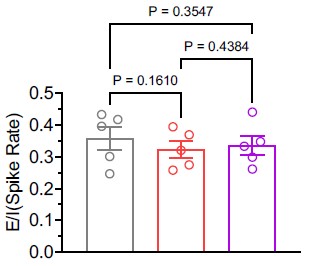
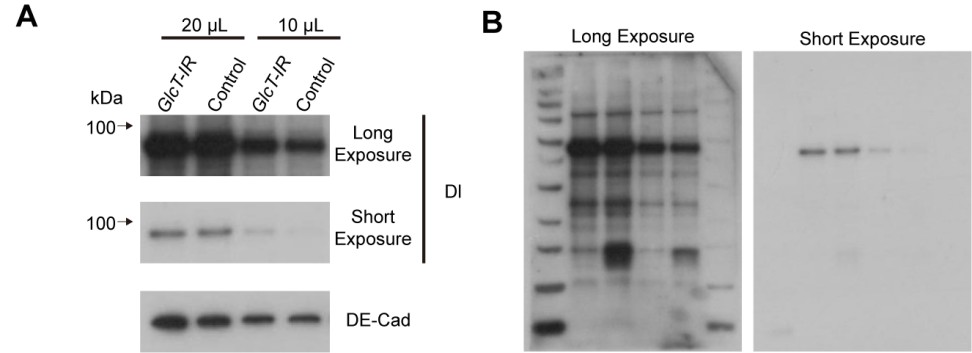
    1. Author response:

      The following is the authors’ response to the original reviews.

      Reviewer #1 (Public Review): 

      Strengths: 

      The work uses a simple and straightforward approach to address the question at hand: is dynein a processive motor in cells? Using a combination of TIRF and spinning disc confocal microscopy, the authors provide a clear and unambiguous answer to this question. 

      Thank you for the recognition of the strength of our work

      Weaknesses: 

      My only significant concern (which is quite minor) is that the authors focus their analysis on dynein movement in cells treated with docetaxol, which could potentially affect the observed behavior. However, this is likely necessary, as without it, motility would not have been observed due to the 'messiness' of dynein localization in a typical cell (e.g., plus end-tracking in addition to cargo transport).

      You are exactly correct that this treatment was required to provided us a clear view of motile dynein and p50 puncta. One concern about the treatment that we had noted in our original submission was that the docetaxel derivative SiR tubulin could increase microtubule detyrosination, which has been implicated in affecting the initiation of dynein-dynactin motility but not motility rates (doi: 10.15252/embj.201593071). In response to a comment from reviewer 2 we investigated whether there was a significant increase in alpha-tubulin detyrosination in our treatment conditions and found that there was not. We have removed the discussion of this possibility from the revised version. Please also see response to comments raised by reviewer 2. 

      Reviewer 1 (Recommendations for the authors):

      Major points: 

      (1) The authors measured kinesin-1-GFP intensities in a different cell line (drosophila S2 cells) than what was used for the DHC and p50 measurements (HeLa cells). It is unclear if this provides a fair comparison given the cells provide different environments for the GFP. Although the differences may in fact be trivial, without somehow showing this is indeed a fair comparison, it should at least be noted as a caveat when interpreting relative intensity differences. Alternatively, the authors could compare DHC and p50 intensities to those measured from HeLa cells treated with taxol. 

      Thank you for this suggestion. We conducted new rounds of imaging with the DHCEGFP and p50-EGFP clones in conjunction with HeLa cells transiently expressing the human kinesin-1-EGFP and now present the datasets from the new experiments. Importantly, our new data was entirely consistent with the prior analyses as there was not a significant difference between the kinesin-1-EGFP dimer intensities and the DHC-EGFP puncta intensities and there was a statistically significant difference in the intensity of p50 puncta, which were approximately half the intensity of the kinesin-1 and DHC. We have moved the old data comparing the intensities in S2 cells expressing kinesin-1-EGFP to Figure 3 - figure supplement 2 A-D and the new HeLa cell data is now shown in Figure 3 D-G.

      (2) Given the low number of observations (41-100 puncta), I think a scatter plot showing all data points would offer readers a more transparent means of viewing the single-molecule data presented in Figures 3A, B, C, and G. I also didn't see 'n' values for plots shown in Figure 3. 

      The box and whisker plots have now been replaced with scatter plots showing all data points. The accompanying ‘n’ values have been included in the figure 3 legend as well as the histograms in figures 1 and 2 that are represented in the comparative scatter plots.  

      (3) Given the authors have produced a body of work that challenges conclusions from another pre-print (Tirumala et al., 2022 bioRxiv) - specifically, that dynein is not processive in cells - I think it would be useful to include a short discussion about how their work challenges theirs. For example, one significant difference between the two experimental systems that may account for the different observations could simply be that the authors of the Tirumala study used a mouse DHC (in HeLa cells), which may not have the ability to assemble into active and processive dynein-dynactin-adaptor complexes. 

      Thank you for pointing this out! At the time we submitted our manuscript we were conflicted about citing a pre-print that had not been peer reviewed simply to point out the discrepancy. If we had done so at that time we would have proposed the exact potential technical issue that you have proposed here. However, at the time we felt it would be better for these issues to be addressed through the review process. Needless to say, we agree with your interpretation and now that the work is published (Tirumala et al. JCB, 2024) it is entirely appropriate to add a discussion on Tirumala et al. where contradictory observations were reported. 

      The following statement has been added to the manuscript: 

      “In contrast, a separate study (Tirumala et al., 2024) reported that dynein is not highly processive, typically exhibiting runs of very short duration (~0.6 s) in HeLa cells. A notable technical difference that may account for this discrepancy is that our study visualizes endogenously tagged human DHC, whereas Tirumala et al. characterized over-expressed mouse DHC in HeLa cells. Over-expression of the DHC may result in an imbalance of the subunits that comprise the active motor complex, leading to inactive, or less active complexes. Similarly, mouse DHC may not have the ability to efficiently assemble into active and processive dynein-dynactin-adaptor complexes to the same extent as human DHC.”

      Minor points: 

      (1) "Specifically, the adaptor BICD2 recruited a single dynein to dynactin while BICDR1 and HOOK3 supported assembly of a "double dynein" complex." It would be more accurate to say that dynein-dynactin complexes assembled with Bicd2 "tend to favor single dynein, and the Bicdr1 and Hook3 tend to favor two dyneins" since even Bicd2 can support assembly of 2 dynein-1 dynactin complexes (see Urnavicius et al, Nature 2018). 

      Thank you, the manuscript has been edited to reflect this point. 

      (2) "Human HeLa cells were engineered using CRISPR/Cas9 to insert a cassette encoding FKBP and EGFP tags in the frame at the 3' end of the dynein heavy chain (DYNC1H1) gene (SF1)." It is unclear to what "SF1" is referring. 

      SF1 is supplementary figure 1, which we have now clarified as being Figure 1 – figure supplement 1A.

      (3) "The SiR-Tubulin-treated cells were subjected to two-color TIRFM to determine if the DHC puncta exhibited motility and; indeed, puncta were observed streaming along MTs..." This sentence is strangely punctuated (the ";" is likely a typo?). 

      Thank you for pointing this out, the typo has been corrected and the sentence now reads:

      “The SiR-Tubulin-treated cells were subjected to two-color TIRFM and DHC-EGFP puncta were clearly observed streaming on Sir-Tubulin labeled MTs, which was especially evident on MTs that were pinned between the nucleus and the plasma membrane (Video 3)”

      (4) I am unfamiliar with the "MK" acronym shown above the molecular weight ladders in Figure 3H and I. Did the authors mean to use "MW" for molecular weight? 

      We intended this to mean MW and the typo has been corrected.

      (5) "This suggests that the cargos, which we presume motile dynein-dynactin puncta are bound to, any kinesins..." This sentence is confusing as written. Did the authors mean "and kinesins"? 

      Agreed. We have changed this sentence to now read: 

      “The velocity and low switching frequency of motile puncta suggest that any kinesin motors associated with cargos being transported by the dynein-dynactin visualized here are inactive and/or cannot effectively bind the MT lattice during dynein-dynactin-mediated transport in interphase HeLa cells.”

      Reviewer 2 (Recommendations for the authors):

      (1) I am confused as to why the authors introduced an FKBP tag to the DHC and no explanation is given. Is it possible this tag induces artificial dimerization of the DHC? 

      FKBP was tagged to DHC for potential knock sideways experiments. Since the current cell line does not express the FKBP counterpart FRB, having FKBP alone in the cell line would not lead to artificial dimerization of DHC.

      (2) The authors use a high concentration of SiR-tubulin (1uM) before washing it out. However, they observe strong effects on MT dynamics. The manufacturer states that concentrations below 100nM don't affect MT dynamics, so I am wondering why the authors are using such a high amount that leads to cellular phenotypes. 

      We would like to note that in our hands even 100 nM SiR-tubulin impacted MT dynamics if it was incubated for enough time to get a bright signal for imaging, which makes sense since drugs like docetaxel and taxol become enriched in cells over time. Thus, it was a trade-off between the extent/brightness of labeling and the effects on MT dynamics. We opted for shorter incubation with a higher concentration of Sir-Tubulin to achieve rapid MT labeling and efficient suppression of plus-end MT polymerization. This approach proved useful for our needs since the loss of the tip-tacking pool of DHC provided a clearer view of the motile population of MT-associated DHC.

      (3) The individual channels should be labeled in the supplemental movies. 

      They have now been labelled.

      (4) I would like to see example images and kymographs of the GFP-Kinesin-1 control used for fluorescent intensity analysis. Further, the authors use the mean of the intensity distribution, but I wonder why they don't fit the distribution to a Gaussian instead, as that seems more common in the field to me. Do the data fit well to a Gaussian distribution? 

      Example images and kymographs of the kinesin-1-EGFP control HeLa cells used for the updated fluorescent intensity analysis have been now added to the manuscript in Figure 3 - figure supplement 1. The kinesin-1-EGFP transiently expressed in HeLa cells exhibited a slower mean velocity and run length than the endogenously tagged HeLa dynein-dynactin. Regarding the distribution, we applied 6 normality tests to the new datasets acquired with DHC and p50 in comparison to human kinesin-EGFP in HeLa cells. While we are confident concluding that the data for p50 was normally distributed (p > 0.05 in 6/6), it was more difficult to reach conclusions about the normality of the datasets for kinesin-1 (p > 0.05 in 4/6) and DHC (p > 0.5 in 1/6). We have decided to report the data as scatter plots (per the suggestion in major point 1 by reviewer 1) in the new Figure 3G since it could be misleading to fit a non-normal distribution with a single Gaussian. We note that the likely non-normal distribution of the DHC data (since it “passed” only 1/6 normality tests) could reflect the presence of other populations (e.g. 1 DHC-EGFP in a motile puncta), but we could also not confidently conclude this since attempting to fit the data with a double Gaussian did not pass statistical muster. Indeed, as stated in the text, on lines 197-198 we do not exclude that the range of DHC intensities measured here may include sub-populations of complexes containing a single dynein dimer with one DHC-EGFP molecule.   

      Ultimately, we feel the safest conclusion is that there was not a statically significant difference between the DHC and kinesin-1 dimers (p = 0.32) but there was a statistically significant difference between both the DHC and kinesin-1 dimers compared to the p50 (p values < 0.001), which was ~50% the intensity of DHC and kinesin-1. Altogether this leads us to the fairly conservative conclusion that DHC puncta contain at least one dimer while the p50 puncta likely contain a single p50-EGFP molecule. 

      (5) The authors suggest the microtubules in the cells treated with SiR-tubulin may be more detyrosinated due to the treatment. Why don't they measure this using well-characterized antibodies that distinguish tyrosinated/detyrosinated microtubules in cells treated or not with SiR-tubulin? 

      At your suggestion, we carried out the experiment and found that under our labeling conditions there was not a notable difference in microtubule detyrosination between DMSO- and SiR-Tubulin-treated cells. Thus, we have removed this caveat from the revised manuscript.

      (6) "While we were unable to assess the relative expression levels of tagged versus untagged DHC for technical reasons." Please describe the technical reasons for the inability to measure DHC expression levels for the reader.

      We made several attempts to quantify the relative amounts of untagged and tagged protein by Western blotting. The high molecular weight of DHC (~500kDa) makes it difficult to resolve it on a conventional mini gel. We attempted running a gradient mini gel (4%-15%), and doing a western blot; however, we were still unable to detect DHC. To troubleshoot, the experiments were repeated with different dilutions of a commercially available antibody and varying concentrations of cell lysate; however, we were unable to obtain a satisfactory result. 

      We hold the view that even if it had it worked it would have been difficult to detect a relatively small difference between the untagged (MW = 500kDa) and tagged DHC (MW = 527kDa) by western blot. We have added language to this effect in the revised manuscript. 

      Reviewer #3 (Public Review):

      (1). CRISPR-edited HeLa clones: 

      (i) The authors indicate that both the DHC-EGFP and p50-EGFP lines are heterozygous and that the level of DHC-EGFP was not measured due to technical difficulties. However, quantification of the relative amounts of untagged and tagged DHC needs to be performed - either using Western blot, immunofluorescence or qPCR comparing the parent cell line and the cell lines used in this work. 

      See response to reviewer 2 above. 

      (ii) The localization of DHC predominantly at the plus tips (Fig. 1A) is at odds with other work where endogenous or close-to-endogenous levels of DHC were visualized in HeLa cells and other non-polarized cells like HEK293, A-431 and U-251MG (e.g.: OpenCell (https://opencell.czbiohub.org/target/CID001880), Human Protein Atlas  ), https://www.biorxiv.org/content/10.1101/2021.04.05.438428v3). The authors should perform immunofluorescence of DHC in the parental cells and DHC-EGFP cells to confirm there are no expression artifacts in the latter. Additionally, a comparison of the colocalization of DHC with EB1 in the parental and DHC-EGFP and p50-EGFP lines would be good to confirm MT plus-tip localisation of DHC in both lines. 

      The microtubule (MT) plus-tip localization of DHC was already observed in the 1990s, as evidenced by publications such as (PMID:10212138) and (PMID:12119357), which were further confirmed by Kobayashi and Murayama  in 2009 (PMID:19915671). We hold the view that further investigation into this localization is not worthwhile since the tip-tracking behavior of DHC-dynactin has been long-established in the field.

      (iii) It would also be useful to see entire fields of view of cells expressing DHC-EGFP and p50EGFP (e.g. in Spinning Disk microscopy) to understand if there is heterogeneity in expression. Similarly, it would be useful to report the relative levels of expression of EGFP (by measuring the total intensity of EGFP fluorescence per cell) in those cells employed for the analysis in the manuscript. 

      Representative images of fields have been added as Figure 1 - figure supplement 1B and Figure 2 – figure supplement 1 in the revised manuscript. We did not see drastic cell-tocell variation of expression within the clonal cell lines.

      (iv) Given that the authors suspect there is differential gene regulation in their CRISPR-edited lines, it cannot be concluded that the DHC-EGFP and p50-EGFP punctae tracked are functional and not piggybacking on untagged proteins. The authors could use the FKBP part of the FKBPEGFP tag to perform knock-sideways of the DHC and p50 to the plasma membrane and confirm abrogation of dynein activity by visualizing known dynein targets such as the Golgi (Golgi should disperse following recruitment of EGFP-tagged DHC-EGFP or p50-EGFP to the PM), or EGF (movement towards the cell center should cease). 

      Despite trying different concentrations and extensive troubleshooting, we were not able to replicate the reported observations of Ciliobrevin D or Dynarrestin during mitosis. We would like to emphasize that the velocity (1.2 μm/s) of dynein-dynactin complexes that we measured in HeLa cells was comparable to those measured in iNeurons by Fellows et al. (PMID: 38407313) and for unopposed dynein under in vitro conditions. 

      (2) TIFRM and analysis: 

      (i) What was the rationale for using TIRFM given its limitation of visualization at/near the plasma membrane? Are the authors confident they are in TIRF mode and not HILO, which would fit with the representative images shown in the manuscript? 

      To avoid overcrowding, it was important to image the MT tracks that that were pinned between the nucleus and the plasma membrane. It is unclear to us why the reviewer feels that true TIRFM could not be used to visualize the movement of dynein-dynactin on this population of MTs since the plasma membrane is ~ 3-5 nm and a MT is ~25-27 nm all of which would fall well within the 100-200 nm excitable range of the evanescent wave produced by TIRF. While we feel TIRF can effectively visualize dynein-dynactin motility in cells, we have mentioned the possibility that some imaging may be HILO microscopy in the materials and methods.

      (ii) At what depth are the authors imaging DHC-EGFP and p50-EGFP? 

      The imaging depth of traditional TIRFM is limited to around 100-200 nm. In adherent interphase HeLa cells the nucleus is in very close proximity (nanometer not micron scale) to the plasma membrane with some cytoskeletal filaments (actin) and microtubules positioned between the plasma membrane and the nuclear membrane. The fact that we were often visualizing MTs positioned between the nucleus and the membrane makes us confident that we were imaging at a depth (100 - 200nm) consistent with TIRFM. 

      (iii) The authors rely on manual inspection of tracks before analyzing them in kymographs - this is not rigorous and is prone to bias. They should instead track the molecules using single particle tracking tools (eg. TrackMate/uTrack), and use these traces to then quantify the displacement, velocity, and run-time. 

      Although automated single particle tracking tools offer several benefits, including reduced human effort, and scalability for large datasets, they often rely on specialized training datasets and do not generalize well to every dataset. The authors contend that under complex cellular environments human intervention is often necessary to achieve a reliable dataset. Considering the nature of our data we felt it was necessary to manually process the time-lapses. 

      (iv) It is unclear how the tracks that were eventually used in the quantification were chosen. Are they representative of the kind of movements seen? Kymographs of dynein movement along an entire MT/cell needs to be shown and all punctae that appear on MTs need to be tracked, and their movement quantified. 

      Considering the densely populated environment of a cell, it will be nearly impossible to quantity all the datasets. We selected tracks for quantification, focusing on areas where MTs were pinned between the nucleus and plasma membrane where we could track the movement of a single dynein molecule and where the surroundings were relatively less crowded. 

      (v) What is the directionality of the moving punctae? 

      In our experience, cells rarely organized their MTs in the textbook radial MT array meaning that one could not confidently conclude that “inward” movements were minus-end directed. Microtubule polarity was also not able to be determined for the MTs positioned between the plasma membrane and the nucleus on which many of the puncta we quantified were moving. It was clear that motile puncta moving on the same MT moved in the same direction with the exception of rare and brief directional switching events. What was more common than directional switching on the same MT were motile puncta exhibiting changes in direction at sharp (sometimes perpendicular) angles indicative of MT track switching, which is a well-characterized behavior of dynein-dynactin (See DOI: 10.1529/biophysj.107.120014).

      (vi) Since all the quantification was performed on SiR tubulin-treated cells, it is unclear if the behavior of dynein observed here reflects the behavior of dynein in untreated cells. Analysis of untreated cells is required. 

      It was important to quantify SiR tubulin-treated cells because SiR-Tubulin is a docetaxel derivative, and its addition suppressed plus-end MT polymerization resulting in a significant reduction in the DHC tip-tracking population and a clearer view of the motile population of MT-associated DHC puncta. Otherwise, it was challenging to reliably identify motile puncta given the abundance of DHC tip-tracking populations in untreated cells.  

      (3) Estimation of stoichiometry of DHC and p50 

      Given that the punctae of DHC-EGFP and p50 seemingly bleach on MT before the end of the movie, the authors should use photobleaching to estimate the number of molecules in their punctae, either by simple counting the number of bleaching steps or by measuring single-step sizes and estimating the number of molecules from the intensity of punctae in the first frame. 

      Comparing the fluorescence intensity of a known molecule (in our case a kinesin-1EGFP dimer) to calculate the numbers of an unknown protein molecule (in our case Dynein or p50) is a widely accepted technique in the field. For example, refer to PMID: 29899040. To accurately estimate the stoichiometry of DHC and p50 and address the concerns raised by other reviewers, we expressed the human kinesin-EGFP in HeLa cells and analyzed the datasets from new experiments. We did not observe any significant differences between our old and new datasets.

      (4) Discussion of prior literature 

      Recent work visualizing the behavior of dyneins in HeLa cells (DOI:  10.1101/2021.04.05.438428), which shows results that do not align with observations in this manuscript, has not been discussed. These contradictory findings need to be discussed, and a more objective assessment of the literature in general needs to be undertaken.

    1. Author response:

      The following is the authors’ response to the original reviews

      Reviewer #1 (Public Review):

      Overall, it's a well-performed study, however, causality between Plscr1 and Ifnlr1 expression needs to be more firmly established. This is because two recent studies of PLSCR1 KO cells infected with different viruses found no major differences in gene expression levels compared with their WT controls (Xu et al. Nature, 2023; LePen et al. PLoS Biol, 2024). There were also defects in the expression of other cytokines (type I and II IFNs plus TNF-alpha) so a clear explanation of why Ifnlr1 was chosen should also be given.

      We appreciate the reviewer’s reference to the two recently published research on PLSCR1’s role in SARS-CoV-2 infections. We have also discussed those studies in the Introduction and Discussion sections of this manuscript. Here, we would like to clarify ourselves for the rationale of investigating Ifn-λr1 signaling.

      The reviewer mentioned “defects in the expression of other cytokines (type I and II IFNs plus TNF-alpha)” and requested a clearer explanation of why Ifnlr1 was chosen for study. In our investigation of IAV infection, we observed no defects in the expression of type I and II IFNs or TNF-α in Plscr1<sup>-/-</sup> mice; rather, these cytokines were expressed at even higher levels compared to WT controls (Figures 2D and 3A). This indicates that the type I and II IFN and TNF-α signaling pathways remain intact and are not negatively affected by the loss of Plscr1. Notably, Ifn-λr1 expression is the only one among all IFNs and their receptors that is significantly impaired in Plscr1<sup>-/-</sup> mice (Figure 3A), justifying our focused investigation of this receptor. To further clarify this point, we have expanded the explanation under the section titled “Plscr1 Binds to Ifn-λr1 Promoter and Activates Ifn-λr1 Transcription in IAV Infection” within the Results. The reviewer noted that previously published studies “found no major differences in gene expression levels compared with their WT controls”, but neither study examined Ifn-λr1 expression.

      (1) The authors propose that Plscr1 restricts IAV infection by regulating the type III IFN signaling pathway. While the data show a positive correlation between Ifnlr1 and Plscr1 levels in both mouse and cell culture models, additional evidence is needed to establish causality between the impaired type III IFN pathway, and the increased susceptibility observed in Plscr1-KO mice. To strengthen this conclusion, the following experiments could be undertaken: (i) Measure IAV titers in WT, Plscr1-KO, Ifnlr1-KO, and Plscr1/ Ifnlr1-double KO cells. If the antiviral activity of Plscr1 is highly dependent on Ifnlr1, there should be no further increase in IAV titers in double KO cells compared to single KO cells; (ii) over-express Plscr1 in Ifnlr1-KO cells to determine if it still inhibits IAV infection. If Plscr1's main action is to upregulate Ifnlr1, then it should not be able to rescue susceptibility since Ifnlr1 cannot be expressed in the KO background. If Plscr1 over-expression rescues viral susceptibility, then there are Ifnlr1-independent mechanisms involved. These experiments should help clarify the relative contribution of the type III IFN pathway to Plscr1-mediated antiviral immunity.

      We agree with the reviewer that additional evidence is necessary to establish causality between the impaired type III IFN pathway and the increased susceptibility observed in Plscr1-KO mice. As requested by the reviewer, and one step further, we have measured IAV titers in Wt, Plscr1<sup>-/-</sup>, Ifn-λr1<sup>-/-</sup>, and Plscr1<sup>-/-</sup>Ifn-λr1<sup>-/-</sup> mouse lungs, which provided us with more comprehensive information at the tissue and organismal level compared to cell culture models. Our results are detailed under “The Anti-Influenza Activity of Plscr1 Is Highly Dependent on Ifn-λr1” within “Results” section and in Supplemental Figure 5. Importantly, there was no further increase in weight loss (Supplemental Figure 5B), total BAL cell counts (Supplemental Figure 5C), neutrophil percentages (Supplemental Figure 5D), and IAV titers (Supplemental Figure 5E) in Plscr1<sup>-/-</sup>Ifn-λr1<sup>-/-</sup> mouse lungs compared to Ifn-λr1<sup>-/-</sup> mouse lungs. These findings indicate that the antiviral activity of Plscr1 is largely dependent on Ifn-λr1.

      We agree that overexpression of Plscr1 on an Ifn-λr1<sup>-/-</sup> background would provide additional evidence to support our conclusion from the Plscr1<sup>-/-</sup>Ifn-λr1<sup>-/-</sup> mice. In future studies, we plan to specifically overexpress Plscr1 in ciliated epithelial cells on the Ifn-λr1<sup>-/-</sup> background by breeding Plscr1<sup>floxStop</sup>Foxj1-Cre<sup>+</sup>Ifn-λr1<sup>-/-</sup> mice. In addition, ciliated epithelial cells isolated from Ifn-λr1<sup>-/-</sup> murine airways could be transduced with a Plscr1 construct for overexpression. We hypothesize that overexpression of Plscr1 in ciliated epithelial cells will not rescue susceptibility in Ifn-λr1<sup>-/-</sup> mice or cells, since our Plscr1<sup>-/-</sup>Ifn-λr1<sup>-/-</sup> mouse model suggest that Ifn-λr1-independent anti-influenza functions of Plscr1 are likely minor compared to its role in upregulating Ifn-λr1. These future plans have been added to the “Discussion” section, and we look forward to presenting our results in a forthcoming publication.

      (3) In Figure 4, the authors demonstrate the interaction between Plscr1 and Ifnlr1. They suggest that this interaction modulates IFN-λ signaling. However, Figures 5C-E show that the 5CA mutant, which lacks surface localization and the ability to bind Ifnlr1, exhibits similar anti-flu activity to WT Plscr1. Does this mean the interaction between Plscr1 and Ifnlr1 is dispensable for Plscr1-mediated antiviral function? Can the authors compare the activation of IFN-λ signaling pathway in Plscr1-KO cells expressing empty vector, WT Plscr1, and 5CA mutant? This could be done by measuring downstream ISG expression or using an ISRE-luciferase reporter assay upon IFN-λ treatment.

      We agree with the reviewer that downstream activation of the IFN-λ signaling pathway is a critical component of the proposed regulatory role of PLSCR1. As suggested, we attempted to perform an ISRE-luciferase reporter assay following IFN-λ treatment in PLSCR1 rescue cell lines by transfecting the cells with hGAPDH-rLuc (Addgene #82479) and pGL4.45 [luc2P/ISRE/Hygro] (Promega #E4041).

      Despite extensive efforts over several months, we were unable to achieve expression of pGL4.45 [luc2P/ISRE/Hygro] in PLSCR1 rescue cells using either Lipofectamine 3000 or electroporation, as no firefly luciferase activity was detected at baseline or following IFN-λ treatment. In contrast, hGAPDH-rLuc was robustly expressed in these cells.

      The pGL4.45 [luc2P/ISRE/Hygro] plasmid was obtained directly from Promega as a purified product, and its sequence was confirmed via whole plasmid sequencing. Additionally, both hGAPDH-rLuc and pGL4.45 [luc2P/ISRE/Hygro] were successfully expressed in 293T cells, indicating that neither the plasmids nor the transfection protocols are inherently faulty.

      We suspect that prior modifications to the PLSCR1 rescue cells—such as CRISPR-mediated knockout and lentiviral transduction—may interfere with successful transfection of pGL4.45 [luc2P/ISRE/Hygro] through an as-yet-unknown mechanism. Although these results are disappointing, we will continue troubleshooting and plan to communicate in a separate manuscript once the luciferase assay is successfully established.

      Reviewer #1 (Recommendations):

      (1) In the introduction, the linkage between the paragraph discussing type III IFN and PLSCR1 needs to be better established. The mention of PLSCR1 being an ISG at the outset may help connect these two paragraphs and make the text appear more logical.

      We apologize for the lack of linkage and logic between type 3 IFN and PLSCR1. We have introduced PLSCR1 as an ISG at the beginning of its paragraph as recommended. 

      (2) The statement that, “Intriguingly, PLSCR1 is also an antiviral ISG, as its expression can be highly induced by type 1 and 2 interferons in various viral infections[15, 16]. However, whether its expression can be similarly induced by type 3 interferon has not been studied yet.” is incorrect. Xu et al. tested the role of PLSCR1 in type III IFN-induced control of SARS-CoV-2 (ref. 24). This needs to be revised.

      We apologize for the incorrect information in the introduction and have revised the paragraph with the proper citation.

      (3) In Figure 3B, can the authors provide a comprehensive heatmap that includes all ISGs above the threshold, rather than only a subset? This would offer a more complete overview of the changes in type I, II, and III IFN pathways in Plscr1-KO mice.

      As suggested by the reviewer, we have provided a comprehensive heatmap that includes all ISGs above the threshold in Figure 3C (previously Figure 3B). We identified a total of 1,113 ISGs in our dataset with a fold change ≥2. Enlarged heatmaps with gene names are provided in Supplemental Figure 1. Among those ISGs, 584 are regulated exclusively by type 1 IFNs, and 488 are regulated by both type 1 and type 2 interferons. Unfortunately, the Interferome database does not include information on type 3 IFN-inducible genes in mice[1]. Although many ISGs were robustly upregulated in Plscr1<sup>-/-</sup> infected lungs, consistent with inflammation data, a large subset of ISGs failed to be transcribed when Ifn-λr1 function was impaired, especially at 7 dpi. We suspect that those non-transcribed ISGs in Plscr1<sup>-/-</sup> mice may be specifically regulated by type 3 IFN and represent interesting targets for future research. These results have been added to “Plscr1 Binds to Ifn-λr1 Promoter and Activates Ifn-λr1 Transcription in IAV Infection” within “Results” section.

      (4) In Figure 3C, 5B and 7H, immunoblots should also be included to measure changes of Ifnlr1/IFNLR1 protein level.

      As requested by the reviewer, we have provided western blots measuring Ifn-λr1/IFN-λR1 protein level in Figure 5B and 7I. The protein expressions were consistent with the PCR results.

      (5) In Figure 3H, the amount of RPL30 is also low in the anti-PLSCR1-treated and IgG samples, making it difficult to estimate if ChIP binding is genuinely impacted.

      RPL30 Exon 3 serves as a negative control in the ChIP experiment and is not expected to bind either the anti-PLSCR1-treated or the IgG control samples. Anti-Histone H3 treatment is a positive control, with the treated sample expected to show binding to RPL30 Exon 3. We hope this clarification has addressed any further potential confusion from the reviewer.

      (6) In Figure 4A, can the authors show a larger slice of the gel with molecular weight markers for both Plscr1 and Ifnlr1. In the coIP, the binding may be indirect through intermediate partners. Proximity ligation assay is a more direct assay for interaction and can be stated as such.

      As suggested by the reviewer, we have included whole gel images of Figure 4A with molecular weight markers for both Plscr1 and Ifnlr1 in Supplemental Figure 3. We appreciate the reviewer’s affirmation of proximity ligation assay and have stated it as a more direct assay for interaction under “Plscr1 Interacts with Ifn-λr1 on Pulmonary Epithelial Cell Membrane in IAV Infection” in “Results” section.

      (7) In Figure 5A, how is the expression of PLSCR1 WT and mutants driven by an EF-1α promoter can be further upregulated by IAV infection? Can the authors also use immunoblots to examine the protein level of PLSCR1?

      We apologize for the confusion and appreciate the reviewer’s careful observation. We were initially surprised by this finding as well, but upon further investigation, we found out that the human PLSCR1 primers used in our qRT-PCR assay can still detect the transcription from the undisturbed portion of the endogenous PLSCR1 mRNA, even in PLSCR1<sup>-/-</sup> cells. In the original Figure 5A, data for vector-transduced PLSCR1<sup>-/-</sup> were not included because PCR was not performed on those samples at the time. After conducting PCR for vector-transduced PLSCR1<sup>-/-</sup> cells, we detected transcription of PLSCR1, which confirms that the signaling originates from endogenous DNA, but not from the EF-1α promoter-driven PLSCR1 plasmid. Please see Author response image 1 below.

      Author response image 1.

      The forward human PLSCR1 primer we used matches 15-34 nt of Wt PLSCR1, and the reverse primer matches 224-244 nt of Wt PLSCR1. CRISPR-Cas9 KO of PLSCR1 was mediated by sgRNAs in A549 cells and was performed by Xu et al[2]. sgRNA #1 matches 227-246 nt, sgRNA #2 matches 209-228 nt, and sgRNA #3 matches 689-708 nt of Wt PLSCR1. The sgRNAs likely introduced a short deletion or insertion that does not affect transcription. However, those endogenous mRNA transcripts cannot be translated to functional and detectable PLSCR1 proteins, as validated by our western blot (below), as well as western blots performed by Xu et al[2]. Therefore, our primers could amplify endogenous PLSCR1 transcripts upregulated by IAV infection, if 15-244 nt was not disturbed by CRISPR-Cas9 KO. By western blot, we confirmed that only endogenous PLSCR1 expression is upregulated by IAV infection, and exogenous protein expression of PLSCR1 plasmids driven by an EF-1α promoter are not upregulated by IAV infection.

      Author response image 2.

      To avoid confusion, we have removed the original Figure 5A from the manuscript.

      (8) In Figure 5C, the loss of anti-flu activity with the H262Y mutant is modest, suggesting the loss of ifnlr1 transcription is only partly responsible for the susceptibility of Plscr1 KO cells. The anti-flu activity being independent of scramblase activity resembles the earlier discovery of SARS-CoV-2 (Xu et al., 2024). This could be stated in the results since it is an important point that scramblase activity is dispensable for several major human viruses and shifts the emphasis regarding mechanism. It has been appropriately noted in the discussion.

      We appreciated the comments and have acknowledged the consistency of our results with those of Xu et al. under “Both Cell Surface and Nuclear PLSCR1 Regulates IFN-λ Signaling and Limits IAV Infection Independent of Its Enzymatic Activity” in the “Results” section.

      Reviewer #2 (Recommendations):

      (1) The statement that type I interferons are expressed by “almost all cells” is inaccurate (line 61). Type I IFN production is also context-dependent and often restricted to specific cell types upon infection or stimulation.

      We apologize for the inaccurate description of the expression pattern of type 1 IFNs and have corrected the restricted cellular sources of type 1 IFNs in the “Introduction”.

      (2) The antiviral response is assessed solely through flu M gene expression. Incorporating infectious virus titers (e.g., TCID50 or plaque assay) would provide a more robust and direct measure of antiviral activity.

      As requested by the reviewer, we have performed plaque assays on all experiments where flu M gene expression levels were measured (Figure 1G, 5E and 7F, and Supplemental Figure 6E). The plaque assay results are consistent with the flu M gene expressions.

      (3) While mRNA expression of interferons is measured, protein levels (e.g., through ELISA) should also be quantified to establish the functional relevance of IFN expression changes.

      As requested by the reviewer, we have quantified the protein level of IFN-λ in mouse BAL with ELISA (Figure 2E). The ELISA results are consistent with the mRNA expressions of IFN-λ.

      (4) It is unclear whether reduced IFNLR1 expression translates to defective downstream signaling or antiviral responses after IFN-λ treatment in PLSCR1-deficient cells. This is particularly pertinent given the increase in IFN-λ ligand in vivo, which might compensate for receptor downregulation.

      We agree with the reviewer that downstream activation of the IFN-λ signaling pathway is a critical aspect of PLSCR1’s proposed regulatory role. To investigate this, we attempted an ISRE-luciferase reporter assay to assess downstream signaling following IFN-λ treatment in PLSCR1 rescue cells. Unfortunately, the experiment encountered unforeseen technical issues. For additional context, please refer to our response to Reviewer #1’s public review #3.

      (5) Detailed gating strategies for immune cell subsets are absent and should be included for clarity and reproducibility.

      We would like to clarify that the immune cell subsets in BAL fluids were counted manually following cytospin preparation and Diff-Quik staining (Figure 2B and 7H, and Supplemental Figures 2C, 5D, and 8D), rather than by flow cytometry. We hope this resolves the reviewer’s confusion.

      (6) The study does not definitively establish that reduced IFN-λ signaling causes the observed in vivo phenotype. Increased morbidity and mortality in PLSCR1-deficient mice could also stem from elevated TNF-α levels and lung damage, as proinflammatory cytokines and/or enhanced lung damage are known contributors to influenza morbidity and mortality. This point warrants detailed discussions.

      We agreed with the reviewer that this study does not guarantee a definitive causality between reduced IFN-λ signaling and increased morbidity of Plscr1<sup>-/-</sup> mice and more experiments are needed to reach the conclusion. We have acknowledged this limitation of our study in the “Discussion”, as requested by the reviewer. We hope to fully eliminate the confounding elements and definitively establish the proposed causality in future studies.

      Reviewer #3 (Public review):

      Summary:

      Yang et al. have investigated the role of PLSCR1, an antiviral interferon-stimulated gene (ISG), in host protection against IAV infection. Although some antiviral effects of PLSCR1 have been described, its full activity remains incompletely understood.

      This study now shows that Plscr1 expression is induced by IAV infection in the respiratory epithelium, and Plscr1 acts to increase Ifn-λr1 expression and enhance IFN-λ signaling possibly through protein-protein interactions on the cell membrane.

      Strengths:

      The study sheds light on the way Ifnlr1 expression is regulated, an area of research where little is known. The study is extensive and well-performed with relevant genetically modified mouse models and tools.

      Weaknesses:

      There are some issues that need to be clarified/corrected in the results and figures as presented.

      Also, the study does not provide much information about the role of PLSCR1 in the regulation of Ifn-λr1 expression and function in immune cells. This would have been a plus.

      We would like to thank the reviewer for the positive feedback and insightful comment regarding the roles of PLSCR1 and IFN-λR1 in immune cells. It is important to note that IFN-λR1 expression is highly restricted in immune cells and is primarily limited to neutrophils and dendritic cells[3]. While dendritic cells were not the focus of this study, we did examine all immune cell subsets in our single cell RNA seq data and performed infection experiments in Plscr1<sup>floxStop</sup>/LysM-Cre<sup>+</sup> mice. We have not observed any significant findings in these populations. On the other hand, we do have some interesting preliminary data suggesting a role for PLSCR1 in regulating Ifn-λr1 expression and function in neutrophils. These findings are discussed in detail in our response to reviewer #3’s recommendation #12.

      Reviewer #3 (Recommendations):

      (1) In Figure 1B, the Plscr1 label should be moved to the y-axis so that readers don't confuse it with the Plscr1-/- mice used in the other figure panels. The fact that WT mice were used should be added in the figure legend.

      We apologize for the confusion in the figures. We have moved Plscr1 label to the y-axis in Figure 1B and have mentioned Wt mice were used in the figure legend.

      (2) In Figure 1C and D, the type of dose leading to the presented data should be added to help the reader. Also, shouldn't statistics be added?

      We appreciate the suggestion and have added doses to Figure 1C and 1D. We are confused about the request of adding statistics by the reviewer, as two-way ANOVA tests were used to compare weight losses, and the significance was labeled on the figures.

      (3) In Figures 1, F, and G, it is not indicated whether sublethal or lethal dose was used for the IAV infection. This should be very clear in the figure and figure legend.

      We apologize for the confusion of infection doses used in the figures. We have added doses to Figure 1F, 1G and 1H.

      (4) In Figure 1, the CTCF abbreviation should be explained in the Figure legend.

      We have explained CTCF in the figure legend as requested.

      (5) In Figure 2B, this is percentages of what?

      Figure 2B shows the percentages of each immune cell type within total BAL cells.

      (6) In Figures 3A and B, transcriptomes for each condition are from how many mice? Also, what do heatmaps show? Fold induction, differences, etc, and from what? What is compared with what? In addition, is there a discordance between the RNAseq data of Figure 3A and the qPCR data of Fig. 3C in terms of Ifnlr1 expression?

      In Figure 3A and 3C (previously 3B), RNA from the whole lungs of 9 mice per PBS-treated group and 4 mice per IAV-infected group were pooled for transcriptomic analysis. Figure 3A represents a heatmap of differential gene expression, while Figure 3C (previously 3B) represents fold changes in gene expression relative to uninfected controls. In both heatmaps, gene expression values are color-coded from row minimum (blue) to row maximum (red), enabling comparison across groups within each gene (row). The major comparison of interest in these heatmaps is between Wt infected mice versus Plscr1<sup>-/-</sup> infected mice. We have added this information to the figure legend.

      We also acknowledge the reviewer’s observation regarding the discordance between the RNA seq data of Figure 3A and the qPCR data of Figure 3B (previously 3C) for Ifnlr1 expression. To address this, we have repeated the qRT-PCR experiment with additional samples at 7 dpi. In the updated results, Wt mice consistently show significantly higher Ifn-λr1 expression than Plscr1<sup>-/-</sup> infected mice at both 3 dpi and 7 dpi, consistent with the RNA seq data. However, a time-dependent discrepancy between the RNA-seq and qRT-PCR datasets remains: Ifn-λr1 expression continues to increase at 7 dpi in the RNA-seq data (Figure 3A), whereas it declines in the qRT-PCR results (Figure 3B). The reason for this discrepancy remains unclear and has been addressed in the Discussion section.

      (7) In Figure 3D, have the authors checked whether the Ifnlr1 antibody they use is indeed specific for Ifnlr1? Have they used any blocking peptide for the anti-mouse Ifn-λr1 polyclonal antibody they are using? Also, in Figure 3E, the marker used for staining should be indicated in the pictures of the lung section.

      Unfortunately, a blocking peptide is not available for the anti-mouse Ifn-λr1 polyclonal antibody used in our study. To assess antibody specificity, we have performed immunofluorescence staining of Ifn-λr1 on lung tissues from Ifn-λr1<sup>-/-</sup> mice using the same antibody. No signal was detected (Supplemental Figure 5A), supporting the specificity of the antibody for Ifn-λr1.

      As requested by the reviewer, we have added the marker (Ifn-λr1) to the pictures of the lung section in Figure 3E.

      (8) In Figure 5, it's better to move each graph's label that stands to the top (e.g. PLSCR1, IFN-λR1 etc) to the y-axis label so that it doesn't get confused with the mouse -/- label.

      We apologize for the confusion and have moved the top label to the y-axis in Figure 5.

      (9) In Figure 6A, it is claimed that the 'two-dimensional UMAP demonstrated that these main lung cell populations (epithelial, endothelial, mesenchymal, and immune) were dynamic over the course of infection.'. This is not clear by the data. The percentage of cells per cluster should be calculated.

      As requested by the reviewer, the proportion (Supplemental Figure 6A) and cell count (Supplemental Figure 6B) of each cluster have been calculated and included in “PLSCR1 Expression Is Upregulated in the Ciliated Airway Epithelial Compartment of Mice following Flu Infection” under “Results” section. Together with the two-dimensional UMAP (Figure 6A), these data demonstrate that the main lung cell populations (epithelial, endothelial, mesenchymal, and immune) were dynamic over the course of infection. Following infection, many populations emerged, particularly within the immune cell clusters. At the same time, some clusters were initially depleted and later restored, such as microvascular endothelial cells (cluster 2). Other populations, such as interferon-responsive fibroblasts (cluster 20), showed a dramatic yet transient expansion during acute infection and disappeared after infection resolved.

      (10) In Figure 6 B and C, the legend should indicate that these are Violin plots. Also, if AT2 cells don't express Plscr1, does that indicate that in these cells Plscr1 is not needed for IFN-λR1 expression?

      As requested, we have indicated in the legend of Figure 6B and 6C that these are violin plots. Plscr1 is expressed at low levels in AT2 cells. However, it is unclear whether Plscr1 is needed for Ifn-λr1 expression in AT2 cells, and it would be interesting to investigate further.

      (11) In lines 302-304, it is stated that 'Among the various epithelial populations, ciliated epithelial cells not only had 303 the highest aggregated expression of Plscr1, but also were the only epithelial cell 304 population in which significantly more Plscr1 was induced in response to IAV infection.'. Which data/ figure support this statement?

      Figure 6B shows that among the various epithelial populations, ciliated epithelial cells had the highest aggregated expression of Plscr1. To better illustrate this statement, we have rearranged the order of cell clusters from highest to lowest Plscr1 expression, and added red dots to indicate the mean expression levels for each cluster in Figure 6B.

      Ciliated epithelial cells also had the most significant increase in Plscr1 expression (p < 2.22e-16 and p = 6.7e-05) in early IAV infection at 3 dpi (Figure 6C and Supplemental Figure 7A-7K). In comparison, AT1 cells were the only other epithelial cluster to show Plscr1 upregulation at 3dpi, but to a much less extent (p = 0.033, Supplemental Figure 7J). Supplemental Figure 7 was added to better support the statement and the explanation was added to “PLSCR1 Expression Is Upregulated in the Ciliated Airway Epithelial Compartment of Mice following Flu Infection” under “Results” section.

      (12) As earlier, if Plscr1 is not expressed in neutrophils (Figure 6F), does that mean IFN-λR1 expression does not require Plscr1 in these cells?

      Although Plscr1 is expressed at lower levels in neutrophils compared to epithelial cells, it is still detectable. In fact, our preliminary data suggest that IFN-λR1 expression in neutrophils is dependent on Plscr1. We have isolated neutrophils from peripheral blood and BAL of IAV-infected Wt and Plscr1<sup>-/-</sup> mice using a mouse neutrophil enrichment kit. Quantitative PCR results showed that Plscr1<sup>-/-</sup> neutrophils exhibit significantly lower expression of Ifn-λr1, alongside elevated levels of Il-1β, Il-6 and Tnf-α in IAV infection (see figures below). These findings suggest that Plscr1 may play an anti-inflammatory role in neutrophils by upregulating Ifn-λr1. These data were not included in the current manuscript because they are beyond the scope of current study, but we hope to address the role of PLSCR1 in regulating IFN-λR1 expression and function in neutrophils in a future study.

      Author response image 3.

      (13) The Figure 7A legend is not well stated. Something like ' Schematic representation of the experimental design of...' should be included. Also, Figure 7J is not referenced in the text.

      We apologize for the unclear Figure 7A legend and have changed it to “Schematic representation of the experimental design of ciliated epithelial cell conditional Plscr1 KI mice.” Figure 8 (previously Figure 7J) has now been referenced in the text.

      (14) In the Methods, more specific information in some parts should be provided. For example, the clones of the antibodies used should be included.

      Apart from the 10x technology, the kits used and the type of the Illumina sequencing should be provided. Information on how the QC was performed (threshold for reads/cell, detected genes/per cells, and % of mitochondrial genes etc) should be added.

      We apologize for the missing information in the “Methods”. We have now provided the clones of the antibodies used, the kit used to generate single-cell transcriptomic libraries, the type of the Illumina sequencing, and the QC performance data.

      References

      (1) Rusinova, I., et al., Interferome v2.0: an updated database of annotated interferon-regulated genes. Nucleic Acids Res, 2013. 41(Database issue): p. D1040-6.

      (2) Xu, D., et al., PLSCR1 is a cell-autonomous defence factor against SARS-CoV-2 infection. Nature, 2023. 619(7971): p. 819-827.

      (3) Donnelly, R.P., et al., The expanded family of class II cytokines that share the IL-10 receptor-2 (IL-10R2) chain. J Leukoc Biol, 2004. 76(2): p. 314-21.

    1. Author response:

      The following is the authors’ response to the original reviews.

      Reviewer #1 (Public Review):

      Here the authors discuss mechanisms of ligand binding and conformational changes in GlnBP (a small E Coli periplasmic binding protein, which binds and carries L-glutamine to the inner membrane ATP-binding cassette (ABC) transporter). The authors have distinguished records in this area and have published seminal works. They include experimentalists and computational scientists. Accordingly, they provide comprehensive, high-quality, experimental and computational work. They observe that apo- and holo- GlnBP does not generate detectable exchange between open and (semi-) closed conformations on timescales between 100 ns and 10 ms. Especially, the ligand binding and conformational changes in GlnBP that they observe are highly correlated. Their analysis of the results indicates a dominant induced-fit mechanism, where the ligand binds GlnBP prior to conformational rearrangements. They then suggest that an approach resembling the one they undertook can be applied to other protein systems where the coupling mechanism of conformational changes and ligand binding. They argue that the intuitive model where ligand binding triggers a functionally relevant conformational change was challenged by structural experiments and MD simulations revealing the existence of unliganded closed or semi-closed states and their dynamic exchange with open unbound conformations, discuss alternative mechanisms that were proposed, their merits and difficulties, concluding that the findings were controversial, which, they suggest is due to insufficient availability of experimental evidence to distinguish them. As to further specific conclusions they draw from their results, they determine that a conformational selection mechanism is incompatible with their results, but induced fit is. They thus propose induced fit as the dominant pathway for GlnBP, further supported by the notion that the open conformation is much more likely to bind substrate than the closed one based on steric arguments. Considering the landscape of substrate-free states, in my view, the closed state is likely to be the most stable and, thus most highly populated. As the authors note and I agree that state can be sterically infeasible for a deep-pocketed substrate. As indeed they also underscore, there is likely to be a range of open states. If the populations of certain states are extremely low, they may not be detected by the experimental (or computational) methods. The free energy landscape of the protein can populate all possible states, with the populations determined by their relative energies. In principle, the protein can visit all states. Whether a particular state is observed depends on the time the protein spends in that state. The frequencies, or propensities, of the visits can determine the protein function. As to a specific order of events, in my view, there isn't any. It is a matter of probabilities which depend on the populations (energies) of the states. The open conformation that is likely to bind is the most favorable, permitting substrate access, followed by minor, induced fit conformational changes. However, a key factor is the ligand concentration. Ligand binding requires overcoming barriers to sustain the equilibrium of the unliganded ensemble, thus time. If the population of the state is low, and ligand concentration is high (often the case in in vitro experiments, and high drug dosage scenarios) binding is likely to take place across a range of available states. This is however a personal interpretation of the data. The paper here, which clearly embodies massive careful, and high-quality work, is extensive, making use of a range of experimental approaches, including isothermal titration calorimetry, single-molecule Förster resonance energy transfer, and surface-plasmon resonance spectroscopy. The problem the authors undertake is of fundamental importance.

      Reviewer #2 (Public Review):

      The manuscript by Han et al and Cordes is a tour-de-force effort to distinguish between induced fit and conformational selection in glutamine binding protein (GlnBP). 

      We thank the referee for the recognition of the work and effort that has gone into this manuscript. 

      It is important to say that I don't agree that a decision needs to be made between these two limiting possibilities in the sense that whether a minor population can be observed depends on the experiment and the energy difference between the states. That said, the authors make an important distinction which is that it is not sufficient to observe both states in the ligand-free solution because it is likely that the ligand will not bind to the already closed state. The ligand binds to the open state and the question then is whether the ligand sufficiently changes the energy of the open state to effectively cause it to close. The authors point out that this question requires both a kinetic and a thermodynamic answer. Their "method" combines isothermal titration calorimetry, single-molecule FRET including key results from multi-parameter photon-by-photon hidden Markov modelling (mpH2MM), and SPR. The authors present this "method" of combination of experiments as an approach to definitively differentiate between induced fit and conformational selection. I applaud the rigor with which they perform all of the experiments and agree that others who want to understand the exact mechanism of protein conformational changes connected to ligand binding need to do such a multitude of different experiments to fully characterize the process. However, the situation of GlnBP is somewhat unique in the high affinity of the Gln (slow offrate) as compared to many small molecule binding situations such as enzyme-substrate complexes. It is therefore not surprising that the kinetics result in an induced fit situation. 

      For us these comments are an essential part of the conceptual aspects of our work and the resulting research. From a descriptive viewpoint, it is essential for us (and we tried to further highlight and stress this in the updated version of our paper) that IF and CS are two kinetic mechanisms of ligand binding. They imply – if active in a biomolecular system – a temporal order and timescale separation of ligand binding and conformational changes. Since we found many conflicting results for the binding mechanism of GlnBP, but also other SPBs, we decided to assess the situation in GlnBP. 

      In the case of the E-S complexes I am familiar with, the dissociation is much more rapid because the substrate binding affinity is in the micromolar range and therefore the re-equilibration of the apo state is much faster. In this case, the rate of closing and opening doesn't change much whether ligand is present or not. Here, of course, once the ligand is bound the re-equilibration is slow. Therefore, I am not sure if the conclusions based on this single protein are transferrable to most other protein-small molecule systems. 

      We do not argue that our results and interpretations are valid for most other protein-ligand systems may those be enzymes or simple ligand binders. Yet, based on the conservation of ABC-related SBPs and the fact that quite a few of them show sub-µM Kds, we render it likely to find many analogous situations as for GlnBP also based on our previous results e.g., from de Boer et al., eLife (2019).

      I am also not sure if they are transferrable to protein-protein systems where both molecules the ligand and the receptor are expected to have multiscale dynamics that change upon binding.

      As we argue above the two mechanisms IF/CS imply a clear temporal order and separation of timescales for ligand binding and conformational changes. These mechanisms are simple and extreme cases that we tested before more complex kinetic schemes are inferred for the description of ligand binding and conformational changes (which might not be necessary). 

      Strengths:

      The authors provide beautiful ITC data and smFRET data to explore the conformational changes that occur upon Gln binding. Figure 3D and Figure 4 (mpH2MM data) provide the really critical data. The multi-parameter photon-by-photon hidden Markov modelling (mpH2MM) data. In the presence of glutamine concentrations near the Kd, two FRET-active sub-populations are identified that appear to interconvert on timescales slower than 10 ms. They then do a whole bunch of control experiments to look for faster dynamics (Figure 5). They also do TIRF smFRET to try to compare their results to those of previous publications. Here, they find several artifacts are occurring including inactivation of ~50% of the proteins. They also perform SPR experiments to measure the association rate of Gln and obtain expectedly rapid association rates on the order of 10<sup>^</sup>8 M-1s-1.

      Thank you.  

      Weaknesses:

      Looking at the traces presented in the supplementary figures, one can see that several of the traces have more than one molecule present. The authors should make sure that they use only traces with a single photobleaching event for each fluorophore. One can see steps in some of the green traces that indicate two green fluorophors (likely from 2 different molecules) in the traces. This is one of the frequent problems with TIRF smFRET with proteins, that only some of the spots represent single molecules and the rest need to be filtered out of the analysis.

      We have inspected all TIRF data provided with the manuscript and assume that the referee refers to data shown in current Appendix Figure 4/5. We agree that those traces in which no photo bleaching occurs could potentially be questioned, yet they would not change our interpretations and thus decided to leave the figure as is.

      The NMR experiments that the authors cite are not in disagreement with the work presented here. NMR is capable of detecting "invisible states" that occur in 1-5% of the population. SmFRET is not capable of detecting these very minor states. I am quite sure that if NMR spectroscopists could add very high concentrations of Gln they would also see a conversion to the closed population.

      We agree with the referee that NMR is capable of detecting invisible states that occur in 1-5% of the population (see e.g., the paper cited in our manuscript by Tang, C et al., Open-to-closed transition in apo maltose-binding protein observed by paramagnetic NMR. Nature 2007, 449, 1078). Yet, we see a strong disagreement between our work and papers on GlnBP, where a combination of NMR, FRET and MD was used (Feng, Y. et al., Conformational Dynamics of apo‐GlnBP Revealed by Experimental and Computational Analysis. Angewandte Chemie 2016, 55, 13990; Zhang, L. et al., Ligand-bound glutamine binding protein assumes multiple metastable binding sites with different binding affinities. Communications biology 2020, 3, 1). These inconsistencies were also noted by others in the field (Kooshapur, H. et al., NMR Analysis of Apo Glutamine‐Binding Protein Exposes Challenges in the Study of Interdomain Dynamics. Angewandte Chemie 2019, 58, 16899) and we reemphasize that this latest NMR publication comes to similar conclusions as we present in our manuscript.   

      Reviewer #1 (Recommendations For The Authors):

      The paper embodies massive careful and high-quality work, and is extensive, making use of a range of experimental approaches, including isothermal titration calorimetry, single-molecule Förster resonance energy transfer, and surface-plasmon resonance spectroscopy. Considering this extensiveness, I do not see what more the authors can do.

      We very much appreciate the assessment and positive comments of the referee, but still tried to incorporate simulation data to support our interpretations.

      Reviewer #2 (Recommendations For The Authors):

      (1) Looking at the traces presented in the supplementary figures, one can see that several of the traces have more than one molecule present. The authors should make sure that they use only traces with a single photobleaching event for each fluorophore. One can see steps in some of the green traces that indicate two green fluorophors (likely from 2 different molecules) in the traces. This is one of the frequent problems with TIRF smFRET with proteins, that only some of the spots represent single molecules and the rest need to be filtered out of the analysis.

      See response above for iteration of TIRF data selection and analysis.

      (2) The NMR experiments that the authors cite are not in disagreement with the work presented here. NMR is capable of detecting "invisible states" that occur in 1-5% of the population. SmFRET is not capable of detecting these very minor states. I am quite sure that if NMR spectroscopists could add very high concentrations of Gln they would also see a conversion to the closed population.

      See response above.

      Minor point:

      (1) It is difficult to see what is going on between apo and holo in Figure 1B. Could the authors make Figure 1a, 1b apo, and 1b holo in the same orientation (by aligning D2 or D1 to each other in all figures) so one can see which helices are in the same place and which have moved?

      We respectfully disagree and decided to keep this figure as it is

    1. Reviewer #2 (Public review):

      Summary:

      In the manuscript by Mahen et al., entitled "Gut Microbe-Derived Trimethylamine Shapes Circadian Rhythms Through the Host Receptor TAAR5," the authors investigate the interplay between a host G protein-coupled receptor (TAAR5), the gut microbiota-derived metabolite trimethylamine (TMA), and the host circadian system. Using a combination of genetically engineered mouse and bacterial models, the study demonstrates a link between microbial signaling and circadian regulation, particularly through effects observed in the olfactory system. Overall, this manuscript presents a novel and valuable contribution to our understanding of host-microbe interactions and circadian biology. The addition of new data following revision adds mechanistic depth to more fully support the authors' conclusions.

      Strengths:

      (1) The manuscript addresses an important and timely topic in host-microbe communication and circadian biology.

      (2) The studies employ multiple complementary models, e.g., Taar5 knockout mice, microbial mutants, which enhances the depth of the investigation.

      (3) The integration of behavioral, hormonal, microbial, and transcript-level data provides a multifaceted view of the observed phenotype.

      (4) Inclusion of rhythmic analysis of a defined microbial community adds novelty and strength to the overall findings.

      (5) The identification of olfactory-linked circadian changes in the context of gut microbes adds a novel perspective to the field.

      Weaknesses:

      (1) While the authors suggest a causal role for TAAR5 and its ligand in circadian regulation, some of the data remain correlative in this context; however, the authors have appropriately tempered these claims, and mechanistic experiments are proposed to expand upon their compelling findings in future work.

    2. Author response:

      The following is the authors’ response to the original reviews.

      Reviewer #1 (Public review):

      Summary:

      This study focuses on the bacterial metabolite TMA, generated from dietary choline. These authors and others have previously generated foundational knowledge about the TMA metabolite TMAO, and its role in metabolic disease. This study extends those findings to test whether TMAO's precursor, TMA, and its receptor TAAR5 are also involved and necessary for some of these metabolic phenotypes. They find that mice lacking the host TMA receptor (Taar5-/-) have altered circadian rhythms in gene expression, metabolic hormones, gut microbiome composition, and olfactory and innate behavior. In parallel, mice lacking bacterial TMA production or host TMA oxidation have altered circadian rhythms.

      Strengths:

      These authors use state-of-the-art bacterial and murine genetics to dissect the roles of TMA, TMAO, and their receptor in various metabolic outcomes (primarily measuring plasma and tissue cytokine/gene expression). They also follow a unique and unexpected behavioral/olfactory phenotype. Statistics are impeccable.

      Weaknesses:

      Enthusiasm for the manuscript is dampened by some ambiguous writing and the presentation of ideas in the introduction, both of which could easily be improved upon revision.

      We apologize for the abbreviated and ambiguous writing style in our original submission. Given Reviewer 2 also suggested reorganizing and rewriting certain parts, we have spent time to remove ambiguity by adding additional points of clarification and adding more historical context to justify studying TMA-TAAR5 signaling in regulating host circadian rhythms. We have also reorganized the presentation of data aligned with this.

      Reviewer #2 (Public review):

      Summary:

      In the manuscript by Mahen et al., entitled "Gut Microbe-Derived Trimethylamine Shapes Circadian Rhythms Through the Host Receptor TAAR5," the authors investigate the interplay between a host G protein-coupled receptor (TAAR5), the gut microbiota-derived metabolite trimethylamine (TMA), and the host circadian system. Using a combination of genetically engineered mouse and bacterial models, the study demonstrates a link between microbial signaling and circadian regulation, particularly through effects observed in the olfactory system. Overall, this manuscript presents a novel and valuable contribution to our understanding of hostmicrobe interactions and circadian biology. However, several sections would benefit from improved clarity, organization, and mechanistic depth to fully support the authors' conclusions.

      Strengths:

      (1) The manuscript addresses an important and timely topic in host-microbe communication and circadian biology.

      (2) The studies employ multiple complementary models, e.g., Taar5 knockout mice, microbial mutants, which enhance the depth of the investigation.

      (3) The integration of behavioral, hormonal, microbial, and transcript-level data provides a multifaceted view of the observed phenotype.

      (4) The identification of olfactory-linked circadian changes in the context of gut microbes adds a novel perspective to the field.

      Weaknesses:

      While the manuscript presents compelling data, several weaknesses limit the clarity and strength of the conclusions.

      (1) The presentation of hormonal, cytokine, behavioral, and microbiome data would benefit from clearer organization, more detailed descriptions, and functional grouping to aid interpretation.

      We appreciate this comment and have reorganized the data to improve functional grouping and readability. We have also added additional detail to descriptions of the data in the revised figure legends and results.

      (2) Some transitions-particularly from behavioral to microbiome data-are abrupt and would benefit from better contextual framing.

      We agree with this comment, and have added additional language to provide smoother transitions. This in many cases brings in historical context of why we focused on both behavioral and microbiome alterations in this body of work.

      (3) The microbial rhythmicity analyses lack detail on methods and visualization, and the sequencing metadata (e.g., sample type, sex, method) are not clearly stated.

      We apologize for this, and have now added more detail in our methods, figures, and figure legends to ensure the reader can easily understand sample type, sex, and the methods used. 

      (4) Several figures are difficult to interpret due to dense layouts or vague legends, and key metabolites and gene expression comparisons are either underexplained or not consistently assessed across models.

      Aligned with the last comment we now added more detail in our methods, figures, and figure legends to provide clear information. We have now provided additional data showing the same key metabolites, hormones, and gene expression alterations in each model if the same endpoints were measured.

      (5) Finally, while the authors suggest a causal role for TAAR5 and its ligand in circadian regulation, the current data remain correlative; mechanistic experiments or stronger disclaimers are needed to support these claims.

      We agree with this comment, and as a result have removed any language causally linking TMA and TAAR5 together in circadian regulation. Instead, we only state finding in each model and refrain from overinterpreting.

      Reviewer #3 (Public review):

      Summary:

      Deletion of the TMA-sensor TAAR5 results in circadian alterations in gene expression, particularly in the olfactory bulb, plasma hormones, and neurobehaviors.

      Strengths:

      Genetic background was rigorously controlled.

      Comprehensive characterization.

      Weaknesses:

      The weaknesses identified by this reviewer are minor.

      Overall, the studies are very nicely done. However, despite careful experimentation, I note that even the controls vary considerably in their gene expression, etc, across time (eg, compare control graphs for Cry 1 in IB, 4B). It makes me wonder how inherently noisy these measurements are. While I think that the overall point that the Taar5 KO shows circadian changes is robust, future studies to dissect which changes are reproducible over the noise would be helpful.

      We thank the reviewer for this insightful comment. We completely agree that there are clear differences in the circadian data in experiments from Taar5<sup>-/-</sup> mice and those from gnotobiotic mice where we have genetically deleted CutC. Although the data from Taar5<sup>-/-</sup> mice show nice robust circadian rhythms, the data from mice where microbial CutC is altered have inherently more “noise”. We attribute some of this to the fact that the Taar5<sup>-/-</sup> mouse experiment have a fully intact and diverse gut microbiome . Whereas, the gnotobiotic study with CutC manipulation includes only a 6 member microbiome community that does not represent the normal microbiome diversity in the gut. This defined synthetic community was used as a rigorous reductionist approach, but likely affected the normal interactions between a complex intact gut microbiome and host circadian rhythms. We have added some additional discussion to indicate this in the limitations section of the manuscript.

      Impact:

      These data add to the growing literature pointing to a role for the TMA/TMAO pathway in olfaction and neurobehavioral.

      Reviewer #1 (Recommendations for the authors):

      I suggest a revision of the writing and organization. The potential impact of the study after reading the introduction is unclear. One example, in the intro, " TMAO levels are associated with many human diseases including diverse forms of CVD5-12, obesity13,14, type 2 diabetes15,16, chronic kidney disease (CKD)17,18, neurodegenerative conditions including Parkinson's and Alzheimer's disease19,20, and several cancers21,22" It would be helpful to explain how the previous literature has distinguished that the driver of these phenotypes is TMA/TMAO and not increased choline intake. Basically, for a TMA/O novice reader, a more detailed intro would be helpful.

      We appreciate this insightful comment and have now provided a more expansive historical context for the reader regarding the effects of choline consumption (which impacts many things, including choline, acetylcholine, phosphatidylcholine, TMA, TMAO, etc) versus the primary effects of TMA and TMAO.

      There were also many uses of vague language (regulation/impact/etc). Directionality would be super helpful.

      We thank the reviewer for this recommendation and have improved language as suggested to show directionality of our findings. The terms regulation, impact, shape etc. are used only when we describe multiple variable changing at the same time over the time course of a 24-hour circadian period (some increased and some decreased).

      Reviewer #2 (Recommendations for the authors):

      In the manuscript by Mahen et al., entitled "Gut Microbe-Derived Trimethylamine Shapes Circadian Rhythms Through the Host Receptor TAAR5," the authors investigate the interplay between a host G protein-coupled receptor (TAAR5), the gut microbiota-derived metabolite trimethylamine (TMA), and the host circadian system. Using a combination of genetically engineered mouse and bacterial models, the study demonstrates a link between microbial signaling and circadian regulation, particularly through effects observed in the olfactory system. Overall, this manuscript presents a novel and valuable contribution to our understanding of hostmicrobe interactions and circadian biology. However, several sections would benefit from improved clarity, organization, and mechanistic depth to fully support the authors' conclusions. Below are specific major and minor suggestions intended to enhance the presentation and interpretation of the data.

      Major suggestions:

      (1) Consider adding a schematic/model figure as Panel A early in the manuscript to help readers understand the experimental conditions and major comparisons being made.

      We thank the reviewer for this recommendation and have added a graphical abstract figure to help the reader understand the major comparisons being made. 

      (2) Could the authors present body weight and food intake characteristics in Taar5 KO vs. WT animals?

      We have added body weight data as requested in Figure 1, Figure supplement 1. Although we have not stressed these mice with a high fat diet for these behavioral studies, under chow-fed conditions studied here we did not find any significant differences in body weight. Given no difference in body weight, we did not collect data on food consumption and have mentioned this as a limitation in the discussion.  

      (3) Several figures, especially Figures 3 and 4, and Supplemental Figures, would benefit from more structured organization and expanded legends. Grouping related data into thematic panels (e.g., satiety vs. appetite hormones, behavioral domains) may help improve readability.

      We appreciate the reviewer’s thoughtful comments and agree that reorganization would improve clarity. We have reorganized figures to improve clarity and have expanded the figure legends to provide more detail on experimental methods. 

      (4) Clarify and expand the description of hormonal and cytokine changes. For instance, the phrase "altered rhythmic levels" is vague - do the authors mean dampened, phase-shifted, enhanced, etc., relative to WT controls?

      Given a similar suggestion was made by Reviewer 1, we have provided more precise language focused on directionality and which specific endpoints we are referring to. For anything looking at circadian rhythms, the revised manuscript includes specific indications when we are discussing mesor, amplitude, and acrophase alterations. The terms regulation, impact, shape etc. are used only when we describe multiple complex variables changing at the same time over the time course of a 24-hour circadian period (some increased and some decreased).

      (5) Consider grouping hormones and cytokines functionally (e.g., satiety vs. appetite-stimulating, pro- vs. antiinflammatory) to better interpret how these changes relate to the KO phenotype.

      We thank the reviewer for this recommendation, and have re-organized figure panels to reflect this.

      (6) Please provide a more detailed description of the behavioral results, particularly those in Supplemental Figure 2.

      We have both expanded the methods description in the revised figure legends, but have also added a more detailed description of the behavioral results.

      (7) As with hormonal data, behavioral outcomes would be easier to follow if organized thematically (e.g., locomotor activity, anxiety-like behavior, circadian-related behavior), especially for readers less familiar with behavioral assays.

      We appreciate this reviewer’s comment and agree that we can better group our data to show how each test is associated with the type of behavior it assesses. As a result we have reorganized the behavioral data into broad categories such as olfactory-related, innate, cognitive, depressive/anxiety-like, or social behaviors. We have also new data in each of these behavioral categories to provide a more comprehensive understanding of behavioral alterations seen in Taar5<sup>-/-</sup> mice.

      (8) The following statement needs clarification: "Also, it is important to note that many behavioral phenotypes examined, including tests not shown, were unaltered in Taar5-/- mice (Figures S2G, S2H, and S2I)." Consider rephrasing to explicitly state the intended message: are the authors emphasizing a lack of behavioral phenotype, or highlighting specific unaltered aspects?

      We apologize for this confusing statement, and have changed the verbiage to improve readability. To expand the comprehensive nature of this study, we also now include the tests that were “not shown” in the original submission to provide a more comprehensive understanding of behavioral alterations seen in Taar5<sup>-/-</sup> mice. These new data are included as 6 different figure supplements to main Figure 2.

      (9) The transition from behavior to microbiome data feels abrupt. Can the authors better explain whether the behavioral changes are thought to result from gut microbial function, independent of TMA-Taar5 signaling?

      We apologize for the poor transitions in our writing style. We have spent time to explain the previous findings linking the TMA pathway to circadian reorganization of the gut microbiome (mostly coming from our original paper Schugar R, et al. 2022, eLife) and how this correlates with behavioral phenotypes. Although at this point it is difficult to know whether the microbiome changes are driving behavioral changes, or vice versa it could be central TAAR5 signaling is altering oscillations in gut microbiome, we present our findings here as a framework for follow up studies to more precisely get at these questions. It is important to note that our experiment using defined community gnotobiotic mice with or without the capacity to produce TMA (i.e. CutC-null community) shows that clearly microbial TMA production can impact host circadian rhythms in the olfactory bulb. Additional experiments beyond the scope of this work will be required to test which phenotypes originate from TMA-TAAR5 signaling versus more broad effects of the restructured gut microbiome.

      (10) For Figure 3A, please expand the microbiome results with more granularity:

      (a) Indicate in the Results section whether the sequencing method was 16S amplicon or metagenomic.

      Sequencing was done using 16S rRNA amplicon sequencing using methods published by our group (PMID: 36417437, PMID: 35448550).

      (b) State whether samples were from males, females, or a mix. 

      We have indicated that all mice from Figure 1 were male mice in the revised figure legend.

      (c) Clarify whether beta diversity is based on phylogenetic or non-phylogenetic metrics. Consider using both  types if not already done.

      Beta diversity was analyzed using the Bray-Curtis dissimilarity index as the metric. Details have been included in the methods section.

      (d) Make lines partially transparent in the Beta-diversity plot so that individual points are visible.

      We have now updated the Beta-diversity plot with individual points visualized.

      (e) Clarify what percentage of variation in the Beta-diversity plot is explained by CCA1, and whether this low percentage suggests minimal community-level differences.

      We have updated the Beta-diversity plot to include the R<sup>2</sup> and p-values associated with these data.

      (f) Confirm if the y-axis on the Beta-diversity plot should be labeled CCA2 rather than "CCAA 1".

      We appreciate this comments, given it identified a typographical error in the plot. The revised figure now include the proper label of CCA2 instead of CCAA 1.

      (11) For Figure 3B:

      (a) Provide a description of the taxonomy plot in the results.

      We have added a description of the taxonomy plot in the revised results section.

      (b) Add phylum-level labels and enlarge the legend to improve the readability of genus-level data.

      We agree this is a good suggestion so have enlarged the legend for the genus-level data and have also added phylum-level plots as well in the revised manuscript in Figure 3, figure supplement 1.

      (12) Rhythmicity of the microbiome is central to the manuscript. The current approach of comparing relative abundance at discrete time points is limiting.

      We thank the reviewer for this comment. We agree with this statement that discrete timepoint are not enough to describe circadian rhythmicity. In addition to comparing genotypes at discrete time points, we also used a rigorous cosinor analysis to plot the data over a 24-hour time period, and those differences are shown in the figure itself as well as Table 1. 

      (a) Please describe how rhythmicity was determined, e.g., what data or statistical method supports the statement: "Taar5-/- mice showed loss of the normal rhythmicity for Dubosiella and Odoribacter genera yet gained in amplitude of rhythmicity for Bacteroides genera (Figure 3 and S3)."

      We appreciate this reviewer comment. Rhythmicity was determined using a cosinor analysis by use of an R program. Cosinor analysis is a statistical method used to model and analyze rhythmic patterns in time-series data, typically assuming a sinusoidal (cosine) shape. It estimates key parameters like mesor (mean level), amplitude (height of oscillation), and acrophase (timing of the peak), making it especially useful in fields like chronobiology and circadian rhythm research. We have used this in previous research to describe circadian rhythms. We do plan to improve language considering directionality of these circadian changes. 

      (b) Supplemental Figure S3 needs reorganization to highlight key findings. It's not currently clear how taxa are arranged or what trends are being shown.

      The data in Figure S3 show the entire 24-hour time course of the cecal taxa that were significantly altered for at least one time point between Taar5<sup>+/+</sup> and Taar5<sup>-/-</sup> mice. Given we showed time pointspecific alterations in the Main Figure 3, we thought these more expansive plots would be important to show to depict how the circadian rhythms were altered.

      (c) Supplemental Table 1, which includes 16S features, should be referenced and discussed in the microbiome section.

      We have now referenced and discussed Supplemental Table 1 which includes all cosinor statistics for microbiome and other data presented in circadian time point studies.

      (13) Did the authors quantify the 16S rRNA gene via RT-PCR to determine if this was similar between KO and WT over the 24-hour period?

      We did not quantify 16S rRNA gene via RT-PCR, but do not think adding this will change our overall interpretations.

      (14) Reorganize Figure 4 to align with the order of results discussed-starting with TMA and TMAO, followed by related metabolites like choline, L-carnitine, and gamma-butyrobetaine.

      We thank the reviewer for this comment. We have chosen this organization because it is ordered from substrates (choline, L-carnitine, and betaine) to the microbe-associated products (TMA then TMAO). We will improve the writing associated with this figure to clearly explain this organization.

      (a) Although the changes in the latter metabolites are more modest, they may still have physiological relevance. Could the authors comment on their significance?

      We appreciate this reviewer comment and agree. We have expanded the results and discussion to address this.

      (15) The authors note similarities in circadian gene expression between Taar5 KO mice and Clostridium sporogenes WT vs. ΔcutC mice, but the gene patterns are not consistent.

      (a) Can the authors clarify what conclusions can reasonably be drawn from this comparison?

      We hesitate to make definitive conclusions in the manuscript on why the gene patterns are not consistent, because it would be speculation. However, one major factor likely driving differences is the status of the diversity of the gut microbiome in the different studies. For instance, in the studies using Taar5<sup>+/+</sup> and Taar5<sup>-/-</sup> mice there is a very diverse microbiome in these conventionally housed mice. In contrast, by design the experiment using Clostridium sporogenes WT vs. ΔcutC communities is a reductionist approach that allows us to genetically define TMA production. In these gnotobiotic mice, the simplified community has very limited diversity and this likely alters the host circadian rhythms in gene expression quite dramatically. Although it is impossible to directly compare the results between these experiments given the difference microbiome diversity, there are clearly alterations in host gene expression when we manipulate TMA production (i.e. ΔcutC community) or TMA sensing (i.e. Taar5<sup>-/-</sup>). 

      (16) Were circadian and metabolic genes (e.g., Arntl, Cry1, Per2, Pemt, Pdk4) also analyzed in brown adipose tissue of Taar5 KO mice, and how do these results compare to the Clostridium models?

      We thank the reviewer for this comment. Unfortunately, we did not collect brown adipose tissue in our original Taar5 study. We plan on doing this in future follow up studies studying cold-induced thermogenesis that are beyond the scope of this manuscript. However, we have decided to include data from our two timepoint Taar5 study which looks at ZT2 (9am) and ZT14 (9pm). There are clear differences in circadian genes between these timepoints. 

      (17) To allow a more direct comparison, please ensure the same cytokines (e.g., IL-1β, IL-2, TNF-α, IFN-γ, IL6, IL-33) are reported for both the Taar5 KO and microbial models.

      We thank the reviewer for this comment and now include data from the same cytokines for each study.

      (18) What was the defined microbial community used to colonize germ-free mice with C. sporogenes strains? Did this community exhibit oscillatory behavior?

      To define TMA levels using a genetically-tractable model of a defined microbial community, we leveraged access to the community originally described by our collaborator Dr. Federico Rey (University of Wisconsin – Madison) (PMID: 25784704). We chose this community because it provide some functional metabolic diversity and is well known to allow for sufficient versus deficient TMA production. We are thankful for the reviewer comments about oscillatory behavior of this defined community, and to be responsive have performed sequencing to detect the species over time. These data are now included in the revised manuscript and show that there are clear differences in the oscillatory behavior of the defined community members. These data provide additional support that bacterial TMA production not only alters host circadian rhythms, but also the rhythmic behavior of gut bacteria themselves which has never been described before.

      (19) Can the authors explain the rationale for measuring additional metabolites such as tryptophan, indole acetic acid, phenylacetic acid, and phenylacetylglycine? How are these linked to CutC gene function or Taar5 signaling?

      We appreciate that this could be confusing, but have included other gut microbial metabolites to be as comprehensive as possible. This is important to include because we have found in other gnotobiotic studies where we have genetically altered metabolite production, if we alter one gut microbe-derived metabolite there can be unexpected alterations in other distinct classes of microbe-derived metabolites (PMID: 37352836). This is likely due to the fact that complex microbe-microbe and microbehost interactions work together to define systemic levels of circulating metabolites, influencing both the production and turnover of distinct and unrelated metabolites.

      (20) The authors make several strong claims suggesting that loss of Taar5 or disruption of its ligand directly alters the circadian gene network. However, the current data are correlative. The authors should clarify that these findings demonstrate associations rather than direct causal effects, unless additional mechanistic evidence is provided. Approaches such as studies conducted in constant darkness, measurements of wheelrunning behavior, or analyses that control for potential confounding factors, e.g., inflammation or metabolic disruption, would help establish whether the observed changes in clock gene expression are primary or secondary effects. The authors are encouraged to either soften these causal claims or acknowledge this limitation explicitly in the discussion.

      We thank the reviewer for this comment. We agree and have softened our language about direct effects of TMA via TAAR5 because we agree the data presented here are correlative only. 

      Minor suggestions:

      (1) Avoid repetitive phrases such as "it is important to note..." for improved flow. Rephrasing these instances will enhance readability.

      We thank the reviewer for this suggestion and have deleted such repetitive phrases.  

      (2) For Figure 2, remove interpretations above he graphs and use simple, descriptive panel labels, similar to those in Supplemental Figure 2.

      We have removed these interpretations as suggested, but have retained descriptive panel labels to help the reader understand what type of data are being presented.

      Reviewer #3 (Recommendations for the authors):

      Minor:

      In Figure 1D, UCP1 does not appear to be significantly changed.

      We thank the reviewer for this comment and agree that UCP1 gene expression is not significantly altered . However, given the key role that UCP1 plays in white adipose tissue beiging, which is suppressed by the TMAO pathway, we think it is critical to show that this effect appears unaffected by perturbed TMA-TAAR5 signaling.

      It would be helpful, in the discussion, to summarize any consistent changes across Taar5 KO, CutC deletion, and FMO3 deletion.

      We have added this to the discussion, but as discussed above we hesitate to make strong interpretations about consistency between the models because the microbiome diversity is so different between the studies, and we did not measure all endpoints in both models.

      For the Cosinor analysis, it may be helpful to remove the p-values that are >0.05 from the figures.

      We have now removed any non-significant p-values that are associated with our figures. 

      For Figure 2, Supplement 1E, what are the two bars for each genotype?

      We appreciate the reviewer pointing this out and will further explain this test in the figure with labels and in the legend.

    1. Author response:

      The following is the authors’ response to the previous reviews.

      Editors comments:

      I would encourage you to submit a revised version that addresses the following two points:

      [a] The point from Reviewer #1 about a possible major confounding factor. The following article might be germane here: Baas and Fennell, 2019: https://papers.ssrn.com/sol3/papers.cfm?abstract_id=3339568

      I don’t believe that the point raised by reviewer 1 is a confounder, see my response below.

      This article highlighted was in my reading list, but I did not cite it because I was confused by its methods.

      The point from Reviewer #4 about the abstract. It is important that the abstract says something about how reviewers reacted to the original versions of articles in which they were cited (ie, the odds ratio = 0.84, etc result), before going on to discuss how they reacted to revised articles (ie, the odds ratio = 1.61, etc result). I would suggest doing this along the following lines - but please feel free to reword the passage "but this effect was not strong/conclusive":

      When reviewers were cited in the original version of the article under review, they were less likely to approve the article compared with reviewers who were not cited, but this effect was not strong/conclusive (odds ratio = 0.84; adjusted 99.4% CI: 0.69-1.03). However, when reviewers were cited in the revised version of the article, they were more likely to approve compared with reviewers who were not cited (odds ratio = 1.61; adjusted 99.4% CI: 1.16-2.23).

      I have changed the abstract to include the odds ratios for version 1 and have used the same wording as from the main text.

      Reviewer #1 (Public review):

      Summary:

      The work used open peer reviews and followed them through a succession of reviews and author revisions. It assessed whether a reviewer had requested the author include additional citations and references to the reviewers' work. It then assessed whether the author had followed these suggestions and what the probability of acceptance was based on the authors decision. Reviewers who were cited were more likely to recommend the article for publication when compared with reviewers that were not cited. Reviewers who requested and received a citation were much likely to accept than reviewers that requested and did not receive a citation.

      Strengths and weaknesses:

      The work's strengths are the in-depth and thorough statistical analysis it contains and the very large dataset it uses. The methods are robust and reported in detail.

      I am still concerned that there is a major confounding factor: if you ignore the reviewers requests for citations are you more likely to have ignored all their other suggestions too? This has now been mentioned briefly and slightly circuitously in the limitations section. I would still like this (I think) major limitation to be given more consideration and discussion, although I am happy that it cannot be addressed directly in the analysis.

      This is likely to happen, but I do not think it’s a confounder. A confounder needs to be associated with both the outcome and the exposure of interest. If we consider forthright authors who are more likely to rebuff all suggestions, then they would receive just as many citation and self-citation requests as authors who were more compliant. The behaviour of forthright authors would likely only reduce the association seen in most authors which would be reflected in the odds ratios.

      Reviewer #2 (Public review):

      Summary:

      This article examines reviewer coercion in the form of requesting citations to the reviewer's own work as a possible trade for acceptance and shows that, under certain conditions, this happens.

      Strengths:

      The methods are well done and the results support the conclusions that some reviewers "request" self-citations and may be making acceptance decisions based on whether an author fulfills that request.

      Weakness:

      I thank the author for addressing my comments about the original version.

      Reviewer #3 (Public review):

      Summary:

      In this article, Barnett examines a pressing question regarding citing behavior of authors during the peer review process. In particular, the author studies the interaction between reviewers and authors, focusing on the odds of acceptance, and how this may be affected by whether or not the authors cited the reviewers' prior work, whether the reviewer requested such citations be added, and whether the authors complied/how that affected the reviewer decision-making.

      Strengths:

      The author uses a clever analytical design, examining four journals that use the same open peer review system, in which the identities of the authors and reviewers are both available and linkable to structured data. Categorical information about the approval is also available as structured data. This design allows a large scale investigation of this question.

      Weaknesses:

      My original concerns have been largely addressed. Much more detail is provided about the number of documents under consideration for each analysis, which clarifies a great deal.

      Much of the observed reviewer behavior disappears or has much lower effect sizes depending on whether "Accept with Reservations" is considered an Accept or a Reject. This is acknowledged in the results text. Language has been toned down in the revised version.

      The conditional analysis on the 441 reviews (lines 224-228) does support the revised interpretation as presented.

      No additional concerns are noted.

      Reviewer #4 (Public review):

      Summary:

      This work investigates whether a citation to a referee made by a paper is associated with a more positive evaluation by that referee for that paper. It provides evidence supporting this hypothesis. The work also investigates the role of self-citations by referees where the referee would ask authors to cite the referee's paper.

      Strengths:

      This is an important problem: referees for scientific papers must provide their impartial opinions rooted in core scientific principles. Any undue influence due to the role of citations breaks this requirement. This work studies the possible presence and extent of this.

      The methods are solid and well done. The work uses a matched pair design which controls for article-level confounding and further investigates robustness to other potential confounds.

      Weaknesses:

      The authors have addressed most concerns in the initial review. The only remaining concern is the asymmetric reporting and highlighting of version 1 (null result) versus version 2 (rejecting null). For example the abstract says "We find that reviewers who were cited in the article under review were more likely to recommend approval, but only after the first version (odds ratio = 1.61; adjusted 99.4% CI: 1.16 to 2.23)" instead of a symmetric sentence "We find ... in version 1 and ... in version 2".

      The latest version now includes the results for both versions.

    1. Reviewer #3 (Public review):

      In this paper, the authors investigate how the RNA-binding protein Ssd1 and calorie restriction (CR) influence yeast replicative lifespan, with a particular focus on age-dependent iron uptake and activation of the iron regulon. For this, they use microfluidics-based single-cell imaging to monitor replicative lifespan, protein localization, and intracellular iron levels across aging cells. They show that both Ssd1 overexpression and CR act through a shared pathway to prevent the nuclear translocation of the iron-regulon regulator Aft1 and the subsequent induction of high-affinity iron transporters. As a result, these interventions block the age-related accumulation of intracellular free iron, which otherwise shortens lifespan. Genetic and chemical epistasis experiments further demonstrate that suppression of iron regulon activation is the key mechanism by which Ssd1 and CR promote replicative longevity.

      Overall, the paper is technically rigorous, and the main conclusions are supported by a substantial body of experimental data. The microfluidics-based assays in particular provide compelling single-cell evidence for the dynamics of Ssd1 condensates and iron homeostasis.

      My main concern, however, is that the central reasoning of the paper-that Ssd1 overexpression and CR prevent the activation of the iron regulon-appears to be contradicted by previous findings, and the authors may actually be misrepresenting these studies, unless I am mistaken. In the manuscript, the authors state on two occasions:

      "Intriguingly, transcripts that had altered abundance in CR vs control media and in SSD1 vs ssd1∆ yeast included the FIT1, FIT2, FIT3, and ARN1 genes of the iron regulon (8)"

      "Ssd1 and CR both reduce the levels of mRNAs of genes within the iron regulon: FIT1, FIT2, FIT3 and ARN1 (8)"

      However, reference (8) by Kaeberlein et al. actually says the opposite:

      "Using RNA derived from three independent experiments, a total of 97 genes were observed to undergo a change in expression >1.5-fold in SSD1-V cells relative to ssd1-d cells (supplemental Table 1 at http://www.genetics.org/supplemental/). Of these 97 genes, only 6 underwent similar transcriptional changes in calorically restricted cells (Table 2). This is only slightly greater than the number of genes expected to overlap between the SSD1-V and CR datasets by chance and is in contrast to the highly significant overlap in transcriptional changes observed between CR and HAP4 overexpression (Lin et al. 2002) or between CR and high external osmolarity (Kaeberlein et al. 2002). Intriguingly, of the 6 genes that show similar transcriptional changes in calorically restricted cells and SSD1-V cells, 4 are involved in iron-siderochrome transport: FIT1, FIT2, FIT3, and ARN1 (supplemental Table 1 at http://www.genetics.org/supplemental/)."

      Although the phrasing might be ambiguous at first reading, this interpretation is confirmed upon reviewing Matt Kaeberlein's PhD thesis: https://dspace.mit.edu/handle/1721.1/8318

      (page 264 and so on)

      Moreover, consistent with this, activation of the iron regulon during calorie restriction (or the diauxic shift) has also been observed in two other articles:

      https://doi.org/10.1016/S1016-8478(23)13999-9

      https://doi.org/10.1074/jbc.M307447200

      Taken together, these contradictory data might blur the proposed model and make it unclear how to reconcile the results.

      Comments on revisions:

      The authors successfully addressed my requests and concerns

    2. Author response:

      The following is the authors’ response to the original reviews.

      Reviewer #2 (Public review):

      (1) Why would BPS not reduce RLS in WT cells? The authors could test whether OE of FIT2 reduces RLS in WT cells.  

      Our data indicate that the iron regulon gets turned on naturally in old cells, presumably due to reduced iron sensing, limiting their lifespan. Although we haven’t tested it experimentally, BPS would also turn on the iron regulon presumably in wild type cells and therefore would have a redundant effect with the activation of the iron regulon that occurs naturally during normal aging. It may be interesting in the future to see if higher levels of BPS can shorten the lifespan of wildtype cells. Similarly, we would predict that overexpression of FIT2 may reduce the lifespan, as its deletion has been shown to extend RLS.  

      (2) The authors should add a brief explanation for why the GDP1 promoter was chosen for Ssd1 OE.

      We used the same promoter that was used to overexpress Ssd1 in all previous studies. This is now stated in the text along with the relevant citations. 

      (3) On page 12, growth to saturation was described as glucose starvation. This is more accurately described as nutrient deprivation. Referring to it as glucose starvation is akin to CR, which growing to saturation is not. Ssd1 OE formed condensates upon saturation but not in CR. Why do the authors think Ssd1 OE did not form condensates upon CR?

      Too mild a stress?

      This is a fair comment, and we have now changed glucose starvation to nutrient deprivation, as it is more accurate. The effects of nutrient starvation are profound: the cell cycle stops, autophagy is induced, cells undergo the diauxic shift, metabolism changes. None of these changes occur during calorie restriction (0.05% glucose) such that it is not too surprising that Ssd1 does not form condensates during CR. We speculate that the stress is just too mild.   

      (4) The authors conclude that the main mechanism for RLS extension in CR and Ssd1 OE is the inhibition of the iron regulon in aging cells. The data certainly supports this. However, this may be an overstatement as other mutations block CR, such as mutations that impair respiration. The authors do note that induction of the iron regulon in aging cells could be a response to impaired mitochondrial function. Thus, it seems that the main goal of CR and Ssd1 OE may be to restore mitochondrial function in aging cells, one way being inactivation of the iron regulon. A discussion of how other mutations impact CR would be of benefit.

      While some labs have shown that respiration impacts CR, this is not the case in other studies. For example, an impactful paper by Kaeberlein et al., PLOS Genetics 2005 showed that CR does extend lifespan in respiratory deficient strains using many different strain backgrounds.

      (5) The cell cycle regulation of Ssd1 OE condensates is very interesting. There does not appear to be literature linking Ssd1 with proteasome-dependent protein turnover. Many proteins involved in cell cycle regulation and genome stability are regulated through ubiquitination. It is not necessary to do anything here about it, but it would be interesting to address how Ssd1 condensates may be regulated with such precision.

      we see no evidence of changes in Ssd1 protein intensity during the cell cycle. The difference therefore we speculate is at the post translational level rather than Ssd1 degradation and there are known cell cycle regulated phosphatase and kinase that regulates Ssd1 phosphorylation and condensation state whose timing of function match when the Ssd1 condensates appear and dissolve in the cell cycle. We have now discussed this and elude to it in the model. 

      (6) While reading the draft, I kept asking myself what the relevance to human biology was. I was very impressed with the extensive literature review at the end of the discussion, going over how well conserved this strategy is in yeast with humans. I suggest referring to this earlier, perhaps even in the abstract. This would nail down how relevant this model is for understanding human longevity regulation.

      Thank you, we have now mentioned in the abstract the relevance to human work. 

      In conclusion, I enjoyed reading this manuscript, describing how Ssd1 OE and CR lead to RLS increases, using different mechanisms. However, since the 2 strategies appear to be using redundant mechanisms, I was surprised that synergism was not observed.

      We thank the reviewer for their kind comment. We propose that Ssd1 overexpression impacts the levels of the iron regulon transcripts, which would be downstream of the point in the pathway that is affected by CR, i.e., nuclear localization of Aft1. The lack of synergy fits with this model, as Ssd1 overexpression cannot impact the iron regulon transcripts if they are not induced due to CR. We have now improved the model to make the impact of these different anti-aging interventions on activation of the iron regulon more clear.

      Reviewer #3 (Public review):

      My main concern is that the central reasoning of the paper-that Ssd1 overexpression and CR prevent the activation of the iron regulon-appears to be contradicted by previous findings, and the authors may actually be misrepresenting these studies, unless I am mistaken. In the manuscript, the authors state on two occasions:

      "Intriguingly, transcripts that had altered abundance in CR vs control media and in SSD1 vs ssd1∆ yeast included the FIT1, FIT2, FIT3, and ARN1 genes of the iron regulon (8)"

      "Ssd1 and CR both reduce the levels of mRNAs of genes within the iron regulon: FIT1, FIT2, FIT3 and ARN1 (8)"

      However, reference (8) by Kaeberlein et al. actually says the opposite:

      "Using RNA derived from three independent experiments, a total of 97 genes were observed to undergo a change in expression >1.5-fold in SSD1-V cells relative to ssd1d cells (supplemental Table 1 at http://www.genetics.org/supplemental/). Of these 97 genes, only 6 underwent similar transcriptional changes in calorically restricted cells (Table 2). This is only slightly greater than the number of genes expected to overlap between the SSD1-V and CR datasets by chance and is in contrast to the highly significant overlap in transcriptional changes observed between CR and HAP4 overexpression (Lin et al. 2002) or between CR and high external osmolarity (Kaeberlein et al. 2002). Intriguingly, of the 6 genes that show similar transcriptional changes in calorically restricted cells and SSD1-V cells, 4 are involved in ironsiderochrome transport: FIT1, FIT2, FIT3, and ARN1 (supplemental Table 1 at http://www.genetics.org/supplemental/)."

      Although the phrasing might be ambiguous at first reading, this interpretation is confirmed upon reviewing Matt Kaeberlein's PhD thesis: https://dspace.mit.edu/handle/1721.1/8318 (page 264 and so on).

      Moreover, consistent with this, activation of the iron regulon during calorie restriction (or the diauxic shift) has also been observed in two other articles:

      https://doi.org/10.1016/S1016-8478(23)13999-9

      https://doi.org/10.1074/jbc.M307447200

      Taken together, these contradictory data might blur the proposed model and make it unclear how to reconcile the results.

      We thank the reviewer for pointing this out. Upon further consideration, we have now removed all mention of this paper from our manuscript as it is irrelevant to our situation, because the mRNA abundance studies during CR or with and without Ssd1 were not performed in situations in which the iron regulon is even activated such as aging, so there would not be any opportunity to detect reduced transcript levels due to CR or Ssd1 presence. Also, none of these studies were performed with Ssd1 overexpression which is the situation we are examining.  Our data clearly show that Ssd1 overexpression and CR reduced / prevented, respectively, production of proteins from the iron regulon during aging.

      We do not feel that the iron regulon being activated by nutrient depletion at the diauxic shift is a fair comparison to the situation in cells happily dividing during CR. The levels of nutrient deprivation used in those studies have profound effects including arresting cell growth, activating autophagy, altering metabolism. The levels of CR that we use (0.05% glucose) does not activate any of these changes nor the iron regulon in young cells or old cells (Fig. 4).  

      Reviewer #1 (Recommendations for the authors):

      (1) The role of Ssd1 condensate formation in mRNA sequestration and lifespan expansion remains unclear. Thus, the study involves two parts (Ssd1 condensate formation and lifespan expansion via limiting Fe2+ accumulation), which are poorly linked. The study will therefore benefit from further data linking the two aspects.

      Future experiments are planned to determine what mRNAs reside in the age-induced Ssd1 overexpression condensates, to determine if they include the iron regulon transcripts. This will require us to optimize isolation of old cells and isolation of the Ssd1 condensates from them, and is beyond the scope of the present study.

      (2) The beneficial effects of Ssd1 overexpression and calorie restriction (CR) on lifespan are epistatic, yet the claim that both experimental conditions act via the same pathway should be further documented. It is recommended to combine Ssd1 overexpression with a well-defined condition that expands lifespan through a mechanism not involving changes in Fe2+ levels. A further increase in lifespan upon combining such conditions would at least indirectly support the authors' claim.

      We have more than epistatic evidence to indicate that Ssd1 overexpression and CR are in the same pathway. Ssd1 overexpression and CR result in failure to properly induce the iron regulon during aging and subsequent reduced levels of iron, resulting in lifespan extension, supporting that they act via the same pathway. We do appreciate the point though and epistasis analyses are on our list for future studies.

      (3) It is highly recommended to analyze ssd1 knockout cells: Is the shortened lifespan caused by intracellular Fe2+ accumulation, as predicted by the model? Does the knockout lead to an overactivation of the iron regulon? Such analysis will also document the physiological relevance of authentic Ssd1 levels in controlling yeast lifespan. The authors could test this possibility by determining intracellular Fe2+ levels (as done in Figure 5) and testing whether the mutant cells are partially rescued by the presence of an iron chelator (as done in Figure 5C).

      We don’t think the normal role of Ssd1 is to sequester the iron regulon mRNAs to prevent its activation, given that wild type yeast with endogenous Ssd1 activates the iron regulon during aging. Rather, the failure to activate the iron regulon during aging is unique to when Ssd1 is overexpressed not at endogenous Ssd1 levels. As such, it may not be the case that the short lifespan of ssd1 yeast is due to iron accumulation (if that happens); yeast lacking SSD1 also have cell wall biogenesis problems and the defects in cell wall biogenesis shorten the replicative lifespan (Molon et al., Biogerentology 2018  PMID 29189912). 

      (4) Figure 4: The authors could not analyze the impact of Ssd1 overexpression on the localization of GFP-Aft1 due to synthetic sickness. This was not observed under calorie restriction (CR) conditions and is therefore unexpected. Why should Ssd1 overexpression and CR have such diverse impacts on cellular physiology when combined with GFP-Aft1? Isn`t that observation arguing against CR and increased Ssd1 levels acting through the same pathway? A further clarification of this point is necessary.

      Without further experimentation, we can only speculate that cellular changes that are unique to overexpression of Ssd1 and not shared with CR cause a negative interaction with GFP-Aft1. Of note, Aft1 has functions in addition to its role in activating the iron regulon (aft1∆ strains have a growth defect independent from its role in iron regulon activation [27]) and we have shown previously that overexpressed Ssd1 has a reduction in global protein translation. Future experiments would be necessary to delineate the basis for this synthetic sickness.

      (5) Lowering Fe2+ levels upon Ssd1 overexpression is predicted to reduce oxidative stress. It is suggested to determine ROS levels upon Ssd1 overexpression to bolster that point.

      This is a great suggestion. The lowering of Fe2+ in the Ssd1 mutants is something that happens at the end of the lifespan and therefore we would need to do experiments to detect reduced ROS using a live dye on our microfluidics platform. We are not aware of any live fluorescent reporters of ROS.  

      Reviewer #2 (Recommendations for the authors):

      (1) Page 6, 7th line of Replicative lifespan analyses, there is a double bracket.

      This has been corrected. Thank you

      (2) Page 18, line 6 of "failure to activate..." section, "revered" should be replaced with "reversed".

      This has been corrected. Thank you

      (3) Page 23, fix writing on line 2 of "Effects of CR..." section.

      This has been corrected. Thank you

      (4) Page 24, Author contributions section, replace "performed devised" with "designed".

      This has been corrected. Thank you

      Reviewer #3 (Recommendations for the authors):

      (1) Figure 3C: The panel legend is somewhat confusing due to the color scheme and the scattering of labels across panels. A more consistent labeling strategy would help readability.

      We agree, and the labelling has now been improved. Thank you. 

      (2) Figure 3D vs Figure 3B: it appears that Fit2 activation occurs substantially earlier than Aft1 translocation, which reduces the predictive value of Fit2 compared to Aft1. This is puzzling given that Fit2 is expected to be a direct target of Aft1. Could this discrepancy be related to the thresholding used for Fit2-mCherry display? The color scale in Figure 3D is also somewhat misleading, as most of the segments appear greenish. A continuous color gradient, perhaps restricted to the [10-120] interval, might give a clearer picture of iron regulon activation.

      For the Aft1-mcherry experiment, we are only able to accurately annotate nuclear localization when Aft1 has been fully (or mostly) translocated into the nucleus from the cytoplasm such that this data is likely to be on the conservative side. However, activation of the iron regulon likely occurs as Aft1 is translocated into the nucleolus, so a minimal initial amount of Aft1 (for which we don’t have enough resolution in this system to detect) could be enough for FIT2 and ARN1 induction.  By contrast, the Fit2 and Arn1 signal is measuring increase over a background of nothing, so is very easy to detect even at low level induction. To allow the readers to see all our data without over thresholding, we prefer to present the induction of Fit2 and Arn1 at all intensity levels even the very low level induction (green).

      (3) "In control strains, expression of Fit2 and Arn1 varied across the population, but generally increased with age": for the right panel, normalization might be more appropriate. What is the fold change in fluorescence during lifespan? Reporting ΔmCherry intensity alone does not provide a quantitative measure of induction.

      We have changed the figure to show quantitation as fold change, as suggested.

      (4) Figure 6 (model): The model figure is conceptually useful but not easy to follow in its current form; a revised schematic with a clearer depiction of the pathway activations at different replicative ages would be helpful.

      We have changed the figure to make the model more clear, as suggested.

    1. Suplementy, które MUSISZ brać, i które ZASZKODZĄ. Ranking 15 🏆Tap to unmute2xSuplementy, które MUSISZ brać, i które ZASZKODZĄ. Ranking 15 🏆Dr Bartek Kulczyński 350,605 views 1 month agoSearchCopy linkInfoShoppingIf playback doesn't begin shortly, try restarting your device.Pull up for precise seekingGroup No. 4Mute5:26Group No. 4•Up nextLiveUpcomingCancelPlay nowYou're signed outVideos that you watch may be added to the TV's watch history and influence TV recommendations. To avoid this, cancel and sign in to YouTube on your computer.CancelConfirmDr Bartek KulczyńskiSubscribeSubscribedTu dietetyk dr Bartek Kulczyński. Na tym kanale opowiadam, jak powinna wyglądać zdrowa dieta, aby zażegnać choroby, zmniejszyć ich ryzyko. Poprzez zdrowy styl życia, włączenie do diety niektórych produktów i wykluczenie takich, które nam nie służą, możemy poprawić swoje zdrowie. Na kanale omawia takie tematy jak cukrzyca typu 2, odchudzanie (jak schudnąć zdrowo), jakie zdrowe produkty warto jeść, jakich produktów unikać i jak radzić sobie z chorobami. Pojawia się też gotowanie i zdrowe przepisy. W dorobku mam 67 publikacji naukowych o zasięgu krajowym i międzynarodowym, w takich wydawnictwach jak Elsevier, Springer czy Taylor & Francis. W latach 2015-2019 byłem redaktorem czasopisma naukowego „Postępy Dietetyki w Geriatrii i Gerontologii”. Napisałem około 300 artykułów popularno-naukowych o dietetyce. Od 2018 jestem zatrudniony przez Uniwersytet Przyrodniczy, gdzie prowadzę zajęcia ze studentami dietetyki i technologii żywności. Stopień doktora mam z technologii żywności i żywienia. Najsilniejszy odtruwacz organizmu. Tak zwiększysz jego poziom w ciele16:03HideShareInclude playlistAn error occurred while retrieving sharing information. Please try again later. 20:2020:20 / 21:43Live (21:20)•Watch full video ON OFF •Group No. 1Group No. 1•1:33:271 Bio-Hacker vs 20 Skeptics (ft. Bryan Johnson) | SurroundedJubilee and Bryan Johnson762k views • 4 days agoLivePlaylist ()Mix (50+)25:18The Matterhorn // Europe's Most DEADLY Mountain... SoloMagnus Midtbø2.5m views • 1 month agoLivePlaylist ()Mix (50+)15:26Gut Microbiome WARRIORS - Fighting Cancer NaturallyDr. Dino Prato Podcast252 views • 10 hours agoLivePlaylist ()Mix (50+)16:45HEAVY is the KILL [EP]KILL17k views • 5 months agoLivePlaylist ()Mix (50+)11:03Najważniejsze suplementy, które powinieneś brać do śniadania 🥗Jakub Mauricz82k views • 3 weeks agoLivePlaylist ()Mix (50+)1:16:26"ILE POWINIEN TRWAĆ SEKS I CO SIĘ DZIEJE GDY JEST ZA KRÓTKI" GINEKOLOG O PROBLEMACH W ŁÓŻKUBez Tajemnic926k views • 6 months agoLivePlaylist ()Mix (50+)19:42I Hired a Rental Japanese BOYFRIEND in Tokyo 💘seerasan831k views • 3 months agoLivePlaylist ()Mix (50+)18:15I taught an octopus piano (It took 6 months)Mattias Krantz5m views • 2 weeks agoLivePlaylist ()Mix (50+)11:58You're More Stressed Than Ever - Let's Change ThatKurzgesagt – In a Nutshell3.1m views • 9 days agoLivePlaylist ()Mix (50+)55:50Niedobór TESTOSTERONU u mężczyzn po 40-tce – prawda o spadku energii i libido – Tomasz WaligóraDzień Dobry Długowieczność78 views • 18 hours agoLivePlaylist ()Mix (50+)25:04Why Mastering Your Communication Will Make You Rich!Vinh Giang90k views • 6 days agoLivePlaylist ()Mix (50+)15:378 suplementów, których nigdy nie kupię ⚠️ Nr 2 wręcz szkodliwyDr Bartek Kulczyński716k views • 2 years agoLivePlaylist ()Mix (50+)Speed: 1.4 Suplementy, które MUSISZ brać, i które ZASZKODZĄ. Ranking 15 🏆
      • Wprowadzenie: Film przedstawia ranking 15 popularnych suplementów diety, podzielonych na cztery grupy w zależności od ich udowodnionej skuteczności i uniwersalności zastosowania [00:00:40].

      • GRUPA 1: Warto przyjmować codziennie

        • Omega-3 (EPA i DHA) – z uwagi na szerokie korzyści zdrowotne i rzadkie spożywanie ich źródeł w diecie [00:19:41].
        • Witamina D – uznawana za hormon, jest kluczowa z uwagi na jej wielokierunkowe działanie i powszechne niedobory (większość osób w Polsce ma jej zbyt niski poziom) [00:20:20].
      • GRUPA 2: Szeroki, korzystny wpływ na zdrowie

        • Cynk
        • Magnez (wskazany ze względu na to, że Polacy spożywają go o 20-30% za mało) [00:13:44].
        • Witamina C
        • Błonnik pokarmowy (większość Polaków spożywa go za mało, choć jest powszechny w żywności) [00:16:56].
        • Probiotyki (ważne dla regulacji pracy jelit, odporności, a także w łagodzeniu objawów depresyjnych i usprawnianiu mózgu) [00:18:32].
      • GRUPA 3: Potwierdzona skuteczność, ale wąskie zastosowanie

        • Preparaty wysokobiałkowe (np. odżywki białkowe) – przydatne dla osób aktywnych fizycznie, budujących masę mięśniową, w rekonwalescencji oraz dla osób starszych zagrożonych sarkopenią [00:07:45].
        • Kreatyna – wspomaga wzrost masy i siły mięśni, wzmacnia kości, poprawia sprawność umysłową i pamięć [00:08:40].
        • Melatonina – ułatwia zasypianie, a także łagodzi objawy refluksowe i może obniżać ciśnienie tętnicze [00:10:32].
        • Kolagen – poprawia kondycję stawów, skóry, wzmacnia kości i naczynia krwionośne [00:11:42].
      • GRUPA 4: Znikoma skuteczność działania, niepolecane

        • L-Karnityna – jej efekt odchudzający jest marginalny (ok. 1,1 kg redukcji masy ciała w ciągu 8–30 tygodni) [00:01:56].
        • Buzdyganek naziemny (Tribulus Terrestris) – nie ma solidnych dowodów na to, że podnosi poziom testosteronu u większości osób [00:02:50].
        • Woda alkaliczna – promowana głównie marketingowo, organizm sam reguluje równowagę kwasowo-zasadową [00:03:30].
        • Wapń – suplementacja u dorosłych i starszych ma niewielki wpływ na gęstość kości, a może nieść nieznaczne ryzyko dla układu krążenia [00:05:06].
    1. Reviewer #2 (Public review):

      Summary:

      This study examines the dynamic interplay between infant attention and hierarchical maternal behaviors from a social information processing perspective. By employing a comprehensive naturalistic framework, the author quantified interactions across both low-level (sensory) and high-level (semantic) features. With correlation analysis with these features, they found that within social contexts, behaviors such as joint attention - shaped by mutual interaction - exhibit patterns distinct from unilateral responding or mimicry. In contrast to traditional semi-structured behavioral observation and coding, the methods employed in this study were designed to consciously and sensitively capture these dynamic features and relate them temporally. This approach contributes to a more integrated understanding of the developmental principles underlying capacities like joint action and communication.

      Strengths:

      The manuscript's core strength lies in its innovative, dynamic, and hierarchical framework for investigating early social attention. The findings reveal complex adaptive scaffolding strategies: for instance, when infants focus on objects, mothers reduce low-level sensory input, minimising distractions. Furthermore, the results indicate that, even from early development, maternal behaviors are both driven by and predictive of infant attention, confirming that attention involves complex interactive processes that unfold across multiple levels, from salience to semantics.

      From a methodological standpoint, the use of unstructured play situations, combined with multi-channel, high-precision time-series analyses, undoubtedly required substantial effort in both data collection and coding. Compared to the relatively two-dimensional analytical approaches common in prior research, this study's introduction of lower-level and higher-level features to explore the hierarchical organization of processing across development is highly plausible. The psychological processes reflected by these quantified physical features span multiple domains - including emotion, motion, and phonetics - and the high temporal sampling rate ensures fine-grained resolution.

      Critically, these features are extracted through a suite of advanced machine learning and computational methods, which automate the extraction of objective metrics from audiovisual data. Consequently, the methodological flow significantly enhances data utilization and offers valuable inspiration for future behavioral coding research aiming for high ecological validity.

      Weaknesses:

      The conclusion of this paper is generally supported by the data and analysis, but some aspects of data analysis need to be clarified and extended.

      (1) A more explicit justification for the selection and theoretical categorization of the eight interaction features may be needed. The paper introduces a distinction between "lower-level" and "higher-level" features but does not clearly articulate the criteria underpinning this classification. While a continuum is acknowledged, the practical division requires a principled rationale. For instance, is the classification based on the temporal scale of the features, the degree of cognitive processing required for their integration, or their proximity to sensory input versus semantic meaning?

      (2) The claims regarding age-related differences in Predictions 2 are not fully substantiated by the current analyses. The findings primarily rely on observing that an effect is significant in one age group but not the other (e.g., the association between object naming and attention is significant at 15 months but not at 5 months). However, this pattern alone does not constitute evidence about whether the two age groups differ significantly from each other. The absence of a direct statistical comparison (e.g., an interaction test in a model that includes age as a factor) creates an inferential gap. To robustly support developmental change, formal tests of the Age × Feature interaction on infant attention are required.

      (3) Another potential methodological issue concerns the potential confounding effect of parents' use of the infant's name. The analysis of "object naming" does not clarify whether utterances containing object words (e.g., "panda") were distinct from those that also incorporated the infant's name (e.g., "Look, Sarah, the panda!"). Given that a child's own name is a highly salient social cue known to robustly capture infant attention, its co-occurrence with object labels could potentially inflate or confound the measured effect of object naming itself. It would be important to know whether and how frequently infants' names were called, whether this variable was analyzed separately, and if its effect was statistically disentangled from that of pure object labeling.

      (4) Interpretation of results requires clarification regarding the extended temporal lags reported, specifically the negative correlation between maternal vocal spectral flux and infant attention at 6.54 to 9.52 seconds (Figure 4C). The authors interpret this as a forward-prediction, suggesting that a decrease in acoustic variability leads to increased infant attention several seconds later. However, a lag of such duration seems unusually long for a direct, contingent infant response to a specific vocal feature. Is there existing empirical evidence from infant research to support such a prolonged response latency? Alternatively, could this signal suggest a slower, cyclical pattern of the interaction rather than a direct causal link?

    1. Author response:

      The following is the authors’ response to the original reviews.

      Reviewer #1 (Public Review):

      Summary:

      Ravichandran et al investigate the regulatory panels that determine the polarization state of macrophages. They identify regulatory factors involved in M1 and M2 polarization states by using their network analysis pipeline. They demonstrate that a set of three regulatory factors (RFs) i.e., CEBPB, NFE2L2, and BCL3 can change macrophage polarization from the M1 state to the M2 state. They also show that siRNA-mediated knockdown of those 3-RF in THP1-derived M0 cells, in the presence of M1 stimulant increases the expression of M2 markers and showed decreased bactericidal effect. This study provides an elegant computational framework to explore the macrophage heterogeneity upon different external stimuli and adds an interesting approach to understanding the dynamics of macrophage phenotypes after pathogen challenge.

      Strengths:

      This study identified new regulatory factors involved in M1 to M2 macrophage polarization. The authors used their own network analysis pipeline to analyze the available datasets. The authors showed 13 different clusters of macrophages that encounter different external stimuli, which is interesting and could be translationally relevant as in physiological conditions after pathogen challenge, the body shows dynamic changes in different cytokines/chemokines that could lead to different polarization states of macrophages. The authors validated their primary computational findings with in vitro assays by knocking down the three regulatory factors-NCB.

      We thank the reviewer for reading our manuscript and for the encouraging comments.

      Weaknesses:

      One weakness of the paper is the insufficient analysis performed on all the clusters. They used macrophages treated with 28 distinct stimuli, which included a very interesting combination of pro- and anti-inflammatory cytokines/factors that can be very important in the context of in vivo pathogen challenge, but they did not characterize the full spectrum of clusters. 

      We have performed a functional enrichment analysis of all the clusters and added a section describing the results (Fig 1B). We believe this work will provide a basis for future experiments to characterize other clusters.

      We have also performed a Principal Component Analysis (PCA) using hall mark genes of inflammation and the NCB panel alone to show the relative position of all clusters with respect to each other

      Although they mentioned that their identified regulatory panels could determine the precise polarization state, they restricted their analysis to only the two well-established macrophage polarization states, M1 and M2. Analyzing the other states beyond M1 and M2 could substantially advance the field. They mentioned the regulatory factors involved in individual clusters but did not study the potential pathway involving the target genes of these regulatory factors, which can show the importance of different macrophage polarization states. Importantly, these findings were not validated in primary cells or using in vivo models.

      We agree it would be useful to demonstrate the polarization switch in other systems as well. However, it is currently infeasible for us to perform these experiments. 

      Reviewer #2 (Public Review):

      Summary:

      The authors of this manuscript address an important question regarding how macrophages respond to external stimuli to create different functional phenotypes, also known as macrophage polarization. Although this has been studied extensively, the authors argue that the transcription factors that mediate the change in state in response to a specific trigger remain unknown. They create a "master" human gene regulatory network and then analyze existing gene expression data consisting of PBMC-derived macrophage response to 28 stimuli, which they sort into thirteen different states defined by perturbed gene expression networks. They then identify the top transcription factors involved in each response that have the strongest predicted association with the perturbation patterns they identify. Finally, using S. aureus infection as one example of a stimulus that macrophages respond to, they infect THP-1 cells while perturbing regulatory factors that they have identified and show that these factors have a functional effect on the macrophage response.

      Strengths:

      The computational work done to create a "master" hGRN, response networks for each of the 28 stimuli studied, and the clustering of stimuli into 13 macrophage states is useful. The data generated will be a helpful resource for researchers who want to determine the regulatory factors involved in response to a particular stimulus and could serve as a hypothesis generator for future studies.

      The streamlined system used here - macrophages in culture responding to a single stimulus - is useful for removing confounding factors and studying the elements involved in response to each stimulus.

      The use of a functional study with S. aureus infection is helpful to provide proof of principle that the authors' computational analysis generates data that is testable and valid for in vitro analysis.

      We thank the reviewer for reading our manuscript and for the encouraging comments

      Weaknesses:

      Although a streamlined system is helpful for interrogating responses to a stimulus without the confounding effects of other factors, the reality is that macrophages respond to these stimuli within a niche and while interacting with other cell types. The functional analysis shown is just the first step in testing a hypothesis generated from this data and should be followed with analysis in primary human cells or in an in vivo model system if possible.

      It would be helpful for the authors to determine whether the effects they see in the THP-1 immortalized cell line are reproduced in another macrophage cell line, or ideally in PBMC-derived macrophages.

      We agree; It would be useful in the future to demonstrate the polarization switch in other systems as well. We believe the results we provide here will inform future studies on other systems. 

      The paper would benefit from an expanded explanation of the network mining approach used, as well as the cluster stability analysis and the Epitracer analysis. Although these approaches may be published elsewhere, readers with a non-computational background would benefit from additional descriptions.

      We have elaborated on the network mining approach and added a schematic diagram (Fig S13) to describe the EpiTracer algorithm.

      Although the authors identify 13 different polarization states, they return to the iM0/M1/M2 paradigm for their validation and functional assays. It would be useful to comment on the broader applications of a 13-state model.

      We have included a new figure panel describing the functional enrichment analysis of all the clusters (Fig 1B) and added a section describing the results. We have also performed a Principal Component Analysis (PCA) using hallmark gene of inflammation and the NCB panel alone to show the relative position of all clusters with respect to each other. The PCA plot shows that C11(M1) and C3(M2) are roughly at two extreme ends, with other clusters between them, forming something resembling a punctuated continuum of states.

      The relative contributions of each "switching factor" to the phenotype remain unclear, especially as knocking out each individual factor changes different aspects of the model (Fig. S5).

      Fig S5 shows the effect on phenotype upon individual knockdown of the switching factors, from which we deduce that CEBPB has the largest contribution in determining the phenotype. However, we maintain that all three genes are necessary as a panel for M1/M2 switching. 

      Reviewer #1 (Recommendations For The Authors):

      The manuscript by Ravichandran et al describes the networks of genes that they named j"RF" associated with M1 to M2 polarization of macrophages by using their computational pipelines. They have shown 13 clusters of human macrophage polarization state by using an available database of different combinatorial treatments with cytokines, endotoxin, or growth factors, which is interesting and could be useful in the research field. However, there are a few comments which will help to understand the subject more precisely.

      (1,2) The authors claimed to identify key regulatory factors involved in the human macrophage polarization from M1 to M2. However, recent advances suggest that macrophage polarization cannot be restricted to M1 and M2 only, which is also supported by the authors' data that shows 13 clusters of macrophages. However, they only focused on the difference between clusters 11 and 3 considering conventional M1 and M2. It will be more interesting to analyze the other clusters and how they relate to the established and simplistic M1 and M2 paradigms.

      It will be interesting to know if they found any difference in the enriched pathways among these different clusters considering the exclusive regulatory factors and their targets.

      We appreciate the point and have addressed it as follows. In the revised manuscript, we have discussed the clusters in detail and have provided the key regulatory factors (RF) combinations and target genes that define distinct macrophage population states (Please refer: Data file S2, S3). We have also discussed the associated immunological processes with each cluster, particularly in relation to the C11 and C3 clusters. We have added a new panel in Fig 1 to illustrate a heatmap indicating the enrichment of pathways relevant to inflammation in each of the clusters (Fig 1B).   Indeed, there is a substantial difference in the enrichment terms between the extreme ends (M1, M2) and significant differences in some of the pathways between clusters.   

      (3) The authors have shown the involvement of NCB at 72h post LPS treatment. Are these RF involved in late response genes or act at the earlier time point of LPS treatment? Understanding the RF involvement in the dynamic response of macrophages to any stimulant will be important.

      Using the data available for different time points (30 mins to 72 hours), we plotted the fold change (with respect to unstimulated cells) in M1 and M2 clusters for each of the NCB genes and observe clear divergence in the trend at 24 hours and have provided them as newly added (Supplementary Figure 9  A, B, C).

      (4) The authors showed that the knockdown of RF- NCB can switch the M1 to M2. However, they showed a few conventional markers known to be M2 markers. What happens if NCB is overexpressed or knocked down in other treatment conditions/other clusters? Is the RF-NCB only involved in these two specific stimulations or their overexpression can promote M2 polarization in any given stimuli?

      It is an interesting question but for practical reasons, experimental work was limited to M1 and M2 clusters as the aim was to establish proof of concept and could not be scaled up for all clusters, which would require a large amount of work and possibly a separate study.  We believe the description of the clusters that we have provided will enable the design of future experiments that will throw light on the significance of the intermediate clusters.  

      (5) The authors have shown that knockdown of RF- NCB decreases pathogen clearance, but what are their altered functions? Are they more efficient in cellular debris clearance or resolution of inflammation? The authors can check the mRNA expression of markers/cytokines involved in those processes, in the NCB knockdown condition.

      Indeed. Expression levels were measured for the following genes: CXCL2, IL1B, iNOS, SOCS3 (which are pro-inflammatory markers), as well as MRC1, ARG1, TGFB, IL10 (anti-inflammatory markers), as shown in Fig 4B.  

      Minor comments:

      (1, 2). How the authors evaluate the performance of their knowledge-based gene network. The authors should write the methods in detail, how they generated the simulated network, and evaluated the simulated dataset.

      Gene network construction and module detection have many tools available. The authors need to mention which one they used. The authors should show whether their findings are consistent with at least another two module-detection methods (eg; "RedeR") to strengthen their claim.

      We have added a schematic figure (Supplementary Fig S11) and detailed description of network construction and mining in the Methods section, as follows: We have reconstructed a comprehensive knowledge-based human Gene Regulatory Network (hGRN), which consists of Regulatory Factors (RF) to Target Gene (TG) and RF to RF interactions. To achieve this, we curated experimentally determined regulatory interactions (RF-TG, RF-RF) associated with human regulatory factors (Wingender et al., 2013). These interactions were sourced from several resources, including: (a) literature-curated resources like the Human Transcriptional Regulation Interactions database (HTRIdb) (Bovolenta et al., 2012), Regulatory Network Repository (RegNetwork) (Liu et al., 2015), Transcriptional Regulatory Relationships Unraveled by Sentence-based Text-mining (TRRUST) (Han et al., 2015), and the TRANSFAC resource from Harmonizome (Rouillard et al., 2016);  (b) ChEA3, which contains ChIP-seq determined interactions (Keenan et al., 2019); and (c) high-confidence protein-protein binding interactions (RF-RF) from the human protein-protein interaction network-2 (hPPiN2) (Ravichandran et al., 2021). As a result, our hGRN comprises 27,702 nodes and 890,991 interactions.  It is important to note that none of the edges/interactions in the hGRN are data-driven. We utilized this extensive hGRN, which encompasses the experimentally determined interactions/edges, to infer stimulant-specific hGRNs and top paths using our in-house network mining algorithm, ResponseNet. We have previously demonstrated that ResponseNet, which utilizes a knowledge-based network and a sensitive interrogation algorithm, outperformed data-driven network inference methods in capturing biologically relevant processes and genes, whose validation is reported earlier (Ravichandran and Chandra, 2019; Sambaturu et al., 2021).

      We utilized our in-house response network approach to identify the stimulant-specific top active and repressed perturbations (Ravichandran and Chandra, 2019; Sambaturu et al., 2021). This is clearly described in the revised manuscript. To summarize, we generated stimulant-specific Gene Regulatory Networks (GRNs) by applying weights to the master human Gene Regulatory Network (hGRN) based on differential transcriptomic responses to stimulants (i.e., comparing stimulant-treated conditions to baseline). We then produced individually weighted networks for each stimulant and implemented a refined network mining technique to extract the most significant pathways. Furthermore, we have previously conducted a systematic comparison of our network mining strategy with other data-driven module detection methods, including jActiveModules (Ideker et al, 2002), WGCNA (Langfelder et al, 2008), and ARACNE (Margolin et al, 2006). Our findings demonstrated that our approach outperformed conventional data-driven network inference methods in capturing the biologically pertinent processes and genes (Ravichandran and Chandra, 2019). Since we have experimentally validated what we predicted from the network analysis, we do not see a need for performing the computational analysis with another algorithm. Moreover, different network analyses are based on different aspects of identifying functionally relevant genes or subnetworks. While each of them output useful information, given the scale of the network and the number of different biologically significant subnetworks and genes that could be present in an unbiased network such as what we have used, the output from different methods need not agree with each other as they may capture different aspects all together and hence is not guaranteed to be informative.  

      (3) Representation of Fig 2B is difficult to understand the authors' interpretation of 'the 3-RF combination has 1293 targets, 359 covering about 53% of the top-perturbed network' for general readers. If the authors can simplify the interpretation will be helpful for the readers.

      This is replaced with clearer figures in the revised manuscript (Figure 2A, 2B), and the associated text is also rephrased for clarity.

      Reviewer #2 (Recommendations For The Authors):

      Major comments:

      (1) It would be helpful for the authors to determine whether the effects they see in the THP-1 immortalized cell line are reproduced in another macrophage cell line, or ideally in PBMC-derived macrophages if this is feasible. If using PBMC- or bone marrow-derived macrophages is beyond the scope of what the authors can reasonably perform, they could consider using another macrophage cell line such as RAW 264.7 cells, which would also provide orthogonal validation from a mouse model.

      At this point of time, it is unfortunately infeasible for us to perform these experiments, due to resource limitation.  Moreover, it would require a lot of time. We hope that our work provides pointers for anyone working on mouse models or other model systems to design their studies on regulatory controls and the aspect of generalizability of our findings in Thp-1 cell lines to other systems will eventually emerge.

      (2) It would be helpful for the authors to provide an expanded explanation of the network mining approach used, as well as the cluster stability analysis and the Epitracer analysis. Although these approaches may be published elsewhere, readers with a non-computational background would benefit from additional descriptions. A schematic figure would also be helpful to clarify their approach.

      We have added a new schematic diagram in Supplementary figures (S13) and a detailed text in the Methods section describing the network mining analysis and epitracer identification in the revised manuscript. 

      (3) It would be helpful for the authors to comment on whether the thirteen polarization states that they identify align with other analyses that have been performed using data collected from stimulated macrophages, or whether this is a novel finding, especially as the original paper from which the primary data are derived identified 9 clusters. More broadly, since the authors eventually return to the M1-M2 paradigm, it is unclear whether there is any functional support for a 13-state model - it is also possible that macrophages exist along a continuum of stimulation states rather than in discrete clusters. This at least merits further discussion, which could focus on different axes of polarization as discussed and shown in the original paper.

      As described in the manuscript, Clustering based on the differential transcriptome profile of RF-set1, which contains 265 transcription factors (TFs), in response to 28 stimulants, resulted in 13 distinct clusters. The cluster member associations inferred from RF-set1 were similar in number and pattern to those inferred from the entire differential transcriptome (n=12,164; Fig. S2, cophenetic coefficient = 0.68; p-value = 1.25e−51). Furthermore, the inferred cluster pattern largely matched the clustering pattern previously described for the same dataset  (Xue et al., 2014).  Our contribution: The pattern we observed from the top-ranked epicenters in each cluster suggests that a subset of differentially expressed genes (DEGs) present in our top networks is sufficient for achieving differentiation. Our gene-regulatory models suggest that saturated (SA and PA) and unsaturated (LA, LiA, and OA) fatty acids, which were previously grouped together, mediate distinct modes of resolution and are now separated into two sub-branches. Similarly, the effects of IFNγ and sLPS, previously combined, are now distinctly resolved, aligning with known regulatory differences (Hoeksema et al., 2015; Kang et al., 2019). 

      The principal takeaway from this analysis is not the exact number of clusters but rather the molecular basis it provides for the differentiation of functional states, with M1 and M2 representing two ends of the spectrum. Several other states are dispersed within the polarization spectrum, which we describe as a punctuated continuum. For our switching studies, we focused on clusters C11 (M1-like) and C2 (M2-like) due to their established functional relevance. However, future studies are required to explore the functional relevance of other clusters. We have added a discussion on this aspect as suggested.

      (4) It would be helpful to define the contribution of each component of the NCB group to M1 polarization.

      We assessed the impact of CEBPB, NFE2L2, and BCL3 on C2 (M1-like) polarization states by quantifying the expression levels of M1 and M2 markers. Our findings indicate that knocking down CEBPB led to a significant downregulation in the expression of M1 markers and an increase in M2 marker expression. In contrast, NFE2L2 and BCL3 knockdown resulted in decreased expression of M1 markers without a corresponding significant increase in M2 markers. These results suggest that CEBPB is crucial for M1 to the M2 transition. We have added a note on pg 22 to emphasize this better.

      (5) NRF2, CEBPb, and BCL3 all have well-described roles in macrophage polarization. To add clarity to their discussion, the authors should cite relevant literature (eg PMIDs 15465827, 27211851, and others) and discuss how their findings extend what is currently known about the contribution of these individual proteins to macrophage responses.

      The role of NFE2L2, CEBPB and BCL3 in macrophage polarization and state transition are described in the discussion section. The PMIDs mentioned by the reviewer are added as well. 

      (6) The effect size of NCB knockdown in the in vitro Staph aureus model shown in 4C is fairly small - bacterial killing assays typically require at least a log of difference to demonstrate a convincing effect. It would be helpful for the authors to include a positive control for this experiment (for example, STAT4) to frame the magnitude of their effect.

      We thank the reviewer for the comment, however, we would like to point out that the difference in CFU plotted in log<sub>10</sub> scale, as per common practice. The CFUs are therefore almost halved due to the knockdown in absolute scale and reproduced multiple times with statistically significant results (p-value <0.01). We feel it is sufficient to demonstrate that the NCB geneset by themselves bring out a change in polarization and hence the killing effect. We have used STAT4 as a control for marker measurements as shown in Fig 3C. While carrying out CFU with siSTAT4 may add additional information, we have proceeded to perform the infection experiments with and without the NCB knockdown as that remains the main focus of the study. 

      Minor recommendations:

      (1) Is there a difference between the data represented in Figure 1A-B and Figure S1? If this is the same data, there is no need to repeat it, and Figure 1 could be composed only of the current panels C and D.

      We have removed Figure1 A and B as it illustrates the same point as Figure S1. We have retained Figures C and D and renamed them as new Figure 1A and C. In addition, we have added a new panel Fig 1B (in response to earlier points). 

      (2) Could Figure 2B be represented in a different way? The circles do not contain any readable information about the genes, and it may be less visually overwhelming to represent this with just the large and small triangles. Perhaps the individual genes represented by the circles could be listed in a supplemental table or Excel file.

      We have provided a new Figure 2 A and B panels for the M1 and M2 clusters respectively, which has only the barcode genes along with a functional annotation. The full network is already provided in supplementary data. 

      (3) When indicating the N for all experiments performed in the figure legends, the authors should indicate whether these were technical or biological replicates.

      We appreciate the reviewers for the suggestion. We have indicated what N is for all figure legends.

      (4) Fig 3B: the y-axis is confusing - it appears that normalization is actually to the untreated cells.

      Yes indeed. The normalization is with respect to the untreated cells as per standard practice. We have indicated this clearly in the legend.

      (5) The 72-hour time point in Fig S8 shows unexpected results. Could the authors explain or propose a hypothesis for why CXCL2 and IL1b abruptly decrease while iNOS and MRC1 abruptly increase?

      The purpose of the mentioned experiment was to standardize the time point of M1 polarization post S. aureus  infection. In this regard,  we profiled the expression levels of markers at various time points. We chose to study the 24 hour time point for all the future experiments based on the significant upregulation of NCB seen in the macrophages.  We believe that the 72 hour time point may show effects that are different since the initial immune response would have waned leading to differences in cytokine dynamics. However, as this is not the focus of our study, we are not discussing this aspect further.

    1. Reviewer #1 (Public review):

      Summary:

      Crohn's disease is a prevalent inflammatory bowel disease that often results in patient relapse post anti-TNF blockades. This study employs a multifaceted approach utilizing single-cell RNA sequencing, flow cytometry, and histological analyses to elucidate the cellular alterations in pediatric Crohn's disease patients pre and post anti-TNF treatment and comparing them with non-inflamed pediatric controls. Utilizing an innovative clustering approach, , the research distinguishes distinct cellular states that signify the disease's progression and response to treatment. Notably, the study suggests that the anti-TNF treatment pushes pediatric patients towards a cellular state resembling adult patients with persistent relapse. This study's depth offers a nuanced understanding of cell states in CD progression that might forecast the disease trajectory and therapy response.

      Robust Data Integration: The authors adeptly integrate diverse data types: scRNA-seq, histological images, flow cytometry, and clinical metadata, providing a holistic view of the disease mechanism and response to treatment.

      Novel Clustering Approach: The introduction and utilization of ARBOL, a tiered clustering approach, enhances the granularity and reliability of cell type identification from scRNA-seq data.

      Clinical Relevance: By associating scRNA-seq findings with clinical metadata, the study offers potentially significant insights into the trajectory of disease severity and anti-TNF response; might help with the personalized treatment regimens.

      Treatment Dynamics: The transition of the pediatric cellular ecosystem towards an adult, more treatment-refractory state upon anti-TNF treatment is a significant finding. It would be beneficial to probe deeper into the temporal dynamics and the mechanisms underlying this transition.

      Comparative Analysis with Adult CD: The positioning of on-treatment biopsies between treatment-naïve pediCD and on-treatment adult CD is intriguing. A more in-depth exploration comparing pediatric and adult cellular ecosystems could provide valuable insights into disease evolution.

      Areas of improvement:

      (1) The legends accompanying the figures are quite concise. It would be beneficial to provide a more detailed description within the legends, incorporating specifics about the experiments conducted and a clearer representation of the data points.

      (2) Statistical significance is missing from Fig. 1c WBC count plot, Fig. 2 b-e panels. Please provide even if its not significant. Also, legend should have the details of stat test used.

      (3) In the study, the NOA group is characterized by patients who, after thorough clinical evaluations, were deemed to exhibit milder symptoms, negating the need for anti-TNF prescriptions. This mild nature could potentially align the NOA group closer to FIGD-a condition intrinsically defined by its low to non-inflammatory characteristics. Such an alignment sparks curiosity: is there a marked correlation between these two groups? A preliminary observation suggesting such a relationship can be spotted in Figure 6, particularly panels A and B. Given the prevalence of FIGD among the pediatric population, it might be prudent for the authors to delve deeper into this potential overlap, as insights gained from mild-CD cases could provide valuable information for managing FIGD.

      (4) Furthermore, Figure 7 employs multi-dimensional immunofluorescence to compare CD, encompassing all its subtypes, with FIGD. If the data permits, subdividing CD into PR, FR, and NOA for this comparison could offer a more nuanced understanding of the disease spectrum. Such a granular perspective is invaluable for clinical assessments. The key question then remains: do the sample categorizations for the immunofluorescence study accommodate this proposed stratification?

      (5) The study's most captivating revelation is the proximity of anti-TNF treated pediatric CD (pediCD) biopsies to adult treatment-refractory CD. Such an observation naturally raises the question: How does this alignment compare to a standard adult colon, and what proportion of this similarity is genuinely disease-specific versus reflective of an adult state? To what degree does the similarity highlight disease-specific traits?

      Delving deeper, it will be of interest to see whether anti-TNF treatment is nudging the transcriptional state of the cells towards a more mature adult stage or veering them into a treatment-resistant trajectory. If anti-TNF therapy is indeed steering cells toward a more adult-like state, it might signify a natural maturation process; however, if it's directing them toward a treatment-refractory state, the long-term therapeutic strategies for pediatric patients might need reconsideration.

      Comments on revisions:

      I have no further comments. I am satisfied with the revisions.

    2. Author response:

      The following is the authors’ response to the original reviews.

      Reviewer #1 (Public Review):

      Summary:

      Crohn's disease is a prevalent inflammatory bowel disease that often results in patient relapse post anti-TNF blockades. This study employs a multifaceted approach utilizing single-cell RNA sequencing, flow cytometry, and histological analyses to elucidate the cellular alterations in pediatric Crohn's disease patients pre and post-anti-TNF treatment and comparing them with non-inflamed pediatric controls. Utilizing an innovative clustering approach, the research distinguishes distinct cellular states that signify the disease's progression and response to treatment. Notably, the study suggests that the anti-TNF treatment pushes pediatric patients towards a cellular state resembling adult patients with persistent relapses. This study's depth offers a nuanced understanding of cell states in CD progression that might forecast the disease trajectory and therapy response.

      Robust Data Integration: The authors adeptly integrate diverse data types: scRNA-seq, histological images, flow cytometry, and clinical metadata, providing a holistic view of the disease mechanism and response to treatment.

      Novel Clustering Approach: The introduction and utilization of ARBOL, a tiered clustering approach, enhances the granularity and reliability of cell type identification from scRNA-seq data.

      Clinical Relevance: By associating scRNA-seq findings with clinical metadata, the study offers potentially significant insights into the trajectory of disease severity and anti-TNF response; which might help with the personalized treatment regimens.

      Treatment Dynamics: The transition of the pediatric cellular ecosystem towards an adult, more treatment-refractory state upon anti-TNF treatment is a significant finding. It would be beneficial to probe deeper into the temporal dynamics and the mechanisms underlying this transition.

      Comparative Analysis with Adult CD: The positioning of on-treatment biopsies between treatment-naïve pediCD and on-treatment adult CD is intriguing. A more in-depth exploration comparing pediatric and adult cellular ecosystems could provide valuable insights into disease evolution.

      Areas of improvement:

      (1) The legends accompanying the figures are quite concise. It would be beneficial to provide a more detailed description within the legends, incorporating specifics about the experiments conducted and a clearer representation of the data points. 

      We agree that it is beneficial to have descriptive figure legends that balance elements of experimental design, methodology, and statistical analyses employed in order to have a clear understanding throughout the manuscript. We have gone through and clarified areas throughout.  

      (2) Statistical significance is missing from Fig. 1c WBC count plot, Fig. 2 b-e panels. Please provide it even if it's not significant. Also, the legend should have the details of stat test used.

      We have now added details of statistical significance data in the Figure 1 legends. Please note that Mann-Whitney U-test was used for clinical categorical data.

      (3) In the study, the NOA group is characterized by patients who, after thorough clinical evaluations, were deemed to exhibit milder symptoms, negating the need for anti-TNF prescriptions. This mild nature could potentially align the NOA group closer to FGID-a condition intrinsically defined by its low to non-inflammatory characteristics. Such an alignment sparks curiosity: is there a marked correlation between these two groups? A preliminary observation suggesting such a relationship can be spotted in Figure 6, particularly panels A and B. Given the prevalence of FGID among the pediatric population, it might be prudent for the authors to delve deeper into this potential overlap, as insights gained from mild-CD cases could provide valuable information for managing FGID.

      Thank you for this insightful point. On histopathology and endoscopy, the NOA exhibited microscopic and macroscopic inflammation which landed these patients with the CD diagnosis, albeit mild on both micro and macro accounts. By contrast, the FGID group by definition will not have inflammation of microscopic and macroscopic evaluation. There is great interest in the field of adult and pediatric gastroenterology to understand why patients develop symptoms without evidence of inflammation. However, in 2023 the diagnostic tools of endoscopy with biopsy and histopathology is not sensitive enough to detect transcript level inflammation, positioning single-cell technology to be able to reveal further information in both disease processes.

      Based on the reviewer’s suggestions, we have calculated a heatmap of overlapping NOA and FGID cell states along the Figure 6a joint-PC1, showing where NOA CD patients and FGID patients overlap in terms of cell states. This is displayed in Supplemental Figure 15d. This revealed a set of T, Myeloid, and Epithelial cell states that were most important in describing variance along the FGID-CD axis, allowing us to hone in on similarities at the boundary between FGID and CD. By comparing the joint cell states with CD atlas curated cluster names, we identified CCR7-expressing T cell states and GSTA2-expressing epithelial states associated with this overlap. 

      (4) Furthermore, Figure 7 employs multi-dimensional immunofluorescence to compare CD, encompassing all its subtypes, with FGID. If the data permits, subdividing CD into PR, FR, and NOA for this comparison could offer a more nuanced understanding of the disease spectrum. Such a granular perspective is invaluable for clinical assessments. The key question then remains: do the sample categorizations for the immunofluorescence study accommodate this proposed stratification?

      Thank you for the thoughtful discussion. We agree that stratifying Crohn’s disease by PR, FR, and NOA would provide valuable clinical insight. Unfortunately our multiplex IF cohort was designed to maximize overall CD versus FGID comparisons and does not contain enough samples in patient subgroups to power such an analysis. We have highlighted this limitation in the text.  

      (5)The study's most captivating revelation is the proximity of anti-TNF-treated pediatric CD (pediCD) biopsies to adult treatment-refractory CD. Such an observation naturally raises the question: How does this alignment compare to a standard adult colon, and what proportion of this similarity is genuinely disease-specific versus reflective of an adult state? To what degree does the similarity highlight disease-specific traits?

      Delving deeper, it will be of interest to see whether anti-TNF treatment is nudging the transcriptional state of the cells towards a more mature adult stage or veering them into a treatment-resistant trajectory. If anti-TNF therapy is indeed steering cells toward a more adult-like state, it might signify a natural maturation process; however, if it's directing them toward a treatment-refractory state, the long-term therapeutic strategies for pediatric patients might need reconsideration.

      Thank you to the reviewer for another insightful point. We agree that age-matched samples are critical to evaluate disease cell states and hence we have age-matched controls in our pediatric cohort. Our timeline of follow-up only spans 3 years and patients remain in the pediatric age range at times of follow-up endoscopy and biopsy and would not be reflective of an adult GI state. We believe that the cellular behavior from naïve to treatment biopsy to on treatment biopsy is reflective of disease state rather than movement towards and adult-like state. We would also like to point out that pediatric onset IBD (Crohn’s and ulcerative colitis) traditionally has been harder to treat and presents with more extensive disease state (PMID: 22643596) and the ability to detect need for therapy escalation/change would be an invaluable tool for clinicians.  

      We share the reviewer’s interest in disentangling a natural maturation process from disease and treatment-specific changes. Because the patients who were not given treatment did not move towards the adult-like phenotype, it could point to a push towards a treatment-resistant trajectory. To further support these findings, we generated a new disease-pseudotime figure Supplemental Figure 17, using cross-validation methods and the TradeSeq package. This figure was designed to track how each pediatric sample shifts from the treatment-naïve state through antiTNF therapy and to test the robustness of these shifts across samples. The new visualizations show patterns that do not recapitulate natural aging processes but rather shifts across all cell types associated with antiTNF treatment.

      Reviewer #2 (Public Review):

      Summary:

      Through this study, the authors combine a number of innovative technologies including scRNAseq to provide insight into Crohn's disease. Importantly samples from pediatric patients are included. The authors develop a principled and unbiased tiered clustering approach, termed ARBOL. Through high-resolution scRNAseq analysis the authors identify differences in cell subsets and states during pediCD relative to FGID. The authors provide histology data demonstrating T cell localisation within the epithelium. Importantly, the authors find anti-TNF treatment pushes the pediatric cellular ecosystem toward an adult state.

      Strengths:

      This study is well presented. The introduction clearly explains the important knowledge gaps in the field, the importance of this research, the samples that are used, and study design.

      The results clearly explain the data, without overstating any findings. The data is well presented. The discussion expands on key findings and any limitations to the study are clearly explained.

      I think the biological findings from, and bioinformatic approach used in this study, will be of interest to many and significantly add to the field.

      Weaknesses:

      (1) The ARBOL approach for iterative tiered clustering on a specific disease condition was demonstrated to work very well on the datasets generated in this study where there were no obvious batch effects across patients. What if strong batch effects are present across donors where PCA fails to mitigate such effects? Are there any batch correction tools implemented in ARBOL for such cases?

      We thank the reviewer for their insightful point, the full extent to which ARBOL can address batch effects requires further study. To this end we integrated Harmony into the ARBOL architecture and used it in the paper to integrate a previous study with the data presented (Figure 8). We have added to ARBOL’s github README how to use Harmony with the automated clustering method. With ARBOL, as well as traditional clustering methods, batch effects can cause artifactual clustering at any tier of clustering. Due to iteration, this can cause batch effects to present themselves in a single round of clustering, followed by further rounds of clustering that appear highly similar within each batch subset. Harmony addresses this issue, removing these batch-related clustering rounds. The later arrangement of fine-grained clusters using the bottom-up approach can use the batch-corrected latent space to calculate relationships between cell states, removing the effects from both sides of the algorithm. As stated, the extent to which ARBOL can be used to systematically address these batch effects requires further research, but the algorithmic architecture of ARBOL is well suited to address these effects.

      (2) The authors mentioned that the clustering tree from the recursive sub-clustering contained too much noise, and they therefore used another approach to build a hierarchical clustering tree for the bottom-level clusters based on unified gene space. But in general, how consistent are these two trees?

      Thank you for this thoughtful question. The two tree methodologies are not consistent due to their algorithmic differences, but both are important for several reasons: 

      (1) The clustering tree is top-down, meaning low resolution lineage-related clusters are calculated first. Doublets and quality differences can cause very small clusters of different lineages (endothelial vs fibroblast) to fall under the incorrect lineage at first in the sub clustering tree, but these are recaptured during further sub clustering rounds, and then disentangled by the cluster-centroid tree.

      (2) The hierarchical tree is a rose tree, meaning each branching point can contain several daughter branches, while taxonomies based on distances between species (or cell types in this case) are binary trees with only 2 branches per branching point, because distances between each cluster are unique. Because this taxonomy, or bottom-up, is different from the top-down approach, it is useful to then look at how these bottom-level clusters are similar. To that end, we performed pair-wise differential expression between all end clusters and clustered based on those genes. 

      (3) Calculation of a binary tree represents a quantitative basis for comparing the transcriptomic distance between clusters as opposed to relying on distances calculated within a heuristic manifold such as UMAP or algorithmic similarity space such as cluster definitions based on KNN graphs.

      In practice, this dual view rescues small clusters that may have been mis-grouped by technical artifacts and gives a quantitative distance based hierarchy that can be compared across metadata covariates.

    1. Author response:

      The following is the authors’ response to the original reviews.

      Reviewer #1 (Public review): 

      Summary:

      In their previous publication (Dong et al. Cell Reports 2024), the authors showed that citalopram treatment resulted in reduced tumor size by binding to the E380 site of GLUT1 and inhibiting the glycolytic metabolism of HCC cells, instead of the classical citalopram receptor. Given that C5aR1 was also identified as the potential receptor of citalopram in the previous report, the authors focused on exploring the potential of the immune-dependent anti-tumor effect of citalopram via C5aR1. C5aR1 was found to be expressed on tumor-associated macrophages (TAMs) and citalopram administration showed potential to improve the stability of C5aR1 in vitro. Through macrophage depletion and adoptive transfer approaches in HCC mouse models, the data demonstrated the potential importance of C5aR1-expressing macrophage in the anti-tumor effect of citalopram in vivo. Mechanistically, their in vitro data suggested that citalopram may regulate the phagocytosis potential and polarization of macrophages through C5aR1. Next, they tried to investigate the direct link between citalopram and CD8+T cells by including an additional MASH-associated HCC mouse model. Their data suggest that citalopram may upregulate the glycolytic metabolism of CD8+T cells, probability via GLUT3 but not GLUT1-mediated glucose uptake. Lastly, as the systemic 5-HT level is down-regulated by citalopram, the authors analyzed the association between a low 5-HT and a superior CD8+T cell function against a tumor. Although the data is informative, the rationale for working on additional mechanisms and logical links among different parts is not clear. In addition, some of the conclusion is also not fully supported by the current data. 

      We thank the reviewer for their comprehensive summary of our study and appreciate the valuable feedback. We have made improvements based on these comments, and a detailed response addressing each point is presented below.

      Strengths: 

      The idea of repurposing clinical-in-used drugs showed great potential for immediate clinical translation. The data here suggested that the anti-depression drug, citalopram displayed an immune regulatory role on TAM via a new target C5aR1 in HCC.

      We thank the reviewer for recognizing the strengths of our study.

      Weaknesses: 

      (1) The authors concluded that citalopram had a 'potential immune-dependent effect' based on the tumor weight difference between Rag-/- and C57 mice in Figure 1. However, tumor weight differences may also be attributed to a non-immune regulatory pathway. In addition, how do the authors calculate relative tumor weight? What is the rationale for using relative one but not absolute tumor weight to reflect the anti-tumor effect? 

      We appreciate your insights into the potential contributions of non-immune regulatory pathways to the observed tumor weight differences between Rag1<sup>-/- </sup>and wild type C57BL/6 mice. Indeed, the anti-tumor effects of citalopram involve non-immune mechanisms. Previously, we have demonstrated the direct effects of citalopram on cancer cell proliferation, apoptosis, and metabolic processes (PMID: 39388353). In this study, we focused on immune-dependent mechanisms, utilizing Rag1<sup>-/- </sup> mice to investigate a potential immune-mediated effect. The relative tumor weight was calculated by assigning an arbitrary value of 1 to the Rag1<sup>-/- </sup> mice in the DMSO treatment group, with all other tumor weights expressed relative to this baseline. As suggested, we have included absolute tumor weight data in the revised Figure 1B, 1E, 1F, and 3B.

      (2) The authors used shSlc6a4 tumor cell lines to demonstrate that citalopram's effects are independent of the conventional SERT receptor (Figure 1C-F). However, this does not entirely exclude the possibility that SERT may still play a role in this context, as it can be expressed in other cells within the tumor microenvironment. What is the expression profiling of Slc6a4 in the HCC tumor microenvironment? In addition, in Figure 1F, the tumor growth of shSlc6a4 in C57 mice displayed a decreased trend, suggesting a possible role of Slc6a4. 

      As suggested, we probed the expression pattern of SERT in HCC and its tumor microenvironment. Using a single cell sequencing dataset of HCC (GSE125449), we revealed that SERT is also expressed by T cells, tumor-associated endothelial cells, and cancer-associated fibroblasts (see revised Figure S2G). Therefore, we cannot fully rule out the possibility that citalopram may influence these cellular components within the TME and contribute to its therapeutic effects. In the revised manuscript, we have included and discussed this result. In Figure 1F, SERT knockdown led to a 9% reduction in tumor growth, however, this difference was not statistically significant (0.619 ± 0.099 g vs. 0.594 ± 0.129 g; p = 0.75).

      (3) Why did the authors choose to study phagocytosis in Figures 3G-H? As an important player, TAM regulates tumor growth via various mechanisms. 

      We choose to investigate phagocytosis because citalopram targets C5aR1-expressing TAM. C5aR1 is a receptor for the complement component C5a, which plays a crucial role in mediating the phagocytosis process in macrophages. In the revised manuscript, we have highlighted this rationale.

      (4) The information on unchanged deposition of C5a has been mentioned in this manuscript (Figures 3D and 3F), the authors should explain further in the manuscript, for example, C5a could bind to receptors other than C5aR1 and/or C5a bind to C5aR1 by different docking anchors compared with citalopram.

      Thank you for your insightful comment. In Figure 3D, tumor growth was attenuated in C5ar1<sup>-/-</sup> recipients compared with C5ar1<sup>-/-</sup> recipients, whereas C5a deposition remained unchanged. This suggests that while C5a is still present, its interaction with C5aR1 is critical for influencing tumor growth dynamics. In Figure 3F, C5a deposition was not affected by citalopram treatment. Indeed, docking analysis and DARTS assay revealed that citalopram binds to the D282 site of C5aR1. Previous report has shown that mutations on E199 and D282 reduce C5a binding affinity to C5aR1 (PMID: 37169960). Therefore, the impact of citalopram is primarily on C5a/C5aR1 interactions and downstream signaling pathways, rather than on altering C5a levels. In the revised manuscript, we have included this interpretation.

      (5) Figure 3I-M - the flow cytometry data suggested that citalopram treatment altered the proportions of total TAM, M1 and M2 subsets, CD4<sup>+</sup> and CD8<sup>+</sup>T cells, DCs, and B cells. Why does the author conclude that the enhanced phagocytosis of TAM was one of the major mechanisms of citalopram? As the overall TAM number was regulated, the contribution of phagocytosis to tumor growth may be limited. 

      We thank the reviewer’s valuable input. Indeed, recent studies have demonstrated that targeting C5aR1<sup>+</sup> TAMs can induce many anti-tumor effects, such as macrophage polarization and CD8<sup>+</sup> T cell infiltration (PMID: 30300579, PMID: 38331868, and PMID: 38098230). In the revised manuscript, we have clarified our conclusion to better articulate the relationship between citalopram treatment, TAM populations, and their phagocytic activity, with particular emphasis on the role of CD8<sup>+</sup> T cells. For macrophage phagocytosis, one possible explanation is that citalopram targets C5aR1 to enhance macrophage phagocytosis and subsequent antigen presentation and/or cytokine production, which promotes T cell recruitment and activity as well as modulate other aspects of tumor immunity. Given that the anti-tumor effects of citalopram are largely dependent on CD8<sup>+</sup> T cells, we conclude that CD8<sup>+</sup> T cells are essential for the effector mechanisms of citalopram.

      (6) Figure 4 - what is the rationale for using the MASH-associated HCC mouse model to study metabolic regulation in CD8<sup>+</sup> T cells? The tumor microenvironment and tumor growth would be quite different. In addition, how does this part link up with the mechanisms related to C5aR1 and TAM? The authors also brought GLUT1 back in the last part and focused on CD8<sup>+</sup> T cell metabolism, which was totally separated from previous data. 

      We chose the MASH-associated HCC mouse model because it closely mimics the etiology of metabolic-associated fatty liver disease (MAFLD), which is a significant contributor to the development of cirrhosis and HCC. In addition to the MASH-associated HCC mouse model, the study also incorporated the orthotopic Hepa1-6 tumor model. In our previous publication (Dong et al., Cell Reports 2024), we employed both of these HCC models. Therefore, we utilized the same two mouse models in this study. The inclusion of CD8<sup>+</sup> T cells in our study is based on the understanding that citalopram targets GLUT1, which plays a crucial role in glucose uptake (PMID: 39388353). CD8<sup>+</sup>T cell function is heavily reliant on glycolytic metabolism, making it essential to investigate how citalopram’s effects on GLUT1 influence the metabolic pathways and functionality of these immune cells. In this study, we identified that the primary glucose transporter in CD8<sup>+</sup> T cells is GLUT3, rather than GLUT1. The data presented in Figure 4 aim to illustrate the additional effect of citalopram on peripheral 5-HT levels, which, in turn, influences CD8<sup>+</sup> T cell functionality. By linking these findings, we clarify how citalopram impacts both TAMs and CD8<sup>+</sup> T cells. CD8<sup>+</sup> T cells can be influenced by citalopram through various mechanisms, including TAM-dependent mechanisms, reduced systemic serum 5-HT concentrations, and unidentified direct effects. In the revised manuscript, we have enhanced the background information to avoid any gaps.

      (7) Figure 5, the authors illustrated their mechanism that citalopram regulates CD8<sup>+</sup> T cell anti-tumor immunity through proinflammatory TAM with no experimental evidence. Using only CD206 and MHCII to represent TAM subsets obviously is not sufficient. 

      Thank you for your valuable comments. As noted by the reviewer, TAMs can influence CD8<sup>+</sup> T cell anti-tumor immunity through various mechanisms. In this study, we focused on elucidating the impact of citalopram on pro-inflammatory TAMs, which in turn affect CD8<sup>+</sup> T cell anti-tumor immunity and ultimately influence tumor outcomes. Therefore, in the mechanistic diagram, we highlighted the effect of citalopram on pro-inflammatory TAMs, while the causal relationship between TAMs and CD8<sup>+</sup> T cell anti-tumor immunity was indicated with a dotted line due to the limited evidence presented in this study. Additionally, we have expanded our discussion on how citalopram regulates CD8<sup>+</sup> T cell anti-tumor immunity through pro-inflammatory TAMs.

      For the analysis of TAMs, we initially sorted CD45<sup>+</sup>F4/80<sup>+</sup>CD11b<sup>+</sup> cells and assessed M1/M2 polarization by measuring CD206 and MHCII expression. As an added strength, we isolated TAMs from the orthotopic GLUT1<sup>KD</sup> Hepa1-6 model using CD11b microbeads and conducted real-time qPCR analysis of M1-oriented (Il6, Ifnb1, and Nos2) and M2-oriented (Mrc1, Il10, and Arg1) markers. Consistent with our flow cytometry data, the qPCR results confirmed that citalopram induces a pro-inflammatory TAM phenotype (revised Figure S9A).

      Reviewer #2 (Public review): Summary: 

      Dong et al. present a thorough investigation into the potential of repurposing citalopram, an SSRI, for hepatocellular carcinoma (HCC) therapy. The study highlights the dual mechanisms by which citalopram exerts anti-tumor effects: reprogramming tumor-associated macrophages (TAMs) toward an anti-tumor phenotype via C5aR1 modulation and suppressing cancer cell metabolism through GLUT1 inhibition while enhancing CD8+ T cell activation. The findings emphasize the potential of drug repurposing strategies and position C5aR1 as a promising immunotherapeutic target. However, certain aspects of experimental design and clinical relevance could be further developed to strengthen the study's impact. 

      We thank the reviewer’s thoughtful review and constructive feedback. As suggested, we have made improvements based on the feedback provided.

      Strength: 

      It provides detailed evidence of citalopram's non-canonical action on C5aR1, demonstrating its ability to modulate macrophage behavior and enhance CD8+ T cell cytotoxicity. The use of DARTS assays, in silico docking, and gene signature network analyses offers robust validation of drug-target interactions. Additionally, the dual focus on immune cell reprogramming and metabolic suppression presents a thorough strategy for HCC therapy. By emphasizing the potential for existing drugs like citalopram to be repurposed, the study also underscores the feasibility of translational applications. 

      We sincerely appreciate the reviewer’s recognition of the detailed evidence supporting citalopram’s non-canonical action on C5aR1, along with the innovative methodologies employed and the promising potential for repurposing existing drugs in HCC therapy.

      Major weaknesses/suggestions: 

      The dataset and signature database used for GSEA analyses are not clearly specified, limiting reproducibility. The manuscript does not fully explore the potential promiscuity of citalopram's interactions across GLUT1, C5aR1, and SERT1, which could provide a deeper understanding of binding selectivity. The absence of GLUT1 knockdown or knockout experiments in macrophages prevents a complete assessment of GLUT1's role in macrophage versus tumor cell metabolism. Furthermore, there is minimal discussion of clinical data on SSRI use in HCC patients. Incorporating survival outcomes based on SSRI treatment could strengthen the study's translational relevance. 

      By addressing these limitations, the manuscript could make an even stronger contribution to the fields of cancer immunotherapy and drug repurposing. 

      We appreciate the reviewer’s valuable suggestions. As suggested, we have included the following revisions:

      (a) GSEA analyses: For GSEA analyses, we conducted RNA sequencing (RNA-seq) analysis on HCC-LM3 cells treated with citalopram or fluvoxamine, which led to the identification of 114 differentially expressed genes (DEGs; 80 co-upregulated and 34 co-downregulated), as reported previously (PMID: 39388353). These DEGs were then utilized to create an SSRI-related gene signature. Subsequently, we analyzed RNA-seq data from liver HCC (LIHC) samples in The Cancer Genome Atlas (TCGA) cohort, comprising 371 samples, categorizing them into high and low expression groups based on the median expression levels of each candidate target gene (such as C5AR1). Finally, we performed GSEA on the grouped samples (C5AR1-high versus C5AR1-low) using the SSRI-related gene signature. In the revised manuscript, we have included this information in the “Materials and Methods” section.

      (b) Exploration of binding selectivity: We acknowledge the importance of exploring the potential promiscuity of citalopram’s interactions across GLUT1, C5aR1, and SERT1. While we cannot provide further experimental data to support this aspect, we have included the following points in the revised manuscript: 1) We emphasize the significance of exploring the relative binding affinities of citalopram to GLUT1, C5aR1, and SERT, as varying affinities could influence the drug’s overall efficacy. As highlighted in the current manuscript and our previous publication (PMID: 39388353), citalopram interacts with C5aR1 and GLUT1 through distinct binding sites and mechanisms, whereas its interaction with SERT is characterized by a more direct inhibition of serotonin binding (PMID: 27049939). To gain deeper insights into these interactions, employing techniques such as surface plasmon resonance or biolayer interferometry could provide valuable quantitative data on binding kinetics and affinities for each target. 2) We discuss how citalopram’s interactions with multiple targets may contribute to its therapeutic effects, particularly in the context of immune modulation and tumor progression. The potential for citalopram to exhibit diverse mechanisms of action through its interactions with these proteins warrants further investigation. A comprehensive understanding of these pathways could lead to the development of improved therapeutic strategies.

      (c) GLUT1 knockdown in macrophages: In the revised manuscript, we revealed that TAMs predominantly express GLUT3 but not GLUT1 (Figures S8B and S8C). GLUT1 knockdown in THP-1 cells did not significantly impact their glycolytic metabolism (Figure S8D), whereas GLUT3 knockdown led to a marked reduction in glycolysis in THP-1 cells.

      (d) Clinical data on SSRI use in HCC patients: Previously, we have reported that SSRIs use is associated with reduced disease progression in HCC patients (PMID: 39388353) (Cell Rep. 2024 Oct 22;43(10):114818.). As detailed below:

      “We determined whether SSRIs for alleviating HCC are supported by real-world data. A total of 3061 patients with liver cancer were extracted from the Swedish Cancer Register. Among them, 695 patients had been administrated with post-diagnostic SSRIs. The Kaplan-Meier survival analysis suggested that patients who utilized SSRIs exhibited a significantly improved metastasis-free survival compared to those who did not use SSRIs, with a P value of log-rank test at 0.0002. Cox regression analysis showed that SSRI use was associated with a lower risk of metastasis (HR = 0.78; 95% CI, 0.62-0.99)”.

      Reviewer #1 (Recommendations for the authors):

      (1) Add experiments to address the questions listed in the weaknesses.

      As suggested, related experiments are performed to strengthen the conclusions.

      (2) It would be appreciated to show the expression profile of SERT or employ KO mouse models to eliminate the effect of SERT.

      As suggested, analysis of a single-cell sequencing dataset of HCC (GSE125449) revealed that SERT is expressed not only in HCC cells but also in T cells, tumor-associated endothelial cells, and cancer-associated fibroblasts (Figure S2G). Consistently, SERT has been reported as an immune checkpoint restricting CD8 T cell antitumor immunity (PMID: 40403728). Furthermore, SERT KO mice (Cyagen Biosciences, S-KO-02549) was employed to investigate the effects of citalopram. However, the Slc6a4 gene knockout in mice resulted in a significant decrease in 5-HT levels in the brain and a lack of cortical columnar structures. Importantly, the mice exhibited an intolerance to citalopram treatment. Therefore, we did not pursue further investigation into the effects of citalopram in SERT KO mice.

      (3) Due to the concern of specificity and animal health, it would be more direct if the authors could use, for example, C5ar1-fl/fl x Adgre1-Cre mouse models.

      Thank you for your valuable suggestion. We fully agree with your comment regarding the value of introducing C5ar1-fl/fl and Adgre1-Cre mouse models, along with the necessary experimental setups, to substantiate this point. However, in our study, the C5ar1 KO mice exhibited normal overall appearance and viability, indicating that the model is generally healthy. Furthermore, we have validated the specific role of C5aR1 in macrophages through bone marrow reconstitution experiments, reinforcing the importance of C5aR1 in these cells. Therefore, we chose the current model to balance experimental effectiveness with considerations for animal health.

      (4) For example, a GSEA or GO analysis of comparison of macrophages from C5ar1-/- or C5ar1+/- mice may point to the enriched pathway of phagocytosis in macrophages derived from C5ar1-/- rather than C5ar1+/- mice, and this information is helpful for the integrity of this work. Besides, it would be more reliable if a nucleus staining is included in Figures 3G and 3H.

      As suggested, macrophages were isolated from tumor-bearing C5ar1<sup>-/-</sup> and C5ar1<sup>+/-</sup> mice and subsequently analyzed using RNA sequencing. The Gene Set Enrichment Analysis (GSEA) revealed a significant enrichment of the phagocytosis pathway in macrophages derived from C5ar1<sup>-/-</sup> mice compared to those from C5ar1<sup>+/-</sup> mice (see revised Figure S6A). While we acknowledge that the addition of a nucleus staining would enhance reliability, we would like to point out that this style of presentation is also commonly found in articles related to phagocytosis. Furthermore, this experiment involved a significant number of experimental mice, and in accordance with the 3Rs principle for animal experiments, we did not obtain additional sorted TAMs to perform the phagocytosis assay. Thank you for your understanding.

      (5) In line 122, there is a typo, and it should be 'analysis'.

      Thank you for pointing out the typo. It has been corrected to "analysis" in the revised manuscript.

      (6) In line 217, there is no causal relationship between the contexts, and using 'as a result' may lead to misunderstanding.

      As suggested, ‘as a result’ has been removed to avoid any misunderstanding.

      (7) In line 322, please make sure if it should be HBS or PBS.

      It is PBS, and revisions have been made.

      (8) Figure S7, the calculation of cell proportions needs to use a consistent denominator.

      As suggested, we calculated cell proportions using a consistent denominator (CD45<sup>+</sup> cells).

      (9) Figure 4C, label error.

      Thanks for your careful review. It has been corrected to "MASH".

      Reviewer #2 (Recommendations for the authors):

      Dong et al. present compelling evidence for repurposing citalopram, a selective serotonin reuptake inhibitor (SSRI), as a potential therapeutic for hepatocellular carcinoma (HCC). While the concept of SSRI repurposing is not novel, this manuscript provides valuable insights into the drug's dual mechanisms: targeting tumor-associated macrophages (TAMs) via C5aR1 modulation and enhancing CD8+ T cell activity, alongside inhibiting cancer cell metabolism through GLUT1 suppression. The findings underscore the promise of drug repurposing strategies and identify C5aR1 as a noteworthy immunotherapeutic target. Addressing the following points will enhance the manuscript's impact and relevance to cancer immunotherapy.

      Specific Comments:

      (1) The authors identify C5aR1 on TAMs as a direct target of citalopram, independent of its classical SERT target, using drug-induced gene signature network analysis and co-immunofluorescence of CD163+ macrophages with C5aR1. The DARTS assay further supports the binding of C5aR1 to citalopram, complemented by in silico docking analysis adapted from their previous GLUT1 study. Since GLUT1 and SERT1 are transporter proteins while C5aR1 is a GPCR, these heterogeneous binding interactions suggest potential promiscuity in SSRI-target engagement.

      (a) Figure 2A: The authors identify C5aR1 as a target using GSEA but do not specify the dataset used (e.g., cancer or immune cells) or the signature database consulted. Providing this context would enhance reproducibility.

      For GSEA, we performed RNA sequencing (RNA-seq) on HCC-LM3 cells treated with citalopram or fluvoxamine and identified 114 differentially expressed genes (DEGs), which included 80 genes that were co-upregulated and 34 that were co-downregulated, as previously documented (PMID: 39388353). These DEGs were subsequently used to develop an SSRI-related gene signature. We then employed the RNA-seq data from liver hepatocellular carcinoma (LIHC) samples within The Cancer Genome Atlas (TCGA) cohort, which included 371 samples. HCC samples in the TCGA cohort were categorized into high and low expression groups based on the median expression levels of each candidate target gene, such as C5AR1. Finally, we conducted GSEA on the grouped samples (such as C5AR1-high versus C5AR1-low) using the SSRI-related gene signature. For reproducibility, detailed information has been added to the “Materials and Methods” section of the revised manuscript.

      (b) Figure 2F: Given citalopram's reported role in inhibiting GLUT1, a comparative discussion on the relative contributions of GLUT1 inhibition versus C5aR1 modulation in tumor suppression is warranted. Performing a DARTS assay for GLUT1 in THP-1 cells, which express high GLUT1 levels and exhibit upregulation in M1 macrophages (https://doi.org/10.1038/s41467-022-33526-z), would clarify SSRI interactions with macrophage metabolism.

      As suggested, we first investigated citalopram treatment in THP-1 cells. The result showed the glycolytic metabolism of THP-1 cells remained largely unaffected following citalopram treatment, as evidenced by glucose uptake, lactate release, and extracellular acidification rate (ECAR) (Figure S8A). Next, we mined a single cell sequencing datasets of HCC and revealed that TAMs predominantly express GLUT3 but not GLUT1 (Figure S8B). Consistently, Western blotting analysis showed a higher expression of GLUT3 and minimal levels of GLUT1 in THP-1 cells (Figure S8C). Consistently, it has been well documented that GLUT1 expression increased after M1 polarization stimuli an GLUT3 expression increased after M2 stimulation in macrophages (PMID: 37721853, PMID: 36216803). GLUT1 knockdown in THP-1 cells did not significantly impact their glycolytic metabolism (Figure S8D), whereas GLUT3 knockdown led to a marked reduction in glycolysis in THP-1 cells. Based on these findings, we conclude that the effects of citalopram on macrophages are primarily mediated through targeting C5aR1 rather than GLUT1.

      (c) Figures 2H-I: A comparison of drug-protein interactions across GLUT1, C5aR1, and SERT1 would be valuable to identify potential shared or distinct binding features.

      Citalopram exhibits distinct binding characteristics across its various targets, including GLUT1, C5aR1, and its classical target, SERT. In the case of C5aR1, our in silico docking analysis identified two key binding conformations at the orthosteric site. The interactions involved significant electrostatic contacts between citalopram’s amino group and negatively charged residues like E199 and D282. Notably, D282’s accessibility and orientation towards the binding cavity suggest it plays a crucial role in citalopram binding, highlighting the importance of specific amino acid interactions at this site. For GLUT1 (PMID: 39388353), citalopram’s interaction also demonstrated notable hydrophobic contacts, particularly through the fluorophenyl group with residues V328, P385, and L325. The cyanophtalane group penetrated the substrate-binding cavity, indicating that citalopram could occupy a similar binding site as glucose, which is distinct from the binding mechanism observed in C5aR1. The involvement of E380 in both poses for GLUT1 further emphasizes the role of electrostatic interactions in mediating citalopram’s binding to this transporter. In contrast, for SERT (PMID: 27049939), citalopram locks the transporter in an outward-open conformation by occupying the central binding site, which is located between transmembrane helices 1, 3, 6, 8 and 10. This binding directly obstructs serotonin from accessing its binding site, illustrating a more definitive blockade mechanism. Additionally, the allosteric site at SERT, positioned between extracellular loops 4 and 6 and transmembrane helices 1, 6, 10, and 11, enhances this blockade by sterically hindering ligand unbinding, thus providing a clear explanation for the allosteric modulation of serotonin transport. In summary, while citalopram interacts with C5aR1 and GLUT1 through distinct binding sites and mechanisms, its interaction with SERT is characterized by a more straightforward blockade of serotonin binding. The unique structural and functional attributes of each target highlight the versatility of citalopram and suggest that its pharmacological effects may vary significantly depending on the specific protein being targeted. In the revised manuscript, we have included detailed information in the revised manuscript.

      (2) The manuscript presents evidence that citalopram reprograms TAMs to an anti-tumor phenotype, enhancing their phagocytic capacity.

      (a) Bone Marrow Reconstitution Experiments (Figure 3): The use of donor (dC5aR1) and recipient (rC5aR1) mice is significant but requires clarification. Explicitly defining donor and recipient terminology and including a schematic of the experimental design would improve reader comprehension.

      We appreciate your valuable feedback. As suggested, the terminology for donor (dC5aR1) and recipient (rC5aR1) mice was defined: “we injected GLUT1<sup>KD</sup> Hepa1-6 cells into syngeneic recipient C5ar1<sup>-/-</sup> (rC5ar1<sup>-/-</sup> ) mice that had been reconstituted with donor C5ar1<sup>+/-</sup> (dC5ar1<sup>+/-</sup>) or C5ar1<sup>-/-</sup> (dC5ar1<sup>-/-</sup>) bone marrow (BM) cells to analyze the therapeutic effect of citalopram”. Additionally, we have included a schematic of the experimental design to enhance reader comprehension (see revised Figure 3E).

      (b) GLUT1 Knockdown (KD) Tumor Cells: While GLUT1 KD tumor cells are utilized, the authors do not assess GLUT1 KD or knockout (KO) in macrophages. Testing the effect of citalopram on macrophages with GLUT1 KO/KD would help determine the relative importance of C5aR1 versus GLUT1 in mediating SSRI effects.

      As responded above, GLUT1 knockdown in THP-1 cells did not significantly alter their glycolytic metabolism (Figure S8D). This observation can be explained by the predominant expression of GLUT3 in TAMs rather than GLUT1 (Figures S8B and S8C). Indeed, knockdown of GLUT3 led to a significant reduction in glycolysis in THP-1 cells (Figure S8C).

      (c) C5aR1's Pro-Tumoral Role: The authors state that C5aR1 fosters an immunosuppressive microenvironment but omit a discussion of current literature on C5aR1's pro-tumoral role (e.g., https://doi.org/10.1038/s41467-024-48637-y, https://www.nature.com/articles/s41419-024-06500-4, https://doi.org/10.1016/j.ymthe.2023.12.010). Including this background in both the introduction and discussion would contextualize their findings.

      Thanks for your valuable feedback. As suggested, we have revised the manuscript to include discussions on C5aR1’s pro-tumoral role, referencing the suggested studies in both the introduction and discussion sections for better context. As detailed below:

      (1) Targeting C5aR1<sup>+</sup> TAMs effectively reverses tumor progression and enhances anti-tumor response;

      (2) Targeting C5aR1 reprograms TAMs from a protumor state to an antitumor state, promoting the secretion of CXCL9 and CXCL10 while facilitating the recruitment of cytotoxic CD8<sup>+</sup> T cells;

      (3) Moreover, citalopram induces TAM phenotypic polarization towards to a M1 proinflammatory state, which supports anti-tumor immune response within the TME.

      (d) C5aR1 Expression in TAMs: Is C5aR1 expression constitutive in TAMs? Further details on C5aR1 expression dynamics in TAMs under different conditions could strengthen the discussion. Public datasets on TAMs in various states (e.g., https://www.nature.com/articles/s41586-023-06682-5, https://www.cell.com/cell/abstract/S0092-8674(19)31119-5, https://pubmed.ncbi.nlm.nih.gov/36657444/) may offer useful insights.

      Thank you for your valuable suggestions. As suggested, we investigated the expression patterns of C5aR1 in TAMs using a HCC cohort (http://cancer-pku.cn:3838/HCC/). In the study conducted by Qiming Zhang et al. (PMID: 31675496), six distinct macrophage subclusters were identified, with M4-c1-THBS1 and M4-c2-C1QA showing significant enrichment in tumor tissues. M4-c1-THBS1 was enriched with signatures indicative of myeloid-derived suppressor cells (MDSCs), while M4-c2-C1QA exhibited characteristics that resembled those of TAMs as well as M1 and M2 macrophages. Our subsequent analysis revealed that C5aR1 is highly expressed in these two clusters, while expression levels in the other macrophage clusters were notably lower (see revised Figure S3).

      (3) The manuscript shows that citalopram-induced reductions in systemic serotonin levels enhance CD8+ T cell activation and cytotoxicity, as evidenced by increased glycolytic metabolism and elevated IFN-γ, TNF-α, and GZMB expression.

      (a) How CD8+ T cell activation is done in serotonin-deficient environments?

      As reported (PMID: 34524861), one possible explanation is that serotonin may enhance PD-L1 expression on cancer cells, thereby impairing CD8<sup>+</sup> T cell function. A deficiency of serotonin in the tumor microenvironment can delay tumor growth by promoting the accumulation and effector functions of CD8<sup>+</sup> T cells while reducing PD-L1 expression. In addition to the SERT-mediated transport and 5-HT receptor signaling, CD8<sup>+</sup> T cells can express TPH1 (PMID: 38215751, PMID: 40403728), enabling them to synthesize endogenous 5-HT, which activates their activity through serotonylation-dependent mechanisms (PMID: 38215751). In the revised manuscript, we have incorporated these interpretations.

      (4) Suggestions for the model figure revision-C5aR1 in TAMs without Citalopram (Figure 5).

      (a) Including a control scenario depicting receptor status and function in TAMs without citalopram treatment would provide a clearer baseline for understanding citalopram's effects.

      Thank you for your valuable input regarding the model figure revision. We have included a revised mechanism model that depicts the receptor status and function of C5aR1 in TAMs without citalopram treatment, as you suggested.

      (5) Suggestions for addressing clinical relevance.

      The study predominantly uses preclinical mouse models, although some human HCC data is analyzed (Figures 2B and 3O). However, there is no discussion of clinical data on SSRI use in HCC patients.

      Incorporating an analysis of patient survival outcomes based on SSRI treatment (e.g., https://pmc.ncbi.nlm.nih.gov/articles/PMC5444756/, https://pmc.ncbi.nlm.nih.gov/articles/PMC10483320/) would enhance the translational relevance of the findings.

      Previously, we reported that the use of SSRIs is associated with reduced disease progression in HCC patients, based on real-world data from the Swedish Cancer Register (PMID: 39388353). As suggested, we have further discussed the clinical relevance of SSRIs in the revised manuscript. As detailed below:

      “In a study involving 308,938 participants with HCC, findings indicated that the use of antidepressants following an HCC diagnosis was linked to a decreased risk of both overall mortality and cancer-specific mortality (PMID: 37672269). These associations were consistently observed across various subgroups, including different classes of antidepressants and patients with comorbidities such as hepatitis B or C infections, liver cirrhosis, and alcohol use disorders. Similarly, our analysis of real-world data from the Swedish Cancer Register demonstrated that SSRIs are correlated with slower disease progression in HCC patients (PMID: 39388353). Given these insights, antidepressants, especially SSRIs, show significant potential as anticancer therapies for individuals diagnosed with HCC”.

    1. Reviewer #2 (Public review):

      Summary:

      This is a well-conducted and clearly written manuscript addressing the link between population receptive fields (pRFs) and visual behavior. The authors test whether developmental prosopagnosia (DP) involves atypical pRFs in face-selective regions, a hypothesis suggested by prior work with a small DP sample. Using a larger cohort of DPs and controls, robust pRF mapping with appropriate stimuli and CSS modeling, and careful in-scanner eye tracking, the authors report no group differences in pRF properties across the visual processing hierarchy. These results suggest that reduced spatial integration is unlikely to account for holistic face processing deficits in DP.

      Strengths:

      The dataset quality, sample size, and methodological rigor are notable strengths.

      Weaknesses:

      The primary concern is the interpretation of the results.

      (1) Relationship between pRFs and spatial integration

      While atypical pRF properties could contribute to deficits in spatial integration, impairments in holistic processing in DPs are not necessarily caused by pRF abnormalities. The discussion could be strengthened by considering alternative explanations for reduced spatial integration, such as altered structural or functional connectivity in the face network, which has been reported to underlie DP's difficulties in integrating facial features.

      (2) Beyond the null hypothesis testing framework

      The title claims "normal spatial integration," yet this conclusion is based on a failure to reject the null hypothesis, which does not justify accepting the alternative hypothesis. To substantiate a claim of "normal," the authors would need to provide analyses quantifying evidence for the absence of effects, e.g., using a Bayesian framework.

      (3) Face-specific or broader visual processing

      Prior work from the senior author's lab (Jiahui et al., 2018) reported pronounced reductions in scene selectivity and marginal reductions in body selectivity in DPs, suggesting that visual processing deficits in DPs may extend beyond faces. While the manuscript includes PPA as a high-level control region for scene perception, scene selectivity was not directly reported. The authors could also consider individual differences and potential data-quality confounds (tSNR difference between and within groups, several obvious outliers in the figures, etc). For instance, examining whether reduced tSNR in DPs contributed to lower face selectivity in the DP group in this dataset.

      (4) Linking pRF properties to behavior

      The manuscript aims to examine the relationship between pRF properties and behavior, but currently reports only one aspect of pRF (size) in relation to a single behavioral measure (CFMT), without full statistical reporting:

      "We found no significant association between participants' CFMT scores and mean pRF size in OFA, pFUS, or mFUS."

      For comprehensive reporting, the authors could examine additional pRF properties (e.g., center, eccentricity, scaling between eccentricity and pRF size, shape of visual field coverage, etc), additional ROIs (early, intermediate, and category-selective areas), and relate them to multiple behavioral measures (e.g., HEVA, PI20, FFT). This would provide a full picture of how pRF characteristics relate to behavioral performance in DP.

    2. Author response:

      Reviewer #1 (Public review):

      Summary:

      The authors examine the neural correlates of face recognition deficits in individuals with Developmental Prosopagnosia (DP; 'face blindness'). Contrary to theories that poor face recognition is driven by reduced spatial integration (via smaller receptive fields), here the authors find that the properties of receptive fields in face-selective brain regions are the same in typical individuals vs. those with DP. The main analysis technique is population Receptive Field (pRF) mapping, with a wide range of measures considered. The authors report that there are no differences in goodness-of-fit (R2), the properties of the pRFs (neither size, location, nor the gain and exponent of the Compressive Spatial Summation model), nor their coverage of the visual field. The relationship of these properties to the visual field (notably the increase in pRF size with eccentricity) is also similar between the groups. Eye movements do not differ between the groups.

      Strengths:

      Although this is a null result, the large number of null results gives confidence that there are unlikely to be differences between the two groups. Together, this makes a compelling case that DP is not driven by differences in the spatial selectivity of face-selective brain regions, an important finding that directly informs theories of face recognition. The paper is well written and enjoyable to read, the studies have clearly been carefully conducted with clear justification for design decisions, and the analyses are thorough.

      Weaknesses:

      One potential issue relates to the localisation of face-selective regions in the two groups. As in most studies of the neural basis of face recognition, localisers are used to find the face-selective Regions of Interest (ROIs) - OFA, mFus, and pFus, with comparison to the scene-selective PPA. To do so, faces are contrasted against other objects to find these regions (or scenes vs. others for the PPA). The one consistent difference that does emerge between groups in the paper is in the selectivity of these regions, which are less selective for faces in DP than in typical individuals (e.g., Figure 1B), as one might expect. 6/20 prosopagnosic individuals are also missing mFus, relative to only 2/20 typical individuals. This, to me, raises the question of whether the two groups are being compared fairly. If the localised regions were smaller and/or displaced in the DPs, this might select only a subset of the neural populations typically involved in face recognition. Perhaps the difference between groups lies outside this region. In other words, it could be that the differences in prosopagnosic face recognition lie in the neurons that are not able to be localised by this approach. The authors consider in the discussion whether their DPs may not have been 'true DPs', which is convincing (p. 12). The question here is whether the regions selected are truly the 'prosopagnosic brain areas' or whether there is a kind of survivor bias (i.e., the regions selected are normal, but perhaps the difference lies in the nature/extent of the regions. At present, the only consideration given to explain the differences in prosopagnosia is that there may be 'qualitative' differences between the two (which may be true), but I would give more thought to this.

      We acknowledge that face-selective ROIs in DPs, relative to controls, may be smaller, less selective, or altogether missing when traditional methods of localization with fixed thresholds are used (Furl et al, 2011). For this reason - to circumvent potential survivor bias and ensure ROI voxel counts across participants are equated - we used a method of ROI definition whereby each subject’s individual statistical map from the localizer was intersected with a generously-sized group mask for each ROI and the top 20% most category-selective voxels were retained for the pRF analysis (Norman-Haignere et al., 2013; Jiahui et al., 2018). This means that the raw number of voxels per ROI was equal across all participants with respect to the common group space, thereby ensuring a fair comparison even in cases where one group shows diminished category-selectivity. The details of the ROI definition are provided in the Methods at the end of the manuscript. To ensure readers understand our approach, we will also make more explicit mention of this in the main body of the manuscript. 

      With regard to the question of whether face-selective ROIs may be displaced in DPs compared to controls, previous work from the senior author’s lab (Jiahui et al., 2018) shows that, despite exhibiting weaker activations, the peak coordinates of significant clusters in DPs occupy very similar locations to those of controls. And, even if there were indeed slight displacements of face-selective ROIs for some subjects, the group-defined masks used in the present analysis were large enough to capture the majority of the top voxels. In the supplemental materials section, we will include a diagram of the group masks used in our study.

      The reviewer here also points out that more DPs than controls were missing the mFUS region (6/20 DPs vs 2/20 controls; Figure 1C). However, ‘missing’ in this context was not based on face-selectivity but rather a lack of retinotopic tuning. PRFs were fit to all voxels within each ROI - with all subjects starting out with equal voxel counts - and thereafter, voxels for which the variance explained by the pRF model was below 20% were excluded from subsequent analysis. We decided that any ROI with fewer than 10 voxels remaining after thresholding on the pRF fit should be deemed ‘missing’ since we considered the amount of data insufficient to reliably characterize the region’s retinotopic profile. While it may be somewhat interesting that four more DPs than controls were ‘missing’ left mFUS, using this particular set of decision criteria, it is important to keep in mind that left mFUS was just one of six face-selective regions under study. The other five regions, many of which evinced strong fits by the pRF model, were represented comparably in DPs and controls and showed high similarity in the pRF parameters. Furthermore, across most participants, mFUS exhibited a low proportion of retinotopically modulated voxels (defined as voxels with pRF R squared greater than 20%, see Figure 1D). A follow-up analysis showed that the count of voxels surviving pRF R squared thresholding in left mFUS was not significantly correlated with mean pRF size (r(30)=0.23, t=1.28,  p=0.21) indicating that the greater exclusion of DPs in this region is unlikely to have biased the group’s average pRF size.

      The discussion considers the differences between the current study and an unpublished preprint (Witthoft et al, 2016), where DPs were found to have smaller pRFs than typical individuals. The discussion presents the argument that the current results are likely more robust, given the use of images within the pRF mapping stimuli here (faces, objects, etc) as opposed to checkerboards in the prior work, and the use of the CSS model here as opposed to a linear Gaussian model previously. This is convincing, but fails to address why there is a lack of difference in the control vs. DP group here. If anything, I would have imagined that the use of faces in mapping stimuli would have promoted differences between the groups (given the apparent difference in selectivity in DPs vs. controls seen here), which adds to the reliability of the present result. Greater consideration of why this should have led to a lack of difference would be ideal. The latter point about pRF models (Gaussian vs. CSS) does seem pertinent, for instance - could the 'qualitative' difference lead to changes in the shape of these pRFs in prosopagnosia that are better characterised by the CSS model, perhaps? Perhaps more straightforwardly, and related to the above, could differences in the localisation of face-selective regions have driven the difference in prior work compared to here?

      We agree that the use of high-level mapping stimuli (including faces) adds to the reliability of the present results for DPs and could have further emphasized differences between the groups if true differences did, in fact, exist. We speculate on the extent to which the type of mapping stimuli and various other methodological factors (e.g. stimulus size, aperture design, pRF model) could have explained the divergent findings in our study versus that of Witthoft et al. (2016) in the section of the Discussion titled, “What factors may have contributed to the different results for the present study and Witthoft et al. (2016)”. In brief, our use of more colorful, naturalistic stimuli targeting higher-level visual areas elicited better model fits than the black and white checkerboard pattern used by Witthoft et al. (2016). The CSS model we used is better suited for higher-level regions and makes fewer assumptions than the linear pRF model. The field of view of our stimulus was smaller but still relevant for real-world perception of faces. Finally, our aperture design and longer run length likely also improved reliability. Overall, these methodological improvements, along with our larger sample size, provide stronger evidence for our findings. These are our best attempts to make sense of the divergent findings, but it is not possible to come to a definitive explanation. Examples abound of exaggerated or spurious effects from small-scale studies that ultimately fail to replicate in the related field of dyslexia research (Jednorog et al., 2015; Ramus et al., 2018) and neuroimaging research more generally (Turner et al., 2018; Poldrack et al., 2017). Sometimes there are clear explanations for a lack of replicability (e.g. software bugs, overly flexible preprocessing methods, etc.), but many times the real reason cannot be determined.

      Regarding the type of pRF model deployed, our use of a non-linear exponent (versus a linear model as in the Witthoft et al. (2016) preprint) is unlikely to explain the similarity we observed between the groups in terms of pRF size. Specifically, the groups did not show substantial differences in the exponent by ROI, as seen in Figure 1E, so the use of a linear model should, in theory, produce similar outcomes for the two groups. We will mention this point in the main text.

      Finally, the lack of variations in the spatial properties of these brain regions is interesting in light of the theories that spatial integration is a key aspect of effective face recognition. In this context, it is interesting to note the marked drop in R2 values in face-selective regions like mFus relative to earlier cortex. The authors note in some sense that this is related to the larger receptive field size, but is there a broader point here that perhaps the receptive field model (even with Compressive Spatial Summation) is simply a poor fit for the function of these areas? Could it be that these areas are simply not spatial at all? A broader link between the null results presented here and their implications for theories of face recognition would be ideal.

      The weaker pRF fits found in mFUS, to us, raise the question of whether there is a more effective pRF stimulus for these more anterior regions. For example, it might be possible to obtain higher and more reliable responses there using single isolated faces (Cf. Kay, Weiner, Grill-Spector, 2015). More broadly, though, we agree that it is important to acknowledge that the receptive field model might ultimately be a coarse and incomplete characterization of neural function in these areas. As the other reviewer suggests, one possibility is that other brain processes (e.g. functional or structural connectivity between ROIs) may give rise to holistic face processing in ways that are not captured by pRF properties.

      Reviewer #2 (Public review):

      Summary:

      This is a well-conducted and clearly written manuscript addressing the link between population receptive fields (pRFs) and visual behavior. The authors test whether developmental prosopagnosia (DP) involves atypical pRFs in face-selective regions, a hypothesis suggested by prior work with a small DP sample. Using a larger cohort of DPs and controls, robust pRF mapping with appropriate stimuli and CSS modeling, and careful in-scanner eye tracking, the authors report no group differences in pRF properties across the visual processing hierarchy. These results suggest that reduced spatial integration is unlikely to account for holistic face processing deficits in DP.

      Strengths:

      The dataset quality, sample size, and methodological rigor are notable strengths.

      Weaknesses:

      The primary concern is the interpretation of the results.

      (1) Relationship between pRFs and spatial integration

      While atypical pRF properties could contribute to deficits in spatial integration, impairments in holistic processing in DPs are not necessarily caused by pRF abnormalities. The discussion could be strengthened by considering alternative explanations for reduced spatial integration, such as altered structural or functional connectivity in the face network, which has been reported to underlie DP's difficulties in integrating facial features.

      We agree the Discussion section could benefit from mentioning that alterations to other neural mechanisms, besides pRF organization, could produce deficits in holistic processing. This could take the form of altered functional connectivity (Rosenthal et al., 2017; Lohse et al., 2016; Avidan et al., 2014) or altered structural connectivity (Gomez et al., 2015; Song et al., 2015)

      (2) Beyond the null hypothesis testing framework

      The title claims "normal spatial integration," yet this conclusion is based on a failure to reject the null hypothesis, which does not justify accepting the alternative hypothesis. To substantiate a claim of "normal," the authors would need to provide analyses quantifying evidence for the absence of effects, e.g., using a Bayesian framework.

      We acknowledge that, using frequentist statistical methods, failing to reject the null hypothesis is not sufficient to claim equivalence. For the revision, we will look into additional analyses that could quantify evidence for the null hypothesis. And we will adjust the wording of the title in this regard.

      (3) Face-specific or broader visual processing

      Prior work from the senior author's lab (Jiahui et al., 2018) reported pronounced reductions in scene selectivity and marginal reductions in body selectivity in DPs, suggesting that visual processing deficits in DPs may extend beyond faces. While the manuscript includes PPA as a high-level control region for scene perception, scene selectivity was not directly reported. The authors could also consider individual differences and potential data-quality confounds (tSNR difference between and within groups, several obvious outliers in the figures, etc). For instance, examining whether reduced tSNR in DPs contributed to lower face selectivity in the DP group in this dataset.

      Thank you for this suggestion - we will compare tSNR between the groups as a measure of data quality and we will include these comparisons. A preliminary look indicates that both groups possessed similar distributions of tSNR across many of the face-selective regions investigated here.

      (4) Linking pRF properties to behavior

      The manuscript aims to examine the relationship between pRF properties and behavior, but currently reports only one aspect of pRF (size) in relation to a single behavioral measure (CFMT), without full statistical reporting:

      "We found no significant association between participants' CFMT scores and mean pRF size in OFA, pFUS, or mFUS."

      For comprehensive reporting, the authors could examine additional pRF properties (e.g., center, eccentricity, scaling between eccentricity and pRF size, shape of visual field coverage, etc), additional ROIs (early, intermediate, and category-selective areas), and relate them to multiple behavioral measures (e.g., HEVA, PI20, FFT). This would provide a full picture of how pRF characteristics relate to behavioral performance in DP.

      We will report the full statistical values (r, p) for the (albeit non-significant) relationship between CFMT score and pRF size - thank you for bringing that to our attention. Additionally, we will add other analyses assessing the relationship between a wider array of pRF measures and the other behavioral tests administered to provide a more comprehensive picture of the relation between pRFs and behavior.

      References:

      Avidan, G., Tanzer, M., Hadj-Bouziane, F., Liu, N., Ungerleider, L. G., & Behrmann, M. (2014). Selective Dissociation Between Core and Extended Regions of the Face Processing Network in Congenital Prosopagnosia. Cerebral Cortex, 24(6), 1565–1578. https://doi.org/10.1093/cercor/bht007

      Furl, N., Garrido, L., Dolan, R. J., Driver, J., & Duchaine, B. (2011). Fusiform gyrus face selectivity relates to individual differences in facial recognition ability. Journal of Cognitive Neuroscience, 23(7), 1723–1740. https://doi.org/10.1162/jocn.2010.21545

      Gomez, J., Pestilli, F., Witthoft, N., Golarai, G., Liberman, A., Poltoratski, S., Yoon, J., & Grill-Spector, K. (2015). Functionally Defined White Matter Reveals Segregated Pathways in Human Ventral Temporal Cortex Associated with Category-Specific Processing. Neuron, 85(1), 216–227. https://doi.org/10.1016/j.neuron.2014.12.027

      Jednoróg, K., Marchewka, A., Altarelli, I., Monzalvo Lopez, A. K., van Ermingen-Marbach, M., Grande, M., Grabowska, A., Heim, S., & Ramus, F. (2015). How reliable are gray matter disruptions in specific reading disability across multiple countries and languages? Insights from a large-scale voxel-based morphometry study. Human Brain Mapping, 36(5), 1741–1754. https://doi.org/10.1002/hbm.22734

      Jiahui, G., Yang, H., & Duchaine, B. (2018). Developmental prosopagnosics have widespread selectivity reductions across category-selective visual cortex. Proceedings of the National Academy of Sciences of the United States of America, 115(28), E6418–E6427. https://doi.org/10.1073/pnas.1802246115

      Kay, K. N., Weiner, K. S., Kay, K. N., & Weiner, K. S. (2015). Attention Reduces Spatial Uncertainty in Human Ventral Temporal Cortex Attention Reduces Spatial Uncertainty in Human Ventral Temporal Cortex. Current Biology, 25(5), 595–600. https://doi.org/10.1016/j.cub.2014.12.050

      Lohse, M., Garrido, L., Driver, J., Dolan, R. J., Duchaine, B. C., & Furl, N. (2016). Effective connectivity from early visual cortex to posterior occipitotemporal face areas supports face selectivity and predicts developmental prosopagnosia. Journal of Neuroscience, 36(13), 3821–3828. https://doi.org/10.1523/JNEUROSCI.3621-15.2016

      Norman-Haignere, S., Kanwisher, N., & McDermott, J. H. (2013). Cortical pitch regions in humans respond primarily to resolved harmonics and are located in specific tonotopic regions of anterior auditory cortex. Journal of Neuroscience, 33(50), 19451–19469. https://doi.org/10.1523/JNEUROSCI.2880-13.2013

      Poldrack, R. A., Baker, C. I., Durnez, J., Gorgolewski, K. J., Matthews, P. M., Munafò, M. R., Nichols, T. E., Poline, J. B., Vul, E., & Yarkoni, T. (2017). Scanning the horizon: Towards transparent and reproducible neuroimaging research. Nature Reviews Neuroscience, 18(2), 115–126. https://doi.org/10.1038/nrn.2016.167

      Ramus, F., Altarelli, I., Jednoróg, K., Zhao, J., & Scotto di Covella, L. (2018). Neuroanatomy of developmental dyslexia: Pitfalls and promise. Neuroscience and Biobehavioral Reviews, 84(July 2017), 434–452. https://doi.org/10.1016/j.neubiorev.2017.08.001

      Rosenthal, G., Tanzer, M., Simony, E., Hasson, U., Behrmann, M., & Avidan, G. (2017). Altered topology of neural circuits in congenital prosopagnosia. ELife, 6, 1–20. https://doi.org/10.7554/eLife.25069

      Song, S., Garrido, L., Nagy, Z., Mohammadi, S., Steel, A., Driver, J., Dolan, R. J., Duchaine, B., & Furl, N. (2015). Local but not long-range microstructural differences of the ventral temporal cortex in developmental prosopagnosia. Neuropsychologia, 78, 195–206. https://doi.org/10.1016/j.neuropsychologia.2015.10.010

      Turner, B. O., Paul, E. J., Miller, M. B., & Barbey, A. K. (2018). Small sample sizes reduce the replicability of task-based fMRI studies. Communications Biology, 1(1). https://doi.org/10.1038/s42003-018-0073-z

      Witthoft, N., Poltoratski, S., Nguyen, M., Golarai, G., Liberman, A., LaRocque, K., Smith, M., & Grill-Spector, K. (2016). Reduced spatial integration in the ventral visual cortex underlies face recognition deficits in developmental prosopagnosia. BioRxiv, 1–26.

    1. Reviewer #1 (Public review):

      Summary:

      This paper reports model simulations and a human behavioral experiment studying predictive learning in a multidimensional environment. The authors claim that semantic biases help people resolve ambiguity about predictive relationships due to spurious correlations.

      Strengths:

      (1) The general question addressed by the paper is important.

      (2) The paper is clearly written.

      (3) Experiments and analyses are rigorously executed.

      Weaknesses:

      (1) Showing that people can be misled by spurious correlations, and that they can overcome this to some extent by using semantic structure, is not especially surprising to me. Related literature already exists on illusory correlation, illusory causation, superstitious behavior, and inductive biases in causal structure learning. None of this work features in the paper, which is rather narrowly focused on a particular class of predictive representations, which, in fact, may not be particularly relevant for this experiment. I also feel that the paper is rather long and complex for what is ultimately a simple point based on a single experiment.

      (2) Putting myself in the shoes of an experimental subject, I struggled to understand the nature of semantic congruency. I don't understand why the builder and terminal robots should have similar features is considered a natural semantic inductive bias. Humans build things all the time that look different from them, and we build machines that construct artifacts that look different from the machines. I think the fact that the manipulation worked attests to the ability of human subjects to pick up on patterns rather than supporting the idea that this reflects an inductive bias they brought to the experiment.

      (3) As the authors note, because the experiment uses only a single transition, it's not clear that it can really test the distinctive aspects of the SR/SF framework, which come into play over longer horizons. So I'm not really sure to what extent this paper is fundamentally about SFs, as it's currently advertised.

      (4) One issue with the inductive bias as defined in Equation 15 is that I don't think it will converge to the correct SR matrix. Thus, the bias is not just affecting the learning dynamics, but also the asymptotic value (if there even is one; that's not clear either). As an empirical model, this isn't necessarily wrong, but it does mess with the interpretation of the estimator. We're now talking about a different object from the SR.

      (5) Some aspects of the empirical and model-based results only provide weak support for the proposed model. The following null effects don't agree with the predictions of the model:

      (a) No effect of condition on reward.

      (b) No effect of condition on composition spurious predictiveness.

      (c) No effect of condition on the fitted bias parameter. The authors present some additional exploratory analyses that they use to support their claims, but this should be considered weaker support than the results of preregistered analyses.

      (6) I appreciate that the authors were transparent about which predictions weren't confirmed. I don't think they're necessarily deal-breakers for the paper's claims. However, these caveats don't show up anywhere in the Discussion.

      (7) I also worry that the study might have been underpowered to detect some of these effects. The preregistration doesn't describe any pilot data that could be used to estimate effect sizes, and it doesn't present any power analysis to support the chosen sample sizes, which I think are on the small side for this kind of study.

    2. Reviewer #3 (Public review):

      The article's main question is how humans handle spurious transitions between object features when learning a predictive model for decision-making. The authors conjecture that humans use semantic knowledge about plausible causal relations as an inductive bias to distinguish true from spurious links.

      The authors simulate a successor feature (SF) model, demonstrating its susceptibility to suboptimal learning in the presence of spurious transitions caused by co-occurring but independent causal factors. This effect worsens with an increasing number of planning steps and higher co-occurrence rates. In a preregistered study (N=100), they show that humans are also affected by spurious transitions, but perform somewhat better when true transitions occur between features within the same semantic category. However, no evidence for the benefits of semantic congruency was found in test trials involving novel configurations, and attempts to model these biases within an SF framework remained inconclusive.

      Strengths:

      (1) The authors tackle an important question.

      (2) Their simulations employ a simple yet powerful SF modeling framework, offering computational insights into the problem.

      (3) The empirical study is preregistered, and the authors transparently report both positive and null findings.

      (4) The behavioral benefit during learning in the congruent vs incongruent condition is interesting

      Weaknesses:

      (1) A major issue is that approximately one quarter of participants failed to learn, while another quarter appeared to use conjunctive or configural learning strategies. This raises questions about the appropriateness of the proposed feature-based learning framework for this task. Extensive prior research suggests that learning about multi-attribute objects is unlikely to involve independent feature learners (see, e.g., the classic discussion of configural vs. elemental learning in conditioning: Bush & Mosteller, 1951; Estes, 1950).

      (2) A second concern is the lack of explicit acknowledgment and specification of the essential role of the co-occurrence of causal factors. With sufficient training, SF models can develop much stronger representations of reliable vs. spurious transitions, and simple mechanisms like forgetting or decay of weaker transitions would amplify this effect. This should be clarified from the outset, and the occurrence rates used in all tasks and simulations need to be clearly stated.

      (3) Another problem is that the modeling approach did not adequately capture participant behavior. While the authors demonstrate that the b parameter influences model behavior in anticipated ways, it remains unclear how a model could account for the observed congruency advantage during learning but not at test.

      (4) Finally, the conceptualization of semantic biases is somewhat unclear. As I understand it, participants could rely on knowledge such as "the shape of a building robot's head determines the kind of head it will build," while the type of robot arm would not affect the head shape. However, this assumption seems counterintuitive - isn't it plausible that a versatile arm is needed to build certain types of robot heads?

    3. Author response:

      We would like to thank the reviewers for their valuable feedback on this research.

      Based on the limitations identified across the reviews, we will make four major revisions to this work. We will: (1) run a multi-step experiment to better test the successor representation framework and the predictions made by our model simulations; (2) include a task to explicitly gauge participants’ judgements about the relatedness of the robot features; (3) test additional computational models that may better capture participants’ behavior; and (4) clarify and expand the definition of the inductive bias studied in this work.

      (1) The reviews raised the concern that while we frame our results as being about predictive learning within the successor representation framework, we investigated participants’ behavior on a one-step task that is not well suited to characterizing this form of predictive representation. Moreover, our simulations make predictions about how learning may differ in relatively more naturalistic environments, yet we do not test human participants in these more complex learning contexts. Finally, we found several null results for effects that were predicted by our simulations. This may be because the benefits of the bias are predicted to be more limited in simpler learning environments, and our experiment may not have been sufficiently powered to detect these smaller effects. To address these limitations, we will run a new experiment with a multi-step causal structure, allowing us to better test the SR framework while more comprehensively investigating the predictions of the simulations and improving our power to detect effects that were null in the one-step experiment.

      (2) We argued that the causal-bias parameter may capture idiosyncratic differences in participants’ semantic memory that had an ensuing effect on their learning. However, the reviews identified that we did not explicitly measure participants’ judgements about the relatedness of the robot features to verify that existing conceptual knowledge drove these individual differences. In the new experiment, we will therefore include a task to quantify participants’ individual judgements about the relatedness of the robot features.

      (3) The reviews questioned the suitability of the feature-based model for explaining behavior in the task given that only a subset of participants were best fit by the model, and not all of the model’s behavioral predictions were observed in the human subjects experiment. The reviews suggested alternative models could more validly capture behavior. In the revision, we will therefore consider alternative models (e.g., model-based planning, successor features with decay on weak associations).

      (4) The reviews requested some clarity around our conceptualization of the inductive bias studied in this work, and questioned whether the task sufficiently captured the richness of semantic knowledge that may be required for a “semantic bias.” We acknowledge that the term semantic bias may not be an accurate descriptor of the inductive bias we measured. Instead, a more general “conceptual bias” term may better capture how any hierarchical conceptual knowledge – semantic or otherwise – may drive the studied bias. We will clarify our terminology in the revision.

      In addition to these major revisions, we will address more minor critiques and suggestions raised by individual reviewers.

    1. Reviewer #1 (Public review):

      The authors found that high concentrations of a series of monovalent cations, NaCl, KCl, RbCl, and CsCl (although not LiCl), but not equal high osmolarity treatment of cultured cells induced rapid loss of phosphate from pT774 in the activation loop (AL) of the PKN1 Ser/Thr protein kinase, as well the cognate AL phosphoresidue in other related AGC family kinases, including PKCζ, PKCλ, and p70 S6 kinase. Focusing on PKN1, they showed that restoration of the extracellular salt concentration to physiological levels resulted in equally rapid recovery of AL phosphorylation. Using both okadaic acid PP1/PP2A inhibitor, and a selective PP2A inhibitor, PP2A was implicated as the protein phosphatase required for the rapid dephosphorylation of PIN1 pT774 in response to high salt. By making PKN1 T778A knock-in mouse fibroblast cells and re-expressing WT and a kinase-dead mutant PKN1, as well as use of PDK1 KO MEFs, they showed that recovery of T774 phosphorylation did not require PDK1, the protein kinase known to phosphorylate this site in cells, or the kinase activity of PKN1 itself. Surprisingly, they found that dephosphorylation of the PKN1 AL site also occurred when cell lysates were adjusted to high salt, with re-phosphorylation of T774 occurring rapidly when physiological salt level was restored by dilution. Their in vitro lysate experiments also demonstrated that depletion of ATP by apyrase treatment or sequestration of Mg2+ by EDTA did not prevent T744 re-phosphorylation, which would rule out a conventional protein kinase. Various GST-tagged fragments of PKN1, including a 767-780 AL 14-mer peptide,e exhibited the same curious de- and re-phosphorylation effect when mixed with cell lysates and exposed to high KCl followed by dilution. Using 32P γ-ATP and PDK1 to generate 32P-labeled phospho-GST-PKN1 (767-788). They showed the 32P signal was lost from GST-PKN1 (767-788) in lysates exposed to high salt, and restored again upon dilution. Similar results were obtained with unlabeled samples using PhosTag analysis to resolve phosphospecies.

      They went on to test three possible models to explain their data:

      (1) Model 1. Intramolecular transfer of the pT774 phosphate group, where the pT774 phosphate is reversibly transferred onto another residue in the same PKN1 molecule in response to high and normal salt concentrations. They attempted to rule out this model by mutating possible noncanonical phosphate acceptors in the 776GYGDRTSTFCGTPE788 peptide, making C776, D770A, R771A, and E780A mutant peptides, without observing any effect on the dephosphorylation/re-phosphorylation phenomenon.

      (2) Model 2. Re-phosphorylation of T774 involves an unidentified phosphate donor, distinct from ATP or phospho-PKN1. This model was ruled out in several ways, including by demonstrating that added 32P-labeled PKN1 lost its 32P signal in high salt-exposed lysates, with the 32P signal being recovered upon dilution even in the presence of excess unlabeled ATP.

      (3) Model 3. Reversible transfer of the pT774 phosphate group onto an intermediary factor (X) in the presence of high salt and re-phosphorylation in cis by phospho-X upon dilution, which is the model they favored. In support of this model, they showed that the pT774 phosphate could not be transferred onto another PKN1 fragment of a different size, nor did GST-PKN1 767-788 pretreated with λ-phosphatase regain phosphate. In the end, however, they were unable to identify the hypothetical factor X, and no 32P-labeled protein was observed in the experiment with 32P-labeled PKN1 upon high salt-induced dephosphorylation.

      This is an intriguing and unexpected set of findings that could herald a new protein kinase regulatory mechanism, but ultimately, we are left with an intriguing observation without a clear-cut explanation. The authors have been very methodical in their analysis of this odd phenomenon, and their data and conclusions, for the most part, seem convincing, although some of the blot signals are rather weak. However, despite all their efforts, the identity of the hypothetical factor X, which can transiently accept a phosphate from pT774 in the PKN1 activation loop in response to supraphysiological alkali metal cation concentrations and then donate it back again to T774 in cis, when physiological salt concentrations are restored, remains unclear.

      As it stands, there are several unresolved issues that need to be addressed.

      (1) The real conundrum, as their data show, is that phospho-X cannot phosphorylate PKN1 in trans, and therefore has to act in cis, meaning that phospho-X must somehow remain associated with the same dephosphorylated PKN1 molecule that the phosphate came from. Because a small molecule would rapidly diffuse away from PKN1, the only reasonable model is that X is a protein and not a small molecule, such as creatine (the authors considered X unlikely to be a small molecule for other reasons). However, if X were a protein, then it should have been labeled and detectable on the gel in the 32P-experiment shown in Figure 6C, but no other 32P-labeled band was observed in lane 5. Even if phospho-X has a labile phosphate linkage that would be lost upon SDS-gel electrophoresis, it is unclear how phospho-X would remain associated with the very short 14-mer PKN1 activation loop peptide, especially under the extremely dilute conditions of a cell lysate.

      (2) The evidence that PP2A is required in PKN1 dephosphorylation is reasonable, and in the Discussion, the authors consider various scenarios in which PP2A could be involved in generating the hypothetical phospho-X needed for T774 re-phosphorylation, most of which do not seem very plausible. In the end, it remains unclear how free phosphate released from pT774 in PKN1 by PP2A, which does not employ a phosphoenzyme intermediate, ends up covalently attached to molecule X.

      (3) The interpretation of the in vitro data is complicated by the fact that cell lysis results in a massive dilution of both proteins and any small molecules present in the cell (apparently dilution with lysis buffer was at least 10-fold initially, and then a further 2-fold to restore normal salt levels), making it hard to imagine how a large or small molecule would remain tightly associated with a PKN1 molecule, i.e. Model 3 really only works if re-phosphorylation of T774 is a zero order/intramolecular reaction. Moreover, the re-phosphorylation reaction rates would be expected to fall dramatically upon dilution of both the dephosphorylated GST-PKN1 767-788 protein and phospho-X during restoration of normal salt, meaning that the kinetics of T774 re-phosphorylation should be significantly slower in vitro. In this connection, it would be informative if the authors carried out a lysate dilution series to test the extent to which the observed phenomenon is dilution-independent.

      (4) Another issue is that most of the results, apart from the 32P-labeling experiment, are dependent on the specificity of the anti-pT774 PKN1 antibodies they used. The fact that the C776A mutant peptide gave a weaker anti-pT774 signal might be because phospho-Ab binding is, in part, dependent on recognition of Cys776. In turn, this suggests the possibility that reversible oxidation of C776 might cause the loss and regain of the pT774 signal at high and low salt concentrations, as a result of the oxidized form of C776 preventing anti-pT774 antibody binding. The Cell Signaling Technology phospho-PRK1 (Thr774)/PRK2 (Thr816) antibody (#2611) that was used here was generated against a synthetic peptide containing pT774, and while the exact antigenic peptide sequence is not given in the CST catalogue, presumably it had 4 or 5 residues on either side of pT774 (GYGDRTSTFCGTPE) (although C776 might have been substituted in the antigenic peptide because of issues with Cys oxidation).

      (5) Perhaps the most important deficiency is that the target for the monovalent cation that induces PKN1 activation loop dephosphorylation was not established. Is this somehow a direct effect of cations on PKN1 itself - this seems unlikely, since this effect is observed with a 14-mer PKN1 activation loop peptide - or is this an indirect effect? In terms of possible indirect mechanisms, high salt treatment of cells is known to induce elevated ROS as a result of mitochondrial damage, which could lead to oxidative modification of cysteines, such as C776, in the activation loop and might interfere with anti-pT774 antibody recognition.

      In summary, the authors have put a great deal of thought and resources into trying to solve this intriguing puzzle, but despite a lot of effort, have not convincingly elucidated how this dephosphorylation/re-phosphorylation process works. For this, they need to identify phospho-X and define how it remains associated with the original pT774 PKN1 molecule in order to carry out re-phosphorylation.

    2. Reviewer #3 (Public review):

      This is an intriguing paper that reports a potentially novel mechanism of reversible phosphorylation of AGC kinase activation segments by changes in sodium and potassium ion concentrations. The authors show for a variety of AGC kinases that incubating diverse eukaryotic cell types in 450 and 600 mM NaCl results in dephosphorylation of the activation segment. In contrast, phosphorylation of the activation segment for p38 kinases increases. No dephosphorylation of AGC kinases activation segment occurs with sorbitol, thus dephosphorylation is independent of osmotic pressure. This effect is rapidly reversed when cells are returned to normal media and the AGC kinase is re-phosphorylated. This phenomenon is also observed for eukaryotic cell-free extracts, and is induced by other alkali metal ions but not lithium. Importantly, no dephosphorylation is observed in the E. coli cell extract.

      The authors also make the following observations:

      (1) Dephosphorylation is dependent on PP2A.

      (2) Re-phosphorylation is not dependent on PDK1, ATP, and Mg2+.

      (3) The K/Na-dependent dephosphorylation/phosphorylation is observed even for relatively short protein segments that incorporate the activation segment.

      (4) The phosphorylation observed occurs in cis, i.e., only the activation segment of the protein that is dephosphorylated becomes phosphorylated on reduced KCl. An activation segment from a different length protein is not phosphorylated.

      (5) No evidence for auto(de)phosphorylation.

      (6) The authors propose three models to explain the dephosphorylation/phosphorylation mechanism. Their experimental data suggest that an acceptor molecule is responsible for accepting the phosphate group and then transferring it back to the activation segment.

      Comments on results and experiments:

      (1) Are these results an artefact of their assay? The authors mainly use immunoblotting to assess the phosphorylation status of AGC kinase. However, an assay artefact would not show a difference between control and okadaic-acid-treated cells (Figure 3A). Moreover, the authors show dephosphorylation/phosphorylation using radiolabelling (Figure 6C).

      (2) Preferably, the authors would have a control to test dephosphorylation/phosphorylation does not occur in the absence of cell extract. The E. coli extract shows that dephosphorylation/phosphorylation is specific to eukaryotic cell extracts.

      (3) The authors should show that dephosphorylation/phosphorylation occurs on the same residue of the activation segment (by mass spec).

      (4) Since phosphorylation levels are assessed using immunoblots, the levels of dephosphorylation/phosphorylation are not quantified. What proportion of AGC kinase is phosphorylated initially (before Na/K-induced dephosphorylation)?

      (5) The experiment to test autophosphorylation (Figure 4, Figure supplement 1B) is not completely convincing because the authors use a cell line with a PKN1 mutant knock-in. Possibly PKN2 or another AGC kinase could phosphorylate the proteins expressed from the transfection vector - although the authors do test with AGC kinase inhibitors.

      (6) What are the two bands in Figure 6C (lanes 'Con' and 'diluted)? Only one band disappears with KCl. There is one band in Figure 6 Supplement 2.

      In summary, the results presented in this paper are highly unusual. Generally, the manuscript is well written and the figures are clear. The authors have performed numerous experiments to understand this process. These appear robust, and most of their data lend credence to their model in Figure 6Aiii. The idea that a phosphate group can be transferred by an enzyme onto/between molecule(s) is not unprecedented, i.e., phosphoglycerate mutase catalyses 3-phosphoglycerate isomerisation through a phosphorylenzyme intermediate. It will be important to identify this transfer enzyme. One observation that does not fit easily with their model is the role of PP2A. Since protein dephosphorylation by PP2A does not involve a phosphorylenzyme intermediate, if the initial dephosphorylation reaction is catalysed by PP2A, it is very difficult to envision how the free phosphate is then used to phosphorylate the activation segment.

    1. Reviewer #3 (Public review):

      Ji et al. report a novel and interesting light-induced transcriptional response pathway in the eyeless roundworm Caenorhabditis elegans that involves a cytochrome P450 family protein (CYP-14A5) and functions independently from previously established photosensory mechanisms. Although the exact mechanisms underlying photoactivation of this pathway remain unclear, light-dependent induction of CYP-14A5 requires bZIP transcription factors ZIP-2 and CEBP-2 that have been previously implicated in worm responses to pathogens. The authors then suggest that light-induced CYP-14A5 activity in the C. elegans hypoderm can unexpectedly and cell-non-autonomously contribute to retention of an olfactory memory. Finally, the authors demonstrate the potential for this pathway to enable robust light-induced control of gene expression and behavior, albeit with some restrictions. Overall, the evidence supporting the claims of the authors is convincing, and the authors' work suggests numerous interesting lines of future inquiry.

      (1) The authors determine that light, but not several other stressors tested (temperature, hypoxia, and food deprivation), can induce transcription of cyp-15A5. The authors use these experiments to suggest the potential specificity of the induction of CYP-14A5 by light. Given the established relationship between light and oxidative stress and the authors' later identification of ZIP-2, testing the effect of an oxidative stressor or pathogen exposure on transcription of cyp-14A5 would further strengthen the validity of this statement and potentially shed some insight into the underlying mechanisms.

      (2) The authors suggest that short-wavelength light more robustly increases transcription of cyp-14A5 compared to equally intense longer wavelengths (Figure 2F and 2G). Here, however, the authors report intensities in lux of wavelengths tested. Measurements of and reporting the specific spectra of the incident lights and their corresponding irradiances (ideally, in some form of mW/mm2 - see Ward et al., 2008, Edwards et al., 2008, Bhatla and Horvitz, 2015, De Magalhaes Filho et al., 2018, Ghosh et al., 2021, among others, for examples) is critical for appropriate comparisons across wavelengths and facilitates cross-checking with previous studies of C. elegans light responses. On a related and more minor note, the authors place an ultraviolet shield in front of a visible light LED to test potential effects of ultraviolet light on transcription of cyp-14A5. A measurement of the spectrum of the visible light LED would help confirm if such an experiment was required. Regardless, the principal conclusions the authors made from these experiments will likely remain unchanged.

      (3) The authors report an interesting observation that animals exposed to ambient light (~600 lux) exhibit significantly increased memory retention compared to those maintained in darkness (Figure 4). Furthermore, light deprivation within the first 2-4 hours after learning appears to eliminate the effect of light on memory retention. These processes depend on CYP-14A5, loss of which can be rescued by re-expression of cyp-14A5 in mutant animals using a hypoderm-specific- and non-light-inducible- promoter. Taken together, the authors argue convincingly that hypodermal expression of cyp-14A5 can contribute to the retention of the olfactory memory. More broadly, these experiments suggest that cell-non-autonomous signaling can enhance retention of olfactory memory. How retention of the olfactory memory is enhanced by light generally remains unclear. In addition, the authors' experiments in Figure 1B demonstrate - at least by use of the transcriptional reporter - that light-dependent induction of cyp-14A5 transcription at 500 - 1000 lux is minimal and especially so at short duration exposures. Additional experiments, including verification of light-dependent changes in CYP-14A5 levels in the olfactory memory behavioral setup, would help further interpret these otherwise interesting results.

      (4) The experiments in Figure 4 nicely validate the usage of the cyp-14A5 promoter as a potential tool for light-dependent induction of gene expression. Despite the limitations of this tool, including those presented by the authors, it could prove useful for the community.

    1. Reviewer #1 (Public review):

      Summary:

      This paper applies ScaiVision, a convolutional neural network (CNN)-based supervised representation learning method, to single-cell RNA sequencing (scRNA-seq) data from six carcinoma types. The goal is to identify a pan-cancer gene expression signature of brain metastasis (BrM) that is both interpretable and clinically useful. The authors report:

      (1) High classification accuracy for distinguishing primary tumours from brain metastases (AUC > 0.9 in training, > 0.8 in validation).

      (2) Discovery of a 173-gene BrM signature, with a robust top-20 core.

      (3) Evidence that the BrM signature is detectable in tumour-educated platelets (TEPs), enabling a potential non-invasive biomarker.

      (4) Mechanistic analyses implicating VEGF-VEGFR1 signaling and ETS1 as central drivers of BrM.

      (5) A computational drug repurposing screen highlighting pazopanib as a candidate therapeutic.

      Strengths:

      (1) Biological scope:

      Integration of six tumour types highlights shared mechanisms of brain metastasis, beyond tumour-specific studies.

      (2) Interpretability:

      Use of integrated gradients on ScaiVision models identifies genes that drive classification, linking predictions to interpretable biology.

      (3) Multi-modal validation:

      BrM signature validated across scRNA-seq, spatial transcriptomics, pseudotime analyses, and liquid biopsy data.

      (4) Translational potential:

      Detection in TEPs provides a promising path toward a blood-based biomarker.

      (5) Therapeutic angle:

      Drug repurposing analysis identifies VEGF-targeting compounds, with pazopanib highlighted.

      Weaknesses:

      (1) Methodological contribution is limited:

      ScaiVision is an existing proprietary framework; the paper does not introduce a new method.

      No baseline comparisons (e.g., logistic regression, random forest, scVI, simple MLP) are presented, so the added value of CNNs over simpler models is unclear.

      (2) Data constraints:

      The dataset size is modest (115 samples, of which 21 are BrM), though thousands of cells per sample.

      Training relies on patient-level labels, with subsampling to generate examples - a multi-instance learning setup that could be benchmarked more explicitly.

      (3) Validation gaps:

      Biomarker detection in platelets is based on retrospective bulk RNA-seq; no prospective patient validation is included.

      Mechanistic claims (ETS1, VEGF) are computational inferences without wet-lab validation.

    1. Note: This preprint has been reviewed by subject experts for Review Commons. Content has not been altered except for formatting.

      Learn more at Review Commons


      Referee #3

      Evidence, reproducibility and clarity

      This manuscript investigates the role of DOT1L and its H3K79 methyltransferase activity in dendritic cell (DC) differentiation. The authors employ a combination of in vitro FLT3L/SCF bone marrow culture systems, in vivo inducible knockout models, and genome-wide H3K79me2 ChIP-seq and RNA-seq analyses to demonstrate that DOT1L influences the balance between pDC and cDC2 differentiation, while leaving cDC1 development largely unaffected. The study further identifies transcriptional and epigenetic programs associated with these changes, linking DOT1L deficiency to altered antigen presentation pathways and loss of pDC-associated transcription factors. The paper provides valuable insights into DC biology. However, some of the key conclusions rely heavily on in vitro systems and short-term tamoxifen deletion models, which limit the interpretation of the in vivo data. Strengthening or clearly defining these limitations would substantially improve the paper's impact and clarity.

      Major Comments

      1. To strengthen the paper, the authors could follow one of two alternative strategies:

      (1) Validate their in vitro observations through in vivo experiments, or

      (2) Focus on deepening and refining their in vitro findings, moving the limited in vivo data to the supplementary material and explicitly acknowledging the limitations of the tamoxifen-inducible system.

      Strategy 1 - Strengthen in vivo validation

      -   The experiments presented in Figures 3 and 5 could be repeated in a competitive bone marrow chimera setting (e.g. CD45.1/CD45.2 irradiated hosts reconstituted with a 1:1 mix of WT CD45.1⁺ and Dot1l-KO CD45.2⁺ cells).
      -   This design would allow dissection of direct (cell-intrinsic) versus indirect effects of DOT1L deficiency and could mitigate confounding effects of incomplete or asynchronous deletion.
      -   After reconstitution, mice could be maintained on tamoxifen-supplemented chow for a longer period to ensure efficient recombination and adequate time for observing phenotypic consequences.
      -   Flow cytometric analysis of spleen and bone marrow should use more refined panels to explore DC precursor and subset deficiencies. Suggested reference panels: Rodrigues et al., Immunity 2024; Minutti et al., Nat. Immunol. 2024; Zhu et al., Nat. Immunol. 2015.
      

      Strategy 2 - Refine in vitro system and reposition in vivo data - The authors could replicate their differentiation assays under conditions that emulate the chimera approach by co-culturing WT (CD45.1⁺) and Dot1l-KO (CD45.2⁺) bone marrow cells. - This would reveal potential competition or cross-talk between WT and mutant cells and provide clearer mechanistic insight into cell-intrinsic versus extrinsic effects. - The authors should examine how tamoxifen itself affects differentiation and measure the kinetics of deletion and H3K79me loss to better contextualize the dynamic response. - It would also be valuable to assess which cDC2 subtypes (A vs. B) are preferentially affected by Dot1l deficiency, again using more sophisticated flow cytometry panels (see references above). If this in vitro-focused strategy is adopted, the in vivo data could be moved to the supplementary material, with explicit acknowledgment that the inducible deletion model and the gradual nature of H3K79me dilution limit the interpretation of the in vivo findings. 2. In Figures 2 and 3, the efficiency of H3K79me2 depletion following Dot1l excision should be assessed directly. Although DOT1L is the sole H3K79 methyltransferase, the dilution kinetics of H3K79me2 can vary depending on the proliferation rate. Quantifying the H3K79me2 signal in bone marrow-derived cell culture samples would clarify whether the deletion window allowed complete loss of the methylation mark. 3. Several observations are not discussed in sufficient depth: - The finding that Dot1l deletion increases antigen-presentation signatures might reflect stress or activation rather than lineage fate change. - The authors could also acknowledge that DOT1L's effect might be indirect, acting through cytokine feedback loops or altered progenitor proliferation, especially given the co-expression of Kit, Flt3, and Irf8 in early DC progenitors. - Moreover, because H3K79 methylation is primarily associated with transcriptional elongation rather than initiation, the observed transcriptional changes could result from broader alterations in chromatin accessibility or polymerase processivity, rather than direct promoter regulation. Discussing this mechanistic aspect would help clarify whether DOT1L's role in DC differentiation reflects a direct control of lineage-defining gene expression or a secondary consequence of disrupted transcriptional elongation dynamics.

      Minor Comments

      1. Terminology: The manuscript repeatedly refers to "mature" DCs-please clarify whether this means activated or fully differentiated cells.
      2. Ontogeny statements: <br /> The assertion that DCs of lymphoid origin are well established should be softened; the lymphoid contribution to some DC lineages remains under discussion.
      3. Transitional DCs (tDCs): <br /> The equivalence between tDCs and pre-cDC2As remains controversial. This should be acknowledged.
      4. Cytokine supplementation: <br /> The inclusion of SCF in the FLT3L-based differentiation assays should be justified, it is not a standard procedure.
      5. Macrophage contamination: <br /> The presence of C1qa, C1qb, and C1qc transcripts in some datasets suggests possible macrophage contamination. Please discuss how this was controlled for or how it might affect interpretation.

      Significance

      This study provides important insights into the epigenetic regulation of DC differentiation by DOT1L. The conclusions would be more compelling if supported by in vivo validation or, alternatively, if the limitations of the current in vivo data were transparently acknowledged and the focus shifted toward mechanistic in vitro depth.

      With these revisions, the manuscript would represent a valuable contribution to understanding how chromatin modification integrates with transcriptional control in shaping dendritic cell fate.

    1. Note: This response was posted by the corresponding author to Review Commons. The content has not been altered except for formatting.

      Learn more at Review Commons


      Reply to the reviewers

      We would like to thank all the reviewers for their valuable comments and criticisms. We have thoroughly revised the manuscript and the resource to address all the points raised by the reviewers. Below, we provide a point-by-point response for the sake of clarity.

      Reviewer #1

      __Evidence, reproducibility and clarity __

      Summary: This manuscript, "MAVISp: A Modular Structure-Based Framework for Protein Variant Effects," presents a significant new resource for the scientific community, particularly in the interpretation and characterization of genomic variants. The authors have developed a comprehensive and modular computational framework that integrates various structural and biophysical analyses, alongside existing pathogenicity predictors, to provide crucial mechanistic insights into how variants affect protein structure and function. Importantly, MAVISp is open-source and designed to be extensible, facilitating reuse and adaptation by the broader community.

      Major comments: - While the manuscript is formally well-structured (with clear Introduction, Results, Conclusions, and Methods sections), I found it challenging to follow in some parts. In particular, the Introduction is relatively short and lacks a deeper discussion of the state-of-the-art in protein variant effect prediction. Several methods are cited but not sufficiently described, as if prior knowledge were assumed. OPTIONAL: Extend the Introduction to better contextualize existing approaches (e.g., AlphaMissense, EVE, ESM-based predictors) and clarify what MAVISp adds compared to each.

      We have expanded the introduction on the state-of-the-art of protein variant effects predictors, explaining how MAVISp departs from them.

      - The workflow is summarized in Figure 1(b), which is visually informative. However, the narrative description of the pipeline is somewhat fragmented. It would be helpful to describe in more detail the available modules in MAVISp, and which of them are used in the examples provided. Since different use cases highlight different aspects of the pipeline, it would be useful to emphasize what is done step-by-step in each.

      We have added a concise, narrative description of the data flow for MAVISp, as well as improved the description of modules in the main text. We will integrate the results section with a more comprehensive description of the available modules, and then clarify in the case studies which modules were applied to achieve specific results.

      OPTIONAL: Consider adding a table or a supplementary figure mapping each use case to the corresponding pipeline steps and modules used.

      We have added a supplementary table (Table S2) to guide the reader on the modules and workflows applied for each case study

      We also added Table S1 to map the toolkit used by MAVISp to collect the data that are imported and aggregated in the webserver for further guidance.

      - The text contains numerous acronyms, some of which are not defined upon first use or are only mentioned in passing. This affects readability. OPTIONAL: Define acronyms upon first appearance, and consider moving less critical technical details (e.g., database names or data formats) to the Methods or Supplementary Information. This would greatly enhance readability.

      We revised the usage of acronyms following the reviewer’s directions of defying them at first appearance.

      • The code and trained models are publicly available, which is excellent. The modular design and use of widely adopted frameworks (PyTorch and PyTorch Geometric) are also strong points. However, the Methods section could benefit from additional detail regarding feature extraction and preprocessing steps, especially the structural features derived from AlphaFold2 models. OPTIONAL: Include a schematic or a table summarizing all feature types, their dimensionality, and how they are computed.

      We thank the reviewer for noticing and praising the availability of the tools of MAVISp. Our MAVISp framework utilizes methods and scores that incorporate machine learning features (such as EVE or RaSP), but does not employ machine learning itself. Specifically, we do not use PyTorch and do not utilize features in a machine learning sense. We do extract some information from the AlphaFold2 models that we use (such as the pLDDT score and their secondary structure content, as calculated by DSSP), and those are available in the MAVISp aggregated csv files for each protein entry and detailed in the Documentation section of the MAVISp website.

      • The section on transcription factors is relatively underdeveloped compared to other use cases and lacks sufficient depth or demonstration of its practical utility. OPTIONAL: Consider either expanding this section with additional validation or removing/postponing it to a future manuscript, as it currently seems preliminary.

      We have removed this section and included a mention in the conclusions as part of the future directions.

      Minor comments: - Most relevant recent works are cited, including EVE, ESM-1v, and AlphaFold-based predictors. However, recent methods like AlphaMissense (Cheng et al., 2023) could be discussed more thoroughly in the comparison.

      We have revised the introduction to accommodate the proper space for this comparison.

      • Figures are generally clear, though some (e.g., performance barplots) are quite dense. Consider enlarging font sizes and annotating key results directly on the plots.

      We have revised Figure 2 and presented only one case study to simplify its readability. We have also changed Figure 3, whereas retained the other previous figures since they seemed less problematic.

      • Minor typographic errors are present. A careful proofreading is highly recommended. Below are some of the issues I identified: Page 3, line 46: "MAVISp perform" -> "MAVISp performs" Page 3, line 56: "automatically as embedded" -> "automatically embedded" Page 3, line 57: "along with to enhance" -> unclear; please revise Page 4, line 96: "web app interfaces with the database and present" -> "presents" Page 6, line 210: "to investigate wheatear" -> "whether" Page 6, lines 215-216: "We have in queue for processing with MAVISp proteins from datasets relevant to the benchmark of the PTM module." -> unclear sentence; please clarify Page 15, line 446: "Both the approaches" -> "Both approaches" Page 20, line 704: "advantage of multi-core system" -> "multi-core systems"

      We have done a proofreading of the entire article, including the points above

      Significance

      General assessment: the strongest aspects of the study are the modularity, open-source implementation, and the integration of structural information through graph neural networks. MAVISp appears to be one of the few publicly available frameworks that can easily incorporate AlphaFold2-based features in a flexible way, lowering the barrier for developing custom predictors. Its reproducibility and transparency make it a valuable resource. However, while the technical foundation is solid and the effort substantial, the scientific narrative and presentation could be significantly improved. The manuscript is dense and hard to follow in places, with a heavy use of acronyms and insufficient explanation of key design choices. Improving the descriptive clarity, especially in the early sections, would greatly enhance the impact of this work.

      Advance

      to the best of my knowledge, this is one of the first modular platforms for protein variant effect prediction that integrates structural data from AlphaFold2 with bioinformatic annotations and even clinical data in an extensible fashion. While similar efforts exist (e.g., ESMfold, AlphaMissense), MAVISp distinguishes itself through openness and design for reusability. The novelty is primarily technical and practical rather than conceptual.

      Audience

      this study will be of strong interest to researchers in computational biology, structural bioinformatics, and genomics, particularly those developing variant effect predictors or analyzing the impact of mutations in clinical or functional genomics contexts. The audience is primarily specialized, but the open-source nature of the tool may diffuse its use among more applied or translational users, including those working in precision medicine or protein engineering.

      Reviewer expertise: my expertise is in computational structural biology, molecular modeling, and (rather weak) machine learning applications in bioinformatics. I am familiar with graph-based representations of proteins, AlphaFold2, and variant effects based on Molecular Dynamics simulations. I do not have any direct expertise in clinical variant annotation pipelines.

      Reviewer #2

      __Evidence, reproducibility and clarity __

      Summary: The authors present a pipeline and platform, MAVISp, for aggregating, displaying and analysis of variant effects with a focus on reclassification of variants of uncertain clinical significance and uncovering the molecular mechanisms underlying the mutations.

      Major comments: - On testing the platform, I was unable to look-up a specific variant in ADCK1 (rs200211943, R115Q). I found that despite stating that the mapped refseq ID was NP_001136017 in the HGVSp column, it was actually mapped to the canonical UniProt sequence (Q86TW2-1). NP_001136017 actually maps to Q86TW2-3, which is missing residues 74-148 compared to the -1 isoform. The Uniprot canonical sequence has no exact RefSeq mapping, so the HGVSp column is incorrect in this instance. This mapping issue may also affect other proteins and result in incorrect HGVSp identifiers for variants.

      We would like to thank the reviewer for pointing out these inconsistencies. We have revised all the entries and corrected them. If needed, the history of the cases that have been corrected can be found in the closed issues of the GitHub repository that we use for communication between biocurators and data managers (https://github.com/ELELAB/mavisp_data_collection). We have also revised the protocol we follow in this regard and the MAVISp toolkit to include better support for isoform matching in our pipelines for future entries, as well as for the revision/monitoring of existing ones, as detailed in the Method Section. In particular, we introduced a tool, uniprot2refseq, which aids the biocurator in identifying the correct match in terms of sequence length and sequence identity between RefSeq and UniProt. More details are included in the Method Section of the paper. The two relevant scripts for this step are available at: https://github.com/ELELAB/mavisp_accessory_tools/

      - The paper lacks a section on how to properly interpret the results of the MAVISp platform (the case-studies are helpful, but don't lay down any global rules for interpreting the results). For example: How should a variant with conflicts between the variant impact predictors be interpreted? Are specific indicators considered more 'reliable' than others?

      We have added a section in Results to clarify how to interpret results from MAVISp in the most common use cases.

      • In the Methods section, GEMME is stated as being rank-normalised with 0.5 as a threshold for damaging variants. On checking the data downloaded from the site, GEMME was not rank-normalised but rather min-max normalised. Furthermore, Supplementary text S4 conflicts with the methods section over how GEMME scores are classified, S4 states that a raw-value threshold of -3 is used.

      We thank the reviewer for spotting this inconsistency. This part in the main text was left over from a previous and preliminary version of the pre-print, we have revised the main text. Supplementary Text S4 includes the correct reference for the value in light of the benchmarking therewithin.

      • Note. This is a major comment as one of the claims is that the associated web-tool is user-friendly. While functional, the web app is very awkward to use for analysis on any more than a few variants at once. The fixed window size of the protein table necessitates excessive scrolling to reach your protein-of-interest. This will also get worse as more proteins are added. Suggestion: add a search/filter bar. The same applies to the dataset window.

      We have changed the structure of the webserver in such a way that now the whole website opens as its own separate window, instead of being confined within the size permitted by the website at DTU. This solves the fixed window size issue. Hopefully, this will improve the user experience.

      We have refactored the web app by adding filtering functionality, both for the main protein table (that can now be filtered by UniProt AC, gene name or RefSeq ID) and the mutations table. Doing this required a general overhaul of the table infrastructure (we changed the underlying engine that renders the tables).

      • You are unable to copy anything out of the tables.
      • Hyperlinks in the tables only seem to work if you open them in a new tab or window.

      The table overhauls fixed both of these issues

      • All entries in the reference column point to the MAVISp preprint even when data from other sources is displayed (e.g. MAVE studies).

      We clarified the meaning of the reference column in the Documentation on the MAVISp website, as we realized it had confused the reviewer. The reference column is meant to cite the papers where the computationally-generated MAVISp data are used, not external sources. Since we also have the experimental data module in the most recent release, we have also refactored the MAVISp website by adding a “Datasets and metadata” page, which details metadata for key modules. These include references to data from external sources that we include in MAVISp on a case-by-case basis (for example the results of a MAVE experiment). Additionally, we have verified that the papers using MAVISp data are updated in https://elelab.gitbook.io/mavisp/overview/publications-that-used-mavisp-data and in the csv file of the interested proteins.

      Here below the current references that have been included in terms of publications using MAVISp data:

      SMPD1

      ASM variants in the spotlight: A structure-based atlas for unraveling pathogenic mechanisms in lysosomal acid sphingomyelinase

      Biochim Biophys Acta Mol Basis Dis

      38782304

      https://doi.org/10.1016/j.bbadis.2024.167260

      TRAP1

      Point mutations of the mitochondrial chaperone TRAP1 affect its functions and pro-neoplastic activity

      Cell Death & Disease

      40074754

      https://doi.org/10.1038/s41419-025-07467-6

      BRCA2

      Saturation genome editing-based clinical classification of BRCA2 variants

      Nature

      39779848

      0.1038/s41586-024-08349-1

      TP53, GRIN2A, CBFB, CALR, EGFR

      TRAP1 S-nitrosylation as a model of population-shift mechanism to study the effects of nitric oxide on redox-sensitive oncoproteins

      Cell Death & Disease

      37085483

      10.1038/s41419-023-05780-6

      KIF5A, CFAP410, PILRA, CYP2R1

      Computational analysis of five neurodegenerative diseases reveals shared and specific genetic loci

      Computational and Structural Biotechnology Journal

      38022694

      https://doi.org/10.1016/j.csbj.2023.10.031

      KRAS

      Combining evolution and protein language models for an interpretable cancer driver mutation prediction with D2Deep

      Brief Bioinform

      39708841

      https://doi.org/10.1093/bib/bbae664

      OPTN

      Decoding phospho-regulation and flanking regions in autophagy-associated short linear motifs

      Communications Biology

      40835742

      10.1038/s42003-025-08399-9

      DLG4,GRB2,SMPD1

      Deciphering long-range effects of mutations: an integrated approach using elastic network models and protein structure networks

      JMB

      40738203

      doi: 10.1016/j.jmb.2025.169359

      Entering multiple mutants in the "mutations to be displayed" window is time-consuming for more than a handful of mutants. Suggestion: Add a box where multiple mutants can be pasted in at once from an external document.

      During the table overhaul, we have revised the user interface to add a text box that allows free copy-pasting of mutation lists. While we understand having a single input box would have been ideal, the former selection interface (which is also still available) doesn’t allow copy-paste. This is a known limitation in Streamlit.

      Minor comments

      • Grammar. I appreciate that this manuscript may have been compiled by a non-native English speaker, but I would be remiss not to point out that there are numerous grammar errors throughout, usually sentence order issues or non-pluralisation. The meaning of the authors is mostly clear, but I recommend very thoroughly proof-reading the final version.

      We have done proofreading on the final version of the manuscript

      • There are numerous proteins that I know have high-quality MAVE datasets that are absent in the database e.g. BRCA1, HRAS and PPARG.

      Yes, we are aware of this. It is far from trivial to properly import the datasets from multiplex assays. They often need to be treated on a case-by-case basis. We are in the process of carefully compiling locally all the MAVE data before releasing it within the public version of the database, so this is why they are missing. We are giving priorities to the ones that can be correlated with our predictions on changes in structural stability and then we will also cover the rest of the datasets handling them in batches. Having said this, we have checked the dataset for BRCA1, HRAS, and PPARG. We have imported the ones for PPARG and BRCA1 from ProtGym, referring to the studies published in 10.1038/ng.3700 and 10.1038/s41586-018-0461-z, respectively. Whereas for HRAS, checking in details both the available data and literature, while we did identify a suitable dataset (10.7554/eLife.27810), we struggled to understand what a sensible cut-off for discriminating between pathogenic and non-pathogenic variants would be, and so ended up not including it in the MAVISp dataset for now. We will contact the authors to clarify which thresholds to apply before importing the data.

      • Checking one of the existing MAVE datasets (KRAS), I found that the variants were annotated as damaging, neutral or given a positive score (these appear to stand-in for gain-of-function variants). For better correspondence with the other columns, those with positive scores could be labelled as 'ambiguous' or 'uncertain'.

      In the KRAS case study presented in MAVISP, we utilized the protein abundance dataset reported in (http://dx.doi.org/10.1038/s41586-023-06954-0) and made available in the ProteinGym repository (specifically referenced at https://github.com/OATML-Markslab/ProteinGym/blob/main/reference_files/DMS_substitutions.csv#L153). We adopted the precalculated thresholds as provided by the ProteinGym authors. In this regard, we are not really sure the reviewer is referring to this dataset or another one on KRAS.

      • Numerous thresholds are defined for stabilizing / destabilizing / neutral variants in both the STABILITY and the LOCAL_INTERACTION modules. How were these thresholds determined? I note that (PMC9795540) uses a ΔΔG threshold of 1/-1 for defining stabilizing and destabilizing variants, which is relatively standard (though they also say that 2-3 would likely be better for pinpointing pathogenic variants).

      We improved the description of our classification strategies for both modules in the Documentation page of our website. Also, we explained more clearly the possible sources of ‘uncertain’ annotations for the two modules in both the web app (Documentation page) and main text. Briefly, in the STABILITY module, we consider FoldX and either Rosetta or RaSP to achieve a final classification. We first classify one and the other independently, according to the following strategy:

      If DDG ≥ 3, the mutation is Destabilizing If DDG ≤ −3, the mutation is Stabilizing If −2 We then compare the classifications obtained by the two methods: if they agree, then that is the final classification, if they disagree, then the final classification is Uncertain. The thresholds were selected based on a previous study, in which variants with changes in stability below 3 kcal/mol were not featuring a markedly different abundance at cellular level [10.1371/journal.pgen.1006739, 10.7554/eLife.49138]

      Regarding the LOCAL_INTERACTION module, it works similarly as for the Stability module, in that Rosetta and FoldX are considered independently, and an implicit classification is performed for each, according to the rules (values in kcal/mol)

      If DDG > 1, the mutation is Destabilizing. If DDG Each mutation is therefore classified for both methods. If the methods agree (i.e., if they classify the mutation in the same way), their consensus is the final classification for the mutation; if they do not agree, the final classification will be Uncertain.

      If a mutation does not have an associated free energy value, the relative solvent accessible area is used to classify it: if SAS > 20%, the mutation is classified as Uncertain, otherwise it is not classified.

      Thresholds here were selected according to best practices followed by the tool authors and more in general in the literature, as the reviewer also noticed.

      • "Overall, with the examples in this section, we illustrate different applications of the MAVISp results, spanning from benchmarking purposes, using the experimental data to link predicted functional effects with structural mechanisms or using experimental data to validate the predictions from the MAVISp modules."

      The last of these points is not an application of MAVISp, but rather a way in which external data can help validate MAVISp results. Furthermore, none of the examples given demonstrate an application in benchmarking (what is being benchmarked?).

      We have revised the statements to avoid this confusion in the reader.

      • Transcription factors section. This section describes an intended future expansion to MAVISp, not a current feature, and presents no results. As such, it should be moved to the conclusions/future directions section.

      We have removed this section and included a mention in the conclusions as part of the future directions.

      • Figures. The dot-plots generated by the web app, and in Figures 4, 5 and 6 have 2 legends. After looking at a few, it is clear that the lower legend refers to the colour of the variant on the X-axis - most likely referencing the ClinVar effect category. This is not, however, made clear either on the figures or in the app.

      The reviewer’s interpretation on the second legend is correct - it does refer to the ClinVar classification. Nonetheless, we understand the positioning of the legend makes understanding what the legend refers to not obvious. We also revised the captions of the figures in the main text. On the web app, we have changed the location of the figure legend for the ClinVar effect category and added a label to make it clear what the classification refers to.

      • "We identified ten variants reported in ClinVar as VUS (E102K, H86D, T29I, V91I, P2R, L44P, L44F, D56G, R11L, and E25Q, Fig.5a)" E25Q is benign in ClinVar and has had that status since first submitted.

      We have corrected this in the text and the statements related to it.

      Significance

      Platforms that aggregate predictors of variant effect are not a new concept, for example dbNSFP is a database of SNV predictions from variant effect predictors and conservation predictors over the whole human proteome. Predictors such as CADD and PolyPhen-2 will often provide a summary of other predictions (their features) when using their platforms. MAVISp's unique angle on the problem is in the inclusion of diverse predictors from each of its different moules, giving a much wider perspective on variants and potentially allowing the user to identify the mechanistic cause of pathogenicity. The visualisation aspect of the web app is also a useful addition, although the user interface is somewhat awkward. Potentially the most valuable aspect of this study is the associated gitbook resource containing reports from biocurators for proteins that link relevant literature and analyse ClinVar variants. Unfortunately, these are only currently available for a small minority of the total proteins in the database with such reports. For improvement, I think that the paper should focus more on the precise utility of the web app / gitbook reports and how to interpret the results rather than going into detail about the underlying pipeline.

      We appreciate the interest in the gitbook resource that we also see as very valuable and one of the strengths of our work. We have now implemented a new strategy based on a Python script introduced in the mavisp toolkit to generate a template Markdown file of the report that can be further customized and imported into GitBook directly (​​https://github.com/ELELAB/mavisp_accessory_tools/). This should allow us to streamline the production of more reports. We are currently assigning proteins in batches for reporting to biocurator through the mavisp_data_collection GitHub to expand their coverage. Also, we revised the text and added a section on the interpretation of results from MAVISp. with a focus on the utility of the web-app and reports.

      In terms of audience, the fast look-up and visualisation aspects of the web-platform are likely to be of interest to clinicians in the interpretation of variants of unknown clinical significance. The ability to download the fully processed dataset on a per-protein database would be of more interest to researchers focusing on specific proteins or those taking a broader view over multiple proteins (although a facility to download the whole database would be more useful for this final group).

      While our website only displays the dataset per protein, the whole dataset, including all the MAVISp entries, is available at our OSF repository (https://osf.io/ufpzm/), which is cited in the paper and linked on the MAVISp website. We have further modified the MAVISp database to add a link to the repository in the modes page, so that it is more visible.

      My expertise. - I am a protein bioinformatician with a background in variant effect prediction and large-scale data analysis.

      Reviewer #3 (Evidence, reproducibility and clarity (Required)):

      Evidence, reproducibility and clarity:

      Summary:

      The authors present MAVISp, a tool for viewing protein variants heavily based on protein structure information. The authors have done a very impressive amount of curation on various protein targets, and should be commended for their efforts. The tool includes a diverse array of experimental, clinical, and computational data sources that provides value to potential users interested in a given target.

      Major comments:

      Unfortunately I was not able to get the website to work correctly. When selecting a protein target in simple mode, I was greeted with a completely blank page in the app window. In ensemble mode, there was no transition away from the list of targets at all. I'm using Firefox 140.0.2 (64-bit) on Ubuntu 22.04. I would like to explore the data myself and provide feedback on the user experience and utility.

      We have tried reproducing the issue mentioned by the reviewer, using the exact same Ubuntu and Firefox versions, but unfortunately failed to produce it. The website worked fine for us under such an environment. The issue experienced by the reviewer may have been due to either a temporary issue with the web server or a problem with the specific browser environment they were working in, which we are unable to reproduce. It would be useful to know the date that this happened to verify if it was a downtime on the DTU IT services side that made the webserver inaccessible.

      I have some serious concerns about the sustainability of the project and think that additional clarifications in the text could help. Currently is there a way to easily update a dataset to add, remove, or update a component (for example, if a new predictor is published, an error is found in a predictor dataset, or a predictor is updated)? If it requires a new round of manual curation for each protein to do this, I am worried that this will not scale and will leave the project with many out of date entries. The diversity of software tools (e.g., three different pipeline frameworks) also seems quite challenging to maintain.

      We appreciate the reviewer’s concerns about long-term sustainability. It is a fair point that we consider within our steering group, who oversee and plans the activities and meet monthly. Adding entries to MAVISp is moving more and more towards automation as we grow. We aim to minimize the manual work where applicable. Still, an expert-based intervention is really needed in some of the steps, and we do not want to renounce it. We intend to keep working on MAVISp to make the process of adding and updating entries as automated as possible, and to streamline the process when manual intervention is necessary. From the point of view of the biocurators, they have three core workflows to use for the default modules, which also automatically cover the source of annotations. We are currently working to streamline the procedures behind LOCAL_INTERACTION, which is the most challenging one. On the data manager and maintainers' side, we have workflows and protocols that help us in terms of automation, quality control, etc, and we keep working to improve them. Among these, we have workflows to use for the old entries updates. As an example, the update of erroneously attributed RefSeq data (pointed out by reviewer 2) took us only one week overall (from assigning revisions and importing to the database) because we have a reduced version of Snakemake for automation that can act on only the affected modules. Also, another point is that we have streamlined the generation of the templates for the gitbook reports (see also answer to reviewer 2).

      The update of old entries is planned and made regularly. We also deposit the old datasets on OSF for transparency, in case someone needs to navigate and explore the changes. We have activities planned between May and August every year to update the old entries in relation to changes of protocols in the modules, updates in the core databases that we interact with (COSMIC, Clinvar etc). In case of major changes, the activities for updates continue in the Fall. Other revisions can happen outside these time windows if an entry is needed or a specific research project and needs updates too.

      Furthermore, the community of people contributing to MAVISp as biocurators or developers is growing and we have scientists contributing from other groups in relation to their research interest. We envision that for this resource to scale up, our team cannot be the only one producing data and depositing it to the database. To facilitate this we launched a pilot for a training event online (see Event page on the website) and we will repeat it once per year. We also organize regular meetings with all the active curators and developers to plan the activities in a sustainable manner and address the challenges we encounter.

      As stated in the manuscript, currently with the team of people involved, automatization and resources that we have gathered around this initiative we can provide updates to the public database every third month and we have been regularly satisfied with them. Additionally, we are capable of processing from 20 to 40 proteins every month depending also on the needs of revision or expansion of analyses on existing proteins. We also depend on these data for our own research projects and we are fully committed to it.

      Additionally, we are planning future activities in these directions to improve scale up and sustainability:

      • Streamlining manual steps so that they are as convenient as fast as possible for our curators, e.g. by providing custom pages on the MAVISp website
      • Streamline and automatize the generation of useful output, for instance the reports, by using a combination of simple automation and large language models
      • Implement ways to share our software and scripts with third parties, for instance by providing ready made (or close to) containers or virtual machines
      • For a future version 2 if the database grows in a direction that is not compatible with Streamlit, the web data science framework we are currently using, we will rewrite the website using a framework that would allow better flexibility and performance, for instance using Django and a proper database backend. On the same theme, according to the GitHub repository, the program relies on Python 3.9, which reaches end of life in October 2025. It has been tested against Ubuntu 18.04, which left standard support in May 2023. The authors should update the software to more modern versions of Python to promote the long-term health and maintainability of the project.

      We thank the reviewer for this comment - we are aware of the upcoming EOL of Python 3.9. We tested MAVISp, both software package and web server, using Python 3.10 (which is the minimum supported version going forward) and Python 3.13 (which is the latest stable release at the time of writing) and updated the instructions in the README file on the MAVISp GitHub repository accordingly.

      We plan on keeping track of Python and library versions during our testing and updating them when necessary. In the future, we also plan to deploy Continuous Integration with automated testing for our repository, making this process easier and more standardized.

      I appreciate that the authors have made their code and data available. These artifacts should also be versioned and archived in a service like Zenodo, so that researchers who rely on or want to refer to specific versions can do so in their own future publications.

      Since 2024, we have been reporting all previous versions of the dataset on OSF, the repository linked to the MAVISp website, at https://osf.io/ufpzm/files/osfstorage (folder: previous_releases). We prefer to keep everything under OSF, as we also use it to deposit, for example, the MD trajectory data.

      Additionally, in this GitHub page that we use as a space to interact between biocurators, developers, and data managers within the MAVISp community, we also report all the changes in the NEWS space: https://github.com/ELELAB/mavisp_data_collection

      Finally, the individual tools are all available in our GitHub repository, where version control is in place (see Table S1, where we now mapped all the resources used in the framework)

      In the introduction of the paper, the authors conflate the clinical challenges of variant classification with evidence generation and it's quite muddled together. They should strongly consider splitting the first paragraph into two paragraphs - one about challenges in variant classification/clinical genetics/precision oncology and another about variant effect prediction and experimental methods. The authors should also note that they are many predictors other than AlphaMissense, and may want to cite the ClinGen recommendations (PMID: 36413997) in the intro instead.

      We revised the introduction in light of these suggestions. We have split the paragraph as recommended and added a longer second paragraph about VEPs and using structural data in the context of VEPs. We have also added the citation that the reviewer kindly recommended.

      Also in the introduction on lines 21-22 the authors assert that "a mechanistic understanding of variant effects is essential knowledge" for a variety of clinical outcomes. While this is nice, it is clearly not the case as we can classify variants according to the ACMG/AMP guidelines without any notion of specific mechanism (for example, by combining population frequency data, in silico predictor data, and functional assay data). The authors should revise the statement so that it's clear that mechanistic understanding is a worthy aspiration rather than a prerequisite.

      We revised the statement in light of this comment from the reviewer

      In the structural analysis section (page 5, lines 154-155 and elsewhere), the authors define cutoffs with convenient round numbers. Is there a citation for these values or were these arbitrarily chosen by the authors? I would have liked to see some justification that these assignments are reasonable. Also there seems to be an error in the text where values between -2 and -3 kcal/mol are not assigned to a bin (I assume they should also be uncertain). There are other similar seemingly-arbitrary cutoffs later in the section that should also be explained.

      We have revised the text making the two intervals explicit, for better clarity.

      On page 9, lines 294-298 the authors talk about using the PTEN data from ProteinGym, rather than the actual cutoffs from the paper. They get to the latter later on, but I'm not sure why this isn't first? The ProteinGym cutoffs are somewhat arbitrarily based on the median rather than expert evaluation of the dataset, and I'm not sure why it's even worth mentioning them when proper classifications are available. Regarding PTEN, it would be quite interesting to see a comparison of the VAMP-seq PTEN data and the Mighell phosphatase assay, which is cited on page 9 line 288 but is not actually a VAMP-seq dataset. I think this section could be interesting but it requires some additional attention.

      We have included the data from Mighell’s phosphatase assay as provided by MAVEdb in the MAVISp database, within the experimental_data module for PTEN, and we have revised the case study, including them and explaining better the decision of supporting both the ProteinGym and MAVEdb classification in MAVISp (when available). See revised Figure3, Table 1 and corresponding text.

      The authors mention "pathogenicity predictors" and otherwise use pathogenicity incorrectly throughout the manuscript. Pathogenicity is a classification for a variant after it has been curated according to a framework like the ACMG/AMP guidelines (Richards 2015 and amendments). A single tool cannot predict or assign pathogenicity - the AlphaMissense paper was wrong to use this nomenclature and these authors should not compound this mistake. These predictors should be referred to as "variant effect predictors" or similar, and they are able to produce evidence towards pathogenicity or benignity but not make pathogenicity calls themselves. For example, in Figure 4e, the terms "pathogenic" and "benign" should only be used here if these are the classifications the authors have derived from ClinVar or a similar source of clinically classified variants.

      The reviewer is correct, we have revised the terminology we used in the manuscript and refers to VEPs (Variant Effect Predictors)

      Minor comments:

      The target selection table on the website needs some kind of text filtering option. It's very tedious to have to find a protein by scrolling through the table rather than typing in the symbol. This will only get worse as more datasets are added.

      We have revised the website, adding a filtering option. In detail, we have refactored the web app by adding filtering functionality, both for the main protein table (that can now be filtered by UniProt AC, gene name, or RefSeq ID) and the mutations table. Doing this required a general overhaul of the table infrastructure (we changed the underlying engine that renders the tables).

      The data sources listed on the data usage section of the website are not concordant with what is in the paper. For example, MaveDB is not listed.

      We have revised and updated the data sources on the website, adding a metadata section with relevant information, including MaveDB references where applicable.

      Figure 2 is somewhat confusing, as it partially interleaves results from two different proteins. This would be nicer as two separate figures, one on each protein, or just of a single protein.

      As suggested by the reviewer, we have now revised the figure and corresponding legends and text, focusing only on one of the two proteins.

      Figure 3 panel b is distractingly large and I wonder if the authors could do a little bit more with this visualization.

      We have revised Figure 3 to solve these issues and integrating new data from the comparison with the phosphatase assay

      Capitalization is inconsistent throughout the manuscript. For example, page 9 line 288 refers to VampSEQ instead of VAMP-seq (although this is correct elsewhere). MaveDB is referred to as MAVEdb or MAVEDB in various places. AlphaMissense is referred to as Alphamissense in the Figure 5 legend. The authors should make a careful pass through the manuscript to address this kind of issues.

      We have carefully proofread the paper for these inconsistencies

      MaveDB has a more recent paper (PMID: 39838450) that should be cited instead of/in addition to Esposito et al.

      We have added the reference that the reviewer recommended

      On page 11, lines 338-339 the authors mention some interesting proteins including BLC2, which has base editor data available (PMID: 35288574). Are there plans to incorporate this type of functional assay data into MAVISp?

      The assay mentioned in the paper refers to an experimental setup designed to investigate mutations that may confer resistance to the drug venetoclax. We started the first steps to implement a MAVISp module aimed at evaluating the impact of mutations on drug binding using alchemical free energy perturbations (ensemble mode) but we are far from having it complete. We expect to import these data when the module will be finalized since they can be used to benchmark it and BCL2 is one of the proteins that we are using to develop and test the new module.

      Reviewer #3 (Significance (Required)):

      Significance:

      General assessment:

      This is a nice resource and the authors have clearly put a lot of effort in. They should be celebrated for their achievments in curating the diverse datasets, and the GitBooks are a nice approach. However, I wasn't able to get the website to work and I have raised several issues with the paper itself that I think should be addressed.

      Advance:

      New ways to explore and integrate complex data like protein structures and variant effects are always interesting and welcome. I appreciate the effort towards manual curation of datasets. This work is very similar in theme to existing tools like Genomics 2 Proteins portal (PMID: 38260256) and ProtVar (PMID: 38769064). Unfortunately as I wasn't able to use the site I can't comment further on MAVISp's position in the landscape.

      We have expanded the conclusions section to add a comparison and cite previously published work, and linked to a review we published last year that frames MAVISp in the context of computational frameworks for the prediction of variant effects. In brief, the Genomics 2 Proteins portal (G2P) includes data from several sources, including some overlapping with MAVISp such as Phosphosite or MAVEdb, as well as features calculated on the protein structure. ProtVar also aggregates mutations from different sources and includes both variant effect predictors and predictions of changes in stability upon mutation, as well as predictions of complex structures. These approaches are only partially overlapping with MAVISp. G2P is primarily focused on structural and other annotations of the effect of a mutation; it doesn’t include features about changes of stability, binding, or long-range effects, and doesn’t attempt to classify the impact of a mutation according to its measurements. It also doesn’t include information on protein dynamics. Similarly, ProtVar does include information on binding free energies, long effects, or dynamical information.

      Audience:

      MAVISp could appeal to a diverse group of researchers who are interested in the biology or biochemistry of proteins that are included, or are interested in protein variants in general either from a computational/machine learning perspective or from a genetics/genomics perspective.

      My expertise:

      I am an expert in high-throughput functional genomics experiments and am an experienced computational biologist with software engineering experience.

    2. Note: This preprint has been reviewed by subject experts for Review Commons. Content has not been altered except for formatting.

      Learn more at Review Commons


      Referee #2

      Evidence, reproducibility and clarity

      Summary:

      The authors present a pipeline and platform, MAVISp, for aggregating, displaying and analysis of variant effects with a focus on reclassification of variants of uncertain clinical significance and uncovering the molecular mechanisms underlying the mutations.

      Major comments:

      • On testing the platform, I was unable to look-up a specific variant in ADCK1 (rs200211943, R115Q). I found that despite stating that the mapped refseq ID was NP_001136017 in the HGVSp column, it was actually mapped to the canonical UniProt sequence (Q86TW2-1). NP_001136017 actually maps to Q86TW2-3, which is missing residues 74-148 compared to the -1 isoform. The Uniprot canonical sequence has no exact RefSeq mapping, so the HGVSp column is incorrect in this instance. This mapping issue may also affect other proteins and result in incorrect HGVSp identifiers for variants.
      • The paper lacks a section on how to properly interpret the results of the MAVISp platform (the case-studies are useful, but don't lay down any global rules for interpreting the results). For example: How should a variant with conflicts between the variant impact predictors be interpreted? Are certain indicators considered more 'reliable' than others?
      • In the Methods section, GEMME is stated as being rank-normalised with 0.5 as a threshold for damaging variants. On checking the data downloaded from the site, GEMME was not rank-normalised but rather min-max normalised. Furthermore, Supplementary text S4 conflicts with the methods section over how GEMME scores are classified, S4 states that a raw-value threshold of -3 is used.
      • Note. This is a major comment as one of the claims is that the associated web-tool is user-friendly. While functional, the web app is very awkward to use for analysis on any more than a few variants at once.
        • The fixed window size of the protein table necessitates excessive scrolling to reach your protein-of-interest. This will also get worse as more proteins are added. Suggestion: add a search/filter bar.
        • The same applies to the dataset window.
        • You are unable to copy anything out of the tables.
        • Hyperlinks in the tables only seem to work if you open them in a new tab or window.
        • All entries in the reference column point to the MAVISp preprint even when data from other sources is displayed (e.g. MAVE studies).
        • Entering multiple mutants in the "mutations to be displayed" window is time-consuming for more than a handful of mutants. Suggestion: Add a box where multiple mutants can be pasted in at once from an external document.

      Minor comments

      • Grammar. I appreciate that this manuscript may have been compiled by a non-native English speaker, but I would be remiss not to point out that there are numerous grammar errors throughout, usually sentence order issues or non-pluralisation. The meaning of the authors is mostly clear, but I recommend very thoroughly proof-reading the final version.
      • There are numerous proteins that I know have high-quality MAVE datasets that are absent in the database e.g. BRCA1, HRAS and PPARG.
      • Checking one of the existing MAVE datasets (KRAS), I found that the variants were annotated as damaging, neutral or given a positive score (these appear to stand-in for gain-of-function variants). For better correspondence with the other columns, those with positive scores could be labelled as 'ambiguous' or 'uncertain'.
      • Numerous thresholds are defined for stabilizing / destabilizing / neutral variants in both the STABILITY and the LOCAL_INTERACTION modules. How were these thresholds determined? I note that (PMC9795540) uses a ΔΔG threshold of 1/-1 for defining stabilizing and destabilizing variants, which is relatively standard (though they also say that 2-3 would likely be better for pinpointing pathogenic variants).
      • "Overall, with the examples in this section, we illustrate different applications of the MAVISp results, spanning from benchmarking purposes, using the experimental data to link predicted functional effects with structural mechanisms or using experimental data to validate the predictions from the MAVISp modules."

      The last of these points is not an application of MAVISp, but rather a way in which external data can help validate MAVISp results. Furthermore, none of the examples given demonstrate an application in benchmarking (what is being benchmarked?). - Transcription factors section. This section describes an intended future expansion to MAVISp, not a current feature, and presents no results. As such, it should probably be moved to the conclusions/future directions section. - Figures. The dot-plots generated by the web app, and in Figures 4, 5 and 6 have 2 legends. After looking at a few, it is clear that the lower legend refers to the colour of the variant on the X-axis - most likely referencing the ClinVar effect category. This is not, however, made clear either on the figures or in the app. - "We identified ten variants reported in ClinVar as VUS (E102K, H86D, T29I, V91I, P2R, L44P, L44F, D56G, R11L, and E25Q, Fig.5a)"

      E25Q is benign in ClinVar and has had that status since first submitted.

      Significance

      Platforms that aggregate predictors of variant effect are not a new concept, for example dbNSFP is a database of SNV predictions from variant effect predictors and conservation predictors over the whole human proteome. Predictors such as CADD and PolyPhen-2 will often provide a summary of other predictions (their features) when using their platforms. MAVISp's unique angle on the problem is in the inclusion of diverse predictors from each of its different moules, giving a much wider perspective on variants and potentially allowing the user to identify the mechanistic cause of pathogenicity. The visualisation aspect of the web app is also a useful addition, although the user interface is somewhat awkward. Potentially the most valuable aspect of this study is the associated gitbook resource containing reports from biocurators for proteins that link relevant literature and analyse ClinVar variants. Unfortunately, these are only currently available for a small minority of the total proteins in the database with such reports.

      For improvement, I think that the paper should focus more on the precise utility of the web app / gitbook reports and how to interpret the results rather than going into detail about the underlying pipeline.

      In terms of audience, the fast look-up and visualisation aspects of the web-platform are likely to be of interest to clinicians in the interpretation of variants of unknown clinical significance. The ability to download the fully processed dataset on a per-protein database would be of more interest to researchers focusing on specific proteins or those taking a broader view over multiple proteins (although a facility to download the whole database would be more useful for this final group).

      My expertise.

      • I am a protein bioinformatician with a background in variant effect prediction and large-scale data analysis.
    1. Author response:

      The following is the authors’ response to the original reviews.

      Reviewer #1 (Public review): 

      Summary: 

      The paper by Boch and colleagues, entitled Comparative Neuroimaging of the Carnivore Brain: Neocortical Sulcal Anatomy, compares and describes the cortical sulci of eighteen carnivore species, and sets a benchmark for future work on comparative brains. 

      Based on previous observations, electrophysiological, histological and neuroimaging studies and their own observations, the authors establish a correspondence between the cortical sulci and gyri of these species. The different folding patterns of all brain regions are detailed, put into perspective in relation to their phylogeny as well as their potential involvement in cortical area expansion and behavioral differences. 

      Strengths: 

      This is a pioneering article, very useful for comparative brain studies and conducted with great seriousness and based on many past studies. The article is well-written and very didactic. The different protocols for brain collection, perfusion, and scanning are very detailed. The images are self-explanatory and of high quality. The authors explain their choice of nomenclature and labels for sulci and gyri on all species, with many arguments. The opening on ecology and social behavior in the discussion is of great interest and helps to put into perspective the differences in folding found at the level of the different cortexes. In addition, the authors do not forget to put their results into the context of the laws of allometry. They explain, for example, that although the largest brains were the most folded and had the deepest folds in their dataset, they did not necessarily have unique sulci, unlike some of the smaller, smoother brains. 

      Weaknesses: 

      The article is aware of its limitations, not being able to take into account interindividual variability within each species, inter-hemispheric asymmetries, or differences between males and females. However, this does not detract from their aim, which is to lay the foundations for a correspondence between the brains of carnivores so that navigation within the brains of these species can be simplified for future studies. This article does not include comparisons of morphometric data such as sulci depth, sulci wall surface, or thickness of the cortical ribbon around the sulci. 

      We thank the reviewer for their overwhelmingly positive evaluation of our work. As noted by the reviewer, our primary aim was to establish a framework for navigating carnivoran brains to lay the foundation for future research. We are pleased that this objective has been successfully achieved.

      Individual differences

      As the reviewer points out, we do not quantify within-species intraindividual differences, which was a conscious choice. We aimed to emphasise the breadth of species over individuals, as is standard in large-scale comparative anatomy (cf. Heuer et al., 2023, eLife; Suarez et al., 2022, eLife). Following the logic of phylogenetic relationships, the presence of a particular sulcus across related species is also a measure of reliability. We felt safe in this choice, as previous work in both primates and carnivorans has shown that differences across major sulci across individuals are a matter of degree rather than a case of presence or absence (Connolly, 1950, External morphology of the primate brain, C.C. Thomas; Hecht et al., 2019 J Neurosci; Kawamuro 1971 Acta Anat., Kawamuro & Naito, 1977, Acta Anat.). 

      In our revised manuscript, we now include additional individuals for six different species, representing both carnivoran suborders (Feliformia and Caniformia), and within Caniformia, both Arctoidea and Canidae (see revised Table 1 and main changes in text below). These additions confirm that intra-species variation primarily affects sulcal shape rather than the presence or absence of major sulci. Furthermore, the inclusion of additional individuals helped validate some initial observations, for example, confirming that the brown bear's proreal sulcus is more accurately characterised as a branch of the presylvian sulcus.

      Main changes in the revised manuscript:

      Results and discussion, p. 13-14: Presylvian sulcus. Rostral to the pseudo-sylvian fissure, the perisylvian sulcus originates from or close to the rostral lateral rhinal fissure (see Supplementary Note 1 and Figure S2 for ventral view). The sulcus extends dorsally, and we observed a gentle caudal curve in the majority of the species (Figures 2-3, white).

      There were no major variations across species, but we noted a shortened sulcus in the meerkat and Egyptian mongoose and the presence of a secondary branch at the dorsal end that extended rostrally in the Eurasian badger and South American coati brain. The brown bear exhibited an additional sulcus in the frontal lobe, previously labelled as the proreal sulcus (see, e.g., Sienkiewicz et al., 2019); however, its shape closely resembled the secondary branches of the perisylvian sulcus seen in the South American coati and Eurasian badger. Sienkiewicz et al. (2019) also noted that this sulcus merges with the presylvian sulcus in their specimen, consistent with our findings in the left hemisphere of the brown bear and bilaterally in the Ussuri brown bear (see Supplementary Figure S3A, S5A). Given the known gyrencephaly of Ursidae brains with frequent secondary and tertiary sulci (Lyras et al., 2023), we propose that this sulcus represents a branch of the perisylvian sulcus.

      General Discussion, p. 23-24:Regarding individual variability in external brain morphology, previous work in primates and carnivorans has shown that differences across individuals typically affect sulcal shape, depth, or extent, but not the presence of major sulci. This has been reported in diverse contexts, including comparisons between captive and (semi-)wild macaque (Sallet et al., 2011; Testard et al., 2022), different dog breeds (Hecht et al., 2019), domestic cats (Kawamura, 1971b), or selectively bred foxes (Hecht et al., 2021). By including additional individuals for selected species, we extend these findings to a broader range of carnivorans. Notably, we observed no major sulcal differences between closely related species, even when specimens were acquired using different extraction and scanning protocols, for example, across felid clades or among wolf-like canids, further suggesting that substantial within-species variation is unlikely. While a full analysis of interindividual variability lies beyond the scope of this study, our findings support the reliability of the major sulcal patterns described.

      Interhemispheric differences

      Regarding potential inter-hemispheric differences, we have now also created digital atlases of all identified sulci in both hemispheres, which are publicly available at https://git.fmrib.ox.ac.uk/neuroecologylab/carnivore-surfaces. While the manuscript continues to focus primarily on descriptions of the right hemisphere, we now also report observed inter-hemispheric differences where applicable. These differences remain minor and, again, a matter of degree. For example, the complementary quantitative analyses investigating covariation between sulcal length and behavioural traits conducted in the right hemisphere were replicated in the left (Supplementary Figure S6 and related Supplementary tables S1-S3).

      Main changes in the revised manuscript:  

      Materials and Methods, p. 33: We focused on the major lateral and dorsal sulci of the carnivoran brain, but the medial wall and ventral view of the sulci are also described. For consistency, we started by labelling the right hemispheres on the mid-thickness surfaces; these are the hemispheres presented in the manuscript. An exception was made for the jungle cat, for which only the left hemisphere was available and is therefore shown. We aimed to facilitate interspecies comparisons and the exploration of previously undescribed carnivoran brains. To this end, we first created standardized criteria (henceforth referred to as recipes) for identifying each sulcus, drawing from existing literature on carnivoran neuroanatomy, particularly in paleoneurology (Lyras et al., 2023), and our own observations. In addition, we created digital sulcal masks for both hemispheres, which allowed us to test whether the same patterns were observable bilaterally and to further facilitate future research building on our framework. For the Egyptian mongoose, only the right hemisphere was available, and thus, a bilateral comparison was not possible for this species. Anatomical nomenclature primarily follows the recommendations of Czeibert et al (2018); if applicable, alternative names of sulci are provided once.

      Materials and Methods, p. 34-35: We first briefly illustrated the gyri of the carnivoran brain with a focus on gyri that are not present in some species as a consequence of absent sulci to complement our observations. We then summarised the key differences and similarities in sulcal anatomy between species and related them to their ecology and behaviour. To complement this qualitative description, we conducted an initial quantitative analysis of sulcal length data from both hemispheres. 

      To test whether sulcal length covaries with behavioural traits, we fit linear models predicting the relative length of the three target sulci (cruciate, postcruciate, proreal) as a function of forepaw dexterity (low vs.

      high) and sociality (solitary vs cooperative hunting). We measured the absolute length of each sulcus using the wb_command -border-length function from the Connectome Workbench toolkit (Marcus et al., 2011) applied to the manually defined sulcal masks (i.e., border files). Relative sulcal length was calculated by dividing the length of each target sulcus by that of a reference sulcus in the same hemisphere, reducing interspecies variation in brain or sulcal size. Reference sulci were required to be present in all species within a hemisphere and excluded if they were a target sulcus, part of the same functional system (e.g., somatosensory/motor), or anatomically atypical (e.g., the pseudosylvian fissure). This resulted in seven reference sulci for the proreal sulcus (ansate, coronal, marginal, presylvian, retrosplenial, splenial, suprasylvian) and four for the cruciate and postcruciate sulci (marginal, retrosplenial, splenial, suprasylvian). For each target-reference pair, we fit the following linear model: relative length ~ forepaw dexterity + sociality. Models were run separately for left and right hemispheres, with the left serving as a replication test. Associations were considered meaningful if the predictor reached statistical significance (p ≤ .05) in ≥ 75% of reference sulcus models per hemisphere. Additional individuals were not included in the analysis.

      Data and code availability statement, p. 35-36: Generated surfaces of all species and T1-like contrast images of post-mortem samples obtained by the C Generated surfaces of all species and T1-like contrast images of post-mortem samples obtained by the Copenhagen Zoo and the Zoological Society of London (see Table 1) are available at the Digital Brain Zoo of the University of Oxford (Tendler et al., 2022) (https://open.win.ox.ac.uk/DigitalBrainBank/#/datasets/zoo). For all other species, except the domestic cat, the cortical surface reconstructions are available through the same resource. In-vivo data for the domestic cat is available upon request.

      We created, extracted and analysed sulcal length data using the Connectome Workbench toolkit (Marcus et al., 2011), R 4.4.0 (R Core Team, 2023) and Python 3.9.7. Sulcal masks, along with the associated midthickness cortical surface reconstructions for all 32 animals, species-specific behavioural data, and the code used to extract sulcal lengths and perform the statistical analyses are available at: https://git.fmrib.ox.ac.uk/neuroecologylab/carnivore-surfaces

      Further brain measures

      We feel that sulci depth, sulci wall surface, or thickness of the cortical ribbon are measures that vary more across individuals, and we have therefore not included them in the study. In addition, these are measures that are not generally used as betweenspecies comparative measures, whereas sulcal patterning is (cf. Amiez et al., 2019, Nat Comms; Connolly, 1950; Miller et al., 2021, Brain Behav Evol; Radinsky 1975, J Mammal; Radinsky 1969, Ann N Y Acad Sci; Welker & Campos 1963 J. Comp Neurol).

      We, therefore, added them as suggestions for future directions, building on our work.

      Major changes in the revised manuscript:

      Limitations and future directions, p. 25-26: Our findings represent a critical first step for linking brains within and across species for interspecies insights. The present analyses are based on multiple individuals pooled into families and genera, primarily focusing on single representatives per species. Additional individuals for selected species confirmed that intra-species variation is a matter of degree rather than a case of presence or absence of major sulci, but we do not provide an extensive account of the possible range of sulcal shape or other anatomical features. Future studies will aim to systematically investigate interindividual variability in sulcal shape, depth, surface area, or thickness of the cortical ribbon surrounding the sulci, and will extend to more detailed investigations of the medial part of the cortex, as well as the subcortical structures and the cerebellum.The present framework and resulting database also provides the foundation to guide and facilitate future investigations of inter- and intra-species variation in regional brain size.

      Reviewer #2 (Public review): 

      Summary: 

      The authors have completed MRI-based descriptions of the sulcal anatomy of 18 carnivoran species that vary greatly in behaviour and ecology. In this descriptive study, different sulcal patterns are identified in relation to phylogeny and, to some extent, behaviour. The authors argue that the reported differences across families reflect behaviour and electrophysiology, but these correlations are not supported by any analyses. 

      Strengths: 

      A major strength of this paper is using very similar imaging methods across all specimens. Often papers like this rely on highly variable methods so that consistency reduces some of the variability that can arise due to methodology. 

      The descriptive anatomy was accurate and precise. I could readily follow exactly where on the cortical surface the authors referring. This is not always the case for descriptive anatomy papers, so I appreciated the efforts the authors took to make the results understandable for a broader audience. 

      I also greatly appreciate the authors making the images open access through their website. 

      Weaknesses: 

      Although I enjoyed many aspects of this manuscript, it is lacking in any quantitative analyses that would provide more insights into what these variations in sulcal anatomy might mean. The authors do discuss inter-clade differences in relation to behaviour and older electrophysiology papers by Welker, Campos, Johnson, and others, but it would be more biologically relevant to try to calculate surface areas or volumes of cortical fields defined by some of these sulci. For example, something like the endocast surface area measurements used by Sakai and colleagues would allow the authors to test for differences among clades, in relation to brain/body size, or behaviour. Quantitative measurements would also aid significantly in supporting some of the potential correlations hinted at in the Discussion.  

      Although quantitative measurements would be helpful, there are also some significant concerns in relation to the specimens themselves. First, almost all of these are captive individuals. We know that environmental differences can alter neocortical development and humans and nonhuman animals and domestication affects neocortical volume and morphology. Whether captive breeding affects neocortical anatomy might not be known, but it can affect other brain regions and overall brain size and could affect sulcal patterns. Second, despite using similar imaging methods across specimens, fixation varied markedly across specimens. Fixation is unlikely to affect the ability to recognize deep sulci, but variations in shrinkage could nevertheless affect overall brain size and morphology, including the ability to recognize shallow sulci. Third, the sample size = 1 for every species examined. In humans and nonhuman animals, sulcal patterns can vary significantly among individuals. In domestic dogs, it can even vary greatly across breeds. It, therefore, remains unclear to what extent the pattern observed in one individual can be generalized for a species, let alone an entire genus or family. The lack of accounting for inter-individual variability makes it difficult to make any firm conclusions regarding the functional relevance of sulcal patterns. 

      We thank the reviewer for their assessment of our work. The primary aim of this study was to establish a framework for navigating carnivoran brains by providing a comprehensive overview of all major neocortical sulci across eighteen different species. Given the inconsistent nomenclature in the literature and the lack of standardized criteria (“recipes”) for identifying the major sulci, we specifically focused on homogenizing the terminology and creating recipes for their identification. In addition to generating digital cortical surfaces for all brains, we have now also added sulcal masks to further support future research building on this framework. We are pleased that our primary objective is seen as successfully achieved and are delighted to report that, following the reviewer’s recommendations, we have further expanded the dataset by including eight additional species and a second individual for six species, yielding a total of 32 carnivorans from eight carnivoran families (see revised Table 1 for a detailed list).

      The present dataset constitutes the most comprehensive collection of fissiped carnivoran brains to date, encompassing a wide range of land-dwelling species from eight families. It includes diverse representatives, such as both social and solitary mongooses, weasel-like and non-weasel mustelids, and a broad spectrum of canids including wolf-like, fox-like, and more basal forms. Further expanding this already extensive dataset has even led to novel discoveries, such as the felid-specific diagonal sulcus and the unique occipito-temporal sulcal configuration shared by herpestids and hyaenids. 

      Major changes in the revised manuscript:

      Results and discussion, p. 4-5: We labelled the neocortical sulci of twenty-six carnivoran species (see Figure 1) based on reconstructed surfaces and developed standardised criteria (“recipes”) for identifying each major sulcus. For each sulcus, we also created corresponding digital masks. Our study included eleven Feliformia and fifteen Caniformia species from eight different carnivoran families. Within the suborder Caniformia, we examined eight Canidae and seven Arctoidea species. In addition, we describe relative intra-species variation in sulcal shape based on supplementary specimens from six species (see Table 1).

      Overall, of the carnivorans studied, Canidae brains exhibited the largest number of unique major sulci, while the brown bear brain was the most gyrencephalic, with the deepest folds and many secondary sulci (see Figures 2-3; brains are arranged by descending number of major sulci). The brown bear was also the largest animal in the sample. The brains of the smaller species, such as the fennec fox, meerkat or ferret, were the most lissencephalic, with the sulci having fewer undulations or indentations compared to the other species. A similar trend has also been observed in the sulci of the prefrontal cortex in primates (Amiez et al., 2023, 2019). The meerkat and Egyptian mongoose exhibited the smallest number of major sulci but possessed, along with the striped hyena, a unique configuration of sulci in the occipito-temporal cortex. In the following, we describe each sulcus' appearance, the recipes on how to identify them, and provide an overview of the most significant differences across species.

      Results and discussion, p. 11: Diagonal sulcus. The diagonal sulcus is oriented nearly perpendicularly to the rostral portion of the suprasylvian sulcus (Figure 2, Supplementary Figure S2, red). We identified it in all Felidae and in the striped hyena, but it was absent in Herpestidae and all Caniformia species.

      In our sample, the sulcus showed moderate variation in shape and continuity. In the caracal and the second sand cat, it appeared as a detached continuation of the rostral suprasylvian sulcus (Supplementary Figure S3). In the Amur and Persian leopards, the diagonal sulcus merged with the rostral ectosylvian sulcus on the right hemisphere, forming a continuous or bifurcated groove. Similar individual variation has been described in domestic cats (Kawamura, 1971b).

      We respectfully disagree with the reviewer on two accounts, where we believe the revieweris not judging the scope of the current work

      (1) Intra-individual differences & potential confounding factors

      The first is with respect to individual differences relationships. To the best of our knowledge, differences between captive and wild animals, or indeed between individuals, do not affect the presence or absence of any major sulci. No differences in sulcal patterns were detected between captive and (semi-)wild macaques (cf. Sallet et al., 2011, Science; Testard et al., 2022, Sci Adv), different dog breeds (Hecht et al., 2019 J Neurosci) or foxes selectively bred to simulate domestication, compared to controls (Hecht et al., 2021 J. Neurosci). 

      By including additional individuals for selected species in the revised version of our manuscript, we confirm and extend these findings to a broader range of carnivorans. Indeed, we also did not observe major differences between closely related species, even when specimens were collected using different extraction and scanning protocols - for example, across felid clades or wolf-like canids - making substantial individual variation within a species even less likely. Thus, while a comprehensive analysis of interindividual variability is beyond the scope of this study, our observations support the robustness of the major sulcal patterns described here. Moreover, the inclusion of additional individuals also helped validate some initial observations, for example, confirming that the brown bear's proreal sulcus is more accurately characterised as a branch of the presylvian sulcus.

      We do, however, agree with the reviewer that building up a database like ours benefits from providing as much information about the samples as possible to enable these issues to be tested. We, therefore, made sure to include as detailed information as possible, including whether the animals were from captive or wild populations, in our manuscript. 

      Main changes in the revised manuscript: 

      Results and discussion, p. 13-14: Presylvian sulcus. There were no major variations across species, but we noted a shortened sulcus in the meerkat and Egyptian mongoose and the presence of a secondary branch at the dorsal end that extended rostrally in the Eurasian badger and South American coati brain. The brown bear exhibited an additional sulcus in the frontal lobe, previously labelled as the proreal sulcus (see, e.g., Sienkiewicz et al., 2019); however, its shape closely resembled the secondary branches of the perisylvian sulcus seen in the South American coati and Eurasian badger. Sienkiewicz et al. (2019) also noted that this sulcus merges with the presylvian sulcus in their specimen, consistent with our findings in the left hemisphere of the brown bear and bilaterally in the Ussuri brown bear (see Supplementary Figure S3A, S5A). Given the known gyrencephaly of Ursidae brains with frequent secondary and tertiary sulci (Lyras et al., 2023), we propose that this sulcus represents a branch of the perisylvian sulcus.

      Results and discussion, p. 23-24: Regarding individual variability in external brain morphology, previous work in primates and carnivorans has shown that differences across individuals typically affect sulcal shape, depth, or extent, but not the presence of major sulci. This has been reported in diverse contexts, including comparisons between captive and (semi-)wild macaque (Sallet et al., 2011; Testard et al., 2022), different dog breeds (Hecht et al., 2019), domestic cats (Kawamura, 1971b), or selectively bred foxes (Hecht et al., 2021). By including additional individuals for selected species, we extend these findings to a broader range of carnivorans. Notably, we observed no major sulcal differences between closely related species, even when specimens were acquired using different extraction and scanning protocols, for example, across felid clades or among wolf-like canids, further suggesting that substantial within-species variation is unlikely. While a full analysis of interindividual variability lies beyond the scope of this study, our findings support the reliability of the major sulcal patterns described.

      Limitations and future directions, p. 25-26: Our findings represent a critical first step for linking brains within and across species for interspecies insights. The present analyses are based on multiple individuals pooled into families and genera, primarily focusing on single representatives per species. Additional individuals for selected species confirmed that intra-species variation is a matter of degree rather than a case of presence or absence of major sulci, but we do not provide an extensive account of the possible range of sulcal shape or other anatomical features.

      Future studies will aim to systematically investigate interindividual variability in sulcal shape, depth, surface area, or thickness of the cortical ribbon surrounding the sulci, and will extend to more detailed investigations of the medial part of the cortex, as well as the subcortical structures and the cerebellum.The present framework and resulting database also provides the foundation to guide and facilitate future investigations of inter- and intra-species variation in regional brain size.

      (2) Quantification of structure/function relationships

      The second is in the quantification of structure/function relationships. We believe the cortical surfaces, detailed sulci descriptions, and atlases themselves are the main deliverables of this project. We felt it prudent to include some qualitative descriptions of the relationship between sulci as we observed them and behaviours as known from the literature, as a way to illustrate the possibilities that this foundational work opens up. This approach also allowed us to confirm and extend previous findings based on observations from a less diverse range of carnivoran species and families (Radinsky 1968 J Comp Neurol; Radinsky 1969, Ann N Y Acad Sci; Welker & Campos 1963 J Comp Neurol; Welker & Seidenstein, 1959 J Comp Neurol).

      However, a full statistical framework for analysis is beyond the scope of this paper. Our group has previously worked on methods to quantitatively compare brain organization across species - indeed, we have developed a full framework for doing so (Mars et al., 2021, Annu Rev Neurosci), based on the idea that brains that differ in size and morphology should be compared based on anatomical features in a common feature space. Previously, we have used white matter anatomy (Mars et al., 2018, eLife) and spatial transcriptomics (Beauchamp et al., 2021, eLife). The present work presents the foundation for this approach to be expanded to sulcal anatomy, but the full development of it will be the topic of future communications.

      Nevertheless, we now include a preliminary quantitative analysis of the relationship between the relative length of specific sulci and the two behavioural traits of interest. These analyses, which complement the qualitative observations in Figure 5, show that the relative length of the proreal sulcus was consistently greater in highly social, cooperatively hunting species, while no effect of forepaw dexterity was found (Supplementary Table S1). In contrast, both the cruciate and postcruciate sulci were significantly longer in species with high forepaw dexterity, but not related to sociality (Supplementary Tables S2–S3). These findings were consistent across reference sulci used to compute relative sulcal length and replicated in the left hemisphere (see Supplementary Figure S6).

      We also would like to emphasize that we strongly believe that looking at measures of brain organization at a more detailed level than brain size or relative brain size is informative. Although studies correlating brain size with behavioural variables are prominent in the literature, they often struggle to distinguish between competing behavioural hypotheses (Healy, 2021, Adaptation and the Brain, OUP). In contrast, connectivity has a much more direct relationship to behavioural differences across species (Bryant et al., 2024, JoN), as does sulcal anatomy (Amiez et al., 2019, Nat Comms; Miller et al., 2021, Brain Behav Evol). Using our sulcal framework, we observed lineage-specific variations that would be overlooked by analyses focused solely on brain size. Moreover, such measures are less sensitive to the effects of fixation since that will affect brain size but not the presence or absence of a sulcus.

      Main changes in the revised manuscript:

      Results and discussion, p. 16-17: In the raccoon, red panda, coati, and ferret, considerably larger portions of the postcruciate gyrus S1 area appeared to be allocated to representing the forepaw and forelimbs (McLaughlin et al., 1998; Welker and Campos, 1963; Welker and Seidenstein, 1959) when compared to the domestic cat or dog (Dykes et al., 1980; Pinto Hamuy et al., 1956). This aligns with the observation that all species in the present sample with more complex or elongated postcruciate and cruciate sulci configurations display a preference for using their forepaws when manipulating their environment (see e.g., Iwaniuk et al., 1999; Iwaniuk and Whishaw, 1999; Radinsky, 1968; and Figure 5A). Complementary quantitative analyses further support this link, revealing a positive relationship between the relative length of the cruciate and postcruciate sulci and high forepaw dexterity (see Supplementary Figure S6, Tables S2-S3). This is suggestive of a potential link between sulcal morphology and a behavioural specialization in Arctoidea, consistent with earlier observations in otter species (Radinsky, 1968). 

      Results and discussion, p. 21: A distinct proreal sulcus was observed in the frontal lobe of the domestic dog, the African wild dog, wolf, dingo, and bush dog. This may indicate an expansion of frontal cortex in these animals compared to the other species in our sample (Figure 5-6). This aligns with findings from a comprehensive study comparing canid endocasts revealing an expanded proreal gyrus in these animals compared to the fennec fox, red fox and other species of the genus Vulpes (Lyras and Van Der Geer, 2003). The canids with a proreal sulcus also exhibit complex social structures compared to the primarily solitary living foxes (Nowak, 2005; Wilson and Mittermeier, 2009; Wilson, 2000, and see Figure 5).Despite living in social groups, the bat-eared fox, an insectivorous canid, does not possess a proreal sulcus. Its foraging behaviour is best described as spatially or communally coordinated rather than truly cooperative (Macdonald and Sillero-Zubiri, 2004), suggesting that the relationship between sulcal morphology and sociality may be specific to species engaging in active cooperative hunting. Supplementary quantitative analyses also confirm an increase in the relative length of the proreal sulcus

      in cooperatively hunting species Moreover, a previous investigation of Canidae and Felidae brain evolution, using endocasts of extant and extinct species, also suggested a link between the emergence of pack structures and the proreal sulcus in Canidae (Radinsky, 1969). Despite being highly social and living in large social groups (i.e., mobs), meerkats appear to have a relatively small frontal lobe and no proreal sulcus compared to the social Canids (Figure 5), which would suggest that if the presence of a proreal sulcus correlates with complex social behaviour, this is canid-specific.

      General discussion, p. 22-23: Our results revealed several interesting patterns of local variation in sulcal morphology between and within different lineages, and successfully replicate and expand upon prior observations based on more limited sets of species (Radinsky, 1969, 1968; Welker and Campos, 1963; Welker and Seidenstein, 1959). For example, Arctoidea showed relatively complex sulcal anatomy in the somatosensory cortex but low complexity in the occipito-temporal regions. In Canidae and Felidae, we found more complex occipito-temporal sulcal patterns indicative of changes in the amount of cortex devoted to visual and auditory processing in these regions. These observations may be linked to social or ecological factors, such as how the animals interact with objects or each other and their varied foraging strategies. Another example was the differential relative expansion of the neocortex surrounding the cruciate sulcus, which was particularly complex in Arctoidea species that are known to use their paws to manipulate their environment. Consistent with this observation, complementary quantitative analyses of both hemispheres revealed that species with high forepaw dexterity tended to have longer cruciate and postcruciate sulci. Although it has been argued that the cruciate sulcus appeared independently in different lineages and its exact relationship to the location of primary motor areas varies (Radinsky, 1971), our results provide a detailed exploration of the relationship between brain morphology and behavioural preferences across such a range of species.  

      Materials and Methods, p. 33: We focused on the major lateral and dorsal sulci of the carnivoran brain, but the medial wall and ventral view of the sulci are also described. For consistency, we started by labelling the right hemispheres on the mid-thickness surfaces; these are the hemispheres presented in the manuscript. An exception was made for the jungle cat, for which only the left hemisphere was available and is therefore shown. We aimed to facilitate interspecies comparisons and the exploration of previously undescribed carnivoran brains. To this end, we first created standardized criteria (henceforth referred to as recipes) for identifying each sulcus, drawing from existing literature on carnivoran neuroanatomy, particularly in paleoneurology (Lyras et al., 2023), and our own observations.In addition, we created digital sulcal masks for both hemispheres, which allowed us to test whether the same patterns were observable bilaterally and to further facilitate future research building on our framework. For the Egyptian mongoose, only the right hemisphere was available, and thus, a bilateral comparison was not possible for this species. Anatomical nomenclature primarily follows the recommendations of Czeibert et al (2018); if applicable, alternative names of sulci are provided once.

      Materials and Methods, p. 34-35: We first briefly illustrated the gyri of the carnivoran brain with a focus on gyri that are not present in some species as a consequence of absent sulci to complement our observations. We then summarised the key differences and similarities in sulcal anatomy between species and related them to their ecology and behaviour. To complement this qualitative description, we conducted an initial quantitative analysis of sulcal length data from both hemispheres.  To test whether sulcal length covaries with behavioural traits, we fit linear models predicting the relative length of the three target sulci (cruciate, postcruciate, proreal) as a function of forepaw dexterity (low vs.high) and sociality (solitary vs cooperative hunting). We measured the absolute length of each sulcus using the wb_command -border-length function from the Connectome Workbench toolkit (Marcus et al., 2011) applied to the manually defined sulcal masks (i.e., border files). Relative sulcal length was calculated by dividing the length of each target sulcus by that of a reference sulcus in the same hemisphere, reducing interspecies variation in brain or sulcal size. Reference sulci were required to be present in all species within a hemisphere and excluded if they were a target sulcus, part of the same functional system (e.g., somatosensory/motor), or anatomically atypical (e.g., the pseudosylvian fissure). This resulted in seven reference sulci for the proreal sulcus (ansate, coronal, marginal, presylvian, retrosplenial, splenial, suprasylvian) and four for the cruciate and postcruciate sulci (marginal, retrosplenial, splenial, suprasylvian). For each target-reference pair, we fit the following linear model: relative length ~ forepaw dexterity + sociality. Models were run separately for left and right hemispheres, with the left serving as a replication test. Associations were considered meaningful if the predictor reached statistical significance (p ≤ .05) in ≥ 75% of reference sulcus models per hemisphere. Additional individuals were not included in the analysis.

      Data and code availability statement, p. 35-36: Generated surfaces of all species and T1-like contrast images of post-mortem samples obtained by the C Generated surfaces of all species and T1-like contrast images of post-mortem samples obtained by the Copenhagen Zoo and the Zoological Society of London (see Table 1) are available at the Digital Brain Zoo of the University of Oxford (Tendler et al., 2022) (https://open.win.ox.ac.uk/DigitalBrainBank/#/datasets/zoo). For all other species, except the domestic cat, the cortical surface reconstructions are available through the same resource. In-vivo data for the domestic cat is available upon request.

      We created, extracted and analysed sulcal length data using the Connectome Workbench toolkit (Marcus et al., 2011), R 4.4.0 (R Core Team, 2023) and Python 3.9.7. Sulcal masks, along with the associated midthickness cortical surface reconstructions for all 32 animals, species-specific behavioural data, and the code used to extract sulcal lengths and perform the statistical analyses are available at:

      https://git.fmrib.ox.ac.uk/neuroecologylab/carnivore-surfaces

      Reviewer #1 (Recommendations for the authors): 

      I was convinced by your model of labels in the temporal region and the nomenclature used, thanks to your argument concerning the primary auditory area in ferrets located in the gyrus called ectosylvian even though they have no ectosylvian sulcus. While this region raises questions, it seems to me that you make a good case for your labelling. 

      However, I don't understand your arguments in the occipital region regarding the ectomarginal sulcus. In the bear, for example, I don't understand why the caudal part of the marginal sulcus is not referred to as ectomarginal? You say that this sulci is specific to canids.

      Whether in the paragraph describing the ectomarginal sulcus, the marginal sulcus, in the paragraphs on the gyri, or in the paragraph concerning the potential relationship to function, I don't see any argument to support your hypothesis. Especially as there is no information in the literature on the functions in this area of the bear brain as in that of the dog or other related species. 

      You just mention that in Canidae, the ectomarginal "runs between the suprasylvian and marginal sulcus", and I don't see why this is an argument. 

      Could you explain in more detail your choice of label and the specificity you claim to have in the canids of this region? 

      We have now expanded our rationale in the revised manuscript, particularly in the section describing the marginal sulcus, which directly follows the description of the ectomarginal sulcus. In brief, across our sample, including Ursidae and Canidae, we observed variation in whether the caudal marginal sulcus was detached or continuous, or extended further caudally vs ventrally, but no separate additional sulcus resembling the ectomarginal sulcus was seen in any species outside the canid family. We therefore reserve the label ectomarginal sulcus for the distinct structure consistently observed in Canidae and avoid applying it to the detached caudal marginal sulcus observed in Ursidae.

      Main changes in the revised manuscript:

      Results and discussion, p. 10-11: In several species, including the dingo, domestic cat, brown bear and South American coati and further supplementary individuals (Supplementary figure S3B), the caudal portion of the marginal sulcus was detached in one or both hemispheres, which is a frequently reported occurrence (England, 1973; Kawamura, 1971a; Kawamura and Naito, 1978). Potentially due to the similar caudal bend, some authors have labelled the (detached) caudal portion of the marginal sulcus in Ursidae as the ectomarginal sulcus (Lyras et al., 2023, but see e.g., Sienkiewicz et al., 2019); 

      The (detached) caudal marginal sulcus in Ursidae continues the course of the marginal sulcus caudally and/or ventrally and is topologically continuous with it. In contrast, the ectomarginal sulcus in Canidae is an entirely separate sulcus that runs between the suprasylvian and marginal sulci, forming a small, additional arch that is rarely connected to the marginal sulcus (Kawamura and Naito, 1978). This distinction is illustrated, for example, in the dingo and grey wolf. In the dingo, we observed both a detached caudal extension of the marginal sulcus and a distinct ectomarginal sulcus. In both grey wolf specimens, the marginal sulcus extended ventrally in a way that resembled the brown bear, but they also exhibited a clearly separate ectomarginal sulcus, confirming that the two features are not equivalent. In contrast, in the brown bear and Ussuri brown bear (Supplementary Figure S3B), we observed variation in whether the marginal sulcus was detached or continuous, but no separate sulcus resembling the ectomarginal sulcus seen in Canidae.

      Reviewer #2 (Recommendations for the authors): 

      Although I indicated this already, I stress that the lack of quantification is problematic. In its current format, this is a classic descriptive study suitable for an anatomy journal, but even then, the conclusions are highly speculative. I would advise including some quantification of sulcal lengths or depths and surface areas or volumes of individual regions and relate all of those to overall brain size and potential clade differences. Figure 5 hints at some of these putative correlations, but is not an analysis. Some of these correlations are discussed in the manuscript, but without quantification, it is simply more descriptions and some speculative associations that largely parallel and corroborate findings from Radinsky's papers.  In addition to quantification, the authors should consider a more fulsome explanation of the potential confounds and limitations of their data. As alluded to above, there are many sources of variation that were not sufficiently discussed but are critically important for interpreting any putative differences among and within clades.  

      We would like to reiterate that the primary aim of our study was to establish a comprehensive sulcal framework for carnivoran brains. The behavioural and ecological associations were secondary and exploratory, arising from a first application of this framework, and will require further investigation in future studies. 

      We already acknowledged in the initial version of the manuscript that many of our observations were consistent with those previously reported by Radinsky in more limited sets of species. However, we recognise that this point may not have come across clearly. We carefully revised our manuscript to further emphasise that our findings replicate and extend Radinsky’s work in a larger cross-species comparison, showing that our framework also successfully replicates and expands prior work. 

      As detailed in the public reviews, we did not measure overall or relative brain sizes. However, in the revised version of the manuscript, we have now quantified the relationship between sulcal length and its association with forepaw dexterity and sociality to complement the qualitative observations in Figure 5. Although preliminary, we believe that these analyses further showcase the strength of our sulcal framework and its potential for future investigations. 

      We also revised our discussion section to highlight the potential for future studies to build on our framework to systematically investigate interindividual variability in sulcal shape, depth, surface area, or thickness of the cortical ribbon surrounding the sulci. We also added that our framework and accompanying dataset can facilitate and guide future investigations into both inter- and intra-species variation in regional brain size.

      Main changes in the revised manuscript:

      General discussion, p. 22-23: Our results revealed several interesting patterns of local variation in sulcal morphology between and within different lineages, and successfully replicate and expand upon prior observations based on more limited sets of species (Radinsky, 1969, 1968; Welker and Campos, 1963; Welker and Seidenstein, 1959). For example, Arctoidea showed relatively complex sulcal anatomy in the somatosensory cortex but low complexity in the occipito-temporal regions. In Canidae and Felidae, we found more complex occipito-temporal sulcal patterns indicative of changes in the amount of cortex devoted to visual and auditory processing in these regions. These observations may be linked to social or ecological factors, such as how the animals interact with objects or each other and their varied foraging strategies. Another example was the differential relative expansion of the neocortex surrounding the cruciate sulcus, which was particularly complex in Arctoidea species that are known to use their paws to manipulate their environment. Consistent with this observation, complementary quantitative analyses of both hemispheres revealed that species with high forepaw dexterity tended to have longer cruciate and postcruciate sulci. Although it has been argued that the cruciate sulcus appeared independently in different lineages and its exact relationship to the location of primary motor areas varies (Radinsky, 1971), our results provide a detailed exploration of the relationship between brain morphology and behavioural preferences across such a range of species.

      Limitations and future directions, p. 25-26: Our findings represent a critical first step for linking brains within and across species for interspecies insights. The present analyses are based on multiple individuals pooled into families and genera, primarily focusing on single representatives per species. Additional individuals for selected species confirmed that intra-species variation is a matter of degree rather than a case of presence or absence of major sulci, but we do not provide an extensive account of the possible range of sulcal shape or other anatomical features. Future studies will aim to systematically investigate interindividual variability in sulcal shape, depth, surface area, or thickness of the cortical ribbon surrounding the sulci, and will extend to more detailed investigations of the medial part of the cortex, as well as the subcortical structures and the cerebellum. The present framework and resulting database also provides the foundation to guide and facilitate future investigations of inter- and intra-species variation in regional brain size.

      Another point that I did not see raised in the Discussion, but would be important and useful to include is that the authors are lacking specimens for several clades that could show additional differences in neocortical anatomy. For example, no hyaenids or viverrids were represented and an otter and badger are not necessarily representative of all mustelids, the majority of which are weasel-like. One could even argue that the meerkat is not necessarily representative of all herpestids given its behaviour and ecology. Of course, there are also pinnipeds, but they are divergent in many ways, and restricting the analyses to fissiped carnivorans is completely reasonable. Please note that I am not suggesting that the authors go back and try to procure even more species; rather they should emphasize that this is an incomplete survey of fissiped carnivorans. 

      The reviewer’s comments prompted us to further expand our carnivoran brain collection to include a broader range of species, representatives, and individual specimens. Notably, the collection now includes a hyaenid representative, the striped hyena. In addition to the otter and badger, we have added a weasel-like mustelid, the ferret, as well as the solitary Egyptian mongoose to complement the highly social meerkat within Herpestidae. Our felid dataset has also been expanded to include additional small and large wild cats, such as the sand cat and the Bengal tiger. As described above, these additions have led to the discovery of novel sulcal patterns, including the felid-specific diagonal sulcus.

      We now also specify the fissiped families currently missing from the collection, which can be readily incorporated using our existing sulcal framework. The same applies to pinniped species, which we are currently investigating to support broader macro-level comparisons across the order. 

      Main changes in the revised manuscript:

      General discussion, p. 23: Comparative neuroimaging requires balancing the level of anatomical detail with the breadth of species. The present sample represents the most comprehensive collection of fissiped carnivoran brains to date, encompassing a wide range of land-dwelling species from eight families. It includes diverse representatives, such as both social and solitary mongooses, weasel-like and non-weasel mustelids, and a broad array of canids, including wolf-like, fox-like, and more basal forms of canids. The framework and detailed protocols developed in this study are designed to facilitate navigation of additional fissiped species, such as Viverridae, Eupleridae, Mephitidae, Nandiniidae, and

      Prionodontidae. Moreover, the approach can be readily extended to aquatic carnivorans, enabling broader macro-level comparisons across the order.

      Apart from these broader issues, I also found some of the figures difficult to interpret in many instances. For example, the colour scheme used to highlight sulci is not colourblind friendly for Figures 2 and 3. It was also difficult for me to glean much information from Figure 6. I understand that functional regions of the cortex are shown for those species that were subject to electrophysiological studies in the past, but I could not work out how to transfer that data to the other brains. One suggestion for improving this would be to highlight putative cortical regions on the other brains in a lighter shade of the same colours. 

      We have carefully revised our figures to improve clarity and accessibility, particularly for individuals with colour vision deficiencies. Specifically, we have added numerical labels alongside the coloured sulci labels in Figures 2 and 3, as well as in all related supplementary figures (see examples on the following pages). For sulci that merge, such as the marginal, ansate, and coronal sulci, we have used colour combinations that are distinguishable across all major types of colour-blindness. Figure 4 has also been updated with a colour-blind-friendly palette and additional numerical labels for the gyri to further enhance interpretability.

      Regarding Figure 6, we have updated the colour palette to ensure accessibility and have labelled all landmark sulci discussed in the main text using acronyms (e.g., the postcruciate sulcus as the boundary between S1 and M1). This is intended to facilitate the transfer of information between brains and guide orientation for readers less familiar with these structures. While we appreciate the suggestion to highlight putative cortical regions on other brains, we have opted not to do so. Our concern is that such visual cues, even when rendered in lighter shades, may be misinterpreted as established rather than hypothetical regional boundaries. We believe this more conservative approach appropriately reflects the current evidence base and avoids unintentionally overstating the certainty of functional homologies.

    1. Author response:

      The following is the authors’ response to the original reviews.

      Reviewer #1 (Public review):

      Summary:

      Recruitment of neutrophils to the lungs is known to drive susceptibility to infection with M. tuberculosis. In this study, the authors present data in support of the hypothesis that neutrophil production of the cytokine IL-17 underlies the detrimental effect of neutrophils on disease. They claim that neutrophils harbor a large fraction of Mtb during infection, and are a major source of IL-17. To explore the effects of blocking IL-17 signaling during primary infection, they use IL-17 blocking antibodies, SR221 (an inverse agonist of Th17 differentiation), and celecoxib, which they claim blocks Th17 differentiation, and observe modest improvements in bacterial burdens in both WT and IFN-γ deficient mice using the combination of IL-17 blockade with celecoxib during primary infection. Celecoxib enhances control of infection after BCG vaccination.

      Thank you for the summary.

      Strengths:

      The most novel finding in the paper is that treatment with celecoxib significantly enhances control of infection in BCG-vaccinated mice that have been challenged with Mtb. It was already known that NSAID treatments can improve primary infection with Mtb.

      Thank you.

      Weaknesses:

      The major claim of the manuscript - that neutrophils produce IL-17 that is detrimental to the host - is not strongly supported by the data. Data demonstrating neutrophil production of IL17 lacks rigor. 

      Our response: Neutrophil production of IL-17 is supported by two independent methods/ techniques in the current version: 

      (1) Through Flow cytometry- a large fraction of Ly6G<sup>+</sup>CD11b<sup>+</sup> cells from the lungs of Mtb-infected mice were also positive for IL-17 (Fig. 3C).

      (2) IFA co-staining of Ly6G <SUP>+</SUP> cells with IL-17 in the lung sections from Mtb-infected mice (Fig. 3 E_G and Fig. 4H, Fig. 5I). For most of these IFA data, we provide quantified plots to show IL17<SUP>+</SUP>Ly6G<SUP>+</SUP> cells.

      (3) Most importantly, conditions that inhibited IL-17 levels and controlled infection also showed a decline in IL-17 staining in Ly6G<SUP>+</SUP> cells.

      Our efforts on IL-17 ELISPOT assay were not very successful and it needs further standardization. 

      Several independent publications support the production of IL-17 by neutrophils (Li et al. 2010; Katayama et al. 2013; Lin et al. 2011). For example, neutrophils have been identified as a source of IL-17 in human psoriatic lesions (Lin et al. 2011), in neuroinflammation induced by traumatic brain injury (Xu et al. 2023) and in several mouse models of infectious and autoimmune inflammation (Ferretti et al. 2003; Hoshino et al. 2008) (Li et al. 2010).

      The experiments examining the effects of inhibitors of IL-17 on the outcome of infection are very difficult to interpret. First, treatment with IL-17 inhibitors alone has no impact on bacterial burdens in the lung, either in WT or IFN-γ KO mice. This suggests that IL-17 does not play a detrimental role during infection. Modest effects are observed using the combination of IL-17 blocking drugs and celecoxib, however, the interpretation of these results mechanistically is complicated. Celecoxib is not a specific inhibitor of Th17. Indeed, it affects levels of PGE2, which is known to have numerous impacts on Mtb infection separate from any effect on IL-17 production, as well as other eicosanoids. 

      The reviewer correctly says that Celecoxib is not a specific inhibitor of Th17. However, COX2 inhibition does have an effect on IL-17 levels, and numerous reports support this observation (Paulissen et al. 2013; Napolitani et al. 2009; Lemos et al. 2009).

      (1) The detrimental role of IL-17 is obvious in the IFNγ KO experiment, where IL-17 neutralization led to a significant improvement in the lung pathology.

      (2) In the highly susceptible IFNγ KO mice, IL-17 neutralization alone extended the survival of mice by ~10 days.

      (3) IL-17 production independent of IL-23 is known to require PGE2 (Paulissen et al. 2013; Polese et al. 2021). In either WT or IFNγ KO mice, in contrast to IL-17 levels, we observed a decline in IL-23 levels. The PGE2 dependence of IL-17 production is obvious in the WT mice, where celecoxib abrogated IL-17 production.

      (4) While deciding the impact of celecoxib or IL17 inhibition, looking at the cumulative readout of lung CFU, spleen CFU, Ly6G<sup>+</sup> cell recruitment, Ly6G<sup>+</sup> cell-resident Mtb pool and overall pathology, the effects are quite significant.

      (5) Finally, in the revised manuscript, we provide additional results on the effect of SR2211 in BCG-vaccinated animals. It shows the direct impact of IL-17 inhibition on the BCG vaccine efficacy in WT mice.

      Finally, the human data simply demonstrates that neutrophils and IL-17 both are higher in patients who experience relapse after treatment for TB, which is expected and does not support their specific hypothesis. 

      We disagree with the above statement. It also contradicts reviewers’ own assessments in one of the comments below, where a protective role of IL-17 is referred to. The literature lacks consensus in terms of a protective or pathological role of IL-17 in TB. Therefore, it was not expected to see higher IL-17 in patients who experienced relapse, death, or failed treatment outcomes. We do not have evidence from human subjects whether neutrophil-derived IL-17 has a similar pathological role as observed in mice. However, higher IL-17 in failed outcome cases confirm the central theme that IL-17 is pathological in both human and mouse models.

      The use of genetic ablation of IL-17 production specifically in neutrophils and/or IL-17R in mice would greatly enhance the rigor of this study. 

      The reviewer’s point is well-taken. Having a genetic ablation of IL-17 production, specifically in the neutrophils, would be excellent. At present, however, we lack this resource. For the revised manuscript, we include the data with SR2211, a direct inhibitor of RORgt and, therefore, IL-17, in BCG-vaccinated mice.

      The authors do not address the fact that numerous studies have shown that IL-17 has a protective effect in the mouse model of TB in the context of vaccination. 

      Yes, there are a few articles that talk about the protective effect of IL-17 in the mouse model of TB in the context of vaccination (Khader et al. 2007; Desel et al. 2011; Choi et al. 2020). This part was discussed in the original manuscript (in the Introduction section). For the revised manuscript, we also provide results from the experiment where we blocked IL-17 production by inhibiting RORgt using SR2211 in BCG-vaccinated mice. The results clearly show IL-17 as a negative regulator of BCG-mediated protective immunity. We believe some of the reasons for the observed differences could be 1) in our study, we analysed IL-17 levels in the lung homogenates at late phases of infection, and 2) most published studies rely on ex vivo stimulation of immune cells to measure cytokine production, whereas we actually measured the cytokine levels in the lung homogenates. We will elaborate on these points in the revised version.

      Finally, whether and how many times each animal experiment was repeated is unclear.

      We provide the details of the number of experiments in the revised version. Briefly, the BCG vaccination experiment (Figure 1) and BCG vaccination with Celecoxib treatment experiment (Figure 6) were performed twice and thrice, respectively. The IL-17 neutralization experiment (Figure 4) and the SR2211 treatment experiment (Figure 5) were done once. We will add another SR2211 experiment data in the revised version. 

      Reviewer #2 (Public review):

      Summary:

      In this study, Sharma et al. demonstrated that Ly6G+ granulocytes (Gra cells) serve as the primary reservoirs for intracellular Mtb in infected wild-type mice and that excessive infiltration of these cells is associated with severe bacteremia in genetically susceptible IFNγ/- mice. Notably, neutralizing IL-17 or inhibiting COX2 reversed the excessive infiltration of Ly6G+Gra cells, mitigated the associated pathology, and improved survival in these susceptible mice. Additionally, Ly6G+Gra cells were identified as a major source of IL-17 in both wild-type and IFNγ-/- mice. Inhibition of RORγt or COX2 further reduced the intracellular bacterial burden in Ly6G+Gra cells and improved lung pathology.

      Of particular interest, COX2 inhibition in wild-type mice also enhanced the efficacy of the BCG vaccine by targeting the Ly6G+Gra-resident Mtb population.

      Thank you for the summary.

      Strengths:

      The experimental results showing improved BCG-mediated protective immunity through targeting IL-17-producing Ly6G+ cells and COX2 are compelling and will likely generate significant interest in the field. Overall, this study presents important findings, suggesting that the IL-17-COX2 axis could be a critical target for designing innovative vaccination strategies for TB.

      Thank you for highlighting the overall strengths of the study. 

      Weaknesses:

      However, I have the following concerns regarding some of the conclusions drawn from the experiments, which require additional experimental evidence to support and strengthen the overall study.

      Major Concerns:

      (1) Ly6G+ Granulocytes as a Source of IL-17: The authors assert that Ly6G+ granulocytes are the major source of IL17 in wild-type and IFN-γ KO mice based on colocalization studies of Ly6G and IL-17. In Figure 3D, they report approximately 500 Ly6G+ cells expressing IL-17 in the Mtb-infected WT lung. Are these low numbers sufficient to drive inflammatory pathology? Additionally, have the authors evaluated these numbers in IFN-γ KO mice? 

      Thank you for pointing out the numbers in Fig. 3D It was our oversight to label the axis as No. of.  For the observation that Ly6G<sup>+</sup> Gra are the major source of IL-17 in TB, we have used two separate strategies- a) IFA and b) FACS IL17<SUP>+</SUP> Ly6G<SUP>+</SUP> Gra/lung. For this data, only a part of the lung was used. For the revised manuscript, we provide the number of these cells at the whole lung level from Mtb-infected WT mice. Unfortunately, we did not evaluate these numbers in IFN-γ KO mice through FACS.. 

      Our efforts to perform the IL-17 ELISpot assay on the sorted Ly6G<SUP>+</SUP>Gra from the lungs of Mtbinfected WT mice were unsuccessful. However, we provide a quantified representation of IFA of the tissue sections to stress upon the role of Ly6G<SUP>+</SUP> cells in IL-17 production in TB pathogenesis. 

      (2) Role of IL-17-Producing Ly6G Granulocytes in Pathology: The authors suggest that IL-17producing Ly6G granulocytes drive pathology in WT and IFN-γ KO mice. However, the data presented only demonstrate an association between IL-17<SUP>+</SUP> Ly6G cells and disease pathology. To strengthen their conclusion, the authors should deplete neutrophils in these mice to show that IL-17 expression, and consequently the pathology, is reduced.

      Thank you for this suggestion. Neutrophil depletion studies in TB remain inconclusive. In some studies, neutrophil depletion helps the pathogen (Rankin et al. 2022; Pedrosa et al. 2000; Appelberg et al. 1995), and in others, it helps the host (Lovewell et al. 2021; Mishra et al. 2017). One reason for this variability is the stage of infection when neutrophil depletion was done. However, another crucial factor is the heterogeneity in the neutrophil population. There are reports that suggest neutrophil subtypes with protective versus pathological trajectories (Nwongbouwoh Muefong et al. 2022; Lyadova 2017; Hellebrekers, Vrisekoop, and Koenderman 2018; Leliefeld et al. 2018). Depleting the entire population using anti-Ly6G could impact this heterogeneity and may impact the inferences drawn. 

      A better approach would be to characterise this heterogeneous population, efforts towards which could be part of a separate study. Another direct approach could be Ly6G<SUP>+</SUP>-specific deletion of IL-17 function as part of a separate study.

      For the revised manuscript, we provide results from the SR2211 experiment in BCG-vaccinated mice and other results to show the role of IL-17-producing Ly6G<SUP>+</SUP> Gra in TB pathology.   

      (3) IL-17 Secretion by Mtb-Infected Neutrophils: Do Mtb-infected neutrophils secrete IL-17 into the supernatants? This would serve as confirmation of neutrophil-derived IL-17. Additionally, are Ly6G<SUP>+</SUP> cells producing IL-17 and serving as pathogenic agents exclusively in vivo? The authors should provide comments on this.

      Secretion of IL-17 by Mtb-infected neutrophils in vitro has been reported earlier (Hu et al. 2017). Our efforts to do a neutrophil IL-17 ELISPOT assay were not successful, and we are still standardising it. Whether there are a few neutrophil roles exclusively seen under in vivo conditions is an interesting proposition.

      (4) Characterization of IL-17-Producing Ly6G+ Granulocytes: Are the IL-17-producing Ly6G+ granulocytes a mixed population of neutrophils and eosinophils, or are they exclusively neutrophils? Sorting these cells followed by Giemsa or eosin staining could clarify this.

      This is a very important point. While usually eosinophils do not express Ly6G markers in laboratory mice, under specific contexts, including infections, eosinophils can express Ly6G. Since we have not characterized these potential Ly6G<SUP>+</SUP> sub-populations, that is one of the reasons we refer to the cell types as Ly6G<SUP>+</SUP> granulocytes, which do not exclude Ly6G<SUP>+</SUP> eosinophils. A detailed characterization of these subsets could be taken up as a separate study.

      Reviewer #3 (Public review):

      Summary:

      The authors examine how distinct cellular environments differentially control Mtb following BCG vaccination. The key findings are that IL17-producing PMNs harbor a significant Mtb load in both wild-type and IFNg<sup>-/-</sup> mice. Targeting IL17 and Cox2 improved disease and enhanced BCG efficacy over 12 weeks and neutrophils/IL17 are associated with treatment failure in humans. The authors suggest that targeting these pathways, especially in MSMD patients may improve disease outcomes.

      Thank you.

      Strengths:

      The experimental approach is generally sound and consists of low-dose aerosol infections with distinct readouts including cell sorting followed by CFU, histopathology, and RNA sequencing analysis. By combining genetic approaches and chemical/antibody treatments, the authors can probe these pathways effectively.

      Understanding how distinct inflammatory pathways contribute to control or worsen Mtb disease is important and thus, the results will be of great interest to the Mtb field

      Thank you.

      Weaknesses:

      A major limitation of the current study is overlooking the role of non-hematopoietic cells in the IFNg/IL17/neutrophil response. Chimera studies from Ernst and colleagues (Desvignes and Ernst 2009) previously described this IDO-dependent pathway following the loss of IFNg through an increased IL17 response. This study is not cited nor discussed even though it may alter the interpretation of several experiments.

      Thank you for pointing out this earlier study, which we concede, we missed discussing. We disagree on the point that results from that study may alter the interpretation of several experiments in our study. On the contrary, the main observation that loss of IFNγ causes severe IL-17 levels is aligned in both studies.

      IDO1 is known to alter T-helper cell differentiation towards Tregs and away from Th17 (Baban et al. 2009). It is absolutely feasible for the non-hematopoietic cells to regulate these events. However, that does not rule out the neutrophil production of IL-17 and the downstream pathological effect shown in this study. We have discussed and cited this study in the revised manuscript.

      Several of the key findings in mice have previously been shown (albeit with less sophisticated experimentation) and human disease and neutrophils are well described - thus the real new finding is how intracellular Mtb in neutrophils are more refractory to BCG-mediated control. However, given there are already high levels of Mtb in PMNs compared to other cell types, and there is a decrease in intracellular Mtb in PMNs following BCG immunization the strength of this finding is a bit limited.

      The reviewer’s interpretation of the BCG-refractory Mtb population in the neutrophil is interesting. The reviewer is right that neutrophils had a higher intracellular Mtb burden, which decreased in the BCG-vaccinated animals. Thus, on that account, the reviewer rightly mentions that BCG is able to control Mtb even in neutrophils. However, BCG almost clears intracellular burden from other cell types analysed, and therefore, the remnant pool of intracellular Mtb in the lungs of BCG-vaccinated animals could be mostly those present in the neutrophils. This is a substantial novel development in the field and attracts focus towards innate immune cells for vaccine efficacy. 

      References:

      Appelberg, R., A. G. Castro, S. Gomes, J. Pedrosa, and M. T. Silva. 1995. 'SuscepBbility of beige mice to Mycobacterium avium: role of neutrophils', Infect Immun, 63: 3381-7.

      Baban, B., P. R. Chandler, M. D. Sharma, J. Pihkala, P. A. Koni, D. H. Munn, and A. L. Mellor. 2009. 'IDO acBvates regulatory T cells and blocks their conversion into Th17-like T cells', J Immunol, 183: 2475-83.

      Choi, H. G., K. W. Kwon, S. Choi, Y. W. Back, H. S. Park, S. M. Kang, E. Choi, S. J. Shin, and H. J. Kim. 2020. 'AnBgen-Specific IFN-gamma/IL-17-Co-Producing CD4(+) T-Cells Are the Determinants for ProtecBve Efficacy of Tuberculosis Subunit Vaccine', Vaccines (Basel), 8.

      Cruz, A., A. G. Fraga, J. J. Fountain, J. Rangel-Moreno, E. Torrado, M. Saraiva, D. R. Pereira, T. D. Randall, J. Pedrosa, A. M. Cooper, and A. G. Castro. 2010. 'Pathological role of interleukin 17 in mice subjected to repeated BCG vaccinaBon afer infecBon with Mycobacterium tuberculosis', J Exp Med, 207: 1609-16.

      Desel, C., A. Dorhoi, S. Bandermann, L. Grode, B. Eisele, and S. H. Kaufmann. 2011. 'Recombinant BCG DeltaureC hly+ induces superior protecBon over parental BCG by sBmulaBng a balanced combinaBon of type 1 and type 17 cytokine responses', J Infect Dis, 204: 1573-84.

      Desvignes, L., and J. D. Ernst. 2009. 'Interferon-gamma-responsive nonhematopoieBc cells regulate the immune response to Mycobacterium tuberculosis', Immunity, 31: 974-85.

      Ferreg, S., O. Bonneau, G. R. Dubois, C. E. Jones, and A. Trifilieff. 2003. 'IL-17, produced by lymphocytes and neutrophils, is necessary for lipopolysaccharide-induced airway neutrophilia: IL-15 as a possible trigger', J Immunol, 170: 2106-12.

      Hellebrekers, P., N. Vrisekoop, and L. Koenderman. 2018. 'Neutrophil phenotypes in health and disease', Eur J Clin Invest, 48 Suppl 2: e12943.

      Hoshino, A., T. Nagao, N. Nagi-Miura, N. Ohno, M. Yasuhara, K. Yamamoto, T. Nakayama, and K. Suzuki. 2008. 'MPO-ANCA induces IL-17 producBon by acBvated neutrophils in vitro via classical complement pathway-dependent manner', J Autoimmun, 31: 79-89.

      Hu, S., W. He, X. Du, J. Yang, Q. Wen, X. P. Zhong, and L. Ma. 2017. 'IL-17 ProducBon of Neutrophils Enhances AnBbacteria Ability but Promotes ArthriBs Development During Mycobacterium tuberculosis InfecBon', EBioMedicine, 23: 88-99.

      Hult, C., J. T. Magla, H. P. Gideon, J. J. Linderman, and D. E. Kirschner. 2021. 'Neutrophil Dynamics Affect Mycobacterium tuberculosis Granuloma Outcomes and DisseminaBon', Front Immunol, 12: 712457.

      Katayama, M., K. Ohmura, N. Yukawa, C. Terao, M. Hashimoto, H. Yoshifuji, D. Kawabata, T. Fujii, Y. Iwakura, and T. Mimori. 2013. 'Neutrophils are essenBal as a source of IL-17 in the effector phase of arthriBs', PLoS One, 8: e62231.

      Khader, S. A., G. K. Bell, J. E. Pearl, J. J. Fountain, J. Rangel-Moreno, G. E. Cilley, F. Shen, S. M. Eaton, S. L. Gaffen, S. L. Swain, R. M. Locksley, L. Haynes, T. D. Randall, and A. M. Cooper. 2007. 'IL-23 and IL-17 in the establishment of protecBve pulmonary CD4+ T cell responses afer vaccinaBon and during Mycobacterium tuberculosis challenge', Nat Immunol, 8: 369-77.

      Leliefeld, P. H. C., J. Pillay, N. Vrisekoop, M. Heeres, T. Tak, M. Kox, S. H. M. Rooijakkers, T. W. Kuijpers, P. Pickkers, L. P. H. Leenen, and L. Koenderman. 2018. 'DifferenBal anBbacterial control by neutrophil subsets', Blood Adv, 2: 1344-55.

      Lemos, H. P., R. Grespan, S. M. Vieira, T. M. Cunha, W. A. Verri, Jr., K. S. Fernandes, F. O. Souto, I. B. McInnes, S. H. Ferreira, F. Y. Liew, and F. Q. Cunha. 2009. 'Prostaglandin mediates IL-23/IL-17induced neutrophil migraBon in inflammaBon by inhibiBng IL-12 and IFNgamma producBon', Proc Natl Acad Sci U S A, 106: 5954-9.

      Li, L., L. Huang, A. L. Vergis, H. Ye, A. Bajwa, V. Narayan, R. M. Strieter, D. L. Rosin, and M. D. Okusa. 2010. 'IL-17 produced by neutrophils regulates IFN-gamma-mediated neutrophil migraBon in mouse kidney ischemia-reperfusion injury', J Clin Invest, 120: 331-42.

      Lin, A. M., C. J. Rubin, R. Khandpur, J. Y. Wang, M. Riblen, S. Yalavarthi, E. C. Villanueva, P. Shah, M. J. Kaplan, and A. T. Bruce. 2011. 'Mast cells and neutrophils release IL-17 through extracellular trap formaBon in psoriasis', J Immunol, 187: 490-500.

      Lovewell, R. R., C. E. Baer, B. B. Mishra, C. M. Smith, and C. M. Sasseg. 2021. 'Granulocytes act as a niche for Mycobacterium tuberculosis growth', Mucosal Immunol, 14: 229-41.

      Lyadova, I. V. 2017. 'Neutrophils in Tuberculosis: Heterogeneity Shapes the Way?', Mediators Inflamm, 2017: 8619307.

      Mishra, B. B., R. R. Lovewell, A. J. Olive, G. Zhang, W. Wang, E. Eugenin, C. M. Smith, J. Y. Phuah, J. E. Long, M. L. Dubuke, S. G. Palace, J. D. Goguen, R. E. Baker, S. Nambi, R. Mishra, M. G. Booty, C. E. Baer, S. A. Shaffer, V. Dartois, B. A. McCormick, X. Chen, and C. M. Sasseg. 2017. 'Nitric oxide prevents a pathogen-permissive granulocyBc inflammaBon during tuberculosis', Nat Microbiol, 2: 17072.

      Napolitani, G., E. V. Acosta-Rodriguez, A. Lanzavecchia, and F. Sallusto. 2009. 'Prostaglandin E2 enhances Th17 responses via modulaBon of IL-17 and IFN-gamma producBon by memory CD4+ T cells', Eur J Immunol, 39: 1301-12.

      Nwongbouwoh Muefong, C., O. Owolabi, S. Donkor, S. Charalambous, A. Bakuli, A. Rachow, C. Geldmacher, and J. S. Sutherland. 2022. 'Neutrophils Contribute to Severity of Tuberculosis

      Pathology and Recovery From Lung Damage Pre- and Posnreatment', Clin Infect Dis, 74: 175766.

      Paulissen, S. M., J. P. van Hamburg, N. Davelaar, P. S. Asmawidjaja, J. M. Hazes, and E. Lubberts. 2013. 'Synovial fibroblasts directly induce Th17 pathogenicity via the cyclooxygenase/prostaglandin E2 pathway, independent of IL-23', J Immunol, 191: 1364-72.

      Pedrosa, J., B. M. Saunders, R. Appelberg, I. M. Orme, M. T. Silva, and A. M. Cooper. 2000. 'Neutrophils play a protecBve nonphagocyBc role in systemic Mycobacterium tuberculosis infecBon of mice', Infect Immun, 68: 577-83.

      Polese, B., B. Thurairajah, H. Zhang, C. L. Soo, C. A. McMahon, G. Fontes, S. N. A. Hussain, V. Abadie, and I. L. King. 2021. 'Prostaglandin E(2) amplifies IL-17 producBon by gammadelta T cells during barrier inflammaBon', Cell Rep, 36: 109456.

      Rankin, A. N., S. V. Hendrix, S. K. Naik, and C. L. Stallings. 2022. 'Exploring the Role of Low-Density Neutrophils During Mycobacterium tuberculosis InfecBon', Front Cell Infect Microbiol, 12: 901590.

      Xu, X. J., Q. Q. Ge, M. S. Yang, Y. Zhuang, B. Zhang, J. Q. Dong, F. Niu, H. Li, and B. Y. Liu. 2023. 'Neutrophil-derived interleukin-17A parBcipates in neuroinflammaBon induced by traumaBc brain injury', Neural Regen Res, 18: 1046-51.

      Reviewer #1 (Recommendations for the authors):

      All figures: Clear information about the number of repeat experiments for each figure must be included.

      We have provided the details of the number of repeat experiments in the revised version.

      Figure 1: The claim that neutrophils are a dominant cell type infected during Mtb infection of the lungs is undermined by the limited number of markers used to identify cell types. The gating strategy used to initially identify what cells are infected with Mtb divided cells into three categories; granulocytes (Ly6G<SUP>+</SUP> Cd11b<SUP>+</SUP>), CD64+MerTK+ macrophages, or Sca1+CD90.1+CD73+ (mesenchymal stem cells). This strategy leaves out monocyte populations that have been shown to be the dominant infected cells in other strategies (most recently, PMID: 36711606).

      Thank you for this important point. We agree that we did not assess the infected monocyte population, specifically the Cd11c<SUP>+</SUP> population. Both CD11c<SUP>Hi</SUP> and CD11c<SUP>Lo</SUP> monocyte cells appear to be important for Mtb infection, in different studies (Lee et al., 2020), (Zheng et al., 2024). Therefore, leaving out the CD11c<SUP>+</SUP> population in our assays was a conscious decision to ensure the clarity of the cell types being studied. 

      In addition, substantial evidence from multiple studies indicates that Ly6G⁺ granulocytes constitute the predominant infected population in the Mtb-infected lungs of both mice and humans (Lovewell et al., 2021) (Eum et al., 2010). While monocytes may contribute to Mtb infection dynamics, our findings align with a growing body of research emphasizing the significant role of neutrophils as a dominant infected cell type in the lungs during TB pathology.  

      Figure 1: Putting the data from separate panels together, it appears that very few bacteria are isolated from the three cell types in the lung, suggesting there may be some loss in the preparation steps. Why is the total sorted CFU from neutrophils, macrophages, and MSCs so low, <400 bacteria total, when the absolute CFU is so high? Is it because only a fraction of the lung is being sorted/plated?

      Yes, only a fraction of the lung was used for cell sorting and subsequent plating. The CFU plating from sorted cells also does not account for any bacteria growing extracellularly.

      Figure 3C: It is difficult to ascertain whether the gating on IL-17<SUP>+</SUP> cells is accurately identifying IL-17 producing cells. It is surprising, based on other published work, that the authors claim that almost half of CD45+CD11b-Ly6G- cells produce IL-17 in WT mice. It would be informative to show cell type-specific production of IL-17 in both WT and IFN-γ KO mice for comparison with the literature. Unstained/isotype controls for IL-17 staining should be shown. With this in mind, it is difficult to interpret the authors' claim that 80% of neutrophils produce IL-17.

      Thank you for the points above. We do agree that we were surprised to see ~50% of CD45<SUP>+</SUP> CD11b<SUP>-</SUP>Ly6G<SUP>-</SUP> cells producing IL-17. We have now done multiple experiments to confirm that this number is actually less than 1% (~90 cells) in the uninfected mice and less than 4% (~4000) in the Mtb-infected mice.

      Neutrophil-derived IL-17 production in Mtb-infected lungs is supported by two independent techniques in our current study: Flow Cytometry and Immunofluorescence assay. While  Neutrophil production of IL-17 is rarely studied in the context of TB, in several other settings it has been widely reported (Gonzalez-Orozco et al., 2019; Li et al., 2010; Ramirez-Velazquez et al., 2013). We consistently get >60% IL-17 positive cells in the CD11b<SUP>+</SUP> Ly6G<SUP>+</SUP> population, specifically in the infected samples. 

      To specifically address the reviewer’s concerns, we have now used an isotype control for IL17 staining and show the specificity of IL-17A antibody binding. The Author response image 1 is from the uninfected mice, 8 weeks age.

      Unfortunately, our efforts to establish an IL-17  ELISPOT assay from neutrophils were not very successful and need further standardisation. The new results are included in Fig. 3C-D and Fig. S2F-G in the revised manuscript.

      Author response image 1.

      Figure 3 D-H. Quantification of immunofluorescence microscopy should be provided.

      In the revised manuscript, we provide the quantification of IFA results.

      Figure 4: Effects on neutrophil numbers in IFN-γ Kos do not correlate with CFU reductions, suggesting there may be a neutrophilindependent mechanism.

      In the IFN-γ KO, we agree that the effect was less than dramatic. The immune dysfunction in the IFN-γ KO mice is too severe to see a strong reversal in the phenotype through interventions. 

      While we do not rule out any neutrophil-independent mechanism, in the context of following observations, neutrophil-dependent mechanisms certainly appear to play an important role-

      (a) Improved pathology and survival upon IL-17 neutralization, which further improves with the inclusion of celecoxib.

      (b) Loss of IL17<sup>+</sup>-Ly6G<sup>+</sup> cells upon IL-17 neutralization, which is further exacerbated when combined with celecoxib.

      (c) Significant reduction in PMN number (shown by FACS) without any major impact on Th17 cell population upon IL-17 neutralization.

      Finally, we believe some of the observations may become stronger once we characterize the specific sub-population among the Ly6G+ cells that correlates with pathology. For example, as shown in Figure 4I, FACS analysis of the Ly6G<sup>⁺</sup> cell population in Mtb-infected IFNγ<sup>⁻/⁻</sup> mice revealed a substantial subset of CD11b<sup>mid</sup> Ly6G<sup>ʰⁱ</sup> cells, indicative of an immature neutrophil population (Scapini et al., 2016). Efforts are currently underway to identify these important subpopulations.  

      Figure 4: Differences observed in the spleen cannot be connected to dissemination per se but instead could be a result of enhanced immune control in the spleen.

      Thank you for this important point. We have revised this section. The role of neutrophils in Mtb dissemination is an emerging area of research, with growing evidence suggesting that these cells contribute to the spread of Mtb beyond the lungs (Hult et al., 2021). We highlight that the observed correlation could be speculative at this juncture.

      Figure 4, 5: IL-17 neutralization alone has no effect on CFU in the lungs of Mtb-infected mice. While the combination of IL-17 neutralization and celecoxib has a very modest effect on CFU, the mechanism behind this observation is unclear. Further, the experiment shown has only 3 mice per group and it is unclear whether this (or any other) mouse experiment was repeated.

      For Fig. 4, the experiment was done with 3 mice/group. The IFN KO mice were used to help identify the mechanism. IL-17 neutralisation or Celecoxib treatment alone did not have any significant effect on the bacterial burden (in lungs or isolated PMNs). However, it did show a significant effect on the number of PMNs recruited. Combination of IL-17 neutralisation and celecoxib led to about a one-log decrease in CFU, which is significant.

      For Fig. 5, we used SR2211 instead of anti-IL-17 Ab for the experiment. This experiment had WT mice and 5 animals/group. Here, celecoxib and SR2211 alone showed a significant decline in PMN-resident Mtb pool as well as spleen burden. Only in the lungs, the impact of SR2211 alone was not significant.

      Figure 6: The decreases in CFU correlate with a decrease in neutrophils; nothing connects this to neutrophil production of IL-17.

      We now show quantification of observation in Fig. 5I, where in the WT mice, treatment with Celecoxib reduces the frequency of IL-17-producing Ly6G+ cells. In the revised manuscript, we also show direct evidence of SR2211 activity on BCG vaccine efficacy, which causes a significant decline in the Mtb burden in whole lung or in the isolated PMNs.

      Figure 7. The Human data shows that elevated neutrophil levels and elevated IL-17 levels are associated with treatment failure in TB patients. This is expected, and does not

      The literature lacks consensus in terms of a protective or pathological role of IL-17 in TB. Therefore, it was not expected to see higher IL-17 in patients who experienced relapse, death, or failed treatment outcomes. We do not have evidence from human subjects whether neutrophil derived IL-17 has a similar pathological role as observed in mice. However, higher IL-17 in failed outcome cases confirm the central theme that IL-17 is pathological in both human and mouse models.

      Reviewer #2 (Recommendations for the authors):

      (1) Survival of IFN-γ-/- Mice: The survival of IFN-γ-/- mice up to 100 days following a challenge with ~100 CFU of H37Rv is quite unusual. Have the authors checked PDIM expression in their Mtb strain, given that several studies report earlier mortality in these mice?

      As shown in Fig. 4F, H37Rv-infected IFN-γ⁻/⁻ mice survived up to a little over 80 days. These figures are not unusual in the light of the following:

      (1) In one study, IFNγ⁻/⁻ survived for about 40 days when the hypervirulent Mtb strain was used to infect these mice at 100-200 CFU using nose-only aerosol exposure (Nandi and Behar, 2011)

      (2) In yet another study, IFNγ⁻/⁻ mice survived for ~50 days, however, they used H37Rv at 1-3x10<sup>5</sup> CFU to infect through intravenous injection (Kawakami et al., 2004)

      Thus, compared with the above observations, where IFN-γ<sup>-/-</sup> mice survived for maximum 50 days due to hypervirulent infection or a very high dose infection, infection with H37Rv at ~100 CFU through the aerosol route and surviving for ~80 days is not unusual. The H37Rv cultures used in our study are always animal-passaged to ensure PDIM integrity.

      (2) Granuloma Scoring: The granuloma scores appear to represent the percentage of lesion area. Please clarify and, if necessary, amend this in the manuscript.

      The granuloma score is based on the calculation of the number of granulomatous infiltration and their severity. These are not % lesion area. We have added this detail in the revised manuscript.

      (3) Pathology Comparison in Figures 4F and 4G: Does the pathology shown in Figure 4G correspond to the same groups as in Figure 4F? The celecoxib group in Figure 4F and the WT group in Figure 4G seem to be missing. Please clarify.

      Figures 4F and 4G depict two independent experiments. For the time-to-death experiment, we had to leave the animals. The rest of the panels in Fig. 4 represent animals from the same experiment.

      (4) Effect of Celecoxib on Ly6G+ Cells: The authors demonstrated that celecoxib treatment reduces Ly6G+ cells and IL-17-producing Ly6G+ cells. Do Ly6G+ cells express EP2/EP4 receptors? Alternatively, could the reduction in IL-17-producing Ly6G+ cells be due to an improved bactericidal response in other innate cells? The authors should discuss this possibility.

      Yes, Ly6G<sup>⁺</sup> granulocytes express EP2/EP4 receptors (Lavoie et al., 2024), which mediate PGE₂ signaling. Prostaglandin E<sub>₂</sub> (PGE<sub>₂</sub>) is known to regulate neutrophil function and can enhance IL-17 production in various immune cells (Napolitani et al., 2009). However, the expression and functional role of EP2/EP4 receptors specifically on Ly6G<sup>⁺</sup> granulocytes in the context of Mtb infection require further investigation.

      The alternate suggestion by the reviewer that the reduction in IL-17-producing Ly6G<sup>⁺</sup> cells following celecoxib treatment could be attributed to an improved bactericidal response in other innate immune cells is attractive. While we did not experimentally rule out this possibility, since reduced IL-17 invariably associated with reduced neutrophil-resident Mtb population, a cell-autonomous mechanism operational in Ly6G+ granulocytes is a highly likely mechanism.  

      (5) Culture Conditions: The methods section indicates that bacteria were cultured in 7H9+ADC. Is there a specific reason why the Oleic acid supplement was not added, given that standard Mtb culture conditions typically use 7H9+OADC supplements? Please comment on this choice.

      It is a standard microbiological experimental procedure to use 7H9+ADC for broth culture, while 7H11+OADC for solid culture. Compared to broth culture, solid media are usually more stressful for bacteria because of hypoxia inside the growing colonies. Therefore, the media used are enriched in casein hydrolysate (like 7H11) and oleic acid (OADC).

      Reviewer #3 (Recommendations for the authors):

      Major suggestion: To really determine the role of neutrophil IL17 will require depletion studies and chimera experiments. These are clearly a major undertaking. I believe making significant re-writes to alter the conclusions or reanalyze any data to determine the role of nonhematopoietic and hematopoietic cells in IL17 is needed. If the conclusions are left as is, further experimentation is needed to fully support those conclusions.

      Thank you for the suggestion. We have embarked on the specific deletion studies; however, as mentioned, this is a major undertaking and will take time. As suggested, we have discussed the results in accordance with the strength of evidence currently provided.

      Eum, S.Y., J.H. Kong, M.S. Hong, Y.J. Lee, J.H. Kim, S.H. Hwang, S.N. Cho, L.E. Via, and C.E. Barry, 3rd. 2010. Neutrophils are the predominant infected phagocyGc cells in the airways of paGents with acGve pulmonary TB. Chest 137:122-128.

      Gonzalez-Orozco, M., R.E. Barbosa-Cobos, P. Santana-Sanchez, L. Becerril-Mendoza, L. Limon-

      Camacho, A.I. Juarez-Estrada, G.E. Lugo-Zamudio, J. Moreno-Rodriguez, and V. OrGzNavarrete. 2019. Endogenous sGmulaGon is responsible for the high frequency of IL-17Aproducing neutrophils in paGents with rheumatoid arthriGs. Allergy Asthma Clin Immunol 15:44.

      References

      Hult, C., J.T. Ma[la, H.P. Gideon, J.J. Linderman, and D.E. Kirschner. 2021. Neutrophil Dynamics Affect Mycobacterium tuberculosis Granuloma Outcomes and DisseminaGon. Front Immunol 12:712457.

      Kawakami, K., Y. Kinjo, K. Uezu, K. Miyagi, T. Kinjo, S. Yara, Y. Koguchi, A. Miyazato, K. Shibuya, Y. Iwakura, K. Takeda, S. Akira, and A. Saito. 2004. Interferon-gamma producGon and host protecGve response against Mycobacterium tuberculosis in mice lacking both IL-12p40 and IL-18. Microbes Infect 6:339-349.

      Lavoie, J.C., M. Simard, H. Kalkan, V. Rakotoarivelo, S. Huot, V. Di Marzo, A. Cote, M. Pouliot, and N. Flamand. 2024. Pharmacological evidence that the inhibitory effects of prostaglandin E2 are mediated by the EP2 and EP4 receptors in human neutrophils. J Leukoc Biol 115:1183-1189.

      Lee, J., S. Boyce, J. Powers, C. Baer, C.M. Sasse[, and S.M. Behar. 2020. CD11cHi monocyte-derived macrophages are a major cellular compartment infected by Mycobacterium tuberculosis. PLoS Pathog 16:e1008621.

      Li, L., L. Huang, A.L. Vergis, H. Ye, A. Bajwa, V. Narayan, R.M. Strieter, D.L. Rosin, and M.D. Okusa. 2010. IL-17 produced by neutrophils regulates IFN-gamma-mediated neutrophil migraGon in mouse kidney ischemia-reperfusion injury. J Clin Invest 120:331-342.

      Lovewell, R.R., C.E. Baer, B.B. Mishra, C.M. Smith, and C.M. Sasse[. 2021. Granulocytes act as a niche for Mycobacterium tuberculosis growth. Mucosal Immunol 14:229-241.

      Nandi, B., and S.M. Behar. 2011. RegulaGon of neutrophils by interferon-gamma limits lung inflammaGon during tuberculosis infecGon. The Journal of experimental medicine 208:22512262.

      Napolitani, G., E.V. Acosta-Rodriguez, A. Lanzavecchia, and F. Sallusto. 2009. Prostaglandin E2 enhances Th17 responses via modulaGon of IL-17 and IFN-gamma producGon by memory CD4+ T cells. Eur J Immunol 39:1301-1312.

      Ramirez-Velazquez, C., E.C. CasGllo, L. Guido-Bayardo, and V. OrGz-Navarrete. 2013. IL-17-producing peripheral blood CD177+ neutrophils increase in allergic asthmaGc subjects. Allergy Asthma Clin Immunol 9:23.

      Sadikot, R.T., H. Zeng, A.C. Azim, M. Joo, S.K. Dey, R.M. Breyer, R.S. Peebles, T.S. Blackwell, and J.W. Christman. 2007. Bacterial clearance of Pseudomonas aeruginosa is enhanced by the inhibiGon of COX-2. Eur J Immunol 37:1001-1009.

      Zheng, W., I.C. Chang, J. Limberis, J.M. Budzik, B.S. Zha, Z. Howard, L. Chen, and J.D. Ernst. 2023. Mycobacterium tuberculosis resides in lysosome-poor monocyte-derived lung cells during chronic infecGon. bioRxiv 

      Zheng, W., I.C. Chang, J. Limberis, J.M. Budzik, B.S. Zha, Z. Howard, L. Chen, and J.D. Ernst. 2024. Mycobacterium tuberculosis resides in lysosome-poor monocyte-derived lung cells during chronic infecGon. PLoS Pathog 20:e1012205.

    1. Reviewer #3 (Public review):

      Summary:

      This manuscript examines how locus coeruleus (LC) activity relates to hippocampal ripple events across behavioral states in freely moving rats. Using multi-site electrophysiological recordings, the authors report that LC activity is suppressed prior to ripple events, with the magnitude of suppression depending on the ripple subtype. Suppression is stronger during wakefulness than during NREM sleep and is least pronounced for ripples coupled to spindles.

      Strengths:

      The study is technically competent and addresses an important question regarding how LC activity interacts with hippocampal and thalamocortical network events across vigilance states.

      Weaknesses:

      The results are interesting, but entirely observational. Also, the study in its current form would benefit from optimization of figure labeling and presentation, and more detailed result descriptions to make the findings fully interpretable. Also, it would be beneficial if the authors could formulate the narrative and central hypothesis more clearly to ease the line of reasoning across sections.

      Comments:

      (1) Stronger evidence that recorded units represent noradrenergic LC neurons would reinforce the conclusions. While direct validation may not be possible, showing absolute firing rates (Hz) across quiet wake, active wake, NREM, and REM, and comparing them to published LC values, would help.

      (2) The analyses rely almost exclusively on z-scored LC firing and short baselines (~4-6 s), which limits biological interpretation. The authors should include absolute firing rates alongside normalized values for peri-ripple and peri-spindle analyses and extend pre-event windows to at least 20-30 s to assess tonic firing evolution. This would clarify whether differences across ripple subtypes arise from ceiling or floor effects in LC activity; if ripples require LC silence, the relative drop will appear larger during high-firing wake states. This limitation should be discussed and, if possible, results should be shown based on unnormalized firing rates.

      (3) Because spindles often occur in clusters, the timing of ripple occurrence within these clusters could influence LC suppression. Indicate whether this structure was considered or discuss how it might affect interpretation (e.g., first vs. subsequent ripples within a spindle cluster).

      (4) While the observational approach is appropriate here, causal tests (e.g., optogenetic or chemogenetic manipulation of LC around ripple events and in memory tasks) would considerably strengthen the mechanistic conclusions. At a minimum, a discussion of how such approaches could address current open questions would improve the manuscript.

      (5) Please show how "Synchronization Index" (SI) differs quantitatively across behavioral states (wake, NREM, REM) and discuss whether it could serve as a state classifier. This would strengthen interpretations of the correlations between SI, ripple occurrence, and LC activity.

      (6) The current use of SI to denote a delta/gamma power ratio is unconventional, as "SI" typically refers to phase-locking metrics. Consider adopting a more standard term, such as delta/gamma power ratio. Similarly, it would be easier to follow if you use common terminology (AUC) to describe the drop in LC-MUA rather than using "MI" and "sub-MI".

      (7) The logic in Figure 3 is difficult to follow. The brain state (delta/gamma ratio) appears unchanged relative to surrogate events (3C), while LC activity that is supposedly negatively correlated to delta/gamma changes markedly (3D-E). Could this discrepancy reflect the low temporal resolution (4-s windows) used to calculate delta/gamma when the changes occur on a shorter time scale?

      (8) There are apparent inconsistencies between Figures 4B and 4C-D. In B, it seems that the difference between the 10th and 90th percentile is mostly in higher frequencies, but in C and D, the only significant difference is in the delta band.

      (9) Because standard sleep scoring is based on EEG and EMG signals, please include an example of sleep scoring alongside the data used for state classification. It would also be relevant to include the delta/gamma power ratio in such an example plot.

      (10) Can variability in modulation index (subMI) across ripple subsets reflect differences in recording quality? Please report and compare mean LC firing rates across subsets to confirm this is not a confounding factor.

      (11) Figure 6B: If the brown trace represents LC-MUA activity around random time points, why would there be a coinciding negative peak as relative to real sleep spindles? Or is it the subtracted trace?

      (12) On page 8, lines 207-209, the authors write "Importantly, neither the LC-MUA rate nor SIs differed during a 2-sec time window preceding either group of spindles". It is unclear which data they refer to, but the statement seems to contradict Figure 6E as well as the following sentence: "Across sessions, MI values exceeded 95% CI in 17/20 datasets for isoSpindles and only 3/20 for ripSpindles". This should be clarified.

      (13) The results in Figures 5C and 6F do not align. It seems surprising that ripple-coupled spindles show a considerably higher LC modulation than spindle-coupled ripples, as these events should overlap. Could the discrepancy be due to Z-score normalization as mentioned above? Please include a discussion of this to help the interpretation of the results.

      (14) The text implies that 8 recordings came from one rat and two each from six others. This should be confirmed, and it should be explained how the recordings were balanced and analyzed across animals.

    2. Author response:

      Reviewer #1 (Public review):

      Summary:

      The manuscript by Yang et al. investigates the relationship between multi-unit activity in the locus coeruleus, putatively noradrenergic locus coeruleus, hippocampus (HP), sharp-wave ripples (SWR), and spindles using multi-site electrophysiology in freely behaving male rats. The study focuses on SWR during quiet wake and non-REM sleep, and their relation to cortical states (identified using EEG recordings in frontal areas) and LC units.

      The manuscript highlights differential modulation of LC units as a function of HP-cortical communication during wake and sleep. They establish that ripples and LC units are inversely correlated to levels of arousal: wake, i.e., higher arousal correlates with higher LC unit activity and lower ripple rates. The authors show that LC neuron activity is strongly inhibited just before SWR is detected during wake. During non-REM sleep, they distinguish "isolated" ripples from SWR coupled to spindles and show that inhibition of LC neuron activity is absent before spindle-coupled ripples but not before isolated ripples, suggesting a mechanism where noradrenaline (NA) tone is modulated by HP-cortical coupling. This result has interesting implications for the roles of noradrenaline in the modulation of sleep-dependent memory consolidation, as ripple-spindle coupling is a mechanism favoring consolidation. The authors further show that NA neuronal activity is downregulated before spindles.

      Strengths:

      In continuity with previous work from the laboratory, this work expands our understanding of the activity of neuromodulatory systems in relation to vigilance states and brain oscillations, an area of research that is timely and impactful. The manuscript presents strong results suggesting that NA tone varies differentially depending on the coupling of HP SWR with cortical spindles. The authors place their findings back in the context of identified roles of HP ripples and coupling to cortical oscillations for memory formation in a very interesting discussion. The distinction of LC neuron activity between awake, ripple-spindle coupled events and isolated ripples is an exciting result, and its relation to arousal and memory opens fascinating lines of research.

      Weaknesses:

      I regretted that the paper fell short of trying to push this line of idea a bit further, for example, by contrasting in the same rats the LC unit-HP ripple coupling during exploration of a highly familiar context (as seemingly was the case in their study) versus a novel context, which would increase arousal and trigger memory-related mechanisms. Any kind of manipulation of arousal levels and investigation of the impact on awake vs non-REM sleep LC-HP ripple coordination would considerably strengthen the scope of the study.

      We agree that conducting specific behavioral tests before electrophysiological recordings, as well as manipulating arousal during the recording session, would strengthen the study. These experiments are planned for future work, and we will acknowledge this point in the discussion.

      The main result shows that LC units are not modulated during non-REM sleep around spindle-coupled ripples (named spRipples, 17.2% of detected ripples); they also show that LC units are modulated around ripple-coupled spindles (ripSpindles, proportion of detected spindles not specified, please add). These results seem in contradiction; this point should be addressed by the authors.

      We found that LC suppression was generally weak around both types of coupled events (spRipples and ripSpindles). Specifically, session-averaged spRipple-associated LC suppression reached a significance level (exceeding 95% CI) in 4 (n = 3 rats) out of 20 sessions (Line 177). The significant ripSpindle-associated LC suppression was observed in 3 (n = 2 animals) out of 20 sessions (Line 213). When comparing the modulation index (MI) around spRipples and ripSpindles, we found a significant correlation (Pearson r = 0.72, p = 0.0003). As shown in Author response image 1 below, the three sessions (blue square, MI < 95%CI) with significant ripSpindle-associated LC suppression coincide with those sessions showing LC modulation around spRipples. Although, the detection of coupled events was performed independently, some overlap can not be excluded. We will be happy to provide this additional information in the results section.

      Author response image 1.

      Results are displayed per recording session, with 20 sessions total recorded from 7 rats (2 to 8 sessions per rat), which implies that one of the rats accounts for 40% of the dataset. Authors should provide controls and/or data displayed as average per rat to ensure that results are now skewed by the weight of that single rat in the results.

      Since high-quality recordings from the LC in behaving rats are challenging and rare, we used all valid sessions for this study. In Author response image 2 below, we plotted the average MIs for each animal (A) and each session (B). The dashed lines indicate the mean ± 2 standard deviations across all sessions. The rat ID and number of sessions is indicated in parentheses in A. All animal-averaged MIs fall within this range, indicating that the MI distribution is not driven by a single animal (rat 1101, 8 sessions). The MIs of eight sessions from rat1101 are shown in grey-filled triangles (B). Comparison of the MI distribution for these eight sessions versus the remaining 12 sessions from six other animals revealed no significant difference (Kolmogorov-Smirnov test, p = 0.969). We will be happy to provide this additional information in the Results section.

      Author response image 2.

      In its current form, the manuscript presents a lack of methodological detail that needs to be addressed, as it clouds the understanding of the analysis and conclusions. For example, the method to account for the influence of cortical state on LC MUA is unclear, both for the exact methods (shuffling of the ripple or spindle onset times) and how this minimizes the influence of cortical states; this should be better described. If the authors wish to analyze unit modulation as a function of cortical state, could they also identify/sort based on cortical states and then look at unit modulation around ripple onset? For the first part of the paper, was an analysis performed on quiet wake, non-REM sleep, or both?

      As shown in Figure 3A and described in the main text (Lines 113–116), LC firing rate was negatively correlated with cortical arousal as quantified by Synchronisation Index (SI), whereas ripple rate was positively correlated with arousal. When computing LC activity (0.05 sec bins) aligned to the ripple onset over a longer time window ([–12, 12] sec), we observed a slow decrease in the LC firing rate beginning as early as 10 s before the ripple onset. In Author response image 3 below, a blue trace shows this slower temporal dynamic in a representative session. In addition to LC activity modulation at this relatively slow temporal scale, we also observed a much sharper drop in the LC firing rate ~ 2 s before the ripple onset. Considering two temporal scales, we hypothesized that slow modulation of LC activity might be related to fluctuations of the global brain state. Specifically, a higher SI (more synchronized cortical population activity) corresponded to a lower arousal state and reduced LC tonic firing; this brain state was associated with a higher ripple activity. Thus, slow LC modulation was likely driven by cortical state transitions. To correct for the influence of the global brain state on the LC/ripple temporal dynamics, we generated surrogate events by jittering the times of detected ripples (Lines 415–421). First, we confirmed that the cortical state did not differ around ripples and surrogate events (Figure 3C), while triggering the hippocampal LFP on the surrogate events lacked the ripple-specific frequency component (Figure 3B,). Thus, LC activity around surrogate evens captured its cortical state dependent dynamics (see orange trace in Author response image 3 below). Finally, to characterize state-independent ripple-related LC activity, we subtracted the state-related LC activity (orange trace in Author response image 3 below) from the ripple-triggered LC activity (blue trace). This yielded a corrected estimate of ripple-associated LC activity that was largely free from the confounding influence of cortical state transitions.

      Author response image 3.

      In the results subsection “LC-NE neuron spiking is suppressed around hippocampal ripples”, we reported LC modulation without accounting for the cortical state. The state-dependent effects were instead examined in the subsequent subsection, “Peri-ripple LC modulation depends on the cortical–hippocampal interaction,” where we characterized LC activity around ripples across different cortical states (quite awake and NREM sleep). We will provide more methodological details and a rationale for each analysis, as requested.

      Reviewer #2 (Public review):

      Summary:

      In this study, the authors studied the synchrony between ripple events in the Hippocampus, cortical spindles, and Locus Coeruleus spiking. The results in this study, together with the established literature on the relationship of hippocampal ripples with widespread thalamic and cortical waves, guided the authors to propose a role for Locus Coeruleus spiking patterns in memory consolidation. The findings provided here, i.e., correlations between LC spiking activity and Hippocampal ripples, could provide a basis for future studies probing the directional flow or the necessity of these correlations in the memory consolidation process. Hence, the paper provides enough scientific advances to highlight the elusive yet important role of Norepinephrine circuitry in the memory processes.

      Strengths:

      The authors were able to demonstrate correlations of Locus Coeruleus spikes with hippocampal ripples as well as with cortical spindles. A specific strength of the paper is in the demonstration that the spindles that activate with the ripples are comparatively different in their correlations with Locus Coeruleus than those that do not.

      Weaknesses:

      The claims regarding the roles of these specific interactions were mostly derived from the literature that these processes individually contribute to the memory process, without any evidence of these specific interactions being necessary for memory processes. There are also issues with the description of methods, validation of shuffling procedures, and unclear presentation and the interpretation of the findings, which are described in the points that follow. I believe addressing these weaknesses might improve and add to the strength of the findings.

      We believe that our responses to the Reviewer 1 and planned revisions as described above will adequately address the issues raised by the Reviewer 2. 

      Reviewer #3 (Public review):

      Summary:

      This manuscript examines how locus coeruleus (LC) activity relates to hippocampal ripple events across behavioral states in freely moving rats. Using multi-site electrophysiological recordings, the authors report that LC activity is suppressed prior to ripple events, with the magnitude of suppression depending on the ripple subtype. Suppression is stronger during wakefulness than during NREM sleep and is least pronounced for ripples coupled to spindles.

      Strengths:

      The study is technically competent and addresses an important question regarding how LC activity interacts with hippocampal and thalamocortical network events across vigilance states.

      Weaknesses:

      The results are interesting, but entirely observational. Also, the study in its current form would benefit from optimization of figure labeling and presentation, and more detailed result descriptions to make the findings fully interpretable. Also, it would be beneficial if the authors could formulate the narrative and central hypothesis more clearly to ease the line of reasoning across sections.

      We will do our best to optimize presentation, revise the main text and figure labelling. When appropriate, we will add specific hypotheses and a rationale for specific analyses.

      Comments:

      (1) Stronger evidence that recorded units represent noradrenergic LC neurons would reinforce the conclusions. While direct validation may not be possible, showing absolute firing rates (Hz) across quiet wake, active wake, NREM, and REM, and comparing them to published LC values, would help.

      We will provide the requested data in the revised manuscript.

      (2) The analyses rely almost exclusively on z-scored LC firing and short baselines (~4-6 s), which limits biological interpretation. The authors should include absolute firing rates alongside normalized values for peri-ripple and peri-spindle analyses and extend pre-event windows to at least 20-30 s to assess tonic firing evolution. This would clarify whether differences across ripple subtypes arise from ceiling or floor effects in LC activity; if ripples require LC silence, the relative drop will appear larger during high-firing wake states. This limitation should be discussed and, if possible, results should be shown based on unnormalized firing rates.

      We can provide absolute firing rates alongside normalized values for peri-ripple and peri-spindle analyses for isolated single LC units. However, we are reluctant to average absolute firing rates for multiunit activity, as it is unknown how many neurons contributed to each MUA recording. We can add the plots with extended pre-event windows ([–12, 12] sec). Please see our response to the Reviewer 1 about the two temporal scales of LC modulation.

      (3) Because spindles often occur in clusters, the timing of ripple occurrence within these clusters could influence LC suppression. Indicate whether this structure was considered or discuss how it might affect interpretation (e.g., first vs. subsequent ripples within a spindle cluster).

      We did not consider spindle clusters and classified the event as ripple coupled spindle if the ripple occurred between the spindle on- and offset. We will clarify this point in the Method section. 

      (4) While the observational approach is appropriate here, causal tests (e.g., optogenetic or chemogenetic manipulation of LC around ripple events and in memory tasks) would considerably strengthen the mechanistic conclusions. At a minimum, a discussion of how such approaches could address current open questions would improve the manuscript.

      We agree that conducting causal tests would strengthen the study. We will acknowledge in the discussion that our results shall inspire future studies addressing many open questions.

      (5) Please show how "Synchronization Index" (SI) differs quantitatively across behavioral states (wake, NREM, REM) and discuss whether it could serve as a state classifier. This would strengthen interpretations of the correlations between SI, ripple occurrence, and LC activity.

      We will add the plot showing the average SI values across behavioral states. Although SI could potentially serve as a classifier, we have chosen not to discuss this in detail to maintain focus in the discussion.

      (6) The current use of SI to denote a delta/gamma power ratio is unconventional, as "SI" typically refers to phase-locking metrics. Consider adopting a more standard term, such as delta/gamma power ratio. Similarly, it would be easier to follow if you use common terminology (AUC) to describe the drop in LC-MUA rather than using "MI" and "sub-MI".

      The ranges of delta and gamma bands might vary across studies; therefore, we prefer using SI, as defined here and in our previous publications (Yang, 2019; Novitskaya, 2012). We calculated the modulation index (MI) as the area under the curve of the peri-event time histogram within the 1 second preceding ripple onset. To avoid potential confusion with the AUC calculated over the entire signal window, we opted to use MI. 

      (7) The logic in Figure 3 is difficult to follow. The brain state (delta/gamma ratio) appears unchanged relative to surrogate events (3C), while LC activity that is supposedly negatively correlated to delta/gamma changes markedly (3D-E). Could this discrepancy reflect the low temporal resolution (4-s windows) used to calculate delta/gamma when the changes occur on a shorter time scale?

      Figure 3D and 3E show the 'state-corrected' ripple-related LC activity. Specifically, the cortical state related LC modulation was subtracted from the non-corrected ripple-associated LC activity. Please, see our detailed response to the Reviewer 1. We will revise the results and Figure 3 legend to clarify this point.

      (8) There are apparent inconsistencies between Figures 4B and 4C-D. In B, it seems that the difference between the 10th and 90th percentile is mostly in higher frequencies, but in C and D, the only significant difference is in the delta band.

      We will re-do this analysis and clarify this inconsistency.

      (9) Because standard sleep scoring is based on EEG and EMG signals, please include an example of sleep scoring alongside the data used for state classification. It would also be relevant to include the delta/gamma power ratio in such an example plot.

      We removed ‘standard’ and will add a supplementary Figure illustrating sleep scoring.

      (10) Can variability in modulation index (subMI) across ripple subsets reflect differences in recording quality? Please report and compare mean LC firing rates across subsets to confirm this is not a confounding factor.

      We will plot this result averaged per rat.

      (11) Figure 6B: If the brown trace represents LC-MUA activity around random time points, why would there be a coinciding negative peak as relative to real sleep spindles? Or is it the subtracted trace?

      We will clarify this point in the figure legend.

      (12) On page 8, lines 207-209, the authors write "Importantly, neither the LC-MUA rate nor SIs differed during a 2-sec time window preceding either group of spindles". It is unclear which data they refer to, but the statement seems to contradict Figure 6E as well as the following sentence: "Across sessions, MI values exceeded 95% CI in 17/20 datasets for isoSpindles and only 3/20 for ripSpindles". This should be clarified.

      We will clarify the description of this result.

      (13) The results in Figures 5C and 6F do not align. It seems surprising that ripple-coupled spindles show a considerably higher LC modulation than spindle-coupled ripples, as these events should overlap. Could the discrepancy be due to Z-score normalization as mentioned above? Please include a discussion of this to help the interpretation of the results.

      We will clarify this point in the revised manuscript. Please, also see our response to the Reviewer 1.

      (14) The text implies that 8 recordings came from one rat and two each from six others. This should be confirmed, and it should be explained how the recordings were balanced and analyzed across animals.

      Since high-quality recordings from LC in behaving animals are challenging and rare, we used all valid sessions. We will also present the main results averaged per rat, as also requested by the Reviewer 1.

    1. Reviewer #2 (Public review):

      Summary:

      This manuscript by Syed et al. presents a detailed investigation of inhibitory interneurons, specifically from the 13A and 13B hemilineages, which contribute to the generation of rhythmic leg movements underlying grooming behavior in Drosophila. After performing a detailed connectomic analysis, which offers novel insights into the organization of premotor inhibitory circuits, the authors build on this anatomical framework by performing optogenetic perturbation experiments to functionally test predictions derived from the connectome. Finally, they integrate these findings into a computational model that links anatomical connectivity with behavior, offering a systems-level view of how inhibitory circuits may contribute to grooming pattern generation.

      Strengths:

      (1) Performing an extensive and detailed connectomic analysis, which offers novel insights into the organization of premotor inhibitory circuits.

      (2) Making sense of the largely uncharacterized 13A/13B nerve cord circuitry by combining connectomics and optogenetics is very impressive and will lay the foundation for future experiments in this field.

      (3) Testing the predictions from experiments using a simplified and elegant model.

      Weaknesses:

      (1) In Figure 4-figure supplement 1, the inclusion of walking assays in dusted flies is problematic, as these flies are already strongly biased toward grooming behavior and rarely walk. To assess how 13A neuron activation influences walking, such experiments should be conducted in undusted flies under baseline locomotor conditions.

      (2) Regarding Fig 5: The 70ms on/off stimulation with a slow opsin seems problematic. CsChrimson off kinetics are slow and unlikely to cause actual activity changes in the desired neurons with the temporal precision the authors are suggesting they get. Regardless, it is amazing the authors get the behavior! It would still be important for authors to mention the optogentics caveat, and potentially supplement the data with stimulation at different frequencies, or using faster opsins like ChrimsonR.

      Overall, I think the strengths outweigh the weaknesses, and I consider this a timely and comprehensive addition to the field.

    2. Author response:

      The following is the authors’ response to the original reviews.

      Reviewer #1 (Public review):

      Summary:

      Syed et al. investigate the circuit underpinnings for leg grooming in the fruit fly. They identify two populations of local interneurons in the right front leg neuromere of ventral nerve cord, i.e. 62 13A neurons and 64 13B neurons. Hierarchical clustering analysis identifies 10 morphological classes for both populations. Connectome analysis reveals their circuit interactions: these GABAergic interneurons provide synaptic inhibition either between the two subpopulations, i.e., 13B onto 13A, or among each other, i.e., 13As onto other 13As, and/or onto leg motoneurons, i.e., 13As and 13Bs onto leg motoneurons. Interestingly, 13A interneurons fall into two categories, with one providing inhibition onto a broad group of motoneurons, being called "generalists", while others project to a few motoneurons only, being called "specialists". Optogenetic activation and silencing of both subsets strongly affect leg grooming. As well aas ctivating or silencing subpopulations, i.e., 3 to 6 elements of the 13A and 13B groups, has marked effects on leg grooming, including frequency and joint positions, and even interrupting leg grooming. The authors present a computational model with the four circuit motifs found, i.e., feed-forward inhibition, disinhibition, reciprocal inhibition, and redundant inhibition. This model can reproduce relevant aspects of the grooming behavior.

      Strengths:

      The authors succeeded in providing evidence for neural circuits interacting by means of synaptic inhibition to play an important role in the generation of a fast rhythmic insect motor behavior, i.e., grooming. Two populations of local interneurons in the fruit fly VNC comprise four inhibitory circuit motifs of neural action and interaction: feed-forward inhibition, disinhibition, reciprocal inhibition, and redundant inhibition. Connectome analysis identifies the similarities and differences between individual members of the two interneuron populations. Modulating the activity of small subsets of these interneuron populations markedly affects the generation of the motor behavior, thereby exemplifying their important role in generating grooming.

      We thank the reviewer for their thoughtful and constructive evaluation of our work. 

      Weaknesses:

      Effects of modulating activity in the interneuron populations by means of optogenetics were conducted in the so-called closed-loop condition. This does not allow for differentiation between direct and secondary effects of the experimental modification in neural activity, as feedforward and feedback effects cannot be disentangled. To do so, open loop experiments, e.g., in deafferented conditions, would be important. Given that many members of the two populations of interneurons do not show one, but two or more circuit motifs, it remains to be disentangled which role the individual circuit motif plays in the generation of the motor behavior in intact animals.

      Our optogenetic experiments show a role for 13A/B neurons in grooming leg movements – in an intact sensorimotor system - but we cannot yet differentiate between central and reafferent contributions. Activation of 13As or 13Bs disinhibits motor neurons and that is sufficient to induce walking/grooming. Therefore, we can show a role for the disinhibition motif.

      Proprioceptive feedback from leg movements could certainly affect the function of these reciprocal inhibition circuits. Given the synapses we observe between leg proprioceptors and 13A neurons, we think this is likely.

      Our previous work (Ravbar et al 2021) showed that grooming rhythms in dusted flies persist when sensory feedback is reduced, indicating that central control is possible. In those experiments, we used dust to stimulate grooming and optogenetic manipulation to broadly silence sensory feedback. We cannot do the same here because we do not yet have reagents to separately activate sparse subsets of inhibitory neurons while silencing specific proprioceptive neurons. More importantly, globally silencing proprioceptors would produce pleiotropic effects and severely impair baseline coordination, making it difficult to distinguish whether observed changes reflect disrupted rhythm generation or secondary consequences of impaired sensory input. Therefore, the reviewer is correct – we do not know whether the effects we observe are feedforward (central), feedback sensory, or both. We have included this in the revised results and discussion section to describe these possibilities and the limits of our current findings.

      Additionally, we have used a computational model to test the role of each motif separately and we show that in the results.

      Reviewer #2 (Public review):

      Summary:

      This manuscript by Syed et al. presents a detailed investigation of inhibitory interneurons, specifically from the 13A and 13B hemilineages, which contribute to the generation of rhythmic leg movements underlying grooming behavior in Drosophila. After performing a detailed connectomic analysis, which offers novel insights into the organization of premotor inhibitory circuits, the authors build on this anatomical framework by performing optogenetic perturbation experiments to functionally test predictions derived from the connectome. Finally, they integrate these findings into a computational model that links anatomical connectivity with behavior, offering a systems-level view of how inhibitory circuits may contribute to grooming pattern generation.

      Strengths:

      (1) Performing an extensive and detailed connectomic analysis, which offers novel insights into the organization of premotor inhibitory circuits.

      (2) Making sense of the largely uncharacterized 13A/13B nerve cord circuitry by combining connectomics and optogenetics is very impressive and will lay the foundation for future experiments in this field.

      (3) Testing the predictions from experiments using a simplified and elegant model.

      We thank the reviewer for their thoughtful and encouraging evaluation of our work. 

      Weaknesses:

      (1) In Figure 4, while the authors report statistically significant shifts in both proximal inter-leg distance and movement frequency across conditions, the distributions largely overlap, and only in Panel K (13B silencing) is there a noticeable deviation from the expected 7-8 Hz grooming frequency. Could the authors clarify whether these changes truly reflect disruption of the grooming rhythm? 

      We reanalyzed the dataset with Linear Mixed Models. We find significant differences in mean frequencies upon silencing these neurons but not upon activation. The experimental groups are also significantly more variable. We revised these panels with updated analysis. We think these data do support our interpretation that the grooming rhythms are disrupted. 

      More importantly, all this data would make the most sense if it were performed in undusted flies (with controls) as is done in the next figure.

      In our assay conditions, undusted flies groom infrequently. We used undusted flies for some optogenetic activation experiments, where the neuron activation triggers behavior initiation, but we chose to analyze the effect of silencing inhibitory neurons in dusted flies because dust reliably activates mechanosensory neurons and elicits robust grooming behavior enabling us to assess how manipulation of 13A/B neurons alters grooming rhythmicity and leg coordination.

      (2) In Figure 4-Figure Supplement 1, the inclusion of walking assays in dusted flies is problematic, as these flies are already strongly biased toward grooming behavior and rarely walk. To assess how 13A neuron activation influences walking, such experiments should be conducted in undusted flies under baseline locomotor conditions.

      We agree that there are better ways to assay potential contributions of 13A/13B neurons to walking. We intended to focus on how normal activity in these inhibitory neurons affects coordination during grooming, and we included walking because we observed it in our optogenetic experiments and because it also involves rhythmic leg movements. The walking data is reported in a supplementary figure because we think this merits further study with assays designed to quantify walking specifically. We will make these goals clearer in the revised manuscript and we are happy to share our reagents with other research groups more equipped to analyze walking differences.

      (3) For broader lines targeting six or more 13A neurons, the authors provide specific predictions about expected behavioral effects-e.g., that activation should bias the limb toward flexion and silencing should bias toward extension based on connectivity to motor neurons. Yet, when using the more restricted line labeling only two 13A neurons (Figure 4 - Figure Supplement 2), no such prediction is made. The authors report disrupted grooming but do not specify whether the disruption is expected to bias the movement toward flexion or extension, nor do they discuss the muscle target. This is a missed opportunity to apply the same level of mechanistic reasoning that was used for broader manipulations.

      Because we cannot unambiguously identify one of the neurons from our sparsest 13A splitGAL4 lines in FANC, we cannot say with certainty which motor neurons they target. That limits the accuracy of any functional predictions.  

      (4) Regarding Figure 5: The 70ms on/off stimulation with a slow opsin seems problematic. CsChrimson off kinetics are slow and unlikely to cause actual activity changes in the desired neurons with the temporal precision the authors are suggesting they get. Regardless, it is amazing that the authors get the behavior! It would still be important for the authors to mention the optogenetics caveat, and potentially supplement the data with stimulation at different frequencies, or using faster opsins like ChrimsonR.

      We were also intrigued by the behavioral consequences of activating these inhibitory neurons with CsChrimson. We appreciate the reviewer’s point that CsChrimson’s slow off-kinetics limit precise temporal control. To address this, we repeated our frequency analysis using a range of pulse durations (10/10, 50/50, 70/70, 110/110, and 120/120 ms on/off) and compared the mean frequency of proximal joint extension/flexion cycles across conditions. We found no significant difference in frequency (LLMS, p > 0.05), suggesting that the observed grooming rhythm is not dictated by pulse period but instead reflects an intrinsic property of the premotor circuit once activated. We now include these results in ‘Figure 5—figure supplement 1’ and clarify in the text that we interpret pulsed activation as triggering, rather than precisely pacing, the endogenous grooming rhythm. We continue to note in the manuscript that CsChrimson’s slow off-kinetics may limit temporal precision. We will try ChrimsonR in future experiments.

      Overall, I think the strengths outweigh the weaknesses, and I consider this a timely and comprehensive addition to the field.

      Reviewer #3 (Public review):

      Summary:

      The authors set out to determine how GABAergic inhibitory premotor circuits contribute to the rhythmic alternation of leg flexion and extension during Drosophila grooming. To do this, they first mapped the ~120 13A and 13B hemilineage inhibitory neurons in the prothoracic segment of the VNC and clustered them by morphology and synaptic partners. They then tested the contribution of these cells to flexion and extension using optogenetic activation and inhibition and kinematic analyses of limb joints. Finally, they produced a computational model representing an abstract version of the circuit to determine how the connectivity identified in EM might relate to functional output. The study, in its current form, makes an important but overclaimed contribution to the literature due to a mismatch between the claims in the paper and the data presented.

      Strengths:

      The authors have identified an interesting question and use a strong set of complementary tools to address it:

      (1) They analysed serial‐section TEM data to obtain reconstructions of every 13A and 13B neuron in the prothoracic segment. They manually proofread over 60 13A neurons and 64 13B neurons, then used automated synapse detection to build detailed connectivity maps and cluster neurons into functional motifs.

      (2) They used optogenetic tools with a range of genetic driver lines in freely behaving flies to test the contribution of subsets of 13A and 13B neurons.

      (3) They used a connectome-constrained computational model to determine how the mapped connectivity relates to the rhythmic output of the behavior.

      Weaknesses:

      The manuscript aims to reveal an instructive, rhythm-generating role for premotor inhibition in coordinating the multi-joint leg synergies underlying grooming. It makes a valuable contribution, but currently, the main claims in the paper are not well-supported by the presented evidence.

      Major points

      (1) Starting with the title of this manuscript, "Inhibitory circuits generate rhythms for leg movements during Drosophila grooming", the authors raise the expectation that they will show that the 13A and 13B hemilineages produce rhythmic output that underlies grooming. This manuscript does not show that. For instance, to test how they drive the rhythmic leg movements that underlie grooming requires the authors to test whether these neurons produce the rhythmic output underlying behavior in the absence of rhythmic input. Because the optogenetic pulses used for stimulation were rhythmic, the authors cannot make this point, and the modelling uses a "black box" excitatory network, the output of which might be rhythmic (this is not shown). Therefore, the evidence (behavioral entrainment; perturbation effects; computational model) is all indirect, meaning that the paper's claim that "inhibitory circuits generate rhythms" rests on inferred sufficiency. A direct recording (e.g., calcium imaging or patch-clamp) from 13A/13B during grooming - outside the scope of the study - would be needed to show intrinsic rhythmogenesis. The conclusions drawn from the data should therefore be tempered. Moreover, the "black box" needs to be opened. What output does it produce? How exactly is it connected to the 13A-13B circuit? 

      We modified the title to better reflect our strongest conclusions: “Inhibitory circuits control leg movements during Drosophila grooming”

      Our optogenetic activation was delivered in a patterned (70 ms on/off) fashion that entrains rhythmic movements, but this does not rule out the possibility that the rhythm is imposed externally. In the manuscript, we state that we used pulsed light to mimic a flexion-extension cycle and note that this approach tests whether inhibition is sufficient to drive rhythmic leg movements when temporally patterned. While this does not prove that 13A/13B neurons are intrinsic rhythm generators, it does demonstrate that activating subsets of inhibitory neurons is sufficient to elicit alternating leg movements resembling natural grooming and walking.

      Our goal with the model was to demonstrate that it is possible to produce rhythmic outputs with this 13A/B circuit, based on the connectome. The “black box” is a small recurrent neural network (RNN) consisting of 40 neurons in its hidden layer. The inputs are the “dust” levels from the environment (the green pixels in Figure 6I), the “proprioceptive” inputs (“efference copy” from motor neurons), and the amount of dust accumulated on both legs. The outputs (all positive) connect to the 13A neurons, the 13B neurons, and to the motor neurons. We refer to it as the “black box” because we make no claims about the actual excitatory inputs to these circuits. Its function is to provide input, needed to run the network, that reflects the distribution of “dust” in the environment as well as the information about the position of the legs.  

      The output of the “black box” component of the model might be rhythmic. In fact, in most instances of the model implementation this is indeed the case. However, as mentioned in the current version of the manuscript: “But the 13A circuitry can still produce rhythmic behavior even without those external inputs (or when set to a constant value), although the legs become less coordinated.” Indeed, when we refine the model (with the evolutionary training) without the “black box” (using a constant input of 0.1) the behavior is still rhythmic and sustained. Therefore, the rhythmic activity and behavior can emerge from the premotor circuitry itself without a rhythmic input.

      The context in which the 13A and 13B hemilineages sit also needs to be explained. What do we know about the other inputs to the motorneurons studied? What excitatory circuits are there? 

      We agree that there are many more excitatory and inhibitory, direct and indirect, connections to motor neurons that will also affect leg movements for grooming and walking. 13A neurons provide a substantial fraction of premotor input. For example, 13As account for ~17.1% of upstream synapses for one tibia extensor (femur seti) motor neuron and ~14.6% for another tibia extensor (femur feti) motor neuron. Our goal was to demonstrate what is possible from a constrained circuit of inhibitory neurons that we mapped in detail, and we hope to add additional components to better replicate the biological circuit as behavioral and biomechanical data is obtained by us and others.  

      Furthermore, the introduction ignores many decades of work in other species on the role of inhibitory cell types in motor systems. There is some mention of this in the discussion, but even previous work in Drosophila larvae is not mentioned, nor crustacean STG, nor any other cell types previously studied. This manuscript makes a valuable contribution, but it is not the first to study inhibition in motor systems, and this should be made clear to the reader.

      We thank the reviewer for this important reminder.  Previous work on the contribution of inhibitory neurons to invertebrate motor control certainly influenced our research. We have expanded coverage of the relevant history and context in our revised discussion.

      (2) The experimental evidence is not always presented convincingly, at times lacking data, quantification, explanation, appropriate rationales, or sufficient interpretation.

      We are committed to improving the clarity, rationale, and completeness of our experimental descriptions.  We have revisited the statistical tests applied throughout the manuscript and expanded the Methods.

      (3) The statistics used are unlike any I remember having seen, essentially one big t-test followed by correction for multiple comparisons. I wonder whether this approach is optimal for these nested, high‐dimensional behavioral data. For instance, the authors do not report any formal test of normality. This might be an issue given the often skewed distributions of kinematic variables that are reported. Moreover, each fly contributes many video segments, and each segment results in multiple measurements. By treating every segment as an independent observation, the non‐independence of measurements within the same animal is ignored. I think a linear mixed‐effects model (LMM) or generalized linear mixed model (GLMM) might be more appropriate.

      We thank the reviewer for raising this important point regarding the statistical treatment of our segmented behavioral data. Our initial analysis used independent t-tests with Bonferroni correction across behavioral classes and features, which allowed us to identify broad effects. However, we acknowledge that this approach does not account for the nested structure of the data. To address this, we re-analyzed key comparisons using linear mixed-effects models (LMMs) as suggested by the reviewer. This approach allowed us to more appropriately model within-fly variability and test the robustness of our conclusions. We have updated the manuscript based on the outcomes of these analyses.

      (4) The manuscript mentions that legs are used for walking as well as grooming. While this is welcome, the authors then do not discuss the implications of this in sufficient detail. For instance, how should we interpret that pulsed stimulation of a subset of 13A neurons produces grooming and walking behaviours? How does neural control of grooming interact with that of walking?

      We do not know how the inhibitory neurons we investigated will affect walking or how circuits for control of grooming and walking might compete. We speculate that overlapping pre-motor circuits may participate because both have similar extension flexion cycles at similar frequencies, but we do not have hard experimental data to support. This would be an interesting area for future research. Here, we focused on the consequences of activating specific 13A/B neurons during grooming because they were identified through a behavioral screen for grooming disruptions, and we had developed high-resolution assays and familiarity with the normal movements in this behavior.

      (5) The manuscript needs to be proofread and edited as there are inconsistencies in labelling in figures, phrasing errors, missing citations of figures in the text, or citations that are not in the correct order, and referencing errors (examples: 81 and 83 are identical; 94 is missing in text).

      We have proofread the manuscript to fix figure labeling, citation order, and referencing errors.

      Reviewing Editor Comments:

      In addition to the recommendations listed below, a common suggestion, given the lack of evidence to support that 13A and 13B are rhythm-generating, is to tone down the title to something like, for example, "Inhibitory circuits control leg movements during grooming in Drosophila" (or similar).

      We changed the title to Inhibitory circuits control leg movements during Drosophila  grooming

      Reviewer #1 (Recommendations for the authors):

      (1) Naming of movements of leg segments:

      The authors refer to movements of leg segments across the leg, i.e., of all joints, as "flexion" and "extension". For example, in Figure 4A and at many other places. This naming is functionally misleading for two reasons: (i) the anatomical organization of an insect leg differs in principle from the organization of the mammalian leg, which the manuscript often refers to. While the organization of a mammalian limb is planar the organization of the insect limb shows a different plane as compared to the body length axis (for detailed accounts see Ritzmann et al. 2004; Büschges & Ache, 2024); (ii) the reader cannot differentiate between places in the text, where "flexion" and "extension" refer to movements of the tibia of the femur-tibia joint, e.g. in the graphical abstract, in Figure 3 and its supplements, and other places, e.g. Figure 4 and its supplements, where these two words refer to movements of leg segments of other joints, e.g. thorax-coxa, coxa-trochanter and tarsal joints. The reviewer strongly suggests naming the movements of the leg segments according to the individual joint and its muscles.

      We accept this helpful suggestion. We now include a description of the leg segments and joints in the revised Introduction and refer to which leg segments we mean   

      “The adult Drosophila leg consists of serially arranged joints—bodywall/thoraco-coxal (Th-C), coxa–trochanter (C-Tr), trochanter–femur (Tr-F), femur–tibia (F-Ti), tibia–tarsus (Ti-Ta)—each powered by opposing flexor and extensor muscles that transmit force through tendons (Soler et al., 2004). The proximal joints, Th-C and C-Tr, mediate leg protraction–retraction and elevation–depression, respectively (Ritzmann et al., 2004; Büschges & Ache, 2025). The medial joint, F-Ti, acts as the principal flexion–extension hinge and is controlled by large tibia extensor motor neurons and flexor motor neurons (Soler et al., 2004; Baek and Mann 2009; Brierley et al., 2012; Azevedo et al., 2024; Lesser et al., 2024). By contrast, distal joints such as Ti-Ta and the tarsomeres contribute to fine adjustments, grasping, and substrate attachment (Azevedo et al., 2024).”

      We also clarified femur-tibia joints in the graphical abstract, modified Figure 3 legend and added joints at relevant places.

      (2)  Figures 3, 4, and 5 with supplements:

      The authors optogenetically silence and activate (sub)populations of 13A and 13B interneurons. Changes in frequency of movements and distance between legs or leg movements are interpreted as the effect of these experimental paradigms. No physiological recordings from leg motoneurons or leg muscles are shown. While I understand the notion of the authors to interpret a movement as the outcome of activity in a muscle, it needs to be remembered that it is well known that fast cyclic leg movements, including those for grooming, cannot be used to conclude on the underlying neural activity. Zakotnik et al. (2006) and others provided evidence that such fast cyclic movements can result from the interaction of the rhythmic activity of one leg muscle only, together with the resting tension of its silent antagonist. Given that no physiological recordings are presented, this needs to be mentioned in the discussion, e.g., in the section "Inhibitory Innervation Imbalance.......".

      Added studies from Heitler, 1974; Bennet-Clark, 1975; Zakotnik et al., 2006; Page et al., 2008 in discussion.

      (3) Introduction and Discussion:

      The authors refer extensively to work on the mammalian spinal cord and compare their own work with circuit elements found in the spinal cord. From the perspective of the reviewer this notion is in conflict with acknowledging prior research work on the role of inhibitory network interactions for other invertebrates and lower vertebrates: such are locust flight system (for feedforward inhibition, disinhibition), crustacean stomatogastric nervous system (reciprocal inhibition), clione swimming system (reciprocal inhibition, feedforward inhibition, disinhibition), leech swimming system (reciprocal inhibition, disinhibition, feedforward inhibition), xenopus swimming system (reciprocal inhibition). The next paragraph illustrates this criticism/suggestion for stick insect neural circuits for leg stepping.

      (4) Discussion:

      "Feedforward inhibition" and "Disinhibition": it is already been described that rhythmic activity of antagonistic insect leg motoneuron pools arises from alternating synaptic inhibition and disinhibition of the motoneurons from premotor central pattern generating networks, e.g., Büschges (1998); Büschges et al. (2004); Ruthe et al. (2024).

      We have added these references to the revised Discussion.

      (5) Circuit motifs of the simulation, i.e., mutual inhibition between interneurons and onto motoneurons and sensory feedback influences and pathways share similarities to those formerly used by studies simulating rhythmic insect leg movements, for example, Schilling & Cruse 2020, 2023 or Toth et al. 2012. For the reader, it appears relevant that the progress of the new simulation is explained in the light of similarities and differences to these former approaches with respect to the common circuit motifs used.

      We now put our work in the context of other models in the Discussion section: “Similar circuit motifs, namely reciprocal inhibitions between pre-motor neurons and the sensory feedback have been modeled before, in particular neuroWalknet, and such simple motifs do not require a separate CPG component to generate rhythmic behavior in these models (Schilling & Cruse 2020, 2023). However, our model is much simpler than the neuroWalknet - it controls a 2D agent operating on an abstract environment (the dust distribution), without physics. In real animals or complex mechanical models such as NeuroMechFly (Lobato-Rios et al), a more explicit central rhythm generation may be advantageous for the coordination across many more degrees of freedom.”

      Reviewer #2 (Recommendations for the authors):

      I might have missed this, but I couldn't find any mention of how the grooming command pathways, described by previous work from the authors' lab, recruit these predicted grooming pattern-generating neurons. This should be mentioned in the connectome analysis and also discussed later in the discussion.

      13A neurons are direct downstream targets of previously described grooming command neurons. Specifically, the antennal grooming command neuron aDN (Hampel et al., 2015) synapses onto two primary 13As (γ and α; 13As-i) that connect to proximal extensor and medial flexor motor neurons, as well as four other 13As (9a, 9c, 9i, 6e) projecting to body wall extensor motor neurons. The 13As-i also form reciprocal connections with 13As-ii, providing a potential substrate for oscillatory leg movements. aDN connects to homologous 13As on both sides, consistent with the bilateral coordination needed for antennal sweeping. 

      The head grooming/leg rubbing command neuron DNg12 (Guo et al., 2022)  synapses directly onto ~50 13As, predominantly those connected to proximal motor neurons. 

      While sometimes the structural connectivity suggests pathways for generating rhythmic movements, the extensive interconnections among command neurons and premotor circuits indicate that multiple motifs could contribute to the observed behaviors. Further work will be needed to determine how these inputs are dynamically engaged during normal grooming sequences. We have now added it to the discussion.

      I encourage the authors to be explicit about caveats wherever possible: e.g., ectopic expression in genetic tools, potential for other unexplored neurons as rhythm generators (rather than 13A/B), given that the authors never get complete silencing phenotypes, CsChrimson kinetics, neurotransmitter predictions, etc.

      We now explain these caveats as follows: Ectopic expression is noted in Figure 1—figure supplement 1, and we added the following to the Discussion: “While our experiments with multiple genetic lines labeling 13A/B neurons consistently implicate these cells in leg coordination, ectopic expression in some lines raises the possibility that other neurons may also contribute to this phenotype. In addition, other excitatory and inhibitory neural circuits, not yet identified, may also contribute to the generation of rhythmic leg movements. Future studies should identify such neurons that regulate rhythmic timing and their interactions with inhibitory circuits.”

      We also added a caveat regarding CsChrimson kinetics in the Results. Finally, our identification of these neurons as inhibitory is based on genetic access to the GABAergic population (we use GAD-spGAL4 as part of the intersection which targets them), rather than on predictions of neurotransmitter identity.

      Reviewer #3 (Recommendations for the authors):

      Detailed list of figure alterations:

      (1) Figure 1:

      (a) Figure 1B and Figure 1 - Figure Supplement 1 lack information on individual cells - how can we tell that the cells targeted are indeed 13A and 13B, and which ones they are? Since off-target expression in neighboring hemilineages isn't ruled out, the interpretation of results is not straightforward.

      The neurons labeled by R35G04-DBD and GAD1-AD are identified as 13A and 13B based on their stereotyped cell body positions and characteristic neurite projections into the neuropil, which match those of 13A and 13B neurons reconstructed in the FANC and MANC connectome. While we have not generated flip-out clones in this genotype, we do isolate 13A neurons more specifically later in the manuscript using R35G04-DBD intersected with Dbx-AD, and show single-cell morphology consistent with identified 13A neurons. The purpose of including this early figure was to motivate the study by showing that silencing this population, which includes 13A/13B neurons, strongly reduces grooming in dusted flies. 

      Regarding Figure 1—Figure Supplement 1:

      This figure showed the expression patterns of all lines used throughout the manuscript. Panels C and D illustrated lines with minimal to no ectopic expression. Panels A and B show neurons with posterior cell bodies that may correspond to 13A neurons not reconstructed in our dataset but described in Soffers et al., 2025 and Marin et al., 2025 and we have provided detailed information about all VNC expressions in the figure legend.

      (b) Figure 1D lacks explanation of boxplots, asterisks, genotypes/experimental design.

      Added.

      (c) Figures 1E-F and video 1 lack quantification, scale bars.

      Added quantification.

      (2) Figure 2:

      (a) Figure 2A, Figure 2 - Supplement 3: What are the details of the hierarchical clustering? What metric was used to decide on the number of clusters? 

      We have used FANC packages to perform NBLAST clustering (Azevedo et al., 2024, Nature). We now include the full protocol in Methods.  The details are as follows:

      We performed hierarchical clustering on pairwise NBLAST similarity scores computed using navis.nblast_allbyall(). The resulting similarity matrix was symmetrized by averaging it with its transpose, and converted into a distance matrix using the transformation:

      distance=(1−similarity)\text{distance} = (1 - \text{similarity})distance=(1−similarity)

      This ensures that a perfect NBLAST match (similarity = 1) corresponds to a distance of 0.

      Clustering was performed using Ward’s linkage method (method='ward' in scipy.cluster.hierarchy.linkage), which minimizes the total within-cluster variance and is well-suited for identifying compact, morphologically coherent clusters.

      We did not predefine the number of clusters. Instead, clusters were visualized using a dendrogram, where branch coloring is based on the default behavior of scipy.cluster.hierarchy.dendrogram(). By default, this function applies a visual color threshold at 70% of the maximum linkage distance to highlight groups of similar elements. In our dataset, this corresponded to a linkage distance of approximately 1–1.5, which visually separated morphologically distinct neuron types (Figures 2A and Figure 2—figure supplement 3A). This threshold was used only as a visual aid and not as a hard cutoff for quantitative grouping.

      The Methods section says that the classification "included left-right comparisons". What does that mean? What are the implications of the authors only having proofread a subset of neurons in T1L (see below)? 

      All adult leg motor neurons and 13A neurons (except one, 13A-ε) have neurite arbors restricted to the local, ipsilateral neuropil associated with the nearest leg.  Although 13B neurons have contralateral cell bodies, their projections are also entirely ipsilateral. The Tuthill Lab, with contributions from our group, focused proofreading efforts on the left front neuropil (T1L) in FANC. This is also where the motor neuron to muscle mapping has been most extensively done. We reconstructed/proofread the 13A and 13B neurons from the right side as well (T1R). We see similar clustering based on morphology and connectivity here as well.  

      Reconstructions lack scale bars and information on orientation (also in other figures), and the figures for the 13B analysis are not consistent with the main figure (e.g., labelling of clusters in panel B along x,y axes).

      Added.  

      (b) Figure 2B: Since the cosine similarity matrix's values should go from -1 to 1, why was a color map used ranging from 0 to 1? 

      While cosine similarity values can theoretically range from -1 to 1, in our case, all vector entries (i.e., synaptic weights) are non-negative, as they reflect the number of synapses from each 13A neuron to its downstream targets. This means all pairwise cosine similarities fall within the 0 to 1 range. 

      Why are some neurons not included in this figure, like 1g, 2b, 3c-f (also in Supplement 3)?

      The few 13A neurons that don’t connect to motor neurons are not shown in the figure.

      (c) Figures 2C and D: the overlaid neurites are difficult to distinguish from one another. If the point here is to show that each 13A neuron class innervates specific motor neurons, then this is not the clearest way of doing that. For instance, the legend indicates that extensors are labelled in red, and that MNs with the highest number of synapses are highlighted in red - does that work? I could not figure out what was going on. On a more general point: if two cells are connected, does that not automatically mean that they should overlap in their projection patterns?

      We intended these panels to illustrate that 13A neurons synapse onto overlapping regions of motor neurons, thereby creating a spatial representation of muscle targets. However, we agree that overlapping multiple neurons in a single flat projection makes the figure difficult to interpret. We have therefore removed Figures 2C and 2D.

      While neurons must overlap at least somewhere if they form a synaptic connection, the amount of their neurites that overlap can vary, and more extensive overlap suggests more possible connections. Because the synapses are computationally predicted, examining the overlap helps to confirm that these predictions are consistent.

      While connected neurons must overlap locally at their synaptic sites, they do not necessarily show extensive or spatially structured overlap of their projections. For example, descending neurons or 13B interneurons may form synapses onto motor neurons without exhibiting a topographically organized projection pattern. In contrast, 13A→MN connectivity is organized in a structured manner: specialist 13A neurons align with the myotopic map of MN dendrites, whereas generalist 13As project more broadly and target MN groups across multiple leg segments, reflecting premotor synergies. This spatial organization—combining both joint-specific and multi-joint representations—was a key finding we wished to highlight, and we have revised the Results text to make this clearer.

      (d) Figure 2 - Figure Supplement 1: Why are these results presented in a way that goes against the morphological clustering results, but without explanation? Clusters 1-3 seem to overlap in their connectivity, and are presented in a mixed order. Why is this ignored? Are there similar data for 13B?

      The morphological clusters 1–3 do exhibit overlapping connectivity, but this is consistent with both their anatomical similarity and premotor connectivity. Specifically, Cluster 1 neurons connect to SE and TrE motor neurons, Cluster 2 connects only to TrE motor neurons, and Cluster 3 targets multiple motor pools, including SE and TrE (Figure 2—Figure Supplement 1B). This overlap is also reflected in the high pairwise cosine similarity among Clusters 1–3 shown in Figure 2B. Thus, their similar connectivity profiles align with their proximity in the NBLAST dendrogram.

      Regarding 13B neurons: there is no clear correlation between morphological clusters and downstream motor targets, as shown in the cosine similarity matrix (Figure 2—figure supplement 3). Moreover, even premotor 13B neurons that fall within the same morphological cluster do not connect to the same set of motor neurons (Figure 3—figure supplement 1F). For example, 13B-2a connects to LTrM and tergo-trochanteral MNs, 13B-2b connects to TiF MNs, and 13B-2g connects to Tr-F, TiE, and tergo-T MNs. Together, these results demonstrate that 13A neurons are spatially organized in a manner that correlates with their motor neuron targets, whereas 13B neurons lack such spatially structured organization, suggesting distinct principles of connectivity for these two inhibitory premotor populations.

      (e) Figure 2 - Figure Supplement 2: A comparison is made here between T1R (proofread) and T1L (largely not proofread). A general point is made here that there are "similar numbers of neurons and cluster divisions". First, no quantitative comparison is provided, making it difficult to judge whether this point is accurate. Second, glancing at the connectivity diagram, I can identify a large number of discrepancies. How should we interpret those? Can T1L be proofread? If this is too much of a burden, results should be presented with that as a clear caveat.

      The 13A and 13B neurons in the T1L hemisegment are fully proofread (Lesser et al, 2024, current publication); the T1R has been extensively analyzed as well.  To compare the clustering and match identities of 13A and 13B neurons on the left and the right, We mirrored the 13A neurons from the left side and used NBLAST to match them with their counterparts on the right.

      While individual synaptic counts differ between sides in the FANC dataset (T1L generally showing higher counts), the number of 13A neurons, their clustering, and the overall patterns of connectivity are largely conserved between T1L and T1R.

      Importantly, each 13A cluster targets the same subset of motor neurons on both sides, preserving the overall pattern of connectivity. The largest divergence is seen in cluster 9, which shows more variable connectivity.  

      (f) Figure 2 - Figure Supplements 4 & 5: Why did the authors choose to present the particular cell type in Supplement 4?  Why are the cell types in Supplement 5 presented differently? Labels in Supplement 5 are illegible, but I imagine this is due to the format of the file presented to reviewers. Why are there no data for 13B?

      We chose to present the particular cell type in Supplement 4 because it corresponds to cell types targeted in the genetic lines used in our behavioral experiments. The 13A neuron shown is also one of the primary neurons in this lineage. This example illustrates its broader connectivity beyond the inhibitory and motor connections emphasized in the main figures.

      In Supplement 5, we initially aimed to highlight that the major downstream targets of 13A neurons are motor neurons. We have now removed this figure and instead state in the text that the major downstream targets are MNs.

      We did not present 13B neurons in the same format because their major downstream targets are not motor neurons. Instead, we emphasize their role in disinhibition and their connections to 13A neurons, as shown in a specific example in Figure 3—figure supplement 2. This 13B neuron also corresponds to a cell type targeted in the genetic line used in our behavioral experiments.

      (3) Figure 3:

      (a) Figure 3A: the collection of diagrams is not clear. I'd suggest one diagram with all connections included repeated for each subpanel, with each subpanel highlighting relevant connections and greying out irrelevant ones to the type of connection discussed. The nomenclature should be consistent between the figure and the legend (e.g., feedforward inhibition vs direct MN inhibition in A1.

      The intent of Figure 3A is to highlight individual circuit motifs by isolating them in separate panels. Including all connections in every sub panel would likely reduce clarity and make it harder to follow each motif. For completeness, we show the full set of connections together in Panel D. We updated the nomenclature as suggested. 

      (b) Figure 3B: Why was the medial joint discussed in detail? Do the thicknesses of the lines represent the number of synapses? There should be a legend, in that case. Why are the green edges all the same thickness? Are they indeed all connected with a similarly low number of synapses?

      We focused on the medial joint (femur-tibia joint) because it produces alternating flexion and extension of the tibia during both head sweeps and leg rubbing, which are the main grooming actions we analyzed. During head grooming, the tarsus is typically suspended in the air, so the cleaning action is primarily driven by tibial movements generated at the medial joint. 

      The thickness of the edges represents the number of synapses, and we have now clarified this in the legend. The green edges represent connections from 13B neurons, which were manually added to the graph, as described in the Methods section. 13B neurons are smaller than 13A neurons and form significantly fewer total downstream synapses. For example, the 13B neuron shown in Figure 3—figure supplement 2 makes a total of 155 synapses to all downstream neurons, with only 22 synapses to its most strongly connected partner, a 13A neuron. The relatively sparse connectivity of 13B neurons is shown in thinner or uniform edge weights in this graph.

      (C) Figure 3C: This is a potentially important panel, but the connections are difficult to interpret. Moreover, the text says, "This organizational motif applies to multiple joints within a leg as reciprocal connections between generalist 13A neurons suggest a role in coordinating multi-joint movements in synergy". To what extent is this a representative result? The figure also has an error in the legend (it is not labelled as 3C).

      This statement is true and based on the connectivity of these neurons. We now added

      “Data for 13A-MN connections shown in Figure 2—figure supplement 1 I9, I6, I7, H9, H4, and H5; 13A-13A connections shown in Figure 3—figure supplement 1C.” to the figure legend.

      Thanks, we fixed the labelling error.

      (d) Figure 3 - Figure Supplement 1: Panel A is very difficult to interpret. Could a hierarchical diagram be used, or some other representation that is easier to digest?

      Panel A provides a consolidated view of all upstream and downstream interconnections among individual 13A and 13B neurons, allowing readers to quickly assess which neurons connect to which others without having to examine all subpanels. For a hierarchical representation, we have provided individual neuron-level diagrams in Panels C–F. 

      (e) Figure 3 - Figure Supplement 2: Why was this cell type selected?

      We selected this 13B because it is involved in the disinhibition of 13A neurons and is also present in the genetic line used for our behavioral experiments. 

      (f) Figure 3 - Figure Supplement 3: The diagram is confusing, with text aligned randomly, and colors lacking some explanations. Legend has odd formatting.

      The diagram layout and text alignment are designed to reflect the logical grouping of proprioceptors, 13A neurons, and motor neurons. To improve clarity, we have added node colors, included a written explanation for edge colors, and corrected the formatting of the figure legend.

      (4) Figure 4:

      (a) Figure 4A: This has no quantification, poor labelling, and odd units (centiseconds?). The colours between the left and right panels also don't align.

      We have fixed these issues.

      (b) Figure 4D-K: The ranges on the different axes are not the same (e.g., y axis on box plots, x axis on histograms). This obscures the fact that the differences between experimental and control, which in many cases are not big, are not consistent between the various controls. Moreover, the data that are plotted are, as far as I can tell (which is also to say: this should be explained), one value per frame. With imaging at 100Hz, this means that an enormous number of values are used in each analysis. Very small differences can therefore be significant in a statistical sense. However, how different something is between conditions is important (effect size), and this is not taken int account in this manuscript. For instance, in 4D-J, the differences in the mean seem to be minimal. Should that not be taken into consideration? A point in case is panel D in Figure 4 - Figure Supplement 1: even with near identical distributions, a statistically significant difference is detected. The same applies to Figure 4 - Figure Supplements 1-3. Also, what do the boxes and whiskers in the box plots show, exactly?

      We have re-plotted all summary panels using linear mixed-effects models (LMMs) as suggested. In the updated plots, each dot represents the mean value for a single animal, and bar height represents the group mean. Whiskers indicate the 95% confidence interval around the group mean. This approach avoids inflating sample size by using per-frame values and provides a more accurate view of both variability and effect size. 

      (e) Figure 4 - Figure Supplement 1: There are 6 cells labelled in the split line; only 4 are shown in A3. Is cluster 6 a convincing match between EM and MCFO?

      We indeed report four neurons targeted by the split-GAL4 line in flip out clones. Generating these clones was technically challenging. In our sample (n=23), we may not have labeled all of the neurons.  Alternatively, two neurons may share very similar morphology and connectivity, making it difficult to tell them apart. We have added this clarification to the revised figure legend.

      It is interesting to see data on walking in panel K, but why were these analyses not done on any of the other manipulations? What defect produced the reduction in velocity, exactly? How should this be interpreted?

      Our primary focus was on grooming, but we did observe changes in walking, so we report illustrative examples. We initially included a panel showing increased walking velocity upon 13A activation, but this effect did not survive FDR correction and was removed in the revised version. We instead included data for 13A silencing which did not affect the frequency of joint movements during walking. However, spatial aspects of walking were affected: the distance between front leg tips during stance was reduced, indicating that although flies continued to walk rhythmically, the positioning of the legs was altered. This suggests that these specific 13A neurons may influence coordination and limb placement during walking without disrupting basic rhythmicity. As reviewer #2 also noted, dust may itself affect walking, so we have chosen not to further pursue this aspect in the current study.

      (f) Figure 4 - Figure Supplement 2: panel A is identical to Figure 1 - Figure Supplement 1C. This figure needs particular attention, both in content and style. Why present data on silencing these neurons in C-D, but not in E-F?

      We removed the panel Figure 1 - Figure Supplement 1C and kept it in Figure 4 - Figure Supplement 2 A. E-F also shows data on silencing, as C’.

      (g) Figure 4 - Figure Supplement 3: In panel B, the authors should more clearly demonstrate the identity of 4b and 4a. Why present such a limited number of parameters in F and G?

      The cells shown in panel B represent the best matches we could identify between the light-level expression pattern and EM reconstructions. In panels F and G, we focused on bout duration, as leg position/inter-leg distance and frequency were already presented (in Figure 4). Together, these parameters demonstrate the role of 13B neurons in coordinating leg movements. Maximum angular velocity of proximal joints was not significantly affected and is therefore not included.

      (5) Figure 5:

      (a) Figure 5B: Lacks a quantification of the periodic nature of the behavior, which is required to compare to experimental conditions, e.g., in panel C.

      Added

      (b) Figure 5C: Requires a quantification; stimulus dynamics need to be incorporated.

      Added

      (c) Figure 5D: More information is needed. Does "Front leg" mean "leg rub", and "Head" "head sweep"? How do the dynamics in these behaviors compare to normal grooming behavior?

      Yes, head grooming is head sweeps and Front leg grooming is leg rub. Comparison added, shown in 5E-F

      (d) Figure 5E: How should we interpret these plots? Do these look like normal grooming/walking?

      We have now included the comparison.

      (e) Figure 5F: Needs stats to compare it to 5B'.

      Done

      (6) Figure 6:

      (a) Figure 6A: I think the circuit used for the model is lacking the claw/hook extension - 13Bs connection. Any other changes? What is the rationale?

      13Bs upstream of these particular 13As do not receive significant connections from claw/hook neurons (there’s only one ~5 synapses connection from one hook extension to one 13B neurons, which we neglected for the modeling purpose). 

      (b) Figure 6B and C: Needs labels, legend; where is 13B?

      In the figure legend we now added: “The 13B neurons in this model do not connect to each other, receive excitatory input from the black box, and only project to the 13As (inhibitory). Their weight matrix, with only two values, is not shown.” We added the colorbar and corrected the color scheme.

      (c) Figure 6D-H: plots are very difficult to interpret. Units are also missing (is "Time" correct?).

      The units are indeed Time in frames (of simulation). We added this to the figure and the legend. We clarified the units of all variables in these panels. Corrected the color scheme and added their meaning to the legend text.

      (d) Figure 6I: I think the authors should consider presenting this in a different format.

      (e)  Figure 6 J and K (also Figure Supplement): lacks labels.

      We added labels for the three joints, increased the size of fonts for clarity, and added panel titles on the top.

      More specific suggestions:

      (1) It would be helpful if the titles of all figures reflected the take-away message, like in Figure 2.

      (2) "Their dendrites occupy a limited region of VNC, suggesting common pre-synaptic inputs" - all dendrites do, so I'd suggest rephrasing to be more precise.

      (3) "We propose that the broadly projecting primary neurons are generalists, likely born earlier, while specialists are mostly later-born secondary neurons" - this needs to be explained.

      We added the explanation.

      We propose that the broadly projecting primary neurons are generalists, likely born earlier, while specialists are mostly later-born secondary neurons. This is consistent with the known developmental sequence of hemilineages, where early-born primary neurons typically acquire larger arbors and integrate across broader premotor and motor targets, whereas later-born secondary neurons often have more spatially restricted projections and specialized roles[18,19,81,82,85]. Our morphological clustering supports this idea: generalist 13As have extensive axonal arbors spanning multiple leg segments, whereas specialist neurons are more narrowly tuned, connecting to a few MN targets within a segment. Thus, both their morphology and connectivity patterns align with the expectation from birth-order–dependent diversification within hemilineages.

      (4) "We did not find any correlation between the morphology of premotor 13B and motor connections" - this needs to be explained, as morphology constrains connectivity.

      We agree that morphology often constrains connectivity. However, in contrast to 13A neurons—where morphological clusters strongly predict MN connectivity—we did not observe such a correlation for 13B neurons. As we noted in our response to comment 2d, 13B neurons can form synapses onto MNs without exhibiting extensive or spatially structured overlap of their axonal projections with MN dendrites. This suggests that 13B→MN connectivity may be governed by more local, synapse-specific rules rather than by large-scale morphological positioning, in contrast to the spatially organized premotor map we observe for 13As.

      (5) "Based on their connectivity, we hypothesized that continuously activating them might reduce extension and increase flexion. Conversely, silencing them might increase extension and reduce flexion." - these clear predictions are then not directly addressed in the results that follow.

      We have now expanded this section.

      (6) "Thus, 13A neurons regulate both spatial and temporal aspects of leg coordination" "Together, 13A and 13B neurons contribute to both spatial and temporal coordination during grooming" - are these not intrinsically linked? This needs to be explained/justified.

      The spatial (leg positioning, joint angles) and temporal (frequency, rhythm) aspects are often linked, but they can be at least partially dissociated. This has been shown in other systems: for example, Argentine ants reduce walking speed on uneven terrain primarily by decreasing stride frequency while maintaining stride length (Clifton et al., 2020), and Drosophila larvae adjust crawling speed mainly by modulating cycle period rather than the amplitude of segmental contractions (Heckscher et al., 2012). Consistent with these findings, we observe that 13A neuron manipulation in dusted flies significantly alters leg positioning without changing the frequency of walking cycles. Thus, leg positioning can be perturbed while the number of extension–flexion cycles per second remains constant, supporting the view that spatial and temporal features are at least partially dissociable.

      (7) "Connectome data revealed that 13B neurons disinhibit motor pools (...) One of these 13B neurons is premotor, inhibiting both proximal and tibia extensor MN" - these are not possible at the same time.

      We show that the 13B population contains neurons with distinct connectivity motifs:

      some inhibit premotor 13A neurons (leading to disinhibition of motor pools), while others directly inhibit motor neurons. The split-GAL4 line we use labels three 13B neurons—two that inhibit the primary 13A neuron 13A-9d-γ (which targets proximal extensor and medial flexor MNs) and one that is premotor, directly inhibiting both proximal and tibia extensor MNs. Although these functions may appear mutually exclusive, their combined action could converge to a similar outcome: disinhibition of proximal extensor and medial flexor MNs while simultaneously inhibiting medial extensor MNs. This suggests that the labeled 13B neurons act in concert to bias the network toward a specific motor state rather than producing contradictory effects.

      (8) "we often observed that one leg became locked in flexion while the other leg remained extended, (indicating contribution from additional unmapped left right coordination circuits)." - Are these results not informative? I'd suggest the authors explain the implications of this more, rather than mentioning it within brackets like this.

      We agree with the reviewer that these results are highly informative. The observation that one leg can remain locked in flexion while the other stays extended suggests that additional left–right coordination circuits are engaged during grooming. This cross-talk is likely mediated by commissural interneurons downstream of inhibitory premotor neurons, which have not yet been systematically studied. Dissecting these circuits will require a dedicated project combining bilateral connectomic reconstruction, studying downstream targets of these commissural neurons, and functional interrogation, which is beyond the scope of the current study.

      (9) "Indeed, we observe that optogenetic activation of specific 13A and 13B neurons triggers grooming movements. We also discover that" - this phrasing suggests that this has already been shown.external

      We replaced ‘indeed’ with “Consistent with this connectivity,”

      (10) "But the 13A circuitry can still produce rhythmic behavior even without those  sensory inputs (or when set to a constant value), although the legs become less coordinated." - what does this mean?

      We can train (fine-tune) the model without the descending inputs from the “black box” and the behavior will still be rhythmic, meaning that our modeled 13A circuit alone can produce rhythmic behavior, i.e. the rhythm is not generated externally (by the “black box”). We added Figure 7 to the MS and re-wrote this paragraph. In the revised manuscript we now state: “But the 13A circuitry can still produce rhythmic behavior even without those excitatory inputs from the “black box” (or when set to a constant value), although the legs become less coordinated (because they are “unaware” of each other’s position at any time). Indeed, when we refine the model (with the evolutionary training) without the “black box” (using instead a constant input of 0.1) the behavior is still rhythmic although somewhat less sustained (Figure 7). This confirms that the rhythmic activity and behavior can emerge from the modeled pre-motor circuitry itself, without a rhythmic input.”

      (11) "However, to explore the possibility of de novo emergent periodic behavior (without the direct periodic descending input) we instead varied the model's parameters around their empirically obtained values." - why do the authors not show how the model performs without tuning it first? What are the changes exactly that are happening as a result of the tuning? Are there specific connections that are lost? Do I interpret Figure 6B and C correctly when I think that some connections are lost (e.g., an SN-MN connection)? How does that compare to the text, which states that "their magnitudes must be at least 80% of the empirical weights"?

      Without the fine-tuning we do not get any behavior (the activation levels saturate). So, we tolerate 20% divergence from the empirically established weights and we keep the signs the same. However, in the previous version we allowed the weights to decrease below 20% of the empirical weight (as long as the sign didn’t change) but not above (the signs were maintained and synapses were not added or removed). We thank the reviewer for observing this important discrepancy. In the current version we ensured that the model’s weights are bounded in both directions (the tolerance = 0.2), but we also partially relaxed the constraint on adjacency matrix re-scaling (see Methods, the “The fine-tuning of the synaptic weights” section, where we now clarify more precisely how the evolving model is fitted to the connectome constraints). We then re-ran the fine-tuning process. The Figure 6B and C is now corrected with the properly constrained model, as well as other panels in the figure.  We also applied a better color scheme (now, blue is inhibitory and red is excitatory) for Fig. 6B and C.

      (12) "Interestingly, removing 13As-ii-MN connections to the three MNs (second row of the 13A → MN matrices in Figures 6B and C) does not have much effect on the leg movement (data not shown). It seems sufficient for this model to contract only one of the two antagonistic muscles per joint, while keeping the other at a steady state." - this is not clear.

      We repeated this test with the newly fine-tuned model and re-wrote the result as follows:  “...when we remove just the 13A-i-MN connections (which control the flexors of the right leg) we likewise get a complete paralysis of the leg. However, removing the 13A-ii-MN (which control the extensors of the right leg) has only a modest effect on the leg movement. So, we need the 13A-i neurons to inhibit the flexors (via motor neurons), but not extensors, in order to obtain rhythmic movements.”

      (13) The Discussion needs to reference the specific Results in all relevant sections.

      We have revised the discussion to explicitly reference the specific results.

      (14) "Flexors and extensors should alternate" - there are circumstances in which flexors and extensors should co-contract. For instance, co-contraction modulates joint stiffness for postural stability and helps generate forces required for fast movements.

      Thanks for pointing this out. We added “However, flexor–extensor co-contraction can also be functionally relevant, such as for modulating joint stiffness during postural stabilization or for generating large forces required for fast movements (Zakotnik et al., 2006; Günzel et al., 2022; Ogawa and Yamawaki 2025). Some generalist 13A neurons could facilitate co-contraction across different leg segments, but none target antagonistic motor neurons controlling the same joint. Therefore, co-contraction within a single joint would require the simultaneous activation of multiple 13A neurons.”

      (15) "While legs alternate between extension and flexion, they remain elevated during grooming. To maintain this posture, some MNs must be continuously activated while their antagonists are inactivated." - this is not necessarily correct. Small limbs, like those of Drosophila, can assume gravity-independent rest angles (10.1523/JNEUROSCI.5510-08.2009).

      We added it to discussion

      (16) The discussion "Spatial Mapping of premotor neurons in the nerve cord" seems to me to be making obvious points, and does not need to be included.

      We have now revised this section to highlight the significance of 13A spatial organization, emphasizing premotor topographic mapping, multi-joint movement modules, and parallels to myotopic, proprioceptive, and vertebrate spinal maps.

      (17) Key point, albeit a small one: "Normal activity of these inhibitory neurons is critical for grooming" - the use of the word critical is problematic, and perhaps typical of the tone of the manuscript. These animals still groom when many of these neurons are manipulated, so what does "critical" really mean?

      In this instance, we now changed “critical” to “important”. We observed that silencing or activating a large number (>8) 13A neurons or few 13A and B neurons together completely abolishes grooming in dusted flies as flies get paralyzed or the limbs get locked in extreme poses. Therefore we think we have a justification for the statement that these neurons are critical for grooming.  These neurons may contribute to additional behaviors, and there may be partially redundant circuits that can also support grooming. We have revised the manuscript  with the intention of clarifying both what we have observed and the limits.

    1. Reviewer #1 (Public review):

      Summary and strengths:

      In this manuscript, the authors endeavor to capture the dynamics of emotion-related brain networks. They employ slice-based fMRI combined with ICA on fMRI time series recorded while participants viewed a short movie clip. This approach allowed them to track the time course of four non-noise independent components at an effective 2s temporal resolution at the BOLD level. Notably, the authors report a temporal sequence from input to meaning, followed by response, and finally default mode networks, with significant overlap between stages. The use of ICA offers a data-driven method to identify large-scale networks involved in dynamic emotion processing. Overall, this paradigm and analytical strategy mark an important step forward in shifting affective neuroscience toward investigating temporal dynamics rather than relying solely on static network assessments.

      (1) One of the main advantages highlighted is the improved temporal resolution offered by slice-based fMRI. However, the manuscript does not clearly explain how this method achieves a higher effective resolution, especially since the results still show a 2s temporal resolution-comparable to conventional methods. Clarification on this point would help readers understand the true benefit of the approach.

      (2) While combining ICA with task fMRI is an innovative approach to study the spatiotemporal dynamics of emotion processing, task fMRI typically relies on modeling the hemodynamic response (e.g., using FIR or IR models) to mitigate noise and collinearity across adjacent trials. The current analysis uses unmodeled BOLD time series, which might risk suffering from these issues.

      (3) The study's claims about emotion dynamics are derived from fMRI data, which are inherently affected by the hemodynamic delay. This delay means that the observed time courses may differ substantially from those obtained through electrophysiology or MEG studies. A discussion on how these fMRI-derived dynamics relate to-or complement-is critical for the field to understand the emotion dynamics.

      (4) Although using ICA to differentiate emotion elements is a convenient approach to tell a story, it may also be misleading. For instance, the observed delayed onset and peak latency of the 'response network' might imply that emotional responses occur much later than other stages, which contradicts many established emotion theories. Given the involvement of large-scale brain regions in this network, the underlying reasons for this delay could be very complex.

      Added after revision: In the response letter, the authors have provided clear responses to these comments and improved the manuscript.

    2. Author response:

      The following is the authors’ response to the original reviews.

      Reviewer #1 (Public review):

      Summary:

      In this manuscript, the authors endeavor to capture the dynamics of emotion-related brain networks. They employ slice-based fMRI combined with ICA on fMRI time series recorded while participants viewed a short movie clip. This approach allowed them to track the time course of four non-noise independent components at an effective 2s temporal resolution at the BOLD level. Notably, the authors report a temporal sequence from input to meaning, followed by response, and finally default mode networks, with significant overlap between stages. The use of ICA offers a data-driven method to identify large-scale networks involved in dynamic emotion processing. Overall, this paradigm and analytical strategy mark an important step forward in shifting affective neuroscience toward investigating temporal dynamics rather than relying solely on static network assessments

      Strengths:

      (1) One of the main advantages highlighted is the improved temporal resolution offered by slice-based fMRI. However, the manuscript does not clearly explain how this method achieves a higher effective resolution, especially since the results still show a 2s temporal resolution, comparable to conventional methods. Clarification on this point would help readers understand the true benefit of the approach.

      (2) While combining ICA with task fMRI is an innovative approach to study the spatiotemporaldynamics of emotion processing, task fMRI typically relies on modeling the hemodynamic response (e.g., using FIR or IR models) to mitigate noise and collinearity across adjacent trials. The current analysis uses unmodeled BOLD time series, which might risk suffering from these issues.

      (3) The study's claims about emotion dynamics are derived from fMRI data, which are inherently affected by the hemodynamic delay. This delay means that the observed time courses may differ substantially from those obtained through electrophysiology or MEG studies. A discussion on how these fMRI-derived dynamics relate to - or complement - is critical for the field to understand the emotion dynamics.

      (4) Although using ICA to differentiate emotion elements is a convenient approach to tell a story, it may also be misleading. For instance, the observed delayed onset and peak latency of the 'response network' might imply that emotional responses occur much later than other stages, which contradicts many established emotion theories. Given the involvement of largescale brain regions in this network, the underlying reasons for this delay could be very complex.

      Concerns and suggestions:

      However, I have several concerns regarding the specific presentation of temporal dynamics in the current manuscript and offer the following suggestions.

      (1) One selling point of this work regarding the advantages of testing temporal dynamics is the application of slice-based fMRI, which, in theory, should improve the temporal resolution of the fMRI time course. Improving fMRI temporal resolution is critical for a research project on this topic. The authors present a detailed schematic figure (Figure 2) to help readers understand it. However, I have difficulty understanding the benefits of this method in terms of temporal resolution.

      (a) In Figure 2A, if we examine a specific voxel in slice 2, the slice acquisitions occur at 0.7s, 2.7s, and 4.7s, which implies a temporal resolution of 2s rather than 0.7s. I am unclear on how the temporal resolution could be 0.7s for this specific voxel. I would prefer that the authors clarify this point further, as it would benefit readers who are not familiar with this technology.

      We very much appreciate these concerns as they highlight shortcomings in our explanation of the method. Please note that the main explanation of the method (and comparison with expected HRF and FIR based methods) is done in Janssen et al. (2018, NeuroImage; see further explanations in Janssen et al., 2020). However, to make the current paper more selfcontained, we provided further explanation of the Slice-Based method in Figure 2. With respect to the specific concern of the reviewer, in the hypothetical example used in Figure 2, the temporal resolution of the voxel on slice 2 is 0.7s because it combines the acquisitions from stimulus presentations across all trials. Specifically, given the specific study parameters as outlined in Figures 2A and B, slice 2 samples the state of the brain exactly 0s after stimulus presentation on trial 1 (red color), 0.7s after stimulus presentation on trial 3 (green color), and 1.3s after stimulus presentation on trial 2 (yellow color). Thus after combining data acquisitions across these three 3 stimuli presentations, slice 2 has sampled the state of the brain at timepoints that are multiples of 0.7s starting from stimulus onset. This is why we say that the theoretical maximum temporal resolution is equal to the TR divided by the number of slices (in the example 2/3 = 0.7s, in the actual experiment 3/39 = 0.08s). In the current study we used temporal binning across timepoints to reduce the temporal resolution (to 2 seconds) and improve the tSNR.

      We have updated the legend of Figure 3 to more clearly explain this issue.

      (b) Even with the claim of an increased temporal resolution (0.7s), the actual data (Figure 3) still appears to have a 2s resolution. I wonder what specific benefit slice-based fMRI brings in terms of testing temporal dynamics, aside from correcting the temporal distortions that conventional fMRI exhibits.

      This is a good point. In the current experiment, the TR was 3s, but we extracted the fMRI signal at 2s temporal resolution, which means an increment of 33%. In this study we did not directly compare the impact of different temporal resolutions on the efficacy of detection of network dynamics. Indeed, we agree with the reviewer that there remain many unanswered questions about the issue of temporal resolution of the extracted fMRI signal and the impact on the ability to detect fMRI network dynamics. We think that questions such as those posed by the reviewer should be addressed in future studies that are directly focused on this issue. We have updated our discussion section (page 21-22) to more clearly reflect this point of view.

      (2) In task-fMRI, the hemodynamic response is usually estimated using a specific model (e.g., FIR, IR model; see Lindquist et al., 2009). These models are effective at reducing noise and collinearity across adjacent trials. The current method appears to be conducted on unmodeled BOLD time series.

      (a) I am wondering how the authors avoid the issues that are typically addressed by these HRF modeling approaches. For example, if we examine the baseline period (say, -4 to 0s relative to stimulus onset), the activation of most networks does not remain around zero, which could be due to delayed influences from the previous trial. This suggests that the current time course may not be completely accurate.

      We thank the reviewer for highlighting this issue. Let us start by reiterating what we stated above: That there are many issues related to BOLD signal extraction and fMRI network discovery in task-based fMRI that remain poorly understood and should be addressed in future work. Such work should explore, for example, the impact of using a FIR vs Slice-based method on the discovery of networks in task-fMRI. These studies should also investigate the impact of different types of baselines and baseline durations on the extraction of the BOLD signal and network discovery. For the present purposes, our goal was not to introduce a new technique of fMRI signal extraction, but to show that the slice-based technique, in combination with ICA, can be used to study the brain’s networks dynamics in an emotional task. In other words, while we clearly appreciate the reviewer’s concerns and have several other studies underway that directly address these concerns, we believe that such concerns are better addressed in independent research. See our discussion on page 21-22 that addresses this issue.

      (b) A related question: if the authors take the spatial map of a certain network and apply a modeling approach to estimate a time series within that network, would the results be similar to the current ICA time series?

      Interesting point. Typically in a modeling approach the expected HRF (e.g., the double gamma function) is fitted to the fMRI data. Importantly, this approach produces static maps of the fit between the expected HRF and the data. By contrast, model-free approaches such as FIR or slice-based methods extract the fMRI signal directly from the data without making apriori assumptions about the expected shape of the signal. These approaches do not produce static maps but instead are capable of extracting the whole-brain dynamics during the execution of a task (event-related dynamics). These data-driven approaches (FIR, SliceBased, etc) are therefore a necessary first step in the analyses of the dynamics of brain activity during a task. The subsequent step involves the analyses of these complex eventrelated brain dynamics. In the current paper we suggest that a straightforward way to do this is to use ICA which produces spatial maps of voxels with similar time courses, and hence, yields insights into the temporal dynamics of whole-brain fMRI networks. As we mentioned above, combining ICA with a high temporal resolution data-driven signal is new and there are many new avenues for research in this burgeoning new field.

      (3) Human emotion should be inherently fast to ensure survival, as shown in many electrophysiology and MEG studies. For example, the dynamics of a fearful face can occur within 100ms in subcortical regions (Méndez-Bértolo et al., 2016), and general valence and arousal effects can occur as early as 200ms (e.g., Grootswagers et al., 2020; Bo et al., 2022). In contrast, the time-to-peak or onset timing in the BOLD time series spans a much larger time range due to the hemodynamic delay. fMRI findings indeed add spatial precision to our understanding of the temporal dynamics of emotion, but could the authors comment on how the current temporal dynamics supplement those electrophysiology studies that operate on much finer temporal scales?

      We really like this point. One way that EEG and fMRI are typically discussed is that these two approaches are said to be complementary. While EEG is able to provide information on temporal dynamics, but not spatial localization of brain activity, fMRI cannot provide information on the temporal dynamics, but can provide insights into spatial localization. Our study most directly challenges the latter part of this statement. We believe that by using tasks that highlight “slow” cognition, fMRI can be used to reveal not only spatial but also temporal information of brain activity. The movie task that we used presumably relies on a kind of “slow” cognition that takes place on longer time scales (e.g., the construction of the meaning of the scene). Our results show that with such tasks, whole-brain networks with different temporal dynamics can be separated by ICA, at odds with the claim that fMRI is only good for spatial information. One avenue of future research would be to attempt such “slow” tasks directly with EEG and try to find the electrical correlates of the networks detected in the current study.

      We hope to have answered the concerns of the reviewer.

      (4) The response network shows activation as late as 15 to 20s, which is surprising. Could the authors discuss further why it takes so long for participants to generate an emotional response in the brain?

      We thank the reviewer for this question. Our study design was such that there was an initial movie clip that lasted 12.5s, which was then followed by a two-alternative forced-choice decision task (including a button press, 2.5s), and finally followed by a 10s rest period. We extracted the fMRI signal across this entire 25s period (actually 28s because we also took into account some uncertainty in BOLD signal duration). Network discovery using ICA then showed various networks with distinct time courses (across the 25s period), including one network (IC2 response) that showed a peak around 21s (see Figure 3). Given the properties of the spatial map (eg., activity in primary motor areas, Figure 4), as well as the temporal properties of its timecourse (e.g., peak close to the response stage of the task), we interpreted this network as related to generating the manual response in the two-alternative forced-choice decision task. Further analyses showed that this aspect of the task (e.g., deciding the emotion of the character in the movie clip) was also sensitive to the emotional content of the earlier movie clip (Figure 6 and 7).

      We have further clarified this aspect of our results (see pages 16-17). We thank the reviewer for pointing this out.

      (5) Related to 4. In many theories, the emotion processing stages-including perception, valuation, and response-are usually considered iterative processes (e.g., Gross, 2015), especially in real-world scenarios. The advantage of the current paradigm is that it incorporates more dynamic elements of emotional stimuli and is closer to reality. Therefore, one might expect some degree of dynamic fluctuation within the tested brain networks to reflect those potential iterative processes (input, meaning, response). However, we still do not observe much brain dynamics in the data. In Figure 5, after the initial onset, most network activations remain sustained for an extended period of time. Does this suggest that emotion processing is less dynamic in the brain than we thought, or could it be related to limitations in temporal resolution? It could also be that the dynamics of each individual trial differ, and averaging them eliminates these variations. I would like to hear the authors' comments on this topic.

      We thank the reviewer for this interesting question. We are assuming the reviewer is referring to Figure 3 and not Figure 5. Indeed what Figure 3 shows is the average time course of each detected network across all subjects and trial types. This figure therefore does not directly show the difference in dynamics between the different emotions. However, as we show in further analyses that examine how emotion modulates specific aspects of the fMRI signal dynamics (time to peak, peak value, duration) of different networks, there are differences in the dynamics of these networks depending on the emotion (Figure 6 and 7). Thus, our results show that different emotions evoked by movie clips differ in their dynamics. Obviously, generalizing this to say that in general, different emotions have different brain dynamics is not straightforward and would require further study (probably using other tasks, and other emotions). We have updated the discussion section as well as the caption of Figure 3 to better explain this issue (see also comments by reviewer 2).

      (6) The activation of the default mode network (DMN), although relatively late, is very interesting. Generally, one would expect a deactivation of this network during ongoing external stimulation. Could this suggest that participants are mind-wandering during the later portion of the task?

      Very good point. Indeed this is in line with our interpretation. The late activity of the default mode network could reflect some further processing of the previous emotional experience. More work is required to clarify this further in terms of reflective, mind-wandering or regulatory processing. We have updated our discussion section to better highlight this issue (see page 19).

      We thank the reviewer for their really insightful comments and suggestions!

      Reviewer #2 (Public review):

      Summary:

      This manuscript examined the neural correlates of the temporal-spatial dynamics of emotional processing while participants were watching short movie clips (each 12.5 s long) from the movie "Forrest Gump". Participants not only watched each film clip, but also gave emotional responses, followed by a brief resting period. Employing fMRI to track the BOLD responses during these stages of emotional processing, the authors found four large-scale brain networks (labeled as IC0,1,2,4) were differentially involved in emotional processing. Overall, this work provides valuable information on the neurodynamics of emotional processing.

      Strengths:

      This work employs a naturalistic movie watching paradigm to elicit emotional experiences. The authors used a slice-based fMRI method to examine the temporal dynamics of BOLD responses. Compared to previous emotional research that uses static images, this work provides some new data and insights into how the brain supports emotional processing from a temporal dynamics view.

      Thank you!

      Weaknesses:

      Some major conclusions are unwarranted and do not have relevant evidence. For example, the authors seemed to interpret some neuroimaging results to be related to emotion regulation. However, there were no explicit instructions about emotional regulation, and there was no evidence suggesting participants regulated their emotions. How to best interpret the corresponding results thus requires caution.

      We thank the reviewer for pointing this out. We have updated the limitations section of our Discussion section (page 20) to better qualify our interpretations.

      Relatedly, the authors argued that "In turn, our findings underscore the utility of examining temporal metrics to capture subtle nuances of emotional processing that may remain undetectable using standard static analyses." While this sentence makes sense and is reasonable, it remains unclear how the results here support this argument. In particular, there were only three emotional categories: sad, happy, and fear. These three emotional categories are highly different from each other. Thus, how exactly the temporal metrics captured the "subtle nuances of emotional processing" shall be further elaborated.

      This is an important point. We also discuss this limitation in the “limitations” section of our Discussion (page 20). We again thank the reviewer for pointing this out.

      The writing also contained many claims about the study's clinical utility. However, the authors did not develop their reasoning nor elaborate on the clinical relevance. While examining emotional processing certainly could have clinical relevance, please unpack the argument and provide more information on how the results obtained here can be used in clinical settings.

      We very much appreciate this comment. Note that we did not intend to motivate our study directly from a clinical perspective (because we did not test our approach on a clinical population). Instead, our point is that some researchers (e.g., Kuppens & Verduyn 2017; Waugh et al., 2015) have conceptualized emotional disorders frequently having a temporal component (e.g., dwelling abnormally long on negative thoughts) and that our technique could be used to examine if temporal dynamics of networks are affected in such disorders. However, as we pointed out, this should be verified in future work. We have updated our final paragraph (page 22) to more clearly highlight this issue. We thank the reviewer for pointing this out.

      Importantly, how are the temporal dynamics of BOLD responses and subjective feelings related? The authors showed that "the time-to-peak differences in IC2 ("response") align closely with response latency results, with sad trials showing faster response latencies and earlier peak times". Does this mean that people typically experience sad feelings faster than happy or fear? Yet this is inconsistent with ideas such that fear detection is often rapid, while sadness can be more sustained. Understandably, the study uses movie clips, which can be very different from previous work, mostly using static images (e.g., a fearful or a sad face). But the authors shall explicitly discuss what these temporal dynamics mean for subjective feelings.

      Excellent point! Our results indeed showed that sad trials had faster reaction times compared to happy and fearful trials, and that this result was reflected in the extracted time-to-peak measures of the fMRI data (see Figure 8D). To us, this primarily demonstrates that, as shown in other studies (e.g., Menon et al., 1997), that gross differences detected in behavioral measures can be directly recovered from temporal measures in fMRI data, which is not trivial. However, we do not think we are allowed to make interpretations of the sort suggested by the reviewer (and to be clear: we do not make such interpretations in the paper). Specifically, the faster reaction times on sad trials likely reflect some audio/visual aspect of the movie clips that result in faster reaction times instead of a generalized temporal difference in the subjective experience of sad vs happy/fearful emotions. Presumably the speed with which emotional stimuli influence the brain depends on the context. Perhaps future studies that examine emotional responses while controlling for the audio/visual experience could shed further light on this issue. We have updated the discussion section to address the reviewer’s concern.

      We thank the reviewer for the interesting points which have certainly improved our manuscript!

      Reviewer #1 (Recommendations for the authors):

      Minor:

      (1) Please add the unit to the y-axis in Figure 7, if applicable.

      Done. We have added units.

      (2) Adding a note in the legend of Figure 3 regarding the meaning of the amplitude of the timeseries would be helpful.

      Done. We have added a sentence further explaining the meaning of the timecourse fluctuations.

      Related references:

      (1) Lindquist, M. A., Loh, J. M., Atlas, L. Y., & Wager, T. D. (2009). Modeling the hemodynamic response function in fMRI: efficiency, bias, and mis-modeling. Neuroimage, 45(1), S187-S198.

      (2) Méndez-Bértolo, C., Moratti, S., Toledano, R., Lopez-Sosa, F., Martínez-Alvarez, R., Mah, Y. H., ... & Strange, B. A. (2016). A fast pathway for fear in human amygdala. Nature neuroscience, 19(8), 1041-1049.

      (3) Bo, K., Cui, L., Yin, S., Hu, Z., Hong, X., Kim, S., ... & Ding, M. (2022). Decoding the temporal dynamics of affective scene processing. NeuroImage, 261, 119532.

      (4) Grootswagers, T., Kennedy, B. L., Most, S. B., & Carlson, T. A. (2020). Neural signatures of dynamic emotion constructs in the human brain. Neuropsychologia, 145, 106535.

      (5) Gross, J. J. (2015). The extended process model of emotion regulation: Elaborations, applications, and future directions. Psychological inquiry, 26(1), 130-137.

    1. Author response:

      The following is the authors’ response to the original reviews.

      Reviewer #1 (Public review): 

      “Ejdrup, Gether, and colleagues present a sophisticated simulation of dopamine (DA) dynamics based on a substantial volume of striatum with many DA release sites. The key observation is that a reduced DA uptake rate in the ventral striatum (VS) compared to the dorsal striatum (DS) can produce an appreciable "tonic" level of DA in VS and not DS. In both areas they find that a large proportion of D2 receptors are occupied at "baseline"; this proportion increases with simulated DA cell phasic bursts but has little sensitivity to simulated DA cell pauses. They also examine, in a separate model, the effects of clustering dopamine transporters (DAT) into nanoclusters and say this may be a way of regulating tonic DA levels in VS. I found this work of interest and I think it will be useful to the community. At the same time, there are a number of weaknesses that should be addressed, and the authors need to more carefully explain how their conclusions are distinct from those based on prior models.

      We appreciate that the reviewer finds our work interesting and useful to the community. However, we acknowledge it is important to discuss how our conclusions are different from those reached based on previous model. Already in the original version of the manuscript we discussed our findings in relation to earlier models; however, this discussion has now been expanded. In particular, we would argue that our simulations, which included updated parameters, represent more accurate portrayals of in vivo conditions as it is now specifically stated in lines 466-487. Compared to previous models our data highlight the critical importance of different DAT expression across striatal subregions as a key determinant of differential DA dynamics and differential tonic levels in DS compared to VS. We find that these conclusions are already highlighted in the Abstract and Discussion. 

      (1) The conclusion that even an unrealistically long (1s) and complete pause in DA firing has little effect on DA receptor occupancy is potentially important. The ability to respond to DA pauses has been thought to be a key reason why D2 receptors (may) have high affinity. This simulation instead finds evidence that DA pauses may be useless. This result should be highlighted in the abstract and discussed more.“

      This is an interesting point. We have accordingly carried out new simulations across a range of D2R affinities to assess how this will affect the finding that even a long pause in DA firing has little effect on DR2 receptor occupancy. Interestingly, the simulations demonstrate that this finding is indeed robust across an order of magnitude in affinity, although the sensitivity to a one-second pause goes up as the affinity reaches 20 nM. The data are shown in a revised Figure S1H. For description of the results, please see revised text lines 195-197. The topic is now mentioned in the abstract as well as further commented in the Discussion in lines 500-504.

      “(2) The claim of "DAT nanoclustering as a way to shape tonic levels of DA" is not very well supported at present. None of the panels in Figure 4 simply show mean steady-state extracellular DA as a function of clustering. Perhaps mean DA is not the relevant measure, but then the authors need to better define what is and why. This issue may be linked to the fact that DAT clustering is modeled separately (Figure 4) to the main model of DA dynamics (Figures 1-3) which per the Methods assumes even distribution of uptake. Presumably, this is because the spatial resolution of the main model is too coarse to incorporate DAT nanoclusters, but it is still a limitation.”

      We agree with the reviewer that steady-state extracellular DA as a function of DAT clustering is a useful measure. We have therefore simulated the effects of different nanoclustering scenarios on this measure. We found that the extracellular concentrations went from approximately 15 nM for unclustered DAT to more than 30 nM in the densest clustering scenario. These results are shown in revised Figure 4F and described in the revised text in lines 337-349.

      Further, we fully agree that the spatial resolution of the main model is a limitation and, ideally, that the nanoclustering should be combined with the large-scale release simulations. Unfortunately, this would require many orders of magnitude more computational power than currently available.

      “As it stands it is convincing (but too obvious) that DAT clustering will increase DA away from clusters, while decreasing it near clusters. I.e. clustering increases heterogeneity, but how this could be relevant to striatal function is not made clear, especially given the different spatial scales of the models.”

      Thank you for raising this important point. While it is true that DAT clustering increases heterogeneity in DA distribution at the microscopic level, the diffusion rate is, in most circumstances, too fast to permit concentration differences on a spatial scale relevant for nearby receptors. Accordingly, we propose that the primary effect of DAT nanoclustering is to decrease the overall uptake capacity, which in turn increases overall extracellular DA concentrations. Thus, homogeneous changes in extracellular DA concentrations can arise from regulating heterogenous DAT distribution. An exception to this would be the circumstance where the receptor is located directly next to a dense cluster – i.e. within nanometers. In such cases, local DA availability may be more directly influenced by clustering effects. Please see revised text in lines 354-362 for discussion of this matter.  

      “(3) I question how reasonable the "12/40" simulated burst firing condition is, since to my knowledge this is well outside the range of firing patterns actually observed for dopamine cells. It would be better to base key results on more realistic values (in particular, fewer action potentials than 12).”

      We fully agree that this typically is outside the physiological range. The values are included in addition to more realistic values (3/10 and 6/20) to showcase what extreme situations would look like. 

      “(4) There is a need to better explain why "focality" is important, and justify the measure used.”

      We have expanded on the intention of this measure in the revised manuscript (please see lines 266-268).  Thank you for pointing out this lack of clarification.  

      “(5) Line 191: " D1 receptors (-Rs) were assumed to have a half maximal effective concentration (EC50) of 1000 nM" The assumptions about receptor EC50s are critical to this work and need to be better justified. It would also be good to show what happens if these EC50 numbers are changed by an order of magnitude up or down.”

      We agree that these assumptions are critical. Simulations on effective off-rates across a range of EC50 values has now been included in the revised version in Figure 1I and is referred to in lines 188-189.  

      “(6) Line 459: "we based our receptor kinetics on newer pharmacological experiments in live cells (Agren et al., 2021) and properties of the recently developed DA receptor-based biosensors (Labouesse & Patriarchi, 2021). Indeed, these sensors are mutated receptors but only on the intracellular domains with no changes of the binding site (Labouesse & Patriarchi, 2021)" 

      This argument is diminished by the observation that different sensors based on the same binding site have different affinities (e.g. in Patriarchi et al. 2018, dLight1.1 has Kd of 330nM while dlight1.3b has Kd of 1600nM).”

      We sincerely thank the reviewer for highlighting this important point. We fully recognize the fundamental importance of absolute and relative DA receptor kinetics for modeling DA actions and acknowledge that differences in affinity estimates from sensor-based measurements highlight the inherent uncertainty in selecting receptor kinetics parameters. While we have based our modeling decisions on what we believe to be the most relevant available data, we acknowledge that the choice of receptor kinetics is a topic of ongoing debate. Importantly, we are making our model available to the research community, allowing others to test their own estimates of receptor kinetics and assess their impact on the model’s behavior. In the revised manuscript, we have further elaborated the rationale behind our parameter choices. Please see revised text in lines in lines 177-178 of the Results section and in lines 481-486 of the Discussion. 

      “(7) Estimates of Vmax for DA uptake are entirely based on prior fast-scan voltammetry studies (Table S2). But FSCV likely produces distorted measures of uptake rate due to the kinetics of DA adsorption and release on the carbon fiber surface.”

      We fully agree that this is a limitation of FSCV. However, most of the cited papers attempt to correct for this by way of fitting the output to a multi-parameter model for DA kinetics. If newer literature brings the Vmax values estimated into question, we have made the model publicly available to rerun the simulations with new parameters.

      “(8) It is assumed that tortuosity is the same in DS and VS - is this a safe assumption?”

      The original paper cited does not specify which region the values are measured in. However, a separate paper estimates the rat cerebellum has a comparable tortuosity index (Nicholson and Phillips, J Physiol. 1981), suggesting it may be a rather uniform value across brain regions. This is now mentioned in lines 98-99 and the reference has been included. 

      “(9) More discussion is needed about how the conclusions derived from this more elaborate model of DA dynamics are the same, and different, to conclusions drawn from prior relevant models (including those cited, e.g. from Hunger et al. 2020, etc)”.

      As part of our revision, we have expanded the current discussion of our finding in the context of previous models in the manuscript in lines 466-487.

      Reviewer #2 (Public review): 

      The work presents a model of dopamine release, diffusion, and reuptake in a small (100 micrometers^2 maximum) volume of striatum. This extends previous work by this group and others by comparing dopamine dynamics in the dorsal and ventral striatum and by using a model of immediate dopamine-receptor activation inferred from recent dopamine sensor data. From their simulations, the authors report two main conclusions. The first is that the dorsal striatum does not appear to have a sustained, relatively uniform concentration of dopamine driven by the constant 4Hz firing of dopamine neurons; rather that constant firing appears to create hotspots of dopamine. By contrast, the lower density of release sites and lower rate of reuptake in the ventral striatum creates a sustained concentration of dopamine. The second main conclusion is that D1 receptor (D1R) activation is able to track dopamine concentration changes at short delays but D2 receptor activation cannot. 

      The simulations of the dorsal striatum will be of interest to dopamine aficionados as they throw some doubt on the classic model of "tonic" and "phasic" dopamine actions, further show the disconnect between dopamine neuron firing and consequent release, and thus raise issues for the reward-prediction error theory of dopamine. 

      There is some careful work here checking the dependence of results on the spatial volume and its discretisation. The simulations of dopamine concentration are checked over a range of values for key parameters. The model is good, the simulations are well done, and the evidence for robust differences between dorsal and ventral striatum dopamine concentration is good. 

      However, the main weakness here is that neither of the main conclusions is strongly evidenced as yet. The claim that the dorsal striatum has no "tonic" dopamine concentration is based on the single example simulation of Figure 1 not the extensive simulations over a range of parameters. Some of those later simulations seem to show that the dorsal striatum can have a "tonic" dopamine concentration, though the measurement of this is indirect. It is not clear why the reader should believe the example simulation over those in the robustness checks, for example by identifying which range of parameter values is more realistic.”

      We appreciate that the reviewer finds our work interesting and carefully performed.The reviewer is correct that DA dynamics, including the presence and level of tonic DA, are parameter-dependent in both the dorsal striatum (DS) and ventral striatum (VS). Indeed, our simulations across a broad range of biological parameters were intended to help readers understand how such variation would impact the model’s outcomes, particularly since many of the parameters remain contested. Naturally, altering these parameters results in changes to the observed dynamics. However, to derive possible conclusions, we selected a subset of parameters that we believe best reflect the physiological conditions, as elaborated in the manuscript. In response to the reviewer’s comment, we have placed greater emphasis on clarifying which parameter values we believe reflect the physiological conditions the most (see lines 155-157 and 254-255). Additionally, we have underscored that the distinction between tonic and non-tonic states is not a binary outcome but a parameter-dependent continuum (lines 222-225)—one that our model now allows researchers to explore systematically.  Finally, we have highlighted how our simulations across parameter space not only capture this continuum but also identify the regimes that produce the most heterogeneous DA signaling, both within and across striatal regions (lines 266-268).  

      “The claim that D1Rs can track rapid changes in dopamine is not well supported. It is based on a single simulation in Figure 1 (DS) and 2 (VS) by visual inspection of simulated dopamine concentration traces - and even then it is unclear that D1Rs actually track dynamics because they clearly do not track rapid changes in dopamine that are almost as large as those driven by bursts (cf Figure 1i).”

      We would like to draw the attention to Figure 1I, where the claim that D1R track rapid changes is supported in more depth (Figure S1 in original manuscript - moved to main figure to highlight this in the revised manuscript). According to this figure, upon coordinated burst firing, the D1R occupancy rapidly increased as diffusion no longer equilibrated the extracellular concentrations on a timescale faster than the receptors – and D1R receptor occupancy closely tracked extracellular DA with a delay on the order of tens of milliseconds. Note that the brief increases in [DA] from uncoordinated stochastic release events from tonic firing in Figure 1H are too brief to drive D1 signaling, as the DA concentration diffuses into the remaining extracellular space on a timescale of 1-5 ms. This is faster than the receptors response rate and does not lead to any downstream signaling according to our simulations. This means D1 kinetics are rapid enough to track coordinated signaling on a ~50 ms timescale and slower, but not fast enough to respond to individual release events from tonic activity.

      “The claim also depends on two things that are poorly explained. First, the model of binding here is missing from the text. It seems to be a simple bound-fraction model, simulating a single D1 or D2 receptor. It is unclear whether more complex models would show the same thing.”

      We realize that this is not made clear in the methods and, accordingly, we have updated the method section to elaborate on how we model receptor binding. The model simulates occupied fraction of D1R and D2R in every single voxel of the simulation space. Please see lines 546-555.

      “Second, crucial to the receptor model here is the inference that D1 receptor unbinding is rapid; but this inference is made based on the kinetics of dopamine sensors and is superficially explained - it is unclear why sensor kinetics should let us extrapolate to receptor kinetics, and unclear how safe is the extrapolation of the linear regression by an order of magnitude to get the D1 unbinding rate.”

      We chose to use the sensors because it was possible to estimate precise affinities/off-rates from the fluorescent measurements. Although there might some variation in affinities that could be attributable to the mutations introduced in the sensors, the data clearly separated D1R and D2R with a D1R affinity of ~1000 nM and a D2R affinity of ~7 nM (Labouesse & Patriarchi, 2021) consistent with earlier predictions of receptor affinities. From our assessment of the literature, we found that this was the most reasonable way to estimate affinities and thereby off-rates. Importantly, the model has been made publicly available, so should new measurements arise, the simulations can be rerun with tweaks to the input parameters. To address the concern, we have also expanded a bit on the logic applied in the updated manuscript (please see lines 177-178).

      Reviewing editor Comments : 

      The paper could benefit from a critical confrontation not only with existing modeling work as mentioned by the reviewers, but also with existing empirical data on pauses, D2 MSN excitability, and plasticity/learning.”

      We thank both the editor and the reviewers for their suggestions on how to improve the manuscript. We have incorporated further modelling on D1R and D2R response to pauses and bursts and expanded our discussion of the results in relation to existing evidence (please see our responses to the reviewers above and the revised text in the manuscript).

      Reviewer #1 (Recommendations for the authors): 

      “(1) Many figure panels are too small to read clearly - e.g. "cross-section over time" plots.”

      We agree with the reviewer and have increased the size of panels in several of the figures.

      (2) Supplementary Videos of the model in action might be useful (and fun to watch).”

      Great idea. We have generated videos of both bursts in the 3D projections and the resulting D1R and D2R occupancy in 2D. The videos are included as supplementary material as Videos S1 and S2 and referred to in the text of the revised manuscript.

      ” (3) Line 305: " Further, the cusp-like behaviour of Vmax in VS was independent of both Q and R%..." 

      It is not clear what the "cusp" refers to here.”

      We agree this is a confusing sentence. We have rewritten and eliminated the use of the vague “cusp” terminology in the manuscript.

      ” (4) Line 311: "We therefore reanalysed data from our previously published comparison of fibre photometry and microdialysis and found evidence of natural variations in the release-uptake balance of the mice (Figure 5F,G)" This figure seems to be missing altogether.”

      The manuscript missed “S” in the mentioned sentence to indicate a supplementary figure. We apologies for the confusion and have corrected the text.

      (5) Figure 1: 

      1b: need numbers on the color scale.”

      We have added numbers in the updated manuscript.

      ”1c: adding an earlier line (e.g. 2ms) could be helpful?”

      We have added a 2 ms line to aid the readers.

      ”1d: do the colors show DA concentration on the visible surfaces of the cube or some form of projection?”

      The colors show concentrations on the surface. We have expanded the text to clarify this.

      ”1e: is this "cross-section" a randomly-selected line (i.e. 1D) through the cube?”

      The cross-section is midway through the cube. We have clarified this in the text.

      ”1f: "density" misspelled.”

      We thank the reviewer for the keen eye. The error has been corrected.

      ”1g: color bars indicating stimulation time would be improved if they showed the individual stimulation pulses instead.”

      The burst is simulated as a Poisson distribution and individual pulses may therefore be misleading.

      ” Why does the burst simulation include all release sites in a 10x10x10µm cube? Please justify this parameter choice.

      1h: "1/10" - the "10" is meaningless for a single pulse, right?”

      Yes, we agree. 

      ”1i: is this the concentration for a single voxel? Or the average of voxels that are all 1µm from one specific release site?”

      Thank you for pointing out the confusing language. The figure is for a voxel containing a release site (with a voxel size of 1 um in diameter).

      The legend seems a bit different from the description in the main text ("within 1µm"). As it stands, I also can't tell whether the small DA peaks are related to that particular release site, or to others. 

      We have updated the text to clear up the confusing language.

      ” (6) Figure 2: 

      2h: I'm not sure that the "relative occupancy" normalized measure is the most helpful here.”

      We believe the figure aids to illustrate the sphere of influence on receptors from a single burst is greater in VS than DS, suggesting DS can process information with tighter spatial control. Using a relative measure allows for more accessible comparison of the sphere of influence in a single figure. 

      ” (7) Figure 3: 

      The schematics need improvement.

      3a – would be more useful if it corresponded better to the actual simulation (e.g. we had a spatial scale shown). 

      3d – is this really useful, given the number of molecules shown is so much lower than in the simulation? 

      3h, 3j – need more explanation, e.g. axis labels. ”

      The schematics are intended to quickly inform the readers what parameters are tuned in the following figures, and not to be exact representations. However, we agree Figures 3h and 3j need axis labels, and we have accordingly added these.

      (8) Figure 4: 

      4m, n were not clearly explained. 

      We agree and have elaborated the explanation of these figures in the manuscript (lines 374-377.

      ” (9) From Figure S1 it appears that the definition of "DS" and "VS" used is above and below the anterior commissure, respectively. This doesn't seem reasonable - many if not most studies of "VS" have examined the nucleus accumbens core, which extends above the anterior commissure. Instead, it seems like the DAT expression difference observed is primarily a difference between accumbens Shell and the rest of the striatum, rather than DS vs VS.”

      We assume that the reviewer refers to Figure S3 and not S1. First, we would like to highlight that we had mislabeled VMAT2 and DAT in Figure S3C (now corrected). Apologies for the confusion. Second, as for striatal subregions, we have intentionally not distinguished between different subregions of the ventral striatum. The majority of literature we base our parameters on do not specify between e.g., NAcC vs. NAcS or DLS vs. DMS. The four slices we examined in Figure 3A-C were not perfectly aligned in the accumbal region, and we therefore do not believe we can draw any conclusions between core and shell.

      Reviewer #2 (Recommendations for the authors): 

      (1) Modelling assumptions: 

      The burst activity simulations seem conceptually flawed. How were release sites assigned to the 150 neurons? The burst activity simulations such as Figure 1g show a spatially localised release, but this means either (1) the release sites for one DA neuron are all locally clustered, or (2) only some release sites for each DA neuron are receiving a burst of APs, those release sites are close together, and the DA neurons' other release sites are not receiving the burst. Either way, this is not plausible.”

      We apologize for the confusion; however, we disagree that the simulations seem conceptually flawed. It is important to note that the burst simulation is spatially restricted to investigate local DA dynamics and how well different parts of the striatum can gate spill-over and receptor activation. The conditions may mimic local action potentials generated by nicotinic receptor activation (see e.g. Liu et al. Science 2022 or Matityahu et al, Nature Comm 2023), We have accordingly expanded on this is the manuscript on lines 148-151.

      (2) Data and its reporting: 

      Comparison to May and Wightman data: if we're meant to compare DS and VS concentrations, then plot them together; what were the experimental results (just says "closely resembled the earlier findings")?”

      Unfortunately, the quantitative values of the May and Wightman (1989) data are not publicly available. We are therefore limited to visual comparison and cannot replot the values.

      ” Figures S3b and c do not agree: Figure S3b shows DAT staining dropping considerably in VS; Fig 3c does not, and neither do the quoted statistics.”

      We had accidentally mixed up the labels in Figure S3c. Thank you for spotting this. We have corrected this in the updated manuscript.

      ” How robust are the results of simulations of the same parameter set? Figures S3D and E imply 5 simulations per burst paradigm, but these are not described.”

      The bursts are simulated with a Poisson distribution as described in Methods under Three-dimensional finite difference model. This induces a stochastic variation in the simulations that mimics the empirical observations (see Dreyer et al., J. Neurosci., 2010).

      ” I found it rather odd that the robustness of the receptor binding results is not checked across the changes in model parameters. This seems necessary because most of the changes, such as increasing the quantal release or the number of sites, will obviously increase dopamine concentration, but they do not necessarily meaningfully increase receptor activation because of saturation (and, in more complex receptor binding models, because of the number of available receptors).”

      This is an excellent point. However, we decided not to address this in the present study as we would argue that such additional simulations are not a necessity for our main conclusions. Instead, we decided in the revised version to focus on simulations mirroring a range of different receptor affinities as described in detail above. 

      ” Figure 4H: how can unclustered simulations have a different concentration at the centre of a "cluster" than outside, when the uptake is homogenous? Why is clustering of DAT "efficient"? [line 359]”

      This is a great observation. The drop is compared to the average of the simulation space. Despite no clusters, the uniform scenario still has a concentration gradient towards the surface of the varicosity. We have elaborated on this in the manuscript on lines 346-349.

      ” The Discussion conclusions about what D1Rs and D2Rs cannot track are not tested in the paper (e.g. ramps). Either test them or make clear what is speculation.”

      An excellent point that some of the claims in the discussion were not fully supported. We have added a simulation with a chain of burst firings to highlight how the temporal integration differs between the two receptors and updated the wording in the discussion to exclude ramps as this was not explicitly tested. See lines 191-193 and Figure S1G.

      ” (3) Organisation of paper: 

      Consistency of terminology. These terms seem to be used to describe the same thing, but it is unclear if they are: release sites, active terminals (Table 1), varicosity density. Likewise: release probability, release fraction.”

      Thank you for pointing this out. We have revised the manuscript and cleared up terminology on release sites. However, release probability and release-capable fraction of varicosities are two separate concepts.

      ” The references to the supplementary figure are not in sequence, and the panels assigned to the supplemental figures seem arbitrary in what is assigned to each figure and their ordering. As Figures 1 and 2 are to be directly compared, so plot the same results in each. Figure S1F is discussed as a key result, but is in a supplemental figure. ”

      Thank you for identifying this. We have updated figure references and further moved Figure S1F into the main as we agree this is a main finding.

      ” The paper frequently reads as a loose collection of observations of simulations. For example, why look at the competitive inhibition of DA by cocaine [Fig 3H-I]? The nanoclustering of DAT (Figure 4) seems to be partial work from a different paper - it is unclear why the Vmax results warrant that detailed treatment here, especially as no rationale is offered for why we would want Vmax to change.”

      We apologize if the paper reads as a loose collection of observations of simulations. This is certainly not the case. As for the cocaine competition, we used this because this modulates the Km value for DA and because we wanted to examine how dependent the dopamine dynamics are to changing different parameters in the model (Km in this case). We noticed Vmax had a separate effect between DS and VS. Accordingly, we gave it particular focus because it is physiological parameter than be modified and, if modified, it can have potential large impact on striatal DA dynamics.  Importantly, it is well known that the DA transporter (DAT) is subject to cellular regulation of its surface expression e.g. by internalization /recycling and thereby of uptake capacity (Vmax). Furthermore, we demonstrate in the present study evidence that uptake capacity on a much faster time scale can be modulated by nanoclustering, which posits a potentially novel type of synaptic plasticity. We find this rather interesting and decided therefore to focus on this in the manuscript. 

      ” What are the axes in Figure 3H and Figure 3J?”

      We have updated the figures to include axis. Thank you for pointing out this omission.

      ” Much is made of the sensitivity to Vmax in VS versus DS, but this was hard work to understand. It took me a while to work out that Figure 3K was meant to indicate the range of Vmax that would be changed in VS and DS respectively. "Cusp-like behaviour" (line 305) is unclear.”

      We agree that the original language was unclear – including the terminology “cusplike behavior”. We have updated the description and cut the confusion terminology. See line 366.

      ” The treatment of highly relevant prior work, especially that of Hunger et al 2020 and Dreyer et al (2010, 2014), is poor, being dismissed in a single paragraph late in the Discussion rather than explicating how the current paper's results fit into the context of that work. The authors may also want to discuss the anticipation of their conclusions by Wickens and colleagues, including dopamine hotspots (https://doi.org/10.1016/j.tins.2006.12.003) and differences between DS and VS dopamine release (https://doi.org/10.1196/annals.1390.016).”

      We thank the reviewer for the suggested discussion points and have included and discussed references to the work by Wickens and colleagues (see lines 407-411 and 418-420).

      ” (4) Methods: 

      Clarify the FSCV simulations: the function I_FSCV was convolved with the simulated [DA] signal?”

      Yes. We have clarified this in the method section on lines 593-594.

    1. Author response:

      The following is the authors’ response to the original reviews.

      Reviewer #1 (Public review): 

      Summary: 

      The study by Gupta et al. investigates the role of mast cells (MCs) in tuberculosis (TB) by examining their accumulation in the lungs of M. tuberculosis-infected individuals, non-human primates, and mice. The authors suggest that MCs expressing chymase and tryptase contribute to the pathology of TB and influence bacterial burden, with MC-deficient mice showing reduced lung bacterial load and pathology. 

      Strengths: 

      (1) The study addresses an important and novel topic, exploring the potential role of mast cells in TB pathology. 

      (2) It incorporates data from multiple models, including human, non-human primates, and mice, providing a broad perspective on MC involvement in TB. 

      (3) The finding that MC-deficient mice exhibit reduced lung bacterial burden is an interesting and potentially significant observation. 

      Weaknesses: 

      (1) The evidence is inconsistent across models, leading to divergent conclusions that weaken the overall impact of the study. 

      The strength of the study is the use of multiple models including mouse, nonhuman primate as well as human samples. The conclusions have now been refined to reflect the complexity of the disease and the use of multiple models.

      (2) Key claims, such as MC-mediated cytokine responses and conversion of MC subtypes in granulomas, are not well-supported by the data presented.

      To address the reviewer’ s comments we will carry out further experimentation to strengthen the link between MC subtypes and cytokine responses. 

      (3) Several figures are either contradictory or lack clarity, and important discrepancies, such as the differences between mouse and human data, are not adequately discussed. 

      We will further clarify the figures and streamline the discussions between the different models used in the study. 

      (4) Certain data and conclusions require further clarification or supporting evidence to be fully convincing. 

      We will either provide clarification or supporting evidence for some of the key conclusions in the paper. 

      Reviewer #2 (Public review): 

      Summary: 

      The submitted manuscript aims to characterize the role of mast cells in TB granuloma. The manuscript reports heterogeneity in mast cell populations present within the granulomas of tuberculosis patients. With the help of previously published scRNAseq data, the authors identify transcriptional signatures associated with distinct subpopulations. 

      Strengths: 

      (1) The authors have carried out a sufficient literature review to establish the background and significance of their study. 

      (2) The manuscript utilizes a mast cell-deficient mouse model, which demonstrates improved lung pathology during Mtb infection, suggesting mast cells as a potential novel target for developing host-directed therapies (HDT) against tuberculosis. 

      Weaknesses: 

      (1) The manuscript requires significant improvement, particularly in the clarity of the experimental design, as well as in the interpretation and discussion of the results. Enhanced focus on these areas will provide better coherence and understanding for the readers. 

      The strength of the study is the use of multiple models including mouse, nonhuman primate as well as human samples. The conclusions have now been refined to reflect the complexity of the disease and the use of multiple models.

      (2) Throughout the manuscript, the authors have mislabelled the legends for WT B6 mice and mast cell-deficient mice. As a result, the discussion and claims made in relation to the data do not align with the corresponding graphs (Figure 1B, 3, 4, and S2). This discrepancy undermines the accuracy of the conclusions drawn from the results. 

      We apologize for the discrepancy which will be corrected in the revised manuscript 

      (3) The results discussed in the paper do not add a significant novel aspect to the field of tuberculosis, as the majority of the results discussed in Figure 1-2 are already known and are a re-validation of previous literature.

      This is the first study which has used mouse, NHP and human TB samples from Mtb infection to characterize and validate the role of MC in TB. We believe the current study provides significant novel insights into the role of MC in TB. 

      (4) The claims made in the manuscript are only partially supported by the presented data. Additional extensive experiments are necessary to strengthen the findings and enhance the overall scientific contribution of the work.

      We will either provide clarification or supporting evidence for some of the key conclusions in the paper.

      Reviewer #1 (Recommendations for the authors):

      In the study by Gupta et al., the authors report an accumulation of mast cells (MCs) expressing the proteases chymase and tryptase in the lungs of M. tuberculosis-infected individuals and non-human primates, as compared to healthy controls and latently infected individuals. They also MCs appear to play a pathological role in mice. Notably, MC-deficient mice show reduced lung bacterial burden and pathology during infection.

      While the topic is of interest, the study is overall quite preliminary, and many conclusions are not wellsupported by the presented data. The reliance on three different models, each suggesting divergent outcomes, weakens the ability to draw definitive conclusions. Specifically, the claim that "MCs (...) mediate cytokine responses to drive pathology and promote Mtb susceptibility and dissemination during TB" is not substantiated by the data.

      Major comments

      (1) In human samples, the authors conclude that "While MCTCs accumulated in early immature granulomas within TB lesions, MCCs accumulated in late granulomas in TB patients" and that MCTs "likely convert first to MCTCs in early granulomas before becoming MCCs in late mature granulomas with necrotic cores." However, Figure 1B shows the opposite. Furthermore, the assertion that MCTs "convert" into MCTCs is not justified by the data.

      Corrections have been made to the figures to ensure clarity for the reader. We demonstrate accumulation of tryptase-expressing MCs in healthy individuals, while the dual tryptase and chymaseexpressing MCs were seen in early granulomas, and only chymase-associated MCs were observed in late granulomas depicting more pathology of the disease. We have removed the line as advised by the reviewer.

      (2) In Figure 2 I and J, the panels do not demonstrate co-expression of chymase and tryptase in clusters 0, 1, and 3 in PTB samples, which contradicts the histology data. This discrepancy is left unaddressed and raises concerns about the conclusions drawn from Figures 1 and 2.

      We thank the reviewer for pointing this out. We revisited the data and now show the coexpression of the dual expressing cells in the data (Figure 2H). This discrepancy stemmed from the crossspecies nature of the dataset. It turns out the there is a considerable diversity in sequence similarity and tryptase function between human and NHPs (Trivedi et al., 2007). We explain this in the section now (line 313-364). Briefly, while humans express TPSG1 (encoding  tryptase) and TPSD1 (encoding  tryptase) and have the same gene name in NHP, the gene name for more widely expressed TPSAB1(encoding  /  tryptase) is different for NHP and the gene names are not shared as they are still predicated putative protein. The putative genes from NHP that map to human TPSAB1 is LOC699599 for M. mulatta and LOC102139613 for M. fasicularis, respectively. Thus, looking for TPSAB1 gene yielded no result in our previous analysis but examining these orthologous gene names, now phenocopy the results we see in the histology data. To strengthen our findings, we have now analyzed an additional single-cell dataset from the lungs of NHP M. fasicularis (Figure 2J-L) and found the co-expression of chymase and tryptase, adding an important validation to our histological findings.

      (3) Figure 2 serves more as a resource and contributes little to the core findings of the study. It might be better suited as supplementary material.

      We thank the reviewer for the suggestion; however, we believe that Figure 2 serves as an independent validation in a different species (NHP), showing heterogeneity in MCs across species in a TB model. The figure adds value as there are only a handful of studies (Tauber et al., 2023, Derakhshan et al., 2022, Cildir et al., 2021) but none in TB, describing MCs at single cell level, of which one is published from our group showing MC cluster in Mtb infected macaques (Esaulova et al., 2021). We feel strongly that dissecting MCs as specifically done here provides an important insight into the transcriptional heterogeneity of these cells linked to disease states. We have also added an additional NHP lung single cell dataset (Gideon et al., 2022) to complement our analysis, thus adding another validation, strengthening these findings. So, we believe in retaining the figure as an integral part of the main paper.

      (4) In lines 275-277, the data referenced should be shown to support the claims.

      We thank the reviewer for the suggestion. The text originally noted by the reviewer now appears in the revised manuscript at line 370-372 and the corresponding data has now been included as supplementary Figure S3. 

      (5) In Figure 3B, the difference between the two mouse strains becomes non-significant by day 150 pi, weakening the overall conclusion that MCs contribute to the bacterial burden.

      At 100 dpi, MC-deficient mice exhibit lower Mtb CFU in both the lung and spleen, indicating improved protection. By 150 dpi, lung CFU differences are no longer significant; however, dissemination to the spleen remains reduced in MC-deficient mice. Thus, the overall conclusion that MCs contribute to increased bacterial burden remains valid, particularly with respect to dissemination. This conclusion is further supported by new data showing that adoptive transfer of MCs into B6 Mtb-infected mice increased Mtb dissemination to the spleen (Figure 5E). 

      (6) Figures 3D and E are not particularly convincing.

      Figures 3D and 3E illustrate lung inflammation in MC-deficient mice compared to wild-type which more distinctly show that MC-deficient mice exhibit significantly less inflammation at 150 dpi, supporting the role of MCs in driving lung.

      (7) In Figures 4 and S3, the color coding in panels A-F appears incorrect but is accurate in G. This inconsistency is confusing.

      We thank the reviewer for noting this. The color coding has been corrected to ensure consistency across all figures.

      (8) In the mouse model, MCs seem to disappear during infection, in contrast to observations in human and macaque samples. This discrepancy is not discussed in the paper.

      We thank the reviewer for this important observation. In response, we performed a new analysis of lung MCs at baseline in wild-type and MC-deficient mice. Our data show that naïve wild-type lungs contain a small population of MCs, which is further reduced in MC-deficient mice. Following Mtb infection, MCs progressively accumulate in wild-type mice, whereas this accumulation is significantly impaired in MC-deficient mice. These new data are now included in Figure (Figure 4A) and also updated in the text (line 395-403).

      (9) In lines 306-307, data should be shown to support the claims.

      We thank the reviewer for the suggestion. The text originally noted by the reviewer now appears in the revised manuscript at line 399-400 and the corresponding data has now been included as supplementary Figure S4. 

      Minor comments

      (1) What does "granuloma-associated" cells mean in samples from healthy controls?

      We thank the reviewer for this point. The language has been revised to accurately refer to cells in the lung parenchyma in the Figure 1, rather than “granuloma associated” cells.

      (2) In line 229, it is unclear what "these cells" refers to.

      The phrase “these cells” refers to tryptase-expressing mast cells. This has now been clarified in the revised manuscript (line 276-277).

      (3) The citation of Figure 3A in lines 284-285 is misplaced in the text and should be corrected.

      The figure citation has been corrected in the text in the revised manuscript (lines 376-379).

      Reviewer #2 (Recommendations for the authors):

      (1) The data presented in Figure 1 seems to be a re-validation of the already known aspects of mast cells in TB granulomas. While distinct roles for mast cells in regulating Mtb infection have been reported, the manuscript appears to be a failed opportunity to characterize the transcriptional signatures of the distinct subsets and identify their role in previously reported processes towards controlling TB disease progression.

      We thank the reviewer for the insight. While it was not our intent to investigate the bulk transcriptome, owing to the high number of cells required to get enough RNA for transcriptomic sequencing, it is technically challenging due to the low abundance of mast cells during TB infection (Figure 2). The motivation for Figure 2, that we utilized a more sensitive transcriptomic analysis to find the different transcriptional states in the distinct TB disease states. We believe that this analysis captures the essence of what the reviewer and provides meaningful insights into mast cell heterogeneity during TB.

      (2) The experiments lack uniformity with respect to the strains of Mtb used for experimentation. For eg: Mtb strain HN878 was used for aerosol infection of mice while Mtb CDC1551 was used for macaques. If there were experimental constraints with respect to the choice, the same should be mentioned.

      We thank the reviewer for this comment. The Mtb strain usage has been consistent within each species: HN878 for mice and CDC1551 for non-human primates (NHPs), in line with prior studies from our lab. The species-specific choice reflects the differences in pathogenicity of these strains in mice versus NHPs. CDC1551, which exhibits lower virulence, allows the development of a macaque model that recapitulates human latent to chronic TB when administered via aerosol at low to moderate doses (Kaushal et al., 2015; Sharan et al., 2021; Singh et al., 2025). In contrast, the more virulent HN878 strain leads to severe disease and high mortality in NHPs and is therefore not suitable for these models. Using CDC1551 in macaques provides a controlled and clinically relevant platform to study immunological and pathophysiological mechanisms of TB, justifying its use in the current study. This explanation has now been added to the manuscript method section (lines 109-114).

      (3) Line 84- 85, the authors state that "Chymase positive MCs contribute to immune pathology and reduced Mtb control". Previous reports including Garcia-Rodriguez et al., 2021 associate high MCTCs with improved lung function. Additionally, in the macaques model of latent TB infection reported in the manuscript, the number of chymase-expressing MCs seems to significantly decrease. The authors should justify the same. 

      We thank the reviewer for this comment. In Garcia-Rodriguez et al., 2021, chymase-expressing MCs accumulate in fibrotic lung lesions. Fibrosis is a result of excessive inflammation in TB infection and is associated with lung damage. Similarly, in idiopathic pulmonary fibrosis, higher density and percentage of chymase-expressing MCs correlate positively with fibrosis severity (Andersson et al., 2011). In our study, although fibrosis was not directly assessed, chymase-positive MCs increased in late lung granulomas, consistent with advanced inflammatory disease. Therefore, our conclusion that chymaseproducing MCs contribute to lung pathology is justified and aligns with prior observations.

      (4) The manuscript would benefit from a brief description of the experimental conditions for the previously published scRNAseq data used in the current study.

      We thank the reviewer for the suggestion, and the information has been included in the final manuscript (lines 294-297) and represented as Figure 2A.

      (5) The authors have not mentioned the criteria used to categorize early and late granulomas in TB patients. A lucid description of the same is necessary.

      Based on reviewer’s comment the detailed categorization of early and late granulomas in TB patients is now included in the revised manuscript (line 256-260). Early granulomas: Discrete conglomerates of immune cells and resident stromal cells with defined borders and absence of central necrosis, and Late granulomas: Large and dense clusters of immune cells and resident cells with an evident necrotic center containing bacteria and dead neutrophils and lymphocytic infiltrating cells on the periphery of the necrotic center. MCs were measured in the periphery and inside early granulomas, while in the late granulomas, they were mainly quantified in the periphery.

      (6) The authors mention that "While MCTCs accumulated in early immature granulomas within TB lesions, MCCs accumulated in late granulomas in TB patients". While this is evident from the representative, the quantification in Figure 1B seems to indicate otherwise.

      We thank the reviewer for pointing this out. The labeling in the quantitative analysis shown in Figure 1B has been corrected in the revised manuscript to accurately reflect the accumulation of MC<sub>TC</sub>s in early granulomas and MC<sub>C</sub>s in late granulomas.

      (7) The labelling followed in Figures 3, 4 and S2 do not match with the discussion. Such errors should be rectified to minimize any ambiguity within the text of the manuscript.

      We thank the reviewer for noting this. The color coding has been corrected to ensure consistency across all figures.

      (8) The mast cell deficient mice model has a differential number of immune cells at the site of granuloma as reported in the manuscript. This could contribute to the altered mycobacterial survival and inflammation cytokine production in the lung and hence might not be a direct effect of mast cell depletion. The authors can consider reconstituting mast cell populations to analyze the mast cell function.

      We thank the reviewers for this suggestion. In the revised manuscript, we have adoptively transferred MCs into WT mice before Mtb challenge to assess if this would increase inflammation and Mtb CFU in the lung and spleen. Our results show that while lung inflammation was not impacted, we found that the dissemination to the spleen and the frequency of neutrophils in the lung were increased in WT mice that received MCs (Figure 5, lines 429-443).

      (9) Line 295- 297, the authors state "MCs continued to accumulate in the lung up to 100 dpi in CgKitWsh mice, following which the MC numbers decreased at later stages". However, the quantification in Figure 4A does not reflect the same. This should be addressed.

      In response to the reviewers' comments, we conducted a new analysis of lung MCs at baseline, comparing wild-type and MC-deficient mice. The revised data show that MC-deficient mice have fewer mast cells at baseline compared to B6 mice. Furthermore, mast cell numbers increase during infection, peaking at 100 days post-infection (dpi) and subsequently stabilize by 150 dpi. The revised data has been included in Figure 4A and text line 395-403.

      (10) Additionally, while the scRNAseq data reflects a lower production of TNF in pulmonary TB granulomas, the mice deficient in mast cells are discussed to have a lower production of proinflammatory cytokines.

      Mast cells increasing and contributing to the TB pathogenesis is the theme of the paper and as such we see and increase in the IFNG pathway genes and similar reduction in the production of pro- inflammatory cytokines. The relative decrease in the TNF pathway gene expression can be reconciled by the fact that less TNF gene expression in PTB could also represent loss of Mtb control and increased pathogenesis (Yuk et al., 2024), which is maintained in the LTBI/HC clusters. Higher bacterial burden of Mtb can also decrease the host TNF production, which is in line with what we observe here (Olsen et al., 2016, Reed et al., 2004, Kurtz et al., 2006).

      (11) The authors have not annotated Figure 2 I and J in the text while describing their results and interpretation.

      We thank the reviewer for noting this and the figure 2 has been revised and the results as pointed out have been added to the revised manuscript.

      (12) In line 284, the authors have discussed the results pertaining to Figure 3B, however, mentioned it as Figure 3A in the text.

      We thank the reviewer for noting this and the corrections have been made in the revised manuscript (lines 379-384).

      References

      ANDERSSON, C. K., ANDERSSON-SJOLAND, A., MORI, M., HALLGREN, O., PARDO, A., ERIKSSON, L., BJERMER, L., LOFDAHL, C. G., SELMAN, M., WESTERGREN-THORSSON, G. & ERJEFALT, J. S. 2011. Activated MCTC mast cells infiltrate diseased lung areas in cystic fibrosis and idiopathic pulmonary fibrosis. Respir Res, 12, 139.

      CILDIR, G., YIP, K. H., PANT, H., TERGAONKAR, V., LOPEZ, A. F. & TUMES, D. J. 2021. Understanding mast cell heterogeneity at single cell resolution. Trends Immunol, 42, 523-535.

      DERAKHSHAN, T., BOYCE, J. A. & DWYER, D. F. 2022. Defining mast cell differentiation and heterogeneity through single-cell transcriptomics analysis. J Allergy Clin Immunol, 150, 739-747.

      ESAULOVA, E., DAS, S., SINGH, D. K., CHORENO-PARRA, J. A., SWAIN, A., ARTHUR, L., RANGEL-MORENO, J., AHMED, M., SINGH, B., GUPTA, A., FERNANDEZ-LOPEZ, L. A., DE LA LUZ GARCIA-HERNANDEZ, M., BUCSAN, A., MOODLEY, C., MEHRA, S., GARCIA-LATORRE, E., ZUNIGA, J., ATKINSON, J., KAUSHAL, D., ARTYOMOV, M. N. & KHADER, S. A. 2021. The immune landscape in tuberculosis reveals populations linked to disease and latency. Cell Host Microbe, 29, 165-178 e8.

      GARCIA-RODRIGUEZ, K. M., BINI, E. I., GAMBOA-DOMINGUEZ, A., ESPITIA-PINZON, C. I., HUERTA-YEPEZ, S., BULFONE-PAUS, S. & HERNANDEZ-PANDO, R. 2021. Differential mast cell numbers and characteristics in human tuberculosis pulmonary lesions. Sci Rep, 11, 10687.

      GIDEON, H. P., HUGHES, T. K., TZOUANAS, C. N., WADSWORTH, M. H., 2ND, TU, A. A., GIERAHN, T. M., PETERS, J. M., HOPKINS, F. F., WEI, J. R., KUMMERLOWE, C., GRANT, N. L., NARGAN, K., PHUAH, J. Y., BORISH, H. J., MAIELLO, P., WHITE, A. G., WINCHELL, C. G., NYQUIST, S. K., GANCHUA, S. K. C., MYERS, A., PATEL, K. V., AMEEL, C. L., COCHRAN, C. T., IBRAHIM, S., TOMKO, J. A., FRYE, L. J., ROSENBERG, J. M., SHIH, A., CHAO, M., KLEIN, E., SCANGA, C. A., ORDOVAS-MONTANES, J., BERGER, B., MATTILA, J. T., MADANSEIN, R., LOVE, J. C., LIN, P. L., LESLIE, A., BEHAR, S. M., BRYSON, B., FLYNN, J. L., FORTUNE, S. M. & SHALEK, A. K. 2022. Multimodal profiling of lung granulomas in macaques reveals cellular correlates of tuberculosis control. Immunity, 55, 827846 e10.

      KAUSHAL, D., FOREMAN, T. W., GAUTAM, U. S., ALVAREZ, X., ADEKAMBI, T., RANGEL-MORENO, J., GOLDEN, N. A., JOHNSON, A. M., PHILLIPS, B. L., AHSAN, M. H., RUSSELL-LODRIGUE, K. E., DOYLE, L. A., ROY, C. J., DIDIER, P. J., BLANCHARD, J. L., RENGARAJAN, J., LACKNER, A. A., KHADER, S. A. & MEHRA, S. 2015. Mucosal vaccination with attenuated Mycobacterium tuberculosis induces strong central memory responses and protects against tuberculosis. Nat Commun, 6, 8533.

      KURTZ, S., MCKINNON, K. P., RUNGE, M. S., TING, J. P. & BRAUNSTEIN, M. 2006. The SecA2 secretion factor of Mycobacterium tuberculosis promotes growth in macrophages and inhibits the host immune response. Infect Immun, 74, 6855-64.

      OLSEN, A., CHEN, Y., JI, Q., ZHU, G., DE SILVA, A. D., VILCHEZE, C., WEISBROD, T., LI, W., XU, J., LARSEN, M., ZHANG, J., PORCELLI, S. A., JACOBS, W. R., JR. & CHAN, J. 2016. Targeting Mycobacterium tuberculosis Tumor Necrosis Factor Alpha-Downregulating Genes for the Development of Antituberculous Vaccines. mBio, 7.

      REED, M. B., DOMENECH, P., MANCA, C., SU, H., BARCZAK, A. K., KREISWIRTH, B. N., KAPLAN, G. & BARRY, C. E., 3RD 2004. A glycolipid of hypervirulent tuberculosis strains that inhibits the innate immune response. Nature, 431, 84-7.

      SHARAN, R., SINGH, D. K., RENGARAJAN, J. & KAUSHAL, D. 2021. Characterizing Early T Cell Responses in Nonhuman Primate Model of Tuberculosis. Front Immunol, 12, 706723.

      SINGH, D. K., AHMED, M., AKTER, S., SHIVANNA, V., BUCSAN, A. N., MISHRA, A., GOLDEN, N. A., DIDIER, P. J., DOYLE, L. A., HALL-URSONE, S., ROY, C. J., ARORA, G., DICK, E. J., JR., JAGANNATH, C., MEHRA, S., KHADER, S. A. & KAUSHAL, D. 2025. Prevention of tuberculosis in cynomolgus macaques by an attenuated Mycobacterium tuberculosis vaccine candidate. Nat Commun, 16, 1957.

      TAUBER, M., BASSO, L., MARTIN, J., BOSTAN, L., PINTO, M. M., THIERRY, G. R., HOUMADI, R., SERHAN, N., LOSTE, A., BLERIOT, C., KAMPHUIS, J. B. J., GRUJIC, M., KJELLEN, L., PEJLER, G., PAUL, C., DONG, X., GALLI, S. J., REBER, L. L., GINHOUX, F., BAJENOFF, M., GENTEK, R. & GAUDENZIO, N. 2023. Landscape of mast cell populations across organs in mice and humans. J Exp Med, 220.

      TRIVEDI, N. N., TONG, Q., RAMAN, K., BHAGWANDIN, V. J. & CAUGHEY, G. H. 2007. Mast cell alpha and beta tryptases changed rapidly during primate speciation and evolved from gamma-like transmembrane peptidases in ancestral vertebrates. J Immunol, 179, 6072-9.

      YUK, J. M., KIM, J. K., KIM, I. S. & JO, E. K. 2024. TNF in Human Tuberculosis: A Double-Edged Sword. Immune Netw, 24, e4.

    1. Author response:

      The following is the authors’ response to the previous reviews

      Reviewer #1 (Public Review): 

      Summary:

      The authors of this study sought to define a role for IgM in responses to house dust mites in the lung. 

      Strengths: 

      Unexpected observation about IgM biology 

      Combination of experiments to elucidate function 

      Weaknesses: 

      Would love more connection to human disease 

      We thank the reviewer for these comments. At the time of this publication, we have not made a concrete link with human disease. While there is some anecdotal evidence of diseases such as Autoimmune glomerulonephritis, Hashimoto’s thyroiditis, Bronchial polyp, SLE, Celiac disease and other diseases in people with low IgM. Allergic disorders are also common in people with IgM deficiency, other studies have reported as high as 33-47%. The mechanisms for the high incidence of allergic diseases are unclear as generally, these patients have normal IgG and IgE levels. IgM deficiency may represent a heterogeneous spectrum of genetic defects, which might explain the heterogeneous nature of disease presentations.   

      Reviewer #2 (Public Review): 

      Summary: 

      The manuscript by Hadebe and colleagues describes a striking reduction in airway hyperresponsiveness in Igm-deficient mice in response to HDM, OVA and papain across the B6 and BALB-c backgrounds. The authors suggest that the deficit is not due to improper type 2 immune responses, nor an aberrant B cell response, despite a lack of class switching in these mice. Through RNA-Seq approaches, the authors identify few di]erences between the lungs of WT and Igm-deficient mice, but see that two genes involved in actin regulation are greatly reduced in IgM-deficient mice. The authors target these genes by CRISPR-Cas9 in in vitro assays of smooth muscle cells to show that these may regulate cell contraction. While the study is conceptually interesting, there are a number of limitations, which stop us from drawing meaningful conclusions. 

      Strengths:

      Fig. 1. The authors clearly show that IgMKO mice have striking reduced AHR in the HDM model, despite the presence of a good cellular B cell response. 

      Weaknesses: 

      Fig. 2. The authors characterize the cd4 t cell response to HDM in IGMKO mice.They have restimulated medLN cells with antiCD3 for 5 days to look for IL-4 and IL-13, and find no discernible di]erence between WT and KO mice. The absence of PBStreated WT and KO mice in this analysis means it is unclear if HDM-challenged mice are showing IL-4 or IL-13 levels above that seen at baseline in this assay. 

      We thank the Reviewer for this comment. We would like to mention that a very minimal level of IL-4 and IL-13 in PBS mice was detected. We have indicated with a dotted line on the Figure 2B to show levels in unstimulated or naïve cytokines. Please see Author response image 1 below from anti-CD3 stimulated cytokine ELISA data. The levels of these cytokines are very low (not detectable) and are not changed in control WT and IgM- KO mice challenge with PBS, this is also true for PMA/ionomycin-stimulated cells

      Author response image 1.

      The choice of 5 days is strange, given that the response the authors want to see is in already primed cells. A 1-2 day assay would have been better. 

      We agree with the reviewer that a shorter stimulation period would work. Over the years we have settled for 5-day re-stimulation for both anti-CD3 and HDM. We have tried other time points, but we consistently get better secretion of cytokines after 5 days. 

      It is concerning that the authors state that HDM restimulation did not induce cytokine production from medLN cells, since countless studies have shown that restimulation of medLN would induce IL-13, IL-5 and IL-10 production from medLN. This indicates that the sensitization and challenge model used by the authors is not working as it should. 

      We thank the reviewer for this observation. In our recent paper showing how antigen load a]ects B cell function, we used very low levels of HDM to sensitise and challenge mice (1 ug and 3 ug respectively). See below article, Hadebe et al., 2021 JACI. This is because Labs that have used these low HDM levels also suggested that antigen load impacts B cell function, especially in their role in germinal centres. We believe the reason we see low or undetectable levels of cytokines is because of this low antigen load sensitisation and challenge. In other manuscripts we have published or about to publish, we have shown that normal HDM sensitisation load (1 ug or 100 ug) and challenge (10 ug) do induce cytokine release upon restimulation with HDM. See the below article by Khumalo et al, 2020 JCI Insight (Figure 4A).

      Sabelo Hadebe*, Jermaine Khumalo, Sandisiwe Mangali, Nontobeko Mthembu, Hlumani Ndlovu, Amkele Ngomti, Martyna Scibiorek, Frank Kirstein, Frank Brombacher*. Deletion of IL-4Ra signalling on B cells limits hyperresponsiveness depending on antigen load. doi.org/10.1016/j.jaci.2020.12.635).

      Jermaine Khumalo, Frank Kirstein, Sabelo Hadebe*, Frank Brombacher*. IL-4Rα signalling in regulatory T cells is required for dampening allergic airway inflammation through inhibition of IL-33 by type 2 innate lymphoid cells. JCI Insight. 2020 Oct 15;5(20):e136206. doi: 10.1172/jci.insight.136206

      The IL-13 staining shown in panel c is also not definitive. One should be able to optimize their assays to achieve a better level of staining, to my mind. 

      We agree with the reviewer that much higher IL-13-producing CD4 T cells should be observed. We don’t think this is a technical glitch or non-optimal set-up as we see much higher levels of IL-13-producing CD4 T cells when using higher doses of HDM to sensitise and challenge, say between 7 -20% in WT mice (see Author response image 2 of lung stimulated with PMA/ionomycin+Monensin, please note this is for illustration purposes only and it not linked to the current manuscript, its merely to demonstrate a point from other experiments we have conducted in the lab).

      Author response image 2.

      In d-f, the authors perform a serum transfer, but they only do this once. The half life of IgM is quite short. The authors should perform multiple naïve serum transfers to see if this is enough to induce FULL AHR. 

      We thank the reviewer for this comment. We apologise if this was not clear enough on the Figure legend and method, we did transfer serum 3x, a day before sensitisation, on the day of sensitisation and a day before the challenge to circumvent the short life of IgM. In our subsequent experiments, we have now used busulfan to deplete all bone marrow in IgM-deficient mice and replace it with WT bone marrow and this method restores AHR (Figure 3B).

      This now appears in line 515 to 519 and reads

      Adoptive transfer of naïve serum

      Naïve wild-type mice were euthanised and blood was collected via cardiac puncture before being spun down (5500rpm, 10min, RT) to collect serum. Serum (200µL) was injected intraperitoneally into IgM-deficient mice. Serum was injected intraperitoneally at day -1, 0, and a day before the challenge with HDM (day 10).

      The presence of negative values of total IgE in panel F would indicate some errors in calculation of serum IgE concentrations. 

      We thank the reviewer for this observation. For better clarity, we have now indicated these values as undetected in Figure 2F, as they were below our detection limit.

      Overall, it is hard to be convinced that IgM-deficiency does not lead to a reduction in Th2 inflammation, since the assays appear suboptimal. 

      We disagree with the reviewer in this instance, because we have shown in 3 di]erent models and in 2 di]erent strains and 2 doses of HDM (high and low) that no matter what you do, Th2 remains intact. Our reason for choosing low dose HDM was based on our previous work and that of others, which showed that depending on antigen load, B cells can either be redundant or have functional roles. Since our interest was to tease out the role of B cells and specifically IgM, it was important that we look at a scenario where B cells are known to have a function (low antigen load). We did find similar findings at high dose of HDM load, but e]ects on AHR were not as strong, but Th2 was not changed, in fact in some instances Th2 was higher in IgM-deficient mice.

      Fig. 3. Gene expression di]erences between WT and KO mice in PBS and HDM challenged settings are shown. PCA analysis does not show clear di]erences between all four groups, but genes are certainly up and downregulated, in particular when comparing PBS to HDM challenged mice. In both PBS and HDM challenged settings, three genes stand out as being upregulated in WT v KO mice. these are Baiap2l1, erdr1 and Chil1. 

      Noted

      Fig. 4. The authors attempt to quantify BAIAP2L1 in mouse lungs. It is di]icult to know if the antibody used really detects the correct protein. A BAIAP2L1-KO is not used as a control for staining, and I am not sure if competitive assays for BAIAP2L1 can be set up. The flow data is not convincing. The immunohistochemistry shows BAIAP2L1 (in red) in many, many cells, essentially throughout the section. There is also no discernible di]erence between WT and KO mice, which one might have expected based on the RNA-Seq data. So, from my perspective, it is hard to say if/where this protein is located, and whether there truly exists a di]erence in expression between wt and ko mice. 

      We thank the reviewer for this comment. We are certain that the antibody does detect BAIAP2L1, we have used it in 3 assays, which we admit may show varying specificities since it’s a Polyclonal antibody. However, in our western blot (Figure 5A), the antibody detects a band at 56.7kDa, apart from what we think are isoforms. We agree that BAIAP2L1 is expressed by many cell types, including CD45+ cells and alpha smooth muscle negative cells and we show this in our Figure 5 – figure supplement 1A and B. Where we think there is a di]erence in expression between WT and IgM-deficient mice is in alpha-smooth muscle-positive cells. We have tested antibodies from di]erent companies (Proteintech and Abcam), and we find similar findings. We do not have access to BAIAP2L1 KO mice and to test specificity, we have also used single stain controls with or without secondary antibody and isotype control which show no binding in western blot and Immunofluorescence assays and Fluorescence minus one antibody in Flow cytometry, so that way we are convinced that the signal we are seeing is specific to BAIAP2L1.

      Here we have also added additional Flow cytometry images using anti-BAIAP2L1 (clone 25692-1-AP) from Proteintech

      Author response image 3.

      Figure similar to Figure 5C and Figure 5 -figure supplement 1A and B.

      Fig. 5 and 6. The authors use a single cell contractility assay to measure whether BAIAP2L1 and ERDR1 impact on bronchial smooth muscle cell contractility. I am not familiar with the assay, but it looks like an interesting way of analysing contractility at the single cell level.

      The authors state that targeting these two genes with Cas9gRNA reduces smooth muscle cell contractility, and the data presented for contractility supports this observation. However, the e]iciency of Cas9-mediated deletion is very unclear. The authors present a PCR in supp fig 9c as evidence of gene deletion, but it is entirely unclear with what e]iciency the gene has been deleted. One should use sequencing to confirm deletion. Moreover, if the antibody was truly working, one should be able to use the antibody used in Fig 4 to detect BAIAP2L1 levels in these cells. The authors do not appear to have tried this. 

      We thank the reviewer for these observations. We are in a process to optimise this using new polyclonal BAIAP2L1 antibodies from other companies, since the one we have tried doesn’t seem to work well on human cells via western blot. So hopefully in our new version, we will be able to demonstrate this by immunofluorescence or western blot.

      Other impressions: 

      The paper is lacking a link between the deficiency of IgM and the e]ects on smooth muscle cell contraction. 

      The levels of IL-13 and TNF in lavage of WT and IGMKO mice could be analysed. 

      We have measured Th2 cytokine IL-13 in BAL fluid and found no di]erences between IgM-deficient mice and WT mice challenged with HDM (Author response image 4 below). We could not detected TNF-alpha in the BAL fluid, it was below detection limit.

      Figure legend. IL-13 levels are not changed in IgM-deficient mice in the lung. Bronchoalveolar lavage fluid in WT or IgM-deficient mice sensitised and challenged with HDM. TNF-a levels were below the detection limit.

      Author response image 4.

      Moreover, what is the impact of IgM itself on smooth muscle cells? In the Fig. 7 schematic, are the authors proposing a direct role for IgM on smooth muscle cells? Does IgM in cell culture media induce contraction of SMC? This could be tested and would be interesting, to my mind. 

      We thank the Reviewer for these comments. We are still trying to test this, unfortunately, we have experienced delays in getting reagents such as human IgM to South Africa. We hope that we will be able to add this in our subsequent versions of the article. We agree it is an interesting experiment to do even if not for this manuscript but for our general understanding of this interaction at least in an in vitro system.

      Reviewer #3 (Public Review): 

      Summary: 

      This paper by Sabelo et al. describes a new pathway by which lack of IgM in the mouse lowers bronchial hyperresponsiveness (BHR) in response to metacholine in several mouse models of allergic airway inflammation in Balb/c mice and C57/Bl6 mice. Strikingly, loss of IgM does not lead to less eosinophilic airway inflammation, Th2 cytokine production or mucus metaplasia, but to a selective loss of BHR. This occurs irrespective of the dose of allergen used. This was important to address since several prior models of HDM allergy have shown that the contribution of B cells to airway inflammation and BHR is dose dependent. 

      After a description of the phenotype, the authors try to elucidate the mechanisms. There is no loss of B cells in these mice. However, there is a lack of class switching to IgE and IgG1, with a concomitant increase in IgD. Restoring immunoglobulins with transfer of naïve serum in IgM deficient mice leads to restoration of allergen-specific IgE and IgG1 responses, which is not really explained in the paper how this might work. There is also no restoration of IgM responses, and concomitantly, the phenotype of reduced BHR still holds when serum is given, leading authors to conclude that the mechanism is IgE and IgG1 independent. Wild type B cell transfer also does not restore IgM responses, due to lack of engraftment of the B cells. Next authors do whole lung RNA sequencing and pinpoint reduced BAIAP2L1 mRNA as the culprit of the phenotype of IgM-/- mice. However, this cannot be validated fully on protein levels and immunohistology since di]erences between WT and IgM KO are not statistically significant, and B cell and IgM restoration are impossible. The histology and flow cytometry seems to suggest that expression is mainly found in alpha smooth muscle positive cells, which could still be smooth muscle cells or myofibroblasts. Next therefore, the authors move to CRISPR knock down of BAIAP2L1 in a human smooth muscle cell line, and show that loss leads to less contraction of these cells in vitro in a microscopic FLECS assay, in which smooth muscle cells bind to elastomeric contractible surfaces. 

      Strengths: 

      (1) There is a strong reduction in BHR in IgM-deficient mice, without alterations in B cell number, disconnected from e]ects on eosinophilia or Th2 cytokine production.

      (2) BAIAP2L1 has never been linked to asthma in mice or humans 

      Weaknesses: 

      (1) While the observations of reduced BHR in IgM deficient mice are strong, there is insu]icient mechanistic underpinning on how loss of IgM could lead to reduced expression of BAIAP2L1. Since it is impossible to restore IgM levels by either serum or B cell transfer and since protein levels of BAIAP2L1 are not significantly reduced, there is a lack of a causal relationship that this is the explanation for the lack of BHR in IgMdeficient mice. The reader is unclear if there is a fundamental (maybe developmental) di]erence in non-hematopoietic cells in these IgM-deficient mice (which might have accumulated another genetic mutation over the years). In this regard, it would be important to know if littermates were newly generated, or historically bred along with the KO line. 

      We thank the reviewer for asking this question and getting us to think of this in a di]erent way. This prompted us to use a di]erent method to try and restore IgM function and since our animal facility no longer allows irradiation, we opted for busulfan. We present this data as new data in Figure 3. We had to go back and breed this strain and then generated bone marrow chimeras. What we have shown now with chimeras is that if we can deplete bone marrow from IgM-deficient mice and replace it with congenic WT bone marrow when we allow these mice to rest for 2 months before challenge with HDM (Figure 3 -figure supplement 1A-C) We also show that AHR (resistance and elastance) is partially restored in this way (Figure 3A and B) as mice that receive congenic WT bone marrow after chemical irradiation can mount AHR and those that receive IgM-deficient bone marrow, can’t mount AHR upon challenge with HDM. If the mice had accumulated an unknown genetic mutation in non-hematopoietic cells, the transfer of WT bone marrow would not make a di]erence. So, we don’t believe the colony could have gained a mutation that we are unaware of. We have also shipped these mice to other groups and in their hands, this strains still only behaves as an IgM only knockout mice. See their publication below.

      Mark Noviski, James L Mueller, Anne Satterthwaite, Lee Ann Garrett-Sinha, Frank Brombacher, Julie Zikherman 2018. IgM and IgD B cell receptors di]erentially respond to endogenous antigens and control B cell fate. eLife 2018;7:e35074. DOI: https://doi.org/10.7554/eLife.35074

      we have also added methods for bone marrow chimaeras and added results sections and new Figures related to these methods.

      Methods appear in line 521-532 of the untracked version of the article.

      Busulfan Bone marrow chimeras

      WT (CD45.2) and IgM<sup>-/-</sup> (CD45.2) congenic mice were treated with 25 mg/kg busulfan (Sigma-Aldrich, Aston Manor, South Africa) per day for 3 consecutive days (75 mg/kg in total) dissolved in 10% DMSO and Phosphate bu]ered saline (0.2mL, intraperitoneally) to ablate bone marrow cells. Twenty-four hours after last administration of busulfan, mice were injected intravenously with fresh bone marrow (10x10<sup>6</sup> cells, 100µL) isolated from hind leg femurs of either WT (CD45.1) or IgM<sup>-/-</sup> mice [33]. Animals were then allowed to complement their haematopoietic cells for 8 weeks. In some experiments the level of bone marrow ablation was assessed 4 days post-busulfan treatment in mice that did not receive donor cells. At the end of experiment level of complemented cells were also assessed in WT and IgM<sup>-/-</sup> mice that received WT (CD45.1) bone marrow. 

      Results appear in line 198-228 of the untracked version of the article

      Replacement of IgM-deficient mice with functional hematopoietic cells in busulfan mice chimeric mice restores airway hyperresponsiveness.

      We then generated bone marrow chimeras by chemical radiation using busulfan (Montecino-Rodriguez and Dorshkind, 2020). We treated mice three times with busulfan for 3 consecutive days and after 24 hrs transferred naïve bone marrow from congenic CD45.1 WT mice or CD45.2 IgM KO mice (Figure 3A and Figure 3 -figure supplement 1A). We showed that recipient mice that did not receive donor bone marrow after 4 days post-treatment had significantly reduced lineage markers (CD45<sup>+</sup>Sca-1<sup>+</sup>) or lineage negative (Lin<sup>-</sup>) cells in the bone marrow when compared to untreated or vehicle (10% DMSO) treated mice (Figure 3 -figure supplements 1B-C). We allowed mice to reconstitute bone marrow for 8 weeks before sensitisation and challenge with low dose HDM (Figure 3A). We showed that WT (CD45.2) recipient mice that received WT (CD45.1) donor bone marrow had higher airway resistance and elastance and this was comparable to IgM KO (CD45.2) recipient mice that received donor WT (CD45.1) bone marrow (Figure 3B). As expected, IgM KO (CD45.2) recipient mice that received donor IgM KO (CD45.2) bone marrow had significantly lower AHR compared to WT (CD45.2) or IgM KO (CD45.2) recipient mice that received WT (CD45.1) bone marrow (Figure 3B). We confirmed that the di]erences observed were not due to di]erences in bone marrow reconstitution as we saw similar frequencies of CD45.1 cells within the lymphocyte populations in the lungs and other tissues (Figure 3 -figure supplement 1D). We observed no significant changes in the lung neutrophils, eosinophils, inflammatory macrophages, CD4 T cells or B cells in WT or IgM KO (CD45.2) recipient mice that received donor WT (CD45.1/CD45.2) or IgM KO (CD45.2) bone marrow when sensitised and challenged with low dose HDM (Figure 3C).

      Restoring IgM function through adoptive reconstitution with congenic CD45.1 bone marrow in non-chemically irradiated recipient mice or sorted B cells into IgM KO mice (Figure 2 -figure supplement 1A) did not replenish IgM B cells to levels observed in WT mice and as a result did not restore AHR, total IgE and IgM in these mice (Figure 2 -figure supplements 1B-C). 

      The 2 new figures are Figure 3 which moved the rest of the Figures down and Figure 3- figure supplement 1AD), which also moved the rest of the supplementary figures down.

      Discussion appears in line 410-419 of the untracked version of the article.To resolve other endogenous factors that could have potentially influenced reduced AHR in IgM-deficient mice, we resorted to busulfan chemical irradiation to deplete bone marrow cells in IgM-deficient mice and replace bone marrow with WT bone marrow. While it is well accepted that busulfan chemical irradiation partially depletes bone marrow cells, in our case it was not possible to pursue other irradiation methods due to changes in ethical regulations and that fact that mice are slow to recover after gamma rays irradiation. Busulfan chemical irradiation allowed us to show that we could mostly restore AHR in IgM-deficient recipient mice that received donor WT bone marrow when challenged with low dose HDM.

      (2) There is no mention of the potential role of complement in activation of AHR, which might be altered in IgM-deficient mice   

      We thank the reviewer for this comment. We have not directly looked at complement in this instance, however, from our previous work on C3 knockout mice, there have been comparable AHR to WT mice under the HDM challenge.

      (3) What is the contribution of elevated IgD in the phenotype of the IgM-deficient mice. It has been described by this group that IgD levels are clearly elevated 

      We thank the reviewer for this question. We believe that IgD is essentially what drives partial class switching to IgG, we certainly have shown that in the case of VSV virus and Trypanosoma congolense and Trypanosoma brucei brucei that elevated IgD drive delayed but e]ective IgG in the absence of IgM (Lutz et al, 2001, Nature). This is also confirmed by Noviski et al., 2018 eLife study where they show that both IgM and IgD do share some endogenous antigens, so its likely that external antigens can activate IgD in a similar manner to prompt class switching.

      (4) How can transfer of naïve serum in class switching deficient IgM KO mice lead to restoration of allergen specific IgE and IgG1? 

      We thank the Reviewer for these comments, we believe that naïve sera transferred to IgM deficient mice is able to bind to the surface of B cells via IgM receptors (FcμR / Fcα/μR), which are still present on B cells and this is su]icient to facilitate class switching. Our IgM KO mouse lacks both membrane-bound and secreted IgM, and transferred serum contains at least secreted IgM which can bind to surfaces via its Fc portion. We measured HDM-specific IgE and we found very low levels, but these were not di]erent between WT and IgM KO adoptively transferred with WT serum. We also detected HDM-specific IgG1 in IgM KO transferred with WT sera to the same level as WT, confirming a possible class switching, of course, we can’t rule out that transferred sera also contains some IgG1. We also can’t rule out that elevated IgD levels can partially be responsible for class switched IgG1 as discussed above.

      In the discussion line 463-464, we also added the following

      “We speculate that IgM can directly activate smooth muscle cells by binding a number of its surface receptors including FcμR, Fcα/μR and pIgR (Liu et al., 2019; Nguyen et al., 2017b; Shibuya et al., 2000). IgM binds to FcμR strictly, but shares Fcα/μR and pIgR with IgA (Liu et al., 2019; Michaud et al., 2020; Nguyen et al., 2017b). Both Fcα/μR and pIgR can be expressed by non-structural cells at mucosal sites (Kim et al., 2014; Liu et al., 2019). We would not rule out that the mechanisms of muscle contraction might be through one of these IgM receptors, especially the ones expressed on smooth muscle cells(Kim et al., 2014; Liu et al., 2019). Certainly, our future studies will be directed towards characterizing the mechanism by which IgM potentially activates the smooth muscle.”

      We have discussed this section under Discussion section, line 731 to 757. In addition, since we have now performed bone marrow chimaeras we have further added the following in our discussion in line 410-419.

      To resolve other endogenous factors that could have potentially influenced reduced AHR in IgM-deficient mice, we resorted to busulfan chemical irradiation to deplete bone marrow cells in IgM-deficient mice and replace bone marrow with WT bone marrow. While it is well accepted that busulfan chemical irradiation partially depletes bone marrow cells, in our case it was not possible to pursue other irradiation methods due to changes in ethical regulations and that fact that mice are slow to recover after gamma rays irradiation. Busulfan chemical irradiation allowed us to show that we could mostly restore AHR in IgM-deficient recipient mice that received donor WT bone marrow when challenged with low dose HDM. 

      We removed the following lines, after performing bone marrow chimaeras since this changed some aspects. 

      Our efforts to adoptively transfer wild-type bone marrow or sorted B cells into IgMdeficient mice were also largely unsuccessful partly due to poor engraftment of wildtype B cells into secondary lymphoid tissues. Natural secreted IgM is mainly produced by B1 cells in the peritoneal cavity, and it is likely that any transfer of B cells via bone marrow transfer would not be su]icient to restore soluble levels of IgM<sup>3,10</sup>.

      (5) lpha smooth muscle antigen is also expressed by myofibroblasts. This is insu]iciently worked out. The histology mentions "expression in cells in close contact with smooth muscle". This needs more detail since it is a very vague term. Is it in smooth muscle or in myofibroblasts. 

      We appreciate that alpha-smooth muscle actin-positive cells are a small fraction in the lung and even within CD45 negative cells, but their contribution to airway hyperresponsiveness is major. We also concede that by immunofluorescence BAIAP2L1 seems to be expressed by cells adjacent to alpha-smooth muscle actin (Figure 5B), however, we know that cells close to smooth muscle (such as extracellular matrix and myofibroblasts) contribute to its hypertrophy in allergic asthma.

      James AL, Elliot JG, Jones RL, Carroll ML, Mauad T, Bai TR, et al. Airway Smooth Muscle Hypertrophy and Hyperplasia in Asthma. Am J Respir Crit Care Med [Internet]. 2012; 185:1058–64. Available from: https://doi.org/10.1164/rccm.201110-1849OC

      (6) Have polymorphisms in BAIAP2L1 ever been linked to human asthma? 

      No, we have looked in asthma GWAS studies, at least summary statistics and we have not seen any SNPs that could be associated with human asthma.

      (7) IgM deficient patients are at increased risk for asthma. This paper suggests the opposite. So the translational potential is unclear 

      We thank the reviewer for these comments. At the time of this publication, we have not made a concrete link with human disease. While there is some anecdotal evidence of diseases such as Autoimmune glomerulonephritis, Hashimoto’s thyroiditis, Bronchial polyp, SLE, Celiac disease and other diseases in people with low IgM. Allergic disorders are also common in people with IgM deficiency as the reviewer correctly points out, other studies have reported as high as 33-47%. The mechanisms for the high incidence of allergic diseases are unclear as generally, these patients have normal or higher IgG and IgE levels. IgM deficiency may represent a heterogeneous spectrum of genetic defects, which might explain the heterogeneous nature of disease presentations.

    1. Author response:

      The following is the authors’ response to the original reviews.

      Reviewer #1 (Public Review):

      Summary:

      In this study, the authors trained a variational autoencoder (VAE) to create a high-dimensional "voice latent space" (VLS) using extensive voice samples, and analyzed how this space corresponds to brain activity through fMRI studies focusing on the temporal voice areas (TVAs). Their analyses included encoding and decoding techniques, as well as representational similarity analysis (RSA), which showed that the VLS could effectively map onto and predict brain activity patterns, allowing for the reconstruction of voice stimuli that preserve key aspects of speaker identity.

      Strengths:

      This paper is well-written and easy to follow. Most of the methods and results were clearly described. The authors combined a variety of analytical methods in neuroimaging studies, including encoding, decoding, and RSA. In addition to commonly used DNN encoding analysis, the authors performed DNN decoding and resynthesized the stimuli using VAE decoders. Furthermore, in addition to machine learning classifiers, the authors also included human behavioral tests to evaluate the reconstruction performance.

      Weaknesses:

      This manuscript presents a variational autoencoder (VAE) to evaluate voice identity representations from brain recordings. However, the study's scope is limited by testing only one model, leaving unclear how generalizable or impactful the findings are. The preservation of identity-related information in the voice latent space (VLS) is expected, given the VAE model's design to reconstruct original vocal stimuli. Nonetheless, the study lacks a deeper investigation into what specific aspects of auditory coding these latent dimensions represent. The results in Figure 1c-e merely tested a very limited set of speech features. Moreover, there is no analysis of how these features and the whole VAE model perform in standard speech tasks like speech recognition or phoneme recognition. It is not clear what kind of computations the VAE model presented in this work is capable of. Inclusion of comparisons with state-of-the-art unsupervised or self-supervised speech models known for their alignment with auditory cortical responses, such as Wav2Vec2, HuBERT, and Whisper, would strengthen the validation of the VAE model and provide insights into its relative capabilities and limitations.

      The claim that the VLS outperforms a linear model (LIN) in decoding tasks does not significantly advance our understanding of the underlying brain representations. Given the complexity of auditory processing, it is unsurprising that a nonlinear model would outperform a simpler linear counterpart. The study could be improved by incorporating a comparative analysis with alternative models that differ in architecture, computational strategies, or training methods. Such comparisons could elucidate specific features or capabilities of the VLS, offering a more nuanced understanding of its effectiveness and the computational principles it embodies. This approach would allow the authors to test specific hypotheses about how different aspects of the model contribute to its performance, providing a clearer picture of the shared coding in VLS and the brain.

      The manuscript overlooks some crucial alternative explanations for the discriminant representation of vocal identity. For instance, the discriminant representation of vocal identity can be either a higher-level abstract representation or a lower-level coding of pitch height. Prior studies using fMRI and ECoG have identified both types of representation within the superior temporal gyrus (STG) (e.g., Tang et al., Science 2017; Feng et al., NeuroImage 2021). Additionally, the methodology does not clarify whether the stimuli from different speakers contained identical speech content. If the speech content varied across speakers, the approach of averaging trials to obtain a mean vector for each speaker-the "identity-based analysis"-may not adequately control for confounding acoustic-phonetic features. Notably, the principal component 2 (PC2) in Figure 1b appears to correlate with absolute pitch height, suggesting that some aspects of the model's effectiveness might be attributed to simpler acoustic properties rather than complex identity-specific information.

      Methodologically, there are issues that warrant attention. In characterizing the autoencoder latent space, the authors initialized logistic regression classifiers 100 times and calculated the tstatistics using degrees of freedom (df) of 99. Given that logistic regression is a convex optimization problem typically converging to a global optimum, these multiple initializations of the classifier were likely not entirely independent. Consequently, the reported degrees of freedom and the effect size estimates might not accurately reflect the true variability and independence of the classifier outcomes. A more careful evaluation of these aspects is necessary to ensure the statistical robustness of the results.

      We thank Reviewer #1 for their thoughtful and constructive comments. Below, we address the key points raised:

      New comparitive models. We agree there are still many open questions on the structure of the VLS and the specific aspects of auditory coding that its latent dimensions represent. The features tested in Figure 1c-e are not speech features, but aspects related to speaker identity: age, gender and unique identity. Nevertheless we agree the VLS could be compared to recent speech models (not available when we started this project): we have now included comparisons with Wav2Vec and HuBERT in the encoding section (new Figure 2-S3). The comparison of encoding results based on LIN, the VLS, Wav2Vec and HuBERT (new Fig2S3) indicates no clear superiority of one model over the others; rather, different sets of voxels are better explained by the different models. Interestingly all four models yielded best encoding results for the m and a TVA, indicating some consistency across models.

      On decoding directly from spectrograms. We have now added decoding results obtained directly from spectrograms, as requested in the private review. These are presented in the revised Figure 4, and allow for comparison with the LIN- and VLS-based reconstructions. As noted, spectrogram-based reconstructions sounded less vocal-like and faithful to the original, confirming that the latent spaces capture more abstract and cerebral-like voice representations.

      On the number and length of stimuli. The rationale for using a large number of brief, randomly spliced speech excerpts from different languages was to extract identity features independent of specific linguistic cues. Indeed, the PC2 could very well correlate with pitch; we were not able to extract reliable f0 information from the thousands of brief stimuli, many of which are largely inharmonic (e.g., fricatives), such that this assumption could not be tested empirically. But it would be relevant that the weight of PC2 correlates with pitch: although the average fundamental frequency of phonation is not a linguistic cue, it is a major acoustical feature differentiating speaker identities.

      Statistics correction.  To address the issue of potential dependence between multiple runs of logistic regression, we replaced our previous analysis with a Wilcoxon signedrank test comparing decoding accuracies to chance. The results remain significant across classifications, and the revised figure and text reflect this change.

      Reviewer #2 (Public Review):

      Summary:

      Lamothe et al. collected fMRI responses to many voice stimuli in 3 subjects. The authors trained two different autoencoders on voice audio samples and predicted latent space embeddings from the fMRI responses, allowing the voice spectrograms to be reconstructed. The degree to which reconstructions from different auditory ROIs correctly represented speaker identity, gender, or age was assessed by machine classification and human listener evaluations. Complementing this, the representational content was also assessed using representational similarity analysis. The results broadly concur with the notion that temporal voice areas are sensitive to different types of categorical voice information.

      Strengths:

      The single-subject approach that allows thousands of responses to unique stimuli to be recorded and analyzed is powerful. The idea of using this approach to probe cortical voice representations is strong and the experiment is technically solid.

      Weaknesses:

      The paper could benefit from more discussion of the assumptions behind the reconstruction analyses and the conclusions it allows. The authors write that reconstruction of a stimulus from brain responses represents 'a robust test of the adequacy of models of brain activity' (L138). I concur that stimulus reconstruction is useful for evaluating the nature of representations, but the notion that they can test the adequacy of the specific autoencoder presented here as a model of brain activity should be discussed at more length. Natural sounds are correlated in many feature dimensions and can therefore be summarized in several ways, and similar information can be read out from different model representations. Models trained to reconstruct natural stimuli can exploit many correlated features and it is quite possible that very different models based on different features can be used for similar reconstructions. Reconstructability does not by itself imply that the model is an accurate brain model. Non-linear networks trained on natural stimuli are arguably not tested in the same rigorous manner as models built to explicitly account for computations (they can generate predictions and experiments can be designed to test those predictions). While it is true that there is increasing evidence that neural network embeddings can predict brain data well, it is still a matter of debate whether good predictability by itself qualifies DNNs as 'plausible computational models for investigating brain processes' (L72). This concern is amplified in the context of decoding and naturalistic stimuli where many correlated features can be represented in many ways. It is unclear how much the results hinge on the specificities of the specific autoencoder architectures used. For instance, it would be useful to know the motivations for why the specific VAE used here should constitute a good model for probing neural voice representations.

      Relatedly, it is not clear how VAEs as generative models are motivated as computational models of voice representations in the brain. The task of voice areas in the brain is not to generate voice stimuli but to discriminate and extract information. The task of reconstructing an input spectrogram is perhaps useful for probing information content, but discriminative models, e.g., trained on the task of discriminating voices, would seem more obvious candidates. Why not include discriminatively trained models for comparison?

      The autoencoder learns a mapping from latent space to well-formed voice spectrograms. Regularized regression then learns a mapping between this latent space and activity space. All reconstructions might sound 'natural', which simply means that the autoencoder works. It would be good to have a stronger test of how close the reconstructions are to the original stimulus. For instance, is the reconstruction the closest stimulus to the original in latent space coordinates out of using the experimental stimuli, or where does it rank? How do small changes in beta amplitudes impact the reconstruction? The effective dimensionality of the activity space could be estimated, e.g. by PCA of the voice samples' contrast maps, and it could then be estimated how the main directions in the activity space map to differences in latent space. It would be good to get a better grasp of the granularity of information that can be decoded/ reconstructed.

      What can we make of the apparent trend that LIN is higher than VLS for identity classification (at least VLS does not outperform LIN)? A general argument of the paper seems to be that VLS is a better model of voice representations compared to LIN as a 'control' model. Then we would expect VLS to perform better on identity classification. The age and gender of a voice can likely be classified from many acoustic features that may not require dedicated voice processing.

      The RDM results reported are significant only for some subjects and in some ROIs. This presumably means that results are not significant in the other subjects. Yet, the authors assert general conclusions (e.g. the VLS better explains RDM in TVA than LIN). An assumption typically made in single-subject studies (with large amounts of data in individual subjects) is that the effects observed and reported in papers are robust in individual subjects. More than one subject is usually included to hint that this is the case. This is an intriguing approach. However, reports of effects that are statistically significant in some subjects and some ROIs are difficult to interpret. This, in my view, runs contrary to the logic and leverage of the single-subject approach. Reporting results that are only significant in 1 out of 3 subjects and inferring general conclusions from this seems less convincing.

      The first main finding is stated as being that '128 dimensions are sufficient to explain a sizeable portion of the brain activity' (L379). What qualifies this? From my understanding, only models of that dimensionality were tested. They explain a sizeable portion of brain activity, but it is difficult to follow what 'sizable' is without baseline models that estimate a prediction floor and ceiling. For instance, would autoencoders that reconstruct any spectrogram (not just voice) also predict a sizable portion of the measured activity? What happens to reconstruction results as the dimensionality is varied?

      A second main finding is stated as being that the 'VLS outperforms the LIN space' (L381). It seems correct that the VAE yields more natural-sounding reconstructions, but this is a technical feature of the chosen autoencoding approach. That the VLS yields a 'more brain-like representational space' I assume refers to the RDM results where the RDM correlations were mainly significant in one subject. For classification, the performance of features from the reconstructions (age/ gender/ identity) gives results that seem more mixed, and it seems difficult to draw a general conclusion about the VLS being better. It is not clear that this general claim is well supported.

      It is not clear why the RDM was not formed based on the 'stimulus GLM' betas. The 'identity GLM' is already biased towards identity and it would be stronger to show associations at the stimulus level.

      Multiple comparisons were performed across ROIs, models, subjects, and features in the classification analyses, but it is not clear how correction for these multiple comparisons was implemented in the statistical tests on classification accuracies.

      Risks of overfitting and bias are a recurrent challenge in stimulus reconstruction with fMRI. It would be good with more control analyses to ensure that this was not the case. For instance, how were the repeated test stimuli presented? Were they intermingled with the other stimuli used for training or presented in separate runs? If intermingled, then the training and test data would have been preprocessed together, which could compromise the test set. The reconstructions could be performed on responses from independent runs, preprocessed separately, as a control. This should include all preprocessing, for instance, estimating stimulus/identity GLMs on separately processed run pairs rather than across all runs. Also, it would be good to avoid detrending before GLM denoising (or at least testing its effects) as these can interact.

      We appreciate Reviewer #2’s careful reading and numerous suggestions for improving clarity and presentation. We have implemented the suggested text edits, corrected ambiguities, and clarified methodological details throughout the manuscript. In particular, we have toned down several sentences that we agree were making strong claims (L72, L118, L378, L380-381).

      Clarifications, corrections and additional information:

      We streamlined the introduction by reducing overly specific details and better framing the VLS concept before presenting specifics.

      Clarified the motivation for the age classification split and corrected several inaccuracies and ambiguities in the methods, including the hearing thresholds, balancing of category levels, and stimulus energy selection procedure.

      Provided additional information on the temporal structure of runs and experimental stimuli selection.

      Corrected the description of technical issues affecting one participant and ensured all acronyms are properly defined in the text and figure legends.

      Confirmed that audiograms were performed repeatedly to monitor hearing thresholds and clarified our use of robust scaling and normalization procedures.

      Regarding the test of RDM correlations, we clarified in the text that multiple comparisons were corrected using a permutation-based framework.

      Reviewer #3 (Public Review):

      Summary:

      In this manuscript, Lamothe et al. sought to identify the neural substrates of voice identity in the human brain by correlating fMRI recordings with the latent space of a variational autoencoder (VAE) trained on voice spectrograms. They used encoding and decoding models, and showed that the "voice" latent space (VLS) of the VAE performs, in general, (slightly) better than a linear autoencoder's latent space. Additionally, they showed dissociations in the encoding of voice identity across the temporal voice areas.

      Strengths:

      The geometry of the neural representations of voice identity has not been studied so far. Previous studies on the content of speech and faces in vision suggest that such geometry could exist. This study demonstrates this point systematically, leveraging a specifically trained variational autoencoder. 

      The size of the voice dataset and the length of the fMRI recordings ensure that the findings are robust.

      Weaknesses:

      Overall, the VLS is often only marginally better than the linear model across analysis, raising the question of whether the observed performance improvements are due to the higher number of parameters trained in the VAE, rather than the non-linearity itself. A fair comparison would necessitate that the number of parameters be maintained consistently across both models, at least as an additional verification step.

      The encoding and RSM results are quite different. This is unexpected, as similar embedding geometries between the VLS and the brain activations should be reflected by higher correlation values of the encoding model.

      The consistency across participants is not particularly high, for instance, S1 seemed to have demonstrated excellent performances, while S2 showed poor performance.

      An important control analysis would be to compare the decoding results with those obtained by a decoder operating directly on the latent spaces, in order to further highlight the interest of the non-linear transformations of the decoder model. Currently, it is unclear whether the non-linearity of the decoder improves the decoding performance, considering the poor resemblance between the VLS and brain-reconstructed spectrograms.

      We thank Reviewer #3 for their comments. In response:

      Code and preprocessed data are now available as indicated in the revised manuscript.

      While we appreciate the suggestion to display supplementary analyses as boxplots split by hemisphere, we opted to retain the current format as we do not have hypotheses regarding hemispheric lateralization, and the small sample size per hemisphere would preclude robust conclusions.

      Confirmed that the identities in Figure 3a are indeed ordered by age and have clarified this in the legend.

      The higher variance observed in correlations for the aTVA in Figure 3b reflects the small number of data points (3 participants × 2 hemispheres), and this is now explained.

      Regarding the cerebral encoding of gender and age, we acknowledge this interesting pattern. Prior work (e.g., Charest et al., 2013) found overlapping processing regions for voice gender without clear subregional differences in the TVAs. Evidence on voice age encoding remains sparse, and we highlight this novel finding in our discussion.

      We again thank the reviewers for their insightful comments, which have greatly improved the quality and clarity of our work.

      Reviewer #1 (Recommendations For The Authors):

      (1) A set of recent advances have shown that embeddings of unsupervised/self-supervised speech models aligned to auditory responses to speech in the temporal cortex (e.g. Wav2Vec2: Millet et al NeurIPS 2022; HuBERT: Li et al. Nat Neurosci 2023; Whisper: Goldstein et al.bioRxiv 2023). These models are known to preserve a variety of speech information (phonetics, linguistic information, emotions, speaker identity, etc) and perform well in a variety of downstream tasks. These other models should be evaluated or at least discussed in the study. 

      We fully agree - the pace of progress in this area of voice technology has been incredible. Many of these models were not yet available at the time this work started so we could not use them in our comparison with cerebral representations.

      We have now implemented Reviewer #1’s suggestion and evaluated Wav2Vec and HuBERT. The results are presented in supplementary Figure 2-S3. Correlations between activity predicted by the model and the real activity were globally comparable with those obtained with the LIN and VLS models. Interestingly both HuBERT and Wav2Vec yielded highest correlations in the mTVA, and to a lesser extent, the aTVA, as the LIN and VLS models.

      (2) The test statistics of the results in Fig 1c-e need to be revised. Given that logistic regression is a convex optimization problem typically converging to a global optimum, these multiple initializations of the classifier were likely not entirely independent. Consequently, the reported degrees of freedom and the effect size estimates might not accurately reflect the true variability and independence of the classifier outcomes. A more careful evaluation of these aspects is necessary to ensure the statistical robustness of the results. 

      We thank Reviewer #1 for pointing out this important issue regarding the potential dependence between multiple runs of the logistic regression model. To address this concern, we have revised our analyses and used a Wilcoxon signed-rank test to compare the decoding accuracy to chance level. The results showed that the accuracy was significantly above chance for all classifications (Wilcoxon signed-rank test, all W=15, p=0.03125). We updated Figure 1c-e and the corresponding text (L154-L155) to reflect the revised analysis. Because the focus of this section is to probe the informational content of the autoencoder’s latent spaces, and since there are only 5 decoding accuracy values per model, we dropped the inter-model statistical test.

      (3) In Line 198, the authors discuss the number of dimensions used in their models. To provide a comprehensive comparison, it would be informative to include direct decoding results from the original spectrograms alongside those from the VLS and LIN models. Given the vast diversity in vocal speech characteristics, it is plausible that the speaker identities might correlate with specific speech-related features also represented in both the auditory cortex and the VLS. Therefore, a clearer understanding of the original distribution of voice identities in the untransformed auditory space would be beneficial. This addition would help ascertain the extent to which transformations applied by the VLS or LIN models might be capturing or obscuring relevant auditory information.

      We have now implemented Reviewer #1’s suggestion. The graphs on the right panel b of revised Figure 4 now show decoding results obtained from the regression performed directly on the spectrograms, rather than on representations of them, for our two example test stimuli. They can be listened to and compared to the LIN- and VLS-based reconstructions in Supplementary Audio 2. Compared to the LIN and VLS, the SPEC-based reconstructions sounded much less vocal or similar to the original, indicating that the latent spaces indeed capture more abstract voice representations, more similar to cerebral ones.

      Reviewer #2 (Recommendations For The Authors): 

      L31: 'in voice' > consider rewording (from a voice?).

      L33: consider splitting sentence (after interactions). 

      L39: 'brain' after parentheses. 

      L45-: certainly DNNs 'as a powerful tool' extend to audio (not just image and video) beyond their use in brain models. 

      L52: listened to / heard. 

      L63: use second/s consistently. 

      L64: the reference to Figure 5D is maybe a bit confusing here in the introduction. 

      We thank Reviewer #2 for these recommendations, which we have implemented.

      L79-88: this section is formulated in a way that is too detailed for the introduction text (confusing to read). Consider a more general introduction to the VLS concept here and the details of this study later. 

      L99-: again, I think the experimental details are best saved for later. It's good to provide a feel for the analysis pipeline here, but some of the details provided (number of averages, denoising, preprocessing), are anyway too unspecific to allow the reader to fully follow the analysis. 

      Again, thank you for these suggestions for improving readability: we have modified the text accordingly.

      L159: what was the motivation for classifying age as a 2-class classification problem? Rather than more classes or continuous prediction? How did you choose the age split? 

      The motivation for the 2 age classes was to align on the gender classification task for better comparison. The cutoff (30 years) was not driven by any scientific consideration, but by practical ones, based on the median age in our stimulus set. This is now clarified in the manuscript (L149).

      L263: Is the test of RDM correlation>0 corrected for multiple comparisons across ROIs, subjects, and models?

      The test of RDM correlation>0 was indeed corrected for multiple comparisons for models using the permutation-based ‘maximum statistics’ framework for multiple comparison correction (described in Giordano et al., 2023 and Maris & Oostenveld, 2007). This framework was applied for each ROI and subject. It was described in the Methods (L745) but not clearly enough in the text—we thank Reviewer #2 and clarified it in the text (L246, L260-L261).

      L379: 'these stimuli' - weren't the experimental stimuli different from those used to train the V/AE? 

      We thank Reviewer #2 for spotting this issue. Indeed, the experimental stimuli are different from those used to train the models. We corrected the text to reflect this distinction (L84-L85).

      L443: what are 'technical issues' that prevented subject 3 from participating in 48 runs?? 

      We thank Reviewer #2 for pointing out the ambiguity in our previous statement. Participant 3 actually experienced personal health concerns that prevented them from completing the whole number of runs. We corrected this to provide a more accurate description (L442-L443).

      L444: participants were instructed to 'stay in the scanner'!? Do you mean 'stay still', or something? 

      We thank the Reviewer for spotting this forgotten word. We have corrected the passage (L444).

      L463: Hearing thresholds of 15 dB: do you mean that all had thresholds lower than 15 dB at all frequencies and at all repeated audiogram measurements? 

      We thank Reviewer #2 for spotting this error: we meant thresholds below 15dB HL. This has been corrected (L463). Indeed participants were submitted to several audiograms between fMRI sessions, to ensure no hearing loss could be caused by the scanner noise in these repeated sessions.

      L472: were the 4 category levels balanced across the dataset (in number of occurrences of each category combination)? 

      The dataset was fully balanced, with an equal number of samples for each combination of language, gender, age, and identity. Furthermore, to minimize potential adaptation effects, the stimuli were also balanced within each run according to these categories, and identity was balanced across sessions. We made this clearer in Main voice stimuli (L492-L496).

      L482: the test stimuli were selected as having high energy by the amplitude envelope. It is unclear what this means (how is the envelope extracted, what feature of it is used to measure 'high energy'?) 

      The selection of sounds with high energy was based on analyzing the amplitude envelope of each signal, which was extracted using the Hilbert transform and then filtered to refine the envelope. This envelope, which represents the signal's intensity over time, was used to measure the energy of each stimulus, and those that exceeded an arbitrary threshold were selected. From this pool of high-energy stimuli, likely including vowels, we selected six stimuli to be repeated during the scanning session, then reconstructed via decoding. This has been clarified in the text (L483-L484). 

      L500 was the audio filtered to account for the transfer function of the Sensimetrics headphones? 

      We did not perform any filtering, as the transfer function of the Sensimetrics is already very satisfactory as is. This has been clarified in the text (L503).

      L500: what does 'comfortable level' correspond to and was it set per session (i.e. did it vary across sessions)? 

      By comfortable we mean around 85 dB SPL. The audio settings were kept similar across sessions. This has been added to the text (L504).

      L526- does the normalization imply that the reconstructed spectrograms are normalized? Were the reconstructions then scaled to undo the normalization before inversion? 

      The paragraph on spectrogram standardization was not well placed inducing confusion. We have placed this paragraph in its more suitable location, in the Deep learning section (L545L550)

      L606: does the identity GLM model the denoised betas from the first GLM or simply the BOLD data? The text indicates the latter, but I suspect the former. 

      Indeed: this has been clarified (L601-L602).

      L704: could you unpack this a bit more? It is not easy to see why you specify the summing in the objective. Shouldn't this just be the ridge objective for a given voxel/ROI? Then you could just state it in matrix notation. 

      Thanks for pointing this out: we kept the formula unchanged but clarified the text, in particular specified that the voxel id is the ith index (L695).

      L716: you used robust scaling for the classifications in latent space but haven't mentioned scaling here. Are we to assume that the same applies?  

      Indeed we also used robust scaling here, this is now made clear (L710-L711).

      L720: Pearson correlation as a performance metric and its variance will depend on the choice of test/train split sizes. Can you show that the results generalize beyond your specific choices? Maybe the report explained variance as well to get a better idea of performance. 

      We used a standard 80/20 split. We think it is beyond the scope of this study to examine the different possible choices of splits, and prefer not to spend additional time on this point which we think is relatively minor.

      Could you specify (somewhere) the stimulus timing in a run? ISI and stimulus duration are mentioned in different places, but it would be nice to have a summary of the temporal structure of runs.

      This is now clarified at the beginning of the Methods section (L437-441)

      Reviewer #3 (Recommendations For The Authors):

      Code and data are not currently available. 

      Code and preprocessed data are now available (L826-827).

      In the supplementary material, it would be beneficial to present the different analyses as boxplots, as in the main text, but with the ROIs in the left and right hemispheres separated, to better show potential hemispheric effect. Although this information is available in the Supplementary Tables, it is currently quite tedious to access it. 

      Although we provide the complete data split by hemisphere in the Tables, we do not believe it is relevant to illustrate left/right differences, as we do not have any hypotheses regarding hemispheric lateralization–and we would be underpowered in any case to test them with only three points by hemisphere.

      In Figure 3a, it might be beneficial to order the identities by age for each gender in order to more clearly illustrate the structure of the RDMs,  

      The identities are indeed already ordered by increasing age: we now make this clear.

      In Figure 3b, the variance for the correlations for the aTVA is higher than in other regions, why? 

      Please note that the error bar indicates variance across only 6 data points (3 subjects x 2 hemispheres) such that some fluctuations are to be expected.

      Please make sure that all acronyms are defined, and that they are redefined in the figure legends. 

      This has been done.

      Gender and age are primarily encoded by different brain regions (Figure 5, pTVA vs aTVA). How does this finding compare with existing literature?

      This interesting finding was not expected. The cerebral processing of voice gender has been investigated by several groups including ours (Charest et al., 2013, Cerebral Cortex). Using an fMRI-adaptation design optimized using a continuous carry-over protocol and voice gender continua generated by morphing, we found that regions dealing with acoustical differences between voices of varying gender largely overlapped with the TVAs, without clear differentiation between the different subparts. Evidence for the role of the different TVAs in voice age processing remains scarce.

    1. Reviewer #4 (Public review):

      Summary:

      In this study Tateishi et al. used TnSeq to identify 131 shared essential or growth defect-associated genes in eight clinical MAC-PD isolates and the type strain ATCC13950 of Mycobacterium intracellulare which are proposed as potential drug targets. Genes involved in gluconeogenesis and the type VII secretion system which are required for hypoxic pellicle-type biofilm formation in ATCC13950 also showed increased requirement in clinical strains under standard growth conditions. These findings were further confirmed in a mouse lung infection model.

      Strengths:

      This study has conducted TnSeq experiments in reference and 8 different clinical isolates of M. intracellulare thus producing large number of datasets which itself is a rare accomplishment and will greatly benefit the research community.

      Weaknesses:

      (1) Comparative growth study of pure and mixed cultures of clinical and reference strains under hypoxia will be helpful in supporting the claim that clinical strains adapt better to such conditions. This should be mentioned as future directions in the discussion section along with testing the phenotype of individual knockout strains.

      (2) Authors should provide the quantitative value of read counts for classifying a gene as "essential" or "non-essential" or "growth-defect" or "growth-advantage". Merely mentioning "no insertions in all or most of their TA sites" or "unusually low read counts" or "unusually high low read counts" is not clear.

      (3) One of the major limitations of this study is the lack of validation of TnSeq results with individual gene knockouts. Authors should mention this in the discussion section.

      Comments on revisions:

      The revised version has satisfactorily addressed my initial comments in the discussion section.

    2. Author response:

      The following is the authors’ response to the previous reviews.

      Reviewer #1 (Public review):

      Summary:

      In this descriptive study, Tateishi et al. report a Tn-seq based analysis of genetic requirements for growth and fitness in 8 clinical strains of Mycobacterium intracellulare Mi), and compare the findings with a type strain ATCC13950. The study finds a core set of 131 genes that are essential in all nine strains, and therefore are reasonably argued as potential drug targets. Multiple other genes required for fitness in clinical isolates have been found to be important for hypoxic growth in the type strain.

      Strengths:

      The study has generated a large volume of Tn-seq datasets of multiple clinical strains of Mi from multiple growth conditions, including from mouse lungs. The dataset can serve as an important resource for future studies on Mi, which despite being clinically significant remains a relatively understudied species of mycobacteria.

      Thank you for the comment on the significance of our manuscript on the basic research of non-tuberculous mycobacteria.

      Weaknesses:

      The primary claim of the study that the clinical strains are better adapted for hypoxic growth is yet to be comprehensively investigated. However, this reviewer thinks such an investigation would require a complex experimental design and perhaps forms an independent study

      Thank you for the comment on the issue of the claim of better adaptation for hypoxic growth in the clinical strains being not completely revealed. We agree the reviewer’s comment that comprehensive investigation of adaptation for hypoxic growth in the clinical strains should be a future project in terms of the complexity of an experimental design.

      Reviewer #4 (Public review):

      Summary:

      In this study Tateishi et al. used TnSeq to identify 131 shared essential or growth defect-associated genes in eight clinical MAC-PD isolates and the type strain ATCC13950 of Mycobacterium intracellulare which are proposed as potential drug targets. Genes involved in gluconeogenesis and the type VII secretion system which are required for hypoxic pellicle-type biofilm formation in ATCC13950 also showed increased requirement in clinical strains under standard growth conditions. These findings were further confirmed in a mouse lung infection model.

      Strengths:

      This study has conducted TnSeq experiments in reference and 8 different clinical isolates of M. intracellulare thus producing large number of datasets which itself is a rare accomplishment and will greatly benefit the research community

      Thank you for the comment on the significance of our manuscript on the basic research of non-tuberculous mycobacteria.

      Weaknesses:

      (1) A comparative growth study of pure and mixed cultures of clinical and reference strains under hypoxia will be helpful in supporting the claim that clinical strains adapt better to such conditions. This should be mentioned as future directions in the discussion section along with testing the phenotype of individual knockout strains.

      Thank you for the comment on the idea of a comparative growth assay of pure and mixed cultures of clinical and reference strains under hypoxia. We appreciate the idea that showing the phenomenon of advantage of bacterial growth of the clinical strains under hypoxia in mixed culture with the ATCC strain would be important to strengthen the claim of better adaptation for hypoxic growth in the clinical strains. However, co-culture conditions introduce additional variables, including inter-strain competition or synergy, which can obscure the specific contributions of hypoxic adaptation in each strain. Therefore, we consider that our current approach using monoculture growth curves under defined oxygen conditions offers a clearer interpretation of strain-specific hypoxic responses.

      Following the comment, we have added the mention of the mixed culture experiment and the growth assay using individual knockout strains as future directions (page 35 lines 614-632 in the revised manuscript).

      “We have provided the data suggesting the preferential hypoxic adaptation in clinical strains compared to the ATCC type strain by the growth assay of individual strains. To strengthen our claim, several experiments are suggested including mixed culture experiments of clinical and reference strains under hypoxia. However, co-culture conditions introduce additional variables, including inter-strain competition or synergy, which can obscure the specific contributions of hypoxic adaptation in each strain. Therefore, we took the current approach using monoculture growth curves under defined oxygen conditions, which offers a clearer interpretation of strainspecific hypoxic responses. Furthermore, one of the limitations of this study is the lack of validation of TnSeq results with individual gene knockouts. Contrary to the case of Mtb, the technique of constructing knockout mutants of slow-growing NTM including M. intracellulare has not been established long time. We have just recently succeeded in constructing the vector plasmids for making knockout mutants of M intracellulare (Tateishi. Microbiol Immunol. 2024). Growth assay of individual knockout strains of genes showing increased genetic requirements such as pckA, glpX, csd, eccC5 and mycP5 in the clinical strains is suggested to provide the direct involvement of these genes on the preferential hypoxic adaptation in clinical strains. We have a future plan to construct knockout mutants of these genes to confirm the involvement of these genes on preferential hypoxic adaptation.”

      Reference

      Tateishi, Y., Nishiyama, A., Ozeki, Y. & Matsumoto, S. Construction of knockoutmutants in Mycobacterium intracellulare ATCC13950 strain using a thermosensitive plasmid containing negative selection marker rpsL<sup>+</sup>. Microbiol Immunol 68, 339-347 (2024).

      (2) Authors should provide the quantitative value of read counts for classifying a gene as "essential" or "non-essential" or "growth-defect" or "growthadvantage". Merely mentioning "no insertions in all or most of their TA sites" or "unusually low read counts" or "unusually high low read counts" is not clear

      Thank you for the comment on the issue of not providing the quantitative value of read counts for classifying the gene essentiality. In this study, we used an Hidden Markov Model (HMM) to predict gene essentiality. The HMM does not classify the 4 gene essentiality uniquely by the quantitative number of read counts but uses a probabilistic model to estimate the state at each TA based on the read counts and consistency with adjacent sites (Ioerger. Methods Mol Biol 2022).

      The HMM uses consecutive data of read counts and calculates transition probability for predicting gene essentiality across the genome. The HMM allows for the clustering of insertion sites into distinct regions of essentiality across the entire genome in a statistically rigorous manner, while also allowing for the detection of growth-defect and growth-advantage regions. The HMM can smooth over individual outlier values (such as an isolated insertion in any otherwise empty region, or empty sites scattered among insertion in a non-essential region) and make a call for a region/gene that integrates information over multiple sites. The gene-level calls are made based on the majority call among the TA sites within each gene. The HMM automatically tunes its internal parameters (e.g. transition probabilities) to the characteristics of the input datasets (saturation and mean insertion counts) and can work over a broad range of saturation levels (as low as 20%) (DeJesus. BMC Bioinformatics 2013). Thus, HMM can represent the more nuanced ways the growth of an organism might be affected by the disruption of its genes (https://orca1.tamu.edu/essentiality/Tn-HMM/index.html)

      Thus, the prediction of gene essentiality by the HMM does not rely on the quantitative threshold of Tn insertion reads independently at each TA site, but rather it is the most probable states for the whole sequence taken together (computed using Vitebri algorithm). Of the statistical methods, the HMM is a standard method for predicting gene essentiality in TnSeq (Ioerger TR. Methods Mol Biol. 2022) since a substantial number of TnSeq studies adopt this method for predicting gene essentiality (Akusobi. mBio 2025, DeJesus. mBio 2017, Dragset mSystems 2019, Mendum. BCG Genomics 2019). The HMM can be applied in many bioinformatics fields such as profiling functional protein families, identifying functional domains, sequence motif discoveries and gene prediction.

      Taken together, we do not have the quantitative value of read counts for classifying gene essentiality by an HMM because the statistical methods for predicting gene essentiality do not uniquely use the quantitative value of read counts but use the transition of the read counts across the genome.

      Reference

      Ioerger TR. Analysis of Gene Essentiality from TnSeq Data Using Transit. Methods Mol Biol. 2022 ; 2377: 391–421. doi:10.1007/978-1-0716-1720-5_22.

      DeJesus MA, Ioerger TR (2013) A Hidden Markov Model for identifying essential and 5 growth-defect regions in bacterial genomes from transposon insertion sequencing data. BMC Bioinformatics 14:303 [PubMed: 24103077]

      Website by Ioerger: A Hidden Markov Model for identifying essential and growthdefect regions in bacterial genomes from transposon insertion sequencing data. https://orca1.tamu.edu/essentiality/Tn-HMM/index.html

      Akusobi. C. et al. Transposon-sequencing across multiple Mycobacterium abscessus isolates reveals significant functional genomic diversity among strains. mBio 6, e0337624 (2025).

      DeJesus, M.A. et al. Comprehensive essentiality analysis of the Mycobacterium tuberculosis genome via saturating transposon mutagenesis. mBio 8, e02133-16 (2017).

      Dragset, M.S., et al. Global assessment of Mycobacterium avium subsp. hominissuis genetic requirement for growth and virulence. mSystems 4, e00402-19 (2019). Mendum T.A., et al. Transposon libraries identify novel Mycobacterium bovis BCG genes involved in the dynamic interactions required for BCG to persist during in vivo passage in cattle. BMC Genomics 20, 431 (2019)

      (3) One of the major limitations of this study is the lack of validation of TnSeq results with individual gene knockouts. Authors should mention this in the discussion section.

      Thank you for the comment on the issue of the lack of validation of TnSeq results by using individual knockout mutants. We agree that the lack of validation of TnSeq results is one of the limitations of this study. We have just recently succeeded in constructing the vector plasmids for making knockout mutants of M intracellulare (Tateishi. Microbiol Immunol. 2024). We will proceed to the validation experiment of TnSeq-hit genes by constructing knockout mutants.

      Following the comment, we have added the description in the Discussion (page 35 lines 622-632 in the revised manuscript) as follows: “Furthermore, one of the limitations of this study is the lack of validation of TnSeq results with individual gene knockouts. Contrary to the case of Mtb, the technique of constructing knockout mutants of slow-growing NTM including M. intracellulare has not been established long time. We have just recently succeeded in constructing the vector plasmids for making knockout mutants of M intracellulare (Tateishi. Microbiol Immunol 2024). Growth assay of individual knockout strains of genes showing increased genetic requirements such as pckA, glpX, csd, eccC5 and mycP5 in the clinical strains is suggested to provide the direct involvement of these genes on the 6 preferential hypoxic adaptation in clinical strains. We have a future plan to construct knockout mutants of these genes to confirm the involvement of these genes on preferential hypoxic adaptation.”

      Reference

      Tateishi, Y., Nishiyama, A., Ozeki, Y. & Matsumoto, S. Construction of knockout mutants in Mycobacterium intracellulare ATCC13950 strain using a thermosensitive plasmid containing negative selection marker rpsL + . Microbiol Immunol 68, 339-347 (2024).

      Reviewer #5 (Public review):

      Summary:

      In the research article, "Functional genomics reveals strain-specific genetic requirements conferring hypoxic growth in Mycobacterium intracellulare" Tateshi et al focussed their research on pulmonary disease caused by Mycobacterium avium-intracellulare complex which has recently become a major health concern. The authors were interested in identifying the genetic requirements necessary for growth/survival within host and used hypoxia and biofilm conditions that partly replicate some of the stress conditions experienced by bacteria in vivo. An important finding of this analysis was the observation that genes involved in gluconeogenesis, type VII secretion system and cysteine desulphurase were crucial for the clinical isolates during standard culture while the same were necessary during hypoxia in the ATCC type strain.

      Strength of the study:

      Transposon mutagenesis has been a powerful genetic tool to identify essential genes/pathways necessary for bacteria under various in vitro stress conditions and for in vivo survival. The authors extended the TnSeq methodology not only to the ATCC strain but also to the recently clinical isolates to identify the differences between the two categories of bacterial strains. Using this approach they dissected the similarities and differences in the genetic requirement for bacterial survival between ATCC type strains and clinical isolates. They observed that the clinical strains performed much better in terms of growth during hypoxia than the type strain. These in vitro findings were further extended to mouse 7 infection models and similar outcomes were observed in vivo further emphasising the relevance of hypoxic adaptation crucial for the clinical strains which could be explored as potential drug targets.

      Thank you for the comment on the significance of our manuscript on the basic research of non-tuberculous mycobacteria.

      Weakness:

      The authors have performed extensive TnSeq analysis but fail to present the data coherently. The data could have been well presented both in Figures and text. In my view this is one of the major weakness of the study.

      Thank you for the comment on the issue of data presentation. Our point-by-point response to the Reviewer’s comments is shown below.

      Reviewer #5 (Recommendations for the authors):

      Major comments:

      (1) The result section could have been better organized by splitting into multiple sections with each section focusing on a particular aspect.

      Thank you for the comment on the organization of the section. We have split into multiple sections with each section focusing on a particular aspect as follows:

      (1) Common essential and growth-defect-associated genes representing the genomic diversity of M. intracellulare strains (page 6 lines 102-103 in the revised manuscript)

      (2) The sharing of strain-dependent and accessory essential and growth-defectassociated genes with genes required for hypoxic pellicle formation in the type strain ATCC13950 (page 8 lines 129-131 in the revised manuscript)

      (3) Partial overlap of the genes showing increased genetic requirements in clinical MAC-PD strains with those required for hypoxic pellicle formation in the type strain ATCC13950 (page 9 lines 151-153 in the revised manuscript)

      (4) Minor role of gene duplication on reduced genetic requirements in clinical MACPD strains (page 11 lines 184-185 in the revised manuscript)

      (5) Identification of genes in the clinical MAC-PD strains required for mouse lung infection (page 12 lines 210-211 in the revised manuscript) 8

      (6) Effects of knockdown of universal essential or growth-defect-associated genes in clinical MAC-PD strains (page 17 lines 305-306 in the revised manuscript)

      (7) Differential effects of knockdown of accessory/strain-dependent essential or growth-defect-associated genes among clinical MAC-PD strains (page 19 lines 325- 326 in the revised manuscript)

      (8) Preferential hypoxic adaptation of clinical MAC-PD strains evaluated with bacterial growth kinetics (page 21 lines 365-366 in the revised manuscript)

      (9) The pattern of hypoxic adaptation not simply determined by genotypes (page 22 line 386 in the revised manuscript)

      (2) The different strains that were used in the study, how they were isolated and some information on their genotypes could have been mentioned in brief in the main text and a table of different strains included as a supplementary table

      Thank you for the comment on the information on the clinically isolated strains used in this study. All clinical strains were isolated from sputum of MAC-PD patients (Tateishi. BMC Microbiol. 2021, BMC Microbiol. 2023). Sputum samples were treated by the standard method for clinical isolation of mycobacteria with 0.5% (w/v) Nacetyl-L-cysteine and 2% (w/v) sodium hydroxide and plated on 7H10/OADC agar plates. Single colonies were picked up for use in experiments as isolated strains.

      Following the comment, we have added the description on the information of the strains (page 37 lines 652-660 in the revised manuscript). “All eleven clinical strains from MAC-PD patients in Japan were isolated from sputum (Tateishi. BMC Microbiol 2021, BMC Microbiol 2023). Sputum samples were treated by the standard method for clinical isolation of mycobacteria with 0.5% (w/v) N-acetyl-L-cysteine and 2% (w/v) sodium hydroxide and plated on 7H10/OADC agar. Single colonies were picked up for use in experiments as isolated strains. Of these strains, ATCC13950, M.i.198, M.i.27, M018, M005 and M016 belong to the typical M. intracellulare (TMI) genotype and M001, M003, M019, M021 and MOTT64 belong to the M. paraintracellulare-M. indicus pranii (MP-MIP) genotype (Fig. 1, new Supplementary Table 1)”

      Moreover, we have added the Supplementary Table showing the information on genotypes of each strain and the purpose of the use of study strains as new Supplementary Table 1

      References

      Tateishi, Y. et al. Comparative genomic analysis of Mycobacterium intracellulare: implications for clinical taxonomic classification in pulmonary Mycobacterium aviumintracellulare complex disease. BMC Microbiol 21, 103 (2021). Tateishi, Y. et al. Virulence of Mycobacterium intracellulare clinical strains in a mouse model of lung infection - role of neutrophilic inflammation in disease severity. BMC Microbiol 23, 94 (2023).

      (3) As stated by the previous reviews, an explanation for the variation in the Tn insertion across different strains has not been provided and how they derive conclusions when the Tn frequency was not saturating.

      Thank you for the comment on how to predict gene essentiality from our TnSeq data under the variation in the Tn insertion reads with suboptimal levels of saturation without reaching full saturation of Tn insertion.

      As for the overcome of the Tn insertion variation, we normalized data by using Beta-Geometric correction (BGC), a non-linear normalization method. BGC normalizes the datasets to fit an “ideal” geometric distribution with a variable probability parameter ρ, and BGC improves resampling by reducing the skew. On TRANSIT software, we set the replicate option as Sum to combine read counts. And we normalized the datasets by Beta-Geometric correction (BGC) to reduce variabilities and performed resampling analysis by using normalized datasets to compare the genetic requirements between strains.

      Following the comment, we have explained the variation in the Tn insertion across different strains in the manuscript (pages 39-40, lines 700-708 in the revised manuscript). “The number of Tn insertion in our datasets varied between 1.3 to 5.8 million among strains. To reduce the variation in the Tn insertion across strains, we adopt a non-linear normalization method, Beta-Geometric correction (BGC). BGC normalizes the datasets to fit an “ideal” geometric distribution with a variable probability parameter ρ, and BGC improves resampling by reducing the skew. On TRANSIT software, we set the replicate option as Sum to combine read counts. And we normalized the datasets by BGC and performed resampling analysis by using normalized datasets to compare the genetic requirements between strains.”

      As for the issue of saturation levels of Tn insertion in our Tn mutant libraries, we made a description in the Discussion in the 1st version of the revised manuscript (pages 33-35 lines 592-613 in the 2nd version of the revised manuscript). The saturation of our Tn mutant libraries became 62-79% as follows: ATCC13950: 67.6%, M001: 72.9%, M003: 63.0%, M018: 62.4%, M019: 74.5%, M.i.27: 76.6%, M.i.198: 68.0%, MOTT64: 77.6%, M021: 79.9% by combining replicates. That is, we calculated gene essentiality from the Tn mutant libraries with 62-79% saturation in each strain. The levels of saturation of transposon libraries in our study are similar to the very recent TnSeq anlaysis by Akusobi where 52-80% saturation libraries (so-called “high-density” transposon libraries) are used for HMM and resampling analyses (Supplemental Methods Table 1[merged saturation] in Akusobi. mBio. 2025). The saturation of Tn insertion in individual replicates of our libraries is also comparable to that reported by DeJesus (Table S1 in mBio 2017). Thus, we consider that our TnSeq method of identifying essential genes and detecting the difference of genetic requirements between clinical MAC-PD strains and ATCC13950 is acceptable.

      As for the identification of essential or growth-defect-associated genes by an HMM analysis, we do not consider that we made a serious mistake for the classification of essentiality by an HMM method in most of the structural genes that encode proteins. Because, as DeJesus shows, the number essential genes identified by TnSeq are comparable in large genes possessing more than 10 TA sites between 2 and 14 TnSeq datasets, most of which seem to be structural genes (Supplementary Fig 2 in mBio 2017). If the reviewer intends to regard our libraries far less saturated due to the smaller replicates (n = 2 or 3) than the previous DeJesus’ and Rifat’s reports using 10-14 replicates obtained to acquire so-called “high-density” transposon libraries (DeJesus. mBio 2017, Rifat. mBio 2021), there is a possibility that not all genes could be detected as essential due to the incomplete 11 covering of Tn insertion at nonpermissive TA sites, especially the small genes including small regulatory RNAs. Even if this were the case, it would not detract from the findings of our current study

      As for the identification of genetic requirements by a resampling analysis, we consider that our data is acceptable because we compared the normalized data between strains whose saturation levels are similar to the previous report by Akusobi with “high-density” transposon libraries as mentioned above.

      References

      DeJesus, M.A., Ambadipudi, C., Baker, R., Sassetti, C. & Ioerger, T.R. TRANSIT--A software tool for Himar1 TnSeq analysis. PLoS Comput Biol 11, e1004401 (2015). Akusobi. C. et al. Transposon-sequencing across multiple Mycobacterium abscessus isolates reveals significant functional genomic diversity among strains. mBio 6, e0337624 (2025).

      DeJesus, M.A. et al. Comprehensive essentiality analysis of the Mycobacterium tuberculosis genome via saturating transposon mutagenesis. mBio 8, e02133-16 (2017).

      Rifat, D., Chen L., Kreiswirth, B.N. & Nuermberger, E.L.. Genome-wide essentiality analysis of Mycobacterium abscessus by saturated transposon mutagenesis and deep sequencing. mBio 12, e0104921 (2021).

      (4) ATCC strain is missing in the mouse experiment.

      Thank you for the comment on the necessity of setting ATCC13950 as a control strain of mouse TnSeq experiment. To set ATCC13950 as a control strain in mouse infection experiments would be ideal. However, we have proved that ATCC13950 is eliminated within 4 weeks of infection in mice (Tateishi. BMC Microbiol 2023). To perform TnSeq, it is necessary to collect colonies at least the number of TA sites mathematically (Realistically, colonies with more than the number of TA sites are needed to produce biologically robust data.). That means, it is impossible to perform in vivo TnSeq study using ATCC13950 due to the inability to harvest sufficient number of colonies.

      To make these things understood clearly, we have added the description of being unable to perform in vivo TnSeq in ATCC13950 in the result section (page 13 lines 221-222 in the revised manuscript).

      “(It is impossible to perform TnSeq in lungs infected with ATCC13950 because ATCC13950 is eliminated within 4 weeks of infection) (Tateishi. BMC Microbiol 2023)”

      Reference

      Tateishi, Y. et al. Virulence of Mycobacterium intracellulare clinical strains in a mouse model of lung infection - role of neutrophilic inflammation in disease severity. BMC Microbiol 23, 94 (2023).

      (5) The viability assays done in 96 well plate may not be appropriate given that mycobacterial cultures often clump without vigorous shaking. How did they control evaporation for 10 days and above?

      Thank you for the comment on the issue of viability assay in terms of bacterial clumping. As described in the Methods (page 44 lines 778-781 in the revised manuscript), we have mixed the culture containing 250 μL by pipetting 40 times to loosen clumping every time before sampling 4 μL for inoculation on agar plates to count CFUs. By this method, we did not observe macroscopic clumping or pellicles like of Mtb or M. bovis BCG as seen in statistic culture.

      We used inner wells for culture of bacteria in hypoxic growth assay. To control evaporation of the culture, we filled the distilled water in the outer wells and covered the plates with plastic lids. We cultured the plates with humidification at 37°C in the incubator.

      (6) Fig. 7a many time points have only two data points and in few cases. The Y axis could have been kept same for better comparison for all strains and conditions.

      Thank you for the comments on the data presentation of hypoxic growth assay in original Fig. 7a (new Fig 8a). The reason of many time points with only two data points is the close values of data in individual replicates. For example, the log10- transformed values of CFUs in ATCC13950 under aerobic culture are 4.716, 4.653, 4.698 at day 5, 4.949, 5.056, 4.954 at day 6, and 5.161, 5.190, 5.204 at day 8. We have added the numerical data of CFUs used for drawing growth curves as new Supplementary Table 19. Therefore, the data itself derives from three independent replicates.

      Following the comment, we have revised the data presentation in new Fig 8a (original Fig. 7a) by keeping the same maximal value of Y axis across all graphs. In addition, we have revised the legend to designate clearly how we obtained the data of growth curves as follows (page 63 lines 1107-1108 in the revised manuscript): “Data on the growth curves are the means of three biological replicates from one experiment. Data from one experiment representative of three independent 13 experiments (N = 3) are shown.”

      (7) The relevance of 7b is not well discussed and a suitable explanation for the difference in the profiles of M001 and MOTT64 between aerobic and hypoxia is not provided. Data representation should be improved for 7c with appropriate spacing.

      Thank you for the comments on the relevance of original Fig. 7b (new Fig. 8b). In order to compare the pattern of logarithmic growth curves between strains quantitatively, we focused on time and slope at midpoint. The time at midpoint is the timing of entry to logarithmic growth phase. The earlier the strain enters logarithmic phase, the smaller the value of the time at midpoint becomes.

      The two strains belonging to the MP-MIP subgroup, MOTT64 and M001 showed similar time at midpoint under aerobic conditions. However, the time at midpoint was significantly different between MOTT64 and M001 under hypoxia, the latter showing great delay of timing of entry to logarithmic phase. In contrast to the majority of the clinical strains that showed reduced growth rate at midpoint under hypoxia, neither strain showed such phenomenon under hypoxia. Although the implication in clinical situations has not been proven, strains without slow growth under hypoxia may have different (possibly strain-specific) mechanisms of hypoxic adaptation corresponding to the growth phenotypes under hypoxia.

      Following the comment, we have added the explanation on the difference in the profiles of M001 and MOTT64 between aerobic and hypoxia in the Discussion (page 31 lines 552-557, page 32 lines 562-567 in the revised manuscript). “The two strains belonging to the MP-MIP subgroup, MOTT64 and M001 showed similar time at midpoint under aerobic conditions. However, the time at midpoint was significantly different between MOTT64 and M001 under hypoxia, the latter showing great delay of timing of entry to logarithmic phase. In contrast to the majority of the clinical strains that showed slow growth at midpoint under hypoxia, neither strain showed such phenomenon.”.

      ” Our inability to construct knockdown strains in M001 and MOTT64 prevented us from clarifying the factors that discriminate against the pattern of hypoxic adaptation. Although the implication in clinical situations has not been proven, strains without slow growth under hypoxia may have different (possibly strainspecific) mechanisms of hypoxic adaptation corresponding to the growth phenotypes under hypoxia.”

      Following the comment, we have made the space between new Fig. 8b and 14 new Fig. 8c (original Fig. 7b and Fig. 7c).

      (8) Fig. 8a, the antibiotic sensitivity at early and later time points do not seem to correlate. Any explanation?

      Thank you for the comment on the uncorrelation of data of growth inhibition in knockdown strains of universal essential genes between early and later time points. The diminished effects of growth inhibition observed at Day 7 in knockdown strains may be due to the “escape” clones of knockdown strains under long-term culture by adding anhydrotetracycline (aTc) that induces sgRNA. As described in the Methods (pages 42-43 lines 754-758), we added aTc repeatedly every 48 h to maintain the induction of dCas9 and sgRNAs in experiments that extended beyond 48 h (Singh. Nucl Acid Res 2016). Such phenomenon has been reported by McNeil (Antimicrob Agent Chem. 2019) showing the increase in CFUs by day 9 with 100 ng/mL aTc with bacterial growth being detected between 2 and 3 weeks. These phenotypes of “escape” mutants is considered to be attributed to the promotor responsiveness to aTc.

      Nevertheless, except for gyrB in M.i.27, the effect of growth inhibition at Day 7 in knockdown strains of universal essential genes was 10-1 or less of comparative growth rates of knockdown strains to vector control strains (y-axis of original Fig. 8). In this study, we judged the positive level of growth inhibition as 10-1 or less of comparative growth rates of knockdown strains to vector control strains (y-axis of new Fig. 7). Thus, we consider that the CRISPR-i data overall validated the essentiality of these genes.

      References

      Singh A.K., et al. Investigating essential gene function in Mycobacterium tuberculosis using an efficient CRISPR interference system, Nucl Acid Res 44, e143 (2016) McNeil M.B. &, Cook, G.M. Utilization of CRISPR interference to validate MmpL3 as a drug target in Mycobacterium tuberculosis. Antimicrob Agent Chem 63, e00629-19 (2019)

      (9) Fig. 8b and c very data representation could have been improved. Some strains used in 7 are missing. The authors refer to technical challenge with respect to M001. Is it the same for others as well (MOTT64). The interpretation of data in result and discussion section is difficult to follow. Is the data subjected to statistical analysis?

      Thank you for the comment on data presentation in original Fig. 8b (new Fig 7b). As 15 mentioned in the Discussion (page 18 lines 316-31 in the revised manuscript), the reason of missing M001 and MOTT64 in CRISPR-i experiment in original Fig. 7 (new Fig. 8) was we were unable to construct the knockdown strains in M001 and MOTT64. We consider these are the same technical challenges between M001 and MOTT64.

      Following the comment, we have added the explanation of the technical challenge with respect to M001 and MOTT64 in the Discussion (page 32 lines 561- 566 in the revised manuscript). ”Our inability to construct knockdown strains in M001 and MOTT64 prevented us from clarifying the factors that discriminate against the pattern of hypoxic adaptation. Although the implication in clinical situations has not been proven, strains without slow growth under hypoxia may have different (possibly strain-specific) mechanisms of hypoxic adaptation corresponding to the growth phenotypes under hypoxia.”

      As for the interpretation of growth suppression in knockdown experiments described in original Fig. 8 (new Fig. 7), We judged the positive level of growth inhibition as 10-1 or less of comparative growth rates of knockdown strains to vector control strains (y-axis of new Fig. 7). We interpreted the results based on whether the level of growth inhibition was positive or not (i.e. the comparative growth rates of knockdown strains to vector control strains became below 10-1 or not). Since our aim was to investigate whether knockdown of the target genes in each strain leads to growth inhibition, we did not perform statistical analysis between strains or target genes.

      The major weakness of the study is the organization and data representation. It became very difficult to connect the role of gluconeogenesis, secretion system and others identified by authors to hypoxia, pellicle formation. The authors may consider rephrasing the results and discussion sections.

      Thank you for the comments on the issue of organization and data presentation. Following the comment, we have revised the manuscript to indicate the relevance of the role of gluconeogenesis, secretion system and others defined by us more clearly (page 23 lines 404-408 in the revised manuscript).

      “Because the profiles of genetic requirements reflect the adaptation to the environment in which bacteria habits, it is reasonable to assume that the increase of genetic requirements in hypoxia-related genes such as gluconeogenesis (pckA, glpX), type VII secretion system (mycP5, eccC5) and cysteine desulfurase (csd) play an important role on the growth under hypoxia-relevant conditions in vivo.”

      Following the comments, we have exchanged the order of data presentation as follows: in vitro TnSeq (pages 6-12 lines 102-208 in the revised manuscript) , Mouse TnSeq (pages 12-17 lines 210-303 in the revised manuscript), Knockdown experiment (pages 17-21 lines 305-363 in the revised manuscript), Hypoxic growth assay (pages 21-23 lines 365-408 in the revised manuscript).

      In association with the exchange of the order of data presentation, we have changed the order of the contents of the Discussion as follows: Preferential carbohydrate metabolism under hypoxia such as pckA and glpX (pages 24-26 lines 424-466 in the revised manuscript), Cysteine desulfurase gene (csd) (pages 26-27 lines 467-482 in the revised manuscript), Conditional essential genes in vivo such as type VII secretion system (pages 27-28 lines 483-497 in the revised manuscript), Knockdown experiment (pages 28-30 lines 498-536 in the revised manuscript), Hypoxic growth pattern (pages 30-32 lines 537-571 in the revised manuscript), Failure of assay using PckA inhibitors (pages 32-33 lines 572-578 in the revised manuscript), Transformation efficiencies (page 33 lines 579-591 in the revised manuscript), Saturation of Tn insertion (pages 33-35 lines 592-613 in the revised manuscript), Suggested future experiment plan (pages 35-36 lines 614-632 in the revised manuscript).

    1. Reviewer #1 (Public review):

      Summary:

      The authors performed an elegant investigation to clarify the roles of CHD4 in chromatin accessibility and transcription regulation. In addition to the common mechanisms of action through nucleosome repositioning and opening of transcriptionally active regions, the authors considered here a new angle of CHD4 action through modulating the off-rate of transcription factor binding. Their suggested scenario is that the action of CHD4 is context-dependent and is different for highly-active regions vs low-accessibility regions.

      Strengths:

      This is a very well-written paper that will be of interest to researchers working in this field. The authors performed a large amount of work with different types of NGS experiments and the corresponding computational analyses. The combination of biophysical measurements of the off-rate of protein-DNA binding with NGS experiments is particularly commendable.

      Weaknesses:

      This is a very strong paper. I have only very minor suggestions to improve the presentation:

      (1) It might be good to further discuss potential molecular mechanisms for increasing the TF off rate (what happens at the mechanistic level).

      (2) To improve readability, it would be good to make consistent font sizes on all figures to make sure that the smallest font sizes are readable.

      (3) upDARs and downDARs - these abbreviations are defined in the figure legend but not in the main text.

      4) Figure 3B - the on-figure legend is a bit unclear; the text legend does not mention the meaning of "DEG".

      (5) The values of apparent dissociation rates shown in Figure 5 are a bit different from values previously reported in literature (e.g., see Okamoto et al., 20203, PMC10505915). Perhaps the authors could comment on this. Also, it would be helpful to add the actual equation that was used for the curve fitting to determine these values to the Methods section.

      (6) Regarding the discussion about the functionality of low-affinity sites/low accessibility regions, the authors may wish to mention the recent debates on this (https://www.nature.com/articles/s41586-025-08916-0; https://www.biorxiv.org/content/10.1101/2025.10.12.681120v1).

      (7) It may be worth expanding figure legends a bit, because the definitions of some of the terms mentioned on the figures are not very easy to find in the text.

    2. Author response:

      Reviewer #1 (Public review):

      (1) It might be good to further discuss potential molecular mechanisms for increasing the TF off rate (what happens at the mechanistic level). 

      This is now expanded in the Discussion

      (2) To improve readability, it would be good to make consistent font sizes on all figures to make sure that the smallest font sizes are readable. 

      We have normalised figure text as much as is feasible.

      (3) upDARs and downDARs - these abbreviations are defined in the figure legend but not in the main text. 

      We have removed references to these terms from the text and included a definition in the figure legend. 

      (4) Figure 3B - the on-figure legend is a bit unclear; the text legend does not mention the meaning of "DEG". 

      We have removed this panel as it was confusing and did not demonstrate any robust conclusion. 

      (5) The values of apparent dissociation rates shown in Figure 5 are a bit different from values previously reported in literature (e.g., see Okamoto et al., 20203, PMC10505915). Perhaps the authors could comment on this. Also, it would be helpful to add the actual equation that was used for the curve fitting to determine these values to the Methods section. 

      We have included an explanation of the curve fitting equation in the Methods as suggested.

      The apparent dissociation rate observed is a sum of multiple rates of decay – true dissociation rate (𝑘<sub>off</sub>), signal loss caused by photobleaching 𝑘<sub>pb</sub>, and signal loss caused by defocusing/tracking error (𝑘<sub>tl</sub>).

      k<sub>off</sub><sup>app</sup>= k<sub>off</sub> + K<sub>pb</sub> + k<sub>tl</sub>

      We are making conclusions about relative changes in k<sub>off</sub><sup>app</sup> upon CHD4 depletion, not about the absolute magnitude of true k<sub>off</sub> or TF residence times. Our conclusions extend to true k<sub>off</sub> based on the assumption that K<sub>pb</sub> and k<sub>tl</sub> are equal across all samples imaged due to identical experimental conditions and analysis.

      K<sub>pb</sub> and k<sub>tl</sub> vary hugely across experimental set-ups, especially with diZerent laser powers, so other k<sub>off</sub> or k<sub>off</sub><sup>app</sup> values reported in the literature would be expected to diZer from ours. Time-lapse experiments or independent determination of K<sub>pb</sub> (and k<sub>tl</sub>) would be required to make any statements about absolute values of k<sub>off</sub>.

      (6) Regarding the discussion about the functionality of low-affinity sites/low accessibility regions, the authors may wish to mention the recent debates on this (https://www.nature.com/articles/s41586-025-08916-0; https://www.biorxiv.org/content/10.1101/2025.10.12.681120v1). 

      We have now included a discussion of this point and referenced both papers.

      (7) It may be worth expanding figure legends a bit, because the definitions of some of the terms mentioned on the figures are not very easy to find in the text. 

      We have endeavoured to define all relevant terms in the figure legends. 

      Reviewer #2 (Public review): 

      (1) Figure 2 shows heat maps of RNA-seq results following a time course of CHD4 depletion (0, 1, 2 hours...). Usually, the red/blue colour scale is used to visualise differential expression (fold-difference). Here, genes are coloured in red or blue even at the 0-hour time point. This confused me initially until I discovered that instead of folddifference, a z-score is plotted. I do not quite understand what it means when a gene that is coloured blue at the 0-hour time point changes to red at a later time point. Does this always represent an upregulation? I think this figure requires a better explanation. 

      The heatmap displays z-scores, meaning expression for each gene has been centred and scaled across the entire time course. As a result, time zero is not a true baseline, it simply shows whether the gene’s expression at that moment is above or below its own mean. A transition from blue to red therefore indicates that the gene increases relative to its overall average, which typically corresponds to upregulation, but it doesn’t directly represent fold-change from the 0-hour time point. We have now included a brief explanation of this in the figure legend to make this point clear.  

      (2) Figure 5D: NANOG, SOX2 binding at the KLF4 locus. The authors state that the enhancers 68, 57, and 55 show a gain in NANOG and SOX2 enrichment "from 30 minutes of CHD4 depletion". This is not obvious to me from looking at the figure. I can see an increase in signal from "WT" (I am assuming this corresponds to the 0 hours time point) to "30m", but then the signals seem to go down again towards the 4h time point. Can this be quantified? Can the authors discuss why TF binding seems to increase only temporarily (if this is the case)? 

      We have edited the text to more accurately reflect what is going on in the screen shot. We have also replaced “WT” with “0” as this more accurately reflects the status of these cells. 

      (3) The is no real discussion of HOW CHD4/NuRD counteracts TF binding (i.e. by what molecular mechanism). I understand that the data does not really inform us on this. Still, I believe it would be worthwhile for the authors to discuss some ideas, e.g., local nucleosome sliding vs. a direct (ATP-dependent?) action on the TF itself. 

      We now include more speculation on this point in the Discussion.

      Reviewer #3 (Public review): 

      The main weakness can be summarised as relating to the fact that authors interpret all rapid changes following CHD4 degradation as being a direct effect of the loss of CHD4 activity. The possibility that rapid indirect effects arise does not appear to have been given sufficient consideration. This is especially pertinent where effects are reported at sites where CHD4 occupancy is initially low. 

      We acknowledge that we cannot definitively say any effect is a direct consequence of CHD4 depletion and have mitigated statements in the Results and Discussion. 

      Reviewing Editor Comments: 

      I am pleased to say all three experts had very complementary and complimentary comments on your paper - congratulations. Reviewer 3 does suggest toning down a few interpretations, which I suggest would help focus the manuscript on its greater strengths. I encourage a quick revision to this point, which will not go back to reviewers, before you request a version of record. I would also like to take this opportunity to thank all three reviewers for excellent feedback on this paper. 

      As advised we have mitigated the points raised by the reviewers.

    1. Reviewer #1 (Public review):

      Summary:

      The authors show that targeted inhibition can turn on and off different sections of networks that produce sequential activity. These network sections may overlap under random assumptions, with the percent of gated neurons being the key parameter explored. The networks produce sequences of activity through drifting bump attractor dynamics embedded in 1D ring attractors or in 2D spaces. Derivations of eigenvalue spectra of the masked connectivity matrix are supported by simulations that include rate and spiking models. The paper is of interest to neuroscientists interested in sequences of activity and their relationship to neural manifolds and gating.

      Strengths:

      (1) The study convincingly shows preservation and switching of single sequences under inhibitory gating. It also explores overlap across stored subspaces.

      (2) The paper deals with fast switching of cortical dynamics, on the scale of 10ms, which is commonly observed in experimental data, but rarely addressed in theoretical work.

      (3) The introduction of winner-take-all dynamics is a good illustration of how such a mechanism could be leveraged for computations.

      (4) The progression from simple 1D rate to 2D spiking models carries over well the intuitions.

      (5) The derivations are clear, and the simulations support them. Code is publicly available.

      Weaknesses:

      (1) The inhibitory mechanism is mostly orthogonal to sequences: beyond showing that bump attractors survive partial silencing, the paper adds nothing on observed sequence properties or biological implications of these silenced sequences. The references clump together very different experimental sequences (from the mouse olfactory bulb to turtle spinal chord or rat hippocampus) with strongly varying spiking statistics and little evidence of targeted inhibitory gating. The study would benefit from focusing on fewer cases of sequences in more detail and what their mechanism would mean there.

      (2) The paper does not address the simultaneous expression of sequences either in the results or the discussion. This seems biologically relevant (e.g., Dechery & MacLean, 2017) and potentially critical to the proposed mechanism as it could lead to severe interference and decoding limitations.

      (3) The authors describe the mechanism as "rotating a neuronal space". In reality, it is not a rotation but a projection: a lossy transformation that skews the manifold. The two terms (rotation and projection) are used interchangeably in the text, which is misleading. It is also misrepresented in Figure 1de. Beyond being mathematically imprecise in the Results, this is a missed opportunity in the Discussion: could rotational dynamics in the data actually be projections introduced by inhibitory gating?

      (4) The authors also refer to their mechanism as "blanket of inhibition with holes". That term typically refers to disinhibitory mechanisms (the holes; for instance, VIP-SOM interactions in Karnani et al, 2014). In reality, the inhibition in the paper targets the excitatory neurons (all schematics), which makes the terminology and links to SOM-VIP incorrect. Other terms like "clustered" and "selective" inhibition are also used extensively and interchangeably, but have many connotations in neuroscience (clustered synapses, feature selectivity). The paper would benefit from a single, consistent term for its targeted inhibition mechanism.

      (5) Discussion of this mechanism in relation to theoretical work on gating of propagating signals (e.g., Vogels & Abbott 2009, among others) seems highly relevant but is missing.

      (6) Schematics throughout give the wrong intuition about the network model: Colors and arrows suggest single E/I neurons that follow Dale's rule and have no autapses. None of this is true (Figure 2b W). Autapses are actually required for the eigenvalue derivation (Equation 11).

    1. Reviewer #2 (Public review):

      Summary:

      Wang et al. engineered an optimized ACE2 mutant by introducing two mutations (T92Q and H374N) and fused this ACE2 mutant to human IgG1-Fc (B5-D3). Experimental results suggest that B5-D3 exhibits broad-spectrum neutralization capacity and confers effective protection upon intranasal administration in SARS-CoV-2-infected K18-hACE2 mice. Transcriptomic analysis suggests that B5-D3 induces early immune activation in lung tissues of infected mice. Fluorescence-based bio-distribution assay further indicates rapid accumulation of B5-D3 in the respiratory tract, particularly in airway macrophages. Further investigation shows that B5-D3 promotes viral phagocytic clearance by macrophages via an Fc-mediated effector function, namely antibody-dependent cellular phagocytosis (ADCP), while simultaneously blocking ACE2-mediated viral infection in epithelial cells. These results provide insights into improving decoy treatments against SARS-CoV-2 and other potential respiratory viruses.

      Strengths:

      The protective effect of this ACE2-Fc fusion protein against SARS-CoV-2 infection has been evaluated in a quite comprehensive way.

      Weaknesses:

      (1) The paper lacks an explanation regarding the reason for the combination of mutations listed in Supplementary Figure 2b. For example, for the mutations that enhance spike protein binding, B2-B6 does not fully align with the mutations listed in Table S1 of Reference 4, yet no specific criteria are provided. Second, for the mutations that abolished enzymatic activity, while D1 and D2, D3, D4, and D5 are cited from References 12, 11, and 33, respectively, the reason for combining D3 and D4 into A2, and D1 and D2 into A3 remains unexplained. It is also unclear whether some of these other possible combinations have been tested. Furthermore, for the B5-derived mutations, only double-mutant combinations with D1-D5 are tested, with no attempt made to evaluate triple mutations involving A2 or A3.

      (2) Figures 1b, 1d, and 1e lack statistical analyses, making it difficult to determine whether B5 and D3 exhibit significant advantages. For Wuhan-Hu-1 strain, B2 and B5 are similar, and for D614G strain, B2, B3, B4, B5, and B6 display comparable results. However, only the glycosylation-related single mutant B5 is chosen for further combinatorial constructs. Moreover, for VOC/VOI strains, B5 is superior to B5-D3; for the Alpha strain, B5-D4 and B5-D5 are superior to B5-D3; and for the Delta and Lambda strains, B5-D5 is superior to B5-D3. These observations further highlight the need for a clearer explanation of the selection strategy.

      (3) Figure 1e does not specify the construct form of the control hIgG1, namely whether it is an hIgG1 Fc fragment or a full-length hIgG1 protein. If the full-length form is used, the design of its Fab region should be clarified to ensure the accuracy and comparability of the experimental control.

      (4) In Figure 2a, all three PBS control mice died, whereas in Figure 2f, three out of five PBS control mice died, with the remaining showing gradual weight recovery. This discrepancy may reflect individual immune variations within the control groups, and it is necessary to clarify whether potential autoimmune factors could have affected the comparability of the results. Also, the mouse experiments suffer from insufficient sample sizes, which affects the statistical power and reliability of the results. In Figure 2a, each group contains only 4 replicates, one of which was used for lung tissue sampling. As a result, body weight monitoring data is derived from only 3 mice per group (the figure legend indicating n=4 should be corrected to n=3). Such a small sample size limits the robustness of the conclusions. Similarly, in Figure 2f, although each group has 5 replicates, body weight data are presented for only 4 mice, with no explanation provided for the exclusion of the fifth mouse. Furthermore, the lung tissue experiments in Figure 3a include only 3 replicates, which is also inadequate.

      (5) Compared to 6 hours, intranasal administration of B5-D3 at 24 hours before viral infection results in reduced protective efficacy. However, only survival and body weight data are provided, with no supporting evidence from virological assays such as viral titer measurement. Therefore, the long-term effectiveness lacks sufficient experimental validation.

      (6) In Figures 3b and 3c, viral spike (S) and nucleocapsid (N) RNA relative expression levels are quantified by qPCR. The results show significant individual variation within the B5-D3-LALA treatment group: one mouse exhibits high S and N expression, while the other two show low expression. Viral load levels are also inconsistent: two mice have high viral loads, and one has a low viral load. Due to this variability, the available data are insufficient to robustly support the conclusion.

      (7) Figure 3e: "H&E staining indicated alveolar thickening in all groups," including the Mock group. Since the Mock group did not receive virus or active drug treatment, this observed change may result from local tissue reaction induced by the intranasal inoculation procedure itself, rather than specific immune activation. A control group (no manipulation) should be set to rule out potential confounding effects of the experimental procedure on tissue morphology, thereby allowing a more accurate assessment of the drug's effects.

      (8) In Supplementary Figure 11b, a considerable number of alveolar macrophages (AMs) are observed in both the PBS and B5-D3 groups. This makes it difficult to determine whether the observed accumulation is specifically induced by B5-D3.

      (9) In the flow cytometry experiment shown in Figure 5, the PBS control group is not labeled with AF750, which necessarily results in a value of zero for "B5-D3+ cells" on the y-axis. An appropriate control (e.g., hIgG1-Fc labeled with AF750) should be included.

      (10) The Methods section: a more detailed description of the experimental procedures involving HIV p24 and SARS-CoV-2 should be included.