10,000 Matching Annotations
  1. Sep 2025
    1. la hipótesis central del presente trabajo es que los actuales planes de estudio de las licenciaturas en Administración en México están articulados en función de los procesos administrativos tradicionales y el estudio de cuatro o cinco de las áreas denominadas "funcionales" de la administración. Esta estructura curricular se complementa con una serie de materias básicas de carácter cuasipropedéutico y otro conjunto de materias especializadas, ya sean optativas o pertenecientes a un núcleo introductorio, que dependen más del capricho de las autoridades universitarias en turno o de las modas administrativas, que de un análisis sustentado en las necesidades de los mercados de trabajo o las realidades locales, regionales o nacionales. Pág. 4 Pdf y Pág. 125

      $$Opinión Personal: $$El planteamiento de este articulo es acertado, la administración, al estar tan vinculada con la práctica profesional, debe actualizarse constantemente según las demandas del entorno, social, económico y profesional. Mas sin embargo, los programas universitarios tienden a ser sistemas cerrados ya que repiten esquemas que ya no corresponden a la realidad. En mi opinión, el artículo señala un problema que trasciende incluso hoy en día muchas universidades aún forman administradores con un perfil demasiado teórico y poco eficaz, dejando de lado habilidades requeridas en este campo, pensamiento crítico, visión global y responsabilidad social. Para responder a la globalización, se necesita un modelo más flexible, práctico e interdisciplinario.

      La Administración es una disciplina relativamente reciente en México, con poca tradición en investigación y orientada principalmente hacia las áreas docentes. Se enseñan generalmente modelos idealizados desde la optimización hasta la excelencia ; los cuales representan la parte "dura", "científica" relativamente fácil de transferir, pero difícil de operar. La Administración está asentada en organizaciones concretas, alejadas de las condiciones de idealidad de dichos modelos. No se puede estudiar la Administración en abstracto, ésta tiene que ser referida siempre a las condiciones particulares de las organizaciones que aplican esos dispositivos. Pág. 7 Pdf y Pág. 128

      $$$$

      ¿Qué opina el autor acerca del liderazgo?

      El autor opina que el liderazgo es una habilidad esencial para los administradores en el nuevo entorno laboral, ya que con este es de las partes clave que debería formar parte central de los programas de Administración, junto con la toma de decisiones, creatividad y solución de problemas.

    2. Opinión de la hipótesis: Considero que la hipótesis es acertada porque demuestra que la formación en administración sigue centrada en lo tradicional y no prepara lo suficiente en competencias como liderazgo e innovación, esenciales en el contexto actual. Pienso que sí es necesario que se reestructure para que además de lo básico, nos den herramientas que nos permitan ser líderes, propositivos y capaces de adaptarnos a entornos dinámicos.

      Luis Montaño: La afirmación de Luis Montaño al señalar que la Administración en México es una disciplina relativamente reciente, con poca tradición en investigación y más enfocada en la docencia. Esta situación limita la posibilidad de que la Administración se consolide como un campo académico fuerte y con identidad propia en el país, ya que dependemos mucho de modelos y marcos conceptuales extranjeros. Sería necesario fortalecer la investigación en esta área para que, además de formar profesionales competentes, también se produzca conocimiento que aporte soluciones innovadoras y contextualizadas a los problemas organizacionales y sociales de México.

      ¿Qué opina el autor acerca del liderazgo? Él autor considera que el liderazgo es una competencia fundamental para la formación de administradores en el contexto actual. Para él, formar en liderazgo implica preparar a los estudiantes no solo para dirigir equipos, sino también para ser agentes de cambio, capaces de adaptarse, innovar y tomar decisiones en entornos complejos y globalizados. En su opinión, el liderazgo debe enseñarse como una práctica que combina valores, iniciativa y responsabilidad, no como un simple complemento académico.

    3. hipótesis es que los actuales planes de estudio de las licenciaturas de administración en México están articulados en funciones de los procesos administrativos tradicionales y el estudio de cuatro o cinco de las áreas denominadas "funcionales" de la administración y esas están en estructura curricular es una serie de materias básicas y un conjunto de materias especializadas ya sea en operativas o pertenecientes a un núcleo introductorio. Mi opinión es de que ese plan de estudio no esta alineado con las necesidades del mercado laboral actual lo que le causaría problema a los recién egresados.

      Luis Montaño que tiene poca tradición en investigación y se basan en procesos administrativos y tradicionales si base solida en investigación y análisis critico, la orientación va enfocada solo a la docencia.

      ¿Qué opina el autor acerca del liderazgo? La capacidad de liderar y gestionar equipos de manera efectiva en entornos complejos y globales, se trata de habilidades que permiten a los profesionales de la administración .

    4. la hipótesis del autor es que las carreras de Administración en México todavía se basan mucho en lo tradicional, o sea en el proceso administrativo clásico (planeación, organización, dirección y control), y casi no incluyen materias más actuales como liderazgo, creatividad, toma de decisiones o trabajo en equipo. Lo que él dice es que por eso los estudiantes no salen tan preparados para el mundo globalizado en el que vivimos. Yo pienso que tiene razón, porque si solo nos enseñan lo viejo y no se actualiza el plan de estudios, al salir puede que no tengamos las herramientas necesarias para enfrentar lo que de verdad pasa en las empresas.

      Sobre Luis Montaño, él afirma que la Administración en México es una disciplina relativamente nueva, con poca tradición en investigación, y que está más enfocada en la parte de dar clases que en generar conocimiento propio. También critica que se usan muchos modelos “ideales” que vienen de otros países, y que no siempre sirven para la realidad mexicana. Eso me parece cierto, porque muchas veces lo que vemos en libros extranjeros no encaja con lo que pasa en nuestras empresas o nuestra cultura.

      Finalmente, acerca del liderazgo, el autor dice que en la mayoría de los programas de estudio casi no se enseña, aparece solo como optativa o muy de lado. Sin embargo, él lo considera súper importante, porque el administrador no solo debe saber de números o procesos, también necesita dirigir personas, motivar y trabajar con valores. Yo estoy de acuerdo, porque sin liderazgo un administrador difícilmente va a poder guiar a un equipo o generar un buen ambiente de trabajo.

    5. ¿Qué opina el autor acerca del liderazgo? El autor considera que el liderazgo, tal como se enseña tradicionalmente en la administración, suele ser un concepto idealizado y alejado de la realidad. Para él, el liderazgo debe entenderse como una práctica contextualizada, que requiere habilidades concretas y adaptabilidad para enfrentar situaciones complejas y específicas del entorno, en lugar de seguir un modelo rígido o universal.

    6. La Administración es una disciplina relativamente reciente en México, con pocatradición en investigación y orientada principalmente hacia las áreas docentes. Seenseñan generalmente modelos idealizados desde la optimización hasta laexcelencia ; los cuales representan la parte "dura", "científica" relativamentefácil de transferir, pero difícil de operar. La Administración está asentada enorganizaciones concretas, alejadas de las condiciones de idealidad de dichosmodelos. No se puede estudiar la Administración en abstracto, ésta tiene que serreferida siempre a las condiciones particulares de las organizaciones que aplicanesos dispositivos

      El autor nos da a entender que la administración es una disciplina relativamente reciente en México, en gran parte porque se ha enfocado más en la enseñanza que en la investigación académica. Los planes de estudio están basados en modelos tradicionales e importados que no se adaptan a las particularidades del contexto nacional, lo cual limita el desarrollo de estudios relevantes y una formación ajustada a las necesidades del mercado local.

    7. Derivado de lo anterior, la hipótesis central del presente trabajo es que los actualesplanes de estudio de las licenciaturas en Administración en México están articuladosen función de los procesos administrativos tradicionales y el estudio de cuatro o cincode las áreas denominadas "funcionales" de la administración. Esta estructura curricularse complementa con una serie de materias básicas de carácter cuasipropedéutico yotro conjunto de materias especializadas, ya sean optativas o pertenecientes a un nú-cleo introductorio, que dependen más del capricho de las autoridades universitarias enturno o de las modas administrativas, que de un análisis sustentado en las necesidadesde los mercados de trabajo o las realidades locales, regionales o nacionales.

      El autor critica que los planes de estudio de la carrera de Administración en México están estancados. Básicamente, se enfocan en lo mismo de siempre: procesos administrativos clásicos y unas ciertas áreas como finanzas, mercadotecnia o recursos humanos. Además, muchas materias que se agregan parecen elegirse por moda o por decisión de los que están a cargo, más que por un análisis real de lo que el país o el mercado laboral necesitan. Considero que su critica es válida, ya que la formación profesional debe responder a las transformaciones sociales, económicas y organizacionales actuales. De lo contrario, se corre el riesgo de formar profesionales poco preparados para enfrentar los retos del entorno real.

    8. los actuales planes de estudio de las licenciaturas en Administración en México están articulados en función de los procesos administrativos tradicionales y el estudio de cuatro o cinco de las áreas denominadas "funcionales" de la administración. Esta estructura curricular se complementa con una serie de materias básicas de carácter cuasipropedéutico y otro conjunto de materias especializadas, ya sean optativas o pertenecientes a un núcleo introductorio... - página 4 del .pdf y 125 del artículo

      En paráfrasis la hipótesis que expone el autor es que el sistema educativo ha tomado un enfoque más centrado en formas obsoletas de enseñar la administración, esto en vez de adaptarse a los contextos temporales, económicos y políticos que le concierne a nuestra sociedad.

      Se enseñan generalmente modelos idealizados desde la optimización hasta la excelencia ; los cuales representan la parte "dura", "científica" relativamente fácil de transferir, pero difícil de operar. La Administración está asentada en organizaciones concretas, alejadas de las condiciones de idealidad de dichos modelos. No se puede estudiar la Administración en abstracto, ésta tiene que ser referida siempre a las condiciones particulares de las organizaciones que aplican esos dispositivos. - página 7 del .pdf y 128 del artículo

      Este fragmento indica que a la hora de realizarse el proceso de enseñanza los subtemas de administración es en base a presunciones de utopías organizacionales, mientras que la materia debería de estar aterrizada en las aplicaciones reales en rubros laborales.

      La dirección por valores (DpV) es una herramienta de liderazgo que va más allá de los conceptos de dirección por instrucciones y dirección por objetivos que la precedieron, y pretende darle un sentido más ético y emocional a la construcción de empresas. - página 10 del .pdf y 131 del artículo

      Aquí el autor plantea un enfoque innovador acerca del liderazgo, consiste de un acercamiento al empleado en base a los axiomas de moral social, con reciprocidad, como se sobreentiende, en lugar de dar el enfoque anticuado de presentar indicaciones y objetivos. Sin embargo quiero recalcar que no se debe de confundir un enfoque humanístico de una empresa con ciertas practicas de manipulación emocional que toman determinadas compañías para atar a sus empleados, esta propuesta del autor busca un compromiso real para generar una relación con limites establecidos entre empleador y empleado donde se tenga siempre presente el contrato entre ambas partes (obligaciones y derechos laborales) y asegurarse de que se cumplan mediante el uso de esta estrategia novedosa.

    9. los actuales planes de estudio de las licenciaturas en Administración en México están articulados en función de los procesos administrativos tradicionales y el estudio de cuatro o cinco de las áreas denominadas "funcionales" de la administración. Esta estructura curricular se complementa con una serie de materias básicas de carácter cuasipropedéutico y otro conjunto de materias especializadas, ya sean optativas o pertenecientes a un núcleo introductorio, que dependen más del capricho de las autoridades universitarias en turno o de las modas administrativas, que de un análisis sustentado en las necesidades de los mercados de trabajo o las realidades locales, regionales o nacionales.

    10. La Administración está asentada en organizaciones concretas, alejadas de las condiciones de idealidad de dichos modelos. No se puede estudiar la Administración en abstracto, ésta tiene que ser referida siempre a las condiciones particulares de las organizaciones que aplican esos dispositivos. Pag. 128 del artículo

      La hipótesis del autor, José Luis Pariente Fragoso, es que los planes de estudio actuales de las licenciaturas en Administración en México no están alineados con las tendencias y exigencias del nuevo entorno globalizado. El contenido bibliográfico que nos llega de otros lados como seria Estados Unidos, no se adapta a nuestra realidad aquí en México; además de que las organizaciones piden habilidades y conocimientos muy alejados a lo que podremos ver en la escuela. Por último, el autor nos dice que el liderazgo es una cualidad que solo se menciona, pero no se ejerce de manera tanta práctica, es una cualidad secundaria y opcional. Al final, la escuela está estructurada para crear empleados, no para crear visionarios y gente líder.

      1. Hipótesis del autor y justificación Hipótesis: La formación de los administradores en México no se ajusta a las demandas del entorno internacional actual, ya que los planes de estudio se estructuran en torno al proceso administrativo tradicional y las áreas funcionales, dejando de lado habilidades clave como liderazgo, toma de decisiones, creatividad y conocimiento intercultural.

      Justificación:

      El autor analizó 22 programas de licenciatura en Administración acreditados por CACECA.

      Encontró que la mayoría de las materias se centran en:

      Proceso administrativo (planeación, organización, dirección, control).

      Áreas funcionales (mercadotecnia, finanzas, producción, recursos humanos).

      Las materias relacionadas con habilidades blandas (liderazgo, toma de decisiones, ética, etc.) aparecen de forma marginal o optativa.

      Critica la dependencia de bibliografía extranjera (principalmente estadounidense), que no siempre se adapta a la realidad mexicana.

      Señala que los egresados no están preparados para enfrentar problemas complejos, multiculturales y no cuantificables.

      Opinión: La hipótesis es sólida y está bien sustentada. El autor evidencia una desconexión entre la formación académica y las necesidades reales del mercado global. Es crucial que los programas de administración integren más contenidos sobre habilidades transversales, contexto local e internacional, y ética profesional.

      1. Luis Montaño: ¿Por qué afirma que la Administración en México es una disciplina reciente con poca investigación? Luis Montaño (citado por Pariente) argumenta que:

      La administración en México tiene poca tradición investigadora y está orientada principalmente a la docencia.

      Se enseñan modelos idealizados (optimización, excelencia) que son difíciles de aplicar en la realidad organizacional mexicana.

      Existe una falta de contextualización: los modelos extranjeros no siempre se adaptan a las condiciones sociales, económicas y culturales de México.

      Hay una escasa producción académica nacional en administración, lo que obliga a depender de literatura traducida, often poco adecuada.

      Reflejo en el texto: Pariente respalda esta visión al señalar la ausencia de investigaciones y publicaciones de autores mexicanos, así como la falta de materias que aborden la realidad nacional y regional.

      1. ¿Qué opina el autor acerca del liderazgo? El autor considera que el liderazgo es una de las habilidades esenciales que los administradores deben desarrollar para enfrentar los nuevos entornos internacionales. Sin embargo, destaca que:

      El liderazgo es una materia poco frecuente en los planes de estudio analizados (solo aparece en el 20% de los programas).

      Cuando se incluye, often forma parte de bloques optativos o complementarios, no del núcleo central.

      Propone que el liderazgo debe integrarse junto con otras habilidades como la toma de decisiones, la creatividad y el trabajo en redes.

      Además, el autor valora el enfoque de dirección por valores (Blanchard y O’Connor) como una herramienta clave para un liderazgo ético y efectivo.

    11. Hipótesis del autor y opinión personal

      -los actuales planes de estudio de las licenciaturas en Administración en México están articulados en función de los procesos administrativos tradicionales y el estudio de cuatro o cinco de las áreas denominadas "funcionales" de la administración…- Página 4.

      Los autores Pariente Fragoso y José Luis proponen como su hipótesis que, las licenciaturas de administración de México no se encuentran actualizadas antes las nuevas situaciones y factores que pasa el país y el mundo, manteniendo una enseñanza obsoleta. Hipótesis la cual yo me encuentro de acuerdo, debido a que, es muy usual que varias licenciaturas se vean en la misma posición de solo centrarse en la enseñanza teórica e introductoria (como ejemplos de licenciaturas podemos usar, pedagogía, filosofía, historia, etc) afectando no solo al aprendizaje de los estudiantes y egresados al momento de tener que enfrentarse al campo laboral real, no solo eso, si no que también afectando al mismo sistema (ya sea económico, politico y/o el social) que nos rige debido a la ineficiencia que ellos presentan, creando un ciclo de ineptitud de progresión en nuestro país.

      ¿Por qué Luis Montaño afirma que la Administración es una disciplina relativamente reciente en México, con poca tradición en investigación y orientada principalmente hacia las áreas docentes?

      -con poca tradición en investigación y orientada principalmente hacia las áreas docentes. Se enseñan generalmente modelos idealizados…- Página 7.

      Porque Luis Montaño explica que la forma la forma en la que se lleva a cabo la enseñanza de la administración es debido a solamente se enseña de forma aislada de situaciones reales (las cuales cuentan con cambios graduales o repentinos), solo ofreciendo la vista de un modelo idealizado y aislado. Es decir, que solo se enseña lo que es la administración como un concepto, forma que solo funciona cuando se trata de enseñar para la formación básica o futura con un enfoque de docente, y que se encuentra errónea cuando se supone que el objetivo es la enseñanza de este para su aplicación general y no exclusivamente enfocada en una area de desempeño laboral; teniendo que incluir de forma eficiente otras areas para ejercer, sus condiciones y cambios que se puedan presentar en el mundo laboral.

      ¿Qué opina el autor acerca del liderazgo?

      -las materias de vanguardia que deberían integrar la currícula de los estudios administrativos como liderazgo, solución de problemas y toma de decisiones, creatividad, trabajo en redes, conocimiento del entorno e incluso calidad total sólo se encuentran de manera aislada y marginal en la mayor parte de todos los programas estudiados…- Página 15.

      Los autores opinan que el liderazgo se trata de una competencia que deben de contar los egresados de cualquier licenciatura de administración, la cual Mexico cuenta pero no formando de forma clave en las aptitudes de los egresados, al tratarse de una materia opcional que se puede o no cursar. Contradiciendo no solo la demanda si no que también, las mismas habilidades que debe de poseer un administrador.

    12. Opinión hipótesis: Se comenta que siguen un plan de estudios tradicional con materias que se incluyen por obligación que por necesidad . Considero que es acertada, ya que los programas deberían estar más enfocados a la realidad laboral actual. Adaptarlos a las demandas del entorno profesional que permitiría formar y preparar estudiantes, con mayores herramientas para diferentes retos.

      LUIS MONTOÑA: Lo señala así porque la Administración en México aún no ha consolidado una base fuerte de investigación y su desarrollo ha estado más centrado en la enseñanza teórica que en la práctica dentro de las organizaciones reales.

      ¿Qué opina el autor acerca del liderazgo? El autor opina que el liderazgo es un tema importante que debería estar bien integrado en los planes de estudio, pero en realidad casi no se toma en cuenta y solo aparece de manera muy aislada.

    13. La Administración es una disciplina relativamente reciente en México, con pocatradición en investigación y orientada principalmente hacia las áreas docentes. Seenseñan generalmente modelos idealizados desde la optimización hasta laexcelencia ; los cuales representan la parte "dura", "científica" relativamentefácil de transferir, pero difícil de operar. La Administración está asentada enorganizaciones concretas, alejadas de las condiciones de idealidad de dichosmodelos. No se puede estudiar la Administración en abstracto, ésta tiene que serreferida siempre a las condiciones particulares de las organizaciones que aplicanesos dispositivos.

      El autor plantea que las universidades se enfocan demasiado en lo técnico y lo tradicional, descuidando formar líderes. Esto es crucial, porque aunque se domine la teoría, sin capacidad de dirigir equipos o decidir bajo presión, se corre el riesgo de quedar rezagado frente a otros.

    14. ¿Qué opina el autor acerca del liderazgo? Ve el liderazgo como una habilidad clave para el administrador moderno, aunque casi no se enseña en los programas. Además, menciona nuevas corrientes como la dirección por valores, que plantean un liderazgo más humano y ético, que no solo mande o fije metas, sino que inspire y dé sentido a las organizaciones.

    15. La Administración es una disciplina relativamente reciente en México, con pocatradición en investigación y orientada principalmente hacia las áreas docentes. Seenseñan generalmente modelos idealizados desde la optimización hasta laexcelencia ; los cuales representan la parte "dura", "científica" relativamentefácil de transferir, pero difícil de operar. La Administración está asentada enorganizaciones concretas, alejadas de las condiciones de idealidad de dichosmodelos. No se puede estudiar la Administración en abstracto, ésta tiene que serreferida siempre a las condiciones particulares de las organizaciones que aplicanesos dispositivos
      • Hay una escasez de investigaciones originales y publicaciones académicas nacionales.

      • Predomina el uso de traducciones de textos extranjeros, sobre todo de Estados Unidos, esto dificulta la generación de conocimiento adaptado a la realidad mexicana.

      • No hay suficientes revistas, artículos o libros hechos por investigadores nacionales; eso limita el debate teórico.

      • Se produce muy poco conocimiento propio, lo cual limita que la administración se consolide como disciplina académica.

    16. Derivado de lo anterior, la hipótesis central del presente trabajo es que los actualesplanes de estudio de las licenciaturas en Administración en México están articuladosen función de los procesos administrativos tradicionales y el estudio de cuatro o cincode las áreas denominadas "funcionales" de la administración. Esta estructura curricularse complementa con una serie de materias básicas de carácter cuasipropedéutico yotro conjunto de materias especializadas, ya sean optativas o pertenecientes a un nú-cleo introductorio, que dependen más del capricho de las autoridades universitarias enturno o de las modas administrativas, que de un análisis sustentado en las necesidadesde los mercados de trabajo o las realidades locales, regionales o nacionales.

      La hipótesis se justifica porque muchos planes de estudio de administración en México siguen un esquema tradicional, centrado en procesos clásicos y unas cuantas áreas funcionales, complementadas con materias básicas y optativas que a menudo responden más a decisiones del momento o modas que a un análisis serio de las necesidades del mercado laboral. Provoca que los egresados tengan una formación general pero poco adaptada a los retos del momento. En mi opinión, esta crítica es válida, mientras la administración evoluciona con temas como digitalización o sostenibilidad, limitan la preparación real de los estudiantes.

    17. La hipótesis se enfoca principalmente en como el estudio de la Administración en México es tradicional y como se complementa con materias básicas y personalmente creo que el seguir toda esta base o estructura es bastante importante ya que seguimos una estructura ya previamente analizada y trabajada

      Luis Montaño nos dice que relativamente es nueva la administración y que tiene poca tradición en investigación y la orientación dirigida principalmente a docentes y que es fácil de transferir pero difícil de operar

      ¿Qué opina el autor acerca del liderazgo? es la toma de decisiones y el conocimiento hacia los objetivos

    18. La Administración es una disciplina relativamente reciente en México, con pocatradición en investigación y orientada principalmente hacia las áreas docentes. Seenseñan generalmente modelos idealizados desde la optimización hasta laexcelencia ; los cuales representan la parte "dura", "científica" relativamentefácil de transferir, pero difícil de operar. La Administración está asentada enorganizaciones concretas, alejadas de las condiciones de idealidad de dichosmodelos. No se puede estudiar la Administración en abstracto, ésta tiene que serreferida siempre a las condiciones particulares de las organizaciones que aplicanesos dispositivos.

      El autor nos da a entender que los programas de estudio están mal idealizados ya que te enseñan los temas de manera fácil pero al momento de lo practico es difícil llevarlo a cabo, ya que las organizaciones exigen habilidades y conocimientos que no tienen nada que ver a como te lo enseñaron en la escuela. Nos dice que el liderazgo es algo muy importante que se debe de tomar en cuenta en los planes de estudio, ya que al estar en una empresa tu debes de saber como dirigir personas, porque aspiras a tener un mejor puesto lo que trae mas responsabilidades como liderar un equipo de trabajo, por lo que debes de saber como guiarlos y motivarlos.

    19. Derivado de lo anterior, la hipótesis central del presente trabajo es que los actualesplanes de estudio de las licenciaturas en Administración en México están articuladosen función de los procesos administrativos tradicionales y el estudio de cuatro o cincode las áreas denominadas "funcionales" de la administración. Esta estructura curricularse complementa con una serie de materias básicas de carácter cuasipropedéutico yotro conjunto de materias especializadas, ya sean optativas o pertenecientes a un nú-cleo introductorio, que dependen más del capricho de las autoridades universitarias enturno o de las modas administrativas, que de un análisis sustentado en las necesidadesde los mercados de trabajo o las realidades locales, regionales o nacionales.

      Estoy de acuerdo en la parte de innovar la educación con el tiempo ya que muchas veces se mantienen planes de estudio que cuando el alumno egresa son obsoletos en el mercado, solo que creo que se deberían de basar mejor en lo actual y preservar en el plan nuevo solo lo que se considere necesario del plan anterior, no que se enseñe a las nuevas generaciones lo que aprendieron generaciones de 20 años atrás, porque el mercado de trabajo no es el mismo.

    20. las materias de vanguardia que debe-rían integrar la currícula de los estudios administrativos como liderazgo, soluciónde problemas y toma de decisiones, creatividad, trabajo en redes, conocimientodel entorno e incluso calidad total sólo se encuentran de manera aislada ymarginal en la mayor parte de todos los programas estudiados.

      El autor dice que el liderazgo es una materia fundamental y de vamguardia que es algo que debe formar parte de la preparcion de los administradores. Tambien menciona que que la mayoria de los programas de estudio de Mexico el liderazgo no se le da esa importancia que requiere lo cual deja ver lo desactualizado de los planes de estudio frente a exigencias reales

    21. :La Administración es una disciplina relativamente reciente en México, con pocatradición en investigación y orientada principalmente hacia las áreas docentes. Seenseñan generalmente modelos idealizados desde la optimización hasta laexcelencia ; los cuales representan la parte "dura", "científica" relativamentefácil de transferir, pero difícil de operar. La Administración está asentada enorganizaciones concretas, alejadas de las condiciones de idealidad de dichosmodelos. No se puede estudiar la Administración en abstracto, ésta tiene que serreferida siempre a las condiciones particulares de las organizaciones que aplicanesos dispositivos.

      Esto podemos verlo por partes: Es reciente en Mexico la misma trayectora que otras diciplinas, como carrera universitaria es nueva esto hace que aun tenga poca tradicion de investigacion y este mas enfocada en la enseñanza , las universidades transmiten modelos teoricos idealizados los cuales son faciles de transmitir pero dificiles de aplicar en condiciones reales

    22. Derivado de lo anterior, la hipótesis central del presente trabajo es que los actualesplanes de estudio de las licenciaturas en Administración en México están articuladosen función de los procesos administrativos tradicionales y el estudio de cuatro o cincode las áreas denominadas "funcionales" de la administración. Esta estructura curricularse complementa con una serie de materias básicas de carácter cuasipropedéutico yotro conjunto de materias especializadas, ya sean optativas o pertenecientes a un nú-cleo introductorio, que dependen más del capricho de las autoridades universitarias enturno o de las modas administrativas, que de un análisis sustentado en las necesidadesde los mercados de trabajo o las realidades locales, regionales o nacionales

      El autor hace una critica a los planes de estudios y el sistema educatico obsoleto ya que llevan mas de 50 años con la misma estrategia, tambièn menciona sobre los docentes que tienen poca experiencia practica lo cual hace que los egresados esten poco preparados para problemas reales y complejos. A mi parecer tiene razon en lo que dice, creo que cosas tan importantes como lo es la educacion deben evolucionar junto con las nuevas tecnologias, creando nuevas estrategias para asi poder adaptarnos al entorno real

    23. La Administración es una disciplina relativamente reciente en México, con pocatradición en investigación y orientada principalmente hacia las áreas docentes. Seenseñan generalmente modelos idealizados desde la optimización hasta laexcelencia ; los cuales representan la parte "dura", "científica" relativamentefácil de transferir, pero difícil de operar. La Administración está asentada enorganizaciones concretas, alejadas de las condiciones de idealidad de dichosmodelos

      El autor dice básicamente que las escuelas siguen demasiado enfocadas en lo técnico y lo tradicional, pero se olvidan de enseñar a los futuros administradores a ser líderes. Lo cual es importante ya que puedes saber mucha teoría, pero si no sabes guiar un equipo o tomar decisiones bajo presión, te vas a quedar atrás en comparación con algunas personas

    24. a hipótesis central del presente trabajo es que los actualesplanes de estudio de las licenciaturas en Administración en México están articuladosen función de los procesos administrativos tradicionales y el estudio de cuatro o cincode las áreas denominadas "funcionales" de la administración.

      En mi opinión, pienso que el autor tiene razón ya que suena lógico que si se sigue enseñando como hace muchos años los egresados puedan salir no tan preparados. Ya que el mundo cambio bastante desde ese entonces ahora las empresas piden mas requisitos y muchos programas siguen con lo mismo de antes pienso que deberían de implementar nuevas materias que ayuden al egresado a prepararse mejor como lo pueden ser materia de liderazgo o de innovación

    25. En clara contraposición con las sugerencias de los especialistas en la disciplina ycon los discursos oficiales y los derivados de las exigencias del mercado de traba-jo, así como de los entornos internacionales, las materias de vanguardia que debe-rían integrar la currícula de los estudios administrativos como liderazgo, soluciónde problemas y toma de decisiones, creatividad, trabajo en redes, conocimientodel entorno e incluso calidad total sólo se encuentran de manera aislada ymarginal en la mayor parte de todos los programas estudiados.

      Aquí esta un poco de la opinión del liderazgo. Dice que a comparación de todas las materias que tienen el plan de estudios de la administración, el liderazgo no se encuentra del todo presente y en opinión del autor el liderazgo debería estar mas presente para el uso en el mercado mas actual.

    26. La Administración es una disciplina relativamente reciente en México, con pocatradición en investigación y orientada principalmente hacia las áreas docentes. Seenseñan generalmente modelos idealizados desde la optimización hasta laexcelencia ; los cuales representan la parte "dura", "científica" relativamentefácil de transferir, pero difícil de operar. La Administración está asentada enorganizaciones concretas, alejadas de las condiciones de idealidad de dichosmodelos. No se puede estudiar la Administración en abstracto, ésta tiene que serreferida siempre a las condiciones particulares de las organizaciones que aplicanesos dispositivos

      Aquí esta de que la disciplina es reciente en México. Y en pocas palabras es por que falta una tradición investigadora propia en México, se privilegia la enseñanza sobre la investigación y por que se usan modelos teóricos idealizados que no son adaptados a las condiciones reales de las organizaciones mexicanas.

    27. Derivado de lo anterior, la hipótesis central del presente trabajo es que los actualesplanes de estudio de las licenciaturas en Administración en México están articuladosen función de los procesos administrativos tradicionales y el estudio de cuatro o cincode las áreas denominadas "funcionales" de la administración. Esta estructura curricularse complementa con una serie de materias básicas de carácter cuasipropedéutico yotro conjunto de materias especializadas, ya sean optativas o pertenecientes a un nú-cleo introductorio, que dependen más del capricho de las autoridades universitarias enturno o de las modas administrativas, que de un análisis sustentado en las necesidadesde los mercados de trabajo o las realidades locales, regionales o nacionales

      Aquí esta la hipótesis. Y estoy en un punto medio de estar de acuerdo con el porque siento que esta bien que en los planes de estudio se vean materias que se relacionen con los procesos administrativos tradicionales ya que esto seria como la base que deberían de ver. Pero al igual que el estoy de acuerdo con que también deberían de dar enseñanza a las necesidades mas actuales al mercado y a lo que es el mundo real y no solo lo que seria en teoria.

    28. . La dirección por valores (DpV) es una herramientade liderazgo que va más allá de los conceptos de dirección por instrucciones ydirección por objetivos que la precedieron,

      El autor valora el liderazgo como una competencia clave, incluso ética (dirección por valores). Sin embargo, critica que apenas se enseña en los programas. Estoy de acuerdo que sin liderazgo, los administradores no desarrollan la capacidad de influir positivamente en organizaciones complejas.

    29. La Administración es una disciplina relativamente reciente en México, con pocatradición en investigación y orientada principalmente hacia las áreas docentes. Seenseñan generalmente modelos idealizados desde la optimización hasta laexcelencia ; los cuales representan la parte "dura", "científica" relativamentefácil de transferir, pero difícil de operar.

      Esto explica la debilidad investigativa de la administración en México. Se repiten modelos extranjeros en lugar de generar conocimiento contextualizado. Considero que esto limita mucho la autonomía académica del país.

    30. se comprueba la hipótesisplanteada de que la estructura de los programas de estudio de las licenciaturas enAdministración en México, representadas por aquéllas certificadas por CACECA,tienen como eje central de su diseño curricular las funciones y el proceso adminis-trativo tradicional. Prácticamente todas ellas incluyen un núcleo de materias bási-cas en las áreas disciplinares de las matemáticas, la informática, la contabilidad,la economía y el derecho, así como una serie de materias complementarias de lamás diversa índole a veces agrupadas en un núcleo inicial formativo o como op-ciones optativas de la más variopinta conformación.— —

      Esto refuerza la crítica del autor. Las universidades mexicanas no están formando a los administradores con las competencias que demanda la realidad laboral. En mi opinión, actualizar el currículo es urgente para no rezagarse frente a los estándares internacionales.

    31. la hipótesis central del presente trabajo es que los actualesplanes de estudio de las licenciaturas en Administración en México están articuladosen función de los procesos administrativos tradicionales y el estudio de cuatro o cincode las áreas denominadas "funcionales" de la administración.

      El autor critica que los planes de estudio estén centrados en un modelo obsoleto. Coincido en que esto limita a los futuros administradores frente a un mundo globalizado, pues hoy se requieren competencias como liderazgo, creatividad y manejo intercultural que no aparecen de forma sólida en los programas.

    Tags

    Annotators

    URL

    1. Comentario #1: Para mí es muy interesante lo que se menciona acerca del proceso de investigación científica, ya que menciona que la investigación es una estrategia para conocer y actuar. Tiene mucho sentido para mí la forma en que se define, ya que la investigación a nosotros como seres humanos no ha ayudado a enriquecernos y ampliar nuestra capacidad de pensamiento.

      Comentario #2: "Toda indagación debe surgir de una motivación del alumno que la realiza". Esta parte para mí es la parte más importante para que se lleve a cabo una investigación, ya que si no hay interés en el tema probablemente la investigación no será fructífera.

      Comentrio #3: Se menciona que el punto de partida de una investigación es el problema, y para mí además de que sea el punto de partida también es en donde la investigación se debería de enfocar al 100% con el fin de resolver la hipótesis de la problemática.

    2. Comentario 1: El texto inicia con una muy buena explicación sobre lo que es una investigación científica dando a entender que una forma de conocer las perspectivas y manejando 3 dimensiones complejas que informan, posponen y relacionan.

      Comentario 2: Muestra el proceso de una investigación que resalta el hacer preguntas iniciales hasta realizar las hipótesis, trabajo de campo, la recolección y análisis de los datos obtenidos, la figura 1 muestra a detalle la relación de todo el proceso con los objetivos.

      Comentario 3: Nos muestra que los objetivos de dicha investigación es lo que se desea obtener y que estos deben de estar formulados con la claridad para que sean coherentes, creo es de suma importancia resaltar que es lo que se desea y quiere mostrar una investigación

    3. COMENTARIO 3: Aunque el texto plantea preguntas clave para orientar la investigación, no ofrece una guía metodológica simplificada que nosotros como estudiantes puedan seguir paso a paso, lo que limita su utilidad práctica.

    4. COMENTARIO 2: Hace mucho énfasis en diversos tipos de metodologías y eso es muy valioso la verdad, pero la falta de una estructura más organizada provoca que el mensaje principal la importancia de elegir bien el tema y plantear correctamente el problema se pierda entre tantas explicaciones.

    5. Responder a las preguntas sobre la importancia, relevancia y beneficios del problema permite no solo darle sentido al trabajo, sino también mostrar el impacto que puede tener en la sociedad, en un área del conocimiento o en la práctica profesional. En mi opinión, una buena justificación le da credibilidad al estudio y motiva tanto al investigador como a quienes consulten sus resultados.

    6. Me parece fundamental lo que señala el texto, porque en toda investigación la calidad de la pregunta inicial marca el rumbo de los resultados. Una pregunta mal planteada lleva a respuestas confusas o poco útiles, mientras que una bien formulada abre la puerta a un proceso con más claridad yorden

    7. Coincido con Ander-Egg respecto a que la investigación realmente nace de la necesidad de resolver dudas o problemáticas que enfrentamos en nuestro día a día. El hecho de que todo proceso investigativo parta de una situación-problema nos recuerda que la investigación no es algo lejano ni exclusivo de los académicos, sino que está presente en cualquier persona que se cuestiona el porqué de las cosas y busca respuestas.

    8. Coincido con este punto ya que una vez definido el tema se tiene que profundizar buscando información en diferentes sitios o diferentes fuentes esto ayuda a delimitar y sustentar el problema, es de gran ayuda ya que podemos evitar la duplicación de trabajos.

    9. Aquí se presentan dos aspectos sumamente importantes el objetivo y la justificación, se sabe que los objetivos son nuestros guías para saber hacia dónde llevar nuestra investigación, por otra parte, la justificación responde el porqué del trabajo o investigación, en general estos dos apartandos garantizan que nuestra investigacion tenga un proposito.

    10. Primero se tiene que tener un interés del investigador ya que esto sirve de motivación para saber hacia donde va su trabajo o hacia donde lo quiere llevar, este interés despertara curiosidad por aprender más le invertirá tiempo y esfuerzo para profundizar y alcanzar su objetivo.

    11. El texto describe como la investigación no es un proceso lineal, sino una dinámica más compleja y avanzada y se va corrigiendo según lo encontrado se decide si se corrige o si se sigue avanzando, en este aspecto se resalta la importancia de la reflexión contante y la adaptación a la investigación.

    12. La investigación como herramienta fundamental para comprender y transformar la realidad, la investigación no solo cumple un papel científico académico, sino también social ya que nos permite desenvolvernos de mejor manera en las dimensiones que se marcan.

    13. Tenemos que hacer un análisis sobre el problema que estamos planteando para conocer si realmente es un problema. Ya que en esta primera investigación se va a describir el contexto ya sea el ámbito, la duración y la relevancia, para la formulación de este debe ser precisa y viable.

      1. Me parece interesante cómo se destaca la importancia de elegir un tema que conecte con los intereses del investigador tenga varia fuentes
      2. Me pareció clara la idea de ir de lo general a lo particular para evitar que el tema quede demasiado amplio
      3. Me gusta la idea de que un problema bien formulado facilita todo el desarrollo del proyecto
    14. por lo que entendi del tema de La situación y el campo problemático son la base para poner en contexto o en situacion una investigación, ya que permiten entender de dónde surge el problema y cuáles son los factores que lo rodean

    15. Me gusta que tambien nos da una guía clara sobre cómo plantear un problema de investigación, pero lo aborda de manera muy técnica y rígida. En la práctica, este proceso no solo es seguir pasos, sino también un ejercicio de reflexión crítica y creatividad que conecta teoría

    16. Este texto plantea un problema real y recurrente en la formación universitaria: la dificultad que enfrentan los estudiantes para seleccionar un tema de investigación y formular adecuadamente el planteamiento del problema y tiende a enfocarse más en señalar las carencias del estudiante que en analizar críticamente el papel de la institución y del docente en este proceso

    17. 1.- El texto destaca que, a pesar de la diversidad de enfoques, todos los procesos de investigación comparten tres pilares esenciales: tema, problema y metodología.

      2.- Se identifican obstáculos comunes que enfrentan los alumnos, como la confusión entre conocimiento científico y sentido común.

      3.- El escrito subraya que un mal planteamiento del problema puede bloquear todo el proceso investigativo.

    18. Al cierre del texto se resalta que la investigación no concluye de manera definitiva, sino que deja abiertas nuevas preguntas y caminos para futuros estudios. Este punto suele pasar desapercibido, pero es fundamental porque muestra que el conocimiento científico en las ciencias sociales nunca se agota. Más que ofrecer respuestas cerradas, la investigación abre horizontes y fomenta una actitud crítica y reflexiva en el investigador.

    1. The hypercalcemia decreases GFR and causes diuresis.

      Among other effects, hypercalcemia causes vasoconstriction and inhibition of the Na/K/2Cl channels in the nephron ascending loop of Henle, thereby decreasing water reabsorption in the descending loop of Henle. This results in hypovolemia and the consequent decrease in the GFR.

    1. Explicación o justificación: para poder consolidar un verdadero y sustantivo cambio en la formación de nuestros futuros administradores es imprescindible partir de un nuevo paradigma que deseche radicalmente los obsoletos enfoques de funciones y proceso administrativo además deberá articularse con una visión realista de los entornos multiculturales y globaliza dotes de la sociedad en la que se desenvolverán los futuros profesionales de la administración en México y en el mundo.

    2. Luis Montaño: La Administración es una disciplina relativamente reciente en México, con poca tradición en investigación y orientada principalmente hacia las áreas docentes. Se enseñan generalmente modelos idealizados desde la optimización hasta la excelencia; los cuales representan la parte "dura", "científica" relativamente fácil de transferir, pero difícil de operar. La Administración está asentada en organizaciones concretas, alejadas de las condiciones de idealidad de dichos modelos. No se puede estudiar la Administración en abstracto, ésta tiene que ser referida siempre a las condiciones particulares de las organizaciones que aplican esos dispositivos.

      ¿Qué opina el autor acerca del liderazgo?: el autor opina que se debería añadir al currículo de los estudios administrativos, objeto de ser propositivos y de plantear sólo algunos apuntes preliminares para una solución a esta preocupante problemática para el desarrollo de la administración en el país. Prácticamente dice que se debería de tomar con mayor importancia el liderazgo.

    3. HIPÓTESIS: la hipótesis central del presente trabajo es que los actuales planes de estudio de las licenciaturas en Administración en México están articulados en función de los procesos administrativos tradicionales y el estudio de cuatro o cinco de las áreas denominadas "funcionales" de la administración. Esta estructura curricular se complementa con una serie de materias básicas de carácter casi propedéutico y otro conjunto de materias especializadas, ya sean optativas o pertenecientes a un núcleo introductorio, que dependen más del capricho de las autoridades universitarias en turno o de las modas administrativas, que de un análisis sustentado en las necesidades de los mercados de trabajo o las realidades locales, regionales o nacionales.

    4. Mi opinión: de acuerdo a lo ya leído es que se necesitan nuevos enfoques de enseñanza que cada cierto tiempo vayan actualizándose y cambiando de acuerdo a como cambian los tiempos y las personas ya que así se tendría una mejor enseñanza y una más clara definición de lo que es o será ser un administrador ya sea en las diferentes áreas en las que se puede administrar o que tiene relación con la administración.

    1. Dr Alien, PhD: the horror classic that academia loves

      In celebration of its 40th anniversary, the sci-film inspires an industry of papers, talks and research

      Robin McKie

      The Guardian

      2019-03-24

      https://www.theguardian.com/film/2019/mar/24/alien-horror-classic-that-academia-loves

      accessed: 2025-09-12

      all notes: https://hypothes.is/users/mikjailc?q=https%3A%2F%2Fwww.theguardian.com%2Ffilm%2F2019%2Fmar%2F24%2Falien-horror-classic-that-academia-loves

      John Hurt’s final scene in Alien. If you don’t want to know the result, look away now… Photograph: ronaldgrantarchive.com

    2. Over the past four decades, dozens of books, hundreds of journal articles and innumerable college courses have analysed, frame by frame, Ridley Scott’s story of a bloodthirsty creature stalking the crew of the spaceship Nostromo. No other film, not even The Godfather or Psycho, has generated quite that amount of attention.

      Esto es increíble: no tenía idea de la repercusión de Alien en el mundo académico.

      ¿Qué tipo de análisis hacen? ¿Con qué lo relacionan?

      Todo esto me hace recuperar una aspiración casi olvidada: mi idea de escribir sobre análisis de cine (a diferencia de crítica de cine).

    1. Utilidad didáctica Resulta muy útil como material formativo en cursos de metodología de la investigación. Facilita que los nosotros como estudiantes comprendamos como se construye un título correcto y de manera más precisa a partir del problema y el objetivo que se plantean, también ante esto refleja un mayor valor científico.

    2. 3

      Menciona la importancia del impacto que puede tener el título y que debe de ser caracterizado de un brote de fasciolasis hepatica y que es para para conocer el objetivo de la investigación

    3. 2

      la relaccion que mencionan los dos autores respecto al titulo hace alusion ah que un buen titulo puede ser una buena investigacion y que el metodo de escoger un titulo es de las caracteristicas mas importantes que tiene

    4. ¿es la extensión el atributo más importante en la valoración de la calidad de un título?

      Un título bien formulado actúa como una síntesis estratégica del planteamiento, orientando la lectura y evitando interpretaciones erróneas sobre el alcance o propósito del trabajo Esta coherencia asegura que el lector comprenda desde el inicio qué se investiga, por qué y en qué contexto.

    5. Entonces, una vez formulado el objetivo, se está en condiciones de conformar el título de una investigación.

      La formulación de un buen título requiere partir del planteamiento del problema y del objetivo de investigación. En algunos casos, el título puede definirse con mayor precisión al concluir el estudio, cuando se ha logrado una comprensión más profunda del fenómeno analizado.

    6. los títulos de los artículos científicos, proyectos de investigación o informes finales de tesis.

      No sabía que un título de algún documento científico, podría llegar a ser tan extenso teniendo entre 15 a 20 palabras aunque hay que tomar en cuenta que son necesarias a veces un poco más, por ejemplo: “Evolución de indicadores de salud seleccionados en la provincia de Cienfuegos durante el decenio 1991-2000”<br /> indica tiempo y espacio, mientras que: “Evolución de indicadores de salud seleccionados” tiene información incompleta que se podría prestar a otros tiempos y otro espacio o podría ser inútil ya que no te serviría como referencia.

    7. el título de la investigación no tiene que ser ni corto ni largo. Solo debe ser lo suficientemente preciso.

      Es importante tomar en cuenta la calidad y no la cantidad, siempre cuando se mantengan los estándares para poder ser fuente de consulta confiable

    8. En este caso, el término “morbilidad” no es un adecuado sustituto de “frecuencia de egresos”; este último término es solo un componente, un aspecto del primero.

      Los términos son claves para la creación de títulos ya que son breves, claros y representativos, estos facilitaran a los lectores comprender de que trata el tema, despertara interés al momento de la lectura y será más fácil su búsqueda

    9. Adicionalmente, y también derivado del problema y el objetivo, el título contextualiza en tiempo y espacio ese objeto de estudio

      El titulo es de suma importancia definirlo de una manera clara ya que este nos ayuda a entender el porque o el objetivo de la investigación, ya que todos están conectados para que los lectores comprenda la idea de la investigación

    10. Por tanto, el título de la investigación no tiene que ser ni corto ni largo. Solo debe ser lo suficientemente preciso.

      Finalmente luego de un análisis y desarrollo de como es que se debe crear un buen titulo para nuestra investigación, se llega a la conclusión de que el tamaño del mismo no es precisamente lo mas importante, ya que lo que verdaderamente importa es la precisión del titulo, que este contenga información útil y precisa sobre el contenido que se puede encontrar dentro de la investigación.

    11. Adicionalmente, el título que se sugiere por el arbitraje deja fuera el contexto espacial, que en este caso es importante porque el impacto que se pretende mostrar está restringido a un servicio, no es a nivel poblacional;

      Es importante tener bien definido el titulo del caso ya que para este sirve como primer atractivo de la investigación, tiene que ser claro y sobre todo tener coherencia con la investigación

    12. la elaboración de este transita por una adecuada formulación del problema de investigación

      Como vimos en el texto anterior donde se muestra una representación gráfica de como es el proceso de investigación, este no es lineal, lo cual incluye también el desarrollo del titulo, pues es necesario comenzar a delimitar ciertas bases de nuestra investigación, como lo son los objetivos y la problemática inicial, para poder definir un correcto titulo para nuestra investigación, pues a partir de conocer cuales son los limites y alcances de nuestra investigación, podemos encontrar un titulo adecuado que represente que es lo que estamos tratando de encontrar y transmitir mediante nuestro trabajo,

    13. lo verdaderamente relevante, es su precisión y no su extensión

      En los primeros párrafos de la lectura podemos encontrar una frase que me parece de suma importancia en el momento de elegir un titulo para nuestra investigación, "lo verdaderamente relevante, es su precisión y no su extensión", haciendo alusión a la famosa frase "de la vista nace el amor" considero que dentro de la lectura podemos encontrar algo similar, pues un buen titulo, corto, preciso y bien definido puede transmitir un buen mensaje sobre el contenido que se encuentra dentro de nuestra investigación.

    14. Aportación 1: Considero que es un tema del que se habla poco y por lo tanto se me hace relevante ya que habla de la calidad del titulo. Generalmente se da mayor énfasis a la extensión, cuando en realidad lo central es la precisión, pues esta permite reflejar de forma fiel el objeto de estudio y orientar al lector sobre la pertinencia del trabajo.

      Aportación 2: El texto se apoya en ejemplos concretos como el de la investigación sobre leucemias agudas o el estudio del impacto de la COVID-19 para demostrar cómo la reducción de palabras en un título puede sacrificar información clave. Estos fortalecen el argumento y evidencian que la correspondencia entre problema, objetivo y título debe prevalecer sobre una regla rígida de extensión.

      Aportación 3:La conclusión del artículo es práctica y aplicable: un título no debe juzgarse por ser corto o largo, sino por su capacidad de expresar con exactitud el objeto de estudio. Este enfoque resulta útil para investigadores, tesistas y editores, ya que orienta hacia una valoración más justa y científica de los títulos.

    15. 1-Se enfatiza que un buen título no puede formularse correctamente si no se ha definido antes el problema y el objetivo de la investigación. El título debe surgir como una consecuencia lógica de estos elementos, asegurando que exista una correspondencia clara entre ellos. 2- El texto sostiene que, al evaluar la calidad de un título en una investigación, la prioridad debe ser la precisión, es decir, qué tan bien refleja el contenido del estudio, y no su brevedad o número de palabras. Un título largo puede ser perfectamente válido si expresa claramente el objeto del estudio. 3-Aunque es deseable que los títulos no sean innecesariamente extensos, no se debe recortar información.

    16. como resultado de la precisión del problema de investigación y del objetivo, este título expresa también con total precisión el “objeto de estudio” de la investigación a realizar

      se logra apreciar en el texto que un título bien formulado funciona como una resumen claro y directo del objeto de estudio, y esto facilita al lector comprender de inmediato el enfoque y la intención de la investigación. No solo le da identidad a la investigación, sino también coherencia y sustento ante los lectores APORTACIÓN 3

    17. No es imprescindible que un título contenga referencia directa y explícita al contexto de tiempo y espacio en que se desarrolla la investigación. La referencia “al cuándo” y “al dónde” se justifica solo cuando contribuye a la necesaria precisión del objeto de estudio, por lo que no debe ser una exigencia rutinaria.

      Esto es muy rescatable y de mucha ayuda, ya que podemos ver que existe una flexibilidad en la construcción de los títulos y que esta abre la posibilidad de enfocarnos en lo importante, y que no forzar la inclusión del tiempo o espacio nos da la oportunidad que el título sea más universal y que el lector se centre en el problema investigado, sin ponerle un límite con un contexto de título no necesario. APORTACIÓN 2

    18. Aunque los que se inician en el campo de la investigación suelen intentar comenzar sus proyectos precisamente con el título, en realidad la elaboración de este transita por una adecuada formulación del problema de investigación (con la complejidad que ello implica) y, consecutivamente, por la correcta enunciación del o los objetivos de investigación.

      Esto es interesante ya que menciona la idea de que primero hay que entender bien el problema y los objetivos de una investigación, y ya después crear el título. Esto nos ayuda a que el trabajo que realizamos sea más coherente, organizado y sólido. APORTACIÓN 1

    19. APORTACIONES:

      1. Resalta que la forma de ser del título, que se más extenso y exprese lo que realmente quiere dar a entender la investigación

      2. De igual forma expresa la forma en que da a entender un título tentativo ósea no uno original como el anterior, podemos observar que nos relata el ejemplo del articulo con el título menos impreciso a lo que describe el contenido del mismo

      3. Como podemos observan nos dan un contexto más exacto y coherente sobre la estructura del título, puede que no sea largo, pero debe ser claro en lo que expresa con las palabras suficientes, no sirve de nada un título extenso si no da a entender nada

    20. en la valoración de la calidad del título de un trabajo de investigación, la prioridad, lo verdaderamente relevante es la precisión y no la extensión. Un buen título debe expresar la esencia del objeto del estudio, en plena correspondencia con el objetivo de la investigación, y ello debe lograrse con el número necesario y suficiente de palabras; ni una más ni una menos.

      APORTACIÓN 3.

      Como podemos observan nos dan un contexto más exacto y coherente sobre la estructura del título, puede que no sea largo, pero debe ser claro en lo que expresa con las palabras suficientes, no sirve de nada un título extenso si no da a entender nada

    21. En cambio, el título que se propone por el arbitraje es más corto, pero más impreciso, pues la categoría “morbilidad” es mucho más amplia que lo que se desarrolla en el artículo como objetivo

      APORTACIÓN 2:

      De igual forma expresa la forma en que da a entender un título tentativo ósea no uno original como el anterior, podemos observar que nos relata el ejemplo del articulo con el título menos impreciso a lo que describe el contenido del mismo

    22. Nótese que, si bien es cierto que el título original es más extenso, expresa con más exactitud el objeto de estudio del trabajo: la relación entre las medidas preventivas para la COVID-19 y la frecuencia de egresos por IRA.

      Aportación 1:

      Resalta que la forma de ser del título, que se más extenso y exprese lo que realmente quiere dar a entender la investigación

      1. El documento es claro y puntual a lo que nos quiere dar a entender, realmente por mi parte nunca le había dado la importancia que merece a un "Titulo", es cierto que este es el primer gancho a la vista que los lectores tendrán y por medio de este se decide si continuar la lectura o no.
      2. El hecho de que la lectura me de ejemplos de manera extensa, recalcándome que no siempre más es más me gusto mucho ya que me ayuda a una mejor comprensión para poder aplicarlo en mis futuras investigación y saber como redactar de manera correcta un titulo.
      3. En la ultima parte del texto se menciona que el responder en el titulo a las preguntas ¿Cuándo? y ¿Donde? es algo importante ya que se detalla la investigación y pareciera que tiene mas detalle y no solo es un tema al azar.
    23. Lo que más me llamó la atención es cómo muestran con ejemplos reales que un título corto no siempre es mejor. A veces por querer resumir demasiado se pierde la precisión, que al final es lo que da valor al trabajo.

    24. De esta manera, es la precisión el atributo fundamental de un título, lo cual se logra a través de la consecución de una total correspondencia entre el título, el problema y el objetivo.

      De igual modo, me gustaría que se indagará más en el objetivo a modo de ejemplo para ver que NO considerar poner en el titulo y mejor ponerlo en esa parte del texto (el objetivo).

    25. La incorporación esquemática y no justificada del contexto de espacio y tiempo del estudio, puede contribuir a la excesiva extensión del título de la investigación o de un artículo científico.

      Consejo valido, sintetizar el titulo y explicar más en el resumen. Me gustaría que indagara más que clase de cosas puede contribuir el reasumen para también evitarlo en el titulo.

    26. La subestimación de la relevancia de la precisión por encima de la extensión en la valoración del título no es un fenómeno infrecuente, como se manifiesta en el siguiente ejemplo real.

      Es la tercera vez que en e texto resalta la importancia de ser precisos, más allá de extensos, pero me gustaría un desarrollo más extenso y sencillo de como lograr eso. Entiendo los ejemplos, pero son demasiado especifico, tal vez algún consejo para lograrlo de manera practica y personal sería más útil.

    27. En la conclusión se enfatiza que la precisión es más relevante que la extensión. Sin embargo, también sería útil señalar que un título demasiado técnico podría dificultar su comprensión, por lo que se debe buscar un equilibrio entre exactitud y claridad.

    28. El ejemplo de la investigación sobre leucemias ilustra bien cómo un título puede derivarse con precisión del problema y del objetivo. Esto resalta que la coherencia entre estos tres elementos es clave para evitar títulos vagos o poco informativos.

    29. 1.- El título no debe ser un punto de partida improvisado, sino el resultado de un proceso reflexivo.

      2.- Un título extenso no es un defecto en sí, si aporta claridad y especificidad. Sin embargo, la extensión debe ser funcional, evitando redundancias o detalles irrelevantes.

      3.- Diferenciación entre objeto de estudio y variables. Esto ayuda a evitar títulos que mencionan solo el fenómeno general sin especificar qué se está midiendo o analizando.

    30. Comentario #1: Es muy importante tener en cuenta el título de la investigación ya que, si este mismo es claro y conciso, el lector se podría interesar mucho más en la investigación.

      Comentario #2: Aunque el título es muy importante, en mi opinión formular correctamente la problematica es un gran paso para considerar cuál va a ser el título de la investigación y obtener los objetivos.

      Comentario #3: Un buen titulo de investigación debe tener en cuenta la presición de la investigación, de lo contario, puede estar sujeto a ausencia de informacion y esto podría desorientar al lector.

    31. Me parece valioso resaltar que no es imprescindible que un título contenga referencia directa con el contexto de la investigación. En base a esto se puede mencionar que no debe ser una exigencia rutinaria y brinda una mayor libertad en relación a lo que se quiere contar,

    32. Considero que la información es correcta, pero a mi opinión es que hoy en día mucho de esto a cambiado por las nuevas tecnologías, hoy en día la gente busca más que el titulo llame la atención, no que precise de lo que esta hablando, el titulo es tu carta de presentación, si quieres que te vean bien, tienes que verte bien. Después de que tengas todo, lo siguiente es ahora, volverlo llamativo.

    33. Cuando se trata de una investigación se espera que el titutlo tenga presicion y fuerte impacto, es decir que se diga de que es la investigació y que impacto tiene, la afirmación de que muchos autores pasan por alto tener un buen titulo es cierta, después de todo, es normal que no todos los titulos sean adecuados. ¿Podrían ser mejores?, si, pero depende de enfoque siempre.

    34. Adecuar correctamente el objetivo de una investigación y todo lo que implica esta, antes de ponerle nombre al titulo es más importante en una escala. El titulo muchas veces busca llamar la atención pero no representa en su totalidad la idea de lo que tienes y como lo tienes en general, pero te puedes dar una idea de como quieres llevar a cabo tu proyecto y en que dirección va si comienzas por los objetivos y esta bien fomrmulado.

    1. Reviewer #1 (Public review):

      Multiple waves of follicles have been proven to exist in multiple species, and different waves of follicles contribute differently to oogenesis and fertility. This work characterizes the wave 1 follicles in mouse comprehensively and compares different waves of follicles regarding their cellular and molecular features. Elegant mouse genetics methods are applied to provide lineage tracing of the wave 1 folliculogenesis, together with sophisticated microscopic imaging and analyses. Single-cell RNA-seq is further applied to profile the molecular features of cells in mouse ovaries from week 2 until week 6. While extensive details about the wave 1 follicles, especially the atresia process, are provided, the authors also identified another group of follicles located in the medullary-cortical boundary, which could also be labeled by the FoxL2-mediated lineage tracing method. The "boundary" or "wave 1.5" follicles are proposed by the authors to be the earliest wave 2 follicles, which contribute to the early fertility of puberty mice, instead of the wave 1 follicles, which undergo atresia with very few oocytes generated. The wave 1 follicle atresia, which degrades most oocytes, on the other hand, expands the number of theca cells and generates the interstitial gland cells in the medulla, where the wave 1 follicles are located. These gland cells likely contribute to the generation of androgen and estrogen, which shape oogenesis and animal development. By comparing scRNA-seq data from cells collected from week 2 until week 6 ovaries, the author profiled the changes in numbers of different cells and identified key genes that differ between wave 1 and wave 2 follicles, which could potentially be another driver of different waves of folliculogenesis. In summary, the authors provide a high amount of new results with good quality that illustrate the molecular and cellular features of different waves of mouse follicles, which could be further reused by other researchers in related fields. The findings related to the boundary follicles could potentially bring many new findings related to oogenesis.

      This paper is overall well-written with solid and intriguing conclusions that are well supported. The reviewer only has some minor comments for the authors' consideration that could potentially help with the readability of the paper.

      (1) The authors identify the wave 1.5 follicles at the medullary-cortex boundary, which begin to develop shortly after 2 weeks. Since the authors already collected scRNA-seq data from week 2 until week 6, could any special gene expression patterns be identified that make wave 1.5 follicle cells different from wave 1 and wave 2?

      (2) Are Figures 1C and 1E Z projections from multiple IF slices? If so, please provide representative IF slice(s) from Figures 1C and 1E and clearly label wave 1 and wave 2 follicles to better illustrate how the wave 1 follicles are clarified and quantified.

      (3) For Figure 3D, please also provide an image showing the whole ovary section, like in Figures 3A and 3C, to better illustrate the localization and abundance of different cells.

      (4) In Figure 4H, expressions of HSD3B1 and PLIN1 seem to be detected in almost all medulla cells. Does this mean all medulla cells gain gland cell features? Or there is only a subset of the medulla cells that are actively expressing these 2 proteins. Please provide image(s) with higher magnification to show more clearly how the expression of these 2 proteins differs among different cells.

      (5) Figure 5: The authors discussed cell number changes for different types of cells from week 2 to week 6. A table, or some plots, visualizing numbers of different cell types, instead of just providing original clusters in Dataset S6, at different time points, would make the changes easier to observe.

      (6) Figure S7: It would be more helpful to directly show the number of wave 1 follicles.

      (7) Did the fluorescence cryosection staining (Line 587 - 595) use the same buffers as in the whole-mount staining (Line 575 - 586)? Please clarify.

      (8) In Line 618, what tissue samples were collected? Please point out clearly.

    1. A pedagogia em rede é totalmente incompatívelcom a estrutura hierárquica e estruturadados feudos do conhecimento, tal como osconhecemos hoje, que têm na universidade enos sistemas de becas, promoção, acreditaçãoe carreiras científicas sua melhor encarnação.

      Importante frizar que na academia isso também ainda não mudou mesmo hoje, A etrutura educacional que tem funcionado até hoje, continua.

    Annotators

    1. Author response:

      The following is the authors’ response to the original reviews.

      Joint Public Review:

      Weaknesses:

      The lack of pleiotropy is an unconfirmable assumption of MR, and the addition of those models is therefore quite important, as this is a primary weakness of the MR approach. Given that concern, I read the sensitivity analyses using pleiotropy-robust models as the main result, and in that case, they can't test their hypotheses as these models do not show a BMI instrumental variable association. The other weakness, which might be remedied, is that the power of the tests here is not described. When a hypothesis is tested with an under-powered model, the apparent lack of association could be due to inadequate sample size rather than a true null. Typically, when a statistically significant association is reported, power concerns are discounted as long as the study is not so small as to create spurious findings. That is the case with their primary BMI instrumental variable model - they find an association so we can presume it was adequately powered. But the primary models they share are not the pleiotropy-robust methods MR-Egger, weighted median, and weighted mode. The tests for these models are null, and that could mean a couple of things: (1) the original primary significant association between the BMI genetic instrument was due to pleiotropy, and they therefore don't have a robust model to explore the effects of the tobacco genetic instrument. (2) The power for the sensitivity analysis models (the pleiotropy-robust methods) is inadequate, and the authors share no discussion about the relative power of the different MR approaches. If they do have adequate power, then again, there is no need to explore the tobacco instrument.

      Reviewing Editor Comments:

      We suggest that the authors add power estimates to assess whether the sample size is sufficient, given the strength and variability of the genetic instruments. It would also be helpful to present effect estimates for the tobacco instruments alone, to clarify their independent contribution and improve the interpretation of the joint models. In addition, the role of pleiotropy should be addressed more clearly, including which model is considered primary. Stratified analyses by smoking status are encouraged, as prior studies indicate that BMI-HNC associations may differ between smokers and non-smokers. Finally, the comparison with previous studies should be revised, as most reported null findings without accounting for tobacco instruments. If this study finds an association, it should not be framed as a replication

      We would like to highlight that post-hoc power calculations are often considered redundant since the statistical power estimated for an observed association is directly related to its p-value[1]. In other words, the uncertainty of the association is already reflected in its 95% confidence interval. However, we understand power calculations may still be of interest to the reader, so we have incorporated them in the revised manuscript. We have edited the text as follows (lines 151-155):“Consequently, we used the total R<sup>2</sup> values to examine the statistical power in our study[42]. However, we acknowledge that the value of post-hoc power calculations is limited, since the statistical power estimated for an observed association is already reflected in the 95% confidence interval presented alongside the point estimate[43].” We have also added supplementary figures 1 and 2.

      We can see that when using the latest HEADSpAcE data we were able to detect BMI-HNC ORs as small as 1.16 with 80% power, while the GAME-ON dataset only permitted the detection of ORs as small as 1.26 using the same BMI instruments (Figure B). We have explained these figures in the results section as follows (lines 257-263): “Using the BMI genetic instruments (total R<sup>2</sup>= 4.8%) and an α of 0.05, we had 80% statistical power to detect an OR as small as 1.16 for HNC risk (Supplementary Figure 1). For WHR (total R<sup>2</sup>= 3.1%) and WC (total R<sup>2</sup>= 4.4%), we could detect odds ratios (ORs) as small as 1.20 and 1.17, respectively. This is an improvement in terms of statistical power compared to the GAME-ON analysis published by Gormley et al.[28], for which there was 80% power to detect an OR as small as 1.26 using the same BMI genetic instruments (Supplementary Figure 2).”

      The reason we use inverse variance weighted (IVW) Mendelian randomization (MR) to obtain our main results rather than the pleiotropy-robust methods mentioned by the reviewer/editors (i.e., MR-Egger, weighted median and weighted mode) is that the former has greater statistical power than the latter[2]. Hence, instead of focussing on the statistical significance of the pleiotropy-robust analyses, we consider it is of more value to compare the consistency of the effect sizes and direction of the effect estimates across methods. Any evidence of such consistency increases our confidence in our main findings, since each method relies on different assumptions. As we cannot be sure about the presence and nature of horizontal pleiotropy, it is useful to compare results across methods even though they are not equally powered. It is true that our results for the genetically predicted effects of body mass index (BMI) on the risk of head and neck cancer (HNC) differ across methods. This is precisely what led us to question the validity of our main finding (suggesting a positive effect of BMI on HNC risk). We have now clarified this in the methods section of the revised manuscript as advised. Lines 165-171:

      “Because the IVW method assumes all genetic variants are valid instruments[44], which is unlikely the case, three pleiotropy-robust two-sample MR methods (i.e., MR-Egger[45], weighted median[46] and weighted mode[47]) were used in sensitivity analyses. When the magnitude and direction of effect estimates are consistent across methods that rely on different assumptions, the main findings are more convincing. As we cannot be sure about the presence and nature of horizontal pleiotropy, it is useful to compare results across methods even if they are not equally powered.”

      We understand that the reviewer/editors are concerned that we do not have a robust model to explore the role of tobacco consumption in the link between BMI and HNC. However, we have a different perspective on the matter. If indeed, the main IVW finding for BMI and HNC is due to pleiotropy (since some of the pleiotropy-robust methods suggest conflicting results), then the IVW multivariable MR method is a way to explore the potential source of this bias[3]. We were particularly interested in exploring the role of smoking in the observed association because smoking and adiposity are known to influence each other [4-9] and share a genetic basis[10, 11].

      We agree that it would be useful to present the univariable MR effect estimates for smoking behaviour and HNC risk along those obtained using multivariable MR. We have now included the univariable MR estimates for both smoking behaviour variables as a note under Supplementary Table 11 and in the manuscript (lines 316-318): “In univariable IVW MR, both CSI and SI were linked to an increased risk of HNC (CSI OR=4.47 per 1-SD higher CSI, 95%CI 3.31–6.03, p<0.001; SI OR=2.07 per 1-SD higher SI 95%CI 1.60–2.68, p<0.001) (Additional File 2: note in Supplementary Table 11).”

      We understand the appeal of conducting stratified MR analyses by smoking status. However, we anticipate such analyses would hinder the interpretation of our findings as they can induce collider bias which could spuriously lead to different effect estimates across strata[12, 13].

      We thank the reviewer/editors for their comment regarding the way we frame of our findings. We have now edited the discussion section to highlight our study results are different to those obtained in studies that do not account for smoking behaviour. Lines 398-401: “With a much larger sample (N=31,523, including 12,264 cases), our IVW MR analysis suggested BMI may play a role in HNC risk, in contrast to previous studies. However, our sensitivity analyses implied that causality was uncertain.”

      Reviewer #1 (Recommendations for the authors):

      The authors do share a table of the percent variance explained of the different genetic instruments, which vary widely, and that table is very welcome because we can get some sense of their utility. The problem is that they don't translate that into a power estimate for the case-control study size that they use. They say that it is the biggest to date, which is good, but without some formal power estimate, it is not particularly reassuring. A framework for MR study power estimates was reported in PMID: 19174578, but that was using very simple MR constructs in use in 2009, and it isn't clear to me if that framework can be used here. That power paper suggests that weak genetic instruments need very large sample sizes, far larger than what is used in the current manuscript. I am unable to estimate the true strength of the instruments used here, and so I am unsure of whether power is an issue or not.

      We have now included power calculations in our manuscript to address the reviewer’s concerns. Nevertheless, as mentioned above, post-hoc power calculations are of limited value, as statistical power is already reflected in the uncertainty around the point estimates (the 95% confidence intervals). Hence, it is important to avoid drawing conclusions regarding the likelihood of true effects or false negatives based on these calculations.

      Although the hypothesis here is that smoking accounts for the apparent BMI association previously reported for HNC, it would have been preferable to see the estimates for their 2 genetic instruments for tobacco alone. The current results only show the BMI instruments alone and then with the tobacco instruments. I would like to see what the risk estimates are for the tobacco instrument alone, so that I can judge for myself what happens in the joint models. As presented, one can only do that for the BMI instruments.

      We thank the reviewer for this comment. The univariable IVW MR estimate of smoking initiation was OR=2.07 (95%CI 1.60 to 2.68, p<0.001), while the one for comprehensive smoking index was OR=4.47 (95%CI 3.31 to 6.03, p<0.001). We have included this information in the manuscript as requested (please see response to reviewing editor above).

      On line 319, they write that "We did not find evidence against bias due to correlated pleiotropy..." I find this difficult to parse, but I think it means that they should believe that correlated pleiotropy remains a problem. So again, they seem to see their primary model as compromised, and so do I. This limitation is again stated by the authors on lines 351-352.

      We apologise if the wording of the sentence was not easy to understand. When using the CAUSE method, we did not find evidence to reject the null hypothesis that the sharing (correlated pleiotropy) model fits the data at least as well as the causal model. In other words, our CAUSE finding and the inconsistencies observed across our other sensitivity analyses led us to believe that our main IVW MR estimate for BMI-HNC was likely biased by correlated pleiotropy. We believe it is important to explore the source of this bias, which is why we used multivariable MR to investigate the direct effect of BMI on HNC risk while accounting for smoking behaviour.

      In the following paragraphs (lines 358-369), the authors state that their findings are consistent with prior reports, but that doesn't seem to be the case if we take their primary BMI instrument as representing the outcome of this manuscript. Here, they find an association between the BMI instrument and HNC risk, but in each of the other papers they present the primary finding was null without the extensive model changes or the aim of accounting for tobacco with another instrument. I don't see that as replication.

      This is a good point. We have now edited the discussion of our manuscript to avoid giving the impression that our findings replicate those from studies that do not account for smoking behaviour in their analyses. We have edited lines 384-401 as follows:

      “Previous MR studies suggest adiposity does not influence HNC risk[27-29]. Gormley et al.[28] did not find a genetically predicted effect of adiposity on combined oral and oropharyngeal cancer when investigating either BMI (OR=0.89 per 1-SD, 95% CI 0.72–1.09, p=0.26), WHR (OR=0.98 per 1-SD, 95% CI 0.74–1.29, p=0.88) or waist circumference (OR=0.73 per 1-SD, 95% CI 0.52–1.02, p=0.07) as risk factors. Similarly, a large two-sample MR study by Vithayathil et al.[29] including 367,561 UK Biobank participants (of which 1,983 were HNC cases) found no link between BMI and HNC risk (OR=0.98 per 1-SD higher BMI, 95% CI 0.93–1.02, p=0.35). Larsson et al.[27] meta-analysed Vithayathil et al.’s[29] findings with results obtained using FinnGen data to increase the sample size even further (N=586,353, including 2,109 cases), but still did not find a genetically predicted effect of BMI on HNC risk (OR=0.96 per 1-SD higher BMI, 95% CI 0.77–1.19, p=0.69). With a much larger sample (N=31,523, including 12,264 cases), our IVW MR analysis suggested BMI may play a role in HNC risk, in contrast to previous studies. However, our sensitivity analyses implied that causality was uncertain.”

      We also deleted part of a sentence in the discussion section, so lines 416-418 now look as follows: “An important strength of our study was that the HEADSpAcE consortium GWAS used had a large sample size which conferred more statistical power to detect effects of adiposity on HNC risk compared to previous MR analyses[27-29].”

      On lines 384-386 they note a strength is that this is the largest study to date, but I would reiterate that larger and more powerful does not equate to adequately powered.

      This is true. We have included power calculations in the manuscript as requested.

      It's well known that different HNC subsites have different etiologies, as they mention on lines 391-392, and it is implicit in their use of data on HPV positive and negative oropharyngeal cancer. They say that they did not find evidence for heterogeneity in this study, but that would only be true for the null BMI instrument. The effect sizes for their smoking instruments are strikingly different between the subsites.

      We agree and are sorry for the confusion we may have caused by the way we worded our findings. We have edited the text to clarify that the lack of subsite heterogeneity only applied to our results for BMI/WHC/WC-HNC risk. Lines 418-424 now read as follows:

      “Furthermore, the availability of data on more HNC subsites, including oropharyngeal cancers by HPV status, allowed us to investigate the relationship between adiposity and HNC risk in more detail than previous MR studies which limited their subsite analyses to oral cavity and overall oropharyngeal cancers[28, 68]. This is relevant because distinct HNC subsites are known to have different aetiologies[69], although we did not find evidence of heterogeneity across subsites in our analyses investigating the genetically predicted effects of BMI, WHR and WC on HNC risk.”

      Finally, the literature on mutational patterns gives us strong reason to believe that HNC caused by tobacco are biologically distinct from tumors not caused by tobacco. The authors report in the introduction that traditional observational studies of BMI and HNC have reported different findings in smokers versus never smokers, so I would assume there is a possibility that the BMI instrument could have different associations with tumors of the tobacco-induced phenotype and tumors with a non-tobacco induced phenotype. I would assume that authors have access to the data on self-reported tobacco use behavior, even if they can't separate these tumors by molecular types. Stratifying their analysis by tobacco users or not might reveal different results with the BMI instrument.

      We appreciate the reviewer’s comment. We agree that it would have been interesting to present stratified analyses by smoking status along our main findings. However, we decided against this because of the risk of inducing collider bias in our MR analyses i.e., where stratifying on smoking status may induce spurious associations between the adiposity instruments and confounding factors. Multivariable MR is considered a better way of investigating the direct effects of an exposure (adiposity) on an outcome (HNC) accounting for a third variable (smoking)[14], which is why we opted for this method instead.

      References:

      (1) Heinsberg LW, Weeks DE: Post hoc power is not informative. Genet Epidemiol 2022, 46(7):390-394.

      (2) Burgess S, Butterworth A, Thompson SG: Mendelian randomization analysis with multiple genetic variants using summarized data. Genet Epidemiol 2013, 37(7):658-665.

      (3) Burgess S, Davey Smith G, Davies NM, Dudbridge F, Gill D, Glymour MM, Hartwig FP, Kutalik Z, Holmes MV, Minelli C et al: Guidelines for performing Mendelian randomization investigations: update for summer 2023. Wellcome Open Res 2019, 4:186.

      (4) Morris RW, Taylor AE, Fluharty ME, Bjorngaard JH, Asvold BO, Elvestad Gabrielsen M, Campbell A, Marioni R, Kumari M, Korhonen T et al: Heavier smoking may lead to a relative increase in waist circumference: evidence for a causal relationship from a Mendelian randomisation meta-analysis. The CARTA consortium. BMJ Open 2015, 5(8):e008808.

      (5) Taylor AE, Morris RW, Fluharty ME, Bjorngaard JH, Asvold BO, Gabrielsen ME, Campbell A, Marioni R, Kumari M, Hallfors J et al: Stratification by smoking status reveals an association of CHRNA5-A3-B4 genotype with body mass index in never smokers. PLoS Genet 2014, 10(12):e1004799.

      (6) Taylor AE, Richmond RC, Palviainen T, Loukola A, Wootton RE, Kaprio J, Relton CL, Davey Smith G, Munafo MR: The effect of body mass index on smoking behaviour and nicotine metabolism: a Mendelian randomization study. Hum Mol Genet 2019, 28(8):1322-1330.

      (7) Asvold BO, Bjorngaard JH, Carslake D, Gabrielsen ME, Skorpen F, Smith GD, Romundstad PR: Causal associations of tobacco smoking with cardiovascular risk factors: a Mendelian randomization analysis of the HUNT Study in Norway. Int J Epidemiol 2014, 43(5):1458-1470.

      (8) Carreras-Torres R, Johansson M, Haycock PC, Relton CL, Davey Smith G, Brennan P, Martin RM: Role of obesity in smoking behaviour: Mendelian randomisation study in UK Biobank. BMJ 2018, 361:k1767.

      (9) Freathy RM, Kazeem GR, Morris RW, Johnson PC, Paternoster L, Ebrahim S, Hattersley AT, Hill A, Hingorani AD, Holst C et al: Genetic variation at CHRNA5-CHRNA3-CHRNB4 interacts with smoking status to influence body mass index. Int J Epidemiol 2011, 40(6):1617-1628.

      (10) Thorgeirsson TE, Gudbjartsson DF, Sulem P, Besenbacher S, Styrkarsdottir U, Thorleifsson G, Walters GB, Consortium TAG, Oxford GSKC, consortium E et al: A common biological basis of obesity and nicotine addiction. Transl Psychiatry 2013, 3(10):e308.

      (11) Wills AG, Hopfer C: Phenotypic and genetic relationship between BMI and cigarette smoking in a sample of UK adults. Addict Behav 2019, 89:98-103.

      (12) Coscia C, Gill D, Benitez R, Perez T, Malats N, Burgess S: Avoiding collider bias in Mendelian randomization when performing stratified analyses. Eur J Epidemiol 2022, 37(7):671-682.

      (13) Hamilton FW, Hughes DA, Lu T, Kutalik Z, Gkatzionis A, Tilling K, Hartwig FP, Davey Smith G: Non-linear Mendelian randomization: evaluation of effect modification in the residual and doubly-ranked methods with simulated and empirical examples. Eur J Epidemiol 2025.

      (14) Sanderson E, Davey Smith G, Windmeijer F, Bowden J: An examination of multivariable Mendelian randomization in the single-sample and two-sample summary data settings. Int J Epidemiol 2019, 48(3):713-727.

    1. Author response:

      The following is the authors’ response to the original reviews.

      Reviewer #1 (Public review):

      Summary:

      The authors use high-throughput gene editing technology in larval zebrafish to address whether microexons play important roles in the development and functional output of larval circuits. They find that individual microexon deletions rarely impact behavior, brain morphology, or activity, and raise the possibility that behavioral dysregulation occurs only with more global loss of microexon splicing regulation. Other possibilities exist: perhaps microexon splicing is more critical for later stages of brain development, perhaps microexon splicing is more critical in mammals, or perhaps the behavioral phenotypes observed when microexon splicing is lost are associated with loss of splicing in only a few genes.

      A few questions remain:

      (1) What is the behavioral consequence for loss of srrm4 and/or loss-of-function mutations in other genes encoding microexon splicing machinery in zebrafish?

      It has been established that srrm4 mutants exhibit no overt morphological phenotypes and are not visually impaired (Ciampi et al., 2022). We are coordinating our publication with Lopez-Blanch et al. (https://doi.org/10.1101/2024.10.23.619860), which shows that srrm4 mutants also have minimal behavioral phenotypes. In contrast, srrm3 mutants have severe vision loss, early mortality, and numerous neural and behavioral phenotypes (Ciampi et al., 2022; Lopez-Blanch et al., 2024). We now point out the phenotypes of srrm3/srrm4 mutants in the manuscript.

      We chose not to generate and characterize the behavior and brain activity of srrm3/srrm4 mutants for two reasons: 1) we were aware of two other labs in the zebrafish community that had generated srrm3 and/or srrm4 mutants (Ciampi et al., 2022 and Gupta et al., 2024, https://doi.org/10.1101/2024.11.29.626094; Lopez-Blanch et al., 2024, https://doi.org/10.1101/2024.10.23.619860), and 2) we were far more interested in determining the importance of individual microexons to protein function, rather than loss of the entire splicing program. Microexon inclusion can be controlled by different splicing regulators, such as srrm3 (Ciampi et al., 2022) and possibly other unknown factors. Genetic compensation in srrm4 mutants could also result in microexons still being included through actions of other splicing regulators, complicating the analysis of these regulators. We mention srrm4 in the manuscript to point out that some selected microexons are adjacent to regulatory elements expected of this pathway. We did not, however, choose microexons to mutate based on whether they were regulated by Srrm4, making the characterization of srrm3/srrm4 mutants disconnected from our overarching project goal.

      We have edited the Introduction as follows to clarify our goal: “Studies of splicing regulators such as srrm4 impact the entire splicing program, making it impossible to determine the importance of individual microexons to protein function. Further, microexons could still be differentially included in a regulatory mutant via compensation by other splicing factors ...”

      (2) What is the consequence of loss-of-function in microexon splicing genes on splicing of the genes studied (especially those for which phenotypes were observed).

      We are unclear whether “microexon splicing genes” refers to the splicing regulators srrm3/srrm4, which we choose not to study in this work (see response to point #1 above), or the genes that contain microexons. The severe visual phenotypes of srrm3 mutants confounds the study of microexon splicing in this line because altered splicing levels could be due to downstream changes in this significantly different developmental context. A detailed discussion of splicing consequences on removal of microexons from microexoncontaining genes is in the response to point #4 below.

      (3) For the microexons whose loss is associated with substantial behavioral, morphological, or activity changes, are the same changes observed in loss-of-function mutants for these genes?

      In the first version of the manuscript, we had included two explicit comparisons of microexon loss with a standard loss-of-function allele, one with a phenotype and one without, in Figure S1 (now Figures S3 and S4) of this manuscript. Beyond the two pairs we had included, Lopez-Blanch et al. (https://doi.org/10.1101/2024.10.23.619860) described mild behavioral phenotypes for a microexon removal for kif1b, and we showed developmental abnormalities for the kif1b loss-of-function allele (now Figure S3). We have now added a predicted protein-truncating allele for ppp6r3. This new line has phenotypes that are similar but slightly stronger in brain activity and structure than the mutant that lacks only the microexon. The prior Figure S1 (now Figures S3 and S4) was only briefly mentioned in the first version of the manuscript, and we now clarify this point in the Results: “Protein-truncating mutations in eleven additional genes that contain microexons revealed developmental and neural phenotypes in zebrafish (Figure S3, Figure S4), indicating that the genes themselves are involved in biologically relevant pathways. Three of these genes– tenm4, sptan1, and ppp6r3 – are also in our microexon line collection.”

      Additionally, we can draw expected conclusions from the literature, as some genes with our microexon mutations have been studied as typical mutants in zebrafish or mice. We have modified our manuscript to include a discussion of both loss-of-function zebrafish and mouse mutants. See the response to below point #4.

      (4) Do "microexon mutations" presented here result in the precise loss of those microexons from the mRNA sequence? E.g. are there other impacts on mRNA sequence or abundance?

      We acknowledge that unexpected changes to the mRNA of the tested mutants could occur following microexon removal. In particular, all regulatory elements should be removed from the region surrounding the microexon, as any remaining elements could drive the inclusion of unexpected exons that result in premature stop codons.

      First, we have clarified our generated mutant alleles by adding a figure (Figure S1) that details the location of the gRNA cut sites in relation to the microexon, its predicted regulatory elements, and its neighboring exons.

      Second, we have experimentally determined whether the mRNA was modified as expected for a subset of mutants with phenotypes. In all eight tested lines (Figure S2), the microexon was precisely eliminated without causing any other effects on the sequence of the transcript in the neighboring region. We did, however, observe an effect on transcript abundance for one homozygous mutant (vav2). It is possible that complex forms of genetic regulation are occurring that are not induced by unexpected isoforms or premature stop codons. Interestingly, Lopez-Blanch et al. (https://doi.org/10.1101/2024.10.23.619860) eliminated a different microexon in vav2 and also observed a subtle well center preference. If their allele from an entirely different intronic region also results in transcript downregulation, it would support the hypothesis of genetic compensation through atypical pathways. If not, it is likely this phenotype is due specifically to removal of the microexon protein sequence. Not all mutants with phenotypes could be assessed with qRT-PCR because some were no longer present in the lab. All lines were generated in a similar way, however, removing both the microexon and neighboring regulatory elements while avoiding the neighboring exons. Accordingly, we now also explicitly point out those where the clean loss of the microexon was confirmed (eif4g3b, ppp6r3, sptan1, vti1a, meaf6, nrxn1a, tenm3) and those with possibly interesting phenotypes that were not confirmed (ptprd-1, ptprd-2, rapgef2, dctn4, dop1a, mapk8ip3).

      Third, we have further emphasized in the manuscript that these observed phenotypes are extremely mild compared to those observed in over one hundred protein-truncating mutations we have assessed in previous (Thyme et al., 2019; Capps et al., 2024) and unpublished ongoing work. We showed data for one mutant, tcf7l2, which we consider to have moderately strong neural phenotypes, and we have extended this comparison in the revision (new Figure 3G). Additionally, loss-of-function alleles for some microexoncontaining genes have strong developmental phenotypes, as we showed in Figure S1 (now Figures S3 and S4) of this manuscript in addition to our published work (Thyme et al., 2019; Capps et al., 2024). It is known from the literature that the loss-of-function mutants for mapk8ip3 are stronger than we observed here (Tuttle., et al., 2019), suggesting that only the microexon is removed in our line. The microexons in Ptprd are also well-studied in mice, and we expect that only the microexon was removed in our lines. Both Dctn4 and Rapgef2 are completely lethal prior to weaning in mice (the International Mouse Phenotyping Consortium).

      (5) Microexons with a "canonical layout" (containing TGC / UC repeats) were selected based on the likelihood that they are regulated by srrm4. Are there other parallel pathways important for regulating the inclusion of microexons? Is it possible to speculate on whether they might be more important in zebrafish or in the case of early brain development?

      The microexons were not selected based on the likelihood that they were regulated by Srrm4. We have clarified the manuscript regarding this point. There are parallel pathways that can control the inclusion of microexons, such as Srrm3 (Ciampi et al., 2022). It is wellknown that loss of srrm3 has a stronger impact on zebrafish development than srrm4 (Ciampi et al., 2022). The goal of our work was not to investigate these splicing regulators but instead to determine the individual importance of these highly conserved protein changes.

      Strengths:

      (1) The authors provide a qualitative analysis of splicing plasticity for microexons during early zebrafish development.

      (2) The authors provide comprehensive phenotyping of microexon mutants, addressing the role of individual microexons in the regulation of brain morphology, activity, and behavior.

      We thank the reviewer for their support. The pErk brain activity mapping method is highly sensitive, significantly minimizing the likelihood that the field has simply not looked hard enough for a neural phenotype in these microexon mutants. In our published work (Thyme et al., 2019), we show that brain activity can be drastically impacted without manifesting in differences in those behaviors assessed in a typical larval screen (e.g., tcf4, cnnm2, and more).

      Weaknesses:

      (1) It is difficult to interpret the largely negative findings reported in this paper without knowing how the loss of srrm4 affects brain activity, morphology, and behavior in zebrafish.

      See response to point 1.

      (2) The authors do not present experiments directly testing the effects of their mutations on RNA splicing/abundance.

      See response to point 4.

      (3) A comparison between loss-of-function phenotypes and loss-of-microexon splicing phenotypes could help interpret the findings from positive hits.

      See response to points 3 and 4.

      Reviewer #2 (Public review):

      Summary:

      The manuscript from Calhoun et al. uses a well-established screening protocol to investigate the functions of microexons in zebrafish neurodevelopment. Microexons have gained prominence recently due to their enriched expression in neural tissues and misregulation in autism spectrum disease. However, screening of microexon functionality has thus far been limited in scope. The authors address this lack of knowledge by establishing zebrafish microexon CRISPR deletion lines for 45 microexons chosen in genes likely to play a role in CNS development. Using their high throughput protocol to test larval behaviour, brain activity, and brain structure, a modest group of 9 deletion lines was revealed to have neurodevelopmental functions, including 2 previously known to be functionally important.

      Strengths:

      (1) This work advances the state of knowledge in the microexon field and represents a starting point for future detailed investigations of the function of 7 microexons.

      (2) The phenotypic analysis using high-throughput approaches is sound and provides invaluable data.

      We thank the reviewer for their support.

      Weaknesses:

      (1) There is not enough information on the exact nature of the deletion for each microexon.

      To clarify the nature of our mutant alleles, we have added a figure (Figure S1) that details the location of the microexon in relation to its predicted neighboring exons, deletion boundaries, guide RNAs, and putative regulatory elements.

      (2) Only one deletion is phenotypically analysed, leaving space for the phenotype observed to be due to sequence modifications independent of the microexon itself.

      We have determined whether the mRNA is impacted in unanticipated ways for a subset of mutants with mild phenotypes (see point #4 responses to Reviewer 1 for details). Our findings for three microexon mutants (ap1g1, vav2, and vti1a) are corroborated by LopezBlanch et al. (https://doi.org/10.1101/2024.10.23.619860). We have also already compared the microexon removal to a loss-of-function mutant for two lines (Figures S3 and S4), and we have made this comparison more obvious as well as increasing the discussion of the expected phenotypes from typical loss-of-function mutants (see point #3 response to reviewer 1).

      Unlike protein-coding truncations, clean removal of the microexon and its regulatory elements is unlikely to yield different phenotypic outcomes if independent lines are generated (with the exception of genetic background effects). When generating a proteintruncating allele, the premature stop codon can have different locations and a varied impact on genetic compensation. In previous work (Capps et al., 2024), we have observed different amounts of nonsense-mediated decay-induced genetic compensation (El-Brolosy, et al., 2019) depending on the location of the mutation. As they lack variable premature stop codons (the expectation of a clean removal), two mutants for the same microexons should have equivalent impacts on the mRNA.

      We now address the concern of subtle genetic background effects in the Methods: “Even with using sibling controls and collecting multiple biological replicates from individual parents, the possibility remains that linked genetic variation may have contributed to the mild phenotypes we observed, as only a single line was generated.”

      Reviewer #3 (Public review):

      Summary:

      This paper sought to understand how microexons influence early brain function. By selectively deleting a large number of conserved microexons and then phenotyping the mutants with behavior and brain activity assays, the authors find that most microexons have minimal effects on the global brain activity and broad behaviors of the larval fish-- although a few do have phenotypes.

      Strengths:

      The work takes full advantage of the scale that is afforded in zebrafish, generating a large mutant collection that is missing microexons and systematically phenotyping them with high throughput behaviour and brain activity assays. The work lays an important foundation for future studies that seek to uncover the likely subtle roles that single microexons will play in shaping development and behavior.

      We thank the reviewer for their support.

      Weaknesses:

      The work does not make it clear enough what deleting the microexon means, i.e. is it a clean removal of the microexon only, or are large pieces of the intron being removed as well-- and if so how much? Similarly, for the microexon deletions that do yield phenotypes, it will be important to demonstrate that the full-length transcript levels are unaffected by the deletion. For example, deleting the microexon might have unexpected effects on splicing or expression levels of the rest of the transcript that are the actual cause of some of these phenotypes.

      To clarify the nature of our mutant alleles, we have added a figure (Figure S1) that details the location of the microexon in relation to its predicted neighboring exons, deletion boundaries, guide RNAs, and putative regulatory elements. We have determined whether the mRNA is impacted in unanticipated ways for a subset of mutants with mild phenotypes (see point #4 responses to Reviewer 1 for details).

      Reviewer #1 (Recommendations for the authors):

      (1) For most ME mutations, 4 guide sequences are provided. More description / a diagram could be helpful to interpret how ME mutations were generated.

      We have added diagrams to the Supplementary Materials (new Figure S1) to show where the guide RNAs, cut sites, and putative regulatory elements are in relationship to the microexon and its neighboring exons. We have also added the following point to the text: “Four guide RNAs were used, two on each side of the microexon (Table S2, Figure S1).”

      (2) Figure 1 indicates that there are 45 microexons (MEs) but the text initially indicates that there are 44 that exist in a canonical layout (the text later indicates there are 45). This could be made more clear.

      The 45 refers to the mutants that were generated, not the microexons with putative Srrm4 regulatory elements. We did not choose microexons to mutate based on whether they were regulated by Srrm4. We have clarified these points in the manuscript as follows: “Of these 95 microexons, 42 exist in a canonical layout in the zebrafish genome, with both a UGC and UC repeat – or similar polypyrimidine tract – directly upstream of the alternatively spliced exon (Gonatopoulos-Pournatzis et al., 2018) (Table S1), indicating that Srrm4 likely controls their inclusion. Of the remaining microexons, 44 are organized similarly to the canonical layout, typically with either a UGC or UC repeat. Thus, they may also be regulated by Srrm4.” and “Using CRISPR/Cas9, we generated lines that removed 45 conserved microexons  (Table S2) and assayed larval brain activity, brain structure, and behavior (Figure 1A). Four guide RNAs were used, two on each side of the microexon (Table S2, Figure S1). For microexons with upstream regulatory elements that are likely important for splicing, these elements were also removed (Figure S1).”

      (3) The description of the "canonical layout" as containing TGC / UC repeats could be rewritten as either "containing a UGC motif and UC repeats" or "containing a TGC motif and TC repeats."

      This error has been corrected.

      (4) Why was tcf7l2 selected as a control for MAP mapping?

      The mutant for tcf7l2 is an example of a moderately strong phenotype from a recent study we completed (Capps et al., 2025). This mutant was selected because it has both increased and decreased activity and structure and is ideal for setting the range of the graph. We now include a comparison to additional mutants from this study of autism genes (Capps et al., 2025) to further demonstrate how mild the phenotypes are in the microexon removal mutants (new Figure 3G). We also include the activity and structure maps of tcf7l2 mutants in Supplementary Figures 9 and 11.

      (5) What does it mean that of the remaining microexons, most are similar to canonical layout?

      Typically, they would have one of the two regulatory elements instead of both or the location of the possible elements would be slightly farther away than expected. We have clarified this point in the manuscript as follows: “Of these 95 microexons, 42 exist in a canonical layout in the zebrafish genome, with both a UGC and UC repeat  or similar polypyrimidine tract – directly upstream of the alternatively spliced exon (Gonatopoulos-Pournatzis et al., 2018) (Table S1), indicating that Srrm4 likely controls their inclusion. Of the remaining microexons, 44 are organized similarly to the canonical layout, typically with either a UGC or UC repeat. Thus, they may also be regulated by Srrm4.”

      (6) Figure 2A is very difficult to see - most are either up or down - suggest splitting into 2 figures - one = heat map, second can summarize values that were both up and down.

      We prefer to retain this information for accuracy. The bubble location is offset to effectively share the box between the orange (decreased) and purple (increased) measures. For example, and as noted in the methods and now expanded upon, a measure can change between 4 and 6 dpf or a measure such as bout velocity could be increased while the distance traveled is decreased (both are magnitude measures). The offset of the bubbles is consistently 0.2 data units in x and y from the center of the box.

      (7) The authors apply rigorous approaches to testing the importance of microexons. I especially appreciate the inclusion of separate biological replicates in the main figures!

      We thank the reviewer for their positive feedback.

      (8) Page 5 line 5 - suggest "compared to homozygous mutants".

      The change has been made.

      (9) For Eif5g3b dark flash phenotype, it's not clear what "p-values are not calculated for response plots" means. A p-value is provided in the plot for ppp6r3 response freq.

      The eif4g3b plot is the actual response trace measuring through pixel changes whereas the ppp6r3 is the frequency of response. While informative, the response plot is time-based data with a wide dynamic range, making the average signal across the entire time window meaningless. We include the p-values for a related measure, the latency for the first 10 dark flashes in block 1 (day6dpfdf1a_responselatency) in the legend.

      (10) The ptprd phenotype in 2D is not described in the text.

      The change has been made.

      (11) Page 7 line 7: "mild" is repeated.

      This error has been corrected.

      Reviewer #2 (Recommendations for the authors):

      Specific points for needed improvement:

      (1) The title should be adjusted to more accurately describe the results. The term 'minimal' is under-representing the findings. 9/45 (20%) of targets in their screen have some phenotype, indicating that a significant number have indeed an important function. Moreover, the phenotypic analysis is limited, leaving space for missed abnormalities (as discussed by the authors). I would therefore suggest a more neutral title such as 'Systematic genetic deletion of microexons uncovers their roles in zebrafish brain development and larval behaviour'.

      While some microexon mutants do have repeatable phenotypes, these phenotypes are far milder than phenotypes observed in other mutant sets. We now include a comparison to additional mutants from this study of autism genes (Capps et al.,2025) to further demonstrate how mild the phenotypes are in the microexon removal mutants (new Figure 3G). The title states that these microexons have a minimal impact on larval zebrafish brain morphology and function, leaving room for the possibility of adult phenotypes. Thus, we prefer to retain this title.

      (2) Do the 45 chosen microexons correspond to the 44 with a canonical layout with TGC and UC repeats? If so, it needs to be explicitly stated in the text that exons were chosen for mutation based on the potential for SRRM4 regulation. If not, then the rationale for the choice of the 45 mutants from the 95 highly conserved events needs to be explained further.

      The 45 refers to the mutants that were generated, not the microexons with putative Srrm4 regulatory elements. We did not choose microexons to mutate based on whether they were regulated by Srrm4. We have clarified these points in the manuscript as follows: “Of these 95 microexons, 42 exist in a canonical layout in the zebrafish genome, with both a UGC and UC repeat – or similar polypyrimidine tract – directly upstream of the alternatively spliced exon (Gonatopoulos-Pournatzis et al., 2018) (Table S1), indicating that Srrm4 likely controls their inclusion. Of the remaining microexons, 44 are organized similarly to the canonical layout, typically with either a UGC or UC repeat. Thus, they may also be regulated by Srrm4.” and “Using CRISPR/Cas9, we generated lines that removed 45 conserved microexons (Table S2) and assayed larval brain activity, brain structure, and behavior (Figure   1A). Four guide RNAs were used, two on each side of the microexon (Table S2, Figure S1). For microexons with upstream regulatory elements that are likely important for splicing, these elements were also removed (Figure S1).”

      There was no clear rationale for those that were selected. We attempted to generate all 95 and some mutants were not successfully generated in our initial attempt. As we found minimal phenotypes, we elected to not continue to make the remaining ones on the list.

      (3) More detail regarding the design of guides for CRISPR is required in the text in the methods section. From Table S2, 4 guides were used per microexon. Were these designed to flank the microexon? How far into the intronic sequence were the guides designed? Were the splicing regulatory sequences (polypyrimidine tract, branchpoint) also removed? The flanking sequences of each of the 45 deletion lines need to be provided.

      We have added diagrams to the Supplementary Materials (new Figure S1) to show where the guide RNAs, cut sites, and putative regulatory elements are in relationship to the microexon and its neighboring exons. We removed the microexon and the surrounding area that contains the putative regulatory elements.

      (4) Following on from the previous point, to ascertain that the phenotype observed is truly due to lack of microexon (rather than other event linked to removed intronic sequences) - for the 7 exons newly identified as functionally important, at least one added deletion line has to be shown, presenting the same phenotype. If making 7 more lines can't be achieved in a reasonable time (we are aware this is a big ask), a MO experiment blocking microexon splicing needs to be provided (may not be ideal for analysis at 6 dpf). For the existing mutants and the new ones (or morphants), sequencing of the mRNAs for the 7 genes in mutants and siblings also needs to be added to check any possible change in other variants.

      Unlike protein-coding truncations, clean removal of the microexon and its regulatory elements is unlikely to yield different phenotypic outcomes if independent lines are generated (with the exception of genetic background effects). When generating a protein-truncating allele, the premature stop codon can have different locations and a varied impact on genetic compensation. In previous work (Capps et al., 2024), we have observed different amounts of nonsense-mediated decay-induced genetic compensation (El-Brolosy, et al., 2019) depending on the location of the mutation. As they lack variable premature stop codons (the expectation of a clean removal), two mutants for the same microexons should have equivalent impacts on the mRNA. We acknowledge that we inadequately described the generation of these alleles, and we now provide Figure S1 to show the microexon’s relationship to possible regulatory elements that impact splicing in unexpected ways if they remain.

      We now acknowledge the concern of subtle genetic background effects in the Methods: “Even with using sibling controls and collecting multiple biological replicates from individual parents, the possibility remains that linked genetic variation may have contributed to the mild phenotypes we observed, as only a single line was generated.”

      Given the caveats of MOs and transient microinjection for the study of 6 dpf phenotypes, we disagree that this suggested experiment would provide value. The phenotypic assays we use are highly sensitive, and we would not even trust CRISPANTs to yield reliable data. We have added an additional loss-of-function allele for ppp6r3 from the Sanger knockout project, which has a similar but stronger size change to the ppp6r3 microexon-removal line. In addition, our findings for three microexon mutants (ap1g1, vav2, and vti1a) are corroborated by Lopez-Blanch et al. (https://doi.org/10.1101/2024.10.23.619860).

      To support that these we generated clean removal of these microexons, we experimentally determined whether the mRNA is impacted in unanticipated ways for a subset of mutants with mild phenotypes (see the point #4 public response to Reviewer 1). We also have already compared the microexon removal to a loss-offunction mutant for two lines (Figure S1), and we have made that outcome more obvious as well as increasing the discussion of the expected phenotypes from typical loss-of-function mutants (see point #3 public response to Reviewer 1).

      (5) Figure 3: An image of control tcf7l2 mutant brain activity as a reference should be included.

      We now include the activity and structure maps of tcf7l2 mutants in Supplementary Figures 9 and 11.

      (6) Figure 3a/b. The gene names on the y-axis of the pERK and structure comparisons should be reordered to be alphabetical so that phenotypes can be compared by the reader for the same microexon across the two assays.

      These data are clustered so that any similarities between maps can be recognized. We prefer to retain the clustering to compare lines to each other.

      (7) Figure S6 legend. Including graph titles like "day3msdf_dpix_numberofbouts_60" is not comprehensible to the reader so should be replaced with more descriptive text. As should jargon such as "combo plot" and"habituation_day5dpfhab1post_responsefrequency_1_a1f1000d5p" etc.

      The legend has been edited to describe the experiments. Subsections of the prior names are maintained in parentheses to enable the reader to connect the plots in this figure to the specific image and underlying data in Zenodo.

      (8) Page 2 line 21 "to enable proper".

      The change has been made.

      (9) Page 7 line 7. Repeatable phenotypes were mild mild.

      This error has been corrected.

      Reviewer #3 (Recommendations for the authors):

      (1) Figure 1B is confusingly laid out.

      We are unclear how to modify Figure 1B, as it is a bar plot. We have modified several figures to improve clarity.

      (2) Figure 1E-there are some pictures of zebrafish but to what end? They aren't labelled. The dark "no expression" looks really similar to the dark green, "high expression".

      The zebrafish images represent the ages assessed for microexon inclusion. We have added labels to clarify this point.

      (3) The main text says "microexons were removed by Crispr" but there is no detail in the main text about this at all-- and barely any in the methods. What does it mean to be removed? Cleanly? Or including part of the introns on either side? Etc. How selected, raised, etc? I can glean some of this from the Table S2 if I do a lot of extra work, but at least some notes about this would be important.

      We have added diagrams to the Supplementary Materials (new Figure S1) to show where the guide RNAs, cut sites, and putative regulatory elements are in relationship to the microexon and its neighboring exons. We removed the microexon and the surrounding area that contains the putative regulatory elements.

      (4) Figure 2 - There are no Ns, at least for the plots on the right. The reader shouldn't have to dig deep in Table S2 to find that. It is also unclear why heterozygous fish are not included in these analyses, since there are sibling data for all. Removed for readability of the plots might be warranted, but this should be made explicitly clear.

      The Ns for these plots have been added to the legend. The legend was also modified as follows: “Comparisons to the heterozygous larvae are removed for clarity and available in the Supplementary Materials, as they often have even milder phenotypes than homozygous.”

      (5) Needed data: for those with phenotypes, some evidence should be presented that the full-length transcripts that encode proteins without the microexons are still expressed at the same level and without splicing errors/NMD. Otherwise, some of these phenotypes that were found could be due to knockdown or LOF (or I suppose even overexpression) of the targeted gene.

      We have added a new Supplementary Figure S2 confirming clean removal of the microexons with RT-PCR for a subset of mutants with phenotypes. This figure also includes qRT-PCR for the same subset. We now discuss these findings: Results: “For eight mutant lines, we confirmed that the microexon was eliminated from the transcripts as expected (Figure S2). Although our genomic deletion did not yield unexpected isoforms, qRT-PCR on these eight lines revealed significant downregulation for the homozygous vav2 mutant (Figure S2), indicating possibly complex genetic regulation.”

    1. Reviewer #1 (Public review):

      This study aims to elucidate the mechanisms by which stress-induced α2A-adrenergic receptor (α2A-AR) internalization leads to cytosolic noradrenaline (NA) accumulation and subsequent neuronal dysfunction in the locus coeruleus (LC). While the manuscript presents an interesting but ambitious model involving calcium dynamics, GIRK channel rundown, and autocrine NA signaling, several key limitations undermine the strength of the conclusions.

      First, the revision does not include new experiments requested by reviewers to validate core aspects of the mechanism. Specifically, there is no direct measurement of cytosolic NA levels or MAO-A enzymatic activity to support the link between receptor internalization and neurochemical changes. The authors argue that such measurements are either not feasible or beyond the scope of the study, leaving a significant gap in the mechanistic chain of evidence.

      Second, the behavioral analysis remains insufficient to support claims of cognitive impairment. The use of a single working memory test following an anxiety test is inadequate to verify memory dysfunction behaviors. Additional cognitive assays, such as the Morris Water Maze or Novel Object Recognition, are recommended but not performed.

      Third, concerns regarding the lack of rigor in differential MAO-A expression in fluorescence imaging were not addressed experimentally. Instead of clarifying the issue, the authors moved the figure to supplementary data without providing further evidence (e.g., an enzymatic assay or quantitative reanalysis of Western blot, or re-staining of IF for MAO-A) to support their interpretation.

      Fourth, concerns regarding TH staining remain unresolved. In Figure S7, the α2A-AR signal appears to resemble TH staining, and vice versa, raising the possibility of labeling errors. It is recommended that the authors re-examine this issue by either double-checking the raw data or repeating the immunostaining to validate the staining.

      Overall, the manuscript offers a potentially interesting framework but falls short in providing the experimental rigor necessary to establish causality. The reliance on indirect reasoning and reorganizing existing data, rather than generating new evidence, limits the overall impact and interpretability of the study.

    2. Reviewer #2 (Public review):

      Summary:

      This manuscript investigates the mechanism by which chronic stress induces degeneration of locus coeruleus (LC) neurons. The authors demonstrate that chronic stress leads to the internalization of α2A-adrenergic receptors (α2A-ARs) on LC neurons, causing increased cytosolic noradrenaline (NA) accumulation and subsequent production of the neurotoxic metabolite DOPEGAL via monoamine oxidase A (MAO-A). The study suggests a mechanistic link between stress-induced α2A-AR internalization, disrupted autoinhibition, elevated NA metabolism, activation of asparagine endopeptidase (AEP), and Tau pathology relevant to Alzheimer's disease (AD). The conclusions of this paper are well-supported mainly by the data, but some aspects of image acquisition require further examination.

      Strengths:

      This study clearly demonstrates the effects of chronic stimulation on the excitability of LC neurons using electrophysiological techniques. It also elucidates the role of α2-adrenergic receptor (α2-AR) internalization and the associated upstream and downstream signaling pathways of GIRK-1, using a range of pharmacological agents, highlighting the innovative nature of the work. Additionally, the study identifies the involvement of the MAO-A-DOPEGAL-AEP pathway in this process. The topic is timely, the proposed mechanistic pathway is compelling, and the findings have translational relevance, particularly in relation to therapeutic strategies targeting α2A-AR internalization in neurodegenerative diseases.

      Weaknesses:

      (1) The manuscript reports that chronic stress for 5 days increases MAO-A levels in LC neurons, leading to the production of DOPEGAL, activation of AEP, and subsequent tau cleavage into the tau N368 fragment, ultimately contributing to neuronal damage. However, the authors used wild-type C57BL/6 mice, and previous literature has indicated that AEP-mediated tau cleavage in wild-type mice is minimal and generally insufficient to cause significant behavioral alterations. Please clarify and discuss this apparent discrepancy.

      (2) It is recommended that the authors include additional experiments to examine the effects of different durations and intensities of stress on MAO-A expression and AEP activity. This would strengthen the understanding of stress-induced biochemical changes and their thresholds.

      (3) Please clarify the rationale for the inconsistent stress durations used across Figures 3, 4, and 5. In some cases, a 3-day stress protocol is used, while in others, a 5-day protocol is applied. This discrepancy should be addressed to ensure clarity and experimental consistency.

      (4) The abbreviation "vMAT2" is incorrectly formatted. It should be "VMAT2," and the full name (vesicular monoamine transporter 2) should be provided at first mention.

      Comments on revisions:

      The authors have addressed all of the reviewers' comments.

    3. Author response:

      The following is the authors’ response to the previous reviews

      Reviewer # 1 (Public review)

      This study aims to elucidate the mechanisms by which stress-induced α2A-adrenergic receptor (α2A-AR) internalization leads to cytosolic noradrenaline (NA) accumulation and subsequent neuronal dysfunction in the locus coeruleus (LC). While the manuscript presents an interesting but ambitious model involving calcium dynamics, GIRK channel rundown, and autocrine NA signaling, several key limitations undermine the strength of the conclusions. 

      (1) First, the revision does not include new experiments requested by reviewers to validate core aspects of the mechanism. Specifically, there is no direct measurement of cytosolic NA levels or MAO-A enzymatic activity to support the link between receptor internalization and neurochemical changes. The authors argue that such measurements are either not feasible or beyond the scope of the study, leaving a significant gap in the mechanistic chain of evidence. 

      Although the reviewer #1 commented that “The authors argue that such measurements are either not feasible or beyond the scope of the study, leaving a significant gap in the mechanistic chain of evidence”, we believe that this comment may be unfair. 

      It may be unfair for the reviewer #1 to neglect our responses to the original reviewer comments regarding the direct measurement of cytosolic NA levels. It is true that none of the recommended methods to directly measure cytosolic NA levels are not feasible as described in the original authors’ response (see the original authors’ response to the comment raised by the Reviewer #1 as Recommendations for the authors (2)). To measure extracellular NA with GRAB-NE photometry, α2A-ARs must be expressed in the cell membrane. GRAB-NE photometry is not applicable unless α2A-ARs are expressed, whereas increases in cytosolic NA levels are caused by internalization of α2A-ARs in our study.

      In our study, we elaborated to detect the change in MAO-A protein with Western blot method, instead of examining MAO-A enzymatic activity. Because the relative quantification of active AEP and Tau N368 proteins by Western blot analysis should accurately reflect the change in the MAO-A enzymatic activity, enzymatic assay may not be necessarily required while we admit the necessity of enzymatic assay to better demonstrate the MAO-A activities as discussed in the previously revised manuscript (R1, page 10, lines 314-315). 

      We used the phrase “beyond the scope of the current study” for “the mechanism how Ca<sup>2+</sup> activates MAO-A” as described in the original authors’ responses (see the original authors’ response to the comment raised by the Reviewer #1 as Weakness (3)). We do not think that this mechanism must be investigated in the present study because the Ca<sup>2+</sup> dependent nature of MAO-A activity is already known (Cao et al., 2007). 

      On the other hand, because it is not possible to measure cytosolic NA levels with currently available methods, the quantification of the connection between α2A-AR internalization and increased cytosolic NA levels must be considered outside the scope of the study. However, our study demonstrated the qualitative relationship between α2A-AR internalization and active-AEP/TauN-368 reflecting increased cytosolic NA levels, leaving “a small gap in the mechanistic chain of evidence.” Therefore, it may be unreasonable to criticize our study as “leaving a significant gap in the mechanistic chain of evidence” with the phrase “beyond the scope of the current study.” 

      (2) Second, the behavioral analysis remains insufficient to support claims of cognitive impairment. The use of a single working memory test following an anxiety test is inadequate to verify memory dysfunction behaviors. Additional cognitive assays, such as the Morris Water Maze or Novel Object Recognition, are recommended but not performed.

      As described in the original authors’ response (see the original authors’ response to the comment raised by the Reviewer #1 as Weakness (4)), we had already done another behavioral test using elevated plus maze (EPM) test. By combining the two tests, it may be possible to more accurately evaluate the results of Y-maze test by differentiating the memory impairment from anxiety. However, the results obtained by these behavioral tests showed that chronic RS mice displayed both anxiety-like and memory impairment-like behaviors. Accordingly, we have softened the implication of anxiety and memory impairment (page 13, lines 396-399) and revised the abstract (page 2, line 59) in the revised manuscript (R2).  

      (3) Third, concerns regarding the lack of rigor in differential MAO-A expression in fluorescence imaging were not addressed experimentally. Instead of clarifying the issue, the authors moved the figure to supplementary data without providing further evidence (e.g., an enzymatic assay or quantitative reanalysis of Western blot, or re-staining of IF for MAO-A) to support their interpretation.

      Because the quantification of MAO-A expression can be performed with greater accuracy by means of Western blot than by immunohistochemistry, we have moved the immunohistochemical results (shown in Figure 5) to the supplemental data (Figure S8) following the suggestion made by the Reviewer #3. As the relative quantification of active AEP and Tau N368 proteins by Western blot analysis may accurately reflect changes in the MAO-A enzymatic activity which is consistent with the result of Western blot analysis of MAO-A, enzymatic assay or re-staining of immunofluorescence for MAO-A may not be necessarily required. We do not think that a new experiment of Western blot analysis is necessary to re-evaluate MAO-A just because of the lack of the less-reliable quantification of immunohistochemical staining.

      (4) Fourth, concerns regarding TH staining remain unresolved. In Figure S7, the α2A-AR signal appears to resemble TH staining, and vice versa, raising the possibility of labeling errors. It is recommended that the authors re-examine this issue by either double-checking the raw data or repeating the immunostaining to validate the staining.

      The reviewer #3 is misunderstanding Figure S7. In Figure S7, there are two types of α2A-AR expressing neurons; one is TH-positive LC neuron and the other is TH-negative neuron in mesencephalic trigeminal nucleus (MTN). This clearly indicates that TH staining is specific. Furthermore, α2A-AR staining was much more extensive in MTN neurons than in LC neurons. Thus, α2A-AR signal is not similar to TH signal and there are no labeling errors, which is also evident in the merged image (Figure S7C).

      (5) Overall, the manuscript offers a potentially interesting framework but falls short in providing the experimental rigor necessary to establish causality. The reliance on indirect reasoning and reorganizing of existing data, rather than generating new evidence, limits the overall impact and interpretability of the study.

      Overall, the reviewer #1 was not satisfied with our revision regardless of the authors’ responses. As detailed above in our responses to the replies (1)~(4), we believe that in the original authors’ responses and in the above-described responses we effectively responded to the criticisms by the reviewer #1.

      Reviewer #2 (Public review): 

      Comments on revisions: 

      The authors have addressed all of the reviewers' comments.

      We appreciate constructive and helpful comments made by the reviewer #2.

      Reviewer #3 (Public review): 

      Weaknesses:  

      Nevertheless, the manuscript currently reads as a sequence of discrete experiments rather than a single causal chain. Below, I outline the key points that should be addressed to make the model convincing.

      Please see the responses to the recommendation for the authors made by reviewer #3.

      Reviewer #3 (Recommendations for the authors):

      (1) Causality across the pathway  

      Each step (α2A internalisation, GIRK rundown, Ca<sup>2+</sup> rise, MAO-A/AEP upregulation) is demonstrated separately, but no experiment links them in a single preparation. Consider in vivo Ca<sup>2+</sup> or GRAB NE photometry during restraint stress while probing α2A levels with i.p. clonidine injection or optogenetic over excitation coupled to biochemical readouts. Such integrated evidence would help to overcome the correlational nature of the manuscript to a more mechanistic study. 

      Authors response: It is not possible to measure free cytosolic NA levels with GRAB NE photometry when α2A AR is internalized as described above (see the response to the comment made by reviewer #1 as the recommendation for the authors).

      The core idea behind my comment, as well as that of Reviewer 1, was to encourage integrating your individual findings into a more cohesive in vivo experiment. Using GRAB-NE to measure extracellular NA could serve as an indirect readout of NA uptake via NAT, and ultimately, cytosolic NA levels. Connecting these experiments would significantly strengthen the manuscript and enhance its overall impact. 

      It may be true that the measurement of extracellular NA could serve as an indirect readout of NA uptake via NAT, and ultimately cytosolic NA levels. However, the reviewer #3 is still misunderstanding the applicability of GRAB-NE method to detect NE in our study. As described in the original authors’ response, there appeared to be no fluorescence probe to label cytosolic NA at present. Especially, the GRAB-NE method recommended by the reviewers #1 and #3 is limited to detect NA only when α2A-AR is expressed in the cell membrane.Therefore, when increases in cytosolic NA levels are caused by internalization of α2A-ARs, NA measurement with GRAB-NE photometry is not applicable.

      (2) Pharmacology and NE concentration  

      The use of 100 µM noradrenaline saturates α and β adrenergic receptors alike. Please provide ramp measurements of GIRK current in dose-response at 1-10 µM NE (blocked by atipamezole) to confirm that the rundown really reflects α2A activity rather than mixed receptor effects. 

      Authors response: It is true that 100 µM noradrenaline activates both α and β adrenergic receptors alike. However, it was clearly showed that enhancement of GIRK-I by 100 µM noradrenaline was completely antagonized by 10 µM atipamezole and the Ca<sup>2+</sup> dependent rundown of NA-induced GIRK-I was prevented by 10 µM atipamezole. Considering the Ki values of atipamezole for α2A AR (=1~3 nM) (Vacher et al., 2010, J Med Chem) and β AR (>10 µM) (Virtanen et al., 1989, Arch Int Pharmacodyn Ther), these results really reflect α2A AR activity but not β AR activity (Figure S5). Furthermore, because it is already well established that NA-induced GIRK-I was mediated by α2A AR activity in LC neurons (Arima et al., 1998, J Physiol; Williams et al., 1985, Neuroscience), it is not necessarily need to re-examine 1-10 µM NA on GIRK-I.

      While the milestone papers by Williams remain highly influential, they should be re-evaluated in light of more recent findings, given that they date back over 40 years. Advances in our understanding now allow for a more nuanced interpretation of some of their results. For example, see McKinney et al. (eLife, 2023). This study demonstrates that presynaptic β-adrenergic receptors-particularly β2-can enhance neuronal excitability via autocrine mechanisms. This suggests that your post-activation experiments using atipamezole may not fully exclude a contribution of β-adrenergic signaling. Such a role might become apparent when conducting more detailed titration experiments.

      The reviewer #3 may be misunderstanding the report by McKinney et al. (eLife, 2013). This paper did not demonstrate that presynaptic β-adrenergic receptors-particularly β2- can enhance neuronal excitability via autocrine mechanisms. It is impossible for LC neurons to increase their excitability by activating β-adrenergic receptors, as we have clearly shown that enhancement of GIRK-I by 100 µM noradrenaline was completely antagonized by 10 µM atipamezole. Considering the difference in Ki values of atipamezole for α2-AR (= 2~4 nM) (Vacher et al., 2010, J Med Chem) and β-AR (>10 µM) (Virtanen et al., 1989, Arch Int Pharmacodyn Ther), such a complete antagonization (of 100 µM NA-induced GIRK-I) by 10 µM atipamezole really reflect α2A-AR activity but not β-AR activity (Figure S5). Furthermore, it is already well established that NA-induced GIRK-I was mediated by α2-AR activity in LC neurons (Arima et al., 1998, J Physiol). McKinney et al. (eLife, 2023) have just found the absence of lateral inhibition on adjacent LC neurons by NA autocrine caused respective spike activity. This has nothing to do with autoinhibition.

      (4) Age mismatch and disease claims 

      All electrophysiology and biochemical data come from juvenile (< P30) mice, yet the conclusions stress Alzheimer-related degeneration. Key endpoints need to be replicated in adult or aged mice, or the manuscript should soften its neurodegenerative scope. 

      Authors response: As described in the section of Conclusion, we never stress Alzheimer-related degeneration, but might give such an impression. To avoid such a misunderstanding, we have added a description “However, the present mechanism must be proven to be valid in adult or old mice, to validate its involvement in the pathogenesis of AD.” (R1, page 14, lines 448-450).

      It would be great to see this experiment performed in aged mice-you are the one who has everything in place to do it right now! 

      In our future separate studies, we would like to prove that the present mechanism is valid in aged mice, to validate its involvement in the pathogenesis of AD. This is partly because the patch-clamp study in aged mice is extremely difficult and takes much time.

      Authors response: In the abstract, you suggest that internalization of α2A-adrenergic receptors could represent a therapeutic target for Alzheimer's disease. "...Thus, it is likely that internalization of α2A-AR increased cytosolic NA, as reflected in AEP increases, by facilitating reuptake of autocrine-released NA. The suppression of α2A-AR internalization may have a translational potential for AD treatment."

      α2A-AR internalization was involved in the degeneration of LC neurons. Because we confirmed that spike-frequency adaptation reflecting α2A-AR-mediated autoinhibition can be induced in adult mice as prominently as in juvenile mice (Figure S10), it is not inadequate to suggest that the suppression of α2A-AR internalization may have a translational potential for anxiety/AD treatment (see Discussion; R2, page 14, lines 445-449).

      (6) Quantitative histology  

      Figure 5 presents attractive images, but no numerical analysis is provided. Please provide ROI-based fluorescence quantification (with n values) or move the images to the supplement and rely on the Western blots. 

      Author response: We have moved the immunohistochemical results in Fig. 5 to the supplement, as we believe the quantification of immunohistochemical staining is not necessarily correct.   

      What do you mean by that " ...immunohistochemical staining is not necessarily correct."  

      It is evident that in terms of quantification, Western blot analysis is a more accurate method than immunohistochemical staining. In this sense, it is the contention of our study that the ROI-based fluorescence quantification of immunohistochemical staining is not necessarily an accurate or correct procedure, compared to the quantification by Western blot analysis.

    1. Author response:

      Notes to Editors

      We previously received comments from three reviewers at Biological Psychiatry, which we have addressed in detail below. The following is a summary of the reviewers’ comments along with our responses.

      Reviewers 1 and 2 sought clearer justification for studying the cognition-mental health overlap (covariation) and its neuroimaging correlates. In the revised manuscripts, we expanded the Introduction and Discussion to explicitly outline the theoretical implications of investigating this overlap with machine learning. We also added nuance to the interpretation of the observed associations.

      Reviewer 1 raised concerns about the accessibility of the machine learning methodology for readers without expertise in this field. We revised the Methods section to provide a clearer, step-by-step explanation of our machine learning approach, particularly the two-level machine learning through stacking. We also enhanced the description of the overall machine learning design, including model training, validation, and testing.

      In response to Reviewer 2’s request for deeper interpretation of our findings and stronger theoretical grounding, we have expanded our discussion by incorporating a thorough interpretation of how mental health indices relate to cognition, material that was previously included only in supplementary materials due to word limit constraints. We have further strengthened the theoretical justification for our study design, with particular emphasis on the importance of examining shared variance between cognition and mental health through the derivation of neural markers of cognition. Additionally, to enhance the biological interpretation of our results, we included new analyses of feature importance across neuroimaging modalities, providing clearer insights into which neural features contribute most to the observed relationships.

      Notably, Reviewer 3 acknowledged the strength of our study, including multimodal design, robust analytical approach, and clear visualization and interpretation of results. Their comments were exclusively methodological, underscoring the manuscript’s quality.

      Reviewer 1:

      The authors try to bridge mental health characteristics, global cognition and various MRI-derived (structural, diffusion and resting state fMRI) measures using the large dataset of UK Biobank. Each MRI modality alone explained max 25% of the cognitionmental health covariance, and when combined together 48% of the variance could be explained. As a peer-reviewer not familiar with the used methods (machine learning, although familiar with imaging), the manuscript is hard to read and I wonder what the message for the field might be. In the end of the discussion the authors state '... we provide potential targets for behavioural and physiological interventions that may affect cognition', the real relevance (and impact) of the findings is unclear to me.

      Thank you for your thorough review and practical recommendations. We appreciate your constructive comments and suggestions and hope our revisions adequately address your concerns.

      Major questions

      (1) The methods are hard to follow for people not in this specific subfield, and therefore, I expect that for readers it is hard to understand how valid and how useful the approach is.

      Thank you for your comment. To enhance accessibility for readers without a machine learning background, we revised the Methods section to clarify our analyses while retaining important technical details needed to understand our approach. Recognizing that some concepts may require prior knowledge, we provide detailed explanations of each analysis step, including the machine learning pipeline in the Supplementary Methods.

      Line 188: “We employed nested cross-validation to predict cognition from mental health indices and 72 neuroimaging phenotypes (Fig. 1). Nested cross-validation is a robust method for evaluating machine-learning models while tuning their hyperparameters, ensuring that performance estimates are both accurate and unbiased. Here, we used a nested cross-validation scheme with five outer folds and ten inner folds.

      We started by dividing the entire dataset into five outer folds. Each fold took a turn being held out as the outerfold test set (20% of the data), while the remaining four folds (80% of the data) were used as an outer-fold training set. Within each outer-fold training set, we performed a second layer of cross-validation – this time splitting the data into ten inner folds. These inner folds were used exclusively for hyperparameter tuning: models were trained on nine of the inner folds and validated on the remaining one, cycling through all ten combinations.

      We then selected the hyperparameter configuration that performed best across the inner-fold validation sets, as determined by the minimal mean squared error (MSE). The model was then retrained on the full outer-fold training set using this hyperparameter configuration and evaluated on the outer-fold test set, using four performance metrics: Pearson r, the coefficient of determination ( R<sup>2</sup>), the mean absolute error (MAE), and the MSE. This entire process was repeated for each of the five outer folds, ensuring that every data point is used for both training and testing, but never at the same time. We opted for five outer folds instead of ten to reduce computational demands, particularly memory and processing time, given the substantial volume of neuroimaging data involved in model training. Five outer folds led to an outer-fold test set at least n = 4 000, which should be sufficient for model evaluation. In contrast, we retained ten inner folds to ensure robust and stable hyperparameter tuning, maximising the reliability of model selection.

      To model the relationship between mental health and cognition, we employed Partial Least Squares Regression (PLSR) to predict the g-factor from 133 mental health variables. To model the relationship between neuroimaging data and cognition, we used a two-step stacking approach [15–17,61] to integrate information from 72 neuroimaging phenotypes across three MRI modalities. In the first step, we trained 72 base (first-level) PLSR models, each predicting the g-factor from a single neuroimaging phenotype. In the second step, we used the predicted values from these base models as input features for stacked models, which again predicted the g-factor. We constructed four stacked models based on the source of the base predictions: one each for dwMRI, rsMRI, sMRI, and a combined model incorporating all modalities (“dwMRI Stacked”, “rsMRI Stacked”, “sMRI Stacked”, and “All MRI Stacked”, respectively). Each stacked model was trained using one of four machine learning algorithms – ElasticNet, Random Forest, XGBoost, or Support Vector Regression – selected individually for each model (see Supplementary Materials, S6).

      For rsMRI phenotypes, we treated the choice of functional connectivity quantification method – full correlation, partial correlation, or tangent space parametrization – as a hyperparameter. The method yielding the highest performance on the outer-fold training set was selected for predicting the g-factor (see Supplementary Materials, S5).

      To prevent data leakage, we standardized the data using the mean and standard deviation derived from the training set and applied these parameters to the corresponding test set within each outer fold. This standardization was performed at three key stages: before g-factor derivation, before regressing out modality-specific confounds from the MRI data, and before stacking. Similarly, to maintain strict separation between training and testing data, both base and stacked models were trained exclusively on participants from the outer-fold training set and subsequently applied to the corresponding outer-fold test set.

      To evaluate model performance and assess statistical significance, we aggregated the predicted and observed g_factor values from each outer-fold test set. We then computed a bootstrap distribution of Pearson’s correlation coefficient (_r) by resampling with replacement 5 000 times, generating 95% confidence intervals (CIs) (Fig. 1). Model performance was considered statistically significant if the 95% CI did not include zero, indicating that the observed associations were unlikely to have occurred by chance.”

      (2) If only 40% of the cognition-mental health covariation can be explained by the MRI variables, how to explain the other 60% of the variance? And related to this %: why do the author think that 'this provides us confidence in using MRI to derive quantitative neuromarkers of cognition'?

      Thank you for this insightful observation. Using the MRI modalities available in the UK Biobank, we were able to account for 48% of the covariation between cognition and mental health. The remaining 52% of unexplained variance may arise from several sources. One possibility is the absence of certain neuroimaging modalities in the UK Biobank dataset, such as task-based fMRI contrasts, positron emission tomography, arterial spin labeling, and magnetoencephalography/electroencephalography. Prior research from our group and others has consistently demonstrated strong predictive performance from specific task-based fMRI contrasts, particularly those derived from tasks like the n-Back working memory task and the face-name episodic memory task, none of which is available in the UK Biobank.

      Moreover, there are inherent limitations in using MRI as a proxy for brain structure and function. Measurement error and intra-individual variability, such as differences in a cognitive state between cognitive assessments and MRI acquisition, may also contribute to the unexplained variance. According to the Research Domain Criteria (RDoC) framework, brain circuits represent only one level of neurobiological analysis relevant to cognition. Other levels, including genes, molecules, cells, and physiological processes, may also play a role in the cognition-mental health relationship.

      Nonetheless, neuroimaging provides a valuable window into the biological mechanisms underlying this overlap – insights that cannot be gleaned from behavioural data alone. We have now incorporated these considerations into the Discussion section.

      Line 658: “Although recent debates [18] have challenged the predictive utility of MRI for cognition, our multimodal marker integrating 72 neuroimaging phenotypes captures nearly half of the mental health-explained variance in cognition. We demonstrate that neural markers with greater predictive accuracy for cognition also better explain cognition-mental health covariation, showing that multimodal MRI can capture both a substantial cognitive variance and nearly half of its shared variance with mental health. Finally, we show that our neuromarkers explain a substantial portion of the age- and sex-related variance in the cognition-mental health relationship, highlighting their relevance in modeling cognition across demographic strata.

      The remaining unexplained variance in the relationship between cognition and mental health likely stems from multiple sources. One possibility is the absence of certain neuroimaging modalities in the UK Biobank dataset, such as task-based fMRI contrasts, positron emission tomography, arterial spin labeling, and magnetoencephalography/electroencephalography. Prior research has consistently demonstrated strong predictive performance from specific task-based fMRI contrasts, particularly those derived from tasks like the n-Back working memory task and the face-name episodic memory task, none of which is available in the UK Biobank [15,17,61,69,114,142,151].

      Moreover, there are inherent limitations in using MRI as a proxy for brain structure and function. Measurement error and intra-individual variability, such as differences in a cognitive state between cognitive assessments and MRI acquisition, may also contribute to the unexplained variance. According to the RDoC framework, brain circuits represent only one level of neurobiological analysis relevant to cognition [14]. Other levels, including genes, molecules, cells, and physiological processes, may also play a role in the cognition-mental health relationship.

      Nonetheless, neuroimaging provides a valuable window into the biological mechanisms underlying this overlap – insights that cannot be gleaned from behavioural data alone. Ultimately, our findings validate brain-based neural markers as a fundamental neurobiological unit of analysis, advancing our understanding of mental health through the lens of cognition.”

      Regarding our confidence in using MRI to derive neural markers for cognition, we base this on the predictive performance of MRI-based models. As we note in the Discussion (Line 554: “Consistent with previous studies, we show that MRI data predict individual differences in cognition with a medium-size performance (r ≈ 0.4) [15–17, 28, 61, 67, 68].”), the medium effect size we observed (r ≈ 0.4) agrees with existing literature on brain-cognition relationships, confirming that machine learning leads to replicable results. This effect size represents a moderate yet meaningful association in neuroimaging studies of aging, consistent with reports linking brain to behaviour in adults (Krämer et al., 2024; Tetereva et al., 2022). For example, a recent meta-analysis by Vieira and colleagues (2022) reported a similar effect size (r = 0.42, 95% CI [0.35;0.50]). Our study includes over 15000 participants, comparable to or more than typical meta-analyses, allowing us to characterise our work as a “mega-analysis”. And on top of this predictive performance, we found our neural markers for cognition to capture half of the cognition-mental health covariation, boosting our confidence in our approach.

      Krämer C, Stumme J, da Costa Campos L, Dellani P, Rubbert C, Caspers J, et al. Prediction of cognitive performance differences in older age from multimodal neuroimaging data. GeroScience. 2024;46:283–308.

      Tetereva A, Li J, Deng JD, Stringaris A, Pat N. Capturing brain cognition relationship: Integrating task‐based fMRI across tasks markedly boosts prediction and test‐retest reliability. NeuroImage. 2022;263:119588.

      (3) Imagine that we can increase the explained variance using multimodal MRI measures, why is it useful? What does it learn us? What might be the implications?

      We assume that by variance, Reviewer 1 referred to the cognition-mental health covariation mentioned in point 2) above.

      If we can increase the explained cognition-mental health covariation using multimodal MRI measures, it would mean that we have developed a reasonable neuromarker that is close to RDoC’s neurobiological unit of analysis for cognition. RDoC treats cognition as one of the main basic functional domains that transdiagnostically underly mental health. According to RDoC, mental health should be studied in relation to cognition, alongside other domains such as negative and positive valence systems, arousal and regulatory systems, social processes, and sensorimotor functions. RDoC further emphasizes that each domain, including cognition, should be investigated not only at the behavioural level but also through its neurobiological correlates. This means RDoC aims to discover neural markers of cognition that explain the covariation between cognition and mental health. For us, we approach the development of such neural markers using multimodal neuroimaging. We have now explained the motivation of our study in the first paragraph of the Introduction.

      Line 43: “Cognition and mental health are closely intertwined [1]. Cognitive dysfunction is present in various mental illnesses, including anxiety [2, 3], depression [4–6], and psychotic disorders [7–12]. National Institute of Mental Health’s Research Domain Criteria (RDoC) [13,14] treats cognition as one of the main basic functional domains that transdiagnostically underly mental health. According to RDoC, mental health should be studied in relation to cognition, alongside other domains such as negative and positive valence systems, arousal and regulatory systems, social processes, and sensorimotor functions. RDoC further emphasizes that each domain, including cognition, should be investigated not only at the behavioural level but also through its neurobiological correlates. In this study, we aim to examine how the covariation between cognition and mental health is reflected in neural markers of cognition, as measured through multimodal neuroimaging.”

      More specific issues:

      Introduction

      (4) In the intro the sentence 'in some cases, altered cognitive functioning is directly related to psychiatric symptom severity' is in contrast to the next sentence '... are often stable and persist upon alleviation of psychiatric symptoms'.

      Thank you for pointing this out. The first sentence refers to cases where cognitive deficits fluctuate with symptom severity, while the second emphasizes that core cognitive impairments often remain stable even during symptom remission. To avoid this confusion, we have removed these sentences.

      (5) In the intro the text on the methods (various MRI modalities) is not needed for the Biol Psych readers audience.

      We appreciate your comment. While some members of our target audience may have backgrounds in neuroimaging, machine learning, or psychiatry, we recognize that not all readers will be familiar with all three areas. To ensure accessibility for those who are not familiar with neuroimaging, we included a brief overview of the MRI modalities and quantification methods used in our study to provide context for the specific neuroimaging phenotypes. Additionally, we provided background information on the machine learning techniques employed, so that readers without a strong background in machine learning can still follow our methodology.

      (6) Regarding age of the study sample: I understand that at recruitment the subjects' age ranges from 40 to 69 years. At MRI scanning the age ranges between about 46 to 82. How is that possible? And related to the age of the population: how did the authors deal with age in the analyses, since age is affecting both cognition as the brain measures?

      Thank you for noticing this. In the Methods section, we first outline the characteristics of the UK Biobank cohort, including the age at first recruitment (40-69 years). Table 1 then shows the characteristics of participant subsamples included in each analysis. Since our study used data from Instance 2 (the second in-person visit), participants were approximately 5-13 years older at scanning, resulting in the age range of 46 to 82 years. We clarified the Table 1 caption as follows:

      Line 113: “Table 1. Demographics for each subsample analysed: number, age, and sex of participants who completed all cognitive tests, mental health questionnaires, and MRI scanning”

      We acknowledge that age may influence cognitive and neuroimaging measures. In our analyses, we intentionally preserved age-related variance in brain-cognition relationships across mid and late adulthood, as regressing out age completely would artificially remove biologically meaningful associations. At the same time, we rigorously addressed the effects of age and sex through additional commonality analyses quantifying age and sex contributions to the relationship between cognition and mental health.

      As noted by Reviewer 1 and illustrated in Figure 8, age and sex shared substantial overlapping variance with both mental health and neuroimaging phenotypes in explaining cognitive outcomes. For example, in Figure 8i, age and sex together accounted for 43% of the variance in the cognition-mental health relationship:

      (2.76 + 1.03) / (2.76 + 1.03 + 3.52 + 1.45) ≈ 0.43

      Furthermore, neuromarkers from the all-MRI stacked model explained 72% of this age/sexrelated variance:

      2.76 / (2.76 + 1.03) ≈ 0.72

      This indicates that our neuromarkers captured a substantial portion of the cognition-mental health covariation that varied with age and sex, highlighting their relevance in age/sex-sensitive cognitive modeling.

      In the Methods, Results, and Discussion, we say:

      Methods

      Line 263: “To understand how demographic factors, including age and sex, contribute to this relationship, we also conducted a separate set of commonality analyses treating age, sex, age2, age×sex, and age2×sex as an additional set of explanatory variables (Fig. 1).”

      Results

      Line 445: “Age and sex shared substantial overlapping variance with both mental health and neuroimaging in explaining cognition, accounting for 43% of the variance in the cognition-mental health relationship. Multimodal neural marker of cognition based on three MRI modalities (“All MRI Stacked”) explained 72% of this age and sex-related variance (Fig. 8i–l and Table S21).”

      Discussion

      Line 660: “We demonstrate that neural markers with greater predictive accuracy for cognition also better explain cognition-mental health covariation, showing that multimodal MRI can capture both a substantial cognitive variance and nearly half of its shared variance with mental health. Finally, we show that our neuromarkers explain a substantial portion of the age- and sex-related variance in the cognition-mental health relationship, highlighting their relevance in modeling cognition across demographic strata.”

      (7) Regarding the mental health variables: where characteristics with positive value (e.g. happiness and subjective wellbeing) reversely scored (compared to the negative items, such as anxiety, addition, etc)?

      We appreciate you noting this. These composite scores primarily represent standard clinical measures such as the GAD-7 anxiety scale and N-12 neuroticism scale. We did not reverse the scores to keep their directionality, therefore making interpretability consistent with the original studies the scores were derived from (e.g., Davis et al., 2020; Dutt et al., 2022). Complete descriptive statistics for all mental health indices and detailed derivation procedures are provided in the Supplementary Materials (S2). On Page 6, Supplementary Methods, we say:

      Line 92: “Composite mental health scores included the Generalized Anxiety Disorder (GAD-7), the Posttraumatic Stress Disorder (PTSD) Checklist (PCL-6), the Alcohol Use Disorders Identification Test (AUDIT), the Patient Health Questionnaire (PHQ-9) [12], the Eysenck Neuroticism (N-12), Probable Depression Status (PDS), and the Recent Depressive Symptoms (RDS-4) scores [13, 14]. To calculate the GAD-7, PCL-6, AUDIT, and PHQ-9, we used questions introduced at the online follow-up [12]. To obtain the N-12, PDS, and RDS-4 scores [14], we used data collected during the baseline assessment [13, 14].

      We subcategorized depression and GAD based on frequency, current status (ever had depression or anxiety and current status of depression or anxiety), severity, and clinical diagnosis (depression or anxiety confirmed by a healthcare practitioner). Additionally, we differentiated between different depression statuses, such as recurrent depression, depression triggered by loss, etc. Variables related to self-harm were subdivided based on whether a person has ever self-harmed with the intent to die.

      To make response scales more intuitive, we recorded responses within the well-being domain such that the lower score corresponded to a lesser extent of satisfaction (“Extremely unhappy”) and the higher score indicated a higher level of happiness (“Extremely happy”). For all questions, we assigned the median values to “Prefer not to answer” (-818 for in-person assessment and -3 for online questionnaire) and “Do not know” (-121 for in-person assessment and -1 for online questionnaire) responses. We excluded the “Work/job satisfaction” question from the mental health derivatives list because it included a “Not employed” response option, which could not be reasonably coded.

      To calculate the risk of PTSD, we used questions from the PCL-6 questionnaire. Following Davis and colleagues [12], PCL-6 scores ranged from 6 to 29. A PCL-6 score of 12 or below corresponds to a low risk of meeting the Clinician-Administered PTSD Scale diagnostic criteria. PCL-6 scores between 13 and 16 and between 17 and 25 are indicative of an increased risk and high risk of PTSD, respectively. A score of above 26 is interpreted as a very high risk of PTSD [12, 15]. PTSD status was set to positive if the PCL-6 score exceeded or was equal to 14 and encompassed stressful events instead of catastrophic trauma alone [12].

      To assess alcohol consumption, alcohol dependence, and harm associated with drinking, we calculated the sum of the ten questions from the AUDIT questionnaire [16]. We additionally subdivided the AUDIT score into the alcohol consumption score (questions 1-3, AUDIT-C) and the score reflecting problems caused by alcohol (questions 4-10, AUDIT-P) [17]. In questions 2-10 that followed the first trigger question (“Frequency of drinking alcohol”), we replaced missing values with 0 as they would correspond to a “Never” response to the first question.

      An AUDIT score cut-off of 8 suggests moderate or low-risk alcohol consumption, and scores of 8 to 15 and above 15 indicate severe/harmful and hazardous (alcohol dependence or moderate-severe alcohol use disorder) drinking, respectively [16, 18]. Subsequently, hazardous alcohol use and alcohol dependence status correspond to AUDIT scores of ≥ 8 and ≥ 15, respectively. The “Alcohol dependence ever” status was set to positive if a participant had ever been physically dependent on alcohol. To reduce skewness, we logx+1-transformed the AUDIT, AUDIT-C, and AUDIT-P scores [17].”

      Davis KAS, Coleman JRI, Adams M, Allen N, Breen G, Cullen B, et al. Mental health in UK Biobank – development, implementation and results from an online questionnaire completed by 157 366 participants: a reanalysis. BJPsych Open. 2020;6:e18.

      Dutt RK, Hannon K, Easley TO, Griffis JC, Zhang W, Bijsterbosch JD. Mental health in the UK Biobank: A roadmap to selfreport measures and neuroimaging correlates. Hum Brain Mapp. 2022;43:816–832.  

      (8) In the discussion section (page 23, line 416-421), the authors refer to specific findings that are not described in the results section > I would add these findings to the main manuscript (including the discussion / interpretation).

      We appreciate your careful reading. We agree that our original Results section did not explicitly describe the factor loadings for mental health in the PLSR model, despite discussing their implications later in the paper. We needed to include this part of the discussion in the Supplementary Materials to meet the word limit of the original submission. However, in response to your suggestion, we have now added the results regarding factor loadings to the Results section. We also moved the discussion of the association between mental health features and general cognition from the Supplementary Material to the manuscript’s Discussion.

      Results

      Line 298: “On average, information about mental health predicted the g-factor at  R<sup>2</sup><sub>mean</sub> = 0.10 and r<sub>mean</sub> \= 0.31 (95% CI [0.291, 0.315]; Fig. 2b and 2c and Supplementary Materials, S9, Table S12). The magnitude and direction of factor loadings for mental health in the PLSR model allowed us to quantify the contribution of individual mental health indices to cognition. Overall, the scores for mental distress, alcohol and cannabis use, and self-harm behaviours relate positively, and the scores for anxiety, neurological and mental health diagnoses, unusual or psychotic experiences, happiness and subjective well-being, and negative traumatic events relate negatively to cognition.”

      Discussion

      Line 492: “Factor loadings derived from the PLSR model showed that the scores for mental distress, alcohol and cannabis use, and self-harm behaviours related positively, and the scores for anxiety, neurological and mental health diagnoses, unusual or psychotic experiences, happiness and subjective well-being, and negative traumatic events related negatively to the g-factor. Positive PLSR loadings of features related to mental distress may indicate greater susceptibility to or exaggerated perception of stressful events, psychological overexcitability, and predisposition to rumination in people with higher cognition [72]. On the other hand, these findings may be specific to the UK Biobank cohort and the way the questions for this mental health category were constructed. In particular, to evaluate mental distress, the UK Biobank questionnaire asked whether an individual sought or received medical help for or suffered from mental distress. In this regard, the estimate for mental distress may be more indicative of whether an individual experiencing mental distress had an opportunity or aspiration to visit a doctor and seek professional help [73]. Thus, people with better cognitive abilities and also with a higher socioeconomic status may indeed be more likely to seek professional help.

      Limited evidence supports a positive association between self-harm behaviours and cognitive abilities, with some studies indicating higher cognitive performance as a risk factor for non-suicidal self-harm. Research shows an inverse relationship between cognitive control of emotion and suicidal behaviours that weakens over the life course [73,74]. Some studies have found a positive correlation between cognitive abilities and the risk of nonsuicidal self-harm, suicidal thoughts, and suicidal plans that may be independent of or, conversely, affected by socioeconomic status [75,76]. In our study, the magnitude of the association between self-harm behaviours and cognition was low (Fig. 2), indicating a weak relationship.

      Positive PLSR loadings of features related to alcohol and cannabis may also indicate the influence of other factors. Overall, this relationship is believed to be largely affected by age, income, education, social status, social equality, social norms, and quality of life [79–80]. For example, education level and income correlate with cognitive ability and alcohol consumption [79,81–83]. Research also links a higher probability of having tried alcohol or recreational drugs, including cannabis, to a tendency of more intelligent individuals to approach evolutionary novel stimuli [84,85]. This hypothesis is supported by studies showing that cannabis users perform better on some cognitive tasks [86]. Alternatively, frequent drinking can indicate higher social engagement, which is positively associated with cognition [87]. Young adults often drink alcohol as a social ritual in university settings to build connections with peers [88]. In older adults, drinking may accompany friends or family visits [89,90]. Mixed evidence on the link between alcohol and drug use and cognition makes it difficult to draw definite conclusions, leaving an open question about the nature of this relationship.

      Consistent with previous studies, we showed that anxiety and negative traumatic experiences were inversely associated with cognitive abilities [90–93]. Anxiety may be linked to poorer cognitive performance via reduced working memory capacity, increased focus on negative thoughts, and attentional bias to threatening stimuli that hinder the allocation of cognitive resources to a current task [94–96]. Individuals with PTSD consistently showed impaired verbal and working memory, visual attention, inhibitory function, task switching, cognitive flexibility, and cognitive control [97–100]. Exposure to traumatic events that did not reach the PTSD threshold was also linked to impaired cognition. For example, childhood trauma is associated with worse performance in processing speed, attention, and executive function tasks in adulthood, and age at a first traumatic event is predictive of the rate of executive function decline in midlife [101,102]. In the UK Biobank cohort, adverse life events have been linked to lower cognitive flexibility, partially via depression level [103].

      In agreement with our findings, cognitive deficits are often found in psychotic disorders [104,105]. We treated neurological and mental health symptoms as predictor variables and did not stratify or exclude people based on psychiatric status or symptom severity. Since no prior studies have examined isolated psychotic symptoms (e.g., recent unusual experiences, hearing unreal voices, or seeing unreal visions), we avoid speculating on how these symptoms relate to cognition in our sample.

      Finally, negative PLSR loadings of the features related to happiness and subjective well-being may be specific to the study cohort, as these findings do not agree with some previous research [107–109]. On the other hand, our results agree with the study linking excessive optimism or optimistic thinking to lower cognitive performance in memory, verbal fluency, fluid intelligence, and numerical reasoning tasks, and suggesting that pessimism or realism indicates better cognition [110]. The concept of realism/optimism as indicators of cognition is a plausible explanation for a negative association between the g-factor and friendship satisfaction, as well as a negative PLSR loading of feelings that life is meaningful, especially in older adults who tend to reflect more on the meaning of life [111]. The latter is supported by the study showing a negative association between cognitive function and the search for the meaning of life and a change in the pattern of this relationship after the age of 60 [112]. Finally, a UK Biobank study found a positive association of happiness with speed and visuospatial memory but a negative relationship with reasoning ability [113].”

      (9) In the discussion section (page 24, line 440-449), the authors give an explanation on why the diffusion measure have limited utility, but the arguments put forward also concern structural and rsfMRI measures.

      Thank you for this important observation. Indeed, the argument about voxel-averaged diffusion components (“… these metrics are less specific to the properties of individual white matter axons or bundles, and instead represent a composite of multiple diffusion components averaged within a voxel and across major fibre pathways”) could theoretically apply across other MRI modalities. We have therefore removed this point from the discussion to avoid overgeneralization. However, we maintain our central argument about the biological specificity of conventional tractography-derived diffusion metrics as their particular sensitivity to white matter microstructure (e.g., axonal integrity, myelin content) may make them better suited for detecting neuropathological changes than dynamic cognitive processes. This interpretation aligns with the mixed evidence linking these metrics to cognitive performance, despite their established utility in detecting white matter abnormalities in clinical populations (e.g., Bergamino et al., 2021; Silk et al., 2009). We clarify this distinction in the manuscript.

      Line 572: “The somewhat limited utility of diffusion metrics derived specifically from probabilistic tractography in serving as robust quantitative neuromarkers of cognition and its shared variance with mental health may stem from their greater sensitivity and specificity to neuronal integrity and white matter microstructure rather than to dynamic cognitive processes. Critically, probabilistic tractography may be less effective at capturing relationships between white matter microstructure and behavioural scores cross-sectionally, as this method is more sensitive to pathological changes or dynamic microstructural alterations like those occurring during maturation. While these indices can capture abnormal white matter microstructure in clinical populations such as Alzheimer’s disease, schizophrenia, or attention deficit hyperactivity disorder (ADHD) [117–119], the empirical evidence on their associations with cognitive performance is controversial [114, 120–126].”

      Bergamino M, Walsh RR, Stokes AM. Free-water diffusion tensor imaging improves the accuracy and sensitivity of white matter analysis in Alzheimer’s disease. Sci Rep. 2021;11:6990.

      Silk TJ, Vance A, Rinehart N, Bradshaw JL, Cunnington R. White-matter abnormalities in attention deficit hyperactivity disorder: a diffusion tensor imaging study. Hum Brain Mapp. 2009;30:2757–2765.

      Reviewer 2:

      This is an interesting study combining a lot of data to investigate the link between cognition and mental health. The description of the study is very clear, it's easy to read for someone like me who does not have a lot of expertise in machine learning.

      We thank you for your thorough review and constructive feedback. Your insightful comments have helped us identify conceptual and methodological aspects that required improvement in the manuscript. We have incorporated relevant changes throughout the paper, and below, we address each of your points in detail.

      Comment 1: My main concern with this manuscript is that it is not yet clear to me what it exactly means to look at the overlap between cognition and mental health. This relation is r=0.3 which is not that high, so why is it then necessary to explain this overlap with neuroimaging measures? And, could it be that the relation between cognition and mental health is explained by third variables (environment? opportunities?). In the introduction I miss an explanation of why it is important to study this and what it will tell us, and in the discussion I would like to read some kind of 'answer' to these questions.

      Thank you. It’s important to clarify why we investigated the relationship between cognition and mental health, and what we found using data from the UK Biobank.

      Conceptually, our work is grounded in the Research Domain Criteria (RDoC; Insel et al., 2010) framework. RDoC conceptualizes mental health not through traditional diagnostic categories, but through core functional domains that span the full spectrum from normal to abnormal functioning. These domains include cognition, negative and positive valence systems, arousal and regulatory systems, social processes, and sensorimotor functions. Within this framework, cognition is considered a fundamental domain that contributes to mental health across diagnostic boundaries. Meta-analytic evidence supports a link between cognitive functioning and mental health (Abramovitch, et al., 2021; East-Richard, et al., 2020). In the context of a large, population-based dataset like the UK Biobank, this implies that cognitive performance – as measured by various cognitive tasks – should be meaningfully associated with available mental health indicators.

      However, because cognition is only one of several functional domains implicated in mental health, we do not expect the covariation between cognition and mental health to be very high. Other domains, such as negative and positive valence systems, arousal and regulatory systems, or social processing, may also play significant roles. Theoretically, this places an upper bound on the strength of the cognition-mental health relationship, especially in normative, nonclinical samples.

      Our current findings from the UK Biobank reflect this. Most of the 133 mental health variables showed relatively weak individual correlations with cognition (mean r \= 0.01, SD = 0.05, min r \= –0.08, max r \= 0.17; see Figure 2). However, using a PLS-based machine learning approach, we were able to integrate information across all mental-health variables to predict cognition, yielding an out-of-sample correlation of r = 0.31 [95% CI: 0.29, 0.32].  

      We believe this estimate approximates the true strength of the cognition-mental health relationship in normative samples, consistent with both theoretical expectations and prior empirical findings. Theoretically, this aligns with the RDoC view that cognition is one of several contributing domains. Empirically, our results are consistent with findings from our previous mega-analysis in children (Wang et al., 2025). Moreover, in the field of gerontology, an effect size of r = 0.31 is not considered small. According to Brydges (2019), it falls around the 70th percentile of effect sizes reported in gerontological studies and approaches the threshold for a large effect (r \= 0.32). Given that most studies report within-sample associations, our out-of-sample results are likely more robust and generalizable (Yarkoni & Westfall, 2017).

      To answer, “why is it then necessary to explain this overlap with neuroimaging measures”, we again draw on the conceptual foundation of the RDoC framework. RDoC emphasizes that each functional domain, such as cognition, should be studied not only at the behavioural level but also across multiple neurobiological units of analysis, including genes, molecules, cells, circuits, physiology, and behaviour.

      MRI-based neural markers represent one such level of analysis. While other biological systems (e.g., genetic, molecular, or physiological) also contribute to the cognition-mental health relationship, neuroimaging provides unique insights into the brain mechanisms underlying this association – insights that cannot be obtained from behavioural data alone.

      In response to the related question, “Could the relationship between cognition and mental health be explained by third variables (e.g., environment, opportunities)?”, we note that developing a neural marker of cognition capable of capturing its relationship with mental health is the central aim of this study. Using the MRI modalities available in the UK Biobank, we were able to account for 48% of the covariation between cognition and mental health.

      The remaining 52% of unexplained variance may stem from several sources. According to the RDoC framework, neuromarkers could be further refined by incorporating additional neuroimaging modalities (e.g., task-based fMRI, PET, ASL, MEG/EEG, fNIRS) and integrating other units of analysis such as genetic, molecular, cellular, and physiological data.

      Once more comprehensive neuromarkers are developed, capturing a greater proportion of the cognition-mental health covariation, they may also lead to new research direction – to investigate how environmental factors and life opportunities influence these markers. However, exploring those environmental contributions lies beyond the scope of the current study.

      We discuss these considerations and explain the motivation of our study in the revised Introduction and Discussion.

      Line 481: “Our analysis confirmed the validity of the g-factor [31] as a quantitative measure of cognition [31], demonstrating that it captures nearly half (39%) of the variance across twelve cognitive performance scores, consistent with prior studies [63–68]. Furthermore, we were able to predict cognition from 133 mental health indices, showing a medium-sized relationship that aligns with existing literature [69,70]. Although the observed mental health-cognition association is lower than within-sample estimates in conventional regression models, it aligns with our prior mega-analysis in children [69]. Notably, this effect size is not considered small in gerontology. In fact, it falls around the 70th percentile of reported effects and approaches the threshold for a large effect at r = 0.32 [71]. While we focused specifically on cognition as an RDoC core domain, the strength of its relationship with mental health may be bounded by the influence of other functional domains, particularly in normative, non-clinical samples – a promising direction for future research.”

      Line 658: “Although recent debates [18] have challenged the predictive utility of MRI for cognition, our multimodal marker integrating 72 neuroimaging phenotypes captures nearly half of the mental health-explained variance in cognition. We demonstrate that neural markers with greater predictive accuracy for cognition also better explain cognition-mental health covariation, showing that multimodal MRI can capture both a substantial cognitive variance and nearly half of its shared variance with mental health. Finally, we show that our neuromarkers explain a substantial portion of the age- and sex-related variance in the cognition-mental health relationship, highlighting their relevance in modeling cognition across demographic strata.

      The remaining unexplained variance in the relationship between cognition and mental health likely stems from multiple sources. One possibility is the absence of certain neuroimaging modalities in the UK Biobank dataset, such as task-based fMRI contrasts, positron emission tomography, arterial spin labeling, and magnetoencephalography/electroencephalography. Prior research has consistently demonstrated strong predictive performance from specific task-based fMRI contrasts, particularly those derived from tasks like the n-Back working memory task and the face-name episodic memory task, none of which is available in the UK Biobank [15,17,61,69,114,142,151].

      Moreover, there are inherent limitations in using MRI as a proxy for brain structure and function. Measurement error and intra-individual variability, such as differences in a cognitive state between cognitive assessments and MRI acquisition, may also contribute to the unexplained variance. According to the RDoC framework, brain circuits represent only one level of neurobiological analysis relevant to cognition [14]. Other levels, including genes, molecules, cells, and physiological processes, may also play a role in the cognition-mental health relationship.

      Nonetheless, neuroimaging provides a valuable window into the biological mechanisms underlying this overlap – insights that cannot be gleaned from behavioural data alone. Ultimately, our findings validate brain-based neural markers as a fundamental neurobiological unit of analysis, advancing our understanding of mental health through the lens of cognition.”

      Introduction

      Line 43: “Cognition and mental health are closely intertwined [1]. Cognitive dysfunction is present in various mental illnesses, including anxiety [2, 3], depression [4–6], and psychotic disorders [7–12]. National Institute of Mental Health’s Research Domain Criteria (RDoC) [13,14] treats cognition as one of the main basic functional domains that transdiagnostically underly mental health. According to RDoC, mental health should be studied in relation to cognition, alongside other domains such as negative and positive valence systems, arousal and regulatory systems, social processes, and sensorimotor functions. RDoC further emphasizes that each domain, including cognition, should be investigated not only at the behavioural level but also through its neurobiological correlates. In this study, we aim to examine how the covariation between cognition and mental health is reflected in neural markers of cognition, as measured through multimodal neuroimaging.”

      Discussion

      Line 481: “Our analysis confirmed the validity of the g-factor [31] as a quantitative measure of cognition [31], demonstrating that it captures nearly half (39%) of the variance across twelve cognitive performance scores, consistent with prior studies [63–68]. Furthermore, we were able to predict cognition from 133 mental health indices, showing a medium-sized relationship that aligns with existing literature [69,70]. Although the observed mental health-cognition association is lower than within-sample estimates in conventional regression models, it aligns with our prior mega-analysis in children [69]. Notably, this effect size is not considered small in gerontology. In fact, it falls around the 70th percentile of reported effects and approaches the threshold for a large effect at r = 0.32 [71]. While we focused specifically on cognition as an RDoC core domain, the strength of its relationship with mental health may be bounded by the influence of other functional domains, particularly in normative, non-clinical samples – a promising direction for future research.”

      Line 658: “Although recent debates [18] have challenged the predictive utility of MRI for cognition, our multimodal marker integrating 72 neuroimaging phenotypes captures nearly half of the mental health-explained variance in cognition. We demonstrate that neural markers with greater predictive accuracy for cognition also better explain cognition-mental health covariation, showing that multimodal MRI can capture both a substantial cognitive variance and nearly half of its shared variance with mental health. Finally, we show that our neuromarkers explain a substantial portion of the age- and sex-related variance in the cognition-mental health relationship, highlighting their relevance in modeling cognition across demographic strata.

      The remaining unexplained variance in the relationship between cognition and mental health likely stems from multiple sources. One possibility is the absence of certain neuroimaging modalities in the UK Biobank dataset, such as task-based fMRI contrasts, positron emission tomography, arterial spin labeling, and magnetoencephalography/electroencephalography. Prior research has consistently demonstrated strong predictive performance from specific task-based fMRI contrasts, particularly those derived from tasks like the n-Back working memory task and the face-name episodic memory task, none of which is available in the UK Biobank [15,17,61,69,114,142,151].

      Moreover, there are inherent limitations in using MRI as a proxy for brain structure and function. Measurement error and intra-individual variability, such as differences in a cognitive state between cognitive assessments and MRI acquisition, may also contribute to the unexplained variance. According to the RDoC framework, brain circuits represent only one level of neurobiological analysis relevant to cognition [14]. Other levels, including genes, molecules, cells, and physiological processes, may also play a role in the cognition-mental health relationship.

      Nonetheless, neuroimaging provides a valuable window into the biological mechanisms underlying this overlap – insights that cannot be gleaned from behavioural data alone. Ultimately, our findings validate brain-based neural markers as a fundamental neurobiological unit of analysis, advancing our understanding of mental health through the lens of cognition.”

      Insel T, Cuthbert B, Garvey M, Heinssen R, Pine DS, Quinn K, et al. Research Domain Criteria (RDoC): Toward a New Classification Framework for Research on Mental Disorders. AJP. 2010;167:748–751.

      Abramovitch, A., Short, T., & Schweiger, A. (2021). The C Factor: Cognitive dysfunction as a transdiagnostic dimension in psychopathology. Clinical Psychology Review, 86, 102007.

      East-Richard, C., R. -Mercier, A., Nadeau, D., & Cellard, C. (2020). Transdiagnostic neurocognitive deficits in psychiatry: A review of meta-analyses. Canadian Psychology / Psychologie Canadienne, 61(3), 190–214.

      Wang Y, Anney R, Pat N. The relationship between cognitive abilities and mental health as represented by cognitive abilities at the neural and genetic levels of analysis. eLife. 2025.14:RP105537.

      Brydges CR. Effect Size Guidelines, Sample Size Calculations, and Statistical Power in Gerontology. Innovation in Aging. 2019;3(4):igz036.

      Yarkoni T, Westfall J. Choosing Prediction Over Explanation in Psychology: Lessons From Machine Learning. Perspect Psychol Sci. 2017;12(6):1100-1122.

      Comment 2 Title: - Shouldn't it be "MRI markers" (plural)?

      We used the singular form (“marker”) intentionally, as it refers to the composite neuroimaging marker derived from all three MRI modalities in our stacked model. This multimodal marker represents the combined predictive power of all modalities and captures the highest proportion of the mental health-cognition relationship in our analyses.

      Comment 3: Introduction - I miss an explanation of why it is useful to look at cognition-mental health covariation

      We believe we have sufficiently addressed this comment in our response to Reviewer 2, comment 1 above.

      Comment 4: - "Demonstrating that MRI-based neural indicators of cognition capture the covariation between cognition and mental health will thereby support the utility of such indicators for understanding the etiology of mental health" (page 4, line 56-58) - how/why?

      Previous research has largely focused on developing MRI-based neural indicators that accurately predict cognitive performance (Marek et al., 2022; Vieira et al., 2020). Building on this foundation, our findings further demonstrate that the predictive performance of a neural indicator for cognition is closely tied to its ability to explain the covariation between cognition and mental health. In other words, the robustness of a neural indicator – its capacity to capture individual differences in cognition – is strongly associated with how well it reflects the shared variance between cognition and mental health.

      This insight is particularly important within the context of the RDoC framework, which seeks to understand the etiology of mental health through functional domains (such as cognition) and their underlying neurobiological units of analysis (Insel et al., 2010). According to RDoC, for a neural indicator of cognition to be informative for mental health research, it must not only predict cognitive performance but also capture its relationship with mental health.

      Furthermore, RDoC emphasizes the integration of neurobiological measures to investigate the influence of environmental and developmental factors on mental health. In line with this, our neural indicators of cognition may serve as valuable tools in future research aimed at understanding how environmental exposures and developmental trajectories shape mental health outcomes. We discuss this in more detail in the revised Discussion.

      Line 481: “Our analysis confirmed the validity of the g-factor [31] as a quantitative measure of cognition [31], demonstrating that it captures nearly half (39%) of the variance across twelve cognitive performance scores, consistent with prior studies [63–68]. Furthermore, we were able to predict cognition from 133 mental health indices, showing a medium-sized relationship that aligns with existing literature [69,70]. Although the observed mental health-cognition association is lower than within-sample estimates in conventional regression models, it aligns with our prior mega-analysis in children [69]. Notably, this effect size is not considered small in gerontology. In fact, it falls around the 70th percentile of reported effects and approaches the threshold for a large effect at r = 0.32 [71]. While we focused specifically on cognition as an RDoC core domain, the strength of its relationship with mental health may be bounded by the influence of other functional domains, particularly in normative, non-clinical samples – a promising direction for future research.”

      Line 658: “Although recent debates [18] have challenged the predictive utility of MRI for cognition, our multimodal marker integrating 72 neuroimaging phenotypes captures nearly half of the mental health-explained variance in cognition. We demonstrate that neural markers with greater predictive accuracy for cognition also better explain cognition-mental health covariation, showing that multimodal MRI can capture both a substantial cognitive variance and nearly half of its shared variance with mental health. Finally, we show that our neuromarkers explain a substantial portion of the age- and sex-related variance in the cognition-mental health relationship, highlighting their relevance in modeling cognition across demographic strata.

      The remaining unexplained variance in the relationship between cognition and mental health likely stems from multiple sources. One possibility is the absence of certain neuroimaging modalities in the UK Biobank dataset, such as task-based fMRI contrasts, positron emission tomography, arterial spin labeling, and magnetoencephalography/electroencephalography. Prior research has consistently demonstrated strong predictive performance from specific task-based fMRI contrasts, particularly those derived from tasks like the n-Back working memory task and the face-name episodic memory task, none of which is available in the UK Biobank [15,17,61,69,114,142,151].

      Moreover, there are inherent limitations in using MRI as a proxy for brain structure and function. Measurement error and intra-individual variability, such as differences in a cognitive state between cognitive assessments and MRI acquisition, may also contribute to the unexplained variance. According to the RDoC framework, brain circuits represent only one level of neurobiological analysis relevant to cognition [14]. Other levels, including genes, molecules, cells, and physiological processes, may also play a role in the cognition-mental health relationship.

      Nonetheless, neuroimaging provides a valuable window into the biological mechanisms underlying this overlap – insights that cannot be gleaned from behavioural data alone. Ultimately, our findings validate brain-based neural markers as a fundamental neurobiological unit of analysis, advancing our understanding of mental health through the lens of cognition.”

      Marek S, Tervo-Clemmens B, Calabro FJ, Montez DF, Kay BP, Hatoum AS, et al. Reproducible brain-wide association studies require thousands of individuals. Nature. 2022;603:654–660.

      Vieira S, Gong QY, Pinaya WHL, et al. Using Machine Learning and Structural Neuroimaging to Detect First Episode Psychosis: Reconsidering the Evidence. Schizophr Bull. 2020;46(1):17-26.

      Insel T, Cuthbert B, Garvey M, Heinssen R, Pine DS, Quinn K, et al. Research Domain Criteria (RDoC): Toward a New Classification Framework for Research on Mental Disorders. AJP. 2010;167:748–751.

      Comment 5: - The explanation about the stacking approach is not yet completely clear to me. I don't understand how the target variable can be the dependent variable in both step one and two. Or are those different variables? It would be helpful to also give an example of the target variable in line 88 on page 5

      Thank you for this excellent question. In our stacking approach, the same target variable, the g-factor, is indeed used across both modeling stages, but with a key distinction in how predictions are generated and integrated.

      In the first-level models, we trained separate Partial Least Squares Regression (PLSR) models for each of the 72 neuroimaging phenotypes, each predicting the g-factor independently. The predicted values from these 72 models were then used as input features for the second-level stacked model, which combined them to generate a final prediction of the g-factor. This twostage framework enables us to integrate information across multiple imaging modalities while maintaining a consistent prediction target.

      To avoid data leakage, both modeling stages were conducted entirely within the training set for each cross-validation fold. Only after the second-level model was trained was it applied to the outer-fold test participants who were not involved in any part of the model training process.

      To improve accessibility, we have revised the Methods section (see Page 10) to clarify this approach, ensuring that the description remains technically accurate while being easier to follow.

      Line 188: “We employed nested cross-validation to predict cognition from mental health indices and 72 neuroimaging phenotypes (Fig. 1). Nested cross-validation is a robust method for evaluating machine-learning models while tuning their hyperparameters, ensuring that performance estimates are both accurate and unbiased. Here, we used a nested cross-validation scheme with five outer folds and ten inner folds.

      We started by dividing the entire dataset into five outer folds. Each fold took a turn being held out as the outerfold test set (20% of the data), while the remaining four folds (80% of the data) were used as an outer-fold training set. Within each outer-fold training set, we performed a second layer of cross-validation – this time splitting the data into ten inner folds. These inner folds were used exclusively for hyperparameter tuning: models were trained on nine of the inner folds and validated on the remaining one, cycling through all ten combinations.

      We then selected the hyperparameter configuration that performed best across the inner-fold validation sets, as determined by the minimal mean squared error (MSE). The model was then retrained on the full outer-fold training set using this hyperparameter configuration and evaluated on the outer-fold test set, using four performance metrics: Pearson r, the coefficient of determination ( R<sup>2</sup>), the mean absolute error (MAE), and the MSE. This entire process was repeated for each of the five outer folds, ensuring that every data point is used for both training and testing, but never at the same time. We opted for five outer folds instead of ten to reduce computational demands, particularly memory and processing time, given the substantial volume of neuroimaging data involved in model training. Five outer folds led to an outer-fold test set at least n = 4 000, which should be sufficient for model evaluation. In contrast, we retained ten inner folds to ensure robust and stable hyperparameter tuning, maximising the reliability of model selection.

      To model the relationship between mental health and cognition, we employed Partial Least Squares Regression (PLSR) to predict the g-factor from 133 mental health variables. To model the relationship between neuroimaging data and cognition, we used a two-step stacking approach [15–17,61] to integrate information from 72 neuroimaging phenotypes across three MRI modalities. In the first step, we trained 72 base (first-level) PLSR models, each predicting the g-factor from a single neuroimaging phenotype. In the second step, we used the predicted values from these base models as input features for stacked models, which again predicted the g-factor. We constructed four stacked models based on the source of the base predictions: one each for dwMRI, rsMRI, sMRI, and a combined model incorporating all modalities (“dwMRI Stacked”, “rsMRI Stacked”, “sMRI Stacked”, and “All MRI Stacked”, respectively). Each stacked model was trained using one of four machine learning algorithms – ElasticNet, Random Forest, XGBoost, or Support Vector Regression – selected individually for each model (see Supplementary Materials, S6).

      For rsMRI phenotypes, we treated the choice of functional connectivity quantification method – full correlation, partial correlation, or tangent space parametrization – as a hyperparameter. The method yielding the highest performance on the outer-fold training set was selected for predicting the g-factor (see Supplementary Materials, S5).

      To prevent data leakage, we standardized the data using the mean and standard deviation derived from the training set and applied these parameters to the corresponding test set within each outer fold. This standardization was performed at three key stages: before g-factor derivation, before regressing out modality-specific confounds from the MRI data, and before stacking. Similarly, to maintain strict separation between training and testing data, both base and stacked models were trained exclusively on participants from the outer-fold training set and subsequently applied to the corresponding outer-fold test set.

      To evaluate model performance and assess statistical significance, we aggregated the predicted and observed gfactor values from each outer-fold test set. We then computed a bootstrap distribution of Pearson’s correlation coefficient (r) by resampling with replacement 5 000 times, generating 95% confidence intervals (CIs) (Fig. 1). Model performance was considered statistically significant if the 95% CI did not include zero, indicating that the observed associations were unlikely to have occurred by chance.”

      Comment 6: Methods - It's not clear from the text and Figure 1 which 12 scores from 11 tests are being used to derive the g-factor. Figure 1 shows only 8 bullet points with 10 scores in A and 13 tests under 'Cognitive tests' in B. Moreover, Supplement S1 describes 12 tests and 14 measures (Prospective Memory test is in the text but not in Supplementary Table 1).

      Thank you for identifying this discrepancy. In the original Figure 1b and in the Supplementary Methods (S1), the “Prospective Memory” test was accidentally duplicated, while it was present in the Supplementary Table 1 (Line 53, Supplementary Table 1). We have now corrected both figures for consistency. To clarify: Figure 1a presents the global mental health and cognitive domains studied, while Figure 1b now accurately lists 1) the 12 cognitive scores from 11 tests used to derive the g-factor (with the Trail Making Test contributing two measures – numeric and alphabetic trails) and 2) the three main categories of mental health indices used as machine learning features.

      We also corrected the Supplementary Materials to remove the duplicate test from the first paragraph. In Supplementary Table 1, there were 11 tests listed, and for the Trail Making test, we specified in the “Core measures” column that this test had 2 derivative scores: duration to complete the numeric path (Trail 1) and duration to complete the alphabetic path (Trail 2).

      Supplementary Materials, Line 46: “We used twelve scores from the eleven cognitive tests that represented the following cognitive domains: reaction time and processing speed (Reaction Time test), working memory (Numeric Memory test), verbal and numerical reasoning (Fluid Intelligence test), executive function (Trail Making Test), non-verbal fluid reasoning (Matrix Pattern Completion test), processing speed (Symbol Digit Substitution test), vocabulary (Picture Vocabulary test), planning abilities (Tower Rearranging test), verbal declarative memory (Paired Associate Learning test), prospective memory (Prospective Memory test), and visual memory (Pairs Matching test) [1].”

      Comment 7: - For the mental health measures: If I understand correctly, the questionnaire items were used individually, but also to create composite scores. This seems counterintuitive, because I would assume that if the raw data is used, the composite scores would not add additional information to that. When reading the Supplement, it seems like I'm not correct… It would be helpful to clarify the text on page 7 in the main text.

      You raise an excellent observation regarding the use of both individual questionnaire items and composite scores. This dual approach was methodologically justified by the properties of Partial Least Squares Regression (PLSR), our chosen first-level machine learning algorithm, which benefits from rich feature sets and can handle multicollinearity through dimensionality reduction. PLSR transforms correlated features into latent variables, meaning both individual items and composite scores can contribute unique information to the model. We elaborate on PLSR's mathematical principles in Supplementary Materials (S5).

      To directly address this concern, we conducted comparative analyses showing that the PLSR model (a single 80/20% training/test split), incorporating all 133 mental health features (both items and composites), outperformed models using either type alone. The full model achieved superior performance (MSE = 0.458, MAE = 0.537, \= 0.112, Pearson r = 0.336, p-value = 6.936e-112) compared to using only composite scores (93 features; MSE = 0.461, MAE = 0.538, R<sup>2</sup> = 0.107, Pearson r = 0.328, p-value = 5.8e-106) or only questionnaire items (40 features; MSE = 0.499, MAE = 0.561, R<sup>2</sup> = 0.033, Pearson r = 0.184, p-value = 2.53e-33). These results confirm that including both data types provide complementary predictive value. We expand on these considerations in the revised Methods section.

      Line 123: “Mental health measures encompassed 133 variables from twelve groups: mental distress, depression, clinical diagnoses related to the nervous system and mental health, mania (including bipolar disorder), neuroticism, anxiety, addictions, alcohol and cannabis use, unusual/psychotic experiences, traumatic events, selfharm behaviours, and happiness and subjective well-being (Fig. 1 and Tables S4 and S5). We included both selfreport questionnaire items from all participants and composite diagnostic scores computed following Davis et al. and Dutt et al. [35,36] as features in our first-level (for explanation, see Data analysis section) Partial Least Squares Regression (PLSR) model. This approach leverages PLSR’s ability to handle multicollinearity through dimensionality reduction, enabling simultaneous use of granular symptom-level information and robust composite measures (for mental health scoring details, see Supplementary Materials, S2). We assess the contribution of each mental health index to general cognition by examining the direction and magnitude of its PLSR-derived loadings on the identified latent variables”

      Comment 8: - Results - The colors in Figure 4 B are a bit hard to differentiate.

      We have updated Figure 4 to enhance colour differentiation by adjusting saturation and brightness levels, improving visual distinction. For further clarity, we split the original figure into two separate figures.

      Comment 9: - Discussion - "Overall, the scores for mental distress, alcohol and cannabis use, and self-harm behaviours relate positively, and the scores for anxiety, neurological and mental health diagnoses, unusual or psychotic experiences, happiness and subjective well-being, and negative traumatic events relate negatively to cognition," - this seems counterintuitive, that some symptoms relate to better cognition and others relate to worse cognition. Could you elaborate on this finding and what it could mean?

      We appreciate you highlighting this important observation. While some associations between mental health indices and cognition may appear counterintuitive at first glance, these patterns are robust (emerging consistently across both univariate correlations and PLSR loadings) and align with previous literature (e.g., Karpinski et al., 2018; Ogueji et al., 2022). For instance, the positive relationship between cognitive ability and certain mental health indicators like help-seeking behaviour has been documented in other population studies (Karpinski et al., 2018; Ogueji et al., 2022), potentially reflecting greater health literacy and access to care among cognitively advantaged individuals. Conversely, the negative associations with conditions like psychotic experiences mirror established neurocognitive deficits in these domains.

      As was initially detailed in Supplementary Materials (S12) and now expanded in our Discussion, these findings likely reflect complex multidimensional interactions. The positive loadings for mental distress indicators may capture: (1) greater help-seeking behaviour among those with higher cognition and socioeconomic resources, and/or (2) psychological overexcitability and rumination tendencies in high-functioning individuals. These interpretations are particularly relevant to the UK Biobank's assessment methods, where mental distress items focused on medical help-seeking rather than symptom severity per se (e.g., as a measure of mental distress, the UK Biobank questionnaire asked whether an individual sought or received medical help for or suffered from mental distress).

      Line 492: “Factor loadings derived from the PLSR model showed that the scores for mental distress, alcohol and cannabis use, and self-harm behaviours related positively, and the scores for anxiety, neurological and mental health diagnoses, unusual or psychotic experiences, happiness and subjective well-being, and negative traumatic events related negatively to the g-factor. Positive PLSR loadings of features related to mental distress may indicate greater susceptibility to or exaggerated perception of stressful events, psychological overexcitability, and predisposition to rumination in people with higher cognition [72]. On the other hand, these findings may be specific to the UK Biobank cohort and the way the questions for this mental health category were constructed. In particular, to evaluate mental distress, the UK Biobank questionnaire asked whether an individual sought or received medical help for or suffered from mental distress. In this regard, the estimate for mental distress may be more indicative of whether an individual experiencing mental distress had an opportunity or aspiration to visit a doctor and seek professional help [73]. Thus, people with better cognitive abilities and also with a higher socioeconomic status may indeed be more likely to seek professional help.

      Limited evidence supports a positive association between self-harm behaviours and cognitive abilities, with some studies indicating higher cognitive performance as a risk factor for non-suicidal self-harm. Research shows an inverse relationship between cognitive control of emotion and suicidal behaviours that weakens over the life course [73,74]. Some studies have found a positive correlation between cognitive abilities and the risk of nonsuicidal self-harm, suicidal thoughts, and suicidal plans that may be independent of or, conversely, affected by socioeconomic status [75,76]. In our study, the magnitude of the association between self-harm behaviours and cognition was low (Fig. 2), indicating a weak relationship.

      Positive PLSR loadings of features related to alcohol and cannabis may also indicate the influence of other factors. Overall, this relationship is believed to be largely affected by age, income, education, social status, social equality, social norms, and quality of life [79–80]. For example, education level and income correlate with cognitive ability and alcohol consumption [79,81–83]. Research also links a higher probability of having tried alcohol or recreational drugs, including cannabis, to a tendency of more intelligent individuals to approach evolutionary novel stimuli [84,85]. This hypothesis is supported by studies showing that cannabis users perform better on some cognitive tasks [86]. Alternatively, frequent drinking can indicate higher social engagement, which is positively associated with cognition [87]. Young adults often drink alcohol as a social ritual in university settings to build connections with peers [88]. In older adults, drinking may accompany friends or family visits [89,90]. Mixed evidence on the link between alcohol and drug use and cognition makes it difficult to draw definite conclusions, leaving an open question about the nature of this relationship.

      Consistent with previous studies, we showed that anxiety and negative traumatic experiences were inversely associated with cognitive abilities [90–93]. Anxiety may be linked to poorer cognitive performance via reduced working memory capacity, increased focus on negative thoughts, and attentional bias to threatening stimuli that hinder the allocation of cognitive resources to a current task [94–96]. Individuals with PTSD consistently showed impaired verbal and working memory, visual attention, inhibitory function, task switching, cognitive flexibility, and cognitive control [97–100]. Exposure to traumatic events that did not reach the PTSD threshold was also linked to impaired cognition. For example, childhood trauma is associated with worse performance in processing speed, attention, and executive function tasks in adulthood, and age at a first traumatic event is predictive of the rate of executive function decline in midlife [101,102]. In the UK Biobank cohort, adverse life events have been linked to lower cognitive flexibility, partially via depression level [103].

      In agreement with our findings, cognitive deficits are often found in psychotic disorders [104,105]. We treated neurological and mental health symptoms as predictor variables and did not stratify or exclude people based on psychiatric status or symptom severity. Since no prior studies have examined isolated psychotic symptoms (e.g., recent unusual experiences, hearing unreal voices, or seeing unreal visions), we avoid speculating on how these symptoms relate to cognition in our sample.

      Finally, negative PLSR loadings of the features related to happiness and subjective well-being may be specific to the study cohort, as these findings do not agree with some previous research [107–109]. On the other hand, our results agree with the study linking excessive optimism or optimistic thinking to lower cognitive performance in memory, verbal fluency, fluid intelligence, and numerical reasoning tasks, and suggesting that pessimism or realism indicates better cognition [110]. The concept of realism/optimism as indicators of cognition is a plausible explanation for a negative association between the g-factor and friendship satisfaction, as well as a negative PLSR loading of feelings that life is meaningful, especially in older adults who tend to reflect more on the meaning of life [111]. The latter is supported by the study showing a negative association between cognitive function and the search for the meaning of life and a change in the pattern of this relationship after the age of 60 [112]. Finally, a UK Biobank study found a positive association of happiness with speed and visuospatial memory but a negative relationship with reasoning ability [113].”

      Karpinski RI, Kinase Kolb AM, Tetreault NA, Borowski TB. High intelligence: A risk factor for psychological and physiological overexcitabilities. Intelligence. 2018;66:8–23.

      Ogueji IA, Okoloba MM. Seeking Professional Help for Mental Illness: A Mixed-Methods Study of Black Family Members in the UK and Nigeria. Psychol Stud. 2022;67:164–177.

      Comment 10: - All neuroimaging factors together explain 48% of the variance in the cognition-mental health relationship. However, this relationship is only r=0.3 - so then the effect of neuroimaging factors seems a lot smaller… What does it mean?

      Thank you for raising this critical point. We have addressed this point in our response to Reviewer 1, comment 2, Reviewer 1, comment 3 and Reviewer 2, comment 1.

      Briefly, cognition is related to mental health at around r = 0.3 and to neuroimaging phenotypes at around r = 0.4. These levels of relationship strength are consistent to what has been shown in the literature (e.g., Wang et al., 2025 and Vieira et al., 2020). We discussed the relationship between cognition and mental health in our response to Reviewer 2, comment 1 above. In short, this relationship reflects just one functional domain – mental health may also be associated with other domains such as negative and positive valence systems, arousal and regulatory systems, social processes, and sensorimotor functions. Moreover, in the context of gerontology research, this effect size is considered relatively large (Brydges et al., 2019).

      We conducted a commonality analysis to investigate the unique and shared variance of mental health and neuroimaging phenotypes in explaining cognition.  As we discussed in our response to Reviewer 1, comment 2, we were able to account for 48% of the covariation between cognition and mental health using the MRI modalities available in the UK Biobank. The remaining 52% of unexplained variance may arise from several sources.

      One possibility is the absence of certain neuroimaging modalities in the UK Biobank dataset, such as task-based fMRI contrasts, positron emission tomography, arterial spin labeling, and magnetoencephalography/electroencephalography. Prior research from our group and others has consistently demonstrated strong predictive performance from specific task-based fMRI contrasts, particularly those derived from tasks like the n-Back working memory task and the face-name episodic memory task, none of which is available in the UK Biobank (Tetereva et al., 2025).

      Moreover, there are inherent limitations in using MRI as a proxy for brain structure and function. Measurement error and intra-individual variability, such as differences in a cognitive state between cognitive assessments and MRI acquisition, may also contribute to the unexplained variance. According to RDoC framework, brain circuits represent only one level of neurobiological analysis relevant to cognition. Other levels, including genes, molecules, cells, and physiological processes, may also play a role in the cognition-mental health relationship.

      We have now incorporated these considerations into the Discussion section.

      Line 481: “Our analysis confirmed the validity of the g-factor [31] as a quantitative measure of cognition [31], demonstrating that it captures nearly half (39%) of the variance across twelve cognitive performance scores, consistent with prior studies [63–68]. Furthermore, we were able to predict cognition from 133 mental health indices, showing a medium-sized relationship that aligns with existing literature [69,70]. Although the observed mental health-cognition association is lower than within-sample estimates in conventional regression models, it aligns with our prior mega-analysis in children [69]. Notably, this effect size is not considered small in gerontology. In fact, it falls around the 70th percentile of reported effects and approaches the threshold for a large effect at r = 0.32 [71]. While we focused specifically on cognition as an RDoC core domain, the strength of its relationship with mental health may be bounded by the influence of other functional domains, particularly in normative, non-clinical samples – a promising direction for future research.”

      Line 658: “Although recent debates [18] have challenged the predictive utility of MRI for cognition, our multimodal marker integrating 72 neuroimaging phenotypes captures nearly half of the mental health-explained variance in cognition. We demonstrate that neural markers with greater predictive accuracy for cognition also better explain cognition-mental health covariation, showing that multimodal MRI can capture both a substantial cognitive variance and nearly half of its shared variance with mental health. Finally, we show that our neuromarkers explain a substantial portion of the age- and sex-related variance in the cognition-mental health relationship, highlighting their relevance in modeling cognition across demographic strata.

      The remaining unexplained variance in the relationship between cognition and mental health likely stems from multiple sources. One possibility is the absence of certain neuroimaging modalities in the UK Biobank dataset, such as task-based fMRI contrasts, positron emission tomography, arterial spin labeling, and magnetoencephalography/electroencephalography. Prior research has consistently demonstrated strong predictive performance from specific task-based fMRI contrasts, particularly those derived from tasks like the n-Back working memory task and the face-name episodic memory task, none of which is available in the UK Biobank [15,17,61,69,114,142,151].

      Moreover, there are inherent limitations in using MRI as a proxy for brain structure and function. Measurement error and intra-individual variability, such as differences in a cognitive state between cognitive assessments and MRI acquisition, may also contribute to the unexplained variance. According to the RDoC framework, brain circuits represent only one level of neurobiological analysis relevant to cognition [14]. Other levels, including genes, molecules, cells, and physiological processes, may also play a role in the cognition-mental health relationship.

      Nonetheless, neuroimaging provides a valuable window into the biological mechanisms underlying this overlap – insights that cannot be gleaned from behavioural data alone. Ultimately, our findings validate brain-based neural markers as a fundamental neurobiological unit of analysis, advancing our understanding of mental health through the lens of cognition.”

      Wang Y, Anney R, Pat N. The relationship between cognitive abilities and mental health as represented by cognitive abilities at the neural and genetic levels of analysis. eLife. 2025.14:RP105537.

      Vieira S, Gong QY, Pinaya WHL, et al. Using Machine Learning and Structural Neuroimaging to Detect First Episode Psychosis: Reconsidering the Evidence. Schizophr Bull. 2020;46(1):17-26.

      Brydges CR. Effect Size Guidelines, Sample Size Calculations, and Statistical Power in Gerontology. Innovation in Aging. 2019;3(4):igz036.

      Tetereva A, Knodt AR, Melzer TR, et al. Improving Predictability, Reliability and Generalisability of Brain-Wide Associations for Cognitive Abilities via Multimodal Stacking. Preprint. bioRxiv. 2025;2024.05.03.589404.

      Reviewer 3:

      Buianova et al. present a comprehensive analysis examining the predictive value of multimodal neuroimaging data for general cognitive ability, operationalized as a derived g-factor. The study demonstrates that functional MRI holds the strongest predictive power among the modalities, while integrating multiple MRI modalities through stacking further enhances prediction performance. The inclusion of a commonality analysis provides valuable insight into the extent to which shared and unique variance across mental health features and neuroimaging modalities contributes to the observed associations with cognition. The results are clearly presented and supported by highquality visualizations. Limitations of the sample are stated clearly.

      Thank you once more for your constructive and encouraging feedback. We appreciate your careful reading and valuable methodological insights. Your expertise has helped us clarify key methodological concepts and improve the overall rigour of our study.

      Suggestions for improvement:

      (1) The manuscript would benefit from the inclusion of permutation testing to evaluate the statistical significance of the predictive models. This is particularly important given that some of the reported performance metrics are relatively modest, and permutation testing could help ensure that results are not driven by chance.

      Thank you, this is an excellent point. We agree that evaluating the statistical significance of our predictive models is essential.

      In our original analysis, we assessed model performance by generating a bootstrap distribution of Pearson’s r, resampling the data with replacement 5,000 times (see Figure 3b). In response to your feedback, we have made the following updates:

      (1) Improved Figure 3b to explicitly display the 95% confidence intervals.

      (2) Supplemented the results by reporting the exact confidence interval values.

      (3) Clarified our significance testing procedure in the Methods section.

      We considered model performance statistically significant when the 95% confidence interval did not include zero, indicating that the observed associations are unlikely to have occurred by chance.

      We chose bootstrapping over permutation testing because, while both can assess statistical significance, bootstrapping additionally provides uncertainty estimates in the form of confidence intervals. Given the large sample size in our study, significance testing can be less informative, as even small effects may reach statistical significance. Bootstrapping offers a more nuanced understanding of model uncertainty.

      Line 233: “To evaluate model performance and assess statistical significance, we aggregated the predicted and observed g-factor values from each outer-fold test set. We then computed a bootstrap distribution of Pearson’s correlation coefficient (r) by resampling with replacement 5 000 times, generating 95% confidence intervals (CIs) (Fig. 1). Model performance was considered statistically significant if the 95% CI did not include zero, indicating that the observed associations were unlikely to have occurred by chance.”

      (2) Applying and testing the trained models on an external validation set would increase confidence in generalisability of the model.

      We appreciate this excellent suggestion. While we considered this approach, implementing it would require identifying an appropriate external dataset with comparable neuroimaging and behavioural measures, along with careful matching of acquisition protocols and variable definitions across sites. These challenges extend beyond the scope of the current study, though we fully agree that this represents an important direction for future research.

      Our findings, obtained from one of the largest neuroimaging datasets to date with training and test samples exceeding most previous studies, align closely with existing literature: the predictive accuracy of each neuroimaging phenotype and modality for cognition matches the effect size reported in meta-analyses (r ≈ 0.4; e.g., Vieira et al., 2020). The ability of dwMRI, rsMRI and sMRI to capture the cognition-mental health relationship is, in turn, consistent with our previous work in pediatric populations (Wang et al., 2025; Pat et al., 2022).

      Vieira S, Gong QY, Pinaya WHL, et al. Using Machine Learning and Structural Neuroimaging to Detect First Episode Psychosis: Reconsidering the Evidence. Schizophr Bull. 2020;46(1):17-26.

      Wang Y, Anney R, Pat N. The relationship between cognitive abilities and mental health as represented by cognitive abilities at the neural and genetic levels of analysis. eLife. 2025.14:RP105537.

      Pat N, Wang Y, Anney R, Riglin L, Thapar A, Stringaris A. Longitudinally stable, brain-based predictive models mediate the relationships between childhood cognition and socio-demographic, psychological and genetic factors. Hum Brain Mapp. 2022;43:5520–5542.

      (3) The rationale for selecting a 5-by-10-fold cross-validation scheme is not clearly explained. Clarifying why this structure was preferred over more commonly used alternatives, such as 10-by-10 or 5-by-5 cross-validation, would strengthen the methodological transparency.

      Thank you for this important methodological question. Our choice of a 5-by-10-fold crossvalidation scheme was motivated by the need to balance robust hyperparameter tuning with computational efficiency, particularly memory and processing time. Retaining five outer folds allowed us to rigorously assess model performance across multiple data partitions, leading to an outer-fold test set at least n = 4 000 and providing a substantial amount of neuroimaging data involved in model training. In contrast, employing ten inner folds ensured robust and stable hyperparameter tuning that maximizes the reliability of model selection. Thus, the 5-outer-fold with our large sample provided sufficient out-of-sample test set size for reliable model evaluation and efficient computation, while 10 inner folds enabled robust hyperparameter tuning. We now provide additional rationale for this design decision on Page 10.

      Line 188: “We employed nested cross-validation to predict cognition from mental health indices and 72 neuroimaging phenotypes (Fig. 1). Nested cross-validation is a robust method for evaluating machine-learning models while tuning their hyperparameters, ensuring that performance estimates are both accurate and unbiased. Here, we used a nested cross-validation scheme with five outer folds and ten inner folds.

      We started by dividing the entire dataset into five outer folds. Each fold took a turn being held out as the outerfold test set (20% of the data), while the remaining four folds (80% of the data) were used as an outer-fold training set. Within each outer-fold training set, we performed a second layer of cross-validation – this time splitting the data into ten inner folds. These inner folds were used exclusively for hyperparameter tuning: models were trained on nine of the inner folds and validated on the remaining one, cycling through all ten combinations.

      We then selected the hyperparameter configuration that performed best across the inner-fold validation sets, as determined by the minimal mean squared error (MSE). The model was then retrained on the full outer-fold training set using this hyperparameter configuration and evaluated on the outer-fold test set, using four performance metrics: Pearson r, the coefficient of determination ( R<sup>2</sup>), the mean absolute error (MAE), and the MSE. This entire process was repeated for each of the five outer folds, ensuring that every data point is used for both training and testing, but never at the same time. We opted for five outer folds instead of ten to reduce computational demands, particularly memory and processing time, given the substantial volume of neuroimaging data involved in model training. Five outer folds led to an outer-fold test set at least n = 4 000, which should be sufficient for model evaluation. In contrast, we retained ten inner folds to ensure robust and stable hyperparameter tuning, maximising the reliability of model selection.”

      (4) A more detailed discussion of which specific brain regions or features within each neuroimaging modality contributed most strongly to the prediction of cognition would enhance neurobiological relevance of the findings.

      Thank you for this thoughtful suggestion. To address this point, we have included feature importance plots for the top-performing neuroimaging phenotypes within each modality (Figure 5 and Figures S2–S4), demonstrating the relative contributions of individual features to the predictive models. While we maintain our primary focus on cross-modality performance comparisons in the main text, as this aligns with our central aim of evaluating multimodal MRI markers at the integrated level, we outline the contribution of neuroimaging features with the highest predictive performance for cognition in the revised Results and Discussion.

      Methods

      Line 255: “To determine which neuroimaging features contribute most to the predictive performance of topperforming phenotypes within each modality, while accounting for the potential latent components derived from neuroimaging, we assessed feature importance using the Haufe transformation [62]. Specifically, we calculated Pearson correlations between the predicted g-factor and scaled and centred neuroimaging features across five outer-fold test sets. We also examined whether the performance of neuroimaging phenotypes in predicting cognition per se is related to their ability to explain the link between cognition and mental health. Here, we computed the correlation between the predictive performance of each neuroimaging phenotype and the proportion of the cognition-mental health relationship it captures. To understand how demographic factors, including age and sex, contribute to this relationship, we also conducted a separate set of commonality analyses treating age, sex, age<sup>2</sup>, age×sex, and age<sup>2</sup>×sex as an additional set of explanatory variables (Fig. 1).”

      Results

      dwMRI

      Line 331: “Overall, models based on structural connectivity metrics performed better than TBSS and probabilistic tractography (Fig. 3). TBSS, in turn, performed better than probabilistic tractography (Fig. 3 and Table S13). The number of streamlines connecting brain areas parcellated with aparc MSA-I had the best predictive performance among all dwMRI neuroimaging phenotypes (R<sup>2</sup><sub>mean</sub> = 0.052, r<sub>mean</sub> = 0.227, 95% CI [0.212, 0.235]). To identify features driving predictions, we correlated streamline counts in aparc MSA-I parcellation with the predicted g_factor values from the PLSR model. Positive associations with the predicted _g-factor were strongest for left superior parietal-left caudal anterior cingulate, left caudate-right amygdala, and left putamen-left hippocampus connections. The most marked negative correlations involved left putamen-right posterior thalamus and right pars opercularis-right caudal anterior cingulate pathways (Fig. 5 and Supplementary Fig. S2).”

      rsMRI

      Line 353: “Among RSFC metrics for 55 and 21 ICs, tangent parameterization matrices yielded the highest performance in the training set compared to full and partial correlation, as indicated by the cross-validation score. Functional connections between the limbic (IC10) and dorsal attention (IC18) networks, as well as between the ventral attention (IC15) and default mode (IC11) networks, displayed the highest positive association with cognition. In contrast, functional connectivity between the limbic (IC43, the highest activation within network) and default mode (IC11) and limbic (IC45) and frontoparietal (IC40) networks, between the dorsal attention (IC18) and frontoparietal (IC25) networks, and between the ventral attention (IC15) and frontoparietal (IC40) networks, showed the highest negative association with cognition (Fig. 5 and Supplementary Fig. S3 and S4)”

      sMRI

      Line 373: “FreeSurfer subcortical volumetric subsegmentation and ASEG had the highest performance among all sMRI neuroimaging phenotypes (R<sup>2</sup><sub>mean</sub> = 0.068, r<sub>mean</sub> = 0.244, 95% CI [0.237, 0.259] and R<sup>2</sup><sub>mean</sub> = 0.059, r<sub>mean</sub> = 0.235, 95% CI [0.221, 0.243], respectively). In FreeSurfer subcortical volumetric subsegmentation, volumes of all subcortical structures, except for left and right hippocampal fissures, showed positive associations with cognition. The strongest relations were observed for the volumes of bilateral whole hippocampal head and whole hippocampus (Fig. 5 and Supplementary Fig. S5 for feature importance maps). Grey matter morphological characteristics from ex vivo Brodmann Area Maps showed the lowest predictive performance (R<sup>2</sup><sub>mean</sub> = 0.008, r<sub>mean</sub> = 0.089, 95% CI [0.075, 0.098]; Fig. 3 and Table S15).”

      Discussion

      dwMRI

      Line 562: “Among dwMRI-derived neuroimaging phenotypes, models based on structural connectivity between brain areas parcellated with aparc MSA-I (streamline count), particularly connections with bilateral caudal anterior cingulate (left superior parietal-left caudal anterior cingulate, right pars opercularis-right caudal anterior cingulate), left putamen (left putamen-left hippocampus, left putamen-right posterior thalamus), and amygdala (left caudate-right amygdala), result in a neural indicator that best reflects microstructural resources associated with cognition, as indicated by predictive modeling, and more importantly, shares the highest proportion of the variance with mental health-g, as indicated by commonality analysis.”

      rsMRI

      Line 583: “We extend findings on the superior performance of rsMRI in predicting cognition, which aligns with the literature [15, 28], by showing that it also explains almost a third of the variance in cognition that mental health captures. At the rsMRI neuroimaging phenotype level, this performance is mostly driven by RSFC patterns among 55 ICA-derived networks quantified using tangent space parameterization. At a feature level, these associations are best captured by the strength of functional connections among limbic, dorsal attention and ventral attention, frontoparietal and default mode networks. These functional networks have been consistently linked to cognitive processes in prior research [127–130].”

      sMRI

      Line 608: “Integrating information about brain anatomy by stacking sMRI neuroimaging phenotypes allowed us to explain a third of the link between cognition and mental health. Among all sMRI neuroimaging phenotypes, those that quantified the morphology of subcortical structures, particularly volumes of bilateral hippocampus and hippocampal head, explain the highest portion of the variance in cognition captured by mental health. Our findings show that, at least in older adults, volumetric properties of subcortical structures are not only more predictive of individual variations in cognition but also explain a greater portion of cognitive variance shared with mental health than structural characteristics of more distributed cortical grey and white matter. This aligns with the Scaffolding Theory that proposes stronger compensatory engagement of subcortical structures in cognitive processing in older adults [138–140].”

      (5) The formatting of some figure legends could be improved for clarity - for example, some subheadings were not formatted in bold (e.g., Figure 2 c)

      Thank you for noticing this. We have updated the figures to enhance clarity, keeping subheadings plain while bolding figure numbers and MRI modality names.
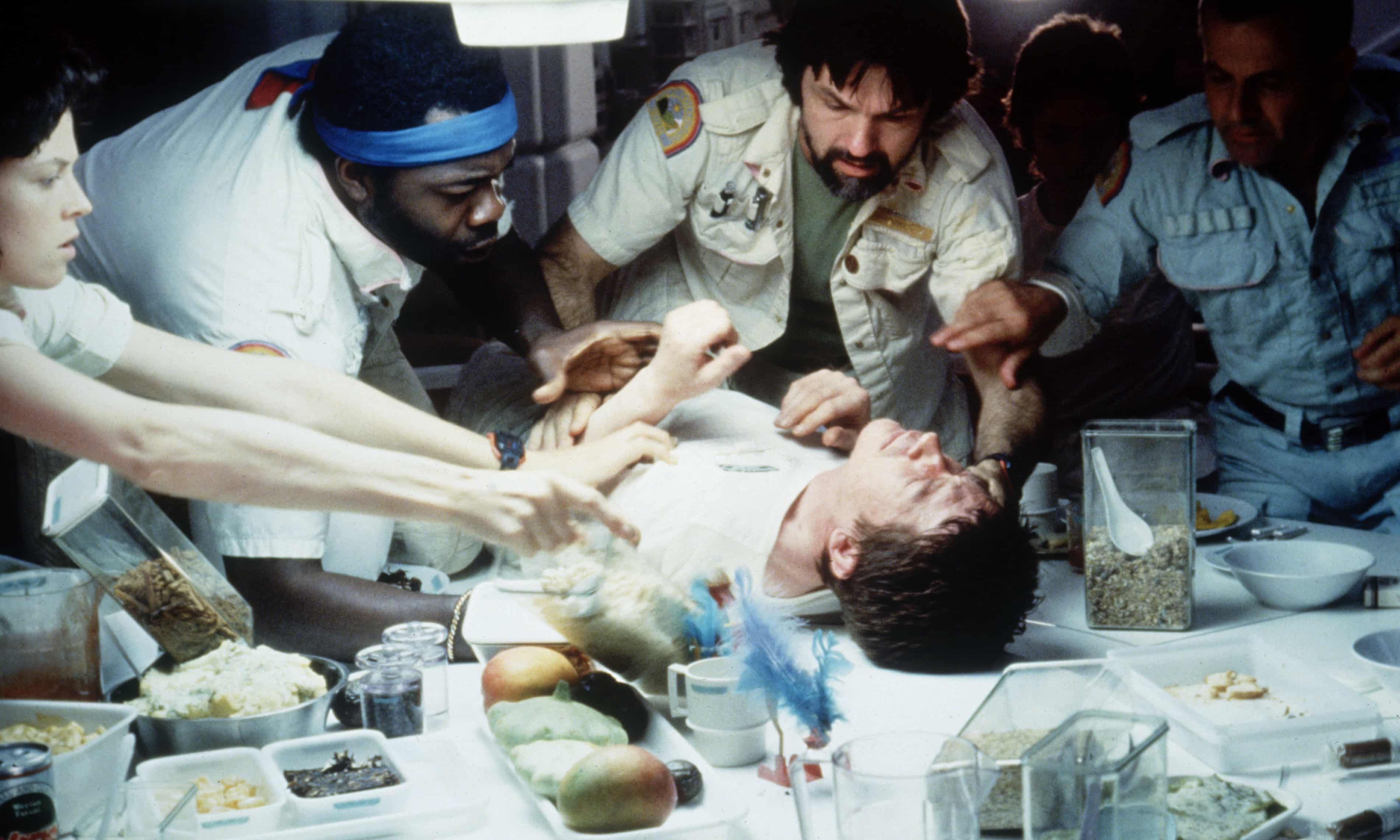
    1. Réunion pour les parents d'élèves de Terminale Générale au Lycée Louis Vincent : Synthèse et Points Clés

      Cette note de synthèse résume les informations cruciales présentées lors de la réunion des parents d'élèves de terminale générale au Lycée Louis Vincent.

      L'année de terminale est une année charnière, marquée par deux enjeux majeurs : la réussite au baccalauréat et la préparation de l'orientation post-bac via la plateforme Parcoursup.

      Le baccalauréat se compose de 40% de contrôle continu, encadré par un projet d'évaluation strict pour garantir l'équité, et de 60% d'épreuves terminales.

      Le Grand Oral (coefficient 10) représente une opportunité stratégique majeure. Le lycée met en place un programme de préparation intensif avec des devoirs communs et des examens blancs, principalement le samedi matin.


      Parallèlement, le processus Parcoursup est présenté comme un outil indispensable mais complexe, exigeant une préparation dès le début de l'année.

      Les élèves sont invités à utiliser des ressources comme le site SupTracker pour analyser les statistiques d'admission et à consulter les psychologues de l'Éducation nationale (Psy-EN).

      L'accent est mis sur l'importance capitale d'un dossier scolaire solide, où les appréciations des enseignants, l'assiduité et le comportement sont aussi déterminants que les notes.

      La direction insiste sur le fait que, si 100% des élèves de l'établissement ont reçu une proposition sur Parcoursup l'an dernier, l'obtention du vœu prioritaire dépend de l'adéquation entre le projet de l'élève, ses résultats et la qualité de son dossier.


      1. Introduction et Présentation des Acteurs Pédagogiques

      La réunion a débuté par la présentation des équipes pédagogiques et administratives qui encadrent les 299 élèves de terminale générale.

      • Direction :

      • Mme X est Proviseure adjointe en charge du niveau terminale et de la gestion des examens.

      • Mme Z est la nouvelle proviseure adjointe, en charge des niveaux première et BTS.

      • Formations Technologiques et Industrielles :

      • Mme C est Directrice déléguée aux formations (Laboratoire, STL, BTS CIRA, BTS Métiers de la chimie).

      • M. R est Directeur délégué aux formations techniques industrielles, soulignant l'accueil favorable des bacheliers généraux dans les filières BTS.

      • Conseillers Principaux d'Éducation (CPE) : L'équipe de trois CPE, incluant Mme L et Mme B, se partage le suivi des classes de terminale.

      • Professeurs Principaux : Il est précisé qu'un binôme de professeurs principaux est assigné à chaque classe de terminale, l'un se concentrant sur la gestion de la classe et l'autre sur l'orientation, avec une répartition flexible des missions.


      2. Le Baccalauréat 2026 : Modalités d'Évaluation

      L'évaluation du baccalauréat est structurée autour de deux composantes principales, avec un rappel des excellents résultats de l'établissement lors de la session précédente.

      Structure de la Note Finale

      • Le Contrôle Continu représente 40% de la note finale.
      • Les Épreuves Terminales représentent 60% de la note finale.

      Résultats du Lycée Louis-Vincent (Session Juin 2025)

      L'établissement affiche des taux de réussite élevés, témoignant de la qualité de l'accompagnement.

      Voie Générale : Taux de Réussite > 98 %. Voie Générale : Taux de Mention 74 %. Voie Technologique : Taux de Réussite 93 % - 96 %. Voie Technologique : Taux de Mention ≈ 50 %.

      Le Contrôle Continu (40%)

      • Coefficients : L'ensemble des matières suivies en terminale compte pour un total de 19 coefficients dans le calcul du contrôle continu.

      • Projet d'Évaluation : Le lycée a mis en place un projet d'évaluation pour "garantir une égalité de traitement" et des principes communs. *Les moyennes sont validées en conseil de classe et transmises via le Livret Scolaire du Lycéen (LSL).

      • Politique sur les Absences : Une politique stricte est appliquée pour contrer les absences stratégiques visant à éviter une évaluation. Les élèves absents se voient offrir "l'opportunité et non pas la punition" de rattraper les devoirs manqués le samedi matin. Si un élève a trop peu de notes, celles-ci peuvent être jugées "non robustes" par l'Inspection Générale, entraînant une épreuve ponctuelle individuelle pour valider le niveau.

      Les Épreuves Terminales (60%)

      Les épreuves finales se dérouleront principalement en juin. Les coefficients pour la voie générale sont les suivants :

      • Épreuve de Français (passé en Première) : 10 (5 écrit, 5 oral).
      • Épreuve de Philosophie : 8.
      • Épreuve d'Enseignement de Spécialité 1 : 16.
      • Épreuve d'Enseignement de Spécialité 2 : 16.
      • Épreuve du Grand Oral : 10.

      3. Focus sur le Grand Oral

      Le Grand Oral est présenté comme une épreuve d'une importance capitale, tant pour son coefficient que pour les compétences qu'il évalue.

      • Objectifs : Apprendre à s'exprimer en public de façon claire et convaincante, évaluer les capacités d'argumentation, l'esprit critique et les connaissances liées aux deux enseignements de spécialité.

      • Déroulement : Les élèves préparent deux questions. *Le jour de l'épreuve, ils disposent d'un temps de préparation avant un entretien de 20 minutes avec le jury (10 minutes de présentation/réponses et 10 minutes d'échange).

      • Importance Stratégique : Il est souligné que le Grand Oral est une épreuve avec un "rendement de notes" élevé. "Avoir 20 au grand oral c'est possible [...] c'est assez courant", contrairement à d'autres disciplines. C'est donc un levier essentiel pour obtenir une mention ou sécuriser l'obtention du diplôme.


      4. Préparation et Accompagnement au Lycée

      L'établissement organise un calendrier de préparation pour accompagner les élèves vers la réussite.

      • Devoirs Communs et Bacs Blancs : Un calendrier de préparation est en cours de finalisation. *Il inclura des devoirs communs et des bacs blancs, majoritairement organisés le samedi matin.

      • Journées Banalisées : Deux journées seront banalisées en avril (probablement au retour des vacances) pour les épreuves blanches des enseignements de spécialité.

      • Oral Blanc : Un oral blanc sera organisé pour préparer spécifiquement le Grand Oral.

      • Importance de l'Entraînement : La direction insiste sur le fait que s'entraîner en conditions réelles est "indispensable et primordial" pour apprendre à gérer le temps, le stress et l'environnement d'une grande salle d'examen.


      5. L'Orientation et Parcoursup : Un Processus Stratégique

      L'orientation est l'autre grand chantier de l'année, nécessitant une implication précoce et continue des élèves et de leurs familles.

      Événements Clés pour l'Orientation

      • Un Jour à l'Université (UJALU) : En octobre, pendant les vacances. *Les inscriptions débutent le 29 septembre.

      • Salon Oriaction : Les 20, 21 et 22 novembre à Nancy. Le lycée n'organise pas de déplacement collectif ; les familles sont encouragées à s'y rendre, notamment le samedi, pour rencontrer des enseignants du supérieur. Le salon présente 5 000 formations.

      • Forum des formations du Lycée Louis-Vincent : Le 6 février 2025, pour rencontrer étudiants, professionnels et anciens élèves.

      Le Calendrier Parcoursup

      Bien que le calendrier officiel ne soit pas publié, les trois grandes étapes restent les mêmes :

      1. Décembre - Janvier : Ouverture du site avec les informations mises à jour pour la rentrée 2026. Phase d'information.

      2. Mi-Janvier - Mi-Mars : Phase d'inscription et de formulation des vœux. *La date limite de mi-mars est impérative pour ajouter de nouveaux vœux.

      3. Début Juin - Début Juillet : Phase principale d'admission avec réception des réponses des formations.

      Outils et Stratégies pour Parcoursup

      • Ressources Essentielles :

      • Psy-EN : Les élèves, surtout ceux qui sont indécis, sont vivement encouragés à prendre rendez-vous "dès maintenant" avant que les créneaux ne soient saturés.

      • SupTracker : Cet outil statistique est présenté comme "indispensable". Il permet de voir quels profils (spécialités, mentions, notes) ont été admis dans une formation donnée les années précédentes. Par exemple, pour la formation PASS (médecine), 90% des admis en 2025 avaient une combinaison des spécialités Mathématiques, Physique-Chimie ou SVT.

      • Site Parcoursup : La plateforme contient des fiches détaillées sur plus de 24 000 formations, incluant les taux d'accès et les notes moyennes des derniers admis.

      • L'Importance Capitale du Dossier Scolaire :

      • Le proviseur insiste sur le fait que la sélection n'est pas faite par une intelligence artificielle mais par des équipes humaines.

      • Les appréciations des professeurs sont cruciales. *Des remarques comme "travailleur, investi, capable" sont des atouts majeurs.

      • À l'inverse, les absences, les retards et les remarques sur le comportement sont "vraiment très bloquants". *Un dossier avec ces éléments est souvent mis de côté d'emblée par les comités de sélection.

      • Conseils Stratégiques :

      • La devise est : "Il vaut mieux pouvoir choisir qu'être obligé de choisir." Pour cela, il faut que les résultats de l'élève soient à la hauteur de ses ambitions.

      • Il est conseillé d'élargir au maximum le champ des vœux avant la date limite de mi-mars pour ne fermer aucune porte.

      • La phase de résultats en juin est reconnue comme une période de stress intense, notamment à cause des listes d'attente. *Il est rappelé qu'il faut analyser sa position en la comparant au rang du dernier admis de l'année précédente, une information disponible sur Parcoursup.


      6. Questions Diverses

      • Section Euro Allemand / DNL : Cette option est valorisée par une "mention européenne" sur le diplôme du bac. *Les notes et appréciations sont prises en compte dans le dossier Parcoursup et sont visibles par les établissements du supérieur.

      • Heure d'Orientation : L'heure hebdomadaire dédiée à l'orientation n'est pas systématiquement une séance en classe entière. *Il s'agit d'un volume annuel d'environ 10 à 19 séances par professeur principal, qui peuvent prendre la forme de réunions plénières, de travail en petits groupes ou d'entretiens individuels selon les besoins des élèves.

    1. Briefing : Réunion des Parents d'Élèves de Première Générale au Lycée Louis Vincent

      Résumé

      • Cette note de synthèse résume les points clés de la réunion destinée aux parents des 308 élèves de première générale du lycée Louis Vincent.

      L'objectif était de présenter le déroulement de l'année, les enjeux du baccalauréat et l'importance de l'anticipation pour l'orientation post-bac.

      Les principaux points à retenir sont :

      • Une année charnière pour l'orientation : Bien que l'unique choix d'orientation de l'année consiste à abandonner l'une des trois spécialités pour la terminale, la classe de première est identifiée comme un moment crucial pour entamer la réflexion sur le projet post-bac et Parcoursup.
      • Rigueur sur l'assiduité : Une politique très stricte sera appliquée concernant les absences et les retards.

      En raison du poids du contrôle continu (40 % de la note finale du baccalauréat), l'assiduité est primordiale et l'établissement n'hésitera pas à contacter les familles de manière insistante pour garantir la présence des élèves.

      • Nouveauté au baccalauréat : Une épreuve anticipée de mathématiques, d'un coefficient 2 et se déroulant sans calculatrice, est introduite dès la fin de l'année de première.

      Elle s'ajoute à la traditionnelle épreuve anticipée de français.

      • Excellence académique et accompagnement : Le lycée affiche des résultats supérieurs à la moyenne académique, avec 98,44 % de réussite au baccalauréat général et 74 % de mentions.

      L'accompagnement pour Parcoursup est également un point fort, avec 100 % des élèves de terminale ayant reçu une proposition d'affectation l'année précédente.

      • Cadre scolaire et pédagogique : L'accent est mis sur le bien-être des élèves face à la pression scolaire, la nécessité d'un usage raisonné des outils numériques (téléphones, IA) et le maintien de méthodes de travail fondamentales comme la prise de notes manuscrite et la lecture.

      1. L'Année de Première : Une Année Stratégique

      L'année de première générale est présentée comme "relativement cool" en termes de décisions d'orientation immédiates, contrastant avec les choix de filières en seconde et les choix de formations supérieures en terminale. Cependant, son importance stratégique est fortement soulignée.

      Objectif Principal et Calendrier

      • Choix de Spécialités : Le seul choix d'orientation de l'année interviendra au troisième trimestre, lorsque les élèves devront indiquer laquelle de leurs trois spécialités ils souhaitent abandonner pour la classe de terminale.

      Calendrier de l'Orientation :

      Dès octobre : Des bilans de mi-trimestre seront organisés pour faire des points d'étape avec les équipes pédagogiques et proposer des rendez-vous pour affiner le projet de l'élève.

      Novembre : Participation à la Semaine Nationale de l'Orientation.

      Troisième trimestre : Accélération du processus avec le choix final de la spécialité à abandonner.

      L'Importance de l'Anticipation pour Parcoursup

      L'année de première est le moment idéal pour commencer à préparer les choix de l'enseignement supérieur.

      Il est rappelé qu'en terminale, le temps pour choisir parmi les 60 000 formations supérieures (dont 24 000 sur Parcoursup) est très court.

      Il est donc conseillé aux familles d'initier la discussion sur l'avenir, même si les élèves n'ont pas de projet précis.

      Une approche suggérée est d'identifier ce que les élèves ne veulent pas faire pour affiner progressivement leurs centres d'intérêt.

      2. Organisation et Vie Scolaire

      • Équipe Pédagogique et Administrative

      • L'encadrement des neuf classes de première (601 à 609) est assuré par une équipe de référents dédiés.

      Rôle

      Personnes en charge

      • Proviseur Adjoint
      • Proviseur
      • Professeurs Principaux
      • Un professeur principal par classe
      • CPE Référentes
      • Psychologues de l'Éducation Nationale
      • Disponibles sur rendez-vous pour affiner les choix d'orientation
      • Secrétariat Pédagogique
      • Mme x, pour les dossiers scolaires et les demandes d'aménagements
      • Règlement Intérieur et Discipline
      • Deux points du règlement intérieur sont particulièrement mis en avant.
      • Assiduité (Absences et Retards) :
      • ◦ Enjeu majeur : Le contrôle continu compte pour 40 % de la note du bac. Chaque note obtenue en cours est donc importante.
      • Politique stricte : L'établissement sera très vigilant, contactant les parents par téléphone, mail ou SMS ("on va vous harceler"). Le caractère justifié ou non des motifs d'absence sera évalué par l'administration et pourra figurer sur le bulletin, document essentiel pour Parcoursup.
      • Lutte contre les stratégies d'évitement : Les absences stratégiques lors des devoirs seront combattues.

      Un système de rattrapage des devoirs sera mis en place sur 24 samedis dans l'année.

      Si les notes ne sont pas représentatives du niveau de l'élève, une épreuve ponctuelle au baccalauréat pourra être imposée. * • Usage du Numérique : * ◦ Téléphones portables : Interdits dans tous les bâtiments, sauf autorisation explicite d'un adulte. La dépendance et la distraction causées par les notifications sont considérées comme des freins majeurs à l'apprentissage. * ◦ Intelligence Artificielle et Triche : L'équipe pédagogique est consciente des difficultés posées par des outils comme ChatGPT pour les travaux à la maison (rédactions).

      La copie entre élèves est également surveillée.

      L'accent est mis sur la nécessité d'un travail personnel.

      Santé et Bien-être des Élèves

      • L'année de première peut être une source d'angoisse pour les élèves en raison de la pression des notes, du baccalauréat et de l'orientation future.

      Les parents sont encouragés à contacter l'établissement (CPE, professeurs) s'ils observent un changement de comportement ou un mal-être chez leur enfant.

      Il est rappelé qu'un travail régulier est plus productif et moins anxiogène que des révisions de dernière minute.

      3. Le Baccalauréat : Modalités et Épreuves

      Structure et Coefficients

      • La note finale du baccalauréat est composée à 40 % du contrôle continu et à 60 % des épreuves terminales. Des ajustements de coefficients ont été annoncés.

      Épreuve

      Voie Générale - Coefficient * Moment * Contrôle Continu (ensemble des matières du tronc commun) * 40 % * Première et Terminale * Enseignement de Spécialité 1 * 16 * Terminale * Enseignement de Spécialité 2 * 16 * Terminale * Philosophie * 8 * Terminale * Grand Oral * 8 (anciennement 10) * Terminale * Épreuve Anticipée de Français (Écrit + Oral) * 5 * Première * Épreuve Anticipée de Mathématiques (Nouveau) * 2 * Première

      Les Épreuves Anticipées en Fin de Première * • Français : * ◦ Écrit : 4 heures (commentaire ou dissertation). * ◦ Oral : Basé sur les textes étudiés pendant l'année. * ◦ Préparation : La lecture des quatre œuvres au programme (et des lectures cursives) est indispensable. L'établissement organise un bac blanc écrit et un bac blanc oral. * • Mathématiques (Nouveauté) : * ◦ Format : Épreuve sur 20 points (6 points d'automatismes, 14 points sur le programme de l'année). * ◦ Contrainte majeure : La calculatrice est interdite. L'objectif est de redonner du sens au calcul et au raisonnement. * ◦ Sujets : Trois sujets distincts seront proposés (voie technologique, voie générale sans spécialité maths, voie générale avec spécialité maths). * ◦ Préparation : Une épreuve blanche sera organisée en avril ou mai.

      Résultats et Enjeux exemple au Lycée Louis Vincent

      • Taux de réussite : 98,44 % au bac général (session 2025).
      • Taux de mentions : 74 % des élèves ont obtenu une mention. Ces résultats, supérieurs aux attendus académiques, montrent que l'obtention du baccalauréat est à la portée des élèves qui travaillent régulièrement.

      Le véritable enjeu est donc de bien réussir son baccalauréat afin d'obtenir une mention.

      4. Parcoursup : Préparer l'Avenir dès la Première

      • Une Réflexion à Long Terme
      • Les bulletins de la classe de première ont une importance capitale dans le dossier Parcoursup.

      Une réflexion précoce permet aux élèves de se motiver et de cibler les matières dans lesquelles ils doivent obtenir de bons résultats pour accéder aux formations souhaitées.

      Des outils comme le site Parcoursup lui-même ou le site Suptracker (pour les statistiques d'admission) sont recommandés. * Un Accompagnement Efficace * L'année dernière, 100 % des élèves de terminale du lycée ont reçu une affectation via Parcoursup, témoignant de la qualité de l'accompagnement des équipes.

      Le système est défendu comme une opportunité pour les élèves de postuler à des formations diverses sans hiérarchiser leurs vœux initialement, ce qui ouvre le champ des possibles.

      5. Outils de Communication et Questions Pratiques

      Plateformes Numériques : * ◦ Mon Bureau Numérique (MBN) : Principal outil pour la communication par mail avec les enseignants (via EduConnect) et pour consulter le cahier de textes. * ◦ Pronote : Outil de référence pour l'emploi du temps et la consultation des notes. Il est synchronisé et accessible via MBN. * • La "Pause Numérique" : Une directive ministérielle prévoit de bloquer l'accès aux environnements numériques après 20h et le week-end.

      La Région Grand Est a suspendu cette mesure jusqu'en décembre 2023, notamment en raison de l'accès aux manuels scolaires numériques.

      L'avenir de cette mesure est incertain.

      • Accompagnement Personnalisé (AP) : En français et en mathématiques, les enseignants décident quels élèves doivent y assister en fonction des besoins.

      Si un élève est convoqué, le cours d'AP apparaît directement dans son emploi du temps sur Pronote.

      • Absences des Professeurs : Le lycée a réalisé sa rentrée avec un effectif complet, une situation favorable qui limite le risque de non-remplacement en cas d'absence, contrairement à d'autres académies.

      • Activités Sportives (UNSS) : Les compétitions ont lieu le mercredi après-midi. Les élèves participants sont excusés mais doivent rattraper les cours manqués.

      L'établissement obtient d'excellents résultats, participant régulièrement aux championnats de France.

      • Complexité des Emplois du Temps : La réforme et le système de spécialités génèrent une grande complexité, avec 12 à 14 emplois du temps différents au sein d'une même classe de 35 élèves.

      Les élèves sont invités à consulter Pronote chaque matin pour vérifier les éventuelles modifications (salles, absences).

    1. Track well-being. I like to start my work day with a quick note checking in on how I feel

      Incluir el bienestar me parece clave: no solo se gestiona información, también se gestiona el “estado del usuario”. En la disciplina archivística hablamos de contexto vital y social de los documentos; aquí, el propio estado emocional se vuelve parte del registro.

    2. Your interstitial journal is not only a journal, it’s a to-do list, a note-taking system, and a way to track your time meaningfully

      Esto me recuerda a la noción de sistemas híbridos en la Ciencia de la Información: un documento puede cumplir simultáneamente varias funciones. Aquí, un simple archivo personal se convierte en agenda, memoria y registro de productividad.

    3. Procrastination breaks: become aware of these breaks and how long they actually take.

      El journaling aquí cumple una función de control de calidad personal, similar a las auditorías en los sistemas de información: identificar “tiempos muertos” y medir su impacto. Esto ayuda a mejorar la eficiencia y la gestión de la atención.

    4. In my beginner’s guide to Roam, I completely left out the Daily Notes section to keep things simple. Let’s now have a look together. This is what a daily note with interstitial journaling looks like. <img fetchpriority="high" decoding="async" width="674" height="717" src="https://viahtml.hypothes.is/proxy/im_/https://nesslabs.com/wp-content/uploads/2020/04/interstitial-journaling-example.png" alt="" class="wp-image-8473" srcset="https://viahtml.hypothes.is/proxy/https://nesslabs.com/wp-content/uploads/2020/04/interstitial-journaling-example.png 674w, https://viahtml.hypothes.is/proxy/https://nesslabs.com/wp-content/uploads/2020/04/interstitial-journaling-example-282x300.png 282w" sizes="(max-width: 674px) 100vw, 674px"/> Track time. Type /time to insert the current time, then type whatever you are thinking about.Track tasks. Type /todo to create to-do items. Check off these to-do items when done.Track content. When you stumble upon something interesting that would disturb your workflow, add it to master lists such as [[To read]]. You can see I have done it in this screenshot with an interesting-looking article that had nothing to do with the essay I was trying to write.Track ideas. Similarly, if you think of something else you’d like to do today, just add it as a to-do where and when you think about it. For people using the [[Today]], [[Tomorrow]], [[Someday]] system, you can also add that to the to-do items, or add a specific date, as I have done with “call Morgane.”Track well-being. I like to start my work day with a quick note checking in on how I feel, anything that’s been sometimes literally keeping me up at night, any major roadblock I’m anticipating for the day. It’s rarely longer than one bullet point, but it’s a great way to take care of my general well-being. I also finish the work day with a similar quick closing note.

      Me parece curiosa esta parte y es que muestra cómo el diario intersticial convierte hasta lo más simple como es la hora, una tarea o una idea en algo organizado. Sin imaginar, terminas con un registro completo de tu día sin tener que hacer demasiado y eso es lo que buscamos la mayoría algo practico.

    5. write a few lines every time you take a break, and to track the exact time

      Esta práctica me parece cercana a los diarios de investigación o a las bitácoras de campo. Permite capturar micro-evidencias de lo que ocurre en los intersticios del trabajo académico, fortaleciendo la trazabilidad del proceso de aprendizaje.

    6. Interstitial journaling is a productivity technique created by Tony Stubblebine. To my knowledge, it’s the simplest way to combine note-taking, tasks, and time tracking in one unique workflow.

      Como estudiante de Ciencia de la Información, me llama la atención cómo esta técnica une tres funciones centrales: registro, organización y control de tiempos. Esto recuerda a los sistemas integrados de gestión documental, donde cada acción debe quedar trazada y relacionada.

    7. Your interstitial journal is not only a journal, it’s a to-do list, a note-taking system, and a way to track your time meaningfully. As I mentioned, you can keep an interstitial journal anywhere. Even a text file would work well.

      Me gusta porque no se queda solo en un simple diario, sino que mezcla varias cosas útiles en un solo lugar. Y lo mas práctico es que no se necesita nada complicado, con algo tan simple como un archivo de texto ya funciona.

    8. Notice the mix of goals (“finish the first draft”), self-awareness (“fell into a Twitter blackhole”, “feeling anxious”), self-review (“good progress”), and actionable items (“call Anna”)? I love interstitial journaling because it’s a great way to make your breaks more mindful.

      Lo que me gusta de la idea del diario es que mezcla varias cosas a la vez como por ejemplo lo que planeas hacer, como te sientes, si has avanzado o aun no, y lo mas importante lo que queda pendiente. Me parece una forma sencilla de volver más conscientes los descansos.

    9. The basic idea of interstitial journaling is to write a few lines every time you take a break, and to track the exact time you are taking these notes. For instance: 10:04 - Going to finish the first draft of the mindful productivity article. 10:46 - I fell into a Twitter blackhole again! Back to work. 11:45 - Made good progress. Need to get ready for meeting with Charlie. 11:49 - Reviewed agenda and docs. Feeling a bit anxious, but I think it will go fine. Need to call Anna after the meeting to debrief.

      Me parece maravilloso, es como ir dejando pequeñas huellas de tu día ya que apuntas lo que haces, cuándo lo haces y cómo te sientes. Eso ayuda a ver en qué inviertes tu tiempo, tambien te ayuda a retomar el foco rápido y a tener un registro honesto de tu jornada sin complicarte.

    10. Interstitial journaling is a productivity technique created by Tony Stubblebine. To my knowledge, it’s the simplest way to combine note-taking, tasks, and time tracking in one unique workflow. You don’t need any special software, but Roam Research makes it even easier to do thanks to the flexibility of daily notes. Interstitial journaling has had an amazing impact on my productivity and creativity, and I think many people would enjoy it.

      He leído sobre el diario intersticial y me llama mucho la atención. Me gusta que sea una forma sencilla de unir notas, tareas y tiempo en un solo flujo. Todavía no lo he probado, pero creo que podría ser una herramienta muy útil para organizarme mejor y darme más claridad en el día a día.

    11. Interstitial journaling is a productivity technique created by Tony Stubblebine. To my knowledge, it’s the simplest way to combine note-taking, tasks, and time tracking in one unique workflow. You don’t need any special software, but Roam Research makes it even easier to do thanks to the flexibility of daily notes. Interstitial journaling has had an amazing impact on my productivity and creativity, and I think many people would enjoy it. The basic idea of interstitial journaling is to write a few lines every time you take a break, and to track the exact time you are taking these notes. For instance: 10:04 - Going to finish the first draft of the mindful productivity article. 10:46 - I fell into a Twitter blackhole again! Back to work. 11:45 - Made good progress. Need to get ready for meeting with Charlie. 11:49 - Reviewed agenda and docs. Feeling a bit anxious, but I think it will go fine. Need to call Anna after the meeting to debrief. Notice the mix of goals (“finish the first draft”), self-awareness (“fell into a Twitter blackhole”, “feeling anxious”), self-review (“good progress”), and actionable items (“call Anna”)? I love interstitial journaling because it’s a great way to make your breaks more mindful. Proactive breaks: reflect on your previous task, plan for the next one, take your own mental pulse, jot down anything else that comes to mind so as to reduce your cognitive load.Procrastination breaks: become aware of these breaks and how long they actually take. When you create the habit of writing down all your breaks, it becomes easier to not open a new tab to “quickly” check Twitter. You don’t want to have to admit that failure to yourself. Your interstitial journal is not only a journal, it’s a to-do list, a note-taking system, and a way to track your time meaningfully. As I mentioned, you can keep an interstitial journal anywhere. Even a text file would work well. If you’re a Roam Research user, let’s see how you can easily set it up there. I’m saying “setting it up”, but really… The work has been done for you already. Keeping an interstitial journal in Roam Research In my beginner’s guide to Roam, I completely left out the Daily Notes section to keep things simple. Let’s now have a look together. This is what a daily note with interstitial journaling looks like.

      Es interesante la intensión del autor que es permitirnos auto pensarnos y revisar que cosas mejorar en como obligarnos a detenernos y registrar qué estamos haciendo y hacia dónde vamos. Podría funcionar como un a terapia contra la falta de concentración que se dan por las redes sociales. También las pausas para reflexionar, aparte de esforzar la memoria, permite aprender mas allá de lo común, también se ve como autorregula el aprendizaje autónomo esto requiere disciplina pero los resultados pueden ser buenos, para conocernos y optimizar todo mejor, pensarlo como una bitácora de detalles es interesante por que nos permite auto conocernos y autocriticarnos para mejorar, eso ayuda a conocernos como aprendemos mejor y puede optimizar nuestro foco de atenciones para poder concentrarse mejor.

      Yo intente lo mismo con mi calendario donde incorpore alarmas y notas pero no funcionó mucho, me funciono mas llevar una agenda y con pos-it ir llevando notas de tareas, en este mundo trajinado es bueno tener herramientas que nos ayuden a conocernos y a como aprendemos mejor y quedarnos con esa opción para sentirnos realizados y que podemos servir mejor a nuestra familia y sociedad.

    1. Évolution de la population de cinq espaces linguistiques définis selon la langue officielle

      This graph is expressing the evolution of language speakers through the years, it shows francophones being at around 200 million in 1965 and eventually growing. I think it also refers to a prediction of how many francophones there will be in following years.

    2. ’est-à-dire qu’ils font un usage quotidien de la langue française, même si les contextes sont variés. Cette langue, acquise dès l’enfance, arrive plus ou moins tôt et sert plus ou moins souvent. Elle est tour à tour et tout à la fois :

      French is used in varied contexts

    3. 5e langue mondiale par le nombre de ses locuteurs, après l’anglais, le mandarin, l’hindi et l’espagnol, la langue française est la seule, avec l’anglais, à être présente sur les 5 continents

      I didn't realize how many people actually spoke the language in other countries. This as well as the map and percentages gave me somewhat of a clue to how many.

    4. Évolution de la population de cinq espaces linguistiques définis selon la langue officielle

      I believe this graph is expressing the growth (or stagnation) of different languages throughout history with official counts along with estimates on the continued growth with dates going as far as 2040.

    5. Évolution de la population de cinq espaces linguistiques définis selon la langue officielle JavaScript chart by amCharts 3.21.15Évolution de la population de cinq espaces linguistiques

      Cognate, "evolution of the population of five different langues spoken with official population counts (i think)"

    6. langue de communication et de culture, très utilisée dans les médias, les activités culturelles, la littérature

      This sticks out to me, I enjoy a lot of French music, film, and literature (Simone de Beauvoir is the best). Being in art history much of the critical history is originally in French with France massively contributing to the development of "fine art", so I very much agree with point on culture.

    7. Évolution de la population de cinq espaces linguistiques définis selon la langue officielle JavaScript chart by amCharts 3.21.15Évolution de la population de cinq espaces linguistiques

      I find it interesting that french is spoken so much around the world. It's interesting due to the fact that from where I've always lived there are always many more hispanic languages. I view European languages as incredibly foreign and rare.

    8. langue de communication et de culture, très utilisée dans les médias, les activités culturelles, la littérature

      The french language is used to share all different types of media and culture.

    9. Évolution de la population de cinq espaces linguistiques définis selon la langue officielle JavaScript chart by amCharts 3.21.15Évolution de la population de cinq espaces linguistiques

      The evolution of how many people speak each language over time.

    10. Cette « planète », au cœur de la galaxie francophone

      I think the author means that the variety of cultures and cultures and peoples that speak French globally is much like a constellation or galaxy in both vastness and diversity.

    11. Évolution de la population de cinq espaces linguistiques définis selon la langue officielle
      1. The graph is looking at the evolution across 5 linguistic groups (French, Spanish, Germanic, and Arabic) for the amount of those who it is their official language. The y-axis denotes number of people in millions, while the x-axis denotes years from 1965 to projected values of 1965. these later values display French as exponentially growing while other language plateua or steadily rise at a slower rate.
    12. Cette « planète », au cœur de la galaxie francophone, rassemble des peuples issus de tous les continents et de toutes les cultures, mais sa composante principale et croissante se situe en Afrique.

      french connects a lot of cultures and peoples, with the biggest developments happening in afria

    13. naître et vivre aussi en français », c’est-à-dire qu’ils font un usage quotidien de la langue française

      people who use french consistently in their daily lives

    14. sa présence dans l’environnement sonore et visuel des populations, la fréquence de son emploi, sont très variables selon les régions, voire selon les pays observés

      the language is used differently depending on where you observe the speakers; varies by regional usage and also dialectically

    15. Évolution de la population de cinq espaces linguistiques définis selon la langue officielle

      graph keeps bugging out but population of french speakers surpassed spanish speakers in 2020, estimated to keep growing

    1. Tiene muchas actualizaciones

      Update of Convalescent plasma or hyperimmune immunoglobulin for people with COVID-19: a rapid review. Valk SJ, Piechotta V, Chai KL, Doree C, Monsef I, Wood EM, Lamikanra A, Kimber C, McQuilten Z, So-Osman C, Estcourt LJ, Skoetz N. Cochrane Database Syst Rev. 2020 May 14;5(5):CD013600. doi: 10.1002/14651858.CD013600. Update in: Cochrane Database Syst Rev. 2020 Jul 10;7:CD013600. doi: 10.1002/14651858.CD013600.pub2. PMID: 32406927 Free PMC article. 189 2 189 0 Similar articles Convalescent plasma or hyperimmune immunoglobulin for people with COVID-19: a living systematic review. Chai KL, Valk SJ, Piechotta V, Kimber C, Monsef I, Doree C, Wood EM, Lamikanra AA, Roberts DJ, McQuilten Z, So-Osman C, Estcourt LJ, Skoetz N. Cochrane Database Syst Rev. 2020 Oct 12;10:CD013600. doi: 10.1002/14651858.CD013600.pub3. Update in: Cochrane Database Syst Rev. 2021 May 20;5:CD013600. doi: 10.1002/14651858.CD013600.pub4. PMID: 33044747 158 7 56 0 Convalescent plasma or hyperimmune immunoglobulin for people with COVID-19: a living systematic review. Piechotta V, Iannizzi C, Chai KL, Valk SJ, Kimber C, Dorando E, Monsef I, Wood EM, Lamikanra AA, Roberts DJ, McQuilten Z, So-Osman C, Estcourt LJ, Skoetz N. Cochrane Database Syst Rev. 2021 May 20;5(5):CD013600. doi: 10.1002/14651858.CD013600.pub4. Update in: Cochrane Database Syst Rev. 2023 Feb 1;2:CD013600. doi: 10.1002/14651858.CD013600.pub5. PMID: 34013969 Free PMC article. 193 4 81 0 Convalescent plasma or hyperimmune immunoglobulin for people with COVID-19: a rapid review. Valk SJ, Piechotta V, Chai KL, Doree C, Monsef I, Wood EM, Lamikanra A, Kimber C, McQuilten Z, So-Osman C, Estcourt LJ, Skoetz N. Cochrane Database Syst Rev. 2020 May 14;5(5):CD013600. doi: 10.1002/14651858.CD013600. Update in: Cochrane Database Syst Rev. 2020 Jul 10;7:CD013600. doi: 10.1002/14651858.CD013600.pub2. PMID: 32406927 Free PMC article. 189 2 189 0 Vitamin D supplementation for the treatment of COVID-19: a living systematic review. Stroehlein JK, Wallqvist J, Iannizzi C, Mikolajewska A, Metzendorf MI, Benstoem C, Meybohm P, Becker M, Skoetz N, Stegemann M, Piechotta V. Cochrane Database Syst Rev. 2021 May 24;5(5):CD015043. doi: 10.1002/14651858.CD015043. PMID: 34029377 Free PMC article. 116 2 88 2 Remdesivir for the treatment of COVID-19. Ansems K, Grundeis F, Dahms K, Mikolajewska A, Thieme V, Piechotta V, Metzendorf MI, Stegemann M, Benstoem C, Fichtner F. Cochrane Database Syst Rev. 2021 Aug 5;8(8):CD014962. doi: 10.1002/14651858.CD014962. Update in: Cochrane Database Syst Rev. 2023 Jan 25;1:CD014962. doi: 10.1002/14651858.CD014962.pub2. PMID: 34350582 Free PMC article. 209 0 97 2

    1. Feuille de Route Stratégique pour l'Année de Terminale : Un Modèle pour la Réussite

      1.0 Introduction : Les Enjeux Stratégiques de l'Année de Terminale

      • L'année de Terminale constitue une année charnière, un véritable pivot dans le parcours d'un élève, marquée par un double enjeu stratégique.

      D'une part, elle représente l'aboutissement des années lycée avec l'objectif tangible d'obtenir le baccalauréat.

      D'autre part, elle est le théâtre d'une préparation active et décisive de l'avenir, matérialisée par les choix d'orientation vers l'enseignement supérieur via la plateforme Parcoursup.

      Cette feuille de route est conçue comme un guide généraliste, synthétisant les meilleures pratiques et les informations clés pour structurer l'accompagnement des élèves et de leurs familles tout au long de cette année dense et déterminante.

      Le premier pilier de cette réussite est la maîtrise du cadre d'évaluation du baccalauréat.

      2.0 Le Baccalauréat : Structure, Préparation et Évaluation

      • La réussite au baccalauréat repose sur une compréhension claire de sa structure d'évaluation et sur une préparation méthodique tout au long de l'année.

      Il ne s'agit plus seulement de viser un succès lors des examens finaux, mais de construire sa réussite de manière continue.

      La performance globale de l'élève est le fruit d'un équilibre entre le travail régulier, validé par le contrôle continu, et la capacité à se mobiliser pour les épreuves terminales.

      2.1 Analyse de la Structure d'Évaluation

      • La note finale du baccalauréat général est une somme pondérée qui reflète à la fois le parcours de l'élève et sa performance lors des examens finaux.

      La répartition des coefficients est la suivante : 40 % pour le contrôle continu et 60 % pour les épreuves terminales.

      • Les épreuves terminales constituent le poids le plus important de la note finale. Leur structure en voie générale se décompose comme suit :

      Épreuve Terminale Coefficient en Voie Générale * Philosophie= 8 * Enseignement de Spécialité 1= 16 * Enseignement de Spécialité 2= 16 * Grand Oral= 10

      À ces épreuves s'ajoutent les notes des épreuves anticipées de français (écrit, coefficient 5, et oral, coefficient 5), passées en fin de Première, qui complètent la note des épreuves terminales pour atteindre le total de 60%.

      • Le contrôle continu, quant à lui, est basé sur les moyennes annuelles de l'ensemble des disciplines du cycle terminal (Première et Terminale), qui sont officiellement validées lors des conseils de classe de fin d'année.

      2.2 Le Grand Oral : Un Levier de Réussite à Fort Potentiel

      • L'une des épreuves les plus stratégiques du nouveau baccalauréat est sans conteste le Grand Oral.

      Avec son coefficient élevé de 10 en voie générale, il représente un levier majeur pour la note finale.

      Il s'agit d'une épreuve à "rendement de notes" particulièrement intéressant ;

      il est en effet plus courant pour un élève bien préparé d'y obtenir une note maximale que dans certaines disciplines écrites traditionnelles.

      Les compétences évaluées lors du Grand Oral sont fondamentales :

      • • Apprendre à s'exprimer en public de manière claire et convaincante.
      • • Démontrer des capacités d'argumentation et un esprit critique.
      • • Faire preuve de clarté dans son expression et de maîtrise de ses connaissances.
      • L'épreuve se déroule en 20 minutes face à un jury. L'élève prépare en amont deux questions en lien avec ses enseignements de spécialité.

      Le jour de l'épreuve, il dispose de 10 minutes pour présenter sa réponse à l'une des questions, suivies de 10 minutes d'échange et d'approfondissement avec le jury.

      Au-delà de son poids dans l'examen, cette épreuve est essentielle car elle développe des compétences oratoires cruciales pour la poursuite d'études (entretiens d'admission) et pour l'ensemble de la vie professionnelle.

      2.3 Garantir l'Intégrité du Contrôle Continu : Stratégies et Cadre

      • Pour assurer un contrôle continu juste et représentatif du niveau réel des élèves, les établissements mettent en place des mécanismes de régulation précis.

      Chaque lycée dispose d'un "projet d'évaluation" qui vise à garantir une égalité de traitement entre tous les candidats.

      • Face à la tentation de l'absentéisme stratégique (éviter un devoir après avoir obtenu une bonne note pour préserver sa moyenne), une politique claire est appliquée.

      L'établissement offre systématiquement la possibilité de rattraper une évaluation manquée, souvent lors de sessions organisées le samedi matin.

      Cette mesure a pour but de contrecarrer ces tactiques et d'assurer que la moyenne reflète un travail régulier.

      • Si, malgré tout, les notes d'un élève ne sont pas jugées "robustes" – c'est-à-dire non représentatives de son niveau réel en raison d'un nombre insuffisant d'évaluations –, l'établissement peut organiser une épreuve ponctuelle individuelle pour valider ses compétences.

      2.4 Un Calendrier de Préparation Structuré

      • La préparation aux épreuves finales est rythmée par des dispositifs d'entraînement organisés par l'établissement tout au long de l'année.

      Ces moments sont cruciaux pour familiariser les élèves avec les conditions d'examen.

      • Devoirs communs : Des sessions d'évaluation sont organisées, fréquemment le samedi matin, pour simuler les conditions réelles des épreuves écrites (durée, format, environnement).
      • Épreuves blanches : Des examens blancs complets sont mis en place, incluant des journées banalisées (par exemple en avril) pour les épreuves de spécialité, permettant une immersion totale.

      • Oral blanc : Un entraînement spécifique au Grand Oral est organisé. Il permet aux élèves de se tester et de bénéficier de retours constructifs de la part des évaluateurs pour affiner leur prestation.

      • S'exercer en conditions réelles est indispensable. Cela permet aux élèves d'apprendre à gérer leur temps sur une épreuve de 4 heures, à maîtriser leur stress dans l'environnement d'une grande salle d'examen, et à se familiariser avec le format officiel.

      Cette préparation met en confiance et réduit l'imprévu le jour J.

      • L'obtention du baccalauréat est la première étape vers la réussite.

      La seconde, tout aussi cruciale, consiste à préparer activement son avenir et à concrétiser son projet d'orientation via Parcoursup.

      3.0 Parcoursup : Naviguer Stratégiquement vers l'Enseignement Supérieur

      • Parcoursup est l'outil central et incontournable de l'orientation post-bac en France.

      Loin d'être une simple plateforme d'inscription, son utilisation efficace requiert de l'anticipation, une recherche approfondie et une stratégie réfléchie.

      Une démarche bien menée permet aux élèves de choisir leur avenir plutôt que de le subir, en alignant leurs aspirations avec les réalités et les attendus de l'enseignement supérieur.

      3.1 Le Calendrier en Trois Étapes Clés

      • Le processus Parcoursup se déroule selon un calendrier national précis, articulé en trois grandes phases.

      • 1. Phase 1 (Décembre - Janvier) : Découverte des Formations. Le site Parcoursup ouvre pour consultation.

      À partir de la mi-décembre, les informations sur les milliers de formations disponibles sont mises à jour pour la rentrée suivante. C'est la période de recherche, d'exploration et de première sélection.

      • 2. Phase 2 (Mi-Janvier - Début Avril) : Inscription et Formulation des Vœux. Cette phase est consacrée à la création du dossier de candidature et à la formulation des vœux (et sous-vœux).

      Une date butoir est fixée mi-mars pour ajouter des vœux, et une seconde début avril pour finaliser chaque dossier avec les éléments requis (projets de formation motivés, etc.).

      • 3. Phase 3 (Début Juin - Début Juillet) : Réception et Gestion des Propositions. C'est la phase des résultats.

      Les élèves reçoivent les réponses des formations et doivent gérer les propositions d'admission en y répondant dans les délais impartis.

      3.2 Le Dossier : Un Portrait Complet du Candidat

      • Le dossier Parcoursup est bien plus qu'un simple relevé de notes.

      Les commissions d'examen, composées d'équipes pédagogiques et non d'intelligences artificielles, analysent les dossiers pour identifier des profils d'élèves investis, sérieux et motivés.

      Les appréciations des professeurs sur les bulletins scolaires sont d'une importance capitale.

      Elles fournissent un contexte qualitatif aux notes et donnent des indications précieuses sur le sérieux de l'élève, son implication en classe, sa progression et son potentiel de réussite dans le supérieur.

      Il est crucial de noter qu'obtenir des appréciations positives est à la portée de tout élève : l'implication, l'attention en classe et la démonstration d'efforts sont des qualités que les professeurs valorisent et signalent systématiquement.

      À l'inverse, les absences, les retards et les remarques sur le comportement sont des facteurs rédhibitoires pour de nombreuses formations.

      Comme l'expliquent les évaluateurs, face à des milliers de dossiers, un bulletin affichant "régulièrement absent" est souvent immédiatement mis de côté.

      Entre deux candidats aux résultats similaires, le choix se portera toujours sur celui qui a démontré son assiduité et son sérieux.

      3.3 Outils d'Orientation et d'Aide à la Décision

      • Plusieurs ressources sont à la disposition des élèves et de leurs familles pour éclairer leurs choix et construire un projet solide.
      • Les PsyEN (Psychologues de l'Éducation Nationale) : Il est vivement recommandé de prendre rendez-vous avec un PsyEN dès le premier trimestre.

      Leurs plannings se saturent rapidement, et une consultation précoce permet d'engager une réflexion accompagnée avant les échéances de Parcoursup.

      • Les Salons et Forums : Des événements comme le salon "Réaction", qui présente près de 5000 formations, ou le forum des formations organisé au sein même du lycée, sont des moments clés.

      Ils permettent de rencontrer des représentants d'écoles, des étudiants et des professionnels pour poser des questions concrètes.

      • SupTracker : Cet outil en ligne est indispensable pour consulter des statistiques détaillées sur les profils des candidats admis dans chaque formation les années précédentes.

      Par exemple, il permet de voir quelles combinaisons de spécialités sont les plus représentées parmi les admis en PASS (parcours d'accès spécifique santé), aidant ainsi l'élève à évaluer la cohérence de son profil avec les formations visées.

      • • Parcoursup : La plateforme elle-même est une mine d'informations.

      Chaque fiche de formation détaille les "attendus" (compétences et connaissances requises), les critères d'analyse des candidatures, et souvent les statistiques de l'année précédente, comme la moyenne du dernier admis.

      3.4 Élaborer une Stratégie de Vœux Intelligente

      • Une stratégie de vœux réussie est une stratégie anticipée et bien construite.

      • 1. Commencer la réflexion tôt : Il est impératif de ne pas attendre les dernières semaines pour réfléchir à son orientation. La recherche doit commencer dès le début de l'année pour éviter des décisions prises dans l'urgence.

      • 2. Diversifier et sécuriser ses vœux : Il est stratégique de formuler un nombre suffisant de vœux pour couvrir plusieurs scénarios, des plus ambitieux aux plus sécurisés.

      Après la date butoir de mi-mars, aucun ajout n'est possible. Il est donc préférable d'inclure des formations "de sécurité" ou des alternatives en cas d'incertitude, plutôt que de risquer de limiter ses options.

      • 3. Faire des choix cohérents : Les vœux doivent être en adéquation avec le profil académique de l'élève (spécialités suivies, résultats scolaires, compétences). Consulter les statistiques sur Parcoursup et SupTracker permet d'ajuster sa stratégie.

      • 4. Comprendre les listes d'attente : Il ne faut pas se décourager face à une position lointaine sur une liste d'attente.

      Celles-ci évoluent très rapidement. Consulter le rang du dernier admis de l'année précédente donne une indication précieuse, bien que non garantie, sur ses chances d'être finalement accepté.

      • Le succès de ce parcours complexe ne repose pas uniquement sur l'élève, mais sur la mobilisation de tout l'écosystème qui l'entoure.

      4.0 L'Écosystème de la Réussite : Le Rôle des Équipes, des Élèves et des Familles

      • La réussite en Terminale est une entreprise collective.

      Elle dépend d'une collaboration étroite et d'un engagement partagé entre l'établissement scolaire, qui fournit le cadre et l'accompagnement, l'élève, qui est l'acteur principal de son parcours, et sa famille, qui offre un soutien indispensable.

      4.1 L'Accompagnement par l'Équipe Éducative

      • Au sein du lycée, un réseau de soutien est spécifiquement structuré pour accompagner les élèves de Terminale.

      Le système de double professeur principal par classe est une des clés de cet accompagnement. Généralement, l'un est désigné "professeur référent", plus spécifiquement axé sur les questions d'orientation et Parcoursup, tandis que l'autre se concentre davantage sur la gestion de la vie de la classe et le suivi scolaire global.

      • Ces professeurs sont les premiers interlocuteurs des élèves et des familles.

      Ils sont les mieux placés pour répondre aux questions, conseiller et orienter tout au long de l'année. À leurs côtés, les CPE (Conseillers Principaux d'Éducation) et l'équipe de direction assurent un suivi global et interviennent en appui.

      4.2 L'Engagement Indispensable des Familles

      • Le rôle des parents est crucial pour accompagner l'élève avec bienveillance et efficacité. Voici quelques conseils pratiques pour les familles :

      • Engager le dialogue sur l'orientation : Il est souvent plus productif d'aborder le sujet non seulement par la question "Que veux-tu faire plus tard ?" mais aussi par son inverse : "Qu'est-ce que tu ne veux absolument pas faire ?".

      Cette approche par élimination permet de cerner plus facilement les centres d'intérêt et les rejets.

      • Accompagner sans décider à la place : Les parents peuvent jouer un rôle de facilitateur en se familiarisant avec les outils comme Parcoursup et SupTracker.

      Ils peuvent ainsi aider leur enfant dans ses recherches, discuter des options et l'aider à structurer sa réflexion, sans imposer leurs propres choix.

      • Assurer un suivi de l'assiduité : Une vigilance particulière est recommandée concernant les absences, notamment les jours de devoir.

      Il est important de dialoguer avec son enfant pour comprendre les raisons d'une éventuelle démotivation et de soutenir les politiques de l'établissement visant à garantir un travail régulier.

      • Anticiper la tension des résultats : La première semaine de juin, lors de la publication des réponses de Parcoursup, est une période de stress intense et inévitable.

      Les listes d'attente peuvent être source d'angoisse. Les parents doivent se préparer à cette phase, comprendre que c'est une étape normale du processus, et être prêts à soutenir leur enfant dans un contexte qui, comme le souligne l'équipe du lycée, peut rendre "l'ambiance en famille... chaude".

      5.0 Conclusion : Une Année de Préparation et de Transition

      En définitive, l'année de Terminale doit être envisagée moins comme une fin en soi que comme une transition activement préparée vers l'avenir.

      Le double objectif de l'obtention du baccalauréat et de la réussite de son orientation est parfaitement atteignable lorsque la démarche est structurée.

      Une compréhension claire des attentes, une communication ouverte entre l'élève, sa famille et l'équipe éducative, ainsi qu'un travail régulier et une préparation sérieuse sont les garants d'une double réussite : un diplôme obtenu avec succès et une orientation post-bac choisie, ambitieuse et épanouissante.

    1. À partir du document fourni, voici une liste des types d'informations transmises, généralisées à tout type de lycée, ainsi que des informations potentiellement manquantes qui pourraient être ajoutées pour une rentrée plus complète et sereine.

      Informations Transmises (Généralisées à tout type de Lycée) : Présentation de l'établissement et de son identité : Histoire du lycée, son évolution (ex: de technique à général et technologique), sa taille (nombre d'élèves, de niveaux et de filières comme les BTS et prépas), et ses valeurs (ex: rigueur). Informations logistiques et calendrier de rentrée : Horaires spécifiques de rentrée pour chaque niveau (seconde, première, terminale, post-bac). Modalités d'accueil (pas de pression le premier jour pour les secondes, accueil des internes). Procédure pour connaître les classes (affichage, accompagnement par les professeurs principaux). Règles d'accès et de sortie de l'établissement (portail spécifique, contrôle des sacs, vérification d'identité avec livret d'accueil et photo). Déroulement des journées de cours (après-midi de cours standard). Communication avec les familles et réunions importantes : Dates et lieux des réunions de rentrée par niveau (avec des spécificités pour les secondes). Envoi régulier d'informations par courriel ("Info Parents"). Invitation aux réunions d'information générales sur le fonctionnement du lycée et sur l'engagement parental. Environnement numérique et ressources pédagogiques : Distribution d'ordinateurs portables gratuits par la région (pour les nouveaux élèves) avec explications sur leur usage, entretien et conditions de prêt. Accès WiFi dans l'établissement. Fourniture de manuels scolaires numériques (dispense d'achat). Utilisation de plateformes numériques (Mon Bureau Numérique, EduConnect, Pronote, Scolen Go) pour les emplois du temps, cahiers de texte, notes, bourses, etc. Mise à disposition gratuite de logiciels (Microsoft Office). Support pour l'utilisation des outils numériques et tests de positionnement. Absence de liste de fournitures scolaires extraordinaires (cahiers ou classeurs selon les enseignants). Résultats académiques et exigences scolaires : Présentation des taux de réussite aux examens (BTS, Baccalauréat général et technologique) et des mentions obtenues. Objectif de réussite et d'exigence de l'établissement. Règlement intérieur et vie scolaire : Attentes en matière de comportement (respect, calme dans les couloirs). Règles concernant l'utilisation du téléphone portable (interdit dans les bâtiments sauf permission). Politique stricte sur les retards et les absences, nécessité de les justifier de manière rigoureuse. Horaires d'ouverture de l'établissement et heures de cours. Ouverture du lycée certains samedis matins pour devoirs, rattrapages ou sanctions (colles). Orientation et préparation aux examens : Information sur les calculatrices spécifiques exigées au Baccalauréat et procédure de commande groupée. Nouveautés comme l'Épreuve Anticipée de Mathématiques en première. Accompagnement personnalisé et aide aux examens (ex: Grand Oral). Présentation des dispositifs comme Pix (certification numérique) et SNU (Service National Universel). Présentation détaillée de Parcoursup, avec l'encouragement à rencontrer les psychologues de l'éducation nationale (PsyEN) tôt dans l'année. Soutien à l'orientation par les professeurs principaux. Stages de seconde (dates, modalités de recherche, aide de l'établissement). Services de restauration et aides financières : Accès à la cantine pour les demi-pensionnaires et modalités pour les externes. Tarifs de la restauration scolaire et de l'internat (avec les aides régionales). Dispositifs d'aides financières (fonds sociaux, aide à la restauration scolaire) et contacts pour les solliciter. Implication des parents dans la vie du lycée : Importance de la participation des parents délégués aux conseils de classe et au conseil d'administration. Présentation des associations de parents d'élèves (FCPE, PEEP) et invitation à leurs réunions. Explication du rôle des parents élus et des formations proposées. Infrastructure et aménagements spécifiques : Visite virtuelle des locaux (bureaux, salles de classe, CDI, salle de permanence, salle d'honneur). Accessibilité de l'établissement (ascenseurs). Description des abords du lycée (arrêts de bus, carrefour, parvis de l'église, futurs travaux du métis). Nouveaux aménagements (abri vélo autonome et connecté) et équipements spécifiques (casiers pour besoins particuliers). Bureaux des personnels (vie scolaire, secrétariat, direction, PsyEN, informatique). Informations Potentiellement Manquantes : Pour une information encore plus complète et généralisable à d'autres lycées, les éléments suivants pourraient être ajoutés :

      Calendrier scolaire détaillé et événements clés : Une vision plus exhaustive des dates importantes, y compris les vacances scolaires, les jours fériés, les journées pédagogiques, les périodes d'évaluation communes, les conseils de classe, et les éventuelles journées portes ouvertes ou événements culturels du lycée. Offre d'activités périscolaires : Une présentation des clubs, associations sportives (UNSS), ateliers culturels, projets (théâtre, musique, etc.) et voyages scolaires qui enrichissent la vie de l'élève en dehors des cours. Cela aiderait les élèves à s'intégrer et à trouver des centres d'intérêt. Services de santé et d'aide psychologique : Bien que les PsyEN soient mentionnés pour Parcoursup et l'infirmerie pour le mal de ventre, des détails sur les services de santé disponibles, le rôle de l'infirmière scolaire, les programmes de prévention (harcèlement, addictions) et le soutien psychologique plus général (au-delà de l'orientation) seraient précieux. Consignes de sécurité détaillées : Au-delà du contrôle des sacs et de la vérification d'identité, une explication des plans d'évacuation en cas d'incendie ou d'autres urgences, des points de rassemblement, et des procédures en cas de confinement ou d'alerte intrusion. Détails sur l'offre pédagogique et les options : Une vue d'ensemble plus précise des enseignements de spécialité et des options facultatives disponibles pour les premières et terminales, avec des informations sur les programmes et les débouchés. Cela est crucial pour les choix d'orientation des élèves. Transports scolaires spécifiques : Des informations plus complètes sur les lignes de bus desservant le lycée, les cartes de transport, les horaires des bus scolaires (si différents des bus de ville), et les possibilités de stationnement pour les parents accompagnants ou les élèves motorisés. Conseils méthodologiques pour le lycée : Des recommandations pour les élèves de seconde en particulier sur la gestion du travail personnel, l'organisation, les méthodes d'apprentissage, et l'autonomie requise au lycée, qui diffère souvent du collège. Guide de connexion aux outils numériques : Un tutoriel simple et détaillé pour la première connexion aux plateformes clés (EduConnect, Mon Bureau Numérique, Pronote) pour les élèves et les familles qui n'auraient jamais utilisé ces outils ou rencontreraient des difficultés. Informations pratiques pour les internes : Des détails sur la vie quotidienne à l'internat (règles de vie, horaires d'étude, activités, menus, équipements disponibles, encadrement) au-delà de la simple invitation à une réunion. Détails sur la restauration scolaire : Des informations sur les menus proposés, la prise en compte des régimes alimentaires spécifiques (allergies, végétarisme), les modes de paiement pour les repas occasionnels et les règles de fonctionnement du réfectoire. Informations sur l'équipe éducative (au-delà des responsables) : Une brève présentation des coordinateurs de niveau, des professeurs principaux (même si les détails sont donnés par classe), ou d'autres personnels clés (comme le documentaliste du CDI).

    1. A burgeoning practice within digital heritage also emphasizes the creation of interpretive ma-terials, the curation and documentation of objects, and the examination of the digital receptionof heritage, particularly through social media

      digital heritage connects to my interest in heritage and conservation, so I will look more into this

  2. www.planalto.gov.br www.planalto.gov.br
    1. mérito
      • Edição Extraordinária nº 27
      • Direito Penal
      • 29 de julho de 2025
      • TERCEIRA SEÇÃO
      • Processo: Processo em segredo de justiça, Rel. Ministro Ribeiro Dantas, Terceira Seção, por unanimidade, julgado em 5/6/2025, DJEN 11/6/2025.

      Ramo do Direito DIREITO PROCESSUAL CIVIL

      TemaPaz, Justiça e Instituições Eficazes <br /> Embargos de divergência. Incidência da Súmula n. 7 do STJ no exame do recurso especial. Ausência de apreciação do mérito do recurso. Não cabimento.

      Destaque - Não é cabível a interposição de embargos de divergência quando o mérito do recurso especial não foi apreciado devido à incidência da Súmula n. 7 do STJ.

      Informações do Inteiro Teor - A questão em discussão consiste em saber se é cabível a interposição de embargos de divergência quando o mérito do recurso especial não foi apreciado devido à incidência da Súmula n. 7 do STJ.

      • No caso, entendeu-se pela aplicação da Súmula n. 7 do STJ porque o conjunto probatório, notadamente o relato da vítima, confirmado pelos depoimentos das testemunhas, não deixou dúvidas quanto à autoria dos delitos sob apuração.

      • Foi registrado que não havia como se acolher a pretensão de absolvição se o Tribunal a quo, ao concluir pela autoria do recorrente no cometimento do delito em questão, sopesou as provas colhidas e os depoimentos obtidos em juízo. Desfazer tal conclusão implicaria revolver conteúdo fático-probatório dos autos, vedado pelo óbice sumular.

      • Vale anotar que, na hipótese, "as peculiaridades do caso concreto ensejaram a incidência da Súmula 7 do STJ, circunstância que inviabiliza o cabimento dos embargos de divergência, ante a impossibilidade de harmonizar o juízo de conhecimento realizado no acórdão embargado, com o do paradigma quanto à aplicação de regra técnica de conhecimento do recurso especial." (AgInt nos EREsp n. 1.998.469/PE, rel. Ministro Gurgel de Faria, Primeira Seção, julgado em 14/11/2023, DJe de 23/11/2023).

      • Sendo assim, não há divergência jurisprudencial a ser reconhecida, pois, consoante a jurisprudência do STJ, "os embargos de divergência não se constituem de instrumento processual adequado para discussão sobre técnica de admissibilidade do recurso especial" (STJ, AgInt nos EAREsp 893.726/SP, Rel. Ministro Mauto Campbell Marques, Corte Especial, DJe de 7/11/2018).

    1. public employees have the ability to speak out on issues of public concern, even as state or government employees.

      I wonder how I can familiarize myself with these policies and how to navigate them in a way that works for me. As soon as I see a wall of legal jargon my eyes glaze over but I'm someone who wants to be involved in my district's policy-making.

      I don't dare work in the district that I grew up in but I see them come out with policies removing Ethnic Studies classes or preventing teachers from hanging flags other than US flags (no really https://go.boarddocs.com/ca/wpusd/Board.nsf/files/DKYUET7BBF08/$file/090225%20Policy%206115.3.pdf ) and I know that I'm going to need to figure out how to navigate these situations.

    1. Hi! I’m Nisa, a product designer based in San Diego, CA, on a mission to make digital moments a little more delightful.

      This loads in really weird. Are you experiencing the same? You should be able to assign this to load in first.

    1. Author Response :

      The following is the authors’ response to the original reviews.

      Reviewer #1 (Public review):

      Summary:

      This work shows that a specific adenosine deaminase protein in Dictyostelium generates the ammonia that is required for tip formation during Dictyostelium development. Cells with an insertion in the ADGF gene aggregate but do not form tips. A remarkable result, shown in several different ways, is that the ADGF mutant can be rescued by exposing the mutant to ammonia gas. The authors also describe other phenotypes of the ADGF mutant such as increased mound size, altered cAMP signalling, and abnormal cell type differentiation. It appears that the ADGF mutant has defects in the expression of a large number of genes, resulting in not only the tip defect but also the mound size, cAMP signalling, and differentiation phenotypes.

      Strengths:

      The data and statistics are excellent.

      Weaknesses

      (1) The key weakness is understanding why the cells bother to use a diffusible gas like ammonia as a signal to form a tip and continue development.

      Ammonia can come from a variety of sources both within and outside the cells and this can be from dead cells also. Ammonia by increasing cAMP levels, trigger collective cell movement thereby establishing a tip in Dictyostelium. A gaseous signal can act over long distances in a short time and for instance ammonia promotes synchronous development in a colony of yeast cells (Palkova et al., 1997; Palkova and Forstova, 2000). The slug tip is known to release ammonia probably favouring synchronized development of the entire colony of Dictyostelium. However, after the tips are established ammonia exerts negative chemotaxis probably helping the slugs to move away from each other ensuring equal spacing of the fruiting bodies (Feit and Sollitto, 1987).

      It is well known that ammonia serves as a signalling molecule influencing both multicellular organization and differentiation in Dictyostelium (Francis, 1964; Bonner et al., 1989; Bradbury and Gross, 1989). Ammonia by raising the pH of the intracellular acidic vesicles of prestalk cells (Poole and Ohkuma, 1981; Gross et al, 1983), and the cytoplasm, is known to increase the speed of chemotaxing amoebae (Siegert and Weijer, 1989; Van Duijn and Inouye, 1991), inducing collective cell movement (Bonner et al., 1988, 1989), favoring tipped mound development.

      Ammonia produced in millimolar concentrations during tip formation (Schindler and Sussman, 1977) could ward off other predators in soil. For instance, ammonia released by Streptomyces symbionts of leaf-cutting ants is known to inhibit fungal pathogens (Dhodary and Spiteller, 2021). Additionally, ammonia may be recycled back into amino acids, as observed during breast cancer proliferation (Spinelli et al., 2017). Such a process may also occur in starving Dictyostelium cells, supporting survival and differentiation. These findings suggest that ammonia acts as both a local and long-range regulatory signal, integrating environmental and cellular cues to coordinate multicellular development.

      (2) The rescue of the mutant by adding ammonia gas to the entire culture indicates that ammonia conveys no positional information within the mound.

      Ammonia reinforces or maintains the positional information by elevating cAMP levels, favoring prespore differentiation (Bradbury and Gross, 1989; Riley and Barclay, 1990; Hopper et al., 1993). Ammonia is known to influence rapid patterning of Dictyostelium cells confined in a restricted environment (Sawai et al., 2002). In adgf mutants that have low ammonia levels, both neutral red staining (a marker for prestalk and ALCs) (Figure. S3) and the prestalk marker ecmA/ ecmB expression (Figure. 7D) are higher than the WT and the mound arrest phenotype can be reversed by exposing the adgf mutant mounds to ammonia.

      Prestalk cells are enriched in acidic vesicles, and ammonia, by raising the pH of these vesicles and the cytoplasm (Davies et al 1993; Van Duijn and Inouye 1991), plays an active role in collective cell movement during tip formation (Bonner et al., 1989).

      (3) By the time the cells have formed a mound, the cells have been starving for several hours, and desperately need to form a fruiting body to disperse some of themselves as spores, and thus need to form a tip no matter what.

      Exposure of adgf mounds to ammonia, led to tip development within 4 h (Figure. 5). In contrast, adgf controls remained at the mound stage for at least 30 h. This demonstrates that starvation alone is not the trigger for tip development and ammonia promotes the transition from mound to tipped mound formation.

      Many mound arrest mutants are blocked in development and do not proceed to form fruiting bodies (Carrin et al., 1994). Further, not all the mound arrest mutants tested in this study were rescued by ADA enzyme (Figure. S4A), and they continue to stay as mounds.

      (4) One can envision that the local ammonia concentration is possibly informing the mound that some minimal number of cells are present (assuming that the ammonia concentration is proportional to the number of cells), but probably even a minuscule fruiting body would be preferable to the cells compared to a mound. This latter idea could be easily explored by examining the fate of the ADGF cells in the mound - do they all form spores? Do some form spores?

      Or perhaps the ADGF is secreted by only one cell type, and the resulting ammonia tells the mound that for some reason that cell type is not present in the mound, allowing some of the cells to transdifferentiate into the needed cell type. Thus, elucidating if all or some cells produce ADGF would greatly strengthen this puzzling story.

      A fraction of adgf mounds form bulkier spore heads by the end of 36 h as shown in Figure. 2H. This late recovery may be due to the expression of other ADA isoforms. Mixing WT and adgf mutant cell lines results in a chimeric slug with mutants occupying the prestalk region (Figure. 8) and suggests that WT ADGF favours prespore differentiation. However, it is not clear if ADGF is secreted by a particular cell type, as adenosine can be produced by both cell types, and the activity of three other intracellular ADAs may vary between the cell types. To address whether adgf expression is cell type-specific, prestalk and prespore cells will be separated by fluorescence activated cell sorter (FACS), and thereafter, adgf expression will be examined in each population.

      Reviewer #1 (Recommendations for the authors):

      (1) Lines: 47,48 - "The gradient of these morphogens along the slug axis determines the cell fate, either as prestalk (pst) or as prespore (psp) cells." - many workers have shown that this is not true - intrinsic factors such as cell cycle phase drive cell fate.

      Thank you for pointing this out. We have removed the line and rephrased as “Based on cell cycle phases, there exists a dichotomy of cell types, that biases cell fate as prestalk or prespore (Weeks and Weijer, 1994; Jang and Gomer, 2011).

      (2) Line 48 - PKA - please explain acronyms at first use.

      Corrected

      (3) Line 56 - The relationship between adenosine deaminase and ADGF is a bit unclear, please clarify this more.

      Adenosine deaminase (ADA) is intracellular, whereas adenosine deaminase related growth factor (ADGF) is an extracellular ADA and has a growth factor activity (Li and Aksoy, 2000; Iijima et al., 2008).

      (4) Figure 1 - where are these primers, and the bsr cassette, located with respect to the coding region start and stop sites?

      The primer sequences are mentioned in the supplementary table S2. The figure legend is updated to provide a detailed description.

      (5) Line 104 - 37.47% may be too many significant figures.

      Corrected

      (6) Line 123 - 1.003 Å may be too many significant figures.

      Corrected

      (7) Line 128 - Since the data are in the figure, you don't need to give the numbers, also too many significant figures.

      Corrected

      (8) Figure 3G - did the DCF also increase mound size? It sort of looks like it did.

      Yes, the addition of DCF increases the mound size (now Figure. 2G).

      (9) Figure 3I - the spore mass shown here for ADGF - looks like there are 3 stalks protruding from it; this can happen if a plate is handled roughly and the spore masses bang into each other and then merge

      Thank you for pointing this out. The figure 3I (now Figure. 2I) is replaced.

      (10) Lines 160-162 - since the data are in the figure, you don't need to give the numbers, also too many significant figures.

      Corrected.

      (11) Line 165 - ' ... that are involved in adenosine formation' needs a reference.

      Reference is included.

      (12) Line 205 - 'Addition of ADA to the CM of the mutant in one compartment.' - might clarify that the mutant is the ADGF mutant

      Yes, revised to 'Addition of ADA to the CM of the adgf mutant in one compartment.

      (13 Lines 222-223 need a reference for caffeine acting as an adenosine antagonist.

      Reference is included.

      (14) Figure 8B - left - use a 0-4 or so scale so the bars are more visible.

      Thank you for the suggestion. The scale of the y-axis is adjusted to 0-4 in Figure. 7B to enhance the visibility of the bars.

      Reviewer #2 (Public review):

      Summary:

      The paper describes new insights into the role of adenosine deaminase-related growth factor (ADGF), an enzyme that catalyses the breakdown of adenosine into ammonia and inosine, in tip formation during Dictyostelium development. The ADGF null mutant has a pre-tip mound arrest phenotype, which can be rescued by the external addition of ammonia. Analysis suggests that the phenotype involves changes in cAMP signalling possibly involving a histidine kinase dhkD, but details remain to be resolved.

      Strengths:

      The generation of an ADGF mutant showed a strong mound arrest phenotype and successful rescue by external ammonia. Characterization of significant changes in cAMP signalling components, suggesting low cAMP signalling in the mutant and identification of the histidine kinase dhkD as a possible component of the transduction pathway. Identification of a change in cell type differentiation towards prestalk fate

      (1) Weaknesses: Lack of details on the developmental time course of ADGF activity and cell type type-specific differences in ADGF expression.

      adgf expression was examined at 0, 8, 12, and 16 h (Figure. 1), and the total ADA activity was assayed at 12 and 16 h (Figure. 3). Previously, the 12 h data was not included, and it’s been added now (Figure. 3A). The adgf expression was found to be highest at 16 h and hence, the ADA assay was carried out at that time point. Since the ADA assay will also report the activity of other three isoforms, it will not exclusively reflect ADGF activity.

      Mixing WT and adgf mutant cell lines results in a chimeric slug with mutants occupying the prestalk region (Figure. 8) suggesting that WT adgf favours prespore differentiation. To address whether adgf expression is cell type-specific, prestalk and prespore cells will be separated by fluorescence activated cell sorter (FACS), and thereafter, adgf expression will be examined in each population.

      (2) The absence of measurements to show that ammonia addition to the null mutant can rescue the proposed defects in cAMP signalling.

      The adgf mutant in comparison to WT has diminished acaA expression (Fig. 6B) and reduced cAMP levels (Fig. 6A) both at 12 and 16 h of development. The cAMP levels were measured at 8 h and 12 h in the mutant.

      We would like to add that ammonia is known to increase cAMP levels (Riley and Barclay, 1990; Feit et al., 2001) in Dictyostelium. Exposure to ammonia increases acaA expression in WT (Figure. 7B) and is likely to increase acaA expression/ cAMP levels in the mutant also (Riley and Barclay, 1990; Feit et al., 2001) thereby rescuing the defects in cAMP signalling. Based on the comments, cAMP levels will also be measured in the mutant after the rescue with ammonia.

      (3) No direct measurements in the dhkD mutant to show that it acts upstream of adgf in the control of changes in cAMP signalling and tip formation.

      cAMP levels will be quantified in the dhkD mutant after treatment with ammonia. The histidine kinases dhkD and dhkC are reported to modulate phosphodiesterase RegA activity, thereby maintaining cAMP levels (Singleton et al., 1998; Singleton and Xiong, 2013). By activating RegA, dhkD ensures proper cAMP distribution within the mound, which is essential for the patterning of prestalk and prespore cells, as well as for tip formation (Singleton and Xiong, 2013). Therefore, ammonia exposure to dhkD mutants is likely to regulate cAMP signalling and thereby tip formation.

      Reviewer #2 (Recommendations for the authors):

      The paper describes new insights into the role of ADGF, an enzyme that catalyses the breakdown of adenosine in ammonia and inosine, in tip formation in Dictyostelium development.

      A knockout of the gene results in a tipless mound stage arrest and the mounds formed are somewhat larger in size. Synergy experiments show that the effect of the mutation is non-cell autonomous and further experiments show that the mound arrest phenotype can be rescued by the provision of ammonia vapour. These observations are well documented. Furthermore, the paper contains a wide variety of experiments attempting to place the observed effects in known signalling pathways. It is suggested that ADGF may function downstream of DhkD, a histidine kinase previously implicated in ammonia signalling. Ammonia has long been described to affect different aspects, including differentiation of slug and culmination stages of Dictyostelium development, possibly through modulating cAMP signalling, but the exact mechanisms of action have not yet been resolved. The experiments reported here to resolve the mechanistic basis of the mutant phenotype need focusing and further work.

      (1) The paper needs streamlining and editing to concentrate on the main findings and implications.

      The manuscript will be revised extensively.

      Below is a list of some more specific comments and suggestions.

      (2) Introduction: Focus on what is relevant to understanding tip formation and the role of nucleotide metabolism and ammonia (see https://doi.org/10.1016/j.gde.2016.05.014).leading). This could lead to the rationale for investigating ADGF.

      The manuscript will be revised extensively

      (3) Lines 36-38 are not relevant. Lines 55-63 need shortening and to focus on ADGF, cellular localization, and substrate specificity.

      The manuscript will be revised accordingly. Lines 36-38 will be removed, and the lines 55-63 will be shortened.

      In humans, two isoforms of ADA are known including ADA1 and ADA2, and the Dictyostelium homolog of ADA2 is adenosine deaminase-related growth factor (ADGF). Unlike ADA that is intracellular, ADGF is extracellular and also has a growth factor activity (Li and Aksoy, 2000; Iijima et al., 2008). Loss-of-function mutations in ada2 are linked to lymphopenia, severe combined immunodeficiency (SCID) (Gaspar, 2010), and vascular inflammation due to accumulation of toxic metabolites like dATP (Notarangelo, 2016; Zhou et al., 2014).

      (4) Results: This section would benefit from better streamlining by a separation of results that provide more mechanistic insight from more peripheral observations.

      The manuscript will be revised and the peripheral observations (Figure. 2) will be shifted to the supplementary information.

      (5) Line 84 needs to start with a description of the goal, to produce a knockout.

      Details on the knockout will be elaborated in the revised manuscript. Line number 84 (now 75). Dictyostelium cell lines carrying mutations in the gene adgf were obtained from the genome wide Dictyostelium insertion (GWDI) bank and were subjected to further analysis to know the role of adgf during Dictyostelium development.

      (6) Knockout data (Figure 1) can be simplified and combined with a description of the expression profile and phenotype Figure 3 F, G, and Figure 5. Higher magnification and better resolution photographs of the mutants would be desirable.

      Thank you, as suggested the data will be simplified (section E will be removed) and combined with a description of the expression profile and, the phenotype images of Figure 3 F, G, and Figure 5 ( now Figure. 2 F, G, and Figure. 4) will be replaced with better images/ resolution.

      (7) It would also be relevant to know which cells actually express ADGF during development, using in-situ hybridisation or promoter-reporter constructs.

      To address whether adgf expression is cell type-specific, prestalk and prespore cells will be separated by fluorescence activated cell sorter (FACS), and thereafter, adgf expression will be examined in each population.

      (8) Figure 2 - Information is less directly relevant to the topic of the paper and can be omitted (or possibly in Supplementary Materials).

      Figure. 2 will be moved to supplementary materials.

      (9) Figures 4A, B - It is shown that as could be expected ada activity is somewhat reduced and adenosine levels are slightly elevated. However, the fact that ada levels are low at 16hrs could just imply that differentiation of the ADGF- cells is blocked/delayed at an earlier time point. To interpret these data, it would be necessary to see an ada activity and adenosine time course comparison of wt and mutant, or to see that expression is regulated in a celltype specific manner that could explain this (see above). It would be good to combine this with the observation that ammonia levels are lower in the ADGF- mutant than wildtype and that the mutant phenotype, mound arrest can be rescued by an external supply of ammonia (Figure 6).

      In Dictyostelium four isoforms of ADA including ADGF are present, and thus the time course of total ADA activity will also report the function of other isoforms. Further, a number of pathways, generate adenosine (Dunwiddie et al., 1997; Boison and Yegutkin, 2019). ADGF expression was examined at 0, 8, 12 and 16 h (Fig 1) and the ADA activity was assayed at 12 h, the time point where the expression gradually increases and reaches a peak at 16 h. Earlier, we have not shown the 12 h activity data which will be included in the revised version. ADGF expression was found to be highly elevated at 16 h and adenosine/ammonia levels were measured at the two points indicated in the mutant.

      (10) Panel 4C could be combined with other measurements trying to arrive at more insight in the mechanisms by which ammonia controls tip formation.

      Panel 4C (now 3C) illustrates the genes involved in the conversion of cAMP to adenosine. Since Figure. 3 focuses on adenosine levels and ADA activity in both WT and adgf mutants, we have retained Panel 3C in Figure. 3, for its relevance to the experiment.

      (11) There is a large variety of experiments attempting to link the mutant phenotype and its rescue by ammonia to cAMP signalling, however, the data do not yet provide a clear answer.

      It is well known that ammonia increases cAMP levels (Riley and Barclay, 1990; Feit et al., 2001) and adenylate cyclase activity (Cotter et al., 1999) in D. discoideum, and exposure to ammonia increases acaA expression (Fig 7B) suggesting that ammonia regulates cAMP signaling. To address the concerns, cAMP levels will be quantified in the mutant after ammonia treatment.

      (12) The mutant is shown to have lower cAMP levels at the mound stage which ties in with low levels of acaA expression (Figures 7A and B), also various phosphodiesterases, the extracellular phosphodiesterase pdsa and the intracellular phosphodiesterase regA show increased expression. Suggesting a functional role for cAMP signalling is that the addition of di cGMP, a known activator of acaA, can also rescue the mound phenotype (Figure 7E). There appears to be a partial rescue of the mound arrest phenotype level by the addition of 8Br-cAMP (fig 7C), suggesting that intracellular cAMP levels rather than extracellular cAMP signalling can rescue some of the defects in the ADGF- mutant. Better images and a time course would be helpful.

      The relevant images will be replaced and a developmental time course after 8-Br-cAMP treatment will be included in the revised manuscript (Figure. 6D).

      (13) There is also the somewhat surprising observation that low levels of caffeine, an inhibitor of acaA activation also rescues the phenotype (Figure 7F).

      With respect to caffeine action on cAMP levels, the reports are contradictory. Caffeine has been reported to increase adenylate cyclase expression thereby increasing cAMP levels (Hagmann, 1986) whereas Alvarez-Curto et al., (2007) found that caffeine reduced intracellular cAMP levels in Dictyostelium. Caffeine, although is a known inhibitor of ACA, is also known to inhibit PDEs (Nehlig et al., 1992; Rosenfeld et al., 2014). Therefore, if caffeine differentially affects ADA and PDE activity, it may potentially counterbalance the effects and rescue the phenotype.

      (14) The data attempting to asses cAMP wave propagation in mounds (Fig 7H) are of low quality and inconclusive in the absence of further analysis. It remains unresolved how this links to the rescue of the ADGF- phenotype by ammonia. There are no experiments that measure any of the effects in the mutant stimulated with ammonia or di-cGMP.

      The relevant images will be replaced (now Figure. 6H). Ammonia by increasing acaA expression (Figure. 7B), and cAMP levels (Figure. 7C) may restore spiral wave propagation, thereby rescuing the mutant.

      (15) A possible way forward could also come from the observation that ammonia can rescue the wobbling mound arrest phenotype from the histidine kinase mutant dhkD null mutant, which has regA as its direct target, linking ammonia and cAMP signalling. This is in line with other work that had suggested that another histidine kinase, dhkC transduces an ammonia signal sensor to regA activation. A dhkC null mutant was reported to have a rapid development phenotype and skip slug migration (Dev. Biol. (1998) 203, 345). There is no direct evidence to show that dhkD acts upstream of ADGF and changes in cAMP signalling, for instance, measurements of changes in ADA activity in the mutant.

      cAMP levels will be quantified in the dhkD mutant after ammonia treatment and accordingly, the results will be revised.

      (16) The paper makes several further observations on the mutant. After 16 hrs of development the adgf- mutant shows increased expression of the prestalk cell markers ecmA and ecmB and reduced expression of the prespore marker pspA. In synergy experiments with a majority of wildtype, these cells will sort to the tip of the forming slug, showing that the differentiation defect is cell autonomous (Fig 9). This is interesting but needs further work to obtain more mechanistic insight into why a mutant with a strong tip/stalk differentiation tendency fails to make a tip. Here again, knowing which cells express ADGF would be helpful.

      The adgf mutant shows increased prestalk marker expression in the mound but do not form a tip. It is well known that several mound arrest mutants form differentiated cells but are blocked in development with no tips (Carrin et al., 1994). This is addressed in the discussions (539). To address whether adgf expression is cell type-specific, prestalk and prespore cells will be separated by fluorescence activated cell sorter (FACS), and thereafter, adgf expression will be examined in each population.

      (17) The observed large mound phenotype could as suggested possibly be explained by the low ctn, smlA, and high cadA and csA expression observed in the mutant (Figure 3). The expression of some of these genes (csA) is known to require extracellular cAMP signalling. The reported low level of acaA expression and high level of pdsA expression could suggest low levels of cAMP signalling, but there are no actual measurements of the dynamics of cAMP signalling in this mutant to confirm this.

      The acaA expression was examined at 8 and 12 h (Figure. 6B) and cAMP levels were measured at 12 and 16 h in the adgf mutants (Figure. 6A). Both acaA expression and cAMP levels were reduced, suggesting that cells expressing adgf regulate acaA expression and cAMP levels. This regulation, in turn, is likely to influence cAMP signaling, collective cell movement within mounds, ultimately driving tip development. Exposure to ammonia led to increased acaA expression (Figure. 7B) in in WT. Based on the comments above, cAMP levels will be measured in the mutant before and after rescue with ammonia.

      (18) Furthermore, it would be useful to quantify whether ammonia addition to the mutant reverses mound size and restores any of the gene expression defects observed.

      Ammonia treatment soon after plating or six hours after plating, had no effect on the mound size (Figure. 5G).

      (19) There are many experimental data in the supplementary data that appear less relevant and could be omitted Figure S1, S3, S4, S7, S8, S9, S10.

      Figure S8, S9, S10 are omitted. We would like to retain the other figures

      Figure S1 (now Figure. S2): It is widely believed that ammonia comes from protein (White and Sussman, 1961; Hames and Ashworth, 1974; Schindler and Sussman, 1977) and RNA (Walsh and Wright, 1978) catabolism. Figure. S2 shows no significant difference in protein and RNA levels between WT and adgf mutant strains, suggesting that adenosine deaminaserelated growth factor (ADGF) activity serves as a major source of ammonia and plays a crucial role in tip organizer development in Dictyostelium. Thus, it is important to retain this figure.

      Figure S3 (now Figure. S4): The figure shows the treatment of various mound arrest mutants and multiple tip mutants with ADA enzyme and DCF, respectively, to investigate the pathway through which adgf functions. Additionally, it includes the rescue of the histidine kinase mutant dhkD with ammonia, indicating that dhkD acts upstream of adgf via ammonia signalling. Therefore, it is important to retain this figure.

      Figure S4 (now Figure. S5): This figure represents the developmental phenotype of other deaminase mutants. Unlike adgf mutants, mutations in other deaminases do not result in complete mound arrest, despite some of these genes exhibiting strong expression during development. This underscores the critical role of adenosine deamination in tip formation. Therefore, let this figure be retained.

      Figure S7 (now Figure. S8): Figure S8 presents the transcriptomic profile of ADGF during gastrulation and pre-gastrulation stages across different organisms, indicating that ADA/ADGF is consistently expressed during gastrulation in several vertebrates (Pijuan-Sala et al., 2019; Tyser et al., 2021). Notably, the process of gastrulation in higher organisms shares remarkable similarities with collective cell movement within the Dictyostelium mound (Weijer, 2009), suggesting a previously overlooked role of ammonia in organizer development. This implies that ADA may play a fundamental role in regulating morphogenesis across species, including Dictyostelium and vertebrates. Therefore, we would like to retain this figure.

      (20) Given the current state of knowledge, speculation about the possible role of ADGF in organiser function in amniotes seems far-fetched. It is worth noting that the streak is not equivalent to the organiser. The discussion would benefit from limiting itself to the key results and implications.

      The discussion is revised accordingly by removing the speculative role of ADGF in organizer function in amniotes. The lines “It is likely that ADA plays a conserved, fundamental role in regulating morphogenesis in Dictyostelium and other organisms including vertebrates” have been removed.

    1. Author response:

      The following is the authors’ response to the original reviews.

      Reviewer #1 (Public Review):

      Summary:

      The paper sets out to examine the social recognition abilities of a 'solitary' jumping spider species. It demonstrates that based on vision alone spiders can habituate and dishabituate to the presence of conspecifics. The data support the interpretation that these spiders can distinguish between conspecifics on the basis of their appearance.

      We appreciate the reviewer’s summary. We indeed aimed at investigating the social recognition abilities of the solitary jumping spider (Phidippus regius), using visual cues alone. By employing a habituation-dishabituation paradigm, well-established in developmental psychology, we found support for the interpretation that these spiders can distinguish between conspecifics based on their appearance, as the reviewer noted.

      Strengths:

      The study presents two experiments. The second set of data recapitulates the findings of the first experiment with an independent set of spiders, highlighting the strength of the results. The study also uses a highly quantitative approach to measuring relative interest between pairs of spiders based on their distance.

      We appreciate the reviewer's acknowledgement of the strengths of our study. The second set of data underscores the robustness and reliability of the results. Additionally, however, the second experiment served the purpose of disentangling whether the habituation effect observed over sessions was caused by ‘physical’ or ‘cognitive’ fatigue by employing ‘long-term’ dishabituation trials at the end of Session 3. These trials are critical in our study as they help to differentiate between recognition of individual identities versus recognition of familiar individuals (as opposed to unfamiliar ones) and to determine if the observed effects are due to ‘general habituation’ or ‘specific recognition’. We will elaborate on this further below in this revision.

      As stated by the reviewer, we employed a highly quantitative approach to measure relative interest between pairs of spiders based on their distance, providing precise and objective data to support our conclusions.

      Weaknesses:

      The study design is overly complicated, missing key controls, and the data presented in the figures are not clearly connected to the study. The discussion is challenging to understand and appears to make unsupported conclusions.

      While we acknowledge that the study design is indeed complex, this complexity is essential for conducting a well-controlled and balanced experiment regarding the experimental conditions.  

      The habituation-dishabituation paradigm is a well-established paradigm in developmental psychology with non-verbal infants. It is understood that during the habituation phase, an individual's attention to a repeated stimulus decreases as they engage in information processing and form a mental representation of it. As the stimulus becomes familiar, it loses its novelty and interest. When a new stimulus is introduced, a recovery of attention suggests that the individual has compared this new stimulus to the stored memory of the habituation stimulus and detected a difference. This process suggests that the individual not only remembered the original stimulus but also recognized the new one as distinct (for a review Kavšek & Bornstein, 2010).

      This paradigm has also been extensively applied in animal research, where, like infants, nonverbal subjects rely on recognition and discrimination processes to demonstrate their cognitive abilities. The use of this paradigm dates back to seminal studies such as Humphrey (1974), which explored the perceptual world of monkeys, illustrating how species and individuals are perceived and recognized. In another previous study (Dahl, Logothetis, and Hoffman, 2007), we utilized an even more complex experimental design that incorporated dedicated baseline trials for both habituation and dishabituation phases, which was well-received despite its complexity. In the current study, we contrast dishabituation and habituation trials directly, creating a sequential cascade where each trial is evaluated against the preceding one as its baseline.

      On the basis of these arguments, we respectfully decline the claim that this paradigm is inappropriate or lacks key controls. Our study design, though complex, is rigorously grounded in established methodologies and offers a robust framework for exploring individual recognition in Phidippus regius.

      However, we take the reviewer’s comments seriously and are committed to identifying and addressing the aspects in our manuscript that may have led to misunderstandings. We clarify these areas in our revision of the manuscript. Modifications were made in the Introduction, Methods, and Discussion sections.

      Dahl, C. D., Logothetis, N. K., & Hoffman, K. L. (2007). Individuation and holistic processing of faces in rhesus monkeys. Proceedings of the Royal Society B: Biological Sciences, 274(1622), 2069-2076.

      Humphrey, N. K. (1974). Species and individuals in the perceptual world of monkeys. Perception, 3(1), 105-114.

      Kavšek, M., & Bornstein, M. H. (2010). Visual habituation and dishabituation in preterm infants: A review and meta-analysis. Research in developmental disabilities, 31(5), 951-975.

      (1) Study design: The study design is rather complicated and as a result, it is difficult to interpret the results. The spiders are presented with the same individual twice in a row, called a habituation trial. Then a new individual is presented twice in a row. The first of these is a dishabituation trial and the second is another habituation trial (but now habituating to a second individual). This is done with three pairings and then this entire structure is repeated over three sessions. 

      While we acknowledge that the design is complex, this complexity is essential for conducting a well-controlled experiment, as described earlier. As the reviewer noted, our design involves presenting the same individual to the focal spider twice in a row (habituation trial), followed by a new individual (dishabituation trial), and then repeating this structure. This approach is fundamental to the habituation-dishabituation paradigm, which allows us to systematically compare the responses to a familiar individual with those elicited by a novel one. If the spiders exhibit different behaviours in terms of the distance they maintain when encountering the same individual versus a new one, it indicates that they are processing the stimuli differently, consistent with recognition memory. This differential response is a key indicator that the spiders can distinguish between familiar and unfamiliar individuals, demonstrating not only a decrease in interest or engagement due to repeated exposure but also a cognitive process where the lack of a matching memory template triggers a distinct behavioural response when confronted with novel stimuli.

      By repeating this sequence two more times (Session 2 and 3), we aim to assess the consistency of this recognition process over time. If the focal spider does not remember the individuals from the previous session (one hour ago), we expect consistent behavioural responses across sessions. Conversely, if there is a decrease in response magnitude but the overall response patterns are maintained, we can infer that the focal spider recognizes the previously presented individuals and exhibits habituation, reflected in reduced response intensity. In other words, over sessions and repeated exposure to the same individuals, the memory traces become more firmly established, leading to a situation where a dishabituation trial introduces less novelty, as the spider's recognition of previously encountered individuals becomes more robust and consistent to the point where “habituation” and “dishabituation” trials become indistinguishable, as observed in Session 3. This method allows us to assess the duration of identity recognition in these spiders, indicating how long the memory of specific individuals persists. 

      All of these outcomes were anticipated before we began Experiment 1. Given that the results aligned with our predictions, we then sought to determine whether the observed reduction in the magnitude of the effect (i.e., the difference between habituation and dishabituation trials) was due to a physical fatigue effect, where the spiders might simply be getting tired, or a cognitive fatigue effect, where the spiders recognized the individuals and as a result did not exhibit any novelty response. To address this, we replicated the experiment with a new group of spiders and introduced special (long-term dishabituation) trials at the end, where the focal spider was presented with a novel spider. 

      These extra trials allowed us to disentangle the nature of the diminishing response across repeated sessions: a lack of dishabituation (remaining distant) would suggest general physical fatigue, whereas a strong dishabituation response (approaching closely) to the novel spider would indicate cognitive fatigue, thereby confirming that the spiders were indeed recognizing the familiar individuals throughout the experiment. 

      In light of these considerations, we believe that the complexity of our design is not only justified but absolutely necessary to rigorously test the cognitive capabilities of the spiders. Nonetheless, we understand the need for clarity in presenting our findings and are committed to refining our manuscript to better communicate the rationale and results of our study.

      The data appear to show the strong effects of differences between habituation and dishabituation trials in the first session. The decrease in differential behavior between the socalled habituation and dishabituation trials in sessions 2 and 3 is explained as a consequence of the spiders beginning to habituate in general to all of the individuals. 

      The key question, as mentioned above, is to determine the underlying cause of this general habituation across sessions. Specifically, we aim to differentiate between two potential causes: physical fatigue, where the spiders may simply become less responsive due to the demands of the three-hour testing period, or cognitive fatigue, where the repeated exposure to the same individuals leads to a decreased response because the spiders have started to recognize these individuals over multiple repetitions.

      To address this, we replicated the experiment and introduced each focal spider to a new individual in what we termed "long-term dishabituation" trials. By comparing the spiders' responses to these novel individuals with their responses in earlier trials, we sought to better understand the underlying mechanisms of habituation and the duration of individual recognition. The strong dishabituation response observed in these trials is indicative of cognitive fatigue, supporting the presence of recognition memory rather than a general physical fatigue effect.

      The claim that the spiders remember specific individuals is somewhat undercut because all of the 'dishabituation' trials in session 2 are toward spiders they already met for 14 minutes previously but seemingly do not remember in session 2. 

      We appreciate the reviewer’s comment regarding the claim that spiders do not remember specific individuals. This assessment does not align with the rationale of our experiment. The reviewer noted that the dishabituation trials in session 2 involved spiders previously encountered and suggested that the lack of a clear memory response might undercut the claim of specific individual recognition. 

      However, as we explained earlier, we expect habituation in Session 2 relative to Session 1 precisely because spiders recognize each other in Session 2. If there were no such habituation in Sessions 2 or 3, it would suggest that the spiders’ recognition memory does not persist beyond one hour. 

      Additionally, it is important to correct the timing noted by the reviewer: each individual spider reencounters the same spider exactly one hour later, not 14 minutes. This is detailed in Table 2 of the manuscript, which outlines that each trial lasts 7 minutes, with a 3-minute visual separation between trials. With six trials per session, this totals to 1 hour per session. Thus, every pair of spiders re-encounters exactly 1 hour after their last interaction.

      Again, it is important to clarify that the observed decrease in differential behaviour is not indicative of a failure to remember specific individuals. Rather, it reflects a systematic pattern of habituation, which is a common and expected outcome in such paradigms. This systematic decrease in response strength suggests that the spiders recognize the previously encountered individuals and becoming less responsive over repeated exposures, consistent with the process of habituation. In different terms, the repeated exposure to the same individuals leads to more firmly established memory traces, leading to a situation where a dishabituation trial introduces less novelty, as the spider's recognition of previously encountered individuals becomes more robust and consistent.

      Based on the explanations provided above, we respectfully reject the claim that “the spiders remember specific individuals is somewhat undercut […]”. In contrast, this claim is incorrect, as the exact opposite is true. The very strength of our study lies in demonstrating that spiders possess robust recognition memory, as evidenced by a clear dissociation of habituation and dishabituation trials in Session 1, followed by a gradually diminishing effect over Session 2 and 3 as the spiders are increased exposed to the same individuals: Furthermore, the strong rebound from habituation observed in long-term dishabituation trials, where the spiders were exposed to novel individuals. 

      This misunderstanding suggests that we should take additional care in the revised manuscript to clarify our explanations and provide more detail, ensuring that the rationale behind our experimental design and findings are communicated effectively.

      In session 3 it is ambiguous what is happening because the spiders no longer differentiate between the trial types. This could be due to fatigue or familiarity. 

      The reviewer proposes that the absence of differentiation between 'habituation' and 'dishabituation' trials in Session 3 might be attributed to either fatigue or familiarity. We interpret "fatigue" as what we have termed the “physical fatigue effect” and "familiarity" as “cognitive fatigue effect.” In this context, we concur with the reviewer’s observation, and this very line of reasoning prompted us to conduct a further experiment following the outcome of Experiment 1.

      A second experiment is done to show that introducing a totally novel individual, recovers a large dishabituation response, suggesting that the lack of differences between 'habituation' and 'dishabituation' trials in session 3 is the result of general habituation to all of the spiders in the session rather than fatigue. As mentioned before, these data do support the claim that spiders differentiate among individuals.

      As the reviewer rightly noted, we addressed these possibilities in our second experiment by introducing a completely novel individual to the spiders, which resulted in a strong dishabituation response. This outcome suggests that the lack of differentiation in Session 3 is more likely due to cognitive habituation rather than physical fatigue. The robust response to novel individuals demonstrates that the spiders are capable of distinguishing between familiar and unfamiliar individuals, suggesting that the reduced differentiation is a consequence of habituation from repeated encounters with the same individuals. 

      We appreciate the reviewer's recognition that these findings support the conclusion that spiders are capable of differentiating between individual conspecifics.

      Additionally, it is important to clarify the structure of our sessions. Each of the 6 trials lasts 7 minutes with a 3-minute visual separation, resulting in a total of 1 hour per session. This ensures that each pair of spiders is encountered exactly one hour later, which controls for the timing and allows us to evaluate the spiders' recognition memory over repeated sessions.

      In summary, while the data show a decrease in differential behaviour between habituation and dishabituation trials in Session 2 and 3, the results from our second experiment support the interpretation that this is due to ‘cognitive habituation’ (familiarization) rather than ‘physical fatigue’ (general habituation). This habituation effect underscores the spiders' ability to recognize and become familiar with specific individuals over time, reinforcing our conclusion that they can differentiate among individuals.

      The data from session 1 are easy to interpret. The data from sessions 2 and 3 are harder to understand, but these are the trials in which they meet an individual again after a substantial period of separation. 

      The data from Session 1 are straightforward to interpret, showing clear differences between habituation and dishabituation trials. However, the data from Sessions 2 and 3 are more complex, as these sessions involve the spiders re-encounter individuals after a 1-hour period of separation. Importantly, the outcome is not an artefact in our experiment, but the consequence of a deliberate choice in the experimental design to assess whether spiders can recognise each other after this duration. We believe that this complexity aligns with our expectations, based on the assumption that spiders can recognise each other after one hour. The observed pattern of habituation in Sessions 2 and 3 suggests that the spiders retain memory of the individuals, leading to decreased responsiveness upon repeated encounters. This interpretation is further supported by the Experiment 2, which introduced a novel individual and elicited a strong dishabituation response. This finding confirms that the reduced differentiation in later sessions is due to cognitive habituation rather than physical fatigue, supporting the conclusion that recognition memory last at least one hour.

      We hope this explanation clarifies our findings and the rationale behind our relatively complex experimental design choice. 

      Other studies looking at recognition in ants and wasps (cited by the authors) have done a 4 trial design in which focal animal A meets B in the first trial, then meets C in the second trial, meets B again in the third trial, and then meets D in the last trial. In that scenario trials 1, 2, and 4 are between unfamiliar individuals and trial 3 is between potentially familiar individuals. In both the ants and wasps, high aggression is seen in species with and without recognition on trial 1, with low aggression specifically for trials with familiar individuals in species with recognition. Across different tests, species or populations that lack recognition have shown a general reduction in aggression towards all individuals that become progressively less aggressive over time (reminiscent of the session 2 and 3 data) while others have maintained modest levels of aggression across all individuals. The 4 session design used in those other studies provides an unambiguous interpretation of the data while controlling for 'fatigue'. 

      We acknowledge that there are multiple ways to design experiments to test recognition memory. In fact, we considered using the paradigm similar to the one proposed by the reviewer and used in studies like Dreier et al., which involves a series of trials with unfamiliar and familiar individuals over extended intervals. We then, however, opted for a more complex design to rigorously assess how habituation and recognition memory develop over repeated sessions with shorter intervals.

      In the following, we would like to describe the advantages and disadvantages of both paradigms and outline how we ended up using the more complex version:

      Advantages of our paradigm: 

      As pointed out, by repeating the sequence in exactly similar manner (every same pair of spiders reoccurs after exactly 1 and 2 hours), we can comprehensively evaluate the effect of habituation over multiple exposures. This allows us to assess the extent of the spiders’ memory, when a spider shows stronger habituation to individuals that were novel in Session 1 but “familiar” by the time they encounter them again in Session 2. To achieve this, we need to ensure that each trial and visual separation is precisely timed, ensuring consistent intervals between encounters. As a consequence, each individual spider undergoes the exact same experimental protocol. Most critically, however, are the novel individuals presented after Session 3 (long-term dishabituation trials) that help differentiate between cognitive habituation and physical fatigue.  Disadvantages of our paradigm:

      The sequences of habituation and dishabituation trials may make the design more complex, as pointed out by the reviewer. As a consequence, the interpretation will become more difficult. However, the data perfectly align with our predictions, and the outcomes were as anticipated in two independently run experiments with two groups of spiders. This highlights the reliability of our experimental design and robustness of our findings.

      Advantages of the 4-trial paradigm proposed by the reviewer:

      Clearly, the structure of the proposed design is simpler, making interpretation easier. The paradigm also accommodates longer intervals between trials (e.g., 24 hours). Longer intervals could theoretically have been applied in our study. (However, we chose not to leave the spiders in the experimental box longer than necessary, opting instead to return them to their home containers for the night to ensure their well-being. And, a 24-hour interval targets a different phase in the process of long-term memory, but more to this topic further below.)

      Disadvantages of the 4-trial paradigm proposed by the reviewer:

      Strictly replicating the 4-trial design would result in one familiar encounter versus three unfamiliar ones. This imbalance might introduce bias and limit the robustness of the measurements. Additionally, the design provides less data overall, as the focal individual will be confronted with three other individuals, who will then be excluded from further testing as focal subjects themselves. In contrast, our design ensures a balanced number of familiar0020(habituation) and novel encounters (dishabituation) for each focal individual, allowing for more efficient and comprehensive data collection without excluding individuals from further testing.

      Given the aforementioned considerations, we determined that the advantages of our experimental design, in particular the assessment of a cognitive fatigue effect when encountering the same individuals again, outweigh those of the proposed 4-trial design. The mentioned limitations of the 4-trial design, such as the potential for bias and less comprehensive data collection, do not justify re-running the study, especially when the best case scenario is fewer insights than our already existing findings. Our current paradigm yielded results that align perfectly with our predictions, offering a thorough and reliable understanding of recognition memory and habituation in spiders. Therefore, we believe our approach provides a more complete and robust answer to our research questions.

      However, we acknowledge that there might be insufficient information in the manuscript addressing the rationale behind our design choices, and we will revise the manuscript to provide a clearer explanation of why our approach is well suited to answering the research questions at hand.

      That all trials in sessions 2 and 3 are always with familiar individuals makes it challenging to understand how much the spiders are habituating to each other versus having some kind of associative learning of individual identity and behavior.

      We understand the reviewer's concern that having all trials in Sessions 2 and 3 involve familiar individuals could make it challenging to distinguish between general habituation and associative learning of individual identities. In our study, we contrast habituation and dishabituation trials: If general habituation were occurring, we would expect uniformly reduced responses (around the zero line) to all individuals over time, indicating that the spiders are getting used to any individual regardless of their specific identity. However, this is not the case. Our data show that while the responses in Session 2 are reduced in effect size compared to Session 1, they are not flat (around the zero line). This indicates that the spiders still differentiate between a repetition of a spider identity (habituation trials) and two different spider identities (dishabituation trials), albeit with a reduced response strength. The systematicity in the data suggests that the spiders are not merely habituating to any individual, but are instead retaining some level of recognition between specific individuals.

      Only by Session 3 do the spiders fully habituate to the point where the responses to habituation and dishabituation trials converge, indicating a complete habituation effect. The introduction of novel individuals in our long-term dishabituation trials further supports the idea that the spiders are recognizing specific individuals rather than exhibiting general habituation. If the spiders were experiencing general habituation, we would not expect the strong dishabituation response observed in our study.

      The data presentation is also very complicated. How is it the case that a negative proportion of time is spent? The methods reveal that this metric is derived by comparing the time individuals spent in each region relative to the previous time they saw that individual. 

      We understand the reviewer's concern regarding the complexity of the data presentation and the calculation of the negative proportion of time. Regarding the complexity of the design, we have already justified our choice of a more intricate experimental setup. This complexity is necessary for accurately assessing recognition memory and habituation over repeated sessions. 

      The metric is derived by comparing the time individuals spent in each region (relative to the transparent front panel) in the current trial (n) relative to the previous trial (n-1). With multiple trials, this results in a cascade of trials and conditions. This method was established in

      Humphrey’s and our previous study (Humphrey, 1974; Dahl, Logothetis, Hoffman, 2007), where we demonstrated its effectiveness in assessing individuation of faces in macaque monkeys.  

      Also in our current experimental design, each current trial is contrasted with the preceding one, allowing us to compare distributions of distances taken in two trials. In this context, every preceding trial serves as baseline for every current trial. 

      Figure 1 of the manuscript, illustrates the structure and analysis of the trials,

      Panel a depicts the baseline, habituation, and dishabituation trials, where spiders are exposed to different conspecifics.

      Baseline (left panel, red): When two spiders are visually exposed to each other for the first time, it is expected that they will explore each other closely, exhibiting high levels of proximity (initial exploratory behaviour).

      Habituation (centre panel, green): When the same spiders are reintroduced in a subsequent round of exposure, it is anticipated that they will exhibit reduced exploratory behaviour and maintain a greater distance compared to the baseline trial, if they recognize each other from the previous encounter (indicative of habituation).

      Panel b (upper and middle panels; red and green): Demonstrates the theoretical assumptions and expected changes in behaviour:

      By subtracting the distribution of distances in the baseline trial from the habituation trial, we generate a delta distribution. This delta distribution reveals negative values near the transparent panel (indicating reduced proximity in the habituation trial) and positive values at mid- to fardistances (indicating increased distancing behaviour). This delta distribution is also what is reported in Figure 2. 

      Dishabituation: In this trial, a new spider (different from the one in the habituation trial) is introduced. The dishabituation trial will be considered in contrast to the habituation trial described above. If the spider recognizes the new individual as different, it is expected to show increased exploratory behaviour and reduced distance, similar to the initial baseline trial.

      By subtracting the distribution of distances in the habituation trial from the dishabituation trial, we obtain another delta distribution. This delta distribution should reveal positive values near the transparent panel (indicating increased proximity in the dishabituation trial) and negative values at mid- to far-distances (indicating decreased proximity compared to the habituation trial).

      We hope this clarifies the rationale behind our data presentation and the methodological approach we employed. We have revised the figure to enhance its clarity and make it more intuitive for the reader.

      Dahl, C. D., Logothetis, N. K., & Hoffman, K. L. (2007). Individuation and holistic processing of faces in rhesus monkeys. Proceedings of the Royal Society B: Biological Sciences, 274(1622), 2069-2076.

      Humphrey, N. K. (1974). Species and individuals in the perceptual world of monkeys. Perception, 3(1), 105-114.

      At the very least, data showing the distribution of distances from the wall would be much easier to interpret for the reader.

      We understand the reviewer's concern that data showing the distribution of distances from the wall would be much easier to interpret for the reader. We initially consider that but came to the conclusion that this approach is not straightforward. For instance, if both spiders are positioned at the very front but in different corners, the distance to the panel would be very small, but the distance between the spiders would be large. Thus, using distances from the wall could misrepresent the actual spatial distribution between the spiders.

      (2) "Long-term social memory": It is not entirely clear what is meant by the authors when they say 'long-term social memory', though typically long-term memory refers to a form of a memory that requires protein synthesis.  

      To address this conceptually, we used the term "long-term social memory" to describe the spiders' ability to recognize and remember individual conspecifics over multiple experimental sessions. While social memory refers to the ability of an individual to recognize other individuals within a social context, long-term memory typically involves the retention of information over extended periods. Recognizing that the term “long-term social memory” is not commonly used, we have revised the manuscript to use the more standard term “long-term memory.”

      While the precise timing of memory formation varies across species and contexts, a general rule is that long-term memory should last for > 24 hours (e.g., Dreier et al 2007 Biol Letters). The longest time that spiders are apart in this trial setup is something like an hour. There is no basis to claim that spiders have long-term social memory as they are never asked to remember anyone after a long time apart.

      We appreciate the reviewer’s feedback regarding the term "long-term social memory." The statement "long-term memory should last for > 24 hours" is a generalisation in discussions about memory. It oversimplifies a more complex topic. That is, long-term memory is typically distinguished from short-term memory by its persistence over time, often lasting from hours to a lifetime. However, the exact duration that qualifies memory as "long-term" varies depending on the context, model species, and type of memory. In studies involved in synaptic plasticity (LTP), the object might indeed be to look at memory that persists for at least 24 hours as a criterion for long-term memory. In studies of cellular and/or molecular mechanisms where the stabilization and consolidation of memory traces over time are key areas of interest this 24-hour interval is very common. But, defining long-term memory strictly by a 24-hour duration is by no means universally accepted nor does it apply across all fields of study.

      To clarify, long-term memory is a process involving consolidation starting within minutes to hours after learning. Clearly, full consolidation can take longer, while memory persisting 24 hours is considered fully consolidated. But this does not mean that memory lasting less than 24 hours are not part of long-term memory. 

      In fact, Atkinson and Shiffrin (1969) proposed that information entering short-term memory remains there for about 20 to 30 seconds before being displaced due to space limitations. During this brief interval, initial encoding processes begin transferring information to long-term memory, establishing an initial memory trace. This transfer is not indicative of full consolidation but represents the initial "laying down" of the memory trace (encoding). In our study, the focal spider’s brain forms initial memory traces of the individuals it encounters. This process continues during the period of visual separation. Upon re-encountering the same individual a few minutes later, the spider accesses the initial memory trace stored in long-term memory. This trace is fragile and not fully consolidated. The re-encounter acts as a rehearsal, reactivating specific memory traces and potentially strengthening them through additional encoding processes, allowing the spider to recognize the individual even an hour later.

      According to Markowitsch (2013), initial encoding in long-term memory begins within seconds to minutes. It is also important to note that we argue for identity recognition rather than identity recall. Recognition involves correctly identifying a stimulus when it is presented again, while recall requires the volitional generation of information without an external stimulus. Thus, recall may rely on deeper forms of memory consolidation than recognition.

      Is protein synthesis required for long-term memory? 

      The role of protein synthesis in long-term memory has been extensively studied. According to Castellucci et al. (1978), explicit memory comprises a short-term phase that does not require protein synthesis and a long-term phase that does. Hebbian learning in its initial phase (early LTP) does not necessarily require protein synthesis. This phase involves the rapid strengthening of synapses through existing proteins and signaling pathways, such as the activation of NMDA receptors and the influx of Ca2+ ions. For the changes to persist (late LTP), protein synthesis is important. This phase involves the production of new proteins that contribute to long-term structural changes at the synapse, such as the growth of new synaptic connections or the stabilization of existing ones.

      This differentiation between the early and late phases of LTP highlights that long-term memory can begin forming without immediate protein synthesis. Our study focuses on this early phase of memory encoding, which involves the initial formation of memory traces that do not yet depend on protein synthesis. 

      It is however worth noting that recent research suggests that there is an early phase of protein synthesis (within minutes to hours) through the activation of immediate early genes (IEGs) and transcription factors. In this context, protein synthesis supports initial synaptic modifications. What the reviewer refers to is the consolidation phase (late phase), where continued synthesis of proteins induces structural changes at synapses, leading to the formation of new synaptic connections. In our study, it is plausible to assume that an early form of protein synthesis may contribute to stabilizing the initial memory traces during the encoding phase. However, whether or not protein synthesis occurred in our spiders is beyond the scope of this investigation and was not specifically addressed.

      The critical aspect of our study is that the information transitioned from short-term memory to long-term memory during an early encoding phase, allowing recall after an hour. Due to the inherent limitations and transient nature of the short-term memory, it is implausible for spiders to retain these memory representations solely within the short-term memory for such durations. Our findings suggest that the initial encoding processes were robust enough to transfer these experiences into long-term memory, where they were stabilized and could be accessed later. 

      In sum, it is important to note that long-term memory is a dynamic process, and while testing after 24 hours is a convention in some studies, this timing is arbitrary and not universally applicable to all contexts or species. The more critical consideration here is that we are dealing with a species where no prior evidence of long-term memory exists. Debating a 24-hour delay or the specifics of protein synthesis, while potentially interesting for future studies, detracts from the true significance of our findings. Our study is the first to show something akin to long-term memory representations in this species and this should remain in our focus.

      Shiffrin, R. M., & Atkinson, R. C. (1969). Storage and retrieval processes in long-term memory. Psychological review, 76(2), 179. 

      Markowitsch, H. J. (2013). Memory and self–Neuroscientific landscapes. International Scholarly Research Notices, 2013(1), 176027.

      Castellucci, V. F., Carew, T. J., & Kandel, E. R., 1978. Cellular analysis of long-term habituation of the gill-withdrawal reflex of Aplysia californica. Science, 202(4374), 1306-1308.

      The odd phrasing of the 'long-term dishabutation' trial makes it seem that it is testing a longterm memory, but it is not. The spiders have never met. The fact that they are very habituated to one set of stimuli and then respond to a new stimulus is not evidence of long-term memory. To clearly test memory (which is the part really lacking from the design), the authors would need to show that spiders - upon the first instance of re-encountering a previously encountered individual are already 'habituated' to them but not to some other individuals. The current data suggest this may be the case, but it is just very hard to interpret given the design does not directly test the memory of individuals in a clear and unambiguous manner.

      While we appreciate the reviewer's feedback, we believe there may have been some misunderstanding regarding the term “long-term dishabituation.” The introduction of novel individuals at the end of Session 3 was not intended to test long-term memory by having spiders recognize these novel individuals. Instead, it aimed to investigate the nature of the habituation observed over the three sessions.

      The novel individuals introduced at the end of Session 3 serve the purpose to differentiate between general habituation (a decline in response due to repeated exposure to any stimuli) and specific habituation (recognition and reduced response to previously encountered individuals). The novel spiders have never been encountered before, so the focal spiders cannot have prior representations of them. Thus, the strong dishabituation response to these novel individuals indicates that the habituation observed earlier is not due to a general fatigue effect or loss of interest but rather a specific habituation effect to the familiar individuals. By showing such strong and increased response to novel individuals, the study demonstrates that the spiders' increasingly reduced responses in Sessions 2 and 3 are not merely due to a general decrease in responsiveness but suggest cognitive habituation. This cognitive habituation implies that the spiders remember the familiar individuals (as each of them occurred three times across the three sessions), a process that relies on long-term memory. Therefore, while the novel spiders themselves are not a direct test of long-term memory, the use of these novel spiders helps us infer that the habituation observed over the three sessions is indeed due to the formation of long-term memory traces.

      In other words, the organism detects and processes the novel stimulus as different from the habituated one. In our study, if a spider showed a strong dishabituation response to a novel individual introduced at the end of Session 3, it would indicate that the spider had formed specific representations of the individuals they encountered during the three sessions. These representations allow the spiders to recognise the novel individuals as different, leading to renewed interest and a stronger behavioural response. It is the absence of a prior representation for the novel spiders that triggers this dishabituation response. Since the novel spider does not match any stored representations of the previously encountered spiders, the focal spider responds more strongly.

      The introduction of novel individuals at the end of Session 3 helps clarify that the increasing habituation observed in Session 2 and 3 is specific to familiar individuals, indicating cognitive habituation. This supports the presence of long-term memory processes in the spiders, as they can distinguish between previously encountered individuals and new ones. The habituationdishabituation paradigm thus effectively demonstrates the spiders' ability to form and reactivate encoded memory traces, providing clear evidence of recognition memory. 

      For these reasons, we are convinced that our interpretation is accurate and hope this clarification renders the additional request for an entirely new experiment unnecessary.

      (3) Lack of a functional explanation and the emphasis on 'asociality': It is entirely plausible that recognition is a pleitropic byproduct of the overall visual cognition abilities in the spiders. 

      We agree with the reviewer that it is essential to consider the broader context of individual recognition and its potential adaptive significance. The possibility that recognition in jumping spiders could be a pleiotropic byproduct of their advanced visual cognition abilities is indeed a plausible explanation and has been discussed in our manuscript.

      However, the discussion that discounts territoriality as a potential explanation is not well laid out. First, many species that are 'asocial' nevertheless defend territories. It is perhaps best to say such species are not group living, but they have social lives because they encounter conspecifics and need to interact with them.

      The reviewer also correctly points out that many 'asocial' species still defend territories and have social interactions. Our use of the term 'asocial' was meant to indicate that jumping spiders do not live in cohesive social groups, but we acknowledge that they do have social lives in terms of interactions with conspecifics. It is more accurate to describe these spiders as non-groupliving, yet socially interactive species. A better term is “non-social” to refer to the jumping spider as a species that do not live in stable social groups and do not exhibit associated behaviours, such as cooperative behaviours. This also would imply that individuals still interact with conspecifics, especially in contexts like mating, territorial disputes or aggression. We, thus, change the term from “asocial” to “non-social” in the manuscript.  

      Indeed, there are many examples of solitary living species that show the dear enemy effect, a form of individual recognition, towards familiar territorial neighbors. The authors in this case note that territorial competition is mediated by the size or color of the chelicerae (seemingly a trait that could be used to distinguish among individuals). Apparently, because previous work has suggested that territorial disputes can be mediated by a trait in the absence of familiarity has led them to discount the possibility that keeping track of the local neighbors in a potentially cannibalistic species could be a sufficient functional reason. In any event, the current evidence presented certainly does not warrant discounting that hypothesis.

      The “dear enemy effect”, where solitary living species recognize and show reduced aggression towards familiar territorial neighbors, is a relevant consideration. This effect demonstrates that individual recognition can have significant functional implications even in species that are not group-living. We will elaborate on this effect in the revised manuscript to provide a more comprehensive discussion.

      The reviewer mentioned that territorial disputes can be mediated by the size or color of the chelicerae, potentially serving as a feature for individual recognition. Our intention was not to discount the role of such traits but to highlight that the level of identity recognition we observed represents subordinate classification. This is different from the basic-level classification, such as distinguishing between male and female based on chelicerae colour. While we acknowledge that colour can be an important feature for identity discrimination, our findings suggest that individual recognition in jumping spiders goes beyond simple colour differentiation. 

      Reviewer #2 (Public Review):

      Summary:

      In this manuscript, the authors investigated whether a salticid spider, Phidippus regius, recognizes other individuals of the same species. The authors placed each spider inside a container from which it could see another spider for 7 minutes, before having its view of the other spider occluded by an opaque barrier for 3 minutes. The spider was then either presented with the same individual again (habituation trial) or a different individual (dishabituation trial). The authors recorded the distance between the two spiders during each trial. In habituation trials, the spiders were predicted to spend more time further away from each other and, in dishabituation trials, the spiders were predicted to spend more time closer to each other. The results followed these predictions, and the authors then considered whether the spiders in habituation trials were generally fatigued instead of being habituated to the appearance of the other spider, which may have explained why they spent less time near the other individual. The authors presented the spiders with a different (novel) individual after a longer period of time (which they considered to be a long-term dishabituation trial), and found that the spiders switched to spending more time closer to the other individual again during this trial. This suggested that the spiders had recognized and had habituated to the individual that they had seen before and that they became dishabituated when they encountered a different individual.

      We appreciate the reviewer's detailed summary of our study. The reviewer's summary accurately captures the essence of our experimental design, predictions, and findings.

      Strengths:

      It is interesting to consider individual recognition by Phidippus regius. Other work on individual recognition by an invertebrate has been, for instance, known for a species of social wasp, but Phidippus regius is a different animal. Importantly and more specifically, P. regius is a salticid spider, and these spiders are known to have exceptional eyesight for animals of their size, potentially making them especially suitable for studies on individual recognition. In the current study, the results from experiments were consistent with the authors' predictions, suggesting that the spiders were recognizing each other by being habituated to individuals they had encountered before and by being dishabituated to individuals they had not encountered before. This is a good start in considering individual recognition by this species.

      We appreciate the reviewer's positive summary and acknowledgment of the strengths of our study. We would like to point out some more details: 

      While the exceptional eyesight of salticid spiders is indeed a significant factor, our study reaches deeper in terms of processing. We do not argue at the level of sensation rather than at the level of perception. Even more, identity recognition is a higher-level perceptual process. This distinction is crucial: we are not merely examining the spiders' sensory capabilities (such as good eye sight), but rather how their brains interpret and represent what they “see”. This involves a cognitive process where the sensory input (sensation) is processed and integrated into meaningful constructs (perception) and memorised in form of representations. 

      Our study also suggests that P. regius engages in “higher-level” perceptual processes. This most-likely involves complex representations of individual conspecifics, which in mammalian brains are associated with regions such as the central inferior temporal (cIT) and anterior inferior temporal (aIT) areas. We provide evidence that these spiders do not just sense visual stimuli but interpret and recognize individual identities, indicating sophisticated perceptual and cognitive abilities. In other words, the spiders do not merely respond to visual stimuli in a reflexive manner, but rather engage in sophisticated perceptual and cognitive processes that allow them to recognize and distinguish between individual identities. This indicates that the spiders are not simple Braitenberg vehicles reacting to stimuli, but are thinking organisms capable of complex mental representations. This resonates with current trends in animal cognition research, which increasingly recognize some level of consciousness and advanced cognitive abilities across a wide range of animal species. Moreover, this aligns with the growing interest and recognition of spider cognition, where research begins to provide evidence for the cognitive complexity and perceptual capabilities of these often underestimated creatures (Jackson and Cross, 2011). 

      Jackson, R. R., & Cross, F. R. (2011). Spider cognition. Advances in insect physiology, 41, 115174.

      Weaknesses:

      The experiments in this manuscript (habituation/dishabituation trials) are a good start for considering whether individuals of a salticid species recognize each other. I am left wondering, however, what features the spiders were specifically paying attention to when recognizing each other. The authors cited Sheehan and Tibbetts (2010) who stated that "Individual recognition requires individuals to uniquely identify their social partners based on phenotypic variation." Also, recognition was considered in a paper on another salticid by Tedore and Johnsen (2013).

      Tedore, C., & Johnsen, S. (2013). Pheromones exert top-down effects on visual recognition in the jumping spider Lyssomanes viridis. The Journal of Experimental Biology, 216, 1744-1756. doi: 10.1242/jeb.071118 

      In this elegant study, the authors presented spiders with manipulated images to find out what features matter to these spiders when recognizing individuals.

      The reviewer raises an important point regarding the specific features that Phidippus regius might be paying attention to when recognizing individual conspecifics. Our study indeed cited Sheehan and Tibbetts (2010) to highlight the importance of phenotypic variation in individual recognition. Additionally, we referenced the work by Tedore and Johnsen (2013) on visual recognition in another salticid species, which suggests that multiple sensory modalities, including visual and pheromonal cues, may be involved in the recognition process. While our current study focused on demonstrating that Phidippus regius can recognize individual conspecifics, we acknowledge that it does not specifically identify the phenotypic features involved in this recognition. 

      Part of the problem with using two living individuals in experiments is that the behavior of one individual can influence the behavior of the other, and this can bias the results.  

      We appreciate the reviewer's observation regarding the potential bias introduced by using two living individuals in experiments, as the behaviour of one individual can indeed influence the behaviour of the other. We shared this concern initially; however, the consistency of the data with our hypotheses suggests that this potential bias did not adversely affect the validity of our findings, rendering the concern largely illusory at least in the context of our study.

      We opted for the living-individual paradigm for the following reasons:

      There is a growing trend in ethological as well as animal cognition research towards more ecologically valid and biologically relevant settings, while simultaneously advancing the precision and quantification of the data collected. This is referred to as computational ethology.

      This approach advocates for assessing behaviour in environments that more closely resemble natural conditions, rather than relying solely on sterile and artificial experimental setups. The rationale is that such naturalistic arenas allow animals to exhibit a broader range of behaviours and interactions, providing a more accurate reflection of their cognitive and social abilities. The challenge, however, lies in navigating the inherent tradeoff between the strict control offered by standardized procedures and the ecological validity of more naturalistic interactions.

      By allowing two spiders to confront each other, we aimed to capture authentic behavioural responses while maintaining a degree of experimental standardization through the use of a controlled setup. Our approach ensures that the behaviours observed are not merely artifacts of an artificial environment but are representative of genuine social interactions. Also, to minimize potential biases arising from mutual behavioural influences, we employed a controlled and repeatable experimental environment. 

      We believe that the chosen approach provides a meaningful balance (in the above-mentioned trade-off) between ecological validity and experimental rigour. By combining a standardized environment with the naturalistic interaction of real spiders, we ensured that our findings are both scientifically robust and biologically relevant.

      However, this issue can be readily avoided because salticids are well known, for example, to be highly responsive to lures (e.g. dead prey glued in lifelike posture onto cork disks) and to computer animation. 

      While it is true that salticid spiders are responsive to lures and computer animations, we carefully considered the most appropriate and ecologically valid approach for our study. Our aim was to capture genuine behavioural patterns in a context that closely mimics the natural encounters these spiders experience.

      Additionally, creating comparable video stimuli of spiders presents its own set of challenges: Video recordings or computer animations may not fully capture the nuanced behaviours and subtle variations that occur during real-life interactions. There is also a risk that such stimuli could be perceived differently by the spiders, potentially introducing new biases or confounding factors.

      Scientific progress is not made by merely relying on previously established paradigms, especially when they may not be suitable for the specific context of a study. While alternative methods like lures or computer animations can be valuable in certain situations, our approach was deliberately chosen to best capture the naturalistic and interactive aspects of spider behaviour.

      These methods have already been successful and helpful for standardizing the different stimuli presented during many different experiments for many different salticid spiders, and they would be helpful for better understanding how Phidippus regius might recognize another individual on the basis of phenotypic variation. There are all sorts of ways in which a salticid might recognize another individual. Differences in face or body structure, or body size, or all of these, might have an important role in recognition, but we won't know what these are using the current methods alone. Also, I didn't see any details about whether body size was standardized in the current manuscript.

      As mentioned previously, the goal of our study was to demonstrate that identity recognition occurs in spiders. This alone is of significant importance, as it challenges existing assumptions about the cognitive capabilities of small-brained animals. We did not aim at providing a proximate explanation (mechanism) for identity recognition in spiders.

      The problem with what the reviewer suggested is this: As long as we do not have conclusive evidence that spiders recognize individual conspecifics, any attempt to design and manipulate stimuli would lack a solid foundation. Without understanding whether spiders have this capability, we cannot make informed decisions about which features or characteristics to manipulate in stimuli. In other words, this uncertainty means we lack a starting point for our assumptions, making it nearly impossible to create stimuli that would be useful or relevant in testing identity recognition.

      Additionally, it is nearly impossible to artificially generate a stimulus set that encompasses the natural variance in features that spiders use for visual individuation. There is no guarantee that artificial stimuli, such as lures or computer animations, would capture the relevant features that spiders use in natural interactions.

      In other words, the question how Phidippus regius recognizes another individual will be subject of further investigation. In this study, we focus on whether or not they individuate others.  

      For another perspective, my thoughts turn to a paper by Cross et al.

      Cross, F. R., Jackson, R. R., & Taylor, L. A. (2020). Influence of seeing a red face during the male-male encounters of mosquito-specialist spiders. Learning & Behavior, 48, 104-112. doi: 10.3758/s13420-020-00411-y

      These authors found that males of Evarcha culicivora, another salticid species that is known to have a red face, become less responsive to their own mirror images after having their faces painted with black eyeliner than if their faces remained red. In all instances, the spiders only saw their own mirror images and never another spider, and these results cannot be interpreted on the basis of habituation/dishabituation because the spiders were not responding differently when they simply saw their mirror image again. Instead, it was specifically the change to the spider's face which resulted in a change of behavior. The findings from this paper and from Tedore and Johnsen can help give us additional perspectives that the authors might like to consider. On the whole, I would like the authors to further consider the features that P. regius might use to discern and recognize another individual.

      We acknowledge that identifying the specific features used by P. regius for identity recognition is a valuable direction for future research. However, we must emphasise that without first establishing whether spiders are capable of individuating each other, it would be premature and challenging to determine the specific features they rely on for this process. A lack of response to certain features could either suggest that those features are not relevant or, more critically, that the spider does not recognize individual identities at all. Thus, our initial focus on demonstrating identity recognition is essential before delving into the specific cues or characteristics involved.

      While the call for addressing the proximate causation of identity recognition in jumping spiders is valid, we need to also reiterate the significance of our findings and why they stand on their own merit:

      Our study demonstrates for the first time that Phidippus regius can systematically individuate conspecifics, showing habituation within short intervals (10 minutes) and over longer intervals (1 hour). This behaviour is not due to general habituation or physical fatigue but is a result of cognitive habituation, as illustrated by the spiders' response to novel individuals introduced after repeated encounters with familiarized ones. 

      What are the implications of this? Our findings indicate that these spiders possess long-term memory and form representations that can be reactivated after an hour. While this is most-likely not fully consolidated memory formation (see our reply to Reviewer 1), it represents an encoded long-term memory. This implies that small-brained animals can remember, represent, and potentially build internal mental images, which are crucial for sophisticated cognitive processing. 

      Reviewer #3 (Public Review):

      Summary:

      Jumping spiders (family Salticidae) have extraordinarily good eyesight, but little is known about how sensitive these small animals might be to the identity of other individuals that they see. Here, experiments were carried out using Phidippus regius, a salticid spider from North America. There were three steps in the experiments; first, a spider could see another spider; then its view of the other spider was blocked; and then either the same or a different individual spider came into view. Whether it was the same or a different individual that came into view in the third step had a significant effect on how close together or far apart the spiders positioned themselves. It has been demonstrated before that salticids can discriminate between familiar and unfamiliar individuals while relying on chemical cues, but this new research on P. regius provides the first experimental evidence that a spider can discriminate by sight between familiar and unfamiliar individuals.

      Clark RJ, Jackson RR (1995) Araneophagic jumping spiders discriminate between the draglines of familiar and unfamiliar conspecifics. Ethology, Ecology and Evolution 7:185-190

      We appreciate the reviewer's comprehensive summary and acknowledgment of the significance of our findings.

      Strengths:

      This work is a useful step toward a fuller understanding of the perceptual and cognitive capacities of spiders and other animals with small nervous systems. By providing experimental evidence for a conclusion that a spider can, by sight, discriminate between familiar and unfamiliar individuals, this research will be an important milestone. We can anticipate a substantial influence on future research.

      We appreciate the reviewer’s recognition of the strengths and significance of our study. We are pleased that the reviewer considers our research an important milestone. Our findings indeed suggest that even animals with relatively simple nervous systems can perform complex cognitive tasks, which has substantial implications for the broader study of animal cognition.

      As pointed out by the reviewer, we also hope that our study will have a substantial influence on future research. By establishing a methodology and providing clear evidence of visual discrimination, we aim to encourage further investigations into the cognitive abilities of jumping spiders and other arthropods. Future research can build on our findings to explore the specific visual cues and mechanisms involved in individual recognition (as Reviewer 2 pointed out), as well as the ecological and evolutionary implications of these abilities.

      Weaknesses:

      (1) The conclusions should be stated more carefully.

      We agree that clarity in our conclusions is paramount. We will revise the manuscript to ensure that our conclusions are presented with precision and appropriately reflect the data. Specifically, we will emphasize the evidence supporting our findings of visual individual recognition and clarify the limitations and scope of our conclusions to avoid any potential overstatements.

      (2) It is not clearly the case that the experimental methods are based on 'habituation (learning to ignore; learning not to respond). Saying 'habituation' seems to imply that certain distances are instances of responding and other distances are instances of not responding but, as a reasonable alternative, we might call distance in all instances a response. However, whether all distances are responses or not is a distracting issue because being based on habituation is not a necessity.

      We appreciate the reviewer's feedback and understand the concern regarding the use of the term 'habituation.' We agree that all distances maintained by the spiders are active responses and reflect their behavioral decisions based on perception and recognition of the other individual. We recognize that all distances are responses and interpret these as the spiders’ “active decisions”, modulated by their recognition of the same or different individuals. 

      The terms 'habituation' and 'dishabituation' are used to label trial types for ease of discussion and to describe the expected behavioural modulation.

      (3) Besides data related to distances, other data might have been useful. For example, salticids are especially well known for the way they communicate using distinctive visual displays and, unlike distance, displaying is a discrete, unambiguous response.

      We appreciate the reviewer’s suggestion to incorporate data on visual displays, which are indeed well-known communication methods among salticids. We agree that visual displays are discrete and unambiguous responses that could provide additional insights into the spiders' recognition abilities.

      Our primary focus on distance measurements was driven by the need to quantify behaviour in a continuous and scalable manner, that is, how spiders modulate their proximity based on familiarity with other individuals.

      We acknowledge the potential value of including visual display measurments; however, in our study, we aimed to establish a foundational understanding of recognition behaviour through proximity measures first. Also, capturing diplays requires a different experimental paradigm, where the displays are clearly visible and analyzable. 

      (4) Methods more aligned with salticids having extraordinarily good eyesight would be useful. For example, with salticids, standardising and manipulating stimuli in experiments can be achieved by using mounts, video playback, and computer-generated animation.

      There is no doubt that salticids have excellent eyesight. However, our study focuses on higherlevel perceptual processes that require complex brain analysis, not just visual acuity. The goal was to investigate whether spiders can individuate and recognize conspecifics, which involves interpreting visual information and forming long-term representations.

      Clearly, methods like video playback and computer animations are useful in controlled settings, where the spider is mounted, but they pose challenges for our specific research question. At this stage of research, we lack precise knowledge of which visual features are critical for individual recognition in spiders, making it difficult to design effective artificial stimuli. 

      Our primary objective was to determine if spiders can individuate others. Before exploring the proximate mechanisms of how they individuate others, it was essential to establish that they have this capability. This foundational question needed to be addressed before delving into more detailed mechanistic studies.

      (5) An asocial-versus-social distinction is too imprecise, and it may have been emphasised too much. With P. regius, irrespective of whether we use the label asocial or social, the important question pertains to the frequency of encounters between the same individuals and the consequences of these encounters.

      Our intent was to convey that P. regius does not live in cohesive social groups but does engage in individual interactions that can have significant behavioral consequences. We will revise the manuscript to reduce the emphasis on the asocial-versus-social distinction. As discussed above, we also will change the term “asocial” to “non-social” in the manuscript.

      (6) Hypotheses related to not-so-strictly adaptive factors are discussed and these hypotheses are interesting, but these considerations are not necessarily incompatible with more strictly adaptive influences being relevant as well.

      We appreciate the reviewer's observation regarding the discussion of hypotheses related to notso-strictly adaptive factors. We agree that our considerations of these factors do not preclude the relevance of more strictly adaptive influences.

      We will revise the manuscript to explicitly discuss how our findings can be interpreted in the context of adaptive hypotheses. This will provide a more comprehensive understanding of the evolutionary significance of individual recognition in P. regius. Modifications were made in the Discussion section.

      In the following, we comment on issues not mentioned in the “public reviews” section.

      Reviewer #1 (Recommendations For The Authors):

      (1) I would suggest conducting experiments that actually test for recognition memory, as this seems to be a claim that the authors make. Following the ant studies by Dreier cited in this manuscript would be sufficient to test for memory. Given the relative simplicity of the measures being taken (location of spiders), this would seem like a very simple addition that would provide a much stronger and more readily interpreted dataset.

      As previously explained in our detailed responses (public reviews), we believe that the current design effectively addresses the questions at hand. Our approach, using a habituationdishabituation paradigm, provides robust evidence for recognition memory within the framework of early long-term memory.

      Additionally, we have explained why using the distance to the panel as a measure is not appropriate in this context. Specifically, using such a measure can misrepresent the actual interests of the spiders in each other.

      While we acknowledge the merits of the ant studies by Dreier, our current design allows for a detailed understanding of the spiders' recognition capabilities over short (10 min) and slightly longer intervals (up to one hour). This is sufficient to demonstrate the presence of recognition memory without the necessity of further experiments. The observed patterns of habituation and dishabituation responses in our study clearly indicate that the spiders can distinguish between familiar and novel individuals, which supports our claims.

      Given these points, we respectfully maintain that the current data and experimental design are adequate to support our findings and provide a comprehensive understanding of recognition memory in Phidippus regius.

      (2) The writing is rather impenetrable. The results explain the basic finding in terms of statistical variables rather than simply stating the results. A clear and straightforward statement such as 'the spiders showed reduced interest upon habituation trials, indicating xyz' (and then citing the stats) is preferable to the introduction of results as a statistical model. The statistical model is a means of assessing the results. It is not the result. Describe the data.

      We tried to improve that in the current version.

      (3) Showing more straightforward data such as distance from the joint barrier would make the paper much easier to understand.

      This paper has been on bioRxiv for some time and my guess is that it has ended up here because it is having trouble in review. Collecting new data that more directly test the question at hand, presenting the data in a more direct manner, and more critically evaluating your own claims will improve the paper.

      While it is true that the paper has been on bioRxiv for a while, this submission marks the first instance where it has undergone peer review. Prior to this, the manuscript was submitted to other journals but was not reviewed.

      We hope the explanations provided in the “public reviews” section, along with the revised manuscript, sufficiently clarify our study and its conclusions. We believe the current data robustly address the research questions, and as outlined in our detailed responses, we have critically evaluated our claims and presented the data clearly. Given these clarifications, we do not see the necessity for new experiments as the existing data adequately support our findings. We trust that these revisions and explanations will clarify any misunderstandings.

      I am totally sold that the spiders are paying attention to identity at some level. The key now is to understand what that actually means in terms of recognition (i.e. memory of individuals) not just habituation.

      We appreciate the reviewer’s emphasis on the distinction between habituation and memorybased individual recognition. As detailed in the preceding discussion, we have taken great care to clarify how our paradigm distinguishes simple habituation effects from true memory for individual identity. We trust that the preceding sections make clear how our findings go beyond simple habituation to establish genuine individual recognition.

      Reviewer #2 (Recommendations For The Authors):

      Aside from the comments in the public review, I have some additional comments that the authors may wish to consider.

      Numerous times in the manuscript, the authors mentioned that recognizing individuals requires recognition memory. This seems rather obvious, and I wonder if the authors could instead be more precise about what they mean by 'recognition memory'?

      Recognition memory refers to the cognitive ability to identify a previously encountered stimulus, an individual, or events as familiar. It involves both encoding and retrieval processes, allowing an organism to distinguish between novel and familiar stimuli. This form of memory is a fundamental component of cognitive functioning and is supported by neural mechanisms that, in the mammal brain, involve the hippocampus and other brain regions associated with memory processing. 

      In our study, we aimed to test whether Phidippus regius recognizes conspecifics, or, in other words, utilizes recognition memory to distinguish between familiar and unfamiliar conspecifics. With the habituation - dishabituation paradigm, we assessed the spiders' ability to recognize previously encountered individuals and demonstrate memory retention over short (10 min) and extended periods (1 hour).

      Encoding: In the initial trial, when a spider encounters an individual for the first time (Figure 1A, “Baseline” or “Dishabituation” for every following trial), it encodes the visual information related to that specific individual. This encoding process involves creating a memory trace of the individual's phenotypic characteristics.

      Storage: During the visual separation period, this encoded information is stored in the spider's memory system. The memory trace, though initially fragile, starts to stabilize over the separation period. Whether or not this leads to some form of consolidated memory remains unaddressed. This aspect was highlighted by the first reviewer, but our focus is on the early process rather than on late processes, such as consolidation. 

      Retrieval: In the subsequent trial, when the same individual is presented again, the spider retrieves the stored memory trace. If the spider recognizes the individual, its behaviour reflects habituation, indicating memory retrieval. Conversely, when a novel individual is introduced, the lack of stored memory trace triggers a different behavioural response, indicating dishabituation. This differential response demonstrates the spider's ability to distinguish between familiar and unfamiliar individuals. This differential response is also key to understanding the nature of habituation over the three sessions, as introducing novel spiders leads to a significant dishabituation response after the three sessions in Experiment 2.

      In Line 39, the authors state that they used "a naturalistic experimental procedure". I would like to know how this experiment is 'naturalistic'. The authors' use of an arena does not appear naturalistic, or something the spiders would encounter in the wild.

      We appreciate the reviewer's comment regarding our use of the term 'naturalistic'. We acknowledge that the experimental arena itself does not replicate the conditions found in the wild. Our approach aimed to incorporate elements of natural behaviour by allowing two spiders to freely move and interact within the controlled environment. This approach aligns with principles from computational ethology, which seeks to balance the trade-off between repeatability/standardization and observing free, naturalistic behaviour. By using this paradigm, we aimed to capture behaviours that closely resemble those exhibited in their natural habitat. This setup was chosen to balance the need for ecological validity with the requirements for standardized data collection. 

      Also, and this point has been raised above, by observing the spiders' natural interactions without restraining them or using artificial stimuli like computer animations, we aimed to capture behaviours that closely resemble their natural responses to conspecifics. In contrast, we would not have any clear expectations regarding responses to arbitrarily designed artificial stimuli. This method provides a more ecologically valid assessment of the spiders' recognition abilities.

      There are a few details wrong in Line 41. 'Salticidae' is a family name and shouldn't be italicized. Also, the sentence suggests that there is a spider called a 'jumping spider' in the family Salticidae, which is technically called Phidippus regius. To clarify, all spiders in the family Salticidae are known as jumping spiders, and one species of jumping spiders is called Phidippus regius.

      We will correct this in the manuscript to accurately reflect the classification and terminology. Thank you for pointing out these inaccuracies.

      A manuscript on individual recognition by a salticid should include citations to earlier papers that have already considered individual recognition by salticids. As well as the paper by Tedore and Johnsen (2013), the authors should be aware of the following papers.

      Clark, R. J., & Jackson, R. R. (1994). Portia labiata, a cannibalistic jumping spider, discriminates between its own and foreign egg sacs. International Journal of Comparative Psychology, 7, 3843.

      Clark, R. J., & Jackson, R. R. (1994). Self-recognition in a jumping spider: Portia labiata females discriminate between their own draglines and those of conspecifics. Ethology, Ecology & Evolution, 6, 371-375.

      Clark, R. J., & Jackson, R. R. (1995). Araneophagic jumping spiders discriminate between the draglines of familiar and unfamiliar conspecifics. Ethology, Ecology & Evolution, 7, 185-190.

      We appreciate the reviewer's suggestion to include citations to these earlier papers. We will add the recommended references to provide a comprehensive background.

      In Line 203, I would not consider "interaction with human caretakers and experimenters" to be a form of behavioral enrichment. This kind of interaction has the potential to be stressful for the spiders, rather than enriching. I suggest deleting that part of the sentence.

      We appreciate the reviewer's feedback and agree that interactions with human caretakers and experimenters might not always be enriching and could potentially be stressful for the spiders. We will remove that part of the sentence to better reflect the intended meaning.

      Reviewer #3 (Recommendations For The Authors):

      This manuscript is useful and interesting, and I predict that it will be influential, but more attention should be given to stating the objective and conclusion accurately and clearly. As I understand it, the objective was to investigate a specific hypothesis: that Phidippus regius has a capacity to identify conspecific individuals as particular individuals (i.e., individual identification). Strong evidence supporting this hypothesis being true would be especially remarkable because I am unaware of any published work having shown evidence of a spider expressing this specific perceptual capacity.

      Thank you for recognizing the significance and potential influence of our manuscript. We agree that clearly stating the objective and conclusions is essential for conveying the importance of our findings. Our results provide robust evidence supporting the hypothesis that Phidippus regius can recognize and remember individual conspecifics. We will revise the manuscript to more clearly highlight the objective and our conclusions, emphasizing the novel evidence for individual identification in these spiders.

      Based on reading this manuscript and based on my understanding of the meaning of 'individual identification', it seems to me that the hypothesis that P. regius has a capacity for individual identification might or might not be true, and the experiments in this manuscript cannot tell us which is the case. 

      We respectfully disagree with the reviewer's assessment. Our experiments were carefully designed to test whether P. regius has the capacity for individual identification, and our results provide clear evidence supporting this hypothesis. The systematic differences in the spiders' behaviour when encountering familiar versus novel individuals indicate that they can recognize and remember specific conspecifics. We will revise the manuscript to ensure that the evidence and conclusions are stated more clearly to address any potential misunderstandings.

      Determining which is the case would have required research that made better use of the literature, and displayed more critical thinking. addressed credible alternative hypotheses and adopted experimental methods that focused more strictly on individual identification. 

      The distinction between whether P. regius has a capacity for individual identification is not ambiguous in our study. Our findings clearly demonstrate this capacity through systematic behavioural responses to familiar versus novel individuals. As pointed out above, the experimental procedure might be complex, but results are systematic despite this complexity. The experiments were designed to directly address the hypothesis of individual identification, and the data robustly support our conclusions. While considering alternative hypotheses is important, the results we present provide a coherent and compelling case for individual identification in P. regius. We will ensure our manuscript clearly articulates this narrative and the supporting evidence.

      At the same time, I also appreciate that asking for all of that at once would be asking for too much. As I see it, this manuscript tells us about research that moves us closer to a clear focus on the details and questions that will matter in the context of considering a hypothesis that is strictly about individual identification. More importantly, I think this research reveals a perceptual capacity that is remarkable even if it is not strictly a capacity for individual identification.

      We understand the desire for a more focused exploration of individual identification with paradigms more familiar to the reviewers and we acknowledge that further detailed studies could enhance our understanding of this capacity. However, our findings do indeed suggest that Phidippus regius exhibits a remarkable perceptual capacity for recognizing and remembering individual conspecifics. The systematic behavioural responses observed in our experiments strongly indicate that these spiders possess the ability for individual recognition. While our study may not have explored every potential detail (e.g. which features are most crucial for the memory matching processes), the evidence we present robustly supports the conclusion of individual identification.

      We acknowledge that it is indeed valuable to follow established paradigms and build upon the frameworks that have been used successfully in similar species and studies. These paradigms provide a solid foundation for scientific inquiry and allow for comparability across different research efforts. However, it is equally important to acknowledge and explore alternative approaches. Scientific progress is driven not only by replication but also by innovation. By employing new paradigms, researchers can uncover novel insights and push the boundaries of current understanding. The paradigm we used in our study, while different from those traditionally applied to similar research, is not an invention but a well-established method in various domains. It represents an innovative application in the context of our specific research questions, offering a fresh perspective and contributing to the advancement of the field.

      As I understand it, 'individual identification' means identifying another individual as being a particular individual instead of a member of a larger set (or 'class') of individuals. An 'individual' is a set containing a single individual. Interesting examples of identifying members of larger sets include discriminating between familiar and unfamiliar individuals. In the context of the specific experiments in this manuscript, familiar-unfamiliar discrimination means discriminating between recently-seen and not-so-recently-seen individuals. My impression is that the experiments in this manuscript have given us a basis for concluding that P. regius has a capacity for familiarunfamiliar (recently seen versus not so recently seen) discrimination. If this is the case, then I think this is the conclusion that should be emphasised. This would be an important conclusion.

      I appreciate that, depending on how we use the words, familiar-unfamiliar discrimination might be construed as being 'individual identification'. An individual is identified as 'the individual recently seen'. As a casual way of speaking, it can be reasonable to call this 'individual identification'. The difficulty comes from the way calling this 'individual identification' can suggest something more than has been demonstrated. To navigate through this difficulty, we need an expression to use for a capacity that goes beyond familiar-unfamiliar discrimination. In the context of this manuscript about P. regius, we need expressions that will make it easy to consider two things. One of these things is a capacity for familiar-unfamiliar discrimination. The other is the capacity to identify another individual as being a particular individual.

      We appreciate the reviewer's insightful comments on the distinction between familiar-unfamiliar discrimination and individual identity recognition. Our study indeed focuses on demonstrating that Phidippus regius can recognize and remember individual conspecifics, providing evidence for individual identity recognition.

      Two specific behavioural hallmarks that speak against familiarity recognition:

      First, the significant dishabituation response to novel individuals introduced after multiple sessions underscores the specificity of the recognition. This shows that the spiders' habituation is not general but specific to familiar individuals. 

      Second, the pattern of habituation over the sessions provides further evidence: We observed the strongest systematic modulation in Session 1, a reduced modulation in Session 2, and a further diminished effect in Session 3. If the spiders were only responding based on familiarity, we would expect a more drastic decrease, resulting in a washed-out non-effect by Session 2. However, the continued, though diminishing, differentiation between habituation and dishabituation trials across sessions indicates that the spiders are not merely responding to a general sense of familiarity but are engaging in individual recognition. In other words, the spiders' ability to distinguish between familiar and novel individuals even after repeated exposures suggests that they are not just recognizing a familiar status but are identifying specific individuals.

      Things people do might help clarify what this means. People have an extraordinary capacity for identifying other individuals as particular individuals. Often this is based on giving each other names. Imagine we are letting somebody see photographs and asking them to identify who they see. The answer might be, 'somebody familiar' or 'somebody I saw recently' (familiar-unfamiliar discrimination); or the question might be answered by naming a particular individual (individual identification).

      We appreciate the reviewer's efforts to clarify the distinction between familiar-unfamiliar discrimination and individual recognition using human examples. However, we believe this comparison might not fully capture the complexity of individual recognition in non-human animals. 

      Familiarity recognition refers to recognizing someone as having been seen or encountered before without necessarily distinguishing them from others in the same category. On the other hand, identity recognition involves recognizing a specific individual based on unique characteristics (or features). In humans, this often involves naming, but more critically, like in most animals, it involves recognizing visual, auditory, chemical or other sensory cues. In animals, including spiders, individual recognition does not involve and let alone rely on naming but on the ability to distinguish between individuals based on sensory cues and learnt associations. This is a valid and well-documented form of individual recognition across many species.

      Individual recognition does not require naming or the assignment of a referential label. Animals can distinguish between specific individuals based on previously perceived and stored features and characteristics. Naming is the exception rather than the rule in the animal kingdom. Only a few species, such as humans and maybe certain cetaceans, use naming for identity recognition. This is an evolutionary rarity and not the standard mechanism for individual recognition, which primarily relies on sensory cues and learnt associations. Furthermore, the mechanism of recognition in both humans and animals involves a complex process of matching incoming sensory and perceptual information with stored memory representations. Naming is merely a tool for communication, allowing us to convey which individual we are referring to. It is not the mechanism by which recognition occurs. The core of individual recognition is this matching process, where sensory cues (visual, auditory, chemical, etc.) are compared to memory traces of previously encountered individuals. Therefore, the suggestion that individual identification necessitates naming misrepresents the actual cognitive processes involved. 

      We can think of individual identification being based on more fine-grained discrimination (with this, set size = one), with familiar-unfamiliar discrimination being more coarse-grained discrimination (with this, set size can be more than one). Restricting the expression 'individual identification' to instances of having the capacity to identify another individual as being a particular individual (set size = one) is better aligned with normal usage of this expression.

      Absolutely, the distinction between fine-grained and coarse-grained discrimination aligns with the concept of different category levels, such as basic and subordinate levels, put forward by Eleanor Rosch (e.g. Rosch, 1973). In the context of individual recognition, fine-grained discrimination (where set size = one) refers to the ability to identify a specific individual based on unique characteristics. This is referred to as subordinate level categorization. Coarse-grained discrimination (where set size can be more than one) refers to recognizing someone as familiar without distinguishing them from others in the same category, more similar to basic level categorization. 

      Rosch, E.H. (1973). "Natural categories". Cognitive Psychology. 4 (3): 328–50.doi:10.1016/0010-0285(73)90017-0

      There is a strong emphasis on an asocial-social distinction in this manuscript. It seems to me that this needs to be focused more clearly on the specific factors that would make a capacity for individual identification beneficial. In the context of this manuscript, the term 'social' may suggest too much. It seems to me that the issue that matters the most is whether individuals live in situations where important encounters occur frequently between the same individuals. Irrespective of whether other notions of the meaning of 'social' also apply, there are salticids that live in aggregated situations where they frequently have important encounters with each other. This is the case with Phidippus regius in the field in Florida, but I realize that there may not be much published information about the natural history of this salticid. Even so, there are salticids to which the word 'social' has been applied in published literature.

      We appreciate the reviewer's comments on the asocial-social distinction and we agree that this terminology might need refinement. Our intent was not to categorize Phidippus regius rigidly but to explore the contextual factors influencing the benefits of individual identification. The critical factor in our study is indeed the frequency and importance of encounters between individuals, rather than a broader social structure. We will revise the manuscript to reflect this more nuanced perspective, focusing on the ecological validity of our experimental design and the adaptive significance of individual recognition in environments where repeated encounters can occur.

    1. Byevery civilized and peaceful method we must strive for the rights whichthe world accords to men, clinging unwaveringly to those great wordswhich the sons of the Fathers would fain forget: “We hold these truthsto be self-evident: That all men are created equal; that they are endowedby their Creator with certain unalienable rights; that among these arelife, liberty, and the pursuit of happiness.”EBSCOhost - printed on 8/6/2021 2:28 PM via UNIVERSITY OF LYNCHBURG. All use subject to https://www.ebsco.com/terms-of-use

      AA need to peacefully fight for the rights that was given to all men by the founding fathers

    2. National opinion has enabled this last class tomaintain the Negro common schools, and to protect the Negro partiallyin property, life, and limb.

      Public opinion has helped protect black schools and protect AA partially in property, life, and limb. (KP)

  3. moodle.lynchburg.edu moodle.lynchburg.edu
    1. There was Sam Carlon, an impudent old skinflint, who had definitenotions about “niggers,” and hired Ben a summer and would not pay him. Then the hungry boygathered his sacks together, and in broad daylight went into Carlon’s corn; and when the hard-fisted farmer set upon him, the angry boy flew at him like a beast. Doc Burke saved a murder anda lynching that day

      (KP) This is how life was back then. Most times, AA don't even get the chance to fight back. Burke saved 2 lives that day

    1. Author response:

      The following is the authors’ response to the previous reviews.

      Reviewer #1 (Public Review):

      The authors observed a decline in autophagy and proteasome activity in the context of Milton knockdown. Through proteomic analysis, they identified an increase in the protein levels of eIF2β, subsequently pinpointing a novel interaction within eIF subunits where eIF2β contributes to the reduction of eIF2α phosphorylation levels. Furthermore, they demonstrated that overexpression of eIF2β suppresses autophagy and leads to diminished motor function. It was also shown that in a heterozygous mutant background of eIF2β, Milton knockdown could be rescued. This work represents a novel and significant contribution to the field, revealing for the first time that the loss of mitochondria from axons can lead to impaired autophagy function via eIF2β, potentially influencing the acceleration of aging.

      Thank you so much for your review and comments.

      Reviewer #2 (Public Review):

      In the manuscript, the authors aimed to elucidate the molecular mechanism that explains neurodegeneration caused by the depletion of axonal mitochondria. In Drosophila, starting with siRNA depletion of Milton and Miro, the authors attempted to demonstrate that the depletion of axonal mitochondria induces the defect in autophagy. From proteome analyses, the authors hypothesized that autophagy is impacted by the abundance of eIF2β and the phosphorylation of eIF2α. The authors followed up the proteome analyses by testing the effects of eIF2β overexpression and depletion on autophagy. With the results from those experiments, the authors proposed a novel role of eIF2β in proteostasis that underlies neurodegeneration derived from the depletion of axonal mitochondria.

      The manuscript has several weaknesses. The reader should take extra care while reading this manuscript and when acknowledging the findings and the model in this manuscript.

      The defect in autophagy by the depletion of axonal mitochondria is one of the main claims in the paper. The authors should work more on describing their results of LC3-II/LC3-I ratio, as there are multiple ways to interpret the LC3 blotting for the autophagy assessment. Lysosomal defects result in the accumulation of LC3-II thus the LC3-II/LC3-I ratio gets higher. On the other hand, the defect in the early steps of autophagosome formation could result in a lower LC3-II/LC3-I ratio. From the results of the actual blotting, the LC3-I abundance is the source of the major difference for all conditions (Milton RNAi and eIF2β overexpression and depletion).

      Thank you so much for your review and comments. As the reviewer pointed out, LC3-II/LC3- I ratio changes do not necessarily indicate autophagy defects. However, since p62 accumulation (Figure 2B, 2E, 3E, Figure 8C, Figure 9C), these results collectively suggest that autophagy is lowered.

      As the reviewer pointed out and we described in v2, milton knockdown, eIF2β overexpression and heterozygosity increase LC3-I abundance. We do not know how these conditions increase LC3-I at this moment. We will investigate the cause of the increase in LC3-I by milton knockdown and how it contribute to impaired autophagy. We added this discussion as:

      Lines 388-393; ‘Our results also suggest that milton knockdown and overexpression of eIF2β affect autophagy via increased LC3-I abundance (Figures 2 and 7), suggesting an unconventional mechanism of autophagy suppression. To our knowledge, the roles of eIF2β in aging and autophagy independent of ISR have not been reported. Our results revealed a novel function of eIF2β to maintain proteostasis during aging, while further investigation is required to elucidate underlying mechanisms.’

      Another main point of the paper is the up-regulation of eIF2β by depleting the axonal mitochondria leads to the proteostasis crisis. This claim is formed by the findings from the proteome analyses. The authors should have presented their proteomic data with much thorough presentation and explanation. As in the experiment scheme shown in Figure 4A, the author did two proteome analyses: one from the 7-day-old sample and the other from the 21-day-old sample. The manuscript only shows a plot of the result from the 7-day-old sample, but that of the result from the 21-day-old sample. For the 21-day-old sample, the authors only provided data in the supplemental table, in which the abundance ratio of eIF2β from the 21-day-old sample is 0.753, meaning eIF2β is depleted in the 21-day-old sample. The authors should have explained the impact of the eIF2β depletion in the 21-day-old sample, so the reader could fully understand the authors' interpretation of the role of eIF2β on proteostasis.

      Thank you for pointing it out. Plots of the 21-day-old proteome results was included in the main figure (Figure 4C) in v2. In this revision, we further analyzed age-dependent changes of eIF2β levels by western blotting (Figure 4G). We found that eIF2β levels increased during aging until 49-day-old then reduced at 63-day-old (Figure 4G in the revised manuscript). At the young age, eIF2β levels were higher in milton knockdown brain compared to the control , and eIF2β levels were lower in milton knockdown brains than those in the control. These results suggest that milton knockdown accelerates age-dependent changes in eIF2β. We added these results and discussion in the revised manuscript.

      Lines 240-243: ‘We also investigated age-dependent changes in eIF2β by western blotting of control flies at 7-, 21-, 35-, and 49-, and 63-day-old. eIF2β levels increased during aging until 49-day-old (Figure 4G). These results suggest that upregulation of eIF2β in milton knockdown fly brain reflects early an onset of age-dependent increase of eIF2β levels.’

      Lines 363-368: ‘We also found that eIF2β protein levels increase in an age-dependent manner until 49-day-old and reduces after that (Figure 4G). In the brains with neuronal knockdown of milton, eIF2β levels were higher at 7-day-old than those in control and lower at the 21-day-old (Figure 4D and Supplementary table). These results suggest that milton knockdown is likely accelerating age-dependent changes rather than increasing their magnitude.’Our new data indicate that eIF2β levels increase during aging in control flies until 49-day-old, then reduce at 63-day-old (included as Figure 4G in the revised manuscript). These age- dependent changes might explain the reduction in eIF2β levels in Milton knockdown compared to the control in middle age: higher eIF2β levels in milton knockdown flies at a young age than control and lower eIF2β levels in the middle-aged flies may reflect premature aging.

      We included these sentences in the discussion section:

      Lines 240-243:‘We also investigated age-dependent changes in eIF2β by western blotting of control flies at 7-, 21-, 35-, and 49-, and 63-day-old. eIF2β levels increased during aging until 49-day-old (Figure 4G). These results suggest that upregulation of eIF2β in milton knockdown fly brain reflects early an onset of age-dependent increase of eIF2β levels.’

      Lines 359-371: ‘Our results suggest that the loss of axonal mitochondria is an event upstream of proteostasis collapse during aging. The number of puncta of ubiquitinated proteins was higher in milton knockdown at 14-day-old, but there was no significant difference at 30-day-old (Figure 1). Proteome analyses also showed that age-related pathways, such as immune responses, are enhanced in young flies with milton knockdown (Table 2). We also found that eIF2β protein levels increase in an age-dependent manner until 49-day-old and reduces after that (Figure 4G). In the brains with neuronal knockdown of milton, eIF2β levels were higher at 7-day-old than those in control and lower at the 21-day-old (Figure 4D and Supplementary table). These results suggest that milton knockdown is likely accelerating age-dependent changes rather than increasing their magnitude. Disruption of proteostasis is expected to contribute neurodegeneration38 , and it would be interesting to analyze the sequence of protein accumulation and axonal degeneration in milton knockdown (24,29 and Figure 1) in detail with higher time resolution.’


      With our new data, we revised some of our responses to the first round of reviewer’s comments.

      Reviewer #1 (Public Review):

      The authors observed a decline in autophagy and proteasome activity in the context of Milton knockdown. Through proteomic analysis, they identified an increase in the protein levels of eIF2β, subsequently pinpointing a novel interaction within eIF subunits where eIF2β contributes to the reduction of eIF2α phosphorylation levels. Furthermore, they demonstrated that overexpression of eIF2β suppresses autophagy and leads to diminished motor function. It was also shown that in a heterozygous mutant background of eIF2β, Milton knockdown could be rescued. This work represents a novel and significant contribution to the field, revealing for the first time that the loss of mitochondria from axons can lead to impaired autophagy function via eIF2β, potentially influencing the acceleration of aging. To further support the authors' claims, several improvements are necessary, particularly in the methods of quantification and the points that should be demonstrated quantitatively. It is crucial to investigate the correlation between aging and the proteins eIF2β and eIF2α.

      Thank you so much for your review and comments. We included analyses of protein levels of eIF2α, eIF2β, and eIF2γ at 7 days and 21 days (Figure 4D). The manuscript was revised as below;

      Lines 246-249 ‘As for the other subunits of eIF2 complex, proteome analysis did not detect a significant difference in the protein levels of eIF2α and eIF2γ between milton knockdown and control flies at 7 and 21 days (Figure 4D).’

      NEW TEXT: We analyzed age-dependent changes of eIF2β levels in more detail by western blotting (Figure 4G). We found that eIF2β levels increased during aging until 49-day-old then reduced at 63-day-old (Figure 4G in the revised manuscript). At the young age, eIF2β levels were higher in milton knockdown brain compared to the control , and eIF2β levels were lower in milton knockdown brains than those in the control. These results suggest that Milton knockdown accelerates age-dependent changes in eIF2β.. We added these results and discussion in the revised manuscript.

      NEW TEXT: Lines 240-243: ‘We also investigated age-dependent changes in eIF2β by western blotting of control flies at 7-, 21-, 35-, and 49-, and 63-day-old. eIF2β levels increased during aging until 49-day-old (Figure 4G). These results suggest that upregulation of eIF2β in milton knockdown fly brain reflects early an onset of age-dependent increase of eIF2β levels.’

      NEW TEXT: Lines 363-368: ‘We also found that eIF2β protein levels increase in an age-dependent manner until 49-day-old and reduces after that (Figure 4G). In the brains with neuronal knockdown of milton, eIF2β levels were higher at 7-day-old than those in control and lower at the 21-day-old (Figure 4D and Supplementary table). These results suggest that milton knockdown is likely accelerating age-dependent changes rather than increasing their magnitude.’

      Reviewer #2 (Public Review):

      In the manuscript, the authors aimed to elucidate the molecular mechanism that explains neurodegeneration caused by the depletion of axonal mitochondria. In Drosophila, starting with siRNA depletion of Milton and Miro, the authors attempted to demonstrate that the depletion of axonal mitochondria induces the defect in autophagy. From proteome analyses, the authors hypothesized that autophagy is impacted by the abundance of eIF2β and the phosphorylation of eIF2α. The authors followed up the proteome analyses by testing the effects of eIF2β overexpression and depletion on autophagy. With the results from those experiments, the authors proposed a novel role of eIF2β in proteostasis that underlies neurodegeneration derived from the depletion of axonal mitochondria.

      The manuscript has several weaknesses. The reader should take extra care while reading this manuscript and when acknowledging the findings and the model in this manuscript.

      The defect in autophagy by the depletion of axonal mitochondria is one of the main claims in the paper. The authors should work more on describing their results of LC3-II/LC3-I ratio, as there are multiple ways to interpret the LC3 blotting for the autophagy assessment. Lysosomal defects result in the accumulation of LC3-II thus the LC3-II/LC3-I ratio gets higher. On the other hand, the defect in the early steps of autophagosome formation could result in a lower LC3-II/LC3-I ratio. From the results of the actual blotting, the LC3-I abundance is the source of the major difference for all conditions (Milton RNAi and eIF2β overexpression and depletion). In the text, the authors simply state the observation of their LC3 blotting. The manuscript lacks an explanation of how to evaluate the LC3-II/LC3-I ratio. Also, the manuscript lacks an elaboration on what the results of the LC3 blotting indicate about the state of autophagy by the depletion of axonal mitochondria.

      Thank you for pointing it out, and we apologize for an insufficient description of the result. We included quantitation of the levels of LC3-I and LC3-II in Figures 2A, 2D, 3D, 7B (Figure 6B in the previous version), and 8B (Figure 7B in the previous version). As the reviewer pointed out, LC3-II/LC3-I ratio changes do not necessarily indicate autophagy defects. However, since p62 accumulation (Figure 2B, 2E, 3E, 7C (Figure 6C in the previous version), 8C (Figure 7C in the previous version)), these results collectively suggest that autophagy is lowered. We revised the manuscript to include this discussion as below:

      Lines 174-186 ‘During autophagy progression, LC3 is conjugated with phosphatidylethanolamine to form LC3-II, which localizes to isolation membranes and autophagosomes. LC3-I accumulation occurs when autophagosome formation is impaired, and LC3-II accumulation is associated with lysosomal defects31,32. p62 is an autophagy substrate, and its accumulation suggests autophagic defects31,32. We found that milton knockdown increased LC3-I, and the LC3-II/LC3-I ratio was lower in milton knockdown flies than in control flies at 14-day-old (Figure 2A). We also analyzed p62 levels in head lysates sequentially extracted using detergents with different stringencies (1% Triton X-100 and 2% SDS). Western blotting revealed that p62 levels were increased in the brains of 14-day-old of milton knockdown flies (Figure 2B). The increase in the p62 level was significant in the Triton X-100- soluble fraction but not in the SDS-soluble fraction (Figure 2B), suggesting that depletion of axonal mitochondria impairs the degradation of less-aggregated proteins.’

      Line 189-190: 'At 30 day-old, LC3-I was still higher, and the LC3-II/LC3-I ratio was lower, in milton knockdown compared to the control (Figure 2D).’

      Line 202-203: ‘However, in contrast with milton knockdown, Pfk knockdown did not affect the levels of LC3-I, LC3-II or the LC3-II/LC3-I ratio (Figure 3D).’

      Line 279-285: ‘Neuronal overexpression of eIF2β increased LC3-II, while the LC3-II/LC3-I ratio was not significantly different (Figure 7A and B). Overexpression of eIF2β significantly increased the p62 level in the Triton X-100-soluble fraction (Figure 7C, 4-fold vs. control, p <0.005 (1% Triton X-100)) but not in the SDS-soluble fraction (Figure 7C, 2-fold vs. control, p\= 0.062 (2% SDS)), as observed in brains of milton knockdown flies (Figure 2B). These data suggest that neuronal overexpression of eIF2β accumulates autophagic substrates.’

      Line 311-319: ‘Neuronal knockdown of milton causes accumulation of autophagic substrate p62 in the Triton X-100-soluble fraction (Figure 2B), and we tested if lowering eIF2β ameliorates it. We found that eIF2β heterozygosity caused a mild increase in LC3-I levels and decreases in LC3-II levels, resulting in a significantly lower LC3-II/LC3-I ratio in milton knockdown flies (Figure 8B). eIF2β heterozygosity decreased the p62 level in the Triton X- 100-soluble fraction in the brains of milton knockdown flies (Figure 8C). The p62 level in the SDS-soluble fraction, which is not sensitive to milton knockdown (Figure 2B), was not affected (Figure 8C). These results suggest that suppression of eIF2β ameliorates the impairment of autophagy caused by milton knockdown.’

      Another main point of the paper is the up-regulation of eIF2β by depleting the axonal mitochondria leads to the proteostasis crisis. This claim is formed by the findings from the proteome analyses. The authors should have presented their proteomic data with much thorough presentation and explanation. As in the experiment scheme shown in Figure 4A, the author did two proteome analyses: one from the 7-day-old sample and the other from the 21-day-old sample. The manuscript only shows a plot of the result from the 7-day-old sample, but that of the result from the 21-day-old sample. For the 21-day-old sample, the authors only provided data in the supplemental table, in which the abundance ratio of eIF2β from the 21-day-old sample is 0.753, meaning eIF2β is depleted in the 21-day-old sample. The authors should have explained the impact of the eIF2β depletion in the 21-day-old sample, so the reader could fully understand the authors' interpretation of the role of eIF2β on proteostasis.

      NEW TEXT: Thank you for pointing it out. We included plots of the 21-day-old proteome results as a part of the main figure (Figure 4C). As the reviewer pointed out, eIF2β protein levels are lower in milton knockdown background at the 21-day-old compared to the control. Since a reduction in the eIF2_β_ ameliorated milton knockdown-induced locomotor defects in aged flies (Figure 7D), the reduction in eIF2β observed in the 21-day-old milton knockdown flies is not likely to negatively contribute to milton knockdown-induced defects. Our new data indicate that eIF2β levels increase during aging in control flies until 49-day-old, then reduce at 63-day-old (included as Figure 4G in the revised manuscript). These age-dependent changes might explain the reduction in eIF2β levels in Milton knockdown compared to the control in middle age: higher eIF2β levels in milton knockdown flies at a young age than control and lower eIF2β levels in the middle-aged flies may reflect premature aging.

      NEW TEXT: We included these sentences in the discussion section:

      NEW TEXT: Lines 240-243:‘We also investigated age-dependent changes in eIF2β by western blotting of control flies at 7-, 21-, 35-, and 49-, and 63-day-old. eIF2β levels increased during aging until 49-day-old (Figure 4G). These results suggest that upregulation of eIF2β in milton knockdown fly brain reflects early an onset of age-dependent increase of eIF2β levels.’

      NEW TEXT: Lines 359-371: ‘Our results suggest that the loss of axonal mitochondria is an event upstream of proteostasis collapse during aging. The number of puncta of ubiquitinated proteins was higher in milton knockdown at 14-day-old, but there was no significant difference at 30-day-old (Figure 1). Proteome analyses also showed that age-related pathways, such as immune responses, are enhanced in young flies with milton knockdown (Table 2). We also found that eIF2β protein levels increase in an age-dependent manner until 49-day-old and reduces after that (Figure 4G). In the brains with neuronal knockdown of milton, eIF2β levels were higher at 7-day-old than those in control and lower at the 21-day-old (Figure 4D and Supplementary table). These results suggest that milton knockdown is likely accelerating age-dependent changes rather than increasing their magnitude. Disruption of proteostasis is expected to contribute neurodegeneration38 , and it would be interesting to analyze the sequence of protein accumulation and axonal degeneration in milton knockdown (24,29 and Figure 1) in detail with higher time resolution.’

      The manuscript consists of several weaknesses in its data and explanation regarding translation.

      (1) The authors are likely misunderstanding the effect of phosphorylation of eIF2α on translation. The P-eIF2α is inhibitory for translation initiation. However, the authors seem to be mistaken that the down-regulation of P-eIF2α inhibits translation.

      We are sorry for our insufficient explanation in the previous version. As the reviewer pointed out, it is well known that the phosphorylated form of eIF2α inhibits translation initiation. Neuronal knockdown of milton caused a reduction in p-eIF2α (Figure 5D and E (Figure 4J and K in the previous version)), and it also lowered translation (Figure 6 (Figure 5 in the previous version)); the relationship between these two events is currently unclear. We do not think that a reduction in the p-eIF2α suppressed translation; rather, we propose that the unbalance of expression levels of the components of eIF2 complexes negatively affects translation. We revised discussion sections to describe our interpretation more in detail as below:

      Line 374-384: ‘eIF2β is a component of eIF2, which meditates translational regulation and ISR initiation. When ISR is activated, phosphorylated eIF2α suppresses global translation and induces translation of ATF4, which mediates transcription of autophagy-related genes39,40. Since ISR can positively regulate autophagy, we suspected that suppression of ISR underlies a reduction in autophagic protein degradation. We found neuronal knockdown of milton reduced phosphorylated eIF2α, suggesting that ISR is reduced (Figure 5). However, we also found that global translation was reduced (Figure 6). Increased levels of eIF2β might disrupt the eIF2 complex or alter its functions. The stoichiometric mismatch caused by an imbalance of eIF2 components may inhibit ISR induction. Supporting this model, we found that eIF2β upregulation reduced the levels of p-eIF2α (Figure 7).’We have revised the graphical abstract and removed the eIF2 complex since its role in the loss of proteostasis caused by milton knockdown has not been elucidated yet.

      (2) The result of polysome profiling in Figure 4H is implausible. By 10%-25% sucrose density gradient, polysomes are not expected to be observed. The authors should have used a gradient with much denser sucrose, such as 10-50%.

      Thank you for pointing it out. It was a mistake of 10-50%, and we apologize for the oversight. It was corrected (Figure 6 (Figure 5 in the previous version)).

      (3) Also on the polysome profiling, as in the method section, the authors seemed to fractionate ultra-centrifuged samples from top to bottom and then measured A260 by a plate reader. In that case, the authors should have provided a line plot with individual data points, not the smoothly connected ones in the manuscript.

      Thank you for pointing it out. We revised the graph (Figure 6 (Figure 5 in the previous version)).

      (4) For both the results from polysome profiling and puromycin incorporation (Figure 4H and I), the difference between control siRNA and Milton siRNA are subtle, if not nonexistent. This might arise from the lack of spatial resolution in their experiment as the authors used head lysate for these data but the ratio of Phospho-eIF2α/eIF2α only changes in the axons, based on their results in Figure 4E-G. The authors could have attempted to capture the spatial resolution for the axonal translation to see the difference between control siRNA and Milton siRNA.

      Thank you for your comment. We agree that it would be an interesting experiment, but it will take a considerable amount of time to analyze axonal translation with spatial resolution. We will try to include such analyses in the future. For this manuscript, we revised the discussion section to include the reviewer's suggestion as below;

      Lines 355-357: ‘Further analyses to dissect the effects of milton knockdown on proteostasis and translation in the cell body and axon by experiments with spatial resolution would be needed.’

      Recommendations for the authors:

      From the Reviewing Editor:

      As the Reviewing Editor, I have read your manuscript and the associated peer reviews. I have concerns about publishing this work in its current form. I think that your manuscript cannot claim to have found a novel function of eIF2beta because of technical uncertainties and conceptual problems that should be addressed.

      Thank you so much for your review and comments. We addressed all the concerns raised by the reviewers. Point-by-point responses are listed below.

      First, your manuscript is based partly on what appears to be a mistaken understanding of the mechanistic basis of the ISR. Specifically, eIF2 is a heterotrimeric complex of alpha, beta, and gamma subunits. When eIF2a is phosphorylated, the heterotrimer adopts a new conformation. This conformation directly binds and inhibits eIF2B, the decameric GEF that exchanges the GDP bound to the gamma subunit of the eIF2 complex for GTP. Unless I misunderstood your paper, you seem to propose that decreasing levels of phospho-eIF2a will inhibit translation, but this is backward from what we know about the ISR.

      Thank you for your insightful comment, and we are sorry for the confusion. We did not mean to propose that decreasing levels of phospho-eIF2_a_ inhibits translation. We apologize for our insufficient explanation, which might have caused a misunderstanding (Lines 312-318 in the original version). We agree with the reviewer that ‘mismatch due to elevated eIF2-beta could change the behavior of the ISR’. We revised the text in the result section as follows:

      Lines 263-268 (in the Result section) ‘Phosphorylation of eIF2α induces conformational changes in the eIF2 complex and inhibits global translation36. To analyze the effects of milton knockdown on translation, we performed polysome gradient centrifugation to examine the level of ribosome binding to mRNA. Since p-eIF2α was downregulated, we hypothesized that milton knockdown would enhance translation. However, unexpectedly, we found that milton knockdown significantly reduced the level of mRNAs associated with polysomes (Figure 6A and B).’

      Lines 374-384 (in the Discussion section): ‘eIF2β is a component of eIF2, which meditates translational regulation and ISR initiation. When ISR is activated, phosphorylated eIF2α suppresses global translation and induces translation of ATF4, which mediates transcription of autophagy-related genes39,40. Since ISR can positively regulate autophagy, we suspected that suppression of ISR underlies a reduction in autophagic protein degradation. We found neuronal knockdown of milton reduced phosphorylated eIF2α, suggesting that ISR is reduced (Figure 5). However, we also found that global translation was reduced (Figure 6). Increased levels of eIF2β might disrupt the eIF2 complex or alter its functions. The stoichiometric mismatch caused by an imbalance of eIF2 components may inhibit ISR induction. Supporting this model, we found that eIF2β upregulation reduced the levels of p-eIF2α (Figure 7).’

      It may be possible that a stoichiometric mismatch due to elevated eIF2-beta could change the behavior of the ISR, but your paper doesn't adequately address the expression levels of all three eIF2 subunits: alpha, beta, and gamma. The proteomic data shown in Fig 4B is unconvincing on its own because the changes in the beta subunit are subtle. The Western blot in Figure 4C suggests that the KD changes the mass or mobility of the beta subunit, and most importantly, there are no Western blots measuring the levels of eIF2a, eIF2a-phospho, or eIF2-gamma.

      We appreciate the reviewer’s comment and agree that the stoichiometric mismatch due to elevated eIF2β may interfere with ISR. We found overexpression of eIF2β lowered p-eIF2 alpha (Figure S2 in V1), which supports this model. We included this data in the main figure in the revised manuscript (Figure 7D) and revised the text as below:

      Lines 286-289: ‘Since milton knockdown reduced the p-eIF2α level (Figure 5E), we asked whether an increase in eIF2β affects p-eIF2α. Neuronal overexpression of eIF2β did not affect the eIF2α level but significantly decreased the p-eIF2α level (Figure 7D and E).’

      Expression data of eIF2α and eIF2γ from proteomic analyses has been extracted from proteome analyses and included as a table (Figure 4D). Western blots of phospho-eIF2a (Figure S1 in V1) in the main figure (Figure 5B). The result section was revised as below;

      Lines 246-249: ‘As for the other subunits of eIF2 complex, proteome analysis did not detect a significant difference in the protein levels of eIF2α and eIF2γ between milton knockdown and control flies at 7 and 21 days (Figure 4D).’

      NEW TEXT: We also analyzed age-dependent changes of eIF2β by western blotting and found that eIF2β increased during aging until 49-day-old. We included this result as Figure 4G and added these sentences in the result section:

      NEW TEXT: Line 240-243: ‘We also investigated age-dependent changes in eIF2β by western blotting of control flies at 7-, 21-, 35-, and 49-, and 63-day-old. eIF2β levels increased during aging until 49-day-old (Figure 4G). These results suggest that upregulation of eIF2β in milton knockdown fly brain reflects early an onset of age-dependent increase of eIF2β levels.

      Reviewer #1 (Recommendations For The Authors):

      L125-128: In this section, while the efficiency of Milton knockdown is referenced from a previous publication, it is necessary to also mention that the Miro knockdown has been similarly reported in the literature. Additionally, the Methods section lacks details on the Miro RNAi line used, and Table 2 does not include the genotype for Miro RNAi. This information should be included for clarity and completeness.

      Thank you for pointing it out. Knockdown efficiency with this strain has been reported (Iijima- Ando et al., PLoS Genet, 2012). We revised the text to include citation and knockdown efficiency as follows:

      Lines 136-147: ‘There was no significant increase in ubiquitinated proteins in milton knockdown flies at 1-day old, suggesting that the accumulation of ubiquitinated proteins caused by milton knockdown is age-dependent (Figure S1). We also analyzed the effect of the neuronal knockdown of Miro, a partner of milton, on the accumulation of ubiquitin-positive proteins. Since severe knockdown of Miro in neurons causes lethality, we used UAS-Miro RNAi strain with low knockdown efficiency, whose expression driven by elav-GAL4 caused 30% reduction of Miro mRNA in head extract24. Although there was a tendency for increased ubiquitin- positive puncta in Miro knockdown brains, the difference was not significant (Figure 1B, p>0.05 between control RNAi and Miro RNAi). These data suggest that the depletion of axonal mitochondria induced by milton knockdown leads to the accumulation of ubiquitinated proteins before neurodegeneration occurs.’

      L132-L136: The current phrasing in this section suggests an increase in ubiquitinated proteins for both Milton and Miro knockdowns. However, since there is no significant difference noted for Miro, it is incorrect to state an increase in ubiquitin-positive puncta. Furthermore, combining the results of Milton knockdown to claim an increase in ubiquitinated proteins prior to neurodegeneration is misleading. At the very least, the expression here needs to be moderated to accurately reflect the findings.

      Thank you for pointing it out. We revised the text as above.

      L137-L141: Results in Figure 1 indicate that Milton knockdown leads to an increase in ubiquitinated proteins at 14 days, while Miro knockdown shows no difference from the control at either 14 or 30 days. Conversely, both the control and Miro exhibit an increase in ubiquitinated proteins with aging, but this trend does not seem to apply to Milton knockdown. This observation suggests that Milton KD may not affect the changes in protein quality control associated with aging. It implies that Milton's function might be more related to protein homeostasis in younger cells, or that changes due to aging might overshadow the effects of Milton knockdown. These interpretations should be included in the Results or Discussion sections for a more comprehensive analysis.

      NEW TEXT: Thank you for your insightful comment. As you mentioned, the accumulation of ubiquitinated proteins significantly increases only in young flies. Age-related pathways, such as immune responses, are highlighted in young milton knockdown flies but not in the aged flies. Our new result indicates that eIF2β increases during aging in control flies (included as Figure 4G in the revised manuscript), and upregulation of eIF2β in milton knockdown is only observed at a young age. These results suggest that milton knockdown does not increase the magnitude of age-dependent changes but accelerates their onset. We revised the text to include those points as follows:

      NEW TEXT: Lines 152-153: ‘These results suggest that depletion of axonal mitochondria may have more impact on proteostasis in young neurons than in old neurons.’

      NEW TEXT: Lines 359-371: ‘Our results suggest that the loss of axonal mitochondria is an event upstream of proteostasis collapse during aging. The number of puncta of ubiquitinated proteins was higher in milton knockdown at 14-day-old, but there was no significant difference at 30-day- old (Figure 1). Proteome analyses also showed that age-related pathways, such as immune responses, are enhanced in young flies with milton knockdown (Table 2). We also found that eIF2β protein levels increase in an age-dependent manner until 49-day-old and reduces after that (Figure 4G). In the brains with neuronal knockdown of milton, eIF2β levels were higher at 7-day-old than those in control and lower at the 21-day-old (Figure 4 and Supplementary table). These results suggest that milton knockdown is likely accelerating age-dependent changes rather than increasing their magnitude. Disruption of proteostasis is expected to contribute neurodegeneration38 , and it would be interesting to analyze the sequence of protein accumulation and axonal degeneration in milton knockdown (24,29 and Figure 1) in detail with higher time resolution.’

      L143 : Please remove the erroneously included quotation mark.

      Thank you for pointing it out. We corrected it.

      L145-L147:

      While it is understood that Milton knockdown results in a reduction of mitochondria in axons, as reported previously and seemingly indicated in Figure 1E, this paper repeatedly refers to axonal depletion of mitochondria. Therefore, it would be beneficial to quantitatively assess the number of mitochondria in the axonal terminals located in the lamina via electron microscopy. Such quantification would robustly reinforce the argument that mitochondrial absence in axons is a consequence of Milton knockdown.

      Thank you for pointing it out. We included quantitation of the number of mitochondria in the synaptic terminals (Figure 1E).

      The text and figure legend was revised accordingly:

      Lines 156-157: ‘As previously reported24, the number of mitochondria in presynaptic terminals decreased in milton knockdown (Figure 1E).’

      The knockdown of Milton is known to reduce mitochondrial transport from an early stage, but what about swelling? By observing swelling at 1 day and 14 days, it may be possible to confirm the onset of swelling and discuss its correlation with the accumulation of ubiquitinated proteins.

      Quantitation of axonal swelling has also been included (Figure 1F).

      We appreciate the reviewer's comments on the correlation between the accumulation of ubiquitinated proteins and axonal swelling. Axonal swelling was not observed at 3-days-old (Iijima-Ando et al., PLoS Genetics, 2012), indicating that axonal swelling is an age-dependent event. Dense materials are found in swollen axons more often than in normal axons, suggesting a positive correlation between disruption of proteostasis and axonal damage. It would be interesting to analyze the time course of events further; however, we feel it is beyond the scope of this manuscript. We revised the text to include this discussion as:

      Lines 157-160: ‘The swelling of presynaptic terminals, characterized by the enlargement and roundness, was not reported at 3-day-old24 but observed at this age with about 4% of total presynaptic terminals (Figure 1F, asterisks).’

      Lines 162-167: ‘Dense materials are rarely found in age-matched control neurons, indicating that milton knockdown induces abnormal protein accumulation in the presynaptic terminals (Figure 1G and H). In milton knockdown neurons, dense materials are found in swollen presynaptic terminals more often than in presynaptic terminals without swelling, suggesting a positive correlation between the disruption of proteostasis and axonal damage (Figure 1G).’

      Lines 369-371: ‘Disruption of proteostasis is expected to contribute neurodegeneration38 , and it would be interesting to analyze the sequence of protein accumulation and axonal degeneration in milton knockdown (24,29 and Figure 1) in detail with higher time resolution.’

      L147-L151: Though Figures 1F and 1G provide qualitative representations, it is advisable to quantitatively assess whether dense materials significantly accumulate. Such quantitative analysis would be required to verify the accumulation of dense materials in the context of the study.

      Thank you for pointing it out. We included quantitation of the number of neurons with dense material (Figure 1G). We revised the manuscript as follows:

      Line 162-164: ‘Dense materials are rarely found in age-matched control neurons, indicating that milton knockdown induces abnormal protein accumulation in the presynaptic terminals (Figure 1G and H).’

      Regarding Figure 1B, C:

      Even though the count of puncta in the whole brain appears to be fewer than 400, the magnification of the optic lobe suggests a substantial presence of puncta. Please clarify in the Methods section what constitutes a puncta and whether the quantification in the whole brain is based on a 2D or 3D analysis. Detail the methodology used for quantification.

      Thank you for your comment. We revised the method section to include more details as below:

      Lines 440-443: ‘Quantitative analysis was performed using ImageJ (National Institutes of Health) with maximum projection images derived from Z-stack images acquired with same settings. Puncta was identified with mean intensity and area using ImageJ.’

      What about 1-day-old specimens? Does Milton knockdown already show an increase in ubiquitinated protein accumulation at this early stage? Investigating whether ubiquitin-protein accumulation is involved in aging promotion or is already prevalent during developmental stages is a necessary experiment.

      Thank you for your comment. We carried out immunostaining with an anti-ubiquitin antibody in the brains at 1-day-old. No significant difference was detected between the control and milton knockdown. This result has been included as Figure S1 in the revised manuscript. The result section was revised as below:

      Line 136-139 ‘There was no significant increase in ubiquitinated proteins in milton knockdown flies at 1-day old, suggesting that the accumulation of ubiquitinated proteins caused by milton knockdown is age-dependent (Figure S1).’

      For Figure 1E: In the Electron Microscopy section of the Methods, define how swollen axons were identified and describe the quantification methodology used.

      Thank you for your comment. Swollen axons are, unlike normal axons, round in shape and enlarged. We revised the text as below;

      Lines 157-160: ‘The swelling of presynaptic terminals, characterized by the enlargement and roundness, was not reported at 3-day-old24 but observed at this age with about 4% of total presynaptic terminals (Figure 1F, asterisks).’

      Lines 689-691, Figure 1 legend: ‘Swollen presynaptic terminals (asterisks in (F)), characterized by the enlargement and higher circularity, were found more frequently in milton knockdown neurons.’

      L218-L219: Throughout the text, the expression 'eIF2β is "upregulated" in response to Milton knockdown' is frequently used. However, considering the presented results, it might be more accurate to interpret that under the condition of Milton knockdown, eIF2β is not undergoing degradation but rather remains stable.

      Thank you for pointing it out. We replaced ‘upregulated’ with ‘increased’ throughout the text.

      L234-L235: On what basis is the conclusion drawn that there is a reduction? Given that three experiments have been conducted, it would be possible and more convincing to quantify the results to determine if there is a significant decrease.

      Thank you for pointing it out. We quantified the AUC of polysome fraction and carried out a statistical analysis. There is a significant decrease in polysome in milton knockdown, and this result has been included in Figure 5B. We revised the figure and the legend accordingly.

      L236: 5H-> 4H

      Thank you for pointing it out, and we are sorry for the confusion. We corrected it.

      L238-L239: Since there is no significant difference observed, it may not be accurate to interpret a reduction in puromycin incorporation.

      Thank you for pointing it out. As described above, quantification of polysome fractions showed that milton knockdown significantly reduced polysome (Figure 6B (Figure 5B in the previous version)). We revised the manuscript as below;

      Lines 267-268: ‘However, unexpectedly, we found that milton knockdown significantly reduced the level of mRNAs associated with polysomes (Figure 6A and B).’

      Figure 5D and Figure 6D: Climbing assays have been conducted, but I believe experiments should also be performed to examine whether overexpression or heterozygous mutants of eIF2β induce or suppress degeneration.

      Thank you for pointing it out. We analyzed the eyes with eIF2β overexpression for neurodegeneration. Although there was a tendency of elevated neurodegeneration in the retina with eIF2β overexpression, the difference between control and eIF2β overexpression did not reach statistical significance (Figure S2). This result has been included as Figure S2 in the revised manuscript, and the following sentences have been included in the text:

      Lines 292-297: ‘We asked if eIF2β overexpression causes neurodegeneration, as depletion of axonal mitochondria in the photoreceptor neurons causes axon degeneration in an age- dependent manner24. eIF2β overexpression in photoreceptor neurons tends to increase neurodegeneration in aged flies, while it was not statistically significant (p>0.05, Figure S2).’

      L271-L272: The results in Figure 6B are surprising. I anticipated a greater increase compared to the Milton knockdown alone. While p62 appears to be reduced, it is not clear why these results lead to the conclusion that lowering eIF2β rescues autophagic impairment. Please add a discussion section to address this point.

      Thank you for pointing it out. We apologize for the unclear description of the result. Milton knockdown flies show p62 accumulation (Figure 2), and deleting one copy of eIF2beta in milton knockdown background reduced p62 accumulation (Figure 8C (Figure 7C in the previous version)). We revised the text as below:

      Lines 311-319: ‘Neuronal knockdown of milton causes accumulation of autophagic substrate p62 in the Triton X-100-soluble fraction (Figure 2B), and we tested if lowering eIF2β ameliorates it. We found that eIF2β heterozygosity caused a mild increase in LC3-I levels and decreases in LC3-II levels, resulting in a significantly lower LC3-II/LC3-I ratio in milton knockdown flies (Figure 8B). eIF2β heterozygosity decreased the p62 level in the Triton X-100-soluble fraction in the brains of milton knockdown flies (Figure 8C). The p62 level in the SDS-soluble fraction, which is not sensitive to milton knockdown (Figure 2B), was not affected (Figure 8C). These results suggest that suppression of eIF2β ameliorates the impairment of autophagy caused by milton knockdown.’

      L369: Please specify the source of the anti-ubiquitin antibody used.

      Thank you for pointing it out. We included the antibody information in the method section.

      Figure 7: While the relationship between Milton knockdown and the eIF2β and eIF2α proteins has been elucidated through the authors' efforts, I would like to see an investigation into whether eIF2β is upregulated and eIF2α phosphorylation is reduced in simply aged Drosophila. This would help us understand the correlation between aging and eIF2 protein dynamics.

      Thank you for your comment. We agree that it is an important question, and we are working on it. However, we feel that it is beyond the scope of the current manuscript.

      L645-L646: If the mushroom body is identified using mito-GFP, then include mito-GFP in the genotype listed in Supplementary Table 2.

      We are sorry for the oversight. We corrected it in Supplementary Table 2.

      Additionally, while it is presumed that the mito-GFP signal decreases in axons with Milton RNAi, how was the lobe tips area accurately selected for analysis? Please include these details along with a comprehensive description of the quantification methodology in the Methods section.

      Thank you for your comment. Although the mito-GFP signal in the axon is weak in the milton knockdown neurons, it is sufficient to distinguish the mushroom body structure from the background. We revised the method section to include this information in the method section:

      Line 443-447: ‘For eIF2α and p-eIF2α immunostaining, the mushroom body was detected by mitoGFP expression.’

    1. Author response:

      The following is the authors’ response to the original reviews.

      Reviewer #1 (Public Review): 

      Summary: 

      This paper sets out to achieve a deeper understanding of the effects of hydrogen sulfide on C. elegans behavior and physiology, with a focus on behavior, detection mechanism(s), physiological responses, and detoxification mechanisms.

      Strengths: 

      The paper takes full advantage of the experimental tractability of C. elegans, with thorough, welldesigned genetic analyses. 

      Some evidence suggests that H<SUB>2</SUB>S may be directly detected by the ASJ sensory neurons.  The paper provides interesting and convincing evidence for complex interactions between responses to different gaseous stimuli, particularly an antagonistic role between H<SUB>2</SUB>S and O2 detection/response.  Intriguing roles for mitochondria and iron homeostasis are identified, opening the door to future studies to better understand the roles of these components and processes. 

      We thank the reviewer for the supportive comments.

      Weaknesses: 

      The claim that worms' behavioral responses to H<SUB>2</SUB>S are mediated by direct detection is incompletely supported. While a role for the chemosensory neuron ASJ is implicated, it remains unclear whether this reflects direct detection. Other possibilities, including indirect effects of ASJ and the guanylyl cyclase daf-11 on O2 responses, are also consistent with the authors' data. 

      We thank the reviewer for the insightful comment and agree that the role of ASJ neurons in H<SUB>2</SUB>S detection was not clear. We included new experiments and revised our text to make it clearer.

      Since our initial analyses suggest a role of ASJ neurons in H<SUB>2</SUB>S-evoked locomotory responses (Figure 2F and G), We thought that this would offer us a starting point to dissect the neuronal circuit involved in H<SUB>2</SUB>S responses. Expression of the tetanus toxin catalytic domain in ASJ, which blocks neurosecretion, inhibited H<SUB>2</SUB>S-evoked locomotory speed responses (Figure 2H), suggesting that neurosecretion from ASJ promotes H<SUB>2</SUB>S-evocked response (Lines 162–165). We then performed calcium imaging of ASJ neurons in response to H<SUB>2</SUB>S exposure. However, while we observed CO<SUB>2</SUB>-evoked calcium transients in ASJ using GCaMP6s, we did not detect any calcium response to H<SUB>2</SUB>S, under several conditions, including animals on food, off food, and with different H<SUB>2</SUB>S concentrations and exposure times (Figure2—Figure supplement 2E and F) (Lines 166–170). Since signaling from ASJ neurons regulates developmental programs that modify sensory functions in C. elegans (Murakami et al., 2001), the involvement of ASJ neurons is not specific to H<SUB>2</SUB>S and ASJ neurons are unlikely to serve as the primary H<SUB>2</SUB>S sensor (Discussed in Line 449–458). Therefore, the exact sensory neuron, circuit and molecular triggers mediating acute H<SUB>2</SUB>S avoidance remain to be elucidated.

      Our subsequent investigation on mitochondrial components suggests that a burst of mitochondrial ROS production may be the trigger for H<SUB>2</SUB>S avoidance, as transient exposure to rotenone substantially increases baseline locomotory speed (Figure 7E) (Line 391–396). However, to initiate avoidance behavior to H<SUB>2</SUB>S, mitochondrial ROS could potentially target multiple neurons and cellular machineries, making it challenging to pinpoint specific sites of action. Nevertheless, we agree that further dissection of the neural circuits and mitochondrial signaling in H<SUB>2</SUB>S avoidance will be important and should be explored in future studies.

      The role of H<SUB>2</SUB>S-mediated damage in behavioral responses, particularly when detoxification pathways are disrupted, remains unclear. 

      We thank the reviewer for the insightful comment and fully agree with the concern raised. The same issue was also noted by the other reviewers. We agree that decreased locomotory responses in H<SUB>2</SUB>S-sensitized animals can arise from distinct causes, either systemic toxicity or behavioral adaptation, and distinguishing between these is critical. We have included new experiments and revised the text to clarify this issue.

      Our data suggest that increased initial omega turns and a rapid loss of locomotion in hif-1 and detoxification-defective mutants including sqrd-1 and ethe-1 likely reflect an enhanced sensitivity to H<SUB>2</SUB>S toxicity due to their failure to induce appropriate adaptative responses (Figure 5D–F, Figure 5J–L, Figure 5—Figure supplement 1F–P).  Supporting this, hif-1 mutants become less responsive to unrelated stimuli (near-UV light) after 30 minutes of H<SUB>2</SUB>S exposure (Figure 5I).

      In contrast, egl-9 and SOD-deficient animals show reduced initial omega-turn and reduced speed responses (Figure 5B, Figure 7G, Figure 5—Figure supplement 1A and B, and Figure 7—Figure supplement 1F and G), although both egl-9 and sod mutants respond normally to the other stimuli prior or after H<SUB>2</SUB>S exposure (Figure 5I, Figure 5—Figure supplement 1C, and Figure 7—Figure supplement 1H). Since disrupting egl-9 stabilizes HIF-1 and upregulates the expression of numerous genes involved in cellular defense against H<SUB>2</SUB>S toxicity, the enhanced detoxification capacity in egl-9 mutants likely increases animals’ tolerance to H<SUB>2</SUB>S, thereby reducing avoidance to otherwise toxic H<SUB>2</SUB>S levels. Similarly, persistently high ROS in SOD deficient animals activates a variety of stress-responsive signaling pathways, including HIF-1, NRF2/SKN-1 and DAF-16/ FOXO signaling (Lennicke & Cocheme, 2021; Patten et al., 2010), facilitating cellular adaptation to redox stress and reducing animals’ responsiveness to toxic H<SUB>2</SUB>S levels. Taken together, these findings support the view that reduced locomotory speed during H<SUB>2</SUB>S exposure can arise from distinct mechanisms: early systemic toxicity in hif-1 and detoxificationdefective mutants, versus enhanced cellular adaptation in egl-9 and SOD mutants. We have integrated the relevant information across the result section and discussed this in Lines 485-536. 

      The findings of the paper are somewhat disjointed, such that a clear picture of the relationships between H<SUB>2</SUB>S detection, detoxification mechanisms, mitochondria, and iron does not emerge from these studies. Most importantly, the relative roles of H<SUB>2</SUB>S detection and integration, vs. general and acute mitochondrial crisis, in generating behavioral responses are not convincingly resolved.  

      We thank the reviewer for this comment and agree that our presentation did not fully connect different findings into a cohesive picture. To address this, we have acquired new data, and revised the abstract, results and discussion sections to clarify two phases of H<SUB>2</SUB>S-evoked responses: an initial avoidance behavior upon H<SUB>2</SUB>S exposure, followed by a later phase of adaption and detoxification when the escape is not successful.

      In brief, we began with the basic characterization of H<SUB>2</SUB>S-induced locomotory speed response, followed by a candidate gene screen to identify key molecules and pathways involved in initial speed response to H<SUB>2</SUB>S. Subsequently, we focused on three major intersecting pathways that contributed to the acute behavioral response to H<SUB>2</SUB>S. These include cGMP signaling, which led to the identification of ASJ neurons; nutrient-sensitive pathways that modulate behavioral responses to both H<SUB>2</SUB>S and CO2; and O2sensing signaling, whose activation inhibits responses to H<SUB>2</SUB>S. However, the molecules and neurons in these pathways, including ASJ, likely play modulatory roles and are unlikely to serve as the primary H<SUB>2</SUB>S sensors. Our subsequent analysis, however, suggests that mitochondria play a critical role in triggering avoidance behavior upon H<SUB>2</SUB>S exposure. Brief treatment with rotenone, a potent inducer of ROS, led to marked increase in locomotory speed (Figure 7E). This suggests the possibility that a burst of ROS production triggered toxic levels of H<SUB>2</SUB>S (Jia et al., 2020) may initiate the avoidance behavior.

      When the initial avoidance fails, H<SUB>2</SUB>S detoxification programs are induced as a long-term survival strategy. The induction of detoxification programs appears to enhance tolerance to H<SUB>2</SUB>S exposure and contributes to the gradual decrease of locomotory speed in H<SUB>2</SUB>S. We now provide a clearer image of how different pathways modulate H<SUB>2</SUB>S detoxification and adaptation (see our responses to other comments). Briefly, mutants defective in detoxification, such as hif-1 and other detoxification-defective mutants, showed stronger initial omega-turn response and a rapid loss of locomotion. This loss of locomotion is likely caused by early cellular toxicity as the mutants failed to respond to other unrelated stimuli (nearUV light) after 30 minutes of H<SUB>2</SUB>S exposure (Figure 5I). Likewise, smf-3 mutants and BP-treated animals were hypersensitive to H<SUB>2</SUB>S (Figure 6D and E, and Figure 6—Figure supplement 1G and I), likely due to impaired H<SUB>2</SUB>S detoxification under low iron conditions, as iron is a co-factor required for the activity of the H<SUB>2</SUB>S detoxification enzyme ETHE-1 (Figure 5K and Figure 5—Figure supplement 1E).

      In contrast, reduced locomotion and response in other contexts such as egl-9 mutants and SODdeficient animals reflect H<SUB>2</SUB>S-induced adaptive mechanism rather than toxicity as they remain responsive to the other stimuli after H<SUB>2</SUB>S exposure. Since disrupting egl-9 stabilizes HIF-1 and upregulates the expression of numerous genes involved in cellular defense against H<SUB>2</SUB>S toxicity, the enhanced detoxification capacity in egl-9 mutants likely increases animals’ tolerance to H<SUB>2</SUB>S, thereby reducing avoidance to otherwise toxic H<SUB>2</SUB>S levels. Similarly, persistently high ROS in SOD deficient animals activates a variety of stress-responsive signaling pathways, including HIF-1, NRF2/SKN-1 and DAF-16/ FOXO signaling (Lennicke & Cocheme, 2021; Patten et al., 2010), facilitating cellular adaptation to redox stress and reducing animals’ responsiveness to toxic H<SUB>2</SUB>S levels. Therefore, different animals decline their locomotory speed to the effects of H<SUB>2</SUB>S through distinct mechanisms. We have integrated the relevant information across the result section and discussed this in Lines 485-536.

      Reviewer #2 (Public Review): 

      Summary: 

      H<SUB>2</SUB>S is a gas that is toxic to many animals and causes avoidance in animals such as C. elegans. The authors show that H<SUB>2</SUB>S increases the frequency of turning and the speed of locomotion. The response was shown to be modulated by a number of neurons and signaling pathways as well as by ambient oxygen concentrations. The long-term adaptation involved gene expression changes that may be related to iron homeostasis as well as the homeostasis of mitochondria. 

      Strengths: 

      Overall, the authors provide many pieces that will be important for solving how H<SUB>2</SUB>S signals through neuronal circuits to change gene expression and physiological programs. The experiments rely mostly on a behavioral assay that measures the increase of locomotion speed upon exposure to H<SUB>2</SUB>S. This assay is then combined with manipulations of environmental factors, different wild-type strains, and mutants. The mutants analyzed were obtained as candidates from the literature and from transcriptional profiling that the authors carried out in worms that were exposed to H<SUB>2</SUB>S. These studies imply several genetic signaling pathways, some neurons, and metabolism-related factors in the response to H<SUB>2</SUB>S. Hence the data provided should be useful for the field.  

      We thank the reviewer for the supportive comments.

      Weaknesses: 

      On the other hand, many important aspects of the underlying mechanisms remain unsolved and the reader is left with many loose ends. For example, it is not clear how H<SUB>2</SUB>S is actually sensed, how sensory neurons are activated and signal to downstream circuits, and what the role of ciliated and RMG neurons is in this circuit. It remains unclear how signals lead to gene expression and physiological changes such as metabolic rewiring. Solving all this would clearly be beyond the scope of a single manuscript. Yet, the manuscript also does not focus on understanding one of these central aspects and rather is all over the place, which makes it harder to understand for readouts that are not in this core field. Multiple additional methods and approaches exist to dig deeper into these mechanisms in the future, such as neuronal calcium imaging, optogenetics, and metabolic analysis. To generate a story that will be interesting to a broad readership substantial additional experimentation would be required. Further, in the current manuscript, it is often difficult to understand the rationales of the experiments, why they were carried out, and how to place them into a context. This could be improved in terms of documentation, narration/explanation, and visualization.  

      We thank the reviewer for the comment, which has also been raised by the other reviewers. We agree that our initial submission was poorly presented. We also acknowledge the fact that some aspects, such as detailed neural circuit and sensory transduction, still remain unresolved. We have now included additional experiments and revised the manuscript to clarify the logic of our experiments, provided better context for our findings, and improved both the narrative flow and data visualization to make the manuscript more accessible to readers. We now provide a clearer image of how different pathways interact to modulate the initial avoidance response, and the H<SUB>2</SUB>S detoxification and behavioral habituation during prolonged H<SUB>2</SUB>S exposure. The following response is similar to the one for reviewer #1.

      In brief, we began with the basic characterization of H<SUB>2</SUB>S-induced locomotory speed response, followed by a candidate gene screen to identify key molecules and pathways involved in initial speed response to H<SUB>2</SUB>S. Subsequently, we focused on three major intersecting pathways that contributed to the acute behavioral response to H<SUB>2</SUB>S. These include cGMP signaling, which led to the identification of ASJ neurons; nutrient-sensitive pathways that modulate behavioral responses to both H<SUB>2</SUB>S and CO2; and O2sensing signaling, whose activation inhibits responses to H<SUB>2</SUB>S. However, the molecules and neurons in these pathways, including ASJ, likely play modulatory roles and are unlikely to serve as the primary H<SUB>2</SUB>S sensors. Our subsequent analysis, however, suggests that mitochondria play a critical role in triggering avoidance behavior upon H<SUB>2</SUB>S exposure. Brief treatment with rotenone, a potent inducer of ROS, led to marked increase in locomotory speed (Figure 7E). This suggests the possibility that a burst of ROS production triggered toxic levels of H<SUB>2</SUB>S (Jia et al., 2020) may initiate the avoidance behavior.

      When the initial avoidance fails, H<SUB>2</SUB>S detoxification programs are induced as a long-term survival strategy. The induction of detoxification programs appears to enhance tolerance to H<SUB>2</SUB>S exposure and contributes to the gradual decrease of locomotory speed in H<SUB>2</SUB>S. We now provide a clearer image of how different pathways modulate H<SUB>2</SUB>S detoxification and adaptation (see our responses to other comments). Briefly, mutants defective in detoxification, such as hif-1 and other detoxification-defective mutants, showed stronger initial omega-turn response and a rapid loss of locomotion. This loss of locomotion is likely caused by early cellular toxicity as the mutants failed to respond to other unrelated stimuli (nearUV light) after 30 minutes of H<SUB>2</SUB>S exposure (Figure 5I). Likewise, smf-3 mutants and BP-treated animals were hypersensitive to H<SUB>2</SUB>S (Figure 6D and E, and Figure 6—Figure supplement 1G and I), likely due to impaired H<SUB>2</SUB>S detoxification under low iron conditions, as iron is a co-factor required for the activity of the H<SUB>2</SUB>S detoxification enzyme ETHE-1 (Figure 5K and Figure 5—Figure supplement 1E).

      In contrast, reduced locomotion and response in other contexts such as egl-9 mutants and SODdeficient animals reflect H<SUB>2</SUB>S-induced adaptive mechanism rather than toxicity as they remain responsive to the other stimuli after H<SUB>2</SUB>S exposure. Since disrupting egl-9 stabilizes HIF-1 and upregulates the expression of numerous genes involved in cellular defense against H<SUB>2</SUB>S toxicity, the enhanced detoxification capacity in egl-9 mutants likely increases animals’ tolerance to H<SUB>2</SUB>S, thereby reducing avoidance to otherwise toxic H<SUB>2</SUB>S levels. Similarly, persistently high ROS in SOD deficient animals activates a variety of stress-responsive signaling pathways, including HIF-1, NRF2/SKN-1 and DAF-16/ FOXO signaling (Lennicke & Cocheme, 2021; Patten et al., 2010), facilitating cellular adaptation to redox stress and reducing animals’ responsiveness to toxic H<SUB>2</SUB>S levels. Therefore, different animals decline their locomotory speed to the effects of H<SUB>2</SUB>S through distinct mechanisms. We have integrated the relevant information across the result section and discussed this in Lines 485-536.

      Reviewer #3 (Public Review): 

      Summary: 

      The manuscript explores the behavioral responses of C. elegans to hydrogen sulfide, which is known to exert remarkable effects on animal physiology in a range of contexts. The possibility of genetic and precise neuronal dissection of responses to H<SUB>2</SUB>S motivates the study of responses in C. elegans. The manuscript is well-written in communicating the complex physiology around C. elegans behavioral responses to H<SUB>2</SUB>S and in appropriately citing prior and related relevant work. 

      There are three parts to the manuscript.

      In the first, an immediate behavioral response-increased locomotory rate-upon exposure to H<SUB>2</SUB>S is characterized. The experimental conditions are critical, and data are obtained from exposure of animals to 150ppm H<SUB>2</SUB>S at 7% O2. The authors provide evidence that this is a chemosensory response to H<SUB>2</SUB>S, showing a requirement for genes encoding components of the cilia apparatus and implicating a role for tax-4 and daf-11. Neuron-specific rescue in the ASJ neurons suggests the ASJ neurons contribute to the response to H<SUB>2</SUB>S. One caveat is that previous work has shown that the dauer-constitutive phenotype of daf-11 mutants can be suppressed by ASJ ablation, suggesting that there may be pervasive changes in animal nervous system signaling that are ASJ-dependent in daf-11 mutants, which may indirectly alter chemosensory responses to H<SUB>2</SUB>S. More direct methods to assess whether ASJ senses H<SUB>2</SUB>S, e.g. using calcium imaging, would better assess a direct role for the ASJ neurons in a behavioral response to H<SUB>2</SUB>S. The authors also point out interesting parallels between the response to H<SUB>2</SUB>S and CO2 though provide some genetic data separating the two responses. Importantly, the authors note that when aerotaxis (O2sensing and movement) in the presence of bacterial food is intact, as in npr-1 215F animals, the response to H<SUB>2</SUB>S is abrogated. Mutation in gcy-35 in the npr-1 215F background restores the H<SUB>2</SUB>S chemosensory response. 

      There is a second part of the paper that conducts transcriptional profiling of the response to H<SUB>2</SUB>S that corroborates and extends prior work in this area. 

      The final part of the paper is the most intriguing, but for me, also the most problematic. The authors examine how H<SUB>2</SUB>S-evoked locomotory behavioral responses are affected in mutants defective in the stress and detoxification response to H<SUB>2</SUB>S, most notably hif-1. Prior genetic studies have established the pathways leading to HIF-1 activation/stabilization, as well as potential downstream mechanisms. The authors conduct logical genetic analysis to complement studies of the hif-1 mutant and in part motivated by their transcriptional profiling studies, examine the role of iron sequestration/free iron in the locomotory response to H<SUB>2</SUB>S, and further speculate on how the behavior of mutants defective in mitochondrial function might be affected by exposure to H<SUB>2</SUB>S. 

      In some regard, this part of the manuscript is interesting because the analysis begins to connect how the behavior of an animal to a toxic compound is affected by mutations that affect sensitivity to the toxic compound. However, what is unclear is what is being studied at this point. In the context, of noting that H<SUB>2</SUB>S at 150ppm is known to be lethal, its addition to mutants clearly sensitized to its effects would be anticipated to have pervasive effects on animal physiology and nervous system function. The authors note that the continued increased locomotion of wild-type animals upon H<SUB>2</SUB>S exposure might be due to the byproducts of detoxification or the detrimental effects of H<SUB>2</SUB>S. The latter explanation seems much more likely, in which case what one may be observing is the effects of general animal sickness, or even a bit more specifically, neuronal dysfunction in the presence of a toxic compound, on locomotion. As such, what is unclear is what conclusions can be taken away from this part of the work.  

      Strengths: 

      (1) Characterization of a motor behavior response to H<SUB>2</SUB>S 

      (2) Transcriptional profiling of the response to H<SUB>2</SUB>S corroborating prior work.  

      We thank the reviewer for the supportive comments.

      Weaknesses: 

      Unclear significance and experimental challenges regarding the study of locomotory responses to animals sensitized to the toxic effects of H<SUB>2</SUB>S under exposure to H<SUB>2</SUB>S. 

      We thank the reviewer for the comment, which has also been raised by the other reviewers. We agree that our initial submission left several important questions open, and we acknowledge the fact that some aspects, such as detailed neural circuit and sensory transduction, still remain unresolved. Nevertheless, we acquired new data and revised our text, aiming to clarify the distinct mechanisms underlying the reduced locomotion in different mutants during prolonged H<SUB>2</SUB>S exposure.

      Our data suggest that increased initial omega turns and a rapid loss of locomotion in hif-1 and detoxification-defective mutants including sqrd-1 and ethe-1 likely reflect an enhanced sensitivity to H<SUB>2</SUB>S toxicity due to their failure to induce appropriate adaptative responses (Figure 5D–F, Figure 5J–L, Figure 5—Figure supplement 1F–P).  Supporting this, hif-1 mutants become less responsive to unrelated stimuli (near-UV light) after 30 minutes of H<SUB>2</SUB>S exposure (Figure 5I).

      In contrast, egl-9 and SOD-deficient animals show reduced initial reorientation and reduced speed responses (Figure 5B, Figure 7G, Figure 5—Figure supplement 1A and B, and Figure 7—Figure supplement 1F and G), although both egl-9 and sod mutants respond normally to the other stimuli prior or after H<SUB>2</SUB>S exposure (Figure 5I, Figure 5—Figure supplement 1C, and Figure 7—Figure supplement 1H). Since disrupting egl-9 stabilizes HIF-1 and upregulates the expression of numerous genes involved in cellular defense against H<SUB>2</SUB>S toxicity, the enhanced detoxification capacity in egl-9 mutants likely increases animals’ tolerance to H<SUB>2</SUB>S, thereby reducing avoidance to otherwise toxic H<SUB>2</SUB>S levels. Similarly, constant high ROS in SOD deficient animals activates a variety of stress-responsive signaling pathways, including HIF-1, NRF2/SKN-1 and DAF-16/ FOXO signaling (Lennicke & Cocheme, 2021; Patten et al., 2010), facilitating cellular adaptation to redox stress and reducing animals’ responsiveness to toxic H<SUB>2</SUB>S levels. Taken together, these findings support the view that reduced locomotory speed during H<SUB>2</SUB>S exposure can arise from distinct mechanisms: early systemic toxicity in hif-1 and detoxification-defective mutants, versus enhanced cellular adaptation in egl-9 and SOD mutants. We have integrated the relevant information across the result section and discussed this in Lines 485-536.

      Reviewer #1 (Recommendations For The Authors): 

      To better substantiate a role for H<SUB>2</SUB>S detection, it would be useful for the authors to image Ca responses to H<SUB>2</SUB>S in ASJ in WT and unc-13, and to rule out the possibility that the requirement for daf-11 in ASJ reflects a role in O2 rather than H<SUB>2</SUB>S detection. 

      We thank the reviewer for this comment. As suggested, we performed calcium imaging of ASJ neurons using GCaMP6s. As previously described, 3% CO<SUB>2</SUB> evoked a calcium transient in ASJ (Figure 2—figure supplement 2F). To investigate whether H<SUB>2</SUB>S evoked a calcium transient in ASJ neurons, we tested several conditions, including animals on food or off food, with different H<SUB>2</SUB>S concentrations (~75 or ~150ppm), and different exposure time (4 or 8 mins). However, we did not detect a calcium response to H<SUB>2</SUB>S in ASJ under any of the conditions tested (Figure2—figure supplement 2E) (Lines 166–168). Given that neuronspecific rescue of daf-11 or tax-4 mutants pointed to a role of ASJ neurons in promoting H<SUB>2</SUB>S responses, we sought to determine how ASJ neurons were involved. Expression of the tetanus toxin catalytic domain in ASJ neurons, which blocks neurosecretion, inhibited H<SUB>2</SUB>S-evoked locomotory speed responses (Figure 2H), similar to the phenotypes observed in daf-11 and daf-7 mutants (Figure 2C and D) (Lines 162–165). These results confirm that ASJ activity and neurosecretion contribute to the H<SUB>2</SUB>S responses, although ASJ is unlikely to serve as the primary H<SUB>2</SUB>S sensor. One potential explanation is that DAF-7 released by ASJ controls the starvation program, which in turn modulates the animal’s response to H<SUB>2</SUB>S. We also discussed this in Lines 449–458.

      The paper would be significantly strengthened by testing the possibility (as the authors acknowledge in lines 348-52) that disruption of detoxification mechanisms reduces sustained behavioral responses to H<SUB>2</SUB>S because of physiological damage. Authors use acute exposure to high O2 for this purpose earlier in the paper, but not to probe the consequences of loss of hif-1 and detoxification factors.  

      We thank the reviewer for the valuable suggestion. As the reviewer highlighted, we attributed the brief locomotory speed responses to H<SUB>2</SUB>S observed in hif-1 mutants to the lack of detoxification response, leading to the rapid intoxication of the animals. Several lines of evidence support this conclusion. First, we observed that hif-1 and the detoxification mutants displayed a stronger initial reorientation response (omega turns) and a more rapid decline in speed and reversals compared to wild type (Figure 5 D–F). Second, to test if hif-1 mutants were indeed more susceptible to H<SUB>2</SUB>S toxicity, we exposed WT and hif-1 animals to H<SUB>2</SUB>S for 30 mins and subsequently tested their ability to respond to near-UV light. Unlike WT animals, the speed response to near-UV light was inhibited in hif-1 mutants (Figure 5I), suggesting that exposure to H<SUB>2</SUB>S for 30 min causes a stronger toxicity in animals deficient of HIF-1 signaling. Third, hif-1 and detoxification mutants displayed a sustained high speed in response to 1% O<SUB>2</SUB> , suggesting the specific impairment of H<SUB>2</SUB>S response. The data were presented in Lines 318–347, and were further discussed this in Lines 485–508.

      To better understand whether mitochondrial damage has a role in H<SUB>2</SUB>S-evoked behavior, it might be useful for the authors to determine whether general ROS response pathways are important for H<SUB>2</SUB>S behavioral responses.

      We thank the reviewer for this insightful comment. As suggested, we investigated whether ROS detoxification pathways contribute to H<SUB>2</SUB>S-evoked locomotory speed responses by analyzing mutants in the superoxide dismutase (SOD) family. These experiments, together with other observations, suggest that mitochondrial ROS play a dual role in H<SUB>2</SUB>S-evoked locomotion. The relevant results were presented in Lines 401–425, and were further discussed in Lines 509–536.

      First, we found that increased mitochondrial ROS formation, either induced pharmacologically by rotenone or genetically in mitochondrial electron transport chain (ETC) mutants (Ishii et al., 2013; Ochi et al., 2016; Ramsay & Singer, 1992; Yang & Hekimi, 2010; Zorov, Juhaszova, & Sollott, 2014), suppressed the behavioral response to toxic H<SUB>2</SUB>S (Figure 7A–E). This indicates that mitochondrial ROS plays a significant role in H<SUB>2</SUB>S-evoked responses. One likely explanation is that high ROS formation may dampen the H<SUB>2</SUB>S-triggered ROS spike, or may impair other H<SUB>2</SUB>S signaling processes required to initiate avoidance. Second, consistent with previous reports (Onukwufor et al., 2022), we observed that shortterm rotenone exposure (<1 hour) significantly increased baseline locomotory speed. Given that toxic H<SUB>2</SUB>S levels promote ROS formation (Jia et al., 2020), our findings suggest that acute mitochondrial ROS production by toxic levels of H<SUB>2</SUB>S exposure may serve as a trigger for the avoidance response.

      In contrast, animals with sustained mitochondrial ROS production do not have an increased baseline locomotory speed. This effect was observed after 2 hours of rotenone exposure, in mitochondrial ETC mutants, and in animals lacking all SOD enzymes (Figures 7A–K). A likely explanation for the reduced basal locomotory speed during sustained mitochondrial ROS production is the activation of ROSresponsive signaling pathways including HIF-1, NRF2/SKN-1, and DAF-16/FOXO (Lennicke & Cocheme, 2021; Patten, Germain, Kelly, & Slack, 2010), which may promote adaptation to prolonged oxidative stress (Figure 7H). Notably, unlike hif-1 mutants, SOD-deficient animals remained as responsive as WT to other stimuli after 30 minutes of H<SUB>2</SUB>S exposure (Figure 7—figure supplement 1H), indicating that elevated ROS levels do not compromise overall viability or the ability to detoxify H<SUB>2</SUB>S.

      Taken together, these results support a model in which mitochondrial ROS exerts a biphasic effect on H<SUB>2</SUB>S-induced avoidance. It enhances detection and avoidance under acute stress but contributes to locomotory suppression when ROS levels remain elevated chronically.

      Reviewer #2 (Recommendations For The Authors):

      The way the manuscript is presented could be improved without much effort by rewriting/editing. For the reader, it is hard at present to understand the rationales of the experiments, why they were carried out, and how to place them into a context. This could be improved on three levels:

      (1) Documentation 

      (2) Narration/Explanation 

      (3) Visualization 

      (1) Documentation

      Not all of the results in the text are well documented. The results should be described with more details in the written text and improved documentation and quantification of the results. Example: 

      Turning behavior is mentioned as an important aspect of the response to H<SUB>2</SUB>S. There is no citation given but this effect is not well documented. The authors image the animals and could provide video footage of the effect, could quantify eg turning/pirouettes, and provide the data. At the moment the manuscript largely relies on measuring the increase in speed, but the reader is left wondering what other behavioral effects occur and how this is altered in all of the mutant and other conditions tested. Just quantifying speed reduces the readout and seems like an oversimplification to characterize the behavioral response.  

      We are grateful for this comment. We now provide a video footage of the H<SUB>2</SUB>S effects (Figure 1—Video 1). As suggested, we analyzed the recordings to extract reorientation (omega-turns) and reversals. These analyses are now included in the Supplemental file 1 with representative panels displayed in Figure 5 and supplements to Figures 2, 3, 5, 6 and 7. Even though the mutant effects on omega-turns were often subtle, and reversal responses showed considerable variability (likely due to differences in population density, food availability, or animals’ physiological state prior to the assay), this analysis has proven valuable for distinguishing mutants that exhibit adaptation from those that display hypersensitivity to H<SUB>2</SUB>S toxicity. For instance, although both SOD-deficient and BP-treated animals failed to increase their locomotory speed in H<SUB>2</SUB>S (Figure 6E and Figure 7G), they exhibited distinct omega-turn responses (Figure 6—figure supplement 1I and Figure 7—figure supplement 1F), suggesting that different mechanisms likely underlie the locomotory defects of these two animals. We have integrated the omega-turn and reversal data into the text and discussed under relevant contexts.

      (2) Narration/Description.

      Generally, the description of the results part is very brief and it is often not clear why a certain experiment was carried out and how. Surely it is possible to check the methods but this interrupts the flow of reading and it would be easier for the reader to be guided through the results with more information what the initial motivation for an experiment is, what the general experimental outline is, and what specific experiments are carried out. 

      We apologize for the lack of clarity and logical structure in the initial submission. In the revised manuscript, we have thoroughly revised the text to improve its organization and readability.

      Examples: 

      Line 97ff: The authors performed a candidate screen yet it is not described why which genes were chosen. Are there also pathways that were tested that turned out to not be involved? 

      We thank the reviewer for the suggestion. To address this, we have added a new section, explaining the rationale for selecting genes and pathways in our candidate screen. Briefly, we focused on genes known or predicted to be involved in sensory responses to gaseous stimuli in C. elegans and mammals, including globins and guanylate cyclases (21% O<SUB>2</SUB> sensing), potassium channels (acute hypoxia), and nutrientsensitive pathways (CO<SUB>2</SUB> responses). We also included mutants defective in sensory signal transduction and neurotransmission. In addition, mitochondrial mutants were analyzed because mitochondria play a central role in H<SUB>2</SUB>S detoxification. The pathways that contributed to the acute H<SUB>2</SUB>S response included cGMP, insulin, and TGF-β signaling, as well as mitochondrial components. In contrast, globins, potassium channels, and biogenic amine signaling did not appear to play significant roles under our assay conditions. The results of the candidate screen are described in Lines 106–138 and summarized in Supplementary File 1.

      line 262ff: the paragraph starts with explaining ferritin genes that are important for iron control but the reader does not yet know why. Then it is explained that a ferritin gene is DE in the H<SUB>2</SUB>S transcriptomes. then a motivation to look into the labile iron pool is described. Why not first explain what genes are strongly regulated and why they are selected based on their DE? Then explain what is known about these genes and pathways, and then motivate a set of experiments. 

      We agree with the reviewer that our initial description could have been more logically organized. We reframed this section to first present the RNA-seq data, followed by an explanation of their known biological functions and the motivation for the subsequent experiments (Lines 350–357).

      nhr-49 appears suddenly in the results part and it is not clear why it was tested and how the result links. Is nhr-49 a key transcription factor that is activated by H<SUB>2</SUB>S sensory or physiological response, and does it control the signaling or protective changes induced by H<SUB>2</SUB>S?  

      We thank the reviewer for the comment. As suggested, we revised the text to present the information more clearly. In our candidate gene screen, a set of mutants exhibiting reduced speed responses to H<SUB>2</SUB>S has previously been shown to be defective in response to CO<SUB>2</SUB> stimulation (Hallem & Sternberg, 2008). These included animals deficient in nutrient-sensitive pathways, including insulin, TGF-beta, and NHR49, which were reported by Sternberg’s lab to exhibit dampened responses to CO<SUB>2</SUB> (Hallem & Sternberg, 2008) (Lines 173–179). We also included a simply cartoon to further illustrate this (Figure 3C).

      The nuclear hormone receptor NHR-49 has been implicated in a variety of stress responses, including starvation (Van Gilst, Hadjivassiliou, & Yamamoto, 2005), bacterial pathogen (Naim et al., 2021; Wani et al., 2021), and hypoxia (Doering et al., 2022). The nhr-49 mutants exhibited a rapid decline in locomotory speed during H<SUB>2</SUB>S exposure, implicating a role in sustaining high speed in the presence of H<SUB>2</SUB>S. Furthermore, we observed that fmo-2, a well-characterized target gene of NHR-49, was significantly upregulated after 1 hour of exposure to 50 and 150 ppm H<SUB>2</SUB>S (Supplementary file 2), suggesting that NHR-49 signaling is rapidly activated by H<SUB>2</SUB>S exposure. Exactly how NHR-49 contributes to H<SUB>2</SUB>S response requires further investigation.

      (3) Visualization 

      Adding a model/cartoon summary that describes the pathways tested and their interaction would be helpful in some of the figures for the reader to keep an overview of the pathways that were tested. Also, a final summary cartoon that integrates all the puzzle pieces into one larger picture would be helpful. Such a final cartoon overview could also point to the key open questions of the underlying mechanisms. 

      We thank the reviewer for this suggestion. We have added a series of models/cartoons to illustrate the different pathways and their interactions. These include starvation regulatory mechanisms (Figure 3C), 21% O<SUB>2</SUB> sensing mechanisms (Figure 3G), HIF-1 signaling and detoxification (Figure 5—figure supplement 1E), HIF-1 signaling and the regulation of labile iron (Figure 6H), as well as ROS signaling and regulation (Figure 7L). To help interpretation and to elaborate on these models, we have also included explanatory sentences in the corresponding figure legends.

      Other comments: 

      Introduction and line 93: The authors mention that 50 ppm H<SUB>2</SUB>S has beneficial effects on lifespan yet does not have a detectable phenotype." Are there any concentrations of H<SUB>2</SUB>S that cause attraction of C. elegans and what is the preferred range if it exists? Could this be measured in an H<SUB>2</SUB>S gradient? 

      We thank the reviewer for the insightful comment. We performed an H<SUB>2</SUB>S gradient assay, which suggests that wild type animals are attracted toward low concentrations of H<SUB>2</SUB>S around 40 ppm (Figure 1G and H) (Lines 95–104). These results suggest that H<SUB>2</SUB>S acts as a strong repellent for C. elegans at high concentrations but as an attractant at low levels. This dual role may be ecologically relevant, as wild C. elegans lives in complex and dynamic environments where H<SUB>2</SUB>S levels likely fluctuate over short distances (Adams, Farwell, Pack, & Bamesberger, 1979; Budde & Roth, 2011; Morra & Dick, 1991; Patange, Breen, Arsuffi, & Ruvkun, 2025; Rodriguez-Kabana, Jordan, & Hollis, 1965; Romanelli-Cedrez, Vairoletti, & Salinas, 2024).

      Line 146: "Local H<SUB>2</SUB>S concentrations could also be significantly higher in decomposing substances where wild C. elegans thrives" please provide a citation.

      As suggested, we included a set of references that have described the H<SUB>2</SUB>S enrichment in the natural environment in early field studies (Adams et al., 1979; Morra & Dick, 1991; Rodriguez-Kabana et al., 1965), as well as references that have discussed and implied this in C. elegans studies (Budde & Roth, 2011; Patange et al., 2025; Romanelli-Cedrez et al., 2024). They can be found in the introduction (Lines 59–62) and in the result (Lines 197–199).

      Line 311 "Wild C. elegans isolates thrive in the decomposing matters, where the local concentrations of O2 are low while the levels of CO2 and H<SUB>2</SUB>S could be high. These animals have adapted their behavior in such an environment, displaying increased sensitivity to high O2 exposure but dampened responses to CO2." Please provide citations for these statements.  

      As suggested, we cited the relevant articles or books describing the variation of O<SUB>2</SUB> and CO<SUB>2</SUB> levels in the decomposing matters including several C. elegans papers that mentioned this in Lines 197–199 (Bretscher, Busch, & de Bono, 2008; Gea, Barrena, Artola, & Sanchez, 2004; Hallem & Sternberg, 2008; Oshins, Michel, Louis, Richard, & Rynk, 2022), and the above-mentioned articles for H<SUB>2</SUB>S (Adams et al., 1979; Budde & Roth, 2011; Morra & Dick, 1991; Patange et al., 2025; Rodriguez-Kabana et al., 1965; Romanelli-Cedrez et al., 2024).

      For C. elegans’ sensitivity to O2 and CO2, these articles were cited in Lines 201–203 (Beets et al., 2020; Bretscher et al., 2008; Carrillo, Guillermin, Rengarajan, Okubo, & Hallem, 2013; Hallem & Sternberg, 2008; Kodama-Namba et al., 2013; McGrath et al., 2009).

      Reviewer #3 (Recommendations For The Authors): 

      More work could be conducted establishing the neuronal circuitry involved in the initial, tractable response to H<SUB>2</SUB>S. 

      We thank the reviewer for the insightful comment. Since our initial analyses suggest a role of ASJ neurons in H<SUB>2</SUB>S-evoked locomotory responses (Figure 2F and G), We thought that this would offer us an entry point to dissect the neuronal circuit involved in H<SUB>2</SUB>S responses. Expression of the tetanus toxin catalytic domain in ASJ, which blocks neurosecretion, inhibited H<SUB>2</SUB>S evoked locomotory responses (Figure 2H), suggesting that neurosecretion from ASJ promotes the speed response to H<SUB>2</SUB>S (Lines 162– 165). We then performed calcium imaging of ASJ neurons in response to H<SUB>2</SUB>S exposure. However, while we observed CO<SUB>2</SUB> -evoked calcium transients in ASJ using GCaMP6s, we did not detect any calcium response to H<SUB>2</SUB>S, under several conditions, including animals on food, off food, and with different H<SUB>2</SUB>S concentrations and exposure times (Figure2—Figure supplement 2E and 2F) (Lines 166–168). Since signaling from ASJ neurons regulates developmental programs that modify sensory functions in C. elegans, including CO<SUB>2</SUB> and O<SUB>2</SUB> responses (Murakami, Koga, & Ohshima, 2001), the involvement of ASJ neurons is not specific to H<SUB>2</SUB>S responses and ASJ neurons are unlikely to serve as a primary H<SUB>2</SUB>S sensor (Discussed in Line 449–458). Therefore, the exact sensory neuron, circuit and molecular triggers mediating acute H<SUB>2</SUB>S avoidance behavior remain to be elucidated.

      Our subsequent investigation on mitochondrial components suggests that a burst of mitochondrial ROS production may be the trigger for H<SUB>2</SUB>S avoidance, as transient exposure to rotenone substantially increases baseline locomotory activity (Figure 7E) (Line 391–396). However, mitochondrial ROS could potentially target multiple neurons and cellular machineries to initiate avoidance behavior to H<SUB>2</SUB>S, making it challenging to pinpoint specific sites of action. Nevertheless, we agree that further dissection of the neural circuits and mitochondrial signaling in H<SUB>2</SUB>S avoidance will be important and should be explored in future studies. We discussed this in Lines 509–536. 

      I am not sure how to overcome the challenges involved in reaching conclusions from the decreased locomotory responses of animals that are sensitized to the effects of H<SUB>2</SUB>S. Perhaps this conundrum could be discussed in more detail in the text. 

      We thank the reviewer for this important comment. We agree that decreased locomotory speed during H<SUB>2</SUB>S exposure can arise from distinct causes, either systemic toxicity or adaptation, and distinguishing between these is critical. We have included new experiments and revised the text to clarify this issue.

      Our data suggest that increased initial omega turns and a rapid loss of locomotion in hif-1 and detoxification-defective mutants including sqrd-1 and ethe-1 likely reflect an enhanced sensitivity to H<SUB>2</SUB>S toxicity due to their failure to induce appropriate adaptative responses (Figure 5D–F, Figure 5J–L, Figure 5—Figure supplement 1F–P).  Supporting this, hif-1 mutants become less responsive to unrelated stimuli (near-UV light) after 30 minutes of H<SUB>2</SUB>S exposure (Figure 5I).

      In contrast, egl-9 and SOD-deficient animals show reduced initial reorientation and reduced speed responses (Figure 5B, Figure 7G, Figure 5—Figure supplement 1A and B, and Figure 7—Figure supplement 1F and G), although both egl-9 and sod mutants respond normally to the other stimuli prior or after H<SUB>2</SUB>S exposure (Figure 5I, Figure 5—Figure supplement 1C, and Figure 7—Figure supplement 1H). Since disrupting egl-9 stabilizes HIF-1 and upregulates the expression of numerous genes involved in cellular defense against H<SUB>2</SUB>S toxicity, the enhanced detoxification capacity in egl-9 mutants likely increases animals’ tolerance to H<SUB>2</SUB>S, thereby reducing avoidance to otherwise toxic H<SUB>2</SUB>S levels. Similarly, persistently high ROS in SOD deficient animals activates a variety of stress-responsive signaling pathways, including HIF-1, NRF2/SKN-1 and DAF-16/ FOXO signaling (Lennicke & Cocheme, 2021; Patten et al., 2010), facilitating cellular adaptation to redox stress and reducing animals’ responsiveness to toxic H<SUB>2</SUB>S levels. Taken together, these findings support the view that reduced locomotory speed during H<SUB>2</SUB>S exposure can arise from distinct mechanisms: early systemic toxicity in hif-1 and detoxificationdefective mutants, versus enhanced cellular adaptation in egl-9 and SOD mutants. We have integrated the relevant information across the result section and discussed this in Lines 485–536. 

      References

      Adams, D. F., Farwell, S. O., Pack, M. R., & Bamesberger, W. L. (1979). Preliminary Measurements of Biogenic Sulfur-Containing Gas Emissions from Soils. Journal of the Air Pollution Control Association, 29(4), 380-383. doi:Doi 10.1080/00022470.1979.10470805

      Beets, I., Zhang, G., Fenk, L. A., Chen, C., Nelson, G. M., Felix, M. A., & de Bono, M. (2020). NaturaL Variation in a Dendritic Scaffold Protein Remodels Experience-Dependent Plasticity by Altering Neuropeptide Expression. Neuron, 105(1), 106-121 e110. doi:10.1016/j.neuron.2019.10.001  

      Bretscher, A. J., Busch, K. E., & de Bono, M. (2008). A carbon dioxide avoidance behavior is integrated with responses to ambient oxygen and food in Caenorhabditis elegans. Proc Natl Acad Sci U S A, 105(23), 8044-8049. doi:10.1073/pnas.0707607105

      Budde, M. W., & Roth, M. B. (2011). The response of Caenorhabditis elegans to hydrogen sulfide and hydrogen cyanide. Genetics, 189(2), 521-532. doi:10.1534/genetics.111.129841

      Carrillo, M. A., Guillermin, M. L., Rengarajan, S., Okubo, R. P., & Hallem, E. A. (2013). O-2-Sensing Neurons Control CO2 Response in C. elegans. Journal of Neuroscience, 33(23), 9675-9683. doi:10.1523/Jneurosci.4541-12.2013  

      Doering, K. R. S., Cheng, X., Milburn, L., Ratnappan, R., Ghazi, A., Miller, D. L., & Taubert, S. (2022). Nuclear hormone receptor NHR-49 acts in parallel with HIF-1 to promote hypoxia adaptation in Caenorhabditis elegans. Elife, 11. doi:10.7554/eLife.67911

      Gea, T., Barrena, R., Artola, A., & Sanchez, A. (2004). Monitoring the biological activity of the composting process: Oxygen uptake rate (OUR), respirometric index (RI), and respiratory quotient (RQ). Biotechnol Bioeng, 88(4), 520-527. doi:10.1002/bit.20281

      Hallem, E. A., & Sternberg, P. W. (2008). Acute carbon dioxide avoidance in Caenorhabditis elegans. Proc Natl Acad Sci U S A, 105(23), 8038-8043. doi:10.1073/pnas.0707469105

      Ishii, T., Miyazawa, M., Onouchi, H., Yasuda, K., Hartman, P. S., & Ishii, N. (2013). Model animals for the study of oxidative stress from complex II. Biochim Biophys Acta, 1827(5), 588-597. doi:10.1016/j.bbabio.2012.10.016

      Jia, J., Wang, Z., Zhang, M., Huang, C., Song, Y., Xu, F., . . . Cheng, J. (2020). SQR mediates therapeutic effects of H(2)S by targeting mitochondrial electron transport to induce mitochondrial uncoupling. Sci Adv, 6(35), eaaz5752. doi:10.1126/sciadv.aaz5752  

      Kodama-Namba, E., Fenk, L. A., Bretscher, A. J., Gross, E., Busch, K. E., & de Bono, M. (2013). Crossmodulation of homeostatic responses to temperature, oxygen and carbon dioxide in C. elegans. PLoS Genet, 9(12), e1004011. doi:10.1371/journal.pgen.1004011

      Lennicke, C., & Cocheme, H. M. (2021). Redox metabolism: ROS as specific molecular regulators of cell signaling and function. Mol Cell, 81(18), 3691-3707. doi:10.1016/j.molcel.2021.08.018

      McGrath, P. T., Rockman, M. V., Zimmer, M., Jang, H., Macosko, E. Z., Kruglyak, L., & Bargmann, C. I. (2009). Quantitative mapping of a digenic behavioral trait implicates globin variation in C. elegans sensory behaviors. Neuron, 61(5), 692-699. doi:10.1016/j.neuron.2009.02.012

      Morra, M. J., & Dick, W. A. (1991). Mechanisms of h(2)s production from cysteine and cystine by microorganisms isolated from soil by selective enrichment. Appl Environ Microbiol, 57(5), 14131417. doi:10.1128/aem.57.5.1413-1417.1991

      Murakami, M., Koga, M., & Ohshima, Y. (2001). DAF-7/TGF-beta expression required for the normal larval development in C-elegans is controlled by a presumed guanylyl cyclase DAF-11. Mechanisms of Development, 109(1), 27-35. doi:Doi 10.1016/S0925-4773(01)00507-X

      Naim, N., Amrit, F. R. G., Ratnappan, R., DelBuono, N., Loose, J. A., & Ghazi, A. (2021). Cell nonautonomous roles of NHR-49 in promoting longevity and innate immunity. Aging Cell, 20(7). doi:ARTN e13413 10.1111/acel.13413

      Ochi, R., Dhagia, V., Lakhkar, A., Patel, D., Wolin, M. S., & Gupte, S. A. (2016). Rotenone-stimulated superoxide release from mitochondrial complex I acutely augments L-type Ca2+ current in A7r5 aortic smooth muscle cells. Am J Physiol Heart Circ Physiol, 310(9), H1118-1128. doi:10.1152/ajpheart.00889.2015  

      Onukwufor, J. O., Farooqi, M. A., Vodickova, A., Koren, S. A., Baldzizhar, A., Berry, B. J., . . . Wojtovich, A. P. (2022). A reversible mitochondrial complex I thiol switch mediates hypoxic avoidance behavior in C. elegans. Nat Commun, 13(1), 2403. doi:10.1038/s41467-022-30169-y

      Oshins, C., Michel, F., Louis, P., Richard, T. L., & Rynk, R. (2022). Chapter 3 - The composting process. In R. Rynk (Ed.), The Composting Handbook (pp. 51-101): Academic Press.  

      Patange, O., Breen, P., Arsuffi, G., & Ruvkun, G. (2025). Hydrogen sulfide mediates the interaction between C. elegans and Actinobacteria from its natural microbial environment. Cell Reports, 44(1), 115170. doi:10.1016/j.celrep.2024.115170

      Patten, D. A., Germain, M., Kelly, M. A., & Slack, R. S. (2010). Reactive oxygen species: stuck in the middle of neurodegeneration. J Alzheimers Dis, 20 Suppl 2, S357-367. doi:10.3233/JAD-2010100498

      Ramsay, R. R., & Singer, T. P. (1992). Relation of superoxide generation and lipid peroxidation to the inhibition of NADH-Q oxidoreductase by rotenone, piericidin A, and MPP+. Biochem Biophys Res Commun, 189(1), 47-52. doi:10.1016/0006-291x(92)91523-s

      Rodriguez-Kabana, R., Jordan, J. W., & Hollis, J. P. (1965). Nematodes: Biological Control in Rice Fields: Role of Hydrogen Sulfide. Science, 148(3669), 524-526. doi:10.1126/science.148.3669.524

      Romanelli-Cedrez, L., Vairoletti, F., & Salinas, G. (2024). Rhodoquinone-dependent electron transport chain is essential for Caenorhabditis elegans survival in hydrogen sulfide environments. J Biol Chem, 300(9), 107708. doi:10.1016/j.jbc.2024.107708

      Van Gilst, M. R., Hadjivassiliou, H., & Yamamoto, K. R. (2005). A Caenorhabditis elegans nutrient response system partially dependent on nuclear receptor NHR-49. Proc Natl Acad Sci U S A, 102(38), 13496-13501. doi:10.1073/pnas.0506234102

      Wani, K. A., Goswamy, D., Taubert, S., Ratnappan, R., Ghazi, A., & Irazoqui, J. E. (2021). NHR- 49/PPAR-α and HLH-30/TFEB cooperate for   host defense via a flavin-containing monooxygenase. Elife, 10. doi:ARTN e62775 10.7554/eLife.62775

      Yang, W., & Hekimi, S. (2010). A mitochondrial superoxide signal triggers increased longevity in Caenorhabditis elegans. PLoS Biol, 8(12), e1000556. doi:10.1371/journal.pbio.1000556

      Zorov, D. B., Juhaszova, M., & Sollott, S. J. (2014). Mitochondrial reactive oxygen species (ROS) and ROS-induced ROS release. Physiol Rev, 94(3), 909-950. doi:10.1152/physrev.00026.2013

    1. Ma, co-founder of the sprawling Alibaba retail and technology empire, had himself only recently reemerged into public view. He had disappeared for three months after making a scathing speech in which he criticized Chinese financial regulators. As a result, the government abruptly nixed the stock market debut of his Ant Group, a financial technology firm, and forced its restructuring. Ma told H. that top officials at China’s anti-graft agency approached him with a peculiar mission: persuade H. to return voluntarily from France, court records show.

      I find it fascinating thqat both Ma and H. were vulnerable to attacks from the chinese government, and they tasked Ma with persuading H. There could be an elaborate and powerful system of puppetry built on blackmail and threats I'm not yet aware of.

    1. Author response:

      The following is the authors’ response to the original reviews.

      Reviewer #1 (Public review):

      The authors investigated the role of the zinc transporter ZIP10 in regulating zinc sparks during fertilization in mice. By utilizing oocyte-specific Zip6 and Zip10 conditional knockout mice, the authors effectively demonstrate the importance of ZIP10 in zinc homeostasis, zinc spark generation, and early embryonic development. The study is overall useful as it identifies ZIP10 as an important component of oocyte processes that support embryo development, thus opening the door for further investigations. While the study provides solid evidence for the requirement of ZIP10 in the regulation of zinc sparks and zinc homeostasis, it falls short of revealing the underlying mechanism of how ZIP10 exerts this important function.

      This report is the first to clarify the role of the zinc transporters ZIP10 expressed in oocytes, which was previously unknown, and does not focus on the detailed mechanism. As you pointed out, we believe that the mechanism will also be important information in the field of fertilization and embryogenesis research, and we believe that it is necessary to consider this issue in the future.

      (1) The zinc transporters the authors are knocking out are expressed in mouse oocytes through follicular development, and the Gdf9-cre driver used means these oocytes were grown in the absence of appropriate Zinc signaling. Thus, it would be difficult to assert that the lack of fertilization associated with zinc sparks is solely responsible for the failure of embryo development. Spindle morphology and other meiotic parameters do not necessarily report oocyte health, so normalcy of these features may not be a strong argument when it comes to metabolic issues.

      As you rightly observe, the results of this study do not entirely exclude the possibility of oocyte health in the absence of adequate zinc homeostasis during oocyte growth. However, evidence has been presented demonstrating that spindle formation does occur in Zip10<sup>d/d</sup> mouse oocytes (Fig.2 C), that fertilization occurs despite the absence of zinc spark (Fig.3 and Fig. 4A), and that some embryos develop to blastocysts (Fig. 4 B). We believe that future studies should evaluate the transcriptome profile of Zip10<sup>d/</sup> mouse oocytes.

      (2) While comparing ZIP6 and ZIP10 in the abstract provides context, focusing more on ZIP10 would improve reader comprehension, as ZIP10 is the primary focus of the study. Emphasizing the specific role of ZIP10 will help the reader grasp the core findings more clearly.

      Thank you for your valuable input. We have revised the summary to focus more on ZIP10 by removing the section in the summary that mentions ZIP6 (P.1-2 Line 34-52).

      (3) Zinc transporters ZIP6 and ZIP10 are expressed during follicular development, but the biological significance of the observation is not clearly addressed. The authors should investigate whether the ZIP6 and ZIP10 knockout affects follicular development and discuss the potential implications.

      Thank you for your valuable input. As you mentioned, we have not been able to clarify the effects of ZIP6 and ZIP10 knockout on follicle formation. However, this report clarifies the role of ZIP-mediated zinc ions in their inclusion. The effect of ZIP knockout on follicle formation will be discussed in the future.

      (4) In Figure 3, the zinc fluorescence images are unclear, making it difficult for readers to interpret the data. Including snapshot images of calcium and zinc spikes as part of the main figure would improve clarity. Moreover, adding more comparative statements and a deeper explanation of why Zip10 KO mice exhibit normal calcium oscillations but lack zinc sparks would strengthen the manuscript.

      Thank you for your suggestion. We have also added images of calcium elevation after fertilization to Fig. 3 and Fig. S3. In addition, the figure legends have been changed (P.29 Line 937-939, P.34 Line 1104-1106). As to why Zip10 KO mice show normal calcium oscillations but lack zinc spikes, as mentioned in Discussion (P. 10 Line 299-300), we speculate that zinc ions existed in Zip10d/d mouse oocytes induce Ca2+ release without compromising IP3R1 sensitivity. We also assume that the lack of zinc spark is due to low accumulation of zinc ion levels in the oocytes via ZIP10, as described in Discussion (P.10 Line 300-302).

      (5) While the study identifies the role of ZIP10 in zinc spark generation, it lacks a clear mechanistic insight. The topic itself is interesting, but without providing a more detailed explanation of the underlying mechanisms, the study leaves an important gap. Further discussion on the signaling pathways potentially involved in zinc spark regulation would add depth to the findings.

      Thank you for your input. This report is the first to clarify the role of the zinc transporters ZIP6 and ZIP10 expressed in oocytes, which was previously unknown, and does not focus on the detailed mechanism. As you pointed out, we believe that the mechanism and signaling pathways will also be important information, and we believe that it is necessary to research this issue in the future.

      Reviewer #2 (Public review):

      Summary:

      In this important study, the authors examine the role of two zinc uptake transporters, Zip6 and Zip10, which are important during the maturation of oocytes, and are critical for both successful fertilization and early embryogenesis.

      Strengths:

      The authors report that oocytes from Zip10 knockout mice exhibit lower labile zinc content during oocyte maturation, decreased amounts of zinc exocytosis during fertilization, and affect the rate of blastocyst generation in fertilized eggs relative to a control strain. They do not observe these changes in their Zip6 knockout animals. The authors present clear and well-documented results from a broad range of experimental modalities in support of their conclusions.

      Thank you for your positive comments.

      Weaknesses:

      (1) The authors' statement that Zip10 is not expressed in the oocyte nuclei (line 252). Furthermore, in that study, ZIP10 was detected in the nuclear/nucleolar positions of oocytes of all follicular stages (Chen et al., 2023), which we did not observe. This is not supported by Figure 1, where some Zip10 signal is apparent in the primordial, primary, and secondary follicle oocytes. This statement should be corrected.

      Thank you for pointing this out. Our results of ISH staining (Fig. 1A) and immunofluorescence staining (Fig. 1B) showed that it was not detected at the nucleus/nucleolus location. In other words, they could not be detected at the mRNA and protein levels. Based on the results of ISH staining and immunofluorescence staining, we conclude that it is expressed in the plasma membrane.

      (2) Based on the FluoZin-3AM data, there appears to be less labile zinc in the Zip10d/d oocyte, eggs, and embryos; however, FluoZin-3AM has a number of well-known artifacts and does not accurately capture the localization of labile zinc pools. The patterns do not correspond to the well-documented zinc-containing cortical vesicles. Another zinc probe, such as ZinPyr-4 or ZincBY-1 should be used to visualize the zinc vesicles and confirm that there is less labile zinc in these locations as well.

      Thank you for your suggestion. Previous studies (Lisle et al., 2013, Reproduction) and our report (Kageyama et al., 2022, Animal Science Journal) have shown that it is possible to examine the presence of labile zinc ions in oocytes and embryos. In addition, mouse oocytes (embryos) reported in previous studies are from CD1 (ICR) mice, whereas our study was conducted using C57BL/6J mice. In our report (Kageyama et al., 2024, Journal of Reproduction and Development), we reported that the appearance of zinc vesicles in the oocytes observed by Fluozin-3AM staining in CD1 and C57BL/6J mice is different, and we believe that this appearance of cortical vesicles in C57BL/6J mice is not a problem. As you say, we have not used other zinc probes and will consider this in the future.

      (3) Line 268 The results indicate that ZIP10 is mostly responsible for the uptake of zinc ions in mouse oocytes. The situation seems a bit more complicated given that the differences in labile zinc content between oocytes from the WT and Zip10d/d animals are small (only 20-30 %) and that the zinc spark is diminished but still apparent at a low level in the Zip10d/d oocytes. Clearly, other factors are involved in zinc uptake at these stages. A variety of studies have suggested that Zip6 and Zip10 work together, perhaps even functioning as a heterodimer in some systems. The double KO would address this more clearly, but if it is not available, it might be more prudent to state that Zip10 plays some role in uptake of zinc in mouse oocytes while the role of Zip6 remains uncertain.

      We would like to express our gratitude for the comments received. The phenotype of double knockout mice for ZIP6 and ZIP10 will be discussed at a future date. We have also added to the text that the role of ZIP6 remains uncertain (P. 11 Line 353-354).

      (4) Zip6d/d oocytes did not have changes in labile zinc, nor did the lack of Zip6 have an impact on the zinc spark. However, Figure S1 does show a small amount of detectable Zip6 in the western blot. It is possible that this small amount could compensate for the complete lack of Zip6. Can ZIP6 be found in immunofluorescence of GV oocytes or MII eggs from the Zip6d/d animals? Additionally, it is possible that Zip6's role is only supplementary to that of Zip10. The authors should discuss this possibility. It would also be interesting to see if the Zip6/Zip10 double knockout displays greater defects compared to the Zip10 knockout when considering previous studies.

      Thank you for your input. The mice are deficient in the gene so that ZIP6 is not functional. It is our notion that the results of WB analysis are not indicative of protein structural functionality, even in cases where the ZIP6 antibody detects a small amount of protein. Since the role of ZIP6 was not elucidated in this study, we added a statement to that effect in the text (P. 11 Line 353-354). In addition, studies using ZIP6/Zip10 double knockout mice will be discussed in the future.

      Recommendations for the authors: please note that you control which revisions to undertake from the public reviews and recommendations for the authors.

      We have revised the text based on the reviewerʼs suggestions.

      Reviewer #1 (Recommendations for the authors):

      (1) In lines 133-136, it seems that the authors would like to aim to emphasize the lack of research on oocytes compared to other tissues and cells. However, the inclusion of unrelated contexts, such as the role of ZIP10 in cancer and skin, appears unnecessary and detracts from the focus on oocyte-specific mechanisms. Removing these unrelated sentences would help maintain clarity and relevance in the introduction.

      *As you indicated, we removed the sentence that is not related to oocytes (P.4 Line 120-125). Further, they reported that targeted disruption using Zip6- and Zip10- specific morpholino injection or antibody incubation induced alteration of the intracellular labile zinc content, spontaneous resumption of meiosis from the PI arrest and premature arrest at a telophase I-like state (Kong et al., 2014). It is clear from these reports that ZIP6 and ZIP10 are involved in zinc transport in oocytes, but the function is not elucidated.”

      (2) Ensure that all video files are properly labeled to enhance understanding.

      Improved video labels for clarity (Movie 1-8, Movie S1-S4)

      (3) Correct mislabeling issues, such as the one in line 209.

      Corrected as follows: Zip10<sup>d/d</sup> mouse oocytes can be fertilized but were unlikely to develop to blastocysts (P. 6-7 Line 196-197).

      (4) In Figure 4D, the amount of ZIP2 appears to increase relative to actin. Including quantification would make the data more robust. Similarly, in Figure 4F, JUNO levels appear increased in Zip10 KO. Please provide quantification.

      The WB band images in Fig. 4D were quantified and their graphs were added to lower part of Fig. 4D. Furthermore, the Juno of Immunofluorescent images in Figure 4F were quantified and their graphs were added to Fig. S4. Figure legends and text were corrected and added.P. 30 Line 975-979: Expression level of β-actin serves as a protein loading control and quantified the expression level of ZP2. Molecular mass is indicated at the left. Statistical differences were calculated according to the one-way ANOVA. Different letters represent significant differences (p < 0.05).

      P. 35 Line: Fig. S4 Comparison of JUNO expression in Zip10<sup>f/f</sup> and Zip10<sup>d/d</sup> mouse MII oocytes. To measure JUNO-immunofluorescence intensity, oocytes images were selected as regions of interest (ROIs) and measured using ImageJ. Statistical differences were calculated according to student’s t-test (p > 0.05; no significant difference).P.7 Line 206-209: As for the expression of JUNO, it had the same expression than between null and control oocytes (Fig. S4) and the temporal dynamics of its disappearance from the cortex after fertilization was similar for both Zip10<sup>f/f</sup> and Zip10<sup>d/d</sup> groups (Fig. 4F).

      (5) Some of the sentences lack proper references.

      The entire text was reviewed and references inserted where necessary.

      P.7 Line 221, P.7 Line222-223, P.8 Line 253-254, P.12 Line 358-360 and P.24 Line 698-699.

      Reviewer #2 (Recommendations for the authors):

      Revisions are warranted in order to address the issues noted in the Weaknesses section of the Public Review. 

      Thank you for your comments, we have individually addressed the areas you pointed out in the Weaknesses section. The following text has also been corrected and edited.

      (1) Line 247 "In primordial follicles, the ooplasmic staining of ZIP10 we anticipate corresponds to ooplasmic vesicular sites. 

      The text of P. 8 Line 230-232 was revised as follows.

      "In primordial follicles, the ooplasm staining of ZIP10 we anticipate corresponds to ooplasmic vesicular sites.

      (2) Line 926 "ZP2 was not stained in primordial follicle, but primary, secondary, and antral follicles stained. FOXL2 was observed in granulosa cells in 928 of all stage follicles. The scale bar represents 20 μm of primordial-secondary follicle and 150 μm of antral follicle." All three sentences have grammar issues that should be fixed. 

      The text of p.28 Line 908-911 was revised as follows.

      It was observed that ZP2 was not present in the primordial follicle; however, it was present in the primary, secondary and antral follicles. Furthermore, FOXL2 was observed at granulosa cells of all stage follicles. Scale bar: 20 µm (primordial, primary and secondary follicle); 150 µm (antral follicle).

    1. Reviewer #2 (Public review):

      Summary:

      The authors aimed to investigate whether advanced microstructural diffusion MRI modeling using the SANDI framework could reveal clinically relevant tissue alterations in the subcortical structures of individuals with Huntington's disease (HD). Specifically, they sought to determine if SANDI-derived parameters-such as soma density, soma size, and extracellular diffusivity-could detect abnormalities in both manifest and premanifest HD stages, complement standard MRI biomarkers (e.g., volume, MD), and correlate with disease burden and motor impairment. Through this, they hoped to demonstrate the feasibility and added biological specificity of SANDI for early detection and characterization of HD pathology.

      Strengths:

      (1) Novelty and relevance:

      This is, to the best of my knowledge, the first clinical deployment of SANDI in HD, offering more biophysically interpretable and specific imaging biomarkers than standard DTI or volumetric features.

      (2) More specific microstructural insight: Traditional approaches have used volumetric features (e.g., striatal volume loss) or DTI metrics (like FA and MD), which are indirect and non-specific markers. They can indicate something is "wrong" but not what is wrong.

      (3) SANDI parameters permit establishing clearer links with microstructure:

      o Apparent soma density (fis): proxy for neuronal/glial cell body density.

      o Apparent soma size (rs): reflects possible gliagl hypertrophy or neuronal shrinkage.

      o Neurite density (fin): linked to dendritic/axonal integrity.

      o Extracellular fraction and diffusivity: sensitive to edema, gliosis, and tissue loss.

      In this way, a decrease in soma density can be related to neural loss (e.g., medium spiny neurons), and an increase in soma size and extracellular fraction could be related to glial reactivity (astrocytes, microglia). This enables differentiating between atrophy due to neuron loss vs reactive gliosis, which volumetrics or DTI cannot do.

      (4) Integration of modalities: The inclusion of motor impairment (Q-Motor), HD-ISS staging, and multi-compartment diffusion modeling is a methodological strength.

      (5) Early detection potential: SANDI metrics showed abnormalities in premanifest HD, sometimes even when volume loss was mild or absent. This suggests the potential for earlier, more sensitive biomarkers of disease progression.

      (6) Predictive power: Regression models showed that SANDI metrics explained up to 63% of the variance in striatal volumes in HD. And this correlated strongly with motor impairment and disease burden (CAP100). This shows they are not just redundant with volume or DTI, but they are complementary and potentially more mechanistically meaningful.

      Weaknesses:

      Certain aspects of the study would benefit from clarification:

      (1) Scanner and acquisition consistency: While HD data are from the WAND study, it is not clear whether controls were scanned on the same scanner or protocol. Given the use of model-derived metrics (especially SANDI), differences in scanner or acquisition could introduce confounds. Also, although it offers novel and biologically informative markers, widespread clinical translation still faces hurdles. For instance, the study used a 3T Connectom scanner (300mT/m gradients), which is not widely available. Reproduction of these results in standard 3T clinical scanners would be a great addition, in scenarios with lower resolution, less precise parameter recovery, and longer scans if SNR needs to be maintained.

      (2) HD-ISS staging and group comparisons:<br /> a) Only 26-27 out of 56 gene-positive participants could be assigned HD-ISS stages, and none were classified into stages 0 or 4.

      b) Visual overlap between stages 1 and 2 in behavioral and imaging features suggests that staging-based group separation may not be robust.

      c) The above may lead to claims based on progression across HD-ISS stages to be overinterpreted or underpowered

      (3) Regression modeling choices:<br /> a) SANDI metrics included in the models differ between HC and HD groups, reducing comparability.

      b) The potential impact of multicollinearity (e.g., between fis and rs) is not discussed.

      c) Beta coefficients could reflect model instability or parameter degeneracy rather than true biological effects.

      These issues do not undermine the study's main conclusions, which effectively demonstrate the feasibility and initial clinical relevance of applying SANDI to HD. Nonetheless, addressing them more thoroughly would enhance the clarity and interpretability of the manuscript.

    2. Reviewer #3 (Public review):

      Summary:

      Ioakeimidis and colleagues studied microstructural abnormalities in N=56 Huntington's disease (HD) patients compared to N=57 normative controls. The authors used a powerful MRI Connectom scanner and applied the SANDI model to estimate the soma size, neurite size, soma density, and extracellular fraction in key subcortical nuclei related to HD. In the striatum, they found decreased soma density and increased soma size, which also seemed to become more pronounced in advanced HD individuals in the final exploratory analyses. The authors conducted important analyses to find whether the SANDI measures correlate with clinical scores (i.e., QMotor) and whether the variance of the striatal volume is explained by the SANDI measures. They found a relationship between SANDI measures for both.

      Strengths:

      The study is both innovative and of high interest for the HD community. The authors provide a rich pool of statistical analyses and results that anticipate the questions that may emerge in the HD research community. Statistics are carefully chosen and image processing is done with state-of-the-art methods and tools. The sample size gives sufficient credibility to the findings. Altogether, I think this study sets a milestone in the attempts of the HD community to understand neuropathological processes with non-invasive methods, and extends the current knowledge of microstructural anomalies identified in HD with diffusion MRI. More importantly, the newly identified anomalies in soma size and soma density open new avenues for studying these biological effects further and perhaps developing these biomarkers for use in clinical trials.

      Weaknesses:

      (1) An important question is whether the SANDI measures, which require an expensive scanner and elaborate processing, are better biomarkers than the more traditional DTI measures. Can the authors compare the effect size of FA/MD with SANDI measures? In some of the plots and tables, FA/MD seem to have comparable, if not higher, correlations with QMotor or CAP scores. On the same vein, it is unclear whether DTI measures were included in hierarchical stepwise regression. I wonder if the stepwise models may have picked up FA/MD instead of SANDI measures if they are given a chance. Overall, I hope the authors can discuss their findings also in this light of cost vs. benefit of adopting SANDI in future studies, which is an important topic for clinical trials.

      (2) Similar to the above point, it is very important to consider how strong the biomarking signal is from SANDI measures compared to the good old striatal volume. Some plots seem to indicate that volumes still have the highest correlation with QMotor and the highest effect size in group comparisons. It would be helpful for the community to know where the new SANDI measures stand compared to the most typically used volumes in terms of effect size.

      (3) The diffusion measures are inevitably correlated to some degree. Please provide a correlation matrix in the supplementary material, including all DWI measures, to enable readers to better understand how similar SANDI measures are to each other or vs. other DTI measures. Perhaps adding volumes to this correlation matrix may also be a good future reference.

      (4) ISS stages:

      a) The online ISS calculator requires cut-offs derived from the longitudinal Freesurfer pipeline, while the authors do not have longitudinal data. Thus, the ISS classification might be inaccurate to some degree if the authors used the FS cross-sectional pipeline. Please review this issue and see if updated cut-offs should be used to classify participants.

      b) Were there really no participants with ISS 0 among the 56 HD individuals? Please clarify in the manuscript.

      (5) A note on terminology that might be confusing to some readers. According to the creators of ISS, the ISS stages are created for research only; they are not used or applied in the clinic. On the other hand, the terms "premanifest" and "manifest" have a clinical meaning, typically based on the diagnostic confidence level. The assignment of ISS0-1 to premanifest and ISS2-3 to manifest may create some non-trivial confusion, if not opposition, in some segments of the HD community. The authors can keep their current terminology, but will need to at least clarify to the reader that this assignment is speculative, does not fully match the clinically-based categories, and should not be confused with similarly named groups in the previous literature.

    3. Author response:

      Response to Reviewer 1:

      Ad (2) Clinical applications of SANDI have primarily focused on Multiple Sclerosis. However, since the preparation of the manuscript, one study has been published reporting reductions in apparent soma density and white and grey matter differences in apparent soma size in amyotrophic lateral sclerosis (ALS) (https://doi.org/10.1016/j.ejrad.2025.111981). We will include this paper in our revised manuscript.

      Responses to Reviewer 2:

      Strength:

      Ad (3) SANDI cannot directly differentiate between neural and glia cells but the pattern of differences in the SANDI parameters we observed in Huntington’s disease (HD) are consistent with the known pathology in HD.

      Weaknesses:

      Ad (1) With regards to the question about scanner and acquisition consistency, we can confirm that all diffusion data of individuals with HD and healthy controls from the WAND study were acquired with the same multi-shell High Angular Resolution Diffusion Imaging (HARDI) protocol on the 3T Connectom scanner at CUBRIC. Thus, all diffusion data analysed and reported in this manuscript were acquired with the same protocol on the same strong gradient MRI system for harmonization and consistency purposes.

      We agree that for clinical adoption it is important to demonstrate that HD-related SANDI differences do not require ultra-strong gradient imaging and can be detected on standard clinical MRI systems. While we have not collected such data in people with HD, we and others have demonstrated the feasibility of modelling SANDI metrics from multi-shell diffusion-weighted imaging data acquired with maximum b-value 3,000 s/mm2 on clinical 3T MRI system in typical adults and people with MS or ALS (https://doi.org/10.1002/hbm.26416, https://doi.org/10.1038/s41598-024-60497-6, https://doi.org/10.1016/j.ejrad.2025.111981). These studies have demonstrated that it is feasible to characterise brain microstructural differences with SANDI on clinical scanners and that comparable patterns of results can be observed across different MRI systems. It should also be noted that there is presently a move towards stronger gradient implementation in clinical systems as demonstrated by the release of the Siemens Cima.X system which will allow higher b-value diffusion scanning on clinical systems. 

      ad (2) We agree that due to the small number of HD participants with HD-ISS staging the exploratory comparisons between ISS stages need to be interpreted with caution. We hope to gain access to some of the missing ISS information and plan to include these in the revised paper.

      Ad (3) With regards to the queries about the regression modelling choices:

      (1) As SANDI metrics differed between HC and HD groups, and hence may not be directly comparable, separate regression models for HC and HD data were conducted without formal comparisons between slopes. Only descriptive exploratory comparisons of the observed pattern were included.

      (2) We will provide cross-correlational analyses between all SANDI parameters in the supplements of the revised version of the paper to check for multicollinearity.

      (3)All model-based approaches, including SANDI, may be prone to model instability or parameter degeneracy and we will acknowledge and discuss this in the revised version.

      Responses to Reviewer 3:

      Weaknesses: 

      Ad (1) and (2) The effect sizes (ES) of group differences in SANDI, DTI, and volume measures in the caudate and putamen (Tables 3 and 4) were broadly comparable: apparent soma radius rs (rrb = 0.45 -0.53), apparent soma size fis (rrb = 0.32 -0.45), FA (rrb = 0.38 -0.55), MD (rrb = 0.51 -0.61) and volumes (rrb = 0.49 -0.55 ). Similar ES were observed between fis and FA, and between rs and volumes. MD showed the largest ES, likely due to striatal atrophy-related CSF partial volume contamination.Cost-benefit analyses of imaging marker choices in clinical trials depend on the aim of the study. DTI provides sensitive but unspecific indices that are influenced by biological and geometrical tissue properties and capture a multitude of microstructural properties. Similarly, volumetric measurements do not inform about the underpinning neurodegenerative processes.

      With the advancement of disease-modifying therapies for HD it has become important to identify non-invasive imaging markers that can inform about the mechanistic effects of novel therapies. While DTI and volume metrics are sensitive to detect brain changes, they do not provide specific information about the underpinning tissue properties. Such information, however, may turn out to be important for the evaluation of mechanistic effects of novel therapeutics in clinical trials. Advanced microstructural models such as SANDI may help provide such information. We found that SANDI indices had statistically similar power to the gold standard measures of volumes, but with the added value of information underpinning microstructure. We and others have also shown that SANDI can be applied to multi-shell diffusion data acquired in a clinically feasible time (~10 min) on standard 3T MRI systems (please refer to our response above).

      To summarise, DTI and volumes are sensitive to brain changes but will need to be complemented by more advanced microstructural measurements such as SANDI to gain a better understanding of the underlying tissue changes and effects of disease-modifying therapies.

      Ad (3) We will provide a correlation matrix of all DWI measures in supplementary material to allow a better understanding how similar SANDI measures are to each other and compared to DTI measures. 

      Ad (4) Most of the people with HD who have taken part in our study were participants in the Enroll-HD study. We will use HD-ISS information from ENROLL as much as possible. As we do not have longitudinal imaging data for all individuals classified as ISS <2, we will compare our cross-sectional striatal volumes with those from age and sex matched individuals from WAND to determine whether people fall into ISS 0 or 1 category. This approach will hopefully allow us to increase the total HD-ISS sample size and to determine whether there were participants with ISS 0 in our sample.

      Ad (5) We will explain in the revised manuscript that ISS stages are created for research only purposes and are not used or applied in clinic, while “premanifest” and “manifest” are helpful concepts in the clinical context. We will clarify that we refer to individuals without motor symptoms as assessed with Total Motor Score (TMS) as premanifest and to those with motor symptoms as manifest. This roughly corresponds to individuals at ISS 0/1 without signs of motor symptoms compared to individuals at ISS 2-3 with signs of motor symptoms.

    1. Author response:

      The following is the authors’ response to the original reviews.

      Reviewer #1 (Public review):

      The small conductance calcium-activated potassium channel 2 (SK2) is an important drug target for treating neurological and cardiovascular diseases. However, structural information on this subtype of SK channels has been lacking, and it has been diOicult to draw conclusions about activator and inhibitor binding and action in the absence of structural information.

      Here the authors set out to (1) determine the structure of the transmembrane regions of a mammalian SK2 channel, (2) determine the binding site of apamin, a historically important SK2 inhibitor whose mode of action is unclear, and (3) use the structural information to generate a novel set of activators/inhibitors that selectively target SK2.

      The authors largely achieved all the proposed goals, and they present their data clearly.

      Unable to solve the structure of the human SK2 due to excessive heterogeneity in its cytoplasmic regions, the authors create a chimeric construct using SK4, whose structure was previously solved, and use it for structural studies. The data reveal a unique extracellular structure formed by the S2-S3 loop, which appears to directly interact with the selectivity filter and modulate its conductivity. Structures of SK2 in the absence and presence of the activating Ca2+ ions both possess non-K+-selective/conductive selectivity filters, where only sites 3 and 4 are preserved. The S6 gates are captured in closed and open states, respectively. Apamine binds to the S2-S3 loop, and unexpectedly, induces a K+ selective/conductive conformation of the selectivity filter while closing the S6 gate.

      Through high-throughput screening of small compound libraries and compound optimization, the group identified a reasonably selective inhibitor and a related compound that acts as an activator. The characterization shows that these compounds bind in a novel binding site. Interestingly, the inhibitor, despite binding in a site diOerent from that of apamine, also induces a K+ selective/conductive conformation of the selectivity filter while the activator induces a non-K+ selective/conductive conformation and an open S6 gate.

      The data suggest that the selectivity filter and the S6 gate are rarely open at the same time, and the authors hypothesize that this might be the underlying reason for the small conductance of SK2. The data will be valuable for understanding the mechanism of SK2 channel (and other SK subtypes).

      Overall, the data is of good quality and supports the claims made by the authors. However, a deeper analysis of the cryo-EM data sets might yield some important insights, i.e., about the relationship between the conformation of the selectivity filter and the opening of the S6 gate.

      We attempted focused 3D classification to identify subsets of particles with the S6 open and the SF in a conductive state but were not able to isolate such a particle class. This indicates that either none or a very small percentage of particles exists in a fully conductive state. This sentence was included in the results section: 

      “Focused 3D classification of the S3-S4 linker was unsuccessful in identifying particles subsets with a dilated extracellular constriction suggesting that either none or a very small percentage of Ca<sup>2+</sup>-bound SK2-4 is in a conductive state”

      Some insight and discussion about the allosteric networks between the SF and the S6 gate would also be a valuable addition.

      The extracellular constriction is in the same non-conductive conformation in the Ca<sup>2+</sup> bound and Ca<sup>2+</sup> -free SK2-4 structures suggesting that the conformation of S3-S4 linker/SF and the S6 are not allosterically coupled. We predict that Ca<sup>2+</sup> opens the intracellular gate and another physiological factor (not yet identified) promotes extracellular gate opening. These sentences were added to the results and discussion: “This along with the similar conformation of the S3-S4 linker in the Ca<sup>2+</sup> -bound and Ca<sup>2+</sup> -free states of SK2-4 suggest that Ca<sup>2+</sup> -dependent intracellular gate dynamics are not coupled to the conformation of the S3-S4 linker. Other yet to be identified physiological factors may be required to dilate the extracellular constriction.”

      “Alternatively, other physiological factors, such as PIP2[46,47] or protein-protein interactions[48-50], may exist in live cells that modulate the interaction between S3-S4 linker and the selectivity filter.”

      Reviewer #2 (Public review):

      Summary:

      The authors have used single-particle cryoEM imaging to determine how small-molecule regulators of the SK channel interact with it and modulate their function.

      Strengths:

      The reconstructions are of high quality, and the structural details are well described.

      Weaknesses:

      The electrophysiological data are poorly described. Several details of the structural observations require a mechanistic context, perhaps better relating them to what is known about SK channels or other K channel gating dynamics.

      As recommended, additional details for electrophysiological data were added to the results, methods, and figure legends for clarification.  

      The most pressing point I have to make, which could help improve the manuscript, relates to the selectivity filter (SF) conformation. Whether the two ion-bound state of SK2-4 (Figure 4A) represents a non-selective, conductive SF occluded by F243 or represents a C-type inactivated SF, further occluded by F243, is unclear. It would be important to discuss this. Reconstructions of Kv1.3 channels also feature a similar configuration, which has been correlated to its accelerated C-type inactivation.

      Structural overlays of Ca<sup>2+</sup> bound SK2-4, HCN, and C-type inactivated Kv1.3 selectivity filters demonstrate that each have conformational diVerences and it is diVicult to definitively determine if the SK2-4 selectivity filter is in a non-selective conformation like HCN or a C-type inactivated conformation like Kv1.3. Based on the number of ions observed in the filter and the position of Tyr361 we believe the selectivity filter most closely resembles that of HCN. Importantly, the selectivity filter conformation observed in the SK2-4 Ca<sup>2+</sup> -bound and Ca<sup>2+</sup> -free structures is ultimately nonconductive due to the Phe243 extracellular constriction blocking K<sup>+</sup> eVlux. 

      A comparison of the SK2-4 selectivity filter to HCN and C-type inactivated Kv1.3 was included in Figure 4 and this sentence was included in the results section:

      “The selectivity filter of SK2-4 resembles that of to HCN in both the position of Tyr361 and the number of K<sup>+</sup> coordination sites (Fig 4E,F,G,H)”

      Furthermore, binding of a toxin derivative to Kv1.3 restores the SF into a conductive form, though occluded by the toxin. It appears that apamin binding to SK2-4 might be doing something similar. Although I am not sure whether SK channels undergo C-type inactivation like gating, classical MTS accessibility studies have suggested that dynamics of the SF might play a role in the gating of SK channels. It would be really useful (if not essential) to discuss the SF dynamics observed in the study and relate them better to aspects of gating reported in the literature.

      Extracellular toxin binding to SK2-4 and K<sub>v</sub>1.3 induce a conformational change in the selectivity filter to produce a canonical K<sup>+</sup> selective structure with four coordination sites. However, the mechanism by which the toxins produce the conformational change is diVerent. For SK2-4, apamin interacts primarily with S3-S4 linker residues and induces a shift in the S3-S4 linker away from the pore axis. This in turn prevents the hydrogen bonds between Arg240 and Tyr245 of the S3-S4 linker and Asp363 at the C-terminus of the selectivity filter to produce a selectivity filter conformation with four K<sup>+</sup> coordination sites. For K<sub>v</sub>1.3, the sea anemone toxin ShK binds directly to the C-terminus of the selectivity filter disrupting interactions required for the C-type inactivated structure and thereby inducing the conformational change. These sentences were added to the results:

      “Toxin induced selectivity filter conformational change has also been reported for K<sub>v</sub 1.3 with the sea anemone toxin ShK. However, unlike apamin binding to SK2-4, ShK binds directly to the K<sub>v</sub> 1.3 selectivity filter to convert a C-type inactivated conformation to a canonical K<sup>+</sup> selective structure with four coordination sites [39,40]. The change in selectivity filter conformation in apamin-bound SK2-4 seems to be driven instead by the weakening of interactions between the selectivity filter and the S3-S4 linker.”

      The SF of K channels, in conductive states, are usually stabilized by an H-bond network involving water molecules bridged to residues behind the SF (D363 in the down-flipped conformation and Y361). Considering the high quality of the reconstructions, I would suspect that the authors might observe speckles of density (possibly in their sharpened map) at these sites, which overlap with water molecules identified in high-resolution X-ray structures of KcsA, MthK, NaK, NaK2K, etc. It could be useful to inspect this region of the density map.

      We did not observe strong density near Y361 or D363 that could be confidently model as water. However, in the structures of SK2-4 bound to apamin and compound 1 Tyr361 in the selectivity filter rotates 180° and forms a hydrogen bond with Thr355 in the pore helix. The homologous hydrogen bond is also observed in SK4 and the conductive/ K<sup>+</sup> selective selectivity filter conformation of Kv1.3.  The rotation of Tyr361 to form a hydrogen bond with Thr355, reorientation of Asp363 and Trp350 into hydrogen bonding position, and the presence of four K<sup>+</sup> coordination sites upon binding of apamin and compound 1 strongly suggest that the selectivity filter is in a K<sup>+</sup> selective/conductive conformation. The Tyr361/Thr355 hydrogen bond is now described in the paper and shown in Figures 4D, 5D, and S6F.

      Reviewer #3 (Public review):

      This is a fundamentally important study presenting cryo-EM structures of a human small conductance calcium-activated potassium (SK2) channel in the absence and presence of calcium, or with interesting pharmacological probes bound, including the bee toxin apamin, a small molecule inhibitor, and a small molecule activator. As eOorts to solve structures of the wild-type hSK2 channel were unsuccessful, the authors engineered a chimera containing the intracellular domain of the SK4 channel, the subtype of SK channel that was successfully solved in a previous study (reference 13). The authors present many new and exciting findings, including opening of an internal gate (similar to SK4), for the first time resolving the S3-S4 linker sitting atop the outer vestibule of the pore and unanticipated plasticity of the ion selectivity filter, and the binding sites for apamin, one new small molecule inhibitor and another small molecule activator. Appropriate functional data are provided to frame interpretations arising from the structures of the chimeric protein; the data are compelling, the interpretations are sound, and the writing is clear. This high-quality study will be of interest to membrane protein structural biologists, ion channel biophysicists, and chemical biologists, and will be valuable for future drug development targeting SK channels.

      The following are suggestions for strengthening an already very strong and solid manuscript:

      (1) It would be good to include some information in the text of the results section about the method and configuration used to obtain electrophysiological data and the limitations. It is not until later in the text that the Qube instrument is mentioned in the results section, and it is not until the methods section that the reader learns it was used to obtain all the electrophysiological data. Even there, it is not explicitly mentioned that a series of diOerent internal solutions were used in each cell where the free calcium concentration was varied to obtain the data in Figure1C. Also, please state the concentration of free calcium for the data in Figure 1B.

      As recommended, additional details for electrophysiological data were added to the results, methods, and figure legends for clarification.  

      (2) The authors do a nice job of discussing the conformations of the selectivity filter they observed here in SK as they relate to previous work on NaK and HCN, but from my perspective the authors are missing an opportunity to point out even more striking relationships with slow C-type inactivation of the selectivity filter in Shaker and Kv1 channels. C-type inactivation of the filter in Shaker was seen in 150 mM K using the W434F mutant (PMC8932672) or in 4 mM K for the WT channel (PMC8932672), and similar results have been reported for Kv1.2 (PMC9032944; PMC11825129) and for Kv1.3 (PMC9253088; PMC8812516) channels. For Kv1.3, C-type inactivation occurs even in 150 mM K (PMC9253088; PMC8812516). Not unlike what is seen here with apamin, binding of the sea anemone toxin (ShK) with a Fab attached (or the related dalazatide) inserts a Lys into the selectivity filter and stabilizes the conducting conformation of Kv1.3 even though the Lys depletes occupancy of S1 by potassium (PMC9253088; PMC8812516). Or might the conformation of the filter be controlled by regulatory processes in SK2 channels? I think connecting the dots here would enhance the impact of this study, even if it remains relatively speculative.

      Please see the response to reviewer 2’s comments for a comparison of the selectivity filter structure between SK2-4 and C-type inactivated K<sub>v</sub>1.3 and a discussion of toxin induced selectivity filter conformational change.

      What is known about how the functional properties of SK2 channels (where the filter changes conformation) diOer from SK4, where the filter remains conducting (reference 13)? Is there any evidence that SK2 channels inactivate?

      Compared with SK4, SK2 has some unique properties such as lower conductance and the ability to switch between low- and high-open probability states. Mutation of Phe243 suggests that the S3-S4 linker conformation contributes to the low conductance. This is included in the discussion.

      “Such a mechanism may explain some properties of SK2 that are not observed in SK4, which lacks an S3-S4 linker, such as its low conductance (~10 pS) and the ability to switch between low- and high-open probability states[3,4]. Indeed, mutation of Phe243 in rat SK2 produced a 2-fold increase in channel conductance[5].”

      Or might the conformation of the filter be controlled by regulatory processes in SK2 channels? I think connecting the dots here would enhance the impact of this study, even if it remains relatively speculative.

      Please see the response to reviewer 1’s comments for a discussion of the potential physiological role of the S3-S4 linker/extracellular constriction and its mechanism for opening.

      Reviewer #1 (Recommendations for the authors):

      I enjoyed reading your paper and am intrigued by your findings on the selectivity filter of SK2. I've got a few recommendations for data analysis and a couple of questions that might contribute to the discussion.

      In your Ca2+-bound dataset, have you tried to parse out any alternative conformations (e.g., by using 3D classification, or 3D variability)? Do you think there might be a small(er) population of particles that adopt a fully open conformation? If you haven't done this already, I would recommend doing so. You have a rather large number of particles in your final 3D reconstruction (~660k), so there might be some hidden conformations that could contribute to our understanding of the system.

      I would recommend doing the same for your compound 4-bound data set.

      Please see above for response to this recommendation.

      Do you think apamine works solely as a pore blocker, or does its binding perhaps also aOect the S6 gate via allosteric networks (perhaps the same ones that induce the formation of the K+ conductive SF through binding of compound 1 above the S6 gate?)?

      Apamin binding does not change the conformation of the pore helices (S5 or S6) and thus we believe it acts primarily as a pore blocker. The following was added to the results section:

      “Overall, the apamin-bound SK2-4/CaM structure resembles Ca<sup>2+</sup>-bound SK2-4. The Nterminal lobe of CaM engages with the S<sub>45</sub> A helix, the S5 and S6 helices adopt a similar conformation, and the intracellular gate Val390 is open with a radius of 3.5 Å (Fig 2D). The most significant conformational change is in the position of the S3-S4 linker, which shifts ~2 Å away from the pore axis to accommodate apamin binding.”

      Is there a mechanistic explanation for why it might be diOicult/energetically costly for the SF to be conductive and the S6 gate to be open at the same time?

      Not to our knowledge.

      I also have these minor recommendations:

      -In all figures showing density, include the threshold/sigma value at which density is shown.

      -For all ligands and ions, include half-map data.

      Sigma values were added for all figures legends displaying cryoEM density. The displayed maps are the sharpened full maps.

      Reviewer #2 (Recommendations for the authors):

      Is it possible to provide a structure-sequence guided explanation for the diOerent aOinity of compound 1 for SK2 vs SK4?

      Yes. The following is now included in the results section and a panel was added to Figure S6D.

      “However, for SK4 Thr212 replaces SK2 Ser318 and Trp216 (homologous to SK2 Trp322) is conserved but adopts a diVerent rotamer conformation (Fig S6D). Both changes occlude the compound 1 binding site in SK4 and would likely reduce compound 1 potency on SK4 as observed in the functional data.”

      Is it possible to propose a model of modulation by compound 1/4 where the authors can comment on the conformational dependence of compound binding? That is, do they bind exclusively to the identified conformational states of the channel, or are they able to bind to both closed and open channels, but bias one state over the other?

      The clash between compound 1 and Thr386 in the open conformation of the S6 helices suggests that compound 1 would preferentially bind to closed state of SK2. Similarly, the clash between compound 4 and Ile380 in the closed conformation of the S6 helices suggests that compound 4 would preferentially bind to the open state of SK2. This was included in the discussion:

      “This proposed mechanism of modulation suggests that compound 1 may bind preferentially to the closed conformation of the S6 helices and compound 4 may bind preferentially to the open conformation of the S6 helices.” 

      Please provide the calcium concentration used to generate the data in Figure 1B. The calcium concentration is now stated in the legend for Fig 1B:

      “Intracellular solution contains 2 µM Ca<sup>2+</sup> based on calculation using Maxchelator (see methods)”

      Essential and critically important descriptions of experiments in Figure 7A are lacking. It would be essential to describe properly, with care, what the currents and the conditions of measurements are. If these currents are obtained by subtracting leak currents by adding other drugs, it would be good to comment on whether the latter compete with compounds 1/4.

      As recommended, additional details for electrophysiological data were added to the results, methods, and figure legends for clarification. SK currents were obtained by subtracting leak currents by adding UCL1684 only at the end of experiments. UCL1684 is not expected to interfere with eVect of compound 1 or 4 given diVerent binding sites and mechanisms.  

      If Compound 1 changes the structure of the SF (Figure 6F), would it also promote apamin binding? Given that both these agents produce a similar change in the SF, could each favor the binding of the other?

      Since apamin binds to the S3-S4 linker it is unlikely that the selectivity filter conformational change observed in the compound 1 bound structure would aVect apamin binding.

    1. Reviewer #1 (Public review):

      While the structure of the melibiose permease in both outward and inward-facing forms has been solved previously, there remain unanswered questions regarding its mechanism. Hariharan et al set out to address this with further crystallographic studies complemented with ITC and hydrogen-deuterium exchange (HDX) mass spectrometry. They first report 4 different crystal structures of galactose derivatives to explore molecular recognition, showing that the galactose moiety itself is the main source of specificity. Interestingly, they observe a water-mediated hydrogen bonding interaction with the protein and suggest that this water molecule may be important in binding.

      The results from the crystallography appear sensible, though the resolution of the data is low, with only the structure with NPG better than 3Å. However, it is a bit difficult to understand what novel information is being brought out here and what is known about the ligands. For instance, are these molecules transported by the protein or do they just bind? They measure the affinity by ITC, but draw very few conclusions about how the affinity correlates with the binding modes. Can the protein transport the trisaccharide raffinose?

      The HDX also appears to be well done; however, in the manuscript as written, it is difficult to understand how this relates to the overall mechanism of the protein and the conformational changes that the protein undergoes.

    2. Reviewer #2 (Public review):

      This manuscript from Hariharan, Shi, Viner, and Guan presents x-ray crystallographic structures of membrane protein MelB and HDX-MS analysis of ligand-induced dynamics. This work improves on the resolution of previously published structures, introduces further sugar-bound structures, and utilises HDX to explore in further depth the previously observed positive cooperatively to cotransported cation Na+. The work presented here builds on years of previous study and adds substantial new details into how Na+ binding facilitates melibiose binding and deepens the fundamental understanding of the molecular basis underlying the symport mechanism of cation-coupled transporters. However, the presentation of the data lacks clarity, and in particular, the HDX-MS data interpretation requires further explanation in both methodology and discussion.

      Comments on Crystallography and biochemical work:

      (1) It is not clear what Figure 2 is comparing. The text suggests this figure is a comparison of the lower resolution structure to the structure presented in this work; however, the figure legend does not mention which is which, and both images include a modelled water molecule that was not assigned due to poor resolution previously, as stated by the authors, in the previously generated structure. This figure should be more clearly explained.

      (2) It is slightly unclear what the ITC measurements add to this current manuscript. The authors comment that raffinose exhibiting poor binding affinity despite having more sugar units is surprising, but it is not surprising to me. No additional interactions can be mapped to these units on their structure, and while it fits into the substrate binding cavity, the extra bulk of additional sugar units is likely to reduce affinity. In fact, from their listed ITC measurements, this appears to be the trend. Additionally, the D59C mutant utilised here in structural determination is deficient in sodium/cation binding. The reported allostery of sodium-sugar binding will likely influence the sugar binding motif as represented by these structures. This is clearly represented by the authors' own ITC work. The ITC included in this work was carried out on the WT protein in the presence of Na+. The authors could benefit from clarifying how this work fits with the structural work or carrying out ITC with the D59C mutant, or additionally, in the absence of sodium.

      Comments on HDX-MS work:

      While the use of HDX-MS to deepen the understanding of ligand allostery is an elegant use of the technique, this reviewer advises the authors to refer to the Masson et al. (2019) recommendations for the HDX-MS article (https://doi.org/10.1038/s41592-019-0459-y) on how to best present this data. For example:

      (1) The Methodology includes a lipid removal step. Based on other included methods, I assumed that the HDX-MS was being carried out in detergent-solubilised protein samples. I therefore do not see the need for a lipid removal step that is usually included for bilayer reconstituted samples. I note that this methodology is the same as previously used for MelB. It should be clarified why this step was included, if it was in fact used, aka, further details on the sample preparation should be included.

      (2) A summary of HDX conditions and results should be given as recommended, including the mean peptide length and average redundancy per state alongside other included information such as reaction temperature, sequence coverage, etc., as prepared for previous publications from the authors, i.e., Hariharan et al., 2024.

      (3) Uptake plots per peptide for the HDX-MS data should be included as supporting information outside of the few examples given in Figure 6.

      (4) A reference should be given to the hybrid significance testing method utilised. Additionally, as stated by Hageman and Weis (2019) (doi:10.1021/acs.analchem.9b01325), the use of P < 0.05 greatly increases the likelihood of false positive ΔD identifications. While the authors include multiple levels of significance, what they refer to as high and lower significant results, this reviewer understands that working with dynamic transporters can lead to increased data variation; a statement of why certain statistical criteria were chosen should be included, and possibly accompanied by volcano plots. The legend of Figure 6 should include what P value is meant by * and ** rather than statistically significant and highly statistically significant.

      (5) Line 316 states a significant difference in seen in dynamics, how is significance measured here? There is no S.D. given in Table S4. Can the authors further comment on the potential involvement in solvent accessibility and buried helices that might influence the overall dynamics outside of their role in sugar vs sodium binding? An expected low rate of exchange suggests that dynamics are likely influenced by solvent accessibility or peptide hydrophobicity? The increased dynamics at peptides covering the Na binding site on overall more dynamic helices suggests that there is no difference between the dynamics of each site.

      (6) Previously stated HDX-MS results of MelB (Hariharan et al., 2024) state that the transmembrane helices are less dynamic than polypeptide termini and loops with similar distributions across all transmembrane bundles. The previous data was obtained in the presence of sodium. Does this remove the difference in dynamics in the sugar-binding helices and the cation-binding helices? Including this comparison would support the statement that the sodium-bound MelB is more stable than the Apo state, along with the lack of deprotection observed in the differential analysis.

      (7) Have the authors considered carrying out an HDX-MS comparison between the WT and the D59C mutant? This may provide some further information on the WT structure (particularly a comparison with sugar-bound). This could be tied into a nice discussion of their structural data.

      (8) Have the authors considered utilising Li+ to infer how cation selectivity impacts the allostery? Do they expect similar stabilisation of a higher-affinity sugar binding state with all cations?

      (9) MD of MelB suggests all transmembrane helices are reorientated during substrate translocation, yet substrate and cotransporter ligand binding only significantly impacts a small number of helices. Can the authors comment on the ensemble of states expected from each HDX experiment? The data presented here instead shows overall stabilisation of the transporter. This data can be compared to that of HDX on MFS sugar cation symporter XylE, where substrate binding induces a transition to OF state. There is no discussion of how this HDX data compares to previous MFS sugar transporter HDX. The manuscript could benefit from this comparison rather than a comparison to LacY. It is unlikely that there are universal mechanisms that can be inferred even from these model proteins. Highlighting differences instead between these transport systems provides broader insights into this protein class. Doi: 10.1021/jacs.2c06148 and 10.1038/s41467-018-06704-1.

      (10) Additionally, the recent publication of SMFS data (by the authors: doi:10.1016/j.str.2022.11.011) states the following: "In the presence of either melibiose or a coupling Na+-cation, however, MelB increasingly populates the mechanically less stable state which shows a destabilized middle-loop C3." And "In the presence of both substrate and co-substrate, this mechanically less stable state of MelB is predominant.". It would benefit the authors to comment on these data in contrast to the HDX obtained here. Additionally, is the C3 loop covered, and does it show the destabilization suggested by these studies? HDX can provide a plethora of results that are missing from the current analysis on ligand allostery. The authors instead chose to reference CD and thermal denaturation methods as comparisons.

    3. Reviewer #3 (Public review):

      Summary:

      The melibiose permease from Salmonella enterica serovar Typhimurium (MelBSt) is a member of the Major Facilitator Superfamily (MFS). It catalyzes the symport of a galactopyranoside with Na⁺, H⁺, or Li⁺, and serves as a prototype model system for investigating cation-coupled transport mechanisms. In cation-coupled symporters, a coupling cation typically moves down its electrochemical gradient to drive the uphill transport of a primary substrate; however, the precise role and molecular contribution of the cation in substrate binding and translocation remain unclear. In a prior study, the authors showed that the binding affinity for melibiose is increased in the presence of Na+ by about 8-fold, but the molecular basis for the cooperative mechanism remains unclear. The objective of this study was to better understand the allosteric coupling between the Na+ and melibiose binding sites. To verify the sugar-recognition specific determinants, the authors solved the outward-facing crystal structures of a uniport mutant D59C with four sugar ligands containing different numbers of monosaccharide units (α-NPG, melibiose, raffinose, or α-MG). The structure with α-NPG bound has improved resolution (2.7 Å) compared to a previously published structure and to those with other sugars. These structures show that the specificity is clearly directed toward the galactosyl moiety. However, the increased affinity for α-NPG involves its hydrophobic phenyl group, positioned at 4 Å-distance from the phenyl group of Tyr26 forms a strong stacking interaction. Moreover, a water molecule bound to OH-4 in the structure with α-NPG was proposed to contribute to the sugar recognition and appears on the pathway between the two specificity-determining pockets. Next, the authors analyzed by hydrogen-to-deuterium exchange coupled to mass spectrometry (HDX-MS) the changes in structural dynamics of the transporter induced by melibiose, Na+, or both. The data support the conclusion that the binding of the coupling cation at a remote location stabilizes the sugar-binding residues to switch to a higher-affinity state. Therefore, the coupling cation in this symporter was proposed to be an allosteric activator.

      Strengths:

      (1) The manuscript is generally well written.

      (2) This study builds on the authors' accumulated knowledge of the melibiose permease and integrates structural and HDX-MS analyses to better understand the communication between the sodium ion and sugar binding sites. A high sequence coverage was obtained for the HDX-MS data (86-87%), which is high for a membrane protein.

      Weaknesses:

      (1) I am not sure that the resolution of the structure (2.7 Å) is sufficiently high to unambiguously establish the presence of a water molecule bound to OH-4 of the α-NPG sugar. In Figure 2, the density for water 1 is not obvious to me, although it is indeed plausible that water mediates the interaction between OH4/OH6 and the residues Q372 and T373.

      (2) Site-directed mutagenesis could help strengthen the conclusions of the authors. Would the mutation(s) of Q372 and/or T373 support the water hypothesis by decreasing the affinity for sugars? Mutations of Thr 121, Arg 295, combined with functional and/or HDX-MS analyses, may also help support some of the claims of the authors regarding the allosteric communication between the two substrate-binding sites.

      (3) The main conclusion of the authors is that the binding of the coupling cation stabilizes those dynamic sidechains in the sugar-binding pocket, leading to a high-affinity state. This is visible when comparing panels c and a from Figure S5. However, there is both increased protection (blue, near the sugar) and decreased protection in other areas (red). The latter was less commented, could the increased flexibility in these red regions facilitate the transition between inward- and outward-facing conformations? The HDX changes induced by the different ligands were compared to the apo form (see Figure S5). It might be worth it for data presentation to also analyze the deuterium uptake difference by comparing the conditions sodium ion+melibiose vs melibiose alone. It would make the effect of Na+ on the structural dynamics of the melibiose-bound transporter more visible. Similarly, the deuterium uptake difference between sodium ion+melibiose vs sodium ion alone could be analyzed too, in order to plot the effect of melibiose on the Na+-bound transporter.

      (4) For non-specialists, it would be beneficial to better introduce and explain the choice of using D59C for the structural analyses.

      (5) In Figure 5a, deuterium changes are plotted as a function of peptide ID number. It is hardly informative without making it clearer which regions it corresponds to. Only one peptide is indicated (213-226), I would recommend indicating more of them in areas where deuterium changes are substantial.

      (6) From prior work of the authors, melibiose binding also substantially increases the affinity of the sodium ion. Can the authors interpret this observation based on the HDX data?

    4. Author response:

      Reviewer #1:

      While the structure of the melibiose permease in both outward and inward-facing forms has been solved previously, there remain unanswered questions regarding its mechanism. Hariharan et al set out to address this with further crystallographic studies complemented with ITC and hydrogen-deuterium exchange (HDX) mass spectrometry.

      They first report 4 different crystal structures of galactose derivatives to explore molecular recognition, showing that the galactose moiety itself is the main source of specificity. Interestingly, they observe a water-mediated hydrogen bonding interaction with the protein and suggest that this water molecule may be important in binding.

      We appreciate the understanding of our work presented in this manuscript by this reviewer.

      The results from the crystallography appear sensible, though the resolution of the data is low, with only the structure with NPG better than 3Å. However, it is a bit difficult to understand what novel information is being brought out here and what is known about the ligands. For instance, are these molecules transported by the protein or do they just bind? They measure the affinity by ITC, but draw very few conclusions about how the affinity correlates with the binding modes. Can the protein transport the trisaccharide raffinose?

      The four structures with a bound sugar of different sizes aimed to identify the binding motif on both the primary substrate (sugar) and the transporter (MelB<sub>St</sub>). Although the resolutions of the structures complexed with melibiose, raffinose, or a-MG are relatively low, the size and shape of the densities at each structure are consistent with the corresponding sugar molecules, which provide valuable data for determining the pose of the bound sugar. Additionally, there is another a-NPG-bound structure at a higher resolution of 2.7 Å. Therefore, our new data support the published binding site with the galactosyl moiety as the main interacting group. The identified water-1 in this study further confirms the orientation of C4-OH. Notably, this transporter does not recognize or transport glucosides where the orientation of C4-OH at the glucopyranosyl ring is opposite. We will provide stronger data to support the water-1.

      Regarding the raffinose question, we should have clearly introduced the historical background. Bacterial disaccharide transporters have broad specificity, allowing them to work on a group of sugars with shared structural elements; for example, one sugar molecule can be transported by several transporters. As reported in the literature, the galactosides melibiose, lactose, and raffinose can be transported by both LacY and MelB of E. coli. We did not test whether MelB<sub>St</sub> can transport the a-NPG and raffinose. To address this issue and strengthen our conclusions, we plan to conduct additional experiments to gather evidence of the translocation of these sugars by MelB<sub>St</sub>.

      The HDX also appears to be well done; however, in the manuscript as written, it is difficult to understand how this relates to the overall mechanism of the protein and the conformational changes that the protein undergoes.

      Previously, we used HDX-MS to examine the conformational transition between inward- and outward-facing conformations using a conformation-specific nanobody to trap MelB<sub>St</sub> in an inward-facing state, as structurally resolved by cryoEM single-particle analysis and published in eLife 2024. That study identified dynamic regions that may be involved in the conformational transitions; however, there was no sugar present. We also solved and published the crystal structure of the apo D59C MelB<sub>St</sub>. The sugar-bound and apo states are virtually identical. To address the positive cooperativity of binding between the sugar and co-transport cations observed in biophysical analysis, in this study, we utilize HDX-MS to analyze the structural dynamics induced by melibiose, Na<sup>+</sup>, or both, focusing on the binding residues at the sugar-binding and cation-binding pockets. The results suggest that the coupling cation stabilizes sugar-binding residues at helices I and V, contributing to affinity but not specificity.

      Since MelB<sub>St</sub> favors the outward-facing conformation, and simulations on the free-energy landscape suggest that the highest affinity of the sugar-bound state is also at an outward-facing state, MelB<sub>St</sub> in both the apo and bound states tend to remain in the outward-facing conformation. We will include a section comparing these differences. Thank you to this reviewer for the critical insight.

      Reviewer #2:

      This manuscript from Hariharan, Shi, Viner, and Guan present x-ray crystallographic structures of membrane protein MelB and HDX-MS analysis of ligand-induced dynamics. This work improves on the resolution of previously published structures, introduces further sugar-bound structures, and utilises HDX to explore in further depth the previously observed positive cooperatively to cotransported cation Na<sup>+</sup>. The work presented here builds on years of previous study and adds substantial new details into how Na<sup>+</sup> binding facilitates melibiose binding and deepens the fundamental understanding of the molecular basis underlying the symport mechanism of cation-coupled transporters. However, the presentation of the data lacks clarity, and in particular, the HDX-MS data interpretation requires further explanation in both methodology and discussion.

      We thank this reviewer for taking the time to read our previous articles related to this manuscript.

      Comments on Crystallography and biochemical work:

      (1) It is not clear what Figure 2 is comparing. The text suggests this figure is a comparison of the lower resolution structure to the structure presented in this work; however, the figure legend does not mention which is which, and both images include a modelled water molecule that was not assigned due to poor resolution previously, as stated by the authors, in the previously generated structure. This figure should be more clearly explained.

      This figure shows a stereo view of a density map created in cross-eye style to demonstrate its quality. We will update this figure with a higher-resolution map, and the density for Wat-1 is clearly visible. This also addresses Reviewer-3’s comment regarding the map resolution.

      (2) It is slightly unclear what the ITC measurements add to this current manuscript. The authors comment that raffinose exhibiting poor binding affinity despite having more sugar units is surprising, but it is not surprising to me. No additional interactions can be mapped to these units on their structure, and while it fits into the substrate binding cavity, the extra bulk of additional sugar units is likely to reduce affinity. In fact, from their listed ITC measurements, this appears to be the trend. Additionally, the D59C mutant utilised here in structural determination is deficient in sodium/cation binding. The reported allostery of sodium-sugar binding will likely influence the sugar binding motif as represented by these structures. This is clearly represented by the authors' own ITC work. The ITC included in this work was carried out on the WT protein in the presence of Na<sup>+</sup>. The authors could benefit from clarifying how this work fits with the structural work or carrying out ITC with the D59C mutant, or additionally, in the absence of sodium.

      While raffinose and a-MG have been reported as substrates of MelB in E. coli, binding data are unavailable; additionally, for MelB<sub>St</sub>, we lack data on the binding of two of the four sugars or sugar analogs. We performed a label-free binding assay using ITC to address this concern with the WT MelB<sub>St</sub>. We will also perform the binding assay with the D59C MelB<sub>St</sub>, since sugar binding has been structurally analyzed with this mutant, as pointed out by this reviewer. Along with other new functional results, we will prepare a new Figure 1 on functional analysis, which will also address the comment regarding extra bulk at the non-galactosyl moiety with poor affinity.

      This D59C uniport mutant exhibits increased thermostability, making it a valuable tool for crystal structure determination, especially since the wild type (WT) is difficult to crystallize at high quality. Asp59 is the only site that responds to the binding of all coupling cations: Na<sup>+</sup>, Li<sup>+</sup>, or H<sup>+</sup>. Notably, this mutant selectively abolishes cation binding and cotransport. However, it still maintains intact sugar binding with slightly higher affinity and preserves the conformational transition, as demonstrated by an electroneutral transport reaction, the melibiose exchange, and fermentation assays with intact cells. Therefore, the structural data derived from this mutant are significant and offer important mechanistic insights into sugar transport. We will provide additional details during the revision.

      Comments on HDX-MS work:

      While the use of HDX-MS to deepen the understanding of ligand allostery is an elegant use of the technique, this reviewer advises the authors to refer to the Masson et al. (2019) recommendations for the HDX-MS article (https://doi.org/10.1038/s41592-019-0459-y) on how to best present this data. For example:

      All authors appreciate this reviewer’s comments and suggestions, which will be incorporated into the revision.

      (1) The Methodology includes a lipid removal step. Based on other included methods, I assumed that the HDX-MS was being carried out in detergent-solubilised protein samples. I therefore do not see the need for a lipid removal step that is usually included for bilayer reconstituted samples. I note that this methodology is the same as previously used for MelB. It should be clarified why this step was included, if it was in fact used, aka, further details on the sample preparation should be included.

      Yes, a lipid/detergent removal step was applied in this study and in previous studies and this information was clearly described in Methods.

      (2) A summary of HDX conditions and results should be given as recommended, including the mean peptide length and average redundancy per state alongside other included information such as reaction temperature, sequence coverage, etc., as prepared for previous publications from the authors, i.e., Hariharan et al., 2024.

      We will update the Table S2. Thank you.

      (3) Uptake plots per peptide for the HDX-MS data should be included as supporting information outside of the few examples given in Figure 6.

      We will prepare the plots in supplementary information.

      (4) A reference should be given to the hybrid significance testing method utilised. Additionally, as stated by Hageman and Weis (2019) (doi:10.1021/acs.analchem.9b01325), the use of P < 0.05 greatly increases the likelihood of false positive ΔD identifications. While the authors include multiple levels of significance, what they refer to as high and lower significant results, this reviewer understands that working with dynamic transporters can lead to increased data variation; a statement of why certain statistical criteria were chosen should be included, and possibly accompanied by volcano plots. The legend of Figure 6 should include what P value is meant by * and ** rather than statistically significant and highly statistically significant.

      We appreciate this comment and will cite this article on the hybrid significance method. We will include volcano plots for each dataset. We fully acknowledge that using a cutoff of P < 0.05 can increase the likelihood of false-positive identifications. However, given the complexity of the samples analyzed in this study, we believe that some important changes may have been excluded due to higher variability within the dataset. By applying multiple levels of statistical testing, we determined that P < 0.05 represents a suitable threshold for this study. The threshold values were marked in the residual plots and explained in the text. For Figure 6, we have revised it by showing the P value directly.

      (5) Line 316 states a significant difference in seen in dynamics, how is significance measured here? There is no S.D. given in Table S4. Can the authors further comment on the potential involvement in solvent accessibility and buried helices that might influence the overall dynamics outside of their role in sugar vs sodium binding? An expected low rate of exchange suggests that dynamics are likely influenced by solvent accessibility or peptide hydrophobicity? The increased dynamics at peptides covering the Na binding site on overall more dynamic helices suggests that there is no difference between the dynamics of each site.

      Table S4 was created to provide an overall view of the dynamic regions. If we understand correctly, this reviewer asked us to comment on the effect of solvent accessibility or hydrophobic regions on the overall dynamics outside the binding residues of the peptides that carry binding residues. Since the HDX rate is influenced by two linked factors: solvent accessibility and hydrogen-bonding interactions that reflect structural dynamics, poor solvent accessibility in buried regions results in low deuterium uptakes. The peptides in our dataset that include the Na<sup>+</sup>-binding site showed low HDX, likely due to poor solvent accessibility and structural stability. It is unclear what this reviewer meant by "increased dynamics at peptides covering the Na binding site on overall more dynamic helices." We do not observe increased dynamics in peptides covering Na<sup>+</sup>-binding sites.

      (6) Previously stated HDX-MS results of MelB (Hariharan et al., 2024) state that the transmembrane helices are less dynamic than polypeptide termini and loops with similar distributions across all transmembrane bundles. The previous data was obtained in the presence of sodium. Does this remove the difference in dynamics in the sugar-binding helices and the cation-binding helices? Including this comparison would support the statement that the sodium-bound MelB is more stable than the Apo state, along with the lack of deprotection observed in the differential analysis.

      Thanks for this suggestion. The previous datasets were collected in the presence of Na<sup>+</sup>. In the current study, we also have a Na-containing dataset. Both showed similar results: the multiple overlapping peptides covering the sugar-binding residues on helices I and V have higher HDX rates than those covering the Na<sup>+</sup>-binding residues, even when Na<sup>+</sup> is present in both datasets.

      (7) Have the authors considered carrying out an HDX-MS comparison between the WT and the D59C mutant? This may provide some further information on the WT structure (particularly a comparison with sugar-bound). This could be tied into a nice discussion of their structural data.

      Thanks for this suggestion. Conducting the HDX-MS comparison between the WT and the D59C mutant is certainly interesting, especially given the growing amount of structural and biochemical/biophysical data available for this mutant. However, due to limited resources, we might consider doing it later.

      (8) Have the authors considered utilising Li<sup>+</sup> to infer how cation selectivity impacts the allostery? Do they expect similar stabilisation of a higher-affinity sugar binding state with all cations?

      Thanks for this suggestion. We have demonstrated that Li<sup>+</sup> also shows positive cooperativity with melibiose through ITC binding measurements. Li<sup>+</sup> binds to MelB<sub>St</sub> with higher affinity than Na<sup>+</sup> but causes many different effects on MelB. It is worth investigating this thoroughly and individually. To address the second question, H<sup>+</sup> is a poor coupling cation with minimal impact on melibiose binding. Since its pKa is around 6.5, only a small subpopulation of MelB<sub>St</sub> is protonated at pH 7.5. The order of sugar-binding cooperativity is the highest with Na<sup>+</sup>, followed by Li<sup>+</sup> and H<sup>+</sup>.

      (9) MD of MelB suggests all transmembrane helices are reorientated during substrate translocation, yet substrate and cotransporter ligand binding only significantly impacts a small number of helices. Can the authors comment on the ensemble of states expected from each HDX experiment? The data presented here instead shows overall stabilisation of the transporter. This data can be compared to that of HDX on MFS sugar cation symporter XylE, where substrate binding induces a transition to OF state. There is no discussion of how this HDX data compares to previous MFS sugar transporter HDX. The manuscript could benefit from this comparison rather than a comparison to LacY. It is unlikely that there are universal mechanisms that can be inferred even from these model proteins. Highlighting differences instead between these transport systems provides broader insights into this protein class. Doi: 10.1021/jacs.2c06148 and 10.1038/s41467-018-06704-1.

      The sugar translocation free-energy landscape simulations showed that both helix bundles move relative to the membrane plane. That analysis aimed to clarify a hypothesis in the field—that the MFS transporter can use an asymmetric mode to transition between inward- and outward-facing states. In the case of MelB, we clearly demonstrated that both domains move and each helix bundle moves as a unit, so the labeling changes were identified only in some extramembrane loops and a few highly flexible helices. Thanks for the suggestion about comparing with XylE. We will include a discussion on it.

      (10) Additionally, the recent publication of SMFS data (by the authors: doi:10.1016/j.str.2022.11.011) states the following: "In the presence of either melibiose or a coupling Na<sup>+</sup>-cation, however, MelB increasingly populates the mechanically less stable state which shows a destabilized middle-loop C3." And "In the presence of both substrate and co-substrate, this mechanically less stable state of MelB is predominant.". It would benefit the authors to comment on these data in contrast to the HDX obtained here. Additionally, is the C3 loop covered, and does it show the destabilization suggested by these studies? HDX can provide a plethora of results that are missing from the current analysis on ligand allostery. The authors instead chose to reference CD and thermal denaturation methods as comparisons.

      Thank this reviewer for reading the single-molecule force spectroscopy (SMFS) study on MelB<sub>St</sub>. The C3 loop mentioned in this SMFS article is partially covered in the dataset Mel or Mel plus Na<sup>+</sup> vs. Apo, and more coverage is in the Na<sup>+</sup> vs. Apo. In either condition, no deprotection was detected. Two possible reasons the HDX data did not reflect the deprotection are: 1) The changes were too subtle and did not pass the statistical tests and 2) the longest labeling time point was still insufficient to detect the changes; much longer labeling times should be considered in future studies.

      Reviewer #3:

      Summary:

      The melibiose permease from Salmonella enterica serovar Typhimurium (MelB<sub>St</sub>) is a member of the Major Facilitator Superfamily (MFS). It catalyzes the symport of a galactopyranoside with Na⁺, H⁺, or Li⁺, and serves as a prototype model system for investigating cation-coupled transport mechanisms. In cation-coupled symporters, a coupling cation typically moves down its electrochemical gradient to drive the uphill transport of a primary substrate; however, the precise role and molecular contribution of the cation in substrate binding and translocation remain unclear. In a prior study, the authors showed that the binding affinity for melibiose is increased in the presence of Na<sup>+</sup> by about 8-fold, but the molecular basis for the cooperative mechanism remains unclear. The objective of this study was to better understand the allosteric coupling between the Na<sup>+</sup> and melibiose binding sites. To verify the sugar-recognition specific determinants, the authors solved the outward-facing crystal structures of a uniport mutant D59C with four sugar ligands containing different numbers of monosaccharide units (α-NPG, melibiose, raffinose, or α-MG). The structure with α-NPG bound has improved resolution (2.7 Å) compared to a previously published structure and to those with other sugars. These structures show that the specificity is clearly directed toward the galactosyl moiety. However, the increased affinity for α-NPG involves its hydrophobic phenyl group, positioned at 4 Å-distance from the phenyl group of Tyr26 forms a strong stacking interaction. Moreover, a water molecule bound to OH-4 in the structure with α-NPG was proposed to contribute to the sugar recognition and appears on the pathway between the two specificity-determining pockets. Next, the authors analyzed by hydrogen-to-deuterium exchange coupled to mass spectrometry (HDX-MS) the changes in structural dynamics of the transporter induced by melibiose, Na<sup>+</sup>, or both. The data support the conclusion that the binding of the coupling cation at a remote location stabilizes the sugar-binding residues to switch to a higher-affinity state. Therefore, the coupling cation in this symporter was proposed to be an allosteric activator.

      Strengths:

      (1) The manuscript is generally well written.

      (2) This study builds on the authors' accumulated knowledge of the melibiose permease and integrates structural and HDX-MS analyses to better understand the communication between the sodium ion and sugar binding sites. A high sequence coverage was obtained for the HDX-MS data (86-87%), which is high for a membrane protein.

      Thank this reviewer for your positive comments.

      Weaknesses:

      (1) I am not sure that the resolution of the structure (2.7 Å) is sufficiently high to unambiguously establish the presence of a water molecule bound to OH-4 of the α-NPG sugar. In Figure 2, the density for water 1 is not obvious to me, although it is indeed plausible that water mediates the interaction between OH4/OH6 and the residues Q372 and T373.

      Thanks for your comments on the resolution. We will improve the density for the Water 1.

      (2) Site-directed mutagenesis could help strengthen the conclusions of the authors. Would the mutation(s) of Q372 and/or T373 support the water hypothesis by decreasing the affinity for sugars? Mutations of Thr 121, Arg 295, combined with functional and/or HDX-MS analyses, may also help support some of the claims of the authors regarding the allosteric communication between the two substrate-binding sites.

      The authors thank this reviewer for the thoughtful suggestions. MelB<sub>St</sub> has been subjected to Cys-scanning mutagenesis (https://doi.org/10.1016/j.jbc.2021.101090). Placing a Cys residue on the hydrogen bond-donor Q372 significantly decreased the transport initial rate, accumulation, and melibiose fermentation, with little effect on protein expression, as shown in Figure 2 of this JBC paper. Although no binding data are available, the poor initial rate of transport with a similar amount of protein expressed suggested that the binding affinity is apparently decreased, supporting the role of water-1 in the binding pocket for better binding. The T373C mutant retained most activities of the WT. We will discuss the functional characterizations of these two mutants. Thanks.

      (3) The main conclusion of the authors is that the binding of the coupling cation stabilizes those dynamic sidechains in the sugar-binding pocket, leading to a high-affinity state. This is visible when comparing panels c and a from Figure S5. However, there is both increased protection (blue, near the sugar) and decreased protection in other areas (red). The latter was less commented, could the increased flexibility in these red regions facilitate the transition between inward- and outward-facing conformations?

      Thanks for this important question. We will discuss the deprotected data in the conformational transition between inward-facing and outward-facing states. The two regions, loop8-9 and loop1-2, are located in the gate area on both sides of the membrane and showed increased deuterium uptakes upon binding of melibiose plus Na<sup>+</sup>. They are likely involved in this process.

      The HDX changes induced by the different ligands were compared to the apo form (see Figure S5). It might be worth it for data presentation to also analyze the deuterium uptake difference by comparing the conditions sodium ion+melibiose vs melibiose alone. It would make the effect of Na<sup>+</sup> on the structural dynamics of the melibiose-bound transporter more visible. Similarly, the deuterium uptake difference between sodium ion+melibiose vs sodium ion alone could be analyzed too, in order to plot the effect of melibiose on the Na<sup>+</sup>-bound transporter.

      We will analyze the data as suggested by this reviewer.

      (4) For non-specialists, it would be beneficial to better introduce and explain the choice of using D59C for the structural analyses.

      As response to the reviewer #1 at page 3, “Asp59 is the only site that responds to the binding of all coupling cations: Na<sup>+</sup>, Li<sup>+</sup>, or H<sup>+</sup>. Notably, this mutant selectively abolishes cation binding and cotransport. However, it still maintains intact sugar binding with slightly higher affinity and preserves the conformational transition, as demonstrated by an electroneutral transport reaction, the melibiose exchange, and fermentation assays with intact cells. Therefore, the structural data derived from this mutant are significant and offer important mechanistic insights into sugar transport. We will provide additional details during the revision.”.

      (5) In Figure 5a, deuterium changes are plotted as a function of peptide ID number. It is hardly informative without making it clearer which regions it corresponds to. Only one peptide is indicated (213-226), I would recommend indicating more of them in areas where deuterium changes are substantial.

      We appreciate this comment, which will make the plots more meaningful. In the previous article published in eLife (2024), we drew boxed to mark the transmembrane regions; however, it generated much confusion, such as why some helices are very short. The revised figure will label the full length of covered positions.

      (6) From prior work of the authors, melibiose binding also substantially increases the affinity of the sodium ion. Can the authors interpret this observation based on the HDX data?

      This is an intriguing mechanistic question. Based on current data, we believe that the bound melibiose physically prevents the release of Na<sup>+</sup> or Li<sup>+</sup> from the cation-binding pocket. The cation-binding pocket and surrounding regions, including the sugar-binding residue Asp124, show low HDX, supporting this idea. Since we lack a structure with both substrates bound, figuring out the details structurally is challenging. However, we have a hypothesis about the intracellular Na<sup>+</sup> release as proposed in the 2024 JBC paper (https://doi.org/10.1016/j.jbc.2024.107427). After sugar release, the rotamer change of Asp55 will help Na<sup>+</sup> exit the cation pocket to the sugar pocket, and the negative membrane potential will facilitate the further movement from MelB to the cytosol. We will discuss this during the revision.

    1. Everyday ageism was associated with poor physical and mental health across all 4 outcomesexamined (Table 2 and Figure 3). For each additional point on the Everyday Ageism Scale, odds of fairor poor physical health increased by 1.13-fold (95% CI, 1.01-1.17; P < .001) after adjusting forsociodemographic characteristics. The probability of fair or poor physical health was 0.082 for adultsreporting everyday ageism 1 SD below the mean. This increased to 0.134 (63.4%) for those reportingmean levels of everyday ageism and 0.213 for those 1 SD above the mean (for an increase inprobability of 59.0% vs the mean) (Table 2 and Figure 3A). Everyday ageism was associated withnumber of chronic health conditions

      I thought this paragraph was very interesting because it explains how ageism directly affects older adults health. It stood out to me because it showed that as there is an increase in ageism, there is also an increase in the probability of pore physical health as well as poor mental health. I think part of this has to due with stereotypes of older adults having little independence and people not allowing them to complete tasks on their own.

    2. Chronic health conditions reflected the rawnumber of diagnosed chronic health conditions among 9 conditions: hypertension, high cholesterol,heart disease or attack, stroke, diabetes or prediabetes, cancer, chronic lower respiratory disease,osteoarthritis or joint problem, and chronic pain. Fa

      This is a good indication that as an individual ages these focused areas pop up the most. As a nurse we know that receiving older clients we will most likely see one of these 9 conditions, and must know interventions for correct care.

    1. Estos hallazgos resaltan la necesidad de incluir el consumo de cannabis como factor de riesgo en la planificación quirúrgica y los protocolos de atención al paciente, y se justifica la realización de más estudios.

      BIOmetaAnalysis

    1. student leaders from the BSU and Third World Liberation Front (TWLF) started a strike. The TWLF was a multi-ethnic coalition of students that were awoken to the fact that they were being taught in ways that were dominating and irrelevant to themselves (Maeda, 2012), and included a coalition of the Black Student Union (BSU), Latin American Student Organization (LASO), Intercollegiate Chinese for Social Action (ICSA), Mexican American Student Confederation, Philippine (now Pilipino) American Collegiate Endeavor (PACE), La Raza, Native American Students Union, and Asian American Political Alliance. These movements built on intergenerational traditions of protest and advocacy that informed the emergent groups that formed, established, and nurtured Ethnic Studies (Delgado, 2016).

      This passage is very important because it shows how no matter what ethnicity, background, cultural, etc. when we come together, we can make huge movements with a positive effect.

    1. Author response:

      The following is the authors’ response to the previous reviews

      Reviewer #1 (Public Review):

      Summary:

      It seems as if the main point of the paper is about the new data related to rat fish although your title is describing it as extant cartilaginous fishes and you bounce around between the little skate and ratfish. So here's an opportunity for you to adjust the title to emphasize ratfish is given the fact that leader you describe how this is your significant new data contribution. Either way, the organization of the paper can be adjusted so that the reader can follow along the same order for all sections so that it's very clear for comparative purposes of new data and what they mean. My opinion is that I want to read, for each subheading in the results, about the the ratfish first because this is your most interesting novel data. Then I want to know any confirmation about morphology in little skate. And then I want to know about any gaps you fill with the cat shark. (It is ok if you keep the order of "skate, ratfish, then shark, but I think it undersells the new data).

      The main points of the paper are 1) to define terms for chondrichthyan skeletal features in order to unify research questions in the field, and 2) add novel data on how these features might be distributed among chondrichthyan clades. However, we agree with the reviewer that many readers might be more interested in the ratfish data, so we have adjusted the order of presentation to emphasize ratfish throughout the manuscript.

      Strengths:

      The imagery and new data availability for ratfish are valuable and may help to determine new phylogenetically informative characters for understanding the evolution of cartilaginous fishes. You also allude to the fossil record.

      Thank you for the nice feedback.

      Opportunities:

      I am concerned about the statement of ratfish paedomorphism because stage 32 and 33 were not statistically significantly different from one another (figure and prior sentences). So, these ratfish TMDs overlap the range of both 32 and 33. I think you need more specimens and stages to state this definitely based on TMD. What else leads you to think these are paedomorphic? Right now they are different, but it's unclear why. You need more outgroups.

      Sorry, but we had reported that the TMD of centra from little skate did significantly increase between stage 32 and 33. Supporting our argument that ratfish had features of little skate embryos, TMD of adult ratfish centra was significantly lower than TMD of adult skate centra (Fig1).  Also, it was significantly higher than stage 33 skate centra, but it was statistically indistinguishable from that of stage 33 and juvenile stages of skate centra.  While we do agree that more samples from these and additional groups would bolster these data, we feel they are sufficiently powered to support our conclusions for this current paper.

      Your headings for the results subsection and figures are nice snapshots of your interpretations of the results and I think they would be better repurposed in your abstract, which needs more depth.

      We have included more data summarized in results sub-heading in the abstract as suggested (lines 32-37).

      Historical literature is more abundant than what you've listed. Your first sentence describes a long fascination and only goes back to 1990. But there are authors that have had this fascination for centuries and so I think you'll benefit from looking back. Especially because several of them have looked into histology and development of these fishes.

      I agree that in the past 15 years or so a lot more work has been done because it can be done using newer technologies and I don't think your list is exhaustive. You need to expand this list and history which will help with your ultimate comparative analysis without you needed to sample too many new data yourself.

      We have added additional recent and older references: Kölliker, 1860; Daniel, 1934; Wurmbach, 1932; Liem, 2001; Arratia et al., 2001.

      I'd like to see modifications to figure 7 so that you can add more continuity between the characters, illustrated in figure 7 and the body of the text.

      We address a similar comment from this reviewer in more detail below, hoping that any concerns about continuity have been addressed with inclusion of a summary of proposed characters in a new Table 1, re-writing of the Discussion, and modified Fig7 and re-written Fig7 legend.

      Generally Holocephalans are the outgroup to elasmobranchs - right now they are presented as sister taxa with no ability to indicate derivation. Why isn't the catshark included in this diagram?

      While a little unclear exactly what was requested, we restructured the branches to indicate that holocephalans diverged earlier from the ancestors that led to elasmobranchs. Also in response to this comment, we added catshark (S. canicula) and little skate (L. erinacea) specifically to the character matrix.

      In the last paragraph of the introduction, you say that "the data argue" and I admit, I am confused. Whose data? Is this a prediction or results or summary of other people's work? Either way, could be clarified to emphasize the contribution you are about to present.

      Sorry for this lack of clarity, and we have changed the wording in this revision to hopefully avoid this misunderstanding.

      Reviewer #2 (Public Review):

      General comment:

      This is a very valuable and unique comparative study. An excellent combination of scanning and histological data from three different species is presented. Obtaining the material for such a comparative study is never trivial. The study presents new data and thus provides the basis for an in-depth discussion about chondrichthyan mineralised skeletal tissues.

      many thanks for the kind words

      I have, however, some comments. Some information is lacking and should be added to the manuscript text. I also suggest changes in the result and the discussion section of the manuscript.

      Introduction:

      The reader gets the impression almost no research on chondrichthyan skeletal tissues was done before the 2010 ("last 15 years", L45). I suggest to correct that and to cite also previous studies on chondrichthyan skeletal tissues, this includes studies from before 1900.

      We have added additional older references, as detailed above.

      Material and Methods:

      Please complete L473-492: Three different Micro-CT scanners were used for three different species? ScyScan 117 for the skate samples. Catshark different scanner, please provide full details. Chimera Scncrotron Scan? Please provide full details for all scanning protocols.

      We clarified exact scanners and settings for each micro-CT experiment in the Methods (lines 476-497).

      TMD is established in the same way in all three scanners? Actually not possible. Or, all specimens were scanned with the same scanner to establish TMD? If so please provide the protocol.

      Indeed, the same scanner was used for TMD comparisons, and we included exact details on how TMD was established and compared with internal controls in the Methods. (lines 486-488)

      Please complete L494 ff: Tissue embedding medium and embedding protocol is missing. Specimens have been decalcified, if yes how? Have specimens been sectioned non-decalcified or decalcified?

      Please complete L506 ff: Tissue embedding medium and embedding protocol is missing. Description of controls are missing.

      Methods were updated to include these details (lines 500-503).

      Results:

      L147: It is valuable and interesting to compare the degree of mineralisation in individuals from the three different species. It appears, however, not possible to provide numerical data for Tissue Mineral Density (TMD). First requirement, all specimens must be scanned with the same scanner and the same calibration values. This in not stated in the M&M section. But even if this was the case, all specimens derive from different sample locations and have, been preserved differently. Type of fixation, extension of fixation time in formalin, frozen, unfrozen, conditions of sample storage, age of the samples, and many more parameters, all influence TMD values. Likewise the relative age of the animals (adult is not the same as adult) influences TMD. One must assume different sampling and storage conditions and different types of progression into adulthood. Thus, the observation of different degrees of mineralisation is very interesting but I suggest not to link this observation to numerical values.

      These are very good points, but for the following reasons we feel that they were not sufficiently relevant to our study, so the quantitative data for TMD remain scientifically valid and critical for the field moving forward.  Critically, 1) all of the samples used for TMD calculations underwent the same fixation protocols, and 2) most importantly, all samples for TMD were scanned on the same micro-CT scanner using the same calibration phantoms for each scanning session.  Finally, while the exact age of each adult was not specified, we note for Fig1 that clear statistically significant differences in TMD were observed among various skeletal elements from ratfish, shark, and skate.  Indeed, ratfish TMD was considerably lower than TMD reported for a variety of fishes and tetrapods (summarized in our paper about icefish skeletons, who actually have similar TMD to ratfish: https://doi.org/10.1111/joa.13537).

      In  , however, we added a caveat to the paper’s Methods (lines 466-469), stating that adult ratfish were frozen within 1 or 2 hours of collection from the wild, staying frozen for several years prior to thawing and immediate fixation.

      Parts of the results are mixed with discussion. Sometimes, a result chapter also needs a few references but this result chapter is full of references.

      As mentioned above, we reduced background-style writing and citations in each Results section.

      Based on different protocols, the staining characteristics of the tissue are analysed. This is very good and provides valuable additional data. The authors should inform the not only about the staining (positive of negative) abut also about the histochemical characters of the staining. L218: "fast green positive" means what? L234: "marked by Trichrome acid fuchsin" means what? And so on, see also L237, L289, L291

      We included more details throughout the Results upon each dye’s first description on what is generally reflected by the specific dyes of the staining protocols. (lines 178, 180, 184, 223, 227, and 243-244)

      Discussion

      Please completely remove figure 7, please adjust and severely downsize the discussion related to figure 7. It is very interesting and valuable to compare three species from three different groups of elasmobranchs. Results of this comparison also validate an interesting discussion about possible phylogenetic aspects. This is, however, not the basis for claims about the skeletal tissue organisation of all extinct and extant members of the groups to which the three species belong. The discussion refers to "selected representatives" (L364), but how representative are the selected species? Can there be a extant species that represents the entire large group, all sharks, rays or chimeras? Are the three selected species basal representatives with a generalist life style?

      These are good points, and yes, we certainly appreciate that the limited sampling in our data might lead to faulty general conclusions about these clades.  In fact, we stated this limitation clearly in the Introduction (lines 126-128), and we removed “representative” from this revision.  We also replaced general reference to chondrichthyans in the Title by listing the specific species sampled.  However, in the Discussion, we also compare our data with previously published additional species evaluated with similar assays, which confirms the trend that we are concluding.  We look forward to future papers specifically testing the hypotheses generated by our conclusions in this paper, which serves as a benchmark for identifying shared and derived features of the chondrichthyan endoskeleton.

      Please completely remove the discussion about paedomorphosis in chimeras (already in the result section). This discussion is based on a wrong idea about the definition of paedomorphosis. Paedomorphosis can occur in members of the same group. Humans have paedormorphic characters within the primates, Ambystoma mexicanum is paedormorphic within the urodeals. Paedomorphosis does not extend to members of different vertebrate branches. That elasmobranchs have a developmental stage that resembles chimera vertebra mineralisation does not define chimera vertebra centra as paedomorphic. Teleost have a herocercal caudal fin anlage during development, that does not mean the heterocercal fins in sturgeons or elasmobranchs are paedomorphic characters.

      We agree with the reviewer that discussion of paedomorphosis should apply to members of the same group.  In our paper, we are examining paedomorphosis in a holocephalan, relative to elasmobranch fishes in the same group (Chrondrichthyes), so this is an appropriate application of paedomorphosis.  In response to this comment, we clarified that our statement of paedomorphosis in ratfish was made with respect to elasmobranchs (lines 37-39; 418-420).

      L432-435: In times of Gadow & Abott (1895) science had completely wrong ideas bout the phylogenic position of chondrichthyans within the gnathostomes. It is curious that Gadow & Abott (1895) are being cited in support of the paedomorphosis claim.

      If paedomorphosis is being examined within Chondrichthyes, such as in our paper and in the Gadow and Abbott paper, then it is an appropriate reference, even if Gadow and Abbott (and many others) got the relative position of Chondrichthyes among other vertebrates incorrect.

      The SCPP part of the discussion is unrelated to the data obtained by this study. Kawaki & WEISS (2003) describe a gene family (called SCPP) that control Ca-binding extracellular phosphoproteins in enamel, in bone and dentine, in saliva and in milk. It evolved by gene duplication and differentiation. They date it back to a first enamel matrix protein in conodonts (Reif 2006). Conodonts, a group of enigmatic invertebrates have mineralised structures but these structure are neither bone nor mineralised cartilage. Cat fish (6 % of all vertebrate species) on the other hand, have bone but do not have SCPP genes (Lui et al. 206). Other calcium binding proteins, such as osteocalcin, were initially believed to be required for mineralisation. It turned out that osteocalcin is rather a mineralisation inhibitor, at best it regulates the arrangement collagen fiber bundles. The osteocalcin -/- mouse has fully mineralised bone. As the function of the SCPP gene product for bone formation is unknown, there is no need to discuss SCPP genes. It would perhaps be better to finish the manuscript with summery that focuses on the subject and the methodology of this nice study.

      We completely agree with the reviewer that many papers claim to associate the functions of SCPP genes with bone formation, or even mineralization generally.  The Science paper with the elephant shark genome made it very popular to associate SCPP genes with bone formation, but we feel that this was a false comparison (for many reasons)!  In response to the reviewer’s comments, however, we removed the SCPP discussion points, moving the previous general sentence about the genetic basis for reduced skeletal mineralization to the end of the previous paragraph (lines 435-439).  We also added another brief Discussion paragraph afterwards, ending as suggested with a summary of our proposed shared and derived chondrichthyan endoskeletal traits (lines 440-453).

      Reviewer #1 (Recommendations For The Authors):

      Further Strengths and Opportunities:

      Your headings for the results subsection and figures are nice snapshots of your interpretations of the results and I think they would be better repurposed in your abstract, which needs more depth. It's a little unusual to try and state an interpretation of results as the heading title in a results section and the figures so it feels out of place. You could also use the headings as the last statement of each section, after you've presented the results. In order I would change these results subheadings to:

      Tissue Mineral Density (TMD)

      Tissue Properties of Neural Arches

      Trabecular mineralization

      Cap zone and Body zone Mineralization Patterns

      Areolar mineralization

      Developmental Variation

      Sorry, but we feel that summary Results sub-headings are the best way to effectively communicate to readers the story that the data tell, and this style has been consistently used in our previous publications.  No changes were made.

      You allude to the fossil record and that is great. That said historical literature is more abundant than what you've listed. Your first sentence describes a long fascination and only goes back to 1990. But there are authors that have had this fascination for centuries and so I think you'll benefit from looking back. Especially because several of them have looked into histology of these fishes. You even have one sentence citing Coates et al. 2018, Frey et al., 2019 and ørvig 1951 to talk about the potential that fossils displayed trabecular mineralization. That feels like you are burying the lead and may have actually been part of the story for where you came up with your hypothesis in the beginning... or the next step in future research. I feel like this is really worth spending some more time on in the intro and/or the discussion.

      We’ve added older REFs as pointed out above.  Regarding fossil evidence for trabecular mineralization, no, those studies did not lead to our research question.  But after we discovered how widespread trabecular mineralization was in extant samples, we consulted these papers, which did not focus on the mineralization patterns per se, but certainly led us to emphasize how those patterns fit in the context of chondrichthyan evolution, which is how we discussed them.

      I agree that in the past 15 years or so a lot more work has been done because it can be done using newer technologies. That said there's a lot more work by Mason Dean's lab starting in 2010 that you should take a look at related to tesserae structure... they're looking at additional taxa than what you did as well. It will be valuable for than you to be able to make any sort of phylogenetic inference as part of your discussion and enhance the info your present in figure 7. Go further back in time... For example:

      de Beer, G. R. 1932. On the skeleton of the hyoid arch in rays and skates. Quarterly

      Journal of Microscopical Science. 75: 307-319, pls. 19-21.

      de Beer, G. R. 1937. The Development of the Vertebrate Skull. The University Press,Oxford.

      Indeed, we have read all of Mason’s work, citing 9 of his papers, and where possible, we have incorporated their data on different species into our Discussion and Fig7.  Thanks for the de Beer REFs.  While they contain histology of developing chondrichthyan elements, they appear to refer principally to gross anatomical features, so were not included in our Intro/Discussion.

      Most sections with in the results, read more like a discussion than a presentation of the new data and you jump directly into using an argument of those data too early. Go back in and remove the references or save those paragraphs for the discussion section. Particularly because this journal has you skip the method section until the end, I think it's important to set up this section with a little bit more brevity and conciseness.  For instance, in the first section about tissue mineral density, change that subheading to just say tissue mineral density. Then you can go into the presentation of what you see in the ratfish, and then what you see in the little skate, and then that's it. You save the discussion about what other elasmobranch's or mineralizing their neural arches, etc. for another section.

      We dramatically reduced background-style writing and citations in each Results section (other than the first section of minor points about general features of the ratfish, compared to catshark and little skate), keeping only a few to briefly remind the general reader of the context of these skeletal features.

      I like that your first sentence in the paragraph is describing why you are doing. a particular method and comparison because it shows me (the reader) where you're sampling from. Something else is that maybe as part of the first figure rather than having just each with the graph have a small sketch for little skate and catch shark to show where you sampled from for comparative purposes. That would relate back, then to clarifying other figures as well.

      done (also adding a phylogenetic tree).

      Second instance is your section on trabecular mineralization. This has so many references in it. It does not read like results at all. It looks like a discussion. However, the trabecular mineralization is one of the most interesting aspect of this paper, and how you are describing it as a unique feature. I really just want a very clear description of what the definition of this trabecular mineralization is going to be.

      In addition to adding Table 1 to define each proposed endoskeletal character state, we have changed the structure of this section and hope it better communicates our novel trabecular mineralization results.  We also moved the topic of trabecular mineralization to the first detailed Discussion point (lines 347-363) to better emphasize this specific topic.

      Carry this reformatting through for all subsections of the results.

      As mentioned above, we significantly reduced background-style writing and citations in each Results section.

      I'd like to see modifications to figure 7 so that you can add more continuity between the characters, illustrated in figure 7 and the body of the text. I think you can give the characters a number so that you can actually refer to them in each subsection of the results. They can even be numbered sequentially so that they are presented in a standard character matrix format, that future researchers can add directly to their own character matrices. You could actually turn it into a separate table so it doesn't taking up that entire space of the figure, because there need to be additional taxa referred to on the diagram. Namely, you don't have any out groups in figure 7 so it's hard to describe any state specifically as ancestral and wor derived. Generally Holocephalans are the outgroup to elasmobranchs - right now they are presented as sister taxa with no ability to indicate derivation. Why isn't the catshark included in this diagram?

      The character matrix is a fantastic idea, and we should have included it in the first place!  We created Table 1 summarizing the traits and terminology at the end of the Introduction, also adding the character matrix in Fig7 as suggested, including specific fossil and extant species.  For the Fig7 branching and catshark inclusion, please see above. 

      You can repurpose the figure captions as narrative body text. Use less narrative in the figure captions. These are your results actually, so move that text to the results section as a way to truncate and get to the point faster.

      By figure captions, we assume the reviewer refers to figure legends.  We like to explain figures to some degree of sufficiency in the legends, since some people do not read the main text and simply skim a manuscript’s abstract, figures, and figure legends.  That said, we did reduce the wording, as requested.

      More specific comments about semantics are listed here:

      The abstract starts negative and doesn't state a question although one is referenced. Potential revision - "Comprehensive examination of mineralized endoskeletal tissues warranted further exploration to understand the diversity of chondrichthyans... Evidence suggests for instance that trabecular structures are not common, however, this may be due to sampling (bring up fossil record.) We expand our understanding by characterizing the skate, cat shark, and ratfish... (Then add your current headings of the results section to the abstract, because those are the relevant takeaways.)"

      We re-wrote much of the abstract, hoping that the points come across more effectively.  For example, we started with “Specific character traits of mineralized endoskeletal tissues need to be clearly defined and comprehensively examined among extant chondrichthyans (elasmobranchs, such as sharks and skates, and holocephalans, such as chimaeras) to understand their evolution”.  We also stated an objective for the experiments presented in the paper: “To clarify the distribution of specific endoskeletal features among extant chondrichthyans”. 

      In the last paragraph of the introduction, you say that "the data argue" and I admit, I am confused. Whose data? Is this a prediction or results or summary of other people's work? Either way, could be clarified to emphasize the contribution you are about to present.

      Sorry for this lack of clarity, and we have changed the wording in this revision to hopefully avoid this misunderstanding.

      In the second paragraph of the TMD section, you mention the synarcual comparison. I'm not sure I follow. These are results, not methods. Tell me what you are comparing directly. The non-centrum part of the synarcual separate from the centrum? They both have both parts... did you mean the comparison of those both to the cat shark? Just be specific about which taxon, which region, and which density. No need to go into reasons why you chose those regions here.. Put into methods and discussion for interpretation.

      We hope that we have now clarified wording of that section.

      Label the spokes somehow either in caption or on figure direction. I think I see it as part of figure 4E, I, and J, but maybe I'm misinterpreting.

      Based upon histological features (e.g., regions of very low cellularity with Trichrome unstained matrix) and hypermineralization, spokes in Fig4 are labelled with * and segmented in blue.  We detailed how spokes were identified in main text (lines 241-243; 252-254) and figure legend (lines 597-603). 

      Reviewer #2 (Recommendations For The Authors):

      Other comments

      L40: remove paedomorphism

      no change; see above

      L53: down tune languish, remove "severely" and "major"

      done (lines 57-59)

      L86: provide species and endoskeletal elements that are mineralized

      no change; this paragraph was written generally, because the papers cited looked at cap zones of many different skeletal elements and neural arches in many different species

      L130: remove TMD, replace by relative, descriptive, values

      no change; see above

      L135: What are "segmented vertebral neural arches and centra" ?

      changed to “neural arches and centra of segmented vertebrae” (lines 140-141)

      L166: L168 "compact" vs. "irregular". Partial mineralisation is not necessarily irregular.

      thanks for pointing out this issue; we changed wording, instead contrasting “non-continuous” and “continuous” mineralization patterns (lines 171-174)

      L192: "several endoskeletal regions". Provide all regions

      all regions provided (lines 198-199)

      L269: "has never been carefully characterized in chimeras". Carefully means what? Here, also only one chimera is analyses, not several species.

      sentence removed

      302: Can't believe there is no better citation for elasmobranch vertebral centra development than Gadow and Abott (1895)

      added Arriata and Kolliker REFs here (lines 293-295)

      L318 ff: remove discussion from result chapter

      references to paedomorphism were removed from this Results section

      L342: refer to the species studied, not to the entire group.

      sorry, the line numbering for the reviewer and our original manuscript have been a little off for some reason, and we were unclear exactly to which line of text this comment referred.  Generally in this revision, however, we have tried to restrict our direct analyses to the species analyzed, but in the Discussion we do extrapolate a bit from our data when considering relevant published papers of other species.

      346: "selected representative". Selection criteria are missing

      “selected representative” removed

      L348: down tune, remove "critical"

      Done

      L351: down tune, remove "critical"

      done

      L 364: "Since stem chondrichthyans did not typically mineralize their centra". Means there are fossil stem chondrichthyans with full mineralised centra?

      Re-worded to “Stem chondrichthyans did not appear to mineralize their centra” (lines 379)

      L379: down tune and change to: "we propose the term "non-tesseral trabecular mineralization. Possibly a plesiomorphic (ancestral) character of chondrichthyans"

      no change; sorry, but we feel this character state needs to be emphasized as we wrote in this paper, so that its evolutionary relationship to other chondrichthyan endoskeletal features, such as tesserae, can be clarified.

      L407: suggests so far palaeontologist have not been "careful" enough?

      apologies; sentence re-worded, emphasizing that synchrotron imaging might increase details of these descriptions (lines 406-408)

      414: down tune, remove "we propose". Replace by "possibly" or "it can be discussed if"

      sentence re-worded and “we propose” removed (lines 412-415)

      L420: remove paragraph

      no action; see above

      L436: remove paragraph

      no action; see above

      L450: perhaps add summery of the discussion. A summery that focuses on the subject and the methodology of this nice study.

      yes, in response to the reviewer’s comment, we finished the discussion with a summary of the current study.  (lines 440-453)

    1. "SOLAI9g Ye [eUCHeN] 9y} pure ‘yuaunsedeq aqeig oy} ‘sonsn{yo qounredag ay} ‘aarasay [erapaq at} ‘2oLArag [eys ~deJ] pur ‘9o1Atag 491096 ‘prensy feuoneN ‘Aaeny ‘AULIW Sf) eu} ‘prea puepoog ‘Aquinoeg purpsuozy Jo yuounredag oy) ‘[qq au) opnypout 07 Mold 3s] JuaT[D Au pure ‘4pyomb peoids ssouaaTayye s,urerZ01d ay} jo

      This is an important skill for law enforcement officers to have, which connects back to the anecdote on the first page about the importance of attention to detail. In high-stakes situations like the ones police officers might face, being highly observant can be beneficial, as it can reduce misjudgments and unnecessary violence.

    1. Note: This response was posted by the corresponding author to Review Commons. The content has not been altered except for formatting.

      Learn more at Review Commons


      Reply to the reviewers

      Manuscript number: RC-2025-03094

      Corresponding author(s): Saurabh S. Kulkarni

      1. General Statements

      We thank the reviewers for their strong praise of the manuscript, highlighting its rigor, depth, and conceptual importance. They consistently described the study as a beautiful, fascinating, and conceptually strong piece of work that addresses a timely question in multiciliated cells. They also noted the high quality of the data, careful quantification, and the use of multiple genetic and pharmacological approaches, all of which improve the reproducibility and credibility of the findings. Importantly, they emphasized the novelty of discovering a direct mechanistic link between Piezo1-mediated mechanotransduction and Foxj1-driven transcriptional control of multiciliation, representing a significant breakthrough for both the cilia field and mechanobiology more broadly. Collectively, these strengths highlight the manuscript’s wide impact and make it highly suitable for publication in a high-impact journal.

      2. Description of the planned revisions

      Reviewer #1:


      There are two experiments that would significantly strengthen these claims.

      • First if their model is correct then even short term treatment with Yoda1 should induce the pathway and effect centriole numbers. While I appreciate the challenge of long term Yoda1 treatment its not clear to me why it would be needed if short term treatment is setting off the transcriptional cascade. Yoda is used throughout the paper to induce all the pathways but we don't know if it actually induces the phenotype. I think this should be addressed with either short term treatments or a dose response to find a dose that does not lead to skin pealing. It is hard to ignore this obvious deficiency.
      • Second, the model predicts that all of this is to regulate Foxj1 levels to regulate the subtle balance between cell size and centriole number. If this is correct, then the overexpression of Foxj1 should have a profound effect on centriole number in multiciliated cells. This is such an easy experiment that would validate many of the claims. RESPONSE:

      We recognize that the reviewer is asking us to test the sufficiency of the pathway with these comments: “If their model is correct, then they should be able to activate the pathway in one way or another to stimulate centriole number. This is a significant limitation to their overall model.” And “If this is correct, then the overexpression of Foxj1 should have a profound effect on centriole number in multiciliated cells.”

      To address reviewers’ suggestions, we will perform the following experiments.

      1. A brief exposure (15 and 30 mins) to Yoda1 and wait for 3 hours to examine changes in centriole amplification. This will avoid skin peeling from long-term exposure.
      2. A brief exposure to Yoda1 (15 mins) followed by a 30-minute wait period, and the cycle repeats a total of 4 times for a total of 3 hours to examine centriole amplification.
      3. The above two experiments will also be done in a constitutively active-Yap background to increase the probability that synergistic activation can lead to centriole amplification.
      4. Although Foxj1 is essential for multiciliogenesis, it is not sufficient to induce multiciliogenesis, as shown by multiple previous studies. Therefore, we do not expect overexpression of Foxj1 to have a profound effect on centriole number. While we will conduct the experiments because we truly want to address the suggestions and gain insight into the answers ourselves, we respectfully ask the Reviewer to consider the following responses to their concern.

      Yoda1 sufficiency: We agree that testing whether acute Yoda1 treatment can induce centriole amplification is an important question. We will conduct experiments with short-pulse and cyclic Yoda1 exposure, including in a constitutively active-YAP background (listed above), to address this possibility. However, several challenges complicate interpretation: (i) PIEZO1 adapts and desensitizes upon activation, (ii) transient signaling may be sufficient to cause secondary signaling but insufficient to drive stable transcriptional programs required for amplification, and (iii) centriole number is inherently variable, making modest effects difficult to resolve. However, we must recognize that failure to observe sufficiency under these conditions would not invalidate the model for two reasons: 1) absence of evidence is not evidence of absence, and thus, we may not have found the right experimental design. 2) PIEZO1–YAP is a necessary input but not sufficient on its own, as elaborated below. For both reasons, we are very careful about the interpretation of results in the manuscript, which shows that this pathway is necessary for centriole amplification using loss-of-function approaches.

      Foxj1 overexpression: Foxj1 is a well-established regulator essential for motile and multiciliogenesis across species (Xenopus, zebrafish, mouse). Loss of Foxj1 reduces cilia number in MCCs, but its activation alone does not have a profound effect on ciliogenesis/cilia number in MCCs. This is because Foxj1 is a part of a larger network essential for multiciliogenesis. This parallels the behavior of other transcriptional regulators, such as Myb, where loss of function impairs centriole amplification, but overexpression does not drive the formation of supernumerary centrioles. Both studies are seminal discoveries in the field of ciliogenesis, but they did not demonstrate the sufficiency of these molecules/pathways. Thus, our results, demonstrating that Foxj1 is necessary to induce tension-dependent centriole amplification, are significant, as the reviewer mentioned. The lack of Foxj1 sufficiency to induce centriole amplification is not a deficiency of the study, but rather evidence that Foxj1 is a part of a larger network essential for tension-dependent centriole amplification.

      Necessity versus sufficiency: We respectfully emphasize that sufficiency is not a prerequisite for demonstrating the significance of a pathway. Mechanochemical signaling is inherently complex, involving many mechanosensitive proteins and pathways. In our case, mechanical stretch increases centriole amplification, with PIEZO1–YAP signaling identified as a key mediator. However, we do not claim that PIEZO1–YAP alone is sufficient. Other pathways, including cadherin-mediated junctions, F-actin–myosin contractility, integrin–focal adhesion signaling, and nuclear mechanotransduction, likely contribute and may regulate unique downstream effectors that collectively promote centriole amplification. Therefore, PIEZO1–YAP should be regarded as one essential component within a larger network.


      __TIMELINE: __We will perform these additional proposed experiments. Since the first author, a postdoctoral researcher on this manuscript, has started a new job and will be coming in on weekends to complete the experiments, we estimate it will take approximately 2-3 months to finish them.


      Reviewer #2:

      1. Considering the Yap-piezo mechanism of action, the authors' logic for the selection of myb, foxj, plk4 and ccno as transcriptional targets is clear, but the HCR-derived signal and the differences seen in the yap morphants are not very strong, notwithstanding the statistical significance. There appear to be distinct subgroups within the treated populations (in Figure S6B, although these data seem quite different in Fig. 7H, so a comment on the technical differences might be helpful), so that the extent to which Yap1 regulates (Myb-)Foxj1 expression in MCCs is not clearly demonstrated by this experiment. Related to this point, it is unclear why 20-25% of the yap1/ piezo1 MO-treated embryos do not show a decline in FOXj1 in Fig. 6, given the qualitative nature of the scoring. Assuming the KD penetrance would vary on a cell-to-cell basis, rather than an embryo-to-embryo basis, this may suggest that there are additional relevant targets (some of which are discussed by the authors). Single-cell analysis might be a way to address this; however, this is not a trivial experiment, it might be sufficient to include a caveat in the text. Furthermore, the conclusion that Foxj1 regulates centriole amplification in a tension-dependent manner is well-supported by the data.

      RESPONSE: We appreciate the reviewer’s thoughtful observation. Differences in the expression of Foxj1 from experiment to experiment are possible due to a combination of factors, including heterogeneity in MCC development across embryos, slightly different embryonic stages, differences in embryo quality between fertilizations, and variability in morpholino delivery and knockdown penetrance, which can occur both across embryos and on a cell-to-cell basis within an embryo. We also note that technical aspects of HCR RNA-FISH, such as proteinase K treatment and washing steps, can affect signal intensity, potentially contributing to the appearance of distinct subgroups within treated populations.

      We agree that single-cell analysis would be a powerful way to dissect these differences, but as the reviewer notes, this is not a trivial experiment and is beyond the scope of the present study. We have therefore added clarifications in the text and discussion to acknowledge these sources of variability and to highlight the possibility of parallel pathways regulating foxj1 expression.

      ********************************************

      Controls for the knockdowns by the various MOs should be provided.

      RESPONSE: We appreciate the reviewer’s comment. The piezo1 MO has been previously established in Kulkarni et al. (2021). Additionally, the current manuscript includes MO control experiments for both erk2 and yap1, through KD at the 1-cell stage using the MO oligonucleotide, followed by mosaic-rescue with the respective WT RNA constructs (mCherry-ERK2 and yap1-GFP) and a nuclear tracer molecule such as H2B-RFP (Fig. 5, E-H, Fig. S5, C&D, Fig. 3, D-F). The mosaic-rescue is a robust experiment that provides an internal control within the same embryo, thereby avoiding differences that may arise due to embryo-to-embryo variability, embryo quality, or differences in fertilization batches. This approach also serves as a valuable tool for detecting cell-autonomous effects, providing a clear readout against uninjected neighboring cells, as the injected cells are labeled with a tracer. We will perform a similar mosaic-rescue experiment for the foxj1 MO.

      TIMELINE: We will conduct mosaic-rescue experiments for the foxj1 MO. We will need 1 month to complete the experiment.

      ********************************************

      __Minor comments:

      __

      Autocorrection of ERK1/2 or MEK1/2 pathways to 1/2 should be avoided. – We are unclear on this comment. Can reviewer please clarify what they mean.


      Reviewer # 3

      Major concerns

      1- The presented data do not yet establish a specific, direct pathway linking mechanotransduction to centriole number, because the molecular players tested (PIEZO1, Ca²⁺, PKC, ERK, YAP, Foxj1) are highly pleiotropic. As such, the observed centriole number phenotypes, and some of the major conclusions, could be indirect. It is therefore critical to test the specificity and causality of the proposed pathway. This could be done with the authors' own strategies and/or with the following potential approaches:

      • Genetic dependency and sufficiency tests: It could be shown that Yoda1 has no effect in PIEZO1 loss-of-function MCCs, and that wild-type PIEZO1, but not conductance-ad PIEZO1 pore mutants restores Yoda1 responsiveness across centriole number, pERK, and YAP readouts. For example, PIEZO1 C terminus was shown to govern Ca²⁺ influx and ERK1/2 activation. Comparing full length PIEZO1 with a C terminal deletion in MCC restricted rescue; loss of rescue of centriole amplification and ERK/YAP activation with the C terminal deletion can provide a genetics anchored specificity test beyond broad inhibitors.

      RESPONSE:

      • To address the reviewer’s concern, we will test whether Yoda1 affects ERK and Yap activation when Piezo1 is depleted. We appreciate the reviewer’s thoughtful suggestion to employ genetic rescue experiments with Piezo1 mutants. Unfortunately, these are not technically feasible in Xenopus, as the Piezo1 coding sequence is exceptionally large (~7.5 kb)____, and repeated attempts by our group to generate and express stable, translatable transcripts have been unsuccessful. To address genetic dependency and specificity despite these technical barriers, we have employed a combination of orthogonal strategies that together provide strong genetic and mechanistic evidence:

      • Mosaic loss-of-function experiments (Fig. 1) demonstrate that Piezo1 regulates centriole number in a cell-autonomous manner, ruling out global epithelial or indirect tissue-wide effects.

      • Pharmacological activation/inhibition with Piezo1-specific agonist (Yoda1) and inhibitors (GSMTx4, gadolinium) produced consistent phenotypes, including activation of downstream ERK and YAP readouts. Notably, Yoda1 is a Piezo-specific agonist, not a broad pharmacological agent.
      • Downstream pathway dissection (calcium chelation, PKC inhibition, ERK2 depletion, and YAP1 knockdown/rescue) consistently converges on the same phenotypes, reduced centriole amplification and altered Foxj1 expression, providing multiple independent lines of evidence that the Piezo1–Ca²⁺–PKC–ERK–YAP axis specifically controls centriole number.
      • Positive feedback regulation of Piezo1 expression by YAP/Foxj1 (Fig. 7) further strengthens the argument for a pathway-specific role rather than pleiotropic, indirect effects. Taken together, while full-length Piezo1 rescue experiments are technically not possible in Xenopus due to gene size constraints, our data employ state-of-the-art genetic, pharmacological, and orthogonal functional assays to rigorously test pathway specificity. These complementary approaches provide compelling evidence for the causal role of Piezo1-mediated mechanotransduction in centriole number control in MCCs.

      • Downstream bypass/rescue experiments: In PIEZO1 loss-of-function or BAPTA conditions, can enforcing MEK/ERK activation or YAP rescue centriole number defect? Conversely, can MEK inhibitors block Yoda1-induced effects.

      RESPONSE: We appreciate the reviewer’s insightful questions.

      • We will express CA Yap in the Piezo1 KD background to assess if we can rescue centriole number. We also note that the converse experiment has already been performed in our study: 1) PKC inhibition abolishes Yoda1-induced ERK phosphorylation and nuclear localization (Fig. 2), 2) both MEK inhibition and ERK2 depletion block Yoda1-induced Yap activation and nuclear entry (Figs. 4, S2). Thus, we have directly demonstrated that MEK inhibition prevents Yoda1-induced effects, satisfying this aspect of the reviewer’s concern.

      ********************************************

      2- Image quantification and analysis must be described in greater detail in the Methods section, as they are central to the major conclusions of the manuscript. For example, the authors should explain how nuclear, cytoplasmic, and centriole segmentation were performed, and how relative protein levels in the nucleus versus the cytoplasm (e.g., YAP, volume- or area-based) were quantified. Specifically, the thresholds and segmentation criteria applied to different cellular structures under various conditions, as well as the use of Imaris and other software, should be clearly detailed.

      RESPONSE: We will describe the methods in greater detail.

      ********************************************

      3- PIEZO1 mRNA was shown to incrase in a Foxj1 linked feedback loop. Does this increase translate into an increase in total protein levels?

      RESPONSE: If the reviewer is referring to Figure 7B, that is the Piezo1 antibody, so yes, the Piezo1 protein levels have increased.

      If the reviewer is referring to Figure 7C and D, we show that loss of Foxj1 leads to a reduction in Piezo1 mRNA expression.

      ********************************************

      4- Is the proposed signaling cascade active in mammalian multiciliated cells (e.g., airway epithelium). If possible, testing this by using one of the major players of the pathway as a readout such as as ERK phosphorylation, YAP nuclear localization in mammalian MCCs will reveal whether regulation of centriole number through this pathway is conserved and would strengthen the generality.


      RESPONSE: We agree with the reviewer that testing conservation of this pathway in mammalian MCCs is of great interest. Indeed, another group is currently investigating the role of Yap in the mammalian airway epithelium; in their temporally controlled Yap knockout model (the global Yap KO being embryonic lethal), they observed that Yap loss led to a reduction in centriole number. To avoid overlap and direct competition with this ongoing work, we chose to focus our efforts on Xenopus.

      Importantly, Xenopus has become a widely recognized and powerful system for MCC biology, enabling mechanistic dissection of centriole amplification and ciliogenesis. Several key discoveries in the field, including the identification of MCIDAS as a master regulator of MCC fate, were first made in Xenopus before being validated in mammals. Similarly, our study provides a mechanistic framework in Xenopus that can inform and guide ongoing studies in the mammalian airway.

      ********************************************

      5- Throughout the results section, there are multiple times where authors raised specific hypothesis about their data (e.g. foxj1 regulation of number control, apical actin/YAP). However, they have not tested them. These hypothesis are very exciting and if possible, testing experimentally, would strengthen the conclusions associated with them.

      RESPONSE: We are not sure what the reviewer means here by “authors raised specific hypothesis about their data (e.g., foxj1 regulation of number control, apical actin/YAP). However, they have not tested them”,

      BECAUSE:

      • Foxj1 regulation of centriole number: We demonstrate a clear reduction in centriole number upon Foxj1 depletion, and importantly, we extend this finding by showing that the reduction is tension-dependent (Fig. 6). We will perform a rescue assay to demonstrate the specificity.
      • Foxj1 and YAP: We never claimed that Foxj1 regulates YAP expression, and this is not part of our proposed model. Instead, our data show that Piezo1–ERK–YAP signaling regulates Foxj1
      • Foxj1 and apical actin: Foxj1 regulation of apical F-actin has already been established in prior work, and in our study, we clearly observe reduced apical actin intensity in Foxj1-depleted MCCs (Fig. 6). To further strengthen this conclusion, we will provide a quantitative analysis of apical actin intensity in Foxj1 morphants. ********************************************

      __TIMELINE: __We will perform these additional proposed experiments. Since the first author, a postdoc on this manuscript, has started a new job and will be coming in on weekends to finish the experiments, we estimate it will take approximately 2-3 months to complete them.

      Minor comments

      MCC vs non MCC identification (Fig. 1): Clarify how non MCCs were distinguished from MCCs (e.g. markers/criteria). – Can the reviewer please clarify which panel or panels? Or provide more specific text that needs to be changed.

      Add the Kintner group reference linking motile cilia number and centriole number in Xenopus MCCs.– Can the reviewer clarify where and which reference? Thank you.

      3. Description of the revisions that have already been incorporated in the transferred manuscript

      Please insert a point-by-point reply describing the revisions that were already carried out and included in the transferred manuscript. If no revisions have been carried out yet, please leave this section empty.

      Reviewer 2

      Major comments:

      1. It should be clarified whether the immunoblots and the related quantitations in Figs. 2 and S2 are all from separate blots/ exposures. If so, they are not useful as controls, and these blots should be repeated with the relevant samples analyzed in parallel. Size markers and labels should be included (2B, 2G; S2B and S2G). An increase in total ERK would alter the interpretation of the increase in nuclear pERK in the IF experiments. RESPONSE: We thank the reviewer for raising this important point regarding clarification of the immunoblots. All experimental groups were analyzed in parallel with their corresponding controls. Because the primary antibodies for pERK and ERK were both raised in rabbit, we optimized our workflow to prevent protein loss during stripping and to ensure accurate visualization. Specifically, lysates from each experimental group were loaded in duplicate on the same gel, separated by a molecular weight ladder that served as a reference point. After transfer, the blot was cut along the ladder, and the two halves were processed in parallel: one probed with anti-pERK and the other with anti-ERK. This strategy ensured that all samples from a single experiment (e.g., Control and Yoda1-treated groups) were analyzed under identical conditions, with staining and imaging performed together at the same exposure. To enhance clarity, we have provided this data as __uncut, full-length __as Supplemental Figure 7 (Figure S7) in the revised revision.

      ********************************************

      Minor comments:

      1. Reference list should be checked for completeness; some citations lack journal/ volume/ page/ year details. – We have corrected the references.
      2. An 'overexposed' version of the image selected for centrioles in Figure 5F might be included with the Chibby-BFP at the same level as in the other figures. At present, the Yap KD cell in the image appears to have normal centrioles; this is potentially confusing, even though the authors clearly explain the matter in the text. – __We have added a new panel to Fig. 5F to avoid confusion.

      __ 3. It might be clearer to present injected/ uninjected in the same orientation in Fig. 6A and B. – __Unfortunately, that is not possible because the injected and uninjected sides are left and right, and they cannot be in the same orientation.

      __ 4. Figure 7B lacks the schematic described in the figure legend. – We have removed the Schematic sentence from the figure legend. That was an error on our side. Thank you for catching it.


      Reviewer 3


      1. Abstract: "how MCCs regulate centriole/cilia numbers remains a major knowledge gap" overstates the field; please soften to reflect recent advances (mechanics/apical area scaling; PIEZO1 implication). – We changed the text to “incompletely understood”.
      2. GsMTx4 rationale: State that GsMTx4 is a spider venom peptide that inhibits cationic mechanosensitive channels (including PIEZO1) and justify its use alongside Yoda1.– GsMTx4 was used in the previous manuscript, and its use was justified there. Here, we are only comparing the results. However, we have added a sentence describing what GSMTx4 is. We have also included a sentence explaining the use of Yoda1. “GsMTx4, a spider venom peptide used in our previous study, inhibits cationic mechanosensitive channels, including Piezo1.”

      “For this experiment, we used the Piezo1 channel-specific chemical agonist, Yoda1, to increase the sensitivity of Piezo1 and upregulate calcium entry into cells”

      Timeline statement: "Centriole amplification to migration and apical docking takes ~4-5 h (personal observation)" is not appropriate; either cite time lapse literature or include your own time lapse data.– We have added a reference that showed imaging for 2 hours, but it was not enough to capture the entire process from intercalation to maturation, so we also kept “personal observation” still in the manuscript. We are unaware of any study that has done time-lapse imaging for 4 hours to capture the entire process of centriole amplification.

      Redundancy: The description of Yoda1 as a channel specific agonist is repeated; keep only once.- Removed

      "WT yap1 GFP construct previously used by Dr. Lance Davidson ..." should move construct description to Methods and keep only the citation in Results.– We moved it to Methods.

      "(Unpublished data; Dr. Mahjoub)" should be removed unless data are shown.- Removed

      Replace "as shown previously in our eLife paper" with "as we previously showed or shown previously (Kulkarni et al., 2021)".– We have made the change.

      The two hypotheses for how Foxj1 could regulate number under tension (actin remodeling vs. transcriptional control of amplification genes) belong in the Discussion unless tested. Moreover, the part on the discussion on yap sequestration by apical actin and the two possibilities presented also should go do discussion. – We have moved both to the discussion section.

      4. Description of analyses that authors prefer not to carry out

      Please include a point-by-point response explaining why some of the requested data or additional analyses might not be necessary or cannot be provided within the scope of a revision. This can be due to time or resource limitations or in case of disagreement about the necessity of such additional data given the scope of the study. Please leave empty if not applicable.

      Reviewer 3

      1- The hypothesis about the centriole pool of Piezo as the mechnosensor for centriole number regulation is very exciting and novel. Can localization controlled variants be used to test whether a centriole associated pool directly senses tension for number control (for example, centrosome targeted PIEZO1 via a PACT tag). Alternatively, broad cellular Ca sensors (GcaMP) or centrosome proximal Ca sensors (e.g., PACT GCaMP) can be used detect local calcium microdomains during tethering or Yoda1 treatment.

      RESPONSE: We appreciate the reviewer's curiosity and excitement; however, these experiments will not alter the conclusion of this paper and will be part of the next study, which aims to delve deeper into how different pools of Piezo1 at centrioles versus cell junctions function in MCCs. To that point, we had thought about these experiments. As mentioned earlier, the Piezo1 coding sequence is exceptionally large (~7.5 kb)____, and repeated attempts by our group to generate and express stable, translatable transcripts have been unsuccessful. Thus, the idea of centrosome-targeted PIEZO1 via a PACT is very exciting; however, it is not technically feasible. Beyond size, PIEZO1 is a trimeric, large plasma-membrane mechanosensitive channel that requires proper ER processing and bilayer incorporation. PACT localizes cargo to the centriole/pericentriolar material, not a membrane compartment; thus, a PACT-anchored PIEZO1 would be membrane-mismatched and almost certainly nonfunctional even if expressed/

      Second, Centrosome-proximal GCaMP (PACT-GCaMP) would show correlation, not causation. This experiment does not address the question “centriole pool of Piezo as the mechanosensor for centriole number regulation”. It will only show if the Ca2+ influx is happening at the basal bodies, but not whether and how that Ca2+ is essential for centriole amplification. For this purpose, we will need to find a way to block Ca2+ influx specifically at basal bodies, rather than junctions, which will require extensive controls.

      We do not claim that any specific Piezo1 or Ca2+ pool is critical for controlling centriole number and thus the suggested experiment would not alter the manuscript's conclusions. We therefore view the above as exciting future directions rather than prerequisites.

      ********************************************

      2- Because the proposed pathway is tension-sensing and YAP pathway is tightly linked to the actin cytoskeleton, the role of actin cysoskeleton in the proposed pathway should be tested directly. The authors mention different hypothesis around actin but has not tested them in the manuscript. For example, actin-depedent sequestration of Yap at the apical surface is intriguing. Does actin polymerization induced by drugs release Yap from the apical surface?

      RESPONSE: We would like to thank the reviewer for their suggestion. As per the reviewers' suggestion, we have moved this section to discussion, stating that “In the future, we plan to address this question by examining how Yap is sequestered by apical actin.”.

      However, we appreciate the reviewer’s enthusiasm and would like to share some experiments we are thinking/planning of to test the hypothesis.

      We plan to examine if the actin polymerization or contractility is responsible for Yap sequestration/release from the apical surface with the following experiments: 1) if the Yap is displaced by Jasplakinolide treatment, which stabilizes filamentous actin, 2) use of ROCK inhibitor to decrease contractility in the absence or presence of Yoda1, 3) Use genetic constructs such as Shroom3 to increase ROCK-mediated contractility to observe changes in Yap localization and dynamics.

      Although these experiments are interesting, they do not alter the conclusion of the current manuscript, and they represent future directions for our research.

    2. Note: This preprint has been reviewed by subject experts for Review Commons. Content has not been altered except for formatting.

      Learn more at Review Commons


      Referee #3

      Evidence, reproducibility and clarity

      This manuscript investigates how mechanical tension is transduced into centriole amplification in Xenopus multiciliated cells (MCCs). Building on prior work that centriole number scales with MCC apical area and that this scaling depends on PIEZO1, the study proposes that MCCs repurpose a canonical mechanochemical axis-PIEZO1 → Ca²⁺/PKC → ERK1/2 → YAP → Foxj1-to regulate centriole number rather than mitosis. The authors use tethered vs. untetheredanimal cap explants to modulate tissue tension, combine pharmacologic perturbations with genetic loss of function and rescue, quantititative image analysis and present a model in which tension gated PIEZO1 activates ERK/YAP, influences Foxj1, and tunes centriole number in MCCs.

      The manuscript tackles an important and timely problem with clear disease relevance. It major advance is their presented model that posits that post mitotic MCCs repurpose a canonical mechanotransduction module to regulate organelle number rather than proliferation. It is a conceptually strong study addressing an important problem with a clean mechanical paradigm. However, to support the central claim that centriole number control is a specific, direct consequence of the PIEZO1-Ca²⁺-ERK/YAP pathway within MCCs, the revision should establish specificity and causality and provide experimental data for some of the major conclusions as detailed below. Addressing these points are critical to support the mechanistic conclusions and impact.

      Major concerns:

      1) The presented data do not yet establish a specific, direct pathway linking mechanotransduction to centriole number, because the molecular players tested (PIEZO1, Ca²⁺, PKC, ERK, YAP, Foxj1) are highly pleiotropic. As such, the observed centriole number phenotypes, and some of the major conclusions, could be indirect. It is therefore critical to test the specificity and causality of the proposed pathway. This could be done with the authors' own strategies and/or with the following potential approaches:

      • Genetic dependency and sufficiency tests: It could be shown that Yoda1 has no effect in PIEZO1 loss-of-function MCCs, and that wild-type PIEZO1, but not conductance-dead PIEZO1 pore mutants restores Yoda1 responsiveness across centriole number, pERK, and YAP readouts. For example, PIEZO1 C terminus was shown to govern Ca²⁺ influx and ERK1/2 activation. Comparing full length PIEZO1 with a C terminal deletion in MCC restricted rescue; loss of rescue of centriole amplification and ERK/YAP activation with the C terminal deletion can provide a genetics anchored specificity test beyond broad inhibitors.

      • Downstream bypass/rescue experiments: In PIEZO1 loss-of-function or BAPTA conditions, can enforcing MEK/ERK activation or YAP rescue centriole number defect? Conversely, can MEK inhibitors block Yoda1-induced effects.

      2) The hypothesis about the centriole pool of Piezo as the mechnosensor for centriole number regulation is very exciting and novel. Can localization controlled variants be used to test whether a centriole associated pool directly senses tension for number control (for example, centrosome targeted PIEZO1 via a PACT tag). Alternatively, broad cellular Ca sensors (GcaMP) or centrosome proximal Ca sensors (e.g., PACT GCaMP) can be used detect local calcium microdomains during tethering or Yoda1 treatment.

      3) Because the proposed pathway is tension-sensing and YAP pathway is tightly linked to the actin cytoskeleton, the role of actin cysoskeleton in the proposed pathway should be tested directly. The authors mention different hypothesis around actin but has not tested them in the manuscript. For example, actin-depedent sequestration of Yap at the apical surface is intriguing. Does actin polymerization induced by drugs release Yap from the apical surface?

      4) Image quantification and analysis must be described in greater detail in the Methods section, as they are central to the major conclusions of the manuscript. For example, the authors should explain how nuclear, cytoplasmic, and centriole segmentation were performed, and how relative protein levels in the nucleus versus the cytoplasm (e.g., YAP, volume- or area-based) were quantified. Specifically, the thresholds and segmentation criteria applied to different cellular structures under various conditions, as well as the use of Imaris and other software, should be clearly detailed.

      5) PIEZO1 mRNA was shown to incrase in a Foxj1 linked feedback loop. Does this increase translate into an increase in total protein levels?

      6) Is the proposed signaling cascade active in mammalian multiciliated cells (e.g., airway epithelium). If possible, testing this by using one of the major players of the pathway as a readout such as as ERK phosphorylation, YAP nuclear localization in mammalian MCCs will reveal whether regulation of centriole number through this pathway is conserved and would strengthen the generality.

      7) Throughout the results section, there are multiple times where authors raised specific hypothesis about their data (e.g. foxj1 regulation of number control, apical actin/YAP). However, they have not tested them. These hypothesis are very exciting and if possible, testing experimentally, would strengthen the conclusions associated with them.

      Minor concerns:

      1) Abstract: "how MCCs regulate centriole/cilia numbers remains a major knowledge gap" overstates the field; please soften to reflect recent advances (mechanics/apical area scaling; PIEZO1 implication).

      2) MCC vs non MCC identification (Fig. 1): Clarify how non MCCs were distinguished from MCCs (e.g. markers/criteria).

      3) GsMTx4 rationale: State that GsMTx4 is a spider venom peptide that inhibits cationic mechanosensitive channels (including PIEZO1) and justify its use alongside Yoda1.

      4) Timeline statement: "Centriole amplification to migration and apical docking takes ~4-5 h (personal observation)" is not appropriate; either cite time lapse literature or include your own time lapse data.

      5) Redundancy: The description of Yoda1 as a channel specific agonist is repeated; keep only once.

      6) "WT yap1 GFP construct previously used by Dr. Lance Davidson ..." should move construct description to Methods and keep only the citation in Results.

      7) "(Unpublished data; Dr. Mahjoub)" should be removed unless data are shown.

      8) Add the Kintner group reference linking motile cilia number and centriole number in Xenopus MCCs.

      9) Replace "as shown previously in our eLife paper" with "as we previously showed or shown previously (Kulkarni et al., 2021)".

      10) The two hypotheses for how Foxj1 could regulate number under tension (actin remodeling vs. transcriptional control of amplification genes) belong in the Discussion unless tested. Moreover, the part on the discussion on yap sequestration by apical actin and the two possibilities presented also should go do discussion.

      Significance

      This manuscirpt dissects Piezo1-mediated mechanotransduction to regulation of centriole number in Xenopus multiciliated cells (MCCs) via Ca²⁺, ERK/YAP, and Foxj1. While Piezo1 and its downstream effectors have been implicated broadly in mechanosensation, cellular tension responses, and transcriptional regulation, their specific role in centriole nubmer control in MCCs has been unknown By integrating pharmacological manipulation, genetic perturbation, and functional readouts, the authors demonstrate that this pathway directly influences centriole number.

      The findings extend published knowledge in two main ways:

      (1) they connect a mechanosensitive ion channel to the transcriptional program governing Foxj1 expression and multiciliation, a mechanistic link not previously defined, and

      (2) they highlight the pleiotropic yet coordinated nature of Piezo1 signaling in organelle biogenesis. This work will be of broad interest to cell and developmental biologists studying ciliogenesis, epithelial differentiation, and mechanotransduction, as well as to biomedical researchers interested in multicilaited cells and ciliopathies. By situating a well-studied mechanosensor within the context of MCC biology, the study opens new directions for understanding how tissue-level forces shape organelle number control and function.

      At the same time, the impact of the study is weakened by concerns regarding the causability and specificity of the pathway, since the signaling components examined are highly pleiotropic and it remains challenging to separate direct effects on centriole number from broader cellular consequences. The causal relationships among Piezo1 activity, downstream signaling, and Foxj1 expression require stronger substantiation, and the extent to which this pathway operates in mammalian multiciliated cells remains an open question. Addressing these limitations would strengthen the robustness, generality, and translational relevance of the conclusions.

    3. Note: This preprint has been reviewed by subject experts for Review Commons. Content has not been altered except for formatting.

      Learn more at Review Commons


      Referee #2

      Evidence, reproducibility and clarity

      Narayanan, Kulkami and colleagues here examine how the Piezo-Erk-Yap pathway is involved in centriole numerical control in multiciliated cells (MCCs). Using reverse genetic and pharmacological methods in Xenopus embryos, they show that Piezo-mediated ERK signalling through to Yap regulates tension-sensitive centriole number, through a mechanism that involves Foxj1, very likely acting as a transcription factor. The data are carefully controlled, robustly analysed and well presented. Statistical analyses are notably thorough.

      Main points:

      1. It should be clarified whether the immunoblots and the related quantitations in Figs. 2 and S2 are all from separate blots/ exposures. If so, they are not useful as controls, and these blots should be repeated with the relevant samples analysed in parallel. Size markers and labels should be included (2B, 2G; S2B and S2G). An increase in total ERK would alter the interpretation of the increase in nuclear pERK in the IF experiments.

      2. Considering the Yap-piezo mechanism of action, the authors' logic for the selection of myb, foxj, plk4 and ccno as transcriptional targets is clear, but the HCR-derived signal and the differences seen in the yap morphants are not very strong, notwithstanding the statistical significance. There appear to be distinct subgroups within the treated populations (in Figure S6B, although these data seem quite different in Fig. 7H, so a comment on the technical differences might be helpful), so that the extent to which Yap1 regulates (Myb-)Foxj1 expression in MCCs is not clearly demonstrated by this experiment. Related to this point, it is unclear why 20-25% of the yap1/ piezo1 MO -treated embryos do not show a decline in FOXj1 in Fig. 6, given the qualitative nature of the scoring. Assuming the KD penetrance would vary on a cell-to-cell basis, rather than an embryo-to-embryo basis, this may suggest that there are additional relevant targets (some of which are discussed by the authors). Single-cell analysis might be a way to address this; however, this is not a trivial experiment, it might be sufficient to include a caveat in the text. Furthermore, the conclusion that Foxj1 regulates centriole amplification in a tension-dependent manner is well-supported by the data.

      3. Controls for the knockdowns by the various MOs should be provided.

      Minor points:

      1. Autocorrection of ERK1/2 or MEK1/2 pathways to 1/2 should be avoided.

      2. Reference list should be checked for completeness; some citations lack journal/ volume/ page/ year details.

      3. An 'overexposed' version of the image selected for centrioles in Figure 5F might be included with the Chibby-BFP at the same level as in the other figures. At present, the Yap KD cell in the image appears to have the normal centrioles; this is potentially confusing, even though the authors clearly explain matters in the text.

      4. It might be clearer to present injected/ uninjected in the same orientation in Fig. 6A and B.

      5. Figure 7B lacks the schematic described in the figure legend.

      Significance

      This study presents novel insight into the developmentally important process of ciliogenesis in multiciliated cells that will be of specific interest to the fields of cilium biology and mechanobiology, with additional general interest in calcium signalling and cell biology.

    4. Note: This preprint has been reviewed by subject experts for Review Commons. Content has not been altered except for formatting.

      Learn more at Review Commons


      Referee #1

      Evidence, reproducibility and clarity

      The manuscript from Narayanan addresses the fascinating question of how Multiciliated cells regulate centriole number to scale with cell size. They have generated a tremendous amount of high quality data that supports a model in which mechanosensitive signaling via piezo1 leads to an increase in intracellular Ca++ that leads to an activation of the Erk pathway which in turn activates the Yap pathway that in turn regulates FoxJ1 levels which they propose regulates centriole number. This is complicated but they have strong quantifiable data that supports most of the claims. I think this is a beautiful study that adds significantly to the field. There is a lot of evidence that disrupting these pathways has a negative consequence on centriole number. What is lacking is a positive connection showing a role of these processes in fine tuning the centriole number as the title suggests. Several key experiments would significantly strengthen their claims.

      • The data is presented in a way that proposes that the ultimate role of these pathways is to regulate Foxj1 levels to fine tune centriole number based on the level of tension. There are two experiments that would significantly strengthen these claims. First if their model is correct then even short term treatment with Yoda1 should induce the pathway and effect centriole numbers. While I appreciate the challenge of long term Yoda1 treatment its not clear to me why it would be needed if short term treatment is setting off the transcriptional cascade. Yoda is used throughout the paper to induce all the pathways but we don't know if it actually induces the phenotype. I think this should be addressed with either short term treatments or a dose response to find a dose that does not lead to skin pealing. It is hard to ignore this obvious deficiency. Second, the model predicts that all of this is to regulate Foxj1 levels to regulate the subtle balance between cell size and centriole number. If this is correct, then the overexpression of Foxj1 should have a profound effect on centriole number in multiciliated cells. This is such an easy experiment that would validate many of the claims.

      Minor issues:

      • The authors attempt to measure an effect of plk4 and ccno in the Yap MO experiment. However, the fact that they could not be scored means the experiment wasn't really performed. I think it is more appropriate to leave out rather than risk giving the impression that these genes were unaffected.

      • The authors indicate that the foxj1 result suggests two alternatives, one that foxj1 regulates actin (pan 2007) and the other that it is a transcription factor. I think the evidence for foxj1 being a transcription factor is extremely well established and while it is possible for it to have an additional unrelated role my interpretation of the Pan paper is that the failed apical docking leads to disrupted actin which is also well established. I don't think there is a lot of evidence for foxj1 being anything other than a TF.

      Significance

      • This is a really beautiful paper that will be well appreciated by the cilia community but also should be appreciated by the broader cell biology community.

      • The strengths of this paper are a high level of rigor in which they perform detailed quantification of a wide range of processes. For many experiments they have multiple methods for disrupting function which again adds to the rigor. They have successfully linked Piezo1, Erk, Yap and FoxJ1 function to proper centriole biogenesis, which is a significant advance.

      • The limitation is that all their perturbations negatively effect centriole number which could be indirect. If their model is correct then they should be able to activate the pathway in one way or another to stimulate centriole number. This is a significant limitation to their overall model.

    1. ea level rise and destruc-tion of ecosystems and livelihoods will cause two types of migration: strategic migrationand managed retreat. Strategic migration is a choice made by individuals. It can beeconomically motivated or specifically because of a perception that staying in placewill be impossible or costly because of climate change (Castro 2023). Managed retreatis the organized movement of communities away from hazards. It will become inevitablein some places, like low lying island nations and other places that become uninhabitable,yet it is highly undesirable and often fiercely resisted

      Strategic migration is more economically or individually motivated while managed retreat will happen as that place slowly becomes unlivable (as opposed to rapidly in the case of disaster)

    Annotators

    1. Note: This response was posted by the corresponding author to Review Commons. The content has not been altered except for formatting.

      Learn more at Review Commons


      Reply to the reviewers

      Reviewer #1

      Summary: The authors have previously published Mass-spectrometry data that demonstrates a physical interaction between Sall4 and the BAF chromatin complex in iPSC derived neurectodermal cells that are a precursor cell state to neural crest cells. The authors sought to understand the basis of this interaction and investigate the role of Sall4 and the BAF chromatin remodelling complex during neural crest cell specification. The authors first validate this interaction with a co-IP between ARID1B subunit and Sall4 confirming the mass spec data. The authors then utilise in silico modelling to identify the specific interaction between the BAF complex and Sall4, suggesting that this contact is mediated through the BAF complex member DPF2. To functionally validate the role of Sall4 during neural crest specification, the authors utilsie CRISPR-Cas9 to introduce a premature stop codon on one allele of Sall4 to generate iPSCs that are haploinsufficient for Sall4. Due to the reports of Sall4's role in pluripotency, the authors confirm that this model doesn't disrupt pluripotent stem cells and is viable to model the role of Sall4 during neural crest induction. The authors expand this assessment of Sall4 function further during their differentiation model to cranial neural crest cells, assessing Sall4 binding with Cut+Run sequencing, revealing that Sall4 binds to motifs that correspond to key genes in neural crest differentiation. Moreover, reduction in Sall4 expression also reduces the binding of the BAF complex, through Cut and Run for BRG1. Overall, the authors then propose a model by which Sall4 and BRG1 bind to and open enhancer regions in neurectodermal cells that enable complete differentiation to cranial neural crest cells.

      Overall, the data is clear and reproducible and offers a unique insight into the role of chromatin remodellers during cell fate specification.

      We thank the Reviewer for the nice words of appreciation of our manuscript.

      However, I have some minor comments.

      1- Using AlphaFold in silico modelling, he authors propose the interaction between the BAF complex with Sall4 is mediated by DPF2, but don't test it. Does a knockout, or knockdown of DPF2 prevent the interaction?

      We agree with the Reviewer that we are not functionally validating our computational prediction that DPF2 is the specific BAF subunit directly linking SALL4 with BAF. We chose not to perform the validation experiment for two main reasons:

      1) This would be outside of the scope of the paper. In fact, from a mechanistic point of view, we have confirmed via both Mass-spectrometry and co-IP with ARID1B that SALL4 and BAF interact in our system. Moreover, mechanistically we also extensively demonstrate that the interaction with SALL4 is required to recruit BAF at the neural crest induction enhancers and we further demonstrate that depletion of SALL4 impairs this. In our view, this was the focus of the manuscript. On the other hand, detecting with certainty which BAF subunit mediates the interaction with SALL4 would be outside the scope of the paper.

      2) Moreover, after careful consideration, we don’t think that even a knock-out of DPF2 would provide a definite answer to which exact BAF subunit mediates the interaction with SALL4. In fact, knock out of DPF2 could potentially disrupt BAF assembly or stability, and this could result in a disruption of the interaction with SALL4 even if DPF2 is not the very subunit mediating it (in other words the experiment could provide a false positive result). In our opinion, the only effective experiment would be mutating the DPF2 residues that we computationally predicted as responsible for the interaction with SALL4, but again this would be very laborious and out of the scope.

      That being said, we agree with the Reviewer that while the SALL4-BAF interaction was experimentally validated with robust approaches, the role of DPF2 in the interaction was only computationally predicted, which comes as a limitation of the study. We have now added a dedicated paragraph in the discussion to acknowledge such limitation.

      2- OPTIONAL: Does knockout of DPF2 phenocopy the Sall4 ko? This would be very interesting to include in the manuscript, but it would perhaps be a larger body of work.

      See point-1.

      3- Figure 1, the day of IP is not clearly described until later in the test. please outline during in the figure.

      We thank the Reviewer for pointing this out. This has been fixed.

      3- What is the expression of Sall1 (and other Sall paralogs) during differentiation. The same with the protein levels of Sall4, does this remain at the below 50%, or is this just during pluripotency?

      As Recommend by the Reviewer, we have performed time-course WB of SALL1 and SALL4. These experiments revealed that SALL1 remains very lowly expressed in wild-type conditions across time points and all the way through differentiation until CNCC (See updated supplementary Fig. S9). This is consistent with previous studies that demonstrated that SALL4, but not SALL1, is required for early mammalian development (see for example Miller et al. 2016, Development, and Koulle et al. 2025, Biorxiv). We performed the same time-course WB for SALL4 which revealed that SALL4 expression progressively decreases after day-5 (as expected) and it’s very low at CNCC stage (day-14), therefore we would expect the KO to remain at even lower level at this stage.

      4- The authors hypothesise that Sall4 binds to enhancers- with the criteria for an enhancer being that these peaks > 1KB from the TSS are enhancers. Can this be reinforced by overlaying with other ChIP tracks that would give more confidence in this? There are several datasets from Joanna Wysocka's lab that also utilise this protocol which can give you more evidence to reinforce the claim and provide further detail as to the role of Sall4.

      We thank the Reviewer for this great suggestion. As recommended, we have used publicly available ChIP-seq data generated by the Wysocka lab (H3K4me1, H3K4m3) and also generated new H3K27ac CHIP-seq data as well. These experiments and analyses confirmed that these regions are putative CNCC enhancers (and a minority of them putative promoters), decorated with H3K4me1 and with progressive increase in H3K27ac after CNCC induction (day-5). See new Supplementary Figure S6.

      5- The authors state that cells fail to become cranial neural crest cells, however they do not propose what the cells do instead. do they become neural? Or they stay at pluriopotent, which is one option given the higher expression of Nanog, OCT4 and OTX2 that are all expressed in pluripotent stem cells.

      We think that it is likely a mix of both. There is a mixed bag of expression of pluripotency markers, but also high expression of neuroectodermal markers. This suggests that most cells safely reach the neuroectodermal stage but fail to go beyond that, while some of the cells simply do not differentiate or regress back to pluripotency. We would rather refrain on overinterpreting what the KO-cells become, as it is likely an aberrant cell type, but following the Reviewer’s indication we have added a paragraph in the discussion to speculate on this.

      6- In general, I would like to see the gating strategy and controls for the flow cytometry in a supplemental figure.

      As Recommended by the Reviewer, we have added the gating strategy in the Supplementary Fig. S4.

      7- For supplementary figure 1- please include the gene names in the main image panels rather than just the germ layer.

      Done. The figure is now Supplementary Figure S3 since two supplementary figures were added before.


      Reviewer #2

      Summary In this manuscript, the authors build on their previous work (Pagliaroli et al., 2021) where they identified an interaction between the transcription factor SALL4 and the BAF chromatin remodeling complex at Day-5 of an iPSC to CNCC differentiation protocol. In their current work, the authors begin by exploring this interaction further, leveraging AlphaFold to predict interaction surfaces between SALL4 and BAF complex members, considering both SALL4 splice isoforms: a longer SALL4A (associated with developmental processes) and a shorter SALL4B (associated with pluripotency). They propose that SALL4A may interact with DPF2, a BAF complex member, in an isoform-dependent manner. The authors next explore the role of SALL4 in craniofacial development, motivated by patient heterozygous loss of function mutations, leveraging iPSC cells with an engineered SALL4 frameshift mutation (SALL4-het-KO). Using this model, the authors first demonstrate that a reduced expression of SALL4 does not impact the iPSC identity, perhaps due to compensation via upregulation of SALL1. Upon differentiation to neuroectoderm, SALL4 haploinsufficiency causes a reduction in newly accessible sites which are associated with a reduction in SALL4 binding and therefore a loss of BAF complex recruitment. Interestingly, however, there were few transcriptional changes at this stage. Later in the CNCC differentiation at Day-14 when the wildtype cells have switched expression of CNCC markers, the SALL4-het-KO cells fail to switch cadherin expression associated with a transition from epithelial to mesenchymal state, and fail to induce CNCC specification and post-migratory markers. Together the authors propose that SALL4 recruits BAF to CNCC enhancers as early as the neuroectodermal stage, and failure of BAF recruitment in SALL4-het-KO lines results in a loss of open chromatin at regulatory regions required later for induction of the CNCC programme. The failure of the later differentiation is compelling in the light of the early stages of the differentiation progressing normally, and the authors outline an interesting proposed mechanism whereby SALL4 recruits BAF to remodel chromatin ahead of CNCC enhancer activation, a model that can be tested further in future work. The link between SALL4 DNA binding and BAF recruitment is nicely argued, and very interesting as altered chromatin accessibility at Day 5 in the neuroectodermal stage is associated with only few changes in gene expression, while gene expression is greatly impacted later in the CNCC stage at Day 14. The in silico predictions of SALL4-BAF interaction interfaces are perhaps less convincing, requiring experimental follow-up outside the scope of this paper. Some of the associated figures could perhaps be moved to the supplement to enhance the focus on the later functional genomics experiments.

      We thank the Reviewer for the nice words of appreciation of our manuscript.

      Major comments

      1. A lot of emphasis is placed on the AlphaFold predictions in Figure 1, however the predictions in Figure 1B appear to be mostly low or very low confidence scores (coloured yellow and orange). It is unclear how much weight can be placed on these predictions without functional follow-up, e.g. mutating certain residues and showing impact on the interaction by co-IP. The latter parts of the manuscript are much better supported experimentally, and therefore perhaps some of the Figure 1 could move to a Supplemental Figure (e.g. the right-hand part of 1B, and the lower part of Figure 1C showing SALL4B predicted interactions). The limitations of AlphaFold predictions should be acknowledged and the authors should discuss how these predicted interactions could be experimentally explored further in the future.

      As recommended by the Reviewer, we have moved part of the AlphaFold predictions to Supplementary Figure S1, and we added a paragraph in the discussion to acknowledge the limitations of AlphaFold.

      The authors only show data for one heterozygous knockout clone for SALL4. It is usual to have more than one clone to mitigate potential clonal effects. The authors should comment why they only have one clone and include any data for a second clone for key experiments if they already have this. Alternatively, the authors could provide any quality control information generated during production of this line, for example if any additional genotyping was performed.

      We apologize for the confusion and for our lack of clarify on this. We have used two clones (one generated with a 11 bp deletion, one with a 19 bp deletion, both in exon-1, see also the point 6 of your minor points). The two clones were used as biological replicates, so for example the two ATAC-seq replicates performed in each time point were performed with the two different clones, and the three RNA-seq replicates were performed with two technical replicates of the clone with the 11bp deletion and one replicate with the clone with 19 bp deletion. We have clarified this in the methods section of the manuscript and added a Supplementary Figure (S2) showing the editing strategy for the two clones. Thank you for catching it.

      The authors show all genomics data (ATAC-seq, CUT&RUN and ChIP-seq) as heatmaps and average profiles. It would be valuable to see some representative loci for the ATAC seq (perhaps along with SALL4 and BRG1 recruitment) at some representative and interesting loci.

      As recommended by the Reviewer, we have added Genome Browser screenshots of representative loci in Fig. 6.

      Figure 4A. The schematic could be improved by including brightfield or immunofluorescent images at the three stages of the differentiation. Are the iPS cells seeded as single cells, or passaged as colonies before starting the differentiation. Further details are required in the methods to clarify how the differentiation is performed, for example at what Day are the differentiating cells passaged, this is not shown on the schematic in Figure 4A.

      As recommended, we added IF images in the Fig. 4A schematic, and added more details in the methods.

      There is likely some heterogeneity of cell types in the differentiation at Day 5 and Day 14. Can the authors comment on this from previous publications or perhaps conduct some IF for markers to demonstrate what proportions of cells are neuroectoderm at Day 5 and CNCCs at Day 14.

      The differentiation starts with single cells that aggregate to form neuroectodermal clusters, as per original protocol. The CNCCs that we obtain with this protocol homogeneously express CNCC markers, as shown by IF of SOX9 in Fig. 4A. For the day-5, as recommended we have added IF for PAX6 also showing homogeneous expression (Fig. 4A).

      For the motif analysis for Day 5-specific SALL4 binding sites (Figure 4E), was de novo motif calling performed? Were any binding sites reminiscent of a SALL4 binding site observed (e.g. an AT-rich motif)? Could the authors comment on this in the text - if there is no SALL4 binding motif, does this suggest SALL4 is recruited indirectly to these sites via interaction with another transcription factor for example?

      Similar to SALL4, SALL1 also recognizes AT-rich motifs. However, while we found AT-rich motifs as enriched in our day-5 motif analysis (in the regions that gain SALL4 binding upon differentiation), the enrichment is not particularly strong, and several other motifs are significantly more enriched, suggesting that, like the Reviewer mentioned, SALL4 might be recruited indirectly at these sites by other factors. We have added a paragraph on this in the discussion.

      Does SALL1 remain upregulated at Day-5 and Day-14 of the differentiation for the SALL4-het-KO line? Are binding sites known for this TF and were they detected in the motif analysis performed? Further discussion of the impact of the overexpression of SALL1 on the phenotypes observed is warranted - e.g. for Figure 5F, could the sites associated with a gain of BRG1 peaks upon loss of SALL4 be associated with SALL1 being upregulated and 'hijacking' BAF recruitment to distinct sites associated with nervous system development? Is SALL1 still upregulated at Day 5?

      As mentioned above, SALL1 also recognizes AT-rich motifs but similar to SALL4 also binds unspecifically, likely in cooperation with other TFs. Like the Reviewer suggested, it is certainly possible that some of the sites associated with a gain of BRG1 peaks upon loss of SALL4 could be associated with SALL1 being upregulated and 'hijacking' BAF recruitment to distinct sites. While this is speculative, we have added a paragraph on this in the discussion.

      Related to the point above, SALL4A is proposed to have an isoform-specific interaction with the BAF complex. It would be valuable to plot SALL4A and SALL4B expression from the available RNA-seq data at Day 0, 5 and 14 to explore whether stage-specific isoform expression matches with the proposed role of SALL4A to interact with BAF at Day 5. It could be valuable to also look at expression of SALL1, 2 and 3 across the time course to see whether additional compensation mechanisms are at play during the differentiation.

      Thanks for suggesting this. We performed a time course analysis of isoform specific gene expression, which showed that SALL4B expression remains low throughout differentiation, while SALLA4A expression increases upon differentiation cues and it remains at high levels until the end. We have added this to supplementary Fig. S9. Moreover, we have performed an additional experiment, using pomalidomide, which is a thalidomide derivative that selectively degrades SALL4A but not SALL4B. Notably, SALL4A degradation recapitulated the main findings obtained with the CRISPR-KO of SALL4, further supporting that SALL4A is the isoform involved in CNCC induction (see new Fig. 8).

      At line 264, The authors state "SALL4 recruits the BAF complex at CNCC developmental enhancers to increase chromatin accessibility". Given that this analysis is performed at Day 5 of the differentiation, which is labelled as neuroectoderm what evidence do the authors have that these are specifically CNCC enhancers? Statements relating to enhancers should generally be re-phrased to putative enhancers (as no functional evidence is provided for enhancer activity), and further evidence could be provided to support that these are CNCC-specific regulatory elements, e.g. showing representative gene loci from CNCC-specific genes. Discussion of the RNA-seq presented in Supplementary Figure 2B may also be appropriate to introduce here given that large numbers of accessible chromatin sites are detected while the expression of very few genes is impacted, suggesting these sites may become active enhancers at a later developmental stage.

      As also recommended by the other Reviewer, to further characterize these sites, we have used publicly available histone modification CHIP-seq data (H3K4me1, H3K4me3) generated by the Wysocka lab (H3K4me1, H3K4m3) and also generated new H3K27ac CHIP-seq data as well. These experiments and analyses confirmed that these regions are putative CNCC enhancers (and a minority of them putative promoters), all decorated with H3K4me1, and all showing progressive increase in H3K27ac after CNCC induction (day-5). See new Supplementary Figure S6.

      1. Do any of the putative CNCC enhancers detected at Day 5 as being sensitive to SALL4 downregulation and loss of BAF recruitment overlap with previously tested VISTA enhancers (https://enhancer.lbl.gov/vista/)?

      Yes, we have found examples of overlap and have included two of them in the updated Figure 6 as Genome Browser screenshots.

      Minor comments

      1. The authors are missing references in the introduction "a subpopulation of neural crest cells that migrate dorsolaterally to give rise to the cartilage and bones of the face and anterior skull, as well as cranial neurons and glia".

      Fixed, thank you.

      The discussion of congenital malformations associated with SALL4 haploinsufficiency is brief in the introduction. From OMIM, SALL4 heterozygous mutations are implicated with the condition Duane-radial ray syndrome (DRRS) with "upper limb anomalies, ocular anomalies, and, in some cases, renal anomalies... The ocular anomalies usually include Duane anomaly". That Duane anomaly is one phenotype among a number for patients with SALL4 haploinsufficiency could be clarified in the introduction. Of note, this is stated more clearly in the discussion but needs re-wording in the introduction.

      Done, thank you.

      The statements "show that the SALL4A isoform directly interacts with the BAF complex subunit DPF2 through its zinc-finger-3 domain" and "this interaction occurs between the zinc-finger-cluster-3 (ZFC3) domain of SALL4A and the plant homeodomains (PHDs) of DPF2" in the introduction appear overstated and should be toned down. To show this the authors would need to mutate or delete the proposed important zinc-finger domains from SALL4A, which is outside the scope of this work. Notably, this is less strongly-stated elsewhere in the manuscript, e.g "predict that this interaction is mediated by the BAF subunit DPF2", Line 162.

      Done, thank you.

      Could the authors clarify why 3 Alphafold output models are shown for SALL4B in Figure 1C, and only one output model for SALL4A?

      AlphaFold3 produces five separate predicted models per protein combination (e.g., Model_1 … Model_4), each derived from slightly different network parameters or initializations. The final output prioritizes the model with the highest confidence score. This multi-model strategy enables the identification of the most robust conformation while providing a measure of structural uncertainty (as per GitHub documentation for AlphaFold3). wE have conducted the same analysis for SALL4A as we did for SALL4B. Specifically, SALL4A interacts with the AT-rich DNA in models 0, 1, and 2, therefore models 3 and 4 were excluded. When analysing models 1 and 2, we found a higher number of residues involved in the interaction (>800 instead of 396). Similarly to model 0, only the interactions between residues belonging to an annotated functional domain (ZFs and PHDs) were considered.

      In Model 1: SALL4A and DPF2 interact mainly through ZF6 and 7, and not 5 as Model 0.

      In Model 2: SALL4A and DPF2 interact mainly through ZF5 and 6, and not 7 as Models 0. In contrast, this model shows an interaction with ZF1 not shown in the other two models, but with a higher PAE (31 average compared to 25 to 27 average of the other two ZFs.

      Therefore, we considered Model 0 as it is the model with higher confidence and representative of all significant models (includes ZF5, 6, and 7).

      Line 121. The authors state "DPF2, a broadly expressed BAF subunit,", but don't show expression during their CNCC differentiation. It would be good to include expression of DPF2 in Figure 1E.

      Done, thank you.

      The text states "a 11 bp deletion within the 3'-terminus of exon 1 of SALL4", while the figure legend states, "Sanger sequencing confirming the 19 bp deletion in one allele of SALL4 is displayed". The authors should clarify this disparity and experimentally confirm the deletion, e.g. by TA-cloning the two alleles and sequencing these separately to show that one allele is wildtype and the other has a frameshift deletion.

      We apologize for the confusion. As stated above (point-2 of the major comments), we have used two clones (one generated with a 11 bp deletion, one with a 19 bp deletion, both in exon-1, see also the point 6 of your minor points). The two clones were used as biological replicates (see response above for details). The deletion for both clones was experimentally confirmed by Sanger sequencing by the company that generated the lines for us (Synthego). The strategy for the two clones is now shown also in Supplementary Fig. S2.

      The authors generate an 11-bp (or 19-bp?) deletion in exon-1 - it would be valuable to include a discussion whether patients have been identified with deletions and frame-shift mutations in this region of SALL4 exon-1. And also clarify, if not clearly stated in the text, that both SALL4A and SALL4B will be impacted by this mutation. Are there examples of patient mutations which only impact SALL4A?

      As requested, we have added a discussion paragraph to discuss this. And, yes, both SALL4A and SALL4B are impacted by both deletions in both clones (11 bp and 19 bp deletion).

      Regarding patient variants on exon-1 and patient variants that only impact SALL4A. We could only find one published pathogenic 170bp deletion in exon 1 (VCV000642045.7). The majority of the pathogenic or likely pathogenic variances are located on exon2. In particular, of the 63 reported pathogenic (or likely pathogenic) clinical variants, 42 were located on exon 2. Among these, 28 are located in the portion shared by both SALL4A and SALL4B, while the remaining 14 were SALL4A specific.

      For the SALL4 blots in Figure 2B, is the antibody expected to detect both isoforms (SALL4A and SALL4B), and which isoform is shown? If two isoforms are detected, they should both be presented in the figure.

      Yes, the antibody detects both isoforms, and we now present both in the figure 2, as recommended.

      SALL4 expression should be shown for Figure 2C to see whether the >50% down-regulation of SALL4 at the protein level may be partially driven by transcriptional changes.

      Done, thank you. As expected, we observed the SALL4 mRNA expression in the KO line is comparable to wild-type conditions, but still this results in a significant decrease of the SALL4 protein level likely because of autoregulatory mechanisms coupled with non-sense mediated decay of the mutated allele. Also, we note that SALL4 usually makes homodimers, therefore lack of sufficient amount of protein could also lead to degradation of the monomers.

      The number of experimental replicates should be indicated in all figure legends where relevant. Raw data points should be plotted visibly over the violin plots (e.g. Figure 2C).

      Done, thank you.

      For Figure 3A, the images of the DAPI and NANOG/OCT4 staining should be shown separately in addition to the overlay.

      Done, thank you.

      The metric 'Corrected Total Cell Fluorescence (CTCF)' should be described in the methods. The number of images used for the quantification in Figure 3A should be

      Done, thank you.

      Figure 3C - what are the 114 differentially expressed genes? Some interesting genes could be labelled on the plot and the data used to generate this plot should be included as a Supplementary Table. Supplementary Tables should similarly be provided for Figure 6C, Day 14 and Supplementary Figure 2B, Day 5.

      As recommended, we have highlighted some interesting genes in the volcano plot and also included all the expression data for all genes in Supplementary Table S3.

      Figure 4B. The shared peaks are not shown. For completeness, it would be ideal to show these sites also.

      Done, thank you.

      Figure 4C is difficult to interpret. Why is the plot asymmetric to the left versus right? What does the axis represent - % of binding sites?

      The asymmetry is due to the fact that there is a larger number of peaks that are downstream of the TSS than peaks that are upstream of TSS. This is consistent with the fact that many SALL4 peaks are in introns, likely representing intronic enhancers.

      Line 224-225. What do n= 3,729 and n= 6,860 refer to? There appear to be many more binding sites indicated in Figure 4B, therefore these numbers cannot represent 86% and 97% of sites?

      Thank you for pointing this out, we should have specified in the text. Those numbers refer to the genes whose TSS is closest to each SALL4 peak. Notably, multiple peaks can share the same closest TSS, hence the discrepancy between # of peaks and # of nearest genes.

      Raw numbers:

      • Day-0 RAW = 6,104 (peaks = 6,114);
      • Day-5 RAW = 17,131 (peaks = 17,137). Now raw data reported in Supplementary Table 4.

      Figure 4E. Several TFs mentioned in the text (Line 243) are not shown in the figure, it would be good to show all TFs motifs mentioned in the text in this figure. Again, there is no mention of whether a sequence-specific motif is detected for SALL4 (e.g. an AT-rich sequence) from this motif analysis.

      Done, thank you. An AT-rich sequence, resembling the SALL4 motif, was detected in a small minority of sites (this is now shown in Supplementary Figure S5), suggesting that SALL4 engages chromatin in a broad manner, going beyond its preferred motif, possibly in cooperation with other TFs. This is consistent with many studies that in mESCs have shown that SALL4 binds at OCT4/NANOG/SOX2 target motifs. This is now discussed in a dedicated paragraph in the discussion.

      Figure 4G. How was the ATAC-seq data normalized for the WT and SALL4-het-KO lines for this comparison? The background levels of accessibility seem quite different in Replicate 1.

      The bigwigs used to make the heatmaps are normalized by sequencing depth using the Deeptools Suite (normalization by RPKM).

      Figures 5B-C could be exchanged to flow better with the text. A Venn diagram could be included to show the overlap between the sites losing BRG1 in SALL4-het-KO (13,505 sites) and the Day5-specific SALL4 sites (17,137 sites).

      Done, thank you.

      At Day 5, the authors suggest a shift towards neural differentiation. It could be interesting for the authors to perform qRT-PCR at Day 5 for some neural markers or look in the Day 14 data for markers of neural differentiation at the expense of CNCC markers.

      See updated Supplementary Fig. S8, where we show timecourse expression of several genes, including neural markers.

      Is the data used to plot Figure 5D the same as Figure 4G. If so, why is only one replicate shown in Figure 5D?

      Only one replicate was shown in the main figure purely for lack of space, but the experiment was replicated twice (with the two different clones), and the results were exactly the same. See plots below for your convenience:

      Figure 6A. How many replicates are shown? If n=2, boxplots are not an appropriate to represent the distribution of the data. Please include n= X in the figure legend and plot the raw data points also.

      Done, thank you, and as suggested we are no longer using boxplots for this panel.

      Figure 6B. What is the significance of CD99 for CNCC differentiation?

      Figure 6F. No error bars are shown, how many replicates were performed for this time couse? The linear regression line does not appear to add much value and could be removed.

      As suggested, we have removed these plots and replaced them with individual genes plots, which include error bars. See updated Supplementary Figure S8.

      At line 304, the authors state "while SALL4-het-KO showed a significant downregulation of these genes". Perhaps 'failed to induce these genes' may be more accurate unless they were expressed at Day 5 and downregulated at Day 14.

      Done, thank you.

      Lines 332-335. The genes selected for pluripotency, neural plate border, CNCC specification could be plotted separately in the Supplement to show individual gene expression dynamics.

      Done, thank you, see point 24.

    2. Note: This preprint has been reviewed by subject experts for Review Commons. Content has not been altered except for formatting.

      Learn more at Review Commons


      Referee #2

      Evidence, reproducibility and clarity

      Summary

      In this manuscript, the authors build on their previous work (Pagliaroli et al., 2021) where they identified an interaction between the transcription factor SALL4 and the BAF chromatin remodeling complex at Day-5 of an iPSC to CNCC differentiation protocol. In their current work, the authors begin by exploring this interaction further, leveraging AlphaFold to predict interaction surfaces between SALL4 and BAF complex members, considering both SALL4 splice isoforms: a longer SALL4A (associated with developmental processes) and a shorter SALL4B (associated with pluripotency). They propose that SALL4A may interact with DPF2, a BAF complex member, in an isoform-dependent manner. The authors next explore the role of SALL4 in craniofacial development, motivated by patient heterozygous loss of function mutations, leveraging iPSC cells with an engineered SALL4 frameshift mutation (SALL4-het-KO). Using this model, the authors first demonstrate that a reduced expression of SALL4 does not impact the iPSC identity, perhaps due to compensation via upregulation of SALL1. Upon differentiation to neuroectoderm, SALL4 haploinsufficiency causes a reduction in newly accessible sites which are associated with a reduction in SALL4 binding and therefore a loss of BAF complex recruitment. Interestingly, however, there were few transcriptional changes at this stage. Later in the CNCC differentiation at Day-14 when the wildtype cells have switched expression of CNCC markers, the SALL4-het-KO cells fail to switch cadherin expression associated with a transition from epithelial to mesenchymal state, and fail to induce CNCC specification and post-migratory markers. Together the authors propose that SALL4 recruits BAF to CNCC enhancers as early as the neuroectodermal stage, and failure of BAF recruitment in SALL4-het-KO lines results in a loss of open chromatin at regulatory regions required later for induction of the CNCC programme. The failure of the later differentiation is compelling in the light of the early stages of the differentiation progressing normally, and the authors outline an interesting proposed mechanism whereby SALL4 recruits BAF to remodel chromatin ahead of CNCC enhancer activation, a model that can be tested further in future work.

      Major comments

      The link between SALL4 DNA binding and BAF recruitment is nicely argued, and very interesting as altered chromatin accessibility at Day 5 in the neuroectodermal stage is associated with only few changes in gene expression, while gene expression is greatly impacted later in the CNCC stage at Day 14. The in silico predictions of SALL4-BAF interaction interfaces are perhaps less convincing, requiring experimental follow-up outside the scope of this paper. Some of the associated figures could perhaps be moved to the supplement to enhance the focus on the later functional genomics experiments.

      1. A lot of emphasis is placed on the AlphaFold predictions in Figure 1, however the predictions in Figure 1B appear to be mostly low or very low confidence scores (coloured yellow and orange). It is unclear how much weight can be placed on these predictions without functional follow-up, e.g. mutating certain residues and showing impact on the interaction by co-IP. The latter parts of the manuscript are much better supported experimentally, and therefore perhaps some of the Figure 1 could move to a Supplemental Figure (e.g. the right-hand part of 1B, and the lower part of Figure 1C showing SALL4B predicted interactions). The limitations of AlphaFold predictions should be acknowledged and the authors should discuss how these predicted interactions could be experimentally explored further in the future.
      2. The authors only show data for one heterozygous knockout clone for SALL4. It is usual to have more than one clone to mitigate potential clonal effects. The authors should comment why they only have one clone and include any data for a second clone for key experiments if they already have this. Alternatively, the authors could provide any quality control information generated during production of this line, for example if any additional genotyping was performed.
      3. The authors show all genomics data (ATAC-seq, CUT&RUN and ChIP-seq) as heatmaps and average profiles. It would be valuable to see some representative loci for the ATAC seq (perhaps along with SALL4 and BRG1 recruitment) at some representative and interesting loci.
      4. Figure 4A. The schematic could be improved by including brightfield or immunofluorescent images at the three stages of the differentiation. Are the iPS cells seeded as single cells, or passaged as colonies before starting the differentiation. Further details are required in the methods to clarify how the differentiation is performed, for example at what Day are the differentiating cells passaged, this is not shown on the schematic in Figure 4A.
      5. There is likely some heterogeneity of cell types in the differentiation at Day 5 and Day 14. Can the authors comment on this from previous publications or perhaps conduct some IF for markers to demonstrate what proportions of cells are neuroectoderm at Day 5 and CNCCs at Day 14.
      6. For the motif analysis for Day 5-specific SALL4 binding sites (Figure 4E), was de novo motif calling performed? Were any binding sites reminiscent of a SALL4 binding site observed (e.g. an AT-rich motif)? Could the authors comment on this in the text - if there is no SALL4 binding motif, does this suggest SALL4 is recruited indirectly to these sites via interaction with another transcription factor for example?
      7. Does SALL1 remain upregulated at Day-5 and Day-14 of the differentiation for the SALL4-het-KO line? Are binding sites known for this TF and were they detected in the motif analysis performed? Further discussion of the impact of the overexpression of SALL1 on the phenotypes observed is warranted - e.g. for Figure 5F, could the sites associated with a gain of BRG1 peaks upon loss of SALL4 be associated with SALL1 being upregulated and 'hijacking' BAF recruitment to distinct sites associated with nervous system development? Is SALL1 still upregulated at Day 5?
      8. Related to the point above, SALL4A is proposed to have an isoform-specific interaction with the BAF complex. It would be valuable to plot SALL4A and SALL4B expression from the available RNA-seq data at Day 0, 5 and 14 to explore whether stage-specific isoform expression matches with the proposed role of SALL4A to interact with BAF at Day 5. It could be valuable to also look at expression of SALL1, 2 and 3 across the time course to see whether additional compensation mechanisms are at play during the differentiation.
      9. At line 264, The authors state "SALL4 recruits the BAF complex at CNCC developmental enhancers to increase chromatin accessibility". Given that this analysis is performed at Day 5 of the differentiation, which is labelled as neuroectoderm what evidence do the authors have that these are specifically CNCC enhancers? Statements relating to enhancers should generally be re-phrased to putative enhancers (as no functional evidence is provided for enhancer activity), and further evidence could be provided to support that these are CNCC-specific regulatory elements, e.g. showing representative gene loci from CNCC-specific genes. Discussion of the RNA-seq presented in Supplementary Figure 2B may also be appropriate to introduce here given that large numbers of accessible chromatin sites are detected while the expression of very few genes is impacted, suggesting these sites may become active enhancers at a later developmental stage.
      10. Do any of the putative CNCC enhancers detected at Day 5 as being sensitive to SALL4 downregulation and loss of BAF recruitment overlap with previously tested VISTA enhancers (https://enhancer.lbl.gov/vista/)?

      Minor comments

      1. The authors are missing references in the introduction "a subpopulation of neural crest cells that migrate dorsolaterally to give rise to the cartilage and bones of the face and anterior skull, as well as cranial neurons and glia".
      2. The discussion of congenital malformations associated with SALL4 haploinsufficiency is brief in the introduction. From OMIM, SALL4 heterozygous mutations are implicated with the condition Duane-radial ray syndrome (DRRS) with "upper limb anomalies, ocular anomalies, and, in some cases, renal anomalies... The ocular anomalies usually include Duane anomaly". That Duane anomaly is one phenotype among a number for patients with SALL4 haploinsufficiency could be clarified in the introduction. Of note, this is stated more clearly in the discussion but needs re-wording in the introduction.
      3. The statements "show that the SALL4A isoform directly interacts with the BAF complex subunit DPF2 through its zinc-finger-3 domain" and "this interaction occurs between the zinc-finger-cluster-3 (ZFC3) domain of SALL4A and the plant homeodomains (PHDs) of DPF2" in the introduction appear overstated and should be toned down. To show this the authors would need to mutate or delete the proposed important zinc-finger domains from SALL4A, which is outside the scope of this work. Notably, this is less strongly-stated elsewhere in the manuscript, e.g "predict that this interaction is mediated by the BAF subunit DPF2", Line 162.
      4. Could the authors clarify why 3 Alphafold output models are shown for SALL4B in Figure 1C, and only one output model for SALL4A?
      5. Line 121. The authors state "DPF2, a broadly expressed BAF subunit,", but don't show expression during their CNCC differentiation. It would be good to include expression of DPF2 in Figure 1E.
      6. The text states "a 11 bp deletion within the 3'-terminus of exon 1 of SALL4", while the figure legend states, "Sanger sequencing confirming the 19 bp deletion in one allele of SALL4 is displayed". The authors should clarify this disparity and experimentally confirm the deletion, e.g. by TA-cloning the two alleles and sequencing these separately to show that one allele is wildtype and the other has a frameshift deletion.
      7. The authors generate an 11-bp (or 19-bp?) deletion in exon-1 - it would be valuable to include a discussion whether patients have been identified with deletions and frame-shift mutations in this region of SALL4 exon-1. And also clarify, if not clearly stated in the text, that both SALL4A and SALL4B will be impacted by this mutation. Are there examples of patient mutations which only impact SALL4A?
      8. For the SALL4 blots in Figure 2B, is the antibody expected to detect both isoforms (SALL4A and SALL4B), and which isoform is shown? If two isoforms are detected, they should both be presented in the figure.
      9. SALL4 expression should be shown for Figure 2C to see whether the >50% down-regulation of SALL4 at the protein level may be partially driven by transcriptional changes.
      10. The number of experimental replicates should be indicated in all figure legends where relevant. Raw data points should be plotted visibly over the violin plots (e.g. Figure 2C).
      11. For Figure 3A, the images of the DAPI and NANOG/OCT4 staining should be shown separately in addition to the overlay.
      12. The metric 'Corrected Total Cell Fluorescence (CTCF)' should be described in the methods. The number of images used for the quantification in Figure 3A should be indicated in the legend, and error bars included if multiple images were quantified.
      13. Figure 3C - what are the 114 differentially expressed genes? Some interesting genes could be labelled on the plot and the data used to generate this plot should be included as a Supplementary Table. Supplementary Tables should similarly be provided for Figure 6C, Day 14 and Supplementary Figure 2B, Day 5.
      14. Figure 4B. The shared peaks are not shown. For completeness, it would be ideal to show these sites also.
      15. Figure 4C is difficult to interpret. Why is the plot asymmetric to the left versus right? What does the axis represent - % of binding sites?
      16. Line 224-225. What do n= 3,729 and n= 6,860 refer to? There appear to be many more binding sites indicated in Figure 4B, therefore these numbers cannot represent 86% and 97% of sites?
      17. Figure 4E. Several TFs mentioned in the text (Line 243) are not shown in the figure, it would be good to show all TFs motifs mentioned in the text in this figure. Again, there is no mention of whether a sequence-specific motif is detected for SALL4 (e.g. an AT-rich sequence) from this motif analysis.
      18. Figure 4G. How was the ATAC-seq data normalized for the WT and SALL4-het-KO lines for this comparison? The background levels of accessibility seem quite different in Replicate 1.
      19. Figures 5B-C could be exchanged to flow better with the text. A Venn diagram could be included to show the overlap between the sites losing BRG1 in SALL4-het-KO (13,505 sites) and the Day5-specific SALL4 sites (17,137 sites).
      20. At Day 5, the authors suggest a shift towards neural differentiation. It could be interesting for the authors to perform qRT-PCR at Day 5 for some neural markers or look in the Day 14 data for markers of neural differentiation at the expense of CNCC markers.
      21. Is the data used to plot Figure 5D the same as Figure 4G. If so, why is only one replicate shown in Figure 5D?
      22. Figure 6A. How many replicates are shown? If n=2, boxplots are not an appropriate to represent the distribution of the data. Please include n= X in the figure legend and plot the raw data points also.
      23. Figure 6B. What is the significance of CD99 for CNCC differentiation?
      24. Figure 6F. No error bars are shown, how many replicates were performed for this time couse? The linear regression line does not appear to add much value and could be removed.
      25. At line 304, the authors state "while SALL4-het-KO showed a significant downregulation of these genes". Perhaps 'failed to induce these genes' may be more accurate unless they were expressed at Day 5 and downregulated at Day 14.
      26. Lines 332-335. The genes selected for pluripotency, neural plate border, CNCC specification could be plotted separately in the Supplement to show individual gene expression dynamics.

      Significance

      This work provides a conceptual advance in understanding the aetiology of human SALL4-mediated craniofacial malformations in a cell-type specific manner. Leveraging an in vitro differentiation system, the authors define development timepoints and cell types impacted by altered SALL4 dosage. Additionally, the authors provide interesting mechanistic insights how the teratogen thalidomide may impact craniofacial development through proteasomal targeting and degradation of SALL4, and subsequent impact on neural crest differentiation progression.

      Several audiences will be interested in this work: stem cell and developmental biologists (especially those interested in neural crest and facial development), and researchers interested in enhancer regulation, chromatin biology or gene regulatory mechanisms. Clinician scientists and geneticists will be interested in the proposed implications for mechanisms of disease.

      Field of expertise: We have expertise in mechanisms of gene regulation and in vitro models of early development. We are not experts in modeling protein interactions in silico.

    1. Author response:

      The following is the authors’ response to the original reviews.

      Reviewer #1 (Public Review): 

      Summary: 

      In this manuscript, Singh, Wu and colleagues explore functional links between septins and the exocyst complex. The exocyst in a conserved octameric complex that mediates the tethering of secretory vesicles for exocytosis in eukaryotes. In fission yeast cells, the exocyst is necessary for cell division, where it localizes mostly at the rim of the division plane, but septins, which localize in a similar manner, are non-essential. The main findings of the work are that septins are required for the specific localization of the exocyst to the rim of the division plane, and the likely consequent localization of the glucanase Eng1 at this same location, where it is known to promote cell separation. In the absence of septins, the exocyst still localizes to the division plane but is not restricted to the rim. They also show some defects in the localization of secretory vesicles and glucan synthase cargo. They further propose that interactions between septins and exocysts are direct, as shown through Alphafold2 predictions (of unclear strength) and clean coIP experiments. 

      Strengths: 

      The septin, exocyst and Eng1 localization data are well supported, showing that the septin rim recruits the exocyst and (likely consequently) the Eng1 glucanase at this location. One major finding of the manuscript is that of a physical interaction between septins and exocyst subunits. Indeed, many of the coIPs supporting this discovery are very clear. 

      Weaknesses: 

      I am less convinced by the strength of the physical interaction of septins with the exocyst complex. Notably, one important open question is whether septins interact with the intact exocyst complex, as claimed in the text, or whether the interactions occur only with individual subunits. The two-hybrid and coIP data only show weak interactions with individual subunits, and some coIPs (for instance Sec3 and Exo70 with Spn1 and Spn4) are negative, suggesting that the exocyst complex does not remain intact in these experiments.

      Given the known structure of the full exocyst complex and septin filaments (at least in S. cerevisiae), the Alphafold2 predicted structure could be used to probe whether the proposed interaction sites are compatible with full complex formation.  

      We thank the reviewer for these important and insightful comments. We agree that our current data, particularly the data from yeast two-hybrid and co-immunoprecipitation (coIP) assays, primarily reveal interactions between individual septin and exocyst subunits, and do not conclusively demonstrate binding of septins to the fully assembled exocyst complex. We realize this as a key limitation and have revised the manuscript text accordingly to clarify this point.

      We also appreciate the reviewer’s suggestion to use structural prediction to further assess their interaction plausibility. We have now employed the full Saccharomyces cerevisiae exocyst complex (with 4.4 Å resolution) published by the Guo group (Mei et al., 2018) to examine the interfaces of septin and the exocyst interactions, assuming that the S. pombe exocyst has the similar structure. We focused on checking all the interacting residues on the exocyst complex and septins from our AlphaFold modeling to determine whether these predicted interactions are structurally compatible. Our analysis reveals that majority subunit interactions are sterically feasible, while a few would likely require partial disassembly or flexible conformations. These new insights have been added to the revised Results and Discussion sections (Figure Supplement S4, S5 and Videos 4-7).

      While we cannot fully resolve whether septins engage with the whole exocyst complex versus selected subunits, our combined data support a model that septins scaffold or spatially regulate the exocyst localization at the division site, potentially through dynamic and multivalent interactions. We now explicitly state this more cautious interpretation in the revised manuscript.

      Mei, K., Li, Y., Wang, S., Shao, G., Wang, J., Ding, Y., Luo, G., Yue, P., Liu, J.-J., Wang, X. and Dong, M.-Q., Wang, H-W, Guo W. 2018. Cryo-EM structure of the exocyst complex. Nature Struct & Mol. Biol, 25(2), pp.139-146.

      The effect of spn1∆ on Eng1 localization is very clear, but the effect on secretory vesicles (Ypt3, Syb1) and glucan synthase Bgs1 is less convincing. The effect is small, and it is not clear how the cells are matched for the stage of cytokinesis. 

      For localizations and quantifications of Eng1, Ypt3, Syb1, and Bgs1 shown in Figures 6 and 7, cells with a closed septum (at or after the end of contractile-ring constriction) were quantified or highlighted. To quantify their fluorescence intensity at the division site using line scan, the line width used was 3 pixels. For Syb1 (Figure 6D), we quantified cells at the end of ring constriction (when Rlc1-tdTomato constricted to a dot) in the middle focal plane. The exact same lines were drawn in both Rlc1 and Syb1 channels. The center of line scan was defined as the pixel with the brightest Rlc1 value. All data were aligned by the center and plotted. For Bgs1 (Figure 7A), we quantified the cells that Rlc1 signal had disappeared from the division site. The line was drawn in the Bgs1 channel in the middle focal plane. The center of line scan was defined as the pixel with the brightest Bgs1 value.

      All data were aligned by the center and plotted. These details were added to the Materials and Methods.

      Reviewer #2 (Public Review): 

      Summary: 

      This interesting study implicates the direct interaction between two multi-subunit complexes, known as the exocyst and septin complexes, in the function of both complexes during cytokinesis in fission yeast. While previous work from several labs had implicated roles for the exocyst and septin complexes in cytokinesis and cell separation, this study describes the importance of protein:protein interaction between these complexes in mediating the functions of these complexes in cytokinesis. Previous studies in neurons had suggested interactions between septins and exocyst complexes occur but the functional importance of such interactions was not known. Moreover, in baker's yeast where both of these complexes have been extensively studied - no evidence of such an interaction has been uncovered despite numerous studies which should have detected it. Therefore while exocyst:septin interactions appear to be conserved in several systems, it appears likely that budding yeast are the exception--having lost this conserved interaction. 

      Strengths: 

      The strengths of this work include the rigorous analysis of the interaction using multiple methods including Co-IP of tagged but endogenously expressed proteins, 2 hybrid interaction, and Alphafold Multimer. Careful quantitative analysis of the effects of loss of function in each complex and the effects on localization and dynamics of each complex was also a strength. Taken together this work convincingly describes that these two complexes do interact and that this interaction plays an important role in post Golgi vesicle targeting during cytokinesis. 

      Weaknesses: 

      The authors used Alphafold Multimer to predict (largely successfully) which subunits were most likely to be involved in direct interactions between the complexes. It would be very interesting to compare this to a parallel analysis on the budding yeast septin and exocyst complexes where it is quite clear that detectable interactions between the exocyst and septins (using the same methods) do not exist. Presumably the resulting pLDDT scores will be significantly lower. These are in silico experiments and should not be difficult to carry out. 

      We thank the reviewer for this insightful suggestion. To assess the specificity of the predicted interactions between septins and the exocyst complex in S. pombe, we performed a comparative AlphaFold2 analysis using some of the homologous subunits from Saccharomyces cerevisiae. We modeled two interactions between Cdc10-Sec5 and Cdc10-Sec15 (Cdc10 is the Spn2 homolog) using the same pipeline and parameters at the time when we did the modeling for S. pombe. We did not find interactions between them using the criteria we used for the fission yeast proteins in this study. These results support the notion that the predicted septin–exocyst interactions in S. pombe are not generalizable to budding yeast. Unfortunately, we did not test all other combinations at that time and the AlphaFold2 platform is not available to us now (showing system error messages when we tried recently). We thank the reviewer again for this helpful suggestion, which should strengthen the evolutionary interpretation of the septin-exocyst interactions once it is able to be systematically carried out.

      Reviewer #3 (Public Review): 

      Septins in several systems are thought to guide the location of exocytosis, and they have been found to interact with the exocyst vesicle-tethering complex in some cells. However, it is not known whether such interactions are direct or indirect. Moreover, septin-exocyst physical associations were not detected in several other systems, including yeasts, making it unclear whether such interactions reflect a conserved septin-exocytosis link or whether they may missed if they depend on septin polymerization or association into higher-order structures. Singh et. al., set out to define whether and how septins influence the exocyst during S. pombe cytokinesis. Based on three lines of evidence, the authors conclude that septins directly bind to exocyst subunits to regulate localization of the exocyst and vesicle secretion during cytokinesis. The conclusions are consistent with the data presented, but some interpretations need to be clarified and extended: 

      (1) The first line of evidence examines septin and exocyst localization during cytokinesis in wild-type and septin-mutant or exocyst-mutant yeast. Quantitative imaging convincingly shows that the detailed localization of the exocyst at the division site is perturbed in septin mutants, and that this is accompanied by modest accumulation of vesicles and vesicle cargos. Whether that is sufficient to explain the increased thickness of the division septum in septin mutants remains unclear.

      The modest accumulation of vesicles and vesicle cargos at the division site is one of the reasons for the increased thickness of the division septum in septin mutants. It is more likely that the misplaced exocyst can still tether vesicles along the division plane (less likely at the rim) without septins. Due to the lack of the glucanase Eng1 at the rim of the division plane in septin mutants, daughter-cell separation is delayed and then cells continue to thicken the septum. We have added these points to the Discussion.

      (2) The second line of evidence involves a comprehensive Alphafold2 analysis of potential pair-wise interactions between septin and exocyst subunits. This identifies several putative interactions in silico, but it is unclear whether the identified interaction surfaces would be available in the full septin or exocyst complexes.  

      We thank the reviewer for raising this important point. We fully agree that a key limitation of pairwise AlphaFold predictions is that they do not account for the higher-order structural context of multimeric protein complexes, such as septin hetero-oligomers or the assembled exocyst complex. As a result, some of the predicted interfaces could indeed be conformationally restricted in the native state.

      To address this concern, we predicted the S. pombe exocyst and septin structures using AlphaFold3. We mapped predicted contact residues onto the predicted structure. Most predicted interfaces (86% for the exocyst and 86-96% for septins) appear to be located on accessible surfaces in the assembled complexes (Figure supplement S4, S5, videos 4 - video 7), suggesting that these interactions are sterically plausible. We have added this important caveat to the text of the revised manuscript highlighting the interface accessibility within the assembled complexes. We appreciate the reviewer’s insight, which helped us strengthen the interpretation and limitations of the AlphaFold-based analysis.

      (3) The third line of evidence uses co-immunoprecipitation and yeast two hybrid assays to show that several physical interactions predicted by Alphafold2 can be detected, leading the authors to conclude that they have identified direct interactions. However, both methods leave open the possibility that the interactions are indirect and mediated by other proteins in the fission yeast extract (co-IP) or budding yeast cell (two-hybrid). 

      We thank the reviewer for this important clarification. We agree that coimmunoprecipitation (co-IP) and yeast two-hybrid (Y2H) assays cannot conclusively distinguish between direct and indirect interactions. As the reviewer points out, co-IPs may reflect associations mediated by bridging proteins within the fission yeast extract, and Y2H readouts can be influenced by fusion context or endogenous host proteins. In our manuscript, we have now revised the relevant statements in the Results and Discussion sections to clarify that the observed associations are consistent with direct interactions predicted by AlphaFold2, but cannot alone establish direct binding. We have also tempered our terminology—substituting phrases such as “direct interaction” with “physical association consistent with direct binding,” where appropriate.

      (4) Based on prior studies it would be expected that the large majority of both septins and exocyst subunits are present in cells and extracts as stoichiometric complexes. Thus, one would expect any septin-exocyst interaction to yield associations detectable with multiple subunits, yet co-IPs were not detected in some combinations. It is therefore unclear whether the interactions reflect associations between fully-formed functional complexes or perhaps between transient folding intermediates. 

      We thank the reviewer for this thoughtful observation. We agree that both septins and exocyst subunits are generally understood to exist in cells as stable, stoichiometric complexes, and that interactions between fully assembled complexes might be expected to yield co-immunoprecipitation signals involving multiple subunits from each complex. However, it was also found that >50% of septins Spn1 and Spn4 are in the cytoplasm even during cytokinesis when the septin double rings are formed (Table 1 of Wu and Pollard, Science 2005, PMID: 16224022). Thus, it is possible that there are pools of free septin and exocyst subunits in the cytoplasm, which were detected in our Co-IP assays. 

      In our experiments, we observed selective co-IP signals between certain septin and exocyst subunits, while other combinations did not yield detectable interactions. We believe these findings could reflect several other possibilities besides the possible interactions among the free subunits in the cytoplasm:

      (1) Some interactions may only be strong enough between specific subunits at exposed interfaces under the Co-IP conditions, rather than through wholesome complex–complex interactions;

      (2) The detergent and/or salt conditions used in our co-IPs may disrupt labile complex interfaces or partially dissociate multimeric assemblies.

      To address this concern, we now include in the Discussion a paragraph highlighting the possibility that some of the observed interactions may not reflect binding between fully assembled, functional complexes. Notably, most detected interactions pairs are consistent with the AlphaFold predictions, which suggest specific subunit interfaces may be responsible for mediating contact. While we cannot fully resolve whether septins engage with the whole exocyst complex versus selected subunits, our combined data supports a model that septins scaffold or spatially regulate the exocyst localization at the division site, potentially through dynamic and multivalent interactions. We now explicitly state this more cautious interpretation in the revised manuscript. Future biochemical studies using native complex purifications, cross-linking mass spectrometry, or in vitro reconstitution with fully assembled septin and exocyst complexes, or in vivo FRET assays will be essential to clarify whether the interactions we observe occur between intact assemblies or intermediate forms.

      Reviewer #1 (Recommendations for the Authors): 

      A major finding from the manuscript is the description of physical interaction of septin subunits with exocyst subunits. The analysis starts from Alphafold2 predictions, shown in Figures 3 and S3. However, some of the most useful metrics of Alphafold, the PAE plot and the pTM and ipTM values, are not provided. It is thus very difficult to estimate the value of the predicted structures (which are also obscured by all side chains). The power of a predicted structure is that it suggests binding interfaces, which is not explored here. At the very least, it would not be difficult to examine whether the proposed binding interfaces are free in the septin filaments and octameric exocyst complex. 

      Please also see response to reviewer #1 (Public Review).

      We thank the reviewer for these very helpful suggestions. We agree that inclusion of AlphaFold2 model confidence metrics—specifically the Predicted Aligned Error (PAE) plots, as well as pTM and ipTM values—is essential for evaluating the reliability of the predicted septin–exocyst interfaces.

      In the revised manuscript, we have now included the PAE plots (Figure 3 and Supplementary S3) and summarizes the pTM scores for each predicted septin–exocyst subunit pair. We also provide a short description of these metrics in the figure legend to help guide interpretation. The old Alphafold2 version (alphafold2advanced) that we used doesn’t give iPTM score, so are not included. However, according to our methodology, we only counted the interacting residues which have pLDDT scores >50%, predicting the resulting iPTM score should not be very weak.

      In addition, we have updated Figures 3 and S3 to show simplified ribbon diagrams of the interface regions, with side chains hidden by default and selectively displayed only at predicted interaction hotspots. This improves structural clarity and makes the interface regions easier to interpret. We mentioned in the Discussion that the preliminary studies show that the predicted interacting interfaces of Sec15 and Sec5 with septin subunits are accessible for interaction in the whole exocyst complex. The new Figure Supplement S4 and S5 and Videos 4-7 now show the interface residues of both the exocyst and septins that are involved in the interactions.

      Two further points on the interaction: 

      The 2H interaction data is not very convincing. The insets showing beta-gal assays do not look very different from the negative control (compare for instance in panel 4E the Sec15BD alone, last column, with the Sec15-BD in combination with Spn4-AD, third column: roughly same color), which suggests it is mostly driven by autoactivation of Sec15-BD. Providing growth information in addition to beta-gal may be helpful. 

      We appreciate the reviewer’s close evaluation of the yeast two-hybrid (Y2H) assay data, and we agree that the signals observed in the Spn4–Sec15 combination is indeed weak. Unfortunately, we did not perform growth assays. However, we would like to clarify that this is consistent with the nature of the interactions that we are investigating. The interaction between individual septin and exocyst subunits is not strong and/or transient as supported by the weak interactions by Co-IP experiments. Given the exocyst only tethers/docks vesicles on the plasma membrane for tens of seconds before vesicle fusion, the multivalent interactions between septins and the exocyst should be very dynamic and not be too strong. 

      As evidenced by our Co-IP experiments and multivalent interactions predicted by Alphafold2, the interaction between Spn4 and Sec15 is detectable but weak, suggesting that this may be a low-affinity or transient interaction. Given that Y2H assays have known limitations in detecting such low-affinity interactions—especially those that depend on conformational context or are not optimal in the yeast nucleus—it is perhaps not surprising that the X-gal color development is subtle. These limitations of the Y2H system have been well-documented (e.g., Braun et al., 2009; Vidal & Fields, 2014), particularly for interactions with affinities in the micromolar range or those requiring conformational specificity. Therefore, the weak signal observed is in line with expectations for a lowaffinity, transient interaction such as between Spn4 and Sec15.

      Vidal, M. and Fields, S., 2014. The yeast two-hybrid assay: still finding connections after 25 years. Nature methods, 11(12), pp.1203-1206.

      Braun, P., Tasan, M., Dreze, M., Barrios-Rodiles, M., Lemmens, I., Yu, H., Sahalie, J.M., Murray, R.R., Roncari, L., De Smet, A.S. and Venkatesan, K., 2009. An experimentally derived confidence score for binary protein-protein interactions. Nature methods, 6(1), pp.91-97.

      In the coIP experiments, I am confused by the presence of tubulin signal in some of the IPs. For instance, in Fig 4B, but not 4D, where the same Sec15-GFP is immunoprecipitated. There is also a signal in 4C but not 4A. This needs to be clarified. 

      The presence of tubulin in some immunoprecipitates is not unexpected, particularly in experiments involving cytoskeleton-associated proteins such as septins and exocyst subunits. The occasional presence of tubulin in our co-IP samples is consistent with well-documented reports showing tubulin as a frequent non-specific co-purifying protein, particularly under native lysis conditions used to preserve large complexes (Vega and Hsu, 2003; Gavin et al., 2006; Mellacheruvu et al., 2013; Hein et al., 2015). The CRAPome database and quantitative interactomics studies highlight tubulin as one of the most common background proteins in affinity-based workflows. Importantly, tubulin was used as a loading control but not as a marker for interaction in our study, and its variable presence does not reflect a specific interaction with Sec15-GFP or other bait proteins, and we have clarified this point in the revised figure legend.

      Gavin, A.C., Aloy, P., Grandi, P., Krause, R., Boesche, M., Marzioch, M., Rau, C., Jensen, L.J., Bastuck, S., Dümpelfeld, B. and Edelmann, A., 2006. Proteome survey reveals modularity of the yeast cell machinery. Nature, 440(7084), pp.631-636.

      Mellacheruvu, D., Wright, Z., Couzens, A.L., Lambert, J.P., St-Denis, N.A., Li, T., Miteva, Y.V., Hauri, S., Sardiu, M.E., Low, T.Y. and Halim, V.A., 2013. The CRAPome: a contaminant repository for affinity purification–mass spectrometry data. Nature methods, 10(8), pp.730736.

      Hein, M.Y., Hubner, N.C., Poser, I., Cox, J., Nagaraj, N., Toyoda, Y., Gak, I.A., Weisswange, I., Mansfeld, J., Buchholz, F. and Hyman, A.A., 2015. A human interactome in three quantitative dimensions organized by stoichiometries and abundances. Cell, 163(3), pp.712-723.

      Vega, I.E., Hsu, S.C. 2003. The septin protein Nedd5 associates with both the exocyst complex and microtubules and disruption of its GTPase activity promotes aberrant neurite sprouting in PC12 cells. Neuroreport, 14, pp.31-37.

      Regarding the localization of Ypt3 and Syb1 in WT and spn1∆ in Figure 6C-D and Bgs1 in Figure 7A, it would help to add a contractile ring marker to be able to match the timing of cytokinesis between WT and mutants and ensure that cells of same stage are compared (and add some quantification for Ypt3). In fact, in Figure 7A, next to the cells being pointed at, there are very similar localizations of Bgs1 in WT and spn1∆ at the rim of the ingressing septum, which makes me wonder how the quantified cells were chosen. 

      For localizations and quantifications of Eng1, Ypt3, Syb1, and Bgs1 shown in Figures 6 and 7, cells with a closed septum (at or after the end of contractile-ring constriction) were quantified or highlighted. To quantify their fluorescence intensity at the division site using line scan, the line width used was 3 pixels. For Syb1 (Figure 6D), we quantified cells at the end of ring constriction (when Rlc1-tdTomato constricted to a dot) in the middle focal plane. The exact same lines were drawn in both Rlc1 and Syb1 channels. The center of line scan was defined as the pixel with the brightest Rlc1 value. All data were aligned by the center and plotted. For Bgs1 (Figure 7A), we quantified the cells that Rlc1 signal had disappeared from the division site. The line was drawn in the Bgs1 channel in the middle focal plane. The center of line scan was defined as the pixel with the brightest Bgs1 value. All data were aligned by the center and plotted. These details were added to the Materials and Methods.

      Finally, the manuscript would benefit from some figure reorganization/compaction. Unless work on the binding interfaces is added, Figure 3 and S3 could be removed and summarized by providing the pTM and ipTM values of the predicted interactions. Figure 5 could be combined with Figure 2, as it is essentially a repeat with additional exocyst subunits. 

      Because the binding interfaces are added, we keep the original Figures 3 and S3. The experiments in Figure 5 could not be performed before the interaction tests between septins and the exocyst. Thus, to aid the flow of the story, we keep Figures 2 and 5 separated.

      Minor comments: 

      The last sentence of the first paragraph of the results does not make much sense at this point of the paper. After the first paragraph, there is no evidence that colocalization would be required for proper function.  

      We agree that the sentence in question may have overstated the functional implications of colocalization too early in the Results section, before presenting supporting evidence. Our intention was to introduce the hypothesis that spatial proximity between septins and exocyst subunits may be relevant for their coordination during cytokinesis, which we examine in later figures. We have revised the sentence to more accurately reflect the observational nature of the data at this stage in the manuscript as below:

      "These observations suggest the spatial proximity between septins and the exocyst during certain stage of cytokinesis, raising the possibility of their functional coordination, which we would further investigate below."

      What is the indicated n in Figure 6B? Number of cells? 

      Yes, the n in Figure 6B refers to the thin sections of electron microscopy quantified in the analysis. We have now updated the figure legend to explicitly state this for clarity.

      The causal inference made between the alteration of Exocyst localization in septin mutants and the thicker septum is possible, but by no means certain. It should be phrased more cautiously. 

      We agree that our original phrasing may have overstated the causal relationship between altered exocyst localization in septin mutants and septum thickening. Our data supports a correlation between these phenotypes, but additional experiments would be required to establish direct causality.

      To reflect this, we have revised the relevant sentence in the Discussion to read:

      “The modest accumulation of vesicles and vesicle cargos at the division site is one of the reasons for the increased thickness of the division septum in septin mutants. It is more likely that the misplaced exocyst can still tether vesicles along the division plane without septins. Due to the lack of the glucanase Eng1 at the rim of the division plane in septin mutants, daughter-cell separation is delayed and then cells continue to thicken the septum.”

      Reviewer #2 (Recommendations for the Authors): 

      (1) In the display of the AlphaFold Model for the interactions (Figure 3 and Supplemental Figure 3) it is difficult to identify which subunits are where. Residue numbers and subunits should be labeled and only side chains important for the interactions should be present in the model. 

      We appreciate this valuable suggestion. We agree that clearer visual labeling is essential for interpreting the predicted interactions and have revised Figures 3 and S3 accordingly to improve readability and emphasize key structural features.

      Specifically, we have:

      • Labeled each subunit with its name and color-coded consistently across panels.

      •  Annotated key interface residues with residue numbers directly in the figure.

      • Removed non-interacting side chains to declutter the model and highlight only those involved in predicted interactions as well as expanded the figure legend for explanation.

      (2) In Table 1 the column label "Genetic Interaction at 25C" is confusing when synthetic growth defects are shown with a "plus". Rather this column could be labeled "Growth of double mutants at 25C" and then designate the relative growth rate observed at 25C as in Table 2. Designating a negative effect on growth with a plus is confusing. 

      Thanks for the thoughtful suggestions. We have made the suggested changes by deleting the last column so that Tables 1 and 2 are consistent.

      (3) In Figure 4, why is tubulin being co-immunoprecipitated in two of the four anti-GFP IPs? Are the IPs dirty and if so why does it vary between the four experiments? If they are dirty can the non-specific tubulin be removed by additional washes with IP buffer or conversely is it necessary to do minimal washes in order to detect the exocyst-septin interaction by coIP? A comment on this would be helpful. 

      The presence of tubulin in some immunoprecipitates is not unexpected, particularly in experiments involving cytoskeleton-associated proteins such as septins and exocyst subunits. The occasional presence of tubulin in our co-IP samples is consistent with welldocumented reports showing tubulin as a frequent non-specific co-purifying protein, particularly under native lysis conditions used to preserve large complexes (Vega and Hsu, 2003; Gavin et al., 2006; Mellacheruvu et al., 2013; Hein et al., 2015). The CRAPome database and quantitative interactomics studies highlight tubulin as one of the most common background proteins in affinity-based workflows. Importantly, tubulin was used as a loading control but not marker for interaction in our study, and its variable presence does not reflect a specific interaction with Sec15-GFP or other bait proteins, and we have clarified this point in the revised figure legend.

      Gavin, A.C., Aloy, P., Grandi, P., Krause, R., Boesche, M., Marzioch, M., Rau, C., Jensen, L.J., Bastuck, S., Dümpelfeld, B. and Edelmann, A., 2006. Proteome survey reveals modularity of the yeast cell machinery. Nature, 440(7084), pp.631-636.

      Mellacheruvu, D., Wright, Z., Couzens, A.L., Lambert, J.P., St-Denis, N.A., Li, T., Miteva, Y.V., Hauri, S., Sardiu, M.E., Low, T.Y. and Halim, V.A., 2013. The CRAPome: a contaminant repository for affinity purification–mass spectrometry data. Nature methods, 10(8), pp.730736.

      Hein, M.Y., Hubner, N.C., Poser, I., Cox, J., Nagaraj, N., Toyoda, Y., Gak, I.A., Weisswange, I., Mansfeld, J., Buchholz, F. and Hyman, A.A., 2015. A human interactome in three quantitative dimensions organized by stoichiometries and abundances. Cell, 163(3), pp.712-723.

      Vega, I.E., Hsu, S.C. 2003. The septin protein Nedd5 associates with both the exocyst complex and microtubules and disruption of its GTPase activity promotes aberrant neurite sprouting in PC12 cells. Neuroreport, 14, pp.31-37. 

      In response to the second part of reviewer’s comment, we washed the pulldown product for 5 times each time with 1 ml IP buffer at 4ºC. We used this standard protocol for all the Co-IP experiments to detect the interaction between different septin-exocyst subunits. So, we are not sure if and how more washes or more stringent buffer conditions can interfere with detection of the interactions.

      Reviewer #3 (Recommendations for the Authors): 

      In addition to the issues noted in the public review, there were some confusing findings and references to previous literature that merit further consideration or discussion: 

      • The current gold standard for validating Alphafold predictions involves making targeted mutants suggested by the structural predictions. The absence of any such validation weakens the conclusions significantly. 

      We agree that the targeted mutagenesis based on AlphaFold2-predicted interaction interfaces represents a powerful approach to experimentally validate the in silico models. While we did not pursue structure-guided mutagenesis in this study, our goal was to identify putative interactions between septin and exocyst subunits as a foundation for future functional work. Our current conclusions are intentionally limited to proposing putative interfaces, supported by co-immunoprecipitation and genetic interaction data.

      We recognize that direct validation of specific contact residues would significantly strengthen the model. Accordingly, we have revised the Discussion to explicitly state this limitation and to note that structure-based mutagenesis will be an important next step to test the functional relevance of predicted interactions. We have added the following statement:

      “Future studies are needed to refine the residues involved in the interactions because the predicted interacting residues from AlphaFold are too numerous. However, it is encouraging that most of the predicted interacting residues are clustered in several surface patches. Experimental validation through targeted mutagenesis is an important next step.”

      • Much of the writing appears to imply that differences in mutant phenotypes indicate differences in septin (or exocyst) subunit behaviors/functions. However, my reading of the work in budding yeast is that such differences reflect the partial functionality that can be conferred by aberrant partial septin complexes that assemble and may polymerize in mutants lacking different subunits. In this view, which is supported by data showing that essentially all septins are in stoichiometric octameric complexes in cells, the wild-type functions are all mediated by the full complex. Similarly, the separate exocyst subunit localizations based on tagged Sec3 (Finger et al) were not supported by later work from the Brennwald lab with untagged Sec3, and the idea that different exocyst subunits may function separately from the full complex has very limited support in yeast. I would suggest that the text be edited to better reflect the literature, or that different views be better justified. 

      Thanks for the suggestions. We have revised the text accordingly.

      • The comprehensive set of Alphafold2 predictions is a major strength of the paper, but it is unclear to this reader whether the multiple predicted interactions truly reflect multivalent multimode interactions or whether many (most?) predictions would not be consistent with interactions between full complexes and may not indicate physiological interactions. Better discussion of these issues is needed to interpret the findings. 

      We appreciate the reviewer’s suggestion to use structural prediction to further assess interaction plausibility. We have now employed the full Saccharomyces cerevisiae exocyst complex (with 4.4 Å resolution) published by the Guo group to examine the interfaces of septins and the exocyst interactions, assuming that the S. pombe exocyst has the similar structure. We mapped predicted contact residues onto the predicted structure. Most predicted interfaces (86% for the exocyst and 86-96% for septins) appear to be located on accessible surfaces in the assembled complexes (Figure supplement S4, S5, videos 4 - video 7), suggesting that these interactions are sterically plausible. We have added this important caveat to the text of the revised manuscript highlighting the interface accessibility within the assembled complexes. We appreciate the reviewer’s insight, which helped us strengthen the interpretation and limitations of the AlphaFold-based analysis.

      • Some but not all co-IP blots appear to show tubulin (negative control) coming down with the GFP pull-downs. Why is that, and what does it imply for the reliability of the co-IP protocol? 

      The presence of tubulin in some immunoprecipitates is not unexpected, particularly in experiments involving cytoskeleton-associated proteins such as septins and exocyst subunits. The occasional presence of tubulin in our co-IP samples is consistent with welldocumented reports showing tubulin as a frequent non-specific co-purifying protein, particularly under native lysis conditions used to preserve large complexes (Vega and Hsu, 2003; Gavin et al., 2006; Mellacheruvu et al., 2013; Hein et al., 2015). The CRAPome database and quantitative interactomics studies highlight tubulin as one of the most common background proteins in affinity-based workflows. Importantly, tubulin was used as a loading control but not a marker for interaction in our study, and its variable presence does not reflect a specific interaction with Sec15-GFP or other bait proteins, and we have clarified this point in the revised figure legend.

      Gavin, A.C., Aloy, P., Grandi, P., Krause, R., Boesche, M., Marzioch, M., Rau, C., Jensen, L.J., Bastuck, S., Dümpelfeld, B. and Edelmann, A., 2006. Proteome survey reveals modularity of the yeast cell machinery. Nature, 440(7084), pp.631-636.

      Mellacheruvu, D., Wright, Z., Couzens, A.L., Lambert, J.P., St-Denis, N.A., Li, T., Miteva, Y.V., Hauri, S., Sardiu, M.E., Low, T.Y. and Halim, V.A., 2013. The CRAPome: a contaminant repository for affinity purification–mass spectrometry data. Nature methods, 10(8), pp.730736.

      Hein, M.Y., Hubner, N.C., Poser, I., Cox, J., Nagaraj, N., Toyoda, Y., Gak, I.A., Weisswange, I., Mansfeld, J., Buchholz, F. and Hyman, A.A., 2015. A human interactome in three quantitative dimensions organized by stoichiometries and abundances. Cell, 163(3), pp.712-723.

      Vega, I.E., Hsu, S.C. 2003. The septin protein Nedd5 associates with both the exocyst complex and microtubules and disruption of its GTPase activity promotes aberrant neurite sprouting in PC12 cells. Neuroreport, 14, pp.31-37.

      • Why were two different protocols used for different yeast-two-hybrid analyses? 

      The purpose of using two protocols was to test which protocol is more reliable and sensitive.

      • The different genetic interactions between septin and exocyst mutants when combined with TRAPP-II mutants merits further discussion: might the difference reflect relocation of exocyst from rim to center in septin mutants versus inactivation of exocyst in exocyst mutants? 

      We appreciate this insightful comment and agree that this distinction is likely meaningful. The reviewer correctly notes that septin mutants may not abolish exocyst function but rather cause its spatial mislocalization: from the rim to the center of the division site, whereas the exocyst mutants likely result in partial or complete loss of vesicle tethering activity at the plasma membrane.

      To address this important nuance, we have expanded the Discussion as follows:

      “The genetic interactions between mutations in the exocyst and septins when combined with TRAPP-II mutants may reflect fundamentally different consequences for compromising the exocyst function (Tables 1 and 2). In septin mutants, the exocyst complex still localizes to the division site but is mispositioned from the rim to the center of the division plane. This mislocalization allows partial retention of exocyst function, leading to very mild synthetic or additive defects when combined with compromised TRAPP-II trafficking and tethering. In contrast, in exocyst subunit mutants, the exocyst becomes partial or non-functional, resulting in a more severe loss of exocyst activity. These differing consequences could explain the qualitative differences in genetic interactions observed with TRAPP-II mutants (Tables 1 and 2). Thus, septins and the exocyst also work in different genetic pathways for certain functions in fission yeast cytokinesis.”

      • The vesicle accumulation in septin mutants was quite modest. Does that imply that most vesicles are still fusing in the septum? Further discussion would be beneficial to understand what the authors think this means. 

      We thank the reviewer for this important point. We agree that the modest vesicle accumulation observed in septin mutants suggests that a significant proportion of vesicles continue to successfully fuse at the division site, even in the absence of fully functional septin structures.

      We now discuss this in greater detail in the revised manuscript:

      “The relatively modest vesicle accumulation in septin mutants suggests that septins are not absolutely required for vesicle tethering or fusion per se at the division site. Instead, septins primarily function to spatially organize the targeting sites of exocyst-directed vesicles by stabilizing the localization of the exocyst at the rim of the cleavage furrow. In septin mutants, mislocalization of the exocyst reduces the spatial precision of membrane insertion but still permits vesicle tethering and fusion, albeit in a less controlled manner. Thus, septins likely play a modulatory rather than essential role in exocytic vesicle delivery during cytokinesis. This interpretation aligns with our localization and genetic interaction data, which indicates that septins act as scaffolds to optimize secretion geometry, rather than as core components of the fusion machinery.”

      • It was unclear to this reader why relocation of some exocyst complexes from the rim to the center of the septal region would lead to dramatic thickening of the septum. Further discussion would be beneficial to understand what the authors think this means. 

      The modest accumulation of vesicles and vesicle cargos at the division site is one of the reasons for the increased thickness of the division septum in septin mutants. It is more likely that the misplaced exocyst can still tether vesicles along the division plane without septins. Because of the lack of glucanase Eng1 at the rim of the division plane in septin mutants, daughter-cell separation is delayed and then cells continue to thicken the septum. We have added these points to the Discussion.

    1. A pesar de ser zambo y de llamarse López, quería parecerse cada vez menos a un zaguero de Alianza Lima y cada vez más a un rubio de Filadelfia. La vida se encargó de enseñarle que si quería triunfar en una ciudad colonial más valía saltar las etapas intermediarias y ser antes que un blanquito de acá un gringo de allá. Toda su tarea en los años que lo conocí consistió en deslopizarse y deszambarse lo más pronto posible y en americanizarse antes de que le cayera el huaico y lo convirtiera para siempre, digamos, en un portero de banco o en un chofer de colectivo. Tuvo que empezar por matar al peruano que había en él y por coger algo de cada gringo que conoció. Con el botín se compuso una nueva persona, un ser hecho de retazos, que no era ni zambo ni gringo, el resultado de un cruce contranatura, algo que su vehemencia hizo derivar, para su desgracia, de sueño rosado a pesadilla infernal.

      En esta sección...

    1. only those species with firstoccurrences no earlier than 63 Ma

      A notable exclusion as I thought using more spatially relative species in the past would create a better analogue

    Annotators

    1. Author response:

      The following is the authors’ response to the previous reviews

      Reviewer #1 (Public review):

      Summary:

      The authors make a bold claim that a combination of repetitive transcranial magnetic stimulation (intermittent theta burst-iTBS) and transcranial alternating current stimulation (gamma tACS) causes slight improvements in memory in a face/name/profession task.

      Strengths:

      The idea of stimulating the human brain non-invasively is very attractive because, if it worked, it could lead to a host of interesting applications. The current study aims to evaluate one such exciting application.

      Weaknesses:

      (1) The title refers to the "precuneus-hippocampus" network. A clear definition of what is meant by this terminology is lacking. More importantly, mechanistic evidence that the precuneus and the hippocampus are involved in the potential effects of stimulation remains unconvincing.

      Thank you for the observation. We believe that the evidence collected supports our state relative to the stimulation of the precuneus and the involvement of the hippocampus. In particular, given the existing evidence on TMS methodology and precuneus non-invasive stimulation (see Koch et al., Brain, 2022, Koch et al., Alzheimer's research & therapy, 2025), the computation of the biophysical model with the E-field we produced (see Biophysical modeling and E-field calculation section in the supplementary information), together with the individual identification of the precuneus through the RM (see iTBS+γtACS neuromodulation protocol and MRI data acquisition in the main text), we can reasonably assume that the individually identified PC was stimulated.

      As we acknowledged in the Limitations section, we cannot entirely rule out the possibility that our results might also reflect stimulation of more superficial parietal regions adjacent to the precuneus. Nor do we provide direct evidence of microscopic changes in the precuneus following stimulation. However, the results we provide in terms of changes in precuneus oscillatory activity and precuneus-hippocampi connectivity sustain both our thesis of the precuneus stimulation and of hippocampi involvement in the stimulation effects.

      Despite this consideration, we agree on the fact that a clear definition of what is meant by the terminology “precuneus-hippocampus network” is lacking. Moreover, since our data and previous evidence sustain the notion of PC stimulation, while this study does not produce direct evidence of the hippocampi stimulation - but only of the effect of the neuromodulation protocol on its connection with the precuneus, we soften the claim in the title. We remove the mention of the precuneus-hippocampus network so that the modified title will be as follows: “Dual transcranial electromagnetic stimulation of the precuneus boosts human long-term memory.”

      (2) The question of the extent to which the stimulation approach and the stimulation parameters used in these experiments causes specific and functionally relevant neural effects remains open. Invasive recordings that could address this question remain out of the scope of this non-invasive study. The authors conducted scalp EEG experiments in an attempt to address this question using non-invasive methods. However, the results shown in Fig. 3 are unclear. The results are inconsistently reported in units of microvolts squared in some panels (3A, 3B) and in units of microvolts in other panels (3C). Also, there is insufficient consideration of potential contamination by signal components reflecting eye movements, other muscle artifacts, or another volume-conducted signal reflecting aggregate activity inside the brain.

      As you correctly noted, Figure 3 presents results obtained from the TMS–EEG recordings. However, there is no inconsistency regarding the measurement units, as we are referring to two distinct indices: one in the frequency domain—oscillatory power shown in Figures 3A and 3B, expressed in microvolts squared (μV<sup>²</sup>)—and one in the time domain—the TMS-evoked potential shown in Figure 3C, expressed in microvolts (μV).

      Regarding the concern about artifacts, this is an important issue on which our group has a strong expertise, having published well-established, highly cited procedures on how to record and clean TMS-EEG signals (e.g., Casula et al., Clinical Neurophysiology, 2017; Rocchi et al., Brain Stimulation, 2021). In the current study, we adopted a well-established and rigorous approach for both data acquisition and preprocessing. This ensured that the recorded TMS–EEG signals were not contaminated by physiological or electrical artifacts.

      As regards the recording procedure, all participants were instructed to fixate on a black cross to minimize eye movements. To avoid auditory-related components caused by the TMS click, we adopted an ad-hoc procedure optimized for TMS-EEG recordings (Rocchi et al., Brain Stimulation, 2021). First, participants were given earphones that continuously played an ad-hoc masking noise composed of white noise mixed with specific time-varying frequencies of the TMS click (Rocchi et al., Brain Stimulation, 2021). The masking noise volume was adjusted to ensure that participants could not detect the TMS click, or as much as tolerated (always below 90 dB). To further reduce the impact of the TMS click on the EEG signal, we placed ear defenders (SNR=30) on top of the earphones. Please see TMS–EEG data acquisition section in the main text.

      As regards the offline cleaning process, we applied Independent Component Analysis (INFOMAX-ICA) to the EEG data to identify and remove components associated with muscle activity, eye movements, blinking, and residual TMS-related artifacts, in line with the most recent guidelines on TMS–EEG preprocessing (Hernandez-Pavon et al., Brain Stimulation, 2023). Specifically, for TMS-related muscle artefacts, we strictly followed the criteria based on their scalp topography, spectral content, timing, and amplitude, which we published in a paper focused on this topic (Casula et al., Clinical Neurophysiology, 2017). We add this detail in the TMS–EEG preprocessing and analysis section in the supplementary information (lines 119-120).

      (3) Figure 3 indicates "Precuneus oscillatory activity ...", but evidence that the activity presented reflects precuneus activity is lacking. The maps shown at the bottom of Figure 3C suggest that the EEG signals recorded with scalp EEG reflect activity generated across a wide spatial range, with a peak encompassing at least tens of centimeters. Thus, evidence that effects specifically reflect precuneus activity, as the paper's title and text throughout the manuscript suggest, is lacking.

      We believe there may have been a misunderstanding. As indicated in the figure caption, panels A and B represent oscillatory activity, whereas panel C displays the TMS-evoked potentials (TEPs). Therefore, the topographical maps mentioned (i.e., those in panel C) did not refer to oscillatory activity, but to differences in TEP amplitude. Specifically, the topographies shown in Figure 3C illustrate statistically significant differences in TEP amplitudes between post-stimulation time points (T1—immediately after stimulation, and T2—20 minutes after stimulation) and the pre-stimulation baseline (T0).

      In this figure, we focused our analysis on a cluster of electrodes overlying the individually identified precuneus, capturing EEG responses to single TMS pulses delivered to that target. This approach, widely used in previous literature (e.g., Koch et al., NeuroImage, 2018; Casula et al., Annals of Neurology, 2022; Koch et al., Brain, 2022; Maiella et al., Clinical Neurophysiology, 2024; Koch et al., Alzheimer’s Research & Therapy, 2025), supports the interpretation that the observed responses reflect precuneus-related activity. Furthermore, the wide spatial range change you mention proved to be statistically different only when conducting the TMS-EEG over the precuneus (i.e., administering the TMS single pulse over the precuneus) and not when performing it over the left parietal cortex. We modified the discussion section in the main text to make it more clear (lines 196-199).

      “Moreover, we observed specific cortical changes in the posteromedial parietal areas, as evidenced by the whole-brain analysis conducted on TMS-EEG data when performed over the precuneus and the absence of effect when TMS-EEG was performed on the lateral posterior parietal cortex used as a control condition.”

      That said, we do not state that the effects observed specifically reflect the precuneus activity; indeed, we think the effect of the stimulation is broader, as discussed in the Discussion section. We rather sustain, in line with the literature (Koch et al., Neuroimage 2018; Koch et al., Brain, 2022; Koch et al., Alzheimer's research & therapy, 2025), the idea that the effects observed are a consequence of the precuneus stimulation by the dual stimulation.

      (4) The paper as currently presented (e.g., Figure 3) also lacks rigorous evidence of relevant oscillatory activity. Prior to filtering EEG signals in a particular frequency band, clear evidence of oscillations in the frequency band of interest should be shown (e.g., demonstration of a clear peak that emerges naturally in the frequency range of interest when spectral analysis is applied to "raw" signals). The authors claim that gamma oscillations change because of the stimulation, but a clear peak in the gamma range prior to stimulation is not apparent in the data as currently presented. Thus, the extent to which spectral measurements during stimulation reflect physiological gamma oscillations remains unclear.

      If we understand correctly, your concern relates to the lack of a clear gamma peak before neuromodulation, which may suggest uncertainty about the observed changes in gamma oscillatory activity. Is that correct?

      First, it is important to underline that the natural frequency typically observed in the precuneus falls within the beta range, not the gamma range (see Rosanova et al., Journal of Neuroscience, 2009; Casula et al., Annals of Neurology, 2022). This explains why a prominent gamma peak is not expected at baseline (T0).

      Differently, our neuromodulatory protocol was specifically aimed at boosting gamma oscillatory activity given its well-established role in learning and memory processes (Griffiths & Jensen, Trends in Neurosciences, 2023). Thus, to assess the effect of the neuromodulatory protocol, we compared the oscillatory activity before (T0) and after stimulation (T1 and T2), which showed a clear increase in the gamma band. This effect is visible in the raw oscillatory power plot and is most clearly represented in Figure 3B, where the gamma band emerged as the only frequency range showing significant changes across time points.

      (5) Concerns remain regarding the rigor of statistical analyses in the revised manuscript (see also point 8 below). Figure 3B shows an undefined statistical test with p<0.05. The statistical test that was used is not explained. Also, a description of how corrections for multiple comparisons were made is missing. Figures 3A and 3C are not accompanied by statistics, making the results difficult to interpret. For Figure 4C, a claim was made based on a significant p-value for one statistical test and a non-significant p-value in another test. This is a common statistical mistake (see Figure 1 and accompanying discussion in Makin and Orban de Xivry (2019) Science Forum: Ten common statistical mistakes to watch out for when writing or reviewing a manuscript. eLife 8:e48175).

      All statistical tests are described in the Statistical Analysis section of the main text. Specifically, to assess cortical oscillation changes in Experiment 3, we conducted repeated-measures ANOVAs with stimulation condition (iTBS+γtACS vs. iTBS+sham-tACS) and time (ΔT1 = T1–T0; ΔT2 = T2–T0) as within-subject factors, for each frequency band. To further explore the effects of stimulation at each time point, we performed paired t-tests with Bonferroni correction for multiple comparisons. A one-tailed hypothesis was adopted, based on our a priori prediction of gamma-band increase derived from previous work (Maiella et al., 2022).

      Please note that Figures 3A and 3C are purely descriptive and are therefore not accompanied by statistical tests. Figure 3A shows the full spectral profile across frequencies and conditions, while statistical significance for these data is reported in Figure 3B. Similarly, the upper part of Figure 3C displays the TMS-evoked potential (TEP) in the precuneus, while the statistical comparison of TEP amplitudes across time points is shown in the lower part of Figure 3C.

      Regarding Figure 4C and the article you cited, are you referring to the error described as “Interpreting comparisons between two effects without directly comparing them”? If we understand correctly, this refers to the mistake of inferring an effect by observing that a significant result occurs in one condition or group, while the corresponding result in another condition or group is not significant, without directly testing the difference between them.

      In the case of Experiment 4, which investigates fMRI effects and is illustrated in Figure 4, we employed a general linear model that explicitly modeled both conditions and time points, allowing for a direct statistical comparison. Therefore, the connectivity effect reported does not fall into the category of the error you mentioned.

      Importantly, Figure 4C does not depict the effect of the neuromodulatory protocol itself. Rather, its purpose is to show that, within the real stimulation condition, there is a correlation between the observed effect and the integrity of the bilateral Middle Longitudinal Fasciculus. No conclusions or assumptions were made based on the absence of a significant correlation in the sham condition. However, since it was an exploratory analysis, we decided to soften our claims relative to the neural mechanism in the discussion section of the main text (lines 241-246).

      (6) In the second question posed in the original review, I highlighted that it was unclear how such stimulation would produce memory enhancement. The authors replied that, in the absence of mechanisms, there are many other studies that suffer from the same problem. This raises the question of placebo effects. The paper does not sufficiently address or discuss the possibility that any potential stimulation effects may reflect placebo effects.

      We agree with the reviewer on the potential role of a placebo effect in our study. For this reason, our experimental study had several stimulation conditions, including a placebo condition, which corresponded to the sham iTBS-sham tACS condition, which did not produce any effect.

      (7) The third major concern in the original review was the lack of evidence for a mechanism that is specific to the precuneus. Evidence for specific involvement of the precuneus remains lacking in the revised manuscript. The authors state: "the non-invasive stimulation protocol was applied to an individually identified precuneus for each participant". However, the meaning of this statement is unclear. Specifically, it is unclear how the authors know that they are specifically targeting the precuneus. Without directly recording from the precuneus and directly demonstrating effects, which is outside of the scope of the study, specific involvement of the precuneus seems speculative. Also, it does not seem as though a figure was included in the paper to show how the stimulation protocol specifically targets the precuneus. In their response to the original reviews, the authors state that posterior medial parietal areas are the only regions that show significant differences following the stimulation, but they did not cite a specific figure, or statistics reported in the text, that show this. In any event, posterior medial parietal areas encompass a wide area of the brain, so this would still not provide evidence for an effect specifically involving the precuneus.

      We respectfully disagree with the claim that targeting the precuneus in our study is speculative. The statement that “without directly recording from the precuneus and directly demonstrating effects, which is outside the scope of the study, specific involvement of the precuneus seems speculative” would, by that logic, implicitly call into question a large body of cognitive neuroscience research employing non-invasive techniques such as EEG and fMRI.

      Our methodological approach—combining MRI-guided stimulation, biophysical modeling, and TMS–EEG—is well established and widely used for targeting and studying the role of specific cortical regions, including the precuneus (e.g., Wang et al., Science, 2014; Koch et al., NeuroImage, 2018; Casula et al., Annals of Neurology, 2022, 2023; Koch et al., Brain, 2022; Maiella et al., Clinical Neurophysiology, 2024; Koch et al., Alzheimer’s Research & Therapy, 2025).

      In line with previously published protocols (Santarnecchi et al., Human Brain Mapping, 2018; Özdemir et al., PNAS, 2020; Mantovani et al., Journal of Psychiatric Research, 2021), we identified individual targets (i.e., the precuneus) for each participant based on structural and resting-state functional MRI data (see MRI Data Acquisition and Preprocessing section in the main text). This target was then accurately localized using MRI-guided stereotaxic neuronavigation, ensuring reproducible and anatomically precise stimulation across subjects.

      Finally, concerning the last comment about the lack of figures/statistics showing how the stimulation protocol targets the precuneus and the specificity of the effect observed, we would like to let the focus go over:

      Figure 3 in the main text, where we show the results of the TME-EEG over the posterior medial parietal areas;

      Figure S1 in the supplementary information, which shows with the e-fied simulation how the stimulation protocol targets the brain;

      the Precuneus iTBS+γtACS increases gamma oscillatory activity section in the main text results, where we report the results of the statistical analysis of the TMS-EEG conducted over the precuneus and the left posterior parietal cortex, used as a control condition to test for the specificity of the neuromodulation protocol.

      (8) Regarding chance levels, it is unfortunate that the authors cannot quantify what chance levels are in the immediate and delayed recall conditions. This makes interpretation of the results challenging. In the immediate and delayed conditions, the authors state that the chance level is 33%. It would be useful to mark this in the figures. If I understand correctly, chance is 33% in Fig. 2A. If this is the case and if I am interpreting the figure correctly:

      Gray bars for the sham condition appear to be below chance (~20-25%). Why is this condition associated with an accuracy level that is lower than chance?

      Cyan bars and red bars do not appear to be significantly different from chance (i.e., 33%), with red slightly higher than cyan. What statistic was performed to obtain the level of significance indicated in the figure? The highest average value for the red condition appears to be around 35%. More details are needed to fully explain this figure and to support the claims associated with this figure.

      The immediate and recall conditions you mention correspond to a free recall task. In this case, the notion of a fixed "chance level" is not straightforward as it would be in recognition or forced-choice paradigms, which is why we did not quantify it at first. I will now try to explain this extensively.

      Unlike multiple-choice tasks, where participants select the answer from a limited set of alternatives and the probability of a correct response by chance can be precisely quantified (e.g., 33% in a 3-alternative forced choice), free recall involves the spontaneous retrieval of items from memory without external cues or predefined options. As such, the response range in free recall is essentially unconstrained, encompassing the entire vocabulary of the participant.

      Because of this open-ended nature, the probability of correctly recalling a studied item purely by chance is exceedingly low and could be approximated to zero. Also, in our task, participants had to correctly recollect both name and occupation, doubling the possibility of the answers.

      This assumption is further supported by the fact that random guesses in free recall are unlikely to match any of the studied items, given the vast number of possible alternatives. As a result, performance above zero can be reasonably interpreted as reflecting genuine memory retrieval, rather than random guessing.

      As regards statistics, repeated-measures ANOVAs with stimulation condition as a within-subject factor (i.e., iTBS+γtACS; iTBS+sham-tACS; sham-iTBS+sham-tACS) for each dependent variable (see statistical analysis section in main text).

      (9) In the revised version of the paper, the authors did not address concerns associated with the block design (please see question 4d in the original review).

      We are sorry for the misunderstanding. We did not address your concerns related to block design since it does not apply to our study. As reported in the paper you mentioned in the original review, block design involves data collection performed in response to different stimuli of a given class presented in succession. If this is the case, it does not correspond to our experimental design since both TMS-EEG and fMRI were conducted in the resting state (i.e., without the presentation of stimuli) on different days according to the different randomized stimulation conditions.  

      In sum, this study presents an admirable aspirational goal, the notion that a non-invasive stimulation protocol could modulate activity in specific brain regions to enhance memory. However, the evidence presented at the behavioral level and at the mechanistic level (e.g. the putative involvement of specific brain regions) remains unconvincing.

      We hope our response will be carefully considered, fostering a constructive exchange and leading to a reassessment of your evaluation.

      Reviewer #2 (Public review):

      Summary:

      The manuscript by Borghi and colleagues provides evidence that the combination of intermittent theta burst TMS stimulation and gamma transcranial alternating current stimulation (γtACS) targeting the precuneus increases long-term associative memory in healthy subjects compared to iTBS alone and sham conditions. Using a rich dataset of TMS-EEG and resting-state functional connectivity (rs-FC) maps and structural MRI data, the authors also provide evidence that dual stimulation increased gamma oscillations and functional connectivity between the precuneus and hippocampus. Enhanced memory performance was linked to increased gamma oscillatory activity and connectivity through white matter tracts.

      Strengths:

      The combination of personalized repetitive TMS (iTBS) and gamma tACS is a novel approach to targeting the precuneus, and thereby, connected memory-related regions to enhance long-term associative memory. The authors leverage an existing neural mechanism engaged in memory binding, theta-gamma coupling, by applying TMS at theta burst patterns and tACS at gamma frequencies to enhance gamma oscillations. The authors conducted a thorough study that suggests that simultaneous iTBS and gamma tACS could be a powerful approach for enhancing long-term associative memory. The paper was well-written, clear, and concise.

      Comments on Revision:

      I thank the authors for their thoughtful responses to my first review and their inclusion of more detailed methodological discussion of their rationale for the stimulation protocol conditions and timing. Regarding the apparent difference in connectivity at baseline between conditions, the explanation that this is due to intrinsic dynamics, state, or noise implies the baseline is reflecting transient changes in dynamics rather than a true or stable baseline. Based on this, it looks like iTBS solely is significantly greater than the baseline before the iTBS and γtACS condition but maybe not that much lower than post-stimulation period for iTBS and γtACS. A longer baseline period should be used to ensure transient states are not driving baseline levels such that these endogenous fluctuations would average out. This also raises questions about whether the effect of iTBS and γtACS or iTBS alone are dependent on the intrinsic state at the time when stimulation begins. Their additional clarification of memory scoring is helpful but also reveals that the effect of dual iTBS+γtACS specifically on the association between faces and names is just significant. This modest increase in associative memory should be taken into consideration when interpreting these findings.

      We thank the reviewer for the feedback. We fully agree that considering baseline dynamics is critical when assessing the neurophysiological and connectivity effects of stimulation protocols.

      In Experiments 3 and 4, baseline measurements were specifically included in our design to account for the possibility that intrinsic dynamics, state, or noise could influence the observed effects of neuromodulation. Indeed, if we had compared only post-stimulation connectivity between the real and sham conditions, the effects might have appeared larger. The inclusion of baseline measurements allows us to contextualize and better isolate the neuromodulatory impact by controlling such endogenous fluctuations. Importantly, the fMRI connectivity measurements, which comprise the baseline, are derived from 10-minute BOLD signal acquisitions, which help mitigate the influence of transient fluctuations and provide a quite stable estimate of intrinsic connectivity.

      Moreover, regarding the possibility that stimulation effects may depend on the intrinsic state at stimulation onset, we hypothesize that gamma-frequency entrainment induced by tACS could reduce the variability of intrinsic dynamics, promoting a more stable neural state that is favorable for the induction of long-term plasticity.

      As regards the memory scoring, we would like to clarify that the significant improvement observed in the dual iTBS+γtACS condition does not pertain solely to the face–name association. Rather, it concerns the more demanding task of recalling the association between face, name, and occupation. While we agree that the observed effect could be considered modest, it is worth noting that it follows from only 3 minutes of stimulation.

      Reviewer #3 (Public review):

      Summary:

      Borghi and colleagues present results from 4 experiments aimed at investigating the effects of dual γtACS and iTBS stimulation of the precuneus on behavioral and neural markers of memory formation. In their first experiment (n = 20), they find that a 3-minute offline (i.e., prior to task completion) stimulation that combines both techniques leads to superior memory recall performance in an associative memory task immediately after learning associations between pictures of faces, names, and occupation, as well as after a 15-minute delay, compared to iTBS alone (+ tACS sham) or no stimulation (sham for both iTBS and tACS). Performance in a second task probing short-term memory was unaffected by the stimulation condition. In a second experiment (n = 10), they show that these effects persist over 24 hours and up to a full week after initial stimulation. A third (n = 14) and fourth (n = 16) experiment were conducted to investigate neural effects of the stimulation protocol. The authors report that, once again, only combined iTBS and γtACS increases gamma oscillatory activity and neural excitability (as measured by concurrent TMS-EEG) specific to the stimulated area at the precuneus compared to a control region, as well as precuneus-hippocampus functional connectivity (measured by resting state MRI), which seemed to be associated with structural white matter integrity of the bilateral middle longitudinal fasciculus (measured by DTI).

      Strengths:

      Combining non-invasive brain stimulation techniques is a novel, potentially very powerful method to maximize the effects of these kinds of interventions that are usually well-tolerated and thus accepted by patients and healthy participants. It is also very impressive that the stimulation-induced improvements in memory performance resulted from a short (3 min) intervention protocol. If the effects reported here turn out to be as clinically meaningful and generalizable across populations as implied, this approach could represent a promising avenue for treatment of impaired memory functions in many conditions.

      Methodologically, this study is expertly done! I don't see any serious issues with the technical setup in any of the experiments. It is also very commendable that the authors conceptually replicated the behavioral effects of experiment 1 in experiment 2 and then conducted two additional experiments to probe the neural mechanisms associated with these effects. This certainly increases the value of the study and the confidence in the results considerably.

      The authors used a within-subject approach in their experiments, which increases statistical power and allows for stronger inferences about the tested effects. They also used to individualize stimulation locations and intensities, which should further optimize the signal-to-noise ratio.

      Weaknesses:

      I think one of the major weaknesses of this study is the overall low sample size in all of the experiments (between n = 10 and n = 20). This is, as I mentioned when discussing the strengths of the study, partly mitigated by the within-subject design and individualized stimulation parameters. The authors mention that they performed a power analysis but this analysis seemed to be based on electrophysiological readouts similar to those obtained in experiment 3. It is thus unclear whether the other experiments were sufficiently powered to reliably detect the behavioral effects of interest. In the revised manuscript, the authors provide post-hoc sensitivity analyses that help contextualize the strength of the findings.

      While the authors went to great lengths trying to probe the neural changes likely associated with the memory improvement after stimulation, it is impossible from their data to causally relate the findings from experiments 3 and 4 to the behavioral effects in experiments 1 and 2. This is acknowledged by the authors and there are good methodological reasons for why TMS-EEG and fMRI had to be collected in separate experiments, but readers should keep in mind that this limits inferences about how exactly dual iTBS and γtACS of the precuneus modulate learning and memory.

      We thank the reviewer for the feedback.

      Reviewer #1 (Recommendations for the authors):

      I suggest:

      (1) Removing all mechanistic claims about the precuneus and hippocampus.

      We soften our claims about the precuneus-hippocampus network.

      (2) Repeating and focusing on the behavioral experiments with a much larger number of images and stronger statistical power to try to demonstrate a compelling behavioral correlate of the proposed stimulation protocol.

      We clarified the misunderstanding relative to the chance level of the behavioral experiments raised by the reviewer.

      Reviewer #2 (Recommendations for the authors):

      Use longer baseline to establish stable gamma level for comparisons in Figure 3

      If we understand correctly, you propose to increase the baseline to establish the gamma oscillatory activity as expressed in Figure 3 (showing the results of experiment 3). Is that right? In the figure, you see a baseline of -100; 0ms, which we use for a merely graphical reason, since no activity is usually observable before the TMS pulse. However, to establish the level of gamma, we used a larger baseline correction ranging from -700 ms to -300 ms (i.e., 400ms). We added this important information in the cortical oscillation section of the supplementary information (lines 134-135).

      Reviewer #3 (Recommendations for the authors):

      I think that the authors did a great job responding to the concerns raised by the reviewers. All of my own comments have been satisfactorily addressed. I will update my public review to be more concise, so that it only includes the overall assessment of the manuscript, including the strengths and weaknesses, but without the requests for clarification. Strengths and weaknesses remain largely the same, as the authors did not conduct additional experiments.

      Thank you.

    1. Author response:

      Public Reviews:

      Reviewer #1 (Public Review):

      Summary:

      Plasmodium vivax can persist in the liver of infected individuals in the form of dormant hypnozoites, which cause malaria relapses and are resistant to most current antimalarial drugs. This highlights the need to develop new drugs active against hypnozoites that could be used for radical cure. Here, the authors capitalize on an in vitro culture system based on primary human hepatocytes infected with P. vivax sporozoites to screen libraries of repurposed molecules and compounds acting on epigenetic pathways. They identified a number of hits, including hydrazinophthalazine analogs. They propose that some of these compounds may act on epigenetic pathways potentially involved in parasite quiescence. To provide some support to this hypothesis, they document DNA methylation of parasite DNA based on 5-methylcytosine immunostaining, mass spectrometry, and bisulfite sequencing.

      Strengths:

      -The drug screen itself represents a huge amount of work and, given the complexity of the experimental model, is a tour de force.

      -The screening was performed in two different laboratories, with a third laboratory being involved in the confirmation of some of the hits, providing strong support that the results were reproducible.

      -The screening of repurposing libraries is highly relevant to accelerate the development of new radical cure strategies.

      We thank the reviewer for pointing out the strengths of our report.

      Weaknesses:

      The manuscript is composed of two main parts, the drug screening itself and the description of DNA methylation in Plasmodium pre-erythrocytic stages. Unfortunately, these two parts are loosely connected. First, there is no evidence that the identified hits kill hypnozoites via epigenetic mechanisms. The hit compounds almost all act on schizonts in addition to hypnozoites, therefore it is unlikely that they target quiescence-specific pathways. At least one compound, colforsin, seems to selectively act on hypnozoites, but this observation still requires confirmation. Second, while the description of DNA methylation is per se interesting, its role in quiescence is not directly addressed here. Again, this is clearly not a specific feature of hypnozoites as it is also observed in P. vivax and P. cynomolgi hepatic schizonts and in P. falciparum blood stages. Therefore, the link between DNA methylation and hypnozoite formation is unclear. In addition, DNA methylation in sporozoites may not reflect epigenetic regulation occurring in the subsequent liver stages.

      We agree our report lacks direct evidence that hydrazinophthalazines are interacting with parasite epigenetic mechanisms. We spent significant resources attempting several novel approaches to establish a direct connection, but technological advances are needed to enable such studies, which we mention in the introduction and discussion. We disagree that schizonticidal activity automatically excludes the possibility a hypnozonticidal hit is acting on quiescence-specific pathways because both hypnozoites and schizonts are under epigenetic control and these pathways are likely performing different functions in different stages. Also important is the use of the word ‘specific’ as this term could be used to indicate parasite versus host (a drug that clears a parasite infection with a safety margin), parasite-directed effect versus host-directed effect (a drug acting via an agonistic or antagonistic effect on parasite or host pathway(s), but leading to parasite death in either case), hypnozoite versus schizont, or P. vivax versus other Plasmodium species. We were careful to indicate the usage of ‘specific’ throughout the text. Given the almost-nonexistent hit rate when screening diverse small molecule libraries screening against P. vivax hypnozoites, and remarkable increase in hits when screening epigenetic inhibitors as described in this report, our data suggests epigenetic pathways are important to the regulation of hypnozoite dormancy in addition to regulation of other parasite stages, but those effects are outside the scope of this report.

      -The mode of action of the hit compounds remains unknown. In particular, it is not clear whether the drugs act on the parasite or on the host cell. Merely counting host cell nuclei to evaluate the toxicity of the compounds is probably acceptable for the screen but may not be sufficient to rule out an effect on the host cell. A more thorough characterization of the toxicity of the selected hit compounds is required.

      We agree, and mention in the results and discussion, that the effect could be mediated through host pathways. This is not unlike the 8-aminoquinolones, which are activated by host cytochromes and kill via ROS, which is a nonspecific mechanism (that is, the compound is not directly interacting with a parasite target) leading to a parasite-specific effect (the parasite cannot tolerate the ROS produced, but the host can). During screening, it is generally the case that detecting hits with direct effects on the target organism are more desirable, so hits are counterscreened for general cytotoxicity. In this report, we show an effect on the parasite in direct comparison to the effect on host primary hepatocytes in the P. vivax assay itself, and follow up on hits with general counterscreens using two mammalian cell lines using CellTiter Glo, which does not rely on nuclei counts. Some compounds did show general cytotoxic effects, but with selectivity (more potency) against P. vivax liver stages, while other hits like the hydrazinophthalazines did not show an effect against primary hepatocytes and show only weak toxicity against mammalian cells at the highest dose tested. Further studies are needed to determine if the effect is indeed host- or parasite-directed and, if hydrazinophthalazines are to be developed into marketed antimalarials, extensive safety testing would be part of the development process.

      -There is no convincing explanation for the differences observed between P. vivax and P. cynomolgi. The authors question the relevance of the simian model but the discrepancy could also be due to the P. vivax in vitro platform they used.

      Fully characterizing the chemo-sensitivity of P. vivax and P. cynomolgi liver stages is outside the scope of this report. Rather, we report tool compounds which could be used in future studies to further characterize these sister species. We also make the point that P. cynomolgi is the gold standard for in vivo antirelapse activity, but it is still a model species, not a target species, and so few experimental hypnozonticidal compounds have been reported that the predictive value of P. cynomolgi is not fully understood. We found that several of our hits were species-specific using our in vitro platforms, thus future studies are needed to ensure this predictive value.

      -Many experiments were performed only once, not only during the screen (where most compounds were apparently tested in a single well) but also in other experiments. The quality of the data would be increased with more replication.

      Due to their size, compound library screens are typically performed once, with confirmation in dose-response assays, which were repeated several times. Rhesus PK studies was performed once on three animals, which is typical. All other studies were performed at least twice and most were performed three times or more. We provide a data table showing readers the source material for all replication as well as other source data tables showing the raw data for dose-response and other assays.

      -While the extended assay (12 days versus 8 days) represents an improvement of the screen, the relevance of adding inhibitors of core cytochrome activity is less clear, as under these conditions the culture system deviates from physiological conditions.

      We agree that cytochrome inhibitors render the platform less physiologically relevant, but the goal of screening is to detect hits which could be improved upon using medicinal chemistry, including metabolic stability. Metabolic stability is better assessed using standard assays such as liver microsomes, thus our goal was to characterize the effects of test compounds on the parasite without the confounding effect of hepatic metabolism.

      Reviewer #2 (Public Review):

      Summary:

      In this manuscript, inhibitors of the P. vivax liver stages are identified from the Repurposing, Focused Rescue, and Accelerated Medchem (ReFRAME) library as well as a 773-member collection of epigenetic inhibitors. This study led to the discovery that epigenetics pathway inhibitors are selectively active against P. vivax and P. cynomolgi hypnozoites. Several inhibitors of histone post-translational modifications were found among the hits and genomic DNA methylation mapping revealed the modification on most genes. Experiments were completed to show that the level of methylation upstream of the gene (promoter or first exon) may impact gene expression. With the limited number of small molecules that act against hypnozoites, this work is critically important for future drug leads. Additionally, the authors gleaned biological insights from their molecules to advance the current understanding of essential molecular processes during this elusive parasite stage.

      Strengths:

      -This is a tremendously impactful study that assesses molecules for the ability to inhibit Plasmodium hypnozoites. The comparison of various species is especially relevant for probing biological processes and advancing drug leads.

      -The SI is wonderfully organized and includes relevant data/details. These results will inspire numerous studies beyond the current work.

      We thank the reviewer for pointing out the strengths of our report.

      Reviewer #3 (Public Review):

      Although this work represents a massive screening effort to find new drugs targeting P. vivax hypnozoites, the authors should balance their statement that they identified targetable epigenetic pathways in hypnozoites.

      -They should emphasize the potential role of the host cell in the presentation of the results and the discussion, as it is known that other pathogens modify the epigenome of the host cell (i.e. toxoplasma, HIV) to prevent cell division. Also, hydrazinophtalazines target multiple pathways (notably modulation of calcium flux) and have been shown to inhibit DNA-methyl transferase 1 which is lacking in Plasmodium.

      -In a drug repurposing approach, the parasite target might also be different than the human target.

      -The authors state that host-cell apoptotic pathways are downregulated in P. vivax infected cells (p. 5 line 162). Maybe the HDAC inhibitors and DNA-methyltransferase inhibitors are reactivating these pathways, leading to parasite death, rather than targeting parasites directly.

      We agree caution must be taken as we did not directly confirm the mechanism of our hits. Many follow up studies will be needed to do so. We do point out in the discussion that the mechanism of hits could be host-directed. We agree with the notion that some of these hits could be affecting parasitized host cell pathways, which lead to death of the parasitized cell, with the parasite being collateral damage, yet such a mechanism could lead to a safe and effective novel antimalarial.

      It would make the interpretation of the results easier if the authors used EC50 in µM rather than pEC50 in tables and main text. It is easy to calculate when it is a single-digit number but more complicated with multiple digits.

      We apologize for the atypical presentation of potency data. However, there is growing concern in drug discovery when Standard Deviation is applied to Potency data because Standard Deviation is a linear calculation and Potency is a log effect, making the math incompatible. We understand thousands of papers are reported every year using this mathematically incorrect method, making our presentation of these data less familiar. However, we define pEC50 in its use in the text and table legends and hope to increase its use in the broader scientific community.

      Authors mention hypnozoite-specific effects but in most cases, compounds are as potent on hypnozoite and schizonts. They should rather use "liver stage specific" to refer to increased activity against hypnozoites and schizonts compared to the host cell. The same comment applies to line 351 when referring to MMV019721. Following the same idea, it is a bit far-fetched to call MMV019721 "specific" when the highest concentration tested for cytotoxicity is less than twice the EC50 obtained against hypnozoites and schizonts.

      We have reviewed and revised statements in the manuscript to ensure the effect we are describing is accurate in terms of parasite versus parasite form.

      Page 5 lines 187-189, the authors state "...hydrazinophtalazines were inactive when tested against P. berghei liver schizonts and P. falciparum asexual blood stages, suggesting that hypnozoite quiescence may be biologically distinct from developing schizonts". The data provided in Figure 1B show that these hydrazinophtalazines are as potent in P. vivax schizonts than in P. vivax hypnozoites, so the distinct activity seems to be Plasmodium species specific and/or host-cell specific (primary human hepatocytes rather than cell lines for P. berghei) rather than hypnozoite vs schizont specific.

      We agree the effect of hydrazinophtalazine could be more species specific than stage specific, but the context of our comment has to do with current methods in antimalarial discovery and development. Given the biological uniqueness of the various Plasmodium species and stages, any hypnozonticidal hit may or may not have pan-species or pan-stage activity; our goal was to characterize this. Regardless of the mechanism, we found it interesting that the hydrazinophtalazines kill P. vivax hypnozoites, but not P. cynomolgi hypnozoites nor other species and stages used in antimalarial drug development. This result makes the point that hypnozoite-focused assays may be required to detect and develop hypnozonticidal hits, regardless of what other species or stages they may or may not act on.

      Why choose to focus on cadralazine if abandoned due to side effects? Also, why test the pharmacokinetics in monkeys? As it was a marketed drug, were no data available in humans?

      Cadralazine was found more potent than hydralazine and PK data was available from humans, thus dose prediction calculations showed an efficacious dose was more achievable with cadralazine than hydralazine. Side effects are often dependent on dose and regimen, which are very likely to be much different for treating malaria versus hypertension. Thus, the potential side effects of cadralazine if it was to be used as an antimalarial are simply unknown and are not disqualifying at this step. The PK study was done in Rhesus macaques so we could calculate the dose needed to achieve coverage of EC90 during a planned follow up in a Rhesus-P. cynomolgi relapse model. However, this planned in vivo efficacy study was not justified once we concurrently discovered cadralazine was inactive on P. cynomolgi in vitro.

      In the counterscreen mentioned on page 6, the authors should mention that the activity of poziotinib in P. berghei and P. cynomolgi is equivalent to cell toxicity, so likely not due to parasite specificity.

      Poziotinib shows activity against mammalian cell lines but not against the primary hepatocyte cultures supporting dose-response assays against P. vivax liver forms, which do not replicate. Thus, poziotinib appears selective in the liver stage assay but also may have a much more potent effect in continuously replicating cell lines.

      To improve the clarity and flow of the manuscript, could the authors make a recapitulative table/figure for all the data obtained for poziotinib and hydrazinophtalazines in the different assays (8-days vs 12-days) and laboratory settings rather than separate tables in main and supplementary figures. Maybe also reorder the results section notably moving the 12-day assay before the DNA methylation part.

      We apologize for the large amount of data presented but believe we are presenting it in the clearest way possible. All raw data is available if readers wish to re-analyze or re-organize our findings.

      The isobologram plot shows an additive effect rather than a synergistic effect between cadralazine and 5-azacytidine, please modify the paragraph title accordingly. Please put the same axis scale for both fractional EC50 in the isobologram graph (Figure 2A).

      The isobologram shows the effect approaching synergy at some combinations. The isobologram was rendered using standard methods. The raw data is available if readers wish to re-analyze it.

      Concerning the immunofluorescence detection of 5mC and 5hmC, the authors should be careful with their conclusions. The Hoechst signal of the parasites is indistinguishable because of the high signal given by the hepatocyte nuclei. The signal obtained with the anti-5hmC in hepatocyte nuclei is higher than with the anti-5mC, thus if a low signal is obtained in hypnozoites and schizonts, it might be difficult to dissociate from the background. In blood stages (Figure S18), the best to obtain a good signal is to lyse the red blood cell using saponin, before fixation and HCl treatment.

      We spent many hours using high resolution imaging of hundreds of parasites trying to detect clear 5hmC signal in both hypnozoites and schizonts but never saw a clearly positive signal. Indeed, the host signal can be confounding, thus we felt the most clear and unbiased way to quantify and present these data was using HCI. We appreciate the suggestion to lyse cells first for detecting in the blood stage.

      To conclude that 5mC marks are the predominate DNA methylation mark in both P. falciparum and P. vivax, authors should also mention that they compare different stages of the life cycle, that might have different methylation levels.

      We do mention at the start of this section our reasoning that quantifying marks in sporozoites was technically achievable, but not in a mixed culture of parasites and hepatocytes. We agree they could have different marks at these different stages.

      Also, the authors conclude that "[...] 5mC is present at low level in P. vivax and P. cynomolgi sporozoites and could control liver stage development and hypnozoite quiescence". Based on the data shown here, nothing, except presence the of 5mC marks, supports that DNA methylation could be implicated in liver stage development or hypnozoite quiescence.

      We clearly show sporozoite and liver stage DNA is methylated, which implicates this fundamental cell function exists in P. vivax liver stages, and that compounds with characterized activity against DNMT are active on liver stages. We acknowledge we were unable to show a direct effect and use the qualifier ‘could’ for this very reason.

      How many DNA-methyltransferase inhibitors were present in the epigenetic library? Out of those, none were identified as hits, maybe the hydrazinophtalazines effect is not linked to DNMT inhibition but another target pathway of these molecules like calcium transport?

      We supply the complete list of inhibitors in the epigenetic library as a supplemental file, the library contained 773 compounds. Hydrazinophtalazines were not included in the library, but several other DNA methyltransferase inhibitors were inactive. It is possible that hydrazinophtalazine activity is linked to other mechanisms but the inactivity of other DNMT inhibitors does not preclude the possibility hydrazinophtalazines are acting through DNMT.

      The authors state (line 344): "These results corroborate our hypothesis that epigenetic pathways regulate hypnozoites". This conclusion should be changed to "[...] that epigenetic pathways are involved in P. vivax liver stage survival" because:

      -The epigenetic inhibitors described here are as active on hypnozoite than liver schizonts.

      -Again, we cannot rule out that the host cell plays a role in this effect and that the compound may not act directly on the parasite.

      The same comment applies to the quote in lines 394 to 396. There is no proof in the results presented here that DNA methylation plays any role in the effect of hydrazinophtalazines in the anti-plasmodial activity obtained in the assay.

      We maintain that we use words throughout the text that express uncertainty about the mechanisms involved. It is important to point out that, prior to this paper, the number of hypnozonticidal hits was incredibly low and this field is just emerging. The fundamental role of epigenetic mechanisms is regulation of gene expression. Finding several hypnozonticial hits when screening epigenetic libraries implies epigenetic pathways are important for hypnozoite survival. We intentionally do not specify exact mechanisms or if they are host or parasite pathways. Host-parasite interactions in the liver stage are incredibly difficult to resolve and are outside the scope of this report. Furthermore, this statement is not exclusive to schizonts, but since screens of diversity sets against schizonts result in a much higher hit rate, the focus of this comment is unearthing rare hypnozonticidal hits.

    1. Author response:

      The following is the authors’ response to the original reviews.

      Reviewer #1 (Public review):

      Summary:

      The authors aimed to investigate the cellular mechanisms underlying place field formation (PFF) in hippocampal CA1 pyramidal cells by performing in vivo two-photon calcium imaging in head-restrained mice navigating a virtual environment. Specifically, they sought to determine whether BTSP-like (behavioral time scale synaptic plasticity) events, characterized by large calcium transients, are the primary mechanism driving PFFs or if other mechanisms also play a significant role. Through their extensive imaging dataset, the authors found that while BTSP-like events are prevalent, a substantial fraction of new place fields are formed via non-BTSP-like mechanisms. They further observed that large calcium transients, often associated with BTSP-like events, are not sufficient to induce new place fields, indicating the presence of additional regulatory factors (possibly local dendritic spikes).

      Strengths

      The study makes use of a robust and extensive dataset collected from 163 imaging sessions across 45 mice, providing a comprehensive examination of CA1 place-cell activity during navigation in both familiar and novel virtual environments. The use of two-photon calcium imaging allows the authors to observe the detailed dynamics of neuronal activity and calcium transients, offering insights into the differences between BTSP-like and non-BTSP-like PFF events. The study's ability to distinguish between these two mechanisms and analyze their prevalence under different conditions is a key strength, as it provides a nuanced understanding of how place fields are formed and maintained. The paper supports the idea that BTSP is not the only driving force behind PFF, and other mechanisms are likely sufficient to drive PFF, and BTSP events may also be insufficient to drive PFF in some cases. The longer-than-usual virtual track used in the experiment allowed place cells to express multiple place fields, adding a valuable dimension to the dataset that is typically lacking in similar studies. Additionally, the authors took a conservative approach in classifying PFF events, ensuring that their findings were not confounded by noise or ambiguous activity.

      Weaknesses

      Despite the impressive dataset, there are several methodological and interpretational concerns that limit the impact of the findings. Firstly, the virtual environment appears to be poorly enriched, relying mainly on wall patterns for visual cues, which raises questions about the generalizability of the results to more enriched environments. Prior studies have shown that environmental enrichment can significantly influence spatial coding, and it would be important to determine how a more immersive VR environment might alter the observed PFF dynamics. Secondly, the study relies on deconvolution methods in some cases to infer spiking activity from calcium signals without in vivo ground truth validation. This introduces potential inaccuracies, as deconvolution is an estimate rather than a direct measure of spiking, and any conclusions drawn from these inferred signals should be interpreted with caution. Thirdly, the figures would benefit from clearer statistical annotations and visual enhancements. For example, several plots lack indicators of statistical significance, making it difficult for readers to assess the robustness of the findings. Furthermore, the use of bar plots without displaying underlying data distributions obscures variability, which could be better visualized with violin plots or individual data points. The manuscript would also benefit from a more explicit breakdown of the proportion of place fields categorized as BTSP-like versus non-BTSP-like, along with clearer references to figures throughout the results section. Lastly, the authors' interpretation of their data, particularly regarding the sufficiency of large calcium transients for PFF induction, needs to be more cautious. Without direct confirmation that these transients correspond to actual BTSP events (including associated complex spikes and calcium plateau potentials), concluding that BTSP is not necessary or sufficient for PFF formation is speculative.

      Reviewer #2 (Public review):

      Summary:

      The authors of this manuscript aim to investigate the formation of place fields (PFs) in hippocampal CA1 pyramidal cells. They focus on the role of behavioral time scale synaptic plasticity (BTSP), a mechanism proposed to be crucial for the formation of new PFs. Using in vivo two-photon calcium imaging in head-restrained mice navigating virtual environments, employing a classification method based on calcium activity to categorize the formation of place cells' place fields into BTSP, non-BTSP-like, and investigated their properties.

      Strengths:

      A new method to use calcium imaging to separate BTSP and non-BTSP place field formation. This work offers new methods and factual evidence for other researchers in the field.

      The method enabled the authors to reveal that while many PFs are formed by BTSP-like events, a significant number of PFs emerge with calcium dynamics that do not match BTSP characteristics, suggesting a diversity of mechanisms underlying PF formation. The characteristics of place fields under the first two categories are comprehensively described, including aspects such as formation timing, quantity, and width.

      Weaknesses:

      There are some issues about data and statistics that need to be addressed before these research findings can be considered as rigorous conclusions.

      While the authors mentioned 3 features of PF generated by BTSP during calcium imaging in the Introduction, the classification method used features 1 and 2. The confirmation by feature 3 in its current form is important but not strong enough.

      Some key data is missing such as the excluded PFs, the BTSP/non-BTSP of each animal, etc

      Impact:

      This work is likely to provide a new method to classify BTSP and non-BTSP place field formation using calsium image to the field.

      Reviewer #3 (Public review):

      Summary:

      In this manuscript, Sumegi et al. use calcium imaging in head-fixed mice to test whether new place fields tend to emerge due to events that resemble behavioral time scale plasticity (BTSP) or other mechanisms. An impressive dataset was amassed (163 sessions from 45 mice with 500-1000 neurons per sample) to study the spontaneous emergence of new place fields in area CA1 that had the signature of BTSP. The authors observed that place fields could emerge due to BTSP and non-BTSP-like mechanisms. Interestingly, when non-BTSP mechanisms seemed to generate a place field, this tended to occur on a trial with a spontaneous reset in neural coding (a remapping event). Novelty seemed to upregulate non-BTSP events relative to BTSP events. Finally, large calcium transients (presumed plateau potentials) were not sufficient to generate a place field.

      Strengths:

      I found this manuscript to be exceptionally well-written, well-powered, and timely given the outstanding debate and confusion surrounding whether all place fields must arise from BTSP event. Working at the same institute, Albert Lee (e.g. Epszstein et al., 2011 - which should be cited) and Jeff Magee (e.g. Bittner et al., 2017) showed contradictory results for how place fields arise. These accounts have not fully been put toe-to-toe and reconciled in the literature. This manuscript addresses this gap and shows that both accounts are correct - place fields can emerge due to a pre-existing map and due to BTSP.

      We thank the Reviewer for his/her appreciation of the importance of our study. We have included the additional reference.

      Weaknesses:

      I find only three significant areas for improvement in the present study:

      First, can it be concluded that non-BTSP events occur exclusively due to a global remapping event, as stated in the manuscript "these PFF surges included a high fraction of both non-BTSP- and BTSP-like PFF events, and were associated with global remapping of the CA1 representation"? Global remapping has a precise definition that involves quantifying the stability of all place fields recorded. Without a color scale bar in Figure 3D (which should be added), we cannot know whether the overall representations were independent before and after the spontaneous reset. It would be good to know if some neurons are able to maintain place coding (more often than expected by chance), suggestive of a partial-remapping phenomenon.

      We have performed the analysis suggested by the Reviewer and determined what fraction of CA1PCs retained its original tuning property after the representation switch. We found that the remapping was essentially global, as only a small fraction (5.4%) of CA1PCs retained their pre-switch tuning curve after the switch. This is now described in the Results.

      We now state in the figure legend for the former Figure 3D (now Figure 3F) that the color scale applies to all subpanels.

      We would like to note that we do not conclude that non-BTSP events occur exclusively during global remapping – we have found a sizable fraction of PFF by non-BTSP mechanism also in the familiar environment with no signs of change in the population representation. We agree nonetheless that PFF is dominated by BTSP under these conditions, whereas the contribution of non-BTSP is larger during global remapping events.

      Second, BTSP has a flip side that involves the weakening of existing place fields when a novel field emerges. Was this observed in the present study? Presumably place fields can disappear due to this bidirectional BTSP or due to global remapping. For a full comparison of the two phenomena, the disappearance of place fields must also be assessed.

      In this study we focused on the birth of new PFs – yet, PFs not only form but also disappear constantly. The factors driving PF weakening are even less explored and understood than those driving PF birth. In fact, we observed (as illustrated by several examples in our MS) that many PFs weaken, or disappear completely during the course of an imaging session. These effects are sometimes accompanied by a new PFF event elsewhere (e.g. Figure 2 – figure supplement 2E bottom), whereas in other cases they are not (e.g. Figure 5A, middle). Similarly, some BTSP events seem to coincide with disappearance of another PF, but others are not (e.g. Figure 2A bottom, first PF along the track; Figure 3 – figure supplement 1A left, first PF). The picture is further complicated in the case of global remapping events (i.e. representation switches, Figure 3 – figure supplement 2B) that, by definition, include both new PFF and PF disappearance. We feel that exploration of the complex mechanisms at play in PF disappearance is outside the scope of the current study, but could be the subject of an interesting future investigation.

      Finally, it would be good to know if place fields differ according to how they are born. For example, are there differences in reliability, width, peak rate, out-of-field firing, etc for those that arise due to BTSP vs non-BTSP.

      We have analyzed several properties of the PFs and found no significant difference in either their width (BTSP: 46.4 ± 24.4 cm; non-BTSP: 50.4 ± 32.5 cm, p = 0.28) or peak rates (BTSP: 19.0 ± 14.7 a.u./s; non-BTSP: 21.4 ± 16.8 a.u./s, p = 0.27) or the out-of-field firing rates (BTSP: 0.64 ± 0.68 a.u./s; non-BTSP: 0.83 ± 1.25 a.u./s, p = 0.09, all unpaired t-test). We have included these data into the Results section.

      Reviewer #1 (Recommendations for the authors):

      Consider adding additional visual cues or environmental elements to the virtual reality (VR) setup to create a more enriched and immersive environment. Collect data from a couple of mice in the enriched environment and compare the PFF dynamics to the original environment. This would help determine whether the findings on PFF dynamics hold in a setting where spatial coding may be more robust. Including floor cues, distal visual markers, or varying textures might provide a more comprehensive understanding of the factors influencing BTSP-like and non-BTSP-like events.

      We thank the Reviewer for her/his suggestion of analyzing data obtained from a more enriched VR environment compared to the one we used in our study. We have now included data obtained in a profoundly different VR environment, which did not have sparse dominant visual landmarks, but the entire wall was covered with a rich pattern with different shapes of different colors. Our data from 11 imaging sessions from 4 mice revealed BTSP- and non-BTSP-like PFF events with approximately the same ratio to that found in our regular maze. These results are described in the Results section and are presented in a new supplementary figure (Figure 2 – figure supplement 2). 

      Wherever deconvolved spikes were used for analysis, provide a comparison of results obtained directly from the GCaMP ΔF/F signals versus those derived from the deconvolved spiking data. This could illustrate any differences and help readers understand the limitations and reliability of the inference method.

      We have adopted a currently widely accepted method in the field to infer spikes from fluorescent traces using the Suite2p software package. All of our analyses were then performed on the inferred spikes. To address the concerns of the Reviewer, we analyzed the relationship between the peak [Ca<sup>2+</sup>] transients and inferred spike activity (new Figure 3 – figure supplement 1C-E). Our results clearly demonstrate a robust, highly significant correlation between these measures at the level of individual cells (new Figure 3 – figure supplement 1D) and the Spearman correlation coefficients show a distribution that is very different from random distributions (new Figure 3 – figure supplement 1E). From these, we conclude that using directly the fluorescent data would have resulted in largely similar PF detection and identification.

      Improve the visual clarity of figures by enlarging key elements such as arrows that indicate BTSP-like events. Consider using colors that stand out more clearly to guide readers' attention. Include annotations of statistical significance directly on the figures (e.g., adding NS or * indicators) to make it clear which comparisons are statistically significant. This will help readers quickly interpret the data without needing to refer back to the text.

      Based on the suggestion of the Reviewer, we have enlarged the arrows. We have also indicated statistical results on the figures. Because some of the results of factorial ANOVA tests are difficult to be comprehensively indicated on our plots, we kept the description of the statistical results in the legends as well. We hope that these alterations will make data interpretation easier.

      Replace or supplement bar plots with violin plots or scatter plots that show the distribution of individual data points. This change would offer a clearer picture of data variability and underlying trends, aiding readers in assessing the robustness of the results.

      We have changed the plots and now present all data points.

      Add more detailed quantification in the results section, specifying the total number of newly formed place fields, the proportion that are categorized as BTSP-like versus non-BTSP-like, and how many events did not fit these categories. Explicitly state what fraction of the total recorded place field formations are represented by the 59 non-BTSP-like events mentioned, as this is currently difficult to discern.

      The number of BTSP- and non-BTSP-like PFF events are given in the MS. As described in the Methods, after identifying BTSP- and non-BTSP-like PFF events using the shift and gain criteria, we have manually checked each of these ROIs and the spatial footprint of every new PFF events for these cells and excluded ROIs with non-soma-like shapes and activities with spurious footprints suggesting contamination, creating a ‘cleaned’ dataset. We did not perform such visual inspection and manual curation of every ROI’s spatial footprints that belong to the two additional categories (no gain with shift, gain without shift, 872 events). Since these classes are also overestimated without curation, we cannot provide a precise fraction of the BTSP- and non-BTSP-like PFF events from the total recorded PFF population. However, - assuming that factors leading to exclusion affect all groups equally - we can provide their fractions by comparing the numbers of newly born PFs in all categories before the visual inspections. In the normal maze, we found 806 candidate BTSP-like (52%),164 non-BTSP-like (10%) PFFs and an additional 593 PFs (38%) could not be included in these two groups [40 PFs (3%) with formation lap gain and backward shift but significant backward drift; 238 PFs (15%) with formation lap gain but without backward shift; 315 PFs (20%) with no formation lap gain but with backward shift]. These data have been included in the Methods.

      Ensure that all statements describing specific findings are consistently linked to the appropriate figures and panels. There are instances in the text where results are discussed without clear references, which can make it challenging for readers to verify the data. For example, the section on population remapping in a novel environment should point directly to the relevant figure panels to guide readers.

      We regret that our text was not linked properly to the appropriate figures. We corrected this during the revision.

      Given that BTSP-like events are inferred rather than directly confirmed, it would be prudent to frame conclusions about their sufficiency in more tentative terms, acknowledging the limitations of the current data. Consider adding a discussion of potential future experiments that could confirm whether these large transients truly represent BTSP events, including evidence for complex spikes or calcium plateau potentials.

      The Reviewer is correct that we do not have direct evidence that all large somatic Ca<sup>2+</sup> events represent dendritic plateau potentials. Now we discuss this and other limitations in the MS (Discussion section).

      Reviewer #2 (Recommendations for the authors):

      Although the author has outlined three characteristics of place fields (PFs) generated by behavioral time scale synaptic plasticity (BTSP) during calcium imaging in the Introduction section, as follows: ' First, the prolonged CSB results in large [Ca<sup>2+</sup>] transient during the initial PFF event, typically followed by weaker Ca2+ signals on consecutive traversals through the PF. Second, due to the long and asymmetric temporal kernel of the plasticity (favoring potentiation of inputs active 1-2 seconds before the CSB) a substantial backward shift in the spatial position of the PF center can be observed on linear tracks after the formation lap. Third, the width of the new PF is generally proportional to the running speed of the animal during the PFF event.' Figure 3B, which displays the third feature of classified BTSP and non-BTSP data, serves as an important confirmation of the classification results using the first two features. Even though the Spearman correlation indicated a significant difference, the raw data distributions of BTSP and non-BTSP appear similar, suggesting that a distribution of bootstrap and more stringent confirmation should be conducted to be convincing.

      As described in the MS, because of the difference in the number of events in the two groups, we randomly subsampled the BTSP-like events to the sample size of the non-BTSP-like PFF events 10000 times and performed regression analysis. This bootstrapping revealed that both the r and p values of the fit to the non-BTSP data fell outside the 95% confidence interval of the bootstrapped BTSP values, indicating that the difference between the groups was robust.

      In further analysis during the revision, we found that the PF width variance explained by distance from landmarks is substantially larger than the variance explained by the running speed during the formation lap. We performed a cross-validated analysis by these two factors (Figure 3D), which highlights that speed explains some of the PF width variance of BTSP-like PFFs, but none of the non-BTSP PFFs.

      The proportions of the three types should be provided. page 6: ' Using a conservative approach, we categorized a new PF to be formed by a BTSP-like mechanism if it had both positive gain and negative shift values (Figure 2A; n = 310 new PFs), whereas new PFs exhibiting neither positive gain nor negative shift were considered as non-BTSP-like events (Figure 2B; n = 59). All other newly formed PFs (no-gain with backward shift and gain without backward shift) were excluded from further analysis.' The number of excluded newly formed PFs should be disclosed, as well as the distribution ratio of these three types in each animal.

      The number of BTSP- and non-BTSP-like PFF events are given in the MS. As described in the Methods, after identifying BTSP- and non-BTSP-like PFF events using the shift and gain criteria, we have manually checked each of these ROIs and the spatial footprint of every new PFF events for these cells and excluded ROIs with non-soma-like shapes or spurious activities, creating a ‘cleaned’ dataset. We did not perform such visual inspection and manual curation of every ROI’s spatial footprints that belonged to the two additional categories (no gain with shift, gain without shift, 872 events). Since these classes are also overestimated without curation, we cannot provide a precise fraction of the BTSP- and non-BTSP-like PFF events from the total recorded PFF population. However, - assuming that factors leading to exclusion affect all groups equally - we can provide their fractions by comparing the numbers of newly born PFs in all categories before the visual inspections. In the normal maze, we found 806 candidate BTSP-like (52%),164 non-BTSP-like (10%) PFFs and an additional 593 PFs (38%) could not be included in these two groups [40 PFs (3%) with formation lap gain and backward shift but significant backward drift; 238 PFs (15%) with formation lap gain but without backward shift; 315 PFs (20%) with no formation lap gain but with backward shift]. These data have been included in the Methods.

      Figure 2C, while showing an overall decrease in amplitude from the formation lap to the next lap, could benefit from a pairwise analysis of the corresponding formation lap and the following lap of each session to provide more convincing and detailed results.

      We now present all data with connected lines across consecutive laps to illustrate the changes in each ROI. Our statistical analysis included the pairwise comparison of amplitudes.

      The experiment's time range is broad (11-99 days); it is worth investigating whether different training intervals might influence the results.

      Based on the suggestion of the Reviewer, we have analyzed the elapsed time and the number of sessions from the first training to the recording, and we demonstrate that there is no correlation of these parameters with the number of new PFFs. These data are now presented in Figure 2 – figure supplement 1C.

      It is unclear whether the formation of place fields also generates characteristic features of dendritic properties.

      It is not clear to us which ‘characteristic dendritic features of dendritic properties’ generated by PFF the Reviewer refers to. Since we did not image dendrites of individual CA1PCs, we have no information about dendritic properties of the neurons.

      It may be necessary to add a clearer figure to illustrate the correlation between width and speed following the downsampling of non-BTSP-like events (refer to Figure 3B).

      We have performed extensive additional analysis on the relationship of PF width with various behavioral factors, including the speed of the animal in the formation lap. Inspection of the PF width distributions along the track revealed a close association of PF width with the distance of the animal from the nearest visual landmark in the corridor, so that PFs close to landmarks were narrower than PFs between landmarks. We found that the PF width variance explained by distance from landmarks is substantially larger than the variance explained by the running speed during the formation lap. Nevertheless, there is a clear difference between BTSP-like and non-BTSP-like PFFs: running speed explains some variance in the case of BTSP-like PFFs, but none for non-BTSP-like PFFs.

      We have included these findings into the Results section and created two new panels in Figure 3 (C, D) and Figure 3 – figure supplement 1 (A, B).

      It is recommended that statistical results be labeled in the figures with n.s. or stars for better readability.

      Based on the suggestion of the Reviewer, we have indicated statistical results on the figures. Because some of the results of factorial ANOVA tests are difficult to be comprehensively indicated on our plots, we kept the description of the statistical results in the legends as well. We hope that these alterations will make data interpretation easier. We hope that these alterations will make data interpretation easier.

    1. Author response:

      The following is the authors’ response to the original reviews

      Reviewer #1 (Public review):

      Summary:

      The question of how central nervous system (CNS) lamination defects affect functional integrity is an interesting topic, though it remains a subject of debate. The authors focused on the retina, which is a relatively simple yet well-laminated tissue, to investigate the impact of afadin - a key component of adherens junctions on retinal structure and function. Their findings show that the loss of afadin leads to significant disruptions in outer retinal lamination, affecting the morphology and localization of photoreceptors and their synapses, as illustrated by high-quality images. Despite these severe changes, the study found that some functions of the retinal circuits, such as the ability to process light stimuli, could still be partially preserved. This research offers new insights into the relationship between retinal lamination and neural circuit function, suggesting that altered retinal morphology does not completely eliminate the capacity for visual information processing.

      Strengths:

      The retina serves as an excellent model for investigating lamination defects and functional integrity due to its relatively simple yet well-organized structure, along with the ease of analyzing visual function. The images depicting outer retinal lamination, as well as the morphology and localization of photoreceptors and their synapses, are clear and well-described. The paper is logically organized, progressing from structural defects to functional analysis. Additionally, the manuscript includes a comprehensive discussion of the findings and their implications.

      Weaknesses:

      While this work presents a wealth of descriptive data, it lacks quantification, which would help readers fully understand the findings and compare results with those from other studies. Furthermore, the molecular mechanisms underlying the defects caused by afadin deletion were not explored, leaving the role of afadin and its intracellular signaling pathways in retinal cells unclear. Finally, the study relied solely on electrophysiological recordings to demonstrate RGC function, which may not be robust enough to support the conclusions. Incorporating additional experiments, such as visual behavior tests, would strengthen the overall conclusions. 

      We would like to thank the reviewer for the thoughtful and valuable comments that helped us to further improve the manuscript. We have revised the manuscript to address the following three points in response to the reviewer's comments.

      While this work presents a wealth of descriptive data, it lacks quantification, which would help readers fully understand the findings and compare results with those from other studies.

      In response, we quantified the position of each retinal cell type and measured retinal thickness in the cHet and cKO mice at 1M, as presented in Figures 2F–M. To reflect these additions, we have included explanatory text in the revised manuscript (see lines 507–533).

      Furthermore, the molecular mechanisms underlying the defects caused by afadin deletion were not explored, leaving the role of afadin and its intracellular signaling pathways in retinal cells unclear.

      As AJ components, such as catenin and cadherin, are known to be associated with several signaling pathways, including Notch and Wnt signals (PMID: 37255594), we speculated that these pathways might be disrupted in the afadin cKO retina. Since these pathways are involved in cell proliferation, we examined the number of progenitor cells in the afadin cKO retina at developmental stages P1, P3, and P5 (new Figure S6C, see lines 868-870). No significant differences were observed at any of these stages. We also quantified the number of each retinal cell type at P14 when differentiation is complete. In the cKO retina, the number of BCs significantly increased, whereas the number of photoreceptors significantly reduced (new Figure S4C, see lines 620-622). To our knowledge, activation or inactivation of any AJ-associated signaling pathway does not reproduce the cell fate alterations observed in the afadin cKO retina. These findings suggest that the above pathways related to AJ may be unchanged in the cKO retina. However, we cannot exclude the possibility that multiple signaling pathways may be affected simultaneously or other pathways affected in the cKO retina.

      Finally, the study relied solely on electrophysiological recordings to demonstrate RGC function, which may not be robust enough to support the conclusions. Incorporating additional experiments, such as visual behavior tests, would strengthen the overall conclusions.

      We appreciate the reviewer’s insightful suggestion. To more robustly evaluate visual function in the cKO mice, we performed optomotor response (OMR) and visual cliff tests using cHet, cKO, and optic nerve crush (ONC) mice with Aki Hashio, Yuki Emori, and Mao Hiratsuka. We added their name as co-authors to the new manuscript. In the OMR test, cKO mice exhibited fewer responses to visual stimuli than cHet mice but significantly more than ONC mice. Furthermore, although no significant difference was detected between cKO and ONC mice in the visual cliff test, some cKO mice displayed cautious behavior suggestive of depth perception. These results indicate that cKO mice retain partial visual function, which is consistent with the MEA analysis. We have included these data as the new Figure 8 and incorporated the findings into the revised manuscript in the Introduction (lines 130-131 and 133-134), Methods (lines 378-406), Results (lines 775-816), and Discussion sections (lines 1026-1035).

      Reviewer #2 (Public review):

      Summary:

      Ueno et al. described substantial changes in the afadin knockout retina. These changes include decreased numbers of rods and cones, an increased number of bipolar cells, and disrupted somatic and synaptic organization of the outer limiting membrane, outer nuclear layer, and outer plexiform layer. In contrast, the number and organization of amacrine cells and retinal ganglion cells remain relatively intact. They also observed changes in ERG responses and RGC receptive fields and functions using MEA recordings.<br /> Strengths:

      The morphological characterization of retinal cell types and laminations is detailed and relatively comprehensive.

      Weaknesses:

      (1) The major weakness of this study, perhaps, is that its findings are predominantly descriptive and lack any mechanistic explanation. As afadin is key component of adherent junctions, its role in mediating retinal lamination has been reported previously (see PMCID: PMC6284407). Thus, a more detailed dissection of afadin's role in processes, such as progenitor generation, cell migration, or the formation of retinal lamination would provide greater insight into the defects caused by knocking out afadin.

      Thank you for valuable comments. We agree with the reviewer's point that findings are predominantly descriptive and lack any mechanistic explanation. However, we would like to clarify that the study cited in the comment (PMCID: PMC6284407) analyzed the role of afadin in dendritic stratification of direction-selective RGCs within the IPL, where “lamination” refers to the layering of RGC dendrites in the IPL. Here, we analyzed the function of afadin in the laminar construction of the overall retina.

      In response to the reviewer’s comment, we have added new analyses addressing retinal lamination, as well as the number and spatial distribution of progenitor cells, during development in the cKO retina. These new results are shown in Figures 4E, 9C–F, S5A–C, and S6C of the revised manuscript, and corresponding explanations added in the revised text (lines 643–662 and 855–870).

      (2) The authors observed striking changes in the numbers of rods, cones, and BCs, but not in ACs or RGCs. The causes of these distinct changes in specific cell classes remain unclear. Detailed characterizations, such as the expression of afadin in early developing retina, tracing cell numbers across various early developmental time points, and staining of apoptotic markers in developing retinal cells, could help to distinguish between defects in cell generation and survival, providing a better understand of the underlying causes of these phenotypes.

      Thank you for the insightful comment. Following the reviewer’s suggestion, we quantified the number of retinal cell types at P14 when cell differentiation is complete (new Figure S4C). At P14, the numbers of photoreceptors and BCs were significantly reduced in the cKO retina, while Müller glia, which was significantly reduced at 1M, showed no difference. We further examined the number of rods and BCs at P1, P3, and P5 (new Figures S4E, F). No significant differences were detected at P1 or P3, however, at P5, rod marker expression was significantly decreased, while the number of BCs was significantly increased. These results suggest that the defects in cell fate determination of BCs and rods begin to emerge between P3 and P5, a period for which rods and BCs actively differentiate. We speculate that cells originally destined to become rods may instead differentiate into BCs in the cKO retina. In addition, we found a significant increase in apoptotic cells at P1, P3, P5, and P14 (new Figure S6B). Furthermore, Müller glia and rod photoreceptors showed significantly greater reduction at 1M compared to P14, suggesting that the reduction in Müller glia observed at 1M may be due to post-differentiation cell death. These are presented in Figures S4C, S4E–F, and S6B, and described in the revised manuscript (lines 620-635 and 827-838).

      (3) Although the total number of ACs or RGCs remains unchanged, their localizations are somewhat altered (Figures 2E and 4E). Again, the cause of the altered somatic localization in ACs and RGCs is unclear.

      Thank you for the valuable question. In response to the reviewer’s comment, we analyzed the position of RGCs and ACs in the developing cKO retina. In the cKO retina at P1, retinal cells were organized into distinct multicellular compartments with clear boundaries, and acellular regions extending to the outer retinal surface were observed at these boundaries. These acellular regions contained dendritic processes of RGCs and ACs, which are components of the IPL, indicating that elements of the IPL extended vertically across the retina. As development progressed, the compartment boundaries gradually shifted toward the inner retina. At P14, the IPL was mainly located on the inner retina, as in the normal retina. However, some IPL structures remained in the outer retina and may correspond to the acellular patches. We have included the above data in the revised manuscript as Figures S5A and S5B and revised the manuscript to include this point (lines 643-660).

      (4) One conclusion that the authors emphasise is that the function of RGCs remains detectable despite a major disrupted outer plexiform layer. However, the organization of the inner plexiform layer remains largely intact, and the axonal innervation of BCs remains unchanged. This could explain the function integrity of RGCs. In addition, the resolution of detecting RGCs by MEA is low, as they only detected 5 clusters in heterozygous animals. This represents an incomplete clustering of RGC functional types and does not provide a full picture of how functional RGC types are altered in the afadin knockout.

      We appreciate the reviewer’s insightful comments. Although our clustering of RGC subtypes in afadin cHet retinas resulted in only five clusters, the key finding of our study is the preservation of RGC receptive fields in afadin cKO retinas, despite severe photoreceptor loss (reduced to about one-third of normal) and disruption of photoreceptor-bipolar cell synapses in the OPL. This suggests that even with crucial damage to the OPL, the primary photoreceptor-bipolar-RGC pathway can still function as long as the IPL remains intact. Moreover, the presence of rod-driven responses in RGCs indicates that the AII amacrine cell-mediated rod pathway may also continue to function. We agree that our functional clustering in afadin cHet retinas was incomplete. However, we guess that the absence of RGCs with fast temporal responses in afadin cKO retinas may not simply be due to the loss of specific RGC subtypes but due to disrupted synaptic connections between photoreceptors and fast-responding BCs. Furthermore, the structural abnormalities in retinal lamination in afadin cKO retinas may alter RGC response properties, making strict functional classification less meaningful. We would like to emphasize the finding that disruption of the retinal lamination in afadin cKO retinas leads to the absence of RGCs with fast temporal response properties, rather than focusing solely on the classification of RGC subtypes.

      Minor Comments:

      (1) Line 56-67: "Overall, these findings provide the first evidence that retinal circuit function can be partially preserved even when there are significant disruptions in retinal lamination and photoreceptor synapses" There is existing evidence showing substantial adaption in retinal function when retinal lamination or photoreceptor synapses are disrupted, such as PMCID: PMC10133175.

      Thank you for your comment. We agree that the original sentence was ambiguous in its wording, and we have revised it to clarify our intended meaning (lines 48-50):

      "Overall, these findings provide the first evidence that retinal circuit function can be partially preserved even when there are significant disruptions in both retinal lamination and photoreceptor synapses."

      In response, we have cited this study and added the following sentence to the Discussion section of the revised manuscript. The paper you mentioned is crucial for discussing and considering the results of our study. We have cited this study and added the following sentence to the Discussion section of the revised manuscript (lines 910-915):

      “Furthermore, RFs of RGCs are also detected in several mouse models of retinitis pigmentosa, in which rod photoreceptors are degenerated and surviving cone photoreceptors lose their OS discs and pedicles, instead forming abnormal processes resembling synaptic dendrites (Barhoum et al., 2008; Ellis et al., 2023; Scalabrino et al., 2022).”

      (2) Line 114-115: "we focused on afadin, which is a scaffolding protein for nectin and has no ortholog in mice." The term "Ortholog" is misused here, as the mouse has an afadin gene. Should the intended meaning be that afadin has no other isoforms in mouse?

      Thank you for pointing it out. As we misused "Ortholog" as "Paralog", we revised the sentence (line 108).

      Recommendations for the authors:

      (1) The introduction to afadin is insufficient. Please provide more background information about this protein.

      Following the reviewer’s recommendations, we expanded the Introduction in the revised manuscript to provide a more detailed background on afadin, as follows (lines 108-119):

      “Afadin regulates the localization of nectin, which initiates cell–cell adhesion and promotes AJ formation by recruiting the cadherin–catenin complex. (Ohama et al., 2018; Takai and Nakanishi, 2003). In addition, afadin interacts with various cell adhesion and signaling molecules, as well as the actin cytoskeleton, and contributes to the accumulation of β-catenin, αE-catenin, and E-cadherin at AJs (Sakakibara et al., 2018; Sato et al., 2006). Afadin KO mice exhibit severe disruption of AJs in the ectoderm, along with other developmental defects, leading to embryonic lethality (Ikeda et al., 1999; Zhadanov et al., 1999). Conditional deletion of afadin in RGCs leads to disruption of dendrites in ON-OFF direction-selective RGCs (Duan et al., 2018). However, the effect of afadin loss on retinal lamination, circuit formation, and function is poorly understood.”

      (2) In Figure 1A (Bottom), regarding the peptide+ image, what does the green signal represent?

      The green signal observed in the peptide+ image represents the background and non-specific staining. We have added the sentence to the legend of Figure 1A in the revised manuscript (lines 1067-1068).

      (3) In the RESULTS section on page 17, the statement "Nectin-1, unlike nectin-2 and nectin-3, was partially co-localized with afadin at the OPL and IPL, in addition to the OLM" suggests that nectin-2 is also expressed at the IPL, as shown in Figure S1A. Providing high-power images, similar to those in Figure S1B, could help readers clearly recognize the staining signals.

      Following your suggestion, we added higher-magnification images of Nectin-2 signals in the IPL to Figure S1A and included the following clarification in the Figure legend (lines 1356-1358):

      “Nectin-2 and nectin-3 were localized in the OLM. The Nectin-2 signal in the IPL was insufficient for reliable assessment of its localization and colocalization.”

      (4) Figure S2A requires an uncropped scan of the membrane after Western blotting to demonstrate that there are no non-specific bands when using this afadin antibody, which was also utilized for IHC.

      We revised the new Figure S2C to include the uncropped membrane scan. Faint non-specific bands were observed in the Western blot, consistent with detecting non-specific signals in immunostaining using the anti-afadin antibody pre-absorbed with its antigen peptide.

      (5) IHC staining is necessary to demonstrate the knockout of afadin in retinal cells, as the paper does not show Cre expression in the retinal cells of the Dkk3-Cre mouse line. This would also help verify the specificity of the afadin antibody.

      In the cKO retina, the laminar structure was disrupted, and the background signal was generally high, making it difficult to reliably assess whether afadin expression was lost using immunostaining with the anti-afadin antibody. Therefore, in addition to the Western blot analysis already presented, we evaluated Cre activity in the Dkk3-Cre mouse line by crossing it with the R26-H2B-EGFP reporter line. Cre-mediated recombination was observed in all retinal cells at P0 and 1M. We have added these results to a revised Figure S2A and B and included explanatory text in the revised manuscript (lines 455–458).

      (6) Why is the outer nuclear layer (ONL) severely impaired in the cKO mice when afadin is not expressed in this layer? Additionally, given that afadin is highly expressed in the inner plexiform layer (IPL), why does the cKO not affect its structure?

      We speculate that the AJ defect in the outer retina during development may cause severe disruption of the ONL in afadin cKO mice. As shown in new Figure 9, ectopic AJs and aberrant position of mitotic cells were observed in the P0 cKO retina. These defects caused abnormal cell migration and position, resulting in the ONL disruption. On the other hand, in the IPL, afadin and other cell adhesion molecules may function redundantly, and thus, the IPL structure would be kept intact in the afadin cKO retina. We have added this interpretation to the Discussion section of the revised manuscript (lines 998–1005).

      (7) In the RESULTS section on page 20, the authors state, "We further investigated adherens junctions (AJs) in the cKO retina by immunostaining with OLM adherens junction markers β-catenin, N-cadherin, and nectin-1. We found that these signals were dispersed in the cKO retina (Figure S2C)." It appears that β-catenin, N-cadherin, and nectin-1 can still be detected in the cKO retina.

      We agree with the reviewer that β-catenin, N-cadherin, and nectin-1 can still be detected in the cKO retina. We used the term 'dispersed' to indicate that the signal was “scattered” rather than “disappeared”. To avoid confusion, we have revised the wording in the revised manuscript (line 499).\

      (8) In Figure 3, please indicate where the zoomed-in images were captured from the low-power images. Additionally, point out the locations of zoomed-in images in other figures as well.

      Following the reviewer’s suggestion, we updated Figures 2D, 3A-C, 4A, S2D, S3A, S3D, S3E, and S5D. The related Figure legends have also been revised.

      (9) The authors should include individual data points in all statistical graphics to provide a clearer presentation of the data.

      As suggested by the reviewers, we have revised all statistical graphs to display individual data points. Furthermore, the statistical analysis of synapse counts in Figures 3E, 3F, and S3C has been changed to linear mixed models (LMM) or generalized LMM to account for the variability in the number of synapses within individual mice.

      (10) In the RESULTS section on page 23, the statement "These data indicate that the rosette-like structure in the cKO may be an ectopic IPL, termed 'acellular patches'". What is the mechanism that may cause the rosette-like structure to translocate from the IPL to the outer region of the retina?

      Thank you for raising a valuable question. To clarify the mechanism of acellular patch formation in the cKO mice, we analyzed the position of RGCs and ACs in the developing cKO retina. In the cKO retina at P1, retinal cells were organized into distinct multicellular compartments with clear boundaries, and acellular regions extending to the outer retinal surface were observed at these boundaries. These acellular regions contained dendritic processes of RGCs and ACs, which are components of the IPL, indicating that elements of the IPL extended vertically across the retina. As development progressed, the compartment boundaries gradually shifted toward the inner retina. At P14, the IPL was mainly located on the inner retina, as in the normal retina. However, some IPL structures remained in the outer retina and may correspond to the acellular patches. We have included these findings in the revised manuscript as Figures S5A and S5B and added the corresponding description to the text (lines 643–665).

      (11) Is the blood vessel structure normal in the cKO retina? Could this impact the survival of retinal cells?

      Thank you for your valuable comment. We performed immunostaining with an anti-CD31 antibody, a marker for blood vessels, as shown in the new Figure S2G. No apparent differences were observed in the cKO retina. We have added the following description to the revised manuscript (lines 539–543):

      “It has been reported that defects in the distal processes of Müller glia are associated with abnormal retinal vasculature (Shen et al., 2012). Thus, we immunostained the cKO retina with anti-CD31, a blood vessel marker, but no apparent vascular abnormalities were detected (Figure S2G).”

      (12) In the RESULTS section on pages 26-29, there is a lot of statistical information included in parentheses. It would be more concise to place this information in the figure legends, if possible.

      Following the reviewer's suggestion, we have moved the statistical information from the main text (pages 26–29) to the corresponding Figure legends.

      (13) In the RESULTS section on page 28, the authors state, "On the other hand, the inner retina was apparently normal, and both the inner nuclear layer (INL) and IPL could be recognized." However, in Fig 7A, it appears that the INL is mixed with the ONL and cannot be clearly identified.

      We agree with the reviewer that the INL is mixed with the ONL and cannot be clearly identified. Accordingly, we have revised the description in the text (lines 740–742) as follows:

      “On the other hand, the inner retina was apparently normal, and both the IPL and the proximal part of the INL could be recognized.”.

      (14) It is mentioned in the manuscript that "The receptive field (RF) area in the cKO retinas was significantly smaller than that in the cHet retinas." Is there an impairment in the dendritic fields of RGCs in the cKO retina that could lead to a smaller RF?

      Thank you for asking an interesting question. The dendritic field reflects the region where presynaptic cells can form synaptic contacts, whereas the receptive field is dynamically shaped by spatiotemporal excitatory and inhibitory inputs, gap junctions, and membrane properties of the dendrites. Consequently, the size of the dendritic field does not necessarily correspond to that of the receptive field. Moreover, the disruption of the retinal lamination in the afadin cKO retina may alter the morphology of RGC dendritic fields—even when RNA expression levels are identical—which makes it difficult to exactly compare the morphology of the same RGC subtype between afadin cHet and afadin cKO retinas. Additionally, due to the presence of over 40 RGC subtypes and the rosette-like structures in the afadin cKO retina, it is challenging to trace the complete dendritic arborization of individual RGCs. For these reasons, we rather hesitate to compare the dendritic field size and the receptive field size.

      (15) Figure 7H was not cited in the corresponding section of the main text.

      Thank you for pointing it out. We have added a citation of Figure 7H in the revised manuscript (line 759).

      (16) In Figure 8C, is there a difference in the number of pHH3+ mitotic cells between the cHet and cKO mice?

      We quantified the number of pHH3-positive cells in the cKO retina at P0, as shown in the new Figure 9B. The number of mitotic cells was significantly increased in the cKO retina (see lines 853-855). In contrast, the number of BrdU-labeled progenitor cells at P1, P3, and P5 was not significantly different between cHet and cKO retinas, as presented in the new Figure S6C. These results suggest that although the total number of progenitor cells remain unchanged in cKO retinas, the M phase may be prolonged.

      (17) The results related to Figure 8 should be moved to a location before Figure 5, as Figure 8 is also related to the lamination defects.

      In the original manuscript, Figures 2–7 presented the phenotypes observed in the cKO retina, while Figure 8 addressed the possible cause of the lamination defects. Since the revised Figure 8 presents behavioral tests evaluating visual function, the phenotypic analyses are presented in the revised Figures 2–8. In response to the reviewers’ comments, we further analyzed the distribution of mitotic and progenitor cells during development and included these results as revised Figure 9.

      (18) In the DISCUSSION section on page 32, the authors state, "A few photoreceptor-bipolar cell-retinal ganglion cell (BC-RGC) pathways (vertical pathways of the retina) are inferred to be maintained in the cKO retina." The authors could verify this using retrograde transsynaptic tracing with a pseudorabies virus injected into the superior colliculus.

      Thank you for your interesting suggestion. This is an important point, and the recommended experiment idea sounds excellent. We attempted this analysis; however, the virus injected into the superior colliculus successfully labeled RGCs but failed to reach BCs and photoreceptors in normal mice. We guess that light stimulation evoked RGC firings evidently show that the photoreceptor-bipolar cell-retinal ganglion cell (BC-RGC) pathways function.

    1. El volumen sanguíneo total constituye de 7% a 8% del peso corporal de un adulto, lo que indica que un individuo de 70 kilos tiene aproximadamente 5.5 L de sangre. Este volumen está compuesto tanto por el líquido extracelular ―que es el plasma― como por los elementos formes de la sangre ―que también contienen líquido en su interior―, sobre todo los eritrocitos, que contienen hemoglobina disuelta en agua. Teniendo en cuenta que el hematócrito representa 45% del volumen sanguíneo total, un adulto tiene aproximadamente 2000 a 2400 mL de eritrocitos, que representan de 3.2% a 3.5% del peso corporal y de 3000 a 3500 mL de plasma, que representa 5% del peso total. En los varones, el volumen de sangre es de 61 a 66 mL/kg, de los cuales, 24 a 30 mL/kg son eritrocitos, y 33 a 35 mL/kg son plasma. En las mujeres, estos valores son de 1 a 2 mL menos. En relación con la superficie corporal, el volumen sanguíneo de un adulto es de 2.89 L/m2 en el hombre y 2.44 L/m2 en la mujer. En los jóvenes y en los niños, el volumen es relativamente mayor. Al nacimiento, el volumen sanguíneo es de casi 300 mL, y se duplica durante el primer año de vida. En los lactantes, el volumen sanguíneo es hasta de 83 mL/kg. Más de la mitad del volumen total de sangre, esto es, 64%, se encuentra en las venas; 13% en las arterias, 9% en la circulación pulmonar, 7% en los capilares y arteriolas, y el otro 7% en las cavidades cardiacas. En condiciones normales, la frecuencia cardiaca es de 75 latidos por minuto, con una entrega de sangre a la aorta de 70 mL por latido, que da un total de aproximadamente 5.25 litros/minuto. La sangre se distribuye de la siguiente manera en los principales órganos: cerebro: 14%; circulación coronaria: 4%; riñones: 22%; hígado: 27%; músculos en reposo: 15%; huesos: 5%; piel: 6%; bronquios: 2%. ++ Durante el ejercicio, la frecuencia cardiaca se puede incrementar a 150 latidos por minuto, con lo que el gasto cardiaco aumenta a 20 litros por minuto y el volumen sanguíneo sufre variaciones. El volumen sanguíneo disminuye debido a la pérdida de líquidos y al paso de éstos hacia el espacio intersticial, con lo que el hematócrito sufre un incremento relativo. Vuelve a las condiciones normales durante los 30 minutos siguientes. Otros factores que influyen en el volumen son la temperatura corporal, la altitud sobre el nivel del mar, la cantidad de líquidos ingeridos y el grado de ejercicio o de reposo. Durante el embarazo existe un estado de hemodilución relativa que incrementa el volumen sanguíneo hasta en más de un litro.

      encontre esta informacion, favor de checar si es de utilidad

    1. MarcoAntonioyTitopodriandartestimoniodeello.

      📜 Timeline comparado Marco Antonio (83–30 a.C.)

      83 a.C. → Nace en Roma.

      41 a.C. → Conoce a Cleopatra en Tarso; empieza la relación.

      36–31 a.C. → Gobierno conjunto con Cleopatra en Oriente, hijos en común.

      31 a.C. → Derrota en Accio frente a Octavio.

      30 a.C. → Se suicida en Alejandría tras la caída de Cleopatra. 👉 Ejemplo clásico de cómo el amor debilitó al gobernante.

      Tito (39–81 d.C.)

      39 d.C. → Nace en Roma, hijo de Vespasiano.

      66 d.C. → Conquista Jerusalén; conoce a Berenice.

      70 d.C. → Regresa a Roma, relación abierta con Berenice.

      79 d.C. → Sube al trono como emperador. Presiones políticas → debe enviarla lejos.

      81 d.C. → Muere joven, sin volver a verla. 👉 Amó a Berenice, pero el poder lo obligó a sacrificarla.

      Adriano (76–138 d.C.)

      76 d.C. → Nace en Itálica (Hispania).

      100 d.C. → Se casa con Vibia Sabina (sobrina nieta de Trajano), matrimonio conflictivo.

      117 d.C. → Sube al trono tras la muerte de Trajano (y la presión de Plotina).

      123 d.C. → Viaja por Grecia; conoce a Antínoo (su gran amor).

      130 d.C. → Muerte de Antínoo en el Nilo (misteriosa: ¿accidente, suicidio, sacrificio?). Adriano lo deifica y funda la ciudad de Antinoópolis.

      138 d.C. → Muere en Baiae. 👉 A diferencia de Tito y Marco Antonio, Adriano no perdió el poder por amor, pero lo sublimó en culto y memoria (Antínoo convertido en dios).

    Annotators

    1. largo plazo, PTH estimula tanto a los osteoblastos como a los osteoclastos.

      La PTH nunca va a interactuar directamente sobre los osteoclastos, porque los osteoclastos no tienen receptores para PTH. Únicamente van a interactuar con osteoblastos y los osteoblastos van a sintetizar lo que necesitan los osteoclastos para empezar a realizar su función.