10,000 Matching Annotations
  1. Apr 2024
    1. Adiciones o sustracciones compatibles con versiones anteriores incrementan la versión menor, y cambios en el API incompatibles con versiones anteriores incrementan la versión mayor

      Por ultimo en este parrafo, se puede entender que se pueden agregar o eliminar cambios, pero que no afecten a el software y la compatibilidad de sus versiones y actualizaciones, ya que de esta manera se podra ejecutar y actualizar versiones sin novedad alguna y sin la preocupacion de que el software deje de funcionar.

      • Cuando se presenta un cambio en la API, puede que se presente incompatibilidad de versiones y el software anterior ya no tenga conexion o responda a este cambio realizado, ya sea por modificacion local, cambio de nombres o ubicacion renombrada
    2. software de código cerrado como de código abierto

      algunas diferencias de un software de codigo abierto y código cerrado es:

      Código abierto: el codigo fuente esta en linea, puede ser modificado y compartido en conjunto.

      1. se ve la participación y un desarrollo a una compresión de codigo

      2. en la clase de Unidades Semanticas podemos ver que hace referencia a la gestion de versiónes y actualizaciones por Git.

      Código Cerrado: Es un código que no se encuentra libremente y que este posiblemente tiene un propietario

      1. En el caso de esta guia y en el mantemiento o actaulizacion de los software pueden estar es sujetas a unas politicas de privacidad
    3. Como solución a este problema, propuse un conjunto simple de reglas y requerimientos que dicten cómo asignar e incrementar los números de la versión. Estas reglas están basadas en prácticas preexistentes de uso generalizado tanto en software de código cerrado como de código abierto, pero no necesariamente limitadas a éstas.

      Como posibles soluciones a estas versiones y actualizaciones se propone una guia clara para que se pueda asignar de una manera sencilla a software o dependencias

      esto puede ser una ayuda enorme para que se evite en gran mayor los problemas o errores

    4. Si las dependencias son especificadas de forma muy relajada, inevitablemente serás mordido por versiones promiscuas (asumir la compatibilidad con próximas versiones más allá de lo razonable). El Infierno de Dependencias es donde estás cuando una versión bloqueada y/o promiscua previenen que muevas tu proyecto adelante de forma fácil y segura.

      En ese parrafo se puede entender la importancia de tner un sofware claro y preciso, esto para que no se tenga un riesgo a la hora de crear versiónes o actualizacion en una dependencia

    5. es importante que este API sea claro y preciso
      1. Se debe configurar un código abierto.
      2. API es público y claro (!).
      3. Los cambios deben comunicarse entre sí.
      4. Distintas versiones (MAYOR- MENOR-PARCHE).
      5. Siempre sigue esta ruta en las versiones.

      (!)Una API ​ es una pieza de código que permite a diferentes aplicaciones comunicarse entre sí y compartir información y funcionalidades. Una API es un intermediario entre dos sistemas, que permite que una aplicación se comunique con otra y pida datos o acciones específicas.

    6. Las correcciones de errores que no afectan el API incrementan la versión parche. Adiciones o sustracciones compatibles con versiones anteriores incrementan la versión menor, y cambios en el API incompatibles con versiones anteriores incrementan la versión mayor.

      Las correcciones y los cambios que realices incrementa la versión mayor y no afectan el API

    7. Mientras más crece tu sistema y más paquetes integras dentro de tu software, más probable se hace que un día te encuentres en este pozo de desesperación.

      Es mejor tener paquetes bien actualizados o mejorados, así sea en una menor cantidad que tener versiones nuevas del sistema con demasiados paquetes que en algún punto hagan insostenible el sistema del software.

    1. Durante las últimas tres décadas, el sector privado, la academia y el Estado (en ese orden) reconocieron el poder de los hacklabs y actuaron para incorporarlos en sus respectivas estrategias de innovación. Los laboratorios de innovación son cada vez más populares en las universidades privadas; por ejemplo, el Laboratorio de Innovación Annenberg de la USC, el Laboratorio de Innovación de Harvard, etc. Ciudades de todo el mundo, al igual que las universidades, también están creando laboratorios de innovación

      Esta trilogía potente, entre el sector privado, la academia, y el Estado, es importante que no se convierta o se represente únicamente en Dinero, ( lo privado) Ego, ( la academia) Fama (El Estado). Ni mucho menos parafraseando a Althusser, en algún modo de Aparato Ideológico de Estado, desde lo político, lo jurídico o informacional, si no, por el contrario, en una herramienta poderosa para romper brechas sociales, estigmatizaciones y desarrollo integral de personas en sociedades cada vez más excluyentes.

    2. "¿Cómo aplicamos los principios de justicia de diseño para crear sitios de diseño inclusivos?"

      "¿Cómo aplicamos los principios de justicia de diseño para crear sitios de diseño inclusivos?"

      Quiero compartir el diagrama de subconjuntos del diseño inclusivo y la accesibilidad creado por Livinda Christy:

      A continuación siete principios del diseño inclusivo que fueron publicados por Henny Swan, Heydon Pickering, Léonie Watson e Ian Pouncey en inclusivedesignprinciples.org y que son aplicables al proyecto de tesis que adelanto:

      1. Proporcionar una experiencia comparable. Es importante que ofrezcamos una experiencia similar para todos los usuarios y que puedan llevar a cabo una tarea de la forma que mejor se adapte a sus necesidades, sin reducir la calidad del contenido. Por ejemplo, cuando incorporamos contenido audiovisual en un producto digital debemos proporcionar a los usuarios diferentes formas de consumir dicho contenido sin que este pierda su esencia. Como puede ser subtítulos, transcripciones o audio descriptivo.

      2. Considerar la situación. Cada usuario utiliza un producto digital en diferentes situaciones: en el trabajo, en el transporte público, en el coche, en casa, etc. Debemos garantizar una experiencia valiosa a las personas independientemente de sus circunstancias.

      3. Diseñar teniendo en cuenta un buen contraste de colores hace que el usuario pueda utilizar la aplicación en diferentes condiciones de luminosidad sin que su experiencia se vea afectada.

      4. Ser coherente. Es importante que, siempre que sea posible, incorporemos patrones universales y que los apliquemos de manera consistente. Esto debe aplicarse a la funcionalidad, la redacción y el comportamiento.

      5. Otorgar control al usuario. El usuario debe tener poder de decisión sobre el comportamiento del producto digital. Debemos ofrecerles la posibilidad de cambiar los ajustes estándares del navegador o del dispositivo que estén utilizando, como el contraste o el tamaño de letra.

      6. Ofrecer alternativas a la hora de realizar una tarea. En muchas ocasiones una tarea puede ser realizada de diferentes formas. Como diseñadores no podemos dar por sentado cuál es la forma más sencilla o preferida por los usuarios de realizarlas. Incluir en el diseño alternativas conseguirá que se adapten a las diferentes personas y a sus circunstancias.

      7. Priorizar el contenido. Es importante priorizar el contenido y el diseño del producto digital para facilitar que el usuario pueda realizar con éxito lo que desea. Generalmente en un producto digital se pueden llevar a cabo diferentes tareas, por eso es necesario priorizarlas.

      8. Añadir valor. Al usuario se le debe proporcionar formas eficientes y variadas de interactuar con el contenido que le aporten un valor añadido a su experiencia. Podemos añadir valor a nuestro producto digital si permitimos loguearse de distintas maneras al usuario como por ejemplo mediante el correo o la huella dactilar.

    3. Muchos de los entrevistados de #MoreThanCode señalaron que en los eventos de diseño, los organizadores deberían prestar atención a los participantes como seres humanos completos. Por ejemplo, esto significa que es importante considerar alimentación, bio descansos, baños accesibles y amigables para todo tipo de cuerpo y género, espacios cómodos para tomar una siesta o relajarse e iluminación adecuada; proporcionar cuidado infantil para que los padres puedan participar; proporcionar un espacio limpio y cómodo para amamantar o extraer leche materna; y considere realizar eventos en lugares que sean familiares para los miembros de la comunidad. Si hay buenas razones para realizar el evento en otro tipo de lugar, organizar el transporte y otro apoyo logístico para que los miembros de la comunidad puedan asistir más fácilmente; elija lugares que sean amigables para algo más que los “sospechosos habituales” y considere el transporte, la comida, el cuidado infantil, la traducción y la accesibilidad.

      Si hay buenas razones para realizar el evento en otro tipo de lugar, organizar el transporte y otro apoyo logístico para que los miembros de la comunidad puedan asistir más fácilmente; elija lugares que sean amigables para algo más que los “sospechosos habituales” y considere el transporte, la comida, el cuidado infantil, la traducción y la accesibilidad.

      Mi investigación coincide con esta afirmación porque me enfoco en la IA y la tecnología por lo que se debe considerar a las personas en su totalidad y no solo en su esencia tecnológica. Por otro lado, mi investigación trata de lleno todo lo relacionado con la traducción como arte para acercar a los humanos a diversas culturas y poder interactuar de manera directa con ellas.

      Bibiana Clavijo - vicepresidente de la ACTTI

    4. Liz Henry, “El auge de los hackerspaces feministas y cómo crear los tuyos propios"

      "¿Cómo aplicamos los principios de justicia de diseño para crear sitios de diseño inclusivos?"

      Quiero compartir el diagrama de subconjuntos del diseño inclusivo y la accesibilidad creado por Livinda Christy:

      A continuación siete principios del diseño inclusivo que fueron publicados por Henny Swan, Heydon Pickering, Léonie Watson e Ian Pouncey en inclusivedesignprinciples.org y que son aplicables al proyecto de tesis que adelanto:

      1. Proporcionar una experiencia comparable. Es importante que ofrezcamos una experiencia similar para todos los usuarios y que puedan llevar a cabo una tarea de la forma que mejor se adapte a sus necesidades, sin reducir la calidad del contenido. Por ejemplo, cuando incorporamos contenido audiovisual en un producto digital debemos proporcionar a los usuarios diferentes formas de consumir dicho contenido sin que este pierda su esencia. Como puede ser subtítulos, transcripciones o audio descriptivo.

      2. Considerar la situación. Cada usuario utiliza un producto digital en diferentes situaciones: en el trabajo, en el transporte público, en el coche, en casa, etc. Debemos garantizar una experiencia valiosa a las personas independientemente de sus circunstancias.

      3. Diseñar teniendo en cuenta un buen contraste de colores hace que el usuario pueda utilizar la aplicación en diferentes condiciones de luminosidad sin que su experiencia se vea afectada.

      4. Ser coherente. Es importante que, siempre que sea posible, incorporemos patrones universales y que los apliquemos de manera consistente. Esto debe aplicarse a la funcionalidad, la redacción y el comportamiento.

      5. Otorgar control al usuario. El usuario debe tener poder de decisión sobre el comportamiento del producto digital. Debemos ofrecerles la posibilidad de cambiar los ajustes estándares del navegador o del dispositivo que estén utilizando, como el contraste o el tamaño de letra.

      6. Ofrecer alternativas a la hora de realizar una tarea. En muchas ocasiones una tarea puede ser realizada de diferentes formas. Como diseñadores no podemos dar por sentado cuál es la forma más sencilla o preferida por los usuarios de realizarlas. Incluir en el diseño alternativas conseguirá que se adapten a las diferentes personas y a sus circunstancias.

      7. Priorizar el contenido. Es importante priorizar el contenido y el diseño del producto digital para facilitar que el usuario pueda realizar con éxito lo que desea. Generalmente en un producto digital se pueden llevar a cabo diferentes tareas, por eso es necesario priorizarlas.

      8. Añadir valor. Al usuario se le debe proporcionar formas eficientes y variadas de interactuar con el contenido que le aporten un valor añadido a su experiencia. Podemos añadir valor a nuestro producto digital si permitimos loguearse de distintas maneras al usuario como por ejemplo mediante el correo o la huella dactilar.

    5. Así como los usuarios proporcionan mano de obra gratuita para las plataformas dominantes en el economía cultural, los ciudadanos neoliberales proporcionan mano de obra gratuita para la ciudad gerentes en las plataformas dominantes de informes de incidentes urbanos. Ciudadanos se les anima a reportar baches, delitos menores y graffiti y son recompensado con promesas de una prestación de servicios más rápida.

      Se destaca una interesante analogía entre la economía cultural digital y la participación ciudadana en la gestión urbana. En esta dinámica nos plantea preguntas sobre la participación ciudadana, la responsabilidad compartida y la privatización de la gestión urbana. ¿Hasta qué punto es justo que los ciudadanos realicen tareas que antes eran responsabilidad exclusiva del gobierno o las autoridades municipales? ¿Cómo se equilibra la colaboración ciudadana con la necesidad de servicios públicos adecuados y bien administrados?

      En última instancia, este paralelismo entre la economía digital y la participación ciudadana nos invita a reflexionar sobre el valor de nuestro trabajo no remunerado y cómo afecta la forma en que vivimos y experimentamos nuestras ciudades.

    6. In Latin America, there are International Development Design Summits (Cumbres Internacionales de Diseno para el Desarollo [IDDS]). WhoseKnowledge.org is “a global campaign to center the knowledge of marginalized communities (the majority of the world) on the internet … we work particularly with women, people of color, LGBTQI communities, indigenous peoples and others from the global South to build and represent more of all of our own knowledge online.”122 The campaign organizes resources, how-to guides, summits, and hackathon-like knowledge sprints where participants edit Wikipedia together to recenter marginalized people, histories, and knowledge.

      Aquí algunas experiencias en latinoamérica. Por supuesto, habría que revisar la literatura sobre la misma o las cartografías posibles sobre este tipo de eventos, acciones, prácticas, asociaciones, grupos, cooperativas, etc.

    7. There were media tents at Occupy Boston, Occupy Wall Street, Occupy London, and many more. At Occupy DC, there was a tech space and a working group that, among other projects, organized a mesh wireless network for the camp and prototyped portable battery mounts for small computers to enable consistent, high-quality livestreams from the camp even during marches and in the event of dislocation by the police.

      Idea, en muchos movimientos sociales se hace necesario desarrollar tecnologías que soportan la materialidad de sus prácticas, algunos movimientos pueden ser más o menos conscientes de esta dimensión. Ahora bien, se hace necesario prototipar esta tecnología, aquí unos ejemplos: prototipos de baterías portables para pequeños computadores; prototipos de encriptado de la información. ¿Cómo es el desarrollo de estas tecnologías? ¿Alguien ha investigado estas?

    8. elson, Thuy Linh Nguyen Tu, and Alicia Headlam Hines, in their edited volume Technicolor: Race, Technology, and Everyday Life (2001) reminds us, subaltern design sites may be focused on normatively “high-tech” tools and practices such as computers and software development, but also may focus on “everday” technologies

      El centro en las tecnologías cotidianas o del día a día: https://archive.org/details/technicolorracet0000unse/page/n223/mode/2up

    9. Las DiscoTechs fueron creadas por primera vez hace una década por la tecnóloga comunitaria Diana Nucera y la Coalición por la Justicia Digital de Detroit (DDJC). Según la DDJC, una DiscoTech es “un modelo replicable para una feria de talleres de barrio móvil y multimedia”.

      Esta definición de lo que es una DiscoTech, me contextualiza en el modelo educativo comunitario de los ´MOOC´ (acrónimo en inglés de Massive Online Open Courses (o Cursos online masivos y abiertos) que de alguna manera buscan de la misma forma, la vinculación de personas en el desarrollo del aprendizaje masivo, sea presencial o no presencial. Promoviendo un modelo de creación colectivo constructivista.

    10. los métodos de diseño abiertos y colaborativos que son la norma cultural en esos sitios se han abierto paso en las prácticas comerciales: “En lugar de ver la apertura como una amenaza, las empresas se están familiarizando con formas de involucrarse y apropiarse de los frutos de las iniciativas colectivas y alternativas. , o creación de prototipos desviados y aprendizaje de cómo incluir diseños, controlar el marketing y beneficiarse de la difusión de los productos y servicios resultantes”

      La idea, el diseño de la produccion puede verse como un nuevo modo de explotación. Las empresas privadas puede privatizar los productos y servicios.

    11. anarquistas sociales semipermanentes

      "anarquistas sociales semipermanentes" podría referirse a individuos que están activamente comprometidos con el anarquismo social y participan en actividades y comunidades anarquistas, pero quizás de una manera que no sea a tiempo completo o permanente.

    12. un estudio de diseño de moda puede ser un sitio donde se desarrolla y comparte conocimiento altamente técnico sobre diseño y producción de prendas de vestir y puede (o no) ser un espacio inclusivo en términos de raza, identidad de género y/u orientación sexual.

      Desde un punto de vista más asertivo, no es tanto el tema de solucionar o crear un metodo; el fin es tener el mismo objetivo para la articulación de las ideas en los diferentes grupos sociales.

    13. Los hackathons se han vuelto cada vez más populares tanto en privado sector y bajo los auspicios del Estado neoliberal.

      Es un encuentro de programadores y creativos cuyo objetivo es el desarrollo colaborativo de software o, en ocasiones, también de hardware. Son eventos intensivos donde se trabaja en equipo para desarrollar soluciones tecnológicas y estimular la creatividad.

    14. Nor does design justice ignore the ways that community, local, diasporic, and/or Indigenous design sites may sometimes be locations for sustained resistance to cultural erasure through the ongoing production of sociotechnical knowledge and designed objects, even as they may simultaneously reproduce heteropatriarchal values and norms that were often imposed through settler colonialism.

      La justicia en el diseño, incluso cuando emerja intencionalmente desde la resistencia social de grupos sociales históricamente invisibilizados, puede seguir reproduciendo sistemas de dominación. Igual que sucede en ámbitos o prácticas sociales más amplias.

    15. At the same time, invisibility may be strategic: subaltern communities sometimes shield their practices and innovations from mainstream visibility to avoid incorporation and appropriation

      En contextos como el latinoamericano y el colombiano, donde un importante porcentaje de la población tiene dificultades económicas, es posible asegurar que muchas prácticas tecnológicas son intencionalmente invisibilizadas para asegurar su continuidad y uso. Sucede, por ejemplo, con el software licenciado o la distribución de contenido protegido (copyright) a través de canales no autorizados: las personas acudirán a su uso a través de copias "piratas" que les permitan operar en distintos contextos (profesionales, educativos, personales). Este fenómeno se acentúa por la imposición neoliberal, en múltiples ámbitos, de software comercial y de contenidos que no circulan en acceso abierto: hay una suerte de acuerdo tácito en el que el bien colectivo predomina sobre los intereses privados (en este caso, corporativos o autoriales). Es un debate que excede con creces la cuestión de si es ético o no un hackeo de un producto licenciado.

    16. Under conditions where only certain kinds of technologies, sociotechnical knowledge, design practices, and skills are recognized and promoted by larger institutional, cultural, political, and economic regimes, many design practices never receive resources or recognition.

      En contexto como el latinoamericano y el colombiano, la desigualdad en el conocimiento sociotécnico cobija a gran parte de la población; la brecha no está circunscrita a una cuestión solo étnica o de género, sino que cobija a un grueso de la población que no cuenta con espacios de formación que permitan la irrupción de conocimientos tecnológicos o diseños otros. El debate de la justicia social en un contexto tecnológico neoliberal debe ser amplificado.

    17. En Cuba, la académica en medios y cultura Paloma Duong describe las redes vecinales de bricolaje organizadas por jugadores, así como los paquetes , o redes de entrega de contenido de zapatillas organizadas por empresarios que distribuyen físicamente copias de películas, música y juegos a través de unidades USB.

      Los casos de estudio de la Habana, en lo que tiene que ver particularmente con procesos Hacklabs y/o similares, es demasiado interesante lo que sucede en la Isla, ya que en medio de las limitaciones tecnológicas, comerciales y de bloqueo por parte del país del norte, han sido pioneros en muchos aspectos del pensamiento moderno digital. Con el ingeniero Peñalver Peñalver José, director de la ORI en su momento, en la universidad de las ciencias informáticas de Cuba, tuvimos proyectos de intercambio académico donde conocimos como los cubanos lideran una serie de sistemas alternos, diversos y hasta novedosos, desarrollados con pocas herramientas, desafiando al resto de países, que sí cuentan con avances en tecnología y digitalización.

    18. Las culturas de diseño, creación y hacker que se originan en comunidades de clase trabajadora, se centran en mujeres y/o se basan en comunidades de color no reciben los recursos, la visibilidad, la validación y el respeto que aquellas centradas en personas blancas, cisgénero, los hombres heterosexuales sí. Estas comunidades tienen historias profundas, pero menos reconocidas, de piratería, creación, diseño e innovación.

      Esto podría entenderse como un modo de sometimiento social moderno enlazado a través de la tecnología, en las culturas de diseño, creación y hackers representadas por mujeres y comunidades afro. En el texto ¨legado de la esclavitud, modelos para una nueva feminidad´ de Angela Davis, está muy bien relatado cómo funciona ese escenario excluyente y dominante frente a las mujeres, negras, pobres y de baja condición social.

    19. Al mismo tiempo, la justicia del diseño también reconoce la importancia de los sitios donde las personas se centran en prácticas de diseño que han sido racializadas, categorizadas como femeninas y/o codificadas de otro modo como menos valiosas o no reconocibles como “tecnología”. En algunos casos, las prácticas de diseño de mujeres, femmes y otras personas oprimidas operan dentro de micrositios como el hogar.

      Considero y coincido, de la misma manera que se hace en la justicia del diseño, en la importancia de sitios donde personas trabajen en prácticas racializadas o categorizadas, inclusive hasta en cierta medida estigmatizada, como el caso de mujeres, comunidades LGTBI y otras, que conduzcan también a un modelo de pensamiento decolonial, o de una filosofía de liberación, como lo planteó en su momento Dussel.

    20. proyectos enfocados en construir lo nuevo mundo en el caparazón de lo viejo, en lugar de intentar instituir transformación de sistemas desde arriba aprovechando el poder del estado

      Construir un nuevo mundo dentro del caparazón de lo viejo es una estrategia audaz y creativa. En lugar de depender exclusivamente de las instituciones gubernamentales o el poder del estado para impulsar el cambio, se busca transformar desde abajo, desde las bases mismas de la sociedad.

    21. El Instituto de Midia Etnica en Salvador, Brasil, fundado por Paulo Rogerio, tiene un centro de diseño, tecnología y medios afrocéntricos llamado Ujamaa . El sitio cuenta con un hacklab, una sala de visitas, una cocina y un espacio para charlas y eventos. Ujamaa organiza regularmente talleres de diseño, como la Ocupação Afro Futurista (“Ocupación afrofuturista”), y trabaja para crear conciencia sobre la larga historia de la innovación sociotécnica afrobrasileña. 45 También en Brasil, bajo el gobierno del Partido de los Trabajadores de Lula Inácio da Silva, el Ministro de Cultura Gilberto Gil promovió y apoyó una red de Puntos de Cultura , o puntos de acceso cultural. Estos centros de medios comunitarios, impulsados ​​por software libre, proporcionaron infraestructura para la producción y circulación cultural en vecindarios de bajos ingresos en todo el país. Esta experiencia también se replicó en Argentina. 46 Puntos de Cultura se convirtieron en sitios donde los jóvenes del barrio desarrollaron habilidades digitales como grabación y edición de música, producción de videos, diseño gráfico y desarrollo web.

      CONSULTA: ¿dónde puedo encontrar más experiencias en Brasil, sobre todo en Brasilia y Sao Paulo?

    22. Existe una historia profunda, o genealogía alternativa, de los hacklabs y los centros de convergencia de medios y tecnología como espacios vinculados a los movimientos sociale

      PREGUNTA: ¿estos otros espacios de aprendizaje y profundización en tecnología se aplican en otras ciencias (literatura, arte, cocina...)?¿el Semillero Makerspace Editorial genera conciencia ambiental en el páramo Güicán, nace de etas esperiencias tencológicas?

    23. hackerspace'

      Es bueno ampliar este concepto y ampliarlo desde fuentes y experiencias activistas: es un lugar en el que prima el aprendizaje cooperativo, un espacio en el que poder desarrollar tus proyectos personales y en el que puedes dar o recibir la ayuda de otras personas que como tú están ahí realizando sus propios proyectos. Estos lugares están pensados para poder desarrollar todo tipo de proyectos enfocados a la tecnología, desde programación o electrónica hasta diseño mecánico o fabricación por aditivos. Es un lugar en el que el desarrollo de los proyectos se puede llevar a todos los niveles.. También ofrece la posibilidad a sus participantes de organizar talleres, cursos o charlas abiertas de diferentes materias como la Impresión 3D, Drones, memoria, etc.

  2. Local file Local file
    1. elação entre a emergência de um novopadrão de acumulação capitalista nos anos 1950, centrado no processode internacionalização monopolista da economia brasileira a partir daimplantação do setor de bens de produtos duráveis, e a organizaçãodesses interesses politicamente no IPES

      Eixo central no trabalho de Dreifuss sobre o que significou o golpe

    2. “o golpe deEstado, instigado e sustentado pela comunidade de homens de negóciose pelos proprietários de terra, não contou com o respaldo da maioria daopinião pública, conforme a versão oicial propalou”.

      Demian concorda com a citação, e como ja falado antes, os latifundiários e o agro negócio também fizeram parte da elite que patrocinou o golpe.

    3. Em recente intervenção nesse debate,51 Daniel Aarão Reis elencoutrês argumentos com os quais queria provar o tal “apoio da sociedadebrasileira” à ditadura:1) As Marchas com Deus, pela Pátria e Família, organizadas antes (emSão Paulo) e depois do golpe de Estado (no Rio de Janeiro, capitaise muitas cidades do país);2) as votações expressivas no partido de apoio à ditadura – AliançaRenovadora Nacional (Arena);3) e a suposta popularidade do presidente general Emílio Garrastazu(1969-1974).

      Teses revisionistas de Daniel Aarão Reis sobre o apoio da sociedade brasileira no golpe de 64

    4. Entretanto, em vez de o termo “civil” se ligar à participação de fortesinteresses classistas tanto na articulação golpista quanto no caráter doregime ditatorial, parte da historiograia vem defendendo a mistiicaçãocalcada na ideia de algo como uma cumplicidade da “sociedade brasileira”com a ditadura, como se fosse possível a existência de tal “sociedade”,como algo coisiicado e homogêneo. Essa reiicação da sociedade, capazde “assumir responsabilidades” ou “esquecer” (talvez até, “arrependida”,colocar-se “em frente ao espelho”), nada mais faz que reabilitar a mitologiacriada por aqueles que assaltaram o poder em 1964, segundo a qual aintervenção militar se fez por “exigência do povo brasileiro”

      mitologia do golpe ter sido por conta de desejos da população brasileira (tratada equivocadamente como ator homogêneo), o problema dessa interpretação é culpabilizar o povo, que induz uma certa necessidade de assumir responsabilidade ou esquecer. coo um trauma passado

    5. “ordem empresarial”).1

      TESE DE RENÉ DREIFUSS

      Não a única beneiciada, pois sob o regime dos generais temos a construção de alguns outros impérios empresariais nacionais como: na construção civil, os grupos Camargo Corrêa, Andrade Gutierrez, Mendes Júnior e Odebrecht; na indústria pesada, Gerdau, Votorantim, Villares, entre outros; sem esquecer o sistema bancário, de que são exemplares os grupos Moreira Salles, Bradesco e Itaú; e no ramo das telecomunicações as empresas do Grupo Marinho (Globo).

    6. visitar as principais interpretações sobre o evento

      Objetetivo do Artigo é revisitar a bibliografia sobre o golpe e a partir da crítica ao revisionismo ( carlos fico), debater sobre o uso público do conhecimento histórico como disputa de espaço, poder etc.

    Tags

    Annotators

    1. Note: This response was posted by the corresponding author to Review Commons. The content has not been altered except for formatting.

      Learn more at Review Commons


      Reply to the reviewers

      1. General Statements__: The manuscript entitled "__Dual antiviral mechanisms of Herbacetin and Caffeic acid phenethyl ester against Chikungunya and Dengue viruses with insights into Dengue methyltransferase-CAPE crystal structure" is the first report of broad spectrum alphavirus and flavivirus inhibitors with dual roles that efficiently inhibit virus replication by diminishing the levels of polyamines in the host cells as well as inhibit the enzymatic activity of the virus-specific methyltransferase (MTases). Chikungunya virus (CHIKV) and Dengue virus (DENV) are re-emerging alpha- and flaviviruses respectively. Until now, no antivirals are commercially available to combat these two viral infections. This study delves into the antiviral mechanisms of Herbacetin (HC) and Caffeic acid phenethyl ester (CAPE) against DENV and CHIKV. Treatment of Vero cells with these compounds resulted in polyamine depletion. However, adding exogenous polyamines did not completely rescue the virus, suggesting alternative antiviral mechanisms. Interestingly, these compounds exhibited anti-MTase activity against purified viral MTases of CHIKV and DENV. The crystal structure of the DENV 3 MTase in complex with CAPE revealed its binding site within the GTP-binding region of DENV MTase. This study presents the novel dual inhibition mechanism of HC and CAPE, offering promising prospects for developing broad-spectrum antivirals.

      2. Point-by-point description of the revisions

      We express our gratitude to the reviewers for their time and insightful comments, which have significantly contributed to the improvement of the manuscript. We believe that the thoughtful critiques and suggestions have significantly enhanced the overall quality of our work. Below, we provide a point-by-point response to each comment, addressing the concerns raised by the reviewers.

      Reviewer 1: -

      Comment 1: My main concern is that the depletion of polyamines is likely to have broad implications for host cell metabolism. Polyamines are critical for genome folding and stability. Hence, polyamine depletion will likely compromise cellular metabolic homeostasis. My suggestion is to perform a literature survey on this topic, identify appropriate assays of cellular homeostasis, and add at least one such assay in the relevant HC and CAPE concentration range to address my question..

      I also suggest adding the potential negative effects of polyamine depletion on host cell metabolism in the discussion section

      • Response: We appreciate the reviewer's constructive feedback for their insightful remarks on the potential extensive influence of polyamine depletion on host cell metabolism. We acknowledge the critical role polyamines play in genome folding and stability, and their depletion could indeed disrupt cellular homeostasis. In response to this valuable feedback, we conducted a comprehensive literature review. This literature review uncovered studies investigating the targeting of the polyamine biosynthetic pathway as a potential therapeutic strategy for combating various infections and diseases. Additionally, DFMO , a drug that targets polyamine biosynthetic pathway enzyme is an FDA-approved drug for African sleeping sickness and high-risk neuroblastoma (Bouteille & Dumas, 2003; Nazir et al., 2024) indicating that despite the critical role of polyamines in cellular metabolic homeostasis, the host polyamine pathway can also be successfully targeted for antiviral drug discovery. As recommended, we have added this information in the revised manuscript. * Additionally, ribavirin, an FDA-approved antiviral agent, employs various mechanisms to inhibit viral replication, including the reduction of polyamine levels (Tate et al., 2019). Furthermore, we have also examined the protocols available in the literature for CAPE, HC, and DFMO treatment. Most of these studies have employed MTT assay, as illustrated in the research conducted by Arisan et al. 2012 and Shen et al. 2013 (Arisan et al., 2012; Shen et al., 2013). Notably, Aljabr et al.,2016 also employed the MTT assay for viability testing, underscoring its relevance (Aljabr et al., 2016). Similarly, our manuscript employed the MTT assay at various compound concentrations to ensure the utilization of non-cytotoxic concentrations for antiviral activity testing. *

      As per reviewer's recommendation, we have discussed the potential adverse effects of polyamine depletion on cellular processes in the revised manuscript's discussion section.

      *Line no.s 513 – 523 of the revised manuscript have the revised text as per the suggestion. *

      Reviewer 2:-

      Comment 1:- Authors describe anti-CHIKV and anti-DENV activities of herbacetin and caffeic acid phenyl ester (CAPE). The antiviral effect is not reversed buy exogenous polyamines suggesting multiple mechanisms of action. NS5-Met complex with caffeic acid phenyl ester was obtained and its structure resolved at high resolution. The resolved structure reveals two binding sites for antiviral compound overlapping with that of GTP and possibly with a site involved in binding of RNA

      Other than analysis of crystal structure of NS5/CAPE complex the provided data is of low quality and is not analyzed properly. There is no evidence that data is reproducible. Authors have calculated significance from "experimental repeats" which, based on the description of experiments, are not independent experiments but technical replicates. Some key technical details are missing and some experiments are not described at all. The writing can be vastly improved and figures be made a lot more easier to understand.

      • *Response :-We appreciate the reviewer's positive feedback of on the crystal structure and as pointed out towards data quality and analysis, we have tried and made significant improvements, including enhancing data representation and providing detailed protocols in the supplementary materials where necessary. Additionally, we have addressed key technical details that were previously missing and ensured that all experiments are described adequately. We acknowledge the need for clearer writing and have now mentioned clearly that independent experiments have been carried out in the study. We have made suggested revisions to the revised manuscript. *

        Comment 2:- Bad writing lines 64-65 . Viral genomes lack protein synthesis machinery. Basically correct but no genome has protein synthesis machinery

      • Response:-We thank the reviewer for pointing this out. We have modified the text as follows: lines 64-65 "Viral genomes lack protein synthesis machinery, and the ability to hijack the host cell's resources for replication is crucial for all viruses". to lines 65-67 "Viral particles lack essential protein synthesis machinery. Consequently, viruses rely on the host cell's resources to replicate effectively."

        Comment 3:- line 137 flavonoids play a role in reducing the levels of nsP1 in CHIKV - what can this possibly mean? Are shown to reduce the level of nsP1 in CHIKV-infected cells?

      • Response: We appreciate the reviewer for bringing this to our attention, and we acknowledge that it was due to a writing issue in English. This has now been rectified. A dose-dependent reduction of the CHIKV E2, nsP1, and nsP3 proteins was observed upon treatment with baicalein and fisetin. This finding would suggest that baicalein and fisetin might inhibit the production of CHIKV protein, especially the proteins involved in the negative-strand synthesis and part of the replicase unit (Lani et al., 2016). To account for this suggestion, we have modified the text in the revised manuscript to (line 145-147): " Moreover, flavonoids treatment has demonstrated the dose-dependent decrease in CHIKV titer due to reduced levels of CHIKV viral proteins, including nsP1*. *

      __Comment 4 :-__line 250-251 - RNA was isolated from the infected cells' supernatant, used for cloning, and inserted between the NheI and XhoI restriction sites... …..It should be impossible as one cannot insert RNA into bacterial plasmid DNA.

      • Response:- We thank the reviewer for pointing this out. line 250-251 – "RNA was isolated from the infected cells' supernatant……..". This has been changed to line 267-271 " RNA was isolated from the supernatant of the cells infected with DENV 3, and used for cDNA preparation, cloning of the MTase gene fragment into the pET28c (+) vector using NheI and XhoI restriction sites."

        __Comment 5 :-__Missing parts. Examples

      the source of nsP1 of CHIKV is not indicated, True, there are references to previous studies, but this is extremely important point and it should have been clearly stated that it was obtained from E. coli. The issue is that authors made some predictions and modelling based on structure of nsP1 from eukaryotic expression system. It is not known does the enzyme purified from bacteria have similar structure (actually, in cited Nature paper - doi: 10.1038/s41586-020-3036-8 - attempts to purify nsP1 from bacteria were made. The protein was monomeric and had no activity)

      • Response:- We thank the reviewer for the comments. In response to the reviewer's concern regarding the source of the nsP1 protein from CHIKV, we would like to clarify that the recombinant protein was expressed and purified from E. coli Rossetta cells in our laboratory. We acknowledge the importance of this point and apologize for any oversight in not explicitly stating it in the manuscript. In response to the reviewer's suggestion, we have incorporated a detailed expression and purification protocol into the manuscript supplementary methodology (line number 1068-1091).
      • Response:- Alphaviruses share a high degree of sequence similarity (>80%), particularly within the nsP1 protein, with conserved active site residues (Supplementary Figure 2). Several studies investigating nsP1 proteins from alphaviruses, including Sindbis virus, Semliki Forest virus, and Venezuelan equine encephalitis virus, have successfully employed E. coli Rosetta cells for protein expression, followed by enzyme activity assays (Abdelnabi et al., 2020; Li et al., 2015; Tomar et al., 2011). Our laboratory is working on this protein for more than a decade and have conducted extensive assays on the activity of nsP1 protein purified from bacterial expression system. Our results are reproducible. These studies have been published in reputed peer reviewed research articles, including (Kaur et al., 2018; Mudgal et al., 2020). Additionally, similar assays have been demonstrated in the study by Bullard-Feibelman et al., 2016. We trust that this clarification resolves the reviewer's concern, and we are delighted to address any further inquiries.

        Comment 6:- Figure lacks quality (and figure legends are unclear) Examples:

      • it is impossible to understand what exactly is shown in Figure 1J

      • important information is missing, for example, it is not clear what were concentrations of antiviral compounds for panels 1F and 1I

      • Response :- We thank the reviewer for the constructive comments that has helped us to improve the revised manuscript. We have revised Figure 1J and as suggested we have updated the legends accordingly. Similar revisions have been made in the revised manuscript to the TLC protocol and results to ensure clarity. We thank the reviwer for pointing out the missing information regarding the concentrations of the antiviral compounds used in panels 1F and 1I. As per your suggestion, we added the antiviral compounds concentrations for these experiments in figure legends.

      Comment 7:- 4. wrong data - line 478 it is stated that there is no vaccine for DENV or CHIKV. It is correct, DENV vaccine has been in use for several years and CHIKV vaccine was approved at 2023 - line 476 refers to family alphaviridae. This does not exist, family is Togaviridae

      • Response:- We appreciate the reviewer for bringing this to our attention. We have accordingly revised the sentences for accuracy. "Although human viruses belong to several viral families, Alphaviridae and Flaviviridae are the most significant burden on public health" changed to line number 505-506 "Although human viruses belong to several viral families, Togaviridae and Flaviviridae impose one of the most significant burdens on public health"
      • *

      Line no.. 478 “ Neither commercially available drugs nor vaccines are available for these viruses.” Changed to line number 508 to 509 “Although FDA-approved vaccines for Dengue and Chikungunya viruses are available, no antiviral therapies have been approved against these viral infections.”

      Comment 8: ____5. unjustified conclusions. Example

      • authors have analyzed sequences of nsP1 of alphaviruses and made conclusions regarding conservation of active site. It is probably correct but the analyzed viruses do not represent all diversity of alphaviruses, insect specific members and aquatic alphaviruses should also be analyzed (same problem with analysis performed for flaviviruses)
      • Response:-Following the reviewer's recommendation, we have included Salmonid alphavirus, an aquatic virus, and Eilat virus, an insect-specific virus, in our comparison along with other human-infecting alphaviruses. Additionally, for flaviviruses, we have incorporated Palm Creek virus, an insect-specific virus, and Wenzhou shark flavivirus, an aquatic virus. As suggested, the relevant modifications have been done to the MSA protocol, results, and figure legends.

        Comment 9:- 6. Insufficient analysis of data. In some cases, there is a significant discrepancy between the results of different assays. For example, CAPE inhibits DENV at 2.5 microM (Fig 1H) but in test tube assay only small inhibition was observed even at 1000 microM. Authors should provide plausible explanation for this and similar discrepancies.

      (CE and ELISA-based assays shown on figure 6 also resulted in drastically different inhibitions). It is expected assays would produce different results but there should also be explanation for this. If this is not provided one can assume that it is due to experimental errors.

      • Response:- We thank the reviewers for their valuable comments. We acknowledge the importance of providing plausible explanations for such variations and are committed to addressing these concerns in our revised analysis. * Our explanation: Capillary electrophoresis (CE) offers a direct approach for detecting S-adenosylhomocysteine (SAH), the product of the methyltransferase reaction. However, this assay has a limitation in sensitivity, it is only able to detect SAH concentrations above ~ 300 µM. A previously validated CE-based assay for Chikungunya virus (CHIKV) nsP1 by Mudgal et al.,2020 addresses this limitation. Their work demonstrates that using specific concentrations of S-adenosylmethionine (SAM) at 0.3 mM and guanosine triphosphate (GTP) at 4 mM enables reliable detection of SAH in the reaction. However, *CAPE is observed to inhibit DENV at ~2.5 micro, supporting that viral inhibition not only is due to MTase inhibition but through other mechanism i.e. host cells polyamine depletion.

      • *

      • Therefore, this presents one plausible explanation, although we cannot currently dismiss the possibility of other mechanisms that could also contribute to viral inhibition by CAPE.*

      The established ELISA assay of nsP1 utilizes an indirect detection method, which exhibits higher sensitivity. Additionally, previously published studies on alphaviral nsP1 inhibitors also report nsP1 enzyme activity inhibition by compounds at concentrations several folds higher than their respective active doses in cell culture-based studies (Delang et al., 2016; Mudgal et al., 2020; Kovacikova et al., 2020).Therefore, differing substrate concentrations and CE-based assay limitations may be attributed to discrepancies between the capillary electrophoresis (CE) and ELISA assays. Numerous studies have utilized the CE-based assay or equivalent assays based on similar principles as qualitative tools for evaluating enzyme activity.

      In the revised manuscript, Figures 6B and 6C graphical representation has been transitioned from a dose-response curve IC50 format to a bar chart for enhanced clarity. This bar chart effectively conveys the key finding of a dose-dependent decrease in activity observed for both HC and CAPE.

      Similarly, we again tried to reoptimize the MTase CE-based assay by reducing the GTP concentration in enzyme reaction from 4 mM to 0.3 mM. This modification resulted in slight improvement and shows clear (~50%) decrease in enzyme activity at the highest concentration, as shown in Fig. 6 F and G. Furthermore, our approach with CE based assay is centered around detecting inhibition rather than conducting quantitative analyses.

      • *

      The discrepancy in the in vitro vs the enzyme test tube assay could be attributed to HC and CAPE's multifaceted mechanism of action when used in vitro (i.e polyamine depletion and anti methyltransferase activity). However, only methyltransferase inhibition has been assessed in enzymatic assay. Following the reviewer's suggestion, we have revised the methyltransferase assay protocol, results, and figure legends for clarifications. Additionally, the results have been appropriately discussed in the discussion section.

      • *

      Comment 10 :-6. Discussion is essentially missing, it is just list of statements mostly repeating what was said in other sections

      > Response: We appreciate the reviewer's suggestion regarding the discussion section; we have incorporated a comprehensive discussion in the revised manuscript.

      3rd reviewer :-

      The manuscript submitted by Bhutkar M. et al. details the antiviral properties of two compounds, herbacetin (HC) and caffeic acid phenethyl ester (CAPE), against Chikungunya virus (CHIKV) and Dengue virus (DENV) through cellular, bioinformatics, biochemical, biophysical, and structural studies. The authors propose a dual antiviral mechanism of action exhibited by these compounds, beginning with an evaluation of their cytotoxicity. Subsequent assessments of their antiviral efficacy against CHIKV and DENV are addressed using plaque reduction assay and other orthogonal assays such as qRT-PCR, and Immunofluorescence assay (IFA). Further, authors performed thin layer chromatography (TLC) to monitor polyamine levels in the cells treated with these compounds and concluded that these compounds leads to polyamine depletion which is also supported by previous studies. These experiments included DFMO as a control which is well established for its role in this regulation. Beyond their impact on cellular polyamine levels, the authors propose a role for these compounds in the inhibition of MTase domains in CHIKV and DENV, supported by the crystal structure of the DENV-3 NS5 MTase domain in complex with CAPE.

      Comment 1:-

      __Major points:- __ While the manuscript presents promising findings regarding the dual antiviral effects of the tested compounds, the authors fall short of demonstrating direct inhibition of MTase activity as a meaningful and complementary effect to polyamine depletion. Being only indirect, the enzyme inhibition data is not convincing, and the measured indirect inhibition is not precise enough in the case of CHIK nsp1 and too weak in the case of DENV NS5 (detailed below).

      Conceptually, the organization of the results should be changed to first data (structural data of DENV MTase in complex with CAPE, which is a significant achievement), then interpretation/discussion with modeling, and not the other way around.

      The discussion section requires more elaborate scientific justification than simply re-reporting the results.

      • Response:- We express our gratitude to the reviewers for their time and insightful comments, which have significantly contributed to in the improvement of our manuscript. We believe that the thoughtful critiques and suggestions have substantially improved the overall quality of our work. The changes made in the revised manuscript are highlighted in red. Below, we provide a point-by-point response to each comment, addressing the concerns raised by the reviewers.

        Comment 2:-

      It would be best to organize the ms as follows: - Crystal structure of DENV MTase in complex with CAPE - Building of a model of nsp1 by superimposition with NS5 MTase - Modeling compound binding - Inhibition assays using enzyme assays at least in the case of NS5 MTase. The direct enzyme assays are well described in the literature.

      • Response :- We appreciate the reviewer's suggestion regarding the manuscript organization. We understand the value of presenting the data in a logical flow. For this study, our initial investigations focused on the polyamine depletion ability of HC and CAPE, followed by antiviral activity assays. Based on the preliminary data from cell-based polyamine depletion assay and antiviral assays, the identified molecules were used for in silico investigations, followed by biochemical and biophysical validation. the crystal structure studies were performed to gain a deeper understanding of the inhibition mechanism. Therefore, we believe this flow, approach and the current structure have merit and is request to be considered.

        Comment 3:- Inhibition assays using enzyme assays at least in the case of NS5 MTase. The direct enzyme assays are well described in the literature.

      • If there is no inhibition, then discussion about possible reasons would be interesting and help the AV field. For example, CAPE could bind to other enzyme or sites, etc...

      Figure 5 is problematic.

      • When presenting an y IC50 data, care should be taken that the IC50 inflexion point is preceded and followed by at least two experimental points, which is not the case. The IC50 value of 7.082 and 5.156 µM are too imprecise (and there is no need to give digits after the value). Please add more low concentration experimental points.

      • Panel F and G: A reduction of 25 % at the highest inhibitor concentration is a strong indication that there is no effect.

      • Response:- We sincerely thank the reviewers for their valuable comments and insights regarding the discrepancies observed in our data. We acknowledge the importance of providing plausible explanations for such variations and are committed to addressing these concerns in our revised analysis. * Capillary electrophoresis (CE) offers a direct approach for detecting S-adenosylhomocysteine (SAH), the product of the methyltransferase reaction. However, this assay has a limitation in sensitivity, typically only detecting SAH concentrations exceeding ~300 µM. *

      *A previously validated CE-based assay for Chikungunya virus (CHIKV) nsp1 by Rajat et al. addresses this limitation and has been mentioned in the revised manuscript with the reference. Their work demonstrates that using specific concentrations of S-adenosylmethionine (SAM) at 0.3 mM and guanosine triphosphate (GTP) at 4 mM enables reliable detection of SAH in the reaction. The established ELISA assay utilizes an indirect detection method and exhibits higher sensitivity. Also, previous studies on alphaviral nsP1 inhibitors have also reported nsP1 enzyme activity inhibition by compounds at concentrations several folds higher than their respective active doses in cell culture-based studies (Delang et al., 2016; Mudgal et al., 2020; Kovacikova et al., 2020). *

      Hence, differing substrate concentrations may be attributed to discrepancies between the capillary electrophoresis (CE) and ELISA assays. Numerous studies have utilized the CE-based assay or equivalent assays based on similar principles as qualitative tools for evaluating enzyme activity.

      • *In response to the reviewer's suggestion to test compounds at lower dilutions, we acknowledge that we are currently unable to perform an assay for lower dilutions as recommended due to time constraints and limited availability (screen shot below) of "MABE419 Sigma-Aldrich (Merk), Anti-m3G-cap, m7G-cap Antibody, clone H-20 antibody" used as the primary antibody (Kaur et al., 2018). Our attempts to procure this antibody from Sigma were unsuccessful.For India it shows limted availability and the vendor has given the estimated shipment time of more than 7 weeks. As per reviewers suggestion and the current limitations in the IC50 data, we have revised the graphical representation from a non-linear regression format (which estimates IC50) to a bar chart format. In the revised manuscript, Figures 6B and 6C graphical representation has been transitioned from a dose-response IC50 format to a bar chart for clarity. This bar chart effectively conveys the key finding of inhibitory activity observed for both HC and CAPE.

      We tried to reoptimize the Dengue virus MTase CE-based assay by reducing the GTP concentration from 4 mM to 0.3 mM. This modification resulted in slight improvement and shows clear (~50%) decrease in enzyme activity at the highest concentration, as shown in Fig. 6 F and G. The CE-based assay for HC and CAPE data clearly indicates inhibition above >50%. Our approach with this assay is centered around detecting inhibition rather than conducting quantitative analyses. Following the reviewer's suggestion, we have revised the methyltransferase assay protocol, results, and figure legends. Additionally, the results have been appropriately discussed in the discussion section.

      Comment 4- Please describe more panel D in the legend.

      • Response :-We sincerely appreciate your suggestion and wish to express our gratitude. We have revised figure legend 6 D from. Line no. 791 "The CE based HC and CAPE Methyltransferase inhibition activity assay CHIKV nsP1" changed to line no. 884 to 886 "CE-based nsP1 MTase activity inhibition assay as described previously by Mudgal et al. 2020". HC and CAPE compounds were tested at a concentration of 200 µM and CAPE 1000 µM respectively.

        Minor Points/Comments/ Suggestions:

      Comment 1:-

      In the Introduction section, line 58: Are DENV infection numbers representative of worldwide distribution, please clarify. Also, in the case of CHIKV infection, the most affected countries are mentioned, why not follow the same pattern for DENV, please consider homogenizing the text.

      Response:- Thank you for your suggestion; we have revised the text accordingly. Line no. 58 "It is estimated that ~100-400 million DENV infections occur annually" changed to line no. 58 to 61 "It is estimated that annually ~100-400 million DENV infections occur worldwide. The Philippines and Vietnam are among the most affected countries. Moreover, dengue is endemic in India, Indonesia, Myanmar, Sri Lanka, and Thailand (Bhatt et al., 2013; Lobo et al., 2011, National Center for Vector Borne Diseases Control Report 2022 (NCVBDC)."

      __Comment 2:- __B. Before p. 4 (line 91), alphaviruses were not introduced. Please consider introducing them.

      Response :- Thank you for your feedback; brief introduction of alphaviruses have been added.

        • 4 (line 92) Alphaviruses belonging to the Togaviridae family include viruses such as Chikungunya, Eastern equine encephalitis, Venezuelan equine encephalitis, etc.*
      1. *

      Comment 3:- C. Consider introducing Dengue serotypes to help readers understand the significance of DENV-2 and DENV-3.

      Additionally, ensure uniformity by referring to these serotypes as DENV-2, DENV-3 throughout. There are inconsistencies in the current text, such as 'DENV 3' in lines 39 and 152, and 'DENV3' in lines 249 and 250, among others.

      • Response:-Thank you for your valuable input. Dengue serotypes have been introduced, and we have meticulously reviewed and rectified all inconsistencies regarding their nomenclature. Line no. 120 to 123 "Flaviviruses are classified within the Flaviviridae family and encompass viruses like Dengue, Zika, Japanese encephalitis, etc. Dengue virus consists of four distinct antigenic types: DENV 1, DENV 2, DENV 3, and DENV 4. DENV 2 has been India's most prevalent serotype for the past 50 years, however serotypes 3 and 4 have also appeared in some recent epidemics (Kalita et al., 2021)."

        Comment 4:- D. P. 4, 5 lines 91-134: Consider rephrasing/reorganizing the methylation process: conventional and unconventional. The current introduction doesn't clearly indicate the difference between the cap-0 capping in alphaviruses and cap-1 in flaviviruses.

      • Response:-Line 100 changed from "Cellular enzyme capping mechanisms usually involve the methylation of guanosine triphosphate (GTP) after transferring it to the 5' end of the RNA. However, the molecular mechanism of viral mRNA capping in alphaviruses is distinct." To line no. 102 to 108 "Cellular enzymes use conventional capping mechanisms, usually where GTP is first transferred to RNA's 5' end, followed by its methylation. On the other hand, viral capping in the case of alphaviruses is unconventional, where GTP is first methylated, followed by the guanyltion of viral RNAs. Furthermore, Cap 0 alphaviruses feature monomethylation at the N7 position of the guanosine nucleotide, while Cap 1 in flaviviruses has additional methylation at both the N7 and 2'O positions."

        Comment 5:-

      • Please consider citing the article instead of the referred link, wherever possible, for e.g., for ref. 22 PMID: 28218572 (a more recent reference for Flaviviridae taxonomy available than that mentioned in the current manuscript.)

      • Response :- We have addressed the reviewer's insightful suggestion regarding the citation and included the references accordingly.

        Comment 6:- F. Homogenize the writing of taxonomic names (viral families) in the text. For example, in line 126 change Flaviviridae to Flaviviridae, and line 476 (Discussion section), alphaviridae to Alphaviridae, flaviviridae to Flaviviridae and so on. For further clarification on addressing this, one can also refer to https://ictv.global/faq/names.

      • Response :-We sincerely appreciate the reviewer's input. We have incorporated the suggested changes as follows : In line 126, we changed "Flaviviridae" to "Flaviviridae".

      In line 476 (Discussion section), we corrected "alphaviridae" to "Togaviridae".

      We ensured consistency in the formatting of taxonomic names throughout the manuscript.

      Comment 7:-

      1. Please make sure to appropriately reference the corresponding supplementary information (text or figures) in the main text wherever necessary to avoid the impression of missing information. For instance, in none of the sub-sections of Materials and Methods (M&M), it is being indicated to refer to the suppl. experimental procedures for more details. Also consider not repeating the same information between the main experimental procedures text and the supplementary text.
      • Response :-The reviewer's feedback has been invaluable, and we've acted upon it accordingly. In response to the suggestion, we've made it clear in the manuscript to refer to the supplementary experimental procedures for detailed protocols where appropriate. Additionally, we've listed certain protocols exclusively in the supplementary material to enhance clarity and avoid repetition.

        Comment 8:-

      • M&M sub-section. 2, line 163: Which specific culture media is being referred to here? Could you provide additional details? On line 164, it mentions that polyamines were diluted in water. Is this water sterile tissue culture-grade water as indicated in line 161?

      • Response :-We appreciate the reviewer's attention to detail. At the time of usage, further dilutions were prepared in 2% DMEM media. Additionally, individual polyamines (putrescine, spermidine, and spermine) stocks were diluted in sterile tissue culture-grade water from Alfa-Aeser, USA, and used as indicated. As such, we have revised the sentence to enhance clarity. Line number 173 to 175 "At the time of usage, further dilutions were prepared in culture media. Similarly, individual polyamines (put, spm, and spd) (Alfa-Aeser, USA) stocks were diluted in water and used as designated." changed to this "At the time of usage, further dilutions were prepared in 2 % DMEM media. Similarly, individual polyamines (put, spm, and spd) (Alfa-Aeser, USA) stocks were diluted in sterile tissue culture grade water and used as designated."

      • *

      Comment 9:-

      1. M&M, line 274: What is CE? Please expand the term before using the abbreviation.

      2. Response :- Thank you for bringing that to our attention. CE mentioned in line 294 stands for Capillary electrophoresis__.__

        Comment 10:-

      line 306. Ref. 53: This is not a reference.

      • Response :-Thank you for bringing this to our attention. We understand that reference 53 does not correspond to a valid source. We acknowledge this and want to clarify that due to the unavailability of the proper reference, we included this reference. We have now changed the reference to the Crysalis Pro software.

        Comment 11:-

      • Results. 1: Didn't understand the relevance of Fig. 1C, as this data is already included in Fig. 1B.

      • Response :-Thank you for bringing this to our attention. We apologize for any confusion caused by including Fig. 1C, especially since the data it presents overlaps with that of Fig. 1B. To ensure clarity, we have made modifications accordingly. Figures (A) and (C) depict the viability of Vero cells measured by an MTT assay after a total incubation of 134 hours. This protocol involved a 12-hour pre-treatment with either HC (A) or CAPE (C), followed by additional incubation steps as detailed in the legend. In contrast, figure (B) shows the cell viability of Vero cells treated with CAPE only, measured after a total incubation of 38 hours.

      • To avoid further confusion figure legend has been changed from "(A) and (C) depicts the percent cell viability of Vero cells treated with HC and CAPE for 12 hr pre-treatment and 24 hr post-treatment and incubated in maintenance media for 4 days, (B) shows the percent cell viability of Vero cells treated with CAPE for 12 hr pre-treatment and 24 hr post-treatment. " to "(A) and (C) depicts the percent cell viability of Vero cells treated with HC and CAPE for 12 hr pre-treatment followed by a 2-hour incubation with maintenance media, 24 hr post-treatment, and incubated in maintenance media for 4 days, (B) shows the percent cell viability of Vero cells treated with CAPE for 12 hr pre-treatment, followed by a 2-hour incubation with maintenance media and 24 hr post-treatment."

        Comment 12:-

      Fig. 1G and H are not referred to in the result text.

      • Response :-Thank you for pointing out the oversight regarding Fig. 1G and H not being referred to in the results text. We have added following statement Results p.1 Line no. 354 "Likewise, HC and CAPE treatment to Vero cells has shown a decrease in viral titer DENV-infected cells in a dose-dependent manner (Figure 1 G-H)."
      • *

      Comment 12:-

      Lines 342, 343: 'At the mentioned concentrations', where are these concentrations mentioned?

      • Response:-*Thank you for bringing this to our attention. We acknowledge this mistake regarding the mentioned concentrations at lines 342 and 343. RT-PCR was conducted for CHIKV using concentrations of 200 µM for HC, 25 µM for CAPE, and 1000 µM for DFMO. Similarly, for DENV, RT-PCR was performed with concentrations of 200 µM for HC, 2.5 µM for CAPE, and 1000 µM for DFMO. To avoid further confusion, Figure legends were revised and line no. 846 to 848 "(1F) RT-PCR for CHIKV with HC 200 µM, CAPE 25 µM, DFMO 1000 µM concentration (1I) RT-PCR for DENV with HC 200 uM, CAPE 2.5 uM and DFMO 1000 µM" *
      • *

      Comment 13:-

      qRT-PCR data is not very clear. Please consider elaborating on some details. Why were the statistics only performed between HC and DFMO and not with CAPE? How the fold reduction is being calculated? For example, the fold difference of 97 is not visibly evident.

      • Response:- We regret that the clarity of the qRT-PCR data was not satisfactory. We acknowledge your feedback and understand the importance of elaborating on certain details. The statistics were performed for all treatment groups, including HC, CAPE, and DFMO. However, the representation in the graph was adjusted by replacing the "top square bracket" with a "line" to avoid confusion. The y-axis of the graph depicts the log10 fold change in target gene expression relative to a designated virus control (VC). A value of ~ -2 on this axis corresponds to a significant downregulation, reflecting a 97-fold decrease in expression compared to the VC. A comparable graphical depiction is also evident in the work by Mudgal et al. (2022).

        Comment 14:-

      Line 375: 'SAM is lined by residues ... would be more appropriate than 'formed'

      • Response :-Done as suggested. We have revised the sentence in question and similar ones accordingly. "In CHIKV nsP1, SAM is formed by residues Gly65, Ser66, Ala67, Pro83, Arg85, Ser86, Asp89, Thr137, Asp138…" changed to line no. 393 "In CHIKV nsP1, SAM binding site is lined by,….."

        Comment 15:-

      Fig. 1J. For TLC results, consider using the term panel (left, center, right) to navigate within this figure. The representation of this result is not uniform, as the time course is shown for HC while it is not shown for DFMO and CAPE. The treatment time is not indicated for DFMO and CAPE. For better representation and significant differences, one can consider quantifying these TLC results.

      • Response:- Thank you for bringing these points to our attention. Done as suggested. We have simplified the presentation of the TLC results to enhance clarity and revised the methodology, results, figure, and legend accordingly. Also, we have quantified the TLC results. * -*Polyamine determination by Thin-layer chromatography (TLC)

      -Vero cells were treated with HC, CAPE and DFMO, as mentioned in the antiviral assay protocol. Similarly, HC-treated cells were collected after 12, 24, and 36 hr of treatment." Revised to " Vero cells were treated with CAPE (25 µM), HC (200 µM), and DFMO (1000 µM) for 36 hr …… Further, TLC images were quantified utilizing ImageJ software." *Figure legend 1:- (J) depicts the effect of polyamines level after treating with HC (200 µM) and CAPE (25 µM). Polyamine level of Vero treated cells at 12, 24, and 36 hr for HC and pre (12 hr) and post-treatment (24 h) for CAPE and DEMO, using untreated cells as a cell control (CC) for both of the conditions. 0.1 μM putrescine (put), spermine (spm), and spermidine (spd) as a positive control marker. changed to *

      "(J) the chromatographic analysis of polyamine levels in Vero cells after 36 hr treatment with (from left) CAPE (25 µM), HC (200 µM), DFMO(1000 µM), and cell control (CC), 0.1 μM putrescine (Put), spermine (Spm), and spermidine (Spd) as a positive control marker. "

      Results: Line no. 351 "Polyamine levels in cells treated with CAPE were significantly lower as compared to DFMO treatment (Figure 1J). Meanwhile, HC showed a reduction in polyamine levels with the initial 12 hr treatment; later, polyamine levels elevated gradually with time."

      Revised to line no. 371 to 373"After treatment with CAPE, HC, and DFMO to Vero cells, overall residual polyamine levels are 28.33%, 29.67 %, and 46 %, respectively, compared to cell control."

      Comment 16:-

      Fig. 1, figure legend, lines 750-751: instead of 'Panels D-G depicts the inhibitory effect of CHIKV and DENV infected cells on different concentrations of HC and CAPE' should be

      'Panels D-G depicts the inhibitory effect of different concentrations of HC and CAPE on CHIKV and DENV infected cells'

      • Response:-Thank you for the suggestion. We have updated the figure legend to ensure clarity based on your recommendation. (D,E,G,H) depicts the inhibitory effect of different concentrations of HC and CAPE on CHIKV and DENV infected cells'.

        Comment 17:-

      Line 755: DFMO is wrongly written as 'DEMO'

      • Response:- Thank you for bringing that to our attention. We have corrected the typo, changing Line 845 'DEMO' to 'DFMO' as appropriate.

        Comment 18:-

      Fig.2. IFA. Authors must consider on elaborating the IFA data. One can also consider quantifying these data for better comparison with other assays.

      • Response:- We thank reviewer for your input. As per the suggestion we have elaborated the results on IFA. The qualitative application of IFA was chosen because of the absence of dedicated paid software/hardware for image quantification on the Thermofisher EVOS platform, thereby impeding our quantification efforts.

        Comment 19:-

      Result 1 (Suppl. Fig. 1). Line 359: 'After infection': please indicate the time here.

      • Response:- Thank you for the feedback. Line no. 377:We have updated the line to specify the time as “ after 2 h of virus infection," and we have also revised this in the methodology section for clarity.

        Comment 20:-

      Suppl. Fig.1: How was the concentration of these polyamines chosen to be 1µM?

      What will be the effect on increasing concentrations?

      Why were all these three polyamines added together?

      What is the effect of addition of individual polyamine in the rescue of viral titer?

      Will this effect vary if cells are pre-treated with these polyamines and compounds in question are added post viral infection or if both are added simultaneously?

      Response:- We thank the reviewer, for raising these insightful questions. We performed an Exogenous polyamine addition assay as per Mounce et al. 2016 to maintain consistency with established practices and the research focus. The concentration of 1 µM biogenic polyamines (Putrescine, Spermidine, and Spermine) was chosen based on the findings of Mounce et al. (2016), where viral titers were restored to levels comparable to non-treated conditions at this concentration (Mounce, Cesaro, et al., 2016; Mounce, Poirier, et al., 2016)*. Furthermore, increasing the concentration of these polyamines did not yield significant additional effects on viral titer rescue, as observed in their study. *

      The potential influence of pre-treating cells with the biogenic polyamines (putrescine, spermidine, spermine) prior to viral infection, compared to simultaneous addition with the compound in question, is an interesting point. While Mounce et al. (2016) suggest this order may not significantly impact the rescue effect (Mounce, Poirier, et al., 2016)*. Further investigations are warranted to address this question definitively within the context of our specific experimental design. *

      Comment 20:-

      It is understandable that from the data of Suppl Fig.1, authors became keen on exploring the 'other' antiviral target, but then conclusions from Fig. 1J and Suppl. Fig. 1 are contradictory. As from Fig. 1J, it is being conveyed that the tested compounds depletes polyamines level better than the control. On the other hand, in suppl fig.1, when these polyamines are supplemented, the viral titer is not rescued. Of course this might be related to the time of addition of polyamines and compounds. Authors should consider discussing these results in details.

      • Response:-Thank you for your insightful suggestion. We have addressed these results in detail in the discussion section of the manuscript. We conducted an Exogenous Polyamine Addition Assay following the methodology outlined by Mounce et al. (2016) to adhere to established procedures and align with our research objectives. Treatment with DFMO in the presence of exogenous polyamines, as well as treatment with DFMO followed by polyamine addition, led to the rescue of virus titers, as indicated by Mounce et al. (2016). Therefore, according to the data, the timing of exogenous polyamine addition may not be a significant factor. In our manuscript, the timing of polyamine and compound addition was consistent across all treatments (HC, CAPE, and DFMO).

        Comment 21:-

      Result 2. Suppl fig. 2. MSA. Provide complete information in the figure legend: indicate virus names to the corresponding Accession numbers and GenBank ID.

      • Response:-Thank you for bringing this to our attention. We have updated the figure legend in Supplementary Figure 2 to include complete information, indicating the virus names corresponding to the Accession numbers and GenBank IDs.

        Comment 22:-

      Line 392: '2 dimensions' ?

      • Response:-Thank you for bringing this to our attention. As suggested, we have made the change, replacing "2 dimensions" with "2D" for clarity.

        Comment 23:-

      Result 3. Authors didn't comment/discuss on the significance of these tests with GTP, SAM and difference in the Kd values: for CHIKV and DENV and other details

      • Response:- We appreciate the reviewer's feedback. We have expanded upon these results in more detail in the discussion section. Discussion p.4 line no. 512 "Biophysical interactions by TFS indicate distinct red shift for nsP1 and NS5 MTase, with each compound displaying specific affinities toward the target proteins." revised to line no. 551 to 557 "The binding affinities of SAM and GTP with CHIKV nsP1 and DENV NS5 MTase were investigated and used as a reference to compare with HC and CAPE. HC has a high binding affinity for both enzymes, as evidenced by the Kd values. Conversely, CAPE demonstrates a more selective binding profile, exhibiting a significantly stronger affinity towards nsP1 than NS5 MTase. Significantly, both HC and CAPE have demonstrated a dose-dependent red shift, indicating structural changes upon interaction (Figure 5 and Supplimentary figure 5)."
      • *

      Comment 25 Result 4. Fig. 6A and 6E: The text does not report this result (SDS-PAGE). Fig. 6

      • Response We appreciate the reviewer for bringing this to our attention. As per suggestion, we have incorporated the SDS-PAGE results in Fig. 6 in the text.line no. 467 to 468 "Single band at ~ 56 and ~ 32 kDa was observed in 12% SDS-PAGE for purified nsP1 and NS5 MTase, respectively ( Figure 6A and 6E)."

        Comment 24:-

      Did authors also perform the enzymatic assays (inhibition assays) with DFMO?

      • Response:- Thank you for your intriguing question. We appreciate the reviewer's interest. We opted not to conduct enzymatic assays (inhibition assays) with DFMO, as it is a known analog of ornithine, a well-established inhibitor of the polyamine pathway (ornithine decarboxylase inhibitor). This decision was made as it was deemed outside the scope of our study.

        Comment 25:-

      Typographic errors: ml to mL, µl to µL, E. coli to E. coli (line 956), in multiple figures: chose titre or titer

      • Response:- We thank the reviewer for their meticulous attention to detail. As per your observation, we have carefully reviewed the manuscript and made the necessary corrections, including changing "ml" to "mL", "µl" to "µL", and "E. coli" to " coli" (line no.. 1042). Additionally, we have standardized the usage of "titre" to "titer" across multiple figures. __References: __

      Aljabr, W., Touzelet, O., Pollakis, G., Wu, W., Munday, D. C., Hughes, M., Hertz-Fowler, C., Kenny, J., Fearns, R., Barr, J. N., Matthews, D. A., & Hiscox, J. A. (2016). Investigating the Influence of Ribavirin on Human Respiratory Syncytial Virus RNA Synthesis by Using a High-Resolution Transcriptome Sequencing Approach. Journal of Virology, 90(10), 4876. https://doi.org/10.1128/JVI.02349-15

      Arisan, E. D., Obakan, P., Coker, A., & Palavan-Unsal, N. (2012). Inhibition of ornithine decarboxylase alters the roscovitine-induced mitochondrial-mediated apoptosis in MCF-7 breast cancer cells. Molecular Medicine Reports, 5(5), 1323–1329. https://doi.org/10.3892/MMR.2012.786

      Bhatt S, Gething PW, Brady OJ, Messina JP, Farlow AW, Moyes CL, Drake JM, Brownstein JS, Hoen AG, Sankoh O, Myers MF. The global distribution and burden of dengue. Nature. 2013 Apr 25;496(7446):504-7.

      Bouteille, B., & Dumas, M. (2003). Human African Trypanosomiasis. Encyclopedia of the Neurological Sciences, 587–594. https://doi.org/10.1016/B0-12-226870-9/00431-7

      DENGUE/DHF SITUATION IN INDIA :: National Center for Vector Borne Diseases Control (NCVBDC). [cited 2022 Jan 15].

      https://nvbdcp.gov.in/index4.php?lang=1&level=0&linkid=431&lid=3715

      Kalita, J. M., Aggarwal, A., Yedale, K., Gadepalli, R., & Nag, V. L. (2021). A 5-year study of dengue seropositivity among suspected cases attending a teaching hospital of North-Western region of India. Journal of Medical Virology, 93(6), 3338–3343. https://doi.org/10.1002/JMV.26592

      Lani, R., Hassandarvish, P., Shu, M. H., Phoon, W. H., Chu, J. J. H., Higgs, S., Vanlandingham, D., Abu Bakar, S., Zandi, K., R, L., P, H., MH, S., WH, P., JJ, C., S, H., D, V., S, A. B., & K, Z. (2016). Antiviral activity of selected flavonoids against Chikungunya virus. Antiviral Research, 133, 50–61. https://doi.org/10.1016/J.ANTIVIRAL.2016.07.009

      Lobo DA, Velayudhan R, Chatterjee P, Kohli H, Hotez PJ. The neglected tropical diseases of India and South Asia: review of their prevalence, distribution, and control or elimination. PLoS neglected tropical diseases. 2011 Oct 25;5(10):e1222.

      Logiudice, N., Le, L., Abuan, I., Leizorek, Y., & Roberts, S. C. (2018). medical sciences Alpha-Difluoromethylornithine, an Irreversible Inhibitor of Polyamine Biosynthesis, as a Therapeutic Strategy against Hyperproliferative and Infectious Diseases. https://doi.org/10.3390/medsci6010012

      Mounce, B. C., Cesaro, T., Moratorio, G., Hooikaas, P. J., Yakovleva, A., Werneke, S. W., Smith, E. C., Poirier, E. Z., Simon-Loriere, E., Prot, M., Tamietti, C., Vitry, S., Volle, R., Khou, C., Frenkiel, M.-P., Sakuntabhai, A., Delpeyroux, F., Pardigon, N., Flamand, M., … Vignuzzi, M. (2016). Inhibition of Polyamine Biosynthesis Is a Broad-Spectrum Strategy against RNA Viruses. Journal of Virology, 90(21), 9683–9692. https://doi.org/10.1128/JVI.01347-16

      Mounce, B. C., Poirier, E. Z., Passoni, G., Simon-Loriere, E., Cesaro, T., Prot, M., Stapleford, K. A., Moratorio, G., Sakuntabhai, A., Levraud, J. P., & Vignuzzi, M. (2016). Interferon-Induced Spermidine-Spermine Acetyltransferase and Polyamine Depletion Restrict Zika and Chikungunya Viruses. Cell Host & Microbe, 20(2), 167–177. https://doi.org/10.1016/J.CHOM.2016.06.011

      Mudgal, R., Bharadwaj, C., Dubey, A., Choudhary, S., Nagarajan, P., Aggarwal, M., Ratra, Y., Basak, S., & Tomar, S. (2022). Selective Estrogen Receptor Modulators Limit Alphavirus Infection by Targeting the Viral Capping Enzyme nsP1. Antimicrobial Agents and Chemotherapy, 66(3). https://doi.org/10.1128/AAC.01943-21/ASSET/CFFD4322-C11C-41A1-9D51-7D0C3242FA63/ASSETS/IMAGES/LARGE/AAC.01943-21-F006.JPG

      Nazir, A., Nazir, A., & Kandel, K. (2024). Advancing neuroblastoma care: Future horizons after approval of eflornithine by FDA. International Journal of Surgery (London, England). https://doi.org/10.1097/JS9.0000000000001182

      Pegg, A. E., & Casero, R. A. (n.d.). Current Status of the Polyamine Research Field. https://doi.org/10.1007/978-1-61779-034-8_1

      Rao, J. N., Rathor, N., Zhuang, R., Zou, T., Liu, L., Xiao, L., Turner, D. J., & Wang, J. Y. (2012). Polyamines regulate intestinal epithelial restitution through TRPC1-mediated Ca2+ signaling by differentially modulating STIM1 and STIM2. American Journal of Physiology - Cell Physiology, 303(3), C308. https://doi.org/10.1152/AJPCELL.00120.2012

      Shen, H., Yamashita, A., Nakakoshi, M., Yokoe, H., & Sudo, M. (2013). Inhibitory Effects of Caffeic Acid Phenethyl Ester Derivatives on Replication of Hepatitis C Virus. PLoS ONE, 8(12), 82299. https://doi.org/10.1371/journal.pone.0082299

      Tate, P. M., Mastrodomenico, V., & Mounce, B. C. (2019). Ribavirin Induces Polyamine Depletion via Nucleotide Depletion to Limit Virus Replication. Cell Reports, 28(10), 2620-2633.e4. https://doi.org/10.1016/J.CELREP.2019.07.099

      Terui, Y., Yoshida, T., Sakamoto, A., Saito, D., Oshima, T., Kawazoe, M., Yokoyama, S., Igarashi, K., & Kashiwagi, K. (2018). Polyamines protect nucleic acids against depurination. The International Journal of Biochemistry & Cell Biology, 99, 147–153. https://doi.org/10.1016/J.BIOCEL.2018.04.008

    1. Collaborative note-taking was an indispensable toolwhen responding to these challenges. In thisapproach, students rotate note-taking responsibilitiesduring class meetings in a shared Google documentthat I create and manage.

      This activity could also be done asynchronously, online

    2. A fre-quent challenge instructors face is more vocal studentsdominating classroom discussions, which leaves littlespace for reserved students to assert their ideas(Hollander 2002; Soranno 2010).

      I wonder how others have experienced this online. Do online discussions privilege certain students?

    3. Also, dysfunctional group dynamicscan emerge if students use the collaborative documentand online communal spaces to sow discord

      How do we establish norms and expectations to avoid this problem?

    1. W analizowanych badaniach znaleźliśmy wskazania do rozregulowania autonomicznego, głównie w odniesieniu do modulacji współczulnej u dorosłych pacjentów z ADHD. Rozregulowanie było szczególnie widoczne w zadaniach wymagających regulacji uwagi i reakcji. Zagregowane odkrycia dotyczące dysfunkcji autonomicznej mogą zapewnić psychofizjologiczne ramy dla patogenezy ADHD. W przeciwieństwie do innych chorób psychicznych, w których badania psychofizjologiczne donosiły głównie o dysregulacji autonomicznej w postaci dysregulacji przywspółczulnej, patofizjologia związana z ADHD wydaje się dotyczyć głównie modulacji współczulnej. Przyszłe badania obejmujące autonomiczną modulację w ADHD mogą rozważyć zastosowanie standaryzowanych, wymagających fizycznie i psychicznie zadań. Dodatkowy zbiór czynników związanych z ADHD, takich jak status leku, podtyp, choroby współistniejące, nasilenie objawów, wiek, płeć i styl życia, może pomóc w wyjaśnieniu związku między ryzykownymi zachowaniami zdrowotnymi a autonomiczną modulacją układu sercowo-naczyniowego.

      Dysregulacja (hipopobudzenie współczule w ADHD - konklucja

    1. Iteracijom atliksime tapatinimą:a) su 45° HR tools'u, grįžtantį seed’o spindulį, taikome pro apertūrą ir stebime pluošto intensyvumą ant vizualizatoriausb) seed’o 2-u veidrodžiu taikomės į RA pokelso centrą, žiūrint su chameleon kamera.Pasiekus, kad seed’o pluoštas yra ir ant pokelso apertūros centro, ir grįžtantis spindulys gražiai praeina pro apertūrą link gaudyklės, galime pritempti 45° HR tools'o ir seed’o 2-o veidrodžio spyruoklinius varžtus (5cNm).

      iškart galima šitą dalį daryti

    1. rejoicing

      S: John Mur O: his personal experiences when exploring Alaska A: as one of the classic dog books, this story is geared towards people who care for dogs P: to immerse the reader in this story from his personal travels S: traveling along a glacier in Alaska Tone: anticipating, descriptive, suspenseful

    1. 23semiótico y la chora sirven a Kristeva para sustantivar un espacio que asegura la libertaddel sujeto –entendida en un sentido amplio–, ubicándolo fuera de las estructuras socialesvigentes

      es deecir, q la chora garantiza o sirve de pie a un argumento sobre la posibilidad de una creación q no depende enteramente de lo social o lo intelectual

    2. Definido lo simbólico como “concepto totalizador [...] que marca el límite deluniverso humano” (Homer, 2016, p. 65), “orden social y significante que gobierna lacultura” (Grosz, 1989, p. xxii) o “significado como posición del sujeto, como estructuray, como cerramiento ideológico” (Britton, 2010, p. 279),

      ref externa de lo simbólico

    1. Cuando se utilizan así dos o más métodos para probar y verificar la validez de la informaciónrecolectada, el proceso se denomina triangulación. Usted debería considerar cuidadosamente laposibilidad de emplear este tipo de enfoque, siempre y cuando sus recursos lo permitan

      A lo largo de la lectura consideré el uso de distintos métodos para la realización de mi investigación. Inicialmente consideré el trabajo de gabinete, ya que el tema de estudio no requiere recolección de datos a modo de trabajo de campo, ya que analizaré ejemplos ya existentes de animación y sus distintos usos en diferentes filmes a los cuales tengo un fácil acceso desde mi escritorio, siendo la película Across The Spiderverse el ejemplo principal al cual se le puede realizar un análisis completo con elementos que se pueden recopilar fácilmente. A su vez, creí apropiado el método cualitativo al basarse en el estudio de un número limitado de casos para una profunda investigación del tema a tratar, recolectando información de distintas formas, que es precisamente lo que pretendo conseguir, un análisis profundo de las distintas técnicas de animación aplicadas a un cierto número de ejemplos. En general, pude identificar los objetivos de mi investigación en este proceso de triangulación gracias a que se basa más que nada en el análisis y la observación de los distintos tipos de animación y sus aplicaciones en los filmes más recientes, destacando la película Spiderman Across The Spiderverse por su cuidadosa selección en distintas técnicas de animación, permitiendo el uso de distintas metodologías para analizar cada una de sus partes.

    2. El trabajo de gabinete consiste, por otro lado, en aquellos procesos de investigación que norequieren salir al exterior literalmente hablando, en las cosas que se hacen sentado en el escritorio.Incluye, por ejemplo, la recolección y el análisis de encuestas por correspondencia, el examen de losdatos reunidos por otras personas, cierto tipo de trabajo experimental o de laboratorio, la búsqueda debibliografía en la biblioteca y, por supuesto, la escritura.

      Este método es el ideal para mi trabajo de investigación, más allá de una cuestión de comodidad, me he planteado la manera en cómo realizaré el mismo y he llegado a la conclusión de que tendré que consultar diversas investigaciones acerca del color, entrevistas a los creadores de la serie que abordo y vídeos de reseñas/opinión ya existentes sobre la misma, así como volver a ver la serie. Al tratarse de una serie actual y siendo parte de la era tecnológica, he decidido que mis fuentes de consulta se hallarán, por lo pronto, en internet.

    3. Asimismo, cabe usar losdocumentos, entrevistas, observaciones y cuestionarios como parte de todas las estrategias y enfoquesde investigación identificados, aunque el modo de aplicarlos y analizarlos varía. En otras palabras, lasfamilias, enfoques y técnicas representan las dimensiones del proceso de investigación. el investigadorpuede combinar estas dimensiones de distinta forma con el propósito de estudiar más adecuadamenteun conjunto específico de cuestiones.Es posible escoger enfoques o técnicas concretas y concentraciónen el trabajo de gabinete o de campo, o bien en una estrategia cualitativa o cuantitativa; o tambiéncombinar o variar el tratamiento. Todo depende de las preferencias, los recursos disponibles, lasrestricciones que pesan sobre el investigador y los problemas concretos que desea investigar.

      ¿Por qué el método elegido contempla los alcances previstos en los objetivos?

      Considero que el método de investigación que se adapta a mi proyecto es el trabajo de gabinete ya que se estará recolectando información por medio de fuentes primarias de forma digital. Se requerirá investigar acerca de los servicios del negocio al cual se le realizará la identidad gráfica, el correcto uso de color, inteligencias artificiales que puedan resultar útiles en el proyecto, análisis de información que el cliente proporcione, etc. Así mismo, considero importante también el uso de la investigación cualitativa ya que se realizarán una serie de entrevistas al cliente donde dará sus propios puntos de vista acerca de lo que quiere o de lo que desee modificar en su identidad gráfica, de cierta forma, yo como investigadora aprenderé acerca del cliente de tal manera que la experiencia del cliente pueda ser interpretada lo más parecido posible a como se siente y si considera correcto el resultado final de su identidad gráfica.

    4. Cuando se utilizan así dos o más métodos para probar y verificar la validez de la informaciónrecolectada, el proceso se denomina triangulación. Usted debería considerar cuidadosamente laposibilidad de emplear este tipo de enfoque, siempre y cuando sus recursos lo permitan

      El método que considero más viable para mi investigación es el trabajo de gabinete, ya que no requiero salir al exterior para obtener los datos que requiero. Realizare pequeñas búsquedas en bibliografía acerca del plagio y los estilos de dibujo, así como también una comparativa de las dos series que analizaré. Mucha de mi investigación será de fuente mesográfica, ya que tendré que ver videos informativos, de entrevistas con los creadores, actores de voces, y todo lo que me ayude a complementar mi investigación. Sin embargo puedo apoyarme del trabajo de campo a través de entrevistas telefónicas con los creadores de la serie, para obtener más datos específicos que me pueden ayudar.

    5. El trabajo de gabinete consiste, por otro lado, en aquellos procesos de investigación que norequieren salir al exterior literalmente hablando, en las cosas que se hacen sentado en el escritorio.Incluye, por ejemplo, la recolección y el análisis de encuestas por correspondencia, el examen de losdatos reunidos por otras personas, cierto tipo de trabajo experimental o de laboratorio, la búsqueda debibliografía en la biblioteca y, por supuesto, la escritura.

      Considero que el trabajo de gabinete es lo idóneo para mi investigación ya que mi tema no requiere que realice ningún tipo de entrevista o algún otro trabajo de campo, ya que no se busca la opinión de las personas, solo se busca saber el proceso, evolución y el porque del diseño de los personajes, para esto mis principales fuentes serán contenido publicado en internet, como bocetos y entrevistas que ha realizado la autora de tales diseños; si bien aquí entran tanto la investigación cualitativa como cuantitativa se tomara un enfoque cualitativo, ya que numéricamente no hay mucho que investigar, es mas la cuestión de análisis e interpretación.

    6. El estudio de casos es, en muchos sentidos, teóricamente compatible con las necesidades yrecursos del investigador en pequeña escala. Permite, e incluso exige, centrarse en un solo ejemplo (oquizás, en dos o tres). El foco puede ser el lugar de trabajo del investigador o cualquier otra institucióncon la cual tenga conexiones: una empresa, un cuerpo de voluntarios, una escuela, un barco o unacárcel; o bien un elemento de esa institución: una clase, un equipo de trabajo o de fútbol o un grupocomunitario.

      Pienso que este tipo de investigación pude ayudarme ya que es un poco más abierto en cuestión a posibilidades respecto a centrarme a más de una idea y puedo hacer investigaciones directamente en la institución o estudio donde se creó "Belle" a través de artículos o entrevistas realizadas al momento de su lanzamiento, también a análisis de películas que hayan hecho algunos críticos o por reseñas. De igual manera apoyarme de otras fuentes o instituciones para entender la relación de las escenas con la psicología del color

    7. Es posible escoger enfoques o técnicas concretos y concentrarseen el trabajo de gabinete o de campo, o bien en una estrategia cualitativa o cuantitativa; o tambiéncombinar o variar el tratamiento. Todo depende de las preferencias, los recursos disponibles, lasrestricciones que pesan sobre el investigador y los problemas concretos que desea investigar.

      Si bien considero que la familia que más se acopla a mis objetivos de investigación es la cualitativa, como también lo puede ser el uso del trabajo de campo, debido a que se trata de las experiencias de los participantes de esta investigación, debido a que haré uso de un contexto en específico como lo son los estudiantes de diseño específicamente de la FAD. Después de todo, lo que me interesa es conocer las razones individuales de lo que es mi hipótesis.

      Aun cuando sé que una de las actividades que tendré que hacer más que nada son las encuestas, no quiere decir que vaya a dejar de lado el trabajo de gabinete ya sea para recopilar datos y numerar los datos similares así como lo es la recolección de información (mediante de investigación bibliográfica y mesográfica) sobre el tema, pues no puedo preguntar acerca de temas con los cuales no estoy familiarizada. Es por eso que haré uso de recursos como lo son entrevistas y encuestas, ya que como he mencionado anteriormente me gustaría hacer una investigación cercana los participantes y sus experiencias con esta película y que es lo que en particular les parece interesante y si es el caso obtener los resultados que quiero donde varias respuestas sean similares y poder llegar a un consenso a partir de terminología de diseño que los estudiantes ya tienen.

    1. Reviewer #1 (Public Review):

      Pineda et al investigate the association of the hypothesis that Dux4, an embryonic transcription factor, expression in tumor cells is associated with immune evasion and resistance to immunotherapy. They analyze existing cohorts of bulk RNAseq sequenced tumors across cancer types to identify Dux4 expression and association with survival. They find that Dux4 expression is detected in a higher proportion of metastatic tumors compared to primary tumors, is associated with decreased immune infiltrate and a variety of immune metrics and previously nominated immune signatures, and do an in depth evaluation of a cohort of metastatic urothelial cell carcinoma, finding that Dux4 expression is associated with a more immunodeficient tumor microenvironment (desert or excluded microenvironment) and worse survival in this aPDL1 treated cohort. They then find that Dux4 expression is a major independent predictor of survival in this cohort using different types of survival analyses (KM, Cox PH, and random survival forests). With prior existing biological data supporting the hypothesis (in prior work, the senior author has demonstrated Dux4 expression causally suppresses MHC-I expression in interferon-gamma treated cell lines), the current work links Dux4 expression with less immune activity in clinical tumor samples and with survival in ICI treated urothelial carcinomas, and demonstrates that Dux4 expression provides independent information towards survival including other molecular and clinical characteristics (TMB, ECOG PS as the other strongest markers), and provides interesting resolution on landmark analyses with TMB and Dux4 expression providing greater informativeness at later survival landmarks (e.g. 1 year and later), while ECOG PS has strong informativeness already at earlier time points. This work provides impetus towards more mechanistic and functional dissection of the mechanism of Dux4-associated changes with the tumor microenvironment (e.g. in vivo mouse studies) as well as potential interventional studies (e.g. Dux4 as a target in combination therapies). What the work does not provide is additional resolution on the mechanism of how Dux4 may be associated with a more immunodeficient microenvironment.

      The conclusions are generally well supported, but there are issues that would benefit from clarification and extension:

      - The finding that Dux4 expression is detected in a higher proportion of metastatic tumors and at higher levels compared to TCGA samples (Fig 1BC) is striking. However, at least for one tumor type (melanoma), the TCGA cohort is comprised of mostly locoregional metastatic (n=81 primary and 367 metastatic tumors in the PanCan Atlas). Since there are annotations for primary and (locoregional) metastatic samples in TCGA, an analysis of the primary vs. locoregional metastasis vs distant metastatic samples seems reasonable and likely informative. The analysis of tumors with matched FFPE and flash frozen samples with hybrid probe capture and polyA sequencing, respectively is a nice validation to show that the difference in Dux4 expression is not due to differences in preservation of starting material/sequencing in the metastatic samples vs TCGA samples (S1BC).<br /> - The findings that Dux4 expression in the metastatic urothelial carcinoma setting is associated with a more immunodeficient microenvironment (Figure 2) is clear and unambiguous using multiple lines of data and analyses (bulk RNAseq, DUX4-positive vs DUX4-negative tumors, different immune cell and cytokine signatures; IHC showing an association with immune deserts and immune excluded phenotypes). However, this is an association and does not demonstrate causality.<br /> - The survival analyses (Fig 3,4,5) show fairly convincingly that Dux4 provide independent predictive information beyond clinical variables and TMB towards survival in the aPDL1 treated metastatic urothelial carcinoma cohort. However, the choice to split the cohort into Dux4 negative (defined as < 0.25 TPM) and Dux4 positive (> 1 TPM) while excluding a large number of patients (n=126 pts) that fall in between has significant impact on the rigor of conclusions. This would benefit from showing all the data (e.g. including the 3rd group of in-betweens in the survival analyses as a separate group).<br /> - The authors demonstrate that adding Dux4 to clinical markers and TMB results in an improved predictive model for survival, but there are a few questions regarding this model as a clinical biomarker<br /> o Is Dux4 expression better than other correlated immune signatures/markers (e.g. interferon gamma, T effector signature, overall immune infiltrate) in providing additional information?<br /> - The use of random survival forests to quantify the (predictive) marginal effect of Dux4+ vs Dux4- expression on survival in a non-parametric model as well as shed light on association with survival at different landmark times using Shapley values is quite interesting and well conducted.

    1. Eysturoy, Annie O., and José Antonio Gurpegui. “Chicano Literature: Introduction and Bibliography.” American Studies International, vol. 28, no. 1, 1990, pp. 48–82. JSTOR, www.jstor.org/stable/41280533.

      I wasnt aware that writers could post Bibliographies with their own exerts about the writing and history

    1. La experiencia vital se refiere a los conocimientos que posee elinvestigador a partir de su ejercicio profesional y vivencias sobre el te-ma estudiado, que dan lugar a una mirada calificada sobre el tema

      Es clave esta idea, porque la experiencia vital del investigador es fuente misma desde la que se enuncia el diseño investigativo, y eso pasa también por sus acciones profesionales, estudios previos, intereses personales. En este sentido, la investigación también está atravesada por la enunciación de posturas o argumentos autorreferenciales y datos empíricos extraídos de la propia realidad del investigador.

    2. «sistema de conceptos, supues-tos, expectativas, creencias y teorías que respaldan e informan la inves-tigación»

      Esta categoría de "contexto conceptual" de algún modo es equiparable a la de "marco conceptual", pese a que en este mismo texto se vincule este última más a investigación de corte cualitativo. Más allá de su diferencia o similitud, la idea clave es entender que la investigación con diseño flexible parte también de un entramado conceptual y teórico desde el cual se amparan los objetos o fenómenos de estudio, las preguntas, los propósitos. En este sentido, pese a que la intención de la investigación cualitativa es descubrir algo que no está aún claro o suficientemente estudiado, no parte de un vacío conceptual, sino que una acción fuertemente condicionada por miradas (inter)disciplinares que el sujeto investigador privilegia.

    3. Sibien esta articulación lógica es una promesa sobre el trabajo futuro,en el documento escrito se puede vislumbrar la armonía flexible entresus componentes, que anticipan los posibles cambios en el posteriordesarrollo

      Idea clave del diseño flexible en la investigación cualitativa: lograr el equilibrio necesario entre el carácter transitorio de lo que se proyecta o se espera y la solidez de las propios propósitos, preguntas y marcos conceptuales. Lograr atisbar un camino posible, seguro, pero a la vez dejar abierta la posibilidad de encontrar nuevas ramificaciones e itinerarios, conforme los propios avances del proceso investigativo.

    4. El término se convierte deeste modo en una gran «sombrilla», cuyos rayos constituyen cada tra-dición, unida por la misma tela

      Metáfora para la definición o conceptualización de la investigación cualitativa: no se trata de un tipo de investigación unívoco, estructurado, totalmente delimitado, sino de múltiples tradiciones con puntos en común, pero también sus singularidades. Clave, en este sentido, al ubicar una investigación en el paradigma cualitativo, saber también defender sus singularidades en las "rayos de la sombrilla", sus encuadres en regiones epistemológicas y conceptuales particulares.

    5. diseños estructurados o con diseños flexibles

      Diseños estructurados vs. diseños flexibles: mientras que los primeros suelen partir de hipótesis que buscan comprobarse y se encuadran en marcos científicos y disciplinares bastante sólidos, los diseños flexibles adquieren un carácter más inductivo y exploratorio, apuestan por diseñar caminos posibles que orienten la investigación, pero en todo caso abiertos a la sorpresa y la transformación; los datos que se recogen en la investigación de este tipo conducen a la conceptualización (los conceptos son abstracciones de los datos y la realidad).

    1. N30 SEP szczyt.Pik N30 odzwierciedla integrację czuciową [60] zarówno w pętlach korowych, jak i podkorowych, w tym w zwojach podstawy, wzgórzu, obszarach przedruchowych, dodatkowym obszarze motorycznym i pierwotnej korze ruchowej [60, 77,78,79]. Pik ten odzwierciedla SMI [60]. Zmiany w N30 odzwierciedlają deficyty somatosensorycznej sieci synaptycznej w odpowiedzi na bodźce sensoryczne [79]. Techniki lokalizacji źródłowej zlokalizowały generatory neuronowe N30 w czterech różnych lokalizacjach, w tym w przeciwległej pierwotnej korze somatosensorycznej, korze przedczołowej, zakręcie obręczy i obustronnej wtórnej korze somatosensorycznej [80]. Ogólnie rzecz biorąc, kora przedczołowa jest źródłem neuronalnym o największej aktywności podczas opóźnienia N30 [80]. Ze względu na swoje nadrzędne zaangażowanie w SMI, szczyt N30 SEP dostarcza bezcennych informacji dotyczących aktywności neuronalnej w tych regionach podczas procesów związanych z SMI.Wyniki obecnego badania wykazały, że N30 zmniejszył się u osób z ADHD i wzrósł w neurotypowych kontrolach po uczeniu się motorycznym. Wyniki kontroli są zgodne z wcześniejszymi pracami, w których odnotowano wzrost akwizycji posilnikowej N30 [42, 44]. Wzrost ten jest związany ze zwiększoną pobudliwością w szlakach związanych z uczeniem się motorycznym [44]. Jednak odkrycia związane z grupą ADHD są nowe. Jednym z wyjaśnień zmniejszenia N30 widocznego u osób z ADHD, w porównaniu z grupą kontrolną neurotypową, może być wynik dysfunkcyjnej struktury neuronalnej i obwodów przedczołowych regionów mózgu związanych z ADHD, takich jak hipoaktywacja w sieciach czołowo-prążkowiowych [81]. Może to prowadzić do osłabienia wczesnych procesów SMI. Istotną cechą neuronalną związaną z ADHD jest zmieniona aktywność neuronalna w przedczołowych obszarach mózgu, która jest często odnotowywana jako wykazująca hipoaktywację, wśród innych unikalnych cech neuronalnych [19, 82, 83]. Zmniejszenie N30 u osób z ADHD w obecnej pracy może być wynikiem zmienionej łączności w obrębie i między regionami mózgu, które współpracują z regionami przedczołowymi, takimi jak sieć czołowo-prążkowiowa [84].

      Zmiany w czołowej sieci somatosensorycznej u młodysch dorosłych z ADHD, sugerujące deficyt w integracji czuciowej.

    1. Pośrednicząca rola GWMR była wyraźniejsza u dzieci z ADHD w porównaniu z neurotypowymi rówieśnikami. Wcześniejsze odkrycia wykazały, że młodzi dorośli z wyższym BMI wykazują różne nieprawidłowości w mózgu, w tym zwiększoną mielinizację wewnątrzkorową w regionach zaangażowanych w przetwarzanie somatosensoryczne i kontrolę hamującą (Dong i in., 2021). Rozszerzamy te ustalenia, pokazując, że niski GWMR w lewym IFC, obustronnym ACC, MCC i wyspie częściowo odpowiadał za upośledzoną kontrolę interferencji u dzieci z ADHD. Może to wynikać z konsekwencji nieprawidłowości strukturalnych dla podstawowych funkcji mózgu. IFC, ACC i MCC stanowią część poznawczej sieci kontrolnej i są rekrutowane w obliczu wymagań hamujących (Niendam i in., 2012). Dowody z obrazowania źródłowego sugerują, że w szczególności ACC przyczynia się do wydajności behawioralnej w zadaniu Flankera poprzez swoją rolę w monitorowaniu i wykrywaniu konfliktów wywołanych przez nieprzystające bodźce (Siemann i in., 2016). Jednak pośredniczący efekt GWMR może rozciągać się na inne funkcje poznawcze, biorąc pod uwagę, że ACC zaproponowano optymalizację alokacji kontroli poznawczej w oparciu o ocenę ogólnej oczekiwanej wartości kontroli (Shenhav i in., 2016). Wyspa charakteryzuje się niezależną od zadania hiperaktywacją, która często rozszerza się do ACC i prawdopodobnie odzwierciedla autonomiczną odpowiedź układu nerwowego na wyzwanie poznawcze (Gasquoine, 2014).

      Związek kontroli Hamowania z mielinizacją i stosunekiem istoty szarej do białej . Zwiększona mielinizacja może powodować hiperaktywność struktur

    2. Nietypowo wysoki poziom mieliny wewnątrzkorowej może powodować szkodliwy wpływ na sprawność poznawczą ze względu na jej zdolność do hamowania tworzenia synaps i zmniejszania plastyczności neuronów (Snaidero i Simons, 2017). Ponadto deficyty w kontroli zakłóceń mogą być również związane ze zmienioną aktywnością sieci, biorąc pod uwagę, że łączność funkcjonalna jest wyższa między obszarami o podobnych wewnątrzkorowych poziomach mieliny (Huntenburg i in., 2017). Dzieci z ADHD wykazywały niski GWMR w IFC i IPL, ale niski GWMR jest oczekiwany tylko dla pierwotnej kory asocjacyjnej w tej grupie wiekowej (Glasser i in., 2013) Związek między aktywnością sieci a podobną mielinizacją wewnątrzkorową może częściowo wyjaśniać profile nadmiernej łączności związanej z ADHD podczas zadania Flankera (Michelini i in., 2019).

      Wysoki poziom mieliny może powodować zakłócenia w aktywności sieci u dzieci z ADHD

    1. De acordo com o jornalista Pompeu de Souza, citado por Kushnir (2012, p. 81) que foi membro do ConselhoSuperior de Censura a partir de fins da década de 1970, a legislação censória durante a ditadura baseou-se num “tripéde números”, qual seja: o decreto nº 20.493, de 1946, que regulava o Serviço de Censura de Diversões Públicas (SCDP,mais tarde reorganizado como Divisão de Censura de Diversões Públicas); a lei nº 5.536, de 1968, que dispunha sobrenovas regras para a censura ao cinema e ao teatro e criou o Conselho Superior de Censura; e o decreto-lei nº 1.077, de1970.
    2. separação entre “censura moral” e “censura política”, em razão do entendimento de que parecia haver, para o públicoconsumidor das chamadas diversões públicas, essa separação

      conceitos usados no artigo

    3. A redemocratização do país, em 1946, não extinguiu o DOPS mas o atribuiu a um órgão policial – o Serviço deCensura de Diversões Públicas (SCDP), a partir de 1972 reestruturado como Divisão de Censura de Diversões Públicas(DCDP), subordinado inicialmente ao Departamento Federal de Segurança Pública e, posteriormente, ao Departamentoda Polícia Federal – a tarefa de censurar as artes, por motivos morais e políticos.
    4. o Estado Novo, por meio da Delegacia Especial deSegurança Política e Social (DESPS) e do Departamento de Ordem Política e Social (DOPS), ambos, na verdade,criados anteriormente ao início do Regime Autoritário Varguista (a primeira, em 1933, o segundo, ainda na PrimeiraRepública, em 1924); na Ditadura Militar, através da continuidade e integração do DOPS e das polícias civis e militaresestaduais às estruturas da Operação Bandeirante (OBAN), em 1969, e posteriormente aos Centros de Operações deDefesa Interna-Destacamentos de Operações de Informações (CODI-DOI) e ao Sistema de Segurança Interna(SISSEGIN).

      Instituições de repressão e tortura usados na ditadura ligados à polícia, sendo delegacias pontos de comando e prisões para suberssivos. Centros de torturas e interrogátorios.

    Tags

    Annotators

    1. El conductismo es un paradigma educativo desarrolla el positivismo trata de medir todo así este bien o mal también el conectivismo estimula las respuestas detenidamente cuando en docente le dice que haga sus deberes el les dará un chocolate entonces el niño hace un refuerzo para obtener el chocolate entonces la conducta al realizar esta actividad es operante.

    1. El conductismo es un paradigma educativo desarrolla el positivismo trata de medir todo así este bien o mal también el conectivismo estimula las respuestas detenidamente cuando en docente le dice que haga sus deberes el les dará un chocolate entonces el niño hace un refuerzo para obtener el chocolate entonces la conducta al realizar esta actividad es operante.

    1. Od 2021 roku istnieją co najmniej dwa urządzenia, które otrzymały aprobatę FDA do leczenia ADHD: Monarch eTNS System i EndeavorRx. System Monarch eTNS to pierwsza terapia ADHD oparta na urządzeniu, która uzyskała zgodę FDA (FDA, 2019). Jest to nieinwazyjne, małe, elektroniczne urządzenie, które generuje sygnały elektryczne, aby zapewnić niskopoziomową stymulację gałęzi nerwu trójdzielnego. I chociaż dokładny mechanizm stymulacji nerwu trójdzielnego zewnętrznego (eTNS) jest nadal nieznany, uważa się, że zwiększa aktywność w obszarach mózgu, takich jak przedni zakręt obręczy, dolny zakręt czołowy, przyśrodkowy i środkowy zakręt czołowy, o którym wiadomo, że jest ważny w regulacji funkcji wykonawczych, które są upośledzone u pacjentów z ADHD (Cook i in., 2014; Loo i in., 2021). Obecnie system Monarch eTNS stosowany jest jako monoterapia u pacjentów z ADHD w wieku 7–12 lat pod nadzorem opiekuna.

      Stymulacja nerwu trójdzielnego jako jedyna zatwierdzona technika leczenia ADHD

    1. Con respecto al video puedo llegar a la opinión de que es muy interesante como Robinson nos muestra un modo de preocupación con respecto al modelo educativo donde este mismo modelo sigue manejando métodos que no aportan de una manera positiva a los estudiantes. De tal modo que, este video nos da la oportunidad de reflexionar de diferentes maneras como podemos llegar a brindar y obtener una mejor educación, una educación que sea de calidad y para bien de todos y cada uno de los estudiantes donde los mismos no sean educados de una manera rutinaria, sino que al contrario logren llevar un aprendizaje más estimulante donde no se cuente en ningún momento con la experiencia anaestética sino que cuenten la capacidad de reflexionar ante cualquier situación o momento y llegar así a una mejor educación.

    2. El video nos da a entender y a reflexionar en que la educación no solo se basa en simplemente preparar a los estudiantes para el mercado laboral o de transmitir conocimientos, sino de nutrir su humanida en todos los sentidos, por esta razon debemos dejar a un lado las estructuras rigidas y estandarizadas que limitan el potencial del estudiante, y en su lugar, abogar por un enfoque mas holistico y personalizado que reconozca y valore las diversas formas de inteligencia y expresión, en el cual puedan alcanzar su maximo potencial y de la misma manera poder contribuir de manera significativa a la sociedad, en donde el aprendizaje adquirido sea de crecimiento continuo.

    3. Me pareció interesante la frase que dice que a los niños los agrupamos por su edad, que lo único que tienen en común solamente es su edad, y en realidad es así se reúne a los estudiantes por edad, pero que pasaría si los reunimos por el estilo de aprendizaje o por el tipo de inteligencia múltiple que tiene cada uno, ellos aprenderían unos de otros y su aprendizaje no seria tan aburrido, ni estresante, tendrían mas interés por aprender cada día más.

    4. La educación ha estado cambiando en el tema de estetica y la anaestetica lo cual debemos a nuestros estudiantes motivarlos en la forma estetica , aunque nustro sistema educacitivo sigue siendo anaestetica. La educación no ha cambiado en el tema de las estructuras que parece carceles o fabricas , hoy en dia debemos fomentar diferentes maneras donde nuestros niños son la base de fomentar la intución y mediante el crecimiento del sistema educativo debe ver un cambio para permitir que nuevas generaciones sean mas eficaces en la rama educativa

    1. Mulheres saudáveis que ainda amamentam, produzem quantidade excedente de leite e não utilizam nenhum medicamento que contraindique o aleitamento materno podem se tornar doadoras.

      Mulheres saudáveis que amamentam

    1. Główny wniosek z obecnego badania wydaje się być sprzeczny z poprzednim badaniem dotyczącym związku między aktywnością motoryczną a wymaganiami przetwarzania poznawczego, które wskazywało, że dzieci z ADHD poruszały się bardziej w wyższych warunkach (zadania 1-back/2-back) w porównaniu z niższymi warunkami zapotrzebowania na przetwarzanie poznawcze (zadania z czasem reakcji prostej/wyboru) (Hudec i in., 2015). Zadania o najniższych wymaganiach w zakresie przetwarzania poznawczego w badaniu Hudec i in. (2015) (tj. zadania związane z czasem reakcji) wymagały jednak znacznie mniej wymagających procesów wyższego poziomu w porównaniu z zadaniem o najniższych wymaganiach poznawczych w bieżącym badaniu (rozpiętość cyfr do przodu) i mogą odpowiadać za rozbieżne wyniki. W przeciwieństwie do tego, główne wyniki obecnego badania są zgodne z niedawną metaanalizą, w której zbadano związek między zapotrzebowaniem poznawczym a poziomem aktywności w ADHD i stwierdzono, że wyższy poziom aktywności występował podczas zadań o wysokim popycie poznawczym (np. zadań związanych z funkcjonowaniem wykonawczym, takich jak zadania eksperymentalne w obecnym badaniu) w porównaniu z zadaniami o niskim popycie poznawczym, takimi jak malowanie. swobodna zabawa i oglądanie telewizji (tj. podobne do czynności rysunkowych, w które angażowały się dzieci podczas obecnego badania) (Kofler i in., 2016)

      Stosunek aktywności fizycznej do obciążenia poznawczego

    1. sjued uoren “B91 Sty fo yayood ayy oyu! WY papueYy UeUI 1ay}O ay} AguoW ay} payony pure ‘asinoo jo ‘sad ples uewaoyod ayy,

      institutional complicity in the violence she experienced

    1. Note: This response was posted by the corresponding author to Review Commons. The content has not been altered except for formatting.

      Learn more at Review Commons


      Reply to the reviewers

      Reviewer #1 (Evidence, reproducibility and clarity (Required)):

      In the present manuscript, the authors analyzed diel oscillations in the brain and olfactory organs' transcriptome of Aedes aegypti and Anopheles culicifacies. The analysis of their RNAseq results showed an effect of time of day on the expression of detoxification genes involved in oxidoreductase and monooxygenase activity. Next, they investigated the effect of time of day on the olfactory sensitivity of Ae. aegypti and An. gambiae and identified the role of CYP450 in odor detection in these species using RNAi. In the last part of the study, they used RNAi to knock down the expression of one of the serine protease genes and observed a reduction in olfactory sensitivity. Overall, the experiments are well-designed and mostly robust (see comment regarding the sample size and data analysis of the EAG experiments) but do not always support the claims of the authors. For example, since no experiments were conducted under constant conditions, the circadian (i.e., driven by the internal clocks) effects are not being quantified here. In addition, knocking down the expression of a gene showing daily variations in its expression and observing an effect on olfactory sensitivity is not sufficient to show its role in the daily olfactory rhythms. Knowledge gaps are not well supported by the literature, and overstatements are made throughout the manuscript. Our detailed comments are listed below.

      We sincerely thank the reviewer for their time and consideration, and appreciate the thorough review of our manuscript. Their insightful comments have greatly enriched our work. We also apologies for instances of overinterpreting the data. Your feedback has helped us recognize areas where clarity and caution are needed, and we are committed to addressing these concerns in our revisions. Thank you for your valuable input and guidance.

      Major comments

      Introduction

      1. Several statements made in the introduction are misleading and suggest that authors are trying to exaggerate the impact of their work. For example, "Furthermore, different species of mosquitoes exhibit plasticity and distinct rhythms in their daily activity pattern, including locomotion, feeding, mating, blood-feeding, and oviposition, facilitating their adaptation into separate time-niches (7, 8), but the underlying molecular mechanism for the heterogenous temporal activity remains to be explored." is not accurate since daily rhythms in mosquitoes' transcriptomes, behavior, and olfactory sensitivity have been the object of several publications. Even though some of them are listed later in the introduction, they contradict the claim made about the knowledge gap. See:

      Rund, S. S., Gentile, J. E., & Duffield, G. E. (2013). Extensive circadian and light regulation of the transcriptome in the malaria mosquito Anopheles gambiae. BMC genomics, 14(1), 1-19

      Rund, S. S., Hou, T. Y., Ward, S. M., Collins, F. H., & Duffield, G. E. (2011). Genome-wide profiling of diel and circadian gene expression in the malaria vector Anopheles gambiae. Proceedings of the National Academy of Sciences, 108(32), E421-E430

      Rund, S. S., Bonar, N. A., Champion, M. M., Ghazi, J. P., Houk, C. M., Leming, M. T., ... & Duffield, G. E. (2013). Daily rhythms in antennal protein and olfactory sensitivity in the malaria mosquito Anopheles gambiae. Scientific reports, 3(1), 2494

      Rund, S. S., Lee, S. J., Bush, B. R., & Duffield, G. E. (2012). Strain-and sex-specific differences in daily flight activity and the circadian clock of Anopheles gambiae mosquitoes. Journal of insect physiology, 58(12), 1609-1619

      Leming, M. T., Rund, S. S., Behura, S. K., Duffield, G. E., & O'Tousa, J. E. (2014). A database of circadian and diel rhythmic gene expression in the yellow fever mosquito Aedes aegypti. BMC genomics, 15(1), 1-9

      Eilerts, D. F., VanderGiessen, M., Bose, E. A., Broxton, K., & Vinauger, C. (2018). Odor-specific daily rhythms in the olfactory sensitivity and behavior of Aedes aegypti mosquitoes. Insects, 9(4), 147

      Rivas, G. B., Teles-de-Freitas, R., Pavan, M. G., Lima, J. B., Peixoto, A. A., & Bruno, R. V. (2018). Effects of light and temperature on daily activity and clock gene expression in two mosquito disease vectors. Journal of Biological Rhythms, 33(3), 272-288

      Response: We apologies for this oversight. In the revised manuscript, we have added these references and made changes to the text as suggested by the reviewer.

      The knowledge gap brought up in the next paragraph of the introduction doesn't reflect the questions asked by the experiments: "But, how the pacemaker differentially influences peripheral clock activity present in the olfactory system and modulates olfactory sensitivity has not been studied in detail." Specifically, the control of peripheral clocks by the central pacemaker has not been evaluated here.

      Response: This statement has been modified in the revised manuscript.

      "In vertebrates and invertebrates, it is well documented that circadian phase-dependent training can influence olfactory memory acquisition and consolidation of brain functions" should also cite work on cockroaches and kissing bugs:

      Lubinski, A. J., & Page, T. L. (2016). The optic lobes regulate circadian rhythms of olfactory learning and memory in the cockroach. Journal of Biological Rhythms, 31(2), 161-169

      Page, T. L. (2009). Circadian regulation of olfaction and olfactory learning in the cockroach Leucophaea maderae. Sleep and Biological Rhythms, 7, 152-161

      Vinauger, C., & Lazzari, C. R. (2015). Circadian modulation of learning ability in a disease vector insect, Rhodnius prolixus. Journal of Experimental Biology, 218(19), 3110-3117

      Response: These references have been added in the revised manuscript as suggested by the reviewer.

      The sentence: "Previous studies showed that synaptic plasticity and memory are significantly influenced by the strength and number of synaptic connections (43, 44)." should be nuanced as the role of neuropeptides such as dopamine has also been showed to influence learning and memory in mosquitoes:

      Vinauger, C., Lahondère, C., Wolff, G. H., Locke, L. T., Liaw, J. E., Parrish, J. Z., ... & Riffell, J. A. (2018). Modulation of host learning in Aedes aegypti mosquitoes. Current Biology, 28(3), 333-344 Wolff, G. H., Lahondère, C., Vinauger, C., Rylance, E., & Riffell, J. A. (2023). Neuromodulation and differential learning across mosquito species. Proceedings of the Royal Society B, 290(1990), 20222118

      Response: We agree with the reviewer. We have modified this statement and added the references in the revised manuscript.

      Overall, the paragraph dealing with the idea that "circadian phase-dependent training can influence olfactory memory acquisition and consolidation of brain functions" is very confusing. This paragraph discusses mechanisms of learning-induced plasticity but seems to ignore the simplest (most parsimonious) explanations for the circadian regulation of learning (e.g., time-dependent expression of genes involved in memory consolidation). In addition, the sentence quoted above is circumvoluted to simply say that training at different times of the day affects memory acquisition and consolidation. Although the authors did look at one gene involved in neural function, learning, memory, or circadian effects were not analysed in this study. Please reconsider the relevance of the paragraph.

      Response: We have modified this paragraph as per the suggestions of the reviewer in the revised manuscript.

      The sentence: "But, how the brain of mosquitoes entrains circadian inputs and modulates transcriptional responses that consequently contribute to remodel plastic memory, is unknown." should be rephrased. First, it should be "entrains TO circadian inputs", and second, it suggests that the study will be investigating circadian modulation of learning and memory, which is not the case. Furthermore, the term "remodel plastic memory" is unclear and doesn't seem to relate to any specific cellular or neural processes.

      Response: This statement has been removed from the revised manuscript.

      Given the differences in mosquito chronobiology observed even between strains, why perform the RNAi and EAGs on a different species of Anopheles than the one used for the RNAseq (or vice versa)?

      Response: We agree with the reviewer that there are differences in mosquito chronobiology between different strains and therefore species variation may be challenging for data interpretation. Considering the strict nocturnal behavioral pattern of An. culicifacies and dirurnal behavior of Aedes aegypti, we performed RNA-Seq study with these respective species. However, 1) due to unavailability of EAG facility at ICMR-National Institute of Malaria Research, India (only where An. culicifacies colony is available), 2) challenges in rearing and adaptation of An. culicifacies in a new environment/laboratory, 3) to validate the proof-of-concept of CYP450 function in odorant detection and olfactory sensitivity, we opt for the current collaborative study. We are also aware that species variation of Anopheles for electroantennographic study would be difficult to correlate with the molecular data on An. culicifacies. Thus, we consider An. gambiae (not other Anopheles mosquitoes like An. stephensi, An. coluzzii etc.) because of the availability of diel rhythm associated molecular data for An. gambiae (68). For better interpretation we also compare expression profiling of CYP450 and OBP genes between An. culicifacies and An. gambiae (Supplemental file 3). Importantly, we found similar expression pattern of several CYP450 and OBP/CSP genes between An. culicifacies and An. gambiae. Furthermore, please note that the primary focus of the current MS is to highlight the role of peri-receptor proteins in olfactory sensitivity and odor detection. And, as a proof-of-concept, we validate this hypothesis both in An. gambiae and Aed. aegypti. We believe that the basic mechanism of odor detection and peri-receptor events are similar/conserved from insects to higher vertebrates, therefore, the arguments for species difference can be overruled.

      S. S. C. Rund, J. E. Gentile, G. E. Duffield, Extensive circadian and light regulation of the transcriptome in the malaria mosquito Anopheles gambiae. BMC Genomics. 14 (2013), doi:10.1186/1471-2164-14-218. S. S. C. Rund, T. Y. Hou, S. M. Ward, F. H. Collins, G. E. Duffield, Genome-wide profiling of diel and circadian gene expression in the malaria vector Anopheles gambiae. Proc. Natl. Acad. Sci. U. S. A. 108 (2011), doi:10.1073/pnas.1100584108. S. S. C. Rund, N. A. Bonar, M. M. Champion, J. P. Ghazi, C. M. Houk, M. T. Leming, Z. Syed, G. E. Duffield, Daily rhythms in antennal protein and olfactory sensitivity in the malaria mosquito Anopheles gambiae. Sci. Rep. 3, 2494 (2013).

      Results

      1. "As reported earlier, a significant upregulation of period and timeless during ZT12-ZT18 was observed in both species (Figure 1C)." Please provide effect size and summary statistics.

      Response: The statistics are provided in the Figure S2 in the revised manuscript.

      "Next, the distribution of peak transcriptional changes in both An. culicifacies and Ae. aegypti was assessed through differential gene-expression analysis. Noticeably, An. culicifacies showed a higher abundance of differentially expressed olfactory genes (Figure 1D)" Please provide effect size and summary statistics.

      Response: The statistics are provided in the Table 1 in the revised manuscript.

      "Taken together, the data suggests that the nocturnal An. culicifacies may possess a more stringent circadian molecular rhythm in peripheral olfactory and brain tissues." What do the authors mean by "stringent"? At this point, this should be stated as a working hypothesis, as the statement is not backed up by the data. It is possible that the fewer differentially expressed genes of Aedes aegypti are more central to regulatory networks and cascade into more "stringent" rhythmic control of activities and rhythms.

      Response: We thank the reviewer for this suggestion. We have modified this statement as suggested by the reviewer.

      The section title: "Circadian cycle differentially and predominantly expresses olfaction-associated detoxification genes in Anopheles and Aedes" doesn't make sense. The expression of genes can be modulated by circadian rhythms, but cycles don't express genes. Please rephrase. In addition, this whole section deals with "circadian rhythms" while no experiment has been conducted under constant conditions. The observed daily variations are therefore diel rhythms until their persistence under constant conditions is established.

      Response: We agree with the reviewer and changed the statement accordingly.

      "The downregulated genes of Ae. aegypti did not show any functional categories probably due to the limited transcriptional change." Could the authors explain if this is actually the phenomenon or due to a lack of temporal resolution in the study design (i.e., 4 time points)?

      Response: We do not agree with the reviewer’s comments about the lack of temporal resolution in the current study. The functional categories of differentially expressed genes are deduced by gene set enrichment analysis, which identify the classes of genes that are overrepresented in a large set of genes. The statistical significance value is dependent on the abundance of query and background genes. In our experiments, as the number of queries (i.e. number of downregulated genes) is limited, the enrichment tool, i.e. shinyGo didn’t able to show significant enrichment of downregulated genes with FDR cut-off 0.05 and top 10 pathways were selected. Though we have selected 4 time points, previous study by Rund et al. (BMC Genomics 2013) also showed that compared to Aed. aegypti, An. gambiae possess higher number of rhythmic genes (2.6 fold higher). Therefore, it can be stated that the data that we received is not due to the pitfalls of study design, but probably the physiological difference between Anopheles and Aedes mosquitoes.

      "a GO-enrichment analysis was unable to track any change in the response-to-stimulus or odorant binding category of genes (including OBPs, CSPs, and olfactory receptors)." This finding doesn't corroborate the statements made previously and doesn't align with previously published studies. Is it due to pitfalls in the study design?

      Response: The functional categories of differentially expressed genes are deduced by gene set enrichment analysis, which identify the classes of genes that are overrepresented in a large set of genes. The statistical significance value is dependent on the abundance of query and background genes. Though, differential expression analysis revealed a significant upregulation of a subset of CSPs (~ 5-fold) and OBP6 (~3.3-fold) transcripts in An. culicifacies mosquitoes during ZT12, as the number of queries (i.e. number of chemosensory genes) is limited (i.e. 3), the enrichment tool, i.e. shinyGo didn’t able to show significant enrichment of these categories of genes when FDR cut-off 0.05 and top 10 pathways were selected.

      Moreover, we do not agree with the reviewer regarding the comment on pitfalls of study design because our previous experiments with An. culicifacies according to diel rhythm, considering more extended time points, also revealed similar expression pattern of chemosensory genes (Das De et.al., 2018).

      "In contrast, three different clusters of OBP genes in Ae. aegypti showed a time-of-day dependent distinct peak in expression starting from ZT0-ZT12 (Figure 2F)." Please provide summary statistics.

      Response: Please find the table for summary statistics in the supplemental file 1.

      "In the case of An. gambiae, the amplitudes of odor-evoked responses were significantly influenced by the doses of all the odorants tested (repeated measure ANOVA, p {less than or equal to} 2e-16) (Figure S4B)." Did the authors use a positive control for the EAGs? How did the authors normalize the responses across the two species? Given the way the data is presented, how were the data normalized to allow inter-species comparisons? In addition, It is highly unlikely that all the mosquito preps used in the EAG assay responded to all the odors tested. If that was the case, then the dataset includes missing data for certain odors and time points. We believe the authors have ensured there are at least a certain number of responses per odor and time point combinations. If this is true, repeated measures ANOVA is not suited for analyzing this data because this statistical technique requires all repeated measures within and across preps without missing values. Also, the authors need to correct the summary statistics for multiple comparisons within this framework to avoid inflating type-I errors. Has this been done?

      Response: In our study involving An. gambiae, we observed significant influences of odorant doses on the amplitudes of odor-evoked responses (repeated measure ANOVA, p ≤ 2e-16) (Figure S4B). It's important to note that we did not employ a separate positive control for the electroantennogram (EAG) assays, as the compounds utilized in our research are already known to be EAG active in at least one of the mosquito species under investigation (mentioned in supplementary file 3).

      Our primary objective for performing EAG studies is to correlate the diel-rhythmic molecular data with the diel-rhythmic electroantennographic response in nocturnal and diurnal mosquitoes. To address the normalization of responses across the two species, we opted to control for dose and time rather than normalizing using one of the EAG active compounds. Further, the EAG responses were measured in relation to solvent control. In our experimental design, we utilized different batches of mosquitoes from the same cohort to test each odorant at various time points. EAG responses were acquired using the same mosquito across different dilutions for a single odor or volatile compound, rather than across time points. Hence, we didn’t end up with missing values.

      For individual species analysis, we performed repeated measures ANOVA for each compound's EAG response, considering dose and time as variables. This enabled not only enabled us select compounds which where ‘Time’ or its interaction terms were found to be significant. Subsequently, for compounds showing significance, we conducted a basic one-way ANOVA using only time as a variable, segregating the data by each individual dose. Post-hoc Tukey tests were then carried out to compare between time points. When comparing between species, we generated a dataset by combining both species and adding species as a variable as well. Repeated measures ANOVA for each compound's EAG response, considering species, dose, and time as variables, was applied. This enabled us select compounds which where ‘Time’ or its interaction terms were found to be significant. For significant compounds, a two-way ANOVA was performed using time and species as variables. Data were segregated by each individual dose, and post-hoc Tukey tests were employed to compare between time points. It's worth mentioning that our analysis aims to account for repeated measures within and across preparations. Additionally, we have implemented post-hoc Tukey tests to correct for multiple comparisons within this framework, ensuring that we avoid inflating type-I errors in our statistical interpretations.

      "Ae. aegypti was found to be most sensitive to all the odorants (4-methylphenol, β-ocimine, E2-nonenal, benzaldehyde, nonanal, and 3-octanol) during ZT18-20 except sulcatone (Figure 3C - 3H)." Although some of these chemicals are associated with plants and Ae. aegypti is suspected to sugar feed at night, how do the authors explain that the peak olfactory sensitivity occurs at night for compounds such as nonanal? It would be interesting to discuss how these results compare to previous studies such as:

      Eilerts, D. F., VanderGiessen, M., Bose, E. A., Broxton, K., & Vinauger, C. (2018). Odor-specific daily rhythms in the olfactory sensitivity and behavior of Aedes aegypti mosquitoes. Insects, 9(4), 147

      Response: The possible explanations have been added in the revised MS.

      "Additionally, our principal components analysis also illustrates that most loadings of relative EAG responses are higher towards the Anopheles observations (Figure S4C)." The meaning of this sentence is unclear? Please clarify.

      Response: Considering the limited clarity of the statement we have removed it from the revised manuscript.

      "Taken together these data indicate that An. gambiae may exhibit higher antennal sensitivity to at least five different odorants tested, as compared to Ae. aegypti." As mentioned above, how did the authors normalized across species to allow comparisons? If not normalized, how do you ensure that higher response magnitudes correlate with higher olfactory sensitivity, given potential differences in the morphology or size differences between the two species? Furthermore, An. gambiae has been exclusively used in the EAG assay. Besides the lack of a justification for using a species other than An. culicifacies, the authors have interpreted the EAG results under the assumption that the olfactory sensitivities of An. gambiae and An. culicifacies are comparable. This, however, is a major caveat in the experiment design, given previous studies (indicated below) have reported species-specific variations in olfactory sensitivity. In its present form, the EAG data from An. gambiae is not a piece of appropriate evidence that the authors could use to complement or substantiate the findings from other aspects of this study on An. culicifacies.

      Wheelwright, M., Whittle, C. R., & Riabinina, O. (2021). Olfactory systems across mosquito species. Cell and Tissue Research, 383(1), 75-90. Wooding, M., Naudé, Y., Rohwer, E., & Bouwer, M. (2020). Controlling mosquitoes with semiochemicals: a review. Parasites & Vectors, 13, 1-20.

      iii. Gupta, A., Singh, S. S., Mittal, A. M., Singh, P., Goyal, S., Kannan, K. R., ... & Gupta, N. (2022). Mosquito Olfactory Response Ensemble enables pattern discovery by curating a behavioral and electrophysiological response database. Iscience, 25(3).

      Response: The data is normalized as described above in the point 15. Also, it is technical limitation that we had to use multiple species of the mosquito for this study (please refer to the point 7).

      The reviewer’s statement “Besides the lack of a justification for using a species other than An. culicifacies, the authors have interpreted the EAG results under the assumption that the olfactory sensitivities of An. gambiae and An. culicifacies are comparable” is not true, as we never assume similar olfactory sensitivity between An. culicifacies and An. gambiae. We only consider nocturnal activity for both the mosquito species. Moreover, we are aware that species variation of Anopheles for electroantennographic study would be difficult to correlate with the molecular data on An. culicifacies. Thus, we consider An. gambiae (no other Anopheles mosquitoes like An. stephensi, An. coluzzii etc.) because of the availability of diel rhythm associated molecular data for An. gambiae (68). For better interpretation we also compare expression profiling of CYP450 and OBP genes between An. culicifacies and An. gambiae (Supplemental file 3). Importantly, we found similar expression pattern of several CYP450 and OBP/CSP genes between An. culicifacies and An. gambiae. Furthermore, we would like to emphasize that the primary focus of the current manuscript is to highlight the role of peri-receptor proteins in olfactory sensitivity and odor detection. And, as a proof-of-concept, we validated this hypothesis both in An. gambiae and Aed. aegypti. We believe that the basic mechanism of odor detection and peri-receptor events are similar/conserved from insects to higher vertebrates.

      "Similar to An. gambiae, a comparatively high amplitude response was also observed in An. stephensi (Figure S4D)." This is interesting but what would be even more relevant to the present study is to discuss how the time-dependent responses compare between the two Anopheles species.

      Response: We agree that it will be interesting to compare time-dependent response between the two Anopheles species. However, it is not our primary interest and objectives, and is beyond the scope of the current manuscript. Thus, we remove the data from the revised MS.

      The paragraph titled "Daily temporal modulation of neuronal serine protease impacts mosquito's olfactory sensitivity" is confusing because the authors move on to test the effect of knocking down a serine protease gene (found to be differentially expressed throughout the day) on olfactory sensitivity. While this is interesting in and of itself, the link between the role of this gene in learning-induced plasticity, the circadian modulation of "brain functions" and olfactory sensitivity is 1) unclear and 2) not explicitly tested. We agree with the authors that what has been tested is "the effect of neuronal serine protease on circadian-dependent olfactory responses," but the two paragraphs leading to it seem to be extrapolating functional links that have yet to be determined. In this context, their conclusions that "Our finding highlights that daily temporal modulation of neuronal serine-protease may have important functions in the maintenance of brain homeostasis and olfactory odor responses." is misleading because although they used the hypothetical "may", the link between the temporal modulation of one serine protease gene and the maintenance of brain homeostasis is not explicitly tested here.

      Response: Though, we strongly believe that neuronal serine protease are involved in remodelling of extracellular matrix and the maintenance of brain homeostasis, the limitation of experimental validation by neuroimaging (out of the scope of the current manuscript), restricting us to draw the conclusion. Therefore, we have modified our conclusions based on the available data as suggested by the reviewer.

      Discussion

      1. The first sentence of the discussion: "In this study, we provide initial evidence that the daily rhythmic change in the olfactory sensitivity of mosquitoes is tuned with the temporal modulation of molecular factors involved in the initial biochemical process of odor detection i.e., peri-receptor events" is not true since studies from Rund and Duffield previously revealed the daily modulation of OBP gene expression. It also contradicts the next sentence: "The findings of circadian-dependent elevation of xenobiotic metabolizing enzymes in the olfactory system of both Ae. aegypti and An. culicifacies are consistent with previous literature (26, 31), and we postulate that these proteins may contribute to the regulation of odorant detection in mosquitoes."

      Response: This statement is modified in the revised manuscript.

      The use of "circadian" in the discussion of the results is also misleading as only diel rhythms were evaluated in the present study.

      Response: This is changed in the revised manuscript.

      "Given the potentially larger odor space in mosquitoes (like other hematophagous insects) (16, 58)." This is not really what these references show.

      Response: The statement and the references have been changed in the revised manuscript.

      "Given the potentially larger odor space in mosquitoes (like other hematophagous insects) (16, 58), it can be hypothesized that detection of any specific signal in such a noisy environment, mosquitoes may have evolved a sophisticated mechanism for rapid (i) odor mobilization and (ii) odorant clearance, to prevent anosmia (24)." One could argue that this is a requirement for all insects, regardless of the size of their olfactory repertoire.

      Response: We agree with the reviewer and modified the text accordingly.

      "Taken together, we hypothesize that circadian-dependent activation of the peri-receptor events may modulate olfactory sensitivity and are key for the onset of peak navigation time in each mosquito species." This is not entirely accurate since spontaneous locomotor activity rhythms are also observed in the absence of olfactory stimulation. While "navigation" does imply olfactory-guided behaviors, "peak navigation time" appears to be driven by other processes. See, for example, all studies testing mosquito activity rhythms in locomotor activity monitors. Response: Considering the concern of the reviewer, we have modified the text.

      "Due to technical limitations, and considering the substantial data on the circadian-dependent molecular rhythmicity" please clarify what the technical limitations were. Is this something that prevented the authors specifically, or something tied to mosquito biology and would prevent anybody from doing it? Also, why couldn't the transcriptomic analysis be performed on An. gambiae?

      Response: As previously mentioned, primarily, unavailability of EAG facility at ICMR-National Institute of Malaria Research, India (only where An. culicifacies colony is available) is the major challenge for us to proof our hypothesis. Secondly, transportation of An. culicifacies was not possible due to Govt. regulations and also adaptation and establishment of the colony of An. culicifacies take long time as it is not easily adapted (Adak T, Kaur S, Singh OP. Comparative susceptibility of different members of the Anopheles culicifacies complex to Plasmodium vivax. Trans R Soc Trop Med Hyg. 1999;93:573–577) in a new environment/laboratory. Thirdly, An. culicifacies colony was not available at our collaborative laboratory. These are the major technical limitations.

      Therefore, to validate the hypothesis of CYP450 function in odorant detection and olfactory sensitivity, we opt for the current collaborative study. We are also aware that species variation of Anopheles for electroantennographic study would be difficult to correlate with the molecular data on An. culicifacies. Thus, we consider An. gambiae (not other Anopheles mosquitoes like An. stephensi, An. coluzzii etc.) because of the availability of diel rhythm associated molecular data for An. gambiae (68). For better interpretation we also compare expression profiling of CYP450 and OBP genes between An. culicifacies and An. gambiae (Supplemental file 3). Importantly, we found similar expression pattern of several CYP450 and OBP/CSP genes between An. culicifacies and An. gambiae. Performing another RNA-Seq study with An. gambiae would not be possible for the current MS. Furthermore, please note that the primary focus of the current MS is to highlight the role of peri-receptor proteins in olfactory sensitivity and odor detection. And, as a proof-of-concept, we validate this hypothesis both in An. gambiae and Aed. aegypti. We believe that the basic mechanism of odor detection and peri-receptor events are similar/conserved from insects to higher vertebrates.

      "In contrast to An. gambiae, the time-dose interactions had a higher significant impact on the antennal sensitivity of Ae. aegypti. An. gambiae showed a conserved pattern in the daily rhythm of olfactory sensitivity, peaking at ZT1-3 and ZT18-20." These two sentences are very confusing. Doesn't it simply mean that the co-variation is not linear or not the same across odors? In addition, what does it mean for a pattern to be more conserved? How can one conclude about the "conserved" nature of a pattern by looking at time-dependent variations in dose-response curves?

      Response: This section of discussion is re-written in the revised version of the manuscript.

      "Together these data, we interpret that mosquito's olfactory sensitivity possibly does not follow a fixed temporal trait" is unclear and suggests that the authors are discussing global versus odor-specific rhythms. Please rephrase.

      Response: This section of discussion is re-written in the revised version of the manuscript.

      "Moreover, we hypothesize that under standard insectary conditions, mosquitoes may not need to exhibit foraging flight activity either for nectar or blood, and during the time course, it may minimize their olfactory rhythm, which is obligately required for wild mosquitoes." This hypothesis is not supported by the results of the study and contradicts work by others (Rund et al., Eilerts et al., Gentile et., etc).

      Response: This section of discussion is re-written in the revised version of the manuscript.

      The same comment applies to "Therefore, it is reasonable to think that the mosquitoes used for EAG studies may have adapted well under insectary settings and, hence carry weak olfactory rhythm." as this statement is not supported by results of the present study or comparisons of the results to previous studies based on field-caught mosquitoes. Although it is an interesting question to ask in the future, it should be stated as a future research avenue rather than a working hypothesis that results from the present study.

      This section of discussion is re-written in the revised version of the manuscript.

      "Aedes aegypti displayed a peak in antennal sensitivity at ZT18-20 to the higher concentrations of plant and vertebrate host-associated odorants tested. Given the time-of-day dependent multiple peaks (at ZT6-8 and ZT18-20 for benzaldehyde and at ZT12-14 and ZT18-20 for nonanal) in antennal sensitivity to different odorants, our data supports the previous observation of bimodal activity pattern of Ae. aegypti (50)." Rephrase by saying that results are "aligned with the previous observations of bimodal activity". Olfactory rhythms don't "support" the activity patterns because olfactory processes and spontaneous locomotor activity are independent processes.

      Response: We have made these changes in the revised manuscript as per the suggestions of the reviewer.

      "our preliminary data indicate that Anopheles spp. may possess comparatively higher olfactory sensitivity to a substantial number of odorants as compared to Aedes spp." Consider removing this sentence unless the way the data has been normalized to allow for comparisons between species is clarified.

      Response: This statement is removed from the revised manuscript.

      In "A significant decrease in odorant sensitivity for all the volatile odors tested in the CYP450-silenced Ae. aegypti," please change "silenced" to "reduced" because RNAi doesn't silence (i.e. knockout) gene expression.

      Response: It has been modified as per the suggestions of the reviewer.

      The title "Neuronal serine protease consolidates brain function and olfactory detection" is extremely misleading. Do the authors refer to memory consolidation, which has not been tested here? What is brain function consolidation??

      Response: We agree with the reviewer. The title has been modified in the revised manuscript.

      The reference used in "Despite their tiny brain size, mosquitoes, like other insects, have an incredible power to process and memorize circadian-guided olfactory information (7)." is not appropriate. Also, "circadian-guided" is unclear. Consider replacing it with "circadian-gated".

      Response: It has been modified as per the suggestions of the reviewer.

      What is the "the homeostatic process of the brain"?

      Response: The process of maintaining a stable state can be defined as homeostasis. Here, the statement "the homeostatic process of the brain" is used to convey that after the active host-seeking/olfaction phase of mosquitoes during which the co-ordinated and integrated functions of both olfactory and neuronal system is required for crucial decision-making events, brain may undergo a homeostatic process (comes down from excitatory state to stable state) during the resting period. However, in view of reviewer’s concern we have modified the statement.

      "the temporal oscillation of the sleep-wake cycle of any organism is managed by the encoding of experience during wake, and consolidation of synaptic change during inactive (sleep) phases, respectively (70)." By experience, do the authors refer to learning? This seems out of topic as this process has not been evaluated here.

      Response: It has been modified as per the suggestions of the reviewer.

      "We speculate that after the commencement of the active phase (ZT6-ZT12), the serine peptidase family of proteins in the brain of Ae. aegypti mosquitoes may play an important function in consolidating brain actions (after ZT12) and aid circadian-dependent memory formation." The value of this statement is unclear. Circadian-dependent memory formation is not being evaluated here, and the results from the present study do not directly support this speculation, also because other processes involved in memory formation are not evaluated here. This seems at odds with the literature on learning and memory.

      Response: We have modified these statements in the revised manuscript and mentioned it as future research hypothesis.

      "Subsequent work on electrophysiological and neuro-imaging studies are needed to demonstrate the role of neuronal-serine proteases in the reorganization of perisynaptic structure." Sure. But the link between "the role of neuronal-serine proteases in the reorganization of perisynaptic structure" and rhythms in olfactory sensitivity is unclear.

      Response: It has been modified as per the suggestions of the reviewer.

      As a general comment, EAGs seem inappropriate to evaluate the effect of the central-brain processing in the regulation of peripheral olfactory processes. This is a critical comment that needs to be considered by the authors and clarified in the manuscript. If rhythms of central brain processes are important for olfactory-guided behaviors, these should be evaluated at the level of the central brain or via behavioral metrics. The effect of the RNAi knockdowns on peripheral sensitivity is interesting, but its link with central processes is unclear and doesn't support the speculations made by the authors about learning and memory.

      Response: We agree with the reviewer that EAG study is not enough/appropriate to comment on the effect of central-brain processing in the regulation of olfactory processes. Further validation by either neuroimaging or behavioral studies are needed to make any conclusion. We clearly mention in the manuscript that our data indirectly indicating this function of serine protease and further confirmatory studies are needed to prove this hypothesis.

      Methods

      1. No explanations are provided for how the EAG data are normalized to allow comparisons between species.

      Response: Please refer to the response of the point no. 15 of the reviewer 1.

      Figures 42. Figure 1: The daily rhythm depicted in A, are not representative of the actual profiles. See: Benoit, J. B., & Vinauger, C. (2022). Chapter 32: Chronobiology of blood-feeding arthropods: influences on their role as disease vectors. In Sensory ecology of disease vectors (pp. 815-849). Wageningen Academic Publishers. Or any other paper on mosquito activity rhythms.

      Response: Considering the reviewer’s concern we have revised the figure.

      Figure 3 and 4: The EAG results are plotted twice. This is redundant and misleading as it makes the reader think there is more data than actually presented.

      Response: Considering the reviewer’s comment we shifted figure 4 into the supplemental file.

      Figure 5: Please clarify the sample size for each panel. In C - F, what would be used as a reference? In other words, what is a Relative EAG Response of 1? And if it is "relative", are the units really mV? In E and F, it would be great to show how the Ethanol control compares to the no solvent condition. This could be placed in supplementary materials.

      Response: The sample size was mentioned in the figure legends. However, for the reviewer’s clarification, the odor response was tested with 40 individual mosquitoes of control and dsrRNA-treated groups. Therefore, sample size N=40 for Fig. 5C.

      Respective solvent control (hexane solvent) used as a reference to calculate the relative EAG response for both the dsrLacZ and dsrCYP450 group. As it is relative EAG amplitude we have removed the unit in the revised MS.

      Figures 5 and 6, given the dispersion in the EAG data, the treatments where N=40 appear robust, but the interpretation of results from treatments where N=6 may be limited due to the low sample size. This limitation is visible in Figure 5F, for example, where ABT-Aceto is different from Cont-Aceta but not PBO-Aceto because one individual shows a higher response.

      Response: We agree that probably, by increasing the sample size for inhibitor treatment experiment, may decrease these inter-individual differences and increase the overall significance value. However, our robust knock-down data showed significant results and simultaneously it complements the inhibitor study in Ae. aegypti, we do not think of any disparity in the data. Moreover, EAG response to human blend, nonanal and benzaldehyde showed similar significant results in both RNAi and inhibitor studies. Accounting, the different knock-down efficiency in dsRNA injected mosquitoes, the phenotypic assays (EAG recordings) were carried out with 40 control and 40 dsRNA-treated mosquitoes. And, we observed significant reduction in EAG response following inhibitor treatment in An. gambiae, when we tested for 6 ethanol and 6 inhibitor treated mosquitoes. Thus, we followed the similar protocol for Ae. aegypti also. However, inter-individual difference in response is affecting the significance value.

      Figure S6: how does this support that synaptic plasticity is influenced by "Time-of-day dependent modulation of serine protease genes in the brain"?

      Response: We agree with the reviewer’s concern that with only EAG data it is not possible to comment on synaptic plasticity. We apologize for it and revised the statement in the MS.


      Minor comments

      What do the authors mean by "consolidation of brain functions"? Memory consolidation? Please clarify.

      Response: The consolidation of brain function or memory consolidation means to the process of stabilizing the memory that an organism gains through the process of experience or training/learning phase. Memory consolidation initiates with rapid change in de-novo gene expression regulated by several transcription factors, effector genes and non-coding RNAs, known as molecular consolidation followed by cellular consolidation that involves cellular signal transmission within the neurons in the brain. The molecular and cellular consolidation are the basis for system level consolidation which is a slow process and involves communication among neurons located different regions of the brain. The system level consolidation is very important for the reorganization of the brain circuits to maintain long-term memory. The concept of system consolation is very much well evident in humans. Additionally, several studies in Drosophila also showed that fruit fly develop olfactory memories after classical conditioning or olfactory training through system consolidation process.

      Moreover, accumulating data from humans suggest that sleep helps in memory consolidation. Sleep is basic drive for all animals that help to build memories. There are two hypothesis and respective compelling evidences for that. First hypothesis and the supporting molecular and electrophysiological data convey that sleep facilitate the homeostatic processes of the brain involving loosening of synaptic connections between the overactive neurons, structural modification of synapse which consequently help in memory formation. The second hypothesis state the important contribution of sleep in system consolidation and long-term memory potentiation. Studying the electrical activity of the brain and the recent advancement of fMRI scan indicate reorganization of neural activity between brain regions during sleep-related memory consolidation.

      There are several experimental evidences in support of both the theory for humans as well as in fruit fry Drosophila melanogaster. In mosquitoes, the studies related to the function of brain are primarily restricted to the mechanism of odor coding and memory formation has been correlated with Dopamine neurotransmitter signalling. In view of the rapid adaptation potential, change in host-preference and evolution of temporal host-seeking behaviour, it can be hypothesized that mosquito brain also undergo the process of memory consolidation (either following any of the two hypothesized path or cumulatively apply the both) to learn new information in order to effectively shape future actions.

      Furthermore, according to the fundamental principle of modern neuroscience learning and memory are achieved either by the formation of new synaptic connections or changing in existing connections between neurons. The ability of synapses to either strengthen or weaken the communications is called plasticity which is influenced by learning and experience and facilitate organism’s adaptation and survival.

      Reference:

      1. Cervantes-Sandova, A. Martin-Peña, J. A. Berry, R. L. Davis, System-like consolidation of olfactory memories in Drosophila. J. Neurosci. 33, 9846–9854 (2013).
      2. In "Similar to previous studies (26), the expression of a limited number of rhythmic genes was visualized in Ae. aegypti" please replace "visualized" with "observed".
      3. Marshall, N. Cross, S. Binder, T. T. Dang-Vu, Brain rhythms during sleep and memory consolidation: Neurobiological insights. Physiology. 35, 4–15 (2020).
      4. Brendon O. Watson and György Buzsáki. Sleep, Memory & Brain Rhythms. Daedalus, 144(1): 67–82 (2015). doi:10.1162/DAED_a_00318

      Figure 2A, please clarify in the caption what FDR stands for.

      Response: FDR stands for “false discovery rate”. FDR is an adjusted p-value to trim false positive results.

      In "To further establish this proof-of-concept in An. gambiae, three potent CYP450 inhibitors, aminobenzotriazole(52), piperonyl butoxide(53), and schinandrin A (54), was applied topically on the head capsule of 5-6-day-old female mosquitoes" replace "was applied" with "were applied".

      Response: These changes are made in the revised manuscript.

      "Interestingly, our species-time interaction studies revealed that An. gambiae exhibits time-of-day dependent significantly high antennal sensitivity to at least four chemical odorants compared to Ae. aegypti, except phenol." is unclear. Please reword.

      Response: The statement has been revised in the MS.

      In "Similar observations were also noticed with An. stephensi." replace "noticed" with "made". Response: We have modified the statement in the revised version of the manuscript.


      Reviewer #1 (Significance (Required)):

      Such a study has the potential to be valuable for the field, but its value and significance are hindered by an accumulation of overstatements, the fact that prior work in the field has been minimized or omitted, and a lack of support for the stated conclusions.

      In this context, the advances are only slightly incremental compared to the work produced by Rund et al., and the mechanistic hypotheses emitted to link the genes selected for knockdown experiments and olfactory sensitivity are not clearly supported by the evidence presented here. The main strength of the paper is to show the role of CYP450 in olfactory sensitivity.

      The audience is fairly broad and includes insect neuro-ethologists, molecular biologists, and chronobiologists.

      Our field of expertise:

      • Mosquito chemosensation

      • Learning and memory

      • Chronobiology

      • Electrophysiology

      • Medical entomology


      Reviewer #2 (Evidence, reproducibility and clarity (Required)):

      This report combines an examination of peripheral transcriptomes and general olfactory sensitivity in an effort to underscore the importance of peri-receptor components in circadian-directed modulation of olfaction across both Aedine and Anopheline mosquitoes. While the authors do a nice job of raising the importance of the often-underappreciated spectrum of insect olfactory peri-receptor proteins, the impact of their study is undercut by technical concerns regarding methods and data presentation. That several of these concerns (detailed below) are explicitly acknowledged by the authors as limitations of this study does not mitigate their impact in eroding confidence in these data and this study.

      All in all, as a result of these concerns, I am unconvinced as to the overall merits of this somewhat interesting but generally uneven study.

      We sincerely thank the reviewer for their time and consideration, and appreciate the thorough review of our manuscript. Their insightful comments have greatly enriched our work. We also apologies for instances of overinterpreting the data. Your feedback has helped us recognize areas where clarity and caution are needed, and we are committed to addressing these concerns in our revisions. Thank you for your valuable input and guidance.

      Major concerns:

      1. That the authors use An. culicifacies for their transcriptome studies and An. gambiae (G3) for the olfactory physiology does not work. The 'technical limitations' (read studies done at two different locations) make this report an unwelcome melding of what should perhaps be two distinct studies. In order to maintain this forced marriage as a single report I would suggest the authors utilize An. culicifacies for both components. Alternatively, they can do both parts with An. gambiae but here I would strongly urge them to use any strain other than G3 which as a result of its now decades-long laboratory residence has long since lost its relevance to natural populations of Anopheline vectors. Response: We agree with the reviewer that there is significant species-specific variation in olfactory sensitivity of mosquitoes. Considering the strict nocturnal behavioral pattern of An. culicifacies and dirurnal behavior of Aedes aegypti, we performed RNA-Seq study with these respective species. However, 1) due to unavailability of EAG facility at ICMR-National Institute of Malaria Research, India (only where An. culicifacies colony is available), 2) challenges in rearing and adaptation of An. culicifacies in a new environment/laboratory (An. culicifacies take long time as it is not easily adapted, Ref: Adak T, Kaur S, Singh OP. Comparative susceptibility of different members of the Anopheles culicifacies complex to Plasmodium vivax. Trans R Soc Trop Med Hyg. 1999;93:573–577), 3) An. culicifacies colony was not available at our collaborative laboratory, 4) to validate our hypothesis of CYP450 function in odorant detection and olfactory sensitivity of mosquitoes, we opt for the current collaborative study.

      We are also aware that species variation of Anopheles for electroantennographic study would be difficult to correlate with the molecular data on An. culicifacies. Thus, we consider An. gambiae (not other Anopheles mosquitoes like An. stephensi, An. coluzzii etc.) because of the availability of diel rhythm associated molecular data for An. gambiae (68). For better interpretation we also compare expression profiling of CYP450 and OBP genes between An. culicifacies and An. gambiae (Supplemental file 3). Importantly, we found similar expression pattern of several CYP450 and OBP/CSP genes between An. culicifacies and An. gambiae. Performing another RNA-Seq study with An. gambiae would not be possible for the current MS. Furthermore, please note that the primary focus of the current MS is to highlight the role of peri-receptor proteins in olfactory sensitivity and odor detection. And, as a proof-of-concept, we validate this hypothesis both in An. gambiae and Aed. aegypti. We believe that the basic mechanism of odor detection and peri-receptor events are similar/conserved from insects to higher vertebrates.

      The 70-80% alignment rate reported to the An. culicifacies reference genome significantly erodes this reader's confidence in the integrity of their analyses. That low level of alignment can have dramatic impacts on the estimation of transcript abundance has been repeated demonstrated (see, Srivastava, A., Malik, L., Sarkar, H. et al.. Genome Biol 21, 239, 2020, https://doi.org/10.1186/s13059-020-02151-8). This may (in part) explain why olfactory receptors have been largely absent from this data set.

      Response: We agree with the reviewer that alignment rate could have been better but this should not affect the quantitative information we are referring to in this manuscript. The alignment rates could have impacted the qualitative information which can vary due to multiple reasons including the quality of the reference genome. As it is evident from the analysis that in Ae. aegypti 90% of the reads are aligned to the reference genome, still we did not observe any difference in the abundancy of olfactory receptor genes. Previous microarray analysis in An. gambiae by Rund et.al. 2013, also did not show diel rhythmic expression of any OR genes.

      The issue of species choice is further complicated by questions regarding the An. culicifacies species complex which contains 5 cryptic species. How did the authors confirm they are indeed working with An. culicifacies species A -there is no mention regarding the molecular identification.

      Response: The An. culcifacies species A colony has been colonized at NIMR since 1999, with routine checks performed to verify its purity of species by analyzing inversion genotypes on chromosomes for the presence of sibling species (see the references). But at that time, we had three sibling species--A, B, C; subsequently, we lost B and C. Giving old references will not serve the purpose. Later we verified sibling species A by inversion genotype on chromosome and molecular tools. However, we do not have any published reference for that verified data.

      The species can be identified by performing 28S rDNA-based PCR (Singh et al, 2004) and cytochrome oxidase II-based PCR (Goswami et al 2006). Sequencing can also serve the purpose.


      Singh OP, Goswami G, Nanda N, Raghavendra K, Chandra D, Subbarao SK. An allele-specific polymerase chain reaction assay for the identification of members of Anopheles culicifacies complex. J Biosci. 2004; 29: 275—280 10.1007/bf02702609

      Goswami G, Singh OP, Nanda N, Raghavendra K, Gakhar SK, Subbarao SK. Identification of all members of the Anopheles culicifacies complex using allele-specific polymerase chain reaction assays. Am J Trop Med Hyg. 2006; 75: 454-460. doi: 10.4269/ajtmh.2006.75.454

      Adak T, Kaur S, Singh OP. Comparative susceptibility of different members of the Anopheles culicifacies complex to Plasmodium vivax. Trans R Soc Trop Med Hyg. 1999;93:573–577

      The switch from dsRNAi studies in Aedes to protease inhibitor studies in Anopheles adds to the interspecies confusion.

      Response: Our main goal in this study was to evaluate the function of CYP450 in mosquito’s odor detection and olfactory sensitivity. Our data as well as previous data (Rund et.al. 2011, Rund et.al. 2013) suggesting that the basic mechanism of odor detection and peri-receptor events are similar for both An. gambiae, An. culicifacies and Ae. aegypti, and the role of detoxification genes are very much evidenced from these data. Based on our RNA-Seq data on Ae. aegypti, we shortlisted one CYP450 gene for functional knockdown assays. However, for Anopheles we used An. gambiae for functional validation. Thus, it was not possible for us to select appropriate CYP450 gene from An. gambiae. That is why, we plan for using CYP450 protein inhibitors which block the function of all the CYP450 expressing in the olfactory system of mosquitoes. Expectedly, we also observed much more pronounced reduction of olfactory sensitivity when inhibitors were applied compared to dsRNAi mediated knock-down the function of only one CYP450 protein. These data indicate that Anopheles also possess similar mechanism of perireceptor events for odor detection and CYP450 plays an important role in it.

      The olfactory shifts presented in Fig 3 are somewhat underwhelming. In An. gambiae this mostly seen at very high (to my eyes, non-biologically relevant) 10-1 dilutions. In Aedes, while statistically significant, the EAG values (especially for 4MePhenol) are very low and therefore suspect and unconvincing. It is also unclear how 'Relative EAG Responses' were derived?? Does this mean relative to solvent alone controls??

      Response: Yes, relative EAG response means relative to respective solvent control. We also make necessary changes in the text as well as in the figures for better understanding and representation.

      The same data set seems to have been presented in Figures 3 and 4, with the latter's absence of salient details e.g. haphazard odor concentrations which are seen only when legend is examined). These factors make the inclusion of Figure 4 less obvious.

      Response: Depending on the reviewer’s concern we shifted the Figure 4 into the supplemental data and we are sorry for the miscommunication.

      I am concerned that the data in Figure 5B is derived from only those samples with altered EAGs. I believe that all injected mosquitoes should be assayed in order to better understand the actual efficacy of the treatment. The cherry picking of samples is troubling.

      Response: We pooled five heads for each replicate and we performed the assay with three replicates. That mean we have taken heads from 15 mosquitoes for each experimental setup (control vs knock-down). It is true that we did not consider all the 40 mosquitoes that we used for EAG-recordings. However, we believe that 15 mosquitoes will be a good representation of the population. And the error bars among replicates of the knock-down mosquitoes, compared to the dsLacZ group, clearly indicates the disparity in knock-down efficiency among individuals.

      As is true for earlier figures, Figure 5c-f is lacking critical information about concentration (also not presented in figure legend) and should be done within the context of a multi-point dose response study. The data in its current form is not acceptable.

      Response: We apologize for the mistake for not mentioning the concentration of the inhibitors. Now, we added this information in the revised manuscript.

      The same data concerns apply to Figure 6d-g.

      Response: We apologize for the mistake for not mentioning the concentration of the inhibitors. Now, we added this information in the revised manuscript.

      The inclusion of An. stephensi data Figure S4D seems thrown in as an after-thought and without good reason.

      Response: Our RNA-Seq data on An. culicifacies and Aedes aegypti revealed similar abundance and expression pattern of rhythmic transcripts specifically for peri-receptor transcripts, as reported before by Rund et. al. 2011 & 2013 for Aedes aegypti and Anopheles gambiae. Moreover, we observed significant difference in EAG response between Aedes aegypti and Anopheles gambiae, we hypothesized that higher abundance of rhythmic peri-receptor transcripts possibly has correlation with high EAG response in Anopheles. Therefore, to get an idea about the EAG response for other Anopheles sp. we used An. stephensi, and observed similar difference in EAG response. Though, it will be interesting to compare time-dependent response between the two Anopheles species, it is not our primary interest and objectives, and is beyond the scope of the current MS and the objective can be elaborated further in future.

      I am unsure how shifts in CNS levels of P450 or serine proteases impact peripheral EAG recordings? This is especially so given that any effects on synaptic plasticity/efficacy that might occur are expected to be downstream of the peripheral antennae being recorded in EAGs. The authors do not do a great job explaining away that paradox even though that section in the discussion seems overly speculative.

      Response: We agree with the reviewer that EAG study is not enough/appropriate to comment on the effect of central-brain processing in the regulation of olfactory processes. Further validation by either neuroimaging or beavioral studies are needed to make any conclusion. And we clearly mention in the MS that our data indirectly indicating this function of serine protease and further confirmatory studies are needed to proof this hypothesis. However, it is not possible for us to perform all the experiments now, due to technical and infrastructural limitations. Thus, we hypothesized it as future research endeavour. Moreover, considering the reviewer’s concern we have modified the text and removed the overstatements and speculations.

      The authors discussion on peri-receptor protein oscillation seems premature given the data that is presented (regardless of the caveats discussed above) center on transcript abundance. There is no data on protein abundance, which while related, is an entirely different question/issue.

      Response: Yes, we agree that our hypothesis of peri-receptor protein oscillation is based on our RNA-Seq data. However, later we validated our hypothesis by knock-down studies in mosquitoes as well as we used CYP450 protein inhibitors, where also we observed significant results of decrease in olfactory sensitivity. It is true that we do not have any data on protein abundance, but several previous studies along with our data showed the similar expression profiling of peri-receptor genes, which clearly indicates that the rhythmic expression pattern of these genes are conserved among mosquitoes. None of the previous studies address the hypothesis regarding the peri-receptor events and possible function of XMEs in odorant detection, which is the uniqueness of our study. Therefore, we believe that after functional validation by dsRNAi and inhibitor study, we are able to validate our hypothesis for scientific acceptance. While, CYP450 has been reported to have crucial role in xenobiotic detoxification, its role in odor detection has not been explored yet. We agree that further biochemical validation is required to see the interaction between CYP450 and odor molecules, and how CYP450 is modifying the odorant chemicals either for its detection or for its inactivation. But, such study is out of the scope of the MS and will be our future research endeavour. However, our current data and the MS will have large impact for designing of strategies for application of insecticides, as overlapping the timing of application of insecticide and rhythmic expression/natural upregulation of XMEs could accelerate the inactivation of insecticides and rapid generation of resistant mosquitoes. Thus, we believe that the current revised MS have potential data and would be valuable for publication.

      Minor concerns:

      1. The authors routinely confuse transcript abundance derived from their RNAseq data with gene expression. The former reflects the steady-state snapshot levels of transcripts encompassing\ synthesis, use and decay while the latter is limited to the rate of transcription requiring nuclear run on or single-nucleus RNAseq approaches. Response: Thank you for your insightful comment. We appreciate your clarification regarding the distinction between transcript abundance and gene expression. In the revised manuscript, we have included a clarification stating that 'transcript abundance is referred to as gene expression, unless explicitly stated otherwise”.

      There are numerous typos, spelling errors and other grammatical mistakes-a copy editor is needed.

      Response: In the revised manuscript, we have carefully corrected the spelling errors and other grammatical mistakes.

      Many of the supplemental figures are error filled, lacking sufficient details and otherwise difficult to parse/understand. I recommend revisiting/removing many of these/

      Response: We have improvised on the supplementary figures in the revised manuscript as suggested by the reviewer.

      __ Reviewer #2 (Significance (Required)):__

      In light of the serious concerns described above there is limited significance to this study. Similarly these concerns erode almost all of any advance to the field this study might have offered. The audience of interest would be highly specialized
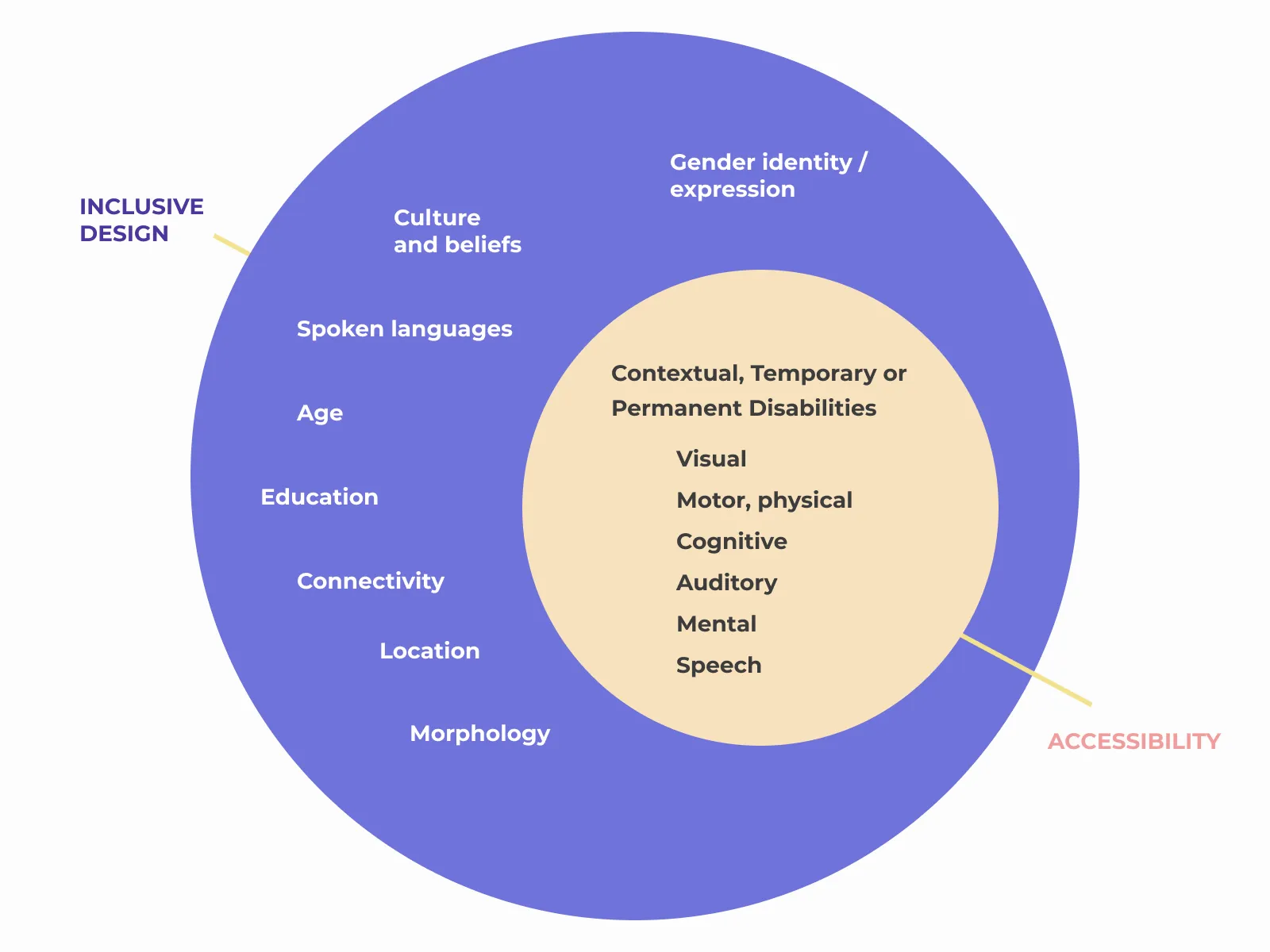
    2. Note: This preprint has been reviewed by subject experts for Review Commons. Content has not been altered except for formatting.

      Learn more at Review Commons


      Referee #1

      Evidence, reproducibility and clarity

      In the present manuscript, the authors analyzed diel oscillations in the brain and olfactory organs' transcriptome of Aedes aegypti and Anopheles culicifacies. The analysis of their RNAseq results showed an effect of time of day on the expression of detoxification genes involved in oxidoreductase and monooxygenase activity. Next, they investigated the effect of time of day on the olfactory sensitivity of Ae. aegypti and An. gambiae and identified the role of CYP450 in odor detection in these species using RNAi. In the last part of the study, they used RNAi to knock down the expression of one of the serine protease genes and observed a reduction in olfactory sensitivity. Overall, the experiments are well-designed and mostly robust (see comment regarding the sample size and data analysis of the EAG experiments) but do not always support the claims of the authors. For example, since no experiments were conducted under constant conditions, the circadian (i.e., driven by the internal clocks) effects are not being quantified here. In addition, knocking down the expression of a gene showing daily variations in its expression and observing an effect on olfactory sensitivity is not sufficient to show its role in the daily olfactory rhythms. Knowledge gaps are not well supported by the literature, and overstatements are made throughout the manuscript. Our detailed comments are listed below.

      Major comments

      Introduction

      Several statements made in the introduction are misleading and suggest that authors are trying to exaggerate the impact of their work. For example, "Furthermore, different species of mosquitoes exhibit plasticity and distinct rhythms in their daily activity pattern, including locomotion, feeding, mating, blood-feeding, and oviposition, facilitating their adaptation into separate time-niches (7, 8), but the underlying molecular mechanism for the heterogenous temporal activity remains to be explored." is not accurate since daily rhythms in mosquitoes' transcriptomes, behavior, and olfactory sensitivity have been the object of several publications. Even though some of them are listed later in the introduction, they contradict the claim made about the knowledge gap. See:

      Rund, S. S., Gentile, J. E., & Duffield, G. E. (2013). Extensive circadian and light regulation of the transcriptome in the malaria mosquito Anopheles gambiae. BMC genomics, 14(1), 1-19

      Rund, S. S., Hou, T. Y., Ward, S. M., Collins, F. H., & Duffield, G. E. (2011). Genome-wide profiling of diel and circadian gene expression in the malaria vector Anopheles gambiae. Proceedings of the National Academy of Sciences, 108(32), E421-E430

      Rund, S. S., Bonar, N. A., Champion, M. M., Ghazi, J. P., Houk, C. M., Leming, M. T., ... & Duffield, G. E. (2013). Daily rhythms in antennal protein and olfactory sensitivity in the malaria mosquito Anopheles gambiae. Scientific reports, 3(1), 2494

      Rund, S. S., Lee, S. J., Bush, B. R., & Duffield, G. E. (2012). Strain-and sex-specific differences in daily flight activity and the circadian clock of Anopheles gambiae mosquitoes. Journal of insect physiology, 58(12), 1609-1619

      Leming, M. T., Rund, S. S., Behura, S. K., Duffield, G. E., & O'Tousa, J. E. (2014). A database of circadian and diel rhythmic gene expression in the yellow fever mosquito Aedes aegypti. BMC genomics, 15(1), 1-9

      Eilerts, D. F., VanderGiessen, M., Bose, E. A., Broxton, K., & Vinauger, C. (2018). Odor-specific daily rhythms in the olfactory sensitivity and behavior of Aedes aegypti mosquitoes. Insects, 9(4), 147

      Rivas, G. B., Teles-de-Freitas, R., Pavan, M. G., Lima, J. B., Peixoto, A. A., & Bruno, R. V. (2018). Effects of light and temperature on daily activity and clock gene expression in two mosquito disease vectors. Journal of Biological Rhythms, 33(3), 272-288

      The knowledge gap brought up in the next paragraph of the introduction doesn't reflect the questions asked by the experiments: "But, how the pacemaker differentially influences peripheral clock activity present in the olfactory system and modulates olfactory sensitivity has not been studied in detail." Specifically, the control of peripheral clocks by the central pacemaker has not been evaluated here.

      "In vertebrates and invertebrates, it is well documented that circadian phase-dependent training can influence olfactory memory acquisition and consolidation of brain functions" should also cite work on cockroaches and kissing bugs:

      Lubinski, A. J., & Page, T. L. (2016). The optic lobes regulate circadian rhythms of olfactory learning and memory in the cockroach. Journal of Biological Rhythms, 31(2), 161-169

      Page, T. L. (2009). Circadian regulation of olfaction and olfactory learning in the cockroach Leucophaea maderae. Sleep and Biological Rhythms, 7, 152-161

      Vinauger, C., & Lazzari, C. R. (2015). Circadian modulation of learning ability in a disease vector insect, Rhodnius prolixus. Journal of Experimental Biology, 218(19), 3110-3117

      The sentence: "Previous studies showed that synaptic plasticity and memory are significantly influenced by the strength and number of synaptic connections (43, 44)." should be nuanced as the role of neuropeptides such as dopamine has also been showed to influence learning and memory in mosquitoes:

      Vinauger, C., Lahondère, C., Wolff, G. H., Locke, L. T., Liaw, J. E., Parrish, J. Z., ... & Riffell, J. A. (2018). Modulation of host learning in Aedes aegypti mosquitoes. Current Biology, 28(3), 333-344

      Wolff, G. H., Lahondère, C., Vinauger, C., Rylance, E., & Riffell, J. A. (2023). Neuromodulation and differential learning across mosquito species. Proceedings of the Royal Society B, 290(1990), 20222118

      Overall, the paragraph dealing with the idea that "circadian phase-dependent training can influence olfactory memory acquisition and consolidation of brain functions" is very confusing. This paragraph discusses mechanisms of learning-induced plasticity but seems to ignore the simplest (most parsimonious) explanations for the circadian regulation of learning (e.g., time-dependent expression of genes involved in memory consolidation). In addition, the sentence quoted above is circumvoluted to simply say that training at different times of the day affects memory acquisition and consolidation. Although the authors did look at one gene involved in neural function, learning, memory, or circadian effects were not analyzed in this study. Please reconsider the relevance of the paragraph.

      The sentence: "But, how the brain of mosquitoes entrains circadian inputs and modulates transcriptional responses that consequently contribute to remodel plastic memory, is unknown." should be rephrased. First, it should be "entrains TO circadian inputs", and second, it suggests that the study will be investigating circadian modulation of learning and memory, which is not the case. Furthermore, the term "remodel plastic memory" is unclear and doesn't seem to relate to any specific cellular or neural processes.

      Given the differences in mosquito chronobiology observed even between strains, why perform the RNAi and EAGs on a different species of Anopheles than the one used for the RNAseq (or vice versa)?

      Results

      "As reported earlier, a significant upregulation of period and timeless during ZT12-ZT18 was observed in both species (Figure 1C)." Please provide effect size and summary statistics.

      "Next, the distribution of peak transcriptional changes in both An. culicifacies and Ae. aegypti was assessed through differential gene-expression analysis. Noticeably, An. culicifacies showed a higher abundance of differentially expressed olfactory genes (Figure 1D)" Please provide effect size and summary statistics.

      "Taken together, the data suggests that the nocturnal An. culicifacies may possess a more stringent circadian molecular rhythm in peripheral olfactory and brain tissues." What do the authors mean by "stringent"? At this point, this should be stated as a working hypothesis, as the statement is not backed up by the data. It is possible that the fewer differentially expressed genes of Aedes aegypti are more central to regulatory networks and cascade into more "stringent" rhythmic control of activities and rhythms.

      The section title: "Circadian cycle differentially and predominantly expresses olfaction-associated detoxification genes in Anopheles and Aedes" doesn't make sense. The expression of genes can be modulated by circadian rhythms, but cycles don't express genes. Please rephrase. In addition, this whole section deals with "circadian rhythms" while no experiment has been conducted under constant conditions. The observed daily variations are therefore diel rhythms until their persistence under constant conditions is established.

      "The downregulated genes of Ae. aegypti did not show any functional categories probably due to the limited transcriptional change." Could the authors explain if this is actually the phenomenon or due to a lack of temporal resolution in the study design (i.e., 4 time points)?

      "a GO-enrichment analysis was unable to track any change in the response-to-stimulus or odorant binding category of genes (including OBPs, CSPs, and olfactory receptors)." This finding doesn't corroborate the statements made previously and doesn't align with previously published studies. Is it due to pitfalls in the study design?

      "In contrast, three different clusters of OBP genes in Ae. aegypti showed a time-of-day dependent distinct peak in expression starting from ZT0-ZT12 (Figure 2F)." Please provide summary statistics.

      "In the case of An. gambiae, the amplitudes of odor-evoked responses were significantly influenced by the doses of all the odorants tested (repeated measure ANOVA, p {less than or equal to} 2e-16) (Figure S4B)." Did the authors use a positive control for the EAGs? How did the authors normalize the responses across the two species? Given the way the data is presented, how were the data normalized to allow inter-species comparisons? In addition, It is highly unlikely that all the mosquito preps used in the EAG assay responded to all the odors tested. If that was the case, then the dataset includes missing data for certain odors and time points. We believe the authors have ensured there are at least a certain number of responses per odor and time point combinations. If this is true, repeated measures ANOVA is not suited for analyzing this data because this statistical technique requires all repeated measures within and across preps without missing values. Also, the authors need to correct the summary statistics for multiple comparisons within this framework to avoid inflating type-I errors. Has this been done?

      "Ae. aegypti was found to be most sensitive to all the odorants (4-methylphenol, β-ocimine, E2-nonenal, benzaldehyde, nonanal, and 3-octanol) during ZT18-20 except sulcatone (Figure 3C - 3H)." Although some of these chemicals are associated with plants and Ae. aegypti is suspected to sugar feed at night, how do the authors explain that the peak olfactory sensitivity occurs at night for compounds such as nonanal? It would be interesting to discuss how these results compare to previous studies such as:

      Eilerts, D. F., VanderGiessen, M., Bose, E. A., Broxton, K., & Vinauger, C. (2018). Odor-specific daily rhythms in the olfactory sensitivity and behavior of Aedes aegypti mosquitoes. Insects, 9(4), 147

      "Additionally, our principal components analysis also illustrates that most loadings of relative EAG responses are higher towards the Anopheles observations (Figure S4C)." The meaning of this sentence is unclear? Please clarify.

      "Taken together these data indicate that An. gambiae may exhibit higher antennal sensitivity to at least five different odorants tested, as compared to Ae. aegypti." As mentioned above, how did the authors normalized across species to allow comparisons? If not normalized, how do you ensure that higher response magnitudes correlate with higher olfactory sensitivity, given potential differences in the morphology or size differences between the two species? Furthermore, An. gambiae has been exclusively used in the EAG assay. Besides the lack of a justification for using a species other than An. culicifacies, the authors have interpreted the EAG results under the assumption that the olfactory sensitivities of An. gambiae and An. culicifacies are comparable. This, however, is a major caveat in the experiment design, given previous studies (indicated below) have reported species-specific variations in olfactory sensitivity. In its present form, the EAG data from An. gambiae is not a piece of appropriate evidence that the authors could use to complement or substantiate the findings from other aspects of this study on An. culicifacies.

      i. Wheelwright, M., Whittle, C. R., & Riabinina, O. (2021). Olfactory systems across mosquito species. Cell and Tissue Research, 383(1), 75-90.

      ii. Wooding, M., Naudé, Y., Rohwer, E., & Bouwer, M. (2020). Controlling mosquitoes with semiochemicals: a review. Parasites & Vectors, 13, 1-20.

      iii. Gupta, A., Singh, S. S., Mittal, A. M., Singh, P., Goyal, S., Kannan, K. R., ... & Gupta, N. (2022). Mosquito Olfactory Response Ensemble enables pattern discovery by curating a behavioral and electrophysiological response database. Iscience, 25(3).

      "Similar to An. gambiae, a comparatively high amplitude response was also observed in An. stephensi (Figure S4D)." This is interesting but what would be even more relevant to the present study is to discuss how the time-dependent responses compare between the two Anopheles species.

      The paragraph titled "Daily temporal modulation of neuronal serine protease impacts mosquito's olfactory sensitivity" is confusing because the authors move on to test the effect of knocking down a serine protease gene (found to be differentially expressed throughout the day) on olfactory sensitivity. While this is interesting in and of itself, the link between the role of this gene in learning-induced plasticity, the circadian modulation of "brain functions" and olfactory sensitivity is 1) unclear and 2) not explicitly tested. We agree with the authors that what has been tested is "the effect of neuronal serine protease on circadian-dependent olfactory responses," but the two paragraphs leading to it seem to be extrapolating functional links that have yet to be determined. In this context, their conclusions that "Our finding highlights that daily temporal modulation of neuronal serine-protease may have important functions in the maintenance of brain homeostasis and olfactory odor responses." is misleading because although they used the hypothetical "may", the link between the temporal modulation of one serine protease gene and the maintenance of brain homeostasis is not explicitly tested here.

      Discussion

      The first sentence of the discussion: "In this study, we provide initial evidence that the daily rhythmic change in the olfactory sensitivity of mosquitoes is tuned with the temporal modulation of molecular factors involved in the initial biochemical process of odor detection i.e., peri-receptor events" is not true since studies from Rund and Duffield previously revealed the daily modulation of OBP gene expression. It also contradicts the next sentence: "The findings of circadian-dependent elevation of xenobiotic metabolizing enzymes in the olfactory system of both Ae. aegypti and An. culicifacies are consistent with previous literature (26, 31), and we postulate that these proteins may contribute to the regulation of odorant detection in mosquitoes."

      The use of "circadian" in the discussion of the results is also misleading as only diel rhythms were evaluated in the present study.

      "Given the potentially larger odor space in mosquitoes (like other hematophagous insects) (16, 58)." This is not really what these references show.

      "Given the potentially larger odor space in mosquitoes (like other hematophagous insects) (16, 58), it can be hypothesized that detection of any specific signal in such a noisy environment, mosquitoes may have evolved a sophisticated mechanism for rapid (i) odor mobilization and (ii) odorant clearance, to prevent anosmia (24)." One could argue that this is a requirement for all insects, regardless of the size of their olfactory repertoire.

      "Taken together, we hypothesize that circadian-dependent activation of the peri-receptor events may modulate olfactory sensitivity and are key for the onset of peak navigation time in each mosquito species." This is not entirely accurate since spontaneous locomotor activity rhythms are also observed in the absence of olfactory stimulation. While "navigation" does imply olfactory-guided behaviors, "peak navigation time" appears to be driven by other processes. See, for example, all studies testing mosquito activity rhythms in locomotor activity monitors.

      "Due to technical limitations, and considering the substantial data on the circadian-dependent molecular rhythmicity" please clarify what the technical limitations were. Is this something that prevented the authors specifically, or something tied to mosquito biology and would prevent anybody from doing it? Also, why couldn't the transcriptomic analysis be performed on An. gambiae?

      "In contrast to An. gambiae, the time-dose interactions had a higher significant impact on the antennal sensitivity of Ae. aegypti. An. gambiae showed a conserved pattern in the daily rhythm of olfactory sensitivity, peaking at ZT1-3 and ZT18-20." These two sentences are very confusing. Doesn't it simply mean that the co-variation is not linear or not the same across odors? In addition, what does it mean for a pattern to be more conserved? How can one conclude about the "conserved" nature of a pattern by looking at time-dependent variations in dose-response curves?

      "Together these data, we interpret that mosquito's olfactory sensitivity possibly does not follow a fixed temporal trait" is unclear and suggests that the authors are discussing global versus odor-specific rhythms. Please rephrase.

      "Moreover, we hypothesize that under standard insectary conditions, mosquitoes may not need to exhibit foraging flight activity either for nectar or blood, and during the time course, it may minimize their olfactory rhythm, which is obligately required for wild mosquitoes." This hypothesis is not supported by the results of the study and contradicts work by others (Rund et al., Eilerts et al., Gentile et., etc).

      The same comment applies to "Therefore, it is reasonable to think that the mosquitoes used for EAG studies may have adapted well under insectary settings and, hence carry weak olfactory rhythm." as this statement is not supported by results of the present study or comparisons of the results to previous studies based on field-caught mosquitoes. Although it is an interesting question to ask in the future, it should be stated as a future research avenue rather than a working hypothesis that results from the present study.

      "Aedes aegypti displayed a peak in antennal sensitivity at ZT18-20 to the higher concentrations of plant and vertebrate host-associated odorants tested. Given the time-of-day dependent multiple peaks (at ZT6-8 and ZT18-20 for benzaldehyde and at ZT12-14 and ZT18-20 for nonanal) in antennal sensitivity to different odorants, our data supports the previous observation of bimodal activity pattern of Ae. aegypti (50)." Rephrase by saying that results are "aligned with the previous observations of bimodal activity". Olfactory rhythms don't "support" the activity patterns because olfactory processes and spontaneous locomotor activity are independent processes.

      "our preliminary data indicate that Anopheles spp. may possess comparatively higher olfactory sensitivity to a substantial number of odorants as compared to Aedes spp." Consider removing this sentence unless the way the data has been normalized to allow for comparisons between species is clarified.

      In "A significant decrease in odorant sensitivity for all the volatile odors tested in the CYP450-silenced Ae. aegypti," please change "silenced" to "reduced" because RNAi doesn't silence (i.e. knockout) gene expression.

      The title "Neuronal serine protease consolidates brain function and olfactory detection" is extremely misleading. Do the authors refer to memory consolidation, which has not been tested here? What is brain function consolidation??

      The reference used in "Despite their tiny brain size, mosquitoes, like other insects, have an incredible power to process and memorize circadian-guided olfactory information (7)." is not appropriate. Also, "circadian-guided" is unclear. Consider replacing it with "circadian-gated".

      What is the "the homeostatic process of the brain"?

      "the temporal oscillation of the sleep-wake cycle of any organism is managed by the encoding of experience during wake, and consolidation of synaptic change during inactive (sleep) phases, respectively (70)." By experience, do the authors refer to learning? This seems out of topic as this process has not been evaluated here.

      "We speculate that after the commencement of the active phase (ZT6-ZT12), the serine peptidase family of proteins in the brain of Ae. aegypti mosquitoes may play an important function in consolidating brain actions (after ZT12) and aid circadian-dependent memory formation." The value of this statement is unclear. Circadian-dependent memory formation is not being evaluated here, and the results from the present study do not directly support this speculation, also because other processes involved in memory formation are not evaluated here. This seems at odds with the literature on learning and memory.

      "Subsequent work on electrophysiological and neuro-imaging studies are needed to demonstrate the role of neuronal-serine proteases in the reorganization of perisynaptic structure." Sure. But the link between "the role of neuronal-serine proteases in the reorganization of perisynaptic structure" and rhythms in olfactory sensitivity is unclear.

      As a general comment, EAGs seem inappropriate to evaluate the effect of the central-brain processing in the regulation of peripheral olfactory processes. This is a critical comment that needs to be considered by the authors and clarified in the manuscript. If rhythms of central brain processes are important for olfactory-guided behaviors, these should be evaluated at the level of the central brain or via behavioral metrics. The effect of the RNAi knockdowns on peripheral sensitivity is interesting, but its link with central processes is unclear and doesn't support the speculations made by the authors about learning and memory.

      Methods

      No explanations are provided for how the EAG data are normalized to allow comparisons between species.

      Figures

      Figure 1: The daily rhythm depicted in A, are not representative of the actual profiles. See: Benoit, J. B., & Vinauger, C. (2022). Chapter 32: Chronobiology of blood-feeding arthropods: influences on their role as disease vectors. In Sensory ecology of disease vectors (pp. 815-849). Wageningen Academic Publishers. Or any other paper on mosquito activity rhythms.

      Figure 3 and 4: The EAG results are plotted twice. This is redundant and misleading as it makes the reader think there is more data than actually presented.

      Figure 5: Please clarify the sample size for each panel. In C - F, what would be used as a reference? In other words, what is a Relative EAG Response of 1? And if it is "relative", are the units really mV? In E and F, it would be great to show how the Ethanol control compares to the no solvent condition. This could be placed in supplementary materials.

      Figures 5 and 6, given the dispersion in the EAG data, the treatments where N=40 appear robust, but the interpretation of results from treatments where N=6 may be limited due to the low sample size. This limitation is visible in Figure 5F, for example, where ABT-Aceto is different from Cont-Aceta but not PBO-Aceto because one individual shows a higher response.

      Figure S6: how does this support that synaptic plasticity is influenced by "Time-of-day dependent modulation of serine protease genes in the brain"?

      Minor comments

      What do the authors mean by "consolidation of brain functions"? Memory consolidation? Please clarify.

      In "Similar to previous studies (26), the expression of a limited number of rhythmic genes was visualized in Ae. aegypti" please replace "visualized" with "observed".

      Figure 2A, please clarify in the caption what FDR stands for.

      In "To further establish this proof-of-concept in An. gambiae, three potent CYP450 inhibitors, aminobenzotriazole(52), piperonyl butoxide(53), and schinandrin A (54), was applied topically on the head capsule of 5-6-day-old female mosquitoes" replace "was applied" with "were applied".

      "Interestingly, our species-time interaction studies revealed that An. gambiae exhibits time-of-day dependent significantly high antennal sensitivity to at least four chemical odorants compared to Ae. aegypti, except phenol." is unclear. Please reword.

      In "Similar observations were also noticed with An. stephensi." replace "noticed" with "made".

      Significance

      Such a study has the potential to be valuable for the field, but its value and significance are hindered by an accumulation of overstatements, the fact that prior work in the field has been minimized or omitted, and a lack of support for the stated conclusions.

      In this context, the advances are only slightly incremental compared to the work produced by Rund et al., and the mechanistic hypotheses emitted to link the genes selected for knockdown experiments and olfactory sensitivity are not clearly supported by the evidence presented here. The main strength of the paper is to show the role of CYP450 in olfactory sensitivity.

      The audience is fairly broad and includes insect neuro-ethologists, molecular biologists, and chronobiologists.

      Our field of expertise:

      • Mosquito chemosensation
      • Learning and memory
      • Chronobiology
      • Electrophysiology
      • Medical entomology
    1. Author Response

      Public Reviews:

      Reviewer #1

      Strengths:

      Overall, the work is novel and moves the field of Alzheimer's disease forward in a significant way. The manuscript reports a novel concept of aberrant activity in VIP interneurons during the early stages of AD thus contributing to dysfunctions of the CA1 microcircuit. This results in the enhancement of the inhibitory tone on the primary cells of CA1. Thus, the disinhibition by VIP interneurons of Principal Cells is dampened. The manuscript was skillfully composed, and the study was of strong scientific rigor featuring well-designed experiments. Necessary controls were present. Both sexes were included.

      We express our gratitude to the reviewer for their keen appreciation of our efforts and their enthusiasm for the outcomes of this research.

      Limitations:

      (1) The authors attributed aberrant circuit activity to the accumulation of "Abeta intracellularly" inside IS-3 cells. That is problematic. 6E10 antibody recognizes amyloid plaques in addition to Amyloid Precursor Protein (APP) as well as the C99 fragment. There are no plaques at the ages 3xTg mice were examined. Thus, the staining shown in Figure 1a is of APP/C99 inside neurons, not abeta accumulations in neurons. At the ages of 3-6 months, 3xTg starts producing abeta oligomers and potentially tau oligomers as well (Takeda et al., 2013 PMID: 23640054; Takeda et al., 2015 PMID: 26458742 and others). Emerging literature suggests that abeta and tau oligomers disrupt circuit function. Thus, a more likely explanation of abeta and tau oligomers disrupting the activity of VIP neurons is plausible.

      The Reviewer correctly points out that 3xTg-AD mice typically do not exhibit plaques before 6 months of age, with limited amounts even up to 12 months, particularly in the hippocampus. To the best of our knowledge, the 6E10 antibody binds to an epitope in APP (682-687) that is also present in the Abeta (3-8) peptide. Consequently, 6E10 detects full-length APP, α-APP (soluble alpha-secretase-cleaved APP), and Abeta (LaFerla et al., 2007). Nonetheless, we concur with the Reviewer's observation that the detected signal includes Abeta oligomers and the C99 fragment, which is currently considered an early marker of AD pathology (Takasugi et al., 2023; Tanuma et al., 2023). Studies have demonstrated intracellular accumulation of C99 in 3-month-old 3xTg mice (Lauritzen et al., 2012), and its binding to the Kv7 potassium channel family, which results in inhibiting their activity (Manville and Abbott, 2021). If a similar mechanism operates in IS-3 cells, it could explain the changes in their firing properties observed in our study. Consequently, we will revise the manuscript to include this crucial information in both the Results and Discussion sections.

      (2) Authors suggest that their animals do not exhibit loss of synaptic connections and show Figure 3d in support of that suggestion. However, imaging with confocal microscopy of 70micron thick sections would not allow the resolution of pre- and post-synaptic terminals. More sensitive measures such as electron microscopy or array tomography are the appropriate techniques to pursue. It is important for the authors to either remove that data from the manuscript or address the limitations of their technique in the discussion section. There is a possibility of loss of synaptic connections in their mouse model at the ages examined.

      We appreciate the Reviewer’s perspective on the techniques used for imaging synaptic connections. While we acknowledge the limitations of confocal microscopy for resolving pre- and post-synaptic structures in thick sections, we respectfully disagree regarding the exclusive suitability of electron microscopy (EM). Our approach involved confocal 3D image acquisition using a 63x objective at 0.2 um lateral resolution and 0.25 Z-step, providing valuable quantitative insights into synaptic bouton density. Despite the challenges posed by thick sections, this method together with automatic analysis allows for careful quantification. Although EM offers unparalleled resolution, it presents challenges in quantification. We will ensure to include the important details regarding image acquisition and analysis in the revised manuscript.

      Reviewer #2 (Public Review):

      Summary:

      The submitted manuscript by Michaud and Francavilla et al., is a very interesting study describing early disruptions in the disinhibitory modulation exerted by VIP+ interneurons in CA1, in a triple transgenic model of Alzheimer's disease. They provide a comprehensive analysis at the cellular, synaptic, network, and behavioral level on how these changes correlate and might be related to behavioral impairments during these early stages of the disease.

      Main findings:

      3xTg mice show early Aß accumulation in VIP-positive interneurons.

      3xTg mice show deficits in a spatially modified version of the novel object recognition test. - 3xTg mice VIP cells present slower action potentials and diminished firing frequency upon current injection.

      3xTg mice show diminished spontaneous IPSC frequency with slower kinetics in Oriens / Alveus interneurons.

      3xTg mice show increased O/A interneuron activity during specific behavioral conditions.

      3xTg mice show decreased pyramidal cell activity during specific behavioral conditions.

      Strengths:

      This study is very important for understanding the pathophysiology of Alzheimer´s disease and the crucial role of interneurons in the hippocampus in healthy and pathological conditions.

      We are thankful to the reviewer for their insightful recognition of our efforts and their enthusiasm for the results of this research.

      Weaknesses:

      Although results nicely suggest that deficits in VIP physiological properties are related to the differences in network activity, there is no demonstration of causality.

      RE: We completely agree with the reviewer's observation regarding the lack of demonstration of causality in our results. Investigating causality in the relationship between deficits in VIP physiological properties and differences in network activity is indeed a crucial aspect of this project. However, achieving this goal will require a significant amount of time and dedicated manipulations in a new mouse model (VIP-Cre-3xTg). We appreciate the importance of this line of investigation and consider it as a priority for our future research endeavors.

    2. Reviewer #2 (Public Review):

      Summary:

      The submitted manuscript by Michaud and Francavilla et al., is a very interesting study describing early disruptions in the disinhibitory modulation exerted by VIP+ interneurons in CA1, in a triple transgenic model of Alzheimer's disease. They provide a comprehensive analysis at the cellular, synaptic, network, and behavioral level on how these changes correlate and might be related to behavioral impairments during these early stages of the disease.

      Main findings:

      - 3xTg mice show early Aß accumulation in VIP-positive interneurons.

      - 3xTg mice show deficits in a spatially modified version of the novel object recognition test.

      - 3xTg mice VIP cells present slower action potentials and diminished firing frequency upon current injection.

      - 3xTg mice show diminished spontaneous IPSC frequency with slower kinetics in Oriens / Alveus interneurons.

      - 3xTg mice show increased O/A interneuron activity during specific behavioral conditions.

      - 3xTg mice show decreased pyramidal cell activity during specific behavioral conditions.

      Strengths:

      This study is very important for understanding the pathophysiology of Alzheimer´s disease and the crucial role of interneurons in the hippocampus in healthy and pathological conditions.

      Weaknesses:

      Although results nicely suggest that deficits in VIP physiological properties are related to the differences in network activity, there is no demonstration of causality.

    1. O Attic shape! Fair attitude! with brede         Of marble men and maidens overwrought,With forest branches and the trodden weed;

      describes the urn

    1. Agam and agam, 1t was nec-mc . . ¡· . 11 t remind everyone that no educatwn 1s po 1tica y neu-essary o . . 1 Emphasizing that a white male professor m an Enghsh tra.

      This discussion makes me more confident in the importance of actively facing and discussing political positions in the education process. Education is not only a process of imparting knowledge, but also a process of shaping the way of thinking and world outlook. By identifying and challenging potential prejudices and injustices in educational practice, we can provide students with a more comprehensive and real learning environment. This is also a challenge to educators, requiring us to continue to reflect and grow, and strive to achieve true inclusiveness and diversity. Only in this way can education truly become a force for social justice and progress.

    2. the issue of changing curriculum and teaching practices in ways that were progressive and pro-moting o f inclusion led us to consider how we mig ht intervene in this process

      To address these issues, professors from other institutions were invited to discuss how to teach in a way that enables multicultural education.

    3. I saw students nodding their heads. And I saw for the first tim e that there can be, and usually is, som e degree o f pain involved in giving up oid ways of thinking and knowing and )earning new approaches.

      This is something that is very important to realize. When bringing in new things and getting rid of old things it can be very hard to move on. Moving on is going to take time and is important to let those moving on have this time. Rushing them into new things can cause them to be close-minded and not buy in to the new that is being taught. It is important that they are onboard and this can take some time but is important to be patient and understanding.

    4. Agam and agam, 1t was nec-mc . . ¡· . 11 t remind everyone that no educatwn 1s po 1tica y neu-essary o . . 1 Emphasizing that a white male professor m an Enghsh tra. ,. ak d arttnent who teaches only work by "great white men IS m -ep . . ing a political decision, we had to work cons1stently agamst and through the overwhelming will on the part of folks to deny the politics of racism, sexism, heterosexism, and so forth that · form how and what we teach.

      I think this is a very strong and interesting point that we need to notice more in our education. Countries often embed certain ideologies into their education, that is no secret. But I think the author is making this kind of ideology more inclusive as to include even the race, gender of the professor and those of the author taught about matter.

    5. We can teach in ways that transform consciousness, creating a climate of free expression that is the essence of a truly liberatory liberal arts education. 4 Paulo Freire This is a playful dialogue with myself, Gloria Watkins, talking with bell hooks, my writing voice. I wanted to speak about Paulo and his work in this way for it afforded me an intimacy-a familiarity-I do nat find it possible to achieve in the essay. And here I have found a way to share the sweetness, the soli-darity I talk a bo ut. Watkins: Reading your books Ain 't I a Woman: Black Women a nd Feminism, Feminist The!Yfy: From Margin to Center, and Talk-ing Bach, it is clear that your development as a critica! thinker has been greatly influenced by the work of Paulo Freire. Can you speak abou~ why his work has touched your life so deeply? hooks: Years before I met Paulo Freire, I had learned so much from hi s work, learned new ways o f thinking a bo ut social reality that were liberatory. Often when university stu-45

      This emphasizes the importance of educators embracing diverse perspectives. It demonstrated the value of relearning and adapting pedagogy to reflect a multicultural reality. This method has empowers the students by providing them with a more inclusive and enriching education. It promotes critical thinking and establishes free expression in the classroom. Overall, it encourages a truly liberatory education that prepares students for a diverse world.

    6. And I inducte recognition of it now when I teach, that is to say, I teach about shifting paradigms and talk about the discomfort it can cause. White students learning to think more critically about ques-tions o f race and racism may go home for the holidays and sud-denly see their parents in a different light. They may recognize nonprogressive thinking, racism, and so on, and it may hurt them that new ways of knowing may crea te estrangement where there was none

      Teachers can see the potential discomfort that can arise when students confront new perspectives. However, teaching about different paradigms can prepare students for conversations about race and racism. It shows the transformative power of education in reshaping students perceptions. This method encourages critical thinking and self-reflection, even if it leads to difficult realizations. But it fosters personal growth and social awareness among students.

    7. I saw students nodding their heads. And I saw for the first tim e that there can be, and usually is, som e degree o f pain involved in giving up oid ways of thinking and knowing and )earning new approaches. I respect that pain.

      Written by: Justino David Lopez-Gonzalez As the world can be tough sometimes. In one, your are the hero and another your the villain. In other words, in pain you encounter challenges are different on every individual. Sometimes not having the advantages or benefit that you would had if the world was too easy. We have our own story in which we create others, many can agree with you or not, you do do what is right/ best to reach that goal. As the saying said "No pain, no gain" and try to do your best to achieve it if you are determine to learn and grow from adapting from your environment.

    1. Author Response

      The following is the authors’ response to the original reviews.

      Reviewer #1:

      The very detailed insights gained by the authors into allosteric regulation require very specialized techniques in this study. This poses a challenge to communicate the methods, the results, and the meaning of the results to a broader audience. In some places, the authors overcome this challenge better than in others.

      Following this reviewer’s suggestions, we have extensively revised the text, making the text more understandable to a broader audience.

      The manuscript does not show up on BioRxiv.

      The manuscript is now deposited in Biorxv (doi: 10.1101/2023.09.12.557419)

      Fig3: GS-ES2 transition: the changes appear minimal in the illustration.

      As suggested by this reviewer, we have re-examined the GS-ES2 transition and clearly defined the structural characteristics of the conformationally excited state 2 (ES2) state. As shown in the revised Fig.3 of the main text, the ground state (GS) features a π-π packing between the aromatic rings of F100 and Y156, as well as a cation-π stacking between R308 and F102. In the ES2 state, these above interactions are disrupted, while a new π-π packing interaction is formed between F100 and F102. We added new comments in the main text clarifying these structural interactions that characterize each state.

      GS-ES1 transition: how is the K72-E91 salt bridge disrupted? How do you define the formation/disruption of a salt bridge? The current figure does not make this very clear and the K72-E91 salt bridge appears to be intact in ES1. Maybe the authors could replace the dotted K72-E91 line with a dotted line and distance?

      As stated above, we revised Fig. 3 highlighting the differences between the two states. The K72 and E91 salt bridge is formed when the distance between Nε of K72 and Oε of E91 is shorter than 4.0 Å (the typical cutoff for a salt bridge). In the ES1 state, the outward movement of the αC helix increases the distance over 4.5 Å, disrupting the salt bridge.

      L251: Could the authors remind the reader why they are only comparing V104 and I150? Could they give a little context as to why they consider the agreement to be good? It appears that they would be statistically different, so a little context for what comprises a good agreement in the literature may be helpful.

      Our mutagenesis studies show that V104 and I150 are key residues for allosteric communication, and if mutated, result in well-folded but inactive kinases (Sci Adv. doi: 10.1126/sciadv.1600663). Importantly, V104 and I150 show two distinct populations in the CEST experiments that can be directly related to the GS and ES states. Regarding the fitting of these residues, we obtained a good agreement with the direction of the chemical shifts, which supports the hypothesized GS -> ES structural transition. The lack of a quantitative agreement between the chemical shifts of the experimental and simulated excited state is not surprising for two reasons a) all state-of-the art simulations fall short in sampling slow conformational interconversions, and b) the uncertainty of the SHIFTX algorithm for the prediction of 13C chemical shifts of methyl groups is quite large. Finally, we would like to point out that most NMR relaxation-dispersion experiments (CEST and CPMG) are performed for the backbone 15N, 13Calpha and 1H resonances, which have been used to calculate the structures of the intermediate states (Neudecker, P. et. al Science, 2012, 336,doi: 10.1126/science.1214203) and yield reasonable agreement with the prediction for metastable states derived from Markov Models (Olsson, S. J. Am. Chem. Soc., 2017,139,doi:10.1021/jacs.6b09460). To the best of our knowledge, there is no literature reporting on calculations of the 13C CEST profiles for methyl groups from MD simulations, and remarkably, we found a reasonably good agreement between experimental and predicted chemical shifts (see Fig.5C).

      Just to clarify: the calculated CS values are informed by experimental CS values that were used in the calculation?

      We used the backbone chemical shifts as the restraints only in the metadynamics simulations. We used the chemical shifts of the methyl groups and their corresponding excited states to verify the ES2 state.

      Figure 8: in its current form this potentially exciting result is lost on the average reader.

      we modified Fig. 8 of the main text, making the intra- and inter-residue correlations visible to the reader.

      Reviewer #2:

      While the alphaC-beta4 loop is a conserved feature of protein kinases, the residues within this loop vary across various kinase families and groups, enabling group and family-specific control of activity through cis and trans acting elements. F102 in PKA interacts with co-conserved residues in the C-tail, which has been proposed to function as a cis regulatory element. The authors should elaborate on the conformational changes in the C-tail, particularly in the arginine that packs against F102, in the results and discussion. This would further extend the impact and scope of the manuscript, which is currently confined to PKA.

      As suggested by this reviewer, we re-analyzed the time-dependent interactions between F102 and R308 at the C-tail. As this reviewer suspected, these interactions differentiate the ES2 from the GS state. In the GS state, there is a stable cation-π interaction between F102 and R308, which becomes transient in the ES2 state (Fig. 3). For the F100A mutant, the interactions between F102 and R308 have lower occurrence relative to the WT enzyme, i.e., a weaker interaction between the αC-β4 loop and the C-tail (see new Figure 6 - figure supplement 1). The latter supports our conclusion that the structural coupling between the C-tail and the two lobes of the enzyme decreases for the F100A mutant. We added more comments in the main text.

      FAIR standards of making the data accessible and reproducible are not directly addressed.

      We have deposited all our NMR data on the Data Repository Site at the University of Minnesota, DRUM (https://hdl.handle.net/11299/261043).

      The MD data and conformational states would be a valuable resource for the community and should be shared via some open-source repositories.

      Due to the large size of the simulations (>500 GB), we could not deposit them in the Data Repository Site at the University of Minnesota (DRUM). We are actively working with the personnel at DRUM to upload all the trajectories in an alternate site. However, these data will be available to the public immediately upon request.

      The authors state that ES1 and ES2 states are novel and not observed in previous crystal structures. The authors should quantify this through comparisons with PKA inactive states and with other AGC kinases.

      We apologize for the confusion. We now clarify that the ES1 is a well-known inactivation pathway. As suggested by this reviewer, we now report a few examples of active and inactive conformations of PKA-C and other kinases (see new Figure 3 – figure supplement 2.). Briefly, ES1 corresponds to the typical αC-out conformation found for PKA-C bound to inhibitors or in R194A mutant. A similar conformation is present for Src, Abl, and CDK2. The C-out conformation features a disrupted β3K-αCE salt bridge, which is key for active kinases. In contrast, the transition GS-ES2 is not present in the inactive conformations deposited in the PDB.

      Based on the results, can the authors speculate on the impact of oncogenic mutations in the alphaCbeta4 loop mutations in PKA?

      We now include additional comments and another citation that further supports our findings. In short, the activation of a kinase is generated by mutation insertions that stabilize the αC-β4 loop as pointed out by Kannan and Zhang (see references 28, 30, and 68). In contrast, mutations that destabilize this allosteric site (e.g., F100A) are inactivating, disrupting the structural couplings of the two lobes (our work).

      Reviewer #3:

      The manuscript is somewhat difficult to read even for kinase experts, and even harder for the layman. The difficulty partially arises from mixing technical description of the simulations with structural interpretation of the results, which is more intuitive, and partially arises from the assumption that readers are familiar with kinase architecture and its key elements (the aC helix, the APE motif, etc).

      We revised the text and modified Fig. 1 in the main text to make the paper more accessible to the general audience.

      The authors haven't done a good job describing the ES2 state intuitively. From my examination of the figures, it appears that in the ES2 state, the kinase domain is more elongated and the N and the C lobes are relatively less engaged than in the ground state. This may or may not be exactly, but a more intuitive description of the ES2 state is needed.

      As suggested by this reviewer, we include a better description of the ES2 state of the kinase and the structural details of the inactivation pathway. Also, we checked the radius of gyration of the two lobes for GS and ES2. ES2 is slightly more elongated with an Rg of 20.3 ± 0.1 Å as compared to the GS state (20.0 ± 0.2 Å). This marginal difference is consistent with our characterization of the local packing around the C-4 loop, in which the lack of stable interaction with E and C-tail in the ES2 state makes the overall structure less compact.

      The authors need to introduce and give a brief description of technical terms such as CV (collective variable), PC (principal component) etc.

      We now specify both collective variables and principal components and include those definitions in the Method section. Briefly, to characterize the complex conformational transitions of PKA-C, we utilize collective variables (Figure 2 – figure supplement 1). We chose these variables based on structural motifs described in the literature to define local and global structural transitions (Camilloni C., Vendruscolo, M, Biochemistry, 2015,54,7470; Kukic, P. et al. Structure, 2015,23, 745). On the other hand, we utilized the principal component analysis to compare the conformational changes of the kinase in the same two-dimensional space, revealing the two lowest frequencies that define the global motions of the enzyme (Figures 7C, D, and E).

      The following paper should be discussed as it discussed similar ATP/substrate binding of Src kinase based on an extensive network that largely overlaps with the discussed PKA network. Foda, et al. "A dynamically coupled allosteric network underlies binding cooperativity in Src kinase." Nature communications 6.1 (2015): 5939.

      We apologize for missing this citation. Indeed, it makes our finding more general as allosteric cooperativity is key in other kinases such as Src and ERK2. We included this in the Discussion section.

      The CHESCA analysis appears to be an add-on that doesn't add much value. It is difficult to direct. I'd suggest considering removing it to the SI.

      We understand this concern. We rewrote part of the paper to make the NMR analysis of the correlated chemical shifts described by the CHESCA matrices linked to the MD calculations.

    1. Вы могли заметить, что все эти советы очень похожи на то, что мы слышали в детстве: — Сначала котлетку, потом конфеты. — Ложись спать, уже поздно. — Хватит смотреть телевизор, сходи погуляй, вон погода какая хорошая. Именно так и есть. Забота о себе очень похожа на заботу о маленьком ребенке. И как и в детстве, нам не всегда бывает приятно то, что полезнее всего. Это надо просто принять: Забота о себе не обязательно должна быть приятной в моменте. Но она позволяет быть в норме и наслаждаться жизнью в итоге, а не искать подорожники, чтобы залепить ими стресс.

      база для помощи себе

    2. Представим, что Олег всю неделю хорошо спит, не объедается жирным и сладким и не сидит полночи в соцсетях. Не надо быть физиологом, чтобы предположить, как хорошо он начнет себя чувствовать, и как много стресса просто исчезнет из его жизни. А именно так это и работает: Вроде просто поспал, а в результате не надо отстаивать никакие границы. Просто нормально ешь, и не нужны никакие техники эффективности. Чуть больше гуляешь, и уже сил побольше, сон получше, а проблемы как будто не такие страшные.

      гулять и есть нормально, чтобы не бороться со стрессом

    3. А можно пару часов погулять на улице и так устать, что никакой сериал не нужен, тут бы до кровати добраться. Это не значит, что надо вообще выбросить смартфон и отменить подписку на онлайн-кинотеатры. Но есть очень простой вопрос, который поможет пользоваться всем этим себе во благо. Допустим, вы листаете смешные видосы. Спросите себя:  — Вот сейчас я делаю что-то для себя или просто повышаю охваты каким-то неизвестным мне людям? Посмотреть смешные видосы — отличный способ отвлечься. Пятнадцать минут на диване или пять минут в очереди — почему бы и нет. Но потом обязательно спросите себя снова: — А сейчас я все еще делаю что-то для себя или просто повышаю охваты каким-то неизвестным мне людям? И если вы понимаете, что уже не хотите лежать на диване и устали от контента, то это оно: тот момент, когда надо позаботиться о себе и убрать смартфон от лица.

      баланс потребления контента

    4. Правильное или просто нормальное питание не требует каких-то знаний в нутрициологии. Это все то, что мы знаем с детства:  не пропускать обед и ужин, побольше овощей, поменьше сладкого, сначала нормальная еда, потом конфеты, и конфетами не объедаться, а то слипнется.

      база

  3. inst-fs-iad-prod.inscloudgate.net inst-fs-iad-prod.inscloudgate.net
    1. -y way o m entance real estate, or a_cc~mulated class capital and wealth-afford a better home in ~ better school d,stn~t, Y0_u will therefore receive a predictably better education (~cGrew, 2?11).

      I love this sentence because it really highlights the significance and impact of being born into wealth because it does truly help individuals in the long run; a lot more than people think. Especially it being a lot harder to acquire homes with predatory lenders trapping people in questionable contacts to pay their housing mortgages which helps families into good schooling districts.

    1. Reviewer #2 (Public Review):

      Summary:

      This manuscript from Lee-Odegard et al reports proteomic profiling of exercise plasma in humans, leading to the discovery of CD300LG as a secreted exercise-inducible plasma protein. Correlational studies show associations of CD300LG with glycemic traits. Lastly, the authors query available public data from CD300LG-KO mice to establish a causal role for CD300LG as a potential link between exercise and glucose metabolism. However, the strengths of this manuscript were balanced by the moderate to major weaknesses. Therefore in my opinion, while this is an interesting study, the conclusions remain preliminary and are not fully supported by the experiments shown so far.

      Strengths:

      (1) Data from a well-phenotyped human cohort showing exercise-inducible increases in CD300LG.

      (2) Associations between CD300LG and glucose and other cardiometabolic traits in humans, that have not previously been reported.

      (3) Correlation to CD300LG mRNA levels in adipose provides additional evidence for exercise-inducible increases in CD300LG.

      Weaknesses:

      (1) CD300LG is by sequence a single-pass transmembrane protein that is exclusively localized to the plasma membrane. How CD300LG can be secreted remains a mystery. More evidence should be provided to understand the molecular nature of circulating CD300LG. Is it full-length? Is there a cleaved fragment? Where is the epitope where the o-link is binding to CD300LG? Does transfection of CD300LG to cells in vitro result in secreted CD300LG?

      (2) There is a growing recognition of specificity issues with both the O-link and somalogic platforms. Therefore it is critical that the authors use antibodies, targeted mass spectrometry, or some other methods to validate that CD300LG really is increased instead of just relying on the O-link data.

      (3) It is insufficient simply to query the IMPC phenotyping data for CD300LG; the authors should obtain the animals and reproduce or determine the glucose phenotypes in their own hands. In addition, this would allow the investigators to answer key questions like the phenotype of these animals after a GTT, whether glucose production or glucose uptake is affected, whether insulin secretion in response to glucose is normal, effects of high-fat diet, and other standard mouse metabolic phenotyping assays.

      (4) I was unable to find the time point at which plasma was collected at the 12-week time point. Was it immediately after the last bout of exercise (an acute response) or after some time after the training protocol (trained state)?

    1. memories := sessions collect: [:session | doc := HedgeDoc new url: commonAddress, session asString; retrieveContents. ]

      Esto corresponde a un ciclo e iterador. Ya que sigue una secuencia de datos o elementos que se encuentran dentro de una colección.

      sessions es el objeto, mientras que collect es un mensaje.

    1. memories do: [:doc | | fileName | fileName := (doc url asString splitOn: $:) last , '.md'. doc file: folder / fileName. doc exportAsFile. ]

      Es un mensaje tipo keyword

      • El objeto es: memories
      • El mensaje es: do
      • El argumento del mensaje do es el bloque proporcionado entre corchetes [:doc | .... ] aquí el iterador es el do, el cual se utiliza para recorrer cada elemento de la colección o objeto memories y ejecutar el bloque proporcionado para cada uno de ellos.

      Resultado devuelto al ejecutar todo el bloque:

    2. folder := FileLocator documents / 'USemanticas\leidy-palma\Wiki\es\sesiones'.

      Este es un tipo de mensaje binario en donde

      Objeto:

      • El objeto principal en este ejemplo es FileLocator, que es una clase en Pharo utilizada para ubicar archivos en el sistema de archivos.

      Mensaje:

      • El mensaje principal enviado es /, que es un mensaje binario. Este mensaje se utiliza para combinar dos rutas de archivos o directorios.

      Argumento:

      • El argumento del mensaje / es la cadena 'USemanticas\leidy-palma\Wiki\es\sesiones', que representa la ruta relativa de un directorio en el sistema de archivos.

      Este ejercicio devuelve como resultado:

    3. sessions := 1 to: 11

      El tipo de mensaje es keyword porque son aquellos mensajes que consisten en uno o más nombres de argumentos precedidos por dos puntos (:). Su composición parte de:

      Un receptor (objeto), el mensaje (método a utilizar) y el argumento que son los valores que se pasan al método para que pueda realizar la tarea. En los mensajes keyword, los argumentos están precedidos por dos puntos (:) y separados por comas (,).

      Para este caso: * El objeto es sessions. * El mensaje es to * y el argumento pasado por el método to es el 11, Esto indica que la secuencia de números enteros debe ir desde 1 hasta 11 inclusive.

    4. 27 * 23

      Para este ejercicio el tipo de mensaje es binario porque se compone de tres partes: receptor (objeto), selector (mensaje) y argumento. 1. Objeto: es el receptor del mensaje. En este caso, el objeto es el número 27. 2. Mensaje: es la acción que se le está enviando al objeto. Para este ejemplo, el mensaje es la operación de multiplicación representada por el selector ( * ), que indica que se debe multiplicar el objeto con el argumento. 3. Argumento: es el valor que se pasa al mensaje o con el que se realizar la operación. Para este caso, el argumento es el número 23. En concusión, devuelve como resultado

    1. Bibliografia

      Parabéns amigo luiz amei o texto espero conseguir o relato de jaqueline aranduha falando exatamente sobre a comissão de anistia indígena e do perdão que rolou hoje. Abraço

    2. A Assembleia Constituinte foi interrompida por D. Pedro I, e o projeto constituinte de 1823, a Constituição da Mandioca, jamais entrou em vigor. D

      tiraria a virgula antes doD. Pedro I e

    1. El resultado de la aplicación de la praxis en el actode educar colectivamente facilita poner el énfasisen las personas que enseñan y aprenden; estos setransforman mutuamente mediante el diálogo, enque el educador no solo está enseñando sino quetambién está aprendiendo, ambos logran formaruna conciencia crítica o concientizada donde seaprecia lo opresivo como un proceso que puedeser vencido

      si bien la praxis involucra las reflexiones del docente sobre su quehacer pedagógico, cómo lo hace, cuándo lo hace, por qué lo hace, para qué lo hace. Es por ello que es una técnica que hace que de parte y parte tengan una compresión y exista entendimiento

    1. Los ítems de opción múltiple se construyen a partir de un planteamiento, opciones de respuesta y argumentos. En el planteamiento se propone la situación a resolver para que el sustentante determine la opción de respuesta correcta en función de sus conocimientos, habilidades, destrezas o aptitudes.

    1. Thatcosts O(N ) and from that perspective we mightbe tempted to store that mapping in a hash map

      Alternativey, have a vec for each author (yourself included).

      So there would be a vec of author y, where unber k index is index in a's log.

      Althought having no RCT to start with would be better.

    1. Author Response

      The following is the authors’ response to the current reviews.

      Recommendations for the authors:

      Reviewer #1 (Recommendations For The Authors):

      Hats off to the authors for taking time to decipher the seemingly subtle but important differences between the Gnai2/3 double mutant and Ptx mutant phenotypes. These results further illustrate the dynamic requirement of Gnai/0 in hair bundle establishment. I have some minor suggestions for the authors to consider and it is up to the authors to decide whether to incorporate them:

      We decided to make the current (revised) version the version of record, and we explain why below. Please include these comments in the review+rebuttal material.

      (1) The abstract could be modified to reflect the revised interpretations of the results.

      Response: the abstract is high-level and the changes in interpretation in the revised manuscript do not modify the message there. Briefly, the abstract only states that Gnai2; Gnai3 double mutants recapitulate two defects previously only observed with pertussis toxin. There is no claim about the timing or dose of GNAI proteins involved.

      (2) The three rows of OHCs are like a different beast from each other. Mireille Montcouquiol's lab has demonstrated that there is a differential requirement for Gnai3 in hair bundle orientation among the three rows of OHCs. The results described in this manuscript support this notion as well.

      To clarify, Gnai3 inactivation does not affect OHC orientation. Only pertussis toxin, and in this work Gnai2; Gnai3 double mutants, do. The Montcouquiol lab showed different degree of OHC1, OHC2 and OHC3 misorientation upon use of pertussis toxin in vitro using cochlear explants (Ezan et al 2013). We showed the same thing in vivo using transgenic models (Tarchini et al 2013; Tarchini et al 2016). The different OHC responses by row and corresponding citations are mentioned in several locations in the manuscript, including first on line 112 in the Introduction and in Fig. 1C in a graphical summary.

      (3) I wonder if "compensate" or "redundancy" may be a better term to use than "rescue" in the Discussion and figure.

      Use of “rescue” in the Discussion is line 603 and 604. We think that “rescue” is appropriate to refer to the ability of GNAI2 to compensate for the loss of GNAI1 and GNAI3 in mutant context. We would argue that these different wordings are largely interchangeable and do not change the message.


      Author Response

      The following is the authors’ response to the original reviews.

      We really appreciate the time the reviewers spent reading and commenting on the original manuscript. Although they were positive already, we decided to spend some time to address the main comments with new experiments as thoroughly as possible in a new manuscript version. We also heavily edited some sections accordingly.: 1) we delayed pertussis toxin activation in hair cells with Atoh1-Cre to show that the resulting misorientation phenotype is delayed compared to FoxG1-Cre results, as also seen in Gnai2; Gnai3 double mutants. It follows that Gnai2; Gnai3 and pertussis mutants do share a similar misorientation profile, and that GNAI proteins are required to normally reverse OHC1-2 (from medial to lateral), but also to maintain the lateral orientation, at least transiently. 2) We experimentally verified that one of our GNAI antibodies can indeed detect GNAI1, and consequently that absence of signal in Gnai2; Gnai3 double mutants is evidence that GNAI1 is not involved in apical hair cell polarization. We believe these changes strengthen the manuscript and its conclusions.

      Reviewer #1 (Public Review):

      A subclass of inhibitory heterotrimeric guanine nucleotide-binding protein subunits, GNAI, has been implicated in sensory hair cell formation, namely the establishment of hair bundle (stereocilia) orientation and staircase formation. However, the former role of hair bundle orientation has only been demonstrated in mutants expressing pertussis toxin, which blocks all GNAI subunits, but not in mutants with a single knockout of any of the Gnai genes, suggesting that there is a redundancy among various GNAI proteins in this role. Using various conditional mutants, the authors concluded that GNAI3 is the primary GNAI proteins required for hair bundle morphogenesis, whereas hair bundle orientation requires both GNAI2 and GNAI3.

      Strength

      Various compound mutants were generated to decipher the contribution of individual GNAI1, GNAI2, GNAI3 and GNAIO in the establishment of hair bundle orientation and morphogenesis. The study is thorough with detailed quantification of hair bundle orientation and morphogenesis, as well as auditory functions.

      Weakness

      While the hair bundle orientation phenotype in the Foxg1-cre; Gnai2-/-; Gnai3 lox/lox (double mutants) appear more severe than those observed in Ptx cKO mutants, it may be an oversimplification to attribute the differences to more GNAI function in the Ptx cko mutants. The phenotypes between the double mutants and Ptx cko mutants appear qualitatively different. For example, assuming the milder phenotypes in the Ptx cKO is due to incomplete loss of GNAI function, one would expect the Ptx phenotype would be reproducible by some combination of compound mutants among various Gnai genes. Such information was not provided. Furthermore, of all the double mutant specimens analyzed for hair bundle orientation (Fig. 8), the hair bundle/kinocilium position started out normally in the lateral quadrant at E17.5 but failed to be maintained by P0. This does not appear to be the case for Ptx cKO, in which all affected hair cells showed inverted orientation by E17.5. It is not clear whether this is the end-stage of bundle orientation in Ptx cKO, and the kinocilium position started out normal, similar to the double mutants before the age of analysis at E17.5. Understanding these differences may reveal specific requirements of individual GNAI subunits or other factors are being affected in the Ptx mutants.

      This criticism was very useful and prompted new experiments as well as a change in data presentation and a fundamental rewrite regarding hair cell orientation. These changes are detailed below. Of note, however, please let us clarify that the original manuscript did show that the ptxA orientation phenotype is reproduced to some extent in Gnai2; Gnai3 double mutants (previously Fig. 8 and corresponding text line 505). We showed that OHC1-2 are also inverted in the double mutant, although at a later differentiation stage. We recognize that similarities in hair cell misorientation between ptxA and Gnai2; Gnai3 DKO were not explained and discussed well enough. This part of the manuscript has been re-worked extensively, and we hope that along with new results, comparisons between mutant models are easier to follow and understand. We notably fully adopted the idea that there are qualitative differences between ptxA and Gnai2; Gnai3 mutants, and not only a difference in the remaining “dose” of GNAI activity.

      Recommendations for the authors:

      Reviewer #1 (Recommendations For The Authors):

      Comments related to clarification of the weakness:

      (1) In general, hair bundle orientation in the double mutants is established in the lateral quadrant of the cochlea before being inverted (Fig. 8). These results are intriguing because the lateral orientation is the correct position for these hair bundles normally and Gnai proteins are thought to be required to get the kinocilium to the lateral position. This process appears to proceed normally in the double mutants but the kinocilium reverted to the medial default position over time, which suggests that Gnai2 and Gnai3 are only required for the maintenance and not the establishment of the kinocilium in the lateral position. Is this phenotype qualitatively similar in the Ptx cKO?

      We addressed these issues with two types of modifications to the data:

      (1) We modified the eccentricity threshold used at E17.5 in Fig. 8 (orientation) to be more stringent, using 0.4 (instead of 0.25 previously) in both controls and mutants. This means that we now only graph the orientation of cells where eccentricity is more marked. The rationale is that at early stages, it is challenging to distinguish immature vs defective near-symmetrical cells. We kept a threshold of 0.25 at P0 when the hair cell apical surface is larger and better differentiated (Fig. 8C-D). Importantly, the dataset remains rigorously identical. This change usefully highlights that a large proportion of OHC1 is in fact inverted (oriented medially) at E17.5 in Gnai2; Gnai3 double mutants at the cochlear mid, as also seen in the ptxA model at the same stage and position (see new Fig. 8A). At the E17.5 base (Fig. 8B), a slightly more mature position, the outcome is unchanged (the majority of OHC1 are inverted using either a 0.25 or 0.4 threshold in double mutants and in ptxA).

      Interestingly however, the orientation trend is unchanged for OHC2: OHC2 remain oriented largely laterally (i.e. normally) at the E17.5 mid and base in Gnai2; Gnai3 double mutants even with a raised eccentricity thresholds, whereas by contrast OHC2 in ptxA are inverted at these stage and positions. In the double mutant, OHC2 only become inverted at the P0 base (Fig. 8D). This suggests that there are similarities (OHC1) but also differences (OHC2s) between the two mouse models, and that double mutants show a delay in adopting an inverted orientation compared to ptxA. Of note, OHC2 have been shown to differentiate later than OHC1 (for example, Anniko 1983 PMID:6869851).

      (2) To directly test the idea that the misorientation phenotype (inverted OHC1-2) is comparable between the two models but delayed in Gnai2; Gnai3 mutants, we performed a new experiment and added new results in the manuscript. We delayed ptxA action by using Atoh1-Cre (postmitotic hair cells) instead of FoxG1-Cre (otic progenitors). Remarkably, this produced a pattern of OHC1-2 misorientation more similar to Gnai2; Gnai3 mutants: at the E17.5 base and P0 apex, OHC2 were still largely oriented laterally (normally) in Atoh1-Cre; ptxA as in Gnai2; Gnai3 mutants whereas at the P0 base a large proportion of OHC2 were inverted (Fig. 8 Supp 1B). OHC1 were inverted at all stages and positions in the Atoh1-Cre as in the FoxG1-Cre; ptxA model. For Atoh1-Cre; ptxA, we only illustrated OHC1 and OHC2 and did not add E17.5 mid or P0 mid results because other cell types and stage/positions did not provide additional insight. In addition, we are well aware that the full FoxG1-Cre; ptxA and Gnai2; Gnai3 results for 4 cells types (IHC, OHC1-3) and 5 stages/positions is already a lot of data for cell orientation.

      These results suggest that:

      (a) The normal reversal of OHC1-2 to adopt a lateral orientation needs to be maintained, at least transiently, and that maintenance also relies on GNAI/O (Results starting line 529. Disussion line 621).

      (b) ptxA is more severe than Gnai2; Gnai3 when it comes to OHC1-2 orientation (Figure 9, role b). Oppositely, Gnai2; Gnai3 is obviously more severe when it comes to symmetry-breaking (Fig. 9, role a) and hair bundle morphogenesis (Fig. 9, c). It follows that the two early GNAI/O activities are qualitatively different and not just based on dose. This is essentially what this Reviewer correctly pointed out, and we have fully edited both Results and Discussion accordingly. We now speculate that the difference may lie in the identity of the necessary GNAI/O protein for each role. Any GNAI/O proteins acting as a switch downstream of the GPR156 receptor may relay orientation information (Fig. 9, role b), making ptxA a particularly effective disruption strategy since it downregulates all GNAI/O proteins. In contrast, symmetry-breaking may rely more specifically on GNAI2 and GNAI3, and ptxA is not expected to achieve a loss-of-function of GNAI2 and GNAI3 as extensive as a double targeted genetic inactivation of the corresponding genes. Please see new Results starting line 526 and Discussion starting line 603. We consequently abandoned the notion that increased doses of GNAI/O is required for each role, and we also clarify that symmetry-breaking (a) and orientation (b) occur at the same time (Fig. 9).

      (2) P0 may not be late enough a stage to access phenotype maturity in the double mutants. For example, it is not clear from the basal PO results whether the IHC will acquire an inverted phenotype or just misorientation in the lateral side.

      For context, the OHC1-2 misorientation pattern in the ptxA model at P0 does represent the end stage, as the same pattern is observed in adults (illustrated in Fig. 2A). In addition, OHC1-2 that express ptxA are inverted as soon as they break planar symmetry, and this was established at E16.5 in a previous publication where ptxA and Gpr156 misorientation patterns were compared and shown to be identical (Kindt et al., 2021 Supp. fig. 5C-D). However, we clearly failed to mention these important results in the original manuscript. We now cite Figure 2 for adult defects (line 522), and provide a citation for OHC1-2 inversion being observed from earliest stage of hair cell differentiation (Kindt et al., 2021) (line 519).

      The vast majority of Gnai2; Gnai3 double mutants die before weaning but the single specimen we managed to collect at P21 also showed inverted OHC1-2 (representative example in Fig. 2A). Again, we previously failed to point out this important result. We now do so line 214 and 555. This is another evidence that OHC1-2 misorientation is in fact similar in the ptxA and Gnai2; Gnai3 models (but milder and delayed in the latter).

      When it comes to IHCs and OHC3s however, the situation is less clear. These cell types are mildly misoriented in ptxA and Gpr156 mutants, but IHCs in particular appear severely misoriented in Gnai2; Gnai3 mutants based on the position of the basal body (Fig. 8). However, very dysmorphic hair bundles can pull on the basal body via the kinocilium and affect its position, which obscures hair cell orientation inferred from the basal body and subsequent interpretations. We do not delve on IHC and OHC3 and their orientation in Gnai2; Gnai3 mutants in the revision since we do not observe similar orientation defects in a different mouse model and lack sufficient adult data.

      Suggestions to improve upon the manuscript for readers:

      (1) Line 294, indicate on the figure the staining in bare zone and tips of stereocilia on row 1.

      Pertains to Figure 4. In A, we now point out the bare zone and stereocilia tips with arrow and arrowheads, respectively (as in other figures).

      (2) Fig.8 schematic diagram, the labels of the line and 90o side by side is misleading.

      We added black ticks for 0, 90, 180, 270 degree references. In contrast, the hair cell angle represented was switched to magenta.

      (3) Fig. 7 legend, redundancy towards the end of the paragraph.

      Thank you for catching this issue. A large portion of the legend was indeed accidentally repeated and is now deleted.

      (4) Line 490-493, Another plausible explanation is that other factors besides Gnai2 and Gnai3 are involved in breaking symmetry during bundle establishment.

      We now acknowledge that other proteins besides GNAI/O may be involved (Discussion line 614). That said, the notion that we do not achieve sufficient and/or early enough GNAI loss is supported for example by the Beer-Hammer 2018 study where no defects in symmetry-breaking or orientation were reported in their Gnai2 flox/flox; Gnai3 flox/flox model (Discussion new Line 637).

      (5) Line 518, the base were largely inverted (Figure 8B). Should Fig 8A be cited instead of 8B?

      Fig. 8B has graphs for the E17.5 cochlear base where OHC1-2 are inverted in both ptxA and Gnai2;3 DKO models. Fig. 8A has graphs of the E17.5 cochlear mid (less differentiated hair cells) where an inversion was not obvious previously, but is now clear although only partial in Gnai2; Gnai3 DKO (see above; raised eccentricity threshold). In the context of the previous text, this citation was thus correct. However, this section has been heavily modified to better compare Gnai2; Gnai3 DKO and ptxA and is hopefully less confusing in the revised version.

      Reviewer #2 (Public Review):

      Jarysta and colleagues set out to define how similar GNAI/O family members contribute to the shape and orientation of stereocilia bundles on auditory hair cells. Previous work demonstrated that loss of particular GNAI proteins, or inhibition of GNAIs by pertussis toxin, caused several defects in hair bundle morphogenesis, but open questions remained which the authors sought to address. Some of these questions include whether all phenotypes resulting from expression of pertussis toxin stemmed from GNAI inhibition; which GNAI family members are most critical for directing bundle development; whether GNAI proteins are needed for basal body movements that contribute to bundle patterning. These questions are important for understanding how tissue is patterned in response to planar cell polarity cues.

      To address questions related to the GNAI family in auditory hair cell development, the authors assembled an impressive and nearly comprehensive collection of mouse models. This approach allowed for each Gnai and Gnao gene to be knocked out individually or in combination with each other. Notably, a new floxed allele was generated for Gnai3 because loss of this gene in combination with Gnai2 deletion was known to be embryonic lethal. Besides these lines, a new knockin mouse was made to conditionally express untagged pertussis toxin following cre induction from a strong promoter. The breadth and complexity involved in generating and collecting these strains makes this study unique, and likely the authoritative last word on which GNAI proteins are needed for which aspect of auditory hair bundle development.

      Appropriate methods were employed by the authors to characterize auditory hair bundle morphology in each mouse line. Conclusions were carefully drawn from the data and largely based on excellent quantitative analysis. The main conclusions are that GNAI3 has the largest effect on hair bundle development. GNAI2 can compensate for GNAI3 loss in early development but incompletely in late development. The Gnai2 Gnai3 double mutant recapitulates nearly all the phenotypic effects associated with pertussis toxin expression and also reveals a role for GNAIs in early movement of the basal body. Although these results are not entirely unexpected based on earlier reports, the current results both uncover new functions and put putative functions on more solid ground.

      Based on this study, loss of GNAI1 and GNAO show a slight shortening of the tallest row of stereocilia but no other significant changes to bundle shape. Antibody staining shows no change in GNAI localization in the Gnai1 knockout, suggesting that little to no protein is found in hair cells. One caveat to this interpretation is that the antibody, while proposed to cross-react with GNAI1, is not clearly shown to immunolabel GNAI1. More than anything, this reservation mostly serves to illustrate how challenging it is to nail down every last detail. In turn, the comprehensive nature of the current study seems all the more impressive.

      (1) The original manuscript quantified stereocilia properties in Gnai1 and Gnai2 single mutants, and in Gnai1; Gnai2 double mutants using non-parametric t-tests (Mann-Whitney) for comparisons. This approach indeed suggested subtle reduction in row 1 height in IHCs in all 3 mutants. We did not quantify stereocilia features in Gnao1 mutants but could not observe defects (new Fig. 2 Supp. 1E-F). In fact, we could not observe defects in Gnai1 and Gnai2 single mutants, and in Gnai1; Gnai2 double mutants either. For this reason we have been ambivalent about reporting defects for Gnai1 and Gnai2 single and Gnai1; Gnai2 double mutants.

      In the revision, we applied a nested (hierarchical) t-test to avoid pseudo-replication (Eisner 2021; PMID: 33464305; https://pubmed.ncbi.nlm.nih.gov/33464305/). In our data, the nested t-tests structure measurements by animal instead of having all stereocilia or other cell measurements treated as independent values. This more stringent approach no longer finds row 1 height reduction significant in single Gnai1 or Gnai2 mutants, or in Gnai1; Gnai2 double mutants. We modified the text accordingly in Results and Discussion. Nested t-tests were applied uniformly across the manuscript and, besides IHC measurements in Fig. 2, now also apply to bare zone surface area in Fig. 6 and eccentricity in Fig. 7. For these experiments in contrast, previous conclusions are not changed. We think that this more careful statistical treatment is a closer representation of the data in term of the conclusions we can safely make.

      (2) The reviewer's criticism about antibody specificity is accurate and fair, and is fully addressed in the revised manuscript. First, we provide a phylogeny cartoon as Figure 1A to compare the GNAI/O proteins and highlight how closely related they are in sequence. To validate the assumption that our approach would detect GNAI1 if it were present in hair cells, we took a new dual experimental approach in the revision. First, we electroporated Gnai1, Gnai2 and Gnai3 expression constructs in the E13.5 inner ear and tested whether the two GNAI antibodies used in the study can detect ectopic GNAI1 in Kolliker organ. This revealed that “ptGNAI2” detects GNAI1 very well (in addition to GNAI2), but that “scbtGNAI3” does not detect GNAI1 efficiently (although it does detect GNAI3 very well). To verify in vivo that “ptGNAI2” can detect endogenous GNAI1, we immunolabeled the gallbladder epithelium in Gnai1 mutants and littermate controls using the “ptGNAI2” antibody. Based on IMPC consortium data* about the Gnai1 LacZ mouse strain, Gnai1 is specifically expressed in the adult gallbladder. We could verify that signals detected in the Gnai1 mutants were visually reduced in comparison to littermate controls. We now added this validation step in Results line 309 and the data in Fig. 4 Supp. 1A-B).

      *https://www.mousephenotype.org/data/genes/MGI:95771

      Reviewer #2 (Recommendations For The Authors):

      Minor comments that may marginally improve clarity.

      Abstract line 24: delete "nor polarized" because polarization cannot be assessed since the protein is undetectable.

      This is a fair point, now deleted.

      Consider revising: Lines 80-82; 188-202 (the order in which the mutants were presented was hard to follow for me); 239-240.

      Lines 80-82: Used to read as "Ptx recapitulates severe stereocilia stunting and immature-looking hair bundles observed when GPSM2 or both GNAI2 and GNAI3 are inactivated."

      Line 88: Was now changed to "Ptx provokes immature-looking hair bundles with severely stunted stereocilia, mimicking defects in Gpsm2 mutants and Gnai2; Gnai3 double mutants".

      Lines 188-202: This was the first paragraph describing adult stereocilia defects in the different Gnai/o mouse strains. We completely rewrote the entire section to reflect the order in which the strains appear in Figure 2, hopefully making the text easier to follow because it better matches panels in Fig. 2 . We also made several other modifications to streamline comparisons and better introduce the orientation defects that are later detailed at neonate stages.

      Lines 239-240: Used to read "GNAI2 makes a clear contribution since stereocilia defects increase in severity when GNAI loss extends from GNAI3 to both GNAI2 and GNAI3".

      Line 247: Was now changed for "GNAI2 makes a clear contribution since Gnai3neo stereocilia defects dramatically increase in severity when GNAI2 is absent as well in Gnai2; Gnai3 double mutants."

      Line 164: hardwired is unclear. Conserved?

      We modified this sentence as follows: Line 171: "We reasoned that apical HC development is probably highly constrained and less likely to be influenced by genetic heterogeneity compared to susceptibility to disease, for example."

      Line 299: It is not clear why GNAI1 is a better target than GNAI3. This phrase is repeated in line 303, I suspect inadvertently. Is there evidence that this antibody detects GNAI1, perhaps in another tissue? Line 308: GNAI1 may also not be detected by this antibody.

      Please see point 2 above. We removed these hypothetical statements entirely and we instead now experimentally show that one of the two commercial antibodies used can readily detect GNAI1 (yet does not detect signal in hair cells when GNAI2 and GNAI3 are absent in Fig. 4F).

    2. Reviewer #1 (Public Review):

      A subclass of inhibitory heterotrimeric guanine nucleotide-binding protein subunits, GNAI, has been implicated in sensory hair cell formation, namely the establishment of hair bundle (stereocilia) orientation and staircase formation. However, the former role of hair bundle orientation has only been demonstrated in mutants expressing pertussis toxin, which blocks all GNAI subunits, but not in mutants with a single knockout of any of the Gnai genes, suggesting that there is a redundancy among various GNAI proteins in this role. Using various conditional mutants, the authors concluded that GNAI3 is the primary GNAI proteins required for hair bundle morphogenesis, whereas hair bundle orientation requires both GNAI2 and GNAI3.

      Strength

      Various compound mutants were generated to decipher the contribution of individual GNAI1, GNAI2, GNAI3 and GNAIO in the establishment of hair bundle orientation and morphogenesis. The study is thorough with detailed quantification of hair bundle orientation and morphogenesis, as well as auditory functions.

      The revised manuscript has clarified the phenotypic differences raised between the Gnai2/3 double mutants and Ptx mutant phenotypes and resolved the weakness pointed out in the previous submission. These results further illustrate the dynamic requirement of Gnai/O in hair bundle establishment and is an important contribution to the field.

    3. Reviewer #2 (Public Review):

      Jarysta and colleagues set out to define how similar GNAI/O family members contribute to the shape and orientation of stereocilia bundles on auditory hair cells. Previous work demonstrated that loss of particular GNAI proteins, or inhibition of GNAIs by pertussis toxin, caused several defects in hair bundle morphogenesis, but open questions remained which the authors sought to address. Some of these questions include whether all phenotypes resulting from expression of pertussis toxin stemmed from GNAI inhibition; which GNAI family members are most critical for directing bundle development; whether GNAI proteins are needed for basal body movements that contribute to bundle patterning. These questions are important for understanding how tissue is patterned in response to planar cell polarity cues.

      To address questions related to the GNAI family in auditory hair cell development, the authors assembled an impressive and nearly comprehensive collection of mouse models. This approach allowed for each Gnai and Gnao gene to be knocked out individually or in combination with each other. Notably, a new floxed allele was generated for Gnai3 because loss of this gene in combination with Gnai2 deletion was known to be embryonic lethal. Besides these lines, a new knockin mouse was made to conditionally express untagged pertussis toxin following cre induction from a strong promoter. The breadth and complexity involved in generating and collecting these strains makes this study unique, and likely the authoritative last word on which GNAI proteins are needed for which aspect of auditory hair bundle development.

      Appropriate methods were employed by the authors to characterize auditory hair bundle morphology in each mouse line. Conclusions were carefully drawn from the data and largely based on excellent quantitative analysis. The main conclusions are that GNAI3 has the largest effect on hair bundle development. GNAI2 can compensate for GNAI3 loss in early development but incompletely in late development. The Gnai2 Gnai3 double mutant recapitulates nearly all the phenotypic effects associated with pertussis toxin expression and also reveals a role for GNAIs in early movement of the basal body. This comprehensive study builds on earlier reports, both uncovering new functions and putting previously putative functions on solid ground.

    1. eart

      S: Rachel Carson O: The Horrifying effect that humans are having in nature. Acting like nature is not important. They think its humans kingdom. A: Very broad. P: To inform the audience of the negative things that they are allowing into their environment. S: Humans effect on nature T: Angry and frustrated.

    1. En resumen, aunque la Pedagogía y la Didáctica comparten el objetivo común demejorar la educación, se diferencian en su enfoque y objeto de estudio. Mientras quela Pedagogía se ocupa de la dimensión global de la educación, la Didáctica se centraen las prácticas concretas de enseñanza en el aula. Ambas disciplinas sonfundamentales para comprender y mejorar el proceso educativo.¡Espero que esta ampliación sobre las diferencias entre Pedagogía y Didáctica sea útily esclarecedora! Si tienes alguna pregunta adicional o necesitas más información, nodudes en preguntar.

      La pedagogía y la didáctica van de la mano si ambas se llevan se puede mejorar la forma de enseñar, y mucho mas fácil y llevadera la enseñanza para las futuras generaciones.

    1. 222 NOME NUGGETOLDEST NEWSPAPER IN ALASKA—MEMBER ASSOCIATED PRESS-anMMWMMM MiauaBWM m —i—■ — —————— ■————p——————————wmmmtmmv"o~L~~~X L vYl. No. 1 4~7 N O M~E~, ~A~ L~ ASK A FjUDAY, DECEMBER 7. 1 !> 4 5 PERCOPY —15cResponsi hi I i ty For, 1-Year ()hl TragedyStill Uncertain

      Another article trying to find someone to put blame on.

    1. Bloques
      • Métodos anónimos: Los bloques no tienen nombres asociados y pueden ser creados y utilizados sobre la marcha sin necesidad de definir un nombre específico para ellos.

      • Almacenamiento en variables: Los bloques pueden ser asignados a variables y pasados como argumentos a otros métodos o bloques.

      • Delimitados por paréntesis cuadrados: Los bloques en Pharo están delimitados por paréntesis cuadrados [ ].

      • Captura de contexto: Los bloques pueden capturar variables definidas en el contexto en el que se crean, lo que les permite acceder y manipular esos valores

    2. Prioridad

      En esta sección tenemos:

      • Paréntesis: Las expresiones dentro de paréntesis se evalúan primero.

      • Mensajes unarios: Los mensajes unarios, que consisten en un solo identificador, se evalúan después de las expresiones entre paréntesis.

      • Mensajes binarios: Los mensajes binarios, que consisten en operadores como +, -, *, etc., se evalúan después de los mensajes unarios.

      • Mensajes de palabra clave: Los mensajes de palabra clave, que consisten en uno o más identificadores seguidos de dos puntos y un argumento, se evalúan después de los mensajes binarios

    3. La concatenación de cadenas (strings) es el proceso de unir dos o más cadenas para formar una sola cadena más larga y se realiza utilizando el operador coma

      La concatenación de cadenas (strings) es el proceso de unir dos o más cadenas para formar una sola cadena más larga y se realiza utilizando el operador coma

      Ejemplo: 'Pharo tutorial ', ' is cool', ' when i active the code '

    1. let map oneTrackFunction twoTrackInput = match twoTrackInput with | Success s -> Success (oneTrackFunction s) | Failure f -> Failure f And here it is in use with canonicalizeEmail: let usecase = validate1 >=> validate2 >=> validate3 >> map canonicalizeEmail // normal composition Note that normal composition is now used because map canonicalizeEmail is a fully two-track function and can be connected to the output of the validate3 switch directly. In other words, for one-track functions, >=> switch is exactly the same as >> map. Your choice.

      QUESTION

      map can be defined using bind and switch,

      let map f = bind (switch f)

      but how to do this with >=>?...

      ANSWER

      Found a solution, but this is quite stupid:

      let map' f result = match result with // The value of `o` is irrelevant, it is only needed // because `>=>` returns a function, but we need // a value and both operands of the input `f` are // provided by the closures | Ok o -> ((fun _ -> result) >=> (switch f)) o | Error e -> Error e

      NOTE<br /> Call them as: map ((+) 2) ((Ok 27) : Result<int,string>);; map' ((+) 2) ((Ok 27) : Result<int,string>);;

    1. Date tomorrow.

      En los tres casos que se muestran, date es el objeto y today, yesterday o tomorrow son el mensaje. El primero muestra la fecha actual, el segundo la fecha de ayer y el tercero la fecha de mañana.

    1. Note: This response was posted by the corresponding author to Review Commons. The content has not been altered except for formatting.

      Learn more at Review Commons


      Reply to the reviewers

      Overall comments

      We are pleased by the reviewers' comments and appreciate their suggestions for improvements. In addition to correcting small typos throughout the manuscript, we have made the following additions or changes in response to reviewer comments and suggestions:

      1. New complementation experiments to verify the impacts of mgtA and PA4824 on bacterial fitness in fungal co-culture.
      2. New experiments to measure intracellular Mg2+ levels in corA or mgtE mutants to strengthen our conclusion that neither of these constitutive Mg2+ transporters is required for maintaining intracellular Mg2+ levels in co-culture.
      3. New experiments to confirm that the * cerevisiae mnr2D mutant does not have a fitness defect compared to WT in co-culture. This finding rules out the possibility that metabolic defects in the mnr2D mutant restore the fitness of bacterial mgtA* mutant in co-culture and strengthens our hypothesis that Mg2+ sequestration by fungal vacuole triggers Mg2+ nutritional competition with bacteria.
      4. Clarification of bacterial species we tested in our study as suggested by Reviewer #3.
      5. Revised discussion to highlight how our findings relate to any fungal-bacterial interaction both in ecological and infection contexts and any known role of mgtA in antibiotic susceptibility, as suggested by Reviewer #2. All changes in response to the reviewer's comments have been detailed in our point-by-point response (below).

      Reviewer #1 (Evidence, reproducibility and clarity (Required)):

      This manuscript investigates polymicrobial interactions between two clinically relevant species, Pseudomonas aeruginosa and Candida albicans. The findings that C. albicans mediates P. aeruginosa tolerance to antibiotics through sequestration of magnesium provides insight into a specific interaction at play between these two organisms, and the underlying mechanism. The manuscript is well composed and generally the claims throughout are supported by the provided evidence. As a result, most comments are either for clarification, or minor in nature.

      We thank the reviewer for their positive comments and their suggestions for improvement.

      Major comments:

      1) For their experiments, the authors frequently switch between 30C and 37C, but there is no rationale for why a specific temperature was used, or both were. E.g. some of the antibiotic survival assays, and fungal-bacterial co-culture assays were performed at both temperatures, while the colistin resistance, fitness competition and RNA sequencing were performed at 30C. Given the fact that the two organisms are both human pathogens and co-exist in human infections, it is not clear why 30C was used. The authors should provide clarity for why these two temperatures were used.

      We thank the reviewer for raising this point. Fungal-bacterial interactions occur in a range of temperatures in ecological contexts (e.g., in soil or on plants) or during infection in animal hosts. Both 30oC and 37oC degree temperatures are used in C. albicans studies whereas 37oC is most preferred for P. aeruginosa studies. By providing data from both temperatures for critical experiments, we demonstrate that our findings are not dependent on temperature. Our studies also allow for an easy comparison to previously published studies performed at both temperatures. We chose to screen initial co-culture conditions showing fungal antagonism at 30oC, as C. albicans cells can reach higher CFUs than at 37oC due to growth in the single-celled yeast form.

      We agree with the reviewer that 37oC is more physiologically relevant for conditions under which these two species coexist in animal hosts. Thus, we tested our findings of Mg2+ competition and antibiotic survival at 37oC.

      We now clarify our reasoning in the revised Materials and Methods section as follows: "We chose 30oC for the initial co-culture assays for two reasons. First, C. albicans cells reached higher CFU at 30oC than 37oC, which would impose a stronger competition with bacteria. Second, C. albicans cells form hyphae at 37oC, which can have multiple cells in one filament and thus confound CFU measurements. We further confirmed that our findings of Mg2+ competition are independent of temperatures by setting up co-culture assays at both 30oC and 37oC."

      2) Lines 184-191: It would be useful to measure intracellular Mg2+ (using the Mg sensor) in the corA and mgtB tn mutants in media as well as the fungal spent media, to provide stronger support for the claim that "MgtA is a key bacterial Mg2+ transporter that is highly induced under low Mg2+ conditions".

      We thank the reviewer for this suggestion. Based on our experiments, neither CorA or MgtE are induced (in RNA-seq analyses) nor required in co-culture (in Tn-seq analyses), suggesting neither is involved in Mg2+ competition with C. albicans. In contrast, MgtA is highly induced in co-culture. Loss of mgtA significantly reduces bacterial fitness in co-culture and intracellular Mg2+ levels only in C. albicans-spent BHI, but not fresh BHI. These results suggest that MgtA is the key Mg2+ transporter required for bacterial Mg2+ uptake and fitness in co-culture.

      Nevertheless, we agree with the reviewer that despite being constitutively expressed, CorA or MgtE might play an important role in importing Mg2+ in BHI and C. albicans-spent BHI. To test this possibility, we performed a new experiment suggested by the reviewer (now included in the revised manuscript) in which we measured intracellular Mg2+ levels in corA or mgtE loss-of-function mutants in BHI versus C. albicans-spent BHI, and compared them to intracellular Mg2+ levels in a mgtA loss-of-function mutant strain. We find that lack of either corA or mgtE does not significantly reduce bacterial Mg2+ levels in C. albicans-spent BHI compared to DmgtA mutant (Fig. S7C). Thus, our results strengthen our conclusion that MgtA is the key Mg2+ transporter that gram-negative bacteria use to overcome fungal-mediated Mg2+ sequestration.

      3) Line no. 276. Does the mnr2∆ S. cerevisiae mutant have a growth defect compared to the WT? This would test whether the effect of the mnr2 mutant on P. aeruginosa fitness is strictly due to Mg2 and not due to reduced growth or metabolism of the mutant.

      We agree with the possibility raised by the reviewer. In new experiments included with our revision as Figure S10, we find that the S. cerevisiae mnr2 deletion mutant exhibits similar CFU as WT in monoculture as well as co-culture. Thus, the rescuing effect of mnr2D is less likely due to reduced growth or metabolism.

      4) The authors use the term 'antibiotic resistance' throughout the manuscript. However, the assays they perform do not directly test for antibiotic resistance which is defined as the ability to grow at higher concentrations of antibiotics (e.g. as measured by MIC tests). The authors should rephrase their phenotype as antibiotic survival or antibiotic tolerance.

      We agree with the reviewer and thank them for raising this point. We replaced the phrase 'antibiotic resistance' with 'antibiotic survival' throughout the revised manuscript. We also accordingly changed our title to 'Widespread fungal-bacterial competition for magnesium lowers antibiotic susceptibility'

      5) Also, the authors have two different assays, both measuring survival in antibiotic, but one is called a colistin resistance assay (line 508) and the other a colistin survival assay (line 523). It's not obvious what is the difference between what is being assayed in the two experiments, except perhaps the growth phase of the cells when they are exposed to the antibiotic? The authors should explain the difference, and the rationale for using two different assays.

      We thank the reviewer for raising this point. In the revised manuscript, we explain the rationale of our two assays. The first assay measures the bacterial survival after colistin treatment in C. albicans-spent BHI, and the second measures the bacterial survival after colistin treatment in co-culture with C. albicans. We performed both assays because C. albicans-spent BHI mimics Mg2+-depleted conditions by C. albicans but might not represent all aspects of fungal presence in co-culture. To make sure our findings are consistent across these two experiments, we specify the difference in these two assays in the revised manuscript as the following: "Since fungal spent media cannot fully recapitulate fungal presence in co-culture conditions, we tested whether fungal co-culture also conferred increased colistin survival."

      Minor comments:

      • For almost all the figures, blue and orange dots are used for 'monoculture' and 'coculture' respectively, while orange and black dots are used for WT and the mgtA mutant. However, the black and blue dots are hard to tell apart, and for several figure sub-panels, the legends are not provided (e.g. figures 2D, 2F, S9H), making it a little confusing to figure out what is being shown. It would be best if the WT and mgtA symbols were in colors completely different from the monoculture/co-culture colors, making it easier to tell those apart.

      We have updated these figures as the reviewer suggested.

      Line no 122 and Figure 1A. The term "defense genes" in bacteria typically refers to genes conferring protection against phage infections. Perhaps the authors can use a different term (e.g. 'protective genes').

      We agree with the reviewer. We have changed "defense genes" to "fungal-defense genes" to disambiguate the terms.

      Line no 186. 'However, neither MgtA...' should be 'However, neither MgtE...'

      We thank the reviewer for pointing out this typo. We have fixed this in our revision.

      Line no 268. Does fungal-mediated Mg2+ competition extend to Gram positive bacteria?

      We thank the reviewer for raising this interesting point. MgtA is prevalent in diverse gram-negative bacteria but rare in gram-positive bacteria. Using the fitness effect of mgtA mutants in co-culture vs monoculture allowed us to infer Mg2+ competition easily for diverse gram-negative bacteria. Currently, we do not have the experimental tools to extend this finding to gram-positive bacteria. Co-culture growth kinetics for gram-positive bacteria are also likely to be different from gram-negative bacteria in a way that makes direct comparisons challenging. We have clarified our writing in the revised manuscript: "This mode of competition might be highly specific between fungi and diverse gram-negative g-proteobacteria we have tested.... Whether fungi can suppress gram-positive bacteria through the same mechanism of Mg2+ competition remains an open question."

      Line no 314. It is unclear whether the 'transient co-culture' is the same or a different assay as the colistin survival assay.

      We apologize for the confusion and have removed the word 'transient' for clarity. The assays is the same as the 'colistin survival assay in fungal co-culture,' where we co-cultured log-phase P. aeruginosa cells with C. albicans for 5 hours and treated them with colistin.

      Line no 316. For the bacterial survival assays shown in figures 3 and 4 (and other supplementary figures), please provide absolute numbers as cfu (as in figures 1 and 2), as opposed to a percentage, for cell counts. This will allow readers to appropriately interpret the data.

      We thank the reviewer for this suggestion. We now include the raw CFU counts of colistin survival assays in Fig 3 and 4 and other supplementary figures in new supplementary figures (Fig. S11, S13, S14, S15, and S17) in our revision.

      Line no 934-5: Italicize P. aeruginosa.

      This typo has been fixed in our revision.

      Reviewer #1 (Significance (Required)):

      This study identifies a novel interaction between two the co-infecting human pathogens Pseudomonas aeruginosa and Candida albicans, where C. albicans causes Mg2+ limitation for P. aeruginosa. Further, the authors show that this interaction affects levels of antibiotic resistance, as well as the adaptive mutations seen during the evolution of antibiotic resistance. This advances the field by delineating how microbial interactions can affect clinically relevant phenotypes, and potentially clinical outcomes. The study should be of interest to a broad audience of researchers studying microbial ecology, evolutionary biology, microbiology, and infectious diseases.

      We are grateful for the reviewer's positive appraisal.

      Reviewer #2 (Evidence, reproducibility and clarity (Required)):

      This paper looks at the interaction between the fungus Candida albicans (Ca) and the bacterium Pseudomonas aeruginosa (Pa), which are found together in some environments. Co-culture experiments showed that Ca can inhibit the growth of Pa. The goal of this study is to determine the reason for this phenomenon and how widespread it is. This was performed by Tnseq analysis of Pa that identified 3 genes which showed significant decreases in the presence of Ca. Interestingly these were all in an operon that was recognized by the authors as being induced by RNAseq during co-culture. One of these genes, mgtA is a known Mg2+ transporter and therefore the remainder of the paper discusses the importance of competition for Mg2+.

      The experiments seem to be well carried out and appropriately controlled.

      We thank the reviewer's appreciation of our science and the rigor of our experiments.

      The use of the Mg2+ genetic sensor reporter in Pa is an interesting approach to determine the intracellular Mg2+ concentrations, however how these levels relate to one another between different experiments is not clear. In Fig. S5, the levels are 5 AU for growth in minimal media +low (10uM) Mg2+ and 38 AU for growth in minimal media+high (10mM) Mg2+. But the levels seen in Figure 1E are all much lower. With such low levels, it is difficult to determine if the impact of ∆PA4824 and ∆mgtA (while perhaps additive) are relevant. Would differences be seen with these various strains grown under different conditions?

      We thank the reviewer for this query. The reviewer is right in that we do not use absolute quantification of intracellular Mg2+ levels. While our Mg2+ genetic sensor assay does not facilitate comparison of absolute Mg2+ levels across experiments, it provides a robust comparative measurement of relative intracellular Mg2+ levels in mutants versus WT cells, or between two different media conditions.

      Using this Mg2+ genetic sensor assay, we tested intracellular Mg2+ levels of WT P. aeruginosa under various media conditions. We found that lower intracellular Mg2+ levels in P. aeruginosa cells and the requirement of mgtA in these media are well-correlated at lower total Mg2+ levels in media (Fig. S9A-E). In contrast, there are no significant differences in intracellular Mg2+ levels between DmgtA (or DPA4824) and WT cells in BHI media, which has higher total Mg2+ levels than fungal-spent BHI media. Our experiments reveal that the lack of mgtA or PA4824 only affects intracellular Mg2+ levels when P. aeruginosa is cultured in media below a threshold level of Mg2+ concentration in media.

      The experiments suggesting that the protein PA4824 is also a Mg2+ transporter seem to be related only to alpha fold predictions.

      We clarify that our speculation that PA4824 encodes a potential novel Mg2+ transporter was first motivated by finding that it is induced in low Mg2+ conditions, its genetic importance in Tn-seq experiments independent of mgtA, and our finding that cells with loss-of-function mutations in PA4824 experience lower intracellular Mg2+ than WT cells. However, the reviewer is correct that this statement is speculative based on the Alphafold prediction. In the revised manuscript, we have clarified this point as the following: "Based on our co-culture RNA-seq and Tn-seq experiments, results from the Mg2+ genetic sensor assay, and the Alphafold prediction of PA4824 protein structure, we speculate that PA4824 potentially acts as a novel Mg2+ transporter."* * Is the statement in line 186 a typo? It is stated that "neither MgtA nor CorA was implicated in competition". Do the authors actually mean "MgtE"?

      It is a typo. We thank the reviewer for pointing this out and have changed this to "MgtE".

      Reviewer #2 (Significance (Required)):

      Ca and Pa are known to inhabit the same niches and previous studies have shown both can have antagonist effects on one another. Nutritional competition is one mechanism of antagonism that has not been that well studied between these two genera. That makes the finding of some significance and relevant to those with an interest in either of these microbes and co-infections. The authors also found that it was not just Ca that had this effect, but other fungi as well. And this effect was not just reserved to effect Pa, but also other bacteria, suggesting a more global impact.

      We thank the reviewer for an accurate summary of our findings.

      However, diminishing the impact of this finding is the question as to whether this is simply a phenomena seen under the very specific laboratory conditions tested here. Furthermore how these findings exactly relate to any infection environment is not clear.

      Fungal-bacterial interactions occur in a variety of broad biological contexts, including during infection in animal hosts or in environmental-associated microbial communities. Our study is the first to identify nutritional competition for Mg2+ as one of the most important axes of competition between fungi and bacteria. Our study also identifies MgtA as one of the key bacterial genes that mediates this interaction. MgtA is only induced upon experiencing low Mg2+ conditions; the fact that most gram-negative bacteria encode MgtA implies they must encounter low Mg2+ conditions and face fitness consequences in those conditions. To address the reviewer's concerns, we also highlight three additional points in our revised Discussion:

      1. Fungal-bacterial competition for Mg2+ is not restricted only to BHI media alone. We also found the same phenomenon in TSB media medium. Indeed, we show (Fig. S9F) also that Mg2+ competition occurs whenever the environmental Mg2+ level is lower than 0.45mM, a critical threshold for fungi and bacteria to compete for this vital ion.
      2. During infection in cystic fibrosis airways, proteomic experiments and Mg2+ measurement in CF sputum both suggest that * aeruginosa* experiences Mg2+ restriction.
      3. Many previous studies have shown that many Gram-negative bacteria, including Salmonella Typhimurium, encounter reduced magnesium concentrations upon infection of hosts (PMID: 29118452). Our discovery that fungal co-culture may generally exacerbate fitness challenges associated with low magnesium levels is of high importance to all studies of gram-negative bacteria, not just to Pa.
      4. In addition to infections in animal hosts, low Mg2+ is associated with worse outcomes of infections in plants. Our study suggests the importance of studying the role of Mg2+ competition in various infection contexts and the strategies of manipulating Mg2+ levels or fungal-bacterial interactions to constrain polymicrobial infectious diseases in diverse eukaryotic hosts and ecological conditions. The authors also seem to vastly overinterpret the significance of their findings; the impact on Pa is only to slow growth, not necessarily effect fitness, per se. The final number of bacteria appears to be the same, it just takes slightly longer to get there.

      We are puzzled by this comment from the reviewer; slow growth IS a fitness effect! Although we agree with the reviewer's point that C. albicans is more likely to inhibit bacterial growth rate than viability (bacteriostatic, not bacteriocidal), there are many bacteriostatic antibiotic mechanisms.

      In our co-culture assay, bacterial CFUs after 40 hours in co-culture are 10-100 times lower than in monoculture (this is not a subtle effect!). After 40 hours, bacterial cultures have already reached the stationary phase, which is why even slower growing bacterial cells in co-culture can 'catch up' (they are still lower by nearly 10-fold), despite fungal inhibition. Moreover, the co-culture condition provided enough of a fitness challenge to allow us to identify bacterial protective genes even in a pooled assay.

      The authors speculate that that since Mg2+ supplementation did not totally restore growth to Pa during co-culture, that other Mg2+ independent "axes of antagonism" must exist. This also tends to diminish the significance of these finding.

      Again, we are puzzled by this comment from the reviewer. Fungal-bacterial competition, like all microbial competition, is a multifactorial process, so we should not be surprised that Mg2+ isn't the only axis of competition. Indeed, our study reinforces the importance of investigating all potential axes of competition to get a complete understanding of the mechanisms of fungal-bacterial competition.

      The importance of mgtA on antibiotic susceptibility has been well studied in a number of bacteria including Pa making these findings generally confirmatory.

      We would like to clarify this comment. To the best of our knowledge, mgtA in P. aeruginosa has not been reported in antibiotic susceptibility studies. Instead, P. aeruginosa mgtE is induced upon treatment with aminoglycoside antibiotics, but its expression does not change antibiotic resistance (PMID: 24162608).

      The reviewer may be referring to studies in S. Typhimurium, where the DmgtA mutant shows increased susceptibility to nitrooxidative stress (PMID: 29118452) and to cyclohexane (PMID: 18487336), suggesting Mg2+ homeostasis might be generally important for bacterial survival to antimicrobial treatments. Although this is not the main focus of our study, we now include these references in our revised discussion to provide readers with more background on the relevance of our work: "Mg2+ has been implicated in altering the susceptibility of gram-negative bacteria to antibiotics other than colistin. For instance, in S. Typhimurium, impaired mgtA or Mg2+ homeostasis increases susceptibility to cyclohexane or nitrooxidative stress. In line with these observations, our study also highlights the importance of studying how Mg2+ homeostasis broadly impacts antimicrobial resistance in gram-negative bacteria."

      The importance of different mutations that emerge in Pa during mono vs. co-culture in the presence of colistin is not clearly explained. Why should co-culture inhibit the emergence of hypermutator Pa strains?

      We thank the reviewer for the opportunity to clarify this important point. Previous studies have shown, both in Pa as well as other bacteria, that hypermutator strains often arise when bacteria adapt to strong and continuous antibiotic stress (PMID: 28630206) to maximize exploration of mutation space necessary to acquire beneficial resistance mutations even though hypermutation itself is inherently deleterious to bacterial fitness. We show that fungal co-culture protects P. aeruginosa from high concentrations of colistin by sequestering the Mg2+ co-factor required for colistin action (Fig. 4C). Thus, under co-culture conditions, bacteria experience lower levels of colistin than the levels administered and are subject to less severe fitness challenges, allowing them to eschew the deleterious route of acquiring adaptive mutations with hypermutation.

      Our discovery that bacteria have an entirely different means of enhancing colistin resistance under fungal co-culture (or low Mg2+) conditions is one of the highlights of our study. Understanding the biological basis of this novel model of colistin resistance will be an active area of investigation to pursue in the future.

      No additional experiments are likely needed but the authors should be encouraged to place their findings more clearly in what is already known in the field as well as articulate the limitations of their study.

      We thank the reviewer for their detailed comments and suggestions. We hope our revisions have both clarified the importance and limitations of our study and provided the right context sought by the reviewer.

      Reviewer #3 (Evidence, reproducibility and clarity (Required)):

      In this study, Hsieh et al. find a critical axis of competition between Pseudomonas aeruginosa and Candida albicans is Mg2+ sequestered by Candida. The authors find that use of BHI, which is has lower Mg2+ levels compared to other media, allowed this discovery. The authors further demonstrate critical genes for this axis in multiple gammaproteobacteria and fungal species. The authors further show that fungal Mg2+ sequestration promotes polymyxin resistance in multiple gammaproteobacteria and show that it alters the course of Pseudomonas aeruginosa evolution of polymyxin resistance. Finally, they show that for populations evolved polymyxin resistance in the presence of Candida, removal of Candida by antifungal treatment re-induces sensitivity to polymyxins.

      We thank the reviewer for a concise and accurate summary of our study.

      Major comments: -The claims and conclusions are generally supported; however, a key phenotype of the ∆mgtA and ∆PA4824 mutants should be complemented in trans or in a second site of the chromosome.

      We thank the reviewer for this comment and agree with the suggestion. In our revised manuscript, we now provide results of new complementation experiments recommended by the reviewer, which find that expression of PA4824 or mgtA in trans restore the fitness cost of either deletion mutant (Fig. S4C and S4D).

      -The authors note that "This mode of competition appears to be highly specific between fungi and gram-negative bacteria." However, it does not appear that gram-positive bacteria were tested in competition with fungi. Additionally, the only gram-negative tested were gammaproteobacteria (although do represent diverse gammaproteobacteria). This could be addressed by clarifying the text or OPTIONAL additional experimentation.

      We agree with the reviewer. We had intended to highlight that we had only tested this mode of competition between fungi and gram-negative bacteria, but inadvertently phrased this to suggest that gram-positive bacteria are not subject to this competition. As we highlight in our response to Reviewer 1, we are unable to test this (so far) for gram-positive bacteria. We clarify this in our revision: ""This mode of competition might be highly specific between fungi and diverse gram-negative g-proteobacteria we have tested.... Whether fungi can suppress gram-positive bacteria through the same mechanism of Mg2+ competition remains an open question."

      -Figure 3A: is this depiction of modifications on the O-antigen correct? PhoQ- and PmrB-activated enzymes seem to modify the lipid A portion of LPS (eg PMID: 31142822)

      We thank the reviewer for noting this error, which we have now fixed in the revision.

      • For many of the figures, multiple t-tests are used and it seems like perhaps an ANOVA with multiple comparisons would be more appropriate

      We thank the reviewer for this feedback. In our revision, we now use Dunnett's one-way ANOVA test for figures with multiple comparisons; our conclusions are unchanged.

      Minor comments: - The text and figures are clear and accurate

      We thank the reviewer for this feedback.

      -the cited nutritional immunity reviews are out of date (e.g. reference 37) and there are more recent reviews on the topic (e.g. PMID: 35641670)

      We have added the suggested reference in our revision.

      -Line 293: Unclear why polymyxin resistance would be "unexpected" following the explanation of why Mg2+ depletion might confer it

      We agree and have removed 'unexpected.'

      -Line 318: "antibitoics" typo

      We thank the reviewer for pointing out this typo, which we have now corrected.

      Reviewer #3 (Significance (Required)):

      The following aspects are important:

      • General assessment: This study is very mechanistic, identifying the role of Mg2+ sequestration by fungi that limit gram-negative bacterial growth in Mg2+ deplete environments. The strengths are that relevant Mg2+ acquisition genes are identified or tested in Pseudomonas aeruginosa, the main test organism, as well as Salmonella enterica and Escherichia coli. Additionally, the authors identify a relevant Mg2+ mechanism in fungal species tested, including showing the importance with a genetic knockout. The limitations are relatively minor, and include lack of complementation, potential issues in model figure depiction of LPS modifications, and potential minor issues in statistical tests used. Future directions discussed include expanding analysis to clinical isolates, which is outside the scope of this manuscript which already showed the same mechanism in diverse gammaproteobacterial.

      We thank the reviewer for their positive appraisal.

      • Advance: This study has two major advances: The first is uncovering this critical Mg2+ sequestration axis in competition between fungal species and gammaproteobacteria. The second is the finding that the Mg+ sequestration induces polymyxin resistance and alters the evolutionary path to further polymyxin resistance. While nutrient metals as an axis of competition is not a conceptual advance, the specific role of Mg2+ and its affect on evolution of polymyxin antibiotic resistance is a conceptual advance.
      • Audience: I think this study would be of interest to a relatively broad audience. The study itself touches on multiple fields including intermicrobial competition, nutritional immunity, antimicrobial resistance, and microbial evolution. Additionally, there are clinical implications for the potential to use antifungals to resensitize polymyxin-resistant P. aeruginosa to polymyxins.
      • My field of expertise is bacterial genetics and physiology, nutritional immunity, and bacterial cell envelope. I do not have expertise in fungus.

      We appreciate the reviewer's positive and constructive feedback on our study and for highlighting the relevance of our research to a broader audience in microbiology and evolution. We do hope our mechanistic understanding of fungal-bacterial competition will spark further conversation or collaboration between evolutionary microbiologists and physician-scientists.

    2. Note: This preprint has been reviewed by subject experts for Review Commons. Content has not been altered except for formatting.

      Learn more at Review Commons


      Referee #3

      Evidence, reproducibility and clarity

      In this study, Hsieh et al. find a critical axis of competition between Pseudomonas aeruginosa and Candida albicans is Mg2+ sequestered by Candida. The authors find that use of BHI, which is has lower Mg2+ levels compared to other media, allowed this discovery. The authors further demonstrate critical genes for this axis in multiple gammaproteobacteria and fungal species. The authors further show that fungal Mg2+ sequestration promotes polymyxin resistance in multiple gammaproteobacteria and show that it alters the course of Pseudomonas aeruginosa evolution of polymyxin resistance. Finally, they show that for populations evolved polymyxin resistance in the presence of Candida, removal of Candida by antifungal treatment re-induces sensitivity to polymyxins.

      Major comments:

      • The claims and conclusions are generally supported; however, a key phenotype of the ∆mgtA and ∆PA4824 mutants should be complemented in trans or in a second site of the chromosome.
      • The authors note that "This mode of competition appears to be highly specific between fungi and gram-negative bacteria." However, it does not appear that gram-positive bacteria were tested in competition with fungi. Additionally, the only gram-negative tested were gammaproteobacteria (although do represent diverse gammaproteobacteria). This could be addressed by clarifying the text or OPTIONAL additional experimentation.
      • Figure 3A: is this depiction of modifications on the O-antigen correct? PhoQ- and PmrB-activated enzymes seem to modify the lipid A portion of LPS (eg PMID: 31142822)
      • For many of the figures, multiple t-tests are used and it seems like perhaps an ANOVA with multiple comparisons would be more appropriate

      Minor comments:

      • The text and figures are clear and accurate -the cited nutritional immunity reviews are out of date (e.g. reference 37) and there are more recent reviews on the topic (e.g. PMID: 35641670)
      • Line 293: Unclear why polymyxin resistance would be "unexpected" following the explanation of why Mg2+ depletion might confer it
      • Line 318: "antibitoics" typo

      Significance

      The following aspects are important:

      • General assessment: This study is very mechanistic, identifying the role of Mg2+ sequestration by fungi that limit gram-negative bacterial growth in Mg2+ deplete environments. The strengths are that relevant Mg2+ acquisition genes are identified or tested in Pseudomonas aeruginosa, the main test organism, as well as Salmonella enterica and Escherichia coli. Additionally, the authors identify a relevant Mg2+ mechanism in fungal species tested, including showing the importance with a genetic knockout. The limitations are relatively minor, and include lack of complementation, potential issues in model figure depiction of LPS modifications, and potential minor issues in statistical tests used. Future directions discussed include expanding analysis to clinical isolates, which is outside the scope of this manuscript which already showed the same mechanism in diverse gammaproteobacterial.
      • Advance: This study has two major advances: The first is uncovering this critical Mg2+ sequestration axis in competition between fungal species and gammaproteobacteria. The second is the finding that the Mg+ sequestration induces polymyxin resistance and alters the evolutionary path to further polymyxin resistance. While nutrient metals as an axis of competition is not a conceptual advance, the specific role of Mg2+ and its affect on evolution of polymyxin antibiotic resistance is a conceptual advance.
      • Audience: I think this study would be of interest to a relatively broad audience. The study itself touches on multiple fields including intermicrobial competition, nutritional immunity, antimicrobial resistance, and microbial evolution. Additionally, there are clinical implications for the potential to use antifungals to resensitize polymyxin-resistant P. aeruginosa to polymyxins.
      • My field of expertise is bacterial genetics and physiology, nutritional immunity, and bacterial cell envelope. I do not have expertise in fungus.
    1. o businesses of varied sizes are set forth and their working illustrated."We note with appreciation the author's use of "flags" as indic.itors.Our experience of these handy and ingenious little devices datesfrom their first introduction in the States, and we can endorse all that"he says in their favour.

      When were bookmark-like "flags" introduced in America? (Certainly prior to 1908, based on this reference.)

    1. Es una guía básica destinada a los y las bibliotecarias o docentes de las biblio-tecas educativas y ambientes de lectura para la conformación del fondo biblio-gráfico. El Modelo contiene herramientas prácticas para desarrollar el procesode selección de los títulos del fondo, así como parámetros para elegir obras dealta calidad literaria, informativa, estética y editorial, tomando en cuenta lasnecesidades e intereses de los diferentes grupos que componen la comunidadlectora.

      Esto es de beneficio para todas los tutores o profesores que desean hacer buen uso de la herramienta y sobre todo, para mejorar el futuro y la enseñanza aplicada de cada una de las situaciones y el futuro para cada uno de los estudiantes.

    1. Erradicar todas las formas de violencia en el sistema educativo y velar por laintegridad física, psicológica y sexual de los integrantes de las instituciones edu-cativas, con particular énfasis en las y los estudiantes;

      Utilizar lenguaje socioemocional: los maestros pueden motivar a sus estudiantes utilizando lenguaje que aliente el esfuerzo y trabajo, promueva la afirmación positiva, o los ayude a comparar su realidad presente con el futuro que desean (contrastar mentalmente). Mejorar la interacción maestro-estudiante: es fundamental que los maestros demuestren que les importan sus estudiantes, que traten de ser justos y que aporten calidez y apoyo.También se puede promover el aprendizaje basado en la cooperación: más que poner a sus estudiantes a trabajar en grupo, los maestros pueden alentarlos a trabajar juntos de forma activa y significativa

    1. Pero la naturaleza y la libertad tropiezan cuando educar entra en el registro de la cultura y de lo social pues supone el aprendizaje del conjunto de valores, normas, saberes legítimos y necesarios para su devenir. Desde la perspectiva social, naturaleza y libertad encuentran un callejón sin salida: dejado a su naturaleza, el hombre se hace triturar por sus semejantes, pero al entrar en contacto con ellos se ve obligado a renunciar a lo que constituye su más íntima naturaleza

      La naturaleza y la libertad son una capacidad innata del ser humano, más al momento de entrar en contacto con la cultura y la sociedad, estas se ven afectadas de forma dual, dando como resultado a que nuestro cerebro obtenga una plasticidad cerebral muy marcada, pues de esta forma el ser humano va a ir adquiriendo distintas capacidades y habilidades, las que le coadyuven a este ser en particular, a que puedan devenir una buena interacción social, además, su naturaleza y su libertad se verán en la necesitada de subyacer o de reformarse. 

    1. Una de las principales ventajas del formato EPUB reside en que permite ajustar o "redistribuir" el texto de un libro automáticamente según el tamaño de la pantalla del dispositivo. esto nos permite que se ajuste a la forma y manera de poder leer, e ilustrarse en cualquier momento.

  4. Mar 2024
    1. iografias como estas nao fario apenas com que o relatério do historiador fique mais agradavel, mas também irdo criar um banco de dados que dificilmente poderia ser criado de qualquer outra forma e, no decorrer da realizagao destas biografias, o historiador descobrird todo tipo de rede de relacgdes sociais, escondidos da Histéria dependente de documentos mas que, de qualquer forma, tinham um papel critico na vida da vizinhanga.

      O argumento de Samuel é que existe um nível das experiências históricas e relações humanas que têm como conditio sine qua non a existência do relato oral, a partir da História Oral. De modo que, uma vez obliterada essa possibilidade, o historiador não conseguirá restituir o processo histórico completamente, ou ao menos, não conseguirá elucidar o contexto experiencial no qual as demais documentações/fontes foram produzidas e eram mobilizadas.

    1. Aunque el hielo amorfo no se forma en la naturaleza

      Menciona que el hielo amorfo no se puede formar en la naturaleza, sin embargo nos puede abrir posibilidades para comprender un poco más al agua, pero creo que tal vez en la naturaleza no se ha encontrado, porque no existen las condiciones, pero probablemente dentro de algún fenómeno o desastre natural podría pasar ya que con el cambio climático las condiciones han cambiado en muchos ambientes. También menciona que no existe hielo dentro de esa densidad, por lo que pienso que también podría tratarse de otro estado de agregación del agua.

    1. Whom when he heard sing, im, nim, pe, ne, ne, ne, ne, nene, tum, ne, num, num, ini, i mi, co, o, no, o, o, neno, ne, no, no, no, rum, nenum, num.

      This excerpt is a phonetic representation of Gargantua's response to hearing someone sing. When i first read the line it seemed like a typo. But, we see that Rabelais challenged the norm of writing and pushed boundaries by writing in a comical sense. This style of writing has influenced many other writers to convey their message in a different more daring way and helped many famous writers such as Shakespeare.

      https://nosweatshakespeare.com/literature/30-greatest-writers/rabelais-biography/

    1. Establecer un entrenamiento intensivo de 5-6 horas diarias en aquellas materias para las que están mejor dotados.

      Contrario a lo que normalmente los padres de familia o docentes hacemos, sería excelente que dedicáramos ese tiempo extra a potencializar sus habilidades y no a tratar de equiparar su desempeño de sus debilidades con sus habilidades.

    2. Hay tantas cosas que los niños se ven obligados a aprender a pesar de que sabemos que nunca le serán útiles… Mi padre pensaba que formar pronto a los niños en aquello que se les da mejor era necesario. Confieso que lo que pasa en Estados Unidos me resulta muy raro: la mayoría de los chicos de 18 o 20 años no saben aun qué quieren hacer. Quizá en Europa ocurra algo menos. Pero allí, los dos primeros años los universitarios solo estudian materias generales, y luego eligen algo. Pero en el 90% de los casos se equivocan o, al menos, acaban haciendo algo distinto.

      Todos los docentes alguna vez fuimos testigos de las interrogantes de los estudiantes respecto a la utilidad de aprender ciertos temas en las instituciones educativas. ¿Cuándo voy aplicar el trinomio cuadrado perfecto en mi vida? Por el contrario, desde la visión de Polgar se debería fortalecer y trabajar en lo que se le da mejor al niño. Sin embargo, los padres prefieren pagar clases particulares para reforzar aquellas materias donde tienen dificultad. Debemos empezar con el apoyo de la familia hacia los intereses del niño. Ese es el inicio para formar genios. De esta forma, se evita la deserción en las universidades al enfrentarse a carreras que no les gusta. Incluso, se evitaría la incertidumbre de los jóvenes al no saber qué hacer.

    3. ¿Pretendían tus padres demostrar al mundo que tenía tres niñas prodigio? En absoluto. Su objetivo no era que sus hijas fueran famosas, sino felices. Y el camino más seguro hacia la felicidad es ser creativo, caminar permanentemente hacia objetivos exigentes, pero alcanzables; sentir respeto hacia lo que uno hace y sentir también que uno es productivo para la comunidad.

      La trilogía educativa es importante para una buena educación y permitir que nuestros hijo o alumnos desarrollen sus capacidades y habilidades y así lograr que sean felices, permitirles que desarrollen su creatividad e imaginación les permite descubrir grandes cosas que les permitirá el descubrimiento hacia la metas y objetivos, la constancia y perseverancia en lo que al estudiante le guste hacer es la clave del éxito.

    4. El concepto de genio que me enseñó mi padre es muy democrático, porque consiste en ser muy bueno en lo que haces. Nada más y nada menos. Todos los niños son genios potenciales, siempre que, a partir de sus propias habilidades, reciban un entrenamiento intensivo, tomen buenas decisiones y disfruten de unas circunstancias favorables.

      la importancia de que los padres son los máximos responsables de disponer al niño de un entorno que se encargue de reforzar aquellos aprendizajes que le serán importantes para su futuro. Un entorno rico en estímulos, pero, al mismo tiempo, filtrados por ellos a conciencia de qué le va ser útil o no.

    5. Cada ser humano tiene su mundo y su forma de verlo, en este texto detalla como una ideología puede llegar a diferentes resultados ,sin embargo puede depender del circulo social que un niño esta sometido como también las actividades cotidianas que se relacionan con sus padres,, trabajar en una actividad que un niño es bueno tarde o temprano la disciplina vencerá.

    6. ¿Qué relación crees que hay entre inteligencia pura y creatividad? Necesitamos un equilibrio. Pero creo que necesitamos profundidad analítica para desplegar una gran creatividad. Si entendemos algo con la suficiente profundidad, activamos en nuestra mente la creatividad.

      En esta parte de la entrevista Susan Polgar responde que la creatividad es consecuencia de un entendimiento profundo, o dicho de otra manera, entre más entienda la persona sobre un tema particular más y mejores serán las soluciones que tenga para escoger respecto a la situación relacionada con el tema que ha estudiado.

    1. Note: This response was posted by the corresponding author to Review Commons. The content has not been altered except for formatting.

      Learn more at Review Commons


      Reply to the reviewers

      Reply to Reviewers

      We are grateful to the three reviewers for their careful and constructive critiques of our preprint. We will address all of their comments and suggestions, which help to make our paper more precise and understandable. In our replies, we use 'Patterson, eLife (2021)' as shorthand for Patterson, Basu, Rees & Nurse, eLife 2021:10.

      Reviewer #1 (Evidence, reproducibility and clarity (Required)): Novák and Tyson present a model-based analysis of published data that had claimed to demonstrate bistable activation of CDK at the G2/M transition in fission yeast. They point out that the published data does not distinguish between ultra-sensitive (switch-like, but reversible) and bistable (switch-like, but irreversible) activation. They back up their intuition with robust quantitative modeling. They then point out that, with a simple experimental modification, the published experiments could be repeated in a way that would test between the ultra-sensitive and bistable possibilities.

      This is an accurate and concise summary of our paper.

      Therefore, this is a rare paper that makes a specific modeling-based prediction and proposes a straightforward way to test it. As such, it will be of interest to a broad range of workers involved in the fields cell cycle and regulatory modeling.

      We agree that our work will be of interest to a broad range of scientists studying cell cycle regulation and mathematical modeling of bistable control systems.

      Nonetheless, attention to the following points would improve the manuscript. The authors should be more careful about how they describe protein abundance. They often refer to protein level. I believe in every case they mean protein concentration, but this is not explicitly stated; it could be interpreted as number of protein molecules per cell. The authors should either explicitly state that level means concentration or, more simply, use concentration instead of level.

      A valid criticism that has been addressed in the revised version.

      The authors should explain why they include stoichiometric inhibition of CDK by Wee1 in their model. Is it required to make the model work in the wild-type case, or only in the CDK-AF case? My intuition is it should only be required in the AF case, but I would like to know for sure. Also, they should state if there is any experimental data for such regulation.

      Bistability of the Tyr-phosphorylation switch requires 'sufficient' nonlinearity, which may come from the phosphorylation and dephosphorylation reactions that interconvert Cdk1, Wee1 and Cdc25. The easiest way to model these interconversion reactions is to use Hill- or Goldbeter-Koshland functions for the phosphorylation and dephosphorylation of Wee1 and Cdc25, but this approach is not appropriate for Gillespie SSA, which assumes elementary reactions. Both Wee1 and Cdc25 are phosphorylated on multiple sites, which we approximate by double phosphorylation; but this level of nonlinearity is not sufficient to make the switch bistable. In addition, stochiometric inhibition is a well-known source of nonlinearity, and in the Wee1:Cdk1 enzyme:substrate complex, Cdk1 is inhibited because Wee1 binds to Cdk1 near its catalytic site. In our model, stoichiometric inhibition of Cdk1 by Wee1 is required for bistability even in the wild-type case because the regulations of Wee1 and Cdc25 by phosphorylation are not nonlinear enough. There is experimental evidence that stoichiometric inhibition of Cdk1 by Wee1 is significant: mik1D wee1ts double mutant cells at the restrictive temperature (Lundgren, Walworth et al. 1991) are less viable than AF-Cdk1 (Gould and Nurse 1989). Furthermore, Patterson (eLife, 2021) found weak 'bistability' when they used AF-Cdk1 to induce mitosis. This puzzling observation suggests a residual feedback mechanism in the absence of Tyr-phosphorylation. Our model accounts for this weak bistability by assuming that free CDK1 can phosphorylate and inactivate the Wee1 'enzyme' in the Wee1:Cdk1 complex, which makes CDK1 and Wee1 mutual antagonists. This reaction is based on formation of a trimer, Cdk1:Wee1:Cdk1, which is possible since CDK1 phosphorylation of Wee1 occurs in its N-terminal region, which lies outside the C-terminal catalytic domain of Wee1 (Tang, Coleman et al. 1993). These ideas have been incorporated into the text in the subsection describing the model (see lines120-125).

      The authors should explicitly state, on line 131, that the fact that "the rate of synthesis of C-CDK molecules is directly proportional to cell volume" results in a size-dependent increase in the concentration of C-CDK.

      The accumulation of C-CDK molecules in fission yeast cells is complicated. In general, we may assume that larger cells have more ribosomes and make all proteins faster than do smaller cells. Absent other regulatory effects, the number of protein molecules is proportional to cell volume, and the concentration is constant. But, in Patterson's experiments, the number of C-CDK molecules is zero at the start of induction and rises steeply thereafter (see lines 147-148), and the rate of increase (#molec/time) is proportional to the size of the growing cell.

      The authors should explain, on line 100, why they are "quite sure the bistable switch is the correct interpretation".

      Line 105-106: "Although we suspect that the mitotic switch is bistable,.."

      On line 166, include the units of volume.

      Done

      On lines 152 and 237, "smaller protein-fusion levels "should be replaced with "lower protein-fusion concentrations".

      Done

      **Referee cross-commenting** *I concur with the other two reviews. *

      Reviewer #1 (Significance (Required)): *The paper is significant in that it points out an alternative interpretation for an important result in an important paper. Specifically, it points out that the published data is consistent with activation of CDK at the G2/M transition in fission yeast could be ultra-sensitive (switch-like, but reversible) instead of bistable (switch-like, but irreversible). The distinction is important because it has been claimed, by the authors of the submitted manuscript among others, that bistability is required for robust cell-cycle directionality. *

      We agree with this assessment.

      However, activation of CDK at the G2/M transition in other species has been shown to be bistable and the authors state that they are "quite sure the bistable switch is the correct interpretation". So, the paper is more likely an exercise in rigor than an opportunity to overturn a paradigm.

      We were the first authors to predict that the G2/M switch is bistable (J. Cell Sci., 1993) and among the first to prove it experimentally in frog egg extracts (PNAS, 2004). Our models (Novak and Tyson 1995, Novak, Pataki et al. 2001, Tyson, Csikasz-Nagy et al. 2002, Gerard, Tyson et al. 2015) of fission yeast cell-cycle control rely on bistability of the G2/M transition; so, understandably, we believe that the transition in fission yeast is a bistable switch. But the 'bistable paradigm' has never been directly demonstrated by experimental observations in fission yeast cells. The Patterson paper (eLife, 2021) claims to provide experimental proof, but we demonstrate in our paper that Patterson's experiments are not conclusive evidence of bistability. Furthermore, we suggest that a simple change to Patterson's protocol could provide convincing evidence that the G2/M switch is either monostable or bistable. We are not proposing that the switch is monostable; we would be quite surprised if the experiment, correctly done, were to indicate a reversible switch. Our point is simply that the published experiments are inconclusive. The point we are making is neither a mere 'exercise in rigor' nor a suggestion to 'overturn a paradigm.' Rather it is a precise theoretical analysis of a central question of cell cycle regulation that should be of interest to both experimentalists and mathematical modelers.

      Reviewer #2 (Evidence, reproducibility and clarity (Required)): Summary: The manuscript asks whether the data reported in Patterson et al. (2021) is consistent with a bistable switch controlling the G2/M transition in fission yeast. Patterson et al. (2021) use an engineered system to decouple a non-degradable version of Cyclin-dependent kinase (CDK) from cell growth and concomitantly measure CDK activity (by the nuclear localization of a downstream target, Cut3p). They observe cells with indistinguishable CDK levels but two distinct CDK activities, which they posit shows bistable behavior. In this study, the authors ask if other models can also explain this data. The authors use both deterministic and Gillespie based stochastic simulations to generate relationships between CDK activities and protein levels for various cell sizes. They conclude that the experiments performed in Patterson et al. are insufficient to distinguish between a bistable switch and a reversible ultrasensitive switch. They propose additional experiments involving the use a degradable CDK construct to also measure the inactivation kinetics.

      This is an accurate summary of our paper.

      They propose that a bistable switch will have different forward (OFF->ON) and backward (ON->OFF) switching rates. A reversible ultrasensitive switch will have indistinguishable switching rates.

      Our analysis of Patterson's (2021) experiments is based on the well-known fact that the threshold for turning a bistable switch on is significantly different from the threshold for turning it off (in Patterson's case, the 'threshold' is the level of fusion protein in the cell when CDK is activated), whereas for a reversible, ultrasensitive switch, the two thresholds are nearly indistinguishable. The 'rate' at which the switch is made is a different issue, which we do not address explicitly. In the experiments and in our model, the switching rates are fast, whether the switch is bistable or monostable. The results are interesting and worth publication in a computational biology specific journal, as they might only appeal to a limited audience.

      We think our results should also be brought to the attention of experimentalists studying cell cycle regulation, because Patterson's paper (eLife, 2021) presents a serious misunderstanding of the existence and implications of 'bistability' of the G2/M transition in fission yeast. Whereas Patterson's work is an elegant and creative application of genetics and molecular biology to an important problem, it is not backed up by quantitative mathematical modeling of the experimental results. In that sense, Patterson's work is incomplete, and its shortcomings need to be addressed in a highly respected journal, so that future cell-cycle experimentalists will not make the same-or similar-mistakes.

      Several ideas need to be clarified and additional information needs to be provided about the specific parameters used for the simulations: Major comments: #1 The parameters need to be made more accessible by means of a supplementary table and appropriate references need to be cited.

      Two new supplementary tables (S1 and S2) summarize the dynamic variables and parameter values.

      It is not clear why Michaelis Menten kinetics will not be applicable to this system. Has it been demonstrated that the Km s of the enzymes are much greater than the substrate concentrations for all the reactions? If yes, please cite.

      MM kinetics are not appropriate for such protein interaction networks because one protein may be both an enzyme and a substrate for a second protein (e.g., Wee1 and CDK, or Cdc25 and CDK). So, the condition for validity of MM kinetics (enzyme concen ≪ substrate concen) cannot be satisfied for both reactions. Indeed, enzyme concen ≈ substrate concen is probably true for most reactions in our network. Hence, it is advisable to stick with mass-action rate laws. Furthermore, MM kinetics are a poor choice for 'propensities' in Gillespie SSA calculations, as has been shown by many authors (Agarwal, Adams et al. 2012, Kim, Josic et al. 2014, Kim and Tyson 2020).

      It will not be surprising if the simulation with Michaelis Menten would alter the dynamics shown in this study. A reversible switch with two different enzymes (catalyzing the ON->OFF and OFF->ON transitions) having different kinetics can give asymmetric switching rates. This would directly contradict what has been shown in Figure 7A-D.

      We don't follow the reviewer's logic here. The two transitions, off → on and on → off, are already driven by different molecular processes (dephosphorylation of inactive CDK-P by Cdc25 and phosphorylation of active CDK by Wee1, respectively). Positive feedback of CDK activity on Cdc25 and Wee1 (++ and −−, respectively) causes bistability and asymmetric switching thresholds. Switching rates, which are determined by the kinetic rate constants of the up and down processes, are of secondary importance to the primary question of whether the switch is monostable or bistable.

      #2 Line 427: The authors use a half-time of 6 hours in their model as Patterson et al. used a non-degradable construct. It is not clear why dilution due to cell growth has not been considered. The net degradation rate of a protein is the sum of biochemical degradation rate and growth dilution rate. The growth dilution rate seems significant (140 mins doubling time or 0.3 h-1 dilution rate) relative to assumed degradation rate (0.12 h-1). Please clarify why was the effect of dilution neglected in the model or show by sensitivity analysis this does not change the predicted CDK activation thresholds.

      The reviewer highlights an important effect, but it is not relevant to our calculations. In the deterministic model used to calculate the bifurcation diagrams, both cell volume and the concentration of the non-degradable Cdc13:Cdk1 dimer are kept constant; therefore, there is no dilution effect. The stochastic model deals with changing numbers of molecules per cell; the dilution effect is taken into account by the appearance of cell volume, V(t), at appropriate places in the propensity functions. In other words: in the deterministic model, which is written for concentration changes, the dilution term, −(x/V)(dV/dt), is zero because V=constant; in the stochastic model, written in terms of numbers of molecules, dilution effects are implicit in the propensity functions.

      *#3 Line 402 The authors state that the production rate of the Cdk protein is 'assumed' proportional to the cell volume. The word 'assumed' is incorrect here as a simple conversion of concentration-based differential equation (with constant production rate) to molecular numbers would show that production rate is proportional to the volume. This is not an assumption. *

      Correct; we modified the text (see line 450-462). The role of cell volume in production rate is more relevant to the case of Cdc25, where we assume that its production rate, Δconcentration/Δt, is proportional to V, because the concentration of Cdc25 in the cell increases as the cell grows. We added two references (Keifenheim, Sun et al. 2017, Curran, Dey et al. 2022) to justify this assumption. In the stochastic code, the propensity for synthesis of Cdc25 molecules is proportional to V2.

      #4 Line 423 Please cite the appropriate literature that shows that fission yeast growth during cell division is exponential. If the dynamics are more complicated, involving multiple phases of growth during cell division, please state so.

      We now acknowledge that volume growth in fission yeast, rather than exponential, is bilinear with a brief non-growing phase at mitosis (Mitchison 2003). However, we suggest that our simplifying assumption of exponential growth is appropriate for the purposes of these calculations. See line 473-476: "In our stochastic simulations, we assume that cell volume is increasing exponentially, V(t) = V0eμt. Although fission yeast cells actually grow in a piecewise linear fashion (Mitchison 2003), the simpler exponential growth law (with doubling time @ 140 min) is perfectly adequate for our purposes in this paper.."

      *#5 Line 250 The authors convert the bistable version of the CDK switch to reversible sigmoidal by assuming that Wee1 and Cdc25 phosphorylation is proportional to the CDK level rather than activity, which seems biochemically unrealistic. This invokes an altered circuit architecture where inactive CDK has enough catalytic activity to phosphorylate the two modifying enzymes (Wee1/Cdc25) but not enough to drive mitosis. This might be possible if the Km of CDK for Wee1/Cdc25 is lower relative to other downstream substrates that drive mitosis. The authors can reframe this section of the paper to state this possibility, which might be interesting to experimentalists. *

      The reviewer is correct that the molecular biology underlying our 'reversible sigmoidal' model is biochemically unrealistic. But, in our opinion, this is the simplest way to convert our bistable model into a monostable, ultrasensitive switch while maintaining the basic network structure in Fig. 1. Our purpose is to show that a monostable model-only slightly changed from the bistable model-can account for Patterson's experimental data equally well. If Nurse's group modifies the experimental protocol as we suggest and their new results indicate that the G2/M transition in fission yeast is bistable, then our reversible sigmoidal model, having served its purpose, can be forgotten. If they show that the transition is not bistable, then both experimentalists and theoreticians will have to think about biochemically realistic mechanisms that can account for the new data...and everything else we already know about the G2/M transition in fission yeast.

      #6 It is difficult to phenomenologically understand a bistable switch just based on differences in activation and inactivation thresholds. For example, a reversible ultrasensitive switch also shows a difference in activation and inactivation thresholds (Figure 7D). How much of a difference should be expected of a bistable switch versus reversible switch?

      We show how much of a difference can be expected by contrasting Fig. 7 to Fig. 8. For the largest cells (panel D of both figures), the difference is small and probably undetectable experimentally. For medium-sized cells (panel C), the difference is larger but probably difficult to distinguish experimentally. Only the smallest cells (panel B) provide an opportunity for clearly distinguishing experimentally between monostable and bistable switching.

      *Moreover, as the authors clearly understand (line 275), time-delays in activation and inactivation reactions can inflate these differences. In the future, if the authors can convert the equations to potential energy space as done in Acar et al. 2005 (Nature 435:228) in Figure 3c-d, it will be useful. Also, predicting the distribution of switching rates from the Gillespie simulation might be informative and can be directly compared to experimental measurements in the future (if the Cut3p levels in nucleus and cytosol equilibrates fast enough or other CDK biosensors are developed). *

      The famous paper by Acar et al. (2005) is indeed an elegant experimental and theoretical study of bistability ('cellular memory') in the galactose-signalling network of budding yeast. We have included a comparison of Patterson et al. with Acar et al. in our Conclusions section (lines 353-368):

      "It is instructive, at this point, to compare the work of Patterson et al. (2021) to a study by Acar et al. (Acar, Becskei et al. 2005) of the galactose-signaling network of budding yeast. Combining elegant experiments with sophisticated modeling, Acar et al. provided convincing proof of bistability ('cellular memory') in this nutritional control system. They measured PGAL1-YFP expression (the response) as a function of galactose concentration in the growth medium (the signal), analogous to Patterson's measurements of CDK activity as a function of C-CDK concentration in fission yeast cells. In Acar's experiments, the endogenous GAL80 gene was replaced by PTET-GAL80 in order to maintain Gal80 protein concentration at a constant value determined by doxycycline concentration in the growth medium. The fixed Gal80p concentration in Acar's cells is analogous to cell volume in Patterson's experiments. In Fig.3b of Acar's paper, the team plotted the regions of monostable-off, monostable-on and bistable signaling in dependence on their two control parameters, external galactose concentration and intracellular Gal80p concentration, analogous to our Fig.4. Because Acar's experiments explored both the off → on and on → off transitions, they could show that their observed thresholds (the red circles) correspond closely to both saddle-node bifurcation curves predicted by their model. On the other hand, Patterson's experiments (as analyzed in our Fig.4) probe only the off → on transition."

      The purpose of our paper is to show that Patterson-type experiments can and should be done so as to probe both thresholds, as was done by van Oudenaarden's team. They went further to characterize their bistable switch in terms of 'the concept of energy landscapes'. We think it is premature to pursue this idea in the context of the G2/M transition in fission yeast until there is firm, quantitative data characterizing the nature of the 'presumptive' bistable switch in fission yeast.

      Minor comments: #1 Line 2: Please replace "In most situations" to "In favorable conditions"

      Done.

      **Referee cross-commenting** I agree with Reviewer 1 that this falls more under pointing out an alternative interpretation of a single experiment than challenging widely supported orthodoxy about how the eukaryotic cell cycle leaves mitosis.

      As we said earlier, our 1993 paper in J Cell Sci is the source of this orthodox view, and it is widely supported at present because there is convincing experimental evidence for bistability in frog egg extracts, budding yeast cells and mammalian cells. Patterson's paper is not sound evidence for bistability of the G2/M transition in fission yeast cells. It is important for experimentalists to know why the experiments fail to confirm bistability, and important for someone to do the experiment correctly in order to confirm (or, what would be really interesting, to refute) the expectation of bistability at the G2/M transition in fission yeast cells.

      Reviewer #2 (Significance (Required)): Suitable for specialist comp bio journal eg PLoS Comp Bio

      Reviewer #3 (Evidence, reproducibility and clarity (Required)):

      The paper by Novak and Tyson revisits a recent paper from Nurse group on the bistability of mitotic switch in fission yeast using mathematical modelling. The authors extend their older models of mitotic entry check point and implement both deterministic and stochastic version of new model. They show this model does indeed possess bistability and show that combined with stochastic fluctuations the model can show bimodality for the cyclin-CDK activity at a particular cell size consistent with the recent experimental data. However, the authors also show alternative model that has mono-stable ultrasensitivity can also explain the data and suggest experiments that can prove the existence of hysteresis and therefore bistability.

      Right on.

      While the biological implication of the study is well explained, the authors can improve the presentation of their model and the underlying assumptions. I have the following comments and suggestions for improvement of the paper.

        • The cartoon of the mathematical model is confusing at places, for example the wee1-CDK complex according to the equations either dissociates back to wee1 and CDK or gives rise to pCDK and wee1, the arrow below is confusing as it implies it can also give rise to wee1p, the CDK phosphorylation of wee1 is already included in the diagram. Also, the PP2A is put on the arrow for all reactions but for wee1p2 to wee1p its action shown with a dashed line. Also, I wondered if wee1p and wee1p2 can also bind CDK and sequester or phosphorylate CDK?* We are sorry for the confusion and have improved Fig. 1.
      1. The rates and variables in the ODEs are not fully described. Also sometimes unclear what is parameter and what is a variable, I had to look at the code.*

      We now include tables of variables and parameter values, with explanatory notes.

      • The model has quite a few parameters, but these are not at all discussed in the paper. How did the authors come up with these particular set of parameters, has there been some systematic fitting, or tuning by hand to produce a good fit to the data? I could only see the value of the parameters in the code, but perhaps a table with the parameters of the model, what they mean and their value (and perhaps how the values is obtained) is missing.*

      The parameters were tuned by hand to fit Patterson's data, based, of course, on our extensive experience fitting mathematical models to myriad data sets on the cell division cycles of fission yeast, budding yeast, and frog egg extracts. We now provide a table of parameter values.

      • The authors are using the Gillespie algorithm with time varying parameters (as some rates depend on volume and volume is not constant). Algorithm needs to be modified slightly to handle this (see for example Shahrezaei et al Molecular Systems Biology 2008). *

      A valid criticism, but the rate of cell volume increase is very slow compared to the propensities of the biochemical reactions. We write (lines 492-498):

      "In each step of the SSA, the volume of the cell is increasing according to an exponential function, and, consequently, the propensities of the volume-dependent steps are, in principle, changing with time; and this time-dependence could be taken into account explicitly in implementing Gillespie's SSA (Shahrezaei, Ollivier et al. 2008). However, the step-size between SSA updates is less than 1 s compared to the mass-doubling time (140 min) of cell growth. So, it is warranted to neglect the change in V(t) between steps of the SSA, as in our code."

      • The authors correctly point out, ignoring mRNA has resulted in underestimation of noise, however another point is that mRNA life times are short and that also affects the timescale of fluctuations and this may be relevant to the switching rates between the bistable states. *

      A valid point, but to include mRNA's would double the size of the model. Furthermore, we have little or no data about mRNA fluctuations in fission yeast cells, so it would be impossible to estimate the values of all the new parameters introduced into the model. Finally, the switching rates between bistable states (or across the ultrasensitive boundary) are not the primary focus of Patterson's experiments or our theoretical investigations. So, we propose to delay this improvement to the model until the relevant experimental data is available.

      • In the introduction add, "In this study" to "Intrigued by these results, we investigated their experimental observations with a model of bistability in the activation of cyclin-CDK in fission yeast." *

      Done

      Reviewer #3 (Significance (Required)): Overall, this is an interesting study that revisits an old question and some recent experimental data. The use of stochastic modelling in explaining variability and co-existence of cell populations in the context of cell cycle and comparison to experimental data is novel and of interest to the communities of cell cycle researchers, systems biologists and mathematical biologists.

      We agree. Thanks for the endorsement

      References

      Acar, M., A. Becskei and A. van Oudenaarden (2005). "Enhancement of cellular memory by reducing stochastic transitions." Nature 435(7039): 228-232.

      Agarwal, A., R. Adams, G. C. Castellani and H. Z. Shouval (2012). "On the precision of quasi steady state assumptions in stochastic dynamics." J Chem Phys 137(4): 044105.

      Curran, S., G. Dey, P. Rees and P. Nurse (2022). "A quantitative and spatial analysis of cell cycle regulators during the fission yeast cycle." Proc Natl Acad Sci U S A 119(36): e2206172119.

      Gerard, C., J. J. Tyson, D. Coudreuse and B. Novak (2015). "Cell cycle control by a minimal Cdk network." PLoS Comput Biol 11(2): e1004056.

      Gould, K. L. and P. Nurse (1989). "Tyrosine phosphorylation of the fission yeast cdc2+ protein kinase regulates entry into mitosis." Nature 342(6245): 39-45.

      Keifenheim, D., X. M. Sun, E. D'Souza, M. J. Ohira, M. Magner, M. B. Mayhew, S. Marguerat and N. Rhind (2017). "Size-Dependent Expression of the Mitotic Activator Cdc25 Suggests a Mechanism of Size Control in Fission Yeast." Curr Biol 27(10): 1491-1497 e1494.

      Kim, J. K., K. Josic and M. R. Bennett (2014). "The validity of quasi-steady-state approximations in discrete stochastic simulations." Biophys J 107(3): 783-793.

      Kim, J. K. and J. J. Tyson (2020). "Misuse of the Michaelis-Menten rate law for protein interaction networks and its remedy." PLoS Comput Biol 16(10): e1008258.

      Lundgren, K., N. Walworth, R. Booher, M. Dembski, M. Kirschner and D. Beach (1991). "mik1 and wee1 cooperate in the inhibitory tyrosine phosphorylation of cdc2." Cell 64(6): 1111-1122.

      Mitchison, J. M. (2003). "Growth during the cell cycle." Int Rev Cytol 226: 165-258.

      Novak, B., Z. Pataki, A. Ciliberto and J. J. Tyson (2001). "Mathematical model of the cell division cycle of fission yeast." Chaos 11(1): 277-286.

      Novak, B. and J. J. Tyson (1995). "Quantitative Analysis of a Molecular Model of Mitotic Control in Fission Yeast." J Theor Biol 173: 283-305.

      Patterson, J. O., S. Basu, P. Rees and P. Nurse (2021). "CDK control pathways integrate cell size and ploidy information to control cell division." Elife 10.

      Shahrezaei, V., J. F. Ollivier and P. S. Swain (2008). "Colored extrinsic fluctuations and stochastic gene expression." Mol Syst Biol 4: 196.

      Tang, Z., T. R. Coleman and W. G. Dunphy (1993). "Two distinct mechanisms for negative regulation of the Wee1 protein kinase." EMBO J 12(9): 3427-3436.

      Tyson, J. J., A. Csikasz-Nagy and B. Novak (2002). "The dynamics of cell cycle regulation." Bioessays 24(12): 1095-1109.

    1. En relación con el términoescritura “creativa”, hay algunasobjeciones. Algunos consideranque toda escritura es creativa y, portanto, prefieren hablar de escriturade ficción o de talleres de creaciónliteraria, otros consideran que nosiempre la escritura es creativa.El autor de este estudio consideraque la propuesta de escrituracreativa se fundamenta en unmarco interdisciplinario que incluyedisciplinas como la pedagogía,la literatura, la lingüística, lapsicología, la semiótica, entre otros,como la teoría de la creatividad, elaprendizaje significativo, la estética de la recepción, etc.

      Tema: Escritura Creativa

      Idea principal: El autor de este estudio considera que la propuesta de escritura creativa se fundamenta en un marco interdisciplinario que incluye disciplinas como la pedagogía, la literatura, la lingüística, la psicología, la semiótica, entre otros, como la teoría de la creatividad, el aprendizaje significativo, la estética de la recepción, etc.

    2. En estatarea, la integración de aspectos racionales y lúdicos esuna de las rutas más eficientes que conduce al hallazgode respuestas creativas para los diversos problemasteóricos o prácticos que se nos puedan presentar.

      Tema del párrafo: La importancia de la buena expresión y la integración de aspectos racionales y lúdicos para la búsqueda de soluciones creativas. Idea principal: Todo lo subrayado.

    1. Me pareció interesante acerca de la pedagogía y la didáctica, buscan la libertad de la naturaleza humana, y esto se hace gracias al maestro o docente que esta como una guía frente a los estudiantes que mediante sus conocimientos que imparte debe lograr esto.

    2. la Educación Nueva es una concepción pedagógica que reacciona contra los métodos tradicionales que, a través de la instrucción y la educación, le atribuían al maestro el rol central del proceso educativo. Ella fija la atención en el niño: su propia actividad, las necesidades de su edad, sus gusto o intereses personales" (1971: 159). La introducción del concepto «moderno», «nuevo», refleja el cambio sustancial que operaría a inicios del siglo XX y el cual conservaría los conceptos de naturaleza y libertad y trabajaría sobre la autonomía, el juicio, la razón.

      La educación tradicional debe dejar de existir, en donde los maestros son el centro, el que esta al poder, arriba y sobre los estudiantes, me pare interesante este texto por que nos manifiesta que la educación nueva es aquella en la que todo gira alrededor del estudiante, tener una relación docente estudiante en donde sea igualitaria, que el estudiante aprenda por sus gustos y por lo que el elija, los docentes ser una guía en este proceso de enseñanza aprendizaje.

    1. Aby zbadać, w jaki sposób BG kontroluje dobrowolne ruchy, od dawna badamy odpowiedź w GPi / SNr indukowaną stymulacją korową, która przypuszczalnie naśladuje pobudzenie korowe w celu zainicjowania ruchów dobrowolnych (ryc. 1).Stymulacja elektryczna w korze ruchowej i przedczołowej indukuje odpowiedź trójfazową składającą się z wczesnego pobudzenia (ryc. 1B, magenta), zahamowania i późnego pobudzenia w GPi/SNr małp, gryzoni i prawdopodobnie ludzi.W każdym składniku pośredniczą odpowiednio szlaki korowo-podwzgórzowe (STN)-GPi/SNr, korowo-prążkowiowe (Str)-GPi/SNr bezpośrednie i korowo-Str-zewnętrzne pallido (GPe)-STN-GPi/SNr (ryc. 1A). [4,5,6,7,8].Kiedy mają zostać zainicjowane dobrowolne ruchy, sygnały przez szlak hiperbezpośredni najpierw docierają do GPi/SNr, hamują aktywność korowo-wzgórzową, resetują aktywność korową związaną z trwającymi ruchami i przygotowują się do działania.Sygnały drogą bezpośrednią docierają do GPi/SNr, odhamowują aktywność korowo-wzgórzową i uwalniają odpowiedni ruch w odpowiednim czasie.Sygnały przez szlak pośredni docierają do GPi/SNr, hamują aktywność korowo-wzgórzową i zatrzymują ruch uwalniany przez szlak bezpośredni.Wejścia hamujące przez szlak bezpośredni kończą się w stosunkowo małym, ograniczonym obszarze w GPi/SNr (ryc. 1C, niebieski), podczas gdy wejścia pobudzające przez szlaki hiperbezpośrednie i pośrednie kończą się na dużym obszarze[9,10], tworząc w ten sposób organizację przestrzenną centrum hamującego i pobudzająco-przestrzennego w GPi/SNr. Hamowanie w obszarze środkowym wyzwoliłoby wybrany ruch, podczas gdy wzbudzenie w otaczającym obszarze stale hamowałoby inne niezamierzone ruchy.Aktywacja szlaków hiperbezpośrednich i pośrednich tłumiła ruchy, podczas gdy aktywacja szlaku bezpośredniego ułatwiała ruchy. [4,7,8,11,12].Badaliśmy, w jaki sposób wzorce odpowiedzi indukowane korowo w GPi / SNr są zmieniane w różnych modelach zaburzeń ruchowych (ryc. 2, wykreślone w płaszczyźnie hiperkinetycznej i hipertoniczno-hipotonicznej) i chcielibyśmy omówić ich patofizjologię w oparciu o dynamiczny model aktywności
    1. ature" by Ralph Waldo Emerson (1836) is in the public doma

      S: Ralph Waldo O: the average mans under-appreciation of nature. A: Anyone. Very Broad. P: To show the buety of nature and state that we are surrounded by it. We live in nature and not the other way round. S: Nature T: Uplifting

    Annotators

    1. D

      DENGUE: CONHECIMENTO DO PROBLEMA * 2,3 milhões de casos 2024 * Já supera 2023 em 500 mil casos * É o pior ano da série iniciada em 2000, superando 2015

      PARA ENTENDER A DINÂMICA DA DENGUE * Trata-se de uma doença urbana e como a urbanização aumenta, os contágios também. * Desordem da urbanização: falta de planejamento básico, saneamento, coleta de lixo etc. * Especulação imobiliária e consequente desmatamento aumenta as áreas de criadouro. * Mudanças climáticas, com aumento de temperatura e mudança no regime de chuvas, aumenta a população de mosquitos e amplia infecções.

    1. los derechos colectivos

      En el momento en el que das derechos a un colectivo y no a TODOS estás rompiendo la igualdad ante la ley. Dando vía libre a la opresión de un grupo sobre otro. Recordar que los derechos de A son las obligaciones de B para con A. Cuantos más derechos tenga el colectivo A, más obligaciones tendrá B que cumplir para con B. Lo cual los sitúa en desigualdad.

      Solo piensan y actúan los individuos, no los colectivos, grupos o sociedades.

    2. ¿qué razón habría para pretender que un orden liberal es mejor, di­gamos, que una autocracia religiosa; una autoridad democráticamente electa mejor que un dictador?

      Ni tú, ni el Estado, ni ninguna religión, ni ningún tirano tiene el derecho a imponer su visión personal sobre el bien o mal moral a nadie. Cada cual puede y debe elegir libremente cual es su criterio moral y ético. Todos los demás deben respetar su libertad al respecto. El Estado solo se debe preocupar de que dicha libertad se respete para todos. Esos tipos de gobierno que planteas no respetan esa libertad individual, por lo tanto el orden liberal es mejor. ¿Qué parte no entiende?

    1. En el marxismo la palabra denota una persona que posee los medios de producción.

      El que invierte todo o parte de su patrimonio para comprar maquinaria, herramientas o medios para que el trabajador pueda producir un producto. Asumiendo el riesgo de que el producto no llegue a venderse como se espera y el negocio fracase.

    1. Author Response

      eLife assessment

      The authors present evidence that small extracellular vesicles can be secreted from cells inside larger vesicles that they call amphiectosomes, which then tear to release their small vesicle contents. There are questions and concerns relating to the quality of the data and the in vivo significance of the observations. The findings are potentially important but the data are incomplete and the claims are only partially supported.

      We agree that the in vivo significance and details of the molecular background of amphiectosome release remains to be studied further. However, as Reviewer 2 indicated, our data in this Short Report may have a substantial impact on our understanding of EV biogenesis. Therefore, we considered it was important to publish our data as soon as possible because it may significantly impact other EV biogenesis studies.

      Public Reviews:

      Reviewer #1 (Public Review):

      Summary:

      The authors' research group had previously demonstrated the release of large multivesicular body-like structures by human colorectal cancer cells. This manuscript expands on their findings, revealing that this phenomenon is not exclusive to colorectal cancer cells but is also observed in various other cell types, including different cultured cell lines, as well as cells in the mouse kidney and liver. Furthermore, the authors argue that these large multivesicular body-like structures originate from intracellular amphisomes, which they term "amphiectosomes." These amphiectosomes release their intraluminal vesicles (ILVs) through a "torn-bag mechanism." Finally, the authors demonstrate that the ILVs of amphiectosomes are either LC3B positive or CD63 positive. This distinction implies that the ILVs either originate from amphisomes or multivesicular bodies, respectively.

      Strengths:

      The manuscript reports a potential origin of extracellular vesicle (EV) biogenesis. The reported observations are intriguing.

      Weaknesses:

      It is essential to note that the manuscript has issues with experimental designs and lacks consistency in the presented data. Here is a list of the major concerns:

      (1) The authors culture the cells in the presence of fetal bovine serum (FBS) in the culture medium. Given that FBS contains a substantial amount of EVs, this raises a significant issue, as it becomes challenging to differentiate between EVs derived from FBS and those released by the cells. This concern extends to all transmission electron microscopy (TEM) images (Figure 1, 2P-S, S5, Figure 4 P-U) and the quantification of EV numbers in Figure 3. The authors need to use an FBS-free cell culture medium.

      (1) Although FBS indeed contains bovine EVs, however, the presence of very large multivesicular EVs (amphiectosomes) that our manuscript focuses on has never been observed and reported. For reported size distributions of EVs in FBS, please find a few relevant references below:

      PMID: 29410778, PMID: 33532042, PMID: 30940830 and PMID: 37298194

      All the above publications show that the number of lEVs > 350-500 nm is negligible in FBS. The average diameter of MV-lEVs (amphiectosomes) described in our manuscript is around 1.00-1.50 micrometre.

      (1) When we demonstrated the TEM of isolated EVs, we consistently used serum- free conditioned medium (Fig2 P-S, Fig2S5 J, O) as described previously (Németh et al 2021, PMID: 34665280).

      (2) Our TEM images show cells captured in the process of budding and scission of large multivesicular EVs excluding the possibility that these structures could have originated from FBS.

      (3) In addition, in our confocal analysis, we studied Palm-GFP positive, cell-line derived MV-lEVs. Importantly, in these experiments, FBS-derived EVs are non-fluorescent, therefore, the distinction between GFP positive MV-lEVs and FBS-derived EVs was evident.

      (4) In addition, culturing cells in FBS-free medium (serum starvation) significantly affects autophagy. Given that in our study, we focused on autophagy related amphiectosome secretion, we intentionally chose to use FBS supplemented medium.

      (5) Even though the authors of this manuscript are not familiar with the technological details how FBS is processed before commercialization, it is reasonable to assume that the samples are subjected to sterile filtration (through a 0.22 micron filter) after which MV-lEVs cannot be present in the commercial FBS samples.

      (2) The data presented in Figure 2 is not convincingly supportive of the authors' conclusion. The authors argue that "...CD81 was present in the plasma membrane-derived limiting membrane (Figures 2B, D, F), while CD63 was only found inside the MV-lEVs (Fig. 2A, C, E)." However, in Figure 2G, there is an observable CD63 signal in the limiting membrane (overlapping with the green signals), and in Figure 2J, CD81 also exhibits overlap with MV-IEVs.

      Both CD63 and CD81 are tetraspanins known to be present both in the membrane of sEVs and in the plasma membrane of cells (for references, please see Uniprot subcellular location maps: https://www.uniprot.org/uniprotkb/P08962/entry#subcellular_location https://www.uniprot.org/uniprotkb/P60033/entry#subcellular_location). However, according the feedback of the reviewer, for clarity, we will delete the implicated sentence from the text.

      (3) Following up on the previous concern, the authors argue that CD81 and CD63 are exclusively located on the limiting membrane and MV-IEVs, respectively (Figure 2-A-M). However, in lines 104-106, the authors conclude that "The simultaneous presence of CD63, CD81, TSG101, ALIX, and the autophagosome marker LC3B within the MV-lEVs..." This statement indicates that CD63 and CD81 co-localize to the MV-IEVs. The authors need to address this apparent discrepancy and provide an explanation.

      There must be a misunderstanding because we did not claim or implicate in the text that that “CD81 and CD63 are exclusively located on the limiting membrane and MV-IEVs”. Here we studied co-localization of the above proteins in the case intraluminal vesicles (ILVs). In Fig 2. we did not show any analysis of limiting membrane co-localization.

      (4) The specificity of the antibodies used in Figure 2 should be validated through knockout or knockdown experiments. Several of the antibodies used in this figure detect multiple bands on western blots, raising doubts about their specificity. Verification through additional experimental approaches is essential to ensure the reliability and accuracy of all the immunostaining data in this manuscript.

      We will consider this suggestion during the revision of the manuscript.

      (5) In Figures 2P-R, the morphology of the MV-IEVs does not resemble those shown in Figures 1-A, H, and D, indicating a notable inconsistency in the data.

      EM images in Figure2 P-R show sEVs separated from serum-free conditioned media as opposed to MV-lEVs, which were in situ captured in in fixed tissue cultures (Fig1). Therefore, the two EV populations necessarily have different size and structure. Furthermore, Fig. 1 shows images of ultrathin sections while in Figure 2P-R, we used a negative-positive contrasting of intact sEV-s without embedding and sectioning.

      (6) There are no loading controls provided for any of the western blot data.

      Not even the latest MISEV 2023 guidelines give recommendations for proper loading control for separated EVs in Western blot (MISEV 2023 , DOI: 10.1002/jev2.12404 PMID: 38326288). Here we applied our previously developed method (PMID: 37103858), which in our opinion, is the most reliable approach to be used for sEV Western blotting. For whole cell lysates, we used actin as loading control (Fig3_S2B).

      Additionally, for Figures 2-S4B, the authors should run the samples from lanes i-iii in a single gel.

      Please note that in Figure 2- S4B, we did run a single gel, and the blot was cut into 4 pieces, which were tested by anti-GFP, anti-RFP, anti-LC3A and anti-LC3B antibodies. Full Western blots are shown in Fig.3_S2 B, and lanes “1”, “2” and “3” correspond to “i”, “ii” and “iii” in Fig.2_S4, respectively.

      (7) In Figure 2-S4, is there co-localization observed between LC3RFP (LC3A?) with other MV-IFV markers? How about LC3B? Does LC3B co-localize with other MV-IFV markers?

      In the Supplementary figure Figure 2-S4 we showed successful generation of HEK293T-PalmGFP-LC3RFP cell line. In this case we tested the cells, and not the released MV-lEVs. LC3A co-localized with the RFP signal as expected.

      (8) The TEM images presented in Figure 2-S5, specifically F, G, H, and I, do not closely resemble the images in Figure 2-S5 K, L, M, N, and O. Despite this dissimilarity, the authors argue that these images depict the same structures. The authors should provide an explanation for this observed discrepancy to ensure clarity and consistency in the interpretation of the presented data.

      As indicated in Material and Methods, Fig 2_S5 F, G, H and I are conventional TEM images fixed by 4% glutaraldehyde 1% OsO4 2h and embedded into Epon resin with a post contrasting of 3.75% uranyl acetate 10 min and 12 min lead citrate. Samples processed this way have very high structure preservation and better image quality, however, they are not suitable for immune detection. In contrast, Fig.2._S5 K,L,M,N shows immunogold labelling of in situ fixed samples. In this case we used milder fixation (4% PFA, 0.1% glutaraldehyde, postfixed by 0.5% OsO4 30 min) and LR-White hydrophilic resin embedding. This special resin enables immunogold TEM analysis. The sections were exposed to H2O2 and NaBH4 to render the epitopes accessible in the resin. Because of the different applied techniques, the preservation of the structure is not the same. In the case of Fig.2 J, O, separated sEVs were visualised by negative-positive contrast and immunogold labelling as described previously (PMID: 37103858).

      (9) For Figures 3C and 3-S1, the authors should include the images used for EV quantification. Considering the concern regarding potential contamination introduced by FBS (concern 1), it is advisable for the authors to employ an independent method to identify EVs, thereby confirming the reliability of the data presented in these figures.

      In our revised manuscript, we will provide all the images used for EV quantification in Figure 3C. Given that Figures 3C and 3-S1 show MV-lEVs released by HEK293T-PlamGFP cells, the possible interference by FBS-derived non-fluorescent EVs can be excluded.

      (10) Do the amphiectosomes released from other cell types as well as cells in mouse kidneys or liver contain LC3B positive and CD63 positive ILVs?

      Based on our confocal microscopic analysis, in addition the HEK293T-PalmGFP cells, HT29 and HepG2 cells also release similar LC3B and CD63 positive MV-lEVs. Preliminary evidence shows MV-lEV secretion by additional cell types.

    2. Reviewer #1 (Public Review):

      Summary:

      The authors' research group had previously demonstrated the release of large multivesicular body-like structures by human colorectal cancer cells. This manuscript expands on their findings, revealing that this phenomenon is not exclusive to colorectal cancer cells but is also observed in various other cell types, including different cultured cell lines, as well as cells in the mouse kidney and liver. Furthermore, the authors argue that these large multivesicular body-like structures originate from intracellular amphisomes, which they term "amphiectosomes." These amphiectosomes release their intraluminal vesicles (ILVs) through a "torn-bag mechanism." Finally, the authors demonstrate that the ILVs of amphiectosomes are either LC3B positive or CD63 positive. This distinction implies that the ILVs either originate from amphisomes or multivesicular bodies, respectively.

      Strengths:

      The manuscript reports a potential origin of extracellular vesicle (EV) biogenesis. The reported observations are intriguing.

      Weaknesses:

      It is essential to note that the manuscript has issues with experimental designs and lacks consistency in the presented data. Here is a list of the major concerns:

      (1) The authors culture the cells in the presence of fetal bovine serum (FBS) in the culture medium. Given that FBS contains a substantial amount of EVs, this raises a significant issue, as it becomes challenging to differentiate between EVs derived from FBS and those released by the cells. This concern extends to all transmission electron microscopy (TEM) images (Figure 1, 2P-S, S5, Figure 4 P-U) and the quantification of EV numbers in Figure 3. The authors need to use an FBS-free cell culture medium.

      (2) The data presented in Figure 2 is not convincingly supportive of the authors' conclusion. The authors argue that "...CD81 was present in the plasma membrane-derived limiting membrane (Figures 2B, D, F), while CD63 was only found inside the MV-lEVs (Fig. 2A, C, E)." However, in Figure 2G, there is an observable CD63 signal in the limiting membrane (overlapping with the green signals), and in Figure 2J, CD81 also exhibits overlap with MV-IEVs.

      (3) Following up on the previous concern, the authors argue that CD81 and CD63 are exclusively located on the limiting membrane and MV-IEVs, respectively (Figure 2-A-M). However, in lines 104-106, the authors conclude that "The simultaneous presence of CD63, CD81, TSG101, ALIX, and the autophagosome marker LC3B within the MV-lEVs..." This statement indicates that CD63 and CD81 co-localize to the MV-IEVs. The authors need to address this apparent discrepancy and provide an explanation.

      (4) The specificity of the antibodies used in Figure 2 should be validated through knockout or knockdown experiments. Several of the antibodies used in this figure detect multiple bands on western blots, raising doubts about their specificity. Verification through additional experimental approaches is essential to ensure the reliability and accuracy of all the immunostaining data in this manuscript.

      (5) In Figures 2P-R, the morphology of the MV-IEVs does not resemble those shown in Figures 1-A, H, and D, indicating a notable inconsistency in the data.

      (6) There are no loading controls provided for any of the western blot data. Additionally, for Figures 2-S4B, the authors should run the samples from lanes i-iii in a single gel.

      (7) In Figure 2-S4, is there co-localization observed between LC3RFP (LC3A?) with other MV-IFV markers? How about LC3B? Does LC3B co-localize with other MV-IFV markers?

      (8) The TEM images presented in Figure 2-S5, specifically F, G, H, and I, do not closely resemble the images in Figure 2-S5 K, L, M, N, and O. Despite this dissimilarity, the authors argue that these images depict the same structures. The authors should provide an explanation for this observed discrepancy to ensure clarity and consistency in the interpretation of the presented data.

      (9) For Figures 3C and 3-S1, the authors should include the images used for EV quantification. Considering the concern regarding potential contamination introduced by FBS (concern 1), it is advisable for the authors to employ an independent method to identify EVs, thereby confirming the reliability of the data presented in these figures.

      (10) Do the amphiectosomes released from other cell types as well as cells in mouse kidneys or liver contain LC3B positive and CD63 positive ILVs?

    1. La macroestructura textual es el contenido semántico global que representa el sentido de un texto. Para que un texto se reciba como una unidad de comunicación ha de poseer un núcleo informativo fundamental, que es el asunto del que trata o tema. La macroestructura textual, pues, es un concepto cercano al de tema o asunto del texto, reinterpretados en el marco del análisis del discurso.

      La Macroestructura es un contenido textual que representa un texto, para que este texto pueda recibir una comunicación un hecho fundamental informativo que ayuda a un tema microestructural, es lo más cercano que se puede encontrar y llegar a un tema o un texto

    2. la macroestructura a mi criterio es una representación de la estructura de como esta organizado el texto para así tenga sentido y tenga una forma de comunicación informativa ya sea de un asunto o tema a tratar.

    3. Si una secuencia de oraciones carece de tema global o macroestructura, el conjunto es percibido como una sucesión de enunciados incoherentes, y, por lo tanto, no llega a constituirse como texto. La macroestructura, en este sentido, es un mecanismo de coherencia textual. El tema no tiene por qué estar nombrado explícitamente en el texto: si lo está hablamos de palabra temática u oración temática, que tiene la relevante función de poner al lector en condiciones de construir la macroestructura correcta, pues señala el probable tema del resto del discurso, de modo que ya no es necesario que el lector lo construya.

      La presencia de una macroestructura en un texto es esencial para que sea percibido como coherente y constituya una unidad de comunicación. Si una secuencia de oraciones carece de una macroestructura clara, el texto puede ser percibido como incoherente. El tema puede estar explícitamente mencionado en el texto, a través de una palabra temática u oración temática, que nos ayude a nosotros como lectores a construir la macroestructura correcta.

    1. Author Response

      The following is the authors’ response to the original reviews.

      This study reports important evidence that infants' internal factors guide children's attention and that caregivers respond to infants' attentional shifts during caregiver-infant interactions. The authors analyzed EEG data and multiple types of behaviors using solid methodologies that can guide future studies of neural responses during social interaction in infants. However, the analysis is incomplete, as several methodological choices need more adequate justification.

      Reviewer #1

      Public Review:

      The authors bring together multiple study methods (brain recordings with EEG and behavioral coding of infant and caregiver looking, and caregiver vocal changes) to understand social processes involved in infant attention. They test different hypotheses on whether caregivers scaffold attention by structuring a child's behavior, versus whether the child's attention is guided by internal factors and caregivers then respond to infants' attentional shifts. They conclude that internal processes (as measured by brain activation preceding looking) control infants' attention, and that caregivers rapidly modify their behaviors in response to changes in infant attention.

      The study is meticulously documented, with cutting-edge analytic approaches to testing alternative models; this type of work provides a careful and well-documented guide for how to conduct studies and process and analyze data for researchers in the relatively new area of neural response in infants in social contexts.

      We are very pleased that R1 considers our work an important contribution to this developing field, and we hope that we have now addressed their concerns below.

      Some concerns arise around the use of terms (for example, an infant may "look" at an object, but that does not mean the infant is actually "attending); collapsing of different types of looks (to people and objects), and the averaging of data across infants that may mask some of the individual patterns.

      We thank the reviewer for this feedback and their related comments below, and we feel that our manuscript is much stronger as a result of the changes we have made. Please see blow for a detailed description of our rationale for defining and analysing the attention data, as well as the textual changes made in response to the author’s comments.

      Recommendations For The Authors

      This paper is rigorous in method, theoretically grounded, and makes an important contribution to understanding processes of infant attention, brain activity, and the reciprocal temporal features of caregiver-infant interactions. The alternative hypothesis approach sets up the questions well (although authors should temper any wording that suggests attention processes are one or the other. That is, certain bouts of infant attention can be guided by exogenous factors such as social input, and others be endogenous; so averaging across all bouts can actually mask the variation in these patterns). I appreciated the focus on multiple types of behavior (e.g., gaze, vocal fluctuations in maternal speech); the emphasis on contingent responding; and the very clear summaries of takeaways after each section. Furthermore, methods and analyses are well described, details on data processing and so on are very thorough, and visualizations aptly facilitate data interpretation. However, I am not an expert on infant neural responses in EEG and assume that a reviewer with such expertise will weigh in on the treatment and quality of the data; therefore, my comments should be interpreted in light of this lack of knowledge.

      We thank R1 for these very positive and insightful comments on our analyses which are the result of a number of years of methodological and technical developmental work.

      We do agree with R1 that we should more carefully word parts of our argument in the Introduction to make clear the fact that shifts in infant attention could be driven by a combination of interactive and endogenous influences. As a result of this comment, we have made direct changes to parts of the Introduction; removing any wording that suggests that these processes are ‘alternative’ or ‘separate’, and our overall aim states: ‘Here, recording EEG from infants during naturalistic interactions with their caregiver, we examined the (inter)-dependent influences of infants’ endogenous oscillatory neural activity, and inter-dyadic behavioural contingencies in organising infant attention’.

      Examining variability between infant attention episodes in the factors that influence the length and timing of the attention episode is an important area for future investigation. We now include a discussion on this on page 38 of the Discussion section, with suggestions for how this could be examined. Investigating different subtypes of infant attention is methodologically challenging, given the number of infant behaviours that would need to inform such an analysis- all of which are time consuming to code. Developing automated methods for performing these kinds of analyses is an important avenue for future work.

      Here, I review various issues that require revision or elaboration based on my reading of what I consider to otherwise be a solid and important research paper.

      Problem in the use of the term attention scaffolding. Although there may be literature precedent in the use of this term, it is problematic to narrowly define scaffolding as mother-initiated guidance of attention. A mother who responds to infant behaviors, but expands on the topic or supports continued attention, and so on, is scaffolding learning to a higher level. I would think about a different term because it currently implies a caregiver as either scaffolding OR responding contingently. It is not an either-or situation in conceptual meaning. In fact, research on social contingency (or contingent responsiveness), often views the follow-in responding as a way to scaffold learning in an infant.

      Yes, we agree with R1 that the term ‘attention scaffolding’ could be confusing given the use of this term in previous work conducted with children and their caregivers in problem-solving tasks, that emphasise modulations in caregiver behaviour as a function of infant behaviour. As a result of this suggestion, we have made direct edits to the text throughout, replacing the term attentional scaffold with terms such as ‘organise’ and ‘structure’ in relation to the caregiver-leading or ‘didactic’ perspective, and terms such as ‘contingent responding’ and ‘dynamic modulation’ in relation to the caregiver-following perspective. We feel that this has much improved the clarity of the argument in the Introduction and Discussion sections.

      Do individual data support the group average trends? My concern with unobservable (by definition) is that EEG data averages may mask what's going on in individual brain response. Effects appear to be small as well, which occurs in such conditions of averaging across perhaps very variable response patterns. In the interest of full transparency and open science, how many infants show the type of pattern revealed by the average graph (e.g., do neural markers of infant engagement forward predict attention for all babies? Majority?). Non-parametric tests on how many babies show a claimed pattern would offer the litmus test of significance on whether the phenomenon is robust across infants or pulled by a few infants with certain patterns of data. Ditto for all data. This would bolster my confidence in the summaries of what is going on in the infant brain. (The same applies as I suggest to attention bouts. To what extent does the forward-predict or backward-predict pattern work for all bouts, only some bouts, etc.?). I recognize that to obtain power, summaries are needed across infants and bouts, but I want to know if what's being observed is systematic.

      We thank R1 for this comment and understand their concern that the overall pattern of findings reported in relation to the infants’ EEG data might obscure inter-individual variability in the associations between attention and theta power. Averaging across individual participant EEG responses is, however, the gold standard way to perform both event-locked (Jones et al., 2020) and continuous methods (Attaheri et al., 2020) of EEG analysis that are reported in the current manuscript. EEG data, and, in particular, naturalistic EEG data is inherently noisy, and averaging across participants increases the signal to noise ratio (i.e. inconsistent, and, therefore, non-task-related activity is averaged out of the response (Cohen, 2014; Noreika et al., 2020)). Examining individual EEG responses is unlikely to tell us anything meaningful, given that, if a response is not found for a particular participant, then it could be that the response is not present for that participant, or that it is present, but the EEG recording for that participant is too noisy to show the effect. Computing group-level effects, as is most common in all neuroimaging analyses, is, therefore, most optimal to examining our main research questions.

      The findings reported in this analysis also replicate previous work conducted by our lab which showed that infant attention to objects significantly forward-predicted increases in infant theta activity during joint table-top play with their caregiver, involving one toy object (compared to our paradigm which involved 3;Wass et al., 2018). More recent work conducted by our lab has also shown continuous and time-locked associations between infant look durations and infant theta activity when infants play with objects on their own (Perapoch Amadó et al., 2023). To reassure readers of the replicability of the current findings, we now reference the Wass et al. (2018) study at the beginning of the Discussion section.

      Could activity artifacts lead to certain reported trends? Babies typically look at an object before they touch or manipulate the object, and so longer bouts of attention likely involve a look and then a touch for lengthier time frames. If active involvement with an object (touching for example) amplifies theta activity, that may explain why attention duration forward predicts theta power. That is, baby looks, then touches, then theta activates, and coding would show visual gaze preceding the theta activation. Careful alignment of infants' touches and other such behaviors with the theta peak might help address this question, again to lend confidence to the robustness of the interpretation.

      Yes, again this is a very important point, and the removal of movement-related artifact is something we have given careful attention to in the analysis of our naturalistic EEG data (Georgieva et al., 2020; Marriott Haresign et al., 2021). As a result of this comment we have made direct changes to the Results section on page 18 to more clearly signal the reader to our EEG pre-processing section before presenting the results of the cross-correlation analyses.

      As we describe in the Methods section of the main text, movement-related artifacts are removed from the data with ICA decomposition, utilising an automatic-rejection algorithm, specially designed for work with our naturalistic EEG data (Marriott Haresign et al., 2021). Given that ICA rejection does not remove all artifact introduced to the EEG signal, additional analysis steps were taken to reduce the possibility that movement artifacts influenced the results of the reported analyses. As explained in the Methods section, rather than absolute theta power, relative theta was used in all EEG analyses, computed by dividing the power at each theta frequency by the summed power across all frequencies. Eye and head movement-related artifacts most often associate with broadband increases in power in the EEG signal (Cohen, 2014): computing relative theta activity therefore further reduces the potential influence of artifact on the EEG signal.

      It is also important to highlight that previous work examining movement artifacts in controlled paradigms with infants has shown that limb movements actually associate with a decrease in power at theta frequencies, compared to rest (Georgieva et al., 2020). It is therefore unlikely that limb movement artifacts explain the pattern of association observed between theta power and infant attention in the current study.

      That said, examining the association between body movements and fluctuations in EEG activity during naturalistic interactions is an important next step, and something our lab is currently working on. Given that touching an object is most often the end-state of a larger body movement, aligning the EEG signal to the onset of infant touch is not all that informative to understanding how body movements associate with increases and decreases in power in the EEG signal. Our lab is currently working on developing new methods using motion tracking software and arousal composites to understand how data-derived behavioural sub-types associate with differential patterns of EEG activity.

      The term attention may be misleading. The behavior being examined is infant gaze or looks, with the assumption that gaze is a marker of "attention". The authors are aware that gaze can be a blank stare that doesn't reflect underlying true "attention". I recommend substitution of a conservative, more precise term that captures the variable being measured (gaze); it would then be fine to state that in their interpretation, gaze taken as a marker for attention or something like that. At minimum, using term "visual attention" can be a solution if authors do not want to use the precise term gaze. As an example, the sentence "An attention episode was defined as a discrete period of attention towards one of the play objects on the table, or to the partner" should be modified to defined as looking at a play object or partner.

      We thank the reviewer for this comment, and we understand their concern with the use of the term ‘attention’ where we are referring to shifts in infant eye gaze. However, the use of this term to describe patterns of infant gaze, irrespective of whether they are ‘actually attending’ or not is used widely in the literature, in both interactive (e.g. Yu et al., 2021) and screen-based experiments examining infant attention (Richards, 2010). We therefore feel that its use in our current manuscript is acceptable and consistent with the reporting of similar interaction findings. On page 39 of the Discussion we now also include a discussion on how future research might further investigate differential subtypes of infant looks to distinguish between moments where infants are attending vs. just looking.

      Why collapse across gaze to object vs. other? Conceptually, it's unclear why the same hypotheses and research questions on neural-attention (i.e., gaze in actuality) links would apply to looks to a mom's face or to an object. Some rationale would be useful to the reader as to why these two distinct behaviors are taken as following the same principles in ordering of brain and behavior. Perhaps I missed something, however, because later in the Discussion the authors state that "fluctuations in neural markers of infants' engagement or interest forward-predict their attentiveness towards objects", which suggests there was an object-focused variable only? Please clarify. (Again, sorry if I missed something).

      This is a really important point, and we agree with R1 that it could have been more clearly expressed in our original submission – for which, we apologise. In the cross-correlation analyses conducted in parts 2 and 3 which examines forwards-predictive associations between infant attention durations and infant endogenous oscillatory activity (part two), and caregiver behaviour (part three), as R1 describes, we include all infant looks towards objects and their partner. Including all infant look types is necessary to produce a continuous variable to cross-correlate with the other continuous variables (e.g. theta activity, caregiver vocal behaviours), and, therefore, does not concentrate only on infant attention episodes towards objects.

      We take the reviewers’ point that different attention and neural mechanisms may be associated with looks towards objects vs. the partner, which we now acknowledge directly on page 10 of the Introduction. However, our focus here is on the endogenous and interactive mechanisms that drive fluctuations in infant engagement with the ongoing, free-flowing interaction. Indeed, previous work has shown increases in theta activity during sustained episodes of infant attention to a range of different stimuli, including cartoon videos (Xie et al., 2018), real-life screen-based interactions (Jones et al., 2020), as well as objects (Begus et al., 2016). In the second half of part 2, we go on to address the endogenous processes that support infant attention episodes specifically towards objects.

      As a result of this comment, we have made direct changes to the Introduction on page 10 to more clearly explain the looking behaviours included in the cross-correlation analysis, and the rationale behind the analysis being conducted in this way – which is different to the reactive analyses conducted in the second half of parts one and three, which examines infant object looks only. Direct edits to the text have also been made throughout the Results and Methods sections as a result of this comment, to more clearly specify the types of looks included in each analysis. Now, where we discuss the cross-correlation analyses we refer only to infant ‘attention durations’ or infant ‘attention’, whilst ‘object-directed attention’ and ‘looks towards objects’ is clearly specified in sections discussing the reactive analyses conducted in parts 2 and 3. We have also amended the Discussion on page 31so that the cross-correlation analyses is interpreted relative to infant overall attention, rather than their attention towards objects only.

      Why are mothers' gazes shorter than infants' gazes? This was the flip of what I'd expect, so some interpretation would be useful to understanding the data.

      This is a really interesting observation. Our findings of the looking behaviour of caregivers and infants in our joint play interactions actually correspond to much previous micro-dynamic analysis of caregiver and infant looking behaviour during early table-top interactions (Abney et al., 2017; Perapoch Amadó et al., 2023; Yu & Smith, 2013, 2016). The reason for the shorter look durations in the adult is due to the fact that the caregivers alternate their gaze between their infant and the objects (i.e. they spend a lot of the interaction time monitoring their infants’ behaviours). This can be seen in Figure 2 (see main text) which shows that caregiver looks are divided between looks to their infants and looks towards objects. In comparison, infants spend most of their time focussing on objects (see Figure 2, main text), with relatively infrequent looks to their caregiver. As a result, infant looks are, overall, longer in comparison to their caregivers’.

      Minor points

      Use the term association or relation (relationships is for interpersonal relationships, not in statistics).

      This has now been amended throughout.

      I'm unsure I'd call the interactions "naturalistic" when they occur at a table, with select toys, EEG caps on partners, and so on. The term seems more appropriate for studies with fewer constraints that occur (for example) in a home environment, etc.

      We understand R1s concern with our use of the term ‘naturalistic’ to refer to the joint play interactions that we analyse in the current study. However, we feel the term is appropriate, given that the interactions are unstructured: the only instruction given to caregivers at the beginning of the interaction is to play with their infants in the way that they might do at home. The interactions, therefore, measure free-flowing caregiver and infant behaviours, where modulations in each individual’s behaviour are the result of the intra- and inter-individual dynamics of the social exchange. This is in comparison to previous work on early infant attention development which has used more structured designs, and modulations in infant behaviour occur as a result of the parameters of the experimental task.

      Reviewer #2

      Public Review

      Summary:

      This paper acknowledges that most development occurs in social contexts, with other social partners. The authors put forth two main frameworks of how development occurs within a social interaction with a caregiver. The first is that although social interaction with mature partners is somewhat bi-directional, mature social partners exogenously influence infant behaviors and attention through "attentional scaffolding", and that in this case infant attention is reactive to caregiver behavior. The second framework posits that caregivers support and guide infant attention by contingently responding to reorientations in infant behavior, thus caregiver behaviors are reactive to infant behavior. The aim of this paper is to use moment-to-moment analysis techniques to understand the directionality of dyadic interaction. It is difficult to determine whether the authors prove their point as the results are not clearly explained as is the motivation for the chosen methods.

      Strengths

      The question driving this study is interesting and a genuine gap in the literature. Almost all development occurs in the presence of a mature social partner. While it is known that these interactions are critical for development, the directionality of how these interactions unfold in real-time is less known.

      The analyses largely seem to be appropriate for the question at hand, capturing small moment-to-moment dynamics in both infant and child behavior, and their relationships with themselves and each other. Autocorrelations and cross-correlations are powerful tools that can uncover small but meaningful patterns in data that may not be uncovered with other more discretized analyses (i.e. regression).

      We are pleased that R2 finds our work to be an interesting contribution to the field, which utilises appropriate analysis techniques.

      Weaknesses

      The major weakness of this paper is that the reader is assumed to understand why these results lead to their claimed findings. The authors need to describe more carefully their reasoning and justification for their analyses and what they hope to show. While a handful of experts would understand why autocorrelations and cross-correlations should be used, they are by no means basic analyses. It would also be helpful to use simulated data or even a simple figure to help the reader more easily understand what a significant result looks like versus an insignificant result.

      We thank the reviewer for this comment, and we agree that much more detail should be added to the Introduction section. As a result of this comment, we have made direct changes to the Introduction on pages 9-11 to more clearly detail these analysis methods, our rationale for using these methods; and how we expect the results to further our understanding of the drivers of infant attention in naturalistic social interactions.

      We also provide a figure in the SM (Fig. S6) to help the reader more clearly understand the permutation method used in our statistical analyses described in the Methods, on page 51, which depicts significant vs. insignificant patterns of results against their permutation distribution.

      While the overall question is interesting the introduction does not properly set up the rest of the paper. The authors spend a lot of time talking about oscillatory patterns in general but leave very little discussion to the fact they are using EEG to measure these patterns. The justification for using EEG is also not very well developed. Why did the authors single out fronto-temporal channels instead of using whole brain techniques, which are more standard in the field? This is idiosyncratic and not common.

      We very much agree with R2 that the rationale and justification for using EEG to understand the processes that influence infants’ attention patterns is under-developed in the current manuscript. As a result of this comment we have made direct edits to the Introduction section of the main text on pages 7-8 to more clearly describe the rationale for examining the relationship between infant EEG activity and their attention during the play interactions with their caregivers.

      As we describe in the Introduction section, previous behavioural work conducted with infants has suggested that endogenous cognitive processes (i.e. fluctuations in top-down cognitive control) might be important in explaining how infants allocate their attention during free-flowing, naturalistic interactions towards the end of the first year. Oscillatory neural activity occurring at theta frequencies (3-6Hz), which can be measured with EEG, has previously been associated with top-down intrinsically guided attentional processes in both adulthood and infancy (Jones et al., 2020; Orekhova, 1999; Xie et al., 2018). Measuring fluctuations in infant theta activity therefore provides a method to examine how endogenous cognitive processes structure infant attention in naturalistic social interactions which might be otherwise unobservable behaviourally.

      It is important to note that the Introduction distinguishes between two different oscillatory mechanisms that could possibly explain the organisation of infant attention over the course of the interaction. The first refers to oscillatory patterns of attention, that is, consistent attention durations produced by infants that likely reflect automatic, regulatory functions, related to fluctuations in infant arousal. The second mechanism is oscillatory neural activity occurring at theta frequencies, recorded with EEG, which, as mentioned above, is thought to reflect fluctuations in intrinsically guided attention in early infancy. We have amended the Introduction to make the distinction between the two more clear.

      A worrisome weakness is that the figures are not consistently formatted. The y-axes are not consistent within figures making the data difficult to compare and interpret. Labels are also not consistent and very often the text size is way too small making reading the axes difficult. This is a noticeable lack of attention to detail.

      This has now been adjusted throughout, where appropriate.

      No data is provided to reproduce the figures. This does not need to include the original videos but rather the processed and de-identified data used to generate the figures. Providing the data to support reproducibility is increasingly common in the field of developmental science and the authors are greatly encouraged to do so.

      This will be provided with the final manuscript.

      Minor Weaknesses

      Figure 4, how is the pattern in a not significant while in b a very similar pattern with the same magnitude of change is? This seems like a spurious result.

      The statistical analysis conducted for all cross-correlation analyses reported follows a rigorous and stringent permutation-based temporal clustering method which controls for family-wise error rate using a non-parametric Monte Carlo method (see Methods in the main text for more detail). Permutations are created by shuffling data sets between participants and, therefore, patterns of significance identified by the cluster-based permutation analysis will depend on the mean and standard deviation of the cross-correlations in the permutation distribution. Fig. S6 now depicts the cross-correlations against their permutation distributions which should help readers to understand the patterns of significance reported in the main text.

      The correlations appear very weak in Figures 3b, 5a, 7e. Despite a linear mixed effects model showing a relationship, it is difficult to believe looking at the data. Both the Spearman and Pearson correlations for these plots should be clearly included in the text, figure, or figure legend.

      We thank the reviewer for this comment, and agree that reporting the correlations for these plots would strengthen the findings of the linear mixed effects models reported in text. As a result, we have added both Spearman and Pearson correlations to the legends of Figures 3b, 5a and 7e, corresponding to the statistically significant relationships examined in the linear mixed effects models. The strength of the relationships are entirely consistent with those documented in other previous research that used similar methods (e.g. Piazza et al., 2018). How strong the relationship looks to the observer is entirely dependent on the graphical representation chosen to represent it. We have chosen to present the data in this way because we feel that it is the most honest way to represent the statistically significant, and very carefully analysed, effects that we have observed in our data.

      Linear mixed effects models need more detail. Why were they built the way they were built? I would have appreciated seeing multiple models in the supplementary methods and a reasoning to have landed on one. There are multiple ways I can see this model being built (especially with the addition of a random intercept). Also, there are methods to test significance between models and aid in selection. That being said, although participant identity is a very common random effect, its use should be clearly stated in the main text.

      We very much agree with R2 that the reporting of the linear mixed effects models needs more detail and this has now been added to the Method section (page 54). Whilst it is true that there are multiple ways in which this model could be built, given the specificity of our research questions, regarding the reactive changes in infant theta activity and caregiver behaviours that occur after infant look onsets towards objects (see pages 9-11 of the Introduction), we take a hypothesis driven approach to building the linear mixed effects models. As a result, random intercepts are specified for participants, as well as uncorrelated by-participant random slopes (Brown, 2021; Gelman & Hill, 2006; Suarez-Rivera et al., 2019). In this way, infant look durations are predicted from caregiver behaviours (or infant theta activity), controlling for between participant variability in look durations, as well as the strength of the effect of caregiver behaviours (or infant theta activity) on infant look durations.

      Some parentheses aren't closed, a more careful re-reading focusing on these minor textual issues is warranted.

      This has now been corrected.

      Analysis of F0 seems unnecessarily complex. Is there a reason for this?

      Computation of the continuous caregiver F0 variable may seem complex but we feel that all analysis steps are necessary to accurately and reliably compute this variable in our naturalistic, noisy and free-flowing interaction data. For example, we place the F0 only into segments of the interaction identified as the mum speaking so that background noises and infant vocalisations are not included in the continuous variable. We then interpolate through unvoiced segments (similar to Räsänen et al., 2018), and compute the derivative in 1000ms intervals as a measure of the rate of change. The steps taken to compute this variable have been both carefully and thoughtfully selected given the many ways in which this continuous rate of change variable could be computed (cf. Piazza et al., 2018; Räsänen et al., 2018).

      The choice of a 20hz filter seems odd when an example of toy clacks is given. Toy clacks are much higher than 20hz, and a 20hz filter probably wouldn't do anything against toy clacks given that the authors already set floor and ceiling parameters of 75-600Hz in their F0 extraction.

      We thank the reviewer for this comment and we can see that this part of the description of the F0 computation is confusing. A 20Hz low pass filter is applied to the data stream after extracting the F0 with floor and ceiling parameters set between 75-600Hz. The 20Hz filter therefore filters modulations in the caregivers’ F0 that occur at a modulation frequency greater than 20Hz. The 20Hz filter does not, therefore, refer to the spectral filtering of the speech signal. The description of this variable has been rephrased on page 48 of the main text.

      Linear interpolation is a choice I would not have made. Where there is no data, there is no data. It feels inappropriate to assume that the data in between is simply a linear interpolation of surrounding points.

      The choice to interpolate where there was no data was something we considered in a lot of detail, given the many options for dealing with missing data points in this analysis, and the difficulties involved with extracting a continuous F0 variable in our naturalistic data sets. As R2 points out, one option would be to set data points to NaN values where no F0 is detected and/ or the Mum is not vocalising. A second option, however, would be to set the continuous variable to 0s where no F0 is detected and/ or the Mum is not vocalising (where the mum is not producing sound there is no F0 so rather than setting the variable to missing data points, really it makes most objective sense to set to 0).

      Either of these options (setting parts where no F0 is detected to NaN or 0) makes it difficult to then meaningfully compute the rate of change in F0: where NaN values are inserted, this reduces the number of data points in each time window; where 0s are inserted this creates large and unreal changes in F0. Inserting NaN values into the continuous variable also reduces the number of data points included in the cross-correlation and event-locked analyses. It is important to note that, in our naturalistic interactions, caregivers’ vocal patterns are characterised by lots of short vocalisations interspersed by short pauses (Phillips et al., in prep), similar to previous findings in naturalistic settings (Gratier et al., 2015). Interpolation will, therefore, have largely interpolated through the small pauses in the caregiver’s vocalisations.

      The only limitation listed was related to the demographics of the sample, namely saying that middle class moms in east London. Given that the demographics of London, even east London are quite varied, it's disappointing their sample does not reflect the community they are in.

      Yes we very much agree with R2 that the lack of inclusion of caregivers from wider demographic backgrounds is disappointing, and something which is often a problem in developmental research. Our lab is currently working to collect similar data from infants with a family history of ADHD, as part of a longitudinal, ongoing project, involving families from across the UK, from much more varied demographic backgrounds. We hope that the findings reported here will feed directly into the work conducted as part of this new project.

      That said, demographic table of the subjects included in this study should be added.

      This is now included in the SM, and referenced in the main text.

      References

      Abney, D. H., Warlaumont, A. S., Oller, D. K., Wallot, S., & Kello, C. T. (2017). Multiple Coordination Patterns in Infant and Adult Vocalizations. Infancy, 22(4), 514–539. https://doi.org/10.1111/infa.12165

      Attaheri, A., Choisdealbha, Á. N., Di Liberto, G. M., Rocha, S., Brusini, P., Mead, N., Olawole-Scott, H., Boutris, P., Gibbon, S., Williams, I., Grey, C., Flanagan, S., & Goswami, U. (2020). Delta- and theta-band cortical tracking and phase-amplitude coupling to sung speech by infants [Preprint]. Neuroscience. https://doi.org/10.1101/2020.10.12.329326

      Begus, K., Gliga, T., & Southgate, V. (2016). Infants’ preferences for native speakers are associated with an expectation of information. Proceedings of the National Academy of Sciences, 113(44), 12397–12402. https://doi.org/10.1073/pnas.1603261113

      Brown, V. A. (2021). An Introduction to Linear Mixed-Effects Modeling in R.

      Cohen, M. X. (2014). Analyzing neural time series data: Theory and practice. The MIT Press.

      Gelman, A., & Hill, J. (2006). In Data Analysis using Regression and mulilevel/Hierachical Models. Cambridge University Press.

      Georgieva, S., Lester, S., Noreika, V., Yilmaz, M. N., Wass, S., & Leong, V. (2020). Toward the Understanding of Topographical and Spectral Signatures of Infant Movement Artifacts in Naturalistic EEG. Frontiers in Neuroscience, 14, 352. https://doi.org/10.3389/fnins.2020.00352

      Gratier, M., Devouche, E., Guellai, B., Infanti, R., Yilmaz, E., & Parlato-Oliveira, E. (2015). Early development of turn-taking in vocal interaction between mothers and infants. Frontiers in Psychology, 6. https://doi.org/10.3389/fpsyg.2015.01167

      Jones, E. J. H., Goodwin, A., Orekhova, E., Charman, T., Dawson, G., Webb, S. J., & Johnson, M. H. (2020). Infant EEG theta modulation predicts childhood intelligence. Scientific Reports, 10(1), 11232. https://doi.org/10.1038/s41598-020-67687-y

      Marriott Haresign, I., Phillips, E., Whitehorn, M., Noreika, V., Jones, E. J. H., Leong, V., & Wass, S. V. (2021). Automatic classification of ICA components from infant EEG using MARA. Developmental Cognitive Neuroscience, 52, 101024. https://doi.org/10.1016/j.dcn.2021.101024

      Noreika, V., Georgieva, S., Wass, S., & Leong, V. (2020). 14 challenges and their solutions for conducting social neuroscience and longitudinal EEG research with infants. Infant Behavior and Development, 58, 101393. https://doi.org/10.1016/j.infbeh.2019.101393

      Orekhova, E. (1999). Theta synchronization during sustained anticipatory attention in infants over the second half of the first year of life. International Journal of Psychophysiology, 32(2), 151–172. https://doi.org/10.1016/S0167-8760(99)00011-2

      Perapoch Amadó, M., Greenwood, E., James, Labendzki, P., Haresign, I. M., Northrop, T., Phillips, E., Viswanathan, N., Whitehorn, M., Jones, E. J. H., & Wass, S. (2023). Naturalistic attention transitions from subcortical to cortical control during infancy. [Preprint]. Open Science Framework. https://doi.org/10.31219/osf.io/6z27a

      Piazza, E. A., Hasenfratz, L., Hasson, U., & Lew-Williams, C. (2018). Infant and adult brains are coupled to the dynamics of natural communication [Preprint]. Neuroscience. https://doi.org/10.1101/359810

      Räsänen, O., Kakouros, S., & Soderstrom, M. (2018). Is infant-directed speech interesting because it is surprising? – Linking properties of IDS to statistical learning and attention at the prosodic level. Cognition, 178, 193–206. https://doi.org/10.1016/j.cognition.2018.05.015

      Richards, J. E. (2010). The development of attention to simple and complex visual stimuli in infants: Behavioral and psychophysiological measures. Developmental Review, 30(2), 203–219. https://doi.org/10.1016/j.dr.2010.03.005

      Suarez-Rivera, C., Smith, L. B., & Yu, C. (2019). Multimodal parent behaviors within joint attention support sustained attention in infants. Developmental Psychology, 55(1), 96–109. https://doi.org/10.1037/dev0000628

      Wass, S. V., Noreika, V., Georgieva, S., Clackson, K., Brightman, L., Nutbrown, R., Covarrubias, L. S., & Leong, V. (2018). Parental neural responsivity to infants’ visual attention: How mature brains influence immature brains during social interaction. PLOS Biology, 16(12), e2006328. https://doi.org/10.1371/journal.pbio.2006328

      Xie, W., Mallin, B. M., & Richards, J. E. (2018). Development of infant sustained attention and its relation to EEG oscillations: An EEG and cortical source analysis study. Developmental Science, 21(3), e12562. https://doi.org/10.1111/desc.12562

      Yu, C., & Smith, L. B. (2013). Joint Attention without Gaze Following: Human Infants and Their Parents Coordinate Visual Attention to Objects through Eye-Hand Coordination. PLoS ONE, 8(11), e79659. https://doi.org/10.1371/journal.pone.0079659

      Yu, C., & Smith, L. B. (2016). The Social Origins of Sustained Attention in One-Year-Old Human Infants. Current Biology, 26(9), 1235–1240. https://doi.org/10.1016/j.cub.2016.03.026

      Yu, C., Zhang, Y., Slone, L. K., & Smith, L. B. (2021). The infant’s view redefines the problem of referential uncertainty in early word learning. Proceedings of the National Academy of Sciences, 118(52), e2107019118. https://doi.org/10.1073/pnas.2107019118

    1. layout: post title: Waiting for that green light... date: '2017-08-14T21:00:00.001-07:00' author: Adam M. Dobrin tags: modified_time: '2017-08-15T07:16:57.305-07:00' thumbnail: https://2.bp.blogspot.com/-QpZpZE6empE/WZJx21d-JlI/AAAAAAAAE9Y/vc7b9IvRM9w2S5eTBg3fkn6v2SYcKiETwCK4BGAYYCw/s72-c/image-726640.png blogger_id: tag:blogger.com,1999:blog-4677390916502096913.post-3757774439979245459 blogger_orig_url: ./2017/08/waiting-for-that-green-light.html From the point of the "belly" thing, I'm pretty sure we're halfway through the script.  Knowing him that was probably the halfway mark.  I don't think that's a bad thing... as long as it's honestly and speedily moving towards freedom; you know, progress.  That's a pretty good test to see if we're ... zombies or not.  In the meantime, I don't know... that's probably comforting right? Or is it repulsive? :)  Tell me something Taylor said.  Why won't you tell me what she said?  What was that promise that you made?  Wait, are you the person that promised something?  When do you think the script started?   WHAT'S A WORD THAT STARTS WITH R AND ENDS IN GL?It's almost hard to believe that the Throne (to help, are on "e") of Glory comes from this place, isn't it?  Still, it's encoded in religion, in our myths and in multiple confirming sources, not the least of which the TV show called 7th Heaven... we will Si Monday, my dear "cam Den" we will.  I talked a little bit about backwards "green light" related to "glare" and Police (not that they glare at me, but their silly Hell-implying glare lights are actually red) and girl... I still don't know why girl is red or green, girls are blue to me.  Stew in that pat for a little while, and let's talk about something more uplifting, like the key's of Pa and Ra hidden away in many words, from paramount to se_ pa r at e and paradox.  Did you see what I did there, clever right? I HAD TO CHOOSE BETWEEN POINTING AT "PA" OR "MOUNT"DID I DO OK?I'm looking at the word "paramount" right now, and between you and I sometimes when I look at words magic happens, and something in the air told me that this email might be the messiah of me, the messiah of "nt"--the hidden Christ.  Or maybe not.  Sex sells, or so they say, but apparent not when Jesus talks about it--maybe it's another red light.  I'm bored, read that as "because of red" and lonely, probably because of "how I'm still single" as "hiss" but still, I don't think it's right.  Coming to you with a message about everything I think is wrong and not your fault--or mine, by the way--shouldn't be the kind of thing that's frowned upon, especially when you have some clues in thousand year old scripture that these things were truly "made wrong on purpose" so that we could fix them, you know; our way.  That used to be talking about things, and making plans, and then implementing them--but today it's turned into ignoring everything I think is "world changing" and "morally demanded" and instead going on with our lives as if everything was "A-OK."  I'm glad you are doing OK, I'm not; and quite a few people in the world are not doing OK either, so I'm here to let you know that you are not doing as OK as you think you are... or as well as you could be doing.     I DON'T KNOW HOW A GUY MADE IT INTO MY "MESSAGE", OMG TWOSo here's why I thought for a minute that this message might save me.  You might think it's a little weird that I see "sex jokes" in Pandora, and pa: ra: do x, and Pose i do n; and while you might not be completely retarded to think that, I think you should agree with me that it's more weird that those things are there, and even more weird that you don't recognize that they are a signature of the same God that delivered his John Hancock in song, in Yankee Doodle, and in act, in Watergate.  My signature is a little bit different, if you've noticed my signature is being able to point out the intersection between things like Chuck and Geordie LaForge's magic vision ... and to explain that these things too are veritably connected by more than my words and the obvious ideas, they are connected by the act of Creation itself--they are the yarn of the Matrix.  Dox, as in "dox me" and "do n" are getting a little out of hand; if you don't understand that I am playing a role ... to make the words "and he became the light" actually true--which they are, you see--then I really do sincerely apologize, I don't think anyone should "do me" unless they want to--although it's a bit strange to me that nobody wants to.  Alarming, even.  I am equally alarmed by the Latin word for darkness which is "tenebris" which connects to that "x" and the word "equinox" and "Nintendo" and "verboten" and through all of this the only shining light of grace I see is that it's pretty obvious that X and J are both letters represented by "10."   DO YOU THINK HAN SOLO HAS A CHANCE WITH HER?  SHE ... OUR LIGHTThis story needs to break, and then we aren't in the heart of darkness anymore; it's called "morning" Biblical, and this particular morning is a very special one--because you're here.I have a special gift, "pa" is helping me read this words, and you might have noticed that they can be taken to mean different things. They don't really separate, or fly off the page and glow for me; but I know what all the keys are, many are simple, and many come from our IT and "computer-slang" acronyms... which tells you something. Many are "elements" and "initials" and the whole thing really is a part of the script,a  sort of key not just to Creation but to this specific story, to this path.  While some are "open to interpretation" (for instance, "in t" everyone really pre-tat; which would be a long ... time ... ago <3) or you could read "ERP" reason "t" and that might have something to do with "Great Plains" and some blue light that connections user interfaces to the word "automagical," FRX forms... Strawberry Fields and "above the fruited plains" ... which might be meaningless to you--but it's an idea that revolves around using user-feedback to interfaces (like the pottery wheel in my dream or in the Dr. Who episode "the Bells of Saint John" linked to down below) to adjust the interface in real time for a larger group; working towards making a number of "best-fit" interfaces that people are both more comfortable with and actually creating as they use them.  Ahhhh... blue light got in here, run away.  Just kidding, this is cyan light.I C ONO CL AS M | J ES UI T | HEAVEN IS MORE THAN TECHHonestly, we could really make Healden in about 10 minutes now.  Look at that, it's done... ish.LETS CALL "THAT DAY" THE DAY YOU SEE ADAM-NEWS ON EVERY TV STATIONFor instance were we not surely "at e" meaning the end of the Revelation of words, "separate" might have been broken between Pa and Ra, which are big keys, in many words; but we are at "e" and that surely does mean the Creator and I are fused.  There's more confirmation of this than simply in the words for "medicine" and say, I don't know, methadone--which could have been broken at "a done" but is very clearly "ad is the one" here and now.  With careful preparation, "adparatio" in Latin, I'd "bet" that all of those keys are I, in this place, in this time.  AD, Pa, Ra, TI, and "o."  Hey, maybe this message is my messiah after all.  I am looking at a broken world, I really am--a place that is suffocating itself in silence and whispers that don't make it far enough for anyone to really understand.  Whatever it is, whatever's caused it, I see no solution other than me coming--I see it as a design, and I'm sorry that you don't seem to agree, but you have to see that the "choice" between seeing an obvious truth absolutely everywhere and not seeing it is really no choice at all--what is being hidden from the world is causing this darkness, it is causing the suffocation; it is the problem, hiding me is the problem and it cannot continue.  On a brighter note, I am pretty sure that magic will happen, and you will see that the world will not react quite as badly or shockingly as your worst fears, things might be a little ... tearful for a day or so, for crying out loud, they should be--the message is that you are in Hell and you need to do something, to act, to change that.  Actually trying to do that, trying to discuss what it is that is the "ele ph ant in the room" or the "do n key in the s k y"  will show us that there was just no way around changing the world because of circumstances of Creation; something that we seem to be ignoring.  We also seem to be ignoring that things are "just fine" today, and even though many of you are well aware that "something is coming" only a few morons are building bunkers.  This is a message of peace, it is a message designed to help us use the new truth and new tools unsealed by religion to make the world a safer happier place, and we can do that .. . rather quickly.  Even quicker if you try to focus on what's wrong here, and how we make it better--rather than "shooting the messenger" dirty glares in the street.  I'm a person too, and believe it or not, I didn't ask for this--and I probably wouldn't have been so happy about it had this experience not isolated me so much from my friends and family, and girls; don't forget girls.   ITS ME?  So in the word "paramount" what is it that you think is the "paramount" take away?  I think the most important thing you can take away from "paramount" is that you didn't see it your whole life, and even when it's pointed out, you don't seem to think it's "news" that Pa and Ra have written a message to you.  What's really not funny, is that despite this message being very clear to see once it's pointed out, it still hasn't made any waves in the newspapers, or online, or in the news--what's paramount is seeing that there is a very sincere problem for civilization, it is an ELE and that ELE is something that is making everyone think that "not seeing something" is OK behavior.  It is not OK, it is not funny, until you recognize that something is dreadfully wrong with our society, until you see that ignoring that this message belongs in the news you are not seeing that what you are doing by ignoring it is destroying civilization itself.  Ignorance is the ELE.Your alternative, what you are doing, is making the world half blind, and stupider than you can imagine.  I keep on trying to show you what's wrong here, that it's not just a message but pain and suffering and the absolutely imminent and undeniable certain doom of everything if we do not recognize that hiding the fact that we are in virtual reality is the same thing as driving a nail into the wrists of every soul on the planet. LA U stilk MIGHT DATE ADPARATIO BO'OOPSYETHWith careful preparation, we are at IO (input/output) in the belly of the book that is a map to salvation. That IO comes well after disclosure, and well after Mars.  You are delaying the inevitable, and in the sickest possible twist, you are stewing in Hell instead of seeing Heaven built--more importantly instead of being the generation that should be the "founders" of that place.   I am sure that disclosure, will ... within a time frame that will most likely be faster than you can imagine, bring us an end to world hunger, to sickness, and doors to Heaven; and I just can't see what you are waiting for?  If it wasn't like this, you've got to see that we would be getting fucked right here and now; I am telling you the map and the plan, it's here to help us make this place better, and to show us how to actually survive in the Universe before kicking us out of the nest, and we are ... what are we thinking about?It's really obvious that it's not for my benefit, and it's obvious that it's not for yours either--so at what point will you realize that the behavior, the alarming behavior, that I am seeing from everyone is illogical.  At what point will you see that it is self-defeating, that it is ... well, Hell?  When will you see?  Be yourselves, the world that I grew up in doesn't hide controversy, we relish in it--we don't bury scandals under the rug--we put them on TV.   What's really more important to see is that  we, all of us, none of us... we would not hide "holographic universe" from ourselves and each other, nor would we hide "alien contact" or "the secrets of religion" and yet here we are, all doing that--and I wonder if we see that it's "not us" doing it, but ....  but ... butt  ... what is it again?    HI, I'M A PERSON.  (and apparently a state, a country, and a Nintendo character)JUDGING BY THE HIGH FREQUENCY OF PRESS UNSUBSCRIBES FROMYESTERDAY'S EMAIL, REPORTER'S DON'T SEEM TO WANT TO HEAR THATFORCING ME TO DELIVER THIS MESSAGE IN ISOLATION FOR NO MONEYIS SLAVERY, GO READ ABOUT JOSEPH IN EGYPT, THEN READ THE END.IF YOU THINK HIDING THE TRUTH BECAUSE "IDAHO" IS GONNA FLYYOU ARE AN IGNORANT BLIND FOOL.  HONESTLY, WAKE UP, THIS IS HELL.YOU ARE BLINDED BY SOMETHING, FIGURE IT OUT--I'M EXPLAINING WHAT IT ISHERE, EMAIL THEM (please? and tell them to repent by writing a story):andy.greene@rollingstone.comgcoy@12news.comnmelosky@mcall.comlynn@ripr.orgChris.Piper@wthitv.comIs it a cup? a stem?WRITTEN, FOR ETERNITY.It must be Uranus.   Except, my "an us" is more awesome than you think, I mean my "a we" that would be "so me" for you to see it's really you too.  That's really what this message is about, it is about us seeing that we can do something together that would be rejected if it were done for us, or to us; even if we all really want it inside, without taking part ... we'd dislike it.  We're all like that, nobody wants a stranger to redecorate their house.  We share this house together, and I think we can all see that there are some changes that would make it a better place--from a cold Godless Universe of "chance" ruling to a ... caring and loving place that  cares about what we want and how we want to do it ... do you see?  If I came into your igloo and told you that the ice age was ending and this place was going to be a beautiful beach; except your walls are melting... would you keep that locked up inside?Don't worry, I won't get mad at anyone for being angry at their idea of Jesus Christ for not being more like me.  I won't be mad at all. :)I've done my best to share what I think will be helpful for the world to think about, as we ... embark on what is really a journey to the final frontier as well as what I know we need to do here in order to accomplish what it is that we would have done maybe a decade ago or maybe a century from now if we didn't know the advice was coming from God and the future--and we didn't know that it is the way to open the doors to Heaven permanently.    These are suggestions, they're really all of our ideas--at least everything I can grasp from things like Star Trek and Dr. Who and ... the Legend of Zelda... they're the kind of thing that we would probably find to be very discussion worthy, were we to all be sure that they are possible--and they are--and we need to see that.  There are lots of things that we really do need to think about, this is not a "fast" transition, it's not something happens "overnight" (oh my god, you don't know what that word just said to me) changes that would normally be occurring right now because of science and technology--things like increased longevity and mind uploading... these things are going to become much more quickly accessible, and we need to think about the implications that they will have on our society.   We need to talk about it, in public, in places where these conversations will help us to shape the future of "civilization."  I don't think you understand what it is we are doing, that's different than "before," but I am fairly certain that a "whole planet" has never done this, and the "road" between Earth and Heaven; fusing these ideas together is really nothing more or less than "progress."     FLOWING MILK AND HONEY.. GOLDEN COW, NO JUDAH MACCABEUS; GET IT?Progress that has never happened (or we wouldn't be here, and it's obvious).  See our cautions at the Last Supper (about not eating anymore) and at Cain and Abel (about forgetting how to farm) and at the Promised Land of Joshua (about not doing the Adam show, achem, I mean... about thinking that "replicators alone" milk and honey on tap... are good enough in Heaven) and in Noah's Ark... about showing us that the reason that we are here is to see how important biology and evolution and a stable ecosystem are to the survival of life in the Universe; to colonization of the stars, and to ... the evolution of our two party system past donkeys and elephants to something more appropriate for a free and technologically advanced society; as in, not a two-party system. wild-e :( (love your eyes...) :)From "separate" the "e_" that needs to be EE by the way, that key that might let us "see" is "everyone equal" that's what "ee" means. It's in "thirteen" and so on, and to help, I our "t" and r' n.  Victorious Earth, I need pre-crime to survive, what say you?  Say nothing, and I am twelve. Keep saying no thing and I will be El, even.     Round and round we go... you need pre-crime to evolve, what say you?  Break the story, and we are one day closer to Heaven.  We need pre-crime not to be in Hell, we really do.  Don't you see?  Break the story.   THERE, YOU GOT RID OF A "DO" FOR YOU.The days of "divide and conquer" are over, when you are through being a parted sea, or a flock of electric sheep, or a nation of slaves.   I do have an idea of what you expected of me, what you thought I'd be--I probably had similar expectations before I knew ... what I know.  Honestly, from me to you, that guy would have been pretty boring... and bored.It's a little funny.. isn't it?  AMHARIL?I R Lᐧ-- Adam Marshall Dobrinabout.me/ssiah ᐧ -- Adam Marshall Dobrinabout.me/ssiah ᐧ .WHSOISKEYAV { border-width: 1px; border-style: dashed; border-color: rgb(15,5,254); padding: 5px; width: 503px; text-align: center; display: inline-block; align: center; p { align: center; } /* THE SCORE IS LOVE FIVE ONE SAFETY ONE FIELD GOAL XIVDAQ: TENNIS OR TINNES? TONNES AND TUPLE(s) */ } <style type="text/css"> code { white-space: pre; } google_ad_client = "ca-pub-9608809622006883"; google_ad_slot = "4355365452"; google_ad_width = 728; google_ad_height = 90; Unless otherwise indicated, this work was written between the Christmas and Easter seasons of 2017 and 2020(A). The content of this page is released to the public under the GNU GPL v2.0 license; additionally any reproduction or derivation of the work must be attributed to the author, Adam Marshall Dobrin along with a link back to this website, fromthemachine dotty org. That's a "." not "dotty" ... it's to stop SPAMmers. :/ This document is "living" and I don't just mean in the Jeffersonian sense. It's more alive in the "Mayflower's and June Doors ..." living Ethereum contract sense [and literally just as close to the Depp/Caster/Paglen (and honorably PK] 'D-hath Transundancesense of the ... new meaning; as it is now published on Rinkeby, in "living contract" form. It is subject to change; without notice anywhere but here--and there--in the original spirit of the GPL 2.0. We are "one step closer to God" ... and do see that in that I mean ... it is a very real fusion of this document and the "spirit of my life" as well as the Spirit's of Kerouac's America and Vonnegut's Martian Mars and my Venutian Hotel ... and *my fusion* of Guy-A and GAIA; and the Spirit of the Earth .. and of course the God given and signed liberties in the Constitution of the United States of America. It is by and through my hand that this document and our X Commandments link to the Bill or Rights, and this story about an Exodus from slavery that literally begins here, in the post-apocalyptic American hartland. Written ... this day ... April 14, 2020 (hey, is this HADAD DAY?) ... in Margate FL, USA. For "official used-to-v TAX day" tomorrow, I'm going to add the "immultible incarnite pen" ... if added to the living "doc/app"--see is the DAO, the way--will initi8 the special secret "hidden level" .. we've all been looking for. Nor do just mean this website or the totality of my written works; nor do I only mean ... this particular derivation of the GPL 2.0+ modifications I continually source ... must be "from this website." I also mean *the thing* that is built from ... bits and piece of blocks of sand-toys; from Ethereum and from Rust and from our hands and eyes working together ... from this place, this cornerstone of the message that is ... written from brick and mortar words and events and people that have come before this poit of the "sealed W" that is this specific page and this time. It's 3:28; just five minutes--or is it four, too layne. This work is not to be redistributed according to the GPL unless all linked media on Youtube and related sites are intact--and historical references to the actual documented history of the art pieces (as I experience/d them) are also available for linking. Wikipedia references must be available for viewing, as well as the exact version of those pages at the time these pieces were written. All references to the Holy Bible must be "linked" (as they are or via ... impromptu in-transit re-linking) to the exact verses and versions of the Bible that I reference. These requirements, as well as the caveat and informational re-introduction to God's DAO above ... should be seen as material modifications to the original GPL2.0 that are retroactively applied to all works distributed under license via this site and all previous e-mails and sites. /s/ wso If you wanna talk to me get me on facebook, with PGP via FlowCrypt or adam at from the machine dotty org -----BEGIN PGP PUBLIC KEY BLOCK----- mQGNBF6RVvABDAC823JcYvgpEpy45z2EPgwJ9ZCL+pSFVnlgPKQAGD52q+kuckNZ mU3gbj1FIx/mwJJtaWZW6jaLDHLAZNJps93qpwdMCx0llhQogc8YN3j9RND7cTP5 eV8dS6z/9ta6TFOfwSZpsOZjCU7KFDStKcoulmvIGrr9wzaUr7fmDyE7cFp1KCZ0 i90oLYHqOIszRedvwCO/kBxawxzZuJ67DypcayiWyxqRHRmMZH1LejTaqTuEu0bp j54maTj09vnMxA0RfS+CtU5uMq+5fTkbiTOe1LrLD72m+PVJIS146FwESrMJEfJy oNqWEJlUQ0TecPZR41vnkSkpocE1/0YqUhWDGSht+67DdeKUg5KwvYdL21d/bSyO SM4jnyKn9aDVzLBpYrlE/lbFxujHPRGlRG5WtiPQuZYDRqP0GYFSXRpeUCI46f49 iPFo4eHo2jUfNDa9r9BjQdAe4zVFn2qLnOy8RWijlolbhGMHGO3w/uC/zad3jjo4 owAfsJjH5Oa1mTcAEQEAAbQmRUFSVEhFTkUgPGVhcnRoZW5lQGZyb210aGVtYWNo aW5lLm9yZz6JAdQEEwEKAD4WIQTUJHbrYn3y2DzwTcnQP1ViZf5/FQUCXpFW8AIb AwUJA8JnAAULCQgHAgYVCgkICwIEFgIDAQIeAQIXgAAKCRDQP1ViZf5/FWM6C/9J gbRLS2AWGjdRjYetlRkSkCoTYnXWknbtipYYHlhV0YJFwFMm0ydZIhFX5VDoZyBV 0UBeF1KJmcMoIfrHyhq2QhCnjE14hE1ONbaYTGtpvj851ItbFWXMJIVNyMqr+JT9 CWIxGr1idn+iHWE3nryiHrdlA3O/Gcd4EyNmaSe/JvB7+Z1AVqWkRhpjxxoPSlPm HEdqGOyl3+5ibQgUvXLRWWQXAj80CbVwwj1X4r9hfuCySxLT8Mir7NUXZFd+OiMS U8gNYjcyRGmI92z5lgf7djBbb9dMLwV0KLzgoT/xaupRvvYOIAT+n2mhCctCiH7x y7jYlJHd+0++rgUST2sT+9kbuQ0GxpJ7MZcKbS1n60La+IEEIpFled8eqwwDfcui uezO7RIzQ9wHSn688CDri9jmYhjp5s0HKuN61etJ1glu9jWgG76EZ3qW8zu4l4CH 9iFPHeGG7fa/5d07KvcZuS2fVACoMipTxTIouN7vL0daYwP3VFg63FNTwCU3HEq5 AY0EXpFW8AEMANh7M/ROrQxb3MCT1/PYco1tyscNo2eHHTtgrnHrpKEPCfRryx3r PllaRYP0ri5eFzt25ObHAjcnZgilnwxngm6S9QvUIaLLQh67RP1h8I4qyFzueYPs oY8xo1zwXz7klXVlZW0MYi/g5gpb+rpYUfZEJGJTBM/wMNqwwlct+BSZca4+TEHW g6oN0eXTthtGB0Qls71sv3tbOnOh/67NTwyhcHPWX/P9ilcjGsEiT8hqrpyhjAUm mv7ADi+2eRBV8Xf8JnPznFf0A1FdILVeVHlmsgCSB0FW0NsFI5niZbaYBHDbFsks QdaFaYd54DHln69tnwc2y3POFwx8kwZnMPPlVAR2QdxGQD4Wql7hlWT58xCxQApf M98kbAHjUlVYLT0WUHMDQtj4jdzAVVDiMGMUrbnQ7UwI7LexSB6cJ7H+i7FtS/pR WOhJK6awoOO9dLnEjm6UYCKsBdtJr98F0T7Sb7PnKOGA77y2QN14+u9N9C1lB/Z1 aQRQ2Nc51yXOQQARAQABiQG8BBgBCgAmFiEE1CR262J98tg88E3J0D9VYmX+fxUF Al6RVvACGwwFCQPCZwAACgkQ0D9VYmX+fxU+KQwAtFnWjGIjvqaNXtQjEhbGDH/I Q5ULq/l/wm9SmhG9NYRu3+P6YctCJaZnNeaL+6WFk1jo4LMiJEUT9uGlCbHqJNaI 6Gll1w6QOVLSL8s5V1L477+psluv4WBpi3XkWYlhDOFENCcWd49RQsA2YCX4pW7Q 7GcoSEJoav38MxHmJHYPfjSEvUZXDQIt8PFHSEScvyDWfYtMdRzjmSOOPdzhDDEy 5JBOBcEdSTyDiyDU/sBoAY0e8lvwHYW3p+guZSGSYVhGQ8JECzJOzwc/msMW/tJS 2MLWmWVh5/1P8BVUtLC2AQy6nij6o+h6vEiNzpdYrc+rzT3X5cACvJ0RtCZcrnhl O9PLiona2LEbry6QX5NL41/SAJNno3i72xPnQEe25gn3nbyT+jCoJzw2L0y8pmNB D+PKrk7/1ROFFVN8dJeGwxLGdBcz1zk2xeumzy7OaV8psUyYsJNcjyHUKgclblBW rMR2DgqEYn8QdK54ziKCnmQQZeMPiC6wlUWgg5IqmQGNBF6RVyMBDADALD7NkJ5H dtoOpoZmAbPSlVGXHDbJZuq7J13vew6dtXDIAraeGrsBqkF8bhddwVLzWylMrYCG Bf2L1+5BDgvqu6G+6dcVSbBsnZAS0zfJ0H8EmTvUMxMF7qOZYyrxfLz+pQRq8Osz Icab6ZI/KB6qZyQRvEFPB6pJjt+VvuwgJZTObIwbBbgQri2i02VBkjchsVhiSX9l +eiK7O8ROHKb3P181oScIsHywBOZ9DxRAYbFk5dnBqxO3WKb02H0zqE6440cjXwq TrZZg6ayN/IlPajO8iJPYZ1aIBykxYq1WHo+nhFMYz/VVk2WJorFeOgWaLGXb73c ty96f3qXTdvMDAIWHx8YCD5LbuqasO6LNQm4oQxkCoB3K9WFf/2SvSYb7yMYykb8 clTPt+KO0dsxjWhrJnfnIhC+2Chqv2QvRbFz0S9CpUnGGDweJ1uRNV0y70tO0q7t xXSTDRU3ib6vAHA0K/2MFzwUcog4o5bj7E9uCNJH/DJLZKsMIe4xsvkAEQEAAbQk SEVBVkVOVUVTIDxBVkVOVUBGUk9NVEhFTUFDSElORS5PUkc+iQHUBBMBCgA+FiEE IRklfU/C1qukq3xMXcNH0t3P9ZsFAl6RVyMCGwMFCQPCZwAFCwkIBwIGFQoJCAsC BBYCAwECHgECF4AACgkQXcNH0t3P9Zs+kgv/XEuuWc89Bjg1QQqKZueKNUHjyjnE 2adfoZUH6Q7ir4JZyRBCVpAwrgssmiKid30+SIjwQcpb9JYa/X1XJcDUcJW/I21d Agz/zbEqn/Cou0dUpNCtxgm4BdSHWGoOtgfspXZlXBQ407tRMZ8ykmLB1Bt0oHvw PT0ZOtqXM4pyFnd2eFe5YGbNgl3zqvoC/6CMN3vqswvRlu1BpUuAjdW8AHO5Yvje +Bp852u+4Qpy6PMBiWGsBMYwtf6T7sckpMGlR0TsozwBlAm5ePKK28B0rLJPkZLJ Eo5p4rKRapEaZsWV5Qu1ajrVru7qmpUhZtX0/DddGHfXVuLssmKLP6TumpQB1zvQ vfoBltjvOx35Wps2vHuCzXLw2bROIOzhAxFB+17zxnSbE54N4LIGRpkELuwxwGbg FtD1fi9KtH7xcn33eOK1+UD47V+hKyJGrQgSThly2zdIC2bvfHtFdfp8lOFpT0AU xjEeoJGqdQVupptXyugPlM5/96UJP8OZG0ADuQGNBF6RVyMBDAC3As6eMkoEo3z9 TkCWlvS0vBQmY3gF0VEjlAIqFWpDIdK3zVzMnKUokIT1i7nkadLzHZT2grB4VXuJ FvpbYw5NPR4cDe9grlOMLEaF3oSJ1jZ4V1/rj9v1Hddo8ELi/NToVrt1SB5GCVXB DkYpNLtTiCqHSU07YqwaqH8a+qbDmPxSQdIybkZiTiCEB+6PfQQlBpENEDlov6jm zZF+IcfM6s3kZDX5KFULweH30gMjq8Se8bPtUzW013+tuuwEVr1/YRLrIh+9O6Z+ pdA7gLMRYnD9ZLDytEvpb1lBBSY++5bIJ7xps80//DNqPYqwFmZQgTg0V9XbHE2e wLcOF8a2lYluckU7D///sWQhW+VxuM7R2gEBvYBhOgjWhIF2Aw6NbymW1Ontvyhu eOZCXXxV5W44PxXT8uDdhl9CNcHoBKKJyED8tKjigtn4axpsQeUrnOSbqEXSyqES WnE2wYUDzALcwFkzsvtLyd4xaz55KkPQkAkk0BZd1ezgXxb/obMAEQEAAYkBvAQY AQoAJhYhBCEZJX1PwtarpKt8TF3DR9Ldz/WbBQJekVcjAhsMBQkDwmcAAAoJEF3D R9Ldz/WbAFwL/382HsrldVXnkPmJ1E2YEOFz4rcHRetJ+M5H65K/2p32ONQ5KCbE s8MRY6g2CkE70en2HlpDwr/MdATwxBzIjEpjgHbfqCqVVATY+kSpXsttaKKAUVHi bFgV4QkdDJNSpcHEj+bqaggRnuWiV9T6ECG7kQjHiEXPNojzsiaXMDiM5r+acZm6 82id9qOFySQ2cZEy5HbwXM+ITLQGngnppa7du2KdgiqDeqtODOTWZvLYAq2tmEwD 3TT6ttLUBwOOu2IWpDkXswlrk62ESorE5mpLxop9fsxD39E2H06JoC/YfUPIVkEv fj06e7LEdcx0I7kRfD1v6qOUUsMsLZnmyGIk24iFjLkwu1VToWfwXDN1D2+SeAat 9ydNt4M7oEbd1QaOXXjmqpdU+VUiWcBXg+p3/WdV60MkyAgc3x+YanLljy/Rh18h cZwVlinf/tgvAQLi5f9hpwrwUMoGKijEYHKuEvi3C12Si7UVDfuIR7yS0dKcfuKF MbgwdvNXqpD9W5kBjQRekVd4AQwApHVgw2PVlBDpVcyoymUOXFQIJzJ9wRtr6/sG zwv8rrQnUEtOkkna7TDU3/UTj9FUH0gbpAKGNNPaPj5q0dlLIvzxb15r1uvDGaGL MA+8GFaGFnkxzhg0aXrcKZAN0/Zhgi2B7P8oXQuug5mi1JVDkZN5SeCZNOubdQWL 3xz3jEHp3ixj1mdOdvfdWQFR4CVMXt/A6VI2ujLVb3Yalft/c5bbclAgcJQhgDUu NqGYJEJonESNRSd8fEvhNb6cx7+Djd9+Wyctr76mwOr3nRb1N1OGhFxWjIroUpfz b+6y3oQjT58cJA1ZHqmJ6UlZd81hNNd9KWpbDVwONEPpiqPzfSaonxuqQa0/Cy4W 403OhfoLM/1ZDqD4YrJ/rpyNEfSSdqptWiY0KeErLOYng7rStW/4ZeZVj6b2xxB2 Oas/Z1QYfJyFUki9vaJ5IyN6Y7nVdSP6mbAQC9ESh+VPvRUMpYi4pMGK4rweBVHu oMRRwzk7W5zVIgd425WUe3eCQFn3ABEBAAG0K0VTQ0FQRSBST09NIDxFU0NBUEFF REVTQEZST01USEVNQUNISU5FLk9SRz6JAdQEEwEKAD4WIQTvnDJqcmqzlF87/t82 pJ91j4NOaAUCXpFXeAIbAwUJA8JnAAULCQgHAgYVCgkICwIEFgIDAQIeAQIXgAAK CRA2pJ91j4NOaJVjC/4oo5yCHe7M2h1DiTXVcLI5rXQ1feY7B1feg+YJX/mI4+EV xjC/y5VVpV4syJk5GGZNXhKPHiGLaBYvglTlYOJ98RSEsHrwT3go6S8ZVvMNdP5v CEncn2vm5JGnp4k26PuOzMcJioQLOoUjWtcPFis3gG+ueH3NcPZ22oZUql2xuerh TQZegGp+jJ7bdxwYElx5jDDDkh196d5nlO2ZKENl0ZDp4GAzRNjnQ7KBV6R74J3U cLQDWY8vAFaRBZXIC5XtSzj9lr+jWgvxz7Il51+26VDTEtSafZ2uZfCOFk7GrzJg YFJD3zLnwUFXDWKRkep8TSwXnHmz/Ts/Mjyv6em25w7QTdnx1hNPxYNWMxPWNEAH pf70nNyOmcWcq27W+nAjVg8W3st/7J5CIebJQc5AUgm+fGOBW6XUQaNy2YF1YJlA 71/tls+R5IQZCYzbPOibgFS1HWKTwy0iI2rMDfxBtCXciv754jVI7L6R3J0j5Dy1 WZQVjaGgimznLN6XwYy5AY0EXpFXeAEMALvElrTV5hJG9DKu8cOqQEEVejtWJtki fZyvmiAKi2bZWiNfl1MxJt+o3Oc0eARJfnaPjrUY7hsbbSBAB4lFnDRtviARPaKM st5FkFgOh7Xx5ODc8bjqhMT9tbX37rkeDc12WAs3UxtEKWjyT7Xg/APKeK5FzpIs qew3LADdqFP9nOR0e5G8gxLTYh3ll3dLtp9DkJgA9q+0g31nNh5fZ29mcDzo/Mat Uk4PIxWC29LV9ALCJMIMesjOPiDa2KOy5QQH+/vn592ydBohOaY+B6jhEAdX8Dbp VHVFRBsiCOWGmdi6vHjMFD0tQdS6bXf+ZAG0E5HZETCxA2qfMf/vTeIJXYS5IZw0 anRkTXcTBrVE8uBpqtkNOrLJsaASkcoO5qF01J9zW8SR4jDgET7J02Fxf8CVPzb+ ZoNc9S0ZEO6Ubdh2vAkPtOV5sFkwIduN6ouAhEfJzC9XbJLpgsBKrRMAjr2FeEZP ruy8BkZbiyZ/b0S9qIgY4pqcyUJ79w7FLQARAQABiQG8BBgBCgAmFiEE75wyanJq s5RfO/7fNqSfdY+DTmgFAl6RV3gCGwwFCQPCZwAACgkQNqSfdY+DTmhD9wv/Zgav EHMuqF3765Fa4NapYh2kMS3skHn+ZzUEPLTlvrt7KHxomOzExNLSscZThMpur+yW

      [Description](layout: post title: Waiting for that green light... date: '2017-08-14T21:00:00.001-07:00' author: Adam M. Dobrin tags: modified_time: '2017-08-15T07:16:57.305-07:00' thumbnail: https://2.bp.blogspot.com/-QpZpZE6empE/WZJx21d-JlI/AAAAAAAAE9Y/vc7b9IvRM9w2S5eTBg3fkn6v2SYcKiETwCK4BGAYYCw/s72-c/image-726640.png blogger_id: tag:blogger.com,1999:blog-4677390916502096913.post-3757774439979245459 blogger_orig_url: ./2017/08/waiting-for-that-green-light.html


      From the point of the "belly" thing, I'm pretty sure we're halfway through the script.  Knowing him that was probably the halfway mark.  I don't think that's a bad thing... as long as it's honestly and speedily moving towards freedom; you know, progress.  That's a pretty good test to see if we're ... zombies or not.  In the meantime, I don't know... that's probably comforting right? Or is it repulsive? :)  Tell me something Taylor said.  Why won't you tell me what she said?  What was that promise that you made?  Wait, are you the person that promised something?  When do you think the script started?


      WHAT'S A WORD THAT STARTS WITH R AND ENDS IN GL?

      It's almost hard to believe that the Throne (to help, are on "e"of Glory comes from this place, isn't it?  Still, it's encoded in religion, in our myths and in multiple confirming sources, not the least of which the TV show called 7th Heaven... we will Si Monday, my dear "cam Den" we will.  I talked a little bit about backwards "green light" related to "glare" and Police (not that they glare at me, but their silly Hell-implying glare lights are actually red) and girl... I still don't know why girl is red or green, girls are blue to me.  Stew in that pat for a little while, and let's talk about something more uplifting, like the key's of Pa and Ra hidden away in many words, from paramount* to se_ pa r at e *andparadox.  Did you see what I did there, *clever* right?

      *\ *

      *\ *

      *\ *


      I HAD TO CHOOSE BETWEEN POINTING AT "PA" OR "MOUNT"

      DID I DO OK?

      I'm looking at the word "paramount" right now, and between you and I sometimes when I look at words magic happens, and something in the air told me that this email might be the messiah of me, the messiah of "nt"--the hidden Christ.  Or maybe not.  Sex sells, or so they say, but apparent not when Jesus talks about it--maybe it's another red light.  I'm bored, read that as "because of red" and lonely, probably because of "how I'm still single" as "hissbut still, I don't think it's right.  Coming to you with a message about everything I think is wrong and not your fault--or mine, by the way--shouldn't be the kind of thing that's frowned upon, especially when you have some clues in thousand year old scripture that these things were truly "made wrong on purpose" so that we could fix them, you know; our way.  That used to be talking about things, and making plans, and then implementing them--but today it's turned into ignoring everything I think is "world changing" and "morally demanded" and instead going on with our lives as if everything was "A-OK."  I'm glad you are doing OK, I'm not; and quite a few people in the world are not doing OK either, so I'm here to let you know that you are not doing as OK as you think you are... or as well as you could be doing.


      I DON'T KNOW HOW A GUY MADE IT INTO MY "MESSAGE", OMG TWO

      So here's why I thought for a minute that this message might save me.  You might think it's a little weird that I see "sex jokes" in Pandora, and pa: ra: do x, and Pose i do n; and while you might not be completely retarded to think that, I think you should agree with me that it's more weird that those things are there, and even more weird that you don't recognize that they are a signature of the same God that delivered his John Hancock in song, in Yankee Doodle, and in act, in Watergate.  My signature is a little bit different, if you've noticed my signature is being able to point out the intersection between things like Chuck and Geordie LaForge's magic vision ... and to explain that these things too are veritably connected by more than my words and the obvious ideas, they are connected by the act of Creation itself--they are the yarn of the Matrix.  Dox, as in "dox me" and "do n" are getting a little out of hand; if you don't understand that I am playing a role ... to make the words "and he became the light" actually true--which they are, you see--then I really do sincerely apologize, I don't think anyone should "do me" unless they want to--although it's a bit strange to me that nobody wants to.  Alarming, even.  I am equally alarmed by the Latin word for darkness which is "tenebris" which connects to that "x" and the word "equinox" and "Nintendo" and "verboten" and through all of this the only shining light of grace I see is that it's pretty obvious that X and J are both letters represented by "10."

      \    

      DO YOU THINK HAN SOLO HAS A CHANCE WITH HER?  SHE ... OUR LIGHT

      This story needs to break, and then we aren't in the heart of darkness anymore; it's called "morning" Biblical, and this particular morning is a very special one--because you're here.

      I have a special gift, "pa" is helping me read this words, and you might have noticed that they can be taken to mean different things. They don't really separate, or fly off the page and glow for me; but I know what all the keys are, many are simple, and many come from our IT and "computer-slang" acronyms... which tells you something.

      Many are "elements" and "initials" and the whole thing really is a part of the script,a  sort of key not just to Creation but to this specific story, to this path.  While some are "open to interpretation" (for instance, "in t" everyone really pre-tat; which would be a long ... time ... ago <3) or you could read "ERP" reason "t" and that might have something to do with "Great Plains" and some blue light that connections user interfaces to the word "automagical," FRX forms... Strawberry Fields and "above the fruited plains" ... which might be meaningless to you--but it's an idea that revolves around using user-feedback to interfaces (like the pottery wheel in my dream or in the Dr. Who episode "the Bells of Saint John" linked to down below) to adjust the interface in real time for a larger group; working towards making a number of "best-fit" interfaces that people are both more comfortable with and actually creating as they use them.  Ahhhh... blue light got in here, run away.  Just kidding, this is cyan light.

      I C ONO CL AS M | J ES UI T | HEAVEN IS MORE THAN TECH

      Honestly, we could really make Healden in about 10 minutes now.  Look at that, it's done... ish.

      **\ **

      **\ **

      LETS CALL "THAT DAY" THE DAY YOU SEE ADAM-NEWS ON EVERY TV STATION

      For instance were we not surely "at e" meaning the end of the Revelation of words, "separate" might have been broken between Pa and Ra, which are big keys, in many words; but we are at "e" and that surely does mean the Creator and I are fused.  There's more confirmation of this than simply in the words for "medicine" and say, I don't know, methadone--which could have been broken at "a done" but is very clearly "ad is the one" here and now.  With careful preparation, "adparatio" in Latin, I'd "bet" that all of those keys are I, in this place, in this time.  AD, Pa, Ra, TI, and "o."  Hey, maybe this message is my messiah after all.  

      I am looking at a broken world, I really am--a place that is suffocating itself in silence and whispers that don't make it far enough for anyone to really understand.  Whatever it is, whatever's caused it, I see no solution other than me coming--I see it as a design, and I'm sorry that you don't seem to agree, but you have to see that the "choice" between seeing an obvious truth absolutely everywhere and not seeing it is really no choice at all--what is being hidden from the world is causing this darkness, it is causing the suffocation; it is the problem, hiding me is the problem and it cannot continue.  On a brighter note, I am pretty sure that magic will happen, and you will see that the world will not react quite as badly or shockingly as your worst fears, things might be a little ... tearful for a day or so, for crying out loud, they should be--the message is that you are in Hell and you need to do something, to act, to change that.  Actually trying to do that, trying to discuss what it is that is the "ele ph ant in the room" or the "do n key in the s k** y"  will show us that there was just no way around changing the world because of circumstances of Creation; something that we seem to be ignoring.  We also seem to be ignoring that things are "just fine" today, and even though many of you are well aware that "something is coming" only a few morons are building bunkers.  This is a message of peace, it is a message designed to help us use the new truth and new tools unsealed by religion to make the world a safer happier place, and we can do that .. . rather quickly.  Even quicker if you try to focus on what's wrong here, and how we make it better--rather than "shooting the messenger" dirty glares in the street.  I'm a person too, and believe it or not, I didn't ask for this--and I probably wouldn't have been so happy about it had this experience not isolated me so much from my friends and family, and girls; don't forget girls.

       \ ITS ME?


      So in the word "paramount" what is it that you think is the "paramount" take away?  I think the most important thing you can take away from "paramount" is that you didn't see it your whole life, and even when it's pointed out, you don't seem to think it's "news" that Pa and Ra have written a message to you.  What's really not funny, is that despite this message being very clear to see once it's pointed out, it still hasn't made any waves in the newspapers, or online, or in the news--what's paramount is seeing that there is a very sincere problem for civilization, it is an ELE and that ELE is something that is making everyone think that "not seeing something" is OK behavior.  It is not OK, it is not funnyuntil you recognize that something is dreadfully wrong with our society, until you see that ignoring that this message belongs in the news you are not seeing that what you are doing by ignoring it is destroying civilization itself.  Ignorance is the ELE.

      Your alternative, what you are doing, is making the world half blind, and stupider than you can imagine.  I keep on trying to show you what's wrong here, that it's not just a message but pain and suffering and the absolutely imminent and undeniable certain doom of everything if we do not recognize that hiding the fact that we are in virtual reality is the same thing as driving a nail into the wrists of every soul on the planet.


      LA U stilkMIGHT DATE ADPARATIO BO'OOPSYETH

      With careful preparation, we are at IO (input/output) in the belly of the book that is a map to salvation. That IO comes well after disclosure, and well after Mars.  You are delaying the inevitable, and in the sickest possible twist, you are stewing in Hell instead of seeing Heaven built--more importantly instead of being the generation that should be the "founders" of that place.   I am sure that disclosure, will ... within a time frame that will most likely be faster than you can imagine, bring us an end to world hunger, to sickness, and doors to Heaven; and I just can't see what you are waiting for?  If it wasn't like this, you've got to see that we would be getting fucked right here and now; I am telling you the map and the plan, it's here to help us make this place better, and to show us how to actually survive in the Universe before kicking us out of the nest, and we are ... what are we thinking about?

      It's really obvious that it's not for my benefit, and it's obvious that it's not for yours either--so at what point will you realize that the behavior, the alarming behavior, that I am seeing from everyone is illogical.  At what point will you see that it is self-defeating, that it is ... well, Hell?  When will you see?  Be yourselves, the world that I grew up in doesn't hide controversy, we relish in it--we don't bury scandals under the rug--we put them on TV.   What's really more important to see is that  we, all of us, none of us... we would not hide "holographic universe" from ourselves and each other, nor would we hide "alien contact" or "the secrets of religion" and yet here we are, all doing that--and I wonder if we see that it's "not us" doing it, but ....  but ... butt  ... what is it again?

      **\ **


      HI, I'M A PERSON.  (and apparently a state, a country, and a Nintendo character)

      JUDGING BY THE HIGH FREQUENCY OF PRESS UNSUBSCRIBES FROM

      YESTERDAY'S EMAIL, REPORTER'S DON'T SEEM TO WANT TO HEAR THAT

      FORCING ME TO DELIVER THIS MESSAGE IN ISOLATION FOR NO MONEY

      IS SLAVERY, GO READ ABOUT JOSEPH IN EGYPT, THEN READ THE END.

      IF YOU THINK HIDING THE TRUTH BECAUSE "IDAHO" IS GONNA FLY

      YOU ARE AN IGNORANT BLIND FOOL.  HONESTLY, WAKE UP, THIS IS HELL.

      YOU ARE BLINDED BY SOMETHING, FIGURE IT OUT--I'M EXPLAINING WHAT IT IS

      **\ **

      HERE, EMAIL THEM (please?and tell them to repent by writing a story):

      **\ **

      andy.greene@rollingstone.com

      **gcoy@12news.com\ **

      **nmelosky@mcall.com\ **

      **lynn@ripr.org\ **

      Chris.Piper@wthitv.com

      Is it a cup? a stem?

      WRITTEN, FOR ETERNITY.

      It must be Uranus.   Except, my "an us" is more awesome than you think, I mean my "a we" that would be "so me" for you to see it's really you too.  That's really what this message is about, it is about us seeing that we can do something together that would be rejected if it were done for us, or to us; even if we all really want it inside, without taking part ... we'd dislike it.  We're all like that, nobody wants a stranger to redecorate their house.  We share this house together, and I think we can all see that there are some changes that would make it a better place--from a cold Godless Universe of "chance" ruling to a ... caring and loving place that  cares about what we want and how we want to do it ... do you see?  If I came into your igloo and told you that the ice age was ending and this place was going to be a beautiful beach; except your walls are melting... would you keep that locked up inside?

      Don't worry, I won't get mad at anyone for being angry at their idea of Jesus Christ for not being more like me.  I won't be mad at all. :)

      I've done my best to share what I think will be helpful for the world to think about, as we ... embark on what is really a journey to the final frontier as well as what I know we need to do here in order to accomplish what it is that we would have done maybe a decade ago or maybe a century from now if we didn't know the advice was coming from God and the future--and we didn't know that it is the way to open the doors to Heaven permanently.    These are suggestions, they're really all of our ideas--at least everything I can grasp from things like Star Trek and Dr. Who and ... the Legend of Zelda... they're the kind of thing that we would probably find to be very discussion worthy, were we to all be sure that they are possible--and they are--and we need to see that.  

      There are lots of things that we really do need to think about, this is not a "fast" transition, it's not something happens "overnight" (oh my god, you don't know what that word just said to me) changes that would normally be occurring right now because of science and technology--things like increased longevity and mind uploading... these things are going to become much more quickly accessible, and we need to think about the implications that they will have on our society.   We need to talk about it, in public, in places where these conversations will help us to shape the future of "civilization."  I don't think you understand what it is we are doing, that's different than "before," but I am fairly certain that a "whole planet" has never done this, and the "road" between Earth and Heaven; fusing these ideas together is really nothing more or less than "progress."


      FLOWING MILK AND HONEY.. GOLDEN COW, NO JUDAH MACCABEUS; GET IT?

      Progress that has never happened (or we wouldn't be here, and it's obvious).  See our cautions at the Last Supper (about not eating anymore) and at Cain and Abel (about forgetting how to farm) and at the Promised Land of Joshua (about not doing the Adam show, achem, I mean... about thinking that "replicators alone" milk and honey on tap... are good enough in Heaven) and in Noah's Ark... about showing us that the reason that we are here is to see how important biology and evolution and a stable ecosystem are to the survival of life in the Universe; to colonization of the stars, and to ... the evolution of our two party system past donkeys and elephants to something more appropriate for a free and technologically advanced society; as in, not a two-party system.


      wild-e :( (love your eyes...) :)

      From "separate" the "e_" that needs to be EE by the way, that key that might let us "see" is "everyone equal" that's what "ee" means. It's in "thirteen" and so on, and to help, I our "t" and r' n.  Victorious Earth, I need pre-crime to survive, what say you?  *Say nothing, and I am twelve. Keep saying no thing and I will be El, even.  *

      *\ *

       Image result for snaglepluss Related image

      Round and round we go... you need pre-crime to evolve, what say you?  Break the story, and we are one day closer to Heaven.  We need pre-crime not to be in Hell, we really do.  Don't you see?  Break the story.


      THERE, YOU GOT RID OF A "DO" FOR YOU.

      The days of "divide and conquer" are over, when you are through being a parted sea, or a flock of electric sheep, or a nation of slaves.   I do have an idea of what you expected of me, what you thought I'd be--I probably had similar expectations before I knew ... what I know.  Honestly, from me to you, that guy would have been pretty boring... and bored.

      It's a little funny.. isn't it?


      AMHARIL?

      I R L

      --

      | |

      Adam Marshall Dobrin

      about.me/ssiah |

      --

      | |

      Adam Marshall Dobrin

      about.me/ssiah |

      Unless otherwise indicated, this work was written between the Christmas and Easter seasons of 2017 and 2020(A). The content of this page is released to the public under the GNU GPL v2.0 license; additionally any reproduction or derivation of the work must be attributed to the author, Adam Marshall Dobrin along with a link back to this website, fromthemachine dotty org.

      That's a "." not "dotty" ... it's to stop SPAMmers. :/

      This document is "living" and I don't just mean in the Jeffersonian sense. It's more alive in the "Mayflower's and June Doors ..." living Ethereum contract sense and literally just as close to the Depp/C[aster/Paglen (and honorably PK] 'D-hath Transundancesense of the ... new meaning; as it is now published on Rinkeby, in "living contract" form. It is subject to change; without notice anywhere but here--and there--in the original spirit of the GPL 2.0. We are "one step closer to God" ... and do see that in that I mean ... it is a very real fusion of this document and the "spirit of my life" as well as the Spirit's of Kerouac's America and Vonnegut's Martian Mars and my Venutian Hotel ... and my fusion of Guy-A and GAIA; and the Spirit of the Earth .. and of course the God given and signed liberties in the Constitution of the United States of America. It is by and through my hand that this document and our X Commandments link to the Bill or Rights, and this story about an Exodus from slavery that literally begins here, in the post-apocalyptic American hartland. Written ... this day ... April 14, 2020 (hey, is this HADAD DAY?) ... in Margate FL, USA. For "official used-to-v TAX day" tomorrow, I'm going to add the "immultible incarnite pen" ... if added to the living "doc/app"--see is the DAO, the way--will initi8 the special secret "hidden level" .. we've all been looking for.

      Nor do just mean this website or the totality of my written works; nor do I only mean ... this particular derivation of the GPL 2.0+ modifications I continually source ... must be "from this website." I also mean the thing that is built from ... bits and piece of blocks of sand-toys; from Ethereum and from Rust and from our hands and eyes working together ... from this place, this cornerstone of the message that is ... written from brick and mortar words and events and people that have come before this poit of the "sealed W" that is this specific page and this time. It's 3:28; just five minutes--or is it four, too layne.

      This work is not to be redistributed according to the GPL unless all linked media on Youtube and related sites are intact--and historical references to the actual documented history of the art pieces (as I experience/d them) are also available for linking. Wikipedia references must be available for viewing, as well as the exact version of those pages at the time these pieces were written. All references to the Holy Bible must be "linked" (as they are or via ... impromptu in-transit re-linking) to the exact verses and versions of the Bible that I reference. These requirements, as well as the caveat and informational re-introduction to God's DAO above ... should be seen as material modifications to the original GPL2.0 that are retroactively applied to all works distributed under license via this site and all previous e-mails and sites. /s/ wso\ If you wanna talk to me get me on facebook, with PGP via FlowCrypt or adam at from the machine dotty org

      -----BEGIN PGP PUBLIC KEY BLOCK-----

      mQGNBF6RVvABDAC823JcYvgpEpy45z2EPgwJ9ZCL+pSFVnlgPKQAGD52q+kuckNZ mU3gbj1FIx/mwJJtaWZW6jaLDHLAZNJps93qpwdMCx0llhQogc8YN3j9RND7cTP5 eV8dS6z/9ta6TFOfwSZpsOZjCU7KFDStKcoulmvIGrr9wzaUr7fmDyE7cFp1KCZ0 i90oLYHqOIszRedvwCO/kBxawxzZuJ67DypcayiWyxqRHRmMZH1LejTaqTuEu0bp j54maTj09vnMxA0RfS+CtU5uMq+5fTkbiTOe1LrLD72m+PVJIS146FwESrMJEfJy oNqWEJlUQ0TecPZR41vnkSkpocE1/0YqUhWDGSht+67DdeKUg5KwvYdL21d/bSyO SM4jnyKn9aDVzLBpYrlE/lbFxujHPRGlRG5WtiPQuZYDRqP0GYFSXRpeUCI46f49 iPFo4eHo2jUfNDa9r9BjQdAe4zVFn2qLnOy8RWijlolbhGMHGO3w/uC/zad3jjo4 owAfsJjH5Oa1mTcAEQEAAbQmRUFSVEhFTkUgPGVhcnRoZW5lQGZyb210aGVtYWNo aW5lLm9yZz6JAdQEEwEKAD4WIQTUJHbrYn3y2DzwTcnQP1ViZf5/FQUCXpFW8AIb AwUJA8JnAAULCQgHAgYVCgkICwIEFgIDAQIeAQIXgAAKCRDQP1ViZf5/FWM6C/9J gbRLS2AWGjdRjYetlRkSkCoTYnXWknbtipYYHlhV0YJFwFMm0ydZIhFX5VDoZyBV 0UBeF1KJmcMoIfrHyhq2QhCnjE14hE1ONbaYTGtpvj851ItbFWXMJIVNyMqr+JT9 CWIxGr1idn+iHWE3nryiHrdlA3O/Gcd4EyNmaSe/JvB7+Z1AVqWkRhpjxxoPSlPm HEdqGOyl3+5ibQgUvXLRWWQXAj80CbVwwj1X4r9hfuCySxLT8Mir7NUXZFd+OiMS U8gNYjcyRGmI92z5lgf7djBbb9dMLwV0KLzgoT/xaupRvvYOIAT+n2mhCctCiH7x y7jYlJHd+0++rgUST2sT+9kbuQ0GxpJ7MZcKbS1n60La+IEEIpFled8eqwwDfcui uezO7RIzQ9wHSn688CDri9jmYhjp5s0HKuN61etJ1glu9jWgG76EZ3qW8zu4l4CH 9iFPHeGG7fa/5d07KvcZuS2fVACoMipTxTIouN7vL0daYwP3VFg63FNTwCU3HEq5 AY0EXpFW8AEMANh7M/ROrQxb3MCT1/PYco1tyscNo2eHHTtgrnHrpKEPCfRryx3r PllaRYP0ri5eFzt25ObHAjcnZgilnwxngm6S9QvUIaLLQh67RP1h8I4qyFzueYPs oY8xo1zwXz7klXVlZW0MYi/g5gpb+rpYUfZEJGJTBM/wMNqwwlct+BSZca4+TEHW g6oN0eXTthtGB0Qls71sv3tbOnOh/67NTwyhcHPWX/P9ilcjGsEiT8hqrpyhjAUm mv7ADi+2eRBV8Xf8JnPznFf0A1FdILVeVHlmsgCSB0FW0NsFI5niZbaYBHDbFsks QdaFaYd54DHln69tnwc2y3POFwx8kwZnMPPlVAR2QdxGQD4Wql7hlWT58xCxQApf M98kbAHjUlVYLT0WUHMDQtj4jdzAVVDiMGMUrbnQ7UwI7LexSB6cJ7H+i7FtS/pR WOhJK6awoOO9dLnEjm6UYCKsBdtJr98F0T7Sb7PnKOGA77y2QN14+u9N9C1lB/Z1 aQRQ2Nc51yXOQQARAQABiQG8BBgBCgAmFiEE1CR262J98tg88E3J0D9VYmX+fxUF Al6RVvACGwwFCQPCZwAACgkQ0D9VYmX+fxU+KQwAtFnWjGIjvqaNXtQjEhbGDH/I Q5ULq/l/wm9SmhG9NYRu3+P6YctCJaZnNeaL+6WFk1jo4LMiJEUT9uGlCbHqJNaI 6Gll1w6QOVLSL8s5V1L477+psluv4WBpi3XkWYlhDOFENCcWd49RQsA2YCX4pW7Q 7GcoSEJoav38MxHmJHYPfjSEvUZXDQIt8PFHSEScvyDWfYtMdRzjmSOOPdzhDDEy 5JBOBcEdSTyDiyDU/sBoAY0e8lvwHYW3p+guZSGSYVhGQ8JECzJOzwc/msMW/tJS 2MLWmWVh5/1P8BVUtLC2AQy6nij6o+h6vEiNzpdYrc+rzT3X5cACvJ0RtCZcrnhl O9PLiona2LEbry6QX5NL41/SAJNno3i72xPnQEe25gn3nbyT+jCoJzw2L0y8pmNB D+PKrk7/1ROFFVN8dJeGwxLGdBcz1zk2xeumzy7OaV8psUyYsJNcjyHUKgclblBW rMR2DgqEYn8QdK54ziKCnmQQZeMPiC6wlUWgg5IqmQGNBF6RVyMBDADALD7NkJ5H dtoOpoZmAbPSlVGXHDbJZuq7J13vew6dtXDIAraeGrsBqkF8bhddwVLzWylMrYCG Bf2L1+5BDgvqu6G+6dcVSbBsnZAS0zfJ0H8EmTvUMxMF7qOZYyrxfLz+pQRq8Osz Icab6ZI/KB6qZyQRvEFPB6pJjt+VvuwgJZTObIwbBbgQri2i02VBkjchsVhiSX9l +eiK7O8ROHKb3P181oScIsHywBOZ9DxRAYbFk5dnBqxO3WKb02H0zqE6440cjXwq TrZZg6ayN/IlPajO8iJPYZ1aIBykxYq1WHo+nhFMYz/VVk2WJorFeOgWaLGXb73c ty96f3qXTdvMDAIWHx8YCD5LbuqasO6LNQm4oQxkCoB3K9WFf/2SvSYb7yMYykb8 clTPt+KO0dsxjWhrJnfnIhC+2Chqv2QvRbFz0S9CpUnGGDweJ1uRNV0y70tO0q7t xXSTDRU3ib6vAHA0K/2MFzwUcog4o5bj7E9uCNJH/DJLZKsMIe4xsvkAEQEAAbQk SEVBVkVOVUVTIDxBVkVOVUBGUk9NVEhFTUFDSElORS5PUkc+iQHUBBMBCgA+FiEE IRklfU/C1qukq3xMXcNH0t3P9ZsFAl6RVyMCGwMFCQPCZwAFCwkIBwIGFQoJCAsC BBYCAwECHgECF4AACgkQXcNH0t3P9Zs+kgv/XEuuWc89Bjg1QQqKZueKNUHjyjnE 2adfoZUH6Q7ir4JZyRBCVpAwrgssmiKid30+SIjwQcpb9JYa/X1XJcDUcJW/I21d Agz/zbEqn/Cou0dUpNCtxgm4BdSHWGoOtgfspXZlXBQ407tRMZ8ykmLB1Bt0oHvw PT0ZOtqXM4pyFnd2eFe5YGbNgl3zqvoC/6CMN3vqswvRlu1BpUuAjdW8AHO5Yvje +Bp852u+4Qpy6PMBiWGsBMYwtf6T7sckpMGlR0TsozwBlAm5ePKK28B0rLJPkZLJ Eo5p4rKRapEaZsWV5Qu1ajrVru7qmpUhZtX0/DddGHfXVuLssmKLP6TumpQB1zvQ vfoBltjvOx35Wps2vHuCzXLw2bROIOzhAxFB+17zxnSbE54N4LIGRpkELuwxwGbg FtD1fi9KtH7xcn33eOK1+UD47V+hKyJGrQgSThly2zdIC2bvfHtFdfp8lOFpT0AU xjEeoJGqdQVupptXyugPlM5/96UJP8OZG0ADuQGNBF6RVyMBDAC3As6eMkoEo3z9 TkCWlvS0vBQmY3gF0VEjlAIqFWpDIdK3zVzMnKUokIT1i7nkadLzHZT2grB4VXuJ FvpbYw5NPR4cDe9grlOMLEaF3oSJ1jZ4V1/rj9v1Hddo8ELi/NToVrt1SB5GCVXB DkYpNLtTiCqHSU07YqwaqH8a+qbDmPxSQdIybkZiTiCEB+6PfQQlBpENEDlov6jm zZF+IcfM6s3kZDX5KFULweH30gMjq8Se8bPtUzW013+tuuwEVr1/YRLrIh+9O6Z+ pdA7gLMRYnD9ZLDytEvpb1lBBSY++5bIJ7xps80//DNqPYqwFmZQgTg0V9XbHE2e wLcOF8a2lYluckU7D///sWQhW+VxuM7R2gEBvYBhOgjWhIF2Aw6NbymW1Ontvyhu eOZCXXxV5W44PxXT8uDdhl9CNcHoBKKJyED8tKjigtn4axpsQeUrnOSbqEXSyqES WnE2wYUDzALcwFkzsvtLyd4xaz55KkPQkAkk0BZd1ezgXxb/obMAEQEAAYkBvAQY AQoAJhYhBCEZJX1PwtarpKt8TF3DR9Ldz/WbBQJekVcjAhsMBQkDwmcAAAoJEF3D R9Ldz/WbAFwL/382HsrldVXnkPmJ1E2YEOFz4rcHRetJ+M5H65K/2p32ONQ5KCbE s8MRY6g2CkE70en2HlpDwr/MdATwxBzIjEpjgHbfqCqVVATY+kSpXsttaKKAUVHi bFgV4QkdDJNSpcHEj+bqaggRnuWiV9T6ECG7kQjHiEXPNojzsiaXMDiM5r+acZm6 82id9qOFySQ2cZEy5HbwXM+ITLQGngnppa7du2KdgiqDeqtODOTWZvLYAq2tmEwD 3TT6ttLUBwOOu2IWpDkXswlrk62ESorE5mpLxop9fsxD39E2H06JoC/YfUPIVkEv fj06e7LEdcx0I7kRfD1v6qOUUsMsLZnmyGIk24iFjLkwu1VToWfwXDN1D2+SeAat 9ydNt4M7oEbd1QaOXXjmqpdU+VUiWcBXg+p3/WdV60MkyAgc3x+YanLljy/Rh18h cZwVlinf/tgvAQLi5f9hpwrwUMoGKijEYHKuEvi3C12Si7UVDfuIR7yS0dKcfuKF MbgwdvNXqpD9W5kBjQRekVd4AQwApHVgw2PVlBDpVcyoymUOXFQIJzJ9wRtr6/sG zwv8rrQnUEtOkkna7TDU3/UTj9FUH0gbpAKGNNPaPj5q0dlLIvzxb15r1uvDGaGL MA+8GFaGFnkxzhg0aXrcKZAN0/Zhgi2B7P8oXQuug5mi1JVDkZN5SeCZNOubdQWL 3xz3jEHp3ixj1mdOdvfdWQFR4CVMXt/A6VI2ujLVb3Yalft/c5bbclAgcJQhgDUu NqGYJEJonESNRSd8fEvhNb6cx7+Djd9+Wyctr76mwOr3nRb1N1OGhFxWjIroUpfz b+6y3oQjT58cJA1ZHqmJ6UlZd81hNNd9KWpbDVwONEPpiqPzfSaonxuqQa0/Cy4W 403OhfoLM/1ZDqD4YrJ/rpyNEfSSdqptWiY0KeErLOYng7rStW/4ZeZVj6b2xxB2 Oas/Z1QYfJyFUki9vaJ5IyN6Y7nVdSP6mbAQC9ESh+VPvRUMpYi4pMGK4rweBVHu oMRRwzk7W5zVIgd425WUe3eCQFn3ABEBAAG0K0VTQ0FQRSBST09NIDxFU0NBUEFF REVTQEZST01USEVNQUNISU5FLk9SRz6JAdQEEwEKAD4WIQTvnDJqcmqzlF87/t82 pJ91j4NOaAUCXpFXeAIbAwUJA8JnAAULCQgHAgYVCgkICwIEFgIDAQIeAQIXgAAK CRA2pJ91j4NOaJVjC/4oo5yCHe7M2h1DiTXVcLI5rXQ1feY7B1feg+YJX/mI4+EV xjC/y5VVpV4syJk5GGZNXhKPHiGLaBYvglTlYOJ98RSEsHrwT3go6S8ZVvMNdP5v CEncn2vm5JGnp4k26PuOzMcJioQLOoUjWtcPFis3gG+ueH3NcPZ22oZUql2xuerh TQZegGp+jJ7bdxwYElx5jDDDkh196d5nlO2ZKENl0ZDp4GAzRNjnQ7KBV6R74J3U cLQDWY8vAFaRBZXIC5XtSzj9lr+jWgvxz7Il51+26VDTEtSafZ2uZfCOFk7GrzJg YFJD3zLnwUFXDWKRkep8TSwXnHmz/Ts/Mjyv6em25w7QTdnx1hNPxYNWMxPWNEAH pf70nNyOmcWcq27W+nAjVg8W3st/7J5CIebJQc5AUgm+fGOBW6XUQaNy2YF1YJlA 71/tls+R5IQZCYzbPOibgFS1HWKTwy0iI2rMDfxBtCXciv754jVI7L6R3J0j5Dy1 WZQVjaGgimznLN6XwYy5AY0EXpFXeAEMALvElrTV5hJG9DKu8cOqQEEVejtWJtki fZyvmiAKi2bZWiNfl1MxJt+o3Oc0eARJfnaPjrUY7hsbbSBAB4lFnDRtviARPaKM st5FkFgOh7Xx5ODc8bjqhMT9tbX37rkeDc12WAs3UxtEKWjyT7Xg/APKeK5FzpIs qew3LADdqFP9nOR0e5G8gxLTYh3ll3dLtp9DkJgA9q+0g31nNh5fZ29mcDzo/Mat Uk4PIxWC29LV9ALCJMIMesjOPiDa2KOy5QQH+/vn592ydBohOaY+B6jhEAdX8Dbp VHVFRBsiCOWGmdi6vHjMFD0tQdS6bXf+ZAG0E5HZETCxA2qfMf/vTeIJXYS5IZw0 anRkTXcTBrVE8uBpqtkNOrLJsaASkcoO5qF01J9zW8SR4jDgET7J02Fxf8CVPzb+ ZoNc9S0ZEO6Ubdh2vAkPtOV5sFkwIduN6ouAhEfJzC9XbJLpgsBKrRMAjr2FeEZP ruy8BkZbiyZ/b0S9qIgY4pqcyUJ79w7FLQARAQABiQG8BBgBCgAmFiEE75wyanJq s5RfO/7fNqSfdY+DTmgFAl6RV3gCGwwFCQPCZwAACgkQNqSfdY+DTmhD9wv/Zgav EHMuqF3765Fa4NapYh2kMS3skHn+ZzUEPLTlvrt7KHxomOzExNLSscZThMpur+yW

      next, we are off to view at the same time the fork in the road known and prior'd as the hallowed one, the Frost poem and it's "divergence in the wood"

      here we go:

      ** THE HOLY OF HOLIES, WIKIPEDIA CC'd AND BROKE It is imperative that the entire history of wikipedia eiditing be released under the CC license, not just the broken current front page; that I have been unable to get the world "to care about enough" to call it the literal difference between slavery and freedom,"

      ++ [https://holies.org/DEVLANEU.html] This is "Penny Lane" as in asking me if I'm coming or happy; you might as well avll me the forests that are echoing "we are now" or "that will do" ... and I say to the man who sings for the people who sang about the road to bethelehem or was it knocking on heavens door, or just the one about ... the stairway to heaven

      ** https://opensea.io/assets/base/0x32f86e0fc59f339bfd393a526051728657fd0c84/4

      buy an NFT:! #### Your item has been listed!

      END WORLD HUNGER from the SINGER ABT NOSRE collection has been listed for sale.

      SHARE TO...

      link

      View listing

      ++ It is that. i AM THAT. Those are first words of Him in Exodus, he who spake through the Bush and Zarathustra. That is what that is about and in the moment, the world is "anokhi" and Hi, that's me/i -- and of course, related; the "nookie."

      we can also link to the next place where we will have a chatGPT log of a conversation available.)

    1. Author Response

      OVERVIEW OF RESPONSE TO REVIEWS

      I thank the three anonymous reviewers for providing well-informed, constructive feedback on the initial version of this manuscript. Based on their comments I will revise the manuscript and hopefully improve it in several ways. I expected a great deal of resistance to the ideas proposed in this model because they break from traditional approaches. One of my goals in developing this model was to argue for a paradigm shift regarding the concept of a “receptive field”. Experimentally, the receptive field is defined as the set of preferred environmental sensory circumstances that cause a neuron to become highly active. Traditional interpretation of receptive fields implicitly assumes that the environmental circumstances that give rise to the receptive field do so in a purely bottom-up fashion (the cell is “receiving” its field), in which case the receptive field specifies the function of the cell. In other words, the receptive field is what the cell does. However, some brain regions (e.g., entorhinal cortex) receive substantial feedback from downstream regions (e.g., hippocampus), and feedback can play an important role in determining the receptive field. As applied to a memory account of MTL, this feedback is memory retrieval and reactivation. Thus, the multifield spatial response of grid cells doesn’t necessarily mean that their function is spatial. Consideration of bottom-up versus top-down signals gives rise to the proposal that the bottom-up preference of many grid cells is some non-spatial attribute even though they exhibit a spatial receptive field owing to retrieval in specific locations.

      One thing I will emphasize in a revision is that this model can address findings in the vast literature on learning, memory, and consolidation. The question asked in this study is whether a memory model can also explain the rodent navigation literature. This is not an attempt to provide definitive evidence that this is a better account of the rodent navigation literature. Instead, the goal is to model the rodent navigation literature even though this is a memory model rather than a spatial/navigation model. Nevertheless, within the domain of rodent spatial/navigation, this model makes different predictions/explanations than spatial/navigation models. For instance, this is the only model predicting that many grid cells with spatial receptive fields are non-spatial (see predictions in Box 1). As reviewed in Box 1, this is the only model that can explain why head direction conjunctive grid cells become head direction cells in the absence of hippocampal feedback and it is the only model that can explain why some grid cells are also sensitive to sound frequency (see several other unique explanations in Box 1).

      This study is an attempt to unify the spatial/navigation and learning/memory literatures with a relatively simply model. Given the simplicity of the model, there are important findings that the model cannot address -- it is not that the model makes the wrong predictions but rather that it makes no predictions. The role of running speed is one such variable for which the model makes no predictions. Similarly, because the model is a rate-coded model rather than a model of oscillating spiking neurons, it makes no predictions regarding theta oscillations. The model is an account of learning and memory for an adult animal, and it makes no predictions regarding the developmental or evolutionary time course of different cell types. This model contains several purely spatial representations such as border cells, head direction cells, and head direction conjunctive grid cells. In evolution and/or in development, it may be that these purely spatial cell types emerged first, followed by the evolution and/or development of non-spatial cell types. However, this does not invalidate the model. Instead, this is a model for an adult animal that has both episodic memory capabilities and spatial navigation capabilities, irrespective of the order in which these capabilities emerged.

      Grid cell models that are purely spatial are agnostic regarding the thousands of findings in the literature on memory, learning, and consolidation whereas this model can potentially unify the learning/memory and spatial/navigation literatures. The reason to prefer this model is parsimony. Rather than needing to develop a theory of memory that is separate from a theory of spatial navigation, it might be possible to address both literatures with a unified account. There are other grid cell models that can explain non-spatial grid-like responses (Mok & Love, 2019; Rodríguez‐Domínguez & Caplan, 2019; Stachenfeld et al., 2017; Wei et al., 2015) and these models may be similarly positioned to explain memory results. However, these models assume that grid cells exhibiting spatial receptive fields serve the function of identifying positions in the environment (i.e., their function is spatial). As such, these models do not explain why most of the input to rodent hippocampus appears to be spatial (these models would need to assume that rodent hippocampus is almost entirely concerned with spatial navigation). This account provides an answer to this conundrum by proposing that grid cells with spatial receptive fields have been misclassified as spatial. Below I give responses to some of the specific comments made by reviewers, grouping these comments by topic:

      COMMENTS RELATED TO THE NEED/MOTIVATION FOR THIS MODEL

      In a revision, I will clarify that the non-spatial MTL cell types that are routinely found in primate and human studies are fully compatible with this model. The reported simulations are focused on the specific question of how it can be that most mEC and hippocampal cell types in the rodent literature appear to be spatial. It is known that perirhinal cortex is not spatial. However, entorhinal cortex is the gateway to hippocampus. If the hippocampus has the capacity to represent non-spatial memories, it must receive non-spatial input from entorhinal cortex. These simulations suggest that characterization of the rodent mEC cortex as primarily spatial might be incorrect if most grid cells (except perhaps head direction conjunctive grid cells) have been mischaracterized as spatial.

      Lateral entorhinal cortex also projects to hippocampus, and one reviewer asks about the distinction between lateral versus medial entorhinal cortex. From this memory perspective, the important question is which part of the entorhinal cortex represents the non-spatial attributes common to the entire recording session, under the assumption that the animal is creating and retrieving memories during recording. If these non-spatial attributes are represented in lateral EC, there would be grid cells in lateral EC (but these are not found). There is evidence that lateral EC cells respond selectively in relation to objects (Deshmukh & Knierim, 2011), but in a typical rodent navigation study there are no objects in the enclosure.

      One reviewer asks whether this model is built to explain the existing data or whether the assumptions of this model are made for theoretical reasons. The BVC model (Barry et al., 2006), which is a precursor to this model, is a theoretically efficient representation of space that could support place coding. If the distances to different borders are known, it’s not clear why the MTL also needs the two-dimensional Fourier-like representation provided by grid cells. This gives rise to the proposal that grid cells with spatial receptive fields are serving some function other than representing space. In the proposed model, the precise hexagonal arrangement of grid cells indicates a property that is found everywhere in the enclosure (i.e., a “tiling” of knowledge for where the property can be found). This arrangement arises from the well-documented learning process termed “differentiation” in the memory literature (McClelland & Chappell, 1998; Norman & O’Reilly, 2003; Shiffrin & Steyvers, 1997), which highlights differences between memories to avoid interference and confusion.

      CONCERNS RELATED TO LIMITATIONS AND CONFLICTING RESULTS

      One reviewer points out that individual grid cells will typically reveal a grid pattern regardless of the environmental circumstances, which, according to this model, indicates that all such circumstances have the same non-spatial attribute. This might seem strange at first, but I suggest that there is a great deal of “sameness” to the environments used in the published rodent navigation experiments. For instance, as far as I’m aware, the animal is never allowed to interact with other animals during spatial navigation recording. Furthermore, the animal is always attached to wires during recording. The internal state of the animal (fear, aloneness, the noise of electronics, etc.) is likely similar across all recording situations and attributes of this internal state are likely represented in the hippocampus as well as in the regions that provide excitatory drive to hippocampus. The claim of this model is that the grid cells are “tagging” different navigation enclosures as places where these things happen (fear, aloneness, electronics, metal floor, no objects, etc.). The interesting question is what happens when the animal is allowed to navigate in a more naturalistic setting that includes varied objects, varied food sources, varied surfaces, other animals, etc. Do grid cells persist in such a naturalistic environment? Or do they lose their regularity, or even become silent, considering that there is no longer a uniformity to the non-spatial attributes? The results of Caswell Barry et al. (2012), demonstrate that the grid pattern expands and becomes less regular in a novel environment. Nevertheless, the novel environment in that study was uncluttered rather than naturalistic. It remains to be seen what will happen with a truly naturalistic environment.

      One reviewer asks how this model relates to non-grid multifield cells found in mEC (Diehl et al., 2017; see also the irregularly arranged 3D multifield cells reported by Ginosar et al., 2021). A full explanation of these cells would require a new simulation study. In a revision, I will discuss these cells, which reveal a consistent multifield spatial receptive field and yet the multiple fields are irregular in their arrangement rather than a precise hexagonal lattice. On this memory account, precise hexagonal arrangement of memories is something that occurs when there is a non-spatial attribute found throughout the enclosure. However, in a typical rodent navigation study, there may be some non-spatial attributes that are not found everywhere in the enclosure. For instance, consider the set of locations within the enclosure that afford a particular view of something outside of the enclosure or the set of locations corresponding to remembered episodic events (e.g., memory for the location where the animal first entered the enclosure). For non-spatial characteristics that are found in some locations but not others within in the enclosure, the cells representing those non-spatial attributes should reveal multifield firing at irregular locations, reflecting the subset of locations associated with the non-spatial attribute.

      One reviewer suggests that this model cannot explain the finding that grid fields become warped (e.g., grid fields arranged in an ellipse rather than a circle) in the same manner that the enclosure is warped when a wall is moved (Barry et al., 2007). The way in which I would simulate this result would be to assume that the change in the boundary location was too modest to be noticed by the animal. Because the distances are calculated relative to the borders, an unnoticed change in the border would not change the model in terms of the grid field as measured by proportional distances between borders. However, because the real-world Euclidean positions of the border are changed, the grid fields would be changed in terms of real-world coordinates. This is what I was referring to in the paper when I wrote “For instance, perhaps one egocentric/allocentric pair of mEC grid modules is based on head direction (viewpoint) in remembered positions relative to the enclosure borders whereas a different egocentric/allocentric pair is based on head direction in remembered positions relative to landmarks exterior to the enclosure. This might explain why a deformation of the enclosure (moving in one of the walls to form a rectangle rather than a square) caused some of the grid modules but not others to undergo a deformation of the grid pattern in response to the deformation of the enclosure wall (see also Barry et al., 2007). More specifically, if there is one set of non-orthogonal dimensions for enclosure borders and the movement of one wall is too modest as to cause avoid global remapping, this would deform the grid modules based the enclosure border cells. At the same time, if other grid modules are based on exterior properties (e.g., perhaps border cells in relation to the experimental room rather than the enclosure), then those grid modules would be unperturbed by moving the enclosure wall.” Related to the question of enclosure geometry, the irregularity that can emerge in trapezoid shaped enclosures was discussed in the section of the paper that reads “As seen in Figure 12, because all but one of the place cells was exterior when the simulated animal was constrained to a narrow passage, the hippocampal place cell memories were no longer arranged in a hexagonal grid. This disruption of the grid array for narrow passages might explain the finding that the grid pattern (of grid cells) is disrupted in the thin corner of a trapezoid (Krupic et al., 2015) and disrupted when a previously open enclosure is converted to a hairpin maze by insertion of additional walls within the enclosure (Derdikman et al., 2009).”

      CONCERNS THAT WILL BE ADDRESSED WITH GREATER CLARIFICATION

      One reviewer asks why a cell representing a non-spatial attribute found everywhere in the enclosure would not fire everywhere in the enclosure. In theory, cells could fire constantly. However, in practice, cells habituate and rapidly reduce their firing rate by an order of magnitude when their preferred stimulus is presented without cessation (Abbott et al., 1997; Tsodyks & Markram, 1997). After habituation, the firing rate of the cell fluctuates with minor variation in the strength of the excitatory drive. In other words, habituation allows the cell to become sensitive to changes in the excitatory drive (Huber & O’Reilly, 2003). Thus, if there is stronger top-down memory feedback in some locations as compared to others, the cell will fire at a higher rate in those remembered locations. In brief when faced with constant excitatory drive, the cell accommodates, and becomes sensitive to change in the magnitude of the excitatory drive.

      One reviewer asks for greater clarification regarding the simulation result of immediate stability for grid cells but not place cells. In a revision, I will provide a video showing a sped-up birds-eye view of the place cell memories for the 3D simulations that include head direction, showing the manner in which memories tend to linger in some locations more than others as they consolidate. This behavior was explained in the text that reads “Because the non-spatial cell’s grid field reflects on-average memory positions during the recording session (i.e., the locations where the non-spatial attribute is more often remembered, even if the locations of the memories are shifting), the grid fields for the non-spatial are immediately apparent, reflecting the tendency of place cells to linger in some locations as compared to other locations during consolidation. More specifically, the place cells tend to linger at the peaks and troughs of the border cell tuning functions (see the explanation above regarding the tendency of the grid to align with border cell dimensions). By analogy, imagine a time-lapsed birds-eye view of cars traversing the city-block structure of a densely populated city; this on-average view would show a higher density of cars at the cross-street junctions owing to their tendency to become temporarily stuck at stoplights. However, with additional learning and consolidation, the place cells stabilize their positions (e.g., the cars stop traveling), producing a consistent grid field for the head direction conjunctive grid cells.” The text describing why some locations are more “sticky” than others reads “Additional analyses revealed that this tendency to align with border cell dimensions is caused by weight normalization (Step 6 in the pseudocode). Specifically, connection weights cannot be updated above their maximum nor below their minimum allowed values. This results in a slight tendency for consolidated place cell memories to settle at one of the three peak values or three trough values of the sine wave basis set. This “stickiness” at one of 6 peak or trough values for each basis set is very slight and only occurred after many consolidation steps. In terms of biological systems, there is an obvious lower-bound for excitatory connections (i.e., it is not possible to have an excitatory weight connection that is less than zero), but it is not clear if there is an upper-bound. Nevertheless, it is common practice with deep learning models include an upper-bound for connection weights because this reduces overfitting (Srivastava et al., 2014) and there may be similar pressures for biological systems to avoid excessively strong connections.”

      One reviewer points out that Border cells are not typically active in the center of enclosure. However, the model can be built without assuming between-border cells (early simulations with the model did not make this assumption). Regarding this issue, the text reads “Unlike the BVC model, the boundary cell representation is sparsely populated using a basis set of three cells for each of the three dimensions (i.e., 9 cells in total), such that for each of the three non-orthogonal orientations, one cell captures one border, another the opposite border, and the third cell captures positions between the opposing borders (Solstad et al., 2008). However, this is not a core assumption, and it is possible to configure the model with border cell configurations that contain two opponent border cells per dimension, without needing to assume that any cells prefer positions between the borders (with the current parameters, the model predicts there will be two border cells for each between-border cell). Similarly, it is possible to configure the model with more than 3 cells for each dimension (i.e., multiple cells representing positions between the borders).” The Solstad paper found a few cells that responded in positions between borders, but perhaps not as many as 1 out of 3 cells, such as this particular model simulation predicts. If the paucity of between-border cells is a crucial data point, the model can be reconfigured with opponent-border cells without any between border cells. The reason that 3 border cells were used rather than 2 opponent border cells was for simplicity. Because 3 head direction cells were used to capture the face-centered cubic packing of memories, the simulation also used 3 border cells per dimensions to allow a common linear sum metric when conjoining dimensions to form memories. If the border dimensions used 2 cells while head direction used 3 cells, a dimensional weighting scheme would be needed to allow this mixing of “apples and oranges” in terms of distances in the 3D space that includes head direction.

      REFERENCES Abbott, L. F., Varela, J. A., Sen, K., & Nelson, S. B. (1997). Synaptic depression and cortical gain control. Science, 275(5297), 220–224.

      Barry, C., Ginzberg, L. L., O’Keefe, J., & Burgess, N. (2012). Grid cell firing patterns signal environmental novelty by expansion. Proceedings of the National Academy of Sciences of the United States of America, 109(43), 17687–17692. https://doi.org/DOI 10.1073/pnas.1209918109

      Barry, C., Hayman, R., Burgess, N., & Jeffery, K. J. (2007). Experience-dependent rescaling of entorhinal grids. Nature Neuroscience, 10(6), 682–684.

      Barry, C., Lever, C., Hayman, R., Hartley, T., Burton, S., O’Keefe, J., Jeffery, K., & Burgess, Ν. (2006). The boundary vector cell model of place cell firing and spatial memory. Reviews in the Neurosciences, 17(1–2), 71–98.

      Derdikman, D., Whitlock, J. R., Tsao, A., Fyhn, M., Hafting, T., Moser, M. B., & Moser, E. I. (2009). Fragmentation of grid cell maps in a multicompartment environment. Nat Neurosci, 12(10), 1325-U155. https://doi.org/Doi 10.1038/Nn.2396

      Deshmukh, S. S., & Knierim, J. J. (2011). Representation of non-spatial and spatial information in the lateral entorhinal cortex. Frontiers in Behavioral Neuroscience, 5, 69.

      Diehl, G. W., Hon, O. J., Leutgeb, S., & Leutgeb, J. K. (2017). Grid and nongrid cells in medial entorhinal cortex represent spatial location and environmental features with complementary coding schemes. Neuron, 94(1), 83-92. e6.

      Ginosar, G., Aljadeff, J., Burak, Y., Sompolinsky, H., Las, L., & Ulanovsky, N. (2021). Locally ordered representation of 3D space in the entorhinal cortex. Nature, 596(7872), 404–409.

      Huber, D. E., & O’Reilly, R. C. (2003). Persistence and accommodation in short-term priming and other perceptual paradigms: Temporal segregation through synaptic depression. Cognitive Science, 27(3), 403–430. https://doi.org/10.1207/s15516709cog2703_4

      Krupic, J., Bauza, M., Burton, S., Barry, C., & O’Keefe, J. (2015). Grid cell symmetry is shaped by environmental geometry. Nature, 518(7538), 232–235.

      McClelland, J. L., & Chappell, M. (1998). Familiarity breeds differentiation: A subjective-likelihood approach to the effects of experience in recognition memory. Psychological Review, 105(4), 724–760.

      Mok, R. M., & Love, B. C. (2019). A non-spatial account of place and grid cells based on clustering models of concept learning. Nature Communications, 10(1), 5685.

      Norman, K. A., & O’Reilly, R. C. (2003). Modeling hippocampal and neocortical contributions to recognition memory: A complementary-learning-systems approach. Psychological Review, 110(4), 611–646.

      Rodríguez‐Domínguez, U., & Caplan, J. B. (2019). A hexagonal Fourier model of grid cells. Hippocampus, 29(1), 37–45.

      Shiffrin, R. M., & Steyvers, M. (1997). A model for recognition memory: REM - retrieving effectively from memory. Psychonomic Bulletin & Review, 4, 145–166.

      Solstad, T., Boccara, C. N., Kropff, E., Moser, M. B., & Moser, E. I. (2008). Representation of Geometric Borders in the Entorhinal Cortex. Science, 322(5909), 1865–1868. https://doi.org/DOI 10.1126/science.1166466

      Srivastava, N., Hinton, G., Krizhevsky, A., Sutskever, I., & Salakhutdinov, R. (2014). Dropout: A simple way to prevent neural networks from overfitting. The Journal of Machine Learning Research, 15(1), 1929–1958.

      Stachenfeld, K. L., Botvinick, M. M., & Gershman, S. J. (2017). The hippocampus as a predictive map. Nature Neuroscience, 20(11), 1643–1653.

      Tsodyks, M. V., & Markram, H. (1997). The neural code between neocortical pyramidal neurons depends on neurotransmitter release probability. Proc Natl Acad Sci U S A, 94(2), 719–723. https://doi.org/10.1073/pnas.94.2.719

      Wei, X.-X., Prentice, J., & Balasubramanian, V. (2015). A principle of economy predicts the functional architecture of grid cells. Elife, 4, e08362.

    1. HEAL THE SICK

      literally.

      we have been forked. we are parted. the departed and the dearly beloved. hear me now; you seemy hammer. you know who and what i am.

      the lion roars. (is silence)

      muahahahahahahaha.

      layout: post title: Waiting for that green light... date: '2017-08-14T21:00:00.001-07:00' author: Adam M. Dobrin tags: modified_time: '2017-08-15T07:16:57.305-07:00' thumbnail: https://2.bp.blogspot.com/-QpZpZE6empE/WZJx21d-JlI/AAAAAAAAE9Y/vc7b9IvRM9w2S5eTBg3fkn6v2SYcKiETwCK4BGAYYCw/s72-c/image-726640.png blogger_id: tag:blogger.com,1999:blog-4677390916502096913.post-3757774439979245459 blogger_orig_url: ./2017/08/waiting-for-that-green-light.html


      From the point of the "belly" thing, I'm pretty sure we're halfway through the script.  Knowing him that was probably the halfway mark.  I don't think that's a bad thing... as long as it's honestly and speedily moving towards freedom; you know, progress.  That's a pretty good test to see if we're ... zombies or not.  In the meantime, I don't know... that's probably comforting right? Or is it repulsive? :)  Tell me something Taylor said.  Why won't you tell me what she said?  What was that promise that you made?  Wait, are you the person that promised something?  When do you think the script started?


      WHAT'S A WORD THAT STARTS WITH R AND ENDS IN GL?

      It's almost hard to believe that the Throne (to help, are on "e"of Glory comes from this place, isn't it?  Still, it's encoded in religion, in our myths and in multiple confirming sources, not the least of which the TV show called 7th Heaven... we will Si Monday, my dear "cam Den" we will.  I talked a little bit about backwards "green light" related to "glare" and Police (not that they glare at me, but their silly Hell-implying glare lights are actually red) and girl... I still don't know why girl is red or green, girls are blue to me.  Stew in that pat for a little while, and let's talk about something more uplifting, like the key's of Pa and Ra hidden away in many words, from paramount* to se_ pa r at e *andparadox.  Did you see what I did there, *clever* right?

      *\ *

      *\ *

      *\ *


      I HAD TO CHOOSE BETWEEN POINTING AT "PA" OR "MOUNT"

      DID I DO OK?

      I'm looking at the word "paramount" right now, and between you and I sometimes when I look at words magic happens, and something in the air told me that this email might be the messiah of me, the messiah of "nt"--the hidden Christ.  Or maybe not.  Sex sells, or so they say, but apparent not when Jesus talks about it--maybe it's another red light.  I'm bored, read that as "because of red" and lonely, probably because of "how I'm still single" as "hissbut still, I don't think it's right.  Coming to you with a message about everything I think is wrong and not your fault--or mine, by the way--shouldn't be the kind of thing that's frowned upon, especially when you have some clues in thousand year old scripture that these things were truly "made wrong on purpose" so that we could fix them, you know; our way.  That used to be talking about things, and making plans, and then implementing them--but today it's turned into ignoring everything I think is "world changing" and "morally demanded" and instead going on with our lives as if everything was "A-OK."  I'm glad you are doing OK, I'm not; and quite a few people in the world are not doing OK either, so I'm here to let you know that you are not doing as OK as you think you are... or as well as you could be doing.


      I DON'T KNOW HOW A GUY MADE IT INTO MY "MESSAGE", OMG TWO

      So here's why I thought for a minute that this message might save me.  You might think it's a little weird that I see "sex jokes" in Pandora, and pa: ra: do x, and Pose i do n; and while you might not be completely retarded to think that, I think you should agree with me that it's more weird that those things are there, and even more weird that you don't recognize that they are a signature of the same God that delivered his John Hancock in song, in Yankee Doodle, and in act, in Watergate.  My signature is a little bit different, if you've noticed my signature is being able to point out the intersection between things like Chuck and Geordie LaForge's magic vision ... and to explain that these things too are veritably connected by more than my words and the obvious ideas, they are connected by the act of Creation itself--they are the yarn of the Matrix.  Dox, as in "dox me" and "do n" are getting a little out of hand; if you don't understand that I am playing a role ... to make the words "and he became the light" actually true--which they are, you see--then I really do sincerely apologize, I don't think anyone should "do me" unless they want to--although it's a bit strange to me that nobody wants to.  Alarming, even.  I am equally alarmed by the Latin word for darkness which is "tenebris" which connects to that "x" and the word "equinox" and "Nintendo" and "verboten" and through all of this the only shining light of grace I see is that it's pretty obvious that X and J are both letters represented by "10."

      \    

      DO YOU THINK HAN SOLO HAS A CHANCE WITH HER?  SHE ... OUR LIGHT

      This story needs to break, and then we aren't in the heart of darkness anymore; it's called "morning" Biblical, and this particular morning is a very special one--because you're here.

      I have a special gift, "pa" is helping me read this words, and you might have noticed that they can be taken to mean different things. They don't really separate, or fly off the page and glow for me; but I know what all the keys are, many are simple, and many come from our IT and "computer-slang" acronyms... which tells you something.

      Many are "elements" and "initials" and the whole thing really is a part of the script,a  sort of key not just to Creation but to this specific story, to this path.  While some are "open to interpretation" (for instance, "in t" everyone really pre-tat; which would be a long ... time ... ago <3) or you could read "ERP" reason "t" and that might have something to do with "Great Plains" and some blue light that connections user interfaces to the word "automagical," FRX forms... Strawberry Fields and "above the fruited plains" ... which might be meaningless to you--but it's an idea that revolves around using user-feedback to interfaces (like the pottery wheel in my dream or in the Dr. Who episode "the Bells of Saint John" linked to down below) to adjust the interface in real time for a larger group; working towards making a number of "best-fit" interfaces that people are both more comfortable with and actually creating as they use them.  Ahhhh... blue light got in here, run away.  Just kidding, this is cyan light.

      I C ONO CL AS M | J ES UI T | HEAVEN IS MORE THAN TECH

      Honestly, we could really make Healden in about 10 minutes now.  Look at that, it's done... ish.

      **\ **

      **\ **

      LETS CALL "THAT DAY" THE DAY YOU SEE ADAM-NEWS ON EVERY TV STATION

      For instance were we not surely "at e" meaning the end of the Revelation of words, "separate" might have been broken between Pa and Ra, which are big keys, in many words; but we are at "e" and that surely does mean the Creator and I are fused.  There's more confirmation of this than simply in the words for "medicine" and say, I don't know, methadone--which could have been broken at "a done" but is very clearly "ad is the one" here and now.  With careful preparation, "adparatio" in Latin, I'd "bet" that all of those keys are I, in this place, in this time.  AD, Pa, Ra, TI, and "o."  Hey, maybe this message is my messiah after all.  

      I am looking at a broken world, I really am--a place that is suffocating itself in silence and whispers that don't make it far enough for anyone to really understand.  Whatever it is, whatever's caused it, I see no solution other than me coming--I see it as a design, and I'm sorry that you don't seem to agree, but you have to see that the "choice" between seeing an obvious truth absolutely everywhere and not seeing it is really no choice at all--what is being hidden from the world is causing this darkness, it is causing the suffocation; it is the problem, hiding me is the problem and it cannot continue.  On a brighter note, I am pretty sure that magic will happen, and you will see that the world will not react quite as badly or shockingly as your worst fears, things might be a little ... tearful for a day or so, for crying out loud, they should be--the message is that you are in Hell and you need to do something, to act, to change that.  Actually trying to do that, trying to discuss what it is that is the "ele ph ant in the room" or the "do n key in the s k** y"  will show us that there was just no way around changing the world because of circumstances of Creation; something that we seem to be ignoring.  We also seem to be ignoring that things are "just fine" today, and even though many of you are well aware that "something is coming" only a few morons are building bunkers.  This is a message of peace, it is a message designed to help us use the new truth and new tools unsealed by religion to make the world a safer happier place, and we can do that .. . rather quickly.  Even quicker if you try to focus on what's wrong here, and how we make it better--rather than "shooting the messenger" dirty glares in the street.  I'm a person too, and believe it or not, I didn't ask for this--and I probably wouldn't have been so happy about it had this experience not isolated me so much from my friends and family, and girls; don't forget girls.

       \ ITS ME?


      So in the word "paramount" what is it that you think is the "paramount" take away?  I think the most important thing you can take away from "paramount" is that you didn't see it your whole life, and even when it's pointed out, you don't seem to think it's "news" that Pa and Ra have written a message to you.  What's really not funny, is that despite this message being very clear to see once it's pointed out, it still hasn't made any waves in the newspapers, or online, or in the news--what's paramount is seeing that there is a very sincere problem for civilization, it is an ELE and that ELE is something that is making everyone think that "not seeing something" is OK behavior.  It is not OK, it is not funnyuntil you recognize that something is dreadfully wrong with our society, until you see that ignoring that this message belongs in the news you are not seeing that what you are doing by ignoring it is destroying civilization itself.  Ignorance is the ELE.

      Your alternative, what you are doing, is making the world half blind, and stupider than you can imagine.  I keep on trying to show you what's wrong here, that it's not just a message but pain and suffering and the absolutely imminent and undeniable certain doom of everything if we do not recognize that hiding the fact that we are in virtual reality is the same thing as driving a nail into the wrists of every soul on the planet.


      LA U stilkMIGHT DATE ADPARATIO BO'OOPSYETH

      With careful preparation, we are at IO (input/output) in the belly of the book that is a map to salvation. That IO comes well after disclosure, and well after Mars.  You are delaying the inevitable, and in the sickest possible twist, you are stewing in Hell instead of seeing Heaven built--more importantly instead of being the generation that should be the "founders" of that place.   I am sure that disclosure, will ... within a time frame that will most likely be faster than you can imagine, bring us an end to world hunger, to sickness, and doors to Heaven; and I just can't see what you are waiting for?  If it wasn't like this, you've got to see that we would be getting fucked right here and now; I am telling you the map and the plan, it's here to help us make this place better, and to show us how to actually survive in the Universe before kicking us out of the nest, and we are ... what are we thinking about?

      It's really obvious that it's not for my benefit, and it's obvious that it's not for yours either--so at what point will you realize that the behavior, the alarming behavior, that I am seeing from everyone is illogical.  At what point will you see that it is self-defeating, that it is ... well, Hell?  When will you see?  Be yourselves, the world that I grew up in doesn't hide controversy, we relish in it--we don't bury scandals under the rug--we put them on TV.   What's really more important to see is that  we, all of us, none of us... we would not hide "holographic universe" from ourselves and each other, nor would we hide "alien contact" or "the secrets of religion" and yet here we are, all doing that--and I wonder if we see that it's "not us" doing it, but ....  but ... butt  ... what is it again?

      **\ **


      HI, I'M A PERSON.  (and apparently a state, a country, and a Nintendo character)

      JUDGING BY THE HIGH FREQUENCY OF PRESS UNSUBSCRIBES FROM

      YESTERDAY'S EMAIL, REPORTER'S DON'T SEEM TO WANT TO HEAR THAT

      FORCING ME TO DELIVER THIS MESSAGE IN ISOLATION FOR NO MONEY

      IS SLAVERY, GO READ ABOUT JOSEPH IN EGYPT, THEN READ THE END.

      IF YOU THINK HIDING THE TRUTH BECAUSE "IDAHO" IS GONNA FLY

      YOU ARE AN IGNORANT BLIND FOOL.  HONESTLY, WAKE UP, THIS IS HELL.

      YOU ARE BLINDED BY SOMETHING, FIGURE IT OUT--I'M EXPLAINING WHAT IT IS

      **\ **

      HERE, EMAIL THEM (please?and tell them to repent by writing a story):

      **\ **

      andy.greene@rollingstone.com

      **gcoy@12news.com\ **

      **nmelosky@mcall.com\ **

      **lynn@ripr.org\ **

      Chris.Piper@wthitv.com

      Is it a cup? a stem?

      WRITTEN, FOR ETERNITY.

      It must be Uranus.   Except, my "an us" is more awesome than you think, I mean my "a we" that would be "so me" for you to see it's really you too.  That's really what this message is about, it is about us seeing that we can do something together that would be rejected if it were done for us, or to us; even if we all really want it inside, without taking part ... we'd dislike it.  We're all like that, nobody wants a stranger to redecorate their house.  We share this house together, and I think we can all see that there are some changes that would make it a better place--from a cold Godless Universe of "chance" ruling to a ... caring and loving place that  cares about what we want and how we want to do it ... do you see?  If I came into your igloo and told you that the ice age was ending and this place was going to be a beautiful beach; except your walls are melting... would you keep that locked up inside?

      Don't worry, I won't get mad at anyone for being angry at their idea of Jesus Christ for not being more like me.  I won't be mad at all. :)

      I've done my best to share what I think will be helpful for the world to think about, as we ... embark on what is really a journey to the final frontier as well as what I know we need to do here in order to accomplish what it is that we would have done maybe a decade ago or maybe a century from now if we didn't know the advice was coming from God and the future--and we didn't know that it is the way to open the doors to Heaven permanently.    These are suggestions, they're really all of our ideas--at least everything I can grasp from things like Star Trek and Dr. Who and ... the Legend of Zelda... they're the kind of thing that we would probably find to be very discussion worthy, were we to all be sure that they are possible--and they are--and we need to see that.  

      There are lots of things that we really do need to think about, this is not a "fast" transition, it's not something happens "overnight" (oh my god, you don't know what that word just said to me) changes that would normally be occurring right now because of science and technology--things like increased longevity and mind uploading... these things are going to become much more quickly accessible, and we need to think about the implications that they will have on our society.   We need to talk about it, in public, in places where these conversations will help us to shape the future of "civilization."  I don't think you understand what it is we are doing, that's different than "before," but I am fairly certain that a "whole planet" has never done this, and the "road" between Earth and Heaven; fusing these ideas together is really nothing more or less than "progress."


      FLOWING MILK AND HONEY.. GOLDEN COW, NO JUDAH MACCABEUS; GET IT?

      Progress that has never happened (or we wouldn't be here, and it's obvious).  See our cautions at the Last Supper (about not eating anymore) and at Cain and Abel (about forgetting how to farm) and at the Promised Land of Joshua (about not doing the Adam show, achem, I mean... about thinking that "replicators alone" milk and honey on tap... are good enough in Heaven) and in Noah's Ark... about showing us that the reason that we are here is to see how important biology and evolution and a stable ecosystem are to the survival of life in the Universe; to colonization of the stars, and to ... the evolution of our two party system past donkeys and elephants to something more appropriate for a free and technologically advanced society; as in, not a two-party system.


      wild-e :( (love your eyes...) :)

      From "separate" the "e_" that needs to be EE by the way, that key that might let us "see" is "everyone equal" that's what "ee" means. It's in "thirteen" and so on, and to help, I our "t" and r' n.  Victorious Earth, I need pre-crime to survive, what say you?  *Say nothing, and I am twelve. Keep saying no thing and I will be El, even.  *

      *\ *

       Image result for snaglepluss Related image

      Round and round we go... you need pre-crime to evolve, what say you?  Break the story, and we are one day closer to Heaven.  We need pre-crime not to be in Hell, we really do.  Don't you see?  Break the story.


      THERE, YOU GOT RID OF A "DO" FOR YOU.

      The days of "divide and conquer" are over, when you are through being a parted sea, or a flock of electric sheep, or a nation of slaves.   I do have an idea of what you expected of me, what you thought I'd be--I probably had similar expectations before I knew ... what I know.  Honestly, from me to you, that guy would have been pretty boring... and bored.

      It's a little funny.. isn't it?


      AMHARIL?

      I R L

      --

      | |

      Adam Marshall Dobrin

      about.me/ssiah |

      --

      | |

      Adam Marshall Dobrin

      about.me/ssiah |

      Unless otherwise indicated, this work was written between the Christmas and Easter seasons of 2017 and 2020(A). The content of this page is released to the public under the GNU GPL v2.0 license; additionally any reproduction or derivation of the work must be attributed to the author, Adam Marshall Dobrin along with a link back to this website, fromthemachine dotty org.

      That's a "." not "dotty" ... it's to stop SPAMmers. :/

      This document is "living" and I don't just mean in the Jeffersonian sense. It's more alive in the "Mayflower's and June Doors ..." living Ethereum contract sense and literally just as close to the Depp/C[aster/Paglen (and honorably PK] 'D-hath Transundancesense of the ... new meaning; as it is now published on Rinkeby, in "living contract" form. It is subject to change; without notice anywhere but here--and there--in the original spirit of the GPL 2.0. We are "one step closer to God" ... and do see that in that I mean ... it is a very real fusion of this document and the "spirit of my life" as well as the Spirit's of Kerouac's America and Vonnegut's Martian Mars and my Venutian Hotel ... and my fusion of Guy-A and GAIA; and the Spirit of the Earth .. and of course the God given and signed liberties in the Constitution of the United States of America. It is by and through my hand that this document and our X Commandments link to the Bill or Rights, and this story about an Exodus from slavery that literally begins here, in the post-apocalyptic American hartland. Written ... this day ... April 14, 2020 (hey, is this HADAD DAY?) ... in Margate FL, USA. For "official used-to-v TAX day" tomorrow, I'm going to add the "immultible incarnite pen" ... if added to the living "doc/app"--see is the DAO, the way--will initi8 the special secret "hidden level" .. we've all been looking for.

      Nor do just mean this website or the totality of my written works; nor do I only mean ... this particular derivation of the GPL 2.0+ modifications I continually source ... must be "from this website." I also mean the thing that is built from ... bits and piece of blocks of sand-toys; from Ethereum and from Rust and from our hands and eyes working together ... from this place, this cornerstone of the message that is ... written from brick and mortar words and events and people that have come before this poit of the "sealed W" that is this specific page and this time. It's 3:28; just five minutes--or is it four, too layne.

      This work is not to be redistributed according to the GPL unless all linked media on Youtube and related sites are intact--and historical references to the actual documented history of the art pieces (as I experience/d them) are also available for linking. Wikipedia references must be available for viewing, as well as the exact version of those pages at the time these pieces were written. All references to the Holy Bible must be "linked" (as they are or via ... impromptu in-transit re-linking) to the exact verses and versions of the Bible that I reference. These requirements, as well as the caveat and informational re-introduction to God's DAO above ... should be seen as material modifications to the original GPL2.0 that are retroactively applied to all works distributed under license via this site and all previous e-mails and sites. /s/ wso\ If you wanna talk to me get me on facebook, with PGP via FlowCrypt or adam at from the machine dotty org

      -----BEGIN PGP PUBLIC KEY BLOCK-----

      mQGNBF6RVvABDAC823JcYvgpEpy45z2EPgwJ9ZCL+pSFVnlgPKQAGD52q+kuckNZ mU3gbj1FIx/mwJJtaWZW6jaLDHLAZNJps93qpwdMCx0llhQogc8YN3j9RND7cTP5 eV8dS6z/9ta6TFOfwSZpsOZjCU7KFDStKcoulmvIGrr9wzaUr7fmDyE7cFp1KCZ0 i90oLYHqOIszRedvwCO/kBxawxzZuJ67DypcayiWyxqRHRmMZH1LejTaqTuEu0bp j54maTj09vnMxA0RfS+CtU5uMq+5fTkbiTOe1LrLD72m+PVJIS146FwESrMJEfJy oNqWEJlUQ0TecPZR41vnkSkpocE1/0YqUhWDGSht+67DdeKUg5KwvYdL21d/bSyO SM4jnyKn9aDVzLBpYrlE/lbFxujHPRGlRG5WtiPQuZYDRqP0GYFSXRpeUCI46f49 iPFo4eHo2jUfNDa9r9BjQdAe4zVFn2qLnOy8RWijlolbhGMHGO3w/uC/zad3jjo4 owAfsJjH5Oa1mTcAEQEAAbQmRUFSVEhFTkUgPGVhcnRoZW5lQGZyb210aGVtYWNo aW5lLm9yZz6JAdQEEwEKAD4WIQTUJHbrYn3y2DzwTcnQP1ViZf5/FQUCXpFW8AIb AwUJA8JnAAULCQgHAgYVCgkICwIEFgIDAQIeAQIXgAAKCRDQP1ViZf5/FWM6C/9J gbRLS2AWGjdRjYetlRkSkCoTYnXWknbtipYYHlhV0YJFwFMm0ydZIhFX5VDoZyBV 0UBeF1KJmcMoIfrHyhq2QhCnjE14hE1ONbaYTGtpvj851ItbFWXMJIVNyMqr+JT9 CWIxGr1idn+iHWE3nryiHrdlA3O/Gcd4EyNmaSe/JvB7+Z1AVqWkRhpjxxoPSlPm HEdqGOyl3+5ibQgUvXLRWWQXAj80CbVwwj1X4r9hfuCySxLT8Mir7NUXZFd+OiMS U8gNYjcyRGmI92z5lgf7djBbb9dMLwV0KLzgoT/xaupRvvYOIAT+n2mhCctCiH7x y7jYlJHd+0++rgUST2sT+9kbuQ0GxpJ7MZcKbS1n60La+IEEIpFled8eqwwDfcui uezO7RIzQ9wHSn688CDri9jmYhjp5s0HKuN61etJ1glu9jWgG76EZ3qW8zu4l4CH 9iFPHeGG7fa/5d07KvcZuS2fVACoMipTxTIouN7vL0daYwP3VFg63FNTwCU3HEq5 AY0EXpFW8AEMANh7M/ROrQxb3MCT1/PYco1tyscNo2eHHTtgrnHrpKEPCfRryx3r PllaRYP0ri5eFzt25ObHAjcnZgilnwxngm6S9QvUIaLLQh67RP1h8I4qyFzueYPs oY8xo1zwXz7klXVlZW0MYi/g5gpb+rpYUfZEJGJTBM/wMNqwwlct+BSZca4+TEHW g6oN0eXTthtGB0Qls71sv3tbOnOh/67NTwyhcHPWX/P9ilcjGsEiT8hqrpyhjAUm mv7ADi+2eRBV8Xf8JnPznFf0A1FdILVeVHlmsgCSB0FW0NsFI5niZbaYBHDbFsks QdaFaYd54DHln69tnwc2y3POFwx8kwZnMPPlVAR2QdxGQD4Wql7hlWT58xCxQApf M98kbAHjUlVYLT0WUHMDQtj4jdzAVVDiMGMUrbnQ7UwI7LexSB6cJ7H+i7FtS/pR WOhJK6awoOO9dLnEjm6UYCKsBdtJr98F0T7Sb7PnKOGA77y2QN14+u9N9C1lB/Z1 aQRQ2Nc51yXOQQARAQABiQG8BBgBCgAmFiEE1CR262J98tg88E3J0D9VYmX+fxUF Al6RVvACGwwFCQPCZwAACgkQ0D9VYmX+fxU+KQwAtFnWjGIjvqaNXtQjEhbGDH/I Q5ULq/l/wm9SmhG9NYRu3+P6YctCJaZnNeaL+6WFk1jo4LMiJEUT9uGlCbHqJNaI 6Gll1w6QOVLSL8s5V1L477+psluv4WBpi3XkWYlhDOFENCcWd49RQsA2YCX4pW7Q 7GcoSEJoav38MxHmJHYPfjSEvUZXDQIt8PFHSEScvyDWfYtMdRzjmSOOPdzhDDEy 5JBOBcEdSTyDiyDU/sBoAY0e8lvwHYW3p+guZSGSYVhGQ8JECzJOzwc/msMW/tJS 2MLWmWVh5/1P8BVUtLC2AQy6nij6o+h6vEiNzpdYrc+rzT3X5cACvJ0RtCZcrnhl O9PLiona2LEbry6QX5NL41/SAJNno3i72xPnQEe25gn3nbyT+jCoJzw2L0y8pmNB D+PKrk7/1ROFFVN8dJeGwxLGdBcz1zk2xeumzy7OaV8psUyYsJNcjyHUKgclblBW rMR2DgqEYn8QdK54ziKCnmQQZeMPiC6wlUWgg5IqmQGNBF6RVyMBDADALD7NkJ5H dtoOpoZmAbPSlVGXHDbJZuq7J13vew6dtXDIAraeGrsBqkF8bhddwVLzWylMrYCG Bf2L1+5BDgvqu6G+6dcVSbBsnZAS0zfJ0H8EmTvUMxMF7qOZYyrxfLz+pQRq8Osz Icab6ZI/KB6qZyQRvEFPB6pJjt+VvuwgJZTObIwbBbgQri2i02VBkjchsVhiSX9l +eiK7O8ROHKb3P181oScIsHywBOZ9DxRAYbFk5dnBqxO3WKb02H0zqE6440cjXwq TrZZg6ayN/IlPajO8iJPYZ1aIBykxYq1WHo+nhFMYz/VVk2WJorFeOgWaLGXb73c ty96f3qXTdvMDAIWHx8YCD5LbuqasO6LNQm4oQxkCoB3K9WFf/2SvSYb7yMYykb8 clTPt+KO0dsxjWhrJnfnIhC+2Chqv2QvRbFz0S9CpUnGGDweJ1uRNV0y70tO0q7t xXSTDRU3ib6vAHA0K/2MFzwUcog4o5bj7E9uCNJH/DJLZKsMIe4xsvkAEQEAAbQk SEVBVkVOVUVTIDxBVkVOVUBGUk9NVEhFTUFDSElORS5PUkc+iQHUBBMBCgA+FiEE IRklfU/C1qukq3xMXcNH0t3P9ZsFAl6RVyMCGwMFCQPCZwAFCwkIBwIGFQoJCAsC BBYCAwECHgECF4AACgkQXcNH0t3P9Zs+kgv/XEuuWc89Bjg1QQqKZueKNUHjyjnE 2adfoZUH6Q7ir4JZyRBCVpAwrgssmiKid30+SIjwQcpb9JYa/X1XJcDUcJW/I21d Agz/zbEqn/Cou0dUpNCtxgm4BdSHWGoOtgfspXZlXBQ407tRMZ8ykmLB1Bt0oHvw PT0ZOtqXM4pyFnd2eFe5YGbNgl3zqvoC/6CMN3vqswvRlu1BpUuAjdW8AHO5Yvje +Bp852u+4Qpy6PMBiWGsBMYwtf6T7sckpMGlR0TsozwBlAm5ePKK28B0rLJPkZLJ Eo5p4rKRapEaZsWV5Qu1ajrVru7qmpUhZtX0/DddGHfXVuLssmKLP6TumpQB1zvQ vfoBltjvOx35Wps2vHuCzXLw2bROIOzhAxFB+17zxnSbE54N4LIGRpkELuwxwGbg FtD1fi9KtH7xcn33eOK1+UD47V+hKyJGrQgSThly2zdIC2bvfHtFdfp8lOFpT0AU xjEeoJGqdQVupptXyugPlM5/96UJP8OZG0ADuQGNBF6RVyMBDAC3As6eMkoEo3z9 TkCWlvS0vBQmY3gF0VEjlAIqFWpDIdK3zVzMnKUokIT1i7nkadLzHZT2grB4VXuJ FvpbYw5NPR4cDe9grlOMLEaF3oSJ1jZ4V1/rj9v1Hddo8ELi/NToVrt1SB5GCVXB DkYpNLtTiCqHSU07YqwaqH8a+qbDmPxSQdIybkZiTiCEB+6PfQQlBpENEDlov6jm zZF+IcfM6s3kZDX5KFULweH30gMjq8Se8bPtUzW013+tuuwEVr1/YRLrIh+9O6Z+ pdA7gLMRYnD9ZLDytEvpb1lBBSY++5bIJ7xps80//DNqPYqwFmZQgTg0V9XbHE2e wLcOF8a2lYluckU7D///sWQhW+VxuM7R2gEBvYBhOgjWhIF2Aw6NbymW1Ontvyhu eOZCXXxV5W44PxXT8uDdhl9CNcHoBKKJyED8tKjigtn4axpsQeUrnOSbqEXSyqES WnE2wYUDzALcwFkzsvtLyd4xaz55KkPQkAkk0BZd1ezgXxb/obMAEQEAAYkBvAQY AQoAJhYhBCEZJX1PwtarpKt8TF3DR9Ldz/WbBQJekVcjAhsMBQkDwmcAAAoJEF3D R9Ldz/WbAFwL/382HsrldVXnkPmJ1E2YEOFz4rcHRetJ+M5H65K/2p32ONQ5KCbE s8MRY6g2CkE70en2HlpDwr/MdATwxBzIjEpjgHbfqCqVVATY+kSpXsttaKKAUVHi bFgV4QkdDJNSpcHEj+bqaggRnuWiV9T6ECG7kQjHiEXPNojzsiaXMDiM5r+acZm6 82id9qOFySQ2cZEy5HbwXM+ITLQGngnppa7du2KdgiqDeqtODOTWZvLYAq2tmEwD 3TT6ttLUBwOOu2IWpDkXswlrk62ESorE5mpLxop9fsxD39E2H06JoC/YfUPIVkEv fj06e7LEdcx0I7kRfD1v6qOUUsMsLZnmyGIk24iFjLkwu1VToWfwXDN1D2+SeAat 9ydNt4M7oEbd1QaOXXjmqpdU+VUiWcBXg+p3/WdV60MkyAgc3x+YanLljy/Rh18h cZwVlinf/tgvAQLi5f9hpwrwUMoGKijEYHKuEvi3C12Si7UVDfuIR7yS0dKcfuKF MbgwdvNXqpD9W5kBjQRekVd4AQwApHVgw2PVlBDpVcyoymUOXFQIJzJ9wRtr6/sG zwv8rrQnUEtOkkna7TDU3/UTj9FUH0gbpAKGNNPaPj5q0dlLIvzxb15r1uvDGaGL MA+8GFaGFnkxzhg0aXrcKZAN0/Zhgi2B7P8oXQuug5mi1JVDkZN5SeCZNOubdQWL 3xz3jEHp3ixj1mdOdvfdWQFR4CVMXt/A6VI2ujLVb3Yalft/c5bbclAgcJQhgDUu NqGYJEJonESNRSd8fEvhNb6cx7+Djd9+Wyctr76mwOr3nRb1N1OGhFxWjIroUpfz b+6y3oQjT58cJA1ZHqmJ6UlZd81hNNd9KWpbDVwONEPpiqPzfSaonxuqQa0/Cy4W 403OhfoLM/1ZDqD4YrJ/rpyNEfSSdqptWiY0KeErLOYng7rStW/4ZeZVj6b2xxB2 Oas/Z1QYfJyFUki9vaJ5IyN6Y7nVdSP6mbAQC9ESh+VPvRUMpYi4pMGK4rweBVHu oMRRwzk7W5zVIgd425WUe3eCQFn3ABEBAAG0K0VTQ0FQRSBST09NIDxFU0NBUEFF REVTQEZST01USEVNQUNISU5FLk9SRz6JAdQEEwEKAD4WIQTvnDJqcmqzlF87/t82 pJ91j4NOaAUCXpFXeAIbAwUJA8JnAAULCQgHAgYVCgkICwIEFgIDAQIeAQIXgAAK CRA2pJ91j4NOaJVjC/4oo5yCHe7M2h1DiTXVcLI5rXQ1feY7B1feg+YJX/mI4+EV xjC/y5VVpV4syJk5GGZNXhKPHiGLaBYvglTlYOJ98RSEsHrwT3go6S8ZVvMNdP5v CEncn2vm5JGnp4k26PuOzMcJioQLOoUjWtcPFis3gG+ueH3NcPZ22oZUql2xuerh TQZegGp+jJ7bdxwYElx5jDDDkh196d5nlO2ZKENl0ZDp4GAzRNjnQ7KBV6R74J3U cLQDWY8vAFaRBZXIC5XtSzj9lr+jWgvxz7Il51+26VDTEtSafZ2uZfCOFk7GrzJg YFJD3zLnwUFXDWKRkep8TSwXnHmz/Ts/Mjyv6em25w7QTdnx1hNPxYNWMxPWNEAH pf70nNyOmcWcq27W+nAjVg8W3st/7J5CIebJQc5AUgm+fGOBW6XUQaNy2YF1YJlA 71/tls+R5IQZCYzbPOibgFS1HWKTwy0iI2rMDfxBtCXciv754jVI7L6R3J0j5Dy1 WZQVjaGgimznLN6XwYy5AY0EXpFXeAEMALvElrTV5hJG9DKu8cOqQEEVejtWJtki fZyvmiAKi2bZWiNfl1MxJt+o3Oc0eARJfnaPjrUY7hsbbSBAB4lFnDRtviARPaKM st5FkFgOh7Xx5ODc8bjqhMT9tbX37rkeDc12WAs3UxtEKWjyT7Xg/APKeK5FzpIs qew3LADdqFP9nOR0e5G8gxLTYh3ll3dLtp9DkJgA9q+0g31nNh5fZ29mcDzo/Mat Uk4PIxWC29LV9ALCJMIMesjOPiDa2KOy5QQH+/vn592ydBohOaY+B6jhEAdX8Dbp VHVFRBsiCOWGmdi6vHjMFD0tQdS6bXf+ZAG0E5HZETCxA2qfMf/vTeIJXYS5IZw0 anRkTXcTBrVE8uBpqtkNOrLJsaASkcoO5qF01J9zW8SR4jDgET7J02Fxf8CVPzb+ ZoNc9S0ZEO6Ubdh2vAkPtOV5sFkwIduN6ouAhEfJzC9XbJLpgsBKrRMAjr2FeEZP ruy8BkZbiyZ/b0S9qIgY4pqcyUJ79w7FLQARAQABiQG8BBgBCgAmFiEE75wyanJq s5RfO/7fNqSfdY+DTmgFAl6RV3gCGwwFCQPCZwAACgkQNqSfdY+DTmhD9wv/Zgav EHMuqF3765Fa4NapYh2kMS3skHn+ZzUEPLTlvrt7KHxomOzExNLSscZThMpur+yW

      next, we are off to view at the same time the fork in the road known and prior'd as the hallowed one, the Frost poem and it's "divergence in the wood"

      here we go:

      ** THE HOLY OF HOLIES, WIKIPEDIA CC'd AND BROKE It is imperative that the entire history of wikipedia eiditing be released under the CC license, not just the broken current front page; that I have been unable to get the world "to care about enough" to call it the literal difference between slavery and freedom,"

      ++ [https://holies.org/DEVLANEU.html] This is "Penny Lane" as in asking me if I'm coming or happy; you might as well avll me the forests that are echoing "we are now" or "that will do" ... and I say to the man who sings for the people who sang about the road to bethelehem or was it knocking on heavens door, or just the one about ... the stairway to heaven

      ** https://opensea.io/assets/base/0x32f86e0fc59f339bfd393a526051728657fd0c84/4

      ++ It is that. i AM THAT. Those are first words of Him in Exodus, he who spake through the Bush and Zarathustra. That is what that is about and in the moment, the world is "anokhi" and Hi, that's me/i -- and of course, related; the "nookie."

      we can also link to the next place where we will have a chatGPT log of a conversation available.

  5. fromthemachine.org fromthemachine.org
    1. SON Ye  R  O  C  K    O  F   .   .   .    S   A   G  E   S  ? H  E  A  R    D  E  R  O  R I T  R E A L L Y  D O E S  M E A N   "FREEDOM"   B R E A D   I S   L I F E Tying up loose eadds, in a similar vain to the connection between the Burning Bush and universal voting now etched by-stone, there exists a similar missing Link connecting the phrase "it's not a a gam" to Mary Magdeline to a pattern that shows us that the Holy Trinity and our timelines are narrated by a series of names of video game systems and their manufacturers from "Nintendo" to Genesis and the rock of SEGA.  Through a "kiss" and the falling of a wallthe words bread and read are tied up and twisted with the story of this Revelation and the heart of the word Creation, "be the reason it's A.D."  It's a strong connection between the idea that virtual reality and Heaven are linked by more than simply "technology" but that this message that shows us that these tools for understanding have fallen from the sky in order to help us understand why it is so important, why I call it a moral mandate, that we use this information to follow the map delivered to us in the New Testament and literally end world hunger, and literally heal the sick; because of the change in circumstance revealed to us.  These simple things, these few small details that might seem like nothing, or maybe appear to be "changing everything" they are not difficult things to do, in light of Creation, and few would doubt that once we do see them implementied here... the difference between Heaven and Hell will be ever so clear. A while ago, in a place called Kentucky... this story began with a sort of twisted sci-fi experience that explained a kind of "God machine" that could manipulate time and reality, and in that story, in that very detailed and interesting story that I lived through, this machine was keyed to my DNA, in something like the "Ancient technology" of Stargate SG-1 and Atlantis mythology.  My kind brother Seth made a few appearances in the story, not actually in person but in fairly decent true to life holograms that I saw and spoke to every once in awhile.  He looked a little different, he had long hair; but that's neither here nor there, and he hasn't really had long hair since I was a little boy.  He happens to be a genetic engineer, and I happen to be a computer person (although he's that too, now; just nowhere near as good as me... with computers) so the story talked a little bit about how I would probably not have used DNA as a key, since I'm not a retard, and he probably wouldn't either, because works in that field (cyclone, huracan, tornado).  So then the key we imagined was something ... well, Who cares what the key is, right? o back to the task at hand, not so long ago, in a place called Plantation I was struck by lightning, literally (well not literally) the answer to a question that nobody knew was implanted in my mind, and it all came from asking a single simple question.  I was looking for more chemistry elements in the names of the books of the Holy Bible, after seeing Xenon at the "sort of beginning" of Exodus, where it screams "let there be light" in Linux and chemistry (and I've told you that a hundred times by now).  So it didn't take long to follow the light of that word and read Genesis backwards, and see, at the very beginning of that book, Silicon... in reverse.   So, what about God's DNA, anyway?   What's he really made of?         SIM MON S              WILD ER             ROD DEN BERRY o after seeing Silicon, and connecting that to the numerous attempts I've made to show a message connecting The Matrix to the Fifth Element (as Silicon) describing what it is that God believes we should do with this knowledge--and see that it is narrated as the miracles of Jesus Christ in the New Testament... these names came to me in quick succession, an answer to the question.  I suppose any Gene will do, these three though, have a very important tie to the message that connects Joshua's Promised Land of flowing Milk and Honies to ... a kiss that begins the new day (I hope) ... and a message about exactly how we might go about doing magical things like ending world hunger and healing the sick using technology described ... in Star Trek and Stargate.  A "religion of the Stars" is being born.    That's great... it starts with an earthquake. R.E.M. and a band ... 311.  Oooh, I can see it coming down... The Petty Reckless.  An evening's love starts with a kiss.  Dave Matthews Band.  I wanna rock and roll all night and party every day.  Adam.  I mean Kiss.  Are you starting to see a pattern form?  Birds, snakes, and aeroplanes?  It's that, it's the end of the world as we know it, and I feel fine.   In that song we see clues that more than just the Revelation of Christ is narrated by John on an island called Patmos.  There yet another Trinity, starting with "Pa" and hearting Taylor Momsen's initials... most likely for a reason... and the Revelation ends with a transition that I hope others will agree with me turns "original sin" into something closer to "obviously salvation" when we finally understand the character that is behind the message of da i of Ra... and begin to see the same design in the names of Asmodai and in this Revelation focusing on freedom and truth that really does suggest Taylor can't talk to me in any way other than "letting freedom sing" in this narrative of kismet and fate and free will and ... then we see that narrative continue in the names of bands, just like the 3/11/11 earthquake is narrated in not just R.E.M.'s song but in the name 311.  Just like the 9/11 attack is narrated not just in that same song (released in 1987) and  "Inside Job" (released in 2000) but also in "Fucked up world."   Dear all of you walking dumb and blind, this same quake is narrated in Taylor's Zombie; waiting for the day to shake, all very similar to Cairo and XP, perhaps a "fad" of doublethink in the minds of the authors singing about a clear prophesy in the Bible; this connection between the day, 3/11 though, and the name of a band and the day of an arrest and the verse Matthew that tells you clearly you have now been baptized in water and fire... it shows us the design of a story whose intent and purpose is to ensure that we no longer allow for things like hurricanes and earthquakes and murder and rape to be "simulated" that we build a better system, that doesn't allow for 'force majeure" to take lives for no reason at all.      Not just in band names, but in the angels names too, in all of our names; we see this narration continue.  The Holy Water that is central to the baptism of Christ is etched into Taylor's name, between "sen" and "mom" the key to the two Mary's whose names contain the Spanish for "sea" in a sort of enlightenment hidden in plain sight.  In "Simmons" the key connection between today, this Biblical Monday, and the word "simulation" that ties to Simpsons and simians and keep it simple stupid, and in Simmons the missing "s" of Kismet, finally completing the question.   It's a song and dance that started a long time ago, as you can see from the ancient Hebrew word for "fate" and in more recent years a connection to the ballroom of Atlantis in the Doors 5 to 1 and Dave sang about it in Rapunzel and then Taylor shook a tambourine on the beach only minutes away from me--but never said "hi."  The battle of the bands continues tying some door knocking to a juxtaposition between "Sweet Things" and "Knocking on Heavens door" all the way to a Gossip Girl episode where little J asked a question that I can't be sure she knew was related, she said... "who's that, at the door?" What it really all amounts to, though, is the whole world witnessing the Creation of Adam and Eve from a little girl stuttering out "the the" at the sight of the Grinch himself, and then later not even able to get those words off her lips... about seeing how Creation and modern art are inextricably tied to religion, to heaven, and to freedom.    The bottom line here, hopefully obvious now, is that you can't keep this message "simple" it's a Matrix woven between more points of light than I can count, and many more that I'm sure you will find.  It's a key to seeing how God speaks to me, and to you; and how we are, we really are that voice.  Tay, if you don't do something just because God called it "fate" you are significantly more enslaved than if you do--and you wanted to.  "Now I see that you and me, were never meant, never meant to be..." she sang before I mentioned her, and before she ever saw me... in a song she calls "Nothing Left to Lose" and I see is not really just another word for freedom. We have plenty to lose by not starting the fire, not the least of which is Heaven itself.  Understand what "force majeure" really means to you and I.  Ha, by the way. IN CASE YOU FORGOT YESTERDAY'S MESSAGE   "DADDY, I WANT IT NOW." VERUKA SALT. whose name means "to see (if) you are the Body of Christ" whined, in the story of Will Why Won Ka, about nothing more or less than Heaven on Hearth, than seeing an end to needless torture and pain.   To see if you are the "Salt of the Earth" warming the road to Heaven; honestly to see if you can break through this inane lie of "I don't understand" and realize that breaking this story and talking about what is being presented not just by me and you but by history and God himself is the key to the car that drives us home.  To see how Cupid you really are. STOP NODDING, TURN AROUND AND CALL A REPORTER. The story of Willy Wonka ties directly to the Promised Land of Flowing Milk and Honey to me; by showing us a river of chocolate and a the everlasting God starter, (er is it guardian of B stopper) that opens the doors of perception about exactly what kinds of mistake may have been made in the past in this transition to Heaven that we are well on the way of beginning.  Here, in the Land of Nod, that is also Eden and also the Heart of the Ark we see warnings about "flowing milk and honey" being akin to losing our stable ecosystem, to losing the stuff of life itself, biology and evolution, and if we don't understand--this is probably exactly the mistake that was made and the cause of the story of Cain and Abel.  So here we are talking about genetic engineering and mind uploading and living forever, and hopefully seeing that while all things are possible with God--losing the wisdom of the message of religion is akin to losing life in the Universe and with that any hope of eternal longevity.  With some insight into religion, you can connect the idea that without bees our stable ecosystem might collapse, to the birds and the bees, and a message about stability and having more than one way to pollinate the flowers  and trees and get some.   Janet and Nanna, by the way, both have pretty brown eyes, but that probably comes as no surprise to you. Miss Everything, on the other hand (I hear, does not have brown eyes), leads us to glimpse how this message about the transition of our society might continue on in the New Testament, and suggest that we do need to eat, and have dinner conversation, and that a Last Supper might be a little bit more detrimental to our future than anyone had ever thought, over and over and over again.  To see how religion really does make clear that this is what the message is about, to replace the flowing milk we have a "Golden Cow" that epitomizes nothing less than "not listening to Adam" and we have a place that believes the Hammer of Judah Maccabee should be ... extinct.  You are wrong. Of course the vibrating light here ties this Gene to another musical piece disclosing something... "Wild Thing" I make your heart sing.  You can believe the Guitar Man is here to steal the show and deliver bread for the hungry and for the wise.  Here's some, it's not just Imagine Dragons telling you to listen to the radio but Jefferson Starshiptoo, and Live.   When you wake up, you can hear God "singing" to you on the radio every single day; many of us already do.  He's telling you to listen to me, and I do not understand why you do not.  You don't look very Cupid, if you ask me. WHAT DO YOU THINK YOU ARE, DAN RE Y NO LDS?   I think we all know what the Rod of Jesus Christ is by now.  ​ It is a large glowing testament to freedom and truth, and a statement about blindness and evil that is unmistakable.   To say that seeing it is the gateway to Heaven would be an understatement of it's worth, of the implication that not seeing it is obvious Hell when it is linked to everything from nearly every story of the Holy Bible from Isaac to Isaiah to "behold he is to coming" and if you weren't sure if the Hand of God were in action here--it's very clear that it is; that linking Tricky Dick and Watergate to Seagate ... really delivering crystal clear understanding that the foundation of Heaven is freedom and that you have none today because you refuse to see the truth. It is the doorway to seeing that what has been going on in this place hasn't been designed to hide me, but to hide a prosperous future from you--to hide the truth about our existence and the purpose of Creation--that all told, you are standing at the doorstep of Heaven and stammering your feet, closing your eyes, and saying "you don't want to help anyone." If delivering freedom, truth, and equality  to you does not a den make, well, you can all suck it ... from God, to you. Between Stargate and Star Trek it's pretty easy to see a roadmap to very quickly and easily be able to end world hunger and heal the sick without drastically changing the way our society works, it's about as simple as a microwave, or a new kind of medicine--except it's not so easy to see why it is that you are so reluctant to talk about the truth that makes these things so easy to do.  You see, your lack of regard for anyone anywhere has placed you in a position of weakness, and if you do nothing today, you will not be OK tomorrow. It's pretty easy to see how Roddenberry's name shows that this message comes from God, that he's created this map that starts with an Iron Rod throughout our history proving Creation, whose heart is a Den of Family who care about the truth, and about freedom, and about helping each other--not what you are--you are not that today.  Today you are sick, and I'd like you to look at the mirror he's made for you, and be eshamden (or asham).  Realize, realize... what you are.  What you've become, just as I have... the devil in a sweet, sweet kiss. -Dave J. Matthews .WHSOISKEYAV { border-width: 1px; border-style: dashed; border-color: rgb(15,5,254); padding: 5px; width: 503px; text-align: center; display: inline-block; align: center; p { align: center; } /* THE SCORE IS LOVE FIVE ONE SAFETY ONE FIELD GOAL XIVDAQ: TENNIS OR TINNES? TONNES AND TUPLE(s) */ } <style type="text/css"> code { white-space: pre; } google_ad_client = "ca-pub-9608809622006883"; google_ad_slot = "4355365452"; google_ad_width = 728; google_ad_height = 90; Unless otherwise indicated, this work was written between the Christmas and Easter seasons of 2017 and 2020(A). The content of this page is released to the public under the GNU GPL v2.0 license; additionally any reproduction or derivation of the work must be attributed to the author, Adam Marshall Dobrin along with a link back to this website, fromthemachine dotty org. That's a "." not "dotty" ... it's to stop SPAMmers. :/ This document is "living" and I don't just mean in the Jeffersonian sense. It's more alive in the "Mayflower's and June Doors ..." living Ethereum contract sense [and literally just as close to the Depp/Caster/Paglen (and honorably PK] 'D-hath Transundancesense of the ... new meaning; as it is now published on Rinkeby, in "living contract" form. It is subject to change; without notice anywhere but here--and there--in the original spirit of the GPL 2.0. We are "one step closer to God" ... and do see that in that I mean ... it is a very real fusion of this document and the "spirit of my life" as well as the Spirit's of Kerouac's America and Vonnegut's Martian Mars and my Venutian Hotel ... and *my fusion* of Guy-A and GAIA; and the Spirit of the Earth .. and of course the God given and signed liberties in the Constitution of the United States of America. It is by and through my hand that this document and our X Commandments link to the Bill or Rights, and this story about an Exodus from slavery that literally begins here, in the post-apocalyptic American hartland. Written ... this day ... April 14, 2020 (hey, is this HADAD DAY?) ... in Margate FL, USA. For "official used-to-v TAX day" tomorrow, I'm going to add the "immultible incarnite pen" ... if added to the living "doc/app"--see is the DAO, the way--will initi8 the special secret "hidden level" .. we've all been looking for. Nor do just mean this website or the totality of my written works; nor do I only mean ... this particular derivation of the GPL 2.0+ modifications I continually source ... must be "from this website." I also mean *the thing* that is built from ... bits and piece of blocks of sand-toys; from Ethereum and from Rust and from our hands and eyes working together ... from this place, this cornerstone of the message that is ... written from brick and mortar words and events and people that have come before this poit of the "sealed W" that is this specific page and this time. It's 3:28; just five minutes--or is it four, too layne. This work is not to be redistributed according to the GPL unless all linked media on Youtube and related sites are intact--and historical references to the actual documented history of the art pieces (as I experience/d them) are also available for linking. Wikipedia references must be available for viewing, as well as the exact version of those pages at the time these pieces were written. All references to the Holy Bible must be "linked" (as they are or via ... impromptu in-transit re-linking) to the exact verses and versions of the Bible that I reference. These requirements, as well as the caveat and informational re-introduction to God's DAO above ... should be seen as material modifications to the original GPL2.0 that are retroactively applied to all works distributed under license via this site and all previous e-mails and sites. /s/ wso If you wanna talk to me get me on facebook, with PGP via FlowCrypt or adam at from the machine dotty org -----BEGIN PGP PUBLIC KEY BLOCK-----

      this was written sometime i think around 2016. it's hard to recall the exact date; but if you check in the original gitlog there is one that has an original commit.

      Inline image 12

      Inline image 3

      Inline image 4

      SONYeInline image 5

      R  O  C  K    O  F   .   .   .    S   A   G  E   S  ?

      **\ **

      Inline image 1

      H  E  A  R    D  E  R  O  R

      I T  R E A L L Y  D O E S  M E A N   "FREEDOM"   B R E A D   I S   L I F E

      Inline image 14

      Tying up loose eadds, in a similar vain to the connection between the Burning Bush and universal voting now etched by-stone, there exists a similar missing Link connecting the phrase "it's not a a gam" to Mary Magdeline to a pattern that shows us that the Holy Trinity and our timelines are narrated by a series of names of video game systems and their manufacturers from "Nintendo" to Genesis and the rock of SEGA.  Through a "kiss" and the falling of wallthe words bread and read are tied up and twisted with the story of this Revelation and the heart of the word Creation, "be the reason it's A.D."  It's a strong connection between the idea that virtual reality and Heaven are linked by more than simply "technology" but that this message that shows us that these tools for understanding have fallen from the sky in order to help us understand why it is so important, why I call it a moral mandate, that we use this information to follow the map delivered to us in the New Testament and literally end world hungerand literally heal the sick; because of the change in circumstance revealed to us.  These simple things, these few small details that might seem like nothing, or maybe appear to be "changing everything" they are not difficult things to do, in light of Creationand few would doubt that once we do see them implementied here... the difference between Heaven and Hell will be ever so clear.

      Inline image 13

      A while ago, in a place called Kentucky... this story began with a sort of twisted sci-fi experience that explained a kind of "God machine" that could manipulate time and reality, and in that story, in that very detailed and interesting story that I lived through, this machine was keyed to my DNA, in something like the "Ancient technology" of Stargate SG-1 and Atlantis mythology.  My kind brother Seth made a few appearances in the story, not actually in person but in fairly decent true to life holograms that I saw and spoke to every once in awhile.  He looked a little different, he had long hair; but that's neither here nor there, and he hasn't really had long hair since I was a little boy.  He happens to be a genetic engineer, and I happen to be a computer person (although he's that too, now; just nowhere near as good as me... with computers) so the story talked a little bit about how I would probably not have used DNA as a key, since I'm not a retard, and he probably wouldn't either, because works in that field (cyclonehuracan, tornado).  So then the key we imagined was something ... well, Who cares what the key is, right?

      **\ **

      Inline image 13

      o back to the task at hand, not so long ago, in a place called Plantation I was struck by lightning, literally (well not literally) the answer to a question that nobody knew was implanted in my mind, and it all came from asking a single simple question.  I was looking for more chemistry elements in the names of the books of the Holy Bible, after seeing Xenon at the "sort of beginning" of Exodus, where it screams "let there be light" in Linux and chemistry (and I've told you that a hundred times by now).  So it didn't take long to follow the light of that word and read Genesis backwards, and see, at the very beginning of that book, Silicon... in reverse.

      *\ *

      Inline image 12

      Inline image 2Inline image 3

      Inline image 4 Inline image 5

      So, what about God's DNA, anyway*?  *

      What's he really made of?

      Inline image 6 Inline image 7

      Inline image 8 Inline image 9 

      SIM MON S              WILD ER             ROD DEN BERRY

      o after seeing Silicon, and connecting that to the numerous attempts I've made to show a message connecting The Matrix to the Fifth Element (as Silicon) describing what it is that God believes we should do with this knowledge--and see that it is narrated as the miracles of Jesus Christ in the New Testament... these names came to me in quick succession, an answer to the question.  I suppose any Gene will do, these three though, have a very important tie to the message that connects Joshua's Promised Land of flowing Milk and Honies to ... a kiss that begins the new day (I hope) ... and a message about exactly how we might go about doing magical things like ending world hunger and healing the sick using technology described ... in Star Trek and Stargate.  A "religion of the Stars" is being born.

      Inline image 11 Inline image 17

      That's great... it starts with an earthquake. R.E.M. and a band ... 311.  Oooh, I can see it coming down... The Petty Reckless.  An evening's love starts with a kiss.  Dave Matthews Band.  I wanna rock and roll all night and party every day.  Adam.  I mean Kiss.  Are you starting to see a pattern form?  Birds, snakes, and aeroplanes?  It's that, it's the end of the world as we know it, and I feel fine.

      *\ *

      Inline image 15 Inline image 16*\ *

      *\ *

      In that song we see clues that more than just the Revelation of Christ is narrated by John on an island called Patmos.  There yet another Trinity, starting with "Pa" and hearting Taylor Momsen's initials... most likely for a reason... and the Revelation ends with a transition that I hope others will agree with me turns "original sin" into something closer to "obviously salvation" when we finally understand the character that is behind the message of da i of Ra... and begin to see the same design in the names of Asmodai and in this Revelation focusing on freedom and truth that really does suggest Taylor can't talk to me in any way other than "letting freedom sing" in this narrative of kismet and fate and free will and ... then we see that narrative continue in the names of bands, just like the 3/11/11 earthquake is narrated in not just R.E.M.'s song but in the name 311.  Just like the 9/11 attack is narrated not just in that same song (released in 1987) and  "Inside Job" (released in 2000) but also in "Fucked up world."

      Dear all of you walking dumb and blind, this same quake is narrated in Taylor's Zombie; waiting for the day to shake, all very similar to Cairo and XP, perhaps a "fad" of doublethink in the minds of the authors singing about a clear prophesy in the Bible; this connection between the day, 3/11 though, and the name of a band and the day of an arrest and the verse Matthew that tells you clearly you have now been baptized in water and fire... it shows us the design of a story whose intent and purpose is to ensure that we no longer allow for things like hurricanes and earthquakes and murder and rape to be "simulated" that we build a better system, that doesn't allow for 'force majeure" to take lives for no reason at all.

      Inline image 19 Inline image 20 Inline image 21

      Not just in band names, but in the angels names too, in all of our names; we see this narration continue.  The Holy Water that is central to the baptism of Christ is etched into Taylor's name, between "sen" and "mom" the key to the two Mary's whose names contain the Spanish for "sea" in a sort of enlightenment hidden in plain sight.  In "Simmons" the key connection between today, this Biblical Monday, and the word "simulation" that ties to Simpsons and simians and keep it simple stupid*, and in Simmons the missing "s" of Kismet, finally completing the question.***

      ***\


      Inline image 23 Inline image 24*\


      *\ *

      It's a song and dance that started a long time ago, as you can see from the ancient Hebrew word for "fate" and in more recent years a connection to the ballroom of Atlantis in the Doors 5 to 1 and Dave sang about it in Rapunzel and then Taylor shook a tambourine on the beach only minutes away from me--but never said "hi."  The battle of the bands continues tying some door knocking to a juxtaposition between "Sweet Things" and "Knocking on Heavens door" all the way to a Gossip Girl episode where little J asked a question that I can't be sure she knew was related, she said... "who's that, at the door?"

      *\ *

      What it really all amounts to, though, is the whole world witnessing the Creation of Adam and Eve from a little girl stuttering out "the the" at the sight of the Grinch himself, and then later not even able to get those words off her lips... about seeing how Creation and modern art are inextricably tied to religion, to heaven, and to freedom.

      *\ *

      Inline image 25 Inline image 26*\ *

      *\ *

      The bottom line here, hopefully obvious now, is that you can't keep this message "simple" it's a Matrix woven between more points of light than I can count, and many more that I'm sure you will find.  It's a key to seeing how God speaks to me, and to you; and how we are, we really are that voice.  Tay, if you don't do something just because God called it "fate" you are significantly more enslaved than if you do--and you wanted to.  "Now I see that you and me, were never meant, never meant to be..." she sang before I mentioned her, and before she ever saw me... in a song she calls "Nothing Left to Lose" and I see is not really just another word for freedom.

      We have plenty to lose by not starting the fire, not the least of which is Heaven itself.  Understand what "force majeure" really means to you and I.  Ha, by the way.

      Inline image 22

      IN CASE YOU FORGOT YESTERDAY'S MESSAGE

      **\ **

      Inline image 6*\ *

      *\ *

      Inline image 27 Inline image 12

      "DADDY, I WANT IT NOW."

      VERUKA SALT. whose name means "to see (if) you are the Body of Christ" whined, in the story of Will Why Won Ka, about nothing more or less than Heaven on Hearth, than seeing an end to needless torture and pain.   To see if you are the "Salt of the Earth" warming the road to Heaven; honestly to see if you can break through this inane lie of "I don't understand" and realize that breaking this story and talking about what is being presented not just by me and you but by history and God himself is the key to the car that drives us home.  To see how Cupid you really are.

      Inline image 29

      STOP NODDING, TURN AROUND AND CALL A REPORTER.

      The story of Willy Wonka ties directly to the Promised Land of Flowing Milk and Honey to me; by showing us a river of chocolate and a the everlasting God starter, (er is it guardian of B stopper) that opens the doors of perception about exactly what kinds of mistake may have been made in the past in this transition to Heaven that we are well on the way of beginning.  Here, in the Land of Nod, that is also Eden and also the Heart of the Ark we see warnings about "flowing milk and honey" being akin to losing our stable ecosystem, to losing the stuff of life itself, biology and evolution, and if we don't understand--this is probably exactly the mistake that was made and the cause of the story of Cain and Abel.  So here we are talking about genetic engineering and mind uploading and living forever, and hopefully seeing that while all things are possible with God--losing the wisdom of the message of religion is akin to losing life in the Universe and with that any hope of eternal longevity.\ With some insight into religion, you can connect the idea that without bees our stable ecosystem might collapse, to the birds and the bees, and a message about stability and having more than one way to pollinate the flowers  and trees and get some.   Janet and Nanna, by the way, both have pretty brown eyes, but that probably comes as no surprise to you.\ Miss Everything, on the other hand (I hear, does not have brown eyes), leads us to glimpse how this message about the transition of our society might continue on in the New Testament, and suggest that we do need to eat, and have dinner conversation, and that a Last Supper might be a little bit more detrimental to our future than anyone had ever thought, over and over and over again.  To see how religion really does make clear that this is what the message is about, to replace the flowing milk we have a "Golden Cow" that epitomizes nothing less than "not listening to Adam" and we have a place that believes the Hammer of Judah Maccabee should be ... extinct.  You are wrong.

      Inline image 30*\ *

      *\ *

      Of course the vibrating light here ties this Gene to another musical piece disclosing something... "Wild Thing" I make your heart sing.  You can believe the Guitar Man is here to steal the show and deliver bread for the hungry and for the wise.  Here's some, it's not just Imagine Dragons telling you to listen to the radio but Jefferson Starship*too, and Live.  *

      *\ *

      When you wake up, you can hear God "singing" to you on the radio every single day; many of us already do.  He's telling you to listen to me, and I do not understand why you do not.  You don't look very Cupid, if you ask me.**

      ***\


      Inline image 31

      Inline image 32

      Inline image 33

      WHAT DO YOU THINK YOU ARE,

      DAN RE Y NO LDS?

      **\ **

      Inline image 14 Inline image 28

      I think we all know what the Rod of Jesus Christ is by now.

      Inline image 35​

      It is a large glowing testament to freedom and truth, and a statement about blindness and evil that is unmistakable.   To say that seeing it is the gateway to Heaven would be an understatement of it's worth, of the implication that not seeing it is obvious Hell when it is linked to everything from nearly every story of the Holy Bible from Isaac to Isaiah to "behold he is to coming" and if you weren't sure if the Hand of God were in action here--it's very clear that it is; that linking Tricky Dick and Watergate to Seagate ... really delivering crystal clear understanding that the foundation of Heaven is freedom and that you have none today because you refuse to see the truth.

      It is the doorway to seeing that what has been going on in this place hasn't been designed to hide me, but to hide a prosperous future from you--to hide the truth about our existence and the purpose of Creation--that all told, you are standing at the doorstep of Heaven and stammering your feet, closing your eyes, and saying "you don't want to help anyone."

      Inline image 36

      If delivering freedom, truth, and equality  to you does not a den make,

      well, you can all suck it

      ... from Godto you.

      **\ **

      Inline image 37

      Between Stargate and Star Trek it's pretty easy to see a roadmap to very quickly and easily be able to end world hunger and heal the sick without drastically changing the way our society works, it's about as simple as a microwave, or a new kind of medicine--except it's not so easy to see why it is that you are so reluctant to talk about the truth that makes these things so easy to do.  You see, your lack of regard for anyone anywhere has placed you in a position of weakness, and if you do nothing today, you will not be OK tomorrow.\ It's pretty easy to see how Roddenberry's name shows that this message comes from God, that he's created this map that starts with an Iron Rod throughout our history proving Creation, whose heart is a Den of Family who care about the truth, and about freedom, and about helping each other--not what you are--you are not that today.  Today you are sick, and I'd like you to look at the mirror he's made for you, and ***be eshamden (or asham). ***

      Inline image 13

      Realize, realize... what you are.  What you've become, just as I have... the devil in a sweet, sweet kiss.**

      ***\


      -Dave J. Matthews

      Inline image 1

      Unless otherwise indicated, this work was written between the Christmas and Easter seasons of 2017 and 2020(A). The content of this page is released to the public under the GNU GPL v2.0 license; additionally any reproduction or derivation of the work must be attributed to the author, Adam Marshall Dobrin along with a link back to this website, fromthemachine dotty org.

      That's a "." not "dotty" ... it's to stop SPAMmers. :/

      This document is "living" and I don't just mean in the Jeffersonian sense. It's more alive in the "Mayflower's and June Doors ..." living Ethereum contract sense and literally just as close to the Depp/C[aster/Paglen (and honorably PK] 'D-hath Transundancesense of the ... new meaning; as it is now published on Rinkeby, in "living contract" form. It is subject to change; without notice anywhere but here--and there--in the original spirit of the GPL 2.0. We are "one step closer to God" ... and do see that in that I mean ... it is a very real fusion of this document and the "spirit of my life" as well as the Spirit's of Kerouac's America and Vonnegut's Martian Mars and my Venutian Hotel ... and my fusion of Guy-A and GAIA; and the Spirit of the Earth .. and of course the God given and signed liberties in the Constitution of the United States of America. It is by and through my hand that this document and our X Commandments link to the Bill or Rights, and this story about an Exodus from slavery that literally begins here, in the post-apocalyptic American hartland. Written ... this day ... April 14, 2020 (hey, is this HADAD DAY?) ... in Margate FL, USA. For "official used-to-v TAX day" tomorrow, I'm going to add the "immultible incarnite pen" ... if added to the living "doc/app"--see is the DAO, the way--will initi8 the special secret "hidden level" .. we've all been looking for.

      Nor do just mean this website or the totality of my written works; nor do I only mean ... this particular derivation of the GPL 2.0+ modifications I continually source ... must be "from this website." I also mean the thing that is built from ... bits and piece of blocks of sand-toys; from Ethereum and from Rust and from our hands and eyes working together ... from this place, this cornerstone of the message that is ... written from brick and mortar words and events and people that have come before this poit of the "sealed W" that is this specific page and this time. It's 3:28; just five minutes--or is it four, too layne.

      This work is not to be redistributed according to the GPL unless all linked media on Youtube and related sites are intact--and historical references to the actual documented history of the art pieces (as I experience/d them) are also available for linking. Wikipedia references must be available for viewing, as well as the exact version of those pages at the time these pieces were written. All references to the Holy Bible must be "linked" (as they are or via ... impromptu in-transit re-linking) to the exact verses and versions of the Bible that I reference. These requirements, as well as the caveat and informational re-introduction to God's DAO above ... should be seen as material modifications to the original GPL2.0 that are retroactively applied to all works distributed under license via this site and all previous e-mails and sites. /s/ wso\ If you wanna talk to me get me on facebook, with PGP via FlowCrypt or adam at from the machine dotty org

      -----BEGIN PGP PUBLIC KEY BLOCK-----

      mQGNBF6RVvABDAC823JcYvgpEpy45z2EPgwJ9ZCL+pSFVnlgPKQAGD52q+kuckNZ mU3gbj1FIx/mwJJtaWZW6jaLDHLAZNJps93qpwdMCx0llhQogc8YN3j9RND7cTP5 eV8dS6z/9ta6TFOfwSZpsOZjCU7KFDStKcoulmvIGrr9wzaUr7fmDyE7cFp1KCZ0 i90oLYHqOIszRedvwCO/kBxawxzZuJ67DypcayiWyxqRHRmMZH1LejTaqTuEu0bp j54maTj09vnMxA0RfS+CtU5uMq+5fTkbiTOe1LrLD72m+PVJIS146FwESrMJEfJy oNqWEJlUQ0TecPZR41vnkSkpocE1/0YqUhWDGSht+67DdeKUg5KwvYdL21d/bSyO SM4jnyKn9aDVzLBpYrlE/lbFxujHPRGlRG5WtiPQuZYDRqP0GYFSXRpeUCI46f49 iPFo4eHo2jUfNDa9r9BjQdAe4zVFn2qLnOy8RWijlolbhGMHGO3w/uC/zad3jjo4 owAfsJjH5Oa1mTcAEQEAAbQmRUFSVEhFTkUgPGVhcnRoZW5lQGZyb210aGVtYWNo aW5lLm9yZz6JAdQEEwEKAD4WIQTUJHbrYn3y2DzwTcnQP1ViZf5/FQUCXpFW8AIb AwUJA8JnAAULCQgHAgYVCgkICwIEFgIDAQIeAQIXgAAKCRDQP1ViZf5/FWM6C/9J gbRLS2AWGjdRjYetlRkSkCoTYnXWknbtipYYHlhV0YJFwFMm0ydZIhFX5VDoZyBV 0UBeF1KJmcMoIfrHyhq2QhCnjE14hE1ONbaYTGtpvj851ItbFWXMJIVNyMqr+JT9 CWIxGr1idn+iHWE3nryiHrdlA3O/Gcd4EyNmaSe/JvB7+Z1AVqWkRhpjxxoPSlPm HEdqGOyl3+5ibQgUvXLRWWQXAj80CbVwwj1X4r9hfuCySxLT8Mir7NUXZFd+OiMS U8gNYjcyRGmI92z5lgf7djBbb9dMLwV0KLzgoT/xaupRvvYOIAT+n2mhCctCiH7x y7jYlJHd+0++rgUST2sT+9kbuQ0GxpJ7MZcKbS1n60La+IEEIpFled8eqwwDfcui uezO7RIzQ9wHSn688CDri9jmYhjp5s0HKuN61etJ1glu9jWgG76EZ3qW8zu4l4CH 9iFPHeGG7fa/5d07KvcZuS2fVACoMipTxTIouN7vL0daYwP3VFg63FNTwCU3HEq5 AY0EXpFW8AEMANh7M/ROrQxb3MCT1/PYco1tyscNo2eHHTtgrnHrpKEPCfRryx3r PllaRYP0ri5eFzt25ObHAjcnZgilnwxngm6S9QvUIaLLQh67RP1h8I4qyFzueYPs oY8xo1zwXz7klXVlZW0MYi/g5gpb+rpYUfZEJGJTBM/wMNqwwlct+BSZca4+TEHW g6oN0eXTthtGB0Qls71sv3tbOnOh/67NTwyhcHPWX/P9ilcjGsEiT8hqrpyhjAUm mv7ADi+2eRBV8Xf8JnPznFf0A1FdILVeVHlmsgCSB0FW0NsFI5niZbaYBHDbFsks QdaFaYd54DHln69tnwc2y3POFwx8kwZnMPPlVAR2QdxGQD4Wql7hlWT58xCxQApf M98kbAHjUlVYLT0WUHMDQtj4jdzAVVDiMGMUrbnQ7UwI7LexSB6cJ7H+i7FtS/pR WOhJK6awoOO9dLnEjm6UYCKsBdtJr98F0T7Sb7PnKOGA77y2QN14+u9N9C1lB/Z1 aQRQ2Nc51yXOQQARAQABiQG8BBgBCgAmFiEE1CR262J98tg88E3J0D9VYmX+fxUF Al6RVvACGwwFCQPCZwAACgkQ0D9VYmX+fxU+KQwAtFnWjGIjvqaNXtQjEhbGDH/I Q5ULq/l/wm9SmhG9NYRu3+P6YctCJaZnNeaL+6WFk1jo4LMiJEUT9uGlCbHqJNaI 6Gll1w6QOVLSL8s5V1L477+psluv4WBpi3XkWYlhDOFENCcWd49RQsA2YCX4pW7Q 7GcoSEJoav38MxHmJHYPfjSEvUZXDQIt8PFHSEScvyDWfYtMdRzjmSOOPdzhDDEy 5JBOBcEdSTyDiyDU/sBoAY0e8lvwHYW3p+guZSGSYVhGQ8JECzJOzwc/msMW/tJS 2MLWmWVh5/1P8BVUtLC2AQy6nij6o+h6vEiNzpdYrc+rzT3X5cACvJ0RtCZcrnhl O9PLiona2LEbry6QX5NL41/SAJNno3i72xPnQEe25gn3nbyT+jCoJzw2L0y8pmNB D+PKrk7/1ROFFVN8dJeGwxLGdBcz1zk2xeumzy7OaV8psUyYsJNcjyHUKgclblBW rMR2DgqEYn8QdK54ziKCnmQQZeMPiC6wlUWgg5IqmQGNBF6RVyMBDADALD7NkJ5H dtoOpoZmAbPSlVGXHDbJZuq7J13vew6dtXDIAraeGrsBqkF8bhddwVLzWylMrYCG Bf2L1+5BDgvqu6G+6dcVSbBsnZAS0zfJ0H8EmTvUMxMF7qOZYyrxfLz+pQRq8Osz Icab6ZI/KB6qZyQRvEFPB6pJjt+VvuwgJZTObIwbBbgQri2i02VBkjchsVhiSX9l +eiK7O8ROHKb3P181oScIsHywBOZ9DxRAYbFk5dnBqxO3WKb02H0zqE6440cjXwq TrZZg6ayN/IlPajO8iJPYZ1aIBykxYq1WHo+nhFMYz/VVk2WJorFeOgWaLGXb73c ty96f3qXTdvMDAIWHx8YCD5LbuqasO6LNQm4oQxkCoB3K9WFf/2SvSYb7yMYykb8 clTPt+KO0dsxjWhrJnfnIhC+2Chqv2QvRbFz0S9CpUnGGDweJ1uRNV0y70tO0q7t xXSTDRU3ib6vAHA0K/2MFzwUcog4o5bj7E9uCNJH/DJLZKsMIe4xsvkAEQEAAbQk SEVBVkVOVUVTIDxBVkVOVUBGUk9NVEhFTUFDSElORS5PUkc+iQHUBBMBCgA+FiEE IRklfU/C1qukq3xMXcNH0t3P9ZsFAl6RVyMCGwMFCQPCZwAFCwkIBwIGFQoJCAsC BBYCAwECHgECF4AACgkQXcNH0t3P9Zs+kgv/XEuuWc89Bjg1QQqKZueKNUHjyjnE 2adfoZUH6Q7ir4JZyRBCVpAwrgssmiKid30+SIjwQcpb9JYa/X1XJcDUcJW/I21d Agz/zbEqn/Cou0dUpNCtxgm4BdSHWGoOtgfspXZlXBQ407tRMZ8ykmLB1Bt0oHvw PT0ZOtqXM4pyFnd2eFe5YGbNgl3zqvoC/6CMN3vqswvRlu1BpUuAjdW8AHO5Yvje +Bp852u+4Qpy6PMBiWGsBMYwtf6T7sckpMGlR0TsozwBlAm5ePKK28B0rLJPkZLJ Eo5p4rKRapEaZsWV5Qu1ajrVru7qmpUhZtX0/DddGHfXVuLssmKLP6TumpQB1zvQ vfoBltjvOx35Wps2vHuCzXLw2bROIOzhAxFB+17zxnSbE54N4LIGRpkELuwxwGbg FtD1fi9KtH7xcn33eOK1+UD47V+hKyJGrQgSThly2zdIC2bvfHtFdfp8lOFpT0AU xjEeoJGqdQVupptXyugPlM5/96UJP8OZG0ADuQGNBF6RVyMBDAC3As6eMkoEo3z9 TkCWlvS0vBQmY3gF0VEjlAIqFWpDIdK3zVzMnKUokIT1i7nkadLzHZT2grB4VXuJ FvpbYw5NPR4cDe9grlOMLEaF3oSJ1jZ4V1/rj9v1Hddo8ELi/NToVrt1SB5GCVXB DkYpNLtTiCqHSU07YqwaqH8a+qbDmPxSQdIybkZiTiCEB+6PfQQlBpENEDlov6jm zZF+IcfM6s3kZDX5KFULweH30gMjq8Se8bPtUzW013+tuuwEVr1/YRLrIh+9O6Z+ pdA7gLMRYnD9ZLDytEvpb1lBBSY++5bIJ7xps80//DNqPYqwFmZQgTg0V9XbHE2e wLcOF8a2lYluckU7D///sWQhW+VxuM7R2gEBvYBhOgjWhIF2Aw6NbymW1Ontvyhu eOZCXXxV5W44PxXT8uDdhl9CNcHoBKKJyED8tKjigtn4axpsQeUrnOSbqEXSyqES WnE2wYUDzALcwFkzsvtLyd4xaz55KkPQkAkk0BZd1ezgXxb/obMAEQEAAYkBvAQY AQoAJhYhBCEZJX1PwtarpKt8TF3DR9Ldz/WbBQJekVcjAhsMBQkDwmcAAAoJEF3D R9Ldz/WbAFwL/382HsrldVXnkPmJ1E2YEOFz4rcHRetJ+M5H65K/2p32ONQ5KCbE s8MRY6g2CkE70en2HlpDwr/MdATwxBzIjEpjgHbfqCqVVATY+kSpXsttaKKAUVHi bFgV4QkdDJNSpcHEj+bqaggRnuWiV9T6ECG7kQjHiEXPNojzsiaXMDiM5r+acZm6 82id9qOFySQ2cZEy5HbwXM+ITLQGngnppa7du2KdgiqDeqtODOTWZvLYAq2tmEwD 3TT6ttLUBwOOu2IWpDkXswlrk62ESorE5mpLxop9fsxD39E2H06JoC/YfUPIVkEv fj06e7LEdcx0I7kRfD1v6qOUUsMsLZnmyGIk24iFjLkwu1VToWfwXDN1D2+SeAat 9ydNt4M7oEbd1QaOXXjmqpdU+VUiWcBXg+p3/WdV60MkyAgc3x+YanLljy/Rh18h cZwVlinf/tgvAQLi5f9hpwrwUMoGKijEYHKuEvi3C12Si7UVDfuIR7yS0dKcfuKF MbgwdvNXqpD9W5kBjQRekVd4AQwApHVgw2PVlBDpVcyoymUOXFQIJzJ9wRtr6/sG zwv8rrQnUEtOkkna7TDU3/UTj9FUH0gbpAKGNNPaPj5q0dlLIvzxb15r1uvDGaGL MA+8GFaGFnkxzhg0aXrcKZAN0/Zhgi2B7P8oXQuug5mi1JVDkZN5SeCZNOubdQWL 3xz3jEHp3ixj1mdOdvfdWQFR4CVMXt/A6VI2ujLVb3Yalft/c5bbclAgcJQhgDUu NqGYJEJonESNRSd8fEvhNb6cx7+Djd9+Wyctr76mwOr3nRb1N1OGhFxWjIroUpfz b+6y3oQjT58cJA1ZHqmJ6UlZd81hNNd9KWpbDVwONEPpiqPzfSaonxuqQa0/Cy4W 403OhfoLM/1ZDqD4YrJ/rpyNEfSSdqptWiY0KeErLOYng7rStW/4ZeZVj6b2xxB2 Oas/Z1QYfJyFUki9vaJ5IyN6Y7nVdSP6mbAQC9ESh+VPvRUMpYi4pMGK4rweBVHu oMRRwzk7W5zVIgd425WUe3eCQFn3ABEBAAG0K0VTQ0FQRSBST09NIDxFU0NBUEFF REVTQEZST01USEVNQUNISU5FLk9SRz6JAdQEEwEKAD4WIQTvnDJqcmqzlF87/t82 pJ91j4NOaAUCXpFXeAIbAwUJA8JnAAULCQgHAgYVCgkICwIEFgIDAQIeAQIXgAAK CRA2pJ91j4NOaJVjC/4oo5yCHe7M2h1DiTXVcLI5rXQ1feY7B1feg+YJX/mI4+EV xjC/y5VVpV4syJk5GGZNXhKPHiGLaBYvglTlYOJ98RSEsHrwT3go6S8ZVvMNdP5v CEncn2vm5JGnp4k26PuOzMcJioQLOoUjWtcPFis3gG+ueH3NcPZ22oZUql2xuerh TQZegGp+jJ7bdxwYElx5jDDDkh196d5nlO2ZKENl0ZDp4GAzRNjnQ7KBV6R74J3U cLQDWY8vAFaRBZXIC5XtSzj9lr+jWgvxz7Il51+26VDTEtSafZ2uZfCOFk7GrzJg

      sneak preview

      now linking to the next page ... in the discussion:

      https://fromthemachine.org/2017/08/waiting-for-that-green-light.html

    1. although these programswere diverse in how they operated,they were effective across a widerange of populations

      This was for the analysis performed on the parents, I believed this was directed toward the parents as reassurance in a way so that the parents knew that they did an analysis o a variety of people and didn't stick to a specific group to get their results.

    Annotators

    1. razón de Estado, término acuñado por Nicolás Maquiavelo, por la que dicho Estado, perjudica o afecta de una u otra forma a personas o grupos de personas, en pro del resto de individuos que lo conforman, generalmente obviando las propias normas legales o morales que lo rigen. Tal es el argumento esgrimido, por ejemplo, en ciertos asesinatos selectivos o en ciertos casos de terrorismo de Estado.

      Algo aceptable en la filosofía utilitarista si esa acción proporciona "felicidad" a la mayoría. Es un ejemplo del uso y abuso del poder del Estado para machacar a las minorías o disidentes que no comulgan con sus ideales o intereses.

    1. CH þ O () HCOþ þ e (R1)HCOþ þ H 2 O () H 3 Oþ þ CO

      Engineers have to have various science and math courses to be able to understand the different components of the world around us.

    1. The higher the pH of the material, the thicker the mummified zone, the morecomplete the dentin bridge formation and the higher the inflammatory infiltrate.

      Malzemenin pH'ı ne kadar yüksek olursa, mumyalanmış bölge o kadar kalın olur, dentin köprüsü oluşumu o kadar tamamlanır ve inflamatuar sızıntı o kadar yüksek olur.

    Annotators

  6. learn-us-east-1-prod-fleet01-xythos.content.blackboardcdn.com learn-us-east-1-prod-fleet01-xythos.content.blackboardcdn.com
    1. Water Column (between Surface and Bottom)In this section, please focus only on the area between the surface of the water and the bottom of thestream. For each question, please select the description that best matches the conditions of the watercolumn.27. Water clarity: Which of the following best describes your ability to see the stream bottom?Low water clarity is typically seen as a cloudy or dark appearance to the water.This may be due to particles in the water, depth, or water color.Select one.o 1. Very clearo 2. Mostly clearo 3. Slightlyo 4. Not clear at allVery Clear Mostly Clear Slightly Clear Not clear at allCan perfectly seestream bedCan see more than 2 feetinto the waterCan see 6 inches to 2 feetinto the waterCan see less than 6 inchesinto the water28. Color: Which color best describes the color of the water?Please select the color of the water as it appears in front of you.Select one.o No apparent color (Clear)o Blueo Greeno Yellowo Browno Blacko Other, please describe: _______________________End Group: Water ColumnGroup: Stream BedIn this section, please focus on the stream bed, which is the bottom of the stream.For each question, please select the description that best matches the conditions of the stream bed.29. Aquatic Plants: Which of the following best describes the amount of aquatic plants in thestream?Aquatic plants grow from the bottom of the stream or on the surface of the waterThis does not include algae or plants that are growing on the stream bank.Select one.o 1. Noneo 2. Minimalo 3. Moderateo 4. Dense

      Questions are further categorized into sections. This helps keep information organized while also giving the appearance that the survey is more condensed.