sophisticated video game aimed to make calculus class a little less daunting.
That's a huge endeavor, however it reminds me of the teachers I work with using Angry Birds Space to teach Physics.
sophisticated video game aimed to make calculus class a little less daunting.
That's a huge endeavor, however it reminds me of the teachers I work with using Angry Birds Space to teach Physics.
In his game, Felix "fixes" windows by hitting them with a hammer
This is an example of a genetic fallacy, because in Felix's game he fixes windows with a hammer. When indeed in real life, you could never successfully fix a window with a hammer.
and sometimes she scolded herself so severely as to bring tears into her eyes; and once she remembered trying to box her own ears for having cheated herself in a game of croquet
I notice that Alice likes to compare her past situations with to the ones she is faced with presently.
I agree with this call because for one no one wants to see a slow basketball game they want to see a fast and uptempo game which is very exciting to see
edit for punctuation: note that you have two sentences here without a period between--a fused sentence
People always question, does the NBA have a bright future?
Can you explain why people might be asking this question? What is it about the current league/game that might prompt this question?
Stock up on resources
While I do not think I would use a shooter game in an educational setting (especially these days), I see much learning potential in Fortnite: the strategizing, collecting, and building all practice valuable skills. And I have seen students, much like in the Hunger Games movies, team up to help a group survive instead of playing as individuals. That kind of collaboration extends benefits into the real world.
What kinds of benefits do you see from gaming?
Take your time
I love the idea that in action game players are encouraged to "take your time." So much in digital culture is about instant gratification, games can be a way to actually get people to slow down, learn a new process, and connect with others in a new way.
Where else do you see examples of digital culture encouraging us to slow down and experience life?
Fortnite was already popular
I am a high school teacher and noticed that this game seemed to come out of nowhere and gain popularity very quickly. My students report that they like the "Hunger Games" style survival aspects of Fortnite. What have you heard about it?
survival means staying away from areas where lots of players will likely congregate
As I read these tips (having never played Fortnite before) I am reminded of the strategies of a similar, yet extremely simplified, version of this game - Slither.io, which has very much the same objective and actions, but in a flat world of dots and snakes.
rapper Drake in a popular player's Twitch livestream
It is funny to see the press that this has generated, with article titles like "No, games didn’t just go mainstream," and "The Life of a Ninja: Drake, 'Fortnite' and Good Morals." Why is a celebrity playing a video game such a big deal?
tips
This article lures readers in with promises for tips, but if you play the video first, what you get is a history and critique of the game. Around 2:34, the speaker brings up an interesting point about a friend only allowing her son to play the game if he speaks to other players in Spanish; what a great connection to learning, and a good bartering tool for parents (as a parent of a 13-year-old-video-game-loving-kid I am always on the lookout for kid collateral). The speaker goes on to say that video games are a "waste of time" (2:39), proving that she has not done her homework. Research scientists like Daphne Bavelier have done extensive work to prove the benefits of video games, including improvements in vision and tracking, spatial awareness, and switching tasks efficiently (to name a few).
We seek out games, although we will experience something that we normally avoid.
Even though we know we will fail before playing a game, the challenge is something that we seek out anyway.
So while age can be a factor in crap-detection fluency, experience and engagement may be more important. A ten-year-old online game enthusiast or videoblogger may do more sophisticated credibility testing than an eighteen-year-old college student who doesn't use the Web much
Although, age is a factor in how to detect false information, it all depends on the context being displayed. Some people are more passionate about one topic than others are. The more practice are awareness that is raised, the easier and better will the work of detecting fake information will be.
ecause daily life ag-gressive behavior is perceived as relatively non-aggressive after violentvideo game play–playing violent video games increases subsequentaggressive behavior
Again, how do participants compare the levels of such behavior after the games?
his biased per-ception of what behaviors count as aggressive in turn tends to accountfor increased aggressive behavior after violent video game play.
Yes. Ideas and values become relative after an exposure to a certain set of norms in a different reality.
Toguz korgol
Kazach board game
From this theoretical and analytical point of view, characters in a story do not act the way they act because of who, what or how they are, but they are who, what and how they are because of what they do. A character doesn’t act in a particular way because of his or her psychological, intellectual or physical endowment, but he or she is endowed with certain psychological, cognitive and physical traits to make his or her actions believable and acceptable. From a formalist and structuralist point of view, the psychological traits of a character are part of the motivation and motivation is from this perspective a justification a posteriori that explains and naturalizes the character’s actions (Genette, 1969; Bordwell, 1985). For structuralist and formalist theorists, then, the function of a character’s personal traits is similar as to what the function of the personal traits of game characters is for game designers: “colour.”
the nature of characters
Of course, the goal of the Mistake Game isn’t to hide a mistake. Everyone already knows that your board has a mistake.
Set the expectation early so all of the discussion is about content, not an arbitrary game.
In the case of an unintentional mistake, the presenting group always has the option to act as though it were intentional.
There is an obvious need for explaining their work, since they assume it will be different from everyone else’s.
The teacher (see earlier) is making sure there is diversity in responses so discussion is rich.
I’ll obviously let you go up with a wrong answer on your board, but I won’t let you sit back down with one.
This is the critical teaching component.
Good questions usually try to lead people to seeing an inconsistency or contradiction in their work.
That means it should be something that you think your classmates might actually do.
Well, I know this game better than you jokers
Level 3
So the table was set for Trump, he just showed up and said, “Well, I know this game better than you jokers, I’m the real thing, I’m a reality TV star and I’m a megabrand.
Level 2
Trump was just better at it than anybody else because he is himself a fully commercialized brand. So the table was set for Trump, he just showed up and said, “Well, I know this game better than you jokers, I’m the real thing, I’m a reality TV star and I’m a megabrand. Step aside!”
Level 1
hey calls me yellow like yellow be my name They calls me yellow like yellow be my name But if yellow is a name Why ain't black the same Well, if I say Hey black girl Lord, she try to ruin my game
I don't fully understand the lyrics in this song of Squeaks. What would make Squeak feel like she has to sing this and why. For me music is something that feels imbedded but essential in this book. A lot of Celie's sentences feel rhythmic and melodic which helps me understand the weight of what she is saying.
. The problem with this is that if each player were able to simply tell the server “here is my current position” it would be trivially easy to hack the client such that a cheater could instantly dodge the RPG about to hit them, or teleport instantly behind you to shoot you in the back.
Anti cheat software is a bigger issue now because game code is no longer solely on server side
The final limitation occurs because of the way the game synchronizes by sending just the command messages which change the state. In order for this to work it is necessary for all players to start from the same initial state. Typically this means that each player must join up in a lobby before commencing play, although it is technically possible to support late join, this is not common due to the difficulty of capturing and transmitting a completely deterministic starting point in the middle of a live game.
Lobbies are almost required by design
How this works in practice is that each game develops their own custom protocol on top of UDP, implementing basic reliability as required, while sending the majority of data as unreliable-unordered.
Not all messages need to be sent reliably in games
For ex-ample, Mayers and colleagues (2014) applied electricity in-tensity estimates as part of an LCA study comparing differentmethods of games distribution, concluding that the carbon-equivalent emissions arising from an Internet game download(for an average 8.8-gigabyte [GB] game) were higher than thosefrom Blu-ray Disc distribution in 2010
I still have a hard reading getting my head around this
otally, the same seems to be true ofexperienced video game players. Those who have spent many hours and days infront of large screens playing first-person shooter games apparently experience lessvection when locomoting themselves in VR.
gamers experience less motion sickness in VR since they've looked at screens more often
who was assaulted in her math class
I'm just noticing now this mention that it was a math class where this happened. I'm not sure what to make if it really, and I don't want to over-make ... but/and I can't help but wonder about the connection.
My thinking about math education and the relationship to oppression/liberation is prompted by looking recently at the resources of the Youth People's Project (such as the Flagway Game) started by Bob Moses vis a vis the Algebra Project.
Mission YPP uses Math Literacy Work to develop the abilities of elementary through high school students to succeed in school and in life, and in doing so involves them in efforts to eliminate institutional obstacles to their success.
Vision YPP envisions a day when every young person — regardless of ethnicity, gender, or class — has access to a high quality education and the skills, attributes, and community support s/he needs to successfully meet the challenges of their generation.
A game to play as you begin this annotation or one to end with after you have done with it: an empathy map.
Here is another set of directions.
a game whose aim is to explore that miniature epiphany we feel when we solve puzzles
Do you experience miniature epiphanys when playing games?
Works that we really value in the long term are the ones that aren't afraid of ambiguity,”
The success of The Witness surprised even Blow to a certain extent. His expectations of his audience perhaps lowered by events like Gamergate. "“I of course think it’s a very involved and sophisticated game with a lot of interesting things in it...I didn’t expect that to be as universally seen as it is, especially early on.” Jonathon Blow, 2016.
If the video-game industry once hoped to find mainstream acceptance as a viable art form through games like Braid, Gamergate has made the task that much harder.
Blow, as usual, put it in a way that everyone could understand, " I think the mainstream game industry is a fucked-up den of mediocrity,...There are some smart people wallowing in there, but the environment discourages creativity and strength and rigor, so what you get is mostly atrophy.” Jonathan Blow, 2012
Jonathan Blow
Jonathan Blow - an independent game developer. But don't expect a lot of flash. Check out his home page here.
A lot of games today are only interested in making players feel smart, rather than have players actually be smart.
“You know, if you watch it being played on Twitch you don’t get the magic of the game at all, really, because the thing that makes the game good doesn’t happen on the screen. It happens in your mind when you figure the things out.”, Jonathan Blow, 2016
The majority of games are basically porn—the onus is on us to make more things that are worth a reasonable person’s time.”
Jonathan Blow thinks that video games have much more to offer than just the "porn" that is out there now. He has a long history of expecting more out of video games, which he harshly criticized as, "juvenile, silly, and intellectually lazy" back in 2012. His standing as a game developer lends credence to his criticisms.
theVRNinja team made use of Unreal Engine 4’s ray tracing functions. By calculating a direct line between where the player is looking and an in-game object in the path of that ray, they were able to define where players were focusing their attention and for how long. This “focus time” detection was used in the level selection menu. To navigate between the game’s levels, players can look at a level, represented by a hovering picture frame, and then teleport to that new location.
can interact with menus only by looking into VR
Think about new rules of design in this environment
Find influencers in your segment and figure out how you can work with them. When you publish, @ them on Twitter or GitHub to encourage them to share your content with their wider networks
Make friends in game design online
The Principles of Modern Game AI by Alex J. Champandard on April 17, 20152016-02-24T10:17:48+00:00
This whole website looks like a gold mine but seems to be down
80% of all gamers.
This statistic might not be too significant, since about 77% of our population is over the age of 18 and the group of 18 and below would also include the infants and young children who are too young to play video games.
Justice Antonin Scalia dismissed a link between violent games and aggression in the majority opinion he wrote in the 2011 U.S. Supreme Court decision that
This is notable, since Scalia was generally considered a Right leaning Justice.
he violent crime rate has fallen as video games have grown in popularity.
Some individuals will try to refute this by citing specific cases, like Chicago, to prove that crime is increasing. This wold be cherry picking. The best objective approach to crime rates could be the FBI statistics on crime in America
Treating video games like alcohol or tobacco products could help restrict young people from getting violent games,
This is an interesting idea, but I wonder how something like a video game would compare to other things like cigarettes and alcohol?
Also, I am curious as to why video games, something scientifically proven to not cause violence, needs to be regulated like tobacco, something scientifically proven to cause cancer. There seems to be a disconnect in this logic.
"burden of responsibility on them."
Again, this might relate back to the idea that there is some connection, but not a cause and effect relationship.
e was genuinely inquisitive," Bozell said.
I am glad to hear this, but again have trouble accepting the viewpoint from Bozell, who is a staunch Trump supporter and writes in a way that stray from academic objectivity.
Brent Bozell
This article demonstrates the type of scholarship produced by Brent Bozell. He degrades his opponents by calling them "survivors of failed abortions" and then proceeds to question the validity of the "liberal news media." His statements and input and expertise may need to be taken with a grain of salt.
the ESA said in a statement after the meeting.
It is great that they relied on the studies on this subject! I wonder what the effect will be?
January 2013 meeting convened by Vice President Joe Biden after the 2012 Sandy Hook Elementary School
This meeting was very similar, but included scientific research from leading professors, and lacked sensationalized video game anecdote. In this meeting, Biden was looking for facts and evidence, and did not result to trying to persuade the audience, which may have been the goal with the current White House and their Youtube publication.
White House YouTube channel, "appear to be ripped from YouTubers’ footage of the game as well as from the gamin
This video was a little hard to watch, but only shows anecdotal evidence. This process might be flawed, since it is based on very violent scenes, not on the scientific data that gets to the root of the question.
some studies have indicated shown a correlation between video game violence and real violence
From my research, it appears as though many of the studies show that violent video games may be a factor in aggression, but they are not the sole cause. This statement seems pretty fair, since it is claiming a correlation, not a causation.
violence in video games,
I think that this is interesting, since the science points to the alternative. I wonder how he came to this conclusion.
with or without a court order
After this comment, the NRA then had an emergency meeting with Trump, with which they announced that he might be retracting these type of statements. The New York Times covered this development.
publishers of video games such games as Doom and Grand Theft Auto
It is great that the video gamer publishers went right to the source. I am wondering if this is the first time in the ongoing debate when a publisher met with a president. I am glad to see that they are communicating, instead of having law makers create legislation based on one view point.
President Donald Trump is reviving an old debate
Here we go again, This is an issue that has been constantly brought up and constantly refuted with objective evidence.
ball_pos_x += ball_dir_x * ball_speed; ball_pos_y += ball_dir_y * ball_speed;
Make ball go in its intended direction
// keycodes #define VK_W 0x57 #define VK_S 0x53
Symbolic name for keyboard/mouse controls
glutPostRedisplay();
Force window redisplay
GetAsyncKeyState
Windows specific function
glBegin(GL_QUADS);
draw quadrilateral
float racket_right_x = width - racket_width - 10;
this seems like it would be common enough of a technique to use when placing GUI elements on the screen
glutTimerFunc(interval, update, 0);
call this every x = interval milliseconds
glutInitDisplayMode(GLUT_DOUBLE | GLUT_RGB | GLUT_DEPTH);
GLUT DOUBLE: double buffered window GLUT RGB: RGB colors GLUT_DEPTH: Cache z-values
glutInitWindowSize(width, height);
Params passed in here
All we have to do to make OpenGL and GLUT work are two things:
For full list of comparisons
int _tmain(int argc, _TCHAR* argv[])
tmain is a windows only thing, when I tried to understand it from a SO answer my head hurt
#pragma comment(lib, "OpenGL32.lib")
Compiler directive
"They don't remember anything after the test. They learn what they need to learn, and then as soon as they've given it back to the teacher and they're given a mark, they forget about it. It's not really learning."
I do agree with this as there has been no good way of teaching us in a way that we retain it, the one way that I, personally think works for me is when teachers have Kahoots or similar games made up for us to test our knowledge prior to the test. I find that playing a game makes me for some reason remember the information.
who considers the game safer than it's ever been.
the game is safer than it ever has been
Handheld game consoles are a perfect solution - get one and you'll be able to play whatever you want whenever you want!
https://via.hypothes.is/https://www.bestadvisor.com/handheld-game-consoles
After seeing limited playing time during the first part of the season, Green was placed on the Fayetteville Patriots of the NBA D-League by the Celtics in January 2006. He was recalled and activated to an NBA roster position on February 3. He was reassigned to the NBDL, to the Florida Flame, on February 16. He was recalled and activated again on February 21, and saw his first significant NBA game action on the following night, scoring 13 points and grabbing 9 rebounds in 23 minutes.
It is interesting to see how he came up from the D-League and became an NBA all-star. He had to start as a nobody and turn himself into a somebody. His rookie year he didn't get to play or score a lot but then he turned himself into a scoring machine. It was like he couldn't be guarded and it was all because of how hard he pushed himself.
I really like this because it shows the stats of the teams and how to break down who has the best chance to win each game. It gives you the best chance to get a perfect bracket or very close.
“A bystander often sees more of the game than those that play,”
very true!! observers know more, as they are watching or observing every side of the story.
Giving a kid the game won’t work. You have to get the kid to play like a designer. You have to interact. Lots of charity groups say let’s give them games. But we didn’t solve the problem by giving them books.”
This is a profoundly important statement. How do we teach students to interact and therefore learn on a deeper level within the classroom?
“The president is concerned about the viability of this project and the fact that New York and New Jersey have no skin in the game.”
<font size="+3">FOUR PINNOCHIOS</font>
 The states committed to funding 50 percent of Gateway costs in 2015. Read the full fact check.
This statement has been analyzed by a member of the [International Fact Checking Network](https://www.poynter.org/channels/fact-checking). This annotation is provided by Hypothesis as a public service.
"The President is concerned about the viability of this project and the fact that New York and New Jersey have no skin in the game."
 The states committed to funding 50 percent of Gateway costs in 2015. Read the full fact check.
This statement has been analyzed by a member of the [International Fact Checking Network](https://www.poynter.org/channels/fact-checking). This annotation is provided by Hypothesis as a public service.
Where regular comics might discuss dating or flirting, Underground Comix might cover ass-fucking and orgies. Mainstream comics may deal with playing video games, but where Foxtrot would make jokes about how complex video games have gotten by showing the father in awe of his son's game-playing ability,
So, th ere were lots of the difference between regular comics with the underground comix. And we can observe that underground comix have no limits on their contents and their freedom of expression but the regular comics might appeal to mass audience.
Female characters in mainstream comics and in video games have most often been treated as weak princesses who must be rescued or protected
This is definitely true for video games I think, and it starts early -- the best example I think would be Princess Peach and Mario. While not the typical example, for decades Peach has always been in need of saving throughout each Mario game.
46's mom comes to her game for the first time, the girls react as if shes weird (except 00) (123)
00 talks for the first time ever before a game quoting 46's song she says "... it's catchy" before she runs off to vomit, shows 46 is creating change within one of the girls at least. (65)
It certainly is something that should be looked at and something that we want to have the conversation about
Unlike gun violence statistics, which largely don't exist thanks to NRA lobbying and dismal legislating, there's plenty of statistical information on the impact of video games on the human psyche. I just don't think they're going to find the answers they're hoping to find. Then again, this administration is fact-resistant at best.
"I look at some of the things he's watching and I say, how is that possible?"
uh, you're the parent. you LET him.
Decades of research have failed to find such a link.
Exactly, so why waste time and resources on this?
"video game ratings, our industry's commitment to parents, and the tools we provide to make informed entertainment choices."
Does is sound like the ESA is trying to skirt the issue though?
"fact-based conversation"
That would be nice.
help promote school safety
As an educator, I have to say that video games should be low on the list of priorities for school safety. What about actually making school buildings more secure and eliminating access to assault weapons? Those seem like more pressing concerns.
Attendees at Thursday's meeting
Daphne Bavelier, neuroscientist who studies video game's effects, should be in attendance as an expert in this field. See some of her work here: "Your Brain on Video Games" Ted Talk and Brain Plasticity Through the Life Span: Learning to Learn and Action Video Games
meet with video game industry representatives as he considers responses to gun violence
Why is this an immediate focus of the responses? Did the shooter have a history of video game use? A Google search does not find any solid connections, just opinions. And further research does not directly link video game play to violent actions.
"violent video-game exposure and the correlation to aggression and desensitization in children."
I wonder what research will be looked at, or will public opinion be the only data analyzed?
A Gaming–House
Macheath's company is planning a robbery to take place after a high-stakes game of cards. They talk of what and whom to rob
The chosen research paradigm for this research project is postmodernism. This is consistent with the adopted definition of ‘teacher voice' this paper uses, but it is also congruent with my own views of the world and my own epistemological viewpoint as a researcher.Postmodernism questions traditional assumptions and deconstructs them; that is, it shows the ambiguity and contextuality of meaning. It proposes that, in the name of grand theorizing, we have suppressed this ambiguity in favor of a single interpretation, which is commonly touted as "the truth," rather than a choice among many possible truths.' (Fontana, 2002: 162)Acknowledging this, I have decided to conduct a two-part group interview process with three teachers from my selected school. The interview is in two parts, allowing the interviewing dynamic to change halfway through. The first part of the interview involves a traditional qualitative interview structure, in which semi-structured questions will be asked, allowing for the discussion of teacher voice and diversions at the researcher's discretion. The second part of the interview is characteristically more modern, resituating the interviewer and limiting their role. For this part of the interview, a card game will be used to discuss teacher voice. Each interviewee is handed a theme of cards. The three teachers will then be asked to pick one card and use it to create a fictional situation in which teacher voice necessarily needs to be exercised. The fictional situation will likely be ridiculous, but this is also an element of changing the research dynamic. By limiting the agency of the interviewer (Fontana, 2002: 166), and by allowing for a dynamic more conducive of ridiculous-induced humour, it is hoped that power relations will shift and there may be differences in how teachers express their voices.
Essentially questioning the whole research process. Rather than being teleological, the interview is reflexive. Immersive interviewing. Instead of looking at research from one angle: results; this research intends to inspect itself and be conscious of the biases. Whereas most interviews lose their value, because the sample size is not large enough, this research does not lose its value. It's a mini world to be inspected. The interview determines its value. I determine its value. The subjects determine its value.
One study found that the probability that two users would mention the same name was only 7-18%
This may be an interesting context for the ESP game, where two users play until they come up with a same label for a given picture. http://ael.gatech.edu/cs6452f13/files/2013/08/labeling-images.pdf
“[Women are] given all these crap chores and hoops to jump through, saying that [when you’ve done them], then we [society] will respect you,” Suh said. “I just don’t want to play that game anymore.”
This is true. Women are set to high standards physically and mentally and they are degraded for things they're equally good or better at like driving for no reason.
108 participants were randomly exposed to dynamic sporting events excerpts with and without advertising for a specific brand of alcohol, after completing self-reported measures of alcohol-related expectancies, alcohol consumption, and attitudes toward sport. Participants then completed a lexical decision task and an affective priming task. We showed that participants were faster to detect brand name after being exposed to advertising during a sports game, and that implicit attitudes of participants toward the brand were more positive after they were exposed to advertising, even when alcohol usage patterns were controlled for. Incidental exposure to alcohol sponsorship in sport events impacts implicit attitudes toward the advertised brand and alcohol in general. The effect of incidental advertising on implicit attitudes is also likely to be due to a mere exposure effect.
Gokhale was India’s ambassador to China when the two Asian giants were engaged in the Doklam standoff. It is largely believed that Gokhale’s hands-on experience with the neighbour has ensured that he reaffirms India’s clear stand on Tibet.
He is the mommy called in to soften the stance. Modi is wily enough to know how to play the game.
My casual survey of undergraduates at the most selective universities in this country suggests that, at best, half-pause on that, half-of them have ever read from start to finish the 1,337 words of the Declaration.
If Allen had been a computer/video game nerd, she might have made a joke here, by referring to these "most selective universities" as "l337 institutions"
Video game addiction is recognized as a psychological disorder. It impacts sleep, academic performance, listening and reasoning ability, and social skills.
Most people sleep late all the time because they play video games for hours. And they will have trouble sleeping because they forgot to do homework or anything else important to do.
Some games require cooperation and teamwork for success. For example, in some quests of the multiplayer online game World of Warcraft, players with different skills must work together to solve puzzles and to overcome barriers. Other games, such as the battle simulator Call of Duty, require real-time coordinated action. Games that involve teamwork may improve players’ skills in cooperation and coordination, but scientists have conducted almost no research in this area.
I myself know this since I always work in a team. If you work alone even in video games you're social skills won't improve. Since you're in some type of group, you'll be talkative.
We would expect that as people spend more time playing video games, their risk of performing poorly in school, becoming overweight or obese, and developing specific negative physical health outcomes (such as carpal tunnel syndrome and other repetitive stress injuries) would increase.
To prevent from being obese or overweight from situations like this, get a game console that moves your body around, not just your hands. Good ones are the Wii, Xbox Kinect, and maybe a VR.
Video games also can adapt themselves to individual learners and train players in a way that helps them transfer knowledge or skills to the real world.
It's telling you to play more strategy games to increase your knowledge. Or you can get a game that has a lot of dialogue, but you should be able to enjoy the same time while reading it.
When playing a high-violence video game, players accustomed to such games showed lower activity (measured via signals from magnetic resonance imaging) in the rostral anterior cingulate cortex (rACC), whereas players used to low-violence games displayed higher activity
This is showing you the details between a person who plays an huge amount of high violence video games compared to a low violence one and shows violent games desensitized aggression and violence.
The idea is that it would be a phone when folded, about the size of a large smartphone. But when unfolded, the dual screens would be the size of a small tablet.
this idea would be pretty damn revolutionary and change the tech game
But their loads should be reduced during their years of eligibility, and once their playing days are over, they should be able to finish their education free. That’s only fair.
This would be absolutely game-changing. Athletes find it very difficult to find time to be prepared for all their classes when they have to devote so much time to their athletic teams. I would personally be less stressed if I had 8 years to finish my college degree instead of 4.
money would be used as a recruiting tool, so that a star player could be offered additional money as an inducement to go to a particular university.
This would really change the recruiting game for numerous universities. Previously offering players money outside of the scholarship is against NCAA rules, and coaches and teams recently have been getting in trouble for doing this. If teams were just allowed to pay athletes all of this sketchy rule breaking and going behind the NCAA's back would disappear. And it really would make the athlete's decision easier. Whatever school would offer more money, would usually get the top player.
three undergraduate students enrolled in the course collaborated with KU Libraries to create an interactive, digital game addressing experiences of library anxiety among undergraduate students that could be integrated into first-year-experience courses offered by the university
La integración de los participantes como desarrolladores y usuarios a quienes se dirige este proyecto (Connected Community)
El equipo original de estudiantes creó las rutas de ramificación del juego en Twine, escribió el texto del juego y redactó un pequeño número de GIF animados que establecieron e
ery interesting the game developed
The University of Edinburgh Open Educational Resources Menu Home About OER Channels Edinburgh’s OERs How to Guides Blog Events OER Game Jams Contact Us Search for: Home01 - For the Common Good College of Medicine and Veterinary MedicineLGBT+ Healthcare 101 LGBT+ Healthcare 101 Digital story interviews with LGBT+ volunteers, ‘LGBT+ Healthcare 101’ presentation, and a secondary school resource, created by and for University of Edinburgh medicine students. The resources were created as part of a project to address a lack of awareness and knowledge of LGBT+ health, and of the sensitivities needed to treat LGBT patients as valuable skills for qualifying doctors. Resources for the LGBT+ Healthcare 101 course, created by Calum Hunter, Matthew Twomey, Derrick NG, Navina Senthilkumar and Eleanor Dow. Released under a CC BY licence. Read more about the project in the Teaching Matters blog post ‘Diversifying the medical curriculum using open educational resources’. Full content of the videos can be downloaded from Media Hopper Download and view the LGBT+ Healthcare 101 Presentation (PPTX) LGBT+ Issues – A resource for Secondary Schools This is an adaptation of a resource originally created by students in the School of Medicine at the University of Edinburgh about LGBT+ identity and associated social, legal and political issues. It is suitable for use with secondary school pupils of all ages. Created by Derrick Ng & Navina Senthilkumar, and released under a CC BY licence.
for us these is a great page. We dont know about the impact of these topics in LGBT people. These videos share not just information, also hummanity #team 15
As a child growing up in South Africa, Musk taught himself to code. By the time he was 12, he sold the source code for his first video game for US$500.
This shows his humble beginning and shows the kids that anyone can do it.
I see them everywhere. You know? Not just in the hospital. Some of them are in disguise, but I can spot them. Like they have a little shiny outline round them, like in a game on a screen. They pixelate, Mum, they pixelate at me. Like: there, there, there. Shouldn’t really be here. You, you, you. Not really here. Me, me, me. Not-Dead.
I see this as someone who is sick is more able to recognize others that are sick.
Like chess
Acting like it is a game because he is a kid
I pray, who feedes you, but I? who keepes the feather-beddes from the Brokers, but I?
These "friends" of Spendall, while manipulative, are also, at least according to Nan Tickleman's speech, themselves in economically precarious situations; they may be squeezing Spendall for what they can get, but they are also playing a tricky game of avoiding bankruptcy and debt.
Technology is also advancing growth in the gaming industry, as technology related to game design and program development is developing at a rapid pace
Technology allows gaming industry to grow
If you were a young, strong-looking African-American male, you were fair game. Brought before a local justice of the peace or sheriff, the prisoner would invariably be found guilty and ordered to pay a fine well beyond his means. At that point the sheriff, another official, or a local businessman would step forward and say that they would pay the fine, and in exchange the convict would have to work off the debt under their control.
This is so sad. Individuals would be targeted for something such as their strength and would be brought in for a "crime" such as hitching a ride on the road. This system is extremely messed up an sad. The people they would target were determined by the number of workers they needed. This is sad that people were targeted in this way.
“I hope you didn’t let the old rascal have it,” I returned, with some warmth. I had just received a bill for the new lumber I had bought.
What do you make of this recurrent twist? Is Julius just a hustler, or is there a game behind the game? How might readers have responded to these twists around 1900?
and that this Restraint was the greatest Enemy imaginable to the Happiness of them both:
it seems they are both playing hard to get when they both obviously want each other . A game of cat and mouse if you ask me.
pplauding her own Strength of Genius,
wow , she played him , she knew he would fall for the words .. leading him into her trap with the game on mystery .
We intend to go further. We believe that the best way to teach history in an age of pervasive computing is through collaborative learning with computer games.
This is interesting and a very good idea. Today, young people are normally using computers and other technologies as tools for learning and creating. Fusing a specific subject into a computer game is likely to obtain attention and attraction to the subjects we study today.
a game is a synthetic world
I believe that videogames will take over the medium of visual and audio story telling. Games become more and more immersive in how they are able to morph around player choices, so may replace more mediums like movies if they grow larger.
with design and development budgets that dwarf those of many movies,
There is talk actually of implementing Esports into the next summer game. Esports streams have taken over the scene to the point of surpassing some sports, which goes to show that there is enough of an audience and clearly enough competition to make it a viable sport. Even watching the "videogame awards" shows we can see each year how larger and larger it grows with the boom in popularity.
Gestural Mode
Gestural modes are arguably the most important mode of our day to day social interactions. 55% of communication comes from gestures and body language alone, most of the time (https://www.psychologytoday.com/blog/beyond-words/201109/is-nonverbal-communication-numbers-game). Certainly, something to consider when giving a speech or interviewing.

Each week, I introduce a new attention probe to the classroom. I told a cohort of fifty students, for instance, that five of them could have their laptops open at any one time. "In order for somebody else to open their computer," I stipulated, "one of the current five will have to close theirs." This was not only an attention probe but also a collective action problem. It forced the current five to be aware of their own attention in the context of other students who were waiting to Google my lecture (or slay monsters in a role-playing game). Each class session, I reminded students that the objec-tive was "to get you to start paying attention to the way you pay attention. 1
Just this exercise alone demonstrates how moving away from technology in the classroom changes the way the class works. It is apparent when open discussion is encouraged in a classroom, many tend to shrink into their laptop and avoid engagement. There are classes I have taken where open discussion is prevalent, but often times it takes the entire semester to get to that point, and I think phones and laptops can attribute to that.
Each week, I introduce a new attention probe to the classroom. I told a cohort of fifty students, for instance, that five of them could have their laptops open at any one time. "In order for somebody else to open their computer," I stipulated, "one of the current five will have to close theirs." This was not only an attention probe but also a collective action problem. It forced the current five to be aware of their own attention in the context of other students who were waiting to Google my lecture (or slay monsters in a role-playing game). Each class session, I reminded students that the objec-tive was "to get you to start paying attention to the way you pay attention. 1
By using this exercise, Rheingold showed how easy it is for students to get distracted in the classroom because of the easy access to information. In class, the students with the laptop open are able to search on any site or social media app and not fully pay attention in class. This gives them the ability to pay attention while not actively paying attention which means they are actually distracted. Even the students who didn't have their laptop open were distracted by the ease of information access by other students. Students had to wait to use their laptop which makes them distracted while trying to pay attention to the professor. The use of technology in the classroom allows students the ability to not actively pay attention to the lecture but to also search for other things. This is bad for the students attention to the class and is a good example of distracted technology usage.
the ethnic minorities were expected to follow the predetermined game pla
When I think about the Gilded Age (between the 1860ish and 1890), which was brimming with corruption, this is almost ironic. Ethnic minorities were expected to act as traditional Americans while the these "traditional Americans" were busy rigging the voting booths and building Robber Barron personas
Lee and Gill worked to form a move that Lee had envisioned, then demonstrated it to Clark and Van Buskirk. At one point, it required Van Buskirk to fall back into the chest of Clark, like the trust game, where he was to grab her and lower her toward the ground. Instead, she slipped through his arms and, laughing, sprawled to the floor with the overdrawn panache of a silent film actress.
Does this move have some sort of meaning is it symbolic of something? Is it trying to convey an idea?
Organized crime can be identified despite having been around for so long by using one of the defining characteristics mentioned by Lupsha. Organized crime is that which is done contrary to traditional American values which is also illegal.
No, these terms can apply in very legitimate pursuits as well. Though criminals would consider those actually working to all be suckers, the distinctions are found within business too. Someone who rises to the top by taking advantage of suckers would probably be a sharpie. Those who game their way to the top without putting in much work are the wise guys.
I am not entirely sure. Those caught in corporate scams who are lower down in the company are probably suckers. CEOs could be considered suckers if they worked legitimately for their money and position, but many have been shrewd and taken some short cuts, making them sharpies. Modern criminals involved in things like Ponzi schemes (Bernie Madoff) are wise guys.
Gatsby was a sharpy, working for his wealth but doing it illegally; Tom was more of a wise guy because he did not have to put in any work. Nick is quite apparently a sucker.
Hamilton works incredibly hard for his success, making him more of a sharpy or a sucker. He is accused of using illegal means for his advancement, but he makes it clear that he did not. By the end, he is a sucker because Burr, Jefferson, and Madison, acting as sharpies, have figured out a way to make Hamilton essentially self-destruct. Jefferson is also a wise guy. He doesn't have to work for his success because of his influence, and he is just offered positions like Secretary of State. He avoids the war by being the ambassador to France.
Because American values can be corrupted, the American dream can also be corrupted. By virtue of being a dream of success, people will do what is necessary to gain that success. Their desire goes beyond the "white picket fence" and a comfortable life, turning into a desire to gain as much wealth as is possible. The methods of achieving this dream are often contrary to what most people consider American because of this corruption.
The National Association has determined that games shall notbe rescheduled and played to a completed regulation game inaccordance with Rule 7.02(b)(5) for the purpose of determiningeligibility or home-field advantage for the post-season.If a suspended game is to resume and no single game remainson the schedule, the National Association has determined thatonly a single game will be played after completing the sus-pended game
2017 marked the first edition of the official baseball rules that made specific mention of or provisions for minor league baseball and minor league teams.
For National Association Leagues:Added Rule 7.02(b) Commentregarding resuming a suspended game when no single game remains onthe schedule (i.e., only a doubleheader(s) remain on the schedule). Insuch cases, only a single game may be played following completion ofthe suspended game. (See also amended Rule 4.08(a)(1).)
2017 marked the first edition of the official baseball rules that made specific mention of or provisions for minor league baseball and minor league teams.
For National Association Leagues:Amended Rule 4.08(a)(1) so thatcompletion of a suspended game may not be played prior to the start of ascheduled doubleheader. (See also additional Rule 7.02(b) Comment.)
2017 marked the first edition of the official baseball rules that made specific mention of or provisions for minor league baseball and minor league teams.
Baseball not only has maintained its position as the National Game of theUnited States, but also has become an International Game being played inmore than 100 countries. The popularity of the game will grow only so longas its players, managers, coaches, umpires and administrative officersrespect the discipline of its code of rules.
This trend appears more directly in the CBA documents, but as baseball's global presence expanded, Major League Baseball opted to capitalize on that popularity, rather than collaborate with foreign professional leagues, an attitude reflected in this section's language.
Baseball not only has maintained Its position as the National Game of the .United States, _but ~lso has become an International Game being played in 10,0 countnes .. Its popularity will grow only as long as its players, managers, coaches, umpires and admm-1strat1ve officers respect the discipline of its code of rules.
This trend appears more directly in the CBA documents, but as baseball's global presence expanded, Major League Baseball opted to capitalize on that popularity, rather than collaborate with foreign professional leagues, an attitude reflected in this section's language.
Baseball not only has maintained its position as the National Game of the United States, _but ~lso has become an International Game being played in 10_0 countries. )ts popu!anty will grow only as long as its players, managers, coaches, umpires and admm-1strat1ve officers respect the discipline of its code of rules
This trend appears more directly in the CBA documents, but as baseball's global presence expanded, Major League Baseball opted to capitalize on that popularity, rather than collaborate with foreign professional leagues, an attitude reflected in this section's language.
Baseball not only has maintained its position as the National Game of the United States, but also has become an International Game being played In seventy-seven coun-tries. Its popularity will grow only as long as Its players, managers, coaches, umpires and administrative officers respect the discipline of Its code of rules.
This trend appears more directly in the CBA documents, but as baseball's global presence expanded, Major League Baseball opted to capitalize on that popularity, rather than collaborate with foreign professional leagues, an attitude reflected in this section's language.
Baseball, the National Game of the United States, la rapidly becomlne the International Game of the Western Hemiophere. Ita popularity will erow only as lone aa lta players, managers, coaches, umpire, and administrative officers respect the discipline of ita code of rules.
This trend appears more directly in the CBA documents, but as baseball's global presence expanded, Major League Baseball opted to capitalize on that popularity, rather than collaborate with foreign professional leagues, an attitude reflected in this section's language.
Baseball, the National Game of tbe United States, la rapidly becomin1r the International Game of the Western Hemisphere. Its popularity will grow only as long ru, its players, managers. coaches, umpires and administrative officers respect the discipline of its code of I ules.
This trend appears more directly in the CBA documents, but as baseball's global presence expanded, Major League Baseball opted to capitalize on that popularity, rather than collaborate with foreign professional leagues, an attitude reflected in this section's language.
Baseball not only has maintained its oosition as the National Game of the United States, but also ha.a become the International Game o{ the Western Hemisphere. Its l)Opularity will grow only as long as its players, managers, coaches. umpires and administrative officers respect the disci-pline of its code of rules.
This trend appears more directly in the CBA documents, but as baseball's global presence expanded, Major League Baseball opted to capitalize on that popularity, rather than collaborate with foreign professional leagues, an attitude reflected in this section's language.
Baseball, the National Game of the United States, la rapidly becominir the International Game of the Western Hemiaphere. It1 Popularity will 11~w only aa long u ita players, managers. coaches, umpires and adminlstrat.ive officer1 respect the dlecipiine of ito code of 1ulea.
This trend appears more directly in the CBA documents, but as baseball's global presence expanded, Major League Baseball opted to capitalize on that popularity, rather than collaborate with foreign professional leagues, an attitude reflected in this section's language.
Baseball, the National Game of the United States, is rapidly becoming the International Game of the Western Hemisphere. Its popularity will grow only as long "" its players, managers, coaches, umpires and administrative officers respect the discipline of its code of rules.
This trend appears more directly in the CBA documents, but as baseball's global presence expanded, Major League Baseball opted to capitalize on that popularity, rather than collaborate with foreign professional leagues, an attitude reflected in this section's language.
Baseball, the National Game of the United Statea la rapidly becomlnir the International Game of the Weatern Hemi1phere. it.a oopularlty wlll irrow only aa lonir u it.a players, manairera, coachea, umpires and admlnlatratlve officers reapect the dlacipline of !ta code of rulea.
This trend appears more directly in the CBA documents, but as baseball's global presence expanded, Major League Baseball opted to capitalize on that popularity, rather than collaborate with foreign professional leagues, an attitude reflected in this section's language.
Baseball not only has maintained its I>Osition as the National Game of the United St.ates, but also hai, become the International Grune of the Western Hemisphere. Its popularity wilt grow only as long as its players, managers, coaches, umpires and administrative officers respect the disci· pline of it.a code of rules
This trend appears more directly in the CBA documents, but as baseball's global presence expanded, Major League Baseball opted to capitalize on that popularity, rather than collaborate with foreign professional leagues, an attitude reflected in this section's language.
Baseball not only has maintained its pasition as the National Game of the United States, but also ha.a become the International Game of the Western Hemisphere. Its popularity wilt grow only as long as its ola.ycrs, managers, coaches, umpires and administrative officers respect the disci-pline of its code of rul
This trend appears more directly in the CBA documents, but as baseball's global presence expanded, Major League Baseball opted to capitalize on that popularity, rather than collaborate with foreign professional leagues, an attitude reflected in this section's language.
Baaeball, the National Game of the United States, ia rapidly becoming the International Gnme of the Western Hemisphere. It11 J>ODUlarity will grow only as long u its players, managera, coaches, umpires and administrative officers respect the discipline of ib code of 1 utea.
This trend appears more directly in the CBA documents, but as baseball's global presence expanded, Major League Baseball opted to capitalize on that popularity, rather than collaborate with foreign professional leagues, an attitude reflected in this section's language.
Baseball, the National G~e of the United States, Is rapidly becoming the ~ternational Game of the Western Hemisphere. Ita popularity wlil grow ~_ly aa Jong a.e it& players, managers. coaches, umpires and administrative '-tllfkere respect the discipline of its code of I ules.
This trend appears more directly in the CBA documents, but as baseball's global presence expanded, Major League Baseball opted to capitalize on that popularity, rather than collaborate with foreign professional leagues, an attitude reflected in this section's language.
1. It is isolated from modern facilities, and without adequate means of transportation. 2. It has no fresh running water. 3. It has inadequate sanitation facilities. 4. There are no oil or mineral rights. 5. There is no industry and so unemployment is very great. 6. There are no health care facilities. 7. The soil is rocky and non-productive; and the land does not support game (animals). 8. There are no educational facilities. 9. The population has exceeded the land base. 10. The population has always been held prisoners and kept dependent upon others.
By numbering the issues with the land, and purposefully creating short, choppy sentences, the author provides emphasis to each point. The emphasis creates a literary punch to appeal to the audiences guilt.
More study is needed to determine if the effect shown in the game study is the same when teenagers are in the presence of an opposite-sex friend or romantic interest. In the study, there were no meaningful differences in risk taking among boys and girls. However, some real-world driving data suggests that teenage boys take more risks behind the wheel when one or more boys are in the car, but drive more carefully if they are with a girlfriend.
This is also a big info breaker as the brain knows when to and how to impress the people around it as when with a girlfriend the brain knows not to impress them by being risky but by showing them that they can be safe.
To test how the presence of peers influences risk taking, the researchers asked 14 young teenagers (ages 14 to 18), 14 college students and 12 young adults to play a six-minute video driving game while in a brain scanner. Participants were given cash prizes for completing the game in a certain time, but players had to make decisions about stopping at yellow lights, and being delayed, or racing through yellow lights, which could result in a faster time and a bigger prize, but also meant a higher risk for crashing and an even longer delay. The children and adults played four rounds of the game while undergoing the brain scan. Half the time they played alone, and half the time they were told that two same-sex friends who had accompanied them to the study were watching the play in the next room.
This shows how peer pressure affects the thinking patterns of not only teens but adults as well
In the latest dramatic development for the Ball family, LiAngelo Ball, the U.C.L.A. freshman basketball player who recently got into legal trouble while in China, will leave the team.“We learned today of LiAngelo Ball’s intention to withdraw from U.C.L.A.,” the Bruins’ coach, Steve Alford, said in a statement. “We respect the decision he and his family have made, and we wish him all the best in the future.”TMZ Sports initially reported the news that LiAngelo Ball would not return, and ESPN later confirmed the news with Ball’s father, LaVar, who said his son was leaving the school entirely. Lonzo Ball, LiAngelo’s older brother, starred for U.C.L.A. last season before departing for the N.B.A. after his freshman year.“We are exploring other options with Gelo,” LaVar Ball told ESPN, using LiAngelo’s nickname. “He’s out of there.” Advertisement Continue reading the main story In the ESPN report, LaVar Ball said that LiAngelo would not be seeking another college team, and would instead begin preparing for the N.B.A. draft. But while his brother, Lonzo, was the No. 2 pick in this year’s draft, LiAngelo is not considered an N.B.A. prospect. Continue reading the main story Related Coverage Trump Blasts LaVar Ball: ‘I Should Have Left Them in Jail!’ NOV. 19, 2017 How Trump Helped Liberate U.C.L.A. ‘Knuckleheads’ From China NOV. 14, 2017 High Octane Is a Brotherly Blend FEB. 19, 2016 Advertisement Continue reading the main story The family’s only public commentary on the move thus far has been a post to Twitter by their shoe and apparel company, Big Baller Brand. Family First. ️️️ pic.twitter.com/ijeVHHkcdz — Big Baller Brand (@bigballerbrand) Dec. 5, 2017 If the decision is not reversed, LiAngelo Ball, who gained national notice when he and his two brothers all committed to play for the Bruins, will finish his stint at U.C.L.A. without appearing in a regular season game for the team, though he did play in the preseason.LiAngelo Ball’s problems at U.C.L.A. started with a disastrous trip to China with the team, during which he and three teammates were arrested on suspicion of shoplifting. President Trump, who was on a tour of Asia, personally intervened with President Xi Jinping of China to get the issue settled. The team responded to the incident by suspending Ball and the two other players who were arrested, Cody Riley and Jalen Hill, on an indefinite basis.While Ball made it clear in his public remarks following his return to the United States that he was grateful for the president’s assistance, the situation escalated when LaVar Ball publicly questioned how much help the president had actually delivered.For LaVar Ball, the drama of arguing with the president and having his son leave U.C.L.A. — where his youngest son, LaMelo, is also committed to attend in 2019 — is nothing new. The patriarch of the family is so outspoken that the Lakers have been enforcing a policy in which the news media is not permitted to congregate in a section of the arena where family and associates of the players wait after the game. Some employees have reportedly been calling the enforcement the “LaVar Ball rule”.How the situation at U.C.L.A. will affect Lonzo Ball, a rookie guard for the Los Angeles Lakers, is unknown, but as recently as last night he had been telling reporters that the drama around him was beginning to die down. Asked about the chaos surrounding him and his brother’s legal situation, Lonzo Ball said: “Yeah, it is definitely calming down, given that it happened two weeks ago. When it first happened, it was definitely on me and stuff. But it definitely died down.”
Liangelo had pulled out of UCLA after his China case. Gelo had not played a game with the Bruins yet in the regular season. At the time, Lavar Ball said "We are seeking other options"
AP
gram game,
Instagram game/Instagram prowess. Also known as "Flexing"
propping up outdated educational practices rather than unfolding transformative ones.
we are at a crossroads. We can continue to use the old methods or try to use new methods that would change the game.
simulacrum
Meliora students, what is the meaning of this word? Provide an example of another story (book, film, video game, etc.) that includes a simulacrum.
everybody continues to associate the brand with the object and symbol that we call a book
I'd say this has a lot to do with what the company was originally labelled as a game changer in that industry. Maybe a similar example would be Disney which produces and funds much more than movies and theme parks but that's what we know it best for.
nstead, culture and society are seen as being created and reproduced by the ways in which people make, design, and interact with objects. It also challenges the assumption, perpetuated by disciplinary divisions and also philosophical trajectories, that the object and subject are separate, wherein the latter is assumed to be immaterial, and the former is assumed to be inert and passive.
Sophie Woodman establishes her stance that this preconceived notion is nothing but false. Artifacts and objects alike can have a multitude of meanings and underlying cultural aspects that exist within that object. Haltman himself though has vouched that the process of recognizing these aspects take repetitious action and a thorough game plan.
As a tool for a totalitarian government interested in the behaviour, social activities and thought-process of its subjects, the internet is just about perfect
was Russia ahead of the game here by using social media to meddle with the US election?
ARTICLE X—World Series, League Championship Series,Division Series, and Wild Card Game Players’ Pool
No equivalent pool was created for minor league players to profit from championship or post-season appearances.
D. All-Star and Home Run Derby Participant Benefits
Since the CBA only articulates "leagues" governed by this CBA as the National League and American League, the various affiliated minor leagues (collections of minor league clubs) and their all-star game activities are not covered by this sub-article.
ARTICLE X—World Series, League Championship Series,Division Series, and Wild Card Game Players’ Pool
No equivalent pool was created for minor league players to profit from championship or post-season appearances.
E. All-Star and Home Run Derby Participant Benefit
Since the CBA only articulates "leagues" governed by this CBA as the National League and American League, the various affiliated minor leagues (collections of minor league clubs) and their all-star game activities are not covered by this sub-article.
E. All-Star Game
Since the CBA only articulates "leagues" governed by this CBA as the National League and American League, the various affiliated minor leagues (collections of minor league clubs) and their all-star games are not covered by this sub-article.
E. All-Star GameA Player who is a member of his League’s All-Star team shall, in addition to being reimbursed in accordance with past practice, be reimbursed by the League for thefirst-class jet air fare to and from the site of the All-Star Game for one guest from the guest’s place of residence, and for hotel accommodations for a maximum of three days for such guest
Since the CBA only articulates "leagues" governed by this CBA as the National League and American League, the various affiliated minor leagues (collections of minor league clubs) and their all-star games are not covered by this sub-article.
E. All-Star Game A Player who is a member of his League's All-Star team shall, in addition to being reimbursed in accordance with past practice, be reimbursed by the League for the first-class jet air fare within the continental United States and Canada to and from the site of the All-Star Game for one guest, and for hotel accommodations for a max-imum of three days for such guest.
Since the CBA only articulates "leagues" governed by this CBA as the National League and American League, the various affiliated minor leagues (collections of minor league clubs) and their all-star games are not covered by this sub-article.
Most of us, given a choice between chaos and naming, between catastrophe and cliché, would choose naming. Most of us see this as a zero sum game—as if there were no third place to be: something without a name is commonly thought not to exist
It seems to me that in most of these readings that anyone who thinks different than the majority of society is labeled as crazy. The world thinks very black and white, but to me these people are just open minded and are able to think outside of the box. Obviously today we know that there aren't just two ways of looking at things. Do you think these people would still be labeled as crazy in today's world or just open minded?
There are some studies on the game theoretical analysis forshared memory parallel programs [5], [6], but they are devoted tothe so-called angelic parallelism based onmay-equivalence.
"Merits and demerits" of this angelic parallelism is provided in 1.1 Related Work section later.
ZHANG
curr 3
DAS
cur 4
BERGSMA
curr 2
ter MORS
curr 1
The lesson was hard for them (one boy left halfway through to join a different table and a card game)
That's too bad!
Post-Season Exhibition Games. Major League Rule 18(b) provides: ( b) EXHIBITION GAMES. No player shall participate in any exhibition game during the period between the close of the Major League championship season and the following training season, except that, with the consent of his club and permission of the Commissioner, a player may participate in exhibition games for a period of not less than thirty ( 30) days, such period to be desi
Again, as seen previously in the CBA, players are given limited ability to utilize their baseball skills for financial gain outside the playing season established by major league baseball in the CBA.
. All-Star Game
Since the CBA only articulates "leagues" governed by this CBA as the National League and American League, the various affiliated minor leagues (collections of minor league clubs) and their all-star games are not covered by this sub-article.
E. All-Star Game A Player who is a member of his League's All-Star team shall, in addi-tion to being reimbursed in accordance with past practice, be reim-bursed by the League for the first-class jet air fare within the con-tinental United States and Canada to and from the site of the All-Star Game for one guest, and for hotel accommodations for a maximum of three days for such guest.
Since the CBA only articulates "leagues" governed by this CBA as the National League and American League, the various affiliated minor leagues (collections of minor league clubs) and their all-star games are not covered by this sub-article.
(b) EXHIBITION GAMES. No player shall participate in any ex-hibition game during the period between the close of the Major League championship season and the following training season, ex-cept that, with the consent of his club and permission of the Com-missioner, a player may participate in exhibition games for a period of not less than thirty ( 30) days, such period to be designated an. nually by the Commissioner. Players who participate in barnstorming
Again, as seen previously in the CBA, players are given limited ability to utilize their baseball skills for financial gain outside the playing season established by major league baseball in the CBA.
(b) EXHIBITION GAMES. No Player shall participate in any exhibition game during the period between the close of the Major League championship season and the following training season, except that, with the consent of his club and permission of the Com-missioner, a player may participate in exhibition games for a period of not less than thirty (30) days, such period to be designated annually by the Commissioner. Players who participate in barnstorming during this period cannot engage in any Winter League activities. Player conduct, on and off the field, in connection with such post-season ex-hibition games shall be subject to the discipline of the Commissioner. The Commissioner shall not approve of more than three (3) players of any one club on the same team. The Commissioner shall not approve of more than three (3) players from the joint member-ship of the Wodd Series participants playing in the same game. No player shall partici-pate in any exhibition game with or against any team which, during the current season or within one year, has had any ineligible player or which is or has been during the cur-rent season or within one (1) year, managed and controlled by an ineligible player or by any person who has listed an ineligible player under an assumed name or who otherwise has violated, or attempted to violate, any exhibition game contract; or with or against any team which, during said season or within one (1) year, has played against teams con-taining such ineligible players, or so managed or controlled. Any player violating this Rule shall be fined not less than Fifty Dollars ($50.00) nor more than Five Hundred Dollars ($500.00), except that in no event shall such fine be less than the consideration received by such player for participating in such game.
Again, as seen previously in the CBA, players are given limited ability to utilize their baseball skills for financial gain outside the playing season established by major league baseball in the CBA.
No player shall participate in any exhibition game played during the period between the close of the Major League championship season and the following training season; except that a Player, with the written consent of the Commis-sioner, may participate in exhibition games which are played within thirty days after the close of the Major League championship season and which are approved by the Commis-sioner. Player conduct, on and off the field, in connection with such post-season exhibi-tion games shall be subject to the discipline of the Commissioner. The Commissioner shall not approve more than three Players of any one Club on the same team. No Player shall participate in any exhibition game with or against any team which, during the cur-rent season or within one year, has had any ineligible player or which is or has been dur-ing the current season or within one year, managed and controlled by an ineligible player under an assumed name or who otherwise has violated, or attempted to violate, any exhibition game contract; or with or against any team which, during said season or within one year, has played against teams containing such ineligible players, or so man-aged or controlled. Any player violating this rule shall be fined not less than fifty dollars ($50) nor more than five hundred dollars ($500), except that in no event shall such fine be less than the consideration received by such player for participating in such game.
Again, as seen previously in the CBA, players are given limited ability to utilize their baseball skills for financial gain outside the playing season established by major league baseball in the CBA.
Opponents say that drone strikes create more terrorists than they kill. They contend that drone strikes kill large numbers of civilians, violate international law, lack sufficient congressional oversight, violate the sovereignty of other nations, and make the horrors of war appear as innocuous as a video game.
Good start to show the counter to my argument.
As we entered he wheeled excitedly around and examined Jordan from head to foot.
Owl-eyes has MAD game. Jordan is a beautiful, bronze skinned athlete who is single and belonging to nobody. Owl-eyes really is going to take a good long look, up and down on Jordan while she is standing directly next to Nick. This situation poses a most important question. Is owl-eyes just that bold? Or is Jordan just that gorgeous? This meme is what I think about even though Owl-eyes doesn't have a girl.
Los Angeles, has implemented a draft to choose its teams.A lot of us remember what it's like to line up and wait as two team capta
foo
She stares at it, mesmerized, and after a while she tries a hesitant tap on the keyboard. Three days later she's learnt that she can save the game in her own name.
Here, she's surprised that she can save the game in her own name, which makes me think about the stories from Pandora's Breeches where the women were not given credit for their work or they were being overshadowed by the males in their lives.
The idea for restricting tackle football for children has drawn support from prominent concussion researcher Robert Cantu, who has said children should instead opt for flag football, and some former NFL players like former San Francisco 49ers linebacker Chris Borland, who retired from the game at age 32 after concerns over the long-term head trauma
This goes over with every idea I have on this matter in one sentence.
video games are simply the most prominent and influential form of new media today, and so it should not be surprising that they help to illuminate the larger culture's relationship to technology.
I think social media influence people more that video games. Because people of all age don't play video game but everyone is connected to social media.
They were composed of oddly familiar pieces of ivory. "Finest specimens of human molars," he informed me. "Well!" I inspected them. "That's a very interesting idea."
Reading this was quite interesting and oddly disturbing. However, it did allow me to remember the frequent use of ashes as jewelry such as turning them into diamonds in the game, "Metal Gear Solid V". Ultimately, the existence of Mr. Wolfheim presents readers like me hints about Gatsby's origins and his true connections untold so far.

capitals of Europe--Paris, Venice, Rome--collecting jewels, chiefly rubies, hunting big game, painting a little, things for myself only
The fact that Gatsby traveled the capitals of Europe means he should be well educated in other cultures. I remember for my Bat Mitzvah, I chose the option of traveling abroad in all the capitals that he visited instead of a massive party like normal tweens had. I'm so grateful I chose traveling over a party because now I feel more cultured like Gatsby.
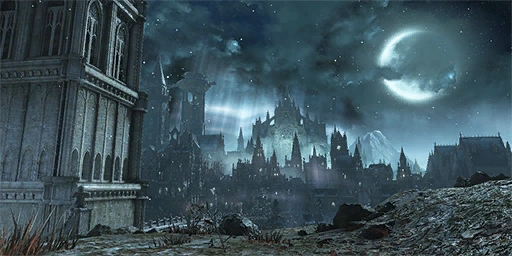
The valley of ashes
The description of the area Tom and Nick have arrived to reminds me of a location called the Boreal Valley in the game Dark Souls 3. The setting: dark, gloomy, and filled with dust, similar to the atmosphere Fitzgerald has set for the first half of the second chapter as well as the idea behind Myrtle's origin.
"Is it a boy or a girl?" she asked delicately.
Reading this statement caused me to delightfully remember the first of every time I've played a Pokemon game where each professor asks the player to determine their gender. Furthermore, like the games, the scene also showcases the unimportance of gender towards attaining happiness (regarding that the owner who buys that dog will be happy regardless of its gender).

Mr. McKee was a pale, feminine man from the flat below. He had just shaved, for there was a white spot of lather on his cheekbone, and he was most respectful in his greeting to every one in the room.
This description of Mr. McKee reminds me of a character named Jhin in the game League of Legends. As a feminine male character who adheres to chivalry, Jhin's personality and play style really symbolizes my idealization of Mr. McKee. Consequently, this causes me to wonder on Fitzgerald's creation of characters as Mr. McKee definitely fits an older western personality.

Ha, ha! Come, come! Dash on, dash on!
Douglass, yet again inserts quiet irony to subvert our ideas of power. Covey's behavior and rhetoric is almost childish or playful. "Ha, ha!" and "dash on!" sound more like cries of a kids game than of a figure of authority. Furthermore, they are and far less articulate than Douglass' words.
I would prefer to be left alone here,” said Bartleby, as if offended at being mobbed in his privacy. “That’s the word, Turkey,” said I—”that’s it.” “Oh, prefer? oh yes—queer word. I never use it myself. But, sir, as I was saying, if he would but prefer—” “Turkey,” interrupted I, “you will please withdraw.” “Oh certainly, sir, if you prefer that I should.”
what were been affected are not just their language, but also their thoughts. They started to be changed without even notice. The author throws a slide of hope, plants a thought of the "evil" will eventually turns into "good". but instead, they kick "Bartleby" out off the game, because what right makes them feel uncomfortable. Another human nature.
sport
Question from a non-native speaker: is this suppose to be "Support"? or sport has other means more than "game"?
You might challenge your mom, dad — or even your grandma — to swing the bat in a game of baseball or try out some fancy moves in one of the dancing games. Could your grandma be a dancing queen? Time to find out!
This brings up some anecdotal memories. I used to attempt to be as good at Sid Meier's Pirates! on the Commodore 64 as my mom when I was a kid. And my dad and I used to have 4th and Inches tournaments with our friends. Each experience brought us closer together as a family and helped me socialize with adults before I was a teenager.
Just choose quality games
That seems complicated. What is a "quality" game? According to Metacritic, Grand Theft Auto V is the highest rated video game in Playstation 4 history. Is that quality, or is there a different definition according to this article? http://www.metacritic.com/browse/games/score/metascore/all/ps4/filtered
But too much video game playing may lead to health problems.
Again we come across the term "too much" with no clear definition of what that means. There is no statement that "studies show" this either. Is this just the writer's opinion?
Oh, just another kind of outdoor game, One on a side. It comes to little more: There where it is we do not need the wall: He is all pine and I am apple orchard. My apple trees will never get across And eat the cones under his pines, I tell him.
This poem reminds me of all the unspoken social rules that we follow as human beings. It makes me think of how we're constantly walking by other human beings, many of whom intentionally do not make eye contact, although they too clearly recognize the human passing by them. Yet we continue with these unspoken social conventions, because going against them might make others uncomfortable. The notion of the natural borders that separate Frost from his neighbor serve to show how ridiculous and ambiguous our social "rules" are, although we still devoutly follow them.
On 2016 May 22, Lydia Maniatis commented:
(Third comment) Arbitrary methodological choices, data presentation
The title of the paper is “Seeing sets,” and question of interest is said to be “to determine what observers know about the members of a set and what they know about the statistical properties of the set (mean and distribution)” and that “sets of objects could be represented in a qualitatively different way than single items.”
These are quite broad objectives, and don't imply any particular methodology.
The author uses a very specific methodology that places demands on subjects that go beyond straightforward perception, and imposes conditions that compromise straightforward perception.
He uses brief presentation times, 500ms for the first figure and 500s for the comparison figure, with no blank space in between.
This means that there is time for about two saccades and fixations (barely), and involves potential masking effects. How did he choose these parameters? Do they matter? Would we expect the same results with longer presentation times? With a blank interval? Also, the circles increase in size geometrically, not linearly and the mean that we are talking about is the geometric, not the arithmetic mean. Why not a linear progression and an arithmetic mean?
It's been understood for a long time that by adjusting experimental conditions we can get pretty much any result we want, which is why such conditions should come with a theoretical rationale attached. Because the author's choices here seemingly make the task much more difficult than it should be given the goal, they need to be explained, not just flatly asserted.
Another blank check is to be found in a footnote referring to a “small study” which was the basis for selecting/describing one of the parameters in the reported study (“members differed in size from non-members by at least 18%, about three times the size-discrimination threshold for sets of same-size spots [as determined in the “small study”].” In a personal communication, Ariely told me that this study used about ten subjects, and was mostly about studying “within-subject variation.” Such a study could also have given an indication of between-subject variation. Given the link between the two studies, and the oddity of using only two observers (why only two?), some more specific info on results/methods of this "small study" would seems called for.
The presentation of the data is also rather weird. For the mean-discrimination experiment, we aren't given information on the proportions of correct answers the two observers achieved. Maybe this information is hidden in the opaque measure that is provided (and which assumes normality in the data without any justification - isn't that a problem?). This measure is the "mean-discrimination threshold" derived using "a standard profit analysis (Finney, 1971) ...to determine the mean-discrimination threshold (the standard deviation of the best-fitting cumulative normal distribution." Is best-fitting the same thing as "well-fitting"?
Given the method, and assuming that it really is the case that subjects were better at guessing the mean rather than the size of individual members, I could speculate on why that might be. First of all, observers never had to play the "yes-no" game with means (why not?). All they had to do was say "larger-smaller." This seems like an inherently easier task. Further, given the time constraint, there wasn't enough time to inspect each of the four different circle sizes individually. Observers only had time for one or two. So for half of each set, at least, they were out of luck on each trial in the individual member task. For the mean estimation, if they could learn to target the middle two on each trial - not the largest, not the smallest - then they could ballpark the mean. Who knows? The situation is as Runeson (1995) has described for a different type of vision study:
"For perception and cognition research in general, it is noteworthy that the cue-based style of theorising exhibits a certain lack of inherent correctives for ineffectual experiments because of its emphasis on weak and irregular performance. Thus, an experiment that is unsuitable in design or procedure could easily provide supportive-looking data at least as long as cues, salience limits, and trade-off functions are not specified in detail....data that represent suboptimal observer performance seem to have provided spurious support for untenable theoretical commitments,... "
On 2013 Oct 29, Michael Eisen commented:
According to recent Frontline documentary "League of Denial" http://www.pbs.org/wgbh/pages/frontline/league-of-denial/ this paper was the first step in a chain of events that has finally led to the NFL acknowledging that repeated head trauma can potentially cause long term problems for professional football players, and to a series of changes in the game designed to reduce head injuries.
Note that, according to Frontline, the NFL originally disputed the finding and attacked the work and its author - see Casson IR, 2006.
On 2014 May 06, Madhusudana Girija Sanal commented:
Dr. Norman is picturing the great progress in education as a result of the information distribution revolution as if it is an ‘unavoidable evil’! Probably, many of his generation expresses high inertia, still consider, 'physical' universities, libraries, books, lecture halls etc. very much essential! I understand their nostalgia! You know what this means for humanity? Rich countries such as USA hold only a small fraction of the world’s population. Through virtual universities more and more people across the world, irrespective of rich and poor, would be able to attend the best schools and courses. They would be able to take the same exams and get ranked along with the most privileged, rich or intelligent. This would be great! This is 'new' justice! (Although I believe “Justice is ‘man made’ or artificial”). All we want is better tools to evaluate human intellectual qualities, online. I do not think face to face lectures will be better than online recorded, interactive lectures, may be multidimensional (3D-4D-5D) lectures by several professors of the learner’s choice. Lectures will be ranked and paid by based on their quality by student communities and not by bureaucrats or by administrators and politicians. This system is great especially when I consider the advantages! On demand, personalized lectures would be "ready-made" for commonly observed (student) personality traits -say there are 100 personality subtypes and intellectual levels! Custom lectures are available for them all because there are much more people to teach online-lectures need not be real time. You can learn from a "personality" who matches your rare personality, perhaps, one who lived 10 years back. His lectures had to wait for ten years for a student like you! Is not this a very exciting possibility? However, I do agree that face to face lectures can be more individualized and beneficial (for the rich, because they only have money to ‘buy’ good teachers!) Nevertheless, I do not think there is a huge benefit for extreme personalization except for exceptional children who are extremely out-of-the-box in a positive or negative way. It may be, however, noted that overall poor but brilliant students have a better opportunity to come out and stand before the world. This global free learning system will benefit specially those brilliant minds in less privileged countries. Do Dr. Norman has any evidence to support his statements in the editorial? I do not know what Dr. Norman will write if tomorrow we find a new technology which allows direct transmission of knowledge to brains! Then what will happen? Think! Everyone will have equal opportunity to accumulate the same amount of information if he or she wants. Now who will win this game? Those who have money? Probably not! Those fractions of the society who are blessed with right genome, epigenome and the best neural connections!
On 2015 Apr 06, Peter Good commented:
To PubMed Commons: comment to Frye RE, 2013.<br> Frye et al. [2010] previously reported that sapropterin, a synthetic form of tetrahydrobiopterin (BH4), improved behavior in children with autism spectrum disorders (ASD) [Frye RE, 2010]. Their 2013 study [Frye RE, 2013] was intended to test whether sapropterin’s benefit was due to BH4’s role as cofactor for synthesis of the monoamine neurotransmitters dopamine and serotonin (as previous investigators suspected), or BH4’s role as cofactor for nitric oxide synthase (NOS), which produces the critical gaseous molecule nitric oxide (NO). Frye et al. concluded that improvements in communicative language in these children from sapropterin were due to restoration of NOS “coupling” disrupted by lack of BH4, which dysregulated nitric oxide metabolism. In support of their conclusion they cited evidence by Sweeten et al. [Sweeten TL, 2004] and others of high levels of nitric oxide metabolites nitrite and nitrate in blood of ASD children. In their previous study Frye et al. concluded: “[I]t is possible that BH4 in ASD could be depleted by the overactivation of the immune system and inflammatory processes during an excessive production of nitric oxide.” [Frye RE, 2010]
There may, however, be more to this story. A few months after publication of Frye et al. 2013, Stanhewicz et al. reported sapropterin increased reflex vasodilation in aging human skin by increasing release of nitric oxide by endothelial and neuronal nitric oxide synthases [Stanhewicz AE, 2013]. Nitric oxide, the primary dilator of blood vessels in the body, is produced by three different forms of nitric oxide synthase – two constitutive forms present in blood vessel endothelial cells (eNOS) and neurons (nNOS), and a third form (iNOS) induced in brain microglia and other cells of the immune system in response to infections and other agencies. Endothelial nitric oxide maintains the vasodilator tone of blood vessels. Neuronal nitric oxide may be largely responsible for neurovascular coupling – dilation of nearby blood vessels when brain neurons fire. Faraci & Brian: “. . . NO appears to mediate cerebral vasodilatation in response to local neuronal activation.” [Faraci FM, 1994]. Koehler et al.: “. . . NO is required as a mediator of neurovascular coupling in the cerebellum, whereas NO acts as a modulator in the cerebral cortex.” [Koehler RC, 2009]. Inducible nitric oxide is released in large quantities to flush infective agents and toxins, and kill damaged cells.
If nitric oxide is too high in autistic disorders, inducible nitric oxide is the form likely responsible, Frye et al. concluded. Sweeten et al. concluded likewise: “[I]t is reasonable to hypothesize that iNOS is involved in the elevated NO production in autism.” [Sweeten TL, 2004]. Yet inducible nitric oxide is often released to compensate deficiencies of constitutive nitric oxide [Hecker M, 1999;Kubes P, 2000]. One indication neuronal nitric oxide is deficient in children with autistic disorders is their failure of neurovascular coupling – their brains are often hyperexcitable, yet brain blood flow is consistently low [e.g. Ohnishi T, 2000]. Nitrite and nitrate also serve as reservoir forms to deliver nitric oxide elsewhere [Dejam A, 2005]. Lundberg & Weitzberg: “[N]itrate and nitrite should probably be viewed as storage pools for NO rather than inert waste products.” [Lundberg JO, 2005].
Did sapropterin increase endothelial and neuronal nitric oxide in the brains of ASD children in Frye et al. 2013? Why would endothelial and neuronal nitric oxide be deficient in these children? One explanation is deficiency of BH4. Another is deficiency of the amino acid arginine – only substrate for nitric oxide [Wiesinger H, 2001]. Frye et al. found higher baseline levels of blood arginine in these children, and higher ratios of arginine to citrulline, were associated with greater improvements in language from sapropterin. They noted blood arginine and the arginine/citrulline ratio did not change significantly during sapropterin treatment – but also stated improvements in language were greater in children with “an attenuated increase in arginine.” [Frye RE, 2013]
Considerable evidence argues that arginine is deficient in ASD children: (a) high levels of inducible nitric oxide; (b) consistently low brain creatine (arginine + glycine) [Friedman SD, 2003]; (c) frequent high blood ammonia [Filipek PA, 2004] which requires arginine to detoxify to urea; and (d) high levels of arginine vasopressin in autistic boys [Carter CS, 2007; Momeni N, 2005]. Furthermore, NOS produces harmful oxidants superoxide and peroxynitrite when NOS “uncouples” from lack of BH4 – or when arginine is deficient [Xia Y, 1996]. Because most supplemental arginine is taken up by the liver (thus unavailable to other tissues), citrulline (arginine’s precursor) or glutamine (citrulline’s precursor) may be better sources of arginine for NOS [Cynober L, 2010]. The evidence speaks for itself.
Peter Good Autism Studies La Pine, OR www.autismstudies.net autismstudies1@gmail.com
Carter CS. Sex differences in oxytocin and vasopressin: implications for autism spectrum disorders? Behav Brain Res 2007;176:170–186.
Cynober L, Moinard C, De Bandt J. The 2009 ESPEN Sir David Cuthbertson. Citrulline: A new major signaling molecule or just another player in the pharmaconutrition game? Clinical Nutrition 2010;29:545–551.
Dejam A, Hunter CJ, Pelletier MM, et al. Erythrocytes are the major intravascular storage sites of nitrite in human blood. Blood 2005;106:734–739.
Faraci FM, Brian Jr. JE. Nitric oxide and the cerebral circulation. Stroke 1994;25:692–703.
Filipek PA, Juranek J, Nguyen MT, et al. Relative carnitine deficiency in autism. J Autism Dev Disord 2004;34:615–623.
Friedman SD, Shaw DW, Artru AA, et al. Regional brain chemical alterations in young children with autism spectrum disorder. Neurology 2003;60:100–107.
Frye RE, Huffman LC, Elliott GR. Tetrahydrobiopterin as a novel therapeutic intervention for autism. Neurotherapeutics. 2010;7(3):241–249.
Hecker M, Cattaruzza M, Wagner AH. Regulation of inducible nitric oxide synthase gene expression in vascular smooth muscle cells. Gen Pharmacol 1999;32:9–16.
Koehler RC, Roman RJ, Harder DR. Astrocytes and the regulation of cerebral blood flow. TINS 2009;32(3):160–169.
Kubes P. Inducible nitric oxide synthase – a little bit of good in all of us. Glia 2000;47:6–9.
Lundberg JO, Weitzberg E. NO generation from nitrite and its role in vascular control. Arterioscler Thromb Vasc Biol 2005;25:915–922.
Momeni N, Nordström BM, Horstmann V, et al. Alterations of prolyl endopeptidase activity in the plasma of children with autistic spectrum disorders. BMC Psychiatry 2005;5:27–32.
Ohnishi T, Matsuda H, Hashimoto T, et al. Abnormal regional cerebral blood flow in childhood autism. Brain 2000;123(Pt. 9):1838–1844.
Stanhewicz AE, Alexander LM, Kenney WL. Oral sapropterin acutely augments reflex vasodilation in aged human skin through nitric oxide-dependent mechanisms. J Appl Physiol 2013:115:972–978.
Sweeten TL, Posey DJ, Shankar S, McDougle CJ. High nitric oxide production in autistic disorder: a possible role for interferon-gamma. Biol Psychiatry 2004;55(4):434–437.
Wiesinger H. Arginine metabolism and the synthesis of nitric oxide in the nervous system. Prog Neurobiol 2001;64(4):365–391.
Xia Y, Dawson VL, Dawson TM, et al. Nitric oxide synthase generates superoxide and nitric oxide in arginine-depleted cells leading to peroxynitrite-mediated cellular injury. Proc Natl Acad Sci USA 1996;93:6770–6774.
On 2015 May 04, Peter Good commented:
I asked Dr. Cynober whether oral arginine, citrulline, or glutamine would be the best source of arginine for brain nitric oxide and creatine in ASD children. He replied it was controversial whether oral arginine or glutamine produces more citrulline in the intestines. Citrulline enters the brain, he said, but whether it generates creatine there, and the balance between production of nitric oxide (NO) and creatine from citrulline-derived arginine, is unclear.[personal communication 2015]
Their 2010 paper [Cynober L, 2010] presented much evidence critical to autistic disorders (ASD). Citrulline (CIT) is not normally present in protein; its usual sources are arginine (ARG) and glutamine in dietary proteins, which produce CIT in the intestines: “CIT is almost absent from natural foods, watermelon being a notable exception.” CIT bypasses the liver and forms ARG in the kidneys, which limits wasting of nitrogen as urea, and provides ARG to many other tissues, including the brain.
“[D]irect supplementation of CIT should be more useful than ARG supplementation, leaving the kidney to convert CIT into ARG, so avoiding heavy first-pass splanchnic extraction of the ARG and the possible harmful effects of an excessive ARG [therefore NO] supply. . . . CIT is able to sustain NO production through eNOS but not iNOS. . . . CIT could also be a safe way to deliver ARG to endothelial and immune cells, and can certainly prevent excessive uncontrolled nitric oxide production. . . . [A]ntioxidant properties, together with the ability to generate NO, make CIT an excellent candidate for the treatment of pathological situations characterized by oxidative stress and decreased arginine availability . . . .”
Because CIT stimulates protein synthesis when dietary proteins (i.e. ARG and glutamine) are low, it should be given in the postabsorptive state (3–5 hrs after meals) or fasted state (before breakfast). 10–15g/day of oral citrulline in healthy adults showed high bioavailability and no adverse effects. Because CIT is synthesized almost exclusively in the intestines, it may also be a useful biomarker of functional gut tissue.[Cynober L, 2010]
In their 2005 paper [Curis E, 2005] Cynober and colleagues discussed other aspects of citrulline metabolism: “Citrulline presents the common reactivity of the α-amino acid family. In particular, it can form peptide bonds; hence it can therefore be present in proteins. However, since there is no known codon in the genetic table for this amino acid, its presence in a protein must always result from a post-translational modification of the protein. . . .
“The main reason for this citrulline metabolism split between two organs [gut and kidney] is related to the efficacy of the capture of arginine by the liver. In fact, without metabolic adaptation, almost all the arginine coming from food supply would be withdrawn from the portal blood by the liver, leaving only very low amounts of available arginine for other organs. . . .
“[M]any cell types which are able to metabolize arginine into NO are able to uptake circulating citrulline, which explains why citrulline induces certain of the NO effects . . . . The figure seems to be even more complex in the brain, since the recycling of citrulline into arginine is split between various cell types, defining a unique inter-cell-type cycle. Indeed, the brain neurones producing NO are not able to reconvert citrulline into arginine since they do not express the [necessary] enzymes. Hence, citrulline is released from the neurons and taken up by surrounding neural cells where return-conversion to arginine is performed.”[Curis E, 2005]
Romero and colleagues presented other valuable information about citrulline [Romero MJ, 2006]: “With development, intestinal synthesis of L-arginine from glutamine decreases and the small intestine gradually becomes the major site of net L-citrulline production. . . . L-citrulline is largely taken up and metabolized by the kidney, which in turn releases arginine equivalent to ~75% of the L-citrulline taken up. Thus, much of the L-citrulline produced by enterocytes reaches the systemic circulation as L-arginine. This L-arginine/L-citrulline homeostasis allows a proper supply of L-arginine for the whole body. About 60% of dietary L-arginine makes it into the hepatic portal circulation, while the rest is metabolized in the intestine. . . . L-citrulline synthesis in many tissues also occurs as a byproduct of NOS activity. . . . Although NOS is widely distributed throughout the body, its activity does not contribute substantially to whole body L-citrulline flux under normal conditions. . . .
“[A]cute oral administration of L-citrulline appears to be considerably more efficient raising plasma levels of L-arginine than L-arginine itself. Additionally, a recent study in children and young adults showed that five oral doses of L-citrulline every 12 hours (1.9 g/m2/dose) for a total dose of 9.5 g/m2 resulted in 57 and 85% increases in mean plasma levels of L-arginine and L-citrulline, respectively. . . . L-citrulline is generally recognized as safe for oral consumption. In fact, L-citrulline can prevent some of the untoward effects of L-arginine supplementation. . . . L-citrulline is a natural and apparently safe means of providing L-arginine for constitutive NOS production of NO.”[my emphasis] [Romero MJ, 2006]
Deutz also presented important observations about plasma concentrations and interorgan transport of glutamine, citrulline, and arginine [Deutz NE, 2008]: “In daily practice, the plasma concentration is usually viewed as a parameter of production. This is not always correct as the plasma concentration can be high due to an increased production of the substrate and/or a reduced capacity of the body to dispose [of] this substrate. This means that the level of plasma concentration can be misleading and does not always give reliable information whether there is actually an intracellular deficiency of a certain substrate. . . .
“The quantitative main production site [of glutamine] in the body is muscle and the main consumption sites are the gut, liver and the kidney. Liver plays a dual role as it can both produce and consume glutamine, depending on the metabolic state (fasting/fed). . . . [A]bout 80–90% of the citrulline is derived from the gut glutamine to citrulline conversion. Therefore, whole body citrulline production is related to the quantity of gut glutamine conversion to citrulline, and is most likely influenced by the amount of active gut tissue.”
Most important conclusions for ASD: (1) oral citrulline bypasses the liver and becomes arginine in the kidneys, making arginine more available to other tissues, including the brain; (2) oral citrulline supports production of constitutive nitric oxide but not inducible nitric oxide; (3) in light of the benefit of casein-free/gluten-free diets in ASD children, citrulline’s stimulation of protein synthesis when dietary protein is low may be invaluable; (4) citrulline synthesis may be a useful marker of functional gut tissue in these children; (5) oral citrulline is safer than oral arginine. The evidence speaks for itself.
Peter Good Autism Studies www.autismstudies.net autismstudies1@gmail.com
Curis E, Nicolis I, Moinard C, et al. Almost all about citrulline in mammals. Amino Acids 2005;29:177–205.
Cynober L, Moinard C, De Bandt J-P. The 2009 ESPEN Sir David Cuthbertson. Citrulline: A new major signaling molecule or just another player in the pharmaconutrition game? Clin Nutrit 2010;29:545–551.
Deutz NEP. The 2007 ESPEN Sir David Cuthbertson Lecture: Amino acids between and within organs. The glutamate-glutamine-citrulline-arginine pathway. Clin Nutrit 2008;27:321–327.
Romero MJ, Platt DH, Caldwell RB, Caldwell RW. Therapeutic use of citrulline in cardiovascular disease. Cardiovasc Drug Rev 2006;24:275–290.
On 2014 Jan 03, Ian Lyons commented:
In this paper, Park and Brannon showed that training adult subjects on an approximate, nonsymbolic arithmetic task (adding and subtracting estimates of the number of dots in various dot arrays) led to improvement on a symbolic arithmetic task (i.e., using Indo-Arabic numerals). The authors suggest this result points to a causal role for the ‘approximate number system’ (ANS) in more complex, symbolic math processing and may thus inform the development of interventions designed to improve mathematical competence in children and adults. We believe the authors’ work takes an important step forward in terms of understanding the building blocks of mathematical performance, and, using their work as a jumping board, we offer several points of reflection concerning (1) the nature of the ANS, and (2) what it means to train performance on a task versus the process it is meant to measure.
Park and Brannon’s crucial experimental condition trained participants using approximate, nonsymbolic addition. This differs from tasks used more commonly in the literature to measure individual differences in the ANS – adaptation and comparison – which involve simply distinguishing between two approximate quantities (e.g., in comparison tasks, one typically decides which of two arrays contains more dots). The difference in tasks is significant because previous attempts to train participants on just a nonsymbolic comparison task failed to show significant improvement in individuals’ symbolic math performance [Wilson et al., 2006 (http://www.ncbi.nlm.nih.gov/pubmed/16734906); DeWind & Brannon, 2012 (http://www.ncbi.nlm.nih.gov/pubmed/22529786)]. Why, then, does training on nonsymbolic arithmetic lead to improvement in symbolic arithmetic skills, but training on nonsymbolic comparison does not, even though both have been shown to correlate with symbolic arithmetic [e.g., Gilmore et al., 2010 (http://www.ncbi.nlm.nih.gov/pubmed/20347435); Halberda et al., 2012 (http://www.ncbi.nlm.nih.gov/pubmed/22733748)]? One possible conclusion is that it is not enough simply to tap the ANS; instead, accessing the ANS must be structured in a manner that more directly parallels the target skill – symbolic arithmetic. From a broader perspective, such a conclusion suggests that it is time to take a deeper look at what exactly we mean by an ‘approximate number system’, as Park and Brannon’s results may in fact point to an important division between approximate quantity representation and manipulation within the ANS. The view that the ANS is not a unitary construct is also leant support by the fact that performance on nonsymbolic quantity comparison and nonsymbolic arithmetic tasks are uncorrelated [Gilmore et al., 2011 (http://www.ncbi.nlm.nih.gov/pubmed/21846265)].
That nonsymbolic arithmetic (but not nonsymbolic comparison) training leads to improved symbolic arithmetic brings us to a second point: It is crucial to make a distinction between a task meant to measure or be an index of some underlying process, and the process itself. To cure a fever, one does not build a more precise thermometer; and by extension, if one demonstrated that using a more precise thermometer indeed failed to reduce one’s fever, it would be rather rash to conclude ambient bodily temperature is irrelevant to one’s health. A nonsymbolic number comparison task may act like a thermometer, where the underlying process it indexes is ANS acuity. Training on nonsymbolic comparison tasks does not improve math skills (Wilson et al., 2006; DeWind & Brannon, 2012), but this does not mean that the ANS is irrelevant for math. By training on nonsymbolic arithmetic instead of nonsymbolic comparison, Park and Brannon showed that one’s training regimen simply needs to tap the ANS in a way that better parallels the types of cognitive operations used in symbolic arithmetic.
One sees a similar distinction between tasks that index versus train an underlying process elsewhere in the numerical domain: when a person is asked to mark the location of a number on a number line, the linearity of their estimates predicts math achievement [Booth & Siegler, 2006 (http://www.ncbi.nlm.nih.gov/pubmed/16420128), 2008 (http://www.ncbi.nlm.nih.gov/pubmed/18717904)]; but rather than train on this task per se, researchers found success using a board game that trained children to linearize their visuo-spatial representations of symbolic numbers – i.e., the underlying process that was presumably being measured by the number line task. Training on the board game improved performance on both the numberline task as well as math achievement [Siegler & Ramani, 2009 (http://psycnet.apa.org/journals/edu/101/3/545/)].
Further, we believe that Park and Brannon’s own dataset provides yet another example illustrating the distinction between a task meant to measure or be an index of some underlying process, and the process itself. The authors show a correlation between numerical ordering ability and symbolic math ability, replicating our previous work [Lyons & Beilock, 2011 (http://www.ncbi.nlm.nih.gov/pubmed/21855058)]. Nevertheless, training on the ordering task did not lead to improvement in symbolic math beyond what was seen for vocabulary training. If one concludes from this result that understanding ordinality is irrelevant for developing math skills, one is in danger of mistaking a means of measurement for the thing being measured – much as one might have done with the dot comparison or number-line tasks discussed above.
In conclusion, Park and Brannon’s recent paper showing a causal relation between nonsymbolic and symbolic arithmetic, represents a step toward understanding the building blocks of complex arithmetic. Perhaps missed in the excitement, though, is that this work underscores the need for researchers – especially those interested in educational applications – to carefully consider what their tasks and paradigms truly mean with respect to the processes and representations they aim to investigate. Failing to do so risks conflating the means of measurement with what is being measured, and may in turn lead to recommendations for educators to train the wrong thing.
Signed, Ian Lyons and Sian Beilock